Men's health: a strategic vision for England (accessible version)
Updated 15 December 2025
Applies to England

© Crown copyright 2025
This publication is licensed under the terms of the Open Government Licence v3.0 except where otherwise stated. To view this licence, visit nationalarchives.gov.uk/doc/open-government-licence/version/3 or write to the Information Policy Team, The National Archives, Kew, London TW9 4DU, or email: psi@nationalarchives.gov.uk.
Where we have identified any third party copyright information you will need to obtain permission from the copyright holders concerned.
This publication is available at https://www.gov.uk/government/publications/mens-health-strategy-for-england/mens-health-a-strategic-vision-for-england-accessible-version
Ministerial foreword
It can be tough to be a man in today’s society.
Mental ill health is on the rise, preventable killers such as heart disease and prostate cancer are being caught far too late, and most shocking of all, suicide remains the leading cause of death of men under 50.
At the same time, lots of boys - particularly those from working class backgrounds like mine - are being led astray by a proliferation of harmful influences and left feeling isolated and confused by the bombardment of conflicting messages about what it means to be a man.
We also know that men can be less likely to seek help and more likely to suffer in silence. This, combined with a higher propensity to smoke, drink and use drugs, all adds up to a crisis in men’s health that ripples through families, workplaces and communities.
Healthy life expectancy for men has reduced by one and a half years in the last decade. It is a warning siren we can no longer ignore.
This first-ever Men’s Health Strategy for England is our response. The result of listening to the voices of men, experts, men’s groups, charities, campaigners and partners, it not only shines a light on the fact that men’s health has been neglected for too long, it sets us up to tackle the injustices and inequalities they face.
Our strategy is designed to encourage men to take charge of their physical health and mental wellbeing. First, by expanding access to support services; second, by helping them to take better care of themselves; and third, by ensuring stigma is challenged and every man feels empowered to reach out for help.
It is no surprise that stark inequalities exist among men when it comes to ill health.
Poverty and deprivation are big factors driving unequal outcomes. Men in the most deprived areas die 10 years earlier and live nearly 19 fewer years in good health, on average, than those in the wealthiest areas. There are also alarming racial and ethnic inequalities, which mean, for example, that deaths from diabetes and heart attacks are typically highest among South Asian men.
We cannot achieve good health for all men without focusing on those who need it most.
Society has been slow to wake up to the fact that a lot of men and boys are really struggling and I am grateful to all those who have picked up this agenda and forced it into the mainstream.
This strategy is a crucial first step, laying the foundation from which we can learn, iterate and grow. It supports the government’s overarching ambition to halve the gap in healthy life expectancy between the richest and poorest regions, while increasing it for everyone. It will also contribute to our broader missions on economic growth, safer streets and opportunity.
The success of men’s health strategies in Australia and Ireland show us what’s possible. We are also inspired by the progress made in women’s health, knowing what happens when we listen, learn and act together. While there is still more to do there, the same determination and focus must now be brought to men’s health. But nothing frustrates me more than when men’s and women’s health are pitted against each other. As if by focusing on one, we’re detracting from the other. This is not an either or. Improving the health and wellbeing of men and women are complementary objectives because we will only succeed as a society if we make life better for all.
This strategy is not just a plan, it is a call to action: to create a society where men and boys are supported to live longer, healthier and happier lives; where stigma is replaced by understanding; and where every man knows that his health matters.
Wes Streeting
Secretary of State for Health and Social Care
Men’s Health Academic Network foreword
My interest in men’s health began as a young registered nurse in a coronary care unit, providing care for men who had often delayed seeking help for chest pain until it was almost too late. That experience showed how our health systems too often wait for men to be in crisis before they respond. For more than 2 decades since, I have worked to understand why and how we can design services, systems and policies that reach men earlier and help them live healthier, fuller lives.
For much of that time, men’s health in England has rested on weak foundations: fragmented pilots, short-term initiatives and an absence of coherent national policy. The publication of England’s first Men’s Health Strategy represents a landmark opportunity to rebuild those foundations properly. It signals a shift from isolated activity to a coordinated, evidence-based approach that recognises men’s health as both a public health priority and a measure of how well our systems respond to diverse needs across society.
The statistics outlined in this strategy make clear why action is needed. Men in England live, on average, nearly 4 years fewer than women and spend more than a fifth of their lives in poor health. These outcomes are not inevitable. They are shaped by structural and social conditions: where men live, the work they do and the opportunities and constraints embedded in our systems. Men’s health is inseparable from the wider determinants of health and from the economic, social and cultural forces that influence how care is sought, delivered and valued.
This strategy sets a new direction, aligning men’s health with the NHS’s wider reform agenda, moving from sickness to prevention, from hospital to community and from analogue to digital. Yet we should see this as the beginning, not the end, of a longer process. The real test will be whether we can sustain momentum beyond this initial publication: embedding men’s health into routine commissioning, workforce planning, digital innovation and community engagement.
The evidence tells us that progress will depend on 3 things. First, leadership that keeps men’s health visible and integrated across government and public services. Second, the systematic generation and application of evidence, so that policies evolve in line with what works. And third, a commitment to collaboration - across academia, the NHS, workplaces and communities - recognising that improving men’s health cannot be achieved by government alone.
The benefits of getting this right extend far beyond individual men. When men are well, families thrive, workplaces are more productive and communities become stronger. Healthier men mean healthier societies. Addressing men’s health is therefore not a matter of special pleading, but of social justice and economic common sense.
As Chair of the Men’s Health Academic Network, I look forward to working with colleagues across sectors to ensure this strategy becomes a living framework, one that learns, adapts and improves over time. We will continue to build the evidence base, listen to those affected and refine our approach as new insights emerge. This is our moment to create lasting, structural change. The foundations are now in place. What we build upon them will determine whether this strategy marks a milestone or a true turning point.
Professor Paul Galdas
Chair, Men’s Health Academic Network
Please note this strategy makes reference to some content which readers may find upsetting. If you would like support for your mental health, get help from NHS 111 online or call 111. If you or someone you know are at immediate risk, call 999 or go to A&E now.
Why we need a men’s health strategy
After the biggest conversation in NHS history with over a quarter of a million ideas shared through our Change NHS website, the choice for the NHS was clear: reform or die. Our 10-year health plan set a bold course to reimagine health and embrace transformational change. It will create a new model of care, fit for the future, that tackles inequalities and delivers better access and outcomes.
This first Men’s Health Strategy for England will ensure that the bold ambitions of the 10-year health plan transform the health and wellbeing of men and boys. Today, despite huge progress over the past century, men still live too much of their lives in poor health and die too young.
We know that:
- in 2024, 36% of men died before their 75th birthday and men in the UK have a lower life expectancy than many other Organisation for Economic Co-operation and Development (OECD) countries
- healthy life expectancy for men is on average just 61.5 years and healthy life expectancy for men has reduced by one and a half years in the last decade
- men spend on average over a fifth of their lives in poor health
- men live on average nearly 4 years fewer than women
Figure 1 shows a general increase in life expectancy at birth for both females and males from 1910 to 2022. Figure 2 shows a general decrease in healthy life expectancy at birth for both females and males from 2011 to 2023.
Figure 1: life expectancy at birth for females and males in England and Wales, 1910 to 1912 to 2020 to 2022
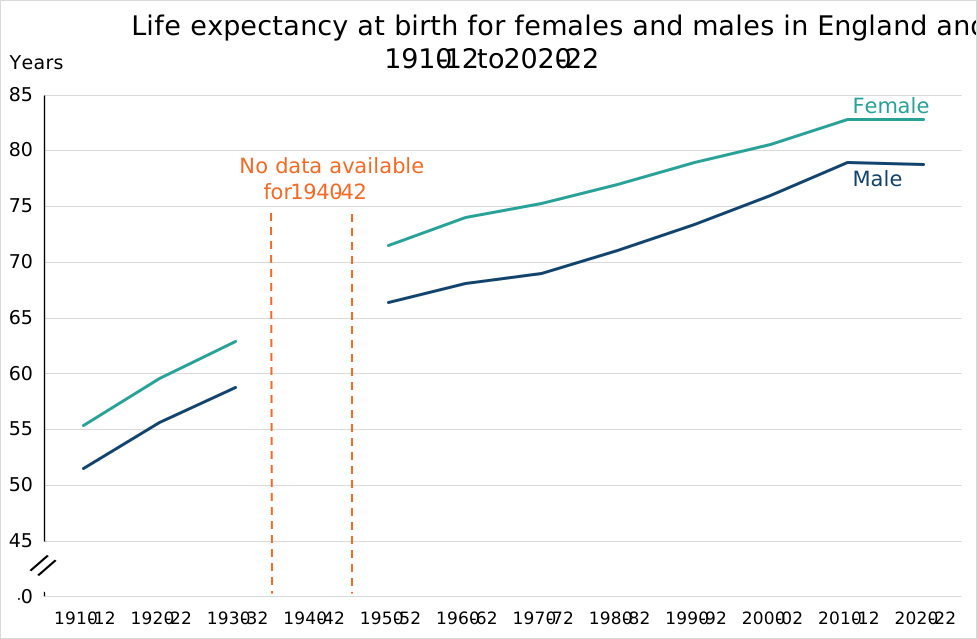
Figure 1 shows a general increase in life expectancy at birth for both females and males from 1910 to 2022.
Sources: English Life Tables No.17 - Office for National Statistics (ONS) (ONS); National life tables - life expectancy in England and Wales - ONS
Figure 2: healthy life expectancy at birth for England: females and males
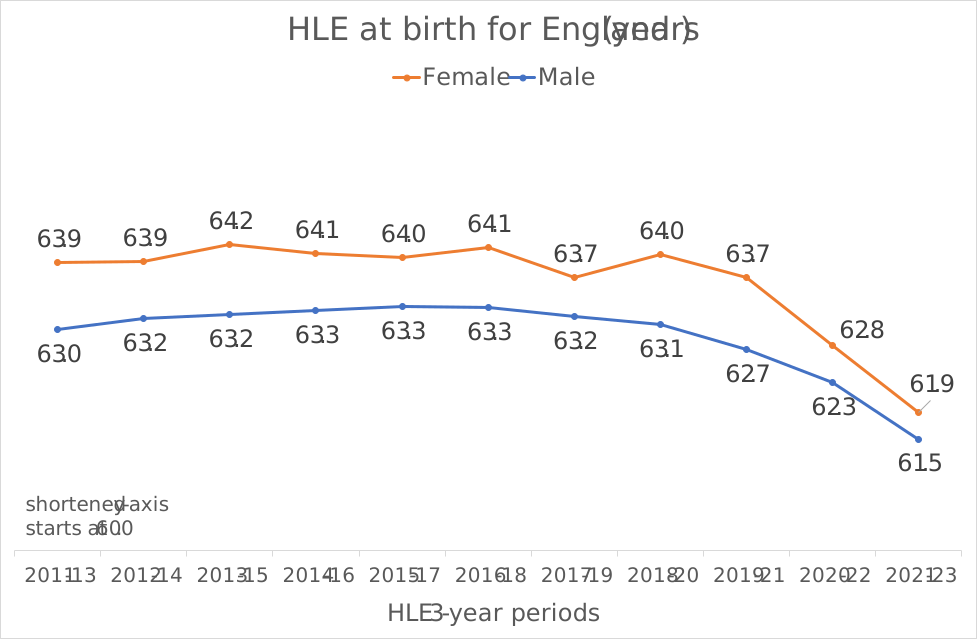
Figure 2 shows a general decrease in healthy life expectancy at birth for both females and males from 2011 to 2023.
Cancer, cardiovascular disease (CVD) and type 2 diabetes all have a disproportionate impact on men’s health, influencing how well and how long they live. Men aged over 75 are the fastest growing population group in the UK. This brings new challenges such as increasing cases of dementia in men. At the same time, suicide remains one of the leading causes of death for men under 50, with men accounting for 3 out of 4 people who died by suicide in 2024. Men are also more likely than women to die as young adults, particularly from external causes such as accidents, violence, overdoses and suicide. Some differences can be seen in childhood too. For example boys have higher rates than girls of infant mortality and A&E attendances for 0 to 4 year olds and a higher percentage of girls have a good level of development at age 5 than boys.
Behind these averages lie stark inequalities, with poverty and deprivation major contributors. As the 10-year health plan highlighted, it is an intolerable injustice that inequalities negatively influence NHS access, health outcomes and mortality. We are committed to halving the gap in healthy life expectancy between the richest and poorest regions, while increasing it for everyone, and to raising the healthiest generation of children ever. This simply cannot be practicably achieved without improving the health of men and boys, with a particular focus on those who live in the most deprived areas.
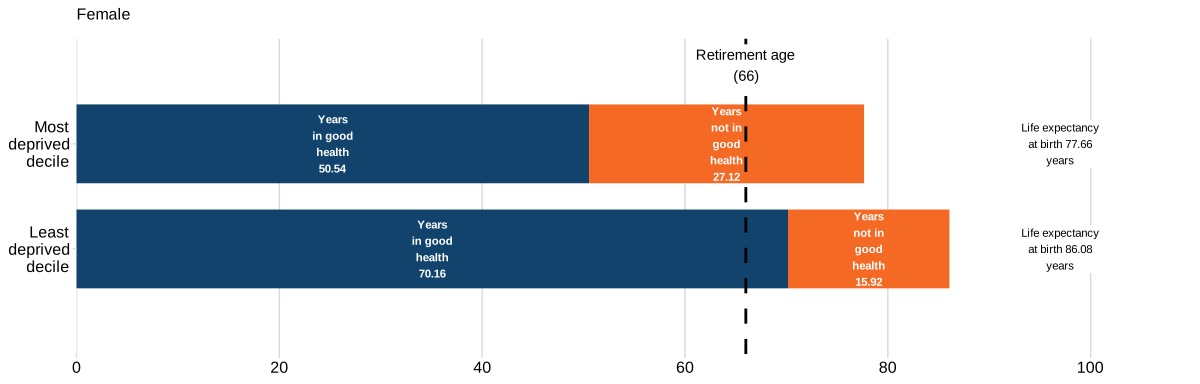
Men in the most deprived areas have almost twice the rate of mortality as men in the least deprived areas, when rates are age-standardised. Men in the most deprived areas are likely to die over 10 years earlier on average and have, on average, nearly 19 fewer years of healthy life expectancy than those in the least deprived areas.
Figure 3 shows that in 2020 to 2022, men in the most deprived decile could expect to live 51.1 years in good health and 21.5 years in poor health, compared to men in the least deprived decile who could expect to live 70.1 years in good health and 12.9 years in poor health.
Figure 3: years lived in good health and not in good health, 2020 to 2022, males
Source: Health trends and variation in England, 2025
Rates of cancer, circulatory, and respiratory conditions drive much of these differences in life expectancy. Risk factors for these conditions, like smoking rates, are also higher in the most deprived areas of the country, as well as among certain groups of people, such as routine and manual workers.
Men live shorter lives than women, whether in the most or the least deprived areas, but this gap in life expectancy is widest in the most deprived parts of the country.
Certain groups also face significant health challenges:
- men living in the North East of England: the North East of England experiences the lowest life expectancy for men (77.4 years) compared to the highest in the South East (80.3 years)
- men from coastal areas: coastal areas across England (for example, Clacton, Torbay, Hastings and Morecambe), have lower life expectancy and lower healthy life expectancy
- men from some ethnic minority backgrounds: for example, deaths from diabetes and heart attacks are typically highest among South Asian men. The impact of ethnicity on health is complex, especially when the impact of deprivation is taken into account
- men from Gypsy, Roma and Traveller communities: in the 2021 Census, 36.6% of males aged 60 to 64 years who identified as Gypsy or Irish Traveller reported bad or very bad health, compared with 9.5% of all males in this age group. The life expectancy is on average 10 years shorter than the general population
- gay, bisexual and men who have sex with men (GBMSM): evidence suggests that men who identify as gay or bisexual may be at increased risk of alcohol use, drug misuse and smoking, and have a greater risk of mental health problems, self-harm and suicide. Gay, bisexual and other men who have sex with men are disproportionately affected by HIV and other sexually transmitted infections such as gonorrhoea and syphilis, as well as newer pathogens to England such as mpox
- men with disabilities: men with disabilities have higher mortality rates than men without disabilities. Adults with a learning disability die on average 19.5 years younger than the general population
- boys with special education needs and autistic men: boys are more likely to be identified by schools as having special education needs (SEND) and learning disabilities, although associated health conditions or needs may be underdiagnosed in girls. For example, men and boys are more likely to be diagnosed with attention deficit hyperactivity disorder (ADHD), likely due to underdiagnosis in girls. Men and boys are also more likely to be diagnosed with autism spectrum disorder (ASD). While it is understood that autism is underdiagnosed in women and girls, research suggests true prevalence is higher for men than women. Autistic people and people with ADHD report significant barriers to accessing health services and children with SEND have poorer health outcomes across their lifespan compared to peers
- men who are homeless and rough sleeping: men who have experienced rough sleeping are a ‘young old’ population with levels of frailty comparable with much older people and an average age at death 30 years younger than the general population. In 2024, 1,058 men experiencing homelessness and 335 women experiencing homelessness died in the UK. In 2024, there were 4,538 people, including 3,858 men (83%) and 680 women (15%), sleeping rough on a single night in autumn
- men who are in contact with the criminal justice system: people in contact with the criminal justice system experience higher rates of CVD, and are more likely to experience poor mental health, often exacerbated by drug or alcohol dependence
The evidence demonstrates that, although clearly men are a diverse group and no single approach will work for everyone, certain risk factors do contribute to men’s health outcomes:
- some biological factors influence men’s health, such as differences in men’s anatomy, hormone expression, immune system, and many other chemical, neurological and biological processes. Unique male diseases occur in the reproductive system (such as testicular and prostate cancer and erectile dysfunction)
- men are more likely than women to engage in unhealthy behaviours such as smoking, harmful gambling, alcohol consumption and substance misuse. These behaviours often cluster together and can have a significant and preventable impact on men’s health. They are also often linked to deprivation and social exclusion. The reasons for this are complex and men require the right support and environment to help them make healthier choices
- men can face specific barriers in accessing health services, such as geographical location and inflexible work hours, leading to less timely diagnosis and treatment, and missed prevention opportunities
- men’s health is shaped by their roles, identities and relationships. Societal norms traditionally associated with being a man can influence health behaviours, as well as how men access and engage with their health and health services. Certain norms and expectations may put pressure on men to engage in unhealthy behaviour, as well as discourage men from accessing services when they are feeling physically or mentally unwell
All of these behavioural and health seeking factors are also heavily shaped by the social, economic and environmental circumstances in which men live and work. These building blocks of health often begin in childhood and are not spread equally.
Our vision and aims
We owe it to our fathers, sons, brothers, friends and coworkers to improve the health and wellbeing of men and boys. We owe it to families who lose a dad, uncle or son too early, grandchildren who never get to meet their grandad and partners who lose loved ones too soon.
This is England’s first Men’s Health Strategy - a bold, first step forward.
Having strategies for both men and women recognises that men and women have different health needs. It considers the differences in outcomes between men and women as one data point among many that help us to identify what we need to do to improve men’s health. Good health is not a zero-sum game and improving the health and wellbeing of men and women are complementary objectives; we want to see improvements in all groups and communities, reducing the gap in outcomes by improving health for all.
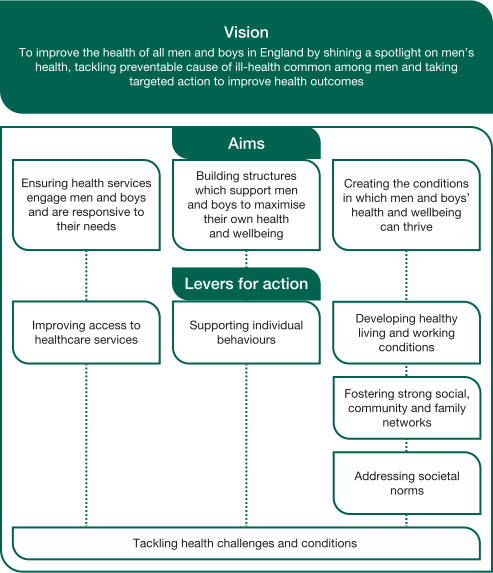
The causes of men’s health outcomes are complex and multi-faceted, but our vision is simple: to improve the health of all men and boys in England by shining a spotlight on men’s health, tackling preventable causes of ill-health common among men and taking targeted action to improve health outcomes. We cannot achieve good health for all men without focusing on those who need it most, and we are committed to reducing inequalities as part of this process.
To achieve our vision, we will focus on 3 broad aims:
- ensuring health services engage men and boys and are responsive to their needs
- building structures which empower men and boys to maximise their own health and wellbeing
- creating the conditions in which men and boys’ health and wellbeing can thrive
The Men’s Health Strategy for England is a first step, laying the foundations from which we will learn, iterate and adapt as new challenges emerge. The landscape is changing and we will see new trends and risks emerge over the 10-year vision of this strategy. In implementing our actions, we will remain flexible and responsive to the shifting needs of men. Our next step will be to work with the newly established Men’s Health Academic Network and voluntary, community and social enterprise (VCSE) sector to develop and publish a one-year-on report, highlighting the improvements made and where future efforts will need to be targeted.
This strategy applies the 10-year health plan to the health of men and boys. It sets out how we will realise the health mission’s crucial 3 shifts - from sickness to prevention, from hospital to community, and from analogue to digital - so that men and boys have the best possible health outcomes. This will support the overarching ambition of the health mission to halve the gap in healthy life expectancy between the richest and poorest regions, while increasing it for everyone, and support delivery of the commitment to raise the healthiest generation of children ever.
It will also contribute to broader government missions on economic growth, safer streets and opportunity, by:
- improving health in the workplace
- ensuring men and boys have the support networks they need to prosper
- tackling the risk factors that may influence men to perpetrate violent crime
Levers to improve men’s health
We have identified 6 levers to improve men’s health, which build upon and interact with each other (figure 4). These are supported by what we heard through our call for evidence on men’s health:
- improving access to healthcare services
- supporting individual behaviours
- developing healthy living and working conditions
- fostering strong social, community and family networks
- addressing societal norms
- tackling health challenges and conditions
Figure 4: levers to improve men’s health
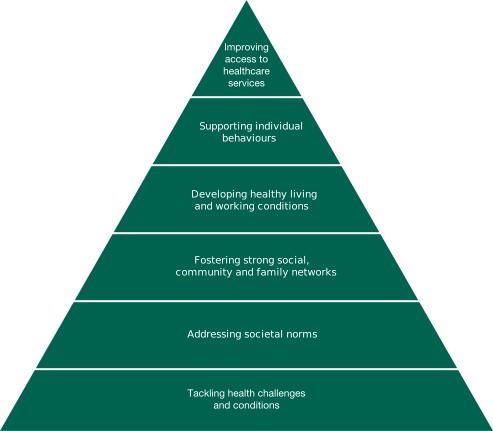
We will achieve our vision and aims by taking action across these levers. Improving access to healthcare services will help us ensure that health services are engaging to men and boys and responsive to their needs. Supporting individuals to make healthy choices is a core component of empowering men and boys to maximise their own health and wellbeing. Developing healthy living and working conditions and social, community and family networks, and addressing societal norms are vital to creating the conditions in which men and boys’ health and wellbeing can thrive.
This will be complemented with additional targeted action on health conditions and challenges where outcomes are particularly poor, with a strong focus on reducing health inequalities.
Figure 5 shows our vision, underpinned by our 3 aims and our 6 levers for action.
Figure 5: strategic framework for the Men’s Health Strategy
How to read this strategy
The strategy is oriented around the 6 leading levers for action as set out above. Each chapter follows the same format. We start by setting out the problem: what the evidence and lived experience tell us about where men face the greatest barriers or risks. We then outline what government is already doing through existing commitments and reforms that will benefit men and boys. The next section, ‘What this strategy will do’, explains the new or strengthened actions we will initially take to accelerate progress and begin to close the gaps. Finally, ‘How everyone can help’ sets out how other sectors - including the NHS, local government, employers, charities, research funders and communities - can contribute to shared outcomes.
This approach reflects the reality that improving men’s health requires collective action, and that sustainable change depends on how well national policies are translated into local delivery and how partners across society respond.
Our vision, aims and levers for action are underpinned by the approach set out below.
Our approach
Thousands of voices shaped this strategy through the 10-year health plan and our call for evidence. What they told us shaped this strategy and prioritised what we do, based on:
- scale: tackling the biggest drivers of ill health and health inequalities
- gaps: focusing on the most underserved areas
- impact: where government can make the biggest difference
This strategy applies a:
- men’s health lens: considering men’s specific needs and barriers, so that actions are responsive to men and co-designed with men
- cohort lens: taking a broad approach to improve the health of all men and boys in England, but highlighting where particular groups of men may be at higher risk and where additional targeted focus may be warranted
- life course approach: recognising that men’s health needs change and shift during their lives, for example the unique opportunities and challenges faced in childhood and adolescence, by men in employment and new or expectant fathers
- broader social, economic and environmental determinants lens: recognising that men’s health does not occur in a vacuum. This strategy complements the government’s wider plans, to improve the health of men and boys
The government is establishing a strong foundation for improving how we think and act on men’s health. While we include some important initial actions to improve men’s health outcomes, we recognise that evidence gaps remain, including men’s access and engagement with health systems and services, health literacy and healthcare training needs. It is imperative that we continue to build the evidence to inform future decision making. We are committed to working with academics, stakeholders and research funders to do this. We will also collaborate with and learn from our international counterparts, alongside working closely with devolved nations.
We recognise that many of the issues affecting men cannot be solved by government alone. The VCSE sector and many parts of the private sector have led the way in tackling men’s health, pioneering and innovating new approaches and engaging with the broadest range of communities. We are committed to learning from, and working in partnership with, VCSE through a new stakeholder group to inform implementation. We will also look to build a broader coalition, including with service providers, employers and important sectors such as media and sport.
1. Improving access to healthcare services
1.1 The challenge
We have heard that some services are not reaching men as effectively as they could. For example, men are less likely to attend NHS Health Checks. The reasons behind this remain under-researched. An analysis of men’s engagement with healthcare programmes and services is at annex B.
Men may face a range of barriers to accessing healthcare services, including:
- structural factors, such as financial barriers
- systemic factors, such as long service waiting times and services that are not responsive to men’s needs
- cultural factors, such as stigma, language barriers and lack of culturally responsive services
These affect how men engage with, access and experience the health system.
Speaking generally, men may have less contact with health practitioners compared to women, meaning there are fewer opportunities for opportunistic and preventative healthcare. For example, women may be in contact with the healthcare system for contraception, pregnancy and maternity.
Despite higher needs, more deprived parts of the country are often less well served by health services, the so-called inverse care law, where those most in need of good medical care are least likely to receive it. For example, GP practices serving more deprived areas receive on average 9.8% less funding per needs adjusted patient than those in less deprived communities, despite having greater health needs and significantly higher patient-to-GP ratios.
A person’s health literacy can impact upon their health outcomes. Individuals with lower health literacy are more likely to engage in unhealthy behaviours, experience poorer general health and make less use of preventive services. There is some evidence to suggest that men have lower levels of health literacy than women, meaning they may be less likely to:
- understand health information
- know how to act on this information
- know which health services to use and when
Health literacy is also a health inequality issue as there is a close link between low health literacy and socio-economic deprivation.
Gender-responsive and gender-transformative approaches (PDF 1,767KB) recognise how gender norms, roles and relations affect the health and wellbeing of men and boys, and seek to address these social, cultural and structural factors. While there is growing international evidence on the efficacy of these approaches, there is a lack of high-quality and long-term implementation and evaluation of these programmes in the UK.
There are, however, existing frameworks to inform design of men’s health programmes and men’s health policy, which can be applied across numerous settings, services and conditions through co-design of programmes with men, in ways which are context-specific and connected to trusted settings. Testing these approaches could provide evidence on how to improve men’s access and engagement with health programmes and services.
An important part of providing effective services for men is making sure that healthcare professionals have the knowledge and skills to:
- diagnose and treat male-specific conditions
- understand the male-relevant risk factors
- effectively communicate and engage with men
Currently, aside from specific clinical conditions, teaching on the issues impacting men’s health is not provided systematically.
Introduction of any new training and education does, however, carry with it an opportunity cost, whether that is through the time needed to take staff out of clinical roles to attend training, or by displacing something else in the training curriculum. It is therefore critical that the training need is fully understood to determine who should be trained, what the skills gap is, and how the training should be delivered. For example, Ireland’s highly successful Engage programme took a holistic approach which was about engaging men more broadly in their health (including in areas such as health promotion, prevention, screening, health behaviour change and social engagement) and therefore targeted a wide range of practitioners, including those in the community, and not just healthcare professionals.
1.2 What the government is doing
We are bringing health services closer to where people live and work, creating more opportunities for men to engage with the health system. For example, we will establish a neighbourhood health centre in every community, prioritising the most deprived areas. These centres will be open at least 12 hours a day, 6 days a week, ensuring men can access care regardless of their job or working hours.
Alongside this, the shift from analogue to digital means that people will be able to book appointments, communicate with professionals, receive advice, draft or view their care plan and self-refer to local tests and services. The NHS App will harness the power of artificial intelligence (AI) to provide 24/7 guidance and advice to patients, including signposting to services and clinical support. Removing the formality of an appointment means that men will be able to reach out for support earlier - self-referring to mental health talking therapies for example - and access healthcare at irregular times, to accommodate shift patterns.
We are embedding health equity and digital inclusion into every aspect of the NHS App, focusing on enabling excluded communities to access digital health services, improving data use to tackle inequalities, and ensuring inclusive design is a non-negotiable standard. We are also committed to reviewing the GP funding (Carr-Hill) formula. This formula, which is based on data that is around 25 years old in some cases, uses expected workload of GP practices to determine distribution of funding for GP practices across England. People in more deprived areas and coastal towns often have the highest needs for the NHS, but the fewest GPs, the worst-performing services and the longest waits, meaning they are disadvantaged by the current funding model. The new model will boost support for communities across the country and tackle health inequalities.
The 10-year health plan builds on work we are already doing to improve access to and engagement with health services.
To improve men’s access to services, it is essential that they trust and engage with these services. Men and boys should be able to access healthcare as soon as they need it and receive the best possible experience, reflecting different needs.
In July 2025, the Prime Minister announced the innovative new service Diagnosis Connect, alongside the launch of the new Civil Society Covenant. This service, proposed through the 10-year health plan engagement, will ensure that men are referred directly to trusted charities and support organisations at the point of diagnosis without having to reach out themselves. Through these charities, men will be able to access personalised advice, social connection and emotional support to help them manage their condition and feel more in control. The initiative highlights this government’s commitment to working in partnership with organisations, including those with experience of delivering tailored support that meets different individual’s needs, such as those specific to men. The initiative will seek to address health inequalities by being rolled out to support those in the greatest need and in areas with the poorest outcomes.
Men and boys also need to feel confident and empowered to seek help and engage with services, perceiving them as accessible and relevant to their lives. Improving individual health literacy must be underpinned by increased health literacy at a more structural level. We are implementing the recently updated relationships and sex education (RSE) and health education guidance in schools to improve health literacy and health-seeking behaviour of boys from a young age.
1.3 What this strategy will do
We know that to make a real difference, we must meet men where they are - in their communities, workplaces and everyday lives. This strategy is firmly focused on those with the greatest need, recognising that health inequalities persist and must be tackled head-on. We are taking steps to apply a men’s health lens to the shift to community, making services more accessible and better integrated within local neighbourhoods.
We will:
- invest £3 million over 3 years, starting in April 2026, into community-based men’s health programmes, designed to reach those most at risk and least likely to engage with traditional services
These programmes will support innovative, evidence-based and locally led approaches that reflect the lived experiences of men across the country, with a view to wider roll-out following evaluation. And this is just the start - we are actively exploring strategic partnerships to expand the reach and impact of this investment. With the potential for additional resource, expertise, and funding through these partnerships, we aim to scale these efforts further, ensuring that every pound delivers meaningful change. We will provide updates on progress in our one-year-on report.
One such partnership is already underway. We will:
- launch a landmark 3-year collaboration with the Premier League to improve men’s health literacy and engagement, particularly around mental health and suicide prevention
This partnership reflects our commitment to meeting men where they are - at matches, in fan spaces and through trusted voices.
The Premier League’s reach is unmatched: last season over 15 million attendances were recorded with 72% of match day attendees being men (PDF 71,967KB). By embedding health messaging into the matchday experience and club community programmes, we are meeting people where they are, in spaces they trust and engage with regularly.
In September 2025 the Premier League launched Together Against Suicide, a suicide prevention initiative which included a pilot project across 11 football clubs. These pilots, which drive awareness of support available on matchdays and beyond, are already making an impact, helping to start conversations around suicide and supporting individuals to access services.
Through this partnership, the Premier League will actively promote and widen the reach of existing mental health and suicide prevention support such as NHS Talking Therapies and Every Mind Matters, ensuring these resources reach men in settings they trust and engage with. The Premier League will also champion NHS England’s new staying safe from suicide guidance, embedding its principles across all staff and driving adoption of the associated staying safe from suicide e-learning among mental health practitioners within club networks, ensuring best practice reaches those supporting players and fans.
By harnessing the visibility and community presence of the Premier League, we are bringing together the unrivalled reach of football clubs and the expertise of public health bodies to speak directly to men in the places they already feel connected. This is a commitment to long-term change, built on partnership, evidence and the belief that every man deserves the opportunity to live a healthier, safer life.
Our shift to digital will also reflect the specific needs of men. We will:
- explore opportunities to allow men to access tailored information and support as well as order relevant tests at home, as we expand the NHS App and shift from hospital-based testing to home-based solutions. Following clinical validation, from 2027 we will introduce support to individuals who are on prostate cancer active monitoring pathways to order and complete prostate-specific antigen (PSA) blood tests at home
- build a new NHS ‘HealthStore’ to enable patients to access approved digital tools. Initially we will work to include National Institute for Health and Care Excellence (NICE) approved apps which support men on their weight loss journey (recognising that men are less likely than women to attend face to face sessions in the community) and type 2 diabetes management (which men are disproportionately impacted by)
- embed digital health solutions that will help improve the timeliness and convenience of care available for men through NHS Online. We will provide access to specialist consultant-led support for men including:
- increased remote monitoring for men with prostate cancer, following treatment
- virtual hospital pathways for men with lower urinary tract symptoms
- virtual hospital pathways for men with raised PSA levels who are at risk of prostate cancer
This means that services will be available more quickly from anywhere in the country and that men can be diagnosed, treated and supported without needing to physically visit a hospital.
Building men’s trust and engagement with health services also requires professionals to be equipped to respond to men’s needs. Therefore, we will:
- work with men’s health stakeholders to create a men’s health resource hub that will assist those delivering health interventions and programmes to ensure that their offers are responsive to men’s needs
- develop a new e-learning module in men’s health for professionals from all staffing groups, in addition to existing resources, complemented by a repository of resources for health professionals on men’s health, developed in partnership with the royal colleges
- support the work of the Royal College of GPs who are exploring the feasibility of developing an extended role for GPs in men’s health, with involvement from the men’s health special interest group
- consider how we can attract more men into the clinical professions, including allied health professionals, within the NHS and adult social care, through our 10 Year Workforce plan. Ensuring men are represented in a broad range of roles will help to make the service more accessible
This strategy also recognises the importance of improving men’s health literacy so that they feel confident and empowered to seek help and engage with services. We will:
- work with our newly established Men’s Health Academic Network (see chapter 7) to explore and advise on research into health literacy in men and what works to improve it. We will also explore the evidence base on health inequalities, including those linked to deprivation. We will particularly focus on identifying what works, in varied settings and across multiple conditions, for different groups of men
- convene a small media expert group to reflect on the evidence from the Men’s Health Academic Network, recognising the role the media plays in how men access information on health, and develop recommendations on how to reach men through channels they engage with. We will also work with the VCSE sector and men themselves to co-design solutions
- ensure health literacy improvements are embedded in our partnerships work and at community level, such as improving symptom awareness and ensuring communications for men are tailored to their needs
1.4 How everyone can help
Improving men’s health will depend on how national priorities are translated into local delivery. The following actions illustrate how different system partners can embed men’s health into their core functions.
We call on partners across the health system to re-imagine the delivery services to engage and retain men in health services, with a particular focus on men experiencing inequalities, including those from deprived communities. Examples of how different parts of the health system can improve men’s health are detailed below.
Policy and strategy organisations should:
- consider men’s health needs and develop specific policies for men
- provide guidance on delivering services that engage and retain men
Guidance and quality standards organisations should:
- apply a men’s health lens to guidance and quality standards, highlighting the specific health needs of men where relevant and evidence-based
- strengthen guidance to better support men, incorporating men’s health considerations into commissioning guidance, contracts and targets, where appropriate and evidence-based
- consider existing frameworks to inform commissioning of services that are co-designed, context-specific and connected to trusted settings for men such as workplaces, sports clubs and community venues
- monitor and evaluate men’s access to services and health outcomes, including across different groups of men, and use sex-disaggregated data to monitor and manage service performance
- undertake sex-disaggregated analysis where appropriate to build the evidence base and inform future policy
Service provision organisations should:
- provide services at times and settings that reflect men’s working and family lives
- adapt communication styles to engage and retain men
- ensure staff are equipped to identify and address men’s diverse health needs, and recognise the importance of male role models across the profession
Research and evaluation organisations should:
- ensure effective communication and translation of emerging men’s health research to inform policy and practice
- commission and conduct strategic high impact research that responds to evidence gaps
- routinely evaluate the impact of policies and interventions on men’s health outcomes
Regulation organisations should:
- consider inclusion of men’s health outcomes in quality standards and assessment
- require routine collection and reporting of sex-disaggregated data in research
We recognise that men’s health charities, VCSEs and business are undertaking a range of actions to engage with men. The work done across these sectors has been invaluable in reaching men and driving forward the conversation on men’s health, as the examples below highlight.
We call on them to go further, making sure services are responsive to men’s needs. The 5R framework for designing gender-responsive health systems suggests that approaches to improve men’s health are more likely to be successful if they meet men where they are, and are tailored to men’s needs, interests and communication. For example:
- informal, peer-based approaches using men’s groups, sports clubs, creative opportunities and family and friends to build health literacy and encourage help-seeking
- digital health literacy interventions. Adolescent boys and young men are more likely to engage with anonymous online platforms, which can help avoid stigma
- targeted campaigns for specific conditions (such as cancer awareness) which include representation of men. These have shown some success in improving symptom recognition and encouraging men to seek help
Stakeholders also deliver training initiatives, such as Movember’s Men in Mind training course, which is designed to educate current and future healthcare practitioners with the skills to engage men more effectively in healthcare settings, and the Men’s Health Forum’s training workshops for health professionals to make health services work better for men. The Men’s Health Forum also runs Men’s Health Champion training workshops to enable people to help boost their colleagues’ health and wellbeing.
Case study: support for men with cancer at Maggie’s
Maggie’s provides cancer support across the UK.
To ensure men get appropriate and personalised care, every Maggie’s centre offers a variety of support for men with cancer to address their needs, including a general men’s support group, a group for men living with prostate cancer, and informative workshops on androgen deprivation therapy (ADT) which help prepare men for hormone treatment.
The dedicated support has resulted in an increase in men seeking support from Maggie’s, with numbers of male visitors to the centres growing by 12% from 2023 to 2024 (PDF 7,354KB).
For various reasons, including societal pressure to behave a certain way, men with cancer are less likely to seek support for the emotional and physical challenges that come with a diagnosis.
Side effects from treatment such as fatigue, loss of libido and incontinence often impact a man’s sense of identity and masculinity and prompt them to withdraw from relationships and their support system. Data from Maggie’s shows that men make up just 36% of visits to the centres, despite accounting for 51% of all cancer diagnoses in the UK.
Maggie’s has found that peer support groups are a particularly effective way of tackling loneliness and isolation among men with cancer, creating a safe space and a sense of community, and providing an opportunity for men to share experiences and support one another.
To have breast cancer as a man is completely isolating. It’s changed my identity in every way. No one should ever feel abandoned when they have cancer and men need to talk the same as women do. The men’s group at Maggie’s is great; it’s not all about cancer - we talk about everything from football to pork pies, but we also discuss how we are feeling and we support each other.
– Participant
2. Supporting individual behaviours
2.1 The challenge
Men are more likely to engage in certain unhealthy behaviours. The reasons for this are complex and multi-faceted, but the Marmot Review has shown that they are shaped by:
- the circumstances in which people live
- the wider determinants of health such as education, employment and income
- societal norms
We know that:
- men are much more likely to have drug and alcohol problems, and to die from drug or alcohol-related causes. In 2023, the mortality rate due to alcohol was 3.6 times higher among men living in the 20% most deprived areas compared to the least deprived. The North East of England has consistently had the highest rates of drug-related deaths and the rate of deaths of heroin users in treatment is over 6 times higher in the most deprived areas compared to the least
- smoking rates are higher in men than women and 19% of all deaths in men aged 35 and over can be attributed to smoking compared to 12% for women. Smoking prevalence is higher among those in the most deprived areas (14.3% in 2023) compared to the least (9.0% in 2023), and in routine and manual workers (19.5% aged 18 to 64 smoked in 2023)
- the prevalence of overweight adults is higher among men than among women, although prevalence of obesity is similar. In 2022, 67.2% of men were overweight or obese, compared to 60.8% of women. Obesity is associated with a reduced life expectancy and is a risk factor for a range of chronic diseases. There is a clear correlation between body mass index (BMI) and deprivation and there is a higher density of fast-food outlets in more deprived areas, which is associated with higher consumption of fast food
-
over 5 million men are inactive (less than 30 minutes of activity a week) and over 1 million boys are less active (less than 30 minutes of activity a day). Being physically active brings health benefits across the life course. It plays an important role in preventing, reducing the risk of and managing chronic conditions and diseases, and can help people stay connected with friends and local communities. Several groups have particularly high levels of inactivity and poor health outcomes, including:
- adults with long-term conditions or disabilities
- unpaid carers
- adults from lower socio-economic groups
- older adults
- Asian and Black adults
- LGBTQ+ people
- gambling-related harms are disproportionately experienced by men, and men are also far more likely to gamble online which is associated with greater harm. Young men are particularly vulnerable to gambling-related harms, particularly online casino style betting. Boys often engage more intensely in gaming, which increases their exposure to gambling-like features and in-game purchases, such as loot boxes. Participants with a Problem Gambling Severity Index (PGSI) score of 8 or more (meaning the individual has likely experienced adverse consequences from their gambling and may have lost control of their behaviour) is higher among those living in the most deprived areas
These unhealthy behaviours are strong drivers of the health challenges and conditions discussed further in this strategy, including cancer, CVD and mental health. Health conditions can also drive engagement in unhealthy behaviours - for example, as a coping mechanism. This is explored further in annex C. Prevention, early diagnosis and quality treatment of unhealthy behaviours, and strong join-up of services across the health system, are therefore important to improving health outcomes for men.
Addressing men’s health behaviours must also include preventing behaviours that cause harm to others. Men are the primary perpetrators of violence against women and girls (VAWG). According to a National Audit Office report, in the year ending December 2023, over 97% of people convicted of sexual offences were male, and crimes are often committed by someone known to the victim.
Exposure to domestic abuse during childhood can increase the risk of being victims or perpetrators of domestic abuse as adults. While there is no prevalence survey of how many children experience domestic abuse, research has estimated that 1.5 million children in the UK are potentially affected by domestic abuse, although researchers suggest this may be an underestimate. Following the Domestic Abuse Act 2021, children are considered victims in their own right if they witness domestic abuse.
While women disproportionately experience domestic abuse, men are also victims. In the year ending March 2025, the Crime Survey for England and Wales estimated that, in the last year, 6.5% of men and boys aged 16 and over experienced domestic abuse, 1.8% experienced stalking, and 0.7% experienced sexual assault, although figures may be underreported. Crime Survey data for England Wales showed that, for the year ending March 2024, the prevalence of domestic abuse in the last year was higher among gay men (7.6%) than bisexual (3.1%) or heterosexual or straight men (2.8%).
According to the Centre of Expertise on Child Sexual Abuse, at least 5% of boys (and 15% of girls) in England and Wales are sexually abused before the age of 16.
Very few services exist to support male victims of domestic abuse or sexual violence, and their experiences are under-researched.
2.2 What the government is doing
The government’s actions aim to redesign the conditions that influence men’s everyday choices - through environmental, digital and regulatory actions that make healthier behaviour the default. This is a core component of our mission to build a fairer Britain, where everyone lives well for longer, and is crucial to the shift from sickness to prevention, as set out in the 10-year health plan.
We will succeed by taking a ‘whole of society’ approach, partnering with the private and voluntary sector to drive innovation and empower people to make healthy choices.
We are delivering the landmark Tobacco and Vapes Bill to create a smoke-free generation. We are also supporting current smokers to quit through investing an additional £70 million this year in local authority-led stop smoking services - which has the potential to help as many 94,000 men quit smoking per year (measured as 4-week quits) - as well as through opt-out smoking cessation interventions in hospitals.
The government’s revised National Planning Policy Framework, published in December 2024, gives local authorities stronger powers to block new fast-food outlets near schools and other places where young people congregate. In July 2025, we published the UK government food strategy for England to drive a generational change in our relationship to food and the impact that the food system has on our environment, economy and society. We will restrict junk food advertising targeted at children and ban the sale of high-caffeine energy drinks to under 16-year-olds - which may have greater benefits for boys, as they are estimated to consume more high-caffeine energy drinks than girls. In a world-first, we will introduce mandatory healthy food sales reporting for all large companies in the food sector. We will also set new mandatory targets on the average healthiness of sales.
Our new statutory levy on gambling operators is expected to raise approximately £100 million each year, which for the first time guarantees sustainable funding for gambling harms prevention (30% of levy funding), treatment (50% of levy funding), and research (20% of levy funding). This funding is entirely independent of the influence of the gambling industry, supporting our public health approach to tackling gambling harms. Beyond national policies (such as maximum stake limits and reforms led by the Gambling Commission), other approaches to prevent gambling-related harm are being pursued at a more local level. Several local authorities are introducing advertising and sponsorship policies that restrict exposure to gambling marketing.
We have invested in digital tools and low-barrier entry points for adults to engage in physical activity, such as NHS Active 10 and NHS Couch to 5K. We have also partnered with Joe Wicks and the BBC on Activate to support children and young people to get more active. We are working with Sir Brendan Foster and a group of experts to advise on the development of a new and innovative movement campaign to motivate millions more people to walk, and where possible run, on a regular basis.
Building on these digital tools, we will launch the Health Coach programme to support people to take greater control of their health, including physical activity, healthy eating, alcohol use, smoking and mental health.
The government is committed to working to increase investment in and partner with physical activity facilities in communities and developing the new School Sport Partnerships model to provide all children the opportunity to experience the benefits of physical activity.
We are also supporting people to make healthier choices around alcohol and drugs. We have recently launched a media campaign to raise awareness of the risks of new drug trends and will shortly be publishing new UK clinical guidelines to improve the quality of alcohol treatment.
We are providing an additional £310 million in 2025 to 2026, on top of the Public Health Grant, to support local authorities to improve the quality of drug and alcohol treatment and recovery services by improving the skills of the workforce, the effectiveness of talking therapies, and treatment retention and recovery rates. We will also support the expansion of Lived Experience Recovery Organisations and links between drug and alcohol treatment and mutual aid fellowships such as AA (Alcoholics Anonymous) and NA (Narcotics Anonymous), to help reduce men’s social isolation and better support recovery. We continue to support local authorities to commission harm reduction services, including needle and syringe programmes, opioid substitution therapy and hepatitis B vaccination for people who use drugs.
Building on this, we will publish plans to improve join-up between drug and alcohol treatment services and physical and mental health treatment to reduce drug and alcohol related death rates and improve recovery outcomes. We are also providing grants to accelerate the development of innovations to enhance the treatment and recovery of drug and alcohol addictions, as well as fund a UK-wide research leadership programme to create a new generation of research leaders focused on finding solutions to improve healthcare and wider social outcomes for people with alcohol and drug addiction, their families and the wider community, through the Addiction Healthcare Goals programme.
The forthcoming cross-government VAWG strategy will aim to halve VAWG in a decade. The health system will contribute to this through:
- the launch of a new mandatory and statutory learning programme on safeguarding for the entire NHS workforce in 2026 to cover all aspects of domestic abuse, improving the support for and response to adult and child victims across the health system
- improving our understanding of why pregnancy and the time after birth can be a period of heightened risk for domestic abuse and evaluating existing interventions for those disclosing early harmful behaviours to health professionals
- developing a national framework to support local areas to develop neighbourhood health plans, and to deliver services tailored around local needs. We will make it easier for victims, survivors and those with concerns about their own behaviour in relationships to access support. This goes beyond healthcare services alone, and includes public services, and vital services provided by the VCSE sector. This will help victims and survivors access integrated services, ensuring that there is no ‘wrong front door’ into the system
2.3 What this strategy will do
We will support men to tackle unhealthy behaviours, focusing on how we can provide the right support to enable men to make healthier choices. We will begin by focusing on alcohol and drugs, smoking and gambling, which are behavioural priorities where men, particularly those from deprived communities, are disproportionately affected and where targeted, evidence-based action can bring the greatest gains. We will:
- support current smokers to quit through the additional investment set out in chapter 2, enabling services to increase their activity targeted at priority groups, many of which represent a higher proportion of men (for example drug and alcohol services, people with long term mental health conditions, people experiencing homelessness and rough sleeping, and routine and manual workers). We will continue to explore which settings we can most effectively reach men who smoke and how to signpost them to support
- develop a coordinated approach to preventing gambling-related harms at national, regional and local level, including support for local authorities and the voluntary sector, development of new digital tools, and building the evidence for ‘what works’. This will include a new voluntary sector grant, starting in April 2026, which will fund prevention interventions aimed at reducing gambling harms including through supporting and preventing groups most at risk of these harms. Cohorts of men, such as young men (ages 25 to 34), White British men, and men from some ethnic minorities, will be included in these interventions
- raise awareness of the risks of harmful gambling through national campaigns and local initiatives
- increase access and integration of treatment and support services for those experiencing gambling-related harm, and improve data collection and evaluation
- deliver the UK Research and Innovation (UKRI) led research programme on gambling, addressing gaps in the evidence base through high-quality independent research
- invest an additional £200,000 this year to trial new brief interventions to target the rise in cocaine and alcohol-related CVD deaths, particularly among older men. The pilots will be run in acute hospital alcohol care teams
2.4 How everyone can help
Every sector has a role in reshaping the systems that influences men’s everyday behaviours. While government can play a vital role, lasting change depends on co-ordinated action across society, with businesses, communities, charities and individuals all playing a part.
We recognise the good work already underway by VCSE and grass-root community organisations to support men to make healthier choices. We call on our community partners to go further, considering how they can actively engage boys and men in healthy behaviours. In particular, sports clubs and community organisations can incorporate healthy behaviours into their programmes, creating positive and supportive environments to influence change. For example, Movember’s Ahead of the Game programme equips young players, parents, coaches and volunteers with the knowledge and skills to understand mental health, build resilience and foster supportive sporting communities. We also know that participation in physical activity and sport directly benefits boys and young men who are at risk of disengagement from education and employment. Premier League Kicks and PREM Rugby’s HITZ are examples of how engaging in sports can support young men at risk of anti-social behaviour and criminal activity.
Businesses can also play a powerful role in influencing men’s health. Brands and businesses have a unique opportunity to provide a high-profile way to role model and champion healthy behaviours in society. Employers can help create workplaces that support men to engage in healthy behaviours (see chapter 3).
The Structured Health Intervention For Truckers (SHIFT) programme aims to address health inequalities within heavy goods vehicles (HGV) drivers, by targeting a group that often faces barriers to accessing healthcare and wellness programmes, addressing the challenges they face within the constraints of their occupation to adopt healthier lifestyle behaviours. It provides a scalable example of how these co-occurring behaviours can be targeted together, improving men’s health literacy and supporting positive lifestyle change in male-dominated occupations.
We also know there is good work across charities to provide evidence and advocate for change. We call on these charities to include a men’s health lens on the work they do, and to advise on the language that works best for men.
3. Developing healthy living and working conditions
3.1 The challenge
Our health is not determined by our choices alone. It is shaped by the places we live in. The air that we breathe, the buildings and spaces where we live, work, socialise, go to school and how we travel around are critical for good physical and mental health throughout our lives. These ‘building blocks’, sometimes called the social determinants of health or wider determinants of health, are highly influential on men’s health and contribute significantly to health inequalities. Taken as a whole, socio-economic and environmental determinants are the primary driver of our health, often shaping our health behaviours (such as whether an individual smokes, their alcohol consumption or their dietary patterns) and the healthcare we receive. Addressing these social determinants is central to achieving the strategy’s shift from sickness to prevention.
Poor housing, such as cold homes or homes with damp and mould, and exposure to air pollution - for example, from traffic - can cause serious illness and increase the risk of respiratory and CVD. Well-designed neighbourhoods and places, with access to green space, safe walking, cycling and wheeling infrastructure, healthier food and high-quality homes will enable longer, healthier lives.
An individual’s level of education is directly linked to their likelihood of being in good health, with high educational attainment positively associated with self-reported good health. Higher levels of education are also correlated with a range of health benefits, such as fewer co-morbidities and longer life expectancy. We know that boys perform worse than girls on most major education indicators throughout their school years and are more likely to be suspended and permanently excluded. Men are considerably less likely than women to progress to higher education by age 19. This is particularly the case for disadvantaged male teenagers.
Healthy behaviours can be encouraged in children and young people in a range of ways - for example, through health and wellbeing support and targeted programmes held in Best Start Family Hubs, and through the curriculum of schools and education settings.
On average, approximately one-third of a person’s life is spent at work, and adults in employment spend a large proportion of their time at work. We know that being in good work is good for health and good quality employment is an important determinant of good health. Good work can:
- be therapeutic
- counteract adverse health effects of unemployment
- meet important psychosocial needs in societies where employment is the norm
- be central to individual identity, social roles and social status
While being in employment is crucial for health and well-being, the quality of work also plays a role in health outcomes. Good quality work can have positive impacts on health and well-being, whereas low quality work can reduce well-being.
We know that men have higher rates of fatal and non-fatal workplace injuries than women. This can generally be explained by men being more likely to work in high-risk industries. Male dominated industries, such as construction, engineering, agriculture and waste management, can:
- carry the risk of occupational harms, such as exposure to substances that can increase the risk of various lung diseases
- involve long and irregular hours. This can give rise to poor health outcomes if not properly managed
- in some industries, have a statistically significantly higher rate than average of work-related musculoskeletal conditions (PDF, 509KB)
Recognising the importance of meeting men where they are, workplaces provide an excellent opportunity to embed health in everyday life: bringing prevention and early support into how organisations are designed and managed, rather than relying on individual motivation. Sir Charlie Mayfield’s independent review of the role of employers in tackling health-based economic inactivity and promoting healthy and inclusive workplaces recommends widespread adoption of a Workplace Health Provision by employers, which would offer support and advice, early intervention, good case management and targeted early-stage treatment pathways. We will work with the businesses who have already stepped up to become a vanguard to test different approaches for a better workplace.
Other settings frequently attended by men include sports clubs, community groups, service-based businesses, and religious or faith-based settings. We know that men aged 16 to 24 are more likely to be not in education, employment or training compared with women, making these other settings important for reaching and engaging young men.
We are also seeing a shift to online settings, particularly among young people, which has provided a new way to conveniently access health information and services. But with these benefits comes risk of exposure to health misinformation. There is still uncertainty about the relationship between screen time, social media use and health and development, with no robust evidence as yet of a causal relationship. Further research is needed and the government has undertaken a feasibility study into further research to explore any relationship, with the study report and any next steps to be published in due course.
Media literacy plays a vital role in helping people critically assess the content they encounter online, build resilience to misleading information, and engage in respectful digital behaviour. Data from Ofcom found that 7% of men reported seeing content online encouraging or assisting serious self-harm or suicide (3% higher than women) in the 4 weeks prior to surveying. Movember’s report, young men’s health in a digital world, found that 61% of young men watch male influencers who discuss topics such as politics, wealth, gender, self-improvement and fitness. However, men who follow these influencers are less likely to value mental health (45% compared to 55%) and time with friends and family (40% compared to 47%) as important to success, compared to those who don’t engage with such content. They also reported feeling worthless (27% compared to 23%) and sadness (26% compared to 19%) more often in the 30 days before the survey.
The 2025 Independent Pornography Review highlighted how pornography can impact how boys perceive themselves as well as girls, and can negatively affect body image leading to low self-esteem and mental health issues. The Mental Health Foundation reported that 28% of men aged 18 and above reported feeling anxious because of body image issues in 2019. There is also some evidence to suggest a link between sexual dysfunction and use of internet pornography but more research is needed to understand this further.
3.2 What the government is doing
The 10-year health plan called for bold action on the social determinants of health, building on the government’s manifesto commitment of halving the gap in healthy life expectancy between the richest and poorest regions, while increasing it for everyone. It recognises that health is shaped by the places we live in. Good health can be easier or harder to maintain depending on your postcode, whether because of:
- the quality of the jobs available
- the standard of the housing listed for rent
- the price and availability of healthy food
- the extent of the mental health offer at the local school
These initiatives collectively aim to rebalance the structural conditions that underpin men’s health inequalities, particularly employment, local infrastructure and access to prevention.
Work is underway across government to improve living and working conditions across the country, including through the Pride in Place Impact Fund, which is targeted at areas ‘in need’ with the aim of building strong, resilient, prosperous and inclusive communities. We are also undertaking cross-government work to end all forms of homelessness through development of a long-term homelessness strategy.
For work and health, we recently delivered a pilot programme of workplace CVD checks during 2024 to 2025 to assess the feasibility and impact of taking checks into workplaces including where a large proportion of employees are men. The evaluation of the pilot is expected to be completed in 2025.
We are also testing a novel approach through Health and Growth Accelerators for local NHS systems to work with their local government partners to increase the impact they have on people’s work status. If successful, we expect to expand this to every integrated care board (ICB). The Get Britain Working package includes 8 ‘trailblazers’ in local areas to bring together and streamline work, health, and skills support for disabled people and those who are long term sick. As part of these trailblazers, 3 ICBs (South Yorkshire, West Yorkshire and North East and North Cumbria ICB) received a share of £45 million total funding to launch the accelerators. Accelerators are testing a novel approach where local NHS systems increase, and are held accountable for, the impact they have on people’s work status through early intervention and prevention. This is the first time the NHS has had accountability for employment outcomes.
We are committed to working with Ofcom, the independent regulator, to ensure the Online Safety Act 2023 (‘the Act’) is implemented quickly and effectively. ‘The Act’ lays the foundation for strong protections, by ensuring that relevant services prevent:
- all users from encountering illegal content
- children from encountering the most harmful content, including:
- pornography
- content that encourages, promotes, or provides instructions for self-harm, eating disorders or suicide
We are also continuing to review the findings and recommendations of the Independent Pornography Review across government. This includes recommendations to provide resources to school and community programmes specifically for boys and young men to encourage healthy discussions about masculinity and healthy relationships and consultation on whether problematic pornography use should be formally recognised as an addiction.
As part of our 10-year health plan commitment to increase our spend on prevention research, we will commission the National Institute for Health and Care Research (NIHR) to deliver a strategic portfolio of research designed to inform the prevention of addictions disproportionately affecting men, including alcohol, drugs, gambling, tobacco and vaping. This includes funding new research to better to inform efforts to reduce gambling and support smoking cessation.
3.3 What this strategy will do
We will work to improve the systems that shape men’s daily environments, beginning with workplaces and online settings, where policy and partnership can most directly influence behaviour and wellbeing. We will:
- implement the Keep Britain Working Review’s recommendation to set up a vanguard phase to work with businesses to test different approaches and build evidence for a better workplace. As part of this we will work with Sir Charlie Mayfield and EDF to pilot ways we can help employers support men’s health and keep people in work - for example, how employers manage men’s mental health and musculoskeletal conditions in the workplace
- improve uptake of NHS Health Checks by men to tackle high rates of CVD and type 2 diabetes. For example, we will work with the Road Haulage Association and Logistics UK to promote NHS Health Checks among HGV and other professional drivers, with a view to further roll-out following evaluation. These free health checks are important for drivers to identify any potential health concerns early, so they can be managed or treated before becoming more serious, which could potentially affect a driver’s professional licence in the future
- develop an awareness campaign to support parents to build their children’s resilience to misleading and polarising online content. By empowering parents to encourage critical thinking and open conversations, the campaign will aim to foster safer and more positive online experiences, including for boys and young men
- develop the evidence base on the potential impacts of screentime and social media use on boys’ and men’s health through our newly established Men’s Health Academic Network. Policies will remain agile to emerging and future research
3.4 How everyone can help
We have heard from employers and unions that they are keen to work with the government to improve the way we promote good health in the workplace.
Male-dominated industries are an ideal setting to reach and engage with men, and there is opportunity to use the workplace to influence behaviour change and promote good health through targeted programmes. The Construction Leadership Council (a joint venture between the Department for Business and Trade (DBT) and the construction sector council) is working on a mental health project in partnership with Mates in Mind and the University of Warwick. The project takes a prevention lens to identify and prevent the primary root causes of mental health affecting construction workers. It will, in spring 2026, provide businesses across the construction sector with a plan on how they can support employees and help employees in speaking up, using available support outlets.
Male-dominated workplaces are also a possible setting for opportunistic testing, such as on-site health checks, due to the number of men on-site. Workplaces can also promote existing services such as the NHS Active 10 app and the NHS Couch to 5K app.
There is good work already underway to help workplaces improve men’s health. For example, NHS Employers has published guidance on how NHS organisations can implement measures that support men’s health and promote cultural change to reduce the stigma surrounding this topic. The British Standards Institution have published a ‘Suicide and the Workplace’ standard which will focus on intervention, prevention and support for people affected by suicide, which will be a useful tool for workplaces to follow. Support2Work, an NIHR-funded study, is investigating the impact that seeing an employment adviser within the NHS Talking Therapy service has on people’s mental health and work-related outcomes, including employment, return to work and productivity.
Employers should also consider providing access to on-site health services in male-dominated workplaces, such as mental health and wellbeing support or employee assistance programmes (EAPs). Where the risk of musculoskeletal disorders exists in the workplace, employers must assess those risks and either eliminate them or reduce them as much as possible. This can include work involving manual handling, repetitive tasks, awkward body positions or using display screen equipment.
Case study: EDF mental health first aiders
EDF are proud to have a network of over 500 mental health first aiders - colleagues who are trained to listen, support and guide anyone who may need help or someone to talk to.
Becoming a Mental Health First Aider has given me an opportunity to help others. Mental health is something that affects everyone - it’s very common to experience poor mental health at some point, yet there is still stigma and misconceptions surrounding it. It needs to be something we feel comfortable talking about so people know they’re not alone and that there is help and hope out there. I want to play my part in raising awareness and create a more supportive environment.
One of the main responsibilities of being a Mental Health First Aider is to simply be there for people if they need someone to talk to. The service often also includes signposting people to a variety of available internal support such as our employee assistance programme, self-help, external resources and charities.
– mental health first aid lead
4. Fostering strong social, community and family networks
4.1 The challenge
Men’s ability to stay connected - to families, peers and communities - is shaped by the systems that can either help or hinder social participation. Social, community and family networks are a foundational determinant of boys’ and men’s health.
Loneliness and a lack of social connection is a growing issue in our society. There is increasing concern that loneliness among men can cause a significant impact on both their mental and physical health. Annual data shows that 6% of men in England say that they are often or always lonely, and loneliness varies by age. There is some evidence to suggest that young men may be more likely to say loneliness is something to be embarrassed by and believe feeling lonely is ‘your fault’, with men of all ages being more likely to perceive stigma around loneliness in their community, and more likely than women to view loneliness as controllable. Loneliness is a significant risk factor for suicide, playing an important role in feelings of being a burden on others, a sense of not belonging, and the perceived absence of caring relationships.
Particular life stages may also impact on men’s loneliness, including transition to retirement and bereavement.
Fatherhood sits at the intersection of health, employment and family policy. It is another critical life stage, and an important part of our family networks, which is shaped by societal norms and expectations. While recognising that not all men are or will become fathers, fatherhood is both a critical transition point where many men may require additional health and wellbeing support, and an opportunity to engage men in their own health.
Pre-conception, pregnancy and childbirth can be an anxious time for any new parent and the transition to fatherhood can be a stressful and isolating experience. Men may turn towards unhealthy coping mechanisms, such as alcohol and drugs, or neglect their own health and wellbeing by prioritising supporting their family. More positively fatherhood can also be a motivator for men to improve their health.
Estimates suggest 5 to 15% of fathers experience anxiety during the perinatal period and 5 to 10% of fathers experience depression. The mental health of fathers during this period is not routinely assessed, which can result in fathers missing out on opportunities for diagnosis, support and interventions. Fathers frequently report feeling ignored or considered unimportant by healthcare professionals during the perinatal period. Additionally, fathers often question the legitimacy of their own mental health challenges and entitlement to support, emphasising their partner’s needs over their own.
We have heard that services may not always feel welcoming to fathers. Young fathers can face additional barriers in accessing support as parents, and for themselves. When combined with risk factors such as unstable relationships and insecure housing, they can be at increased risk of experiencing poor mental health.
Fathers’ poor mental health, particularly when undiagnosed, can impact their attachment and bond with their baby, which in turn can impact their child’s outcomes. Supporting fathers to be healthier also has the potential to positively impact on their child’s physical and emotional health and on their family relationships. We know that babies and children benefit from secure relationships with their fathers, including improved child development outcomes and reduced likelihood of mental health difficulties later in life. We know that fathers can often be unaware of the impact of their involvement. There is some evidence that flexible working conditions and sufficient Paternity Leave positively impacts fathers’ health, their relationships with their partner, involvement with their child and the broader health, wellbeing and development of their child.
4.2 What the government is doing
We are undertaking a range of actions to improve social connection, focusing initially on those who are most at risk of experiencing the negative impacts of loneliness and isolation. We recognise that this requires a whole-system approach which addresses the needs of men and boys at different life stages.
For example, we are working with young people to develop the National Youth Strategy, giving young people the skills, opportunities and connections they need to thrive, recognising the importance of relationships and of young people engaging with their communities.
We are supporting flexibility for fathers in work through the Employment Rights Bill, requiring employers to accept flexible working requests where reasonably feasible and ensuring Paternity Leave and Unpaid Parental Leave are ‘day one’ rights, as well as consulting on all parental leave and pay entitlements through the Parental Leave and Pay Review to ensure that they best support working families. Bereaved Partner’s Paternity Leave is also being introduced to allow up to 52 weeks of unpaid leave in the first year of a child’s life if the child’s mother or primary caregiver dies.
We are continuing to invest in Best Start Family Hubs and Healthy Babies, building on the lessons learned from the Family Hubs and Start for Life programme and Sure Start. Local authorities will receive funding to offer a range of support and services for parents of children aged 0 to 19 (up to 25 with special educational needs and disabilities). This will enable fathers to continue accessing a range of groups and services to strengthen their relationship with their child and gain confidence as parents. Local authorities also use their funding to improve mental health support for new and expectant fathers. Some have commissioned father-specific services offering increased access to specialist interventions, tailored one-to-one support and peer support groups. Others have delivered father-inclusive practice training to staff working in family hubs and offered virtual support to fathers through apps and online groups.
Appointments with midwives and health visitors are increasingly being held at family hubs and birth registration is also being offered where possible. A significant majority of expectant and new fathers attend these appointments, so family hub staff use these opportunities to explain the range of groups and support available to fathers.
The National Maternity and Neonatal Taskforce, which will be chaired by the Secretary of State, has been set up to take forward the recommendations of the independent investigation to form them into a national action plan to drive improvements across maternity and neonatal care for families, including fathers.
4.3 What this strategy will do
We want to create and strengthen social, community and family networks for all men and boys, developing a whole-system approach which builds on the action set out above for young people and fathers and recognises the critical role of community infrastructure. We are taking initial action in a range of areas. For example, within the sport sector we will:
- explore options through the EUROS 2028 Legacy and Impact programme to fund additional work that supports mental health and social connection for men
- invest over £300,000 to help Rugby League Cares to better understand how to reach and engage boys and young men at risk of loneliness to build their in-person connections and sense of purpose and belonging, and improve mental health literacy
- deliver a communications campaign in 2026, harnessing the role of the sport sector to support men to build social connections and direct them towards local support
Focusing on fathers, we will:
- ensure fathers are included in the design and delivery of services through Best Start Family Hubs and Healthy Babies. We will also work with local authorities and partners to promote father inclusion by sharing best practice and using peer support forums
- strengthen evidence on mental health of fathers during the perinatal period through specific research projects - for example, exploring commissioning research through NIHR on the rate of all-cause mortality and suicide-specific mortality in fathers in the year after childbirth
Given the wide range of professionals working on loneliness, we will:
- invest in the online Tackling Loneliness Hub by enhancing it to be even more inclusive and user friendly, supporting increased awareness of the importance of men’s social connection and promoting ways that services can be more accessible and engaging for men
4.4 How everyone can help
There is great work already underway across the charity sector to foster social networks and communities for men and boys. We encourage community organisations and employers to continue to create new opportunities for connection, focusing on different groups of men and their diverse interests.
Case study: Men’s Sheds
Men’s Sheds are a network of community workshops where men can create, converse and connect. They bring men together organically, helping them to build new connections and share and develop skills, while engaging in meaningful activities that provide a sense of purpose. The sheds are developed by those who run them and there’s no one size fits all. The sheds bring numerous benefits to the men who go along, from improving wellbeing to encouraging physical activity. Men have the space to talk ‘shoulder to shoulder’ in an environment that makes them feel at ease and which can encourage peer support and informal signposting.
In evidence submitted by the UK Men’s Sheds Association to our call for evidence, we heard how some shedders were feeling lonely and isolated, and this is why they started attending their local shed.
It literally saved my life when I was in a very dark place in 2013, feeling totally isolated and really into myself. The last thing I wanted to do was join a Men’s Shed because of the head space I was in. But I decided to give it a go and it gave me a focus.
– Shedder
Case study: family hubs team in Northumberland
Recognising the vital role that fathers play in their children’s development, the family hubs team in Northumberland wanted to develop strong relationships with fathers and ensure they felt welcome and included within family hubs. To achieve this, they:
- trained multi-agency practitioners as father champions
- held a ‘Dads Matter Summit’ to celebrate the role that fathers play
- shared ways to make services more inclusive
New services tailored specifically for fathers were introduced, including ‘dad talk’ workshops and peer support groups held in partnership with voluntary and community organisations.
By continuing to proactively include fathers and collaborating with various partners, Northumberland are creating an inclusive environment that supports and champions fathers and their role in the lives of their babies and children.
5. Addressing societal norms
5.1 The challenge
The societal norms that shape men’s lives are produced and reinforced through institutions such as schools, workplaces, media, policy and law. These norms reflect shared expectations that shape how people think, feel and behave within society. Over time, some norms become associated with being a man, reflecting the interaction between individual experience and wider cultural influences. These gendered norms underpin what is often referred to as masculinity: broadly defined as a set of attributes, values, functions and behaviours that are associated with being a man in a specific culture. These shape how men perceive themselves and others, influencing health behaviours, help-seeking and wellbeing. Masculinities vary across cultures, time and context, and can support or hinder positive health outcomes. Understanding how these norms develop and operate is essential for designing effective health and social policy.
The presentation of societal norms can vary depending on the context; for example, the frequency, presentation and influence of norms can differ in family and friend contexts compared to in a workplace, social setting, or a sports club. Norms may also intersect with other characteristics such as age, profession, sexual orientation, deprivation, gender identity, and ethnicity, among others, to impact boys and men (and their health and wellbeing) in unique and diverse ways.
Not all societal norms are associated with poor health and wellbeing outcomes. For example, norms relating to fitness and physicality can be beneficial to health due to the increase in physical activity and other healthy lifestyle behaviours it can often lead to.
However, certain societal norms associated with particular beliefs, attitudes, expectations and behaviours are associated with poor health outcomes. For instance, evidence from the government-commissioned report Changing gender norms: engaging with men and boys indicates that norms for men and boys to appear strong, in control and reluctant to show vulnerability can hinder emotional expression and help-seeking, contributing to poorer mental health and potentially putting them at risk of suicide. In addition, these norms can also hinder men and boys to seek support when they are victims of violence and abuse. On the flip side, norms in relation to superiority, power and entitlement can be risk factors for men and boys perpetuating VAWG. Therefore, challenging societal norms associated with poor health and wellbeing outcomes for men, boys and all others around them is a crucial area on which to focus.
Societal norms promoting competition, risk-taking, invincibility and courage have also been linked to heavy alcohol consumption, with peer pressure in drinking contexts often compelling individuals to consume alcohol even when they do not wish to and may leave those who refrain from drinking feeling socially isolated. The authors identify that non or light drinkers are particularly prone to overt pressure and isolation in social drinking settings. Societal norms have also been leveraged by particular industries to create or reinforce particular unhealthy behaviours. For example, smoking campaigns in the early and mid-20th century played into norms around individualism, autonomy and self-sufficiency and oversaw a significant increase in smoking prevalence. The impact of this has taken 70 years to reduce, although smoking rates still remain higher among men.
Addressing societal norms presents significant challenges as they are deeply embedded within cultural, institutional and interpersonal structures. Efforts to reshape them must therefore engage the wider systems and environments that sustain them to create conditions where norms associated with positive health and wellbeing outcomes can emerge and be socially reinforced.
5.2 What the government is doing
We recognise that norms are shaped across workplaces, sport, media and digital spaces, and a broad approach is needed to recognise how gender norms, roles and relations affect the health and wellbeing of men and boys in these wider settings. We also recognise that changing societal norms, or the way in which they manifest into behaviours, can be difficult, take time, and will not be achieved by government alone.
However, there are many examples of where policies have changed norms and have been successful in improving health and wellbeing outcomes. An example is attitudes towards drink driving. In 1979 over half of male drivers and nearly two-thirds of young male drivers admitted drink driving on a weekly basis. This compares to 2024 where 6.2% of male drivers reported driving while knowingly over the limit at least once in the last year. This change was achieved though shifts in norms and increased stigma associated with drink driving, alongside effective road safety campaigning and better enforcement.
To address current societal norms associated with being a man and that lead to poor health and wellbeing outcomes, we are implementing the recently updated guidance on RSE and health education in schools, enabling teachers to avoid language which stigmatises boys and help children identify role models and ideas that lead to positive health and wellbeing outcomes. This will set boys up for life with healthy conceptions of being a man, and over time will contribute to changing societal norms to align with positive health and wellbeing outcomes.
5.3 What this strategy will do
The government has an important role to play to strengthen the evidence base and policy capacity to understand how norms shape men’s health and behaviour. We want to better understand how societal norms influence behaviour and how men and boys can be supported to reframe them to improve their health and wellbeing. As a first step, we will:
- address the research gaps on the interaction between societal norms and men and boys’ health outcomes through our newly established Men’s Health Academic Network
- work with the Men’s Health Academic Network to explore and advise on research into gender-responsive and gender-transformative programmes
- explore how certain narratives can influence men’s mental and physical health, recognising the role the media plays in shaping how men interpret health information. We will build on the work of the Men’s Health Academic Network to identify ways to build media literacy skills in men to help them critically assess health information and protect against misinformation that harms health
Our actions set out in chapter 2 to shape the wider societal factors influencing individual healthy behaviours will also have a positive impact.
5.4 How everyone can help
We recognise that challenging societal norms is not something government can do alone. Societal norms are shaped and reinforced by many different parts of society and creating change requires working in partnership with different communities and organisations, in varied settings and across government to give men and boys a solid foundation for living healthier lives.
We recognise the important work that community organisations, charities, business and wider society have already undertaken to challenge and change norms associated with poor health and wellbeing outcomes.
We call on all parts of society to consider the role they play in developing and reinforcing societal norms, and what they can do to align norms with positive health and wellbeing outcomes for men and boys. In particular, people with influence can role-model a positive vision for men, and challenge the way being a man is presented in public discourse.
Case study: Movember annual campaign
Movember is a leading charity for men’s health. Established in 2003, it has funded over 1,320 men’s health projects around the world, challenging the status quo, shaking up men’s health research and transforming the way health services reach and support men. By investing in biomedical research, pioneering mental health and suicide prevention programmes, supporting young men online and using the power of sport to connect men in their communities, the charity is contributing to changing the culture and conversation around men’s health.
The movement started with 30 Mo Bros and now has over 2.5 million supporters in the UK. Every year the Movember community come together for its annual campaign to raise funds by growing moustaches, moving or hosting events and creating safe environments for open conversation, tackling stigma, supporting help-seeking, and mobilising communities to create lasting change.
Every year, I’m thankful that Movember gave me the tools and knowledge to recognise when something was wrong and allowed me to seek help.
6. Tackling health challenges and conditions
6.1 The challenge
Men still live too much of their lives in poor health and die too young. Targeted action is needed for those health challenges and health conditions for which outcomes are particularly poor for men, with a strong focus on reducing health inequalities.
The relationships between the healthy behaviours discussed in chapter 2 and the challenges and conditions discussed below are explored in annex C.
The gap in men’s healthy life expectancy is driven by the biggest killers set out in this section.
CVD is consistently more prevalent in men (9%) than women (5%), with the largest relative gap in the 40 to 59 and 60 to 79 age groups. Of the 38,000 people who died aged under 75 from CVD in England in 2023, 69% were male. On average, men develop CVD approximately 6 years earlier than women. Modifiable risk factors drive 70% of the CVD burden - these include high blood pressure, smoking, excess weight (including obesity) and drinking alcohol. CVD outcomes vary by ethnicity, with South Asian men (men from the Bangladeshi, Pakistani, and Indian ethnic groups) having the highest rate of coronary heart disease mortality compared to the general male population. We also know that diagnosed type 2 diabetes prevalence is higher in men (8%) than women (6%).
Suicide remains one of the biggest causes of death in men under the age of 50. Tragically, around 3 in 4 deaths by suicide in 2024 were in men. There are also stark inequalities in the male suicide rate. Regionally, suicide rates for men are highest in the North East and North West, with London consistently seeing significantly lower suicide rates than the national average. In 2024 the suicide rate in the North East was nearly double the rate in London. Men who identified as gay or bisexual have a statistically significant higher risk of suicide than men identifying as heterosexual. Men with disabilities also have much higher rates of suicide than men without disabilities.
Cancer is one of the most common causes of death in men in England. It is estimated that approximately 40% of cancers are preventable through elimination of potentially modifiable risk factors, with smoking the biggest driver. Research shows that prostate cancer is the most common cancer in men and lung cancer is the leading cause of cancer death in men. Statistics also show that cancer incidence and mortality rates are higher in men than women above the age of 60 years. Cancer incidence rates are 19% higher for men in the most deprived quintile compared to the least deprived (this difference is 16% in women). Cancer incidence rates of prostate cancer are higher among Black men.
Respiratory disease is the third leading cause of premature death in England and a major pressure on the NHS. Men, particularly former industrial workers, smokers and those in deprived communities, carry the greatest burden of respiratory disease.
More than two-thirds (68%) of liver disease deaths are in men. There has been a four-fold increase in death rates from liver disease over the last 50 years and liver disease is the only major disease group in the UK where death rates are rising. Liver diseases are often caused by alcohol consumption, obesity and viral hepatitis and around 9 in 10 cases of liver disease are preventable. The risk of deaths from liver disease is 4 to 5 times higher in the most deprived areas compared with the least deprived. Certain groups may also face inequalities in relation to increased rates of viral hepatitis and associated liver disease and cancer, such as GBMSM, men from some ethnic minority groups, people who inject drugs and younger men.
There are several other significant health challenges and conditions that contribute to men’s poor health outcomes:
- the risk of schizophrenia is higher for men in younger age groups compared to women, and antisocial personality disorder (ASPD) is more prevalent in men. There has been a rise in hospitalisation admissions for eating disorders, including a stark increase among boys and young men. Men from Black or Black British ethnic groups experience the highest rates of detentions under the Mental Health Act, a rate that is over 4 times higher than for men from White ethnic groups. The Adult Psychiatric Morbidity Survey (APMS) suggests that Black men are more likely than White men to experience psychosis
- GBMSM are disproportionately affected by some sexually transmitted infections (STIs) and disproportionately affected by HIV, compared to heterosexual men, although rates of infectious syphilis and HIV have risen among heterosexual men. Most of the rise in HIV diagnoses in heterosexual men is among Black African heterosexual men
- men may also experience a range of conditions linked to sexual dysfunction, including problems with sexual desire, arousal and ejaculation. Although evidence on the prevalence of erectile dysfunction (ED) is limited, one study suggests that 41.5% of men in the UK experience ED
- male infertility affects about one in 7 heterosexual couples in the UK. In 30% of couples the leading cause of infertility is factors involving the male partner, and in 40% of couples the presence of factors in both the man and the woman are reported
- while incontinence prevalence is lower in men, both women and men face stigma in relation to incontinence. Men can face additional structural barriers, such as lack of appropriate facilities in washrooms to dispose of sanitary waste
Genetic differences in men can also affect men’s risk of developing certain conditions, and their risk of morbidity and mortality if they do develop them. This is due to differences in men’s anatomy, hormone expression, the immune system and many other chemical, neurological and biological processes.
The most visible way in which these genetic factors affect men is through unique male diseases occurring in the reproductive system (for example, testicular and prostate cancer and erectile dysfunction). Aside from the reproductive system, there are other biological differences impacting men. Men had higher rates of COVID-19 in the initial stages of the pandemic. Men also have a higher risk of CVD at younger ages, due to:
- biological differences in men and the protective effect of oestrogen in women before the menopause
- increased behavioural risk factors in men, such as smoking and excessive alcohol
6.2 What the government is doing
The 10-year health plan includes a condition-specific focus and stresses ensuring the NHS is providing the right support to the right people at the right time. The shift from:
- sickness to prevention will tackle the risks to the health of men and boys to prevent as well as slow progression of conditions, so they can live the healthiest lives
- hospital to community will deliver integrated services that meet the needs of men and boys in places where they can access them
- analogue to digital will provide digital support that gives men control of their health and ensures rapid access to the most appropriate services
The commitment for newborn genome sequencing will identify potential health risks and inform a lifelong personalised prevention plan. Healthcare will be provided free at the point of need and also at the point of risk, meaning men’s healthcare is delivered long before a long-term condition is diagnosed or an emergency occurs. Men will increasingly have access to their personalised health risk scores on the NHS App, drawing from genomic, demographic and lifestyle data. Treatments and medicine decisions will be genetically informed, making them more effective and reducing NHS spend on adverse drug reactions or inefficient care.
There are a range of existing and new actions being taken across government to address the specific conditions and challenges that impact men and boys.
The Suicide Prevention Strategy for England (2023 to 2028) identifies middle-aged men as a priority group for targeted action. NIHR is delivering a growing portfolio of suicide prevention research including through a live call for research proposals to inform what works to prevent suicide and suicide attempts.
We have begun to address fundamental problems in NHS mental health services and are committed to delivering a new approach to mental health. We have strengthened oversight and accountability of mental health providers to drive improvements in the quality of care. We are also:
- piloting 24/7 neighbourhood mental health centres in England to provide open access for adults with severe mental illness
- providing £75 million of capital funding to improve inpatient care
- expanding coverage of mental health support teams in schools and colleges
- expanding NHS Talking Therapies and individual placement and support so that more people get the right support, at the right time in the right place
- investing up to £50 million through the Mental Health Goals programme to support the development of sustainable and transformational research infrastructure in mental health, aligned with industry needs, to accelerate personalised mental health care
Our national cancer plan will set out significant action on how we will deliver targeted improvements and interventions, drive research and innovation, support prevention, and ensure access to the latest treatments and technology. The UK National Screening Committee is actively reviewing the evidence for prostate cancer screening programmes and they will launch a public consultation on this before the end of the year.
NIHR and Prostate Cancer UK are jointly delivering the £42 million TRANSFORM trial, with £16 million of government investment, to find the best approach to prostate cancer screening method and address inequalities, ensuring at least 10% of those invited to participate are Black men, given that Black men are more likely to develop prostate cancer.
To support earlier and faster prostate cancer diagnosis, we are also piloting the use of AI to assist radiologists using MRI to detect clinically significant prostate cancer, through the Cancer Programme Innovation Open Call.
Men can currently access bowel cancer screening, abdominal aortic aneurysm screening, diabetic eye screening and the NHS Lung Cancer Screening programme. These save lives and support people to make healthy changes to reduce their risk of illness. The NHS Lung Cancer Screening programme is already transforming early diagnosis of lung cancer. By focusing on areas with the highest smoking and lung cancer rates and using symptom questionnaires alongside low-dose computerised tomography (CT) scans, we are finding lung cancer at an earlier stage, when treatment can be much more effective. Many participants are also found to have other conditions - around a third of those referred to primary care were for undiagnosed chronic obstructive pulmonary disease (COPD) or other incidental findings from the low-dose CT scan. Many patients would benefit from further care to manage these conditions, and the programme has a clear protocol on the management of incidental findings to ensure that these patients can access appropriate follow-up care.
But screening is only the beginning. We are strengthening pathways so men can manage their health proactively, through individual treatment plans, pulmonary rehabilitation and tobacco dependency support. These steps will prevent hospital admissions, maximise health outcomes and improve quality of life.
Communities with a legacy of industrial exposure, including former miners, require tailored approaches. To allow these services to be targeted appropriately we must learn from good practice and develop improved outreach arrangements so we can accurately identify those at greatest risk. We are also:
- collaborating with local areas that have significant former mining communities to ensure individuals are effectively identified and directed to local stop smoking support services. Our increased investment in local authority-led stop smoking services will empower these regions to enhance their efforts in targeting priority groups, including ex-miners
- encouraging local NHS and local authorities to collaborate so that smoking cessation is offered at every stage of the NHS Lung Cancer Screening programme, from invitation to risk assessment and CT scan
- ensuring incidental findings from the NHS Lung Cancer Screening programme, including respiratory illnesses such as COPD, are followed up according to the NHS Lung Cancer Screening programme incidental findings protocol and relevant NICE guidance
By working with partners and using population health approaches, we can identify those most at risk and tailor support, so people get the fundamentals of care. This will give every man has the chance to breathe easier, stay out of hospital and live longer.
We are continuing to deliver life-saving NHS Health Checks, as well as developing an NHS Health Check Online service that people can use at home. We will also publish a new CVD modern service framework to accelerate progress and tackle unwarranted variation across the country, including in areas of deprivation. Our new ‘Prevention Accelerators’ will test new delivery models for the prevention of CVD and diabetes through the Neighbourhood Health Service, to tackle inequalities in CVD prevention and treatment. NIHR supports major trials including ReSTORe, PEGASUS, and OptImIST, improving prevention, treatment, and care. In partnership with the British Heart Foundation, we will launch a £50 million inequalities challenge, supporting cutting-edge research to reduce preventable heart disease and inequalities across the UK.
For liver disease, we are working with partners to raise awareness and address stigma related to increasing and higher-risk levels of alcohol use, obesity and viral hepatitis. We will improve early detection of liver disease and liver cancer case finding - for example, through the community liver health checks programme. We are also improving access to treatments for liver disease, tackling health inequalities in relation to access, uptake, patient experience and outcomes.
We are taking action to end new transmissions of HIV within England by 2030, as well as improve sexual health more broadly. We are investing £27 million additional funding for 2025 to 2026 to expand the highly successful NHS emergency department opt-out HIV testing programme. As part of this extension, the existing 82 sites will be offered funding to continue HIV opt out testing until March 2026, and an additional 9 new sites will be offered funding to roll out the programme for 2025 to 2026. On other STIs, we are continuing national roll-out of Bexsero (4CMenB) for gonorrhoea infection and doxycycline as a post-exposure prophylaxis for prevention of syphilis (doxyPEP), both of which are focused on GBMSM. We have also recently improved men’s access to ED treatment through removing restrictions on the prescribing of 2 ED medications (tadalafil and vardenafil) in primary care.
We are also working across government to prevent workplace accidents, injuries and ill-health. This includes through continuing action on reducing work-related injuries by embedding the risk-based decision-making model to determine which reportable, non-fatal safety incidents the Health and Safety Executive (HSE) will investigate. HSE is also consulting on potential changes to the list of reportable occupational diseases and dangerous occurrences under the Reporting of Injuries, Diseases and Dangerous Occurrence Regulations (RIDDOR).
6.3 What this strategy will do
We want to address the greatest health challenges and conditions for men and boys to drive forward improvements in men’s health outcomes. Along with our new and existing broader action outlined above, we will also focus new action on men and boys, starting with a particular focus on suicide prevention. We will:
- invest up to £3.6 million over the next 3 years to deliver neighbourhood-based suicide prevention support pathfinders for middle-aged men, co-designed with experts and men with lived experience. Inspired by approaches such as free to attend peer-to-peer support groups and support for individual needs, these pathfinders will tackle the barriers middle-aged men face in seeking support, focused in areas of England where men are at most risk of taking their own lives, many of which are also the most deprived
- work across government and the wider sector through the ‘concerning methods of suicide’ working group to rapidly identify, limit awareness of and reduce access to emerging methods, including tackling online risks where people often obtain information
- roll out staying safe from suicide training for mental health practitioners to support them in risk management and tailoring their approach to the needs of each individual, including recognising and overcoming barriers men and boys face to engaging with services
- update the ONS analysis on suicides in different occupation groups, to help inform which occupation groups are at higher risk of suicide
- improve evidence on men’s mental health through NIHR’s Public Health Research (PHR) Programme call for research
- expand the existing Respiratory Pathways Transformation Fund initiative by investing an additional £1 million this year through the Oxfordshire Health Innovation Network to develop targeted case-finding initiatives in former coalfield areas, such as those with COPD. This will help us to identify the individuals who need support to access appropriate local services. We will capture learning in the Men’s Health Strategy one-year-on report
- publish our new HIV Action Plan 2025 to 2030 to drive progress towards ending HIV transmission by 2030. The HIV Action Plan will identify 5 populations to reduce inequalities, including White and ethnic minority GBMSM and Black African heterosexual men
- launch a new THINK! campaign on drug driving to build on the recently launched Drink a Little, risk a Lot campaign that targets young male drivers
6.4 How everyone can help
There is great work already being done across the country by charities to address different health conditions and challenges. We call on these charities to actively consider men and their needs in all the work they do.
Case study: York and North Yorkshire Combined Authority
The York and North Yorkshire Combined Authority has invested £715,000 as part of a new Men’s Mental Health Investment Programme. The programme will seek to address change within men’s mental health provision, to tackle the challenging reality of poor mental health and suicide rates within some male dominated sectors. A mapping exercise will identify what help is already available, and a workplace pilot within the combined authority will support the design of programmes that can help employers to understand mental health in predominately male and isolated professions and better understand how to engage their workforces. The programme will also seek to address providers of men’s health provision, driving change in services to better meet the needs of men.
Case study: James’ Place
James’ Place is a charity providing free, life-saving therapy to men who are in suicidal crisis in their centres in Liverpool, London and Newcastle. Designed with men in mind, the warm and welcoming centres provide a safe space for men to access rapid support from trained professional therapists.
Through our call for evidence, we heard about the value of the service for those who attend:
As soon as I met my therapist I could tell he was really genuine. He asked the right questions and made me feel that I could let down my walls. The more he listened, the more I talked.
7. Next steps
7.1 Building the research base
It is critical that this strategy is implemented in a way that is grounded in evidence and what will make the biggest difference to the lives of men and boys in England.
We are investing in high-impact research through NIHR that addresses the most pressing priorities in health and social care. In 2024 to 2025, we funded over £578 million of research programmes, alongside £825 million in research delivery infrastructure. Major areas of research spend reflect major challenges for men’s health, including:
- cancer (£44 million)
- CVD (£25 million)
- mental health (£69 million)
With 10 new awards made since 2024 to 2025, NIHR currently has a live portfolio of 43 men’s health specific research projects with a collective value of £54.8 million.
We are committed to funding research that prevents, diagnoses and treats the leading causes of death and poor health among men. Working closely with the Men’s Health Academic Network and research funders including UKRI, NIHR will respond to emerging evidence gaps and commission research to inform progress in men’s health.
We are undertaking a range of action across government which will improve sex disaggregated research and data. From November 2025, all NIHR-funded research will be required to consider sex and gender at every stage, ensuring fair representation.
We are also creating a single, secure gateway to health and care data through the Health Data Research Service, accelerating the discovery of treatments to improve men’s health, and developing the Unified Information Standard for Protected Characteristics to improve the availability of sex disaggregated data in major health surveys and provide a better understanding of men’s health outcomes and experiences. We are also improving the coherence of data and government statistics on sex, through the Government Statistical Service Harmonisation Programme and consideration of the Sullivan Review recommendations.
Good research must include people from the diverse populations of the UK. Since November 2024, all new research funding applicants to NIHR have had to demonstrate how their work will address existing inequalities in health and care. This will ensure that research is intentionally designed, conducted and communicated in a way that reaches everyone. NIHR are also investing around £60,000 in new research to deliver a range of focus groups with diverse groups of men. This work is being undertaken by the King’s Fund and University of York and will capture valuable insights on how men from different backgrounds view and experience health, health behaviours and their engagement with health services. The research findings are expected in March 2026 and will be used to inform future policy on men’s health.
In developing the strategy, we engaged with numerous stakeholders and reviewed a wide range of data and evidence and received a significant amount of evidence through our call for evidence. We are grateful to everyone who has contributed throughout this process, which has enabled us to develop a picture of the most pressing health challenges facing men and boys in England. However, throughout this process we have also identified a number of areas which require further research for us to take effective policy action to improve men and boy’s health outcomes. While international evidence may exist for some of these gaps, there is a consistent lack of UK specific evidence across the following areas:
- pathways and trajectories influencing men’s mental health, and whether common mental health conditions (especially anxiety and depression) manifest differently in men
- the needs and potential benefits of training healthcare professionals on men’s health
- men’s access to, engagement with and retention in health systems and services across the lifespan
- the long-term outcomes and effectiveness of gender-responsive and gender-transformative approaches
- health literacy barriers and solutions for men
To address these evidence gaps we will:
- establish a Men’s Health Academic Network to bring together experts and academics across men’s health, public health, social and behavioural sciences and specific health conditions. The network will support implementation of the strategy, advise on men’s health evidence gaps for future research, support a consistent approach to evaluation and ensure alignment with other research
- appoint Professor Paul Galdas, Professor of Men’s Health, University of York, as chair of the Men’s Health Academic Network
- fund research through NIHR to help prevent, diagnose, treat and manage the major male killers and causes of unhealthy life years in men, working with other funders including UKRI to respond strategically to the evidence gaps highlighted in this strategy
Together, these actions will build the available evidence and data on men, allowing policy makers and stakeholders to make evidence-based decisions on interventions to improve men’s health.
7.2 Measuring success
As set out in the strategy, our actions will support the health mission’s crucial 3 shifts so that men and boys have the best possible health outcomes, contributing to our overarching ambition to halve the gap in healthy life expectancy, while increasing it overall, and delivery of the commitment to raise the healthiest generation ever. It will also contribute to progress on broader government missions on economic growth, safer streets and opportunity.
Effective and strong governance, leadership and implementation oversight of the strategy from government, stakeholders and other delivery partners is essential to ensure accountability of the strategy, making sure we reach our goals set out above, and continue to drive forward momentum on men’s health.
To achieve this, we will:
- publish detailed governance arrangements to ensure accountability
- establish a men’s health stakeholder group, collaborating closely with the broad spectrum of men’s health stakeholders in implementation of the strategy, to drive forward change in men’s health outcomes
- work with the Men’s Health Academic Network and VCSE sector to develop and publish a one-year-on report, highlighting the improvements made and where future efforts will need to be targeted
This will make sure we improve the building blocks of good health for all, reduce health inequalities, tackle societal norms that lead to poor health and wellbeing outcomes, improve healthy behaviours, improve men’s access and experience of health services, and improve outcomes for specific conditions or outcomes particularly relevant to men.
Annex A: action plan
This action plan provides detail on the responsible organisation(s) and expected timeframe for completion for each of the new policy actions referenced in this strategy. While many of these actions will have a particular impact on men and boys, they may also have broader benefits to the general population.
Together these represent a first step, laying a critical foundation from which we can learn, iterate and grow. While this strategy sets out our 10-year vision, it is vital that in implementing our actions we remain flexible and responsive to the shifting needs of men. Our next step will be to publish a one-year-on report, highlighting the improvements made and where future efforts will need to be targeted.
Table 1: improving access to healthcare services
| Action | Responsible organisations | Timeframe |
|---|---|---|
| Invest £3 million over 3 years, starting in April 2026, into community-based men’s health programmes, designed to reach those most at risk and least likely to engage with traditional services. | Department of Health and Social Care (DHSC) | 0 to 3 years |
| Launch a landmark 3-year collaboration with the Premier League to improve men’s health literacy and engagement, particularly around mental health and suicide prevention. | DHSC, Premier League | 0 to 3 years |
| Explore opportunities to allow men to access tailored information and support as well as order relevant tests at home, as we expand the NHS App and shift from hospital-based testing to home-based solutions. Following clinical validation, from 2027 we will introduce support to individuals who are on prostate cancer active monitoring pathways to order and complete PSA blood tests at home. | NHS England | 0 to 3 years |
| Build a new NHS ‘HealthStore’ to enable patients to access approved digital tools. Initially we will work to include NICE approved apps which support men on their weight loss journey (recognising that men are less likely than women to attend face to face sessions in the community) and type 2 diabetes management (which men are disproportionately impacted by). | NHS England | 0 to 3 years |
| Embed digital health solutions that will help improve the timeliness and convenience of care available for men through NHS Online. We will provide access to specialist consultant-led support for men including: - increased remote monitoring for men with prostate cancer, following treatment - virtual hospital pathways for men with lower urinary tract symptoms - virtual hospital pathways for men with raised PSA levels who are at risk of prostate cancer |
NHS England | Timeframe yet to be determined |
| Work with men’s health stakeholders to create a men’s health resource hub that will assist those delivering health interventions and programmes to ensure that their offers are responsive to men’s needs. | DHSC | 0 to 2 years |
| Develop a new e-learning module in men’s health for professionals from all staffing groups, in addition to existing resources, complemented by a repository of resources for health professionals on men’s health, developed in partnership with the royal colleges. | DHSC, NHS England, royal colleges | 0 to 2 years |
| Support the work of the Royal College of GPs (RCGP) who are exploring the feasibility of developing an extended role for GPs in men’s health, with involvement from the men’s health special interest group. | DHSC, RCGP | 0 to 2 years |
| Consider how we can attract more men into the clinical professions, including allied health professionals, within the NHS and adult social care, through our 10 Year Workforce plan. Ensuring men are represented in a broad range of roles will help to make the service more accessible. | DHSC | 0 to 3 years |
| Work with our newly established Men’s Health Academic Network (see chapter 7), to explore and advise on research into health literacy in men and what works to improve it. We will also explore the evidence base on health inequalities, including those linked to deprivation. We will particularly focus on identifying what works, in varied settings and across multiple conditions, for different groups of men. | DHSC, NIHR, Academic Network | 0 to 5 years |
| Convene a small media expert group to reflect on the evidence from the Men’s Health Academic Network, recognising the role the media plays in how men access information on health, and develop recommendations on how to reach men through channels they engage with. We will also work with the VCSE sector and men themselves to co-design solutions | DHSC | 0 to 2 years |
| Ensure health literacy improvements are embedded in our partnerships work and at community level, such as improving symptom awareness and ensuring communications for men are tailored to their needs. | DHSC | Across life of strategy |
Table 2: supporting individual behaviours
| Action | Responsible organisation(s) | Timeframe |
|---|---|---|
| Support current smokers to quit through the additional investment set out in chapter 2, enabling services to increase their activity targeted at priority groups, many of which represent a higher proportion of men (for example drug and alcohol services, people with long term mental health conditions, people experiencing homelessness and rough sleeping, and routine and manual workers). We will continue to explore which settings we can most effectively reach men who smoke and how to signpost them to support. | DHSC | 0 to 2 years |
| Develop a coordinated approach to preventing gambling-related harms at national, regional and local level, including support for local authorities and the voluntary sector, development of new digital tools, and building the evidence for ‘what works’. This will include a new voluntary sector grant, starting in April 2026, which will fund prevention interventions aimed at reducing gambling harms including through supporting and preventing groups most at risk of these harms. Cohorts of men, such as young men (ages 25 to 34), White British men, and men from some ethnic minorities, will be included in these interventions. | DHSC | 0 to 5 years |
| Raise awareness of the risks of harmful gambling through national campaigns and local initiatives. | DHSC | 0 to 3 years |
| Increase access and integration of treatment and support services for those experiencing gambling-related harm, and improve data collection and evaluation. | NHS England | 3 to 5 years |
| Deliver the UKRI led research programme on gambling, addressing gaps in the evidence base through high-quality independent research. | UKRI | 0 to 5 years |
| Invest an additional £200,000 this year to trial new brief interventions to target the rise in cocaine and alcohol-related CVD deaths, particularly among older men. The pilots will be run in acute hospital alcohol care teams. | DHSC | 0 to 1 year |
Table 3: developing healthy living and working conditions
| Action | Responsible organisation(s) | Timeframe |
|---|---|---|
| Implement the Keep Britain Working Review’s recommendation to set up a Vanguard phase to work with businesses to test different approaches and build evidence for a better workplace. As part of this we will work with Sir Charlie Mayfield and EDF to pilot ways we can help employers support men’s health and keep people in work, for example how employers manage men’s mental health and musculoskeletal conditions in the workplace. | DHSC, the Department for Work and Pensions (DWP), DBT | 0 to 3 years |
| Improve uptake of NHS Health Checks by men to tackle high rates of CVD and type 2 diabetes. For example, we will work with the Road Haulage Association and Logistics UK to promote NHS Health Checks amongst HGV and other professional drivers, with a view to further roll-out following evaluation. These free health checks are important for drivers to identify any potential health concerns early, so they can be managed or treated before becoming more serious, which could potentially affect a driver’s professional licence in the future. | DHSC, Department for Transport (DfT) | 0 to 2 years |
| Develop an awareness campaign to support parents to build their children’s resilience to misleading and polarising online content. By empowering parents to encourage critical thinking and open conversations, the campaign will aim to foster safer and more positive online experiences, including for boys and young men. | Department for Science, Innovation and Technology (DSIT) | 0 to 1 year |
| Develop the evidence base on the potential impacts of screentime and social media use on boys’ and men’s health through our newly established Men’s Health Academic Network. Policies will remain agile to emerging and future research. | DHSC, NIHR Academic Network | 0 to 5 years |
Table 4: fostering strong social, community and family networks
| Action | Responsible organisation(s) | Timeframe |
|---|---|---|
| Explore options through the EUROS 2028 Legacy and Impact programme to fund additional work that supports mental health and social connection for men. | Department for Digital, Culture, Media and Sport (DCMS) | 3 to 5 years |
| Invest over £300,000 to help Rugby League Cares to better understand how to reach and engage boys and young men at risk of loneliness to build their in-person connections, sense of purpose and belonging, and improve mental health literacy. | DCMS | 0 to 2 years |
| Deliver a communications campaign in 2026, harnessing the role of the sport sector to support men to build social connections and direct them towards local support. | DCMS | 0 to 2 years |
| Ensure fathers are included in the design and delivery of services through Best Start Family Hubs & Healthy Babies. We will also work with local authorities and partners to promote father inclusion by sharing best practice and utilising peer support forums. | DHSC, Department for Education (DfE) | 0 to 3 years |
| Strengthen evidence on mental health of fathers during the perinatal period through specific research projects, for example, exploring commissioning research through the NIHR on the rate of all-cause mortality and suicide-specific mortality in fathers in the year after childbirth. | DHSC, NIHR | 0 to 5 years |
| Invest in the online Tackling Loneliness Hub by enhancing it to be even more inclusive and user friendly, supporting increased awareness of the importance of men’s social connection and promoting ways that services can be more accessible and engaging for men. | DCMS | 0 to 2 years |
Table 5: addressing societal norms
| Action | Responsible organisation(s) | Timeframe |
|---|---|---|
| Address the research gaps on the interaction between societal norms and men and boys’ health outcomes through our newly established Men’s Health Academic Network. | DHSC, NIHR, Academic Network | 0 to 5 years |
| Work with the Men’s Health Academic Network to explore and advise on research into gender-responsive and gender-transformative programmes. | DHSC, NIHR, Academic Network | 0 to 5 years |
| Explore how certain narratives can influence men’s mental and physical health, recognising the role the media plays in shaping how men interpret health information. We will build on the work of the Men’s Health Academic Network to identify ways to build media literacy skills in men to help them critically assess health information and protect against misinformation that harms health. | DHSC, DSIT | 0 to 2 years |
Table 6: tackling health challenges and conditions
| Action | Responsible organisation(s) | Timeframe |
|---|---|---|
| Invest up to £3.6 million over the next 3 years to deliver neighbourhood-based suicide prevention support pathfinders for middle-aged men, co-designed with experts and men with lived experience. Inspired by approaches such as free to attend peer-to-peer support groups and support for individual needs, these pathfinders will tackle the barriers middle-aged men face in seeking support, focused in areas of England where men are at most risk of taking their own lives, many of which are also the most deprived. | DHSC | 0 to 3 years |
| Work across government and the wider sector through the ‘concerning methods of suicide’ working group to rapidly identify, limit awareness of and reduce access to emerging methods, including tackling online risks where people often obtain information. | DHSC | Ongoing |
| Roll out staying safe from suicide training for mental health practitioners to support them in risk management and tailoring their approach to the needs of each individual, including recognising and overcoming barriers men and boys face to engaging with services. | NHS England | 0 to 2 years |
| Update the ONS analysis on suicides in different occupation groups, to help inform which occupation groups are at higher risk of suicide. | ONS | 0 to 2 years |
| Improve evidence on men’s mental health through NIHR’s Public Health Research (PHR) Programme call for research. | NIHR | 0 to 5 years |
| Expand the existing Respiratory Pathways Transformation Fund initiative by investing an additional £1 million this year through the Oxfordshire Health Innovation Network to develop targeted case-finding initiatives in former coalfield areas, such as those with COPD. This will help us to identify the individuals who need support to access appropriate local services. We will capture learning in the Men’s Health Strategy one-year-on report. | NHS England | 0 to 2 years |
| Publish our new HIV Action Plan 2025 to 2030 to drive progress towards ending HIV transmission by 2030. The HIV Action Plan will identify 5 populations to reduce inequalities, including White and ethnic minority GBMSM and Black African heterosexual men. | DHSC | 0 to 2 years |
Table 7: next steps
| Action | Responsible organisation(s) | Timeframe |
|---|---|---|
| Establish an Academic Men’s Health Network to bring together experts and academics across men’s health, public health, social and behavioural sciences and specific health conditions. The network will support implementation of the strategy, advise on men’s health evidence gaps for future research and ensure alignment with other research. | DHSC, Academic Network | 0 to 1 year |
| Appoint Professor Paul Galdas, Professor of Men’s Health, University of York, as chair of the Men’s Health Academic Network. | DHSC | 0 to 1 year |
| Fund research through NIHR to help prevent, diagnose, treat and manage the major male killers and causes of unhealthy life years in men, working with other funders including UKRI to respond strategically to the evidence gaps highlighted in this plan. | NIHR | Across life of strategy |
| Publish detailed governance arrangements for the strategy. | DHSC | 0 to 1 year |
| Establish a men’s health stakeholder group, collaborating closely with the broad spectrum of men’s health stakeholders in implementation of the strategy, to drive forward change in men’s health outcomes. | DHSC | 0 to 1 year |
| Work with the Men’s Health Academic Network and VCSE sector to develop and publish a one-year-on report, highlighting the improvements made and where future efforts will need to be targeted. | DHSC | 0 to 1 year |
| Scope a new THINK! campaign on drug driving to build on the recently launched Drink a Little, risk a Lot campaign that targets young male drivers. | DfT | 0 to 2 years |
Annex B: men’s engagement with health programmes and services
This annex summarises what we know about men’s engagement with different health services. Research shows men can face unique barriers to access, and certain barriers can impact groups of men in different ways or more severely. While in some cases, there are legitimate differences in healthcare use between men and women, other factors unrelated to access can also play a role.
We know there are differences in who accesses weight management programmes. One study examining a commercial weight management programme reported that of the over 34,000 people referred to a commercial weight management programme and who completed the 12 week programme, only 3,600 of them were men. However, men were more likely to complete the programme and on average had a greater reduction in their BMI. An evaluation of the NHS Digital Weight Management Programme reported that 44.6% of participants were male. Exploration into different mediums of engagement need to be explored, however. Given the differences between the 2 programmes, it may indicate men respond better to digital programmes.
Access to appropriate, timely treatment is an important part of improving men’s mental health outcomes. Findings from the APMS show that men and women with common mental health problems were equally as likely to be accessing treatment for it, including therapy. The research suggests that for common mental health problems, the help-seeking gap for mental health treatment between men and women has closed since the findings of the previous survey in 2014. This is a positive trend which demonstrates that many men are reaching out for support, emphasising the need for services to ensure they are responsive to men’s needs.
However, we recognise that many men can face significant barriers to accessing support. People with a mental illness can experience stigma, which can be a major barrier to help-seeking. When considering severe mental illness, women were more likely to be in contact with or accessing community mental health services for severe mental illness, while men were more likely to be admitted as an inpatient. This disparity may be due to the fact that men access secondary mental health services at a later or crisis stage, or present with a higher severity.
The National Confidential Inquiry on Suicide and Safety in Mental Health found that 67% of men aged 40 to 54 had been in contact with health and partner agencies within the 3 months before they took their own life. Forty-three per cent of men in the sample had been in contact with primary care services within the 3 months before they died. Men in the sample were more likely to see a GP 3 months before death if they had recent self-harm and work-related problems. This presents an opportunity to do more to make the most of existing contact with men that may be at risk of suicide, but we must also shine a light on those not in contact with services.
The findings of the APMS showed that while more women reported attempting suicide and self-harm, men were less likely to report seeking help after a suicide attempt (41% of men compared to 59.1% for women). In people who had self-harmed, women (42.6%) were more likely than men (26.7%) to have received help. In particular, women (40.6%) were around twice as likely as men (21.6%) to have received psychological help.
Research has found that men are less likely to recognise cancer risk factors including second hand smoke, having a relative with cancer, and getting sunburnt. This lack of knowledge continues into symptom awareness with men being less likely to recognise signs or symptoms of cancer than women. Five per cent of men do not recognise any cancer symptom and 8% of men do not recognise a red-flag symptom, while for women this was 1% and 3% respectively. The 2024 National Cancer Patient Experience (CPES) survey found that in men with cancer, 8.2% waited over 6 months from first thinking there was something wrong before contacting their general practice, compared to 6.2% of women, although evidence on GP presentation for cancer is mixed. For those men and women that did not contact their general practice, separate research from Cancer Research UK (CRUK) suggests that men were significantly less likely to look for information about their health concern elsewhere.
It is important to note that this does not apply across all cancer sites. Ninety per cent of testicular cancers, for which there are more easily recognised symptoms, are diagnosed at early stage. As a result, testicular cancer has the highest survival rate for men, with 93.5% of men with testicular cancer surviving for 5 years or more.
Evidence also shows that men can engage less with both primary and community healthcare than women. We see this in CVD risk factor management, where men in receipt of CVD medication are less likely to consult their GP than women and men are less likely to attend the NHS Health Check. This may be due to societal norms impacting men or lower levels of health literacy.
More research is needed on why these differences come about, and what we can do about it, as discussed in chapter 1 of this strategy.
Annex C: relationship between risk factors and health challenges and conditions
Mental health and neurological conditions
Causes of mental health conditions are complex and multi-faced but are impacted by multiple biological, societal, individual and economic factors.
Alcohol and drug use has a complex, bi-directional relationship with mental health, with alcohol use disorder often coexisting with other psychiatric disorders. While some people may use alcohol or drugs to try to manage stress and mental health problems, alcohol and drug use can negatively affect mental health, including worsening pre-existing mental health difficulties. Between 2023 and 2024, 72% of people starting drug and alcohol treatment also had a mental health treatment need. Reducing the number of people drinking at increasing-risk and higher-risk levels, particularly in more deprived communities, could therefore have a positive effect on men’s mental health. Greater alcohol consumption also increases the risk of developing dementia, including vascular dementia which affects more men than women.
Smoking is closely associated with poor mental health and wellbeing. People with mental health problems are almost 2.5 times as likely to smoke as the general population, and this high smoking rate is the largest contributor to the 10 to 20 year reduced life expectancy among people with mental health conditions. Poor diet and obesity are also a major driver of mental ill health, though the strength of evidence varies across conditions and the direction remains uncertain. This means depression can contribute to weight gain, while obesity is associated with an increased risk of poor mental health.
Suicide
While poor mental health is one of the strongest risk factors for suicide, we also know that suicide is impacted by a multiple range of factors, such as financial difficulty and economic adversity, alcohol, gambling, social isolation and loneliness, relationship breakdown and physical illness.
Research over time has consistently shown an association between alcohol use and suicidal thoughts, attempts and death by suicide, with a high risk of suicidal behaviour among individuals who binge drink and who have an alcohol use disorder. The 2021 National Confidential Inquiry into Suicide and Safety in Mental Health found harmful alcohol use reported at a higher rate among middle-aged men (aged 40 to 54) who had died by suicide compared to the wider population (36% compared to 20%). Given the complexities and relevance to men’s health, there is a need to build services which address these issues in a holistic way able to meet people’s needs in their entirety.
Research is also emerging for an association between gambling and suicidal thoughts. In 2024, 12.2% of participants in the Gambling Survey for Great Britain reported they had thought about or attempted taking their own life. Of these, 5.2% reported that this was related to their gambling either a little or a lot.
Cardiovascular disease
Among men aged 35 to 75, the following cardiovascular conditions are attributable to alcohol:
- 15 to 17% of hypertensive disorder
- 20 to 23% of cardiac arrhythmias
- 13 to 15% of heart failure
- 20 to 23% of haemorrhagic stroke
- 16 to 18% of ischaemic stroke
The peak age for alcohol-attributable CVD is 55 to 64 for men. Consuming alcohol in combination with cocaine carries an 18 to 25-fold increase in risk of immediate death over cocaine alone. In England, there were 1,118 deaths involving cocaine in 2023, 30.5% higher than the previous year (857 deaths) and nearly 10 times higher than in 2011 (112 deaths).
Research has reported that an estimated 9.7% of CVD and 6.4% of coronary heart disease in the UK could be attributable to physical inactivity.
Cancer
Smoking remains the biggest driver of preventable cancer cases (such as lung and laryngeal). Overweight and obesity represents the second-largest preventable cause of cancers, with obesity strongly linked to breast, oesophageal and many other cancer sites. Other preventable risk factors include UV radiation (skin cancer), occupational risks (lung and mesothelioma) and alcohol (bowel cancer and others).
Alcohol consumption is associated with increased risk of developing cancers of the mouth and throat, voice box (larynx), gullet (oesophagus), large bowel, liver, and breast (in women) and there is increasing evidence of a link to pancreatic cancer. It is estimated that up to 4.1% of cancer cases are alcohol-related. For some cancers, any amount of regular alcohol consumption increases the risk.
Men and boys consume more red and processed meat compared to women and girls. High consumption of red and processed meat is associated with increased risk of bowel cancer.
Respiratory disease
Respiratory diseases can be caused by air quality, smoking and occupational exposure to chemicals and particles. Thirty-five per cent of all respiratory deaths are due to smoking.
Liver disease
Around 77% (6,400) of alcohol-specific deaths in England are from alcohol-related liver disease, which occur at double the rate for men as for women. Over the last 2 decades, while overall under-75 mortality rates in England have decreased, the under-75 mortality rate from alcohol-related liver disease has increased. While in most of Western Europe the average rate of premature death and ill-health due to alcohol-related liver conditions has decreased over the last 30 years, in England, in the past 20 years, the annual number of premature deaths from alcohol-related liver disease has increased by 61.3% and rates have increased by 35.9% - the highest on record. The rate of increase varies across the country, in line with deprivation. The rate of deaths caused by alcohol in the North East of England is double the rate in the East of England.
Sexual and reproductive health
Alcohol can have direct impacts on sexual health, with evidence linking it to sexual problems such as lack of desire, erectile dysfunction and premature ejaculation, and there is also evidence that alcohol may affect male fertility. Evidence also shows that the use of alcohol and drugs can impair decision making and reduce sexual inhibition, leading to sexual behaviours which increase a person’s risk of harm. This has implications for:
- sexual health
- the spread of STIs
- regretted sex
- unplanned pregnancies
Chemsex is the use of drugs before or during sexual activity to sustain, enhance, disinhibit or facilitate the experience. Chemsex commonly involves crystal methamphetamine, gamma hydroxybutyrate (GHB) and gamma butyrolactone (GBL) and synthetic cathinones, sometimes injecting these drugs (also known as slamming). It is linked to higher risk drug use and sexual practices, including multiple partners and condomless sex, which may increase the risk of the transmission of HIV, hepatitis B and C and other STIs. While data on prevalence is limited, we know it occurs predominantly among GBMSM.
Risk factors for infertility in both men and women include advancing paternal age, sexually transmitted infections, obesity, lifestyle factors such as smoking, alcohol intake and stress, occupational and environmental factors, and some prescription, over the counter and recreational drugs. In addition, male reproductive cancers such as prostate, testicular and penile cancers can impact male fertility.
Blood-borne viruses
Injecting drugs, and specifically the sharing of injecting equipment, is associated with the transmission of blood-borne viruses, primarily hepatitis C but also HIV (in addition to sexual transmission) and hepatitis B (also sexual transmission). Needle and syringe programmes (NSP) reduce injecting related harm and transmission by providing sterile needles for use.
Violence
Alcohol-related violence is overwhelmingly committed by men. In 2023 to 2024, an estimated 79% of violent incidents were committed by male offenders and in 40% of these incidents the victim believed the offender to be under the influence of alcohol. There were an estimated 440,000 incidents of violent crime in England and Wales in 2023 to 2024 where the victim believed the offender to be under the influence of alcohol, representing almost 40% of all incidents of violent crime. Research has identified alcohol and drug use as risk factors for domestic abuse perpetration and victimisation, which can promote pre-existing abusive patterns and exacerbate violent behaviour. However, alcohol and drugs should not be regarded as the root causes, but rather as compounding factors. There is also a correlation between substance misuse and serious violence, including knife crime and VAWG. Long-term studies show that individuals who misuse drugs or alcohol are also more likely to engage in violent behaviour. This correlation is heightened when substance use is combined with severe mental health conditions.
The relationship between mental illness and VAWG is complex. While there is a small increase in the likelihood of committing violence associated with some severe mental illnesses, this risk is very low and mental illness is likely to co-occur with other risk factors, such as experiences of abuse or neglect as a child. People with mental illness are much more likely to be victims of crime than perpetrators.
Accidents and injuries
Higher accidental and intentional injury rates in men can be linked to higher exposures, higher consumption of alcohol and drugs, and risk-taking behaviours.
In 2023 in Great Britain, it was estimated that between 230 and 290 people were killed in road traffic collisions where at least one driver was over the drink-drive limit. Male drivers are disproportionately involved in drink-driving incidents, both in collisions and casualties. Specifically, data shows that 81% of drink-drivers and 68% of casualties in drink-drive incidents were male. Younger drivers (up to age 49) are over-represented in drink-drive collisions compared to all injury collisions.
Annex D: glossary
This glossary contains a brief definition of terms and acronyms referenced in the strategy which some readers may be less familiar with. The definitions are correct at time of publication.
Table 8: glossary
| Term | Definition | Source |
|---|---|---|
| Boy | A boy is a male child below the age of 18 | Convention on the Rights of the Child (Office of the United Nations High Commissioner for Human Rights (OHCHR)) |
| Gender identity | Gender is an individual’s internal sense of being male or female or something else | Publications - Cass Review (National Archives) |
| Gender-responsive approach | Gender-responsive is a policy or programme that recognises how gender norms, roles, and relations shape men’s and women’s health behaviours, risks, and access to care. They aim to improve health outcomes by addressing the social and cultural factors that influence wellbeing and by ensuring equity across genders. | Gender Action Plan, 2022 to 2025 United Nations Children’s Fund (UNICEF)) |
| Gender-transformative approach | Gender-transformative is a policy or programme that not only recognises how gender norms, roles, and relations affect health, but actively seeks to challenge and change the harmful inequalities and stereotypes that contribute to poor health outcomes. It does so by addressing the structural and cultural factors that sustain gendered inequities in wellbeing. | Gender Action Plan, 2022 to 2025 (UNICEF) |
| Health inequalities | Health inequalities are unfair and avoidable differences in health across the population, and between different groups within society | What are healthcare inequalities? (NHS England) |
| Health literacy | Health literacy is a person’s ability to understand and use information to make decisions about their health | Health literacy (NHS digital service manual) |
| Healthy life expectancy | Healthy life expectancy is a measure of the average number of years a person would expect to live in good health based on contemporary mortality rates and prevalence of self-reported good health | Understanding the drivers of healthy life expectancy: report (GOV.UK) |
| Life course approach | Unlike a disease-orientated approach, which focuses on interventions for a single condition often at a single life stage, a life course approach focuses on understanding the changing health and care needs of men and boys across their lives. The life course approach also recognises the accumulation of health outcomes, wider factors and inequalities over time. It aims to identify the critical stages, transitions and settings where there are opportunities to: promote good health, prevent negative health outcomes, and restore health and wellbeing. | Women’s Health Strategy for England (GOV.UK) |
| Life expectancy | Life expectancy is a statistical measure of the average time someone is expected to live, based on the year of their birth, current age and other demographic factors including their sex | Period and cohort life expectancy explained - ONS |
| Man | Man means a male of any age | Equality Act 2010 (Legislation.GOV.UK) |
| Masculinity | A set of attributes, values, functions, and behaviours that are associated with being a man in a specific culture. These shape how men perceive themselves and others, influencing health behaviours, help-seeking, and wellbeing. Masculinities vary across cultures, time, and context, and can support or hinder positive health outcomes. | The health and well-being of men in the WHO European Region: better health through a gender approach (World Health Organization (WHO)) |
| Setting | A setting is the place or social context in which people engage in daily activities in which environmental, organizational, and personal factors interact to affect health and wellbeing | Health Promotion (WHO) |
| Sex | Sex refers to the biological aspects of an individual that classify someone as male or female as registered at birth | Equality Act 2010 (Legislation.GOV.UK) |
| Social determinants of health | Social determinants of health are broadly defined as the conditions in which people are born, grow, live, work and age, and people’s access to power, money and resources | Social determinants of health (WHO) |
| Societal norms | Societal norms are the perceived informal, mostly unwritten, rules that define acceptable and appropriate actions within a given group or community, thus guiding human behaviour | Defining social norms and related concepts (UNICEF) |
| Violence against women and girls (VAWG) | VAWG is an umbrella term used to cover a wide range of abuse types that affect more women and girls than men and boys. These include domestic homicide, domestic abuse, sexual assault, abuse experienced as a child, female genital mutilation, forced marriage and harassment in work and public life. | Violence against women and girls (ONS) |