Trees Action Plan for England 2026 to 2030 (HTML version)
Published 26 November 2026
Applies to England

© Crown copyright 2026
This publication is licensed under the terms of the Open Government Licence v3.0 except where otherwise stated. To view this licence, visit nationalarchives.gov.uk/doc/open-government-licence/version/3 or write to the Information Policy Team, The National Archives, Kew, London TW9 4DU, or email: psi@nationalarchives.gov.uk.
Where we have identified any third party copyright information you will need to obtain permission from the copyright holders concerned.
This publication is available at https://www.gov.uk/government/publications/trees-action-plan-for-england-2026-to-2030/trees-action-plan-for-england-2026-to-2030-html-version
Ministerial foreword
Across England, trees are woven into the fabric of our lives. They shape the character of our landscapes, from our towns and cities to our farms, villages and woodlands. They support wildlife, contribute towards net zero, provide sustainable timber, and improve the places where we live and work. Whether it is a woodland that supports local jobs, a tree planted in memory of a loved one, or the canopy that provides shade on a hot summer’s day, trees make a lasting contribution to our environment, our economy and our communities.
Their importance is only growing. We are facing a changing climate, with more frequent periods of extreme heat, drought, flooding and wildfires. At the same time, pests and diseases continue to threaten the health of our trees and woodlands, while nature faces unprecedented pressures. As these challenges become more pronounced, so too does the need for healthy, resilient and well-managed trees across our landscapes.
Trees can help us respond to many of these challenges. They provide habitat for wildlife and contribute to nature recovery. They capture and store carbon, helping us tackle climate change, while supporting adaptation by cooling our towns and cities and providing shade for livestock and wildlife during hotter summers. They help slow the flow of water, improve soil health and make our landscapes more resilient to both drought and flooding.
Yet the value of trees extends beyond the environmental and economic benefits they provide. Trees strengthen our connection to the places we live. They create opportunities for communities to come together through the public spaces they improve. They boost our health and wellbeing, shade our towns and cities, and help create landscapes that people are proud to call home.
The future of England’s trees will be built through partnership. Whether it is a community group planting and restoring a local woodland, volunteers working with a Community Forest, or a farmer planting trees on their land to provide shade for livestock, each action contributes to a larger national effort.
This plan will bring communities from across the country closer to nature. From the significant commitments made here, communities will have greater and fairer access to nature spanning all the way from the 3 new national forests we are establishing and the streets where they live, through to the trees we are planting in less advantaged communities. This will ensure that, wherever nature thrives, these spaces will be for everyone to steward, cherish and enjoy.
At a time when the impacts of climate change are becoming increasingly visible and many species continue to decline, there is growing recognition that healthy, resilient trees and woodlands are essential natural assets.
This government is steadfastly committed to addressing both the climate and nature crises. This plan sets out a shared vision of a healthy and resilient natural environment, brought closer to communities for them to enjoy.
Jenny Riddell-Carpenter MP
Parliamentary Under-Secretary of State for Nature, Coasts and Rural Affairs
Foreword from Baroness Young, Chair of the Forestry Commission
Trees and woodlands enrich our lives and connect us with nature. They support wildlife, store carbon, provide timber, protect soils and water, and sustain jobs and communities. I am pleased to welcome the Trees Action Plan and its commitment to securing these benefits for future generations. It will improve the woodlands we already have and create the healthy, resilient forests we need.
Climate change is already reshaping where and how our trees grow. The plan puts climate adaptation at the heart of woodland creation and management so that our trees and forests can cope with new pressures. It will support decisions on species, provenance and woodland structure that respond to changing conditions including drought, wildfire and storms, strengthen resilience to pests and diseases, and safeguard biodiversity and timber supply.
The actions we take under the plan will bring more woodland into sustainable management, improving habitats, supporting rural employment and supplying renewable materials for a low-carbon economy. Woodland creation will complement this work, with success measured by condition and resilience as well as hectares planted.
The plan will accelerate the restoration of plantations on ancient woodland sites, protecting irreplaceable soils, seedbanks and surviving habitats through evidence-led, phased management. It will address the need to maintain and expand the area of productive woodland, compensating for productive capacity lost as habitat is restored.
Collectively the actions we take will help England to grow more of the timber we use, helping to substitute carbon-intensive materials in construction and manufacturing. Well-designed mixed forests, integrated with landscape, water and nature, will diversify species, age and structure. Good design and species choice also mitigates current and future risks to forests posed by pests, diseases and climate change.
I want more people to have the chance to enjoy the benefits of trees and woodlands close to home. Forestry England leads the way with over 300 million visits per year. The plan will support wider access to nature in rural areas, towns and cities, supporting health and wellbeing, strengthening connections with nature and building support for woodland management.
Together we have the opportunity to use the plan to turn investment into delivery by aligning funding, regulation, advice, skills and nursery capacity behind clear outcomes, helping land managers navigate schemes confidently.
The plan provides a shared framework for the Forestry Commission, landowners, foresters, farmers, environmental organisations, businesses and communities, with clear responsibilities and accountability for results. I welcome the opportunity it gives us to bring our knowledge, experience and shared care for woodlands together.
Trees reward foresight, and the woodlands we nurture today will be enjoyed by generations to come. By improving existing woodlands, restoring ancient habitats and creating resilient, productive forests, the plan will build a stronger woodland inheritance for nature, people and the economy. I warmly support its ambition and look forward to working with everyone who will help bring it to life.
Baroness Barbara Young
Forestry Commission Chair
The value of trees, woodlands and forests
Our vision
an expanded, more resilient, nature-rich and productive treescape in England, where trees, woodlands and forests support thriving communities, nature recovery, climate resilience and sustainable economic growth for generations to come
The benefits of trees, woodlands and forests
Trees have multiple benefits. They provide an estimated £13.1 billion (in 2026 prices) each year in economic, social and environmental value in the United Kingdom (Plant biosecurity strategy for Great Britain (2023 to 2028)).
Our trees support public health and wellbeing and flourishing communities
People made an estimated 326 million visits to the nation’s forests last year (Forestry Commission, 2026). Trees help to reduce stress, enable more active lifestyles and support access to, and connection with, nature. Increasing access to trees, woodlands and other green spaces, particularly where it is currently limited and in less advantaged areas, will help ensure that more people can benefit from nature close to where they live, work and spend time. This forms an important part of ensuring nature is accessible and enjoyable for all, including our commitment to make sure that everyone has access to green or blue spaces within a 15-minute walk from home.
Trees are an important part of the economy
Trees enliven our high streets and city centres. They support rural businesses by supplying timber, wood products and horticultural stock. They contribute to a thriving leisure and recreation industry, from camping and glamping experiences to adventure activities such as mountain biking and paintballing. Our arboriculture and forestry sectors underpin this, helping to ensure that our trees deliver the benefits needed for our economy and communities.
Timber is essential to many of the products and supply chains we rely on
Global demand for wood products is projected to increase by roughly one-third by 2050 (Food and Agriculture Organization, 2026). Timber is used in everything from paper, packaging, furniture and a wide range of everyday products. It plays a key role in delivering housing and infrastructure that is environmentally positive, contributing to lower-carbon construction and manufacturing. At the individual building level, carbon storage is approximately 50% higher in timber-framed homes than in masonry homes (Climate Change Committee, 2019).
The environmental benefits provided by our trees are vital parts of our natural infrastructure
Trees support thriving habitats and wildlife. Oak trees, for example, can support up to 2,300 species, including birds, mammals, fungi and invertebrates (UK Centre for Ecology & Hydrology, 2019). Ancient woodlands and ancient and veteran trees, in particular, provide unique and irreplaceable resources for a wealth of biodiversity.
Trees can filter pollution, improve our resilience to flooding and buffer and improve river habitats. They can enhance water quality by reducing soil erosion and runoff. Appropriately placed woodlands can help to reduce up to 80% of pollutants draining down from upslope agricultural activities. Woodlands between the field edge and a river can decrease sediment run-off by 90 to 100%, nutrient losses by 20 to 80%, and reduce pesticide loss in run-off by 60 to 100% (Forestry Commission, 2026).
Trees are important for climate change mitigation and adaptation
Trees capture carbon dioxide as they grow, store carbon as timber in our built environment and substitute carbon-intensive materials. Forest Research has estimated that trees in the UK sequester 16.5 million tonnes of carbon dioxide (MtCO₂) annually (Chapter 4 – Carbon, Forestry Statistics 2026). Our efforts on tree planting, establishment and management are expected to deliver 10% of the Department for Environment, Food and Rural Affairs’ (Defra) contribution to England’s carbon budgets in 2050.
Trees build resilience in communities and on land, helping adapt urban and rural landscapes to climate change and protecting from environmental hazards. They provide shade and cooling for people, livestock and wildlife, improve heat and drought resilience, mitigate flooding and help communities withstand more frequent periods of extreme weather.
The need for action
England is one of the least densely forested countries in Europe. We have 10% woodland cover (Forestry Statistics 2026) compared to 47% for Europe as a whole (Forestry Facts and Figures 2026). While differences in geography, land availability and competing demands on land use mean comparisons with European counterparts are not straightforward, there is significant scope to increase tree cover in England. The benefits of doing so are manifold.
But our trees, woodlands and forests face unprecedented threats. Climate change is altering the rhythm of the seasons and increasing the likelihood of drought, flooding, wildfires and storm damage. And the warming climate and an increasingly interconnected world have accelerated the arrival of new pests and diseases, with 21 new threats in the last 16 years compared with 5 in the previous 30 years (Plant biosecurity strategy for Great Britain (2023 to 2028)).
Only 56% of England’s woodlands are sustainably managed, which has remained broadly unchanged for over 10 years (Forestry Commission, 2026). This leaves their condition vulnerable to decline. Damage is occurring through excessive foraging by deer and bark-stripping by grey squirrels, limiting their use, growth and regeneration when uncontrolled.
We have lost around 50,000 hectares of productive conifer woodland in England since 2010 because of habitat restoration, woodland restructuring, development pressures and low rates of replacement conifer planting (Forest Research, 2026). This has reduced the future supply of domestically grown softwood, with further declines forecast over the next 50 years (Forest Research 2026). Without action, this could make it more challenging to maintain a resilient domestic timber supply.
Trees take a long time to establish, mature and deliver their full benefits. Concerted action is needed now to drive progress towards achieving our climate mitigation, climate adaptation, nature recovery, flood mitigation, water quality, societal and economic growth goals.
The approach
This action plan sets out a framework for government, industry and stakeholders to achieve our vision. It presents priorities and actions to ensure our treescape grows, becomes more resilient to threats and continues to deliver benefits, by:
-
empowering communities to access, engage with and steward trees.
-
maximising the contribution of trees, woodlands and forests to growing our economy.
-
protecting existing trees, woodlands and forests from threats.
-
improving their condition, diversity and ability to adapt, so they are better able to withstand and bounce back from threats.
-
expanding and connecting them, to increase the extent of their benefits.
-
ensuring decisions are made using the best available evidence and science
Government targets will help track progress towards our vision. The statutory tree target is to increase tree canopy and woodland cover to at least 16.5% of all land in England by 2050 from the 2022 baseline of 14.9% (equivalent to a net increase of 210,000 hectares). This action plan will support delivery of the interim target set in the Environmental Improvement Plan (EIP) 2025 to achieve a 0.33% increase in tree canopy and woodland cover by 2030 (equivalent to a net increase of 43,000 hectares), as well as longer-term delivery beyond 2030. Its actions also support the EIP commitment that everyone has access to green or blue spaces within a 15-minute walk from home.
Government’s investment
All monetary values in this document have been adjusted to 2026 prices.
To achieve our vision, we are investing over £1 billion this parliament in the largest tree planting and forestry sector support programme that England has ever seen.
There has already been significant progress. Tree planting rates over the last 2 years are the highest in England since 2004, with over 13,500 hectares planted. Over 12,800 hectares have been planted through government funding (Forestry Commission, 2026). This includes over 4,300 hectares through England’s Community Forests, providing trees and woodlands at the heart of communities. We are establishing 3 new national forests, each with a scale of between approximately 200 and 600 square miles, showcasing how tree planting, establishment and management can work for nature, access, development and growth.
Through this action plan, we are both driving our delivery further and focusing on what will make a difference.
Working in partnership
This action plan has been developed in consultation across government, relevant arm’s-length bodies and with key stakeholder groups. Many actions are jointly owned by government and industry, highlighting our shared commitment to achieving our vision.
Its delivery will be a collective effort. Industry, land managers, conservationists, charities, community groups, volunteers and campaigners all have a role to play in continuing to help shape the future of England’s trees and woodlands together.
The Trees Action Plan, along with government commitment and funding, provides a firm footing to turn intention into increased action. It will help to ensure England’s treescapes remain resilient and deliver lasting benefits for generations to come.
Chapter 1: Community engagement and stewardship
Communities have a central role to play in delivering the ambitions of this action plan. From helping to plant trees, to monitoring pests and diseases, to engaging in post-planting tree care, people are guardians of these natural assets. We will ensure that communities can access the many benefits that trees provide and feel empowered to take an active role in their long-term stewardship.
Healthy people
System connections
The ‘System connections’ boxes highlight relevant wider government commitments that the actions in this plan support, or which themselves contribute to delivering the vision and priorities of the Trees Action Plan.
Activity in this section supports, or is complemented by, wider government commitments, including:
- action to deliver trees, quality green spaces and other natural features in towns and cities under EIP commitment 78
- action to make sure that everyone has access to green or blue spaces within a 15-minute walk from home under EIP commitment 86
- action to improve inclusive public access to nature for physical and mental health and enhance visitor experience under EIP commitments 87, 88 and 91
Approximately 30% of adults in England visited woodlands and forests in the last year (Natural England, 2026). Regular visits to woodlands deliver around £175 million of mental health benefits per year (in 2026 prices) in England, reflecting reduced incidence of depression and anxiety and lower associated costs to the NHS and wider economy (Forest Research, 2021).
We want more people, from all backgrounds, including less-advantaged communities, to be able to access, enjoy and benefit from our woodlands and forests. We will continue to improve the amount and quality of public access through our grants and initiatives. This includes promoting active travel routes, encouraging landowners to install accessible infrastructure such as gates and waymarking, and improving information about woodland features, routes and points of interest.
Our public forest estate is everyone’s to access, steward and enjoy. Forestry England is our country’s largest land manager, managing over 1,500 woodlands and forests that span nearly 200,000 hectares (an area twice the size of Dartmoor National Park) on behalf of the public (Forestry Commission, 2026). These include some of our most iconic woodlands, which are open and accessible for all, and provide vital benefits for nature and timber supply. We are investing in expanding the public forest estate, securing a legacy of open access rights and improving its accessibility for people at risk of poor health or who are less able to participate. We will also create more opportunities for people to enjoy the estate, from children’s play, parkrun and mountain biking to camping and overnight cabin stays.
The National Estate for Nature group brings together some of England’s largest public, private, institutional and third sector landholders. We will work with these organisations, as well as other landowners, to explore opportunities to enhance access to nature on their estates, where it is safe and feasible to do so. This will help communities to enjoy and benefit from the natural landscapes, including woodlands, around them.
Actions:
- 1.1. create 3,700 hectares of new publicly accessible woodland by March 2030 by expanding the public forest estate and dedicate this woodland in perpetuity as open access land. This will also support nature recovery and future timber supply, as set out in action 5.7. Responsible: Forestry England
- 1.2. support over 20 million active visits, including 3 million by children and young people, to the public forest estate by 2030 through phase 4 of the Active Forests programme to encourage more people to be active and benefit from time spent in forests. Responsible: Forestry England, Sport England
- 1.3. invest £4.5 million in new recreation and access infrastructure across the public forest estate (£4 million) and Woodland Trust estate (£0.5 million) in financial year 2026 to 2027 to improve access opportunities for everyone, particularly those at higher risk of poor health outcomes, including those who are physically inactive and have limited access. Responsible: Forestry England, Woodland Trust
- 1.4. by March 2027, develop a financial model to assess the impacts of climate-related events, such as storms, windthrow, flooding and wildfire, on forest-based recreation, leisure and tourism businesses, to provide improved evidence to inform adaptation and resilience planning across the sector. Responsible: Forestry Commission
- 1.5. support the government’s COVID-19 Commemorative programme by delivering several reflective spaces across the public forest estate to offer quiet places for reflection while promoting health and wellbeing through access to nature. These will be completed by April 2028. Responsible: Department for Digital, Culture, Media and Sport, Forestry England
- 1.6. strengthen the remit of the National Estate for Nature (NEN) group to increase access to woodland while respecting operational, environmental and safety constraints. Responsible: Defra, NEN group members
Healthy places
System connections
Activity in this section supports, or is complemented by, wider government commitments, including:
- action to deliver trees, quality green spaces and other natural features in towns and cities under EIP commitment 78
- action to make sure that everyone has access to green or blue spaces within a 15-minute walk from home under EIP commitment 86
Trees are a central component of placemaking. They help strengthen people’s connection with the places they call home and are a shared asset that communities can value, enjoy and care for.
Inequities exist, however, regarding the provision of high-quality green spaces. 38% of adults in the least deprived areas live within a 5-minute walk of a green space, compared to just 26% in the most deprived (Natural England Local greenspaces in everyday life report, 2025). We need to focus our efforts where trees can make the greatest difference for communities and the environment.
We will plant up to 500,000 trees outside woodland as part of a new Community Trees Fund. This will empower strategic authorities, local authorities, mayors, community groups and environmental organisations to plant trees where they will have the most impact, such as in areas of higher deprivation and areas with less available green space. The fund will support projects that align with local priorities and plans, such as Local Nature Recovery Strategies.
The Tree Equity for Hartlepool project, a multi-partner project led by Trees for Cities and Hartlepool Borough Council, is an example of how working with communities can be a powerful tool in establishing trees and improving access to nature in areas of low tree cover. By bringing in different voices and expertise, and carrying out meaningful community engagement, this project has helped to give communities a sense of ownership of the trees planted in their areas.
Creating new partnerships also helps to focus efforts. The National Forest Company, with our support, will mentor and support 3 new national forests to establish and prosper. All 3 forests will expand local opportunities for public access to nature, nature engagement and outdoor learning, and our third new national forest, to be planted in the Midlands or the North of England, will particularly focus on addressing health inequalities. By seeking to ensure access to nature for everyone, these forests will deliver substantial health and wellbeing outcomes, including better mental health and increased physical activity.
We are also continuing to invest in England’s Community Forests and wider woodland creation partnerships, which will support landowners in providing high-quality, accessible woodlands.
Actions:
- 1.7. launch a Community Trees Fund as a funding mechanism for large-scale trees outside woodland planting and establishment projects, including urban and rural trees. We will make enabling support available to help create strong applications and successful projects, particularly in areas of higher deprivation and lower tree cover. Projects will be funded to reflect real world costs, including increased support for more deprived areas. Responsible: Defra, Forestry Commission
- 1.8. promote the National Lottery Awards for All England Environment Programme across community forests, woodland creation partnerships and the new national forests to support appropriate community-led projects which help more people enjoy and connect with trees and woodlands where they live. Responsible: National Lottery Community Fund, Community Forests, Woodland Creation Partnerships, new national forests
Community involvement
System connections
Activity in this section supports, or is complemented by, wider government commitments, including:
- action to increase public and stakeholder awareness of the impact of tree pests and diseases to promote behaviour change under EIP Commitments 80 and 85
- action to boost children’s connection with nature and increase their understanding of the natural world and how to protect it under EIP25 Commitment 89
We want to support people to develop a deeper connection with the trees, woodlands and forests around them.
We will promote learning and engagement opportunities that connect people of all ages with trees and their management. Through citizen science initiatives, people can contribute valuable evidence that helps build our understanding of tree and woodland health and informs future policy and management decisions.
We will help people enjoy nature responsibly, so that access to trees, woodlands and forests supports nature recovery and does not put it at risk. This includes promoting simple actions that protect nature, such as taking litter home, walking dogs on leads and sticking to paths. By providing clear and consistent messaging we will help people understand how they can protect woodlands and make a positive difference to their condition.
Actions:
- 1.9. strengthen and promote the TreeAlert online tree pests and diseases reporting tool and wider citizen science networks, including Observatree, to increase tree health reporting and support early detection and monitoring of pests and diseases. This will include improving access to, and sharing of, tree health information and providing targeted feedback to reporters to promote behaviour change and increased woodland management. Responsible: Defra, Forestry Commission, Forest Research, Woodland Trust, National Trust, Fera Science Limited
- 1.10. support the work of the Forest Education Network for England to create 10 new learning resources for teachers and forest educators to facilitate increased learning about trees, woods and forests and all aspects of their sustainable management and creation. These will be completed by the end of financial year 2026 to 2027. Responsible: Forestry Commission, Forestry Skills Forum
- 1.11. explore supporting greater involvement and engagement in post-planting tree care by local people by exploring the development of a digital platform to act as a mechanism to inspire people to nurture trees and newly planted woodlands. This will include offering opportunities for greater engagement through citizen science and skills acquisition. Responsible: Forestry Commission, Trees for Cities, The Conservation Volunteers
Chapter 2: Trees in a growing economy
The forestry, arboriculture and nursery sectors provide a crucial source of green jobs. They generate employment throughout the wood supply chain, from roles that add value to wood products to skilled careers in timber construction. Trees and forestry also represent significant and growing investment opportunities for private finance, particularly in relation to carbon. Our second new national forest, sited in the Oxford to Cambridge Growth Corridor, has been developed to complement the government’s regional growth agenda and will demonstrate how woodland creation can be integrated into large-scale economic growth.
We will support our forestry sector to meet expected demand for timber products, unlock new private investment and strengthen supply chains. This will help move the sector onto a more secure, sustainable long-term financial footing.
Growing the productive forestry sector
System connections
Activity in this section supports, or is complemented by, wider government commitments, including:
- action to increase the production and use of sustainable, homegrown timber, as set out in the Timber in Construction Roadmap 2025
- working with key stakeholders, such as the Institute for Chartered Foresters, Confederation of Forest Industries, Royal Forestry Society and others to support relevant delivery of the National Wood Strategy
- action to increase the proportion of conifer species being planted under EIP Commitment 52
- action to increase the use and manufacturing of hardwood timber under EIP Commitment 53
- action to reduce the damaging impact of grey squirrels on the red squirrel population and on trees and woodlands, as set out in the Grey squirrel policy statement
- action to reduce the damaging impacts of deer on trees and woodlands, as set out in the Deer impacts policy statement for England
The UK is currently the third largest importer of timber and associated wood products globally, importing over 80% of our needs (Chapter 3 – Trade, Forestry Statistics 2026). We will always need to import timber, but we need a sustained domestic supply. It is important that we expand the area of productive, timber-producing woodland, on both public and private land, and develop new and efficient ways to harness sustainable homegrown timber. Maintaining strong biosecurity and managing pests and diseases, such as Ips typographus, will also be a key part of this – more detail is provided in Chapter 3 ‘Protecting our trees, woodlands and forests’.
Forestry England is England’s largest certified sustainable timber supplier. It is at the forefront of balancing sustainable timber production with biodiversity and public access. We will look to promote all opportunities available to build on this through our other grants and initiatives, such as the new national forests, community forests and the woodland carbon purchase fund. Anyone creating woodland should consider the role of fast-growing conifer species, not only for timber but also to support our pathway to net zero.
Newly established woodlands will need to be actively managed to support their long-term health, resilience and timber quality. Bringing existing woodlands into management can also increase their productive potential and the supply of homegrown timber. Further details on this are set out in Chapter 4 ‘Improving our trees, woodlands and forests’.
Well-developed national and local markets for wood products will support a thriving domestic timber sector. Utilising timber as a building material can drive economic growth while reducing the carbon impact of our built environment. Hardwood supply chains can be diversified beyond woodfuel and biomass by developing markets for innovative wood products, such as wood-based textiles or composite materials. It is also important that we invest in modernising the sector, bringing new technologies, techniques and processing capabilities to local businesses.
Actions:
- 2.1. evaluate previous Woodlands into Management Forestry Innovation Funds and use the findings to inform new innovation and capital productivity funding, including support for timber-processing and wood product businesses. This will increase sector capacity and strengthen domestic timber markets by developing local supply chains. Responsible: Defra, Forestry Commission
- 2.2. ensure that 80% of Forestry England’s woodland creation programme is managed to support sustainable hardwood and softwood timber production by March 2030. This will support our timber and wood-processing industries and help to strengthen domestic timber supply, while maintaining the environmental benefits of woodlands for nature. Responsible: Forestry England
- 2.3. increase the proportion of conifer species planted through Forestry England’s woodland creation programme from 36% to approximately 50% by March 2030 to support future domestic timber supply. This will include planting a greater diversity of forestry species to increase the resilience of these woodlands to climate change and pests and diseases. We will also look for opportunities to promote conifer planting in other publicly funded grants and initiatives. Responsible: Forestry England
Building a more resilient tree supply
System connections
Activity in this section supports, or is complemented by, wider government commitments, including:
- action to support innovation, productivity and capital investment in tree and seed production under EIP Commitment 54
- action to enhance the adaptive capacity and resilience of the treescape by increasing its extent, connectivity and diversity, improving its condition and conserving the genetic diversity within and between species under EIP Commitment 66
- action to increase the biosecurity of plant supply chains under EIP Commitment 82
- objectives set out under Outcome 3: A biosecure plant supply chain of the Plant biosecurity strategy for Great Britain (2023 to 2028)
A diverse tree resource is important for the long-term growth of the trees and forestry sector. Planting a wide range of species and provenances, while maintaining genetic diversity within and between populations, allows the treescape to adapt, evolve and thrive. It provides options for appropriate planting choices to manage different risks. We need to better understand, protect and sustainably utilise this diversity, including by identifying priority species for the future. This is covered in Chapter 4 ‘Improving our trees, woodlands and forests’.
Global trade provides access to planting stock, but it brings risks of invasive pests and pathogens. While we continue to collaborate internationally on this issue, including sharing knowledge, surveillance and international standards, we can reduce these risks by increasing our domestic production. This can benefit local economies and help support more resilient, lower-carbon supply chains.
England’s tree nursery sector is small. Around 18 nurseries grow 90% of saplings used for woodland creation across the UK (Forestry Commission, 2026). They face challenges from changing weather conditions, biosecurity threats and demand and economic uncertainties. We need to work with them to address these challenges, scale up delivery and maximise innovation. This must be supported by seed supplied via a diverse network of high-quality seed stands and well-developed seed orchards. Seed collecting, processing and storage are specialist skills. The sector needs sufficient research support, access to data and appropriate training and guidance.
Actions:
- 2.4. support initiatives to identify appropriate species for future tree planting in all settings, identify barriers to their production, supply and use, and develop our knowledge, capability and capacity to grow them. This will include investing in species assessments and trials, standardising approaches to assessing risks and opportunities, and developing guidance on silviculture and use of alternative species to support their uptake. Responsible: Defra
- 2.5. use Forestry England’s new Delamere seed processing facility to demonstrate ‘gold standard’ tree seed processing to the wider sector, including by hosting key stakeholders and students and providing basic training on Forest Reproductive Material, forest genetic resources, seed processing and seed testing. Explore the feasibility of options to use this facility to process seed on behalf of others, especially for priority conservation species or local provenance material which are not commercially available. Responsible: Forestry England
- 2.6. by 2030, invest £8.97 million in innovation grants to support domestic production, via tree seed and vegetative propagation, of all kinds of tree planting stock, to deliver a diversity of species and provenances to increase resilience to climate change, and help the sector to manage risks from extreme weather, biosecurity threats and economic uncertainty. Responsible: Defra, Forestry Commission
- 2.7. by 2028, Royal Botanic Gardens Kew, working with the Forestry Commission and others, will deliver new data, guidance and training on tree seed collection, processing, storage and use on the Institute of Chartered Foresters’ ‘Silvestor’ learning platform. Responsible: Royal Botanic Gardens Kew, Forestry Commission, Institute of Chartered Foresters
- 2.8. work with stakeholders to gather and share supply and demand data for planting material, strengthening links between growers and end-users to minimise waste and support a broader range of tree species in production. Responsible: Defra, Forestry Commission, tree nursery and forestry sectors
Improving access to private finance and building timber, carbon and nature markets
System connections
Activity in this section supports, or is complemented by, wider government commitments, including:
- action to mobilise private investment and finance to restore and protect nature under EIP Commitments 1, 52 and 53
- action to drive investment in tree planting, forest management and domestic supply chains to support the use of timber as a renewable, low-carbon building material, as set out in the Timber in Construction Roadmap 2025
- action to enable private finance, as set out in the Farming Roadmap 2050: Growing England’s Future, the Land Use Framework for England and Growing Places: Mobilising private finance for local nature recovery
Private investment as well as public funding is needed to meet our ambitions. Under the right market conditions, tree planting can represent a unique private investment opportunity. Government has a priority to build this opportunity.
Carbon, nature and timber markets need greater certainty and clarity. Growing Places sets out the government’s work to support high-integrity nature markets, including work with the British Standards Institution to develop UK Nature Investment Standards. Flex 703 will establish clear principles for high-integrity UK nature-based carbon investment schemes and projects. The government’s recent response to the 2025 consultation on Voluntary Carbon and Nature Markets sets out further action, including carbon market guidance for UK organisations in spring 2027.
HM Revenue & Customs has published guidance clarifying the tax treatment of ecosystem service payments, including Biodiversity Net Gain units and carbon credits from woodland, helping to reduce uncertainty for land managers, developers and investors.
Ongoing improvements to the Woodland Carbon Code will strengthen transparency, reduce transaction costs and support market growth. We are de-risking private investment in woodland creation through Defra’s investment in the Big Nature Impact Fund, a private equity vehicle launched in 2026. The fund aims to demonstrate that commercial returns can be made from creating new woodland and other habitats when ecosystem services and the benefits of woodland are reflected in the market.
We are continuing to target our efforts to enable woodland developers and managers to generate reliable long-term income from these markets. We are exploring government buying woodland carbon units via a woodland carbon purchase fund. This fund, which is still in development, could provide developers with long-term demand and price certainty, in turn driving private investment into woodlands.
Actions:
- 2.9. regularly review guidance for the forestry sector on the rules for combining income from different government grant schemes and carbon and nature markets to ensure land managers are aware of how the relevant opportunities apply to woodland creation and management. Responsible: Defra, Forestry Commission, Department for Energy Security and Net Zero
- 2.10. invest in the creation of woodlands (including the long-term management of those woodlands) for biodiversity through the Big Nature Impact Fund. This will include working with landowners, developers and local communities to create long-term revenue streams, including from verified carbon credits. Responsible: Defra, Finance Earth
- 2.11. reduce price variability, address barriers and improve demand for woodland carbon units to scale-up private investment in woodland creation, including conifer woodlands to support timber supply. This will include exploration of a new approach, the woodland carbon purchase fund, providing investors and woodland developers with much needed certainty regarding future prices and demand. Responsible: Defra, Department for Energy Security and Net Zero
-
2.12. work with UK devolved governments to further improve the Woodland Carbon Code (WCC) to meet the needs of a growing market. This will include action to:
-
increase the number of validation and verification bodies by 2027 by supporting market conditions that create sufficient demand and commercial viability for new providers to enter the market
-
launch a modernised case management system to increase efficiency and transparency of registration, validation and verification by 2027
-
gain endorsement by the Integrity Council for the Voluntary Carbon Market (ICVCM) by 2027
-
pilot remote sensing technology to reduce costs of validation and verification by 2030
-
launch a modernised registry to improve digital access with external providers through an Application Programming Interface (API) by 2027
-
review the WCC carbon look up tables to ensure they incorporate the latest scientific research on soil, above ground and below ground biomass by 2028
Responsible: Defra, Department for Energy Security and Net Zero, UK Devolved Governments, Forestry Commission, Forest Research
-
- 2.13. by 2030, build on and further refine Forest Research’s ‘Woodland Water Code’ R&D project by continuing to develop the scientific methods for the calculation of woodland creation’s impact on the water environment, and explore the best mechanisms for incorporation of these benefits into nature markets. Responsible: Defra, Forestry Commission, Forest Research
Developing workforce and skills
System connections
Activity in this section supports, or is complemented by, wider government commitments, including:
- action to ensure sufficient future capacity, skills and innovation in the timber and forestry sector under EIP Commitment 54 and as set out in the sector-led Forestry Sector Skills Plan 2025 to 2035
A strong forestry and arboriculture workforce is essential to support the growth and resilience of our treescape. The forestry sector, however, remains relatively small and fragmented. Around 23,000 people are employed in core forestry roles across the UK, 47% of whom are self-employed (Office for National Statistics, 2025). Around 600 new entrants are needed each year across the UK, just to maintain current workforce capacity (Defra Workforce Research, 2024).
The sector-led Forestry Skills Plan, published in April 2025, sets out a long-term roadmap to secure the workforce we need. Government and industry are working to increase the uptake of apprenticeships and training opportunities, improve awareness of forestry and arboriculture careers, and encourage a more diverse range of people into the sector. We are developing a Forestry Skills Grant to fund training that improves professional standards. This builds on the success of the Forestry and Arboriculture Training Fund, which funded over 6,300 training places between 2023 and 2025, targeting much needed technical skills.
Government is supporting forestry skills through ‘Silvestor’, a shared online learning platform for the sector. ‘Springpod’, a virtual work experience programme, raises awareness of forestry careers and routes into the profession. Skills England’s work with employers and sector experts ensures clear progression pathways and aligns occupational standards, apprenticeships and technical training with current and future workforce needs.
Actions:
- 2.14. by 2030, contribute £3.12 million to support delivery of the Forestry Sector Skills Plan 2025, helping build a skilled, diverse and professional forestry workforce through improved careers promotion, training provision, professional standards and better workforce data. This will include funding a £1 million Forestry Skills Grant to support future workforce capacity, skills and innovation in the timber and forestry sector. Responsible: Defra, Forestry Commission
- 2.15. continue to develop and support apprenticeships at Level 3 Forest Craftsperson, Level 4 Forestry Works Manager and Level 6 Professional Forester, including action to address barriers to participation and workforce diversity, to establish a strong succession of high-level forestry skills into the sector. Responsible: Forestry Commission
Chapter 3: Protecting our trees, woodlands and forests
Standing trees, woodlands and forests are at the heart of England’s landscapes. They are, however, becoming increasingly exposed to threats from pests and diseases, drought, floods, wildfire, storms, and deer and grey squirrel damage. Protecting our existing treescape, as well as considered planting of new trees, is critical to mitigating these risks.
Treescape resilience
We take an evidence-based approach to defining and applying resilience as laid out in the Forest Research Resilience Implementation Framework and the UK Forestry Standard (UKFS), which describes a forest’s resilience as:
The ability of a social or ecological system to resist or absorb disturbances while retaining the same basic structure and ecosystem provision, by having the capacity for self-organisation and the capacity to adapt to stress and change while providing the same services.
This action plan is underpinned by a commitment to treescape resilience, as a function of its extent, condition, diversity, and connectivity. Providing a common thread across the plan, this commitment is reflected in actions that help to reduce risk, support recovery and enable adaptation. This will ensure our treescapes continue to provide benefits for thriving communities, nature recovery, climate resilience and sustainable economic growth long into the future.
In this chapter, we focus on how we can improve our treescape’s ability to respond to disturbances or shocks by reducing the risk and recovering effectively. Adapting to these pressures by moving towards a more resilient state is also crucial – this is covered in Chapter 4 ‘Improving our trees, woodlands and forests’.
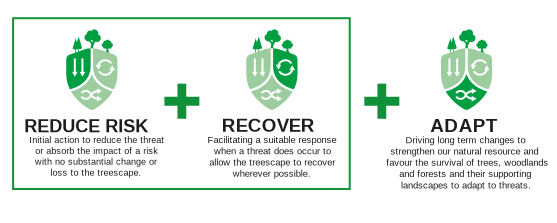
Figure 1: The resilience framework. This chapter focuses on how we can reduce risk and facilitate recovery.
The resilience framework combines:
- Reduce risk: Initial action to reduce the threat or absorb the impact of a risk with no substantial change or loss to the treescape.
- Recover: Facilitating a suitable response when a threat does occur to allow the treescape to recover wherever possible.
- Adapt: Driving long term changes to strengthen our natural resource and favour the survival of trees, woodlands and forests and their supporting landscapes to adapt to threats.
Managing threats
Managing threats is a critical component of protecting England’s treescapes and securing the productivity and benefits they provide.
Trade, globalisation and climate change all provide opportunities for new pest and disease introductions that threaten our biosecurity, while increasing the frequency and severity of environmental disturbances that threaten our trees, woodlands and forests. These pressures create a series of compounding effects that can lead to potentially catastrophic impacts on our trees, woodlands and forests.
Case study 1: Ips typographus
Ips typographus (eight-toothed spruce bark beetle) is a regulated pest capable of causing significant impacts to spruce woodlands and domestic timber production, having already caused widespread devastation of spruce in mainland Europe.
The response to Ips typographus demonstrates how we have worked with the sector, and will continue to do so, to support both immediate pest management and longer-term resilience. We are continuing to use extensive surveillance, movement controls and eradication measures to prevent the establishment of the pest in Great Britain. In the South East and East of England, we are continuing to work with woodland owners and managers to reduce the vulnerability of susceptible spruce stands and support their transition to woodlands containing a mix of tree species better suited to current and future environmental pressures.
Effective biosecurity and pest and disease management is fundamental to help safeguard woodland creation and regeneration, protect timber production, maintain ecosystem services, and reduce the environmental and economic costs of outbreaks. Overall, our approach aims to strengthen the long-term resilience and productive capacity of both regional treescapes and the wider forestry sector.
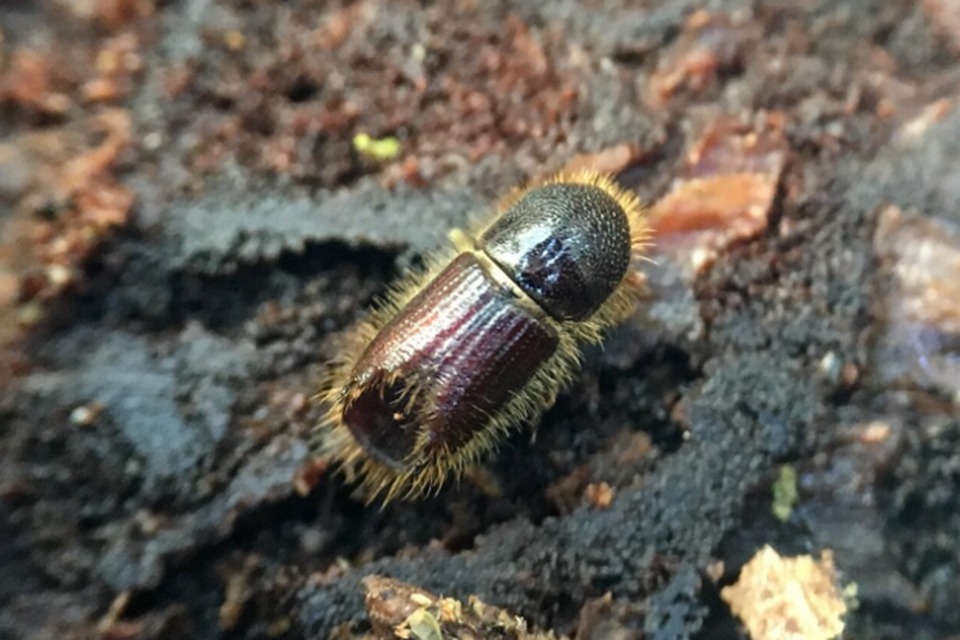
Figure 2: Ips typographus, also known as the eight-toothed spruce bark beetle, is a serious pest of spruce trees in Europe (Source: Forestry Commission)
Biological threats
System connections
Activity in this section supports, or is complemented by, wider government commitments, including:
- action to maintain our capacity and scientific capability to predict, detect and assess, respond to and recover from threats posed by invasive non-native species and tree pests and diseases under EIP Commitments 80, 83 and 84
- action to increase the biosecurity of plant supply chains under EIP Commitment 82
- action to increase public and stakeholder awareness of the impact of tree pests and diseases to drive positive behaviour change, including through strong community-based partnerships, under EIP Commitment 85
- action to reduce the damaging impact of grey squirrels on the red squirrel population and on trees and woodlands set out in the Grey squirrel policy statement
- action to reduce the damaging impacts of deer on trees and woodlands set out in the Deer impacts policy statement for England
Plant biosecurity is a critical part of national biosecurity, protecting our environment, economy and food security from harmful pests and diseases. The core framework for our approach to managing biological threats is set out in our Plant Biosecurity Strategy, which delivers 4 outcomes:
- a world class biosecurity regime
- a society which values plants
- a biosecure supply chain
- an enhanced technical capability
Reducing the risk
We use horizon scanning, risk assessment, surveillance controls and inspections to help prevent harmful pests and diseases from entering and becoming established. We continually screen and prioritise new and emerging risks through the UK Plant Health Risk Register. Pest Risk Analyses help us prioritise the highest risks. This work operates under the leadership of the UK Chief Plant Health Officer and through a coordinated UK-wide approach.
Checks at the border and inland, supported by engagement with businesses and land managers, reduce the risk of harmful pests and diseases entering through trade or planting and enable rapid action when threats are identified.
Established programmes and interventions prevent the introduction of harmful organisms, detect outbreaks early, eradicate them where feasible and proportionate, contain or slow the spread of established threats and manage their long-term environmental, social and economic impacts.
We maintain robust programmes for regulated quarantine pests and diseases, including targeted interventions for threats such as Ips typographus and oak processionary moth. We will regularly review management policies and operational responses considering emerging evidence and provide tailored grant support where appropriate.
Surveillance, research and analysis are central to every stage of this approach. Surveillance at the border and inland provides the evidence needed to inform prevention, early detection and effective intervention. We will continue to strengthen surveillance and diagnostic programmes, target them at the most significant risks, and adopt new diagnostic, surveillance and management technologies where these can improve efficiency and effectiveness. This will help us identify changing threats and intervene earlier, directing resources to the areas of greatest need.
We will work with the sector to improve biosecurity standards among those growing and selling trees, including by promoting Plant Healthy certification and introducing the Biosecure Procurement Requirement across tree planting grants. These measures will reduce the risks from publicly funded planting and improve woodland establishment and resilience.
Response and recovery
When threats materialise, we will use established operational response arrangements led by the UK Chief Plant Health Officer to coordinate our responses. Our preparedness is continually improved through readiness reviews, contingency plans and incident response exercises focusing on the highest priority threats. Responses will be proportionate to the nature, scale and likely consequences of an outbreak. Depending on the circumstances, interventions may include movement restrictions, tracing, targeted surveillance and inspections, removal or treatment of affected material, and measures to contain or slow further spread.
We are continuing to provide targeted grant support through schemes such as the Tree Health Pilot and Countryside Stewardship Woodland Tree Health grants, helping landowners and managers respond to pests and diseases, restore affected woodlands and improve their resilience to future threats.
Together, these interventions protect unaffected trees, reduce environmental and economic losses, and create the conditions for affected treescapes and businesses to recover.
We are also working in partnership with stakeholders across the sector to implement the grey squirrel policy statement and deer impacts policy statement for England. Reducing the effects of over-browsing and bark stripping will protect woodland regeneration and establishment, improve ecological condition and help ensure that investment in woodland creation and management delivers lasting results.
Actions:
- 3.1. develop and deliver a training programme on detection and identification of plant pests for commercial horticulture businesses within the ornamental sector to improve the reporting of regulated and potential quarantine plant pests. Responsible: Defra, The Tree Health Centre at Castle Howard Arboretum Trust
- 3.2. by December 2027, support the development and launch of a refreshed Action Oak Strategy and new UK Oaks Research Roadmap, and work with the Action Oak Partnership to implement priority actions that address threats to native oak, promote Defra-funded research, and increase knowledge exchange and public awareness. Responsible: Defra, Action Oak Partnership
- 3.3. support an increase in uptake of the Plant Healthy Certification scheme amongst growers and suppliers of planting material by engaging with the public and carrying out research with the landscape and garden design sectors to understand how best to promote responsible sourcing through adherence to the Plant Health Management Standard. Responsible: Defra, Plant Healthy Limited
- 3.4. ensure that the biosecure procurement requirement is adopted into central government tree planting and woodland creation grants by the 2027 to 2028 tree planting season. Responsible: Defra, Forestry Commission
- 3.5. by 2030, support the majority of community tree nurseries to adopt good biosecurity practice in line with the Plant Health Management Standard, through a biosecurity development programme that empowers them to grow healthy trees. Responsible: Defra
- 3.6. deliver targeted campaigns, workshops and training to raise awareness of, and promote, responsible biosecurity behaviours, including through the ‘Keep it Clean’ public campaign and the Forestry Commission Tree Health Champions programme. Responsible: Defra, Forestry Commission, trees and forestry sectors
- 3.7. improve processes at the border and inland by improving the efficiency of systems used for import and surveillance. This will include implementing electronic phytosanitary certificates for trees, wood, wood products and bark to streamline processes and strengthen our biosecurity. Responsible: Defra, Animal and Plant Health Agency, Forestry Commission
- 3.8. use insights from the British Woodland Survey, MyForest Lab and other evidence sources to better understand woodland owners’ priorities and challenges, explore opportunities to increase resilience reporting, and support more owners to manage and report pests, diseases and other resilience risks effectively. Responsible: Defra, Forestry Commission, Sylva Foundation
- 3.9. develop targeted communications for importers of wood packaging material and other higher risk trade routes so the sector understands biosecurity risks and requirements. Responsible: Defra, Forestry Commission, Animal and Plant Health Agency
Environmental threats
System connections
Activity in this section supports, or is complemented by, wider government commitments, including:
- action to increase the resilience of trees, woodlands and forests to wildfire under EIP Commitments 66, 76 and 77
- action that government and others will take to adapt to the impacts of climate change, as set out in the Third National Adaptation Programme
Climate change is increasing the exposure and vulnerability of trees, woodlands and forests to environmental threats, including wildfire, severe wind damage, drought and flooding, and the interactions between them. These pressures can also interact with biological threats by weakening trees and creating conditions in which pests and diseases can establish or cause greater damage. Building resilience to these combined pressures is essential if England’s treescapes are to adapt to the changes and continue delivering benefits long into the future.
We are delivering our commitments in the National Adaptation Programme 3, published in July 2023, to support the forestry sector in tackling the threat of major environmental disturbances and adapting to climate change. We will contribute to the development of future adaptation actions in the National Adaptation Programme 4, due to be published in 2028.
Reducing the risk
We will improve how we prepare for and manage major environmental disturbances by supporting resilient woodland creation, design, appropriate species and silvicultural choices and long-term management. This includes encouraging greater structural, species and genetic diversity where appropriate, alongside management approaches that improve the ability of trees and woodlands to withstand and recover from disturbance.
This year saw significant wildfire activity with more than 1,300 wildfire incidents recorded in England by the end of August 2026 (Ministry of Housing, Communities and Local Government, 2026). Wildfire presents one of the most significant climate risks facing the country. We are developing the first England Wildfire Action Plan, covering prevention, preparedness, response and recovery, to build a stronger and more resilient national response to wildfires.
We will continue to provide accredited risk management training, including vegetation fire and incident management courses, and undertake preparedness exercises for priority environmental threats. We will update key guidance including Building Wildfire Resilience into Forest Management Planning, Managing Forests for Wind, and Managing Trees for Drought Resilience to help woodland owners and managers understand risks, take preventive action and protect the long-term condition and productivity of their woodlands.
We will work with forest and woodland owners and managers, the public and other relevant stakeholders, including the Resilient Treescapes Advisory Group, to improve awareness of the threat of wildfire, windblow and drought, and provide advice on mitigation measures to increase future resilience. This includes, for example, maintaining firebreaks (gaps in vegetation to stop or slow wildfire spread).
Response and recovery
When disturbances occur, we will work with partners to understand their impacts and support effective response and recovery. We will apply the lessons learned to future woodland planning and management. New contingency plans will support an effective response in these circumstances.
The wildfire seasons of 2025 and 2026 have been a wake-up call for the need to change our approach to counteracting the risk of wildfire, particularly given the implications of climate projections. We are developing an integrated approach to wildfire management and planning, ensuring that we cover the preparedness and recovery phases, as well as the response phase. In time, this will create a far more resilient woodland and non-woodland landscape. We will do this by:
- extending the responsibilities of the Forestry Commission to incorporate signing off wildfire management plans and grant-funded wildfire resilience capital items
- extending the capabilities and capacity for Forestry England to prepare for, respond to, and recover from wildfire incidents on the public forest estate
- enhancing the capacity of the Forestry Commission to advise on wildfire resilience and engage with Local Resilience Forums to put the forestry sector on the front foot to respond to wildfire and other natural disturbance events
Actions:
- 3.10. invest in incident management equipment and training material and enhance our grants and contingency planning to support the government’s operational response and organisational resilience to major environmental disturbances, such as catastrophic windblow, wildfire, drought, flood and tree pest and disease outbreaks. Responsible: Defra, Ministry of Housing, Communities and Local Government, Animal and Plant Health Agency, Forestry Commission, Natural England, Environment Agency
-
3.11. reduce the threat of wildfires by:
-
developing accredited Wildfire Investigator training by the end of 2027
-
producing an initial dynamic wildfire risk map for four forests and a clear roadmap for scaling up the approach beyond these study areas by the end of 2027
-
identifying improvements to wildfire mitigation measures, such as fire and fuel break, fire belt and fuel load management by April 2028, and incorporating these findings into grant conditions and UK Forestry Standard guidance, where appropriate
Responsible: Defra, Forestry Commission
-
Working with partners
We cannot carry out these activities without collaboration. We work with international partners on tree health and biosecurity through our engagement on the European Plant Protection Organisation’s Panel on Quarantine Pests for Forestry, Plant Health QUADS+, the International Plant Sentinel Network and the European Phytosanitary Research Coordination network (Euphresco). This strengthens knowledge sharing, surveillance and international standards.
We are continuing to work with international organisations on knowledge exchange and development of Europe-wide best practice for resilient woodland management. These include the European Forest Genetic Resources Programme (EUFORGEN) and the European advisory and extension networks on forestry (FORADVISE). We will apply best practice from other countries to increase survival rates of new planting and restocking.
Grant funding plays an important role in supporting response, recovery and long-term adaptation. Our grants help landowners and managers respond to pest and disease outbreaks, restore affected trees and woodlands, and adopt management approaches that improve resilience to future threats. We are continuing to refine and improve these grants, like those in Countryside Stewardship, by continuing to work with landowners and the sector.
We work extensively with the sector on plant biosecurity. For example, we work in partnership with the Public Engagement in Plant Health Accord signatories. We hold regular meetings of the Tree Health Operations Group to improve awareness around good plant biosecurity, sharing guidance and information as widely as possible. We develop and support citizen science initiatives, networks, and reporting mechanisms including the Observatree project, the Tree Health citizen science network, and TreeAlert to enhance early detection and monitoring of pests and diseases.
Protecting our ancient woodlands and ancient and veteran trees
System connections
Activity in this section supports, or is complemented by, wider government commitments, including:
- action to improve implementation of current protections for ancient woodland and ancient and veteran trees in the National Planning Policy Framework under EIP Commitments 7 to 9
- action to reduce the damaging impact of grey squirrels on the red squirrel population and on trees and woodlands, as set out in the Grey squirrel policy statement
- action to reduce the damaging impacts of deer on trees and woodlands, as set out in the Deer impacts policy statement for England
Whilst all woodland is valuable, we recognise some woodlands have greater value. Improving the condition of, and protecting, ancient and long-established native woodland and buffering and connecting these habitats is a priority.
Hierarchy of value for native trees and woodlands
Numbered from highest to lower value:
- Ancient woodland and ancient and veteran trees. These are irreplaceable habitats.
- Long-established woodland.
- Other semi-natural woodland.
- Newly or recently established native woodland or wood pasture and parkland.
Ancient woodland, in the highest level, includes:
- ancient semi-natural woodland
- plantations on ancient woodland sites
- ancient wood pasture and parkland
- infilled ancient wood pasture and parkland
Ancient woodlands and ancient and veteran trees are irreplaceable habitats. Natural England data from the Ancient Woodland Inventory and ongoing inventory update show that England’s ancient woodlands cover more than 412,000 hectares across more than 55,000 areas (Natural England, 2026). These habitats provide invaluable benefits for biodiversity, carbon storage, cultural heritage and landscape character. They include unique habitats such as globally rare temperate rainforests (also known as Atlantic woodlands) and ancient wood pastures, which are among our most valuable assets for nature recovery. Developed over centuries, these habitats cannot be recreated within human timescales, but face increasing pressures from fragmentation, invasive non-native species, pests and diseases, deer browsing, air pollution and climate change.
These habitats deserve higher management standards and already have greater protection. We will improve the implementation of existing protections for ancient woodland and ancient and veteran trees, as well as other important trees within designated conservation areas or under Tree Preservation Orders. We will need to improve our understanding of their condition and the risks they face, and support land managers and local authorities with the evidence, guidance and practical tools needed to improve their condition and resilience. We continue to support the restoration of Plantations on Ancient Woodland Sites – further details are provided in Chapter 4 ‘Improving our trees, woodlands and forests’.
Actions:
- 3.12. work to align definitions of ancient and veteran trees and invest in the science and further development of the Woodland Trust’s Ancient Tree Inventory to build a more thorough understanding of the distribution of ancient and veteran trees in England. Responsible: Defra, Natural England, Forestry Commission, Woodland Trust
- 3.13. work with industry, stakeholder groups and researchers to create a toolkit of improved advice and guidance for people managing our most important trees – those of ancient and veteran status. We will also build the evidence base on threats and possible interventions for these trees, including funding improved management practices. Responsible: Defra, Forestry Commission, Forest Research, Natural England, The Tree Council, Woodland Trust, Arboricultural Association, Ancient Tree Forum
Chapter 4: Improving our trees, woodlands and forests
Not only do we need to protect our treescape, but we must also improve its condition and ability to adapt to current and emerging threats.
Diverse treescapes, in terms of species, structure and genetics, are one of nature’s best tools for building resilience. Different species, genetic characteristics and structures respond differently to threats. Diversity therefore reduces the risk of widespread impacts and increases the potential for recovery and adaptation when threats occur.
Improving ecological condition is equally important. Management that restores and improves key ecological processes, such as growth and regeneration, can strengthen the long-term adaptive capacity of our treescape. Given ecological time lags, action to improve existing trees, woodlands and forests now can deliver benefits for nature sooner than relying on woodland creation alone.
We will help land managers to improve the design of new and existing woodlands, bring more woodlands into management, improve survival rates of newly planted trees, restore ancient woodlands, and make better use of our forest genetic resources. Together, this will create healthier, more diverse treescapes.
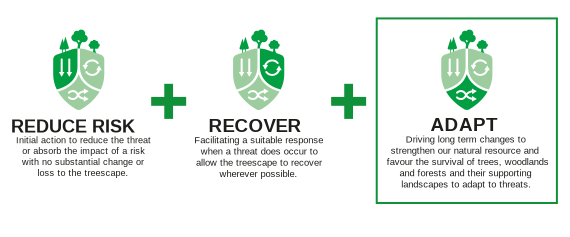
Figure 3: The resilience framework. This chapter focuses on increasing the adaptive capacity of our treescape.
The resilience framework combines:
- Reduce risk: Initial action to reduce the threat or absorb the impact of a risk with no substantial change or loss to the treescape.
- Recover: Facilitating a suitable response when a threat does occur to allow the treescape to recover wherever possible.
- Adapt: Driving long term changes to strengthen our natural resource and favour the survival of trees, woodlands and forests and their supporting landscapes to adapt to threats.
Woodland design and management
System connections
Activity in this section supports, or is complemented by, wider government commitments, including:
- action to increase woodland management and improve the resilience and ecological condition of our woodlands, as set out under EIP Commitments 7, 8, 10, 66 and 90 and in the Farming Roadmap 2050: Growing England’s Future
- action to reduce the damaging impact of grey squirrels on the red squirrel population and on trees and woodlands, as set out in the Grey squirrel policy statement
- action to reduce the damaging impacts of deer on trees and woodlands, as set out in the Deer impacts policy statement for England
- action to support the development of markets, particularly for our broadleaved woodlands, in the Timber in Construction Roadmap
Proactive management, in line with the UK Forestry Standard (UKFS), is crucial to effectively support resilience, biodiversity, climate change mitigation and adaptation and community access. It can also provide economic benefits from biomass and improved timber quality.
The percentage of woodlands managed in line with the UKFS has remained stable at around 56% in England over the past decade (Forestry Commission, 2026). Woodland owners face barriers such as reduced economies of scale in managing smaller woodlands, fragmented and underdeveloped supply chains, and skills and knowledge gaps. We are working to address these challenges and aim to drive-up woodland management to a new target range of 65% to 70% by 2040.
Support for woodland management is available, including through Countryside Stewardship Higher Tier (CSHT), Landscape Recovery and Tree Health schemes. Recent changes to CSHT have reduced entry thresholds and introduced a minimum payment, opening access to smaller woodland owners. Grants are available for woodland management and other plans, such as species management plans which help control invasive and non-native species. The development of a sector-led woods into management delivery plan will aid coordination in our shared delivery of increasing woodland management and consider additional mechanisms for increasing woodland management.
We are developing tools and guidance to help transition to more resilient forms of management. This includes the recently published handbook for forest managers on continuous cover forestry (CCF). CCF can increase resilience to threats such as storm damage compared to approaches such as clear-felling. We are also investing in research to find ways to increase resilience to individual and combined threats, such as using mixed species planting for drought adaptation.
Deer and grey squirrel impacts are increasing and are now one of the greatest challenges that woodlands face. Excessive browsing, foraging and trampling by deer put pressure on ground flora and inhibit natural colonisation, undermining woodlands’ ability to naturally adapt. Grey squirrels strip bark, causing tree damage and mortality. These impacts weaken the economic value of woodlands and their ability to deliver environmental benefits. We are continuing to monitor delivery of our grey squirrel policy statement and deer impacts policy statement for England using National Forest Inventory impact data, including woodland ecological condition surveys and squirrel reports.
Actions:
-
4.1. increase the percentage of woodlands in sustainable management from the current level of 56% to between 65% and 70% by 2040. Reaching the higher end of this range will require action by the whole sector. To support this, government will:
-
establish a joint government and non-governmental woodland management delivery group to develop and implement a plan to achieve the target, including actions to reduce barriers and strengthen advocacy and engagement activity.
-
explore providing a simpler grant option route for smaller and less sensitive woodlands.
-
support local advice and collaboration activities, including through the new Farmer Collaboration Fund
-
introduce variable intervention rates for infrastructure funding in CSHT to improve support for small and less accessible woodland
-
provide improved tools and online resources, tailored to all users, from entry-level to professional, to support woodland management of all types and scales
Responsible: Defra, Forestry Commission, Natural England, forestry sector, key stakeholder groups representing forestry, conservation, land managers and academia
-
- 4.2. by 2028, increase the focus of our grant offers to support more resilient woodland design and management to help woodlands withstand climate change, pests and diseases, extreme weather, wildfire and flooding. Measures will include planting the right trees in the right places, informed by local climate change projections, site conditions (including soil type) and the outcomes desired. Responsible: Defra, Forestry Commission, Forest Research
- 4.3. increase the area of woodland managed through alternatives to clear fell, such as Continuous Cover Forestry (CCF), by providing and promoting the uptake of grant support, conducting research and providing guidance and training. Responsible: Defra, Forestry Commission, Forest Research
- 4.4. work with partners to deliver communications and engagement activity which builds public support for woodland management and the timber lifecycle, including highlighting the benefits of tree felling and managing pests and diseases to improve woodland resilience, productivity and ecological condition. Responsible: Defra, Forestry Commission, Natural England, key stakeholder groups representing arboriculture and forestry, conservation, land managers and academia
- 4.5. research land manager understanding of tree resilience to identify knowledge and resource gaps and apply these findings to improve perceptions of the value of trees and their management with a particular focus on under-engaged audiences, such as farmers. Responsible: Defra
Restoring ecological condition, including within our ancient woodlands
System connections
Activity in this section supports, or is complemented by, wider government commitments, including:
- action to improve the diversity and ecological condition of our woodlands, including the restoration of plantations on ancient woodland sites (PAWS), under EIP Commitments 10 and 66
- action by private landowners, public bodies and non-governmental organisations on PAWS restoration and native woodland expansion through the Government Estate Nature Plan
- action to reduce the damaging impacts of deer on trees and woodlands, as set out in the Deer impacts policy statement for England
- action by Forestry England to help nature recover at scale, as set out in its Growing the Future: our strategy to 2031
Woodlands that are managed and in good ecological condition are more resilient and provide the most benefits. Structural diversity is a key part of this. It can be created through a varied mix of different tree and shrub species, different heights and ages of vegetation, fallen and standing deadwood through to areas of open canopy that allow light in for new trees, plants and wildlife to thrive. Over the last 50 years, however, the ecological condition of our woodlands has deteriorated (UK Centre for Ecology & Hydrology, 2024). Only 9% of our native woodlands (NFI woodland ecological condition in England, 2020) and 40% of woodland habitat on Sites of Special Scientific Interest (SSSI) (Natural England, 2024) are now in favourable condition.
We need to see more woodlands of all types coming into management and restore Plantations on Ancient Woodland Sites (PAWS). We have introduced additional payments for PAWS restoration in the Countryside Stewardship Higher Tier scheme. Forestry England has committed to sensitively restore all 43,000 hectares of PAWS on the public forest estate and it will continue to make improvements to its protected sites. Site-specific constraints, including from pests such as Ips typographus, will continue to need careful consideration.
We continue to incentivise woodland creation that helps expand and connect ancient and native woodlands and support their management. The inclusion of periodic woodland condition assessments within woodland management plans will help track how condition is changing and ensure the best outcomes are achieved. Landscape Recovery is taking forward multiple large-scale projects integrating woodland improvement and expansion within wider connected landscapes.
Actions:
- 4.6. more than 50% of plantations on ancient woodland sites (PAWS) are to be either restored to native woodland or be undergoing restoration to native woodland by 2030. Forestry England will support this by doubling the rate of restoration of PAWS sites on the public forest estate by 2031. Responsible: Defra, Forestry England
- 4.7. assess the expected contributions that increased levels of woodland management and improved woodland ecological condition will make to the Environment Act species targets and our commitment to protect 30% of land for nature by 2030. Responsible: Defra, Forestry Commission, Forest Research, Natural England
- 4.8. publish an updated version of the managing ancient and native woodland in England guidance to help ensure the latest best practice for woodland management is followed to increase resilience, biodiversity and productivity. Responsible: Defra, Forestry Commission, Natural England
- 4.9. publish rounds 2 and 3 of the National Forest Inventory Woodland Ecological Condition Assessment in 2027 and 2028, respectively, to provide an updated baseline to report progress in improving woodland condition through increased and improved woodland management. Responsible: Forest Research
- 4.10. work with stakeholders to enhance the ecological condition of our native (including ancient) woodlands, by increasing outreach and promoting guidance, grants and woodland condition assessments. Responsible: Defra, Forestry Commission, Natural England, forestry sector, woodland owners
- 4.11. support the development and delivery of Protected Sites Strategies to improve the ecological condition of woodland within Sites of Special Scientific Interest, Special Areas of Conservation and Special Protection Areas by reducing deer and pollutant pressures and improving visitor infrastructure and management. Responsible: Natural England, Forestry Commission, Environment Agency
Enhancing treescape diversity
System connections
Activity in this section supports, or is complemented by, wider government commitments, including:
- action to enhance the adaptive capacity and resilience of the treescape by increasing its extent, connectivity and diversity, improving its condition and conserving the genetic diversity within and between species, under EIP Commitment 66
As set out in the ‘Building a more resilient tree supply’ section of Chapter 2, we can improve the adaptive capacity and resilience of our treescape by planting a diverse range of species, from known and appropriate provenances. The most appropriate species and provenances planted at each site will vary according to specific planting objectives and contexts. For example, in some cases it may be appropriate to plant provenances from further south for our native species.
We will need to ensure a diverse network of registered, high-quality seed stands, and well-developed seed orchards. Only oak and Scots pine currently have plentiful seed sources in the National Register of Basic Material. Our existing trees are likely to harbour useful traits not yet recognised. Creating the conditions for natural regeneration and natural colonisation can allow them to reproduce and develop traits, such as resistance to pests and pathogens and tolerance to drought, through natural selection. Tree improvement and breeding can also select for useful traits, including good timber properties. Further research will help us understand our forest genetic resources, and how to better protect and utilise them. New tools, such as genomic approaches (using genetic information to select and breed trees), provide opportunities for this.
The UK Forest Genetic Resources Group, established in 2024, provides technical advice, shares knowledge and coordinates activities to support our understanding, conservation and use of forest genetic resources. It has developed an activity plan to guide its work for the next 5 years. This includes identifying priority species for future tree planting, sourcing appropriate provenances of those species, better understanding their silvicultural requirements and developing a UK-wide approach to tree breeding. Forestry England has published a Species of the Future list, tailored to the needs of the public forest estate.
Actions:
- 4.12. deliver the UK Forest Genetic Resources Group Activity Plan to improve the resilience of woodlands and forests across the UK. This will include collaborating with the European Forest Genetic Resources Programme (EUFORGEN) and providing a national focal point for the Food and Agriculture Organisation of the United Nations (FAO) Global Plan of Action on Forest Genetic Resources. Responsible: UK Forest Genetic Resources Group
- 4.13. strengthen the conservation and use of UK native tree and shrub genetic resources through Kew’s Millennium Seed Bank and Science Strategy 2026 to 2030 by expanding the size and quality of genetically diverse collections, improving access to seed and associated data, and developing cryopreservation methods for species that cannot be conventionally seed banked. Responsible: Royal Botanic Gardens Kew
- 4.14. identify and register more Gene Conservation Units (GCUs) within the EUFORGEN system to enhance conservation of genetic diversity in species of English trees. Work in 2026 to 2027 will focus on identifying conservation gaps and prioritising those species in greatest need of conservation, including those on priority lists of productive species, starting with the registration of 25 British GCUs by 2028. Responsible: Forest Research
-
4.15. Forestry England will use the public forest estate to diversify and improve future seed sources and enhance forest genetic resources by:
-
identifying and registering at least 10 new seed stands per year.
-
planting 4 seed orchards, at least 8 seed stands and 45 hectares of single species blocks of woodland by 2030.
Responsible: Forestry England
-
- 4.16. by 2030, improve understanding and use of genetic diversity to strengthen the quality, productivity and adaptive potential of homegrown tree seed and planting stock through investment in seed sourcing, tree improvement and Defra-funded research, including the £8.97 million Tree Production Innovation Fund and £2.47 million Seed Sourcing Grant. Responsible: Defra, Forestry Commission
Chapter 5: Expanding and connecting our trees, woodlands and forests
By making decisions strategically, in line with the Land Use Framework for England, tree planting, establishment and management can deliver multiple objectives. This will mean managing trade-offs and providing better information and data to the decision makers and land managers so that the right trees can be planted in the right places for the right reasons. The arboriculture and forestry sectors work at a local level, and tree planting, establishment and management organisations are well placed to contribute to devolution and local plans.
A key priority is to continue to balance the expansion of woodland with safeguarding our high‑value habitats, such as peatlands, species-rich grassland and open landscapes for breeding waders, as well as our most productive agricultural land. Planting sufficient fast-growing conifer species will be critical to ensure that we are able to capture the carbon required to meet net zero.
We will continue to improve our woodland creation offers, support more tree planting outside of woodlands, simplify grants and regulations and continue to expand the public forest estate. Three new national forests will create resilient landscapes of woodland, agroforestry and trees outside woodland, supporting nature and local communities while creating opportunities for future growth. Together, these actions will help create a larger, better-connected treescape, with trees planted where they can deliver lasting benefits.
System connections
Activity in this section supports the delivery of wider government commitments, including the following EIP commitments.
EIP25 Goal 1: Restored Nature targets:
- increase England’s tree canopy and woodland cover by 0.33% of land area by December 2030 from the 2022 baseline of 14.9% (equivalent to a net increase of approximately 43,000 hectares)
- restore or create a total of 250,000 hectares of a range of wildlife-rich habitats outside of protected sites by December 2030
- halt the decline in species abundance by 2030
- improve the Red List Index for England for species extinction by 2042 compared to 2022 levels
- effectively conserve and manage 30% of the UK’s land by 2030 (30by30)
- create the environment to enable the delivery of 40,000 hectares of peatland restoration by 2030 and 280,000 hectares by 2050
EIP Goal 3: Water targets:
- reduce total nitrogen, phosphorus and sediment pollution from agriculture to the water environment
EIP Goal 7: Climate change:
- reduce greenhouse gas emissions to accelerate to net zero and work to prepare the natural environment for the effects of climate change
EIP Goal 10: Access to nature:
- make sure that everyone has access to green or blue spaces within a 15-minute walk from home
Actions will be carried out strategically in line with the Land Use Framework for England.
Refining our woodland creation grants
Our grants and initiatives present a major opportunity to improve our understanding of how to plant, establish and manage trees effectively in a changing world. We are using research that brings together a wide range of organisations and agencies, including international partners, to learn from recent tree planting. Using natural experiments and targeted small-scale experimental planting, we will examine the causes of poor health and establishment in young trees.
We are investing in improving our existing tree planting and establishment grants and guidance. This includes making the England Woodland Creation Offer (EWCO) simpler to use, easier to navigate alongside other environmental land management schemes, and better targeted towards projects that deliver multiple outcomes.
Successful EWCO reform will depend on aligning scheme design, regulatory processes, advice and delivery capacity. Evidence from application pipelines, customer feedback and delivery performance will allow us to identify where applicants face the greatest barriers, such as complexity, confidence in long-term land use, interaction with other schemes and uncertainty over approval times. This will support continuous improvement to enable more planting on-the-ground.
Actions:
- 5.1. improve the England Woodland Creation Offer by March 2028, simplifying applications and strengthening support for outcomes, such as habitat connectivity and woodland resilience. These improvements will increase volumes of viable applications, average scheme size and hectares of woodland delivered compared with 2025 levels, supporting progress towards the EIP25 interim target to increase tree canopy and woodland cover by a net increase of 43,000 hectares by 2030. Responsible: Defra, Forestry Commission
- 5.2. embed a ‘learn and adapt’ approach in tree establishment programmes so grant schemes generate powerful data and insight, including on the causes and rates of early tree mortality in both planting and natural colonisation contexts. Use this evidence to inform grant scheme requirements and produce clear, best practice guidance for tree establishment and maintenance to address current and future threats. Responsible: Defra, Forestry Commission, Fera Science Limited, The Tree Council, Forest Research
Simplifying processes and regulations
System connections
Activity in this section supports, or is complemented by, wider government commitments, including:
- the principle that regulations are modernised to ensure they support EIP25 target delivery, are fit for the future and provide discretion to deliver good outcomes for nature and growth, as set out in the 2025 Dan Corry Review: An independent review of Defra’s regulatory landscape
Effective regulations are vital to protect the environment alongside economic growth. The Forestry Environmental Impact Assessment (EIA) regulations work alongside the UK Forestry Standard (UKFS) and our grant rules to ensure that the right trees are planted in the right places for the right reasons.
Our existing regulatory framework can be complex and challenging to navigate. In some cases, this deters people from pursuing tree planting ambitions. We want to simplify the regulatory regime, exploring opportunities to better recognise high-quality planning and design, and focus our regulatory efforts on where environmental risks and complexities are greatest. This will speed up delivery, while maintaining environmental protections.
While regulatory change will require legislation, we will pursue non-legislative options to improve processes for both applicants and our regulator, the Forestry Commission. The Forestry Commission is already improving internal guidance and processes to support proportionate, balanced and timely decisions to help fast-track EIA decisions. Future work will focus on improvements that can be made to the EIA application process, to support faster and more focused decision-making.
We are considering wider reform of our legislative landscape, including the felling licence regime under Part II of the Forestry Act 1967 which is in particular need of modernisation. Whilst we do not currently have the primary legislation needed to make changes to the Act, we will continue to look for a suitable legislative vehicle. The Forestry Commission continue to make improvements to the felling licence application process alongside taking strong enforcement action against those who fell illegally. This can include criminal prosecution and unlimited fines, as in a recent case when Leicester Magistrates’ Court ordered a landowner to pay fines and costs totalling over £268,000. And, as shown in the case of the Sycamore Gap tree, our judicial system will hold those that cause serious illegal damage to account. We will also continue to work with local authorities and the forestry sector to raise awareness of felling licence requirements and reduce instances of illegal felling.
Actions:
- 5.3. explore opportunities to update the Environmental Impact Assessment (Forestry) (England and Wales) Regulations 1999. As part of this, implement ways to streamline processes and remove burdens for woodland creation proposals in low sensitivity areas, whilst maintaining environmental safeguards. Responsible: Defra, Forestry Commission
- 5.4. develop earned recognition for woodland creation planning and design that gives publicly funded grant applications fast-tracking of Environmental Impact Assessment (EIA). Responsible: Forestry Commission
Expanding tree cover on public land
System connections
Activity in this section supports, or is complemented by, wider government commitments, including:
- action to support the delivery of statutory nature targets and 30by30 on National Estate for Nature estates under EIP Commitments 3 and 52
- action to make sure that everyone has access to green or blue spaces within a 15-minute walk from home under EIP Commitment 86
- action to improve inclusive public access to nature for both physical and mental health and enhance visitor experience under EIP Commitments 87, 88 and 91
- action to increase the production and safe use of sustainable, homegrown timber, as set out in the Timber in Construction Roadmap 2025
- action to test new solutions, technologies and construction methods, including timber in construction, as well as the creation of the Department for Education forest, as set out in the Education Estates Strategy: a decade of national renewal
- coherent, place-based action through a new, coordinated approach to restoring nature across England through delivery of Local Nature Recovery Strategies, and through the Government Estate Nature Plan
Planting on publicly owned land is crucial to expand our national tree cover, support our domestic timber supply and provide wider benefits. This includes, for example, planting and increasing access to nature on school and hospital grounds, where tree cover can support educational, health and wellbeing outcomes. We will continue to work across government to maximise these opportunities. Alongside this, we will support joined-up delivery with estate strategies, such as the Education Estates Strategy, which aims to increase climate resilience and access to nature on the education estate.
The Government Estate for Nature Plan sets out a coordinated approach to restoring nature, including tree planting and establishment, across government-owned land in England. This includes funding pilot ‘lighthouse’ nature recovery projects, showcasing how a collaborative whole-estate approach to nature recovery can co-exist alongside daily operations of government landholdings. The National Estate for Nature group, comprising some of England’s largest public, private and third sector landholders, will also advance nature recovery through their own estate management plans.
Through government funding, Forestry England is working to expand the public forest estate by acquiring 4,200 hectares of land and planting approximately 3,700 hectares of woodland by March 2030.
Actions:
- 5.5. engage with the National Estate for Nature (NEN) group to secure member commitments to 30by30, deliver nature recovery plans and support action so that productive forestry is managed in line with high environmental standards. Responsible: Defra, other government departments, NEN group members, other major public and private landowners
- 5.6. assess the government estate to identify opportunities for tree planting, including through the delivery of Government Estate Nature Plan Lighthouse projects (government-funded nature recovery pilot projects delivered on government land). Responsible: Defra, Forestry Commission
- 5.7. create 3,700 hectares of new resilient broadleaf and conifer woodland by March 2030 by expanding the public forest estate, to provide a range of benefits for people, nature and future timber supply. This will also support public access to woodland, as set out in action 1.1. Responsible: Defra, Forestry England
Woodland creation for nature recovery
System connections
Activity in this section supports, or is complemented by, wider government commitments, including:
- action to protect 30% of land for nature in England by 2030, as set out in the 30by30 on land: Delivery plan
- action to support a coherent, place-based approach to restoring nature across England, through the delivery of Local Nature Recovery Strategies and the Government Estate Nature Plan
- action to increase the diversity of climate-resilient forestry species used in woodland creation under EIP Commitment 66
- actions in the Land Use Framework for England to align incentives with spatial priorities and explore how environmental outcomes, such as regional forestry targets, can be integrated into local and regional spatial strategies
Woodland creation sits at the heart of nature recovery in England. The country’s nature is highly depleted, with relatively low woodland cover and many woodland‑dependent species in decline (Defra, 2026). Establishing new, wildlife‑rich woodlands can restore ecological connectivity, provide space for species to recover, and buffer and extend existing native woodlands.
We continue to support woodland creation that delivers high ecological condition – key principles are set out in the ‘Restoring ecological condition, including within our ancient woodlands’ section of this chapter. To achieve this, we need to improve spatial targeting, the quality of woodland designs and their long‑term management.
We are continuing to support the creation of woodlands that are predominantly made up of native species, alongside the creation of other mixed woodlands. Native woodlands with a diverse mix of tree, shrub and ground flora and substantial areas of open space can be delivered both by planting and by natural colonisation. Natural colonisation can often support a greater variety of species and locally adapted trees through gradual ecological succession. We will also strengthen incentives that support nature at a landscape scale. This includes targeting ‘lost woodlands’, where tree cover has been lost but conditions remain favourable for recovery.
The English Devolution and Community Empowerment Act 2026 sets environment and climate change as an area of competence for strategic authorities, giving them powers to appoint commissioners, convene local partners and collaborate with neighbouring Mayors. As these responsibilities and local leadership roles develop, the associated funding arrangements should be considered alongside them, so that places have the appropriate resources, flexibility and accountability to deliver agreed environmental outcomes. We are continuing to work with strategic authorities, local authorities and other partners to target responsible woodland creation, including through Local Nature Recovery Strategies.
Actions:
- 5.8. produce opportunity maps to help identify, promote and fast-track woodland creation in areas of low sensitivity or areas which are identified as a priority for woodland creation for biodiversity and other environmental objectives (for example from Local Nature Recovery Strategies or ‘Lost Woodland’ maps). Responsible: Forestry Commission, Natural England
- 5.9. set advisory regional targets for woodland creation in England, basing this on the area of land available in each area either that is identified as being low sensitivity or is a priority for woodland creation for biodiversity and other environmental objectives. Responsible: Forestry Commission
- 5.10. explore options for further targeting England Woodland Creation Offer additional contribution payments for woodland creation within areas identified as a priority for woodland creation for biodiversity and other environmental objectives in improved mapping products. Responsible: Defra, Forestry Commission, Natural England
- 5.11. provide funding to create and maintain non‑wooded features within, or connected to, woodland habitats, such as ponds, scrub and meadows, to improve biodiversity and habitat connectivity. Responsible: Defra, Forestry Commission, Natural England
- 5.12. publish guidance in 2027 on integrating native trees and shrubs within existing priority habitats to enable increases in overall tree cover, enhance biodiversity value and support the movement of species associated with woodland across landscapes. Responsible: Natural England
- 5.13. work with the sector, including the Woodland Flora Network, to establish best practice for the establishment of ground flora into new and existing woodlands to enhance the biodiversity of younger woodlands, and explore incorporating this measure into appropriate grant schemes. Responsible: Defra, Forest Research, Woodland Flora Network
Woodland creation for water
System connections
Activity in this section supports, or is complemented by, wider government commitments, including:
- action to protect and enhance the quality of watercourses under EIP Commitments 26, 29 and 79
Our grants and initiatives promote tree planting that benefits the water environment. The England Woodland Creation Offer provides additional contributions for schemes that improve water quality, reduce flood risk and improve the water environment. The Water Environment Improvement Fund (WEIF) supports projects that protect and restore the water environment, improve water quality and deliver catchment improvements, many of which involve riparian tree planting or woodland creation. Bolstered by the use of environmental fines from water companies over the next 2 years, the WEIF will fund over 300 projects (in financial year 2026 to 2027) which will improve more than 1,300 km of rivers, restore or create more than 800 hectares of natural habitats and plant over 100,000 new trees.
The Flood and Coastal Erosion Risk Management programme funds natural flood management schemes, including tree planting, which help to strengthen flood resilience while delivering wider benefits for nature and society.
It is important that we strengthen evidence and mapping to better target areas that deliver the most benefit for the water environment. Part of this is ensuring tree planting is fully integrated into Catchment Management Plans and new Regional Water Plans that are being established through the forthcoming Water Bill. Regional Water Plans will deliver a more holistic approach to water planning and improve coordination with wider national objectives, such as nature recovery and climate change. Many Local Nature Recovery Strategies map locations where tree planting will benefit water quality and can help target proactive engagement with landowners.
We are exploring how we can simplify our riparian planting schemes. This includes reducing complexities in the application process and enabling more impactful planting.
Actions:
- 5.14. by the end of 2030, improve the evidence base on the context-specific benefits of woodland creation for the water environment, to incentivise planting in locations where water benefits are maximised (including for water quality and flood risk). Responsible: Defra, Environment Agency, Forest Research
- 5.15. by the end of 2030, use the improved evidence base to support an increase in woodland creation and management projects designed to help reduce flood risk. This will include clarifying the evidence required from woodland creation grant applicants to speed-up application assessments. Responsible: Environment Agency, Forestry Commission
- 5.16. by the end of 2030, refine targeting of EWCO additional contribution payments for water quality improvement to better incentivise woodland creation in locations where this brings the most water quality benefits. This will consider biodiversity priorities and be aligned with wider spatial targeting for other outcomes and public funding. Responsible: Defra, Forestry Commission
- 5.17. by 2027, explore the development of a simplified ‘EWCO Lite’ grant for small woodland creation projects of up to 5 hectares, with a faster approvals process in prioritised areas of low sensitivity along rivers and where woodlands interrupt overland flow, to determine if this can help landowners and land managers plant trees more quickly. Responsible: Forestry Commission
Woodland creation for climate mitigation
System connections
Activity in this section supports, or is complemented by, wider government commitments, including:
- meeting our statutory carbon budgets, as set out in the Carbon Budget and Growth Delivery Plan
Tree planting, establishment and management are crucial ways of mitigating climate change. Actions throughout this plan that increase the extent or resilience of trees, woodlands and forests will contribute to this goal. Different types of planting will all have a role to play. This includes fast-growing productive conifer species that sequester carbon early in their growth cycle and slower-growing native species that provide valuable benefits for nature while making an increasingly important contribution to carbon sequestration over the longer term.
Given the time it takes for trees to establish, grow and mature, action now is essential to maximise future carbon savings. Early planting, establishment and management are crucial. While some benefits are realised in the near term, the majority will be delivered during the second half of the century, with trees continuing to sequester and store carbon well beyond 2050. These carbon benefits, alongside the wealth of other benefits trees and woodlands provide, are why the legally binding target was set in 2023 to increase tree canopy and woodland cover to 16.5% of land area by 2050. Achieving this target will deliver around 18 MtCO₂ carbon savings by 2050, and around 84 MtCO₂ by 2100.
Trees outside woodlands
System connections
Activity in this section supports, or is complemented by, wider government commitments, including:
- action to incentivise the planting of high-quality woodland, trees outside woodland and hedgerows under EIP Commitments 10 to 12
- action to increase the number of trees on farms under EIP Commitment 64
Trees outside woodlands account for around 30% of England’s tree cover (Forest Research, 2025). They comprise trees in towns and cities, along roads, railway lines and hedgerows, in parks, gardens, and rural landscapes. They provide important benefits for nature, climate and communities. They will also become increasingly important in making landscapes and urban areas pleasant and resilient as the climate changes, by providing shade and urban cooling.
We need to understand more about how we can maximise their benefits across different settings, particularly in areas of low tree cover. We will continue to fund research into trees outside woodland, including their canopy cover change, biodiversity, carbon storage and future growth. We will work to ensure this evidence reaches those responsible for their management. Findings will inform relevant grants, such as the new Community Trees Fund – further information on this fund can be found in Chapter 1 ‘Community engagement and stewardship’.
We also need to understand more about how we can overcome the challenges they face. In urban areas, trees face extreme heat and drought, pests and diseases, pollution and soil compaction from pedestrians and vehicles. Keeping the urban forest healthy requires significant planning, investment and monitoring, often led by local authorities. When they have become diseased or unsafe, public safety risks must be managed carefully. Similar considerations can be important for rural trees outside woodlands, particularly when trees are close to important infrastructure, such as airports or railway lines. It is important these trees are managed in a proportionate and proactive way to protect public safety and infrastructure, while safeguarding their important benefits.
We are working to support local authorities to improve outcomes for trees outside woodlands through targeted, evidence-based updates to our tools and guidance. This includes working with The Tree Council to update the Defra-funded Trees and Woodland Strategy Toolkit. The toolkit provides a step-by-step guide for local authorities and their stakeholders to develop and deliver a local tree strategy, aligning with national planning policy and design guidance on incorporating urban trees into developments and public spaces. It will ensure local authorities have access to the latest best practice enabling them to manage their trees for communities and plant trees in strategic locations where challenges are minimised and benefits can be maximised.
Figure 4: Benefits of trees outside woodlands across rural and urban settings. Includes benefits for nature recovery, climate resilience and water quality.
Benefits of trees outside woodlands
The illustration shows how trees outside woodlands benefit people, nature and the economy across rural and urban landscapes.
The numbers in the illustration identify these benefits:
- Reducing soil erosion on sloping land.
- Improving crop yields and soil health.
- Connecting separate areas of woodland so wildlife can move between them.
- Reducing airborne pesticide spray drift.
- Intercepting agricultural pollution, including polluted soil run-off.
- Providing shelter for livestock.
- Providing fodder for livestock.
- Providing habitats for pollinators and birds, including red kites and house sparrows.
- Acting as a natural barrier to reduce flood risk.
- Shading and cooling rivers and other watercourses.
- Reducing air and noise pollution in urban areas.
- Capturing and storing carbon.
- Providing additional crops and materials, including fruit, nuts and timber.
- Reducing surface water run-off by intercepting rainfall.
- Providing shade and cooling in urban areas.
- Providing opportunities for communities to pick fruit.
- Providing places for outdoor learning and development.
- Supporting biodiversity by creating habitats.
- Increasing property values.
- Supporting physical and mental wellbeing through access to trees and green spaces.
Actions:
- 5.18. conduct research to better understand the value of trees outside woodland, including urban trees and forests, and identify ways to increase their coverage, resilience and sustainability. Responsible: Defra
- 5.19. update the Local Authority Trees and Woodland Strategy Toolkit to ensure it reflects latest best practice, supports strategic tree planting and includes guidance for managing trees effectively to mitigate public safety risks. Responsible: Defra, Forestry Commission, The Tree Council, arboriculture sector
Role of agroforestry and hedgerows
System connections
Activity in this section supports, or is complemented by, wider government commitments, including:
- action to support farmers and land managers to increase the number of trees on farms and create or restore hedgerows, as set out under EIP Commitments 11, 12 and 64 and in the Farming Roadmap 2050: Growing England’s Future
- commitment in the Land Use Framework for England to introduce flexibility for farmers planting trees in fields to trial agroforestry systems
Agroforestry and hedgerows are a practical way to improve farm resilience, productivity and environmental outcomes. For example, trees on farms can provide shelter and shade for livestock, improving their welfare and growth, while simultaneously supporting wildlife, reducing soil erosion, improving water and air quality, and capturing and storing carbon.
We continue to provide support for agroforestry and hedgerows through the Sustainable Farming Incentive, Countryside Stewardship Higher Tier, Landscape Recovery and Capital Grants. Our offers allow farmers and land managers to create and manage these systems in a way that works for their landholding, business objectives and local landscape.
We are working to ensure our offers are simple, coherent and trusted. This includes working with the sector to produce guidance and case studies, and iterating scheme design to ensure it continues to work for different farm types, land sensitivities and tenures. We are exploring options to introduce flexibility for farmers trialling these sustainable systems. There is a need to build supply chains, advisory capacity and long-term management confidence so that agroforestry and hedgerows are not seen as separate environmental add-ons, but as mainstream tools for productive, resilient and nature-positive farming.
Actions:
- 5.20. by 2029, investigate opportunities to encourage farmers to trial agroforestry without committing to permanent land-use change. Responsible: Defra, Forestry Commission
- 5.21. by 2029, encourage adoption of agroforestry systems and hedgerow trees through improved advice, communications, targeted grant support and clearer assurances on requirements. Responsible: Defra, Forestry Commission, environmental non-governmental organisations
- 5.22. work with stakeholders to address key barriers to planting new hedges and good practice in hedgerow management. This will include using evidence from current research and historic hedgerow grants to strengthen the impact of grant offers and ensure clear support and guidance is available. Responsible: Defra, The Tree Council
Chapter 6: Knowledge and science
Defra will invest over £21 million in research and development (R&D) to support this action plan through its Trees and Forestry and Tree Health Evidence programmes. We aim to provide the evidence that gives Defra and others the information and confidence to act. Research conducted by experts across more than 30 organisations will ensure world-class science steers our decisions long into the future. In supporting the action plan, Defra’s investment in Trees and Forestry R&D also complements the Science and Innovation Strategy for Forestry in Great Britain.
Defra’s Trees and Forestry R&D Programme will invest over £14.5 million by 2030 in research to help us deal with pressing challenges and make the most of major opportunities. This includes identifying tree species of the future, scaling and improving woodland management, understanding timber supply chains, valuing hedgerows and trees outside of woodland, restoring peatlands, identifying and mitigating risks from emerging forestry species, protecting ancient and veteran trees, improving tree establishment and survival rates, better understanding the impacts of trees on biodiversity and water quality, and providing evidence to underpin nature markets.
Research on immediate policy priorities will be complemented by investing up to £16 million by 2030 in Phase 2 and Phase 3 of the Centre for Forest Protection (CFP). The CFP is a Defra-funded research collaboration, led by Forest Research and Royal Botanic Gardens, Kew. It was launched in 2022 with a mission to enhance the resilience of the UK’s forests, woodlands and trees and protect them from environmental and socioeconomic threats, through the provision of evidence, interdisciplinary research, expert advice and training. Threats to tree health will be further investigated by investing £15.4 million by 2030 in Future Proofing Plant Health and over £5 million in the National Centre for Environmental Horticulture.
Collaboration and coordination with other funders extend beyond the reach of our programmes. We are working with our European partners in the European Partnership for Forests, forestry, and the forest-based sector: Research and innovation for a Sustainable Transition (FOREST) and the European Phytosanitary Research and Coordination network (Euphresco) and continue to review opportunities to partner with UK Research and Innovation (UKRI).
Impactful science happens when problems are fully understood and solutions are developed, shared and implemented. Co-design of research projects between Defra Group, researchers and stakeholders, and knowledge exchange throughout project lifetimes, are key to achieving this. Government funding helps us learn and improve through experimentation. Economics and social science research grows our understanding of what might be preventing people from acting. Continued funding for PhD students and early career researchers will help develop the next generation of scientists, bringing their expertise to bear on the current and future challenges.
Case study 2: Centre for Forest Protection collaborative research helping to create resilient and genetically diverse woodlands
As we expand and connect woodlands, we need to understand how different woodland creation approaches affect the genetic diversity of tree populations and their resilience to climate change, pests and diseases.
A Centre for Forest Protection (CFP) funded project, ‘Evaluating genetic bottlenecks in planted and naturally colonised young woodlands’, helped address limited evidence in this area. Delivered by Forest Research and Royal Botanic Gardens, Kew, it examined genetic diversity and tree health at multiple UK woodland sites. Advanced DNA analysis identified patterns in oak (Quercus robur) and silver birch (Betula pendula) and compared planted woodlands with those established through natural colonisation.
Overall, genetic diversity in both species was broadly similar across planted and naturally colonised woodlands. This is encouraging for tree planting efforts as it suggests planted woodlands can achieve comparable levels of genetic diversity to those found in naturally established woodlands. However, trees within planted woodlands were more closely related, possibly because seeds came from fewer sources. This pattern of genetic similarity across woodlands could potentially reduce the ability of these landscapes to adapt to changing environmental conditions over time. Findings also showed that naturally colonised seedlings and young trees showed more recent inbreeding, probably because fragmented habitats restrict pollen and seed movement between populations, highlighting a potential disadvantage of relying on natural colonisation in some locations. Health assessments found that planted trees generally experienced less deer browsing damage than those at naturally colonised sites, but susceptibility to disease varied.
The research project provided valuable new evidence on the genetic effects of seed sourcing, tree production and woodland establishment approaches that will help policy makers and practitioners make more informed woodland creation decisions. Further CFP research will continue to improve our understanding of how to create resilient woodlands for the future.
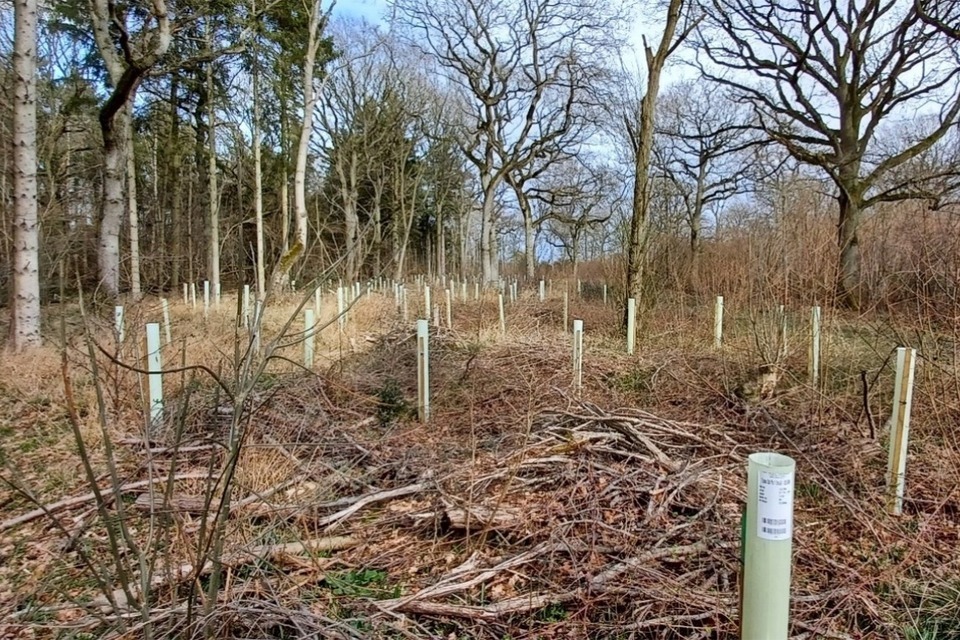
Figure 5: Recently planted tree saplings measured and genotyped as part of the Centre for Forest Protection project (Source: Royal Botanic Gardens, Kew)
Actions:
-
6.1. deliver Defra’s Trees and Forestry and Tree Health R&D programmes to fill evidence and knowledge gaps, investing in world-class science which meets end-user needs and strengthens understanding of how to deliver treescapes that can adapt to future pressures. This will include:
-
developing Phase 3 of the Centre for Forest Protection and Phase 2 of the new National Centre for Environmental Horticulture by April 2028
-
updating and publishing a revised Science and Innovation Strategy for Forestry in Great Britain to cover the period 2027 to 2032 by March 2027
Responsible: Defra, Forestry Commission, Forest Research, Animal and Plant Health Agency, Royal Botanic Gardens Kew, Royal Horticultural Society, devolved administrations
-
- 6.2. by March 2029, build and certify a new high-containment research facility at Forest Research’s Alice Holt Research Station to strengthen the UK’s capability to study high-risk tree pests and diseases, improving early detection, preparedness and protection of trees and woodlands. Responsible: Forest Research
- 6.3. collaborate with national and international research programmes, including UK Research and Innovation, Euphresco and the EU Horizon ‘Forests, forestry and the forest-based sector: Research and innovation for a Sustainable Transition (FOREST)’ research programme, to ensure research delivers against our evidence needs. Responsible: Defra
- 6.4. ensure a collaborative approach for integrating and sharing remote sensing datasets across Defra and its arm’s-length bodies to support comprehensive tree and forest monitoring, efficient regulation, and analysis of barriers to resilient woodland creation and management, and ways to support increases in both. Responsible: Defra
Implementation and monitoring
Work on the Trees Action Plan will continue beyond publication as we implement its actions and support delivery of its objectives. The action-based nature of the plan, working across multiple strands, precludes a formal monitoring and evaluation approach. We will take a pragmatic approach reflecting the nature, scale and funding of individual actions as well as the supporting evidence base. As a minimum, we will ensure that the outputs and outcomes are robustly measured from the outset, working closely with stakeholders where relevant. The action plan will report on how each action has contributed towards Defra’s Outcomes Framework.
Notes
- All monetary values in this document have been adjusted to 2026 prices.
- ‘System connections’ boxes highlight relevant wider government commitments that the actions in this plan support, or which themselves contribute to delivering the vision and priorities of the Trees Action Plan.