UK government approach to implementing the strategy (England only)
Published 25 March 2026

© Crown copyright 2026
This publication is licensed under the terms of the Open Government Licence v3.0 except where otherwise stated. To view this licence, visit nationalarchives.gov.uk/doc/open-government-licence/version/3 or write to the Information Policy Team, The National Archives, Kew, London TW9 4DU, or email: psi@nationalarchives.gov.uk.
Where we have identified any third party copyright information you will need to obtain permission from the copyright holders concerned.
This publication is available at https://www.gov.uk/government/publications/pandemic-preparedness-strategy-building-our-capabilities/uk-government-approach-to-implementing-the-strategy-england-only
This part of the strategy applies to England only.
Executive summary
The UK government has learned crucial lessons from COVID-19. These have shaped our approach to preparing for future pandemics, while also ensuring that we are able to adapt to any future pandemic threats - not just preparing for the pandemic we just had.
This includes the need for an ethical, equitable and compassionate approach to planning and response that learns from how the COVID-19 pandemic, and the government’s response to the crisis, impacted people and communities.
In its response to the Covid-19 Inquiry module 1 report, the UK government committed to developing a new strategy for improving pandemic preparedness to better protect the population from future threats.
The UK government has a renewed mission to:
protect the health of the population, and help mitigate unequal and wider impacts on society, by progressively improving our pandemic preparedness capabilities between now and 2030.
This is a strategy to rebuild our readiness for pandemics and prepare for different scenarios while learning from past pandemics. It is not, however, a plan for responding to a pandemic, and does not lay out operational detail and roles and responsibilities for how the UK government will respond.
The strategy builds on lessons from the UK Covid-19 Inquiry and initial findings from Exercise Pegasus (see ‘Introduction and principles’ for more details), the full report of which will be published by winter 2026.
Implementation of the strategy will continue to draw from:
- further lessons identified from the exercise
- the UK government’s soon to be published response to the module 2 report of the UK Covid-19 Inquiry
- the inquiry’s future recommendations
We will maintain a flexible approach to future preparedness, so that the strategy’s actions may be adapted as the wider international and domestic context or our scientific understanding of potential future pandemics evolve. Advances in research, technology and evidence will also continue to influence how we implement them.
The UK government will implement its mission through 5 strategic goals, each supported by targeted outcomes.
These goals align with the UK Biological Security Strategy and the 5 main components that enable a pandemic response, as set out in the World Health Organization’s (WHO) Preparedness and Resilience for Emerging Threats (PRET) guidance.
The 4 main pillars of the UK Biological Security Strategy are:
- understand
- prevent
- detect
- respond
The 5 goals of the strategy, and the associated outcomes under each goal, are linked to the 4 pillars of the UK Biological Security Strategy, as shown in figure 2 below.
Goal 1: plan for a whole-system response
The outcomes listed under this goal are:
- outcome 1: ready-made response plans, prepared and rigorously tested in advance, addressing the 5 main routes of transmission
- outcome 2: cross-government co-ordination and local command and control for preparedness and response
- outcome 3: the whole-system response is supported by appropriate personal protective equipment (PPE)
- outcome 4: updated legislative frameworks, enabling rapid response
Goal 2: strengthen community protection and build trust in our communities
The outcomes listed under this goal are:
- outcome 5: comprehensive evidence base and planning for community protection measures
- outcome 6: established, trusted communication routes for guidance reaching all population groups
- outcome 7: resilient and scalable case, contact and outbreak management and community testing infrastructure
Goal 3: enhance access to clinical countermeasures
The outcomes listed under this goal are:
- outcome 8: research and development (R&D) to support the development of new diagnostics, vaccines and therapeutics
- outcome 9: timely access to available, safe and effective vaccines and therapeutics for those most in need
- outcome 10: rapid scale-up of diagnostic tests, with ability to reach population level if required
Goal 4: strengthen collaborative surveillance and data use
The outcomes listed under this goal are:
- outcome 11: a diverse range of disease surveillance systems, studies and sample groups are ready to be flexed and scaled to understand disease spread and characteristics
- outcome 12: national, regional and local systems’ planning and response is supported by timely and reliable data and analysis
Goal 5: support our healthcare and adult social care systems to prevent, respond, scale and adapt
The outcomes listed under this goal are:
- outcome 13: the NHS, adult social care sector and public health systems can quickly adapt their systems and resources for a pandemic response
- outcome 14: recovery and maintenance of business-as-usual health and adult social care is hardwired into preparedness and response architecture
- outcome 15: the NHS and adult social care sector’s pandemic response is supported by evidence-based infection prevention and control measures
Figure 2: goals and outcomes of the strategy informed by the 4 pillars of the UK Biological Security Strategy
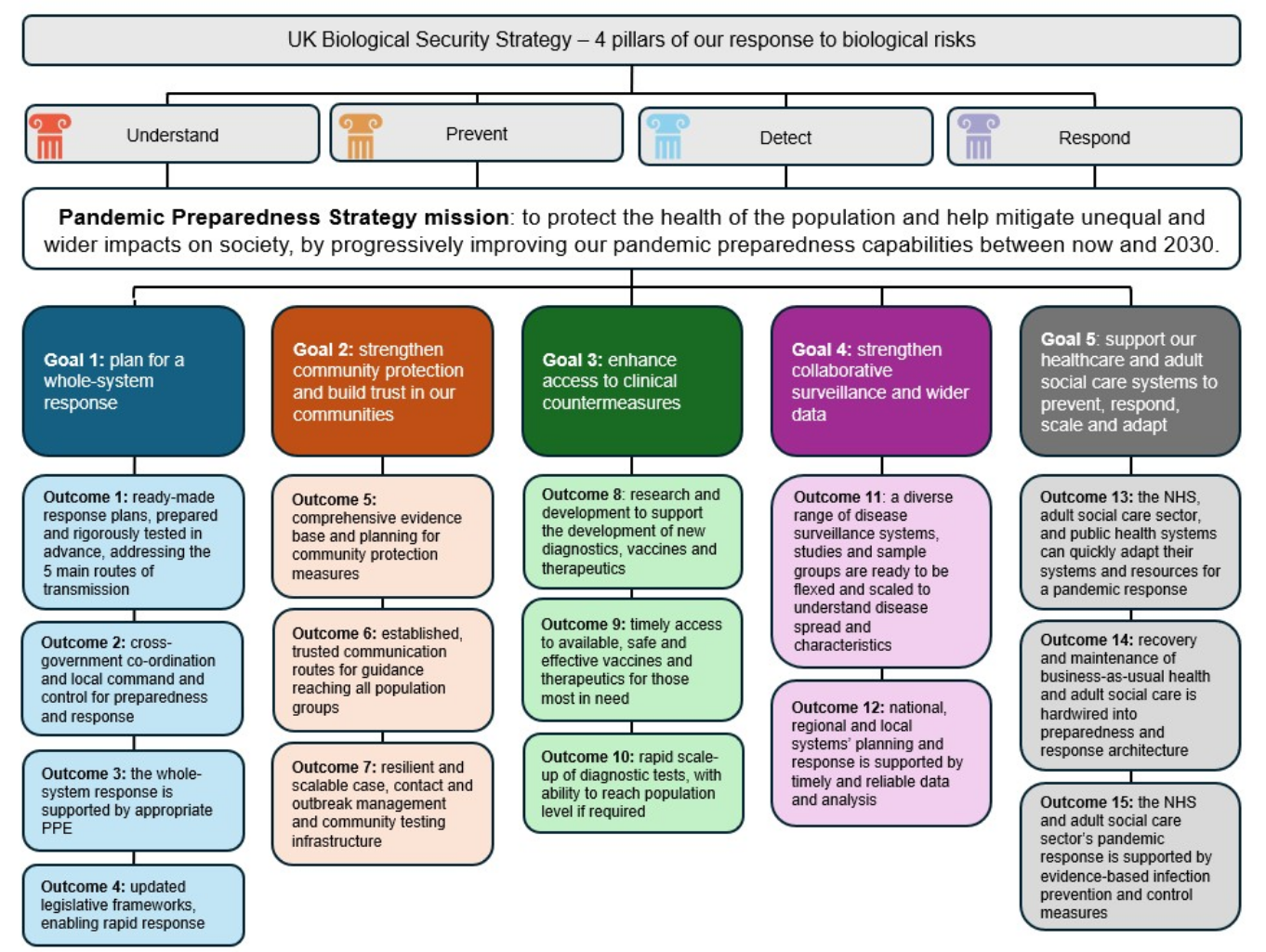
Pandemic preparedness demands a whole-of-government, whole-of-society approach that prioritises the needs of those most vulnerable.
The following sections under each goal set out how policies and national, regional and local response systems will be co-ordinated across health and social care and other sectors including:
- education
- safeguarding for children and young people
- supply chain resilience
- providing financial support for individuals and businesses
Commitments focus on building an adaptable and scalable response that is underpinned by rapid surveillance, diagnostics, and access to PPE and clinical countermeasures. Preparedness will span the full pandemic life cycle - from prevention and containment to recovery - supported by:
- health system and wider resilience
- robust data
- scientific advice
- ethical planning
The UK government is underpinning the implementation of its goals with significant investment to maintain and improve a wide range of capabilities. This reflects the principle underscored in the UK Covid-19 Inquiry that “proper preparation for a pandemic costs money… Money spent on systems for our protection is vital and will be vastly outweighed by the cost of not doing so”.
This strategy is backed by investment of around £1 billion for health protection during the current Spending Review 2025 period, with any later funding being subject to future spending reviews.
This is in addition to a multibillion-pound investment, including £250 million over this Parliament to establish a new world-leading biosecurity centre in Harlow, Essex, which will be the largest of its kind in Europe and boost the UK’s R&D for pandemics. The whole site is scheduled to be in operation by 2038.
The National Institute for Health and Care Research (NIHR) continues to invest over £606 million annually to sustain the UK’s robust research infrastructure, including in specialist facilities, expert knowledge and skilled delivery teams, which are vital for preparedness.
In 2025, the Department of Health and Social Care (DHSC) committed £80 million to recommission NIHR’s Health Protection Research Units (HPRUs), which cover infectious diseases, emergency preparedness and cross-cutting areas, each with a pandemic preparedness theme.
DHSC has developed this strategy in partnership with the UK Health Security Agency (UKHSA) and NHS England, other government departments and national governments. While pandemic preparedness and response is primarily a devolved matter, the strategy illustrates an agreed approach across the 4 nations of the UK.
DHSC will lead the implementation of the strategy, working closely with the Cabinet Office and other government departments and executive agencies. We will use existing mechanisms and cross-government governance for pandemic preparedness to co-ordinate delivery and provide assurance, as well as deliver the areas of collaboration with the devolved governments. A timeline for implementation is included in the ‘Next steps and implementation’ section below.
Taking a whole-of-government approach
A large range of capabilities are needed for a successful pandemic response in order to maintain critical national infrastructure and minimise the disruption to people’s lives and wellbeing.
Primary examples of the capabilities considered in this strategy include the following.
Central co-ordination
The Cabinet Office will build on the progress it has made to strengthen central co-ordination, as outlined under outcome 2 of the ‘Goal 1: plan for a whole-system response’ section below.
It will continue to take a driving role in working to improve preparedness and readiness across government, and better support the work of other government departments in their response to the cascading impacts of a pandemic.
As recommended by the module 1 report of the UK Covid-19 Inquiry, the Cabinet Office will provide leadership in the event of a catastrophic risk and closely support DHSC, the lead government department, to co-ordinate a whole-system response.
Health and adult social care
UKHSA provides:
- disease surveillance
- risk assessments
- epidemiological investigations
- public health guidance for infectious disease outbreaks
This strategy shows where action is being taken to enhance these in the context of a pandemic response.
DHSC is focusing on:
- bolstering the health and adult social care system’s resilience to pandemics, working closely with NHS England
- enhancing the development of and access to clinical and non-clinical (for example, PPE) countermeasures, in collaboration with other government departments
Children and young people
The Department for Education (DfE) works to support continuity of education, safeguarding and care in a pandemic, and reduce the risks to the health and wellbeing of children and young people. DfE is strengthening pandemic capabilities, including:
- remote education
- the continued provision of free school meals
- support for vulnerable children
- plans to maintain face-to-face education and care for as many children and young people as possible (prioritising vulnerable children and the children of critical workers)
Action will be taken across government to safeguard socially vulnerable children -particularly at home and from wider exploitation or criminal activity - alongside measures to protect children and young people’s wider mental health and wellbeing.
Financial support
In a pandemic, DHSC, HM Treasury, HM Revenue and Customs, the Department for Work and Pensions, the Department for Business and Trade (DBT) and the Ministry of Housing, Communities and Local Government (MHCLG) work to understand the impact of the pandemic and any consequent health interventions on the economy, including households and businesses.
As part of the strategy’s work on community protection, these departments will consider lessons learned from the COVID-19 pandemic to ensure appropriate economic interventions can be considered and co-ordinated to support people and businesses in future crises.
International borders
UKHSA, the Home Office and the Department for Transport (DfT) will work together to strengthen their capabilities for implementing and operationalising public health measures at points of entry to the UK, as part of the strategy’s work on community protection.
In a pandemic, the Foreign, Commonwealth and Development Office (FCDO) will review travel advice for affected countries or territories to ensure it includes where to find up-to-date information and advice to support the safety of British nationals overseas.
UKHSA is reviewing the best available evidence on the benefits of these measures to support the development of effective public health advice (inputting to outcome 5 of ‘Goal 2: strengthen community protection and build trust in our communities’). This will inform the cross-government decisions that would be needed in a pandemic, led by DHSC.
Supply chain continuity
This is a cross-government priority for pandemic preparedness. For example:
- DBT provides support to businesses and is enhancing emergency resilience planning for supply chains
- DfT works with the transport sector to enable continuity of transport services, which in turn enables the smooth functioning of supply chains
Departments’ contingency planning is underpinned by the UK’s Critical imports and supply chains strategy, which prioritises:
- risk assessment
- removing trade barriers
- rapid response to global shocks
- collaboration with industry and academia to secure essential goods for health, security and economic continuity
Zoonotic disease
The Department for Environment, Food and Rural Affairs (Defra) leads the government’s response to animal diseases by:
- adopting animal disease control measures that minimise spillover to humans and prevent pandemic threats
- expanding R&D for animal diseases, as outlined under outcome 8 of the ‘Goal 3: enhance access to clinical countermeasures’ section below
Taking a One Health approach (see ‘Introduction and principles’) and reflecting lessons from the COVID-19 pandemic, Defra will work together with DHSC, UKHSA and the Office for Life Sciences (OLS) to identify where expertise and resources can helpfully be shared, including pivoting capabilities (for example, to find efficiencies in the development of clinical countermeasures for a pandemic response, as shown under outcome 9 of the ‘Goal 3: enhance access to clinical countermeasures’ section below).
Funding for a pandemic response
The Public spending - accountability framework continues to be applied in a pandemic as the government remains accountable to Parliament for the use of public money.
Reviews of expenditure in the previous COVID-19 pandemic have concluded that many of the protections provided by spending control processes are just as important in a crisis.
HM Treasury will publish new guidance on spending controls in a crisis in 2026, setting out how flexibilities in the public spending framework can be temporarily applied to support a timely and flexible pandemic response, in a manner consistent with the framework’s underlying principles.
In a pandemic, this will enable the short-term objective of supporting the pandemic response - which is also the most effective approach to supporting the economy - while also ensuring medium-term fiscal sustainability.
Local systems
Local systems are critical enablers of a pandemic response, including but not limited to:
- local responders in the NHS, primary care and adult social care providers
- local authorities
- integrated care boards (ICBs)
- directors of public health
- UKHSA’s regional health protection teams
- local health resilience partnerships
All Category 1 responders under the Civil Contingencies Act 2004 have a legal duty to maintain plans to enable an effective response to emergencies, with local resilience forums (LRFs) playing an essential co-ordinating role.
All NHS-funded organisations have a contractual obligation to maintain and test specific plans for infectious disease and new and emerging pandemics.
Outcome 2 of the ‘Goal 1: plan for a whole-system response’ section of the strategy below sets out the government’s commitments to review the expectations and guidance that it sets out for local systems to support their preparedness planning, as well as ways it is aiming to help strengthen the emergency resilience of local responders generally.
Civil society
Recognising the essential role of volunteers during COVID-19, including supporting vaccine centres and providing face-to-face support to patients, the Department for Culture, Media and Sport is developing a civil society response protocol. This will:
- establish processes to quickly convene and work with the voluntary, community and social enterprise (VCSE) sector
- agree core working principles, such as on data sharing and communication
Communications
Being able to effectively and consistently share information is a vital part of any pandemic response. Our approach to preparedness will include plans to:
- share situational awareness across government departments and devolved governments
- disseminate information and updated guidance, reflecting changing operational delivery, with those delivering public services both within and beyond health
- keep the public warned, informed and advised during any pandemic
All government departments will work with DHSC and the Cabinet Office to implement several actions in the strategy that relate to cross-government co-ordination, including on:
- community protection measures
- local guidance
- data
- identifying critical workers
- the prioritisation of resources, such as PPE and testing
Actions that UK government will take to implement goals and outcomes to 2030
The UK government has identified 5 goals that describe its ambitions for pandemic preparedness, with 15 outcomes that we aim to achieve as a result (see figure 2 in the ‘Executive summary’ section).
In the following sections, this strategy sets out the specific actions to be taken between now and 2030 to help achieve these goals and outcomes.
The government will continue to adapt its approach in response to the changing risk landscape, learnings from regular pandemic exercises and disease outbreaks, and emerging scientific and technological advances, and will work to fully realise the desired outcomes beyond 2030.
Goal 1: plan for a whole-system response
When responding to a pandemic, it is crucial that the government establishes clear strategic objectives guiding collective decision-making and planning implementation, ensuring priorities and trade-offs are understood, and enabling effective resource allocation.
Objectives would be set at the outset of a pandemic based on the Cabinet Office Briefing Rooms (COBR) strategic decision-making responsibilities, described in the Amber Book, and would remain under continuous review. Overall aims of the response would include minimising the impact on the UK and UK interests, particularly on people’s health (especially children and vulnerable people), the NHS, education and the economy.
These aims demand a ‘whole-system’ readiness to respond. Planning and co-ordination between national, local and regional response structures and organisations, across all relevant sectors, is critical for effective decision-making, information sharing and appropriate scale-up of resources. Without this, we would risk greater disruption and damage across society in a future pandemic.
The government will therefore prioritise maintaining clear response plans, roles, responsibilities and structures for cross-government co-ordination as part of preparedness.
Outcome 1: ready-made response plans, prepared and rigorously tested in advance, addressing the 5 main routes of transmission
The government has strengthened its emergency planning following the COVID-19 pandemic, with new processes and people in place to better respond to future pandemics by supporting better risk management, situational awareness and emergency co-ordination.
Departments have enhanced their pandemic response planning in light of lessons from COVID-19 and such plans will be further strengthened following the experience of Exercise Pegasus.
A particular focus has been building flexibility into planning to ensure that the right skills and capabilities can be adapted to the nature of a future pandemic. This is based on the understanding that no pandemic will be the same and each will require a different response, with plans having to be assessed and amended early.
Between now and 2030, the government will take the following actions.
a) Enhance departmental pandemic response plans
All departments will review their plans to maintain government services and critical national infrastructure, support the health and social care response, implement community protection measures in their sectors, and minimise unequal impacts and disruption to people’s lives and wellbeing. While doing so, they will take into consideration ongoing recommendations from the UK Covid-19 Inquiry and the need to be flexible to different future pandemic scenarios.
These will include departmental planning around:
- managing increases in workforce absence that may result from the pandemic
- accessing the data needed to quickly evaluate the impact on critical workers
- developing guidance to enable safe working
Plans will be pre-costed to ensure that, in a pandemic response, estimated costs are available to inform decision-making. Regular exercising of emergency response planning will enable continual improvement over the course of the strategy’s implementation.
Alongside this, NHS England will review and update its Framework for managing the response to pandemic diseases in the NHS.
b) Adapt the respiratory pandemic response plan for health and adult social care to articulate the different response mechanisms for non-respiratory pathogens
The operational requirements for a respiratory pandemic response plan were tested in draft through Exercise Pegasus and the plan will reflect initial lessons from the exercise.
In 2026, DHSC will lead work to adapt this plan for the other 4 main routes of transmission, with consideration of the different control strategies and interventions that may be needed. For example, measures to control insect populations for vector-borne diseases or source control from infected food or water for orally transmitted diseases.
c) Regularly ‘exercise’ pandemic and wider emergency response structures
The government’s National Exercising Programme and departmental exercise programmes will continue to build resilience across government, with lessons being incorporated into preparedness planning for continual improvement during the strategy’s implementation.
DHSC, UKHSA and NHS England will continue a range of training and exercising that is designed to:
- stress-test different components of the health and care system’s response to different outbreak scenarios
- target core functions, such as supply chain disruptions, and NHS specialist and surge capacity
This will ensure we understand what is needed when responding to future pandemics, not past.
Outcome 2: cross-government co-ordination and local command and control for preparedness and response
Since the COVID-19 pandemic, the government has taken significant steps to improve cross-government co-ordination and ensure the government is well prepared to manage future whole-system risks.
In 2025, the Cabinet Office developed a new central Pandemic Concept of Operations (a document used internally by national government planners) that defines roles, decision-making and communication processes in central government to strengthen overall system resilience to pandemics.
The government is also working to help strengthen the emergency resilience of local responders. This includes a Stronger LRF Trailblazers programme, which gives local areas the opportunity to test integration of resilience into wider local policies, and increase the leadership and democratic accountability of multi-agency activity.
Exercise Pegasus tested cross-government co-ordination, revealing a need for greater clarity of decision-making roles, frameworks and guidance, particularly for local systems, in responding to a future pandemic.
Between now and 2030, embedding early findings from Exercise Pegasus, the government will take the following actions.
a) Publish lead government department expectations and best practice for emergency planning and response in central government
In this guidance, the Cabinet Office will set out clear responsibilities for lead government departments and other government departments in planning, preparing, responding to and recovering from emergencies such as pandemics.
b) Regularly review the Pandemic Concept of Operations, setting out response roles, decision-making and communication processes in central government
The Cabinet Office will lead work to update the central Pandemic Concept of Operations to reflect lessons from Exercise Pegasus and the findings of the UK Covid-19 Inquiry.
This will include lessons identified for the government’s Enduring Pandemic Taskforce model, led by the Cabinet Office, which is activated at the point a pandemic becomes a whole-system emergency. The taskforce aims to:
- lead and co-ordinate the responses across government
- broker collective agreement of policies
- support departments facing cross-cutting impacts
The review will include further consideration of a clear protocol for decision-making in a pandemic, as well as transition points for different phases of the response.
c) Review and update published emergency planning guidance for local system responders
The Cabinet Office and DHSC - with input from UKHSA, NHS England and all departments for their sectors, and engaging with local government, including directors of public health - will review existing guidance and work with departments to update it as necessary.
This will ensure that regional and local emergency planners, sectors and communities can access the information required to support pandemic response planning.
d) Define clear expectations and guidance for local responders specifically for pandemic response, and determine the appropriate government support for local planning
DHSC, the Cabinet Office and MHCLG will lead work with other departments to define clear roles and responsibilities, expectations and guidance for local responders in a pandemic, supplementing existing emergency guidance, to ensure planners have all the information they need. This will include clear communication on the structures and processes for local and regional response within the NHS.
The government will also engage with LRFs, councils and other partners to determine what further support from government is needed for their planning.
e) Review and define critical workers across different sectors
Working with DfE and other government departments, DHSC and the Cabinet Office will review and refine the government’s list of critical workers across different sectors - drawing on the experience of Exercise Pegasus - so it is ready to adapt and use for future pandemics.
This will include both paid workers and volunteers, who form a critical part of workforces in a range of sectors. This will help ensure preparedness planning and a future pandemic response will consider all critical workers appropriately and efficiently.
f) Review frameworks for identifying people most at risk in a pandemic and clarify how these will be embedded in cross-government decision making
Significant progress has been made on how to identify those most at risk during a pandemic, including through the direct impacts of a pathogen and, indirectly, through the actions taken in response.
Building on this, DHSC will lead an overarching strategic review of existing frameworks to ensure that central government and local responders are able to comprehensively identify those at risk in a pandemic.
This will follow a flexible approach so that decision-makers can incorporate the specific characteristics of a future pathogen, alongside emerging evidence on its impacts, into their decision-making.
It will also establish a programme of work to better embed and consolidate the use of existing frameworks into decision-making.
g) Publish principles for the early prioritisation of critical capabilities, such as testing, PPE and vaccines, when supply is limited
Led by DHSC, UKHSA and the Cabinet Office and informed by input from expert advisory committees, these principles will take account of work to identify:
- people most at risk
- the impact of inequalities
- the range of critical workers
This will include cross-government engagement with departments such as DfE.
The principles will:
- support the development of clear cross-government prioritisation models for critical capabilities, such as PPE, testing and countermeasures (as referred to below in outcome 3 of ‘Goal 1: plan for a whole-system response’ and outcome 10 of ‘Goal 3: enhance access to clinical countermeasures’)
- be adaptable for different transmission routes
h) Agree the pandemic crisis communications plan
The Cabinet Office will finalise a cross-government communications plan aligned with the phased escalation of a pandemic response. This plan will set out clear roles and responsibilities during the transition from an initial health response to a wider Cabinet Office-led crisis communication team centralising:
- strategic direction
- behavioural science
- paid campaigns
- countering of disinformation
Crucially, it will commit to close alignment with the devolved governments. Within England, it will provide support for LRFs and local councils to help ensure consistent, effective guidance reaches every community.
The plan will set out how:
- governments, departments and organisations co-ordinate communications activity
- situational awareness is shared
- the public is kept informed and engaged on the government’s response
Outcome 3: the whole-system response is supported by appropriate PPE
A vital part of cross-government pandemic planning is infection prevention and control (IPC). In a pandemic, it is vital that IPC is widely implemented to safeguard frontline workers and reduce the spread of disease. Processes are in place for UKHSA to provide IPC guidance principles and for government departments to support application in different sectors.
Central to effective IPC is a resilient supply of PPE and hygiene products. To enable rapid access at times of critical need, the government holds strategic stockpiles of appropriate products.
Since the COVID-19 pandemic, DHSC has updated England’s PPE stockpile targets to reflect our learnings about the volume of PPE required across health and adult social care, accounting for asymptomatic transmission and a range of disease scenarios. DHSC is also co-ordinating with the devolved governments on their stockpile targets.
DHSC will regularly review target volumes based on the latest evidence and scientific advice, including any changes to IPC guidance and the status of the health and adult social care sectors.
PPE planning must be adaptable to different transmission routes - for example, for diseases transmitted by touch, a different set of precautions may be needed compared with those required for a respiratory pandemic.
Exercise Pegasus stressed the importance of cross-government co-ordination on PPE prioritisation to ensure appropriate access for different frontline workers. Without sufficient supply and planning, the UK would face greater risk of illness and death, particularly among frontline workers and patients, as well as greater disruption to essential services and wider society in a future pandemic.
Between now and 2030, the government will take the following actions.
a) Replenish stockpiles and secure contractual arrangements for the supply of PPE and hygiene consumables in a pandemic
DHSC will continue to invest to help meet its pandemic preparedness stockpile targets for PPE for the health and adult social care workforces. To reduce costs and waste while increasing resilience, DHSC is:
- implementing ‘dynamic’ stockpiling, where product is cycled through business-as-usual usage in the NHS, wherever possible
- exploring new contractual models to ensure access at the time of need
Ensuring the needs of a diverse workforce are met is being considered in developing product requirements - for example, the need for a range of PPE product sizes.
b) Review PPE planning in all departments
Some government departments procure PPE for routine use as appropriate.
Existing procurement routes will be drawn upon in a pandemic, where possible, to support access to priority sectors. As part of their pandemic planning and with appropriate support from DHSC, all departments will:
- determine the PPE product requirements for any sectors for which they hold policy responsibility, taking into account the diversity of workforces and their risk of exposure
- determine what mechanisms are available for securing PPE in their sectors, including different procurement routes and any pre-existing stockpiles
- plan for the deployment of PPE in their sectors, where possible, including consideration of training and fit testing as appropriate
This work will be critical for effective provision and cross-government prioritisation of available PPE.
c) Refine plans for mobilising and distributing PPE from national stockpiles and emergency procurements in a pandemic
DHSC will ensure that plans to deploy PPE across England are reviewed and tested at least annually, incorporating lessons identified from Exercise Pegasus.
DHSC will communicate regional and local-level responsibilities for receipt and onward distribution of PPE, which will be incorporated into regional and local-level pandemic planning. Plans will consider the range of health and social care settings and providers that may require additional PPE in a pandemic.
d) Prepare a cross-government model for procuring and prioritising the distribution of PPE to critical workers in periods of high demand or market failure
This will be led by the Cabinet Office and DHSC, in collaboration with NHS England and other government departments, building on the principles for prioritisation referenced under outcome 2 of ‘Goal 1: plan for a whole-system response’ above.
It will operate on the principle that, if demand surges and markets are strained, DHSC - as lead government department - will initially lead work (with NHS England and other government departments) to prioritise distribution of available stock across different sectors, based on a hierarchy of risk, until a Cabinet Office-led Enduring Pandemic Taskforce model is in place. The hierarchy of risk will take into account the:
- risk of exposure
- ability to perform roles safely without PPE
- interdependencies between critical workers
- broader societal impact
PPE would be used as a last resort after other routes have been exhausted (as advised in the Health and Safety Executive’s Using PPE to control risks at work hierarchy of controls).
Alongside this, DHSC will work with suppliers to incentivise UK manufacturing of PPE - both generally and during a pandemic - to support a resilient supply at times of increased demand.
Outcome 4: updated legislative frameworks, enabling rapid response
Legislation can play a critical role in a pandemic response, granting new powers for organisations and authorities to implement measures to:
- control disease spread
- maintain public services both nationally and locally
- support those most affected
Preparing draft legislation in advance facilitates the rapid introduction of new legislation when needed. This was demonstrated in the response to COVID-19, where a previously drafted Pandemic Influenza Bill provided the initial framework for the Coronavirus Act 2020. Though now withdrawn, this act remains the most recent legal framework available to support a pandemic response, alongside existing powers under the Public Health (Control of Disease) Act 1984 and Civil Contingencies Act 2004.
Learning lessons from previous pandemics, the government is working to prepare more flexibly for pandemic legislation to meet the needs of any future pandemic. While the draft Pandemic Influenza Bill provided a useful starting point, its provisions proved insufficient to meet all the powers needed to respond to COVID-19.
DHSC has already undertaken work to understand the powers that might be needed in a future pandemic, which proved valuable during Exercise Pegasus.
Building on this, to ensure comprehensive legislation can be rapidly introduced in a future pandemic, the government will take the following actions.
a) Prepare a draft ‘All Pandemic Hazards Bill’ that can be used in response to all pandemic pathogens
DHSC will develop a new legislative framework that can be adapted to all routes of disease transmission, to be completed by March 2027. It will adopt a modular approach, with options that can be chosen as required when a pandemic is declared or imminent, in response to the specific disease.
Once the draft bill is completed, it is our intention to review it on a regular basis to ensure it remains up to date, and consult Parliament on its provisions to build and maintain consensus between pandemics. As part of this, DHSC will consider where the effects of certain powers could be felt more keenly by some population groups and, through the development of draft powers for the bill, seek to limit negative outcomes.
b) Work collaboratively with local systems, other government departments and the devolved governments to consider the breadth of legislation that may be needed
This includes both development of the draft All Pandemic Hazards Bill and identifying where additional legislation may be needed using pre-existing powers, such as those included in the Public Health (Control of Disease) Act 1984, to support a wide-ranging and robust pandemic response.
In developing the draft bill, DHSC will work closely with local partners and other departments to consider the breadth of powers that may be needed, and their geographical scope, where appropriate. DHSC will also collaborate with the devolved governments to consider devolved and reserved powers, allowing for a quicker response across the UK’s 4 nations during a pandemic.
Goal 2: strengthen community protection and build trust in our communities
Community protection refers to:
- community-centred actions and engagement designed to protect people from the impacts of health emergencies such as pandemics
- continual work to build resilience and trust in communities
- in a pandemic, additional measures - such as isolation of people who have been infected and their close contacts - to slow or control the effects of the disease
To be effective, these measures should be supported by community testing to trace infected individuals and their close contacts and enable decision-making.[footnote 1]
Without proactive work and investment, the government would risk relying more heavily on less targeted pandemic response measures, potentially causing greater disruption to people’s lives and wellbeing.
Learning from COVID-19, the government is therefore building its data and evidence base, tools and communication routes for introducing effective community protection measures that can respond to any future pandemic.
Outcome 5: comprehensive evidence base and planning for community protection measures
The nature, scale and combination of community protection measures used in a pandemic can vary greatly depending on the pathogen, environment and population groups most at risk.[footnote 2] The combination would also vary at different stages, particularly based on the availability of clinical countermeasures. Early on in a pandemic caused by a novel pathogen, social and behavioural interventions may be the only available way to slow the spread of the disease.
In a future pandemic, the government will need to make difficult decisions about the application of these measures based on expert advice and the latest evidence, data and modelling available on the impacts of such measures.
Since the COVID-19 pandemic, the government has enhanced its readiness by working to further its understanding of:
- the effectiveness and impacts of different measures
- likely public behaviour responses
So far, the government has completed and published a detailed review of public health evidence for the respiratory route of transmission that specifically considered health inequalities.
Exercise Pegasus and recent outbreaks such as mpox highlighted the need for continued collaboration across government to better understand the role of different community protection measures for different routes of transmission and their full impacts - including unintended ones - on people and society, and particularly people facing inequality. This is needed to support proactive preparation of the policy capabilities that may be needed, and inform the cross-government decisions needed in a pandemic.
Between now and 2030, the government will take the following actions.
a) Publish public health evidence reviews on the effectiveness of community protection measures for all 5 main disease transmission routes
Building on its published review for the respiratory route of transmission, UKHSA will work to develop evidence reviews for the effectiveness of interventions in other routes of disease transmission that could lead to future pandemics, including specific consideration of health inequalities.
Where there are evidence gaps, UKHSA will work with academic partners and other public health agencies to fill these, including through scenario modelling. UKHSA will also continue to improve its processes for rapidly reviewing the emerging evidence in a pandemic.
b) Develop understanding of the wider impacts of community protection measures on all sectors, communities and age groups
DHSC and the Cabinet Office will convene other government departments in a ‘community of practice’ to evaluate potential community protection measures. Using the highest-quality evidence available, they will review:
- public health advice on these measures from UKHSA
- the impacts on:
- social inequities
- education
- the economy
- the environment
- access to healthcare services
- the population’s mental health
- likely public behaviour responses
c) Build a recognised and shared suite of community protection measures to help support elected governments with swift decision-making and prioritisation in a future pandemic
Building on UKHSA’s public health advice and findings from the community of practice, DHSC will lead work with UKHSA, other departments and the devolved governments to prepare a catalogue of policy options for potential community protection measures.
Recognising that no 2 pandemics are alike, this policy suite will incorporate a shared overarching understanding of possible health benefits, costs and socioeconomic impacts. These will range from targeted interventions to population-wide measures, including some used during the COVID-19 pandemic and others not.
Examples include options for ventilation, partial home-working or stay-at-home advice, with the potential for varying flexibility across different age groups or clinically vulnerable people, such as those who are immunosuppressed or pregnant women.
The suite of policies will consider:
- policy options to help keep critical sectors operating safely and mitigate unintended impacts
- the most appropriate methods to support uptake, such as the tailoring of communications or use of mandation or enforcement powers where needed
- coupled with commitments made under outcome 12 of ‘Goal 4: strengthen collaborative surveillance and wider data’ below, options for the live and continuous evaluation of measures to ensure policy can be agile and responsive to real-life impacts
d) Include mitigations for unequal impacts in policy design upfront
Building on the available evidence and the consolidated frameworks developed under outcome 2 of the ‘Goal 1: plan for a whole-system response’ section above, all planning and policy design undertaken by organisations will include consideration of the appropriate approaches and mitigations to seek to prevent negative, unfair or unequal impacts of potential community protection measures, including the use of modelling to assess impacts. This will include providing support, such as food, for people who are asked to isolate and ensuring appropriate care is in place where normal caring routines are disrupted.
This work will adopt a whole-of-society approach, including consideration of how best to support children and the most socially and clinically vulnerable groups.
While the evidence reviews and suite of policy options can never prove exhaustive given the inherent uncertainty of pandemics, these steps will help to:
- strengthen cross-government preparedness planning
- support more equitable policy and decision-making in a pandemic
Outcome 6: established, trusted communication routes for guidance reaching all population groups
In a pandemic, guidance only helps if it reaches the people who need it. COVID-19 underscored the importance of clear, transparent communication tailored for different communities, age groups and vulnerable people, and provided in multiple languages and accessible formats, including British Sign Language.
Digital platforms and social media are important for communication but can become fertile ground for misinformation and disinformation, undermining important messaging.[footnote 3]
The government has taken action to improve public resilience to misleading and polarising content. The Department for Science, Innovation and Technology (DSIT) is delivering a:
- pilot media literacy campaign to provide tools for parents and carers to help their children build critical thinking skills online
- media literacy action plan entitled A Safe, Informed Digital Nation, which sets out the collective priorities and activity across government to embed media literacy across major policy areas
To help ensure that critical information can translate into meaningful action in a future pandemic, by 2030 the government will take the following further actions.
a) Strengthen central crisis communication capabilities
To ensure government communications are impactful and driving behaviour change and the adoption of protective behaviours, the Cabinet Office is:
- establishing a central New Media Unit to shape digital engagement strategies
- investing in emergency preparedness[footnote 4]
- upskilling communicators across government to ensure the workforce is fully trained in emergency response communications
b) Expand and assess communication channels for reaching diverse communities
In order to maximise existing community channels, working together with NHS England, DHSC and MHCLG, UKHSA will determine the most effective lines of communication with a range of partners, including:
- local authorities
- VCSE and faith sector organisations
- NHS and social care providers
- new ICB structures
- neighbourhood health services
UKHSA will regularly assess and continually improve use of these. This will help important messages reach wide and diverse audiences, ensuring all communities - including those who are digitally excluded - have access to timely and accurate information, and reducing the risk of unequal impacts.
c) Improve understanding of how to make communications relevant to different communities to maximise trust
UKHSA’s communications and local public health teams will work directly with local government, directors of public health and community representatives to ensure public health science and guidance is accessible and understood by diverse audiences.
Alongside this, UKHSA will undertake behavioural science and social research, building an evidence base to inform the creation of more effective and inclusive content. This will help ensure that vital guidance is understood, accepted and acted upon by all communities in a pandemic, protecting people’s health and reducing transmission of the disease.
d) Strengthen guidance provided to different sectors
UKHSA will support all departments with developing clear, consistent and effective guidance for their sectors by providing common guidance principles.
Outcome 7: resilient and scalable case, contact and outbreak management and community testing infrastructure
Case, contact and outbreak management involves identifying individuals who have been infected or exposed to a disease and providing them with guidance, support, testing (if available and appropriate) and treatment.
As well as protecting people, this service provides critical data to help the government:
- understand where and how the disease is spreading
- identify the most affected or at-risk populations
- apply targeted interventions in response
Diagnostic testing and clinical case management in England are delivered by the NHS across primary, urgent and secondary care settings. UKHSA provides contact tracing, outbreak management and public health advice. Where national testing demand during a major incident exceeds NHS capacity, UKHSA will use commercial frameworks and contracts to scale testing capacity in response to infectious disease outbreaks.
However, past pandemics and Exercise Pegasus have highlighted the need for a more innovative and integrated digital approach to enable widespread, easy access to testing and contact tracing, while taking into account the characteristics of the specific pathogen. This is important in ensuring the approaches can be adapted to the different requirements across transmission routes - for example, scenarios where testing exists but contact tracing is less effective, or where contact tracing remains essential even in the absence of a reliable test.
To help speed up these capabilities in a future pandemic (and reduce the reliance on other, more restrictive measures, such as large-scale lockdowns), between now and 2030 the government will take the following actions.
a) Build a scalable, end-to-end case and contact management service that can meet demand in any pandemic
UKHSA will develop the digital capability for a Surge Response Service (SRS) as a portal for self-service case management, test ordering, contact tracing and targeted advice and guidance for the public. This will include advice on isolation and self-testing (where available). Further work is being done on linking the SRS to the rapid distribution of therapeutics, such as antivirals (where available), in a pandemic response.
UKHSA will explore options to work with ‘big tech’ to use live location data and artificial intelligence (AI) for a more rapid, large-scale detection and alert system during pandemics. These services will adopt a whole-of-society approach with accessible and multilingual formats, and UKHSA will work to consider and build the equivalent tools needed for digitally excluded communities.
This will need to take account of the significant potential differences in the nature of contact tracing across different transmission routes (for example, tracing and isolation may be very different for a pathogen transmitted through the sexual route). For diseases transmitted by touch, contact tracing and isolation for the duration of the incubation and infectious periods can be highly effective in breaking the chain of transmission.
b) Ensure national services and data systems for case, contact and outbreak management can be tailored to all our communities
DHSC and UKHSA will conduct an engagement process with local system partners to identify and address risks in local case, contact and outbreak management capability - such as access to data and resource or legislative gaps.
UKHSA will:
- continue engaging local authorities, ICBs, VCSE organisations and future neighbourhood health services to understand populations facing health inequalities and adapt its tools accordingly
- pilot the effective use of available self-testing devices to improve outbreak management in care homes
These actions will strengthen local capability and ensure all communities are better protected in a future pandemic.
c) Ensure effective identification and integration of international arrivals into case and contact management systems
UKHSA will work with the Home Office to link the universal permission to travel system, which provides advanced passenger information and passenger health declaration data, to the SRS, where those individuals require testing, to enable the provision of support and guidance to reduce onward disease transmission.
Goal 3: enhance access to clinical countermeasures
Clinical countermeasures - diagnostics (testing), therapeutics (or treatments) and vaccines - are vital parts of pandemic preparedness and response. In a pandemic, appropriate clinical countermeasures can take time to evaluate and develop but, when available, can facilitate the scaling back of community protection measures.
Without investment in the evaluation, development and production of clinical countermeasures, future pandemics could:
- lead to more serious illness and deaths
- put greater pressure on health and social care services
- require more disruptive measures to keep communities safe
The government needs to be prepared from the emergence phase of a pandemic to establish taskforces for vaccines, therapeutics and diagnostics, bringing together the right stakeholders from government, industry and academia. These will pursue identification, development and production of a broad range of candidate countermeasures, using all available routes, including repurposing current treatments as well as developing new ones, applying a One Health approach where appropriate.
Drawing on lessons from the COVID-19 pandemic, and reinforced by Exercise Pegasus, these taskforces will prioritise accessing, developing and distributing clinical countermeasures appropriate to the transmission route, as quickly as possible, to protect public health and minimise disruption to people’s lives.
Each taskforce will incorporate R&D ‘accelerators’ to co-ordinate funding and provide support for early-stage development and clinical trials.
Outcome 8: research and development to support the development of new diagnostics, vaccines and therapeutics
The UK is a strong advocate of the 100 Days Mission and, since the COVID-19 pandemic, has continued to invest in global diagnostics, vaccines and therapeutics development and infrastructure, while also working closely with the UK’s life sciences industry and academia.
In 2022, DHSC and FCDO jointly pledged £160 million over 5 years to the Coalition for Epidemic Preparedness Innovations, a global partnership working to accelerate clinical countermeasure development. The UK will support the global community in working together to enhance availability and access to clinical countermeasures, and deploy them to places where they are most needed.
In the UK, the government has signed a 10-year partnership with Moderna, which will invest over £1 billion in vaccine R&D, and has established the state-of-the-art Moderna Innovation and Technology Centre in Oxfordshire.
UKHSA has boosted R&D for vaccines and therapeutics with its Vaccine Development and Evaluation Centre, launched in 2023, providing world-leading expertise and high-containment facilities for studying dangerous pathogens.
Also launched in 2023, NIHR’s UK Vaccine Innovation Pathway is the country’s first clinical trial delivery accelerator for vaccines and messenger ribonucleic acid (mRNA) therapeutics, being led in partnership with the devolved governments and industry.
UKHSA has created a new specialist team, the Diagnostic Accelerator, to boost the country’s ability to diagnose and test for a range of different diseases. Its capabilities were tested during Exercise Pegasus, with an emerging lesson being the need to improve capabilities for more priority pathogen families to support more rapid development of diagnostics when faced with ‘Disease X’.
The UK’s Chief Medical Officers and Government Chief Scientific Advisers have highlighted the importance of co-ordinating R&D in pandemic preparedness and response.[footnote 1] In response, the health and care R&D framework for pandemic preparedness, prevention and response was launched in 2025. This is being used to facilitate collaboration between research funders by setting priorities, infrastructure needs and appropriate funding routes, which cover an extensive range of research areas including clinical countermeasure evaluation and development.
The framework covers all 5 routes of disease transmission and includes a dedicated theme on identifying and supporting vulnerable people. It has been used during mpox and avian influenza outbreaks and tested in Exercise Pegasus, facilitating a rapid cross-government response.
To bolster targeted R&D that can pivot to future pandemic threats and better protect the population, between now and 2030, the government will take the following actions.
a) Fund new platform trials to evaluate interventions in hospital and primary care that can be pivoted in an outbreak
In 2025, NIHR launched a competition for ‘platform trials’ (trials designed to test multiple clinical countermeasure candidates, both novel and pre-existing countermeasures, at the same time).
These new platforms, which will be funded in spring 2026, will be designed to rapidly pivot to evaluate medical interventions in the event of a pandemic, significantly reducing the time needed to get from laboratory to patient.
b) Enhance the Diagnostic Accelerator for the rapid development of diagnostics to support testing across a range of pathogens
In partnership with industry and academia, UKHSA will:
- continue to develop and work with industry to improve availability of a greater range of diagnostic assays - which are necessary for identifying a pathogen and developing an effective diagnostic test - for priority pathogen families. This will aim to reduce the risk of delays in developing or gaining access to testing for these pathogens if and when needed
- develop new test kits to inactivate pathogen samples at the point of collection (rather than in a laboratory) for pathogens that would otherwise be too dangerous to manage at scale, limiting diagnostics capacity
- continue to stress-test its existing repertoire of assays for current public health threats, including working with the private sector and international partners
c) Address the perceived barriers to the development of novel vaccines and therapeutics for priority pathogens
To support delivery of the 100 Days Mission, DHSC will identify actions to address the barriers to development of novel vaccines and therapeutics - including economic incentives and advance market commitments, where appropriate - by building on the success of the novel subscription model in supporting the development of novel antimicrobials.
This will align with other initiatives across the R&D pipeline on:
- funding basic research
- supporting effective clinical trials
- addressing regulatory barriers
d) Expand R&D for animal diseases, in collaboration with other funders
According to WHO’s One Health factsheet, around 75% of emerging infectious diseases in humans originate from animals, making R&D on animal diseases critical for pandemic preparedness.
Defra will:
- prioritise R&D in technology platforms for creating next-generation veterinary vaccines and diagnostics
- invest in expanding high-containment laboratories, such as the National Biosecurity Centre at Weybridge, which are essential for identifying, characterising and responding to dangerous infectious animal diseases
Outcome 9: timely access to available, safe and effective vaccines and therapeutics for those most in need
The government takes a multifaceted approach to advancing the development and supply of pandemic vaccines and therapeutics, aligning with the ambition of the 100 Days Mission. As well as supporting R&D, this includes holding strategic stockpiles and bespoke agreements with manufacturers to support rapid access at times of need, alongside scale-up plans for mobilising staff and infrastructure to distribute and administer products quickly.
Since the COVID-19 pandemic, in line with expert advice and in co-ordination with the devolved governments, the government has sustained pre-existing investment in vaccine and therapeutic capabilities. This has ensured continued access to vital products including antibiotics and influenza antivirals, and medical consumables (such as needles and syringes) needed for administration. This is in addition to investments in capabilities such as the strategic partnership with Moderna and an advance purchase agreement for a pandemic influenza vaccine with Seqirus.
These capabilities are kept under review to ensure the government is able to respond to emerging disease risks facing the UK. However, pre-existing stockpiles and commercial agreements cannot be held in advance for all pandemic threats, and there is always the risk of ‘Disease X’.
Exercise Pegasus, which tested our ability to respond without immediate access to therapeutics or vaccines, demonstrated the importance of taking a holistic approach - including by supporting supply chain resilience and UK manufacturing - to ensure greater agility to respond to different scenarios in times of need.
To help expedite access to vaccines and therapeutics in a future pandemic, between now and 2030, the government will take the following actions.
a) Take a dynamic approach to holding or ensuring access to vaccines and therapeutics
DHSC, working with UKHSA, will continue to invest to help ensure access to clinical countermeasures, when needed, including, but not limited to:
- antivirals
- antibiotics
- vaccines (when they become available)
- clinical consumables such as needles
- hygiene consumables such as disinfectants
This investment will not only help ensure that we maintain stockpiles of already available products at their target volumes, but also that we continue to invest in the underpinning scientific research and innovation to be able to both rapidly evaluate existing countermeasures and develop novel products when needed.
This innovation includes the potential opportunities presented by AI, such as the ability to rapidly identify potential (pre-existing) therapeutics for novel pathogens, or screen hundreds of molecules to identify those with the most promise in terms of therapeutic value.
Where we have identified products that could have broad response benefits, we will continue to explore initiatives with manufacturers and the NHS, such as partnerships with industry and approaches such as dynamic stockpiling, to help achieve better value for money.
We will use up-to-date scientific advice and expertise, and consider how these approaches combine to give the best breadth of coverage, flexibility and agility to respond to pandemic needs. In ensuring access to vaccines and therapeutics, we will:
- refine activation protocols
- consider and plan for different therapeutics and vaccine deployment strategies, including both prophylactic and therapeutic use cases together with clinical experts and local forums
b) Continuously improve our measures in light of the changing risk landscape, taking account of the evidence and expert advice
DHSC will regularly review its ability to provide vaccines and therapeutics in light of emerging risks facing the UK, and the opportunities presented by innovation, and adapt its approach as needed.
Planning will be tested with independent experts, including the New and Emerging Respiratory Virus Threats Advisory Group, the Advisory Committee on Dangerous Pathogens, and the Joint Committee on Vaccination and Immunisation. A range of factors will be considered, including opportunities for innovation and how to target support to best reduce health inequalities.
This approach has already helped to rapidly secure vaccines and therapeutics during the 2022 to 2023 global outbreak of mpox, containing the spread of disease in the UK.
c) Further develop UK onshore vaccines, therapeutics and diagnostics manufacturing capacity through investments in the life sciences sector
DHSC, UKHSA and OLS are working together to monitor and bolster the manufacturing landscape for clinical countermeasures to help ensure we have the science base and manufacturing sector we need, including looking at our ability to use AI and other approaches.
The government is delivering up to £520 million in capital grants between 2025 to 2030 through the Life Sciences Innovative Manufacturing Fund to strengthen the UK’s manufacturing capacity and capabilities.
The government will also work on stimulating UK production of specific products, or significant partnerships such as the £29.6 million UK RNA Biofoundry announced in August 2025.
d) Establish principles and define processes for working across animal and human health interests to enhance efficiencies for a pandemic response
Taking a One Health approach and reflecting lessons from the COVID-19 pandemic, DHSC, Defra, OLS and UKHSA will together identify where expertise and resources can helpfully be shared, including pivoting capabilities to help support and accelerate the development and production of vaccines, therapeutics and diagnostics in a pandemic.
This may include (but is not limited to) scientific expertise, manufacturing, surveillance and assessment.
Outcome 10: rapid scale-up of diagnostic tests, with ability to reach population level if required
Once an effective test is developed during a pandemic, rapid scale-up of testing is crucial for providing the correct guidance and treatments, when available, to those who fall ill, as well as enabling surveillance systems to track disease spread.
UKHSA will develop testing for novel pathogens and disease outbreaks through its laboratories and scientific expertise. It will work with industry to develop scalable assays that can be delivered within the NHS. Once commercial tests are improved, NHS laboratories can dramatically increase testing capacity.
Technological advancements mean that, in some disease scenarios, self-testing is now possible, eliminating the need for people to visit a clinic or testing site.
Adapting these capabilities quickly to a pandemic-scale response proved a constraint in the COVID-19 pandemic. To enhance preparedness, UKHSA has been working to develop an end-to-end plan to scale and distribute diagnostics. This was tested during Exercise Pegasus, which highlighted the importance of considering the prioritisation of testing in the early stages of a pandemic, when availability is limited.
To speed up the roll-out of population-wide testing by several weeks and provide resilience to market pressures, between now and 2030, the government will take the following actions.
a) Build appropriate stocks of chemicals and equipment needed for testing across a range of pathogens
UKHSA will invest in stocks suitable for a range of testing methods, depending on the pathogen. Holding these stocks ready will mitigate against risks associated with market supply in the early stages of a future pandemic.
b) Support secure ongoing supply of test components
By 2027, UKHSA will build a better understanding of the supply chain risks for testing and develop policy options to mitigate these, including collaborating with industry to develop target products and onshoring the manufacture, where practicable and possible.
Expanding UK production of critical diagnostics components - where there are concerns over quality, access and resilience of offshore production - will support a steady, ongoing supply of tests throughout a future pandemic.
This complements work to analyse the wider diagnostics manufacturing landscape previously outlined under outcome 9 of ‘Goal 3: enhance access to clinical countermeasures’.
c) Develop capacity and systems for test production and processing to support more rapid roll-out of testing to the whole population
UKHSA will:
- collaborate with industry to accelerate test production and processing at scale for use in UKHSA, NHS and surge laboratories
- develop plans for accessing additional staff and laboratory capacity, partnering with academia to explore the use of additional spaces and a reserve scientific workforce
Alongside this, UKHSA, NHS England and DHSC will work together to:
- better integrate UKHSA and NHS laboratories
- adopt more automation to maximise capacity
Joint planning will help ensure laboratories can be mobilised rapidly, with clear triggers and roles and responsibilities.
d) Prepare a prioritisation model for testing in the early stages of a pandemic
Led by UKHSA in collaboration with government departments, this model will provide a basis for the government to prioritise and distribute testing in the event of high demand and reduced availability, building on the principles for prioritisation referenced under outcome 2 of ‘Goal 1: plan for a whole-system response’ above.
Overall aims of the model will be to reduce infection risk and enable critical government decisions. It will consider the people most at risk, inequalities and the range of critical workers across diverse scenarios, considering lessons from Exercise Pegasus.
Goal 4: strengthen collaborative surveillance and wider data
Pandemics are fast-moving and disruptive, and both the pathogen and its impact on the population can evolve from one week to the next. As highlighted by the UK Covid-19 Inquiry, an effective pandemic response is only possible if decisions at national, regional and local levels are:
- based on reasoned assessment and analysis of evidence
- built on a wide range of accurate and timely data
Without proactive planning, the government will have reduced ability to assess evolving threats, and the impacts on people and services. This may lead to less effective and informed decision-making, including how to flex the implementation of measures based on their live and continuous evaluation, delaying or reducing our ability to slow disease spread and minimise negative impacts.
Under this strategy, the government will therefore prioritise strengthening its disease surveillance and wider data systems.
Outcome 11: a diverse range of disease surveillance systems, studies and sample groups are ready to be flexed and scaled to understand disease spread and characteristics
Surveillance refers to the collection, collation and analysis of data on the spread of infectious diseases for public health action. The government takes a multi-sector, One Health approach to:
- systematically assess domestic and international infectious disease signals and data
- determine the level of risk to the UK
- initiate appropriate actions in response
The government will continue to support global efforts to strengthen the coverage, timeliness and coherence of international surveillance systems, which are vital to inform national analysis, decision-making and preparedness.
The government enhanced its domestic surveillance systems during the COVID-19 pandemic and has adapted them since for routine surveillance requirements. Under the UK Biological Security Strategy, the government is working to connect government surveillance activities for human, zoonotic and plant diseases through a new National Biosurveillance Network.
UKHSA laboratories are assessing the use of cutting-edge technologies to detect and identify various pathogens in wastewater, using £1.3 million of investment from the UK Integrated Security Fund. UKHSA will also explore and evaluate new approaches, such as sampling aircraft wastewater, to help detect and evaluate diseases arriving in the UK. The Ministry of Defence is also collaborating with UKHSA to pilot wastewater surveillance at military sites to provide early warning of health protection threats.
While these systems can provide a strong early warning system, they are insufficient for the extensive domestic disease surveillance that is needed during a pandemic. Pandemics require large, diversified studies to assess community-wide disease spread and population vulnerabilities, supported by specialist scientific capabilities. Exercise Pegasus demonstrated how decision-making relies heavily on this comprehensive data.
Between now and 2030, the government will take the following actions.
a) Hold comprehensive pandemic surveillance systems ready to be activated
UKHSA is investing in developing and strengthening pandemic surveillance systems, in line with international best practice brought together in WHO’s Mosaic Respiratory Surveillance Framework. UKHSA will have systems ready to:
- detect emerging pathogens, such as through international horizon scanning and community, border and wastewater surveillance
- monitor disease spread, such as by activating community and population studies at scale in a pandemic, and collecting genomic sequencing data
- understand the effectiveness of interventions, including community protection measures, vaccines and therapeutics
The NHS will strengthen and extend existing data-sharing arrangements with UKHSA to ensure that the data required to assess and manage pandemic impacts across primary and secondary care is systematically available.
These are not exhaustive, and UKHSA will regularly evaluate its surveillance systems so that they are available to be used when needed. Such systems will be complemented with non-health data, such as web search trends and travel patterns, to ensure the agency is ready to quickly activate a comprehensive ‘mosaic’ of systems in a pandemic.
This will enable faster data collection and support better understanding of impacts on vulnerable groups.
b) Ensure studies can draw on diverse sample groups across various settings and communities
UKHSA will adopt a whole-of-society approach to collecting data in a pandemic, broadening access to sample groups across the population and in settings like care homes, schools and workplaces.
As health services shift from hospitals to communities under the 10 Year Health Plan for England, samples will be further diversified due to the increased digitisation of out-of-hospital care (including wider health and social care workforce data).
This will allow the government to more rapidly access a representative view of disease spread across the population, supporting a more evidence-based and equitable response.
c) Build ‘scale-up’ capacity for genomic sequencing, a transformative capability for tracking the evolution of a future pandemic pathogen in near real time
UKHSA will:
- further invest in state-of-the-art equipment, AI and specialist skills to ensure it can quickly scale up genomic sequencing from day one of a pandemic
- work with other local and overseas laboratories to share genomic data and benefit from a wider, real-time understanding of new and evolving disease threats
d) Build metagenomic capability for powerful detection of new diseases as they emerge in the UK
UKHSA and the NHS are delivering a 3-year funded programme using metagenomics - the study of all organisms within a specific environment - through the use of cutting-edge sequencing technologies.
This is a powerful tool for both diagnosing severe infections and identifying unknown pathogens in hospital samples. The metagenomics Surveillance Collaboration and Analysis Programme (mSCAPE) is piloting the use of metagenomic data and AI for public health surveillance and pathogen analysis.
The NHS, through the Severe presentation of infectious disease Genomic Network of Excellence, which is partly funded by DSIT, will expand this programme from 10 to up to 30 hospital trusts, sharing all the metagenomic data with UKHSA through mSCAPE and new platforms to enable their detection of emerging diseases in hours rather than days.
e) Support global disease surveillance
With global surveillance weakened by shifts in donor funding, the government will aim to aid surveillance:
- through its multilateral investments and partnerships, such as its support for WHO and the Global Fund
- by providing support to national and regional public health bodies abroad to improve their data and sample analysis
The government will also aim to work with international partners to encourage a greater coherence across surveillance systems - for example. through its role as founding member of the International Pathogen Surveillance Network.
Outcome 12: national, regional and local systems’ planning and response is supported by timely and reliable data and analysis
Since the COVID-19 pandemic, the government has continued to strengthen its data capabilities, building on advancements made during the pandemic, with improved data sharing across organisations and official statistics being published where appropriate to increase transparency.
UKHSA has provided local decision-makers with data access through the Local Authority Data Access Platform, and promoted transparency through its public UKHSA data dashboard.
The National Situation Centre is working to bring data, analysis and expertise together in one place for national decision-makers.
Under the 10 Year Health Plan for England, the government and the Wellcome Trust will invest up to £600 million to establish a new health data research service, simplifying secure data access and accelerating research into disease prevention, diagnosis and treatment.
The government is advancing its analytical and assessment capabilities to help support decisions with the highest-quality advice. UKHSA has improved its data science and epidemiological expertise, modelling capabilities and intelligence assessment. The government will continue working with external partners, including the Scientific Pandemic Infections Group on Modelling, to ensure enhanced capabilities can be rapidly scaled or activated during a pandemic.
Exercise Pegasus reinforced the need for co-ordinated approaches to collecting, analysing and interpreting a broad range of data to:
- inform decision-making
- evaluate and monitor the impact of measures
- ensure the needs of different groups in society, including vulnerable people, are addressed
To continue developing its data systems across all aspects of a pandemic response, between now and 2030, the government will take the following actions.
a) Review the data, analysis and modelling capabilities needed across health and other areas to support decision-making and evaluate the impacts of measures
DHSC, UKHSA, the Cabinet Office, HM Treasury and other government departments will work to systematically map the types of decisions and core analytical capabilities needed in a pandemic. This work will:
- specifically consider the data needed to identify the people most affected, thereby informing changes to policies, particularly for those experiencing unequal access to important services
- review the required analytical capabilities and governance structures to provide rapid advice on the anticipated health, economic and wider societal impacts of decision-making in a pandemic context
- review the evidence and analysis needed in advance to have confidence that measures will work
- be complemented by UKHSA workstreams on public health and social measures, which will use new approaches to digital data collection to monitor and evaluate community protection measures as they take effect
b) Enhance data-sharing capabilities to enable faster, more transparent information sharing between organisations and with the public in a pandemic
DHSC and UKHSA will work across government to:
- ensure there is a common understanding of data requirements for pandemic response
- put the necessary legal frameworks, governance and infrastructure in place to enable data sharing during a pandemic
This will help to facilitate faster data sharing between organisations to inform better policy and decision-making across government.
c) DHSC will develop the necessary legal frameworks, governance and infrastructure to enable individual-level data to be shared, where necessary and appropriate, to support pandemic response and any changes to policy
Sharing of detailed data is rightly restricted by regulations to protect people’s privacy, and the need to protect personal data does not change during a pandemic.
DHSC and UKHSA will work across government to identify appropriate and secure approaches to sharing individual-level data, where absolutely necessary to respond to a pandemic, within the relevant legal frameworks.
The legal frameworks, governance and infrastructure will be explored and developed now to minimise the need for new provisions to be developed and implemented rapidly during pandemic response.
Goal 5: support our healthcare and adult social care systems to prevent, respond, scale and adapt
Testing, PPE and community protection measures to prevent illness are critical to ensuring continued healthcare and adult social care for the public during a pandemic. However, COVID-19 shone a light on the wider fragilities of these systems.
Without sustained and co‑ordinated work to improve resilience, the government risks services becoming overwhelmed and people being unable to access the care and treatment they need. This could lead to higher rates of illness and death associated with both the pandemic disease and other conditions and illnesses.
The UK government’s 10 Year Health Plan details the practical steps needed to deliver this in England, including:
- significant workforce reforms
- new neighbourhood health services to bring care closer to home
- the commitment to move from analogue to digital, propelling the NHS to the front of the technological curve
At the same time, an independent commission into adult social care is developing tangible, pragmatic recommendations for a national care service.
This strategy therefore sets out actions the government will take to strengthen levels of core capacity and bolster the underlying resilience of our health and social care system in the event of a pandemic, building on wider reform, including the 10 Year Health Plan.
Outcome 13: the NHS, adult social care sector and public health systems can quickly adapt their systems and resources for a pandemic response
Since the COVID-19 pandemic, the government has been working to improve the NHS, adult social care sector and public health systems’ plans and capabilities for a future pandemic response. This includes considering how best to:
- sustain and support adult social care providers and the sector’s workforce, including unpaid carers
- strengthen patient hospital discharge arrangements, with attention to how the independent and VCSE sectors can support healthcare provision
Local government plays a pivotal role in:
- sustaining local care markets
- supporting emergency response for those receiving care at home or in residential services
- supporting national actions
Surging and scaling NHS capacity is not only about adding beds or accelerating hospital discharge - it requires smarter use of capacity both in and outside of hospital. This means leveraging new technologies and neighbourhood health services to provide care digitally and in the community, where possible and appropriate. It also involves improving in-hospital, specialist care where this is necessary.
Improving supply of crucial products (including PPE, medicines - both pathogen-specific therapeutics and supportive medicines - and medical devices) and ensuring resilience of our workforce in times of crisis is critical to enabling these new care models.
Exercise Pegasus also demonstrated the importance of boosting the day-to-day capacity of laboratories and the public health workforce. This will ensure the system is best positioned to control the spread of a future pandemic disease from the start.
To further strengthen the NHS, adult social care and public health systems response capability, between now and 2030, the government will take the following actions.
a) Enhance communication and data flows between the adult social care, public health and NHS systems, using new digital platforms and tools
In a pandemic response, these data and systems enable the following at the local, regional and national levels:
- provision of public health and medical guidance
- sharing of available beds and service capacity
- effective deployment of the workforce
DHSC, NHS England and UKHSA will build simplified governance and communication structures with local systems to support better collaboration with the NHS and adult social care sectors. This will complement a shared digital platform that is being delivered under the 10 Year Health Plan, which will allow up-to-date medical information to be shared between NHS, adult social care and UKHSA staff.
UKHSA will work with the NHS to ensure a more integrated approach to case and contact management across all healthcare settings and the community.
To strengthen the resilience of the adult social care sector, the government will also take the following actions.
b) Co-develop an adult social care pandemic action plan to respond to future threats
By 2027, DHSC will develop a detailed operational action plan with sector partners, including:
- central and local government representatives
- care providers
- VCSE leads
- people drawing on care and support
This plan will:
- ensure clarity of local and national roles and responsibilities
- outline other important policy considerations to support the sector
- be tailored to the breadth of its services and the people accessing care
c) As part of the action plan, consider how to improve the resilience and preparedness of the adult social care workforce
DHSC will consider in the action plan how to improve guidance and training on IPC, access to PPE and uptake of vaccines for the adult social care workforce. This will build on wider improvements such as the:
- first ever fair pay agreement in 2028 to improve pay and conditions for the adult social care workforce
- care workforce pathway, the first national career framework for adult social care
- Learning and Development Support Scheme to enable eligible staff to complete eligible courses and qualifications
Together, these actions will help to ensure the resilience of the adult social care workforce in a future pandemic.
d) Develop an actionable plan to ensure safe and timely hospital discharges in a pandemic
Led between DHSC and NHS England, this will include plans for:
- expanding our capacity to safely discharge patients from hospital - for example, through designated facilities
- establishing clear, detailed guidance for different disease scenarios
- putting in place better co-ordination processes between the NHS and adult social care to maintain workforce capacity during discharge surges
NHS England will work with adult social care to explore expanding ‘stepdown’ care to build on NHS capacity and ease discharge. These processes will help minimise risk of onward infection in adult social care settings, protecting staff and recipients of care, and ensuring space is available in hospital for those who need it most.
e) As part of this work, strengthen system-wide arrangements to identify and support unpaid carers and young carers during a pandemic, including throughout the hospital discharge process
DHSC and NHS England will work to explore ways to improve the consistent identification of and communication with unpaid carers through digital routes (for example, the NHS App’s ‘My Carer’ function), and will work across government to support joined-up delivery across the system.
This work will also consider unpaid carers’ capacity and support needs during such events, including the need for adjustments to care models, access to IPC training and PPE, and the development of contingency plans where caring arrangements become unsustainable.
f) Explore how targeted and appropriate funding can be delivered to the adult social care sector in the event of a pandemic or emerging infectious disease outbreak
DHSC is working with local government, MHCLG and others to develop options to be evaluated in 2026 to 2027. These will include clarifying roles and responsibilities, and funding routes to different areas of the sector through local authorities or directly to providers.
In a pandemic, this will help ensure funding can be appropriately provided to the sector, enabling continuity of care if faced with higher demand or staff shortages.
To strengthen the resilience of the NHS, the government will also take the following actions.
g) Improve plans and assess capacity for surging paediatric and specialist in-hospital care
Incorporating lessons from Exercise Pegasus, NHS England will develop standardised thresholds for care to revise and update existing surge plans for:
- children’s intensive care
- adult critical care
- wider specialised services, such as renal replacement therapy (kidney support) and extracorporeal membrane oxygenation (advanced life support)
DHSC, NHS England and UKHSA will refine the policy for effectively transitioning from the specialised care required to treat high-consequence infectious diseases to broader care that supports a larger number of patients during a pandemic. NHS England and DHSC will also assess the need for additional paediatric capacity.
These actions will improve the NHS’s readiness to manage demand and surge capacity for the most unwell patients.
h) Strengthen the flexibility and resilience of the workforce
NHS England will review and maintain templates and tools for use by trusts, such as memoranda of understanding (MoUs), which will enable rapid redeployment of NHS staff and volunteers to hospitals or other areas with the greatest need.
Refreshed MoUs between the following organisations will support training programmes that enable staff to safely provide care outside their usual roles:
- DHSC
- NHS England
- the royal colleges
- the Care Quality Commission
- the Nursing and Midwifery Council
- other regulators
As outlined in the 10 Year Health Plan, to support staff wellbeing and resilience, NHS England will:
- work with the Social Partnership Forum to develop a new set of staff standards, outlining minimum standards for modern employment
- consider the best ways of managing through severe workforce shortages
- roll out staff treatment hubs (occupational health) for all NHS staff
These actions will help to strengthen the resilience of our greatest asset, our staff, to ensure they are used and supported to recover effectively during a pandemic.
i) Develop plans for universal access to healthcare, particularly at home or in the community, during a pandemic
Providing care in the community or at home can reduce pressure on hospitals and ensure people can continue to access care in a pandemic.
DHSC and NHS England will specify how services will work together to support this, such as:
- GPs
- pharmacies
- dental practices
- new neighbourhood health centres
- community services
- virtual wards
- hospices
- community nursing
NHS England and UKHSA will develop a framework for surging remote advice and guidance to meet demand - including exploring how NHS 111 and the NHS App can be linked with UKHSA’s emerging SRS platform (outlined previously under outcome 7 of ‘Goal 2: strengthen community protection and build trust in our communities’).
j) Leverage technology for digitally enabled care
Under the 10 Year Health Plan, by 2028, the government will cement the NHS App as the ‘digital front door’ to the health service, with remote triage, appointment booking and advice. Telemedicine and remote monitoring will support home-based care where appropriate.
In the coming years, a single patient record will be introduced, giving patients control over a single, secure and authoritative account of their data.
In a pandemic, these changes will:
- improve continuity of care for patients
- strengthen communication within the NHS, contact tracing and targeted public health responses
- provide ready access for patients to crucial information like vaccination status in near real time
This work will be mindful of digitally excluded communities, with consideration of the appropriate steps to prevent inequities among vulnerable people.
k) Analyse supply resilience for medical devices
Working together with the NHS and NHS Supply Chain, DHSC will:
- identify the medical devices, technology, and associated supplies and processes essential to a future pandemic response, such as ventilators
- assess supply chain resilience for those products - for example, considering where there may be an over-reliance on individual suppliers or services
- consider ways to support supply
DHSC will work with the devolved governments to agree the appropriate coverage of these policies across the 4 nations. This will ensure that patients and clinicians have access to the equipment they need to meet increased demand for treatment during a pandemic.
Outcome 14: recovery and maintenance of business-as-usual health and adult social care is hard-wired into preparedness and response architecture
Beyond deaths directly caused by the virus, the greatest harm from the COVID-19 pandemic was the:
- backlog in cancer and wider elective care
- delays in mental health and community assessments and treatments
- disruption to maternity and neonatal care
- strains on the adult social care sector
The government recognises that pandemic planning cannot assume a shutdown of non-pandemic health and adult social care services. Continuity of care and maintaining activity:
- minimises harm overall
- mitigates unequal impacts
- enables a rapid recovery from the pandemic
Continuing business-as-usual care in a pandemic is also heavily dependent on medicine supply. The government has published its approach to supporting medicines supply chain resilience, setting out commitments on increasing compliance for supplier-held buffer stocks for secondary care and reactivating dormant licences to broaden the supplier base.
These capabilities will be critical in a future pandemic because they will help to:
- ensure early identification and management of supply issues
- strengthen the resilience of medicine supply chains for future health emergencies
Between now and 2030, the government and NHS partners will take the following actions.
a) Improve the NHS’s baseline capabilities to manage infections
DHSC, UKHSA, NHS England and Defra are committed to implementing the UK 5-year action plan for antimicrobial resistance 2024 to 2029, which includes a suite of actions to improve IPC.
Alongside this, DHSC and NHS England are developing a sepsis modern service framework to identify interventions, standards and innovations that will support consistent, high-quality and high-value care.
The following will make the NHS more efficient in handling seasonal influenza and routine infections, while creating a more resilient platform for emergency response:
- surveillance
- rapid diagnostics
- early warning scores
- standardised pathways
- antimicrobial resistance stewardship
- workforce capability
- rehabilitation infrastructure
NHS England and DHSC will consider what learning from these initiatives should inform the NHS’s baseline approach to winter and respiratory diseases.
To support future infection management, DHSC and NHS England will also collaborate with clinical experts to agree standardised criteria to identify people who are vulnerable to infection.
b) Develop plans to minimise the risk of cross-contamination across services and maintain continuity of routine care during pandemics
The 10 Year Health Plan’s neighbourhood health centre and wider out-of-hospital care model will provide the foundation for NHS England to work with community diagnostic centres, surgical hubs, acute trusts, online hospitals and independent sector partners to set out an aligned approach for developing:
- ‘hot and cold’ (pandemic and non-pandemic care) site models
- measures to support segregation and cohorting of patients
The 10 Year Health Plan includes up to £1.65 billion in financial year 2025 to 2026 for investments aimed at improving NHS performance, which will also support resilience and offer options for deployment in a crisis. To support progress towards achieving constitutional standards, this will fund:
- ambulance priorities
- replacement of radiotherapy equipment
- community diagnostic centre pathway productivity and diagnostics networks
Lessons on how to equitably reconfigure services will be embedded in estate strategies and pandemic response.
Separately, all ICBs have been asked to ensure that additional capacity is commissioned to meet demand in the community during surge periods as part of medium-term planning. NHS England will explore with ICBs the provision and plans in place, alongside options to expand during a pandemic, including through acute respiratory infection hubs or similar.
c) Enhance supply resilience for medical products critical for business-as-usual care, such as over-the-counter medicines and medical devices used at home
DHSC will work with partners to build capability to address supply chain risks for these critical products in a future pandemic. This includes:
- leveraging international partnerships, where needed, to mitigate anticipated disruptions to global supply chains
- working across government to help support continued domestic medical manufacturing and distribution
- ensuring a shared understanding and responsibility for addressing risks
For the adult social care sector, DHSC will also work with strategic partners to:
- build on recent lessons learned
- better understand supply chain risks
- raise awareness of mitigations across the sector
d) Embed learning from the COVID-19 pandemic across maternity and neonatal services
During a pandemic, maternity and neonatal services are among the most vulnerable given their unique urgency. Discussion through the UK Covid-19 Inquiry has highlighted that maternity services, and the needs of pregnant women more widely, were not considered as carefully as they might have been.
NHS England will therefore review protocols for maternity and neonatal services to ensure these are able to respond and adapt, while maintaining safe and compassionate care for women, babies and families.
e) Improve capabilities to maintain NHS screening services in a future pandemic
DHSC and NHS England will work with NHS commissioners and providers to ensure time-sensitive screening services can be maintained during a pandemic. This will include:
- screening services for those at higher risk of cancer, particularly breast, bowel and lung cancers
- essential antenatal and newborn screening services
DHSC and NHS England will work with local systems to consider plans for maintaining all routine NHS screening and surveillance, based on prioritisation and capacity. This will ensure that the NHS can continue to prevent people from developing life-threatening diseases, and protect babies and their families in a future pandemic.
f) Develop a more resilient mental health system
Pandemics and their control measures pose a significant risk to population mental health.
DHSC is investing up to £120 million under the 10 Year Health Plan to develop more dedicated mental health emergency departments and ensure patients can access same-day specialist support. We are prioritising early intervention by expanding mental health support teams in schools and colleges.
Digital mental health solutions will be developed to increase access to psychological support. DHSC will also continue its comprehensive monitoring systems for prevalence changes and trends in population mental health.
This investment and planning will ensure that, during a pandemic, mental health referral and treatment pathways will remain open and accessible.
Outcome 15: the NHS and adult social care sector’s pandemic response is supported by evidence-based infection prevention and control measures
A range of appropriate IPC mitigations must be in place to protect staff and patients and reduce disease spread across the NHS, adult social care and communities.
In a pandemic, comprehensive IPC advice for all transmission routes is provided to NHS-funded organisations and adult social care providers, including for the correct usage of PPE.
Since the COVID-19 pandemic, the government:
- has worked to improve IPC guidance and compliance, such as through the national infection prevention and control manual
- is improving IPC generally through the UK 5-year action plan for antimicrobial resistance 2024 to 2029, including prioritising IPC in facility design
Exercise Pegasus tested IPC capabilities and found that guidance needs to be clearer, particularly for adult social care. DHSC is already progressing plans to establish a dedicated expert advisory committee to advise on IPC in response to these lessons.
This corresponds with evidence from the UK Covid-19 Inquiry that suggested guidance provided was not always appropriate for the sector. The exercise also highlighted gaps in fit-testing capability (an essential process to ensure respiratory protective equipment fits the individual wearer, and which remains the employer’s legal responsibility).
To protect frontline workers and reduce disease transmission in a future pandemic, between now and 2030, the government will take the following actions.
a) Enhance IPC guidance and training for adult social care settings, including unpaid carers, to deliver care safely and reduce risks of infection during a pandemic
DHSC, working with UKHSA, will create a new online resource to consolidate IPC guidance and information in a manner that is user-friendly and accessible, and reflects the latest scientific evidence.
Dedicated guidance will be developed to support unpaid carers and young carers, including practical training resources in multiple languages and formats, such as:
- written guides
- short videos
- visual step-by-step instructions
Further work is underway with adult social care sector partners to help the workforce adopt IPC training solutions as part of a wider development programme starting in 2026 to 2027. These updates will act alongside the existing comprehensive national IPC manual for the NHS.
b) Explore how DHSC and the NHS can work together with local systems to improve fit-testing rates and capability
DHSC and NHS England will explore options to enable local systems to support adult social care and NHS employers to increase staff fit-testing rates.
DHSC is investing in a project to assess adult social care and NHS fit-testing capability, as well as initiate engagement to build and share fit-testing resources and best practice. It will also explore - with wider industry and the Health and Safety Executive - whether a digital solution to fit testing could support in building capability.
Finally, DHSC is exploring options to develop a robust and scalable plan to implement surge fit testing, so that health and adult social care staff can be fit tested quickly in the event of a pandemic.
c) Use existing programmes to build NHS IPC capabilities
The government’s ongoing investment in NHS infrastructure and refurbishments offers opportunities for NHS England and DHSC to embed resilience and better IPC measures in the fabric of the NHS over coming decades.
This includes:
- flexible space design
- physical segregation to create ‘hot’ pandemic disease zones without contaminating ‘cold’ elective care and testing areas
- upgrading heating, ventilation and air-conditioning systems to meet modern air exchange standards
- measures to ensure adequate piped oxygen supply
Next steps and implementation
DHSC will lead the implementation of this strategy, working closely with the Cabinet Office and other government departments and executive agencies.
It will use existing mechanisms to co-ordinate delivery and provide assurance, and deliver the areas of collaboration with the devolved governments.
Implementation timeline
Below is an indicative timeline for the commitments of the strategy.
Goal 1: plan for a whole-system response
Short-term actions from now until March 2027 are to:
- adapt the respiratory pandemic response plan for health and adult social care to articulate the different response mechanisms for non-respiratory pathogens
- publish lead government department expectations and best practice for emergency planning and response in central government
- regularly review the Pandemic Concept of Operations, setting out response roles, decision-making and communication processes in central government
- review frameworks for identifying people most at risk in a pandemic and clarify how these will be embedded in cross-government decision-making
- agree the pandemic crisis communications plan
- replenish stockpiles and secure contractual arrangements for the supply of PPE and hygiene consumables in a pandemic
- refine plans for mobilising and distributing PPE from national stockpiles and emergency procurements in a pandemic
- prepare a draft ‘All Pandemic Hazards Bill’ that can be used in response to all pandemic pathogens
- work collaboratively with local systems, other government departments and the devolved governments to consider the breadth of powers that will be needed
- publish new guidance on spending controls in a crisis
Medium-term actions from 2027 to 2028 are to:
- review and update published emergency planning guidance for local system responders
- define clear expectations and guidance for local responders that are specific to pandemic response, and determine the appropriate government support for local planning
- review and define critical workers across different sectors
- publish principles for the early prioritisation of critical capabilities, such as testing, PPE and vaccines, when supply is limited
- review PPE planning in all departments
- prepare a cross-government model for procuring and prioritising the distribution of PPE to frontline workers in periods of high demand or market failure
Long-term actions from 2028 to 2030 are to:
- enhance departmental pandemic response plans
- regularly ‘exercise’ pandemic and wider emergency response structures
Goal 2: strengthen community protection and build trust in our communities
A short-term action from now until March 2027 is to develop understanding of the wider impacts of community protection measures on all sectors, communities and age groups.
Medium-term actions from 2027 to 2028 are to:
- publish public health evidence reviews on the effectiveness of community protection measures for all other main disease transmission routes
- build a recognised and shared suite of community protection measures to help support elected governments with swift decision-making and prioritisation in a future pandemic
- include mitigations for unequal impacts in policy design upfront
- improve understanding of how to make communications relevant to different communities to maximise trust
- ensure effective identification and integration of international arrivals into case and contact management systems
Long-term actions from 2028 to 2030 are to:
- strengthen central crisis communication capabilities
- expand and assess communication channels for reaching diverse communities
- strengthen guidance provided to different sectors
- build a scalable, end-to-end case and contact management service that can meet demand in any pandemic
- ensure national services and data systems for case, contact and outbreak management can be tailored to all our communities
Goal 3: enhance access to clinical countermeasures
Short-term actions from now until March 2027 are to:
- fund new platform trials to evaluate interventions in hospital and primary care that can be pivoted in an outbreak
- build appropriate stocks of chemicals and equipment needed for testing across a range of pathogens
Medium-term actions from 2027 to 2028 are to:
- enhance the Diagnostic Accelerator for the rapid development of diagnostics to support testing across a range of pathogens
- take a dynamic approach to holding or ensuring access to vaccines and therapeutics
- further develop UK onshore vaccines, therapeutics and diagnostics manufacturing capacity through investments in the life sciences sector
- support secure ongoing supply of test components
- prepare a prioritisation model for testing in the early stages of a pandemic
- establish principles and define processes for working across animal and human health interests to enhance efficiencies during a pandemic response
Long-term actions from 2028 to 2030 are to:
- address the perceived barriers to the development of novel vaccines and therapeutics for priority pathogens
- expand research and development for animal diseases, in collaboration with other funders
- build appropriate stocks of chemicals and equipment needed for testing across a range of pathogens
- develop capacity and systems for test production and processing to support more rapid roll-out of testing to the whole population
- continuously improve our measures in light of the changing risk landscape, taking account of the evidence and expert advice
Goal 4: strengthen collaborative surveillance and wider data
A short-term action from now until March 2027 is to review the data, analysis and modelling capabilities needed across health and other areas to support decision-making and evaluate the impacts of measures.
Medium-term actions from 2027 to 2028 are to:
- enhance data-sharing capabilities to enable faster, more transparent information sharing between organisations and with the public in a pandemic
- develop the necessary legal frameworks, governance and infrastructure to enable individual-level data to be shared, where necessary and appropriate, to support pandemic response and any changes to policy
- build ‘scale-up’ capacity for genomic sequencing
- build metagenomic capability for powerful detection of new diseases as they emerge in the UK
Long-term actions from 2028 to 2030 are to:
- hold comprehensive pandemic surveillance systems that are ready to be activated
- ensure studies can draw on diverse sample groups across various settings and communities
- support global disease surveillance
Goal 5: support our healthcare and adult social care systems to prevent, respond, scale and adapt
Short-term actions from now until March 2027 are to:
- develop an actionable plan to ensure safe and timely hospital discharges in a pandemic
- embed learning from the COVID-19 pandemic across maternity and neonatal services
Medium-term actions from 2027 to 2028 are to:
- co-develop an adult social care pandemic action plan to respond to future threats. As part of this action plan:
- consider how to improve the resilience and preparedness of the adult social care workforce
- strengthen system-wide arrangements to identify and support unpaid carers and young carers during a pandemic, including throughout the hospital discharge process
- explore how targeted and appropriate funding can be delivered to the adult social care sector in the event of a pandemic or emerging infectious disease outbreak
- develop plans for universal access to healthcare, particularly at home or in the community, during a pandemic
- analyse supply resilience for medical devices
- improve the NHS’s baseline capabilities to manage infections
- develop plans to minimise the risk of cross-contamination across services and maintain continuity of routine care during pandemics
- enhance IPC guidance and training for adult social care settings, including unpaid carers, to deliver care safely and reduce risks of infection during a pandemic
- explore how DHSC and the NHS can work together with local systems to improve fit-testing rates and capability
- use existing programmes to build NHS IPC capabilities
Long-term actions from 2028 to 2030 are to:
- enhance communication and data flows between the adult social care, public health and NHS systems, using new digital platforms and tools
- improve plans and assess capacity for surging paediatric and specialist in-hospital care
- strengthen the flexibility and resilience of the workforce
- leverage technology for digitally enabled care
- enhance supply resilience for medical products that are critical for business-as-usual care, such as over-the-counter medicines and medical devices used at home
- develop a more resilient mental health system
- improve capabilities to maintain NHS screening services during a future pandemic
What will happen next
The UK Covid-19 Inquiry completed its public hearings in March 2026. The inquiry’s final reports are due to be published in 2027.
The full Exercise Pegasus report is planned for publication by winter 2026.
The strategy will next be reviewed in 2028 to ensure that:
- our approach is up to date in light of these developments
- we are progressing the most important improvements to our preparedness by 2030
This will include consideration of significant developments in the pandemic risk landscape and technological or other advancements that can improve our ambition for capability improvements.
-
DHSC. Technical report on the COVID-19 pandemic in the UK. 2022. ↩ ↩2
-
Under this outcome, ‘community protection measures’ align with WHO’s definition of public health and social measures. ↩
-
Lally C and Christie L. COVID-19 misinformation. Parliamentary Office of Science and Technology (POST). 2020. ↩
-
As set out in the Government Communication Service’s updated Crisis Communications: Operating Model. ↩