The National Cancer Plan for England: delivering world class cancer care (accessible version)
Updated 15 September 2026
Applies to England

© Crown copyright 2026
This publication is licensed under the terms of the Open Government Licence v3.0 except where otherwise stated. To view this licence, visit nationalarchives.gov.uk/doc/open-government-licence/version/3 or write to the Information Policy Team, The National Archives, Kew, London TW9 4DU, or email: psi@nationalarchives.gov.uk.
Where we have identified any third party copyright information you will need to obtain permission from the copyright holders concerned.
This publication is available at https://www.gov.uk/government/publications/national-cancer-plan-for-england/the-national-cancer-plan-for-england-delivering-world-class-cancer-care-accessible-version
Presented to Parliament by the Parliamentary Under-Secretary of State for Public Health and Prevention by Command of His Majesty.
February 2026
Crown copyright 2026
CP 1500
ISBN 978-1-5286-6173-7
Secretary of State foreword
A cancer diagnosis changes your life in an instant.
I still remember being sat in my car on a cold, overcast day, with the snow about to fall, when my urologist called to say that I had kidney cancer and my world turned upside down. Nothing quite prepares you for it. It was like time stood still as I felt the rising sense of fear and foreboding that all cancer patients describe. But I also had hope because it was caught early and I knew I was in safe hands.
Over the weeks and months that followed, I was looked after by some of the most skilful and compassionate specialists and medical staff I have ever come across - from my consultant, Ravi Barod, who removed my kidney and the cancer using cutting edge robotic surgery, to my clinical nurse specialist David Cullen, who was at the end of the phone and e-mail before and after my operation, to my GP practice, which helped me cope with recovery and the odd infection along the way.
One in two of us will experience cancer directly during our lives and only a tiny number of people will be untouched by the country’s biggest killer. Sometimes it hits the ones we love even harder than those of us who receive the diagnosis.
Not everyone has as good a story to tell about the NHS either. As an MP and Secretary of State for Health and Social Care, some of the hardest meetings I’ve had are with cancer patients and their families who were failed by the NHS. Their stories include care that lacked empathy and dignity, missed diagnoses and lost test results, being passed from pillar to post and kept in the dark about their condition, even dying before their turn came for surgery because waiting lists were too long.
That is why our National Cancer Plan unashamedly puts patients first. It sets out how we will fight cancer on all fronts so that more people become cancer-free like me and fewer people get cancer in the first place. It will also transform how cancer care feels for patients and their families.
Millions of people are relying on us to do better and nothing short of radical change will do - moving away from the incrementalism of the past and instead pursuing an audacious goal to save 320,000 more lives by 2035.
To get there, we are drawing on the expertise and experience of patients, partners and professionals, harnessing the power of science and technology, and modernising the NHS to make sure medical discoveries reach patients faster.
There is no time to waste. Today, people in the UK are less likely to survive cancer than people in comparable countries - and working class communities, like the one I grew up in, are being failed most of all.
And so our ambition is unapologetically bold.
We know that progress is possible because it’s already happening. Over 212,000 more people are getting a diagnosis on time, around 37,000 more are starting treatment on time, and rates of early diagnosis are hitting record highs.
But we need to do more and go faster. This plan points the way to a time when more and more people can share the same moment of joy that I had with my loved ones. The beautiful, sunny July day when I declared: “I am fighting fit and cancer free.”
Wes Streeting
Secretary of State for Health and Social Care
Ministerial foreword
A cancer diagnosis changes you, forever. After cancer, a little back pain or a mild cough brings the fear of recurrence, that the cancer is back, or has spread and become incurable. Every cancer patient lives with this fear. All except those of us for whom the fear has become reality and we are living with an incurable cancer. For us, it’s about treatments, therapies and research - the next big breakthrough might be the one that gives us more time or more quality of life.
When I began this plan I wanted it to not only reduce the number of lives lost to cancer but also reduce the quality of life lost to cancer. For too many of us a cancer diagnosis has meant giving up the things we love; the things that give us our sense of identity and purpose; the things that connect us to others and a community. People told us it was about maintaining quality of life and so we will help people to stay in or get back to work, to enjoy hobbies again, to lead life with cancer not have cancer lead their life.
A cancer diagnosis can also build new communities. Communities of understanding, support and action. Communities like METupUK, founded by Jo Taylor, a group bringing hope and driving change to improve outcomes for people with metastatic breast cancer - people like me. Jo offered me support in my cancer experience as well as passionate, tenacious and rigorous challenge to me as a politician to make a difference. Jo died during the development of this plan, but her voice runs through it. Not least in our commitment to ensure all metastatic cancers, starting with breast cancer, are counted.
I heard about the importance of early diagnosis and swifter treatment, which will be met by millions more tests and targeted screening programs. I heard about the importance of the chance to join a clinical trial, so we are harnessing the revolution in cancer science and technology.
The conversations I’ve had with patients, clinicians and families have shaped the direction of this plan and I will be ever grateful to those that have shared their stories, insights and expertise. As you read this plan it is their voices that I want you to hear. Of the children, young people and families that have made up our children and young people cancer taskforce; of those with rare and less survivable cancers whose time may be short but is now dedicated to doing all they can to prevent others going through what they are experiencing; of the many families and loved ones of people lost too soon that continue to fight to make change for others.
This plan does not belong to the government or the NHS. It belongs to us all and we all must play a part in making it work. We wrote this with patients, families, carers, clinicians, researchers, cancer charities, voluntary groups - and we can’t deliver it without you all. Let’s do this.
Ashley Dalton MP
Parliamentary Under-Secretary of State for Public Health and Prevention (from 10 February 2025 to 2 March 2026)
1. Executive summary
We need change
The National Health Service (NHS) is at an existential crossroads
As Lord Darzi’s independent investigation concluded, our NHS is in a ‘critical condition’ and failing on almost every measure. He uncovered that:
- many patients cannot get a GP or dental appointment as quickly as they need them, if at all
- waiting lists for hospital and community care have ballooned
- outcomes on major killers (like cancer) lag those in other countries
While the last 18 months have shown green shoots of improvement, the choice for the NHS remains stark: reform or die.[footnote 1]
There are few clearer signs of the failure of the status quo than our inadequate cancer outcomes
Cancer mortality rates in the UK are much higher than in other, comparable countries, while survival is lower. Early diagnosis rates were flat for nearly a decade beginning in 2013 - and have only recently started to increase. And since 2014, the headline cancer performance standard - that 85% of patients should start treatment within 62 days - has been missed with impunity.
Working class and more deprived communities are being failed most of all
Preventable risk factors for cancer cluster in poorer parts of the country, underpinning inequalities in incidence. In places including Blackpool, Knowsley and Kingston-Upon-Hull, age-standardised premature cancer mortality is twice as high as in the best performing area.[footnote 2] Lung cancer alone has contributed to almost a whole year of the 9 year life expectancy gap between richer and poorer parts of the country.[footnote 3] There has been little improvement in tackling inequalities in cancer mortality over the last 15 years. This is a clear injustice, and the inverse care law in practice.
We must do better
We must do better. Not just because cancer is one of the public’s clearest priorities, a condition that will affect 1 in 2 of us, and the country’s biggest killer. But also because cancer performance is a touchstone for the wider NHS - a tide on which all ships rise, and a litmus test for our mission to modernise the health service. If we get cancer care right, we get healthcare right. That’s why transforming cancer outcomes is not just a priority for this government - it is a necessity.
This plan is a break with the past
The UK’s poor cancer outcomes are not for any lack of national plans or policy documents in the last 15 years
In 2011, the coalition government published ‘Improving Outcomes: A Strategy for Cancer’. It was followed in 2015 by ‘Achieving world-class cancer outcomes: a strategy for England’.[footnote 4] In 2019, the ‘Long-Term Health Plan for England’ made cancer a priority - and included a headline ambition to diagnose 75% of cancers at stage 1 and 2.[footnote 5] None of these strategies have changed the blunt reality that our record on cancer simply isn’t good enough.
Where these cancer plans failed to disrupt our outdated care model, this National Cancer Plan will be different
Unlike those previous strategies, this is not a plan limited to incremental improvement within the confines of an obsolete care model. Instead, it’s a plan to take the 10 Year Health Plan’s 3 shifts, and the new care model they combine to create, and hardwire it into cancer pathways.[footnote 6] Taken together, it heralds a full modernisation of our approach to cancer care in this country, fit for the future. Over 10 years, this plan will propel us from a long-standing laggard to a genuine global leader in cancer.
Science and innovation will be the engine of our reinvention
We are in the foothills of an unprecedented revolution in science and technology - that will entirely transform what is possible in cancer care by 2035. Advances in data, genomics and predictive analytics will make it possible to design pre-emptive cancer care, personalised to individual risk. Liquid biopsies that analyse blood biomarkers - as well as breath, saliva and urine tests - will diagnose multiple cancers far earlier, enabling care to begin before a patient knows they needed it, rather than after long, frustrating waits. Digital therapeutics and the NHS App will help us give more choice and power to each patient. The job of this plan is not a detailed and accurate prediction of the next 10 years, nor to pick winners, but instead to prepare to seize these historic opportunities for progress.
We will accelerate innovation, and prepare to harness it, through a new era of partnership and collaboration
Where many previous plans and policy documents have focused on what the NHS can do alone, this National Cancer Plan is powered by partnership. It will harness the huge cross-society energy for bolder action on primary prevention, to reduce the number of people avoidably diagnosed with cancer. It is a plan to work with the best of academia and life sciences, to drive innovation and expand access to clinical trials. It is equally a plan to work with charities, pension funds, social enterprise and wider civil society to deliver more for cancer patients through the neighbourhood health service. Through collective endeavour, we can multiply our impact for cancer patients.
Our new, more devolved operating model will provide the pull through for innovation
We know that we cannot mandate world-leading cancer outcomes from the centre. International experience shows us that the countries with the best outcomes are not those constrained by the dead hand of a centralised state bureaucracy. It will be a system of earned autonomy, the creation of real incentives and rewards for innovation, modernisation of cancer leadership and a more agile, strategic centre that will make rapid transformation possible.
This will be a National Cancer Plan hardwired to narrow health inequalities
People from poorer parts of the country are more likely to be diagnosed late and less likely to get the best care, while people with disabilities, LGBT+ people and people from some ethnic groups are less likely to access screening and clinical trials.
Prevention will transform outcomes for future generations
As much as a third of cancers are preventable - with tobacco use, unhealthy diet, obesity, excessive alcohol consumption and excessive ultraviolet light (UV) exposure being key risk factors. We will take decisive action on each of these, so that fewer people get a cancer diagnosis that could have been avoided. While there is a time lag in primary prevention translating to lower cancer incidence, it is a critical part of any strategy to manage cancer demand over decades - and to ensure better cancer outcomes for future generations.
Following on from the 10 Year Health Plan, patient power will be our golden thread
Just as technology has given consumers the ability to choose in many other service sectors, it will be our means to give everyone power over their healthcare. The NHS App will become a dashboard for cancer prevention, and provide direct access to tests and self-referral. HealthStore will bring a wider range of digital therapeutics to cancer patients - giving them more knowledge and control over their health. For those who rely on or prefer physical services, that will always be a choice - and services will be even more accessible as a result of our focus on digital innovation.
We will deliver on patients’ priorities
This plan has been developed through extensive engagement with patients, partners and professionals
We received over 11,000 responses to our call for evidence, including almost 7,000 from former or current cancer patients and 2,000 carers of people with cancer. The input of the public, patients, cancer professionals and partner organisations has been hugely important.
Their message was clear: we must improve and - to achieve that - nothing short of radical change will do
But we also heard that this must be change with purpose, not for its own sake. Patients told us they wanted to see government deliver on 3 burning priorities. First, improvement on core performance standards - which, when met, translate to fast diagnosis, quick treatment, quality care and excellent patient experience. Second, improved survival - to reduce the lives lost and the bereavement caused by cancer. And third, for better support to maximise quality of life after a cancer diagnosis, including after treatment ends. These are our guiding stars.
We will meet the cancer waiting time standards by the end of this Parliament
Our means will be the 10 Year Health Plan’s 3 shifts. More specifically, we will:
- expand the community diagnostic estate while boosting productivity
- use digital pathways and technology to end outpatients as we know it
- use innovation to speed up treatment decisions
We will deliver 9.5 million additional tests by 2029 through our £2.3 billion investment in diagnostics and ensuring as many community diagnostic centres (CDCs) as possible are fully operational and open 12 hours a day, 7 days a week.
We will prioritise improvement in the most challenged trusts through intensive support and by giving them the data and digital tools to improve.
We will use the 10 Year Health Plan’s 5 ‘big bets’ on innovation - data, artificial intelligence (AI), genomics, robotics and wearables - to transform the care pathway, while also freeing up staff capacity and ‘time to care’.
We will cut unnecessary appointments by giving patients control over their care, through straight-to-test pathways and implementing patient-initiated follow-up.
We will harness innovative technology to triage patients to make better use of diagnostic capacity, allow patients to access testing in their own homes, and prioritise care for the people at highest risk of cancer.
We will become a global leader on cancer survival by 2035
The successful implementation of this plan will mean that 3 in every 4 people diagnosed in 2035 will be cancer-free or living well with cancer after 5 years. That translates to 320,000 more lives saved over the course of this plan and the fastest rate of improvement this century. Our means will be a whole-society approach to prevention, a technology-enabled new paradigm in early diagnosis and a new level of rigour in our approach to continuous quality improvement.
We will roll the Lung Cancer Screening programme out nationally by 2030 and we will increase the sensitivity of bowel cancer screening, catching thousands of cancers earlier and saving thousands of lives.
We will pass the world-leading Tobacco and Vapes Bill, meaning no one born on or after 1 January 2009 will be able to be legally sold tobacco - the leading avoidable cause of cancer. We will follow through on our ‘moonshot’ to end the obesity epidemic by accelerating GLP-1 medicine uptake, through mandatory health reporting, and a new healthy standard for large food and drink retailers. We will roll out catch-up human papillomavirus (HPV) vaccinations to eliminate cervical cancer by 2040.
By 2028, the NHS App will be the front door for cancer care, allowing patients to manage screening invitations, appointments and treatment plans. By 2035 it will bring together genomic and lifestyle data with the single patient record to provide personalised risk profiles and prevention advice, giving patients greater control of their health.
More patients will be able to access genomic testing, both to find more people with a higher inherited risk of cancer and so that every patient who needs a genomic test to support treatment gets one, with results returned in time to make a difference to their treatment.
More patients will have access to top-quality care through a new approach to quality - including publication of new cancer manuals - and by providing more patients with access to specialist treatment centres.
We will drive up quality of life for people living with cancer
By shifting more cancer care out of hospital and into local neighbourhoods, we will be there for the ever-growing number of people who are recovering after their treatment or who are living with cancer as a long-term condition. This will enable many more people to get on with their lives, confident in the backstop that the NHS provides in case of complications.
Every patient will get a personalised assessment of their needs and a personal cancer plan - a complete support plan complementing their diagnosis and treatment, and focusing on their wider physical, mental health and social needs, including employment support.
Patients will be able to give their treatment team real-time feedback through digital patient reported outcome measures (PROMs), putting patients in control and helping their clinical team react to changes in their condition.
From 2028, we will roll out a national digital-first prehabilitation offer to help all patients get healthier before they start treatment.
Every patient will have a named neighbourhood care lead to co-ordinate their care and support after treatment.
We will support patients to stay in and return to work through a new employer collaborative and ‘Health and Growth Accelerators’, in partnership with cancer charities, the NHS and the government.
Research, development and innovation will be a key enabler of progress
We will be at the forefront of the coming revolution in cancer diagnostics and technology by making the NHS the first choice for clinical trials, speeding up the spread of innovation, setting clear priorities for cancer research and ensuring patients across the country can join clinical trials to access potentially life-saving treatments.
We will set 6 research challenges to enable us to deliver breakthroughs in cancer survival.
A new cancer trials accelerator will make the NHS the first-choice partner for cancer clinical trials.
We will increase recruitment to clinical trials, particularly for patients with rare cancers, from poorer areas and from ethnic minority groups, who have been less able to join clinical trials in the past.
Genomic testing will report on targets for experimental therapies so patients can be added to clinical trials.
We will deliver up to 10,000 cancer vaccines and speed up roll out of other new technologies, including AI-assisted analysis of chest X-rays and pathology.
Our goals will only be possible if we make real progress on children and young people’s cancer, and rare and less common cancers
We cannot deliver aspirations as ambitious as those in this plan without transforming outcomes for children and young people, and on rare cancers. Our engagement highlighted that government policy has often insufficiently focused on these areas, which need a bespoke approach. Our modelling shows that our survival goal is only possible if we improve outcomes on cancers where survival has remained stubbornly low for decades.
We will provide up to £10 million per year to pay for the travel costs for cancer care for children and young people, including their families.
Neighbourhood multidisciplinary teams (MDTs) will meet the needs of children and young people with cancer and will support earlier diagnosis.
We will appoint a national lead for rare cancers and ensure we drive up survival rates to match the top nations in Europe.
We will explore novel procurement routes for diagnostics or treatments for rarer cancers to pull through breakthrough diagnostics or treatments for the rare cancers with the most stubbornly low survival rates.
We will make rare cancers a priority for research by implementing the Rare Cancers Bill and supporting the Tessa Jowell Brain Cancer Mission (TJBCM) to extend its approach to other rare cancers.
The ‘change dividend’ is already visible
In the year to March 2025, over 227,000 more people received a diagnosis on time and 38,000 more people started treatment on time than the previous year. Rates of early diagnosis reached a record high in September 2025. But we know we need to do more and go faster. The publication of this plan marks an acceleration of change - one that over 10 years and with deep partnership, will change the lives of millions in this country.
2. Driving up NHS cancer performance
The cancer waiting time standards represent an important pact between the NHS and the public. Each of us wants the reassurance of knowing that if we have a concerning symptom - or receive a life changing cancer diagnosis - the care that follows will begin quickly, be high quality and be personalised to our individual needs and preferences.
Despite this, since 2014, the NHS has consistently missed its central cancer performance target: that 85% of people should start treatment within 62 days of an urgent referral. Indeed, it has not met this target at a national level since late 2015.[footnote 7] By contrast, in Denmark almost all patients currently begin treatment within legally mandated timeframes.[footnote 8]
Figure 1: proportion of patients treated within 62 days of an urgent suspected cancer referral
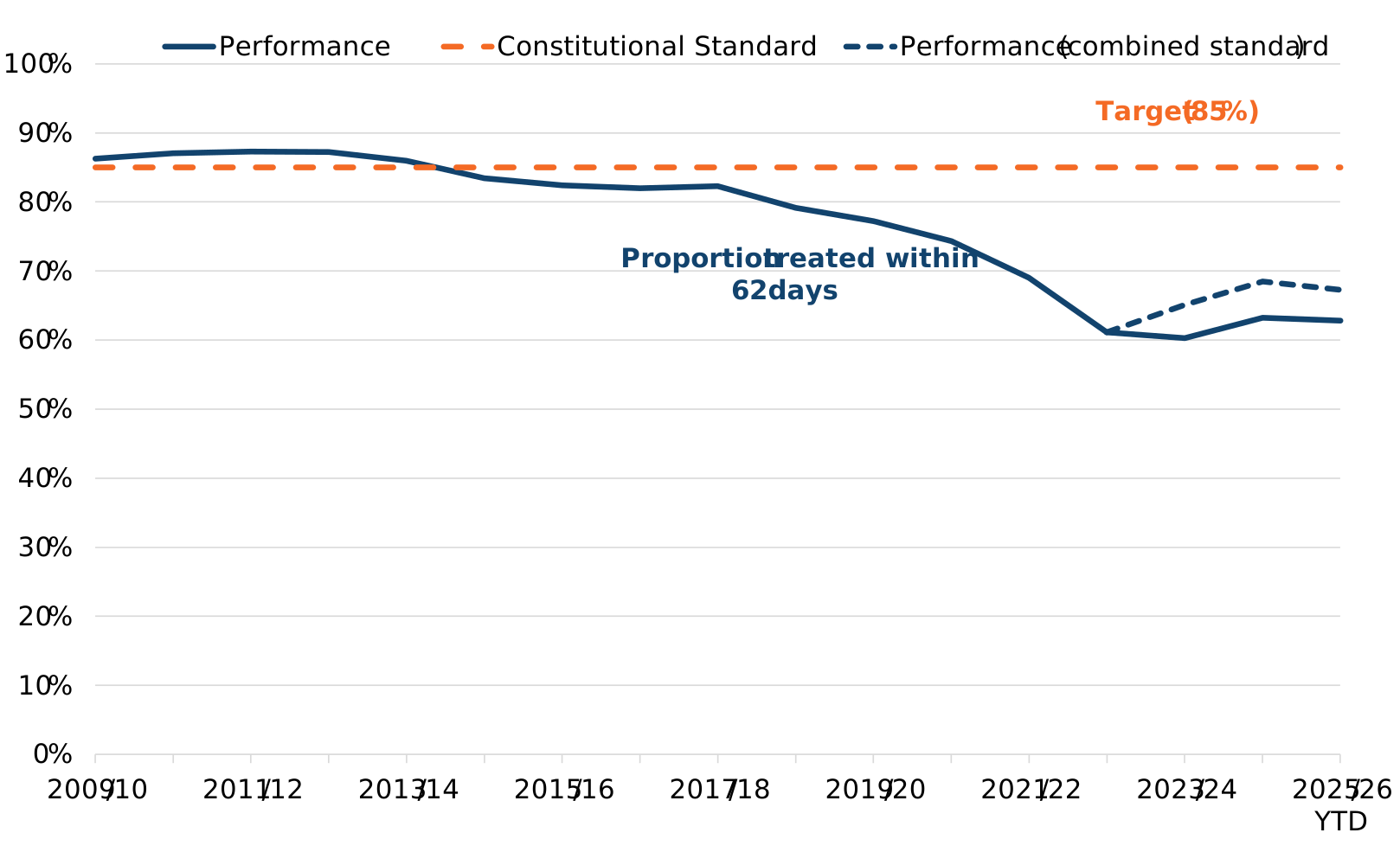
Description of figure 1: the line chart shows a general downward trend in performance against the 62-day performance standard. There is some recovery since the financial year 2022 to 2023, but performance remains below the target.
Note: data is in financial years (April to March).
Source: Cancer Waiting Times Data Collection, NHS England.
We will break with the past to meet all cancer waiting time standards by 2029
In the last 24 months, we have made some progress on cancer waiting times - but standards are still not as good as patients expect or deserve.[footnote 9] As such, through this National Cancer Plan, we will go further and deliver the transformation needed to meet all 3 cancer waiting time standards by the end of this Parliament. That means by March 2029:
- 80% of patients getting a diagnosis or all-clear within 28 days of an urgent suspected cancer referral (Faster Diagnosis Standard (FDS))[footnote 10]
- 85% of patients starting treatment within 62 days of referral
- 96% of patients starting treatment within 31 days of a decision to treat
Once we have met the existing cancer waiting time standards, we will review them to determine whether they should be strengthened.
This pace of improvement - combined with the fact that cancer incidence is much higher today than when these targets were last met (up 15% since 2015[footnote 11]) - makes this goal far more ambitious than simply ‘restoring’ previous standards. We will not achieve it by doing the same things we have done for the last 15 years and hoping for different results.
While undoubtedly some recent developments like the creation of CDCs have been positive, we must do more to break with ‘business as usual’. In that effort, the 10 Year Health Plan’s 3 shifts, and its new operating model, will define our approach: more community activity, large scale digital transformation, more secondary prevention and less languid tolerance of persistent poor performance. More specifically, we will:
- drive up productivity, capacity and convenience in the community diagnostic estate. We will expand CDCs further - giving more people and communities access to diagnostics closer to home. But we will also challenge the notion that simply opening these centres is ‘job done’. Some centres are not sufficiently productive, undermining value and missing opportunities to get people the earliest possible diagnosis. Nor are they sufficiently convenient - we can and will do more to avoid patients needing multiple appointments, and to make appointments available in evenings and at weekends
- harness treatment innovation and technology to speed up treatment decisions and boost capacity. Science is not only changing the cancer treatments we have available - but is also transforming our means to make fast treatment decisions and to maximise treatment capacity. We will harness these advances to get more patients the best treatment for them, as quickly as possible
- revolutionise outpatients, transforming how and where cancer patients receive care. The 10 Year Health Plan outlined that we will end outpatient care as we know it. By 2035, most outpatient care will happen outside of hospitals. This will transform many patients’ experience of cancer care
- raise standards in the most challenged trusts. The 10 Year Health Plan’s operating model rejects an approach where every provider is treated the same. Good performance will be rewarded with autonomy. The flipside is that persistent poor performance will no longer be passively tolerated - and will instead be met with urgent intervention to deliver improved performance. The changes we are making to oversight and commissioning will be used to act on persistent poor performance, including in cancer
We will drive up the access, convenience and productivity of CDCs and testing
Right at the beginning of this is faster, accurate diagnosis, [which] is absolutely key. Then, being able to get as much of your diagnosis and treatment happening in one place, at one time, will greatly help people.
– Patient and Public Voice Forum member
Government has invested £1.65 billion in CDCs since 2021. We now have a total of 170 CDCs up and running, housing a vast range of diagnostic equipment and services - often on and around high streets.[footnote 12]
However, there are still significant opportunities to go further. Beyond the need for further expansion, we need to do more to make the best use of the CDC capacity we already have - meaning wasted opportunities to speed up access to diagnostic tests, and to maximise value for taxpayer money.
The NHS will provide an additional 9.5 million diagnostic tests (an increase of 12.8%) per year by March 2029, supported by the commitments on community, diagnostics and productivity in this plan.[footnote 13]
Action 1: we will expand the community diagnostic estate - while also prioritising productivity, value and convenient access
Over the next 3 years, we will invest £2.3 billion in diagnostics transformation. This will include building many more new CDCs, bringing convenient community diagnostics to more people - and advancing the neighbourhood health service.
It will also provide the investment needed to get more out of the CDC estate. We will expand capacity at more than 30 existing CDCs and ensure every CDC offers expanded opening hours of at least 12 hours a day, 7 days a week where possible to do so.
We will further boost productivity by:
- supporting each CDC to deliver optimal scans per hour (for example, 3 to 4 for CT scanners). Systems with low utilisation rates will join a learning collaborative and be supported with expert advice, including hands-on support for the most challenged trusts
- digitising imaging services by deploying MRI scanners with AI acceleration technology, which will add capacity for 154,000 additional scans to March 2029 and reducing repeat tests through image sharing
- removing low value tests through the deployment of decision support software and a clinically led campaign to reduce low value referrals
From this year onwards, we will set a new expectation that commissioners maximise the number of onsite consultation rooms at CDCs. For some cancer tests, such as endoscopy, patients need to be assessed beforehand to check they are fit to undergo the test. Providing consultation rooms allows this to be done straight before the test, instead of requiring a separate outpatient appointment. These rooms also offer the opportunity for patients to have appointments before and after their test - to discuss results and next steps. Increasingly that means CDCs will become more of a ‘one stop shop’ for diagnostic needs - and we will co-ordinate the services that CDCs and neighbourhood health centres provide as we expand both.
Action 2: we will enable our expansion of diagnostic capacity with new histopathology capacity
While not usually located in the community itself, further expansion of community diagnostic testing capacity depends on histopathology capacity for reporting. The national standard is that 98% of histopathology tests should be reported within 10 days but, due to unprecedented growth in demand for histopathology services in recent years, the current average performance for cancer pathway histopathology tests is 68% within 10 days.[footnote 14]
To transform histopathology services and achieve the 98% standard by March 2029, we will:
- deliver £604 million capital investment in digital diagnostics, including digital pathology, plus £96 million to automate histopathology to speed up the processing and reporting of tissue samples
- increase productivity by transitioning to digital and robotic automation-enabled histopathology pathways, with AI further enhancing capability. We estimate our investment in digital combined with automation will deliver up to a 21% productivity gain
- optimise demand to ensure the tests that add the most value to patient care are prioritised and delivered quickest, and deliver workforce measures including an expansion of advanced clinical practice for scientists[footnote 15]
Delivering these improvements will also allow us to meet the 10 Year Health Plan commitment to provide comprehensive molecular profiling of all cancers to inform risk stratification and support use of precision and targeted medicines earlier in the patient pathway.
Action 3: we will harness AI to speed up lung cancer diagnosis
The AI diagnostic fund has already enabled almost half of trusts to adopt AI-supported tools to speed up lung cancer diagnosis. We will extend this to all trusts during this Parliament (using the capital funding for digital diagnostics announced at the 2025 Spending Review).[footnote 16] In turn, this will enable an expansion of self-referral to chest X-ray - enabling more patients to be seen quicker, while also simultaneously giving them more control over their care.
Action 4: we will harness digital, home and community innovations to make better use of diagnostic capacity
The 10 Year Health Plan outlined a new preventative principle that care should be:
- digital by default
- at home where possible
- in the neighbourhood where needed
- in a hospital only when necessary
There are many cancer diagnostic innovations that can help support this principle in practice and prioritise capacity for the people who need it the most. The use of faecal immunochemical test (FIT) kits for patients who see their GP with bowel symptoms has already reduced inappropriate referrals by 22% against the projected trend for 2024 to 2025, and helped to improve FDS performance within lower gastrointestinal (GI) pathways by 15 percentage points between 2022 and 2025. Teledermatology is now used for half of all urgent skin cancer referrals.[footnote 17] We will build on these successes by rolling out breast pain and post-menopausal bleeding clinics nationally by the end of 2026. We will evaluate new options for kidney, bladder and oesophageal cancer in 2026 to 2027 and trial new technologies such as the COLOFIT algorithm for bowel cancer.
Case study: Breast Pain Pathway - East Midlands Cancer Alliance
Prior to the implementation of the East Midlands Breast Pain Pathway (EMBPP), thousands of patients were referred unnecessarily to urgent cancer clinics, creating anxiety for patients and unnecessary demand on radiology and our urgent suspected cancer referral services.
The new pathway has addressed this by enabling community-based triage, consistent reassurance and clear signposting - without compromising patient safety.
Early evaluation has shown that over 88% of patients are discharged after a single appointment, with minimal onward referral and high levels of patient satisfaction. Overall, across all pilots in the first year the cost-benefits analysis suggests that for every pound spent, the health system received £1.23 back in benefits. Patient feedback from all services has been unanimously positive and no safety concerns have been raised.
Action 5: we will scale the use of single patient tracking lists across local providers
Greater Manchester has pioneered ‘single-queue diagnostics’ (SQDs). The approach uses technology to identify the earliest appointment times across multiple providers and to offer real-time booking into diagnostic tests. Building on this success and to bring the best of the NHS to the rest of the NHS, we will begin to scale SQDs in 2026. We will develop functionality in the Federated Data Platform (FDP)[footnote 18] to provide the digital underpinning - including booking and scheduling systems - to roll them out more widely.
Case study: diagnostics single queue - Greater Manchester Cancer Alliance
The Greater Manchester Cancer Alliance has developed an SQD system across trusts in Greater Manchester, Mid and East Cheshire to optimise cancer diagnostic pathways and address inequity, variation and inefficient use of capacity. Initially covering specialist lung cancer diagnostics, the platform enables real time booking of diagnostic tests across providers. The system finds the earliest available clinically appropriate appointment and can co-ordinate multiple procedures, streamlining patient journeys.
The approach has had a considerable impact, with:
- over 17,000 patient pathway days saved
- increased equity of access across trusts
- maintained high demand (85 to 100th percentile) using 13 to 25% less capacity
- excellent feedback from patients
- strong endorsement from clinicians (“In 25 years of practice I have never come across an initiative as helpful as SQD…it has streamlined things no end”)
Implementation took place in 2023, with dedicated clinical leadership. The SQD demonstrates the ability to transform diagnostic pathways, improve equity and enhance patient experience.
We will harness new technology to speed up access to treatment
In the next decade, the ways in which treatment decisions are made will be transformed - technology will make them faster, more accurate and more personalised. State of the art radiotherapy machines will be able to deliver more treatment, more effectively - meaning better outcomes and shorter waits. AI will be the assistant in the pockets of the oncology workforce - supporting better treatment planning and cutting down admin to create more ‘time to care’. Through this plan, we will scale, diffuse and prepare for this innovation, so patients can get from diagnosis to treatment as quickly as possible, and at the same time ensure that each individual gets the treatment that is right for them.
Action 6: we are investing in state-of-the-art radiotherapy machines - and expect local systems to do the same
Due to the kind of long-term underinvestment in capital identified by the Darzi investigation, NHS hospitals have too often been forced to use outdated, obsolete or broken-down equipment.[footnote 19] This is not only bad for patient outcomes, but also undermines productivity - both in terms of lower treatment capacity, but also because weaker doses of radiation from older machines can mean more visits to hospital.
This government has invested £70 million to deliver 28 new radiotherapy machines.[footnote 20] These will replace outdated machines and will deliver 15% more treatments - allowing 27,500 more treatments annually. Through the Spending Review, providers have been allocated £15 billion in operational capital for local priorities and £5 billion to support a return to constitutional standards. From April 2026, we will expect systems to use this capital to deliver further investment in state-of-the-art radiotherapy machines. The new capital freedoms associated with advanced foundation trust status will increase scope for this kind of investment even further, over the course of this plan.
Action 7: the 10 Year Health Plan’s ‘5 big bets’ - including data, AI and robotics - will improve treatment capacity, help staff achieve more and free up ‘time to care’ across the cancer workforce
The 10 Year Health Plan prioritised ‘5 big bets’ - data, robotics, AI, wearable technology and genomics. We chose these priorities on their potential to accelerate healthcare reform, but also to secure the financial sustainability of the NHS. These areas are at the heart of our plan to improve cancer performance.
We will increase the use of robotic surgery. Priorities will include head and neck and gynaecological cancers. To facilitate this, we will publish a new specification for a national registry for robotically assisted surgery by March 2026. New national training standards will support cancer surgeons to become regular and expert users of surgical robots. Evidence shows that robotic surgery can reduce complications and also reduce the time patients spend in hospitals, freeing up beds and increasing overall treatment capacity. By 2035, half a million procedures will use robotic surgery, up from just 70,000 in 2023 to 2024.[footnote 21]
AI will help oncologists plan radiotherapy more quickly and accurately. Improved contouring will mean better outcomes and reduced risk of healthy tissue damage, meaning fewer complications for patients and less need for follow up treatment. The Getting It Right First Time (GIRFT) programme is leading a study, reporting later this year, on how to maximise the productivity of radiotherapy services. We will begin to implement its recommendations as soon as it is published.
AI tools will also create time to care across the oncology workforce. Innovations such as ambient voice technology - as well as proactive scheduling, booking and workflow optimisation tools - will reduce staff time lost to admin and also improve cancer patient experience by allowing clinicians to focus their time on the person in front of them. Automated logistics, including scanning systems and radio frequency identification, will accelerate laboratory systems.
From 2028, single patient record data in the NHS App will help consolidate imaging, pathology, genomics and care plans - supporting better, more real-time MDT decision making, including faster treatment decisions.
New breakthroughs in exploiting circulating tumour DNA (ctDNA) shed by tumours are helping to speed up treatment decisions. The use of ‘liquid biopsy’ tests mean clinicians can identify the best treatment for a patient based on a simple blood test, where previously they would have needed an invasive biopsy or tissue analysis, which isn’t always possible due to the location of the tumour and/or the condition of the patient. Evidence shows:
- lung cancer ctDNA results are available 7 to 14 days earlier than tissue genotyping, meaning patients can start on targeted therapies earlier
- for colorectal and breast cancer, ctDNA can pick up relapse months earlier - accelerating clinical decisions on the need for chemotherapy[footnote 22]
- these tests are being used in the NHS to more effectively plan treatment for people with non-small cell lung cancer and breast cancer. Over the next 5 years, the NHS Genomic Medicine Service will extend ctDNA and other biomarking testing to other cancers (subject to efficacy and value for money)
Action 8: we are investing in 4 new, modern aseptic medicines production hubs
The preparation of complex systemic anti-cancer therapies (SACT), including chemotherapy and immunotherapy, depends on specialist staff working in sterile, controlled environments. As such, we are investing £80 million in 4 new NHS aseptic medicine production hubs. These will be operational by 2027 and will use advances in digital and automation technology to produce higher volumes of cancer drugs. This will safeguard our ability to provide cancer patients access to the best possible treatment, quickly.
Action 9: we will launch a new review to improve the effectiveness of multidisciplinary team working
There is strong evidence that MDT working boosts the quality and effectiveness of treatment for patients. When done well, bringing together a range of specialist knowledge and professional experience ensures the most appropriate and timely treatment for patients and reduces the risk of duplicated efforts - particularly in complex cases. However, we have heard some reports of MDT meetings becoming unwieldy and rigid. As such, we have asked the Royal College of Radiologists (RCR) to formally review opportunities to modernise MDT working, with input from other royal colleges. Their review will focus on tangible actions trusts can take to increase efficiency, streamline decision-making and help patients get treatment faster. The RCR will report in the summer of 2026 and we will issue new guidance in spring 2027.
We will transform cancer outpatient care
The 10 Year Health Plan committed to revolutionise outpatient care in England:
By 2035, most outpatient care will happen outside of hospitals. Digital tools will help people manage their care from the convenience of their home, with support from clinicians when needed. Personalised support, informed by advances in individual data, will help people get ready for planned treatment and receive effective rehabilitation in the community afterwards.
This will transform cancer care. It will mean more cancer care being managed through the use of digital tools and far more patients being seen in CDCs and neighbourhood settings that are closer to home - rather than in hospitals. This National Cancer Plan will contribute fully to the NHS’s wider priority of ending outpatients as we know it by 2035.
Action 10: we will cut down unnecessary appointments through straight-to-test pathways and patient-initiated follow-up
Straight-to-test means pathways where patients go directly to the most appropriate diagnostic test before seeing a specialist - cutting out an outpatient clinic. Across all electives, shifting an additional 4% of pathways to a straight-to-test approach would remove as many as 800,000 unnecessary outpatient appointments. There is also excellent evidence that straight-to-test pathways speed up diagnosis in cancer specifically - including in colorectal cancer (straight to colonoscopy), upper GI cancer (straight to endoscopy) and urological cancers (straight to CT urogram).
As part of the Medium Term Planning Framework, all integrated care boards (ICBs) have a target to deliver straight-to-test pathways for the 10 highest volume specialties and must develop plans to achieve this. ICBs will be supported with guidance from the centre and, where needed and where it provides value for the taxpayer, capital and revenue funding to drive projects forward.
Patient-initiated follow-up (PIFU, also known as personalised stratified follow-up or PSFU), which gives patients more control over their care and helps to reduce unnecessary outpatient appointments, has proven to be effective for many different cancer pathways where the risk of cancer recurrence is low.[footnote 23] We will extend PIFU to all appropriate cancer pathways and, as the evidence base evolves, increasingly use digital tools to monitor patients for potentially concerning symptoms.
Action 11: cancer will be a priority for NHS Online, bringing the best of the NHS to the rest of the NHS
NHS Online will go live in 2027. Virtual cancer care will be a priority, beginning with virtual hospital pathways for men with raised prostate-specific antigen (PSA) levels at risk of prostate cancer, and support for individuals on prostate cancer active monitoring pathways to order and complete PSA blood tests at home. These kinds of services are available in some local areas, thanks to the work of innovative trusts - but not everywhere. In this way, NHS Online will be a tool to bring the best of the NHS to the whole NHS, universalising best practice.
We will prioritise performance improvement in the most challenged trusts
A central tenet of the 10 Year Health Plan’s new operating model is a shift from an approach “where providers are treated the same today, whether they deliver good or bad services” - to one where good providers are given more autonomy and power, and where “poor performers [are brought] up to standard”.
Bringing poor performers up to standard has the potential to make a particularly significant difference in cancer. Most recent cancer performance improvements have come from trusts that had previously struggled most with their waiting times - underlining the benefits of focused attention. This plan marks a turning point in our tolerance for sustained poor performance - and we will take a more systematic approach to turning around a ‘hard core’ of persistent poor performers in the first years of this plan. This will include support and improvement, but also decisive action like changes in leadership when needed.
Action 12: regions and cancer alliances will step up intensive support to challenged trusts
NHS regional teams will be ultimately accountable for health system performance. Cancer alliances will work hand in glove with their region to drive up core cancer standards. While in the past, the level and effectiveness of assistance to challenged trusts from cancer alliances has been variable, their much closer working relationships with the regions in our new operating model - coupled with a more standardised support offer - will help change that.
Starting immediately, we will expect NHS regions and cancer alliances to identify a ‘hard core’ of challenged trusts and begin meeting with them on a regular basis. The purpose of these meetings will be to assess whether those trusts have the right foundations for success, to identify strengths and weaknesses and to agree shared plans for improvement.
Where needed, cancer alliances will be able to pay to second senior managers from more successful trusts to worse performing trusts to help lead performance improvement programmes. They will also be able to arrange for neighbouring trusts to peer review or formally mentor more challenged providers to support improvement - learning from the success of initiatives like the London Challenge in education in the 2000s. In the worst cases of sustained poor performance, struggling trusts may have their cancer services taken over by better performing trusts.
To support these efforts, there will be funding ring-fenced for cancer totalling £200 million in 2026 to 2027. The funding, distributed through cancer alliances, will only be used for sustainable improvements to cancer delivery that contribute to better performance and outcomes.
Action 13: we will give cancer alliances and trusts the data they need to drive improvement
We will share more granular data, including on rare cancers, breaking broader categories down wherever possible to identify whether there are specific performance issues. We have started to publish new data on whether the FDS is met for patients who are diagnosed with cancer to support a more targeted approach to improvement. We will rationalise and streamline cancer metrics to make them more useable, so that providers, commissioners, cancer alliances and NHS regions have rapid, reliable and actionable data that highlights unwarranted variation to drive local improvement.
The FDP and tools like Cancer 360[footnote 24] will support trusts and cancer alliances to understand and mitigate bottlenecks and delays in pathways to improve performance. We will expect all providers to use the FDP or equivalent technology to improve operational performance from 2026 to 2027.
Action 14: greater transparency will drive improvement
The 10 Year Health Plan made an unwavering commitment to greater transparency. We will rigorously apply this to our approach to cancer data, with a focus on access and outcomes. We will expect trust boards to receive regular reports on performance and to take action to address weaknesses. Performance data will be part of the suite of data made available to patients and form the basis of clearer and easy to understand league tables, empowering patients to make an informed choice about where to go for their diagnosis and treatment.
We will make cancer services more responsive to patient feedback on their experience of care through collecting and acting on real-time data submitted by patients. Cancer will be the first pathway to fully embed new digital PROMs through the NHS App. This will enable healthcare teams to take rapid action to address patients’ concerns, improve services and their quality of life. There is emerging evidence to show that this can improve clinical outcomes, surface unmet need and save the system money, including through reducing hospital admissions.
PROMs will also give cancer alliances and clinical teams real-time data on how patients are experiencing care - supporting their quality improvement work.
Action 15: we will improve administration
Getting the basics right in terms of good administration and management of patient tracking lists (PTLs) is critical to delivering high performance. That means ensuring lists for clinics are accurate, that test results are available when required and PTLs are reviewed regularly by clinical and operational teams. From 2027, we will make cancer pathway management a core part of standard management development for operational staff.
Actions and commitments
Action 1: we will expand the community diagnostic estate - while also prioritising productivity, value and convenient access
| Action | Responsible organisations | Timeframe |
|---|---|---|
| Ensure all current CDCs that are yet to become fully operational achieve that status, while extending CDC opening hours to 12 hours a day, 7 days a week where possible, and improve utilisation of current capacity by ensuring all CDCs deliver optimal tests per hour. | NHS England, ICBs | 2027 |
| Maximise the number of onsite consultation rooms at CDCs. | NHS England, ICBs | 2026 |
| Deliver 9.5 million additional diagnostic tests. | NHS England, ICBs | 2029 |
Action 2: we will enable our expansion of diagnostic capacity with new histopathology capacity
| Action | Responsible organisations | Timeframe |
|---|---|---|
| Implement a new maximum timeframe of 10 days from request to report for 98% of histopathology tests on every cancer pathway. | NHS England, Department of Health and Social Care (DHSC) | 2029 |
Action 3: we will harness AI to speed up lung cancer diagnosis
| Action | Responsible organisations | Timeframe |
|---|---|---|
| Extend the adoption of AI‑supported tools to speed up lung cancer diagnosis to all trusts during this Parliament. | NHS England, DHSC | 2029 |
Action 4: we will harness digital, home and community innovations to make better use of diagnostic capacity
| Action | Responsible organisations | Timeframe |
|---|---|---|
| Reduce inappropriate referrals into cancer pathways including, subject to regulatory approval, implementing the COLOFIT algorithm. | NHS England, DHSC | 2028 |
| Deliver pathway improvement across the NHS through breast pain and post‑menopausal bleeding clinics, and evaluate options for pathway improvement for other cancers. | Cancer alliances | 2027 |
Action 5: we will scale the use of single patient tracking lists across local providers
| Action | Responsible organisations | Timeframe |
|---|---|---|
| Improve diagnostic productivity through better scheduling, including single‑queue diagnostics and the use of digital and/or AI tools. | NHS England, providers | 2029 |
Action 6: we are investing in state-of-the-art radiotherapy machines - and expect local systems to follow suit
| Action | Responsible organisations | Timeframe |
|---|---|---|
| Maximise radiotherapy productivity through AI, guidance from GIRFT, and investment in new machines. | ICBs, cancer alliances | 2027 |
Action 7: the 10 Year Health Plan’s ‘5 big bets’ - including data, AI and robotics - will improve treatment capacity, help staff achieve more and free up ‘time to care’ across the cancer workforce
| Action | Responsible organisations | Timeframe |
|---|---|---|
| Establish a new national registry of surgical robots. | NHS England, DHSC | 2029 |
| Extend ctDNA and other biomarking testing to other cancers. | NHS GMS, NHS England | 2030 |
| Roll out AI tools to support cancer administration. | NHS England, DHSC | Across the lifetime of the plan |
Action 8: we are investing in 4 new, modern aseptic medicines production hubs
| Action | Responsible organisations | Timeframe |
|---|---|---|
| Four new NHS aseptic medicines production hubs to become operational, using advances in digital and automation technology to produce higher volumes of cancer drugs. | NHS England, DHSC | 2027 |
Action 9: we will launch a new review to improve the effectiveness of multidisciplinary team working
| Action | Responsible organisations | Timeframe |
|---|---|---|
| Lead a review of MDT working to agree revised best‑practice guidance. | Royal College of Radiologists | 2027 |
Action 10: we will cut down unnecessary appointments through straight‑to‑test pathways and patient‑initiated follow‑up
| Action | Responsible organisations | Timeframe |
|---|---|---|
| Deliver straight‑to‑test pathways in the 10 highest‑volume specialties, where clinically appropriate, helping patients access diagnostics faster, including pathways for suspected cancer. | ICBs | 2027 |
| Extend PIFU to all appropriate cancer types and extend digital monitoring. | Cancer alliances, trusts | 2028 |
Action 11: cancer will be a priority for NHS Online
| Action | Responsible organisations | Timeframe |
|---|---|---|
| Implement NHS Online hospital, offering faster, more flexible access to cancer care, starting with prostate cancer pathways. | NHS England, DHSC | 2027 |
Action 12: regions and cancer alliances will step up intensive support to challenged trusts
| Action | Responsible organisations | Timeframe |
|---|---|---|
| Provide intensive support to challenged trusts to meet waiting‑time standards. | Cancer alliances, NHS regions | From 2026 |
Action 13: we will give cancer alliances and trusts the data they need to drive improvement
| Action | Responsible organisations | Timeframe |
|---|---|---|
| Rationalise and streamline existing cancer metrics to deliver rapid, reliable and actionable data to support action to reduce variation. | NHS England, DHSC | 2027 |
| Use the FDP to offer targeted digital capabilities, giving all acute providers the data they need on cancer care and outcomes. | NHS England, DHSC | 2027 |
Action 14: greater transparency will drive improvement
| Action | Responsible organisations | Timeframe |
|---|---|---|
| Develop digital PROMs for the NHS App. | NHS England, DHSC | 2029 |
Action 15: we will improve administration
| Action | Responsible organisations | Timeframe |
|---|---|---|
| Embed cancer pathway management in training for operational teams. | Regions, ICBs | 2028 |
3. A global leader in cancer outcomes by 2035
Significantly reducing the number of lives lost to the biggest killers is at the heart of this government’s health mission. On cancer, we will deliver on this by ensuring - through successful delivery of this plan - that three-quarters of people diagnosed in 2035 are cancer-free or living well with cancer after 5 years, up from a projected 60% in 2022 and 50% in 2008.[footnote 25]
This will be the fastest rate of improvement in cancer outcomes this century - and will translate to 320,000 more lives saved over the course of this plan. It will also mean that English survival rates are among the best in Europe across all cancers by 2035, including for rare and less survivable cancers. In other words, we will finally break with the historic pattern of England lagging behind international peers.
This level of ambition cannot be delivered within the bounds of our existing care model. It will require us to reinvent the cancer pathway over the next decade. The countries that lead the world in cancer outcomes - such as Denmark- are those that struck out boldly on modernisation in the 2000s and reaped the change dividend long after.[footnote 26] We must be equally bold today.
We will improve and modernise the early detection pathway
I really feel that early diagnosis is crucial. Absolutely crucial. The quicker we get in there, we know that it gives people better life chances.
– Patient and Public Voice Forum member
By 2035, technology will reshape what’s possible on early diagnosis. Most immediately, advances in screening are already delivering large and measurable improvements in both early diagnosis and survival. AI offers the potential to deliver more targeted approaches to risk and more proactive outreach in primary care (for example, case tracking).
Harnessing these must be our ‘first steps’. However, the even bigger prize is in how different scientific innovations promise to come together to entirely transform the early diagnosis pathway.
The current status quo is for a person to get a symptom, to seek help (often multiple times), get a referral, and wait for a test. If that test is positive, they wait again for treatment. AI offers the potential to deliver more targeted approaches to risk and more proactive outreach and case finding in primary care. By 2035, this pathway will be altogether more proactive, pre-emptive and predictive.
Patients will, likely, be diagnosed much earlier by biomarkers in their blood - or through genomic analysis of their saliva, breath or urine. Advances in wearable technology show promise in assisting early detection. In turn, opportunities to enable self-referral will increase - with the possibility that some screening or diagnostic appointments can be booked automatically for the patient, to take place in or close to their home, without them needing to act.
Over this plan’s full 10-year time horizon, the end of defaults - like patients needing multiple GP appointments, the speed of diagnosis relying on patients’ ability to advocate for themselves (widening inequalities), or results arriving after long and anxious waits - are in reach.
We, of course, cannot predict the future with complete accuracy. Nor is this about government picking winners. Instead, it is about preparing for a once in a generation opportunity to make a ‘big leap’ from a reactive model - to a proactive, targeted and more genuinely preventative one. And while we will always make that dependent on the highest standards of clinical efficacy, safety, and value for money (as judged by the UK National Screening Committee and the National Institute for Health and Care Excellence (NICE)) - we will also be unapologetic in seizing opportunities to improve patient care as quickly and widely as possible.
Metrics to measure earlier diagnosis
As we begin to deliver this new care model, monitoring our progress on earlier diagnosis will give us the best early indication of whether we are on track to meet our overall survival ambition. Based on consultation with the charity and academic community, we will publish regular data and assess our performance against 4 key metrics:
- increasing the proportion of cancers diagnosed at stage 1 and 2. Our survival ambition is premised on achieving at least a 20 percentage point increase in early diagnosis above the 2019 level by 2035
- reducing the number of people with cancer diagnosed at stage 3 and 4 (measured as an age-standardised rate per 100,000). This is a check that the increase in early diagnosis is leading to meaningful improvements in outcomes
- reducing the gap in rates of early diagnosis between the most and least deprived areas. This is a check that we are improving outcomes for everyone and reducing inequity
- reducing the proportion of cancers diagnosed in an emergency setting. This is a check that we are making progress in the diagnosis of some blood, brain and other rarer cancers which cannot be staged.
First steps: harnessing immediate breakthroughs to transform outcomes
Action 1: we will complete the roll out of lung cancer screening by 2030
Lung cancer screening is already proving transformational in the early diagnosis of lung cancer. Over 1.5 million people have attended a lung health check, and over 9,000 people have been diagnosed with lung cancer - 76% at stage 1 or 2, compared to just 30% outside the programme.[footnote 27] Moreover, because lung cancer screening has been effectively targeted,[footnote 28] it has proven a powerful tool to reduce the overall gap in cancer early diagnosis between the richest and poorest areas by a quarter (from 8.2 percentage points in 2019, to 6.2 percentage points in the year to September 2025).[footnote 29]
We will complete roll out of lung cancer screening by 2030 - meaning every eligible person in England will have received their first invitation for a check, inviting more than 6 million people for a check between now and 2035. The programme is expected to diagnose up to 50,000 cancers by 2035 and at least 23,000 at an earlier stage, potentially saving thousands of lives.[footnote 30] Moreover, because smoking is a risk factor for other cancers, trials are under way to check whether ‘moving the scanner down’ may be a cost-effective way to look for other cancers when people are receiving lung cancer scans. If these trials prove effective, we will roll out this approach at scale.
Action 2: we will expand and improve bowel, cervical and breast screening
We have extended NHS bowel cancer screening to cover people from the age of 50 and, between now and 2028, will increase the sensitivity of the FIT to 80µg Hb/g, rolling this out nationally by 2028. Combined with increased uptake, this will deliver 17,000 earlier diagnoses by 2035 and save almost 6,000 lives.[footnote 31] Over time we will look to improve the effectiveness of FIT-based screening for colorectal cancer even further, identifying people at highest risk based on other factors alongside their FIT result.
I have just had a fantastic experience of the bowel screening programme. Sadly I have known of a number of persons who knew they had symptoms, of bowel and prostate cancer, but failed to talk to their GP until it was too late.
– Call for evidence respondent
Having started in the areas with the lowest rates of screening uptake, we will complete national roll out of self-testing to women who have not otherwise taken up the offer of cervical screening by 2029. As a single purchaser, one of the advantages of the NHS is its ability to influence the products available on the market - and we will use that ‘purchasing power’ to create a market for mammography machines that are accessible to people with physical disabilities. Cancer alliances and neighbourhood health services will work with local communities, screening commissioners, and providers to develop targeted local campaigns to reduce the gap in screening uptake between the most and least deprived areas and to increase uptake in ethnic minority and underserved communities.
Moving forwards, we will monitor the emerging evidence from trials to target screening programmes at women who are at greater risk of cancer, either because they have dense breast tissue (the BRAID trial) or because of their HPV vaccination status. We will also consider the results of the £11 million National Institute of Health and Care Research (NIHR) EDITH trial, which began recruitment in April 2025, and is testing new AI technology which would enable just one specialist, rather than 2 currently, to complete the same mammogram screening process safely and efficiently. If the trial is successful, it could free up hundreds of radiologists and other specialists across the country to see more patients, save more lives and cut waiting lists.
Case study: building the evidence base for HPV self-sampling: North Central London and North East London Cancer Alliances
Women and people with a cervix often face barriers to traditional cervical screening, including discomfort, time constraints, cultural beliefs, and trauma. To address this, the North Central London and North East London Cancer Alliances partnered with King’s College London, NHS England, Public Health England, UCL, NHS Digital, and Jo’s Cervical Cancer Trust to launch the ‘YouScreen’ study.
HPV self-sampling kits were distributed across 5 boroughs in North and East London with historically low screening rates. Over 27,000 people were offered kits, and 8,838 returned samples, with 64% from ethnic minority groups and 60% from deprived populations. This uptake significantly surpassed previous campaigns and highlights the role of self-sampling in reducing health inequalities.
In June 2025, the Department of Health and Social Care announced that HPV self-sampling will be nationally rolled out, offered to all women and people with a cervix who have missed cervical screening, as part of the 10 Year Health Plan.
Action 3: we will develop and deliver more proactive approaches to identifying people at risk of cancer - through symptomatic case finding, additional support for GPs, and genomic testing
As part of a pilot, primary care teams are already checking patient records to identify people with symptoms that could actively indicate pancreatic cancer. The community liver health checks programme will continue to offer fibroscans to people with cirrhosis and fatty liver disease, to proactively identify 4,000 patients each year at high-risk of developing hepatocellular carcinoma. We will offer these high-risk people regular cancer checks.
We will assess the evidence on extending this approach to other cancers. We will also incorporate cancer checks into touchpoints like chronic disease reviews and annual health checks for people with learning disabilities.
The tragic death of Jessica Brady from adenocarcinoma in 2020 demonstrated how critical it is for signs of cancer to be picked up in general practice. To help GPs identify more patients whose symptoms might indicate cancer, the government introduced Jess’s Rule in 2025.[footnote 32] It encourages GPs to reflect, review and re-think when a patient presents for the third time with the same symptoms or concerns, including those which could potentially indicate cancer. We will support primary care teams to spot the signs that could be cancer. We will continue to support the Gateway C digital training platform; a new generation of digital support tools will help to flag concerning symptoms or test results to general practice; and, from 2026, we will pilot an incentive which encourages the use of electronic safety netting to increase the number of people who complete checks for bowel cancer.
My mum was going back and forth to her GP and A&E with very specific symptoms during the 6 months before she died - no one listened to her or took her concerns seriously.
– Call for evidence respondent
Starting immediately, every patient who is diagnosed with bowel or endometrial cancer will be routinely tested for Lynch syndrome, and every eligible patient who is diagnosed with breast or ovarian cancer will receive testing for relevant genes including BRCA1 and BRCA2. People of Jewish ancestry are 5 to 10 times more likely to carry a harmful BRCA variant compared to the general population[footnote 33] and will continue to be able to receive BRCA testing, alongside others in high-risk populations.
The new and world-leading NHS National Inherited Cancer Predisposition Registry (NICPR), part of the National Disease Registration Service (NDRS), will help the NHS to deliver proactive, targeted prevention, surveillance and earlier diagnosis for people and their families.[footnote 34] Self-testing swabs will accelerate access to genomic tests, and those who need it will get genetic counselling, regular surveillance checks and prophylactic treatment options. For the small number of people diagnosed with Li Fraumeni syndrome, we will offer whole body MRI as a primary means of surveillance.
Action 4: we will review the final recommendation of the UKNSC on prostate cancer screening, and implement a screening programme where the evidence supports it
Men with BRCA1 and BRCA2 gene variants are between 5 and 7 times more likely to be diagnosed with prostate cancer - and are more likely to be diagnosed at a younger age and with more aggressive disease.[footnote 35] Having reviewed the latest evidence, the UK National Screening Committee (UK NSC) opened a consultation in November 2025 on prospectively screening men with these variants every 2 years between the ages of 45 and 61. The government will implement screening when the evidence supports it and will review the final recommendation of the UK NSC after the consultation closes.
The NHS is continuing to support the TRANSFORM trial to answer outstanding questions on screening effectiveness, particularly for black men and men with a family history. We will also update existing advice to patients following the final recommendation to ensure it provides them with clarity on symptoms and their risk of prostate cancer.
Case study: driving improvements in accessing genomic testing for Lynch syndrome
Lynch syndrome affects between 1 in 279 to 400 adults and greatly increases the risk of cancers like colorectal and endometrial, yet fewer than 5% of UK cases are diagnosed.[footnote 36]
To tackle this, NHS England partnered with the NHS Genomic Medicine Service Alliances and cancer alliances to launch a national transformation programme. Lynch Champions were embedded in 95% of MDTs across England, integrating Lynch syndrome testing into cancer pathways. A national training programme supported the education and training of nurses and pathology staff through online modules and workshops. These efforts led to the creation of a national Lynch syndrome registry within NDRS and subsequently improved access to colonoscopy by digitising the referral pathway to the NHS Bowel Cancer Screening Programme.
Following the transformation programme, 94% of newly diagnosed colorectal and endometrial cancer cases are now tested for Lynch syndrome. This enables family members to access preventative genomic testing and surveillance pathways, improving early detection and care.
The big leap: reinventing the early diagnosis pathway
Action 5: as part of our wider innovation strategy, we will prioritise technologies with the most promise to transform the cancer pathway
It will be technology and scientific advance that enables the shift from today’s episodic, symptom led pathway - and to a risk aware, proactive and predictive pathway. Priorities will include:
- blood biomarker tests, that will increasingly enable population scale asymptomatic detection
- saliva, urine, and breath diagnostics, that enable at-home and more frequent testing
- wearable technology that, in combination, will increasingly indicate when intervention is needed
- faster, more local, and more portable diagnostics - so that risk can be met with intervention proactively, without the need for multiple long waits
Action 6: we will begin to risk stratify the cancer pathway
In the future, a combination of genomics and advances in data will mean everyone can have a dynamic cancer risk profile. This will not just be about hereditary risk - it will draw from wearable data, other medical records, lifestyle data, and demographic data.
Over time, this will mean we can take a risk-informed approach to cancer care - with passive monitoring of the low-risk population, and active surveillance of the highest risk populations. To begin this, we are exploring how we use digital tools, like FDP analytics, to introduce a more risk-stratified approach for cancer screening programmes, beginning with bowel cancer screening. We will launch digital triage and booking pilots in selected cancer centres, as well as leading work to display all appointments in the NHS App.
Action 7: we will proactively prepare for multi-cancer early detection tests (MCEDs) and similar breakthroughs
The 10 Year Health Plan noted that ‘we anticipate at least one breakthrough technology such as MECDs will be proven effective in the next 5-years’ and that the NHS would proactively ‘evaluate new pathways of care to support their development and then test implementation as quickly as possible’. MCEDs will likely have an important role in a fully modern approach to early diagnosis. While they are not a silver bullet, their promise is scaling a proactive approach to early diagnosis before a patient has noticed their symptoms, at a population level. Above and beyond, they have the potential to save thousands of lives a year.
The NHS is in a strong position. It has already partnered with GRAIL to run the NHS Galleri trial - involving 140,000 people, and the largest trial of this new technology anywhere in the world. The results are due in 2026, and we will continue to monitor this and the wider evidence base as it emerges. Alongside this, the Office for Life Sciences (OLS) and the NIHR are assessing the effectiveness of MCEDs in primary care for patients with non-specific abdominal symptoms.
If, moving forwards, the evidence (as judged by UK NSC) shows that MCEDs are effective, and as the fiscal position permits, the NHS will be ready with a fully worked up implementation plan to offer the test at scale through phlebotomy services. We are also working closely with the UK NSC to develop a proactive understanding of what data is needed to assess these new technologies, so we can accelerate their take-up when evidence allows. That assessment will need to include evidence that the benefits of implementation outweigh any harms and represents value for money.
Action 8: as high-performing integrated health organisations (IHOs) emerge, we will develop new incentives and financial flows
A new approach to early diagnosis will emerge more quickly and consistently if NHS targets, incentives, and financial flows are aligned to it.
Most importantly, we will need a system that genuinely incentivises prevention. The emergence of integrated health organisations (IHOs), combined with the move to multi-year budgets, will help create this. IHOs are organisations contracted to hold the whole health budget for a local population. Currently, investment in prevention and early detection is undermined because benefits often do not accrue to the organisation that made the initial investment, and the timeframe for returns is too long. IHOs will change that.
They will have significant freedom to experiment more broadly within their contracts. This could include:
- experimentation with new targets - for example, separate and higher performance standards for high-risk patients, as part of risk stratification
- more actuarial approaches to cancer funding, based on aggregated population risk data
- exploring new incentives - for example, trailing new approaches to reducing emergency presentation
IHOs will have a natural incentive to adopt and adapt innovations from other IHOs.
We will empower citizens and patients
The 10 Year Health Plan had ‘3 shifts but one golden thread: patient empowerment’. The same is true for this National Cancer Plan. A modern cancer pathway will have a more empowered, more active, and altogether more modern role for the citizen. This will coincide with the increasing societal interest in health: people, entirely independently of the NHS, taking a more active role in their health - from managing their gut microbiome to monitoring their sleep, heart rate or natural cycles.
This will be a break with the past. Like the NHS as a whole, cancer care is highly paternalistic. In other facets of life, we give people an active role - they apply for the job they want, rather than being allocated one; they own their own finances and are responsible for saving and investing for retirement. By contrast, the NHS is still uncomfortable with giving people real power and choice.
A new power dynamic between patient and health service will become a necessity in the next 10 years. As advances in data, genomics and analytics give us an ever more sophisticated understanding of everyone’s individual cancer risk, there will be many more opportunities for ‘intervention’. Clearly, the NHS cannot be the sole actor - reacting by testing everyone at every opportunity. That would be unsustainable, poor value for money, and invasive. We must also give people more information, knowledge and power to manage their own cancer risk, as active citizens.
To be clear, this need not be punitive or based on blame. Rather, it is about sharing power and responsibility over health, to achieve better population outcomes. We will do this in a way that addresses health inequalities, rather than widening them. The kind of autonomy and control over health we want for everyone in the future - is the kind that the middle classes and more affluent already take for granted. This is about giving power to people otherwise systematically denied it.
Communication needs improving. As the patient, I did all the chasing when promises were not carried out, when there were delays in treatment and when letters went missing or appointments were changed with no explanation. […] Everyone was more than kind face to face, but in between appointments, it was as if I disappeared.
– Call for evidence respondent
Action 9: we will give every patient personalised insights into their cancer risk, drawing on NHS, genomic, lifestyle, demographic and wearable data
By the end of this plan, everyone will have the ability to access real-time, personalised insights about their cancer risk. This will draw on genomics and hereditary risk, but also their demographic, lifestyle and medical data - alongside any monitoring data from clinically validated wearables. The 10 Year Health Plan commitments that will be the building blocks for this are - the single patient record, the NHS App and the unified genomic record:
- the single patient record will provide every patient’s secure and authoritative account of their health data
- the unified genomic record will integrate cancer genomic data from 2028 and will start to include from genomic sequencing (increasingly from birth)
- the NHS App will, with consent, translate this data into risk insights - both helping patients understand what their risk is, but also what they can do about it
In line with the government’s digital inclusion strategy, we will create tools to help people with access needs or lower health literacy understand their risk in alternative ways - including, where appropriate, by involving carers or family members.
Action 10: we will give citizens more tools to manage their cancer risk
We will make the NHS App the primary access point for cancer care. By 2028, the NHS App will have become the primary access point for cancer care through:
- integrated management of screening invitations
- appointment booking and care navigation
- tailored prevention and support for example, access to smoking cessation and weight management services, and prehabilitation
To go beyond our current care model, the NHS App will become a dashboard for cancer prevention. Patients will be able to access AI-enabled support and NHS digital health coaching for their personal risk factors. As their risk changes, the NHS will provide real time prompts and personalised service recommendations. Patients will have more opportunities to act on risks to their health. We are already testing the use of NHS 111 online for self-referral to suspected breast cancer pathways and are planning further pilots, for example of self-referral for chest X-rays to diagnose lung cancer.
Case study: NHS 111 pilot - self-referrals for breast symptoms
A pioneering pilot in Somerset allows women over 30 who have concerning breast symptoms to self-refer directly to a local breast diagnostic clinic using 111 online, the NHS App, or the Somerset NHS Foundation Trust website.
Previously, women needed a GP appointment for referral; now, a short online triage identifies eligibility and enables direct referral to secondary care, streamlining access to specialist assessment and easing pressure on GP services. Developed in less than 8 months, the digital pathway has helped more than 400 women complete self-referral, resulting in faster diagnoses, with 6.94% of referrals confirming cancer compared to the national average of 5%.
The initiative has also led to a 23% reduction in GP referrals, freeing up vital clinical resources. This innovative approach supports the NHS 10-Year Plan and offers a scalable and adaptable solution that Somerset, Wiltshire Avon and Gloucestershire (SWAG) Cancer Alliance are exploring across other opportunities as part of their early diagnosis programme.
HealthStore will supplement the NHS App with a range of third-party digital therapeutics. Over the course of this plan, it will have increasingly diverse tools to manage cancer risk factors, including diet and nutrition, weight, alcohol consumption and tobacco use.
People will also need support to understand and act on genomic insights. Patients with a high hereditary risk of cancer will be supported through genetic counselling, offered in the neighbourhood health service (if they need or would like it) - including, to make informed, personalised decisions about testing, lifestyle, management or to access any emotional support. Increasing the number of staff, particularly community staff, with genomic counselling skills will be a priority for our training and education reforms, including in the 10 Year Workforce Plan.
Action 11: we will increase awareness of cancer risk factors and cancer-specific health literacy
A more active role for the citizen depends on higher health literacy - and more equal health literacy between different socio-demographic groups. This is not currently the case. Survey data from Cancer Research UK consistently shows socio-economic inequalities in cancer knowledge and beliefs. Men and people from deprived backgrounds are less likely to recognise cancer symptoms and there are different levels of knowledge about genetic risk and preventable risk factors.[footnote 37]
As such, from this year, cancer alliances will partner with local Health and Wellbeing Boards and the wider cancer community to co-design targeted local awareness campaigns, and to signpost people to support services. The Neighbourhood early diagnosis fund will be used to reduce inequalities for people in deprived areas and among ethnic groups with lower early diagnosis rates.
Cancer alliances will proactively partner with people and communities, including those who have been historically excluded, to tailor services to local contexts and needs. Co-design will include every stage of service development and delivery, including evaluation and ensuring that community organisations can be embedded in campaign decision-making.
Nationally, the NHS will continue to partner with manufacturers and retailers to increase knowledge of the signs and symptoms of cancer and encourage people to get checked. The British Oncology Pharmacy Association’s ‘Let’s Communicate Cancer’ programme will continue to help community pharmacists to identify people with concerning signs - such as being regular buyers of cough medicines or indigestion relief - and signpost them for checks.
The NHS App will further help create an equal playing field on health literacy - by making care less dependent on personal knowledge of health. Tools like AI advice through ‘My NHS GP’ and the ability to ask questions through ‘My Companion’ will democratise health literacy. We will contribute fully to the cross-government Digital Inclusion Strategy.
Case study: bringing cancer awareness directly to communities
The West Midlands Cancer Alliance has run a cancer awareness bus tour over the past 18 months to improve cancer screening uptake and awareness among underserved communities. Targeting areas of low screening rates and high deprivation, the tour provided communities with direct access to healthcare professionals, enabling conversations about cancer prevention, early detection, and available services.
The bus visited 57 locations, contacted over 10,500 people, and delivered 2,540 mini health checks. It successfully raised awareness, dispelled myths, and connected people to vital cancer services, aligning with national early-diagnosis goals.
Findings highlight the value of mobile outreach, tailored strategies for underrepresented groups - including younger adults and minority ethnic communities - and integrating community-based interventions into wider cancer prevention programmes.
The overwhelmingly positive impact demonstrates that bringing cancer education directly into communities can significantly boost engagement and narrow health inequalities. The bus tour will continue into 2026.
We will deliver a modern approach to quality
The promise of the NHS is that everyone can get the best possible care, regardless of their ability to pay. It is unacceptable in the 21st century - and a departure from our health service’s 1948 founding principles - that access to the best cancer treatment is so dependent on identity, postcode, or income.
I think that the postcode lottery for treatment should be seriously looked into as it is appalling to be at a disadvantage in the treatment on offer simply because of where you live.
– Call for evidence respondent
Eradicating variation means taking a new approach to improving quality, one that borrows from the best of what has worked in the past and brings it up to date. The National Cancer Audits[footnote 38] have done excellent work to identify the size of the problem in cancer, but they can only have a limited impact in delivering improvement. A more rigorous and evidence-based approach to quality improvement is now needed. The approach we outline will be overseen by the new National Quality Board.
Case study: REACH-U - reducing treatment barriers for African-Caribbean prostate cancer patients (launched 2024)
Black men are twice as likely to be diagnosed with - and die from[footnote 39] - prostate cancer compared to other groups[footnote 40], often at a younger age. At University College London Hospitals (UCLH), clinicians identified cultural and informational barriers that were impacting engagement and treatment decisions.
In response, UCLH launched REACH-U: a pioneering initiative introducing a non-clinical ‘buddy’ role, funded by North Central London Cancer Alliance (NCLCA) and UCLH Charity, to support Black African and Afro-Caribbean men through the treatment journey. Buddies meet patients outside the clinical setting for culturally sensitive conversations, helping to ease anxieties, dispel myths, and support informed decision-making.
In its first year, 41 patients who had previously struggled to make a treatment decision were referred to REACH-U. Following buddy support, 60% proceeded with radical treatment and 17% chose active surveillance - both outcomes based on informed choice. Patient and clinician feedback has been overwhelmingly positive.
Due to its success, NCLCA is now expanding the programme to diagnostic sites, offering tailored support from the point of referral.
Action 12: we will publish a new generation of cancer manuals
We will establish clear quality standards for cancer delivery through cancer manuals, published by tumour type. Quality standards will incorporate clinical-effectiveness, safety, and experience of care - in line with the definition of quality set out in the 10 Year Health Plan. Publication will begin in 2027.
Cancer manuals will not be top-down guidance documents. Instead, we will set up clinical collaboratives to identify best practice, and to keep the manuals up to date over time. This will not only mean they are bottom-up but that, unlike much best practice guidance, they do not become obsolete.
Where much best practice guidance comes in the form of booklets and PDFs, cancer manuals will be digital tools from the outset and designed to be used easily in real world settings by both clinicians and patients. We will - over time - turn cancer manuals into a continuous learning platform, informed by real-time feedback from patients and AI-supported learning. NIHR is also providing £2 million funding for the TACTIC study to develop a national cancer learning space to tackle the most difficult quality improvement problems. We will learn from this and embrace technology to ensure cancer manuals are usable tools, including in real world clinical settings, not just reference documents.
The manuals will provide a consistent framework against which clinicians, trust boards and commissioners can assess the quality of their service. We will encourage trust boards and their clinicians to partner with each other to reflect honestly on how their service aligns with these standards. This will not mean a return to burdensome peer review processes of the past but will draw on the model of mentorship and peer support, which has proven its effectiveness through TJBCM. Over time, this will be supplemented by AI-tools, which will be able to compare clinical work to best practice - and provide professionals with real-time, actionable feedback - driving continuous improvement.
Action 13: cancer alliances will facilitate new quality improvement collaboratives
These will support trust boards and commissioners to understand and review their local data. They will assess key criteria like radical treatment rates, whether patients have had their treatment reviewed by specialist MDTs and variation in access and equity. From this, they will identify outcome goals to support improvement in survival, focusing where necessary on specific metrics such as surgical complication rates and hospital readmissions. This data will drive our strategy so that it is not simply the biggest and most powerful providers who control cancer services, but the best.
Action 14: we will make cancer performance and data far more transparent
We know from the engagement that informed this plan that transparency is important for trusts, their leadership, and the public. The National Cancer Audits, NDRS and GIRFT will continue to hold a mirror up to trusts but we can do more to make feedback more effective. The National Cancer Audits are exploring methods such as direct emails to CEOs - modelled on the successful nudges from the Chief Medical Officer to reduce inappropriate antibiotic prescribing.
This data will also help to provide greater transparency to patients, so they know whether their local hospital is providing top-quality care. We will move increasingly to publishing outcomes data for individual trusts. Combined with digital PROMs, this will give patients the information they need to choose where to access their care. Their choices and feedback will in turn reinforce the push for quality.
Action 15: we will incentivise a shift of cancer care into a smaller number of specialist centres
In general, outcomes are better when patients are treated in a specialist centre.[footnote 41] Specialist centres have more expertise, dedicated MDTs, and often have the most advanced technology as cancer treatment becomes ever more complex. Clinicians at these centres also have a greater opportunity to hone and improve their skills - a surgeon who carries out 5 prostatectomies a week will be more practised than a surgeon who does one a month.
We will take advantage of the devolution of specialised commissioning to incentivise the shift of more care into specialist centres. We will provide additional specialist centre capacity, such as the new Sussex Cancer Centre for which the Government is providing £250 million, and the Cambridge Cancer Research Hospital. We will expect local commissioners to adhere to expected treatment volumes set out in national service specifications. We will strengthen networking and collaboration between specialist centres and their partner hospitals to ensure that the right patients - generally those requiring more complex treatment - are referred into specialist centres and that more patients will have their treatment plans discussed and reviewed by a specialist MDT. Cancer alliances will monitor progress as part of their improvement support role.
Data-driven service planning tools will help local systems to plan specialist care in a way that is accessible to everyone, taking account of travel time and the impact on different groups who can experience disparities, including older people and some ethnic groups.
Action 16: we will increase access to the best innovative cancer treatments for all
The Cancer Drugs Fund has helped to ensure that, according to industry data, patients in England receive new cancer treatments 50% faster than the EU average and it will continue to provide earlier access to promising new treatments. By April 2026, a joint process between NICE and MHRA will boost the speed of decisions on licensing and appraisal of medicines, so that recommendations for the NHS to fund new drugs can be made faster.
Action 17: every cancer patient who would benefit from a genomic test will get one in a clinically relevant timeframe
More comprehensive genomic testing will deliver more personalised and impactful treatments for patients. It means we can target tumours with the most effective drugs, instead of putting patients through a series of gruelling treatments until one works. Over the next 10 years, we will expand and evolve the use and type of genomic testing so that it becomes a routine and timely part of treatment planning and every cancer patient will have the choice to receive a comprehensive genomic analysis. New contracts for 7 NHS Genomic Medicine Service Lead Providers from April 2026 will see the expansion of genomic testing for cancer extended to new targets to support clinical research and improve patient access to clinical trials, helping to ensure the NHS remains a world leader in genomic technology adoption. We will ensure that results come back in time to make a difference to treatment decisions.
Action 18: we will streamline the process for approving new uses of stereotactic ablative radiotherapy and incentivise its use
Every radiotherapy centre in England can already offer cutting edge stereotactic ablative radiotherapy (SABR). This technology is often better for patients and better for NHS productivity - it delivers higher doses of radiation to tumours more accurately, which helps to minimise the damage to surrounding tissue and means fewer visits to hospital. By April 2027, we will streamline the process for approving new uses of SABR. We will also ensure the associated payment system incentivises fast adoption of proven innovations.
Case study: reducing unwarranted variation in radiotherapy
The FAST-FORWARD trial showed that hypofractionation - reducing the number of times that patients with breast cancer need to receive radiotherapy by delivering a larger dose per fraction - delivered comparable outcomes to the existing standard treatment. This would allow many patients to reduce their sessions of radiotherapy from 15 to 5.
NDRS was able to report on the proportion of episodes of breast cancer patients receiving hypofractionation and examine the trend over time. The dataset was used to identify which trusts were delivering hypofractionated treatment and which had yet to roll it out. Outlier trusts were identified and offered support to change their treatment protocols, including conversations to discuss the evidence for the change.
Patients with breast cancer now have evidence-based treatment across the country. This means both improved patient experience, as they have fewer visits to hospital and improved efficiency, allowing us to use radiotherapy machines to treat more patients.
We will incentivise innovation and provide system clarity through our new operating model
A problem relayed back to us in our engagement was that there is too little perceived reward for innovation - and too little consequence for either poor performance or risk aversion - in cancer care. That means that the reinvention of the cancer pathway outlined in this chapter currently relies on people striking out, at risk, with little incentive. This is not a strong foundation from which to achieve the pace of modernisation we need.
Changing this dynamic was one of the central justifications for the new operating model outlined by the 10 Year Health Plan. Where the NHS’s post-2010 operating model drives continuity, it will promote change, disruption and innovation. In cancer, it will mean:
- there are rewards for innovation and for transforming the cancer pathway - and consequences for poor performance, from poor waiting time data to high levels of late diagnosis
- leaders are encouraged to take on the toughest challenges
- multi-year budgets make investment in long-term outcomes possible
At the same time, a smaller, more agile centre will enable innovation by creating more and stronger partnerships, and by placing less bureaucratic demands on local leaders.
As we create our new operating model, we recognise that cancer presents unique delivery challenges for the NHS - both in terms of its scale and complexity. It is not a single disease, but a spectrum of over 200 cancer types - each with their own standard of care, with pathways often crossing multiple organisational boundaries. Managing this requires strong local leadership that reflects cancer patient pathways, clinical expertise, dedicated capacity - and the ability to operate across ICB boundaries to forge partnerships to improve performance and cancer outcomes. That means, as we translate our new operating model to cancer care, we will need to protect cancer specific expertise - while ensuring that cancer systems and organisations have the same clarity of roles, rules and function that our operating model provides to the rest of the NHS.
Action 19: we will keep and strengthen the role of cancer alliances
When the previous government re-organised the NHS in 2012, it scrapped the cancer networks which had delivered this local leadership for cancer, only to reinstate them 4 years later in the form of cancer alliances. This government is not going to make the same mistake. We will strengthen the role of cancer alliances to make sure that they are fit to deliver the transformation in our cancer delivery model envisaged in this plan.
Cancer alliances will bring with them the cancer expertise, clinical leadership and ringfenced funding. They will enable and support their local commissioners and providers to implement the new model of cancer care set out in this plan. Alliances will be firmly embedded among their local family of providers working with them to guide and support their local improvement efforts. As noted in chapter 2, cancer alliances will also work closely with regions to take action to improve performance in the most challenged trusts.
At the same time, the wider way in which they work will change:
- they will use their funding to drive and reward excellent performance
- they will catalyse local partnerships to deliver neighbourhood cancer care and co-design targeted campaigns to improve cancer outcomes
- they will use their cancer clinical networks and our new cancer manuals to drive quality
- they will enable the best clinicians to be freed up to innovate, giving them the time and resource to test new approaches to delivery
- their patient forums will ensure that the views and experiences of patients drive change
Action 20: we will create a clear accountability structure within local systems and providers for the ambitions in this plan
Local commissioners and providers will be central to the delivery of this plan. We will expect them, as a first step, to review their local strategic plans for cancer against the ambitions set out in this National Cancer Plan, and to update plans where required. We will expect them to have appropriate governance in place. Every trust and every ICB will have a lead accountable executive officer for cancer, and a cancer board led by a senior executive or non-executive board member. There will be regular reports on cancer, covering not just waiting times performance, but importantly also on quality and outcomes, to their full public boards. Cancer performance and outcomes will form an integral part of the NHS Oversight Framework. We will expect providers and commissioners to report regularly to the people they serve on their cancer performance and outcomes.
Action 21: a reformed National Cancer Board will be accountable for delivery of the National Cancer Plan
While our overall strategy is greater devolution, the 10 Year Health Plan is clear that responsibility for health outcomes ultimately lies with the Secretary of State for Health and Social Care. As such, it is right that ministers provide the national leadership required for the successful delivery of this plan as a whole.
A reformed National Cancer Board chaired jointly by DHSC and an independent representative of the wider cancer community will track progress and provide regular updates to ministers. Ministers will publish an annual summary of progress, along with a more in-depth report after 3 years to assess where the plan needs updating and refreshing. The board will also add new members to monitor the impact of the plan on health inequalities, rarer cancers, and children and young people’s cancers.
We will modernise the cancer workforce
The NHS is and will remain a people-based service. That means it will be through the NHS workforce broadly, and the oncology workforce specifically, that the modernisation outlined in this chapter happens. There is no viable path to this plan’s survival goal without our hardworking staff.
Previous government workforce strategy, like the 2023 Long-Term Workforce Plan,[footnote 42] entertained the fallacy that doing little but rapidly increasing headcount would deliver better outcomes. Demonstrably, this has proven false. The NHS workforce is markedly bigger than a decade ago and takes up a larger share of the total labour market. Staff experience, outcomes on major conditions like cancer, and productivity have not been transformed. This tells us the answer is not just ‘ever more staff’ - it is a workforce properly equipped with the skills, education, training, motivation, permission, support, and equipment to deliver reform.
This more sophisticated strategy will be the focus of our forthcoming 10 Year Workforce Plan. The job of the National Cancer Plan is to demonstrate how we will begin to move beyond ‘ever more headcount’ in cancer care - and find innovative, wider ways to equip the cancer workforce with the means to deliver a better future.
This does not mean the workforce will not grow. It will - meaning there will be higher numbers of staff in professional groups integral to cancer care. But it does mean that this growth will not be at the unsustainable rate implied by the 2023 Long Term Workforce Plan. Our focus will be on ensuring each member of the cancer workforce is far better enabled and equipped to meet their full professional potential and to deliver the maximum for each patient.
Action 22: we will transform our diagnostics workforce
This will be a central part of our effort to improve the productivity of diagnostic services. While different diagnostic modalities will require bespoke approaches, our workforce transformation plan for gastrointestinal endoscopy - the main way in which many bowel cancers are diagnosed - is a good example of our approach to change. New endoscopy training academies are enabling clinical endoscopists to take on procedures previously undertaken by medical endoscopists, freeing them up to focus on the most complex cases. Over time, we expect 80% of endoscopies to be delivered by clinical endoscopists. A similar approach will see many more reporting radiographers receive training to take new roles in imaging teams. We will review the evidence and engage stakeholders on the potential benefits to patient safety and service of independent statutory regulation for sonographers, whose skills in ultrasound play a crucial role in cancer pathways.
Action 23: every patient will have a clinical nurse specialist or other named lead to support them through diagnosis and treatment
Cancer pathways can be complex and difficult to navigate. This is only becoming more true over time - as our understanding of the complexity of cancer as a condition increases, as treatment innovations shift the types of side effects patients develop, and as more patients have multiple long-term conditions.
As such, clinical nurse specialists need to be more central in workforce models. Through our new quality standards, we will require trusts to ensure that every patient has a clinical nurse specialist or other named lead as their primary contact, and make it easier for patients who choose to, to get in touch with them through the NHS App.
Beginning this year, we will create new opportunities to make it easier for newly qualified and experienced nurses to pursue careers in cancer nursing, including as nurse consultants. We will prioritise grants for clinical nurse specialists to target the areas of highest need and expand the Aspirant Cancer Career and Education Development (ACCEND) programme to provide more training opportunities and career pathways for cancer nurses and cancer support staff. This will narrow inequalities and ensure that more patients across the country get the support they need.
Action 24: we will create new opportunities for cancer staff to develop their knowledge of emerging technologies, including genomics
We will establish new national training standards for surgeons in robotic surgery. New training opportunities will help staff to provide care that is sensitive to the needs of older people or people who are LGBT+ or from ethnic minority communities. In all, over the first 3 years of the plan, we will create 5,000 learning and training opportunities per year for people in cancer-critical roles.
Action 25: we will create more training places for cancer consultants in the places that need them most
Modelling has shown that some parts of the cancer workforce, including clinical and medical oncology, face specific pressures. There are also some areas - often in deprived parts of the country - that have had higher vacancy rates, affecting patients’ access to cancer care.
We will work with the royal colleges to encourage resident doctors and internal medicine trainees to specialise in clinical and medical oncology. We will also use training more directly as a lever to support improvements in operational performance, prioritising training places in trusts, often those in rural or coastal areas, where vacancy rates are higher and performance is lower.
We will drive sustainability and equity through a whole-society focus on prevention
While primary prevention is less clearly linked to 5-year survival, it is nonetheless vital to the delivery of world class cancer outcomes. It is our best tool in managing incidence and service demand - evidence shows that as many as a third of cancers are preventable. It is also a key lever in reducing mortality - a key domain of UK underperformance, compared to international peers. Put another way, if the rest of this chapter describes how we will deliver better outcomes more immediately - then prevention is the promise we make to future generations that their outcomes will be better, just as we benefit today from the action of previous generations (for example, tobacco control).
Perhaps even more important, though, is the prospective impact of prevention on levels of inequality. We know that cancer risk factors cluster in more working class and more deprived parts of the country - and that this underpins the higher premature mortality of places like Blackpool, Knowsley and Kingston-Upon-Hull compared to the England average.[footnote 43] Risk factors also underpin inequalities experienced between different ethnic groups - and by LGBT+ people, who have higher rates of tobacco use, alcohol consumption, and lower screening uptake. Prevention is how we correct these injustices.
As the 10 Year Health Plan set out, we recognise government will not achieve the maximum possible impact on prevention by striking out on its own. Instead, ours is a strategy defined by collaboration and partnership - by working across the whole of society. There are many partners keen to work with us to prevent illness - to create a healthier, happier, more prosperous country. We will take that opportunity -to prevent a range of conditions (for example, obesity, which is a risk factor for almost all long-term conditions, including cancer) and to prevent cancer specifically (for example, by tackling harmful UV exposure).
I think the dangers of tobacco are well documented and smokers are fully aware of the risks to cancer. However, I think the general public still isn’t aware of the dangers of physical inactivity, alcohol and obesity in relation to cancer.
– Call for evidence respondent
Action 26: we will implement the world-leading Tobacco and Vapes Bill
This legislation will mean that children and young people turning 16 this year (or younger) can never legally be sold tobacco. Hospitals will integrate opt-out cessation support into all routine care and include smoking status in clinical assessments for non-urgent operations. We will support existing smokers to quit by investing £70 million more in local authority Stop Smoking Services, continuing to support smokers to switch to vapes, and encouraging people who are smoking while pregnant to quit.
Action 27: we will partner with the pharmaceutical industry and digital weight loss providers to accelerate the uptake of GLP-1 medicines
We will work with the pharmaceutical industry to enable more people to access new weight loss services and treatments. This approach involves reviewing guidance and overlaps across indications where GLP-1 medicines are utilised and negotiating value-based partnerships with industry partners for new innovations. Value-based approaches will allow us to reinvest existing funds to expand eligibility for enable more primary care prescribing, aligning with ambitions for broader patient access within a shorter timeframe.
Action 28: we will partner with food retailers and manufacturers to create healthier food environments for the public
As set out in the 10 Year Health Plan, we will introduce mandatory healthy food sales reporting for all large companies in the sector. We will use that reporting to set new mandatory targets on the average healthiness of sales. Companies will have freedom in how they meet those targets - from innovative use of promotions (for example, on healthy food), use of loyalty cards, reformulation of own-brand products, influence over their supply chain or supermarket layout changes. Taken together, this will help the public to make healthier choices and give investors a more transparent view of which companies are offering healthy products.
Action 29: government, public health teams, primary care staff and cancer alliances will collaborate on HPV vaccine uptake
Public health, school immunisation teams, primary care, and cancer alliances will collaborate on tailored campaigns to increase take-up of the HPV vaccine among boys and girls, particularly in underserved populations. From 2026, they will promote new schemes to enable young people who missed out on the HPV vaccination at school to have it administered at their local pharmacy. All this will contribute to us delivering on our commitment to eliminate cervical cancer by 2040. These vaccinations will also protect against 6 other rarer cancers that are also linked to HPV.
Action 30: we will act on UV radiation and alcohol harm
Over-exposure to UV radiation is the third highest preventable cause of cancer after tobacco and overweight and obesity.[footnote 44] The risk of melanoma, a type of skin cancer, is 25% higher in people who have used a sunbed.[footnote 45] This has led Australia and Brazil to ban the use of commercial sunbeds. In 2024, we commissioned the Committee on Medical Aspects of Radiation in the Environment (COMARE) to review the latest evidence on health impacts from sunbed use and protections across the 4 UK nations. Its findings are expected shortly.
In 2026, we will consult on strengthening the existing protections by mandating safety warnings, supervised usage, and ID checks to enforce the law that no under-18s are using commercial sunbeds. Additionally, we will also launch a call for evidence to understand whether further action to reduce cases of melanoma is justified.
We will also tackle harmful alcohol consumption by introducing new mandatory health warnings and nutritional information on alcohol labels. This will draw on lessons from countries that have tested and legislated for cancer warnings, such as South Korea and Ireland. We will also work to support growth in the no- and low- market, to help provide consumers with more healthy choices. We will also explore options to encourage consumers to reduce their alcohol intake with no- and low-alcohol alternatives, alongside providing greater clarity to consumers and producers through exploring changing the threshold at which a product can be described as “alcohol-free”.
Actions and commitments
Action 1: we will complete the roll out of lung cancer screening by 2030
| Action | Responsible organisations | Timeframe |
|---|---|---|
| Complete the national roll out of lung cancer screening. | NHS England, DHSC | 2030 |
Action 2: we will expand and improve bowel, cervical and breast screening
| Action | Responsible organisations | Timeframe |
|---|---|---|
| Complete the national rollout of self-testing to women and people with a cervix who have not taken up the offer of cervical screening. | NHS England, DHSC | 2029 |
| Increase sensitivity of the faecal immunochemical test in the bowel cancer screening programme to 80µg Hb/g. | NHS England, DHSC | 2029 |
| Engage with manufacturers to promote the development of mammography machines accessible to people with physical disabilities. | NHS England, DHSC | Across life of plan |
| Work with local communities, screening commissioners, and providers, to reduce the gap in screening uptake between the most and least deprived areas and to increase uptake in ethnic minority and underserved communities. | Cancer alliances, neighbourhood health services | 2029 |
Action 3: we will develop and deliver more proactive approaches to identifying people at risk of cancer - through symptomatic case finding, additional support for GPs, and genomic testing
| Action | Responsible organisations | Timeframe |
|---|---|---|
| Pilot an incentive to encourage the use of electronic safety netting in general practice. | NHS England, DHSC | 2027 |
| Extend the use of direct‑to‑patient genetic testing, enabling individuals with greater risk of cancer to have faster access to genetic testing and ongoing targeted intervention. | NHS England, DHSC | 2027 |
| Ensure that information from the NICPR is accessible to clinical teams alongside other cancer data for both solid and haematological malignancies. | NHS England, DHSC | 2026 |
| Continue to identify through the community liver health checks programme 4,000 people each year who are at risk of hepatocellular carcinoma. | NHS England, DHSC | 2029 |
Action 4: we will review the final recommendation of the UKNSC on prostate cancer screening, and implement a screening programme where the evidence supports it
| Action | Responsible organisations | Timeframe |
|---|---|---|
| Review the final recommendation of the UK NSC on prostate cancer screening, and implement a screening programme where the evidence supports it. | NHS England, DHSC | 2026 |
Action 5: as part of our wider innovation strategy, we will prioritise technologies with the most promise to transform the cancer pathway
| Action | Responsible organisations | Timeframe |
|---|---|---|
| Prioritise the technologies with the promise to transform cancer diagnosis. | DHSC, OLS | Across life of plan |
Action 6: we will begin to risk stratify the cancer pathway
| Action | Responsible organisations | Timeframe |
|---|---|---|
| Explore how we use digital tools to introduce a more risk‑stratified approach for screening programmes. | NHS England, DHSC | Across life of plan |
Action 7: we will proactively prepare for MCEDs and similar breakthroughs
| Action | Responsible organisations | Timeframe |
|---|---|---|
| If evidence shows that MCEDs are effective, and if the fiscal position permits, the NHS will be ready with a fully worked‑up implementation plan to offer the test at scale through phlebotomy services. | NHS England, DHSC | Across life of plan |
Action 8: as high‑performing integrated health organisations (IHOs) emerge, we will develop new incentives and financial flows
| Action | Responsible organisations | Timeframe |
|---|---|---|
| IHOs emerge and have freedom to experiment with new incentives and targets. | IHOs | Across life of plan |
Action 9: we will give every patient personalised insights into their cancer risk, drawing on NHS, genomic, lifestyle, demographic and wearable data
| Action | Responsible organisations | Timeframe |
|---|---|---|
| We will give patients personalised insights into their personal cancer risk. | NHS England, DHSC | 2035 |
Action 10: we will give citizens more tools to manage their cancer risk
| Action | Responsible organisations | Timeframe |
|---|---|---|
| Make it possible for all cancer screening to be booked on the NHS App. | NHS England, DHSC | 2028 |
| Incorporate cancer into the NHS App so that it becomes the primary digital access point for cancer care. | NHS England, DHSC | 2028 |
| Give cancer patients access to their single patient record via the NHS App. | NHS England, DHSC | 2028 |
| Develop a chest X‑ray self‑referral pilot for suspected lung cancer, building on the NHS 111 pilot for breast cancer. | NHS England, DHSC | 2028 |
Action 11: we will increase awareness of cancer risk factors and cancer‑specific health literacy
| Action | Responsible organisations | Timeframe |
|---|---|---|
| Local authorities and cancer alliances will co‑develop prevention campaigns. | Cancer alliances | 2029 |
| Provide funding through the neighbourhood early diagnosis fund to cancer alliances to work with local partners to address barriers to early diagnosis. | Cancer alliances | 2029 |
Action 12: we will publish a new generation of cancer manuals
| Action | Responsible organisations | Timeframe |
|---|---|---|
| Publish cancer manuals establishing a new set of quality standards for cancer services. | NHS England, DHSC | from 2027 |
Action 13: cancer alliances will facilitate new quality improvement collaboratives
| Action | Responsible organisations | Timeframe |
|---|---|---|
| Cancer alliances will facilitate quality improvement collaboratives to review data. | NHS England, DHSC | 2029 |
Action 14: we will make cancer performance and data far more transparent
| Action | Responsible organisations | Timeframe |
|---|---|---|
| We will move increasingly to publishing outcomes data for individual trusts. | Not specified | not specified |
Action 15: we will incentivise a shift of cancer care into a smaller number of specialist centres
| Action | Responsible organisations | Timeframe |
|---|---|---|
| Ensure more patients have their treatment plans discussed and reviewed by a specialist MDT. | Regions, ICBs | Across life of plan |
Action 16: we will increase access to the best innovative cancer treatments for all
| Action | Responsible organisations | Timeframe |
|---|---|---|
| Boost the speed of decisions on licensing and appraisal of medicines. | NICE, MHRA | 2026 |
Action 17: every cancer patient who would benefit from a genomic test will get one in a clinically relevant timeframe
| Action | Responsible organisations | Timeframe |
|---|---|---|
| Ensure that every cancer patient who would benefit from a genomic test will get one in a clinically relevant timeframe, including clinical trial targets. | NHS Genomic Medicine Service | Across life of plan |
Action 18: we will streamline the process for approving new uses of SABR and incentivise its use
| Action | Responsible organisations | Timeframe |
|---|---|---|
| Streamline the process for approving new uses of SABR, and the associated payment system. | NHS England, DHSC | 2027 |
Action 19: we will keep and strengthen the role of cancer alliances
| Action | Responsible organisations | Timeframe |
|---|---|---|
| Ensure local accountability for delivery of this plan through strengthened cancer alliances and lead accountable executive officers for cancer, and explore new funding mechanisms through IHOs. | Cancer alliances | Across life of plan |
Action 20: we will create a clear accountability structure within local systems and providers for the ambitions in this plan
| Action | Responsible organisations | Timeframe |
|---|---|---|
| Every trust and every ICB will have a lead accountable executive officer for cancer, and a cancer board led by a senior executive or non‑executive board member. | Trusts, ICB | Across life of plan |
Action 21: a reformed National Cancer Board will be accountable for delivery of the National Cancer Plan
| Action | Responsible organisations | Timeframe |
|---|---|---|
| Assure delivery through a reformed National Cancer Board, publishing annual reports on progress, and an in‑depth 3‑year review. | DHSC, NHS England | Across life of plan |
Action 22: we will transform our diagnostics workforce
| Action | Responsible organisations | Timeframe |
|---|---|---|
| Examine the need for independent statutory regulation of sonographers. | NHS England, DHSC | 2027 |
Action 23: every cancer patient will have a clinical nurse specialist or other named lead to support them through diagnosis and treatment
| Action | Responsible organisations | Timeframe |
|---|---|---|
| Ensure every cancer patient has a clinical nurse specialist or other named member of staff as their primary contact. | Trusts | 2027 |
| Extend cancer nursing training and career development pathways through the ACCEND programme. | cancer alliances, trusts | 2027 |
Action 24: we will create new opportunities for cancer staff to develop their knowledge of emerging technologies, including genomics
| Action | Responsible organisations | Timeframe |
|---|---|---|
| Deliver 5,000 learning opportunities each year across the cancer workforce. | NHS England, DHSC | 2029 |
Action 25: we will create more training places for cancer consultants in the places that need them most
| Action | Responsible organisations | Timeframe |
|---|---|---|
| Rebalance cancer and diagnostic medical training places to remote, rural, and coastal areas, and target grants to train cancer nurse specialists in high‑need areas. | NHS England, DHSC | 2029 |
Action 26: we will implement the world‑leading Tobacco and Vapes Bill
| Action | Responsible organisations | Timeframe |
|---|---|---|
| Pass the Tobacco and Vapes Bill. | DHSC | 2026 |
Action 27: we will partner with the pharmaceutical industry and digital weight loss providers to accelerate the uptake of GLP‑1 medicines
| Action | Responsible organisations | Timeframe |
|---|---|---|
| Accelerate the uptake of GLP‑1 medications. | NHS England, DHSC | Across life of plan |
Action 28: we will partner with food retailers and manufacturers to create healthier food environments for the public
| Action | Responsible organisations | Timeframe |
|---|---|---|
| Partner with food retailers and manufacturers to create healthier food environments for the public through mandatory healthy food reporting and targets on healthy food sales. | NHS England, DHSC | Across life of plan |
Action 29: government, public health teams, primary care staff and cancer alliances will collaborate on HPV vaccine uptake
| Action | Responsible organisations | Timeframe |
|---|---|---|
| From 2026, roll out ‘catch up’ HPV vaccination models in community pharmacy for young people who missed out on vaccination at school. | NHS England, DHSC | 2026 |
Action 30: we will act on UV radiation and alcohol harm
| Action | Responsible organisations | Timeframe |
|---|---|---|
| Consult on strengthening existing protections under the Sunbeds Act 2010 to reduce underage use of sunbeds. | DHSC | 2026 |
| Consult on options for new mandatory health warnings and nutritional information on alcohol labels. | DHSC | 2026 |
4. Designing cancer care around people’s lives
Around 1 in 2 people born today will be diagnosed with some form of cancer during their lifetime. At present, 60% of people who receive a cancer diagnosis live for at least 5 years - a figure that, upon successful implementation of this plan, will increase to 75%.[footnote 46] Whereas, at the NHS’s 1948 foundation, cancer was usually a death sentence, today a cancer diagnosis is something nearly half of us will experience - and one that many people, if not cured, will live with for decades.
As the epidemiology of cancer changes, so must our care model. Where a hospital-led, episodic model of care is appropriate for time-limited, highly acute disease, it is not a model equipped to deliver the best possible outcomes for a long-term, life course condition. As such, while we still need excellent hospital care for those with acute cancer need, we also need to modernise our approach to on-going cancer care so that it:
- fits around people’s lives
- is personalised to each person’s individual needs
- offers real control and choice
- is seamlessly co-ordinated
- happens conveniently and close to where people live
- is holistic, dynamic and able to draw on the non-clinical interventions necessary to tackle health inequalities
If these are the characteristics of modern cancer care, then the neighbourhood health service will be our means to deliver them. It will transform cancer care by:
- bringing diagnosis and treatment into the places people live
- consolidating the broad range of services people need to live well after cancer
- diagnosis, including in neighbourhood health centres convening multidisciplinary neighbourhood teams around the individual patient.
More simply, it will help us design cancer care around each patient, rather than demand patients fit to the way the NHS has decided cancer care should be organised.
There is a need to focus on the impact on the person’s life, not just on the statistics.
– Patient and Public Voice Forum member
We will personalise cancer care and empower patients
First and foremost, the neighbourhood health service will mean that cancer patients are not just passive recipients of care, but instead active partners in its delivery - with real say and choice. This will be supported through a full neighbourhood-level personalised care package.
Action 1: every patient will get to a personalised assessment of need and a personal cancer plan
Starting from 2026 and building on the success of Holistic Needs Assessments, we will offer every patient a personalised assessment of their needs at the point of diagnosis.. Cancer patients will complete their needs assessment, often with the help of their clinical nurse specialist or with another member of their hospital or primary care team. This will inform their personal cancer plan - a complete support plan that covers not just their treatment, but also their wider physical and mental health needs and social needs, such as employment and financial support, much of which they will access through neighbourhood services. As outlined in the 10 Year Health Plan, we will build on best practice models like family group conferences by involving carers and families where appropriate.
By 2027, we will update guidance on personal cancer plans to ensure that they are easily understood and provide a clear basis for on-going neighbourhood care and support. By 2028, personal cancer plans will be viewable, draftable and actionable through the NHS App, supported by the single patient record. Our new real-time PROMs will further help put patients in control, enabling them to provide real time feedback to their clinical team.
There is often too much focus on the actual treatment itself and not enough taking into account the person and the wider impact on their life and wellbeing, particularly as a younger patient.
– Patient and Public Voice Forum member
Action 2: every cancer patient will have a named neighbourhood lead
By the second half of this plan, every cancer patient will have access to a named neighbourhood care lead. They will be responsible for the co-ordination of a cancer patient’s neighbourhood support, including their MDT. A range of professionals could be neighbourhood leads - including, from beyond the NHS (for example, a hospice nurse) - depending on the patient, their specific condition, their preferences, the skill-mix of the MDT and whether treatment is curative in intent. They will be a community counterpart to, and work closely with, a patient’s named and often hospital-based clinical nurse specialist.
Action 3: at the end of treatment, every cancer patient will receive an end of treatment summary
At the end of their treatment, patients will no longer just ‘fall off a cliff edge’ - as many have told us happens now. This year, every cancer patient will receive an end-of-treatment summary that will, as services develop, help adjust what they receive from neighbourhood health services on an ongoing basis. It will also offer patients the peace of mind of a rapid route back to hospital if they need it. Patients will co-produce the summary with their clinical team, so it reflects their own understanding of their condition and needs, and links back to their personal cancer plan.
When treatment is finished you fall off a cliff edge. This is the time when support is crucial. I’m a proactive individual who sought out support, challenged the treatments I was offered and quoted the excellent research out there back to whoever would listen but I still felt incredibly let down.
– Call for evidence respondent
Action 4: for patients with more extensive needs during or after treatment, we will expand and improve supportive oncology
Some patients will have more extensive needs and will require more support to live well. For those patients, we will deliver an enhanced level of care during and after treatment - known as supportive oncology. This will include enhanced rehabilitation, psychological support, and preventative interventions - such as physical activity and smoking cessation. Additionally, it will include acute oncology - support for severe and sometimes sudden symptoms, that means people can get rapid access to the right care in their home or community where appropriate. We will work with the Royal College of Physicians and the Royal College of Radiologists to develop clear and consistent standards for supportive oncology.[footnote 47] We have asked them to submit joint recommendations later this year.
Case study: The Christie supportive oncology service
The Christie supportive oncology service includes integrated provision of psychological support, pain and symptom management, medication optimisation, occupational therapy, end-of-life care, dietary advice, endocrinology, cardio-oncology and a senior adult oncology team (for people with high levels of frailty). It is all designed to work in a patient-centred way, while supporting oncology and surgical teams to optimise cancer treatment.
Patients can benefit from daily drop-in clinics, giving rapid access to the MDT to help de-escalate difficult symptoms, which might otherwise have been dealt with by an emergency department.
A study of similar enhanced supportive care services showed that 4,594 people with incurable cancer across 8 cancer centres had median quality of life scores improvements compared to baseline. Significant reductions in hospital use delivered a 5:1 return on investment. Importantly, feedback on the experience of Supportive Oncology care is highly positive:
The cancer treatment helped, but it was the wider support that [The Christie service] gave and continue to give that had the most impact on my quality of life. The team saw me as a whole person, not just as someone with cancer.
–Helen Hyndman MBE
We will deliver more and better cancer services in the community
There are a range of cancer services that can be more effectively delivered in the community. This includes prehabilitation, which is often best delivered at home or in community settings (for example, leisure centres) - rather than by people travelling to hospital - and end of life care. New technology is making it increasingly possible to deliver more cancer care in people’s homes, supported by virtual wards, monitoring technology and support for carers.
Action 5: we will deliver a universal, digital-first prehabilitation offer for all cancer patients
Successive studies, including the CHALLENGE trial and Yorkshire Cancer Research’s Active Together programme have shown that structured exercise and prehabilitation programmes can both help patients come through treatment more successfully.[footnote 48] Yet, while there are excellent services in some parts of the country, not all patients can access them.
To take the best of the NHS to the rest of the NHS, we will set out new, consistent quality standards for prehabilitation across the country within cancer manuals. This will not only ensure that quality standards are clear, and that there is wider knowledge of best practice, but also that patients increasingly know what good prehabilitation looks like.
At the same time, we will shift how we deliver prehabilitation services, to make them more accessible - and to help them fit around patients’ lives. We know that patients prefer prehabilitation to take place at home but this doesn’t always happen. One recent study showing that over half (52%) of oesophagogastric prehabilitation happened in hospital, requiring regular travel, and despite over 60% of patients’ preferring home prehabilitation.[footnote 49] We will roll out a digital-first prehabilitation offer for all cancer patients through the NHS App and other digital channels. This will include signposting to other existing digital services such as smoking cessation services and exercise classes, ensuring cancer patients can best prepare for their treatment at, or close to, home.
Action 6: we anticipate significant opportunities to deliver more cancer care and treatment in people’s homes (and close by, in community settings) in the next decade - we expect systems to contribute to the evidence base and begin making that shift
The 10 Year Health Plan’s preventative principle makes clear our preference for treatment in home and community settings rather than hospitals, subject to patient safety, efficacy and value for money. And while in the case of cancer, many patients will need to receive at least initial treatment in hospital - and treatments like radiotherapy will, even over 10 years, still be led in acute settings - there is still exciting potential for a decisive left-shift.
For example, there is emerging evidence on home or community-based delivery of oral systemic therapies and subcutaneous cancer injections - supported by community dispensing and clinics, NHS Online and neighbourhood MDTs. Systems should actively consider and contribute to this evidence (including through trials and evaluation) - and we expect, by 2035, much more cancer treatment to take place in a mix of people’s homes and neighbourhood health centres.
There will be (at least) 2 big enablers of this shift: first, sufficient scale within neighbourhood services to make community treatment viable and, second, skilled nursing. The former will be achieved through new neighbourhood provider contracts, namely multi-neighbourhood providers - though integrated health organisations will also be important. The latter will be achieved through a mix of increased staff supply, skill escalators, advanced practice and new consultant nurse roles - more detail of which will be given in forthcoming 10 Year Workforce Plan. This will help make sure we’re prepared to make the community shift as evidence allows.
Case study: delivering chemotherapy at home, Humber and North Yorkshire Cancer Alliance
Cancer patients often face long journeys and time away from work or family when attending hospital for chemotherapy. This creates additional stress, travel costs and impacts on quality of life.
Through a cancer alliance-funded innovation pilot, the nursing and pharmacy teams at York and Scarborough Hospitals introduced home-based delivery of subcutaneous bortezomib. Patients were given the choice to administer their treatment at home following guidance and support from the clinical team. This was the first time this approach had been trialled locally, offering greater flexibility and autonomy for patients.
Patients reported significant benefits, saving an average of 2.5 hours per visit and reducing travel by around 17 miles. The approach has improved convenience, reduced disruption to daily life, and maintained safe delivery of treatment. The team is now exploring opportunities to extend the model to other chemotherapy drugs.
Action 7: we will deliver better outcomes for cancer patients at the end of life, through our Palliative and End of Life Care Modern Service Framework - with a focus on unwarranted variation
The primary focus of this plan is to support people with cancer to live better, longer lives. However, for some people, of all ages, who are sadly likely to die from their cancer, timely and proactive identification of palliative care and end of life care needs is essential. In parallel, we recognise the need to do more to identify the setting in which a person prefers to die - and to correct the inequality that despite most people wanting to die at home or in a hospice - most still die in hospital. This year, we will publish a Modern Service Framework on Palliative and End of Life Care to address these challenges.
We will deliver partnerships that boost quality of life
In our engagement, we often heard how the term ‘patient’ can come to feel reductive. People want care that reflects their holistic needs - and their whole identity. That is, care that goes beyond treatment and the medical model.
This is a core objective of the neighbourhood health service - but not one that can be achieved through the NHS acting on its own. If, through the neighbourhood health service, we want fewer people who have been diagnosed with cancer to be forced to leave the labour market, we will need to work in partnership with employers and employment services. If we want more people to live independently, we will need partnerships and integration across the NHS and adult social care. If we want to protect a young person’s education after a cancer diagnosis, we will need partnerships with schools and family hubs.
Action 8a: we will partner with ICBs to help people stay in work
Evidence shows that a new cancer diagnosis can have a devastating effect on people’s working lives and finances. Patients lose an average of 75 working days across their cancer pathway, and many are forced to stop work altogether.[footnote 50] This means that cancer patients earn £5,000 less, on average, than the wider population - and are more likely to depend on health-related benefits.[footnote 51]
While the founding promise of the NHS was universal healthcare without patients having to worry about catastrophic care costs, these statistics show that just the existence of the NHS still does not fully protect people from the full financial consequences of sickness. Action on the employment and financial impact of cancer is a priority for social justice, health and economic growth.
This is why we are piloting a new Health and Growth Accelerator model. Specifically, this pilot is testing a novel approach where ICBs are supported to increase the impact they have on local labour market outcomes. By 2028, we will expect all Integrated Care Boards to have adopted this model - and to have measurable outcome targets to reduce local economic inactivity. Given the link between cancer and poor labour market outcomes, the evidence of this pilot will help chart a course to reduce the impact on employment of a cancer diagnosis - and the scale of the model will make a real-world difference to the lives of cancer patients.
Action 8b: we will partner with employers to help people with cancer stay in and return to work
In 2026, we will launch a new employer collaborative with leading private- and public-sector employers, the Government’s Joint Work and Health Directorate, cancer charities and clinicians. Following the Keep Britain Working Review, which established the vital role employers can play to better manage health and disability in the workplace, our collaborative will develop resources for organisations who look after their employees when they get cancer.[footnote 52] In turn, this collaborative will not only codify best practice - but will prove an incentive for employers doing better, more consistently. The collaborative will actively help employers develop best-in-class support for their workers, including return-to-work programmes, workplace adjustments and sustained in-work support. As one of the biggest employers in the country, the NHS will be an important participant.
Action 9: Diagnosis Connect will help patients with cancer and other long-term conditions get the support and knowledge they need
Diagnosis Connect is a partnership between government and the charity sector, including the Richmond Group of Charities - a coalition of health and care charities (including Macmillan Cancer Support and Breast Cancer Now[footnote 53]). It will ensure patients are referred directly to trusted charities and support organisations at the point of diagnosis - providing an immediate source of personalised advice, information and guidance. Beyond building everyone’s health literacy and confidence in managing a new health condition, the service will help people advocate for the care they want, avoid unnecessary hospital visits and will improve people’s quality of life. We anticipate the highest benefits for people living with multiple conditions - including the 62% of people living with cancer who have at least one other condition.[footnote 54]
Action 10: we will crowd in philanthropic investment to deliver a new approach to neighbourhood care
Supported by investment from Macmillan Cancer Support, West Hertfordshire Teaching Hospitals NHS Trust has developed a new multi-sector partnership to support people with multiple long-term conditions in the neighbourhood. The project pays for reduced hospital admissions - the savings from which can be reinvested back in neighbourhood services.[footnote 55]
To scale the principle behind this innovation, we will work with the new Office for the Impact Economy, to build our partnership approach and find new ways to fund and develop neighbourhood services. This will include active exploration of options to develop local outcome funds - whereby investors put up initial funding for services and then get a return when they deliver on agreed outcome measures (and only when they deliver).
This kind of model has several advantages. It is low (financial) risk for government - who either achieve desirable outcomes, or do not pay. Second, it will help harness investment in community approaches that can otherwise find it difficult to access capital. Third, it can help create a more diverse provider landscape - thanks to new revenue schemes - in line with our more devolved and diverse future NHS operating model.
Action 11: we will work with community pharmacy to partner on new heartburn tests
Community pharmacies are vital in the neighbourhood health service and will help our approach reach into people’s local high streets. They will have an expanded role in cancer diagnosis, for example in offering first line tests to people who have symptoms which could indicate cancer.
From spring 2026, we will pilot a heartburn health checking in a sample of community pharmacies - using the capsule sponge: a simple, non-endoscopic test for early oesophageal cancer and the pre-cancerous condition, Barrett’s Oesophagus. Participating pharmacies will be able to refer patients who meet certain criteria directly into secondary care for further investigation. They also have the means to identify risk proactively - for example, through loyalty card data on the most regular purchasers of heartburn medicines - and provide targeted information.
Case study: Oxfordshire Rapid Intervention for Palliative and End of Life Care (RIPEL)
The RIPEL project in Oxfordshire and South Northamptonshire has transformed access to personalised care for people at the end of life, allowing them to be cared for in their own homes, if this is their preference. By introducing better co-ordination across primary, community, secondary and specialist palliative care teams, the project has significantly improved patient choice and experience and reduced pressure on local hospitals. Launched in 2022, designed with community partners as an outcomes-based model, supported by the Macmillan Social Investment Fund, RIPEL offers:
- Hospital Rapid Response - facilitating rapid supported discharge from hospital
- Home Hospice - providing care at home for people in their last days of life
- Hospice Outreach - a virtual ward allowing patients to get the care they need at home safely
- Palliative Care Hub - rapid telephone access to a network of professionals
Since launching, RIPEL has supported over 4,500 patients, avoided 19,400 unplanned bed days (an average of 11 days saved per person), and provided uncapped outcome savings of £5.83 million against £2.88 million operating costs.
Actions and commitments
Action 1: every patient will get a personalised assessment of need and a personal cancer plan
| Action | Responsible organisations | Timeframe |
|---|---|---|
| Offer every patient a personal cancer plan, involving carers and families where appropriate. | Cancer alliances | 2026 |
| Offer every patient a personalised assessment of their needs. | ICBs, cancer alliances | 2026 |
| Update guidance on personal cancer care plans to ensure that they are easily understood and provide a clear basis for continuing neighbourhood care and support. | NHS England, DHSC | 2028 |
| Make personal care plans viewable, draftable, and actionable on the NHS App. | NHS England, DHSC | 2028 |
Action 2: every cancer patient will have a named neighbourhood lead
| Action | Responsible organisations | Timeframe |
|---|---|---|
| Work with communities and people with lived experience to develop and support the introduction of new neighbourhood cancer care models alongside the wider National Neighbourhood Health Implementation Programme. | Cancer alliances | 2029 |
| Establish a new entitlement to a package of neighbourhood cancer care for people living with and beyond cancer, including a neighbourhood care lead for each patient. | NHS England, DHSC | Across life of plan |
Action 3: at the end of treatment, every cancer patient will receive an end of treatment summary
| Action | Responsible organisations | Timeframe |
|---|---|---|
| Update guidance on end of treatment summaries to ensure that they are easily understood and provide a clear basis for continuing neighbourhood care and support. | NHS England, DHSC | 2028 |
| Offer every patient an end of treatment summary. | ICBs, cancer alliances | 2026 |
Action 4: for patients with more extensive needs during or after treatment, we will expand and improve supportive oncology
| Action | Responsible organisations | Timeframe |
|---|---|---|
| Set new standards for supportive oncology. | Royal College of Physicians, Royal College of Radiologists | 2026 |
Action 5: we will deliver a universal, digital‑first prehabilitation offer for all cancer patients
| Action | Responsible organisations | Timeframe |
|---|---|---|
| Set new standards for prehabilitation and rehabilitation through cancer manuals. | NHS England, DHSC | 2028 |
| Roll out a digital‑first prehabilitation offer for all cancer patients. | NHS England, DHSC | 2029 |
Action 6: we anticipate significant opportunities to deliver more cancer care and treatment in people’s homes (and close by, in community settings) in the next decade - we expect systems to contribute to the evidence base and begin making that shift
| Action | Responsible organisations | Timeframe |
|---|---|---|
| Where safe, value for money, and better for patient care, deliver cancer treatment at home. | NHS England, DHSC | Across life of plan |
Action 7: we will deliver better outcomes for cancer patients at the end of life, through our Palliative and End of Life Care Modern Service Framework - with a focus on unwarranted variation
| Action | Responsible organisations | Timeframe |
|---|---|---|
| Deliver better outcomes for cancer patients at the end of life through the Palliative and End of Life Care Modern Service Framework. | NHS England, DHSC | 2026 |
Action 8: we will partner with ICBs and employers to help people stay in work
| Action | Responsible organisations | Timeframe |
|---|---|---|
| Partner with ICBs and employers to help cancer patients stay in work, including establishing a new employer collaborative. | DHSC, NHS England | 2028 |
Action 9: Diagnosis Connect will help patients with cancer and other long‑term conditions get the support and knowledge they need
| Action | Responsible organisations | Timeframe |
|---|---|---|
| Work with the Diagnosis Connect programme to link patients to cancer charities from secondary care. | NHS England, DHSC | 2027 |
Action 10: we will crowd in philanthropic investment to deliver a new approach to neighbourhood care
| Action | Responsible organisations | Timeframe |
|---|---|---|
| Develop new partnership models, including local outcome funds. | DHSC, Office for the Impact Economy | 2029 |
Action 11: we will work with community pharmacy to partner on new heartburn tests
| Action | Responsible organisations | Timeframe |
|---|---|---|
| Pilot, in a sample of community pharmacies, a heartburn health check using the capsule sponge test. | NHS England, DHSC | 2026 |
5. Delivering world class cancer care through world class research
The transformational leaps forward in cancer survival achieved in the last 100 years have only been possible because of research, development and innovation. As we set out in the 10 Year Health Plan, and the Life Sciences Sector Plan (LSSP), the next decade beckons an even faster pace of scientific discovery.[footnote 56] In cancer, we stand on the cusp of:
- AI and genomics combining to drive a more preventative, predictive and targeted care model
- new blood, urine and breath tests, which will transform early detection at scale
- more durable and precise immunotherapy, including personalised cancer vaccines
- advances in continuous monitoring, that transform the quality of life of people living with cancer
- once in a generation prevention breakthroughs like GLP-1 medicines and the HPV vaccine. The latter will, alongside increased cervical screening uptake, make it possible to eliminate cervical cancer by 2040
- advances in cell and gene therapy and genomic analysis of blood-based biomarkers (known as liquid biopsies)
Cancer innovation is a major health opportunity but also has significant promise for economic growth.
In the 10 Year Health Plan, we noted that:
“Health research and innovation has become a global ‘race to the top’. Nearly every country in the world is grappling with the health consequences of an ageing population and a rise in chronic illness. The countries that provide the best solutions will reap substantial economic benefit from exports, private investment and the high productivity jobs associated with the life sciences sector.”
This particularly applies to cancer. Globally, incidence is projected to nearly double by 2070[footnote 57] - putting strain on health systems and undermining national economic prosperity.[footnote 58] As a result, there will be few countries that are not in the market for new cancer interventions - from medicines, to digital therapeutics, to wearable technology and advanced diagnostics. That makes a bold cancer innovation strategy a necessity for both health and economic growth.
The most important priority for me as a brain tumour patient is for the government to invest in research into rarer cancers to ensure we develop kinder more effective treatments to give patients equality of hope for more time with a higher quality of life.
– Call for evidence respondent
We have rich history and competitive edge, but we’re falling behind
We are well placed to lead the world into the future on cancer discovery and innovation. Beyond our general strengths in the life sciences – brilliant universities, world renowned scientists and significant pharmaceutical, HealthTech and bioindustry footprints - few countries have as illustrious a history as the UK on cancer breakthroughs. This includes:
- real, current world leadership on genomics, including through the Sanger Institute’s Cancer Genome Project[footnote 59]
- the development of modern chemotherapy, including Cancer Research UK’s major role in early chemotherapy trials and the development of combination chemotherapy regimens[footnote 60]
- the first studies on the link between smoking and lung cancer (Doll and Hill) in the 1950s[footnote 61]
- some of the earliest discoveries in T-cell recognition of cancer and cancer immunotherapy - laying the biological groundwork for innovations like cancer vaccines[footnote 62]
Despite this, our call for evidence showed a perception that we are not exploiting our full potential and, indeed, that we are falling behind. In line with the results of the engagement that informed our 10 Year Health plan, respondents highlighted a lack of clear leadership and strategic direction; poor partnership and insufficient collaboration; challenges with both the adoption and spread of innovation (linked to weak incentives). A further, clear theme was the opportunity and need to do far better on clinical trials. Building on both the 10 Year Health Plan and the LSSP, we will address these challenges and ensure that we are a world leader in cancer research and innovation.
We will provide clearer and stronger strategic leadership
The 10 Year Health Plan’s approach to providing strategic clarity and leadership was the articulation of ‘5 big bets’ to drive healthcare reform:
- data to deliver impact
- AI to drive patient empowerment and service productivity
- genomics and predictive analytics for personalised, pre-emptive care
- wearables to make care ‘real time’
- robotics to support precision
We chose these technologies because they are the best placed to disrupt the healthcare status quo, and to change patient experiences of care, levels of empowerment and outcomes. As such, the next step in this National Cancer Plan is to apply these 5 bets to outcomes we want to see delivered in cancer.
Action 1: to this end, we have developed 6 research priorities to improve cancer outcomes - each describing what we want to see these ‘5 big bet’ technologies achieve
These priorities will cover at least the next 3 years, after which we will review them. They will be a bridge between big bets and real outcomes. Our priority will always be the research themes that best align with our overarching goals of better performance, higher quality of life and world-leading survival. The 6 are:
- screening and diagnostic tools that detect multiple cancers. This will include a focus on the innovations discussed in chapter 3 that have most potential to transform and modernise the cancer pathway: including blood biomarker tests, as well as breath, saliva, and urine tests. The ability to screen or test for multiple cancers at once, often pre-emptively - moving away from the NHS’s reactive and episodic default care model - will be a particularly transformative breakthrough. The NHS is already leading the way through its world-leading NHS-Galleri (produced by GRAIL) trial and further progress will be boosted by our big bet on data. Subject to UK NSC review - and evidence of their efficacy, safety, and value - our ambition is that multi-cancer early detection tests can become part of our national screening programmes during the course of this plan. We will spearhead further efforts to discover and develop effective screening tests for rare cancers using multi-cancer early detection tests.
- creation and roll out of the next generation of personalised treatments. New technologies, including AI, molecular radiotherapy, genomics, and mRNA vaccines, offer the possibility of greater advances in efficacy but need further work and ability to scale. Our big bets on genomics will support the development of new treatments that have the best opportunity of curing an individual’s specific cancer and preventing its recurrence. We are already seeing progress in cancer vaccines through the Vaccine Innovation Pathway and Cancer Vaccine Launch Pad and will deliver up to 10,000 cancer vaccines by 2030. Our ambition is that these kinds of treatments are more widely available by 2035.[footnote 63]
- fewer side effects and long-term impacts on the lives of young survivors from children and young people’s cancers. Children and young people’s cancers are different to those in adults, and behave differently. While there have been advances in treatments, severe side effects remain a problem.[footnote 64] Our focus needs to be on new approaches to diagnosis and finding new, gentler treatments. This will depend on whole system collaboration. An example of how this can be achieved is the RAPID and RATHL trials, funded by NIHR, Blood Cancer UK and Cancer Research UK. These trials demonstrated how PET imaging could allow for less intensive treatment of Hodgkin lymphoma patients, who are mostly teenagers and young adults, reducing long-term side effects from treatment and is now NICE approved.[footnote 65]
- a step change in cancer prevention. GLP-1 medications are one of the most impressive innovations in recent decades. These are a huge boon in tackling obesity - a leading risk factor for cancer - and are showing positive indications on survival for some cancers,[footnote 66][footnote 67] though more research is needed. Elsewhere, the HPV vaccine is critical and has made elimination of cervical cancer a possibility. We are trialling the world’s first preventative vaccine for lung cancer, LungVax, thanks to funding from the NIHR, which will begin trials with high-risk individuals this year. We will actively prioritise similar, future advances in prevention.
- progress on rarer cancers where survival rates are stubbornly low. Some rarer cancers, such as brain and pancreatic cancer, have stubbornly low survival rates[footnote 68] - and few treatment or diagnostic breakthroughs. We need new diagnostic tools, research into biomarkers, and targeted therapies to achieve any major changes to survival. Genomics and data will be particularly important enablers to progress. We will also need intensive work across the research system, from foundational research on biomechanical underpinnings of the disease (for example, through UK Research and Innovation (UKRI) and academia), through to diagnostic and treatment development (NIHR, commercial and charitable research funders, OLS), and innovative approaches (technology and pharmaceutical companies, regulators, OLS). The development of Tebentafusp, an immunotherapy of uveal melanoma (a rare form of melanoma that starts in the eye) - through the NIHR and Cancer Research UK Experimental Cancer Medicine Centres - increased 2-year survival from 30% to 45%.[footnote 69] This shows what is possible. By 2035, we want to see similar breakthroughs and increases in survival for the least survivable rare cancers.
- better long-term care and support, as the number living with and beyond cancer rises further. The 2.4 million people with cancer are living longer after a diagnosis but are at higher risk of secondary cancers and ongoing side effects from new treatment.[footnote 70] Living with and beyond cancer will need to become a greater focus in research - including, what surveillance, follow-up, and support is needed in neighbourhood health settings to support the ambitions outlined in chapter 4. Our shift to neighbourhood, combined with the big bets on digital and wearables, will help us to monitor the long-term impacts and support further research into surveillance and support to increase long-term quality of life by 2035.
DHSC and NHS England will work with NIHR (as the research and development arm of DHSC), UKRI and key charity partners - and through the Cancer Research Strategy Forum and the Office for Strategic Co-ordination of Health Research - to establish a 3-year review cycle to inform future prioritisation. This will ensure that research remains an enabler for the lifetime of this plan (and beyond). We will work with partners across the research and innovation landscape and the cancer community, to involve them in these challenges - including by working with life sciences companies and medical research charities to align our actions, avoid duplication and to push in the same, common direction.
We will speed up implementation of proven cancer innovation
Despite significant investment in research and development, the NHS has struggled to adopt evidence-based innovations into routine clinical practice at scale and pace. This is a problem. Beyond the missed opportunities to save lives, achieve wider social benefit and reduce health inequalities it represents, it also makes the UK a less attractive place for global life sciences investment.
Our new operating model will help us change that. Multi-year budgeting, funding tied to outcomes not activity, and real incentives for innovation will help leaders take better risks. The National HealthTech Access Programme for innovative technology laid out in the 10 Year Health Plan will accelerate approvals and adoption. Devolution will give local leaders more freedom to pull through innovation, so they do not need to wait for top-down permission. The Health Innovation Zones[footnote 71] announced in the LSSP will support this approach, including by giving systems and providers more scope to work closely with industry in reshaping their services.
Action 2: building on the 10 Year Health Plan and LSSP, we will develop a clear innovation pathway, with cancer as an exemplar condition
This pathway will include support, at different stages, from the NHS Cancer Programme Innovation Call, NIHR and the Office for Life Sciences’ Cancer Technology Adoption Fund. In particular, we will provide investment at the adoption end of the development pathway and to support implementation research to generate the evidence needed for regulatory approval and NHS adoption,areas of weakness in this country.
Case study: circulating tumour DNA testing: delivering better outcomes for patients and the NHS
In recent years, the NHS has pioneered the use of ctDNA testing, which uses blood rather than tissue samples to detect cancer-causing variants.
Through an innovative pilot for non-small cell lung cancer (NSCLC), over 2,500 patients were tested across 3 years. Compared to traditional tissue biopsies, ctDNA results were delivered on average 16 days faster, allowing patients quicker access to targeted treatment and avoiding mistreatment and its associated consequences.
As part of the pilot, a healthcare economics analysis found that ctDNA could save the NHS approximately £11 million per year by reducing unnecessary diagnostics and shortening the diagnostic pathway, to deliver quicker results to patients. Following the pilot’s success, ctDNA testing for NSCLC was added to the National Genomic Test Directory in May 2025 and is available to all eligible patients in England.[footnote 72]
Action 3: we will use the new National HealthTech Access Programme to accelerate access to new technologies
The programme brings the approval process for technologies into line with the appraisal process for medicines, to streamline the adoption of innovation and help end the postcode lottery. We have identified 4 priority areas for the programme:
- technologies for sampling abnormal cells in the oesophagus, to improve early diagnosis of oesophageal cancer
- AI-assisted interpretation of pathology images for suspected prostate and breast cancer diagnosis
- technologies to improve detection of endometrial cancer in women with postmenopausal bleeding
- AI-derived software to analyse chest X-rays for suspected lung cancer in primary care referrals.
The first 2 areas will be referred for assessment from NICE this year; the latter 2 are expected to follow as ongoing evidence matures.
Action 4: we will work across government to ensure innovative approaches are joined up with wider objectives on life sciences, AI and technology
For example, we will take advantage of the huge opportunities of AI to design new treatments. The government’s AI research resource initiative, led by the Department of Science, Innovation and Technology (DSIT) and UKRI, is giving cancer vaccine researchers access to one of the country’s most powerful supercomputers.[footnote 73] Training our sovereign AI capability on the NHS’s uniquely rich cancer data will help us develop a new generation of more personalised cancer treatments.
Action 5: we will make sure that clinicians, researchers and other professionals have the right data to develop practical insights
This will include developing national linkable datasets, including datasets on all cancer screening programmes.
The Health Data Research Service will provide a secure single access point for researchers, including data relevant to cancer diagnosis, care and outcomes, aligned with our unique NDRS. The combination of linking our unique national datasets, improvement in the regulatory environment, and government investment will help turn the UK into a global destination for cancer clinical trials.
We will ensure faster set up of clinical trials and more equitable access
In April 2025, the Prime Minister announced a major initiative to accelerate UK medical research, including a pledge to cut clinical trial setup times from over 250 days to 150 days by March 2026. Our call for evidence showed that this prioritisation of clinical trials is a shared priority with partners. This plan will go yet further to ensure quick clinical trial set-up - but also to ensure more equitable access for cancer patients.
This is vital for science, but it is also important for patients. For many cancer patients, participating in a trial is an important way of helping to improve treatments for those that follow. For others, a trial holds the possibility of improving their outcomes or quality of life. Despite this, the 2024 national Cancer Patient Experience Survey found that less than half of respondents were offered the chance to take part in a clinical trials.[footnote 74] Patients from deprived areas - particularly in more rural or coastal parts of the country, a long way from large academic centres - were less likely to be offered the opportunity.[footnote 75] Teenagers and young adults can also face age limits on trial participation (see chapter 6), while people from Black, Asian and other ethnic minority backgrounds remain unfairly underrepresented.[footnote 76] Through this plan, we will ensure that every cancer patient gets the opportunity to access relevant clinical trials quickly, fairly and easily.
How do patients know about clinical trials? It’s all very well providing funding and them going ahead, but key is how patients get the opportunity to participate in them.
– Patient and Public Voice Forum member
Action 6: we will establish a Cancer Trials Accelerator Programme to increase the speed, scale and reliability of cancer clinical trials across the UK
It will build directly on the operating principles and delivery models proven through the Vaccine Innovation Pathway (VIP) and the Cancer Vaccine Launch Pad (CVLP) and apply them systematically across all cancer clinical trials. It will strengthen patient access to innovative cancer therapies and reinforce the UK’s position as a competitive, reliable and scalable destination for cancer clinical research. It will also provide a single national oncology commercial trials delivery pathway, co-ordinated through the NIHR Industry Hub and delivered through existing NIHR infrastructure, giving sponsors a clear and reliable route from feasibility to first patient and through to study completion:
- establish national pre-screening and referral approaches, enabling patients to be identified locally and referred efficiently into trial-ready sites, improving access and reducing delays while retaining local clinical oversight
- work with NHS diagnostic services, including the NHS Genomic Medicine Service, to optimise biomarker and companion diagnostic workflows and reduce delivery risk for complex oncology trials
- expand delivery beyond traditional hospital settings, including community-based recruitment and decentralised follow-up, where appropriate and safe to do so
- operate with clear national performance standards, real-time data visibility, and active delivery management through the Industry Hub
- provide a coherent platform for industry co-investment, enabling public and private funding to be aligned around shared delivery objectives
Case study: personalised cancer vaccines - accelerating recruitment and delivery of trials
Personalised cancer vaccines are a form of immunotherapy treatment tailored to each person’s cancer, based on the genetic changes unique to each tumour. The UK has established global leadership in research into cancer vaccines through the CVLP and the VIP.
The CVLP provides an extended network of referral sites across parts of the country, to broaden trial access and to streamline processing and analysis of cancer biopsies for genetic analysis. The VIP provides the systems and processes to optimise trial set up and patient recruitment.
As a result of these innovations, the UK was the fastest-recruiting country for the first international trial of personalised vaccination after surgery for colorectal cancer, and is at the forefront of trials in melanoma, head and neck cancer and pancreatic cancer. This has led to multi-million pound investments in vaccine research in the UK by the companies developing these technologies and a rapidly-expanding portfolio of new trials.
Action 7: NIHR will make research more inclusive, so it reaches more under-represented communities
This is not just the right thing to do, it is critical to ensuring that trials give us accurate data and that results are generalisable to our population. If the people who participate in a trial do not reflect the whole population, then the results may be unreliable. That’s one reason why inclusion is a condition of NIHR funding and must be built into all stages of the research lifecycle. NIHR is supporting commercial life sciences, working through its NIHR Industry Hub, to offer research within a greater diversity of sites and settings to ensure a representative population can participate.
Action 8: cancer trials will be made more accessible
New multi-neighbourhood providers will mean general practice, primary care and other neighbourhood services can be delivered at greater scale. One of the opportunities that will create is better GP recruitment into clinical trials (as is already demonstrably the case in some pioneering ‘GP at scale’ models) - with people able to join research in a GP surgery, a neighbourhood health centre, or potentially even from within their own home. The NIHR Primary Care Commercial Research Delivery Centres will serve as centres of excellence, providing leadership and building sustainable capacity for commercial clinical research delivery in primary care.
Action 9: the NIHR Be Part of Research service will allow patients to browse trials and find those best suited to them[footnote 77]
Boosting sign-ups to Be Part of Research, and extending access to people aged under 18, will help increase trial recruitment. We will support this further by integrating Be Part of Research into the NHS App and by improving its interoperability as new opportunities for participation are enabled. We will improve patient and clinician awareness of current clinical trials through targeted campaigns and the use of new digital tools.
Action 10: we will harness the opportunities of genomics to bring more patients into clinical trials
Experimental cancer therapies are increasingly personalised and based on genomic testing. To be selected for these trials, a patient needs to have had a genomic test. That means improving the availability and timeliness of genomic testing will increase access. The NHS Genomic Medicine Service will make sure that patients are tested for suitability for trials at the start of their cancer pathway as part of routine genomic testing. This will open up the opportunity for potentially life-saving therapies earlier in people’s treatment journey. Genomics England will work with the NHS Genomic Medicine Service to populate the National Genomic Research Library, to make cancer genomic data available to researchers and industry to drive up diagnostic discovery and the identification of new treatments.
Actions and commitments
Action 1: prioritise 6 research priorities to improve cancer outcomes
| Action | Responsible organisations | Timeframe |
|---|---|---|
| Deliver up to 10,000 cancer immunotherapies to patients, enabled through the NHS Cancer Vaccine Launch Pad and Vaccine Innovation Pathway. | NHS England, DHSC | 2030 |
| Set 6 priorities for the research system and review every three years. | NHS England, DHSC, OLS | Across the lifetime of the plan |
Action 2: building on the 10 Year Health Plan and LSSP, we will develop a clear innovation pathway, with cancer as an exemplar condition
| Action | Responsible organisations | Timeframe |
|---|---|---|
| Deliver Office for Life Sciences Cancer Healthcare Goals and NHS Cancer Programme cancer innovation funding calls. | NHS England, DHSC, OLS | 2030 |
Action 3: we will use the new National HealthTech Access Programme, set out in the LSSP, to accelerate access to new technologies
| Action | Responsible organisations | Timeframe |
|---|---|---|
| Use the initiatives set out in the Life Sciences Sector Plan to accelerate the adoption of innovative technologies, starting with using the National HealthTech Access Programme for four new approaches to diagnostics. | DHSC, NHS England, NICE | 2027 |
Action 4: we will work across government to ensure innovative approaches are joined up with wider objectives on life sciences, AI and technology
| Action | Responsible organisations | Timeframe |
|---|---|---|
| Work across government to ensure innovative approaches are joined up with wider objectives on life sciences. | DHSC, DSIT | Across the lifetime of the plan |
Action 5: we will make sure that clinicians, researchers and other professionals have the right data to develop practical insights
| Action | Responsible organisations | Timeframe |
|---|---|---|
| Ensure that a sustainable data infrastructure is in place to enable more timely, better linked and more accessible data by working with central data teams and HDRS. | NHS England, DHSC, OLS | 2028 |
| Develop national linkable datasets to cover all cancer screening programmes to improve our understanding of uptake and support risk stratification. | NHS England, DHSC | 2028 |
Action 6: we will establish a Cancer Trials Accelerator Programme to increase the speed, scale and reliability of cancer clinical trials across the UK
| Action | Responsible organisations | Timeframe |
|---|---|---|
| Establish a Cancer Trials Accelerator designed to increase the number of cancer trials in the UK and streamline delivery. | NHS England, DHSC, OLS | 2027 |
Action 7: NIHR will make research more inclusive, so it reaches more under‑represented communities
| Action | Responsible organisations | Timeframe |
|---|---|---|
| Support developments across the life sciences ecosystem to ensure the UK continues to be a world leader in cancer trial delivery. | NHS England, DHSC | Across the lifetime of the plan |
Action 8: cancer trials will be made more accessible
| Action | Responsible organisations | Timeframe |
|---|---|---|
| Increase recruitment into cancer clinical trials and reduce inequalities in access. | DHSC, NHS England, NDRS | 2028 |
Action 9: the NIHR Be Part of Research service will allow patients to browse trials and find those best suited to them
| Action | Responsible organisations | Timeframe |
|---|---|---|
| Support patients to find trials best suited to them through Be Part of Research. | DHSC, NIHR | 2027 |
Action 10: we will harness the opportunities of genomics to bring more patients into clinical trials
| Action | Responsible organisations | Timeframe |
|---|---|---|
| Report on potential genomic targets for experimental cancer therapies as part of routine genomic testing upfront in the patient pathway. | NHS Genomic Medicine Service | 2027 |
6. Children and young people’s cancer
Cancer survival among children and young people has more than doubled in the UK since the 1970s - and we have continued to make good progress on survival in recent years.[footnote 78] However, cancer remains the leading cause of death by disease among children and young adults (aged 1 to 24) in England;[footnote 79] incidence has risen by 15% in the UK since the 1990s;[footnote 80] and, among survivors, the lifetime effect of cancer can be severe. As this government continues its mission to raise the healthiest generation of children ever, children and young people’s cancer will be a priority.
Cancer in children and young people requires a specialist approach. The most common types of cancer are different to those in adults and often behave differently - requiring distinct treatment approaches. Children and young people often experience severe physical, psychological or social late effects decades later, some life-changing or life-limiting. Young people (aged 16 to 24) face particular challenges and can ‘fall between the gap’ of paediatric and adult services, and can have the lengthiest time to diagnosis.[footnote 81]
In recognition of this, we re-established the Children and Young People Cancer Taskforce, chaired by Dame Caroline Dinenage, Professor Darren Hargrave and Dr Sharna Shanmugavadivel. Charlotte Fairall, who founded the charity Sophie’s Legacy after the death of her daughter from a rare cancer, has also played a key part. As one of its central roles, the Taskforce has helped to develop this chapter of the National Cancer Plan, involving patients, families, clinicians and researchers together under 4 key elements:
- early detection and diagnosis
- genomic testing and novel treatments
- research and innovation
- experience of care
We will speed up detection and diagnosis in younger patients
It is as true for children and young people as for adults that diagnosing cancer earlier can improve survival, reduce mortality, and improve quality of life for cancer survivors.[footnote 82] It can create the potential for more curative and less invasive treatment options - which is particularly important for children and young people, given their higher susceptibility to side effects.
Barriers to detection and early diagnosis for children and young people include variability in paediatric cancer-specific training among primary care clinicians, a lack of awareness of the signs and symptoms (among both the public and professionals), and variability in referral pathways. This is often compounded by barriers to specialist input from secondary care. These issues can contribute to delayed recognition of symptoms, slower investigation and escalation, and ultimately worse outcomes for patients. Through this plan, we will give primary and emergency care professionals the support to detect and refer children and young people with cancer - across the NHS.
Action 1: we will embed the needs of children and young people into the design of the neighbourhood health service, including MDTs
The 10 Year Health Plan made clear that children would be a priority for the neighbourhood health service - and the NHS Medium Term Planning Framework stated that high performing systems should begin to develop this aspect of their neighbourhood offer immediately. More tangibly, we will ensure that over time the neighbourhood MDTs that care for children and young people with cancer will have a lead paediatrician. We will help neighbourhood and primary care teams get the right information by supporting the dissemination of evidence-based guidelines and information, including from partners.
Action 2: we will reduce variability in primary and emergency care clinicians seeking specialist support where cancer among younger patients is a possibility
In line with Royal College of Paediatrics and Child Health ‘Facing the Future’ guidance, we will make sure all primary and emergency care clinicians have telephone access to a consultant paediatrician or relevant consultant, to refer (or ask for advice on) suspected cancer cases. In the future, more specialist paediatricians will work in community as well as acute settings, breaking down siloes between primary and secondary care further.
Action 3: to increase speed of access to diagnosis for young patients, all children who have imaging for suspected cancer will be reported by (or have their initial report reviewed by) a paediatric radiologist
Moreover, we will ensure all primary care clinicians have access to appropriate paediatric diagnostic services for children and young people with suspected cancer, including phlebotomy within the community and specific additional imaging.
Action 4: we will prioritise AI-based decision tools, with safeguards
AI-based decision support tools in primary care will be valuable in the future. We will make sure they reflect guidance and evidence specific to children and young people and ensure their safe use.
Case study: Child Cancer Smart
Child Cancer Smart was launched in August 2025 by CCLG: The Children and Young People’s Cancer Association, based on research from the University of Nottingham.[footnote 83]
The campaign aims to raise awareness of the signs and symptoms of cancer in children and young people among both the public and healthcare professionals. It provides clinical guidelines and decision support tools for clinicians, and clear guidance for the public on when to seek medical advice. It is based on evidence from the Childhood Cancer Diagnosis study, that showed that the time to diagnosis for CYP varied significantly by age and cancer type. Teenagers had a median time to diagnosis of 8.9 weeks. Bone tumours had a median time to diagnosis of 12.6 weeks.
The campaign messages align with the countless stories we heard through our consultation process.[footnote 84] For parents, trusting your gut instinct if symptoms persist. And for healthcare professionals, if you see three or more visits, three or more weeks of symptoms or three or more unexplained symptoms, think cancer. The campaign will next focus on specific guidance and advice for young people.
We will make children and young people’s experiences of care even better
The NHS’s national Under 16 Cancer Patient Experience Survey (U16 CPES) demonstrates that generally children have a positive experience of cancer care, with 78% of children aged 8 to 15 reporting that they were very well looked after in 2024.[footnote 85] However, the survey also identifies areas, such as hospital care and facilities, where we can do better.
We also know that a child’s cancer diagnosis will have a significant impact on their parents or carers and wider families. Through our call for evidence and the work of the Taskforce we heard that improving non-clinical and supportive care is a top priority.
Action 5: we will provide up to £10 million per year to pay for the travel costs of children and young people with cancer and their families
The cost of travel for care compounds the emotional toll of a cancer diagnosis and is particularly acute for the children and young people who often need to travel further due to there only being 13 primary treatment centres and other specialist treatment centres in England. More than a third (37.6% in 2024) of U16 CPES respondents said that it takes more than an hour to get to the hospital where their child receives most of their care[footnote 86] - and such appointments can be frequent, over extended periods.
While such costs might be possible to cover in more affluent families, a family facing higher insecurity - perhaps compounded by needing to take unpaid time off for the appointment - could experience real financial harm. For some, it will be money that means heating their home for fewer hours or going without fresh nutritious food at dinner time.
The existing NHS Healthcare Travel Costs Scheme is means-tested so not available to all young cancer patients and their families. Through this plan, we will provide up to £10 million a year for a new fund open to all children and young people with cancer and their families to support them with the cost of travelling to and from cancer care.
Action 6: we will improve hospital food
Younger patients report a lack of child-friendly food options, and limited availability outside mealtimes.[footnote 87] Nutritious food is important to health and recovery, and tasty food contributes to the experience of care. Through the upcoming national NHS food standards review, we will ensure access to high-quality hospital food for children and young people with cancer.
Action 7: we will improve the experience of staying in hospital
Having things to do in hospital and therapeutic care, including play for children, are important to the emotional wellbeing of young cancer patients. However, services remain variable.[footnote 88] In June 2025, NHS England and Starlight published the Play Well toolkit, to help services deliver high-quality health play provision for children in hospital. Youth support co-ordinators are equally important to teenagers and young adults.[footnote 89] They can provide support on education, emotional impacts, returning to study and fertility concerns. As part of their improvement function, regions and cancer alliances will be tasked with supporting local providers to adopt best practice.
Case study: youth support co-ordinators in teenage and young adult cancer care
Charlene is a youth support co-ordinator (YSC) at NHS Humber Health Partnerships. She is one of many YSC funded by Teenage Cancer Trust across 28 specialist units. She works alongside the multiprofessional team, helping young people to cope with the emotional and practical impact of cancer. She says, “They fight the cancer (medical team), I fight for the whole young person.”
The uniqueness of this role was examined by Cable and others (2023) in UK-based action research, highlighting YSCs essential contribution, to bridge clinical care and psychosocial wellbeing.[footnote 90] They make specialist units a welcoming place, for therapeutic conversations, emotional resilience and activities. These support vital psychosocial outcomes, patient experience, and multidisciplinary cohesion. YSCs are integral to holistic, developmentally appropriate cancer care.
Action 8: we will standardise the provision of psychosocial care
Cancer has a profound psychological impact on young patients, presenting unique challenges during their formative years. While NHS England’s service specifications state that children and young people with cancer should have access to psychological support across the cancer pathway and beyond, this is not delivered consistently. The Taskforce identified long-term support as a particular issue, and one which significantly impacts quality of life.
It is common for survivors of cancer to realise the trauma experienced several years, post-treatment.
– Children and Young People’s Patient Experience panel member
We will standardise the provision of psychosocial care for children and young people with cancer during diagnosis and treatment, and as part of long-term follow-up care. In addition, we will develop standards with the UK NSC for the monitoring and surveillance of second malignant neoplasms in teenagers and young adults who have previously been diagnosed with cancer. We will also ensure every child or young person diagnosed with a central nervous system tumour has a dedicated neurorehabilitation keyworker to co-ordinate a multidisciplinary recovery plan and family support from the point of diagnosis.
We are also committed to ensuring that every child and young person who requires palliative care or end of life care receives timely, holistic and personalised care and support, which reflects their individual needs and wishes. This includes access to specialist level palliative care when needed.
We will enable fast, equal, and effective access to genomic testing
Whole genome sequencing (WGS) is currently offered to all children and young people diagnosed with cancer.[footnote 91] The NHS Genomic Medicine Service provides comprehensive genomic analysis and molecular profiling to every young cancer patient to guide precision treatment decisions and support access to clinical trials. 8 to 12%[footnote 92] of children and young people with cancer have harmful changes in known cancer predisposition genes. Identifying such changes as early as possible can enable cancer screening and surveillance to support early diagnosis and, where cancer is confirmed, inform tailored treatment plans.
However, challenges remain in enabling equitable access to genomic testing and delays in turnaround times mean that results do not get back quickly enough to meet clinical requirements. Alongside lengthy consent processes and a lack of join-up between genomic and other data, this means that we are not making the best use of the opportunities presented by genomics to treat children and young people.
Patients and families need clarity as to why the patient is being offered WGS and what it will lead to.
– Children and Young People’s Patient Experience panel member
Action 9: the NHS Genomic Medicine Service will establish a national network of specialist children and young people’s inherited cancer predisposition services
They will implement end-to-end genomic pathways and ensure holistic support. Clear guidelines will also be developed by the relevant professional bodies to ensure high quality surveillance following a cancer predisposition diagnosis.
We will make children and young people’s cancer a research priority
In chapter 5, we highlighted that children and young people’s cancer - and particularly, higher quality of life and gentler treatment - would be a research priority for at least the next 3 years. However, our vision is bigger than this solely being a research priority across government. We will help bring together the diverse research and innovation eco-system to recognise the important contributions of both charities and industry, to reduce duplication and to help push in a common direction.
Action 10: we will set up a collaborative national approach to research priorities.
A wide set of organisations facilitate research into children and young people with cancer, many of which have their own research strategies. While this has delivered ground-breaking work, it can result in duplication or gaps in some areas. A collaborative national approach to identify and fund research priorities, building on the work of the James Lind Alliance Priority Setting Partnership, will significantly strengthen the impact of research.[footnote 93]
Action 11: we will break down the specific barriers to clinical trials faced by children and young people
These include availability, accessibility and visibility of trials for their age groups. This is particularly acute for young people (aged 16 to 24) who often do not qualify for either paediatric or adult trials. We heard that this is compounded by delays setting up trials, with contributing factors including lengthy research and development processes, and insufficient workforce. There are also funding and regulatory approval barriers to the adoption and uptake of novel treatments, including a deficiency in the paediatric specific licensing currently available.
The Initiative for Multi-stakeholder Partnership to Accelerate Children’s Cancer Trials (IMPACCT) is addressing these issues, including through a workforce mapping exercise across principal treatment centres (PTCs) to identify optimal staffing models.[footnote 94] The outputs will be used to improve workforce provision for PTC trial delivery across England.
Action 12: we will ensure that data collection and publication for children and young people is a key focus across the cancer patient pathway
We will improve the collection and publication of national data on children and young people with cancer, including exploring the scope to publish data on diagnostic intervals. And we will build on this to develop a comprehensive evidence base of long-term outcomes and survivorship for younger patients.
Actions and commitments
Action 1: embed CYP needs into neighbourhood health service and MDT design
| Action | Responsible organisations | Timeframe |
|---|---|---|
| Ensure neighbourhood MDTs for children have a lead paediatrician for each neighbourhood group of GP practices, who can discuss cases where a diagnosis with non-specific presentations has not been made. | Regions, ICBs | 2027 |
| Ensure that the needs of children and young people with cancer are specifically taken into account in the development of neighbourhood MDTs for children. | Regions, ICBs | 2028 |
Action 2: ensure primary and emergency clinicians can seek rapid paediatric specialist advice
| Action | Responsible organisations | Timeframe |
|---|---|---|
| Ensure all primary and emergency care clinicians have telephone access to a consultant paediatrician or relevant consultant to refer, or ask for advice on, suspected cancer cases (0 to 18) through the expansion of Advice and Guidance and in line with Royal College of Paediatrics and Child Health ‘Facing the Future’ guidance. | Regions, ICBs | 2026 |
| Ensure all primary care clinicians have access to appropriate paediatric diagnostic services for children and young people with suspected cancer, including phlebotomy within the community and specific additional imaging. | Regions, ICBs | 2027 |
Action 3: ensure paediatric radiologist reporting for suspected cancer imaging
| Action | Responsible organisations | Timeframe |
|---|---|---|
| Ensure all children and young people who have imaging for suspected cancer are reported by, or have their initial report reviewed by, a paediatric radiologist. | Regions, ICBs | 2027 |
Action 4: prioritise safe AI-based decision tools for CYP
| Action | Responsible organisations | Timeframe |
|---|---|---|
| Ensure AI-based decision support tools used in primary care reflect guidance and evidence specific to children and young people. | NHS England, DHSC | 2027 |
Action 5: provide £10 million annually for CYP cancer travel costs
| Action | Responsible organisations | Timeframe |
|---|---|---|
| Provide £10 million annually for CYP cancer travel costs. | DHSC, NHS England | 2027 |
Action 6: improve hospital food for CYP
| Action | Responsible organisations | Timeframe |
|---|---|---|
| Establish access to high-quality hospital food for children and young people at times when it is needed. | Regions, ICBs | 2026 |
Action 7: improve hospital experience (play, youth support coordination)
| Action | Responsible organisations | Timeframe |
|---|---|---|
| Ensure patients aged 16-24 are referred to the Teenage and Young Adult MDT to enable early discussions and support, for example on fertility. | Regions, ICBs | 2027 |
Action 8: standardise medical psychosocial care and surveillance for late effects
| Action | Responsible organisations | Timeframe |
|---|---|---|
| Ensure uptake of NHS England and Starlight’s Play Well toolkit, including youth support for teenagers and young adults. | ICBs, trusts | 2027 |
| Standardise surveillance for late effects and secondary cancers for children and young people. | Regions, ICBs | 2027 |
| ensure that all children and young people with cancer have access to high-quality and age-appropriate psychological care and support during diagnosis and treatment and beyond to support improved patient outcomes and quality of life. | Regions, ICBs | across life of plan |
Action 9: establish national inherited cancer predisposition services for CYP
| Action | Responsible organisations | Timeframe |
|---|---|---|
| Make children and young people’s genomics a core deliverable for the NHS Genomic Medicine Service to ensure specialist support and surveillance is available nationally. | NHS Genomic Medicine Service | 2026 |
Action 10: establish national collaborative research priorities for CYP cancer
| Action | Responsible organisations | Timeframe |
|---|---|---|
| Establish national collaborative research priorities for CYP cancer. | DHSC, NHS England | 2027 |
Action 11: break down barriers to clinical trials for CYP
| Action | Responsible organisations | Timeframe |
|---|---|---|
| Ensure our national approach to cancer research and innovation prioritises children and young people, including ensuring access to clinical trials by requiring clinical justifications for age limits. | DHSC | 2027 |
Action 12: improve national CYP cancer data collection and long-term outcomes datasets
| Action | Responsible organisations | Timeframe |
|---|---|---|
| Improve the collection and publication of national data on children and young people with cancer, including exploring the scope to publish data on diagnostic intervals. | NHS England, HSC | 2027 |
| Develop a comprehensive evidence base of long-term outcomes and survivorship in this patient cohort. | NHS England, DHSC | 2027 |
| develop a comprehensive evidence base of long‑term outcomes and survivorship in this patient cohort. | NHS England, DHSC | 2027 |
7. Rare and less common cancers
While some rare cancers do have high survival rates (for example, testicular cancer has a 95% 5-year survival), the pattern in England still remains that the cancers with the lowest survival rates - and where improvements have been very limited for decades - are those that are rare or less common. This underpins findings, as in recent research by Cancer52, showing that the 47% of patients diagnosed with a rare or less common cancer (defined as cancers outside of breast, prostate, bowel and lung cancers) make up a disproportionate 55% of cancer deaths.[footnote 95]
In some cases, this is down to simple biology - some rare cancers are simply harder to diagnose or treat. Yet, there are also indications of unwarranted variation - including lower research investment in rare cancers, less awareness of symptoms among patients and clinicians, and less sustained focus in government policy.[footnote 96]
My mum was diagnosed with pancreatic cancer in A&E - I tried to reassure her that published survival rates must be out of date as progress must have been made. But I was so very wrong! […] My mum died just 7 months after diagnosis in 2020.
– Call for evidence respondent
This isn’t fair. This government believes it must pull every lever available to it to improve outcomes across all cancer types, both rare and more common. That is why we have designed a headline survival commitment so ambitious as to depend on sustained improvements across all cancer types, including many where survival has been stagnant for decades. Progress on rare cancers is foundational to this plan.
We will give rare cancers real parity
We agree with the many charities and patients who expressed the view, in our call for evidence and wider engagement, that rare cancers have not received equal weighting in government policy. We are determined, through this plan, to give them an even footing. To be clear, that does not mean we will let up in our focus on supporting people with more common cancers. But alongside that we unequivocally commit that people with rare cancers will be a priority for the NHS for the full course of this plan’s duration.
Action 1: to catalyse progress, climbing up the international rankings on rare cancers is a formal ambition of this plan
Alongside our central ambition to improve survival, we will aim to drive up survival on rare cancers. Our commitment is, by 2035, to be in the top quartile across 28 countries for survival for 14 less common cancers, as measured by the CONCORD project.[footnote 97] This will mean that we need a significant effort to improve survival for cancers like brain, ovarian, pancreatic, and stomach cancer, where we currently rank in the bottom 2 quartiles.
Action 2: to hold us accountable on this, to marshal progress and resources, and to build salience and profile, we will designate a new national lead for rare cancers
This national clinical lead will have a clear mandate to speak up for rare cancers, and to provide clinical advice and support for the delivery of the actions in this chapter. They will sit on the National Cancer Board that will oversee delivery of this plan and advise ministers directly and independently on what action should be taken to improve outcomes.
We will enable progress through better, more accessible data
Data is how we avoid flying blind in our improvement attempts. If we do not know where the problems are, or where there are the biggest opportunities to do better, we will not make progress. Worse, we will find it harder to deliver the transparency and accountability that patients want and deserve, and that the 10 Year Health Plan committed to.
Action 3: we will measure our performance, and outcomes, on rare cancers in more detail - and act on this data more decisively
This will include disaggregating some rare cancers in performance data - recognising frustrations expressed to us by cancer charities and researchers that, for example, gynaecological cancers are grouped together in performance data, rather than split out into cervical, ovarian and other cancers separately. Through the NDRS Get Data Out programme, we will expand the data available to the public and researchers by publishing increased information on incidence, routes to diagnosis, treatments and survival.[footnote 98] We will use the Get Data Out programme to make data on rare cancers more granular, extending the publication of regular data to more individual rare and less common cancers by 2027. We will define and count recurrent cancers, starting with metastatic breast cancer.
We will increase specificity of data to help us understand where interventions are needed, and how to make those interventions as effective as possible. Publishing regular data on performance and outcomes will boost transparency and help ensure we can be held accountable for our rare cancer ambitions.
Case study: improving identification of patients with metastatic cancer - Greater Manchester Cancer Alliance
Patients with metastatic cancer are living longer thanks to new treatments, creating a growing cohort with complex needs. A Cancer Experience of Care Improvement Collaborative project sought to improve experience for those with metastatic breast cancer. It found these patients are often poorly identified within national datasets, with important information fragmented across multiple data sources.
To address this, Greater Manchester Cancer Alliance, working in partnership with Greater Manchester ICB, has developed an algorithm that scans several datasets within the Greater Manchester Analytical and Data Science Platform, alongside a longitudinal patient record viewer. This approach enables more accurate identification of patients with metastatic breast cancer at a system-wide level, rather than relying on individual provider records.
By improving visibility of this patient group, the system creates opportunities to better understand their holistic health needs, patterns of service use, and overall outcomes. This in turn supports more effective service planning and resource allocation, ensuring that care is better aligned to the needs of this important and growing population.
We will catch rare cancers earlier, including for cancers where staging is difficult
Early diagnosis is a key thread in this National Cancer Plan. That is for good reason - there is no path to world-leading cancer survival, without world-leading early diagnosis. While our overall early diagnosis aspirations will also benefit patients with rare and less common cancers, there are some specific actions we can and should take.
Action 4: we will reduce the number of rare cancers diagnosed in emergency settings
Some rare cancers, such as leukaemia and brain cancers, do not behave like other cancers, which have solid tumours (and so can be staged based on their spread around the body). These cancers are not captured by our current measure for improving early diagnosis, which is based on increasing the proportion of cancers diagnosed at stage 1 and 2.
As a result, it is harder to measure whether we are diagnosing these cancers early enough, and whether we need to prioritise further intervention or investment. We will address this by publishing regular data on the number of these cancers diagnosed in emergency settings, as a proxy for late or ineffective diagnosis. Moreover, adding this to the basket of early diagnosis metrics we prioritise will help incentivise systems and providers to focus on earlier diagnosis of blood and brain cancers.
Action 5: we will take a more proactive approach to early-stage diagnosis of rare cancers
Some rare cancers, like pancreatic and liver cancer, have less easily identifiable symptoms at an early stage. As a result, they have lower rates of early diagnosis, and so worse outcomes. From this year, we will extend new, more proactive approaches to identifying people who are at greatest risk of developing these cancers - based on family history, symptoms or behavioural risk factors, and offer them regular checks.
My partner knew instinctively that he was at high risk of developing pancreatic cancer given that he lost his father, his paternal aunt and 2 sisters to the disease and yet there was no screening or genetic testing available to him.
– Call for evidence respondent
Action 6: we will help GPs identify rare cancers more reliably
GPs may only see patients with a specific rare cancer once or twice in their career. This makes diagnosis more difficult. AI-driven clinical decision support tools and safety nets offer an opportunity to help GPs pick up on patients who might be at greater risk. This will be reinforced by Jess’s Rule, which will encourage GPs to reflect, review, and re-think repeat symptoms that could indicate cancer.[footnote 99]
We will speed up access to targeted and personalised therapies for rare cancers
The pace of advance in new treatments for some rare cancers has often been too slow, for too many years. But, more recently, we have begun to see some welcome, major advances. Chimeric antigen receptor (CAR-T) cell therapy (pioneered in the UK) has offered hope to many people with previously incurable blood cancers. More sophisticated radiotherapy treatments and advances in personalised medicine - supported by genomic testing - have led to better outcomes and fewer side effects for many.[footnote 100] The emergent challenge is variation in access to the best and most innovative treatment. The NHS has long struggled to get innovations to everyone, as quickly as possible - or as quickly as in other health systems. Given poor current outcomes for rare cancers, we must prioritise breaking with this trend.
Action 7: we will prioritise access to specialist treatment for patients with rare cancers
Patients with rare cancers will benefit from a move to specialist MDTs, that cover multiple providers. This will allow them to benefit from the input of specialist centres and so access to the best evidence-based care. For some rare cancers, patients are less likely to have access to specialist centres and MDTs.[footnote 101] We will prioritise these cancers, such as head and neck cancers and pancreatic cancers, for this new multi-provider model. Cancer alliances will support networking and co-ordination between providers and facilitate the development of these MDTs.
Further, we will prioritise rare cancers in cancer manuals. Emerging from our survival goal, the first wave will include an equal balance of rare cancers where survival has been slowest and the most common cancers. It is in the combination of both that we will maximise progress.
Action 8: we will work with rare cancer charities to get patients the right support after treatment
Many rare cancer charities provide excellent services to patients, because they often have more expertise for their specific tumour group. We will work with these charities to provide guidance for clinical nurse specialists and other staff so that they can provide the best possible support. As part of stage 2 of the development of the Diagnosis Connect programme, we will work with cancer charities, including those from rare cancers, so that patients can be connected to patient-led communities and sources of expert support and advice.[footnote 102]
Having been the ‘medical project manager’ for a family member for another illness I can vouch that it is not easy managing such illnesses and knowing what is available, when and where from, especially as this illness had no NHS pathway. This would be especially true for rare cancers and cancers affecting children and young people.
– Call for evidence respondent
We will deliver research breakthroughs for the least survivable cancers
To make more progress in the fight against many rare cancers we need to increase research. That means more research must be a core part of the solution. Specifically, we need to break the barriers to research - including difficulties recruiting to clinical trials; lower commercial viability; and less researcher focus, profile and capacity.
Action 9: we will explore novel procurement routes for diagnostics or treatments for rare cancers
Active industrial strategy is a priority for this government. And that means using government levers to create markets and stimulate innovation in strategic, priority areas. For rare cancers, such as brain, pancreatic, and liver cancers, where breakthroughs have been limited, we will explore innovative procurement mechanisms to stimulate innovation in cancer diagnostics and treatments, such as advance market commitments and advance purchase agreements.
The cancer treatments available on the NHS for my rare cancer are over 50 years old. Newer treatments are slow to be adopted, despite being valuable to numerous other cancer patients.
– Call for evidence respondent
Action 10: we will make rare cancers a research priority
We will make increasing research into rare cancers a priority for DHSC and NIHR (with the support and oversight of our new national lead for rare cancers research). This will include a focus on diagnostics, biomarkers and targeted therapies to increase early diagnosis and deliver new, more effective treatments.
We will incentivise inclusion of rare cancers in future trials of multi-cancer early detection tests, so that they can detect rare cancers to a greater level of sensitivity. We will use NIHR’s Invention for Innovation funding grants to fund research that deliberately over-recruits patients with rare cancers - helping ensure we have the right data to know whether MCEDs work for rare cancers and ensuring that patients with these cancers benefit from this breakthrough technology.[footnote 103] This will be supported by the OLS Early Diagnosis Cancer Research Fund, which will focus on new cancer diagnostic technologies for less common cancers.
Action 11: we will increase spending on rare cancer research
This will begin with £13.7 million for the NIHR Brain Tumour Research Consortium.[footnote 104] Through this and other significant funding initiatives and partnerships in brain tumour research we will greatly accelerate the amount of high quality, innovative research taking place in the UK that will deliver the next wave of breakthroughs.
We will build on this by expanding successful models for rare cancers. TJBCM has developed a mission-led approach, bringing together the clinical community to drive innovation and upskill the workforce to increase research, as well as improving treatment quality. TJBCM has done outstanding work to expand the network of trials for brain cancer and has helped to define excellence and drive up standards across the country. We will support TJBCM to extend its approach to other rare cancers, driving the expansion of research into rare cancers.
Case study: 5G platform
The 5G (next-Generation aGile Genomically Guided Glioma platform) study is a world-first adaptive clinical trial platform for brain tumours.[footnote 105] This pioneering research aims to accelerate the development of new treatments for glioblastoma, an aggressive form of brain cancer, by precisely targeting drugs to each patient’s disease. Every patient has their genome sequenced in real time, allowing treatment or drug combinations to be based on the specific genetic makeup of their tumours.
The 5G trial platform is funded by Cancer Research UK and the Minderoo Foundation and hosted by NIHR biomedical research centres (BRCs). It allows multiple drugs to be trialled simultaneously. This adaptive design means drugs can be changed as real-time data is collected, benefiting both the trial and improving outcomes for participants.
This initiative aims to address the lack of significant breakthroughs in brain cancer treatment over decades.
Action 12: we will accelerate the move from foundational research to delivering innovative treatments for patients
We will tackle the problem that early-stage research isn’t pulled through into translational research that actually delivers new diagnostics and treatments for patients as often as it should be. We will link up discovery science and translational researchers, connecting the research infrastructure and increase collaboration. For brain tumours specifically, this year we will co-fund the Cancer Research UK Brain Tumour Centres of Excellence, which exemplify this approach.[footnote 106]
To accelerate the move from bench to bedside, we will support researchers to commercialise their findings. The Translate Healthcare Research through InnoVation and Entrepreneurship (THRIVE) programme helps researchers turn their findings into actionable innovations and to bring them to market. We will run a targeted call of this programme for rare cancer researchers in 2026, so that they are encouraged to bring innovative treatments to the NHS faster.
Action 13: we will implement the provisions of the Rare Cancers Bill in full to give patients access to clinical trials
The current clinical trial model doesn’t work for rare cancers and patients with the disease, who find it too difficult to access breakthrough treatments that might help them. We will invigorate trials for rare cancers through our new clinical trials model. This will include the full implementation of provisions in the Rare Cancers Bill starting in 2026 and over the next 3 years. We will designate an NIHR national specialty lead for rare cancers research who will support delivery of rare cancers research and ensure strategic oversight and continuous improvement of the research portfolio.
We will automatically contact patients with rare cancers to offer them the opportunity to be part of clinical trials through a tailored version of NIHR’s Be Part of Research service. Be Part of Research will allow patients to find trials through the NHS App and make it easier for them to sign up. We will also review the law related to market authorisations for drugs for rare cancers and compare the UK’s regulations against other countries.
Actions and commitments
Action 1: make improving survival in rare cancers a formal ambition
| Action | Responsible organisations | Timeframe |
|---|---|---|
| Maintain our focus on rare and less common cancers by ensuring we improve our performance against 14 less common cancers in CONCORD data. | NHS England, DHSC | Across life of plan |
Action 2: appoint a national lead for rare cancers
| Action | Responsible organisations | Timeframe |
|---|---|---|
| Appoint a national clinical lead for rare cancers. | NHS England, DHSC | 2026 |
Action 3: improve data granularity and transparency on rare cancers
| Action | Responsible organisations | Timeframe |
|---|---|---|
| Improve data on rare cancers to ensure transparency and support the NHS to speed up diagnosis and treatment. | NHS England, DHSC | 2027 |
| Define and count recurrent cancers, starting with metastatic breast cancer. | NHS England, DHSC | [FIX] |
Action 4: reduce emergency diagnoses of rare cancers
| Action | Responsible organisations | Timeframe |
|---|---|---|
| Reduce the number of patients who are diagnosed in emergency settings, where it is not clinically appropriate. | NHS England, DHSC | Across life of plan |
Action 5: take proactive approaches to early diagnosis in rare cancers
| Action | Responsible organisations | Timeframe |
|---|---|---|
| Support research improving detection of rare cancers in MCEDs. | DHSC | 2026 |
| Develop casefinding programmes for rare and less common cancers. | NHS England, DHSC | 2028 |
Action 6: support GPs to identify rare cancers more reliably
| Action | Responsible organisations | Timeframe |
|---|---|---|
| Take a more proactive approach in primary care to support earlier diagnosis of rare and less common cancers, including use of new AI support tools. | NHS England, DHSC | 2028 |
Action 7: prioritise access to specialist treatment for patients with rare cancers
| Action | Responsible organisations | Timeframe |
|---|---|---|
| Ensure that patients with rare and less common cancers across the country have access to high-quality, specialist and evidence-based care, including genomic testing. | NHS England, DHSC | Across life of plan |
Action 8: work with charities to improve post-treatment support
| Action | Responsible organisations | Timeframe |
|---|---|---|
| Ensure that patients with rare and less common cancers have access to a clinical nurse specialist and appropriate support. | Regions, ICBs, trusts | Across life of plan |
Action 9: explore novel procurement routes for diagnostics or treatments for rare cancers
| Action | Responsible organisations | Timeframe |
|---|---|---|
| Explore novel procurement routes for diagnostics or treatments for rare cancers. | DHSC, NHS England | 2026 |
Action 10: make rare cancers a research priority
| Action | Responsible organisations | Timeframe |
|---|---|---|
| Make rare cancers a priority for DHSC and NIHR. | DHSC | 2026 |
| Support research improving detection of rare cancers in MCEDs. | DHSC | 2026 |
Action 11: increase spending on rare cancer research
| Action | Responsible organisations | Timeframe |
|---|---|---|
| Increase spending on rare cancer research. | DHSC, NHS England | Across life of plan |
| Support TJBCM to extend its approach to other rarer cancers. | DHSC | 2027 |
Action 12: accelerate movement from foundational research to innovative treatments
| Action | Responsible organisations | Timeframe |
|---|---|---|
| Invest in innovations for rare cancers and support entrepreneurship of researchers. | DHSC | 2026 |
Action 13: implement the Rare Cancers Bill to expand trial access
| Action | Responsible organisations | Timeframe |
|---|---|---|
| Appoint an NIHR national specialty lead for rare cancers, automatically contact patients with rare cancers, and review market authorisations for drugs for rare cancers. | DHSC, NHS England | 2029 |
-
Darzi A. Independent investigation of the NHS in England (viewed on 6 January 2026) ↩
-
Office for National Statistics (ONS). Geographical inequalities in premature mortality in England and Wales (viewed on 14 January 2026) ↩
-
Public Health England (PHE). Health profile for England: 2018, Chapter 5: inequalities in health (viewed on 21 January) ↩
-
Department of Health. Improving Outcomes: A Strategy for Cancer (archived) (viewed on 7 January 2026); NHS England. Achieving World Class Cancer Outcomes: A Strategy for England 2015–2020 (viewed on 12 January 2026) ↩
-
NHS England. The NHS Long Term Plan (archived) (viewed on 12 January 2026) ↩
-
Department of Health and Social Care. 10‑Year Health Plan for England: Fit for the Future (viewed on 12 January 2026) ↩
-
NHS England. Cancer Waiting Times (viewed 12 January 2026) ↩
-
Organisation for Economic Co-operation and Development (OECD). Country Cancer Profile: Denmark 2025 (PDF, 3.1 MB) (viewed 12 January 2026) ↩
-
For example, in March 2025, the NHS met its target that 77% of people should receive a diagnosis or ruling out of cancer within 28 days and its interim target of 70% for the 62-day standard. ↩
-
80% is above the standard for the FDS but is in the planning guidance for 2025 to 2026. ↩
-
NHS England. Cancer Registration Statistics, England, 2023 (viewed on 7 January 2026) ↩
-
NHS England. Community diagnostic centres (viewed on 7 January 2026) ↩
-
NHS England (2026). Unpublished diagnostic demand and capacity modelling. ↩
-
NHS England. Histopathology Dashboard, Power BI (viewed on 7 January 2026) ↩
-
Department of Health and Social Care. National Cancer Plan: technical annex ↩
-
HM Treasury. Spending Review 2025: An NHS Fit for the Future, Opportunity for All and Safer Streets (viewed on 13 January 2026) ↩
-
NHS England (2025). Unpublished teledermatology management information. ↩
-
NHS England. Federated Data Platform (viewed on 12 January 2026) ↩
-
Darzi A. Independent investigation of the NHS in England (viewed on 6 January 2026) ↩
-
Department of Health and Social Care. Faster cancer treatment thanks to new radiotherapy machines (viewed on 7 January 2026) ↩
-
NHS England. Millions to benefit from NHS robot drive (viewed 12 January 2026) ↩
-
Holjak E and others. Circulating tumor DNA as part of the routine work-up for patients with suspected advanced lung cancer Journal of Liquid Biopsy 2025: volume 10 (viewed 15 January 2026); Naidoo N and others. ctDNA and Adjuvant Therapy for Colorectal Cancer: Time to Re-Invent Our Treatment Paradigm Cancers 2021: volume 19 (viewed 15 January 2026) ↩
-
Dretzke J and others. A systematic review of the effectiveness of patient-initiated follow-up after cancer Cancer Medicine 2023: volume 12 (viewed on 7 January 2026); Jefford M and others, Improved models of care for cancer survivors Cancer Survivorship: volume 399 (viewed on 7 January 2026) ↩
-
NHS England. Cancer 360 streamlines patient pathways across NHS trusts (viewed on 12 January 2026) ↩
-
Department of Health and Social Care. National Cancer Plan: technical annex ↩
-
Allemani A and others. Global surveillance of trends in cancer survival 2000–14 (CONCORD-3): analysis of individual records for 37 513 025 patients from 322 population-based registries in 71 countries The Lancet 2018: volume 391 (viewed on 15 January 2026) ↩
-
Department of Health and Social Care. National Cancer Plan: technical annex ↩
-
Rollout has been targeted at areas with higher lung cancer deaths ↩
-
Rapid Cancer Registration Data Dashboards (viewed on 13 January 2026) ↩
-
Department of Health and Social Care. National Cancer Plan: technical annex ↩
-
UK Government. Jessica Brady’s legacy inspires new life‑saving GP safety rule (viewed on 8 January 2026) ↩
-
Tomlinson I and others. Randomised trial of population‐based BRCA testing in Ashkenazi Jews: long‐term outcomes British Journal of Obstetrics and Gynaecology 2019: volume 127, pages 364 to 375 (viewed on 14 January 2026) ↩
-
NHS England. National Inherited Cancer Predisposition Register (viewed on 13 January 2026) ↩
-
Maxwell K and others. Population Frequency of Germline BRCA1/2 Mutations Journal of Clinical Oncology 2016: volume 34, pages 4183 to 4185 (viewed 14 January 2026) ↩
-
NHS England. Life‑saving NHS test helping to diagnose thousands with cancer‑causing syndrome (viewed on 8 January 2026) ↩
-
Cancer Research UK. Cancer Awareness Measures (CAM‑Plus) (viewed on 8 January 2026) ↩
-
National Cancer Audit Collaborating Centre. National Cancer Audit Collaborating Centre homepage (viewed on 8 January 2026) ↩
-
Lloyd T. Lifetime risk of being diagnosed with, or dying from, prostate cancer by major ethnic group in England 2008-2010, BioMed Central (BMC) Medicine 2015: volume 30 (viewed 15 January 2026) ↩
-
National Cancer Audit Collaborating Centre. National Prostate Cancer Audit. State of the Nation Report 2025 (PDF, 1,532 KB) (viewed on 8 January 2026) ↩
-
Department of Health. A Policy Framework for Commissioning Cancer Services: A Report by the Expert Advisory Group to the Chief Medical Officers of England and Wales Wellcome Collection (viewed on 7 January 2026) ↩
-
NHS England. NHS Long Term Workforce Plan (viewed on 13 January 2026) ↩
-
Office for National Statistics (ONS). Geographical inequalities in premature mortality in England and Wales (viewed on 14 January 2026) ↩
-
Cancer Research UK. All cancers combined: Risk (viewed on 28 January 2026) ↩
-
Boniol M and others. Cutaneous melanoma attributable to sunbed use: systematic review and meta-analysis British Medical Journal 2012: volume 345 (viewed on 13 January 2026) ↩
-
NHS England. Cancer Survival in England (viewed on 13 January 2026) ↩
-
Royal College of Physicians. A collaborative national voice for acute and supportive oncology (PDF, 303 KB) (viewed on 7 January 2026); Royal College of Radiologists. Cancer doctors call for urgent investment in acute and supportive oncology services to stop patient care ‘postcode lottery’ (viewed on 7 January 2026) ↩
-
Sheffield Hallam University. Active Together Evaluation Report (viewed on 7 January 2026) ↩
-
Waterland J L and others, Prehabilitation in high risk patients scheduled for major abdominal cancer surgery: a feasibility study Perioperative Medicine 2022: volume 11 (viewed on 13 January 2026) ↩
-
Reframe. The £1.6 billion cancer‑absence cost to UK businesses in 2024 (viewed on 12 January 2026) ↩
-
Office for National Statistics (ONS). Impact of health conditions requiring hospitalisation on earnings, employment and benefits receipt: England, April 2014 to December 2022 (viewed on 12 January 2026) ↩
-
Department for Work and Pensions. Keep Britain Working: Final Report (viewed on 20 January 2026) ↩
-
Department of Health and Social Care. Patients with long-term conditions to receive help from charities (viewed on 7 January 2026) ↩
-
National Cancer Patient Experience Survey (NCPES). Latest National Results (viewed on 8 January 2026) ↩
-
Cabinet Office. Office for the Impact Economy (viewed on 12 January 2026) ↩
-
Department of Health and Social Care. Life Sciences Sector Plan (viewed on 8 January 2026) ↩
-
International Agency for Research on Cancer (IARC). Planning for tomorrow: global cancer incidence and the role of prevention 2020–2070 (viewed on 12 January 2026) ↩
-
Chen S and others. Estimates and Projections of the Global Economic Cost of 29 Cancers in 204 Countries and Territories From 2020 to 2050 Journal of the American Medical Association (JAMA) Oncology 2023: volume 9 (viewed on 13 January 2026) ↩
-
The Wellcome Sanger Institute. Cancer Genome Project (viewed on 12 January 2026) ↩
-
Cancer Research UK. Past research into cancer drugs (viewed on 12 January 2026) ↩
-
Clinical Trial Service Unit and Epidemiological Unit, University of Oxford. British Doctors Study (viewed on 12 January 2026) ↩
-
NHS England, NHS to roll out personalised CAR-T cancer therapies to hundreds more people (viewed on 12 January 2026) ↩
-
NHS England. Cancer Vaccine Launch Pad (viewed on 12 January 2026) ↩
-
The Children and Young People’s Cancer Association. Late effects of treatment (viewed on 13 January 2026) ↩
-
Johnson P and others. Adapted Treatment Guided by Interim PET-CT Scan in Advanced Hodgkin’s Lymphoma New England Journal of Medicine 2016: volume 374, pages 2419 to 2429 (viewed on 12 January 2026) ↩
-
Fawzy MS and others. Survival Benefits of GLP-1 Receptor Agonists in Patients with Neuroendocrine Neoplasms: A Large-Scale Propensity-Matched Cohort Study Cancers 2025: volume 17 (viewed on 15 January 2026) ↩
-
Wang M and others. Association between glucagon-like peptide-1 receptor agonists and ovarian cancer survival: A population-based cohort study Gynecologic Oncology 2025: volume 199, pages 57 to 63 (viewed on 15 January 2026); Cuomo RE The Influence of GLP-1 Receptor Agonists on Five-Year Mortality in Colon Cancer Patients Cancer Investigation 2025: volume 43, pages 982 to 991 (viewed on 15 January 2026) ↩
-
NHS England. Cancer Survival (viewed on 7 January 2026) ↩
-
Hassel J C and others. Three-Year Overall Survival with Tebentafusp in Metastatic Uveal Melanoma New England Journal of Medicine 2023: volume 389, page 2259 (viewed on 8 January 2026) ↩
-
NHS England. Cancer prevalence dashboard (viewed on 13 January 2026) ↩
-
UK Government. Life Sciences Sector Plan (viewed on 12 January 2026) ↩
-
NHS England. NHS first in world to roll out revolutionary blood test for cancer patients (viewed on 8 January 2026) ↩
-
Nuffield Department of Medicine, University of Oxford. Researchers granted AI supercomputing award to advance cancer vaccine work (viewed on 8 January 2026) ↩
-
National Cancer Patient Experience Survey (NCPES). Latest National Results (viewed on 8 January 2026) ↩
-
Mohd Noor A and others. The Impact of Patient Socio-Economic Status on Access to Early Phase Cancer Trials Annals of Oncology 2012: Volume 23 (viewed on 13 January 2026) ↩
-
Pardhan S and others. Barriers and facilitators for engaging underrepresented ethnic minority populations in healthcare research: an umbrella review International Journal for Equity in Health 2025: Volume 24 (viewed on 13 January 2026) ↩
-
National Institute for Health and Care Research. Be Part of Research (viewed on 8 January 2026) ↩
-
Cancer Research UK. Children’s cancer survival (viewed on 8 January 2026) ↩
-
NHS England. Cancer in children, teenagers and young adults (viewed on 8 January 2026) ↩
-
Royal College of Paediatrics and Child Health (RCPCH). Cancer – State of Child Health (viewed on 13 January 2026) ↩
-
NHS England. Improving outcomes for teenagers and young adults with cancer (viewed on 13 January 2026) ↩
-
National Institute for Health and Care Excellence. Suspected cancer: recognition and referral (NG12) (viewed on 13 January 2026) ↩
-
Children’s Cancer and Leukaemia Group (CCLG). Child Cancer Smart (viewed on 8 January 2026) ↩
-
Shanmugavadivel D and others. Quantifying diagnostic intervals and routes to diagnosis for children and young people with cancer in the UK (Childhood Cancer Diagnosis study, CCD): a population-based observational study Lancet Regional Health Europe 2025: volume 54, page 4 (viewed on 8 January 2026) ↩
-
Under 16 Cancer Patient Experience Survey. Under 16 Cancer Patient Experience Survey homepage (viewed on 8 January 2026) ↩
-
Under 16 Cancer Patient Experience Survey. Under 16 Cancer Patient Experience Survey homepage (viewed on 8 January 2026) ↩
-
Under 16 Cancer Patient Experience Survey. Under 16 Cancer Patient Experience Survey homepage (viewed on 8 January 2026) ↩
-
Under 16 Cancer Patient Experience Survey. Under 16 Cancer Patient Experience Survey homepage (viewed on 8 January 2026) ↩
-
NHS England. Play Well: resources for health play services for England (viewed on 8 January 2026) ↩
-
Cable M and others. Determining Domains of Practice for Youth Support Co-Co-ordinator Work in Teenage/Young Adult Cancer Care in United Kingdom Journal of Adolescent and Young Adult Oncology 2023: volume 12 (viewed on 8 January 2026) ↩
-
NHS England. Whole genome sequencing for children (viewed on 13 January 2026) ↩
-
Orbach D and others. The role of cancer predisposition syndrome in children and adolescents with very rare tumours European Journal of Cancer (EJC) Paediatric Oncology 2023: volume 2 (viewed on 12 January 2026); Kratz, C and others. Predisposition to cancer in children and adolescents The Lancet Child and Adolescent Health 2021: Volume 5, pages 142 to 154; Akhavanfard S and others. Comprehensive germline genomic profiles of children, adolescents and young adults with solid tumors Nature Communications 2020: volume 11, page 2206 (viewed on 12 January 2026) ↩
-
National Institute for Health and Care Research. About Priority Setting Partnerships (viewed on 8 January 2026) ↩
-
Solving Kids’ Cancer UK. Initiative for Multi-stakeholder Partnership to Accelerate Children’s Cancer Trials (IMPACCT) campaign for children with cancer (viewed on 8 January 2026) ↩
-
Cancer52. Health inequalities report (viewed on 8 January 2026) ↩
-
NHS England. Cancer Survival in England (viewed on 13 January 2026) ↩
-
Allemani C and others. Global surveillance of trends in cancer survival 2000–14 (CONCORD-3) The Lancet 2018: volume 391, pages 1023 to 1075 (viewed on 12 January 2026) ↩
-
NHS England. Get Data Out – data stories (viewed on 12 January 2026) ↩
-
UK Government. Jessica Brady’s legacy inspires new life‑saving GP safety rule (viewed on 8 January 2026) ↩
-
NHS England. NHS Genomic Medicine Service (viewed on 13 January 2026) ↩
-
Specialised Healthcare Alliance. Rarer Cancers (PDF, 171 KB) (viewed on 13 January) ↩
-
UK Government. Patients with long‑term conditions to receive help from charities (viewed on 8 January 2026) ↩
-
National Institute for Health and Care Research. Invention for Innovation (i4i) Programme (viewed on 13 January 2026) ↩
-
National Institute for Health and Care Research. NIHR launches £13.7m investment in brain tumour research (viewed on 8 January 2026) ↩
-
Cancer Research UK. £3m for world‑first trial to revolutionise brain cancer treatment (viewed on 8 January 2026) ↩
-
Cancer Research UK. £8m more for our Brain Tumour Centres of Excellence (viewed on 8 January 2026) ↩