Review of the effectiveness of the UK Infectious Diseases in Pregnancy Screening programmes
Published 15 May 2026

© Crown copyright 2026
This publication is licensed under the terms of the Open Government Licence v3.0 except where otherwise stated. To view this licence, visit nationalarchives.gov.uk/doc/open-government-licence/version/3 or write to the Information Policy Team, The National Archives, Kew, London TW9 4DU, or email: psi@nationalarchives.gov.uk.
Where we have identified any third party copyright information you will need to obtain permission from the copyright holders concerned.
This publication is available at https://www.gov.uk/government/publications/idps-programmes-in-the-uk-effectiveness-review/review-of-the-effectiveness-of-the-uk-infectious-diseases-in-pregnancy-screening-programmes
The UK National Screening Committee (UK NSC) will only recommend a screening programme if the evidence shows that the planned screening pathway, including further tests and treatment, will do more good than harm at reasonable cost. Based on this evidence, it is expected that the screening programme will be effective in achieving its objectives. The health benefits, harms and costs of a screening programme are not constants, however, and may change over time. In addition to periodic reviews of the available evidence, it is good practice to re-evaluate the screening programme at planned intervals to assess the extent to which it remains effective in achieving its policy objectives following implementation. UK NSC guidance is available on best practice for assessing the effectiveness of a screening programme.
The aim of this review was to assess the effectiveness of the policy for population screening for HIV, hepatitis B and syphilis in pregnant women by reviewing the Infectious Diseases in Pregnancy Screening (IDPS) programmes across the UK using available data from 2000 to 2024.
Although we use the terms ‘woman’ and ‘women’ throughout this report, we recognise that some people who are able to become pregnant may be intersex, transgender or non-binary.
Data in this report were collected by:
- calendar year (1 January to 31 December) from 2009 to 2015
- screening year (1 April to 31 March) from 2016 onwards (that is, screening year 2016 to 2017)
Executive summary
The UK NSC recommends screening in pregnancy for human immunodeficiency virus (HIV), hepatitis B and syphilis. The IDPS programmes in the UK were designed to reduce the vertical transmission (passing on of an infection during pregnancy, childbirth or by breastfeeding) of these 3 infections. Screening has been offered and recommended to all pregnant women in the UK since 1999 for HIV, the early 2000s for syphilis and 2003 for hepatitis B. A formal programme combining screening for all 3 conditions was established in England in 2008, in Northern Ireland in 2004, in Wales in 2005 and in Scotland in 2003.
‘Vertical transmission’: when an infection is passed from pregnant women to their baby during pregnancy, birth or through breastfeeding. Previously known as mother-to-child transmission and perinatal transmission.
This effectiveness review considers data that ranges from 2000 up to 2024 to assess whether the programmes have been successful in achieving their primary objective of reducing the vertical transmission of HIV, hepatitis B and syphilis. The wider impact and effectiveness of the screening programmes is also considered.
The aim was to review the data collected by each of the 4 UK programmes in England, Scotland, Wales and Northern Ireland. Additionally, national statistics were obtained from the 4 nations on the number of new HIV, hepatitis B and syphilis diagnoses in men and women, where available. The Integrated Screening Outcomes Surveillance Service (ISOSS) is commissioned by the IDPS programme to monitor pregnancies to all women who screen positive for HIV, hepatitis B and syphilis in England (UK wide until 2020) and provides significant data throughout this report. This was supplemented with audit data on the IDPS programme standard for women with confirmed screen positive results for HIV, hepatitis B or syphilis being referred in a timely manner from NHS England and on the management of hepatitis B in pregnancy and the neonatal period from Public Health Wales. An updated cost-effectiveness analysis for each of the 3 infections was also included.
‘Screen positive’: pregnant women who have a positive screening result for HIV, hepatitis B or syphilis. In Scotland, screen positive is defined as an indication following a test that the condition being screened for is high chance or suspected in a subject.
Between April 2018 and March 2024 in England and Northern Ireland, over 5.35 million pregnant women were considered eligible for screening. Over 99.7% (5,335,537) of these women were screened. As of screening year 2022 to 2023, the positivity rate per 1,000 pregnant women screened in England was 0.91 for HIV, 3.33 for hepatitis B and 1.76 for syphilis. The positivity rates in Northern Ireland were 0.33 for HIV, 1.23 for hepatitis B and 0.90 for syphilis. While the HIV and hepatitis B positivity rate per 1,000 pregnant women screened is decreasing in these 2 nations, the syphilis positivity rate is increasing in both.
The vertical transmission rate of HIV in the UK fell from 2.1% in 2000 to 0.22% in 2018. Before universal antenatal screening for HIV was rolled out in the UK, Communicable Disease Report data shows that the number of cases of HIV that were acquired through vertical transmission ranged from 57 in 1992 to 92 in 1998. In 2001, the number of cases of HIV acquired through vertical transmission had dropped to 18 and as of the 2020 to 2021 screening year, there were only 3 reported cases. Importantly, the proportion of pregnant women with HIV newly diagnosed during pregnancy in England has slightly increased (according to research by University College London) from 10.2% in 2018 to 2019 to 13.5% in 2022 to 2023. Despite the increased number of pregnant women being newly diagnosed with HIV during pregnancy, the HIV vertical transmission rate remains stable, thus demonstrating the effectiveness of the IDPS screening programme.
‘Newly diagnosed’: in England, women who are categorised as newly diagnosed with HIV, hepatitis B or syphilis are women who are not aware of having these infections prior to receiving their screening results and have a confirmed screen positive result for the first time in this current pregnancy. In Northern Ireland, women who are categorised as ‘newly diagnosed’ with HIV, hepatitis B or syphilis are women who are newly diagnosed in Northern Ireland, regardless of whether they may have been diagnosed abroad previously.
‘Previously diagnosed’: in England, women who are categorised as previously diagnosed with HIV, hepatitis B or syphilis are aware that they have one or more of these infections prior to their positive screen. All pregnant women are offered screening even if they are living with HIV. In Northern Ireland, women who are categorised as previously diagnosed with HIV, hepatitis B or syphilis are women who are already known to have been diagnosed with the condition within Northern Ireland.
The number of new HIV diagnoses in women in the general population decreased in all 4 nations from 2023 to 2024. In England the number of new HIV diagnoses in women decreased from 1,064 in 2015, reaching a low of 583 in 2020, increasing to 978 in 2023 and decreasing to 965 in 2024. The prevalence of HIV in the UK can fluctuate due to trends in migration. This reaffirms the need for ongoing monitoring to maintain the responsiveness and effectiveness of the screening programme.
Since a nadir during COVID in 2020 to 2021, the number of new hepatitis B diagnoses has been rising in the general population, with 11,910 new diagnoses in 2023 and 12,566 in 2024, exceeding the previous peak of 11,406 new diagnoses in 2016. However, a new diagnosis does not necessarily mean a new infection; it can reflect broader testing, be it targeted (risk based) or universal screening. The proportion of women who screened positive for hepatitis B and are newly diagnosed ranged between 20% and 25% between 2016 and 2023 in England. While in Northern Ireland, where the figure fluctuates more due to small numbers (between 52 and 21 each year), the proportion of newly diagnosed women ranged from just under 50% in 2016 to just under 25% in 2020 and back up to over 50% in 2023 to 2024. Therefore, it is vital to offer and recommend screening for the infection in every pregnancy. The number of babies born to women living with hepatitis B and therefore eligible for the selective neonatal hepatitis B vaccination has also been decreasing since 2018 in England, from 2,135 in 2018 to 1,695 in 2023. Although much smaller numbers, the number of babies eligible for the selective neonatal hepatitis B vaccination has also been decreasing since 2017 in Northern Ireland, with 27 babies eligible in 2017 and 21 in 2024. The decrease in both nations is because the number of pregnant women who screen positive is declining. This likely reflects migration patterns as the majority of hepatitis B in England is in people who acquire the infection overseas prior to arrival in the UK. The vertical transmission rate for infants born to women living with hepatitis B in England has decreased by approximately 93%, from 0.95% in 2014 to 2015, to 0.06% in 2024 to 2025. The proportion of at-risk babies who receive vaccination with or without immunoglobulin within 24 hours of birth has remained high at above 90% for the last 6 years in England. The programme is vital in identifying pregnant women with hepatitis B, ensuring they can make an informed choice about treatment for themselves and post-exposure vaccination for their babies.
According to ISOSS data, the number of pregnant women screening positive for syphilis and cases of congenital syphilis is on the rise in England. There was an increase in cases from 3 to 6 per year between 2016 and 2018 and there have been more than 11 cases per screening year since 2021. Importantly, the rate of congenital syphilis cases remains below the World Health Organisation (WHO) worldwide elimination threshold of fewer than 50 cases per 100,000 births. There are many reasons behind the increase in congenital syphilis such as the rise in syphilis cases in the general population, poor engagement, booking late for antenatal care or delivering with no antenatal care when it is too late to prevent vertical transmission with treatment. Nearly half of cases are among women who screen negative at booking and are diagnosed following their infant’s diagnosis, their partner’s diagnosis or their own diagnosis, including during screening during a subsequent pregnancy. Without the IDPS programme, cases of congenital syphilis would be much higher.
ISOSS data also show that consistently over a third of women who screen positive for syphilis in pregnancy were newly diagnosed. For women who screened positive and were diagnosed with syphilis before pregnancy, 10% to 15% needed treatment during pregnancy. Therefore overall, almost half of the pregnant population that screened positive for syphilis needed treatment for syphilis in pregnancy. This further demonstrates the need for the continuation of the IDPS programme.
Screening is delivered by a quality assured systematic programme that interfaces with treatment and vaccination pathways. It is shown to fulfil the purpose for which it was recommended by the UK NSC by reducing vertical transmission. Screening for HIV, hepatitis B and syphilis in pregnancy is well established and accepted in the UK, and this is reflected in the high coverage rates and low number of screening declines.
‘Screening coverage’: the proportion of pregnant women eligible for infectious diseases screening for whom a confirmed screening result is available at the day of report. It ensures that screening is offered and recommended to all eligible pregnant women and each woman who accepts screening has a confirmed screening result.
The smooth handover of women and families from screening into treatment and/or vaccination pathways is critical to the programme’s success. It also demonstrates how an antenatal screening programme can contribute in a positive way to a public health issue by working with other parts of the health system such as sexual health services and vaccination teams.
This effectiveness review demonstrates that the number of vertical transmissions of HIV, hepatitis B and syphilis over the past 20 years would have been far greater without the IDPS programmes. Screening for these infections in pregnant women provides the opportunity to offer intervention and treatment to safeguard the health of the baby, its mother, and that of their wider family. It can therefore be concluded that the IDPS screening programmes in the UK are effective and have contributed substantially to reductions in vertical transmission of HIV, hepatitis B and syphilis. In addition, the programmes have achieved several other wide reaching positive impacts for women living with these conditions, including:
- earlier and more equitable detection of previously undetected infections
- improved information and psychological and social support
- identification and protection of partners and families
- normalising testing and reducing the stigma of infection
IDPS evidence and policy overview
This section provides information on the evidence supporting screening for infectious diseases in pregnancy, and past and present policy relating to the IDPS programmes.
Evidence for population screening
HIV, hepatitis B and syphilis infections were identified as viable and appropriate for screening as there were effective interventions that can be made in pregnancy, at delivery and postnatally to significantly reduce the risk of vertical transmission. Rates of the 3 infections in England are low and remain low due to the impact of the screening programme. Screening is regarded as cost-effective because of the lifetime cost savings associated with the benefits of screening.
The UK NSC periodically reviews the 3 infections to ensure they remain appropriate for screening, and considers other infections that may be added to the IDPS programme. High level reviews of the evidence conducted by the UK NSC in 2018 and 2020 (available via the UK NSC recommendations website) concluded that the screening programmes should continue because of the public health benefits to mother and child and its associated cost-effectiveness.
The alternative to national screening programmes offering HIV, hepatitis B and syphilis testing to all women regardless of risk factors or ethnic origin (universal screening) is screening based on risk factors – also known as targeted screening. Some countries in Europe offer this (see the accompanying supplementary data). Research on HIV screening strategies has shown that selective HIV screening in the UK was ineffective. This was because identifying women who would be considered high risk is difficult and women were often missed, and uptake and diagnosis rates in high risk groups were lower than in centres offering universal screening. Additionally, evaluation of IDPS in the Netherlands and surveillance of hepatitis B screening in Denmark show that replacing selective screening programmes targeting high risk groups with universal screening programmes with an opt-out strategy are effective in reducing the transmission rates of HIV, hepatitis B and syphilis.
Pregnant women in the UK have been offered HIV screening as part of routine antenatal care since 1999.
The UK NSC formally recommended hepatitis B screening in pregnancy in 2003. Prior to this, the Department of Health supported population screening for hepatitis B in pregnancy since 1998.
Syphilis screening in pregnancy has been in place since the early 2000s and the UK NSC has continued recommending antenatal screening following each of its subsequent evidence reviews.
The UK reached WHO elimination status for rubella in 2015. Screening for rubella susceptibility ceased on 1 April 2016 in England, Wales and Scotland and is not currently recommended by the UK NSC – so is no longer part of the IDPS programme in those countries.
Northern Ireland currently screens for rubella as part of the IDPS programme. There are few babies in the UK born with congenital rubella. Screening pregnant women to find out if they are immune to rubella is not effective for preventing congenital rubella in a current pregnancy as vaccination of pregnant women can only happen in the postnatal period. Between 2020 and 2024, the UK Health Security Agency (UKHSA) and ISOSS recorded only 1 case of congenital rubella and 1 case of rubella in the UK general population.
IDPS policy history
From 1992 to 1994, DHSC provided guidance that HIV screening should be offered to all pregnant women in high prevalence areas, and in areas of low prevalence screening should be offered to women perceived by themselves or by their care givers, to be at risk. This policy was variably implemented with low uptake rates in many areas, resulting in a HIV detection rate of less than 0.2%.
In 1998, a universal antenatal screening programme was recommended in the UK to ensure all pregnant women were offered (and recommended to have) antenatal screening for hepatitis B. A circular (see this version from the Scottish Department of Health (PDF) required universal implementation across England and Wales by April 2000, including recommendations on:
-
infectivity markers being sought in any blood samples that test positive for hepatitis B surface antigen (HBsAg), for hepatitis B e antigen (HBeAg) and hepatitis B e antibody (anti-HBe)
-
referral to a hepatologist for clinical management and assessment
-
offer of screening for family contacts
-
hepatitis B immunoglobulin (HBIG) for the infant at birth when the mother is found to be HBeAg positive or had acute hepatitis B during pregnancy as well as a complete course of immunisation following an accelerated schedule
-
initial dose at birth, with further doses at 1 and 2 months
-
a booster fourth dose and a post-vaccination testing for HBsAg at 12 months
In 1999, DHSC issued further recommendations following intercollegiate working party advice. The recommendations were for all pregnant women to be offered (and recommended to have) an HIV test as an integral part of their antenatal care (this did not include women arriving in labour or too late for antenatal care who should be offered and recommended a test after delivery). All health authorities were asked to ensure that arrangements were in place by 31 December 2000 at the latest. These arrangements were intended to achieve an increased uptake of antenatal HIV testing to a minimum of 50%. For those health authorities that already had effective monitoring systems in place and were already achieving an uptake of 50% or more, the aim was to increase uptake by a further 15%.
In 2002, all health authorities were asked to achieve an increase in the uptake of antenatal HIV testing to 90% by 31 December 2002. It was also recommended nationally that 80% of pregnant women living with HIV were identified and offered advice and treatment during antenatal care. It was anticipated that these targets would result in 80% reduction in the number of children with vertically acquired HIV through pregnancy, birth or through breastfeeding. DHSC also recommended that this policy should be subject to monitoring and audit of the number of women who:
-
were booked for antenatal care
-
were offered an HIV test
-
decided to accept or decline a test (known as uptake rate)
-
received a screen positive result (known as the identification or detection rate)
-
accepted interventions to reduce vertical transmission (including which interventions were accepted)
Current IDPS policy
The current IDPS programmes offer and recommend screening for HIV, hepatitis B and syphilis. The aim of the programmes is to reduce the risk of vertical transmission.
Screening for HIV, hepatitis B and syphilis is offered and recommended to all pregnant women during each pregnancy. Women are supported to make a personal informed choice about screening and can accept screening for all 3 infections or decline screening for one or more infections. The screening test is a blood test usually taken in the first 10 to 12 weeks of pregnancy. Most women accept screening for all 3 infections. Women who decline the initial offer of screening are re-offered screening by 20 weeks of pregnancy (21 weeks in Wales and 28 weeks in Scotland) by a member of the antenatal screening team. If a woman books for antenatal care after 20 weeks gestation and declines screening, she is reoffered screening within 2 weeks.
The laboratory tests are immunoassays that detect antibodies or antigens specific to HIV, hepatitis B and syphilis. The specificity and sensitivity of HIV tests used in the UK are above 99%. Research on the sensitivity and specificity of hepatitis B tests gives figures of about 90% and 99.5% respectively. First line syphilis screening tests detect treponemal immunoglobulins (Ig), specifically IgG and IgM, and cannot differentiate between syphilis and other treponemal infections. British Association for Sexual Health and HIV (BASHH) guidelines (2024) state that the sensitivity of treponemal tests varies depending on the stage of syphilis disease; it varies more in early primary syphilis and is high in secondary and latent stages. The sensitivity of first line syphilis tests is estimated to range from about 78% to 100%, depending on the stage of disease. The specificity of first line syphilis tests ranges from 85% to 99%.
The impact of missing an opportunity to prevent vertical infection, and the potential sequelae for the children, is devastating. This is why it is important for all pregnant women to be offered and recommended screening, for the programme to issue a second offer before 20 weeks gestation if the women initially decline screening, and for the programme to arrange for newly positive women to be seen by specialists quickly.
HIV
British HIV Association (BHIVA) clinical guidance outlines management of care once HIV is diagnosed. Women should be counselled on their diagnosis within 5 working days and started on antiretroviral therapy (ART) very quickly in pregnancy to achieve viral suppression. The diagnosis can have a significant psychological effect on the individual. An effective multidisciplinary team (MDT) with capacity to see patients quickly and repeatedly is required. If a pregnant woman with HIV is not screened and is subsequently unaware of her infection and not on treatment, the risk of vertical transmission increases. Having an undiagnosed and untreated HIV infection poses serious risk to the woman, infant and the woman’s family. Consequences of vertical transmission in the infant can range from acquired immune deficiency syndrome (AIDS) defining symptoms, to ear, nose and throat problems.
Diagnosis early in pregnancy ensures women can access ART to lower the risk of vertical transmission, safeguard their own health and enable the appropriate testing of partners and any other children they may have. Without treatment, overall, there is approximately a 25% chance the baby will acquire HIV infection. This can be much higher or lower depending on the maternal HIV viral load and whether the infant is breastfed. With treatment however, the risk reduces to less than 1%.
Hepatitis B
Identification of a new or higher infectivity hepatitis B infection in early pregnancy enables appropriate assessment and management of the pregnant woman and their baby. Women with hepatitis B in pregnancy should have care provided by a multidisciplinary team to ensure all aspects are reviewed and managed. An appropriate care plan and neonatal alert should be put in place for the birth of their baby. Pregnant women shown to have infection should have confirmatory testing and testing for hepatitis B e-markers and viral load. Where an un-booked pregnant woman presents in labour, an urgent HBsAg test should be performed to ensure the vaccine can be appropriately given to babies born to women with hepatitis B infection within 24 hours of birth. Hepatitis B e-markers and/or viral load should also be undertaken rapidly to advise on whether HBIG is also required. All babies born to these women should receive a complete course of vaccine on time; the first dose of vaccine should be given as soon as possible, ideally within 24 hours of birth. Arrangements should be in place to ensure that information is shared with appropriate local agencies to facilitate follow up.
The British Viral Hepatitis Group provides recommendations for care of women with hepatitis B in pregnancy (PDF). Acute hepatitis B infection is a notifiable disease, with guidance available for reporting to the relevant health protection team in England, Wales, Scotland and Northern Ireland. Hepatitis B virus is a notifiable organism and the screening laboratories must report all confirmed positive results to UKHSA.
Without early identification of pregnant women with hepatitis, babies acquiring the infection at or around the time of birth have a high risk of becoming chronically infected with it. Babies with hepatitis B infection may develop liver problems later in life. The risk of transmission to the infant can be significantly reduced through immunisation (and/or HBIG) at birth. Globally, vertical transmission is the most common route of acquisition of the hepatitis B virus. Vertical transmission contributes significantly to establishing chronic infections within populations. UKHSA provides a dried blood spot testing service in England to test infants aged 12 to 18 months who are born to women living with hepatitis B to determine if the baby has become infected with hepatitis B virus.
Syphilis
The management of syphilis in pregnancy and children is outlined in the British Association for Sexual Heath and HIV (BASHH) guidelines. Women with screen positive results should be counselled within 5 working days and referred to genitourinary medicine for further assessment by a physician. Assessment of those who book late (more than 20 weeks’ gestation) should be expedited because of an increased risk of preterm delivery in this population. The management of syphilis infection in pregnancy involves several specialities and therefore effective multidisciplinary working is needed. The screening team also need to ensure that birth plans and neonatal alerts are established before delivery. Parenteral penicillin G is the only therapy with proven efficacy for the treatment of syphilis in pregnancy. If syphilis treatment is completed less than 4 weeks prior to delivery, the infant should be given treatment for congenital syphilis at birth. Partner notification, with testing and treatment of the sexual partner, is also an essential part of treatment to prevent reinfection.
Untreated syphilis can cause serious health problems for both the woman and the baby, including miscarriage and stillbirth. In infants born with congenital syphilis, the infection can cause multiple problems including fetal growth restriction, neurological impairment, bone deformities and hearing loss. Treatment early in pregnancy is curative and can reduce the risk of congenital syphilis from around 70% to less than 2%.
Methods
An effectiveness review advisory group (ERAG) was set up to inform this review. The group was made up of experts in screening for, and the management of, infectious diseases in pregnancy from across the UK. It included representatives from each of the screening programmes in the 4 nations, Department of Health and Social Care (DHSC), UK Health Security Agency (UKHSA), ISOSS, clinicians and academics.
The purpose of the ERAG was to:
- provide expertise and advice on how best to measure effectiveness in the IDPS programmes,
- agree the scope of the review
- provide context to the data
- advise on differences in practice or data collection between the UK nations
The ERAG met periodically throughout the duration of the review.
To determine whether the UK IDPS programmes for HIV, hepatitis B and syphilis are effective in reducing vertical transmission and delivering care to national standards, the group organised evidence around a consistent set of effectiveness metrics. These reflect the IDPS national standards, programme objectives and agreed ERAG data sources.
The effectiveness metrics and the reasoning behind their inclusion in the report are listed below. Where the metric is a national standard, the acceptable and achievable thresholds are included (see below).
i) Coverage: proportion of pregnant women eligible for IDPS who have a confirmed screening result. Thresholds: achievable – greater than or equal to 99%; acceptable – greater than or equal to 95%. Rationale: a screening programme cannot be effective if the eligible population is not taking up the offer of screening.
ii) Declines: rate of declines and, where available, reasons for declining. Rationale: persistent declines may indicate access barriers or perceived risk; trend and reason data inform actions that can lead to improvements within the programme.
iii) Women who screen positive in pregnancy and whether they were newly diagnosed or previously diagnosed (positivity rate per 1,000 pregnant women screened) – proportion of newly versus previously diagnosed and proportion requiring treatment in pregnancy. Rationale: these rates indicate pressure on the care pathway as well as potential vertical transmission risk.
iv) Timeliness to information and support and timeliness to special assessment for women with newly diagnosed or higher infectivity hepatitis B (proportion of pregnant women who screen positive seen within 10 working days) – this standard changed in England to within 5 days from 1 April 2023. Thresholds: achievable – greater than or equal to 99%; acceptable – greater than or equal to 97%. Hepatitis B specialist review within 6 weeks (for pregnant women who are newly diagnosed or have higher infectivity). Thresholds: achievable – greater than or equal to 90%; acceptable – greater than or equal to 75%. Rationale: when a woman screens positive for any of the 3 infections, information, support and interventions are often needed in pregnancy and if they are not provided in certain timeframes, the greater the risk of vertical transmission and anxiety.
v) Women on treatment in pregnancy (HIV, syphilis) and HIV viral load at delivery (antiretroviral therapy (ART) initiation in pregnancy (HIV), hepatitis B treatment in pregnancy, syphilis treatment in pregnancy and HIV viral load in at delivery). Rationale: women with a screen positive result opting to receive treatment in pregnancy, along with HIV viral load at delivery, are pivotal determinants of vertical transmission risk. The programme needs to ensure that women with a screen positive result have access to timely treatment in pregnancy if needed.
vi) Selective neonatal hepatitis B immunisation timely administration (birth-dose vaccine (and/or HBIG) within 24 hours and completion of the selective schedule). Thresholds: achievable – greater than or equal to 99%; acceptable – greater than or equal to 97%. Rationale: The risk of chronic hepatitis B infection in an infant with a higher infectivity risk mother can be reduced dramatically with vaccine and hepatitis B immunoglobulin (HBIG). The programme needs to identify infants at risk of hepatitis B infection and facilitate timely intervention to be effective at reducing vertical transmissions.
vii) Vertical transmissions (HIV and hepatitis B vertical transmission rate and number of congenital syphilis cases (confirmed/probable/possible)). Rationale: the aim of the IDPS screening programme is to reduce the risk of vertical transmission of HIV, hepatitis B and syphilis.
‘Confirmed, probable or possible’ (reports of congenital syphilis):
A confirmed case of congenital syphilis means a probable case plus at least one of the following: demonstration of T pallidum by darkfield microscopy or positive PCR test result in sample(s) from the umbilical cord, placenta, neonatal nasal discharge, body fluids or skin lesion material, or detection of T pallidum specific IgM.
A probable case means a women had untreated or inadequately treated syphilis at delivery, a reactive RPR in the infant’s serum and at least one of the following in the infant: any evidence of congenital syphilis on physical examination, any evidence of congenital syphilis on radiographs of long bones, a positive cerebrospinal fluid RPR test and/or the infant’s RPR titre is 4-fold greater than that of their mother.
A possible case means a possible infection that includes all of the following: the woman had untreated or inadequately treated syphilis at delivery. A reactive rapid plasma reagin (RPR) in the infant’s serum (or no serology results available for the infant), and the infant displays no clinical features of congenital syphilis.
It is important to note that data definitions, collection methods, and reporting standards differ across England, Northern Ireland, Scotland, and Wales. Some metrics are only available for England or are inconsistent across nations. Small numbers in devolved nations may lead to greater year-on-year variation and data suppression for confidentiality. All figures and tables in this report are labelled by nation, and pooled UK-level analysis is avoided where heterogeneity or small numbers could mislead. Data definitions between UK nations may differ, so any cross-nation data comparisons should be undertaken with caution.
Data
Data in this report was collected by:
- calendar year (1 January to 31 December) from 2009 to 2015
- screening year (1 April to 31 March) from 2016 onwards (that is, screening year 2016 to 2017)
The relevant timeframe is indicated in the corresponding text.
Programme data
Published data from the screening programmes in the 4 UK nations was collated and analysed. Annual key performance indicator (KPI) screening data was obtained for England. Northern Ireland shared their programme data where available. Scotland and Wales were limited in the data they could share, but work is underway in both nations to improve the quality and availability of the data collected by their IDPS programmes. Any additional, unpublished data that the ERAG deemed necessary for this effectiveness review was requested from the screening programmes.
Population level data for England held by ISOSS was also obtained. ISOSS carries out the surveillance of pregnancies to women with HIV, hepatitis B and syphilis, their babies and other children diagnosed with HIV, hepatitis B and congenital syphilis in England, as part of the NHS Infectious Diseases in Pregnancy Screening Programme (IDPS). Data from ISOSS annual reports for each infection was used throughout this report.
National data
Data available from other organisations, such as UKHSA, was researched and extracted for use in this report.
The data for HIV diagnoses was extracted from the HIV annual data tables for each UK nation. Data was also extracted from the HIV in Scotland report.
The data for Northern Ireland used throughout the report was provided by Health and Social Care Northern Ireland (HSCNI).
The data for hepatitis B diagnoses was extracted from the UKHSA Hepatitis B in England 2024 report, Hepatitis B in England 2025 report and Public Health Scotland’s Surveillance of hepatitis B in Scotland 2025 report.
The data for primary, secondary and early latent syphilis diagnoses was extracted from the sexually transmitted infections (STIs) annual data. The data for syphilis diagnoses in heterosexual men and women was taken from the tracking the syphilis epidemic in England report and the sexually transmitted infections in Scotland report.
Data was also extracted from the England national antenatal audit report 2019 to 2020 on IDPS standard 5, which measures the proportion of women who had a positive screen result and were seen within the 10 day timeframe.
The data for vaccinations in England was extracted from the cover of vaccination evaluated rapidly (COVER) programme annual data. The data for Wales was extracted from the 2021 re-audit of the management of hepatitis B in pregnancy and the neonatal period in Wales and summary of neonatal hepatitis B immunisation in Wales 2023 report. Data for Scotland was taken from the Public Health Scotland Vaccination Surveillance Dashboard.
International data
Published data on HIV, syphilis and hepatitis B was extracted from the World Health Organization (WHO) and the European Centre for Disease Prevention and Control (ECDC) and included in the supplementary data tables with this report.
Cost-effectiveness data
A literature review was conducted to assess the cost-effectiveness of antenatal screening for each condition. Changes in parameters such as screening positive rate, test costs, coverage and other relevant metrics were examined to assess whether they have risen or fallen over time and how they impacted the cost-effectiveness of the programme. The variables were compared with values in studies used to inform the UK NSC recommendation, those reported in other countries and the National Institute for Health and Care Excellence (NICE) willingness to pay threshold to help determine whether IDPS remains cost-effective.
Results
Results are provided below on:
- diagnoses in the general population
- coverage
- declines (of screening)
- pregnant women who screen positive and the proportion of women newly diagnosed in pregnancy
- support and assessment referral times for screen positive women
- women on treatment in pregnancy
- HIV viral load at delivery
- vertical transmissions
- selective neonatal hepatitis B immunisation
Diagnoses in the general population
Diagnoses of each infection in the general population is included in the report. While monitoring diagnoses in the general population is not the responsibility of the screening programme, an increase or decrease in infection rates in the heterosexual population will impact the incidence of infections seen in the pregnant population and therefore the effectiveness of the screening programme.
HIV diagnoses in the general population
New HIV diagnoses (documented in HIV annual data reports) were decreasing between 2014 and 2020 but increased between 2020 and 2023 in all 4 UK countries in men and women. In 2023, the rate of new HIV diagnoses was highest in England at about 9.5 per 100,000 population in 2023, followed by 3.93 in Scotland, 2.73 in Wales and there were no new HIV diagnoses in Northern Ireland in 2023.
There were 3,043 new HIV diagnoses in the UK in 2024, a 4% decrease from 3,169 diagnoses in 2023. In England alone, new HIV diagnoses decreased by 2% from 2,828 in 2023 to 2,773 in 2024.
There are multiple possible reasons for this increase such as an increase in testing, ongoing transmission and migration patterns. Regular HIV testing is vitally important as, if negative, it provides access to prevention such as pre-exposure prophylaxis and, if positive, it provides rapid access to effective treatment that saves lives and prevents the virus being passed on.
Hepatitis B diagnoses in the general population
Chapter 18 of the Green Book highlights that the UK is a very low prevalence country for hepatitis B, and prevalence of HBsAg varies across the country and among populations. It is higher in those born in high-endemicity countries, many of whom will have acquired infection at birth or in early childhood and before migration to the UK. This is reflected in the prevalence rates found in women attending antenatal screening, which vary from 0.05% to 0.08% in some rural areas and rises to 1% or more in certain inner-city areas where populations with origins in endemic countries are higher. Overall, data from the Green Book indicates that prevalence in antenatal women in the UK is around 0.4%.
According to UKHSA, laboratory reports of hepatitis B have been increasing since the early 2000s (see UKHSA’s Hepatitis B in England 2025 report). This has been driven by factors such as emergency department opt-out testing, enhanced awareness, improved diagnostics, targeted testing and improved reporting. A peak of more than 11,454 new diagnoses was reached in 2016, followed by a 22.4% decrease to 8,884 reports in 2019. Reports of new diagnoses decreased further through the COVID-19 pandemic years (2020 to 2021). However new diagnoses have increased in 2024 to above pre-pandemic levels with 12,566 new diagnoses. It is important to note that while the diagnosis may be new, some of these people may have had hepatitis B for a long time, so an increase in diagnoses may not reflect a rise in the transmission of the infection.
Historically, there was a higher proportion of diagnoses among females aged 35 years and under compared with other age groups. Among females, the proportion of new diagnoses that were among people 34 years and under decreased from 71.0% in 1999 to 33.4% in 2024, with the proportion of males newly diagnosed aged 34 years and under dropping from 52.6% to 28.4% over the same period. Therefore, the proportion of women of childbearing age with newly diagnosed hepatitis B is reducing in England.
Additionally, NICE guidance estimates that 95% of new chronic hepatitis B diagnoses in the UK are in migrants who acquired their infection overseas in endemic countries – most often perinatally. In the past, most reports of acute infections in the UK were associated with injecting drug use, but the Green Book indicates they now occur most commonly as a result of heterosexual exposure during sex, followed by sex between men.
Public Health Scotland’s hepatitis B report (2025) shows the number of new hepatitis B diagnoses is on the rise with a total of 518 newly diagnosed individuals in 2023. This is the highest number of diagnoses since 2014.
Syphilis diagnoses in the general population
Data on syphilis from the 4 UK nations shows that new syphilis diagnoses in women have been increasing – see:
- Tracking the syphilis epidemic in England: 2013 to 2023
- Sexual health trends in Wales, annual report 2024 (PDF)
- Sexually Transmitted Infections in Northern Ireland, 2023
- Sexually transmitted infections in Scotland 2015-2024
In England, Scotland and Wales new syphilis diagnoses have also increased in heterosexual men, while in Northern Ireland this number has flattened out in the most recent years where data is available.
Annual data on sexually transmitted infections in England shows there was a large increase in syphilis diagnoses between 2014 and 2019 in both heterosexual men and heterosexual women. This was followed by a dip in 2020 and then an increase to a peak number of new diagnoses in 2024 within the 14-year period shown. The number of diagnoses of primary, secondary and early latent syphilis have also increased in men and women, although the increase is much greater in men.
Syphilis tracking data published by UKHSA show that most diagnoses continue to be among gay, bisexual and other men who have sex with men (GBMSM), reaching 76% of cases in 2023. However, the proportional increase between 2013 and 2023 was most pronounced for women who have sex with men (WSM), increasing by 203% during this decade. Overall, the highest proportion of diagnoses occurred in those aged 25 to 34 years. However, diagnoses among WSM were skewed towards the younger age groups; 29% of diagnoses among WSM occurred in those aged 24 and under compared to 8.8% and 12% among GBMSM and men who have sex with women (MSW) respectively.
Potential reasons for the increase in diagnoses in England include increased testing in GBMSM and reduced testing in MSW and WSM, which could indicate the presence of barriers that have reduced access to services or a lack of awareness of testing for syphilis among the heterosexual population.
Screening coverage
Formal collection of coverage data for all 3 infections began in England from April 2016 (although it was collected for HIV from 2013) and from April 2014 in NI. Screening coverage has remained high from 2016 until screening year 2023 to 2024 (see figure 1).
The NHS Infectious diseases in pregnancy screening standards include coverage standards definitions and performance thresholds for all 3 infections.
Coverage has remained above the achievable rate of 99% in both nations during this time. The high levels of coverage achieved from 2016 onwards can be attributed to several screening programme developments. This included a new programme handbook offering screening teams a ‘tool kit’ to deliver effective screening, updated national screening standards and a series of data workshops to support reporting.
Data
Between April 2016 and March 2024, over 5.35 million pregnant women were eligible and were offered HIV screening in England and Northern Ireland. On average, over 99% of women accepted the offer with small variations in coverage noted between the 2 nations (see table 1). Over 5.16 million pregnant women were eligible for hepatitis B screening with over 99% taking up the offer to be screened (see table 2). For syphilis screening, as with hepatitis B, over 5.16 million pregnant women were eligible and over 99% took up the offer in Northern Ireland and England (see table 3).
Table 1: Overview of IDPS HIV screening over 8 years (2016 to 2024 inclusive) in England and Northern Ireland
| Nation | Number eligible | Number screened | Average coverage HIV |
|---|---|---|---|
| England | 5,172,053 | 5,156,827 | 99.71% |
| Northern Ireland | 178,754 | 178,710 | 99.99% |
Table 2: Overview of IDPS hepatitis B screening over 8 years (2016 to 2024 inclusive) in England and Northern Ireland
| Nation | Number eligible | Number screened | Average coverage hepatitis B |
|---|---|---|---|
| England | 4,990,181 | 4,966,466 | 99.72% |
| Northern Ireland | 178,754 | 178,710 | 99.99% |
Table 3: Overview of IDPS syphilis screening over 8 years (2016 to 2024 inclusive) in England and Northern Ireland
| Nation | Number eligible | Number screened | Average coverage syphilis |
|---|---|---|---|
| England | 4,982,783 | 4,969,005 | 99.72% |
| Northern Ireland | 178,754 | 178,710 | 99.99% |
Although all pregnant women in England are offered screening for HIV, hepatitis B and syphilis at the same appointment, the reported number eligible for screening may differ slightly between infections. This reflects historical data collection methods, where quarterly returns were submitted separately by maternity services for each infection. In some years, individual providers were unable to submit complete or reliable quarterly data for all infections, and their data was therefore excluded from national aggregates for specific infections or years. These discrepancies relate to data completeness rather than differences in the population offered screening.
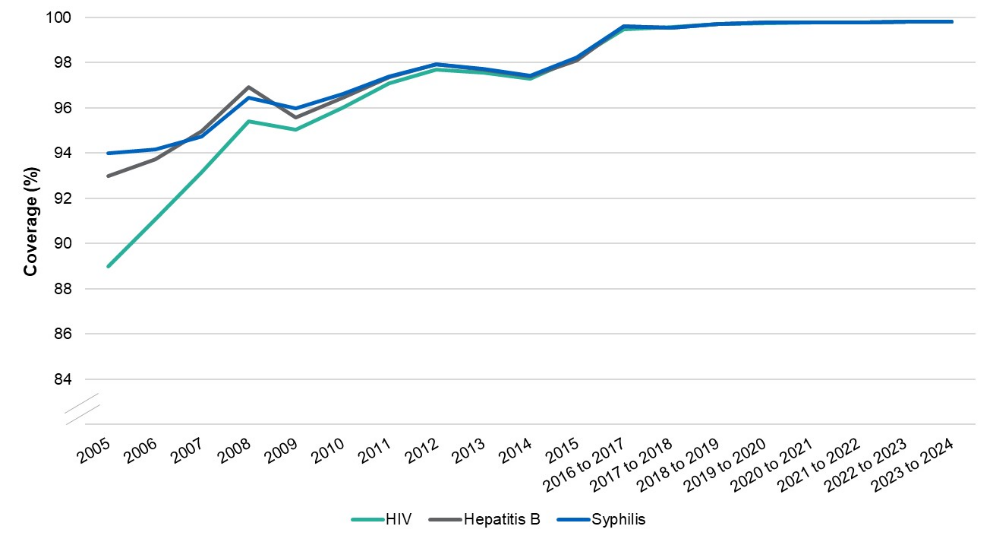
Figure 1: Coverage for HIV, hepatitis B and syphilis screening, England, NHS IDPS programme
Figure 1 shows coverage for HIV, hepatitis B and syphilis screening in England steadily increasing between 2005 and screening year 2016 to 2017, before levelling out at about 99%. Coverage for each of the 3 infections has remained high between 2016 to 2017 and 2023 to 2024.
Coverage summary
Overall, coverage has remained high and above the achievable rate of 99% in both England and Northern Ireland, thus contributing to the effectiveness of the screening programme.
Declines
There are many reasons why a woman may decline IDPS screening for all or some of the infections screened for. Data on reasons for declines has not historically been consistently collected nationally across the 4 nations. Individual maternity providers in England supported by the Screening Quality Assurance Service have completed local audits to understand if health inequalities exist within the screening programme. Since July 2025, ISOSS has been collecting declines data for HIV, hepatitis B and syphilis to gain a more accurate national picture of declines, including reasons given, and to assess the efficacy of the formal re-offer of screening in England. This is in line with the findings of the Understanding HIV testing in England: 2025 report which calls for the number of women who decline HIV screening in pregnancy to be reported in future returns so that they can be managed by antenatal screening infectious disease multidisciplinary team, as per BHIVA guidelines.
Figures 2 to 5 (below) show the national decline rates in England and Northern Ireland for women who decline both the initial IDPS offer and the formal re-offer. While the rate of women who decline is low overall for all 3 infections in England and for HIV in Northern Ireland, these women may be at higher risk of having an infection and so are an important population.
Data
As shown in figure 2, in England, the number and rate of declines reached its lowest point in the 6-year period (April 2018 to March 2024) from a high of 1,328 declines and a rate of 1.96 declines per 1,000 women in 2018 to 2019, to 947 and 1.52 respectively in 2023 to 2024. In Northern Ireland however, as shown in figure 3, the rate of declines per 1,000 women offered HIV screening has varied between 2014 and 2024. This is due to small numbers (fewer than 10 each year). While the rate of declines reached its lowest point in this 10-year period in 2022 to 2023 at 0.10, it increased to 0.20 in 2023 to 2024.

Figure 2: Number of declines and rate of declines to HIV screening in England, NHS IDPS programme
Figure 2 shows how the number of declines and the rate of declines per 1,000 women offered HIV screening in England decreased between 2018 to 2019 and 2023 to 2024. The number and rate of declines increased slightly between 2021 to 2022 and 2022 to 2023, before decreasing again in 2023 to 2024.

Figure 3: Rate of declines to HIV screening in Northern Ireland, HSCNI
Figure 3 shows how the rate of declines per 1,000 women offered HIV screening in Northern Ireland has varied between 2014 to 2015 and 2023 to 2024. This is due to small numbers (fewer than 10 declines). While the rate of declines reached its lowest point in this 10-year period in 2022 to 2023, it increased again in 2023 to 2024.
The number and rate of declines for hepatitis B screening in England (figure 4) shows a similar pattern to the HIV declines data (figure 2).

Figure 4: Number of declines and rate of declines to hepatitis B screening in England, NHS IDPS programme
Figure 4 shows there was a peak of 1,270 declines (1.87 per 1,000 women) and a decline rate of 1.87 in 2018 to 2019, which by 2023 to 2024 had decreased to 931 declines (1.49 per 1,000 women) – the lowest number of declines in this 6-year period. The lowest rate of declines for hepatitis B screening in England during the period was in 2020 to 2021, with a rate of 1.46 per 1,000 women.
As with HIV and hepatitis B, the number and rate of declines to syphilis screening in England between April 2018 to March 2024 were highest in the 2018 to 2019 screening year. Figure 5 shows the decreases in the number of declines over time, with the number of declines dropping to 933 in 2023 to 2024. The lowest rate of declines was seen in 2020 to 2021 at 1.47, followed by a rate of 1.49 in 2023 to 2024.

Figure 5: Number and rate of declines to syphilis screening in England, NHS IDPS programme
Figure 5 shows the number of declines and the rate of declines per 1,000 women offered screening decreased between 2018 to 2019 and 2020 to 2021. The number and rate of declines then increased slightly between 2020 to 2021 and 2022 to 2023, before decreasing again in 2023 to 2024.
Declines summary
Overall, the number of declines is low in both England and Northern Ireland and is decreasing in England as of 2023 to 2024. This contributes to the effectiveness of the IDPS programme. Women who decline are at higher risk of having an infection so continued monitoring of declines data remains important.
Pregnant women who screen positive and the proportion of women who are newly diagnosed in pregnancy
The screen positivity rates for HIV and hepatitis B generally decreased across England and Northern Ireland between the 2009 calendar year and 2022 screening year, but the screen positive rates for syphilis have increased since 2017 to 2018 in England (figure 6) and since 2019 to 2020 in Northern Ireland (figure 9). In Wales, the screen positive rate for syphilis has been increasing since calendar year 2014 (figure 11). In Scotland, the screen positive rate for hepatitis B has remained around 2 per 1,000 women screened. As previously noted, Scotland and Wales were limited in the data they could share, but work is under way in both nations to improve the quality and availability of the data collected by their IDPS programmes.
England
Most women with a screen positive result for HIV and hepatitis B in England are already aware of their diagnosis (see figures 7 and 8), but the proportion of women who are newly diagnosed with HIV in pregnancy is increasing. While for syphilis, approximately 50% to 60% of women with a screen positive result are previously diagnosed and do not require treatment, about 30% to 35% are newly diagnosed women requiring treatment. The remaining 10% to 15% are previously diagnosed and require treatment. ISOSS data shows that women who are previously diagnosed and require treatment were previously inadequately treated.
Even when women with a positive screen result were previously diagnosed with the infection, the IDPS programmes can provide intervention and treatment to safeguard the health of the baby and the woman’s own health.
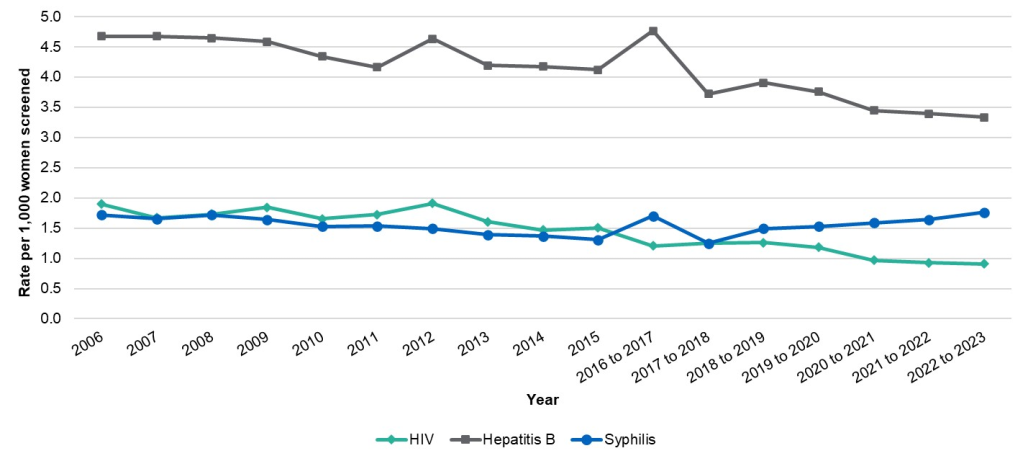
Figure 6: Rate of positivity for every 1,000 women screened by infection, England, NHS IDPS programme and ISOSS
Figure 6 shows the rates of positivity per 1,000 women screened for HIV, hepatitis B and syphilis in England between 2006 and 2022 to 2023, with hepatitis B being the highest. The rate of hepatitis B positivity in screened women is decreasing overall, however. HIV positivity shows a downward trend while syphilis diagnoses have been rising since 2017 to 2018.
In England, the positivity rate for hepatitis B is higher than the positivity rate for HIV and syphilis. It was 4.6 per 1,000 women screened in 2006 and 3.33 in 2022 to 2023. The HIV positivity rate has also decreased from 2 per 1,000 women screened in 2006 to approximately 1 per 1,000 in 2022 to 2023. The syphilis positivity rate was decreasing between 2006 and 2017 to 2018, with a slight peak in 2016 to 2017. This positivity rate increased between 2017 and 2023, reaching a peak of 1.76 per 1,000 women screened in 2022 to 2023. This is the highest syphilis positivity rate in England since 2016 to 2017 and is the only one of the 3 conditions screened where positivity is on the rise.
For women in England between 2018 to 2019 and 2022 to 2023 with a known diagnosis history, the majority who screened positive in pregnancy for HIV already had a previous diagnosis of HIV (see figure 7). Between these screening years, 342 women were newly diagnosed with HIV during pregnancy.
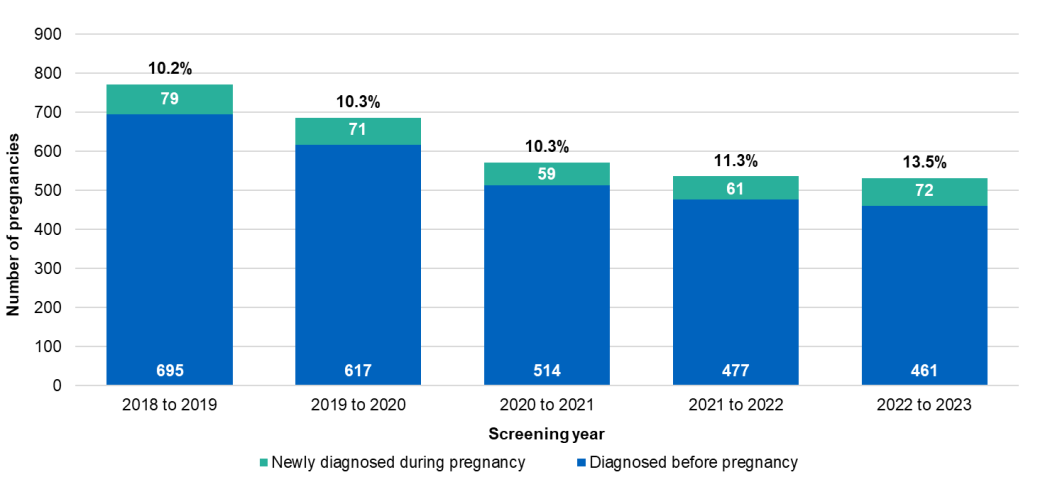
Figure 7: Number and proportion of HIV screen positive women who are newly diagnosed in pregnancy, England, ISOSS
Figure 7 shows that while over 85% of pregnant women who screened positive for HIV between 2018 to 2019 and 2022 to 2023 were already diagnosed before pregnancy, the proportion of pregnant women with a new HIV diagnosis during pregnancy increased slightly over that period, from 10.2% to 13.5%.
In England, the proportion of newly diagnosed women who screened positive for hepatitis B between 2016 to 2017 and 2022 to 2023 ranges from 23% to 20% (see figure 8).
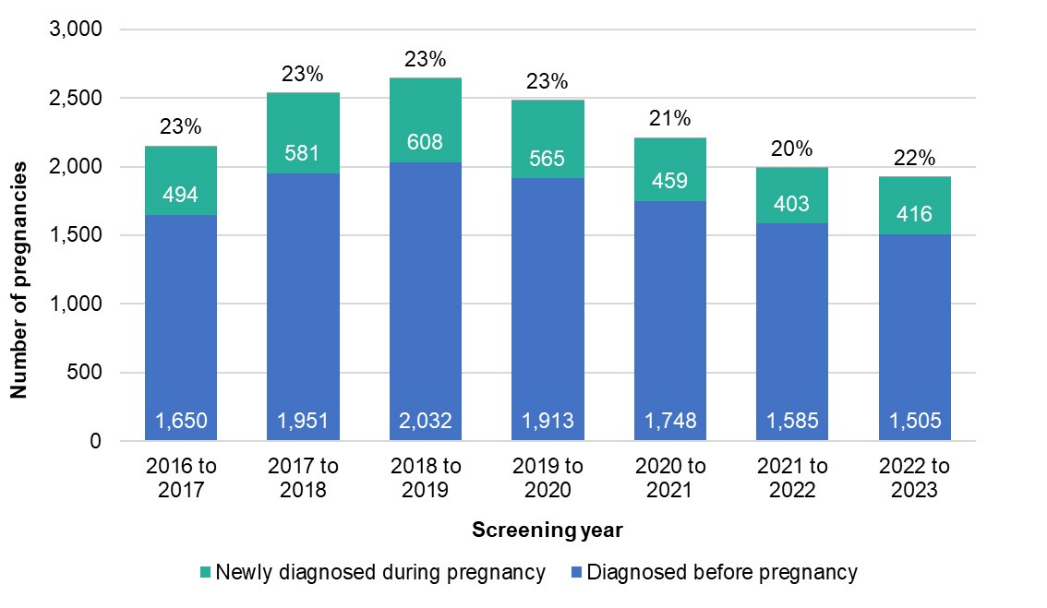
Figure 8: Number and proportion of hepatitis B screen positive women who are newly diagnosed in pregnancy, England, ISOSS
Figure 8 shows that in England, the proportion of women newly diagnosed with hepatitis B in pregnancy ranges between 23% and 20% between 2016 to 2017 and 2021 to 2022. As of 2022 to 2023, however, the proportion and number have increased to 22% and 416 new diagnoses respectively.
For women who screen positive for syphilis in England between 2017 to 2018 and 2022 to 2023, the proportion of those who are newly diagnosed ranges from just under 30% to just under 35%. The proportion of women who were previously diagnosed and still requiring treatment in pregnancy ranged from 10% to just under 15%. Therefore approximately 40% to 45% of women with a positive syphilis screen require treatment in pregnancy.
Northern Ireland
Northern Ireland has small numbers of women who screen positive for each condition (ranging between 52 and 5 for each condition each screening year), therefore there is more variation in figure 9 (below) compared to England in figure 6.
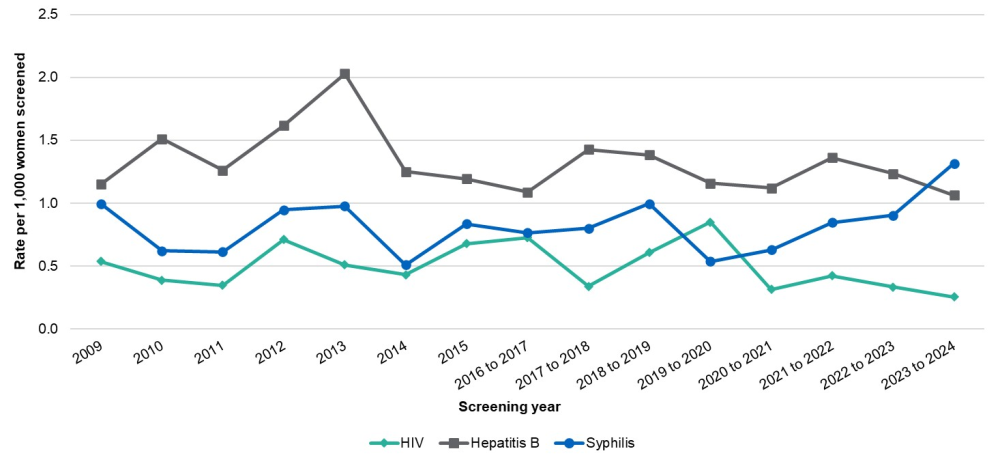
Figure 9: Rate of positivity for every 1,000 women screened by infection in Northern Ireland, HSCNI
Figure 9 shows HIV has the lowest positivity of the 3 infections in Northern Ireland, and has generally decreased since 2019, with positivity at about 0.3 per 1,000 pregnant women screened in 2023 to 2024. Hepatitis B positivity peaked in calendar year 2013 at a rate of 2.0 per 1,000 women screened but has not risen above a rate of 1.5 since and in 2023 to 2024 reached the lowest rate it has been in this period with a rate of 1.06 per 1,000. Syphilis positivity rates were between 0.5 per 1,000 women screened and 1 per 1,000 women screened between 2009 and 2019 to 2020, and then increased between 2019 to 2020 and 2023 to 2024. Syphilis positivity rates were about 1.3 per 1,000 women screened in 2023 to 2024, the highest of the 3 infections in that screening year.
In Northern Ireland in 2017 to 2018, 8 out of the 14 women who screened positive for HIV were newly diagnosed with HIV in pregnancy, while in 2023 to 2024, 100% (5) were diagnosed before pregnancy, with the rates varying between 2017 and 2023. The reason for this variation is because Northern Ireland has much smaller numbers than England, with 533 women in England in 2022 to 2023 who screened positive for HIV and only 7 in Northern Ireland.
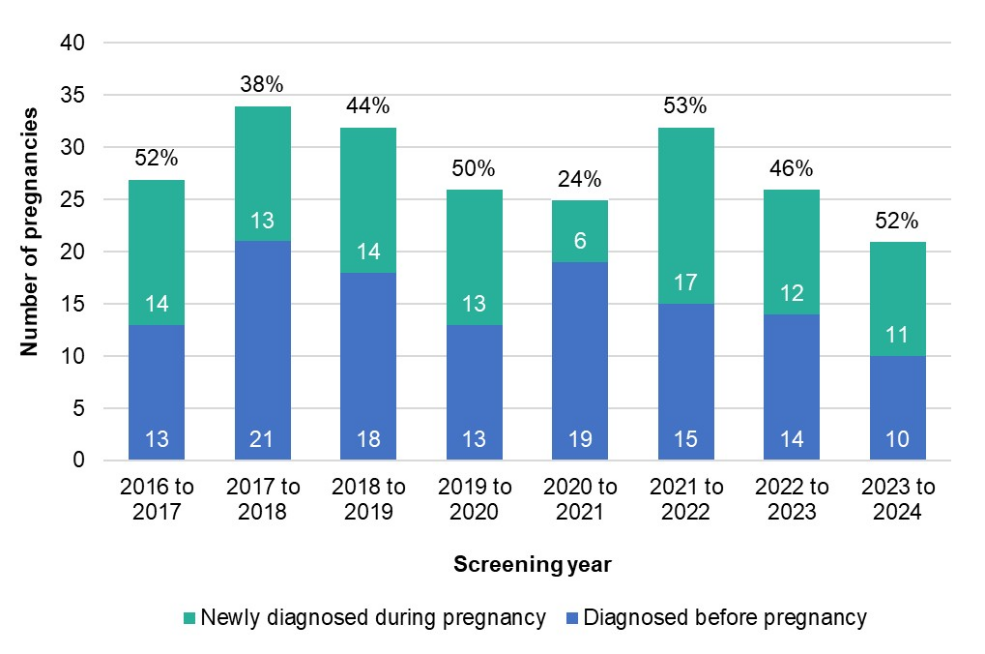
Figure 10: Number and proportion of women with a screen positive result for hepatitis B who are newly diagnosed in pregnancy, Northern Ireland, HSCNI
Figure 10 shows the fluctuating number and proportion of women who screen positive for hepatitis B and are newly diagnosed in Northern Ireland. Between 2016 to 2017 and 2023 to 2024, the proportion of women who screened positive for hepatitis B and were newly diagnosed in pregnancy in Northern Ireland ranged between 53% (in 2021 to 2022) and 24% (in 2020 to 2021). The most recent figure (in 2023 to 2024) was 52%.
Wales
The results of audits of data from 2017 and 2021 looking at the management of hepatitis B in pregnancy and the neonatal period in Wales found that the number of pregnant women screened who had a positive hepatitis B result fell from 59 to 23 over this 4-year period. This decrease may be reflective of the reduction in birth rate during this period. The number of live births in Wales dropped by 3,357 from 32,236 live births in 2017 (according to births in Wales 2017 data) to 28,879 in 2021 (according to birth summary statistics from 2021). The number of live births also fell in England, Northern Ireland and Scotland in the same period.
In Wales, the 2021 re-audit of the management of hepatitis B in pregnancy and the neonatal period found that 16 of the 23 women who screened positive for hepatitis B had a previously known diagnosis (70%), while the remaining 7 women had a new diagnosis (30%). Four years prior in 2017, 33 women were previously diagnosed (56%) and 26 women were newly diagnosed (44%).
As with England and Northern Ireland, syphilis positivity rates are rising in Wales (see figure 11).
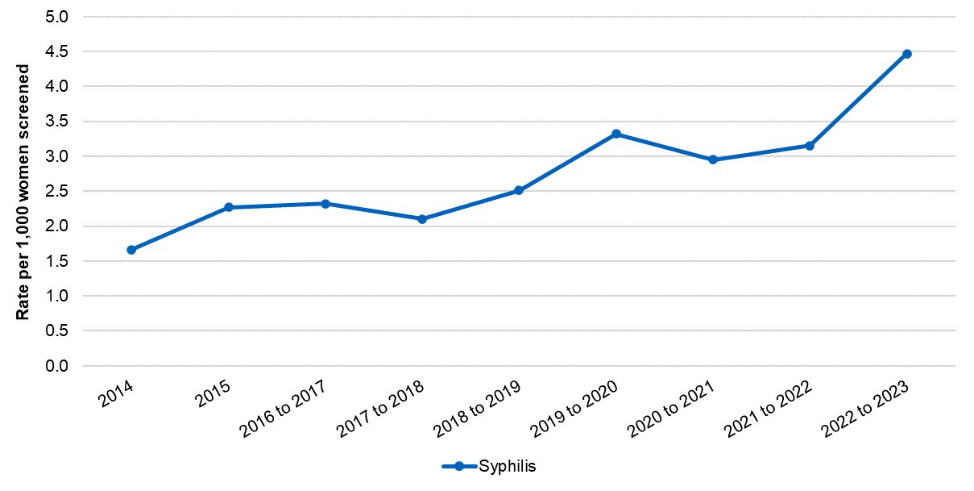
Figure 11: Rate of syphilis positivity for every 1,000 women screened in Wales, Public Health Wales
Figure 11 shows the syphilis positivity rate in Wales has been increasing since 2014, although there are smaller numbers in Wales compared to England (between 89 and 28 each year). The positivity rate was about 1.6 per 1,000 women screened in 2014 and reached a peak of 4.5 per 1,000 women screened in 2022 to 2023; the highest it has been over this period.
Of the 45 women with positive antenatal screening results between July 2017 and July 2019 in Wales, nearly 40% were newly diagnosed and requiring treatment. The remainder comprised women who were previously diagnosed and not requiring treatment and women who had unknown diagnosis details. Therefore, most of these syphilis positive women were previously diagnosed and did not require treatment in pregnancy.
Scotland
Surveillance data from Public Health Scotland (2023 update), shows that the rate of hepatitis B positivity reached a high of 2.16 per 1,000 women screened in the 5-year period of 2019 to 2023. However, the positivity rate has remained stable at around 2 per 1,000 women screened since 2019. The number of pregnant women being screened for hepatitis B in Scotland has also remained fairly stable, ranging between a high of 52,113 in 2019 and a low of 49,247 in 2023.
New diagnoses summary
Overall, in England between calendar year 2016 and screening year 2022 to 2023, the proportion of women newly diagnosed with HIV in pregnancy has been increasing since 2018 – reaching 13.5% in 2022 to 2023. The proportion of hepatitis B screen positive women who were newly diagnosed in pregnancy is greater than for HIV, ranging between 25% and 20% from 2016 to screening year 2022 to 2023. Additionally, approximately a third of women who screen positive for syphilis are newly diagnosed during pregnancy and between 40% and 45% of women screening positive for syphilis in pregnancy require treatment.
Undiagnosed HIV, syphilis and hepatitis B infections in pregnancy can be catastrophic. There is a limited period to provide treatment for these women, keep them well and prevent vertical transmission. The effectiveness of the IDPS programme is demonstrated through its ability to consistently identify women with HIV, hepatitis B and syphilis during pregnancy, including women who are newly diagnosed or previously inadequately treated, thereby enabling timely treatment and interventions to reduce the risk of vertical transmission.
Support and assessment referral times for screen positive women
When a pregnant woman has a screen positive result for HIV, hepatitis B or syphilis, she should have an appointment to discuss her screening result and receive timely information as soon as possible. In England, the timeframe specified in national IDPS standards was initially 10 working days. This reduced to 5 working days from 1 April 2023. In Northern Ireland, the timeframe remains 10 working days, and a change to 5 working days is currently being considered.
In addition to the move to a 5-day timeframe, in England virtual appointments are now offered whereby screening teams can provide the positive screening result and information via phone or video where acceptable to women. This approach began informally during the COVID-19 pandemic and continued thereafter following inclusion in the revised IDPS screening standards from April 2023. This has improved programme performance in recent years and helped to speed up entry into clinical care for women with a screen positive result.
If a pregnant woman screens positive for hepatitis B for the first time or is already known to be living with hepatitis B with high infectivity markers, in addition to the appointment to discuss her screening result within 5 working days, she should also be seen by a specialist for assessment within 6 weeks as specified in standard 06 in the IDPS national standards. From screening year 2016 to 2017, in England this standard only counts women with hepatitis B who are either newly diagnosed or known positive with high infectivity markers detected in the current pregnancy. Prior to 2016, the standard counted all pregnant women identified as hepatitis B positive, regardless of infectivity status in the current pregnancy.
If a pregnant women known to be living with hepatitis B screens positive for hepatitis B with lower infectivity markers, in addition to the appointment to discuss her screening result within 5 working days, the timeframe to be seen by a specialist (as set out in IDPS programme standard 08) is within 18 weeks.
Support and assessment referral data
In England there was an upward trend in the number of women in England who screened positive and were seen for assessment within the 10-working day standard timeframe between 2016 and 2021 (figure 12).
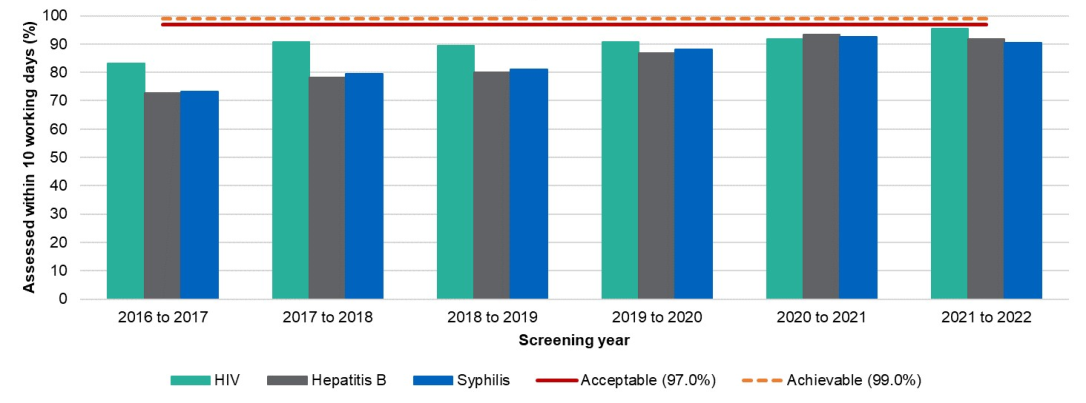
Figure 12: Women who screen positive receiving information and support within the timeframe (10 working days), England, NHS IDPS programme
Figure 12 shows that the proportion of women who screened positive and were seen within the 10-day timeframe has been above 70% between 2016 to 2017 and 2021 to 2022, but has remained below both the acceptable and achievable level throughout. The proportion of women with HIV seen for an appointment within 10 working days has increased between 2016 to 2017 and 2022 to 2023, as has the proportion of syphilis and hepatitis B positive women seen between 2016 to 2017 and 2021 to 2022, but these percentages decreased slightly in 2021 to 2022.
A national audit of IDPS standard 05 was completed for 2019 to 2020 in England to understand why some women were not seen within the 10-day timeframe following a screen positive result. By describing this population, it was suggested that services could be better designed to meet needs. It identified that of the 142 eligible maternity services in 2019 included in the audit, 86 (60.6%) of these services had women whose pathway was delayed, while 39.4% of maternity services had zero women who were delayed.
In the standards data for 2019 to 2020, there were 73 women who screened positive for HIV, 325 women who screened positive for hepatitis B, and 114 women who screened positive for syphilis who were not seen for assessment within 10 working days. Overall, this represented 12.0% of the eligible population.
For the women who screened positive for HIV, hepatitis B or syphilis that were not seen within the 10 day timeframe (see figure C in the accompanying data):
- around 75% were born outside of England:
- the majority were from an ethnic minority group
- just under half did not speak English as their first language
- over half were from the most deprived areas
- a quarter were reported to have at least one complex social issue
Over 84% (373) of the women in the national audit data set were known positive, while 65 (14.7%) were newly diagnosed in pregnancy. For the remaining 5 women their diagnosis history was unknown. Of women who were offered an appointment at the right time, 22.8% (101) declined to attend and reported they were already seeing a clinician in sexual health services as they were known positive. Of these women, 60.4% (61) were born outside of England. Language barriers, not being able to get time off work and not understanding the need to attend the assessment were cited as reasons for non-attendance within the 10-day time frame. For 19.4% (86) of the women whose pathways were delayed, this was due to issues relating to capacity, failure to follow prescribed pathways or communication gaps. ISOSS now routinely collects the data described in the NHS England 2019 to 2020 audit as routine. Details can be found in the ISOSS 2022 to 2023 reports for HIV, hepatitis B and syphilis.
In Northern Ireland, as of 2022, the proportion of women who screened positive for HIV, hepatitis B and syphilis seen for assessment within 10 working days was 100%. It is important to note that Northern Ireland is dealing with much smaller numbers of pregnant women who screen positive than England. Of the 5, 21 and 26 women who screened positive for HIV, hepatitis B and syphilis respectively in 2023, they were all seen within the timeframe. For HIV, the proportion seen for assessment within the timeframe was high throughout the 2016 to 2017 up to 2023 to 2024 time period, while for hepatitis B and syphilis, this has varied slightly over the past 8 years but did not fall below 85%.
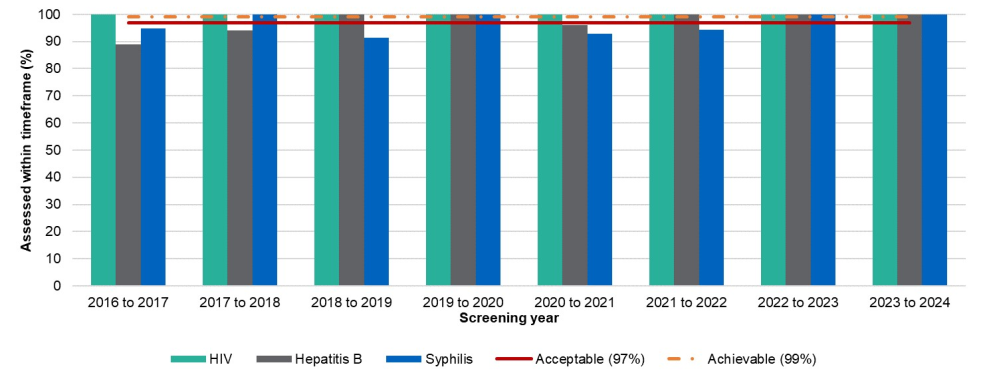
Figure: 13: Women who screen positive seen for assessment within the timeframe (10 working days), Northern Ireland, HSCNI
Figure 13 shows that the proportion of women with HIV seen for assessment within 10 working days has met the achievable level of 99% throughout the 2016 to 2017 up to 2023 to 2024 time period shown. The proportions for women with hepatitis B and syphilis vary slightly over this period due to small numbers but as of 2022 to 2023, were meeting the achievable level.
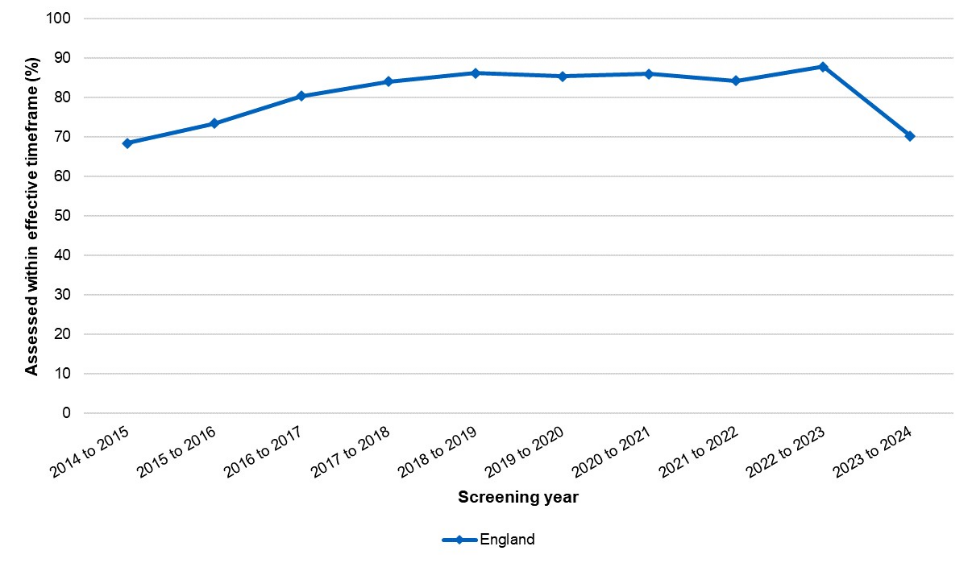
Figure 14: Women who screen positive for hepatitis B who are newly diagnosed or higher infectivity seen by specialist services within 6 weeks, England, NHS IDPS programme
Figure 14 shows the proportion of women who screen positive for hepatitis B who were seen within 6 weeks increased between 2016 to 2017 and 2018 to 2019. There was a slight increase between 2021 to 2022 and 2022 to 2023, before a sharp decrease in 2023 to 2024. This is due to the submitting organisation changing from maternity service self-reporting to ISOSS to improve consistency and accuracy. This decrease reflects more accurate data and not a change in practice for screening providers. The proportion of women with a screen positive result for hepatitis B seen by specialist services within 6 weeks in England was approximately 70% during 2023.
Support and assessment referral times - summary
Overall, the timelines for women attending an appointment to discuss their screening result and receiving information and interventions (where appropriate) are improving, but they are still below the achievable and acceptable thresholds in England. Increasing the proportion of women with a positive HIV, hepatitis B or syphilis result who are seen within the 10-day timeframe (now 5-day timeframe) would further increase the effectiveness of the IDPS programmes.
Women on treatment in pregnancy
HIV
The ISOSS 2022 to 2023 HIV report shows that women with a screen positive result for HIV were on antiretroviral therapy (ART) antenatally in 98.7% of pregnancies. Most women who were diagnosed with HIV before pregnancy were on treatment prior to conception (95.1%) with a small proportion of women commencing or recommencing ART during pregnancy (4.7%). Among women already diagnosed and starting treatment in pregnancy, a quarter started in the first trimester, with a mean ART start time of 15.8 gestational weeks. Among the 69 women diagnosed during pregnancy, around 22% started ART in the first trimester and the mean start time was 16 gestational weeks. Around 58% started ART in the second trimester and around 11% started ART in the third trimester. The remaining women did not receive ART in pregnancy. Of these women, 6 had pregnancies that did not continue to term and one declined ART.
The BHIVA guidelines on the management of HIV in pregnancy recommend that all pregnant women should have commenced ART by week 24 (within the second trimester) of pregnancy at the very latest.
Hepatitis B
The ISOSS hepatitis report for screening year 2022 to 2023 in England shows that women were already receiving treatment for their hepatitis B infection at the point of conception in 95 pregnancies. A viral load of equal to or above the national British Viral Hepatitis Group’s recommended threshold of 200,000 international units per millilitre (IU/mL) means that hepatitis B treatment should commence during pregnancy. A viral load above this threshold was reported in 55 pregnancies. Of these women, 42 (80.8%) were known to have been given treatment during pregnancy. For women who were classed as having higher infectivity markers according to Green Book criteria during pregnancy, where a registerable birth was the pregnancy outcome, 77.8% (98 of the 126) of women received treatment for hepatitis B during the pregnancy.
Syphilis
The ISOSS syphilis report for 2022 to 2023 in England shows that among women with a screen positive result for syphilis who required treatment in pregnancy, 89.2% (404 of 453) received treatment in pregnancy. There were 49 women (10.8%) who required treatment who did not receive it during pregnancy, an increase from the 40 women (10.4%) in 2021 to 2022. Reasons for this included women:
- presenting to services not screened and so only being screened in labour
- miscarrying or having a termination before a referral to treatment was actioned
- declining treatment
- not attending appointments and being disengaged with services
- booking late
- delivering before the referral could be actioned
Over a third of women (37.6%) were treated by 13 weeks of pregnancy, with 22.3% not receiving treatment until after 20 weeks gestation. Late treatment reflects the significant number of women booking later than recommended in their pregnancies in this group. This included 22 women who booked at 13 to 19 weeks and 39 women who booked and were screened after 20 weeks gestation.
Over a third of women (37.6%) were treated within 2 weeks of their first positive result in pregnancy, and 17.1% were treated more than 6 weeks after their first positive result. Of the 69 women treated more than 6 weeks after the date that the screen positive result was received, reasons for women not engaging with healthcare services included:
- being referred to allergy services in view of reported penicillin allergy (benzathine penicillin is the BASHH recommended treatment for syphilis)
- receiving a delayed referral to sexual health services
- moving or travelling during pregnancy
Of the 69 women treated after 6 weeks, 63 were confirmed to have completed treatment by delivery.
Women on treatment in pregnancy - summary
Overall, the proportion of women with a screen positive result receiving treatment in pregnancy (if required), is high for each infection. This demonstrates the effectiveness of the programme.
Late booking and not completing screening until in labour were some reasons reported for some women not receiving treatment in pregnancy or for treatment being delayed. Collecting data on the reasons for declining screening and understanding why women are booking late or not at all will potentially help to identify if and how service providers can address these issues.
HIV viral load at delivery
Background
BHIVA guidelines state that maternal viral load should be monitored throughout pregnancy including at 36 weeks and delivery to inform decisions around mode of delivery, additional ART in pregnancy and at delivery, and clinical management of the infant. If a woman has a viral load of less than or equal to 50 copies per mL, the risk of vertical transmission is considered very low. The higher the viral load at delivery, the higher the risk that HIV could be transmitted vertically to the baby during pregnancy and delivery.
BHIVA recommend that women with a viral load below or at 50 copies per millilitre on anti-retroviral therapy (ART) with good adherence and who choose to breastfeed should be supported to do so by the HIV multidisciplinary team.
Data
Table 4 below relates to women in England who had a viral load recorded within 30 days before delivery or by 7 days after delivery. From 2019 to 2022, over 90% of these women consistently had undetectable viral loads at delivery which reflects the high coverage of ART during pregnancy. The National audit of perinatal HIV infections in the UK, 2006 to 2013 showed that women with high viral loads at delivery are usually complex cases, and include women with adherence issues, late booking for antenatal care, or arriving un-booked in labour.
Table 4: Viral load at delivery for pregnant women living with HIV, 2022 to 2023, England, ISOSS
| Copies per mL | Number of pregnancies | Proportion of pregnancies (%) |
|---|---|---|
| Less than or equal to 50 (undetectable) | 372 | 92.9 |
| 51 to 399 | 21 | 4.8 |
| Equal to or more than 400 | 9 | 2.3 |
| Total | 402 | 99.9 |
Note: Proportions in table 4 are rounded and therefore may not equal 100.0%. Viral load was not taken within the reporting timeframe (30 days prior to and 7 days post-delivery) for 63 deliveries and data was only collected on pregnancies resulting in a livebirth or stillbirth.
ISOSS data reported by the National Study of HIV in Pregnancy and Childhood (NSHPC) (PDF) show the UK vertical transmission rate in women with a viral load of less than 50 copies per mL at delivery was 0.17% in 2015 to 2016. This data is due to be updated for England by ISOSS in the next year.
HIV viral load at delivery - summary
The high proportion of pregnant women living with HIV and screening positive with very low viral load at delivery is consistently above 90% in England (as shown in the ISOSS HIV report for pregnancies (2022 to 2023)). The extremely low vertical transmission rate in women with low viral load reflects sustained efforts to provide optimal treatment and care to women and infants
HIV vertical transmissions
Vertical transmissions in England reduced from 2.86% in screening year 2000 to 2001 to 0.24% in screening year 2018 to 2019. The vertical transmission rate in both England and the UK has remained below 0.4% since 2010 to 2011, so is considered stable. Data from screening year 2000 to 2001 to screening year 2018 to 2019 that include the whole of the UK shows a similar pattern (figure 15). Before the universal antenatal screening programme for HIV was rolled out in the UK, Communicable Disease Report (2022) data shows that the number of cases of HIV that were acquired through vertical transmission ranged from 57 in 1992 to 92 in 1998. In 2001, the number of cases of HIV acquired through vertical transmission had dropped to 18 and as of screening year 2020 to 2021, there were only 3 reported cases.
UK wide reporting of vertical transmissions by ISOSS stopped in 2019 due to the impact of new General Data Protection Regulation (GDPR) laws on data collection agreements, so from 2020 onwards ISOSS only reported England data.
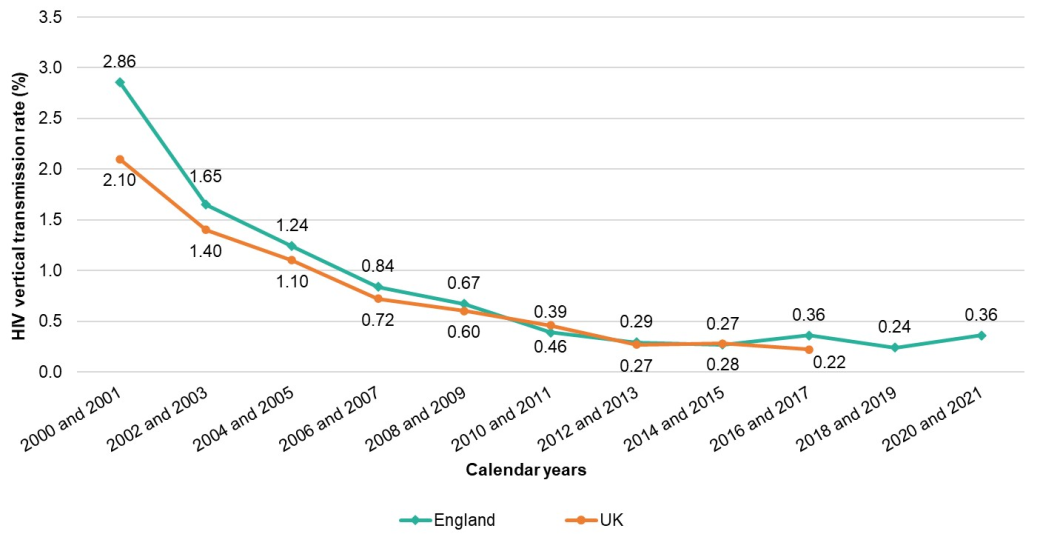
Figure 15: Vertical transmission rate of HIV between screening years 2000 to 2001 and 2020 to 2021 in 2-year intervals, UK and England, ISOSS
Figure 15 shows the decreasing HIV vertical transmission rate in England between 2000 to 2001 and 2020 to 2021. In the UK, the rate steadily decreased between 2000 to 2001 and 2016 to 2017, and remained under 0.3% between 2012 to 2013 and 2016 to 2017. Overall, the UK rate decreased from 2.1% in 2000 to 2001 to 0.22% in 2016 to 2017.
Hepatitis B vertical transmissions
UKHSA provides a dried bloodspot (DBS) service for post vaccination serological testing of infants born to women living with hepatitis B. Infant testing takes place at 12 months of age. From July 2024, the DBS is taken at any appointment between 12 and 18 months of age. The DBS is used to confirm if vertical transmission has occurred and ensures timely referral to specialist services for any children who have acquired hepatitis B infection.
The reported vertical transmission rate for infants born to women living with hepatitis B who turned one in the years shown in figure 16 has been consistently below the 2% WHO target, having fallen from 0.95% in 2014 to 2015 to 0.06% in 2024 to 2025. This is calculated by comparing the number of positive individuals identified by DBS in each year to the number of DBS tests conducted each year, hence positivity was higher in the earliest years due to the lower number of DBS tests received. Of the 8,657 samples tested up to end of March 2022, 1,947 (22.5%) infants were reported to be born to women considered at higher risk of passing hepatitis B to their child.
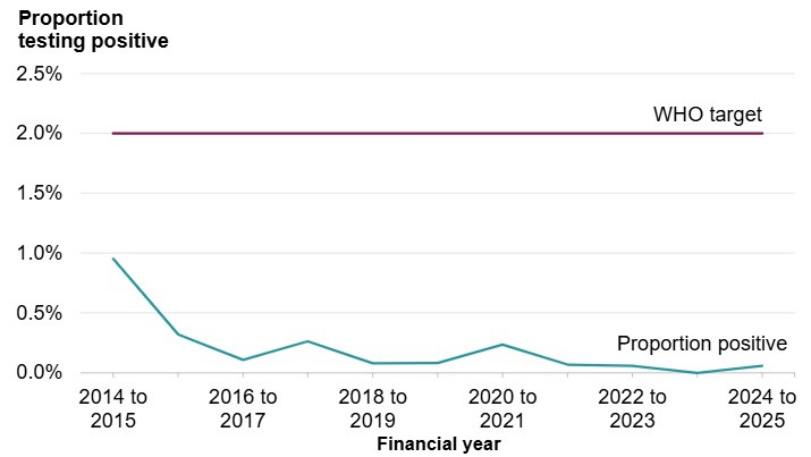
Figure 16: Vertical transmission rate for infants born to women living with hepatitis B, England, April 2014 to Mar 2025. Source: Hepatitis B in England 2025 (UKHSA)
Figure 16 shows how the vertical transmission rate for infants born to women living with hepatitis B in England has decreased from a peak of 0.95% in 2014 to 2015 to 0.06% in 2024 to 2025. This is below the WHO target of 2%.
Between September 2017 and December 2020, the UKHSA Seroepidemiology Unit obtained 2,017 samples collected from children aged 5 years and under which were tested for hepatitis B surface antigen (HBsAg), and all were negative. These results, along with the high antenatal screening coverage, DBS testing results and DBS service coverage (84.5% of eligible children were tested through this service in 2023 to 2024) show with confidence that England is below the 0.1% HBsAg seroprevalence target set by WHO in children aged 5 years and under.
Congenital syphilis
From January 2015 to September 2024 in England, there were 79 confirmed, probable or possible cases of congenital syphilis reported. In 2020, ISOSS conducted a retrospective review of all cases of congenital syphilis going back to 2015 in England.
Figure 17 shows the number of new congenital syphilis cases in England between calendar years 2016 and 2024 (note the number of cases for 2023 and 2024 are incomplete and expected to increase). There has been an increase in cases from 3 to 6 per year between 2016 and 2018 and now over 11 cases per year since 2021. As the IDPS programme coverage is very high in England (see figure 1 above), the cases are not necessarily due to screening failure as all the mothers with infants born with congenital syphilis were offered screening in pregnancy or at the time of delivery when antenatal care was not accessed. An increase in syphilis cases in the heterosexual population must be considered, along with findings from the clinical expert review panel (CERP) which reviews any confirmed, probable or possible reports of infants with congenital syphilis. The main factor contributing to each transmission was discussed and agreed by the CERP and included:
- women presenting late for antenatal care
- women not engaging with healthcare services
- women screening negative at booking and acquiring syphilis later in their pregnancy
- pregnant women remaining unbooked in labour having not accessed antenatal care
- women declining screening
The data indicates that the number of cases of congenital syphilis would be much higher without the IDPS programme.
In 2017, WHO launched a worldwide initiative to eliminate vertical transmission of syphilis. They defined congenital syphilis as eliminated if the rate is fewer than 50 cases per 100,000 births and the congenital syphilis rates in both England and Northern Ireland remain far below this target. The WHO target for Europe set out in action plans for 2022 to 2030 is even lower at less than or equal to 1 congenital syphilis case per 100,000 live births by 2030. England was above this target in 2023.
The Syphilis Response Plan (pending publication by UKHSA), lays out the main actions needed to eliminate congenital syphilis in England. Actions for the IDPS programme include:
- increasing awareness among healthcare professionals in the maternity services of the ongoing risk of acquiring syphilis during pregnancy to increase targeted re-testing in pregnancy
- improving the understanding and management of those who decline antenatal syphilis screening
- supporting sexual health services to engage the partners of those diagnosed in pregnancy for testing
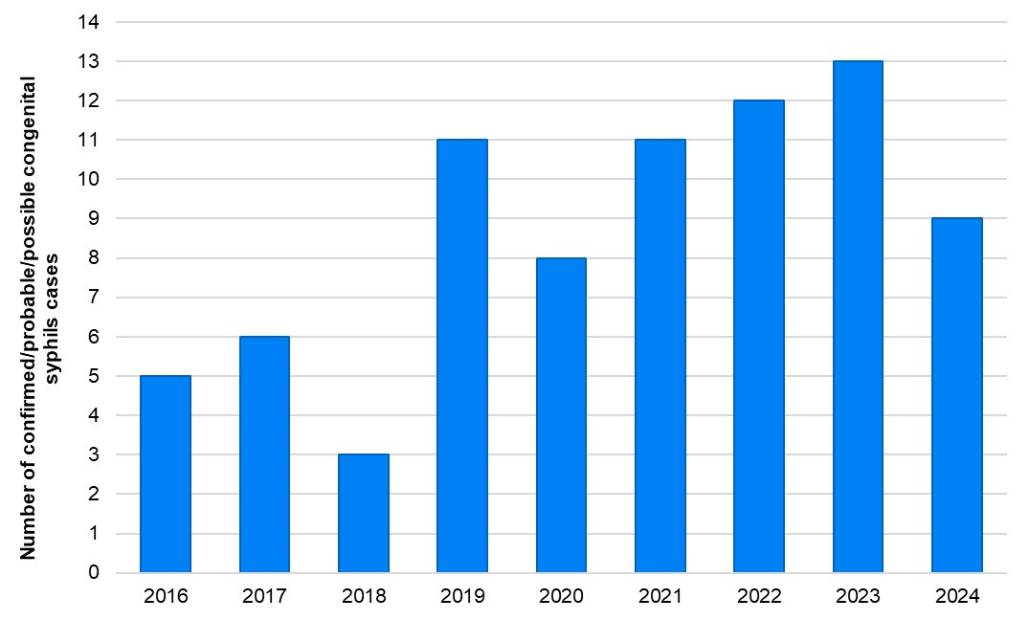
Figure 17: Number of confirmed, probable or possible congenital syphilis cases in England, 2016 to 2024, ISOSS
Figure 17 shows a variable number of congenital syphilis cases in England due to small numbers (between 3 and 13 each year). The highest number of syphilis infections was in 2023 (13 cases). Note that numbers are incomplete for 2023 and 2024 and are expected to increase.
In Northern Ireland (a much smaller population than England) between 2016 and 2023, there were fewer than 5 confirmed, probable or possible case of congenital syphilis.
Vertical transmissions – summary
Overall, the IDPS programme has contributed to the decline in HIV and hepatitis B vertical transmissions over the past 20 years and is therefore highly effective.
Even though congenital syphilis has been increasing in England since 2016, the rate of congenital syphilis cases is still far below the WHO worldwide target. The increase is due to a range of factors, such as a rise in syphilis cases in the heterosexual population and challenges around timely engagement with screening. Without the IDPS programme, cases of congenital syphilis would be much higher.
Selective neonatal hepatitis B immunisation
In the case of hepatitis B vertical transmission, the risk of chronic infection in the infant with a higher infectivity risk mother is very high (70% to 90%). It can be reduced dramatically to under 5% with vaccine and hepatitis B immunoglobulin (HBIG). See UKHSA guidance on hepatitis B screening and immunisation.
Since the 1990s, all babies born to women who screened positive for hepatitis B are offered and recommended vaccination within 24 hours of birth, as part of the selective neonatal hepatitis B immunisation programme which includes further monovalent hepatitis B vaccine at birth, 4 weeks and 12 months.
Infants born before 1 July 2024 to women screened positive for hepatitis B antigen (HBsAg) received a targeted monovalent hepatitis B vaccine within 24 hours of birth, with a second monovalent dose at 4 weeks followed by a further 3 doses of hexavalent vaccine as part of the universal routine childhood immunisation schedule, and a final monovalent dose at 12 months. HBIG is also given within 24 hours of birth if the woman has a high infectivity risk and to babies with very low birthweight (VLBW) of 1500 grams or less, regardless of the e-antigen status or viral load of the woman. Post vaccination serological testing (PVST) for HBsAg at 12 months is recommended (see chapter 18 of the Green Book) to check if transmission was prevented and to identify infected infants for specialist referral.
For eligible babies born on or after 1 July 2024, a new schedule was introduced. They are no longer offered monovalent hepatitis B vaccine when they attend their 12 month vaccination appointment. These children instead receive their final dose at 18 months of age at their routine appointment as part of the hexavalent vaccine. Therefore, babies on the selective immunisation pathway no longer require a 12-month dose but will continue to be offered the birth and 4-weeks monovalent dose. Timely administration of vaccine and HBIG at birth continues to be critical for these babies. In addition, the IDPS pathway includes effective communication pathways to facilitate scheduling and administration of further doses of vaccination.
Since 2017, all infants are offered vaccine to protect against hepatitis B as part of the routine (universal) childhood immunisation programme with a hexavalent 6-in-1 (diphtheria, tetanus, polio, pertussis, Hib and hepatitis B) vaccine at 8, 12 and 16 weeks.
Babies born to women with hepatitis B and high infectivity risk (determined from e-markers and viral load or if they have acute hepatitis B in pregnancy) or babies with a very low birthweight of 1,500g or less should also receive the hepatitis B specific immunoglobulin in addition to vaccine at birth (as per Chapter 18 of the Green Book).
Selective neonatal hepatitis B immunisation data
The proportion of at-risk babies who receive vaccination with or without immunoglobulin within 24 hours of birth has remained high at above 90% for the last 6 years in England (figure 18). Of the babies who did not receive the vaccination or immunoglobulin within 24 hours, most received them after 24 hours of birth. In 2021 to 2022, 98.8% of eligible babies received the birth dose within 24 hours. When babies who received the birth dose just outside this time are included (up to 48 hours of age) this increases to 99.3%. This is similar for immunoglobulin where 96.9% of eligible babies in 2021 to 2022 received this within 24 hours, increasing to 98.1% when those receiving immunoglobulin up to 48 hours are included. Late (after 24 hours) administration of vaccines and immunoglobulin are managed as screening safety incidents to improve the pathway.
Vaccination coverage of hepatitis B remains high – well over the 90% WHO target. Declines are rare and in England there were 6 babies (including one set of twins) where hepatitis B vaccination was declined in 2021 to 2022. This is a critical issue to monitor and prevent falling below the 90% target. Work on this will require collaboration between screening and immunisation teams.
Vaccination coverage: the proportion of the target population that received a vaccination does within the specified timeframe.
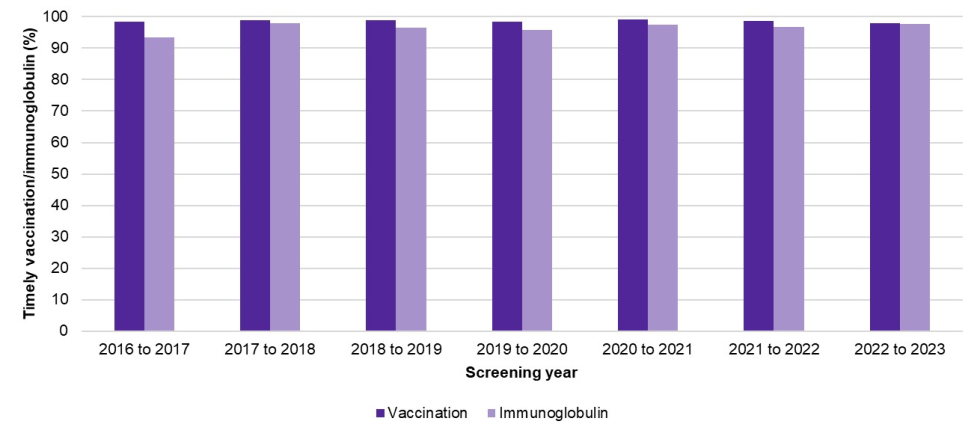
Figure 18: Proportion of babies that receive selective vaccination and immunoglobulin within 24 hours of birth, England, NHS IDPS programme
Figure 18 shows that the proportion of babies in England who receive timely vaccination and immunoglobulin within 24 hours of birth has been above 90% since 2016 to 2017 up to 2022 to 2023. For each screening year, there is a higher proportion of babies who receive vaccination within 24 hours of birth compared to immunoglobulin, although there are smaller numbers of babies eligible for neonatal immunoglobulin.
In Wales, the results of the 2021 re-audit of the management of hepatitis B in pregnancy and the neonatal period showed that 100% timely immunisation with vaccine and HBIG was achieved. In 2023 however, no babies required treatment with hepatitis B immunoglobulin indicating that no babies were born to hepatitis B positive women with high infectivity risk. The 2023 summary of neonatal hepatitis B immunisation in Wales showed that during that year, 32 babies born to women with hepatitis B were reported to the Health Protection Team – 6 more than in 2022. Of those babies, 96% received the first dose of the hepatitis B immunisation schedule (see figure 19), and all those who received the first dose were vaccinated on time (see figure 20). The summary also shows that 96% of babies received their second dose, with 67% of them on time – an increase compared to 2022. The proportion of babies receiving their third dose decreased slightly from the previous year to 96%. In 2023, 59% of babies received their third vaccine dose on time. The proportion of babies who received their vaccination dose due at 12 months on time decreased compared to the previous year from 65% to 48%.

Figure 19: Uptake of hepatitis B immunisations in babies born to hepatitis B positive women, 2011 to 2023, Wales, Public Health Wales
Figure 19 shows data from calendar years 2011 to 2023, illustrating how uptake of hepatitis B immunisations decrease as the dose number increases from 2011 to 2021. Uptake for dose 1 is consistently above 95% throughout the time period, while the 12-month dose uptake varies from above 95% in 2011 and 2021 to a significant dip to below 60% in 2016 (rising again to nearly 80% in 2017).
In 2023 in Wales, the proportion of babies who received hepatitis B vaccinations was the same for dose 1, 2 and 3, at 96% (see figure 20). For the 12-month dose, this dropped to 88% in 2022, an approximately 10% decrease from 2021.
Note:
- dose 1 is on the day of birth or the next day
- dose 2 is within 25 to 36 days after dose 1
- dose 3 is within 25 to 36 days after dose 2
- 12-month final dose is within 334 to 396 days of birth
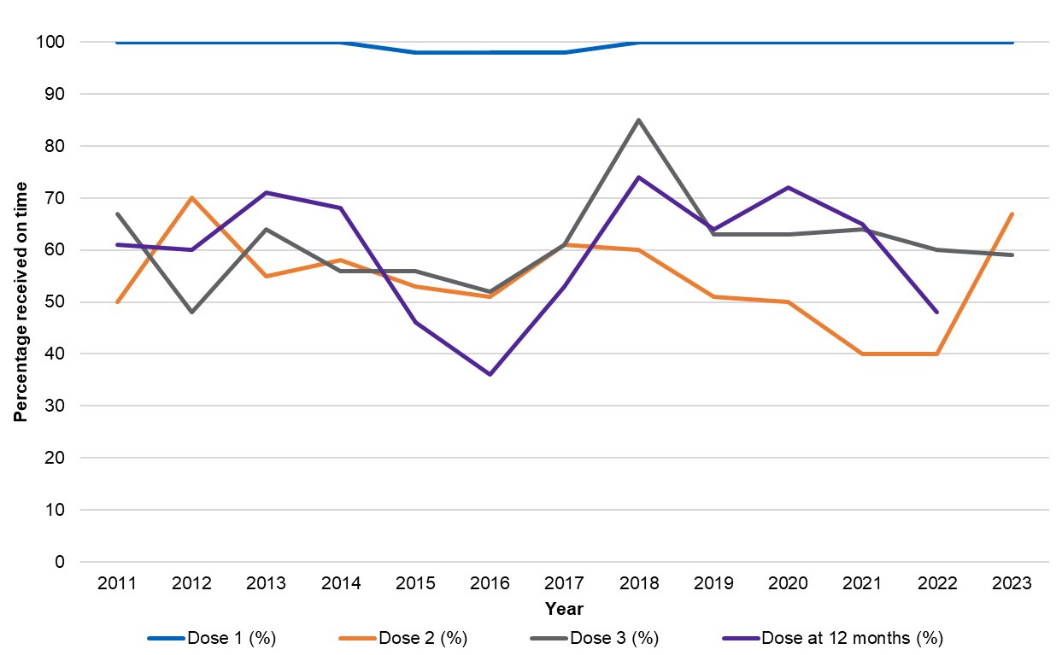
Figure 20: Timeliness of hepatitis B immunisations in babies born to women with hepatitis B, 2011 to 2023, Wales, Public Health Wales
Figure 20 shows that the proportion of babies who receive timely vaccination has been above 97% for dose 1 since 2011, but for dose 2, 3 and the dose at 12 months this ranges between 36% for dose at 12 months in 2016 and 85% for dose 3 in 2018. Both dose at 12 months and dose 3 peaked to their highest levels in 2018.
The Childhood Immunisation Statistics Scotland report for 2024 shows that in that year, 57 children born to women with hepatitis B who turned 12 months 2024 were eligible for the selective hepatitis B vaccination. Of those, 54 children (94.7% in 2024; 95.0% in 2023) received one dose of vaccine within one day of their date of birth, and 44 children (77.2% in 2024; 80.0% in 2023) received 5 doses of vaccine by 12 months of age. The IDPS programme identified 58 children born to hepatitis B positive mothers who turned 24 months in the year ending 2024. Of those, 43 children (74.1% in 2024; 76.4% in 2023) received 6 doses of vaccine by 24 months of age.
Selective neonatal hepatitis B immunisation – summary
Overall, a high proportion of at-risk babies eligible for hepatitis B vaccination with or without immunoglobulin receive it within 24 hours of birth. The IDPS programmes are effective in facilitating the prompt administration of the selective neonatal immunisation programme to their babies within 24 hours of birth, lowering the chances of babies born to hepatitis B positive mothers developing chronic hepatitis B.
IDPS cost-effectiveness
The literature on the cost-effectiveness of screening for the infections covered within the IDPS programme was reviewed to determine whether any of the 3 infections warrants a full cost-effectiveness review. HIV, hepatitis B and syphilis screening in pregnancy appear likely to remain cost-effective.
HIV screening
The evidence review for HIV indicates that antenatal screening (including the follow-up interventions to treat women with a positive screen for HIV) remains cost-effective. This is due to 2 main reasons. Firstly, the current prevalence of 91 cases per 100,000 (2022 to 2023 figure) is well above the 14 cases threshold identified in a study looking at cost effectiveness estimates for antenatal HIV testing in the Netherlands. This study serves as a strong comparator to England due to its similar epidemiological profile and its use of opt-out universal HIV screening among pregnant women. A systemic review of previous studies from Amsterdam and Australia have all indicated that IDPS screening was justified in most situations, with modelling of HIV screening from Australia concluding that universal screening would be cost-effective even at a very low prevalence rate of 4.37 cases per 100,000. Secondly, although the costs exceed the threshold identified by a 1999 cost-effectiveness analysis of HIV screening in the UK, that threshold is considered a conservative estimate which looked at low prevalence. This implies that the programme is still likely to be cost-effective above this level.
Hepatitis B screening
The last (2017) UK NSC review of screening for hepatitis B notes that the immunisation programme and the combined strategy of universal antenatal screening and selective neonatal vaccination are cost-saving and cost-effective. The rate of positivity for hepatitis B screening and the vertical transmission rates of HBV have declined in the last decade. But a 1997 appraisal of efficacy and cost-effectiveness concluded that the cost-effectiveness of antenatal hepatitis B screening is most impacted by unit cost of the HBsAg test (which has fallen significantly over time). The screening programme also allows for the identification of pregnant women living with hepatitis B, which enables the swift administration of the selective neonatal immunisation programme to their babies within 24 hours of birth and thereby lowering the chances of babies born to hepatitis B positive mothers developing chronic hepatitis B.
Syphilis screening
Screening for syphilis as part of the IDPS programme remains highly cost-effective, a conclusion supported by 2 factors. Firstly, the number of pregnancies with a positive result for syphilis requiring treatment has increased considerably from 0.05 per 1,000 women in 2000 to 0.66 per 1,000 women in 2021, and an upward trend of screening positive rates has continued. Secondly, the programme demonstrates operational success via high screening coverage and follow-up of women to ensure treatment is completed. Using ISOSS surveillance data and evidence gathered by the UK NSC, the cost per case detected under a single screen scenario is estimated at £26,500. The 2020 Syphilis Screening HE Model Report examining the health effects and cost-effectiveness of syphilis screening estimates an additional lifetime healthcare cost for each infant born with syphilis of £80,423. Comparing these figures indicates that, within the single-screen scenario, the costs of detecting a case and treating it are substantially lower than the lifetime costs incurred if a case occurs, further demonstrating that the existing screening programme is cost saving.
The UK NSC is now actively exploring including a second screen for syphilis in pregnancy in response to rising congenital syphilis cases. Performing a repeat screen in pregnancy is estimated to result in an additional 5.5 congenital syphilis cases being prevented annually. Updated modelling on the potential impact of introducing a second screen is due to be published in 2026.
Discussion
The main finding of this review is that the IDPS programme has contributed to the steady decline in HIV and hepatitis B vertical transmissions over the past 20 years and is highly effective.
From the start of universal antenatal screening programme for HIV in the UK, vertical transmission rates of HIV have decreased by approximately 90% in the UK, from 2.1% in 2000 to 0.22% in 2018, and from 2.86% in 2000 to 2001 to 0.36% in 2020 to 2021 in England. The impact of antenatal screening on vertical transmissions of HIV was also highlighted in the Chief Medical Officer’s 2025 annual report on infections. Importantly, between 2019 and the 2022 to 2023 screening year, most women screened positive for HIV achieved low viral load (less than 50 copies per millilitre) prior to delivery. This is made possible by early diagnosis of women (through the IDPS programme) who did not know about their HIV infection before becoming pregnant and by health care professionals and women working in partnership; something that the IDPS programmes help to facilitate.
The vertical transmission rate for infants born to women living with hepatitis B in England has decreased by approximately 93%, from 0.95% in 2014 to 2015 to 0.06% in 2024 to 2025. The proportion of at-risk babies who receive vaccination with or without immunoglobulin within 24 hours of birth has remained high at above 90% for the last 6 years in England. Of the babies who did not receive the vaccination or immunoglobulin within 24 hours of birth, most did subsequently receive them. UKHSA guidance on the hepatitis B antenatal screening and selective neonatal immunisation pathway was published in 2020 to support the provision of timely antenatal screening and entry into clinical care for women living with hepatitis B, and optimise delivery of the infant hepatitis B selective immunisation programme for infants who are at a risk of vertical transmission of hepatitis B virus infection.
However, congenital syphilis has been increasing in England since 2015, although the rate of congenital syphilis cases is still far below the WHO worldwide target of fewer than 50 cases per 100,000 births. The increase is caused by various factors such as:
- a rise in syphilis cases in the heterosexual population
- women booking later in pregnancy
- poor engagement or not receiving any antenatal care
- being screened in labour so that treatment cannot be received to prevent vertical transmission
Without the IDPS programme, the number of cases of congenital syphilis would be much higher. The data also shows that 10% to 15% of women previously diagnosed with syphilis still needed treatment in pregnancy; and overall, almost half of the pregnant population that screened positive for syphilis through the programme needed treatment for syphilis in pregnancy. This further demonstrates the value of having an established screening programme in place.
IDPS is delivered as a programme which interfaces with treatment and vaccination pathways and has been shown to meet the aim of reducing vertical transmission. Screening for HIV, hepatitis B and syphilis in pregnancy is well established in the UK and the IDPS programme uses a high-quality test with good sensitivity and specificity. It is evident from the data reviewed that the programme is delivered by committed, well informed and dedicated health care professionals over a range of disciplines. The smooth handover of women and families from screening into treatment and/or vaccination pathways is critical to the programme’s success. One of the founding principles of screening is that it should be delivered as a whole pathway and not just a test. The IDPS programme clearly demonstrates how this can be effectively achieved. It also demonstrates how an antenatal screening programme can contribute in a positive way to a public health issue by working with other parts of the health system such as sexual health services and immunisation teams.
Vital to the programme’s success is that the offer of screening is delivered sensitively by competent health care professionals, helping to break down barriers and stigma associated with these infections. The programme supports vulnerable women while promoting informed choice. This is reflected in the high coverage rates and low number of declines. Informed choice is not the same for every individual, and it often does not happen at one point in time; it can be a process over time. Support and information can help dispel any misunderstanding about the programme, bearing in mind that for some individuals the health care system in the UK may be a new concept and there may be a level of mistrust. Importantly, the IDPS programmes provide balanced information to support individuals to make informed choices that are respected.
We have seen from the data in this report that new diagnoses in the general population are decreasing for HIV, but increasing for hepatitis B and syphilis infections. The impact of this is an increase in new diagnoses of syphilis in the pregnant screened population. NHS England welcomes the planned UK NSC review of syphilis screening policy, noting the increasing trend in positivity, the number of pregnant women requiring treatment and the increase in the number of congenital cases. This highlights that the need for screening continues to exist. It also shows why it is so important to continue to monitor the positivity rates as the programme may need to be modified to remain effective.
Having established an effective screening programme, it is important to continue to monitor and evaluate its effectiveness. This report demonstrates the importance of collecting the right data and using it to inform developments and changes to the programme. The establishment of a robust data collection and surveillance system for the programme has allowed for this effectiveness review to take place, but more consistent data collection across the 4 UK nations would be welcomed. Having comprehensive population-level outcomes data for women who screen positive is vitally important and ISOSS is central to this. The outcomes data it collects informs national guidelines which are internationally respected, and this data has allowed England to lead the way on issues such as supporting breastfeeding for women living with HIV.
Regarding the cost-effectiveness of the programme, for HIV its prevalence far exceeds the thresholds noted in multiple studies to be cost-effective, ensuring enough diagnoses to offset programme cost. The cost-effectiveness case for syphilis screening is driven by rising case numbers and the increase in vertical transmission in previous years. For hepatitis B, the literature review indicates that the combined universal vaccination with antenatal screening is cost-effective. Antenatal screening for hepatitis B enables the swift administration of the selective neonatal immunisation programme to babies within 24 hours of birth, lowering the chances of babies born to hepatitis B positive mothers developing chronic hepatitis B, which would incur lifetime care costs and risks of liver cirrhosis and liver cancer.
Overall, the IDPS programmes perform well against national screening standards, with high levels of coverage and a high proportion of at-risk babies who receive hepatitis B vaccination with or without immunoglobulin within 24 hours of birth. The proportion of women who screen positive being seen within the 10-day timeframe (now 5 day timeframe) in England has been above 70% between 2016 to screening year 2022 to 2023, but has remained below both the acceptable and achievable level throughout. Improving the performance for this standard would make the programme even more effective. Additionally, better data collection of reasons for declines to screening would be welcomed, as historically these were not consistently collected across the 4 nations. ISOSS now collects information on reported reasons for screening declines for HIV, hepatitis B and syphilis. This will enable understanding of the reasons why women decline screening so that NHS screening services can provide targeted information to further support informed choice.
The IDPS screening programmes in the UK are effective and have contributed substantially to reductions in vertical transmission of HIV, hepatitis B and syphilis in the UK. The programme is vital in identifying pregnant women with these infections and provides the opportunity to offer intervention and treatment to safeguard the health of the baby and the woman’s own health. With rising vertical transmission rates for syphilis in recent years, and an increase in the number of vertical transmissions for women who initially screened negative at booking, the importance of addressing sexual health during pregnancy remains a priority, as outlined in the UKHSA syphilis response plan.
Recommendations
To ensure the IDPS programme remains effective, the following recommendations should be considered. That:
- the IDPS programme should continue in all 4 UK nations in its current form
- ongoing surveillance and periodic effectiveness reviews should remain integral to the IDPS programme to ensure it continues to meet its objectives as the epidemiology of the 3 conditions screened for changes
- work should continue across the UK to improve consistency and completeness of IDPS data in England, Scotland, Wales and Northern Ireland
- ISOSS should continue to be supported as the primary mechanism in England for monitoring maternal and infant outcomes following screen-positive results
- monitoring of the increasing congenital syphilis rates should continue, and the UK NSC should consider potential modifications to the screening pathway (such as the introduction of a second screen for syphilis in the third trimester)
- the programme should strive to improve the proportion of women who screen positive that are seen within the timeframe, with the aim of meeting the acceptable threshold
Conclusion
Over the past 20 years, vertical transmission rates of HIV have decreased by approximately 90% in the UK. Over the past 10 years, the vertical transmission rate for infants born to women living with hepatitis B in England has decreased by approximately 93%. It can be concluded that a substantial proportion of this reduction is due to the NHS IDPS programmes.
Congenital syphilis is on the rise but the rate of congenital syphilis cases is still far below the WHO worldwide target of fewer than 50 cases per 100,000 births. Without the IDPS programme, cases of congenital syphilis would be much higher. The data also shows that 10% to 15% of women previously diagnosed with syphilis were still treated in pregnancy and overall, almost half of the pregnant population that screened positive for syphilis needed treatment for syphilis in pregnancy.
Screening coverage for each of the 3 infections remains high and the IDPS programme remains cost-effective.
Findings from the NHS England antenatal audit report for 2019 to 2020 should be used by services to personalise care to maximise opportunities for seeing women who screen positive and were not seen by a specialist within 5 days in a timely manner.
Living with HIV, hepatitis B or receiving a screen positive test for syphilis may impact the lives of women, children and families. These infections have life-long physical, emotional and social consequences and babies who acquire infection vertically fare worse. The IDPS programme is effective as part of a wider public health system in reducing vertical transmission rates and therefore giving these children an equal opportunity to have the best start in life.