ISOSS Syphilis Report (for pregnancies between 1 April 2022 and 31 March 2023)
Published 11 December 2025
Applies to England

© Crown copyright 2025
This publication is licensed under the terms of the Open Government Licence v3.0 except where otherwise stated. To view this licence, visit nationalarchives.gov.uk/doc/open-government-licence/version/3 or write to the Information Policy Team, The National Archives, Kew, London TW9 4DU, or email: psi@nationalarchives.gov.uk.
Where we have identified any third party copyright information you will need to obtain permission from the copyright holders concerned.
This publication is available at https://www.gov.uk/government/publications/isoss-syphilis-report-for-pregnancies-between-1-april-2022-to-31-march-2023/isoss-syphilis-report-for-pregnancies-between-1-april-2022-and-31-march-2023
1. Executive Summary
This report from the Integrated Screening Outcomes Surveillance Service (ISOSS) presents national surveillance data for all pregnancies to women screened positive for syphilis booked in England between 1 April 2022 and 31 March 2023. It includes treatment, maternal demographics, clinical management, pregnancy and infant outcomes and cumulative data on congenital syphilis since 2015.
In 2022-23 there was an increase in the number of women identified through the NHS England Infectious Diseases in Pregnancy screening (NHSE IDPS) programme as screen positive for syphilis in pregnancy, from approximately 900 in 2021-22 to over 1000 in 2022-23.
43.6% (453 of 1040) of those who screened positive required treatment in pregnancy, demonstrating a small increase from the 41.3% 2021-22. This data mirrors an increase seen in the general population with the highest rates of syphilis reported in the heterosexual population since 1948.
69.4% of women requiring treatment were of white ethnicity. 47.9% were UK born, and 21.5% were from Eastern Europe. Of women born abroad, 45.2% arrived in the UK either during the pregnancy or the year before. There were complex social factors reported for 38.2% of women and translation services were required for 26.5%; both factors were more prevalent among pregnancies that resulted in a congenital syphilis diagnosis in the infant.
In 2022-23, 89.2% of those requiring treatment received it antenatally, and all were treated with benzathine penicillin or an appropriate alternative.
Of the 10.8% of women who required treatment but did not receive it, contributing factors, included booking late for antenatal care in pregnancy, presenting unbooked in labour, declining syphilis treatment, and problems engaging with health care services.
There was also an association between late booking and being non-UK born, having recently arrived in the UK, requiring translation services, and having complex social factors, all of which can have an impact on the timeliness of referral to sexual health services, and subsequent treatment.
Surveillance of babies born to women requiring treatment for syphilis in pregnancy continues to show varying levels of compliance to national clinical guidance for infant follow up. This includes 10% of infants who were discharged from care following insufficient serology with no repeat arranged, and 3% who received no paediatric follow-up at all, as indicated by sexual health services. In addition, almost 20% of infants have still not had a paediatric report submitted to ISOSS.
The incidence of diagnosed cases of congenital syphilis in England of 0.023 per 1,000 live births in 2023 remains below the WHO elimination threshold of less than 0.5 per 1,000 live births, but is increasing and the poor outcomes for infants associated with congenital syphilis, continue to be seen in the transmissions occurring, including several stillbirths, high preterm delivery rate, and congenital conditions.
It should be noted that the number of confirmed congenital syphilis cases may increase minimally as additional late congenital syphilis cases which occurred in this period may still be reported.
Among the transmissions occurring in England, late booking (mid- second or third trimester) or not receiving any antenatal care remain significant contributing factors to transmission. In a small number of cases issues with clinical management also played a role.
The disproportionately high rate of complex social factors experienced by those who require treatment for syphilis in pregnancy, presents a significant challenge for healthcare providers in their efforts to ensure treatment is both timely and complete, particularly when coupled with language barriers. This highlights the need to find ways to reach and better engage this population to ensure optimal outcomes for women and their babies.
ISOSS continues to provide high-quality population-level data on syphilis in pregnancy and children in England for the NHS England IDPS programme, supporting wider initiatives to address public health concerns about the rising incidence of new syphilis cases in the general population. Alongside producing core metrics and monitoring clinical pathways, ISOSS will continue to track changing demographics and potential barriers to care to further support national guidelines and NHS England work on inequalities and access to care.
By working closely with valued maternity and paediatric respondents across the country, ISOSS provides high quality data to inform guidelines and the national screening programme.
2. Introduction
The Integrated Screening Outcomes Surveillance Service (ISOSS) is commissioned by NHS England and is part of the NHS Infectious Diseases in Pregnancy Screening (IDPS) programme. Surveillance is conducted for pregnancies in women with hepatitis B virus (HBV), human immunodeficiency virus (HIV), and syphilis, their babies and other children diagnosed with HIV, vertically acquired HBV and congenital syphilis in England. Syphilis maternity and paediatric surveillance began in 2020, and congenital syphilis data collection began in 2019 covering any live and stillbirths in England since 2015.
This annual report includes pregnancies to women who screened positive for syphilis and booked for antenatal care in England from 1 April 2022 to 31 March 2023. All screen positive pregnancies reported to ISOSS with data submitted by the end of September 2024 are included.
Women with a screen positive result who have been confirmed by sexual health as ‘having had a past infection that was adequately treated’ are excluded from this report.
Paediatric outcome reporting includes infants born to women diagnosed with syphilis and requiring treatment in pregnancy, and infants born to women undiagnosed in pregnancy. Data presented on congenital syphilis includes cumulative numbers from 2015, building on the previous ISOSS 2021 congenital syphilis report and the 2022 and 2023 ISOSS syphilis reports.
‘Spotlight’ sections within the report highlight key findings from areas of interest and include data from the previous three years’ surveillance; that is, 1 April 2020 to 31 March 2023.
3. NHS IDPS programme summary statistics
For the screening year 1 April 2022 to 31 March 2023 in England:
- 657,266 pregnant women (of 668,714 eligible) entered the antenatal syphilis screening pathway
- screening coverage for antenatal HIV, hepatitis B and syphilis screening were each 99.8% (the same for all 3 infections)
- 1.76 eligible pregnant women per 1,000 tested received a screen positive result for syphilis
- 0.60 eligible pregnant women per 1,000 tested, required treatment for syphilis
Table 1: Trends in screen positive rates of syphilis in pregnant women, England, screening year 2017 to 2018 to screening year 2022 to 2023
| 2017 to 2018 | 2018 to 2019 | 2019 to 2020 | 2020 to 2021 | 2021 to 2022 | 2022 to 2023 | |
|---|---|---|---|---|---|---|
| *Returns included/expected | 124/147 | 144/146 | 139/143 | 139/142 | 138/142 | 136/137 |
| Women with screen positive results†: rate/1,000 women tested | 1.39 | 1.52 | 1.50* | 1.59* | 1.64 | 1.76 |
| Screen positive, requiring treatment: rate/1,000 women tested | 0.53 | 0.69 | 0.63 | 0.72 | 0.66 | 0.60 |
Table 1 note 1: known false positive results are not included in the number of screen positives.
Table 1 note 2: the rate for total screen positive women is based on a count that has been rounded to the nearest multiple of 5 to prevent disclosure by comparison with other published data
*The number of expected and actual returns from maternity providers
In addition to the screening coverage Key Performance Indicators, the NHSE IDPS programme set Screening standards to measure how well screening programmes are performing in important areas. Standards for the Syphilis screening programme focus on:
- screening coverage
- test turnaround time
- timeliness of screening result and information for women
For the screening period covered within this report, the standards data were submitted annually by 139 different maternity providers to NHS England. As the data was collected separately from ISOSS surveillance and there are some differences between the 2 data sources due to data quality issues including duplicate records and following transfers of care.
Since April 2023, ISOSS have collected standards data directly from maternity providers on behalf of the NHS IDPS to closely monitor these targets for NHSE.
4. Syphilis overview
In 2022-23, 100% of maternity providers in England submitted their ISOSS data collection forms for women with an antenatal screen positive result for syphilis.
There were 1040 pregnancies to 1027 women who screened positive for syphilis in pregnancy, with a booking date between 1 April 2022 and 31 March 2023 reported to ISOSS by 30 September 2024. This is an increase on 934 pregnancies reported in 2021-22, Figure 1a.
4.1 Syphilis confirmed screen positive results
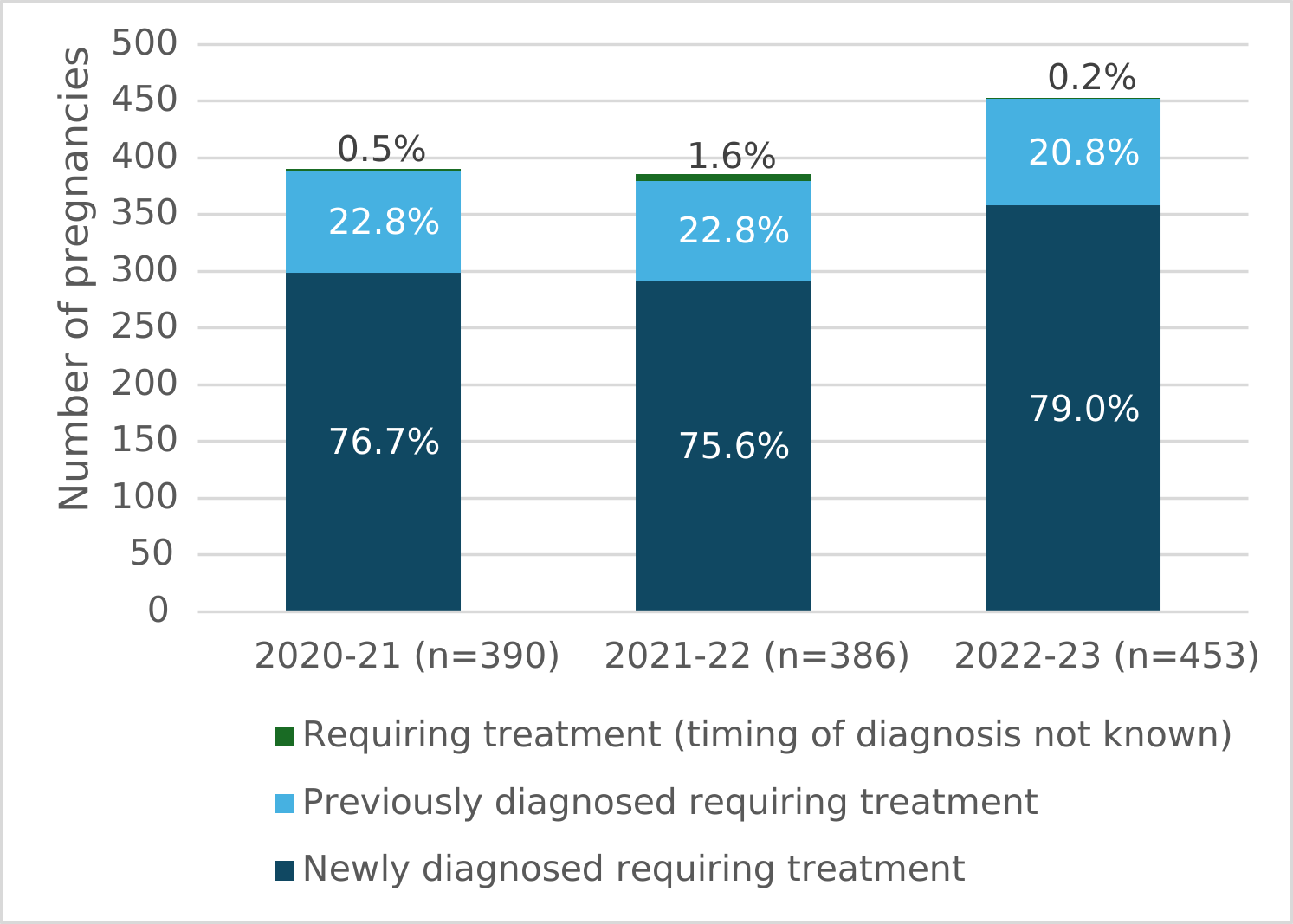
Overall, 43.6% (453 of 1040) women with a positive result for syphilis required treatment for syphilis in pregnancy, which is comparable to the 43.0% in 2021-22. Newly diagnosed women requiring treatment accounted for 34.4% of screen positive results (an increase from the 31.9% 2021-22) and 79.0% of women who required treatment (Figure 1b). One woman was reported to have another treponemal infection (yaws) so is included in the screen positive breakdown but excluded from subsequent analyses (Table 2). Figure 1 shows the screen positive breakdown and treatment requirements. Two women who were found to be positive for syphilis in pregnancy had previously screened negative earlier in their pregnancy. Of these, one was retested by sexual health services due to clinical indications and one had bloods repeated unintentionally.
Table 2: Screen positive breakdown among all syphilis screen positive pregnancies
| Number of pregnancies | Percentage (%) | |
|---|---|---|
| Newly diagnosed requiring treatment | 358 | 34.4 |
| Previously diagnosed requiring treatment | 94 | 9.0 |
| Previously diagnosed not requiring treatment | 573 | 55.1 |
| Requiring treatment (unclear diagnosis history) | 1 | 0.1 |
| Other treponemal infections | 1 | 0.1 |
| Not known (not seen by GUM) | 13 | 1.3 |
| Total | 1040 | 100 |
Table 2 note 1: Not known includes women lost to follow up and those who had a miscarriage or termination before being seen by sexual health services, therefore no feedback was provided to the maternity provider.
Figure 1a: number of women screening positive for syphilis over time by treatment status
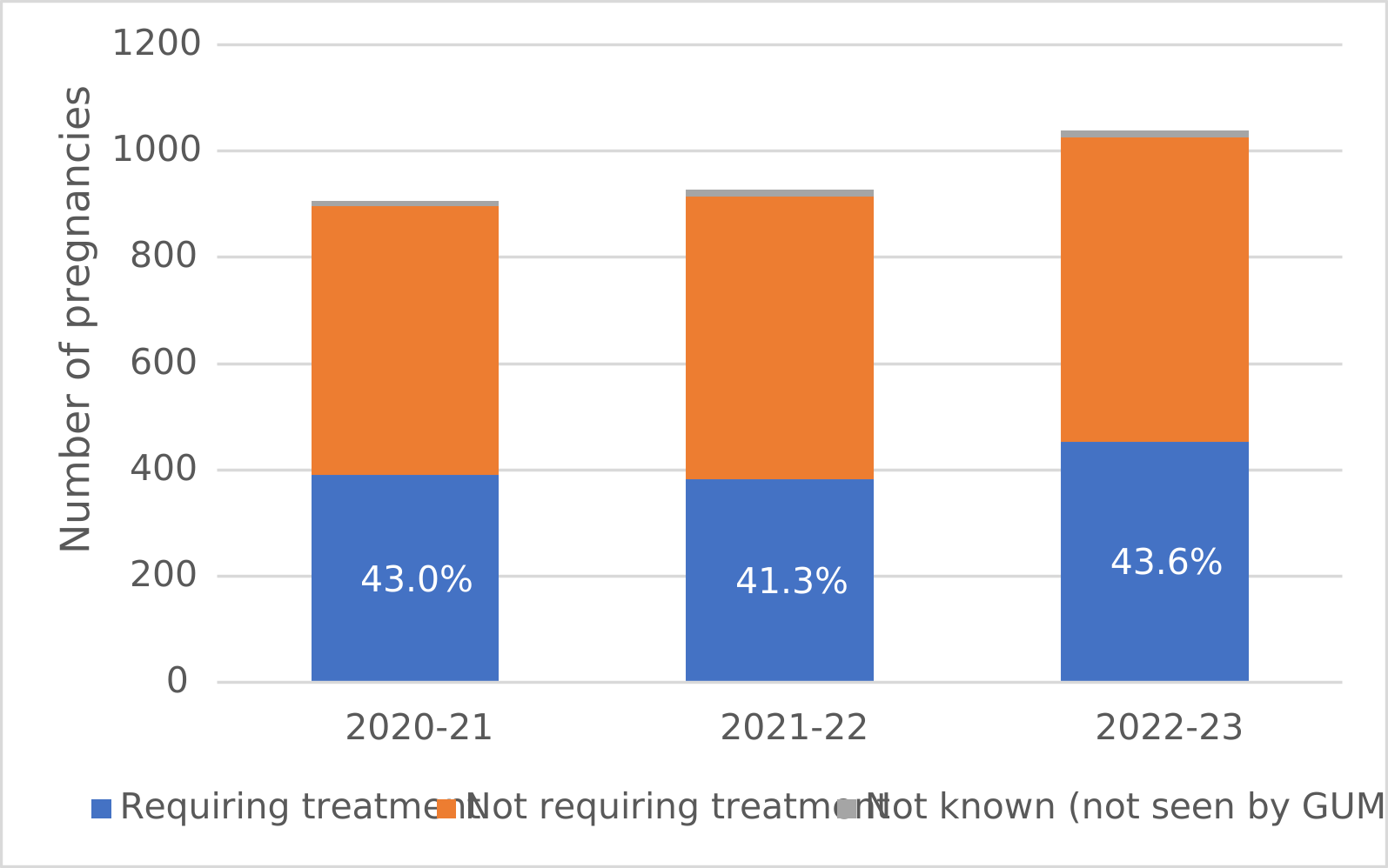
Figure 1b: women requiring treatment for syphilis in pregnancy by timing of diagnosis
4.2 Coinfections in pregnancy
Overall, 5.7% (59 of 1039) of women who screened positive for syphilis had co-infection(s) reported, and 0.6% had 2 or more co-infections reported. In total, 1.8% of women had hepatitis B virus (HBV) co-infection and 1.1% had a co-infection with HIV (Table 3). Other coinfections reported included chlamydia, herpes simplex virus, trichomoniasis, and gonorrhoea.
Table 3: Coinfections in pregnancy (n=1039)
| Number of pregnancies | Percentage (%) | |
|---|---|---|
| HIV | 7 | 0.6 |
| HBV | 14 | 1.3 |
| HCV | 6 | 0.6 |
5. Pregnancy Management
This section only includes the 453 women who required treatment for syphilis.
5.1 Antenatal booking
Among women who required treatment for syphilis, 44.4% booked for antenatal care by the recommended 10 weeks gestation (National Institute for Health and Care Excellence, 2021), which is comparable to the 45.6% in 2021-22 and notably lower than the 61.3% in the general pregnant population (Table 4).
- 11.7% of those who booked after 10 weeks gestation, were seen after 20 weeks gestation, compared to 3.7% in the general population
- 7 women (0.7 %) with a screen positive result for syphilis, had received no antenatal care in England, arriving at the maternity care provider unbooked in labour (all 7 required treatment for syphilis).
Of the total 453 women, 21 transferred care to a different maternity provider during their pregnancy.
Table 4: Gestation at booking among women requiring treatment for syphilis
| Number of pregnancies | Percentage (%) | General pregnant population (%) (NHS Digital maternity statistics 2022 to 2023) | |
|---|---|---|---|
| Less than 10+0 weeks | 201 | 44.4 | 61.3 |
| 10+0 - 12+6 weeks | 120 | 26.5 | 26.9 |
| 13+0 - 19+6 weeks | 72 | 16.0 | 8.1 |
| 20 weeks or more | 60 | 11.7 | 3.7 |
| Total | 453 | 100 | NA |
5.2 Spotlight on women presenting late for antenatal care
To assess factors associated with late booking, we have included for analyses all pregnancies resulting in live or stillbirths to women requiring treatment for syphilis, who booked 1 April 2020 to 31 March 2023. Late booking was defined as >12 weeks gestation, to align with published literature on this topic at the time, while recognising that in more recent years the recommended gestation for booking is by 10 weeks (NICE, 2021).
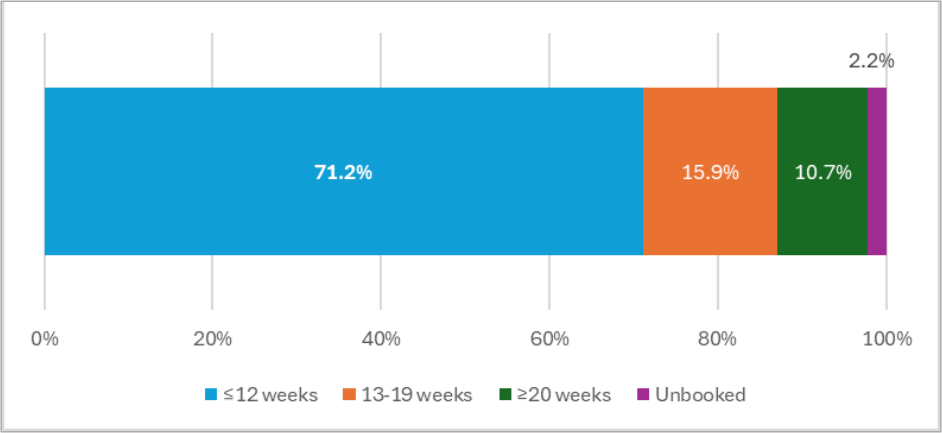
Among 1,099 pregnancies (to 1091 women), 28.8% (317 women) presented late for antenatal care, including 24 unbooked pregnancies (all over 20 weeks). A breakdown of timing of booking is shown in Figure 2.
Figure 2: timing of antenatal booking among pregnancies to women requiring treatment for syphilis, 2020-2023 (n=1,099)
Demographics
Median age at delivery among women who booked after 12 weeks was 29 years [IQR: 24-34]. The majority of women were of White ethnicity: 26% (82/315) were White British, 41.0% (129/315) other White backgrounds and 9.5% (30/315) Black African.
Most women (68.9%, 218 of 316) were born outside the UK. Over half (52.8%, 115 of 218) were born in Eastern Europe, most commonly in Romania (90 of 115); 13.8% (30 of 218) were born in Asia and 6.7% (21/218) in Africa.
Nearly half (46.1%, 146 of 317) of pregnancies were to women who required translation services. Complex social factors were reported for 49.8% (146 of 278) of pregnancies, and in 32.0% (89/278) there were multiple social issues. The most common were social services involvement for 83, housing concerns for 68 and issues engaging with healthcare services for 59.
Booking after 12 weeks gestation was associated with being born outside the UK (adjusted odds ratio, OR 1.73 (1.12, 2.65), a recent arrival to the UK (adjusted OR: 2.87 (1.68, 4.91), requiring translation services (adjusted OR: 2.4 (1.61, 3.58) and having complex social factors (adjusted OR: 2.54 (1.84, 3.51). There was no association with age or ethnicity in the adjusted analysis.
Treatment in those who booked after 12 weeks
Among women who booked late 93.2% (273 of 293) received treatment (excluding 24 unbooked) compared to 97.3% (761 of 782) who booked under 12 weeks.
Of the 20 women who booked late and were not treated:
- 5 declined
- 9 did not engage
- 9 delivered before referral to sexual health services
For those who booked after 12 weeks gestation and received treatment (273/293), treatment occurred at ≤2 weeks for 51.3% (140/273), 3-6 weeks for 35.0% (96 of 273) and >6 weeks for 13.9% (38 of 273) from the screen-positive result being received. In comparison, for women booked by 12 weeks, 40.9% (311) were treated within 2 weeks, 41.7% (317) between 3 and 6 weeks and 17.4% later than 6 weeks after first positive result (among the 716 pregnancies with info available).
This shows that women who booked later than the recommended 12 weeks, started treatment relatively sooner than those under 12 weeks. This likely reflects increased efforts to start treatment due to the increased risk of transmission with delayed treatment.
Among women who booked after 12 weeks gestation 18.5% (258 of 316) delivered preterm, compared to 9.6% (707 of 782) who booked by 12 weeks gestation (p<0.001).
This spotlight analysis demonstrates social factors play an important role in timeliness of antenatal booking. More work is needed to understand how best to address barriers to timely access to antenatal care in order to optimise management of syphilis in pregnancy including timeliness to treatment.
Region of booking
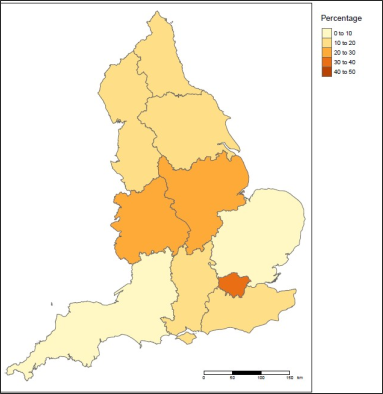
The regions with the highest number of syphilis screen positive pregnancies to women requiring treatment were London (20.3%) and the Midlands (22.5%); the lowest numbers were reported from the South West (3.3%). This is comparable to 2021-22 bookings. A full breakdown of pregnancies with screen positive results by region is shown in Table 5 and Figure 3.
Table 5: Number of syphilis screen positive pregnancies to women requiring treatment by region of booking
| Number of pregnancies | Percentage (%) | General pregnant population (%) | |
|---|---|---|---|
| Midlands | 102 | 22.5 | 18.1 |
| London | 92 | 20.3 | 20.7 |
| North East and Yorkshire | 78 | 17.2 | 14.2 |
| North West | 67 | 14.8 | 12.3 |
| East of England | 50 | 11.0 | 11.6 |
| South East | 49 | 10.8 | 8.4 |
| South West | 15 | 3.3 | 14.7 |
| total | 453 | 100 |
Table 5 note 1: total proportion of pregnancies not equal to 100 due to rounding
Figure 3: Regional breakdown of syphilis screen positive pregnancies
6. Maternal demographics
6.1 Maternal age
The median maternal age at expected date of delivery among pregnancies, was 29.4 years, range: 17 to 44 years, IQR: Q1: 25.2, Q3: 34.5 years), slightly lower than the general pregnant population with a median age of 30.9 years. Nearly a quarter of pregnancies were in women aged under 25 years (Table 6).
Table 6: Maternal age at delivery among women requiring treatment for syphilis
| Age group | Number of pregnancies | Percentage (%) | General pregnant population (%) |
|---|---|---|---|
| Less than 25 years | 107 | 23.6 | 16.6 |
| 25 to 29 years | 130 | 28.7 | 27.7 |
| 30 to 34 years | 115 | 25.24 | 33.9 |
| 35 to 39 years | 78 | 17.32 | 17.9 |
| 40+ years | 23 | 5.1 | 4.0% |
| total | 453 | 100 |
Table 6 note 1: total proportion of pregnancies not equal to 100 due to rounding
6.2 Ethnic origin and world region of birth
69.4% of pregnancies were in women of white ethnicity (Table 7). This is comparable to 2021-22 figures. Nearly half (46.9%) of women were born in the UK and just over 1 in 5 (21.3%) were born in Eastern Europe (Table 8). Among women born in Eastern Europe the most common country of birth was Romania (61.1% 58 of 95.
Table 7: Ethnic origin among women requiring treatment for syphilis
| Ethnicity | Number of pregnancies | Percentage (%) |
|---|---|---|
| White British | 186 | 41.9 |
| White other | 122 | 27.5 |
| Black African | 41 | 9.2 |
| Asian | 39 | 8.8 |
| Black Caribbean | 10 | 2.3 |
| Mixed | 22 | 5.0 |
| Other | 24 | 5.4 |
| total | 444 | 100 |
Table 8: Region of birth among women requiring treatment for syphilis
| World region | Number of pregnancies | Percentage (%) |
|---|---|---|
| UK | 209 | 46.9 |
| Eastern Europe | 95 | 21.3 |
| Rest of Europe | 19 | 4.3 |
| Africa | 44 | 9.9 |
| Asia | 37 | 8.3 |
| Other | 42 | 9.4 |
| total | 446 | 100 |
Table 8 note 1: Data not reported for 17 women for all screen positive pregnancies
Table 8 note 2: Data not reported for 7 women requiring treatment in pregnancy
6.3 Timing of arrival for women born outside the UK
Of the women born outside the UK, % arrived during pregnancy and a further 25.6% arrived up to a year before conception. (Table 9).
Table 9: Timing of arrival in the UK among women born outside the UK requiring treatment in pregnancy
| Timing of arrival | Number of women born abroad | Percentage (%) |
|---|---|---|
| During pregnancy | 26 | 19.6 |
| ≤1 year before conception | 34 | 25.6 |
| 1 to 5 years before conception | 49 | 36.8 |
| > 5 years before conception | 24 | 18.0 |
| total | 133 | 100 |
Table 9 note 1: Data not reported for 242 women for all women born abroad
Table 9 note 2: Data not reported for 104 women born abroad and requiring treatment in pregnancy
7. Social circumstances
Complex social factors were reported for 38.2% of screen positive pregnancies to women requiring treatment (173 of 453) with multiple issues reported for 87 women. A breakdown of these are shown in Table 10b. The most commonly reported issues were social services involvement and mental health issues. Overall, social issues are likely to be underreported and only represent those known to healthcare professionals and/or disclosed by women during pregnancy.
Table 10a: Complex social factors reported among women requiring treatment for syphilis
| Issue | Number of pregnancies | Percentage (%) |
|---|---|---|
| None | 280 | 61.8 |
| At least one social issue | 173 | 38.2 |
| Total | 453 | 100 |
Table 10b: Complex social factors reported among women requiring treatment for syphilis
| Social Issue | Number of pregnancies | Percentage (%) |
|---|---|---|
| Social services involvement | 89 | 19.7 |
| Mental health issues | 68 | 15.0 |
| Issues engaging with healthcare services | 43 | 9.5 |
| Housing concerns | 41 | 9.1 |
| Drug or alcohol misuse | 39 | 8.6 |
| Intimate partner violence | 34 | 7.5 |
| Immigration problems | 18 | 4.0 |
| Financial | 16 | 3.5 |
| Learning difficulties | 10 | 2.2 |
| Prison | 7 | 1.6 |
| Sex work | 7 | 1.6 |
| Other | 14 | 3.1 |
Table 10b note 1: Other includes known or suspected FGM, trafficking concerns, police involvement, partner police involvement/prison
Half of women were reported as being employed (50.4%, 211 of 418 women). Over a quarter of women were reported as unemployed and 1 in 5 were homemakers. This is comparable to women booked in 2021-22. (Table 11).
Table 11: Employment status of women among women requiring treatment for syphilis
| Employment status | Number of pregnancies | Percentage (%) |
|---|---|---|
| Employed (full or part-time) | 211 | 50.4 |
| Home | 65 | 15.5 |
| Student | 15 | 3.6 |
| Not working due to illness | 6 | 1.4 |
| Unemployed | 122 | 29.1 |
| Voluntary | - | - |
| Total | 418 | 100 |
For nearly 90% of women, their main support during pregnancy was their partner but 2.9% were reported to have no support, higher among women requiring treatment. (Table 12).
Table 12: Main support in pregnancy among women requiring treatment for syphilis
| Main support | Number of pregnancies | Percentage (%) |
|---|---|---|
| Partner (cohabiting) | 309 | 75.7 |
| Partner (not cohabiting) | 44 | 10.8 |
| Family/friend | 37 | 9.1 |
| Other | 4 | 1.0 |
| None | 14 | 3.4 |
| total | 408 | 100 |
Table 12 note 1: data not reported for 99 women for all screen positive pregnancies.
Table 12 note 2: data not reported for 45 women where treatment was required in pregnancy.
Table 12 note 3: total proportion of pregnancies not equal to 100 due to rounding
Where women were reported to have had a partner during pregnancy, the majority of their partners were employed (79.7%), 17.2% of partners were reported to be unemployed and in 12.9% of cases both the woman and her partner were unemployed.
Table 13: Partner’s employment status among women requiring treatment for syphilis
| Partner’s employment status | Number of pregnancies | Percentage (%) |
|---|---|---|
| Employed (full or part-time) | 349 | 79.7 |
| Home | 3 | 0.9 |
| Student | 3 | 0.9 |
| Sick | 5 | 1.4 |
| Unemployed | 60 | 17.2 |
| total | 349 | 100 |
Table 13 note 1: data not reported for 19 pregnancies for all screen positive pregnancies.
Table 13 note 2: data not reported for 3 pregnancies where treatment was required in pregnancy.
Table 13 note 3: total proportion of pregnancies not equal to 100 due to rounding.
7.1 Language
English was spoken by 77.7% of women (351 of 452, 1 not known), and of those, it was the first language for 66.8% (233 of 349, not known for 2).
Translation services were required for 26.5% of women (120 of 452). Of women requiring translation services 96.7% (116 of 120) received translation through formal interpretation services (Table 14), two women received translation via BSL. Since mid-2023 ISOSS has requested information on language translated and will include more detail on this in future reports. For the 42 women who had language reported, the most common were Romanian (9) and Portuguese (11).
Table 14: Translation services among women requiring treatment for syphilis
| Translation services | Number of pregnancies | Percentage (%) |
|---|---|---|
| Independent person (phone or present) | 116 | 96.7 |
| No (interpreter not available) | 1 | 0.8 |
| Family or friend | 2 | 1.7 |
| No disengaged | 1 | 0.8 |
| Total | 120 | 100 |
7.2 Previous pregnancies
Overall, 45.6% of pregnancies were to women in their first pregnancy (203 of 443), Table 15.
Table 15: Previous registerable births among women requiring treatment for syphilis
| Previous births | Number of pregnancies | Percentage (%) |
|---|---|---|
| 0 | 203 | 45.6 |
| 1 | 123 | 27.6 |
| 2 or more | 119 | 26.7 |
| total | 445 | 100 |
Table 15 note 1: Obstetric live/stillbirth history was not known for 12 pregnancies.
There were six pregnancies with an assisted conception, 5 were to newly diagnosed women and 1 to a woman previously adequately treated. From 2025 ISOSS will be collecting additional information on pregnancies with assisted conception.
8. Screen positive pathway
8.1 Screening team appointment
This section of the report includes all syphilis screen positive pregnancies booked in 2022-2023, including those who did not require treatment (1039 pregnancies). In 89.8% (933 of 1039) of screen positive pregnancies, women had an appointment (in person or virtually by phone) with the screening team within 10 working days to discuss their screen positive result, no change from 2021-22, Table 16. This was noted to be higher among women requiring treatment at 92.5% (419 of 452), compared to 87.8% of those not requiring treatment, Table 16.
There were 27 women (2.6%) who had an appointment more than 20 working days after their screen positive result was returned to maternity services (8 of the 27 were women who required treatment), and 30 women (2.9%) were not seen by the screening team at all (9 of the 30 required treatment), Table 16.
Where women did not have an appointment within the 10 working days standard, the most commonly reported reasons included:
- did not attend or did not engage with healthcare services (37)
- patient choice as already known positive and stated had been previously treated/seen by sexual health (15)
- miscarriage or termination prior to appointment (15)
- unable to attend due to being out of the country (5)
- appointment/staff availability (5)
- unit policy where screen positive results are referred directly to specialist services (4)
- a delay in the lab communicating results to screening team (3)
-
requested to be seen the same time as their dating scan which fell outside of the 10-day timeframe (2)
- social issues impacting ability to attend (2)
- already delivered before the appointment (2)
For some women there was more than 1 reason why the appointment was delayed.
Following a major IDPS programme standards review in 2023, the timeframe for referral to sexual health services was reduced from 10 to 5 days to support timely access to care. In addition, reporting of this standard was taken over by ISOSS.
Table 16: Days to screening team appointment from date of screen positive result
| Time to being seen | All women with a syphilis screen positive result | Percentage (%) | Women requiring treatment in pregnancy | Percentage (%) |
|---|---|---|---|---|
| 0-10 working days | 933 | 89.8 | 419 | 92.5 |
| 11-20 working days | 32 | 3.1 | 12 | 2.7 |
| >20 working days | 27 | 2.6 | 8 | 1.8 |
| >10 days (timing unclear) | 17 | 1.6 | 5 | 1.1 |
| Not seen | 30 | 2.9 | 9 | 2.0 |
| total | 1039 | 100 | 453 | 100 |
8.2 Timing of screen positive result
67.0% of all women with a screen positive result (1039) received their results by 12 weeks gestation (696 of 1039) (Table 17), no change from 2021-22.
Among women requiring treatment for syphilis (453), 63.3% (287 of 453) screened positive by 12 weeks gestation, and 15.9% (72 of 453) after 20 weeks gestation. 49 of those were not booked and screened until after 20 weeks gestation and 7 were unbooked and presented in labour.
Table 17: Gestation of first screen positive result in pregnancy
| All women with a syphilis screen positive result | Percentage (%) | Women requiring treatment in pregnancy | Percentage (%) | ||
|---|---|---|---|---|---|
| Less than 10+0 weeks | 368 | 35.4 | 156 | 34.4 | |
| 10+0-12+6 weeks | 328 | 31.6 | 131 | 28.9 | |
| 13+0-19+6 weeks | 210 | 20.2 | 94 | 20.8 | |
| 20+0-29+6 weeks | 89 | 8.6 | 45 | 9.9 | |
| 30+0 weeks or more | 44 | 4.2 | 27 | 6.0 | |
| Total | 1039 | 100.0 | 453 | 100.0 |
8.3 Referral to sexual health
The NHS IDPS programme Managing syphilis infection in pregnancy guideline states that all women with a confirmed screen positive result should be referred to sexual health services. This includes women who have miscarried or terminated their pregnancy following a positive screening result, or where the woman has already delivered by the time the screening result is available.
A referral to sexual health services was completed for 95.3% (990 of 1039) of all women with a positive screening result and 98.7% (447 of 453) of women requiring treatment (Table 18). This is consistent with 2021-22 figures.
49 women were reported as not having been referred to sexual health. Reasons for this included:
- stated to be already under the care of sexual health (31)
- miscarried prior to referral, all previously diagnosed not requiring treatment (9)
- results were discussed with a sexual health service or equivalent, who determined no further treatment/intervention was necessary (2)
- woman declined a referral to sexual health services; past results were discussed at MDT and treatment was not deemed required (2)
- went abroad before referral could take place (2)
- booked late for care before sexual health referral could take place (1)
- not engaging with services so there was no opportunity to refer (1)
- reported as not requiring treatment but unclear whether discussion with sexual health services had taken place to establish whether treatment was required (1)
Of the 990 women referred to sexual health services, date of appointment was provided for 84.4% (836/990) women. Where no appointment date was provided (no appointment took place), reasons given were:
- treatment not required and sexual health decided an appointment was not required (87)
- declined to be seen or disengaged with sexual health services (11)
- went abroad (3)
For 38 women who had a pregnancy loss, feedback from sexual health services was not provided to the maternity provider, as the woman was no longer under maternity service care. It is therefore not possible to establish whether an appointment took place.
Of the women referred to sexual health services where timings were available: only 37.1% (310 of 836) were seen within 2 weeks (Table 19), a decrease from the 45.8% in 2021-22 and the 57.4% seen within this timeframe in 2020. Overall, 14.6% (122 of 836) were not seen until after 6 weeks from the date of first screen positive result (higher than 2021-22); this was 10.7% for women requiring treatment (higher than in 2021-22).
The most commonly reported reasons for 6 week or longer delay in being seen for women requiring treatment included:
- not attending appointments/not engaging with services (16)
- transferred care to another provider (2)
- time interval from first positive result to screening team being informed/screening team appointment (7)
- issues with laboratory reporting (2)
- time to establish positive result/repeat testing (2)
- miscarried before referral (1)
Since 2024 ISOSS have been collecting additional details on sexual health referral and subsequent assessment, including type and timeframe of appointment. This will be included in future reports.
Table 18: Referral to sexual health services
| Referral | All women with a syphilis screen positive result | Percentage (%) | Women requiring treatment in pregnancy | Percentage (%) | |
|---|---|---|---|---|---|
| Yes | 990 | 95.3 | 447 | 98.7 | |
| No | 49 | 4.7 | 6 | 1.3 | |
| total | 1039 | 100 | 453 | 100 |
Table 19: Time to being seen by sexual health services from first positive result
| All women with a syphilis screen positive result | Percentage (%) | Women requiring treatment in pregnancy | Percentage (%) | |
|---|---|---|---|---|
| Less than 2 weeks | 310 | 37.1 | 175 | 42.7 |
| 2 to 4 weeks | 270 | 32.3 | 134 | 31.9 |
| 4 to 6 weeks | 134 | 16.0 | 66 | 15.7 |
| More than 6 weeks | 122 | 14.6 | 45 | 10.7 |
| total | 836 | 100 | 420 | 101 |
Table 19 note 1: Data not reported for 154 women for all screen positive pregnancies.
Table 19 note 2: data not reported for 27 women where treatment was required in pregnancy.
Table 19 note 3: total proportion of pregnancies not equal to 100 due to rounding.
9. Treatment in pregnancy
This section of the report includes the 453 (43.6%) women who screened positive and required treatment for syphilis during pregnancy.
Among women requiring treatment, 89.2% (404 of 453) received treatment in pregnancy, no change from 2021-22. There were 49 women who required treatment who did not receive it during pregnancy. Of these:
- 16 had a miscarriage or termination before referral*
- 11 declined treatment (7 previously diagnosed, 4 newly diagnosed)
- 11 did not attend appointments/ disengaged with care
- 7 presented to services unbooked and were screened in labour
- 3 booked late and delivered before the referral was made
- 1 declined screening earlier in pregnancy and had bloods taken at delivery
*details are not collected beyond miscarriage/ termination
9.1 Time to treatment
37.6% (152 of 404) of women who received treatment, were treated by 13 weeks of pregnancy, 40.1% (162 of 404) between 13 and 20 weeks.
22.3% (90 of 404) of women did not receive treatment until after 20 weeks gestation (Table 20 and Figure 4). Late treatment reflects the significant number of women who booked later than recommended in pregnancy.
Of those treated after 20 weeks gestation:
- 22 booked at 13-19 weeks
- 39 were booked and screened after 20 weeks gestation (among these 8 were treated within a month of delivery).
Time to treatment from date of first positive result
Only a third of women (37.6%, 152 of 404) who required treatment, started treatment within 2 weeks of their first positive result in pregnancy, and 17.1% (69 of 404) started treatment more than 6 weeks after their first positive result, Table 21.
Of the 69 women treated more than 6 weeks after the date that the screen positive result was received, reasons given were:
- not engaging with health care services (10)
- referred to allergy services in view of reported penicillin allergy (and in some cases required desensitisation treatment) (7)
-
delayed referral to sexual health services (systems errors) (7)
- sexual health services were establishing whether treatment was required (4)
- transferred care, or moved/travelled during pregnancy (4)
- in prison during pregnancy (1)
- reason for late treatment unclear (15)
Of the 69 women treated after 6 weeks, 63 were confirmed to have completed treatment as planned by delivery, 2 were lost to follow up, 1 was a miscarriage, 2 disengaged/did not attend appointments
Table 20: Gestation at start of treatment
| Gestation | Number of pregnancies | Percentage (%) |
|---|---|---|
| ≤13 weeks | 152 | 37.6 |
| 13 to 20 weeks | 162 | 40.1 |
| > 20 weeks | 90 | 22.3 |
| total | 404 | 100 |
Figure 4. Gestation at start of treatment
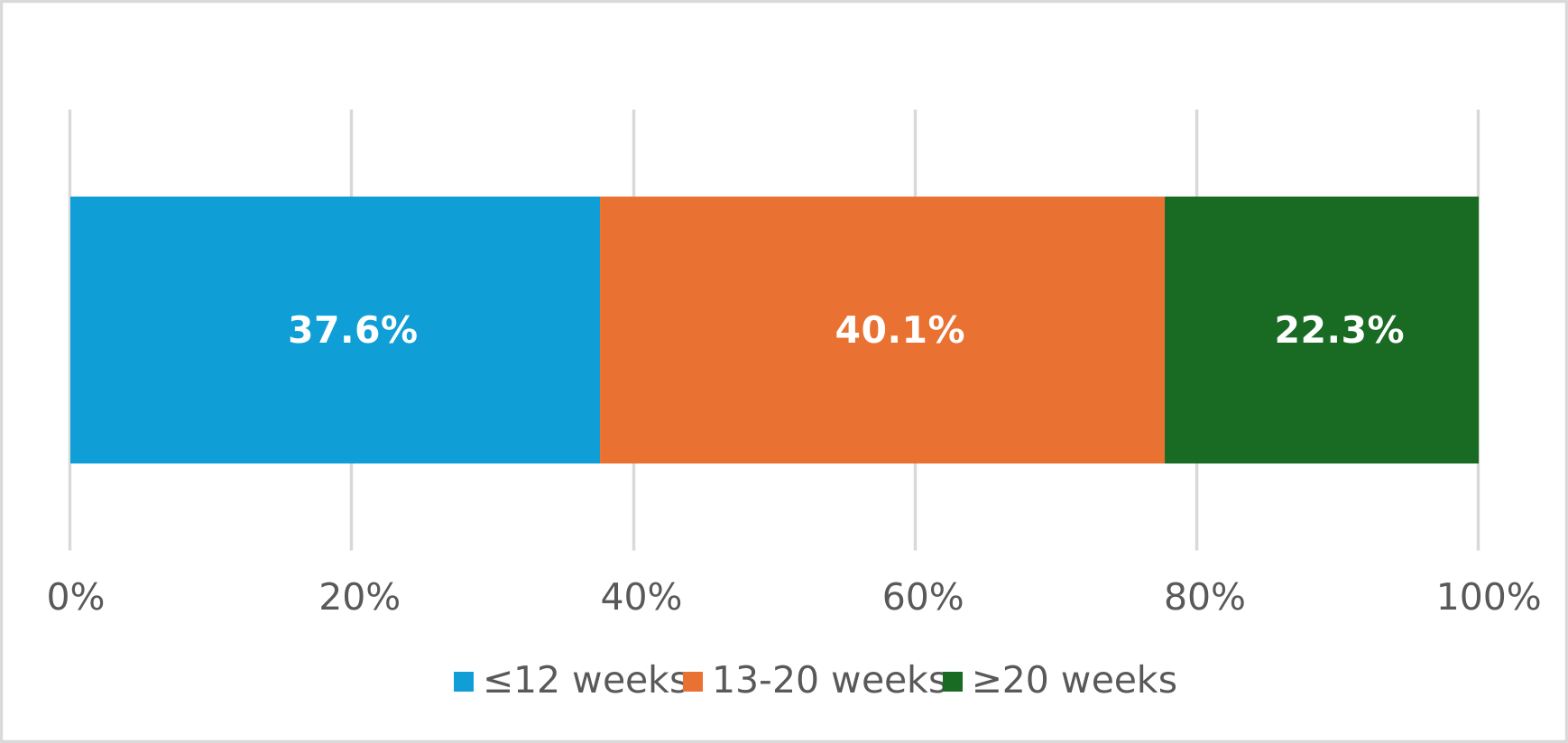
Table 21: Time to treatment start from date of first positive result
| Time | Number of pregnancies | Percentage (%) |
|---|---|---|
| ≤2 weeks | 153 | 37.9 |
| 2 to 4 weeks | 126 | 31.2 |
| 4 to 6 weeks | 56 | 13.9 |
| > 6 weeks | 69 | 17.1 |
| total | 404 | 100.1 |
9.2 Clinical presentation
Of the women requiring treatment, 2.4% (11 of 453) had or reported symptoms when seen in sexual health services. Some women presented with more than 1 symptom. The most commonly reported symptoms were:
- skin rash or macules (5)
- genital sores, chancre or ulcers (8)
- vaginal soreness (2)
All 11 symptomatic women were newly diagnosed in pregnancy:
- 8 were diagnosed as a result of IDPS screening. They presented with symptoms when seen by sexual health services
- 2 women presented to sexual health and were diagnosed in pregnancy prior to antenatal booking
- 1 woman previously screened negative in pregnancy through antenatal screening and was diagnosed later in pregnancy after presenting at A&E with symptoms
9.3 Penicillin allergy
Among the 453 women who required treatment 27 had a penicillin allergy reported. 26 of the 27 were referred to allergy services. For the woman not referred, local testing was carried out which showed no allergy but did mean a short delay treatment (treated with penicillin). 21 women completed treatment as planned prior to delivery following allergy services referral. Four women had issues with engagement/did not attend appointments so did not complete treatment prior to delivery (one congenital syphilis case and one stillbirth suspected to be related to congenital syphilis). One woman booked late for care and delivered preterm before treatment could be completed.
9.4 Treatment summary
The majority of women who were treated received benzathine penicillin (393 of 404, 97.3%) in line with British Association of Sexual Health and HIV (BASHH) guidance (Table 22 and Figure 5). Of the four women treated with ceftriaxone, all had confirmed penicillin allergies (see above). No women were only treated with macrolides, in the ISOSS 2020 report a number of women were reported to have been incorrectly treated with macrolides alone.
Figure 5: treatment summary among women treated for syphilis in pregnancy booked in 2022-23
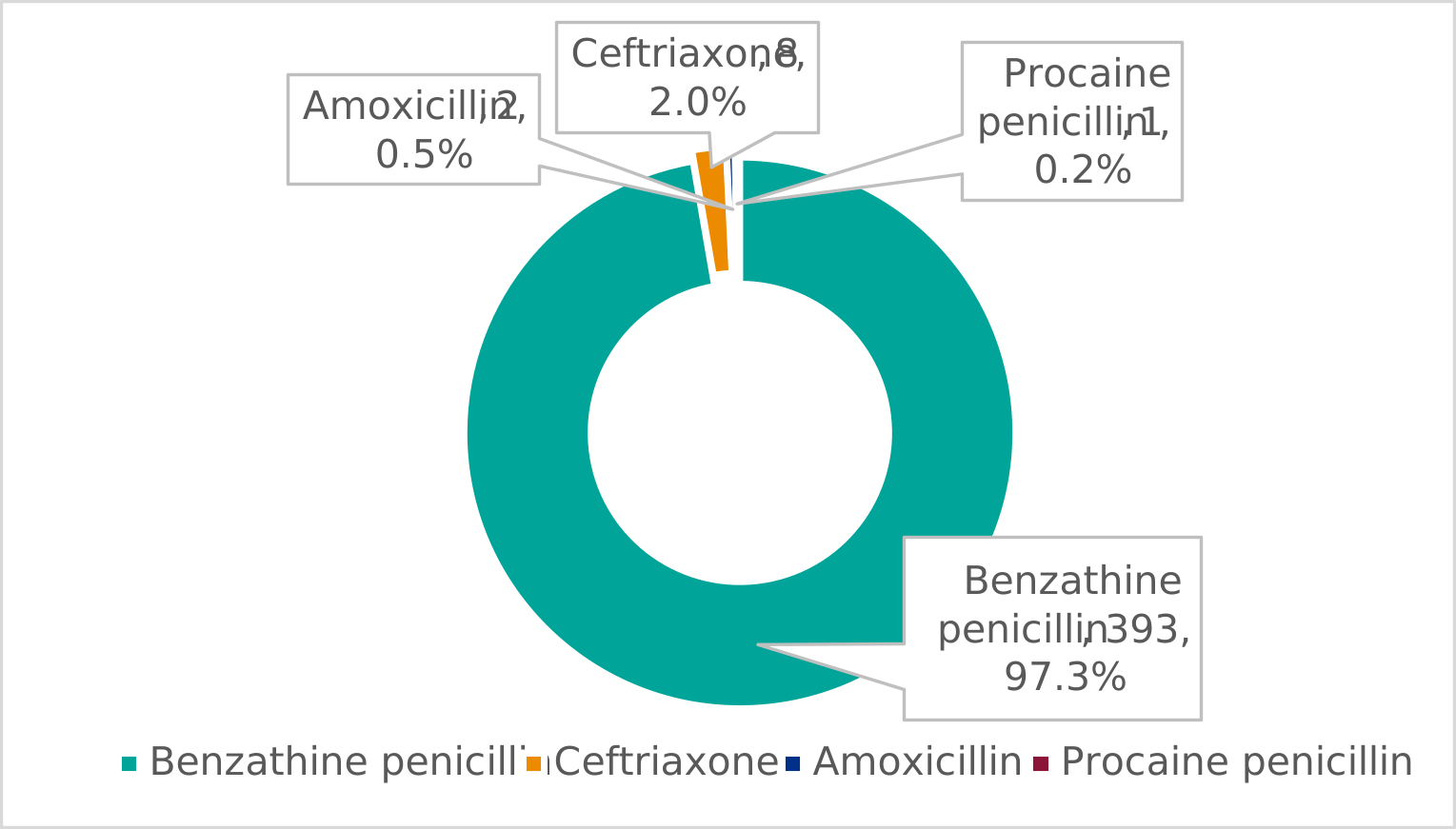
Table 22: Treatment summary
| Treatment | Number of pregnancies | Percentage (%) |
|---|---|---|
| Benzathine penicillin | 393 | 97.3 |
| Ceftriaxone | 8 | 2.0 |
| Amoxicillin | 2 | 0.5 |
| Procaine penicillin/probenecid | 1 | 0.2 |
| total | 404 | 100 |
Table 22 note 1: 49 women who were identified as requiring treatment did not receive treatment during pregnancy
Note 2: some women received more than one type of treatment during pregnancy, primary treatment summarised above
9.5 Retreatment in pregnancy
21 women (5.2%) were retreated in pregnancy. Reasons given for retreatment were:
- no reduction in serology titre for rapid plasma reagin (RPR) (11)
- considered to have been reinfected (4)
- did not complete initial treatment plan, so restarted treatment later in pregnancy (4)
- did not complete initial treatment as planned and new partner reported (1)
- new symptoms reported following initial course of treatment (1)
9.6 Completion of treatment
353 of the 404 women who required treatment and received it, went on to have a live or stillbirth delivery. 96.9% of these completed treatment as planned prior to delivery (342 of 353).
Of the 11 women who did not complete treatment as planned:
- 4 missed appointments (3 did not attend their final dose appointment before delivery and 1 had a penicillin allergy but did not attend appointments which delayed treatment)
- 3 booked late for care and delivered before treatment was complete (all completed treatment postnatally), 2 of the 3 had a preterm delivery
- 3 required retreatment but delivered before retreatment was complete (1 restarted treatment but delivered before final 2 doses, 1 did not attend appointments, and 1 declined retreatment)
9.7 Women screened in labour
There were 7 women who delivered unbooked, then screened positive for syphilis in labour and required treatment (see spotlight on Spotlight on women presenting late for antenatal care).
6 of the 7 infants received 10 days IV benzyl penicillin, and 1 was not treated as mother had been discharged before her result and did not return for follow-up. 1 infant was reported as having congenital syphilis at birth.
9.8 Births occurring outside of hospital
Among live and stillbirth deliveries, 4 women delivered outside of hospital. All 4 required treatment (3 of 4 did not complete treatment prior to delivery) and had multiple complex social factors reported. 3 babies survived and there was 1 neonatal death. There was one confirmed case of congenital syphilis among the surviving infants.
9.9 Pregnancy outcomes
ISOSS request pregnancy outcome details for women who require treatment for syphilis in pregnancy. Of the 453 pregnancies to women requiring treatment, 377 resulted in the registerable births of 382 infants. Of these, there were 377 live births and 6 stillbirths (1.2%).
There were 34 miscarriages (7.5% of pregnancies) and 10 terminations of pregnancy (2.2%) reported as having occurred after booking; reasons for termination are not collected. A full breakdown is shown in Table 23 and Figure 6. It should be noted that this does not include early miscarriages and terminations which occur before the point of booking as this is not collected by ISOSS.
Since April 2024, ISOSS requests additional information on stillbirths and neonatal deaths, including the registered cause of death and whether related to exposure to syphilis in pregnancy. These data will be summarised in future reports.
Of the registrable births to women treated for syphilis in pregnancy, 60.6% delivered vaginally, 15.4% delivered by elective caesarean and 24.0% by emergency caesarean, see Table 24.
The preterm delivery rate was 12.3% (Table 25), slightly higher than in the general pregnant population at 7.9%, and the proportion of infants born with a low birthweight (1.5 to 2.5kg) was 11.0% and a very low birthweight (less than 1.5kg) 2.4% (Table 26) both of which were higher than seen in the general pregnant population.
Table 23: Outcome per pregnancy
| Outcome | Number of pregnancies | Percentage (%) |
|---|---|---|
| Livebirth | 377 | 83.2 |
| Miscarriage | 34 | 7.5 |
| Termination of pregnancy | 10 | 2.2 |
| Stillbirth | 6 | 1.3 |
| Gone abroad | 18 | 4.0 |
| Lost to follow up | 8 | 1.8 |
| total | 453 | 100 |
Table 23 note 1: data reported per pregnancy not per infant born, meaning multiple births were counted once. There were no discordant outcomes for multiple births.
Figure 6: Outcomes to pregnancies where women required treatment for syphilis
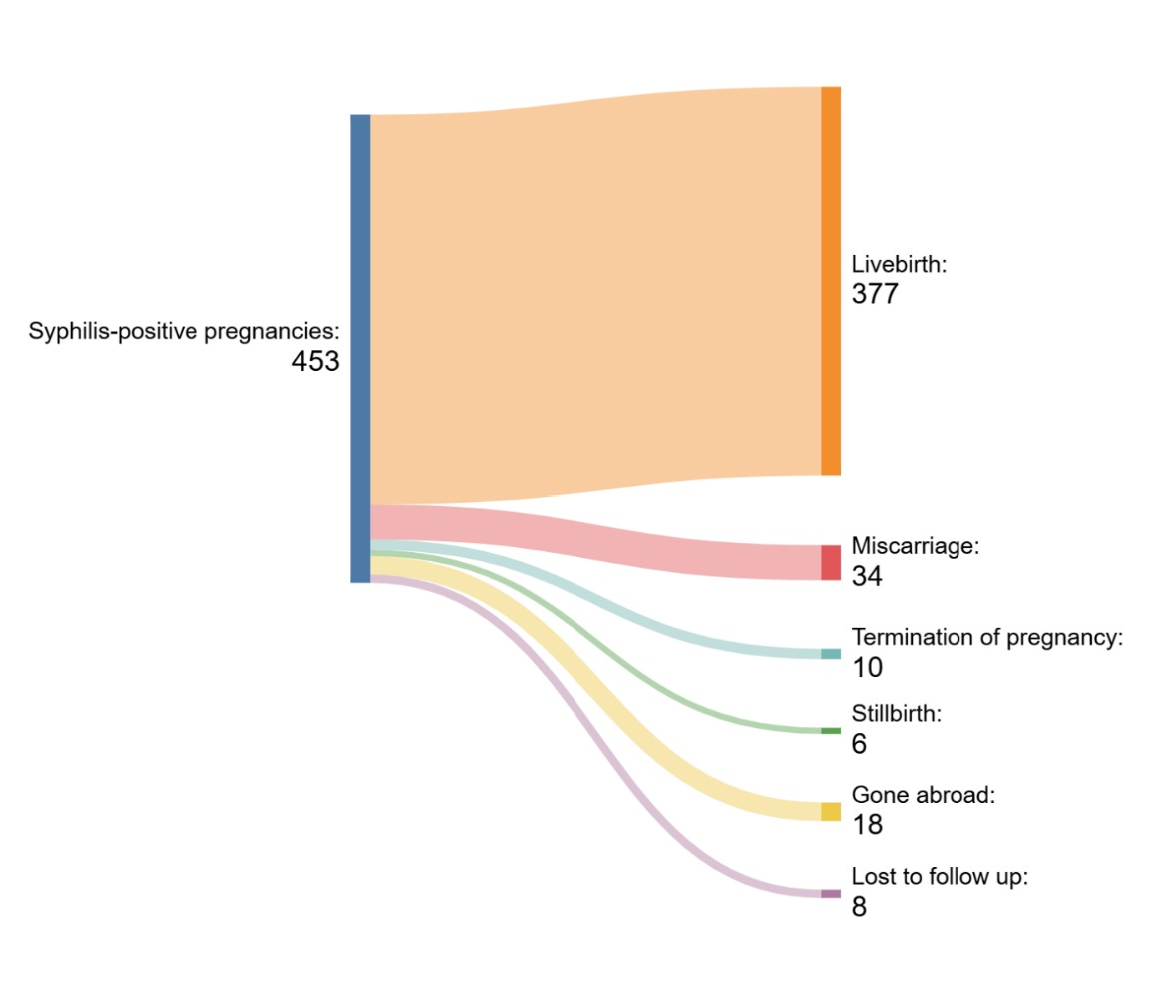
Table 24: Mode of delivery per pregnancy
| Mode of delivery | Number of pregnancies | Percentage (%) | Percentage of births in general population (England 2022-2023) |
|---|---|---|---|
| Vaginal | 232 | 60.6 | 61.9% |
| Elective caesarean section | 59 | 15.4 | 16.6% |
| Emergency caesarean section | 92 | 24.0 | 21.5% |
| total | 383 | 100 | NA |
Table 24 note 1: Figures in table 24 are for pregnancies resulting in a registerable birth (livebirth and stillbirth).
Table 24 note 2: data reported per pregnancy not per infant born, meaning multiple births were counted once.
Table 25: Gestation at delivery (for livebirths and stillbirths per infant)
| Gestation | Number of births | Percentage of births (%) | Percentage of births in general population (England 2022-2023) |
|---|---|---|---|
| ≥37 weeks | 336 | 87.7 | 92.1% |
| < 37 weeks | 47 | 12.3 | 7.9% |
| total | 383 | 100 |
Table 25 note 1: data reported per infant born not per pregnancy, meaning multiple pregnancies are reported more than once.
Table 26: Birthweight at delivery (for livebirths only)
| Birthweight | Number of infants | Percentage of infants (%) | Percentage of births in general population (England 2022-2023) |
|---|---|---|---|
| ≥2.5kg | 330 | 86.6 | 93% |
| 1.5-2.5kg | 42 | 11.0 | 6% |
| < 1.5kg | 9 | 2.4 | 1% |
| total | 381 | 100 |
Table 26 note 1: data reported per liveborn infant not per pregnancy, meaning multiple pregnancies are reported more than once.
9.10 Syphilis birth plan use
A birth plan outlining clinical care requirements for the infant at birth and postnatally was in place for 92.7% (355 of 383 deliveries), (Table 27). The BASHH syphilis birth plan was used in 62.4% of deliveries (239 of 383) while 30.3% used an alternative local or other birth plan (116 of 383). In 24 cases no birth plan was used.
Reasons for not using a birth plan were:
- unbooked and screened in labour (6)
- Trust still developing a local policy (all one Trust) (10)
- presented late for care and delivered preterm before birth plan completed (1)
- delivered preterm prior to birthplan being made available at 33 weeks (1)
- late transfer of antenatal care between Trusts (1)
- sexual health awaiting final blood results, delivered prior to the plan being issued (1)
- sexual health stated the birthplan was not required (woman was treated but likely already adequately treated) (1)
- delivered outside hospital (1)
- declined all bloods in pregnancy so positive result was only known once delivered (1)
- telephone booking. Did not attend any appointments until delivery so positive result back after screening at delivery (1)
Table 27: Birth plan use per pregnancy (for livebirths and stillbirths)
| Birth plan use | Number of pregnancies | Percentage (%) |
|---|---|---|
| No | 28 | 7.3 |
| BASHH syphilis birth plan | 239 | 62.4 |
| Local or other birth plan | 116 | 30.3 |
| total | 383 | 100 |
Table 27 note 1: total proportion of pregnancies not equal to 100 due to rounding.
9.11 Infant outcomes
For the pregnancies to women booked between 1 April 2022 and 31 March 2023 there were 7 infants with confirmed congenital syphilis born to women with screen positive results who required treatment (2 of the 7 were neonatal deaths). Of these:
- 3 infants were born to women who were screened in labour: 2 of 3 to women who declined screening earlier in pregnancy and 1 to a woman who delivered unbooked.
- 4 infants were born to women who screened positive in pregnancy, and all booked late for antenatal care (>20 weeks gestation).
Overall, other congenital conditions were reported in 2.1% (6 of 381) of infants and 2 (0.5%) had multiple conditions reported.
Of 381 live infants, 53 (13.9%) required admission to a neonatal unit, which is slightly higher than the admission rate in unexposed infants at around 10%. Reasons for admission included:
- prematurity (17)
- breathing difficulties (11)
- suspected or confirmed sepsis (6)
- poor feeding/weight loss (4)
- neonatal abstinence syndrome (3)
10. Paediatric follow up
All infants born to women who require treatment for syphilis in pregnancy should be followed up as a minimum at 3 months of age, in line with BASHH guidelines. This section focuses on all infants born to women booked for antenatal care in 2022-23 who required treatment in pregnancy.
Of the 381 livebirth deliveries to women who required treatment in pregnancy there were 3 neonatal deaths (2 with confirmed congenital syphilis and one due to pulmonary hypoplasia ). Of the 378 surviving infants, 308 had a paediatric follow-up appointment reported (Figure 7); these include 5 surviving infants classified as confirmed congenital syphilis, 3 as possible/ probable cases and 4 infants with suspected congenital syphilis (still to be confirmed), with paediatric reports pending for the remaining 70 infants.
Figure 7. Flowchart of infant follow-up among livebirths to women requiring treatment for syphilis in pregnancy
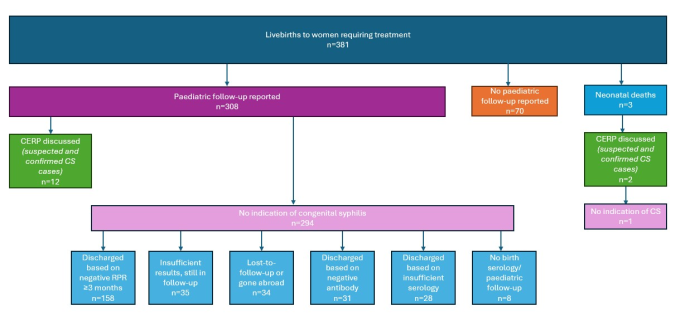
All infants born to women requiring treatment for syphilis in pregnancy are followed up by ISOSS. Any reported cases suggestive of congenital syphilis are reviewed by the Clinical Expert Review Panel (CERP). All other infants are followed up serologically, at least until 3 months of age.
Among the 294 infants with no clinical signs or suspicion of congenital syphilis:
- 158 (53.7%) had a negative RPR at ≥3 months of age and were discharged and surveillance ceased
- 35 (11.9%) had initial insufficient results and were still in follow-up at the time of reporting
- 34 (11.6%) were lost-to-follow-up or went abroad before 3 months of age
- 31 (10.5%) were discharged based on other test results
- 28 (9.5%) were discharged following insufficient serology
8 (2.7%) had no birth serology taken and no paediatric follow-up as indicated by sexual health on the birthplan
10.1 Infant treatment
Among infants where there were no clinical signs of congenital syphilis, 16.0% (47 of 294) received treatment, similar to the 16.9% in 2021-22. Reasons given for treatment were:
- born to women who received inadequate treatment in pregnancy (30)
- born to women who had no drop in RPR following treatment in pregnancy (6)
- treated in line with a local policy/guideline (all with 1 dose benzyl penicillin or procaine penicillin) (4)
- treated as precaution (7): mother unbooked and admitted in labour (1), delay in getting blood results (2), mother had late latent syphilis (was treated) (1), mother’s treatment not well documented (1) penicillin allergy and mother treated with ceftriaxone (1) and suspected congenital syphilis (1)
40 of the 47 treated infants received 10 days benzyl penicillin and 1 received 10 days ceftriaxone. The 4 infants treated as local policy all received 1 dose treatment (see above), and 2infants treated as precaution received one dose benzyl penicillin.
16 of the 47 treated infants were born in London, 15 in the North East & Yorkshire, 7 Midlands, 5 South East, 2 North West, 1 East of England and 1 South West.
11. Clinical expert review panel: congenital syphilis review
ISOSS receives and investigates reports of suspected or confirmed congenital syphilis in live births and stillbirths from England dating back to 2015.
As part of the review, the ISOSS team interview all the health care professionals involved in the care of the woman and infant during and after pregnancy, usually starting with the reporting paediatrician and then expanding to include those from maternity, sexual health services and others as required. In cases where care was provided by multiple units, the process is repeated for each unit to ensure as much information can be gathered as possible.
Anonymised care summaries are then prepared for review by the Clinical Expert Review Panel (CERP). The panel consists of representation from relevant clinical specialties including maternity services, sexual health services, paediatrics, microbiology and paediatric pathology.
The purpose of the panel is to:
- establish the circumstances surrounding the transmission
- identify any contributing factors and learning points
- feed recommendations to the IDPS programme to inform national guidelines, policy and IDPS programme projects
Due to the complexities in diagnosing congenital syphilis, clinical members of the CERP collectively developed the following definitions of congenital syphilis. All reports of congenital syphilis reviewed by the CERP are now classified under these 3 groupings.
Possible case:
A possible infection includes all the following:
- Woman had untreated or inadequately treated syphilis at delivery
- A reactive RPR in the infant’s serum (or no serology results available for infant)
- Infant displays no clinical features of congenital syphilis
Probable case:
Woman had untreated or inadequately treated syphilis at delivery, a reactive RPR in the infant’s serum and at least one of the following in the infant:
- Any evidence of congenital syphilis on physical examination
- Any evidence of congenital syphilis on radiographs of long bones
- A positive cerebrospinal fluid RPR test
- Infant’s RPR titre is four-fold or greater than that of their mother (note a lower RPR titre does not exclude the diagnosis)
Confirmed case:
A probable case plus at least one of the following:
- Demonstration of T pallidum by darkfield microscopy or positive PCR test result in sample(s) from the umbilical cord, placenta, neonatal nasal discharge, body fluids or skin lesion material,
OR
- Detection of T pallidum specific IgM
11.1 Overview of all congenital syphilis cases
From 1 January 2015 to September 2024, 79 infants (livebirths and stillbirths) with congenital syphilis in England were reported to ISOSS and reviewed by the CERP (Table 28). Of these, 54 infants have been included in previous ISOSS syphilis reports (note: the 2021-22 report includes 55 infants, one of whom was subsequently classified as not a case by the CERP since publication) and a further 25 infants have been reported to ISOSS since the last published report which included cases reported to September 2023. Figure 8 provides a breakdown over time by timing of maternal diagnosis. There have been 2 sets of twins: 1 set was reported in the previous syphilis report and one since.
Table 28: Number of infants with confirmed congenital syphilis in England by calendar year of birth
| Year of birth | Confirmed | Probable | Possible | Total | Number of births (live births and still births) in England | Rate per 1000 births |
|---|---|---|---|---|---|---|
| 2015 | 1 | - | - | 1 | 667,351 | 0.002 |
| 2016 | 5 | - | - | 5 | 666,052 | 0.008 |
| 2017 | 6 | - | - | 6 | 649,473 | 0.008 |
| 2018 | 3 | - | - | 3 | 628,171 | 0.005 |
| 2019 | 11 | - | - | 11 | 612,851 | 0.018 |
| 2020 | 7 | - | 1 | 8 | 587,426 | 0.014 |
| 2021 | 9 | 1 | 1 | 11 | 598,399 | 0.018 |
| 2022 | 9 | 1 | 2 | 12 | 579,322 | 0.021 |
| 2023 ^ | 8 | 1 | 4 | 13 | 565,791 | 0.023 |
| 2024^ | 4 | 1 | 4 | 9 | 569,890 | 0.016 |
| Total | 64 | 7 | 9 | 79 |
^ Table 28 note 1: Numbers are expected to increase for most recent years. 2019 and 2023 include 1 set of twins in each
Table 28 note 2: This table includes all reported infants with congenital syphilis by year of birth, as reviewed by the CERP.
Table 28 note 3: Office for National Statistics (ONS) data was used for number of births per calendar year
Figure 8: infants with confirmed, probable and possible congenital syphilis born in England 2015-24 by timing of maternal syphilis diagnosis (reported to ISOSS by September 2024)
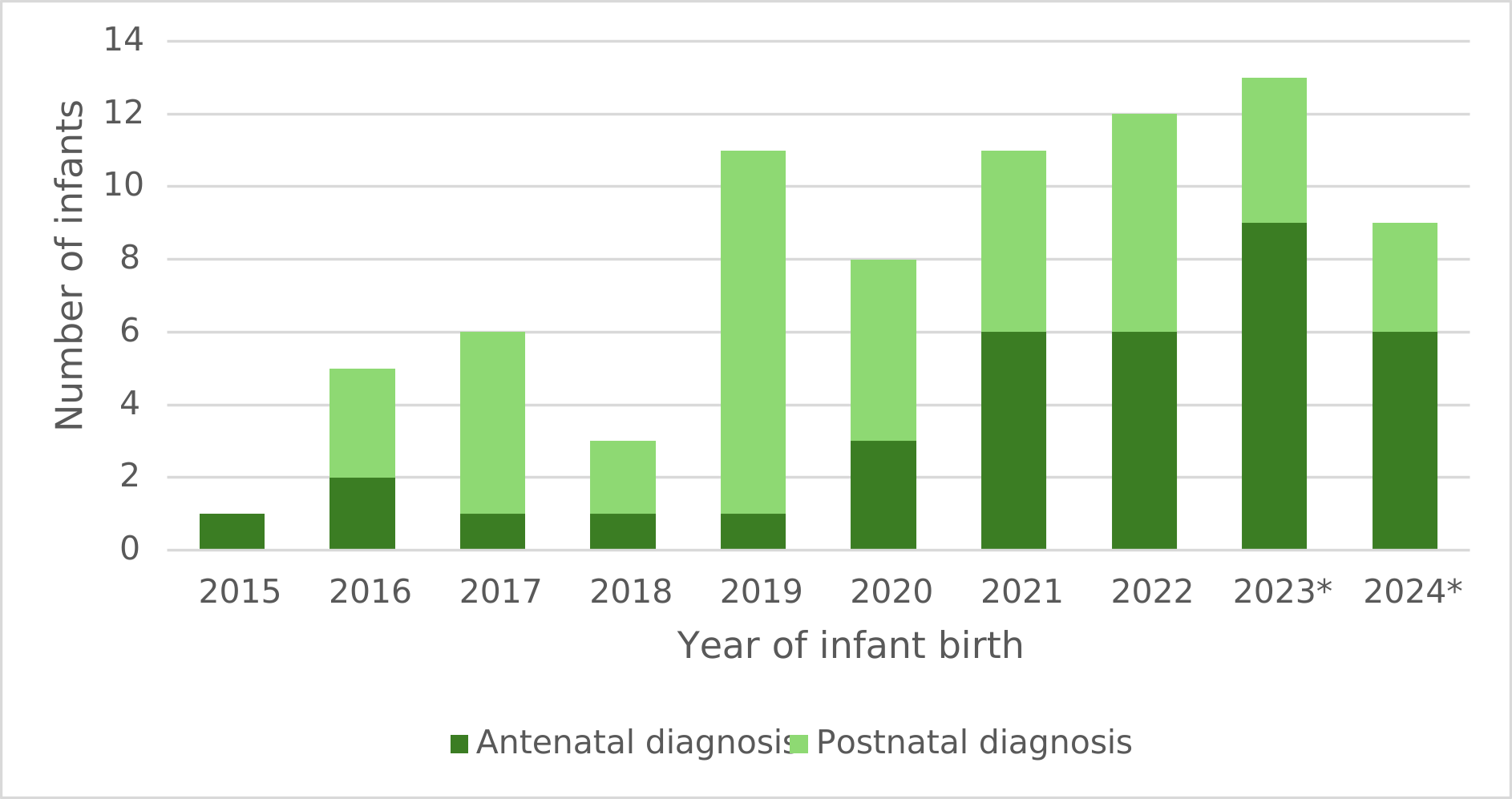
Figure 8 note 1: 2023-2024 numbers are incomplete and expected to increase.
11.2 Maternal Demographics
There were 79 infants with congenital syphilis, born to 77 women (two sets of twins). Among the 77 pregnancies, 92.2% (71 of 77) were women of White ethnicity, Table 29.
Over 80% of women (65 of 77) were born in the UK and 8 of the 12 women born abroad, were born in Eastern Europe. 8 of the 12 women born abroad arrived in the UK during pregnancy and for the remainder timing of arrival was unclear.
Median maternal age was 27 years (IQR: 27 to 31 years), slightly lower when compared to 29.4 years in the syphilis screen positive population and 30.9 years in the general pregnant population.
Table 29: Maternal characteristics (per pregnancy, n=79)
| Number of newly reported cases (n=24) | Percentage (%) | Cumulative number of cases since 2015 (n=77) | Percentage of cases (%) | |
|---|---|---|---|---|
| World region of birth | ||||
| UK | 19 | 79.2 | 65 | 84.4 |
| Eastern Europe | 2 | 8.3 | 8 | 10.3 |
| Asia | 3 | 12.5 | 3 | 3.9 |
| Rest of Europe | - | 1 | 1.3 | |
| Ethnicity | ||||
| White British | 19 | 79.2 | 62 | 80.5 |
| Any other White background | 2 | 8.3 | 9 | 12.7 |
| Asian | 3 | 12.5 | 4 | 5.2 |
| Black African | - | - | 1 | 1.3 |
| Mixed | - | - | 1 | 1.3 |
| Age at delivery | ||||
| Less than 25 years | 5 | 20.8 | 25 | 32.5 |
| 25 to 29 years | 4 | 16.7 | 17 | 22.1 |
| 30 to 34 years | 11 | 45.8 | 17 | 22.1 |
| 35 to 39 years | 3 | 12.5 | 5 | 6.5 |
| ≥40years | 1 | 4.2 | 3 | 3.9 |
| Previous livebirths | ||||
| 0 | 7 | 29.1 | 25 | 33.3 |
| 1 | 4 | 16.7 | 21 | 28.0 |
| 2 or more | 13 | 54.2 | 29 | 38.7 |
| Region of delivery | ||||
| Midlands | 10 | 41.7 | 13 | 16.9 |
| London | 5 | 20.8 | 13 | 16.9 |
| North East & Yorkshire | 3 | 12.5 | 17 | 22.1 |
| North West | 3 | 12.5 | 14 | 18.2 |
| South East | 2 | 8.3 | 13 | 16.8 |
| East of England | 1 | 4.2 | 7 | 9.1 |
| South West | - | - | - | - |
Table 29 note 1: 3 pregnancies missing number of previous livebirths
12. Complex social factors
Among the 77 pregnancies, 58.4% (45/77) of mothers had complex social factors reported at the time of the pregnancy, with many women having multiple issues reported. However, this is likely to be an underestimate as these are only what clinicians were aware of at the time of her pregnancy. The most commonly reported social factors were safeguarding/social services involvement (34), insecure housing (24), issues engaging with healthcare services (23), drug/alcohol misuses (22) and mental health issues (21), Table 30.
Ten women required translation services and all 10 received them.
Table 30: Complex social factors experienced by women (per pregnancy)
| Complicating issues reported | Number of cases reported to ISOSS Sept 2023-Sept 2024 | Cumulative number of cases for all reported CS reports since 2015 |
|---|---|---|
| Any issue reported | 17 | 45 |
| Safeguarding / social services involvement | 14 | 34 |
| Prison | 1 | 0 |
| Mental health issues | 10 | 21 |
| Drug / alcohol misuse | 11 | 22 |
| Insecure housing | 9 | 24 |
| Intimate partner violence | 3 | 13 |
| Sex work | 5 | 10 |
| Issues engaging with healthcare services | 12 | 23 |
| Uncertain immigration | 0 | 1 |
| Financial issues | 3 | 3 |
| Learning difficulties | 1 | 1 |
Table 30, note 1: Issues overlap so may appear as more than one issue per woman.
12.1 Timing of maternal diagnosis
Overall, 36 of the 79 infants (45.7%) were born to women diagnosed during pregnancy, Table 31. Of the 36 infants, 35 of the women were screened for the first time in this pregnancy, Table 32.
Among the 43 infants born to women diagnosed postnatally, 12 women were screened in labour, and 18 women were diagnosed following their child’s diagnosis Table 32.
Table 31: Timing of woman’s diagnosis (per transmission)
| Timing of woman’s diagnosis | Number of newly reported infants | Percentage of infants (%) | Cumulative number of infants since 2015 | Percentage of infants (%) |
|---|---|---|---|---|
| Diagnosed antenatally (screening or other referral) | 16 | 64.0 | 36 | 45.6 |
| Diagnosed postnatally | 9 | 36.0 | 43 | 54.4 |
| Total | 25 | 100 | 79 | 100 |
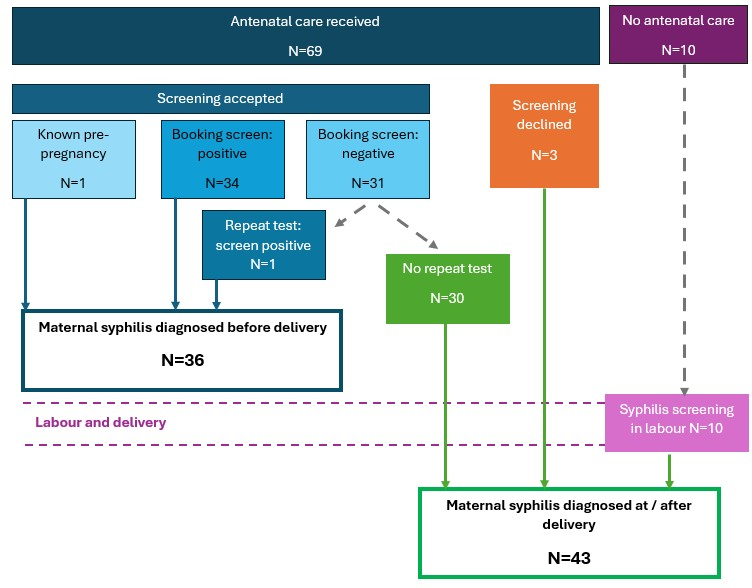
Table 31 note 1: the diagnosed postnatally group includes 30 women who screened negative in pregnancy, 10 women who did not access antenatal care and were screened in labour, and 3 women who declined screening earlier in pregnancy and accepted at delivery.
Table 32: Reason for maternal testing by timing of diagnosis (per pregnancy)
| Reason | Diagnosed by delivery | Percentage | Diagnosed postnatally | Percentage |
|---|---|---|---|---|
| Antenatal screening in this pregnancy | 35 | 97.2 | 1 | 2.3 |
| Antenatal screening in previous pregnancy | 1 | 2.8 | - | - |
| Antenatal screening in labour | - | - | 12 | 27.9 |
| Antenatal screening in subsequent pregnancy | - | - | 5 | 11.6 |
| Infant postmortem/stillbirth pathway | - | - | 4 | 9.3 |
| Child diagnosed | - | - | 18 | 41.9 |
| Seen in sexual health | - | - | 3 | 7.0 |
| Total | 36 | 100.0 | 43 | 100.0 |
Table 32 note 1: 3 cases missing no of previous livebirths
12.2 Contributing factors
An overview of the main factor contributing to the transmission as agreed following discussion by the Clinical Expert Review Panel is summarised in Table 33.
Table 33: Main contributing factor by timing of maternal diagnosis (per transmission)
| Positive screening result in pregnancy | Screened positive postnatally | |||
|---|---|---|---|---|
| Contributing factor | Number of transmissions | Percentage of transmissions (%) | Number of transmissions | Percentage of transmissions (%) |
| Presented late for antenatal care | 12 | 33.3 | 10 | 27.9 |
| Engagement | 10 | 27.8 | - | - |
| Treatment with macrolides | 5 | 13.9 | - | - |
| Screening incident^ | 3 | 8.3 | - | - |
| Possible reinfection | 3 | 8.3 | - | - |
| Negative at booking, rescreened prior to delivery | 1 | 2.8 | - | - |
| Negative at booking, postnatal positive result | - | - | 30 | 65.1 |
| Clinical management issue | 1 | 2.8 | - | - |
| Declined screening | - | - | 3 | 7.0 |
| No factor | 1 | 2.8 | - | - |
| Total | 36 | 100 | 43 | 100 |
^ A screening incident in the NHS refers to any unintended or unexpected event, act, or omission during an NHS screening programme that either has caused or could lead to harm to a person participating in the programme or to screening staff.
All 77 women were offered screening either in pregnancy (69 women) or at the time of delivery where antenatal care was not accessed (10 women), Figure 9.
Among the 66 transmissions to women who accepted and underwent antenatal screening, 35 women screened positive at booking (including 1 woman known positive pre-pregnancy), and 31 women screened negative at booking (see sections on ‘Negative at booking, rescreened prior to delivery’ and ‘Negative at booking, postnatal positive result’).
Three women declined the offer of screening at antenatal booking owing to needle phobia but accepted at delivery when cannulation was required and received a positive screening result. See section on ‘Declined screening’.
Figure 9: flowchart of the 79 transmissions reported to ISOSS 2019-24 (infants born 2015-2024).
12.3 Women who screened positive in pregnancy
36 infants were born to 35 women who had a confirmed screen positive antenatal screening result (includes one set of twins).
The main contributing factor to the transmission as identified by the CERP was:
- late presentation for antenatal care (12 transmissions)
- engagement issues with healthcare services (10)
- non-standard treatment (macrolide) (5)
- screening incident (3)
- possible reinfection in pregnancy (3)
- negative at booking, were rescreened and were positive prior to delivery (1)
- clinical management issue (1)
In 1 case there was no contributing factor identified.
Late presentation for antenatal care
12 infants were born to women presented late for antenatal care and delivered before treatment was completed and/or had maximum impact on the infection.
- Booking gestation ranged from 19 week to 31 weeks
- 7 were UK born , and 5 were born abroad ) and arrived in the UK during pregnancy
- 8 of 12 women had complex social factors reported, including insecure housing (5), social services involvement (4), drug/alcohol misuse (3), sex work (2) and mental health issues (2)
- 6 of 12 women were treated: 4 were booked and initiated treatment in the third trimester, 1 booked at 19/40, did not attend sexual health appointments and was partially treated in the third trimester, 1 woman booked at 23/40, delivered at 27/40 and had her first treatment dose on the day of delivery.
- 6 of 12 women did not receive treatment: 3 did not attend appointments with sexual health services following referral, and 3 delivered shortly after booking
- 10 of the 12 delivered preterm (less than 37 weeks); 7 of 10 delivered <34 weeks
- 6 were livebirth deliveries, 3 were neonatal deaths and 3 stillbirths
Engagement issues
Ten infants were born to women reported as having issues with engagement with healthcare services across maternity and sexual health despite attempts to contact and support women:
- 8 women were reported as newly diagnosed requiring treatment; 1 woman was screened positive in a previous pregnancy and 1 previously in sexual health. However, as these women all had issues engaging with healthcare services it is not possible to ascertain whether they presented for testing at any time in other services.
- 9 of 10 women were UK born
- 7 women booked after 12 weeks gestation
- 7 women did not receive treatment before delivery as they did not attend sexual health services appointments or respond to contact; 3 women were treated: 1 woman did not complete treatment prior to delivery and for 2 there were concerns about reinfection but as women weren’t engaging, they could not be re-treated.
- 7 were livebirth deliveries and 3 stillbirths
There were an additional 3 women who both presented late for antenatal care and had engagement issues (included in ‘Late Presentation for Antenatal Care’ section above).
Non-standard treatment
The British Association for Sexual Health and HIV (BASHH) removed macrolides as a treatment option for syphilis in pregnancy in a 2019 guideline amendment. The decision was driven by the high rate of macrolide resistance in Treponema pallidum and the poor placental transfer of these antibiotics. 5 infants were born to women who were treated with a macrolide:
- 2 were prior to the BASHH 2019 amendment to remove macrolides as a treatment option in the 2015 pregnancy guidelines and 3 were after 2019.
- 4 women had a confirmed penicillin allergy and 1 reported a penicillin allergy but this was not confirmed.
- There were 4 livebirths and 1 stillbirth
Screening incident
There were 3 infants born to women where there was a screening incident reported due to a deviation to the screening pathway:
- In 1 case bloods were unable to be taken, and the screening team were not made aware with no ID screening until 32/40. This woman had 2 doses of penicillin before delivery but delivered at 36/40.
- In 1 case the screening team was not informed of result. 1st dose of penicillin was given 1 week before delivery at 26/40
- In 1 case the screening team missed the positive screening result notification from the laboratory and the woman was not treated before delivery
- There was 1 livebirth, 1 neonatal death and 1 stillbirth
The NHS England IDPS screening programme handbook and screening laboratory handbook provide guidance for maternity providers and screening laboratories to support safe and effective delivery of the screening programme. These documents set out minimum expected standards and failsafe processes required to reduce the risk of screening incidents.
12.4 Possible reinfection
Three infants were born to women where there was possible reinfection in pregnancy:
- 2 women had contact with an untreated partner following treatment
- in 1 case the CERP suspected there was likely reinfection based on the woman’s results. The partner was treated but did not attend further follow-up
- all were livebirth deliveries
Guidance on post treatment and contact testing and treatment can be found in the BASHH syphilis in pregnancy guideline.
12.5 Negative at booking, rescreened prior to delivery
1 infant was born to a woman who screened negative at booking at 13/40 and was offered re-screening at 38/40 following an unexplained rash in pregnancy. The woman was treated at 39/40 and delivered at 41/40
The IDPS programme handbook offers guidance about sexual health screening for those identified as having been at risk of infection during pregnancy. It also provides links to Viral illness (plus syphilis) in pregnancy offering advice where women present with symptoms.
All midwives involved in the provision of antenatal care are encouraged to discuss sexual health with the women they care for. The ‘negative now’ message should be used when giving negative screening results to remind women that they are negative at the point of testing, and this does not confer protection throughout pregnancy.
Women should be advised about the availability of repeat testing and/or sexual health screening at any stage of pregnancy and be encouraged to report any symptoms or risks of exposure to infection(s) to their midwife.
12.6 Clinical management issue
In 1 case sexual health services incorrectly advised woman did not require treatment due to miscommunication/confusion regarding interpretation of serology. The woman was assessed by sexual health as previously diagnosed and deemed to be past and treated, not requiring treatment.
12.7 No contributing factor
There was 1 possible case where maternal and infant serology were unclear and the baby was treated with benzyl penicillin.
12.8 Women who screened positive postnatally
There were 43 transmissions among 42 women who screened positive postnatally (includes one set of twins).
The main contributing factor to the transmission as identified by the CERP was:
- Negative at booking, positive postnatal result (30)
- Unbooked for antenatal care (10)
- Declined screening (3)
12.9 Negative at booking, postnatal positive result
Thirty infants were born to women who screened negative at booking and had a positive result postnatally, meaning the women acquired syphilis later in their pregnancy:
- 19 women were diagnosed in sexual health services following their babies’ diagnosis
- 5 women were screened in a subsequent pregnancy
- 1 woman was rescreened at delivery (hydrops was identified on 32/40 scan)
- 2 were diagnosed as part of testing following stillbirth
- 1 woman was diagnosed in sexual health after routine STI testing offered during contraceptive implant consultation
- 2 were diagnosed in sexual health services due to symptoms (in 1 of 2 their partner was also diagnosed)
In terms of region, 6 infants were reported from London, 6 from North West, 6 from North East, 7 South East, 3 East of England, 2 from Midlands.
One woman was offered rescreening in pregnancy (hydrops at 32/40). Among the 29 infants born to women not offered screening, 13 had potential indications for rescreening in pregnancy identified following ISOSS review, including:
-
disclosure of multiple/new partners
-
attendance with vulval lesions
-
recurrent treatment for thrush and/or herpes
-
rash in pregnancy
In other cases, there were urinary tract infections, intimate partner violence and travel in and out of UK during pregnancy reported.
In one case the woman’s ex-partner disclosed a syphilis diagnosis, woman ordered online sexual health testing kit which returned an insufficient sample result. This result was not followed up by the woman or raised with antenatal team
12.10 Unbooked for antenatal care
Ten infants were born to women who presented unbooked in labour and were screened in labour with the positive result returned after delivery.
- 7 of the 10 were known to have complex social factors at the time of the pregnancy, including significant social services involvement (5), drug/alcohol problems, mental health issues (3) and housing concerns (3).
- 8 women were born in the UK and 2 were from Eastern Europe, both arriving in the UK shortly before delivery
12.11 Declined screening
Three infants were born to women who declined screening (for all three infections) in pregnancy. All three women received the formal IDPS reoffer and multiple offers of screening throughout pregnancy. One woman was known to be positive (seen in sexual health prior to the pregnancy- this information was discussed as part of the unit’s MDT) but would not engage, one woman said she was needle phobic but was cannulated at delivery, and the other woman would not engage throughout pregnancy. Two women were tested at delivery and one was tested following a stillbirth delivery.
All 3 women (one from London, one from South East and one from East of England) had significant complex social factors (multiple factors).
In 2016 the IDPS programme strengthened guidance around the formal re-offer, reducing the timeframe by which the offer must take place from 28 weeks to 20 weeks and stipulating that it must be at a face-to-face meeting. Most recently guidance in the NHS infectious diseases in pregnancy screening programme handbook (2023) adds that the re-offer must be made within 2 weeks for any woman over 20 weeks gestation with the aim of encouraging earlier screening to enable timely interventions where necessary.
12.12 Infant outcomes
There were 65 livebirths (82%) and 14 stillbirths (18%), and among the livebirths there were 7 neonatal deaths. Of the 79 infants, over half (54%) were delivered preterm (less than 37 weeks), over half (57%) were vaginal deliveries and over a third (36%) were emergency caesareans, Table 34.
Infant presentation
Of the 65 infants, 55 (85%) presented with clinical symptoms. These included hepatosplenomegaly, thrombocytopenia, peeling skin, rashes and skin lesions. The majority of the infants were diagnosed at under 1 month of age (Table 35).
Table 34: infant outcomes
| Number of newly reported infants (n=24) | Percentage of infants (%) | Cumulative number of infants since 2015 (n=77) | Percentage of cases (%) | |
|---|---|---|---|---|
| Infant outcome | ||||
| Livebirth | 18 | 72.0 | 65 | 82.7 |
| Stillbirth | 7 | 28.0 | 14 | 17.3 |
| Gestation at delivery | ||||
| 37 weeks or more | 9 | 36.0 | 36 | 45.6 |
| 33-36 weeks | 7 | 28.0 | 18 | 22.7 |
| 28-32 weeks | 6 | 24.0 | 20 | 25.3 |
| <28 weeks | 3 | 12.0 | 5 | 6.3 |
| Mode of delivery | ||||
| Elective caesarean | 3 | 12.0 | 5 | 7.3 |
| Emergency caesarean | 7 | 28.0 | 25 | 36.2 |
| Vaginal delivery* | 15 | 60.0 | 39 | 56.5 |
| Birthweight | ||||
| ≥2.5kg | 10 | 40.0 | 36 | 46.1 |
| 1.5-2.5kg | 10 | 40.0 | 31 | 39.7 |
| <1.5kg | 5 | 20.0 | 11 | 14.1 |
Table 34 note 1: livebirths includes 6 neonatal deaths.
Table 34 note 2: less than 37 weeks includes 3 stillbirths where labour was induced following diagnosis of fetal death in utero
Table 34 note 3: *vaginal delivery includes 14 stillbirths. 10 missing mode of delivery
Table 34 note 4: Birthweight missing for one infant
Table 35: Age at diagnosis among confirmed cases
| Age at diagnosis | Number of infants | Percentage of infants (%) |
|---|---|---|
| Less than 1 month | 30 | 58.8 |
| 1 to 6 months | 14 | 27.5 |
| 6 to 12 months | 2 | 3.9 |
| Greater than 12 months | 5 | 9.1 |
| total | 51 | 100.0 |
Table 35 note: excludes 14 stillbirths, one of the neonatal deaths and 13 possible/probable cases.
13. Vertical Transmission Summary
Following several years of stable rates of syphilis infection in the pregnant population, where approximately 900 women were diagnosed in pregnancy each year, 2022-23 saw an increase in the number to over 1000. This reflects the increasing rates seen in the heterosexual population.
It is widely recognised that timeliness of maternal diagnosis and treatment of syphilis are crucial to reducing the risk of congenital infection. Whilst almost 90% of women in 2022-23 who required treatment received appropriate treatment antenatally, over a quarter (28.8%) presented late for antenatal care which likely impacted on the timeliness of referral to sexual health services, and subsequent treatment.
Findings demonstrate that social context plays an important role in accessing care with an association seen between late booking and having complex social factors, being non-UK born, having recently arrived in the UK and requiring translation services.
Complex social factors (which affect this population disproportionally more than the general population) and engagement issues are key themes of this report’s findings, not only in relation to timeliness of care, but as a risk factor for transmission. Both themes were more prevalent among pregnancies that resulted in a congenital syphilis diagnosis, highlighting the need for work to better understand how to address barriers to timely access to antenatal care and improve engagement, to optimise management of syphilis in pregnancy. It is important to note, that transmission of syphilis can occur where there are no identifiable contributing factors and that many of these risk factors are present in pregnancies that don’t result in transmission.
The incidence of congenital syphilis in England of 0.023 per 1,000 live births in 2023 remains below the WHO elimination threshold of less than 0.5 per 1,000 live births, but is increasing. Poor infant outcomes associated with congenital syphilis continue to be seen in the transmissions occurring, including several stillbirths, neonatal deaths, high preterm delivery rate, and congenital conditions.
Among the small number of transmissions occurring in England, late booking, poor engagement or not receiving any antenatal care and being screened in labour were identified as the significant contributing factors. In a small number of cases issues with clinical management also played a role.
Another important consideration is the significant proportion of women diagnosed following a negative antenatal screening result, which accounted for 30 of the 79 transmissions. Findings showed that in 19 of these cases there were risk factors where re-screening would have been indicated. This emphasises the need for refocused efforts in improving risk identification and the offer of repeat screening for those who require it.
Paediatric syphilis surveillance of babies born to women requiring treatment for syphilis in pregnancy continues to show variation in follow-up practices, especially surrounding infant testing schedules and interpretation of national guidelines. The recently updated BASHH guidelines for the management of syphilis in pregnancy include an updated birth plan template and guidance for laboratory testing, including the use of PCR. It is hoped this will lead to an improvement in infant follow up.
13.1 Clinical Expert Review Panel Recommendations
CERP discussions involve the identification of key themes and areas for improvement around the management of infections in pregnancy. Past ISOSS reports have detailed a number of recommendations. The key recommendations were:
Negative Now messaging and re-screening for syphilis
Early case reviews revealed missed opportunities to refer pregnant women to sexual health services where there was evidence or suspicion of a sexually transmitted infection was evident.
The panel recommended information should be given to women and their partners about protecting themselves from infections in pregnancy. The ‘negative now’ message should be included in all resources to ensure women are made aware that a negative screening result does not confer protection throughout pregnancy. Women should be made aware of how to access sexual health services.
Progress to date
‘Negative now’ messaging and guidance on sexual health in pregnancy is now in all professional and patient resources. This includes.
- IDPS programme handbook (updated 2023)
- IDPS laboratory handbook (updated 2022) ‘negative now’ message added to all negative screening laboratory reports
- IDPS eLearning for healthcare (elfh) IDPS online training module
Guidance on the importance of negative now messaging and retesting following any risk in pregnancy is also included in the updated BASHH guidelines for management of syphilis in pregnancy (2024).
Multidisciplinary Team (MDT) working
The lack of well-functioning and well-represented multidisciplinary teams (MDTs) was apparent in many cases. Infants with congenital syphilis infections were seen where healthcare services were aware of maternal infection antenatally, but specialities (for example, paediatrics) were unaware, had not put care plans in place prior to delivery or care plans were not followed for the infant.
For complex cases where engagement is an issue, either to attend for screening or remain engaged following a positive screening result, the importance of having an MDT and communication with other services is paramount.
The panel recommended strengthening guidance on the importance of having a clinically representative MDT to manage care effectively and improve communication through birth plans.
Progress To Date
Additional information on what is meant by MDT, including suggested membership, ways of working and responsibilities of the MDT has been added to the updated IDPS programme handbook.
Guidance on the importance of MDT working and a new birth plan template has been included in the recently updated BASHH guidelines for management of syphilis in pregnancy 2024.
New Recommendations
There have been 25 cases reviewed by the CERP across 4 meetings since the previous ISOSS report which included cases reported to September 2023. The panel made the following recommendations;
Rash awareness
Following review of a seroconversion case where a rash was evident, the panel recommended strengthening rash in pregnancy guidance.
Progress To Date
UKHSA Guidance on the investigation, diagnosis and management of viral illness (plus syphilis), or exposure to viral rash illness, in pregnancy 2024. updated to include guidance on rash caused by syphilis infection
Stillbirth
To raise awareness of syphilis as a consideration in unexplained stillbirths or neonatal deaths and to encourage testing for syphilis for every death, particularly where woman had positive serology. Need to have clear messaging for women who required treatment or untested women.
Progress To Date
In March 2025, the Royal College of Obstetricians and Gynaecologists (RCOG) and the Royal College of Pathologists (RCPath) were approached by the CERP to work collaboratively on optimising microbiological sampling and testing in the investigation of stillbirths.
Following agreement, a ‘Task & Finish’ working group was established to optimise the laboratory diagnosis of congenital syphilis in stillbirths and neonatal deaths from both a maternal and neonatal perspective.
It was acknowledges that the RCPath guidance for management and examination of stillbirths (RCOG supported - 2024) failed to list syphilis as an important infectious cause of fetal death. Furthermore, the document did not define the optimum diagnostic pathways for investigation of infectious causes of stillbirth.
Likewise, the RCOG Green -top-guideline (GTG 55 Care of late intrauterine fetal death and stillbirth) failed to include maternal treponemal serology in the investigations following still births.
In August 2025, as a direct result of the working group, the RCOG agreed to the following change in the Green -top-guideline (GTG 55 Care of late intrauterine fetal death and stillbirth):
‘Treponemal serology – repeated at presentation with an IUFD regardless of maternal status at booking’.
Ongoing work of the group includes:
- Creating an addendum to the current RCPath guidance for management and examination of stillbirths specifying when to consider syphilis in placental diagnosis, including minimal standards for testing
- Developing an algorithm to identify when to send placental samples for syphilis PCR testing, including specific histological features to trigger the request
- Updating the postmortem request forms to include questions about the mother’s antenatal screening and risk of infection
- Development of a differential diagnosis table for congenital infections, including clinical pointers, appropriate tests, and pathologist guidelines
- Developing a minimum data field for histology request forms to be used in stillbirth
Audiology referral
In one transmission case it was noted that audiology referral was not completed for the baby as required.
Progress to Date
Newborn Hearing Screening Programme (NHSP) guidance updated to include congenital syphilis as an example of congenital infection that would require referral to audiology regardless of initial screening outcome
Feedback for maternity providers
The panel recommend the introduction of providing feedback for ISOSS respondents following the CERP vertical transmission case reviews. This will enable learning opportunities for maternity, paediatric and sexual health services.
An update on progress made will be included in the next annual ISOSS report.
14. ISOSS processes
ISOSS previously known as the National Surveillance of HIV in Pregnancy and Childhood (NSHPC), has been running for over 30 years and holds data on over 30,000 pregnancies to date. The programme was established initially to provide maternity surveillance of all pregnancies in women living with HIV who are diagnosed by delivery. And paediatric surveillance which includes all infants born in England to diagnosed women living with HIV, along with any children diagnosed with HIV (less than 16 years of age) who are born in England or abroad seen for paediatric care in the England.
In January 2020 Surveillance of pregnancies to women with a screen positive result for syphilis was commenced.
Surveillance for pregnancies to women with HBV in pregnancy commenced in April 2021 alongside the implementation of the HBV antenatal screening and selective neonatal immunisation pathway.
14.1 Data validation
The ISOSS team conduct extensive matching of infant and maternal reports across pregnancies and paediatric reports. Reports include complex clinical data and there are several data quality checks in place. Validations are in place for incoming reports, and data is checked at each stage and queried directly with respondents where inconsistencies are identified, or data is missing.
14.2 Reporting timeline
Figure 10: reporting timeline for ISOSS data collection for women during pregnancy and infants after birth
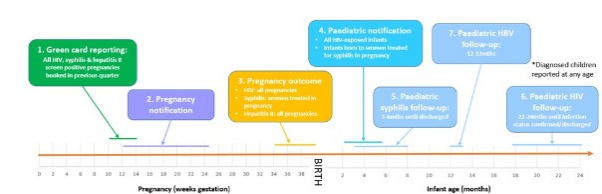
Figure 10 shows the timeline of data collection by ISOSS during pregnancy and after the baby is born, pregnancies. There are six data collection points.
- Green Card reporting (from approximately 12 weeks gestation): all HIV, syphilis and HBV screen positive pregnancies booked for antenatal care in the last quarter are reported to ISOSS. The green card can be edited throughout the quarter, but the submission happens at the end of a quarter.
- Pregnancy notification form (from approximately 12 weeks gestation): initial details of pregnant woman, care in pregnancy and pregnancy status. This form is generated for each woman following the submission of the green card.
- Pregnancy outcome form (birth): woman’s delivery details and initial care of the infant recorded and reported. This form is available around the expected date of delivery but can be released earlier on request in cases of premature birth.
- Paediatric notification form (one to six months after birth): initial details and test results of infants seen for HIV (three to six months) and syphilis (one to two months) paediatric follow-up. Generated using maternity reports where possible. (Diagnosed children reported to ISOSS at any age when seen for paediatric care.)
- Paediatric syphilis follow-up form (three to six months after birth): generated for all infants born to women treated for syphilis in pregnancy and/or infants requiring treatment for syphilis until discharged.
- Paediatric HIV follow-up form: generated for all HIV-exposed infants requesting 22-to-24-month confirmatory antibody test to establish infection status.
- Paediatric HBV follow up: data linkage with UKHSA’s Immunisation, Hepatitis and Blood Safety team at 12-13months after birth
15. Acknowledgements
NHS England would like to thank all those involved in collecting the data and producing the report, and most of all those from the NHS who deliver the NHS IDPS programme. We would like to acknowledge the important contributions made by our colleagues at UK Health Security Agency, British Association for Sexual Health and HIV, members of our Clinical Expert Review Panels and NHS providers in relation to surveillance of women with syphilis in pregnancy and their infants.
16. Congenital Syphilis Clinical Expert Review Panel members
The Congenital Syphilis CERP members who contributed to the congenital syphilis reviews included in the report (2023-25) are:
Dr Shalini Andrews: GUM Consultant, Central and North West London NHS Foundation Trust
Dr Rachel Bower: Consultant Community Paediatrician and Medical Advisor to the Adoption and Permanence Panel
Professor Marta Cohen: Consultant Paediatric Pathologist, Head of Department, Clinical Director PDG, Histopathology Department. Sheffield Children’s NHS FT
Sarah Dermont: Antenatal Pathway Pathology Feasibility Manager, NHS IDPS programme, NHS England
Dr Dyan Dickins: Obstetrician, Liverpool Women’s Hospital NHS Foundation Trust
Anette Elbech: Infectious Diseases Specialist Midwife, Chelsea and Westminster Hospital NHS Foundation Trust
Professor Marieke Emonts: Professor in Paediatric Infectious Diseases, Newcastle University, Consultant Paediatrician, Great North Children’s Hospital, The Newcastle Upon Tyne Hospitals NHS Foundation Trust
Dr Helen Fifer: IDPS Laboratory Advisor and Consultant Microbiologist, UK Health Security Agency
Kate Francis: ISOSS Coordinator, University College London (UCL) Great Ormond Street (GOS) Institute of Child Health
Dr Shazia Hoodbhoy: Consultant Neonatologist at The Rosie Hospital, Cambridge University Hospitals NHS Foundation Trust
Dr Chrissie Jones: Consultant in Paediatric Infectious Diseases, University of Southampton and Southampton Children’s Hospital
Professor Margaret Kingston: Director of Undergraduate Medicine & Dentistry, Consultant Physician in Genitourinary Medicine, Manchester University Hospitals NHS Foundation Trust
Dr Delma Llewelyn: Senior BMS CWPS University Hospitals Coventry and Warwickshire
Professor Hermione Lyall: Consultant Paediatrician, Infectious Diseases, Professor of Practice, Paediatric Infectious Diseases, Imperial College Healthcare NHS Trust
Dr Paddy McMaster: Consultant in Paediatric Infectious Diseases, North Manchester General Hospital Women and Children’s, Manchester University Hospitals NHS Foundation Trust
Dr Soonita Oomeer: Integrated Sexual Health Consultant, CNWL – Central and North West London NHS Foundation Trust
Nadia Permalloo: Head of quality assurance development (clinical), Screening Quality Assurance Service, NHS England
Alison Perry: Specialist Screening Midwife, Leeds Teaching Hospitals NHS Trust
Helen Peters: ISOSS Manager, University College London (UCL) Great Ormond Street (GOS) Institute of Child Health
Dr Binta Sultan: Consultant Physician in Inclusion Health, UCL (2024-date)
Professor Claire Thorne: Professor of Infectious Disease Epidemiology, Population, Policy and Practice Department, University College London (UCL) Great Ormond Street (GOS) Institute of Child Health
Rebecca Till, Antenatal Pathway Implementation Lead, Vaccinations and Screening Directorate, NHS England