National audit report FASP-S07 and IDPS-S05 for screening year 2019 to 2020
Published 29 April 2026
Applies to England

© Crown copyright 2026
This publication is licensed under the terms of the Open Government Licence v3.0 except where otherwise stated. To view this licence, visit nationalarchives.gov.uk/doc/open-government-licence/version/3 or write to the Information Policy Team, The National Archives, Kew, London TW9 4DU, or email: psi@nationalarchives.gov.uk.
Where we have identified any third party copyright information you will need to obtain permission from the copyright holders concerned.
This publication is available at https://www.gov.uk/government/publications/national-audit-report-fasp-s07-and-idps-s05-for-screening-year-2019-to-2020/national-audit-report-fasp-s07-and-idps-s05-for-screening-year-2019-to-2020
Introduction
This is the first time a national audit was completed in the English antenatal screening programmes. The audit looked at two national standards:
- Standard 7 of the fetal anomaly screening programme (FASP-S07)
- Standard 5 of the infectious disease in pregnancy screening programme (IDPS-S05)
FASP-S07 provides assurance that women with higher chance Down’s syndrome, Edwards’ syndrome and Patau’s syndrome screening results are referred in a timely manner and receive timely intervention where appropriate. It measures the proportion of women with higher chance screening results attending an appointment in less than or equal three working days to discuss their results.
IDPS-S05 provides assurance that women with confirmed screen positive results for HIV, hepatitis B or syphilis are referred in a timely manner and receive timely intervention. It measures the proportion of women with confirmed screen positive results attending an appointment in less than or equal to ten working days to discuss their results. The standard has 3 parts: IDPS-S05a (HIV), IDPS-S05b (hepatitis B), and IDPS-S05c (syphilis).
This standard was updated in 2024 and the timeframe reduced from 10 working days to five working days, making the findings of this audit even more important.
We chose these indicators as they are important points in the screening pathway as achievement of the standard provides assurance that referral of women with a higher chance or screen positive result is timely. If referral is not timely; information and/or treatment may be delayed.
The Screening Quality Assurance Service (SQAS) carried out the audit to better understand the reasons why the pathways were delayed for some women so that care could be better designed and delivered to meet their individual needs. We set out to identify:
- reasons for non-attainment of the standard
- the characteristics of the cohort for whom the standard was not met
We (SQAS) would like to thank all participating maternity services for completing the audit.
Background
National screening programmes each have a set of standards that are measured to assess quality. Standards usually have thresholds set at two levels, acceptable and achievable. All screening services should exceed the acceptable threshold and agree service improvement plans to meet the achievable threshold.
Quality assurance (QA) is the process of checking that these standards are met and encourage continuous quality improvement. QA covers the entire screening pathway from identification of the eligible population to be invited for screening through to referral and treatment where this is required.
We identified two antenatal screening standards (FASP-S07 and IDPS-S05) where either the acceptable or achievable thresholds for England were not met (table 1).
Table 1: England performance for FASP-S07 and IDPS-S05 from screening year 2016 to 2017 to screening year 2018 to 2019
| Standards | 2016 to 2017 | 2017 to 2018 | 2018 to 2019 |
|---|---|---|---|
| FASP-S07 | 97.3% | 97.4% | 97.0% |
| IDPS-S05a (HIV) | 83.1% | 90.7% | 89.3% |
| IDPS-S05c (hepatitis B) | 72.8% | 78.2% | 80.0% |
| IDPS-S05c (syphilis) | 73.3% | 79.5% | 81.2% |
National thresholds for FASP-S07 and IDPS-S05 were:
- acceptable: ≥ 97.0%
- achievable: ≥ 99.0%
Methodology
A prospective audit approach was used to collect de-personalised record level data from maternity services on any woman whose pathway did not meet the relevant standard.
The audit was launched in May 2019 to cover the cohort of women for whom the standard was not met from 1 April 2019 to 31 March 2020. All maternity services that had women in this cohort were invited to participate.
The deadline for returns was originally set for July 2020 but this was extended to October 2020 due to the COVID-19 pandemic. Further delays in analysis and producing this national report were experienced due to the dis-establishment of Public Health England (PHE) in October 2021 and the transfer of responsibilities to NHS England.
The audits were listed on the Healthcare Quality Improvement Partnership national audit directory for 2019 to 2020.
Limitations
The audit collected information on the women whose screening pathway was delayed. The same level of data is not available for the women where standards were met.
Terminology
We use the term ‘woman’ throughout. This includes people who do not identify as women and are pregnant.
We also use the term ‘women whose screening pathway was delayed to refer to:
- women with higher chance combined or quadruple screening results who were not offered an appointment within 3 working days (FASP-S07)
- women with confirmed screen positive results for HIV, hepatitis B or syphilis and women with known positive status for HIV and hepatitis B who did not attend a face-to-face appointment within 10 working days (IDPS-S05)
Down’s syndrome is referred to as trisomy 21 (T21), Edwards’ syndrome is referred to as trisomy 18 (T18) and Patau’s syndrome is referred to as trisomy 13 (T13).
The women in the IDPS dataset fall into 3 categories, those who were:
- Known to be living with HIV or hepatitis B
- Previously screened positive for syphilis
- Screened positive for HIV, hepatitis B or syphilis in the current pregnancy
For simplicity the above 3 groups of women are described throughout the report as women with HIV, hepatitis B or syphilis. Where it is important to distinguish, groups 1 and 2 are referred to as ‘known positive’ and group 3 ‘newly diagnosed’.
Response rate
Overall, the pathway was delayed for 2% and 12% of the eligible cohort for FASP-S07 and IDPS-S05 respectively. The dataset contains data for 89.9% (n=248) and 86.5% (n=443) of the women whose pathway was delayed for FASP-S07 and IDPS-S05 respectively.
FASP-S07
Of the 142 eligible maternity services in screening year 2019 to 2020, 61 (42.9%) services had women whose pathway was delayed for FASP-S07. Of these 61, we received an audit submission from 55, giving a response rate of 90.2%. The dataset includes 248 (89.9%) women whose pathway was delayed. Overall, this represents 2.0% of the eligible population.
Data was incomplete due to non-submissions and under reporting of women who did not meet the standard.
IDPS-S05
Of the 142 eligible maternity services in screening year 2019 to 2020, 86 (60.6%) services had women whose pathway was delayed for IDPS-S05. Of these, 25 needed to submit audit information for all 3 parts of IDPS-S05. We received an audit submission from 83 services, giving a response rate of 96.5%.
One maternity service did not return standards data for screening year 2019 to 2020 so it is unknown whether they needed to provide audit data.
Data was incomplete due to non-submissions, and under reporting or over reporting of women who did not meet the standard.
Women whose screening pathways were delayed
In the standards data, there were 73 women whose pathway was delayed for IDPS-S05a, 325 women for IDPS-S05b, and 114 women for IDPS-S05c. Overall, this represents 12.0% of the eligible population.
Of these, we had audit submissions for:
- 58 women (79.5%) with HIV
- 288 women (88.6%) with hepatitis B
- 97 women (85.1%) with syphilis
Most of the women (84.2%, n=373) in the dataset were known positive, 65 (14.7%) were newly diagnosed and for 5 women it was not known.
Findings
Good practice
We identified the following good practice points:
- the pathway for most eligible women across England met the standards
- maternity services are engaged and committed to continuous improvement which is reflected in the high response rates of the audits (90.2% for FASP and 96.5% for IDPS). This is despite the additional challenges caused by the COVID-19 pandemic during the audit period
- considerable efforts were made to contact women using a range and combination of methods
- most services offered flexibility in appointments
Areas for improvement
This report focuses on health inequalities and simply and retrospectively highlights areas where inequalities were revealed. We are careful not to overstate our findings as individual datasets are rarely specific enough to identify whether health inequalities are directly linked to the quality of care.
Health inequalities
Health inequalities are systematic, avoidable, and unfair differences in health status between groups of people or communities. They can occur at any point along the screening pathway. These audits focus on the referral point on the screening pathway.
There are 4 dimensions of health inequalities:
- the 9 protected equality characteristics described in the Equality Act 2010
- socioeconomic factors, for example, living in deprived areas
- socially excluded and vulnerable groups, for example, homeless people
- geographical variation, for example, variation between urban and rural areas
The relationship between ethnic minority background, socioeconomic deprivation and adverse pregnancy outcomes is well documented. In this national cohort study the largest inequalities were seen in black and South Asian women in the most socioeconomically deprived quintile; there is a four-fold difference in maternal mortality rates amongst women from black ethnic backgrounds and an almost two-fold difference amongst women from Asian ethnic backgrounds compared to white women.
Ethnicity
Over half of the women in the FASP-S07 dataset were from an ethnic minority group and this increased to 88% for the women in the IDPS -S05 dataset.
Cian Wade et al suggest providers and health systems should use ethnic differences to assess risk of harm to help reduce health inequalities.
Ethnicity data was missing for around 2% (n=14) of the audit population.
Index of Multiple Deprivation (IMD) deciles
About half of the women were in the first 3 deprivation deciles for FASP-S07 and IDPS-S05. Although we used the woman’s GP practice postcode as a proxy in the audit, it still provides a helpful insight when compared to ONS data on live births.
Table 2: IMD deciles - ONS live birth data 2020 compared to audit data
| Deprivation deciles | ONS mother’s usual residence in England by live births 2020 | FASP-S07 (woman’s GP practice postcode) | IDPS-S05 (woman’s GP practice postcode) |
|---|---|---|---|
| 1 | 13.3 | 14.5 | 21.0 |
| 2 | 12.2 | 19.8 | 19.6 |
| 3 | 11.7 | 13.3 | 14.0 |
Country of birth
In 2020, 29.3% of all live births were to women born outside the UK; this is the highest since records began in 1969 and has increased from 28.7% in 2019 (ONS). Pakistan was the most common country of birth for both non-UK born mothers and fathers for the first time since 2009; the second most common country of birth was Romania for both parents (ONS). Table 4 shows the audit data compared to the ONS top 6 ranking countries. The proportion of women born outside of England was significantly higher in the audit datasets. Country of birth was missing for 9.7% (n=24) and 15.8% (n=70) of the FASP-S07 and IDPS-S05 datasets respectively.
Table 3: Country of birth - ONS live birth data 2020 compared to audit data
| Country of birth of mother (ONS) | Percentage of all births (%) | FASP-S07 (%) | IDPS-S05 (%) |
|---|---|---|---|
| Pakistan | 2.7 (n=16,460) | 2.8 (n=7) | 4.5 (n=20) |
| Romania | 2.6 (n=15,173) | 3.2 (n=8) | 18.3 (n=81) |
| Poland | 2.4 (n=14,633) | 5.2 (n=13) | 2.0 (n=9) |
| India | 2.3 (n=14,404) | 2.4 (n=6) | - (n=0) |
| Bangladesh | 1.1 (n=6,767) | 4.0 (n=10) | - (n<5) |
| Nigeria | 0.9 (n=5,575) | 2.8 (n=7) | 5.9 (n=26) |
Women who needed an interpreter
A rapid evidence review commissioned by the NHS Race and Health Observatory found widespread ethnic inequalities in regard to healthcare, including the access, experiences, and outcomes within maternal and neonatal healthcare. The review found that poor communication between women and providers was a common theme; this included a lack of high-quality interpreting services for women without English language skills, but also that communication issues and negative interactions were experienced by English speaking migrants and British-born ethnic minority women.
Other than English, the highest proportion of first language was Romanian in the IDPS dataset (16.9%, n=75). The women born in Romania also accounted for over a third of the women in the IDPS-S05 dataset who required an interpreter.
Polish and Romanian were also in the top 3 first languages spoken other than English in the FASP-S07 dataset.
For FASP, where an interpreter was required, one was used half of the time and delays in the screening pathway were experienced by a quarter of these women. Three women had similar delays in the IDPS screening pathway.
Data on first language was missing for 2.4% of the FASP-S07 dataset and 6.8% of the IDPS-S05 dataset.
Women with a complex social issue
The women in the IDPS-S05 dataset when compared to maternity services monthly statistics were more likely to have a complex social issue. This was greater for women with newly diagnosed syphilis (50.0%) when compared to women with known positive syphilis (29.7%), HIV or hepatitis B.
Recommendations for maternity services
Service issues
Around a fifth of women were not offered an appointment due to a service issue and lack of capacity was the biggest single reason. In both datasets, women with delayed pathways were due to a breakdown in communication or the screening pathway was not followed by new members of staff. There were inadequate failsafe processes to identify this was happening.
Recommendation 1
Plan adequate capacity for the higher chance or screen positive population. This should include succession planning and resilience within the system to make sure appointments are available during periods of staff absences.
Recommendation 2
Make sure there is adequate training of new staff so they understand the pathway requirements of the screening programmes.
Recommendation 3
Make sure there are adequate failsafe processes in place to detect and rectify in a timely manner when the screening pathway is not working as specified.
Process for offering appointments
The audit provides useful information about how services arranged appointments and the challenges experienced in trying to contact some women. The following recommendation provides practical steps to maximise contact.
Recommendation 4
Consider the following when arranging screening appointments:
- agree with women in advance their preferred method of communication about screening test results and appointment offers
- check with the woman whether extra support is needed to attend appointments
- inform women when to expect results
- check at the time of screening if the woman is likely to be unavailable, for example out of the country when screening results will be available; this information should be recorded in her maternity record
- explain to women that the phone number of the hospital may show as “Blocked”, “No caller ID” or “Private number”
- check accuracy of contact details at regular intervals
- start contacting the women on the same day the screening service receives the higher chance or screen positive result
- use other forms of contact such as letters, email, and text messages early in the pathway, rather than waiting several days where phone calls are unanswered. These alternative methods should only be used to make initial contact with women; they should not be used for relaying higher chance or screen positive results
- consider the use of notification features on maternity apps to contact women
Responsibility in addressing health inequalities in screening
The audit dataset highlights gaps in data and the importance of understanding the population to be responsive to their needs and minimise inequalities. This is particularly important for services that had high numbers of women who missed the standards.
Recommendation 5
Review the responsibilities set out in the inequalities section of the Population screening: pathway requirements supporting information including:
- collecting data to help identify and support people who are considered vulnerable or underserved
- undertaking a health equity audit
- learning from screening safety incidents where inequalities contributed
Availability of interpreters
It was not always evident in the returns that interpreters were available and present for all women who required one. In some cases, there was a delay in the screening pathway due to unavailability of an interpreter.
Recommendation 6
Plan adequate capacity and availability of interpreters to meet the needs of the local population to:
- enable women to make informed choices
- prevent delays in the screening pathway
FASP-S07
Demographics
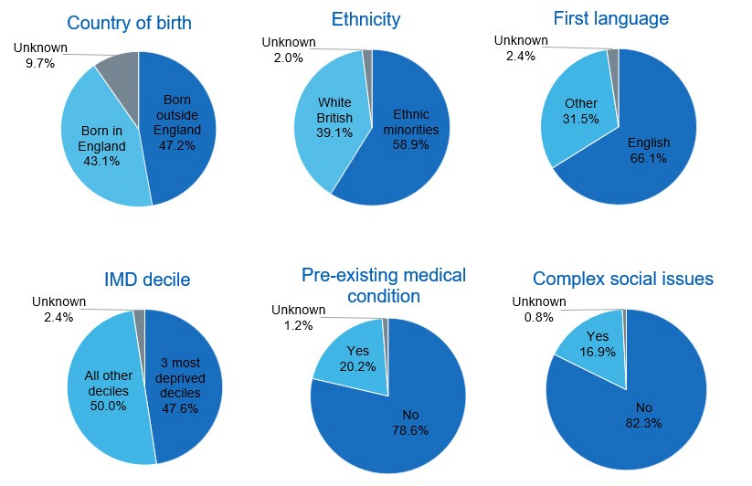
Figure 1: Demographics of women whose pathway was delayed FASP-S07 (n=248)
Maternal age at booking ranged from 17 to 48, with a median age of 34.0 years for women who had the combined test and a median age of 35.0 years for women who had the quadruple test.
Nearly two thirds of the women (61.7%, n=153) were employed, with a further 21.0% (n=51) looking after the family or home and not working or actively seeking work.
Almost all women did not identify as LGBT+ and information about LGBT+ identity was missing for 15 women (6.0%).
Completion of religion in the dataset was poor, and not answered for 38.3% of the women.
Disability and pre-existing medical conditions
Fifty women (20.2%) were reported to have a pre-existing medical condition (missing data for 3 women).
Eight women (3.2%) were reported to have a disability; 5 of these also reported a pre-existing medical condition (missing data for 3 women).
Complex social issues
Forty-two women (16.9%) were reported as having a complex social issue during the pregnancy (missing data for 2 women).
Relevant complex social issues during the pregnancy were defined as:
- alcohol and/or drugs
- diagnosed mental health conditions
- immigration issues (recent migrants, asylum seekers or refugees)
- difficulty reading or speaking English
- young women aged under 20
- intimate partner violence
Miscarriage or termination
Ten women (4.0%) had a miscarriage or termination between screening and the appointment. This was reported as the reason for not offering the appointment for a small number of these women.
Country of birth
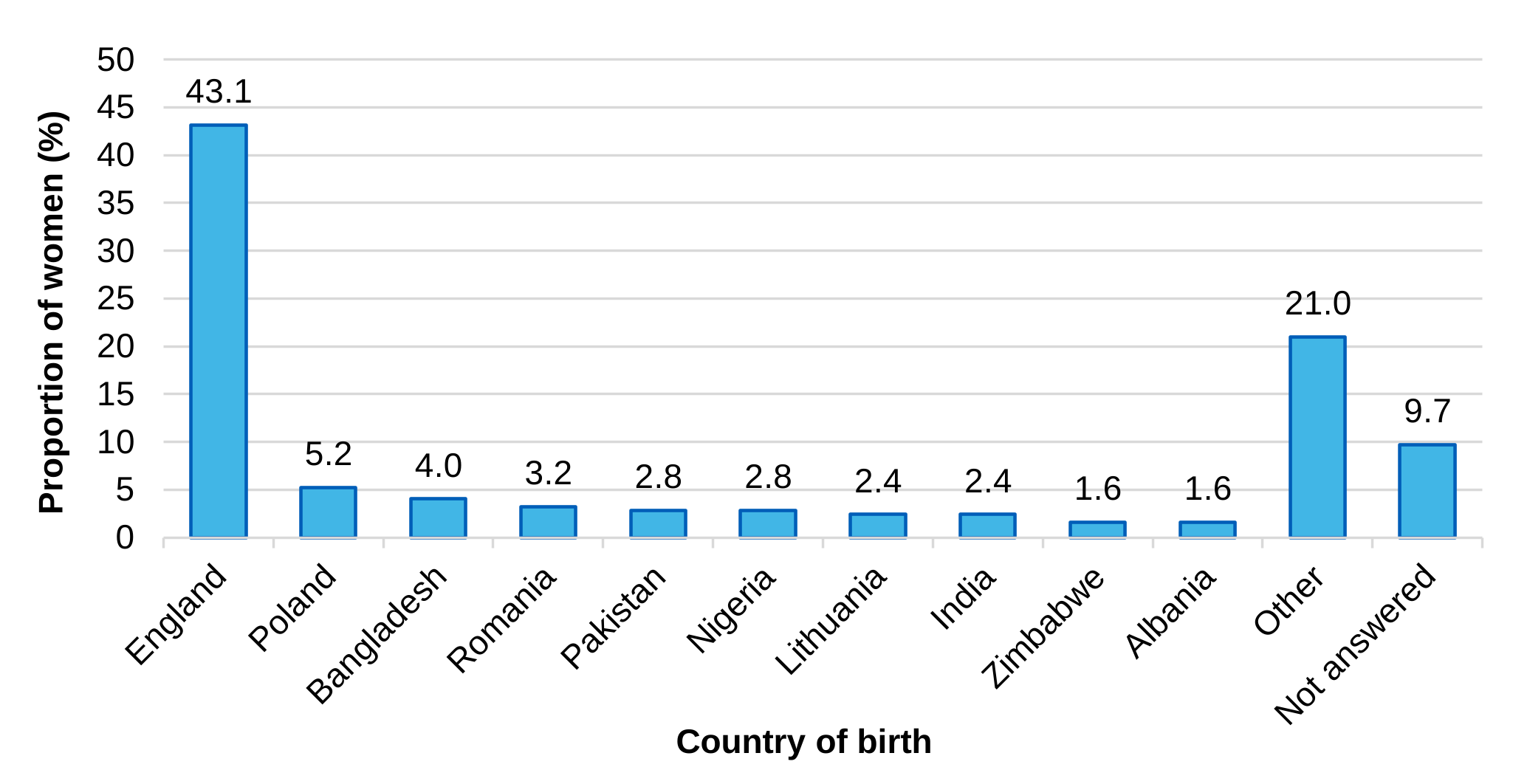
Women born in England was the highest single country proportion in the dataset (43.1%, n=107), however in total most women whose pathway was delayed were born outside of England (47.2%). After England, the next highest 5 countries were Poland (n=13), Bangladesh (n=10), Romania (n=8), Nigeria (n=7) and Pakistan (n=7). Country of birth was missing for 9.7% (n=24) of the women.
Figure 2. Proportion of women whose pathway was delayed FASP-S07 by country of birth, screening year 2019 to 2020
Ethnicity
Overall, 58.9% of women (n=146) were from ethnic minority groups; this includes 54 women from any other white backgrounds (including white Irish). The other 39.1% of women (n=97) were white British.
Figure 3. Proportion of women missing FASP-S07 by ethnic group, screening year 2019 to 2020
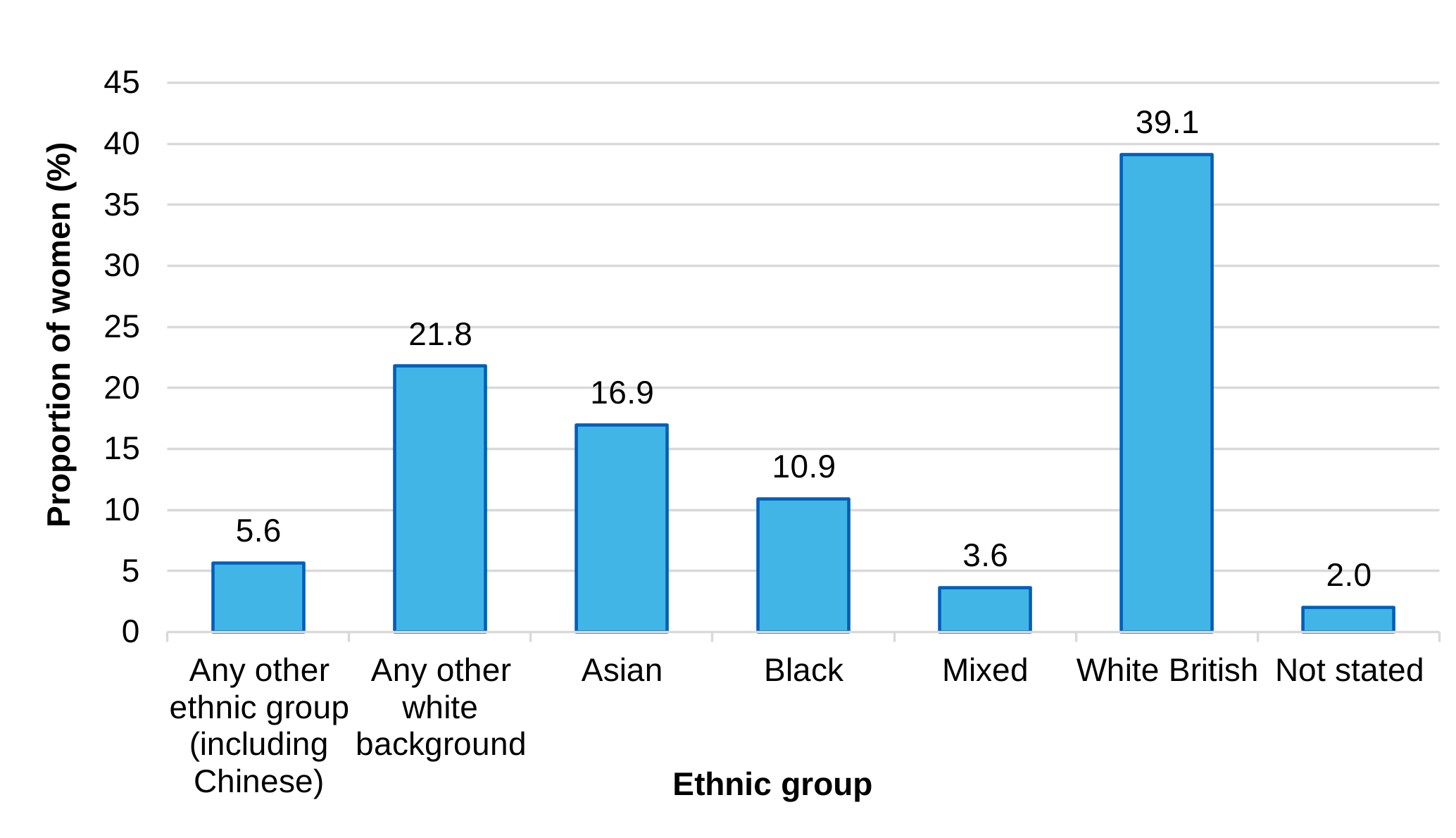
People from the ‘Asian’ ethnic group includes ‘Asian or Asian British – Bangladeshi’, ‘Asian or Asian British – Indian’, ‘Asian or Asian British – Pakistani’, and ‘Any other Asian background’.
People from the ‘mixed’ ethnic group includes ‘mixed – white and Asian’, ‘mixed – white and black African’, ‘mixed – white and black Caribbean’, and ‘any other mixed background’.
People from the ‘Any other white background’ ethnic group includes ‘white – Irish’.
GP practice postcode mapped to IMD
The dataset contained the GP practice postcode of each woman; each postcode was assigned to a Lower Super Output Area (LSOA) and then matched to deprivation deciles using the IMD score 2019.
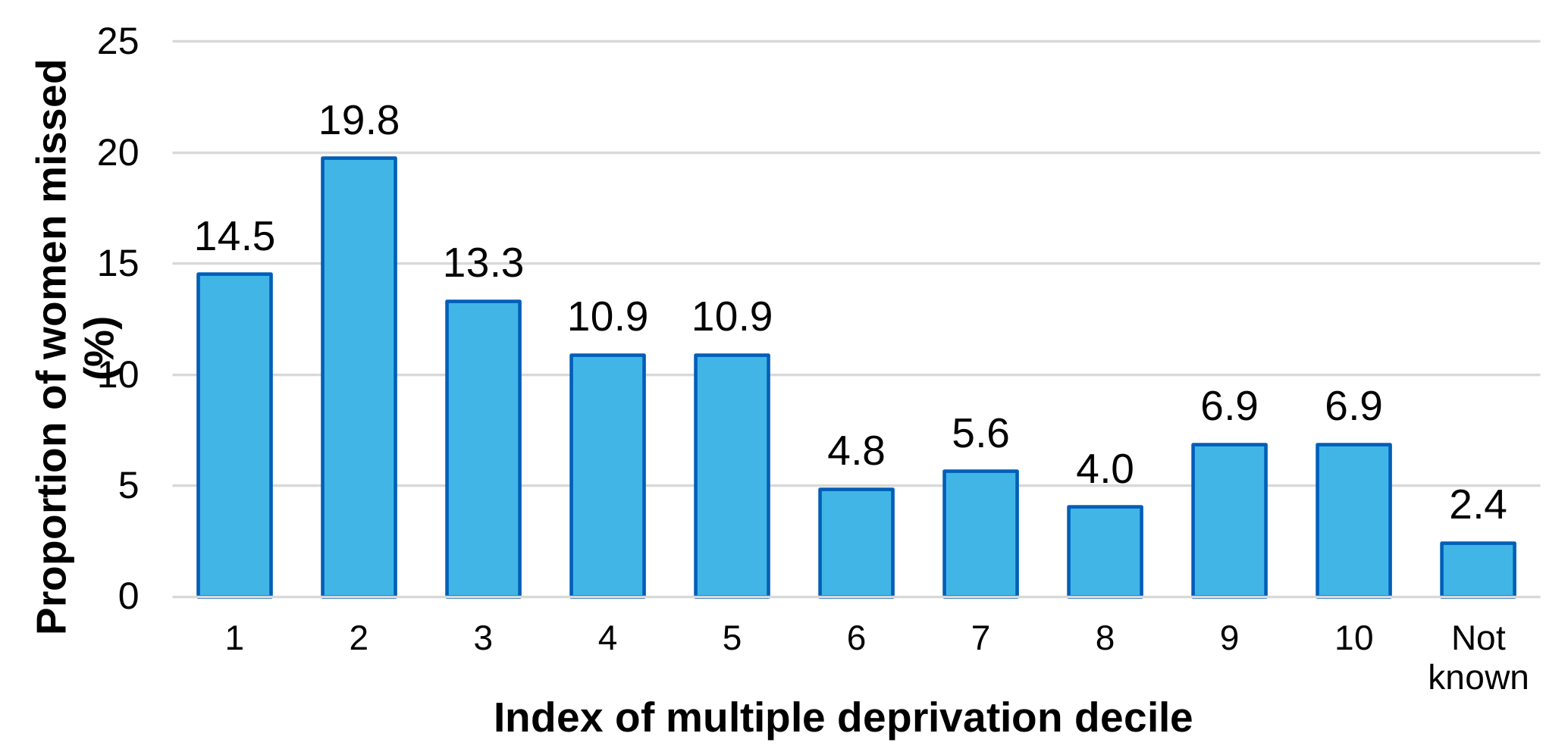
Over two thirds of the women (69.4%, n=172) were in the first 5 deprivation deciles, where the first decile is the 10% most deprived, and the tenth decile is the 10% least deprived. The postcodes could not be mapped for 6 women.
Data mapped to IMD using GP practice postcodes should be read with caution as a GP practice catchment area can be large and may not be the same resident area for the woman.
Figure 4. Proportion of women whose pathway was delayed FASP-S07 by IMD decile using GP practice postcode, screening year 2019 to 2020
First language
Almost a third of women (31.5%, n=78) did not speak English as their first language. Other than English the highest proportion of first languages were Polish (4.8%, n=12), Arabic (3.2%, n=8) and Romanian (3.2%, n=8).
Of the 78 women who did not speak English as their first language, 33 (42.3%) women were reported to require an interpreter.
Table 4: Proportion of women missing FASP-S07 by first language, screening year 2019 to 2020
| First language | Number of women | Percentage (%) |
|---|---|---|
| English | 164 | 66.1 |
| Polish | 12 | 4.8 |
| Arabic | 8 | 3.2 |
| Romanian | 8 | 3.2 |
| Lithuanian | 6 | 2.4 |
| Urdu | 6 | 2.4 |
| Other | 38 | 15.3 |
| Not answered | 6 | 2.4 |
| Total | 248 | 100.0 |
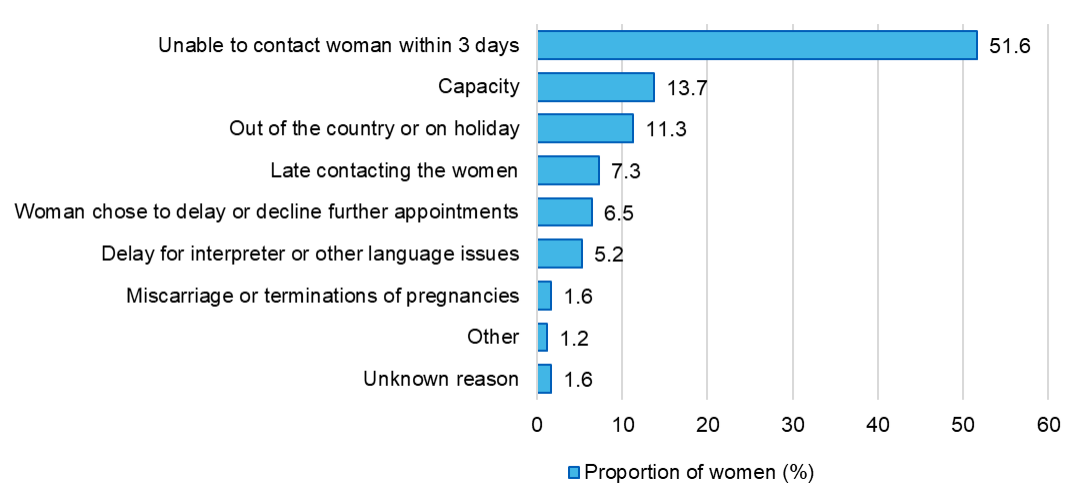
Figure 5: Main reasons for the delayed pathway for FASP-S07
Reasons for delayed pathways FASP-S07
We assessed the commentary in the dataset about why women had delayed pathways, and categorised the women based on the biggest themes.
Ninety percent of women had delayed pathways because: they could not be contacted within 3 days, they were out of the country or on holiday, they declined or delayed appointments, or the maternity service could not offer timely appointments.
Table 5: Reasons why women had delayed pathways FASP-S07
| Reason | Number of women | Proportion of women (%) |
|---|---|---|
| Issues relating to service users | 176 | 71.0 |
| Unable to contact woman within 3 days | 128 | 51.6 |
| Out of the country or on holiday | 28 | 11.3 |
| Woman chose to delay or decline further appointments | 16 | 6.5 |
| Miscarriage or terminations of pregnancies | 4 | 1.6 |
| Issues relating to maternity services | 65 | 26.2 |
| Capacity | 34 | 13.7 |
| Late contacting the women | 18 | 7.3 |
| Delay for interpreter or other language issues | 13 | 5.2 |
| Other | 3 | 1.2 |
| Unknown reason | 4 | 1.6 |
| Total | 248 | 100.0 |
Issues relating to service users
Unable to contact the woman within 3 days
Most women had delayed pathways because the maternity service could not get in contact with them within 3 working days (51.6%, n=128). The commentary suggests this was usually when the midwife was not able to reach the woman by phone. Often, letters were sent after several unsuccessful phone calls.
Of these 128 women, 44.5% (n=57) were born in England and 46.1% (n=59) were born outside of England (missing data for 12 women).
A further 28 women (11.3%) were either out of the country or on holiday when the screening result became available and therefore there was a delay in their appointment offer. Some women were out of the country for a few months and continued maternity care when they returned to England. Some women moved abroad permanently, and maternity services were unable to follow up.
Delayed or declined further appointments
Sixteen women (6.5%) chose to delay or decline further appointments after screening. The reasons for delays included women who:
- did not want to discuss screening results as they were waiting for a private non-invasive prenatal test (NIPT) or diagnostic test results
- did not attend appointments
- requested appointments after 3 working days
Issues relating to maternity services
Sixty-five women (26.2%) were not offered an appointment within 3 working days due to service issues. Thirty-four of these were reported as delays due to capacity issues within the service. There were issues around staff shortages due to annual leave and problems with recruitment which caused a lack of available appointments within 3 days for 25 women. The commentary indicated that many women were offered an appointment within 4 working days.
In addition to capacity issues, 18 women were not offered an appointment due to timing of the results. For example:
- the service decided not to give results as it was Christmas
- the service decided not to give results on a Thursday afternoon or Friday because of a lack of weekend support
- results were not actioned promptly by the service in error, these were reported as screening safety incidents or serious incidents
- new members of staff did not follow the correct process
- miscommunication within the service meant that women were not contacted, or referrals were not made
See recommendations 1, 2 and 3.
Women who needed an interpreter
In total 36 women (14.5%) required an interpreter, and of those women, maternity services used an interpreter for 18 of them when offering the appointment.
Of the 36 women who required an interpreter, 9 of them encountered delays in their screening care pathway because the availability of the interpreter.
In total, for 13 women (5.2%), delays due to either interpreter availability or another language barrier issue was reported as their main reason for missing the standard.
See recommendation 6.
Process for offering appointments
Maternity services communicated the offer of the appointment to women in several ways. Of the 55 maternity services submitting an audit return:
- 54 services used phone calls to contact women (one service didn’t specify phone calls and stated, “Letters delivered by community midwife day prior to appointment”)
- 36 services used letters. Only 6 services specified what languages letters were sent in, which were English, Slovak, and Polish
- 28 services used text messages
- 14 services used a community midwife visit
- 13 services used email
Most services commented that phone calls were the primary contact method, with combinations of the others (text, email, letter, community visit) if phone contact was unsuccessful. It was not clear how quickly services would initiate contact after receiving results. It was also not clear how long they would persevere with phone calls before switching to an alternative communication method, or whether they combined methods at the same time such as trying phone calls but sending a text message on the same day.
Flexibility in the offer of appointments
Fifty-three out of 55 services said they had flexibility in offering the appointment. The other 2 services did not answer this question.
All services (n=53) had some level of flexibility for women to choose when to attend even if this was for clinics on set days and times. Other types of flexibility included:
- 41 services accommodated telephone appointments if requested
- 20 services offered appointments outside the usual 9am to 5pm working hours
- 9 services said they accommodated home visits or appointments
- 1 service said they gave women the phone number of the screening coordinator
- 1 service said that women are seen at GP practice surgeries with prior arrangement and appointments are linked with other relevant appointments within the trust, such as for sexual health
Time interval between receiving the result and contacting the woman
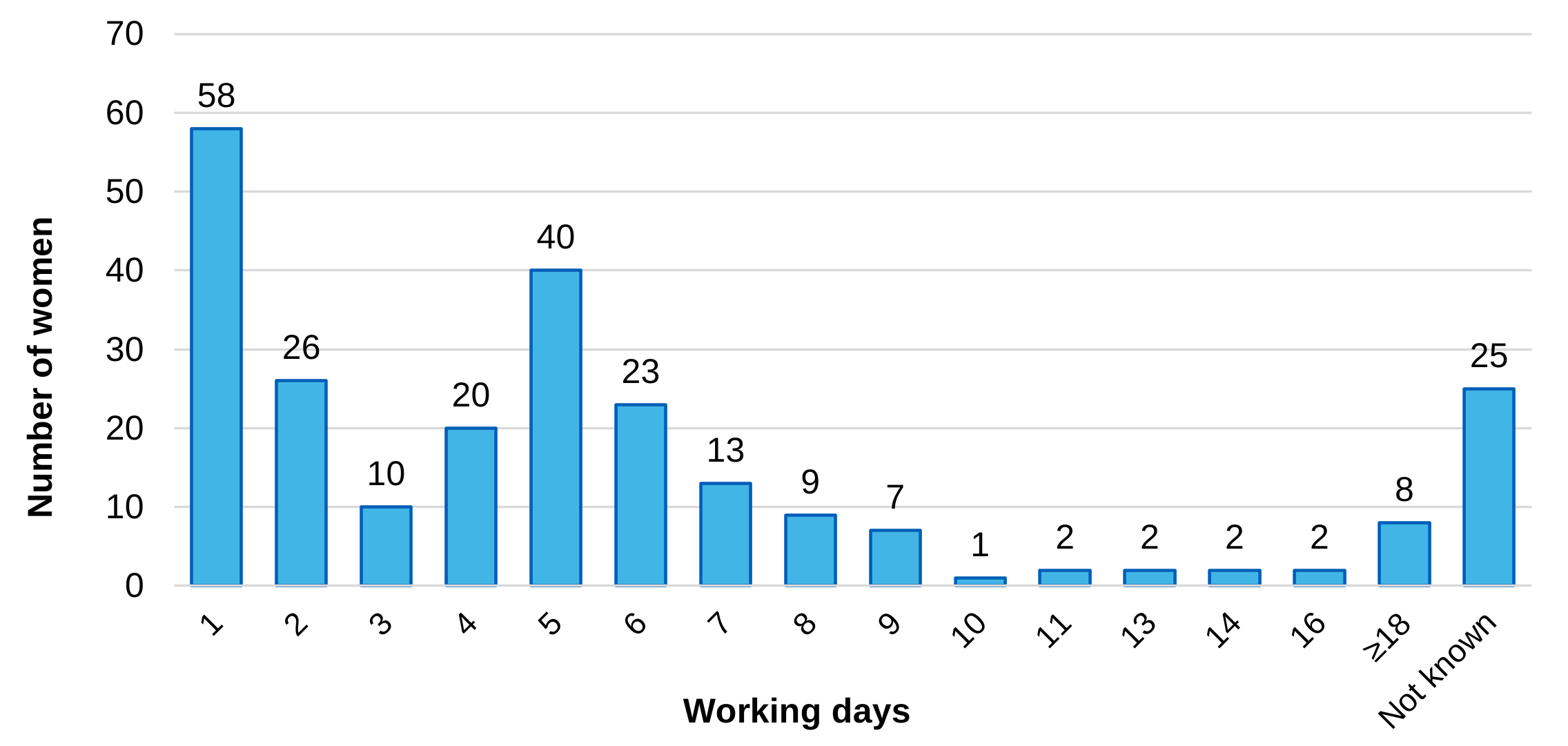
We looked at the number of days between the maternity service receiving the result from the laboratory and the date the women were first contacted about an appointment. The day the maternity service receives the result is day 1.
It appears that women are not always contacted as soon as the results were received, however it is hard to interpret this due to data quality issues. We cannot be certain that the audit was completed by counting the first time the service attempted to contact the women or counting the first time the service successfully made contact.
It was also not known when first contact was made for 10.1% of the women (n=25).
Figure 6. Time between results received in the maternity service and date women were first contacted
See recommendation 4.
IDPS-S05
Demographics
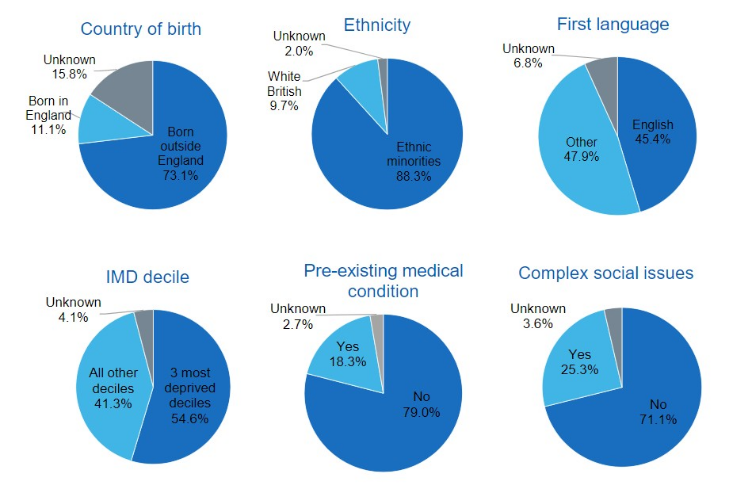
Figure 7: Demographics of women whose pathway was delayed IDPS-S05 (n=448)
Maternal age at booking
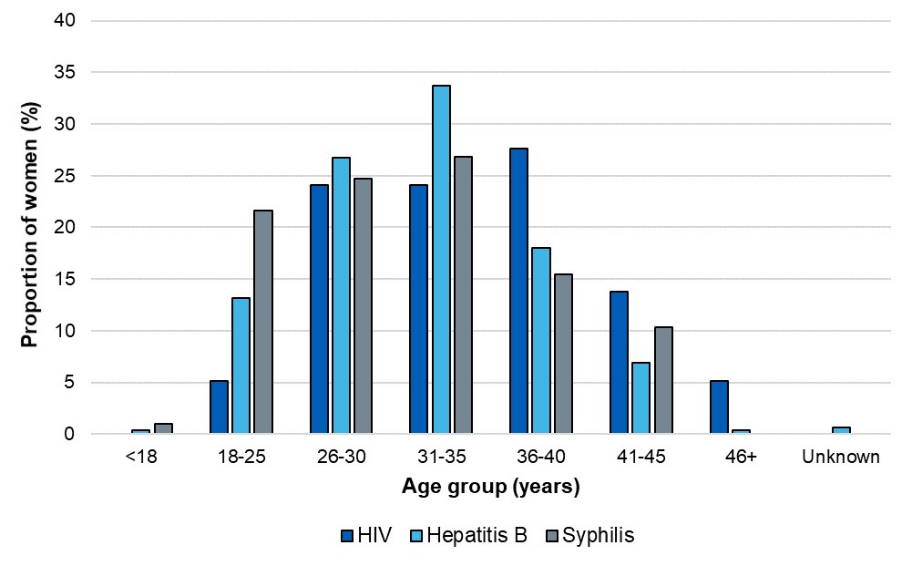
Maternal age at booking ranged from 21 to 49 years for women with HIV, 17 to 46 years for women with hepatitis B, and 15 to 45 years for women with syphilis.
The median age for women with HIV was 36.0 years, older than the median age of 31.0 years for women with hepatitis B and 30.5 years for women with syphilis.
Age at booking was missing for 2 women.
Figure 8: Proportion of women whose pathway was delayed IDPS-S05 by age at booking and infection, screening year 2019 to 2020
Gestation at booking
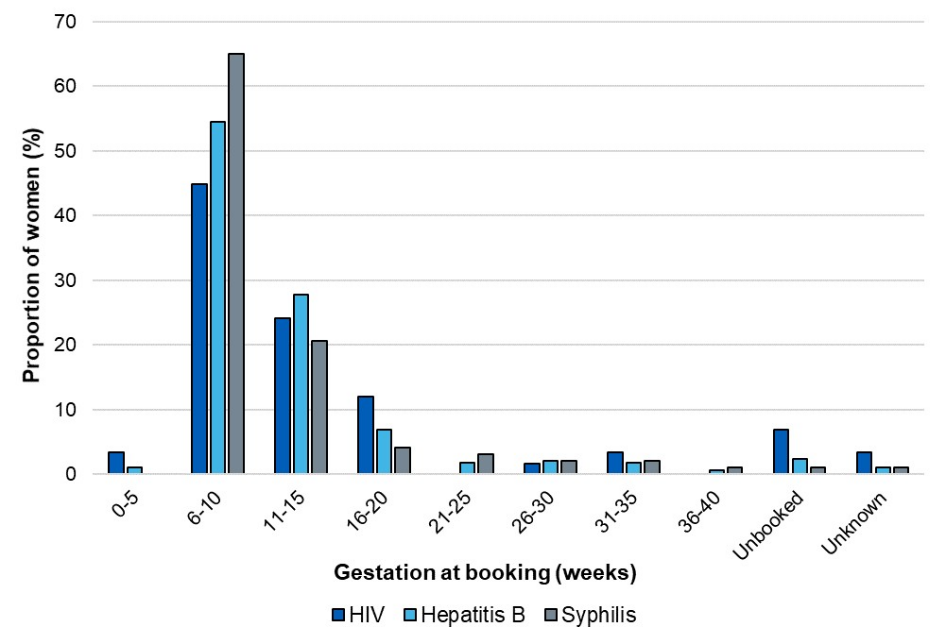
Over half of women (56.7%, n=251) booked by 10 weeks, with a further 25.7% (n=114) booking by 15 weeks of pregnancy. Thirty-one women (7.0%) booked between 16 and 20 weeks, 29 women (6.5%) booked after 20 weeks, and 12 women (2.7%) were un-booked. Gestation at booking information was missing for 6 women.
Figure 9: Proportion of women whose pathway was delayed IDPS-S05 by gestation at booking and infection, screening year 2019 to 2020
Parity
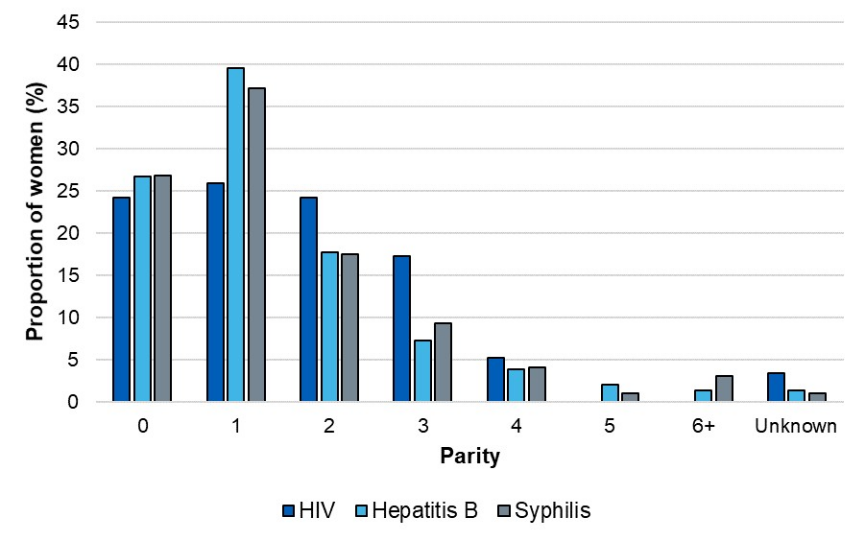
Over a third (37.1%, n=165) of women had 1 previous child and just over a quarter (26.4%, n=117) were women having their first baby.
Parity was missing for 7 women (1.6%).
Figure 10: Proportion of women whose pathway was delayed IDPS-S05 by parity and infection, screening year 2019 to 2020
LGBT+ identity
There were no women reported who identified as LGBT+ and information about LGBT+ identity was missing for 49 women (11.1%).
Employment status
Most women were employed (47.0%, n=208) or looking after the family or home (26.6%, n=118). A higher proportion of women with syphilis were unemployed (18.6%, n=18) compared to women with HIV (12.1%, n=7) or hepatitis B (6.25%, n=18). Data was missing for 54 women (12.2%) in the dataset.
Disability and pre-existing medical conditions
There were 11 women (2.5%) who had a disability and 81 women (18.3%) who had a pre-existing medical condition. Nine women (2.0%) had both a disability and a pre-existing medical condition.
There was a slightly higher proportion of women with HIV who had a pre-existing medical condition (24.1%, n=14) compared to hepatitis B (17.0%, n=49) and syphilis (18.6%, n=18).
Figure 11: Proportion of women whose pathway was delayed IDPS-S05 by disability, pre-existing medical condition and infection, screening year 2019 to 2020
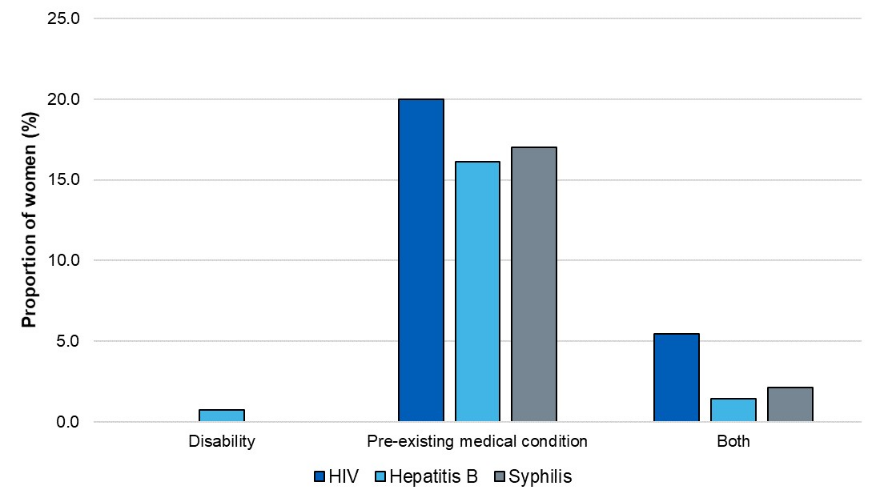
There were 15 women who had missing data for disability, pre-existing medical condition, or both, who were excluded from the graph above.
Complex social issues
Relevant complex social issues during the pregnancy were defined as:
- alcohol and/or drugs
- diagnosed mental health conditions
- immigration issues (recent migrants, asylum seekers or refugees)
- difficulty reading or speaking English
- young women aged under 20
- intimate partner violence
A quarter (25.3%, n=112) of the women were reported as having a complex social issue during the pregnancy. Data was missing for 16 women (3.6%).
There was a higher proportion of women with complex social issues who had syphilis (34.0%, n=33) compared to HIV (21.1%, n=12) and hepatitis B (23.6%, n=68).
For each of the 3 infections, there was a higher proportion of women who were newly diagnosed who had complex social issues compared to those who were known positive.
Out of 41 women who were newly diagnosed with hepatitis B, 31.7% (n=13) had a complex social issue compared to 22.4% (n=55) for women who were known positive. Data was missing for 7 women.
Out of 20 women who were newly diagnosed with syphilis, half (n=10) had a complex social issue compared to 29.7% (n=22) for women who were known positive.
Support status of the woman at booking
A high proportion of women had support from partners or family members at the time of booking. A total of 21 women (4.7%) did not have support from partners or family members and support status was missing for 38 women (8.6%).
There was a slightly higher proportion of women with syphilis who did not have a support system in place (7.2%, n=7) compared to HIV and hepatitis B.
Country of birth
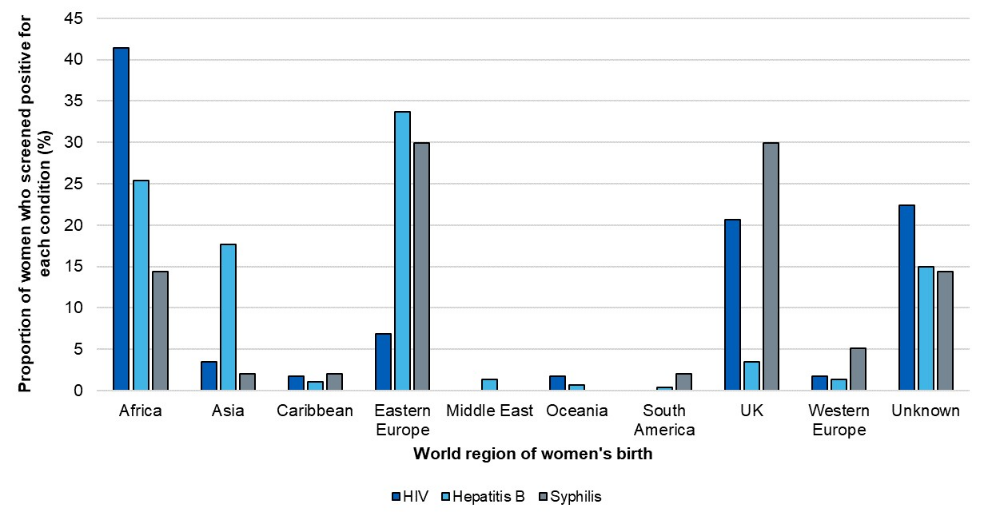
Most women with HIV were born in Africa (41.4%, n=24) or the UK (20.7%, n=12).
For women with hepatitis B most were born in Eastern Europe (33.7%, n=97), Africa (25.3%, n=73), and Asia (17.7%, n=51).
Most women with syphilis were born in the UK (29.9%, n=29), or Eastern Europe (29.9%, n=29).
In the IDPS dataset, there were 70 women (15.8%) whose region of birth was missing.
Figure 12: Proportion of women whose pathway was delayed IDPS-S05 by world region of women’s birth and infection, screening year 2019 to 2020
Ethnicity
Most women with HIV were of black African ethnicity (53.4%, n=31), followed by white British ethnicity (17.2%, n=10).
For women with hepatitis B, most were from any other white background (33.0%, n=95), black African (29.5%, n=85), or Asian ethnicity (16.3%, n=47).
Most women with syphilis were from any other white background (36.1%, n=35), followed by white British (29.9%, n=29), and black African ethnicity (16.5%, n=16).
There were 9 women (2.0%) whose ethnicity was not stated.
Figure 13: Proportion of women whose pathway was delayed IDPS-S05 by ethnic group and infection, screening year 2019 to 2020
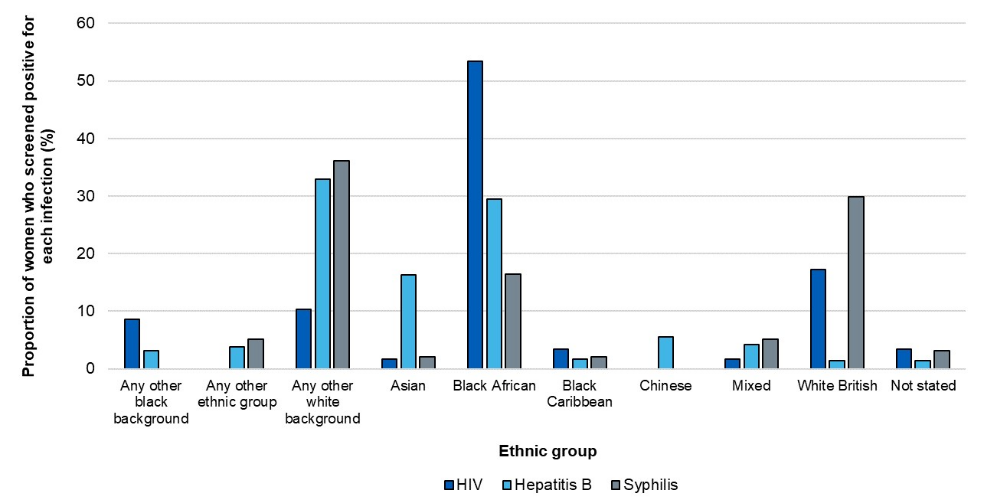
People from the ‘Asian’ ethnic group includes ‘Asian or Asian British – Bangladeshi’, ‘Asian or Asian British – Indian’, ‘Asian or Asian British – Pakistani’, and ‘Any other Asian background’.
People from the ‘mixed’ ethnic group includes ‘mixed – white and Asian’, ‘mixed – white and black African’, ‘mixed – white and black Caribbean’, and ‘any other mixed background’.
People from the ‘Any other white background’ ethnic group includes ‘white – Irish’.
GP practice postcode mapped to IMD
The dataset contained the GP practice postcode of each woman; each postcode was assigned to a Lower Super Output Area (LSOA) and then matched to deprivation deciles using the IMD score 2019.
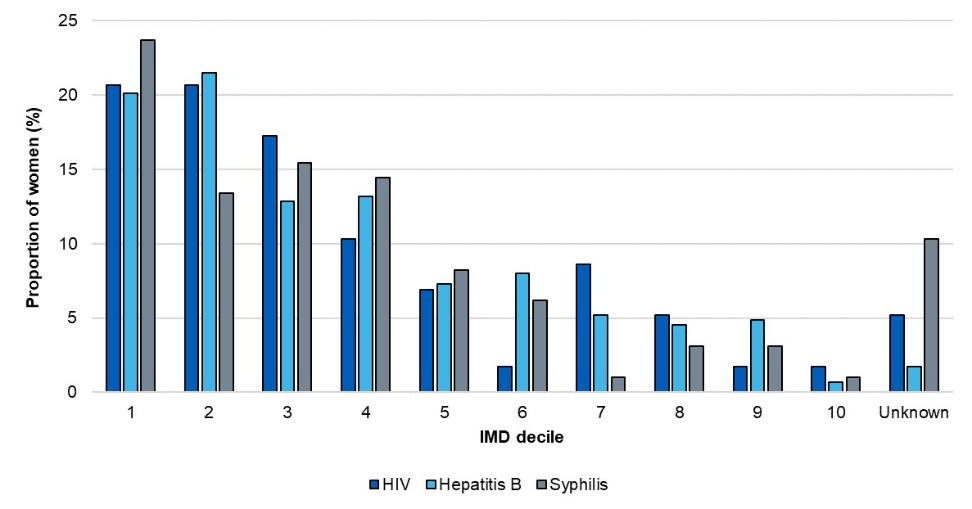
Over three quarters of the women (75.2%, n=333) were in the first 5 deprivation deciles, and over half (54.6%, n=242) were in the first 3 deprivation deciles, where the first decile is the 10% most deprived, and the tenth decile is the 10% least deprived. The postcode could not be mapped for 18 women (Figure 15).
Data mapped to IMD using GP practice postcodes should be read with caution as a GP practice catchment area can be large and may not be the same resident area for the woman.
Figure 14: Proportion of women whose pathway was delayed IDPS-S05 by 2019 IMD decile using GP practice postcode and infection, screening year 2019 to 2020
First language
Overall, 212 women (47.9%) did not speak English as their first language.
Other than English, the highest proportion of first languages were Romanian (16.9%, n=75), Chinese or Mandarin (3.6%, n=16), and Urdu (2.7%, n=12).
A total of 29 women (6.5%) spoke a first language that was classed as other.
First language was missing for 30 women (6.8%).
Of the 212 women who did not speak English as their first language, 83 women (39.2%) were reported to require an interpreter. Data was missing for 2 women.
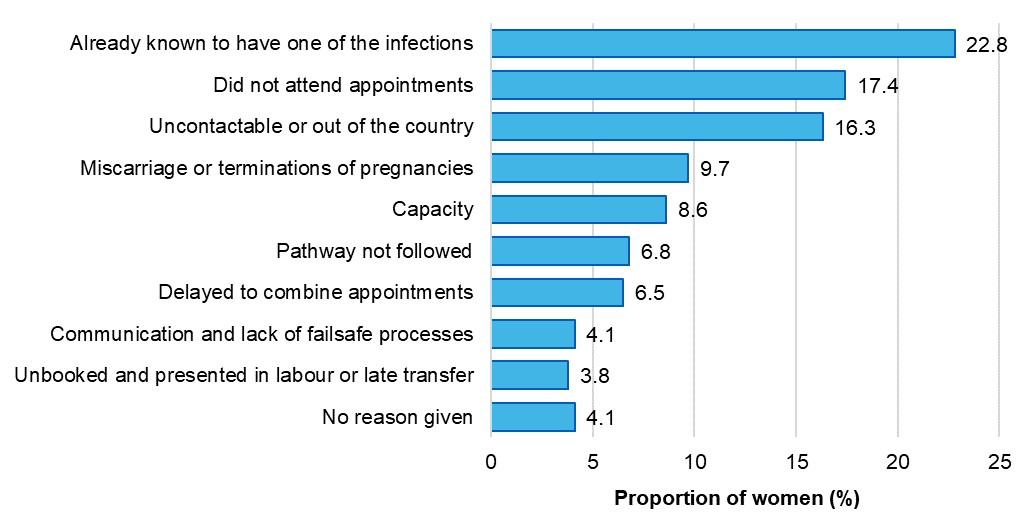
Figure 15: Main reasons for the delayed pathway IDPS-S05
Reasons for delayed pathways IDPS-S05
We assessed the commentary in the dataset about why women had delayed pathways, and then categorised the women based on the biggest themes.
The reasons why some women were not seen in the specified time frame can be grouped into 2 main themes. There were either contributing factors from a user or service perspective. We were able to categorise a reason for missing the standard for 95.9% (n=425) of women in the dataset.
Table 6: Reasons why women had delayed pathways IDPS-S05
| Reason | Number of women | Proportion of women (%) |
|---|---|---|
| Issues relating to service users | 339 | 76.5 |
| Already known to have one of the infections | 101 | 22.8 |
| Did not attend appointments | 77 | 17.4 |
| Uncontactable or out of the country | 72 | 16.3 |
| Miscarriage or terminations of pregnancies | 43 | 9.7 |
| Delayed appointments to combine with other appointments | 29 | 6.5 |
| Unbooked and presented in labour or were late transfers of care | 17 | 3.8 |
| Issues relating to maternity services | 86 | 19.4 |
| Capacity | 38 | 8.6 |
| Pathway not followed | 30 | 6.8 |
| Communication and lack of failsafe processes | 18 | 4.1 |
| Unknown reason | 18 | 4.1 |
| Total | 443 | 100.0 |
Issues relating to service users
Women already known to have one of the infections
There were 101 women (22.8% of the dataset) who were offered an appointment at the right time but declined to attend as they were known positive (13 for HIV, 58 for hepatitis B and 30 for syphilis) and were already seeing a clinician in sexual health services. In about a quarter of these cases, the woman had a telephone discussion with the screening team and in some cases, the woman was seen when attending for the dating scan.
Of these 101 women, 60.4% (n=61) were born outside of England. The 3 most common countries of birth were Romania (n=6), Poland (n=5) and Ghana (n=5). Data was missing for 24 women.
These women were most commonly from black or black British – African (n=33), any other white background (n=25) and any other black background (n=6) ethnic groups. There were 16 women who were white British.
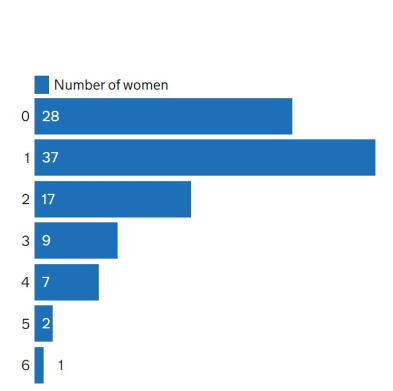
Almost three quarters (72.3%, n=73) of these women had at least one previous child (figure 15).
Figure 16: Proportion of women who were known positive with delayed pathways IDPS-S05 by parity, screening year 2019 to 2020
Did not attend appointments
There were 77 women who were given an appointment at the right time but did not attend. In some cases, the reason for not attending was unknown but where the reason was established, they included:
- hyperemesis or feeling unwell
- considering moving to another hospital
- could not get time off work
- new to the country
- language barriers
- did not understand the need to attend
- attended but was misdirected to the wrong department
Of these 77 women, 58 were known positive (12 women with HIV, 39 with hepatitis B, and 7 women with syphilis), 18 were newly diagnosed, and 1 was unknown.
Over three quarters of these women (75.3%, n=58) were born outside of England (missing data for 10 women). The most common countries of birth outside of England were Romania (n=14) and Nigeria (n=7). There were also 9 women who were born in England.
There were 47 women (61.0%) who did not speak English as a first language, the most common were Romanian (n=14), other (n=12) and Arabic (n=6). Five of the languages classed as other were African languages.
Table 7: Number of women with delayed pathways IDPS-S05 by first language, screening year 2019 to 2020
| First language | Number of women |
|---|---|
| Arabic | 6 |
| Chinese | 4 |
| English | 28 |
| Indonesian | 2 |
| Other | 12 |
| Portuguese | 2 |
| Romanian | 14 |
| Spanish | 2 |
| Urdu | 3 |
| Missing | 4 |
| Total | 77 |
Uncontactable or out of the country
Screening teams were unable to contact 72 women (16.3%). Different methods were used, such as phone, letters, and community midwife visits.
Midwives reported making significant efforts to contact these women and for the vast majority, the women had travelled abroad soon after their screening test and were out of the country when the screening team received the results.
In a few cases, the screening team was able to eventually contact the woman and the results were given over the phone. One woman did not answer the phone as she thought it was immigration services.
There were 56 women who were known positive, 14 who were newly diagnosed and 2 that were unknown. There were 3 women with HIV, 48 with hepatitis B, 20 women with syphilis, and 1 woman with a co-infection.
Most of the women (69.6%, n=39) in the known positive group booked less than or equal to 10 weeks of pregnancy with the median gestational age at booking of 9 weeks.
There were 58 women (80.5%) who were uncontactable who were born outside of England. Nearly half (46.6%, n=27) of the women born outside of England were born in Romania. Only 7 women who were uncontactable were born in England and Wales. Data was missing for 8 women.
Figure 17: Proportion of women with delayed pathways IDPS-S05 who were uncontactable by country of birth, screening year 2019 to 2020
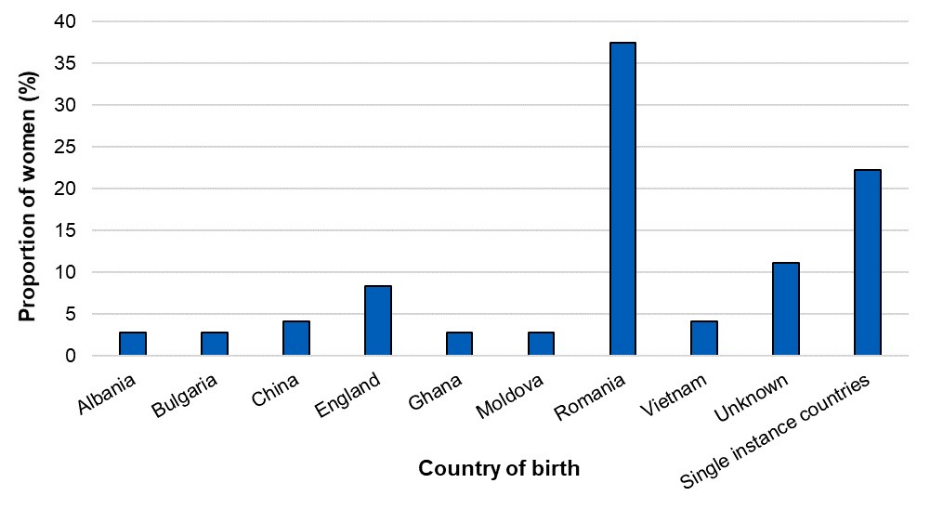
There were 16 single instance countries in the figure above.
Miscarriages and termination of pregnancies
There were 43 women who miscarried or had a termination after screening which meant their pathways were delayed. Some women were understandably upset and did not wish to attend appointments at this time. There is an overlap with this theme and unable to contact or out of the country as some women were abroad at the time of the miscarriage and did not wish to have contact with maternity services.
There were 34 women who were known positive, 8 who were newly diagnosed, and 1 not stated. There were 7 women with HIV, 23 with hepatitis B and 13 with syphilis.
Just under a quarter (23.3%, n=10) of these women were born in Romania. Data was missing for 9 women.
Delayed appointments to combine with other appointments
There were 29 women whose appointment was combined with other appointments which contributed to the delays.
Many of these women wanted to combine this appointment with their dating scan appointment and breached the standard by a few days. In some cases, the consultant obstetrician decided to delay the appointment and see the woman at the dating scan appointment as the woman was already known to sexual health services.
Some women had other clinical needs, so the appointment was combined with other appointments. Four of these women (13.8%) were reported to have a pre-existing medical condition.
Some appointments were combined with other appointments as an interpreter was needed. Sixteen of these women (55.0%) were non-English speakers; 6 spoke Romanian.
Table 8: Number of women with delayed pathways IDPS-S05 who had combined appointments by first language, screening year 2019 to 2020
| Language | Number of women |
|---|---|
| English | 13 |
| Latvian | 1 |
| Other | 4 |
| Romanian | 6 |
| Somali | 2 |
| Urdu | 2 |
| Missing | 1 |
| Total | 29 |
Most of these women (86.2%, n=25) were known positive for one of the infections (5 with HIV, 17 with hepatitis B, 3 with syphilis) and 4 were newly diagnosed (3 with hepatitis B and 1 with syphilis). Only 6 women were having their first baby.
There were 25 women who were born outside of England. Only 2 of the 29 women whose appointment was combined were born in England. Data was missing for 2 women.
Un-booked and presented in labour or late transfer of care
Out of the 17 women who were un-booked or late transfers of care, 3 progressed very quickly to delivery. It should be noted that in this group, some of the women also had a complex social history such as homelessness, drug, and alcohol misuse. It was reported that some of these women did not engage with services and frequently did not attend appointments.
Most of these women (83.2%, n=15) were known positive for one of the infections (7 with HIV, 5 with hepatitis B, and 3 with syphilis). Two were first pregnancies but all others already had children, with the exception of 2 who had missing data.
Of the 17, the majority (58.8%, n=10) were born outside of England with the greatest proportion (n=8) coming from African countries. Data was missing for 4 women.
Issues relating to maternity services
Capacity
There were 38 women where capacity issues meant the standard was not met.
These related to:
- no screening coordinator in post
- lack of backfill for periods of absences
- lack of availability of an interpreter
In these cases, the delay was reported to be between 11 and 19 days.
There also appears to be some areas of misunderstanding about the definition of the standard. These included:
- calendar days were counted instead of working days, so women were erroneously thought to have breached the standard over Christmas bank holidays
- delays in the laboratory reporting the result were noted
- some women breaching the standard as they needed a consultant appointment to discuss their results and consultant clinics were on set days of the week
Pathway not followed
There were 30 instances where the screening pathway was not followed. In 28 of these, the woman was known positive for hepatitis B and these occurred in 5 providers. There was a lack of clarity and processes in place to follow the IDPS pathway, including:
- a new member of staff and the process in place was only to see women with new diagnoses. In some cases, women who were known positive did not have a face-to-face appointment and were contacted by phone
- the IDPS midwife was on annual leave and the screen positive result notification was missed
- an outdated audit or follow up sheet was used which did not give a 10-day prompt
Communication and lack of failsafe processes
There were 18 women where there was a breakdown in communication which meant the screening team was not aware of the screen positive result or the woman’s known positive status. These happened when:
- the woman disclosed at booking her known positive status, but this was not relayed to the screening team. In 2 cases, the screening team were notified when the woman was 28 weeks and 32 weeks respectively, and in 1 case after birth
- the screening laboratory did not communicate the result to the screening team. In 1 case, a change in electronic IT system meant that failsafe processes were ineffective
Women who needed an interpreter
In total 84 women (19.0%) in the dataset required an interpreter. Data was missing for 9 women. The most common first languages were Romanian (40.5%, n=34), Arabic (7.1%, n=6) and Chinese (6.0%, n=5). Twenty-four women spoke a language classed as other (28.6%), which included Spanish (n=4) and Vietnamese (n=3).
In 2.9% (n=11) of cases where capacity was identified as an issue, this was due to the availability of an interpreter.
Over half (56.0%, n=47) of the women who required an interpreter were known positive for hepatitis B. They were also more likely to have a complex social issue than the women in the overall dataset (66.7% compared to 25.5%). Almost two-thirds (64.3%) belonged to 2 main ethnic groupings: any other white (n=44) and black or black British - African (n=10). Three quarters of the women (77.3%) in the any other white ethnic group were born in Romania (n=34).
Of the 84 women who required an interpreter, 3 encountered delays in their screening care pathway because of this.
Figure 18: Proportion of women with delayed pathways IDPS-S05 who required an interpreter and had a complex social issue, screening year 2019 to 2020
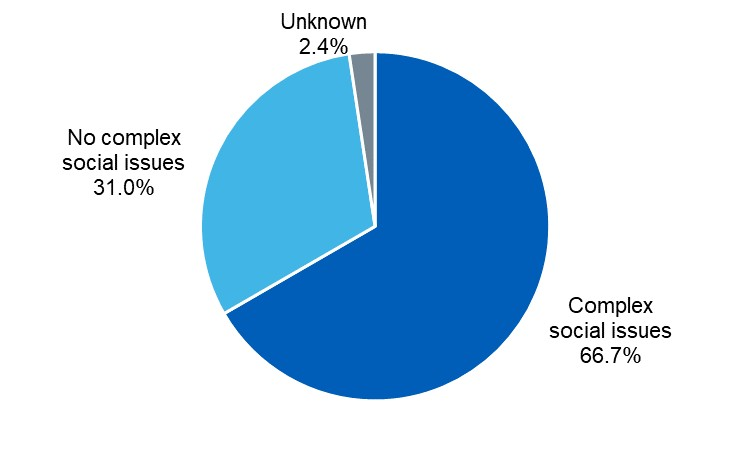
Figure 19: Proportion of women with delayed pathways IDPS-S05 who required an interpreter by ethnicity, screening year 2019 to 2020
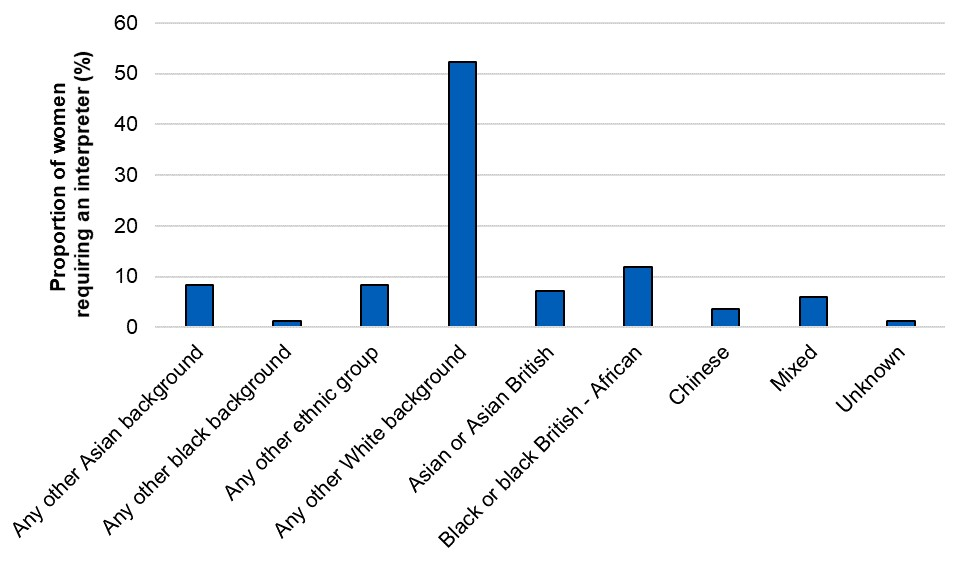
Figure 20: Proportion of women with delayed pathways IDPS-S05 who required an interpreter by country of birth, screening year 2019 to 2020
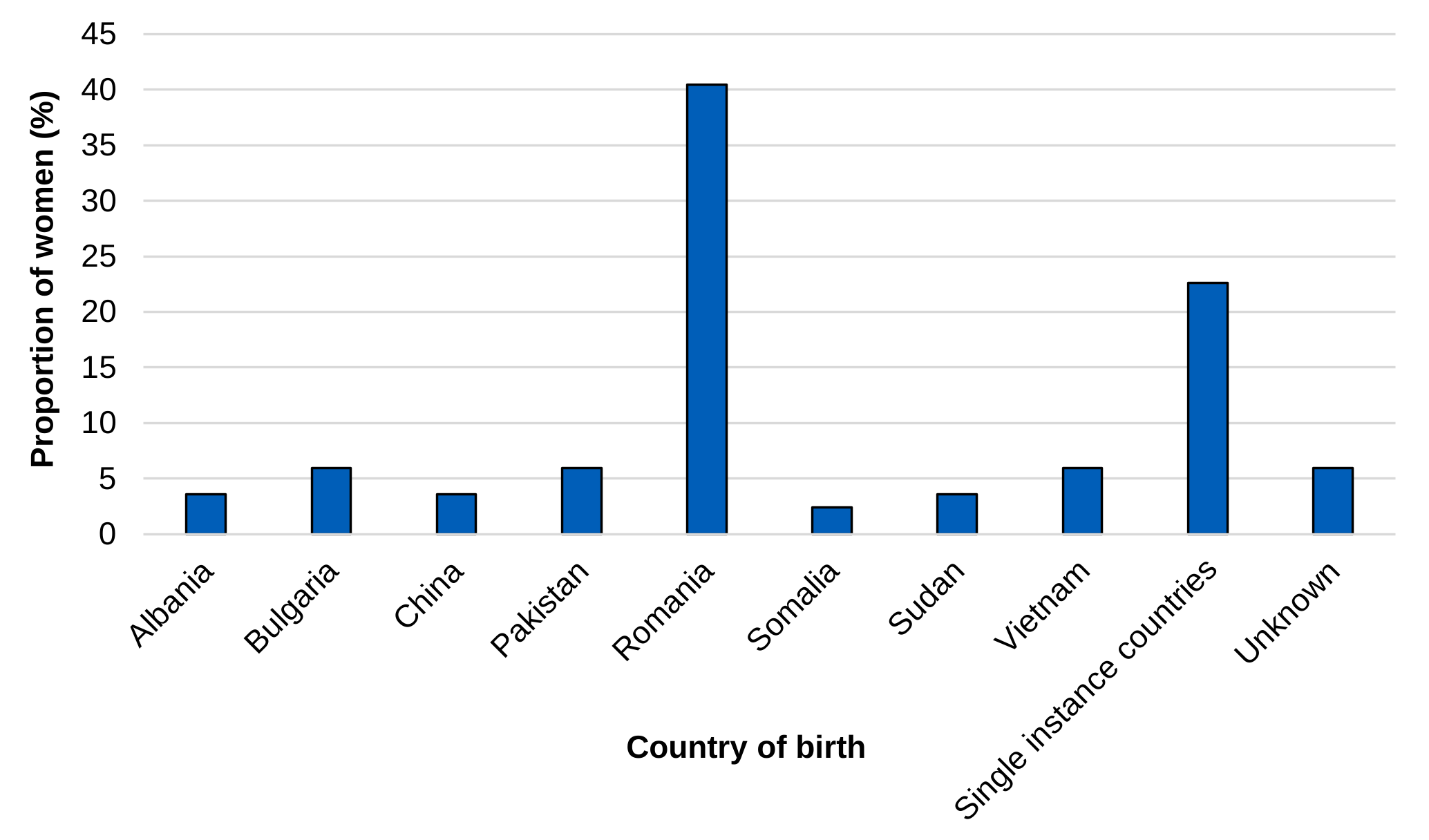
There were 19 single instance countries in the figure above.
See recommendations 1, 2 and 3 and see recommendation 6.
Process for offering appointments
Maternity services used a variety and combination of methods to contact and inform women of the appointment as shown in table 10.
Table 9: Methods used to contact women about the IDPS-S05 appointment
| Letter | 302 |
|---|---|
| Phone call | 351 |
| Text message | 173 |
| 31 | |
| Other | 12 |
Flexibility in the offer of appointments
Most maternity services (93.5%, n=65) that responded to this question said they offered flexibility in the appointments. Eleven services (2.5%) said they did not offer any flexibility. Data is missing for 18 services. Types of flexibility offered included:
- telephone appointments (n=226)
- appointments outside usual 9am to 5pm working hours (n=141)
- woman could choose when to attend (n=303)
- clinics/appointments were available on set days and times (n=211)
- home visits/appointments (n=70)
- other flexibility (n=64)
See recommendation 4.
References, resources, and further reading
The following references and links to resources are provided to help address health inequalities.
- Action on patient safety can reduce health inequalities The BMJ
- Adverse pregnancy outcomes attributable to socioeconomic and ethnic inequalities in England: a national cohort study - The Lancet
- Antenatal and newborn screening: identifying and reducing inequalities
- Births by parents’ country of birth, England and Wales - Office for National Statistics (ons.gov.uk)
- Core20PLUS5 – An approach to reducing health inequalities
- Education and training section of the population screening: pathway requirements supporting information
- Equity and equality: Guidance for local maternity systems (england.nhs.uk)
- Ethnic inequalities in healthcare: a rapid evidence review
- Ref 308 Inequalities Sprint Audit Report 2021_FINAL.pdf (maternityaudit.org.uk)
- inequalities section of the Population screening: pathway requirements supporting information
- Maternity Services Monthly Statistics, December 2021, experimental statistics
- MBRACE Saving Lives, Improving Mothers’ Care
- NHS population screening: identifying and reducing inequalities - GOV.UK (www.gov.uk)
- NHS population screening: effective text message use
- Racial health inequality is stark and requires concerted action, says review The BMJ