Health Security Risk Assessment (HSRA): 2025 edition
Published 11 June 2026
Applies to England

© Crown copyright 2026
This publication is licensed under the terms of the Open Government Licence v3.0 except where otherwise stated. To view this licence, visit nationalarchives.gov.uk/doc/open-government-licence/version/3 or write to the Information Policy Team, The National Archives, Kew, London TW9 4DU, or email: psi@nationalarchives.gov.uk.
Where we have identified any third party copyright information you will need to obtain permission from the copyright holders concerned.
This publication is available at https://www.gov.uk/government/publications/health-security-risk-assessment-hsra-2025-edition/health-security-risk-assessment-hsra-2025-edition
About the HSRA
What is the HSRA?
The Health Security Risk Assessment (HSRA) is the UK Health Security Agency (UKHSA)’s assessment characterising a selection of the most significant health security risks facing the UK over the next 5 years. It provides a systematic framework to understand the impact and likelihood of potential health threats, including infectious diseases, environmental hazards, and other acute health emergencies.
The HSRA complements the National Risk Register by offering a more detailed view of health-related risks and their implications for public health, healthcare systems, and wider society. It is designed to support preparedness and resilience planning across government, health services, and other public and private sectors.
How was this assessment carried out?
The HSRA uses a structured approach to identify and assess a suite of acute health security risks that could affect the UK over the next 5 years. For each of the included risks, a ‘reasonable worst-case scenario’ is created. These scenarios are not a prediction of what is most likely to happen, instead they represent the worst plausible manifestation of that particular risk. Next, the impact of each risk on public health, healthcare systems, and wider society is measured, alongside the likelihood of each risk occurring, to contextualise risks against each other to help with planning and risk mitigation.
What are the key findings of the assessment?
The HSRA identifies a number of key findings:
- respiratory infections with pandemic potential, such as influenza and novel coronavirus represent the greatest risks to UK health security, due to their high potential impact and assessed likelihood of occurring
- environmental hazards (for example, extreme heat and extreme cold) can cause significant health and socio-economic disruption
- combined seasonal hazards (for example, influenza, RSV, norovirus) pose challenges for healthcare capacity and health system coordination
- emerging infections and antimicrobial resistance are persistent and potentially increasing threats
Many of the included risks disproportionately affect certain populations and settings, including those in adult social care, prisons, inclusion health populations, ethnic minority groups, and the most deprived communities. Age is also a factor, for example direct or indirect impacts on children and young people.
Who should use the HSRA, and what can they use it for?
The HSRA is designed to support planning for strengthening resilience against health security risks. It is intended for organisations and professionals who make decisions about health protection, including:
- local and regional public health teams: for example, Directors of Public Health (DsPH) and local public health teams to assess health security risks, prioritise equitable mitigation actions, and support assurance across local systems, including outbreak, pandemic, and emergency preparedness and response planning. It also enables alignment and agreed response pathways with UKHSA and partners and supports engagement with Local Health Resilience Partnerships (LHRPs), Local Resilience Forums (LRFs), and local leaders
- health and social care organisations: including commissioners (integrated care boards, local authorities, NHS England) and providers (NHS trusts, primary care services, community and adult social care providers)
- government departments and agencies: to inform cross-sector planning and preparedness
- organisations such as universities, schools, prisons, and businesses: to understand health risks and plan for continuity
- voluntary and community organisations: particularly those supporting vulnerable populations affected by some of the risks outlined in the HSRA
- research funders, researchers and academics: to guide funding priorities and identify research gaps
The HSRA is not designed for individual use or to provide personal health advice. For information on how individuals and communities can prepare for emergencies, see the UK Government’s Prepare Campaign.
Foreword by UKHSA Chief Data Officer Steven Riley
The UK continues to experience risks from a set of diverse and complex health security threats, whose timing and magnitude are difficult to predict. These threats span emerging infectious diseases and environmental hazards. In recent years, the most significant health security threat was the COVID-19 pandemic which impacted all aspects of society. COVID-19 was a reminder of the importance of preparedness and resilience during a health crisis. Our shared pandemic experience has reinforced the need for a thorough assessment of the range, impact, and likelihood of health security risks to the UK population. It has also underscored the need for agile, adaptable response strategies which can evolve alongside emerging threats. Recent domestic incidents such as mpox clade Ib, botulism, meningococcal B and hantavirus outbreaks show how rapidly health concerns can escalate and the need for effective strategic planning to safeguard the public’s health.
Until now, there has been no overarching assessment comparing and contrasting the range of risks that UKHSA needs to consider. The Health Security Risk Assessment (HSRA) fills that gap and serves as an assessment of a selection of current health security risks to the UK. It has been designed to complement the Cabinet Office-led National Risk Register (NRR) by providing a more granular view of health security risks, focusing on direct health, wider healthcare and socio-economic factors. The HSRA is the culmination of research, intelligence assessment, and collaboration.
This document is the inaugural report of the HSRA. It provides an assessment for a selection of health security risks over the next 5 years. The findings portrayed here are not intended to be prescriptive or related to any specific policy. Rather, they should help to inform decision-makers across all sectors to develop evidence-based strategies and interventions to mitigate and manage these key risks. This report represents the first edition of an evolving body of work that will be developed and refined over time to support the ongoing work of UKHSA in responding to a changing risk landscape. Health emergencies have disproportionate impact on members of society who already experience health inequalities. We explicitly consider health inequality in our assessment of the impact of these risks.
The HSRA could not have been undertaken without extensive collaboration. We are grateful to colleagues: within UKHSA, across HMG departments and Arm’s Length Bodies, Devolved Administrations, and in the wider public health and scientific community. Their time, expertise, and collaboration have been instrumental in shaping the contents of the HSRA and ensuring its relevance and rigor. I am confident that this assessment will serve as a valuable resource for all those engaged in protecting the health and wellbeing of the UK population.
Risk assessment methodology
The HSRA uses similar methodology to that used by the Cabinet Office’s National Risk Register (NRR) and develops ‘reasonable worst-case scenarios’ (RWCS) for each health security hazard. As in the NRR, the reasonable worst-case scenarios are not a prediction of what is most likely to happen but represent a considered view of a worst plausible manifestation of that hazard (once extreme or implausible variations have been discounted).
Once a scenario has been drafted, 2 assessments are performed:
- How likely it is for the RWCS to occur within the next 5 years.
- The impact the RWCS would have on health, wider health care, the economy and wider society.
A 1-to-5 score is given for both likelihood and impact.
Within the HSRA there are some health security risks that align with those included within the NRR. Where this occurs the scenario used to inform the HSRA is the same as that used within the NRR, to avoid creating conflicting scenarios. Some of the sub-metrics used to score impact within the HSRA differ from those used in the NRR. Therefore, there are small differences in the final impact scores between the HSRA and NRR assessments, despite the same scenario being used.
Scope of HSRA
The HSRA:
- only focuses on the acute manifestation of risks. To make our risk products most usable by risk and resilience practitioners, they focus on discrete events that may require an emergency response, while recognising that such events may lead to longer-term health impacts. Chronic and non-communicable diseases (cancers, chronic respiratory diseases, diabetes) are therefore not assessed within the HSRA
- does not aim to capture every individual health risk that the UK could face. Instead, it aims to identify a range of hazards that are representative of the risk landscape and can provide an ‘all-hazards’ basis for planning for the common consequences of risks
- primarily assesses health security risks in isolation: the HSRA generates RWCS for health security risks occurring in isolation, independent of each other. Compound risks are only assessed within one scenario, ‘combined seasonal hazards’, where multiple health hazards manifest at the same time
- determines national risks only: international health trends are not directly included but have informed the selection of included risks and feed into the generation of the RWCS where applicable
- assesses risk but does not provide guidance on managing risk. The distinction between assessing and managing risk includes the requirement for different types of expert advice, consideration of the wider context, and also must take into account ethical, social, economic and political considerations
How are risks identified?
Health security risks were identified for inclusion within the HSRA through:
- Using risks already identified within the National Risk Register (NRR) that have significant health ramifications (pandemic flu and extreme heat or cold).
- Consultation with a wide range of experts from across UKHSA, as well as wider government, the NHS and academia.
- Identifying hazards that are likely to see significant changes in the future as a result of cross-cutting issues, for example climate change and antimicrobial resistance (AMR).
Health hazards included in this edition of the HSRA are categorised into the following 7 themes:
- Bloodborne and sexually transmitted
- Contact
- Gastrointestinal
- Respiratory
- Vector-borne
- Environmental (for example, cold weather and heatwaves)
- Combined events (for example, combined seasonal hazards)
These themes cover 5 transmission routes for infectious disease, as well as environmental, and combined seasonal hazards. Infectious disease hazards are classified by transmission route in line with the government’s Pandemic Preparedness Strategy: building our capabilities. Non-infectious hazards are grouped according to their environmental or seasonal characteristics.
Whilst some diseases can be transmitted through multiple routes, they usually have a dominant route of transmission. However, the dominant route can vary significantly depending on social and environmental conditions, as seen in recent outbreaks where transmission patterns varied by setting.
It is envisaged that a ‘Disease X’ risk – a hypothetical pathogen that could cause a serious international outbreak – would present in a way that is close to one of the described RWCS. While that cannot be guaranteed, we did not consider the methodology used for this assessment appropriate for an entirely hypothetical threat.
The scenarios included are not a complete list of all hazards which UKHSA manages, and the example hazard may not always capture the largest impact risk within a theme. Examples are selected to illustrate the broad ways in which risks may manifest across different pathways, rather than to provide a comprehensive catalogue of all possible threats. As a result, some scenarios focus on pathogens while others illustrate how system pressures or reduction in protections, such as lower vaccine uptake, can shape the course of an incident. It is anticipated that future editions of the HSRA will broaden the scope of included risks and re-evaluate the appropriateness and timeliness of risks already included.
Generating scenarios
To inform and shape the scenario generation for each health security risk, analysts conducted research in consultation with experts. Also, data and information were collected from a wide range of sources to understand the scope of the risk. This was not a formal scientific systematic review; instead, analysts applied structured analytical techniques to identify relevant information. This research included identifying recent trends in outbreaks or events, both domestically and internationally, and identifying indirect factors that may influence how a health security risk could manifest. This research informed 2 key elements of the scenario generation process:
- Drivers: forces shaping future outcomes of the health security risk in the UK over the course of the 5-year timeframe. For example, health technology, population behaviour, and disease dynamics.
- Assumptions: judgements about how a driver would behave in the 5-year timeframe to create a high impact worst-case manifestation of a risk.
Assessing impact
The HSRA determines the health-related implications of each risk through an impact assessment. The assessment considers a suite of metrics which fall into 3 broad dimensions, with a particular focus on health:
- Direct health impacts: to capture resulting morbidity (ill health) and mortality.
- Wider health and social care system impacts: to assess how health and social care services may be impacted, including the number of people that require hospital treatment, and disruption to the provision of healthcare services.
- Socio-economic impacts (social determinants of health): to understand the broader impacts on society and the economy, including disruption to businesses, education, essential services and travel.
Each sub-metric is given a score between 1 (minor impact) and 5 (catastrophic impact), which are combined and averaged to give an overall impact score. The overall impact score can be used to determine the severity of the impacts associated with each risk and can be interpreted either separately or alongside the likelihood to inform decision-making and resource allocation for mitigation and response efforts. Some of these sub-metrics are the same as those used in the National Risk Register (NRR), however, some scoring thresholds differ due to the health focus of the HSRA.
Table 1. Illustration of specific sub-metrics encompassing direct health impacts
| Impact category | 1. Minor |
2. Limited |
3. Moderate |
4. Significant |
5. Catastrophic |
|---|---|---|---|---|---|
| Fatalities | 0 to 40 | 41 to 200 | 201 to 1,000 | 1,001 to 5,000 | 5,001 plus |
| Critical care (days) | 0 to 99 | 100 to 999 | 1,000 to 9,999 | 10,000 to 99,999 | 100,000 plus |
| Cost to economy (£) | Millions | Tens of millions | Hundreds of millions | Billions | Tens of billions plus |
Assessing likelihood
The likelihood assessment is based on an estimate of the percentage chance of the RWCS occurring at least once in the assessment time frame. Likelihood is scored on a 1 to 5 scale, where a score of 1 represents the lowest likelihood (less than 0.2%) and 5 represents the highest likelihood (greater than 25%). As the RWCS assessments within the HSRA use evidence from a variety of sources, the probability yardstick developed by the Professional Head of Intelligence Assessment (PHIA) is used where appropriate to translate an analyst’s judgement into a probability score.
The assessment of likelihood is based on the following types of evidence, if available:
- historical precedents: national and international precedents can provide a guide for assessing likelihood
- expert judgement: from key subject matter experts (SMEs)
- modelling: this is particularly useful in scenarios where changes in risk can be projected
- presence of current and likelihood of future mitigations: for example, vaccine or diagnostic development and funding-backed action plans
Assessing inequalities
The HSRA primarily assesses the overall impact to the UK population, but for some risks an additional assessment was completed on the extent to which health risks would disproportionately affect populations known often to experience greater health impacts.
Inequalities assessments were not carried out for risks with very low or localised case numbers which limit the ability of the method to robustly assess potential differences between groups.
To assess impact, a framework was used consisting of metrics that measure impact on health (morbidity and mortality), as well as known drivers of disproportionate impact. Assessments were based on a combination of available evidence and input from subject matter experts.
The assessment focuses on the sub-set of population groups and settings highlighted in the UKHSA Health Equity for Health Security Strategy drawn from the full set of groups in the CORE20PLUS framework. The groups and settings selected are known to have higher risk of exposure and/or more severe consequences from infectious disease or environmental risks. The groups considered are: prisons and places of detention (PPD), adult social care, inclusion health groups, ethnic minority groups and the most deprived 20% of the national population (using the Index of Multiple Deprivation). While children and young people are not assessed as a standalone population group within this framework, age related vulnerability has been considered where relevant, particularly for risks known to disproportionately affect children and young people, such as measles.
To translate analytical judgement into a score, the following definitions of impact are used:
- High: there are many or severe disproportionate and adverse impacts of the health risk on the population group.
- Moderate: there are some or moderate disproportionate and adverse impacts of the health risk on the population.
- Low: there is limited or no disproportionate and adverse impact of the health risk on the population group compared to the wider population.
- Information gap: there is no evidence, empirical or theoretical, available to make an assessment.
Considerations for people with protected characteristics have been made throughout the assessment. Decisions or actions taken should continue to consider explicitly the implications for people who share protected characteristics and those that do not, with steps taken to pay due consideration to the Public Sector Equality Duty.
Confidence assessment
Each risk assessment is affected by:
- the quality and reliability of the evidence base
- our understanding of the assumptions used in the analysis
- the complexity or changeability of the risk being assessed
- external factors that may affect impact and likelihood, for example, global events
For this reason, each assessment of impact and likelihood is given a confidence rating which accounts for any uncertainties inherent in the assessment. Confidence is presented via the risk matrix provided for each individual risk overview included within report.
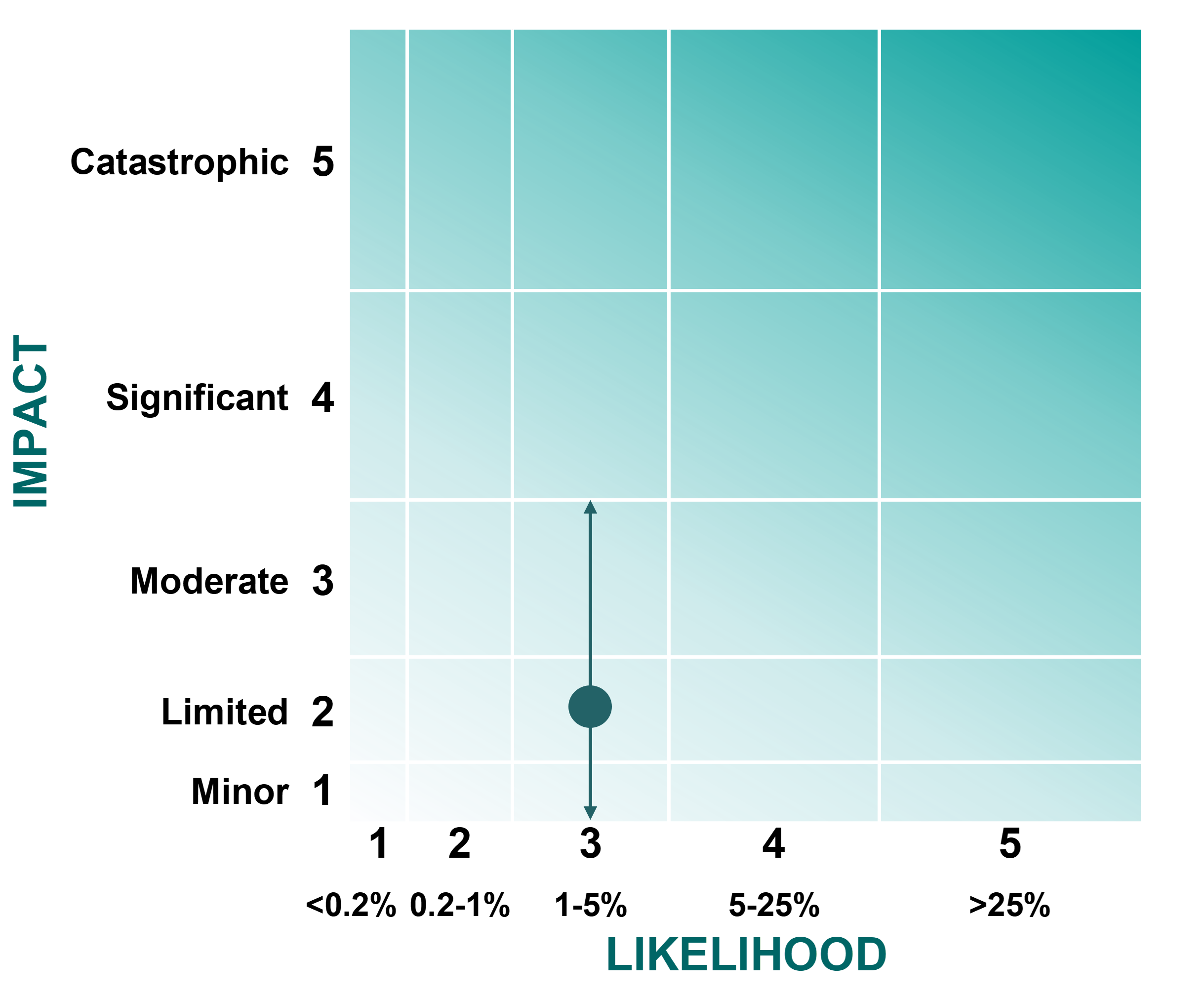
Confidence is represented by arrows which may span 0 (High), 1 (Moderate), or 2 (Low) bounds on the risk matrix. Figure 1, for example, denotes high confidence in the likelihood score of 3 and moderate confidence in the impact score of 2. This is demonstrated by no arrows spanning the horizontal axis (likelihood), and an arrow spanning one bound on the vertical axis for impact.
Figure 1. Example risk matrix depicting likelihood on the horizontal axis and impact on the vertical axis
Expert challenge
To ensure that the assessment process is robust, RWCS and associated risk assessments are developed by analysts with input from a network of experts. These include subject matter experts within UKHSA, wider government, and academia. Initially, experts were consulted individually or in small teams to draw on their specific areas of expertise, after which dedicated review phases enabled cross‑risk scrutiny and challenge. The role of experts is to provide input throughout the process by:
- identifying key drivers and assumptions for generating the scenarios
- supplementing, clarifying or refining the submitted information by identifying new or related evidence
- identifying areas of uncertainty
- helping to resolve inconsistencies in the scoring of impact
- helping to improve communication of impact information
- identifying long-term trends that provide context to the submitted risk
The 2025 HSRA matrix
Each risk, based on impact and likelihood, is shown on a risk matrix. This matrix gives an overview of how hazards compare. The vertical axis of the HSRA risk matrix represents the impact of each risk. A score of 1 corresponds to the lowest impact (minor), and a score of 5 corresponds to the highest impact (catastrophic).
The horizontal axis represents likelihood and is the percentage chance of the RWCS occurring at least once within the assessment time frame. A score of 1 corresponds to the lowest likelihood, and a score of 5 corresponds to the highest likelihood. The likelihood range in each column, moving from left to right, is 5 times greater than the previous column. For example, a score 3 risk is approximately 5 times more likely to occur than a score 2 risk.
In total, 22 risks are included within the HSRA as 21 scenarios and one variation, within 7 risk themes. Within the 7 risk themes, respiratory infections and contact transmitted infections make up the highest percentage of the risks (both 23%), followed by, vector-borne diseases (18%), gastrointestinal infections (14%), STI or bloodborne infections (9%), and environmental (9%) and combined events (5%).
Figure 2. 2025 Health Security Risk Assessment matrix
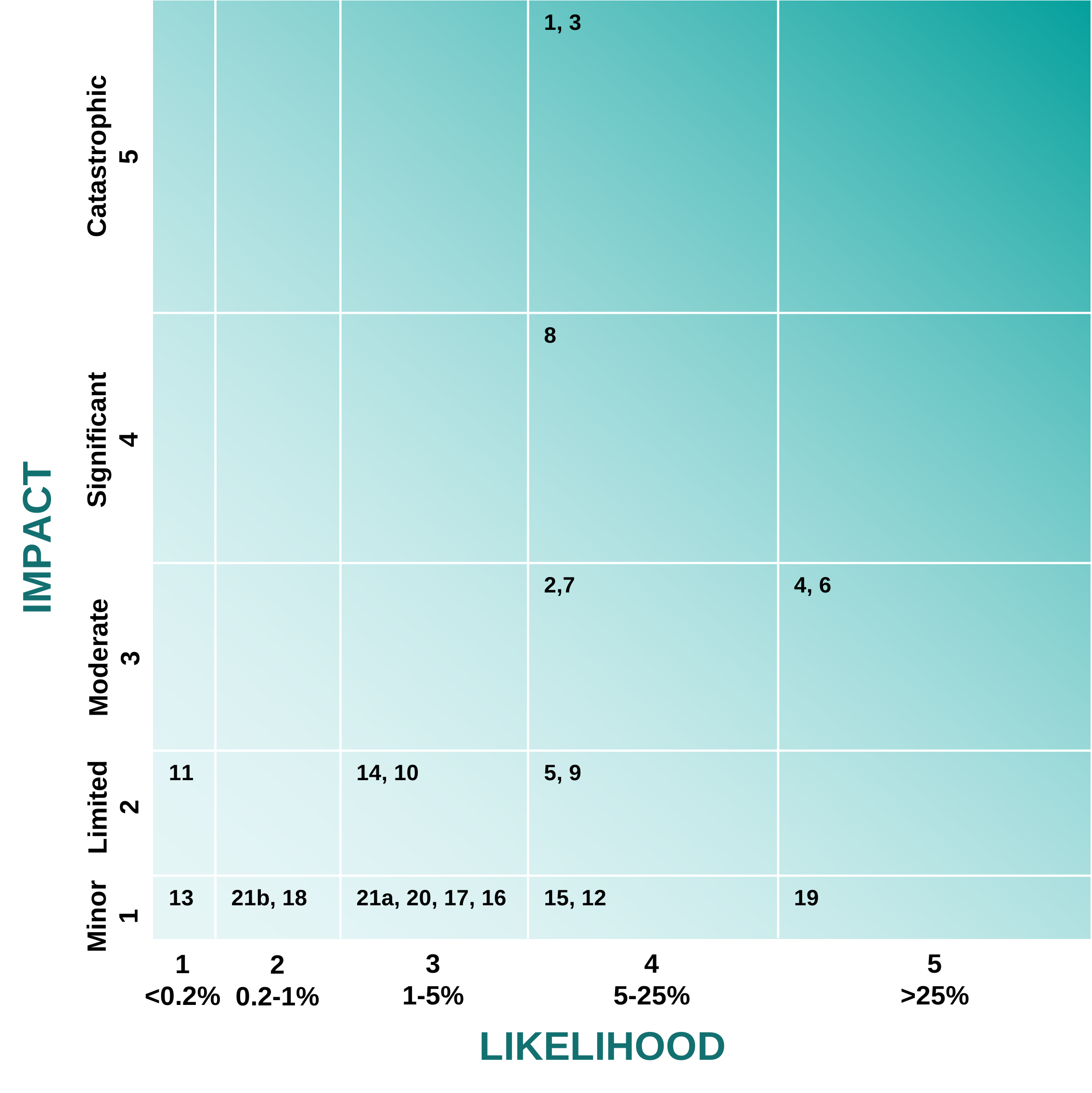
Table 2. List of RWCS included on the HSRA risk matrix
| Risk ID | Risk theme (the broad category of risk) | Scenario description (illustrative way the risk could unfold, including those driven by pathogens or system pressures) | Example hazard (one example used to illustrate the scenario) |
|---|---|---|---|
| 1 | Respiratory | Pandemic | Influenza |
| 2 | Respiratory | Zoonotic influenza | Avian flu |
| 3 | Respiratory | Coronavirus pandemic | Novel coronavirus |
| 4 | Respiratory | Increased incidence linked to migration | Tuberculosis |
| 5 | Respiratory | Fall in routine childhood immunisation coverage | Measles |
| 6 | Environmental | High temperatures and heatwaves | Extreme heat |
| 7 | Environmental | Low temperatures and snow | Extreme cold |
| 8 | Combined | Combined seasonal hazards | Combined winter scenario |
| 9 | Contact | Healthcare outbreaks linked to hospital stays | Invasive candidiasis |
| 10 | Contact | Consequences of waning vaccine protection in priority populations | Mpox Clade IIb |
| 11 | Contact | Outbreak linked to international travel from an area with no previous cases | Ebola virus disease |
| 12 | Contact | Outbreak linked to travel from an endemic area | Lassa fever |
| 13 | Contact | Outbreak linked to international travel | Nipah virus |
| 14 | Gastrointestinal | Foodborne outbreak linked to domestically produced contaminated food | Shiga toxin-producing Escherichia coli (STEC) |
| 15 | Gastrointestinal | Outbreak linked to international travel | Typhoid (enteric fever) |
| 16 | Gastrointestinal | Foodborne outbreak linked to imported contaminated food | Salmonella Typhimurium |
| 17 | STI/bloodborne | Increased AMR causes increase in morbidity | Drug-resistant gonorrhoea |
| 18 | STI/bloodborne | Decline in vaccine coverage in people who inject drugs | Hepatitis B |
| 19 | Vector | Increased native vector activity | Tick borne encephalitis (TBE) |
| 20 | Vector | Non–native pathogen introduced to native vector | West Nile virus |
| 21a | Vector | Establishment of non-native vector in UK | Dengue |
| 21b | Vector | Establishment of non-native vector in UK | Zika virus |
Key findings
The key judgements below highlight areas of greatest concern, possible future changes in the health landscape, and the complexity of health security, as outlined in the assessment:
- respiratory infections present the greatest risk to UK health security, with high impact and likelihood, and repeated historical precedence
- combined health risks pose a different challenge in terms of response and preparedness as they require cross-organisational coordination and amplify health and social care system pressures
- AMR is a key driver in determining how a number of health risks will impact UK health security over the next 5 years
- emerging infectious diseases consistently challenge surveillance and response systems; restricting impacts to a minor or limited level is dependent on effective early detection and response curtailing a wider outbreak
- vector-borne health risks are lower impact and likelihood but they will become a greater issue over the longer term as conditions become more favourable in the UK for transmission
- response and preparedness need to consider how population groups and settings may be disproportionately affected by health security risks
- drivers of inequalities are common across scenarios and population groups or settings creating disproportionate impacts and differential benefits or harms from control measures
- the likelihood and impact of health risks manifesting may increase or decrease if existing response plans and mitigations change
More details on each of these key judgements are provided below.
Respiratory infections present the greatest risk to UK health security, with high impact and likelihood, and repeated historical precedence
The 2 scenarios with the highest assessed risk are respiratory infections: an influenza pandemic (Risk 1) and a novel coronavirus pandemic (Risk 3). Past respiratory pandemics, such as the 1918 to 1920 influenza outbreak and COVID-19 (2019 to 2023), caused catastrophic impacts on health and society. They exposed weaknesses in public health and healthcare system resilience, capacity, and preparedness, and revealed how population-level vulnerabilities, such as underlying health inequalities, can amplify impacts.
Respiratory infections spread easily through direct human-to-human transmission, which increases their scale and population impact. Unlike many other infectious diseases, respiratory viruses mutate quickly, this can make existing vaccines less effective and reduce the impact of other interventions. These mutations create extra challenges, including the need for rapid strain detection, enhanced surveillance, accelerated vaccine development and manufacturing, and rapid access to existing or adapted therapeutics and other medical countermeasures. As seen during COVID-19, effective detection and control requires strong coordination across all levels of government and internationally, which adds complexity.
All respiratory health security risks in the HSRA range from limited to catastrophic impact and have a likelihood of occurring within 5 years between 1 to 5% and over 25%. The HSRA does not currently model a pandemic RWCS for every risk area, which may skew results toward higher-impact respiratory risks. Future editions may include pandemic scenarios in other themes, such as sexually transmitted or bloodborne infections.
Combined health risks pose a different challenge in terms of response and preparedness as they require cross-organisational coordination and amplify health system pressures
The combined seasonal hazards (Risk 8) scenario present a significant impact, and the combination of multiple health risks create unique challenges because their timing and intensity can vary. Co-circulation of seasonal pathogens, such as influenza, norovirus and respiratory syncytial virus (RSV), increases pressure on healthcare systems including more consultations, hospitalisations, and demand for staff and medical supplies, often exceeding capacity.
Managing concurrent outbreaks requires more complex public health measures and intensified coordination across various stakeholders, beyond what is needed for single-pathogen responses. Sustained efforts to improve uptake of vaccination programmes can help reduce the likelihood and impact of concurrent circulation and maintaining appropriate exercising and preparedness planning can further streamline the response. Combined risks may occur for a duration for example a week, or for a lengthy period for example a season. Longer periods of co-circulation present the greatest direct and wider healthcare system impact.
Although this edition of the HSRA only currently considers one combined health risk, concurrent issues are always present as a baseline. If 2 or more of the assessed risks were to occur at a larger scale or intensity at the same time, it would greatly increase demand on services and amplify overall impact. UKHSA routinely responds to a range of health security risks and has experience managing several incidents simultaneously with partners, alongside its standard operations.
AMR is a key driver in determining how a number of health risks will impact UK health security over the next 5 years
Antimicrobial resistance (AMR) is a key driver in 2 HSRA risks, across 2 risk themes (contact and STI/bloodborne) but it spans many other health threats. The assessed risks cause limited (Risk 9) and minor (Risk 17) impact and range from highly unlikely to remote chance likelihood respectively. AMR is emerging across multiple pathogens, and no new classes of antibiotic drugs have been licensed in the UK since 1987. (While there have been new antibiotics - including optimised variations and/or combinations of known compounds within the same antibiotic class - licensed in the UK since 1987, the last novel class of antibiotics licensed for use in the UK was discovered in 1987.)
Without effective first-line treatments infections can lead to greater morbidity and mortality, longer treatment periods, and increased economic costs. The impact and burden of AMR will increase over time in the absence of effective treatments.
The UK government’s second AMR 5-year National Action Plan (NAP), supports the 20-year vision for antimicrobial resistance to contain and control AMR by 2040. This plan focuses on reducing unnecessary antimicrobial use, optimising prescribing, and investing in innovation, supply, and access.
Antimicrobial resistance has the potential to exacerbate the risk of infectious diseases. For example, a viral respiratory outbreak occurring in an environment of ineffective antibiotics could result in higher number of deaths from secondary bacterial infection. AMR could also worsen other scenarios, such as resistant bacterial or fungal infections following a respiratory virus pandemic, or increased healthcare-associated infections like bloodstream infections and Clostridioides difficile.
Emerging infectious diseases pose challenges for surveillance and response. Initial minor to limited impact is dependent on effective early detection and response curtailing a wider outbreak
Emerging infections and high consequence infectious diseases, including avian influenza, West Nile virus, mpox, Zika, Lassa fever, Nipah virus, Ebola virus disease, tick-borne encephalitis and dengue, span multiple risk themes. Within this edition of the HSRA they are assessed to have a minor to limited impact, due to early detection and response, and because UK conditions are unlikely to support sustained transmission. Whilst we have included a range of emerging infectious diseases, there may still be other pathogens that are not covered within this suite of risks.
Between 60 and 80% of emerging infections are derived from animal sources, with novel infections occurring due to increased and changing interactions between humans, animals, and their environments. Surveillance will therefore require a ‘One Health’ approach and collaboration across animal, human and environmental sectors. Climate change can also have a direct impact on how these diseases are spread, affecting environments which are climatically suitable for transmission and posing further risk beyond the 5-year timeframe of the HSRA.
Surveillance for emerging infections is often resource intensive due to their low incidence; however, it should focus on those at highest risk (for example, individuals with recent travel to endemic areas) and be incorporated within routine systems. Early-warning systems that monitor disease vectors can improve awareness and trigger timely response.
Early detection and containment are key for preventing large-scale outbreaks from these infections and requires initiatives such horizon scanning, surveillance, international collaboration, and health protection operations.
Vector-borne health risks are lower impact and likelihood – but they will become a greater issue over time as conditions become more favourable in the UK for transmission
Vector-borne diseases such as Zika (Risk 21b), West Nile virus (Risk 20), and tick-borne encephalitis (Risk 19) are considered low impact within the next 5 years. However, if vector species capable of sustaining transmission became established in the UK, the impact of these diseases would increase significantly.
Once established transmission occurs, impacts rise due to greater onward transmission and higher case numbers, highlighting the need for early planning and longer-term mitigation. For vector-borne diseases associated with non-native vectors, the ‘National contingency plan for invasive mosquitoes’ should be consulted to guide the response to vector detection.
Neglecting low-impact health security risks because they pose a minor risk in the short term may lead to a higher impact risk beyond the 5-year period of the HSRA due to a lack of mitigation in early stages. Proactive measures are essential for minimising future risks.
Response and preparedness need to consider how population groups may be disproportionately affected by health security risks
For all scenarios assessed for inequalities, at least one of the 5 priority groups is expected to be disproportionately affected (Figure 3). High-impact scenarios, such as those with significant or catastrophic overall impact, can worsen health inequalities. For example, the novel coronavirus pandemic (Risk 3), influenza pandemic (Risk 1), and combined seasonal hazards (Risk 8) are expected to affect all 5 priority groups severely. Even risks with minor or limited overall impact can disproportionately affect multiple groups, such as Risks 4, 5 and 18. Some assessments were rated with low confidence because of gaps in the evidence base or limited precedent for the scenario.
Drivers of inequalities are common across scenarios and population groups or settings and create disproportionate impacts
Higher rates of comorbidities, which increase the risk of more severe outcomes, was a driver of disproportionate impact across several groups and scenarios. Advanced age was also a risk factor for more severe outcomes and disproportionate impact specifically in adult social care across some of the scenarios.
Living or working conditions, which increase the risk of exposure, were drivers of disproportionate impact in all the groups across multiple scenarios. These included higher levels of social mixing (for example, communal accommodation settings, occupational exposure or barriers to implementing social distancing measures), limited or inconsistent access to sanitation and poor building ventilation.
Access to healthcare was another important driver. Limited access to preventive care can increase risk of infection, whilst delayed or reduced access to treatment increased the likelihood of more severe outcomes. These issues were especially pronounced among inclusion health groups, people in prisons and places of detention, and the most deprived 20% of the population.
Inequity in vaccine coverage was a key factor contributing to disproportionate impacts from vaccine preventable diseases. Lower levels of vaccine coverage could be due to either lower vaccine uptake, higher levels of migration from areas with lower levels of vaccine coverage (which can be mitigated through UK catch-up vaccination programmes), or gaps in occupational vaccination provision for staff in high-exposure settings. Achieving consistently high vaccination coverage across all eligible groups is essential for reducing drivers for risks.
In several scenarios, increased travel to, or migration from, areas with higher disease endemicity and/or lower vaccine coverage also amplified risk, highlighting the importance of considering global patterns of immunity and disease circulation in strengthening health security.
For sexually transmitted infections, sexual contact was a driver of increased risk of exposure in some groups. However, specific risk factors, such as access to and uptake of barrier protection, risk of exposure to unprotected sex through coercion or exploitation, or higher incidence in particular sexual networks, are complex, and depend on the group and scenario.
Figure 3. Health inequalities matrix of disproportionate impact and confidence rating
A matrix displaying the disproportionate impact of each health risk considered within the inequalities analysis for selected population groups and confidence in the assessment.

The likelihood and impact of health risks manifesting may increase or decrease if existing response plans and mitigations change
A wide range of health security issues regularly arise, each demanding a nuanced response. Some of these risks are well known and are endemic to the UK, with effective mitigation and management measures and protocols in place such as vaccines, surveillance systems and treatments.
New and emerging health risks such as non-endemic vector-borne diseases and novel influenza viruses are likely to appear in the short to long term future. These risks vary in impact and likelihood within the HSRA and may lack effective medical countermeasures. Addressing this often requires major investment in research, training, and system readiness to ensure rapid detection and response. The UK has experienced 4 notable outbreaks of newly identified emerging infections since 2019, including mpox, tick-borne encephalitis, avian influenza A(H5N1) and influenza A(H1N2).
As high-impact risks emerge within the UK, it is crucial not to overlook the ongoing mitigation of lower-impact and/or endemic health security risks. Neglecting efforts to control these health security risks for example through deprioritisation or resource reallocation, could inadvertently amplify their impact over time, undermining progress made. A balanced approach ensures resilience against both familiar and novel threats.
The health risk landscape is constantly evolving and so too must our risk response strategies. Preparedness should include regular evaluation and adaptation of mitigation measures to ensure that they remain effective. By continuing to prevent, prepare for, and respond to the full spectrum of infectious diseases and environmental hazards, UKHSA can help maintain the UK’s resilience.
Individual risk overviews
Outlined below are the individual risk overviews:
Pandemic | Respiratory | Influenza
Background and current situation
An influenza pandemic is a worldwide outbreak of influenza, which occurs when a novel influenza virus emerges that is different from current or recently circulating seasonal influenza strains. Influenza is an infectious disease that primarily presents with respiratory symptoms such as a cough, sore throat, and a high temperature. There have been 4 influenza pandemics over the last 100 years, with the interval between previous pandemics being variable. There are no known markers that indicate the start of a new pandemic.
Reasonable worst-case scenario
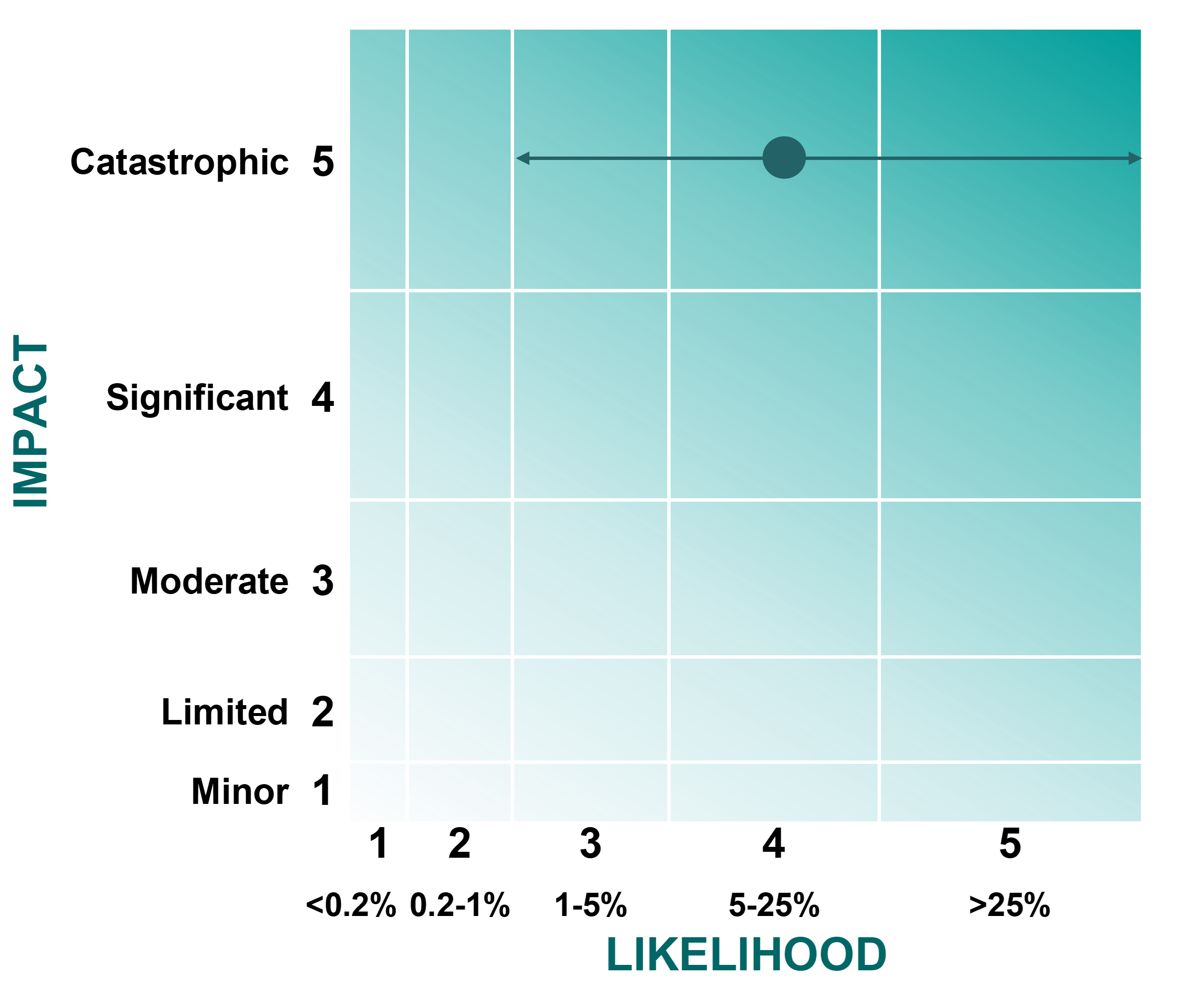
In this scenario, a new strain of influenza arrives in the UK, quickly transmitting through the population before preventative measures can stop its spread. There are multiple waves over 2 years in which half the UK population have symptomatic infections (33.5 million people). Of these 4% require hospital care and 25% of those are expected to require the highest level of critical care (including mechanical ventilation and other advance organ support measures). There are substantial wider healthcare system impacts as health care workers become ill and/or are diverted to the response. There is an economic cost of £1.9 trillion, and social cost with 95 million working days lost and 270 million school days lost.
This scenario has been adapted from the ‘Pandemic’ scenario in the National Risk Register 2025.
Risk matrix: Pandemic, Influenza
Response and mitigation
Public health and social measures (PHSM), such as social distancing, hand hygiene, and the use of personal protective equipment like face masks, would be recommended to reduce transmission. Isolation of cases whilst infectious and contact tracing close contacts of confirmed cases for quarantine may also help control the outbreak. These measures would need strong public health communications to help tackle misinformation and where necessary, removal of barriers to help people follow guidance.
Vaccine development would begin quickly, though progress depends on the nature of the virus. Once available, rollout is likely to start in small numbers for the most vulnerable to severe outcomes before expanding to wider groups based on risk and supply. Rapid diagnostic tests could also be scaled up to support early detection and response. Antiviral medicines for influenza already exist and are stockpiled, testing would begin promptly to identify if these are suitable or if a new treatment option is needed. At the same time, plans would be put in place for mass deployment of medicines. This would use familiar places like GP surgeries, pharmacies, and special community clinics, with systems ready to scale up fast depending on how the outbreak is spreading.
Disproportionate impact on priority population groups
All 5 priority population groups are expected to be disproportionately affected in this scenario. During COVID-19, people in prisons, care homes, ethnic minority groups, and the most deprived 20% had higher hospital admission and death rates. Evidence also suggests that people experiencing homelessness were more affected. These groups face higher exposure to respiratory infections due to factors such as crowded living or working conditions, difficulty maintaining physical distancing, and limited or inconsistent access to sanitation. All these groups also tend to have poorer overall health and more chronic conditions, such as asthma or chronic obstructive pulmonary disease (COPD), which increase the risk of serious outcomes from infections like influenza. While some immunity may exist in older adults due to previous exposure to similar pathogens, older age remains a major risk factor for severe illness.
Zoonotic influenza | Respiratory | Avian influenza
Background and current situation
A zoonosis is an infectious disease that has jumped from a non-human animal to humans. An example of a disease that can originate in animals is Influenza A. Influenza is an infectious disease that primarily presents with respiratory symptoms such as a cough, sore throat, and a high temperature. The most significant impacts of influenza viruses on humans are those arising from the influenza A strains. The natural reservoir of influenza A viruses is aquatic wild bird populations, known as the avian influenza (AI) viruses. Historically, there have been occasional bird-to-human transmissions and very limited cases of human-to-human transmission. From a UK perspective, in 2025, there was 1 confirmed human case of avian influenza.
Reasonable worst-case scenario
Please note, this scenario outlines an outbreak that is brought under control, and that the pandemic influenza scenario should be consulted for implications should an influenza outbreak reach pandemic levels.
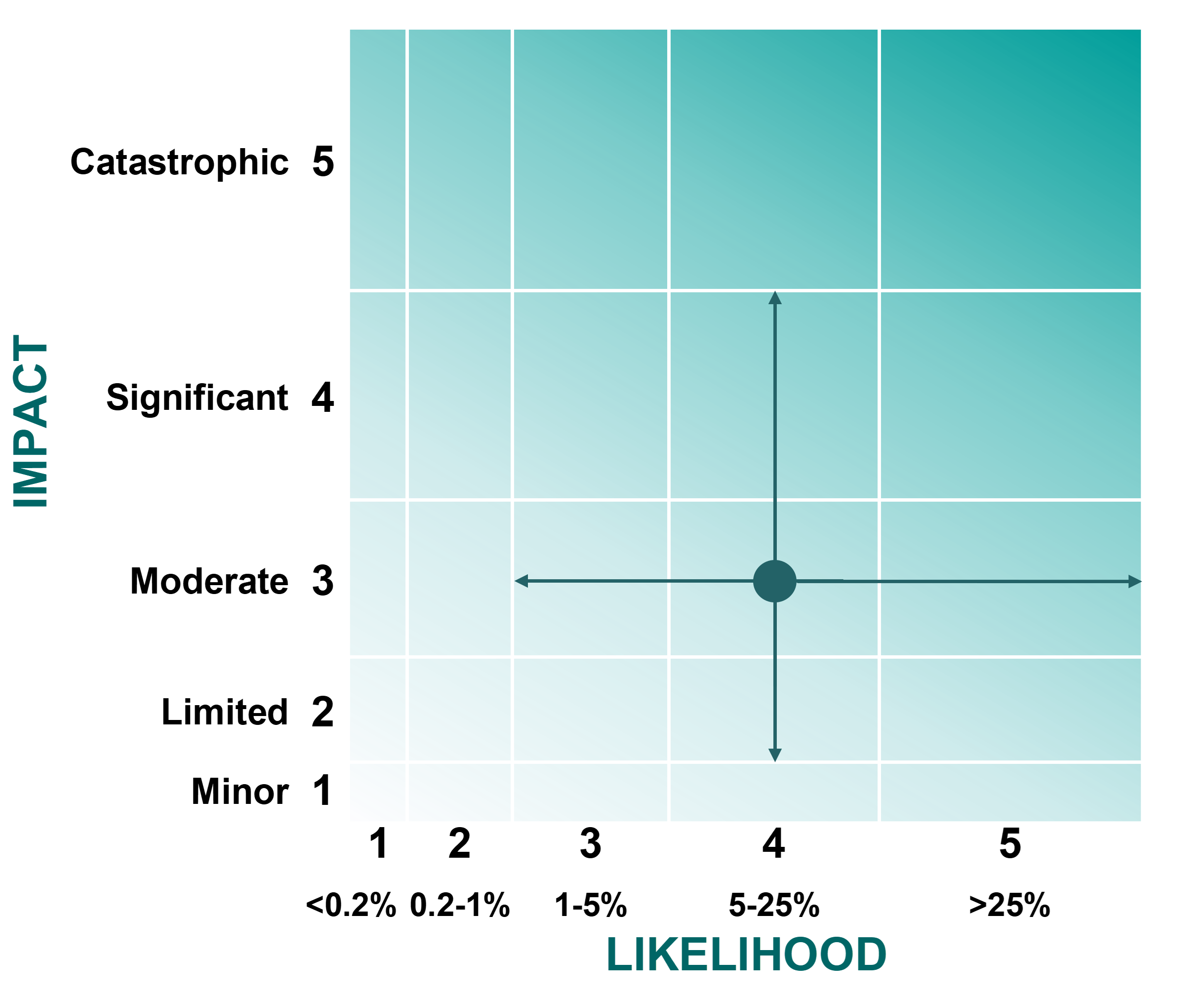
In this scenario, a highly pathogenic avian influenza (HPAI) virus, A(H5N1), becomes widespread within the native bird population in the UK, including farmed poultry. The virus is transmitted from poultry to farm workers and some scavenger animals who feed on poultry and is therefore able to establish both a mammalian and human reservoir. These spillover events, coupled with human-to-human transmission, results in a 6-month outbreak during which there are 2,000 human cases of avian influenza A(H5N1), and 500 deaths. As a result, people avoid work and social activities due to anxiety about the illness, especially in areas with active outbreaks. Farmers face economic losses from livestock culling, trade restrictions, and bans on poultry exports.
Risk matrix: Zoonotic influenza, Avian influenza
Response and mitigation
Public health and social measures (PHSM), such as hand hygiene and social distancing help limit the spread. Travel restrictions, quarantines, and some school closures may also be needed. Contact tracing and asking close contacts to self-isolate also support control efforts. Additionally, animal and human surveillance will need to increase to monitor spread and inform response.
Vaccine rollout would begin with high-risk groups, using options like the Aflunov vaccine for H5N1, before being offered to others if supply allows. Antivirals such as Tamiflu and Relenza will help reduce illness; however, testing should start quickly to find new effective treatments. Rapid influenza tests could be used to allow early isolation and contact tracing, alongside standard laboratory tests.
Disproportionate impact on priority population groups
Ethnic minority groups and the most deprived 20% are likely to be disproportionately affected compared to the general population. Many poultry farm workers are employed on seasonal visas from overseas, and these groups are overrepresented in that workforce. As a result, they will face higher risk of exposure to avian influenza than the wider population.
Coronavirus pandemic | Respiratory | Novel coronavirus
Background and current situation
A coronavirus pandemic is a worldwide outbreak of coronavirus which occurs when a novel coronavirus emerges that is different from current or recently circulating coronavirus strains. Coronaviruses are a large group of viruses that usually cause mild respiratory tract illnesses, like the common cold. Resulting in symptoms like a cough, sore throat and high temperature. Three coronaviruses have emerged in recent decades that can cause serious illness and death in humans: Severe Acute Respiratory Syndrome (SARS), Middle East Respiratory Syndrome (MERS), and SARS CoV-2 (COVID-19). The COVID-19 pandemic caused about 51,000 deaths in the first 6 months of the outbreak in the UK.
Reasonable worst-case scenario
In this scenario a novel coronavirus emerges, which causes a respiratory illness similar to that caused by SARS-CoV-2, with comparable severity and transmissibility in a population without immunity (immunity from previous COVID-19 waves cannot be assumed). This results in a global pandemic, and the UK experiences a very large wave of infections. 10 million confirmed infections and 100,000 deaths over the first year are recorded, with the most severe health outcomes primarily affecting older adults and immunocompromised. As a result, healthcare services are overwhelmed, and non-essential surgeries and appointments are postponed. An effective vaccine takes around 3 months to develop and begin rollout. Non-pharmaceutical interventions, vaccination, and testing together help reduce transmission, though impact is not immediate. A significant decline in cases is seen after 6 months.
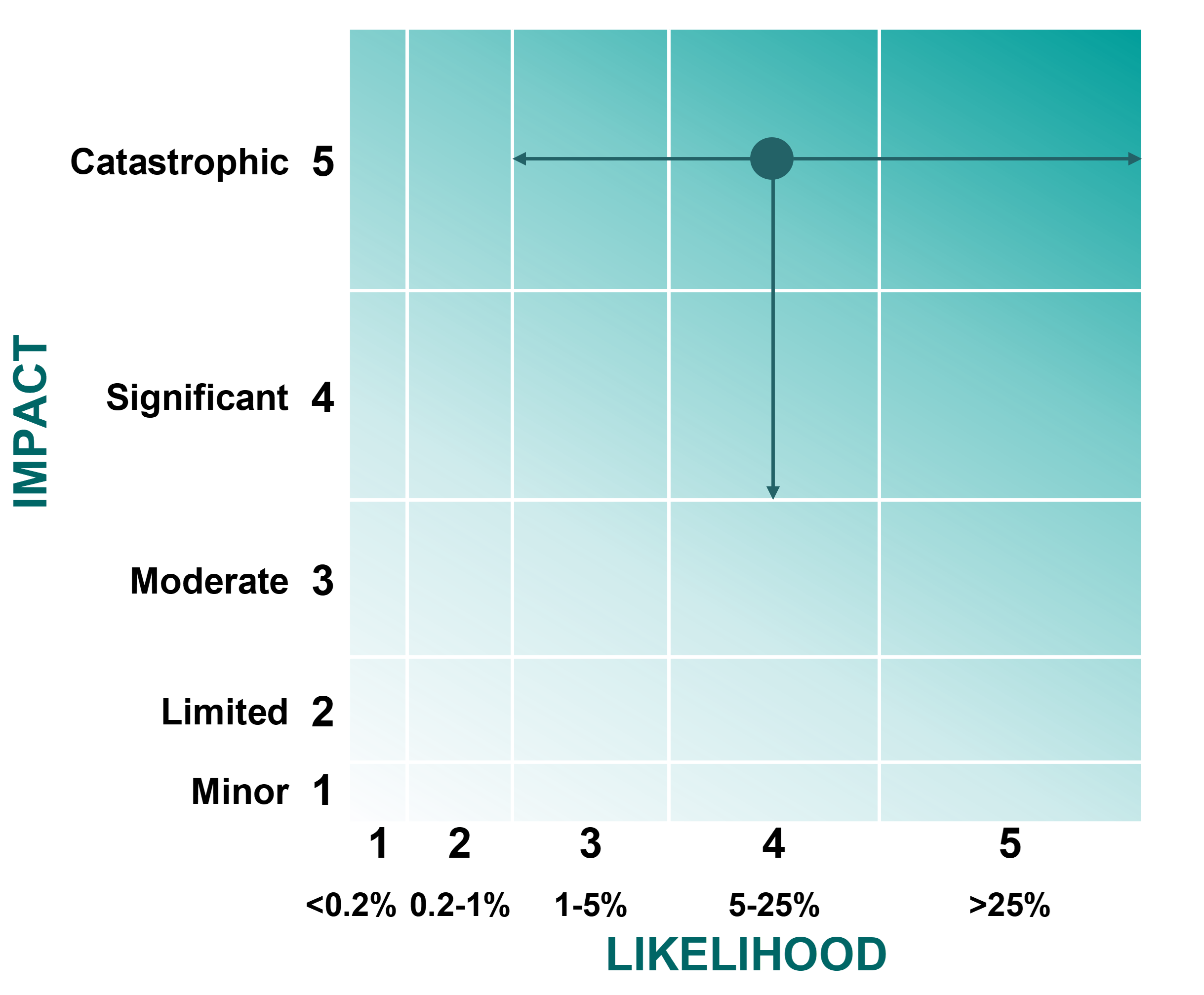
Risk matrix: Coronavirus pandemic, Novel coronavirus
Response and mitigation
Public health and social measures (PHSM), such as social distancing, hand hygiene, and the use of personal protective equipment such as face masks, would be recommended to reduce transmission. Contact tracing and asking close contacts of confirmed cases to self-isolate may also help control the outbreak. These measures would need strong public health communications to promote safe practices and counter misinformation.
A vaccine will likely be the most effective tool to reduce severe illness and deaths, and development could be accelerated through partnerships formed during the COVID-19 pandemic. Initial rollout would likely prioritise the most vulnerable before expanding to the wider population.
Where rapid diagnostics are available, low-cost mass testing could strengthen public health measures. If the virus is resistant to existing antivirals, new treatments should be identified quickly through clinical studies.
Disproportionate impact on priority population groups
All 5 priority population groups are expected to be disproportionately affected in this scenario. During the COVID-19 pandemic, surveillance data showed that people in prisons, care homes, ethnic minority groups, and those living in deprived areas faced higher infection and mortality rates. Evidence also points to increased risk among people experiencing homelessness.
These groups can have greater exposure because of living and working conditions that involve close contact, barriers to distancing and isolation, and limited access to sanitation. Poorer general health and higher rates of co-morbidities further raise the likelihood of severe outcomes. Once a vaccine is introduced, it is likely that uptake in all these groups, except adult social care, will fall behind that of the general population.
Increased incidence linked to migration | Respiratory | Tuberculosis
Background and current situation
People who are arriving from countries and regions where certain infections are more common, and health systems are less resourced, may be at higher risk of undiagnosed or partially treated infections. Tuberculosis (TB) is one such infection that can be prevented and treated and can be active or latent. Active TB is infectious and has symptoms such as a cough, fever and fatigue. It spreads through airborne droplets from an infected person’s cough or sneeze. Latent TB occurs when the bacteria is dormant in the body and shows no symptoms but can become active due to several factors. Migration to the UK from countries where TB cases are high continues to increase steadily. Annual TB cases fell between 2011 and 2021, but this trend has reversed, with increases in 2023 and 2024.
Reasonable worst-case scenario
In this scenario, immigration from countries where TB is more common continues. Depending on the route of migration, people undergo pre-entry or post-entry TB screening, however these only screen for active TB. There are latent TB screening programmes which are more targeted and only screen a small proportion of people migrating from high incidence countries each year. The number of new reported annual TB cases rises to 10,000 in 5 years’ time. As a result, there are hundreds of deaths, tens of these resulting from drug resistance. The increase in TB cases places additional pressures on health services locally, with long treatment plans, increased need for specialist facilities and increased need for testing.
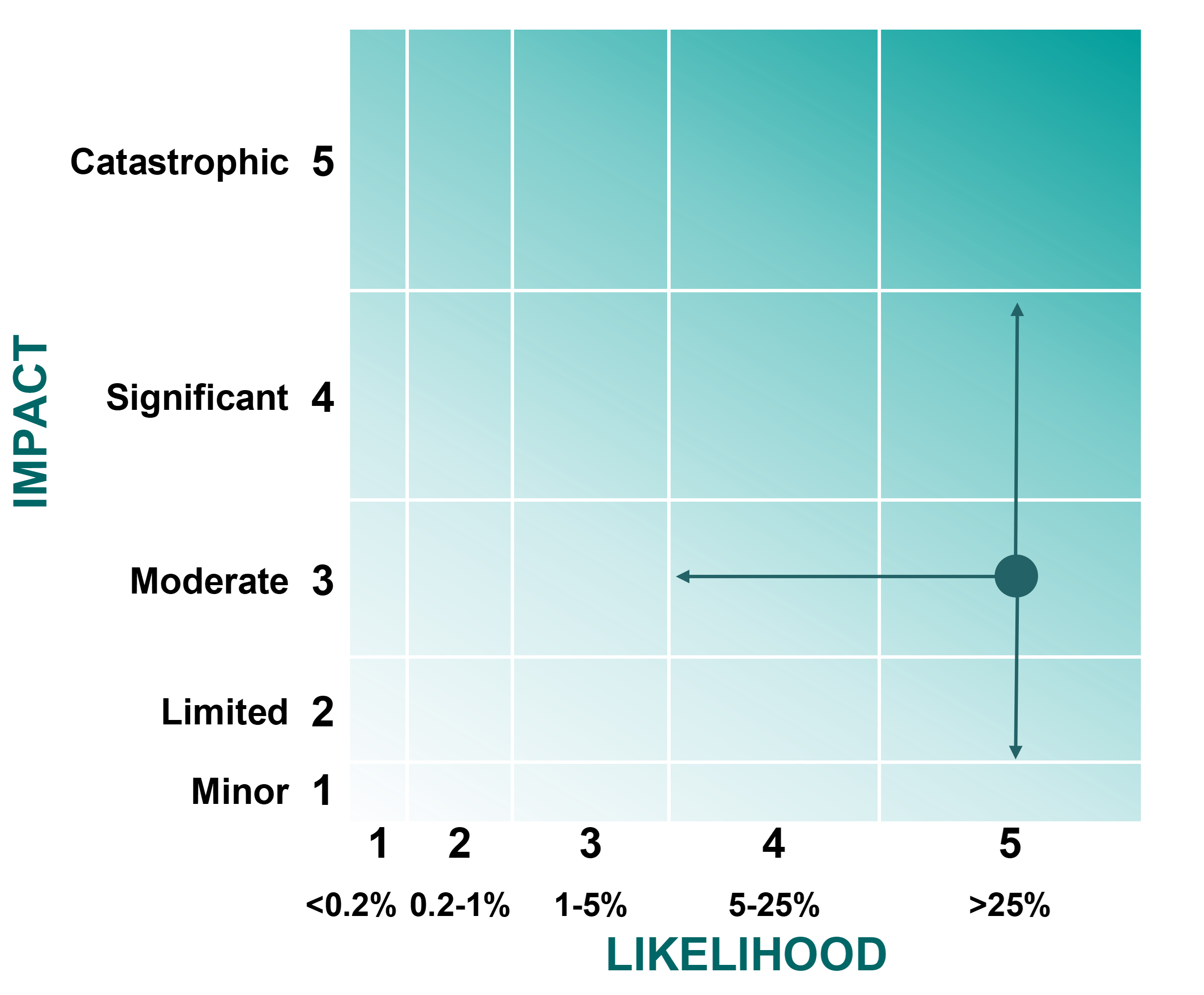
Risk matrix: Increased incidence linked to migration, Tuberculosis
Response and mitigation
Guidance is outlined in the National Action Plan: Tuberculosis National Action Plan for 2021 to 2026.
Awareness and education campaigns could be run to focus on increasing awareness of key symptoms and how to access healthcare. These would target high-risk groups (for example people migrating from countries with a high incidence of TB and people in prisons).
Testing for active TB and screening for latent TB would continue and could be scaled up. There could be increased effective testing of high-risk groups at opportunistic entry points such as entry into prisons or at entry to the UK for people seeking asylum. Increased support for people accessing testing and completing treatment could be implemented.
All cases continue to have contacts traced and regular testing and surveillance of drug-resistant TB strains guides treatment plans, better preventing and controlling drug-resistant strains within the UK.
Disproportionate impact on priority population groups
TB rates are highest in deprived areas, ethnically diverse communities, and among people experiencing homelessness, in prison, or with people who use drugs. These groups often face barriers to accessing healthcare leading to late diagnosis, putting them at greater risk of serious illness.
Although TB is currently not common in adult social care settings, if cases do occur, people in these settings are vulnerable to more severe outcomes due to age and comorbidities. There may be an increased likelihood of TB occurring in care settings due to a higher proportion of care workers from countries where TB is more common, and there is a risk of high transmission rates in residential care settings.
All groups considered have a higher proportion of poor health or weakened immune systems which increase the risk of serious illness.
Fall in routine childhood immunisation coverage | Respiratory | Measles
Background and current situation
The MMRV vaccine is usually administered during childhood and provides individuals with protection from measles, mumps, rubella and now varicella since 1 January 2026. However, MMR vaccination coverage been declining in the UK for around a decade and remains below the WHO recommendation of 95% needed for population immunity. Following a resurgence of measles after the COVID-19 pandemic, with 2,911 cases confirmed in England in 2024, the UK has now lost its measles elimination status.
Measles is a highly infectious airborne disease which can lead to hospitalisations and severe complications such as encephalitis and long-term disability.
Reasonable worst-case scenario
In this scenario, uptake of the MMRV vaccine in the routine childhood programme continues to fall, with the lowest coverage seen in large cities. As a result, there is an increase in measles activity in areas with low vaccine uptake, particularly among children under the age of 10 years. This results in around 160,000 cases over the period of a year. This places a considerable strain on the health system, with a particularly pronounced impact on paediatric inpatient services. Several national programmes are stood up to tackle transmission however it takes months to see a substantial improvement in uptake of the vaccine and slowing of community transmission in hot spots.
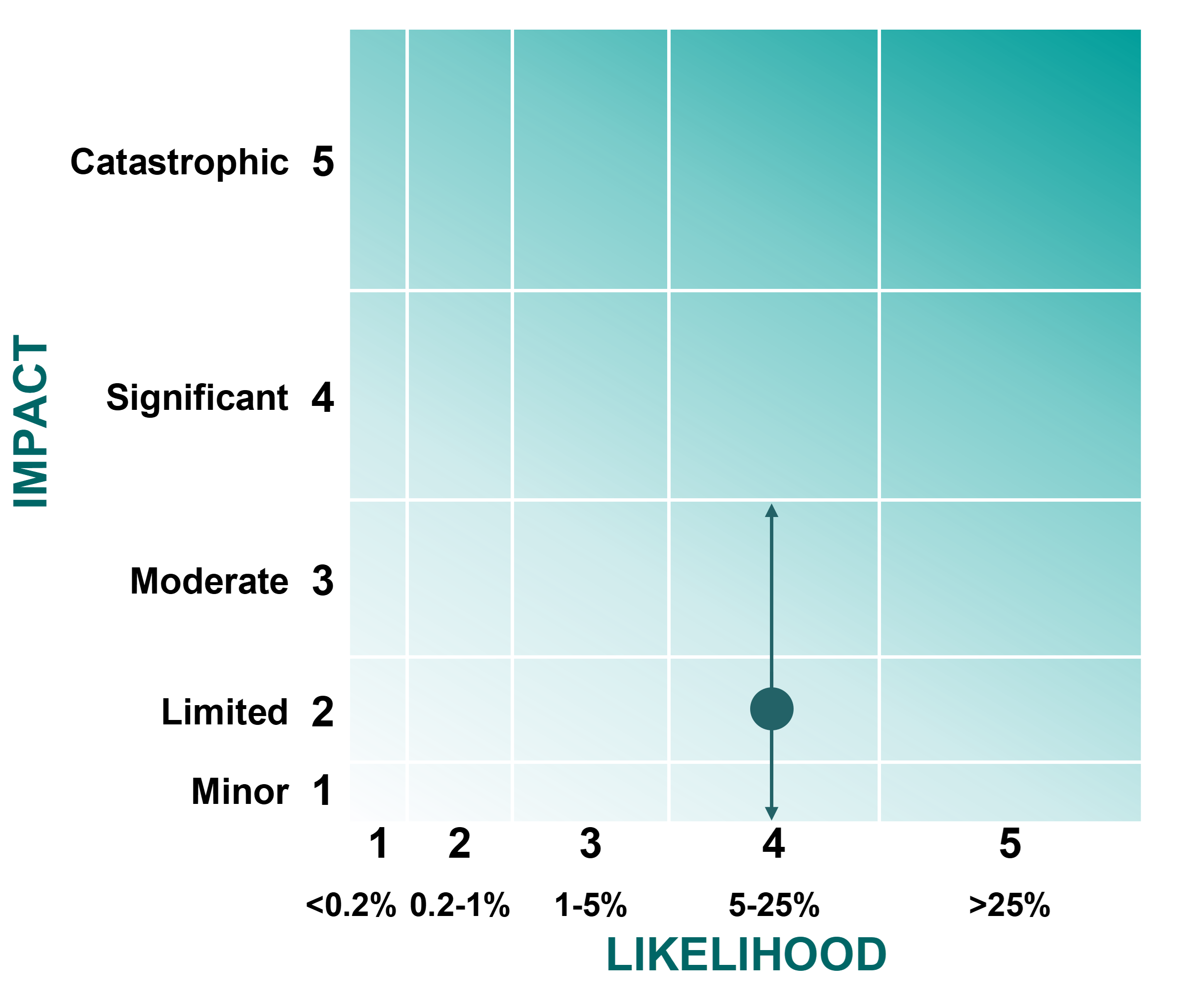
Risk matrix: Fall in routine childhood immunisation coverage, Measles
Response and mitigation
Building on the success of the October 2023 and April 2024 national campaigns, which delivered an extra 180,000 MMR doses and improved uptake among underserved communities, the campaign is being expanded in 2026 to increase its reach to more children. Future campaigns could replicate this approach to sustain progress and ensure all children and young adults are protected. However, further initiatives to increase vaccination uptake could be put in place to meet the World Health Organization’s goal of 95% coverage with 2 doses by the time children turn 5 years. This could include built‑in mechanisms such as school immunisation checks and in school offers, which could help identify and vaccinate children who previously missed out.
Disproportionate impact on priority population groups
Measles cases have historically been higher in certain under-vaccinated communities, such as Gypsy, Roma and Traveller groups, under vaccinated migrants, and some faith-based or philosophical communities. There are also clear inequalities in vaccine uptake linked to ethnicity and deprivation. People from ethnic minority backgrounds (who are also more likely to live in deprived areas) can also have close ties to countries where measles is still common, increasing the risk of imported cases. London has the lowest MMRV coverage in England and a highly mobile population with key under-vaccinated populations, putting it at the greatest risk of large outbreaks and hospitalisations. As the most ethnically diverse region in England, this elevated risk of outbreaks in London will further increase potential for disproportionate impact in ethnic minority groups.
High temperatures and heatwaves | Environmental | Extreme heat
Background and current situation
Climate change has made global weather patterns less predictable and more extreme. It is already being observed that climate change is increasing the likelihood and intensity of extreme weather events. The 10 warmest years in the UK since records began have all occurred since 2003. In the summer of 2022, England experienced its hottest temperature ever recorded at 40.3°C. During 5 major heatwaves that year, there were around 3,000 heat-related deaths, the highest number linked to heat in any single year.
Reasonable worst-case scenario
In this scenario, an extended period of high temperatures affects 50 to 70% of the UK population. Most of southern and central England experience temperatures above 35°C for at least 5 consecutive days. As well as disruption to transport networks, supply chains, power and water supplies, the extreme heat causes significant health impacts to the general population. Over 2,000 more deaths occur over this period than what would be considered usual for this time of year, with the impacts felt most acutely by those most vulnerable to severe heat. Other hazards are very likely to occur alongside, or immediately after the heatwave, including flooding from severe thunderstorms, poor air quality, drought and wildfires.
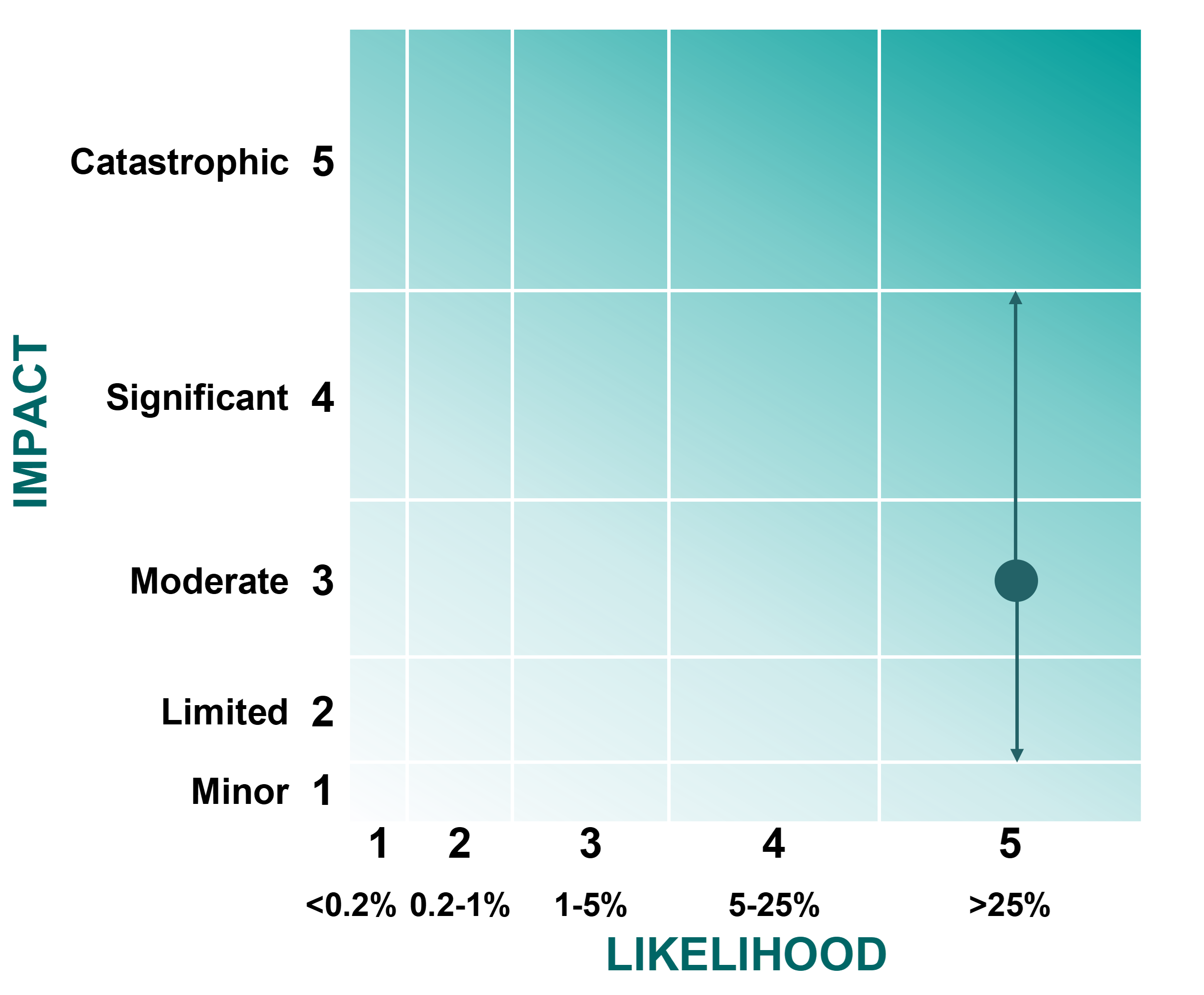
Risk matrix: High temperatures and heatwaves, Extreme heat
Response and mitigation
The Met Office, UKHSA and the Environment Agency work together to issue warnings about the severe hot weather and its potential impacts, giving people time to prepare and stock up on essentials. They also guide healthcare professionals, care providers and local authorities on managing extreme heat, such as updating and initiating care plans.
People are advised to take simple steps like staying hydrated, keeping cool indoors, and avoiding strenuous activity during the hottest parts of the day. Local councils may advise and co-ordinate support where people may have difficulty following advice, and for residential social care providers. Over time, improvements could be made to infrastructure including additional ventilation or shading to help reduce temperatures in homes, workplaces, and surrounding areas, which is key to maintaining resilience during severe conditions.
Disproportionate impact on priority population groups
The disproportionate impact is expected to be moderate to high for all priority groups, compared to the general population. Inclusion health and minority ethnic groups are more likely to be exposed to extreme heat than the wider population, due to living in conditions that are susceptible to environmental hazards or in areas of high population density. Densely populated areas are more likely to be made up of tall buildings and narrow streets which trap heat and have less room for cool breezes. Fewer trees and green spaces also mean less shade and airflow.
In all priority groups there is a higher proportion of health conditions that can be made worse by hot weather including chronic respiratory, cardiovascular, or psychiatric conditions, which increases the likelihood of heat-related morbidity and mortality than the general population. A high proportion of people accessing social care are aged 65 and over, and older age is a risk factor for heat-related illness. Previous heatwaves have shown people without shelter and older adults are more likely to die during extreme heat compared to the general population.
Low temperatures and snow | Environmental | Extreme cold
Background and current situation
Climate change has made global weather patterns less predictable and more extreme. It is already being observed that climate change is increasing the likelihood and intensity of extreme weather events. Disruption to weather systems can cause severe cold periods, such as The Beast from the East in 2018 or December 2022. The Met Office gave the ‘Beast from the East’ a red warning meaning there was danger to life. This cold period caused widespread disruption and impacted on travel, schools and hospitals across the UK.
Reasonable worst-case scenario
In this scenario, a prolonged period of snowfall affects multiple regions of the UK including densely populated areas, for 7 days. This period is comparable to the ‘Beast from the East’ in 2018 and the December 2022 cold snap. Low temperatures and cold conditions exacerbate hazards, leading to increased risks for vulnerable populations. The severe cold weather results in increase in injuries, fatalities, and accidents, placing a significant strain on the healthcare system. There are more than 7,000 casualties and 3,000 deaths, and disruption to transport networks, schools, power and water supplies, and telecommunication links, impacting the wider economy.
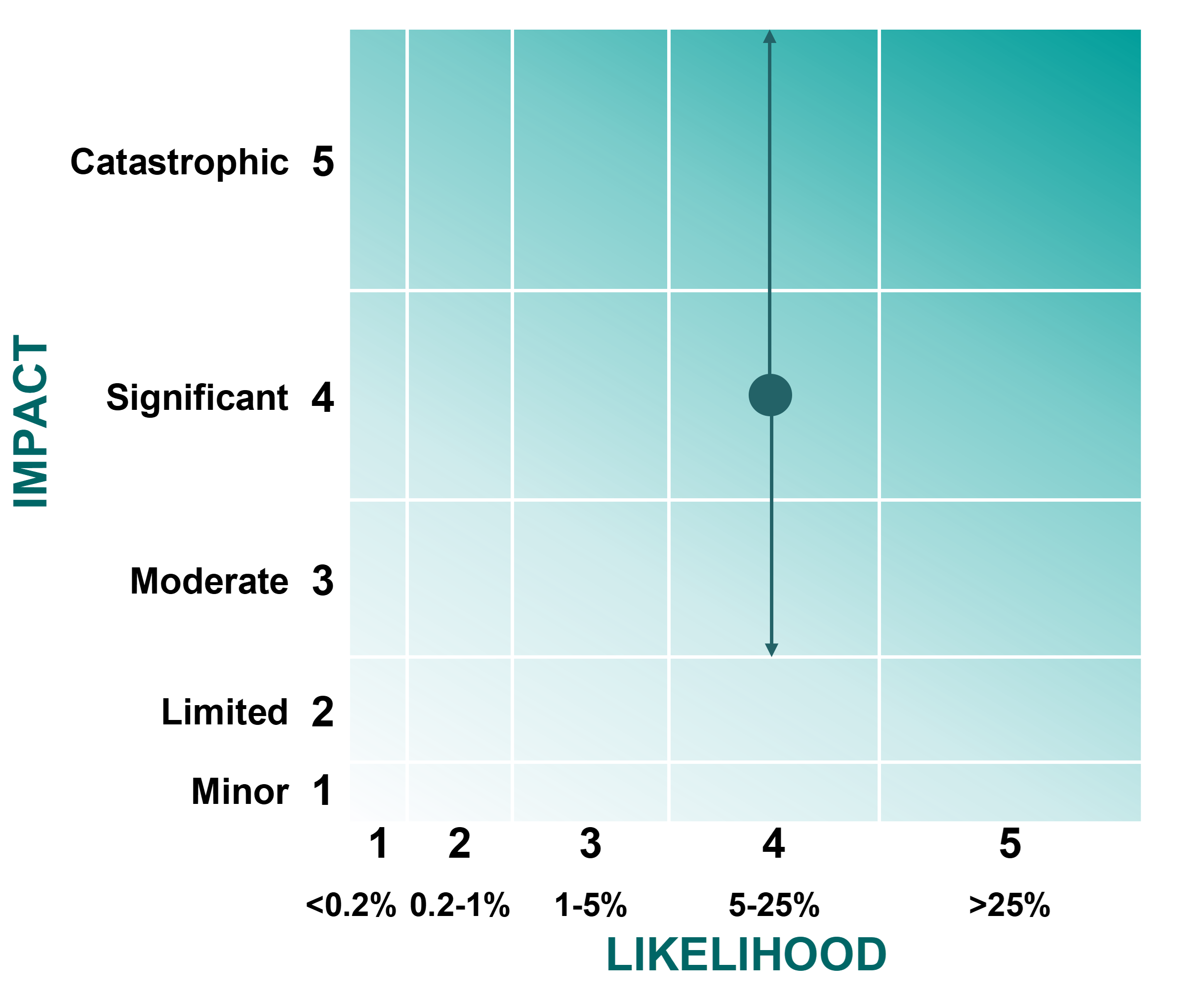
Risk matrix: Low temperatures and snow, Extreme cold
Response and mitigation
The Met Office, UKHSA and the Environment Agency work together to issue warnings about cold weather and its potential impacts, giving people time to prepare and stock up on essentials. Simple actions such as dressing warmly, keeping emergency supplies like batteries and candles and improving home heating and insulation can help reduce risks. On a larger scale, winter-proofing infrastructure for electricity, gas, transport, and other services is key to maintaining resilience during severe conditions.
Utility companies and other essential service providers offer extra support, such as ensuring reliable power, giving safety advice, and providing emergency assistance, to help communities stay safe during the cold period. Local authorities often provide heated spaces in libraries and community centres for those in need. For those without shelter, the Severe Weather Emergency Protocol (SWEP) ensures emergency accommodation is available during the extreme cold period.
Disproportionate impact on priority population groups
In all priority groups there is a higher proportion of health conditions that can be made worse by cold weather including asthma, lung conditions such as COPD, heart disease, and dementia. People experiencing homelessness and those in the most deprived 20% are at greater risk of hypothermia, hospitalisation, and mortality during cold periods. This is because people in these groups are more likely to be unsheltered or live in homes that aren’t well insulated, struggle to afford heating, and have fewer ways to protect themselves. Ethnic minority groups and people with complex health or social needs are also hit harder because these challenges often overlap.
Combined seasonal hazards| Respiratory | Combined winter scenario
Background and current situation
The winter months in the UK present a large challenge for health with a range of seasonal health hazards typically occurring at the same time, increasing healthcare demand. Bed occupancy in hospitals typically rises substantially placing sustained strain on the system, with pressures peaking between November and April. In winter 2022 to 2023, a resurgence of influenza combined with other disease waves, including COVID-19, led to an estimated 44,252 more winter deaths than usual.
Reasonable worst-case scenario
In this scenario, infectious diseases including seasonal influenza, respiratory syncytial virus (RSV), norovirus, invasive group A streptococcal (iGAS) disease, S. pneumoniae and COVID-19, all experience a prolonged peak in cases occurring within the same 10 weeks over the winter period. 60,000 more people die than expected. As a result, emergency departments face severe delays, causing long ambulance waits and slower access to care. This strains supply chains and staffing, leading to shortages, absences, and increased burnout across the healthcare system.
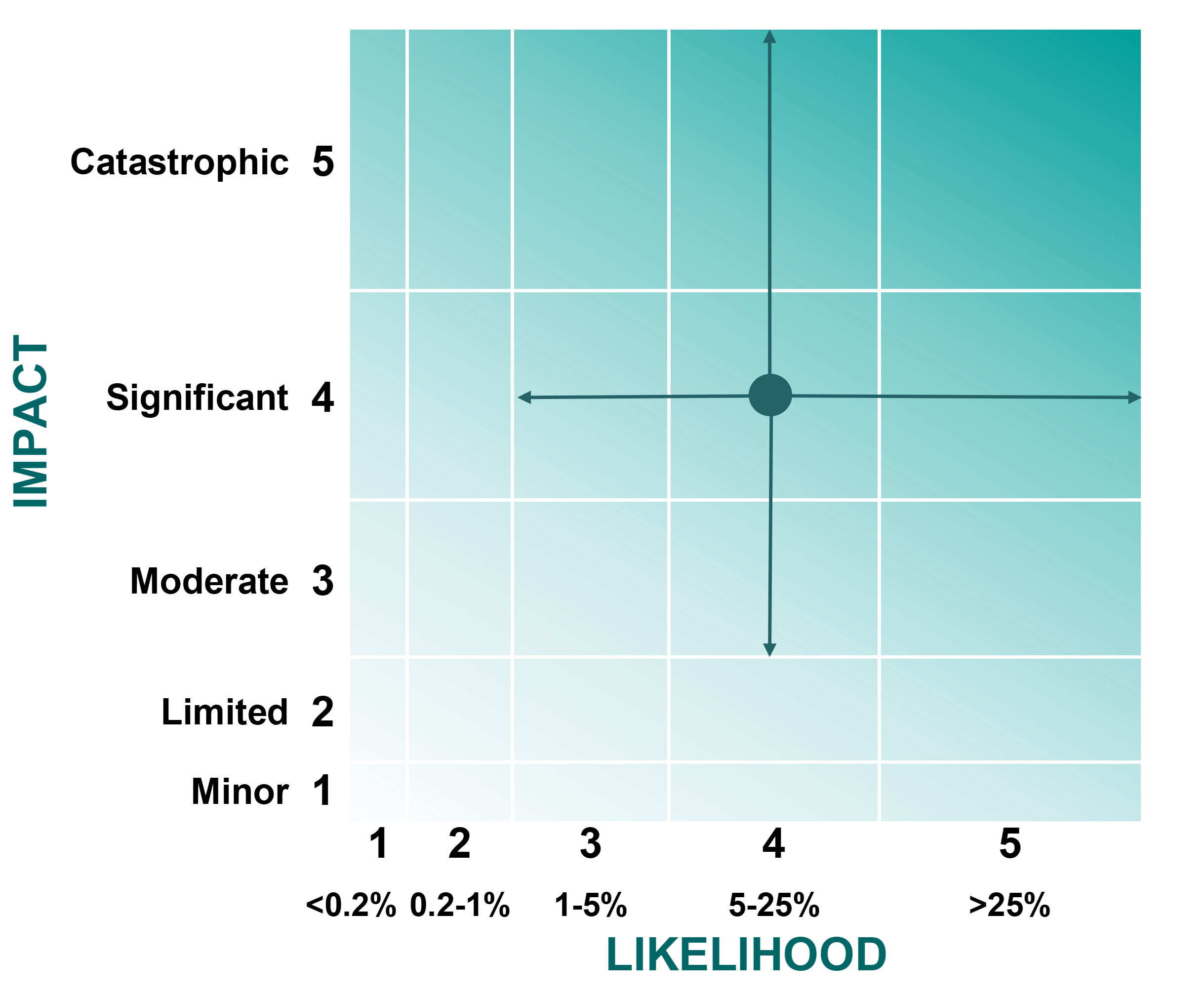
Risk matrix: Combined seasonal hazards, Combined winter scenario
Response and mitigation
Seasonal routine surveillance should continue, and outbreak management would include testing for high-risk groups and settings such as care homes, supported by isolation and treatment measures. Vaccination programmes for influenza, COVID-19, pneumococcal disease and RSV, covering at-risk groups including older adults, those with long-term conditions, pregnant women, care home residents, carers, and close contacts of immunocompromised individuals help to reduce impact. Children’s flu vaccinations also play an important role in this. Contingency plans may be required to manage supply chain pressures for antibiotics and antivirals, as demand could rise sharply in a short period.
Disproportionate impact on priority population groups
All priority groups are likely to face higher infection and mortality rates, worsened by cold weather and healthcare pressures. Poor living conditions, shared accommodation, occupational exposure, co-morbidities, barriers to healthcare, and lower vaccination uptake all increase risk.
Prisons and care homes are high-risk settings, and outbreaks are common in winter. Evidence also shows increased prevalence of COVID-19, influenza and iGAS among people experiencing homelessness. Older adults have higher mortality and admission rates for all hazards in this scenario, which will increase impact in adult social care. Ethnic minorities and deprived communities also experience more respiratory hospitalisations. Vaccination rates are lower among people in prison, ethnic minorities, Gypsy, Roma and Traveller communities, and the most deprived.
Healthcare outbreaks linked to hospital stays | Contact | Invasive candidiasis
Background and current situation
Healthcare settings are uniquely vulnerable to infections that thrive in complex environments and managing their spread is challenging due to factors like patient vulnerability and growing antimicrobial resistance. Among these threats, invasive fungal infections stand out, for example invasive candidiasis (IC), a bloodstream infection caused by Candida and other yeast. Candidozyma auris (formerly Candida auris) is resistant to many drugs and disinfectants. It also has the capacity to spread from patient to patient and persist on medical equipment and in the environment meaning hospitals are particularly at risk of outbreaks. C. auris cases have risen steadily since 2020 after very low numbers during the COVID-19 pandemic.
Reasonable worst-case scenario
In this scenario, there are a series of outbreaks affecting 10 UK hospitals simultaneously, due to the incidence and prevalence of C. auris increasing significantly. All the outbreaks are prolonged and challenging to control, with the longest outbreak lasting for 18 months placing strain on hospital operations and patient care. 3,500 samples of C. auris are detected, and hundreds of patients develop bloodstream infections, tens of whom die because the infection does not always respond to antifungal treatments. Misinformation and sensational reporting leads to some hesitation to seek hospital care.
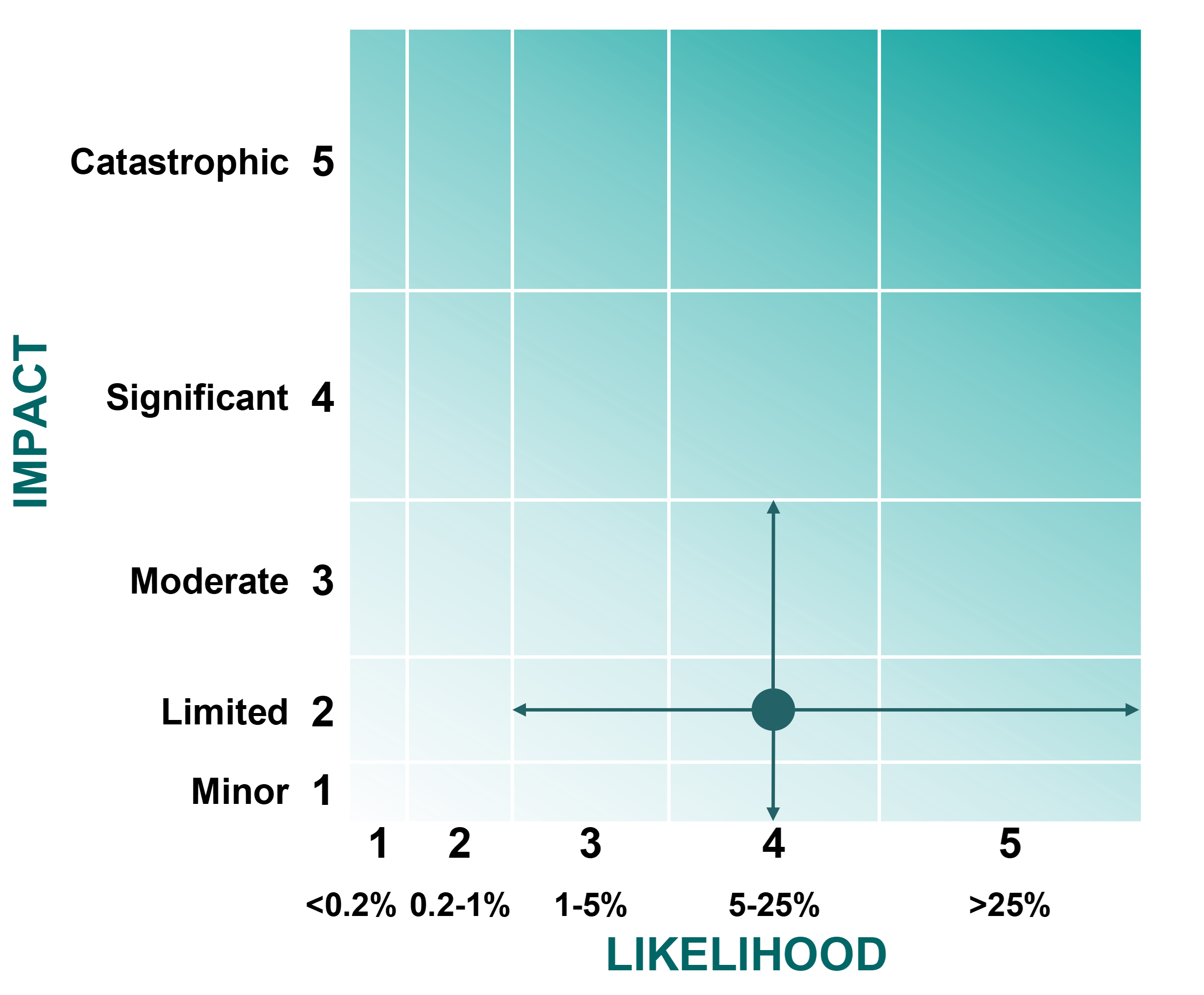
Risk matrix: Healthcare outbreaks linked to hospital stays, Invasive candidiasis
Response and mitigation
Hospitals would follow official guidance and aim to improve detection through targeted screening and species-level identification of Candida isolating suspected or confirmed carriers to prevent further spread, and investigating even single cases. Infection prevention and control measures would be applied, including standard and contact precautions. Additional actions such as patient isolation and use of disposable equipment would be implemented, with health protection teams supporting. Widespread screening and genomic analysis would help distinguish imported cases from transmission within or between hospitals, while education, training, and careful use of antifungal medicines would support effective management. Preventative treatments could be considered in high-risk patients carrying C. auris prior to surgery after appropriate risk assessment and proactive national oversight would continue.
Disproportionate impact on priority population groups
Most vulnerable groups such as people in adult social care, ethnic minority communities, inclusion health groups, and those living in the most deprived areas are expected to face a moderate impact compared to the general population. Current cases of invasive C. auris infections in the UK mainly occur in older adults (60 and over), people who have recently had surgery, and those with long stays in intensive care. These vulnerable groups are at higher risk because they are more likely to experience prolonged hospital stays or require critical care. However, confidence in these assessments varies, especially where data on hospital critical care admission is limited.
Consequences of waning vaccine protection in priority populations | Contact | Mpox Clade IIb
Background and current situation
Vaccination is key to prevent disease outbreaks in high-risk populations. An example where vaccination has been important was during the outbreak of Mpox that begun in May 2022. Mpox is a viral zoonotic disease, which can spread from animals to humans, and between humans, normally causing relatively mild symptoms, however in certain individuals it can be fatal. During 2022 (up to 31 December 2022), there were 3,732 confirmed and highly probable mpox clade IIb cases reported in the UK. This is the largest outbreak of mpox clade IIb to date. A 2‑dose routine vaccination programme for gay, bisexual, and other men who have sex with men (GBMSM) at higher risk of exposure was introduced in 2025, following the reactive vaccination campaign during the 2022 outbreak. The evidence for need for booster doses has yet to be established.
Reasonable worst-case scenario
In this scenario, cases of mpox clade IIb continue to occur at low levels in several countries primarily within highly interconnected sexual networks of GBMSM. However, cases start to rise, and 1,500 cases are recorded in 4 months. It is discovered that this is due to waning vaccine immunity in those who were vaccinated during the 2022 outbreak. Demand on sexual health services increases, and it becomes overwhelmed resulting in a delay in confirming diagnoses, access to vaccination and treatment. This requires reallocation of resource from other areas in the health system, causing further pressure to services.
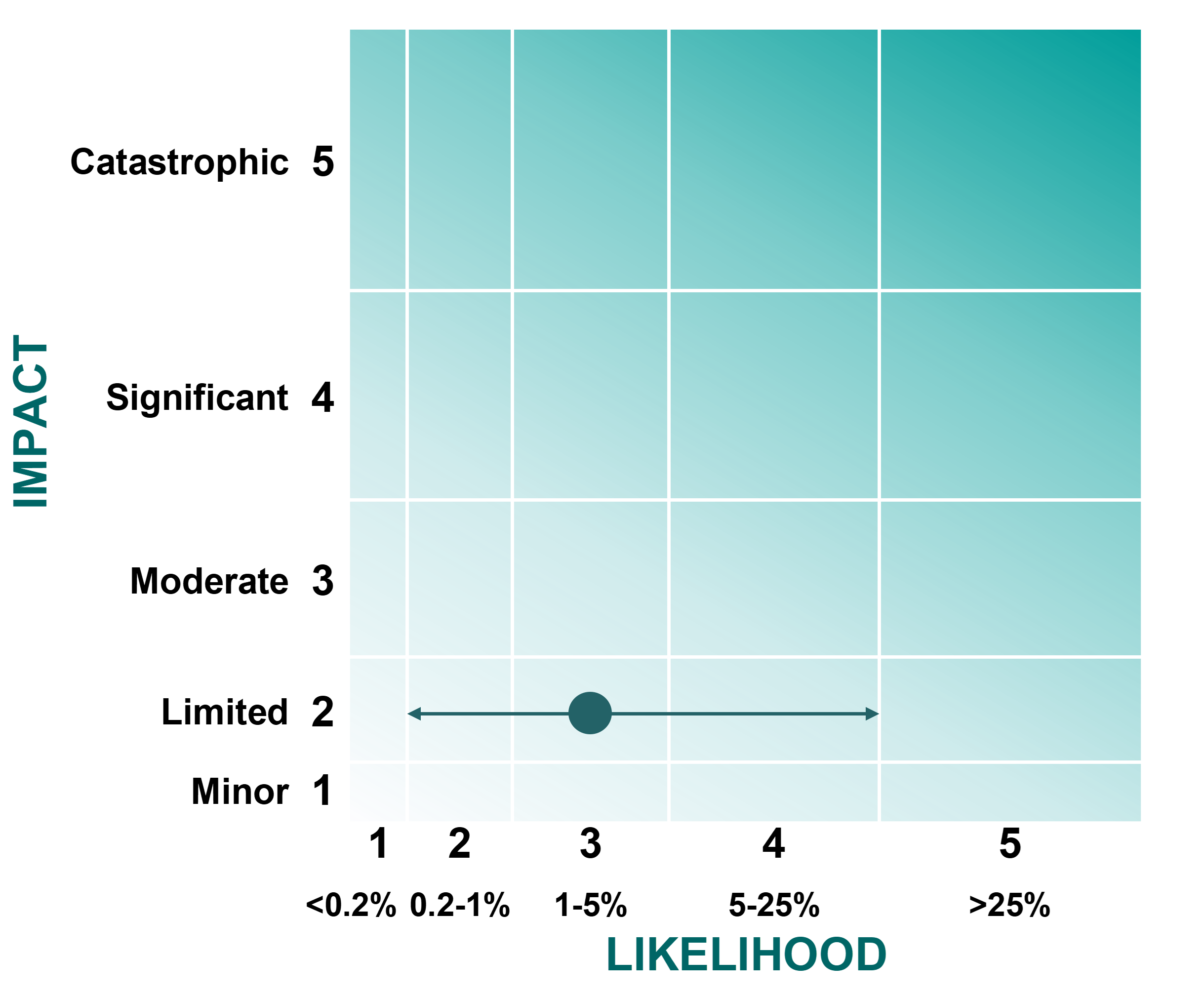
Risk matrix: Consequences of waning vaccine protection in priority populations, Mpox clade IIb
Response and mitigation
Public health campaigns could be deployed to raise awareness of mpox, providing guidance on how to prevent infection, and information on how to recognise its symptoms and access treatment. Individuals who have been exposed due to close contact with an mpox case may be advised to self-isolate for a short period to reduce transmission and could be offered vaccination as post-exposure protection. The offer of this vaccine could also be widened to include people in lower‑risk contact groups (Category 2), so more potentially exposed individuals could be protected. Vaccination programmes would also be reviewed to improve uptake among at-risk groups, with booster doses offered where necessary, including consideration of a booster dose in those whose second dose was more than a few years ago.
Disproportionate impact on priority population groups
Similar to the 2022 outbreak, mpox transmission is expected to primarily impact GBMSM in this scenario. GBMSM are more likely to experience poverty and homelessness than the general population, so cases are likely to be disproportionately high in more deprived groups and people experiencing homelessness. The most deprived 20% and some inclusion health groups (people experiencing homelessness and sex workers) are also likely to be at risk due to factors such as overcrowding, high levels of physical or sexual contact and multiple health challenges. These groups also rely heavily on sexual health services, which would be severely disrupted in the scenario, adding further barriers to accessing healthcare.
Outbreak linked to international travel from an area with no previous cases | Contact | Ebola virus disease
Background and current situation
Due to international travel, infections sometimes appear in countries that have never reported them before, including those bordering regions with recent outbreaks. In these circumstances, established travel-related mitigations are often not triggered, making importations more plausible. Ebola disease is one example: a severe illness spread through direct contact with bodily fluids of an infected person or animal. It often starts suddenly with fever and can progress to vomiting, organ failure, and bleeding, with 25 to 90% of patients dying. Identified in 1976, Ebola has caused sporadic outbreaks in several African countries. The UK has reported 4 confirmed cases; one laboratory acquired in 1976 and 3 linked to the West African epidemic 2014 to 2015, but no UK deaths.
Reasonable worst-case scenario
In this scenario, a UK traveller who returns from an African country where no Ebola cases have been confirmed and therefore no Ebola-specific travel mitigations are in place, develops sickness and diarrhoea a few days later. Household members are exposed through contact with bodily fluids and, along with the traveller, are diagnosed after hospital admission. All are treated in HCID (high consequence infectious diseases) treatment centres and survive. Tens of healthcare staff are exposed during the early stages of hospitalisation and isolate for a few weeks, but no further cases occur. All 4 patients who were hospitalised later develop long-term complications including vision impairment, light sensitivity, headaches and joint pain.
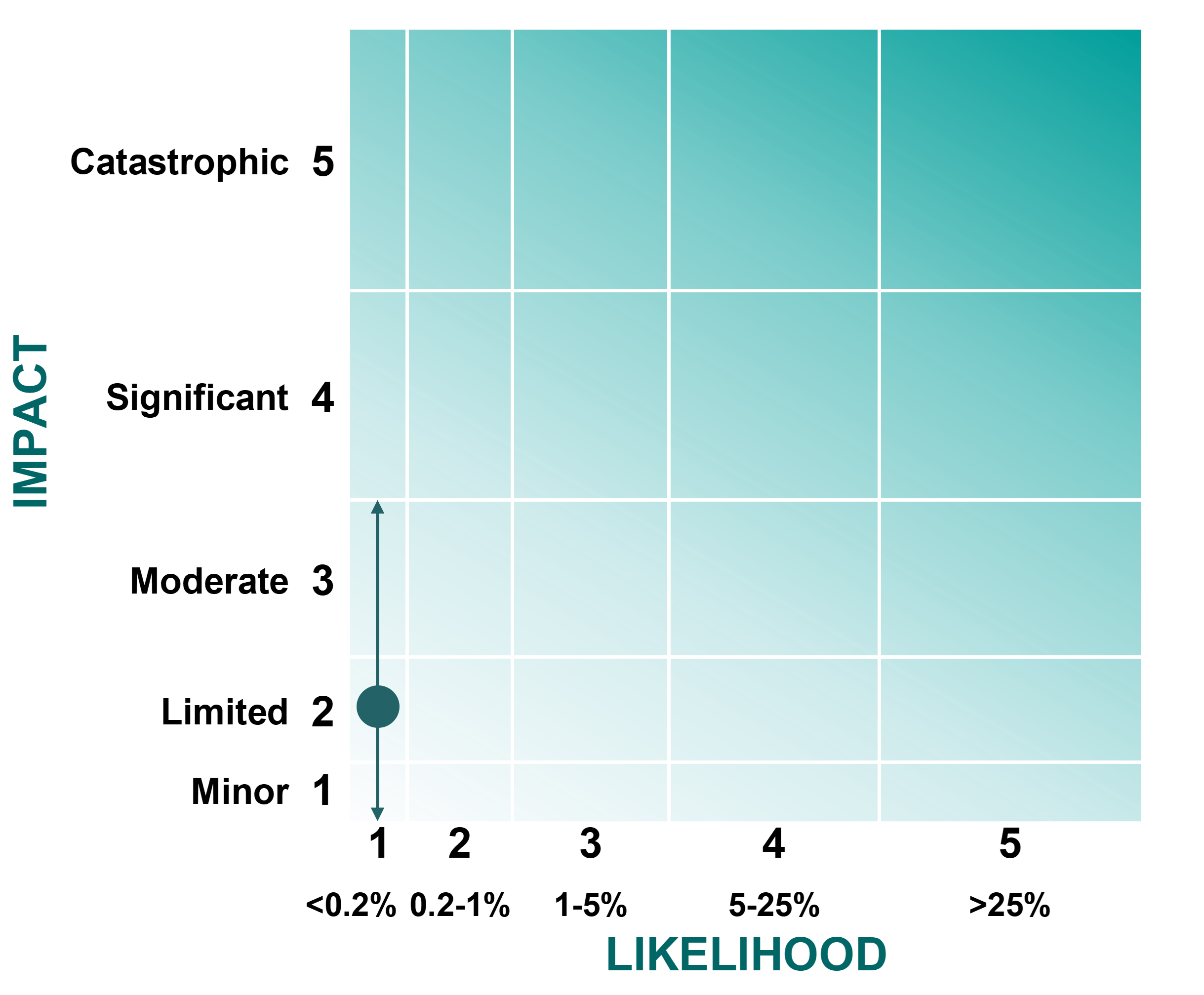
Risk matrix: Outbreak linked to international travel from an area with no previous cases, Ebola virus disease
Response and mitigation
Clinicians are advised to follow established guidance. Confirmed Ebola patients are managed in designated HCID treatment centres to ensure maximum containment and specialist clinical care. A risk assessment would evaluate the impact and likelihood of further Ebola cases being imported into the UK to inform measures such as contact tracing, case finding, and case management. Additional training and communication for healthcare workers on symptom recognition and infection control would be implemented.
Patients would receive advice on recurrence and safe sexual practices due to the virus’s persistence in bodily fluids, and public health campaigns could raise awareness and counter misinformation, including travel health advice for those visiting outbreak areas. Extra precautions and monitoring may be considered for people returning from countries with active Ebola outbreaks or high exposure risk, including through established returning worker schemes.
Outbreak linked to travel from an endemic area | Contact | Lassa fever
Background and current situation
International travel can occasionally introduce infections from regions where certain diseases are more common, for example, Lassa fever, a viral illness found mainly in rural parts of West Africa. It spreads though contact with urine or droppings from infected wild rats, or from person to person via body fluids. Most people who get Lassa fever have mild symptoms and make a full recovery. However, in some cases the virus can cause more severe illness and death. Since 1971, there have been 16 confirmed cases of Lassa fever reported in the UK. All were linked to travel or were travel associated.
Reasonable worst-case scenario
In this scenario, a traveller returning from West Africa is diagnosed with Lassa fever after an initial misdiagnosis due to atypical symptoms. The case led to the exposure and subsequent infection of close family members and some healthcare workers, resulting in a small number of confirmed cases including one fatality. The incident affects tens of people who had contact with those infected, as well as healthcare staff, all of whom required monitoring, causing a temporary and localised hospital staff shortage. The outbreak causes some public concern and attracts media attention, triggering a spike in misinformation. The outbreak, including follow-up, lasted 3 months.
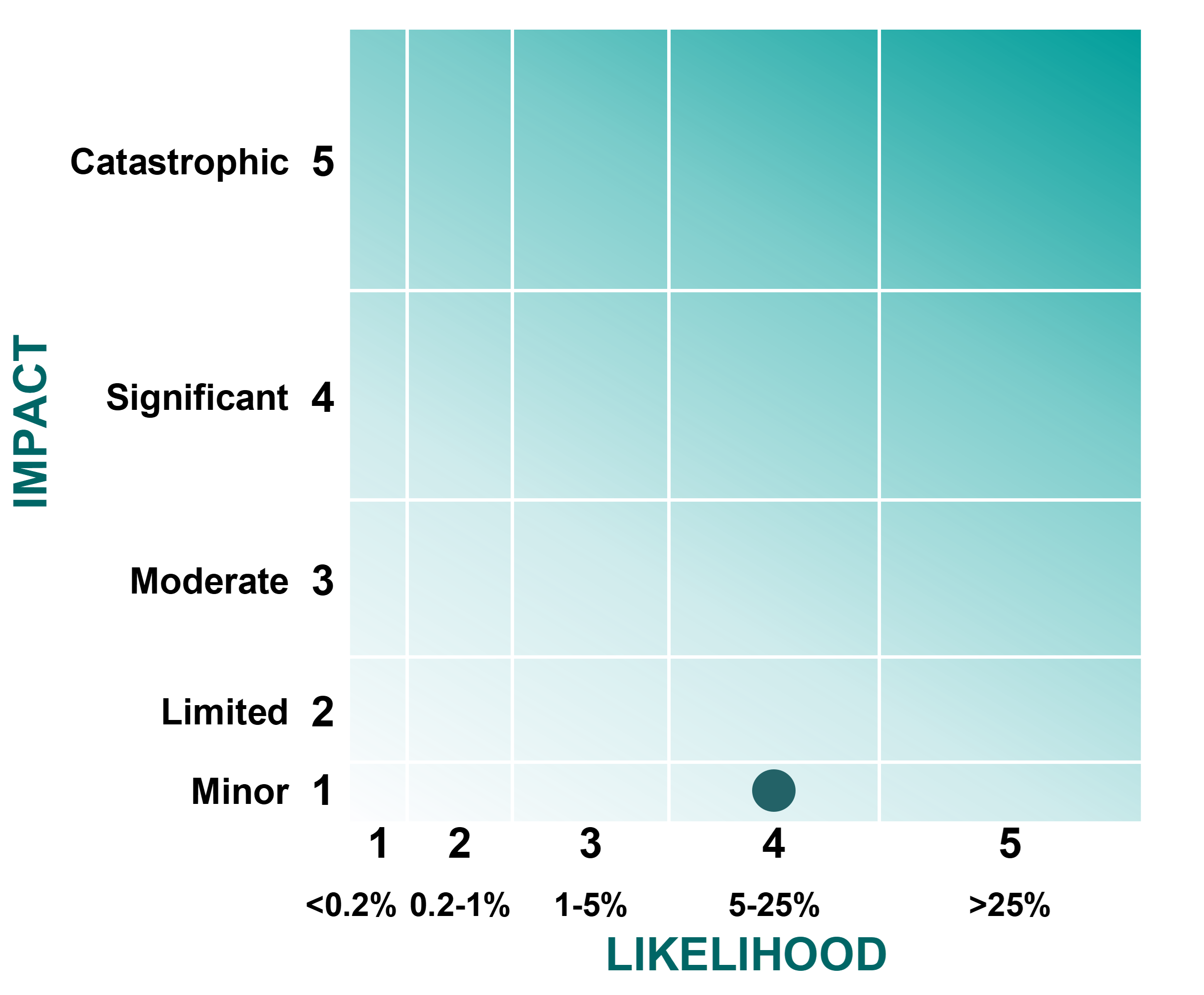
Risk matrix: Outbreak linked to travel from an endemic area, Lassa fever
Response and mitigation
Clinicians are advised to follow established guidance and to isolate patients in single rooms within a High Consequence Infectious Disease (HCID) treatment centre, limit staff contact and apply strict infection control measures. Public health teams would conduct tracing and follow up contacts, identify and manage exposures, and use active case finding and increased diagnostic testing. A risk assessment would be carried out to evaluate the likelihood of further cases being imported and their potential impact, informing mitigation measures. Patients would be advised to avoid sexual intercourse for 3 months as they may continue to be infectious, and travel health websites should provide guidance for those visiting West Africa including avoiding rodents, securing food and preventing contact with bodily fluids of infected individuals.
Outbreak linked to international travel | Contact | Nipah virus
Background and current situation
Rapid urbanisation brings people and animals into closer contact, increasing the risk of new infections, and with international travel these infections can occasionally appear in other countries. One example is Nipah virus which causes seasonal outbreaks in some southeast Asian countries. It lives in fruit bats and infects humans through direct contact with infected animals or following consumption of contaminated fruits food products such as date sap. Person-to-person transmission is possible via close contact with a person infected with Nipah virus or their body fluids. The most serious complication is encephalitis which is associated with a high fatality rate. Nipah virus does not occur in the UK, nor have any travel-associated cases been reported.
Reasonable worst-case scenario
In this scenario, a UK tourist travels to a country where Nipah is endemic, consumes date palm sap contaminated by bats feeding on the fruit and develops Nipah symptoms on their return to the UK. The patient requires hospital treatment but survives. One clinician contracts the virus and is a confirmed case who experiences minor symptoms. Both cases require treatment in a high consequence infectious disease (HCID) treatment centre with follow up for both patients for 90 days in case of relapse. Tens of healthcare workers require isolation or follow up after possible contact causing operational disruption for the affected hospital trust. No further cases occur and there are no fatalities during the outbreak.
Risk matrix: Outbreak linked to international travel, Nipah virus
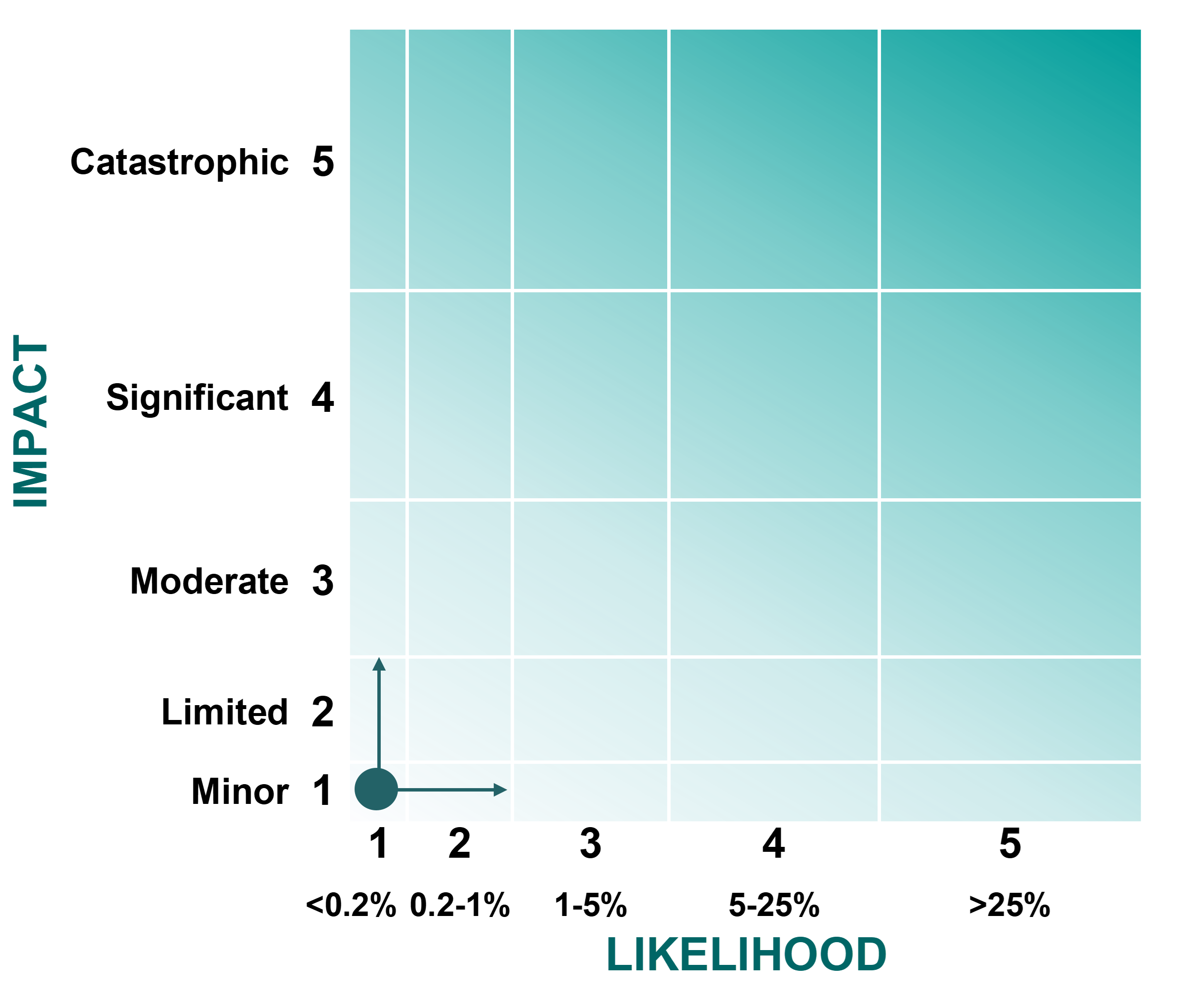
Response and mitigation
Established guidance states that respiratory isolation is required for suspected and confirmed cases, with rapid transfer of confirmed patients to designated HCID treatment centres where clinician follow strict infection prevention control protocols. A risk assessment would evaluate the likelihood of further case importation and its impact on the UK population informing mitigation measures such as contact tracing and case management. Travel health websites may issue additional advice for those visiting south-east Asia warning against consuming date palm sap, avoiding bat roosting areas, and emphasising good hygiene practices.
Foodborne outbreak linked to domestically produced contaminated food | Gastrointestinal | Shiga toxin-producing Escherichia coli (STEC)
Background and current situation
Consuming foods that are contaminated with harmful bacteria can cause illness with symptoms such as fever, abdominal pain, diarrhoea, nausea, and vomiting. Shiga toxin-producing Escherichia coli (STEC) is a type of bacteria that can cause a food poisoning. In rare cases it can lead to a serious condition called haemolytic uremic syndrome (HUS), which can cause kidney failure. STEC outbreaks usually happen when people eat contaminated fresh produce or undercooked meat. Small outbreaks have occurred in the UK before, and larger ones have happened in other countries including Germany in 2011.
Reasonable worst-case scenario
In this scenario, inadequate controls in a large UK salad factory leads to STEC contamination in ready-to-eat salads during the summer months when salad consumption is high. The salads are widely distributed and eaten before the outbreak is detected. The strain of STEC causing this outbreak is more severe and has an increased risk of serious complications including HUS. This results in 4,000 cases, including hundreds with HUS and a small number of deaths over 3 months. The surge in HUS puts major pressure on kidney units, as dialysis is needed, and young children are most at risk because there are few paediatric kidney units. The short shelf life of salad products and the limited UK growing season are likely the main factors that would reduce the impact of this scenario.
Risk matrix: Foodborne outbreak linked to domestically produced contaminated food, Shiga toxin-producing Escherichia coli (STEC)
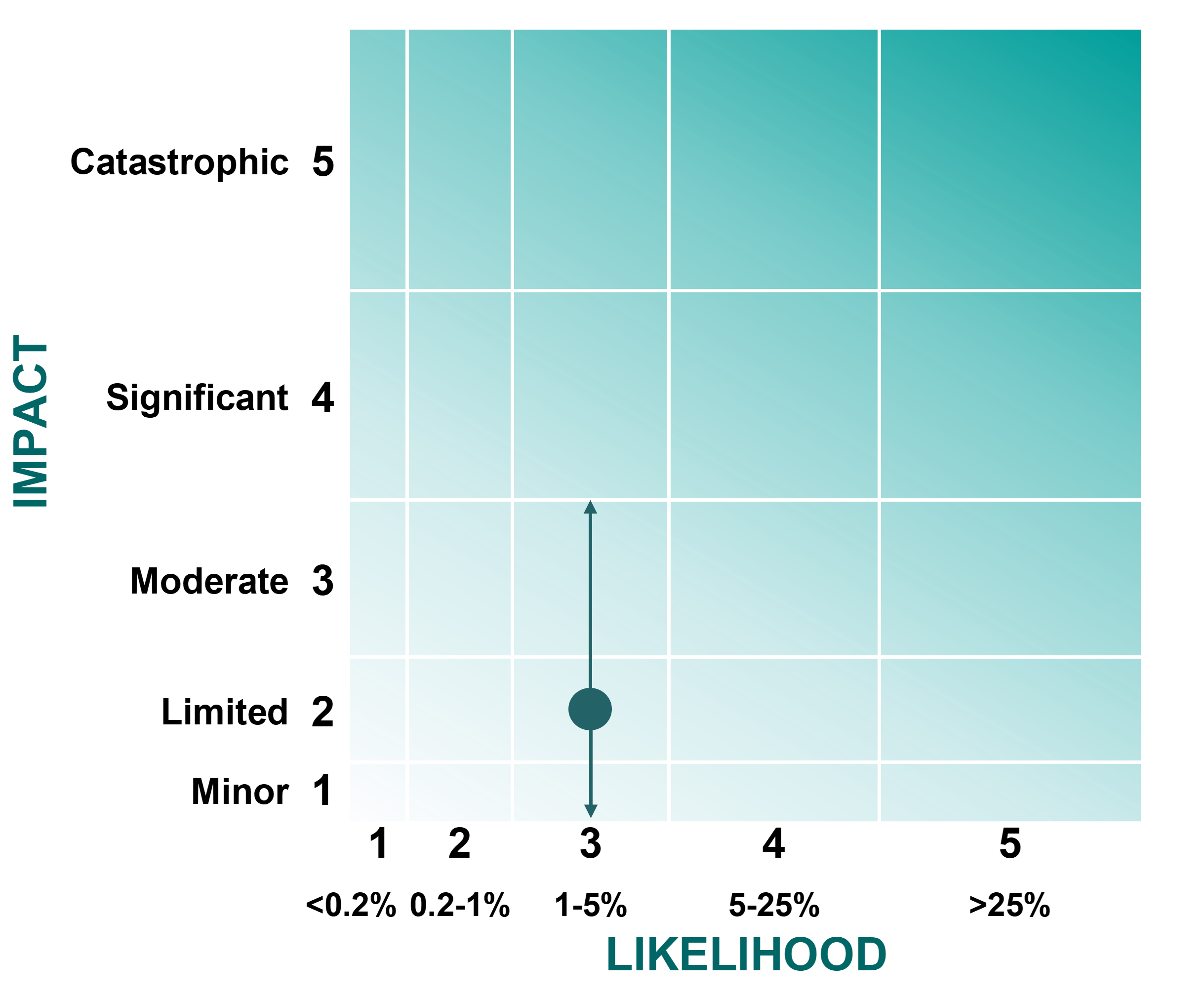
Response and mitigation
STEC outbreaks would be managed using national and local plans. Public health campaigns would warn people about symptoms, how it spreads, and prevention advice such as washing salad products, handwashing and staying home when ill. Health Protection and Environmental Health Teams act immediately when cases are reported, following the specific guidance on management of STEC. This includes identifying cases and contacts and undertaking subsequent clearance testing. UKHSA’s laboratories would handle testing of the high-risk pathogen under strict infection control guidance.
The Food Standards Agency, UKHSA, and other Public Health Agencies in the UK including Local Authority Health Protection and Environmental Health Teams would conduct a joint investigation into the supply chain and enforce controls at the factory. Product withdrawals and recalls of suspected contaminated food products should be implemented as soon as the source is identified.
Disproportionate impact on priority population groups
It is unclear who would eat the contaminated food and therefore it’s hard to determine who would disproportionately feel the impacts of this scenario.
A large proportion of people in adult social care are older, have underlying health conditions, and are at higher risk of transmission in care settings, therefore are at a higher risk of severe outcomes from STEC. Those living in deprivation are also at risk of worse outcome from STEC partly due to the delay reporting symptoms. This could be for a number of reasons including accessibility issues, financial concerns, and other pressures.
People in adult social care, ethnic minority groups, and the most deprived 20% are likely to be more affected if kidney care units become overstretched, because kidney disease and other conditions such as diabetes (which affects the kidneys) are more common in these groups. Children who are at risk of HUS are also more common in these communities.
Outbreak linked to international travel | Gastrointestinal | Typhoid (enteric fever)
Background and current situation
Consuming foods that are contaminated with harmful bacteria can cause illness with symptoms such as fever, abdominal pain, diarrhoea, nausea, and vomiting. Salmonella Typhi or Salmonella Paratyphi are types of bacteria that can cause a systemic illness called enteric fever. Enteric fever is rare in the UK, most cases are imported infections with approximately 300 cases diagnosed in UK each year, mostly linked to eating contaminated food or drinking contaminated water when travelling abroad. Multidrug-resistant and extensively drug-resistant strains are well known.
Reasonable worst-case scenario
In this scenario, more people are booking package holidays, and cheap flights abroad mean there is more travel to regions with a higher number of cases of enteric fever. More people consuming contaminated foods abroad leads to an increase in people returning to the UK with enteric fever. On one occasion, a large family return from a wedding abroad, tens of people get enteric fever caused by Salmonella Typhi. Treatment is challenging as the bacteria are resistant to commonly recommended antibiotics.
Risk matrix: Outbreak linked to international travel, Typhoid (enteric fever)
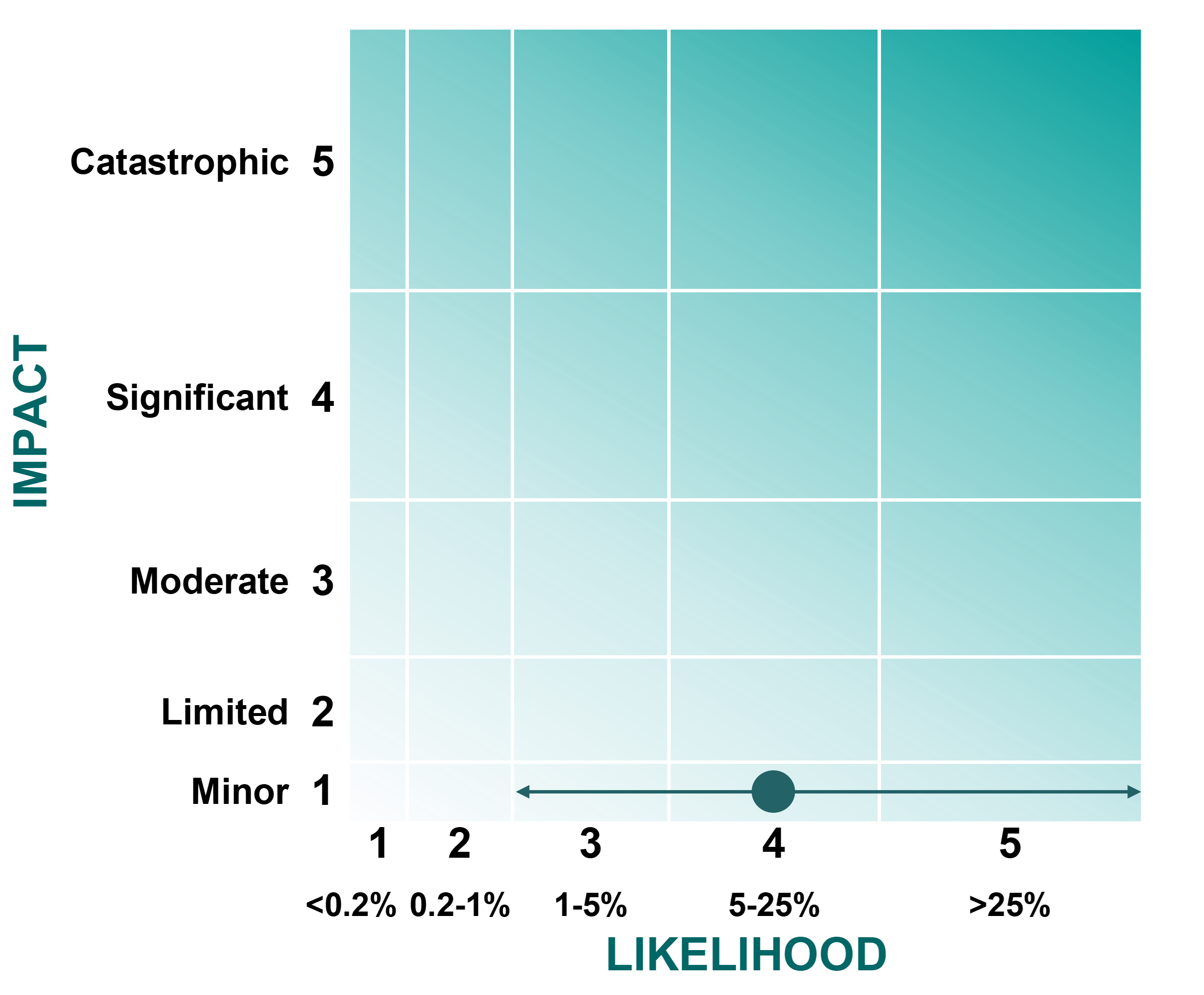
Response and mitigation
Health protection teams would trace people who are cases, travellers and close contacts and give clear advice on symptoms and when to see a GP and arrange clearance specimens where required. Public campaigns could explain how the illness spreads, what symptoms to look for, and how to prevent it through good handwashing and safe food handling. If cases or contacts are food workers and people who care for vulnerable groups, they can only return to work after tests show the bacteria is gone. If infected individuals attend nurseries, day care centres, or continue working in catering kitchens, these settings may need to temporarily close for deep cleaning.
There could be a targeted vaccination campaign for high-risk populations (that is, travellers to countries where typhoid is common) which would increase the coverage of the Salmonella Typhi vaccine.
Disproportionate impact on priority population groups
Ethnic minority groups and the most deprived 20% are expected to be most affected because they’re more likely travel to endemic countries to visit family and friends. Since there is a higher rate of ethnic minority families living in deprived areas, enteric fever rates are likely to be higher in the most deprived 20%.
Foodborne outbreak linked to imported contaminated food | Gastrointestinal | Salmonella Typhimurium
Background and current situation
Consuming foods that are contaminated with harmful bacteria can cause illness with symptoms such as fever, abdominal pain, diarrhoea, nausea, and vomiting. Salmonella Typhimurium is a type of bacteria that can cause a food poisoning called salmonellosis. It is more commonly found in food products including raw meat, eggs, and dairy. Around 9,000 cases of salmonellosis are reported each year in England and Wales.
Reasonable worst-case scenario
In this scenario, milk from cows carrying Salmonella Typhimurium gets contaminated before processing. A fault in the pasteurisation equipment at an international dairy plant means the milk is not fully free of bacteria. These dairy products are supplied to a large international chocolate factory where the Salmonella is harboured in production lines. These contaminated chocolates are sold around the UK primarily in products that are aimed at young children and older age groups. Throughout the course of the outbreak, there are hundreds of people which fall ill, of which 30% are aged 70 or above, and within this elderly age group a small number of fatalities occur.
Risk matrix: Foodborne outbreak linked to imported contaminated food, Salmonella Typhimurium
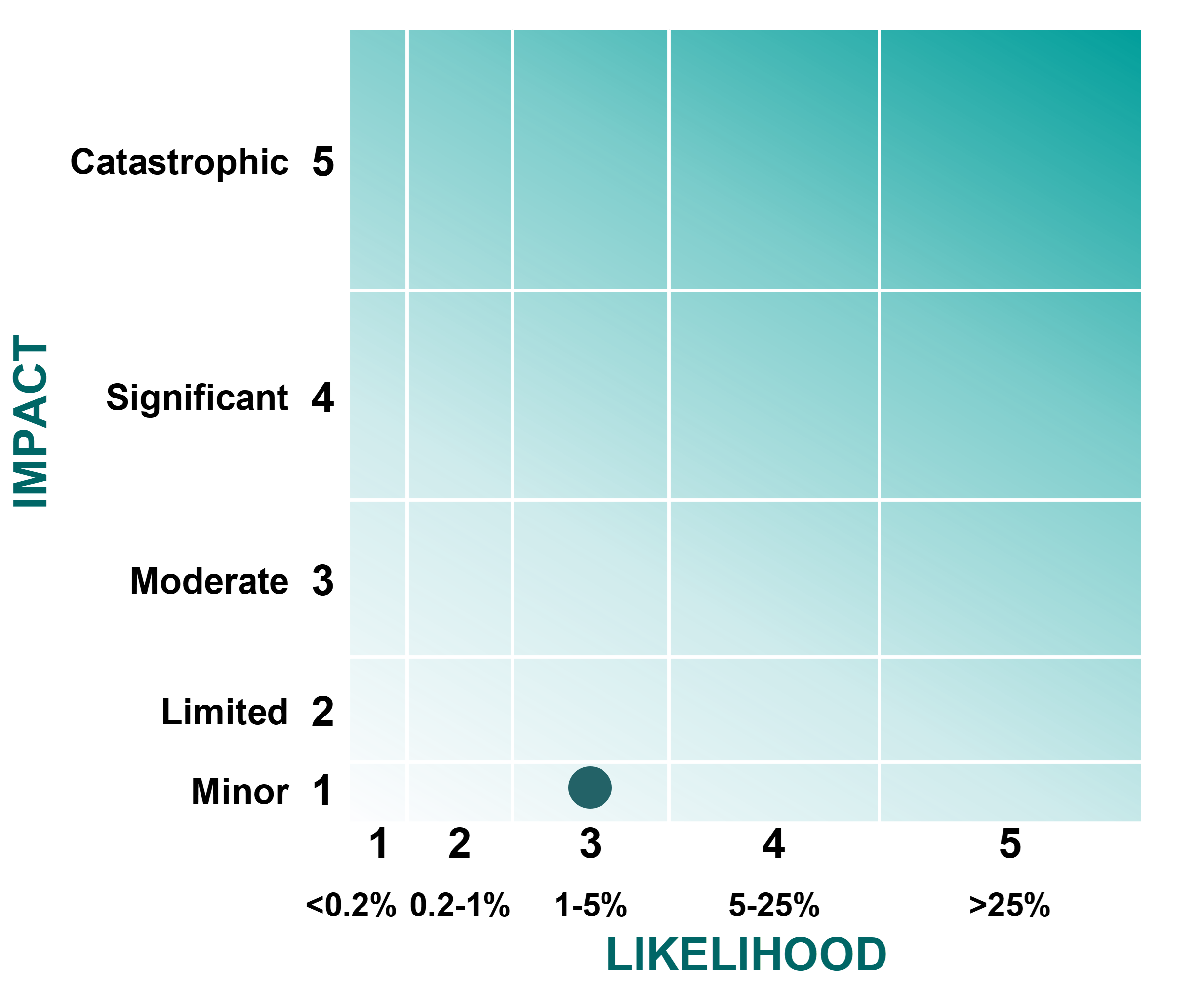
Response and mitigation
To prevent the further spread of salmonella people who become ill are advised to wash their hands thoroughly, avoid handling other people’s food and to stay away from work or school for at least 48 hours after symptoms have stopped.
The Food Standards Agency, UKHSA, and other Public Health Agencies in the UK including Local Authority Health Protection and Environmental Health Teams, alongside international counterparts would conduct a joint investigation into the outbreak and as a result contaminated products would be recalled. UK food safety authorities would alert the public, put notices in shops, and work with retailers to make sure recalled products are returned. Production at the international dairy plant would stop until the cause of the outbreak is identified and managed.
Disproportionate impact on priority population groups
Adult social care is expected to be disproportionately impacted because people aged 70 and over make up a larger share of cases and are more vulnerable to severe illness from salmonella. Older adults often have weaker immune systems to fight the salmonella bacteria and have higher rates of other health conditions, both of which increase the risk of serious outcomes.
Increased AMR causes increase in morbidity | STI/bloodborne | Drug-resistant gonorrhoea
Background and current situation
Gonorrhoea is a sexually transmitted infection (STI) caused by the bacteria Neisseria gonorrhoeae. Around one in 10 men and half of women with genital infections are asymptomatic. The main treatment for gonorrhoea is an antibiotic called ceftriaxone. In the UK, a small number of cases resistant to ceftriaxone have been reported, mostly linked to travel in the Asia-Pacific region, but all were successfully managed. In November 2023, the Joint Committee on Vaccination and Immunisation (JCVI) endorsed a targeted, opportunistic vaccine programme using 4CMenB for protection against gonorrhoea primarily in GBMSM at higher risk of infection.
Reasonable worst-case scenario
In this scenario, an antibiotic-resistant strain of Neisseria gonorrhoeae spreads across the UK with 100,000 cases. 5% of cases display resistance ceftriaxone, the main antibiotic currently used as the first line of treatment. Of these cases, 10% fail treatment. This leads to more people developing serious complications, such as pelvic inflammatory disease or infections that spread through the body, causing worse health outcomes. This requires more costly antibiotic treatments and puts more pressure on pathology services and genitourinary medicine (GUM) clinics.
Risk matrix: Increased AMR causes increase in morbidity, Drug-resistant gonorrhoea
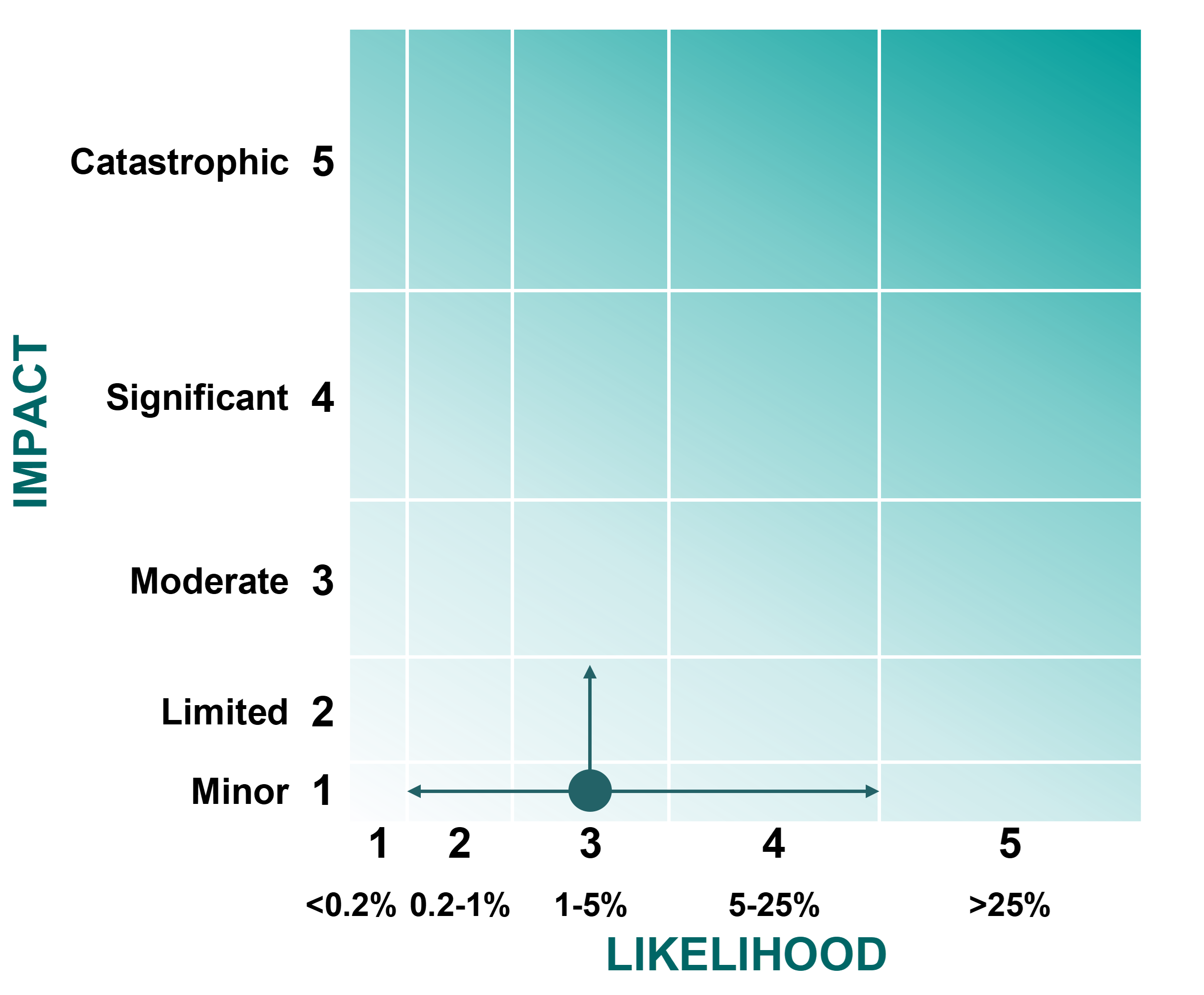
Response and mitigation
Public health campaigns could reinforce safe sex practices, promote condom use, raise awareness of gonorrhoea, and improve community engagement. Expanding access to STI self-sampling kits and ensuring timely treatment would support early detection and prevent onward transmission.
Point-of-care diagnostic tests to detect ceftriaxone resistance could be introduced to guide effective second-line treatment and reduce the risk of treatment failure. Where resistance is identified, alternative antibiotics may be prescribed, although cost and availability could be limiting factors. The vaccination programme using the 4CMenB vaccine could be expanded further.
Disproportionate impact on priority population groups
Inequalities are likely to persist in groups already at higher risk of gonorrhoea infection. These include some Black ethnic minority groups, inclusion health groups such as sex workers, and people living in the most deprived areas.
Global evidence also suggests higher prevalence in prisons and places of detention, though UK data is limited. Sex workers face increased risk due to greater exposure to condomless sex and barriers to accessing sexual health services, particularly for those who are most marginalised. In prisons, limited access to preventative measures (for example, condoms) and barriers to accessing sexual health services increases the risk of infections being transmitted or left undiagnosed.
Across all affected groups, harm is likely to be greater for women and other people with wombs or ovaries because untreated gonorrhoea can lead to pelvic inflammatory disease which may cause chronic pain, ectopic pregnancy, and infertility. Young people are more affected because incidence is higher in younger age groups.
Decline in vaccine coverage in people who inject drugs | STI/bloodborne | Hepatitis B
Background and current situation
Vaccines are a key preventative measure against many health hazards such as hepatitis B virus. Hepatitis B infection can cause acute illness with symptoms such as nausea, abdominal pain, and jaundice, and in rare cases liver failure and death. Some infections become chronic and persist life-long, increasing the risk of liver disease, cirrhosis, and cancer. Hepatitis B spreads through contact with infected blood or bodily fluids, most often via sexual contact or injecting drug use in the UK, and globally, via vertical transmission.
Reasonable worst-case scenario
In this scenario, hepatitis B infection control deteriorates among high-risk adults in the UK. This is driven by a decline in prevention services due to socio-economic downturn and rising intravenous drug use. Pressure on public health services affects access to and provision of key interventions, including vaccination and needle exchange programmes. As coverage falls, acute adult hepatitis B cases rise nationally from less than 500 to around 1,000 cases per year.
Around 60% of acute hepatitis B cases will require hospitalisation, adding strain to health systems. In the long term, there are high levels of pressure on health care systems to manage complications of chronic hepatitis B. Resources diverted to outbreak control reduce capacity for routine health protection work, increasing risk of transmission of other infections.
Risk matrix: Decline in vaccine coverage in people who inject drugs, Hepatitis B
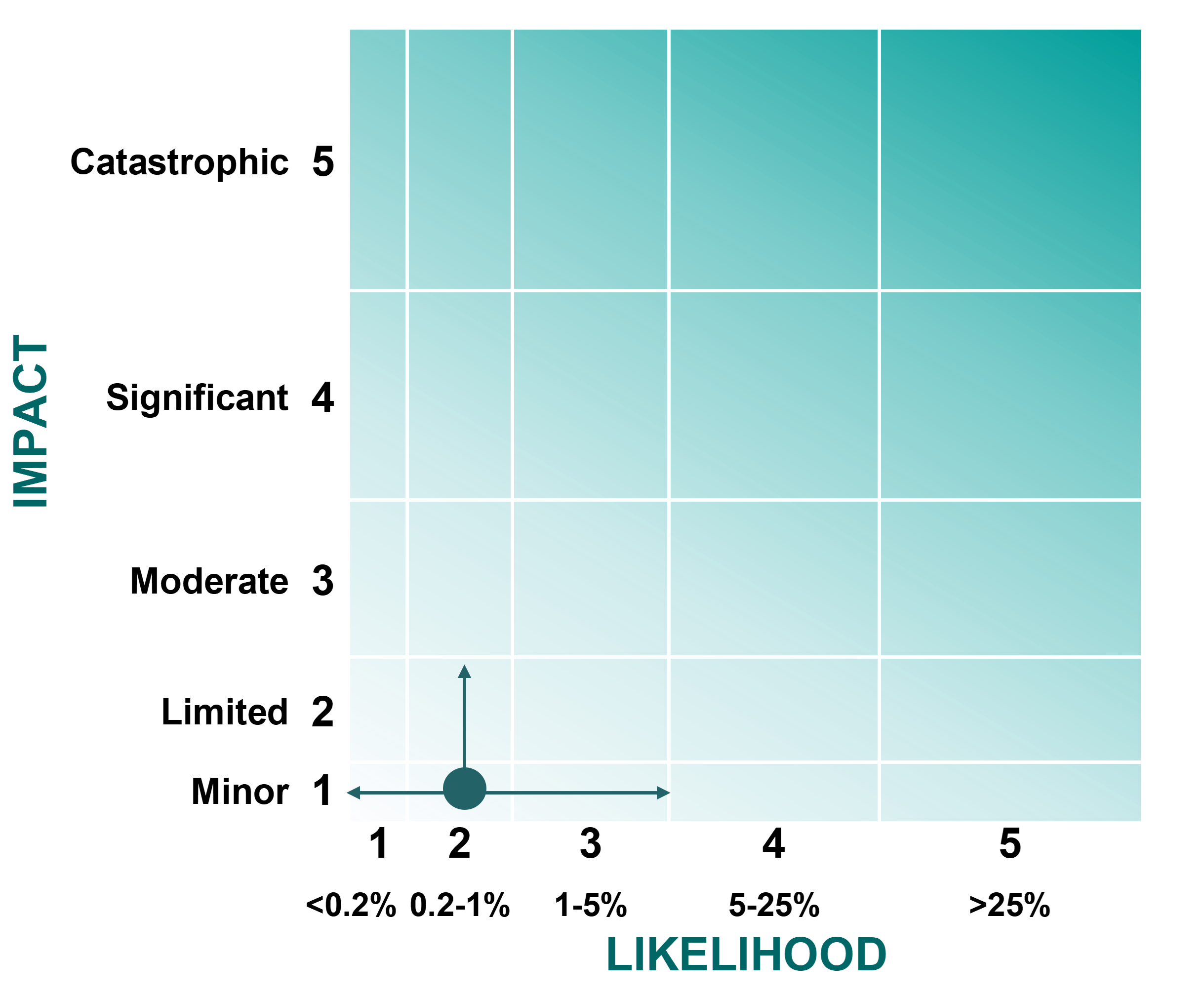
Response and mitigation
Interventions to reduce transmission could include expanding needle and syringe exchange programmes and harm reduction strategies such as opiate agonist therapy. Public health campaigns could be implemented to strengthen vaccination and testing in drug services, prisons, and detained settings, alongside outreach to improve vaccine access for people who inject drugs. Local surveillance data can help identify groups where vaccination and other interventions need to be prioritised.
Disproportionate impact on priority population groups
People who inject drugs are at increased risk of hepatitis B, particularly if vaccination coverage declines or access to prevention measures such as needle exchange is reduced. Inclusion health groups face multiple overlapping risk factors, including higher levels of injecting drug use, barriers to healthcare, and co-morbidities such as hepatitis C and alcohol-related liver disease, which can worsen outcomes.
Many people who inject drugs experience periods of incarceration, where limited access to sterile injecting equipment and activities such as tattooing or sharing personal care items further increase transmission risk. Higher levels of deprivation are associated with both injecting drug use and hepatitis B prevalence, compounding the risk of infection.
Increased native vector activity | Vector-borne | Tick-borne encephalitis (TBE)
Background and current situation
As tick populations become more active and widespread, the risk of diseases they carry is rising, including tick borne encephalitis (TBE). This is a viral infection transmitted by the bite of an infected tick. Whilst most people have no symptoms, some people experience a flu‑like illness followed by a second stage that can affect the brain or nerves. In very severe cases it can be life‑threatening causing meningitis or encephalitis.
TBE is rare in the UK, with only a few isolated cases reported. However, it is common in many parts of Europe and cases are rising in nearby countries like France, meaning it could become more widespread here. There are many factors (such as climate change and wildlife populations) that create a better environment for tick populations and impact on the transmission of TBE, increase the likelihood of a similar scenario in the UK. Ticks with the ability to carry the TBE virus are widespread UK, and the TBE virus has been found in some of these. The Tick Surveillance Scheme (TSS) maps and monitors tick distribution across the UK, which helps to highlight tick species and the risks to human and animal health.
Reasonable worst-case scenario
In this scenario, the UK experiences a warmer winter and a humid spring, the seasonal conditions that create a better environment for tick populations resulting in increased tick activity and a prolonged tick season. Due to warm weather many people travel to areas in the UK with ticks, for example recreational forests, increasing the exposure to ticks and TBE (cases of other tick-borne diseases would also increase with increased tick activity however these are not explored within this scenario). There are a small number of hospitalisations and people with residual neurological symptoms, and many additional undetected cases.
Risk matrix: Increased native vector activity, Tick-borne encephalitis (TBE)
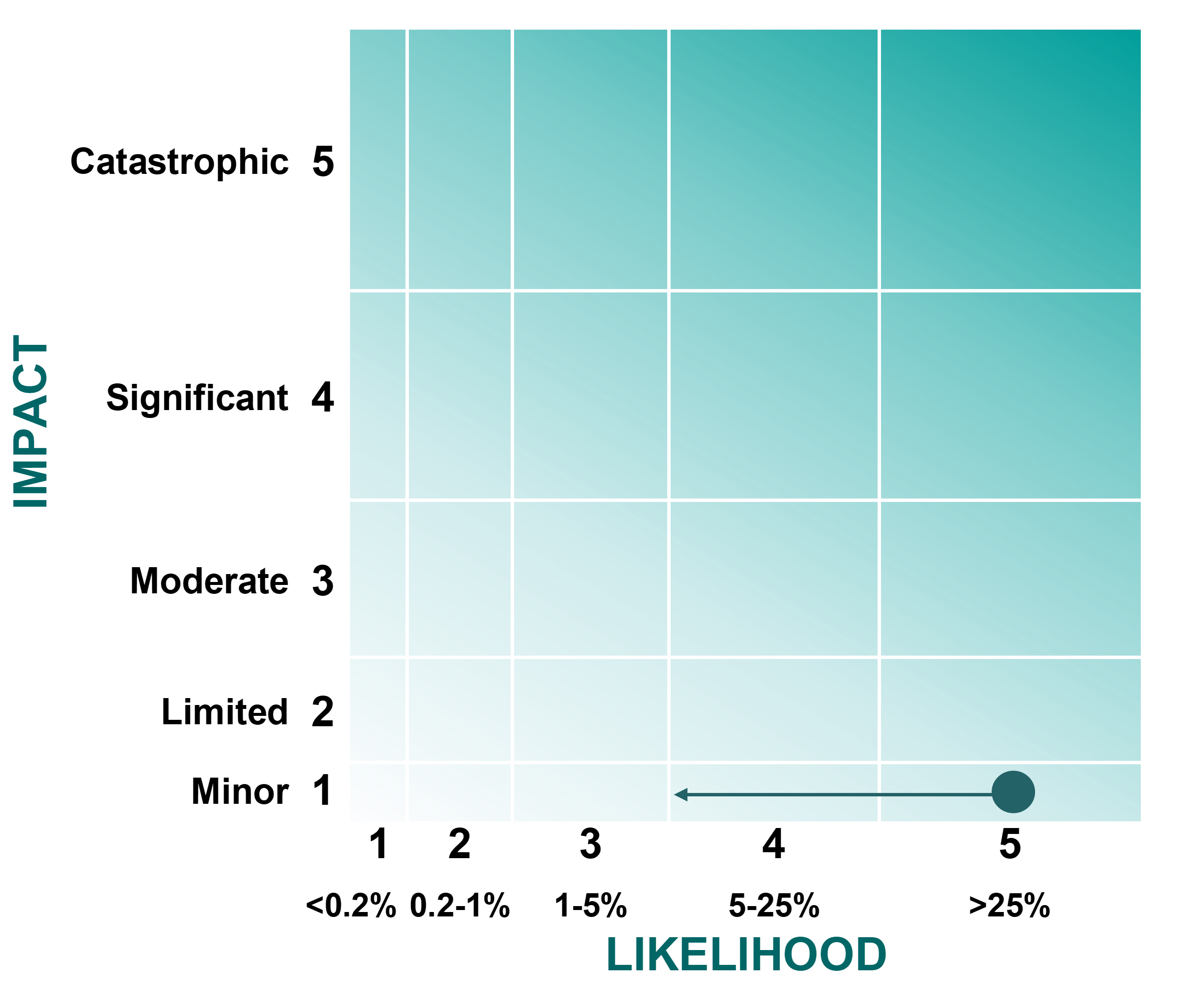
Response and mitigation
Awareness of appropriate prevention and removal of ticks, via increased and targeted public health campaigns, are important to reduce the number of humans affected. The UKHSA have preparedness plans in place for vector-borne diseases including tick information and guidance which would be drawn upon during this scenario.
Testing and surveillance activities may need to be enhanced in response to this scenario occurring so that any further cases can be detected promptly. A vaccine exists for TBE, and is used for the protection of individuals at high risk of exposure to the virus through travel or employment. It could be considered to widen the group that are identified as high risk to cover more of the population.
Non-native pathogen introduced to native vector | Vector-borne | West Nile virus
Background and current situation
West Nile virus (WNV) is spread through mosquitoes, primarily of the Culex genus, some of which are native to the UK, which have previously bitten an infected bird. The infectious mosquito then bites a mammal, including a human or horse, where there is potential for clinical disease. Of those who are bitten by an infected mosquito, 20% develop mild flu-like symptoms, and a small proportion can develop more severe disease such as encephalitis. WNV has recently been detected in UK mosquitoes but there is no evidence of locally acquired human cases in the UK to date, and as of June 2025 only 7 confirmed travel-associated cases have been reported since 2000.
Reasonable worst-case scenario
In this scenario, due to increased global temperatures, there are a series of cumulative warmer than projected summers in continental Europe. Consequently, West Nile virus is brought to the UK by infected migratory birds who are then bitten by local Culex mosquitoes. During the first season of June to October, the infected mosquitoes cause tens of symptomatic cases in humans. A small number of cases develop severe disease affecting the central nervous system and are hospitalised, resulting in one fatality.
Risk matrix: Non-native pathogen introduced to native vector, West Nile virus
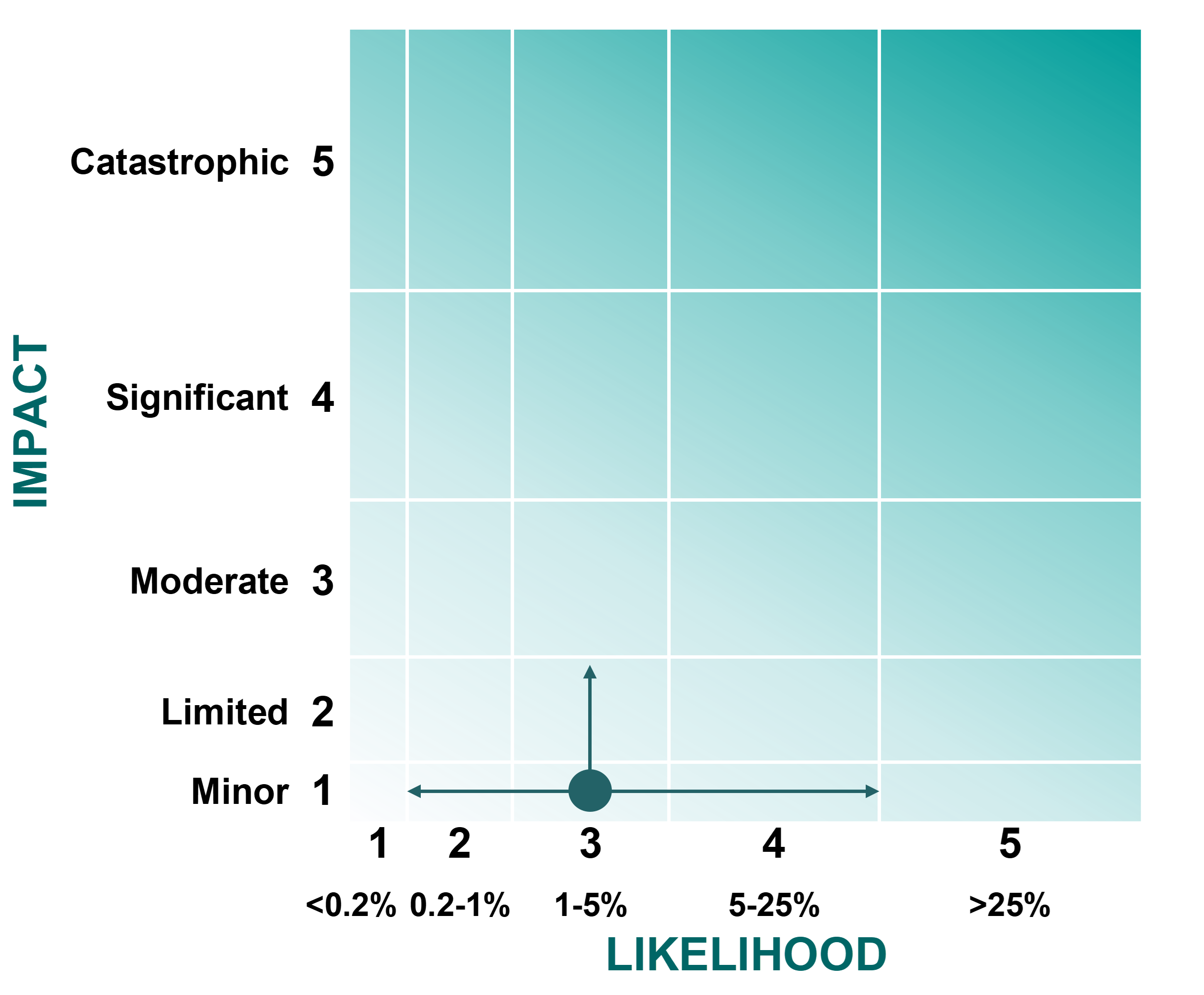
Response and mitigation
Culex mosquito populations could be managed through environmental measures such as draining areas of standing water where breeding may take place or through targeted spraying of insecticides in high-risk areas, reducing biting rates and onward transmission. Self-help guidance could be published, supported by communication campaigns and community engagement, especially in key wetland locations. In addition, providing advice on the prevention of mosquito bites via measures such as using mosquito repellent and wearing long-sleeved shirts and long trousers can help to reduce the risk of infection. Further detail can be found in the UK Vector Borne Disease Plan.
Establishment of non-native vector in UK | Vector-borne | Dengue
Background and current situation
Mosquitoes are major vectors of diseases worldwide; Aedes albopictus and Aedes aegypti carry Zika, chikungunya and Dengue and are not native to the UK. Dengue viruses are transmitted by infected Aedes albopictus mosquitoes, and most cases are asymptomatic, but symptoms can include sudden fever, body aches, and mild bleeding. The disease is endemic in Africa, the Americas, South-East Asia, and the Western Pacific, with locally transmitted cases in Europe since 2010 due to Aedes albopictus, and recent clusters in France, Spain, and Italy. However, Aedes albopictus is not yet established in the UK.
Reasonable worst-case scenario
In this scenario, due to increased global temperatures a series of warmer-than-expected summers in continental Europe increases the distribution and numbers of Aedes albopictus mosquitoes, which become established in London and south coast ports, leading to more locally acquired Dengue cases in Europe and the first in the UK. This results in a few cases of people with symptoms during summer, some requiring hospital care. A small number of asymptomatic infections are detected via surveillance. None of the cases result in fatalities, but public anxiety is high due to the novelty of Dengue in the UK.
Risk matrix: Establishment of non-native vector in UK, Dengue
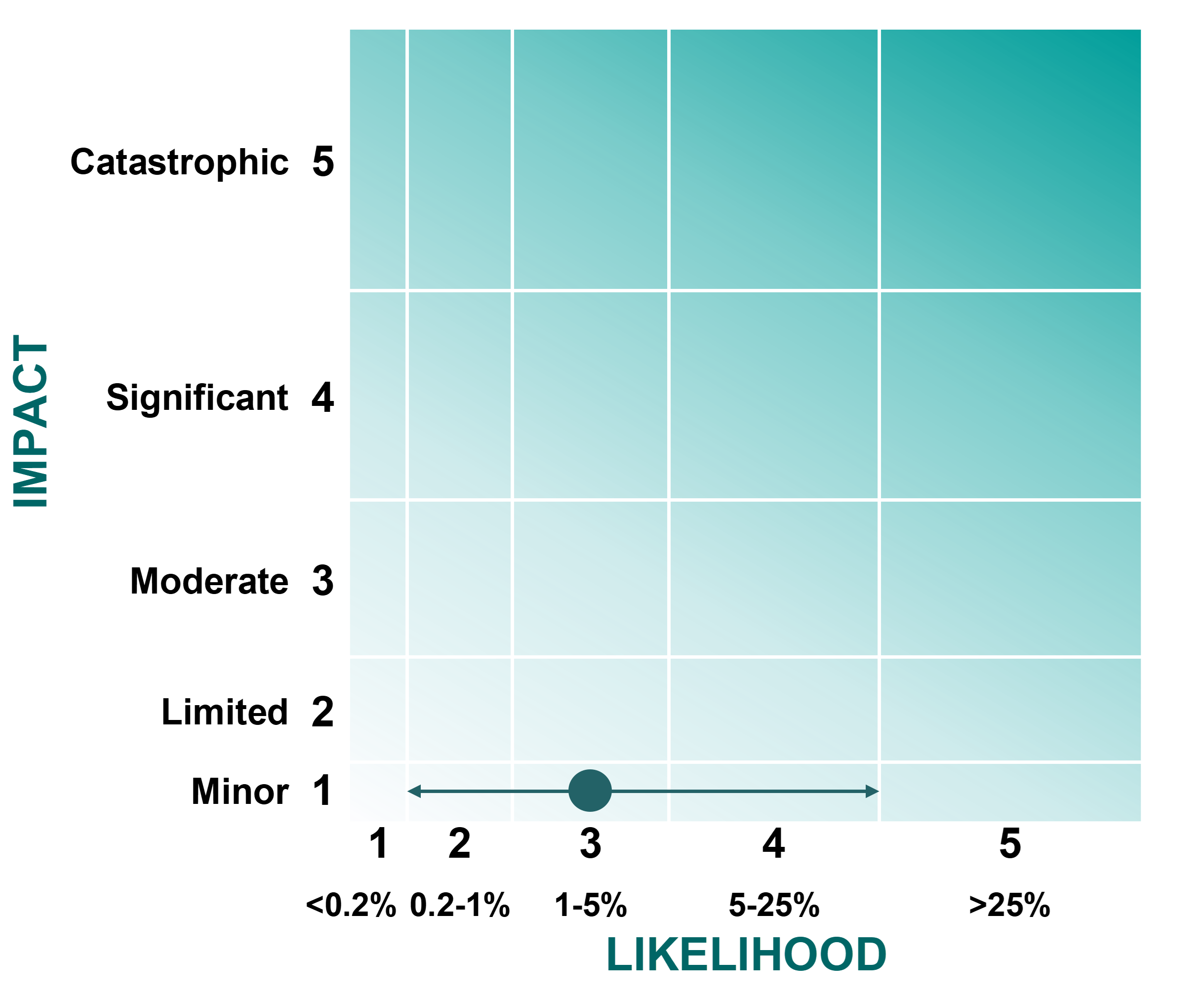
Response and mitigation
The National contingency plan for invasive mosquitoes would be consulted and appropriate response initiated. Prevention focuses on reducing mosquito breeding sites near homes and providing guidance on personal protection, such as using repellents and wearing appropriate clothing. Environmental protection teams apply insecticides to control adult mosquito population in identified risk areas. Communication measures include issuing professional advice to healthcare providers on symptom recognition and clinical management. In addition, targeted initiatives may be implemented to use the vaccine to provide protection to those who are at risk of dengue. Further detail can be found in the UK Vector Borne Disease Plan.
Establishment of non-native vector in UK | Vector-borne | Zika virus
Background and current situation
Mosquitoes are major vectors of several diseases worldwide, for example, Aedes albopictus and Aedes aegypti, are known carriers of Zika, chikungunya and Dengue and are not native to the UK. Zika virus is mainly transmitted by infected mosquitoes but can also spread through sexual contact and from mother to foetus. Most infections are mild or asymptomatic; however, infection during pregnancy can cause congenital malformations and neurodevelopmental delays, known as Congenital Zika Syndrome. In adults, Zika has been linked to Guillain-Barré syndrome, a rare neurological condition. Most European cases are travel-related, and there are currently no Zika virus–competent mosquito species in the UK nor have any locally acquired cases been reported.
Reasonable worst-case scenario
In this scenario, due to increased global temperatures a series of warmer-than-expected summers in continental Europe increases the distribution and numbers of Aedes albopictus mosquitoes, leading to more locally acquired Zika cases in Europe and the first locally acquired cases in the UK. A small cluster of cases occur in South-East England between July and October, causing public health concern. None of the cases result in fatalities or hospital admissions, but public anxiety is high, particularly among pregnant women, due to the novelty of Zika in the UK.
Risk matrix: Establishment of non-native vector in UK, Zika virus
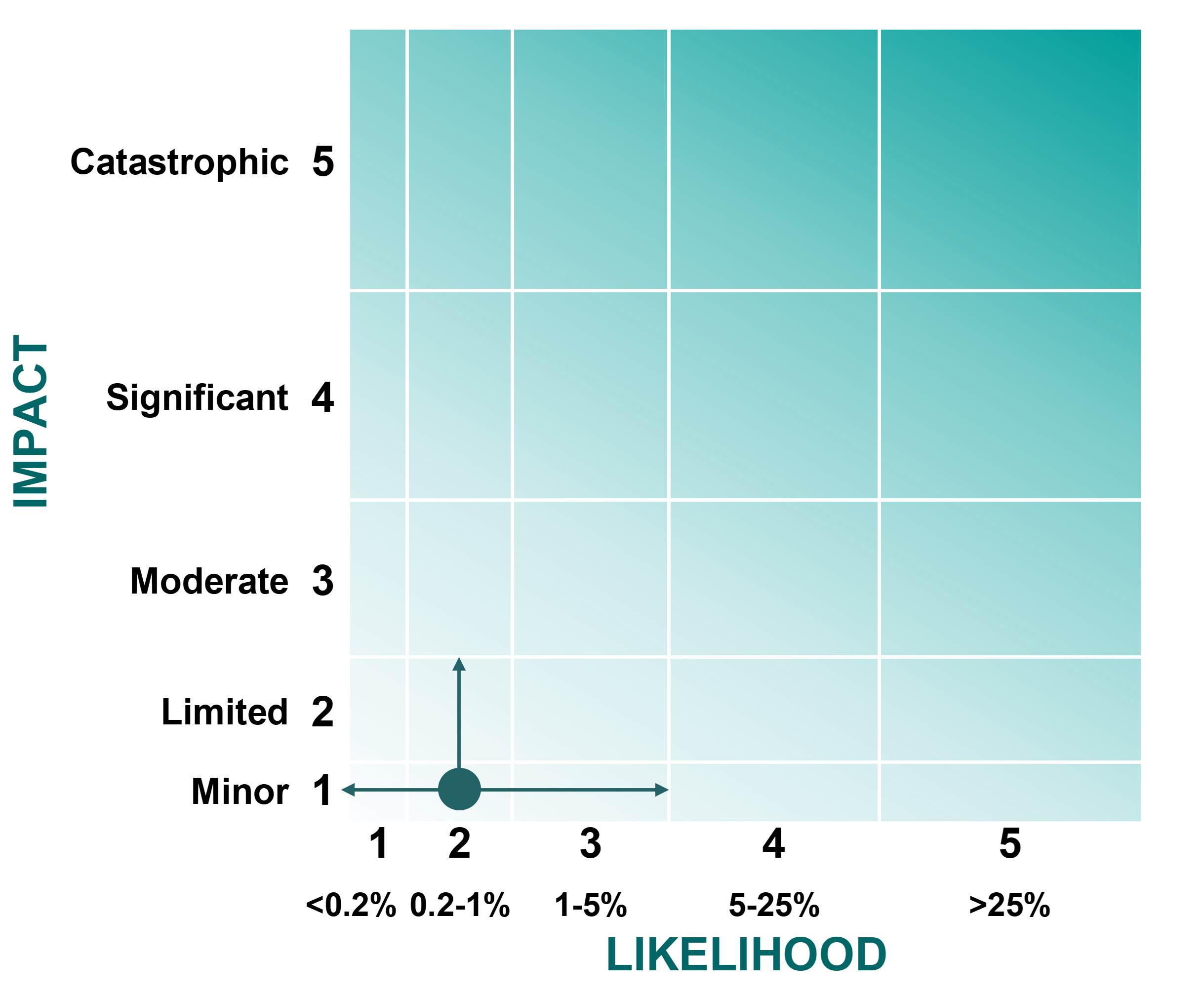
Response and mitigation
The National contingency plan for invasive mosquitoes should be consulted and appropriate response initiated. Prevention focuses on reducing mosquito breeding sites near homes and providing guidance on personal protection, such as using repellents and wearing appropriate clothing. Environmental health teams apply insecticides to control adult mosquito population in identified risk areas. Communication measures include issuing professional advice to healthcare providers on symptom recognition and clinical management and delivering targeted information to pregnant women about Zika risks, prevention and actions if symptoms occur.