United Kingdom Food Security Digest 2025
Published 11 December 2025

© Crown copyright 2025
This publication is licensed under the terms of the Open Government Licence v3.0 except where otherwise stated. To view this licence, visit nationalarchives.gov.uk/doc/open-government-licence/version/3 or write to the Information Policy Team, The National Archives, Kew, London TW9 4DU, or email: psi@nationalarchives.gov.uk.
Where we have identified any third party copyright information you will need to obtain permission from the copyright holders concerned.
This publication is available at https://www.gov.uk/government/statistics/united-kingdom-food-security-digest-2025/united-kingdom-food-security-digest-2025
Introduction
About this publication
The Digest is a new annual statistical publication which will be produced in the years between the triennial UK Food Security Report (UKFSR). As with the UKFSR it presents a selection of statistics and broader evidence on issues related to food security, but, unlike the UKFSR, it is a smaller scale publication not intended to be a comprehensive look at all aspects of food security. It is intended to complement the UKFSR rather than replace it. Our design principles have been to:
-
Focus on data more frequently updated than that normally featured in the three-year rhythm of the UKFSR
-
Relate to events or situations of relevance to food security that have happened since the last publication
-
Include data that will be of most interest and value to users
-
Generally, to use data that does not duplicate some of the more regularly quoted statistics in the food security space. Defra and other organisations continue to publish a range of relevant figures elsewhere – see the Annex for a list of some other relevant data sources and further reading
We hope that this will make the Digest a useful and interesting publication. We would welcome feedback or suggestions from readers on how to improve future versions.
Food security
While there are many definitions of food security, the UKFSD uses the widely used 1996 World Food Summit definition which defines food security in broad terms as:
“when all people, at all times, have physical and economic access to sufficient safe and nutritious food that meets their dietary needs and food preferences for an active and healthy life.”
This definition encompasses the many interacting factors that exist within complex food systems. These factors are complex and multi-faceted. Food security therefore cannot be reduced to a single metric or concept.
There are many lenses with which to view food security. At the global level, issues such as climate, weather events, conflict and shocks to international trade are relevant. National resilience will focus more on factors such as domestic production, sources of imports and supply chain resilience. For individuals, however, food security is about the accessibility and affordability of food, being able to provide a nutritious and sufficient diet for your household and having confidence that the food you buy is safe. The UKFSR covers these viewpoints via five thematic sections. As per the Digest design principles (see above), we have not attempted to give equal weight to each theme in the content of this publication, rather focusing on content that illustrates changes since the last publication; the UKFSR offers far wider examples of the issues pertinent to each theme.
Events in 2025
Below is a non-exhaustive summary of events since the publication of the UKFSR 2024 which relate in some way to food security, from a local to a global scale.
| Month | Event |
|---|---|
| January | The port of Holyhead reopened after five weeks closure following damage caused by incidents during Storm Darragh. The port did not fully reopen until July. Between 5% and 10% of annual UK meat and dairy imports usually come through the port. |
| March | Reports from wholesale markets suggested that bananas were in short supply. This was due to the increase of Panama disease, industrial action around the Panama Canal and rough seas delaying vessels. As delayed vessels arrived there were further delays as the ripening rooms coped with the backlog. There were some floods and flash flooding in Spain - Murcia and Andalusia in particular. A cold snap and wet weather prompted some wider concerns around supply of salad lines including tomatoes and sweet peppers. Broccoli from Spain was in short supply for several weeks. |
| April | Two high street food retailers, Marks and Spencer and the Co-op, were impacted by cyber attacks. There were short-lived but large-scale power outages causing blackouts across the Iberian Peninsula. Power was quickly restored, but it served as a reminder that such major events can happen. Official government advice on preparing for emergencies (including emergency food supplies) is available at Prepare. |
| May | Due to the viral trend for Dubai Chocolate, there were global supply shortages of pistachios. Prices increased, and it can take several years for pistachio trees to mature. California is a major producer, but production was down 26% following earlier wildfires. |
| June | 40% of mainland Europe was in drought (Greece, Southern Italy, Spain). There was some concern about the wheat crop in Spain and Portugal if the heat continued. Central Europe has been hit the hardest by drought and floods (especially France). In Ukraine hot weather was just one of many factors affecting wheat production. 10% of their land was occupied or part of the front lines and energy and labour were hard to come by, which meant that they were already producing less than pre-war. Weather was an added stressor. |
| August | Food price inflation reached 5.1%, 1.3% higher than overall inflation and its highest level since February 2024. |
| September | September rainfall was not enough to undo the impact of drought in the UK. Winter feed was used during summer in some cases due to poor grass growth for grazing. Most crops were harvested at that point, however there were some concerns regarding root crops as irrigation is required to lift them where ground is dry. |
| November | Mandatory housing measures for poultry in Great Britain were introduced to reduce the risk of incursion of Avian Influenza. |
Individual events or factors rarely have a quantifiable impact on food security, as it cannot be fully captured by statistics alone. However key contextual factors do combine to influence food security as viewed at differing scales:
People. In the UK, the cost of living and affordability of food remained a notable household concern, with food price inflation being higher than general inflation for most of the year. The Family Resources Survey reported increased household food insecurity and food bank usage. The increasing cost of a cup of coffee encapsulated how global commodity prices affected prices at home.
Businesses. The UKFSR 2024 described how the Russian invasion of Ukraine caused a spike in energy and agri-food input costs which impacted food prices and business uncertainty. Food chain inputs, such as labour and energy are all key to food production and the resilience of the supply chain to such shocks is a key element of UK national food security. In 2025, high profile cyber attacks on high street retailers highlighted the importance of food as part of the UK Critical National Infrastructure.
International. Global food supply and the sustainability of global food production are of key importance for UK food supply, as well as strong domestic production. Geopolitical tensions and conflict continue to affect shipping routes, and trade policy uncertainty in the last year has the potential to impact on food. Commodity prices for staple ingredients are important factors affecting UK food prices, whilst animal and plant health and wider climate issues also remain of importance.
The indicators below reflect the interconnected factors relating to food security at these different scales.
Household Food Security Status
Household food security is measured using an international standard set of questions that capture households direct experiences of accessing sufficient food to facilitate an active and healthy lifestyle and classifies them according to their level of food security.
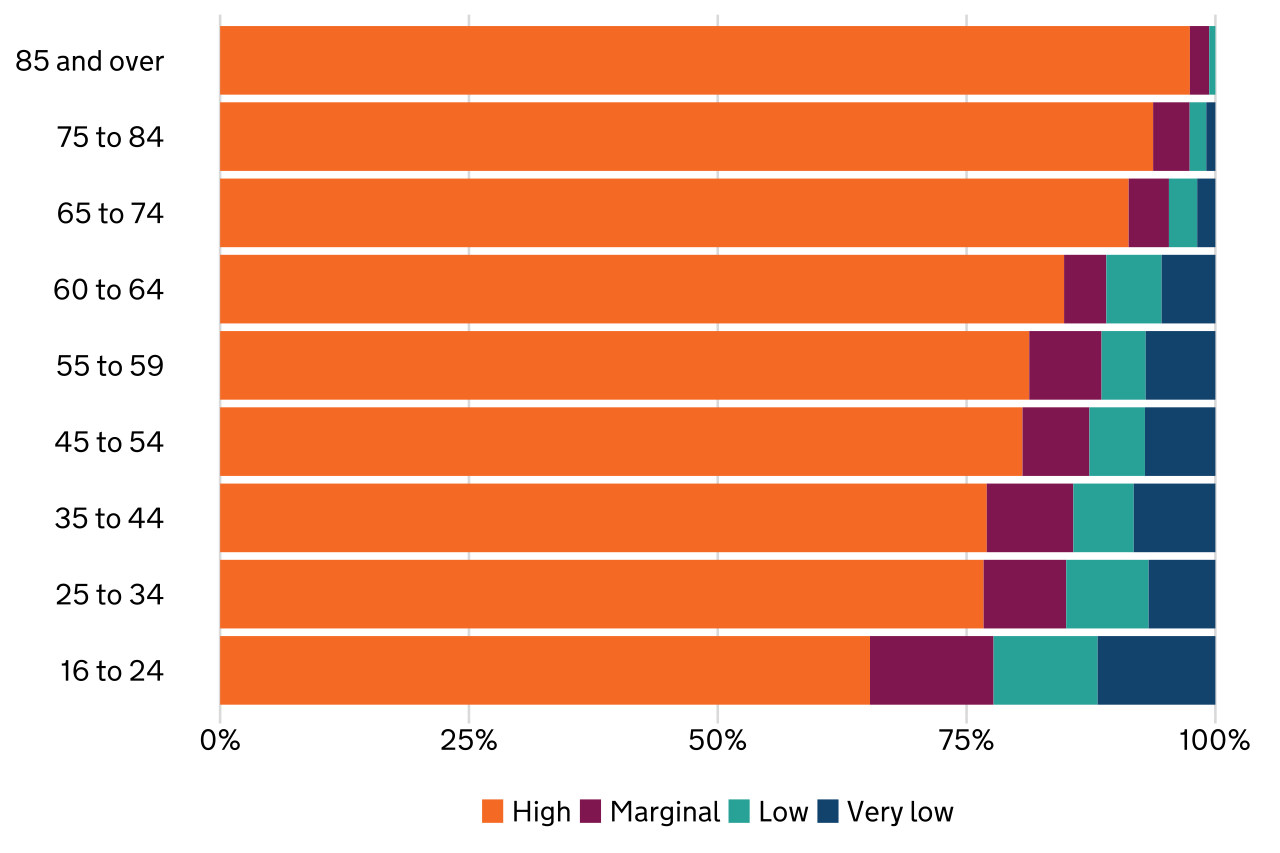
The proportion of food secure households has remained at 90% or above in the 5 years since data collection began in the financial year FYE 2020. It was highest in FYE 2021 and FYE 2022 at 93% and lowest since then, in both FYE 2023 and FYE 2024, at 90%.
Households with an older head of household were more likely to be food secure in FYE 2024. Only 78% of households headed by 16-24-year-olds were food secure, while for 85 and over this figure was 99%.
Figure 1: Household food security status by age of head of household, 2023 to 2024, United Kingdom
Source: Family Resources Survey (FRS), Department of Work and Pensions
Download the data for this chart in .ods format: 84.0 KB
Note: the 85 and over category reflects that there were no households (categorised by the head of the household) with very low food security in the sample.
Disability:
-
Households where one or more adult members are disabled were less likely to be food secure (84%) than households with no disabled adults in FYE 2024 (94%).
-
The gap between disabled and non-disabled food secure households has widened over the last 5 years.
Children:
-
84% of households with children were food secure in FYE 2024, compared to 92% of households without children.
-
Since FYE 2020 food security has decreased for both groups, however it has reduced more for households with children.
-
In FYE 2020 89% of households with children were food secure, while 94% of households without children were food secure.
State support:
Households on different benefits have very different levels of household food security.
-
In FYE 2024, 69% of households which were on an income related benefit were food secure, compared to 88% of households on non-income related benefits in FYE 2024.
-
60% of households receiving Universal Credit were food secure and 57% of households receiving Income Support.
The household food security questions were added to the Department for Work and Pensions’ Family Resources Survey (FRS) in the 2019 to 2020 survey year and measure whether households have sufficient food to facilitate an active and healthy lifestyle.
In the survey year 2021 to 2022, the Family Resource Survey (FRS) asked further questions on food bank usage.
These questions are asked of the person in the household who knows the most about buying and preparing food and therefore relate to the household as a whole; not to individuals within the household, nor single benefit units within multi-family households.
The food security questions ask about the 30 days before the interview, while the food bank usage questions ask about both the 30 days before the interview and the previous 12 months before the interview.
Household food bank usage
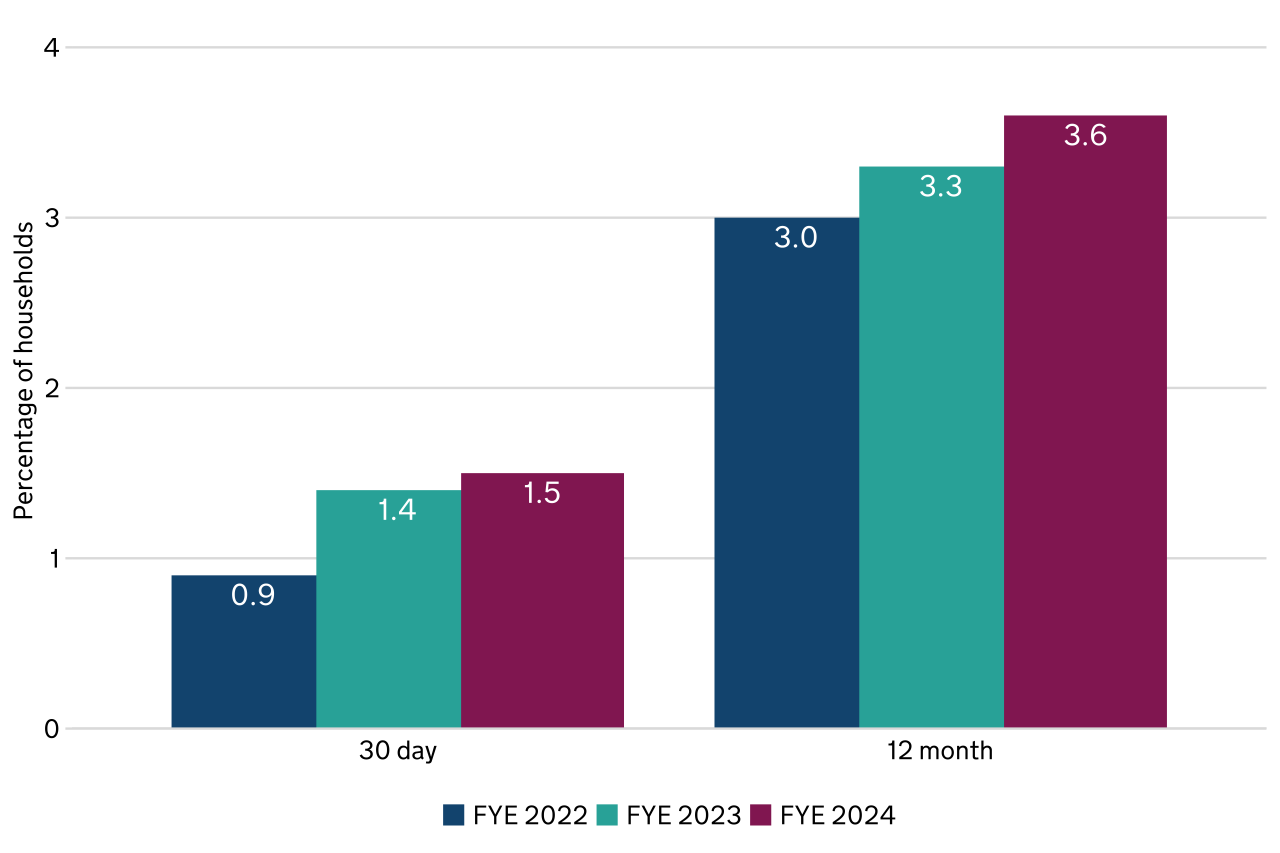
In FYE 2024, 1.5% of households in the UK had used a food bank in the last 30 days and 3.5% of households had used a food bank in the last 12 months.
There has been a steady increase in the use of food banks in the last 3 years in the UK. The proportion of households in the UK that have used a food bank has increased each year between FYE 2022 and FYE 2024, both for usage within the last 30 days, and within the last 12 months.
Figure 2: Household food bank usage, financial year ending 2022 to financial year ending 2024, United Kingdom
Source: Family Resources Survey, Department of Work and Pensions
Download the data for this chart in .ods format: 84.0 KB
Data on food bank usage has been collected in the Family Resources Survey (FRS) since FYE 2022.
Age:
Households with a younger head of household were more likely to use a food bank in FYE 2024.
- 9% of 16 to 24 year olds used a food bank in the last 12 months compared to only 1% of 65 to 74 year olds.
Disability:
-
6% of households in the UK in FYE 2024, with one or more disabled adult, used a food bank in the last 12 months.
-
Only 2% of households with no disabled adults used a food bank in the last 12 months in FYE 2024.
Children:
Households in the UK with children were more likely to use a food bank in FYE 2024 than households without children.
-
In FYE 2024 6% of households with children used a food bank within the last 12 months.
-
3% of households without children used a food bank within the last 12 months, in FYE 2024.
State support:
-
13% of households in the UK in FYE 2024, receiving income related benefit used a food bank.
-
5% of households receiving non-income related benefit used a food bank in FYE 2024.
-
19% of households receiving Universal Credit and 21% of households receiving Income Support used a food bank in FYE 2024.
Share of Household Expenditure on Food
The Office for National Statistics publishes Family Spending in the UK annually showing estimates of average weekly household expenditure on goods and services in the UK.
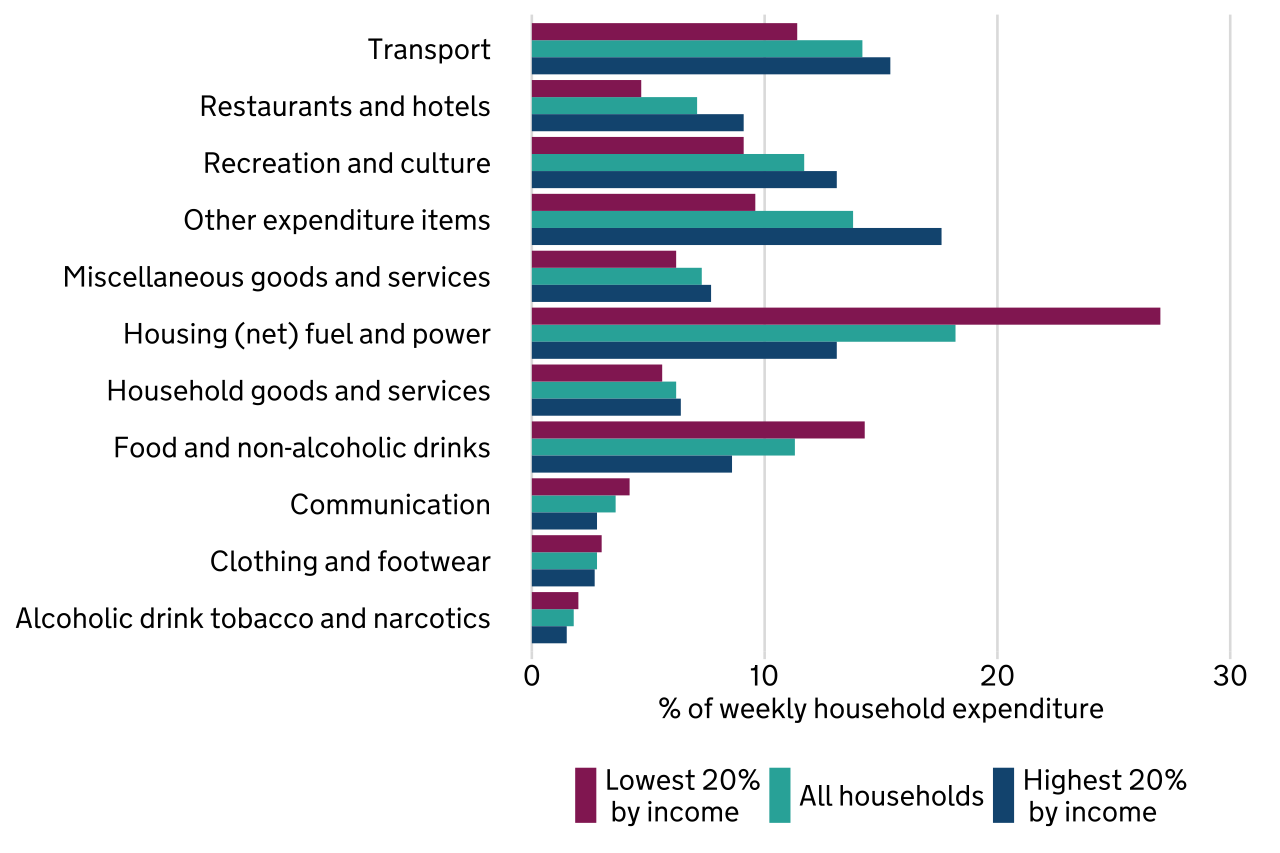
Figure 3: Average weekly household expenditure as a percentage of total weekly expenditure, by quintile group, UK, financial year ending (FYE) 2024
Source: Family Spending in the UK
Download the data for this chart in .ods format: 84.0 KB
In FYE 2024, housing, fuel and power was the largest expenditure for UK households, followed by transport, other expenditure, recreation and culture and then food and non-alcoholic drinks. The average household spent £70.50 per week on food and non-alcoholic drinks in FYE 2024, an increase of 11% in current prices from £63.50 in FYE 2023. In real terms (after adjusting for inflation), this was unchanged from FYE 2023, showing that households spent more to maintain the same volume and quality as in FYE 2023.
The poorest fifth of households spent £54.30 per week on food and non-alcoholic drinks in FYE 2024. This is an increase of 5% in current prices since FYE 2023 (from £51.50). In real terms there was a £3.10 (5%) reduction since FYE 2023, continuing the trend from FYE 2023 that poorer households either consumed less, or where applicable, switched to lower cost or quality alternatives.
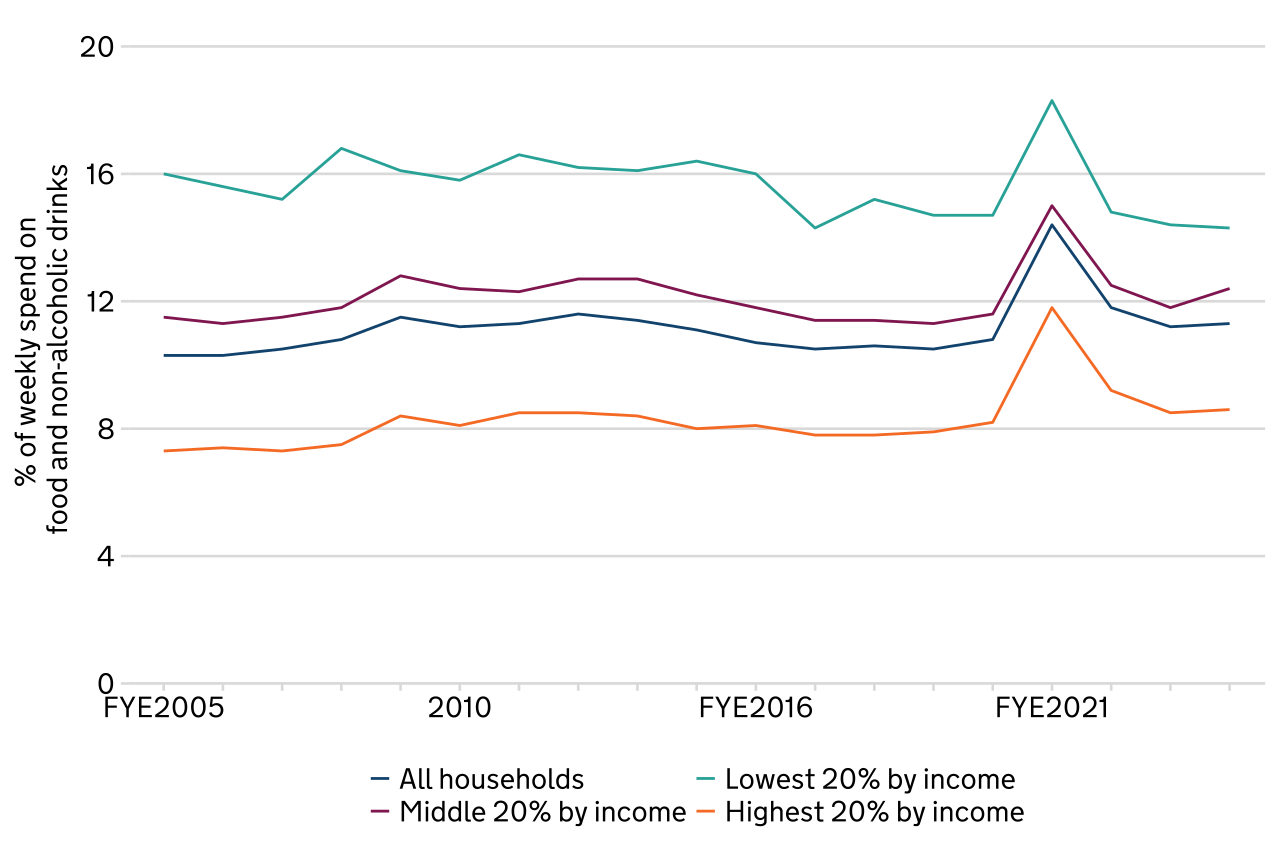
Figure 4: Average share of spend on food and non-alcoholic drinks, by equivalised disposable income quintile group, in the UK, FYE 2005 to 2023
Source: Family Spending in the UK
Download the data for this chart in .ods format: 84.0 KB
In FYE 2024, an average household in the UK spent 11.3% of their expenditure on household food and non-alcoholic drinks. The lowest 20% of households by disposable equivalised income spent 14.3% compared to 8.6% for the wealthiest 20% of households.
Between FYE 2020 and FYE 2023, there was an increase in the share of spend on food and non-alcoholic drink from for the highest quintile, all households and the middle quintile (0.3%, 0.4% and 0.2% respectively); however, the lowest quintile (poorest 20% of households) saw a fall (0.3%).
The peak in FYE 2021 was due in part to coronavirus (COVID-19) pandemic restrictions, with hospitality and leisure businesses temporarily closing, and travel restrictions imposed. This meant that with the proportion of peoples’ expenditure on these items reducing dramatically during lockdowns, the proportion spent on other categories, including household food, increased.
The relative affordability of food can be measured by the share of the household budget that is spent on it. Low-income households tend to spend a higher than average proportion of their expenditure on essential categories such as food, housing and energy and a lower proportion of their expenditure on non-essential items. Although the percentage of spend on food had been relatively constant, the actual amount spent, and the products purchased will change in response to relative prices.
In September 2025, 91% of respondents to the Food Standard Agency’s Consumer Insights Tracker in England, Wales and Northern Ireland were concerned about food prices, with 56% highly concerned and 35% somewhat concerned. Food prices came above any other concern, with ultra processed food being of concern to 78% of respondents and food waste in the food chain being a concern to 77% of respondents.
23% of respondents reported worrying about their household not being able to afford food, in September 2025. To save money, the most common behaviour respondents reported doing, at 63% (out of those listed), was eating food past its use by date and eating leftovers that have been kept in the fridge for more than two days.
Expenditure on a healthy diet
The most deprived fifth of the population would need to spend 45% of their disposable income on food, in order to afford the government-recommended healthy diet, according to research published by the Food Foundation in their Broken Plate report, based on secondary analysis of the Family Resources Survey.
The research also showed that households with children in the poorest fifth of the population would need to spend 70% of their disposable income on food to afford a healthy diet.
Figure 5: Percentage of disposable income required to afford the diet recommended in the Eatwell Guide by income quintile in the UK, FYE 2021 to FYE 2023
Source: Broken Plate

Download the data for this chart in .ods format: 84.0 KB
Food Prices
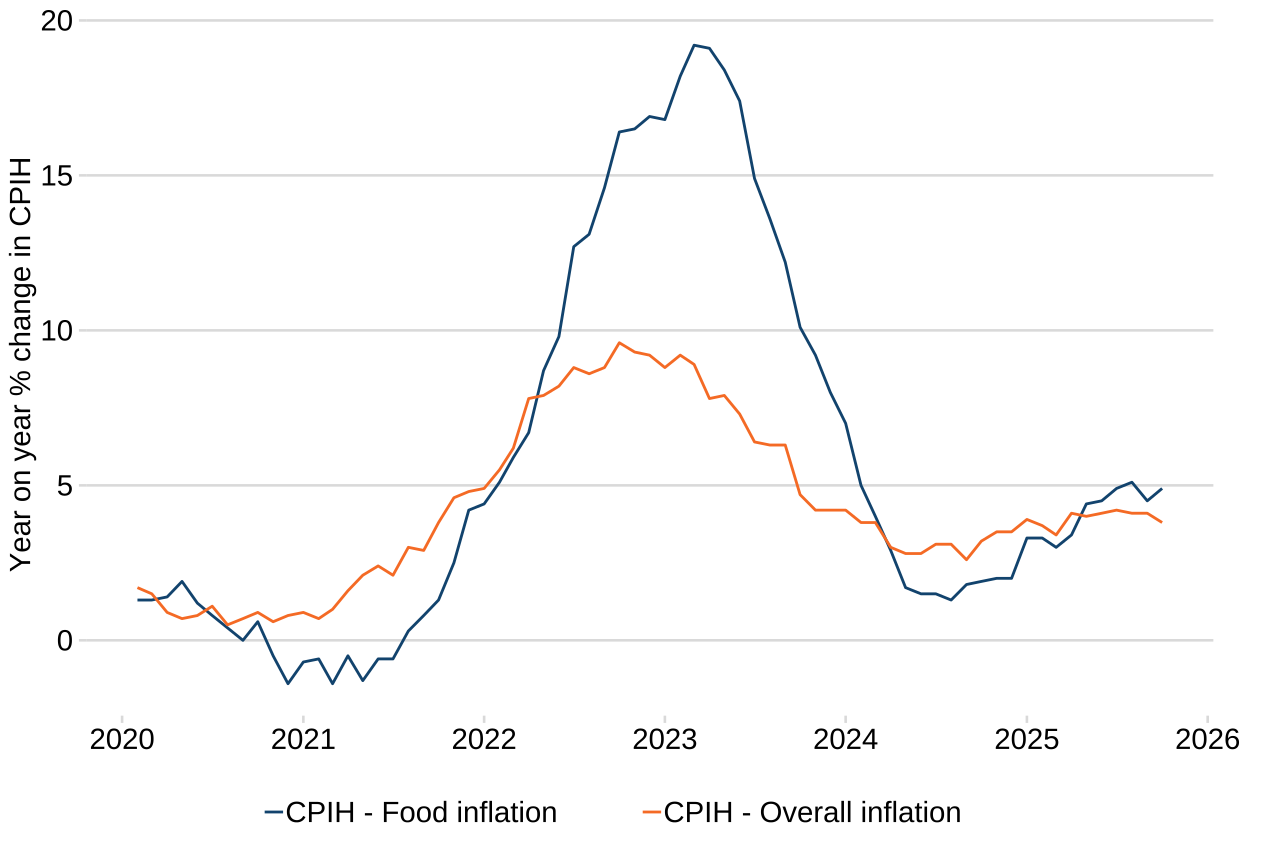
Figure 6: UK overall and food and non-alcoholic beverage prices measured by the Consumer Prices Index including owner occupiers’ housing costs (CPIH) since 2020
Source: Consumer Price Indices, (ONS)
Download the data for this chart in .ods format: 84.0 KB
The Consumer Prices Index including owner occupiers’ housing costs (CPIH) is the most comprehensive measure of inflation in the UK. It extends the Consumer Prices Index (CPI) to include a measure of the costs associated with owning, maintaining and living in one’s own home, known as owner occupiers’ housing costs (OOH), along with Council Tax. Both are significant expenses for many households that are excluded from the CPI.
The chart above shows that food and non-alcoholic beverage CPIH inflation (hereafter referred to as food price inflation) in recent months has now moved above overall inflation; the previous time this happened was in April 2022, becoming less in April 2024. Food price inflation peaked in March 2023 at 19.2% while overall CPIH inflation peaked in October 2022 at 9.6%.
Modelling commissioned by Defra shows that the five main drivers of food prices are farmgate prices, import prices, exchange rates, labour costs in food manufacturing and non-labour costs in food manufacturing. Food price inflation rose sharply during that time period due to a combination of those factors - some of which were also exacerbated by the conflict in Ukraine.
More specifically, in the most recent data published by ONS (for October 2025), which serves as a suitable example for illustrating recent trends, food price inflation rose by 4.9% in the twelve months to October 2025, an increase in the figure of 4.5% observed in September 2025. The overall food price inflation CPIH value comprises contributions from eleven food and non-alcoholic beverage classes. Notable contributors in October 2025 were the sugar, jam, honey, syrup, chocolate and confectionery; coffee, tea and cocoa; meat; mineral waters, soft drinks, and juices classes.
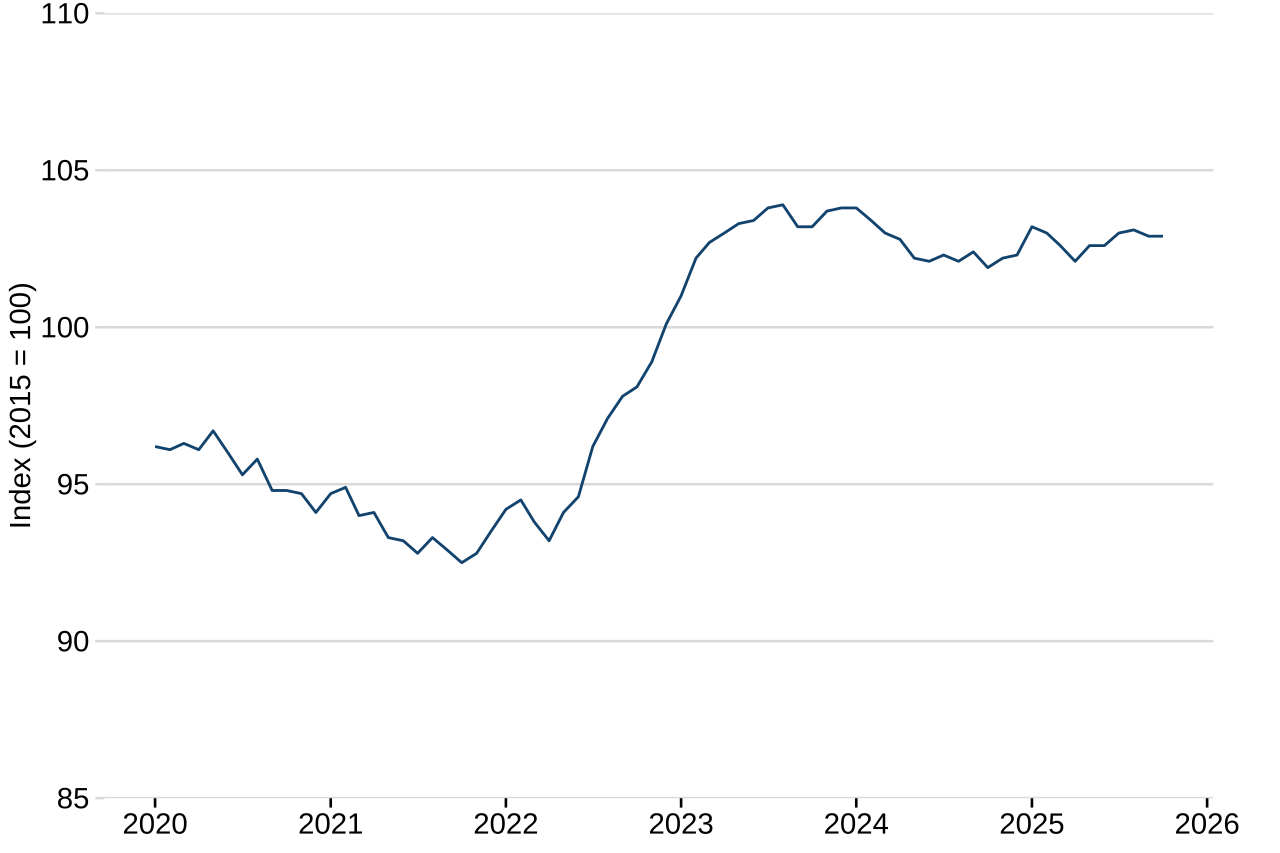
All of this can be viewed in the context of the cumulative impact of inflation. Food price inflation when expressed in real terms shows how food prices have evolved once the impact of underlying overall inflation is considered. Where food prices increase by more than prices generally across the economy, then real terms food prices would rise and vice versa. This therefore gives an indication of when food prices are growing quicker or slower than all other prices.
Figure 7: Changes in the food price index (real terms prices) since 2020
Source: Consumer Price Indices, (ONS)
Download the data for this chart in .ods format: 84.0 KB
The chart above shows the values in real terms since January 2020. They can be derived from ONS CPIH index values for overall and food price inflation. Between January 2020 and the latest reported data (October 2025), real terms index values have increased by 7%. Year-on-year food price inflation rates reported on a monthly basis normally vary with a range of 0% to 5%, with over three quarters of rates in the last 20 years falling into that range. For rates occurring significantly over 5%, the most recent “spike” occured in 2022 and 2023, driven by Russia’s invasion of Ukraine, with food prices rising by over 30% in the three years preceding March 2024. Although this was the largest inflation spike, the highest real terms value peak was in fact in 2014, after the 2008 financial crisis.
The Cost of a Coffee Break
Coffee, tea and cocoa are not commodities that would be considered critical to food security at household level. However, recent events have meant that they serve as a useful demonstration of some of the complex dimensions of food security, and how global issues can filter down to impact households. It also illustrates how they could have a more serious impact in other foods.
They are products that many people regularly consume both in and out of the home, purchased often as ‘staple’ items in people’s regular shopping baskets and as such affect the cost of people’s food shops. All three have specific climate conditions that they must be grown in, and for the countries that produce them (often in emerging economies) they are an important source of income. Thus, they provide useful case studies for the effects of climate change on agriculture.
Coffee
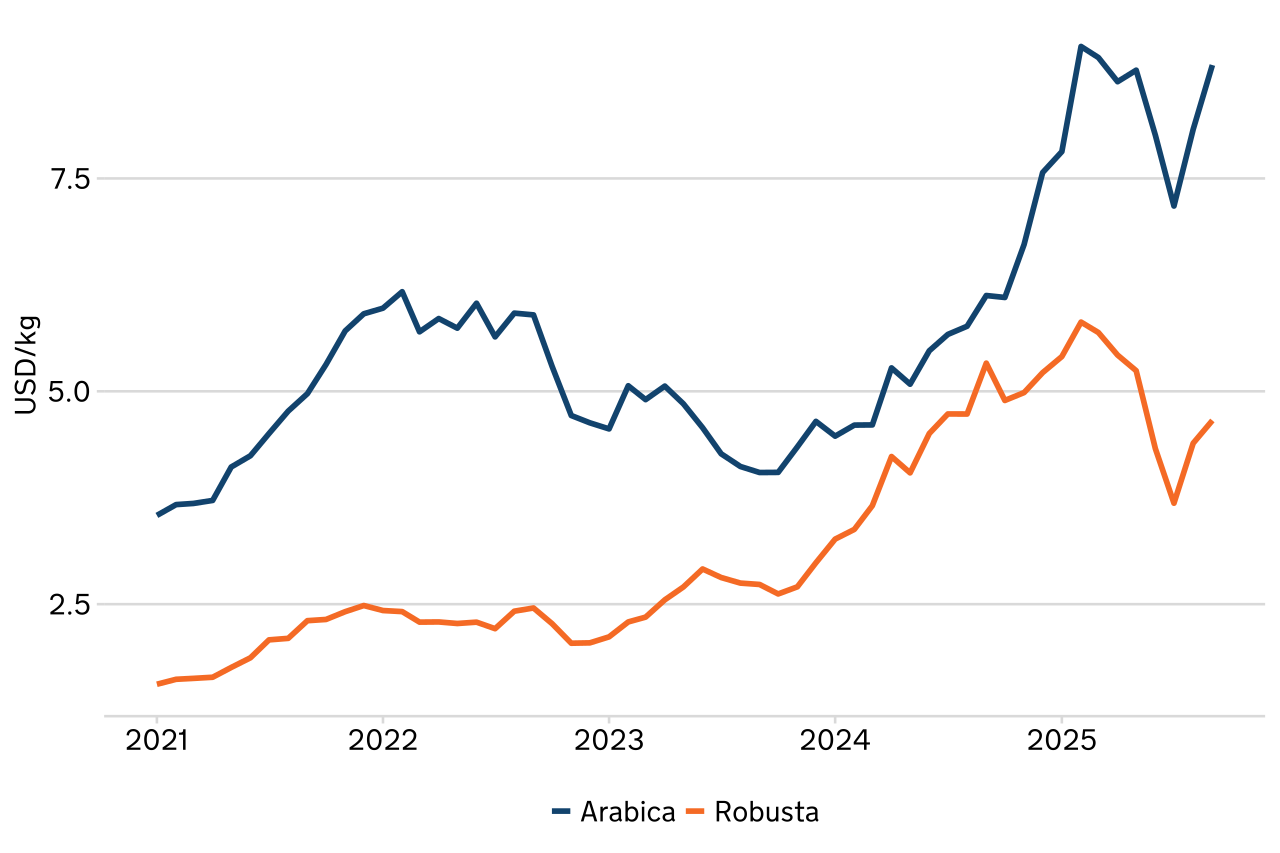
Figure 8: Global coffee commodity prices (Arabica and Robusta), 2021 to 2025 (USD/kg)
Source: Pink Sheet, World Bank
Download the data for this chart in .ods format: 84.0 KB
Arabica, which is used predominately in ground coffee, is generally considered to be a better quality of coffee than Robusta, which is mainly used in instant coffee. Hence Arabica coffee is of higher value than Robusta, as it consistently has a higher unit price. Brazil is the largest Arabica producer and Vietnam the largest for Robusta (Ferrão et al, 2024).
The end of 2023 saw a renewed increase in prices for both Arabica and Robusta coffee, which continued into 2024 as supply issues associated with the La Niña weather event in 2022 began to materialise in harvests (ICO,2023). Additionally, Robusta prices were driven by supply concerns, especially in Indonesia and Vietnam where local coffee traders were withholding their green beans in the expectation of even higher prices, further tightening supply conditions.
Arabica prices rose even more sharply in the latter half of 2024 and into 2025, peaking at just over USD 9/kg in February 2025. In November 2024 Central America was hit by Tropical Storm Sara, causing significant devastation from Guatemala to Panama. In the same month the US Department of Agriculture forecast that coffee production in Brazil would go down by around 5%, or 3.5 million bags, for the current coffee year. Furthermore, the harvest in Vietnam was behind schedule because of bad weather hampering the Robusta harvest.
Cocoa
Around two thirds of the world’s cocoa is produced in West Africa. Cocoa production is sensitive to climatic variations, which can have a significant economic impact on cocoa-dependent communities, thus impacting on their food security The same is true for coffee and tea.
Cocoa trees produce less cocoa as they approach the end of their lifespan (Daymond et al., 2022), and older trees may be more susceptible to climate and pest-related stresses such as Cocoa Swollen Shoot Virus (CSSV) whose recent resurgence has been reported in Ghana and Cote D’Ivoire, affecting 25% and 30% of cocoa plantations respectively (Major Ghana cocoa region 81% infected with bean disease). Young cocoa trees take several years to start to bear fruit and are also more susceptible to climate-related stresses, hence there is speculation of repeat weak harvests over the coming years while the older trees are gradually replaced by newer trees (Lahive et al., 2019).
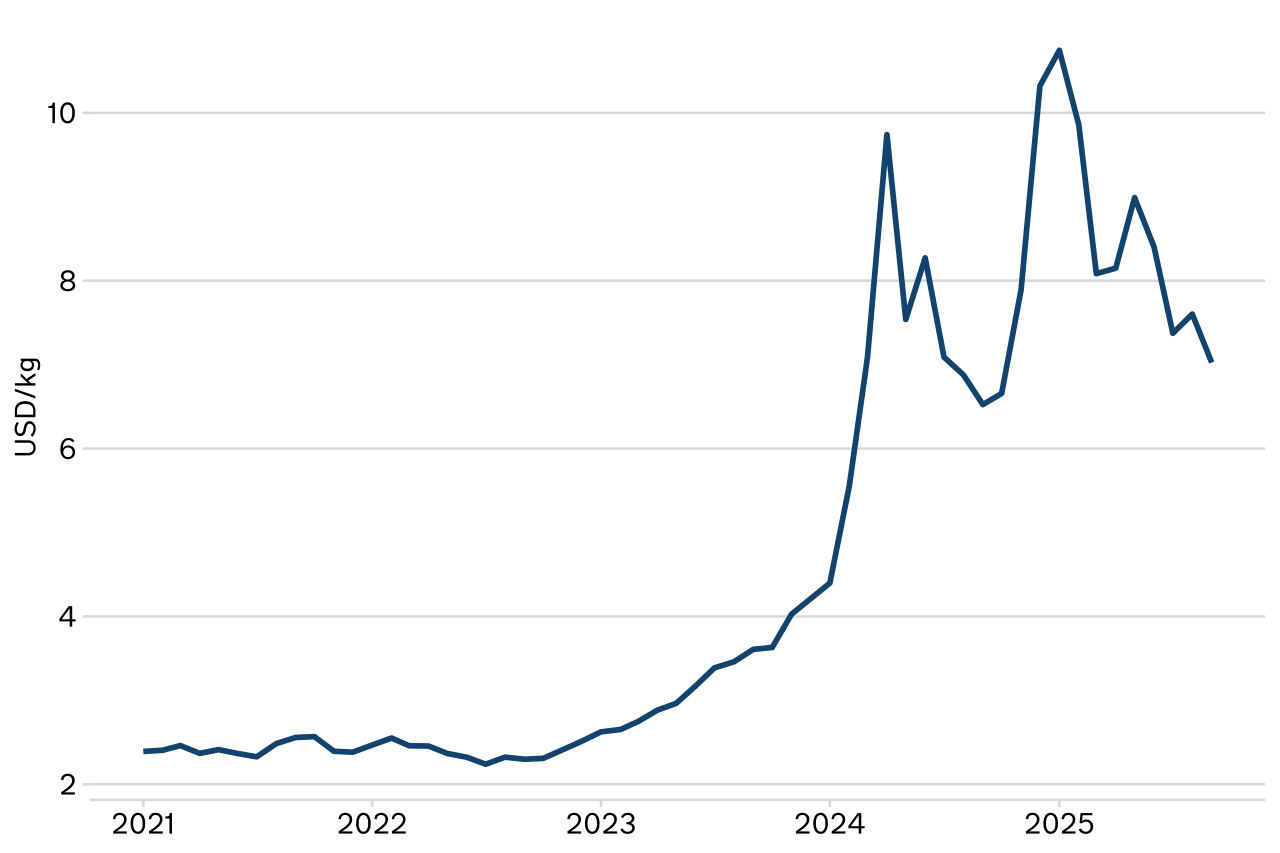
Figure 9: Global cocoa commodity prices, 2021 to 2025 (USD/kg)
Source: Pink Sheet, World Bank
Download the data for this chart in .ods format: 84.0 KB
After hovering between USD 2/kg to USD 3/kg from 2007 onwards, the monthly average cocoa price rose above USD 4/kg for the first time in November 2023 up to USD9.74 in April 2024 when yields fell significantly. Subsequently prices fell to a recent low of just over USD 6.5/kg, before peaking again in January 2025 at USD 10.75/kg amidst renewed supply concerns in West Africa. The monthly average price of cocoa has become much more volatile since the beginning of 2024. This increased volatility will have caused a large degree of uncertainty for both cocoa producers themselves and manufacturers further along the sector supply chain. Risk management and resilience are likely to be a key focus for producers in the near future.
Effect in the UK
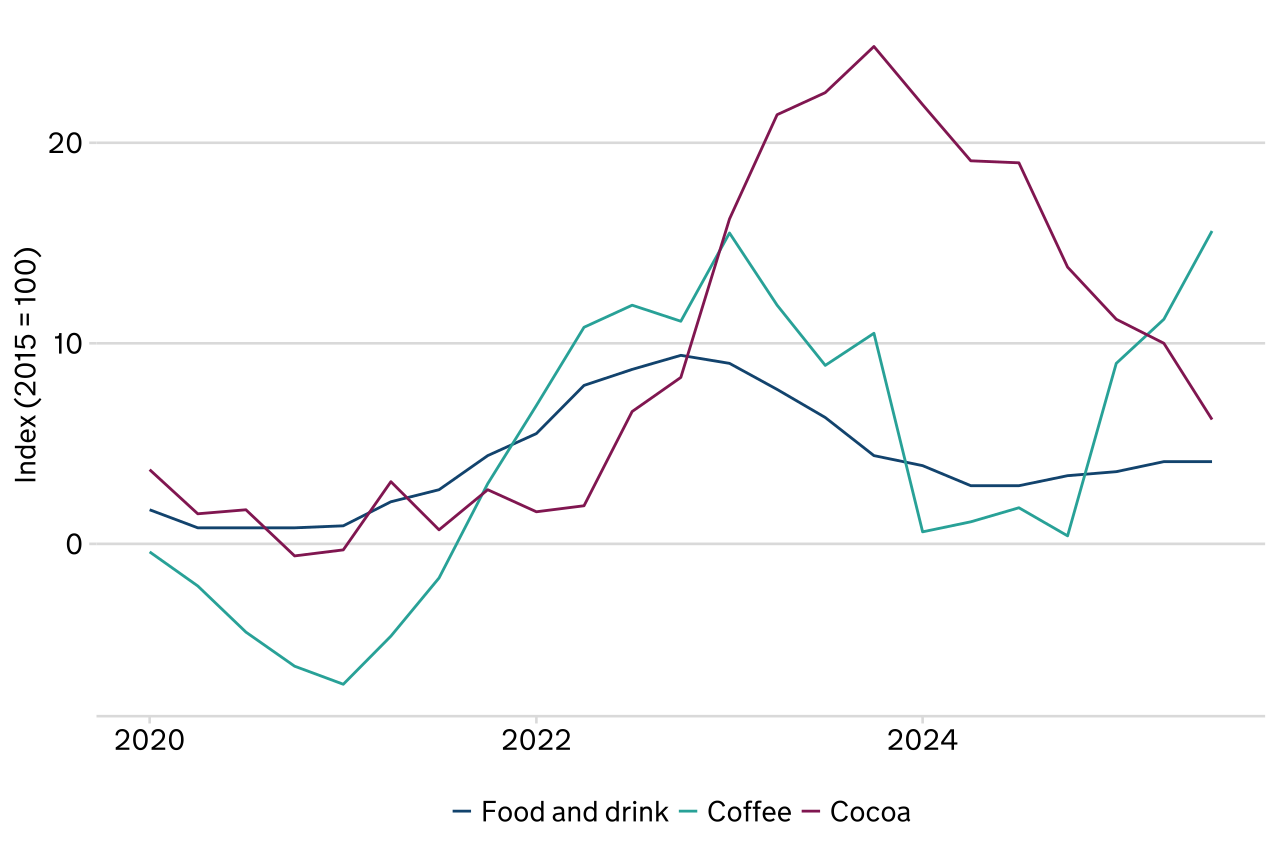
The impact of these global plant health, climate and trade issues was felt by UK consumers firstly in higher prices. The CPIH inflation rate for cocoa was higher than overall food and drink inflation from March 2023 to October 2025 and peaked at 27% in November 2023. Coffee, meanwhile, overtook food and drink inflation at the beginning of 2025 and remains higher, at 14.2% in October 2025, compared to 4.9% for food and drink overall. Official statistics in development from ONS suggested that the average price of a restaurant cup of coffee in October 2025 was £3.36, compared to £3.21 a year previously.
Figure 10: Quarterly data for coffee and cocoa annual price inflation compared with food and non-alcoholic beverage price inflation (CPIH), 2020 to 2025
Source: CPIH, ONS
Download the data for this chart in .ods format: 84.0 KB
Manufacturers and retailers adopt a range of strategies to compete in the face of such upward pressures on their input costs. One is ‘shrinkflation’ where the retail price of a product remains unchanged but the size of the product reduces. This is not a new phenomenon in chocolate or other products – the Office for National Statistics documented it in 2017. Another is ‘skimpflation’ which involves reformulating the product recipe or using cheaper ingredients. There are examples of biscuit products that have been unable to be marketed as chocolate, after having been changed to contain more palm and shea oils than cocoa.
Whilst consumers are generally aware of these practices and may be concerned by them, their response to them may differ in terms of purchasing habits. Responses to rising prices include ‘trading down’ to cheaper products in the same category, for example replacing branded goods with own label items. Substituting one product with a cheaper type, such as mince for steak, or simply not buying the item at all are other reactions – and a household’s ability to apply these strategies depends on individual circumstance and income.
Commodity Prices
Agricultural staple commodities such as rice, soybeans, wheat and maize are globally traded, and price changes in these commodities are driven by market fundamentals of supply, demand, and exchange rates. Falling prices signal improved global supply, while higher prices indicate relative shortages. Prices also represent a crucial measure of food security as higher prices can support the sustainability of agricultural production for producers. At the same time, the higher prices are, the less affordable food becomes for consumers, directly affecting the accessibility of a secure supply of food – a trivial example of this relationship is explored in this report, for coffee.
The UKFSR considered some of the long term global trends in commodities. The remit of the Digest is to look at much more short term recent trends in these prices, to illustrate further the ways in which food security at all scales can be related to these market dynamics. The fast moving nature of commodity markets mean that price data and market analysis can become stale quickly. International data sources and commentary for commodities are updated frequently – see the Annex for examples of such sources.
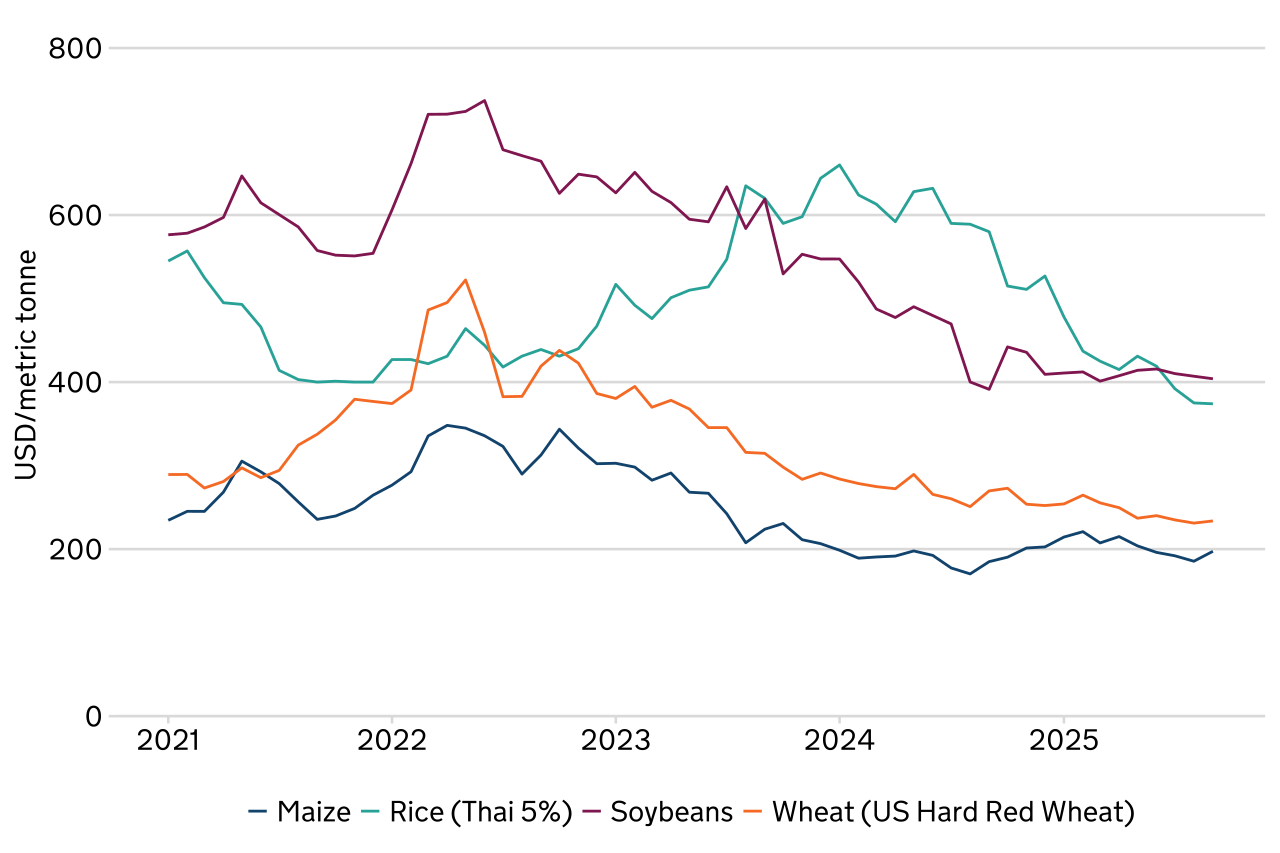
Figure 11: Global maize, rice, soybeans and wheat commodity prices, 2021 to 2025 (USD/metric tonne)
Source: Pink Sheet, World Bank
Download the data for this chart in .ods format: 84.0 KB
Over the past 2 years there has been a decrease observed in the price of grains and a relatively stable price for soybeans. Both wheat and maize have experienced strong yields, but weak demand has exerted downward pressure on prices. For rice there has been an issue with oversupply and weakening demand, leading to a price drop of around 40% according to world bank figures (World Bank, 2025a). Prices are predicted to decline further over 2025/26 according to the World Bank’s food price index, with oils and meals (oilseed residue used as animal feed) declining by 7% and grains by 11% (World Bank, 2025b).
World grains production is predicted to further expand by 5% in 2025/26, with the largest contribution coming from increased maize crops, with a projection for consumption to increase by 2% (IGC GMR571, November 2025). As a result global grain supply levels are predicted to hit record levels in 2025/26 after a third consecutive year of growth, around 3.6 billion tonnes (World Bank, 2025b). Traded volumes are predicted to further increase by 4%, to 442 mt, driven mainly by greater trade in wheat (IGC GMR571, November 2025).
Rice
Throughout 2025, the World Bank commodity prices (known as ‘Pink Sheet’) for rice show a steep decrease in price from USD447-478/tonne in January 2025 to USD336-365/tonne in October 2025 (World Bank, October 2025). Additionally, by the end of Q1 2025 rice prices were 30% lower than a year earlier, when El Niño-related supply concerns and export restrictions by India affected the market. Other sources concur on this sharp decrease, with the FAO all rice price index down from 125.7 to 98.4 between October 2024 and October 2025 (FAO, 2025).
Global rice production is expected to further expand to a new peak over 2025/26, alongside increasing food demand and an increase in aggregate stocks, which will bring reserves of main exporters to in excess of 50 mt. Rice trade in 2026 is expected to be 4% higher than 2025 (around 60mt per month) bolstered by increased import requirements in Africa and Asia (IGC GMR571, November 2025).
India has eased export restrictions on rice, after inventories reached a record of 67.6 million tonnes in February, compared to a government issued target of 7.6 million tonnes. Export of 100% broken rice was previously banned with additional restrictions on other grades of rice after poor rainfall caused concerns around production (Reuters, 2025).
Wheat
The global wheat balance for 2024/25 remains negative, where consumption (809 million tonnes) outstrips production (799 million tonnes) (IGC GMR571, November 2025). According to World Bank pink sheet figures, prices for wheat have decreased by USD5/tonne from January 2025 to November 2025 (World Bank, 2025). Movements in international wheat prices varied by region. In the USA, wheat HRW (hard red winter) prices decreased by 15.3% whereas Russian quotations were 2% higher. Quotations in the EU decreased by 8.8%, due to better harvests compared to 2024 and eases in import demand from Asia and North Africa (FAO, 2025).
Maize
Earlier this year, South America experienced a weak La Niña, resulting in hotter and drier weather than average, which pushed Q1 maize prices to 8% higher than average and 11% higher than a year earlier (World Bank, April 2025). World maize prices have varied by region during 2025. During September, benchmark US maize prices rose by 7% due to strong demand for US maize and concerns around fungal disease effects on yields. South American prices remained comparatively stable, with only Brazil seeing price rises of 1% (FAO, 2025). In general, over the year September 2024 to September 2025 prices rose from USD184.97/tonne to USD197.38/tonne, however, prices rose to USD220.88/tonne by February 2025 but have since declined.
Maize prices are predicted to fall by around 2% in 2025 and 2026, though decade low inventories are expected to limit the level of price decline. The reduction is mainly due to lower crude oil prices which reduce demand for ethanol and by proxy maize. As maize has enjoyed a price advantage over soybean and wheat recently, supply for the coming year is expected to expand thereby causing further downward price pressure (World Bank, April 2025).
Soybeans
Soybean prices dropped by 5% in Q1 2025 to 21% lower than a year earlier, reflecting a 7% increase in global supplies and the impact of China’s tariffs imposed on the United States, who represent 60% of global soybean imports and 30% of global soybean exports respectively (World Bank, 2025).
Despite declining prices for soybeans, the Q1 2025 price of soybean oil remained 10% higher than the same period in 2024, owing the gain to increased global reliance due to a significant slowdown in sunflower and rapeseed oil production in Europe and the Black sea region. Soybean oil has also taken a significant chunk of Palm oil’s share of the total vegetable oil market, with the latter down from 58% to 44% in the year to date, mostly replaced by the former (World Bank, April 2025). The increase in processing of soybeans into oil has boosted the supply of soybean meal and pushed Q1 prices down by 21% relative to the same period in 2024. Soybean oil prices are expected to ease by 3% in 2025 and 2% in 2026 due to lower crude oil prices reducing biofuel demand, though this is offset somewhat by strong demand for oil as supply of palm/sunflower/rapeseed oil are expected to continue to fall (World Bank, April 2025).
Larger South American crops are expected to boost world soybean production by 2% year on year in 2025/26, to a high of 428 mt, while stronger demand for soy products in all end use sectors is set to underpin record processing (IGC GMR569,September 2025). 2025/26 world output projection for soybean is relatively unchanged from this year, showing month-to-month reductions of 1 mt. Expectations for trade are raised to a peak of 185 mt (IGC GMR569, 2025).
Dietary trends
Diets have changed over the last 50 years, as people have swapped to more climate friendly meat options and exchanged dairy products for more sustainable options such as oat milk. Consumers’ dietary choices are also relevant to food security because they can reflect personal household circumstances and security - additionally consumer demand drives changes in supply and production practices, at national and global scale.
Meat
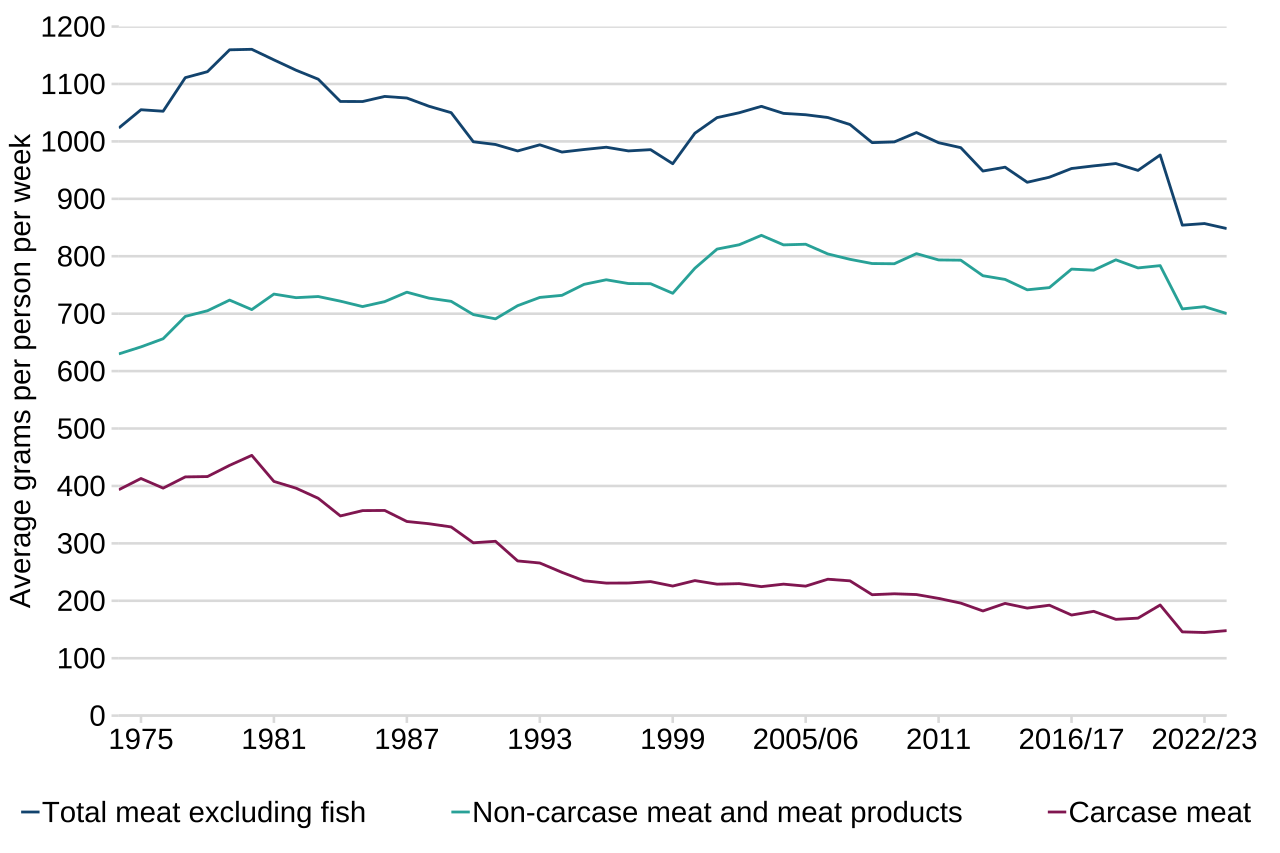
Data from the Family Food Report shows an overall decline in total meat purchases since 1974. Whilst carcase meat purchases show a clear declining trend since 1974, non-carcase meat and meat product purchases have fluctuated.
Purchased quantities of ready meals and convenience meat products have more than tripled since 1980, from 53g per person per week to 184g in FYE 2024.
Figure 12: Average purchased quantity of total meat, carcase meat and non-carcase meat (g) per capita per week in the UK. Total meat is the sum of carcase and non-carcase meat.
Source: Family Food report
Download the data for this chart in .ods format: 84.0 KB
Although the UK’s consumption of meat is declining, we are still eating more than the recommended amount. The UK Government recommendation is to consume no more than 70g per day (cooked weight) of red and processed meat.
Average meat consumption per person per day in the UK decreased between 2008 to 2019 from 103.7g to 86.3g, according to research carried out by the University of Oxford (Stewart et al.) on data from the National Diet and Nutrition Survey (NDNS) 2008-09 to 2018-19 (fieldwork Years 1-11).
Alternative proteins
The Family Food report shows Alternative to Dairy to be the most popular type of substitute, with oat drinks currently the most popular plant-based drink in the UK. Data from Kantar estimates that in the year to December 2022, over 20% of consumers ate or drank Alternatives to Dairy in an average week, whereas fewer than 10% of consumers ate an Alternative to Meat and Fish during the same period.
Data from the Family Food report shows the purchased quantities of ‘soya and novel protein foods’ per person per week has increased from 5g per person per week in 2000, reaching 15g in FYE 2023. However, in FYE 2024 there has been a drop back to 10g.
A Kantar report commissioned by Defra showed between 2018 and 2021 total alternative protein spend increased year on year. However, comparing the year to December 2021 and the year to December 2022, the number of packs sold reduced by 3.1%. This decrease was largely driven by Alternative Margarines, Alternatives to Milk and Canned Beans and Pulses. All the Alternatives sub-categories, except Sports Nutrition, had fewer purchases in the year to December 2022 compared with the year to December 2021.
Analysis of NDNS data (Alae-Carew et al., 2021) showed between 2008-2011 and 2017-2019, consumption of plant-based alternatives rose by 115%. The proportion of individuals reporting consumption of any plant-based alternatives increased from 6.7% in 2008-2011, to 13.1% in 2017-2019, with females 46% more likely than males to report consumption. The highest income tertile and those aged 24-39 years were the most likely to report consumption.
According to Food & You 2 Wave 8, 27% of respondents in England, Wales and Northern Ireland currently eat meat alternatives, while 22% used to but no longer do, and 44% have never tried them. Among current consumers, 30% eat them frequently (2-3 times a week or more), 43% eat them occasionally, and 25% consume them rarely (once a month or less).
Dairy
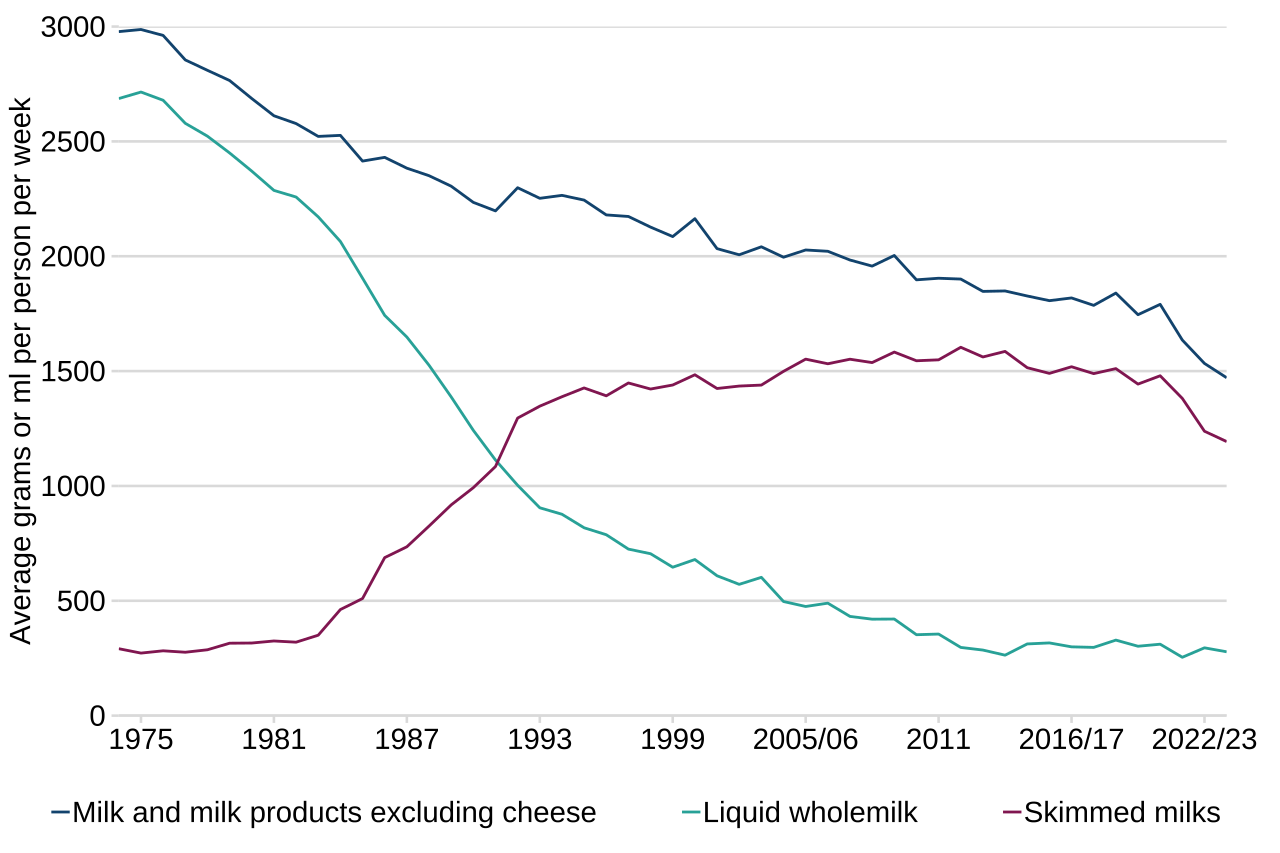
The Family Food report shows there being a long-term downward trend of consumption of milk with the average purchased quantity per person per week more than halving from 2,978ml in 1974 to 1,471ml in FYE 2024.
Within this category there has been a shift from consuming liquid whole milk to other milk products including items such as yoghurt, cream and skimmed milk.
Figure 13: Average purchased quantity of milk and milk products (excluding cheese and butter), ml per capita, per week in the UK. ‘Milk and milk products excluding cheese’ is formed of two sub-categories ‘Liquid whole milk’, and ‘Other milk products, including yoghurt and cream’
Source: Family Food report
Download the data for this chart in .ods format: 84.0 KB
Butter consumption has remained fairly constant over the last 30 years, having fallen dramatically between 1974 and 1990 from 147g per person per week to 42g.
Deforestation associated with UK consumption of food commodities
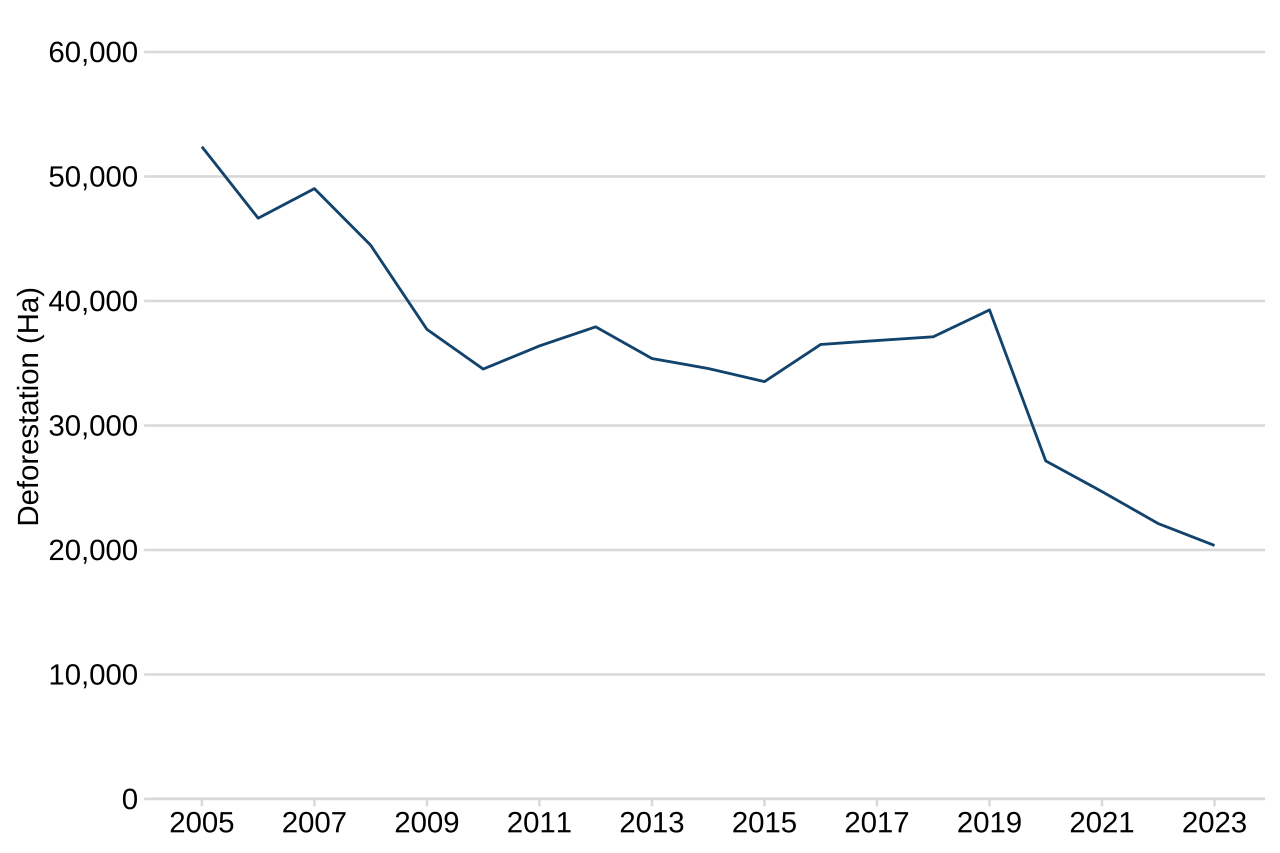
Since 2019 there has been a sharp decrease in the area of deforestation worldwide estimated to be associated with UK consumption of food commodities. In 2019, the deforested area was 39,280 hectares, decreasing to 27,150 hectares in 2020. The decrease has continued up to 2023 (when it was 20,362 hectares), but at a slower rate. Deforestation associated with UK consumption has been primarily driven by cattle-related products, followed by soy, palm oil, cassava, and maize.
Figure 14: Area of deforestation associated with UK consumption of food commodities annually in hectares (Ha), 2005 to 2023
Source: Adapted from the 2024 data release of Global biodiversity impacts of UK economic activity / sustainable consumption (non-food commodities removed)
Download the data for this chart in .ods format: 84.0 KB
Trade Policy
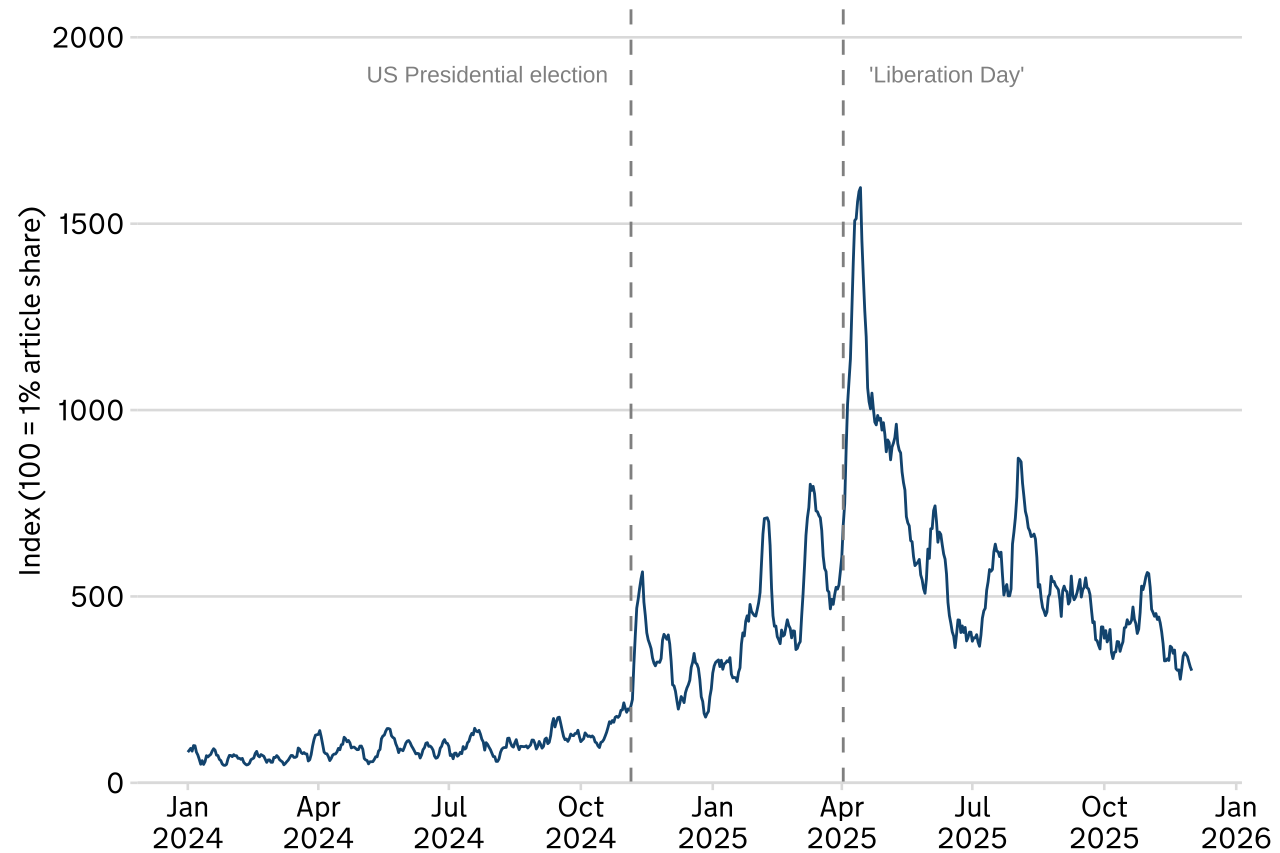
Figure 15: Trade Policy Uncertainty Index (7 day moving average), January 2024 to November 2025
Source: Data downloaded from Trade Policy Uncertainty (TPU) Index on 04/12/2025
Download the data for this chart in .ods format: 84.0 KB
Domestic production is a fundamental aspect of national food security. The production to supply ratio for the UK is estimated to be 65% for all food in 2024 and 77% for indigenous type food. However, a high level of self-sufficiency does not protect a country against shocks to domestic production, and diversity of supply from overseas trade also helps strengthen food security. The predictability (or otherwise) of trade policy can influence trading patterns and potentially affect the diversity of supply.
The United States changes to trade policy in 2025 illustrate how uncertainty in trade policy can have repercussions worldwide and affect producers and consumers. Trade policy uncertainty can increase costs to manufacturers who must adjust their supply chains: at a national scale, unpredictable policy shifts can reduce trust, whilst markets can see reduced investment due to uncertain conditions.
The President of the United States formally announced a range of tariffs on imports of goods to the United States on 2 April 2025 (‘Liberation Day’). The UK government subsequently signed a trade deal with the United States, which came into force on 30 June 2025. The deal includes reducing the tariff on UK car exports to the United States and removing tariffs on UK aluminium and steel exports. All other commodities remain subject to the additional 10% blanket tariff on US imports in effect since April 2025. The impact on UK trade with the USA has yet to be fully established, as monthly trade data can be volatile (ONS, 2025).
The Trade Policy Uncertainty (TPU) index (Caldara, 2020) is based on automated text searches of the electronic archives of seven newspapers: Boston Globe, Chicago Tribune, Guardian, Los Angeles Times, New York Times, Wall Street Journal, and Washington Post. The measure is calculated by counting the monthly frequency of articles discussing trade policy uncertainty (as a share of the total number of news articles) for each newspaper. The index is then normalized to a value of 100 for a one percent article share. The TPU Index starts in 1960.
The TPU index reflects how the Trump Administration’s trade policy impacted on uncertainty, with clear spikes which coincide with specific US and geo-political events, such as the 2024 US presidential election and ‘Liberation Day’ in April 2025. There is no explicit measurable link between the TPU index and UK food security, but it illustrates when global supply chains are facing challenging trading conditions (UNCTAD, 2025), which often link to lower product availability and higher input prices.
Energy Prices
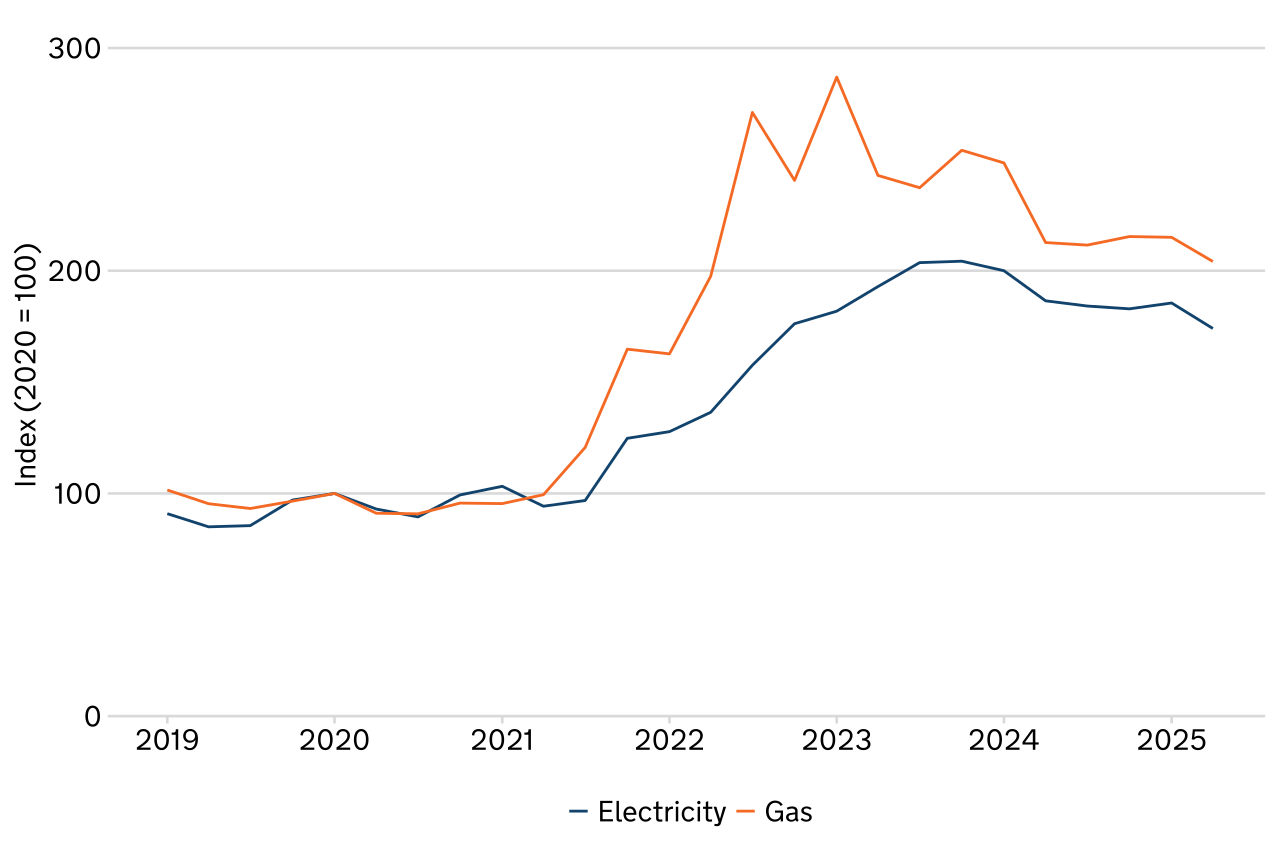
Figure 16: Non-domestic energy prices (pence per kWh) in the UK, 2019 – 2025
Source: DESNZ, 2025
Download the data for this chart in .ods format: 84.0 KB
Energy is a key input to agriculture, food production and hospitality. The price of energy is a key factor in determining the price of key inputs to agriculture such as fertilisers. Gas and electricity are used in the running of farm machinery, and in shop factories and hospitality venues. Energy prices are a key driver for food prices and for the adoption of on farm renewable energy generation.
Non-domestic electricity prices peaked in the third quarter of 2023 and have since fallen except for a small rise in the first quarter of 2025.
Non-domestic gas prices peaked in the first quarter of 2023 and then fell, however, there was a small increase in the fourth quarters of both 2023 and 2024.
Electricity demand from the food chain is not a significant proportion of UK electricity demand. Food production was responsible for 3% of the demand for electricity in 2024, while agriculture was responsible for only 1%.
Gas accounts for a significantly higher percentage of electricity generation in the UK, at 30.4%, than the EU average of 16% (Energy production and imports, Eurostat). The spot price for electricity is set by the power station with the highest cost of generating a unit of electricity. Gas power stations are typically used to provide extra power in periods of peak demand, hence the price of gas controls the price of electricity to a greater extent in the UK than it does in the EU. Additionally, higher than average renewable and energy efficiency levies further increase the cost for non-exempt customers (OFGEM,2025). The result of this is that the UK has higher industrial electricity prices than any other country which reports to the International Energy Agency (IEA).
Of the 28 IEA countries 25 have reported industrial electricity prices in 2024. The UK had the highest industrial electricity price including taxes and levies of 26.63 pence per kWh while Canada had the lowest. The IEA median was at 16.33 pence per kWh.
Of the 28 IEA countries 23 have reported industrial gas prices in 2024. The UK had the eleventh lowest price including taxes and levies of 5.77 pence per kWh. Canada had the lowest price while Switzerland had the highest. The IEA median for industrial gas in 2024 was 5.86 pence per kWh, which was largely unchanged from 2023. Energy prices are also closely linked to fertiliser prices and almost all types of fertiliser have risen in price by more than 10% between October 2024 and October 2025. Muriate of Potash (MOP) is the outlier having risen by only 6.3%.
Red diesel is the most commonly used fuel by farm businesses within the Farm Business Survey (FBS) population at 98%, typically with larger farms using more red diesel per hectare than smaller ones. Around a third (32%) of all farms in the FBS population now have some form of renewable energy generation. Solar generation is the most popular of these (27%) with solar panels most commonly fitted to farm buildings (84%) rather than in fields (10%). The adoption of solar generation has largely been driven by direct financial incentives with 78% of farm businesses wanting to reduce the cost of energy bills.
Labour in the Food Chain
Labour is a key input to both the agricultural and food sectors. In 2024, the agri-food sector employed 4.2 million people, or 13% of all employees in Great Britain. This proportion has been broadly the same since 2001. Agriculture accounted for less than half a million employees or 10% of the agri-food sector.
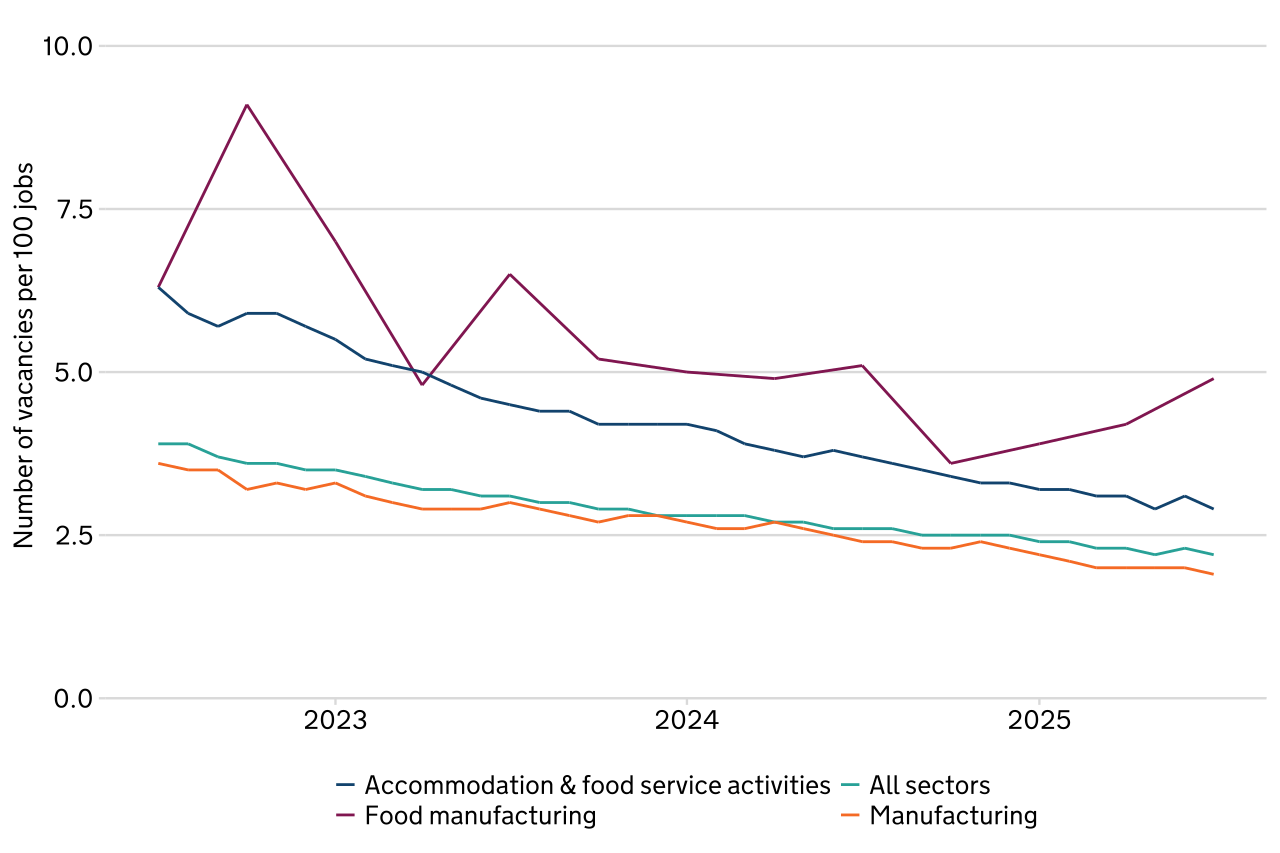
Figure 17: Vacancies by sector in the UK, 2023 to 2025 (number of vacancies per 100 jobs)
Source: Vacancies by industry, ONS
Download the data for this chart in .ods format: 84.0 KB
Food manufacturing, at 4.9% in Q3 2025, continues to experience more significant labour shortages than the wider economy where vacancy rates have continued to fall since Q3 2022. Vacancies in hospitality have continued to fall due to rising costs and demand for out of home food and is still below post pandemic levels.
In a survey of their members run by the Food and Drink Federation (the food manufacturing trade association), nearly three quarters (73%) of food and drink manufacturers reported vacancy rates of up to 5% in the third quarter of 2025. Labour shortages were more acute in large companies (5.3%) while mid-sized and small companies reported lower vacancy rates of 3.9% and 4.4% respectively. Vacancies exist in a broad range of jobs in the food and drink manufacturing sector.
Total agricultural labour fell by 2% in 2024 to 452,939, continuing a downward trend since 2000. The fall in 2024 was greater in “Farmers, business partners, directors and spouses” labour group, which fell 2.1%, than “Regular employees, salaried managers and casual workers” group which fell by 1.7%.
The Seasonal Workers visa route continues to provide a vital source of labour for the horticulture and poultry sectors. Seasonal Worker visas are subject to an annual quota, which means that the number of applications has been broadly stable at 30,000 to 40,000 per year. There were 38,800 applications for Seasonal Worker visas in the year ending October 2025, 9% more than the year ending October 2024.
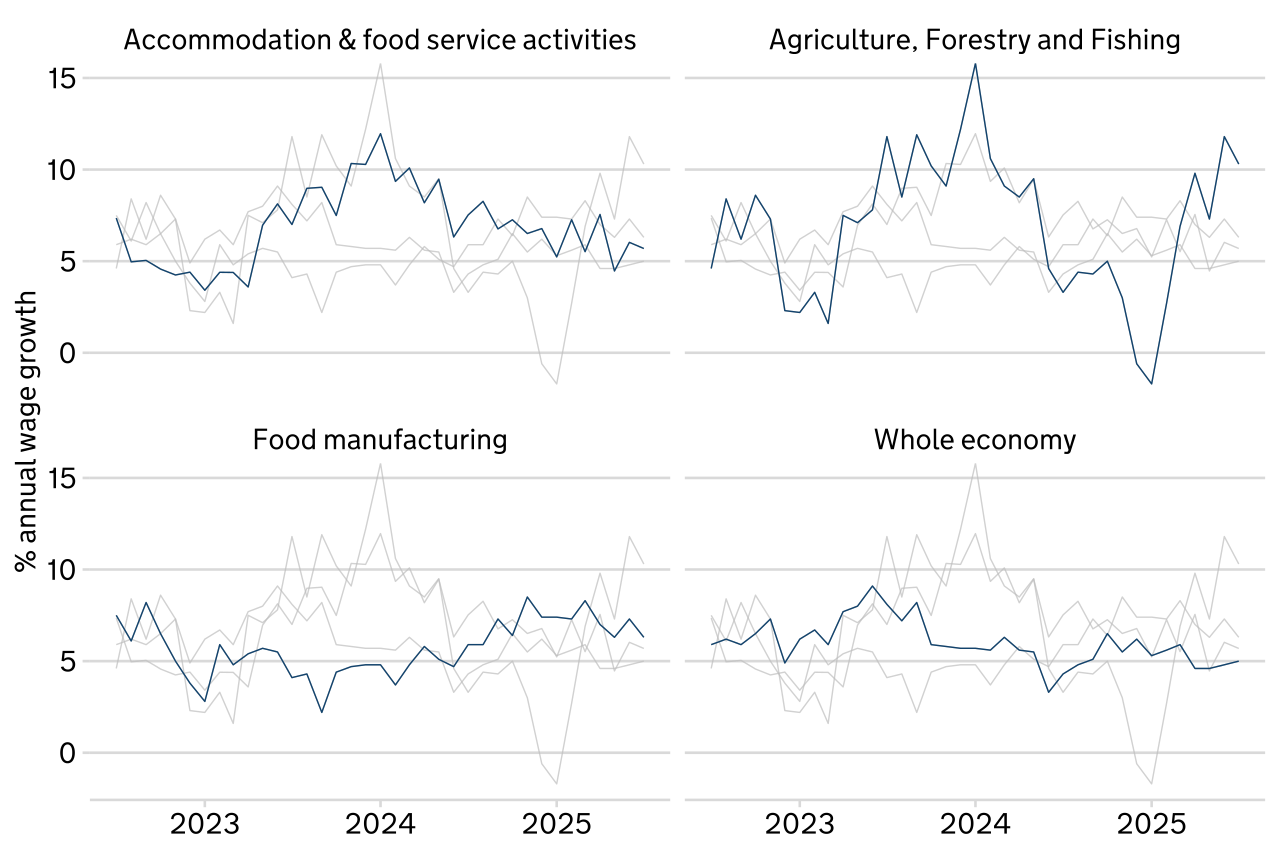
Figure 18: Average weekly earnings by sector in the UK, 2023 to 2025 (% annual wage growth)
Source: Average weekly earnings by industry, ONS
Download the data for this chart in .ods format: 84.0 KB
This can be reflected in wage growth where food manufacturing now exceeds that of the overall economy. Wage growth in accommodation and food services (hospitality) has fallen to be on or slightly above the average, while wage growth in agriculture and forestry has fluctuated the most and has returned to above that of the overall economy.
The impact of increased National Insurance contributions in the food and drink industry is yet to be fully quantified.
Cyber Security
In common with many other sectors, the food supply chain is a complex interlinked system which can present a target for cyber attacks. In the last year attacks on high street food retailers have raised the profile of this threat in the media and public awareness.
In April 2025, Marks & Spencer took internet connected services offline to contain a cyber incident. This resulted in operational disruption to many public facing services including Click and Collect, online orders and contactless payments. In the same month the Co-op Group was the victim of a multi-stage cyber attack. In both cases the businesses were able to maintain in-store availability of food and remain trading to an extent, although there was significant business interruption involved in the background.
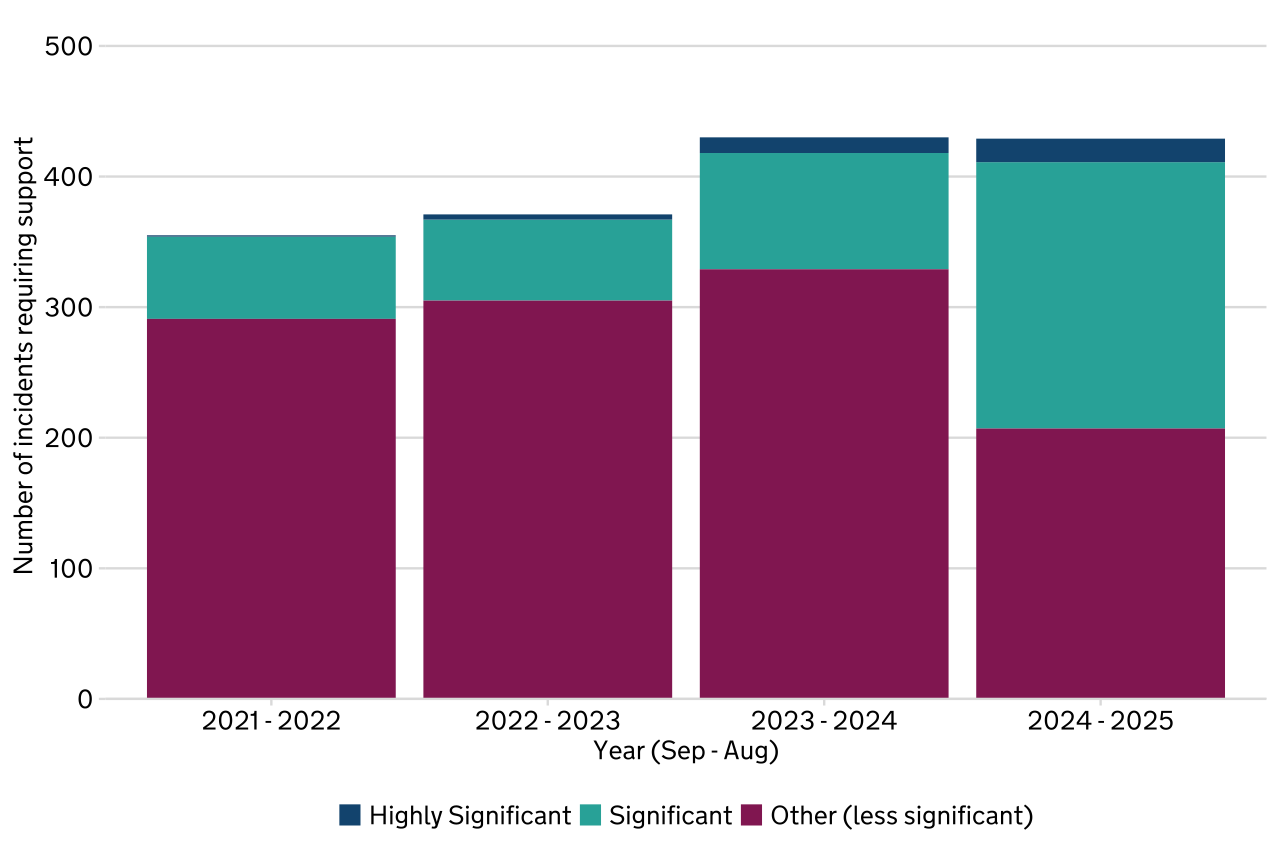
Figure 19: Incidents requiring support from the National Cyber Security Centre incident management team
Source: NCSC Annual Review 2025
Download the data for this chart in .ods format: 84.0 KB
The National Cyber Security Centre is the National Technical Authority for cyber security and works with industry to provide advice, incident response and assistance to businesses affected by cyber attack. In the 12 months to August 2025, out of 429 incidents requiring NCSC incident management support, 48% were classified as nationally significant, compared to 20% the year before. The number of highly significant incidents was much smaller, at 4%, but still represented 6 more incidents than the year before. Since reporting a breach is not mandatory, and many chose not to do so, the data is not a true reflection of the number of cyber incidents over this period.
Cyber attack categories
Highly significant incident: A cyber attack which has a serious impact on central government, UK essential services, a large proportion of the UK population, or the UK economy.
Significant incident: A cyber attack which has a serious impact on a large organisation or on wider/local government, or which poses a considerable risk to central government or UK essential services.
The full classification system for cyber attacks is published by the NCSC.
The Cyber Security Breaches Survey monitors cyber resilience, although reporting cyber breaches is not mandatory and the data available is not broken down to show a food system specific picture. In its latest survey it found that 43% of businesses reported having experienced any kind of cyber security breach or attack in the last 12 months, which if extrapolated to the UK business population would equate to around 612,000 businesses. This was a decrease from 50% in 2024 driven by a fall in the micro and small business size groups.
Greenhouse Gases
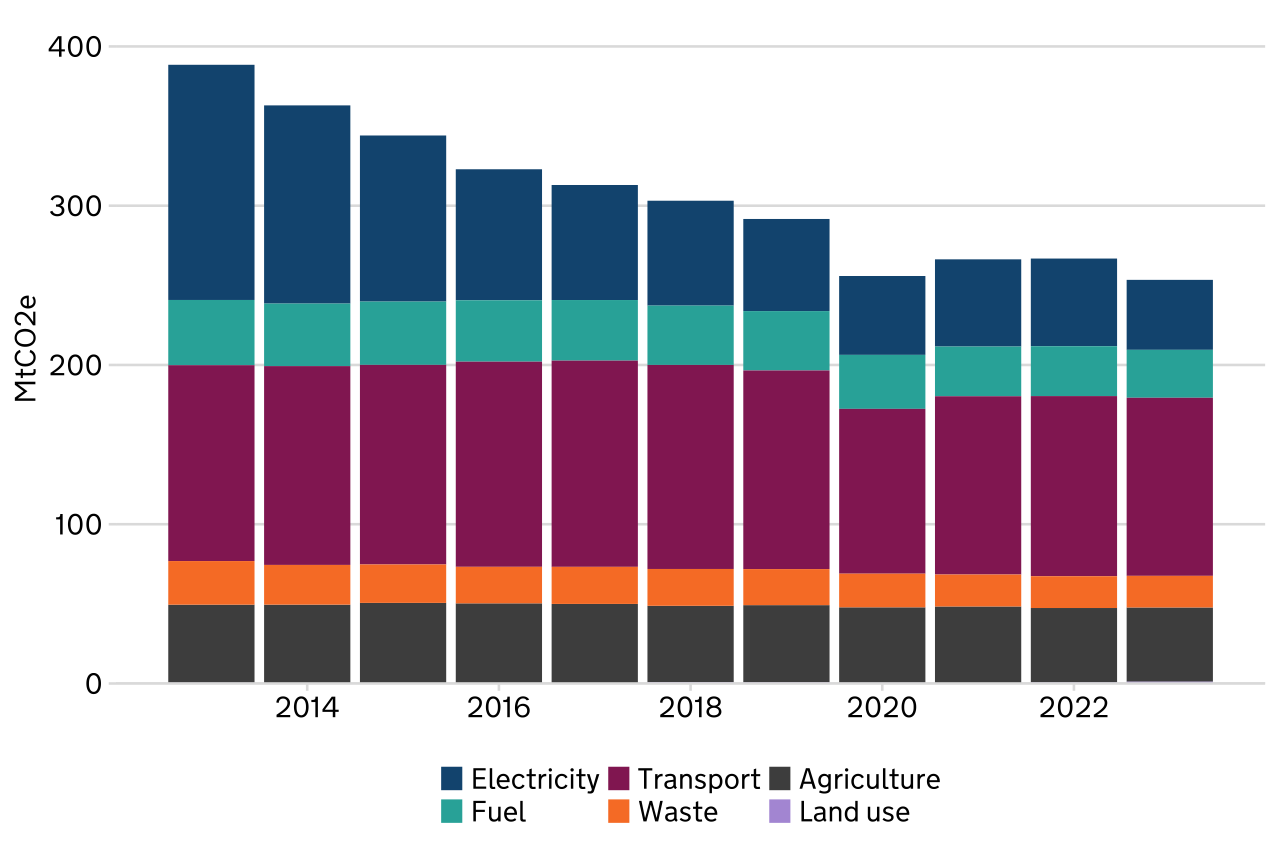
Figure 20: Territorial greenhouse gas emissions by selected source category in the UK, 2013 to 2023 (MtCO2e)
Source: Final UK greenhouse gas emissions statistics: 1990 to 2023
Download the data for this chart in .ods format: 84.0 KB
The UK aims to achieve net zero greenhouse gas emissions by 2050, with agriculture playing a crucial role in this transition through sustainable practices and emissions reduction strategies. Net Zero in Farming is likely to be achieved by balancing greenhouse gas (GHG) emissions released with the amount removed across the entire sector.
WRAP estimates that between 2015 and 2022 there was a 12% reduction (including land use change) or a 14% reduction (excluding land use change) in emissions associated with overall UK food and drink consumption. The biggest consistent drivers of this reduction were in the supply chain and consumer stages, most notably in the household, retail and manufacturing sectors. This was driven primarily by a decrease in the GHG intensity of energy since 2015, and process efficiency improvements. Total emissions from agriculture reduced by 5% in the same period, driven by reductions in livestock numbers and the use of manufactured fertilisers.
International Transport has been included in WRAP’s report which shows that it increases overall food chain emissions by about 5%. Whilst this is a small contribution to the overall footprint (9% to 10% of overall emissions associated with imports), analysis of the import data also provides clear mitigation opportunities, such as through reducing the 1.5 to 2 million tonnes (mt) CO2e per year caused by air-freight imports: 21% to 33% of international transport emissions caused by food imports are from just 0.5% of the UK’s imported food.
The GHG emitted by food globally varies quite considerably from 99kg of CO2e per kilogram from beef to 0.86kg from bananas. Meat and dairy, with the exception of milk, have higher GHG emission per kilogram of food than plant-based products (Poore and Nemecek, 2018).
GHG emissions from the UK agricultural sector consists of emissions from livestock, agricultural soils, stationary combustion sources and off-road machinery. It is estimated to have been responsible for 12% of greenhouse gas emissions in the UK in 2023. Emissions of methane (58%) and nitrous oxide (27%) dominate this sector. The most significant sources are emissions of methane from livestock, particularly cattle, and nitrous oxide emissions related to the use of fertilisers on agricultural soils. It is the fourth largest contributor of GHG emissions nationally (Measuring UK greenhouse gas emissions).
From 2015 to 2022, UK emissions intensities from cattle (GHG emissions per kg of meat produced) showed a declining trend, decreasing by 8.9% while dairy (GHG emissions per litre of milk production) decreased by 2.6% in the same period. Sheep emissions intensity has fluctuated over this period, and in 2022 was 4.2% higher than in 2015. The emissions intensity of pigs rose by 6.5% between 2015 and 2022. Emissions intensity from cattle in the UK are lower than many other countries globally due to the use of low methane producing animal feeds. Methane emissions largely consist of emissions from enteric fermentation (emissions from digestion) in ruminants (cattle, sheep and goats etc.).
The 2024 Farm Practices Survey (FPS) indicated that 58% of farmers in England thought it important to consider GHGs when making farm business decisions, while 39% considered it not important.
Carbon audits measure the greenhouse gas emissions of organisations and their activities. They are mainly used to quantify their carbon footprint, identify and assess how the different activities of the organisation contribute to their emissions, and get recommendations for potential improvements which might reduce emissions.
By 2023/24, carbon audits had been carried out on 20% of all farm businesses (about 10,100 farms), with dairy farms most likely to have been carbon audited, at 57%.
Plant and Animal Health
Whether an animal or plant pest, or disease, is a food security risk or not depends on how effectively it can be controlled.
Below are two examples in two different crops: oilseed rape and wheat.
-
In the first, there have been difficulties in controlling a major invertebrate pest in recent years due to lack of an effective approved insecticide. This has led to a marked reduction in domestic oilseed rape production and increased reliance on imports.
-
In the case of wheat, which is susceptible to many fungal diseases there are currently effective control measures, but the evidence shows that new, more resistant fungal strains are evolving.
The effect of cabbage stem flea beetle on oilseed rape production
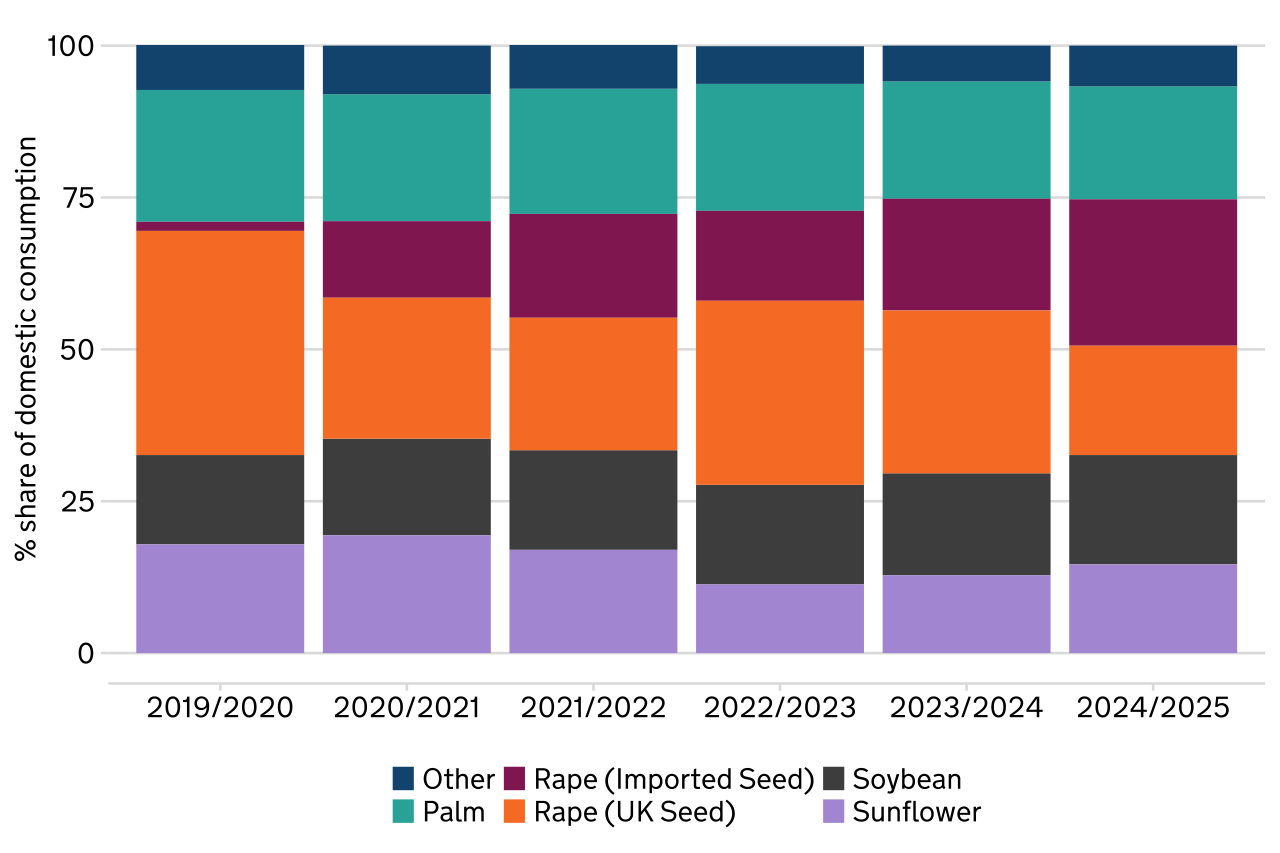
As well as being an important break crop within crop rotations, oilseed rape (OSR) plays an important role in the production of oils and animal feed. The recent decline in oilseed rape production has largely been driven by the impact of a major invertebrate pest, the cabbage stem flea beetle (CSFB; Psylliodes chrysocephala). Due to this decline, the UK is becoming increasingly reliant on imports of vegetable oils to fulfil domestic demand.
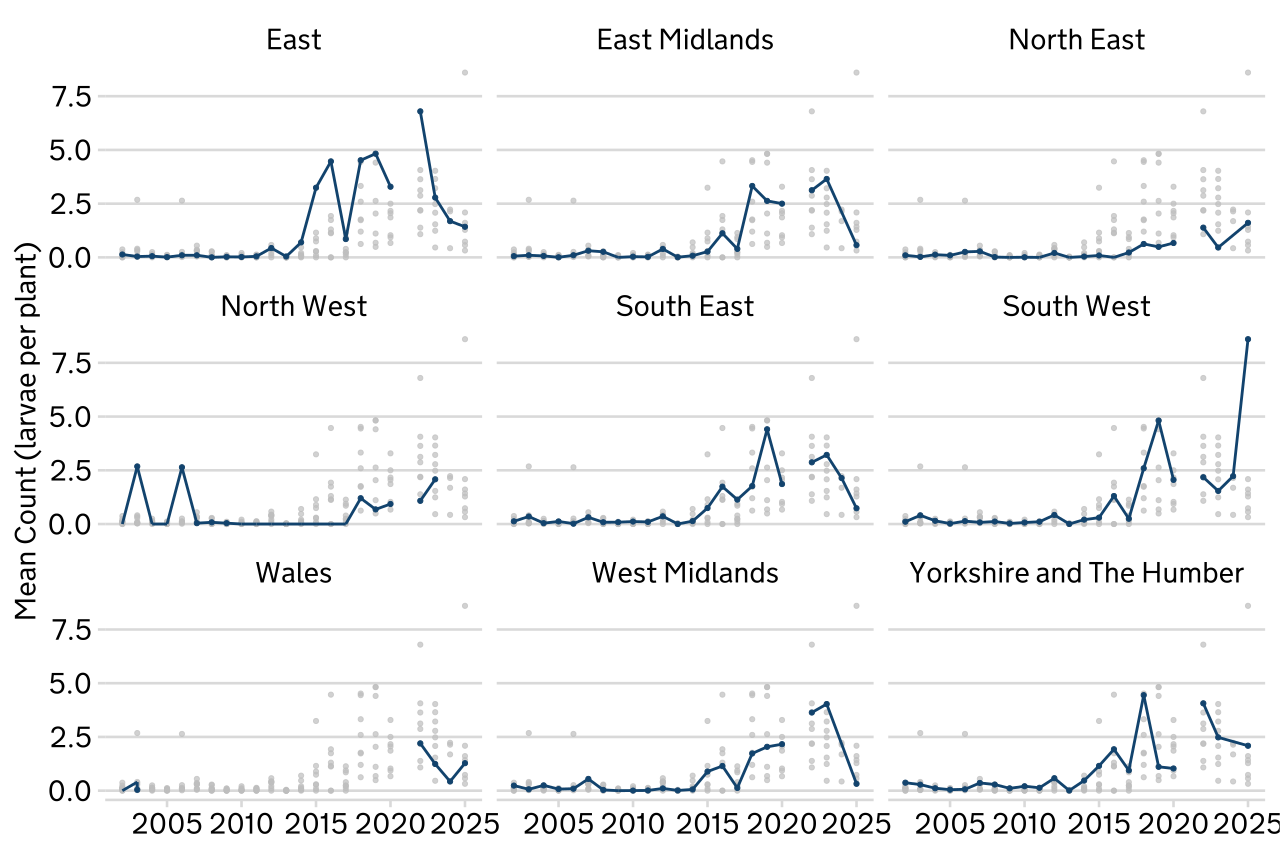
The use of neonicotinoids (a class of systemic insecticides) was banned in late 2013 as a form of seed treatment in flowering plants, such as oilseed rape, with additional emergency authorisations being banned from December 2024. The 2014/15 crop was the first where seeds were not treated with neonicotinoids. CSFB prevalence has increased markedly in England since 2015 (Figure 21). Neonicotinoids were largely banned due to the risk they posed to important pollinators such as bees. Insect pollination is also important for maintaining yield in oilseed rape. With CSFB increasingly displaying resistance to pyrethroids, which are currently the only approved insecticide, it is now proving difficult to control.
Figure 21: Mean autumn counts of larvae of cabbage stem flea beetle in oilseed rape across England and Wales between 2000 and 2025 (mean count, larvae per plant).
Source: Crops Pest and Disease Survey
Download the data for this chart in .ods format: 84.0 KB
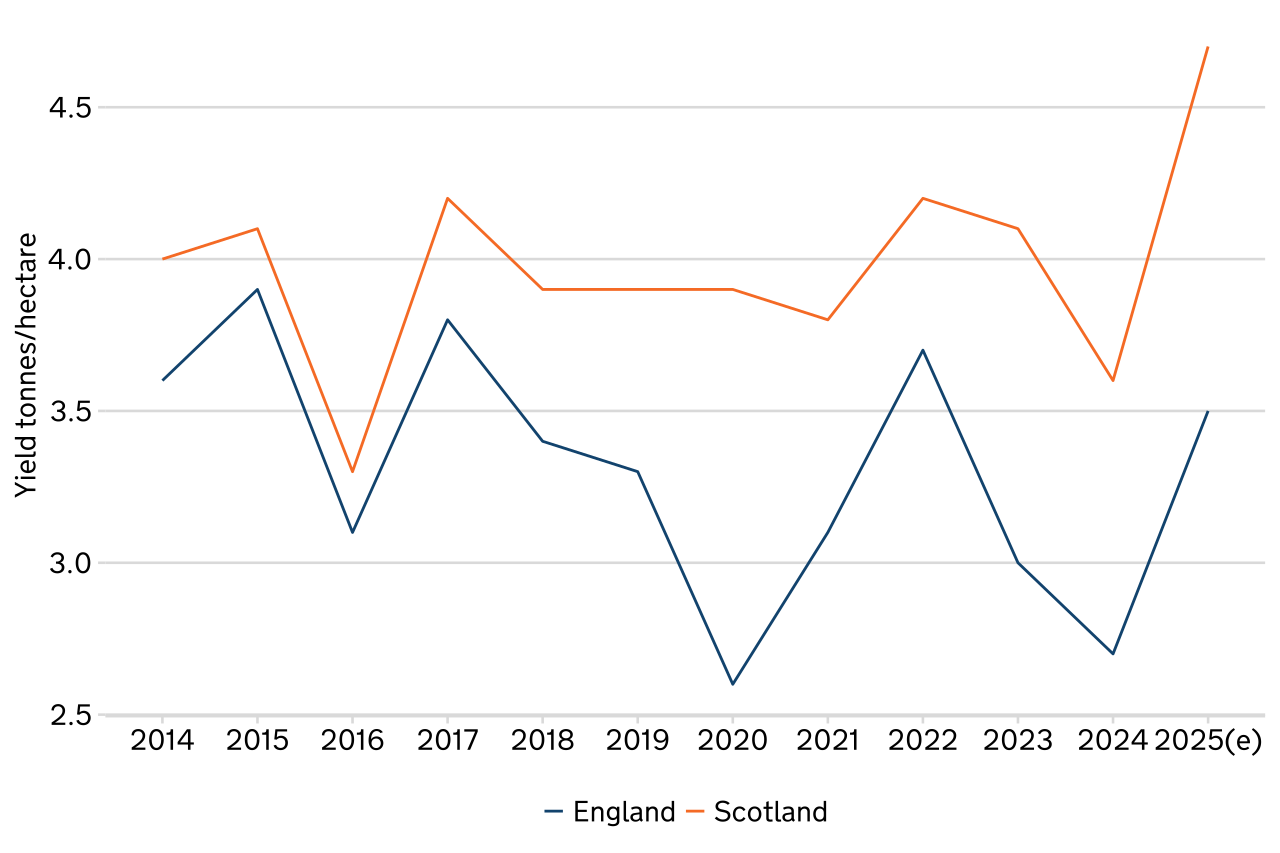
Since 2014 OSR yields in Scotland (where the beetle is not currently causing concern) have diverged from those in England. In 2025 the oilseed rape yield in England (estimated at 3.5 tonnes/hectare) was 25.5% lower than in Scotland (4.7 tonnes/hectare) (Figure 21). This suggests that CSFB is having a significant effect on oilseed rape yields.
Figure 22: Oilseed rape yield for England and Scotland (tonnes/hectare), 2014 to 2025
Source: Cereal and oilseed production in the United Kingdom 2024, Provisional cereal and oilseed production estimates for England 2025, Scottish cereal harvest: estimates
Download the data for this chart in .ods format: 84.0 KB
(e) signifies estimated figures
Since 2021 the UK has become increasingly reliant upon imports to compensate for the loss of domestic oilseed rape production (Figure 23).
In 2024, 824 thousand tonnes of oilseed rape were produced, which was the poorest year in over 40 years, and down by 32% in comparison to 2023. In addition, the area of crop grown across the UK has decreased by 25% with average yield (amount of oilseed rape produced per hectare) decreasing by 9.7% to 2.8 tonnes/hectare.
Figure 23: Origins of Edible Oils Sourced in the UK, 2019/20 to 2024/25 (%)
Source: USDA Production and Supply Data
Download the data for this chart in .ods format: 84.0 KB
However, the latest data indicate that there will be improved yields in 2025. Spring CSFB survey results indicate that the low numbers of adult CSFB in 2024 have translated into lower numbers of larvae, in the stems of oilseed rape, than in recent years. Although there have been isolated spikes on individual farms, further investigation into the reason for this is currently being undertaken. In addition, there have not been the widespread hotspots which were previously detected in 2022 in the last large-scale survey.
The effect of the reduced CSFB count can be seen in the increased estimated oilseed rape yield for 2025 (Figure 22). Early indications are that yield in both England and Scotland has risen by about 30%. Production in England and Scotland has risen by 5.5% and 15% respectively despite a reduction of 18% and 11% respectively in crop area between 2024 and 2025 (Provisional cereal and oilseed production estimates for England 2025 - GOV.UK).
Provisional results from the AHDB Early Bird Survey indicate that oilseed rape plantings are predicted to increase by 30% between 2025 and 2026.
The recent industry initiative, the OSR-Reboot campaign, suggests measures to help minimise the risk of CSFB, such as early or late drilling, ensuring good crop establishment (moist soils, good seed to soil contact etc), drilling crops as far apart as possible, using organic matter, planting of companion and sacrificial crops and the cultivation of stubble.
The emergence of a new strain of yellow rust
Domestically grown wheat, in a normal year, will provide 80-85% of the supply to UK flour mills. The UK milling industry requires high protein milling wheat to meet consumer demand, therefore the remaining 15-20% of wheat is imported (UK Wheat 2025). While the UK flour milling sector prefers to use UK milling wheat, these imported varieties will have characteristics and qualities not found in UK wheat due to climatic conditions. Imports provide an additional security of supply, should domestic production be disrupted by risks such as adverse weather or disease. The majority of imports come from North America (UK Trade Info (HMRC)). Bioethanol is imported tariff-free from the USA, leading to UK bioethanol production stopping. With feed wheat often being used to produce bioethanol, an important market for feed wheat has also reduced.
Stripe, commonly called yellow rust, caused by the fungus Puccinia striiformis f. sp. tritici is a serious disease of wheat. It also can infect barley and triticale. The disease is common under cool and moist climates. It is characterised by the appearance of yellow to orange pustules arranged in long narrow ‘stripes’ on the leaves, which can severely impact the plant’s ability to photosynthesise and so produce grain.
Crops can be bred to contain certain genetic characteristics that provide resistance to specific diseases. The genetic makeup of a crop is a major factor that determines how susceptible the crop is to a given disease. Chemical based fungicides can provide additional protection to the crop beyond that given by its natural genetic makeup. However, fungal diseases can become ‘resistant’ as they evolve to overcome both genetic and fungicidal protection. For crops to remain protected against disease there is a continuous need to develop both new crop varieties and protective chemistries.
Following unusually high levels of yellow rust in wheat during spring 2025, laboratory testing determined that a new strain had been identified. The ‘Yr15’ gene (a yellow rust resistance gene discovered in the 1980s) does not offer any protection against the new strain major winter wheat yellow rust resistance gene fails.
DNA analysis (called genotyping) of this new strain of yellow rust, has suggested that the strain evolved by mutation in late 2024. It has also been identified in several other European countries.
The gene ‘Yr15’ had previously provided protection from many different (genetically diverse) types of yellow rust. This is called broad spectrum resistance. This gene is thought to be found in approximately a third of varieties of wheat on the Agriculture and Horticulture Development Board (AHDB) Recommended List (RL) of varieties of major cereals and oilseeds.
The RL provides farmers with information to inform variety selection in addition to other data on yield and quality performance and agronomic features of a given crop. The RL also includes disease resistance ratings for a number of diseases including yellow rust on a numerical scale from 1 (least resistant) to 9 (most resistant). Due to the recent emergence of this new strain the current ratings are only based on one year of data instead of the standard three years; the previous detection of a new rust strain was in 2016 (AHDB, 2025). The table below outlines the changes in variety ratings.
Variety rating changes on the Recommended List
| Susceptibility | Number of varieties | Result and reasoning |
|---|---|---|
| Fallen | 12 | Disease ratings have fallen by 2 to 5 points because Yr15 gene resistance has been overcome. |
| More or less the same | 18 | Although some of these varieties may contain the Yr15 gene they also contain other genes that offer a degree of resistance to yellow rust. |
| Risen | 4 | Have been assessed as more resistant (disease ratings have risen) as strains of yellow rust that they are susceptible to have now become less prevalent. |
The new rust strain has yet to spread nationally so its full impact has not yet been realised in all trial locations that are used to calculate disease ratings on the RL. It may take a number of years before the effect of this new strain can be fully quantified.
Early detection of the new yellow rust strain allowed fungicide treatment programs to be appropriately adjusted. Fungicides are a group of chemical products that can provide a crop with protection from fungal diseases such as yellow rust, if they lack the natural protection from their genetic makeup. More resistant varieties of wheat can be planted in future years, although resistance to yellow rust, when a plant is young (before the stem has extended) is highly likely to be associated with the ‘Yr15’ gene. Therefore, it is probable that all varieties in the 2026/27 RL will be susceptible to yellow rust before they have grown into adult plants. As a result, it is too early to determine what effect this new strain will have on UK wheat production.
In general, the gap in yield between treated versus untreated wheat crops with fungicide has been narrowing in recent years in popular RL varieties. This suggests that fungicides are offering less yield enhancement (increase in yield due to fungicide being applied) than they had done previously.
Animal health
The UK has a range of surveillance and control measures for animal diseases in the UK - more information on these can be found in the Annex. In addition, the UK Government regularly monitors outbreaks of international animal diseases, to assess whether there is an increased risk to the UK and publishes assessments on the current disease risk. Notable diseases of current interest to the UK include Avian Influenza, African Swine Fever, Bluetongue and Foot and Mouth Disease.
Outbreaks of animal diseases very rarely lead to a food security issue with consumers, as there are strong control measures in place around any disease that poses a significant risk to animal health - these diseases are made notifiable diseases, with a legal obligation to report suspected cases. In addition, no product from a diseased animal or bird is allowed into the food chain. Animal disease outbreaks can have economic impact on producers. Although compensation is paid in many cases for the loss of animals as a result of culling in response to disease outbreak, producers are not compensated for all costs associated with restarting production, or any consequential losses (income that the animal would have generated in the future, for example through laying eggs) resulting from an outbreak. In addition, there is risk of loss of export markets for products of animal origin.
Avian Influenza is a notifiable disease and details of how Avian Influenza is controlled in Great Britain are published by Defra. There have been a number of Avian Influenza outbreaks in the UK and Europe since 2021. The APHA outbreak assessment published on November 11th 2025 stated that the risk posed by Avian Influenza to poultry producers with stringent biosecurity increased from low (event is rare but does occur) to medium (which occurs regularly) and the uncertainty is maintained at high (APHA, 2025).
However, due to the control measures in place, the UK has not seen a large effect on food supply. In 2022, the year with the highest number of confirmed Avian Influenza outbreaks in the UK, poultry meat slaughtering fell by 2.6% from 2021. Egg production was more affected than poultry and fell by 7% in between 2021 and 2022 as production was also affected by a 30% increase in costs, however 2024 had the highest egg production on record.
The latest information on Avian Influenza situation in England is published by Defra.
About the UK Food Security Digest
The Digest is an annual statistical publication, produced in the years between the triennial UK Food Security Report (UKFSR). As with the UKFSR it presents a selection of statistics and broader evidence on issues related to aspects of food security, but unlike the UKFSR it is a smaller scale publication not intended to be a comprehensive look at all aspects of food security. It is intended to complement the UKFSR rather than replace it.
Our statistical practice is regulated by the Office for Statistics Regulation. The Office for Statistics Regulation sets the standards of trustworthiness, quality and value in the Code of Practice for Statistics that all producers of official statistics should adhere to. You are welcome to contact us directly with any comments about how we meet these standards. Alternatively, you can contact OSR by emailing regulation@statistics.gov.uk or via the OSR website.
Contact and feedback
Enquiries to: foodsecurityreport@defra.gov.uk
You can also contact us via Twitter/X: @DefraStats
Defra Helpline: 03459 33 55 77 (Monday to Friday: 8:30am to 5:30pm)
We want to understand the uses that readers make of this report. To help us ensure that future versions are better for you, please answer our short questionnaire to send us feedback.
Production team
Chris Silwood, David Lee, Isabella Worth, Jonathan Smith, Leigh Riley and Matthew Keating.
Acknowledgements
With thanks to the following for their advice and subject matter expertise: Joshua Ballantyne, Ben Thorp, Elsa Richmond-Seaton, Andrew Cuthbertson, Holly Alpren, Chris Penrose Buckley (FCDO), Steve Ellis (ADAS), Sam Holland (APHA), Rebecca Joynt (ADAS), Julie Smith (ADAS), Joe Brennan (UK Flour Millers), James Warner (United Oilseed), Sacha White (AHDB).
Glossary
| Term | Definition |
|---|---|
| Agri-food sector | Agriculture, food manufacturing, food wholesale, food retail and non-residential catering. |
| Break crop | A secondary crop grown to interrupt the repeated sowing of cereals as part of crop rotation. |
| Carcase meat | The saleable meat from a dead animals body after preparation for market. |
| Current price | The value of money before adjusting for inflation. |
| Disposable income | The amount of money that households have available for spending and saving after direct taxes, such as Income Tax, National Insurance and Council Tax, have been accounted for. |
| Drilling | A method of planting a crop which aims to move the minimum amount of soil required to create good seed to soil contact. |
| El Niño and La Niña | El Niño and La Niña are climate patterns in the Pacific Ocean that can affect weather worldwide, two opposing states that form the phenomenon called the El Niño Southern Oscillation (ENSO). They can have effects on temperature and rainfall in various parts of the world and thus impact agricultural production. |
| Equivalised | The process of accounting for the fact that households with many members are likely to need a higher income, or have a higher household expenditure, to achieve the same standard of living as households with fewer members. |
| Fungicide | Pesticides that kill or prevent the growth of fungi and their spores (National Pesticide Information Center). |
| FYE | Financial Year Ending. For statistical purposes this is the period April to March; for example, FYE 2024 is April 2023 to March 2024. |
| Median | A measure of the average. The median is calculated by identifying the exact middle point in a set of observations. When the observations are ranked from lowest to highest, the median is the value in the exact middle of the observed values. |
| Non carcase meat | Meat that has undergone secondary processing, such as mince and sausages. |
| Notifiable disease | Notifiable diseases (Defra, 2025) are diseases that must be reported to governmental authorities by law, even in suspected cases. These diseases could present a risk to animal or human health. Reporting suspected cases of zoonotic disease allows health protection teams to manage potential outbreaks and prevent further infection in humans. |
| Quintile | Any of five equal groups into which a population can be divided according to the distribution of values of a particular variable. |
| Real terms | The value of money after adjusting for inflation. |
| Resilience | The ability to respond quickly to operational disruptions. |
| Supply chain | The system and resources required to move a product or service from supplier to customer. |
| Tertile | Any of three equal groups into which a population can be divided according to the distribution of values of a particular variable. |
| Zoonoses/zoonotic | An infectious or parasitic disease whose microbial or parasitic agents are naturally transmitted between humans and other animals (National Center for Biotechnology Information, 2022). |
Annex: Further Reading
| Topic | Publication | Description |
|---|---|---|
| UK agricultural production, production to supply ratio | Agriculture in the UK (Defra) | This annual publication provides an overview of agriculture in the UK. It contains an extensive range of data including farm incomes, land use, livestock numbers, prices, production of key commodities (e.g. wheat, milk, vegetables), overseas trade, organic farming and the environment. |
| Horticultural production | Horticulture Statistics (Defra) | Annual statistics on the area, yield, production, trade and valuation of fruit and vegetable crops grown in the UK. |
| UK household expenditure and purchases of food | Family Food (Defra), Family Spending (ONS) | Family Food contains annual statistics about food and drink purchases in the UK. Family Spending includes statistics on all household expenditure. |
| Household food security | Family Resources Survey (DWP) | An annual report that provides facts and figures about the incomes and living circumstances of households and families in the UK. |
| Household food security | The Broken Plate Report 2025 (Food Foundation) | An annual report that looks at the trends impacting the UK’s food system and the actions needed from policymakers to ensure that everyone can afford healthy and sustainable food. |
| Household food security | Food Insecurity Tracking (Food Foundation) | A series of nationally representative surveys, carried out since the outbreak of the COVID-19 pandemic in March 2020, to assess the impact of household food insecurity across the UK. The survey tracks and reports on the experiences of food insecurity, particularly focusing on specific high-risk groups such as families with children, ethnic groups, people with disabilities and people receiving benefits. |
| Consumer behaviour | Food and You 2 (FSA) | Biannual survey that measures self-reported knowledge, attitudes and behaviour relating to food safety and other food-related behaviours. |
| Consumer behaviour | Consumer Insights Tracker (FSA) | A monthly survey that monitors changes in consumers’ behaviour and attitudes relating to food and is published every three months. |
| Food chain productivity | Total factor productivity of the agricultural industry (Defra), Total factor productivity of the food chain (Defra) | Total factor productivity is an indicator of the long-term performance of an industry. |
| Overseas trade data | UK Trade Info (HMRC) | Official UK trade data and search tools. |
| Global agricultural markets | AMIS | The Agricultural Market Information System (AMIS) is an inter-agency platform to enhance food market transparency and policy response for food security. |
| Grain markets | IGC Grain Market Report | The International Grains Council publish monthly market reports. |
| Commodity markets | World Bank Pink Sheet | The World Bank publishes monthly data on agricultural and other commodity market prices. |
| Global food production | OECD-FAO Agricultural Outlook 2024-2033 | Organisation for Economic Coordination and Development (OECD) – Food and Agriculture Organisation (FAO) produce a comprehensive annual analysis of global food production, and consumption is covered in chapter 1 of this product. |
| Global food loss and waste | UNEP Food Waste Index Report | The UNEP Food Waste Index Report is the major source of data on food waste. It is updated every three years hence food loss and waste have been omitted from this publication. |
| Global cereals production | OECD-FAO Agricultural Outlook 2024-2033 | OECD-FAO produce a comprehensive annual analysis of global food production. Cereals production is covered in chapter 3 of this product. |
| Global fruits and vegetable production | FAOSTAT | FAOSTAT provide statistics on the global production of a limited range of fruit and vegetables. |
| Global seafood production | The State of World Fisheries and Aquaculture 2024: Blue Transformation in action | State of the World Fisheries and Aquaculture Production report is a comprehensive analysis of global capture fisheries and aquaculture production. |
| Global agricultural total factor productivity | International Agricultural Productivity | The Economic Research Service (ERS) at United States Department of Agriculture (USDA) produces an annual publication on Total Factor Productivity. There is commentary about these statistics in the UKFSR 2024. Total Factor Productivity is a very slow-moving measure hence it would be inappropriate to provide an annual commentary on these statistics in this publication. |
| Global agricultural total factor productivity (TFP) | The Global Agricultural Productivity Initiative | The Global Agricultural Productivity Initiative publishes an annual report based on the USDA ERS International Agricultural Productivity statistics. This report includes more in depth analysis on TFP. It contains the Global Agricultural Productivity (GAP) Index, which was established in 2010 to track the growth needed in TFP to sustainably double global agricultural production by 2050, under the assumption that the world population reaches 10 billion by 2050 (a figure which is slightly higher than the United Nations projection of 9.7 billion (UN, 2022). |
| Global land use change | The Global Land Squeeze: Managing the Growing Competition for Land | The World Resource Institute (WRI) Global Land Squeeze report provides a good commentary on issues effecting global land use. |
| Global land use change | The State of the World’s Land and Water Resources, Food and Agriculture 2021 | This report provides a good overview taking a system approach to the interlinked issues around land and water use in agriculture. |
| Global land use change | Global Land Outlook | The United Nations Convention to Combat Desertification Global Land Outlook is the most comprehensive report covering global land use. The last report was in 2022. |
| Global land use change | FAOSTAT | FAOSTAT Land Use statistics provides the latest data on global land use. |
| Global fertiliser production | United States Geological Survey (USGS) Potash Statistics | The USGS publishes annual statistics on the production and economic reserves (mineral resources that can be commercial exploited) along with commentary on issues affecting potash supply and production annually (USGS, 2024). |
| Global fertiliser production | United States Geological Survey (USGS) Phosphate Statistics | The USGS publishes annual statistics on the production and economic reserves (mineral resources that can be commercial exploited) along with commentary on issues affecting phosphate supply and production annually. |
| Global food and nutrition insecurity | The State of Food Security and Nutrition in the World 2024 | The State of Food Security and Nutrition in the World is a comprehensive analysis of global food security and is published annually. |
| Global food and nutrition insecurity | Global Report Food Crises | The Global Report Food Crises is the reference document for a comprehensive analysis of global, regional and country-level acute food insecurity. Its primary purpose is to inform humanitarian and development action. |
| Animal Health | The State of the World’s Animal Health 2025 | The World Organisation for Animal Health (WOAH) has published its first annual report on animal health. |
| Animal Health | Global Animal Disease Burden | It is not possible to measure the overall prevalence of animal diseases globally. The global burden of animal diseases project (GBAD) measures the gap between the amount of animal biomass produced globally and the theoretical maximum that could be produced to assess the global impacts of animal disease. In 2020, GBAD estimated that animal diseases caused 351.2 billion USD of global economic losses. |
| Animal Health | How China’s African Swine Fever Outbreaks Affected Global Pork Markets | Even the significant outbreak of a major animal disease such as African Swine Fever in China between 2018 and 2022 did not significantly affect UK food security. However, Chinese pork production fell by 21% at the peak of the outbreak. Despite China accounting for 45% of global pork imports in 2020, 58% of these were from the EU. The effect on European pork prices was much less than expected, largely because Chinese consumers shifted to alternative proteins such as poultry and seafood during the 14-month period of peak pork prices. |
| Animal Health | APHA animal disease surveillance reports publications and dashboards | Animal and Plant Health Agency (APHA) also provide species specific annual and quarterly reports of disease surveillance activities as well as annual quantitative reports of all diagnostic submissions from livestock and contemporaneous dashboards, showing disease diagnoses in various species groups and for some specific diseases. |
| Animal Health | APHA monthly animal disease report | The Animal and Plant Health Agency (APHA) publish a monthly animal disease surveillance report which monitors new, emerging and existing diseases in wildlife, cattle, sheep/goats, camelids, pigs and poultry across England and Wales. A description of the scanning surveillance carried out by APHA can be found here. Details on how the disease risk is assessed and how risk incursion levels in the disease surveillance report are calculated are available at the links. A similar report is produced for Scotland by the Scottish Agricultural Colleges Veterinary Services Division (SACVSD). |
| Animal Health | Veterinary Antimicrobial Resistance and Sales Surveillance report | Veterinary Medicines Directorate (VMD) is responsible for monitoring antibiotic sales and resistance, and it produces the Veterinary Antimicrobial Resistance and Sales Surveillance report. |
| Plant Health | Plant Health Portal | Contains links to all the information on Plant Health from pest and diseases to International Trade. |
| One Health | Global One Health Index – Food Security | The UK adopts a One Health approach to managing zoonotic disease through the Human Animal Infections and Risk Surveillance group (HAIRS). The Global One Health Index-Food Security (GOHI-FS) examined the close links and inter-dependence of the health of humans, animals and the environment, particularly in the context of the sustainability of food systems. A summary of the findings can be found in Defra food pocketbook (Defra, 2024) |
| Foodborne Pathogens | Campylobacter infection: annual data in England | Human infections from gastrointestinal pathogens that are commonly foodborne are monitored by UKHSA in England and reported through pathogen specific annual reports. |
| Foodborne Pathogens | Salmonella: national laboratory and outbreak data in England | Human infections from gastrointestinal pathogens that are commonly foodborne are monitored by UKHSA in England and reported through pathogen specific annual reports. |
| Foodborne Pathogens | Listeria monocytogenes: surveillance reports England | Human infections from gastrointestinal pathogens that are commonly foodborne are monitored by UKHSA in England and reported through pathogen specific annual reports. |
| Foodborne Pathogens | Escherichia coli (E. coli) O157: annual totals in England | Human infections from gastrointestinal pathogens that are commonly foodborne are monitored by UKHSA in England and reported through pathogen specific annual reports. |
| Foodborne Pathogens | Cryptosporidium: national laboratory data England. | Human infections from gastrointestinal pathogens that are commonly foodborne are monitored by UKHSA in England and reported through pathogen specific annual reports. |
| Foodborne Pathogens | UKHSA Health Protection Report | Non-typhoidal Salmonella and Campylobacter case counts are reported quarterly within UKHSA’s Health Protection Reports. These reports also contain yearly counts of a wider range of gastrointestinal pathogens and summaries of nationally distributed outbreaks of gastrointestinal infections. |
| Foodborne Pathogens | The National Surveillance of Gastrointestinal Infections and Zoonoses in Scotland Annual Report 2024 | The National Surveillance of Gastrointestinal Infections and Zoonoses in Scotland Annual Report 2024 presents information on laboratory confirmed reports of gastrointestinal and zoonotic (GIZ) pathogens identified in Scotland in 2024. These data are reported to Public Health Scotland (PHS) through the Electronic Communication of Surveillance in Scotland (ECOSS) database, enabling assessment of pathogen activity trends nationally for people for whom a confirmed laboratory diagnostic test result obtained in a Scottish NHS laboratory has been reported. Data presented include temporal trends in laboratory reports spanning 2015-2024 and national level or UK-wide GIZ pathogen outbreaks investigated during the year. In addition, seasonality, demographic variables, and reporting rates by Scottish NHS Boards of residence are provided for GIZ pathogens where 100 or more reported cases were recorded during 2024. |