Vaccine update: issue 368, January 2026, maternity special
Published 3 February 2026

© Crown copyright 2026
This publication is licensed under the terms of the Open Government Licence v3.0 except where otherwise stated. To view this licence, visit nationalarchives.gov.uk/doc/open-government-licence/version/3 or write to the Information Policy Team, The National Archives, Kew, London TW9 4DU, or email: psi@nationalarchives.gov.uk.
Where we have identified any third party copyright information you will need to obtain permission from the copyright holders concerned.
This publication is available at https://www.gov.uk/government/publications/vaccine-update-issue-368-january-2026-maternity-special/vaccine-update-issue-368-january-2026-maternity-special
Vaccination is the most effective way of protecting a baby from life-threatening vaccine-preventable diseases. However, for vaccinations to provide optimal protection, they must be administered at the correct time. This is why some are recommended in pregnancy (such as Respiratory Syncytial Virus (RSV), pertussis and flu), and others, before pregnancy (for example: Measles, Mumps and Rubella (MMR)).
Vaccinations in pregnancy will protect the unborn baby from vaccine-preventable diseases that can cause complications such as neurological disorders but also miscarriage or stillbirth. It also takes time for the immune system to generate full protection following vaccination, so this means that even once an individual is vaccinated it can take a few weeks before a full response is mounted. When a woman is vaccinated at the recommended time in pregnancy, the protection she generates will transfer across the placenta to the unborn baby, which means the baby will have some maternal antibodies providing protection against RSV, pertussis and flu as soon as they are born. These antibodies will provide protection during the first few months of life when the baby is particularly vulnerable but don’t last however, which is why infant vaccination against pertussis and other diseases, in line with the routine immunisation schedule, is still so important. Finally, the physiological changes in pregnancy mean that the pregnant woman may be more vulnerable to complications from certain diseases, such as flu, even if they are otherwise fit and well.
These are all great reasons for a pregnant woman to be vaccinated. This edition of Vaccine Update contains an overview of eligibility, information about the RSV, pertussis and flu vaccination programmes in pregnancy, vaccine coverage, the RSV monoclonal antibody programme for high-risk infants, targeted programmes such as the selective hepatitis B neonatal programme and BCG as well as links to some healthcare practitioner resources that can help guide practitioners and answer questions. This edition also contains an article about the latest maternal attitudinal survey (which continues to show that midwives, nurses, other healthcare professionals and the NHS are generally the most trusted sources of information on vaccines) and some fantastic articles from three local service providers who have shared how they deliver their services as well as their great tips for increasing uptake.
Routine Vaccinations in pregnancy
| Disease protected against | Eligibility | Vaccine |
|---|---|---|
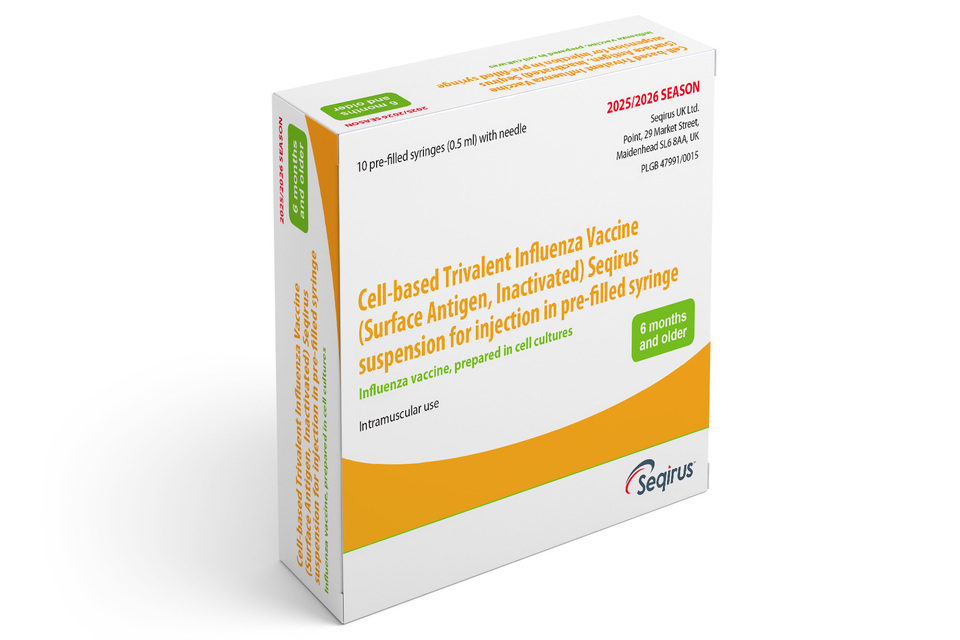
| Influenza | Vaccination should be offered in every pregnancy, and at any gestation, during the flu vaccination season, which runs from 01 September and through the winter up until 31 March each year. Ideally the vaccine should be given at the beginning of the season before flu starts to circulate. | IIVc (Seqirus) |
| Disease protected against | Eligibility | Vaccine |
|---|---|---|
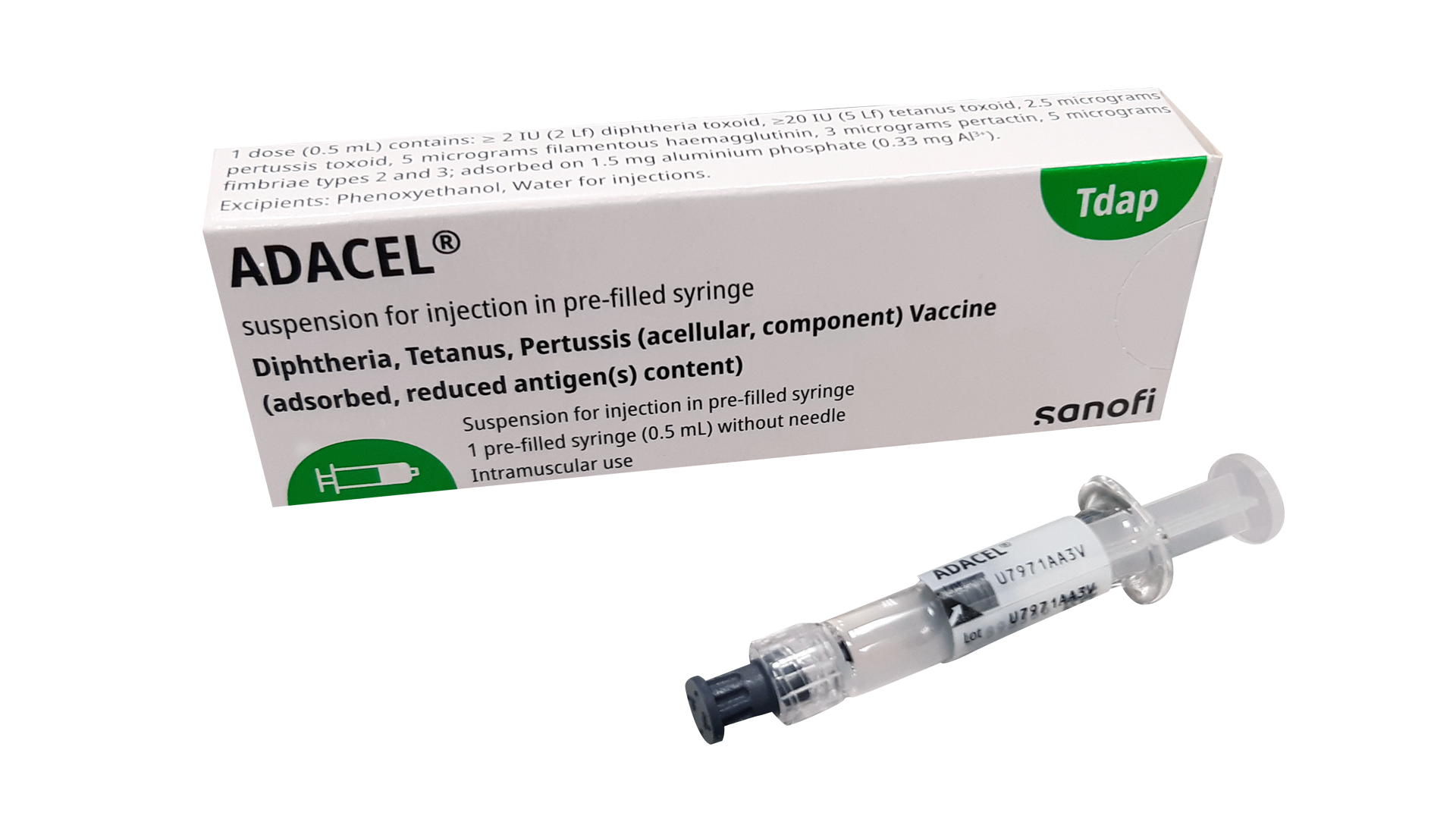
| Pertussis | Vaccination should be offered in every pregnancy around the time of the fetal anomaly scan (usually 20 weeks) but can be given as early as 16 weeks. To offer the best protection the vaccine should be given before 32 weeks but can be given later. The vaccine can also be offered to women up to 8 weeks after they have given birth, to reduce the risk of spreading whooping cough to the baby before they can receive their own first dose of pertussis-containing vaccine. | ADACEL (Sanofi) |
| Disease protected against | Eligibility | Vaccine |
|---|---|---|
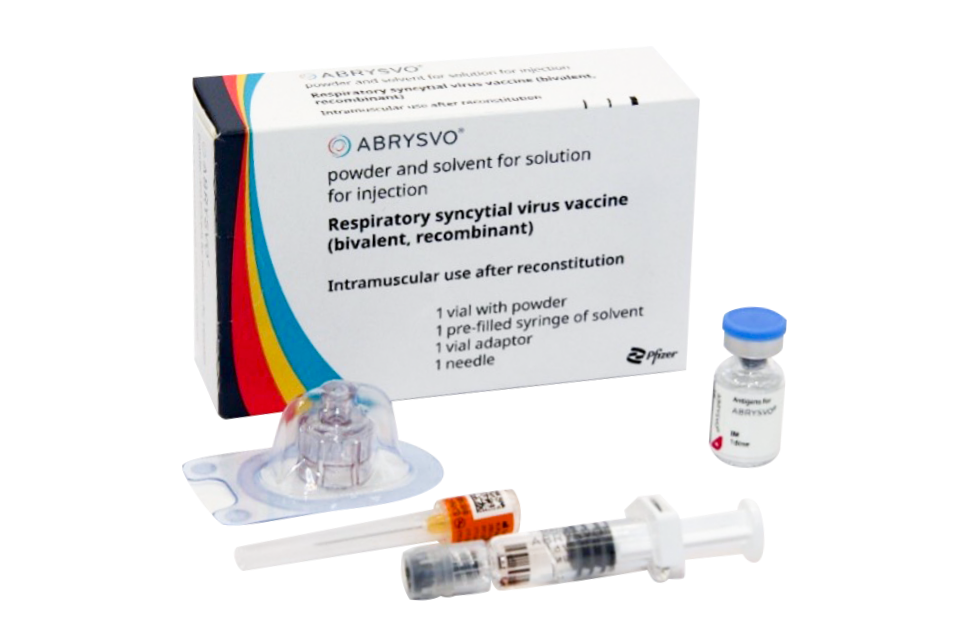
| RSV | The vaccine should be given in week 28 of every pregnancy or soon after. The vaccine can continue to be offered up until delivery, although immunisation after week 36 of pregnancy may not offer as high a level of passive protection to the baby. | Abrysvo (Pfizer) |
Respiratory Syncytial Virus (RSV) – Vaccination of pregnant women for infant protection
Respiratory syncytial virus (RSV) is a leading cause of hospital admissions in young children. RSV is highly infectious and spreads through respiratory droplets, close contact with infected individuals, or contact with contaminated surfaces. While most RSV infections cause mild illness, with symptoms like a runny nose, cough, and fever, infants under six months are at higher risk of severe illness such as bronchiolitis. Bronchiolitis is an infection and inflammation of the small airways of the lung, which can result in breathing difficulties, feeding problems, and hospitalisation. Most episodes of bronchiolitis are caused by RSV, with many babies rushed to A&E each winter. In the UK, RSV activity usually begins in October, peaks in December, and declines by March. Before the introduction of the maternal RSV vaccination programme, RSV accounted for an estimated 33,500 hospital admissions annually in children under 5 years of age. Nearly all children (around 90%) are infected with RSV by the age of 2, with reinfections common throughout life.
RSV vaccination programme – the first year
In September 2025, we celebrated the first year of the RSV vaccination programme for pregnant women, aimed at protecting infants. Maternal vaccination from 28 weeks of pregnancy, or soon after, is an effective way to protect newborns during their first six months (a critical period as discussed above). All pregnant women, including those under 18 years of age, should routinely be offered the RSV vaccine (Abrysvo) from 28 weeks’ gestation up to delivery. It is given as a single dose, in every pregnancy and is a year-round programme.
NHS England publish information on the number of RSV vaccinations that have been administered in England, including data at national and regional level. Their statistics indicate that over 330,000 vaccinations were administered in the first year of the programme, demonstrating strong engagement and commitment to safeguarding infant health. However, in coverage terms, monthly data on newborns protected by RSV vaccine is less than 60% at the national level, showing that there remain many infants still unprotected.
Coverage of the maternal RSV vaccination programme
Coverage estimates for the maternal RSV vaccination programme are derived from monthly extractions of GP IT system data. To ensure accurate denominators and allow sufficient time for vaccination records to be entered, the reporting process incorporates a 3 month lag. For example, data for September 2024 were extracted on 01 December 2024. Reported figures therefore reflect pregnant women who delivered in the reporting month and should be interpreted with this timing in mind.
The monthly uptake trend among pregnant women who have delivered since the programme’s launch, alongside the total number of GP practice data (see: Figure 1) suggest a strong initial uptake followed by a period of stabilisation in early 2025
Figure 1. RSV vaccine coverage (%) trend among pregnant women by month of delivery, measured at September 2024 to August 2025. Report date 15 January 2026.
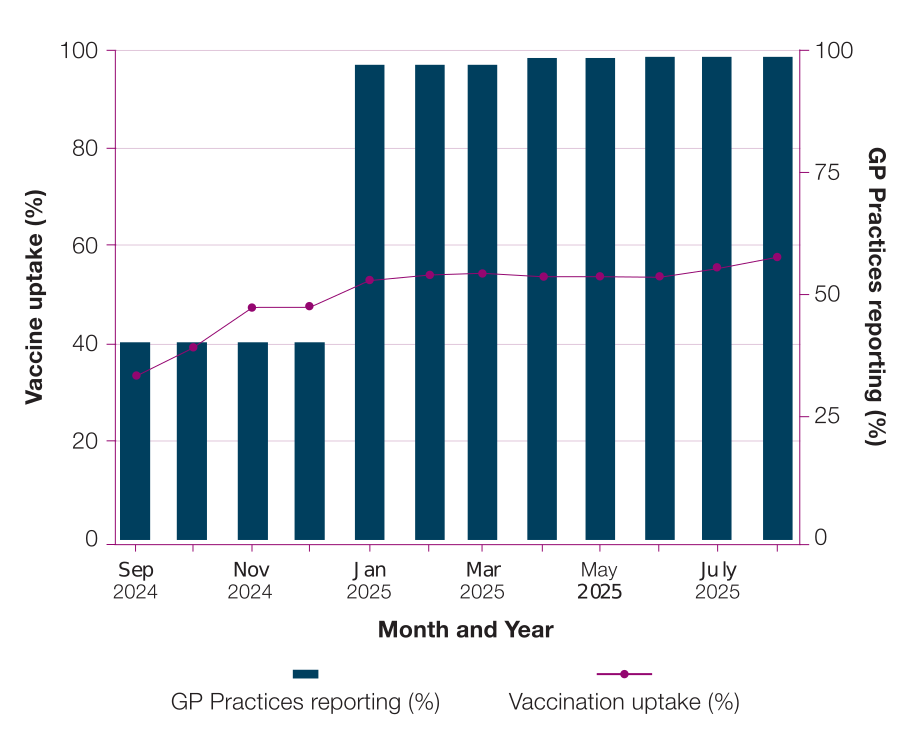
Figure 2. RSV vaccine coverage (%) in pregnant women giving birth in August 2025 by NHS commissioning region. Report date 15 January 2026.
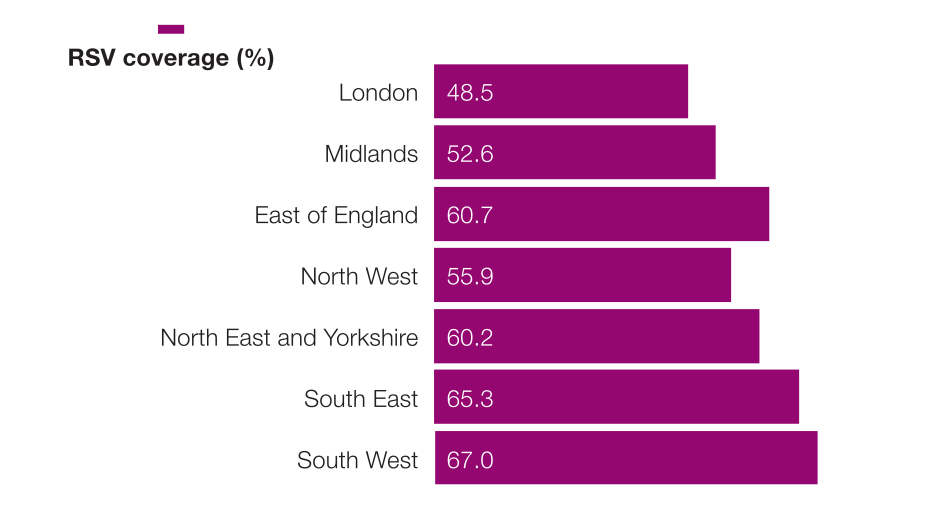
Regional variation in vaccine coverage has been notable since the start of the programme. In August 2025, uptake among women delivering that month ranged from 48.5% in London to 67% in the South West, a difference of 18.5 percentage points in the regional uptake (Figure 2). This disparity underscores the need for targeted, locally tailored strategies to address barriers to vaccine access and to build confidence among pregnant women in areas with lower uptake. Ethnic disparities in vaccine uptake have also been observed. By August 2025, there was a gap of 51.1 percentage points; the highest uptake was recorded among women of Chinese ethnicity, with 79.6% receiving the vaccine. In contrast, uptake was lowest among Black or Black British – Caribbean women (28.5%). These differences were apparent from the outset of the programme; for instance, in September 2024, uptake ranged from 54.0% among White Irish women to only 11.1% among those of Mixed White and Black Caribbean background. These findings highlight the importance of culturally tailored clinical communication and engagement to ensure equitable access and uptake across all communities.
Further data information can be found in sources such as the monthly RSV maternal vaccination coverage reports and the surveillance of respiratory syncytial virus: winter 2024 to 2025 report.
RSV vaccination and infant health outcomes
Early real-world evidence suggest the maternal RSV vaccination programme is having a substantial impact on infant health outcomes. Studies by Public Health Scotland and UKHSA have shown that maternal vaccination reduces RSV-related lower respiratory tract infection hospital admissions in newborn infants by over 80% when given at least 14 days before delivery.
RSV monoclonal antibody programme for high-risk infants
The mainstay of infant RSV prevention in the UK is antenatal maternal vaccination. All pregnant women should be offered RSV vaccination in every pregnancy, from week 28. However in addition, monoclonal antibody (mAb) immunisation should be offered to 2 groups of high-risk infants and young children to further help prevent RSV (usually given in secondary care by paediatric services). Please note that this is a different product to the maternal vaccine (Abrysvo) which is not licensed for infants or young children and should not be given to this cohort.
The 2 groups eligible for mAb are:
- infants born before 32 weeks gestation (very or extremely preterm), as they may have limited or no protection from antenatal maternal vaccination
- infants and young children at high risk of severe RSV because of specific medical conditions (see Green Book chapter: respiratory syncytial virus)
Most children eligible due to high-risk conditions are also eligible due to being very preterm. Whilst long-acting mAbs were already recommended for use in very preterm infants, in autumn 2025 nirsevimab replaced palivizumab for the high-risk infants programme in the UK. A benefit of nirsevimab over palivizumab is that it is long-acting so only a single nirsevimab dose is required for protection in a season (compared to the monthly palivizumab injections previously offered). The mAb immunisation is offered in or immediately preceding the infant’s first RSV season. A small number of infants on long term ventilation and children up to 24 months of age with severe combined immunodeficiency (SCID) may be offered mAb immunisation beyond the first season.
MAb immunisations are not expected to interfere with the active immune response to concurrent vaccines so high-risk infants and young children can continue to receive their routine immunisations when due.
Nirsevimab is currently the only licensed long-acting mAb available in the UK for RSV. However, the Joint Committee on Vaccination and Immunisation (JCVI) advised in their October 2025 meeting that clesrovimab is likely to be as good as nirsevimab and should be considered as an equivalent product.
Vaccinating pregnant women and protecting babies against pertussis
Pertussis is commonly known as whooping cough due to severe bouts of coughing followed by a deep breath in with the distinctive whooping sound. The cough can last for weeks disrupting sleep over a prolonged period leaving people feeling exhausted and quite unwell. Babies are at most risk of severe disease and they are more likely to catch pertussis in their first weeks of life if their mother was not vaccinated in pregnancy and if they have not been vaccinated themselves once they become eligible for their own vaccines from 8 weeks of age.
Pertussis can commonly cause apnoea in babies and more rarely pneumonia, seizures, encephalopathy, cardiac and multi-organ failure. Before pregnancy vaccination was introduced, over 90% of all babies under 3 months of age with laboratory-confirmed pertussis were admitted to hospital.
Pertussis is a disease that peaks every 3 to 4 years. England, European and other countries experienced a marked resurgence in 2024, following very low levels whilst COVID-19 population control measures were in place. The rates in 2024 were the highest recorded in England in over 30 years of enhanced surveillance. Unfortunately, this came at a time when coverage of pertussis vaccine in pregnancy was low at 59.2% in the first quarter of 2024 and coverage of the first 3 doses in infants aged 12 months had also fallen over a prolonged period from 93.6% in 2015 to 2016 to 91.3% in 2024 to 2025.
All healthcare professionals who deliver or discuss vaccination are key to maintaining high levels of confidence and are a crucial part of the vaccine journey for pregnant women and for parents (as exemplified in this month’s How we did it article. Due to improved vaccine recording and the hard work of these health professionals, maternal vaccine coverage increased from May 2024 reaching 71.9% in the second quarter of 2025.
Prenatal pertussis vaccine coverage was 59.4% when the programme began in January 2013 and gradually increased to 76.2% in December 2016. Coverage then declined steadily, falling to a low of 57.4% in July 2023. However, in the past year, uptake improved, reaching 70.2% in June 2025. This recent increase may reflect improved data flows and additional communications following the 2024 outbreak.
Figure 3: Monthly pertussis vaccination coverage (%) in pregnant women from April 2016 to June 2025.
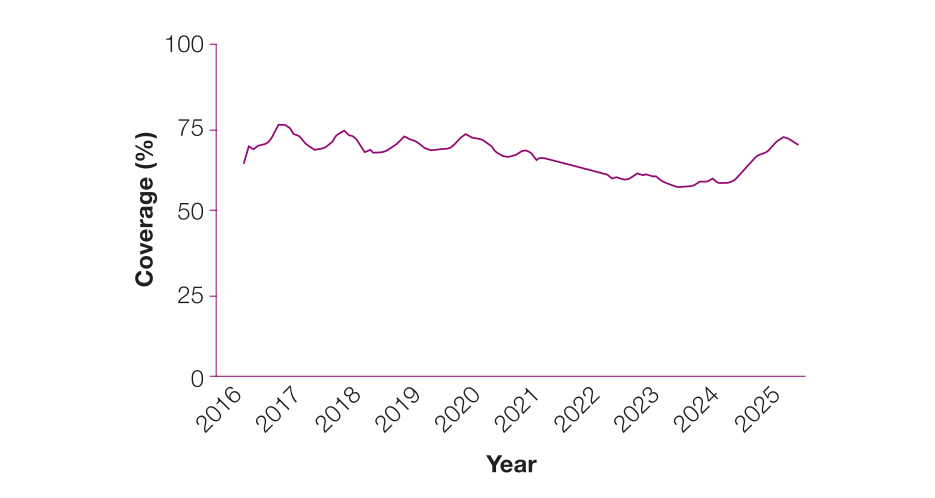
Source: Prenatal pertussis vaccination coverage in England report (April to June 2025)
Vaccinating pregnant women makes an important difference. Using English data, as published in the Lancet, we have shown that vaccinating in pregnancy is very effective at helping protect babies against pertussis disease and hospitalisation in their first weeks of life. Importantly, updated estimates of maternal vaccine effectiveness against death in babies aged under 3 months with pertussis remain very high at around 91%. Vaccination is the best defence against pertussis, and it is vital that pregnant women and young infants receive their vaccines at the right time.
Influenza vaccination in pregnancy
A seasonal vaccination programme
Unlike the other maternal vaccination programmes that are offered year-round, flu is a seasonal programme that is primarily delivered over a 3 month period in the autumn. For pregnant women vaccination starts from 01 September with the majority of vaccinations taking place by the end of November, so that protection from the vaccination programme is in place before flu begins to circulate.
Typically this happens from December onwards, but this can vary as seen in 2025 to 2026 season with flu activity starting around 5 weeks earlier than usual.
Vaccination can take place any time up until 31 March the following year, but it is expected that vaccination after autumn is mainly opportunistic vaccination of women who have recently become pregnant. This is important if there is another flu peak caused by a different strain circulating later in the season, or a late flu season (the 2015 to 2016 season peaked at Easter). For more information see Timing of influenza seasons.
Pregnant women and flu vaccination
One of the purposes of the influenza vaccination programme is to protect those most at risk of developing severe disease or complications, or from dying if they develop the infection.
There are 3 reasons to vaccinate pregnant women against flu:
- to protect the pregnant woman herself
- to protect the baby during pregnancy
- to help protect the baby in the first few months of life
Pregnant women are at higher risk of complications from flu than non-pregnant women and have a higher risk of admission to intensive care. Influenza infection during pregnancy may be associated with perinatal mortality, prematurity, lower birth weight and smaller neonatal size in the infant. Babies under 6 months of age are at risk of serious illness and complications from flu and most seasons have one of the highest hospitalisation rates of all age groups.
Passive immunity passed from the expectant mother to the unborn child gives them the best protection during early infancy. Pregnant women should be offered the flu vaccine as soon as the vaccine becomes available, regardless of their stage of pregnancy. All pregnant women, including those who become pregnant during the flu season, should be offered an inactivated influenza vaccine, regardless of their stage of pregnancy.
It’s important to offer vaccination in every pregnancy as flu viruses can change from one winter to the next. This is why flu vaccines are updated ahead of each season to give protection against the strains of flu that are most likely to be circulating. Every year the JCVI reviews the latest evidence on influenza vaccines and recommends the type of vaccine to be offered to individuals.
Seasonal Flu – what data is available when?
Provisional national level flu vaccine uptake percentages are published weekly and monthly by UKHSA throughout the flu season. After each season UKHSA also publishes a definitive annual report as a government official statistic by the end of May.
This flu vaccine data is extracted automatically each week and month from GP IT systems in aggregate form. Weekly national level data is published in the ‘National Influenza and COVID-19 Report’ (disease surveillance report) from October through to the end of January each year and monthly data is published as an official statistic from November through to March of the following year capturing cumulative vaccination from 01 September through to the end of February.
Monthly data is published by commissioning region, integrated care board (ICB), sub-integrated care board (sub-ICB) and local authority. Monthly ethnicity breakdowns are published at regional and national levels. Data for pregnant women are published as part of this monthly data. All data is available on Seasonal influenza vaccine uptake in GP patients: monthly data, 2025 to 2026, with a summary of trends by ethnicity given in a previous Vaccine Update Maternity Special. NHS England (NHSE) does not publish operational management data for flu vaccination in pregnant women.
Seasonal Flu – historic and current data
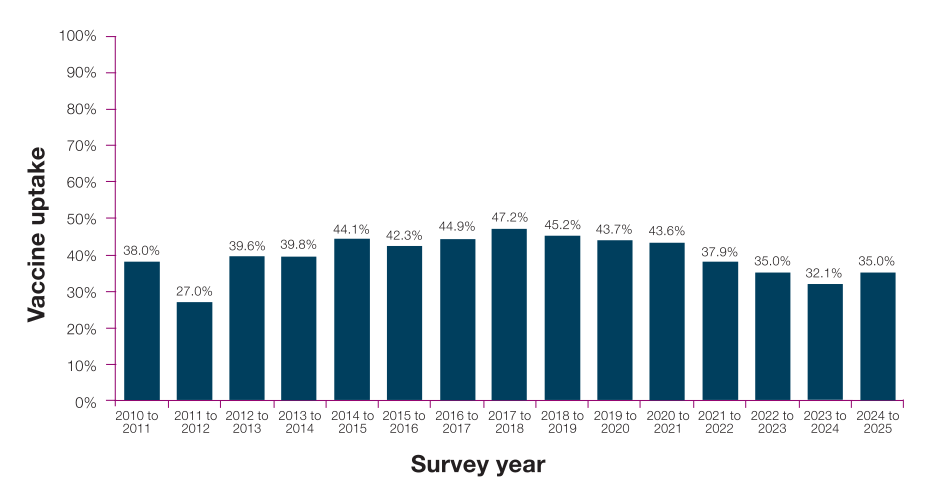
Maternal vaccinations programmes began in England with the introduction of the maternal flu programme in 2010 to 2011 season. Although the maternal flu programme began in 2010 to 2011, the data in that first season was collected differently to how it is now, but the end of season report for GP patients captures end of season data for all seasons since 2011 to 2012 season, to the most recent end of season data (2024 to 2025), see Figure 4.
Figure 4. Influenza vaccine uptake (%) in pregnant women in England in the 2024 to 2025 season compared with previous survey seasons
Seasonal Flu – the current season (2025 to 2026)
The latest weekly data (vaccinations up to 25 January 2026) was 38.5%, which indicates that uptake in the current season is higher than the end of season uptake seen in the previous 4 years. Weekly national level uptake shows that this season (2025 to 2006) is almost 4 percentage points higher than at the equivalent week in the previous season. This is a tremendous achievement, and we would like to extend thanks to everyone who has worked so hard to deliver the maternal flu immunisation programme this season.
Co-administration of vaccines in pregnancy
Pregnant women should be offered the flu vaccine as soon as the vaccine becomes available, regardless of their stage of pregnancy. The flu vaccine can be co-administered with the RSV or pertussis-containing vaccines, but it should not be deferred in order to give it at the same appointment because to do so would leave the women and their unborn baby at risk of potentially severe illness if they develop flu.
Some evidence suggests that coadministration of RSV and pertussis containing-vaccines may reduce the response made to pertussis components. The clinical significance of this is unclear and any impact on protection is likely to be small because the key pertussis toxoid component is least affected. Pregnant women should be vaccinated when they become eligible (for pertussis vaccination should be given after the fetal anomaly scan at around 20 weeks but it can be given as early as 16 weeks, and for RSV, in week 28 of pregnancy or soon after). If a woman has not received a pertussis containing vaccine by the time she presents for an RSV vaccine, they can and should both be given at the same appointment to provide timely protection against both infections to the infant and to avoid the risk of the woman not returning for a later appointment.
Further information is available in the relevant Green Book chapters and the information for healthcare practitioner guidance for each programme.
Selective immunisation programmes
Hepatitis B – Changes to the selective neonatal hepatitis B programme
Following the discontinuation of the Menitorix (Hib/MenC) vaccine, the Joint Committee on Vaccination and Immunisation (JCVI) conducted a review of the national childhood immunisation schedule. As a result, a number of changes were recommended, including the introduction of a new routine vaccination appointment at 18 months of age, effective from 01 January 2026.
An additional dose of hexavalent DTaP/IPV/Hib/HepB vaccine will be administered at the new 18-month appointment for every child as part of the complete routine vaccination schedule. As a result, the JCVI also recommended a change to the selective hepatitis B vaccination programme.
Children on the selective hepatitis B vaccination programme born on/after 01 July 2024 will continue to be offered monovalent hepatitis B vaccine at birth and 4 weeks of age. They will then follow the routine immunisation schedule and receive hexavalent vaccine at 8, 12 and 16 weeks of age, and a further dose at 18 months of age. These children will no longer be offered a monovalent vaccine at 12 months of age as they will now receive a further dose of hepatitis B vaccine as part of the hexavalent vaccine being offered at 18 months from 01 January 2026.
Hepatitis B vaccination schedule – children born on or after 01 July 2024
| Age | Routine childhood programme | Babies born to mothers living with hepatitis B infection |
|---|---|---|
| Birth | [note 1] | Monovalent HepB (with HBIG if indicated) |
| 4 weeks | Not applicable | Monovalent HepB |
| 8 weeks | DTaP/IPV/Hib/HepB | DTaP/IPV/Hib/HepB |
| 12 weeks | DTaP/IPV/Hib/HepB | DTaP/IPV/Hib/HepB |
| 16 weeks | DTaP/IPV/Hib/HepB | DTaP/IPV/Hib/HepB |
| 12 to 18 months [note 2] |
Not applicable | Dried Blood Spot (DBS) screening test for HBsAg (infection) Can be undertaken anytime between 12 and 18 months of age |
| 18 months | DTaP/IPV/Hib/HepB | DTaP/IPV/Hib/HepB |
Note 1: Newborn infants born to a woman without hepatitis B infection, but known to be going home to a household where there is a person living with hepatitis B infection, may be at risk of hepatitis B exposure. In these situations, a dose of monovalent hepatitis B vaccine should be offered to the newborn before discharge from hospital if there are concerns about immediate risk of exposure and/or risk of delay in receiving the hexavalent doses of the routine childhood schedule commencing at 8 weeks old.
Note 2: Children born on or before 30 June 2024 should continue to be offered a dose of monovalent HepB vaccine and a test for HBsAg on or after their first birthday (alongside Hib/MenC and the other vaccines offered at this age). An 18-month DTaP/IPV/Hib/HepB vaccine is not required in addition. If Hib/MenC vaccine is no longer available, they should be given the hexavalent DTaP/IPV/Hib/HepB vaccine at one year and a monovalent HepB vaccine would not be necessary, for further details see Hexavalent DTaP/IPV/Hib/HepB combination vaccine: information for healthcare practitioners.
In summary, these changes mean:
- from 01 January 2026, a fourth dose of hexavalent DTaP/IPV/Hib/HepB vaccine at the new 18-month appointment for every child
And for babies born (on or after 01 July 2024) to women living with hepatitis B:
- removal of the 12 months of age monovalent dose of vaccine as all children will receive the hexavalent vaccine at 18 months of age
- flexibility in taking the dried blood spot test to exclude chronic hepatitis B infection at any time between 1 year and 18 months of age
Hepatitis B infection and Dried Blood Spot (DBS) testing
Children born to women living with hepatitis B are at risk of infection, so it is essential that they are vaccinated and tested for hepatitis B at the right time. Vertical transmission rates (also known as perinatal or mother-to-child transmission rates), in the absence of immunisation of the newborn at birth, can be as high as 90% from higher infectivity mothers and approximately 10 to 40% from lower infectivity mothers. Of those babies who are infected at birth or during the first year of life, around 90% will go on to develop chronic infection. If untreated, the disease will progress to liver cirrhosis and liver cancer in 15% to 40% of children with chronic infection.
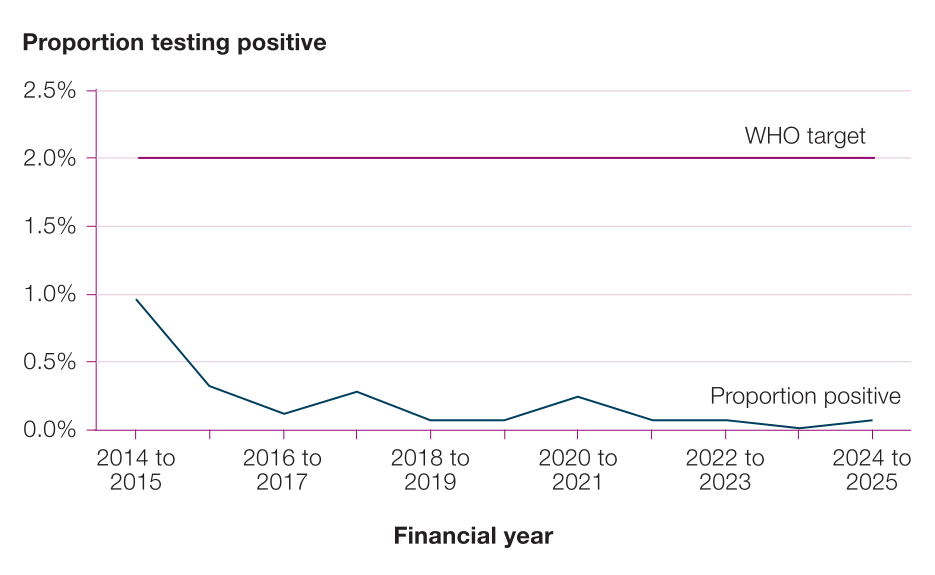
The Hepatitis B in England 2025 report encouragingly shows that England has maintained very low rates of vertical transmission (<0.1%) (Figure 5). This has been achieved through consistently very high coverage of antenatal screening (99.8%), targeted birth dose of vaccine (98% within 24 hours) and immunoglobulin (96.8% where indicated within 24 hours). It is essential that the 4-week monovalent dose also continues to be given on time before the child receives their hexavalent doses as part of the routine programme.
Figure 5. Mother-to-child transmission rate for infants born to women living with hepatitis B, England, 2014 to 2025 financial year (source: Hepatitis B in England 2025).
DBS testing
It is important that these children are tested for infection, wherever possible using the Dried Blood Spot (DBS) test. For children born on or after 01 July 2024, DBS testing should be performed at any time between 1 year and 18 months of age, for example at an opportunistic healthcare attendance or at a routine appointment such as at their 1 year or 18 month vaccine appointment.
This change to testing time has been carefully considered and is not considered to present a clinical risk for any children who have become infected at birth through vertical transmission. Although the timing of DBS testing and vaccination has changed, the process for DBS testing remains the same. There are several resources to support taking of the DBS (including a specific slide set describing how to take a good quality blood spot), which can all be found in the healthcare practitioner resources section.
The tenderfoot lancet is currently supplied with the DBS test kit. Moving forward, the DBS kit may contain a different lancet; however, the procedure and technique will remain unchanged.
Tuberculosis (TB) and the selective neonatal BCG (Bacillus Calmette–Guérin) vaccination programme
Tuberculosis (TB) is an infection caused by a bacterium belonging to the Mycobacterium tuberculosis complex and may affect almost any part of the body. The most common form is pulmonary TB which accounts for almost 55% of all cases in the UK.
Symptoms of TB are varied and depend on the site of infection, although common symptoms in adults include a persistent productive cough (with or without blood in the mucus), fatigue, fever, night sweats, weight loss and feeling generally unwell. Almost all cases of TB in the UK are acquired via the respiratory route through contact with a person with infectious respiratory TB. Prolonged close contact with someone with respiratory infection is usually required, but people with weakened immune systems are at more at risk of developing TB. Untreated, TB in most otherwise healthy adults is a slowly progressive disease that may eventually be fatal. Not everyone who acquires TB infection will develop active TB disease: some may eliminate it, others may develop latent TB (where the bacteria remain dormant in the body). Like most non-pulmonary forms of TB, latent TB is not infectious. If someone has signs or symptoms of TB, they should be referred to their GP or local TB service for review.
Babies and young children exposed to TB are at risk of developing the more serious childhood forms of the disease such as meningitis and disseminated TB which is why it is now offered within the first 28 days of life.
The aim of the UK Bacillus Calmette–Guérin (BCG) immunisation programme is to immunise those at increased risk of developing severe disease and/or of exposure to TB infection. The BCG vaccine is a live attenuated vaccine which is a selective immunisation programme for children at increased risk of TB exposure.
BCG vaccination should be offered to:
- all infants (aged 0 to 12 months) with a parent or grandparent who was born in a country where the annual incidence of TB is 40/100,000 or greater
- all infants (aged 0 to 12 months) living in areas of the UK where the annual incidence of TB is 40/100,000 or greater
- previously unvaccinated children under 16 years who would have been eligible for BCG as an infant, but did not receive the vaccine
Further eligibility criteria are listed in the Green Book Tuberculosis Chapter. The annual incidence of TB in countries can change. The UK Health Security Agency (UKHSA) no longer publishes tuberculosis (TB) country data to determine whether to give BCG vaccination, it can now be accessed directly from the World Health Organization (WHO) Global TB Programme website. The purpose of the WHO country profiles data is to help check which countries have a high incidence of TB and to help determine whether to give a Bacillus Calmette-Guérin (BCG) vaccination to infants or children who meet the criteria as recommended in the Green Book Tuberculosis Chapter.
As BCG is a live attenuated vaccine, providers are required to check the record for a Severe Combined Immunodeficiency (SCID) screening outcome for neonates before administering the BCG vaccine. Severe Combined Immunodeficiency (SCID) is a group of rare, usually recessively inherited conditions that cause major immune system problems. Where the SCID evaluation result indicates SCID is not suspected, eligible babies should be offered the BCG vaccine within 28 days of birth. Vaccination may be administered earlier than 28 days provided that an appropriate SCID outcome is available.
Prior to pregnancy - checking rubella vaccination status
As healthcare professionals, the impact of vaccine-preventable diseases during pregnancy shouldn’t just be considered once a woman becomes pregnant.
Rubella (German measles) is normally a mild infection that causes a rash illness. However, maternal rubella infection in pregnancy may result in fetal loss, congenital rubella infection or congenital rubella syndrome (CRS). CRS presents with serious consequences such as cataracts and other eye defects, deafness, cardiac abnormalities, microcephaly, fetal growth restriction, inflammatory lesions of brain, liver, lungs and bone marrow. Infection in the first eight to ten weeks of pregnancy results in damage in up to 90% of surviving infants and multiple defects are common.
Rubella immunisation was introduced in the UK in 1970 for pre-pubertal girls and non-immune women of childbearing age to prevent rubella infection in pregnancy. It has since become part of the combined measles, mumps and rubella (MMR) or measles, mumps, rubella and varicella (MMRV) routine vaccination programmes.
Healthcare professionals should check at every reasonable opportunity that women of child-bearing age have a history of having received two doses of MMR (or MMRV) vaccine (given at least 4 weeks apart at the recommended times). When checking vaccine history, any doses given prior to 12 months of age should not be counted.
Women planning pregnancy or undergoing fertility treatment should be up to date with their routine immunisations, including documentation of 2 doses of rubella containing vaccine. All those without evidence should be offered MMR vaccination before pregnancy. There is no requirement for rubella antibody levels to be tested or to be over 10IU/ml, however, should it be required, further advice on the management of seronegative women may be found in the Green Book – Rubella chapter.
As MMR/MMRV is a live vaccine, it is contraindicated in pregnancy. It is therefore extremely important that any women without a history of two doses are vaccinated at least a month before they become pregnant. If it is identified during pregnancy that a woman has not been vaccinated, they should be advised to have the vaccine as soon as possible after the baby is born. This is to ensure any subsequent pregnancies are protected.
Healthcare practitioner resources
All three of the infectious diseases that we routinely vaccinate against in pregnancy can result in very serious illness in neonates as well as significant complications in pregnancy. Fortunately, in England we have robust and effective vaccination programmes, all supported by strong safety data.
Women may have several questions about vaccination during their pregnancy. Healthcare professionals remain the top source of trusted vaccination information (2025 parental attitudes survey), so it is important that practitioners involved in their care can discuss the risks from diseases such as RSV, pertussis and flu as well as the benefits of vaccination. This means they can then support women to make informed decisions about vaccination. More information about the views of pregnant women in the 2025 maternal attitudes survey article.
There are several resources available to assist healthcare practitioners involved in vaccination or who may be asked questions by pregnant women. All UKHSA resources are hosted on a central immunisation collection page. Anyone involved in immunisation is encouraged to save this page as a favourite and refer to it regularly. The page contains links to information for healthcare practitioners on all the UK immunisation programmes, including the Green Book, national PGDs, [footnote 1] the immunisation e-learning course and other helpful resources. Immunisation professionals can also use the UKHSA Quality criteria for an effective immunisation programme to support evaluation and improvement of vaccination programmes.
Pertussis healthcare practitioner resources
Protecting neonates during their most vulnerable period until they can have their vaccines at 8 weeks of age, maternal vaccination is very effective at protecting young babies against pertussis infection, hospitalisation or death. Resources to aid healthcare practitioners can be found in the pertussis section of the immunisation collection page and include:
- Pertussis vaccination programme for pregnant women: information for healthcare practitioners
- ‘Which pertussis vaccine should you use’ poster
- The Green Book: Pertussis chapter
RSV healthcare practitioner resources
RSV is a significant cause of bronchiolitis in infants but there is no vaccine available for young children. Like pertussis and flu, maternal RSV vaccination enables antibodies to pass across the placenta to provide passive immunity and provide protection during early infancy.
Resources to aid healthcare practitioners can be found in the RSV vaccination programme collection.
Resources include:
- Respiratory syncytial virus (RSV) programme: information for healthcare professionals
- RSV maternal vaccination programme training slide set
- RSV maternal vaccination poster and leaflet
- The Green Book: Respiratory Syncytial Virus chapter
Flu healthcare practitioner resources
Maternal flu vaccination is not just about protecting the pregnant woman, as babies during pregnancy and under 6 months of age are at risk of serious illness and complications from flu (including death). The 2025 maternal attitudes survey (see article on page 26) shows that flu is still seen by pregnant women as less serious for themselves and their babies than RSV and pertussis. This means it is essential that healthcare practitioners can educate women on the risks of this disease to their baby, which include prematurity, smaller birth weight and the increased risk of mortality and severe illness if a baby has flu in their first few months of life.
Resources to aid healthcare practitioners can be found in the current annual flu programme collection. Resources are updated every year prior to vaccination season. The 2025 to 2026 season resources include:
- Flu vaccination programme 2025 to 2026: information for healthcare practitioners
- National flu immunisation programme training slideset
- Annual flu letter
- ‘Flu vaccines for the 2025 to 2026 season’ poster
- Influenza vaccines marketed in the UK (and their ovalbumin content)
- The Green Book: Influenza chapter
Hepatitis B healthcare practitioner resources
All pregnant women should be offered screening for hepatitis B in every pregnancy as part of the NHS Infectious Diseases in Pregnancy Screening (IDPS) programme. When a woman is known to be living with hepatitis B in pregnancy timely vaccination of the child to prevent vertical transmission, and post vaccination testing for infection is extremely important.
Resources to aid healthcare practitioners can be found in the hepatitis B vaccination programme collection page and include:
- Guidance on the hepatitis B antenatal screening and selective neonatal immunisation pathway
- Hepatitis B aide memoire
- The Green Book: Hepatitis B chapter
- Hexavalent DTaP/IPV/Hib/HepB combination vaccine: information for healthcare practitioners
These resources have been updated to include the routine childhood immunisation schedule changes for children born on or after 01 July 2024 (see also Vaccine update: issue 359, June 2025).
Dried blood spot (DBS) testing healthcare practitioner resources
Although the timing of DBS testing and vaccination has changed, the process for DBS testing remains the same. Resources to aid healthcare practitioners can be found in the Hepatitis B dried blood spot (DBS) testing for children page. Resources include:
- Hepatitis B dried blood spot training slideset
- How to take a dried blood spot sample information sheet
- Video explaining how to take a good bloodspot sample (courtesy of North East and North Cumbria ICS)
TB and BCG healthcare practitioner resources
Children under 1 year of age are at a greater risk of developing meningeal, disseminated or pulmonary TB than those who are exposed to the bacteria when they are older. The aim of the BCG Immunisation Programme is to protect those who are at an increased risk from exposure to TB and developing disease.
Resources to aid healthcare practitioners can be found on the BCG vaccination programme page.
Resources include:
- TB and BCG training slidesets
- The Green Book: Tuberculosis chapter
- BCG vaccination and SCID screening data flowchart
Inadvertent vaccination in pregnancy
Live vaccines are contraindicated in pregnancy. It is important that anyone who has been vaccinated using live vaccines against diseases such as chicken pox (varicella), measles, mumps or rubella during pregnancy can be immediately reassured that although this was inadvertent, there is no known risk associated with giving these during pregnancy. UKHSA runs UK-wide surveillance on the safety of vaccines given in pregnancy. If an individual is inadvertently vaccinated, please notify UKHSA. Further information for healthcare practitioners and links to the forms can be found on the UKHSA Inadvertent vaccination in pregnancy guidance page.
Viral rash in pregnancy
Guidance on the risk assessment and initial management of pregnant women with a rash or exposed to a rash can be found on the viral rash in pregnancy guidance page.
Accessing further support
If after reviewing these resources healthcare practitioners are still unable to find an answer to questions, they can contact their regional NHS England Vaccination and Screening team or Immunisation Clinical Advice and Response service (ICARS). Service commissioners will be able to provide readers with the email address of their regional team if required.
Healthcare practitioners are also able to order health publications from the new Find Public Health Resources website, see the section on publications below.
Programme publications and Find Public Health Resources
The The newly launched Find Public Health Resources site hosts many patient resources including leaflets, posters and videos to support informed consent and improving vaccine uptake. Resources are provided in different languages and formats such as audio, braille, British Sign Language (BSL), easy read and other accessible formats.
How to protect your baby from RSV
You can view, download, or order printed copies of this leaflet for free from Find Public Health Resources using the product code: V2C24RSV03EN.
This leaflet is also available in the following languages:
Albanian, Arabic, Bengali, Bulgarian, Chinese (simplified), Chinese, (traditional), Dari, Estonian, Farsi, French, Greek, Gujarati, Hindi, Italian, Latvian, Lithuanian, Nepali, Panjabi, Pashto, Polish, Portuguese, Romanian, Romany, Russian, Somali, Spanish, Tagalog, Tigrinya, Turkish, Twi, Ukrainian, Urdu, Yiddish and Yoruba.
A poster for the RSV maternal programme is available to order or download using the product code: RSVPGEN).
Why is my baby being offered an RSV immunisation?
This leaflet is for parents of premature babies who are offered Nirservimab to help protect their baby against respiratory syncytial virus (RSV).
You can view, download, or order printed copies of this leaflet for free from Find Public Health Resources using the product code: 1387 4458 EN 001.
Whooping cough and pregnancy
You can view, download, or order printed copies of this leaflet for free from Find Public Health Resources using the product code: 24WCPEN.
The poster is also available to order or download using the product code: 24WCP01.
Flu vaccination: who should have it and why
This guidance explains to patients how they can help protect themselves and their children against flu this winter. It includes information for children, eligible adults and pregnant women, and details why it’s very important that people at increased risk from flu, or who care for someone vulnerable, to have their free vaccination every year.
You can view, download, or order printed copies of this leaflet for free from Find Public Health Resources using the product code: FLUMW24EN.
This leaflet is also available in the following languages:
Albanian, Arabic, Bengali, Bulgarian, Chinese (simplified), Chinese (traditional, Cantonese), Estonian, Farsi, French, Greek, Gujarati, Hindi, Italian, Latvian, Lithuanian, Panjabi, Pashto, Polish, Portuguese, Romanian, Romany, Russian, Somali, Spanish, Tagalog, Tigrinya, Turkish, Twi, Ukrainian, Urdu, Yiddish and Yoruba.
Pregnant? These vaccines help to protect you, your baby and your pregnancy
This leaflet covers all 3 immunisations that should be offered in every pregnancy.
You can view, download, or order printed copies of this leaflet for free from Find Public Health Resources using the product code: 24PYPB01EN.
This leaflet is also available in the following languages:
Albanian, Arabic, Bengali, Bulgarian, Chinese (simplified), Chinese (traditional, Cantonese), Estonian, Farsi, French, Greek, Gujarati, Hindi, Latvian, Lithuanian, Punjabi, Pashto, Polish, Portuguese, Romanian, Romany, Russian, Somali, Spanish, Tagalog, Turkish, Twi, Ukrainian, Urdu and Yiddish.
An English large print version is available to order.
A British Sign Language (BSL) video is available to view or download.
A Braille version of this leaflet is available to order.
An audio version of this leaflet is available to download.
Protecting your baby against hepatitis B
You can view, download, or order printed copies of ‘The Guide to your care in pregnancy and after your baby is born’ leaflet for free from Find Public Health Resources using the product code: HEPB25EN
You can also view, download, or order printed copies of the ‘Protecting your baby against hepatitis B’ leaflet using the product code: HEPB25PYB.
This leaflet is also available in the following languages:
Albanian, Arabic, Bengali, Bulgarian, Chinese (Simplified), Chinese (Traditional), Dari, Estonian, Farsi, French, Greek, Gujarati, Hindi, Italian, Latvian, Lithuanian, Nepali, Pashto, Polish, Portuguese, Punjabi, Romanian, Romany, Russian, Somali, Spanish, Tagalog, Tigrinya, Turkish, Twi, Ukrainian, Urdu, Yiddish and Yoruba.
Accessible formats are also available: audio, braille and large print.
Although aimed at healthcare professionals rather than patients, the Hepatitis B for at-risk infants’ aide-memoire, produce code: HEPB25AM is also available for download or order.
TB, BCG and your baby
This leaflet contains the current information on tuberculosis and the BCG vaccine including the benefits and contraindications for BCG immunisation in infants.
You can view, download, or order printed copies of this leaflet/poster/postcard for free from Find Public Health Resources using the product code: 2021SCTBEN.
This leaflet is also available in the following languages:
Bengali, Farsi, Gujarati, Hindi, Kurdish, Nepali, Panjabi, Pashto, Romanian, Romany, Somali, Tamil, Turkish, Ukrainian, and Urdu.
Communications materials
Maternity Campaign – Public facing marketing and communications
The Department of Health and Social Care, with UKHSA and NHS England, has launched the new ‘Stay Strong. Get Vaccinated’ campaign which began in September 2025, urging people to protect themselves by ensuring they get the vaccines that they are eligible for. The campaign will run until March 2026 with media outreach, social media content, partnerships and more. This is complemented with bursts of mass media activity.
The first burst in September highlighted the important protection that the flu vaccine offers to pregnant women and their babies, and that whooping cough and RSV vaccines given in pregnancy offer babies in the first few months of their life.
The second burst targeting pregnant women will focus on the whooping cough and RSV vaccines and began in January and will run until mid-February. Activity will include a mix of video on demand, radio, digital and multicultural marketing advertising supported by search, PR and partnership activity. Materials for this campaign can be found and downloaded for use from the Campaign Resource Centre.
To support stakeholders, UKHSA and NHS England have produced a communications toolkit which provides information about the risks associated with whooping cough, RSV and flu, as well as the benefits of the vaccinations for pregnant women and their babies. This includes public-facing messaging, background information, statistics, suggested social media copy, social media assets and links to useful information. The toolkit and further social media assets, including some translated resources are available on the Campaign Resource Centre.
Maternal vaccines postcard
You can view, download, or order printed copies of this leaflet/poster/postcard for free from Find Public Health Resources using the product code: 2191EN001.
Who do women trust for information and advice on vaccines in pregnancy? - Maternal attitudinal survey July 2025
In pregnancy, women trust healthcare practitioners, especially midwives, nurses and GPs, to discuss maternal vaccines and provide information. It is important that healthcare practitioners are well-informed on these vaccines and vaccine programmes in order to have confident conversations, hear concerns and inform, based on the evidence and help build vaccine confidence .
UKHSA commissioned IPSOS to undertake a survey of pregnant women and women who had given birth in the previous year to help understand women’s experiences of vaccination and the vaccine information they come across or are given during pregnancy. Across all regions in England, 800 women aged 18 to 45, who were pregnant (46%) at the time of completing the survey or had given birth in the last 12 months (54%) took part between 9 and 24 July 2025. For 34% of women the pregnancy or birth was for their first baby, 96% of women were or would be raising the child with a partner, with 24% of women living in one of the most deprived areas in England and 11% in the most affluent (based on 5 categories of index of multiple deprivation).
Women were very likely to say that they had discussed at least one of the 3 vaccines that are offered in pregnancy with a healthcare professional (91% of respondents). Importantly, between 39 to 44% of women (depending on the vaccine) felt more confident about having the vaccine after this discussion whilst 37 to 40% said it didn’t affect how they felt as they were going to have the vaccine anyway. The NHS leaflets were a leading source of information.
The main reason women gave for having each vaccine was to protect the baby (flu 75%, whooping cough 79%, RSV 77%), although fewer women recognised flu as being serious for babies (54% said it can be very serious, compared with 70% whooping cough and 71% RSV). Among those who did not have a maternal vaccine, the main reason given was feeling like they were fit and healthy and had no concerns about the disease (flu 22%, whooping cough 18%, RSV 16%). Healthcare professionals and the NHS more generally were the most trusted sources of information on vaccines, while social media was the least trusted source on vaccines.
How we did it!
Three trusts within the West Midlands each serving different populations and community groups are delivering vaccination in pregnancy through their antenatal services. Each trust operates a different model and has taken time to reflect on its approach, offering insights, advice, and examples of good practice that can be shared. The data presented in the ‘How We Did It!’ section are drawn from local unpublished sources. They have been included to illustrate the approach taken and provide context for the implementation process.
Many thanks to Charlotte Hands, Chloe Travers and Sally Talbot for these articles. If you would like to be featured in the ‘How We Did it!’ segment of vaccine update, please get in touch at immunisation.website@ukhsa.gov.uk.
Sally Talbot: Public Health Lead Midwife at South Warwickshire University NHS Foundation Trust. Maternal Vaccination Service, South Warwickshire University NHS Foundation Trust (SWFT)
We launched our service in 2018, to coordinate the offer and administration of maternal pertussis and influenza vaccinations for pregnant women booked at SWFT.
Initially we trained our Antenatal Assessment Unit (AAU) team to provide this offer. They did this ad hoc around the complex caseload of pregnant women attending AAU. We soon realised this offer was not enough and didn’t ensure that 100% of eligible pregnant women were offered the vaccines. This offer was only available on the Warwick site, and we needed to ensure the Obstetric led clinics at Stratford Upon Avon were included.
Our Maternity Services Vaccination Team was developed in 2022 and offered maternal pertussis and influenza vaccines. In mid-2024 we trained to deliver a different pertussis vaccine as per national guidance and then in September 2024 we began delivering the RSV vaccine as per the national programme. We review each month how many vaccines are given compared to 20 week scans, and started reviewing vaccine uptake in women giving birth. Allowing us to focus more on any health inequality themes present and contribute to our continuously evolving service and meet the needs of as many pregnant families as possible.
Quick wins
- at every booking appointment there is a documented discussion on all 3 vaccines and signposting to vaccination information in multiple formats and languages
- this team offer vaccinations to all eligible inpatients, anyone attending an obstetric led clinic, an ultrasound scan, maternity triage or AAU on the Warwick site and anyone attending the obstetric led clinics at Stratford upon Avon Hospital. We also offer a drop-in service for those wishing to attend for a vaccination when they wish to
- our offer covers all our maternity patients at some point in their journey and supports health inequalities by reducing travel and parking costs as vaccination can be done as part of a one-stop shop pathway to avoid extra appointments
- Making Every Contact Count (MECC) always re offer, recall and follow up those without a vaccination offer status - we review a list of all pregnant women at 28 weeks and above and ensure everyone has been offered all eligible vaccines
- continuously review and adapt to the service need
- listen to the team – they have the best ideas for improvement because they are so passionate about improving vaccination uptake
Charlotte Hands: Public Health Midwife at the University Hospitals Coventry and Warwickshire, UHCW Maternity Vaccination Service
Background
The UHCW Maternity Vaccination Service was launched in 2023 to coordinate the offer and administration of maternal pertussis and influenza vaccines, with RSV launched in late 2024. Initially, the service was staffed by one part-time nurse and offered vaccinations only at the UHCW antenatal clinic. Since then, the team has expanded to 3.0 WTE nurses and a 0.75 WTE vaccination administrator. In May 2025, service delivery expanded to St Cross Rugby, and from December 2025, the City of Coventry Health Centre will also be included. Clinics operate on a drop-in and bookable basis, with UHCW open Monday to Friday, 9am to 4pm, St Cross on Tuesday and Friday, 9am to 4pm, and the City of Coventry planned for Monday, Wednesday, and Thursday, 9am to 4pm. The Swiftqueue online booking system, launched in October 2025, has further improved access and is available in multiple languages.
Clinic Operations
Vaccinations are promoted by community midwives at booking, re-offered through pregnancy and are offered at key attendances, including all antenatal scans and antenatal clinic appointments. The team rotates between sites while the administration staff remain based at UHCW. All clinics offer both drop-in and bookable slots, which reduces travel and additional appointments, supporting equitable access. Uptake is monitored monthly, and the service is continuously adapted to meet patient needs. Swiftqueue is offered in multiple languages to support patient control over appointments.
Increasing Uptake
Pertussis vaccination has increased from an average of 31.2% in April 2023 to March 2024 to 46.7% by October 2025. Influenza uptake has risen from 28.9% over the same period to 78% in October 2025, reflecting seasonal peaks and wider awareness. RSV, introduced in September 2024 with an initial uptake of 16.5%, increased to 46.0% by October 2025. The overall improvements demonstrate the impact of routine vaccination integration, expanded clinic access, and the Swiftqueue booking system.
Ongoing Development
The UHCW Maternity Vaccination Service continues to evolve based on monitoring, feedback, and service need. The team aims to ensure that all eligible pregnant women are offered timely access to recommended vaccines while maintaining equitable, accessible, and patient-centred care.
Chloe Travers: Lead Midwife for the Birmingham and Solihull Project Maternal Vaccination Service.
Our service was introduced in the summer of 2023, to coordinate the offer and administration of maternal vaccinations across the three NHS trusts offering maternity services in the Birmingham area, working across three NHS trusts:
- Birmingham Women’s Hospital
- University Hospitals Birmingham (Good Hope, Heartlands, Solihull)
- Sandwell and West Birmingham (Sandwell Health Campus and MMUH)
Since starting, we have seen uptake of pertussis vaccination increase from just over 40% in May 2023 to below 60% for the first time in February 2025, closing the gap on national uptake rates in the region. Some of the most effective strategies for increasing uptake have been the simplest!
Just being there:
- we have found that uptake is directly linked to a vaccinator being available in clinic, over time we have seen consistent growth as patients are familiar, and staff feel confident to signpost to us
- women are able to have their vaccines while attending clinic, without needing to navigate an appointment system, or making a separate journey
- staff are highly trained and confident in their knowledge and cannot be pulled into other duties elsewhere in the trust
- the team ensure visible prompts and supporting literature are displayed prominently in appropriate languages (leaflet displays, banner stands, Public Health information boards), and use interpreters where needed
Text message reminders:
- every woman with an antenatal clinic appointment is contacted the day before with a reminder of the vaccines she is eligible for, based on her gestation
- the texts serve as an aide-memoire for the appointment itself, supporting attendance rates
- we also send monthly notifications via Badger Notes app for those patients using the service
Staff training and support:
- we offer face to face support, and an e-package for all maternity staff Maternity Support Workers (MSWs), midwives and consultants to support understanding of which vaccinations to offer and when
- we provide direct feedback to team leaders on audited notes to support staff learning
- our own team share information and resources to ensure they can all be confident communicating with patients and staff
Managing declines with grace:
The team discuss the reasons for vaccination declines politely, gently probing the reasons for that choice. By acknowledging the family’s commitment to their baby’s safety, we have found patients more comfortable to share their thinking, and more willing to hear evidence-based recommendations. Supporting patient autonomy and maintaining an open door encourages better engagement – we catch more flies with honey than vinegar!
In the 27 months since we started, we have continued to learn and adapt, but the most important part is just being there, welcoming, reassuring, and present.
Common themes across all three teams
Consistent, Accessible, and Multi-Site Vaccination Offer
Vaccination embedded across the maternity journey to maximise convenience and equity. All three hospitals highlight expanding access so every eligible pregnant woman can be reached.
Growth and Professionalism of Dedicated Vaccination Teams
Purpose-built, skilled teams lead to consistency, improved visibility, and uptake. Each service evolved from a small or informal setup into a structured team.
Strong Focus on Health Equity
Equity focused design to ensure no group is systematically missed, and underserved groups are reached. Equitable access is considered a priority.
Communication, Engagement, and Consistent Messaging
Clear, repeated, multi-format communication builds awareness and normalises vaccination. All teams emphasised the importance of communication with patients and staff.
Integration into Routine Antenatal Care Pathways
Vaccination becomes a seamless part of the maternity care pathway. Vaccination is treated as part of standard antenatal care
Save the date: Fundamentals of Immunisation
14 and 15 April 2026, UCL Great Ormond Street Institute of Child Health, 30 Guilford Street, London WC1N 1EH
The UK Health Security Agency and UCL Great Ormond Street Institute of Child Health are running their annual Fundamentals of Immunisation course in April 2026. This two-day intense theoretical course is designed for those new to a role in immunisation and is most suited to those who give or advise on a range of different vaccines.
The course comprises a series of lectures from national immunisation experts and will provide delegates with the latest information on the range of topics included in the ‘Core Curriculum for Immunisation Training’. A basic level of prior immunisation knowledge and familiarity with the Green Book (Immunisation against infectious disease) will be assumed.
This training event is in person only.
The programme includes the following topics:
- why immunisation matters
- immunology of immunisation
- vaccine trials and manufacture
- the scientific basis of national vaccine policy: designing, informing and monitoring immunisation programmes
- vaccine coverage data collections
- talking with parents about immunisation
- practical issues: storage and administration
- monitoring vaccine safety
- current issues in vaccine preventable diseases
- maximising immunisation uptake
- legal issues including consent
Booking details to be published shortly. If you have any queries, please contact Helen Bedford (H.Bedford@ucl.ac.uk) or Laura Craig (Laura.Craig@ukhsa.gov.uk).
Vaccine Supply
Routine vaccination programme
Change of vaccine for the routine adult pneumococcal vaccination programme and individuals at increased clinical risk
During early 2026, the vaccine used for the routine pneumococcal vaccination programme for adults, for those aged 2 years and above in clinical risk groups for pneumococcal disease, and for children aged less than 2 years of age with asplenia, splenic dysfunction, complement disorder or severe immunosuppression will change from Pneumovax® 23 (PPV23) to Prevenar 20® (PCV20).
The vaccine for the routine childhood pneumococcal vaccination programme (Prevenar 13® / PCV13) remains unchanged and should continue to be offered to all children at 16 weeks and one year of age.
Details about the pneumococcal vaccination programme is published in the Green Book - Pneumococcal chapter.
Details about the change in vaccine can be found at: Change of vaccine for the routine adult pneumococcal vaccination programme and individuals at increased clinical risk
Please continue to order and administer Pneumovax® 23 (PPV23) until ImmForm and your local stockholdings deplete.
Prevenar 20® vaccine will be available to order via ImmForm from early 2026. High-level ordering controls will be in place to reduce the risk of ordering errors only. These are not intended to restrict activity.
Prevenar 20® vaccine ordered via ImmForm will be supplied as a 10-dose pack containing 10 pre-filled syringes and 10 patient information leaflets (PILs). Unlike with Pneumovax® 23, the pack does not contain any needles for administration. Guidance on the choice of needle size can be found in the Green book: Immunisation procedures chapter. Needles and syringes should be obtained locally.
Further details about Prevenar 20® can be found in the SmPC.
To help with planning storage requirements:
- the dimensions of each ten-dose pack of Prevenar 20® vaccine are 99 x 62 x 123 mm (H x W x D)
Please add Prevenar 20® to your routine ImmForm order where possible, rather than creating additional orders.
To minimise wastage due to fridge failures, please order no more than 2 to 4 weeks’ worth of stock. Further guidance can be found in the Green Book: Storage, distribution and disposal of vaccines chapter Contact the helpdesk@immform.org.uk for ordering queries.
Introduction of a combined measles, mumps, rubella and varicella (MMRV) vaccine
Since 1 January 2026, the NHS routine childhood vaccination programme will include a combined measles, mumps, rubella and varicella (MMRV) vaccine. See more details about the introduction of MMRV vaccination.
From 1 January 2026, the current MMR vaccines (M‑M‑RvaxPro® and Priorix®) will continue to be available to order via ImmForm for administration outside of the routine childhood programme, for example, for vaccination of older individuals, that is, those born on or before 31 December 2019, who have not received 2 doses of MMR and are not eligible for MMRV.
ProQuad® and Priorix-Tetra® will be the vaccines used for the MMRV programme. ProQuad® and Priorix-Tetra® vaccines will be available for ImmForm customers in England and Wales to order from Monday 1 December 2025. ProQuad® vaccine should be ordered for all MMRV vaccinations, unless a patient requires a porcine gelatine-free MMRV vaccine. ImmForm customers in England and Wales may order ProQuad® vaccine with only a high-level ordering control in place to reduce the risk of ordering errors only. This is not intended to restrict activity.
In addition, ImmForm customers in England and Wales may order up to 10 porcine gelatine-free Priorix-Tetra® doses per account per week. Please note there are 10 Priorix-Tetra® doses in each vaccine pack ordered via ImmForm. Scottish customers should refer to local ordering guidance.
ProQuad® vaccine ordered via ImmForm will be supplied as a single-dose pack, containing one pre-filled syringe, one vial of solvent for reconstitution, one patient information leaflet (PIL), and 2 unattached non-safety needles. One needle should be used for reconstitution and a separate, new needle for injection.
See more details about ProQuad® vaccine in the SmPC.
Priorix-Tetra® vaccine ordered via ImmForm will be supplied as a 10-dose pack, containing 10 single-dose vials (10 x 0.5 ml) of vaccine, 10 single-dose vials of diluent and one patient information leaflet (PIL). Each 10-dose pack of Priorix-Tetra® vaccine ordered via ImmForm will also be supplied with a pad of 10 additional PILs. Priorix-Tetra® vaccine supplied via ImmForm does not contain needles for administration.
Further details about Priorix-Tetra® vaccine can be found here: Priorix Tetra in the SmPC.
Further guidance on the choice of needle size can be found in Immunisation procedures: the green book, chapter 4. Needles should be obtained locally.
To help with planning storage requirements:
- the dimensions of each single-dose pack of ProQuad® vaccine are 150 x 47 x 28 mm (H x W x D)
- the dimensions of each larger 10-dose pack of Priorix-Tetra® vaccine are 142 x 178 x 29 mm (H x W x D)
To minimise wastage due to fridge failures, please order no more than 2 to 4 weeks’ worth of stock. Further guidance can be found in the Green Book: Chapter 3.
Contact the helpdesk@immform.org.uk for ordering queries
Availability of Menitorix vaccine
Since 1 July 2025, Menitorix® vaccine is no longer offered to children who turn one year old.
ImmForm customers in England and Scotland remain able to order Menitorix® vaccine for those children previously eligible for it. After ImmForm and your local stockholdings of Menitorix® vaccine deplete, those previously eligible children should be offered a dose of DTaP/Hib/IPV/HepB vaccine, also available via ImmForm.
Menitorix® vaccine is no longer offered to any children in Wales. Health Boards should ensure that any remaining stock of Menitorix® vaccine is safely disposed of in accordance with local waste disposal procedures. All such wastage should also be recorded on ImmForm.
See the Complete routine immunisation schedule for full details of the changes to the routine immunisation schedule.
Vaccines for the 2025 to 2026 children’s flu programme supplied by UKHSA
All flu vaccines for the 2025/26 children’s flu programme are available to order by general practice and school-age providers in England via ImmForm.
Community pharmacies who are delivering flu vaccinations to 2 and 3 year olds can access Fluenz® (LAIV) via the Federated Data Platform (FDP) managed by NHS England. Vaccines for this service will not be available to order through ImmForm. UKHSA does not supply any flu vaccines for patients aged 18 years and over.
Please refer to guidance from your respective health departments for arrangements in Scotland, Wales and Northern Ireland.
Expiry dates for all batches of Fluenz® issued for the 2025 to 2026 children’s flu programme
Batch numbers and associated expiry dates of all batches of Fluenz® that either have or will be issued this season are set out in the table below. Please ensure that the expiry date is always checked before use, and that expired stock is disposed of in line with local policies. Any disposed stock should be recorded through the ImmForm stock incident page.
| Batch number | Expiry date |
|---|---|
| YF2962 | 09 December 2025 |
| YF2962B | 09 December 2025 |
| YF2965 | 10 December 2025 |
| YF2965B | 10 December 2025 |
| YF2963 | 15 December 2025 |
| YF3265 | 15 December 2025 |
| YF3265B | 15 December 2025 |
| YF2964 | 16 December 2025 |
| YF3276 | 16 December 2025 |
| YH2667 | 22 December 2025 |
| YH2667B | 22 December 2025 |
| YF3414 | 29 December 2025 |
| YF3414B | 29 December 2025 |
| YK2680 | 05 January 2026 |
| YK2680B | 05 January 2026 |
| YK2763 | 06 January 2026 |
| YK2682 | 12 January 2026 |
| YK2682B | 12 January 2026 |
| YK2998 | 19 January 2026 |
| YL2477 | 02 February 2026 |
| YL2477B | 02 February 2026 |
| YM2013B | 09 February 2026 |
| YL2672 | 16 February 2026 |
| YL2672B | 16 February 2026 |
| YM2014 | 23 February 2026 |
| YL2671 | 02 March 2026 |
| YL2671B | 30 March 2026 |
Vaccines and availability
The 2 vaccines that will be available, preliminary indicative ordering dates and the groups that these vaccines should be ordered for are set out in the table below.
| Vaccine | Manufacturer | Available to order for |
|---|---|---|
| Fluenz® (LAIV) | AstraZeneca | All children from 2 years of age to school year 11 Children in clinical risk groups aged from 2 up to their 18th birthday [footnote 2] |
| Cell Based Trivalent Influenza Vaccine (Surface Antigen, Inactivated) (TIVc) | Seqirus | Children in clinical risk groups aged from 6 months up to their 2nd birthday All other eligible [footnote 3] children aged from 2 up to their 18th birthday for whom LAIV is unsuitable |
LAIV ordering information for general practice
Ordering controls will be in place for general practices, to enable UKHSA to balance supply with demand. These controls will work by allocating an amount of LAIV based on the umber of registered eligible patients and will be tailored to each practice.
Each GP practice will initially be allocated sufficient LAIV to vaccinate at least 45% of its eligible patients (all 2 and 3 year olds, plus children in clinical risk groups from age 4 to less than 18 years) when ordering commences.
Increases to these allocations will be made in response to demand and vaccine availability.
Requests for extra vaccine will be considered on a case-by-case basis throughout the ordering period – requests for additional vaccine should be sent to the helpdesk (helpdesk@immform.org.uk) and should be sent in good time before your order cut-off.
Out-of-schedule deliveries will be by exception only.
This vaccine has a short shelf life. Try to hold no more than 2 weeks’ stock at a time and re-order regularly to reduce local wastage through expiry before use.
LAIV ordering information for school-age providers
LAIV ordering information for school-age providers School providers are able to place 2 orders and receive 2 deliveries of LAIV per week, to assist in the management of vaccine volumes required across limited storage space at delivery points.
This operates on a 48-hour delivery schedule requiring the order to be placed before the 11.55am cut-off 2 working days before the required delivery day. The table below illustrates the respective delivery days versus ordering day.
| Order day (before 11.55am cut off) | Delivery day |
|---|---|
| Monday | Wednesday |
| Tuesday | Thursday |
| Wednesday | Friday |
| Thursday | Monday |
| Friday | Tuesday |
Customers must ensure that the point of delivery will be open and staffed between 9am and 5pm on the delivery day when placing orders.
Please note that this does not affect the routine ordering and delivery schedule of any other vaccines (including inactivated flu vaccines) ordered from ImmForm and is applicable to Fluenz® (LAIV) only.
A default weekly ordering cap of 450 packs (4,500 doses) per week is in place for school provider accounts. Where this cap is insufficient and a provider needs a larger weekly volume of vaccine to deliver the programme (for example where a provider covers a large area using a single account), a higher weekly cap should be requested via the UKHSA Flu Vaccine Operations team by emailing childfluvaccine@ukhsa.gov.uk and providing your ImmForm account number or Org code.
For one-off larger orders during the ordering period, requests should be made via helpdesk@immform.org.uk.
Inactivated flu vaccine ordering
The Cell Based Trivalent Influenza Vaccine (Surface Antigen, Inactivated) (TIVc) will be available to order, in a single dose pack, for:
- children in clinical risk groups aged from 6 months to less than 2 years old
- children aged from 2 to less than 18 years old in clinical risk groups for whom LAIV is clinically contraindicated or otherwise unsuitable
- healthy children from 2 years old to those in school year 11, for whom LAIV is unsuitable (for example, due to objection to LAIV on the grounds of its porcine gelatine content)
Order controls will also be in place for this vaccine as follows:
- for GPs, there will be an initial cap of 10 doses/packs per week
- for school-age providers, there will be a cap of 450 doses/packs per week
Influenza vaccines for the 2025 to 2026 season
Information on all influenza vaccines that will be marketed in the UK for the 2025 to 2026 season are available on the flu vaccination page on GOV.UK.
Place orders only for delivery on days when your site is open
ImmForm customers should place orders only for delivery on days when their site is open and able to accept the delivery. ImmForm’s deferred order function can be used to place orders for future dates when a site is open.
Delivery failures because of a site being closed, create additional, unnecessary workload within the distribution network. In the case of a one-off closure, ImmForm customers should immediately re-schedule the delivery date of orders due for delivery on that day.
For long-term changes to the days when a site can accept deliveries, ImmForm customers should contact their Movianto Customer Care team with details. Contact details are included on each Movianto Delivery Note. Short-term changes to delivery days cannot be made, for example, for absence or holidays.
Non-routine vaccine supply
Hepatitis A vaccine
Adult
GSK: supply of Havrix Adult PFS singles and packs of 10 are currently available.
Sanofi : Avaxim PFS singles are currently available. Avaxim packs of 10 are currently available.
MSD: VAQTA Adult is available.
Paediatric
GSK: supply of Havrix Paediatric singles and packs of 10 are currently available.
MSD: VAQTA Paediatric is available.
Sanofi Pasteur: Avaxim Junior singles are currently available.
Hepatitis B vaccine
Adult
GSK: Engerix B PFS singles and packs of 10 are currently available.
GSK: supply of Fendrix is currently available.
MSD: HBVAXPRO 10μg is available.
MSD: HBVAXPRO 40μg is available.
Valneva: PreHevbri is no longer marketed in the UK.
Paediatric
GSK: supplies of Engerix B Paediatric singles are currently available.
MSD: HBVAXPRO 5μg is available.
Combined hepatitis A and B vaccine
GSK: Twinrix Adult singles and packs of 10 are available.
GSK: Twinrix Paediatric is currently available.
GSK: Ambirix is available.
Combined hepatitis A and typhoid vaccine
Sanofi: Viatim is now a discontinued product and no longer available for sale.
Typhoid vaccine
Bavarian Nordic: Vivotif is available.
Sanofi: Typhim singles and packs of 10 are available.
Rabies vaccine
Bavarian Nordic: Rabipur is currently available.
Sanofi: Verorab is available to order with some restrictions – capped at 50 doses per month for wholesalers
Pneumococcal polysaccharide vaccine (PPV)
MSD: Private supply of Pneumovax 23 (PPV23) PFS discontinued from November 2025
Pneumococcal polysaccharide conjugate vaccine (PCV)
Pfizer: Prevenar 13 is currently available.
Pfizer: Prevenar 20 is currently available.
MSD: Vaxneuvance is currently available.
Varicella zoster vaccine
GSK: VARILRIX is currently available.
MSD: VARIVAX is available.
MSD: ZOSTAVAX is a discontinued product.
Diphtheria, tetanus and poliomyelitis (inactivated) vaccine
Sanofi: Revaxis is available.
Diphtheria, tetanus, pertussis (acellular) and poliomyelitis (inactivated) vaccine
GSK: supply of Boostrix-IPV is currently available.
Sanofi: Repevax is currently available.
MMR vaccine
MSD: MMR VaxPro is currently available.
GSK: Priorix is currently available.
Meningitis ACWY vaccine
GSK: Menveo is currently available.
Pfizer: Nimenrix is currently available.
Sanofi: MenQuadfi is available.
Yellow fever vaccine
Sanofi: Stamaril is available to order without restrictions
Human papillomavirus vaccine
MSD: GARDASIL has been discontinued.
MSD: Gardasil 9 is currently available.
GSK: Cervarix has been discontinued.
Cholera vaccine
Bavarian Nordic: Vaxchora is available.
Valneva: Dukoral is available.
Japanese encephalytis vaccine
Valneva: Ixiaro is available.
Meningococcal group B vaccine
GSK: Bexsero is currently available.
Diphtheria, tetanus, pertussis, Hib vaccine and poliomyelitis
GSK: Infanrix IPV+Hib is currently available.
Hib + meningococcal group C combined vaccine
GSK: Menitorix is currently available.
Live attenuated rotavirus vaccine
GSK: Rotarix is currently available.
Herpes zoster vaccine
GSK: Shingrix is currently available.
Diphtheria, tetanus and pertussis
Sanofi: Adacel is currently available
Dengue tetravalent vaccine
Takeda: Qdenga is currently available.
Respiratory syncytial virus vaccine
Pfizer: Abrysvo is currently available.
GSK: Arevxy is currently available.
Chikungunya vaccine
Valneva: IXCHIQ®▼ is available. Please read important MHRA Drug Safety update on IXCHIQ® powder and solvent for solution for injection Chikungunya vaccine (live).
Bavarian Nordic: Vimkunya®▼ is available
-
While all UKHSA immunisation PGDs have been developed and ratified in accordance with UKHSA policy, they require further local authorisation in section 2 of the document before they can be used. Further information is available on the PGD template page of the immunisation collection page. ↩
-
Unless LAIV clinically contraindicated or otherwise unsuitable. ↩
-
Children from 2 years of age to school year 11, and children in clinical risk groups aged 2 to less than 18 years. ↩