Hepatitis C in England 2025
Updated 2 April 2026

© Crown copyright 2026
This publication is licensed under the terms of the Open Government Licence v3.0 except where otherwise stated. To view this licence, visit nationalarchives.gov.uk/doc/open-government-licence/version/3 or write to the Information Policy Team, The National Archives, Kew, London TW9 4DU, or email: psi@nationalarchives.gov.uk.
Where we have identified any third party copyright information you will need to obtain permission from the copyright holders concerned.
This publication is available at https://www.gov.uk/government/publications/hepatitis-c-in-england-and-the-uk/hepatitis-c-in-england-2025
This report summarises England’s progress towards the World Health Organization (WHO) elimination targets for hepatitis C virus infection with data to the end of 2024.
Foreword
With 5 years remaining to achieve our 2030 commitment, we are at a critical juncture in the national effort to eliminate viral hepatitis as a public health threat. The UK Health Security Agency (UKHSA) Hepatitis C in England 2025 report provides an assessment of our progress towards achieving the 2030 WHO elimination targets.
England continues to experience a sustained decline in chronic hepatitis C prevalence, with an estimated 50,200 adults living with the virus in 2024. Prevalence has also fallen further in 2024 to 5.2% among people who inject drugs, the group at highest risk of acquiring hepatitis C. These reductions are largely attributable to high levels of testing and curative treatment, which have now enabled England to meet the WHO target for treatment initiation.
As we approach the final phases of elimination, we need to go further to ensure equitable access to testing and treatment for those who remain undiagnosed or untreated. Provisional estimates indicate that 84.6% of people living with hepatitis C have been diagnosed, falling short of the 90% target. Strengthening person-centred, holistic approaches, supported by peers with lived experience, will be essential in addressing more complex needs and improving engagement. Recent interviews with people with lived experience have highlighted key barriers and facilitators to engaging in care, which offer valuable insights to optimise service delivery.
UKHSA is also working with partners to evaluate testing initiatives, including the emergency department (ED) opt-out testing programme, which has been successful in newly diagnosing people with hepatitis C who do not use routine testing services. However, the yield remains highest in drug services, prisons and through community outreach. This evidence will inform commissioning decisions on the most effective case finding approaches across different prevalence settings.
Provisional estimates of incidence among people who inject drugs shows that England is not yet meeting the WHO target for reducing new infections. Reinfection levels also remain high among those who were treated in the past year. Around 1 in 3 people who inject drugs report that needle and syringe provision does not meet their needs, and the median number of needles and syringes distributed per person per year remains below the WHO target. Strengthening harm reduction services, particularly for those recently completing treatment, will be essential to prevent new and reinfections and to reach and sustain elimination.
Looking forward, continued improvements in data reporting and surveillance systems are vital to identify early and address any potential threats to sustained elimination. Modelling will remain central to understanding the impact of different testing and treatment levels on transmission, and to determine when enhanced testing is required in specific populations.
The achievements to date reflect a collective desire to eliminate hepatitis C as a public health problem in England. UKHSA, as a system leader, has positioned viral hepatitis as a strategic priority and remains committed to working collaboratively with partners to break down system silos and ensure that equity, community engagement, and evidence-based approaches continue to underpin the response.
Dr Sema Mandal
Consultant Epidemiologist and Deputy Director, Blood Safety, Hepatitis, STIs and HIV
Dr Shona Arora
Interim Chief Medical Advisor
Main messages
Around 50,200 adults aged 16 years and over (95% credible interval (CrI) 40,000 to 62,700) were estimated to be living with chronic hepatitis C (hepatitis C virus antibody positive and hepatitis C virus ribonucleic acid (RNA) positive) in England in 2024, a decrease of 61.1% since 2015.
The prevalence of chronic hepatitis C in people who inject drugs has continued to decrease since 2017 and was 5.2% in 2024. The proportion of people who inject drugs who have cleared hepatitis C virus continues to increase, with 46.8% in 2024, which is more than double the 2015 proportion of 23.0%. This decline in prevalence is strongly associated with the scale-up of direct-acting antiviral (DAA) treatment led by NHS England (NHSE).
Provisional estimates of hepatitis C incidence among people who inject drugs suggest a rate of 4.4 per 100 person-years in 2024 (95% CrI: 2.7 to 6.3). This does not currently meet the WHO absolute target for incidence among people who inject drugs of less than or equal to 2 per 100 person-years. However, the model projects that if current levels of testing and treatment continue, hepatitis C incidence will decrease to 1.5 per 100 person-years by 2030 (95% Crl: 0.5 to 2.9), thus meeting the target. Further development work is planned to refine and validate the model.
Between 2015 and 2024, the rate of reinfection with hepatitis C was 8.8 per 100 person-years among people who had injected drugs 3 years prior to treatment initiation and was higher among people who have ever been in prison. The risk of reinfection was high among people who were treated within the past year underscoring the importance of ensuring adequate access to harm reduction services during and shortly after treatment. Providing this support is essential both to prevent reinfection and to assist those who remain at ongoing risk.
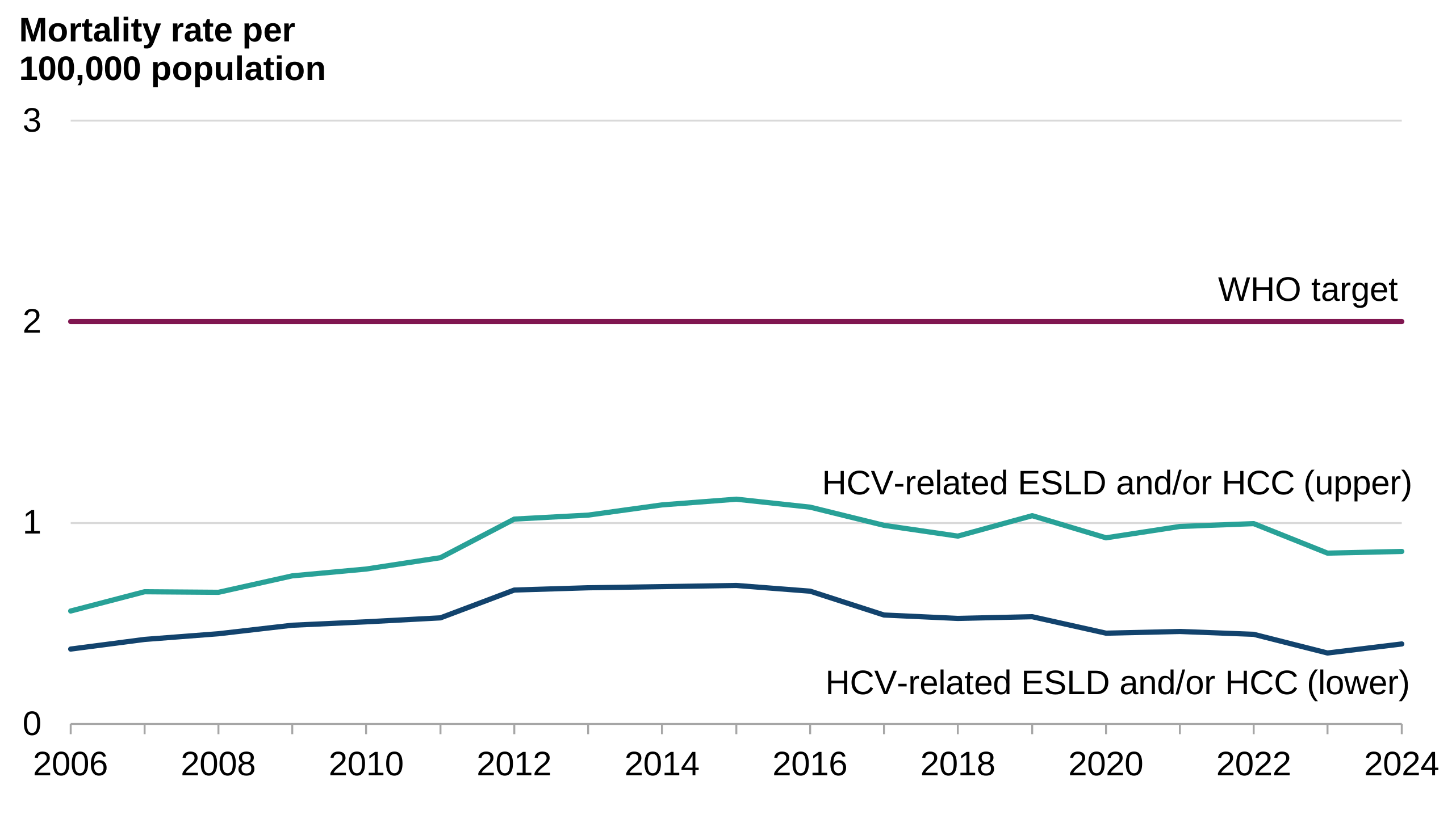
The annual hepatitis C virus-related mortality rate from end stage liver disease (ESLD) and/or hepatocellular carcinoma (HCC) was between 0.40 (lower bound) and 0.86 (upper bound) per 100,000 population in 2024, indicating that the WHO target to reduce mortality to less than or equal to 2 per 100,000 continues to be surpassed in England.
The proportion of people living with chronic hepatitis C who have been diagnosed between 2015 and 2024 is estimated to be 84.6% (provisional estimate), which is below the WHO target of greater than or equal to 90%. Work is ongoing, in collaboration with stakeholders, to further refine the estimate by enhancing existing surveillance data where RNA status is unknown.
Based on data from the Unlinked Anonymous Monitoring (UAM) Survey, 28.4% of people who inject drugs who were living with chronic hepatitis C were aware of their status. After accounting for participants who reported having a diagnostic test or were awaiting their test result, 66.7% were potentially aware. Nearly three-quarters of people who were potentially unaware of their status were currently injecting, highlighting that there is still potential to improve opportunities for testing and treatment among those at greatest risk of infection.
81.5% of individuals diagnosed with chronic hepatitis C between 2015 and 2024 were recorded as having initiated treatment in surveillance data. This proportion indicates that England has now achieved the WHO target for treatment coverage of greater than or equal to 80%, which needs to be sustained or exceeded for at least 2 consecutive years to validate elimination. Where individuals who were diagnosed with chronic hepatitis C between 2015 and 2024 were linked to specialist treatment services, 97.2% had initiated treatment.
Half of people tested for hepatitis C virus in 2024 were tested in EDs. However, the absolute number of new diagnoses was highest in hospitals (excluding ED) and in drug services. The number of people who needed to be tested to newly diagnose one person was highest in EDs, and lowest in drug services and prisons. These findings partly reflect different testing approaches (for example opt-out versus risk-based) as well as differences in the characteristics of people tested across settings and highlight the need to take a combination testing approach.
Data from the UAM Survey provide a proxy measure of progress towards the WHO target of distributing at least 300 needles and syringes per person who injects drugs per year. The median number of needles collected, including those collected for other people, was 240 in 2024, which does not meet the target. Furthermore, 1 in 3 people who reported injecting drugs in the past month reported having inadequate needle and syringe provision for their needs. This highlights potential gaps to prevent new and reinfections through adequate provision of harm reduction.
The WHO target for at least 40% of people who inject drugs who are dependent on opioids to be receiving opioid agonist therapy (OAT) has been met in England (70.5% in tax year 2022 to 2023). Note that this figure uses an updated method for estimating the denominator and so is not comparable to previous years.
Procurement data shows that the proportion of sharps purchased by NHS Supply Chain that were safety-engineered has increased over time from 58% in 2015 to 85% in 2024; this proportion is currently below the WHO target of 90% of healthcare injection devices procured being safety-engineered.
All blood donors are unpaid volunteers, selected to be at low risk of bloodborne infection. 100% of donated blood is screened by antibody assay and nucleic acid test for hepatitis C virus according to national guidelines and regulations, which means that England has met the WHO target for blood safety.
Summary table of progress towards WHO elimination targets
Table 1. Summary of WHO Impact and Programmatic targets and progress in England in 2025
| Target type | Target | WHO global health sector strategies (GHSS) 2030 target | Progress in England | |
|---|---|---|---|---|
| Impact | Annual hepatitis C virus incidence rate. | Less than or equal to 5 per 100,000 persons. Less than or equal to 2 per 100 people who inject drugs. |
No estimate available for general population. 4.4 per 100 person-years in 2024 (95% CrI: 2.7 to 6.3) (provisional estimate). |
|
| Impact | Annual mortality rate of hepatitis C virus-related deaths. | Equal to or less than 2 per 100,000 persons. | 0.40 to 0.86 per 100,000 population in 2024. | |
| Programme | Proportion of people with chronic hepatitis C diagnosed. | Greater than or equal to 90%. | 84.6% (95% CrI: 74.3 to 99.3%) diagnosed between 2015 and 2024 (provisional estimate). | |
| Programme | Proportion of people diagnosed with hepatitis C initiating treatment. | Equal to or greater than 80%. | 81.5% of people diagnosed between 2015 and 2024 initiated treatment. | |
| Programme | Harm reduction. | At least 300 sterile needles and syringes provided per person who injects drugs per year. Greater than or equal to 40% of people who inject drugs who are dependent on opioids receiving OAT. |
240 (proxy measure). 70.5% for tax year 2022 to 2023 (latest available). |
|
| Programme | Blood safety. | 100% of donated blood screened for hepatitis C virus. | 100%. | |
| Programme | Safe injections. | 90% of healthcare injection devices procured are safety-engineered. | 85.0% in 2024. |
Introduction
Hepatitis C virus is a bloodborne virus (BBV) that infects the liver. If hepatitis C virus infection persists, over time it can cause severe liver damage leading to cirrhosis, liver failure and cancer. Globally an estimated 50 million people are living with chronic hepatitis C and there are around 1 million new infections per year. The WHO estimated that approximately 242,000 people died from hepatitis C in 2022, mostly from cirrhosis and HCC.
In the UK, the most important risk factor for acquiring hepatitis C virus infection is past or current injecting drug use. Other people who may have been exposed to hepatitis C include people who are from a country with a higher prevalence of hepatitis C, and those who received a blood transfusion or a blood product before widespread screening was introduced in the UK (see Technical notes for further information).
Since 2015, the wide availability of DAA treatment, which has a short, well-tolerated treatment course (8 to 12 weeks), has resulted in many people being treated for hepatitis C and cured. In 2016, the UK signed up to the WHO GHSS to eliminate viral hepatitis as a public health threat by 2030. Validation of elimination of viral hepatitis requires demonstrating that the WHO impact targets for incidence and mortality have been achieved, and that the programmatic targets for diagnosis, treatment and prevention have been achieved and sustained for at least 2 years.
The impact targets for annual incidence are less than or equal to 5 per 100,000 in all persons and less than or equal to 2 per 100 in people who inject drugs. The mortality rate is less than or equal to 6 per 100,000 population for both hepatitis C and hepatitis B combined. The combined mortality target reflects the overarching goal to eliminate viral hepatitis. Previously, the standalone mortality target for hepatitis C was 2 per 100,000 persons.
The programmatic targets are:
- at least 90% of people living with chronic hepatitis C to be diagnosed
- at least 80% of people who are diagnosed with hepatitis C to be treated
- at least 300 needles and syringes provided per person who injects drugs per year or at least 40% of people who inject drugs who are dependent on opioids to be receiving OAT
- 100% of healthcare facilities with safe injections or 90% of healthcare injection devices procured to be safety-engineered
- 100% of blood donations to be screened
This report summarises England’s progress towards the WHO elimination targets for hepatitis C virus infection with data to the end of 2024.
Reducing prevalence and incidence of hepatitis C virus infection
Estimated prevalence in the general adult population
Prevalence is the total number of people estimated to be living with hepatitis C at a single time point and describes the total disease burden. Monitoring trends in prevalence is important to assess progress towards elimination, and prevalence estimates are also used in calculating other WHO metrics across the care cascade.
In England, around 50,200 adults aged 16 years and over (95% CrI, 40,000 to 62,700) were estimated to be living with chronic hepatitis C in 2024 (hepatitis C antibody and RNA positive) (modelled estimate, see Technical notes for further information) (Figure 1). This is equivalent to a prevalence estimate of 0.11% (95% CrI, 0.09% to 0.13%) in England. When compared to 2015 (the baseline year in the 2016 WHO GHSS), the number of people living with chronic hepatitis C has declined by 61.1% (from 129,000 (95% CrI, 109,900 to 147,000)).
In 2024, there were estimated to be 185,300 (95% CrI, 167,00 to 200,500) adults who had ever had hepatitis C (hepatitis C virus antibody positive) in England. The proportion of these people estimated to be currently living with chronic hepatitis C was 27.1% (95% CrI, 23.9% to 31.0%) (see Technical notes for further information). This estimate has declined from 59.5% in 2015 (95% CrI, 56.5% to 61.9%). The reduction in prevalence over time is largely due to the introduction of DAAs in 2015 and improved access to treatment, achieved in part through a comprehensive and far reaching ‘Elimination Initiative’ programme led by NHSE in partnership with service providers, the pharmaceutical industry and people with lived experience.
Of the 50,200 adults estimated to be living with chronic hepatitis C in 2024, the model estimates that 66.5% were adults with a past drug injecting history but who were no longer injecting, while 13.9% were adults who were currently or had recently injected drugs. The estimate for current and recent injecting drug use includes people who were, and were not, accessing specialist drug and alcohol services, and any individual who had not permanently ceased injecting. There is some uncertainty in these proportions which needs to be addressed in future work.
There were also an estimated 9,800 people living with chronic hepatitis C who did not have a history of injecting drug use, although data on this group is limited and further work is required to understand the impact of other factors, such as migration.
Figure 1. Estimated prevalence of chronic hepatitis C [note 1] [note 2] in the general adult population [note 3] in England, 2012 to 2024
Shaded area shows 95% CrI.
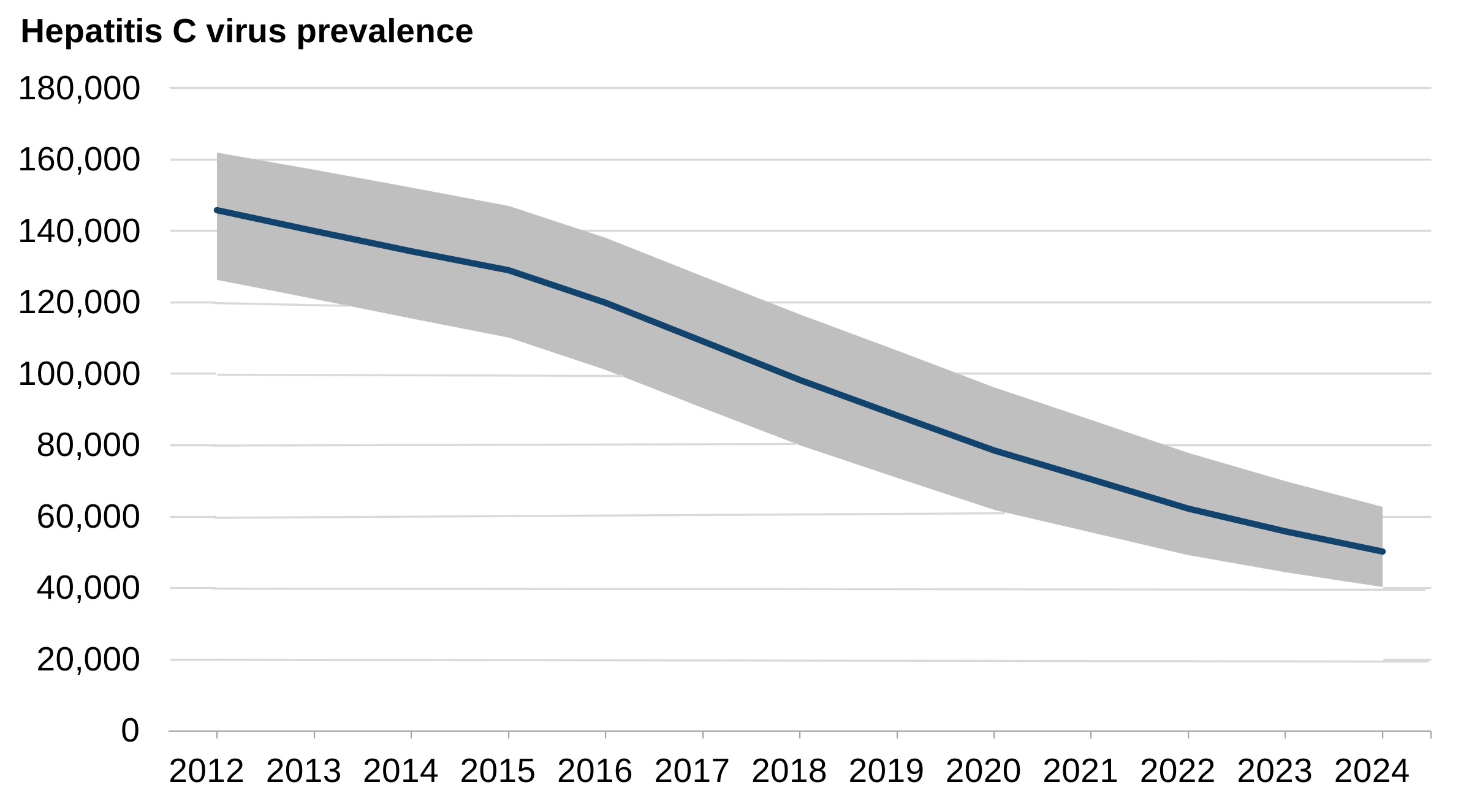
Source: Modelled estimates of chronic hepatitis C prevalence based on multiple sources of information. Further information can be found in Technical notes.
Note 1: the model calculates the proportion of people living with chronic hepatitis C out of all those alive who have ever had hepatitis C (that is, people who are hepatitis C virus antibody positive). The latter may have cleared their infection through treatment leading to a sustained virological response (SVR), or through spontaneous clearance.
Note 2: the model assumes that the proportion of people who spontaneously cleared hepatitis C without treatment is a fixed quantity with no uncertainty (24% of infections spontaneously clear without treatment). Therefore, prior to DAA treatment, the CrI for the proportion of chronic infections is very narrow.
Note 3: the model estimates the percentage of the adult (aged 16 years and over) population with chronic hepatitis C infection. Virtually all infections are in those aged 16 years and over, so a more accurate picture is given by excluding children from the denominator.
Estimated prevalence among people who inject drugs
Among people who inject drugs who took part in the UAM Survey (see Technical notes for further information), the prevalence of chronic hepatitis C has continued to decrease since 2017, with 5.2% (95% confidence interval (CI) 4.3% to 6.0%) estimated to be living with chronic hepatitis C in 2024 (Figure 2).
Correspondingly, the proportion who have cleared hepatitis C virus continues to increase. In 2024, 46.8% (95% CI, 44.9% to 48.6%) of people who inject drugs had cleared hepatitis C virus, which is double the 2015 proportion of 23.0% (Figure 2).
The proportion of people who inject drugs who have ever had hepatitis C, which includes those who have cleared the virus, has remained relatively stable and was 51.9% in 2024. This is likely due to ongoing new infections associated with long-term injecting use, as well as an ageing population of people who have hepatitis C virus antibodies who are living longer after being treated for chronic hepatitis C. Among people who inject drugs who have ever had hepatitis C, the proportion with chronic hepatitis C has declined to 9.9% in 2024 compared to 55.4% in 2015.
Statistical modelling performed as part of the EPIToPE Study using UAM Survey data has provided strong evidence for an association between community scale-up of treatment and reductions in chronic hepatitis C prevalence. This evidence supports the effectiveness of treatment as prevention in people who inject drugs.
Figure 2. Hepatitis C prevalence among people injecting psychoactive drugs in England, 2015 to 2024 [note 4][note 5][note 6]
Vertical lines show 95% CIs.
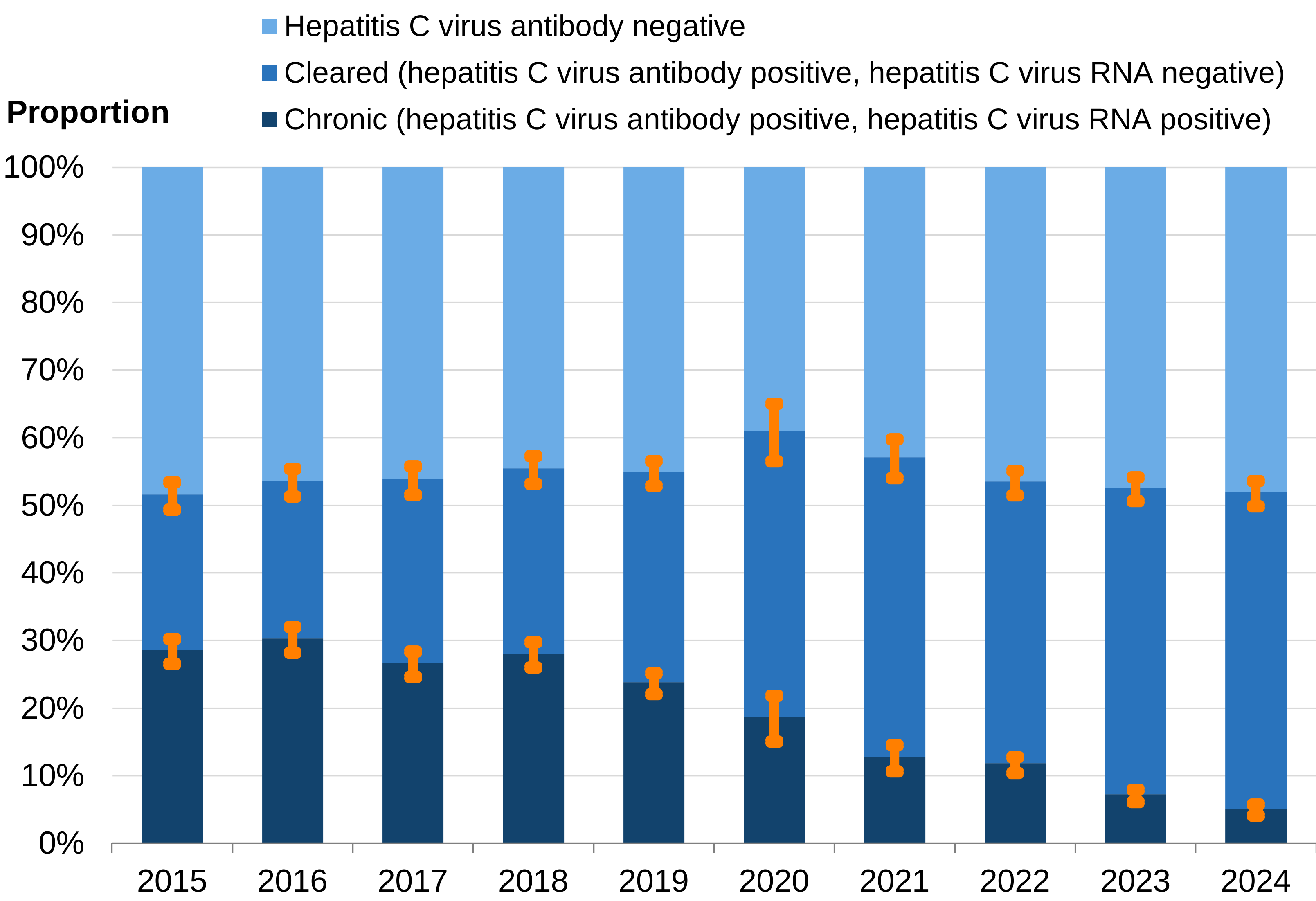
Source: UAM Survey of people who inject drugs.
Note 4: retrospective analysis of hepatitis C virus RNA (2015 and 2016) was performed as part of the EPIToPE study, funded by the National Institute for Health and Care Research (NIHR) Programme Grants for Applied Research programme (Grant Reference Number RP-PG-0616-20008). The views expressed are those of the authors and not necessarily those of the NIHR or the Department of Health and Social Care (DHSC).
Note 5; estimates for chronic and cleared hepatitis C virus infection have been adjusted to consider hepatitis C virus antibody positive samples with missing RNA status. The ratio of chronic to cleared infection was applied to the hepatitis C virus antibody positive samples with missing RNA status by year and region.
Note 6: during 2020 and 2021, recruitment to the UAM Survey was impacted by the COVID-19 pandemic. As a result, there were changes in the geographic and demographic profile of people taking part. This should be considered when interpreting data for these years. See Technical notes for more details.
Monitoring WHO targets for hepatitis C incidence
The number of people newly acquiring hepatitis C (incidence) is a critical indicator to monitor progress towards eliminating hepatitis C as a public health threat. It describes the risk of transmission and measures progress towards reducing new infections, including primary infections and reinfections (people who have lived with chronic hepatitis C more than once).
WHO guidance requires hepatitis C incidence to be estimated directly or modelled (see Technical notes for further information). To achieve validation of elimination, the annual incidence rates must be below the WHO absolute target of less than or equal to 5 per 100,000 in the general adult population, and less than or equal to 2 per 100 in people who inject drugs.
Various approaches to estimating incidence are being explored through a multi-stakeholder working group (see section on Current and planned work for further information). When considered together, these approaches will be used to provide evidence of progress towards achieving the WHO incidence target.
One of the approaches being explored is the use of dynamic transmission modelling to estimate the impact of existing treatment initiatives on hepatitis C incidence among people who inject drugs. Multiple sources of routine surveillance data have been used to parameterise and calibrate the model including the UAM Survey, estimates of the size of the population of people who inject drugs, and treatment data from the NHSE Hepatitis C Patient Registry and Treatment Outcome System and NHSE’s Blueteq System. The model incorporates information on injecting status (current or historical use), hepatitis C testing and treatment pathways, whether someone is in prison or not, and use of OAT.
Provisional estimates from the model suggest that hepatitis C incidence among people who inject drugs in England was 4.4 per 100 person-years in 2024 (95% CrI: 2.7 to 6.3). If current levels of testing and treatment continue, the model projects that hepatitis C incidence will decrease to 1.5 per 100 person-years by 2030 (95% Crl: 0.5 to 2.9). Incidence estimates were lower among people who inject drugs in the community compared to prison settings. The provisional estimates suggest that England is on track to meet the incidence target by 2030, but further development work is planned to refine and validate the model.
In one validation exercise, the projected incidence estimates from the model were compared with provisional unadjusted estimates from the NHSE Needs Assessment Project (prospective retesting of people at risk of acquiring hepatitis C attending drug and alcohol services and, in some areas, community settings). The CIs for the different estimates overlapped, with the upper estimate of the Needs Assessment CI falling within the lower estimate of the 95% Crl for the model projections. Additional analyses will be needed to explore the characteristics and outcomes of people in the Needs Assessment Project, including those who were not retested, to further compare and validate the model.
Further work is also underway to develop alternative modelling approaches to monitor incidence, in addition to the development of a methodology to provide direct estimates of incidence using laboratory surveillance data on positive and negative tests (Sentinel Surveillance of Blood Borne Virus testing (SSBBV)). The different methods can then be triangulated, alongside data demonstrating the decline in chronic hepatitis C prevalence, to provide multiple layers of evidence of progress towards elimination.
People who inject drugs testing hepatitis C virus RNA positive and antibody negative
Data from the UAM Survey can be used to demonstrate whether there is evidence of a decline in the incidence of hepatitis C based on tests for recent primary infection. This can be done by measuring the number of people who have evidence of hepatitis C virus viraemia and who are also hepatitis C virus antibody negative, and whether this changes over time. These individuals are likely to have acquired hepatitis C virus infection recently and are yet to mount an antibody response.
The estimated incidence of hepatitis C using data from the UAM Survey shows an overall declining trend since 2016, however the small sample size has resulted in wide CIs (Figure 3). Therefore, the data provide little or no evidence for a decline in incidence in recent years. A further limitation of this approach is that it does not consider people who have an incident hepatitis C virus reinfection. In addition, there is some uncertainty over the 51-day window period used to estimate incidence (that is, the time after exposure to hepatitis C virus when RNA is detectable, but the individual has not yet formed antibodies).
Work is currently underway to estimate the avidity index, which measures the binding capacity of hepatitis C virus antibodies to the virus. The avidity index provides an additional approach to measuring recent primary infection; participants with low avidity antibodies and evidence of hepatitis C virus viraemia are considered to have recently acquired hepatitis C virus infection. While the small sample size may still result in some uncertainty around the estimate, the approach detects recent primary infection at a different timepoint to the existing measure (antibody negative and RNA positive). As such, the 2 approaches could be used together to provide further evidence on whether there has been a decline in incidence.
Figure 3. Estimated incidence of hepatitis C among people who injected drugs in the last year in England, 2016 to 2024 [note 7][note 8]
Shaded area shows 95% CIs.
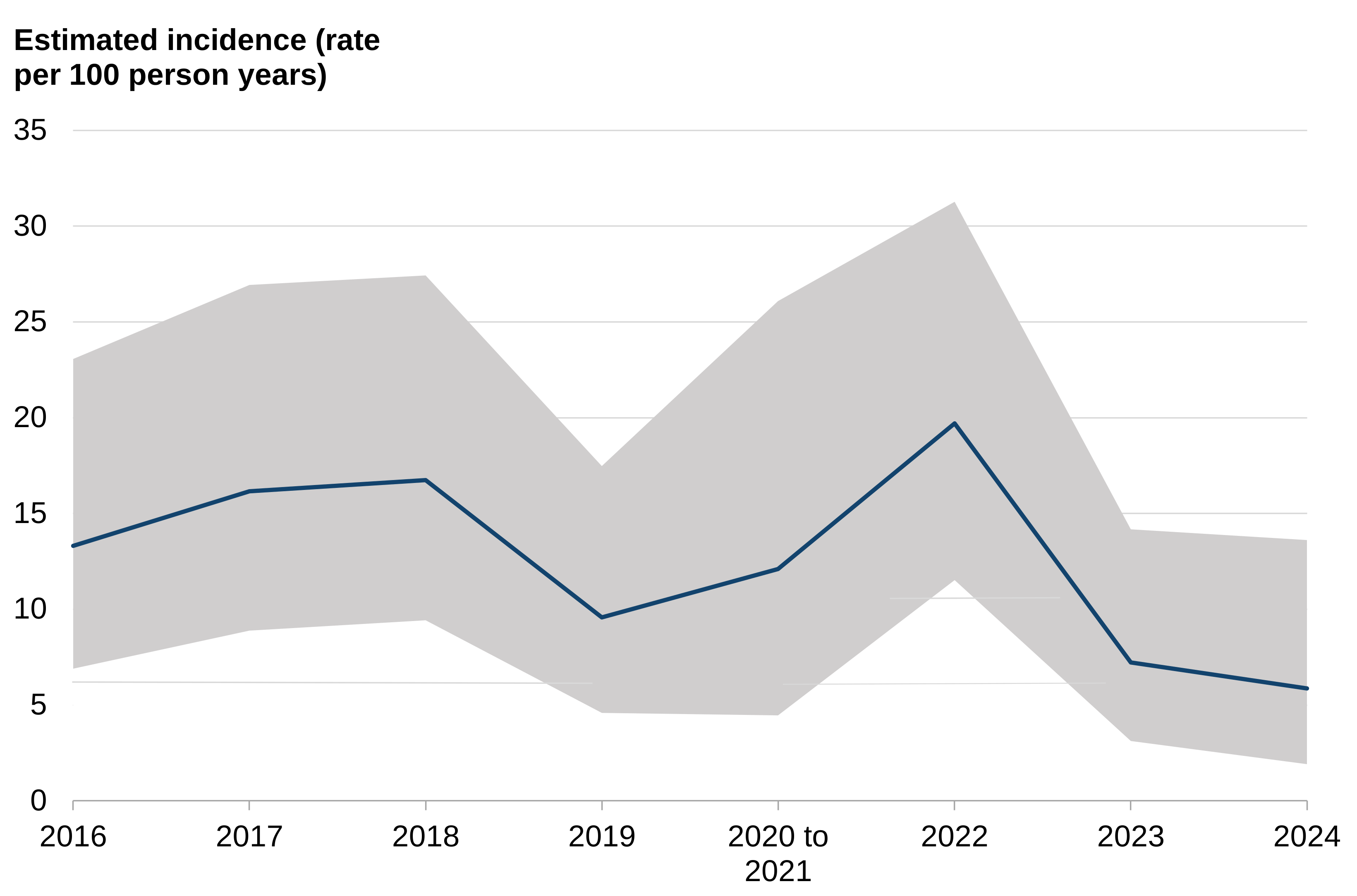
Source: UAM Survey of people who inject drugs.
Note 7: for the incidence calculations, a fixed window period of 51 days was used and there is some uncertainty regarding the use of this measure.
Note 8: during 2020 and 2021, recruitment to the UAM Survey was impacted by the COVID-19 pandemic. As a result, there were changes in the geographic and demographic profile of people taking part. This should be considered when interpreting data for these years. See Technical notes for more details.
Estimated hepatitis C virus antibody prevalence among people who recently started injecting drugs
Hepatitis C virus antibody prevalence among people who recently started injecting drugs provides an indirect measure of incidence among people who inject drugs. As most new hepatitis C virus infections are acquired via injecting drug use, the detection of hepatitis C virus antibodies in a person who has recently started injecting drugs is likely reflective of a recent infection associated with that behaviour. It should be noted that this value is unlikely to include incident reinfections.
Data from the UAM Survey suggests that in people who recently started injecting drugs (within the past 3 years) the proportion with antibodies to hepatitis C virus shows an overall declining trend since 2018 (Figure 4). The overall decrease could suggest a decline in incidence of hepatitis C in this sub-group of people who inject drugs. However, it should be noted that the number of people in the UAM Survey with a short duration of injecting is small, and declining, so this approach has limited power to detect a change in incidence.
Figure 4. Estimated prevalence of antibodies to hepatitis C virus among people who started injecting drugs within the last 3 years in England, 2015 to 2024 [note 9]
Shaded area shows 95% CIs.
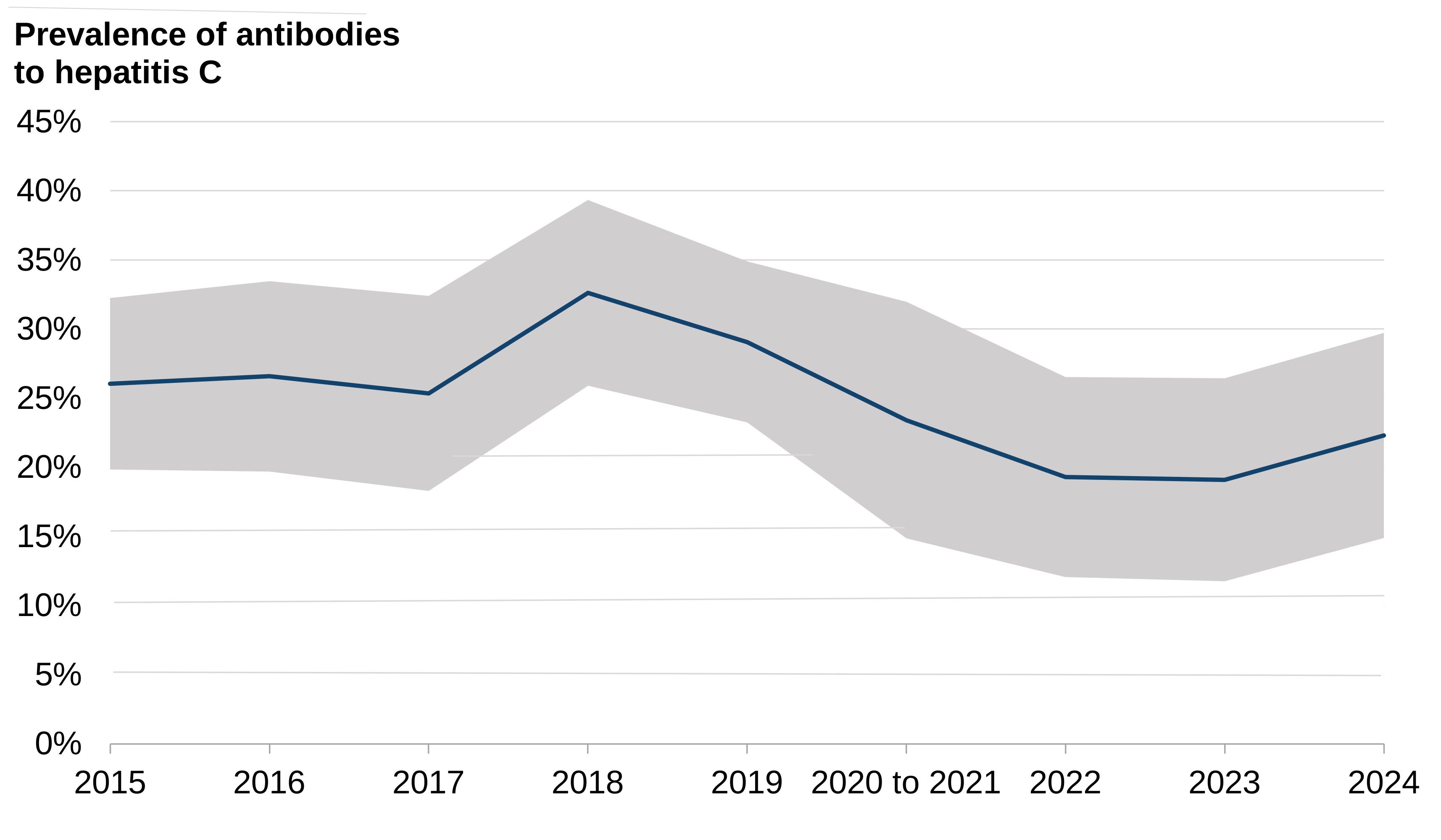
Source: UAM Survey of people who inject drugs.
Note 9: during 2020 and 2021, recruitment to the UAM Survey was impacted by the COVID-19 pandemic. As a result, there were changes in the geographic and demographic profile of people taking part. This should be considered when interpreting data for these years. Due to small numbers, data for 2020 and 2021 is combined. See Technical notes for more details.
Reinfections
People who have been previously treated for hepatitis C and continue to engage in risk behaviours such as injecting drugs without adequate access to, and use of, sterile needles, syringes and other injecting equipment, are at risk of experiencing hepatitis C virus reinfection.
Reinfection can be estimated using treatment data from NHSE’s Blueteq System and the NHSE Hepatitis C Patient Registry and Treatment Outcome System, linked to serial hepatitis C virus RNA or core antigen testing data from Sentinel Surveillance of Bloodborne Virus testing (SSBBV). Estimates of the rate of reinfection can also be triangulated with other evidence on incidence to provide evidence of progress towards elimination.
In England, reinfection is defined in an individual who is positive for hepatitis C virus RNA or core antigen and/or has a subsequent treatment episode following a reported SVR or a negative RNA or core antigen result after they had previously been treated for hepatitis C (the latter is used as a proxy for SVR where this has not been recorded) (see Technical notes for further information). A control group of persons who had a post-treatment RNA or core antigen test at least 196 days after first treatment initiation is used to calculate the reinfection rate.
For people who initiated treatment between 2015 and 2024 in England, the reinfection rate among people who had injected drugs within the 3 years prior to treatment initiation was 8.8 per 100 person-years (95% CI: 8.5 to 9.0 per 100 person-years). This means that if 100 people treated for hepatitis C who had injected drugs within the 3 years prior to treatment were followed up for one year, an estimated 9 individuals among them are likely to experience hepatitis C virus reinfection in that year. The reinfection rate was lower among those who had last injected drugs over 3 years ago (4.0 per 100 person-years; 95% CI: 3.8 to 4.3 per 100 person-years).
Rates were also high among people who had ever been in prison prior to treatment initiation (9.4 per 100 person-years; 95% CI: 9.0 to 9.7 per 100 person-years), and this was slightly higher among women who had been in prison (10.3 per 100 person-years; 95% CI: 9.3 to 11.3 per 100 person-years) compared to men (9.2 per 100 person-years; 95% CI: 8.8 to 9.6 per 100 person-years).
Recent analyses have been conducted by UKHSA to assess annual rates of reinfection to understand how this is changing over time. The analyses showed that reinfection rates in England decreased between 2018 and 2023. However, the risk of reinfection did not decrease over time and remained high among people who had been treated within the past year. Therefore, needle and syringe provision and/or harm reduction services to prevent reinfection should be accessible and adequate to meet the needs of those at risk, particularly during and shortly after treatment.
Reducing hepatitis C virus-related mortality and morbidity
Hepatitis C-related mortality from ESLD and/or HCC
Hepatitis C virus-related mortality is an important measure of progress towards hepatitis C elimination because it monitors whether services are promptly diagnosing and treating people living with hepatitis C. Prompt diagnosis and treatment reduces the number of deaths related to hepatitis C virus by ensuring early clearance of the virus before it can cause damage to the liver.
The combined hepatitis C and hepatitis B absolute target for mortality is equal to or less than 6 per 100,000 population. Previously, the mortality targets separated hepatitis B and hepatitis C at 4 per 100,000 and 2 per 100,000 persons respectively.
An updated method for estimating deaths from hepatitis C-related ESLD and/or HCC has been used for this report. The previous method of reporting that solely used death data from the Office for National Statistics (ONS) was shown to underestimate mortality rates from hepatitis C-related liver disease by up to 60%. To address this, an updated method is used that presents the estimated mortality attributable to hepatitis C as a range. The lower bound of this range is similar to the previous methodology using only ONS death registration data, while the upper bound uses ONS death registration data linked to data on Hospital Episode Statistics (HES) data on viral hepatitis, ESLD and/or HCC and laboratory data on viral hepatitis diagnoses. The updated methodology has been applied to all previous years, and includes deaths by year of death rather than by year the death was registered as was previously used.
In 2024, the estimated annual hepatitis C-related mortality rate from ESLD and/or HCC was between 0.40 (lower bound) and 0.86 (upper bound). The upper bound has remained below 1.12 per 100,000 population since 2005, surpassing the WHO target (Figure 5).
Using the upper bound, the number of deaths from hepatitis C virus-related ESLD and/or HCC peaked at 613 in 2015 (Figure 6a, 6b and 6c). Between 2015 and 2024 the number of deaths fell by 17.9% (to 503 deaths), primarily due to a decrease in deaths from hepatitis C virus-related ESLD, which fell by 36.6% during this period (Figure 6). The more pronounced decline in deaths from ESLD over time compared to HCC may be related to earlier treatment availability in persons with advanced disease, with a greater impact on regression of fibrosis and improved liver function in those with cirrhosis, rather than removing the risk of liver cancer. However, further work is needed to explore this. Whilst the total number of hepatitis C virus-related ESLD and/or HCC deaths has continued to fall, deaths from hepatitis C virus-related HCC have not decreased in the latest year, with a small increase of 8.3% between 2023 and 2024 (283 and 308 deaths, respectively). Among the 503 deaths in 2024, 29.4% had alcohol-related liver disease as a separate underlying or contributory factor on their death registration record.
Additional analyses have also been undertaken to explore differences in mortality based on treatment status, and whether there was evidence of cirrhosis at the time of treatment initiation. Among people who initiated treatment between 2015 and 2024, 12.2% died of hepatitis C virus-related ESLD and/or HCC in 2024. For those with evidence of cirrhosis at the time of treatment initiation, the proportion dying of hepatitis C virus-related ESLD and/or HCC was 25.8%, compared with 1.9% among those with no evidence of cirrhosis. In the same time period, among people who had a positive RNA test but no evidence of treatment, the proportion dying of hepatitis C virus-related ESLD and/or HCC was 12.0%.
Figure 5. Mortality rate [note 10] [note 11] for hepatitis C virus-related ESLD [note 12] and/or HCC in England, 2006 to 2024
Figures 6a, 6b and 6c. Number of deaths [note 10][note 11] from hepatitis C virus-related ESLD [note 12] and/or HCC in England, 2006 to 2024
Figure 6a.
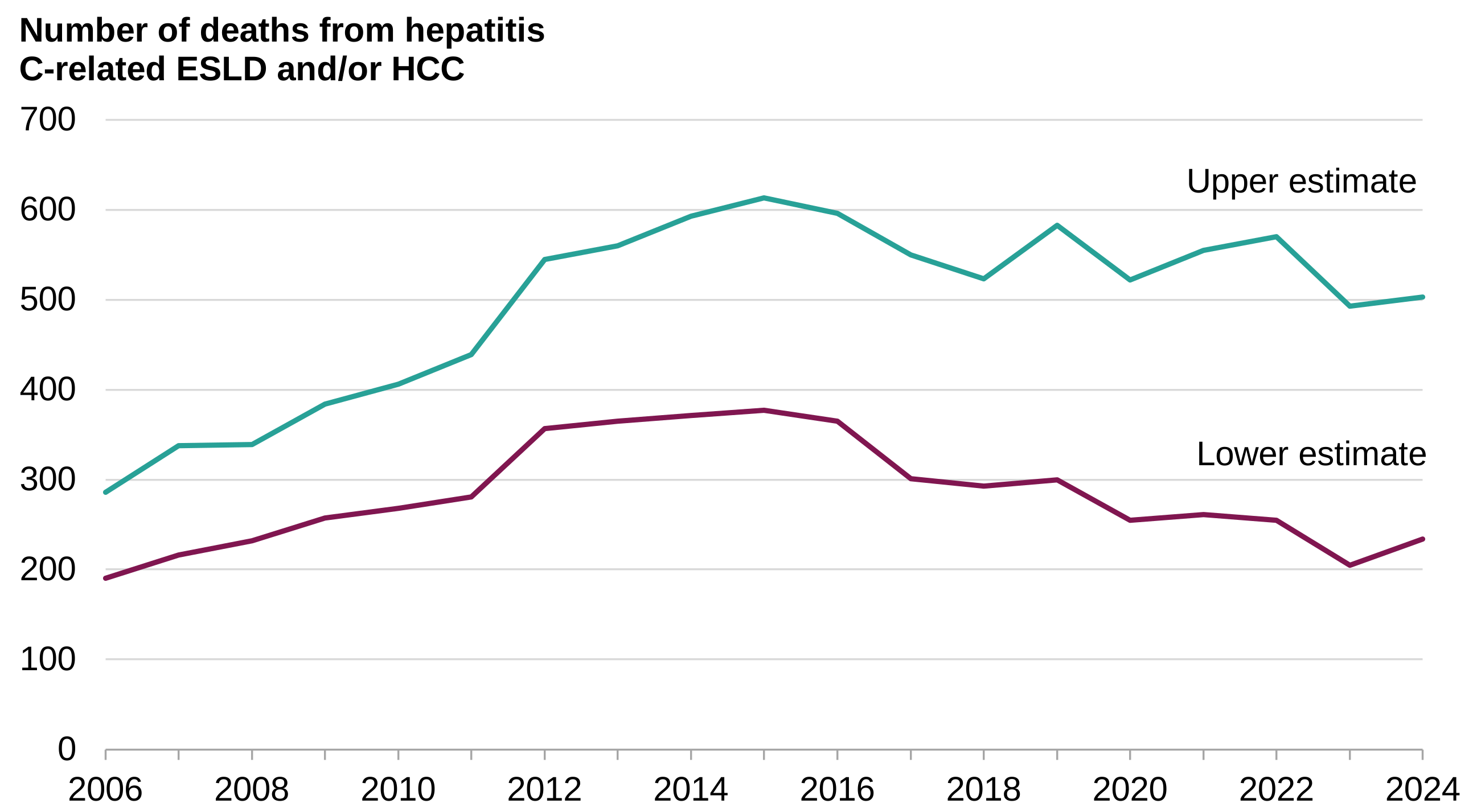
Figure 6b.
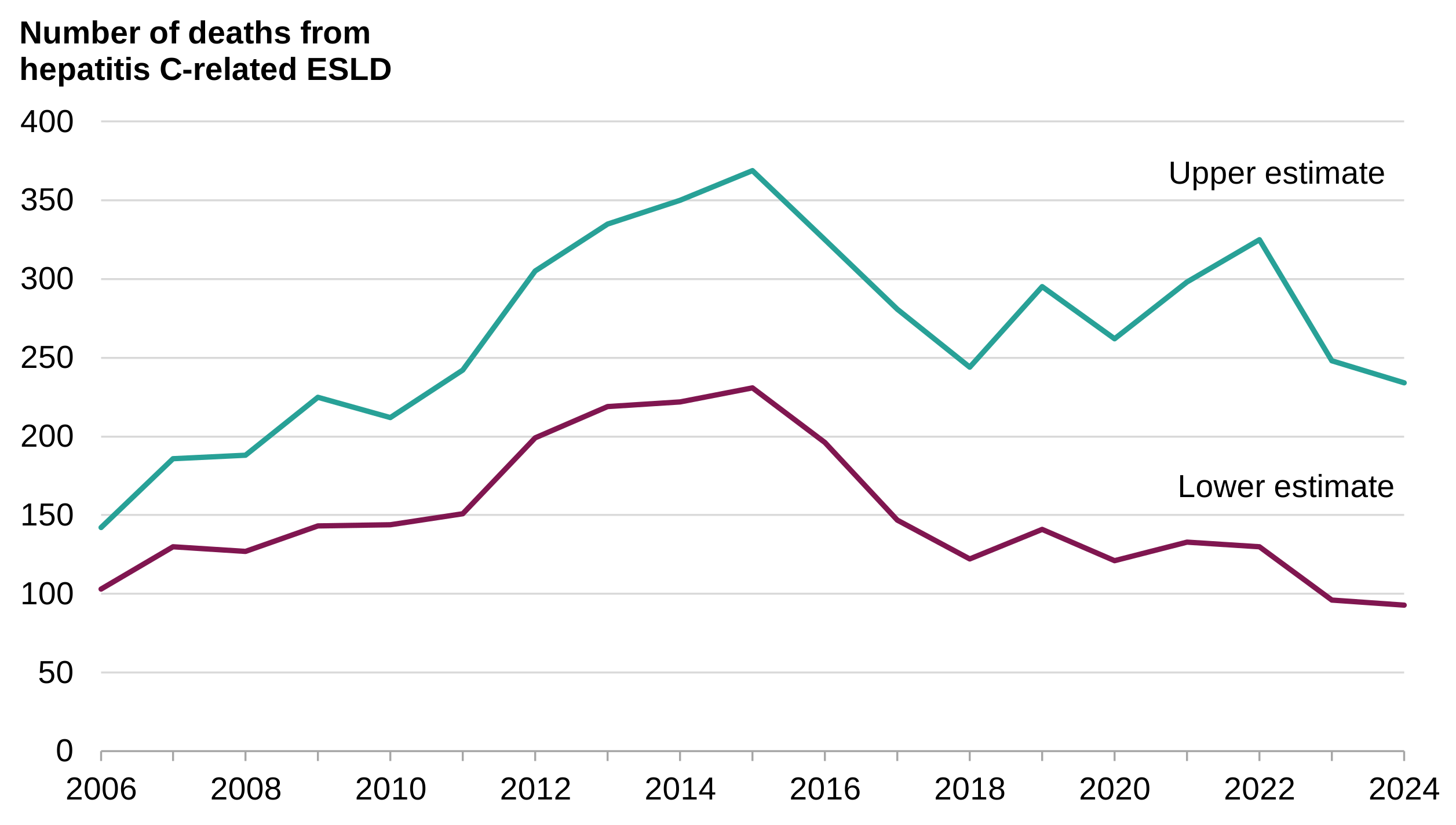
Figure 6c.
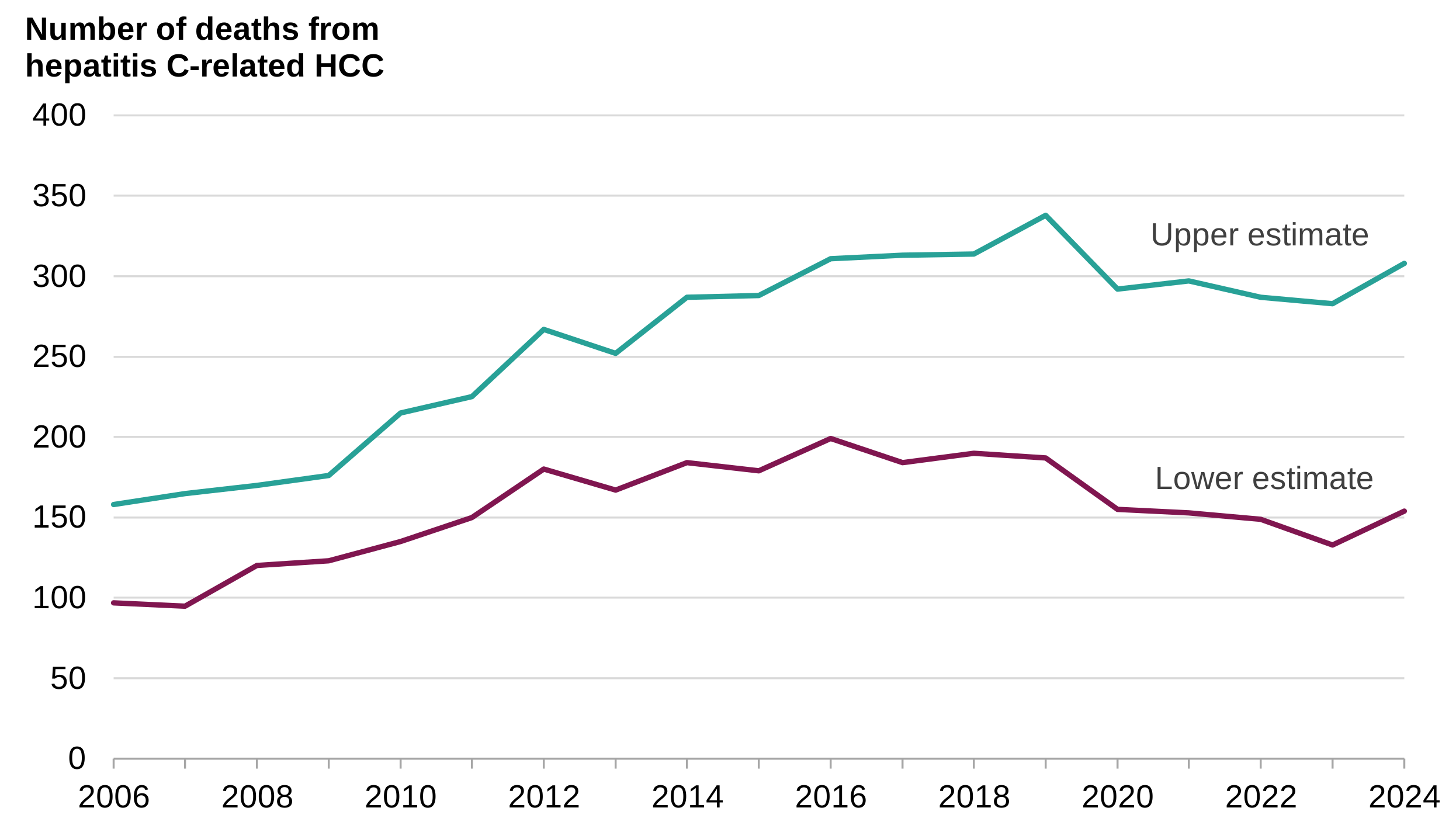
Note 10: lower bound represents deaths where ESLD and/or HCC and hepatitis C were reported in ONS death registration data (as year of death is now used this is not comparable with previously published estimates which used year the death was registered). Upper bound represents deaths where ESLD and/or HCC were reported in ONS death registrations or identified in HES hospital admissions data linked to deaths data, and hepatitis C diagnoses were identified by linking between ONS deaths, HES hospital admissions data and laboratory diagnosis data to yield a maximum number of deaths attributable to hepatitis C-related ESLD ad/or HCC.
Note 11: excluding deaths of people aged 15 years and under and deaths registered in England where the deceased’s usual residence is outside England.
Note 12: defined by codes or text entries for ascites, bleeding oesophageal varices, hepato-renal syndrome, hepatic encephalopathy, or hepatic failure.
Monitoring first hospital admissions for hepatitis C virus-related ESLD and/or HCC
Hepatitis C virus-related morbidity can be estimated by monitoring the number of new cases of hepatitis C-related ESLD and/or HCC each year. The data is presented as a range with a lower and upper bound, mirroring the approach used to report mortality in the previous section.
The lower bound is based on HES data only and represents incident cases of ESLD and/or HCC that linked to an episode of hepatitis C in HES from any year. This approach may result in underreporting of hepatitis C, as it relies on a diagnosis of hepatitis C being recorded in HES. Therefore, an upper bound is presented, which uses HES data linked to laboratory diagnoses of hepatitis C from Second Generation Surveillance System (SGSS). The upper bound represents incident cases of ESLD and/or HCC that linked to an episode of hepatitis C in HES or a laboratory diagnosis of hepatitis C from any year (see Technical notes). The method was applied to previous years to get a full time series using the new methodology.
In 2024, the upper bound was 1,409 first presentations to hospital with hepatitis C related ESLD and/or HCC, which is a 31.9% decrease from 2,070 in 2019. A similar pattern is seen for the lower bound estimate, with 1,165 cases in 2024 compared to 1,877 in 2019 (Figure 7).
A sensitivity analysis was conducted to assess the impact of removing hepatitis C diagnoses made after an episode of ESLD or HCC, as they could be from an infection acquired after the episode of ESLD or HCC. The sensitivity analysis restricted later hepatitis C diagnoses to those up to 1 year, 3 years, and 5 years after an episode of ESLD and/or HCC. These scenarios slightly reduced the numbers but showed a similar pattern to the upper and lower bound estimates.
Figure 7. Incidence [note 13] of hepatitis C-related ESLD [note 14] and/or HCC in England, 2010 to 2024 [note 15]
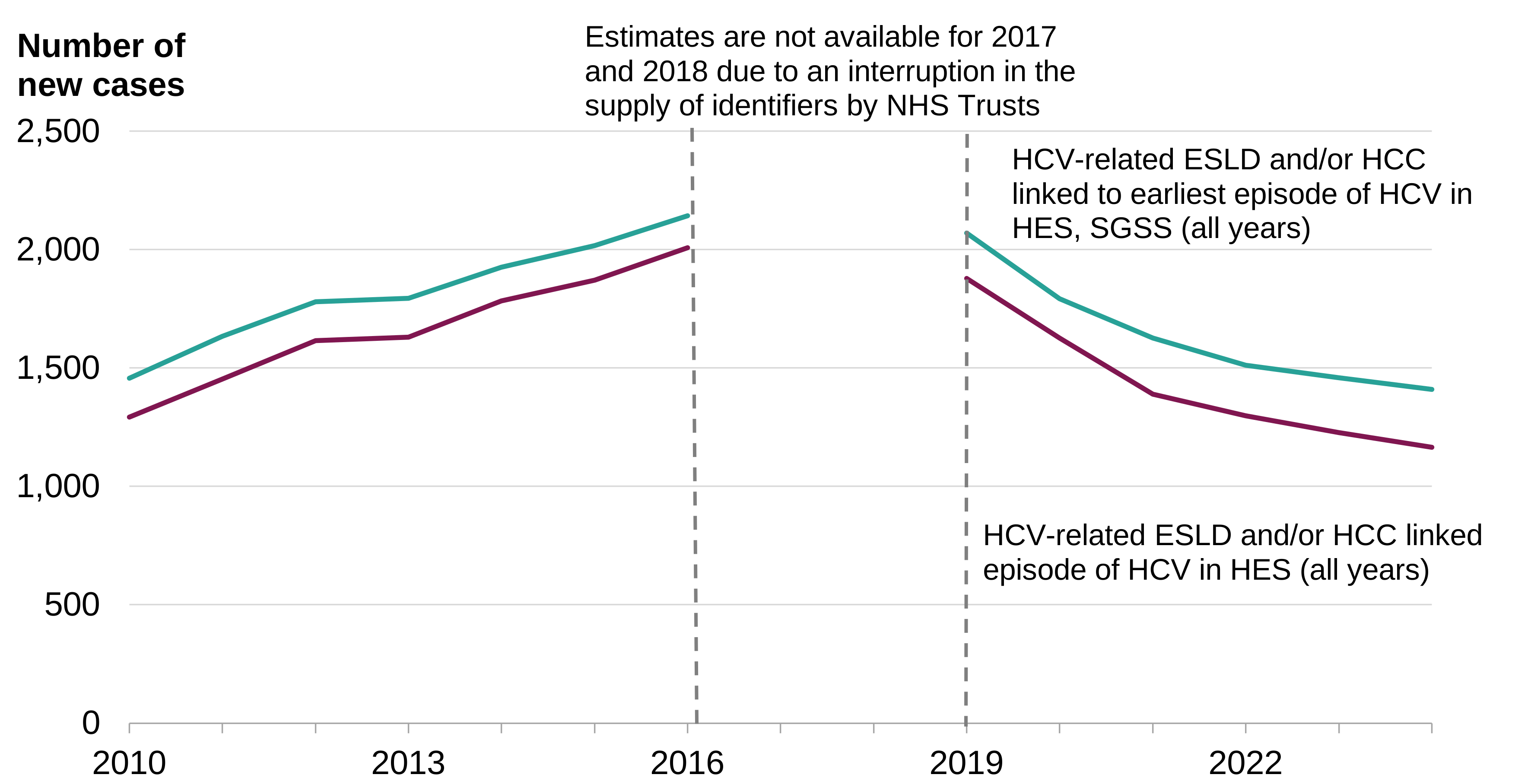
Note 13: estimates of incidence of hepatitis C-related-related ESLD and/or HCC are not available for 2017 and 2018. This is due to an interruption in the supply of identifiers by NHS Trusts in tax year April 2017 to March 2018.
Note 14: defined by codes or text entries for ascites, bleeding oesophageal varices, hepato-renal syndrome, hepatic encephalopathy, or hepatic failure.
Note 15: 2024 data is provisional. Data based on HES as of December 2025.
Transplants related to hepatitis C virus
Hepatitis C virus-related morbidity can also be monitored by counting the number of people in England registered for a hepatitis C-related liver transplant and the number and proportion of hepatitis C-related transplants performed.
Hepatitis C virus-related liver transplant registrations are defined as registrations with post-hepatitis C virus cirrhosis recorded as either the primary, secondary or tertiary indication for the transplant. Hepatitis C-related liver transplants performed are defined as those with post-hepatitis C virus cirrhosis recorded as an indication at registration or transplant, and/or where hepatitis C virus was recorded at registration or transplant (either RNA or antibody positive test result), excluding people who only had hepatitis C virus recorded but had an indication for transplant that was unrelated to hepatitis C (see Technical notes for further information). This methodology differs slightly from that used in previous reports and has been applied to the full time series to allow for comparison of trends over time.
In 2024, there were 31 hepatitis-C related first liver transplant registrations, a 79.6% fall from 152 in 2013 (Figure 8a). There were 38 hepatitis C-related liver transplants undertaken in 2024, a decline of 69.1% from a peak of 123 in 2014. Among these, there were 27 first liver transplants where HCC was also recorded.
In 2024, the proportion of all first liver transplants performed in England that were related to hepatitis C was 5.2% (38 out of 724), an overall decline from 16.9% (123 out of 727) in 2014 (Figure 8b).
Figures 8a and 8b. Number of hepatitis C-related liver transplant registrations and transplants, and proportion of all liver transplants that were hepatitis C-related first liver transplants, England, 2009 to 2024 [note 16][note 17][note 18]
Figure 8a.
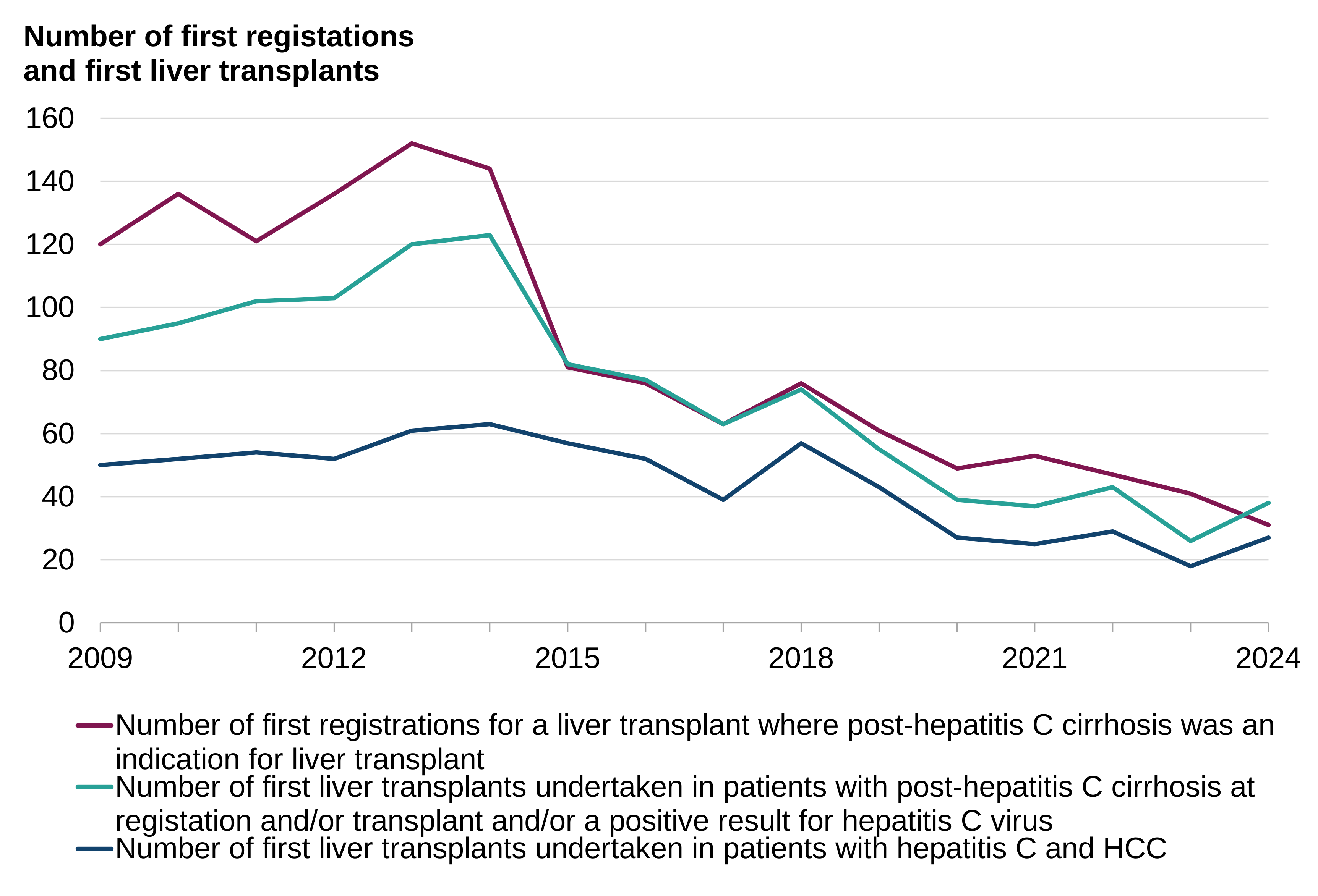
Figure 8b.
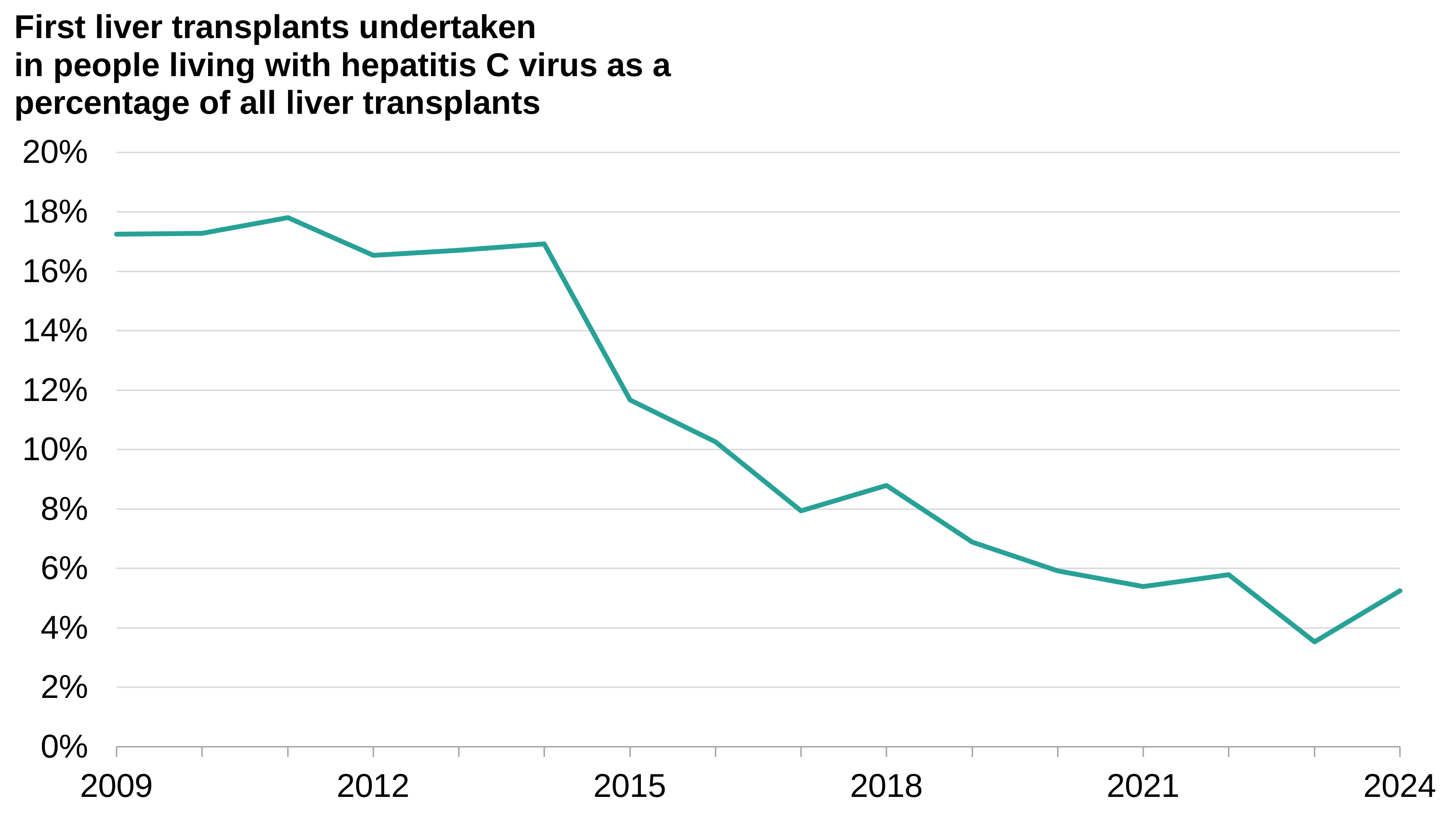
Source: NHS Blood and Transplant (NHSBT) UK Transplant Registry. These figures are based on registry data as of December 2025 and include both elective and urgent registrations.
Note 16: number of first registrations for a liver transplant where post-hepatitis C cirrhosis was given as either primary, secondary or tertiary indication for transplant. See Technical notes for other indications given for transplant.
Note 17: first liver transplants undertaken where post-hepatitis C cirrhosis was given as primary, secondary, or tertiary indication for transplant at registration or transplant and/or hepatitis C virus was recorded at registration or transplant, excluding people who only had hepatitis C virus recorded where the indication for transplant was unrelated to hepatitis C. See Technical notes for additional indicators for these transplants.
Note 18. First liver transplants undertaken where post-hepatitis C cirrhosis was given as primary, secondary, or tertiary indication for transplant at registration or transplant and/or hepatitis C virus was recorded at registration or transplant and where hepatitis C-related HCC was also given as primary, secondary, or tertiary indication for transplant at registration or transplant. See Technical notes for other indicators for these transplants.
Increasing diagnosis and reducing late diagnosis
Proportion of people with chronic hepatitis C diagnosed
Monitoring the proportion of people who are living with hepatitis C who have been diagnosed helps to assess whether current testing coverage is sufficient to identify the majority of people who are living with hepatitis C. The WHO target is to diagnose greater than or equal to 90% of people living with hepatitis C, defined as the cumulative number of people diagnosed since the chosen baseline year to assess the impact of historical testing initiatives and coverage. This includes people who have subsequently cleared their infection (cured through treatment or spontaneously cleared) and those who had have died since the baseline year. The denominator is the estimated number of people living with chronic hepatitis C in the chosen baseline year.
For this report, a new methodology has been developed to estimate progress towards the WHO indicator using a baseline year of 2015. This methodology creates a cohort of people who have been diagnosed with hepatitis C from 2015 using laboratory-confirmed reports of all hepatitis C diagnoses reported to UKHSA via NHS or private laboratories or through point of care testing, in addition to information entered onto NHSE’s Hepatitis C Patient Registry and Treatment Outcome System or NHSE’s Blueteq system. The data is used to ascertain the RNA status of each person in the cohort during or after 2015. Information received directly from hepatitis C Operational Delivery Networks (ODNs) is used to supplement the data and enhance information on those where RNA status is unknown. People are included in the numerator where they are identified as living with chronic hepatitis C in 2015 or later by having a positive RNA test result or evidence of treatment. The denominator is the number of people estimated to be living with chronic hepatitis C in 2015 based on modelled prevalence estimates (129,000 (95% CrI: 109,900 to 147,000) (see Technical notes for details of methodology).
Between 2015 and 2024, 109,184 people were diagnosed with chronic hepatitis C, resulting in a diagnosed fraction of 84.6% (CrI 74.3% to 99.3%), which is below the WHO target of 90% (Figure 9). The people diagnosed with chronic hepatitis C include 21,664 people who tested RNA positive in 2015, 61,564 people who tested positive between 2016 and 2024, and 25,956 people who did not have an RNA positive test during this period, but were identified as RNA positive from either NHSE’s Hepatitis C Patient Registry and Treatment Outcome System and/or NHSE’s Blueteq system.
The RNA status of an individual within the cohort is estimated with varying levels of confidence based on the data available. Work is ongoing to ascertain the RNA status of people diagnosed prior to 2015, with no further test or evidence of treatment, who may still be living with chronic hepatitis C. ODNs are reviewing these people to clarify who has been successfully treated or who may need referral for treatment. Where RNA status is later ascertained, the proportion diagnosed estimate will be updated. Where RNA status cannot be ascertained, additional analyses will be undertaken to determine whether there are any assumptions that can be made about RNA status in 2015. Further work is also ongoing to improve reporting of point of care tests to UKHSA as these are not fully captured through laboratory surveillance.
Figure 9. Proportion of people diagnosed with chronic hepatitis C, 2015 to 2024 [note 19][note 20]
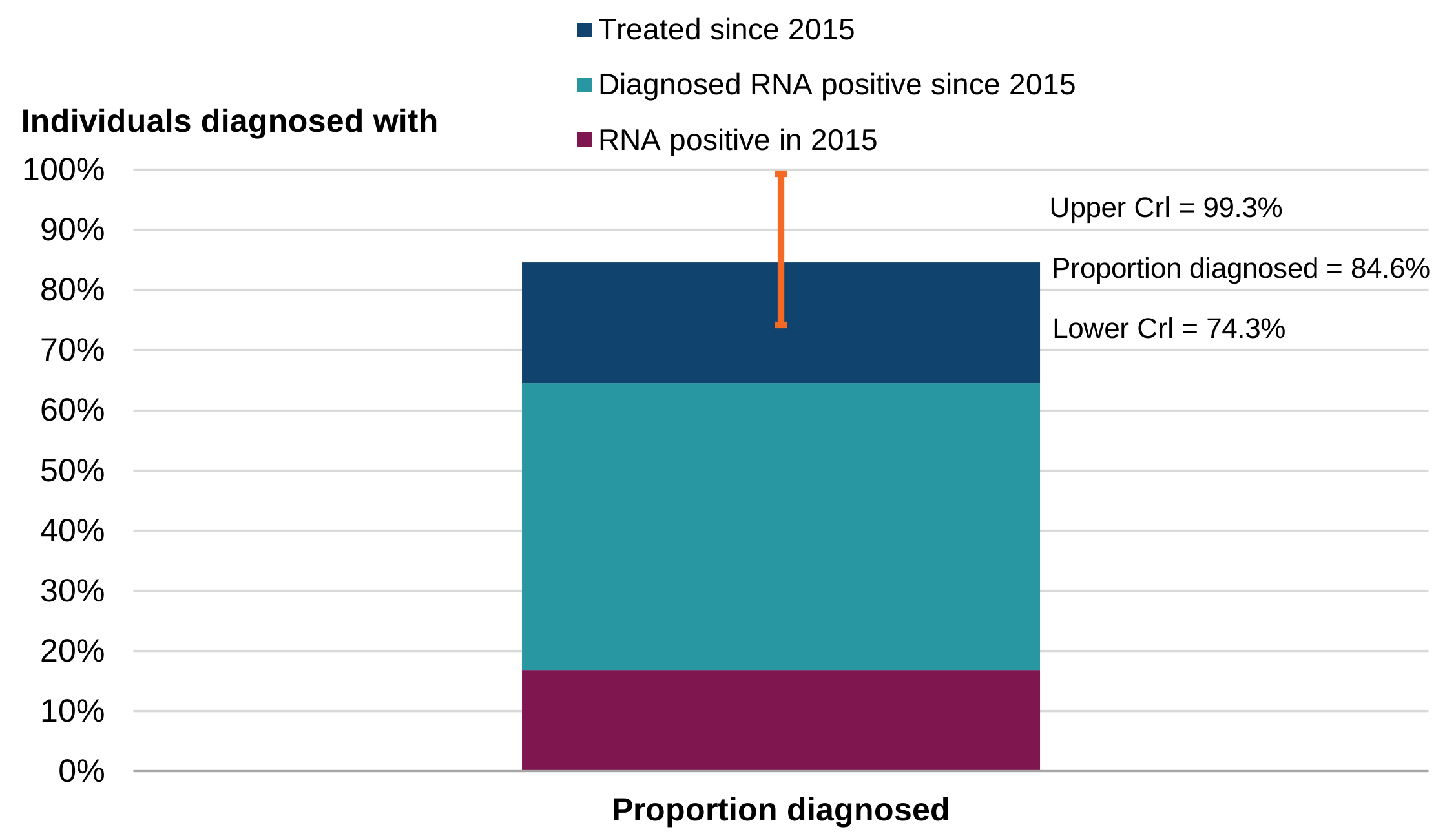
Sources: SSBBV, SGSS, NHSE Hepatitis C Patient Registry and Treatment Outcome System as of December 2025, NHSE’s Blueteq system as of December 2025.
Note 19: the numerator is the number of persons with chronic hepatitis C who were diagnosed between 2015 and 2024. The denominator is the estimated number of people living with chronic hepatitis C in 2015 (modelled estimate).
Note 20: people are excluded from the numerator if they did not have sufficient identifiers for linkage, if they were identified as RNA positive prior to 2015 but they had no evidence of a test or treatment from 2015 onwards, if they died prior to the baseline year, or if they had an RNA negative test before or during 2015 but a subsequent RNA positive test after 2015 indicative of a newly acquired infection (see Technical notes).
Awareness of hepatitis C virus infection in people who inject drugs
As more people are treated for their hepatitis C, the proportion of people who are aware of their infection should decrease as people who know about their infection are successfully treated. However, those who have not been tested or remain under-tested are less likely to be aware of their hepatitis C virus infection or reinfection. Therefore, data on awareness of infection is an indicator of unmet testing and treatment needs.
UAM Survey data can be used to assess the proportion of people who inject drugs who are aware that they are living with hepatitis C by comparing information obtained from dried blood spot (DBS) testing with self-reported questionnaire data on hepatitis C virus infection status (see Technical notes for further information). This data can be used to help focus initiatives to where they are most needed.
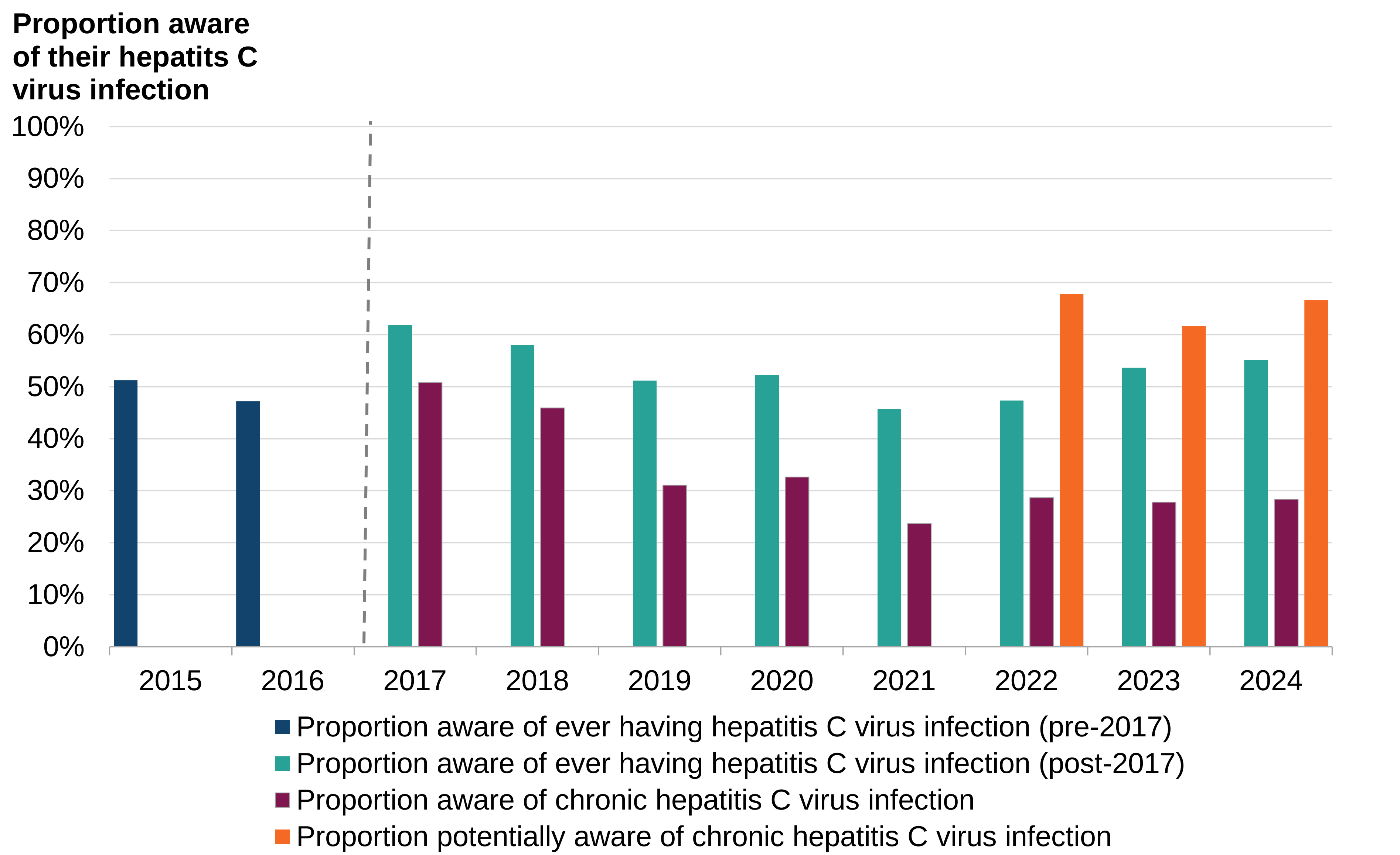
In 2024, 28.4% of people who reported injecting in the past year and who were living with chronic hepatitis C were aware of their infection at the time of completing the UAM Survey (Figure 10). This proportion is similar to that observed in 2022 and 2023 (28.7% and 27.8%) suggesting that the downward trend observed since 2017, when the proportion aware was 50.8%, has stabilised.
It is important to note that the proportion aware is likely an underestimate; as diagnostic hepatitis C virus testing is frequently offered by participating drug and alcohol services alongside the UAM Survey, respondents are likely to receive their diagnostic test results shortly after survey completion. In 2024, 53.4% of UAM Survey participants who were unaware they were living with chronic hepatitis reported accessing diagnostic hepatitis C virus or BBV testing at the time of completing the UAM Survey or that they were awaiting their test result. After accounting for this, the proportion of people who injected drugs in the last year who were potentially aware they were living with chronic hepatitis C was 66.7% in 2024. Therefore, 33.3% of people who had injected drugs in the last year remained potentially unaware of their status. This proportion has remained relatively stable in the last few years, suggesting that opportunities for testing and prompt diagnosis in this population remain.
Among people who remained potentially unaware, 73.1% reported injecting in the past 4 weeks, of whom 47.4% reported that they had never been tested or that their last hepatitis C virus test was more than 2 years ago. Most people who remained potentially unaware of their chronic infection reported that they had experienced homelessness in the last year (77.8%), which is higher than in 2023 (54.0%) but due to small numbers this should be interpreted with caution. A similar proportion to 2023 reported being in prison (19.0%) in the current or previous year, and all reported that they had accessed a health service within the past year. Therefore, testing for hepatitis C should be offered to people at ongoing risk of infection in line with national guidance.
Figure 10. Estimated proportion of people who inject drugs who test positive for hepatitis C virus who are aware of their infection in England, 2015 to 2024 [note 21][note 22][note 23][note 24]
Source: UAM Survey of people who inject drugs.
Note 21: due to a change in the questionnaire for 2017, completion of the self-reported status question was lower, resulting in a higher proportion of missing data in 2017 and 2018.
Note 22: data regarding awareness of hepatitis C virus RNA result, and therefore chronic infection status, is available for 2017 onwards due to changes in the UAM Survey questionnaire.
Note 23: during 2020 and 2021, recruitment to the UAM Survey was impacted by the COVID-19 pandemic. As a result, there were changes in the geographic and demographic profile of people taking part. This should be considered when interpreting data for these years. See Technical notes for further details.
Note 24: these figures are for people who had injected drugs in the last year and differ from those in the UAM data tables which refer to all people who inject drugs.
New laboratory-confirmed diagnoses of hepatitis C
New laboratory-confirmed diagnoses of hepatitis C are reports received via laboratories of new diagnoses of confirmed past or current hepatitis C virus infection from SGSS. The data has been de-duplicated to include the earliest diagnosis per person (where sufficient identifiers are available). Therefore, reinfections are not included. Data on point of care testing is included where available, but it should be noted that this information is not fully captured through laboratory surveillance.
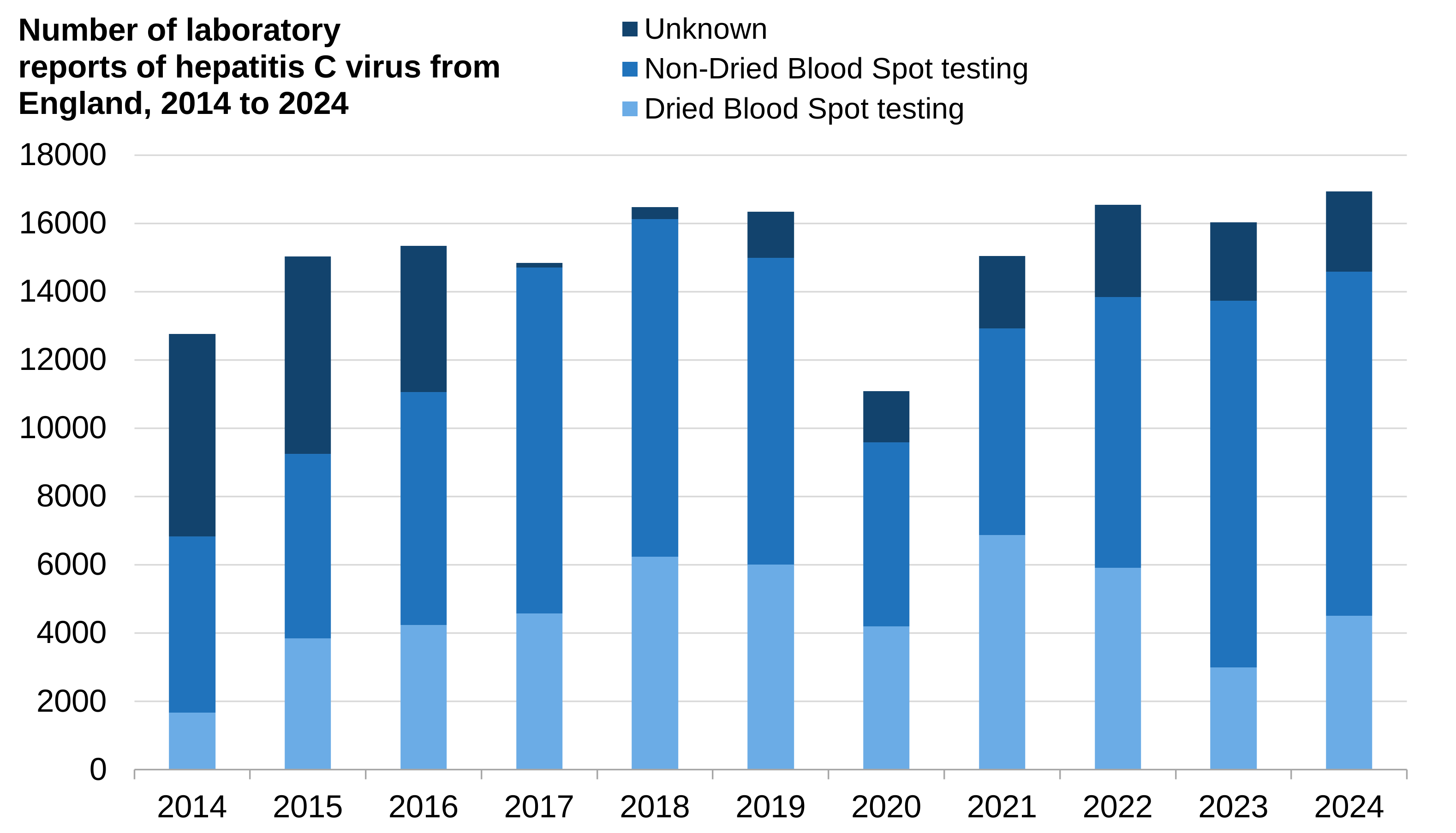
In 2024, there were 16,940 new laboratory-confirmed diagnoses of hepatitis C in England. This number has remained relatively stable between 2015 and 2024, apart from a 32.2% decrease between 2019 and 2020, likely due to reduced testing during COVID-19 pandemic restrictions (Figure 11).
In 2024, including diagnoses where the sample type was unknown, 26.6% of all diagnoses were from DBS samples. The proportion of diagnoses that were from DBS samples was lower in 2023 (18.7%) and 2024 compared to preceding years (2018 to 2022 were all above 35%). Point of care tests may be included across all sample type categories.
In 2024, of all laboratory reports, 78.9% reported sex and 97.9% reported age. Where reported, over two-thirds of new diagnoses (66.9%) were in men, a similar proportion to that reported in previous years.
The most common age group for new diagnoses in 2024 was people aged 35 to 49 years, comprising 43.0% of new diagnoses, where age was known. Median age at diagnosis has increased from 42 years in 2019 to 46 years in 2024.
In 2024, setting of diagnosis was known for 93.6% of new diagnoses. Where known, 34.7% of new diagnoses were in hospital (excluding EDs), 31.7% were in drug services, 13.3% were in general practices (GPs), 6.2% were in EDs, 5.0% were in prisons or places of detention, 4.5% were in sexual health, and 2.2% were in community settings. This distribution is overall similar to previous years, with a small increase in the proportion of new diagnoses that were made in EDs, and small decreases in the proportions of new diagnoses that were in made in prisons or sexual health settings compared to previous years.
Although the data has been de-duplicated to prevent people being counted more than once, the quality of reports is such that linking is unlikely to be complete. As such, a proportion of the laboratory-confirmed diagnoses may be misclassified as new because identifiers are inadequate to link to previous positive test results for the same person (see Technical notes for further information). Data presented in this report for new hepatitis C diagnoses includes all ED sites and differs to those published in the 33-month public health evaluation of BBV opt-out testing in EDs in England.
Figure 11. Number of new laboratory-confirmed diagnoses of hepatitis C in England, 2014 to 2024 [note 25]
Source: SGSS.
Note 25: positive diagnoses for antibody to hepatitis C virus and/or hepatitis C virus RNA.
Testing and positivity
Data from SSBBV testing provides information on testing activity and positivity, which is used to understand who is being tested, from which service type, and how this has changed over time. SSBBV is a sub-national, voluntary surveillance system that currently represents around 45% of the GP-registered population in England and does not capture testing from all geographical areas or settings (see Technical notes).
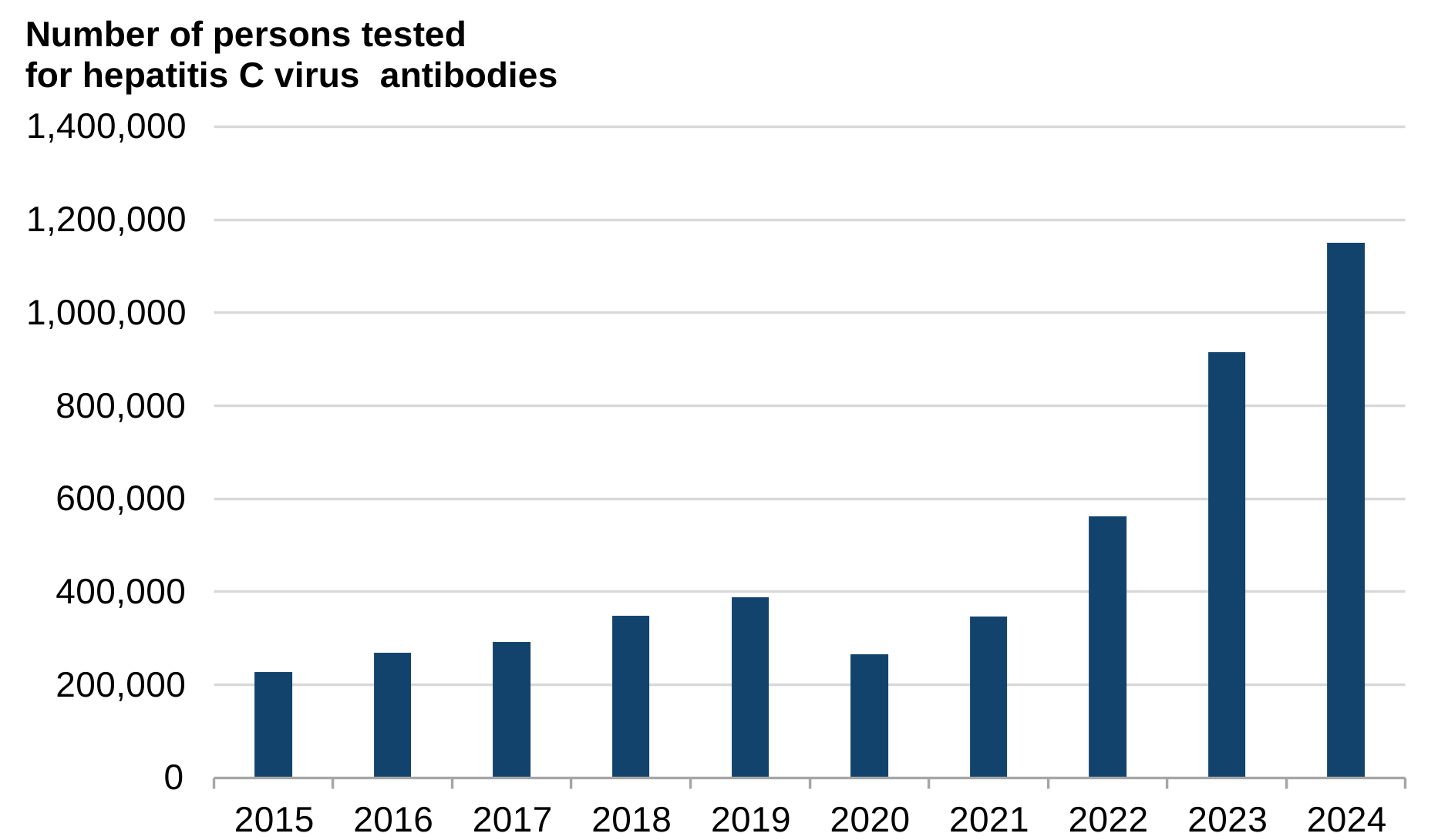
Routine testing usually starts with the detection of antibodies to hepatitis C virus. Antibodies are a marker of past or current infection with hepatitis C virus and identify whether an individual has ever been exposed to the virus. Overall, there has been an increase in the number of people tested since 2015, with a marked increase observed from 2022 onwards (Figure 12). In 2024, 1,149,711 people were tested for antibodies to hepatitis C virus. The increase in the number of people tested in recent years likely reflects the scale up of initiatives designed to increase awareness and the number of people diagnosed, the largest of which is the ED opt-out testing programme. In 2024, 1,149,711 people were tested for antibodies to hepatitis C virus, of which half were in EDs (50.0%).
Figure 12. Number of people tested for antibodies to hepatitis C virus by year, 2015 to 2024 [note 26] [note 27] [note 28]
Source: SSBBV.
Note 26: excludes reference testing and children aged less than one year.
Note 27: only tests undertaken at sites that have consistently reported to SSBBV over time were included to account for any artificial increases or decreases in testing (35 sentinel laboratories, available from 2015 (see Technical notes).
Note 28: counts of the number of people tested for antibodies include all tests until a positive test result is reported; no tests are counted after a positive test. A person is counted once per year but may contribute to the denominator for multiple years. It is not possible to identify if a person has had a test outside of SSBBV.
If a positive antibody test result is returned, hepatitis C virus RNA or core antigen testing is performed to identify whether someone is currently living with the virus and needs to be linked to care for curative treatment. This test is usually performed on the same sample, known as reflex testing. In some settings, hepatitis C virus RNA or core antigen testing may be performed as a first-line test without prior antibody testing (see Technical notes).
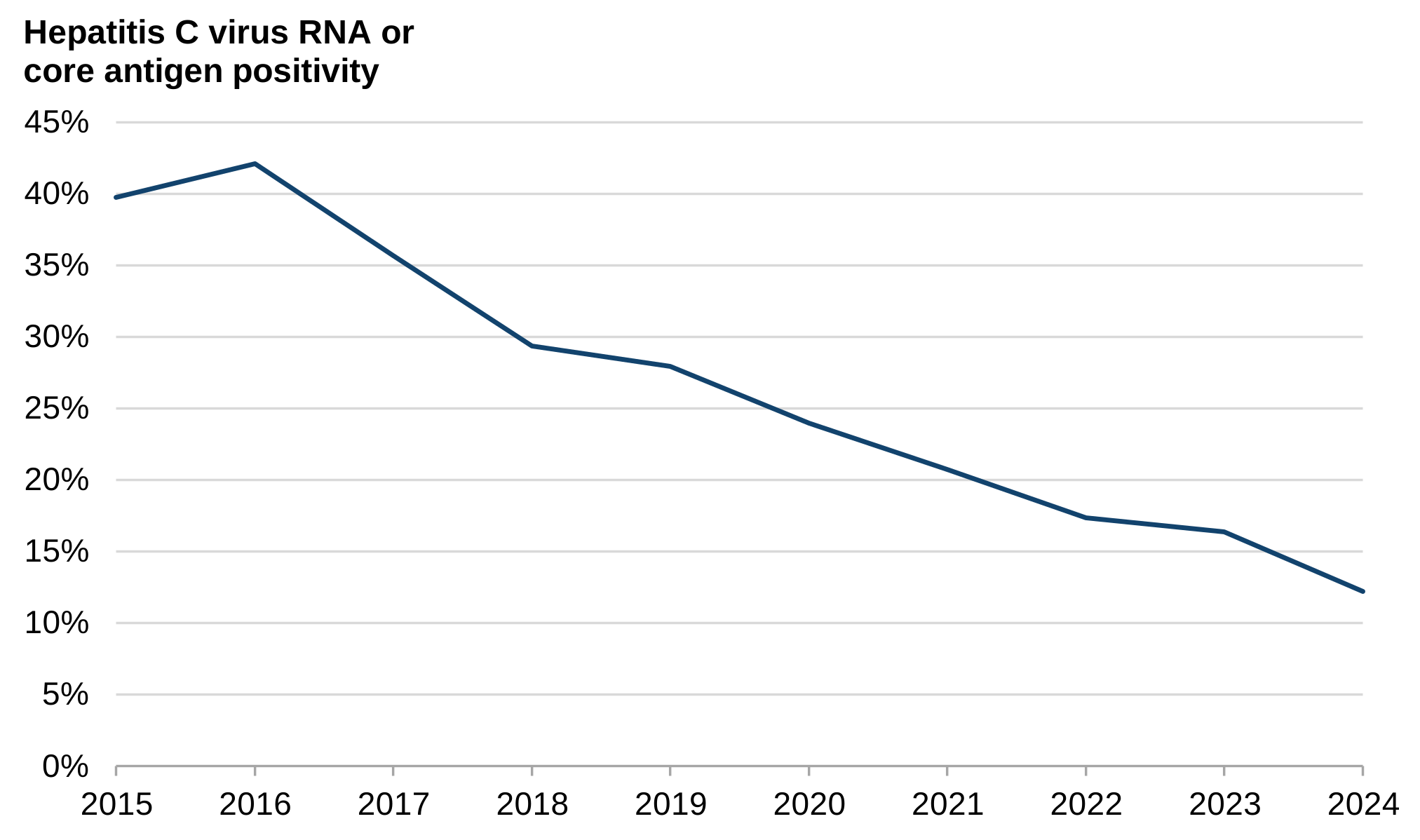
Among all people tested for hepatitis C virus RNA or core antigen (regardless of antibody testing), the percentage of tests that were positive for chronic hepatitis C has fallen over time from a peak of 42.1% in 2016 to 12.2% in 2024 (Figure 13). The decline in test positivity has been observed across all settings. There are likely several reasons for this. Firstly, the overall decline in chronic hepatitis C prevalence. Secondly, the scale-up of testing initiatives to include a wider population of people at lower risk of infection. Thirdly, re-testing of people who are antibody positive but have cleared the virus. Finally, changes in testing practices in some settings to offer RNA or core antigen testing as a first-line test. Data presented for test positivity are deduplicated to include one test per person each year, with a positive test result taken over a negative test result in each year.
Figure 13. Percentage of positive tests among people tested for hepatitis C virus RNA or core antigen by year, 2015 to 2024 [note 29][note 30][note 31]
Source: SSBBV.
Note 29: includes front-line and reference testing and excludes children aged one year and under.
Note 30: data presented for test positivity is deduplicated to include one test per person each year, with a positive test result taken over a negative test result in each year.
Note 31: positivity is based on the first positive test within SSBBV, it is not possible to identify whether the person has had a previous test outside of SSBBV.
Among all people who had a test for hepatitis C in 2024 (antibody and/or RNA or core antigen test), the absolute number of people newly diagnosed was highest in hospital settings (excluding ED), and in drug and alcohol services. Positivity was highest in drug and alcohol services, and in prison settings. The number of people who needed to be tested to newly diagnose one person living with chronic hepatitis C was lowest in drug services (37) and prisons (64), and highest in EDs (1,298) (Table 2). It should be noted that some people may have been newly diagnosed prior to a new positive test being identified in SSBBV (see Technical notes).
These findings partly reflect differences in testing approaches, for instance opt-out versus risk-based testing, as well as differences in the characteristics of people tested across settings. While the number of people who needed to be tested was highest in EDs, this approach likely reaches people who may not access, or be offered, testing, in other settings. However, testing needs to be sustained in drug services and prisons, where the higher positivity and lower number needed to test reflects greater efficiency (and yield) in newly diagnosing people with hepatitis C. A combination testing approach will be needed as England moves closer to elimination.
Table 2. Number of people who needed to be tested to newly diagnose one person living with chronic hepatitis C, by setting, 2024 [note 32] [note 33] [note 34]
| Setting of testing | Number of people tested | Number of people newly diagnosed | Positivity | Number needed to test |
|---|---|---|---|---|
| GP | 209,126 | 539 | 0.3% | 388 |
| Drug services | 62,385 | 1,690 | 2.7% | 37 |
| Sexual health service | 90,834 | 147 | 0.2% | 618 |
| Prison service | 35,377 | 556 | 1.6% | 64 |
| ED | 796,714 | 614 | 0.1% | 1,298 |
| Hospital | 389,941 | 1,782 | 0.5% | 219 |
Source: SSBBV.
Note 32: data includes the number of people who had a hepatitis C test (antibody and/or RNA or antigen test). It is not possible to identify if a person has had a test outside of SSBBV.
Note 33: the number of people newly diagnosed is based on their first RNA or core antigen test in SSBBV; reinfections are excluded.
Note 34: community outreach testing is not presented as not all negative tests are captured through routine surveillance.
Late diagnoses
The best health outcomes are obtained by those who are diagnosed early and given prompt access to hepatitis C treatment as the virus can be cleared before causing serious liver damage.
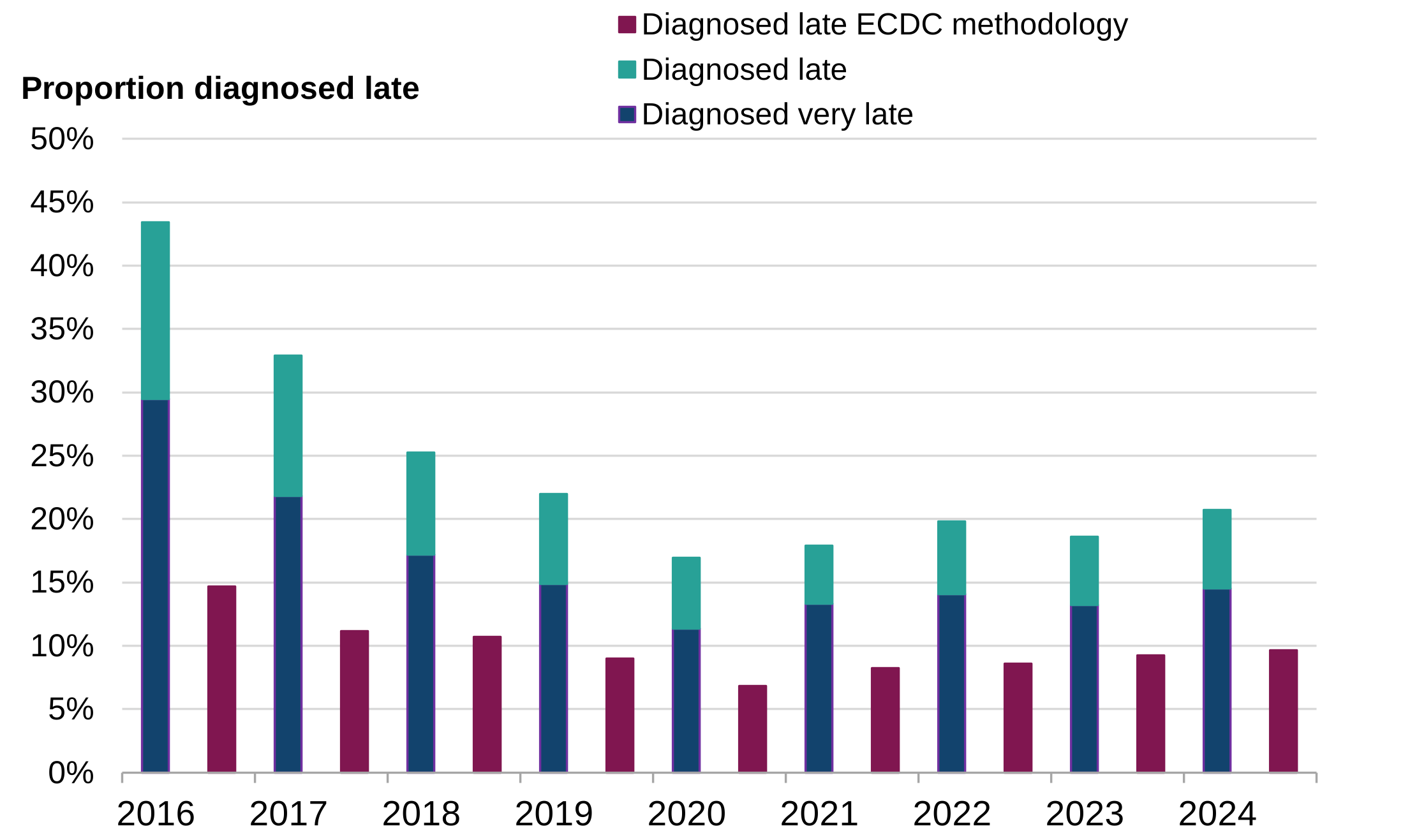
We define late hepatitis C diagnosis as presentation with at least moderate fibrosis, HCC, and/or a FibroScan result of 10kPa or over within 3 years of an individual’s first hepatitis C diagnosis, and very late diagnosis as at least compensated cirrhosis, HCC, and/or a FibroScan result of 15kPa or over within 3 years of an individual’s first hepatitis C diagnosis.
Late‑stage disease was defined using a combination of FibroScan scores, evidence of HCC or cirrhosis recorded in the NHSE Hepatitis C Patient Registry and Treatment Outcome System. Disease stage reported through this system was assumed to correspond to the earliest date of either the first multidisciplinary team (MDT) assessment or treatment initiation. Date of diagnosis was used to determine disease stage at first diagnosis, with individuals diagnosed 3 or more years before MDT assessment or treatment initiation excluded. As disease progression in chronic hepatitis is typically slow, identifying advanced fibrosis or cirrhosis within 3 years of an individual’s first recorded diagnosis is likely to reflect the disease stage present at diagnosis rather than rapid progression afterwards. The three‑year window also represents a point at which delays in treatment may reduce its effectiveness, making it a meaningful threshold for identifying late diagnosis.
Data presented on very late diagnosis is a subset of individuals diagnosed late. For comparison, data is also presented using the European Centre for Disease Prevention and Control (ECDC) definition of late diagnosis, which includes anyone with past or present decompensated cirrhosis and/or HCC at diagnosis of hepatitis C virus. Further details can be found in the Technical notes.
Of individuals reported through the NHSE Hepatitis C Patient Registry and Treatment Outcome System and NHSE’s Blueteq System, 78,108 had their first recorded MDT or treatment initiation between 2016 and 2024. Among individuals with a date of diagnosis reported (76,431; 97.9%), 40,254 (52.7%) had their first MDT or treatment date within 3 years of diagnosis, and all had a FibroScan score, disease stage and/or assessment for HCC at the time of treatment.
Of the 40,254 individuals, 9,665 (24.0%) were defined as being diagnosed late, of which 6,653 (68.8%) were defined as very late. The proportion of people diagnosed late showed a decreasing trend from 43.4% in 2016 to 16.9% in 2020, which then stabilised and was 20.7% in 2024 (Figure 14). Using the ECDC definition, 9.7% (3,922 out of 40,254) of people were diagnosed late with hepatitis C between 2016 and 2024, with the data showing a similar trend overtime when compared to the UKHSA definition.
Figure 14. Proportion of people diagnosed with hepatitis C virus who were diagnosed late or very late in England, 2016 to 2024 [note 35]
Sources: SGSS, NHSE Hepatitis C Patient Registry and Treatment Outcome System.
Note 35: data presented on very late diagnosis is a subset of individuals diagnosed late.
Between 2016 and 2024, there was no difference in the proportion diagnosed late between men (24.3% out of 6,956 out of 28,571) and women (24.0%; 2,637 out of 11,009), with the proportion diagnosed late increasing with age, and by indices of deprivation with individuals living in the least deprived areas having the highest proportion of late diagnosis (see Technical notes). By ethnic group, individuals of Asian ethnicity had the highest proportion diagnosed late (35.8%; 301 out of 961), followed by Other ethnicity (27.6%; 77 out of 201), and the proportion diagnosed late was highest in individuals born outside of the UK (29.1%; 2,709 out of 9,297) compared with individuals born in the UK (21.7%; 5,360 out of 24,680), highest among individuals born in Asia (35.0%; 1,105 out of 3,155). Late diagnoses was highest among individuals who have never injected drugs (31.9%; 3,361 out of 10,549), followed by individuals reporting a history of injecting (28.2%; 2,390 out of 8,474), compared to individuals currently injecting (12.1%; 1,493 out of 12,331).
A similar pattern was observed for the characteristics of people diagnosed very late, and for those diagnosed late using the ECDC definition (see data tables). Further work is ongoing to explore the characteristics of people diagnosed late compared to all people who initiated treatment to understand whether there are inequalities associated with prompt diagnosis and linkage to care.
Monitoring access to hepatitis C treatment
The WHO elimination target for treatment coverage is equal to or greater than 80%. Treatment coverage is defined as the proportion of individuals living with diagnosed chronic hepatitis C who initiated treatment during a specified time frame.
In England, hepatitis C testing and treatment data has been used to follow individuals through the care pathway. This data is used to monitor progress towards the WHO target and to identify gaps in care and/or monitoring. Further details are available in the Technical notes. Note that the methodology used for the denominator for the care pathway is different to that used for the numerator for the proportion diagnosed due to differences in the methods used to obtain each of these numbers. Further details are provided in the Technical notes.
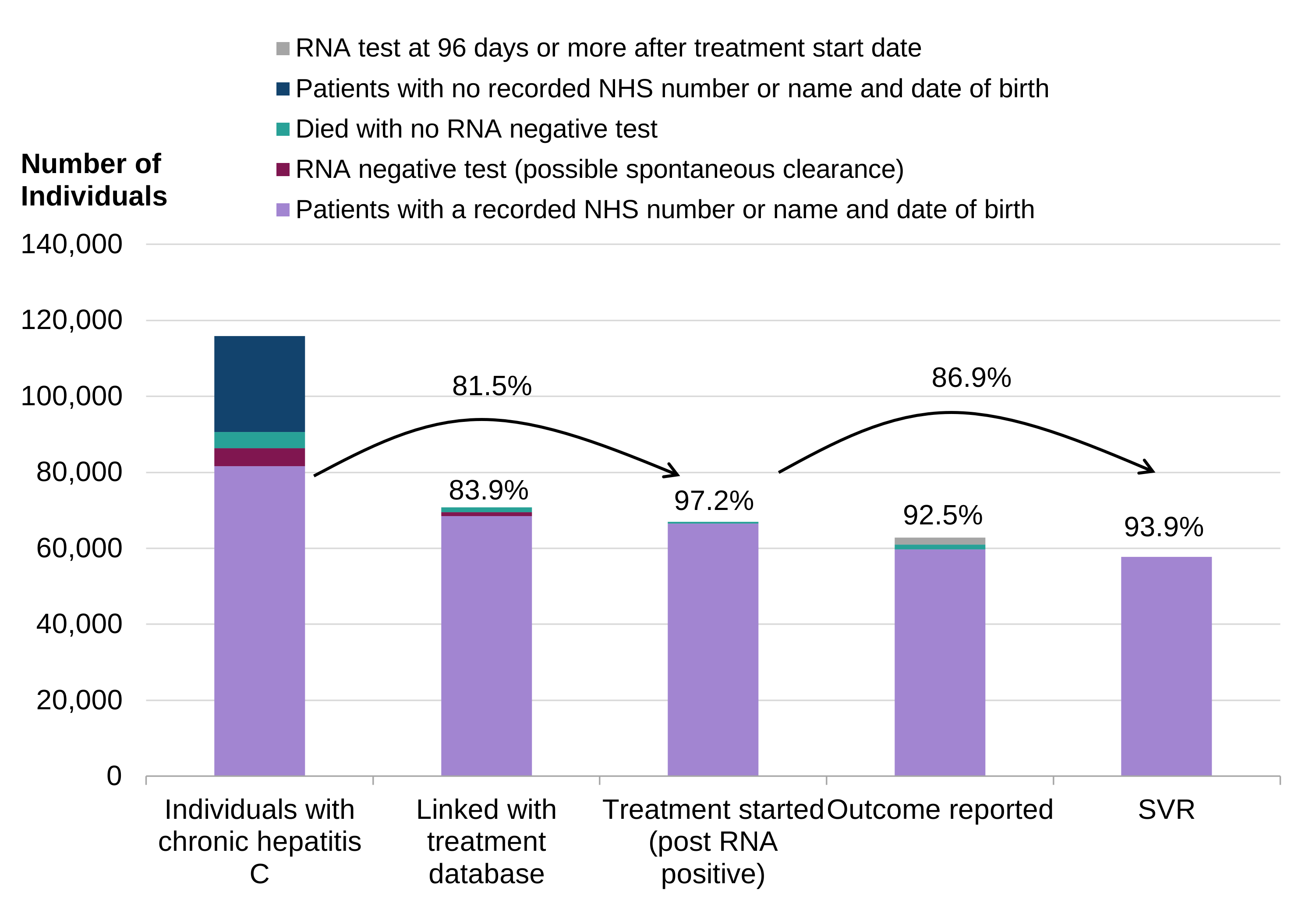
Between 2015 and 2024, 115,870 people had a hepatitis C virus RNA or core antigen positive test result reported in SSBBV. Among people who had a recorded NHS number or name and date of birth (DOB) available for linkage, who had not died and who had no evidence of spontaneous clearance (81,642), 83.9% were linked to treatment and of these, 97.2% started treatment (Figure 15). People were considered to be linked to treatment if they appeared in the NHSE Hepatitis C Patient Registry and Treatment Outcome System or NHSE’s Blueteq system.
When considered as a proportion of all people who tested positive for hepatitis C virus RNA or core antigen (and had a recorded NHS number or name and DOB, who had not died and with no evidence of spontaneous clearance), the proportion who were recorded as having initiated treatment was 81.5%. This indicates that England has now achieved the WHO target for treatment coverage. This proportion is similar to the figures reported for people diagnosed through the ED opt-out testing programme, where 81.3% of people diagnosed were linked to care and started treatment.
A recorded treatment outcome and/or a hepatitis C virus RNA or core antigen test 96 days or more after the treatment start date (used in the absence of a reported SVR) was available for 92.5% of individuals who started treatment. Of these people, 93.9% cleared hepatitis C virus infection and/or had a negative test result. When considering all people who initiated treatment, 86.9% had evidence of SVR (either recorded or defined by a negative hepatitis C virus RNA or core antigen test 96 days or more after the treatment start date). This proportion is higher compared to people tested through the ED opt-out testing programme (55.4%), although this may be because some people diagnosed through the ED programme did not have evidence of a test to confirm clearance at the time of conducting the evaluation.
Figure 15. Treatment pathway in England, 2015 to 2024 [note 36][note 37][note 38]
Sources: SSBBV, NHSE Hepatitis C Patient Registry and Treatment Outcome System as of December 2025, NHSE’s Blueteq system as of December 2025.
Note 36: the total number of individuals diagnosed with chronic hepatitis C is based on the first hepatitis C virus RNA or core antigen positive test reported through SSBBV during the period 2015 to 2024.
Note 37: in individuals testing hepatitis C virus RNA or core antigen positive with no linkage to the Hepatitis C Patient Registry and Treatment Outcome System or NHSE’s Blueteq System, there are no time restrictions on a subsequent RNA or core antigen negative test after the initial RNA or core antigen positive test. Therefore, these individuals may include those that have spontaneous clearance of their infection or individuals who have cleared infection as a result of treatment but were not linked to the NHSE Hepatitis C Patient Registry and Treatment Outcome System or NHSE’s Blueteq System.
Note 38: further information and definitions are available in the Technical notes
A separate analysis was conducted to look at treatment initiation among people identified as having a hepatitis C reinfection (see Reinfections section and Technical notes for definitions). Among 4,452 people with a hepatitis C reinfection, there were 2,960 (66.4%) who started treatment and 2,197 (74.7%) of these had evidence of SVR.
Since 2019, the Antiviral Unit at UKHSA has offered hepatitis C virus Whole Genome Sequencing (WGS) as a clinical service. This determines the hepatitis C virus genotype and/or subtype and resistance pattern for the 3 hepatitis C virus DAA drug classes (NS3, NS5A and NS5B inhibitors). Data on resistance to DAAs shows that among people who have not received treatment before, 4% of subtype 1a samples in 2024 were resistant to NS5A inhibitors, the most common class of DAA drugs. This proportion has declined over time, from 18% in 2020. Among treatment-experienced individuals, the percentage with NS5A resistance in subtype 1a in 2024 was 61%. This has remained high over the 5-year period (2020 to 2024) fluctuating between 44% in 2022 to 65% in 2020. In addition, some endemic hepatitis C virus subtypes that are prevalent in Asia and sub-Saharan Africa show inherent resistance to some DAAs. In 2024, UKHSA expanded genomic surveillance for hepatitis C virus aiming to monitor drug resistance, treatment outcomes and to support the detection of outbreaks.
Number of treatment initiations
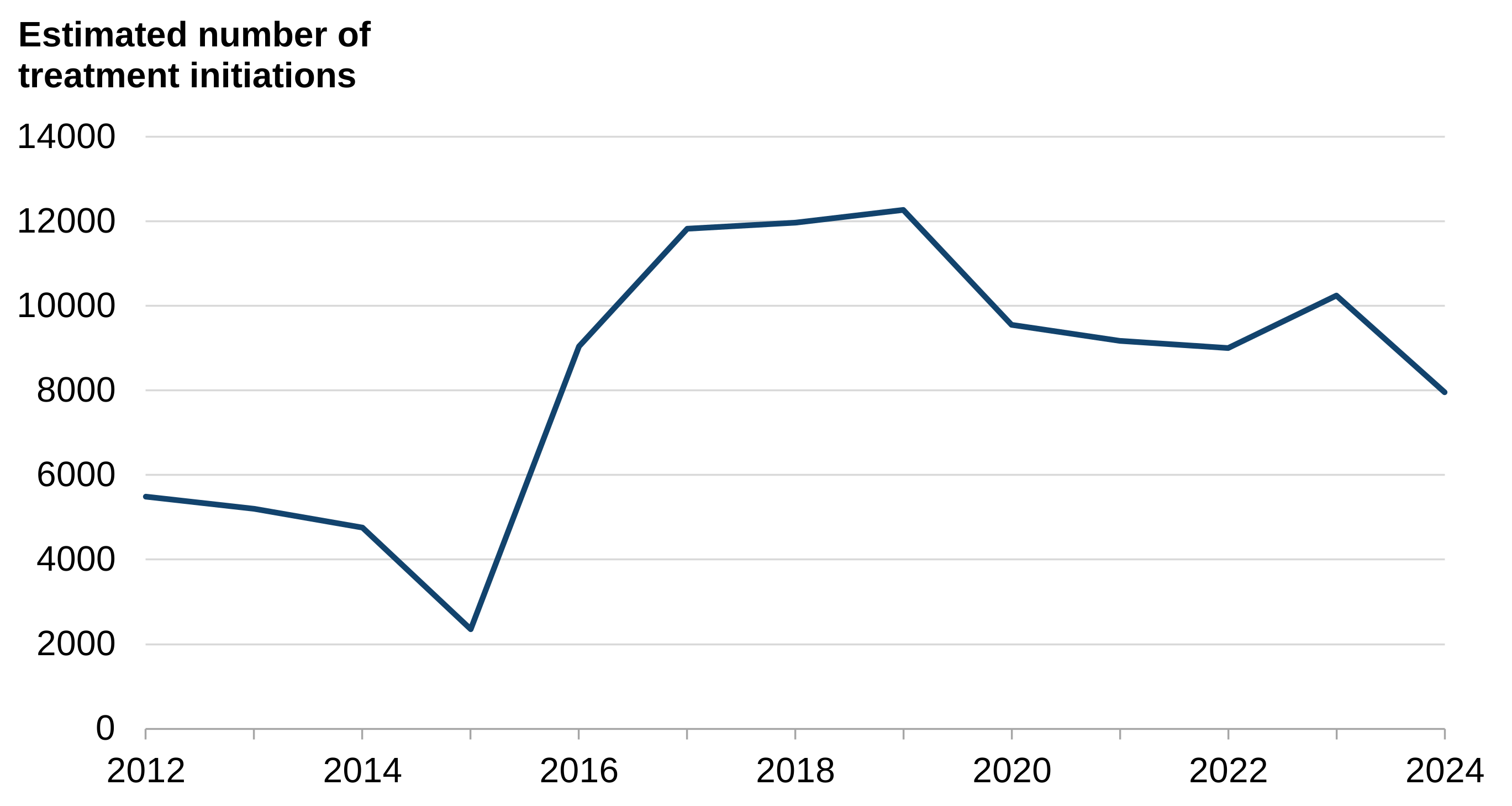
NHSE commissioning data shows an increase in the number of people accessing hepatitis C treatment from 2015 to 2019 reflecting the increase in access to new DAA drugs in England (Figure 16). After a peak in 2019, when there were 12,276 treatment initiations, the number initiating treatment each year has declined, with 2024 showing the lowest number of treatment initiations since 2015 at 7,963. This is likely due to the overall decline in the prevalence of chronic hepatitis C, resulting in fewer people remaining who need treatment and increased efforts to find and engage in treatment those who are still living with chronic infection. Overall, the cumulative number of treatment initiations since 2015 was 93,339.
The number of treatment initiations from 2015 onwards from NHE’s Blueteq system is based on invoicing and is subject to data quality issues and contract adjustments. The data includes treatment for every new diagnosis of hepatitis C, including some people who were previously treated and subsequently experienced a reinfection. Treatment initiations for people who have initially failed a first course of treatment are excluded.
Figure 16. Number of treatment initiations for hepatitis C in England, 2012 to 2024
Sources: NHSE’s Blueteq system for 2015 to 2024: the data is based on invoicing and is subject to data quality issues and contract adjustments. SSBBV for scaled estimates for the period 2012 to 2014.
Prevention of infection including adequate harm reduction in people who inject drugs
Measures to prevent transmission of hepatitis C virus are cornerstone public health actions to eliminate hepatitis C as a public health threat in England.
Harm reduction interventions such as sterile injecting equipment and OAT for people who inject drugs are important to prevent and reduce the risk of transmission of hepatitis C virus and reduce the risk of reinfection following treatment. In 2021, the independent review of drugs reported that harm reduction services, including specialist needle and syringe programmes (NSP), had been cut back in many local areas. In response, the UK Government’s 10-year Drug Strategy outlined additional funding for harm reduction services to improve the lives of people who inject drugs. As part of the public health ring-fenced grant, local authorities receive funding to provide a range of preventative and treatment services, including drug and alcohol services. Since 2022, additional funding has also been allocated to local authorities to help them improve their drug and alcohol treatment and recovery systems, including NSP. However, decisions on how the funds are used are made locally based on population need. In addition, there is currently no centralised system to monitor needle and syringe provision.
The WHO target for harm reduction is at least 300 needles and syringes to be distributed per person who injects drugs per year. This should be calculated using programmatic data on needle and syringe distribution, divided by the total population of people who inject drugs. The estimate should include secondary distribution (that is the collection of equipment for others). Where this target cannot be demonstrated or fully documented, an alternative is to demonstrate that greater than or equal to 40% of people who inject drugs who are dependent on opioids are receiving OAT. Monitoring both targets is important, as evidence suggests that NSP and OAT combined is more effective at reducing the risk of acquiring hepatitis C virus infection.
Other WHO programmatic targets focus on preventing incident infections in healthcare settings and among people receiving blood products. For blood safety, the target is for 100% of donated blood to be screened for BBV infections (hepatitis B virus, hepatitis C virus, HIV and syphilis). The WHO target for safe injections assesses the implementation of policies which are in place to ensure healthcare facilities provide safe injections. The target is for 100% of injections to be given using new or non-reusable sterile syringes, to be measured using healthcare facility or population-level surveys. Where this cannot be measured or documented, the alternative WHO target requires 90% of healthcare injection devices procured to be safety-engineered. Safety-engineered injection devices are those with a sharps injury protection (SIP) or reuse prevention (RUP) feature.
Harm reduction in people who inject drugs
Needle and syringe provision
In the absence of programmatic data on needle and syringe distribution in England, data from the UAM Survey can be used to estimate the number of needles collected per person per year. The data provides an alternative measure of needle and syringe provision among UAM Survey participants who reported injecting in the past year. This approach uses UAM Survey data on needle exchange use in the last year, visits to a needle exchange per month, number of needles collected per visit and the collection of needles for others. This information is then extrapolated to provide the number of needles collected per person per year (see Technical notes).
Among all UAM Survey participants who injected in the last year (including people who did not access needle exchange services), and including secondary distribution, the median number of needles collected per person was 240 in 2024 (provisional estimate). While this alternative measure of needle and syringe provision can be used to assess progress towards the WHO target, it is important to note that it measures provision among a sample of people who reported injecting psychoactive drugs in the past year and is not fully comparable to the WHO definition. In addition, the estimate assumes that any secondary distribution occurs within the UAM Survey population represented in the denominator and therefore does not account for any secondary distribution within the wider population of people who inject drugs. Other approaches to estimating provision among UAM Survey participants are being explored by adapting the inclusion and exclusion criteria (see Technical notes). Further work will also explore how this estimate of needle and syringe provision has changed over time.
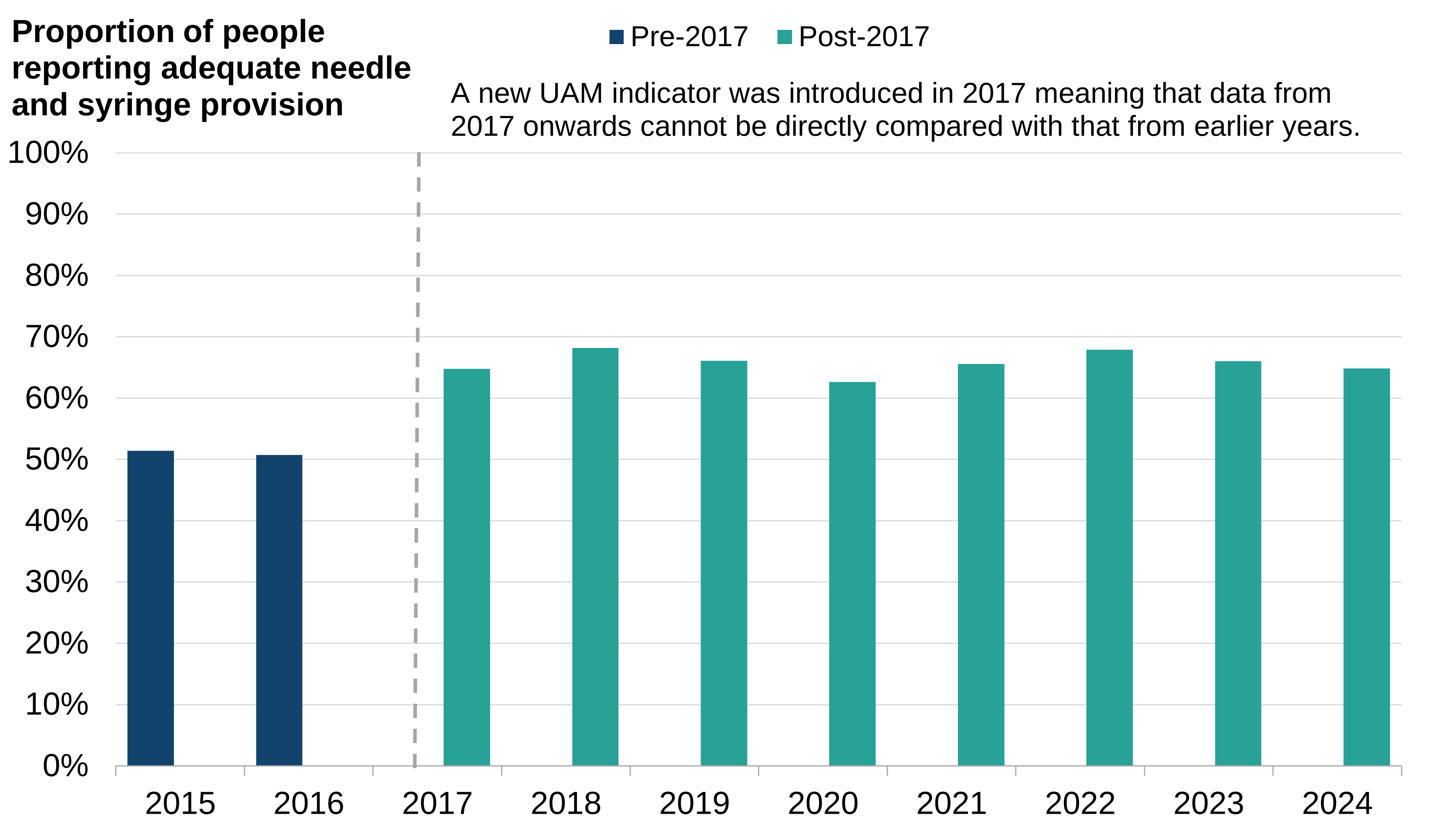
In addition to monitoring progress towards the WHO target, data from the UAM Survey can be used to provide an indication of the adequacy of needle and syringe provision in relation to injecting needs. Provision is considered ‘adequate’ when the reported number of needles and syringes an individual collected for themselves (excluding collection for others) met or exceeded the number of times the individual injected (see Technical notes).
In 2024, 64.9% of people who injected drugs in the past year reported having adequate needles and syringes for their needs (Figure 17). This figure is similar to previous years and highlights that 1 in 3 people continue to report inadequate needles and syringes for their needs.
Figure 17. Estimated proportion of people who inject drugs reporting adequate needle and syringe provision in England, 2015 to 2024 [note 39][note 40][note 41]
Source: UAM Survey of people who inject drugs.
Note 39: a new UAM indicator was introduced in 2017 meaning that data from 2017 onwards cannot be directly compared with that from earlier years
Note 40: needle and syringe provision is considered ‘adequate’ when the reported number of needles received met or exceeded the number of times the individual reported injecting in the past month.
Note 41: during 2020 and 2021, recruitment to the UAM Survey was impacted by the COVID-19 pandemic. As a result, there were changes in the geographic and demographic profile of people taking part. This should be taken into account when interpreting data for these years.
Coverage of OAT
The WHO target for at least 40% of people who currently inject drugs who are dependent on opioids to be receiving OAT by 2030 is still being met in England (70.5% in tax year 2022 to 2023). This figure was calculated by comparing the most recent opiate use prevalence estimates (tax year 2022 to 2023, published in 2025 by DHSC and UKHSA), with 2022 to 2023 data from DHSC’s National Drug Treatment Monitoring System on the interventions received by people in drug treatment. For further information on the methodology, see Technical notes section.
Safety-engineered healthcare injection devices
The UK adheres to the 2010/32/EU Directive for the prevention of sharps injuries in the hospital and healthcare setting, by using safety engineered devices. The Directive means that healthcare organisations must use safety engineered devices where it is reasonably practicable to do so.
Procurement data from NHS Supply Chain can be used to provide an estimate of the proportion of healthcare injection devices purchased that are safety-engineered. To calculate this estimate, sharps have been defined as per the NHS Supply Chain framework for Syringes, Needles and Associated Products, Intravenous Cannulas and Associated products and Blood Collection Systems. Safety engineered sharps are defined as products that have a safety device which meets the 2010/32/EU Directive (that is those with SIP or RUP features).
In England, the proportion of sharps purchased by NHS Supply Chain that were safety-engineered increased from 57.9% in 2015 to 84.5% in 2021, after which the proportion has remained stable (85.0% in 2024) (Figure 18a). The overall number of sharps purchased that were safety engineered has increased by 68.9% between 2015 and 2024 (Figure 18b).
The purchase of non-safety engineered sharps may be necessary if suitable safety devices are not available, such as spinal and epidural needles, biopsy needles and intraosseous access needles. In some cases, non-safety devices may also be purchased if there is a clear clinical reason why a safety engineered device cannot be used, for instance, the device may compromise patient care. Supply chain disruptions (for example, during the COVID-19 pandemic) may also impact on number and proportion of safety engineered devices purchased.
Figures 18a and 18b. Number and proportion of sharps purchased that were safety engineered [note 42] by year in England, 2015 to 2024
Figure 18a.
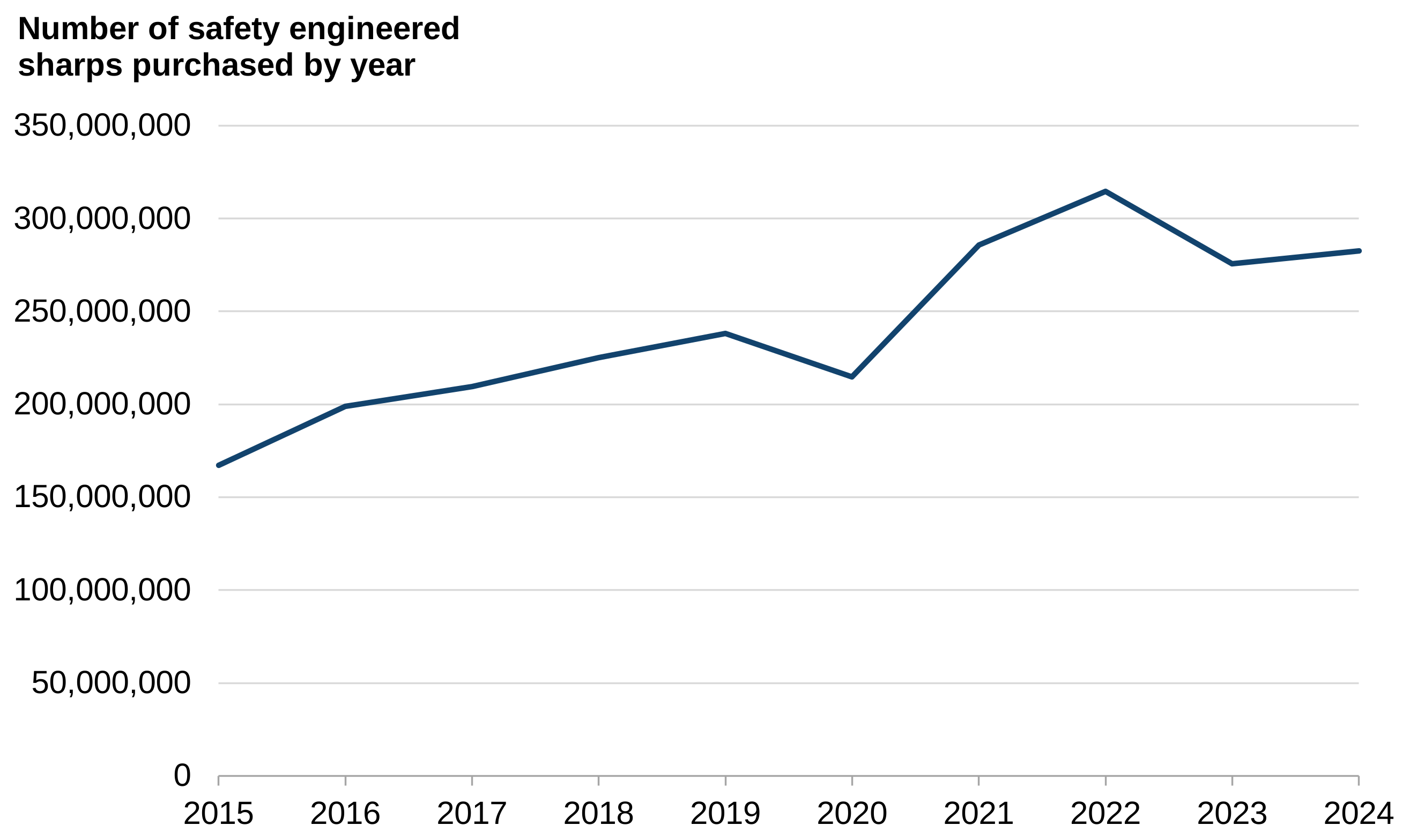
Figure 18b.
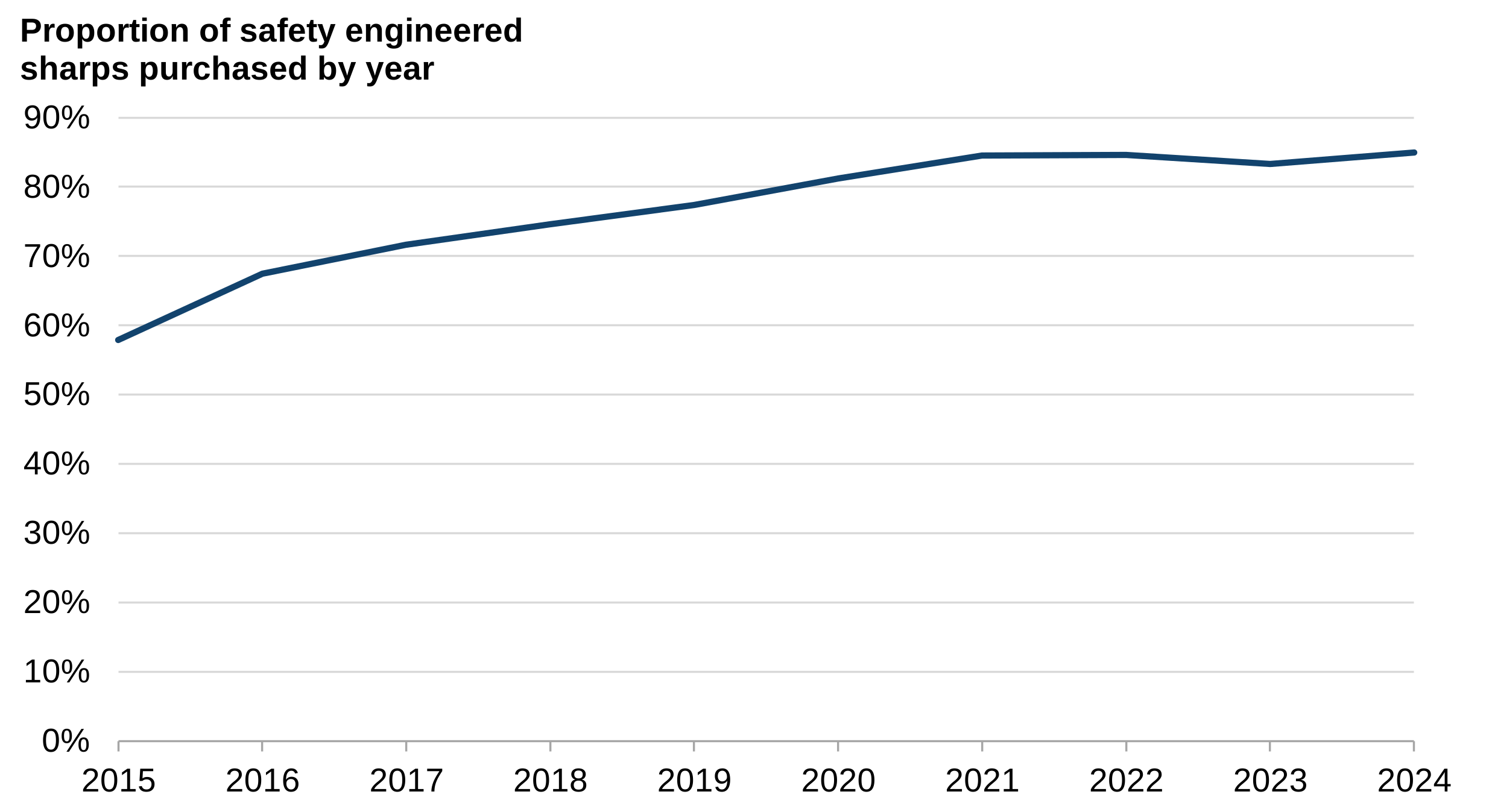
Source: NHS Supply Chain [note 43].
Note 42: a ‘safety engineered sharp’ is defined as all products purchased that have a safety device which meets the 2010/32/EU Directive. Safety-engineered injection devices are those with a SIP or the use of injection devices with a RUP.
Note 43: data from NHS Supply Chain which has over 90% market share of purchasing syringes, needles and associated products, intravenous cannulas and associated products and blood collection systems for secondary care settings. The market share in primary care settings and in private healthcare is not known.
Screening of blood donations
In line with the WHO action framework to advance universal access to safe, effective and quality assured blood products, the UK blood services including NHSBT in England, operate under the legal requirements of The Blood Safety and Quality Regulations 2005, regulated by the Medicines and Healthcare products Regulatory Agency. Ongoing blood safety is guided by the Joint UK Blood Transfusion and Tissue Transplantation Services Professional Advisory Committee (JPAC) and the Advisory Committee on the Safety of Blood, Tissues and Organs (SaBTO) (see Position Statement on the Relationship between JPAC and SaBTO).
Blood donors are unpaid volunteers aged 17 years and over. They are a group at lower risk of BBV infections compared to the general population because some people with a history of associated risk factors are asked not to give blood. All donations are screened individually for hepatitis C virus antibody, and nucleic acid testing (NAT) for hepatitis C virus RNA is performed on pools of 24 donations. All screen reactive donations (hepatitis C virus antibody and/or RNA) are discarded, and the sample sent for confirmatory testing. Donors who have any combination of a confirmed positive test result are referred for follow-up care and asked to stop donating blood.
In England in 2024, NHSBT screened 1,492,302 donations from 801,121 blood donors, 20 of which were confirmed to be hepatitis C virus antibody positive (1.3 per 100,000 donations) and 9 (0.6 per 100,000 donations) were also hepatitis C virus RNA positive.
First-time donors provided 9% of all donations in 2024. Among the 133,627 donations from first-time donors, 19 (14.2 per 100,000 donations) were confirmed to be hepatitis C virus antibody positive and 8 (6 per 100,000 donations) were also hepatitis C virus RNA positive. Overall, in England, the rate of hepatitis C virus infection in donations from first-time blood donors who have not been screened by NHSBT before, has declined over time (Figure 19).
Of the 8 first-time donors who were confirmed to be hepatitis C virus RNA positive, 6 were male, the median age was 36 years (range 21 to 60 years) and, where known, 6 out of 8 were born abroad in Asia (5) or Europe (1). Of the 11 donors who were antibody positive and RNA negative, 4 reported previous treatment but remained antibody positive, therefore ineligible to give blood. Hepatitis C virus infection in repeat donors declined rapidly after the introduction of antibody screening in 1991, as any repeat donors who have a positive test result are removed from the donor pool. Only 1 out of 1,358,675 donations from repeat donors (0.07 per 100,000) was confirmed to be hepatitis C virus antibody and RNA positive in 2024. This individual was born abroad with no obvious exposure since their previous negative donation 2 years prior.
Of the 8 first-time donors living with chronic hepatitis C most did not report any obvious specific exposure: 4 were assigned as acquired hepatitis C virus in an area with higher prevalence than England, 1 had a possible blood contact exposure and 1 did not engage with the post-test discussion. One donor reported a history of injecting drug use many years prior but had not reported this at donation session and was unaware that they were living with chronic hepatitis C. One donor reported blood transfusion in the UK in the 1970’s and had been unaware that they were living with chronic hepatitis C.
The current risk of not detecting and releasing a hepatitis C virus positive blood donation in the UK is extremely low, below 1 in 100 million donations and the most recent hepatitis C virus transfusion-transmitted infection was in 1997.
Figure 19. Rate of hepatitis C virus infection among donations from first-time and repeat blood donors in England, September 1991 to 2024 [note 44]
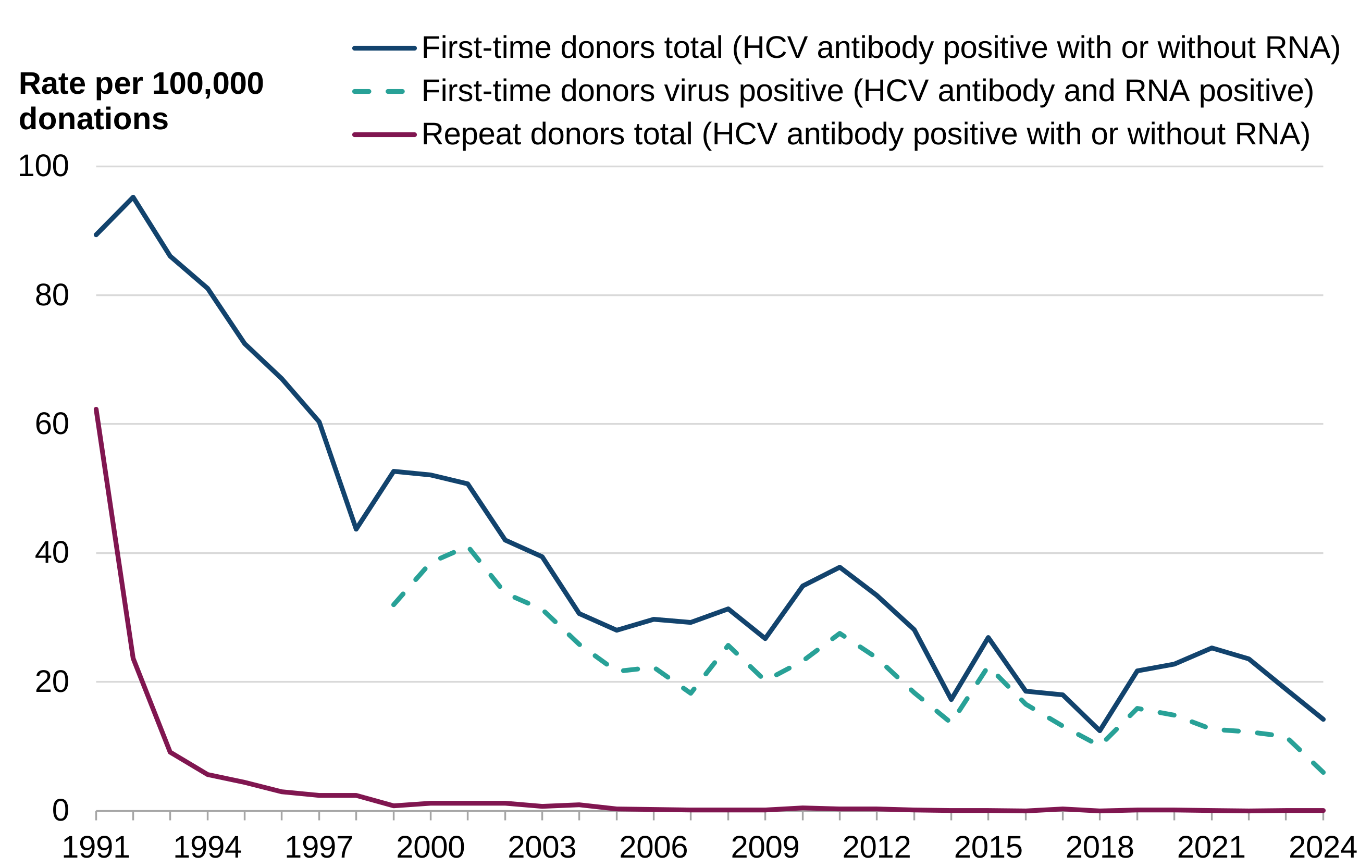
Source: NHSBT and UKHSA Epidemiology Unit.
Note 44: 1991 to 1995 includes Wales,1996 to 2016 includes North Wales.
Current and planned work
UKHSA has positioned viral hepatitis as a strategic priority, and this report provides an update on current and planned areas of work which will help to support progress towards achieving and sustaining elimination of hepatitis C as a public health threat by 2030 in line with the WHO targets. Progress over the latest year is summarised below, together with further activity that will continue or build upon work undertaken so far. Activity should be considered within the context of UKHSA’s ongoing programme of work to coordinate the evidence and process for validating elimination of hepatitis C for the UK.
Monitoring the incidence of hepatitis C virus
Progress update
The Hepatitis C in England 2024 report highlighted that development work was planned to generate modelled incidence estimates for people who inject drugs at a national level. Various approaches to estimating incidence using modelling and public health surveillance data are being explored through a multi-stakeholder working group, co-ordinated by UKHSA and the NIHR Health Protection Research Unit (HPRU) in Evaluation and Behavioural Science at the University of Bristol. These approaches are described in a recently published policy analysis paper.
Provisional modelled estimates of incidence among people who inject drugs in England were presented for the first time at the 2025 International Conference on Health and Hepatitis Care in Substance Users and are included in this report.
Statistical modelling using UAM Survey data has previously provided strong evidence for an association between community scale-up of treatment and reductions in chronic hepatitis C prevalence. Over the past year, this modelling approach has been further developed to combine data from the UAM Survey with SSBBV, allowing for prevalence estimates to be stratified by ODN and risk of reinfection. Evidence from mathematical modelling suggests that changes in chronic hepatitis C prevalence over time should closely track changes in incidence, thus providing a good indication of progress towards the incidence target.
Provisional data from the NHSE Needs Assessment Project was presented at the European Association for the Study of the Liver (EASL) Congress 2025 by NHSE. The final data analysis is ongoing, and the results will subsequently be explored through the multi-stakeholder working group and used to validate modelled estimates of incidence.
UAM Survey samples for selected years have been tested for an alternative marker of recent primary infection (antibody avidity), which may help to provide further evidence for a decline in incidence over time. Analysis of the data is underway.
Further activity
Further development work is planned to refine and validate modelled incidence and prevalence estimates to provide a better understanding of progress towards elimination. For example, SSBBV could be used to parameterise and calibrate the incidence model. UKHSA is also exploring the potential use of SSBBV to generate direct estimates of incidence based on repeat testing. Planned data linkage between SSBBV and the National Drug Treatment Monitoring System, and comparison with the risk profile of UAM Survey participants, will allow for people to be stratified according to their risk of acquiring hepatitis C with greater certainty, which can then be incorporated into models or analyses of surveillance data.
Preventing new infections
Progress update
Over the past year, UKHSA has completed data collection and analysis for a proof-of-concept NSP monitoring pilot. The pilot has demonstrated the overall acceptability and feasibility of NSP monitoring in England.
Pilot sites were recruited through networks of commissioners and drug services. Nine sites that included drug service providers, pharmacies and other services across 18 local authorities in England took part in the pilot. Data was submitted monthly between November 2024 and February 2025, manually by sites or automated through the data processor. A unified dataset from the submitted data on equipment dispensed and demographics (age, sex, ethnicity, postcode) was analysed. Sites received data reports and completed a feedback questionnaire at the end of the pilot.
A total of 9,497 interactions and 989,454 dispensed pieces of injecting equipment were recorded. Drug services dispensed more than double the average number of needles per interaction compared to pharmacies (49 versus 20). The average age of service users per interaction was 43 years and 81% of interactions were by males. All sites described the pilot as acceptable and expressed interest in participating in future surveillance. There was a preference for automated data submission as standardising the data collected resulted in high resource burden.
As the first step in gaining an understanding of needle and syringe provision nationally, this pilot serves as a proof of concept which could be rolled out further to support evidencing progress towards hepatitis C elimination in England.
Further activity
Discussions are being held with stakeholders to determine the strategy and feasibility of further data collection for NSP in England.
Testing and diagnosis
Progress update
UKHSA has developed a novel methodology to estimate the proportion of people who are living with hepatitis C who have been diagnosed in England. Preliminary results have been published in this report for the first time. Work is ongoing with ODNs to enhance historical data and ascertain the RNA status of people diagnosed prior to 2015, which will then be used to adjust the estimate.
UKHSA, in collaboration with the NIHR HPRU in Evaluation and Behavioural Science at the University of Bristol and the NIHR HPRU in Blood Borne and Sexually Transmitted Infections at University College London (UCL) continues to evaluate case finding initiatives to understand their effectiveness and health economic impact. These will add to the evidence base to support commissioning decisions about optimal case finding combinations.
The final public health evaluation of the first wave of the BBV opt-out testing programme in 34 EDs in very high HIV prevalence areas was published by UKHSA in October 2025. The programme demonstrated high uptake and was successful in diagnosing people with a BBV who were previously undiagnosed, with 1,276 people needing to be tested for hepatitis C virus to newly diagnose one person. The public health evaluation complements the University of Bristol’s published implementation optimisation and ongoing health economics evaluation.
UKHSA is undertaking a public health evaluation of the antenatal opt-out hepatitis C testing pilot to assess the impact and effectiveness of the pilot. A protocol has been written and data collection from sites is now underway.
UKHSA continues to work with NHSE to access data from the national hepatitis C web testing platform. If available, the data would feed into routine surveillance and enable a public health evaluation of the web testing platform to be conducted.
UKHSA continues to work with NHSE on integrating prison healthcare data into routine surveillance. Integration of prison healthcare data will provide greater insights into the number of people tested and diagnosed, and their characteristics, to inform the delivery of evidence-based interventions. Prison healthcare data also includes some data on point of care testing, which is not fully captured in laboratory surveillance data. UKHSA is exploring the type of testing conducted in prison healthcare settings to understand the impact point of care testing may be having on overall trends in laboratory surveillance data (SSBBV).
Further activity
Further work is required to refine the estimate of the proportion of people who are living with hepatitis C who have been diagnosed. For example, the methodology can be adapted to better incorporate people who have experienced a new or reinfection since the 2015 baseline year. The estimate will also be adjusted where additional data on RNA status is provided by ODNs. Where RNA status cannot be ascertained, sensitivity analyses will be undertaken to assess the impact on the estimate of either including or excluding these people in the analysis.
UKHSA, in collaboration with the NIHR HPRU in Evaluation and Behavioural Science at the University of Bristol and the NIHR HPRU in Blood Borne and Sexually Transmitted Infections at UCL is now working on the NIHR-funded evaluation of the second wave of the ED BBV opt-out testing programme, which has rolled out testing to 44 sites in areas of high HIV prevalence. The final report is due to be published later in 2026 and will provide further evidence of the public health and health economic impact of this approach in different prevalence settings.
Data collection for the evaluation of the antenatal hepatitis C testing pilot is due to complete in early 2026 and analysis and writing of the report will be completed later in 2026. Findings will add to the evidence base for the effectiveness of opt-out testing in antenatal services.
Linkage and retention in care
Progress update
UKHSA has completed the integration of NHSE’s Blueteq System with the NHSE Hepatitis C Patient Registry and Treatment Outcome System to improve the accuracy of data on linkage to care and treatment outcomes. The combined data has now been used for additional analyses, such as estimating reinfection rates.
Following on from the national patient re-engagement exercise, interviews have been completed with people who have lived experience of hepatitis C to understand barriers and facilitators to (re)engaging in healthcare. These interviews were conducted in collaboration with a local NHS clinical outreach van team. Preliminary findings indicate that hepatitis C healthcare (re)engagement is a dynamic and complex process which requires holistic, mobile and persistent outreach. Individual-level barriers included gaps in hepatitis C knowledge, not prioritising hepatitis C (for example due to multiple complex needs or believing to be healthy despite living with chronic hepatitis C), and shame or fear of living with hepatitis C. These barriers existed within a broader system of reportedly either missing or insufficient follow-up approaches, and internalised stigma. Re-engagement with healthcare was facilitated by being concerned about one’s health and understanding the effectiveness of DAAs, which was structurally supported by convenient treatment access and the flexible clinical outreach van approach. The study results are expected to be available later in 2026.
UKHSA has also interviewed 14 GPs to identify barriers and facilitators to patient identification and (re)engagement, and the results are available in a preprint article. System-level barriers included a lack of hepatitis C incentives for GPs, pressures facing primary care, challenges searching patient records, and a perception that better processes are needed to re-engage patients lost to follow up. Respondents reported successful collaborations with secondary care, other services, and outreach and community partners. Provider-level barriers for all GPs included a lack of knowledge of hepatitis C, difficulty managing patient conversations, lack of GP capacity, and difficulty contacting patients. Provider-level facilitators included the holistic and accessible nature of primary care and feelings of personal reward. UKHSA is also collaborating with academic partners on a study that aims to optimise annual follow-up testing for people who have received treatment to monitor and prevent reinfections.
Interviews to explore barriers and facilitators to ongoing engagement in care and harm minimisation amongst people who have experienced hepatitis C more than once have now been completed and a preprint is available. UKHSA interviewed 6 people who had been treated for a reinfection of hepatitis C and found that peers and positive support from healthcare professionals were often what encouraged people to engage in care. The study also identified a need to ensure people know they are eligible for future treatment, and that treatment continues to work for repeat infections. Most people were aware of how they acquired their reinfection but there was still some lack of knowledge of infection risks beyond the sharing of needles and syringes. Gaps were identified in continuity in care (for example after release from prison) and access to harm reduction.
Further activity
Evidence from these qualitative studies will be used to inform and optimise service delivery strategies, in collaboration with stakeholders. The findings will also be presented at multi-stakeholder network meetings and feed into the updated Royal College of General Practitioners (RCGP) eLearning course on hepatitis B and C, which is supported by UKHSA.
Reducing mortality
Progress update
UKHSA has published an analysis evaluating the impact of underreporting of hepatitis C mortality using ONS death registration data. The findings from this analysis have led to a change in the methodology for estimating mortality to include a lower and upper bound. This updated methodology has been used in this report. Additional analyses have also been conducted to understand if other contributory factors, such as alcohol, were listed as a cause of death, and to analyse differences in mortality among people who had cirrhosis or not at treatment initiation. Preliminary findings have been included in this report. Further analyses are also underway to better understand the impact of treatment on changes in mortality over time.
UKHSA, in collaboration with clinical partners, is undertaking a case note review to improve the estimate of the proportion of people with liver disease (ESLD and/or HCC) that is attributable to hepatitis C. This proportion will then be applied to all deaths that have ESLD and/or HCC as an underlying cause to provide an estimate of mortality from these causes that is attributable to hepatitis C. Data collection has been completed and analysis is in progress.
Further activity
The findings from the case note review are expected to be available later in 2026. The results will be triangulated with current estimates of mortality based on surveillance data and used to refine the methodology. The findings will also be used to inform discussions about setting a more ambitious national mortality target for hepatitis C.
Stigma
Progress update
A common barrier to accessing testing and treatment is the stigma surrounding hepatitis C. UKHSA has conducted a global systematic review of the measurement of stigma associated with people living with hepatitis B or C viruses. The review found that various tools were used to measure internalised, enacted and anticipated stigma, although standardising culturally validated instruments could improve research. Stigma was highly prevalent, impacting psychosocial wellbeing, treatment-seeking behaviours and quality of life, which emphasises the need for interventions to address stigma to achieve elimination.
UKHSA continues to analyse data collected through the World Hepatitis Alliance Stigma Survey, and findings are expected to be published later in 2026. The findings can be used to assess and address stigma associated with hepatitis C.
Following on from the stigma workshop held in February 2025, UKHSA has developed a survey to explore stigma and discrimination enacted by healthcare workers towards people living with viral hepatitis. The survey explores knowledge, attitudes and behaviours, and the findings will be used to better understand barriers to healthcare for people living with viral hepatitis. Recruitment of healthcare workers and students across England is underway.
Further activity
A new 5-year research study proposal exploring options for monitoring stigma has been developed by UKHSA in collaboration with the HPRU in Blood Borne and Sexually Transmitted Infections at UCL and people with lived experience.
Once recruitment to the healthcare worker survey is complete, the next steps will involve analysis of the data with preliminary results expected later in 2026.
UKHSA is undertaking an analysis of data collected in the UAM Survey on stigma and discrimination experienced by people who inject drugs. The findings will provide further evidence on stigma related to viral hepatitis and its intersectionality with drug use, to support improvements in service delivery and the development of interventions to address stigma.
Strengthening surveillance and outbreak detection
Progress update
Ongoing collection of robust and representative surveillance data is essential, not only to achieving elimination, but also to ensure long-term maintenance of elimination. This data is needed to detect new cases, as well as outbreaks, so that timely action can be taken. The importance of this was highlighted in a recent report by The Hepatitis C Elimination Maintenance Strategy Group.
Ongoing evaluation of surveillance systems is also important to ensure they remain fit for purpose. UKHSA is expanding SSBBV to cover additional areas covered by the BBV opt-out testing programme in EDs, which will improve the representativeness of the data. Further work is also ongoing to improve reporting of laboratory diagnoses to better distinguish between current and past infection. UKHSA is currently undertaking a pilot of the UAM Survey to collect limited identifying information, which would enable linkage across survey years, and to other health datasets, to better understand changes in risk behaviours and health outcomes over time. Additional work is also underway to explore whether the UAM Survey could be expanded to include more people who are not in contact with services, as well as people from inclusion health groups who may be underrepresented (for example, sex workers). The data from these pilots will also be used to inform models of hepatitis C prevalence and incidence.
Modelling work, in collaboration with academic partners, is ongoing to assess the impact and cost-effectiveness of existing High Intensity Test and Treat (HITT) initiatives (whole prison testing programmes) and the potential cost-effectiveness of future HITTs. The findings will be used to determine when a HITT initiative would be worthwhile, and to evaluate the best strategies to maintain elimination in prison settings.
UKHSA is currently developing guidance for detecting and responding to hepatitis C outbreaks in community settings, which can then be used by local teams.
Further activity
Further modelling work is planned to understand the impact of changes in testing and treatment levels after elimination is achieved. For example, if testing and treatment is reduced or stopped after elimination is achieved, the national hepatitis C incidence model can be used to project what impact this will have on new infections. The national model will also be re-run in future years with updated surveillance data to better monitor progress towards the 2030 incidence target.
Technical notes
These technical notes provide further detail on information contained within the report, and outline or describe the methodology used to produce the figures and tables.
Government response to the Infected Blood Inquiry
The Infected Blood Inquiry is an independent public statutory Inquiry established to examine the circumstances in which men, women and children treated by national health services in the UK were given infected blood and infected blood products, in the 1970s and 1980s.
Evidence shows the likelihood of acquiring hepatitis C virus infection via a blood transfusion after 1992 is extremely low following the introduction of universal blood screening to detect hepatitis C virus in September 1991. However, to address the Infected Blood Inquiry’s conclusion that it is ‘reasonably possible’ that some infections may have occurred from blood transfusions after universal screening was introduced, the UK Government has accepted the recommendation to offer a blood test for hepatitis C to individuals who are identified as having had a blood transfusion prior to 1996. For blood products (such as clotting factor) screening was introduced in 1986.
Reducing prevalence and incidence
Estimated prevalence in the general adult population
A modelling approach is used to estimate the prevalence of hepatitis C virus, including both diagnosed and undiagnosed infections. This combines information on the estimated size of the population of people who inject drugs, surveillance data on prevalence and incidence in people who inject drugs, rates of disease progression, injecting cessation and mortality, HES data on severe hepatitis C virus-related liver disease, and treatment data.
The hepatitis C virus burden model used to estimate chronic prevalence is described online.
The following data sources are used to inform the model:
- prevalence of hepatitis C in people who inject drugs over time, which informs incidence via a force of infection model using 20 years of cross-sectional UAM Survey data
- rates of disease progression from the Trent cohort (annual, age-specific probabilities of progression through mild, moderate, cirrhosis, hepatitis C virus-related HCC and/or ESLD states)
- disease endpoint data (age-specific hepatitis C virus-related ESLD and HCC from HES, 2011 onwards)
- rates of injecting cessation
- mortality (drug-related mortality for people currently injecting, plus background mortality)
- estimates of the size of the people who inject drugs population
- background rates of infection in never-injecting populations
- treatment data to model, and predict, the impact of treatment scale up and those clearing chronic infection through SVR (IMS sales data, the NHSE hepatitis C virus Patient Registry and Treatment Outcome System)
The model has been updated in 2025 to include:
- up-to-date hepatitis C virus treatment data obtained by linking information from the NHSE Hepatitis C Patient Registry and Treatment Outcome System with NHSE’s Blueteq System
- new estimates of injecting drug use prevalence from 2018 to 2019 to 2022 to 2023
- use of more detailed HES data, stratified by hepatitis C virus treatment status, to better model post-SVR disease progression
The model reconstructs the epidemic of injecting drug use and associated hepatitis C virus infections that would be consistent with several main sources of surveillance data: the UAM Survey, estimated numbers of people who inject drugs and the number of people with hepatitis C who progress to hepatitis C virus-related HCC or hepatitis C virus-related or ESLD over time.
The advantage of a combined approach is that surveillance data alone provides information only on infections in people who are currently injecting. Data on disease progression and endpoints (using ‘back-calculation’ methods) provides information on longer-term infections, but prevalence in people who have acquired hepatitis C virus infection more recently (that is, currently injecting) is highly uncertain.
The disadvantage of the model is the reliance on knowledge of the disease progression process. Also, the model allows for the inflow of people who recently started injecting drugs, but does not explicitly allow for migration in this group, which could have an effect if there is a sudden inflow to the population. Migration in non-injecting groups is also not accounted for. Future work will aim to address these limitations and explore the use of other sources of surveillance data in prevalence modelling.
Model outputs thus include the total number of chronic infections over time, and the current and future burden in terms of hepatitis C virus-related cirrhosis, ESLD and HCC. The model also estimates underlying rates of incident chronic infection (new and reinfections). However, these estimates are not at a fine temporal granularity; other work has been carried out to generate incidence estimates in people who inject drugs for monitoring purposes.
The model calculates the proportion of people living with chronic hepatitis C for each year out of all those who have ever had hepatitis C (that is people who are hepatitis C virus antibody positive who may have a current or past infection) and who are still alive in that year. Individuals with past infection may have cleared their infection through achieving a SVR post treatment, or through spontaneous clearance. The estimated number of people with chronic hepatitis C and the number of people who ever had hepatitis C who were still alive for 2015 and 2024 is shown in Table 3.
Table 3. Proportion of people living with chronic hepatitis C among those who have ever had hepatitis C in England with 95% Crls, 2015 and 2024
| Year | Proportion of individuals with chronic hepatitis C among all those who have ever had hepatitis C virus | Number of individuals with chronic hepatitis C | Number of individuals who have ever had hepatitis C |
|---|---|---|---|
| 2015 | 59.5% (56.5% to 61.9%) | 129,000 (109,900 to 147,000) | 216,700 (194,500 to 238,700) |
| 2024 | 27.1% (23.9% to 31.0%) | 50,200 (40,000 to 62,700) | 185,300 (167,00 to 200,500) |
Estimated prevalence among people who inject drugs
The UAM Survey of people who inject drugs monitors BBVs, and associated risk and protective behaviours among people who inject drugs in England, Wales and Northern Ireland. The survey is voluntary and includes people who have ever injected psychoactive drugs, including people who currently inject drugs, or people who have done so previously. People are recruited to participate in the survey through specialist agencies. These agencies provide a range of services to people who inject drugs, from medical treatment to NSP and outreach work. People who agree to participate in the UAM Survey provide a DBS sample and self-complete a behavioural questionnaire. Approximately 3,000 people take part each year. There are likely to be differences in the characteristics of survey participants compared to the overall population of people who inject drugs as most recruitment takes place in specialist drug and alcohol services. Around three-quarters of UAM Survey participants in England report that they are receiving treatment for drug use.
The COVID-19 pandemic, and associated changes in service delivery, impacted on recruitment to the survey in 2020 and 2021. By 2022, the number of services taking part in the survey, and the number of participants was comparable to pre-pandemic levels.
However, there were significant differences in the geographical distribution of participants in 2022 compared to 2019. The risk profile of participants was broadly similar to 2019, including the proportion reporting homelessness in the last year. Compared to 2019, the proportion of participants of younger age was smaller, as was the proportion of people who reported that they started injecting within the 3 years prior to survey participation. In 2024, the number of participating services, their geographical distribution and the risk profile of participants were broadly similar to post-pandemic years.
Reinfections
In England, 2 criteria have been used to identify hepatitis C virus reinfection, either of which would establish a person as experiencing reinfection:
- individuals with a positive hepatitis C virus RNA test at least 196 days (28 weeks) after treatment start date among those with a SVR during their first treatment period
- individuals who have a subsequent period of treatment after an initial SVR, and where this subsequent treatment period was at least 196 days after first treatment start date
For both definitions SVR is defined as either a recorded SVR or proxy SVR from a negative RNA or core antigen result after treatment.
A period of 196 days between first treatment and reinfection diagnosis is used to define reinfection as the majority of individuals receiving treatment will have cleared hepatitis C virus within 6 months (182 days). A further 2 weeks (14 days) is added to account for any delays in treatment initiations. Reinfection after spontaneous clearance is not included.
The estimate now includes multiple reinfections, whereby someone is treated after experiencing their first reinfection and achieves an SVR but then has a subsequent hepatitis C virus RNA or core antigen positive result.
The data is reliant upon persons initiating treatment being added to the NHSE Blueteq System or NHSE Hepatitis C Patient Registry and Treatment Outcome System, sufficient identifiers being available to link between the treatment and SSBBV databases and on people being tested post treatment.
It should be noted that there is no internationally agreed definition for defining hepatitis C reinfection and a different window period may be used to confirm SVR post treatment. For example, Scotland uses a negative test between 10 weeks and 12 months post treatment to confirm SVR. As we progress towards elimination of hepatitis C virus as a public health threat, ongoing work across the UK will aim to harmonise definitions of reinfection where possible and utilise multiple methods, including the use of WGS, to better understand reinfection.
Reducing hepatitis C virus-related mortality and morbidity
Hepatitis C-related mortality from ESLD and/or HCC
The number of hepatitis C virus-related deaths are used to measure mortality. Deaths are based on the year of death. International classification of diseases (ICD) tenth revision (ICD-10) codes for ESLD and HCC are used to identify deaths with ESLD or HCC as a cause or associated with hospital admissions for these conditions. The number of deaths was estimated using slightly different ICD-10 codes from those used by WHO. A comparison of the codes used can be found in the Hepatitis C in England 2022 report.
Hepatitis C-related morbidity associated with ESLD and/or HCC
New cases of hepatitis C-related ESLD and/or HCC are monitored using HES for incidence of ESLD and HCC, and HES and SGSS for hepatitis C diagnoses. This is a new method in 2025 which presents data as a sensitivity analysis with upper and lower bounds, mirroring the updated methodology for deaths from hepatitis C-related ESLD and/or HCC.
New cases are identified by first linking all episodes of ESLD and/or HCC in HES for an individual using their unique patient identifier. These are classified as ‘new’ if no previous episodes of ESLD and/or HCC for that individual are found in at least the previous 5 years (less than 1% of HCC and/or ESLD episodes are estimated to have had a previous episode more than 5 years earlier).
Linkage to hepatitis C diagnoses uses the following 2 methods:
1. Lower bound: linkage to episode of hepatitis C in HES for all years: first diagnosis of ESLD and or HCC linked to hepatitis C diagnosis in HES for any year. First diagnosis of ESLD and/or HCC used data from 2003 to 2024 to give minimum 5-year window for first episode starting at 2010. Hepatitis C diagnosis started from 1 April 2000 onwards. Hepatitis C includes both acute and chronic cases.
2. Upper bound: linkage to diagnoses of hepatitis C in HES or surveillance data: all years (linked to earliest episode of HBV in HES or SGSS for all years, upper bound): first diagnosis of ESLD and or HCC linked to earliest diagnosis of hepatitis C in any of HES SGSS.
Due to the loss of identifiers in HES data for 2017, data for 2017 and 2018 is omitted. Further information is available in the Appendix 3 of Hepatitis C in England 2022.
Transplants related to hepatitis C virus
First registrations for a liver transplant where post-hepatitis C cirrhosis was an indication for a liver transplant include all first registrations for a liver transplant where there was a code for post-hepatitis C cirrhosis as either the primary, secondary or tertiary indication for registration (n=1,387).
Among the 1,387 registrations, other indications for a transplant were recorded, including:
- acute hepatitis B
- alcoholic cirrhosis
- alpha-1-antitrypsin deficiency
- autoimmune cirrhosis
- glucose storage disease
- haemochromatosis
- HCC cirrhotic
- HCC non-cirrhotic
- metabolic disease
- non-alcoholic fatty liver disease
- post hepatitis b cirrhosis
- primary liver sarcoma
- primary oxalosis
- recurrent disease
- secondary liver tumour
- other
Hepatitis C-related liver transplants performed are defined as all first transplants where:
1. There was a code for post-hepatitis C cirrhosis as either the primary, secondary or tertiary indication for liver transplant at registration or at transplant.
And/or:
2. There was a positive hepatitis C virus result at registration (antibody or RNA positive) or a positive hepatitis C virus RNA result at liver transplant and an indication for transplant that could be associated with hepatitis C.
There was a total of 1,177 transplants. Of these, 19 had no code for post-hepatitis C cirrhosis at registration or transplant but were hepatitis C virus antibody or RNA positive. Of these 19 cases, 9 were included in the analysis as they had indications for a transplant that could be associated with hepatitis C. For these 9 people the indications were:
- HCC cirrhotic
- HCC non-cirrhotic
Of the 1,167 transplants included in the analysis, 33 also had a positive hepatitis B virus test result. Other indications for these transplants included:
- acute hepatic failure: other virus
- alcoholic cirrhosis
- alpha-1-antitrypsin deficiency
- autoimmune cirrhosis
- CLF (congenital hepatic fibrosis)
- cryptogenic cirrhosis
- glucose storage disease
- haemochromatosis
- HCC cirrhotic
- HCC non-cirrhotic
- metabolic disease
- non-alcoholic fatty liver disease
- other
- post hepatitis B cirrhosis
- primary liver sarcoma
- primary non-function
- primary oxalosis
- recurrent disease
- sclerosing cholangitis
- secondary liver tumour
Hepatitis C-related liver transplants that also had HCC recorded are defined as first transplants where:
1. There was a code for post-hepatitis C cirrhosis as either the primary, secondary or tertiary indication for liver transplant at registration or at transplant.
And/or:
2. There was a positive hepatitis C virus result at registration (antibody or RNA positive) or a positive hepatitis C virus RNA result at liver transplant and an indication for transplant that could be associated with hepatitis C.
Either 1 or 2 and:
3. A code for HCC cirrhotic or HCC non-cirrhotic as either the primary, secondary or tertiary indication for liver transplant at registration or at transplant.
Additional indicators for these transplants included:
- acute hepatic failure: other virus
- alcoholic cirrhosis
- alpha-1-antitrypsin deficiency
- autoimmune cirrhosis
- CLF (congenital hepatic fibrosis)
- cryptogenic cirrhosis
- haemochromatosis
- metabolic disease
- non-alcoholic fatty liver disease
- other
- post hepatitis B cirrhosis
- post hepatitis C cirrhosis
- primary liver sarcoma
- primary non-function
- sclerosing cholangitis
- secondary liver tumour
Of these 706 cases, 21 also had a positive hepatitis B virus result.
Increasing diagnosis and reducing late diagnosis
Proportion of people with chronic hepatitis C diagnosed
To estimate the number of people diagnosed, a cohort of individuals who have been diagnosed with hepatitis C was created using laboratory-confirmed reports of all hepatitis C diagnoses reported to UKHSA via NHS or private laboratories or through point of care testing, in addition to individuals entered onto NHSE’s Hepatitis C Patient Registry and Treatment Outcome System and NHSE’s Blueteq system. Both datasets, supplemented by information received from ODNs, are used to ascertain an individual’s RNA status during or after the baseline year (2015).
To assess the cumulative proportion diagnosed, individuals were included where they were identified as living with chronic hepatitis C during or after the baseline year (2015). This includes individuals testing RNA positive, or individuals entered onto NHSE’s Hepatitis C Patient Registry and Treatment Outcome System and NHSE’s Blueteq system.
Individuals are excluded:
- if they do not have sufficient identifiers for linkage
- if they are identified as RNA positive prior to the baseline year but with no information from 2015 onwards, many of these individuals will have been treated with interferon or they may have left the country; work is ongoing with ODNs to identify if any these individuals may still be living with chronic hepatitis C and refer for treatment where appropriate, as such the estimate will be adjusted accordingly when we receive information on these individuals back from ODNs
- if they died prior to the baseline year
- if they are identified as RNA negative before or during the baseline year, as those individuals who are diagnosed with chronic hepatitis C during or after the baseline year will either be reinfections or incident infections and therefore wouldn’t have been included in the denominator estimate
The denominator is the chronic hepatitis C prevalence estimate for 2015, the baseline year in the 2016 WHO GHSS.
Awareness of hepatitis C virus infection in people who inject drugs
To estimate the proportion of people who inject drugs who are aware they are living with chronic hepatitis C, data from the UAM survey is used. Test results obtained from DBS tests taken for the survey are used to identify those living with chronic hepatitis C at the time of survey completion. The results are then triangulated with information on self-reported hepatitis C diagnostic testing and self-reported hepatitis C status to estimate the proportion of people who are aware of their chronic hepatitis C infection.
New laboratory-confirmed diagnoses of hepatitis C
The SGSS laboratory report includes only positive results for hepatitis C virus antibody and/or hepatitis C virus RNA. Mandatory reporting by laboratories of notifiable organisms started in 2010. Data for 2024 is provisional and figures for previous years are subject to change as a result of late reporting and the associated de-duplication procedure. Patient identifiable data submitted by NHS laboratories is variable, particularly from sexual health and drug and alcohol services, which limits the ability to deduplicate. Results for children aged one year and under are excluded to rule out detecting maternal antibody.
Testing and positivity
SSBBV is a sub-national surveillance system for BBV testing activity and results in England, managed by UKHSA. Established in 2002, it includes data on all positive and negative BBV tests processed by the sentinel laboratories that participate in SSBBV.
Laboratory participation in SSBBV is voluntary and currently represents approximately 45% of the GP-registered population in England. SSBBV includes the 2 laboratories that process DBS tests for the major drug services in England. Therefore, it is likely that the data covers most tests coming from drug services, where DBS is the main method of testing.
Patient identifiable data submitted by laboratories is variable, particularly from sexual health and drug and alcohol services, which limits the ability to de-duplicate. Data is de-duplicated subject to availability of date of birth, Soundex, NHS number and first initial. The proportion positive is calculated using the number of people tested.
For trends in hepatitis C antibody testing, SSBBV data is from 35 laboratories and is based on complete and consistent reporting since 2015 to remove any artificial increases or decreases in testing due to changes in reporting. This means that the numbers of laboratories included for trend data may change each year depending on their reporting history. A positive test result first reported by participating laboratories may not reflect an individual’s first diagnosis.
Antibody testing excludes samples collected outside routine testing such as look back studies, reference testing, and children aged one year and under. RNA or core antigen testing includes reference and front-line testing, which may not be consistently reported over time. Therefore, data on the absolute number of RNA or core antigen tests is not presented to avoid any artificial increase or decrease in testing due to changes in reporting and testing practices.
Late diagnoses
Work is currently ongoing to create a definition of late diagnosis for people diagnosed with hepatitis C virus in England. This has involved consultations with academics and clinicians and 2 preliminary definitions have been outlined. We provide 2 definitions for late and very late diagnosis and a third from the European Centre for Disease Prevention and Control, the definitions for which are below:
1. Late diagnosis: presentation with at least moderate fibrosis and/or HCC and/or a FibroScan result of greater than or equal to 10kPa, within 3 years of diagnosis of hepatitis C virus.
2. Very late diagnosis: presentation with at least compensated cirrhosis and/or HCC and/or a FibroScan result of greater than or equal to 15kPa, within 3 years of diagnosis of hepatitis C virus.
Whilst this methodology is being peer-reviewed, we compare our definitions with a previously established definition using ECDC late diagnosis criteria where late-stage diagnosis with chronic hepatitis C is defined as presentation with ESLD as defined by the European Centre for Disease Prevention and Control (cirrhosis with past or current decompensation and/or HCC), including decompensated cirrhosis and/or HCC.
For a fair comparison, we have adapted the methodology to exclude indications of late stage liver disease that occur more than 3 years after diagnosis of hepatitis C virus.
Deprivation is measured using the English Indices of Deprivation using the patient’s Lower-layer Super Output Area (LSOA) of residence.
Monitoring access to hepatitis C treatment
Treatment coverage is defined as the proportion of individuals diagnosed with chronic hepatitis C (hepatitis C virus RNA or hepatitis C core antigen test positive) who initiated treatment during a specified time frame over the number of individuals diagnosed with chronic hepatitis C for the specified time period.
Records from individuals with a diagnosis of chronic hepatitis C reported through SSBBV (positive hepatitis C virus RNA or antigen tests) are linked to the NHSE Hepatitis C Patient Registry and Treatment Outcome System using NHS Number, Name, DOB, hospital number and NHSE’s Blueteq System using NHS number, DOB, Blueteq number and excludes children aged one year and under.
The number of individuals testing positive for hepatitis C virus RNA or core antigen was based on the first hepatitis C virus RNA or core antigen positive test reported through SSBBV during the period 2015 to 2024. Linked treatment data was then used to follow individuals through the care pathway including data from ODNs reported through the NHSE Hepatitis C Patient Registry and Treatment Outcome System and NHSE’s Blueteq System (which facilitates access to high-cost drugs for hepatitis C treatment).
The estimates are reliant on sufficient identifiers being available to link between the treatment and SSBBV databases and on the completion of data reported. Patient identifiable data submitted by SSBBV laboratories is variable, particularly from sexual health and drug and alcohol services, which limits the ability to link data sets or de-duplicate. Data is de-duplicated subject to availability of DOB, Soundex, NHS number and first initial. Data quality is assessed on an ongoing basis to verify the number of people who tested positive for hepatitis C virus RNA or core antigen. As individuals are followed through the care pathway, the denominator is updated to exclude people who have died or who have evidence of spontaneous clearance.
In individuals testing hepatitis C virus RNA or core antigen positive with no linkage to the Hepatitis C Patient Registry and Treatment Outcome System or NHSE’s Blueteq System, there are no time restrictions on a subsequent hepatitis C virus RNA or core antigen negative test after the initial RNA or core antigen positive test. Therefore, these individuals may include those that have spontaneous clearance of their hepatitis C virus infection or individuals who have cleared their hepatitis C virus infection as a result of treatment but were not linked to the NHSE Hepatitis C Patient Registry and Treatment Outcome System or NHSE’s Blueteq System.
Definitions of the numerator and denominator for each step of the care pathway are provided in Table 4.
Table 4. definitions of numerator and denominator for metrics reported in the hepatitis C care pathway
| Metric | Numerator | Denominator |
|---|---|---|
| Proportion of individuals diagnosed with chronic hepatitis C who were linked to specialist treatment services (83.9%). | Number of individuals linked to specialist hepatitis C treatment services via ODNs (identified through successful linkage to the NHSE Hepatitis C Patient Registry and Treatment Outcome System and/or NHSE’s Blueteq system). | Number of individuals who tested positive for hepatitis C virus RNA or core antigen with NHS number or name and date of birth (DOB) reported through SSBBV who had not died before linkage to treatment and where there was no evidence of possible spontaneous clearance. |
| Proportion of individuals linked to specialist treatment services who initiated treatment (97.2%). | Number starting treatment. | Number of individuals linked to specialist hepatitis C treatment services via ODNs. |
| Proportion of individuals diagnosed with chronic hepatitis C who initiated treatment (WHO target) (81.5%). | Number starting treatment. | Number of individuals who tested positive for hepatitis C virus RNA or core antigen with NHS number or name and DOB reported through SSBBV who had not died before linkage to treatment and where there was no evidence of possible spontaneous clearance. |
| Proportion of individuals who initiated treatment who had an outcome reported or had an RNA or core antigen test reported through SSBBV (92.5%). | Number of individuals who had a treatment outcome reported via the NHSE Hepatitis C Patient Registry and Treatment Outcome System, or in the absence of a recorded outcome, an RNA or core antigen test (positive or negative) recorded at 96 days or more after the treatment start date in SSBBV. | Number of individuals who started treatment. |
| Proportion of individuals who initiated treatment and were reported to have achieved SVR either as a treatment outcome or had an RNA or core antigen negative result reported through SSBBV (86.9%). | Number clearing hepatitis C virus infection as a treatment outcome, or in the absence of a reported SVR, a RNA or core antigen negative test recorded at 96 days or more after the treatment start date in SSBBV. It should be noted that the proportion reported as clearing hepatitis C virus infection is likely to be lower than the true proportion. | Number starting treatment. |
| Proportion of individuals who initiated treatment and had an outcome reported or an RNA or core antigen test reported through SSBBV were reported to have achieved SVR or had an RNA or core antigen negative test result (93.9%). | Number clearing hepatitis C virus infection as a treatment outcome, or in the absence of a reported SVR, an RNA or core antigen negative test recorded at 96 days or more after the treatment start date in SSBBV. | Number of individuals with a treatment outcome recorded or with an RNA or core antigen test (positive or negative) recorded at 96 days or more after the treatment start date in SSBBV. |
The NHSE Hepatitis C Patient Registry and Treatment Outcome System was commissioned by NHSE in 2017 from the Arden and Greater East Midlands Commissioning Support Unit to capture more detailed information for patients. The hepatitis C virus treatment monitoring in England report summarises the data held within the registry and Treatment Outcome System up to the end of April 2018.
Prevention of infection including adequate harm reduction in people who inject drugs
Harm reduction in people who inject drugs: needle and syringe provision
Data from the UAM Survey is used to estimate the number of needles collected per person per year. Data was restricted to people who reported injecting in the last year who answered questions on ever and recent needle exchange use.
The following questions were used to extrapolate needles per person per year where all questions had been answered:
- ‘How many times do you visit a needle exchange in a typical month?’
- ‘How many needles do you typically collect during each visit?’
- ‘Of these needles, how many were collected for someone else?’
The WHO target requires the number of needles per person per year divided by the total population of people who inject drugs in England, including secondary distribution (collection for others). As the UAM Survey is not fully representative of all people who inject drugs, this value can only be calculated within the survey population and is therefore an alternative measure that infers needle and syringe provision among all people who inject drugs.
The estimate used for the report includes secondary distribution and takes the entire analysis population (including those who did not collect needles and syringes) as the denominator (see Table 5, method 1). This measure assumes that any needles collected for others are distributed to those in the UAM Survey population who are represented in the denominator. Alternative approaches to estimating provision are being explored (see Table 5, methods 2 and 3).
Table 5. Approaches used to produce estimates of number of needles per person per year using different inclusion criteria
| Metric | Numerator | Population |
|---|---|---|
| 1. Collection including secondary distribution for all participants. | Total needles per visit multiplied by visits per month, multiplied by 12. | Entire analysis population (including non-use of NSP as 0 needles collected). |
| 2. Collection excluding secondary distribution for all participants. | (needles per visit minus collection for others), multiplied by visits per month, multiplied by 12. | Entire analysis population (including non-use of NSP as 0 needles collected). |
| 3. Collection excluding secondary distribution for those who collected. | (needles per visit minus collection for others), multiplied by visits per month, multiplied by 12. | Participants who used NSP for themselves. |
The proportion of people who inject drugs with adequate needles and syringes for their needs is calculated using data from the UAM Survey. Needle and syringe provision is considered ‘adequate’ when the reported number of needles received met or exceeded the number of times the individual reported injecting in the past month. This calculation uses 4 questions asked in the UAM Survey:
- ‘How many times do you visit a needle exchange in a typical month?’
- ‘How many needles do you typically collect during each visit?’
- ‘In the last month, on how many days have you injected drugs?’
- ‘On the last full day that you injected, how many times did you inject drugs?’
Coverage is calculated as the proportion of ‘needles collected’ (needles collected per visit multiplied by visits per month) divided by ‘needles required’ (injections per day multiplied by days injected per month). People who collected 100% or more of the needles required were categorised as having ‘adequate’ coverage, whereas those collecting less than 100% of their required needles were categorised as having ‘inadequate’ coverage. The calculation does not account for the fact that an individual may take multiple attempts to insert a needle before successfully accessing a vein, also known as achieving a ‘hit’.
Harm reduction in people who inject drugs: OAT
It should be noted that opiate use prevalence and current injecting prevalence may have changed since 2022 to 2023. A decrease in people currently injecting drugs has been observed in the UAM Survey and in NDTMS data on substance misuse treatment for adults (20.0% of people starting treatment for opiates 2022 to 2023 (6,865 people) compared to 15.8% of people starting treatment for opiates in 2024 to 2025 (6,082 people)).
When comparing the 2022 to 2023 opiate use prevalence estimates (the latest available) with 2024 to 2025 data on interventions received by people in drug treatment, 60.6% of people who currently inject drugs who are dependent on opioids were receiving OAT. However, as opiate use prevalence and current injecting prevalence may have changed since 2022 to 2023, this measure is less reliable than that for 2022 to 2023 and is not used in the headline figures.
Screening of blood donations
NHSBT currently collects blood donations from donors in England. All donations are screened for hepatitis C virus antibody and RNA using NAT in pools of 24 while repeat reactive donations are removed from the supply and undergo confirmatory testing. The UK estimated residual risk for 2021 to 2023 of screening tests failing to detect an infectious hepatitis C virus donation is estimated at less than 1 in 100 million, which would mean that it could be over 50 years before an infectious donation goes undetected. Note that the incidence of hepatitis C for the residual risk of non-detection is based on repeat donors seroconverting within 12 months. Data on hepatitis C virus antibody and RNA testing in the blood donor population is available from the NHSBT UKHSA Epidemiology Unit.
Acknowledgments
Authors (in alphabetical order): Amelia Andrews, Eleanor Clarke, Annastella Costella, Monica Desai, Gabriel Gurmail-Kaufmann, Ross Harris, Matthew Hibbert, Ugochi Inweregbu, Holly Mitchell, Annabel Powell, Claire Reynolds, Rachel Roche, Ruth Simmons.
Contributors (in alphabetical order): Chelsea Allen, Shona Arora, Kayleigh Bispham, Ashley Brown, Eloise Cross, Jamie Crummy, Daniela De Angelis, Bennet Dugbazah, Beatrice Emmanouil, Matthew Foxton, Katherine Fuller, Mark Gillyon-Powell, Rachel Halford, Matthew Hickman, Samreen Ijaz, Kennedy Kipkoech, Sema Mandal, Beth Malecki, Ryan Matthews, Debbie Mou, Sarah Murdoch, John Poh, Rajani Raghu, Siri Ranlund, Leila Reid, Pantelis Samartsidis, Justin Shute, Panida Silalang, Stuart Smith, Rhiannon Taylor, Steve Taylor, Peter Vickerman, Javier Vilar.
We would like to thank the clinicians, microbiologists, public health practitioners and other colleagues who have contributed to the surveillance systems used in this report. In particular:
- drug and alcohol service staff and The Hepatitis C Trust peer workers who support, and participants in, the UAM Survey of people who inject drugs
- HES, NHSE, produced by UKHSA (copyright © 2025, re-used with the permission of NHSE, all rights reserved)
- NHSE and Arden and Greater East Midlands Commissioning Support Unit
- ONS carried out the original collection and collation of the data but bears no responsibility for their future analysis or interpretation
- NHSE for supplying treatment monitoring data for tax year 2015 to 2016 up to tax year 2024 to 2025 in England
- NHSBT colleagues who support the NHSBT and UKHSA Epidemiology Unit Blood Donation Surveillance Scheme
In addition, we would like to acknowledge and thank the staff who work in the laboratories who contribute to the laboratory surveillance of hepatitis C virus and SSBBV.
Suggested citation
Hepatitis C in England 2025: working to eliminate hepatitis C as a public health problem. Data to end of 2024. London: UKHSA, April 2026.