Cardiovascular disease (CVD) modern service framework (MSF): a cardiovascular-kidney-metabolic approach - the strategic vision and delivery model (accessible version)
Updated 2 October 2026
Applies to England

© Crown copyright 2026
This publication is licensed under the terms of the Open Government Licence v3.0 except where otherwise stated. To view this licence, visit nationalarchives.gov.uk/doc/open-government-licence/version/3 or write to the Information Policy Team, The National Archives, Kew, London TW9 4DU, or email: psi@nationalarchives.gov.uk.
Where we have identified any third party copyright information you will need to obtain permission from the copyright holders concerned.
This publication is available at https://www.gov.uk/government/publications/cardiovascular-disease-modern-service-framework/cardiovascular-disease-cvd-modern-service-framework-msf-a-cardiovascular-kidney-metabolic-approach-the-strategic-vision-and-delivery-model-acc
Forewords
Foreword from the Parliamentary Under-Secretary of State for Public Health and Prevention
Surely the only thing worse than the death of a loved one, is the death of a loved one that could have been prevented. That is, sadly, still too often the case when it comes to cardiovascular disease, which remains one of this country’s biggest killers.
After 2 decades of fewer and fewer early deaths - thanks in part to public health initiatives like the ban on smoking in public places - progress stalled, then plateaued, and in some cases is now in reverse. Chiefly to blame are rising obesity levels, more people living longer in poor health and widening inequalities. As with so many other health challenges, those living in the poorest communities are hit hardest by cardiovascular disease.
It all adds up to the fact that, today, we spend too much time and money treating preventable illness - and paying the price in lives lost needlessly, increased pressure on the NHS and wasted economic potential.
Our response is a clear, bold mission: to cut premature deaths from heart disease and stroke by a quarter within a decade. This modern service framework, committed to in the 10 Year Health Plan, and the first to be published, sets out how we will do it by shifting care closer to home, prioritising early diagnosis and prevention, and delivering joined-up cardiovascular, kidney and metabolic care.
This is not another strategy that sits on the shelf gathering dust, this is an action plan. There will be a relentless focus on delivery so that we:
- find the missing millions who do not yet know they are at risk
- get to those most likely to suffer heart attacks and strokes early
- provide world-class emergency care and rehabilitation when the worst happens
It is an approach backed by wider government action, including creating the first smoke-free generation, measures on junk food and new ways to get people active. We will also draw on the experience and expertise across our health and social care services, universities, think tanks, businesses and the voluntary, community and social enterprise (VCSE) sector both to implement what we know works and to innovate to find new solutions.
In 2025, premature mortality from cardiovascular disease fell by 4%. We’ve started to turn the corner and now we can put our foot harder on the accelerator to prevent tens of thousands of heart attacks and strokes, save thousands of lives, and deliver rapid returns for the NHS and the wider economy.
Sharon Hodgson MP
Parliamentary Under-Secretary of State for Public Health and Prevention
Foreword from clinical co-chairs
It has been a privilege to act as co-chairs for this modern service framework (MSF) and help to develop this vision and template to improve the outcomes for those living with cardiovascular-kidney-metabolic (CVKM) disease or those living with increased cardiovascular risk.
Although we come from different parts of the healthcare system, we are united in our belief that the shift from managing complications towards prevention and risk identification is the main strength of this framework. No one ‘suddenly’ has a heart attack or stroke or develops end stage renal failure or an ischaemic foot; it has usually taken years of development, with multiple missed opportunities for intervention. Previously, accountability for the detection and diagnoses of long-term conditions has not been established against their expected prevalence. This needs to change.
Millions of people unknowingly live with the common risk factors for cardiovascular disease such as high blood pressure, diabetes or high cholesterol. We need to find these missing millions and work with them to prevent more serious disease.
We both believe finding these missing millions of diagnoses is achievable, but it will require systems holding accountability, and joined-up working from all those involved, from commissioners down to individual patients.
Improving awareness and diagnosis of largely asymptomatic conditions is an important first step in supporting people to take earlier action and helps to prevent future complications. Empowering people needs a personalised approach, reflecting the individual’s current activation level and ability to care for themselves.
If we neglect to identify, detect, diagnose, code and manage such CVKM risk factors, we will find ourselves facing an increasing tsunami of high-cost interventions, including dialysis and revascularisation.
We already do many things that work well, but do not do it consistently and for those that need it most. Distributed networks of clinicians across systems and regions have been key in peer learning and inspiring local improvements. The collection of national standardised data from providers contributes to meaningful progress, so we must build on these successes and ensure the system continues to enable, rather than constrain, progress.
We need to embed the shift from reactive hospital-based care towards more proactive care delivered within the community. Neighbourhood ProActive Care Teams (PACT) can play an important role in this, working within communities to engage people identified through population health tools as having missing data or being at higher risk of CVKM conditions or future health crises
More streamlined ways of working would also be valuable. Stakeholder engagement consistently highlighted the impact of siloed systems and the need for better communication across health and care providers. Technology holds much promise, but in stakeholder engagement during the creation of this MSF we heard repeatedly that technological developments do not meet the needs of patients or staff.
Currently, time-intense gold-standard diagnostics are offered where a simpler, more accessible technology is needed, delivered by non-specialist staff within neighbourhood settings to support diagnosis of heart failure, fatty liver or peripheral arterial disease (PAD). Technology is moving at a frightening pace and NHS reconfigurations come along at an equally dizzying frequency. As co-chairs we urge integrated care boards (ICBs) to avoid duplicating ‘pilots’ and instead please trust this expert consensus to support decision-making, complemented by the development of an atlas of effective case studies.
Whatever we do to improve care of CVKM within geographical boundaries, mitigating health inequalities must be the focus. A proportionate universalism approach targeting greater support towards ‘deep end’ individuals, practices and neighbourhoods offers the potential for the greatest impact for both individuals and the wider system. Seven principles for equitable implementation have been identified and can help guide this work.
This MSF has been the result of a huge amount of work by many people and would not have been possible without their dedication. Our thanks go to the clinical experts and patients whose perspectives have been essential. We have also both been very grateful for those individuals in NHS England and the Department of Health and Social Care (DHSC) who have gone above and beyond through the many evolutions of the framework. We cannot name all those who have contributed - they know who they are. It has been a pleasure working with you all and we hope the framework represents what you have been telling us.
Lastly, we know this is only the first iteration of the framework and that it will develop with time. The framework will need to change and adapt but the aims should not.
Dr Jessica Randall-Carrick and Sir Andrew F Goddard
Clinical co-chairs
Executive summary
Cardiovascular disease (CVD) remains one of the leading causes of premature mortality, second only to cancer. Each year, there are around 33,000 early deaths from heart disease and stroke in people under the age of 75. It drives:
- profound health inequalities
- avoidable pressure on the NHS
- significant economic loss
After decades of progress, improvements in CVD have stalled or reversed, with rising preventable risks such as obesity undermining efforts.
Without rapid, co-ordinated system action, these trends will continue. The government has set a bold ambition: to reduce premature mortality from heart disease and stroke by 25% within 10 years. This MSF sets out the strategic vision and delivery model for the health and care system to achieve the ambition over the next 10 years. Later this year, we will publish further information to support local systems to implement this framework, including further detail to help the system prioritise existing resource to deliver the activity set out in the MSF.
Central to the CVD MSF is a holistic CVKM approach with a strong focus on reducing inequalities. This means recognising that several conditions and risk factors share common causes, cluster within the same individuals, and contribute to most heart attacks and strokes. These include:
- high blood pressure
- high cholesterol
- high blood sugar (capturing both pre-diabetes and diabetes)
- obesity
- chronic kidney disease
- atrial fibrillation
- smoking
Taking a joined-up approach to identifying and tackling these risk factors, rather than in isolation, offers the greatest opportunity to cut premature deaths from heart disease and stroke. It will also help to narrow inequalities and enable people to spend less time in poor health. Mental health and mental health services are also central to this approach, reflecting the relationship between mental health, long-term conditions and people’s capacity to manage their physical health. At its core, this is about a fundamental shift away from expensive, reactive hospital-based care towards proactive, holistic prevention located in communities and neighbourhoods.
The immediate system focus for the next 3 years is to drive dramatic improvements in 12 priorities where the evidence of impact on reducing premature mortality is strongest and performance is currently inconsistent. This means:
- finding the missing millions with undiagnosed or unmanaged CVKM risk factors, including both:
- behavioural risk factors like smoking
- ‘ABCDE’ risks (atrial fibrillation, albuminuria, blood pressure, cholesterol, diabetes, excess weight and kidney function)
- starting and optimising treatment - including supporting adherence - for more people with high-risk conditions like high blood pressure, cholesterol, chronic kidney disease, diabetes and heart failure
- ensuring timely, equitable, high-quality acute care for stroke and ST-segment elevation myocardial infarction (STEMI), reducing unwarranted variation and delays across urgent care pathways
- expanding access to rehabilitation, with hybrid and digital models that increase uptake, treatment and adherence, and reduce inequalities
Consistent delivery across the country will have significant impacts. The CVDACTION Impact Model (see reference 1) estimates the potential impact of a ‘step change’ in the use of 4 NICE recommended treatments - 3 of which are also the focus of priorities in this MSF - and the results over 3 years speak for themselves:
- 57,000 major events avoided
- productivity gains of £1.2 billion
- health and social care savings of £1.1 billion
This modelling, alongside internal DHSC modelling, demonstrates that delivering the actions in this MSF is likely to:
- reduce NHS demand
- generate savings
- benefit the economy over time
We will work with local systems to free up capacity to deliver the priorities in this MSF and realise the benefits from fewer heart attacks and strokes.
We have set metrics and ambitions for each of these priorities and DHSC will monitor and review these over the next decade. A relentless focus on narrowing health inequalities will be needed, building on the important population-wide measures and legislative changes that this government has introduced.
Alongside the 12 priorities, we have identified a range of other evidence-based interventions that continue to be important to reduce morbidity and improve long-term outcomes that systems should continue to deliver consistently.
Looking ahead, the MSF describes a 10-year vision for how prevention, diagnosis and treatment will evolve. This includes evolving as:
- neighbourhood health services expand
- digital tools mature
- new medicines and devices - such as wearables and genomic technologies - become mainstream
This will ensure that the system can act now on what works, while preparing for the innovations that will reshape care in the years to come.
The opportunity is clear and the benefits are substantial:
- thousands of lives saved
- fewer families affected by preventable illness
- a more sustainable health and care system
- an economic boost with more people able to stay in work
This framework is only a part of the picture. Achieving the government’s ambition will rely on co-ordinated cross-system action across the population to improve health. Alongside this we are taking decisive action to improve the wider determinants of health, including to:
- tackle smoking and create a smoke-free generation through the world-leading Tobacco and Vapes Act 2026
- improve air quality and reduce pollution
- create warm homes
- address physical inactivity and, through the forthcoming national plan on physical activity, build movement back into everyday lives
- deliver a package of policies to tackle obesity and create a healthier food environment
Introduction
The case for change
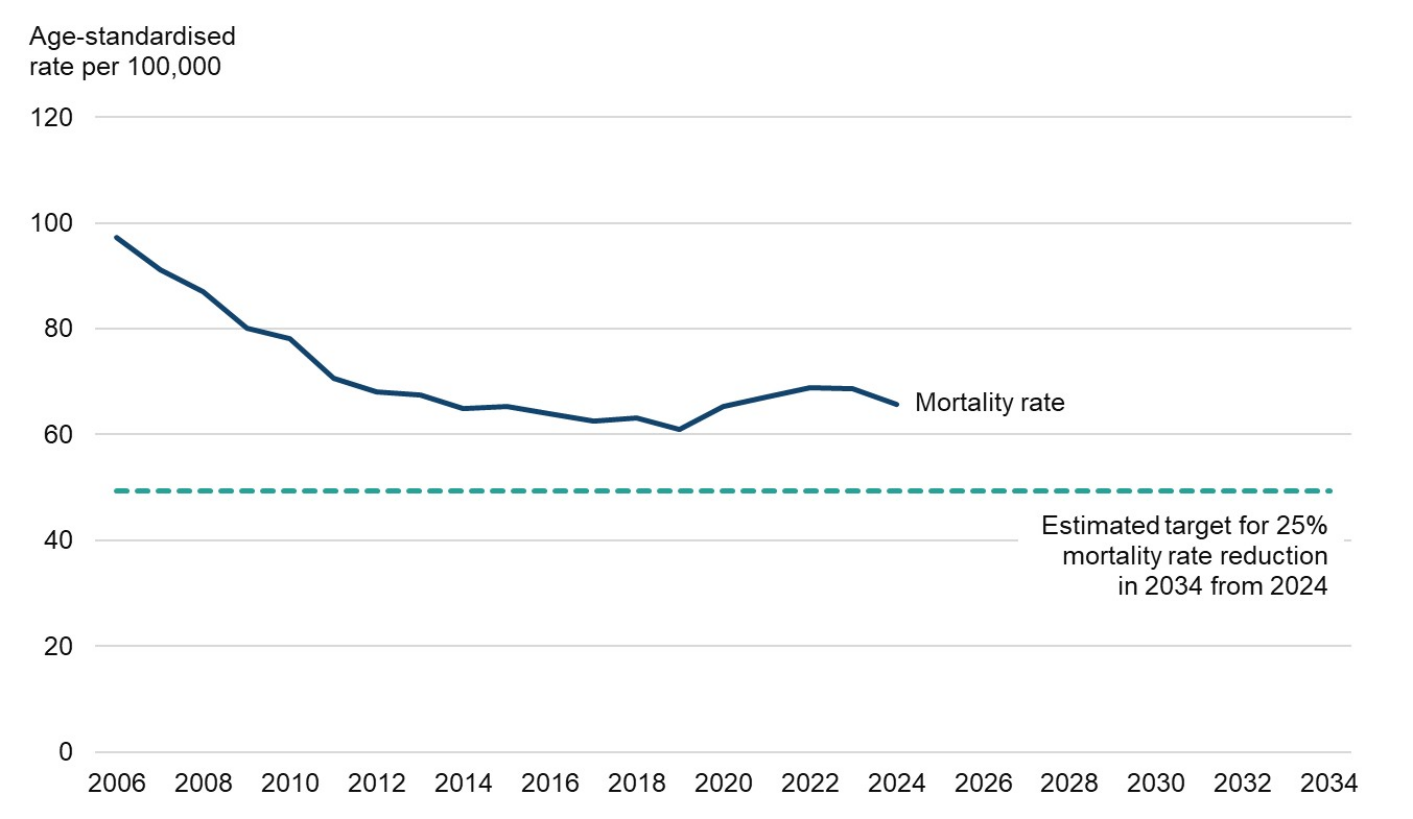
We have set a clear and challenging ambition: to reduce premature mortality - that is, deaths under the age of 75 - from heart disease and stroke by 25% over the next decade. CVD affects more than 1 in 10 adults, making it one of the most common long-term conditions and one of the nation’s biggest killers, claiming a quarter of all lives (see reference 2). CVD remains a leading cause of premature mortality, behind only cancer, and in recent years, heart disease and stroke caused around 33,000 premature deaths per year (see reference 3). A significant proportion of these deaths occur in deprived communities, and most are preventable. Figure 1 shows that after decades of improvement, rates have slowed and there is more to do to achieve our ambition.
Figure 1: age-standardised mortality rate in people aged under 75 for heart disease and stroke in England, 2006 to 2024
Source: Mortality profile - Office for Health Improvement and Disparities (OHID), based on Office for National Statistics (ONS) data
Image description: figure 1 shows that from 2006 to 2020 there was a reduction in premature mortality, from just under 100 per 100,000 premature deaths in 2006 to just over 60 per 100,000 in 2020. From 2020 to 2022 premature mortality increased to just under 70 per 100,000 premature deaths before decreasing to around 66 per 100,000 in 2024. The graph also includes the estimated target mortality rate required to meet a 25% reduction in age-standardised mortality rate over a decade to the year 2034, which would require premature deaths to decrease to around 49 per 100,000.
The challenges are significant and growing. Healthy life expectancy has declined since the COVID-19 pandemic. Obesity levels among children are rising and excess weight in adults is widespread. At the same time, population ageing and multimorbidity are adding complexity to care. Progress in CVD and diabetes management has stalled or reversed and there is significant variation in outcomes. All of this contributes to an overstretched health and care system, with pressure on acute services intensifying.
The scale of need demands a fundamental shift in how prevention and care are delivered. As a leading cause of ill health and premature mortality, CVD must be the exemplar for that change.
The unequal burden of CVD
The impact of CVD is especially felt in deprived communities, where people are 4 times more likely to die from CVD and do so far earlier than those in the least deprived areas (see reference 4). They develop disease earlier and are least likely to be diagnosed early or supported with effective and ongoing management.
Men are likelier to develop CVD at younger ages and to die prematurely. Women continue to face delays and misdiagnosis. Ethnic minority communities carry a disproportionate burden linked to deprivation (see references 5 and 6). Younger people are less likely to have their risk identified and managed well.
Systems currently deliver care that does not meet the needs of the people and communities who need the greatest support, shaped by unrepresentative research and limited data.
This has to change. We must deliver health services that are responsive to the needs of the whole population, according to age, sex or gender, geography, ethnicity and inclusion health group.
People living with health conditions - such as type 2 diabetes, chronic kidney disease, mental health conditions, frailty, chronic obstructive pulmonary disease and obstructive sleep apnoea - have a heightened risk of adverse cardiovascular outcomes and mortality, compounding their support needs. In some instances, this relationship is bidirectional, for example, poorer CVD outcomes can worsen mental health conditions.
The wider impact of CVD
The consequences of CVD reach far beyond individual health. Poor cardiovascular health contributes significantly to economic inactivity. Over 770,000 working-age adults with cardiovascular conditions are out of work (see reference 7), contributing to around £1.2 billion in lost productivity annually (see reference 8). Tackling preventable risk and enabling effective rehabilitation, particularly among younger cohorts and those facing entrenched disadvantage, is essential to reversing these trends.
How we will rebalance the system towards prevention
At least 70% of CVD is associated with risk factors that are preventable or modifiable through earlier identification and management (see reference 9). However, the health and care system is largely configured to manage established disease and respond to acute events or to patients who present. As a result:
- demand continues to rise, driven by ageing, multimorbidity and inequalities
- activity is concentrated downstream, where impact is limited and cost is highest
- opportunities to intervene earlier are variable and often missed
This creates 2 problems.
First, outcomes are constrained. Patients are often diagnosed late or treated inconsistently, limiting the ability to prevent progression or complications.
Second, demand becomes self‑reinforcing. Late intervention leads to more acute events, increasing pressure on services and further reducing the system’s ability to intervene earlier.
The consequence is a system that is reactive by design, rather than preventative by default. Without a change in where and how the system intervenes, improvements will be marginal and pressure on urgent and acute services will continue to grow.
A clear shift to systematic prevention is the only sustainable route to improving population health. This means:
- earlier detection of risk and disease
- proactive action to manage risk and disease before it progresses
- faster, more consistent treatment - including adherence support - to improve outcomes
The whole health and care system needs to play a role in supporting people earlier to reduce their health risks long before illness develops by:
- championing and driving population-level action on smoking, alcohol, obesity, physical activity, healthier food and air quality
- helping people to make positive and personalised behaviour changes to reduce their CVD risk, and linking them to the right support services, through every contact with the health and care system
- raising awareness of CVKM risk factors and the importance of prevention, early detection and management across all services
Finding and properly managing CVD and CVKM risk factors gives people time to make behavioural changes and allows healthcare services to optimise their treatment within their community and neighbourhood. This will be the foundation for reducing avoidable events and easing pressure on hospital services.
The benefit of focused action
Systematic management of risk factors can significantly reduce avoidable cardiovascular events. Internal modelling indicates that delivering 4 MSF priorities could avoid 13,000 events over 3 years. This could rise to 79,000 over the decade if the 3-year targets were met. These priorities are outlined below and further information about the modelling can be found in the technical annex:
- the NHS Health Check (proxy metric for priority 2: CVKM case-finding)
- hypertension treatment to target for people without CVD (priority 4)
- lipid optimisation for people without CVD (priority 5)
- lipid optimisation in patients with established CVD (priority 9, metric 2)
At population level, avoiding these events could result in:
- reduced pressure on acute services. This means fewer consultations and hospital admissions resulting from acute events like heart attacks and strokes - avoiding over 942,000 primary care consultations and over 926,000 secondary care attendances and admissions over the decade
- improved productivity and participation. This means gaining the equivalent of 7,500 additional years of full-time work over 10 years and increasing earnings by £243 million. This would have a positive fiscal impact from reducing benefits and increasing tax revenue, by over £147 million over the same time frame
Critically, these benefits compound over time. The earlier risk is identified and controlled, the greater the cumulative impact on outcomes and demand.
These findings complement other published modelling work. Improving the diagnosis of 6 high-risk conditions (hypertension, high cholesterol (defined as QRISK2 score for CVD risk equal to or greater than 10% or those with familial hypercholesterolaemia), type 1 and 2 diabetes, non-diabetic hyperglycaemia, atrial fibrillation and chronic kidney disease) and managing to current levels could result in benefits over 25 years to the extent of:
- £68 billion saved
- 4.9 million quality adjusted life years (QALYs) gained
- 3.4 million cases of CVD prevented over 25 years
Additionally, if all those individuals who were identified were managed according to NICE guidelines, estimated total savings could be £61 billion, 8.1 million QALYs would be gained and 5.2 million CVD cases prevented, with most benefits coming from detection of high cholesterol in the short term and diabetes in the long term. The scale of benefits to individuals, the healthcare system and the wider economy is likely to be significant, with a rapid return on investment generating savings to the NHS within 12 months (see reference 10).
Moreover, cumulative exposure to modifiable CVKM risk factors underpin a wide range of other health conditions beyond heart disease and stroke. These include:
- chronic kidney disease
- chronic obstructive pulmonary disease (COPD)
- dementia
- some cancers
- musculoskeletal conditions
- liver disease
- type 2 diabetes
- peripheral arterial disease (PAD)
- obstructive sleep apnoea
This means that preventing or managing these CVKM risk factors will deliver gains across a range of conditions. Yet prevention alone will not be enough. When heart attacks and strokes do occur, better outcomes depend on the speed, quality and co-ordination of care. People deserve the right care, in the right place, first time. Timely treatment, personalised rehabilitation and consistent long-term support saves lives, yet too many people still miss out.
Case study: Greater Manchester Prevention Demonstrator
Greater Manchester is transforming public services through Live Well, a place-based model that brings health, wellbeing and everyday support into neighbourhoods. The Prevention Demonstrator builds on this approach, accelerating the shift towards prevention by joining up clinical services, wider public services and community-based support to address both health needs and the wider determinants of health.
This model has enabled Greater Manchester’s system-wide strategy for CVD prevention, supporting earlier identification, proactive management and better outcomes for people at risk of, or living with, CVD and diabetes. Through neighbourhood teams, primary care, multidisciplinary professionals and VCSE partners work together to deliver holistic interventions that improve population health and reduce inequalities.
A central component is CVNeed, a locally developed population health management tool that uses linked data to identify people with unmet clinical need or at risk of exclusion from routine care. By highlighting both clinical risk and ‘missingness’, CVNeed enables targeted outreach and prioritisation of those most likely to benefit from a proactive health review.
Strong system leadership, mayoral support, clear governance and a ‘Health in All Policies’ approach have underpinned delivery. All 406 GP practices in Greater Manchester are engaged through the Beyond Core Contract incentive scheme, supporting consistent, proactive and preventative care.
Between 2024 and 2025, the programme identified more than 135,000 high-risk individuals and delivered over 73,000 enhanced CVD reviews. In its first year, it is estimated to have prevented around 200 strokes and 180 heart attacks, generating £6.7 million in system savings while improving outcomes and reducing inequalities.
The CVD MSF roadmap
Building on the success of earlier national service frameworks, the CVD MSF roadmap sets out how the health and care system will enable a decade of reform to cut premature deaths from heart disease and stroke. It brings together the actions, innovations and system shifts needed to transform cardiovascular care.
We have set out:
- what should be prioritised now: the immediate priorities for the next 3 years that will accelerate reductions in premature mortality
- what should be maintained and maximised: reinforcing the evidence‑based interventions that should continue to be maximised and delivered consistently everywhere
- a forward look: identifying the emerging innovations that could be scaled over the next decade to strengthen prevention and improve outcomes
Delivery of this MSF will reduce premature deaths from heart disease and stroke, improve quality of life and support people to live longer and in better health. This transformation needs to be delivered across the whole system, led by the NHS and local government. It will require partnership with the VCSE sector, service providers, academics, industry and the public to reduce avoidable deaths and improve heart health nationwide.
This document sets the strategic vision (the ‘what’) and a delivery model (the ‘how’) for the health and care system to put into action. A delivery plan will follow later this year, including guidance to help systems prioritise delivery within existing resources.
Immediate priorities for improvement
Twelve priorities should be delivered by the health and care system now to accelerate progress. The evidence for these actions is clear: we already know they work. These require rapid improvement because too many people are not being reached, interventions are not delivered consistently or optimally or both, resulting in poorer outcomes and enormous variation across the country.
The immediate task is to ensure these proven, evidence-based interventions are applied systematically across the country, and particularly in underserved communities, in line with NICE guidelines and existing commissioning levers. This aligns with delivering the priorities within the CORE20PLUS5 framework, working with trusted voices through community-led models to improve outcomes and reduce disparities.
This may mean changing how and where care is delivered.
These priorities form the core of system improvement, oversight and accountability, creating the foundations for the decade ahead and offering, based on current evidence, the greatest impact on achieving the government’s CVD ambition.
The 12 priorities
Finding the missing millions
Priorities for this theme are:
- Proactively and systematically identify people who smoke and offer evidence-based smoking cessation and tobacco dependency services for all smokers in the local population.
- Systematically identify and group individuals with established or emerging CVKM risk factors by risk level, using a holistic assessment of atrial fibrillation, albuminuria, blood pressure, cholesterol, diabetes, excess weight (overweight or obesity) and reduced kidney function (eGFR) (ABCDE) approach. Ensure timely linkage into appropriate prevention and treatment pathways.
Driving treatment to target
Priorities for this theme are:
- Improve uptake of sodium-glucose cotransporter 2 inhibitors (SGLT2is) for eligible people with heart failure, chronic kidney disease and type 2 diabetes. Consider scope to secure financial savings by switching patients to lower cost therapies.
- Ensure people with hypertension are treated to evidence-based targets.
- Optimise lipid management for people at risk of CVD.
- Deliver all 9 diabetes care processes (blood glucose, cholesterol and kidney function, blood pressure, urine albumin-to-creatine ratio (ACR), feet examination, weight and eyes, smoking cessation). This will help to prevent complications and identify deterioration early.
- Ensure people living with CVD have their cholesterol and blood pressure optimally managed to evidence-based targets. Use proactive monitoring and escalation where control is not achieved.
- Rapidly increase uptake of 4 pillar therapy for eligible people with heart failure with reduced ejection fraction (HFrEF) with early initiation and timely optimisation.
Ensuring timely, equitable, high-quality acute care
Priorities for this theme are:
- Increase access to specialist and organised stroke care.
- Standardise use of multiple therapies for intracerebral haemorrhage (ICH).
- Ensure timely access is available to primary percutaneous coronary intervention (pPCI) for STEMI.
Living with CVD and expanding access to rehabilitation
Priorities for this theme are:
- Focus on strengthening and scaling cardiovascular rehabilitation to maximise its contribution to reducing premature CVD mortality, improving outcomes and tackling inequalities.
Improving performance
National standards
Tables 1 to 15 set out MSF standards for each priority, defining how progress will be measured, and the 3-year and 10-year ambitions. They are aspirational but realistic, informed by modelling and clinical consensus. Delivery partners are expected to deliver year-on-year improvements against each standard. The baseline figures may change when the final metrics are published as part of the delivery plan.
The benefits of delivering these actions could be substantial. Internal estimates suggest the overall impact of optimising across all priorities could prevent between around 1,600 and 2,400 deaths from heart disease and stroke (in those aged under 75) in year 3 and between around 3,850 and 4,900 such deaths in year 10 (see reference 11).
Reducing variation
However, it is not enough to focus solely on improving performance. A series of equity measures sit alongside the standards to encourage focused action to reduce variation and how DHSC will monitor progress against these. These metrics have been set out in annex B. Used in conjunction with the standards, they are intended to encourage improvement that is deliberately focused on areas with the poorest performance, thereby supporting targeted action to close the gap. Routine monitoring of these equity metrics will help ensure that improvements in overall performance do not mask or unintentionally widen variation, and that progress is achieved in a way that actively reduces variation.
Priority 1: smoking cessation
Standard 1: adult smoking prevalence.
Source: Annual Population Survey (APS) - published annually by ONS in Adult Smoking Habits in the UK.
Delivery partners: central government, local government, NHS trusts, primary care, neighbourhood health and schools.
Table 1: baseline, 3-year and 10-year ambitions for smoking cessation, standard 1
| Baseline | 3-year ambition | 10-year ambition |
|---|---|---|
| 10.4% | Every local area should be driving sustained reductions in smoking prevalence, with a clear and active ambition to become smoke free. In line with the Tobacco and Vapes Act 2026, our aim is that over time smoking prevalence reduces to effectively 0%. | Every local area should be driving sustained reductions in smoking prevalence, with a clear and active ambition to become smoke free. In line with the Tobacco and Vapes Act 2026, our aim is that over time smoking prevalence reduces to effectively 0%. |
Standard 2: proportion of local smoking population who set a quit date.
Source: Fingertips smoking profile, aligned with the health and wellbeing priority metric 7.21.3 set out in the Local Outcomes Framework.
Delivery partners: local government, NHS trusts, primary care, neighbourhood health and service providers.
Table 2: baseline, 3-year and 10-year ambitions for smoking cessation, standard 2
| Baseline | 3-year ambition | 10-year ambition |
|---|---|---|
| 4.5% | Greater than 5%. This represents the minimum expected standard. As set out in the conditions of the public health ring-fenced grant (2026 to 2027), local authorities are expected to achieve a minimum of 5% of their smoking population setting quit dates. Those who do not achieve this are required to submit a self-assessment to DHSC. Every local area should aim to deliver sustained and increasing engagement with their local smoking population, with a clear and active ambition to become smoke free. | Future ambitions will be reviewed in line with the implementation of the Tobacco and Vapes Act 2026. |
Standard 3: percentage of people who are referred and seen by an in-house tobacco dependence treatment service and that are provided with care plans to support a quit attempt.
Source: National Oversight Framework, as reported in the metric T.061.032 in the Open Model Health System.
Delivery partners: acute trusts.
Table 3: baseline, 3-year and 10-year ambitions smoking cessation, standard 3
| Baseline | 3-year ambition | 10-year ambition |
|---|---|---|
| 22% | 44% | 54% |
Priority 2: CVKM case-finding
Standard: percentage of the eligible population (aged 40 to 74) receiving an NHS Health Check per year.
Source: Fingertips NHS Health Check profile, aligned with the health and wellbeing priority metric 7.21.16 set out in the Local Outcomes Framework.
Delivery partners: local government, primary care and neighbourhood health.
Table 4: baseline, 3-year and 10-year ambitions for CVKM case-finding
| Baseline | 3-year ambition | 10-year ambition |
|---|---|---|
| 9% (45% over 5 years) | 11% (55% over 5 years) | 15% (75% over 5 years) |
Notes:
- The NHS Health Check is a proximal, pragmatic metric to measure implementation of this priority. However, the NHS Health Check does not measure albuminuria or eGFR. Nor does it include measurements for a wider set of risk factors, such as foot (ankle brachial index) and heart failure (NT-pro BNP testing). Therefore, there is a clear need to test new models to enhance current services and expand case-finding opportunities in line with our roadmap - with aligned metrics and ambitions - over the coming years.
- All eligible people aged 40 to 74 should be offered an NHS Health Check once every 5 years. Therefore, the 3-year ambition reflects uptake of the NHS Health Check in the previous rolling 5-year period (from 2024 to 2025, to 2028 to 2029).
- At every opportunity, patients who are eligible for the NHS Health Check should be encouraged to complete their check or otherwise understand their risk factors. This includes those patients referred to secondary care.
- CVDPREVENT also outlines a range of indicators reflecting higher risk cohorts - such as CVDP005HYP, CVDP003DM and CVDP002CKD - that could be measured for case finding.
Priority 3: SGLT2is
Standard: patients with either GP recorded chronic kidney disease (CKD) (G3a to G5) or heart failure or type 2 diabetes mellitus who are currently treated with an SGLT2i.
Source: CVDP001CVKM, CVDPREVENT (upcoming new indicator). Note, baseline performance of new indicators may vary. Further information will be provided in the delivery plan.
Delivery partners: local government, primary care and neighbourhood health.
Table 5: baseline, 3-year and 10-year ambitions for SGLT2is
| Baseline | 3-year ambition | 10-year ambition |
|---|---|---|
| Estimated 24% | 68% | 80% |
Priority 4: hypertension treatment to target for people without CVD
Standard: patients with GP recorded hypertension, whose last blood pressure reading is to the appropriate treatment threshold, in the preceding 12 months.
Source: CVDPHYP007, CVDPREVENT.
Delivery partners: primary care and neighbourhood health.
Table 6: baseline, 3-year and 10-year ambitions for hypertension treatment to target for people without CVD
| Baseline | 3-year ambition | 10-year ambition |
|---|---|---|
| 71% | 75% | 85% |
Priority 5: lipid optimisation for people without CVD
Standard: patients with no GP recorded CVD and either a GP recorded QRISK score of 10% or more, or CKD or high-risk diabetes, who are currently treated with lipid lowering therapy.
Source: CVDPCHOL008, CVDPREVENT.
Delivery partners: primary care and neighbourhood health.
Table 7: baseline, 3-year and 10-year ambitions for lipid optimisation for people without CVD
| Baseline | 3-year ambition | 10-year ambition |
|---|---|---|
| 57% | 72% | 80% |
Priority 6: 9 diabetes care processes
Standard: proportion of people with type 1 and type 2 diabetes receiving the 8 care checks annually, in line with NICE guidance.
Source: DM37, National Diabetes Audit. This metric is proposed as it is frequently updated. The metric for delivering all 9 diabetes care processes is not frequently reported.
Delivery partners: mixed (including primary care and neighbourhood health).
Table 8: baseline, 3-year and 10-year ambitions for 9 diabetes care processes
| Baseline | 3-year ambition | 10-year ambition |
|---|---|---|
| 56% | 65% | 75% |
Priority 7: blood pressure and cholesterol optimisation for people with CVD
Standard 1: percentage of patients with GP recorded CVD (narrow definition), whose last blood pressure reading is to the appropriate treatment threshold, in the preceding 12 months.
Source: CVDP010HYP, CVDPREVENT (upcoming new indicator). Note, baseline performance of new indicators may vary. Further information will be provided in the delivery plan.
Delivery partners: primary care and neighbourhood health.
Table 9: baseline, 3-year and 10-year ambitions for blood pressure and cholesterol optimisation for people with CVD, standard 1
| Baseline | 3-year ambition | 10-year ambition |
|---|---|---|
| 78% | 82% | 85% |
Standard 2: percentage of patients with GP‑recorded CVD (narrow definition) whose most recent LDL‑cholesterol is less than or equal to 2.0 mmol/l or non‑HDL cholesterol is less than or equal to 2.6 mmol/l in the preceding 12 months.
Source: CVDP012CHOL, CVDPREVENT.
Delivery partners: primary care and neighbourhood health.
Table 10: baseline, 3-year and 10-year ambitions for blood pressure and cholesterol optimisation for people with CVD, standard 2
| Baseline | 3-year ambition | 10-year ambition |
|---|---|---|
| 47% | 69% | 80% |
Priority 8: 4 pillars therapy for HFrEF
Standard: patients with GP recorded heart failure with reduced ejection fraction, who are currently treated using the 4 pillar model.
Source: CVDP003HF, CVDPREVENT (upcoming new indicator). Note, baseline performance of new indicators may vary. Further information will be provided in the delivery plan.
Delivery partners: primary care, community services and neighbourhood health.
Table 11: baseline, 3-year and 10-year ambitions for 4 pillars therapy for HFrEF
| Baseline | 3-year ambition | 10-year ambition |
|---|---|---|
| 25% | 55% | 75% |
Priority 9: specialised and organised stroke care
Standard: percentage of stroke patients whose first ward is a stroke unit (SU) and access the SU within 4 hours of clock start (excluding ITU/CCU/HDU and those receiving intra-arterial intervention, including those already in hospital).
Source: Sentinel Stroke National Audit Programme.
Delivery partners: mixed (ambulance and acute providers).
Table 12: baseline, 3-year and 10-year ambitions for specialised and organised stroke care
| Baseline | 3-year ambition | 10-year ambition |
|---|---|---|
| 48% | 75% | 85% |
Priority 10: multiple therapies for ICH
Standard: percentage of ICH patients given reversal agents within one hour of arrival or given antihypertensives within one hour of arrival.
Source: Sentinel Stroke National Audit Programme.
Delivery partners: acute providers.
Table 13: baseline, 3-year and 10-year ambitions for multiple therapies for intracerebral haemorrhage
| Baseline | 3-year ambition | 10-year ambition |
|---|---|---|
| 34% | 50% | 75% |
Priority 11: timely pPCI for STEMI
Standard: median time from call for help to pPCI intervention (call-to-balloon) is less than or equal to 150 minutes for STEMI patients.
Source: National Cardiac Audit Programme: Myocardial Ischaemia National Audit Project.
Delivery partners: mixed (ambulance and acute providers).
Table 14: baseline, 3-year and 10-year ambitions for timely pPCI for STEMI
| Baseline | 3-year ambition | 10-year ambition |
|---|---|---|
| 59% | 73% | 89% |
Priority 12: rehabilitation
Standard: percentage accessing and/or starting cardiovascular rehabilitation among eligible acute coronary syndrome (ACS) patients.
Source: National Audit of Cardiac Rehabilitation.
Delivery partners: acute and community providers.
Table 15: baseline, 3-year and 10-year ambitions for rehabilitation
| Baseline | 3-year ambition | 10-year ambition |
|---|---|---|
| 45% | 55% | 70% |
Wider actions
A wider set of evidence-based actions should continue to be used consistently everywhere to improve cardiovascular outcomes.
A detailed appraisal concluded that there are several actions that have a strong evidence base for their effectiveness and play a critical role in improving cardiovascular outcomes, but they have not been included in the 12 priorities.
This is either because performance is already high and there is marginal scope for going further, or because the impact on premature mortality within 10 years was not as strong. However, it is important that this current performance is sustained and, where needed, improved. These actions will significantly reduce morbidity, improve longer-term outcomes for people living with CVD, or both, and should therefore continue to be prioritised.
ICBs and local authorities are expected to work together to deliver the actions to meet their local populations’ needs.
Finding the missing millions
Wider actions for this theme are:
- Identify people living with overweight or obesity and, at every opportunity, refer them to evidence-based weight management services suitable for their needs. Ensure joined-up provision of evidence-based weight management services to all those who need it.
- Find and refer eligible people to NHS Healthier You - the NHS Diabetes Prevention Programme (NHS DPP).
- Refer eligible people into the NHS Type 2 Path to Remission programme.
- Support people to move more as part of managing their health and wellbeing.
Driving treatment to target
Wider actions for this theme are:
- Ensure those with recorded atrial fibrillation who are assessed as being at high-risk of stroke are treated with a direct-acting anti-coagulant or, where these are not suitable, a vitamin K antagonist.
- Ensure people living with both type 1 and type 2 diabetes are treated to the 3 treatment targets - glucose, blood pressure and cholesterol - to reduce their cardiovascular risk.
- Provide annual reviews for people with heart failure.
Ensuring timely, equitable, high-quality acute care
Wider actions for this theme are:
- Achieve rapid referral-to-treatment and diagnosis times for people with suspected heart failure using the national breathlessness pathway.
- Initiate CVKM risk factor treatment (secondary prevention) for people found to be living with risk factors in acute settings and ensure a personalised plan for optimisation is communicated on discharge.
- Improve access to aortic valve (AV) interventions.
- Increase access and speed to 24/7 mechanical thrombectomy for patients following an acute ischaemic stroke and increase access and speed to thrombolysis for patients assessed as eligible following an acute ischemic stroke.
Living with CVD
Wider actions for this theme are:
- Expand access to specialist stroke rehabilitation using the integrated community stroke service model.
- Incorporate personalised support for people living with heart failure as part of cardiac rehabilitation, including appropriate psychological support.
Case study: spotlight on GLP-1s technological approval
Over a million people with CVD will shortly be eligible to receive a new life-changing treatment on the NHS, to help prevent heart attacks and strokes: glucagon-like peptide-1 (GLP-1) drug semaglutide (Wegovy). This follows NICE approval in April 2026, and NICE technology appraisal guidance published in May 2026 (see reference 12).
People will be eligible if they have a body mass index (BMI) of 27 or greater and they have previously had a heart attack, stroke or severe complications due to peripheral arterial disease. Those eligible will be able to receive the drug in England from summer 2026.
Clinical trial data shows that semaglutide reduced the risk of serious outcomes, including heart attacks and strokes, by 20% in people with heart and circulatory disease and a BMI of at least 27 (see reference 13).
Priorities for the future
There is clear consensus on what works now to reduce premature mortality from heart disease and stroke, but far less certainty about how care will be delivered in the decade ahead. Rapid shifts in technology, digital care and new treatments will continue to reshape pathways, and systems must be ready to take advantage of these changes. The challenge is to lead this transformation at pace while protecting safety, equity and inclusion. It must also ensure workforce and infrastructure can keep up.
Our vision
Over the next 10 years we should expect to see innovation leading to substantial changes to the way prevention and care is delivered for CVD. This is not intended to be an exhaustive appraisal, but rather an indication of where we might expect to be, provided there is sufficient evidence, resource and agreement to deliver them across the country.
For the individual
In the future, the NHS App will provide the main point of access for most people to monitor their risk, receive advice and access digital therapeutic apps. An artificial intelligence (AI) health coach will provide personalised, evidence-based health support to millions of people, helping them make healthy choices every day. This will free up in-person services for those who want and need them.
Remote monitoring using wearable medical devices and similar technology will enable people to track their CVKM risk and CVD, and will become the norm from 2028. This will empower people to monitor aspects of their own health, while supporting safer, more effective management and freeing up clinician time to focus on providing more complex, specialist help.
We will move care into neighbourhoods and closer to homes where suitable, capitalising on innovative approaches such as cost-effective, portable, accurate and user-friendly point of care testing or self-sample home testing kits.
Digital therapeutic apps, supported by data from accurate wearables and similar devices, will provide better help at our fingertips. This technology will help people to:
- better understand their condition and to shift to healthy behaviours
- adhere to medicines
- communicate with their care team
- report symptoms and outcomes
Such technologies will provide the opportunity for clinicians to remotely monitor patients so that they can focus on in-person appointments for those patients with the greatest need. For example, remote monitoring for patients fitted with pacemakers is already helping to reduce outpatient appointments and free up clinical time. AI could provide valuable support to review and prioritise information quickly, enabling our healthcare professionals to spend more time on direct patient care, complex decision-making and the conversations that matter most to patients.
We will modernise our approach to routine cardiovascular checks, moving from a ‘one size fits all’ CVD check to a stratified, personalised and holistic CVKM risk assessment, available both online and in-person. To progress the recommendations made in the NHS Health Check Programme review published in 2021, through the National Institute for Health and Care Research (NIHR) we have commissioned an evidence review on the scope of the NHS Health Check to inform future policy decisions.
For systems
Our vision is to shift from fragmented and inconsistent CVD care, where resource is heavily weighted towards hospitals and the acute sector, to one where proactive care in neighbourhoods becomes the norm.
AI will be critical in helping us to analyse increasingly large amounts of biometric, drug, behavioural and health data to support staff to make more timely and personalised actions. AI will help us better predict risk, treat and monitor disease, with research already showing its utility in predicting heart failure up to 5 years before it develops (see reference 14). AI used to improve CVD outcomes will operate within a clear and robust regulatory framework, informed by the forthcoming Medicines and Healthcare products Regulatory Agency (MHRA) National Commission into the Regulation of AI in Healthcare.
We will make better use of routinely collected data to proactively identify people with CVKM conditions and optimise treatments. Improved data sharing within the health and care system, population health analytics and risk prediction algorithms will help identify people at risk earlier, allowing the system to deliver more proactive interventions. Those who we’re not engaging effectively in health and care will be identified and reached through proactive neighbourhood outreach teams.
Medicines are already vital in CVKM care, and future innovations will lead to more effective, patient-centred treatments. SGLT2is in particular and GLP-1 agonists will play an increasingly important role in reducing the risk of major cardiovascular events.
When cardiovascular events do happen, clinicians in acute care settings will benefit from a secure single patient record that gives them access to complete patient information and will ensure patients are connected seamlessly to rehabilitative support to improve their recovery. Diagnostic tools using AI and machine learning will make assessments faster and more accurate, providing patients with certainty sooner and freeing up healthcare professionals to spend more time with patients.
We will truly personalise care, expanding testing where approved treatments are available for inherited conditions such as familial hypercholesterolaemia, raised lipoprotein(a) levels, and hypertrophic cardiomyopathy. Genomics can also help us to improve risk prediction, and tailor therapies like clopidogrel after a stroke so people receive the right support at the right time.
We will support the development of a modern, multidisciplinary workforce that can offer personalised support and operate within digital, preventative and community-focused care models.
Case study: digitally enabled rapid optimisation for heart failure
People with heart failure are at high risk of deterioration, repeat hospital admission and premature death. Delays in medicines optimisation remain common and contribute to avoidable admissions and worse outcomes. The safety, tolerability and efficacy of up-titration of guideline-directed medical therapies for acute heart failure (STRONG-HF) trial (subscription required) showed that rapid up-titration of guideline-directed medical therapy reduces mortality compared with slower, standard care.
In response, Barts Health NHS Trust developed a digitally enabled virtual clinic to support rapid heart failure treatment optimisation: STaRT-HF, which stands for structured titration and rapid treatment for heart failure. The service is delivered by specialist cardiac pharmacists working within multidisciplinary heart failure teams across multiple hospital sites.
Patients use a digital monitoring platform to upload daily blood pressure, heart rate and symptom data, which are reviewed remotely to support safe, timely medication titration and manage side effects at home. The system also enables specialist heart failure teams to discuss complex patients efficiently.
In its first 18 months, the clinic supported 329 patients, reducing optimisation time to 8.6 weeks compared with a typical 9 to 15 months. There were no unplanned heart failure admissions, compared with a 25% readmission rate in standard care. At discharge, 92% of patients were on all 4 recommended therapies, exceeding the national audit (National Institute for Cardiovascular Outcomes Research) target of 80%. The service also avoided 1,987 standard care appointments for 329 patients and reduced waiting times by 50%.
Strong cross-organisational collaboration, a specialist workforce and robust digital infrastructure have supported successful implementation. The service is now embedded across multiple ICBs and demonstrates a scalable, sustainable way to improve heart failure outcomes through digitally enabled multidisciplinary care.
Case study: genomics
Close relationships with the pharmaceutical industry and devices and diagnostics companies helps build a shared understanding and identify where to focus development to improve outcomes.
The healthcare workforce is being upskilled in genomics through the NHS Genomics Education Programme and the wider NHS Genomic Medicine Service to support the future NHS Genomics Population Health Service. Genomics champion roles to support implementation will start to be developed in the 2026 to 2027 financial year, working with neighbourhood health teams and primary and community care.
A network of excellence on polygenic risk scores (PRS) and integrated risk scores (IRS) has been established, working with Our Future Health. The network will assess the evidence on PRS and IRS and, based on clinical utility and cost effectiveness across higher-risk population groups and at broader population level, develop the relevant pathways and commissioning approach needed to safely and effectively introduce PRS and/or IRS when cost-effective and to the relevant patient cohort.
We are also working on developing the data and digital infrastructure needed to make use of genomic developments, and the roll-out of CYP2C19 genotype testing (see reference 15) to guide whether clopidogrel use is a suitable antiplatelet drug after stroke, following the national implementation pilot and system wide development of supporting resources.
National collaboration
Turning innovation into routine practice is essential if patients are to benefit more quickly from new technologies that improve the outcomes and experience of care. We will continue to partner with the Health Innovation Networks, NICE and MHRA, building on existing plans to support safe, effective and cost-effective technologies. Building on initiatives such as National Healthtech Access Programme (NHAP) and NHS passporting, we will create a clear route to market for proven innovations.
We are taking forward Prevention Accelerators across England to test community-led approaches that improve uptake of high-impact cardiovascular and diabetes interventions, building on existing work in Greater London and Greater Manchester. Looking ahead, we will engage the public, academic and private partners to strengthen the evidence base for the next wave of improvements and prepare the system to scale what works. We will better use our world-leading Quality in Organ Donation (QUOD) biobank, along with our national cardiovascular and renal registries, to drive research in acute and chronic CVKM diseases and improve outcomes.
NICE will continue to be at the forefront of enabling access to innovative practice, reviewing evidence and developing up-to-date guidance on interventions. They will develop guidance on cost-effective interventions for elevated blood pressure for people who do not meet current thresholds for hypertension, and will evaluate the role of lipid point of care tests in identifying people suitable for lipid lowering therapy.
NIHR will build on its extensive portfolio of CVD research and expert centres, working in partnership with researchers, patients and health and care professionals to fill critical evidence gaps and support the delivery of this MSF. This includes priorities identified through the James Lind Alliance Priority Setting Partnership in Women and Cardiovascular Disease. Research in England must strive to be representative of the general population to ensure we are identifying opportunities to improve access, experiences and outcomes for all.
We are investing up to £50 million in the NIHR Inequalities Challenge Consortium, in partnership with the British Heart Foundation, to generate high-quality evidence and innovative solutions to support improved prevention, detection and monitoring of CVD. We will align activity between the consortium and this framework to maximise impact on policy and practice.
We will work with the NIHR Innovation Observatory to deliver relevant, timely horizon scans on priority topics to gain insights into the research pipeline.
Over the next decade, we will develop, evaluate and expand promising interventions like robotics and technology-assisted stroke rehabilitation, so they can be adopted at scale and deliver measurable gains in prevention, early detection and outcomes. As recognised in the 10 Year Health Plan, robotics could provide opportunities to improve diagnostics, surgical procedures, rehabilitation and long-term care. For example, surgical robotics may bring greater precision and enable complex cardiac operations, while robotic-assisted rehabilitation could help stroke patients recover more effectively.
To support delivery of the CVD MSF, we will launch a series of partnerships with external organisations.
We are proud to be partnering with Diabetes UK to collaborate on strengthening awareness campaigns helping the public understand the relationship between diabetes and CVD and understand how to reduce their risk of developing these conditions.
In parallel, we are developing partnerships to help more people understand and act on their CVD risk in communities, workplaces and homes. Later this year, we will launch a second phase focused on the clinical management and treatment of CVD, aligned to the challenge areas set out in this framework.
The health and care system is a hotbed for innovation, but there is no single repository of all the pioneering work happening on the ground. To support the spread of innovation and facilitate learning we will develop a CVD atlas of innovation and work with partners across the innovation ecosystem to share insights and best practice.
The CVD MSF is one of a series of modern service frameworks to be published over the coming year and we will align actions that promote cardiovascular health in forthcoming MSFs.
Our digital vision
The scale, complexity and inequitable burden of CVD demand a fundamentally different approach to how we prevent, detect and manage cardiovascular, kidney and metabolic risks. The challenge is not only to identify people earlier, but to make it far easier for them to understand their health, engage in managing their condition and get the right support at the right time. Over the next decade, we will move to a digital-by-default approach that empowers people with confidence, control and flexibility in how they access care, while ensuring face-to-face and non-digital routes remain available for those who need or prefer them.
At the heart of the vision is greater supported self-management: giving people the tools, information and support to understand their risk, take action and play a confident role in improving their health. Through the NHS App and other digitally enabled services, people will increasingly be able to take control of their cardiovascular health wherever and whenever it works for them.
This matters particularly for people in underserved groups and those living in more deprived communities, for whom the cost of taking time out of work, travelling to appointments or arranging childcare can be disproportionately high. Digital services must help people fit prevention and care around busy lives, not expect busy lives to fit around services.
HealthStore
HealthStore will provide a platform for commissioners and providers to access NHS-approved, medical-device standard, digital therapeutic apps. HealthStore will work with MHRA, NICE and national clinical leads to integrate proven therapeutics for:
- cardiovascular rehabilitation
- heart failure
- diabetes
- hypertension
- hypercholesterolaemia
- kidney disease
- weight management
HealthStore will not only bring clarity to the market but will invest in supporting clinical teams and patients to embed supported self-care, routinely. These apps will be ‘prescribed’ by healthcare professionals and patients will be invited to sign up to these services through the NHS App. The NHS App will make it easier to sign up, manage multiple apps and request support to use the apps, building confidence and providing access to these proven digital services.
Digital services can make in-person care work better by helping people:
- book, prepare for and attend appointments
- understand what will happen next
- stay connected to support between visits
As neighbourhood models develop, digital services should also help people to find, understand and navigate local support, combining digital access with trusted local routes into care. AI health coaches, digital therapeutics and other digitally enabled tools also offer the opportunity to deliver more personalised support for behaviour change, adherence to treatment and day-to-day condition management at scale.
A major part of this opportunity lies in better use of biodata, whether generated through digital devices, wearables or home self-sampling tests. Involving patients in the collection and ongoing access to their own health data increases awareness and understanding of their condition. This strengthens engagement, supports behaviour change and improves adherence to treatment.
Combined with AI-supported insights, this data provides a richer, timelier picture of risk, treatment response and deterioration than offered through intermittent appointments alone. This will support a decisive shift away from traditional recurrent reviews towards dynamic risk stratification - where changing needs are identified earlier and acted on more effectively. This is particularly important because many people with CVD are also living with other physical and mental health conditions. Our future model must recognise the whole person, support independence where possible and avoid unnecessary medicalisation of behaviour and lifestyle.
This approach will enable people to manage their health safely and effectively, while ensuring neighbourhood care teams step in rapidly where risk increases, complexity emerges or more active support is needed. In this way, care will become increasingly powered by digital insights, helping to identify and treat risk earlier, keep more people well and reduce avoidable hospital use.
Digital services are at their best when the technology fades into the background and care feels more personal, joined up and accessible. To achieve this, digital transformation must also deliver productivity by freeing up clinical time to focus on the people who will benefit most. This will require seamless integration into core clinical systems, alongside job planning, training and workforce development to equip clinicians for their future role.
Case study: Abdul’s journey
This fictional case study illustrates how this model could be experienced in practice by 2036.
By 2036, digital services enable more personalised, accessible care, with much of it delivered seamlessly through the NHS App.
Abdul, in his late 30s, occasionally walks to work but otherwise leads a largely sedentary lifestyle, and knows his diet and family history puts him at risk of heart, brain, kidney and metabolic problems. He is digitally confident and expects to be able to manage his health through an app-based experience. Abdul’s single patient record collates his routine data such as test results, medical history, medications and his family’s health history. An AI-assisted tool reviews these notes and identifies him as high risk of CVKM disease and puts him on a list to be contacted by a clinician. Before he is contacted, Abdul proactively uses the NHS App to check his blood pressure using his phone. His reading is high, and he is guided to book a CVKM check-up at a place and time convenient to him.
Abdul chooses to complete his tests at his newly opened local neighbourhood health centre. There, his blood pressure is validated and further checks are completed, including a simple self-administered blood test. He is also given a wearable smart ring to monitor his blood pressure for 24 hours. Results are quickly available in the NHS App and shared with his GP through his GP record, confirming early-stage hypertension, high cholesterol and pre-diabetes.
His clinician reviews the results remotely, messages Abdul through the NHS App and asks him to book an appointment to discuss a personalised treatment plan. The clinician prescribes the appropriate medication and enrols Abdul in a diabetes prevention and digital behaviour-change programme, supported by tools such as app-based coaching. Abdul’s smartwatch and phone automatically share data with his care team, and he accesses self-sample testing, allowing remote monitoring and adjustments to his treatment until his blood pressure and cholesterol are under control.
Over time, Abdul continues to manage his condition through digital tools. He completes a diabetes prevention programme and tests his blood sugar at home through a self-sample blood test. He also receives proactive remote support from community nurses when needed and at a time convenient to him. They are alerted to any concerning changes in his readings and can video call him to adjust his treatment. He is reassured he can request help through the NHS App too. As a result, Abdul is empowered to maintain better control of his blood pressure, cholesterol and metabolic risk factors, reducing his likelihood of progressing to more serious CVKM disease. With access to personalised insights, local services and ongoing encouragement, he stays engaged in improving his health - and helps his family do the same.
Challenge areas
There is a significant opportunity to drive progress in CVD over the next decade, but in specific areas further research and innovative ideas and products are needed to truly shift the dial.
There is a spectrum of readiness. In some areas, technologies supported by high-quality evidence can be deployed and scaled consistently now. In other areas, we must refine emerging technologies, develop new solutions or generate robust evidence before rollout is considered.
Below, we have identified where those opportunities lie to focus public, academic and private partners’ efforts. Primary stakeholders across the challenge areas will include DHSC, the NHS, industry, NICE, MHRA and Health Innovation Networks. These challenge areas will evolve as new evidence, innovation and technologies emerge. This will help ensure the approach remains current and effective.
We will refresh these areas when the MSF is reviewed.
Spread of digitally enabled neighbourhood-based care, supported by further development of real-world evidence of impact and scalability
Opportunities include:
1. Improved engagement with the public and patients through apps (ultimately the NHS App) and wearables and/or biosensors, including to support people not usually reached through standard NHS channels.
The expansion of digital technologies is one of the main opportunities to improve the detection and management of CVD and its risk factors, which will improve the effectiveness of the health and care system. Digital points of interaction that include clinicians and support self-management are an important enabler of this and an area for growth and further testing. By expanding the contact routes the health and care system uses, our intention is to ensure that a wider group of people are supported. As digital services develop, the use of open interoperability standards will be critical to ensure tools can be deployed across settings and suppliers.
2. AI tools for identification of people at risk, management of people at risk and support for people with established CVD.
The ability to use data to personalise and target care and offer proportionate universalism is a huge opportunity. Using AI to enhance how we use existing tools, or develop new tools, will help us to more consistently and accurately identify people who live with CVKM risk factors or those who have CVD.
It will also provide tailored care to people following an event - for instance to improve workforce productivity for stroke rehabilitation. Effective use of AI-enhanced risk stratification tools will allow people not currently being supported to be proactively contacted and managed before CVD events occur.
3. Digitally enabled support for adherence to care plans including medicines and behaviour changes.
Many of the high impact actions identified in this MSF focus on supporting people to manage their conditions through a mixture of medicines and behavioural activities. We know though that it is not uncommon for people prescribed medicines to miss taking them, with 50% of people prescribed a medicine not regularly taking them (see reference 16). The reasons for this are often complex and individual. A concerted focus on supporting adherence through digital support tools will allow greater benefit to be taken for the interventions that are available.
The James Lind Alliance has also set out a series of research priorities for CVD, including priorities for the self-management of heart health using digital technology (see reference 17).
4. Development of the evidence base for point of care testing (PoCT), self-sample home testing kits, and the care models that support their use.
PoCT tests are a growth area and have considerable opportunity to make testing quicker and more convenient for patients. Developing the real-world evidence base, including around cost effectiveness and outcomes, would support pathway development. As point of care tests become more widely used, an assurance framework to manage roll-out of new tests would support effective and consistent implementation.
Alongside PoCT, self-sample home testing kits further expand access by enabling people to take control of their health in a simple and convenient way. As these tools evolve and become more widely available, they offer potential to widen reach and streamline existing pathways.
Further development of acute interventions to reduce mortality and morbidity
Opportunities include:
1. Development of the real-world evidence base and spread of digital and AI tools that allow rapid triage and diagnosis.
Increasing the speed with which people get access to acute care when having an event underpins the care during event area of action. Recent years have seen leaps forward in the use of digital and AI tools to speed up this process such as AI support to read scans and pre-hospital video triage. Similarly, AI tools to diagnose conditions, such as AI-assisted echocardiogram to determine reduced ejection fraction, are also developing quickly and could speed up the diagnosis process with the appropriate integration into clinical pathways. Such technologies will benefit patients and staff alike.
Virtual consultations connecting primary care clinicians with specialists can help reduce the need for additional appointments and speed up diagnosis. Continuing to accelerate the development of the evidence base and bring through new tools as they emerge will be essential to making use of innovation.
2. Spread and development of new technologies for treating CVKM risk and CVD, including new surgical and intervention techniques.
Medical techniques are ever evolving and improving the opportunity to reduce mortality and morbidity. Until recently it was not possible to mechanically remove blood clots from the brains of people having a stroke. However, mechanical thrombectomy is increasingly becoming part of routine practice and dramatically reducing the impact of disability following a stroke for the people who benefit. Reducing variability in access should be a priority.
Supporting the development and spread of new approaches as they emerge is essential in keeping the health and care system at the forefront of the latest developments.
3. Development of the evidence base for use of robotics in treatment and rehab.
Robotics, one of the 5 big bets set out in the 10 Year Health Plan, could improve health outcomes and increase existing workforce productivity. Promising use cases include minimally invasive cardiac surgery and stroke rehabilitation. Continuing to develop the evidence base and providing implementation support would enable wider adoption.
Development of the infrastructure needed to develop and spread innovation
Opportunities include:
1. Support for the workforce to deliver innovative care pathways.
All the technology in the world will not improve patient care at all unless it is embedded in a workforce that has been trained to use it. Improving digital literacy, using and navigating population health management tools, and access to training in digital tools and clinical advancements will ensure that our workforce is ready to deploy new innovations at scale. This includes robotics and novel methods of training such as simulation and virtual reality.
2. Improved pathways for the uptake of new CVD medicines.
There are some exciting pharmacological developments in CVD including SGLT2is and GLP1s. Supporting the pathways for adoption of new medicines, and adherence, will allow the best possible benefit to be achieved.
3. Improved working across different settings in health and care, including data sharing and the ability for IT systems to work effectively across organisations.
Improving working across the health and care system is crucial to supporting neighbourhood care and providing a digitally enabled pathway. This requires clear communication and a single version of the truth, data sharing arrangements, system interoperability and care models that span settings.
4. Development of genomics pathways for CVD, understanding the potential of these pathways in CVD prevention and management.
Genomics and predictive analytics for pre-emptive, personalised care was identified as one of the 5 big bets. These are the transformative technologies that the 10 Year Health Plan identified as being integral to delivering the new model of care. There are opportunities in CVD around genomic testing to target use of clopidogrel and to identify familial hypercholesterolaemia. Developing the pathway to better test innovations and deliver proven genomic testing at scale will support CVD outcomes.
5. Develop diagnostic capabilities to better detect and treat CVKM risk in a wider range of settings.
We need to develop better, more portable and accessible technology that can accurately detect people living with neglected CVKM risk factors like PAD and metabolic dysfunction-associated steatotic liver disease (MASLD) outside of acute settings, facilitating earlier detection and better prognosis.
Case study: pre-hospital video triage for stroke patients
Timely stroke treatment is crucial, especially for those eligible for ICH management, mechanical thrombectomy and intravenous thrombolysis, but ambulance staff often struggle to identify these patients before reaching the hospital. This can lead to patients being taken to facilities lacking specialist care, causing delays and harm. Pre-hospital video triage (PVT) lets stroke specialists consult potential stroke patients in real time for more accurate assessments, guiding patients to the right hospital from the start.
Feedback from ambulance and stroke clinicians was strongly positive. An analysis of 6,500 patients in North Central London between August 2020 and July 2024 (see reference 18) showed that PVT was better than the standard FAST (face, arms, speech, time) test at identifying people who were not having a stroke. It helped to reduce unnecessary admissions to stroke services leading to a 30% reduction in non-stroke admissions to stroke services. It was also associated with statistically significant 18% faster in-hospital treatment times for mechanical thrombectomy, showing how digital innovation can support quicker access to life-saving care.
Delivery model
The CVD MSF sets out a clear national ambition and a defined set of priorities. Delivery of this ambition depends not only on what is implemented, but critically on how the system is organised, accountable and incentivised to deliver sustained improvement.
This delivery model translates the MSF into a system-wide operating framework, defining:
- who is responsible for delivery
- what outcomes should be achieved
- how improvement will be measured and assured
It is designed to support consistent, measurable delivery at scale, reducing unwarranted variation and narrowing health inequalities across populations.
ICBs and local government are accountable for outcomes in their population. Later this year we will publish a delivery plan that contains further detail to support local systems to implement this framework.
Implications for system design and commissioning
Rebalancing towards prevention requires sustained changes in how systems plan and deliver care. In particular, we expect to see:
- commissioning models that prioritise early intervention and ongoing management
- delivery models that support proactive, neighbourhood-based care
- use of data to identify risk and track outcomes at population level
- alignment of incentives with long-term outcomes rather than activity alone
These shifts underpin the delivery model, levers and accountability arrangements set out in this framework and in the delivery plan.
Delivery will require the system to identify patients and stratify them based on their risk, level of activation and clinical complexity. It will also require workforce redesign to ensure that the workforce is optimally aligned to the needs of the different patient cohorts.
This requires more than improving individual services. It requires a fundamental shift in how the system operates and a rebalancing of the system itself. In practice, this means:
- shifting focus from individual episodes of care to active management of populations, holistically
- moving from opportunistic intervention to systematic identification and follow-up, particularly for the cohort of working age adults with rising risk of disease
- embedding prevention as a core function of commissioning and delivery, rather than an add-on
This is not a new programme, but a different organising principle for the system - one that prioritises early intervention because it delivers the greatest impact.
In the delivery plan we will review how funding shifts will be enabled to support prevention moving away from current reactive management.
Oversight and accountability
The CVD MSF establishes a clear set of evidence-based national priorities, standards and metrics, which form the basis of system oversight and accountability.
For now, delivery of the framework will be governed through existing NHS oversight, planning and regulatory mechanisms. This includes aligning relevant standards for smoking cessation and CVKM case-finding using the NHS Health Check as a proxy with those set out in the Local Outcomes Framework. Metrics exist for hypertension, cholesterol, smoking and diabetes in the NHS Oversight Framework and count towards a provider’s or system’s segmentation score.
The metric - under-75 mortality from heart disease and stroke - is already included within the NHS Oversight Framework (NOF) for monitoring purposes. We will actively explore developing an alternative version of the indicator for the NOF to allow it to contribute to ICB segmentation scores and league table rankings and will say more in the delivery plan.
We will ask ICBs needing improvement in the 12 priorities to set out plans to deliver improvements over the forthcoming 3-year period, against which a measurable level of ambition will need to be set. The expectation is that ICBs will have a stronger focus on supporting improvements in providers that show an unacceptable level of performance against the indicators for the 12 priorities.
Where performance is below expectation, ICBs could be required to:
- develop remedial plans
- actively work with and support improvement in the poorest performing practices and providers
- set clear delivery trajectories
- demonstrate measurable progress over defined timeframes
Persistent underperformance against MSF priorities may result in increased oversight. This may include enhanced commissioner intervention and could inform the intelligence used by the Care Quality Commission (CQC) and other national bodies to identify where further scrutiny or regulatory action may be required.
Tackling unwarranted variation
The primary test of success is not only overall improvement, but the extent to which systems reduce variation between highest and lowest performing provider organisations. To enable this:
- each standard includes a variation measure, typically tracking the gap between top and bottom performers
- systems will be expected to demonstrate that this gap is narrowing over time
ICBs should:
- identify areas of highest variation
- identify provider organisations with unacceptably low levels of performance against the main indicators for the 12 priorities
- prioritise targeted action in underserved populations
- monitor and report progress in closing gaps
Failure to reduce variation could be treated as a failure of delivery, irrespective of overall performance.
Local commissioners and providers must deliver health services that are responsive to the needs of the whole population, regardless of age, gender, geography, ethnicity and inclusion health group.
To support delivery, this MSF sets out 7 evidence-based principles of equitable implementation to guide local systems to deliver the 12 priorities, taking into account any specific inequalities and challenges faced by their local communities.
7 evidence-based principles of equitable implementation
Developed by Health Equity Evidence Centre, Queen Mary University of London, these principles should inform strategic commissioning and healthcare service delivery. They are:
- Allocate resources proportionate to need and roll out services first in areas of greatest need.
- Build and sustain long-term, trusted partnerships with local organisations at neighbourhood level.
- Co-design and culturally adapt services with communities.
- Deliver care through accessible, flexible and trusted routes.
- Provide additional support for underserved communities to access services.
- Use proactive and targeted approaches to reach those missing from services.
- Embed equity-focused monitoring, evaluation and adoption.
Further information setting out how systems should apply the principles throughout planning and delivery has been published by the Health Equity Evidence Centre.
Leadership and governance
A national CVD MSF delivery board will oversee implementation of the framework. This board will:
- provide national leadership
- monitor progress across systems
- co-ordinate policy, delivery and improvement activity
Regional governance arrangements will:
- monitor delivery by ICBs
- ensure alignment with national priorities
- support escalation where required
- develop plans to support ICBs to improve performance
ICBs will:
- monitor delivery by practices, providers and neighbourhood teams
- designate a named clinical lead for CVKM delivery
- establish system leadership arrangements to drive improvement
- ensure provider-level accountability for delivery
- work in partnership with local authorities
System accountability and delivery responsibilities
Delivery of the CVD MSF is underpinned by a clear allocation of responsibility across the system.
- national bodies set direction and align levers
- regions provide assurance and intervene where required
- ICBs and local government are accountable for outcomes
- providers deliver operational performance
National leadership and enablement
DHSC and NHS England, and the future combined organisation, will set the direction and create the conditions for delivery. This includes establishing national priorities, standards and metrics, aligning planning frameworks, contracts and financial incentives, and publishing transparent data to enable benchmarking and scrutiny. DHSC and NHS England will align incentives and oversight mechanisms so that delivery of MSF priorities directly affects system performance ratings, ensuring the system operates against a single, consistent set of measurable priorities in the future. We will co-ordinate national improvement support and enable the spread of proven, evidence-based interventions and delivery models, including learning from Prevention Accelerator sites.
Regional oversight and assurance
Regional teams act as the primary assurance and intervention layer. They will monitor system performance against MSF priorities and metrics, identify unwarranted variation and emerging underperformance, and deploy targeted improvement support.
Regions are responsible for:
- supporting quality improvement and best practice adoption consistently across systems
- ensuring that outlier services are identified and supported or challenged
- ensuring that services remain safe and effective for time-critical pathways such as stroke and STEMI
Where systems fail to demonstrate improvement, regions may escalate through existing NHS planning and oversight processes to secure corrective action. Clinical networks can provide system-wide leadership, aligning expertise across care settings to improve pathways and deliver evidence-based practice consistently at scale.
Integrated care boards and local government: commissioning for outcomes
ICBs are the primary point of accountability for delivery of the CVD MSF, in partnership with local authorities where relevant. They are responsible for translating national priorities into effective system delivery, ensuring that services across the pathway deliver measurable improvement.
ICBs should embed MSF priorities into strategic commissioning, contracts and service specifications, and set clear delivery expectations and ambitions across primary care, community, acute, ambulance and VCSE partners as relevant. They will be expected to use population health data to target action to those with the greatest unmet need, and to ensure systematic delivery of case-finding, treatment optimisation, pathway co-ordination and rehabilitation.
ICBs should actively manage performance across providers, neighbourhoods and practices, monitor variation in outcomes and access, and take action where delivery is below expectation. They remain responsible for holding providers to account, requiring improvement plans where necessary, and ensuring resources are allocated proportionate to need.
ICBs will also be responsible for ensuring that priority interventions within their remit are systematically implemented at scale across their population, working with local authorities where relevant. This will include embedding targeted case-finding across neighbourhood settings and routine touchpoints, ensuring timely linkage into treatment pathways, and establishing cardiovascular rehabilitation as a core component of the pathway rather than optional aftercare. Delivery models should be designed to improve access, reduce inequalities, and ensure that high-risk and underserved populations are consistently identified and managed.
The expectation is each ICB will be held accountable for improvement against MSF metrics through the NHS Oversight Framework and associated published performance data.
Provider and neighbourhood delivery
Delivery of the MSF will be led operationally within neighbourhoods, though the precise configuration of services within neighbourhoods may differ from one area to another. For example, in some areas case-finding initiatives may sit with GP practices or community pharmacies, and in others may be undertaken by providers spanning multiple neighbourhoods. Similarly, delivery of care processes will often sit within GP practices, but in some areas, specialist community services (for example, for diabetes or heart failure) will be established spanning multiple practices. Variation is expected and ICBs will need to ensure that the services deliver the intended outcomes, ideally using outcomes-based contracts.
Commissioned providers will be responsible for proactively identifying people at risk, maintaining and acting on shared CVKM risk registers, and delivering systematic case-finding, recall, monitoring and optimisation. Delivery should move from opportunistic care to proactive population management, ensuring those at highest risk are consistently identified and managed before deterioration occurs.
ICBs will be expected to prioritise populations with the greatest unmet need, ensuring that patients with increasing complexity have care co-ordinated across the pathway. This should also demonstrate active management of high-risk cohorts through structured recall and treatment to target.
Case study: West Yorkshire Health and Care Partnership
Many working-age individuals want to return to work after a heart attack or cardiac procedure, but specialist support for assistance with work, fatigue, and employer engagement is often lacking, and can undermine recovery and job retention.
The West Yorkshire Health and Care Partnership delivered through Mid Yorkshire Teaching Hospital Trust introduced a work-focused model that embeds occupational therapy (OT) into cardiac rehabilitation pathways, with the aim to improve recovery, wellbeing and job retention. Patients are offered personalised support through home visits, telephone contact and virtual appointments, tailored to issues such as fatigue, sleep and confidence. The service also provides practical advice for patients and employers, including support with phased returns to work and workplace adjustments.
Since May 2024, 242 cardiac patients have been referred for OT-led work support. Between April 2025 and June 2026, 72 individuals received vocational rehabilitation and 40 returned to work. Patients also reported improved confidence and better management of energy levels, describing the service as ‘invaluable’. These early results suggest that integrating work-focused support into cardiac rehabilitation can strengthen recovery and help more people stay well and remain in employment.
Role of the acute sector
The acute sector remains critical in delivering timely and standardised urgent care pathways, initiating secondary prevention and optimisation, and ensuring safe and effective transitions to community care.
Acute providers, including ambulance trusts, should work in partnership with neighbourhood teams and ICBs, provide specialist leadership and clinical support, and ensure discharge processes include clear treatment plans, defined follow-up responsibility and direct linkage into community services.
They also play a key role in reducing variation in acute care delivery and supporting system-wide improvement through audit and data. Where consistent acute pathways are not delivered, this will be subject to regional assurance and intervention through existing NHS oversight processes.
How delivery will be driven
Delivery of the MSF will not rely on local discretion alone. It will be reinforced through a combination of system levers.
Data, benchmarking and transparency
DHSC and NHS England will ensure performance data will be:
- routinely published
- used to identify variation and outliers, including at neighbourhood and practice level
- used to drive improvement at system and provider level
Metrics associated with the 12 priorities will form the core basis for monitoring performance and accountability.
National clinical audits will be essential for maintaining and improving service quality and will be prioritised to help maintain transparency and track progress.
Financial and contractual levers
To drive delivery, priorities and their metrics are immediately aligned with 2026 to 2027 financial year incentive schemes and frameworks. This includes General Practice’s Quality and Outcomes Framework, the Community Pharmacy Contractual Framework and acute trusts’ Best Practice Tariffs, and aligning with existing local government priorities, as set out in the Local Outcomes Framework, and with the forthcoming National Quality Board (NQB) quality strategy.
The intention is to support partners in building on the work already underway, with a clearer and more consistent shared focus, rather than creating new burdens or a separate reporting regime.
Where improvement ambitions are not met, ICBs may be required to take corrective action through formal improvement plans and oversight processes. This needs to include a stronger focus on supporting practices with unacceptably low levels of performance to improve.
Future incentives to drive delivery
The focus on prevention and reduced admissions means strategic commissioners should embed MSF priorities within new neighbourhood provider arrangements. New financial flows and payment mechanisms will be created to help systems and providers facilitate this, connecting savings from improved care, such as reduced non-elective activity, with investment in community services. We will also build evidence on the potential to reduce admissions and demand for elective care through Prevention Accelerators sites.
NICE, NIHR, improvement partners like Getting It Right First Time and NHS Impact, and voluntary and professional bodies will also co-ordinate their work to provide timely data, evidence and improvement support.
In the delivery plan, to be published later this year, we will describe how future system levers will be aligned, building on GP reform, neighbourhood contracts and the workforce plan.
We will define success by:
- sustained improvement in priority metrics
- reduction in unwarranted variation between populations
- improved outcomes, including reduced premature mortality
The expectation is not only that systems improve overall performance, but that they close the gap between highest and lowest performers over time.
Remaining relevant
As this iteration focuses on priorities for the next 2 to 3 years - and acknowledging the pace that evidence and innovations are developing - the MSF will be reviewed and revisions published at regular intervals to ensure it remains responsive to wider changes.
A 10‑year call to action
CVD remains one of the biggest, yet most preventable, causes of early death in England. This MSF sets out a clear, evidence‑based route to deliver the government’s ambition to reduce premature deaths from heart disease and stroke by a quarter within a decade. Further detail to support local system delivery of the priorities will follow later in the year.
The framework is deliberately focused on acting now where the evidence is strongest, while reshaping how prevention, diagnosis and care are delivered over the longer term. By shifting from reactive, hospital‑centred models to proactive, neighbourhood‑based CVKM care, it brings prevention, treatment to target, acute care and rehabilitation into a coherent system approach, with a relentless focus on reducing inequalities.
The reward for implementing this 10-year plan is substantial:
- fewer avoidable heart attacks and strokes
- reduced pressure on the NHS
- longer, healthier and more productive lives for thousands of people
The risks of not implementing change are potentially catastrophic:
- an overwhelmed NHS
- spiralling health and social care costs
- worsening outcomes
Therefore, the case for change is clear and what is needed next is delivery - translating this shared strategic vision into sustained, system‑wide action over the next 10 years.
Delivering this MSF is likely to improve a wider set of health outcomes beyond CVD such as contributing to the government’s ambition to increase healthy life expectancy and to halve the gap between richest and poorest regions.
The wider determinants of health
This framework is only a part of the picture: success relies on co-ordinated cross-system action, across the population, to improve cardiovascular outcomes. Alongside this MSF, we are taking decisive action to tackle smoking and create a smoke-free generation through the world-leading Tobacco and Vapes Act 2026.
We are also:
- improving air quality and reducing pollution through the Environmental Improvement Plan 2025, which sets out government action to cut emissions from transport, industry and domestic burning, and improve public information
- delivering a package of policies to tackle obesity and create a healthier food environment, including proposals to apply new standards to the advertising and promotions restrictions for ‘less healthy’ food and drink products and proposals to require all large food businesses to report on the healthiness of their sales
- making changes to the Soft Drinks Industry Levy to provide further benefit to children’s health, alongside supporting delivery of the priority outcomes identified in the Good Food Cycle, which aims to provide healthier, more easily accessible food and drink to help both children and adults live longer, healthier lives
- improving services for people living with obesity. This includes through multidisciplinary Complications from Excess Weight (CEW) clinics for children and young people living with severe obesity. Making GLP-1 therapies available through the NHS for those eligible, alongside lifestyle support, is a major step forward
Annex A - cardiovascular disease
CVD is a general term for conditions affecting the heart or blood vessels. This includes conditions such as (but not limited to):
- coronary heart disease (disease of blood vessels supplying the heart muscle)
- cerebrovascular disease (disease of the blood vessels to the brain)
- heart valve disease
- PAD, a disease of the blood vessels supplying the arms and legs
Cardiovascular diseases share a broad range of modifiable risk factors, many of which also contribute to kidney and metabolic conditions, which can be grouped into primary and secondary risk factors:
Primary risk factors have a direct and well-established impact on CVD development:
- smoking tobacco
- excess weight and obesity
- sedentary behaviour
- elevated blood pressure
- hypertension
- high cholesterol
- diabetes (all types of hyperglycaemia)
- non-diabetic hyperglycaemia
Secondary risk factors are conditions that contribute to or worsen overall CVKM risk:
- atrial fibrillation
- MASLD
- chronic kidney disease, including microalbuminuria
National programmes have played an important role in the early detection of CVD risk and disease, including:
- NHS Health Check for eligible people
- abdominal aortic aneurysm screening for men over the age of 64
- the new Targeted Lung Health Check Programme
Poor cardiovascular health and cumulative exposure to CVKM risk factors can lead to CVD events such as heart attacks and strokes. This can also lead to a wider range of other health complications including leg amputations, diabetic foot ulcers, kidney dialysis, heart failure, chronic limb ischaemia and dementia.
A holistic CVKM approach considers the ‘ABCDEF’ risk factors:
- atrial fibrillation
- albuminuria
- blood pressure (elevated blood hypertension and hypertension)
- cholesterol (hyperlipidaemia and those with raised CVD risk)
- diabetes (including pre-diabetes)
- excess weight (body mass index)
- kidney function (eGFR test)
- feet (ankle brachial pressure index)
- MASLD (FIB-4)
- heart failure (NT pro-BNP testing)
Tackling these CVKM risk factors collectively will offer enormous benefit beyond improving CVD outcomes. Though not a risk factor, mental health and wellbeing should also be considered. We will explore how collaboration with mental health teams in this context can be improved as part of the implementation of the CVD MSF.
Annex B - equity metrics
Priority 1: smoking cessation
Proactively and systematically identify people who smoke and offer evidence-based smoking cessation and tobacco dependency services for all smokers in the local population.
Standard 1: adult smoking prevalence.
Source: Annual Population Survey (APS) - published annually by ONS in Adult Smoking Habits in the UK.
Equity metric 1: not defined.
Table 16: equity metric for priority 1, standard 1
| Equity metric | Baseline | 3-year ambition | 10-year ambition |
|---|---|---|---|
| Not defined | Not defined | Not defined | Not defined |
Standard 2: proportion of local smoking population who set a quit date.
Source: Fingertips smoking profile, aligned with the health and wellbeing priority metric 7.21.3 set out in the Local Outcomes Framework.
Equity metric 2: not defined.
Table 17: equity metric for priority 1, standard 2
| Equity metric | Baseline | 3-year ambition | 10-year ambition |
|---|---|---|---|
| Not defined | Not defined | Not defined | Not defined |
Standard 3: percentage of inpatients referred and seen by an in-house tobacco treatment services who make a supported attempt to stop smoking.
Source: National Oversight Framework, as reported in the metric T.061.032 in the Open Model Health System.
Equity metric 3: variation gap between best and worst performing hospitals in a region.
Table 18: equity metric for priority 1, standard 3
| Equity metric | Baseline | 3-year ambition | 10-year ambition |
|---|---|---|---|
| Variation gap between best and worst performing hospitals in a region | Various | Baseline minus 10% | Baseline minus 25% (or less than 5% gap) |
Priority 2: CVKM case-finding
Systematically identify and stratify individuals with established or emerging CVKM risk factors, using a holistic assessment of atrial fibrillation, albuminuria, blood pressure, cholesterol, diabetes, excess weight (overweight or obesity) and eGFR (ABCDE) approach, and ensure timely linkage into appropriate prevention and treatment pathways.
Standard: percentage of the eligible population (aged 40 to 74) receiving an NHS Health Check per year.
Source: Fingertips NHS Health Check profile, aligned with the health and wellbeing priority metric 7.21.16 set out in the Local Outcomes Framework.
Equity metric: variation gap between average performance of the best 10% and worst 10% performing local authorities nationally.
Table 19: equity metric for priority 2
| Equity metric | Baseline | 3-year ambition | 10-year ambition |
|---|---|---|---|
| Variation gap between average performance of the best 10% and worst 10% performing local authorities nationally | 15% | 12% | 5% |
Priority 3: SGLT2is
Improve uptake of sodium-glucose cotransporter 2 inhibitors (SGLT2is) for eligible people with heart failure, chronic kidney disease and type 2 diabetes and consider scope to secure financial savings by switching patients to lower cost therapies.
Standard: patients with either GP recorded chronic kidney disease (CKD) (G3a to G5), or heart failure or type 2 diabetes mellitus who are currently treated with an SGLT2i.
Source: CVDP001CVKM, CVDPREVENT (upcoming new indicator). Note, baseline performance of new indicators may vary. Further information will be provided in the delivery plan.
Equity metric: variation gap between average performance of the best 10% and worst 10% performing primary care networks (PCNs) in an ICB.
Table 20: equity metric for priority 3
| Equity metric | Baseline | 3-year ambition | 10-year ambition |
|---|---|---|---|
| Variation gap between average performance of the best 10% and worst 10% performing PCNs in an ICB | Various | Baseline minus 3% | Baseline minus 10% (or less than 5% gap) |
Priority 4: hypertension treatment to target for people without CVD
Ensure people with hypertension are treated to evidence-based targets.
Standard: patients with GP recorded hypertension, whose last blood pressure reading is to the appropriate treatment threshold, in the preceding 12 months.
Source: CVDPHYP007, CVDPREVENT.
Equity metric: variation gap between average performance of the best 10% and worst 10% performing PCNs in an ICB.
Table 21: equity metric for priority 4
| Equity metric | Baseline | 3-year ambition | 10-year ambition |
|---|---|---|---|
| Variation gap between average performance of the best 10% and worst 10% performing PCNs in an ICB | Various | Baseline minus 3% | Baseline minus 10% (or less than 5% gap) |
Priority 5: lipid optimisation for people without CVD
Optimise lipid management for people at risk of CVD.
Standard: patients with no GP recorded CVD and either a GP recorded QRISK score of 10% or more, or CKD or high-risk diabetes, who are currently treated with lipid lowering therapy.
Source: CVDPCHOL008, CVDPREVENT.
Equity metric: variation gap between average performance of the best 10% and worst 10% performing PCNs in an ICB.
Table 22: equity metric for priority 5
| Equity metric | Baseline | 3-year ambition | 10-year ambition |
|---|---|---|---|
| Variation gap between average performance of the best 10% and worst 10% performing PCNs in an ICB | Various | Baseline minus 3% | Baseline minus 10% (or less than 5% gap) |
Priority 6: 9 diabetes care processes
Deliver all of the 9 diabetes care processes (blood glucose, cholesterol and kidney function, blood pressure, urine ACR, feet examination, weight and eyes, to prevent complications and identify deterioration early).
Standard: proportion of people with type 1 and type 2 diabetes receiving the 8 care checks annually, in line with NICE guidance.
Source: DM37, National Diabetes Audit.
Equity metric: variation gap between average performance of the best 10% and worst 10% performing PCNs in an ICB.
Table 23: equity metric for priority 6
| Equity metric | Baseline | 3-year ambition | 10-year ambition |
|---|---|---|---|
| Variation gap between average performance of the best 10% and worst 10% performing PCNs in an ICB | Various | Baseline minus 5% | Baseline minus 15% (or less than 5% gap) |
Priority 7: blood pressure and cholesterol optimisation for people with CVD
Ensure people living with CVD have their cholesterol and blood pressure optimally managed to evidence-based targets, with proactive monitoring and escalation where control is not achieved.
Standard 1: percentage of patients with GP recorded CVD (narrow definition), whose last blood pressure reading is to the appropriate treatment threshold, in the preceding 12 months.
Source: CVDP010HYP, CVDPREVENT (upcoming new indicator). Note, baseline performance of new indicators may vary. Further information will be provided in the delivery plan.
Equity metric: variation gap between average performance of the best 10% and worst 10% performing PCNs in an ICB.
Table 24: equity metric for priority 7, metric 1
| Equity metric | Baseline | 3-year ambition | 10-year ambition |
|---|---|---|---|
| Variation gap between average performance of the best 10% and worst 10% performing PCNs in an ICB | Various | Baseline minus 3% | Baseline minus 10% (or less than 5% gap) |
Standard 2: percentage of patients with GP‑recorded CVD (narrow definition) whose most recent LDL‑cholesterol is less than or equal to 2.0 mmol/l or non‑HDL cholesterol is less than or equal to 2.6 mmol/l in the preceding 12 months.
Source: CVDP012CHOL, CVDPREVENT
Equity metric: variation gap between average performance of the best 10% and worst 10% performing PCNs in an ICB.
Table 25: equity metric for priority 7, metric 2
| Equity metric | Baseline | 3-year ambition | 10-year ambition |
|---|---|---|---|
| Variation gap between average performance of the best 10% and worst 10% performing PCNs in an ICB | Various | Baseline minus 3% | Baseline minus 10% (or less than 5% gap) |
Priority 8: 4 pillars therapy for HFrEF
Rapidly increase uptake of 4 pillar therapy for eligible people with HFrEF, with early initiation and timely optimisation.
Standard: patients with GP recorded heart failure with reduced ejection fraction, who are currently treated using the 4 pillar model.
Source: CVDP003HF, CVDPREVENT (upcoming new indicator). Note, baseline performance of new indicators may vary. Further information will be provided in the delivery plan.
Equity metric: variation gap between average performance of the best 10% and worst 10% performing PCNs in an ICB
Table 26: equity metric for priority 8
| Equity metric | Baseline | 3-year ambition | 10-year ambition |
|---|---|---|---|
| Variation gap between average performance of the best 10% and worst 10% performing PCNs in an ICB | Various | Baseline minus 3% | Baseline minus 10% (or less than 5% gap) |
Priority 9: specialised and organised stroke care
Increase access to specialist and organised stroke care.
Standard: percentage of stroke patients whose first ward is a stroke unit (SU) and access the SU within 4 hours of clock start (excluding ITU/CCU/HDU and those receiving intra-arterial intervention, including already in hospital).
Source: Sentinel Stroke National Audit Programme.
Equity metric: variation gap between best and worst performing hospitals in a region.
Table 27: equity metric for priority 9
| Equity metric | Baseline | 3-year ambition | 10-year ambition |
|---|---|---|---|
| Variation gap between best and worst performing hospitals in a region | Various | Baseline minus 10% | Baseline minus 25% (or less than 5% gap) |
Priority 10: multiple therapies for intracerebral haemorrhage
Standardise use of multiple therapies for intracerebral haemorrhage (ICH).
Standard: percentage of ICH patients, given reversal agents within one hour of arrival or given antihypertensives within one hour of arrival.
Source: Sentinel Stroke National Audit Programme
Equity metric: variation gap between best and worst performing hospitals in a region.
Table 28: equity metric for priority 10
| Equity metric | Baseline | 3-year ambition | 10-year ambition |
|---|---|---|---|
| Variation gap between best and worst performing hospitals in a region | Various | Baseline minus 10% | Baseline minus 25% (or less than 5% gap) |
Priority 11: timely pPCI for STEMI
Ensure timely access is available to pPCI for STEMI.
Standard: median time from call for help to pPCI intervention (call-to-balloon) is less than or equal to 150 minutes for STEMI patients.
Source: National Cardiac Audit Programme: MINAP Audit.
Equity metric: interquartile range for call-to-balloon (CTB) times (minutes) for STEMI heart attack patients at a regional level.
Table 29: equity metric for priority 11
| Equity metric | Baseline | 3-year ambition | 10-year ambition |
|---|---|---|---|
| Interquartile range for CTB times (minutes) for STEMI heart attack patients at a regional level | Various | Baseline minus 10% | Baseline minus 30% (or fewer than 50 minutes interquartile range) |
Priority 12: rehabilitation
Focus on strengthening and scaling cardiovascular rehabilitation to maximise its contribution to reducing premature CVD mortality, improving outcomes and tackling inequalities.
Standard: percentage accessing and/or starting cardiovascular rehabilitation among eligible acute coronary syndrome (ACS) patients.
Source: National Audit of Cardiac Rehabilitation.
Equity metric: variation gap between best and worst performing providers in a region.
Table 30: equity metric for priority 12
| Equity metric | Baseline | 3-year ambition | 10-year ambition |
|---|---|---|---|
| Variation gap between best and worst performing providers in a region | Various | Baseline minus 10% | Baseline minus 25% (or less than 5% gap) |
Annex C - task and finish group terms of reference
Introduction and background
Government has outlined its ambitious mission to reduce premature deaths from heart disease and stroke by a quarter within a decade. To achieve this mission and tackle one of the country’s biggest killers head-on, the Department of Health and Social Care (DHSC) and NHS England are working together to prioritise ambitious, evidence-led and clinically informed approaches to CVD prevention and care.
The recent NHS 10 Year Health Plan set out a package of reform to create a new model of care, fit for the future. To accelerate progress on the CVD mission and tackle unwarranted variation across the country, the plan sets out a series of commitments, including to publish a new cardiovascular disease modern service framework (CVD MSF). This framework will support consistent, high quality, high value and equitable care and foster innovation across the CVD pathway.
MSFs will be developed for other priority conditions, with the 10 Year Health Plan naming mental health and frailty and dementia as early priorities alongside CVD.
Scope
The CVD MSF will look across the CVD prevention and care pathway and will:
- define an aspirational, long-term outcome goal for CVD, in line with the government’s CVD mission to reduce premature mortality from heart disease and stroke by a quarter in 10 years. This will be informed by qualitative and quantitative insights and based upon existing government ambitions relating to CVD. The goal should be targeted, measurable and time-bound, be amenable to a range of different solutions, and be relevant to the many stakeholders involved across the system to prevent, manage and treat CVD
- identify the best evidenced priority interventions that support progress towards that goal, with a focus on those with the best means to drive up value and equity
- set standards on how those interventions should be used, alongside a clear strategy to support and oversee uptake by clinicians, providers and the public
- set out ‘challenge areas’, where we anticipate significant progress being possible, but where innovative ideas and products are needed to shift the dial
- develop a plan to partner with the wider eco-system to support the creation, adoption and spread of novel new ideas
- engage patients, carers, clinicians and system leaders in the co-design of the framework to ensure it reflects lived experience, professional expertise, and system priorities
A collaborative, co-ordinated and focused approach is needed to transform the approach to CVD and achieve our ambition to reduce premature deaths. Therefore, the emphasis will be placed on identifying evidenced actions and radical innovations that will galvanise the whole system - public, third sector and private - to improve the prevention, management and treatment of CVD. This includes, but is not limited to, commissioners and providers, charities, non-government organisations, universities, academia and the private sector.
A holistic approach to tackling cardiovascular renal metabolic conditions across the clinical pathway and throughout the life-course will be considered when determining scope for the work. All proposals will need to be considered and prioritised, principally, according to achieving the overarching outcome goal: to reduce premature deaths from heart disease and stroke by a quarter in a decade.
To reduce premature deaths from heart disease and stroke by a quarter within a decade, the MSF will need to be supported by population-level action to tackle both:
- the wider determinants of health (that is achieving improvements for air pollution, poverty alleviation or heating homes)
- risk factors strongly associated with CVD such as smoking and obesity (that is creating a smoke-free generation, new policy measures to create a healthier food environment, and by linking into the cross-government food strategy)
Role of the task and finish group
The task and finish group will bring together expertise and insights from key charity, clinical, public health, patient voice and academic partners involved across the CVD pathway and system to:
- identify the best available evidence and prioritise interventions that support progress toward the ambition, focusing on those that can drive improvements in quality, reduce unwarranted variation and inequality, and promote wider ambitions to boost healthy life expectancy and productivity throughout the Health Plan’s 10-year timeframe
- review and recommend national delivery standards to support consistent, high-quality care across systems and settings, underpinned by tangible milestones to help focus the system and measure impact
- recommend system levers and incentives to support implementation and drive improvements in the priority actions identified to deliver the ambition
Support innovation by:
- identifying challenge areas where progress is currently insufficient
- assessing the medium- to long-term innovation pipeline to focus the wider research community and anticipate new priorities, including emerging technologies and treatments that may have a disruptive impact on service models over the next 10 years. This will ensure that the CVD MSF is not only evidence-led but also future proofed
- proposing a strategy for system-wide adoption and spread, setting out national and regional enablers and opportunities such as data, digital infrastructure, workforce, and clinical leadership, and how non-government partners can converge to support delivery of the unifying outcome goal
Through the direction of the co-chairs and/or informed engagement with the task and finish group, it will be the responsibility of DHSC and NHS England officials to develop and deliver proposals and outputs for the group’s feedback, consideration and/or agreement as required.
Responsibilities of members
Members are responsible for:
- providing evidence-based insights, advice and critical appraisal of proposals and outputs, on behalf of their organisations and networks in line with the aims of the CVD MSF as set out above
- supporting and facilitating stakeholder engagement within and across their organisations and networks, as required
- declaring any conflicts of interest to the secretariat prior to attending their first task and finish group meeting or receiving papers relating to the group or updating those conflicts as and when they arise throughout the term (see the ‘Term’ section below) of the group
Governance
Through the co-chairs, the CVD MSF task and finish group will report to the NQB and ministers, who holds overall oversight of and decision-making powers for the development of the CVD MSF.
Outputs will also inform the Joint NHS England-DHSC Executive Board and other relevant clinical and policy forums, including commissioning, strategy, and improvement groups as appropriate to ensure appropriate assurance and alignment with wider national priorities.
Output
The task and finish group will help to shape a national CVD MSF for NQB and ministerial consideration and approval. Co-chairs will oversee the framework and any supporting documentation, to be written and managed by DHSC and NHS England officials.
The expectation is that the MSF will outline:
- the long-term outcome goal for CVD
- priority interventions for action, setting out the core policy levers and enablers and implementation mechanisms available to the system to deliver the priorities and reduce unwarranted variation
- delivery standards and milestones to support the whole system to deliver the priority interventions
- challenge areas for innovation, highlighting areas for testing or scaling new models, technologies, and approaches in collaboration with system partners, academia, and industry
The framework must be transparent, usable, and accessible to clinicians, patients, commissioners and delivery partners, with evidence and insights clearly presented to support informed decision-making, consistency and practical implementation.
Confidentiality and information sharing
All materials and information shared with the task and finish group are assumed to be confidential, unless otherwise stated. Minutes detailing decisions and actions from each meeting will be circulated to group members.
Personal or sensitive information must remain anonymous and not be included in written material to the task and finish group or other parties.
Members will not disclose information or written material (such as agendas, minutes, discussion papers or other documents) to other parties, unless otherwise directed by the co-chairs.
Declaration of interest
A conflict of interest is a set of circumstances by which a reasonable person would consider that an individual’s ability to apply fair judgement or act upon the roles and responsibilities as outlined above is, or could be, impaired or influenced by another interest they hold.
All task and finish group members must declare any actual or perceived conflicts of interest, or confirm that no such conflicts exist, to the secretariat in writing prior to receiving materials or attending their first task and finish group meeting. Members are responsible for declaring any conflicts of interest should they arise throughout the term of the task and finish group.
The co-chairs will use their discretion to agree the appropriate course of action where actual or perceived conflicts arise.
A conflict of interest register will be maintained by the secretariat.
Membership
The task and finish group was co-chaired by Dr Jessica Randall-Carrick and Sir Andrew F Goddard, with membership from:
- Association of Directors of Public Health
- British Heart Foundation
- DHSC officials
- Diabetes UK
- Health Innovation Network
- Heart UK
- Kidney Research UK
- Local Government Association
- National ICB CMO Forum
- National Voices
- NHS Confederation
- NHS England officials
- NHS England National Clinical Directors (Stroke, Heart Disease, Renal Medicine, Obesity and Diabetes, and CVD Prevention)
- NHS England National Speciality Advisors (Vascular Disease)
- Primary Care Cardiovascular Society
- Royal College of General Practitioners
- Royal College of Paediatrics and Child Health
- Royal College of Physicians
- Stroke Association
- The Health Foundation
- The King’s Fund
Where members are unable to attend, a proxy member may be nominated to attend group meetings in their place. Nominations must be made to the secretariat, and co-chairs have full discretion as to whether proxy members are permitted to attend meetings on a case-by-case basis.
DHSC and NHS England officials will also attend the meetings, as agreed by the co-chairs.
The meetings will be closed to members, officials and the secretariat unless prior approval is granted by both co-chairs for additional membership on an ad hoc basis.
Term
The CVD MSF will set out a national framework for action over the next 10 years.
To inform the development of the CVD MSF, the duration of the task and finish group was for an initial period of 6 months, beginning October 2025 and concluding in March 2026, after which the CVD MSF was published.
Following publication of the CVD MSF, ongoing governance arrangements to support the delivery and/or review of the framework will be directed by the NQB and/or ministers.
Frequency of meetings
The group will convene approximately every 2 months, starting from October 2025. Additional group meetings may be required outside of this rhythm, subject to the agreement of the co-chairs.
Secretariat
DHSC will provide the secretariat function for the task and finish group.
Papers for discussion will be provided before each meeting. Minutes and actions will be recorded and agreed with the co-chairs before circulation with the wider group. These records will be available for public inspection and copying, subject to the Freedom of Information Act.
References
-
Into Action Health. Powering the prevention shift: the CVDACTION Impact Model (PDF, 359 KB), 2025 (viewed on 8 July 2026). Available from CVDACTION Impact - ICB and cluster headline reports (whole of England)
-
NICE. CVD risk assessment and management: What is the impact of CVD? 2025 (viewed on 12 May 2026)
-
OHID. Public health profiles: mortality profile 2026 (viewed on 12 May 2026)
-
OHID. Segment Tool 2026 (viewed on 12 May 2026)
-
British Heart Foundation. Bridging Hearts: Addressing inequalities in cardiovascular health and care report 2025 (viewed on 12 May 2026)
-
ONS. Inequalities in mortality involving common physical health conditions, England dataset 2023 (viewed on 12 May 2026)
-
ONS. Rising ill-health and economic inactivity because of long-term sickness, United Kingdom: 2019 to 2023 2025 (viewed on 12 May 2026)
-
Shih K and others. Economic burden of cardiovascular disease in the United Kingdom European Heart Journal - Quality of Care and Clinical Outcomes 2025: volume 11, issue 5, pages 678 to 690 (viewed on 12 May 2026)
-
British Heart Foundation. Hearts need more: a call for a comprehensive heart disease action plan 2024 (viewed on 14 May 2026)
-
Thomas C and others. What are the cost-savings and health benefits of improving detection and management for six high cardiovascular risk conditions in England? An economic evaluation BMJ Open 2020 (viewed on 12 May 2026)
-
See technical annex for detail of how these combined figures have been compiled, including adjustments for potential areas of overlapping impact between the priorities.
-
NICE. Technology appraisal guidance (TA1152). Semaglutide for reducing the risk of major adverse cardiovascular events in people with cardiovascular disease and overweight or obesity 2026 (viewed on 12 May 2026)
-
Lincoff AM and others. Semaglutide and Cardiovascular Outcomes in Obesity without Diabetes The New England Journal of Medicine 2023: volume 389, number 24, pages 2221 to 2232 (viewed on 12 May 2026)
-
Oikonomou EK and others. Early prediction of heart failure from routine cardiac CT using radiomic phenotyping of epicardial fat Journal of the American College of Cardiology 2026: volume 27, number 25 (viewed 12 May 2026)
-
NICE. HealthTech guidance (HTG724): CYP2C19 genotype testing to guide clopidogrel use after ischaemic stroke or transient ischaemic attack 2024 (viewed 12 May 2026)
-
Sabaté E and others. Adherence to long-term therapies: evidence for action (PDF, 1,578 KB) Geneva: World Health Organization 2023 (viewed 13 May 2026). Available from WHO. Adherence to Long-Term Therapies: Evidence for Action, 2003
-
Neubeck L and others. Setting research priorities for the use of digital technology in the self-management of heart health: the results of the James Lind Priority Setting Partnership European Journal of Cardiovascular Nursing 2026 (viewed 13 May 2026)
-
Best J and others. Abstract number: ESOC2026A1954 - Prehospital video triage for stroke in North Central London: large-scale analysis of diagnostic accuracy and impact on hyperacute reperfusion treatment times European Stroke Journal 2026: volume 11, issue supplement 1, pages i80 to i81