Voisins Voices December 2025
Updated 18 December 2024

© Crown copyright 2024
This publication is licensed under the terms of the Open Government Licence v3.0 except where otherwise stated. To view this licence, visit nationalarchives.gov.uk/doc/open-government-licence/version/3 or write to the Information Policy Team, The National Archives, Kew, London TW9 4DU, or email: psi@nationalarchives.gov.uk.
Where we have identified any third party copyright information you will need to obtain permission from the copyright holders concerned.
This publication is available at https://www.gov.uk/government/publications/voisins-voices-a-newsletter-for-the-british-community-in-france/voisins-voices-december-2025--2
1. Welcome
Welcome to Voisins Voices! This edition includes a few words from our Ambassador, updates on travel changes at the border, EU’s Entry System, electronic travel authorisations, on healthcare and more. Please do forward this to anyone you think would find it useful. To be added to the distribution list, simply follow this link and fill in the form with your email address and name. As always, our online Living in France Guide has the most up to date information. Whether you have lived in France for many years, or recently arrived – please click on this link to see more detail and register to be notified of updates.
To be added to the distribution list, simply follow this link and fill in the form with your email address and name. As always, our online Living in France Guide has the most up to date information. Whether you have lived in France for many years, or recently arrived - please click on this link to see more detail and register to be notified of updates.
2. What we’ve been up to
A message from Ambassador Sir Thomas Drew

Taking up this role has been a tremendous privilege. France holds a special place in my heart: I went to school here and loved every moment of it. Returning as Ambassador feels like coming full circle, and I’m looking forward to refreshing that connection through my travels across the regions. In my first few weeks, I’ve already visited the north, Bordeaux, and Marseille, and I’m keen to explore more of this beautiful country, not least on a personal level through cycling, which I hope will give me a different perspective on France and its communities.
The relationship between France and the UK is unique. We are neighbours, friends, allies, and partners. We share the same values and face many of the same challenges, from defence and security to trade and migration. Our cooperation on these issues is critical, especially in today’s world. I feel fortunate to be working on the most important shared priorities facing our two countries at such a pivotal moment.
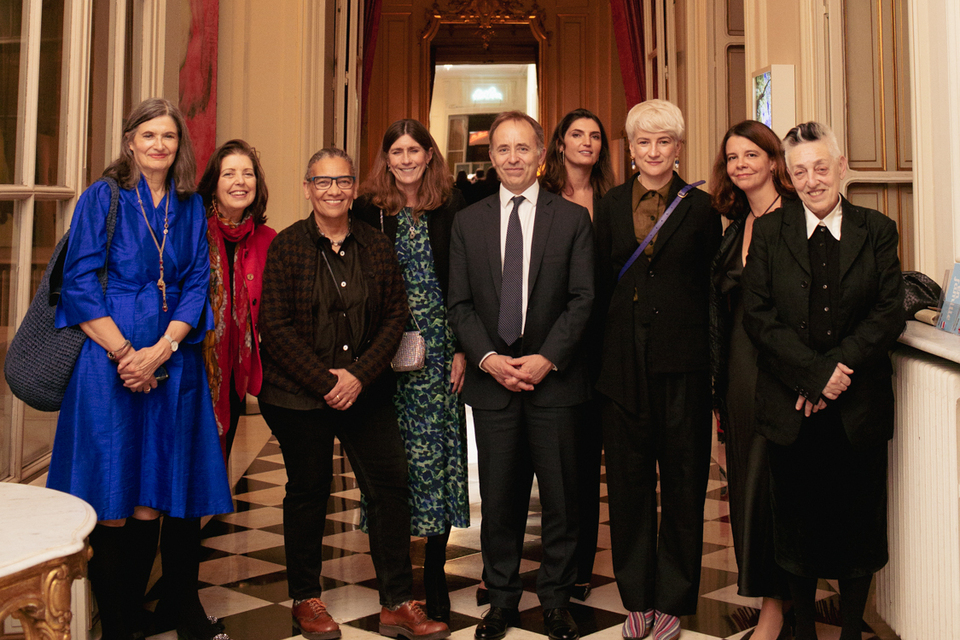
President Macron’s State Visit to the UK earlier this year and the bilateral summit in July have put us in an even better place to work together.
My objectives are clear: to promote trade, investment, and economic growth; to strengthen our cooperation on defence and security; and to advance our joint fight against illegal migration. But there’s also the human and cultural element that makes this relationship so special, not least given the large number of British and French citizens who visit, live, and work in each other’s country. Ensuring we provide first class consular services to British residents and visitors alike is a critical part of my responsibilities. Most importantly, I look forward to working with my French and British colleagues to make a real difference for both of our countries.
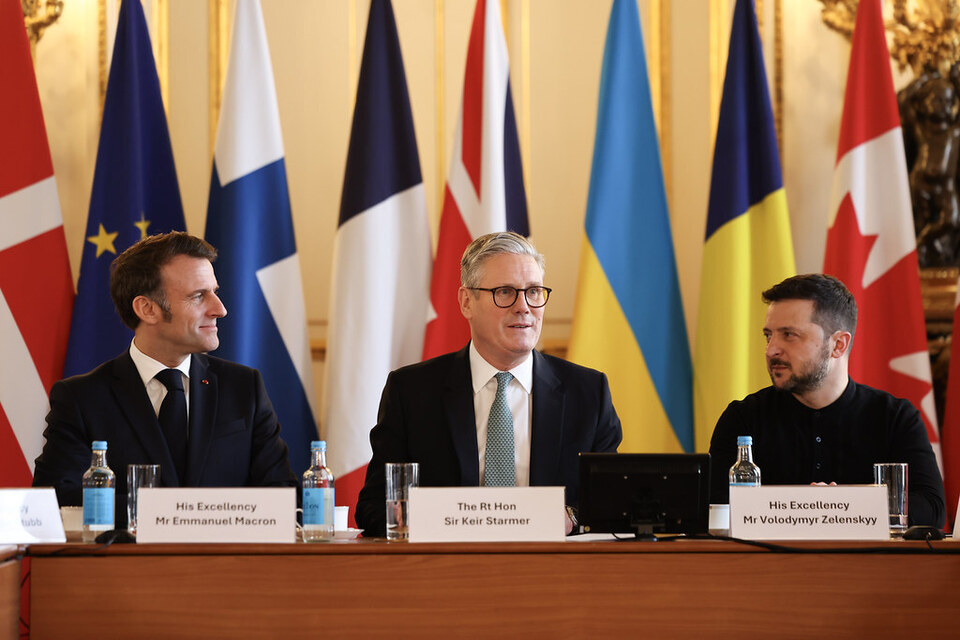
Just over three months into the job, I’ve been struck by the intensity and warmth of the UK-France relationship. In the past two months alone, the Prime Minister and President Macron have met multiple times: in the margins of the European Political Community meeting in Copenhagen, in Berlin and at meetings of the Coalition of the Willing. Before that, we saw two visits in a week by Foreign Secretary Yvette Cooper, outside of her regular conversations with her French counterpart.

We also hosted ministerial visitors for the Feminist Foreign Policy conference, the Paris Peace Forum, and the Great Lakes conference. We’ve also welcomed visits from the Defence Secretary and the Home Secretary, underlining the breadth and depth of our bilateral cooperation.
On a lighter note, it’s not all been formal diplomacy. I’ve had the pleasure of attending Paris Fashion Week and the opening of Matthew Bourne’s staging of Swan Lake in Paris, wonderful reminders of the rich cultural ties that bind our two countries together.

Looking ahead to next year, it’s a really exciting time for the UK-France relationship. We’ll see municipal elections in France, the UK hosting the G7, and the possibility of a Franco-British Summit. I’m particularly thrilled about the Bayeux Tapestry travelling to the UK – a historic moment that will bring this extraordinary piece of shared heritage to British audiences.
And looking further ahead to 2027, we have the Year of the Normans to look forward to, the Tour de France potentially starting in the UK, and French elections that will shape the future direction of our closest continental neighbour.
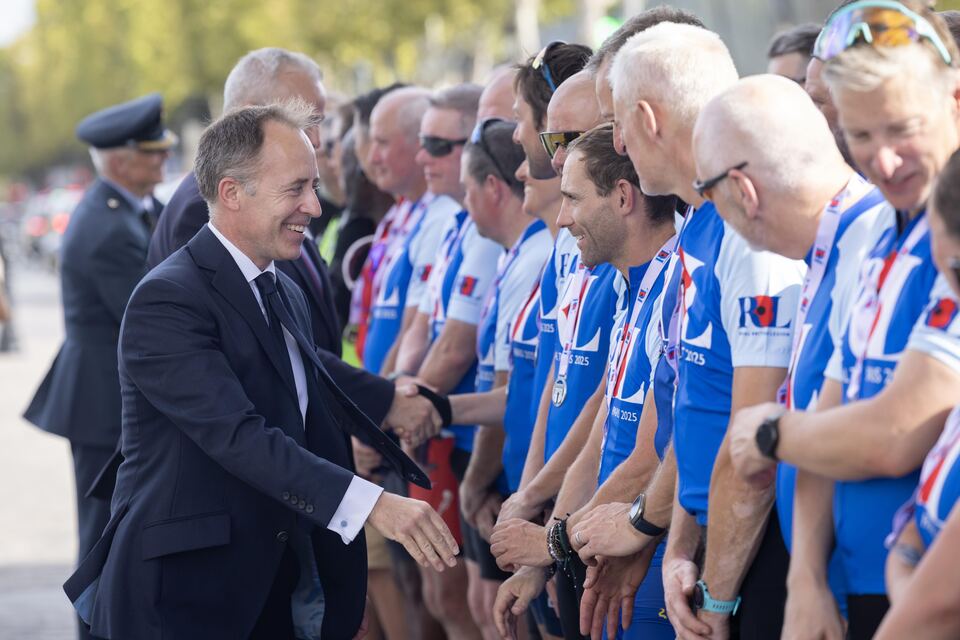
Before I close, I want to say how much I’m looking forward to meeting as many of you as possible in the months ahead. The British community in France is vibrant, diverse, and deeply connected to this country - you are, in many ways, the living embodiment of the entente between our two nations. As always, please do forward this newsletter to anyone you think would find it useful, and if you have friends or family planning to visit France over the coming weeks, please encourage them to sign up for our travel advice alerts.
Our Living In France Guide on gov.uk remains your one-stop shop for everything you need to know as a British person living in France. With that, all that remains is for me to wish you a very happy festive season - whether you’re celebrating Christmas, Hannukah, or simply looking forward to spending time with loved ones.
Joyeuses fêtes - Tom.
3. Ready for ski season?
Ski season is here and many of you might be heading to the mountains! While there’s lots of fun to be had, it’s important to stay safe on the slopes.
4. What do I need to do to prepare ?
Before you go:
Read our Travel Advice. - Check the Ski Club of Great Britain’s website for information about how to plan and safely enjoy a ski holiday.
Do I need insurance ?
Yes! Buy appropriate insurance: make sure yourtravel insurance covers the activities you want to do and know what the exemptions to your insurance policy are. Medical costs and returning to the UK unexpectedly can be very expensive. Many insurance policies will not cover damage to rental equipment or skiing off-piste without a guide, and many policies require you to wear a helmet at all times. Check your policy before you go!
How to understand travel insurance ?
Check your EHIC or GHIC: if you’re travelling in the European Union (EU) or Switzerland, you can use your European Health Insurance Card (EHIC) or Global Health Insurance Card (GHIC). The EHIC and GHIC provide medically necessary state-provided healthcare that cannot reasonably wait until you come back to the UK. The healthcare provider in the country you’re visiting decides whether treatment is medically necessary. The EHIC or GHIC is not an alternative to travel insurance. It will not cover any private medical healthcare or costs, such as mountain rescue in ski resorts, being flown back to the UK, or lost or stolen property.
Be safe and have fun!
-
Make sure you’re fit to ski: winter sports are physical activities, make sure you consider your health and fitness before you travel. If you’re not physically prepared, you’re also more likely to injure yourself.
-
If you have not skied for a while, consider joining a refresher class.
5. 7 rules for when at the resort
-
Follow local advice: understand your resort, including information about the pistes and any local laws or regulations. You can ask your travel company or the local tourist information for details.
-
Think about wearing a helmet many insurance policies require you to wear a helmet on the slopes regardless of the local legal requirements. In some resorts, it is a legal requirement for children and young people to wear helmets. Check the rules in the resort and the requirements of your insurance policy.
-
Choose the right routes: look at the piste map, and understand what it shows you. Be aware of how pistes are classified to indicate their difficulty and choose the right routes or pistes for you. This will help ensure you do not overstretch yourself and get into a tricky situation. Know your limits and do not attempt slopes beyond your level of ability.
-
Follow the skiing code of conduct: read the International Ski Federation (FIS) rules of conduct for skiers and snowboarders on the SkiClub GB website. They help everyone stay safe on the slopes, and know what to do if there is an accident.
-
If you are considering off-piste skiing, make sure you understand the risks, you’re properly prepared, know how to keep yourself and others safe, and have the right equipment. Check whether your insurance covers you for off-piste. Details of equipment you’ll need and courses are on SkiClub GB’s website.
-
Be avalanche and weather aware: snow reports, weather forecasts and avalanche risk levels are available in-resort at the lift stations. Snow and weather reports and information on avalanches are also on SkiClub GB’s website.
-
Be drink aware: alcohol affects your resistance and awareness of the cold, and also impairs your judgement, co-ordination and reaction time, both on the slopes and après-ski. Drinking alcohol at altitude will affect you more quickly, and your insurance cover may not be valid if you injure yourself or others whilst intoxicated.
6. Changes at the border
6.1 What do I need to know
1- EES is a new digital border system that changes requirements for British citizens travelling to the Schengen area. The Republic of Ireland and Cyprus are not within the Schengen area, and therefore EES is not applicable when travelling to either of these countries. The system was launched on 12 October with a gradual increase in registration numbers over a 6 month implementation period meaning that those who have not seen EES in action yet are more likely to do so over the coming weeks.
2- If you are travelling to a country in the Schengen area for a short stay using a UK passport, you will be required to register your biometric details, such as fingerprints and a photo, when you arrive. You do not need to take any action before you arrive at the border, and there is no cost for EES registration.
3- EES may take each passenger a few extra minutes to complete so be prepared to wait longer than usual at the border once the system starts.
6.2 Where to find more info
Find out more information on the EU’s Entry/Exit System on the EU’s official Travel Europe website.
6.3 Can I be exempt?
Some UK nationals are exempt from EES. The full list of exemptions is on the EU’s official Travel Europe website.
In France, documents that allow exemption include all forms of Withdrawal Agreement residency permits, including 5-year, 10-year and permanent residency permits. Any other valid residency permit issued by France or any other EU member state will also mean that you are exempt.
6.4 What about children travelling?
Please note that minors must be in possession of a Document de circulation pour étranger mineur (DCEM), whether travelling accompanied or alone, to be exempt from EES. DCEMs are free for beneficiaries of the Withdrawal Agreement. Apply for a DCEM through the French government website Document de circulation pour étranger mineur (DCEM) Service-Public.fr. If you have one of these documents, you will not need to register in the EES when travelling.
7. What is an ETA?
An ETA lets you travel to the UK for tourism, visiting family or certain other reasons for up to 6 months. An ETA costs £16. Other websites may charge more to apply. Avoid websites that imitate government services.
The Government has recently announced that the ETA scheme will be mandated from 25 February 2026.
7.1 You do not need an ETA if any of these apply to you
You do not need an ETA if any of these apply to you:
-
you’re a British or Irish citizen
-
you have a UK visa
-
you have permission to live, work or study in the UK (including settled or pre-settled status or right of abode)
-
you’re transiting through a UK airport and you will not pass through border control - check with your airline if you are not sure
-
you’re travelling with a British overseas territories citizen passport
-
you’re travelling with a British National (Overseas) passport
-
you live in Ireland and you’re travelling from Ireland, Guernsey, Jersey or the Isle of Man
-
you’re a child travelling on the France-UK school trip travel information form
-
you’re exempt from immigration control or do not need to get permission to enter
7.2 British, Irish and dual citizens
British and Irish citizens, including dual citizens, are exempt from needing an ETA. The UK government strongly advises dual British citizens to make sure they have a valid British passport or certificate of entitlement, to avoid problems like being denied boarding when travelling to the UK from 25 February 2026.
If you’re a dual citizen with British or Irish citizenship, you cannot get an ETA. When you travel to the UK you’ll need to prove your citizenship using:
-
a valid British passport
-
a valid Irish passport
-
another valid passport containing a certificate of entitlement
7.3 If you’re travelling as a family or group
Students aged 18 and under travelling on a French organised school trip, which has properly completed the UK-FR School Travel Information Form will be exempt from ETA. Teachers and guardians travelling as part of the trip will NOT be exempted and should ensure they have properly requested an ETA ahead of travel.
7.4 What you can do with an ETA
You can:
-
come to the UK for up to 6 months for tourism, visiting family and friends, on a business trip or for short-term study
-
come to the UK for up to 3 months on the Creative Worker visa concession
-
come to the UK for a permitted paid engagement
-
transit through a UK airport if you’ll pass through border control - check with your airline if you are not sure
If you’re coming to the UK for another reason, check if you need a visa instead.
7.5 What you cannot do with an ETA
You cannot:
-
stay in the UK for longer than 6 months
-
do paid or unpaid work for a UK company or as a self-employed person, unless you’re doing a permitted paid engagement or event or work on the Creative Worker visa concession
-
claim public funds (benefits)
-
live in the UK through frequent or successive visits
-
marry or register a civil partnership, or give notice of marriage or civil partnership - you need to apply for a Marriage Visitor visa
7.6 Before you start
You’ll need:
-
the passport you’ll travel with
-
an email address
-
a credit card, debit card, Apple Pay or Google Pay
-
When you apply, you’ll need to upload or take photos of the face of the person applying.
Check if you need an ETA or visa to come to the UK.
7.7 School Trips and ETA
The government has considered the implications of the Electronic Travel Authorisation (ETA) scheme on French school groups visiting the UK and has agreed that children aged 18 and under travelling as part of a French school group will be temporarily exempted from the ETA requirement until a group solution is developed. This will allow EU, EEA and Swiss children to continue to use their identity cards on organised French school trips to the UK so long as they meet the requirements of the Immigration Rules. The UK-FR school trip form provides the exemption for ETA and must be used to benefit from the exemption. The form may still be used even if all school children have passports.
This agreement is specific to France and helps to maintain educational and cultural links with our closest continental neighbour. We will keep the position under review and ensure that we continue to operate our border in the UK’s best interests
8. Heathcare
3 Tips for stress-free healthcare access when away from home
The Christmas period is when many people choose to travel. Whether you are homeward bound for the UK, hitting the slopes or getting your home ready to receive family and friends in France, the following information is for you. Read on to see how you, or the people who are travelling to see you, can reduce the worry linked to seeing a doctor away from home.
When you travel outside of your country of residence, this card will cover you for state-provided care within the European Union, EEA countries, Switzerland and the UK (you could be charged for accessing the NHS if you are no longer a UK resident, see here for details). It is the treating physician in the country you are visiting who decides whether treatment is necessary and cannot wait until you return home.
The country that issues you with an EHIC, is the country that covers you for state-run healthcare. If you make social security contributions to France, then you are France-insured and should apply to your local Caisse Primaire d’Assurance Maladie (CPAM) for a CEAM (see here for the process). If the UK covers your healthcare in France (for example you are a UK state pensioner and you have registered a E121 or S1 form), NHS Business Services Authority will issue you with a UK EHIC or a GHIC. Please see here for the process. Each family member should be issued their own EHIC/GHIC or CEAM and travel with it.
Tip #2 Know how to apply for a replacement EHIC/GHIC or CEAM if you forget or lose your card, or it gets stolen
If you do find yourself abroad at a public hospital with no EHIC/GHIC or CEAM snug in your wallet, do not panic. It is possible to apply for a Provisional Replacement Certificate (PRC) if you are UK-insured or a certificat provisoire de remplacement (CPR) if you are France-insured. These certificates cover you in the exact same way as the EHIC/GHIC or CEAM.
You can apply for a PRC online here. You can apply for a CPS in the same way you can apply for a CEAM: contact your CPAM via your ameli account or by calling 36 46 or +33 1 84 90 36 46 (if outside of France).
Tip #3 Take out comprehensive travel insurance
EHIC/GHIC and CEAM cover is limited to necessary state provided care. It will not cover you for any private care, private prescriptions, private ambulances, co-payments, emergency medical evacuation, mountain rescue or repatriation. We strongly urge you to take out insurance and read the small print, so you understand how you are covered.
We wish you healthy and happy holidays!
9. Travel
Many of you may be travelling over the festive season to see family, friends or to have a well-deserved break!
If you are travelling, please be aware that we are likely to see an increase in traffic which may lead to delays at certain times.
Below are links to some popular travel operators, airports and ports’ Twitter accounts for live updates:
Read more on our France Travel Advice.
10. Useful Links
Please visit the webpages below for more information. The links and contact details can signpost you in the right direction and also connect you to those who can provide support or offer help with technical matters if you need it.
Key websites:
-
Living in France Guide: https://www.gov.uk/guidance/living-in-france
-
France Travel Advice: https://www.gov.uk/foreign-travel-advice/france
-
French government website: www.brexit.gouv.fr
-
Healthcare in France: https://www.gov.uk/guidance/healthcare-in-france-including-martinique-and-guadaloupe
-
NHS advice on planning healthcare abroad: https://www.nhs.uk/using-the-nhs/healthcare-abroad/moving-abroad/planning-your-healthcare/
-
If you use social media, do also follow us on Facebook @ukinfrance and on X @ukinfrance.
-
EU Entry/Exit System: https://www.gov.uk/guidance/eu-entryexit-system
-
ETA: https://www.gov.uk/guidance/apply-for-an-electronic-travel-authorisation-eta