Code on Genetic Testing and Insurance: 3-year review 2025
Published 5 March 2026

© Crown copyright 2026
This publication is licensed under the terms of the Open Government Licence v3.0 except where otherwise stated. To view this licence, visit nationalarchives.gov.uk/doc/open-government-licence/version/3 or write to the Information Policy Team, The National Archives, Kew, London TW9 4DU, or email: psi@nationalarchives.gov.uk.
Where we have identified any third party copyright information you will need to obtain permission from the copyright holders concerned.
This publication is available at https://www.gov.uk/government/publications/code-on-genetic-testing-and-insurance-3-year-review-2025/code-on-genetic-testing-and-insurance-3-year-review-2025
Introduction
The Code on Genetic Testing and Insurance (the code) was published in October 2018, replacing the ’Concordat and moratorium on genetics and insurance’. The code is the sixth iteration of a long-standing agreement between the UK government and the Association of British Insurers (ABI).
Both the government and ABI recognise that:
- genetic testing is a valuable tool in informing the diagnosis, prevention and treatment of ill health. People should not be discouraged from accessing its benefits because of concerns this might compromise their ability to access insurance cover
- insurance provides a social purpose to protect the public against the impact of risks they face. It is important for insurers to access proportionate levels of relevant health information, given the appropriate consent, so they can effectively assess the level of risk to be covered and accurately price premiums to offer all consumers fairly priced insurance
The code aims to balance these interests and provide reassurance to the public about whether and how insurers can request and use genetic test results when underwriting long-term insurance products including life, critical illness and income protection insurance.
Under the code, insurers who are members of ABI or who otherwise agree to adhere to the code, will never require or pressure any applicant to undertake a predictive or diagnostic genetic test. They will also only consider the result of a predictive genetic test for a very small minority of cases. To date, there is only one predictive genetic test for which insurers can request the disclosure of results, which is a predictive genetic test for Huntington’s disease in applications for life insurance which exceed the financial limit of £500,000. The government has not received an application from insurers to add further conditions to this list in over 20 years.
Recognising the importance of research, the code also states that genetic test results obtained exclusively through participation in research studies do not need to be disclosed to insurers.
Three-year review and annual reporting
The code is open-ended with no expiry date. The government and ABI have agreed to publish 3-yearly reviews to ensure the code is kept up to date. Additionally, ABI also publish a ’consumer guide’ on their Code on Genetic Testing and Insurance page to help people to understand the code, which they welcome feedback on.
In addition to 3-yearly reviews, under the code, the government and ABI agreed to publish annual reports to provide commentary on the status of the insurance market and developments in genomic technologies, as well as details on compliance with the code.
Compliance with the code is monitored by insurers, who report data to ABI on the number of:
- genetic test results disclosed by applicants
- complaints from applicants about breaches of the code’s commitments
- complaints that have since been resolved by the applicant and insurer
This document incorporates the 2025 ABI annual report on the code with data on compliance included, in annex A. It also provides a comprehensive overview of the significant changes and advancements in genomics research and policy that have taken place since the publication of the first review in 2022. It addresses the dynamic and rapidly evolving landscape of genomics, highlighting the latest updates in genomic technologies and their implications for both healthcare and insurance. Additionally, it outlines the progress achieved since the previous review.
Based on extensive cross-sector stakeholder engagement, we have identified further action needed to ensure the code remains fit for purpose. Before the next triennial review, we will:
- action 1: convene a cross-sector subgroup to review the definitions of diagnostic and predictive genetic tests used in the code and advise whether changes to the code should be made
- action 2: update the code to provide additional clarity around the process for adding further conditions to the list of predictive genetic test results that may need to be disclosed under the code
- action 3: update the consumer guide (in partnership with ABI)
- action 4: take further steps to gather evidence to understand whether concerns around insurance affect people’s willingness to undertake genetic testing or participate in research studies
Genomics and policy
The UK is at the forefront of a rapidly evolving genomics landscape, with ambitions to integrate advanced genetic technologies into healthcare. The UK wide Life Sciences Sector Plan and the 10 Year Health Plan for England published in 2025 set out an ambitious agenda for the coming decade for transformative developments in preventive care, population health and the use of genomics to drive better outcomes. This signals an important shift with the ambition to create a new genomic population health service, accessible to people in England by the end of the decade. Genomics will become an important part of everyone’s care. Early diagnosis supports the shift from treatment to prevention. This overarching ambition is also echoed in the Scottish Government Health and Social Care Service Renewal Framework alongside its Life Sciences Strategy.
In England, over the next 10 years the NHS Genomics Medicine Service will integrate pharmacogenomics into routine clinical practice and expand this into population testing. This will help to make sure an individual’s treatment can be tailored to their likely response to specific medications and reduce the likelihood of adverse reactions to medication. Integrated risk scores (bringing together polygenic risk scores and non-biological risk factors) will be implemented initially in an evaluative study, which over time will also be expanded as part of population level testing.
In an insurance context, with its emphasis on risk and prevention, this raises questions about how insurers might consider test results. Genetic and genomic tests can provide useful information that can help people take mitigating steps to prevent or manage disease. This is discussed later in the report.
Sitting alongside the 10 Year Health Plan and UK Life Sciences Sector Plan, the National Cancer Plan for England was published in early 2026. The cancer plan sets out how the UK government will plan to achieve its health mission objective to reduce the number of lives lost to cancer. Genomics has a critical part to play in this by enabling earlier diagnosis and improved treatment.
The Cancer Plan for England complements:
- the Cancer action plan for Scotland 2023 to 2026
- A cancer improvement plan for NHS Wales 2023 to 2026
- A cancer strategy for Northern Ireland 2022 to 2032
All 4 strategies cite a genomics role in enabling diagnosis and improved treatment.
Ministers of all 4 nations also recently agreed to extend the UK Rare Diseases Framework through to 2027. Genomics will continue to play a major role in driving progress against priority one of the framework to reduce the time to diagnosis.
Genomics research
The UK government is committed to genomics research and expanding access to genome sequencing where there is a clear benefit for patients. A number of pioneering research programmes are underway to deepen our understanding of how variations in our genomes influence health and to build an evidence base which will further embed genomics within the NHS as part of routine care. The following section explores how these programmes are shaping the future of genomics. It is important to note that people taking part in these studies are not required to share the results of predictive genetic tests, or any genetic information obtained solely for research purposes, with their insurance provider.
Some of the UK Life Science Sector Plan and 10 Year Health Plan commitments are supported by an initiative to further genomics research through a £650 million investment in Genomics England, an additional £354 million investment in Our Future Health (OFH) and up to £20 million in UK Biobank. This funding will ensure that, by 2030, the UK will lead globally in health data and genomics research through 3 major programmes, as follows.
OFH will become the world’s largest longitudinal health research and clinical trials resource, with up to 5 million participants. The NHS across the 4 nations, in partnership with OFH, will trial the use of integrated risk scores (which combine genomic, lifestyle and health data) within the newly announced neighbourhood health services. This marks a major step towards routine genetic testing in preventive care.
UK Biobank will enhance its world-class biomedical resource with comprehensive proteomic and multiomic profiling of 500,000 participants and linked health records. Proteomics is the large-scale study of proteins present in people’s blood, while multiomics is the combination of multiple omic data sets - from proteomics to genomics and other biomolecules, which in combination can drive deep insights into mechanisms of disease and future diagnostic biomarkers.
Genomics England will host over 500,000 genomes in its research library, returning new diagnoses to participants in partnership with NHS England to inform clinical care, and driving innovation in genomics-enabled prevention, diagnostics and clinical trials. The Generation Study will evaluate the effectiveness of using whole genome sequencing (WGS) to test 100,000 newborns for over 200 genetic conditions. Positive results are only returned where there is robust evidence that a treatable condition is likely to develop within the first 5 years of life. There are no plans to screen for conditions that appear later in life or remain asymptomatic. The 10 Year Health Plan committed to launching a large-scale research study, led by Genomics England, to sequence up to 150,000 adult genomes and assess how genomics can support routine preventative care. Work is now underway to design the research study, develop scientific and clinical methodologies and establish governance in line with major programme standards. Subject to approval, the recruitment and sequencing of participants is expected to begin from 2027.
The National Institute for Health and Care Research (NIHR) BioResource sits alongside these initiatives with deeply characterised, sequenced cohorts ready to be recalled to participate in research. In addition, since the last triennial review the NHS Genomic Networks of Excellence have been established in England. Further information on each of these initiatives is available in annex B.
Genomics landscape in the NHS
Building on the UK’s global leadership in genomics research and large-scale population studies, the NHS has integrated advanced genomic technologies into routine clinical services, delivering benefits for both patients and clinicians. By embedding these capabilities across the health system, the NHS is pioneering new approaches to the diagnosis, treatment and prevention of disease which will enable more personalised care.
The 4 nations that make up the UK have different health systems as healthcare in the UK is devolved. Health services in England are centrally funded from the Department of Health and Social Care, and in Wales, Scotland and Northern Ireland through block grants to the devolved governments. Below we outline important advances in genomics in healthcare across all 4 nations of the UK since the last triennial review.
The NHS Genomic Medicine Service (GMS) for England is a world-leading service which integrates genomics into routine healthcare at a national scale. The service delivers over 870,000 genomic tests per year, ranging from single gene tests to WGS. These tests help to diagnose rare diseases, identify appropriate cancer treatments and prevent adverse drug reactions. The UK Life Sciences Sector Plan contains a number of commitments for genomics, including the expansion of the NHS GMS which will create a new genomic population health service, accessible to all by the end of the decade.
In England, the NHS GMS and Genomics England deliver whole genome sequencing as part of routine care for seriously ill children who are likely to have a rare genetic disorder, all children with cancer and adults with a suspected rare disease or specific cancers. This is the first service of its kind in the world, enabling thousands of patients to receive faster, more accurate diagnoses. Over 150,000 genomes have been sequenced to date through this service. Rapid WGS is also delivered through the NHS England GMS for acutely unwell babies and children.
Genomic testing in England is delivered through a national network of 7 NHS Genomic Laboratory Hubs, in line with the National Genomic Test Directory. The test directory outlines the comprehensive genomic testing offer that is commissioned in England, including for rare diseases and 200 cancer indications eligible for genomic testing. The test directory also defines the eligibility for testing and the method by which it should be delivered. NHS England, supported by a Genomics Clinical Reference Group and Test Evaluation Working Groups, reviews the test directory to keep pace with scientific and technological advances, while delivering value for money for the NHS, though an evidence-based process and policy. In addition, a fast-track scheme is in place for when changes are rapidly needed to implement a policy decision - for example, a National Institute for Health and Care Excellence (NICE) technology appraisal where a genomic test forms part of the access criteria for a drug.
Genomics in Wales is transforming healthcare through earlier diagnosis, more precise treatments and improved outcomes for patients. It builds on strong collaboration across the NHS, academia, industry and government, with a shared ambition to adopt innovation for the benefit of the population. The Genomics Delivery Plan for Wales sets out how whole genome sequencing for critically ill children, expanded testing for cancer and rare diseases, and the use of pharmacogenomic screening to improve the safety of treatments is being carried out. Delivery and co-ordination is provided by Genomics Partnership Wales, with the Patient and Public Sounding Board ensuring lived experience and lay perspectives shape priorities and progress. Canolfan Iechyd Genomig Cymru, the Wales Genomic Health Centre in Cardiff, brings clinical services, public health, research and innovation together in one location, to support the delivery of high-quality genomic services for the people of Wales.
In Northern Ireland, the Regional Molecular Diagnostic Service (RMDS) provides comprehensive specialist genomic testing for cancer, haematological conditions and rare genetic disorders for health and social care (HSC) patients in Northern Ireland, leading to improved diagnosis, treatment and patient management. The Department of Health Northern Ireland is committed to advancing genomic medicine across the region and integrating genomics into healthcare delivery to improve patient outcomes and the overall health of the population, supported by strategies including the Northern Ireland Cancer Strategy and the Northern Ireland Rare Diseases Action Plan. With investment from the cancer strategy, RMDS has developed a pathway to expand the provision of solid tumour genomic profiling in Northern Ireland, to better inform therapeutics and clinical management; and implemented a new pathway to identify genetic predisposition to certain inherited cancers, enabling early monitoring and intervention. Northern Ireland was the first UK region to undertake this approach at population scale. Alongside genomics in the HSC, Northern Ireland has a strong health and life sciences research and development sector in Northern Ireland, led by the universities and local companies, supporting cutting-edge genomics research and translation of innovation into practice.
Genomic testing in Scotland is commissioned as a specialist service through NHS Scotland National Services Division (NSD) with a Scottish test directory supported predominantly by 4 UK Accreditation Service accredited NHS genomic laboratories. Scotland’s first genomic medicine strategy was published in 2024 and work is underway to deliver its core aims:
- expanding provision of genomic testing
- completing a programme of laboratory service reform
- building the foundations needed to embed genomic medicine within Scotland’s health and social care systems and data ecosystem
Insurance and genetics
The UK insurance and long-term savings market is crucial for protecting individuals and supporting the broader economy. As genetics and genomic medicine continue to transform our understanding of health risks, it is increasingly important to explore how these developments impact insurance practices and consumer protection.
The UK insurance and long-term savings market
ABI is the voice of the UK’s world leading insurance and long-term savings industry, which is the largest sector in Europe and the third largest in the world. ABI represents more than 300 firms within its membership including most household names and specialist providers.
Purpose of insurance
The social purpose that underpins insurance is to protect people against the impact of risks they face. In 2024, the UK insurance industry paid out 96.9% of life insurance, income protection and critical illness insurance claims, totalling £8 billion and equivalent to £21.9 million a day - the highest on record. The average pay out on life insurance policies was £79,703 and £25,133 on income protection policies. Insurers are in the business of protecting against the impact of health risks and strongly support changes which improve health and reduce claims, which can have a positive impact on insurance premiums and improve access to insurance.
Further data on genetics and insurance can be found in annex A.
Why genetics is relevant to insurance
The evolution of genomic medicine and technologies to improve diagnosis and treatment of patients is a significant development in the UK. Insurers support that development and do not want concerns over access to insurance to inadvertently hinder the uptake of genetic testing. The insurance industry recognises that the public have concerns about the use of genomic information by insurance companies, and how their data is used. ABI and its members continue to work with government, patient, consumer and health professional representatives to achieve a well-balanced relationship regarding the fair and transparent use of genetic test results in the limited instances when they are used in insurance. This highlights the need for ongoing review of the code to maintain fairness and sustainability in insurance.
Differences between insurance products
The code applies to all insurance products but, in practice, is only relevant to those products which use health information to assess risk, which are:
- protection insurance (providing life, income protection and critical illness)
- health insurance (providing private medical insurance)
Both health and protection insurers are concerned about anti-selection from genetic testing, where customers know more about their health risks than insurers do, potentially leading to higher-than-expected claims and increased prices. In the longer term, this could lead to unsustainable risk management, rising insurance premiums and reduced availability of insurance. This is why it is important for the government and ABI to regularly review the code to ensure it remains relevant for both the consumer and the insurance industry.
Protection products are long-term and pay out lump sums or regular amounts of money. The underwriting process to assess risk and offer policy terms generally only takes place at the start of the policy, but with claims possible at any point from day one to as long as 50 years or more. For those products, trying to assess future risk is critical to helping set the right price for premiums at the start of the policy. Once customers have agreed to the policy terms offered by the insurer, for most policies, the insurer cannot alter the terms of cover for the duration of the policy. Therefore, an inability to accurately predict future health risk could lead to more claims than insurers expect and price for.
Travel insurers generally have little interest in genetic information, as they focus mainly on short-term risks such as emergency medical treatment while travelling rather than long-term health conditions. More details can be found in the 2022 review of the code.
Recent developments
Insurers welcome the positive developments in the understanding and application of genomic medicine and technologies in the UK. These range from the extensive research programmes currently taking place, to the increasing integration of genomics into routine clinical practice. These developments chime with insurers who aim to protect consumers against the impact of health risks and apply changes which improve individual and population health.
Insurers support these developments and the government’s ambition, set out in the 10 Year Health Plan, to place the NHS at the front of the ‘global genomics revolution’ to get ‘upstream of ill-health and make a reality of precision medicine’.
Insurers will not ask for, or will ignore, results of genetic tests that are undertaken exclusively in the context of scientific research. Insurers do not want concerns over access to insurance to inadvertently hinder the uptake of genetic testing or hinder important developments in the understanding of their potential.
Progress on first triennial review actions
The first review of the code was published in 2022. It highlighted developments required for the code to remain both relevant and useful, and outlined actions to address challenges identified through stakeholder engagement. An update on the agreed actions is provided below.
Accessibility of the code - an updated ABI consumer guide
Feedback received during the first triennial review of the code identified that the 2018 consumer guide would benefit from reviewing and updating. As a result of this, the consumer guide was updated to improve clarity, with support from Genetic Alliance UK. Three years on, we are looking to make further revisions to the consumer guide to provide further clarity on how the code works for consumers. The consumer guide will be updated to add:
- historical context
- more detail on the transparent process if insurers seek additions to the code list of predictive tests
- further detail on how negative Huntington’s disease test results will be taken into account by insurers
- further guidance on how to access insurance
ABI is also looking to provide healthcare professionals with more information on how the code operates to support their discussions with patients. As part of this, ABI is committed to taking forward feedback from stakeholders to understand commonly asked questions from the diverse rare disease community and respond to these through the consumer guide. This will empower individuals to feel more confident seeking genetic tests and accessing insurance. ABI is committed to continuing to review the consumer guide and welcomes feedback.
DHSC call for evidence and workshops
The code is framed around the distinction between 2 types of genetic tests:
- diagnostic genetic tests: confirm or rule out a condition when symptoms or other test results suggest the condition may be present
- predictive genetic tests: predict a future risk of disease in individuals without symptoms of a genetic disorder
Following on from a commitment in the 2022 review, the government launched a 12-week call for evidence in 2023 to explore 2 important themes identified through stakeholder engagement:
- the way in which we define both predictive and diagnostic genetic testing in the code
- a need to outline a transparent and accessible approach to assessing which predictive genetic test results may need to be disclosed under the code in the future. This included gathering views on the proposed use of a framework developed by the Cambridge Centre for Health Services Research (CCHSR) by insurers, to help determine the impact of genetic tests on insurers’ risk exposure
The call for evidence received 57 responses from organisations, professionals and members of the public answering in a personal capacity.
Following on from the call for evidence, we sought to gather a diverse range of views through 2 large cross-sector workshops which took place in 2024 and June 2025. These sessions involved clinicians, genetic counsellors, patient groups, researchers and insurers. The goal of the workshops was to understand whether the definitions of genetic tests and the process for assessing conditions for which insurers may request disclosure of predictive genetic test results in the code should be updated and broadly how this could be achieved.
Changing landscape of genetics and insurance report
Since publication of the first triennial review, the Oxford Centre for Personalised Medicine and the British Society for Genetic Medicine (BSGM) has also published a report on the changing landscape of genetics and insurance in the UK, summarising a discussion at a workshop held in November 2024. The workshop explored how rapid advances in genetic testing are challenging current arrangements in the UK about how genetic information can, and should, be used for insurance purposes. The report highlights several themes in common with our stakeholder engagement, including the need for clearer definitions of genetic tests and greater transparency on how the code operates, which are explored in more detail below.
2025 view of the Code on Genetic Testing and Insurance
Despite advances in technology and an ambitious approach to embedding genomics in the NHS, the code remains largely fit for purpose. There are high levels of compliance with the code and the majority of people are able to easily access the insurance they need (see further detail in annex A). The insurance industry remains largely content with the way in which the code operates and that they are sufficiently protected against asymmetric information.
However, as technology continues to evolve and genomics becomes more routinely used as part of healthcare it is clear that the code will need to continue to be reviewed to ensure it remains fit for purpose. We have heard anecdotally that some people are delaying getting predictive tests due to concerns about insurance. This section discusses the emerging challenges and our responses to them, drawing on the call for evidence, stakeholder workshops and additional evidence gathered from stakeholders, including ‘the changing landscape of genetics and insurance in the UK’ report.
Exploring whether the definitions of genetic testing in the code remain fit for purpose
In April 2024, we published the results of the 12-week call for evidence where we found the following:
- most respondents felt they could determine whether a genetic test was predictive (61%) or diagnostic (67%) using the current definitions in the code
- over 70% felt there were some individual genetic tests that they would be uncertain of defining as predictive or diagnostic, with 48% of healthcare professionals who responded indicating that they used other categories of genetic tests in their area of practice
Building on these findings, our stakeholder workshops examined different options for rewording or removing the definitions, including learning from approaches taken in other countries. In line with the call for evidence, insights from the workshops showed that stakeholders favoured updating the definitions of both predictive and diagnostic genetic tests. Although opinions differed as to how this could be achieved, a number of important properties were identified, including the need to be workable, transparent and provide clarity.
In the coming year, we will build on the findings of these workshops and convene a subgroup of experts to review the definitions and propose amendments to the code - see action 1 under ‘Forward look’ below.
Additional transparency in the process for assessing which predictive genetic test results may need to be disclosed under the code in future
Currently, only the result of a predictive genetic test for Huntington’s disease needs to be disclosed for life insurance applications which exceed the financial limit of £500,000. Under the code, insurers may submit an application to add further conditions to this list. However, the government has not received any applications in over 20 years. Although the code outlines the evaluation criteria used by the government to assess an application from an insurer, it does not provide detail on the factors important to insurers when considering whether to submit an application.
The 2021 CCHSR framework was developed as a decision-making tool to guide insurers in evaluating the potential impacts on the UK insurance industry arising from predictive genetic tests. The framework considers several factors including the characteristics of genetic tests as well as behavioural aspects that motivate uptake of genetic tests in the population.
Our 12-week call for evidence found that:
- 54% felt the addition of the CCHSR framework would improve the decision-making process around whether new conditions should be added to the list of exemptions in the code by adding structure and transparency
- 63% felt that there could be unintended consequences of adopting the CCHSR framework, including a concern that this could impact an individual’s decision to undergo genetic testing
These findings were further explored in our workshops, where stakeholders agreed that the CCHSR framework provided useful criteria for insurers to consider when deciding whether to apply to add conditions to the code’s exemption list. Workshop participants highlighted penetrance (the proportion of people with a particular genetic variant who actually develop the associated trait or disease) and risk mitigation as being particularly important aspects of the framework but noted the need for plain language descriptions of the framework’s criteria to support insurers and the public to understand how these related to risk. In response, we will work with ABI to update the consumer guide, clarifying that insurers will consider the framework when deciding whether to submit an application, and providing more detail on its purpose and application - see action 3 under ‘Forward look below.
Some stakeholders expressed concerns that adopting the framework might lead to insurance companies submitting further applications. However, it is important to recognise that ABI commissioned the CCHSR framework to provide greater transparency on the factors important to insurers when assessing the potential impacts a predictive genetic test may pose to the insurance sector if not disclosed. Any applications to add further conditions will be assessed by government using the existing and comprehensive evaluation criteria, as outlined in the code. This process includes an independent review of the application conducted by at least 4 appropriate experts such as a patient representative, clinical geneticist, epidemiologist, economist or actuary. Workshop participants were also in favour of amending the code to clearly state that applications to add to the list of approved conditions in the code will take into account relevant research and ethics perspectives. This will be reflected in the updates that will be made to the code - see action 2 under ‘Forward look’ below.
Through our workshops, some stakeholders suggested that the use of the evaluation criteria to guide the prior decision on Huntington’s disease for life insurance applications exceeding £500,000 could be made more transparent. We recognise the importance of this information to patients and as part of our wider commitment to improve transparency. Will work with ABI to provide further historical context on this decision as part of updates to the consumer guide.
Exploring social research
To remain fit for purpose, the code must continue to meet its objectives by providing public reassurance that supports the uptake and benefits of genetic testing, while ensuring insurers can offer consumers fairly priced insurance products and ensure the sustainability of risk management in the insurance market. The code states that insurers will never pressure an individual to take a predictive or diagnostic genetic test to obtain insurance.
It is important that concerns about insurance do not negatively affect people’s willingness to undertake genetic testing or participate in research. Anecdotal evidence from stakeholders suggested that individuals at risk of a genetic condition may be reluctant to undergo genetic testing due to a variety of reasons, including for some, the potential implications the results may have on access to insurance. Following on from this, we are exploring how best to gather systematic evidence to research the breadth of this concern and any potential impacts on patients and their relatives - see action 4 under ‘Forward look’ below. Insights from this work will inform whether and how the code may be updated to ensure it remains fit for purpose.
Mitigation
An important theme of the call for evidence and the workshops was a shift towards a genetic test increasingly enabling mitigating measures to be taken. As more genetic conditions can be managed through lifestyle changes or new medical treatments (see ‘Forward look’ below), the implications of a predictive or diagnostic result are changing. Instead of seeing all positive genetic test results as a sign of an unavoidable illness, some are now viewed as providing useful information that can help prevent or manage disease. This change affects how patients, doctors and insurers think about genetic data, focusing more on what can be done rather than what might go wrong. It also shows the need for clear communication and good guidance so people can make informed choices about their health.
New medical treatments are now available for an increasing number of conditions, which were previously untreatable. An example of this is Huntington’s Disease, the only condition currently specified in the code as requiring a predictive diagnostic test to be disclosed. In September 2025, the biopharmaceutical company uniQure announced the results of a phase 1 and 2 clinical trial using a novel gene therapy which has shown promise in Huntington’s disease. Data from the trial shows that treatment improves brain cell survival and results in an average of 75% slowing of the disease, 3 years after surgery. Although this therapy is still under development it highlights the need to continually review how the availability of new treatments and disease mitigations may influence the provisions of the code.
Data
As advances in genomics continue to accelerate, understanding the future of human genome databases and how they will be managed in the UK has become a priority for both science and policy. In November 2023, the Government Office for Science held a roundtable meeting to explore how human genome databases will change between now and 2030, and who will hold them in the UK.
The increase in the size, complexity and diversity of genomic databases raises new issues for how genetic information is governed, both for research and commercial use. As AI integration uncovers new genetic risk patterns, it will be vital to ensure data is used ethically, transparently and in a way that maintains public trust. The future of human genome databases relies on developing systems that protect people’s data, work smoothly across different platforms, and involve a wide range of communities. By strengthening collaboration, ensuring data is used responsibly and making the advantages of genomic research available to everyone, the UK can maximise its impact on healthcare and drive meaningful scientific innovation.
With whole genome sequencing and personalised medicine becoming more prevalent, especially in the private sector, it is important to consider how such testing fits within the code. In 2024, Bupa became the first UK major private healthcare insurer and provider to offer whole genome sequencing through their My Genomic Health Programme. It aims to assess an individual’s genetic risk for over 36 conditions, reporting only on those with preventable options. The pilot, fully aligned with the code, provides customers with insights into over 300 genes, polygenic risk scores and pharmacogenomics. This initiative reflects the growing interest in personalised genomic healthcare and ethical data handling to benefit individuals.
AI and genomic technologies
The convergence of AI and genomics is rapidly transforming healthcare, research and society. As these technologies spread, they present challenges and opportunities for regulation. Even without genetic tests, AI can generate highly accurate health predictions from existing data, which raises new questions around the definitions of genetic tests, information and how these inferences should be protected. The Nuffield Council on Bioethics and Ada Lovelace Institute’s project AI and Genomics Futures, examined the ethical and societal implications of AI-powered genomic prediction. Their final report Predicting: the future of health?, offers recommendations emphasising safeguards, transparent governance and limits on predictive tech use in both medical and commercial contexts. We will continue to monitor the rapid advances in AI-enabled genomics closely and evaluate any potential future implications for the code.
Forward look
The government remains committed to maintaining the UK’s global status as a leader in genomics and delivering on the ambitions for research and the integration of genomics within NHS services as outlined in the 10 Year Health Plan and Life Sciences Sector Plan. The government and ABI have agreed to publish 3-yearly reviews to allow for the code to be kept up to date with these advances in genomics and to monitor insurance compliance. This will ensure the code remains transparent and fit for purpose in protecting individuals while supporting innovation in genomics.
Looking ahead, alongside further advances in the field of genomics, we anticipate more widespread access to and awareness of genetic testing and pharmacogenomics which provides an exciting opportunity to improve the diagnosis, prevention and treatment of ill health for the UK public. To support this, the code will need to remain flexible to adapt to this changing landscape while ensuring it continues to meet its aims, with cross-sector stakeholder engagement central to this goal.
We recognise the need to ensure the process for evaluating an application to add further conditions to the code is clear and easy to understand, to avoid discouraging people from undertaking genetic tests, should they wish to. To achieve this, we commit to updating the code to clarify that all applications are subject to relevant research and ethical considerations as part of the evaluation process.
Through engagement, this review has identified 4 actions to ensure the code remains fit for purpose, considering recent and potential future changes to the genetics and insurance landscape. During the next 3-year review period we will take the following actions:
Action 1
Convene a cross-sector subgroup to review the definitions of both a diagnostic and predictive genetic test used in the code and the scope of these definitions.
Action 2
Update the code to clearly state that relevant research and ethical considerations will be included as part of the review of an application to add further conditions to the list of conditions for which predictive genetic test results may need to be disclosed under the code.
Action 3
Update the consumer guide (in partnership with ABI) to:
- state that insurers will consider the CCHSR framework before deciding whether to submit an application to the government to add further conditions to the list of conditions for which predictive genetic test results may need to be disclosed under the code; provide accompanying descriptions that will explain the purpose and use of each of the criteria for this under the framework
- provide plain language descriptions of the existing evaluation criteria used by the government to assess an insurer’s application
- add historical context, including providing further detail on the decision to include Huntington’s disease on the list of conditions for which a predictive test result needs to be disclosed, for life insurance applications over £500,000
Action 4
Take further steps to gather evidence to understand:
- the proportion of people whose reluctance to undergo genetic testing or participate in research may be due to insurance concerns and the potential impacts on the health outcomes of patients and their relatives
- how policy tools may be used to ensure people are not deterred from taking up testing or participating in research studies due to concerns about insurance
These actions will be taken ahead of the next triennial review, and we will continue to engage with stakeholders throughout this period. In addition to 3-yearly reviews, we will continue to publish annual reports as part of our ongoing commitment to ensure the code remains fit for purpose, following advances in the field of genomics and the continued integration of genomics in routine healthcare across the UK.
Annex A: 2025 annual report on the Code on Genetic Testing and Insurance
Exceptions within the code
The financial limits for life insurance, critical illness and income protection products have remained constant without change and Huntington’s disease remains the only exempt illness (and only for applications for life insurance above £500,000). This means that 100% of applications for life insurance up to the total value of £500,000 are protected from having to share predictive genetic test results.
Companies compliant with the code
Compliance with the code and the adoption of the commitments in the code is a condition of membership for all ABI members. Most insurance companies who are not members of ABI have also signed up to the terms of the code. See a list of all insurance companies who are signatories to the code on ABI’s Code on Genetic Testing and Insurance page.
Compliance data
Under the terms of the code, ABI commits to publishing data that demonstrates how insurers are complying with the terms of the code. This transparency aims to provide confidence in how the code is working.
The table below sets out the total number of diagnostic, predictive and unknown tests reported to insurance companies. Under the terms of the code, insurers can ask for, and use, the diagnostic test results reported to them. Insurers do not request results of predictive tests and will ignore these tests when they should not have been disclosed. Therefore, these will not impact on how an insurer underwrites that customer’s policy. Consequently, the trend in diagnostic tests is a more reliable data point than the number of predictive test results.
Currently, the only times insurers may use predictive tests are when a voluntarily provided test result mitigates an adverse family history - usually to the benefit of the consumer by way of a lower premium - or for an accepted test over the financial limits (currently only a predictive genetic test for Huntington’s disease in applications for life insurance cover which total over £500,000). The data does not break down the number of predictive genetic test results to show how many were used to benefit the consumer by mitigating an adverse family history.
Before last year, the table has previously shown a consistent increase in the number of both predictive and diagnostic tests over time, reflecting the increasing number of genetic tests taking place in the UK. This year’s data shows an increase again.
Table 1: total number of diagnostic, predictive and unknown genetic tests reported to insurance companies
| Year | Predictive results | Diagnostic results | Other or do not know | Total |
|---|---|---|---|---|
| 2010 | 1,410 | 1,474 | 134 | 3,246 |
| 2011 | 1,571 | 1,718 | 340 | 3,629 |
| 2012 | 1,878 | 1,980 | 326 | 4,184 |
| 2013 | 1,700 | 2,035 | 314 | 4,049 |
| 2014 | 1,458 | 1,879 | 331 | 3,668 |
| 2015 | 1,336 | 1,753 | 328 | 3,417 |
| 2016 | 1,407 | 1,827 | 360 | 3,594 |
| 2017 | 1,754 | 2,061 | 310 | 4,125 |
| 2018 | 1,937 | 2,779 | 338 | 5,054 |
| 2019 | 2,123 | 3,476 | 388 | 5,987 |
| 2020 | 2,118 | 3,502 | 368 | 5,988 |
| 2021 | 2,255 | 4,076 | 485 | 6,816 |
| 2022 | 2,401 | 5,169 | 508 | 8,078 |
| 2023 | 2,282 | 4,690 | 481 | 7,453 |
| 2024 | 2,700 | 5,013 | 568 | 8,281 |
How the financial limits apply to policies
The following graphs show the distribution of life, income protection and critical illness insurance policies written against their respective financial limits within the code. These graphs only look at new insurance policies which started that year, rather than all existing policies. This is because it is only at the start of the policy that the financial limit is applied and so this provides a more accurate picture and helps identify any emerging trends.
Although it is important to monitor the number of policies underneath these limits, in practice, only the life insurance limit is currently relevant. This is because Huntington’s disease for life insurance is the only exception within the code. The other limits would only become relevant in the event of a new exception coming into force for these products.
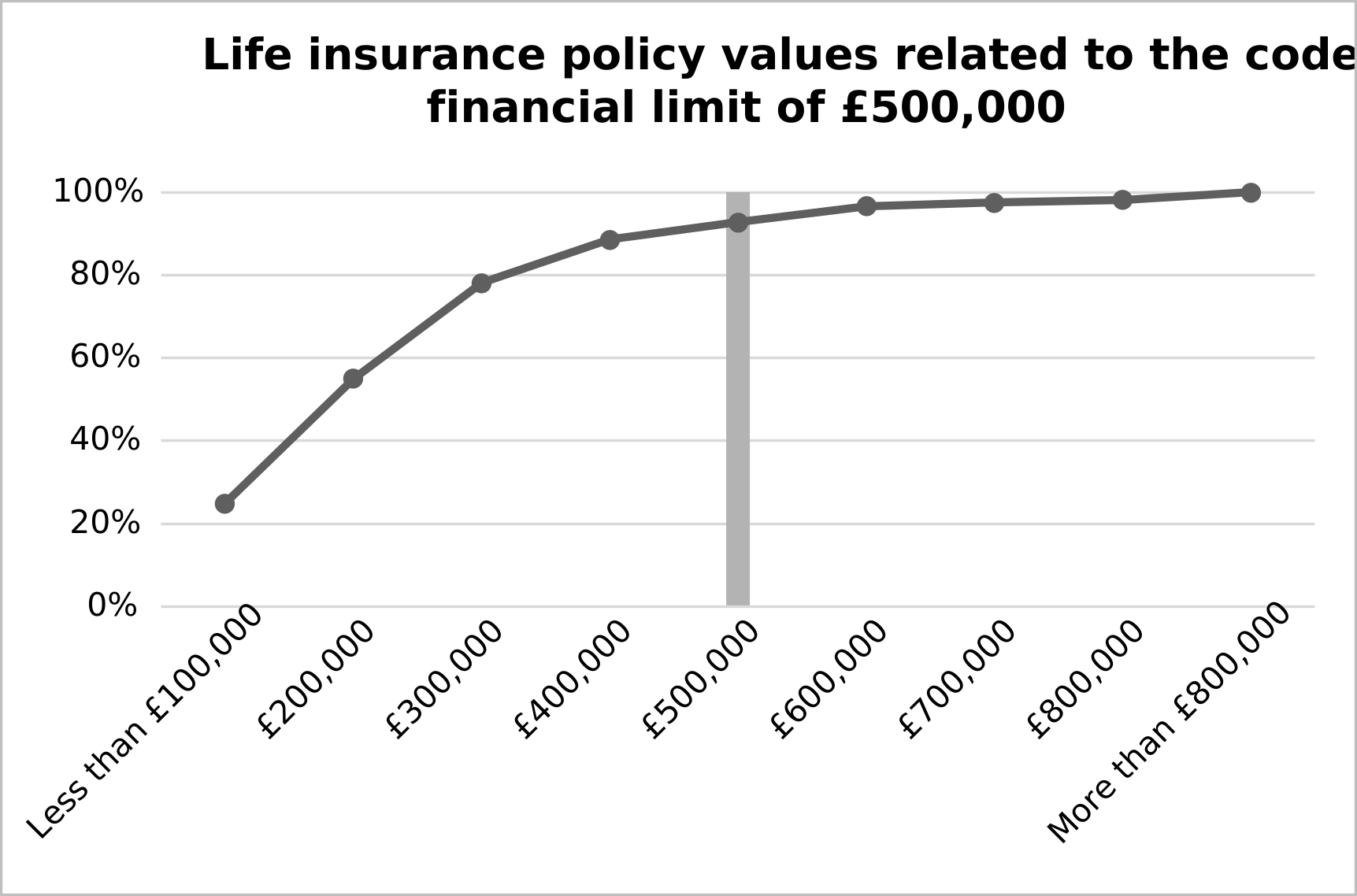
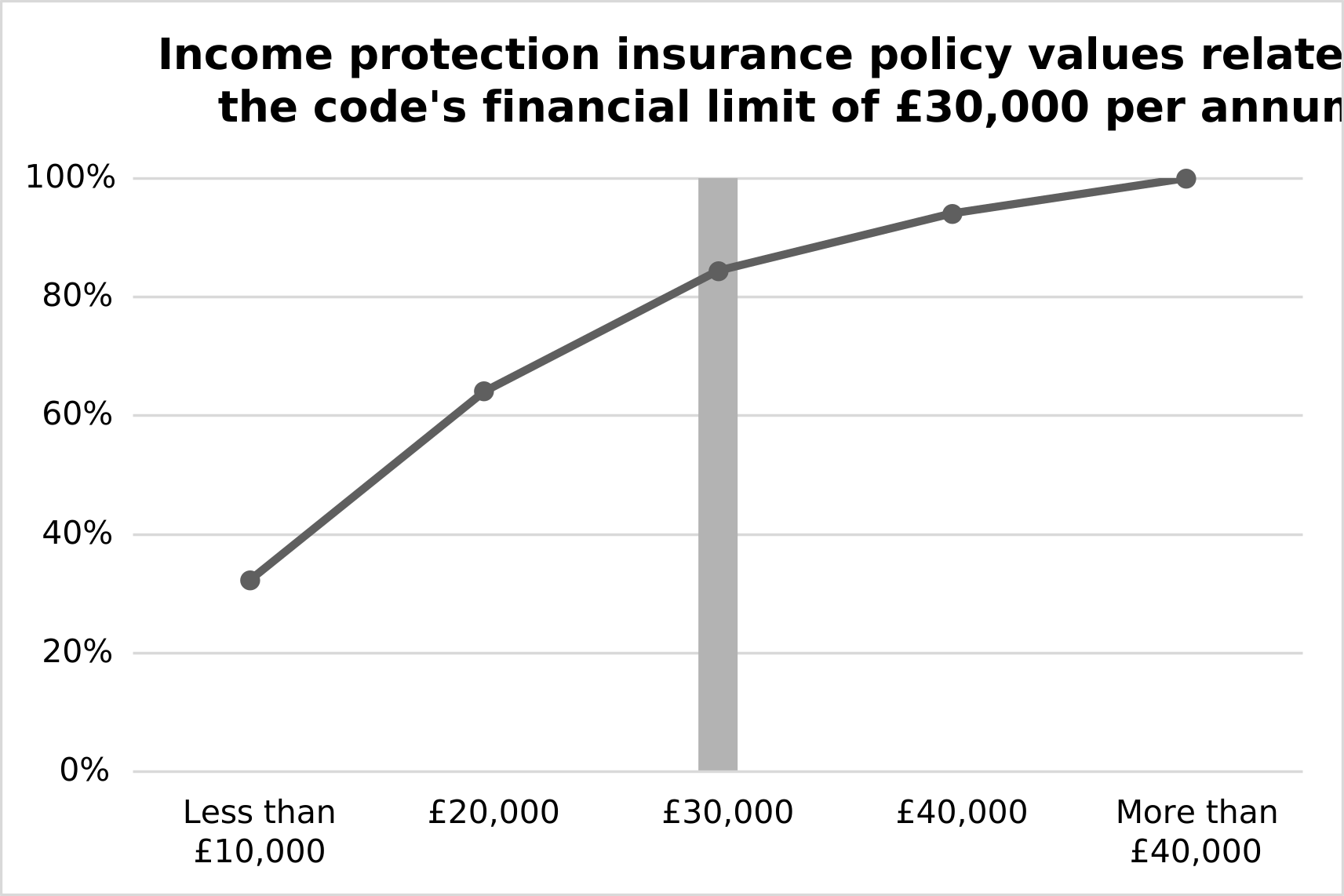
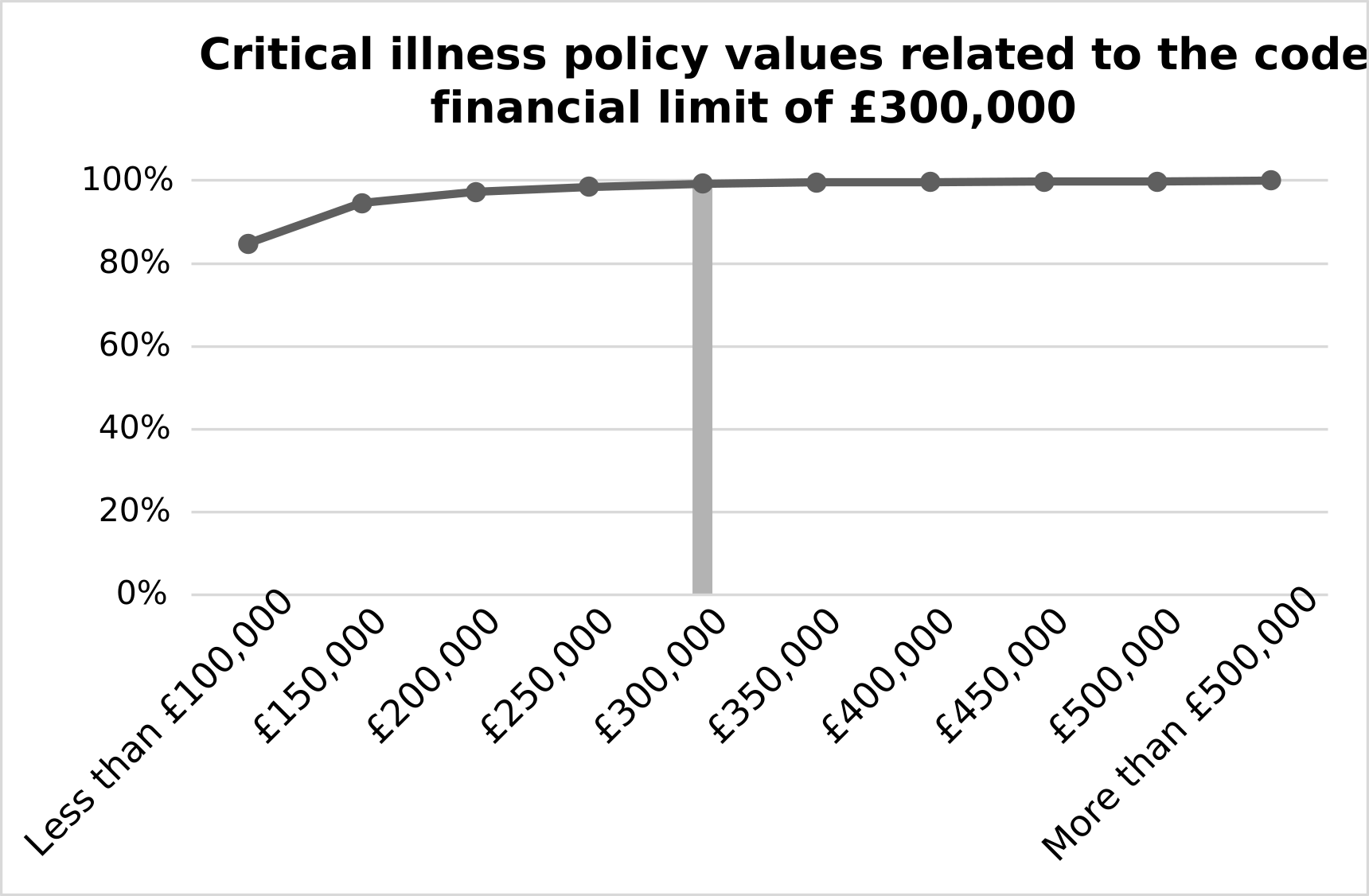
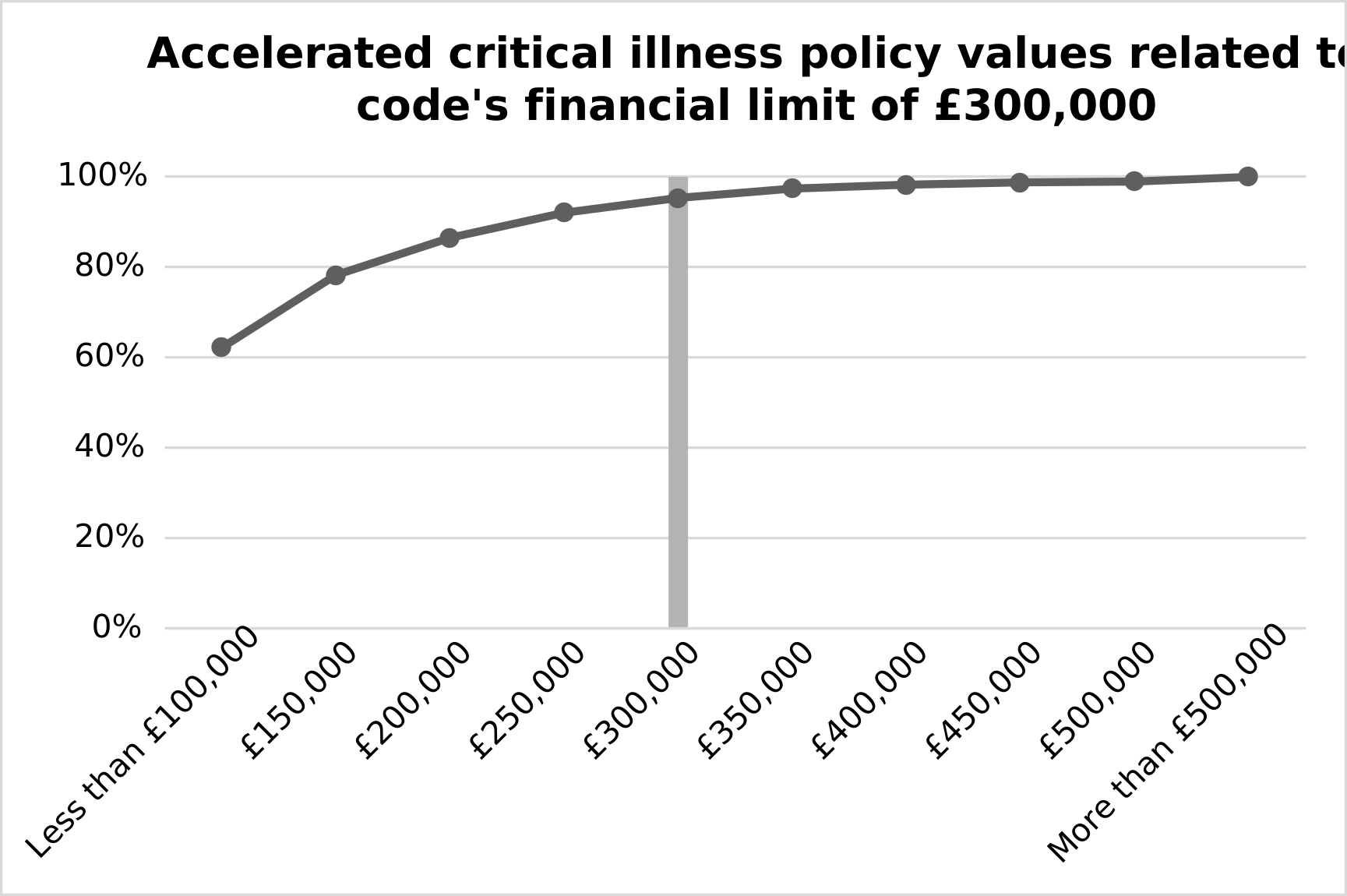
In 2024, 93% of life insurance policies fell below the financial limit of £500,000. In total, 84% of income protection policies fell within the limit of £30,000 (per year). Also, 99% of critical illness policies and 95% of accelerated critical illness policies fell under the limit of £300,000.
Figure 1: percentage of new life insurance policies that started in 2024 in relation to the £500,000 life insurance financial limit within the code
Source: ABI
Figure 1 shows the percentage of new life insurance policies that started in 2024 in relation to the life insurance financial limit within the code on genetics and insurance. It shows that in 2024, 93% of life insurance policies fell below the code’s financial limit of £500,000.
Figure 2: percentage of income protection policies that started in 2024 in relation to the £30,000 per year financial limit within the code
Source: ABI
Figure 2 shows the percentage of income protection policies that started in 2024 in relation to the financial limit within the code on genetics and insurance. It shows that in 2024, 84% of income protection policies fell within the limit of £30,000 (per year).
Figure 3: percentage of critical illness policies that started in 2024 in relation to the £300,000 life financial limit within the code
Source: ABI
Figure 3 shows the percentage of critical illness policies that started in 2024 in relation to the financial limit within the code. It shows that in 2024, 99% of critical illness policies fell under the limit of £300,000.
Figure 4: percentage of accelerated critical illness policies that started in 2024 in relation to the £300,000 life financial limit within the code
Source: ABI
Figure 4 shows the percentage of accelerated critical illness policies that started in 2024 in relation to the financial limit within the code. It shows that in 2024, 95% of accelerated critical illness policies fell under the limit of £300,000.
There are 2 types of critical illness policy shown in the graphs:
- critical illness
- accelerated critical illness
Critical illness policies pay out a lump sum on diagnosis of a specified illness, whereas accelerated critical illness policies will pay out either on diagnosis of a specified illness or upon death (as a life policy does).
Complaints
Under the terms of the code, insurers must report any complaints to ABI and set out if and how a complaint is resolved. In 2024, there were 5 recorded complaints about the use of a genetic test result by an insurance company. These complaints were resolved between the company and customer.
Conclusion
Continuing developments in genetics and genomic medicine, treatment and research will help to improve the ability to diagnose and treat patients with genetic diseases. Many of the developments are happening within the context of research and, as such, will not have an impact on the code.
The government and ABI will continue to publish annual reports. We will review the code again in 2028 as part of our commitment to 3-yearly reviews - to ensure the code remains relevant and fit for purpose, in light of continuing advances in the field of genomics that are shaping the future of healthcare across the UK.
With only 5 complaints reported in 2024, the code is providing reassurance on how tests are used and not used by insurers. The code continues to provide reassurance to consumers while providing the flexibility to manage change in the wider genetics landscape to ensure that insurers can effectively assess risk and provide insurance to a wide range of people.
Annex B: genomics research
Our Future Health programme
The OFH programme, launched in 2021, aims to help people live healthier lives for longer through better prevention, earlier detection and improved treatment of diseases. As the UK’s largest ever health research programme, OFH aims to recruit up to 5 million adults from across the UK and will combine multiple sources of health and health-related information, including genetic data, to create an incredibly detailed picture that truly reflects the whole of the population.
Researchers can register and apply to study the de-identified information to make new discoveries about human health and diseases. Data made available by OFH will only be used for this purpose. Participants’ health and genomic information will be used to calculate disease risk scores, which participants will have an opportunity to receive. Genomic and health data will also provide the ability to test the potential of new diagnostic tests or interventions as they are discovered and to see how effective they could be for people at higher risk of certain diseases.
As of 30 June 2025, over 2.5 million people have consented to join, with 1.4 million fully recruited (with blood samples and linked questionnaire and health data), making OFH the fastest and largest recruiting health research programme in UK history.
The NHS, in partnership with OFH, will trial the use of integrated risk scores (which combine genomic, lifestyle and health data) within the newly announced neighbourhood health services. Initially focused on cardiovascular disease, the programme will expand to include diabetes, breast cancer, glaucoma and osteoporosis. This marks a major step towards routine genetic testing in preventive care, enabling earlier and more personalised interventions, and supporting the 10 Year Health Plan’s aim to shift the NHS from reactive to predictive care using genomics and data-driven tools. OFH has signed a data sharing agreement with NHS England, enabling access to secondary care, cancer and death records of consented participants.
UK Biobank
The UK Biobank is the largest biomedical database and research resource of its kind in the world. It recruited its 500,000 participants between 2006 and 2010 who were aged 49 to 60 at the point of recruitment. All participants have agreed to make their data available for research. Anonymised data is accessible to researchers around the world, supporting research into common and life-threatening diseases, including cancer and dementia. It has enabled breakthroughs in modern medicine, such as the identification of protective genes in obesity and the development of polygenic risk scores for common disease.
UK Biobank participants are deeply characterised with extensive information on the lifestyle, environmental and biological factors that are relevant to the development of different diseases. Because many years have passed since the study started, it is possible to study which people have remained healthy and which have developed particular diseases and seek to understand why. The data set is continuously growing, with recent additions including the world’s largest whole genome sequencing data set, imaging data from 100,000 of the Biobank participants and protein biomarkers from 54,000 participants. All of these are linked to detailed health records, making it one of the world’s most characterised research resources. The UK Biobank has supported breakthroughs in modern medicine, such as the identification of protective genes in obesity and the development of polygenic risk scores for common disease.
The government’s Industrial Strategy announced £20 million to expand UK Biobank’s world leading study of the proteins circulating in our bodies, to enable proteomic analysis of all 500,000 participants, transforming the study of diseases and their treatments. This builds on the success of a previous pilot project that identified over 14,000 links between common genetic variants and altered protein levels, over 80% of which were previously unknown.
Genomics England
The National Genomic Research Library (NGRL) is managed by Genomics England and includes over 160,000 whole genomes, clinical records and 70,000 cancer pathology images from cohorts including consented patients who receive whole genome sequencing as part of the NHS GMS. With over 90% of patients consenting to their data being used for research, NGRL has enabled researchers to uncover more than 4,000 new links between genes and different conditions since 2021. Researchers analysing data from the NGRL have recently identified 2 previously unknown genetic disorders, RNU2-2-related disorder and RNU5B-1-related disorder, providing new diagnoses for individuals with neurodevelopmental conditions and offering hope for future treatments. By working in close partnership, Genomics England and the NHS GMS can ensure these findings are returned to the NHS, helping to improve care so that research directly benefits patients.
Generation Study
As set out in the 10 Year Health Plan, the government has an ambition to offer newborn genomic testing as part of routine NHS care within the next decade. Generation Study is a research pilot running within the NHS which is developing evidence to inform this ambition. It is evaluating the effectiveness of using whole genome sequencing to test 100,000 newborns for over 200 genetic conditions. Positive results are only returned where there is robust evidence that a treatable condition is likely to develop within the first 5 years of life. There are no plans to screen for conditions that appear later in life or remain asymptomatic. By summer 2027, 100,000 newborns will have had their whole genomes sequenced. The evaluation part of the study will then be completed and presented to the UK National Screening Committee (UK NSC). Subject to the study’s evaluation, UK NSC’s advice and appropriate funding, genomic testing could be available for all newborns in the UK by 2035.
Genetic test results obtained through Generation Study do not need to be disclosed to an insurer, given the study is a research programme. If follow-up tests or interventions are needed as part of routine care, these may need to be disclosed if requested by an insurer (as is the case for other types of diagnostic testing). As part of ongoing reviews of the code, we will continue to monitor the implications for the insurance industry if newborn sequencing becomes a part of routine care.
NHS genomics networks of excellence
Since the last triennial review of the code, the NHS Genomic Networks of Excellence have been established. These are national partnerships between the NHS, academia, industry and the third sector, to accelerate the adoption of cutting-edge genomic technologies and transform patient care. Eight networks focus on important areas of innovation:
- prenatal genomic medicine
- circulating tumour biomarker testing
- haemato-oncology
- rare and inherited disease
- severe infectious disease presentations
- cardiovascular genomics
- pharmacogenomics
- application of AI in genomics
Each network generates real-world evidence, refines clinical pathways and develops scalable models for integrating new genomic advances into routine NHS care. This supports faster diagnoses, more personalised treatments and better outcomes for patients across England.
NIHR BioResource
The NIHR BioResource was established in 2007 as a national health resource with a mission to help scientific discoveries move more quickly from the lab to patients by helping to identify patients willing to participate in research studies. Since then, the BioResource has recruited more than 350,000 volunteers who have participated in more than 450 health research studies in academia, the NHS and industry. There are currently 28 local BioResource centres across England, each connected to the corresponding local NIHR Clinical Research Facility, which conduct health research.
BioResource volunteers provide samples and access to health records, and complete questionnaires to help researchers better understand how genetics and environment impact health. The whole genome or genotypic data generated is deidentified and used only for research purposes. Participants have consented to be recalled to participate in relevant research studies. The NIHR BioResource continues to develop, this year launching its Improving Black Health Outcomes, focused on improving knowledge and understanding of health conditions and their unique impact on UK Black communities.