HIV Action Plan monitoring and evaluation framework: 2026 report
Updated 25 September 2026
Applies to England

© Crown copyright 2026
This publication is licensed under the terms of the Open Government Licence v3.0 except where otherwise stated. To view this licence, visit nationalarchives.gov.uk/doc/open-government-licence/version/3 or write to the Information Policy Team, The National Archives, Kew, London TW9 4DU, or email: psi@nationalarchives.gov.uk.
Where we have identified any third party copyright information you will need to obtain permission from the copyright holders concerned.
This publication is available at https://www.gov.uk/government/publications/hiv-action-plan-monitoring-and-evaluation-framework/hiv-action-plan-monitoring-and-evaluation-framework-2026-report
Foreword
The government renewed its ambition to end HIV transmissions in England by 2030 with the publication last December of the HIV Action Plan for England 2025 to 2030 (HIVAP). This monitoring and evaluation framework (MEF) report shows the progress we have made and the gaps we must close to reach that ambition.
England continues to make strong progress:
- fewer HIV diagnoses overall
- record levels of people using HIV pre-exposure prophylaxis (PrEP) (111,123 in 2024)
- a major expansion of HIV testing with over 1.3 million people tested in sexual health services (SHS) in 2024 and over 1.3 million people tested during the first 33 months of the programme of opt-out blood-borne virus (BBV) testing in emergency departments (EDs)
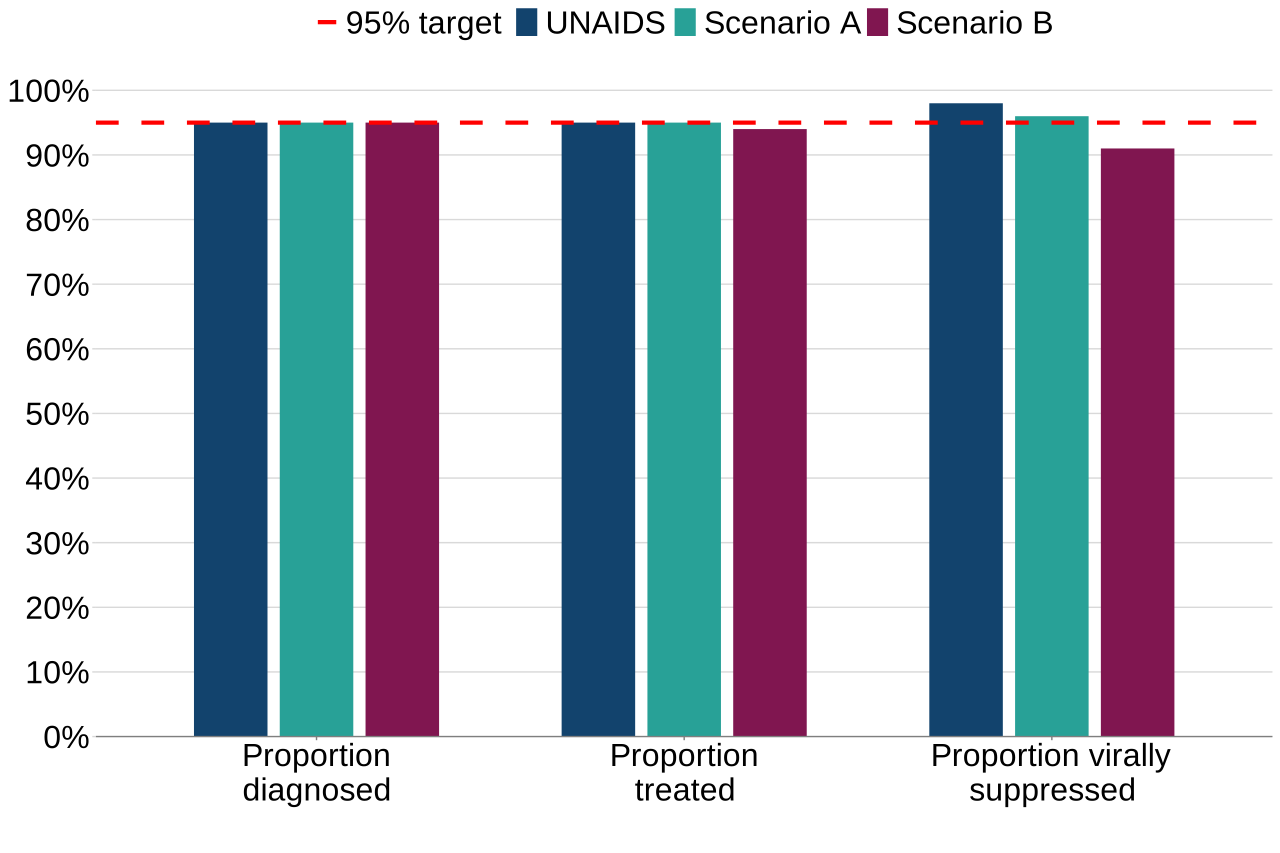
England met the UNAIDS 95-95-95 targets in 2024 with 95% of all adults living with HIV diagnosed, 95% of adults diagnosed receiving treatment, and 98% of adults on treatment with suppressed viral loads. This is a testament to the sustained effort across services and communities.
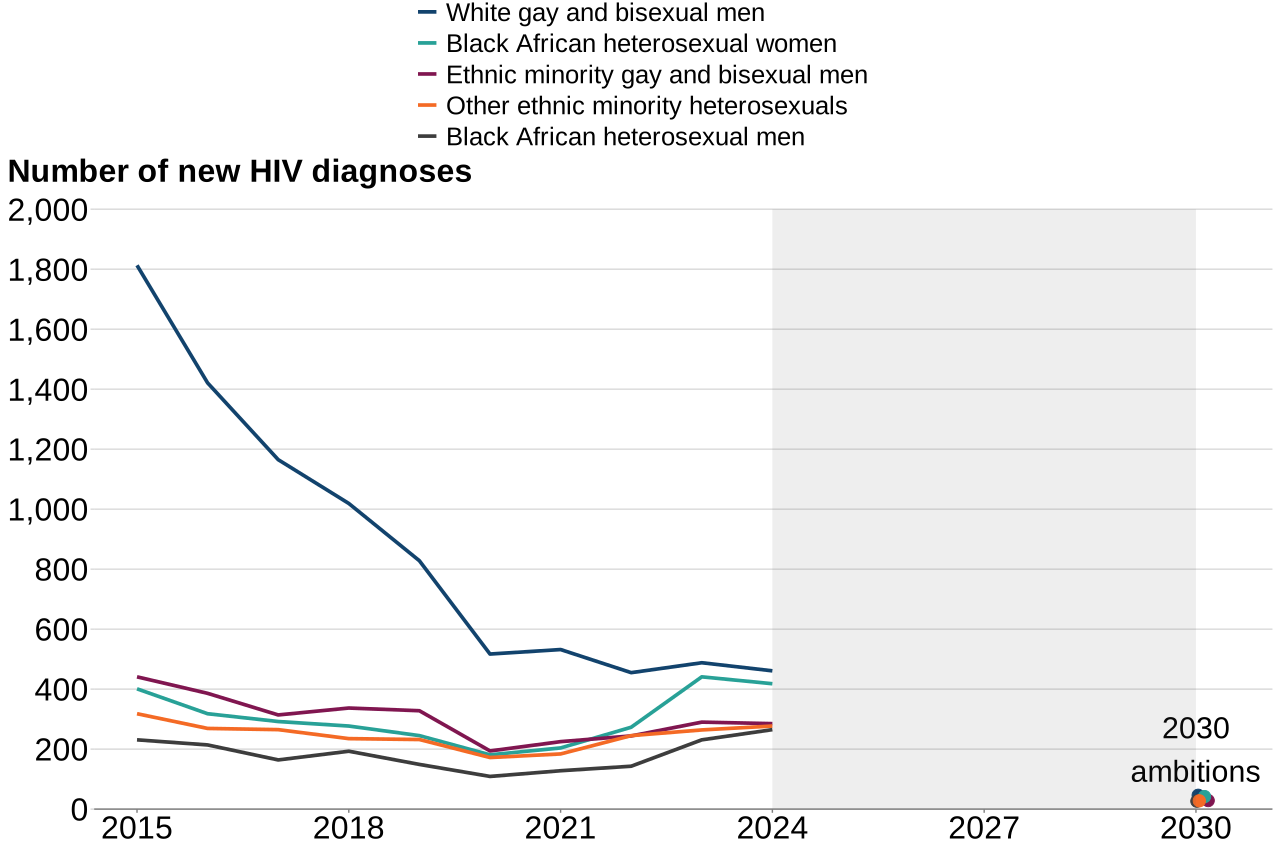
Despite this success, inequalities persist. While new HIV diagnoses fell overall by 6% between 2023 and 2024, the decrease was mainly in White gay and bisexual men (6%), compared to a 2% decrease in ethnic minority gay and bisexual men and a 15% increase in Black African heterosexual men. Furthermore, too many people, 2 in 5, were diagnosed late.
PrEP uptake, defined as the proportion of people who initiated or continued HIV PrEP among people with a HIV PrEP need, remains lowest in Black African heterosexual women (34.6%) and men (36.4%), and among other ethnic minority heterosexuals (43.9%), in stark contrast to PrEP uptake in gay and bisexual men of any ethnicity which approaches 80%. These disparities must drive our next phase of action.
The new HIVAP adopted the latest UNAIDS recommendations as overarching ambitions, which include, to:
- reduce new HIV infections by 90% from 2010 and a continued 5% decline per year after 2030
- reduce AIDS-related deaths by 90% from 2010
- secure the sustainability of the HIV response through 2030 and beyond
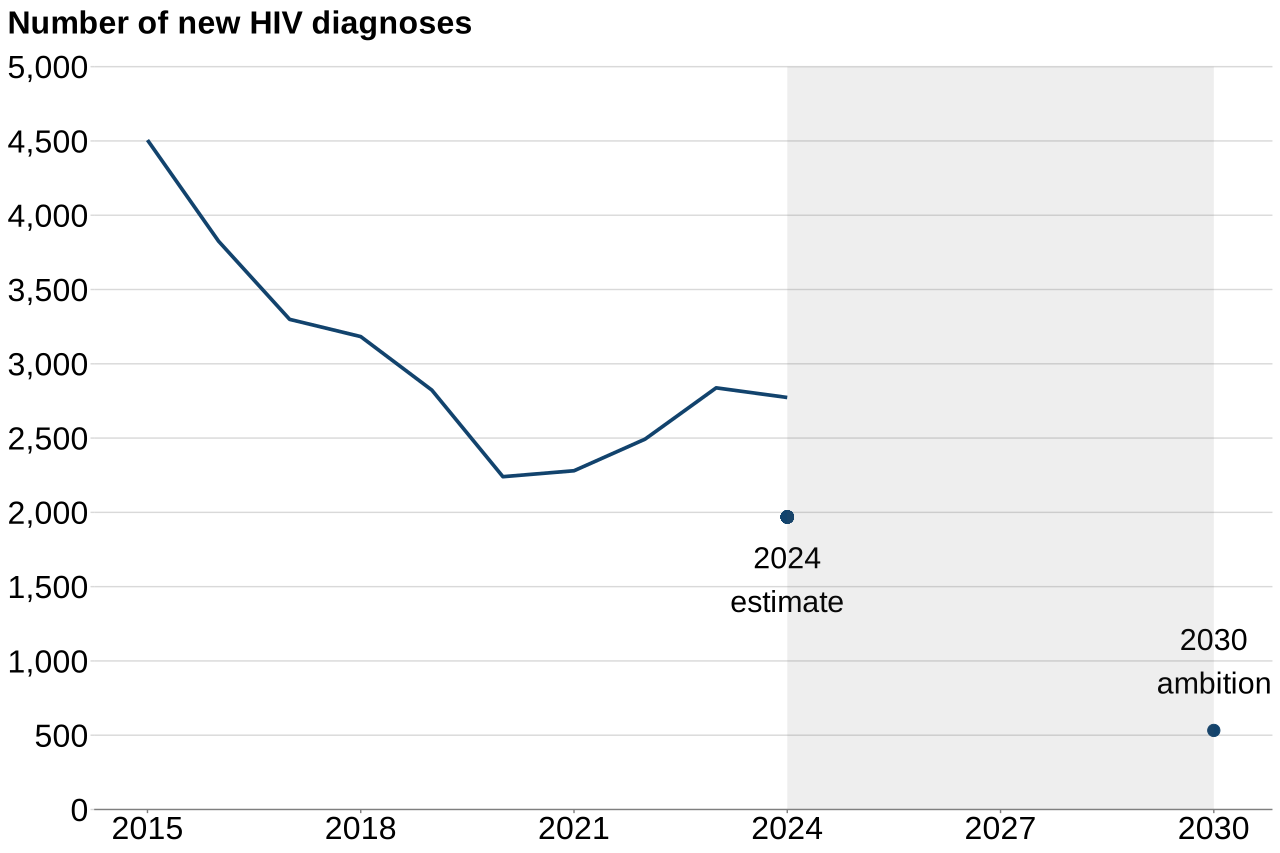
Since 2010, the number of new HIV diagnoses, the proxy for new infections, have halved. However, we must achieve a further 80% reduction (from 2,773 to 532) over the next 5 years to hit this UNAIDS target by 2030. Similarly, the number of AIDS-related deaths reduced by almost 60% since 2010 and a further 60% reduction (from 90 to 27) would need to be achieved by 2030. While substantial, these ambitions remain potentially achievable with targeted action. To ensure no one is left behind and to sharpen the focus, the MEF reports will be tracking progress for the numerical ambitions, for the 5 priority areas (prevent, test, treat, thrive, collaborate), and by the 5 population groups where inequalities are most pronounced, as highlighted by the HIVAP. These indicators will be used to identify where interventions need to be targeted, for example to specific populations or geographic areas, and to help achieve the highest possible impact from our actions.
Ending HIV transmission is possible. We already have the tools including:
- routine and targeted HIV testing for early diagnosis
- accessible PrEP for all, rapid linkage to care
- sustained engagement in care
- effective treatments that lead to viral suppression
The UK Health Security Agency (UKHSA) remains committed to supporting the monitoring and delivery of the HIVAP. By working together with our NHS, local government, voluntary and community partners, and with the communities most impacted, we can make the ambition of ending HIV transmission by 2030 a reality.
Dr Sema Mandal
UKHSA HIV Senior Responsible Officer
Deputy Director of Blood Safety, Hepatitis, Sexually Transmitted Infections and HIV Division
Main messages
The HIVAP was published on 1 December 2025, setting out the national strategy to end new HIV transmissions by 2030, building on previous work delivered through the HIV Action Plan for England 2022 to 2025. This report presents the set of indicators that establish the 2024 baseline and will be used for ongoing annual monitoring of progress in implementing the HIVAP over the next 5 years.
The report sets numerical ambitions of the HIVAP and a set of outcome and process measures for each of the 5 HIVAP priorities. It is presented for the 5 population groups highlighted in the HIVAP and by region, where relevant and data allows.
Over the past 15 years, England has made remarkable progress in the HIV epidemic. The number of new HIV diagnoses have fallen significantly, with a nearly 50% decrease in White gay and bisexual men alone since 2010, driven by expanded access to preventative interventions alongside prompt and effective treatment and care. Today, people living with HIV enjoy long and healthy lives, and over half of the population is aged 50 years or over.
However, recent trends show that the HIV epidemic in England is changing. While new HIV diagnoses continue to fall in White gay and bisexual men, they are rising in Black African heterosexuals. Further inequalities are observed in age, gender identity, ethnicity, geography and exposure across the whole HIV care pathway. This is why ending HIV transmission by 2030 requires a different approach with supporting evidence highlighting inequalities and a call to action.
Below are the main messages from the report:
- In 2024, an estimated 114,000 (95% credible interval (CrI) 112,200 to 116,800) adults were living with HIV in England, including 6,000 (95% CrI 4,600 to 8,900) people living with undiagnosed HIV.
- The UNAIDS 95-95-95 estimates for 2024 were 95%-95%-98%. However, the proportion diagnosed remains unchanged since 2022 despite scaled up testing over recent years.
- The estimated number of adults living with transmissible levels of virus, which includes people who are undiagnosed or diagnosed but not in care, was between 14,300 and 21,500 in England in 2024.
- There were 2,773 new HIV diagnoses in England in 2024, with an ambition of 532 in 2030. The current trends suggest that new diagnoses ambition seems achievable for England overall and for White gay and bisexual men, but achieving these ambitions for other population groups highlighted in the HIVAP is much less likely and will be challenging.
- An estimated 90 deaths were AIDS related, ahead of an estimated trajectory of 99 for 2024 and against an ambition of 27 AIDS-related deaths in 2030. This numerical ambition for 2030 is therefore achievable for England overall.
- The overall number of people taking PrEP has increased annually since it became available in 2020. However, inequalities in access persist with PrEP uptake (among people with HIV PrEP need) highest among White gay and bisexual men at 79.4% in 2024 compared with 34.6% for Black African heterosexual women and 36.4% for Black African heterosexual men.
- Testing positivity is higher in primary care (0.3%), especially in the North West (0.8%) and the East of England (0.5%), as is reactivity in community settings (0.3%) compared to positivity in SHSs (0.1%), highlighting a need for scaling up testing efforts in settings ‘closer to home’ as well as for groups at higher risk of acquiring HIV. Positivity testing through the HIV partner notification process was 4.4% in 2024.
- Over 5% of people who had previously accessed HIV treatment are not retained in care. The HIVAP proposes a set of actions, accompanied by investment, to support re-engagement in care. For the clinics and national surveillance monitoring, it is crucial to have accurate information on people who should be contacted and offered further support. It is therefore important to continue developing a good collaboration between DHSC, NHS England, UKHSA and HIV clinical services to improve the accuracy of the retention in care lists.
- HIV-related stigma and discrimination in healthcare settings was highest at 7.7% for ethnic minority gay and bisexual men and other ethnic minority heterosexuals, followed by 7% for Black African heterosexual men and 6.9% for Black African heterosexual and bisexual women, and the lowest was for White gay and bisexual men at 6.0%. Some NHS trusts participating in the ED opt-out BBV testing programme are introducing HIV-related stigma training for their staff and NHS England is procuring national roll-out for all NHS trusts in the programme. It is recommended that the training delivered includes an equality and diversity component.
- Implementation of the national HIVAP will be supported by regional, sub-regional or local HIV action plans, led by local and regional partners including local authorities and Integrated Care Boards (ICBs). This ensures that actions are tailored to local population health needs and commissioning landscapes.
Background
The HIVAP was published on 1 December 2025 outlining the strategy to end new HIV transmissions in England by 2030. This 2026 MEF report establishes the 2024 baseline for indicators that will be tracking progress for public health outcomes and HIVAP implementation.
While much of the data was first released in the October 2025 HIV annual official statistics, this report adds estimates for newly acquired infections, people living with undiagnosed HIV, measurement of engagement in care and transmissible levels of virus, and stigma. The main trends are tracked from 2015 or 2019, with more specific indicators benchmarked to 2024.
This report has a national focus, but indicators data is presented by the 5 adult population groups outlined in the HIVAP and by region where relevant. A full list of indicators and definition with corresponding data (including regional and 5 population groups) are in Appendix 1.
Following feedback from stakeholder consultations in 2024 and 2025, with reference to gender identity, sexual orientation and probable route of exposure, and after clearly defining the groups, we simplified the abbreviations as follows:
- for gay, bisexual and all men who have sex with men, the abbreviation is gay and bisexual men (instead of GBMSM or sex between men)
- for heterosexual men or men who acquired HIV through sex with women, we abbreviate as heterosexual men (instead of men exposed through sex with women)
- for heterosexual and bisexual women or women who acquired HIV through sex with men, we use heterosexual women (instead of women exposed through sex with men)
These abbreviations are being revised with support from representatives of voluntary and community sector partner organisations.
Ending new HIV transmissions
The latest UNAIDS recommendations include 3 goals to reach by 2030, in order to end HIV transmission. These have been adopted in England as the overarching ambitions of the HIVAP:
- reduce new HIV infections by 90% from 2010 and a continued 5% decline per year after 2030
- reduce AIDS-related deaths by 90% from 2010
- secure the sustainability of the HIV response through 2030 and beyond
Five adult population groups
National progress may mask widening inequalities for specific groups. This report also describes outcomes for the 5 adult population groups highlighted in the HIVAP:
- ethnic minority gay, bisexual men and all men who have sex with men or ethnic minority people who acquired HIV through sex between men (abbreviated as gay and bisexual men)
- White gay and bisexual men
- Black African heterosexual men or Black African men who acquired HIV through sex with women (abbreviated as heterosexual men)
- Black African heterosexual women or Black African women who acquired HIV through sex with men (abbreviated as heterosexual women)
- other ethnic minority heterosexual adults (not including Black African heterosexuals)
Regional and local data
Although the focus of this report is national, regional data can be found in the Appendix 1 tables. Regional governance structures can use this data to inform the development of their own local HIV action plan and create the corresponding MEF, with local data and local tool kits available in due course.
Impact of HIV in England
Estimating the number of people living with HIV in England
The number of people living with HIV in England, including people who are undiagnosed, is estimated from a Multi-Parameter Evidence Synthesis (MPES) model (see description in the Methodology and definitions section, which includes various data sources such as census, HIV surveillance, and survey-type prevalence data.
In 2024, there were an estimated 6,000 (95% CrI 4,600 to 8,900) adults living with undiagnosed HIV, equivalent to 5% (95% CrI 4% to 8%) of all adults estimated to be living with HIV in England (114,000, 95% CrI 112,200 to 116,800).
UNAIDS 95-95-95
In 2024, England achieved the UNAIDS 95-95-95 (see description in the Methodology and definitions section) target nationally, with an estimated 95% (95% CrI 92% to 96%) of the 114,000 adults (95% CrI 112,200 to 116,800) living with HIV being diagnosed, 95% (102,100 of 107,900, 95% CrI 106,900 to 109,100) of people diagnosed being on treatment and 98% (99,600 of 102,100) of people on treatment having an undetectable viral load (Figure 1). Due to changes in the latest MPES model estimates to account for people not seen for care within the diagnosed estimates and changes in exposure group sizes (see description in the Methodology and definitions section), the second 95 outcome is lower than in previous MEF reports. However, treatment coverage remained high in 2024 with 99% of people seen for care receiving treatment in line with previous years.
The UNAIDS estimates for previous years using the new MPES model are 95%-94%-98% for 2023, having risen from 93%-94%-97% in 2019.
Figure 1. Progress towards the UNAIDS 95-95-95 targets, England, 2024
Sources: MPES model combining numerous data sources and data from routine returns to HIV and AIDS New Diagnoses and Deaths Database (HANDD), HIV and AIDS Reporting System (HARS) and GUMCAD STI Surveillance System.
Estimating the number of people living with potentially transmissible levels of virus
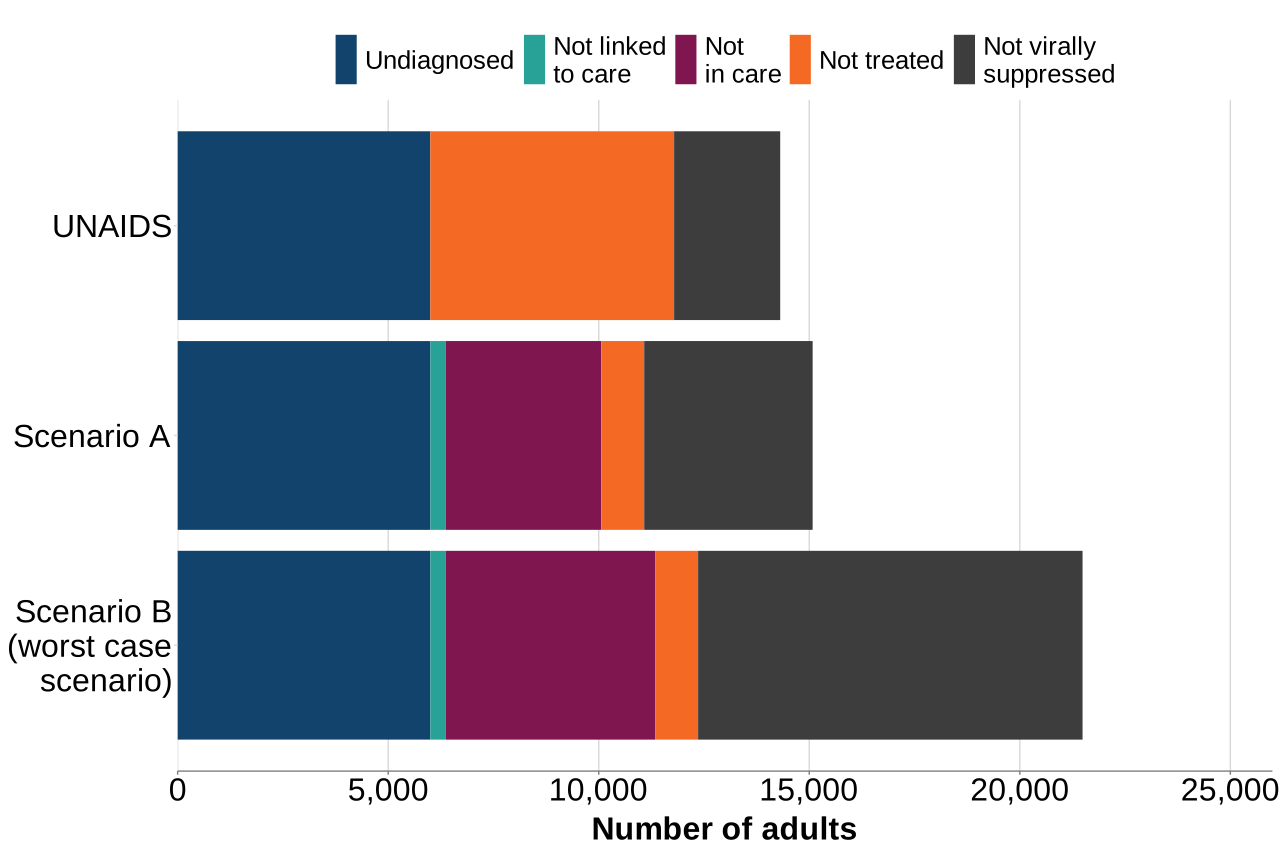
Using the UNAIDS 95-95-95 methodology (see definitions and method in the Methodology and definitions section), the estimated number of adults living with transmissible levels of virus was 14,300 in 2024 in England, equivalent to 13% of the estimated 114,000 (95% CrI 112,200 to 116,800) adults living with HIV in England (Figure 2). These estimates exclude people who died and children aged 14 years and under. This includes:
- an estimated 6,000 people (95% CrI 4,600 to 8,900) undiagnosed in 2024
- 5,800 people not on treatment (including people not seen for care in 2024)
- 2,500 people with viral load over 200 copies per millilitre (mL)
To better account for people not attending care and for missing information, we provide a lower- and upper-level estimate with different assumptions (see definitions and method in the Methodology and definitions section).
According to the lower-bound estimate (scenario A in Figure 2), 15,100 people were living with transmissible levels of virus, equivalent to 13% of the 114,000 adults (95% CrI 112,200 to 116,800) estimated to be living with HIV in England, corresponding to:
- an estimated 6,000 (95% CrI 4,600 to 8,900) (40%) people were undiagnosed in 2024
- 370 (2%) people were first diagnosed in 2024 and not linked to HIV care by the end of the year
- 3,690 people were not retained in HIV care, corresponding to:
- 4,970 people not seen in care for at least 15 months since their last HIV care appointment between October 2022 and September 2023
- excluding 1,280 of the 4,970 people estimated to be virally suppressed at re-attendance, despite having a 15-month gap in HIV care, since this is indicative of access to treatment and care
- 1,020 (7%) attended HIV care in 2024 but were not receiving treatment
- 4,000 (26%) were on treatment in 2024 but were not virally suppressed in that year or had no viral load reported that year and were not virally suppressed the year before (Figure 2)
For the upper-bound estimate (scenario B in Figure 2), the number of adults (aged 15 years and over) living with transmissible levels of virus was 21,500 in 2024 in England, equivalent to 19% of the estimated 114,000 adults (95% CrI 112,200 to 116,800) living with HIV in England.
The UNAIDS 95-95-95 figures for 2024 corresponding to scenarios A and B would be 95%-95%-96% and 95%-94%-91% (Figure 1).
Figure 2. Estimates for the number of adults living with transmissible levels of virus, England, 2024
Sources: MPES model combining numerous data sources and data from routine returns to HANDD and HARS.
Overarching progress towards the HIVAP ambitions
New HIV diagnoses
The latest UNAIDS recommendation suggest a goal of 90% reduction in new HIV infections from the 2010 baseline, followed by a sustained 5% annual decline after 2030. The indicator new HIV diagnoses is used as a proxy for new HIV infections, however new diagnoses do not equal incident infections, as people may live undiagnosed for many years. Furthermore, people diagnosed before continuing care in England are excluded from this indicator since it is likely these individuals did not acquire HIV while living in England, with 3 in 4 already on treatment and virally suppressed.
There were 2,773 new HIV diagnoses in England in 2024 (all ages). The 2030 new HIV diagnoses ambition (based on the 90% reduction from 5,321 new diagnoses in 2010) in England is 532 (Figure 3). The number of new diagnoses reported in 2024 in England was 29% higher than the trajectory of 1,969 estimated diagnoses for 2024 to achieve the 90% reduction between 2010 and 2030. It is unlikely that each of the 5 groups experience a linear decline in new diagnoses between 2010 and 2030 (due to significant changes in HIV prevention, treatment and the pandemic, among other factors), however looking at the variance from the linear model gives an indication of the relative progress for each population group.
Once adjusting for potentially over-reporting new diagnoses in 2010 (see method in New HIV diagnoses in Methodology and definitions), this was 41% higher than the number estimated for 2024.
For the 5 population groups, in 2024, there were:
- 285 among adult ethnic minority gay and bisexual men (2024 estimated number to achieve the 90% reduction between 2010 and 2030: 164, 2030 ambition: 44)
- 461 diagnoses among adult White gay and bisexual men (2024 estimated number: 681, 2030 ambition: 184)
- 265 among adult Black African heterosexual men (2024 estimated number: 198, 2030 ambition: 54)
- 418 among adult Black heterosexual women (2024 estimated number: 361, 2030 ambition: 98)
- 277 among other ethnic minority heterosexual adults (2024 estimated number: 152, 2030 ambition: 41) (Figure 4)
Therefore, for the 5 adult population groups, the number of diagnoses in 2024 were higher than the 2024 estimated number by:
- 42% for ethnic minority gay and bisexual men (adjusted 58%)
- 14% for Black African heterosexual women (adjusted 36%)
- 25% for Black African heterosexual men (adjusted 41%)
- 45% for other ethnic minority heterosexuals (adjusted 53%)
However, progress was ahead of the trajectory by 48% for White gay and bisexual men (adjusted 26%).
Figure 3. New HIV diagnoses and 2030 ambition (corresponding to 90% reduction on 2010 diagnoses), England, 2015 to 2024
Sources: data from routine returns to HANDD and HARS.
Note: data includes all ages and the shaded area shown in the figure indicates future period with no observed data.
Figure 4. New HIV diagnoses and 2030 ambition (corresponding to 90% reduction on 2010 diagnoses) by 5 adult population groups, England, 2015 to 2024
Sources: data from routine returns to HANDD and HARS.
Note: shaded area shown in the figure indicates future period with no observed data.
HIV incidence among gay and bisexual men using a CD4-based back-calculation method
The annual incidence of HIV among gay and bisexual men in England obtained from a CD4-based back-calculation method (see method in the Methodology and definitions section) is estimated to have declined in the years preceding 2020, from 1,010 (95% CrI 910 to 1,110) in 2015 to 500 (95% CrI 450 to 570) in 2019. This decline was followed by a plateau in the most recent 5 years. In 2024, an estimated 480 (95% CrI 300 to 750) new infections were acquired among gay and bisexual men in England. Though the trends in incidence were similar to those reported in the 2024 MEF report, the incidence estimates are about 50% of those reported in the last report due to changes to the CD4 back-calculation model, to account for the impact of migration (see method in the Methodology and definitions section).
An age-specific model is used to obtain estimates of HIV incidence by age group. The estimates from this model suggest that the plateau in incidence masks an increase in incidence focussed among people aged 25 to 34 years, from 140 (95% CrI 110 to 190) in 2022 to 170 (95% CrI 88 to 310) in 2024 and in people aged 45 years and over, from 83 (95% CrI 64 to 100) in 2020 to 120 (95% CrI 61 to 210) in 2024. Prior to this increase, the incidence of HIV in these 2 age groups had been declining.
AIDS-related mortality
UNAIDS recommended a 2030 goal of a 90% reduction in AIDS-related mortality from the 2010 baseline, followed by a sustained 5% annual decline after 2030.
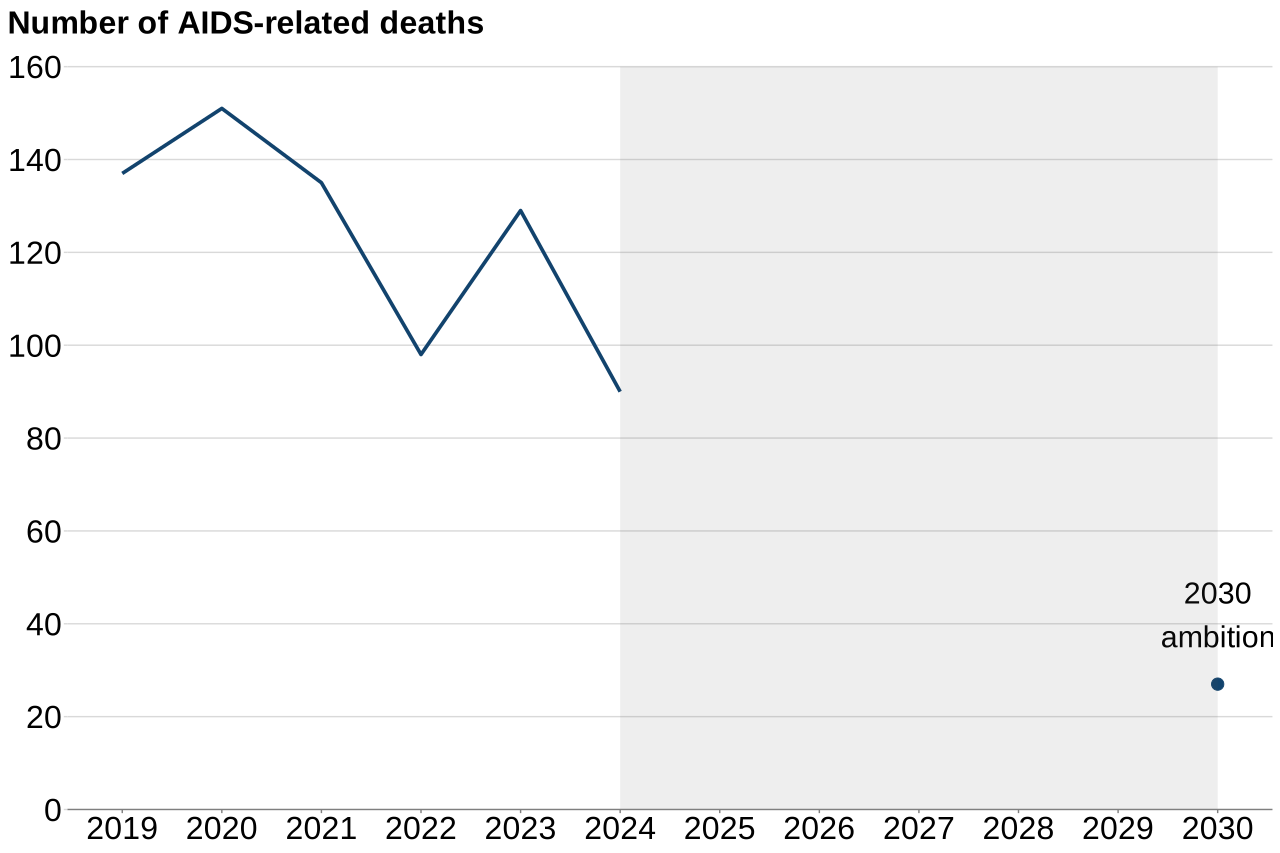
Of the 643 deaths reported in England through the different surveillance systems (including HANDD, HARS, Office for National Statistics (ONS) and National HIV Mortality Review (NHMR)), we estimate that 90 were AIDS related, compared with 267 in 2010 (see method in the Methodology and definitions section). The 2030 ambition is 27 AIDS-related deaths (Figure 5).
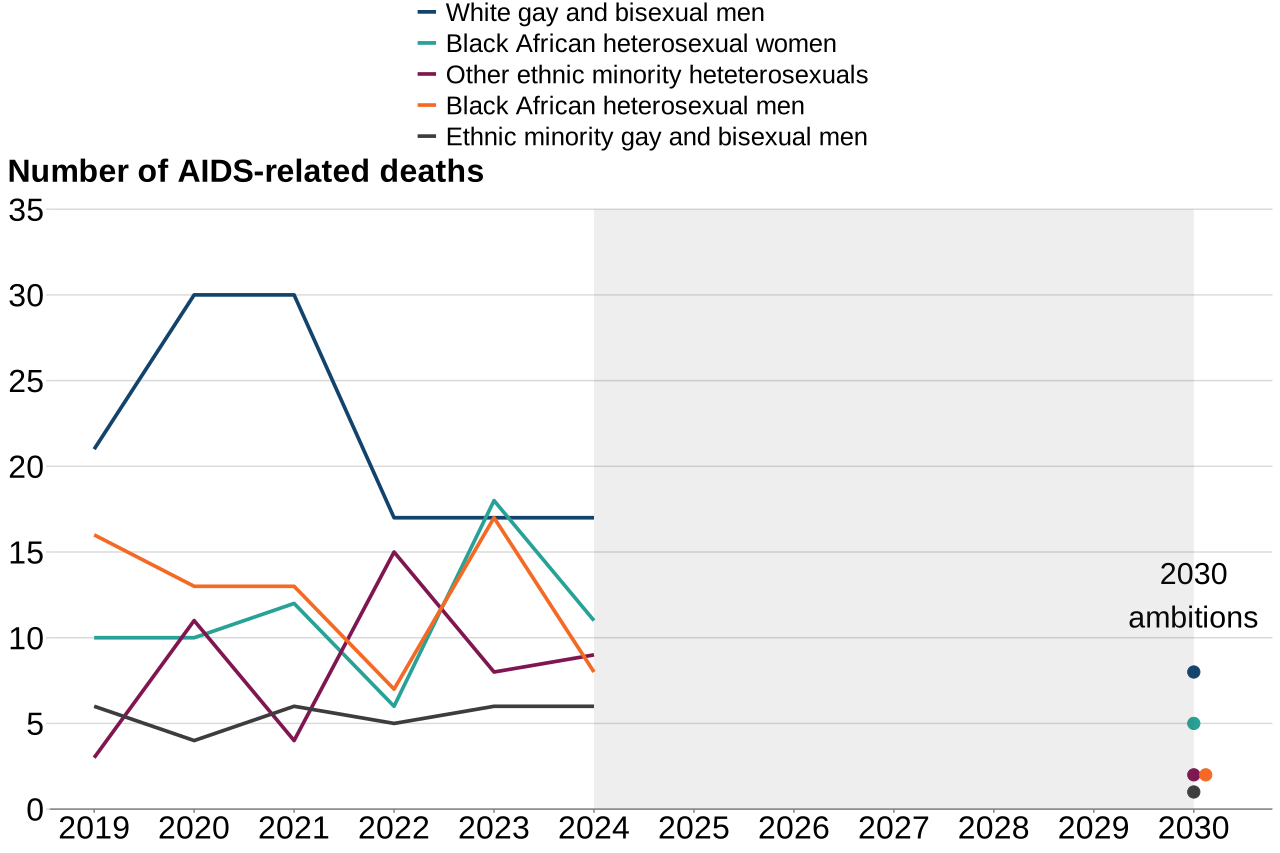
In 2024, 6 deaths were classed as AIDS related (2030 ambition 1 death) among ethnic minority gay and bisexual men, 17 among White gay and bisexual men (2030 ambition 8), 8 among Black African heterosexual men (2030 ambition 2), 11 among Black African heterosexual women (2030 ambition 5), and 9 among heterosexuals of other minority ethnicities (2030 ambition 2) (Figure 6). The numbers of deaths for these groups are small and must be interpreted with caution as variations could be due to chance rather than trend.
See data in Appendix 1 for regional breakdowns and by the 5 population groups.
If the 90% reduction in AIDS-related mortality occurred at a consistent rate between 2010 and 2030, the number of AIDS-related deaths would be 99 in 2024 in England, meaning the 2030 ambition could be achievable for England at this consistent rate. However, the number of AIDS-related deaths in 2024 was over the estimated number for 2024 to achieve a 90% reduction between 2010 and 2030 for 2 of the 5 population groups, for ethnic minority gay and bisexual men and for heterosexuals of ethnic minority background other than Black African (6 observed versus 3 estimated, and 9 observed versus 3 estimated, respectively).
Figure 5. AIDS-related mortality, and 2030 ambition (corresponding to 90% reduction on the number of AIDS-related deaths in 2010), England, 2019 to 2024
Sources: data from HARS, HANDD, ONS and NHMR.
Note: shaded area shown in the figure indicates future period with no observed data.
Figure 6. AIDS-related mortality, and 2030 ambitions (corresponding to 90% reduction on estimated number of AIDS-related deaths in 2010) by 5 adult population groups, England, 2019 to 2024
Sources: data from HARS, HANDD, ONS and NHMR.
Note: shaded area shown in the figure indicates future period with no observed data.
HIV-related and preventable mortality
Of the 482 deaths reported for 2024 through NHMR (out of a total of 643 deaths reported through NHMR and other surveillance systems), 412 had causes of death recorded (85%). Of those, 13% (55 of 412) were HIV related and 9% (39 of 412) were possibly HIV related. If we use this to estimate that 24% (94 HIV-related or possibly HIV-related of 412) of all deaths among people with HIV were (possibly) HIV related in 2024, this equates to 150 deaths (24% of 643) when considering deaths from all data sources (see method in the Methodology and definitions section).
Of the 94 HIV-related or possibly HIV-related deaths, 18% (17) were considered preventable (either AIDS diagnosis or late HIV diagnosis within 12 months of death) and 29% potentially preventable (27). If we apply the proportion of HIV-related and preventable deaths (11%, 44 of 412 deaths with ascertainable cause) to all deaths reported among people with HIV in 2024, we estimate that 70 deaths were HIV-related and (potentially) preventable in England in 2024.
Sustainability of the HIV response
SHSs, including HIV testing and prevention, are commissioned by local authorities using funding from the Department of Health and Social Care (DHSC) supplied through a ring-fenced Public Health Grant for local authorities. In the financial year 2025 to 2026, DHSC increased the Public Health Grant by £224 million to support local authorities to deliver public health services. Over the next 3 years, DHSC will continue to invest in local authorities’ vital public health work, providing over £13.4 billion (5.6% cash increase over the period).
Annually, the NHS spends around £358 million on medicines for HIV treatment, HIV PrEP and post-exposure prophylaxis (PEP), and around £461 million on HIV care and treatment services.
The HIVAP is also backed by an additional £170 million in investment to strengthen long-term sustainability of the HIV response between April 2026 and March 2029, including:
- £4.8 million to commission a new national HIV Prevention England programme. This will focus on improving awareness of HIV prevention among at-risk and underserved populations alongside safer sex promotion, testing and education (including raising awareness of undetectable equals untransmittable (U=U)).
- £108 million to deliver opt-out HIV testing in EDs in very high and high HIV prevalence areas. Ongoing monitoring will inform delivery and maximise efficient use of resources, modifying our approach as required to amplify impact. Within this £108 million, £9.4 million from April 2026 to March 2029 of the ED opt-out testing programme funding will be used to maintain peer and other support provided by Voluntary, Community, and Social Enterprise (VCSE) organisations, including re-engaging people who are not retained in care.
- £48 million to continue hepatitis B and C testing as part of the ED opt-out programme.
- £9 million for the first ever national retention and re-engagement initiative. We will amplify existing work within local services, and partner with VCSE and industry to increase the number of people re-engaged in their care. This will support individual care and clinical outcomes, as well as preventing new infections.
- Formula milk (and related sterilising equipment) for the infants of women living with HIV.
Funding is set for the next 3 years. Revenue funding after March 2029 will be determined through a future Spending Review.
Priority 1: prevent
Prevent HIV transmission through equitable access to HIV prevention services.
Increased access to HIV health prevention and promotion interventions, HIV PrEP and HIV PEP) can help with maintaining the HIV status of people who are HIV negative.
In this section, we explore indicators related to HIV PrEP and the impact of the HIV Prevention England programme (Table 1).
Table 1. Indicators for Priority 1: prevent, 2024 (data for 5 population groups and regions is provided in Appendix 1)
| Code | Description | 2024 |
|---|---|---|
| 1A | Number and proportion of all HIV negative individuals with estimated PrEP need who started or continued PrEP | 111,123 of 146,098 (76.1%) |
| 1B | Indicators for HIV Prevention England programme | In development |
Source: data from routine returns to the GUMCAD STI Surveillance System.
PrEP uptake (code 1A)
In 2024, 76.1% (111,123 of 146,098) of people with a PrEP need (that is people who might be at substantial HIV risk and could benefit from receiving PrEP, as identified through health records) initiated or continued PrEP, among 1,379,884 people who attended sexual health services (SHSs) and tested HIV negative (see definition in Appendix 1).
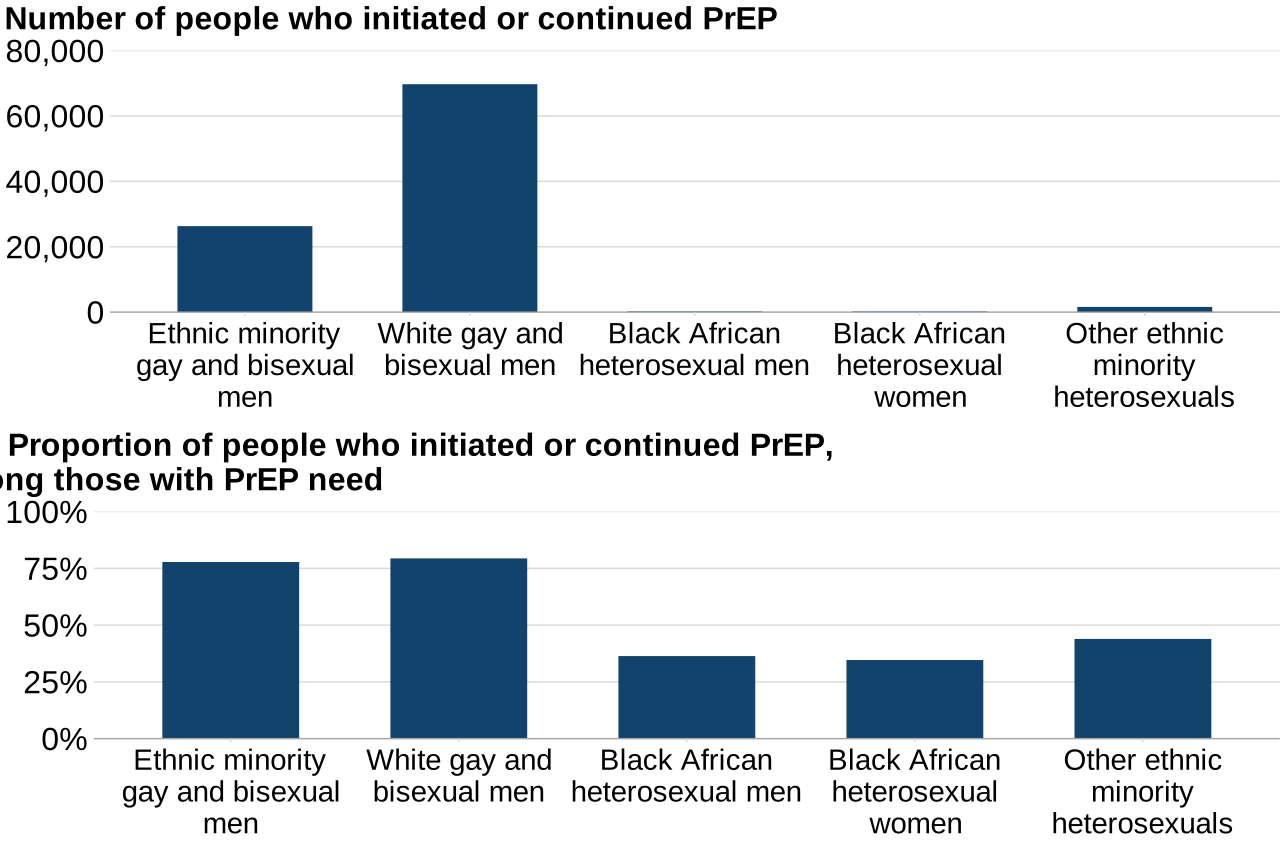
Figure 7 shows that PrEP need is not being met equitably across the 5 population groups. In 2024, the proportion of people with PrEP need who initiated or continued PrEP was highest among White gay and bisexual men (79.4%, 69,706 of 121,927) followed by ethnic minority gay and bisexual men (77.8%, 26,299 of 33,810). Initiation or continuation of PrEP was lowest among Black African heterosexual women (34.6%, 204 of 589), followed by Black African heterosexual men (36.4%, 235 of 646) (Figure 7).
See data in Appendix 1 for regional breakdowns and by the 5 population groups.
Figure 7. PrEP initiation status among people defined as having a PrEP need by 5 adult population groups, England, 2024
Source: data from routine returns to the GUMCAD STI Surveillance System.
Indicators for the HIV Prevention England programme (code 1B)
The new contract for HIV Prevention England started in April 2026, and the new programme is currently being mobilised and implemented, with campaign development underway. DHSC and HIV Prevention England are developing an indicator for the next iteration of the HIVAP MEF report.
Priority 2: test
Scale up HIV testing to reduce HIV transmission and protect people’s health.
HIV testing reduces the number of people living with undiagnosed HIV and reduces late diagnoses, lowering morbidity, mortality, and onward transmission. Most people access HIV tests through SHSs, including online, but testing also occurs in primary care, secondary care, and community settings, as well as through the ED opt-out BBV testing programme. The government has invested £5 million to trial HIV home testing through the NHS app by the end of 2026, in order to explore expanding the digital provision of HIV testing.
In addition, HIV partner notification is a highly effective strategy for identifying people living with undiagnosed HIV and late diagnosis is an indicator of missed opportunity for earlier testing and prevention of further morbidity and mortality.
This section provides an overview of late diagnoses and testing activity, where data was available for 2024 (Table 2).
Table 2. Indicators for Priority 2: test, 2024 (data for 5 population groups and regions is provided in Appendix 1)
| Code | Description | 2024 |
|---|---|---|
| 2A | Number and proportion of late diagnoses [note 1] | 928 of 2,196 (42%) |
| 2B | Number and proportion of people HIV testing online (of all people tested through SHSs) [note 2] | 597,344 of 1,318,795 (45%) |
| 2C | Number and proportion people testing among people offered a test in specialist SHSs [note 3] | 753,272 of 984,159 (77%) |
| 2D | Number and proportion tested positive in general practice (GP) settings [note 4] | 553 of 176,968 (0.31%) |
| 2E | Number and proportion of positive tests in community settings [note 5] | 48 of 18,948 (0.3%) |
| 2F | Number and proportion of people who tested positive as part of the partner notification process | 43 of 975 (4.4%) |
| 2G | Number and proportion of new HIV diagnoses as a result of ED opt-out BBV testing (of all people tested through the programme) [note 6] | 719 of 1,377,299 (0.052%) [note 7] |
Sources: data from routine returns to the GUMCAD STI Surveillance System, HANDD, HARS and Sentinel Surveillance of Blood Borne Virus (SSBBV).
Note 1: this excludes people previously diagnosed and continuing care in England.
Note 2: this includes online testing through specialist and non-specialist sexual health services.
Note 3: number of people tested of all people offered a test.
Note 4: data from SSBBV covering 40% of the GP population registered in England.
Note 5: testing reported through the UKHSA HIV community testing survey.
Note 6: this excludes people previously diagnosed.
Note 7: all tests and new diagnoses from ED opt-out data for 24 SSBBV sites, matched to HANDD or HARS, in the period between 1 April 2022 and 31 December 2024.
Late diagnoses (code 2A)
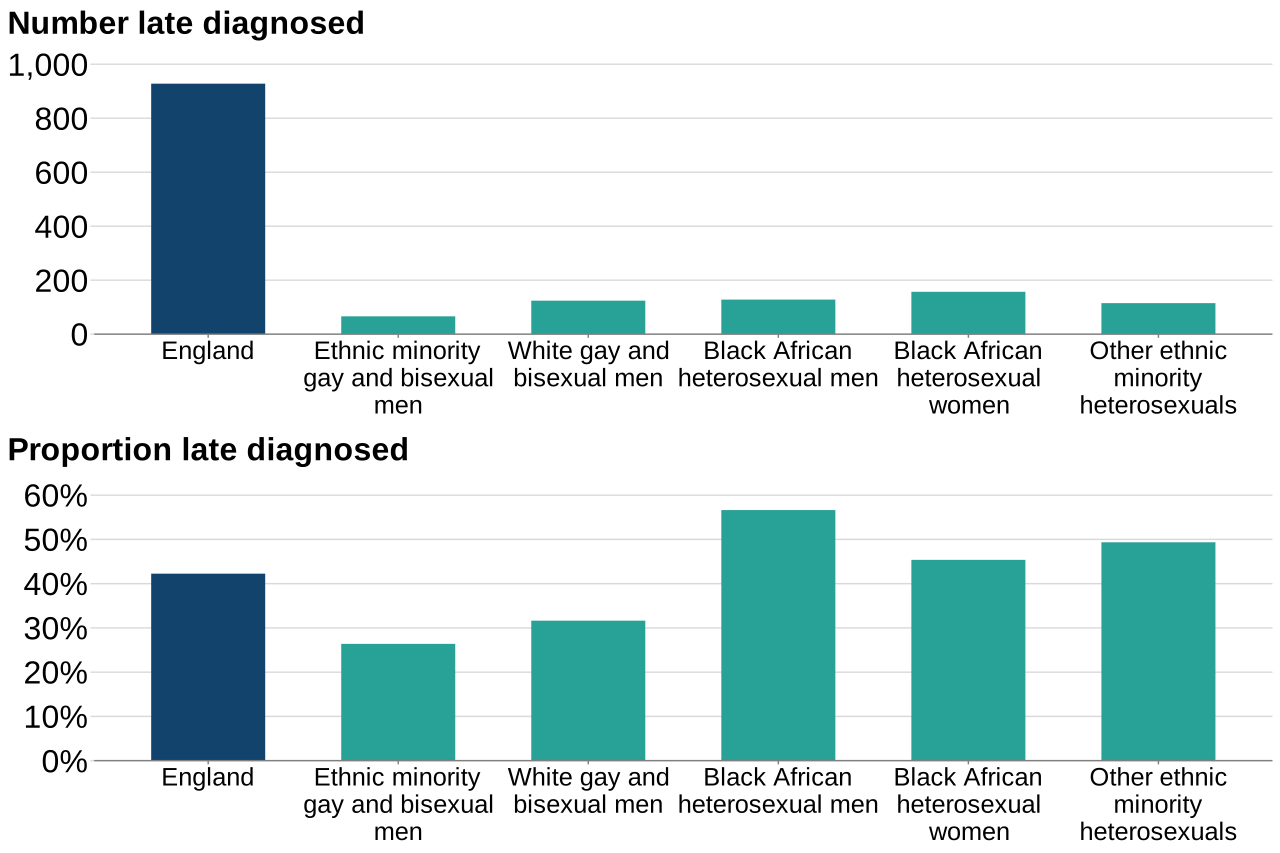
In 2024, 42% (928 of 2,196) of adults newly diagnosed with HIV in England were diagnosed late (see definition in the Methodology and definitions section).
The number of late HIV diagnoses in 2024 was highest among adult Black African heterosexual women (157), then among Black African heterosexual men (128), among White gay and bisexual men (124) and among other ethnic minority heterosexual adults (115). A total of 219 late diagnoses were missing either ethnicity or probable route of exposure and so could not be assigned to a population group.
In 2024, the proportion of late HIV diagnoses among adult Black African heterosexual men was 57% (128 of 226), 45% (157 of 346) among Black African heterosexual women and 49% (115 of 233) among other ethnic minority heterosexual adults (Figure 8).
See data in Appendix 1 for regional breakdowns and by the 5 population groups.
Figure 8. Number and proportion of adults diagnosed late by 5 populations, England, 2024
Source: data from routine returns to HANDD and HARS.
Very late diagnoses
In 2024, the number of very late diagnoses was 539 in England, with 153 in London, 88 in the South East and 63 in the East of England (see definition in the Methodology and definitions section).
Current BHIVA (British HIV Association) standards of care recommend reviewing all late diagnoses of HIV with a lookback of previous engagement with healthcare services (Standard 1A). Clinicians can report very late HIV diagnosis reviews. By focussing on diagnoses with the greatest risk of harm, missed opportunities for testing and prevention can be identified. This can help to target interventions and to support healthcare providers to offer testing where indicated.
Online HIV testing (code 2B)
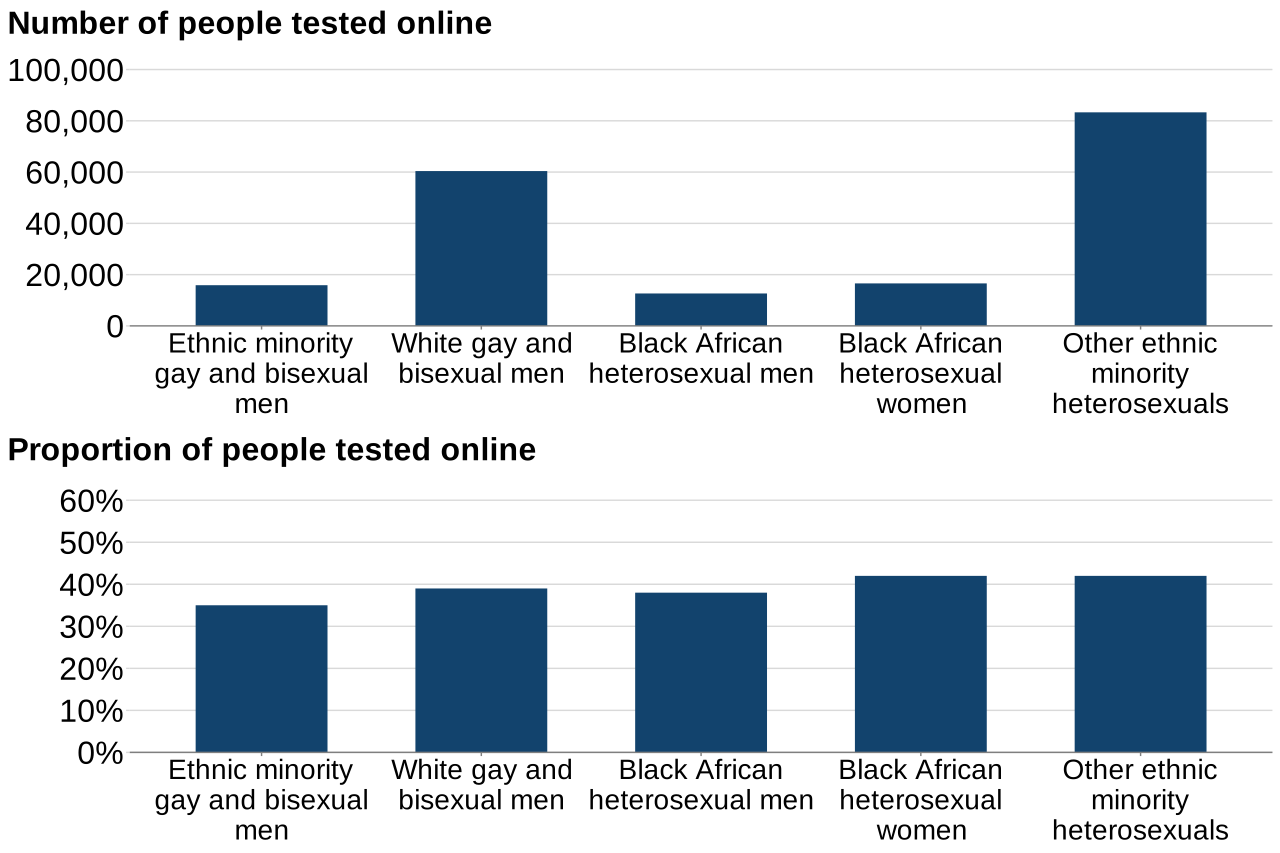
In 2024, 45% (597,344 of 1,318,795) of all people testing for HIV at SHSs (including specialist and non-specialist SHSs) ordered a self-sampling test online, rather than received a test in person at a SHS. Non-specialist online testing as reported in the HIV annual official statistics, was 542,149 people tested in 2024.
Among the 5 population groups, the highest proportion of online testing in 2024 of all HIV tests in SHSs in the population group was 42% for Black African heterosexual women (16,590 of 39,674) and for other ethnic minority heterosexuals (42%, 83,314 of 198,222), and lowest for Ethnic minority gay and bisexual men (35%, 15,877 of 45,800) (Figure 9).
See data in Appendix 1 for regional breakdowns and by the 5 population groups.
Figure 9. Number and proportion of people who ordered HIV tests online among all people testing for HIV at SHSs by 5 population groups, England, 2024
Source: data from routine returns to the GUMCAD STI Surveillance System.
HIV testing uptake in specialist SHSs (code 2C)
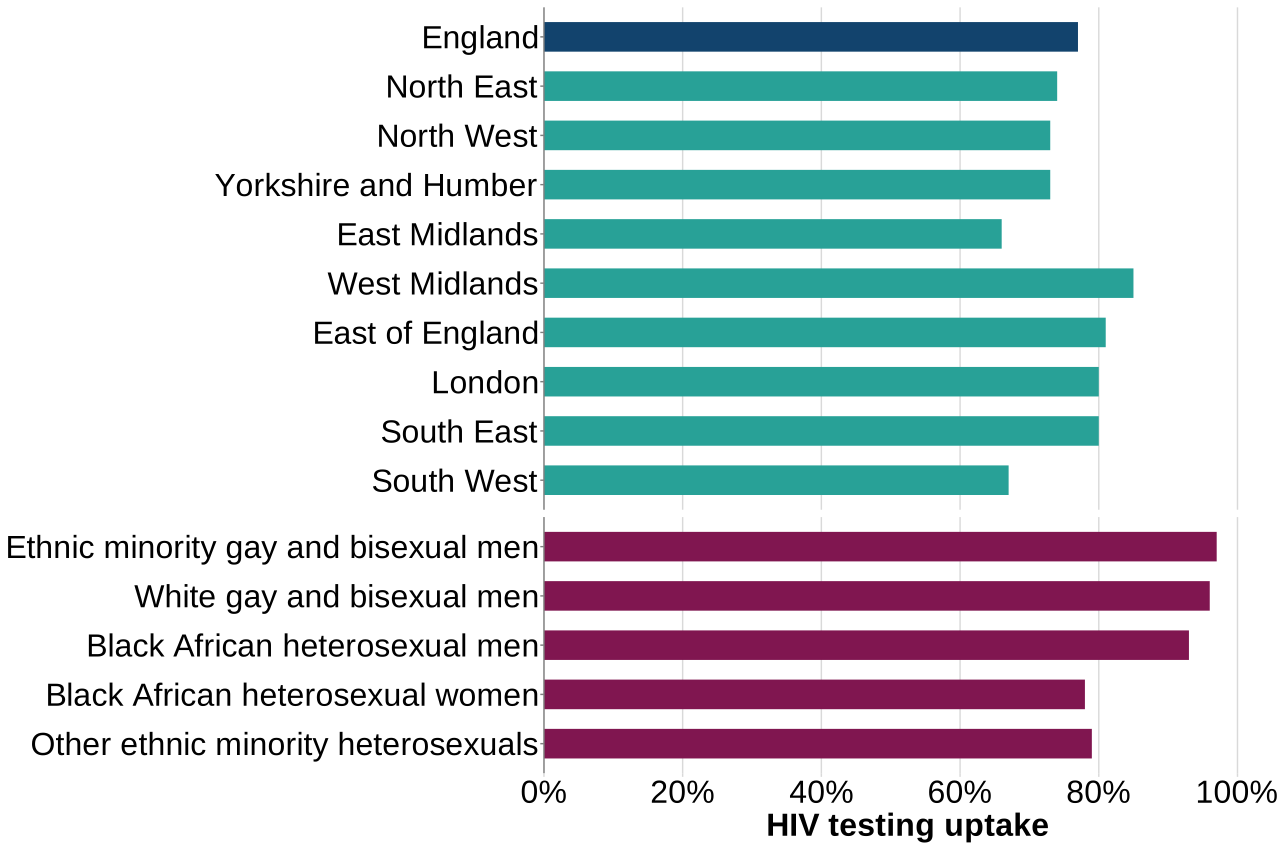
In 2024, three-quarters (77%, 753,272 of 984,159) of all people who were offered a HIV test in specialist SHSs in England received a test (Figure 10). This means almost 1 in 4 people offered an HIV test in specialist SHS declined it.
HIV testing uptake in 2024 was highest among ethnic minority gay and bisexual men (97%, 29,433 of 30,363) and White gay and bisexual men (96%, 94,576 of 98,552) and lowest for Black African heterosexual women (78%, 22,615 of 28,833) and for other ethnic minority heterosexuals (79%, 110,543 of 140,650) (Figure 10). HIV testing uptake was highest in the West Midlands (85%, 65,738 of 77,653) and lowest in East Midlands (66%, 44,318 of 67,626) in 2024 (Figure 10).
See data in Appendix 1 for regional breakdowns and by the 5 population groups.
Figure 10. HIV testing uptake among people tested at specialist SHSs by region of residence and 5 population groups, England, 2024
Source: data from routine returns to the GUMCAD STI Surveillance System.
HIV testing in GP settings (code 2D)
This data is based on SSBBV and it covers 40% of the GP population registered in England.
There were 183,876 tests in participating GPs in 2024 among the 176,968 people registered. The positivity was 0.31% with 553 people testing positive.
Over half of the tests were carried out in London (53.7%, 98,691 of 183,876) followed by the North West (10.4%, 19,171 of 183,876). Positivity was highest in the North West (0.8%) and the East of England (0.5%).
HIV testing in community settings (code 2E)
A total of 18,948 tests were reported through the UKHSA survey of HIV testing in community settings in 2024. This is a 33% decrease as compared to the 28,082 tests reported in 2019. Where information was known, 57% (10,336 of 18,164) were in-person tests and 43% (7,828 of 18,164) were ordered online in 2024. The overall test reactivity rate was 0.3% (48 of 18,948) in 2024. Of the 28 community organisations contacted, 17 responded to the survey.
Where information was known, more than a half of all tests in 2024 were carried out among heterosexual men and women (51%; 8,600 of 17,029), although test reactivity was higher among gay and bisexual men at 0.3% (versus 0.2% among heterosexuals). Test reactivity in 2024 was highest among people of White other ethnicity (0.6%), Black Caribbean (0.3%) and Black African (0.3%) ethnicities, people born in countries with high diagnosed HIV prevalence (0.5%) and people born in countries other than the UK with non-high diagnosed HIV prevalence (0.9%). Additionally, nearly a third (31%, 4,695 of 15,034) of tests reported through the UKHSA community testing survey for 2024 were among people who had never tested for HIV.
In 2024, the largest number of tests by region of residence were carried out in London (29.8%, 5,428 of 18,191) followed by Yorkshire and the Humber (22.9%, 4,171 of 18,191) and the North West (15.3%, 2,789 of 18,191).
This information is summarised in the ‘Annual survey of HIV testing in community settings, England, 2024 infographic’.
Note: location is derived from both testing‑site and residence data and should be interpreted with caution.
HIV testing through partner notification (code 2F)
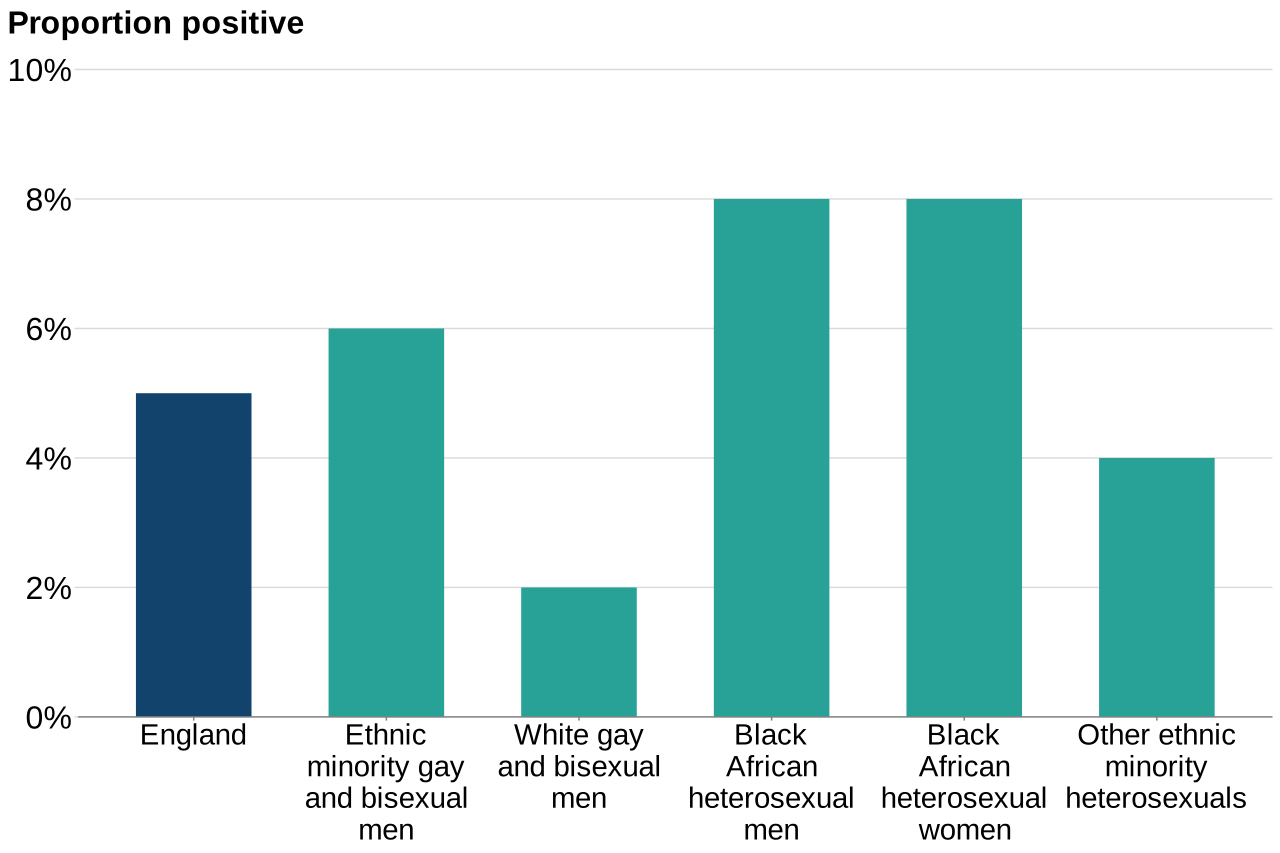
In 2024, 975 people were reported by specialist SHSs as a contact following partner notification, and 830 of them tested for HIV. Overall, 5% (43 of 830) of people attending due to HIV partner notification tested positive for HIV in 2024 (Figure 11). This is much higher than the proportion positive overall in all SHSs (0.1% in 2024). This indicates that when implemented, HIV partner notification is an extremely effective strategy to find people with undiagnosed HIV.
Among the 5 population groups, the highest proportion positive in 2024 was 8% for Black African heterosexual men and Black African heterosexual women (6 of 75 and 4 of 51 respectively) and 6% (4 of 65) for Ethnic minority gay and bisexual men (Figure 11).
See data in Appendix 1 for regional breakdowns.
Figure 11. Proportion positive among people tested due to HIV partner notification by 5 population groups, England, 2024
Source: data from routine returns to the GUMCAD STI Surveillance System.
ED opt-out BBV testing programme (code 2G)
Opt-out testing can address inequalities in testing for people who may not be perceived as at risk or who cannot access testing in other health services. It also offers an opportunity to re-engage people who have been diagnosed with HIV but who are not currently attending HIV outpatient care.
In April 2022, a 3-year programme of ED opt-out testing for BBVs was implemented in EDs in areas of extremely high diagnosed HIV prevalence (more than 5 per 1,000 population aged 15 to 59 years) in 34 sites across London (whole-city approach 28 sites), Manchester, Blackpool and Brighton.
According to the evaluation report for the first 33 months of the programme, between 1 April 2022 to 31 December 2024, 2,781,164 HIV tests were taken for adults (16 years and over) across 34 sites.
Of the 1,377,299 people tested from 24 SSBBV sites participating in the programme, 8,624 tested positive for HIV, most of which (93%) were previously diagnosed and attending outpatient HIV care at the time of ED testing. There were 719 new diagnoses (0.052% compared with test positivity of 0.14% at SHSs in the same timeframe and geographical areas).
Among the 5 population groups, the largest numbers of new diagnoses through the ED opt-out testing programme were reported for other ethnic minority heterosexuals (82), for White gay and bisexual men (59) and for Black African heterosexual women (39). More than half the reported diagnoses through SSBBV for the ED opt-out BBV testing programme were missing ethnicity information and could not be assigned to one of the population groups.
In April 2024, DHSC announced the expansion of the programme to an additional 44 sites in areas of high HIV diagnosed prevalence (2 to 5 per 1,000 population aged 15 to 59 years) and in late 2025, that the programme would continue in very high prevalence areas for the next 3 years.
Priority 3: treat
Rapidly link and retain people living with HIV in care, ensuring individuals can live healthy lives and reducing transmission.
Reducing the time from diagnosis to treatment initiation and keeping individuals on treatment with an undetectable viral load reduces the time people are living with a detectable viral load. An undetectable viral load ensures reduced morbidity and mortality for the individual and stops onwards transmission of HIV. This includes ensuring people diagnosed are linked to, engaged in, or re-engaged in care to access treatment and achieve viral suppression (Table 3).
Table 3. Indicators for Priority 3: treat, England, 2024 (data for 5 population groups and by region of residence is provided in Appendix 1 where possible)
| Code | Description | 2024 |
|---|---|---|
| 3A | Number and proportion of adults not retained in HIV care | 4,970 of 96,090 (5.2%) |
| 3B | Estimated number and proportion of adults effectively re-engaged in care [note 8] | 540 of 1,150 (49% of people not virally suppressed at re-attendance) [note 9] |
| 3C | Number and proportion of HIV clinics that returned not retained list | 105 of 157 (67%) |
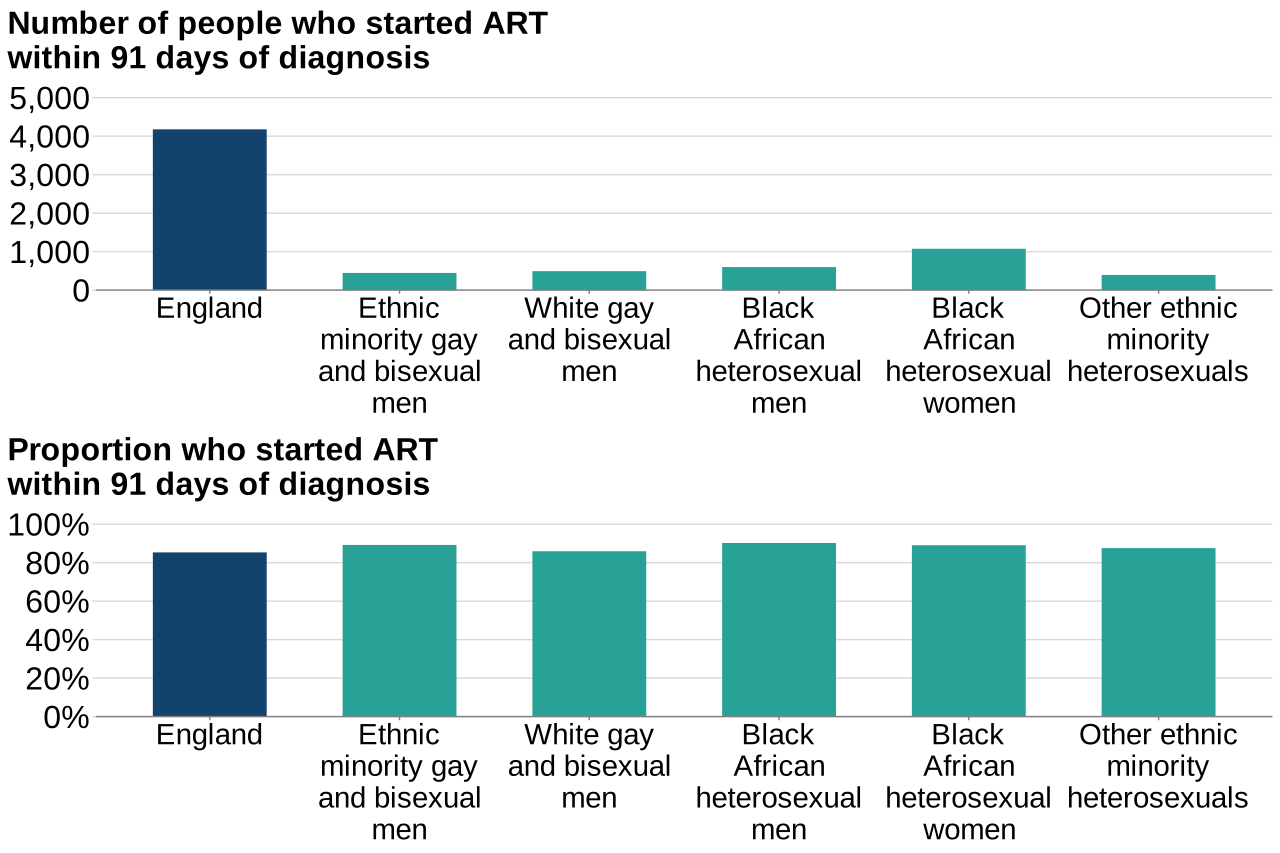
| 3D | Number and proportion of people initiating ART promptly (within 3 months of HIV diagnosis) | 4,178 of 4,896 (85%) |
| 3E | Paediatric to adult transition | In development |
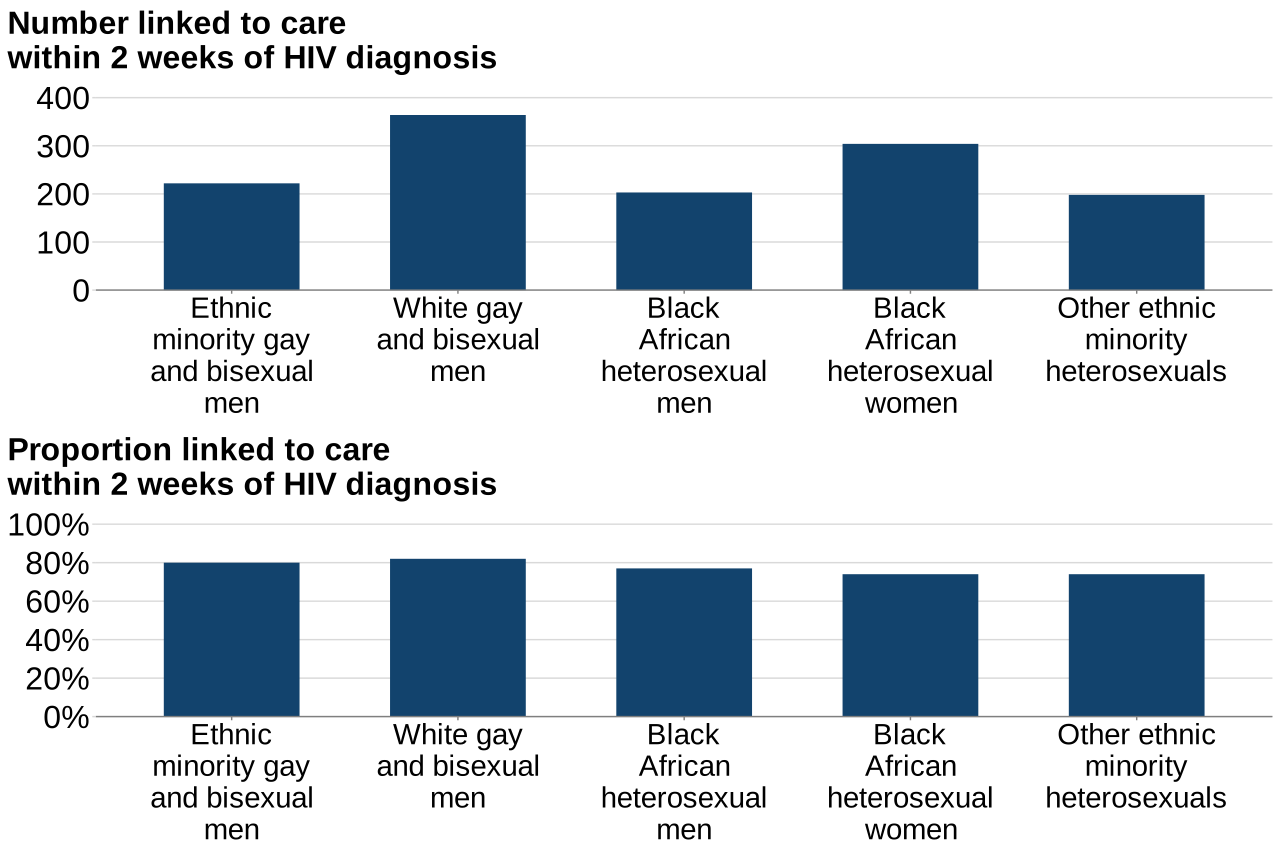
| 3F | Number and proportion of people linked to care within 2 weeks of HIV diagnosis | 2,013 (76%) |
| 3G | Number and proportion of people who were virally suppressed within 6 months of new HIV diagnosis through the opt-out ED testing programme [note 10] | 425 of 685 (62%) (previously diagnosed and not engaged in HIV care at time of ED HIV test: 130 of 307 (42%)) |
Sources: data from routine returns to HANDD and HARS, and ED opt-out data in SSBBV.
Note 8: this is an estimation where the proportion effectively re-engaged from 2023 was applied to the 2024 number of people not retained in care because follow up appointments for people not seen for specialist HIV care in 2024 will be available with 2025 data publication.
Note 9: proportion effectively re-engaged from 2023 data.
Note 10: data from 21 SSBBV sites involved in the ED opt-out BBV testing programme from 1 April 2022 to 31 December 2024 is based on the year people were tested within the ED and not the year they received HIV care post-test.
Adults not retained in HIV care (code 3A)
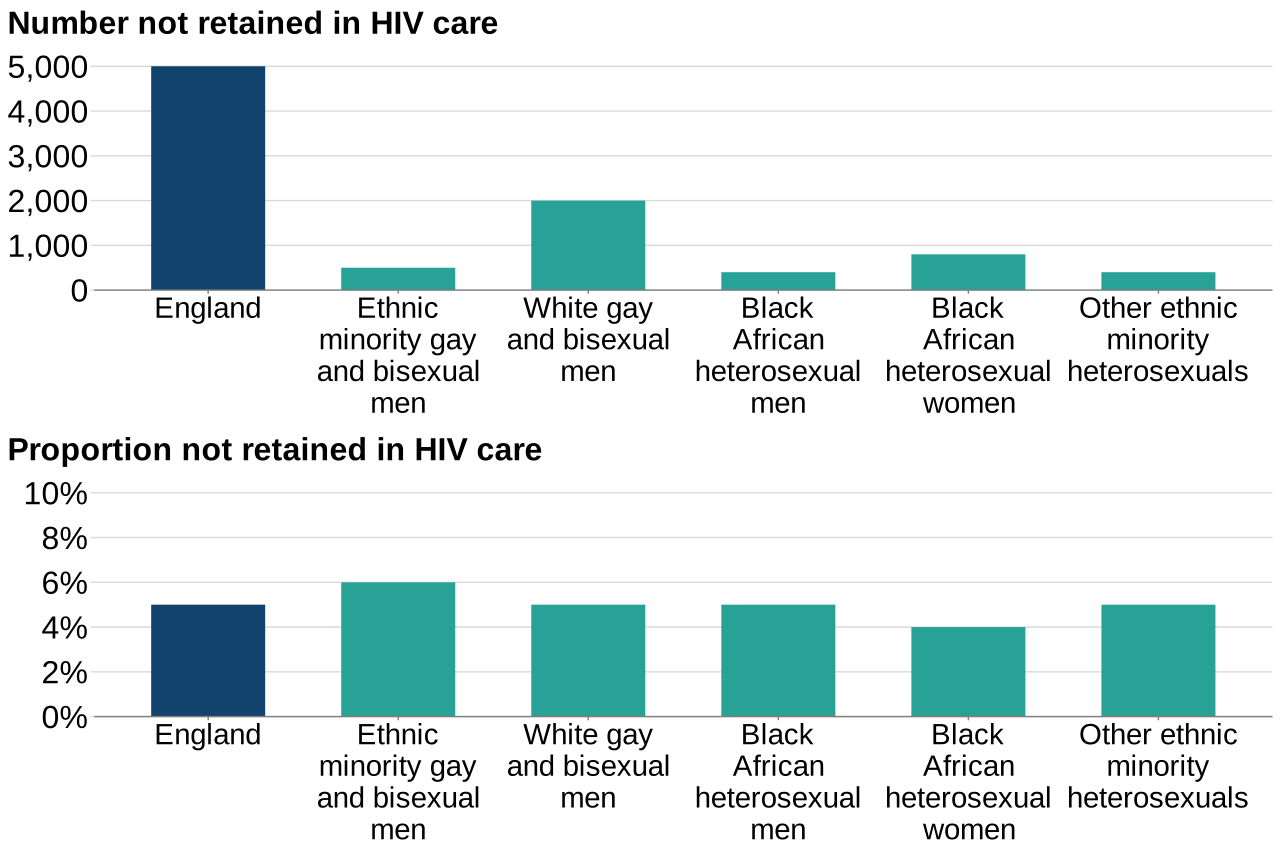
Among the 96,090 adults seen for HIV care between 1 October 2022 and 30 September 2023, 4,970 (5.2%) were not retained in care (Figure 12) (see definition in the Methodology and definitions section). People not retained in care are not receiving the treatment and support needed to remain healthy and virally suppressed.
Among the 5 population groups, the proportion not retained in care was above national level for ethnic minority gay and bisexual men only at 5.9% (468 of 7,910) (Figure 12). The largest not retained populations were 1,547 White gay and bisexual men (of 33,770,4.6%), and 771 Black African heterosexual women (of 17,888, 4.3%).
Of the estimated 109,599 people last seen for HIV care in the 5-year period between October 2018 and September 2023, up to 13,497715 adults (12%) had at least a 15-month care gap and did not attend outpatient HIV care until end of December 2024 (see definition in the Methodology and definitions section).
See data in Appendix 1 for regional breakdowns and by the 5 population groups.
Figure 12. Adults not retained in care by 5 population groups, England, 2024
Sources: data from routine returns to HARS and HANDD.
Effectively re-engaged (code 3B)
Of the 4,970 adults not retained in care in 2024, an estimated 2,390 returned to care, of which 1,280 were already virally suppressed, resulting in 540 people (of 1,150 not virally suppressed at re-attendance) virally suppressed after 6 months of re-engagement attendance. These estimates for 2024 used the 2023 proportions for people returning to HIV outpatient care of 48%, for people already virally suppressed of 51% and for people effectively re-engaged of 49% which were applied to the number of people not retained in care (see definitions and method in the Methodology and definitions section).
For 2023, of the 5,143 adults who were categorised as not retained in care by end of 2023 (see definition in the Methodology and definitions section), 2,477 subsequently attended HIV by end of 2024, 51% (1,328 of 2,477) of whom were already virally suppressed at that first appointment after the care gap. Among the remaining 1,149 adults, 562 (49%) had an undetectable viral load within 6 months of the returning appointment and were categorised as effectively re-engaged (see definition in the Methodology and definitions section).
Of the 5 population groups, Black African heterosexual men had the largest proportion effectively re-engaged at 57% in 2023.
See data in Appendix 1 for regional breakdowns and by the 5 population groups for 2023.
Returned ‘not retained in care’ lists sent to clinics (code 3C)
Lists of people with a potential care gap of 12 months or more (going back 5 years) are sent twice a year to the HIV clinic last attended. In April to May 2025, lists were sent to NHS trusts for 157 HIV clinics (8 clinics either did not have any people with a care gap or did not submit complete data by April 2025) and for 105 of these (67%), data on people not seen for care was returned to UKHSA to complement the HIV routine surveillance data sets. Lists are also sent in November each year.
Prompt antiretroviral therapy (ART) initiation in people newly diagnosed with HIV (code 3D)
Current BHIVA standards of care recommend that people with HIV should start ART within 3 months of diagnosis. Among people diagnosed in England in 2024 (all ages), 85% (4,178 of 4,896) started HIV treatment (also known as ART) within 3 months of diagnosis (Figure 13).
Among the 5 population groups, the lowest proportion of prompt ART initiation was for White gay and bisexual men (86%, 494 of 575) and for other ethnic minority heterosexuals (88%, 394 of 450) and highest for Black African heterosexual men (90%, 599 of 664) (Figure 13).
Figure 13. Prompt ART initiation by 5 population groups, England, 2024
Sources: data from routine returns to HARS and HANDD.
Successful transfer from paediatric to adult care (code 3E)
Transition from paediatric to adult HIV care is a critical period for young people living with HIV and has been associated with an increased risk of disengagement from care, as well as increased morbidity and mortality. after transfer to adult services.
Monitoring the health outcomes of young people who fully transition into adult HIV care is therefore essential to understand the long-term impacts of growing up with HIV and to inform service planning and support interventions.
UKHSA are currently working with Chiva, and NHS England’s Children’s HIV and AIDS Reporting System (CHARS) to develop an indicator to monitor successful transfer to adult care.
Linkage to care within 2 weeks of diagnosis (code 3F)
Current BHIVA (British HIV Association) standards of care indicate that people should be linked to HIV specialist care within 2 weeks of HIV diagnosis.
Of all adults (aged 15 years and over) newly diagnosed in England in 2024, 76% (2,031 of 2,656) were linked to care within 2 weeks of their HIV diagnosis.
Among the 5 population groups newly diagnosed with HIV, linkage to care within 2 weeks of diagnosis in 2024 was:
- 80% (222 of 277) among ethnic minority gay and bisexual men
- 82% (364 of 446) among White gay and bisexual men
- 77% (203 of 263) among Black African heterosexual men
- 74% (304 of 410) among Black African heterosexual women
- 74% (198 of 269) among other ethnic minority heterosexuals (Figure 14)
In 2024, 91% (2,277 of 2,493) of adults diagnosed with HIV before continuing care in England were linked to HIV care in England within 2 weeks of their England diagnosis.
Figure 14. Linkage to care within 2 weeks of new HIV diagnosis by 5 population groups, England, 2024
Sources: data from routine returns to HARS and HANDD.
Viral suppression within 6 months of HIV testing through opt-out ED testing programme (code 3G)
People with a new HIV diagnosis who had viral load equal to or less than 200 copies per mL within 6 months of testing in ED
Between 1 April 2022 to 31 December 2024, 719 people were newly diagnosed through the ED opt-out BBV testing programme (see ED opt-out BBV testing section). Of these, 685 were linked to the HIV care surveillance database (HARS) and 425 (62%, of 685) had reported viral loads equal to or less than 200 copies per mL within 6 months of the HIV test in ED.
For all new HIV diagnoses in England in 2024 (including diagnoses through ED testing), 63% (1,785) of the 2,851 people newly HIV diagnoses in 2024 (and linked to HARS) had a viral load equal to or less than 200 copies per mL within 6 months of the HIV diagnosis (61% (1,782 of 2,910) in 2023).
People previously diagnosed and not engaged in HIV outpatient care who had viral load equal to or less than 200 copies per mL within 6 months of testing in ED
Between 1 April 2022 to 31 December 2024, 483 people previously diagnosed but not in care tested positive through the ED opt-out BBV testing programme. Of those, 436 were linked with HARS.
Among the 307 people who re-engaged in HIV outpatient care after testing positive through the ED opt-out BBV testing programme, 130 (42%) had recorded viral loads under 200 copies per mL within 6 months of the HIV test date.
Priority 4: thrive
Address stigma and improve the quality of life for people living with HIV.
Reducing HIV-related stigma and improving quality of life are crucial to achieving the HIVAP’s ambition of ending HIV transmission by 2030. HIV-related stigma remains a significant factor in people’s experience of living with HIV and negatively impacts access to testing and effective prevention interventions. Furthermore, stigma and other life challenges such as personal, financial, housing, immigration, or mental health difficulties, are barriers for prioritising HIV treatment and care.
Increasing retention in care, adherence to treatment and support in achieving good health outcomes, through ensuring adequate support and reducing HIV-related stigma and discrimination, should result in better quality of life and a reduction of HIV transmission. In addition, improving the quality of life for people with long-term conditions is a well-established goal for the NHS and the wider health and care system.
Most indicators for this priority (Table 4) use data from the Positive Voices survey that takes place every 4 to 5 years. Below is data from 2022, when the last survey was undertaken. Data collection for the 2026 Positive Voices survey will take place from May 2026 and preliminary findings will be published in the next report of the MEF in 2027.
Table 4. Indicators for Priority 4: thrive, 2022 (data for 5 population groups and by region of residence is provided in Appendix 1 where possible)
| Code | Description | Positive Voices (2022) [note 11] |
|---|---|---|
| 4A | Anticipated stigma – percentage of people who had avoided going to a healthcare service when they needed to within the last year because of their HIV status | 7.2% |
| 4B | Life satisfaction (ranged between 0 [not satisfied at all] and 10 [completely satisfied]) | 7.3 |
| 4C | Self-stigma – percentage of people who felt ashamed of their HIV status | 45% |
| 4D | Percentage of people living with HIV needing peer support or social contact with other people with HIV (and percentage unmet) | 30% (16%) |
| 4E | Anti-stigma training for staff in NHS trusts part of the ED opt-out BBV testing programme | In development |
Sources: data from the UK-based survey Positive Voices 2022.
Note 11: see the Positive Voices report for sampling and weighting methodology.
Anticipated stigma in healthcare settings (code 4A)
Anticipated stigma and discrimination describe the stigma expected by an individual. In the 2022 Positive Voices study, 7.2% of people living with HIV had avoided accessing healthcare services in the last year because of their HIV status.
Among the 5 population groups, this measure was highest at 7.7% for ethnic minority gay and bisexual men and other ethnic minority heterosexuals, followed by Black African heterosexual men (7.0%) and Black African heterosexual and bisexual women (6.9%), and the lowest for White gay and bisexual men at 6.0%.
See data in Appendix 1 for regional breakdowns.
Life satisfaction (code 4B)
The Positive Voices study uses the ONS life satisfaction rating to indicate the average rating of adults living with HIV who feel satisfied about their lives (where 0 is ‘not at all satisfied’ and 10 is ‘completely satisfied’). The ONS classifies ratings of 0 to 4 as low, 5 to 6 as medium, 7 to 8 as high, and 9 to 10 as very high life satisfaction. This is an ‘evaluative’ measure where individuals reflect on how their life is going overall.
In the 2022 Positive Voices study, average life satisfaction among people living with HIV in England was 7.3 in comparison to 7.5 in the general UK population (according to ONS annual personal wellbeing estimates).
Among the 5 population groups, life satisfaction was highest for Black African heterosexual men and women (7.9 and 7.8, respectively).
See data in Appendix 1 for regional breakdowns.
Self-stigma (code 4C)
Self-stigma (or internalised stigma) is when one applies negative ideas about living with HIV to oneself. Data from 2022 showed that almost half of people (45%) felt ashamed of their HIV status.
Among the 5 population groups, the highest levels of self-stigma were reported by Black African heterosexual men (49%) and other ethnic minority heterosexuals (48%).
The U=U campaign aims to reduce stigma by spreading awareness of the following message: ‘A person on HIV treatment with undetectable viral load cannot pass on HIV through sex’. Overall, in 2022, awareness of U=U was very high with 9 in 10 (92%) people aware of the statement. However, only 63% strongly believed this statement to be true and only 58% reported that this statement made them feel much better about their HV status.
See data in Appendix 1 for regional breakdowns.
Need for peer group support (code 4D)
The needs of people living with HIV are diverse. The extent to which people’s needs are met may impact their overall health and well-being. People with HIV were asked about their need for peer group support, and whether this need had been met. They were asked to indicate one of the following:
- ‘I received this service’
- ‘I needed the service but could not get it’
- ‘I needed the service but did not try to get it’
- ‘I needed the service but did not know about it’
- ‘I did not need the service’
30% of people living with HIV expressed the need for peer group support, of which 54% considered that this need was not met.
Among the 5 population groups, the highest levels of need for peer group support were reported by ethnic minority gay and bisexual men (38%, of which 62% was unmet) and Black African heterosexual men (38%, of which 52% was unmet).
See data in Appendix 1 for regional breakdowns.
Anti-stigma training for staff in NHS trusts part of the ED opt-out BBV testing programme (code 4E)
Of the 59 NHS trusts within the ED opt-out BBV testing programme as of April 2026, at least 3 have the HIV confident charter, a national anti-stigma programme delivered by National AIDS Trust (NAT). A few additional trusts may have had some HIV awareness training for healthcare staff delivered by a local HIV VCSE organisation. To standardise training, NHS England is procuring national training on HIV-related stigma and discrimination in healthcare for all NHS trusts in the ED opt-out BBV testing programme. The outcomes of this training will be monitored in future iterations of the HIVAP MEF.
Priority 5: collaborate
Strengthen the healthcare system to improve HIV care and wider sexual health.
HIV prevention, testing, treatment and care as well as reduction of HIV-related stigma and discrimination interact in a health system that includes NHS services, local government public health, VCSE organisations and national agencies. In order to end new HIV transmissions by 2030, a strengthened and co-ordinated approach at national, regional and local level will be required with all stakeholders involved (Table 5).
Table 5. Indicators for Priority 5: collaborate, 2025
| Code | Description | 2025 |
|---|---|---|
| 5A | Areas covered by a local HIV action plan | In development |
| 5B | Drug resistance and genomics | In development |
| 5C | Proportion of genitourinary medicine (GUM) training posts allocated nationally that were filled |
46% (19 of 41) |
| 5D | HIV network availability | In development |
Source: data from NHS England Workforce, Training and Education directorate.
Areas covered by a local HIV action plan (code 5A)
The baseline assessment of local and regional governance arrangements and action plans for HIV was undertaken between January and March 2026. The results of this assessment will be reported to the HIVAP national delivery group (NDG) in May 2026. The Regional Directors of Public Health will provide annual reports to the HIVAP NDG on progress against this baseline. The next iterations of the HIVAP MEF report will include the baseline and yearly updates.
Drug resistance and genomics (code 5B)
HIV sequence data is routinely collected in the UK as part of clinical care to inform antiretroviral treatment. This data is collected from laboratories, and compiled within the UK HIV Genomics Database, which is managed by UKHSA, and routinely used to report on the prevalence of transmitted and acquired drug resistance within the English surveillance programme for antimicrobial utilisation and resistance (ESPAUR) report.
Additional summaries to describe the prevalence of drug resistance across different populations are being developed. In addition, reporting on the subtype diversity and relationships between UK and global sequence diversity is being explored, as is the possibility of incorporating genomic data to enhance modelling estimates for incidence and undiagnosed populations.
At present, the database is in the process of securing agreements with laboratories across the UK to ensure national coverage. Once achieved, corresponding statistics will be included in future reports.
GUM workforce recruitment and retention (code 5C)
In 2025, 46% (19 of 41) of GUM training posts allocated nationally were filled in England.
The HIVAP includes an action to ‘support the GUM and community sexual and reproductive health (CSRH) workforce who deliver HIV prevention, care and wider sexual and reproductive healthcare’. Other indicators may be developed to monitor progress in this area including indicators to ascertain the number of GUM clinicians and relevant multidisciplinary team members required per population.
HIV network availability (code 5D)
In some areas, there are informal HIV networks in place that have developed organically through provider collaboration rather than national designation and that allow clinicians to care for people with HIV closer to home. NHS England in collaboration with stakeholders will consider developing an indicator that will quantify the number and density of these HIV networks in England to be reported in future MEF reports.
Methodology and definitions
Adults are defined as all people aged 15 years and over.
Estimates of the population living with HIV (including undiagnosed) are rounded within this report.
HIV prevalence estimates using MPES
A Bayesian MPES model is used to combine surveillance, survey, and demographic data to produce estimates of HIV prevalence and undiagnosed infections. The model defines, for each stratum (by exposure group, ethnicity, gender, age, region, and year), 3 basic parameters: the size of the exposure group, HIV prevalence, and the proportion of infections diagnosed. A hierarchical structure allows the model to borrow strength across strata and over time, smoothing prevalence and diagnosis proportions where direct data is limited.
The data sources used in the model have been updated for 2024 estimates, to better account for exposure group and population sizes, and include ONS, Natsal (including Natsal-4 survey) and the Gay Men’s Sexual Health survey. It is likely that some exposure group sizes were larger in 2024 than previously estimated, which has led to a larger estimated number of people living with undiagnosed HIV in some groups. These estimates also better account for diagnosed individuals who were not in care within the year, expanding the number of diagnosed individuals by around 5%.
HIV incidence estimates using CD4-based back-calculation
The CD4-based back-calculation model is a Bayesian statistical model which jointly estimates HIV incidence (point estimates and 95% CrIs) and diagnosis rates among gay and bisexual men from HIV and AIDS diagnosis data and CD4 cell count at diagnosis information. The model partitions undiagnosed infections into model states according to CD4 count at or soon after diagnosis and assumes known rates of disease progression in the absence of treatment.
For this MEF report, the CD4-based back-calculation model was extended to better account for the impact of migration by no longer assuming that the population of undiagnosed infected individuals is a closed population.
HIV incidence at present is estimated for men exposed through sex with men. Such estimation is not yet available for people exposed through sex between men and women.
UNAIDS 95-95-95
The UNAIDS estimates were calculated as follows:
- first 95: estimated proportion of people living with diagnosed HIV among people living with HIV (from MPES)
- second 95: number of people on treatment (from HARS database) divided by the estimated number of people living with diagnosed HIV (from MPES)
- third 95: number of people with viral load under equal to or less than 200 copies per mL (from HARS database) divided by the number of people on treatment adjusted for missing treatment information (from HARS database)
These estimates exclude people who died and children aged 14 years and under to align with the methodology for estimating numbers of people living with transmissible levels of virus.
The method for the second 95 was changed for this report as the latest MPES model estimates now better account for people not in care. The second 95 was previously calculated as the proportion of people on treatment among people seen for care, also known as treatment coverage, which was 99% (102,140 adults on treatment among 103,160 seen for care) in 2024 (see official statistics 2025 report).
Transmissible levels of virus
Viral suppression is defined as a viral load equal to or less than 200 copies per mL.
The UNAIDS estimate includes:
- estimate of people living with undiagnosed HIV
- number of people not on treatment
- number of people with viral load more than 200 copies per mL adjusted for missing viral load – assuming that the proportion virally suppressed was the same for people missing viral load information as for people with viral load reported
The upper-bound estimate (scenario B in section above), considered the worst-case scenario, includes the same categories as the UNAIDS estimate (undiagnosed, not on treatment and not virally suppressed) but values were not adjusted for missing treatment or missing viral load. It also includes people with missing care, treatment or viral load records for that year, and people not linked to care in the calendar year.
The lower-bound estimate (scenario A in section above) differs from scenario B as follows:
- estimated number of people not retained in care corresponds to 77% of the number of people not retained in care as it excludes people categorised as not retained in care who were virally suppressed at re-engagement attendance (applying the 23% for 2023 to the number not retained in 2024)
- estimated number of people not virally suppressed excludes people receiving treatment who had no viral load in the year of interest but had suppressed viral loads in the year prior
New HIV diagnoses
Since 2015, the national HIV surveillance system has allowed the differentiation between people newly diagnosed in England and people diagnosed before continuing care in England. This information was retrospectively updated for some records relating to diagnoses between 2010 and 2014, where this information was subsequently reported to UKHSA. However, data from this period is likely to mis-categorise people diagnosed before continuing care in England as a new HIV diagnosis. To account for this, an adjustment was applied to the data from 2010 to 2014 based on the average proportion of people continuing care between 2015 and 2019.
Mortality
From 2019, UKHSA (formerly Public Health England) supported the collection of additional mortality data as part of the National HIV Mortality Review and the application of the Coding Causes of Death in HIV (CoDe) protocol with more accurate recording of causes of death and estimates of AIDS-related mortality. Therefore, trends in AIDS-related mortality focus on data from 2019 onwards, while progress against the 2030 ambition references the 2010 baseline.
We implement yearly the pan-European definition of HIV-related mortality to the NHMR reports with ascertainable causes of death and the definition of preventable HIV-related mortality to the NHMR records with ascertainable causes of death that could be linked to the HIV surveillance databases.
Late diagnoses
A late HIV diagnosis is defined as having a CD4 count below 350 cells per cubic millimetre of blood within 91 days of diagnosis and no evidence of a recent infection. This evidence is either a negative test within the 24 months prior to someone’s first positive HIV test, or a positive result for the Recent Infection Testing Algorithm (RITA), which combines serological recency test results with clinical data. It excludes people diagnosed before continuing care in England.
A very late diagnosis is a late HIV diagnosis with a CD4 count below 200 cells per cubic millimetre of blood within 91 days of diagnosis and with no evidence of a recent infection.
Retention in care
Current BHIVA standards of care recommend that people living with HIV should attend specialist HIV care at least once a year. Though most people are seen within 12 months, attendance may fall slightly outside a precise 12-month period. Therefore, to account for slight variations, people not retained in care are defined as those not seen within 15 months of their last attendance, for the below measures.
For 2024, adults not retained in care are defined as adults with an HIV outpatient care attendance between October 2022 and September 2023 who were not seen for HIV outpatient care for at least 15 months after the last appointment in that period (and until the end of December 2024).
Adults not retained in care who re-attended HIV outpatient care after that gap and had a viral load equal to or less than 200 copies per mL within 6 months of re-attendance date, were considered effectively re-engaged. We exclude from this calculation adults who already had a viral load equal to or less than 200 copies per mL when they re-attended as this does not suggest they were out of care but that they were receiving HIV care and treatment elsewhere, treatment that was not reported to the national HIV surveillance databases. For 2024, we applied the 2023 proportion of adults effectively re-engaged to the number of adults not retained in care.
For 2024, people not retained in care for over 5 years are defined as people with an HIV outpatient care attendance between October 2018 and September 2023 who were not seen for HIV outpatient care for at least 15 months after the last appointment in that period (and never again by the end of December 2024.
Acknowledgements
Our thanks go to the report contributors within UKHSA: Alison Brown, Amina Addow, Ammi Shah, Anne Presanis, Anu Fasanya, Carole Kelly, Catriona Harrison, Cuong Chau, Daniela De Angelis, Debbie Mou, Eilish Hart, Eloise Cross, Erna Buitendam, Georgina Wilkinson, Grahame Davis, Hannah Kitt, Hamish Mohammed, James Lester, Janice Morgan, Joan Ekajeh, Kate Folkard, Kathy Lowndes, Katy Sinka, Kedeen Okumu-Camerra, Kritika Jain, Mary Ramsay, Natasha Ratna, Neil Mackay, Nicholas Cooper, Paul Birrell, Peter Kirwan, Ross Harris, Ruth Simmons, Sarah Barnes, Sema Mandal, Shaun Bera, Shona Arora, Sonia Rafeeq, Susan Hopkins, Tamara Đuretić, Temitope Omisore, Tobi Kolawole, Tom Clare, Veronique Martin, Victoria Schoemig.
We gratefully acknowledge external contributors including: Adam Winter, Anna Kafkalia, Cara Saxon, Courtney Bowman, Daniel Eve, Jonathan Corne, Jonathan Howes, Kevin Fenton, Nicola Spencer, Olly Bates, Rachel Hill-Tout, Stephen Hindle, Tom Clutterbuck, Vian Russell, Yvonne Gilleece.
Suggested citation
Veronique Martin, Ammi Shah, Kritika Jain, Neil Mackay, Kedeen Okumu-Camerra, Victoria Schoemig, Shaun Bera, Hannah Kitt, Carole Kelly, Tobi Kolawole, Natasha Ratna, Cuong Chau, Tamara Đuretić, Alison Brown and contributors. HIV Action Plan monitoring and evaluation framework 2026 report. May 2026, UK Health Security Agency, London