Sexually transmitted infections and screening for chlamydia in England: 2025 report
Updated 2 June 2026

© Crown copyright 2026
This publication is licensed under the terms of the Open Government Licence v3.0 except where otherwise stated. To view this licence, visit nationalarchives.gov.uk/doc/open-government-licence/version/3 or write to the Information Policy Team, The National Archives, Kew, London TW9 4DU, or email: psi@nationalarchives.gov.uk.
Where we have identified any third party copyright information you will need to obtain permission from the copyright holders concerned.
This publication is available at https://www.gov.uk/government/statistics/sexually-transmitted-infections-stis-annual-data-tables/sexually-transmitted-infections-and-screening-for-chlamydia-in-england-2025-report
Main points
This report provides a descriptive analysis of data on sexually transmitted infection (STI) tests and diagnoses and screening for chlamydia in England up to the end of December 2025. It focuses primarily on national trends between 2024 and 2025 and also contains some trend data from 2016 to 2025. Data on STI tests and diagnoses between 2016 and 2025 is available in the accompanying data tables and slide set as well as the Sexual and Reproductive Health Profiles, which also include data at regional and upper and lower tier local authority levels.
Among people in England:
- infectious syphilis diagnoses decreased overall by 13.5% from 9,553 in 2024 to 8,262 in 2025:
- while there was a decrease of 18.7% (from 6,349 in 2024 to 5,164 in 2025) among gay, bisexual and other men who have sex with men (GBMSM), diagnoses increased among women who have sex with men (WSM) by 4.8% (from 838 to 878)
- gonorrhoea diagnoses decreased 10.9% from 71,766 in 2024 to 63,943 in 2025
- chlamydia diagnoses decreased by 10.3% from 168,477 diagnoses in 2024 to 151,163 diagnoses in 2025
- first episode genital warts diagnoses decreased 7.3% from 25,106 in 2024 to 23,282 diagnoses in 2025
- first episode genital herpes increased 3.1% from 27,914 in 2024 to 28,779 diagnoses in 2025
- in total, all new STI diagnoses decreased 8.3% from 364,261 in 2024 to 334,151 in 2025
- the diagnosis rates of STIs remain relatively high in young people aged 15 to 24 years, GBMSM, and people of some minority ethnic groups
Among women aged 15 to 24 years who are recommended to be offered screening through the National Chlamydia Screening Programme (NCSP):
- there was a 9.4% decrease in the number of chlamydia tests carried out, from 604,143 in 2024 to 547,308 in 2025
- there was a decrease of 13.6% in the number of chlamydia diagnoses, from 53,408 in 2024 to 46,122 in 2025
- test positivity was 8.8% in 2024 and 8.4% in 2025
Overall trends
While this report primarily focuses on the changes between 2024 and 2025, 10-year trends are included to provide a historical picture. This includes the period spanning the COVID-19 pandemic and associated disruption to service provision. Concurrent with this period of disruption, the numbers of consultations, sexual health screens and STI diagnoses in 2020 and 2021 were lower than preceding and subsequent years, which should be considered when assessing trends.
Between 2024 and 2025 the number of consultations (face-to-face, telephone or online) delivered by SHSs in England remained relatively stable (4,508,500 in 2024 and 4,450,076 in 2025). The pattern varied by mode of consultation. The number of face-to-face consultations remained relatively stable (2,399,770 in 2024 to 2,385,378 in 2025) as did the number of online consultations (1,873,168 in 2024 and 1,875,777 in 2025), while the number of telephone consultations continued to decrease (19.8%, from 235,562 in 2024 to 188,921 in 2025).
Of all consultations (4,450,076) in 2025, 53.6% (2,385,378) were delivered face-to-face, 42.2% (1,875,777) were online and 4.2% (188,921) via telephone. Of all consultations, 52.1% (2,317,161) were by WSM, 20.0% (891,381) were by men who have sex with women (MSW), 16.3% (727,568) were by GBMSM and 0.7% (32,349) were by women who have sex with women (WSW). Data on the number of consultations is provided in Table 3 in the accompanying data tables.
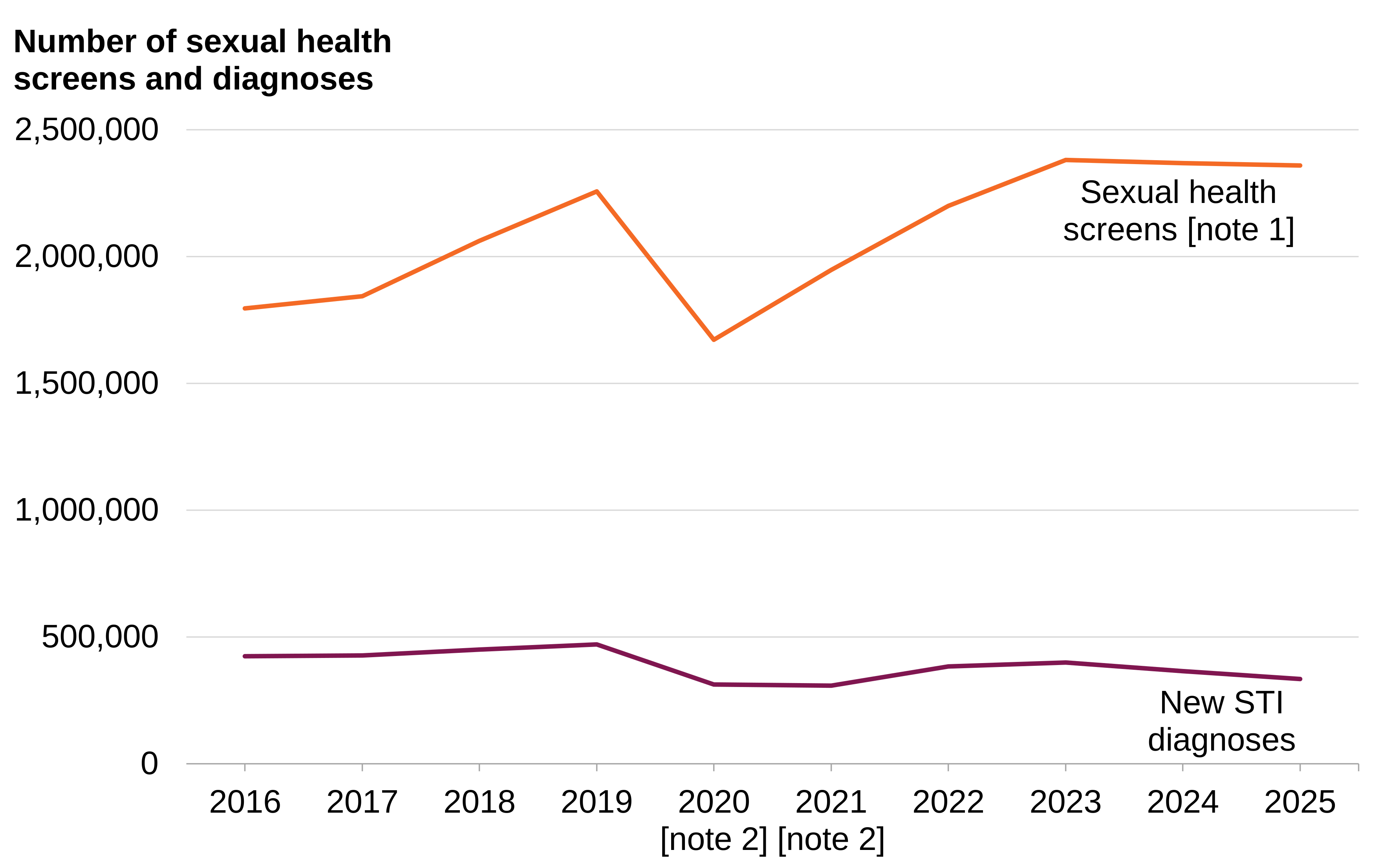
The number of sexual health screens (diagnostic tests for one or more of chlamydia, gonorrhoea, syphilis and HIV) has remained relatively constant (2,368,291 in 2024 compared to 2,358,128 in 2025) (Figure 1). The largest proportion of screens (46.8%, 1,104,013) were by WSM. Further, 23.2% (547,817) were by MSW and 17.9% (420,944) were by GBMSM and 0.7% (16,433) were by WSW.
Compared to 2024, the number of new STI diagnoses decreased by 8.3% (364,261 in 2024 to 334,151 in 2025). The most commonly diagnosed STIs in 2025 were chlamydia (45.2% of all new STI diagnoses, 151,163), gonorrhoea (19.1%, 63,943), first episode genital herpes (8.6%, 28,779), and first episode genital warts (7.0%, 23,282).
Figure 1. Number of new STI diagnoses and sexual health screens [note 1] among England residents accessing SHSs, 2016 to 2025
Source: data from routine returns to the GUMCAD STI and CTAD Chlamydia Surveillance Systems.
Note 1: sexual health screens – tests for one or more of chlamydia, gonorrhoea, syphilis and HIV.
Note 2: figures reported in 2020 and 2021 are notably lower than previous years due to the disruption to SHSs during the national response to the COVID-19 pandemic.
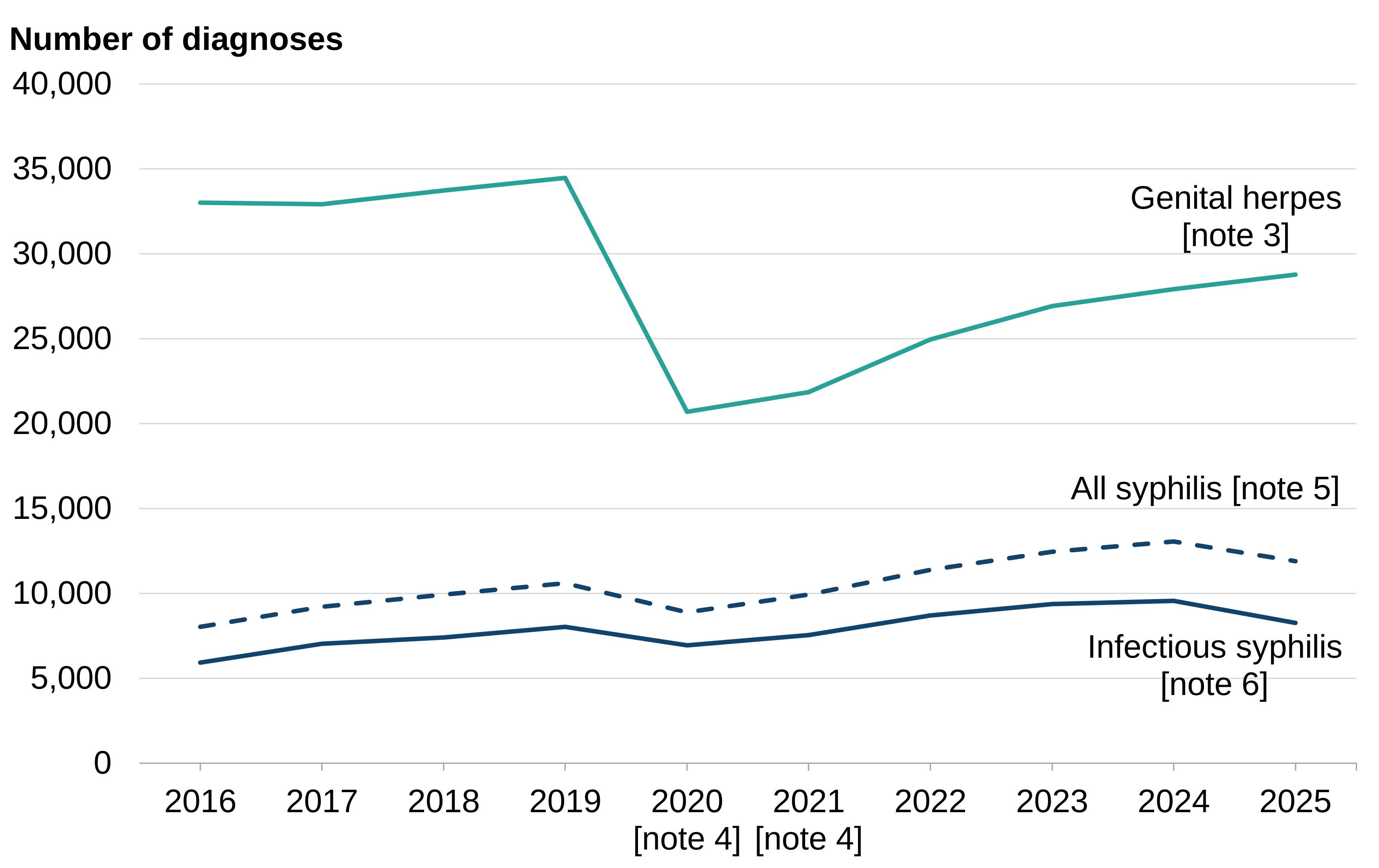
Between 2024 and 2025 there was a decrease in the number of gonorrhoea diagnoses (10.9%, from 71,766 to 63,943), as well as a decrease in infectious syphilis (primary, secondary and early latent stages) diagnoses (13.5%, from 9,553 to 8,262) (Figures 2a and 2b).
Figure 2a. Total number of new diagnoses of selected STIs (chlamydia, gonorrhoea and genital warts) among England residents accessing SHSs, 2016 to 2025
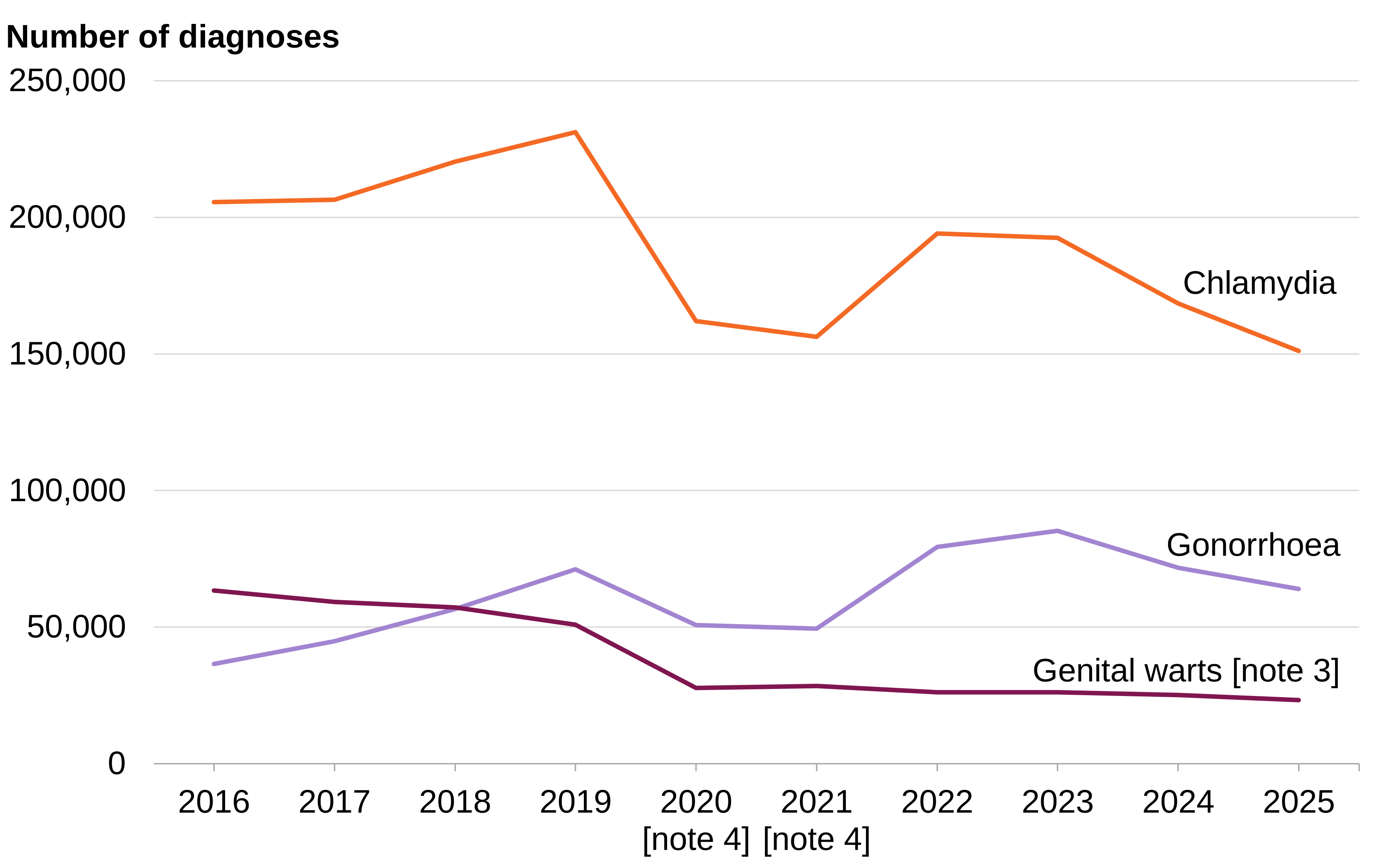
Figure 2b. Total number of new diagnoses of selected STIs (genital herpes and syphilis) among England residents accessing SHSs, 2016 to 2025
Source: data from routine returns to the GUMCAD STI and CTAD Chlamydia Surveillance Systems.
Note different scales are used on the vertical (y) axes in Figures 2a and 2b.
Note 3: first episode.
Note 4: figures reported in 2020 and 2021 are notably lower than previous years due to the disruption to SHSs during the national response to the COVID-19 pandemic.
Note 5: includes infectious syphilis and late stage and complications of syphilis.
Note 6: includes diagnoses of primary, secondary and early latent syphilis.
There was a decrease in infectious syphilis diagnoses among MSW (3.6%, from 1,352 to 1,303) while numbers increased among WSM (4.8%, from 838 to 878). There was a decrease among WSW (26.2% decrease from 65 to 48 diagnoses) and GBMSM (18.7%, from 6,349 to 5,164) (Figures 3a and 3b). In 2025, late-stage syphilis or complications such as ocular and otosyphilis, accounted for an additional 894 diagnoses amongst WSM, 1,010 diagnoses among MSW and 1,178 diagnoses among GBMSM.
Figure 3a. Number of diagnoses of syphilis among men England residents accessing SHSs, 2016 to 2025
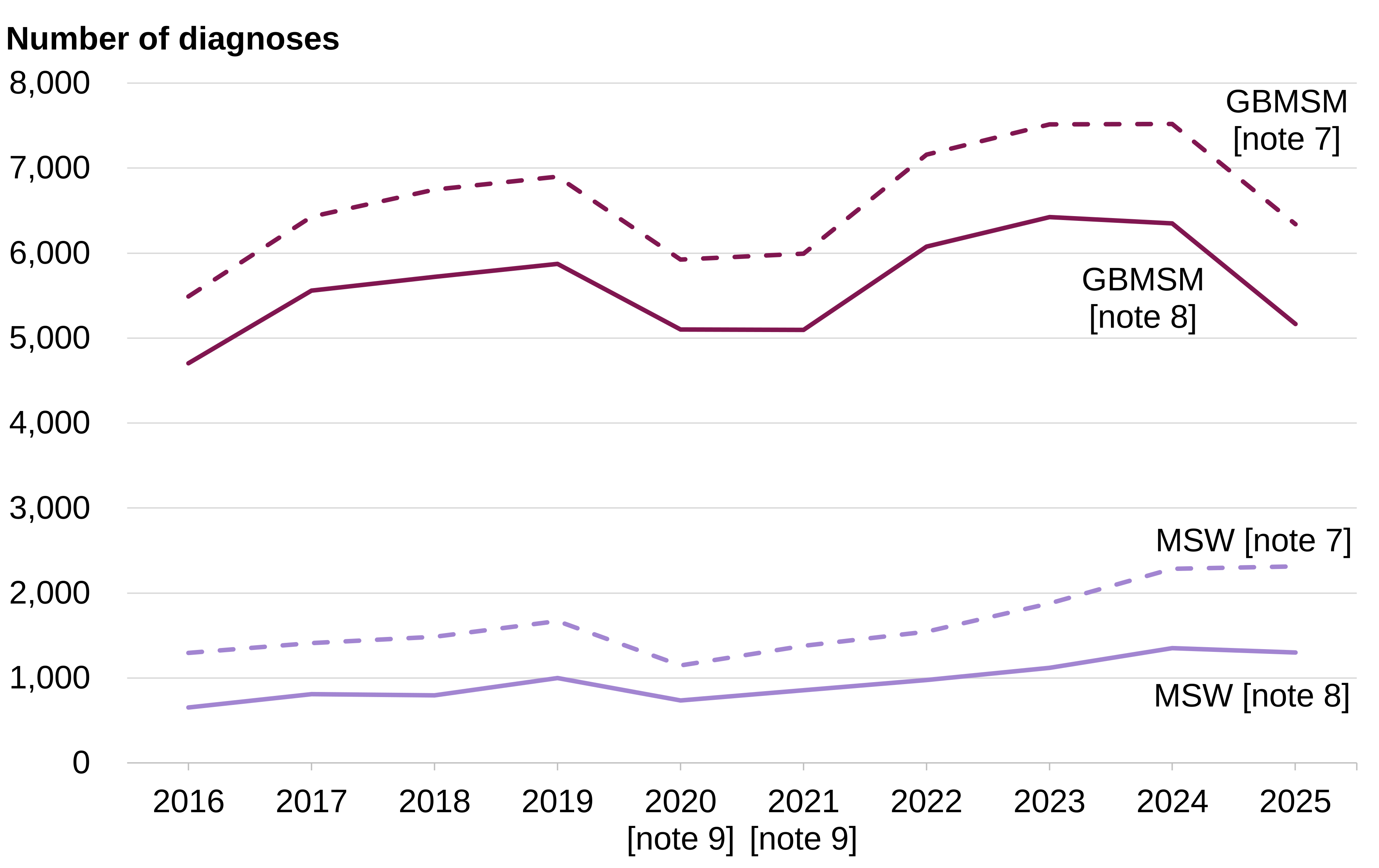
Figure 3b. Number of diagnoses of syphilis among women England residents accessing SHSs, 2016 to 2025
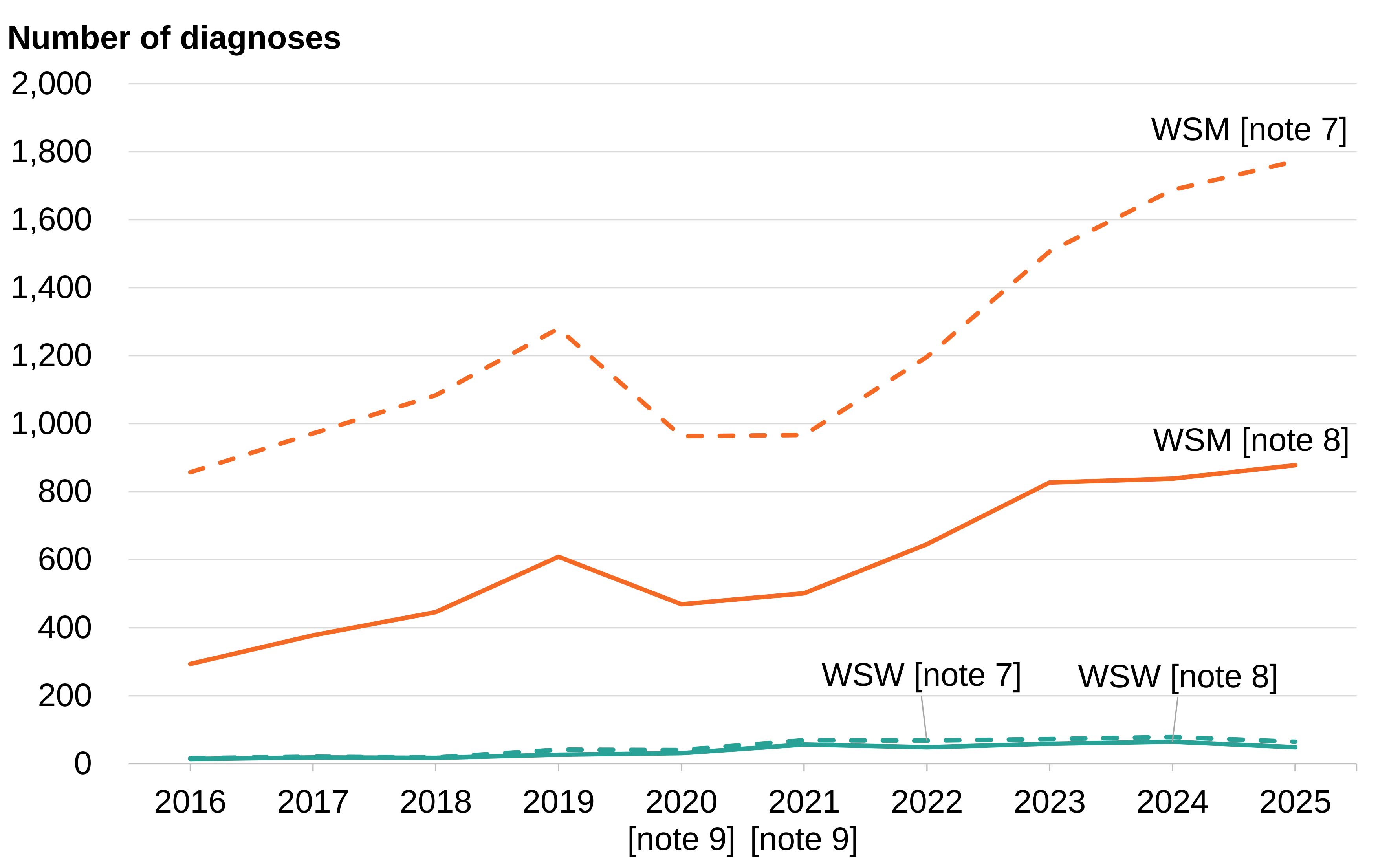
Source: data from routine returns to GUMCAD STI Surveillance System.
Note different scales are used on the vertical (y) axes in Figures 3a and 3b.
Note 7: dashed line includes infectious syphilis and late stage and complications of syphilis.
Note 8: solid line includes diagnoses of primary, secondary and early latent syphilis.
Note 9: figures reported in 2020 and 2021 are notably lower than previous years due to the disruption to SHSs during the national response to the COVID-19 pandemic.
Diagnoses of chlamydia (in all age groups) have decreased 10.3% (from 168,477 in 2024 to 151,163 in 2025) (Figure 2a). The trends in chlamydia in young people are presented in the section of this report on the NCSP. Diagnoses of first episode genital herpes increased 3.1% (from 27,914 to 28,779) between 2024 and 2025. Diagnoses of first episode genital warts decreased (7.3%, from 25,106 to 23,282) between 2024 and 2025. This decrease was largely among those aged 24 years and under most of whom will have direct or indirect protection through the adolescent HPV vaccination programme against the human papillomavirus (HPV) infections (types 6 and 11) that cause most genital warts.
Trends in diagnoses of STIs since 2016 are presented in Appendix Figure A2 and Table 1 of the accompanying data tables. Data on HIV testing and diagnoses is published separately in the annual HIV official statistics publication.
Populations with greater sexual health needs
Ethnic minority groups
While more STIs are diagnosed among people of White ethnicities, some ethnic minority groups have disproportionately higher diagnosis rates relative to their population size. There were 94,673 (28.3% of 334,151) diagnoses of new STIs among people of Asian, Black, Mixed or Other ethnicity in 2025 (22,936, 41,037, 21,406 and 9,294 respectively). People of Black ethnicity had the highest rates of all aggregate ethnic groups (Asian, Black, Mixed, Other, or White), although this varied among the Black ethnic groups, with the highest rate of new STIs in people of Black Caribbean (2,370 per 100,000 people) ethnicity and relatively lower rates in people of Black African ethnicity (1,471 per 100,000 people) (Figure 4).
Among aggregate ethnic groups, people of Mixed and Asian ethnicities had similar numbers of new STI diagnoses (21,406 and 22,936 diagnoses respectively) but expressed as rates, people of Asian ethnicity had the lowest rates of STI diagnoses (423 new STI diagnoses per 100,000 people) compared to people of Mixed ethnicity (1,282 new STI diagnoses per 100,000 people). There was a decrease in the number of new STI diagnoses across all ethnic groups (see Table 7 of the accompanying data tables).
Previous research has found that deprivation and geography, as well as age differences, gender identity and sexual orientation are associated with much of the disparity between ethnic groups. However, there remain unknown factors that impact the distribution of STIs among different population groups. Ethnic disparities in STI diagnosis rates are influenced by underlying socio-economic factors and the role they play in the structural determinants of health of the population. STI diagnosis rates by residential area-level deprivation are available in the slide set which accompanies this report.
Figure 4. Number of new STI diagnoses among England residents accessing SHSs by ethnicity [note 10], 2025
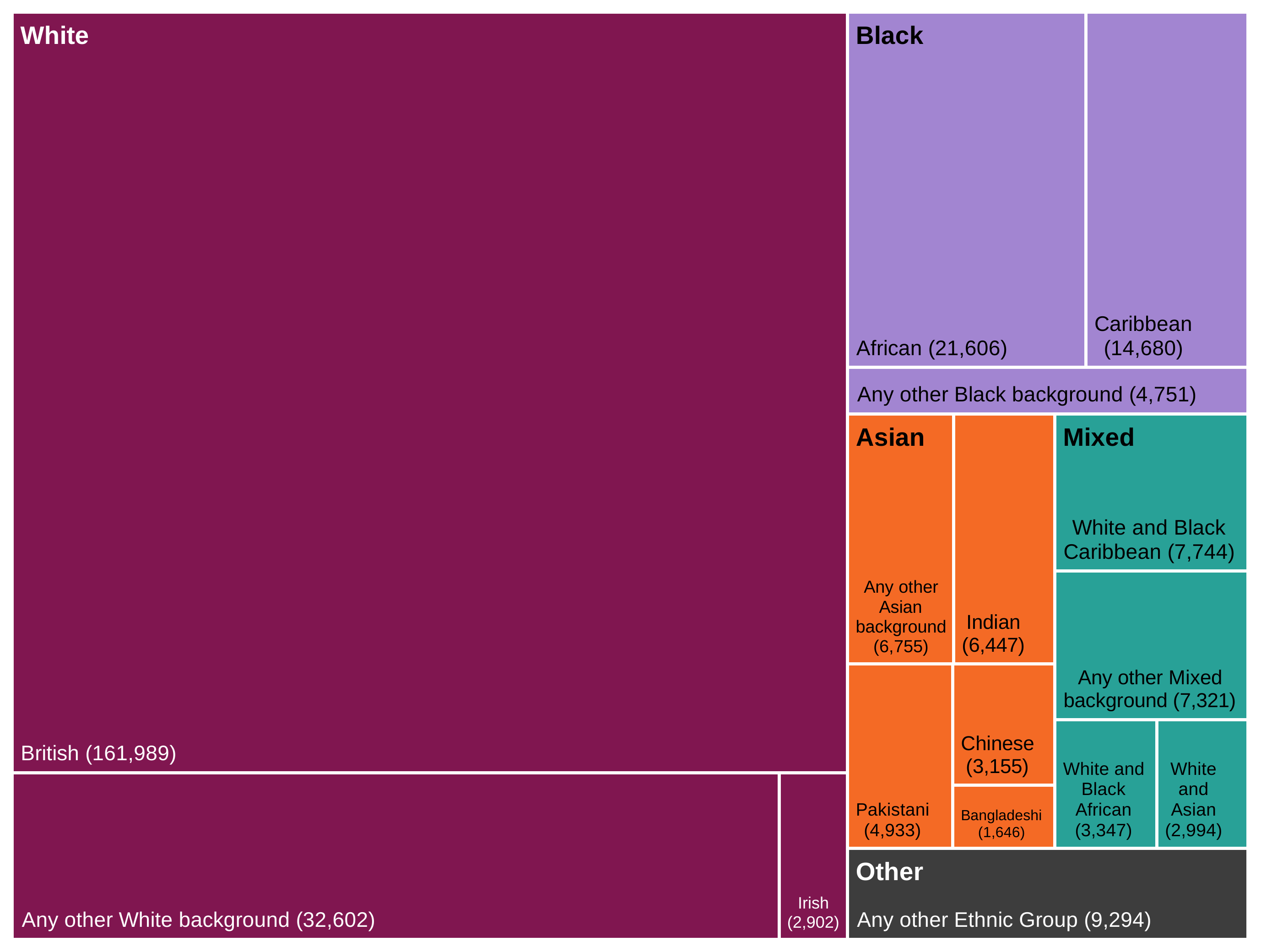
Source: data from routine returns to the GUMCAD STI and CTAD Chlamydia Surveillance Systems.
Note 10: the ethnic categories above are as specified by the Office for National Statistics (ONS).
Gay, bisexual and other men who have sex with men
There were decreases in bacterial STI diagnoses amongst GBMSM between 2024 and 2025: gonorrhoea decreased 5.9% (39,156 to 36,833), chlamydia decreased by 14.4% (17,631 to 15,100) and infectious syphilis decreased 18.7% (6,349 to 5,164). There were decreases in other STIs as well, with an 8.3% decrease in genital warts (from 1,764 in 2024 to 1,618 in 2025) and 1.5% decrease in genital herpes (from 2,047 in 2024 to 2,016 in 2025) (Figures 5a and 5b).
Figure 5a. Number of diagnoses of selected STIs (chlamydia and gonorrhoea) among GBMSM accessing SHSs, 2016 to 2025
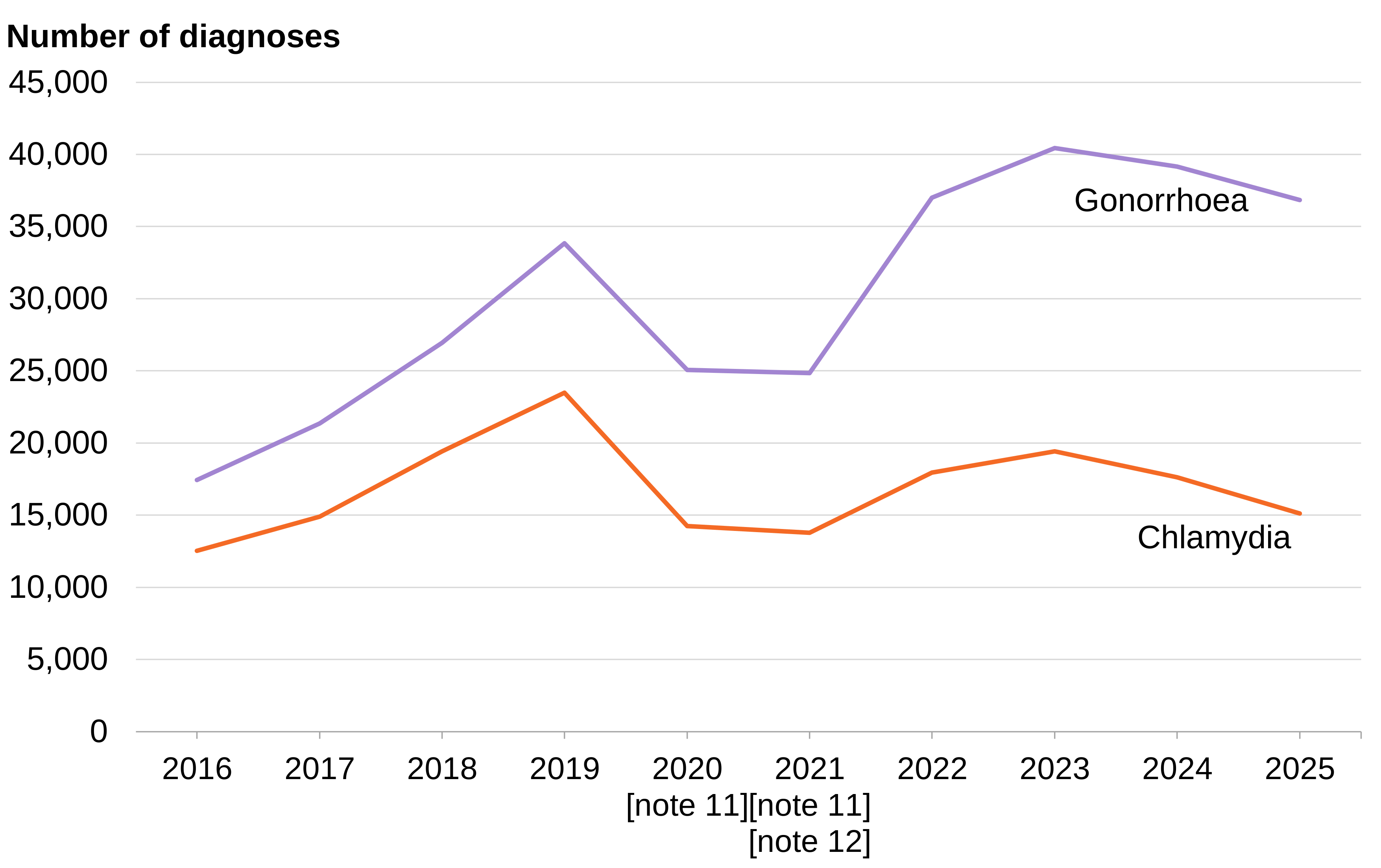
Figure 5b. Number of diagnoses of selected STIs (syphilis, genital warts and genital herpes) among GBMSM accessing SHSs, 2016 to 2025
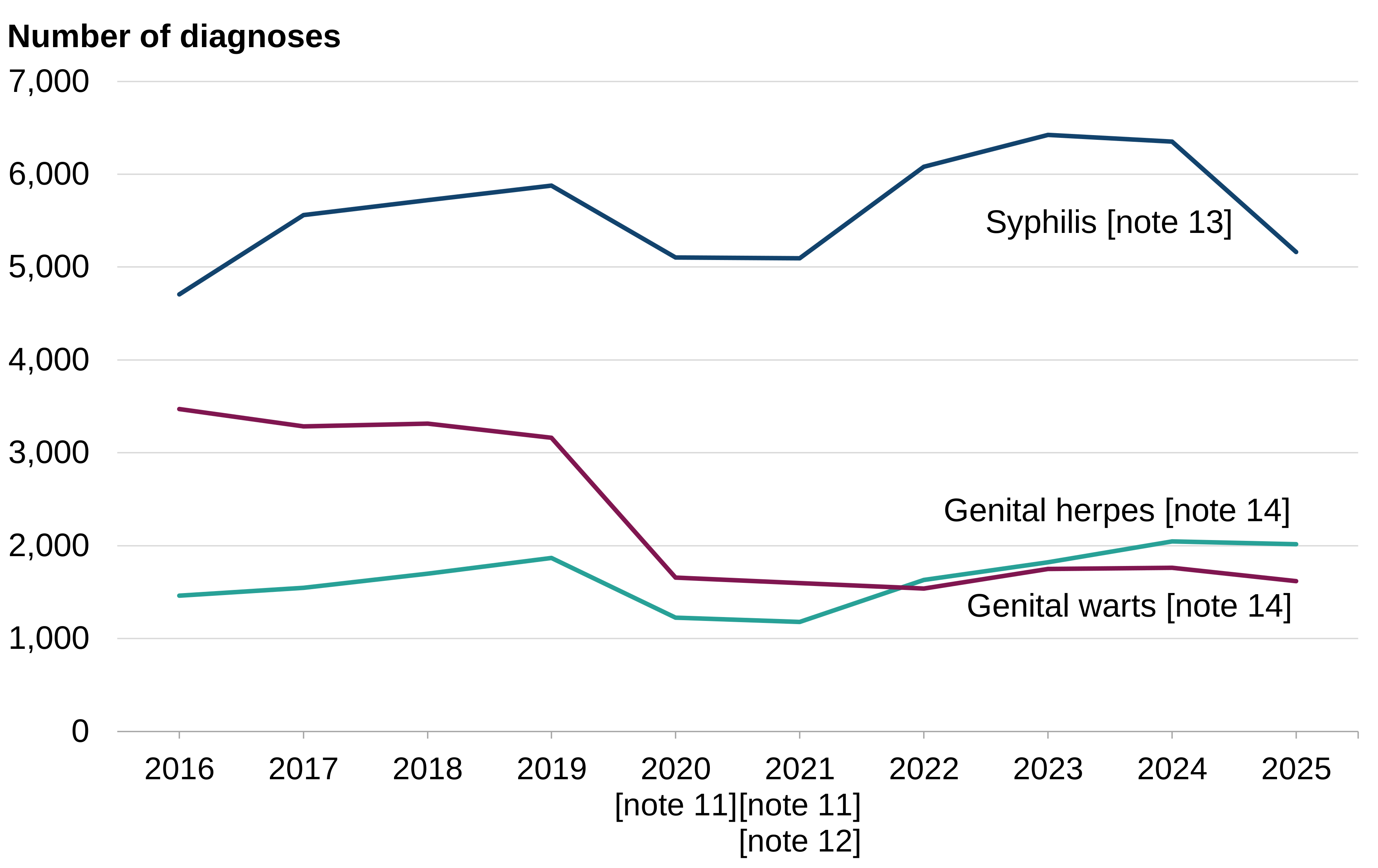
Source: data from routine returns to the GUMCAD STI Surveillance System.
Note different scales on vertical axes in Figures 5a and 5b.
Note 11: figures reported in 2020 and 2021 are notably lower than previous years due to the disruption to SHSs during the national response to the COVID-19 pandemic.
Note 12: due to incomplete reporting of some sexual orientation data in 2021, STI diagnosis numbers for GBMSM from 2021 presented in Figures 5a and 5b have been adjusted. Full details are provided in the Technical note in the Appendix.
Note 13: includes diagnoses of primary, secondary and early latent syphilis.
Note 14: first episode.
Other infections transmitted through sexual contact
In 2025, there was a 10% increase in cases of sexually transmitted shigellosis in England, from 2,318 in 2024 to 2,560 in 2025. In addition, there has been an increase in the number of Shigella spp. isolates that were extensively-drug resistant (XDR), and recent outbreaks of XDR shigellosis among GBMSM have highlighted the concerns of limited effective treatment options.
Following the international outbreak of mpox clade IIb in May 2022, which involved mainly, but not exclusively, GBMSM, there were 3,553 diagnoses by the end of 2022. This decreased to 137 cases of mpox clade IIb in 2023, 268 in 2024 and 242 in 2025. Despite continuing and regular imports of mpox clade IIb, and most recently clade Ib, it is likely that case numbers since 2023 have remained relatively low due to high levels of vaccine-induced immunity in those most at risk. Further information on the mpox vaccination programme can be found in the Green Book.
The National HPV Vaccination Programme for GBMSM aged up to and including 45 years attending specialist SHSs and HIV clinics started across England in April 2018 following a 2-year pilot. From the pilot start in 2016 to the end of 2025, the reported data shows 162,678 eligible attendees have received at least one dose of the HPV vaccine, and among those aged 25 years and over (currently recommended to receive 2 doses) with a first dose recorded, 83,434 (56.7%) have received at least 2 doses. In 2025, 13,772 eligible GBMSM were vaccinated (one dose) (compared to 16,241 in 2024). A relatively small number of GBMSM (1,224 in 2025) have not accepted this vaccine when offered it. HPV vaccination may be under-reported (for details see the Quality and methodology information (QMI) report). Further information on the HPV vaccination schedule can be found in the Green Book.
Young people aged 15 to 24 years
Young people experience relatively high diagnosis rates of new STIs. Compared to 2024, the number of new STI diagnoses in 2025 among young people aged 15 to 24 years decreased by 12.5% (136,092 to 119,033). This is largely due to a 12.8% decrease in the number of chlamydia diagnoses (from 85,875 in 2024 to 74,917 in 2025) and a 21.5% decrease in the number of gonorrhoea diagnoses (from 19,110 in 2024 to 15,003 in 2025) (Figure 6). The change in chlamydia diagnoses is discussed further in the ‘NCSP’ section of this report.
Figure 6. Number of gonorrhoea diagnoses by age group, 2016 to 2025
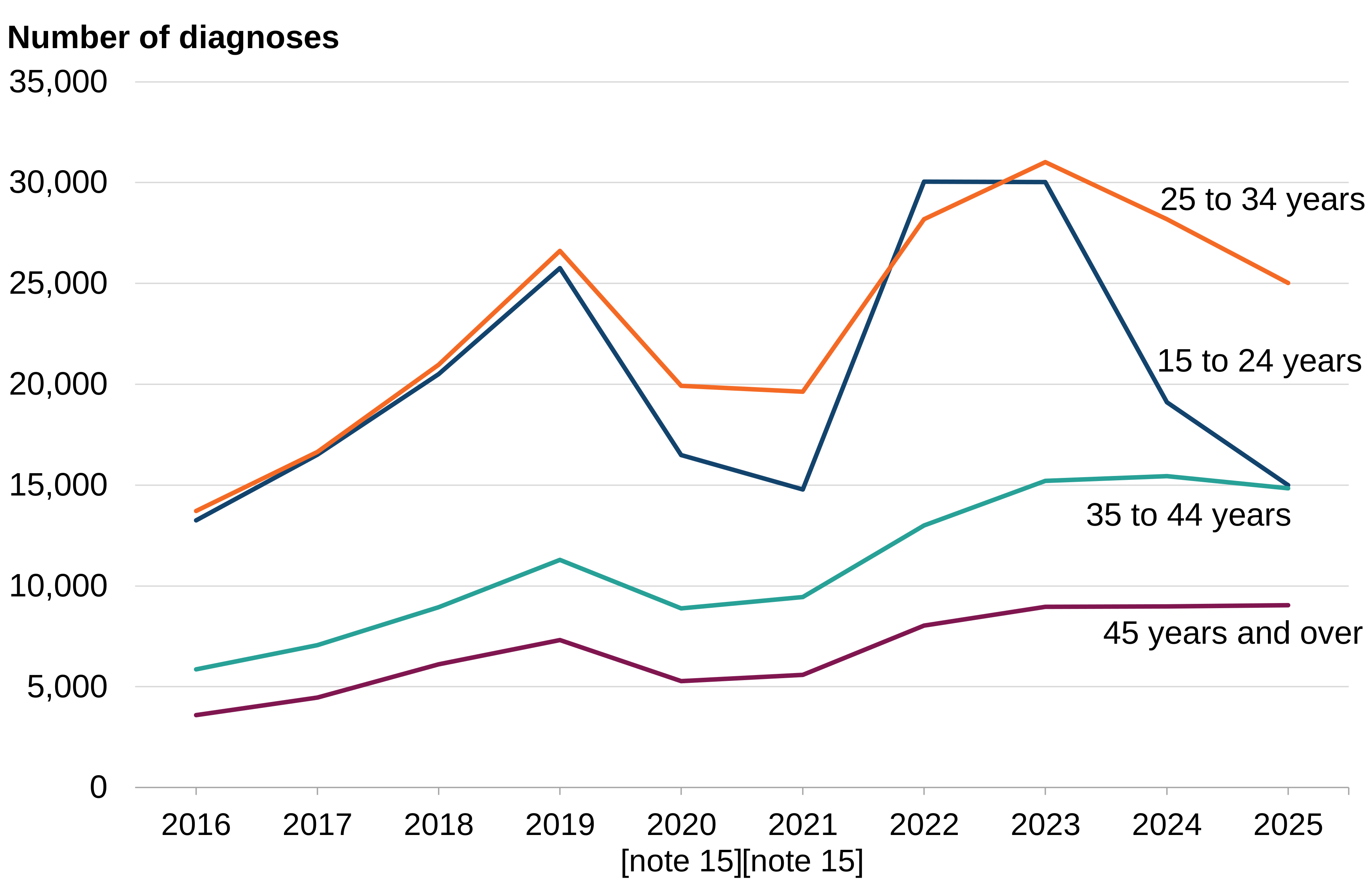
Source: data from routine returns to the GUMCAD STI Surveillance System.
Note 15: figures reported in 2020 and 2021 are notably lower than previous years due to the disruption to SHSs during the national response to the COVID-19 pandemic.
HPV vaccines that protect against HPV6 and HPV11 (the main causes of genital warts) as well as HPV16 and HPV18 (the main causes of cervical cancer) have been offered as part of the national vaccination programme to girls aged 12 to 13 years from September 2012 and to same aged boys since the programme extended to boys in September 2019. Therefore, in 2025 all young women aged 15 to 24 years would have been offered a vaccine protecting against HPV6 and HPV11 when aged 12 to 13 years. In 2025, heterosexual men aged 15 to 19 years would have been offered a vaccine protecting against HPV6 and HPV11 when aged 12 to 13 years. Older heterosexual men would have only benefited from indirect protection from the HPV vaccines (the Green Book, chapter 18a).
The rate of first episode genital warts diagnoses among young women aged 15 to 24 years decreased by 89.2% between 2019 and 2025 (from 288.1 to 31.2 per 100,000 population respectively). There has also been a decreasing trend in men of the same age. The decreasing trend in genital warts in young people is likely due to protection from the adolescent vaccination programme in schools. See Figure A2d in the Appendix.
Data on condom use and recent sex partners
This section presents provisional data, published as official statistics in development, on condom use and the number of recent sex partners (in the past 3 months) among people with face-to-face SHS attendances in 2025. In 2025, data on the number of recent sex partners was reported for 35.0% (833,912 of 2,385,378) of face-to-face attendances in 2025 while data on condom use was reported for 26.3% (628,539 of 2,385,378) of face-to-face consultations. More details can be found in the QMI report. The data in the paragraphs below relate to the subset of data for which this information has been reported.
In 2025, 19.8% (81,111 of 409,610) of face-to-face SHS attendances by women, reported condom use at last sexual intercourse with a man. Of all face-to-face attendances by men, 16.4% (35,972 of 218,929) reported condom use at last sexual intercourse with a woman. Of the 145,942 face-to-face attendances by GBMSM, 83.7% (122,183) reported condomless sex in the last 3 months.
Among all women (WSM and WSW) reporting at least one recent sex partner, gonorrhoea and infectious syphilis were more frequently diagnosed among those with one recent sex partner (60.3%, 2,119 of 3,512 and 69.4%, 270 of 389, respectively), compared to women reporting 2 or more recent sex partners (39.7%, 1,393 of 3,512 and 30.6%, 119 of 389, respectively).
Among all MSW reporting at least one recent sex partner, gonorrhoea was more frequently diagnosed among those reporting 2 or more recent sex partners (53.9%, 2,760 of 5,119) compared to those reporting one recent partner (46.1%, 2,359 of 5,119). Infectious syphilis was more frequently diagnosed among those reporting one recent partner (54.9%, 309 of 563) compared to those reporting 2 or more recent sex partners (45.1% 254 of 563).
Among GBMSM reporting at least one recent sex partner, gonorrhoea and infectious syphilis were more frequently diagnosed in those reporting 2 or more recent sex partners (81.6%, 8,897 of 10,900 and 75.4%, 1,601 of 2,122, respectively), compared to those reporting one recent sex partner (18.4%, 2,003 of 10,900 and 24.6%, 521 of 2,122, respectively).
These proportions in each of the above 3 groups broadly reflect the distributions of recent sex partners among people (of each group) attending SHSs.
More data is reported in Table 9 of the accompanying data tables and the accompanying slide set.
Data on symptomatic testing
This section presents provisional data, published as official statistics in development, on the distribution of STI tests (any one or a combination of tests for chlamydia, gonorrhoea, syphilis, HIV, hepatitis A, hepatitis B, hepatitis C, Mycoplasma genitalium, mpox, or trichomoniasis) that were performed in people attending SHSs by whether they were symptomatic or not. The number of STI tests uses a different unit of analysis than the number of sexual health screens because STI tests considers tests for each STI separately, while sexual health screens is a composite measure of 4 tests routinely offered at SHSs. Data on symptomatic status is available from 2023 although not all services reported this data. More details can be found in the QMI report.
There were 8,903,930 STI tests in 2025. Overall, 20.1% of all tests (1,790,269) were among people with symptoms and 70.3% (6,259,798) were among people without symptoms. There were 853,863 (9.6%) of tests that had no associated information about symptoms.
Of the 4,284,975 STI tests that were part of an online consultation, 14.7% (630,353) were by people with symptoms and 80.9% (3,465,916) were by people without symptoms. There were 4,618,955 tests conducted in a face-to-face setting, of which 25.1% (1,159,916) were by people with symptoms and 60.5% (2,793,882) were by people without symptoms.
Of all tests by MSW (2,048,136), the percentage of tests by men with symptoms at face-to-face consultations (31.1%, 337.341 of 1,083,651) was higher than online (13.5%, 130,299 of 964,485).
Of all tests by GBMSM (1,878,077), there was a higher percentage of tests by men with symptoms in face-to-face settings (15.8%, 166,977 of 1,055,663) than online (8.0%, 65,416 of 822,414).
Of all tests by women (4,280,806), there was a higher percentage of tests by women with symptoms in face-to-face settings (29.2%, 580,493 of 1,985,720) than online (18.2%, 418,358 of 2,295,086). The proportions were similar for both WSM and WSW. More data is presented in Table 11 of the accompanying data tables.
National Chlamydia Screening Programme
National trends
In June 2021, the primary aim of the NCSP changed to focus on reducing the health harm caused by untreated chlamydia infection. The programme has the secondary aims of reducing re-infections and onward transmission of chlamydia and raising awareness of good sexual health. With the change in policy, opportunistic screening (the proactive offer of a chlamydia test to young people without symptoms) should now focus on sexually active young women and other young people with a womb or ovaries, combined with reducing time to treatment, strengthening partner notification and re-testing. Services provided by SHSs, which include chlamydia testing as part of routine sexual health screens for people of any gender identity and at any age, remain unchanged.
This report relates to 2025, the fourth full calendar year during which the new policy applied. As chlamydia is a largely asymptomatic infection, increases in the number of infections detected and treated in young women is an indication of improved chlamydia control activity.
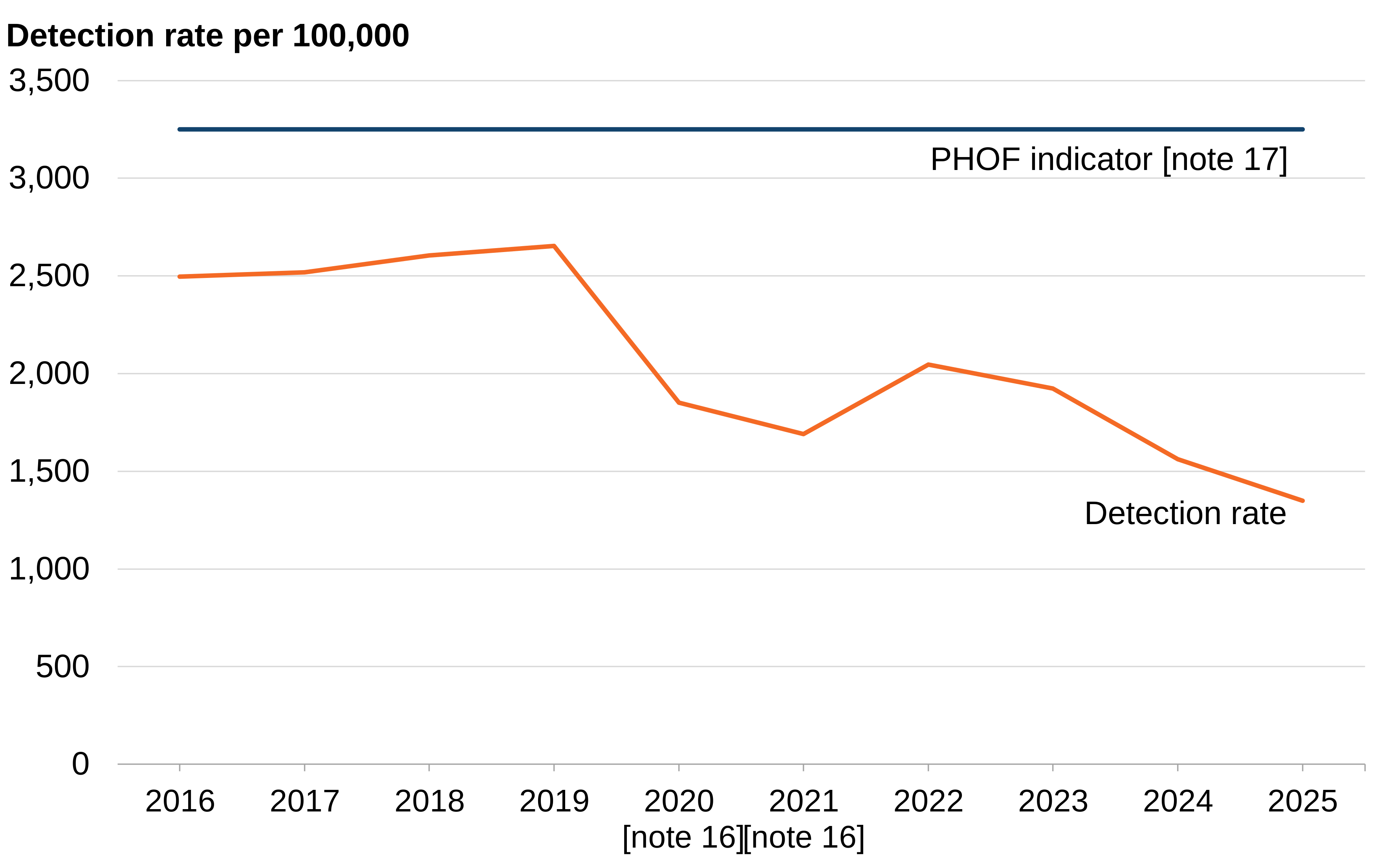
The chlamydia detection rate is a Public Health Outcomes Framework (PHOF) indicator and local authorities should be working towards a detection rate of at least 3,250 diagnoses per 100,000 young women aged 15 to 24 years.
In 2025, 547,308 chlamydia tests were carried out in England among young women aged 15 to 24 years, a decrease of 9.4% compared to 2024 (604,143 tests) (Table 1), and a decrease of 42.3% compared to 2019 (947,899 tests). There was a decrease in test coverage (the number of tests divided by population multiplied by 100) among young women, from 17.7% in 2024 to 16.0% in 2025.
There was a decrease of 13.6% in the number of diagnoses among young women aged 15 to 24 years from 53,408 in 2024 to 46,122 in 2025. This is 47.2% lower than the number of diagnoses recorded in 2019, prior to the COVID-19 pandemic (87,327). Test positivity in young women was 8.4% (compared to 8.8% in 2024). As a result, the detection rate, which is driven by test coverage and positivity amongst those being tested, decreased by 13.6% between 2024 and 2025 (from 1,561 per 100,000 population to 1,348 per 100,000 population) (Figures 7a and 7b).
Table 1. Chlamydia tests, diagnoses, and detection rate among young women aged 15 to 24 years, 2024 and 2025, England
| Indicator | 2024 | 2025 | Percentage change |
|---|---|---|---|
| Total tests | 604,143 | 547,308 | -9.4% |
| Total diagnoses | 53,408 | 46,122 | -13.6% |
| Detection rate (per 100,000 population) | 1,561 | 1,348 | -13.6% |
Source: data from routine returns to the GUMCAD STI and CTAD Chlamydia Surveillance Systems.
Figure 7a. Chlamydia testing coverage and test positivity among young women aged 15 to 24 years, 2016 to 2025, England
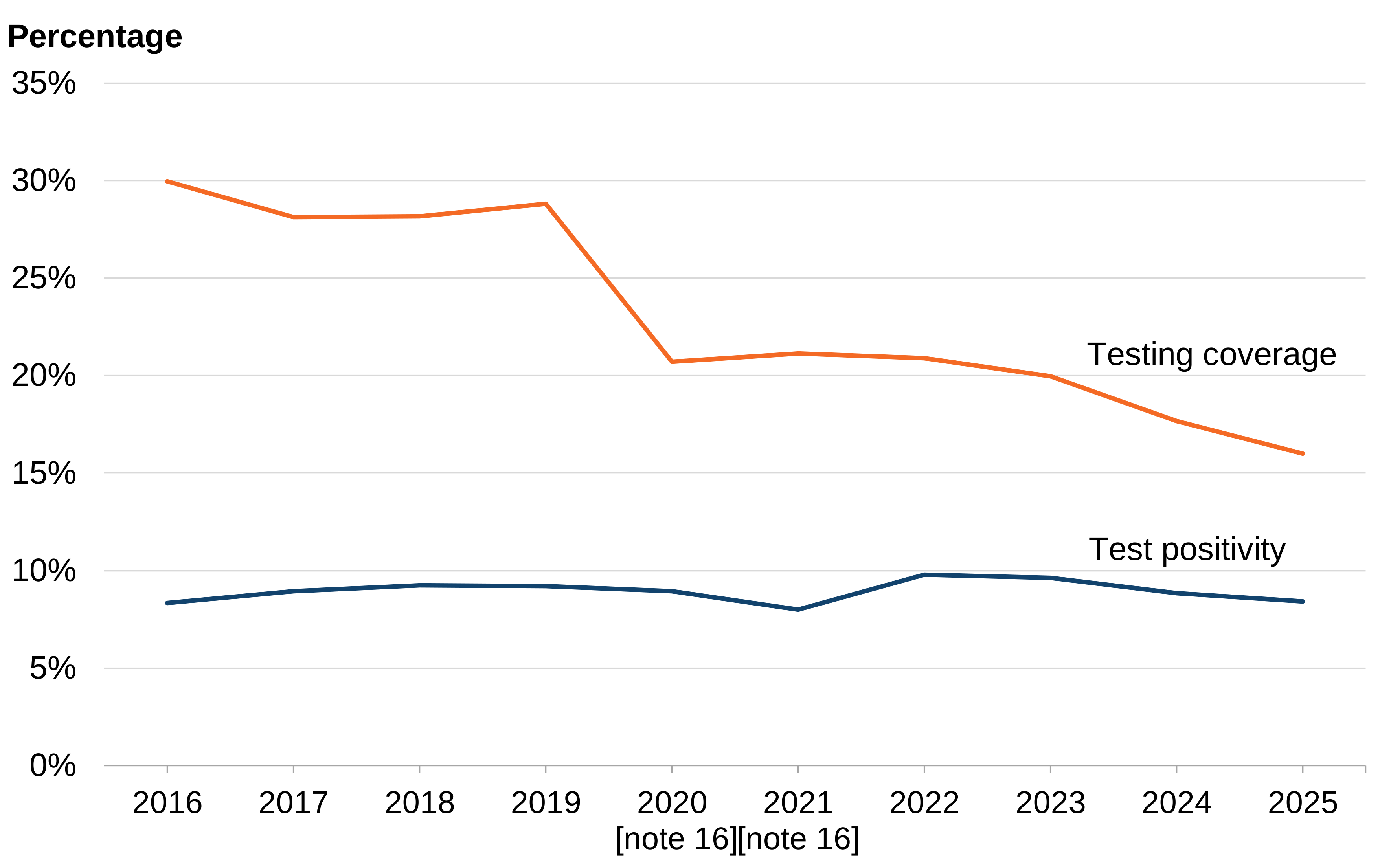
Figure 7b. Chlamydia detection rates among young women aged 15 to 24 years, 2016 to 2025, England
Source: data from routine returns to the GUMCAD STI and CTAD Chlamydia Surveillance Systems.
Note different scales on vertical axes in Figures 7a and 7b.
Note 16: figures reported in 2020 and 2021 are notably lower than previous years due to the disruption to SHSs during the national response to the COVID-19 pandemic.
Note 17: PHOF indicator.
Local and regional differences in chlamydia detection rates are due to a combination of differences in overall chlamydia testing coverage, the settings used to offer chlamydia testing, the distribution of ages and levels of deprivation of the population, as well as the underlying prevalence of infection. Data on chlamydia detection rates at region and upper and lower tier local authority levels is available in the Sexual and Reproductive Health Profiles.
Between 2024 and 2025, there was a decrease of 8.9% in the number of chlamydia tests carried out among young men aged 15 to 24 years (from 244,667 in 2024 to 222,913 in 2025). Further data on chlamydia tests and diagnoses in young men is provided in Appendix Tables A2a to A2c, and data for young women and men is included in the NCSP data tables.
Characteristics of young women screened for chlamydia
In 2025, the number of chlamydia tests in young women aged 15 to 24 years was highest in those of White British ethnicity (278,364), followed by those of Other White ethnicity (26,165). The number of chlamydia diagnoses were highest in those of White British ethnicity (24,158), followed by those of Black African ethnicity, at 2,537 diagnoses.
Chlamydia test coverage was highest among young women of Black Caribbean ethnicity (36.8%, 14,046 out of 38,130), followed by those of Mixed White and Black Caribbean ethnicity (23.9%, 12,471 out of 52,195), compared to those of White British ethnicity (12.6%, 278,364 out of 2,203,830). Testing, diagnoses, coverage and detection rate data by disaggregated ethnic groups is presented in Appendix Table A3.
The detection rate was highest among young women of Black Caribbean ethnicity (4,241 per 100,000 population), followed by those of Other Black ethnicity (2,591 per 100,000 population), compared to those of White British ethnicity (1,096 per 100,000 population).
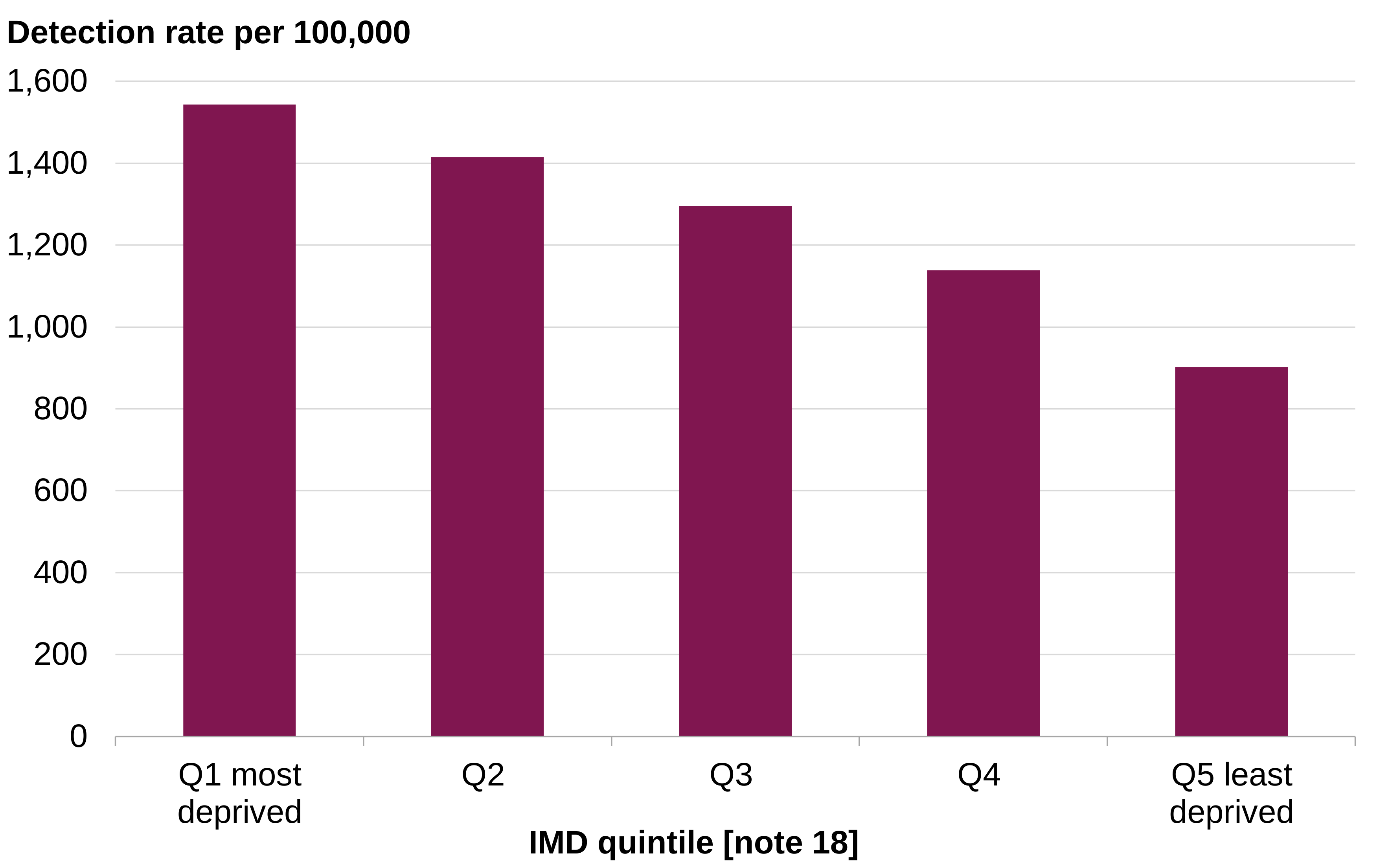
Chlamydia testing and diagnoses also differed by level of socioeconomic deprivation, as measured using the Index of Multiple Deprivation (IMD, a residential area-level measure of socioeconomic status). The first quintile (Q1) represents the most deprived 20% of Lower layer Super Output Areas (LSOAs, small geographical areas with 1,000 to 3,000 residents) and the fifth quintile (Q5) the least deprived 20% of LSOAs. Chlamydia test coverage in females was highest among those living in the most deprived quintiles.
In 2025, the chlamydia detection rate was highest in the most deprived quintile, at 1,543 per 100,000 population (Figure 8). The detection rate decreased across all quintiles between 2024 and 2025. Further data on chlamydia testing activity by deprivation quintile is included in the NCSP data tables.
Figure 8. Chlamydia detection rates among young women aged 15 to 24 years by IMD quintile [note 18], 2025, England
Source: data from routine returns to the GUMCAD STI and CTAD Chlamydia Surveillance Systems.
Note 18: NCSP data presented by IMD quintile is based on the location of residence of the person tested.
Testing service type
In 2025, most chlamydia tests in young women were provided by internet services (38.8%, 212,162 of 547,308 tests) and specialist SHS (28.5%, 156,085 of 547,308 tests).
Chlamydia tests in young women reduced in all testing service types between 2024 and 2025 (Table 2a). The number of tests conducted in a face-to-face setting among young women aged 15 to 24 years decreased by 6.8% between 2024 and 2025 (from 359,406 to 335,146)(Figure 9a). There was also a 13.3% decrease in the number of tests conducted using self-sampling kits obtained via the internet between 2024 and 2025 (244,737 in 2024 and 212,162 in 2025). See the Data sources section of the accompanying QMI report for further information on the different types of testing service.
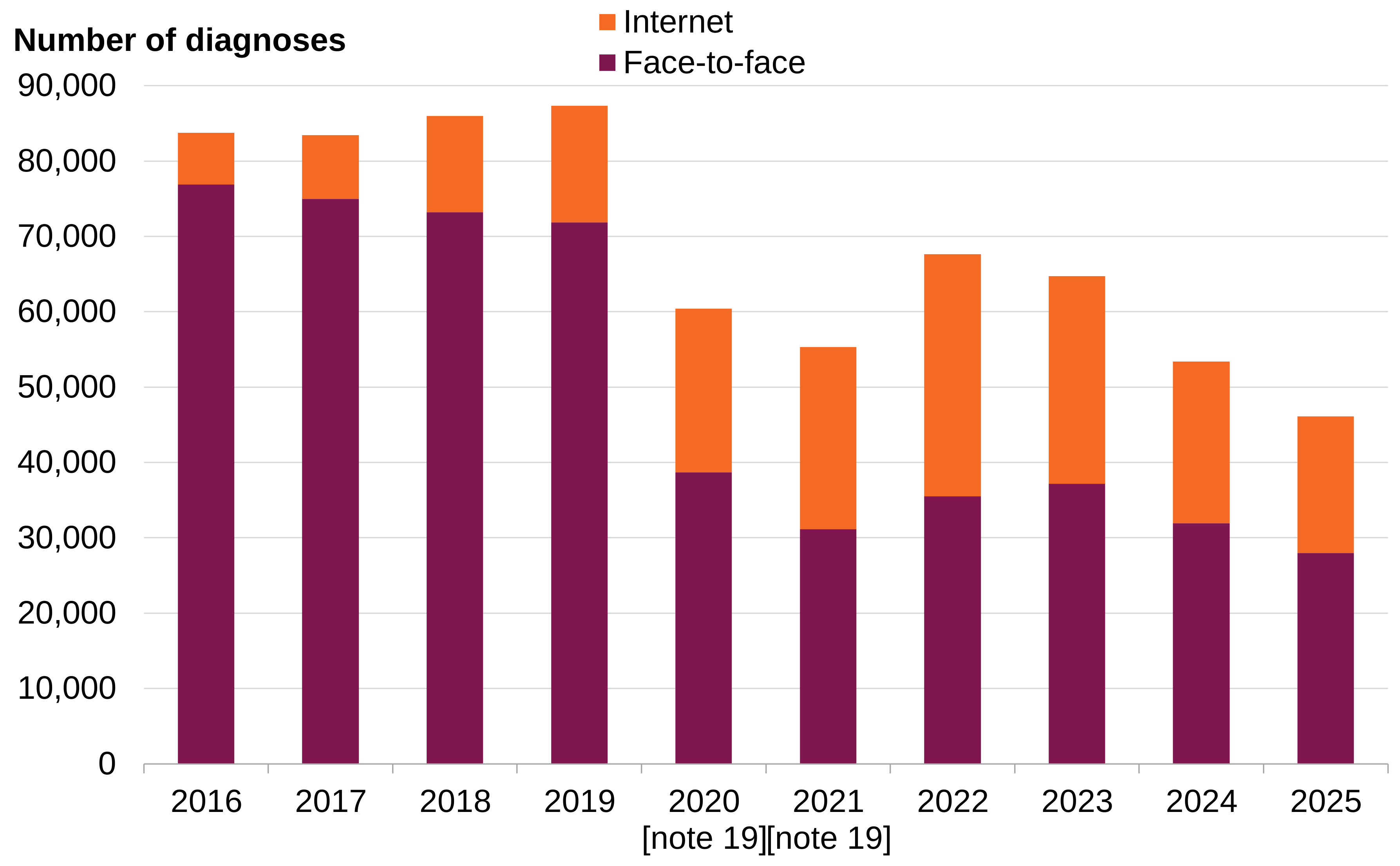
Diagnoses also decreased across all testing service types. In particular, there was a decrease of 15.6% from 2024 to 2025 (21,513 diagnoses in 2024 to 18,151 diagnoses in 2025) for diagnoses made via internet services (Table 2b and Figure 9b) in line with the similar percentage decrease in testing activity through internet services.
Test positivity in 2025 was high in specialist SHSs (10.8%). This fell by 1 percentage point since 2024 (11.8%). Test positivity remained stable in all other testing service types between 2024 and 2025 (Table 2c).
Table 2a. Chlamydia tests among young women aged 15 to 24 years by test setting, 2024 and 2025, England
| Test setting | Number of tests in 2024 | Percentage of total in 2024 | Number of tests in 2025 | Percentage of total in 2025 | Percentage change 2024 to 2025 |
|---|---|---|---|---|---|
| SHSs: specialist | 162,322 | 26.9% | 156,085 | 28.5% | -3.8% |
| SHSs: non-specialist | 11,023 | 1.8% | 10,214 | 1.9% | -7.3% |
| Internet | 244,737 | 40.5% | 212,162 | 38.8% | -13.3% |
| GP | 107,318 | 17.8% | 97,232 | 17.8% | -9.4% |
| Pharmacy | 1,955 | 0.3% | 1,832 | 0.3% | -6.3% |
| Termination of pregnancy | 4,753 | 0.8% | 4,308 | 0.8% | -9.4% |
| Unknown | 6,482 | 1.1% | 5,903 | 1.1% | -8.9% |
| Other | 65,553 | 10.9% | 59,572 | 10.9% | -9.1% |
| Total | 604,143 | 100% | 547,308 | 100.0% | -9.4% |
Table 2b. Chlamydia diagnoses among young women aged 15 to 24 years by test setting, 2024 and 2025, England
| Test setting | Number of diagnoses in 2024 | Percentage of total in 2024 | Number of diagnoses in 2025 | Percentage of total in 2025 | Percentage change 2024 to 2025 |
|---|---|---|---|---|---|
| SHSs: specialist | 19,118 | 35.8% | 16,878 | 36.6% | -11.7% |
| SHSs: non-specialist | 1,197 | 2.2% | 1,125 | 2.4% | -6.0% |
| Internet | 21,513 | 40.3% | 18,151 | 39.4% | -15.6% |
| GP | 5,260 | 9.8% | 4,610 | 10.0% | -12.4% |
| Pharmacy | 225 | 0.4% | 210 | 0.5% | -6.7% |
| Termination of pregnancy | 375 | 0.7% | 345 | 0.7% | -8.0% |
| Unknown | 427 | 0.8% | 367 | 0.8% | -14.1% |
| Other | 5,293 | 9.9% | 4,436 | 9.6% | -16.2% |
| Total | 53,408 | 100% | 46,122 | 100% | -13.6% |
Table 2c. Chlamydia test positivity among young women aged 15 to 24 years by test setting, 2024 and 2025, England
| Test setting | Test positivity 2024 (percentage) | Test positivity 2025 (percentage) |
|---|---|---|
| SHSs: specialist | 11.8% | 10.8% |
| SHSs: non-specialist | 10.9% | 11.0% |
| Internet | 8.8% | 8.6% |
| GP | 4.9% | 4.7% |
| Pharmacy | 11.5% | 11.5% |
| Termination of pregnancy | 7.9% | 8.0% |
| Unknown | 6.6% | 6.2% |
| Other | 8.1% | 7.4% |
| Total | 8.8% | 8.4% |
Source: data from routine returns to the GUMCAD STI and CTAD Chlamydia Surveillance Systems.
Figure 9a. Chlamydia tests from internet and face-to-face (all service types) testing among young women aged 15 to 24 years, 2016 to 2025, England
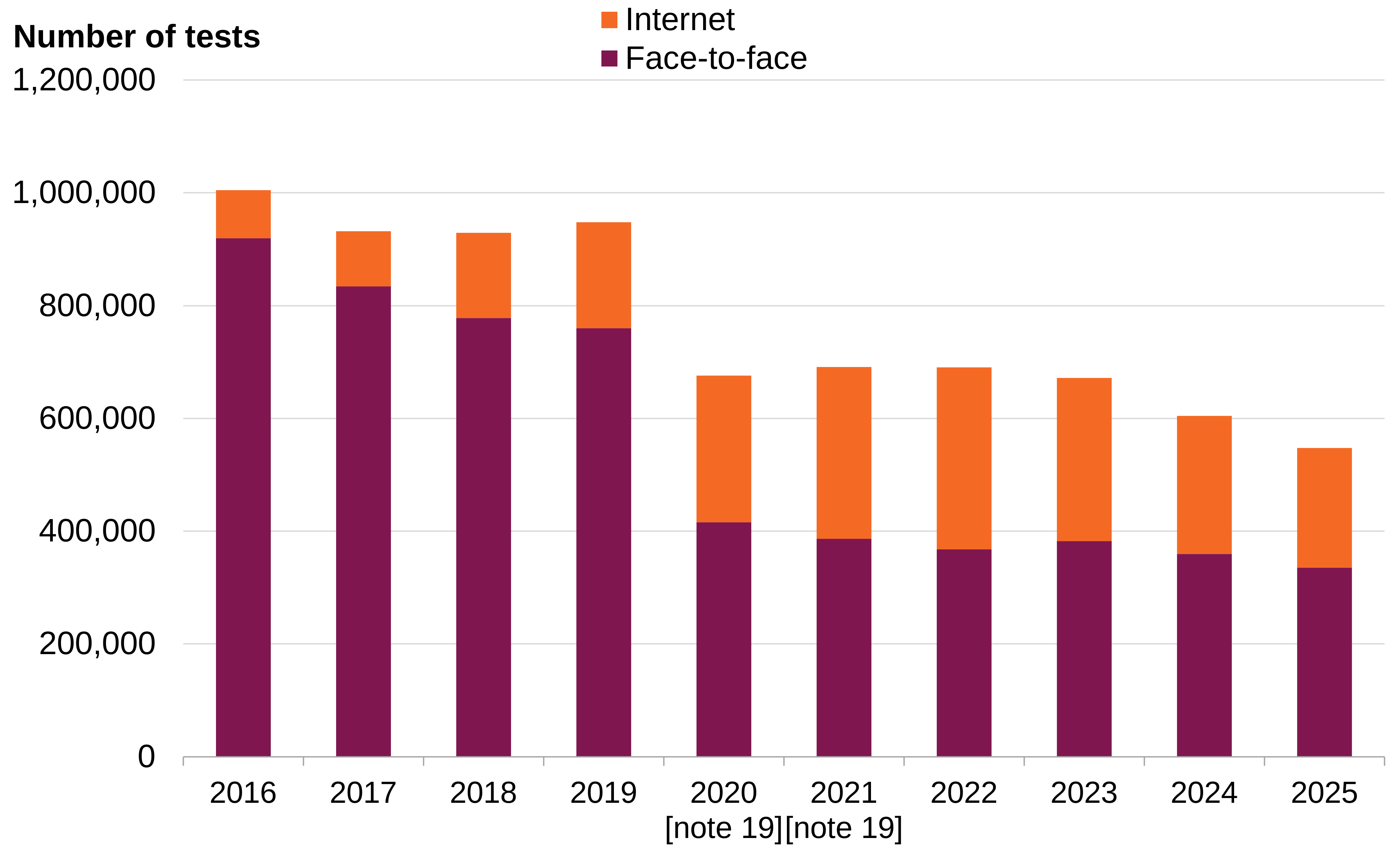
Figure 9b. Chlamydia diagnoses from internet and face-to-face (all service types) services among young women aged 15 to 24 years, 2016 to 2025, England
Source: data from routine returns to the GUMCAD STI and CTAD Chlamydia Surveillance Systems.
Note different scales on vertical axes in Figures 9a and 9b.
Note 19: figures reported in 2020 and 2021 are notably lower than previous years due to the disruption to SHSs during the national response to the COVID-19 pandemic.
Re-testing
Young adults who test positive for chlamydia are at increased risk of subsequently testing positive compared to those who initially test negative. Possible reasons for such repeat infections include untreated sexual partners or individuals not completing the course of treatment. The 2015 British Association for Sexual Health and HIV (BASHH) guidelines recommend to re-test for chlamydia 3 to 6 months following a positive diagnosis for those aged 15 to 24 years.
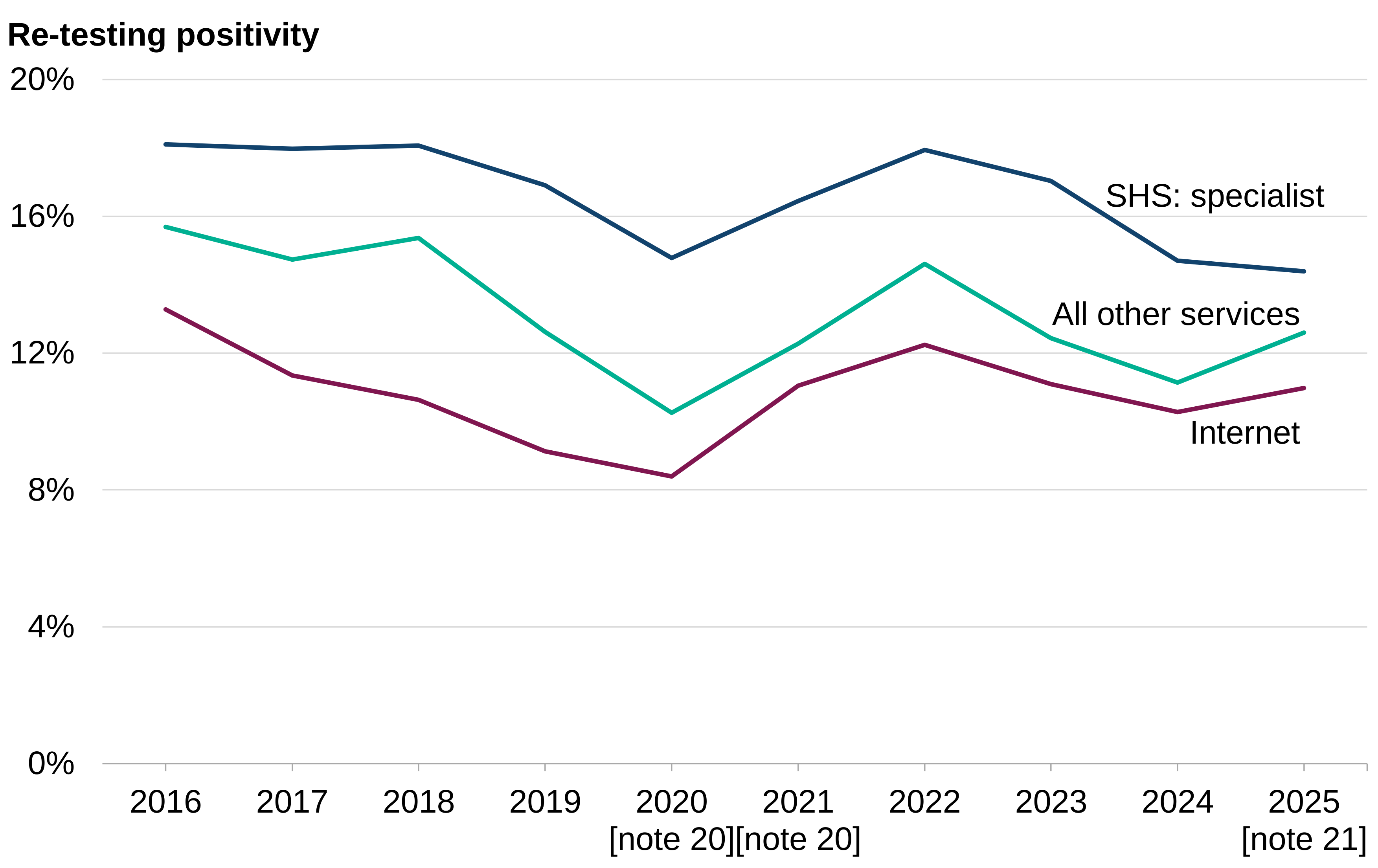
The re-testing rate is calculated for service users who had both their initial test and their re-test at the same testing service, and therefore it is likely to be an underestimate overall. The higher re-testing rates in internet services and specialist SHSs may be a result of more people being re-tested in these settings, or better ascertainment of people having a re-test using data from these settings (compared to other testing services). Chlamydia re-testing rates in internet services have been higher than that of other services since 2022 (Figure 10a). However, positivity at re-test is highest in specialist SHSs, and lowest in internet services (Figure 10b).
Figure 10a. Chlamydia re-testing rates among young women aged 15 to 24 years by test setting, 2016 to 2025, England
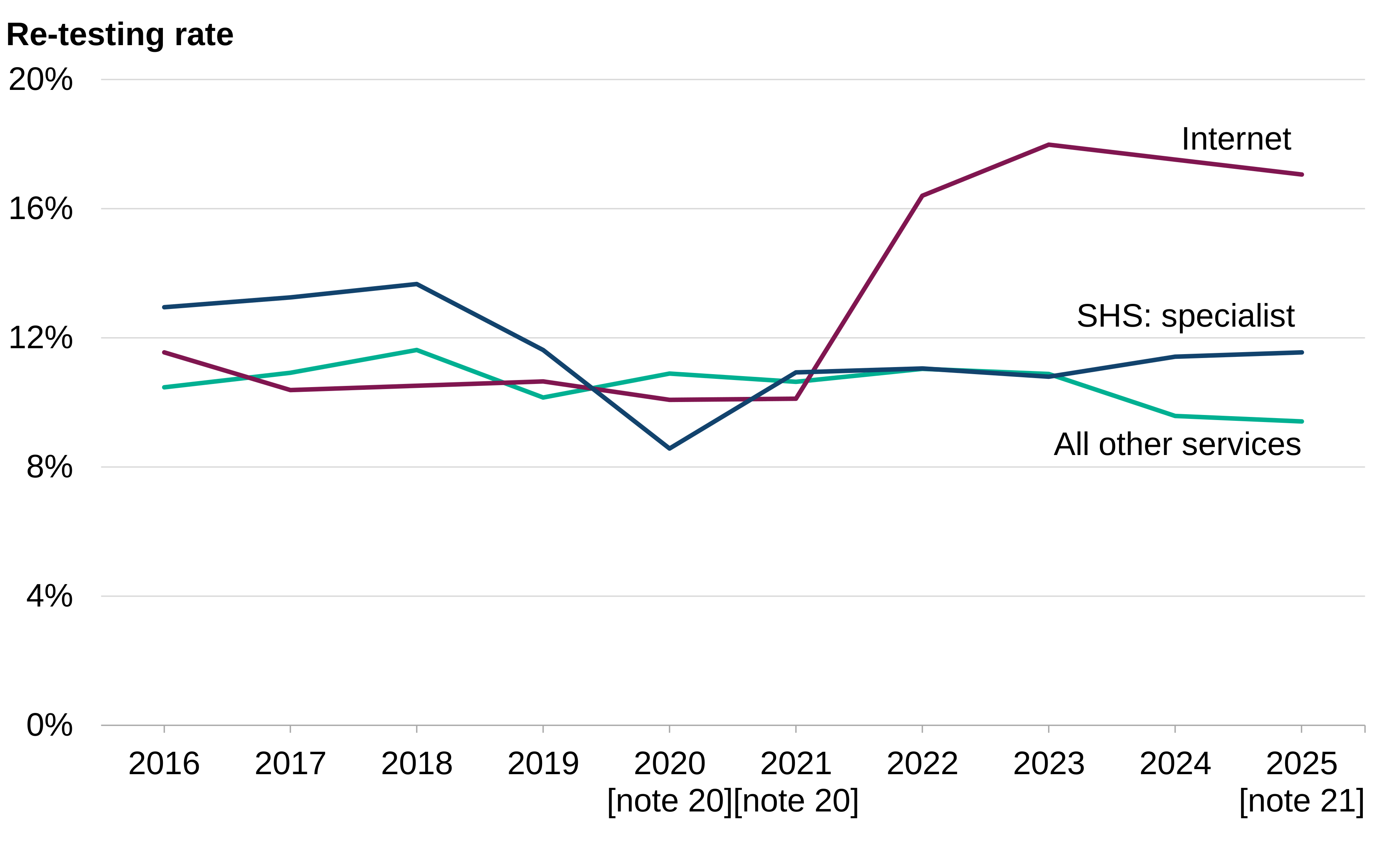
Figure 10b. Chlamydia positivity at re-test among young women aged 15 to 24 years by test setting, 2016 to 2025, England
Source: data from routine returns to the GUMCAD STI and CTAD Chlamydia Surveillance Systems.
Note 20: figures reported in 2020 and 2021 are notably lower than previous years due to the disruption to SHSs during the national response to the COVID-19 pandemic.
Note 21: as the methodology used to calculate re-testing rates requires up to 6 months of follow-up time to identify a re-test, 2025 data only includes initial tests conducted by June 2025.
Concluding comments
The overall number of consultations at SHSs in England remained stable between 2024 and 2025. However, when compared to 2019 (the year prior to the COVID-19 pandemic), there were fewer face-to-face attendances in 2025 and many more online consultations, which made up 42.2% of all consultations in 2025. The number of sexual health screens provided by SHSs (for people of all ages) remained relatively stable between 2024 and 2025.
In 2025, STIs diagnosis rates continue to be disproportionately high among GBMSM, young people aged 15 to 24 years, and people of some Black or Mixed ethnic groups. There were fewer diagnoses of gonorrhoea, chlamydia and syphilis among GBMSM in 2025. Given the start of doxyPEP and 4CMenB vaccine provision at SHSs over June to August 2025, it is still too early to assess their impact on syphilis and gonorrhoea trends but some of the decline in diagnoses among GBMSM may be due to these interventions and further evaluations of the impact of 4CMenB and doxyPEP will be conducted by UKHSA.
Among young women aged 15 to 24 years, the decrease in chlamydia tests and diagnoses since 2023 continued, with a greater drop in diagnoses than the decrease in testing. The decrease in the number of tests was driven by a drop in testing by internet services. Genital warts have continued to decrease in populations who have been offered HPV vaccination with protection against HPV6 and HPV11, particularly those in their 20s and younger.
While diagnoses of many STIs have decreased between 2024 and 2025, there was an overall increase of 3.1% in genital herpes and, among WSM, an increase of 4.8% (40 more diagnoses) in infectious syphilis diagnoses.
Public health measures to control STIs
Through the NCSP, the offer of opportunistic chlamydia screening to sexually active young women 15 to 24 years old aims to prevent the harms of untreated chlamydia infection, including pelvic inflammatory disease (PID), ectopic pregnancy and tubal factor infertility. To limit adverse health outcomes, reduce the incidence and address inequalities associated with syphilis, UKHSA published a Syphilis Response Plan in March 2026 that outlines actions to raise awareness, strengthen prevention, expand and optimise testing, improve care pathways, and eliminate congenital syphilis. With an emphasis on equity and cross‑sector collaboration, the Response Plan builds on recent advances such as increased syphilis testing, enhanced surveillance and the provision of doxyPEP.
In August 2025, England commenced an opportunistic vaccination programme for gonorrhoea at SHSs using the 4CMenB vaccine. This programme is primarily targeted to GBMSM at high risk of gonorrhoea, but there is clinical discretion to offer the vaccine to other people at similarly high risk. The mpox routine vaccination programme at SHSs also began in August 2025. BASHH published the first national guideline for the provision of doxyPEP to prevent syphilis in June 2025, after which many SHSs in England began offering doxyPEP. Data on the provision of 4CMenB vaccination and doxyPEP by SHSs will be included in the STI quarterly reports.
UKHSA actively monitors and rapidly responds to cases of gonorrhoea with resistance to ceftriaxone, the current first-line therapy. Antimicrobial resistance is also monitored in Mycoplasma genitalium, in which there has been an increase in resistance to macrolides and fluoroquinolones.
UKHSA conducts STI-related research with academic collaborators through the Health Protection Research Units (HPRUs) at University College London and the University of Bristol. UKHSA supports local areas to interpret and utilise public health data to inform local action to improve public health and address health inequalities, including through care pathway workshops for chlamydia, syphilis and HIV – these workshops provide local commissioners and providers with a comprehensive case management pathway to improve service delivery, with a focus on reducing inequalities.
In 2024, UKHSA published the STI Prioritisation Framework, which is an evidence-based framework to inform local prioritisation decisions for STI control. The framework is rooted in a public health approach and supported by a set of guiding principles which are intended to help steer priority-setting for STI prevention and control within finite resources. UKHSA provides support to local areas to use the STI Prioritisation Framework.
Data sources and methodology
Data sources
Data on STI tests and diagnoses is submitted by SHSs in England to the GUMCAD STI Surveillance System. Data on chlamydia tests and diagnoses is submitted by laboratories in England to the CTAD Chlamydia Surveillance System. Both of these surveillance systems are managed by UKHSA and, in combination, provide a comprehensive picture of STI trends in England. These systems are detailed below.
GUMCAD
The GUMCAD STI Surveillance System was established in 2008 as an electronic surveillance system to collect disaggregated, pseudonymised and depersonalised patient-level data on all STI tests and diagnoses from SHSs in England. In 2019, UKHSA commenced implementation of a new version of this data set, the GUMCAD Behavioural Specification (GUMCADv3), which includes additional information such as:
- sexual behaviour including the number of recent sex partners and condom use
- whether the SHS user has symptoms of an STI
- outcomes of partner notification
- provision of preventative interventions such as HIV PrEP
CTAD
The CTAD Chlamydia Surveillance System is a disaggregate data set that collects pseudonymised and depersonalised chlamydia data from all laboratories in England commissioned by local authorities or the NHS to carry out chlamydia testing. This report includes the data on chlamydia tests and diagnoses from all publicly commissioned chlamydia testing services.
Data sources and comprehensive methodological information can be found in the QMI report.
Appendix
Data definitions
Trends in ‘New STIs’ are discussed in this report. ‘New STIs’ include the following:
- chancroid
- chlamydia
- donovanosis
- gonorrhoea
- genital herpes (first episode)
- HIV [caveat 1]
- Lymphogranuloma venereum (LGV)
- molluscum contagiosum [caveat 1]
- Mycoplasma genitalium
- non-specific genital infection
- pediculosis pubis [caveat 1]
- PID and epididymitis [caveat 1]
- scabies [caveat 1]
- Shigella flexneri, sonnei, spp (unspecified) [caveat 1]
- infectious syphilis (primary, secondary, early latent stages)
- trichomoniasis
- genital warts (first episode)
Caveat 1: infections that are not exclusively transmitted by sexual contact.
Data quality
Every effort is made to ensure that data quality standards are maintained by conducting regular analysis and data quality assessments. In the event that data quality issues are identified, they are followed-up directly with data reporters and their associated software providers to identify and resolve any issues – which may result in the resubmission of corrected data.
CTAD and GUMCAD data included in official statistics publications is updated on an annual basis, therefore numbers may differ from previous publications – where resubmissions of corrected data have been subsequently received and included. Furthermore, where corrected data cannot be resubmitted in time for an official statistics release, data may be imputed.
Further details on data sources and data quality can be found in the accompanying QMI report.
Technical note on imputing the STI diagnosis totals in GBMSM for 2021
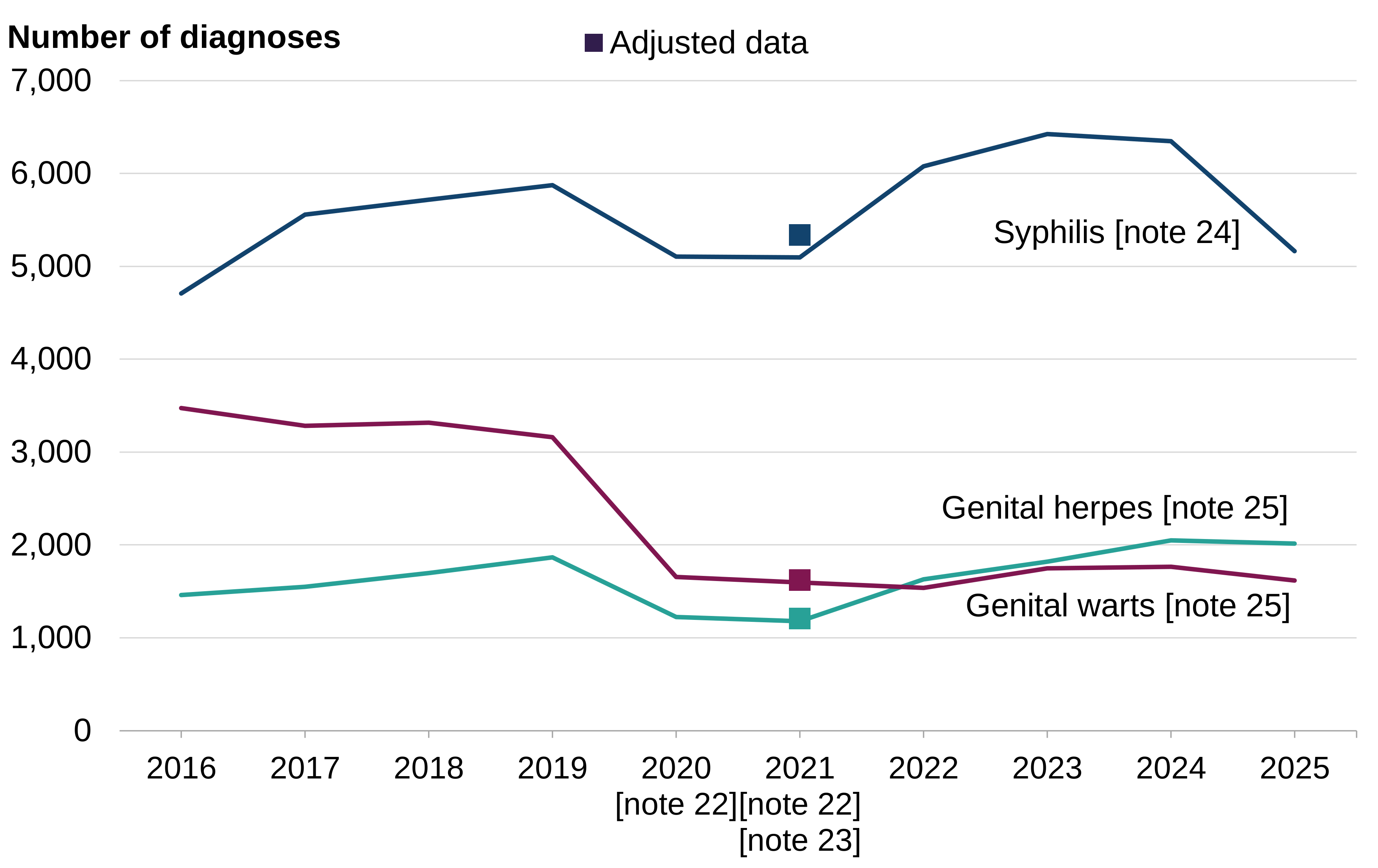
The number of diagnoses of chlamydia, gonorrhoea, infectious syphilis, genital herpes and genital warts in GBMSM was imputed in 2021 to account for under-reporting of diagnoses in this key population due incomplete reporting of sexual orientation from a large SHS in 2021. To impute the number of STI diagnoses in GBMSM in 2021 from this SHS, we did the following:
- using GUMCAD data from January to December 2019, we determined the proportion of each STI diagnosis in men attending that SHS that was reported in men who were gay or bisexual – 2019 data was used because this is the most recent year for which sexual orientation was reported with over 90% completion by this SHS
- assuming that the same proportions of men diagnosed with each STI at this SHS in 2021 were gay or bisexual, we then used that proportion to derive an adjusted number of STI diagnoses in GBMSM from that SHS in 2021
- this adjusted total was then used to derive the total number of STI diagnoses in GBMSM for that clinic (data not shown) and for all of England
No further adjustments were made to data from that SHS for any other year up to and including 2020. No adjustments were applied to data from any other SHSs as they had high data completion for sexual orientation.
Had we not applied this adjustment, the figures would suggest a decrease in several bacterial STI diagnoses in GBMSM in 2021 (see Figures A1a and A1b). However, this would have solely been due to an artefact of the incompleteness of the data.
Figure A1a. Adjusted and unadjusted number of new diagnoses of selected STIs among GBMSM accessing SHSs, England, 2016 to 2025
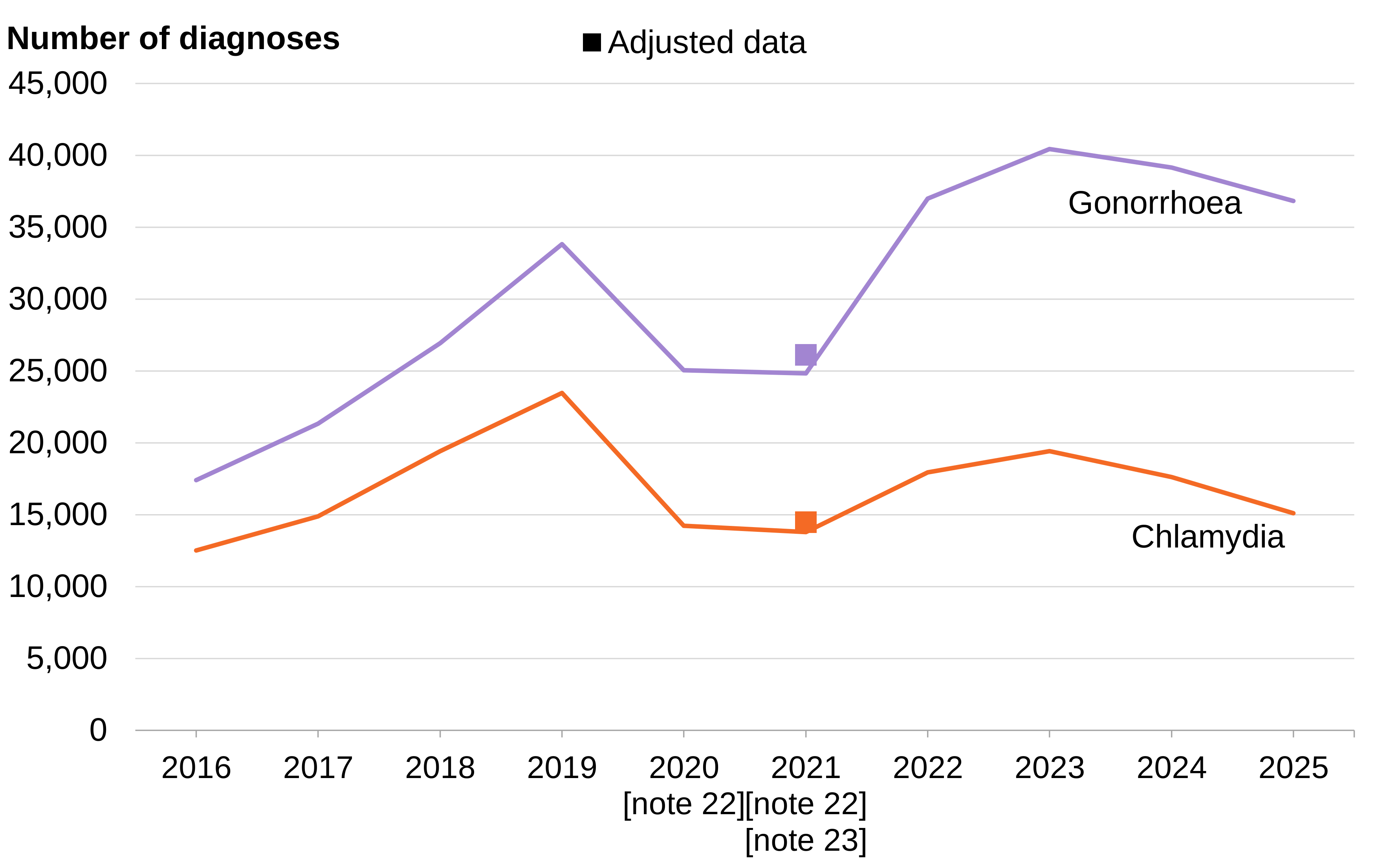
Figure A1b. Adjusted and unadjusted number of new diagnoses of STIs among GBMSM accessing SHSs, England, 2015 to 2024
Source: data from routine returns to the GUMCAD STI Surveillance System.
Note different scales on vertical axes in Figures A1a and A1b.
Note 22: figures reported in 2020 and 2021 are notably lower than previous years due to the disruption to SHSs during the national response to the COVID-19 pandemic.
Note 23: the number of STI diagnoses in GBMSM in 2021 was adjusted to account for incomplete reporting of some sexual orientation data.
Note 24: includes diagnoses of primary, secondary and early latent syphilis.
Note 25: first episode.
Additional analyses
Figures A2a to A2d show the trends in the number of diagnoses of syphilis, gonorrhoea, genital herpes and genital warts, by women and men residing in England, 2016 to 2025.
Figure A2a. New diagnoses of syphilis by women and men among England residents accessing SHSs, 2016 to 2025
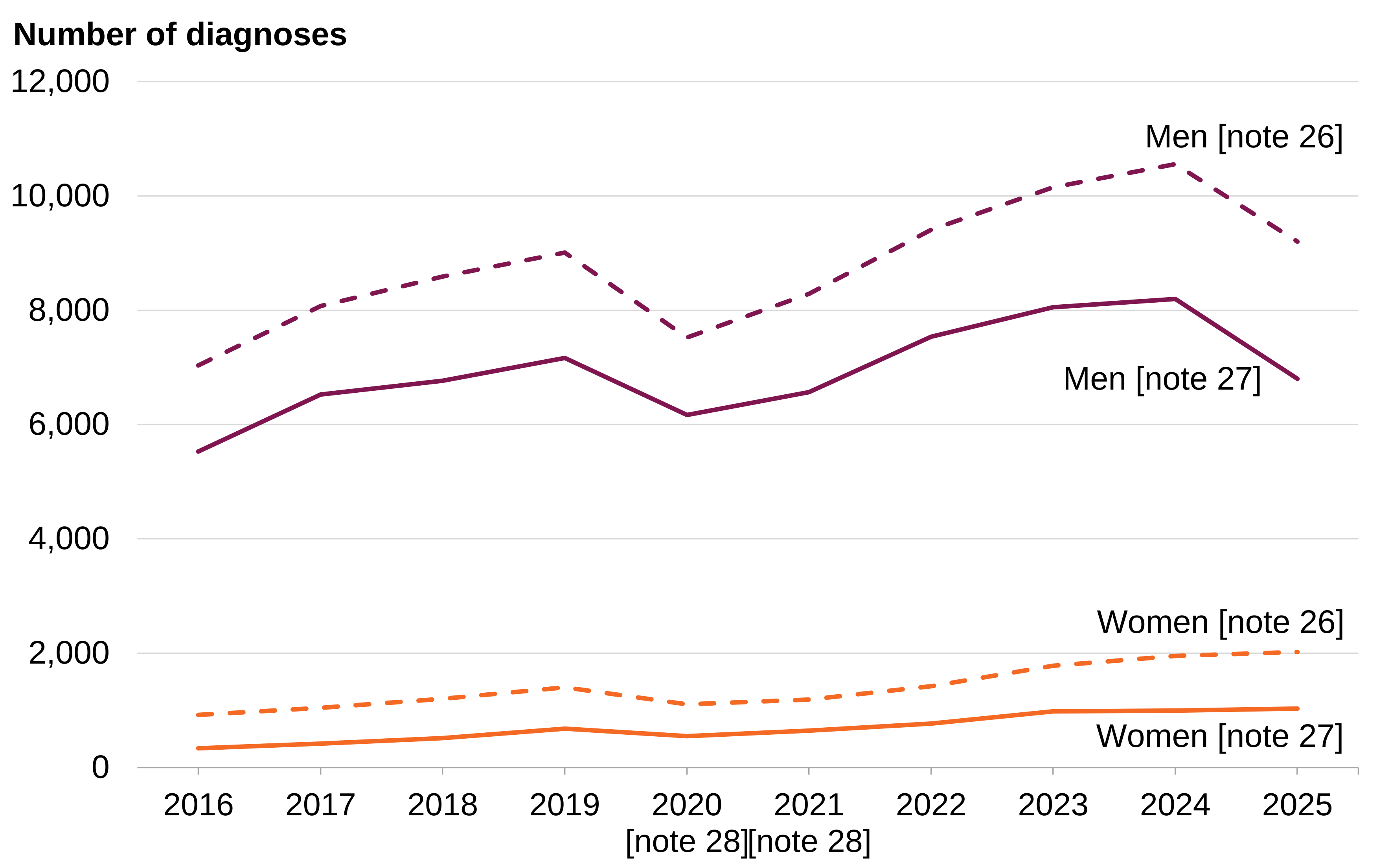
Figure A2b. New diagnoses of gonorrhoea by women and men among England residents accessing SHSs, 2016 to 2025
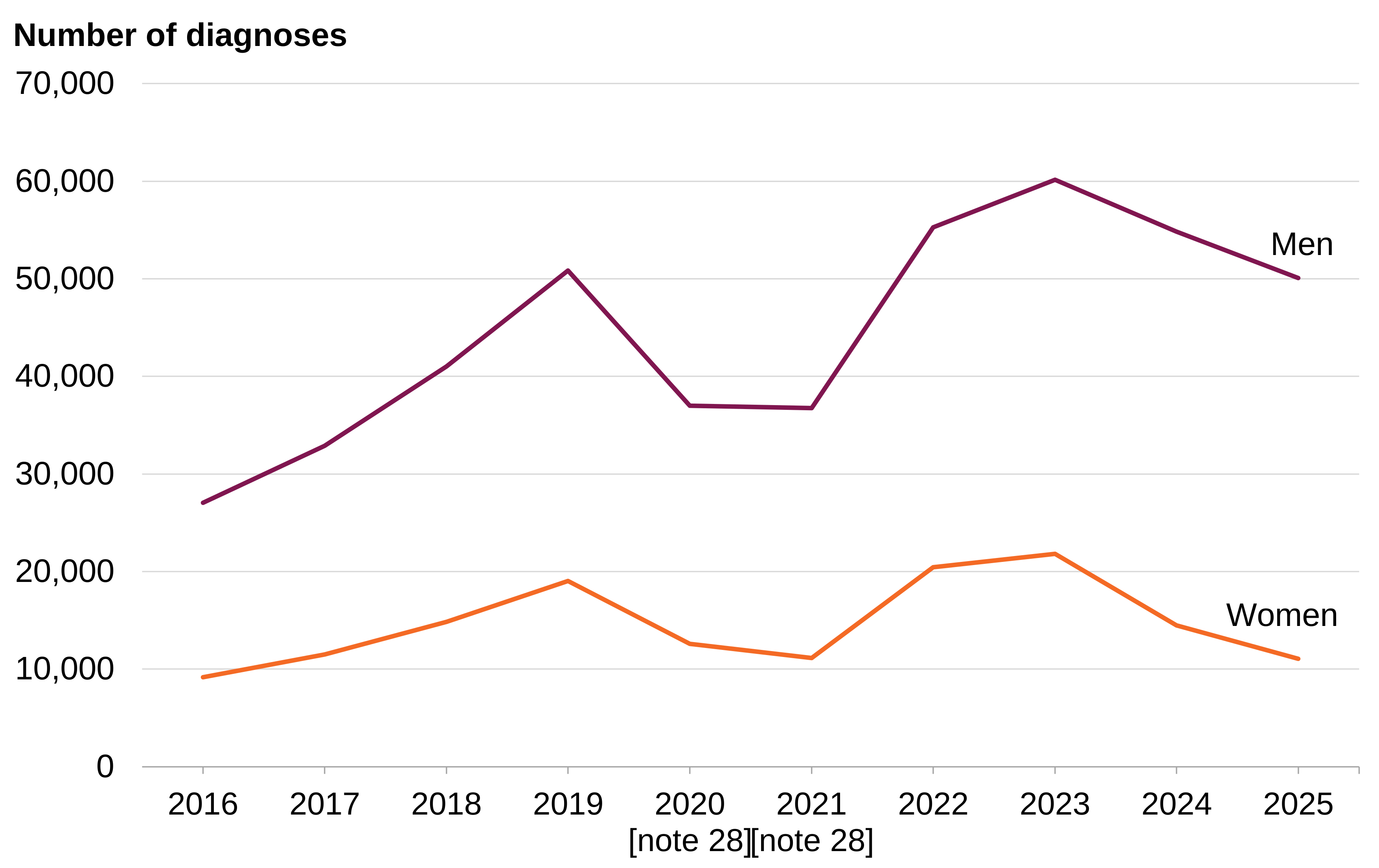
Figure A2c. New diagnoses of genital herpes (first episode) by women and men among England residents accessing SHSs, 2016 to 2025
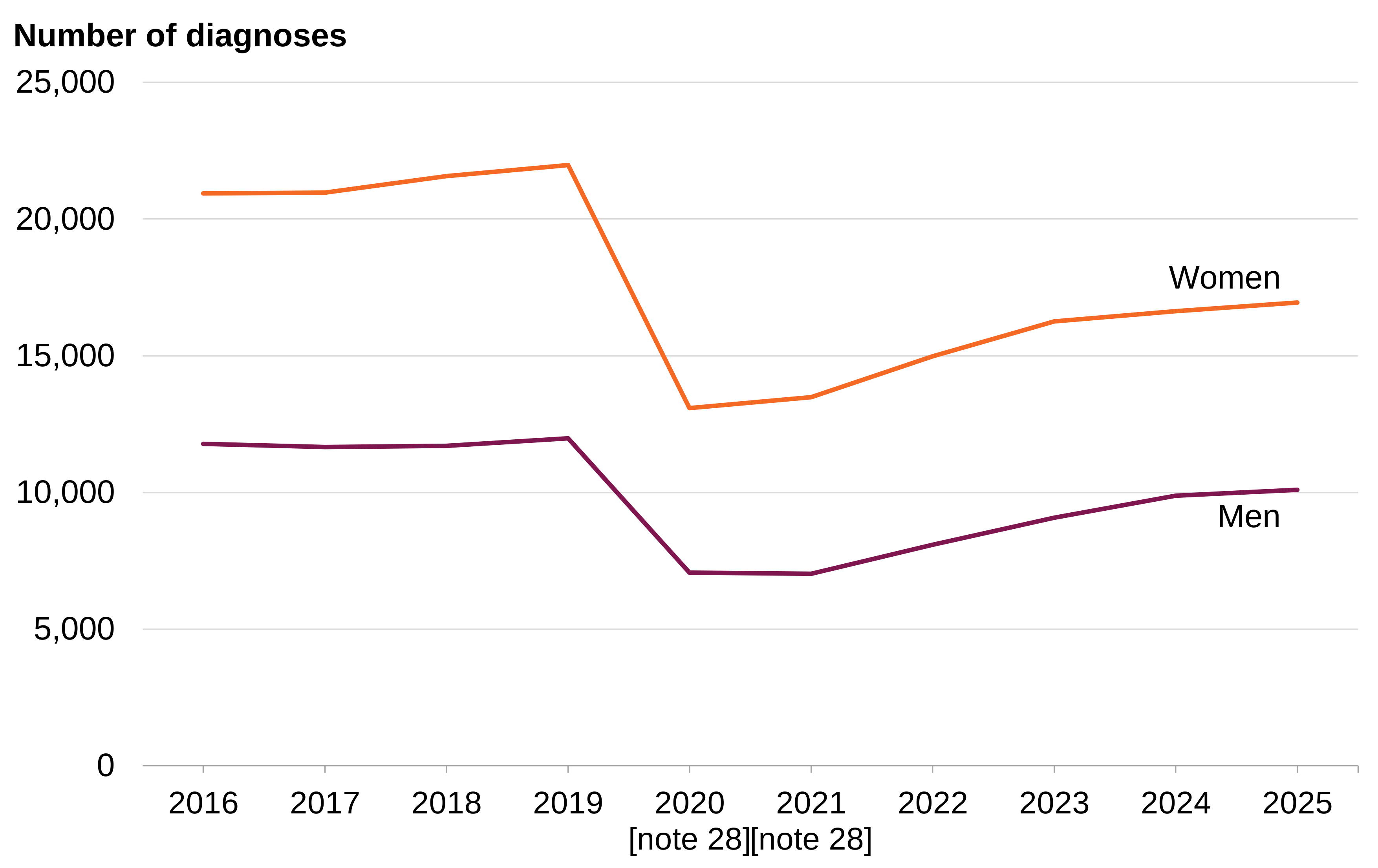
Figure A2d. New diagnoses of genital warts (first episode) by women and men among England residents accessing SHSs, 2016 to 2025
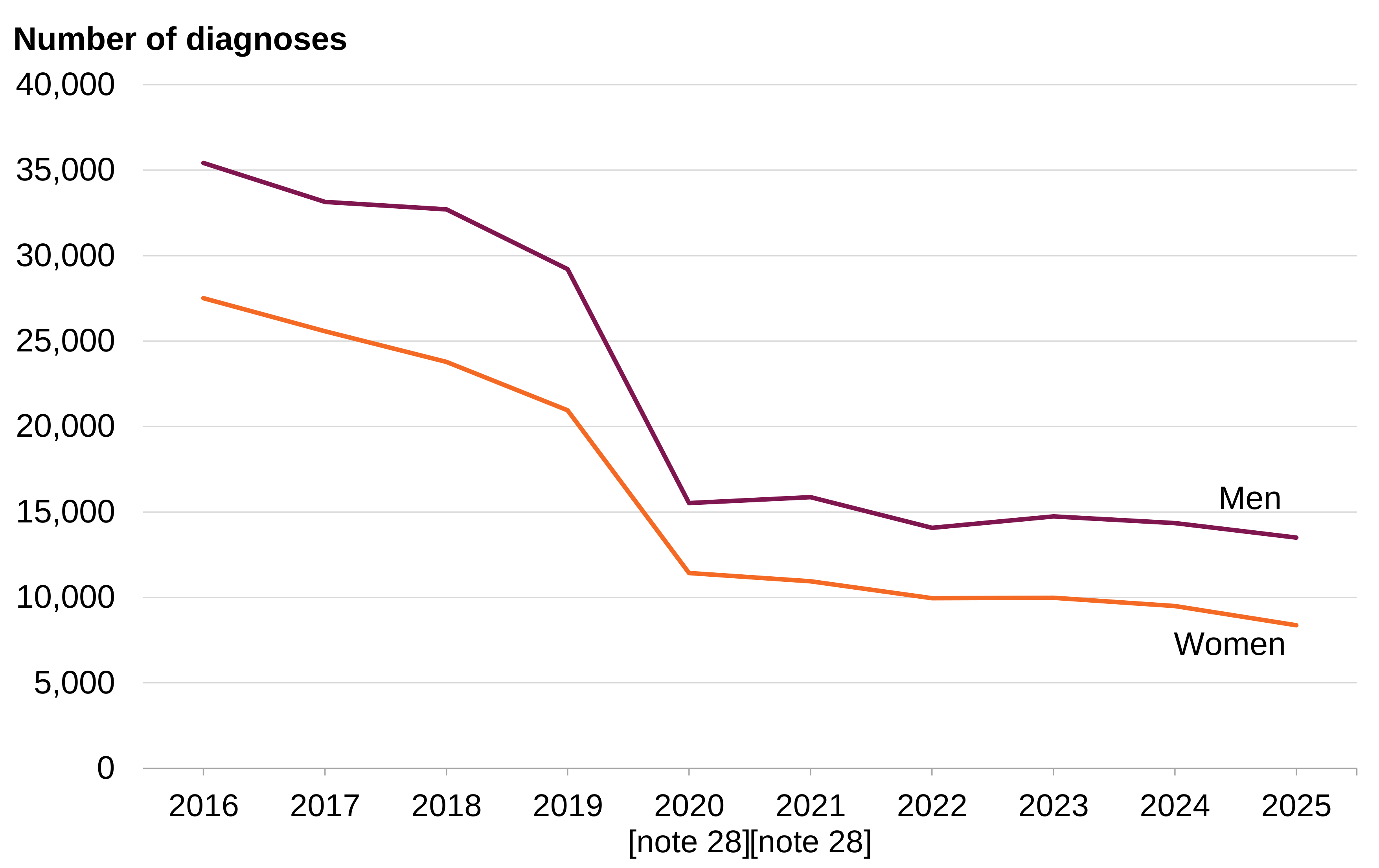
Source: data from routine returns to the GUMCAD STI Surveillance System.
Note different scales on vertical axes in Figures A2a, A2b, A2c and A2d.
Note 26: dashed line includes infectious syphilis and late stage and complications of syphilis.
Note 27: solid line includes diagnoses of primary, secondary and early latent syphilis.
Note 28: figures reported in 2020 and 2021 are notably lower than previous years due to the disruption to SHSs during the national response to the COVID-19 pandemic.
Tables A2a to A2c show chlamydia tests, diagnoses and positivity among young men aged 15 to 24 years by test setting, 2024 and 2025, England.
Table A2a. Chlamydia tests among young men aged 15 to 24 years by test setting, 2024 and 2025, England
| Test setting | Number of tests in 2024 | Percentage of total in 2024 | Number of tests in 2025 | Percentage of total in 2025 | Percentage change 2024 to 2025 |
|---|---|---|---|---|---|
| SHSs: specialist | 90,890 | 37.1% | 87,925 | 39.4% | -3.3% |
| SHSs: non-specialist | 3,548 | 1.5% | 3,776 | 1.7% | 6.4% |
| Internet | 112,157 | 45.8% | 96,896 | 43.5% | -13.6% |
| GP | 14,865 | 6.1% | 12,126 | 5.4% | -18.4% |
| Pharmacy | 623 | 0.3% | 583 | 0.3% | -6.4% |
| Termination of pregnancy | 48 | 0.0% | 4 | 0.0% | -91.7% |
| Unknown | 1,419 | 0.6% | 911 | 0.4% | -35.8% |
| Other | 21,117 | 8.6% | 20,692 | 9.3% | -2.0% |
| Total | 244,667 | 100% | 222,913 | 100% | -8.9% |
Table A2b. Chlamydia diagnoses among young men aged 15 to 24 years by test setting, 2024 and 2025, England
| Test setting | Number of diagnosis in 2024 | Percentage of total in 2024 | Number of diagnosis in 2025 | Percentage of total in 2025 | Percentage change 2024 to 2025 |
|---|---|---|---|---|---|
| SHSs: specialist | 13,916 | 47.2% | 12,684 | 48.8% | -8.9% |
| SHSs: non-specialist | 534 | 1.8% | 647 | 2.5% | 21.2% |
| Internet | 11,191 | 38.0% | 9,409 | 36.2% | -15.9% |
| GP | 1,303 | 4.4% | 996 | 3.8% | -23.6% |
| Pharmacy | 102 | 0.3% | 108 | 0.4% | 5.9% |
| Termination of pregnancy | 9 | 0.0% | 1 | 0.0% | -88.9% |
| Unknown | 126 | 0.4% | 75 | 0.3% | -40.5% |
| Other | 2,289 | 7.8% | 2,088 | 8.0% | -8.8% |
| Total | 29,470 | 100% | 26,008 | 100% | -11.7% |
Table A2c. Chlamydia test positivity among young men aged 15 to 24 years by test setting, 2024 and 2025, England
| Test setting | Test positivity 2024 (percentage) | Test positivity 2025 (percentage) |
|---|---|---|
| SHSs: specialist | 15.3% | 14.4% |
| SHSs: non-specialist | 15.1% | 17.1% |
| Internet | 10.0% | 9.7% |
| GP | 8.8% | 8.2% |
| Pharmacy | 16.4% | 18.5% |
| Termination of pregnancy | 18.8% | 25.0% |
| Unknown | 8.9% | 8.2% |
| Other | 10.8% | 10.1% |
| Total | 12.0% | 11.7% |
Source: data from routine returns to the GUMCAD STI and CTAD Chlamydia Surveillance Systems.
Table A3 shows the number of chlamydia tests, diagnoses testing coverage and detection rate by disaggregated ethnic groups among young women in England.
Table A3. Chlamydia tests, diagnoses, testing coverage and detection rate by ethnicity among young women aged 15 to 24 years, 2025, England
| Ethnicity | Total tests | Total diagnoses | Coverage (percentage) | Detection rate (per 100,000) |
|---|---|---|---|---|
| Asian | 19,180 | 1,424 | 4.8% | 360 |
| Bangladeshi | 1,787 | 136 | 3.1% | 239 |
| Chinese | 2,829 | 260 | 6.3% | 583 |
| Indian | 5,793 | 348 | 5.7% | 343 |
| Pakistani | 3,469 | 241 | 2.7% | 188 |
| Other Asian | 5,302 | 439 | 8.2% | 683 |
| Black | 40,283 | 4,760 | 21.2% | 2,510 |
| Black African | 21,503 | 2,537 | 16.8% | 1,980 |
| Black Caribbean | 14,046 | 1,617 | 36.8% | 4,241 |
| Other Black | 4,734 | 606 | 20.2% | 2,591 |
| Mixed | 31,895 | 3,133 | 20.0% | 1,967 |
| White and Asian | 5,939 | 489 | 12.9% | 1,060 |
| White and Black African | 4,893 | 475 | 21.8% | 2,120 |
| White and Black Caribbean | 12,471 | 1,340 | 23.9% | 2,567 |
| Other Mixed | 8,592 | 829 | 22.3% | 2,150 |
| Other | 6,857 | 597 | 8.3% | 720 |
| Any other ethnicity | 6,857 | 597 | 8.3% | 720 |
| White | 306,979 | 26,391 | 12.6% | 1,081 |
| White British | 278,364 | 24,158 | 12.6% | 1,096 |
| White Irish | 2,450 | 186 | 15.6% | 1,182 |
| Other White | 26,165 | 2,047 | 11.8% | 919 |
| Unknown | 142,114 | 9,817 | Not available | Not available |
Source: data from routine returns to the GUMCAD STI and CTAD Chlamydia Surveillance Systems.
Resources on the UKHSA website
Further STI data is available on the UKHSA STI annual data webpage in the form of tables and a slide set.
Further data on chlamydia tests and diagnoses in adults aged 15 to 24 years is available on the UKHSA NCSP annual data webpage.
Interactive tables, charts, and maps showing local-area STI data is available on the Sexual and Reproductive Health Profiles.
Provisional data on selected STIs is available on the STI quarterly surveillance reports: provisional data.
Further information on the GUMCAD and CTAD Surveillance Systems.
Further information on the Gonococcal Resistance to Antimicrobials Surveillance Programme (GRASP).
Further information on Mycoplasma genitalium Antimicrobial Resistance Surveillance (MARS).
Further information on trends in mpox.
Further information on trends in HIV diagnoses in the UK.
For the latest lymphogranuloma venereum (LGV) surveillance data for the UK.
For the latest guidance and data on Shigella spp.
For further information on PID.
Acknowledgments
Contributors to official statistics (in alphabetical order):
Joy Anthony, Marta Checchi, Shivani Chokupermal, Paul Cleary, Michelle Cole, Ubah Daahir, Dhruv Desai, Kate Donohoe, Vicky Dowling, Lana Drisdale-Gordon, Stephen Duffell, Jon Dunn, Lynsey Emmett, Josh Forde, Linda Gansberger, Giulia Habib Meriggi, Florence Halford, Ana-Karina Harb, Catriona Harrison, Eilish Hart, Ainka Hastick, Kate Houseman, Gareth Hughes, Kritika Jain, Danielle Jayes, Clare Macdonald, Tobias Martinsen, Mark McNally, Soeren Metelmann, Steph Migchelsen, Debbie Mou, Dolores Mullen, Roeann Osman, Shahin Parmar, Manuela Parnoffi, Dawn Philips, Manchari Rajkumar, Tika Ram, Andy Raynor, Rachel Roche, Adewuni Sorungbe, Maria SuauSans, Suzy Sun, Alireza Talebi, Eliza Thomson, Hridhya Vijayan, Megan Walsh, Georgina Wilkinson, Brennan Winer.
Authors:
Stephanie J Migchelsen, Ubah Daahir, Clare Macdonald, Ana-Karina Harb, Lana Drisdale-Gordon, Stephen Duffell, Marta Checchi, Hridhya Vijayan, Giulia Habib Meriggi, Tika Ram, Kate Soldan, Kate Folkard, Helen Fifer, Katy Sinka, Hamish Mohammed.
Citation
Stephanie J Migchelsen, Ubah Daahir, Clare Macdonald, Ana-Karina Harb, Lana Drisdale-Gordon, Stephen Duffell, Marta Checchi, Hridhya Vijayan, Giulia Habib Meriggi, Tika Ram, Kate Soldan, Kate Folkard, Helen Fifer, Katy Sinka, Hamish Mohammed and contributors. Sexually transmitted infections and screening for chlamydia in England, 2025. June 2026, UK Health Security Agency, London
Further information and contact details
Contact information
For questions about this report, contact GUMCAD@ukhsa.gov.uk
Official statistics
Our statistical practice is regulated by the Office for Statistics Regulation (OSR). OSR sets the standards of trustworthiness, quality and value in the Code of Practice for Statistics that all producers of official statistics should adhere to.
You are welcome to contact us directly by emailing cchs@ukhsa.gov.uk with any comments about how we meet these standards. Alternatively, you can contact OSR by emailing regulation@statistics.gov.uk or via the OSR website.
UKHSA is committed to ensuring that these statistics comply with the Code of Practice for Statistics. This means users can have confidence in the people who produce UKHSA statistics because our statistics are robust, reliable and accurate. Our statistics are regularly reviewed to ensure they support the needs of society for information.