UKHSA Syphilis Response Plan
Updated 23 March 2026
Applies to England

© Crown copyright 2026
This publication is licensed under the terms of the Open Government Licence v3.0 except where otherwise stated. To view this licence, visit nationalarchives.gov.uk/doc/open-government-licence/version/3 or write to the Information Policy Team, The National Archives, Kew, London TW9 4DU, or email: psi@nationalarchives.gov.uk.
Where we have identified any third party copyright information you will need to obtain permission from the copyright holders concerned.
This publication is available at https://www.gov.uk/government/publications/syphilis-public-health-england-action-plan/ukhsa-syphilis-response-plan
Executive Summary
Syphilis is a preventable and curable infection, yet recent years have seen a marked increase in diagnoses across England. In 2024, more than 13,000 cases were reported, the highest number since the 1940s. Cases continue to be concentrated among gay, bisexual and other men who have sex with men (GBMSM). However, increases are also being seen among heterosexual men and women and there is increasing evidence of infection in some inclusion health groups, including sex workers with overlapping experience of homelessness, drug use and risk of imprisonment.
Congenital syphilis, which can cause stillbirth, neonatal death, or lifelong disability, remains a significant public health concern. Every year, new cases of congenital syphilis are confirmed, highlighting missed opportunities for early detection and treatment of syphilis during pregnancy.
The UK Health Security Agency (UKHSA) Syphilis Response Plan sets out our organisational response to syphilis to limit adverse health outcomes, reduce the incidence and address inequalities associated with syphilis. It builds on the Syphilis Action Plan first published by Public Health England (PHE) in 2019 and situates our response within the context of changing epidemiology and new challenges and opportunities for syphilis prevention and control.
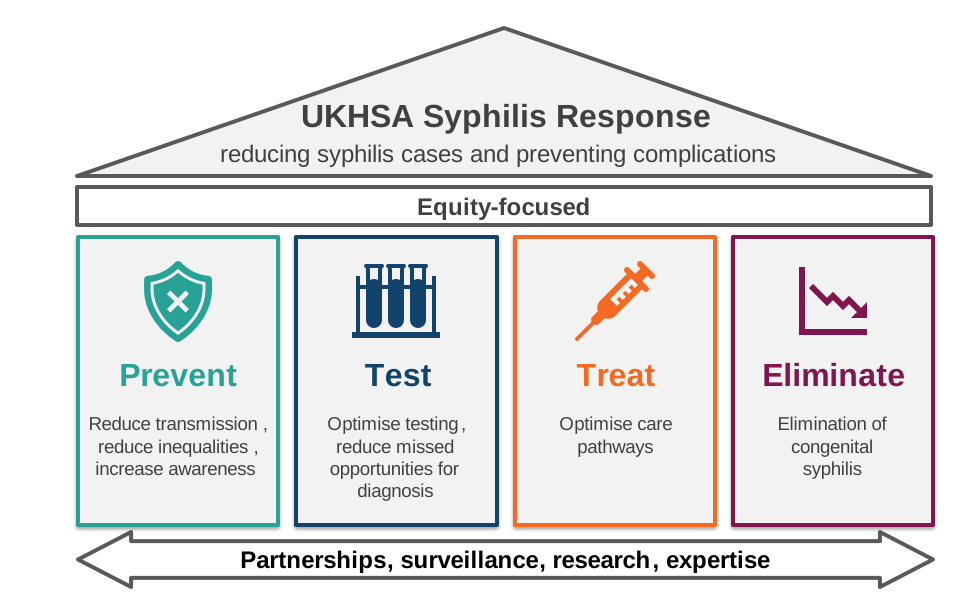
Our response is structured around 4 interconnected pillars:
- Pillar 1. Prevent: Reduce transmission, reduce inequalities, increase awareness
- Pillar 2. Test: Optimise testing and reduce missed opportunities for diagnosis
- Pillar 3. Treat: Optimise care pathways
- Pillar 4. Eliminate: Congenital syphilis
Working collaboratively across national, regional and local systems, UKHSA will provide the data, evidence and health protection expertise needed to help reduce syphilis transmission, prevent complications and eliminate congenital syphilis. A focus on equity underpins this plan and is central to all pillars and action areas, ensuring that actions are targeted to populations with the highest need and experiencing the greatest barriers to testing and treatment.
Background
Currently in England we face new challenges and opportunities in the response to a worsening picture of syphilis. This updated UKHSA response plan reflects these changes, aligning with the NHS 10 Year Health Plan’s emphasis on prevention, and complementing the commitments of the new HIV Action Plan and the UK government’s ambitions on hepatitis elimination; recognising the overlaps in affected populations, shared transmission routes, and common structural barriers these conditions present.
This response plan sets out UKHSA activities for the next 3 years (2026 to 2029) to reduce syphilis incidence and adverse health outcomes and address associated inequalities. It has been developed in discussion with our stakeholders and outlines our actions and key work areas with those involved in syphilis control across public health, including sexual health services (SHSs) and other NHS services, local and national government, sexual health commissioners, academia, and the voluntary and community sector.
Our approach aligns with the UKHSA STI Prioritisation Framework, which supports local areas to target resources according to identified needs and inequalities of their population. This plan applies that approach to addressing syphilis, a pathogen that can cause severe outcomes, including complicated and congenital infections, by using evidence to highlight which interventions may be appropriate for communities experiencing the highest burden of disease and greatest barriers to care.
SHSs not only provide the expertise for syphilis management but also work closely with other partners to ensure a coordinated public health response. Beyond SHSs, other settings such as prison health, maternity and specialist outreach services may encounter people at risk of or affected by syphilis. Embedded prevention, testing and referral within these services, has the potential to improve case finding, reduce transmission and prevent harm.
Individuals can present with syphilis signs and symptoms (see Appendix) in many different healthcare settings, such as neurology, obstetrics, ophthalmology, paediatrics, dermatology, general practice and dentistry. Realising opportunities to promptly identify and treat individuals with a syphilis infection will require awareness raising and guidance in specialties outside of SHSs. Prompt referral of cases to SHSs is essential to ensure appropriate patient management and partner notification.
Current and future landscape
The landscape for syphilis control has changed significantly over the last decade, with case numbers rising to their highest levels since the 1940s. Meanwhile, we have more tools at our disposal than before: from doxycycline post-exposure prophylaxis (doxyPEP) to high quality local surveillance data and service delivery models that can help us reach affected populations.
The next 5 years are likely to see continued evolution in syphilis prevention, testing and treatment. Beyond the implementation of doxyPEP in 2025, several promising interventions are on the horizon. Phase 3 trials of novel treatments may expand our therapeutic options. At the same time, new point-of-care diagnostics have the potential to reshape how we reach and serve affected populations. Vaccine development is still at a very early stage, but efforts continue and may eventually offer hope for long-term control; in the meantime, we must optimise use of existing tools to reduce incidence and complications.
Responding to changing epidemiology
Since the re-emergence of syphilis in the early 2000s, following over a decade of rarity, annual diagnoses have increased progressively, intensifying in many areas and with a widening geographical distribution. In 2024, 13,030 new diagnoses of syphilis (all stages and complications) were made in SHSs in England, 73% (9,535) of which were classified as infectious syphilis, comprising primary, secondary and early latent clinical stages (see Appendix).
Most infectious syphilis diagnoses are among GBMSM (66% in 2024; 6,330 of 9,535). GBMSM continue to be a priority for syphilis prevention and reduction of harm from undiagnosed infections. Meanwhile, during the past decade continuing increases among men who have sex with women (MSW) and women who have sex with men (WSM) mean that overall, diagnoses of infectious syphilis have more than doubled among MSW (132%; 595 to 1,380) and tripled among WSM (204%; 273 to 830) between 2015 and 2024 (see Figure 1). This epidemiological picture is reflected in this response plan.
New cases of congenital syphilis are confirmed each year, with 13 cases reported in 2023, the latest complete year reported. This highlights the missed opportunities for early detection and treatment of syphilis during pregnancy.
Figure 1. Number of syphilis diagnoses by gender identity and sexual orientation, England, 2015 and 2024
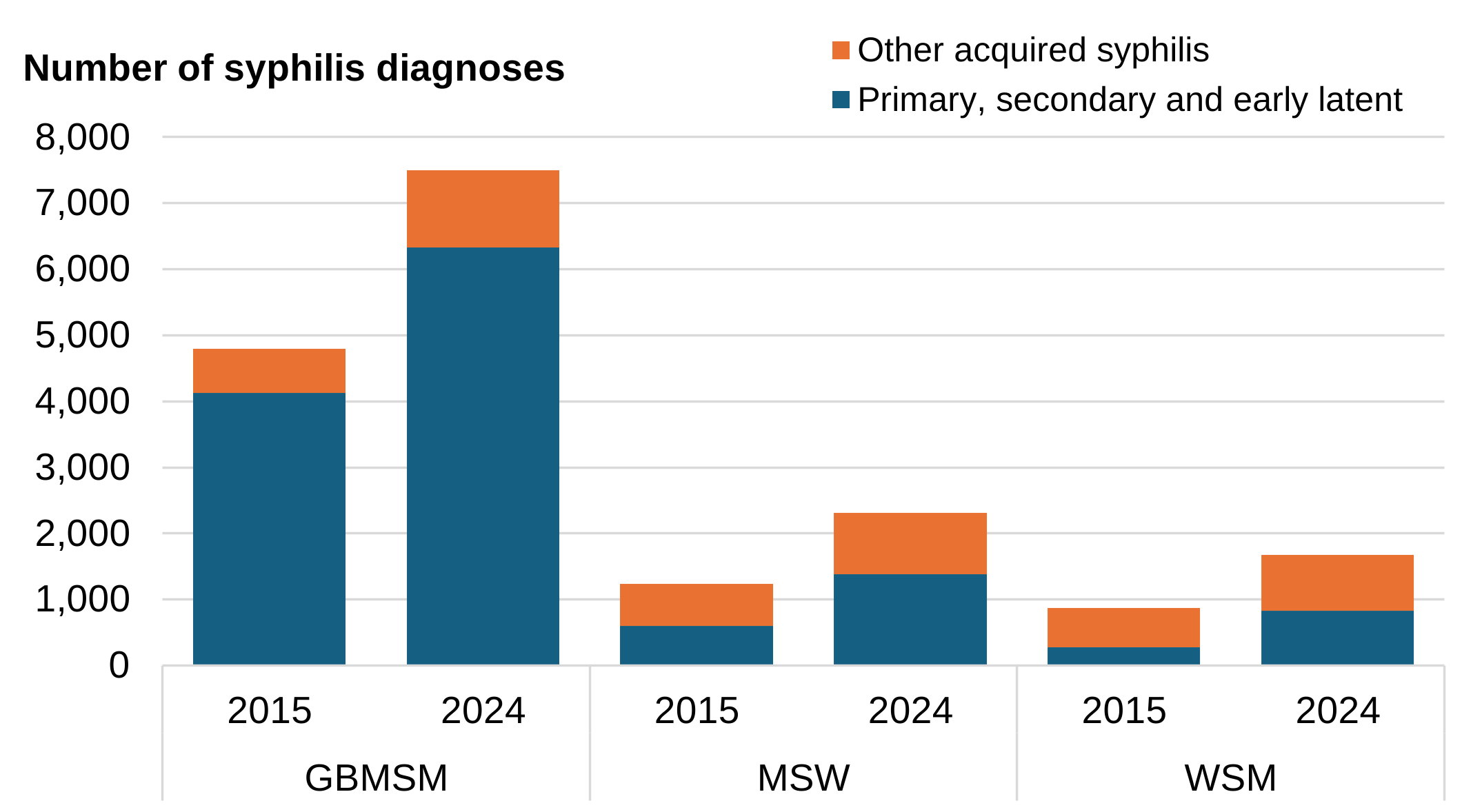
Source: Sexually transmitted infections (STIs): annual data.
While syphilis diagnoses are concentrated in urban areas, with the highest rate of diagnoses in London (46 per 100,000 population in 2024), diagnoses have been increasing across all regions, notably within the North East, North West and West Midlands. The demographic distributions, by gender identity and sexual orientation vary regionally and locally, highlighting the importance of using local epidemiological data to inform local control strategies. Further information on the epidemiology of syphilis in England, including trends, regional analyses and data on specific populations, is available in the Tracking the syphilis epidemic report.
Building on progress to date
Since the first Syphilis Action Plan was published in 2019 by PHE, there has been significant progress in understanding and responding to syphilis. There has been a substantial increase in testing, particularly among GBMSM, which was a key objective of the previous plan. Service delivery models have evolved, with the increased availability of home-delivered self-sampling kits alongside in-clinic testing. Dual HIV and syphilis testing is available in some local areas as part of the free HIV postal test scheme, as well as part of HIV Prevention England’s National HIV Testing Week. Outbreak responses have highlighted the value of close collaboration between SHSs, public health teams, and voluntary and community organisations. There have also been targeted prevention campaigns, including Long Time No Syphilis and Syphilis Banana Campaign, which have been delivered by or in partnership with community groups.
Links between clinical and public health responses have been strengthened through updated guidance from the British Association for Sexual Health and HIV (BASHH) and other professional bodies. This includes publication of BASHH’s national clinical guidelines on the use of doxyPEP for syphilis. In addition, UKHSA and BASHH convened representatives and clinical leaders from a range of healthcare specialities and professional bodies to identify actions to raise awareness of syphilis and propose improved ways to recognise and respond to cases beyond sexual health settings.
Antenatal screening coverage for syphilis in England has remained consistently high across all regions for many years, although coverage is likely to be lower among those who experience health inequalities and significant barriers to healthcare. New guidance and clinical pathways have strengthened the response to syphilis in pregnancy. The NHS Infectious Diseases in Pregnancy Screening Programme (IDPS) introduced national congenital syphilis surveillance in 2020 through the Integrated Screening Outcomes Surveillance Service (ISOSS). The programme includes clinical expert review to investigate and learn lessons from all reported cases and has improved understanding of recent congenital syphilis trends, risk factors and missed opportunities for prevention. As of 2025, congenital syphilis has been designated a notifiable disease in England in order to improve surveillance and the public health response.
National surveillance of syphilis diagnosed in SHSs now captures syphilis complications such as ocular and otosyphilis. Local level data breakdowns of the epidemiology and trends in testing, diagnoses, and service use are routinely available. UKHSA uses this local epidemiological data to provide syphilis care pathway workshops to enable regional and local sexual health teams to identify at risk populations, local inequalities and barriers to access. Where these workshops have been held, local areas have developed action plans guided by the findings from the presented data, which include targeted syphilis control interventions. Meanwhile research studies in collaboration with the Blood Borne and Sexually Transmitted Infections Health Protection Research Unit and other research groups are addressing key evidence gaps in relation to syphilis epidemiology, control measures and interventions.
Our response
The World Health Organization (WHO) has set global targets for syphilis control, which aim to achieve a 90% decrease in syphilis infections alongside the elimination of congenital syphilis as a public health problem by 2030. For congenital syphilis the WHO’s global case rate target for countries to demonstrate elimination is less than 50 cases of congenital syphilis per 100,000 live births, while the WHO European region has set a more ambitious regional case rate target of less than or equal to 1 case per 100,000 live births by 2030. While the UK has not formally adopted these targets, they provide a helpful benchmark for ambition.
This UKHSA Syphilis Response Plan sets out how UKHSA will work towards reversing the trajectory of the syphilis epidemic and move forward in the elimination of congenital syphilis. While tools to control syphilis are available, including accessible diagnostics, effective treatment, and free-at-point-of-access services, success also depends on the ability to navigate the social, structural and systemic factors that drive transmission and perpetuate inequities. The actions set out here describe the UKHSA contribution, but success will depend on strong collaboration with partners including SHSs and other NHS services, local authorities, academia, professional bodies and the voluntary, community, and social enterprise sector. As part of our approach, we will develop and share data, tools and evidence to help partners design and deliver effective, locally relevant solutions.
An equity-focused response
Recent epidemiological trends indicate the need for a sustained public health response. While increased testing has improved case detection, particularly among GBMSM, syphilis rates continue to be high. There has been increasing transmission among heterosexual populations, and some inclusion health groups are particularly at risk. Inclusion health is an approach to addressing extreme health inequalities in people experiencing deep social exclusion. Inclusion health groups often experience stigma and multiple barriers to care. Some of these groups, including people experiencing homelessness, sex workers, and people in contact with the justice system, will likely face higher risk and multiple, intersecting barriers to prevention, testing and treatment.
This plan puts equity at the heart of UKHSA’s response, recognising that syphilis does not affect all communities equally. Reducing inequalities is not a separate objective but is embedded throughout and aligns with the vision set out in the UKHSA Health Equity for Health Security Strategy (2023 to 2026). Through an equity-focused approach, we will focus on understanding who is most affected, why barriers exist, and how to work with partners and communities to reduce the disproportionate impact of syphilis in certain populations.
The engagement of community and voluntary sector organisations and people with lived experience of extreme health inequalities remains essential to help UKHSA to deliver its response and we will work in partnership with organisations and communities to take forward the actions outlined in this response plan.
Actions
This response plan sets actions that are specific to England and reflect local epidemiology, service context and public health priorities. To halt the rise in syphilis cases, we have identified areas for action across 4 interconnected pillars:
-
Prevention.
-
Testing.
-
Treatment.
-
Elimination of congenital syphilis.
Each pillar contains specific actions for UKHSA. As shown in Figure 2 below, the pillars are supported by cross-cutting system enablers such as surveillance, research and partnerships.
Figure 2. UKHSA Syphilis Response
Our actions have been informed by engaging with stakeholders across public health, SHSs, local and national government, sexual health commissioners, academia, and the voluntary and community sector to ensure that they are based on evidence, are relevant and achievable for us to understand the epidemic in more detail, reduce the number of syphilis cases and associated harms, and to eliminate congenital syphilis. We aim to complete these actions over the next 3 years (2026 to 2029). Where possible, UKHSA will implement and integrate these actions alongside other national, regional and local public health approaches for HIV, hepatitis, and other sexually transmitted infections (STIs).
Pillar 1. Prevent: Reduce transmission, reduce inequalities, increase awareness
Preventing syphilis transmission requires a combination of biomedical, behavioural, and structural interventions. Strengthening awareness of the symptoms, risks, and prevention strategies in priority populations is key to reducing transmission. Understanding the drivers of infection and the barriers faced by communities disproportionately affected will enable targeted interventions to reduce inequalities in access and outcomes.
Public awareness and engagement
A recent qualitative study that investigated the risk factors, lifestyles, and other circumstances facilitating syphilis transmission among heterosexually-identifying individuals revealed limited knowledge of syphilis, as well as delays in diagnosis and treatment after initially seeking care at non-SHSs. Raising awareness of syphilis in the whole population, as well as within some target populations, remains a priority. Public-facing communications are most effective when developed in partnership with community organisations and people with lived experience to ensure messages are relevant, inclusive and actionable.
Equity and health inequalities
Syphilis disproportionately affects populations already facing compounding health inequalities and barriers to care. Understanding and addressing these inequalities is critical to reduce transmission and complications. Harnessing outreach and peer-led approaches, co-producing communications resources, applying existing insights and generating new evidence in partnership with affected communities are all essential to ensure that syphilis interventions are culturally appropriate, accessible and do not increase stigma.
Biomedical prevention
Clinical trial and real-world evidence show that doxyPEP can effectively reduce syphilis incidence. The 2025 BASHH doxyPEP guidelines recommend offering it to individuals at elevated risk, including GBMSM or transgender women with a recent bacterial STI diagnosis or a recent history of multiple new sexual partners. Ongoing evaluation will be essential to monitor the impact on syphilis, including any unintended or adverse consequences such as reductions or changes in routine testing. In addition, evidence should be reviewed regularly to establish any additional groups who may benefit from doxyPEP.
Condom use and comprehensive relationship and sex education across the life course also remain important tools for preventing syphilis, as well as other STIs including HIV.
Our actions
1.1. UKHSA will support partners to develop culturally competent, evidence-based communication strategies to improve awareness of syphilis in general and within target populations.
1.2. UKHSA will undertake research and analysis to better understand SHS access, uptake of syphilis testing and knowledge gaps, particularly among those with greatest need, to inform interventions, including:
- using routinely collected STI surveillance data and, as appropriate, primary data collection to better understand the determinants of syphilis and uptake of preventative interventions
- commissioning qualitative research with women in prisons, who have a high prevalence of syphilis, to inform our understanding of the acceptability and feasibility of different syphilis interventions
1.3. UKHSA and partners will monitor the delivery and impact of doxyPEP on syphilis incidence and testing behaviours and will continue to review evidence for use in different settings and populations, including:
- publishing a doxyPEP monitoring and evaluation plan
- publishing evidence on the uptake and impact of doxyPEP on syphilis incidence
Pillar 2. Test: Optimise testing and reduce missed opportunities
Early detection is central to reducing syphilis transmission and preventing complications. This involves targeting testing appropriately, minimising missed opportunities, and ensuring equity in provision. Where possible, these testing strategies should also be implemented alongside and integrated into testing approaches for HIV, hepatitis, and other STIs. An understanding of structural and systemic barriers to testing is required so testing can be optimised for specific settings and for populations who continue to experience greater barriers to testing.
Expanding access
Testing provision has diversified in recent years, with substantial growth in online postal self-sampling alongside clinic-based services. To close remaining gaps, testing access can be developed and improved across a range of settings, particularly for underserved and high prevalence populations. For example, evidence from small scale pilots of opt-out testing in emergency departments (EDs) in England demonstrates a model for detecting undiagnosed infection, with further work ongoing to see how this might be applied effectively elsewhere.
Equity and priority populations
Testing strategies should continue to adapt and respond to meet the needs of affected populations, especially those facing additional barriers to accessing SHSs. For example, women in prison are disproportionately affected by syphilis, but current testing regimens may miss individuals who may not feel able to disclose risk factors such as sex work. Universal opt-out syphilis testing for women entering prison would remove this barrier to testing and access to services. More work is needed to explore alternative testing strategies for affected inclusion health groups, including outreach services and use of point-of-care tests. Understanding and addressing other barriers to testing, such as refusal or difficulties of blood sampling or managing results and follow-up care is also important.
Reducing missed opportunities
Diagnosis may be delayed where symptoms are non-specific or where people present outside of SHSs. Improving clinical awareness of syphilis across specialties is a priority, particularly in specialties where complicated infections are likely to first present or be referred for investigation, such as emergency medicine, ophthalmology, dermatology, neurology, dentistry and general practice.
Clinical standards and quality
The 2024 BASHH syphilis guidelines provide clear recommendations on testing, including auditable standards for SHSs to monitor service delivery and inform local quality improvement actions. Ensuring these standards are consistently met and updated as evidence evolves, will promote quality and consistency. The testing landscape is likely to continue changing, particularly with the expansion of doxyPEP provision, and approaches to testing provision may need to be tailored for settings with different syphilis prevalence.
Our actions
2.1. UKHSA will work with partners to explore novel approaches to improve testing access, reduce diagnostic delays, and assess feasibility and acceptability across key and underserved populations and settings, including:
- collaborating with partners to evaluate treponemal point-of-care tests
- working with partners to explore the feasibility and acceptability of different syphilis testing approaches in inclusion health settings and services
2.2. UKHSA will support medical and professional societies to embed syphilis testing guidance into relevant clinical and laboratory guidelines for specialities outside of sexual health, including:
- providing expert input to clinical and laboratory testing guidelines, to incorporate syphilis testing for syndromes presenting outside of SHSs, such as rashes, lymphadenopathy and hepatitis
- supporting medical and professional societies to develop resources for specialities outside of SHSs to improve awareness of syphilis symptoms, testing, treatment and harms
2.3. UKHSA will develop a toolkit to support targeted testing decisions, including: publishing a literature review on syphilis screening strategies in areas of higher prevalence to inform the development of a toolkit to support testing decisions based on factors such as local epidemiology and cost-effectiveness.
2.4. UKHSA will contribute to the development of evidence, policies and guidance to enable syphilis testing in prisons and other inclusion health settings and services.
2.5. UKHSA will work with Department of Health and Social Care and other partners by providing relevant data and expertise to explore the feasibility and effectiveness of integrating opt-out syphilis testing alongside BBV testing in EDs in areas with higher syphilis diagnosis rates.
Pillar 3. Treat: Optimise care pathways
Early detection and effective treatment of syphilis prevents complications, reduces onwards transmission, and protects population health. In addition, treating syphilis early is more cost effective than managing late complications.
Optimising care pathways
People diagnosed with syphilis should receive timely treatment and follow-up in line with BASHH guidelines, including repeat serological testing to monitor treatment effectiveness and detect potential re-infection. Effective partner notification, delivered to BASHH standards, is a vital component of care, avoiding re-infection and reaching further undiagnosed individuals.
Equity, outreach and new models of care
Populations at highest risk may face significant barriers to accessing clinic-based services. Care pathways that include outreach models and flexible service delivery help to ensure testing, treatment and follow-up are accessible to all. More work needs to be done to understand opportunities to optimise care pathways for affected inclusion health groups, including shared-care approaches and strengthened referral pathways.
Our actions
3.1. UKHSA will estimate the number of people living with undiagnosed syphilis to inform future testing and care pathways, including: developing a Multi Parameter Evidence Synthesis model, based on multiple data sources, to estimate the number of people living with undiagnosed syphilis in England.
3.2. UKHSA will better understand the burden of complicated infections, including ocular and neurological syphilis, and their management, using multiple sources of data and evidence to better understand and quantify the harms from late and complicated syphilis.
3.3. UKHSA will support local areas to optimise person-centred care pathways for affected inclusion health groups, including:
- providing relevant, timely, local metrics via the UKHSA syphilis dashboard and expertise to support their use
- contributing to evidence and guidance for alternative testing and treating pathways suitable for inclusion health settings and services
Pillar 4. Eliminate: Congenital syphilis
Congenital syphilis is completely preventable. In England, the incidence of diagnosed cases of congenital syphilis was 2.3 cases per 100,000 live births in 2023. The WHO European region has set a regional congenital syphilis case rate target of less than or equal to 1 case per 100,000 live births by 2030. This is the equivalent of fewer than 6 cases of congenital syphilis a year; a target we are not currently achieving.
The NHS England IDPS Programme screening standards have long been in place and are monitored to ensure all women in England are offered, recommended and screened appropriately for syphilis in every pregnancy. In 2023, a new IDPS management pathway was introduced for managing syphilis screen positive cases, focusing on prompt referral for treatment and the use of a universal birth plan template. The BASHH syphilis in pregnancy guideline provides evidence-based guidance for clinicians and encourages a multidisciplinary approach to managing cases. Despite these interventions, we continue to see increasing congenital syphilis cases, especially amongst those presenting late for antenatal care.
Equity and health inequalities
Eliminating congenital syphilis requires targeted action to address inequities across the care pathway, from access to antenatal screening and testing, through to treatment and postnatal follow-up. For some, barriers such as stigma and fear or mistrust of services continue to affect timely engagement with care, especially amongst affected inclusion health groups. We need to better understand the missed opportunities for detecting and treating syphilis in pregnant individuals to ensure appropriate, holistic, integrated and people-centred interventions can be put in place.
Our actions
4.1. UKHSA will support clinicians to report all suspected cases of congenital syphilis, including stillbirths, in line with the Health Protection (Notification) Regulations 2010, and facilitate subsequent notification to ISOSS, including:
- co-producing stillbirth testing guidance in collaboration with, Infectious Diseases in Pregnancy Screening Programme, Royal College of Obstetricians and Gynaecologists, and Royal College of Pathologists
- providing a dedicated molecular laboratory service to identify congenital syphilis from both stillbirths and live births, enabling accurate detection and ongoing monitoring of these critical adverse outcomes
4.2. UKHSA will work with NHS England Infectious Diseases in Pregnancy Screening programme to provide localised bi-annual data on syphilis in pregnancy and congenital syphilis cases to inform local public health action.
4.3. UKHSA will support NHS England Infectious Diseases in Pregnancy Screening programme in their efforts to reduce the number of congenital syphilis cases by the following IDPS actions, including:
- increasing awareness among healthcare professionals in the maternity services of ongoing risk of acquiring syphilis during pregnancy to increase targeted re-testing in pregnancy
- improve the understanding and management of those who decline antenatal syphilis screening
- supporting SHSs to engage the partners of those diagnosed in pregnancy for testing
Supporting the local and regional response to syphilis
While syphilis is a national concern, the distribution of infection and the barriers to care vary across England. Local actions, tailored to the needs and preferences of local communities, are therefore essential to ensure that interventions are proportionate, targeted and equitable.
Some areas may have already established syphilis control as a priority and have subsequently developed or wish to develop their own local response plans. When developing these plans, areas are encouraged to follow the principles of the STI Prioritisation Framework which offers a structured way for local teams to assess what pathogens, populations and interventions should be prioritised in their area, based on local epidemiology, harms and inequalities.
UKHSA can support regional and local stakeholders with developing and actioning their own response plans and understanding the local epidemiology of syphilis in each area, including case distribution, congenital syphilis incidence, and trends in priority populations, allowing commissioners and providers to select and tailor the most appropriate interventions for their communities. This may include enhanced testing, targeted health promotion, or strengthened referral and care pathways.
The Local Syphilis Metrics Dashboard has been developed to provide granular, disaggregated data at the upper tier local authority level and can be used to support more targeted service delivery. This dashboard is restricted to approved, named users, such as those working in health protection teams, UKHSA Field Services, local authority public health teams and SHSs. UKHSA syphilis care pathway workshops enable regional and local sexual health teams to develop a proactive, joined-up approach. These workshops enable areas to:
- identify populations most at risk of acquiring syphilis or at greatest risk of harm
- review partner notification and testing against BASHH standards
- understand local inequalities and barriers to access
- plan joint actions to improve outcomes
To support local areas in their syphilis control efforts, the Syphilis Response Plan will be accompanied by additional resources for local teams. This includes guidance on accessing local epidemiological data, links to BASHH standards and national guidelines, and tools to support monitoring and evaluation. UKHSA regional Sexual Health Facilitators can assist local partners in interpreting local epidemiological data and draw on available evidence to inform public health action with a focus on addressing health inequalities and reducing the harms of untreated STIs. Local partners are encouraged to contact their regional Sexual Health Facilitator for more information. By tailoring national priorities and actions to local needs and ensuring strong links between system leadership and frontline delivery, this plan seeks to reduce syphilis transmission, narrow health inequalities and work towards the elimination of congenital syphilis.
Emerging issues, future developments and research gaps
As this response plan is enacted, ongoing and future developments in syphilis prevention, diagnosis and treatment will require monitoring and potential adaptation of our approach.
At the time of writing, the rollout of doxyPEP within SHSs has recently started, with questions remaining about patterns of use, accessibility for some higher risk groups, impact on routine STI testing behaviours, and potential impact on antimicrobial resistance in other infections. There is a need for continued evaluation and refinement of implementation strategies. Surveillance and monitoring at the national and local level will be important to understand uptake and impact and also how the advent of doxyPEP may change the epidemiology of syphilis in England.
Diagnostic and therapeutic innovations in the pipeline may influence service delivery models within the lifetime of this plan. A point-of-care test that detects antibodies indicating active syphilis infection, rather than just antibodies that remain positive for life, even after successful treatment, is now available with others approaching market readiness. Once appropriately validated and evaluated for use in real-world settings, these tests could enable same-day treatment in venues such as prisons and outreach clinics as active syphilis can be established at the site of patient care. Oral treatments for syphilis are in Phase 3 trials, which if successful, could simplify treatment and improve completion rates. While vaccine development remains a longer-term prospect with no candidates yet in human trials, continued investment in this research remains important.
The epidemiology of syphilis continues to shift, with increasing cases in heterosexual men and women and across a wider geographical range. This evolution requires flexibility in our targeting and tailoring of interventions and regular review of testing and prevention strategies. Integration with responses to other STIs is important, as well as exploring opportunities for greater linkages with HIV and hepatitis elimination work, particularly as there are some overlapping risk factors. This will enable a more efficient use of resources and response to the syndemic nature of sexually transmitted and bloodborne infections.
Further research is needed to understand and strengthen effective models of care for affected inclusion health populations, including peer-led and community-led outreach approaches that improve access to testing and treatment. Moving forward, greater integration with broader health and community services will also be important to support holistic, person-centred responses and reduce barriers to care.
UKHSA will continue to collaborate on research activity on syphilis through internal programmes and partnerships, including the National Institute for Health and Care Research Health Protection Research Units and other academic partners. Strengthening data and surveillance also remains a key priority. The exploration and improvement of data-sources outside of SHSs is important to generate a comprehensive picture of syphilis.
Monitoring and evaluation
Measuring our progress will be important to demonstrate the impact, equity and effectiveness of this response plan and to ensure continued accountability for delivery. UKHSA will monitor, evaluate and publish the progress of our response plan, which is supported by a knowledge mobilisation strategy to ensure that it reaches key partners and stakeholders. Progress will also be shared through an annual syphilis stakeholders’ day, promoting transparency and sector-wide engagement.
Adapting the response
Findings from surveillance, evaluation and stakeholder feedback will be used to further refine the response plan during its lifetime. Where gaps are identified or an escalated response is required, for example emerging outbreaks in new populations, additional targeted actions may be developed. This approach will ensure that the response plan remains evidence-based, equity-focused, and aligned with our ambition to reduce syphilis incidence and eliminate congenital syphilis.
Appendix
Syphilis clinical presentation
Syphilis is a complex multistage disease caused by the bacteria Treponema pallidum subspecies pallidum. Syphilis infections do not resolve without treatment and untreated syphilis can cause significant and irreversible health harms such as severe cardiovascular, neurological and ocular complications and, in the case of congenital syphilis, can result in stillbirth, neonatal death, or lifelong disability. Furthermore, untreated syphilis increases the risk of HIV transmission.
Syphilis is transmitted by direct contact with an infectious lesion during intimate contact. Primary syphilis typically presents with a painless ulcer (chancre), most often at genital sites but also commonly at extragenital sites (anal, rectal or oral). Without treatment, about a quarter of cases progress to secondary syphilis, characterised by systemic symptoms and a distinctive rash involving the palms and soles. Secondary symptoms resolve spontaneously within weeks. All untreated infections persist in a latent stage, which may last for years and can progress to tertiary syphilis in about one-third of cases. Tertiary disease can involve destructive lesions affecting the skin, bones, viscera, cardiovascular system, or central nervous system.
Congenital syphilis results from vertical transmission during pregnancy and can cause severe morbidity, including jaundice, anaemia, and neurological complications. If untreated, up to 40% of affected pregnancies may result in stillbirth or neonatal death. Early detection and treatment in pregnancy are essential to prevent these outcomes.
The BASHH guidelines for the management of syphilis recommend an intramuscular injection of benzathine penicillin G as first-line treatment, with regimens dependent on the stage of syphilis.
To support local areas in their syphilis control efforts, the Syphilis Response Plan will be accompanied by additional resources for local teams.
Acknowledgements
Contributors (listed alphabetically)
Sarah Alexander, Sarah Aston, Olly Bates, Kirsty Bennet, Erna Buitendam, Sue Burridge, Louise Coleman, Michelle Cole, Sarah Dermont, Chantal Edge, Lucy Fagan, Helen Fifer, Kate Folkard, Kirsty Foster, Katherine Fuller, Holly Fountain, Sophie Gillett, Andrew Hayward, Joe Harper, Margaret Kingston, Rajeka Lazarus, Sema Mandal, Michael Marks, Gillian Mclauchlan, Hamish Mohammed, Lois Murray, Helen Peters, Matt Phillips, Vian Russell, John Saunders, Cara Saxon, Katy Sinka, Lianne Straus, Laura Viviani, Georgina Wilkinson, Adam Winter, James Woolgar.
We are very grateful to the range of organisations and individuals who attended the Syphilis Response Plan stakeholder engagement event and to those who have contributed their time and expertise to help develop and shape this Syphilis Response Plan.
Authors
Michelle Cole, Lucy Fagan, Helen Fifer, Kirsty Foster, Danielle Jayes, Erna Buitendam, Kate Folkard, Hamish Mohammed, Sarah Dermont, Sarah Alexander, Holly Fountain, Katy Sinka.
Suggested citation
Michelle Cole, Lucy Fagan, Helen Fifer, Kirsty Foster, Danielle Jayes, Erna Buitendam, Kate Folkard, Hamish Mohammed, Sarah Dermont, Sarah Alexander, Holly Fountain, Katy Sinka and contributors. UKHSA Syphilis Response Plan, March 2026, UKHSA, London.