Status of priority species: distribution
Updated 25 February 2026
Applies to England

© Crown copyright 2026
This publication is licensed under the terms of the Open Government Licence v3.0 except where otherwise stated. To view this licence, visit nationalarchives.gov.uk/doc/open-government-licence/version/3 or write to the Information Policy Team, The National Archives, Kew, London TW9 4DU, or email: psi@nationalarchives.gov.uk.
Where we have identified any third party copyright information you will need to obtain permission from the copyright holders concerned.
This publication is available at https://www.gov.uk/government/statistics/england-biodiversity-indicators/status-of-priority-species-distribution
Last updated: 2025
Latest data available: 2024
Introduction
This indicator measures change in the number of 1 kilometre grid squares across England in which priority species were recorded in any given year. This is referred to as the ‘occupancy index’ and is effectively equivalent to changes in the distribution of priority species for which data are available. Priority species are defined as those appearing on the priority species list for England (Natural Environmental and Rural Communities Act 2006 - Section 41). In England there are 940 species on the priority species list. The priority species were highlighted as being of conservation concern for a variety of reasons, including rapid decline in some of their populations. The indicator will increase when priority species become more widespread on average and decrease when species becomes less widespread on average.
The method for calculating this indicator has been updated this year in order to incorporate larger groups into the indicator, such as butterflies. This method is not yet finalised and will be further developed (see Development plan). The number of species is higher (245 versus 181) than in the previous publication (last updated in 2021) of the priority species distribution indicator. This is because of the addition of new groups and the update of data for many groups which allowed for the additional species to be included (see Technical annex for more details).
This indicator should be read in conjunction with the priority species relative abundance indicator which provides data on those species for which abundance information is available.
Data for this indicator can be found in the published datafile. We also produce a similar indicator at the UK scale.
Type of indicator
State Indicator
Type of official statistics
Official Statistic in Development - indicator under development: The England biodiversity indicators project team would welcome feedback on the novel methods used in the development of this indicator, please email us. For more information, please visit the UK Statistics Authority’s website on Types of official statistics – UK Statistics Authority.
Assessment of change
As this is an official statistic in development, it has not been assessed.
Key results
Official lists of priority species have been published for each UK country. There are 2,890 species on the combined list, of which in England there are 940 priority species; actions to conserve them are included within the respective countries’ biodiversity or environment strategies. This indicator shows the average change in the 245 species for which distribution trends are available in England.
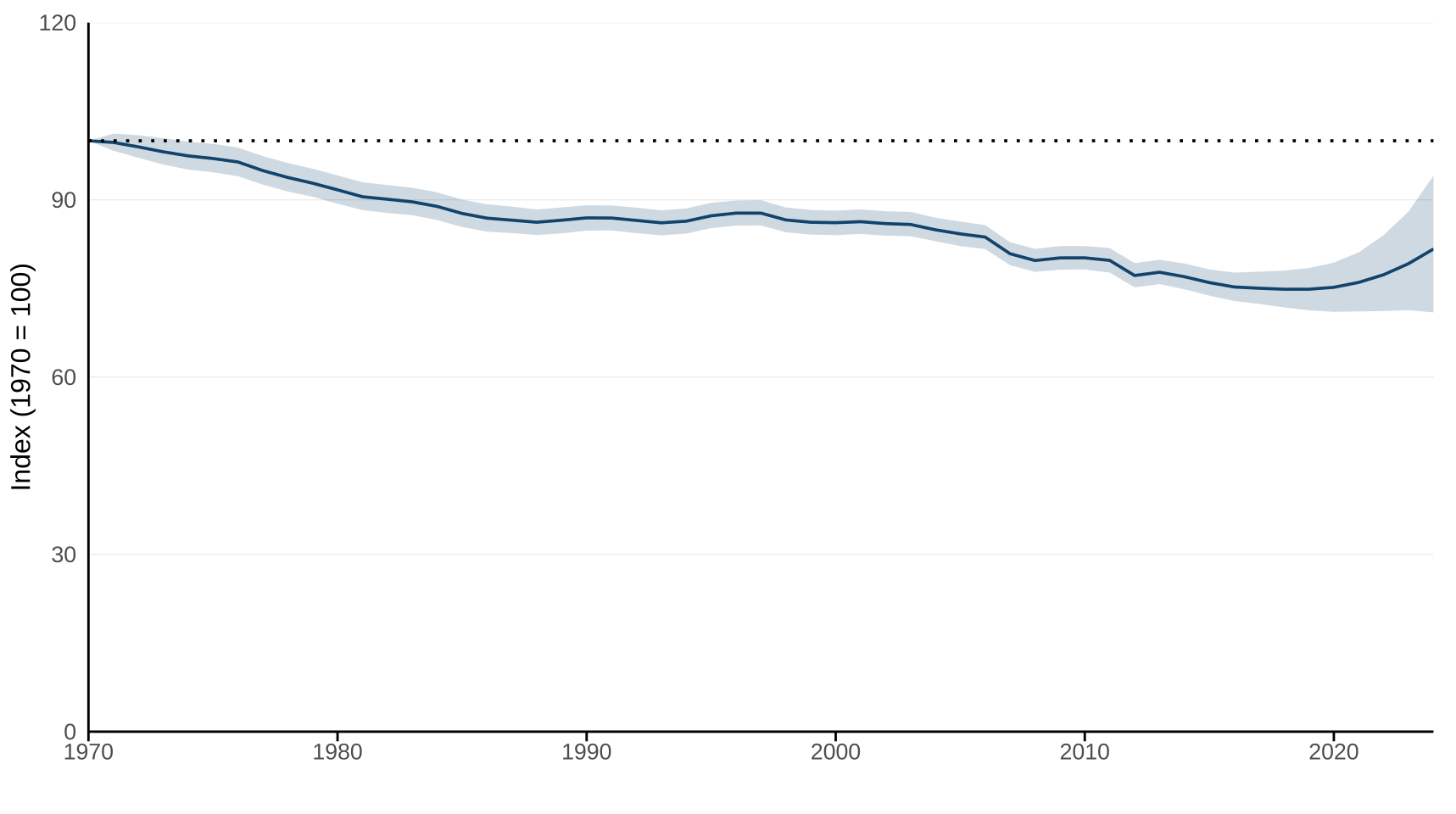
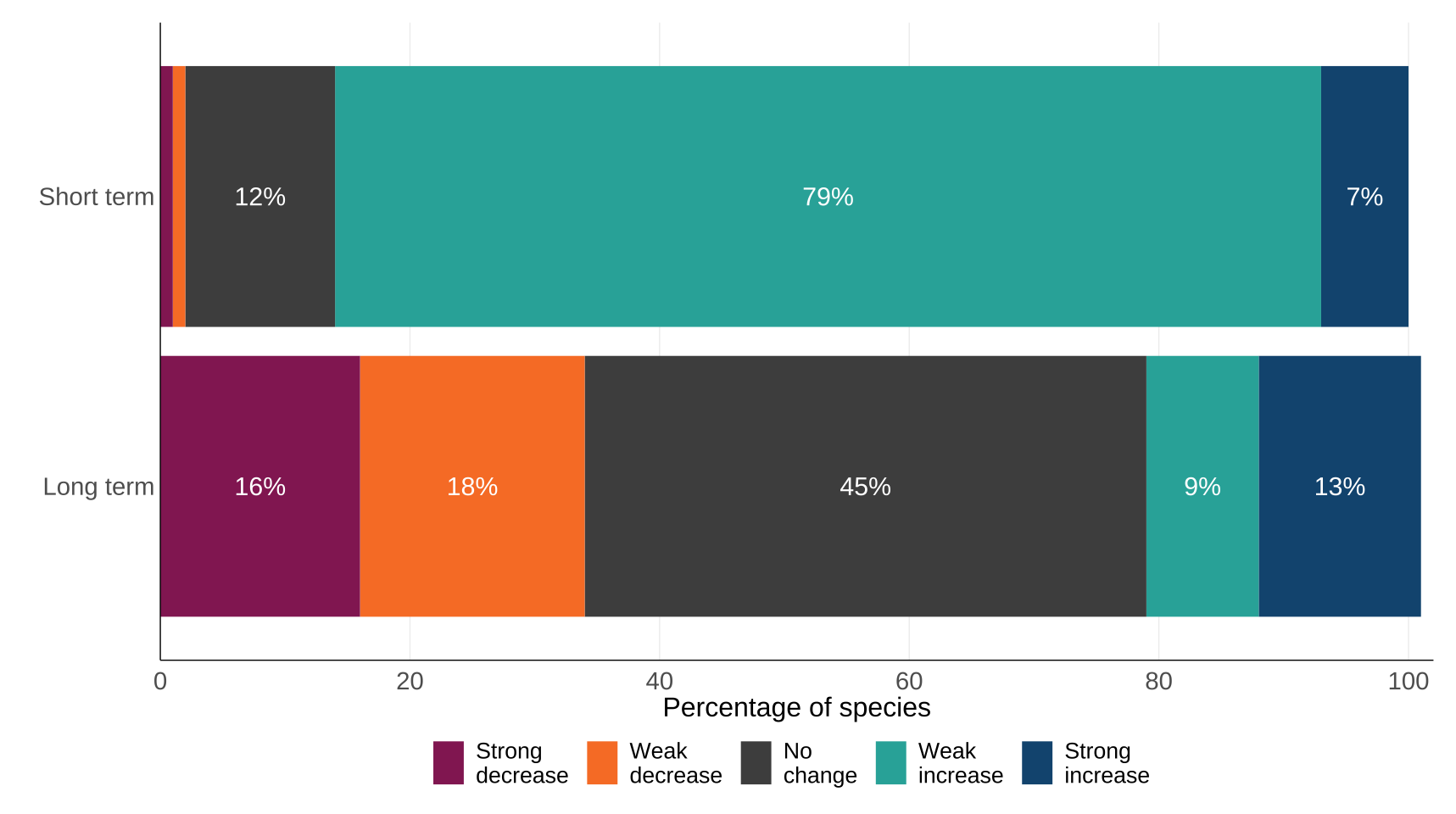
By 2024, the index of distribution of priority species in England decreased to 82, a decrease of 18% of the 1970 value (Figure 1). Over this long-term period, 22% of species showed a strong or weak increase and 34% showed a strong or weak decline (Figure 2).
More recently, between 2019 and 2024, the distribution index decline remained stable. Over this short-term period, 86% of species showed a strong or weak increase and 2% showed a strong or weak decline.
Figure 1: Change in distribution of 245 priority species in England, 1970 to 2024
Source: Biological records data collated by a range of national schemes and local data centres
Notes about Figure 1
- The line graph shows the smoothed trend (solid line) with its 95% credible interval (shaded area). The width of the credible interval (CI) is in part determined by the proportion of species in the indicator for which data are available.
- All species in the indicator are present on the priority species list for England (Natural Environmental and Rural Communities Act 2006 – Section 41).
- These charts are not directly comparable to previous versions of the indicator. Inclusion of new data has increased the number of species that can be included in the indicator from 181 in 2021, to 245 here.
Figure 2: Long-term and short-term changes in 245 priority species’ distribution trends for in England, 1970 to 2024
Source: Biological records data collated by a range of national schemes and local data centres
Notes about Figure 2
- The bar chart shows the percentage of species within the indicator that have increased, decreased or shown little change in distribution (measured as the proportion of occupied sites), based on set thresholds of change.
- All species in the indicator are present on the priority species list for England (Natural Environmental and Rural Communities Act 2006 – Section 41).
- These charts are not directly comparable to previous versions of the indicator. Inclusion of new data has increased the number of species that can be included in the indicator from 181 in 2021, to 245 here.
Further detail
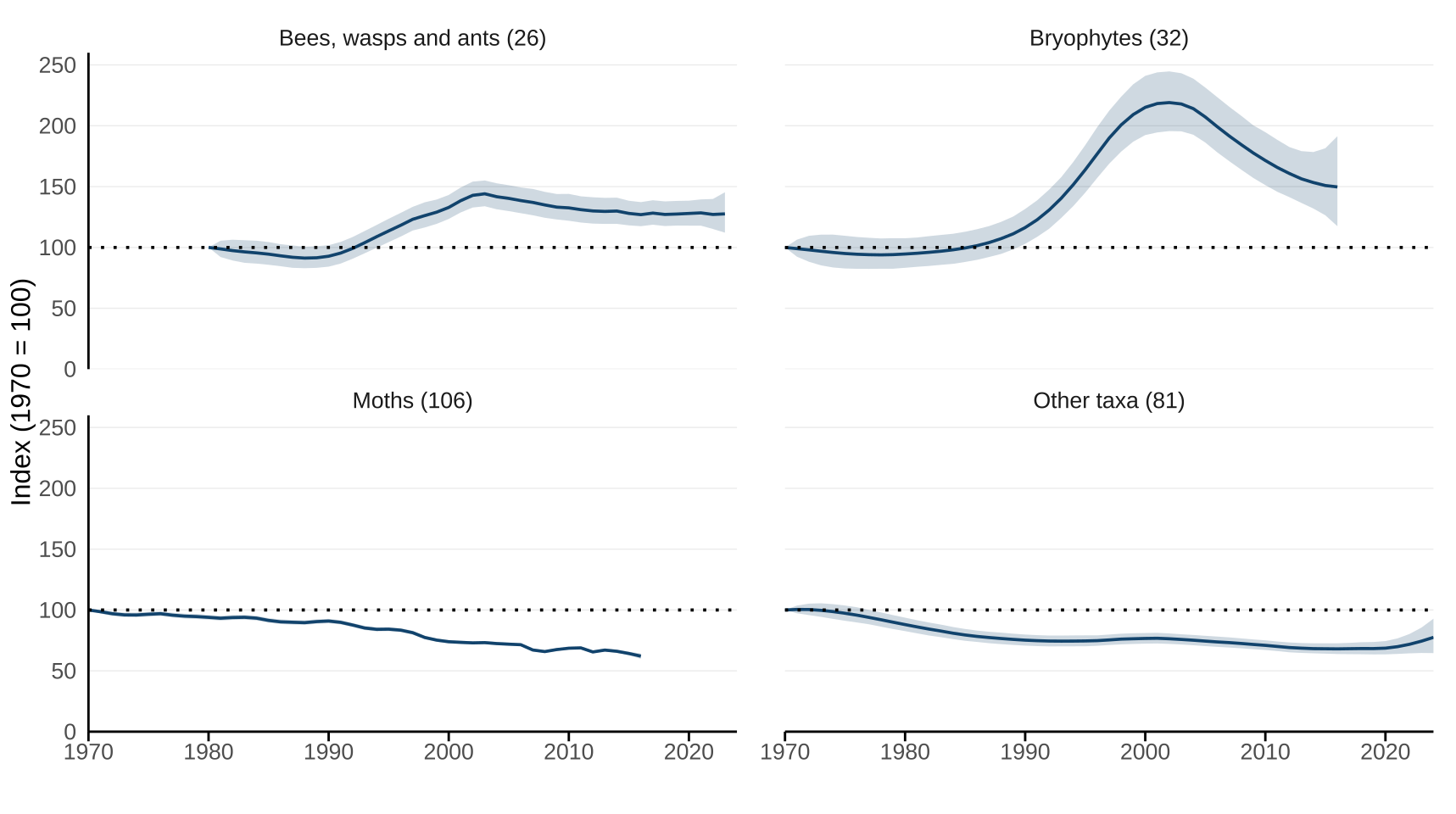
The trends of the taxonomic groups included within a multi-species indicator are often obscured by its composite nature. Indicator lines have been generated for a number of sub groups using the same method so that the trends for these groups can be seen more clearly (see Figure 3). The moths have undergone the largest decline, with the index in the final year at 62% of its 1970 value. Similar strong declines in moths were noted in the priority species abundance indicator. The underpinning causes of these declines are not fully understood. These are counterbalanced by increases in bees, wasps and ants, which had an index value of 128 in 2023 and bryophytes, which had an index value of 150 in 2016. The index for the other taxa group also showed a decline since the beginning of the time series in 1970, and in 2024 was 23% below its baseline value. The moth indicator has not been updated this year with the latest available data due to issues with computational and model performance (see ‘Development work’ in the Technical annex for more details).
Figure 3: Change in distribution of 245 priority species, by taxonomic group, 1970 to 2024
Source: Biological records data collated by a range of national schemes and local data centres
Notes about Figure 3
- The graphs show the smoothed trend (solid line) with its 95% credible interval (shaded area) for each of the taxonomic groups included in the composite indicator. The width of the credible interval is in part determined by the proportion of species in the indicator for which data are available.
- The figures in brackets show the number of species included in each measure.
- Other taxa includes a number of insect groups, molluscs and spiders.
- All species in the indicator are present on the priority species list for England (Natural Environmental and Rural Communities Act 2006 – Section 41).
- These charts are not directly comparable to previous versions of the indicator. Inclusion of new data has increased the number of species that can be included in the indicator from 181 in 2021, to 245 here.
Priority species are defined as those appearing on the priority species list for England (Natural Environmental and Rural Communities Act 2006 - Section 41). In England there are 940 species on the priority species list. The priority species were highlighted as being of conservation concern for a variety of reasons, including rapid decline in some of their populations.
Currently, 245 of the 940 species on the priority species list for England have sufficient occupancy data available to be included in this indicator. Approximately 60 species of moths appear in both the relative abundance and distribution indicators. Previous versions of this indicator also included lichens, but these have been removed in this iteration due to concerns that the occupancy model did not accurately reflect trends in species occupancy. The species have not been selected as a representative sample of priority species and they cover only a limited range of taxonomic groups. The measure is therefore not fully representative of species in the wider countryside. See the Technical Annex for more detail.
The relative change in distribution of each of these species is measured by the number of 1 kilometre grid squares across England in which they were recorded – this is referred to as the ‘occupancy index’. Uncertainty in the species-specific annual occupancy estimates are incorporated into the overall indicator; details of how this was done are included in the Technical Annex.
The occupancy index will increase when a species becomes more widespread; it will decrease when a species becomes less widespread.
Relevance
Priority species are defined by the Secretary of State under Section 41 of the Natural Environment and Rural Communities Act 2006 as species which are of principal importance for the purpose of conserving biodiversity in England. The priority species list for England contains a total of 940 species. The indicator therefore includes a substantial number of species that, by definition, are becoming less widespread.
Measures of distribution are less sensitive to change than measures of abundance (see the priority species abundance indicator). Nonetheless, if a threatened species that has been declining starts to recover, its distribution should stabilise, and may start to increase. If the proportion of species in the indicator that are stable or increasing grows, the indicator will start to decline less steeply. If the proportion declines, it will fall more steeply. Success can therefore be judged by reference to trends in both priority species indicators, as well as other information on other priority species for which there are insufficient data for inclusion in the indicator.
International/domestic reporting
The suite of UK Biodiversity Indicators has been revised and updated to bring it in line with the Kunming-Montreal Global Biodiversity Framework (GBF) of the Convention on Biological Diversity (CBD). Some UKBIs will be used for the forthcoming UK national reports to CBD. This indicator also feeds into the Environmental Indicator Framework (previously known as the Outcome Indicator Framework), a set of indicators describing environmental change related to the ten goals within the Environmental Improvement Plan. As part of the Environmental Indicator Framework, this data contributes towards the evidence base used to prepare the annual progress report for the Environmental Improvement Plan. This indicator contributes to indicator D6: Relative abundance and/or distribution of priority species in England.
Web links for further information
- Aquatic Heteroptera Recording Scheme: Home page
- British Arachnological Society Spider Recording Scheme: Home page
- Bees, Wasps and Ants Recording Society: Identification guides to download
- British Bryological Society: Home page
- British Dragonfly Society: Recording Dragonflies and Damselflies in the British Isles
- British Lichen Society: Home page
- British Myriapod and Isopod Group: Centipede and Millipede recording schemes
- Bruchidae & Chrysomelidae Recording Scheme: Relevant BRC webpage
- Butterfly Conservation: Butterflies and Moths
- Conchological Society of Great Britain and Ireland: Home page
- Diperists Forum: Cranefly,Empididae & Dolichopodidae, Fungus gnat Recording Schemes
- Gelechiid Recording Scheme: Home page
- Ground Beetle Recording Scheme: Home page
- Hoverfly Recording Scheme: Home page
- Hypogean Crustacea Recording Scheme: Home page
- Lacewings and allies: Recording schemes
- National Moth Recording Scheme: Home page
- Natural England: S41 List of priority species in England
- Orthoptera Recording Scheme: Home page
- Riverfly Recording Schemes: Ephemeroptera, Plecoptera and Trichoptera: Home page
- Soldierflies and Allies Recording Scheme: Home page
- Staphylinidae Recording Scheme: Relevant BRC webpage
- Terrestrial Heteroptera Recording Scheme - Shield bugs and allied species: Home page
- UK Biodiversity Partnership: UK Biodiversity Action Plans
- UK Centre for Ecology & Hydrology – Biological Records Centre: Recording Schemes
- UK beetle recording: Weevil and Bark Beetle Recording Schemes
Acknowledgements
Thank you to the many people who have contributed by collecting, collating and providing the data behind this indicator. Furthermore, we appreciate the many colleagues who have helped produce this indicator.
Technical annex
Background
The measure is a composite indicator of 245 species from 22 taxonomic groups, see Species List for a detailed breakdown of the species and groups in the indicator for a detailed breakdown of the species and groups in the indicator. The priority species identified in the Natural Environmental and Rural Communities Act 2006 – Section 41 for England were highlighted as being of conservation concern for a variety of reasons, including their scarcity, their iconic nature or a rapid decline in their population. They are not representative of wider species in general. They do however include a range of taxonomic groups and will respond to the range of environmental pressures that biodiversity policy aims to address, including land use change, climate change, invasive species and pollution. The short-term assessment of change can be used to assess the impact of recent conservation efforts and policy aimed at halting and reversing species declines. However, natural fluctuations (particularly in invertebrate populations) and short-term response to weather may have a strong influence on the short-term assessment.
Regardless of advances in statistical techniques and the increase in the number of biological records collected, there are likely to be species on the priority lists for which little monitoring or occurrence data are available. Reasons for this include rarity, difficulty of detection, or those for which monitoring methods are unreliable or unavailable. In order for the indicator to be representative of priority species, a method of assessing the changing status of these remaining data poor species would need to be considered.
Data sources
Biological records are observations of species at a particular location and at a particular time. Most records are made by volunteer recorders and, whilst these data may be collected following a specific protocol, the majority of records are opportunistic. As the intensity of recording varies in both space and time (Isaac et al. 2014), it can be difficult to extract robust trends in species’ distributions from unstructured data. Fortunately, a range of methods now exist for extracting signals of change using these data (for example, Szabo et al. 2010; Hill, 2012; Isaac et al. 2014). Of these methods - occupancy detection models - are best-able to produce robust trends in occupancy (Isaac et al. 2014). Occupancy detection models comprise 2 hierarchically coupled sub-models: an occupancy sub-model (that is, presence versus absence), and a detection sub-model (that is, detection versus non-detection). Together, these sub-models estimate the conditional probability that a species is detected when present. One distinctive feature of occupancy detection models is that data need not be available for every year-site combination in order to infer a species’ occupancy (van Strien et al. 2013).
Occurrence records were extracted at the 1 kilometre grid square scale and with a temporal precision of one day. Data were collated through the Biological Records Centre and include data from the following recording schemes: Aquatic Heteroptera Recording Scheme; Bees, Wasps and Ants Recording Society; British Arachnological Society Spider Recording Scheme; British Bryological Society; British Lichen Society; British Myriapod and Isopod Group - Millipede Recording Scheme & Centipede Recording Scheme; Bruchidae & Chrysomelidae Recording Scheme; Conchological Society of Great Britain and Ireland; Cranefly Recording Scheme; British Dragonfly Society; Empididae, Hybotidae & Dolichopodidae Recording Scheme; Fungus Gnat Recording Scheme; Gelechiid Recording Scheme; Grasshopper Recording Scheme; Ground Beetle Recording Scheme; Hoverfly Recording Scheme; Lacewings and Allies Recording Scheme; National Moth Recording Scheme; Riverfly Recording Schemes: Ephemeroptera, Plecoptera and Trichoptera; Soldierbeetles and Allies Recording Scheme; Soldierflies and Allies Recording Scheme; Terrestrial Heteroptera Recording Schemes; UK Ladybird Survey; Weevil and Bark Beetle Recording Scheme.
Data from 1970 onwards were extracted, however, some datasets have different start years. The final year varies between the taxonomic groups and reflects the varying lag times (from data collation to availability) across taxonomic groups. Since the 2021 indicator the Biological Records Centre has received updates of the scheme data from some taxonomic groups (Table 1). Note that approximately 60 of the 105 moth species also appear in the priority species abundance indicator.
Table 1: Summary of species’ time-series included in the priority distribution indicator. Only species in taxonomic groups for which the Biological Records Centre receives data are presented
| Taxonomic group | Number of species on S41 list | Number of species on S41 list with sufficient data for Priority Indicator | Models updated since the previous version of this Indicator |
|---|---|---|---|
| Ants | 7 | 3 | YES |
| Aquatic Bugs | 3 | 1 | YES |
| Bees | 17 | 16 | YES |
| Bryophytes | 77 | 32 | NO |
| Butterflies | 23 | 21 | YES |
| Carabids | 29 | 8 | YES |
| Craneflies | 7 | 2 | YES |
| Dragonflies | 2 | 2 | YES |
| Empidid & Dolichopodid | 5 | 3 | YES |
| Ephemeroptera | 2 | 2 | YES |
| Fungus Gnats | 2 | 1 | YES |
| Hoverflies | 5 | 3 | YES |
| Leaf and Seed Beetles | 11 | 6 | YES |
| Molluscs | 20 | 5 | NO |
| Moths | 140 | 106 | NO |
| Orthoptera | 4 | 3 | YES |
| Plecoptera | 1 | 1 | YES |
| Soldierflies | 5 | 4 | YES |
| Spiders | 31 | 15 | NO |
| Trichoptera | 4 | 3 | YES |
| Wasps | 7 | 7 | YES |
| Weevils | 5 | 1 | YES |
| Total | 517 | 245 |
Methodology
From the occupancy model for each species we extract the proportion of occupied sites within England. We used only those species with at least 10 records in England and which passed data availability thresholds (Pocock et al. 2019), to ensure reliable inference. Although, due to the size of the dataset for moths, model quality tests were unavailable, so only those moth species with greater than or equal to 10 records in England and greater than or equal to 50 records across all regions (Outhwaite et al. 2019) were included. Given these data requirements, 245 species contributed to the Priority Species Indicator (Table 1).
To create the composite index, a new hierarchical modelling method for calculating multi-species indicators within a state-space formulation was used (Freeman et al., 2020), as for the priority species abundance indicator. The method produces an estimate of the annual geometric mean occupancy across species. The resulting index is the average of the constituent species’ trends, set to a value of 100 in the start year (the baseline). Changes subsequent to this reflect the average change in species occupancy; if on average species’ trends doubled, the indicator would rise to 200, if they halved it would fall to a value of 50. A smoothing process is used to reduce the impact of between-year fluctuations, such as those caused by variation in weather, making underlying trends easier to detect. The smoothing parameter (number of knots) was set to the number of years divided by 3.
The Freeman method combines the individual species abundance trends taking account of the confidence intervals around the individual trends. However, because the method is Bayesian, it produces credible intervals to show the variability around the combined index, as well as in the trends of individual species.
Each species in the indicator was weighted equally. When creating a species indicator weighting may be used to try to address biases in a dataset, for example, if one taxonomic group is represented by far more species than another, the latter could be given a higher weight so that both taxonomic groups contribute equally to the overall indicator. Complicated weighting can, however, make the meaning and communication of the indicator less transparent. The main bias on the data is that some taxonomic groups are not represented at all, which cannot be addressed by weighting. For this reason, and to ensure clarity of communication, equal weighting was used.
Assessment of change
Formal assessment of change is made on the basis of credible intervals for the time period; if the indicator value for the first year falls outside of the credible intervals for the final year then the indicator is deemed to have changed over that time period. This was done for three time periods; long-term (from the beginning of the time series to 2022), medium-term (the most recent 10 years) and short-term (the most recent 5 years).
To illustrate the variation in trends among individual species, an assessment of change is made for each species. Species are categorised into one of five categories on the basis of defined thresholds (Table 2). The five trend thresholds are based on average annual rates of change over the assessment period and are derived from the rates of decline used to assign species to the red and amber lists of Birds of Conservation Concern (Eaton et al., 2015). Asymmetric percentage change thresholds are used to define these classes as they refer to proportional change, where a doubling of a species index (an increase of 100%) is counterbalanced by a halving (a decrease of 50%).
Table 2: Thresholds used to define individual species’ trends
| Category | Threshold | Long term change |
|---|---|---|
| Strong increase | An increase of more than 2.81% per annum | Equivalent to an increase of more than 100% over 25 years |
| Increase | An increase of between 1.16% and 2.81% per annum | Equivalent to an increase of between 33% and 100% over 25 years |
| No change | Change is between +1.16 % and -1.14% per annum | Equivalent to a change of between +33% and -25% over 25 years |
| Decrease | A decrease of between 1.14% and 2.73% per annum | Equivalent to a decrease of between 25% to 50% over 25 years |
| Strong decrease | A decrease of more than 2.73% per annum | Equivalent to a decrease of more than 50% over 25 years |
Species list
For a full species list, please see the published datafile.
Development work
The method of fitting the species distribution models is currently implemented in sparta, a Bayesian R package (Lindskou et al., 2024). As the number and size of datasets used in these models grow, it has become increasingly unviable to run, even on High Performance Computing platforms. This particularly affects butterfly and moth datasets (15,900,392 and 28,081,910 records, respectively), but may soon become a problem for other groups such as dragonflies, bees and hoverflies.
UK Centre for Ecology and Hydrology (UKCEH) have explored a range of different options to address this problem, including splitting the model runs up into several chunks and trialling different software, such as NIMBLE (de Valpine et al., 2017). Ultimately, these methods were either slower than the original software or were too unstable for these purposes.
To address the critical challenge of generating indicators for the largest taxon groups, UKCEH investigated using the R package, occti, developed by Dennis et al., (2017). The occti method fits occupancy models using Generalised Linear Models (GLMs) separately by season, and offers a frequentist alternative to the Bayesian framework used in sparta (Dennis et al., 2017). It had been shown in previous research to produce occupancy estimates comparable to those from sparta, while offering faster computation times (Dennis et al., 2017). Completion times of occti model fitting for the larger datasets averaged around three hours - substantially faster than the sparta method.
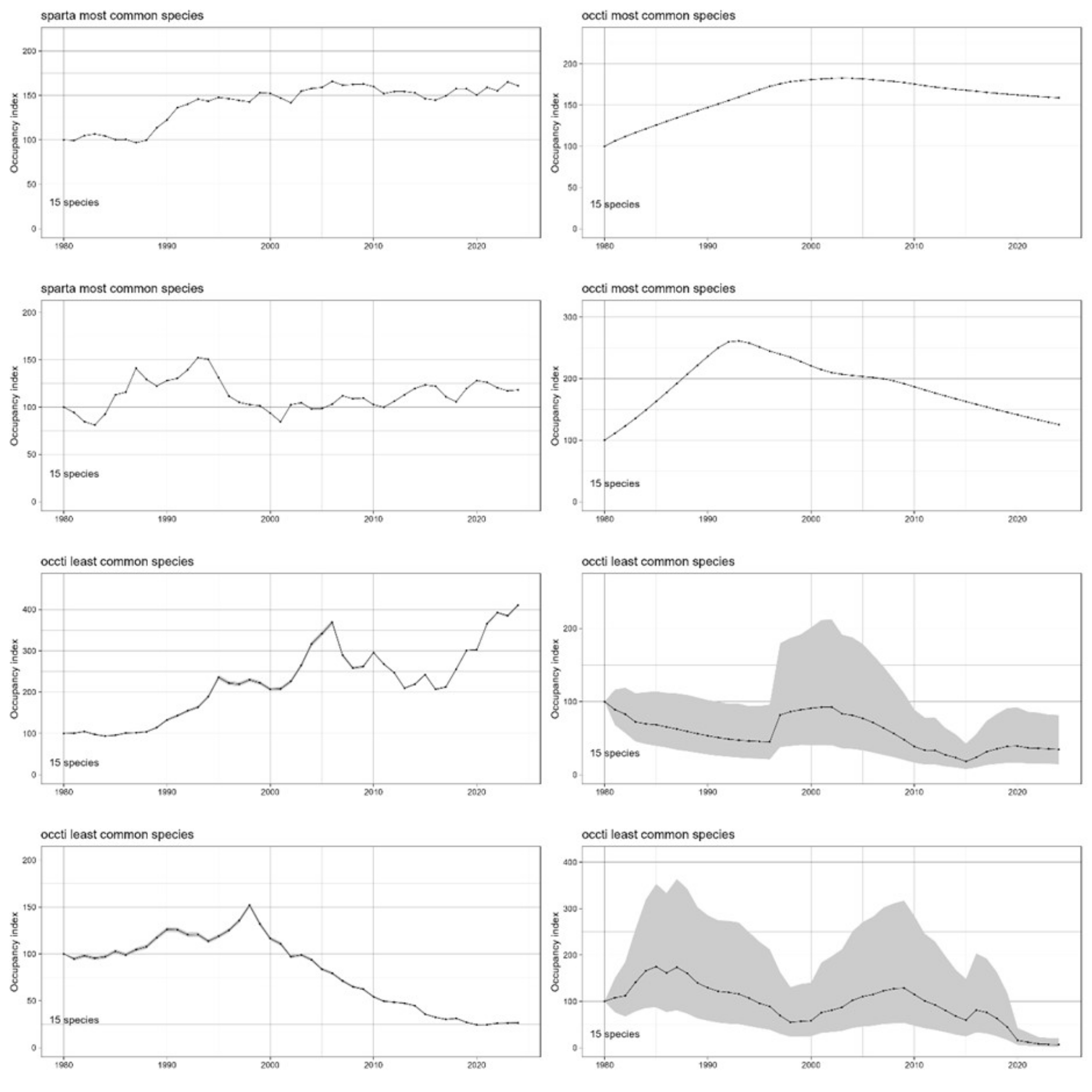
Comparisons between the outputs from occti and sparta show that occupancy trends were broadly similar across the most common (frequently recorded) species.
For rarer, less well-recorded reported species, trends diverged more markedly. A common theme (but not exclusively true for all species) was of much larger uncertainty in the occti model outputs compared to that of sparta. Across taxonomic groups, there were also differences.
For dragonflies, sparta estimated a steeper increase in the occupancy index, while for hoverflies, sparta suggested a steeper decline than occti. Notably, occti indices had substantially wider 95% credible intervals. This is likely more realistic given the underlying uncertainty in these occupancy model outputs, and the intrinsic variability of the natural dynamics of these groups and in the raw data.
UKCEH also compared the overall composite indicators derived from the Freeman et al., (2021) method, applied to the 15 most and 15 least reported species (that had at least 50 records across all years). The results showed that the indicators for the most well-recorded dragonfly species were broadly similar between occti and sparta. However, all other indicators showed a high level of difference between occti and sparta, and that this was particularly noticeable for the least well-recorded species subsets. For the least reported species there were noticeably larger confidence intervals in the trends derived from the occti method.
Figure 4: A comparison of index scores derived from sparta (left) and occti (right). The first two rows show indices for the 15 most reported species in dragonflies (first row) and hoverflies (second row), while the third and fourth rows show indices for the 15 least reported species in dragonflies and hoverflies. All panels include 95% credible intervals
Given these methods were applied to the same underlying dataset, understanding these difference are a clear area for future development work. Improved understanding of these models could be used to harmonise occti with the sparta method, allowing for occti to be used as a faster alternative for the calculation of indicators. For this year, results for the butterfly dataset were generated using occti, as the trends obtained were broadly consistent with historic outputs. All other taxon groups were modelled with sparta.
Caveats
The Risk-Of-Bias In Temporal Trends (ROBITT) assessment framework (Boyd et al. 2022), was designed to identify and communicate potential sources of bias given the spatial, environmental, and taxonomic scope of an analysis. These risk-of-bias assessments use a range of metrics and figures to highlight patterns in the sample data, helping to judge whether the model outputs are sensible and reliable given the model assumptions and the underlying data.
Here, light-touch risk-of-bias assessments for all the updated insect datasets and the associated occupancy models in this indicator reveal a number of risks of bias. Notably, there are strong spatiotemporal and taxonomic patterns in sampled occurrence of species across the insect groups. These patterns vary across taxonomic groups, with some groups showing overall increases in recorder effort with the broad spatial pattern of recording remaining consistent, while others show large shifts in the spatial pattern of recording over time. For many groups, the data are strongly clustered in space, often with increased recording effort in southern England. There is widespread variation in the temporal pattern, many groups show a temporal increase in the number of 1 x 1 km records. However, this pattern is not always consistent, some groups have bursts of recording activity with distinct core periods of recording, this is potentially a result of targeted effort prior to the publication of a taxonomic group atlas.
Many groups have a substantial increase in available records in the most recent years. While the occupancy modelling approach used here is designed to control for variation in detectability, it is unclear how the model outputs are impacted by these large shifts in recording effort. For example, any change in the pattern in recording effort that correlates with a potential driver of species occupancy change (i.e. habitat destruction), is likely to cause bias in the underlying species trend outputs. It is likely that apparent changes in species trends may in part reflect variation in recorder activity rather than underlying species change.
As discussed above, occupancy models are useful for detecting species change, where they are designed to handle variation in detectability, such as that associated with an increase in recorder effort. While useful, these models are data hungry, requiring repeat visits to grid cells in the same year to estimate detectability. While no clear threshold for the number of repeat visits is available, a minimum of >4 repeat visits on average has been previously suggested. Here, the average number of repeat visits to a site across all groups was approximately 2.4 with the mean number of repeat visits to sites generally increased with time. As with other aspects of the data, the mean number of repeat visits varied across taxonomic groups ranging from 1.4 for the aquatic bugs and longhorn beetles to a high of 11.9 for the moths. The lack of repeat visits is therefore likely inhibiting the ability of the occupancy model to account for detection bias in the analyses, in turn influencing the ability to detect genuine change.
The performance of the Freeman et al., (2021) method is currently being explored in relation to the species abundance indicator. Many of the development plans for the abundance indicator are also relevant to the use of the Freeman et al., (2021) method in this indicator. The results and recommendations of that work will be considered in future versions of this indicator.
Development plan
We are keen to hear feedback from users of these statistics, please send your feedback to: biodiversity@defra.gov.uk.
Development plans over the next few years:
- We will update the remaining groups that were unable to be updated in this publication, such as moths.
- We will incorporate any developments that arise from the development plan of the species abundance indicators.
- We will further explore differences between the outputs of the occti and sparta models to decide on an approach that suits all taxonomic groups and has a viable computation time.
References
- Freeman, S. N., Isaac, N. J. B., Besbeas, P., Dennis, E., B. and Morgan, B, J., T. (2020) A Generic Method for Estimating and Smoothing Multispecies Biodiversity Indicators Using Intermittent Data. Journal of Agricultural, Biological and Environmental Statistics, 26, 71 to 89. doi.org/10.1007/s13253-020-00410-6
- Hill, M.H. (2012) Local frequency as a key to interpreting species occurrence data when recording effort is not known. Methods in Ecology and Evolution, 3(1), 195 to 205.
- Isaac, N. J. B., van Strien, A. J., August, T. A., de Zeeuw, M. P. and Roy, D. B. (2014). Statistics for citizen science: extracting signals of change from noisy ecological data. Methods in Ecology and Evolution. https://doi.org/10.1111/2041-210X.12254
- Outhwaite, C.L., Chandler, R.E., Powney, G.D., Collen, B., Gregory, R.D. & Isaac, N.J.B. (2018). Prior specification in Bayesian occupancy modelling improves analysis of species occurrence data. Ecological Indicators, 93, 333 to 343.
- Outhwaite, C.L., Powney, G.D., August, T.A., Chandler, R.E., Rorke, S., Pescott, O.L., Harvey, M., Roy, H.E., Fox, R., Roy, D.B. & Alexander, K. (2019). Annual estimates of occupancy for bryophytes, lichens and invertebrates in the UK, 1970–2015. Scientific Data, 6, 1 to 12.
- Pocock, M.J., Logie, M.W., Isaac, N.J., Outhwaite, C.L. and August, T. (2019). Rapid assessment of the suitability of multi-species citizen science datasets for occupancy trend analysis. BioRxiv, page 813626.
- Szabo, J.K., Vesk, P.A., Baxter, P.W.J. & Possingham, H.P. (2010) Regional avian species declines estimated from volunteer-collected long-term data using List Length Analysis. Ecological Applications, 20, 2157 to 2169.
- Van Strien, A. J., van Swaay, C. A. M. and Termaat, T. (2013). Opportunistic citizen science data of animal species produce reliable estimates of distribution trends if analysed with occupancy models. Journal of Applied Ecology, 50(6), 1450 to 1458. https://doi.org/10.1111/1365-2664.12158