Race Equality Engagement Group: One year of action
Updated 5 October 2026

© Crown copyright 2026
This publication is licensed under the terms of the Open Government Licence v3.0 except where otherwise stated. To view this licence, visit nationalarchives.gov.uk/doc/open-government-licence/version/3 or write to the Information Policy Team, The National Archives, Kew, London TW9 4DU, or email: psi@nationalarchives.gov.uk.
Where we have identified any third party copyright information you will need to obtain permission from the copyright holders concerned.
This publication is available at https://www.gov.uk/government/publications/race-equality-engagement-group-one-year-of-action-2025-to-2026/race-equality-engagement-group-one-year-of-action
Race Equality Engagement Group
One year of action
July 2026
1. Executive summary
The Race Equality Engagement Group (REEG) was established in March 2025 to strengthen the relationship between the government and ethnic minority communities. Chaired by Baroness Doreen Lawrence of Clarendon OBE, the group comprises 10 independent experts dedicated to tackling persistent racial inequalities and providing evidence-based, lived-experience insights to support the government’s ambitious agenda to improve opportunities for all.
1.1 Approach and impact
REEG’s success is built on a “three-pillar” operational model:
Leadership
Convening regional roundtables to foster constructive dialogue between ministers, government departments, and grassroots organisations.
Community insight
Directly channeling lived experience into the heart of government to ensure policy design is reflective of the communities most impacted.
Spotlighting
Raising awareness of systemic issues and amplifying effective local initiatives to drive lasting change.
1.2 Priority areas and key actions
During its inaugural term, REEG focused its work on the following policy areas:
Access to finance for ethnic minority entrepreneurs
Tackling systemic lending barriers, supporting ethnic minority-led businesses (EMBs), engaging with the Department of Business and Trade (DBT) and the British Business Bank to foster inclusive economic growth.
Maternal and neonatal care
Addressing stark health inequalities and maternal mortality disparities, contributing expert evidence to Baroness Amos’ National Maternity and Neonatal Investigation.
Cardiovascular disease (CVD)
Working to reduce premature mortality rates among ethnic minority groups by shaping work on the Department of Health and Social’s Care’s (DHSC) CVD Modern Service Framework, and championing community-led initiatives like Gurdwara-based screenings.
Policing
Building greater trust and confidence in policing, with an emphasis on improving accountability, workforce diversity, and community scrutiny, working with the Home Office and the National Police Chiefs’ Council (NPCC).
Education and transition to work
Tackling barriers to opportunity and belonging in schools, including racist abuse in schools, curriculum reform, and supporting the NEET (not in education, employment or training) cohort, amplifying the lived experiences of young people from ethnic minority backgrounds who have experienced NEET status as part of the Rt Hon Alan Milburn’s review into young people and work.
2. Chair’s foreword
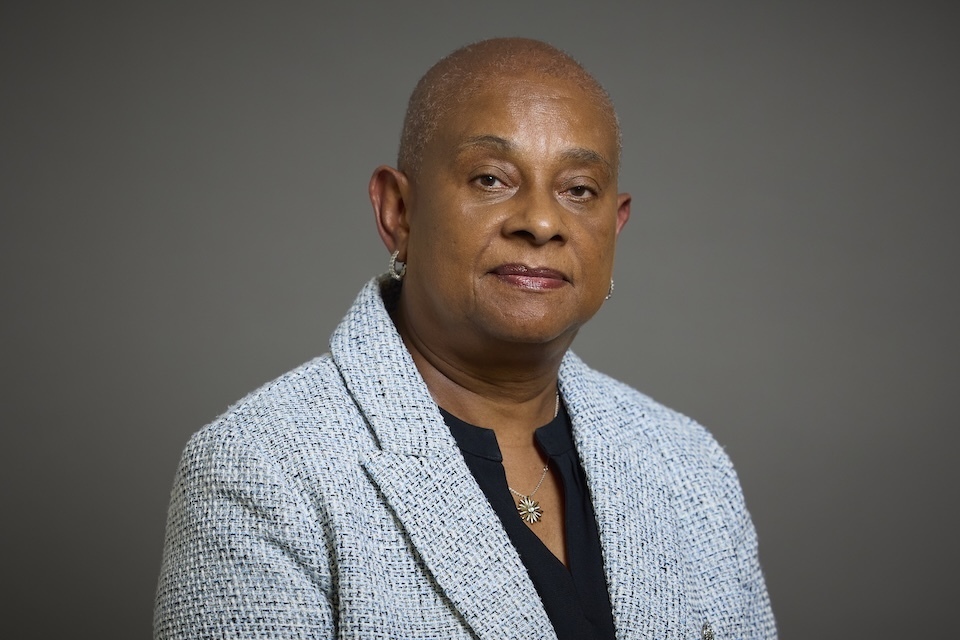
The Baroness Lawrence of Clarendon OBE
One of this country’s great strengths is its diversity. Individuals, families and communities from all backgrounds contribute to British national life in ways which make it more expansive, interesting and exciting. In the story of Britain, our ability as a nation to bridge differences, constantly renew our commitment to fairness, and undertake the essential work to defend the progress we have made on race equality has represented us at our best.
This is what is now at stake. Bad actors spreading hatred, racism and division are emboldened in society, and amplified by social media. People from ethnic minority backgrounds are feeling unsafe, hate crime statistics make for grim reading, and hard-won victories for equality are at risk of being rolled back. Now is the time for action.
It is within this context that I am privileged to have been appointed as Chair of the government’s Race Equality Engagement Group (REEG). I am acutely aware of the pressing need to support this government deliver on its ambitious programme to improve opportunity, equality and outcomes for all. Concerted efforts to address unjust barriers where they exist, and provide a fair shot at success, especially for young people, must remain a strong priority.
Action to address racial inequalities must be informed by the lived experiences of the communities most impacted by them. That is why an overarching purpose of REEG is to strengthen the government’s links with ethnic minority communities, inviting representative voices into the heart of government to help further understand the issues and tailor the solutions.
This report sets out the key areas of racial inequality REEG has focused on in its ambitious inaugural term. From policing to health, entrepreneurship to education, this report presents the action being taken – locally, regionally, nationally – to tackle inequalities, and showcases REEG’s contribution to delivering positive change. Bringing together key government departments, leading experts, civil society organisations and, crucially, lived experience voices, REEG has undertaken an evidence-led, innovative and constructive range of activity to address unfair barriers and spotlight solutions.
My thanks go to Minister Seema Malhotra for her invaluable role as sponsor, to REEG members, and to all those involved in the success of our first term. There is much more to do, but this report captures the positive contribution we are and will continue to make.
3. Ministerial foreword

Seema Malhotra MP, Parliamentary Under-Secretary of State (Minister for Equalities) and Parliamentary Under-Secretary of State (Indo-Pacific)
I am proud that Britain is a nation in which we value diversity and recognise that our success depends on the talents of everyone. Race inequality exists, and holds back opportunity; we are determined to tackle it. Background should be no barrier to success, and this government is determined to make the changes we need.
We know this is also a challenging time for our country. Rising racism and intensifying division risks tearing our national fabric apart. And while it needs government to act to protect all of our rights, tackling inequality and discrimination must take all of us, working in partnership with the values we share.
This is why initiatives such as the Race Equality Engagement Group (REEG) are so essential. Their expertise, credibility and convening power presents a much-needed opportunity to ensure the government’s links with ethnic minority communities are as strong as they can be and that we are having the conversations we need with employers, our public services and with communities.
It is important that the government takes seriously the lived experience of racial inequality. That is why the REEG’s efforts to amplify community voices, bring government into contact with leading experts, and champion effective, evidence-led work to improve equality for all is a crucial resource.
This report presents the REEG’s initial contributions across some of the government’s highest priorities, from police reform to entrepreneurship, education to health. Providing invaluable insights and constructive challenge, the REEG has sought to ensure evidence of racial inequality is clearly acknowledged and informs solutions so that action to improve equality works in practice and not just on paper.
I want to sincerely thank Baroness Doreen Lawrence for her leadership as Chair, REEG members for their time and expertise, and to all those who participated in the events across the country this year. Their work and this report have set an important foundation on which we will continue to build and work together for a stronger and fairer future for all.
4. Introduction
The Race Equality Engagement Group (REEG) presents this document as a review of its first term, providing an overview of its establishment, core remit, and progress to date.
4.1 The Group’s purpose
REEG was established in March 2025 to address the persistence of racial inequalities and unequal outcomes across the UK. This created an effective two-way dialogue between the government and ethnic minority communities on work to address race inequalities. REEG works in partnership with ethnic minority communities, civil society organisations, stakeholders, and delivery partners to seize opportunities to remove barriers to racial equality across the UK, bringing leading voices into the heart of government. It provides expert advice and invaluable insights from lived experiences to ensure that government action is developed in collaboration with the communities most affected.
4.2 Leadership and membership
REEG members were appointed by the Minister for Equalities and Minister for Indo-Pacific, Seema Malhotra MP, who is REEG’s sponsoring minister. The 10 members are independent experts who have extensive lived and professional experience across a broad range of race equality issues.
REEG is chaired by Baroness Lawrence of Clarendon OBE, who has a long and accomplished track record of tackling race inequality at the highest levels.
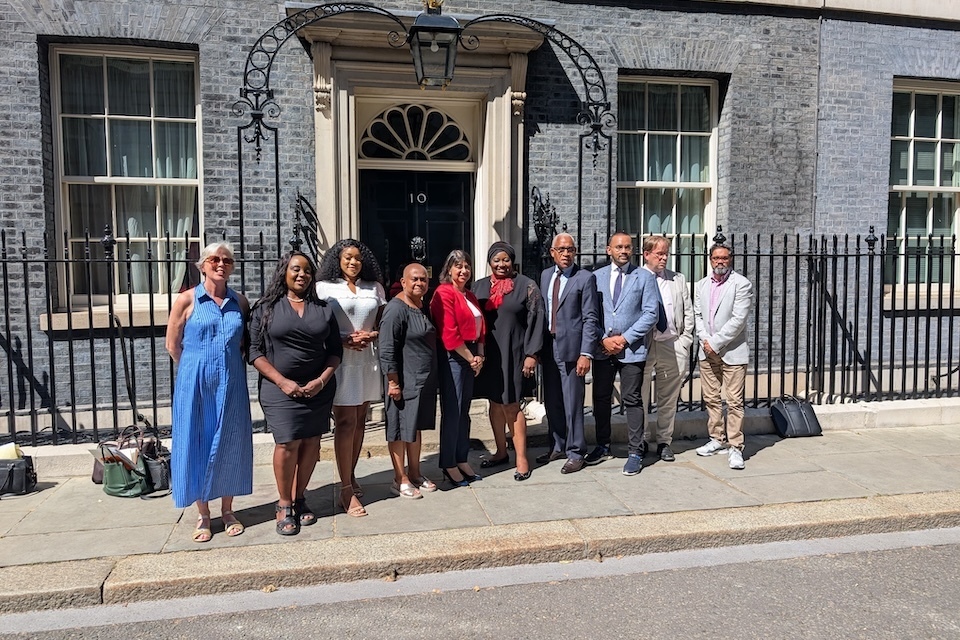
REEG’s first meeting at 10 Downing Street
The current REEG members are:
Baroness Doreen Lawrence
Baroness Doreen Lawrence was awarded the OBE for services to community relations in 2003 and was subsequently made a life peer in the House of Lords in 2013. She is widely acclaimed for her tireless dedication to community, anti-racism and other causes close to her heart. Motivated by the senseless murder of her son Stephen in 1993, Baroness Lawrence continues to advocate for racial equality, in her wish to see Britain become a fair, just and tolerant society for all.
In October 2020, Baroness Lawrence led a review into the impact of the coronavirus pandemic on ethnic minority people and wider ethnic disparities (“An Avoidable Crisis”). In 2020, Baroness Lawrence also established the Stephen Lawrence Day Foundation, which exists to inspire a more equitable, inclusive society and foster opportunities for marginalised young people.
Professor Miranda Brawn

Professor Miranda Brawn
Professor Miranda Brawn is a leading global diversity, equality and inclusion (DE&I) champion, British businesswoman, portfolio board member, philanthropist, academic and social impact entrepreneur. She is the founder of ‘The Miranda Brawn Diversity Leadership Foundation’ which since 2016 has been helping over 100,000 future leaders bridge the DE&I gaps from the classroom to the workplace. She was one of the first women of colour on London’s trading floor as a senior financial executive and lawyer with top global banks. She was in the FT’s Top 30 Global Ethnic Minority Executives and Prime Minister’s Points of Light for her equality work. Miranda is a former Visiting Fellow at Oxford University where she started ‘The Brawn Review: Boardroom Sustainability, Inclusion and Governance’. She also served as Lambeth Equality Commissioner.
Diana Chrouch OBE
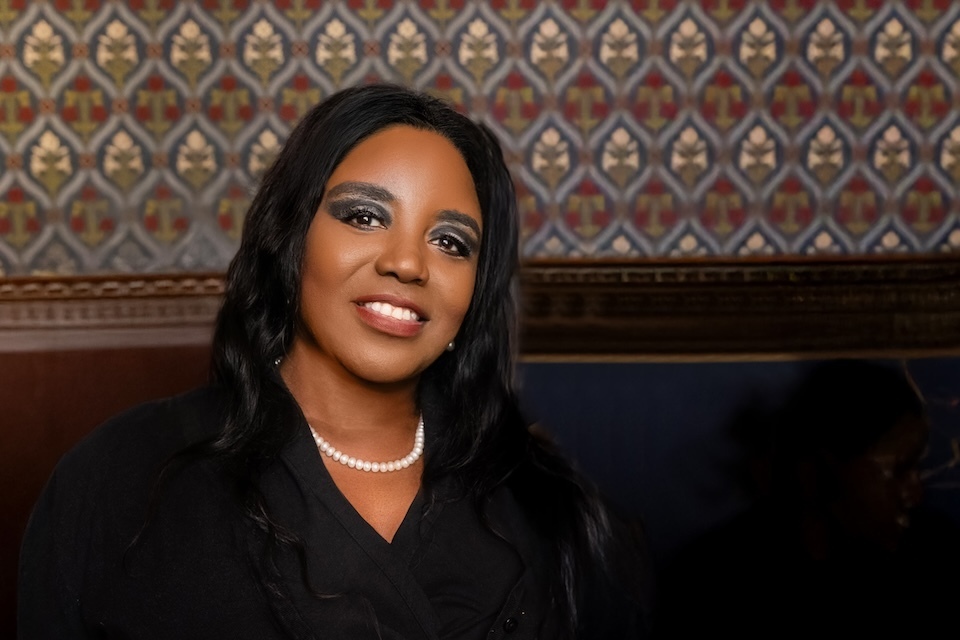
Diana Chrouch OBE
Diana has shaped national discussions on access to finance and economic inclusion. She wrote the influential Voices from the Grassroots report and advised the Lending Standards Board on access to finance, informing the lending industry’s Ethnicity Code. As National Champion for Ethnic Minority Business Policy at the Federation of Small Businesses (FSB) and Special Advisor to the APPG for Ethnic Minority Business Owners, she has organised UK‑wide outreach events for ethnic minority‑led businesses, including outreach events for the King’s Award for Enterprise.
Professor Uzo Iwobi

Professor Uzo Iwobi
Professor Uzo Iwobi is a leading equality and human rights advocate, Founder and CEO of Race Council Cymru and the African Community Centre Wales. The first Black person to be appointed former Specialist Policy Adviser to the Welsh government on equalities and former Commissioner for Racial Equality. Uzo was National Strategic Adviser to ACPO and 43 UK police forces on the Home Office Diversity Team. She founded Black Lives Matter Wales Policy Forum, Zero Racism Wales, National Ethnic Minority Youth Forum for Wales, and helped establish Black History work in Swansea. Recognised among the UK’s top 20 women on International Women’s Day in 2024, she continues to drive lasting social justice change nationwide.
Sarah Mann
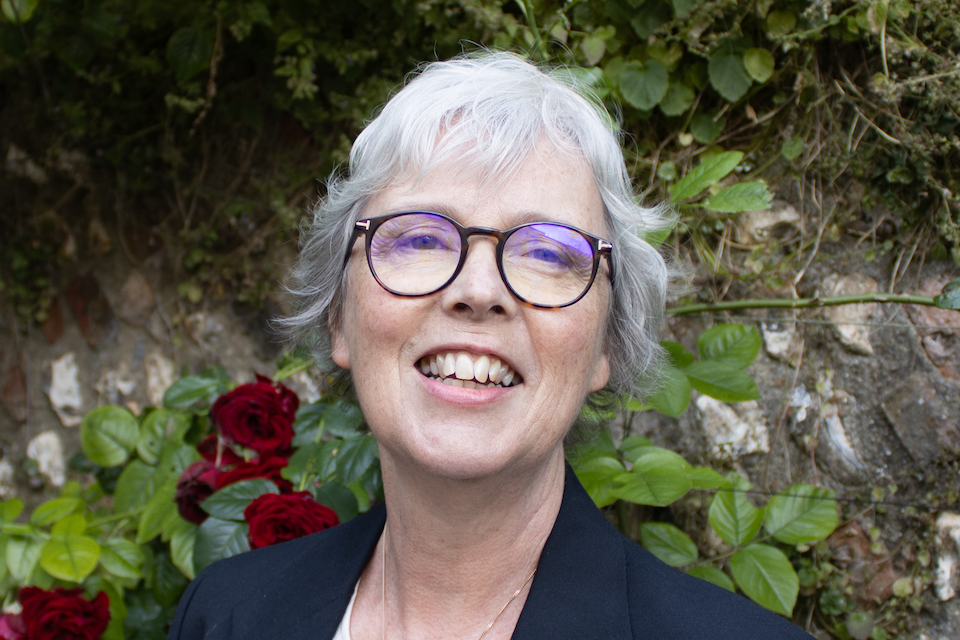
Sarah Mann
Sarah Mann is the Chief Executive of Friends, Families and Travellers (FFT), where she leads strategic advocacy for the rights of Romany (Gypsy), Roma and Irish Traveller communities. With a background in land management and community development, she offers extensive expertise to address systemic inequalities in housing, healthcare, and education. Sarah serves as Vice Chair for Equally Ours, a Trustee for Pelican Parcels, and a Director for Moving for Change. Under her leadership, FFT provides the Secretariat for the All Party Parliamentary Group for Gypsies, Travellers and Roma, facilitating vital engagement between nomadic communities and policymakers.
Rohit Sagoo QN

Rohit Sagoo QN
Rohit Sagoo QN is a children’s nurse, Queen’s Nurse, researcher and PhD candidate. He is the Founder and Director of British Sikh Nurses. The organisation seeks to address the health and well-being needs of the South Asian community in the UK, and their grassroots outreach work bridges the gap between the NHS and the South Asian Community. In 2021 the group won the Royal College of Nursing Leadership Award. He was named as the ‘1514th Point of Light’ in 2020, which recognises outstanding individual volunteers.
L’myah Sherae

L’myah Sherae
L’myah Sherae is the founder and director of Enact Equality, a pioneering organisation driving an anti-racist movement that unites businesses, brands, celebrities, and charities, alongside a cross-party alliance of politicians at local and national level. L’myah is also the founder of the All-Party Parliamentary Group for Race Equality in Education. L’myah was listed by Politics Home as one of the Top 100 Most Influential Women in Westminster Politics. She was recognised by the United Nations (MIPAD) as one of the Top 40 Under 40 Most Influential People of African Descent. She has also won the Outstanding Woman of the Year Award for her work in inspiring racial equity and social justice.
Nizam Uddin OBE
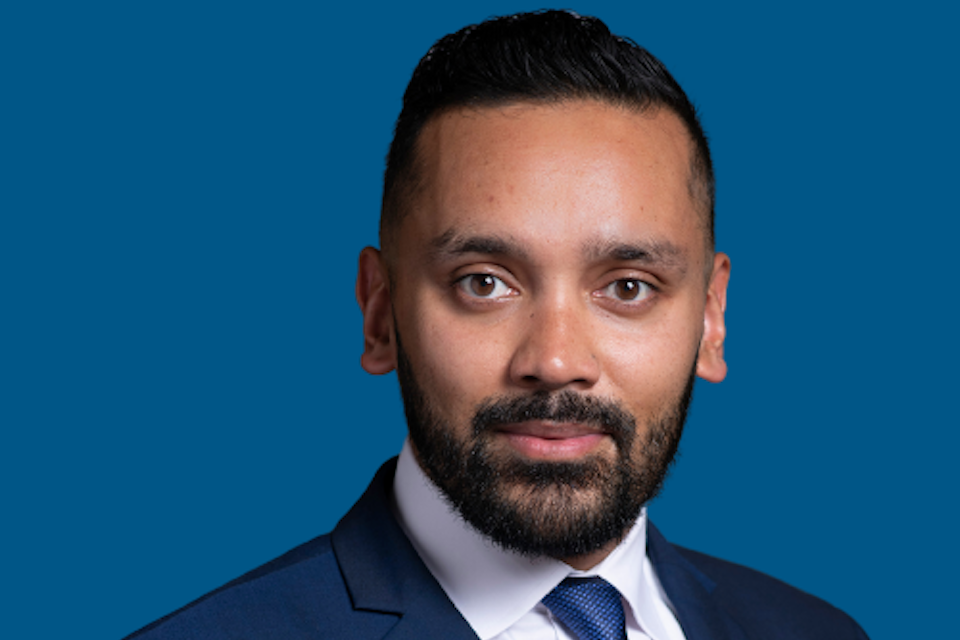
Nizam Uddin OBE
Nizam Uddin OBE is an entrepreneur, experienced non-executive and social impact leader. He currently serves as a Senior Advisor to merchant banking platform New World Group, and was previously part of the founding team and Chief Strategy Officer of Algbra – an ethical fintech platform focused on financial inclusion and serving underserved communities. Nizam was previously the Senior Head of Mosaic and Community Integration at The Prince’s Trustand led Mosaic, an independent Initiative founded by HRH The Prince of Wales to uplift diverse communities across the UK’s highest areas of deprivation. Nizam was awarded an OBE in the Queen’s 2020 Birthday Honours list for services to social mobility and community integration.
Lord Simon Woolley
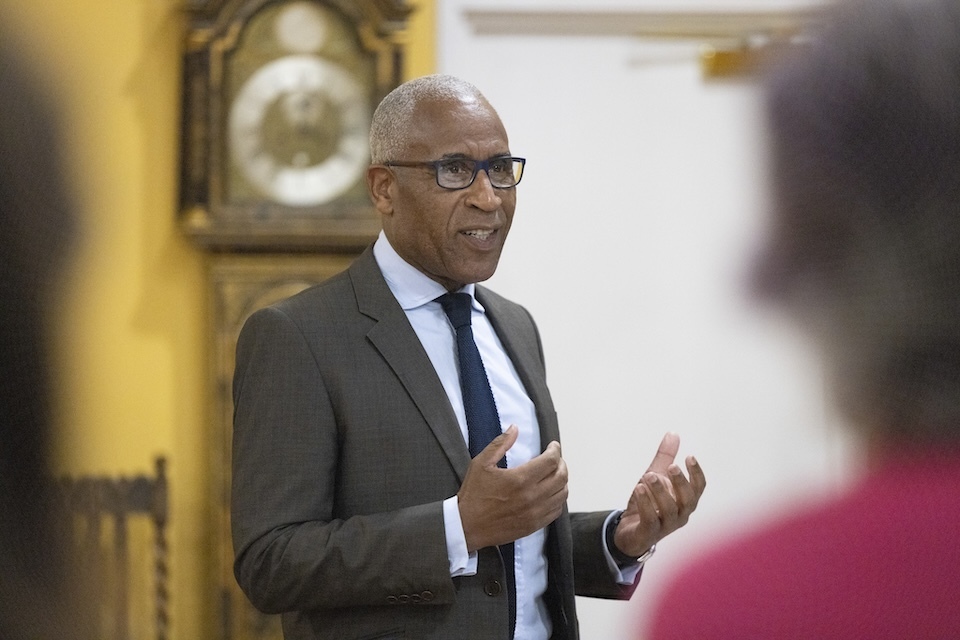
Lord Simon Woolley
Lord Simon Woolley, Principal of Homerton College, University of Cambridge, is the first Black man to head an Oxbridge College and was the founding director of Operation Black Vote, the internationally renowned campaigning NGO. He served as an Equality and Human Rights Commissioner from 2009 to 2012, and from 2018 to 2020 he was appointed by Prime Minister Theresa May to create and lead an advisory group to the UK government’s Race Disparity Unit (a Unit responsible for collecting, analysing and publishing data on the racial disparities in crime, education and health).
Carol Young

Carol Young
Carol Young is the Deputy Director of the Coalition for Racial Equality and Rights (CRER). The organisation’s mission is to protect, enhance and promote the rights of ethnic minority communities across all areas of life in Scotland and to strengthen the social, economic and political capital of ethnic minority communities, especially those at greatest risk of disadvantage. CRER is a strategic anti-racist organisation which uses evidence-based and rights-based approaches, working with government, community, public sector and academic partners. For over 20 years, CRER has been at the forefront of anti-racism interventions in Scotland.
4.3 Remit and operations
REEG works with government ministers, civil servants, local government, community organisations, and other relevant stakeholders to gain insights into what works – and where improvements can be made – to tackle race inequality. The Group helps to shape the government’s ambitious plan to tackle racial inequalities, channeling community voices and lived experiences directly into the policy process to strengthen solutions and maximise impact.
Specifically, REEG’s work is structured around 3 core functions:
Leadership
Convening a series of roundtables to support the government’s work to tackle race inequality. These roundtables take place across the UK to allow REEG to examine race quality issues in different regional contexts.
Community insight
Conducting community engagement to gather insights, understand people’s lived experience, and identify challenges with particularly contentious areas of policy or disproportionality, informing targeted action.
Spotlighting
Raising awareness of areas of persistent racial inequalities, amplifying efforts on the ground which are driving change to improve equality in the UK.
4.4 Programme of work
In its inaugural year, REEG has sought to establish a set of priority areas which align with the government’s ambitions to tackle inequality and improve outcomes for all. The Group identified 4 priority topics informed by community and stakeholder interest, the best available evidence, and added value for the government’s work.
The priority topics chosen were:
- access to finance for ethnic minority entrepreneurs
- building trust and confidence in policing
- improving health outcomes
- tackling the barriers to equality in education and the transition to work
REEG convened thematic events across the UK to create a constructive, sensitive and action-oriented environment to further understand and address these issues. These brought together individuals with lived experience, leaders in relevant fields, civil society organisations and government ministers. These engagements then directly informed the Group’s subsequent efforts and engagement with government departments with policy responsibility. This was to ensure there was a robust feedback loop between community voices, the latest evidence on the ground, and, crucially, action across government. This report provides a summary of the issues discussed, the conclusions made and the actions taken by REEG in its inaugural year.
5. Access to finance for ethnic minority entrepreneurs
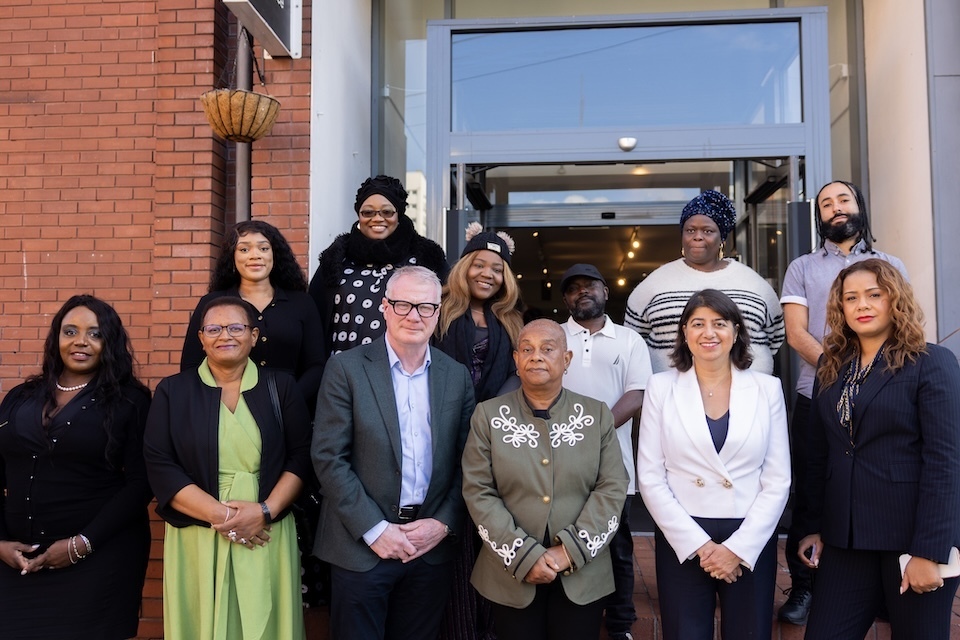
REEG members and Minister Malhotra with West Midlands Mayor Richard Parker and Legacy Centre of Excellence CEO Keith Shayaam-Smith at an engagement in Birmingham
“When even the most talented and capable entrepreneurs cannot secure the finance they need, their potential is held back and so is the country’s economic potential.” Efuru Nwapa, Chair, British African Business Network
5.1 The challenge
Despite adding an estimated £25 billion to the UK economy every year[footnote 1], ethnic minority-led businesses (EMBs) and entrepreneurs have faced deep-rooted racial inequalities in lending for decades, ignoring and limiting their economic potential.
The Lending Standards Board (LSB) was creating an ethnicity-specific code to regulate EMB lending and bridge the divide between financial institutions and EMBs. However, in October 2025, the LSB was dissolved after a voluntary wind-down.
This proposed code aimed to tackle the disconnect between financial services and EMBs. This can be driven by both institutional prejudice on the part of lenders and historical mistrust among EMBs. As such, specific regulations or codes of practice to ensure fair access to finance would better serve EMBs and further support the government’s ambitions for economic growth.
Existing efforts to support the sector have remained fragmented. They have been characterised by isolated pilots and short-term funding rather than a cohesive, long-term national policy to tackle the challenges and inequalities specific to ethnic minority-led entrepreneurship. REEG identified strongly with the issue, and the missed growth potential, identifying clearly that overcoming these systemic lending barriers remains vital for fostering broader economic growth and development.
Spotlight: Efuru Nwapa, Chair, British African Business Network
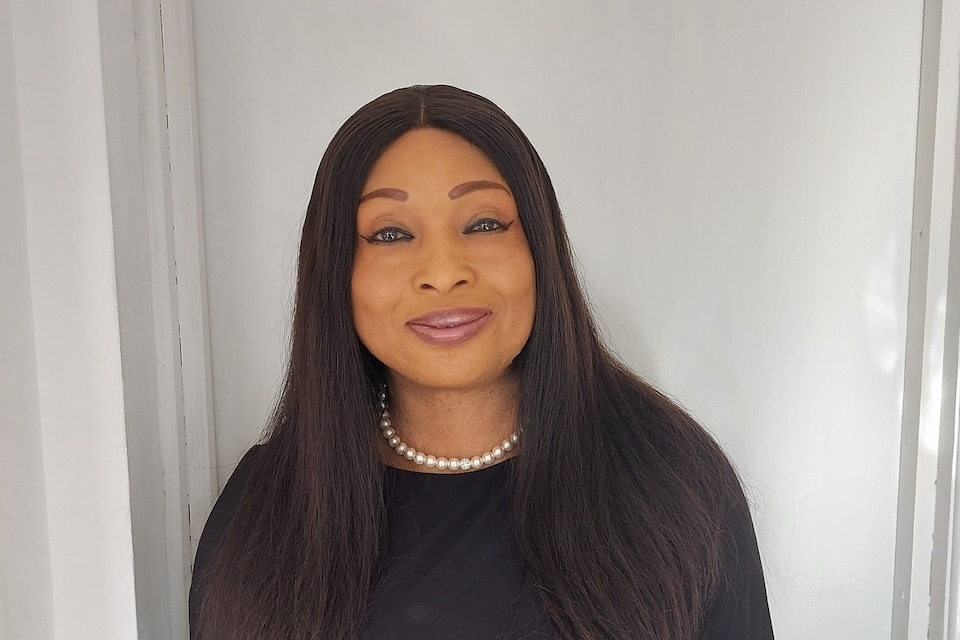
Efuru Nwapa
As a business community leader, I am delighted that the Race Equality Engagement Group (REEG) has recognised the need to find solutions to the long-standing barriers that ethnic minority led businesses face when trying to access finance. I was proud to work with the Lending Standards Board, the lending industry, the Department for Business and Trade (DBT), the APPG for Ethnic Minority Business Owners and others to co-create the Ethnicity Code. The process brought people together with honesty and a genuine desire to tackle these barriers.
For many of us, it felt like the first time the sector was truly listening. The Code offered a practical and evidence driven way to improve fairness, transparency and the day-to-day experience of customers.
Access to finance is central to business growth and to the wider economy. Many ethnic minority led businesses operate successful businesses that generate revenue, create economic value, and support communities but with very lean structures.
When even the most talented and capable entrepreneurs cannot secure the finance they need, their potential is held back and so is the country’s economic potential. This is why the decision not to adopt the Ethnicity Code has left a vacuum at a moment when clarity, consistency and trust are urgently needed.
We are delighted that through the work of REEG the momentum and insight created through this work will not be lost.
5.2 The evidence
The latest data shows significant race inequalities remain persistent. According to research by LSB:
Complaints and issues with lenders: 90% of EMBs report challenges when applying for lending, compared to 69% of White British-led SMEs. 44% of EMBs have made a complaint about their lender in the last 12 months, more than double the 19% of White British-led SMEs. The leading cause of complaints for EMBs, flagged by 53% of these businesses, was being ‘unfairly declined’ – just 18% of White British-led businesses made this type of complaint.[footnote 2]
Access to capital: Ethnic minority founders receive less than 2% of UK venture capital by value, a position which has barely changed in over a decade. Angel investment cheques to ethnic minority teams average around one-third of those secured by White-led teams. Despite being more open to seeking finance, ethnic minority entrepreneurs are more likely to be discouraged from applying and to face higher rejection rates when they do.[footnote 3]
Given the clear evidence of disparity, and the government’s March 2025 call for evidence on overcoming finance obstacles for small businesses, REEG identified a crucial opportunity to consider these issues specifically through the lens of ethnic inequalities. By meeting directly with affected business owners, community organisations, and government departments, REEG sought to gain greater insights into what actions are most effective at addressing the persistent barriers to finance for ethnic minority entrepreneurs.
5.3 Action
REEG engagement with government
REEG members convened a range of key stakeholders to discuss the latest evidence on how the needs of EMBs were being under-served, and how government and local community initiatives were seeking to overcome barriers and better expand opportunity for all. REEG brought together government departments, local authorities and grassroots organisations across the country to better inform and stimulate action at their first event in Birmingham.
DBT presented their call for evidence, which was launched in March 2025 to:
- assess how far the government’s existing policies meet the needs of business and the lending sector in overcoming barriers to finance
- understand where they may be able to go further to create inclusive growth
As part of this, feedback was sought on the challenges faced by underserved entrepreneurs in accessing finance with a focus on women, ethnic minorities, disabled entrepreneurs and those in deprived areas.
The British Business Bank (BBB) also presented on a number of planned and ongoing initiatives that could potentially benefit EMBs. Tackling existing inequalities and investing in viable female and ethnic minority-led businesses could add 13% to the UK equity market, representing unmet but potentially viable demand for finance.
BBB was clear that businesses currently receiving funding do not reflect the diversity of society and may fail to meet the needs of the market.
However, BBB has taken steps to address race inequalities in this area, including:
- regularly publishing research into the financial barriers faced by diverse founders. Including in their annual Small Business Finance Markets report[footnote 4]
- furthering support to community development financial institutions including through Start Up Loans (SUL), of which 20% go to ethnic minority recipients
- the Community ENABLE Funding programme which is helping social impact lenders like Community Development Financial Institutions (CDFIs) access capita building on the strong track record of the CDFI sector – the latest published data from Responsible Finance shows CDFIs lent £181.4m to start‑ups and small businesses, with 21% to ethnic minority‑led businesses and 43% invested in the UK’s most disadvantaged communities[footnote 5]
- the Investor Pathways Capital Initiative, to actively shift the investment landscape by backing diverse fund managers and supporting ethnic minority fund managers helping to build more inclusive investment teams and address entrenched barriers in venture capital
- new people-focused programmes such as the Diverse Angel Programme to grow the number of diverse angel investors, increase investment in businesses led by underrepresented founders and support syndicates to recruit, train and invest inclusively
REEG local engagement
REEG also heard from successful grassroots initiatives, including those undertaken by the West Midlands Combined Authority (WMCA) and businesses in the region. These initiatives showed that close attention to the evidence on local challenges, together with a focus on tackling barriers for EMBs, can deliver real change.
Case study: West Midlands Combined Authority
Issue and evidence: The West Midlands has a large, ethnically-diverse population, but evidence shows that race inequality persists and acts as a barrier to business growth. While ethnic minority communities are twice as likely to start a business than the general population, only 43% of these businesses survive past 42 months (the point a business usually becomes income generating) compared to 67% for White-owned companies. Ethnic minority-led businesses are more likely to provide jobs to marginalised groups and revitalise deprived neighbourhoods. Removing the barriers to success that ethnic minority businesses face could enable them to quadruple their national contribution to gross value added, from an estimated £25 billion to £100 billion annually.[footnote 6]
Action: To help address this, in 2024 the WMCA launched the Community Led Business Support programme. The programme involves partnering with established community organisations that ethnic minority entrepreneurs will trust, so that the WMCA can help to connect more businesses to advice, funding, growth programmes and opportunities. As part of the programme, the WMCA are also backing those community organisations, recognising their contribution to inclusive economic growth. The programme initially involved 5 community organisations but it has exceeded its delivery targets, achieving significant results so far, leading the WMCA to extend the programme’s reach to more communities and places.
Case study: The Legacy Centre of Excellence
REEG members visited the Legacy Centre of Excellence in Birmingham, which is the largest Black business and arts centre in Europe. It is community owned and welcomes around 15,000 visitors each month for a wide range of faith, health, youth and business activities. It boasts an established enterprise and skills offer, including an annual Birmingham Black Business Conference.
During 2024 to 2025, Legacy engaged more than 600 businesses through events and training workshops and provided 47 businesses medium intensity support. Of those businesses supported, 97% were ethnic minority-led and 90% were Black-led. Support was mainly delivered through the “Founders Collective” programme with Oxford Innovation, an investment readiness course for businesses looking to raise finance. Legacy also invested capital to improve their facilities, physical capacity and potential revenue.
The Centre has since added further services to their support programme including Business Engagement, 1-2-1 mentorship, Business Model Canvas and Business Development.
5.4 Progress
To further support the government’s efforts in this area, in 2026, REEG met with the Minister for Small Business at DBT, Blair McDougall MP, to explore options to redress disparities which exist in access to finance, including championing a better understanding of diverse business models for EMBs (for example, sole trader and family businesses). DBT committed to working with REEG and BBB to explore options available.
DBT has also since responded to their call for evidence in December 2025 with a recognition of the need to improve data collection. Data collection on under-served groups (particularly in relation to ethnicity and disability) remains a significant challenge due to factors such as:
- under-reporting
- vague or inconsistent classifications
- mistrust rooted in systemic discrimination
- complexities introduced by intersectionality
Programmes managed by DBT will progressively introduce the voluntary collection of data on ethnicity, gender and disability and use the data to evaluate the reach of these programmes.
Some progress is being made in access to capital for EMBs. The British Business Banks’ Finding What Works report[footnote 7] highlighted signs of progress on the pipeline of first-time deals – 19% of first-time deals by value went to all-Ethnic Minority teams, and 23% to teams with Ethnic Minority and White teams.
As part of their response there was also recognition of unintended barriers that EMBs face when accessing finance. For instance, EMBs often rely on cash or community funding, which can complicate credit assessments when seeking mainstream finance for the first time. Limited awareness of how to access financial services further discourages engagement and reinforces perceptions that these services are not designed for them. To address these issues, there was support for consistent standards and measures to foster greater inclusivity across the financial ecosystem.
REEG has also been closely engaged with promising community and local government efforts to address the issue, with individual members participating and supporting initiatives. One example is an innovative pilot being developed in Sheffield to address the disproportionate barriers that EMBs face in accessing finance:
Case study: Inclusive Finance Pilot in Sheffield
Background: A pilot is being developed in Sheffield to address the disproportionate barriers that EMBs face in accessing finance. It is being developed in collaboration with stakeholders and under the strategic leadership of Diana Chrouch OBE, REEG member and Federation of Small Businesses’ National Champion for Ethnic Minority Business Policy. The pilot is supported by the APPG for Ethnic Minority Business Owners and aims to support the government’s commitment to equal access to finance. The pilot uses a co-design approach to work with service providers to make financial services more accessible and easier to navigate, and to build an evidence-led understanding of where barriers occur.
Addressing EMB finance barriers: The pilot brings together local insight, national expertise and real-world business experience with lenders and investors, to identify the points at which ethnic minority-led businesses struggle to access appropriate financial services, from basic banking and working capital to growth finance and investment. Finance providers are actively engaged and have committed to testing more inclusive and responsive practices to support viable businesses to progress with greater clarity and confidence.
Local alignment and national ambition: Aligned with Sheffield’s economic growth ambitions, the pilot aims to create a model of good practice that strengthens the city’s business base and informs wider national work to improve access to finance for EMBs.
REEG continues to closely engage with BBB to discuss additional policy measures to strengthen access to finance. These include furthering data collection mechanisms to understand EMBs’ use of existing schemes and the potential expansion of those schemes.
6. Improving health equality outcomes: Maternal and neonatal care
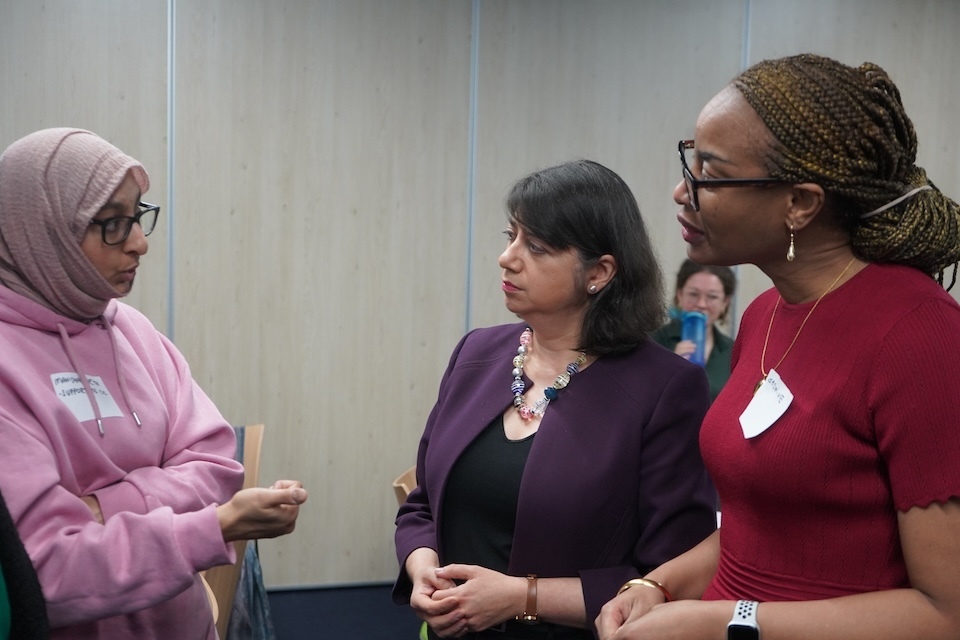
REEG members and Minister Malhotra met with organisations supporting women during the perinatal period to hear about their experiences.
“No woman should have to fight to be heard while pregnant or recovering from birth. No woman should have to convince healthcare professionals that her pain is real.” Aramide Caunt, Founder and Director, The Black Maternal Advocate
6.1 The challenge
For many women, the journey from pregnancy to childbirth is straightforward with good outcomes for both mother and child. But outcomes for women from Black, Asian and other ethnic minority backgrounds can be very different. For decades, pregnant women from these ethnic groups have lived with the stark reality that they face higher mortality rates during pregnancy, childbirth and beyond.[footnote 8]
Behind the statistics are the stories of personal tragedy, lives stopped short, lives that ended before they ever really began. There are stories of trauma and broken trust, of avoidable injury and lifelong disability. Within these tragic outcomes are the voices of women who have gone unheard and whose symptoms went unseen.
There has been a great deal of focus on the performance of maternity and neonatal services recently, with the following reviews commissioned:
- the National Maternity and Neonatal Investigation, chaired by Baroness Amos
- the Nottingham University Hospitals NHS Trust Independent Maternity and Neonatal Review and the independent review of maternity services at the Shrewsbury and Telford Hospital NHS Trust – both chaired by Donna Ockenden,
- the forthcoming independent reviews into Leeds Teaching Hospitals NHS Trust’s maternity and neonatal service, and University Hospitals Sussex NHS Foundation Trust – both chaired by Donna Ockenden
This increased focus is necessary, but it should not distract from the many examples of excellent practice taking place within NHS maternity and neonatal services. The NHS is filled with caring and dedicated staff who work hard to ensure good outcomes for mothers and babies. During the course of their engagements, REEG members heard from many such professionals as well as community-based grassroots organisations and charities who provide critical support to women during their pregnancies and beyond.
This good work and excellent practice is often delivered as standard, yet there are still too many cases of poor outcomes for women and babies from ethnic minority backgrounds. That is why addressing the racial inequalities in maternal and neonatal care was identified as a necessary, urgent priority for REEG members.
6.2 The evidence
Maternal and neonatal mortality
Black maternal mortality: The latest available data shows that, despite previous decreases, the mortality rate for Black women in England has now increased once again in the period 2022 to 2024. The risk of maternal death for Black women is nearly 3 times higher than for White women.[footnote 9]
Asian maternal mortality: Asian women’s risk of maternal death was also slightly higher compared to White women. Rates of maternal mortality for Asian women remain similar to previous periods.[footnote 10]
Data for Romany (Gypsy), Roma and Irish Traveller communities (GRT): GRT ethnic groups largely go unrecorded in official health statistics, making it difficult to address the adverse outcomes in these communities.
Poor perinatal outcomes for GRT groups: A recent systemic review of perinatal health outcomes found that women from GRT communities across Europe are more likely than the general population to experience adverse outcomes, including higher rates of preterm birth, lower birth weight and infant mortality.[footnote 11]
Stillbirth rates for Black ethnic groups: The stillbirth rate in England and Wales was up to 2 times higher for women in the Black African group compared to women in the White British ethnic group.[footnote 12]
Black neonatal deaths: A 2025 study found that babies who were born to mothers who were Black were 81% more likely to die in neonatal care compared to babies whose mothers were White. This reduced to 68% after adjusting for IMD (index for multiple deprivation).[footnote 13]
Impact of deprivation: The impact of deprivation cannot be ignored. Women living in the most deprived areas have a maternal mortality rate twice that of women living in the least deprived areas.[footnote 14] Black women have higher maternal mortality rates than White women at all levels of deprivation.[footnote 15]
Trust and confidence in maternity services
We know that a lack of trust can negatively affect ethnic minority women’s outcomes and access to public services.
Feeling unsafe in maternity settings: Many ethnic minority women have shared how:
- a lack of trust can lead to different choices for their maternity care
- they felt unsafe to give birth in hospitals in England
A 2023 report by the NHS Race and Health Observatory[footnote 16] found that Black women are fearful of giving birth in the UK. They also had more stressful birth experiences. Some chose to “go back to their homeland for the birth because they felt they were more understood there.”
Concerns dismissed, pain not believed: The National Maternity and Neonatal Investigation interim report and a report from the Office for Equality and opportunity, both found that women from ethnic minority backgrounds:
- felt dismissed
- said their concerns were not taken seriously
- said their pain was not believed[footnote 17][footnote 18]
Damaging racial stereotypes: The interim report for the National Maternity and Neonatal Investigation also stated that racial stereotypes used in maternity and neonatal services impacts families’ trust in and engagement with services.[footnote 19]
Black maternal experiences: Research by Five X More found that, while 60% of Black women rated their antenatal care as good or high quality, 28% of Black women reported discrimination. Of these, 25% said that this was due to issues around race.[footnote 20]
The need for compassionate care: The Office for Equality and Opportunity report highlighted the need for compassionate and empathetic care. This would help women to build strong relationships with staff members and help them to feel more:
- in control of their pregnancy journey
- listened to
- confident that they understood their options[footnote 21]
Spotlight: Aramide Caunt, Founder and Director, The Black Maternal Advocate

Aramide Caunt
I never intended to become a maternal health advocate. I became one because of what happened to me.
In January 2023, I gave birth to my twins by Caesarean section. As a midwife with over 12 years of NHS experience, I knew what recovery should look like. I knew what was normal, and I knew when something wasn’t right.
For nearly 3 days after surgery, I had no bleeding and my pain was worsening, nothing improving. I raised concerns repeatedly. Instead of urgent investigation, I experienced delay, dismissal and repeated explanations for why my symptoms were not a cause for concern. It was only on day 3 that retained products were identified, and I was not taken back to theatre until day 5.
By then, the damage had already been done.
The consequences were life-changing. I went from being a healthy, active woman, working full-time and caring for my family, to becoming a disabled mother of 3 children under 5 years old. What has stayed with me most is not only what happened, but the knowledge that despite my professional background, despite understanding maternity care and despite repeatedly advocating for myself, I was not believed.
My story is not unique. It sits within a wider reality in which Black women continue to experience poorer outcomes, delays in care and the dismissal of their concerns. Behind every statistic is a woman, a family and a life that may be changed forever.
I share my experience because meaningful change requires more than acknowledging inequalities; it requires listening to those who live them. Lived experience is expertise. When women and families are heard, their experiences can help shape safer services, stronger accountability and better outcomes for future generations.
No woman should have to fight to be heard while pregnant or recovering from birth. No woman should have to convince healthcare professionals that her pain is real.
Black women should be believed when they speak.
6.3 Action
REEG members wanted to hear how women from ethnic minority backgrounds were experiencing maternity care, and how they were supported through pregnancy and beyond. They convened expert midwives and clinicians, academics and grassroots organisations across the country to bring together voices that could inform and stimulate action. This culminated in 2 days of face-to-face engagement activities to further understand the inequalities, lived experience, challenges and necessary reforms needed to deliver urgent action to improve maternity care for all mothers and babies.
REEG members held a panel discussion on the theme of the Tackling racial inequalities in maternal and neonatal health at the London Institute for Healthcare Engineering.
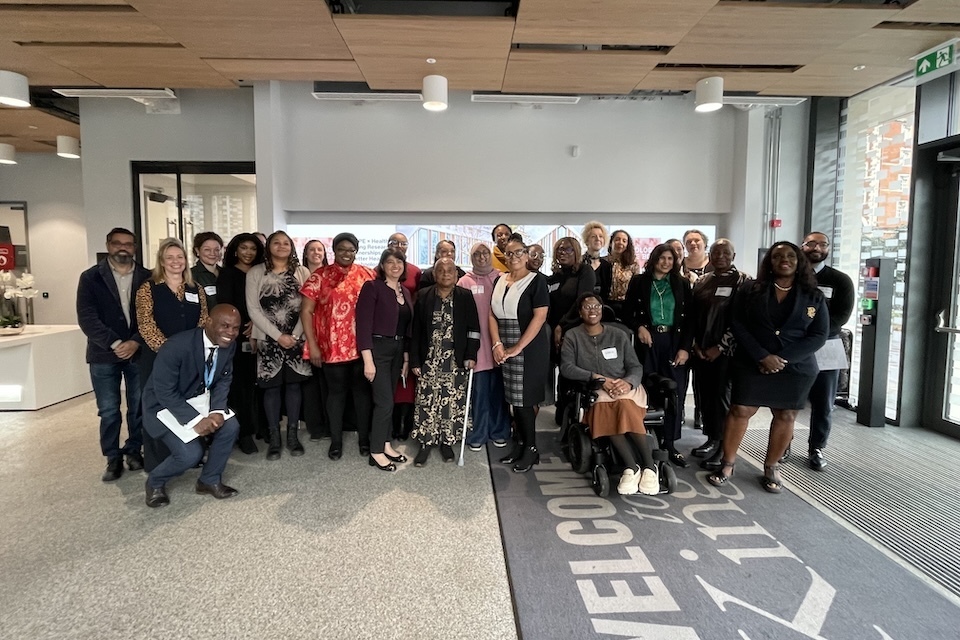
REEG members took part in a panel discussion on maternal and neonatal health with charities, midwives, consultants and individuals with lived experience.
The panel discussion highlighted:
- how listening must be given greater priority as a clinical skill
- the need for revised training and guidance to ensure symptoms, such as jaundice in neonatal babies, could be identified on darker skin tones
- the importance of culturally-appropriate care, which recognises and respects differences and refuses to let stereotypes dictate outcomes
Spotlight: Professor Gina Awoko Higginbottom MBE, Emeritus Professor, School of Health Sciences, University of Nottingham – panel discussion chair
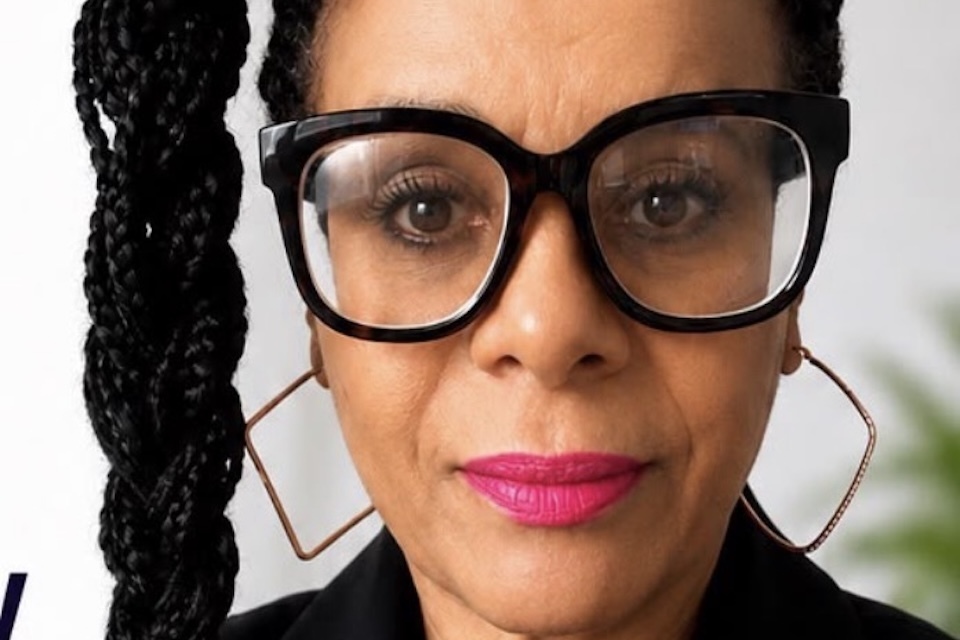
Gina Awoko Higginbottom
Throughout my career, I have worked to address ethnic inequities in maternity and neonatal care, ensuring that the voices and experiences of women and families from underserved communities are heard and reflected in research, policy and practice.
The disparities we discuss are not abstract statistics; they affect real people and real families. My own family experienced this tragedy when a 32-year-old family friend died in a Northern maternity unit, leaving behind a grieving partner, family and 2 young children.
Every maternal death, every preventable complication and every poor outcome leaves a lasting impact on families and communities. The stories shared through the REEG panel remind us that behind every statistic is a woman, a baby and a family whose future has been changed forever. Lasting progress will only come when lived experience is valued alongside evidence and when equity is embedded as a fundamental measure of equality, safety and accountability across maternity services.
Moving forwards, our focus must be on ensuring that recommendations translate into meaningful improvements in maternity care. We need to strengthen accountability for reducing disparities, support the maternity and neonatal workforce to deliver culturally responsive and culturally safe care, and remain in dialogue with women and families to ensure their viewpoints continue to shape maternity service design and evaluation.
Spotlight: Nafiza Anwar MBE, Co-Founder, Association of South Asian Midwives
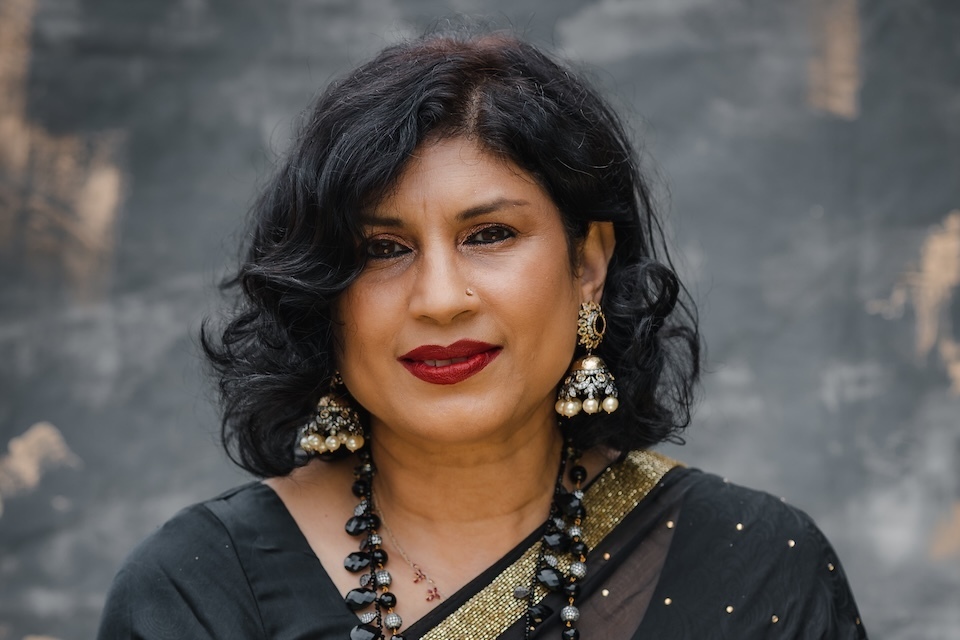
Nafiza Anwar MBE
In my 40 years as a Nurse Midwife, I have seen time and again that culturally appropriate care is not a “nice to have” it is a clinical safety requirement. It can be the difference between a woman feeling heard or silenced, between timely escalation or missed deterioration, and in some cases, between life and death. I have learned that when care is not culturally attuned, women disengage, delay seeking help, feel disrespected, or are misinterpreted. These moments can accumulate and ultimately contribute to poorer outcomes.
One example that has stayed with me is supporting South Asian women who expressed pain or fear differently from the “norm” expected in UK services. I have witnessed staff underestimate pain, dismiss concerns, or assume non-compliance, when the underlying issue was often communication barriers, cultural norms around deference to authority, or a fear of being judged or misunderstood.
The most significant barrier to improving outcomes for pregnant women from ethnic minority backgrounds is institutional racism. This is not simply about individual acts of discrimination; it is a deeply embedded set of structures, assumptions, and biases that mean ethnic minority women are still too often not listened to, not believed, and not treated equitably within our maternity and neonatal systems. Until we name racism as the root cause, we will continue to mistake symptoms for solutions.
Over the years, I have seen the consequences of women’s voices being overlooked, their symptoms minimised, and their concerns dismissed. We cannot continue to place responsibility on women and communities to adapt to systems that were not designed with them in mind. Instead, we must create maternity services that are culturally responsive, and rooted in genuine partnership with the communities they serve.
Roundtable discussion on maternal health
REEG members invited Department of Health and Social Care (DHSC) officials, hospital leaders and individuals with lived experience to take part in a roundtable conversation at St Bartholomew’s Hospital, London.
Barts Health NHS Trust
The ‘WeBelong’ approach at Barts Health NHS Trust was introduced as a strategy for inclusion and equity for staff, patients, and the communities and populations the Trust serves. It is within this framework that much of the Trust’s work to support improved equality outcomes are delivered.
At the roundtable, Barts Health NHS Trust midwifery and obstetrics representatives explained how national data sets lack the detailed information that allows for local action. In response, Barts Health NHS Trust has developed tailored approaches for local patient needs. These include a maternity dashboard that uses electronic patient record data to provide detailed insights into outcomes by ethnicity and deprivation to drive targeted actions. The Trust has also bought a new digital system that provides more functionality for patient access and translated materials. Charity support for mobile devices and SIM cards is also in place to assist vulnerable families.
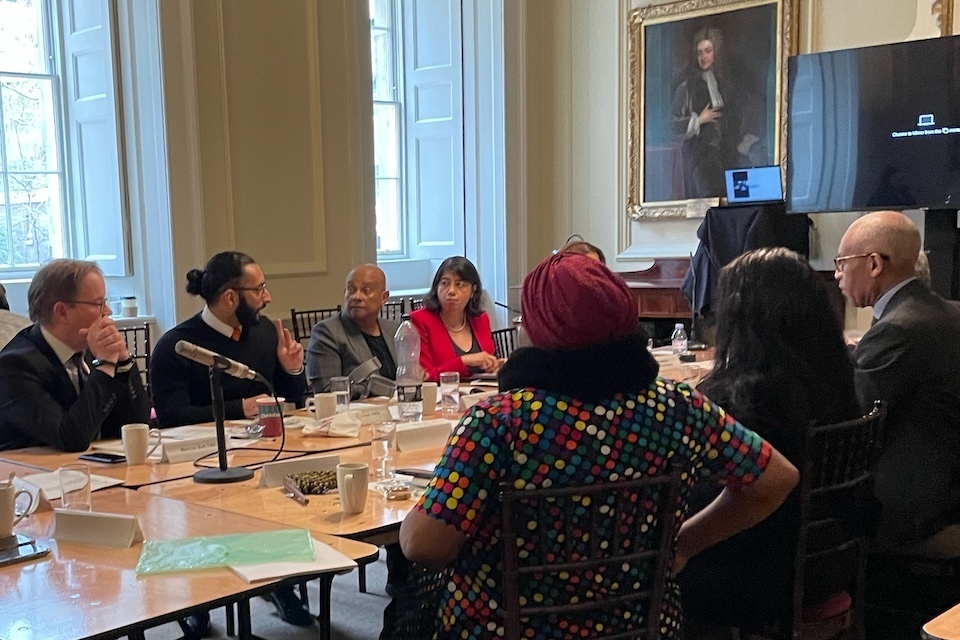
Roundtable Discussion on Maternal and Neonatal Health Inequalities
Representatives from Friends, Families and Travellers (FFT) and the Roma Support Group (RSG) presented on improving experiences of maternal health services for Romany (Gypsy), Roma and Irish Traveller (GRT). Proposals included:
- the need for data capture for GRT groups, mandatory GRT cultural awareness training
- adapting services to accommodate for cultural norms, as well as nomadic lifestyles
- carefully reviewing C-section indications
- reviewing breastfeeding support and education practices to better accommodate GRT communities
- ensuring communication remained accessible for patients facing literacy and language barriers and digital exclusion.
Evidence to support the National Maternity and Neonatal Investigation
REEG members met with Baroness Amos and Dr Christine Ekechi to provide evidence to the National Maternity and Neonatal Investigation. This evidence focused on tackling persistent racial inequalities in maternal and neonatal health, and asserted that systemic failures are rooted in structural inequality, racism, poor communication, and fragmented care. Key drivers include stereotyping in clinical decision-making, where women’s concerns can be dismissed as “anxiety” or “cultural misunderstanding”. This creates fear and mistrust, rooted in historical and contemporary experiences of discrimination.
The full findings of Baroness Amos’ investigation were published on 30 June 2026 and can be found here: https://www.matneoinv.org.uk/
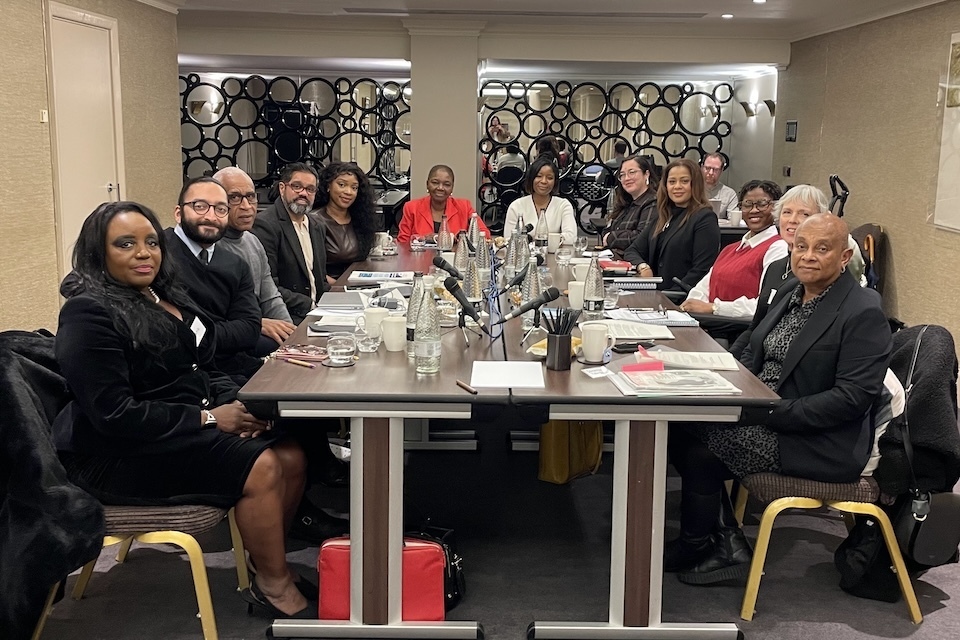
REEG members provide in-person testimony and evidence to the National Maternity and Neonatal Investigation
6.4 Progress
The persistent race inequalities in maternal and neonatal outcomes have been known and tolerated for many years, as have the devastating stories shared by women hoping to inspire change. It is critical that these stories are now heard and tangible progress is made.
To drive the improvements needed to ensure high-quality and safe maternity and neonatal care across England, the Secretary of State for Health and Social Care set up a rapid, national, independent investigation into NHS maternity and neonatal care services. The investigation aimed to understand the systemic issues behind why so many women, babies and families experience unacceptable care.
Baroness Valerie Amos, chair for the National Maternity and Neonatal Investigation, recently published its final report and recommendations. The report laid bare some of the devastating experiences of women and their families who had received maternity and neonatal services in England. Baroness Amos stated that the maternity and neonatal system is not set up to deliver consistently safe, high-quality and compassionate care.[footnote 22]
The report highlighted specific issues relating to discrimination and racism. It shared how both interpersonal discrimination, based on a person’s identity, and structural inequality, in how services are delivered, can make services less safe and puts lives at risk. Specific issues included patients and families experiencing differential treatment that they felt was linked to their race and ethnicity; clinical tools, technology and training that was not designed or tested to consider the needs of diverse communities; ethnic minority staff members experiencing discrimination from patients and colleagues, feeling excluded and undermined, with many fearing speaking up to raise concerns about racism. The report’s recommendations included a call for racism, discrimination and inequality to be treated as a critical maternity safety issue.[footnote 23]
A National Maternity and Neonatal Taskforce, chaired by the Secretary of State for Health and Social Care and the Maternity and Neonatal Commissioner (a newly created role), will now address the recommendations of the Investigation to develop a new national action plan to drive improvements across maternity and neonatal care. The Taskforce is made up of experts and stakeholders including families, clinicians, academics, royal colleges, international expertise and those who are experts in driving improvements in health equity outcomes. The Taskforce is working closely with Expert Reference Group members, who will help to inform this work.
NHS England has invested in interventions to improve equity, including enhanced midwifery continuity of carer teams where safe staffing is in place. Research shows a 28.6% reduction in stillbirths for Black women placed on the midwife continuity of carer pathway by 24 weeks.[footnote 24] The Perinatal Equity and Anti-Discrimination Programme aims to upskill trusts to tackle discrimination and racism affecting service users and staff, alongside e-learning and workforce race equality mentoring and allyship programmes. The Maternity & Neonatal Equalities Dashboard supports trusts to identify and address disparities by ethnicity and deprivation. NHS England concluded that diverse service user voices are integral to developing their programmes and that a cross-government approach (to tackle the social determinants of health) is needed to eliminate inequalities.
There is cause for hope. Maternity services are filled with passionate and diligent doctors and nurses who use their expertise to give women and their babies the best possible care. Alongside them are the grassroots organisations and charities who campaign for change, providing valuable, tailored support and information where gaps exist. There is a great deal of determination to create positive change, and it is a government manifesto commitment to “set an explicit target to close the Black and Asian maternal mortality gap”.
The recommendations put forward in the National Maternity and Neonatal Investigation hold real promise that this change can be delivered, but it is vital that words and reports are now turned into meaningful action.
REEG stands ready to support the government’s implementation of the national investigation recommendations, improving outcomes for all mothers and babies across our country.
7. Improving health equality outcomes: Cardiovascular disease
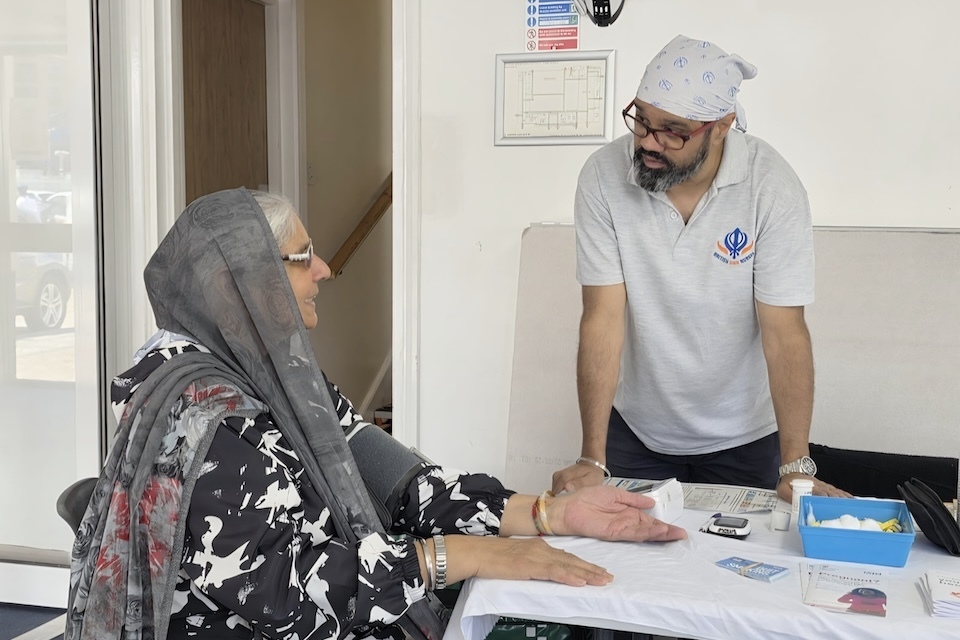
British Sikh Nurses established community health screening events within Gurdwaras to bring healthcare directly into trusted faith settings.
“Community-based health initiatives can overcome barriers to engagement, build trust, encourage earlier intervention and improve cardiovascular outcomes.” Rohit Sagoo, REEG member and founder of British Sikh Nurses
7.1 The challenge
Cardiovascular disease (CVD) is responsible for a quarter of all deaths in the UK (170,000 deaths annually), with 47,000 people losing their lives prematurely each year, to CVD.[footnote 25] CVD is more common in people of South Asian or Black African and Caribbean ethnicities[footnote 26] and tragically, individuals from certain ethnic minority groups are much more likely to lose their lives to this disease.
CVD is a general term for conditions affecting the heart or blood vessels. Poor cardiovascular health can lead to CVD events such as heart attacks, strokes and heart failure. While genetic risk factors and increasing age increases the risk of CVD, CVD is largely modifiable by taking action on risk factors such as high blood pressure, high cholesterol, obesity, poor diet and smoking.
Ethnic inequalities exist in many aspects of CVD, from prevention of disease through to treatment and rehabilitation after a CVD event. Individuals from certain ethnic groups are more likely to be living with risk factors for CVD, and are less likely to have those risk factors managed well according to clinical guidelines.
7.2 The evidence
Individuals from certain ethnic groups are more likely to die prematurely from CVD.
Stroke mortality: Bangladeshi, Pakistani and Black Caribbean groups had the highest, and White British, White Other, Other and Chinese groups had the lowest rates of mortality from stroke.[footnote 27]
Chronic ischaemic heart disease: Pakistani, Bangladeshi and Indian groups had the highest, and Black Caribbean, Chinese and Black African groups had the lowest rates of mortality from chronic ischaemic heart disease.[footnote 28]
Romany (Gypsy), Roma and Irish Traveller communities: There is no national data available to show inequalities across the CVD pathway for Romany (Gypsy), Roma and Irish Traveller communities, despite these communities being known to have very poor health outcomes.[footnote 29]
Case study: British Sikh Nurses – Gurdwara based health screenings
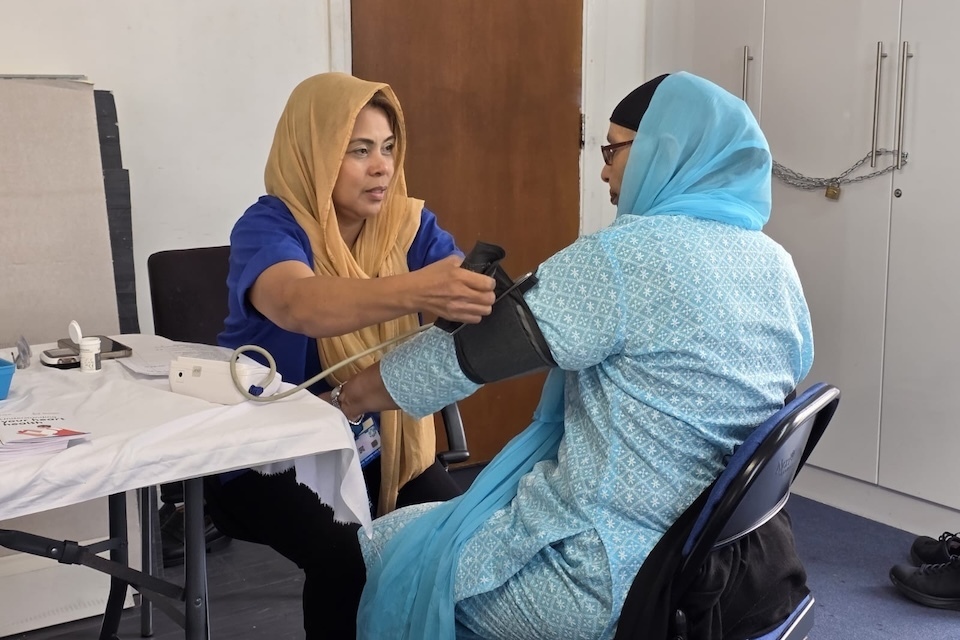
British Sikh Nurses established community health screening events within Gurdwaras to bring healthcare directly into trusted faith settings, improve health awareness, reduce barriers to engagement, and identify health concerns before they become serious. By delivering culturally sensitive screening services in familiar community environments, the initiative encourages individuals who may not routinely access healthcare services to engage with preventive health checks and seek timely medical advice.
The impact of this work is reflected in the experiences of those who attend. One congregation member at a Southall Gurdwara screening event shared:
“I only stopped by because the nurses were there and encouraged me to have a quick check. I felt completely fine and had no concerns about my health. To my surprise, they found that my blood pressure was very high. The nurses took the time to explain what it meant and encouraged me to see my GP. After further tests, I was diagnosed with hypertension and started treatment. Two months later, when British Sikh Nurses returned to the Gurdwara, I made a point of finding them to say thank you. If I had not attended that screening, I would never have known there was a problem. Their advice helped me get the support I needed and may have prevented something much more serious.”
Culturally sensitive, community-based health initiatives can overcome barriers to engagement, build trust, encourage earlier intervention, and improve cardiovascular outcomes by engaging people with appropriate healthcare services which respond to their needs.
7.3 Action
Government activity
The government outlined its ambition to reduce premature deaths from heart disease and strokes by a quarter within a decade. DHSC and NHS England are working together to prioritise evidence-led and clinically-informed approaches to CVD prevention and care. Driving improvements in cardiovascular health for ethnic minority communities is central to reducing early deaths from CVD.
To accelerate progress, the plan set out a series of commitments, including to publish a new CVD Modern Service Framework (MSF). This framework will support consistent, high quality and equitable care while fostering innovation across CVD prevention and care.
As well as the CVD MSF, the government is delivering a range of other activities:
The government has launched Prevention Accelerators to test new ways of identifying people at risk of serious illness earlier, helping them stay healthier for longer. Prevention Accelerators are developing innovative community-led models for secondary prevention of CVD and related conditions to reach more people, tackle health inequalities and prevent heart attacks and strokes while reducing pressure on NHS services.
DHSC is developing a new online service that people can use at home to understand and act on their CVD risk.
DHSC has trialled heart health checks in workplaces in partnership with 48 local authorities.
Core20PLUS5 is a national NHS England approach to inform action to reduce healthcare inequalities at both national and system level.[footnote 30] This framework focuses action on supporting the most deprived 20% of the population, and certain groups known to experience health inequalities, including ethnic minority individuals and inclusion health groups.[footnote 31] Hypertension treatment and management has been listed as one of the top 5 clinical priorities in the Core20PLUS5 framework to address health inequalities.
REEG action
REEG members gathered medical experts, support groups and DHSC representatives including the then Parliamentary Under-Secretary of State for Public Health and Prevention, Ashley Dalton, at a roundtable at St Barts Hospital in London to understand firsthand how the challenges presented by CVD were being met and how plans to improve outcomes are being developed.
Barts Health NHS Trust
East London was home to some of the highest CVD rates in the capital and the fifth highest rate of premature death in the country. Doctors and nurses at Barts Health NHS Trust were so concerned by the statistics that they set up The East London Cardiovascular Disease Prevention Group, or ‘ELoPe’.
At the roundtable, medical staff shared insights into ELoPe, a population-based healthcare programme. This programme’s targeted initiatives focus on prevention, diagnosis and treatment of CVD and its risk factors through GP surgeries, hospitals and community settings. The team noted that improving health and recovery requires integrated consideration of all aspects of a person’s life, and that acute illness impacts different ethnic groups in different ways, requiring tailored support.
Factors such as financial insecurity, poor housing and social isolation can increase the risk of heart disease and make recovery harder. Social prescribing in CVD was highlighted as an effective approach which connects patients with non-clinical support such as debt advice, housing help or fitness groups, which could support improved outcomes.
Spotlight: Dr Mohammed Khanji and Dr Riyaz Patel – ELoPe at Barts Health NHS Trust
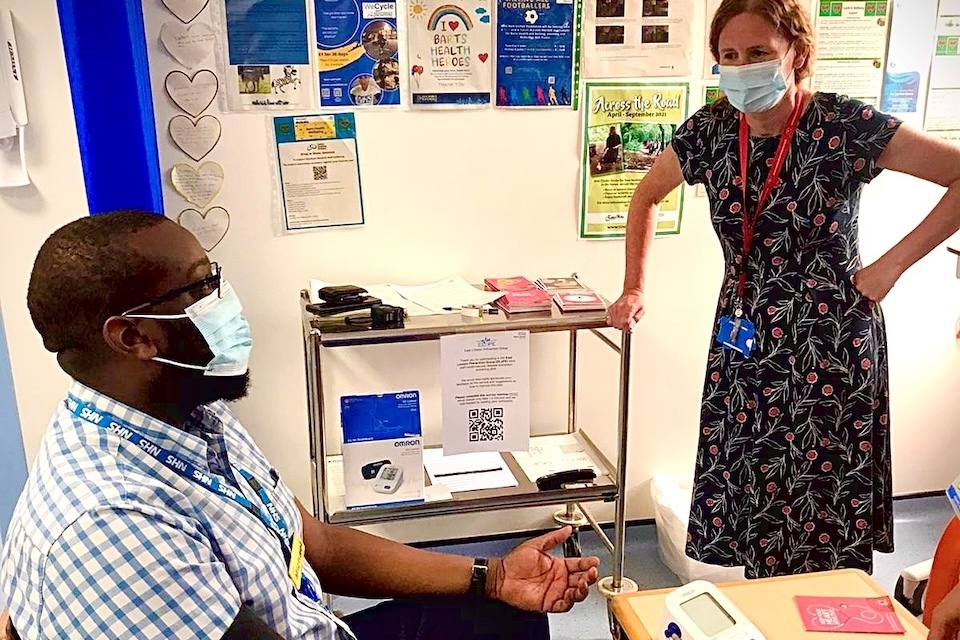
As cardiologists at Barts Health, where we have one of the country’s leading heart hospitals, we see the impacts of cardiovascular disease every day. In East London, the population we serve includes some of the most deprived and diverse communities in the country, with the highest rates of premature heart death in England.
Through our East London CVD Prevention population health program (ELoPe), we sought to address this inequality and chose to start close to home: with our own staff, most of whom live in and are from the region.
1 in 4 NHS staff has high blood pressure, and around half don’t even know it. An estimated 3,000 of our colleagues are affected, with the heaviest burden falling on those in the lowest pay bands and on Black and South Asian staff. For the last 5 years we have been offering onsite heart health checks, and providing free blood-pressure monitors and clinical support — open to everyone, but targeted at those most at risk and those most underserved, including for example, our porters and cleaners.
We seek to embody the principle of proportionate universalism and have shown that most who took part lowered their blood pressure, and many lost weight or stopped smoking, with the biggest gains among the groups facing the steepest health inequalities. For ELoPe and Barts Health more broadly, our mission to reduce heart disease and health inequalities starts with those who look after our patients.
7.4 Progress
Collaboration to support development of the CVD Modern Service Framework
DHSC and NHS England have recently published the CVD Modern Service Framework (MSF).
The MSF sets a clear direction for how the health and care system should accelerate progress on the ambition to reduce premature mortality from heart disease and stroke by a quarter within 10 years and tackle variation across the country by:
- identifying 12 priority actions that the system should prioritise now to drive measurable improvement in outcomes and tackle inequalities
- outlining a vision for the future and challenge areas where further progress is needed
The MSF is a clinically led tool, built on what has worked well with previous national service frameworks.
Within the document’s case for change, it acknowledged that systems currently deliver care that does not meet the needs of the people and communities who need the greatest support, shaped by unrepresentative research and limited data.
It also stated that this has to change and that health services must be responsive to the needs of the whole population, according to age, sex or gender, geography, ethnicity and inclusion health group.
REEG members, together with the Caribbean and African Health Network, have played an important role in shaping the CVD MSF, contributing evidence and valuable insight to ensure it supports systems to tackle ethnic health inequalities.
The CVD MSF was published on 7 July 2026.
8. Building trust and confidence in policing
[add image]
“For too long, we have seen ‘stop-start’ policing reforms that have not delivered the necessary changes to build trust, accountability and confidence in our communities. The government’s plan on police reform represents a genuine opportunity to get this right.” Baroness Doreen Lawrence, REEG Chair
8.1 The challenge
As set out in From Local to National: A New Model for Policing[footnote 32], all communities rightly expect the highest standards from the police officers tasked with keeping them safe. However, high-profile incidents of police misconduct, criminality, and discriminatory attitudes and behaviours such as misogyny, racism and homophobia have undermined trust and confidence.
People from ethnic minority groups in the UK have a long and complex history with the police. The National Police Chiefs’ Council (NPCC) and the College of Policing launched the Police Race Action Plan (PRAP) in May 2022 to address inequalities affecting Black people and transform a legacy of distrust in policing. The government’s ambitious programme of police reform provides further opportunity for improvement.
It is in this context of concerted efforts toward reform that REEG’s first topic of focus was building trust and confidence in policing through better practice, higher standards and greater accountability.
Spotlight: Baroness Doreen Lawrence, Chair, Race Equality Engagement Group
For too long, we have seen ‘stop-start’ policing reforms that have not delivered the necessary changes to build trust, accountability and confidence in our communities. The government’s plan on police reform represents a genuine opportunity to get this right. I remain committed to the work of the REEG in supporting the continued implementation of the Police Race Action Plan as part of this process, addressing persistent racial disparities to deliver a better public service. The Plan presents a chance to build police forces that are truly delivering an essential service for all.
8.2 The evidence
The best available evidence shows that disproportionality in being victims to crime and the use of police powers is widely documented, persistent and presents one of the most significant barriers to trust in policing. In the year ending 31 March 2025 in England and Wales, data showed that:
Stop and search: Black people were up to 3.8 times (22.4 for every 1,000 Black people) more likely to be stopped and searched by the police than White people (5.9 for every 1,000 White people).[footnote 33]
Arrest rates: Black people were up to two times more likely to be arrested by the police (19 for every 1,000 Black people) than White people (10 per 1,000 White people) Black people had an arrest rate following a stop and search of 16.7%, White people had an arrest rate of 14.5%.[footnote 34]
Police workforce: There were 12,089 ‘full-time equivalent’ (FTE) police officers from minority ethnic groups (excluding White minorities) in England and Wales, making up 8.5% of the workforce, the same proportion as the previous year. The proportion of ethnic minority police officers has remained the same since March 2023.[footnote 35]
Senior workforce: Representation of minority ethnic police officers was lower among senior ranks (chief inspector or above) compared with constables and other ranks. For example, 6.5% of officers of rank chief inspector or above identified as ethnic minorities (excluding White minorities), compared with 9.0% of constables.[footnote 36]
Trust: Only 63% of people from Black ethnic groups aged 16 and over reported that they had trust in their local police, compared with 71% of White people. Trust was particularly low among people from Black Caribbean backgrounds, with only 50% reporting trust in local police.[footnote 37]
Victimisation: In 2020, 46% of Romany (Gypsy) and Irish Travellers said they had been a victim of crime in the last 12 months.[footnote 38] This is more than double the rates of victimisation of other minority ethnic groups. In 2025, the rate was 24.2% for people of Mixed or Multiple ethnicities, 16.5% for Asian people, 19% for Black people, and 16.9% for White people.[footnote 39]
8.3 Action
REEG engagement with policing bodies
Highlighting the latest evidence and impactful efforts to improve these persistent inequalities was a key focus of REEG’s first event, held in 2025 in Birmingham.
REEG convened senior policing figures at local and national levels to better understand the challenges associated with building trust and confidence in policing, and to identify potential areas for effective collaboration with REEG.
Simon Foster, West Midlands Police and Crime Commissioner, shared key mechanisms for police accountability, including:
- the importance of policing by consent
- the effective use of community oversight and scrutiny panels
- the need for rigorous Equality Impact Assessments
Chief Constable Gavin Stephens and Dr Alison Heydari presented on the PRAP, setting out some of the key deliverables from the PRAP to date:
Case study: The Police Race Action Plan
The National Police Chiefs’ Council and the College of Policing launched the Police Race Action Plan in May 2022 to address inequalities affecting Black people and transform a legacy of distrust in policing.
Culture and workforce: Production of educational products on Black history in Britain and its connection to policing. A collection of views from more than 1,600 Black officers and police staff was taken as part of the Our Black Workforce survey with forces creating action plans to address the concerns raised. The survey raised some tough findings, including up to 73% of Black officers reporting race-related incidents or discrimination.[footnote 40]
Powers and procedures: Development of national guidance around the use of body worn video. Independent research and recommendations to improve racial inequalities in the police use of Taser. Recording of ethnicity in traffic stops to provide data to support transparency.
Trust and reconciliation: Establishment of the National Community Reference Group to provide feedback to the PRAP, with the vast majority of those on the group of Black heritage.
Safety and victimisation: Research and stakeholder partnerships to improve outcomes around Black missing people. Evidence gathering for a review of adultification bias, to ensure Black children are treated appropriately and not viewed as adults when they come into contact with the criminal justice system.
Future and challenges: Despite this progress, there was a consensus that efforts in this area should be expanded along with reflections on what had and hadn’t worked:
early on in the programme there was a lack of consensus on “institutional racism” among chief constables, which created internal momentum drain and public scepticism.
improved ethnicity data recording for victims of certain crimes, supporting effective analysis.
a clearer role for His Majesty’s Inspectorate of Constabulary to assess police forces’ efforts to tackle disproportionality concerns as part of its inspection criteria.
more consistency of buy-in for programmes such as the PRAP and a proportionate but effective focus on disproportionality across forces.
Chief Constable Sarah Crew and DCI Ayesha Giles (Tackling Disproportionality Lead) provided an on-the-ground perspective on racial inequalities in Avon and Somerset, the efforts being made to address them, and the challenges involved.
In June 2023, Chief Constable Crew publicly acknowledged that Avon and Somerset Police (ASP) is institutionally racist. She clarified the importance of taking responsibility for the systems and structures that produce unequal outcomes, particularly for Black communities, rather than blaming individuals.
That is why Avon and Somerset Police (ASP) has put in place an anti-racism strategy since June 2024, founded on 4 pillars: caring, courageous, inclusive, and learning. The strategy has a heavy focus on creating a tangible impact, recognising that building community trust relies on communities seeing and feeling the effects of these efforts on the ground.
Key initiatives being delivered under the strategy include the full-day ‘Race Matters’ training, delivered by Representation Matters, completed by over 2,000 officers. This training is intended to equip officers with the insight and confidence to lead inclusively. Likewise, ASP has plans to deliver a half-day ‘Religion Matters’ training session.
College of Policing
In October 2025, the College of Policing launched a Police Leadership Commission to assess current capabilities within policing leadership and make recommendations for positive change. The Commission was led by former Home Secretary Lord Blunkett and former Policing Minister Lord Herbert.
The Commission published their report[footnote 41] on 6 July with a set of recommendations. These included; the new National Police Service taking a leading role in promoting ethical and inclusive policing, and being responsible for building a community of practice across the country; as well as a recommendation for the recruitment of individuals from outside policing as senior officers through a new targeted direct entry scheme. The REEG will work closely with the College to consider the detail of these recommendations and how they could strengthen inclusivity and representation across the workforce.
8.4 Progress
Since REEG’s event in 2025, a suite of activity has been taken forward to tackle the persistent race inequalities in policing.
In February 2026, REEG met with the Minister of Policing, Sarah Jones MP, and senior officers at the NPCC responsible for the PRAP. They discussed a number of areas for REEG’s future involvement in the government’s ambitious programme of police reform, including:
- facilitating community engagement
- supporting work on accountability, standards and workforce diversity
Primary responsibility for delivering the PRAP is being devolved to local forces, supported by a national chief officer lead. Work is currently focused on setting a new direction for PRAP, including stronger monitoring of data and performance measures as well as greater involvement of different communities in engagement, advice and scrutiny.
A key principle of the PRAP is for Black communities to have a voice in judging its delivery. The NPCC intends to provide regular updates as it continues to develop these processes. They expect to refine the plan over time in response to developments in the wider policing and criminal justice landscape, and the better identification of good practice. The government has also committed to include PRAP data in future iterations of its Police Performance Framework to ensure improvements can be further driven.[footnote 42] The From Local to National: A New Model for Policing also reiterated the government’s support for the Police Race Action Plan, to ensure forces reflect the diverse communities they serve, and create a healthy and inclusive workforce culture.
The NPCC has stressed that effective delivery in this new phase depends on sustained scrutiny and engagement, and it explicitly welcomed REEG’s input and support in maintaining this oversight.
9. Tackling the barriers to race equality in education and supporting the transition to work
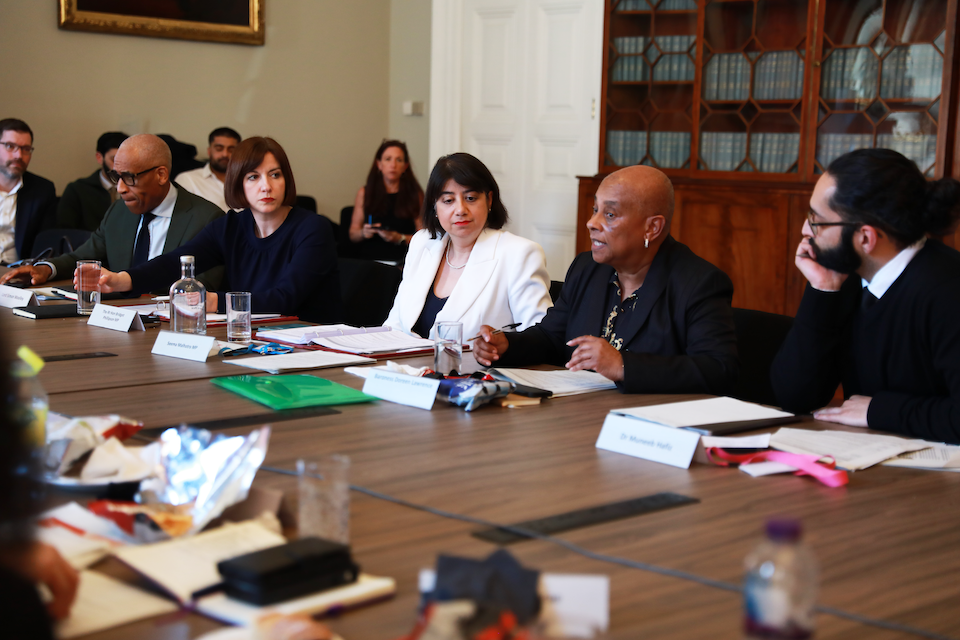
REEG members in discussion with the Rt Hon Bridget Phillipson at their roundtable on education and the transition to work.
“My story shows that with the right support, challenges can become opportunities and setbacks can become success.” Gillian, Sister System
9.1 The challenge
This government is determined to break down the barriers to opportunity for every young person and improve the transition from education to work. The challenges facing young people today who are making their journey through education to employment are already formidable. However, the evidence is clear that some cohorts face additional barriers (including ethnicity) which can leave them feeling disengaged or worse, actively mistreated by a system which should be supporting them to fulfil their potential. This can have devastating effects on their prospects of finding work in an already highly competitive and demanding job market.
Research into young people and becoming ‘not in education employment or training’ (NEET) suggests a sense of belonging in the education system is a fundamental factor that shapes existing indicators in calculating the likelihood of becoming NEET. Therefore, the role educational institutions have in building a sense of engagement and belonging for young people across the whole range of backgrounds is vital.
Among the challenges identified by our policy leads and stakeholders were racism in schools, a lack of diversity in the teaching workforce, exacerbated by issues in recruitment and progression for ethnic minority staff. Disruptions in the journey through school were another factor, as well as a curriculum that failed to adequately reflect the diversity and lived experience of contemporary students.
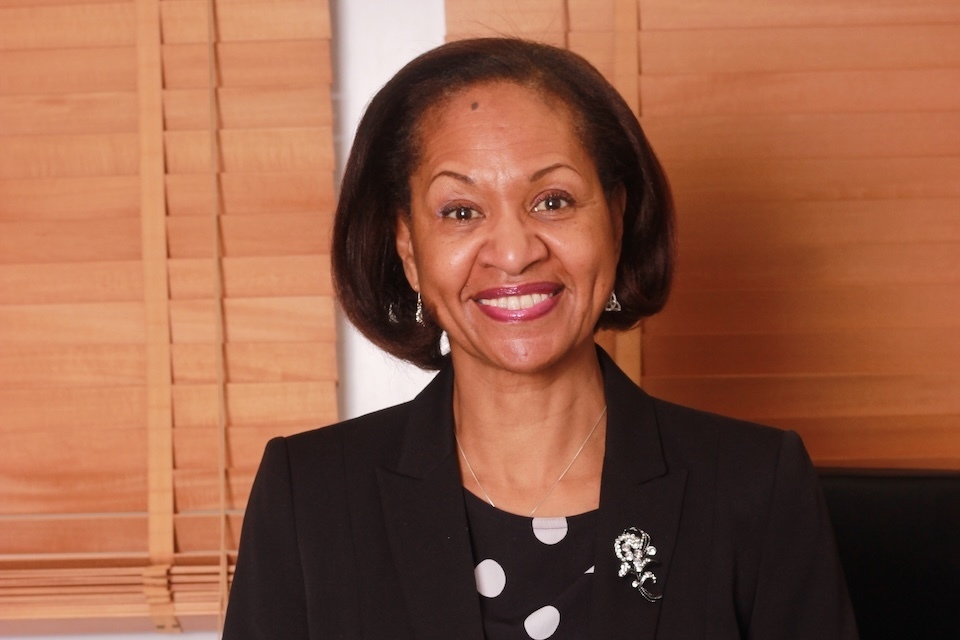
Spotlight: Lorna Jackson MBE, Headteacher of Maryland Primary School
Lorna Jackson
Lorna Jackson, Headteacher of Maryland Primary School, shared her experience as a Windrush child from Jamaica and as one of the first Black teachers in the London Borough of Newham. Her school’s mission is to unlock pupil potential and inspire achievement through a value-based curriculum that embeds equality, inclusion, and belonging. This is supported by providing unique experiences, such as meeting role models like Lenny Henry and Tim Peake to inspire the students.
“Getting it wrong isn’t an option. It’s to do with the culture, small ‘c’, of your school and what you provide. To make those children feel valued, represented, have a sense of belonging, to feel safe.
One of the biggest challenges to achieving inclusivity is representation. There are fewer voices to support diversity the higher you get. We ought to have more male Black teachers in secondary schools. Not because it’s a quota but because they’re real models, that’s my term for role models.
We need to demonstrate that we adhere to British values: respect, tolerance. We have to get it right for the future of society.”
9.2 The evidence
Evidence on education and the transition to work is wide-ranging. As such, REEG were laser-focused on those areas where the data showed unfair barriers to opportunity or outcome, including those driven by evidence of racial inequality during education:
Racism in schools: Data shows that in the 2023 to 2024 academic year, racist abuse accounted for 15,000 suspensions and 70 permanent exclusions.[footnote 43]
Racist bullying: The National Behaviour Survey 2024/25 also shows that among pupils who reported being bullied in person, 9% cited race or ethnicity as the cause, with 4% citing religion or belief.[footnote 44]
Workforce: Although ethnic minority applicants are over-represented in Initial Teacher Training (ITT) applications, they are less likely to be accepted than White applicants. White candidates had a higher acceptance rate than all other ethnic groups (71%), while Black candidates had the lowest (27%). Asian and Mixed ethnic groups were accepted at rates of 46% and 61% respectively.[footnote 45]
In November 2025, 17.4% of teachers identified as belonging to an ethnic minority group, up from 11.2% in 2010. This is less than the 29.2% of working-age people who are from an ethnic minority (Census 2021) and 38.7% of pupils.[footnote 46]
Representation declines significantly at the senior leadership level, where only 11.0% identify as being from an ethnic minority group. In the 2025 to 2026 academic year, 16.1% of White British teachers were in leadership positions, compared with 11.3% of teachers from White Minorities, 9.3% of Black teachers and 7.8% of Asian teachers.[footnote 47]
Ethnic minority teachers have higher leaver rates (10.1% to 11.9%) compared to white teachers (8.0%).[footnote 48]
Spotlight: Ibrahim, Streets of Growth
Streets of Growth is a Tower Hamlets youth intervention charity. It has worked with over 6000 young people in the 15 to 21 age range. The young people it supports face a range of difficult challenges, including high poverty rates, the impact of intergenerational trauma, low levels of social capital and a lack of role models (which the charity has been trying to address through mentoring).
REEG members heard lived experience testimony from a Streets of Growth volunteer , who spoke about their experience regaining confidence while in the programme after a challenging schooling journey, including being denied re-entry to mainstream education during a 2-year period in a Pupil Referral Unit (PRU).
Ibrahim:
“I left a PRU with no qualifications. Not because I stopped caring but because by the time I ended up there, the system had already made its decision about me. I was excluded before I had a chance to prove otherwise.
“When Streets of Growth came in, they didn’t start with employment. They started with what was keeping me stuck, what harm looked like in my life day to day.
“My Intervention Coach didn’t disappear when things got difficult. That consistency, the same person, every week and not giving up was something I hadn’t had before. That’s how the programme works.
“By Phase 3 I was thinking about employment, about what I actually wanted. I had no qualifications at 16 but an apprenticeship with a bank at the other end.
“The decisions were mine and the work was mine.”
NEET rates
NEET rates among young people continue to rise at an alarming rate. Between January to March 2026, 13.5% of young people in the UK aged 16 to 24 were NEET – 1.01 million young people
In England, an estimated 839,900 young people aged 16 to 24 were NEET between October and December 2025, an increase in the number of NEET by 2,900 from previous year. This is equivalent to 13.3% – or almost 1 in 8 – of young people in the age range.
The role of ethnicity in NEET rates is significant. Young people from Black Caribbean and Mixed White and Black Caribbean backgrounds face higher NEET rates than average, regardless of whether or not they are eligible for free school meals. Of all groups, young people from Roma and Irish Traveller backgrounds face the highest NEET rates.[footnote 49]
Spotlight: Gillian, Sister System
Sister System works alongside girls and young women aged 13 to 24 affected by care, offering early intervention mentoring and an educational programme. This is Gillian’s story:
“I moved to the UK from Ghana and whilst in the UK my mother passed away. I started secondary school midway through Year 9. English was my second language, and although I received support for my English GCSE, there was little help available in other subjects. I often felt isolated, struggling to understand lessons and communicate with teachers who did not speak my language. Despite this, I persevered and completed school.
“After leaving school, assessments revealed I had a learning disability and speech impairment. Through support from a speech and language therapist, I gained confidence and the skills needed to succeed in college, achieving Level 2 and 3 qualifications in Health and Social Care before progressing to university to study Nursing.
“When COVID-19 forced learning online, I struggled to access support and eventually left university. Family tensions led to me becoming homeless. With help from my church, Shelter and YMCA, I found stability and was later referred to Sister System. The support I received transformed my confidence, wellbeing and future outlook. Today, I live independently in my own home. My story shows that with the right support, challenges can become opportunities and setbacks can become success.”
9.3 Action
Roundtable on education and the transition to work
In March 2026, REEG ran an event on education and the transition to work. The day brought together perspectives from life long educators, government departments, civil society organisations and young people with lived experience of being NEET. It was attended by Minister Malhotra and the Secretary of State for Education and Minister for Women and Equalities, the Rt Hon Bridget Phillipson MP.
Case study: Impetus analysis
At the roundtable the Group heard from Impetus. Impetus is a venture philanthropy organisation that provides support, funding and analysis to organisations looking to support young people to find education and employment. Impetus’s analysis focuses on addressing 3 key issues:
- lost learning from school absences, suspensions, and exclusions
- poor attainment (especially missing GCSE English and Maths)
- the high rate of young people who are NEET
These challenges disproportionately affect young people from disadvantaged backgrounds.
For example, in the 2022 to 2023 academic year, children on FSM were 24% of the school population but accounted for 55% of all school suspensions. Approximately 978,000 18 to 24 year olds are NEET, with disadvantaged youths twice as likely to be NEET.
The challenges are compounded for young people from some ethnic minority and disadvantaged backgrounds. While children on FSM are more likely to have poor outcomes, the rates vary significantly by ethnic group, and using broad ethnic categories (such as Black and White) obscures major differences within those categories.
The evidence shows that qualifications provide protection including where racial inequalities exist – each step up the qualification ladder roughly halves the risk of people being NEET in their early 20s. However, NEET status has “scarring effects”. For example, young people who are NEET at ages 18 to 19 are 20% more likely to be unemployed 10 years later.
Impetus evidence shows Black Caribbean young people are 15% more likely to be NEET than the national average, even though the broader Black category is 5% less likely. Similarly, White Irish Travellers are 210% more likely to be NEET than the national average, while the broader White category are only 1% more likely.
Factors like discrimination, racism, poverty, and poor housing are recognised as contributing factors to these worse outcomes, necessitating better, more granular data for developing informed policy solutions.
Government action
The government has an ambitious plan to improve educational outcomes, ensuring that children are set up for success through the school journey and beyond, whether that is further training, education or quality work.
Curriculum reform
In its response to last year’s curriculum and assessment review, led by Professor Becky Francis, the government has set out an ambitious programme of reform. Professor Francis recommended that the government update all programmes of study and corresponding GCSE subject content to include stronger representation of modern societal diversity, allowing more children to see themselves in the curriculum. In its response, the government agreed with this recommendation:
We agree with the Review that the national curriculum and the resources that support it, should reflect our modern society and diverse communities. Our aim is for the curriculum to be both a mirror, in which every child can see themselves and their communities reflected, and a window through which every child is connected to the world beyond their existing horizons and perspectives.[footnote 50]
The Department for Education (DfE) is currently working with independent experts on all subjects within the curriculum, including citizenship (which they plan to make a new statutory requirement for key stages 1 and 2, in line with review recommendations), history, art, design, music, and English. For all subjects, their intention is to leave teachers the flexibility to tailor lessons in a way which considers the local context.
Workforce
DfE officials presented on efforts to diversify the teaching workforce, noting the delivery plan[footnote 51] to recruit 6,500 additional expert teachers to strengthen and diversify the workforce. DfE initiatives are organised around 3 aims:
- attracting a diverse workforce
- supporting fair and inclusive entry
- supporting development, progression and retention
These efforts are supported by analysing data from the School Workforce Census and the Working Lives of Teachers and Leaders survey to better understand the workforce experience.
Preventing young people from becoming NEET and supporting those who are
The Rt Hon Alan Milburn’s interim report in young people and work[footnote 52], makes clear that NEET risk factors are multiple and compounding. The greatest risk factors are when a young person has an Education Health and Care Plan, or is persistently absent or excluded.
While ethnicity is not a direct NEET driver, different ethnic groups are more likely to experience particular risk factors. In his report, Alan Milburn highlighted that the ethnic profile of who becomes NEET shows stark variation. In 2024 Black, African and Caribbean young people had the highest NEET rates of all ethnic groups included in large scale national surveys, at 15.2%.[footnote 53]
Tackling the NEET challenge and delivering the Youth Guarantee (a national program enabling all young people to access training, an apprenticeship, or support to find work) is a cross-government effort supported by a £2.5 billion investment over 3 years. An ambitious suite of activity is being taken forward to address this urgent problem, with efforts spanning the local, regional and the national.
Eight ‘trailblazer’ areas across the country are testing innovative local approaches and entered their second year of running in April 2026. While DfE policies are not targeted at particular ethnic groups, the evaluation of the Trailblazers will point to the extent to which they have chosen to target NEET interventions at particular ethnic groups, and the impact that any such interventions have had.
DfE has made a new Risk of NEET Indicator (RONI) tool available to local authorities. This helps them assess the level of NEET risk of individual young people in the local area, based on data about their NEET risk characteristics. They are also working with further education (FE) providers to track attendance and intervene earlier, and with schools to help identify a post-16 place for every young person. They are piloting the automatic allocation of FE places for school-leavers who do not have a confirmed follow-up path and they are looking at how best to improve local accountability on NEET, including by giving Strategic Authorities a clearer role.
Case study: Youth Futures Foundation and Hamara
Youth Futures Foundation (YFF), a charity focused on youth employment, particularly among marginalised young people, are clear that employment outcomes for young people from ethnic minority backgrounds are generally worse than the education outcomes. YFF’s 2024 Discrimination and Work survey found that 48% of ethnically-minoritised young people experienced prejudice trying to enter work and 55% believe discrimination will hold back their career. YFF advocate for lasting change to address bias in employer processes and systems, supported by findings in Alan Milburn’s interim report.
Hamara is one of YFF’s partners. Their Inspiring Futures Programme, funded by YFF, supports new pathways into work and training for South Asian young people across Bradford and Leeds, and they are working with 8 community-based organisations on a package of measures to support lasting change.
At the roundtable, an employee and beneficiary of Hamara, shared his experience of fighting to be heard from a young age and the resulting impact on his confidence. He noted that young South Asians often struggle to find employment, even with good academic results, due to a lack of professional networks and feeling held back by their name or background.
Hamara helps young people to not only access employment but also believe that they deserve it, primarily by creating confidence-boosting encounters with employers that make the abstract idea of employment real.
9.4 Progress
Supporting the Alan Milburn Review
To support Alan Milburn and his team in his landmark review into young people who are NEET, REEG met with them to discuss the report, behaviour and exclusions, alternative provisions reform as well as hear testimony from young people. The Group will continue to support Alan’s team.
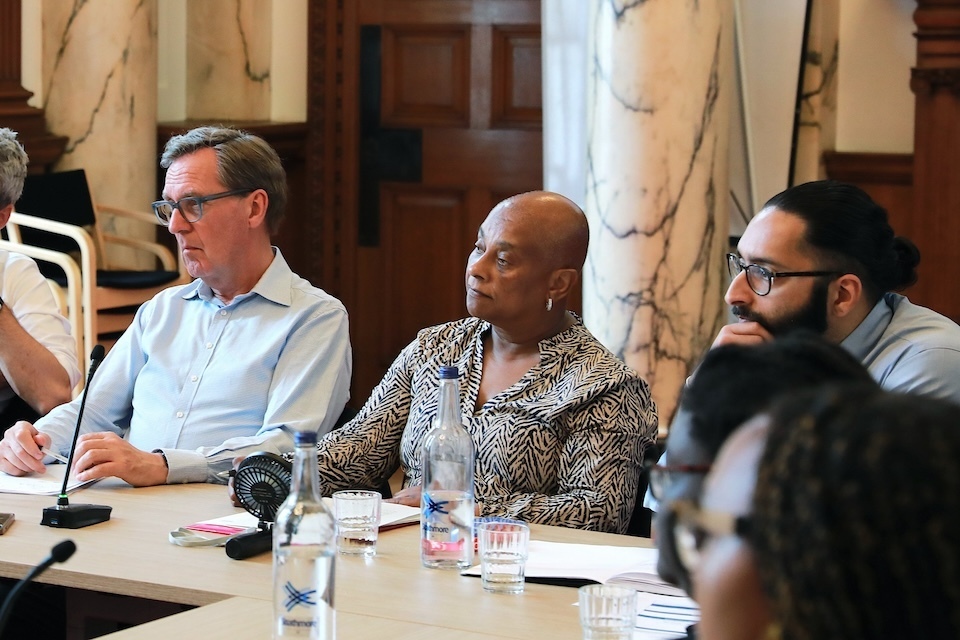
REEG members meet with Alan Milburn and his investigation team
Schools white paper
In February 2026, DfE published the schools white paper (Every Child Achieving and Thriving), a 10-year strategy outlining reforms to the schools and SEND systems in England to ensure that every child can achieve and thrive.
As set out in the schools white paper, the government’s Race Equality Unit (REU) will work with DfE to undertake a programme of work to improve race equality in education. The REU will:
- conduct further research on the issue of tackling racist abuse in schools
- interrogate the evidence on what drives inequalities in school exclusions between different ethnic groups
- undertake research to explore effective mechanisms to improve recruitment, retention and progression of the ethnic minority teaching workforce
REEG are supporting government ambitions to deliver them effectively.
-
Natwest, ‘Advancing the growth potential of the UKs ethnic minority businesses’ 2022 ↩
-
Lending Standards Board, ‘UK Ethnic Minority-led Businesses Far Less Likely to Have Full Loan Applications Approved Than Other Businesses’, 2025 ↩
-
British Business Bank, ‘Small Business Finance Markets Report’, 2025 ↩
-
Aston University, ‘Time to change: A blueprint for advancing the UK’s ethnic minority businesses’, 2022 ↩
-
MBRRACE, ‘Maternal mortality 2022-2024’, 2026. The risk of maternal death for Black women was 32 per 100,000 maternities compared with 12 per 100,000 for White women (2022-2024) ↩
-
Ekezie, W., Hopwood, E., et al. ‘Perinatal health outcomes of women from Gypsy, Roma and Traveller communities: A systematic review’, 2023 ↩
-
ONS, ‘Child and infant mortality (by year of death), England and Wales’, 2024 ↩
-
The Lancet, ‘Inequalities in neonatal unit mortality in England and Wales between 2012 and 2022: a retrospective cohort study’, 2025 ↩
-
MBRRACE, ‘Maternal Mortality 2022-2024 Saving Lives, Improving Mothers’ Care’, 2025 ↩
-
The Lancet, ‘Regional Health, Impact of maternal risk factors on ethnic disparities in maternal mortality: a national population-based cohort’, 2024 ↩
-
Race Health Observatory, ‘Review of neonatal assessment and practice in Black,Asian, and minority ethnic newborns’, 2023 ↩
-
‘Independent Investigation into Maternity and Neonatal Services in England – Interim Report’, 2026 ↩
-
‘Independent Investigation into Maternity and Neonatal Services in England – Interim Report’, 2026 ↩
-
Office for Equality and Opportunity, ‘Confidence in maternity care services’, 2025 ↩
-
Independent Investigation into Maternity and Neonatal Services in England Final report and recommendations, 2026 ↩
-
Independent Investigation into Maternity and Neonatal Services in England Final report and recommendations, 2026 ↩
-
Impact of midwife continuity of carer on stillbirth rate and first feed in England, 2025 ↩
-
British Heart Foundation, ‘UK Cardiovascular Disease’, 2026 ↩
-
NICE, ‘Risk factors for CVD, Background information, CVD risk assessment and management’, 2025 ↩
-
ONS, ‘Inequalities in mortality involving common physical health conditions, England’, 2023 ↩
-
ONS, ‘Inequalities in mortality involving common physical health conditions, England’, 2023 ↩
-
ONS, ‘Gypsy or Irish Traveller populations, England and Wales: Census 2021’, 2021 ↩
-
NHS England » Core20PLUS5 (adults) – an approach to reducing healthcare inequalities ↩
-
Inclusion Health Groups: refers to socially excluded groups who face multiple overlapping health risks such as poverty, violence, and trauma. These include people experiencing homelessness, substance dependence, vulnerable migrants, Gypsy, Roma and Traveller communities, sex workers, those in contact with the justice system, and victims of modern slavery. ↩
-
Home Office, ‘From local to national: a new model for policing’ (2026) ↩
-
Home Office, ‘Police Powers and Procedures, England and Wales’ (2025) ↩
-
Home Office, ‘Police Powers and Procedures, England and Wales’ (2025) ↩
-
ONS, ‘Perception and experience of police and criminal justice system, England and Wales’ (2025) ↩
-
Realities Checked, ‘Gypsies and Travellers’ Experiences of Crime Victimisation and Policing’ (2023) ↩
-
ONS, ‘Crime in England and Wales: Year Ending March’ (2020) ↩
-
College of Policing, ‘Police Leadership Commission - Professionalism and performance, Police Leadership for the future’, 2026 ↩
-
Department for Education. ‘Academic year 2023/24 Suspensions and permanent exclusions in England’, July 2025 ↩
-
Department for Education. ‘National Behaviour Survey Findings from academic year 2024 to 202,’ November 2025 ↩
-
Department for Education, ‘Initial Teacher Training Census’, March 2026 ↩
-
Department for Education, ‘Schools, Pupils, and their characteristics for academic year 2025/26’, June 2026. Note: The calculation for the percentage of pupils from ethnic minority backgrounds includes pupils where ethnicity is “unclassified” in the denominator. This is not directly comparable with the calculation of teachers from ethnic minority backgrounds, which excludes where the ethnicity ↩
-
Department for Education, ‘School workforce in England’, 2025 ↩
-
Department for Education, ‘Qualified leavers from teaching’ from ‘School workforce in England’, Permanent data table - Explore education statistics - GOV.UK, 2026 ↩
-
Impetus. Youth Jobs Gap: Exploring compound disadvantage, 2025. ↩
-
Department for Education, ‘Government response to the Curriculum and Assessment Review’, November 2025 ↩
-
Department for Education, ‘6,500 additional teachers delivery plan’, April 2026 ↩
-
Department for Work and Pensions, ‘Young people and work: interim report’, 2026 ↩
-
Youth Futures Foundation, ‘Trends in young people not in education, employment or training’, 2025 ↩