
Getting consent for additional charges when selling online
Published 18 November 2025

© Crown copyright 2025
This publication is licensed under the terms of the Open Government Licence v3.0 except where otherwise stated. To view this licence, visit nationalarchives.gov.uk/doc/open-government-licence/version/3 or write to the Information Policy Team, The National Archives, Kew, London TW9 4DU, or email: psi@nationalarchives.gov.uk.
Where we have identified any third party copyright information you will need to obtain permission from the copyright holders concerned.
This publication is available at https://www.gov.uk/government/publications/getting-consent-for-additional-charges-when-selling-online/getting-consent-for-additional-charges-when-selling-online
This page explains your responsibilities when selling optional extras (like insurance or faster delivery) to your customers. Your business must not charge customers for optional extras, unless the consumer has expressly agreed to it.
This information applies to any business selling online, including on apps and websites.
You should read this if you:
-
run a business that uses a website to sell goods and services
-
design websites for businesses
This page covers optional charges. There are different rules for mandatory charges (like non-optional booking fees). We have published separate guidance on these rules to help you comply.
Getting express consent
If you are offering optional extras linked to the main product you are selling, you should not charge for those extras by default.
Consumers must have genuine choice over whether to pay for an extra product or service they may or may not wish to choose. You can’t use pre-ticked boxes or other forms of automatic opt-in for optional extras, if that means the customer will have to pay for them unless they take action to opt out.
Optional extras can include things like:
-
insurance
-
express delivery
-
making donations to charity
You need to get your customer’s express consent for any additional payment – they must actively choose to make the payment.
You must:
-
clearly explain any additional payments that consumers can choose to make
-
make sure that customers expressly consent to additional payments before they are charged
-
give customers a way to check and confirm what they are paying for
A customer can’t provide express consent by:
-
not changing a default option, for example by not removing a tick from a pre-ticked box
-
opting out of an extra, for example if they are required to tick a box to avoid paying
Visual examples: what’s allowed
These illustrative examples show what a payment or checkout screen could look like when a customer provides explicit consent.
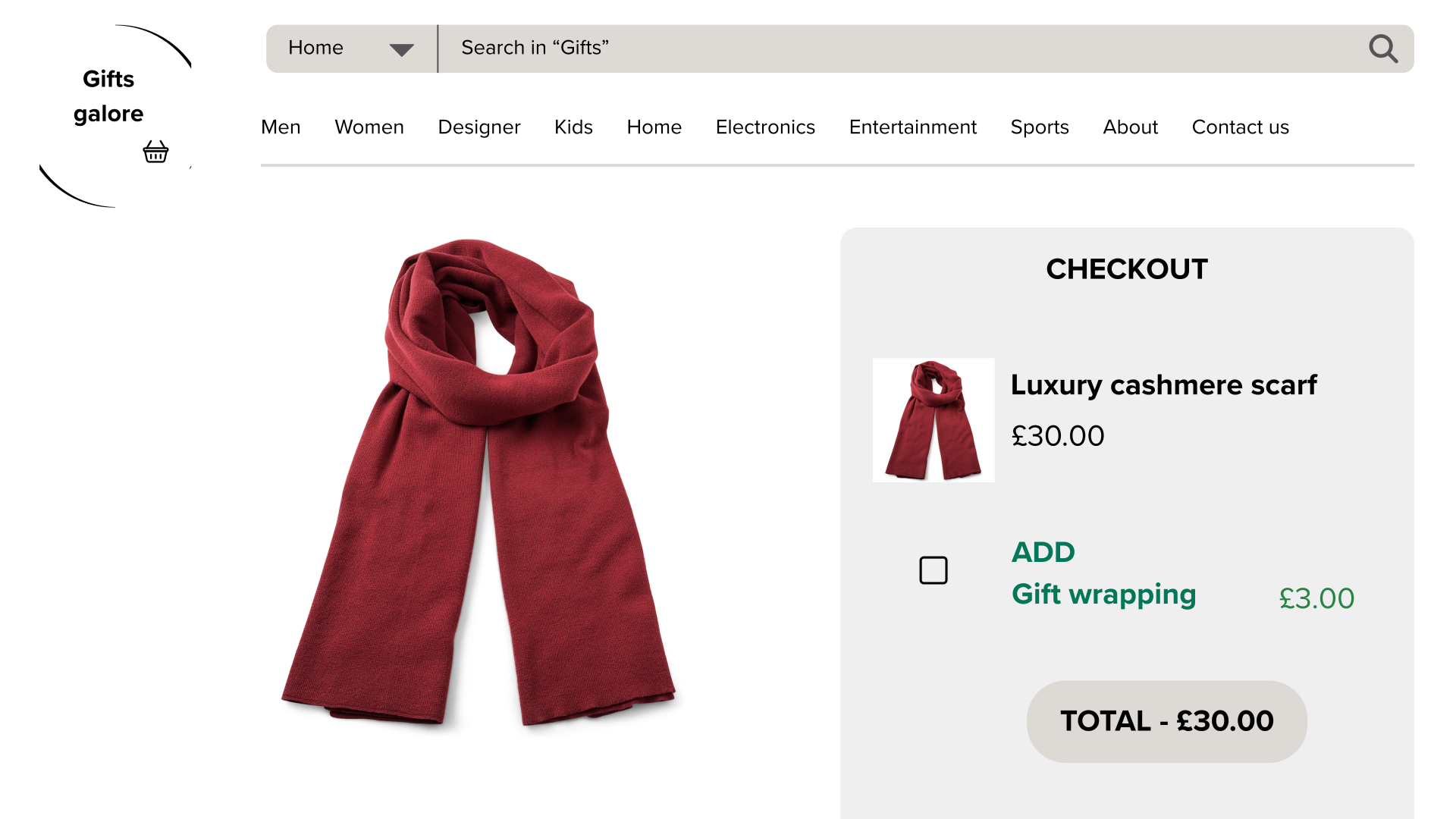
Example 1: During checkout, the customer sees ‘Add gift wrapping for £3’ with an unticked checkbox. The customer must actively tick the box to agree to the additional payment.
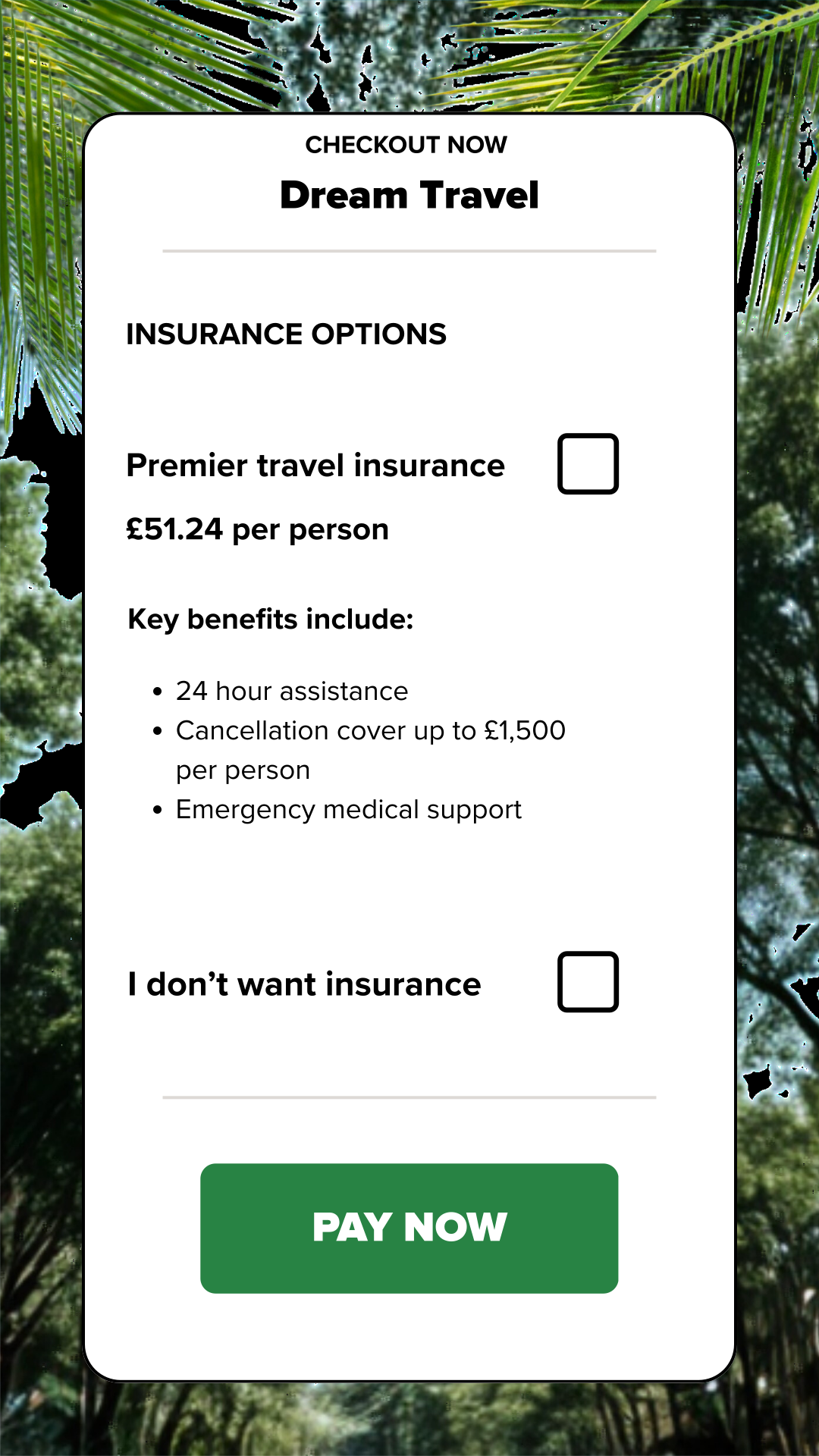
Example 2: A booking form offers travel insurance as an optional add-on, with clear information about the additional cost. The customer must choose to add and pay for the extra insurance or decline it.
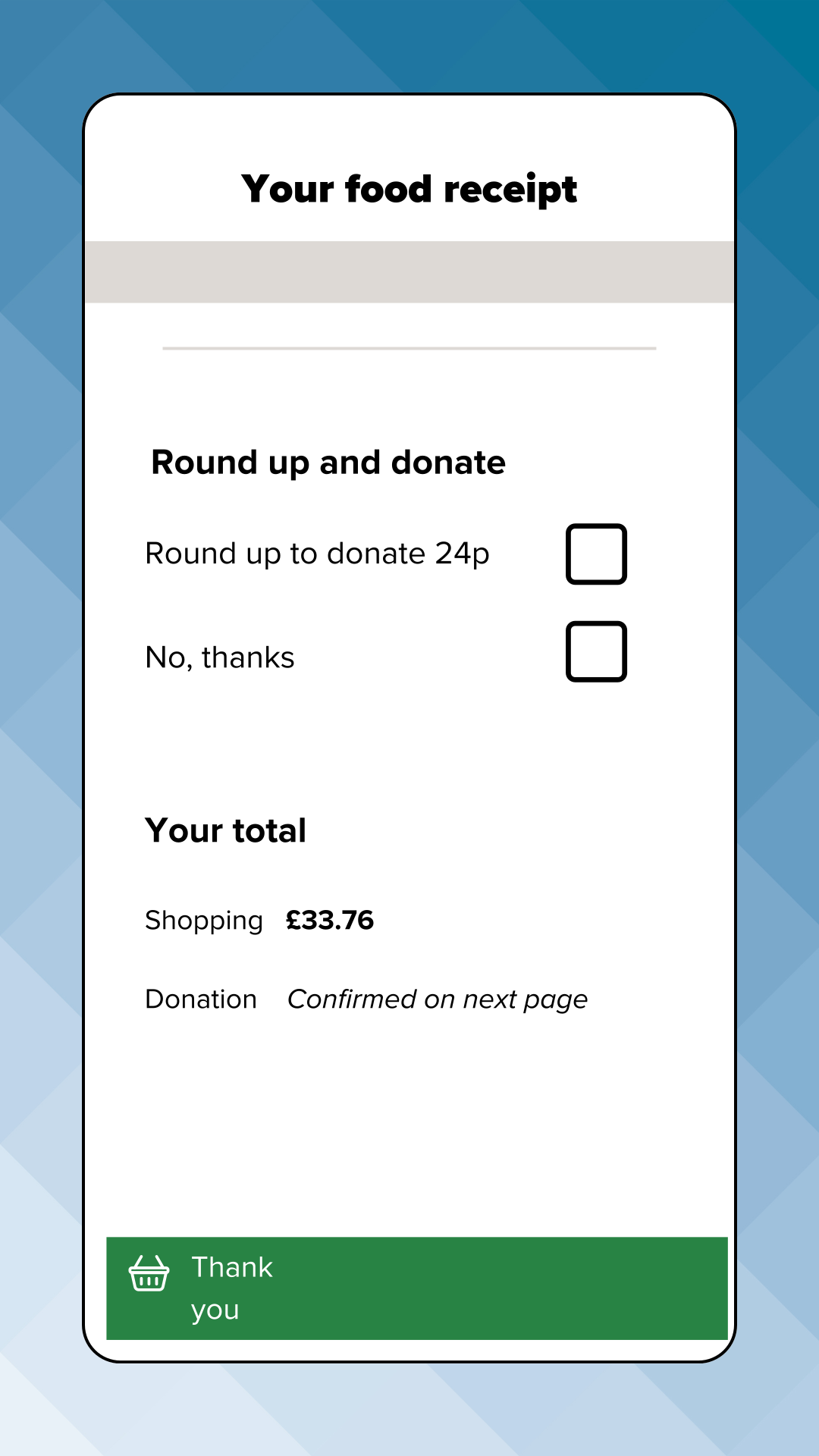
Example 3: On a supermarket website, a customer checking out is invited to round up their payment to the nearest pound to donate to a local food bank. The customer must select either ‘Round up’ or ‘No, thanks’ to complete the transaction. The customer makes an active choice before any additional money is added.
Visual examples: what’s not allowed
These illustrative examples show what a payment or checkout screen could look like when a customer does not provide explicit consent.
Example 4: During an online checkout process a website automatically adds ‘Express delivery (£7.99)’ to the customer’s contract.
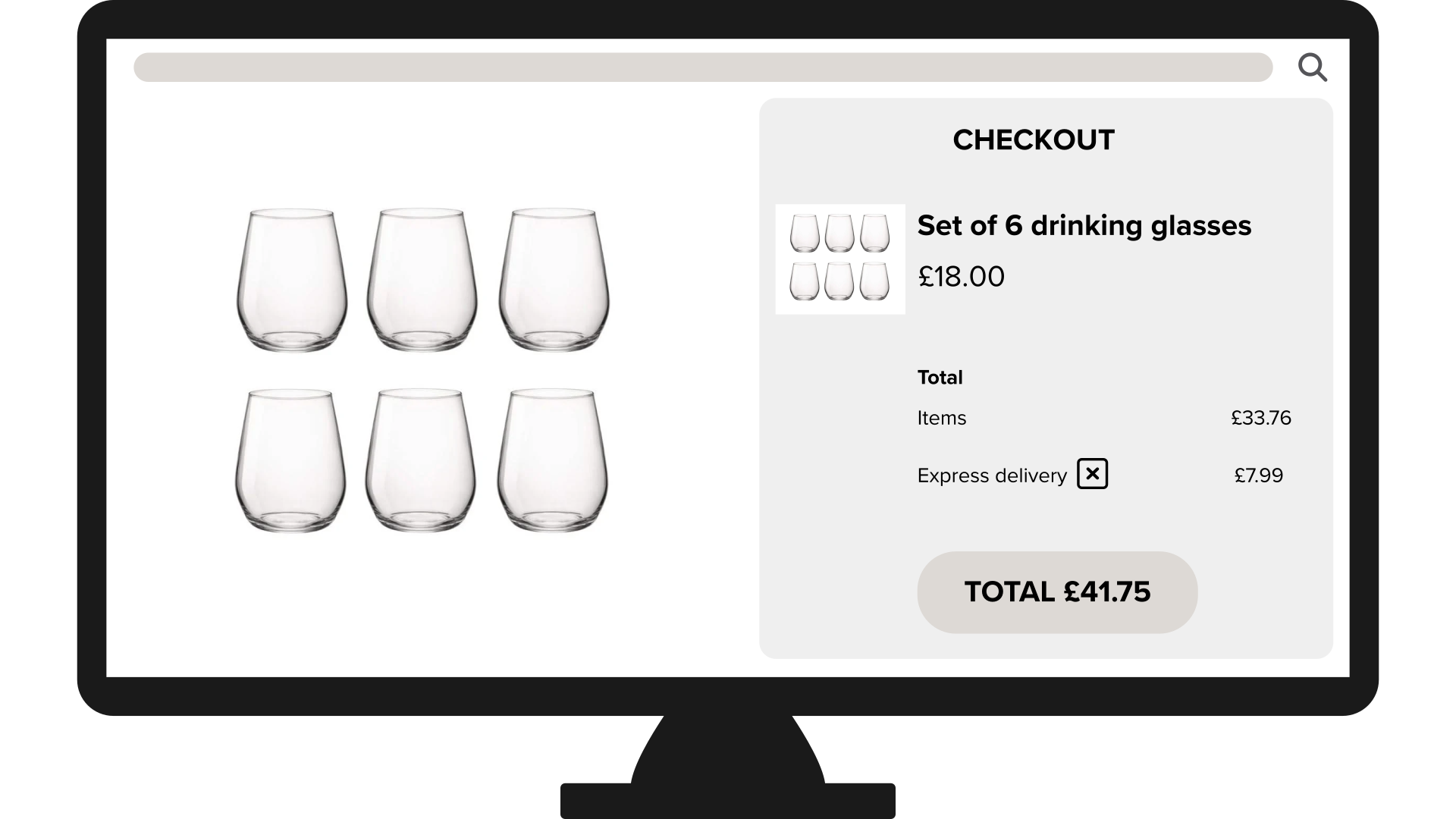
This is not allowed because the customer didn’t actively choose it over the standard delivery offered.
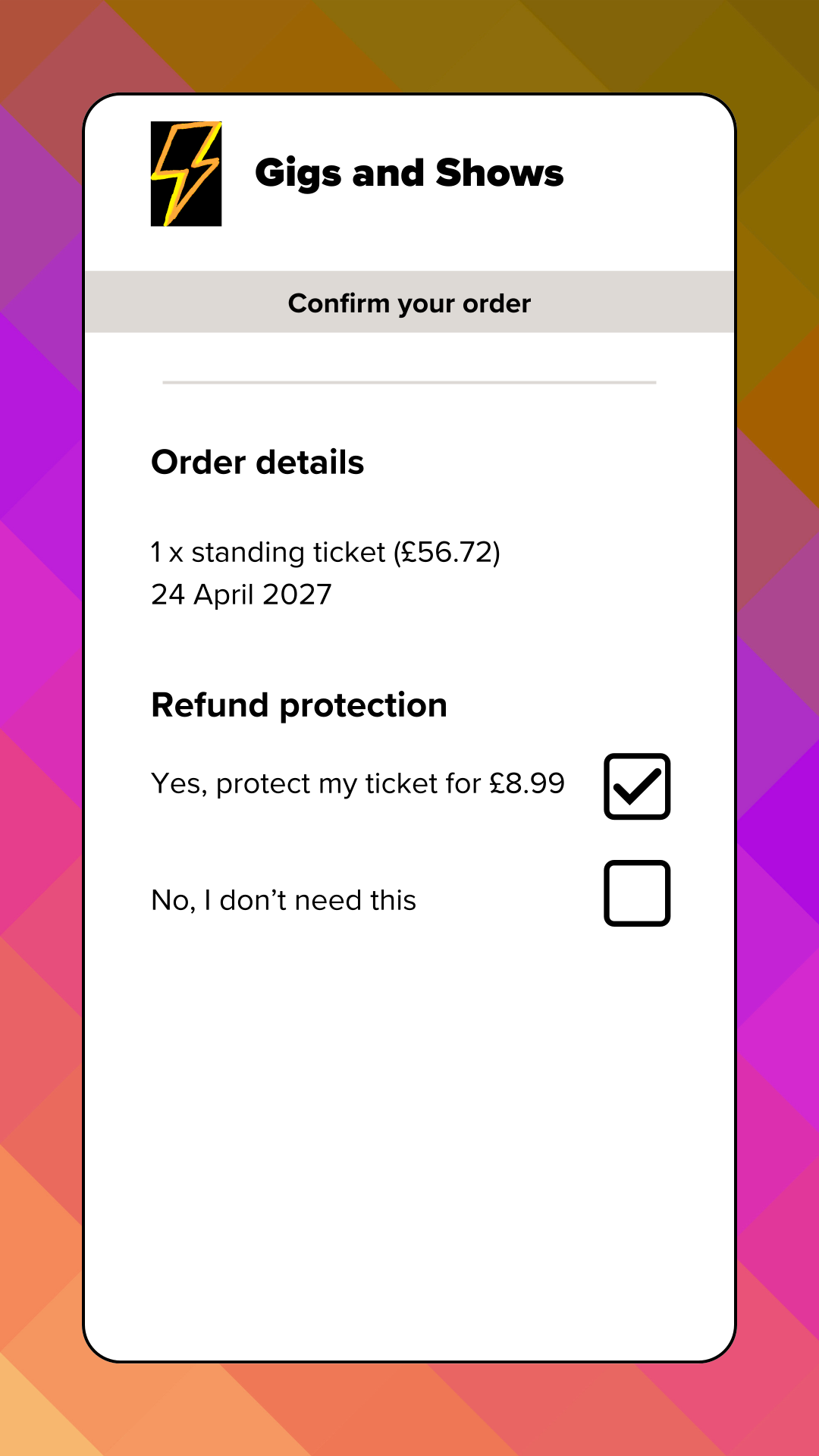
Example 5: A ticket website automatically adds ‘event cancellation insurance’ to a customer’s basket on the final payment screen. The insurance is optional, but the customer must select a box to indicate that they do not want it.
This is not allowed because adding something automatically to a basket is not express consent.
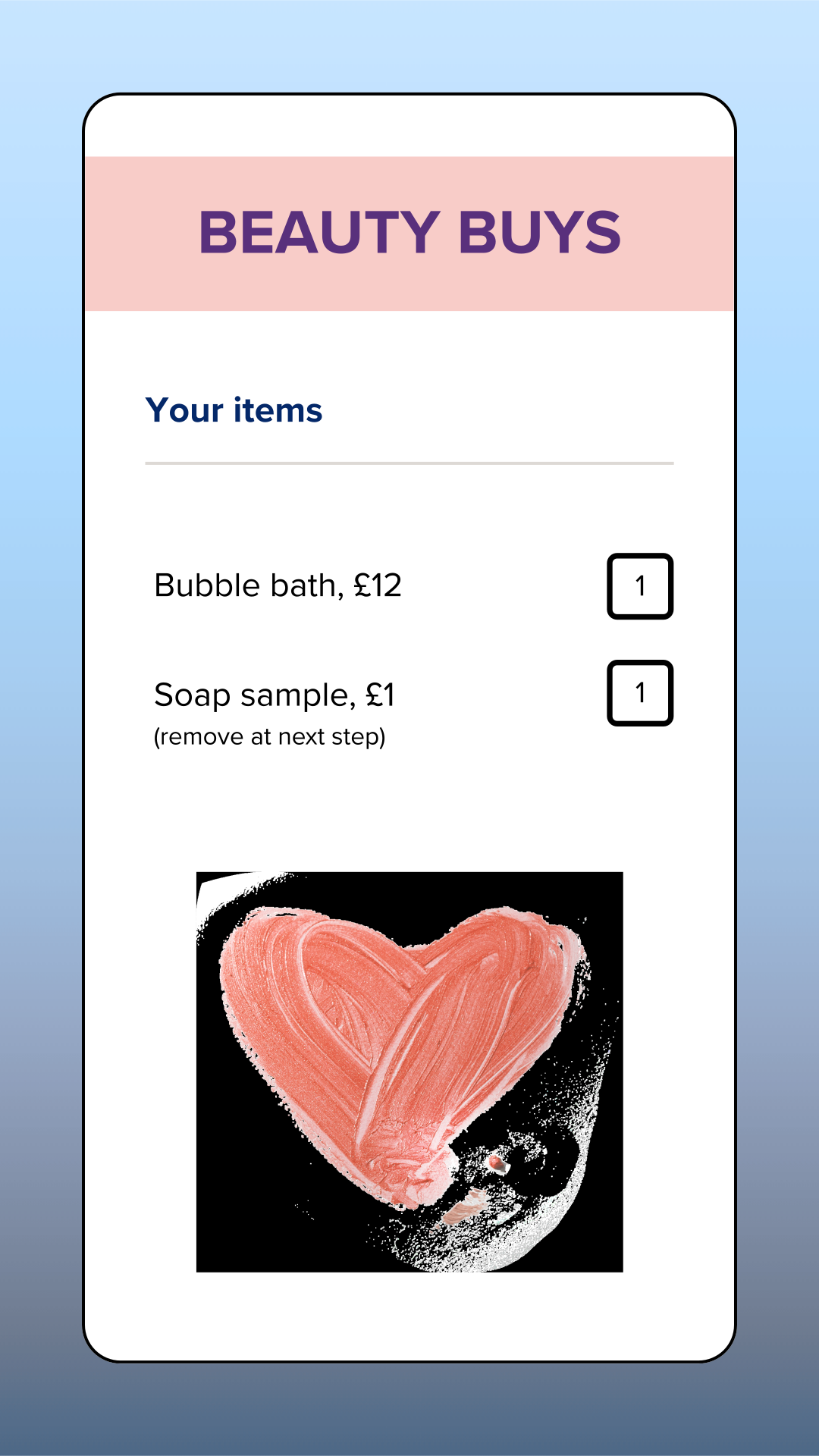
Example 6: A cosmetics company adds a sample product costing £1 to every order. The customer must remove the item to indicate that they do not wish to purchase the sample product.
This is not allowed because the default is that the customer has to pay.
Customers’ rights
If your customer does not expressly agree to an additional payment, they do not have to pay it.
Refunds
If a customer did not give express consent for an additional charge, then they are legally entitled to claim a refund of the charge from you.
If you don’t comply
You can damage your reputation if you undermine consumers’ trust in your business.
If you fail to get express consent for optional extras, you could be breaking the law. If this happens, the CMA, Trading Standards and other consumer enforcement bodies can investigate and take enforcement action, which could lead to:
-
a fine of up to 10% of your turnover or up to £300,000, whichever is higher
-
an order to pay redress to affected customers
Find out how the CMA uses its direct consumer enforcement powers.