Drug use in ethnic minority groups: a review and recommendations (accessible)
Updated 3 June 2026

© Crown copyright 2026
This publication is licensed under the terms of the Open Government Licence v3.0 except where otherwise stated. To view this licence, visit nationalarchives.gov.uk/doc/open-government-licence/version/3 or write to the Information Policy Team, The National Archives, Kew, London TW9 4DU, or email: psi@nationalarchives.gov.uk.
Where we have identified any third party copyright information you will need to obtain permission from the copyright holders concerned.
This publication is available at https://www.gov.uk/government/publications/drug-use-in-ethnic-minority-groups-a-review-and-recommendations/drug-use-in-ethnic-minority-groups-a-review-and-recommendations-accessible
May 2026
1. Introduction
1.1 The Advisory Council on the Misuse of Drugs (ACMD) has previously investigated vulnerability and risk factors to developing substance use (ACMD, 2018), and use in specific vulnerable groups including those who are homeless (ACMD, 2019) and young people (ACMD, 2022). Following this series of work, the ACMD agreed to look at issues in other groups, and one of these is this report focussing on drug use in ethnic minority groups.
1.2 A previous report investigating the association between mental health and alcohol use, plus the available interventions in minority ethnic groups, highlighted under-representation of these groups in treatment services (Puddephatt et al., 2023). It remains unclear whether this is due to higher abstinence in these groups, under-reporting or other barriers that prevent individuals seeking treatment, for example, difficulties in accessing and disclosing appropriate support.
1.3 The degree to which these findings translate to drug use and treatment are yet to be established. Therefore, the ACMD has produced this report to:
- review the challenges facing the reporting of drug use in ethnic minority groups;
- consider the effects of substance use in these groups;
- consider the accessibility and barriers to current treatment services and interventions; and
- provide recommendations to improve the reporting of drug use in these communities, effectiveness of currently available services and interventions, and what should be delivered to these communities.
1.4 This report draws on evidence from UK and international peer-reviewed literature and government reports and considered international approaches when drafting its recommendations. The evidence gathered was considered in accordance with the ACMD’s standard operating procedure for quality of evidence (ACMD, 2025).
1.5 To understand the evidence of the prevalence of drug use among ethnic minority groups in the UK, the ACMD reviewed national datasets including the Crime Survey for England and Wales (CSEW), the Adult Psychiatric Morbidity Survey (APMS), the National Drug Treatment Monitoring System (NDTMS), and Ministry of Justice (MoJ) statistics. Official statistics from the Office for National Statistics (ONS) and the Office for Health Improvement and Disparities (OHID) were also considered.
1.6 The ACMD issued a public Call for Evidence between 21 August 2023 and 27 October 2023, to gather qualitative insights from stakeholders, including treatment providers, community organisations, and individuals with lived experience. Responses informed the analysis of barriers to treatment and examples of good practice. Details of case studies from this exercise are provided in Annex A.
1.7 It is important to note that ethnicity data in national datasets are often incomplete or inconsistently categorised, and some prevalence data (e.g., APMS 2014) are outdated. Small sample sizes for minority groups reduce statistical power, and self‑reported surveys may be affected by under‑reporting due to stigma or mistrust. Administrative data, such as criminal justice statistics, may also reflect systemic factors (e.g., policing practices) rather than true prevalence. As a result, the evidence base should be interpreted with caution, and some disparities or trends may not be fully captured.
1.8 It should be noted that the term ‘substance use’ is used throughout the report as there are occasions when reference is made to both alcohol and drug use. However, there are times when the term drug use is specifically used, particularly in relation to prevalence data. In addition, findings from cited reports and studies often use alternative terminology within their respective studies, and so we refer to their terminology in this report.
2. Demographic Context
2.1 The 2021 census data for England and Wales indicated that the total population during 2021 was 59.6 million, of which, 82% were from White ethnic groups, 9% were from Asian ethnic groups, 4% of residents were from Black ethnic groups, 3% had mixed ethnicity and 2% belonged to ‘other’ ethnic groups (ONS, 2022).
2.2 The full breakdown of population of England and Wales by ethnicity, across nineteen ethnic groups, excluding White British, is shown in Figure 1. From 2001 to 2021, the number of people who identified as ‘any other ethnic background’ increased from 219,800 to 923,800 (ONS, 2022). In the 2011 census, 0.9% of the population of England and Wales identified as White Irish and a further 0.1% identified as Gypsy or Irish Traveller (ONS, 2012).
2.3 The 2021 England and Wales ethnic diversity data can be divided by region and local authority. London was shown to be the most ethnically diverse region, with the smallest percentage of people who identified as White British. Eight out of the 10 most ethnically diverse local authorities were in London, with Newham reported as the most ethnically diverse. In London, 46% of residents identified as Asian, Black, mixed or ‘other’[footnote 1] ethnic groups. Alternatively, the North-East of England was the least ethnically diverse region, where only 7% of residents identified as Asian, Black, mixed or ‘other’ ethnic groups. According to the 2021 census, of the general population, 14% of Asian people and 11% of Black people lived in the West Midlands (ONS, 2022).
2.3 The observed changes in ethnic composition across England and Wales over the 10-year period between the two censuses are attributed to several factors, including differing patterns of ageing, fertility, mortality, and net migration. Differences in the way residents chose to self-identify between censuses and the inclusion of additional ethnic groups should also be considered. For example, a ‘Roma’ response option was added, and individuals could self-define ethnicity by specifying their own responses under the ‘Black African’ ethnic group (ONS, 2022). Therefore, the census data confirm that ethnicity in England and Wales is multi-dimensional, involving the complex interplay of ancestry, culture, self-reported identity, religion, and language.
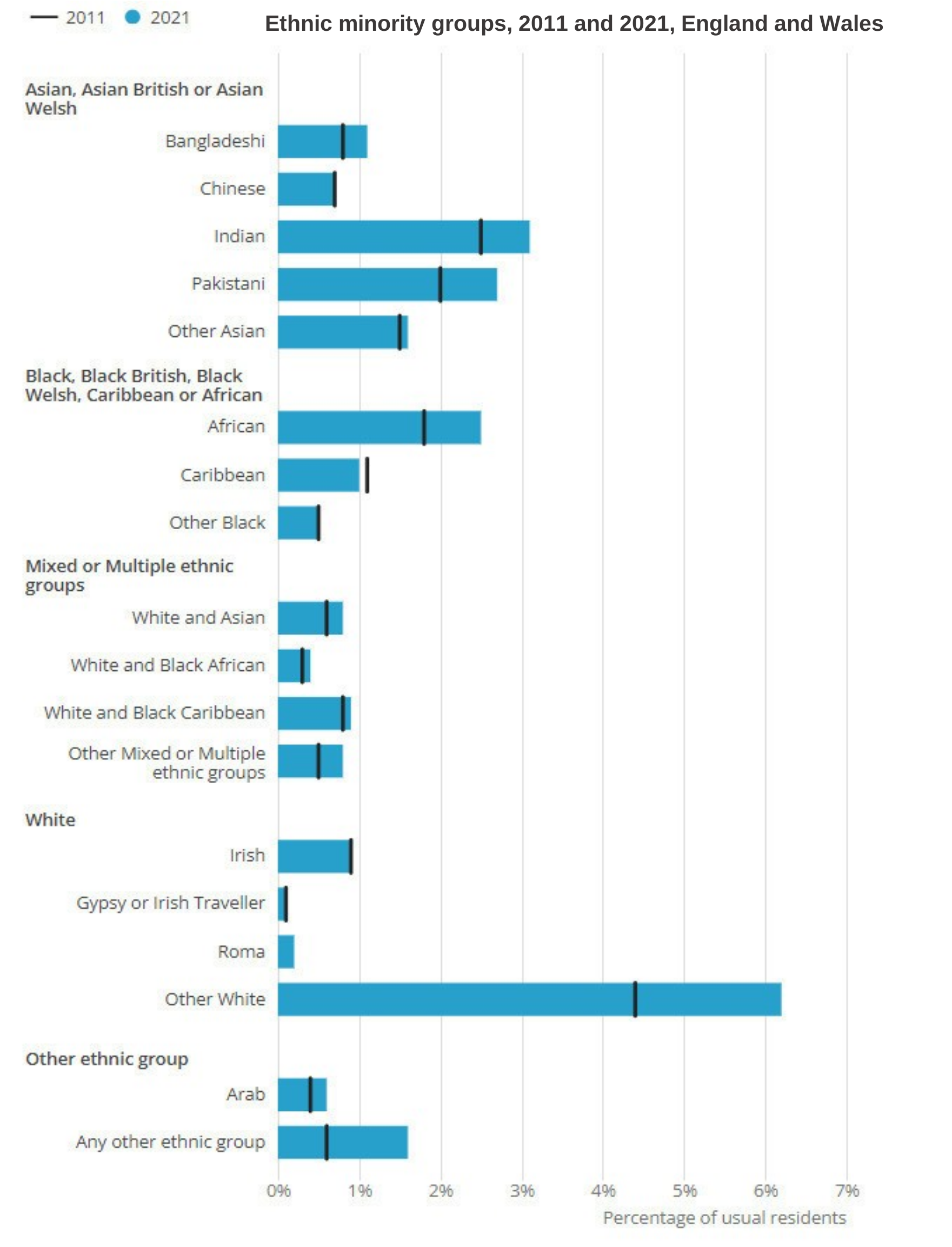
Figure 1: Population of England and Wales by ethnicity, excluding White British, as this group accounts for the largest percentage of the overall population (ONS, 2022).
3. General Health Context
3.1 England’s most extensive study of ethnic minority health in people aged 55 and over, highlighted huge inequalities across most groups, compared with White British people. The study by the University of Bristol found that the general health of 60-year-olds from Gypsy or Irish Traveller, Bangladeshi, Pakistani, and Arab backgrounds was comparable to that of an average 80-year-old of a White British background. The sample included over 150,000 individuals who self-identified as belonging to an ethnic minority group. Nearly all ethnic groups surveyed were significantly more likely to report inadequate support from local services in managing their health conditions and expressed a lack of self-confidence in addressing health concerns (Bansal et al., 2022).
3.2 A review of 66 personal accounts considered the perceptions of mental health professionals and mental health service users. The authors considered how access to appropriate mental health services could be improved and how health inequalities may be reduced to provide an equitable standard of care for people who used mental health services. Healthcare professionals discussed how care was negatively impacted through a fear of ‘calling out racism’ in practice and a lack of knowledge when discussing race, religion, and spirituality, in order to create a culturally competent practice. There was also agreement that there was a complex interplay between systemic racism and over reliance on the medical model of practice, which had minimal impact to address health inequality in mental health care (Bansal et al., 2022).
3.3 Research participants from ethnic minority groups within the study highlighted their experience of services as structurally racist in terms of leadership and knowledge systems. They called for care that was less medicalised and voiced a preference for holistic approaches to treatment that also accounted for spiritual and economic factors (Bansal et al., 2022).
4. UK Prevalence of Drug Use Among Ethnic Minority Groups
4.1 The data included in this report attempt to represent drug use among ethnic minority groups across the UK. Much of the data are not easily comparable from nation to nation and are variable in quality, due to different data collection methodologies and definitions. In addition, there are large gaps in the collection of substance use ethnicity data in general population studies, specific subject surveys and repositories of health and social care data. Hence, a robust assessment of the UK prevalence of drug use in ethnic minority groups remains a challenge.
4.2 Nevertheless, there are several sources that provide some insight on the extent of drug use in ethnic minority groups across the UK. These include the National Drug Treatment Monitoring System (NDTMS), the Crime Survey for England and Wales (CSEW), the Adult Psychiatric Morbidity Survey, the Ethnicity and the Criminal Justice System Official Statistics, as well as the Drug and Alcohol Treatment and Recovery Services National Workforce Census.
4.3 Although these sources of data do shed some light on the prevalence of drug use amongst ethnic minority groups, they are, however, limited. The survey data appear to suggest extremely varied results, when comparing past year drug use among different ethnic groups. Moreover, ethnic profiles and terminology to describe ethnicity are not consistently defined within the different reports and differ across subgroups, drug types, gender, and age.
4.4 The evidence suggests that under-reporting should also be considered, with regards to inaccuracy of ethnicity data or under-reporting drug use due to lack of engagement with surveys.
4.5 The Adult Psychiatric Morbidity Survey (APMS) runs every 7 years and aims to provide England’s National Statistics for the monitoring of mental illness and treatment access in the household population. Almost 7,000 people aged 16 and over were interviewed during the 2025 survey and data were analysed using a variety of comparable methods. It should be noted that the dependence rates provided during the survey were only estimates and represent varying data quality, largely due to small case numbers. This creates difficulty in generating direct comparisons between ethnic groups.[footnote 2]
4.6 Last year use of ‘all drugs’ in the 2025 APMS survey (NHS England, 2025) was highest for White (26% of respondents had used any drug in the last year), followed by mixed/multiple/other ethnicities (22%), Black/Black British (12%) and Asian/Asian British (2%) ethnic groupings.[footnote 3]
4.7 The reported use of cannabis over the last year was highest among adults identifying as Mixed/multiple/other (15%), followed by White (11 %), Black/Black British (7%) and Asian/Asian British (4%). It is notable that the rates reported below within the most recent Crime Survey for England and Wales (CSEW, ONS 2024 b) showed much lower rates of drug use for some specific ethnic groupings.
4.8 Furthermore, rates of drug dependence in the last year published in the APMS 2025, varied by ethnic group. Dependence was highest among adults in the Mixed/multiple/other (22%) and White (15%) groups and lowest among Black/Black British (6.4%) and Asian/Asian British adults (1.7%).
4.9 The Crime Survey for England and Wales (CSEW) is a nationally representative household survey of individuals aged 16 years and over, which includes a component assessing self-reported drug use. According to the 2023/24 dataset, 8.8% of all respondents aged 16 to 59 reported using an illicit drug in the past year, a figure that has remained relatively stable in recent years. However, self-reported drug use prevalence varies across different ethnic groups. Twelve percent of respondents from mixed or multiple ethnic backgrounds reported they had used drugs in the past year; this was followed by White respondents at 10%. Reported drug use was notably lower among Black (5.5%), Asian (3.0%), and Other ethnic groups (7.4%) (ONS, 2024b).
4.10 Self-reported cannabis remains the most commonly used drug across all groups. Reported usage was most prevalent among those from mixed and white backgrounds, and among those from Mixed (8%), and White (7.9%) backgrounds, and considerably lower among Asian (2%) and Black (2.7%) respondents. A similar pattern was observed for Class A drug use, with the highest prevalence among Mixed ethnicity individuals (3.8%), followed by White respondents (3.6%). Rates among Asian (0.7%) and Black (1.1%) groups were significantly lower (ONS, 2024b).
4.11 Differences between prevalence estimates between the APMS and CSEW can be explained, in part, by differences in reporting periods and survey methodologies. The APMS only samples England, whilst the CSEW covers England and Wales. The 2014 APMS did not include an ethnic minority sampling boost. One was planned for the 2023/24 wave of the APMS, but this was not completed as it was not considered to be economically viable. The CSEW has included oversampling of ethnic minorities in the past, but this has been inconsistently applied and was not used in the 2023/24 survey wave. Instead, the CSEW relies on the overall large sample and post-stratification/aggregation when subgroup analysis is required. However, this can leave small cell sizes and wide confidence intervals for smaller minority groups. This means that there is less confidence in the robustness of substance use estimates from both surveys, and analysis tends to be presented on broader grouped ethnicity categories or multi-year pooled estimates. The lack of oversampling in the last round of both surveys means that there may not be equivalent representation of ethnic minority groups to previous surveys, further limiting comparison.
4.12 ‘Smoking, Drinking and Drug Use Among Young People in England’ reports on data from a survey of secondary school pupils in England in years 7 to 11 (mostly aged 11 to 15) on smoking, drinking and drug use. This has run every two years since 1982. It covers a range of topics including prevalence, habits, attitudes, and wellbeing. In England 13,192 pupils were included in the final survey sample for the 2023 report. This showed last year drug use to be highest in those identifying as Mixed ethnicity (13%), followed by White (10%), Other (10%), Black (8%), and Asian (4%) (NHS England 2024).
4.13 The Ministry of Justice (MoJ) compiles and publishes biennial statistics from data sources across the Criminal Justice System (CJS) in England and Wales, to provide a combined perspective on the experiences of different ethnic groups. Drug use is disproportionately associated with convictions for people from ethnic minority groups. In 2020/21, drug offences accounted for 40% of convictions for Black offenders and 39% for Asian offenders, compared with 19% for White offenders. In more than a third of cases, drug related offences for Black and Asian groups resulted in immediate custody in prison, with average sentence lengths much longer for people from these communities when compared to White people (Ministry of Justice, 2020; Ministry of Justice, 2024). The average lengths of sentences differ between White offenders and ethnic groupings after controlling for offence type, plea and aggravating/mitigating factors. According to the Sentencing Council (2024) Black offenders received longer custodial sentences than White for similar drug supply offences after controlling for case factors. Asian offenders also received longer custodial sentences than White counterparts, but the gap was not so pronounced as with the Black offenders and White offenders. The Sentencing Council (2024) concludes that ethnicity remains associated with sentence length for drug offences, even after accounting for key legal factors. Similarly, White offenders are less likely to be given immediate custodial sentences than Black or Asian ethnic minorities (Pina Sanchez and Guilfoyle 2025).
4.14 It should be considered that convictions by an offence group may be influenced by additional factors, other than ethnicity. For example, in 2022, 23% of all convictions of Black individuals in London were related to drug offences, which may reflect greater levels of stop and search activity in London that leads to increased arrests and subsequent charges for drug possession. In addition, London’s ethnic composition compared to the remainder of the UK, largely influences ethnicity trends reported for stop and searches, whereby 30% of all stop and searches between 2022/2023 were conducted in London alone. Of all these London stop and searches, 56% involved individuals from ethnic minority groups (excluding White minorities; 31% Black, 16% Asian, 5% mixed and 4% other). This has decreased over the last 4 years, from 61%, but remains greater than the remainder of England and Wales (Ministry of Justice, 2024).
4.15 In terms of the ethnic composition of the drug and alcohol workforce in England, The Drug and Alcohol Workforce Census (2022-2023) outlined the overall picture of the workforce in drug and alcohol treatment and recovery service between 2022-2023. Commissioned by NHS England, the census includes inputs from the NHS Benchmarking Network (NHSBN) team and the Office for Health Improvement and Disparities (OHID). The report was intended to support the development of the drug and alcohol service delivery and commissioning workforce. Findings related to the ethnicity profile of the drug and alcohol treatment provider workforce suggested that Asian/Asian British people were underrepresented, at 5-7% and 4% respectively, compared to the English working age population (10%) (NHS England, 2023). In terms of treatment providers, the independent and voluntary sectors reported higher rates of White or White British workforce, at 90% and 84% respectively (NHS England, 2023).
Key Highlights in Prevalence Data
-
Data sources report varying levels of drug use in ethnic minorities and this presents a confusing picture of the drug use landscape.
-
For example, the CSEW has not consistently oversampled ethnic minorities, and in 2023/24 relied on its large sample and statistical adjustments. This approach leaves small minority groups with limited precision due to low counts and wide confidence intervals. Reported drug use appears lower in some ethnic minority groups, however, UK ethnicity data are incomplete, survey participation is uneven, and under reporting is likely.
-
Drug convictions are higher among ethnic minority groups. In 2020/21, a greater number of convictions for Black and Asian offenders involved drug offences, compared with White offenders. Higher conviction rates among some ethnic minority groups may reflect systemic policing and sentencing disparities, not necessarily higher levels of offending.
-
Over one-third of drug-related convictions for Black and Asian individuals led to immediate custodial sentences, and their average prison terms were significantly longer than those given to White defendants. This disparity highlights systemic inequalities in how drug offences affect sentencing outcomes across different ethnic groups.
-
According to the 2025 APMS, past-year drug dependence varied by ethnicity: it was highest among adults in the Mixed/multiple/other ethnic group (22%) and lowest among Black/Black British adults (6.4%) and Asian/Asian British adults (1.7). This compared with 15% of White respondents.
5. Drug Related Harms and Deaths Among Ethnic Minority Groups
5.1 Ethnic minority groups like other predominantly White groups are not homogenous, and the consequences of substance use will vary, depending on several factors, including community and cultural values, social capital, traditional, cultural, or religious belief systems and access to timely and appropriate treatment.
5.2 There is a paucity of data in relation to physical harms, which are specific to ethnic minority groupings. General physical, social and psychological harms are noted across all ethnic groupings but there is little peer reviewed evidence to indicate specific harms. However, it must be noted that anecdotal evidence of ethnic group specific harms has been reported at local levels across the UK.
Physical Health Harms
5.3 Physical health harms due to substance use show a level of variance according to ethnic group. For example, Sikh men are at a higher risk of alcohol related liver cirrhosis as a demographic group (ACMD, Call for Evidence 2023/24).
5.4 Other groups at an increased risk of serious physical health problems related to substance use include Traveller communities, likely to be as a result of low levels of health care access (McFadden et al., 2018), people with failed refugee status who cannot avail of treatment services and those with low, or no, English language literacy where information in the person’s native language is unavailable (Centre for Justice Innovation, 2020; HM Inspectorate of Prisons, 2020; Ministry of Justice, 2020; HM Inspectorate of Probation, 2021; Ministry of Justice, 2023).
5.5Ethnic minorities have increased exposure to structural and socio-economic factors, which increases vulnerability to substance use problems. Minority groups resident in areas of deprivation with higher unemployment and poorer housing are exposed to a heightened risk of drug use and a concomitant risk of susceptibility to subsequent physical harms (National Centre for Social Research 2024).
Drug Related Deaths
5.6 Drug related deaths in England and Wales have remained consistently high over the last decade. Data from the Office of National Statistics show that the rates of deaths related to drug poisoning occur in the areas of the greatest deprivation (ONS, 2024a).
5.7 Findings from the National Programme on Substance Use Mortality (NPSUM) in Table 1 indicate that the majority of deaths according to ethnicity were recorded for White British individuals. Five per cent of all recorded deaths for stimulants and 4% of cannabis related drug deaths were for the amalgamated Black British, Welsh, Caribbean or African and ‘other’ ethnic groups. NPSUM reported that the ethnicity of the deceased person was not always reported on the coroner’s reports and that this made it difficult to ascertain a true picture of drug deaths by ethnicity [personal communication Caroline Copeland, NPSUM 2026[footnote 4]]
5.8 Based on the available data, there isn’t clear evidence from the NPSUM database that suggests that ethnic minority groups are disproportionately represented in drug deaths overall. However, cannabis use is more prevalent among some minority groups, while White men are more likely to use opioids, which are more strongly associated with drug-related deaths.
| Ethnicity (ONS Codes) | Total NPSUM Frequency (%) | Total NPSUM Valid % | Opioids Frequency (%) | Opioids Valid % | Stimulants Frequency (%) | Stimulants Valid % | Hypnotics/Sedatives Frequency (%) | Hypnotics/Sedatives Valid % | Cannabis Frequency (%) | Cannabis Valid % |
|---|---|---|---|---|---|---|---|---|---|---|
| White (Code 4) | 38266 (64.1%) | 96.1 | 26219 (65.8%) | 96.9 | 7498 (58.9%) | 94.1 | 9720 (67.4%) | 98.2 | 985 (44.9%) | 51.0 |
| Black, Black British, Black Welsh, Caribbean or African (Code 2) | 538 (0.9%) | 1.4 | 251 (0.6%) | 0.9 | 186 (1.5%) | 2.3 | 47 (0.3%) | 0.5 | 538 (24.5%) | 27.8 |
| Other ethnic group (Code 5) | 642 (1.1%) | 1.6 | 358 (0.9%) | 1.3 | 198 (1.6%) | 2.5 | 86 (0.6%) | 0.9 | 22 (1.0%) | 1.1 |
| Asian, Asian British, or Asian Welsh (Code 1) | 387 (0.6%) | 1.0 | 217 (0.5%) | 0.8 | 83 (0.7%) | 1.0 | 48 (0.3%) | 0.5 | 387 (17.6%) | 20.0 |
| Not known | 19903 (33.3%) | - | 12800 (32.1%) | - | 4755 (37.4%) | - | 4515 (31.3%) | - | 264 (12.0%) | - |
| Total | 59736 (100.0%) | 100 | 39845 (100.0%) | 100.0 | 12720 (100.0%) | 100 | 14416 (100.0%) | 100 | 2196 (100.0%) | 100 |
Stigma and Intersectionality
5.9 Stigma towards people who use drugs can originate from multiple sources, including family, community networks, professional environments and socio-political representatives.
5.10 Individuals and groups who use drugs may experience three acknowledged forms of stigma: structural stigma, community or collective stigma and individualised or self-stigma (Smith & Peyson, 2024). Structural stigma can be covert, for example, relocating service users to accommodation far from their regular prescription pickup points. Community stigma can be displayed through ostracism by family or religious groups, while self-stigma can be manifested through individuals internalised negative beliefs leading to isolation and delays in seeking help.
5.11 Intersectionality is a framework which permits the understanding of the relationship between a multitude of variables “which influence social relations across diverse societies as well as individual experiences in everyday life” (Collins & Bilge, 2020). It is increasingly relied upon to examine disproportionate power relations between individuals, groups, and structural forces, which have negative impacts on specific groups, such as ethnic minorities.
5.12 Sievwright et al recommend that an intersectional stigma reduction approach should utilise the following principles:
- “Recognise and name how systems of power, privilege, and oppression intersect to affect individual experiences and fuel stigma.
- aim to dismantle systems of power, privilege, and oppression, and mitigate the harms caused by those systems.
- ensure community leadership and meaningful engagement; and support collective action, cohesion, and resistance to address the intersecting axes of inequities” (Sievwright et al., 2022).
Key Highlights on Stigma and Intersectionality
- Stigma and self-shame are often associated with people who have substance use issues and this may be further exacerbated in ethnic communities because of isolation and cultural nuances.
- Stigma is expressed on many levels, via individuals, communities and within broader structural systems.
- Stigma and shame can lead to ‘denial’ and exacerbate adverse impacts of substance use on other areas, e.g. health, finance, relationships.
6. Treatment Services for Ethnic Minority Groups
6.1 The NDTMS collects data from NHS funded treatment services in England. The annual reports denote new presentations of adults and young people to treatment services. The data on individuals undertaking drug treatment with respect to local authorities, living situations, age groups and mental well-being are not well represented with regard to ethnicity and demographic subcategories.
6.2 National drug treatment datasets in Scotland (DAISy, ScotPHO, SHIeLD) do not routinely publish treatment outcomes broken down by ethnicity. Similarly, the Northern Ireland Substance Misuse Database (NISMD) also collects detailed information on people presenting for treatment for drug and/or alcohol problems, but ethnicity is not included in the published statistical tables.
6.3 Between 2023-2024, the percentage of adult individuals of ethnic minorities in treatment for alcohol and/or opiate use was 18%. This is broadly in line with national population demographics, where ethnic minorities make up approximately 18.2% of the UK population. There was a small increase from 2022-2023, where adults from ethnic minority groups represented 17.5% of all adults in treatment (OHID, 2024).
6.4 The NDTMS considers young people under the age of 18, in contact with alcohol and drug services. During the years 2023-2024, 27% of young people in treatment for alcohol and/or opiate use were individuals from ethnic minority groups. This included 5% identifying as other White, 3% as White and Black Caribbean, 3% as other mixed and 2% as Caribbean (OHID, 2024).
6.5 For adults in prison receiving treatment, 22% of individuals were from ethnic minority groups, further consisting of other White at 3%, White and Black Caribbean at 3%, Caribbean at 2% and African at 2%. Similarly, for young people in prison receiving treatment, the percentage of ethnic minorities in treatment almost doubled, at 43%. Within this,10% identified as White and Black Caribbean, 6% as African, 5% as other Black and 4% as Caribbean (OHID, 2023).
6.6 On entering prison, continuity of care for people in drug treatment is essential. This is especially the case for people from a Black or minority ethnic background, who are less likely to report personal vulnerabilities related with drugs or alcohol on arrival into prison (HM Inspectorate of Prisons, 2020). In 2022, over 3,500 people from a Black, Asian or minority ethnic background were sentenced to custodial sentences one year or less (MoJ, 2023). For those in drug treatment for problematic substance use, this is extremely disruptive to their care. Often, the same treatments are not available in prison and people can be taken off existing treatment without consultation. Community sentences can be more effective than short custodial sentences in enabling ongoing access to treatment services which could help to reduce reoffending (Centre for Justice Innovation, 2020).
6.7 Cultural sensitivities and meeting diverse needs are essential for successful continuity of care for those leaving prison and on probation. A recent report from the Care Quality Commission found that, at times, drug treatment assessments were devoid of ethnicity considerations and that only 4% of probation providers had specific pathways or arrangements for people from a Black, Asian or minority ethnic background (Centre for Justice Innovation, 2020).
Key Highlights on Treatment Services
- The data show that ethnic minority representation in treatment services is much higher among younger populations.
- While adults in treatment reflect national demographics (18%), the proportion rises to 27% among young people in regular treatment services and reaches 44% among young people in prison.
- These differences highlight a notable variation in service engagement across age groups and settings. However, further analysis is needed to understand the underlying factors contributing to these patterns.
Access and Barriers to Treatment
6.8 Treatment data (NDTMS) and census data from England and Wales indicate that at a regional level, service users access services proportionately according to their representation in the local population. However, the data are regional only, use the census categories to define ethnicity (which do not consider small differences between groups) and the definitions for substances used is broad. There is a dearth of consistent information in relation to treatment services at a local level, although there are some community and voluntary sector organisations which do have an overview of the evidence. There is very little peer reviewed evidence which shed light on drug treatment services for ethnic minorities in the UK. From the ACMD call for evidence, we have highlighted in case studies 5 and 6, in Annex A, examples of positive service provision for ethnic minority groups.
6.9 However, results from the National Centre for Social Research study looking at non-opiate and cannabis drug use in minority ethnic groups, indicated that access to information on drug treatment and support services are more limited for minority ethnic communities, creating obstacles for people who were trying to access help (National Centre for Social Research, 2024).
6.10 People with drug use experience reported the invisibility of these services and shared instances when they sought assistance but did not know where to look for it. One challenge is especially profound for first-generation immigrants who may not be as familiar with available support options and how to navigate healthcare services.
6.11 Professional stakeholders in the National Centre for Social Research study discussed the challenges in marketing their services because of high demand and limited resources, which also impeded outreach efforts directed at specific groups, such as partnering with community organisations. Both professionals and service user participants emphasised the critical role of GPs in the referral process, with many initially consulting their doctor regarding their concerns related to drug use. Furthermore, individual drug users reported that there was a paucity of examples of successful recovery stories in their communities, which did not help people in their wish to seek help for a drug use issue (National Centre for Social Research, 2024).
6.12 One of the primary sources of recent data, Galvani et al (2023) reviewed the current knowledge in relation to South Asian women and their access to treatment services. Whilst this relates primarily to alcohol, it does provide valuable insight into South Asian women’s experiences of substance use and treatment services. The findings indicated:
- There is a gap in the evidence about treatment for alcohol-related problems among minority ethnic groups with evidence that some groups may have more problems with alcohol than others (Bayley & Hurcombe, 2010, Hurcombe et al., 2010).
- There appears to be an underrepresentation of young people from minority ethnic groups in treatment.
- The role of izzat and family honour for South Asian women negatively impacts their use of substances and engagement with treatment, pushing their use into hiding.
- A lack of shared identity and “being the only brown girl in the room” negatively impacts their engagement with support.
- Religion can play an important role in helping people undergoing substance use treatment.
- Family and communities are important components in alcohol interventions and need to be considered in future planning (Galvani et al., 2023).
6.13 Galvani et al, concluded that discrete, separate, services are needed for South Asian women seeking alcohol support. This should be in the local communities and would be best placed within a service that women would frequent for a range of reasons, for example, a women’s centre or health centre (Galvani et al., 2023). For many, the preference for a female South Asian practitioner was welcomed because of the shared cultural and gendered understanding. However, caution around ethnic matching between practitioner and service user maybe needed, because of any potential fear of confidentiality being broken leading to the wider community finding out about the alcohol use issues (Fox et al., 2024).
6.14 Alcohol Change UK (2019) published “Drinking problems and interventions in Black and minority ethnic communities”. They concluded that that there was little published evidence on alcohol service provision for ethnic minority communities and that most of their research relied on interviews from identified services. Informants interviewed for the research reported that they used individualised approaches to support depending on the personal preference of the service users. They reported that men from Black and Christian backgrounds groups preferred to speak to a General Practitioner (GP) for support and advice on problems surrounding alcohol while men from Sikh or Hindu communities more often preferred to reach out to their families (Gleeson et al, 2019).
6.15 A consideration of access to service provision for another ethnic grouping showed that poor health literacy and low awareness of support available prevented Irish Travellers from accessing drug and alcohol services (Carew et al., 2013). The report stated that more generally, barriers to seeking help faced by people from ethnic minorities include low awareness of health implications of excessive drinking or drug use, not being aware what support is available and difficulties navigating services. There were also reported problems of not being recognised by professionals, stigma and exclusion, lack of trust in the confidentiality of services, and community shame, especially among communities where there is a religious restriction on alcohol or drug use.
6.16 The most frequently reported substances by the cohort were alcohol and opiates. Contrary to anecdotal belief, Traveller women exhibited high levels of problematic opiate usage and engaged in risky injecting practices, which contradicts the commonly held view that substance use problems primarily affect male Travellers (Carew et al., 2013).
6.17 The ACMD Call for Evidence sought written submissions from as broad a spectrum of participants as possible, to assist in formulating advice to government. Respondents were asked about what contact they had with ethnic minority substance users, evidence regarding prevalence of drug use in ethnic minority groups, challenges facing the reporting and engagement in and access to treatment services (specifically asking about barriers to and facilitators of access to treatment). Eighteen responses were provided by a range of relevant stakeholders across the UK. Boxes 1 and 2 summarise the written responses.
Box 1. Main Barriers to Treatment for Ethnic Minority Groups
Stigma, mistrust and lack of cultural competent services
- Cultural stigma and mistrust, which deter individuals from seeking treatment.
- Aversion to seeking help from government organisations, stemming from early experiences of racism and discrimination.
- Lack of culturally competent services, due to the absence of cultural sensitivity and awareness within healthcare providers lack (e.g. cultural traditions/cultural differences/family dynamics). Consequently, the unique needs and concerns of ethnic minority groups are not fully understood, resulting in miscommunication, inadequate care, and feelings of alienation among patients.
Treatment and service provision
- Language barriers and communications difficulties, which create misdiagnosis and inappropriate treatment recommendations.
- Lack of treatment confidentiality, either real or perceived. Uncertainty in relation to available treatment options, services, or resources, due to poor outreach and information tailored to their communities.
- Underrepresentation in treatment staff from ethnic minority groups.
- Disparities in access (e.g. geographic), quality, and outcomes resulting in delayed or suboptimal treatment.
Knowledge and awareness
- Lack of awareness and knowledge by users, who may have problems that are in response to their status, for example, mental health issues.
- Lack of knowledge of health problems which result from substance misuse.
Transition from Prison to Community
- Continuity of care for people from ethnic minorities who have substance use issues must be framed within a culturally specific care pathway from pre-sentence to post release.
Box 2. Main Ways to Improve Treatment Accessibility and Engagement Among Ethnic Minority Groups.
Data
- Improve data collection on drug use among ethnic minority groups.
Treatment Services
- Improve recovery and treatment systems in place, specifically by ensuring effective treatment is available for all drug problems (e.g. cannabis, in addition to opiate use).
- Incorporate substance use education in communities to improve treatment knowledge and access.
- Work with family members who may be influential in a client’s life and help to educate family members about their treatment and recovery update the local drugs strategy and recovery groups, to ensure needs assessment acknowledge the needs of ethnic minorities. Maintain regular contact with substance users and encouraging individuals to attend appointments, for example, by sending reminders.
- Provide outreach services, specifically tailored for ethnic minority communities.
Addressing cultural competency and stigma through community networks
- Improve cultural competency among all staff and employ professionals who are embedded in a local community, with fluency in the local language. Support staff to build a strong community presence, which help to reinforce their authenticity.
- Assist service providers in establishing a presence in community settings which reduces stigma.
Provision of accessible information.
- Target social media posts towards ethnic minority groups.
- Multi-language documents (e.g. educational and community-focused resources, marketing campaigns, social media, etc).
- Increase peer-led support, through the lived experience of a service user from within the local community who has successfully navigated the process of recovery from substance use problems.
Effectiveness of service provision (International Evidence)
6.18 As noted above, there is a paucity of peer reviewed UK research findings on service provision and effectiveness in drug service for ethnic minorities. Research from Europe is also limited. It largely focuses on how ethnicity intersects with stigma and drug use (Uhl, 2025) and the also prevalence within the criminal justice system (Moeller, 2024). However, it has limited focus on effectiveness of treatment services.
6.19 Therefore, it was appropriate to provide a short non-systematic summary review of the international literature in this area. It is noted that the findings from the international studies have limited transferability to the UK context.
6.20 Findings from the United States, Australia and Canada indicate a number of challenges for minority ethnic groups who are underrepresented in treatment services despite reported higher levels of need. The barriers to accessing services include language stigma and mistrust of service provision, however, culturally adapted interventions seem to improve engagement and retention.
6.21 US evidence uses very different racial and ethnic categories which are not relevant in the UK context. A systemic review of randomised controlled trials (RCTs) considered treatment outcomes for different ethnic groups in the US. The authors reported that nine studies showed significant differences in outcomes by race and ethnicity (Jordan et al., 2022). Five studies showed significant differences in retention by race or ethnicity; and four studies found significant differences in substance use behaviours by race or ethnicity. Of the nine articles, four reported that Black participants had poorer treatment retention rates and three reported poorer retention rates for Latino participants than for White participants (Jordan et al., 2022).
6.22 In another study using a large treatment data set in Delaware, USA, results showed that clients who were Black or African American, were more likely to have lost contact with, administratively discharged or marked as failing to meet treatment requirements than having a completed treatment discharge compared to other ethnic groups (Borton et al., 2022).
6.23 In a study from the USA which used a large epidemiological sample, it was found that Asian individuals who use substances had a higher level of unmet need for treatment. In contrast, Black and Latino service users exhibited a lower level of unmet need, indicating better access to treatment services (Mulvaney-Day et al., 2012).
6.24 One US randomised controlled trial considered the effectiveness of an evidence based online intervention (the Therapeutic Education System (TES)). Findings demonstrated that race/ethnicity did not moderate the effect of TES versus treatment as usual (TAU) on abstinence, retention, social functioning, or craving. The effectiveness of TES was consistent across different racial and ethnic groups in terms of abstinence, retention, social functioning and craving. However, these were differences in coping scores and acceptability with White participants reporting lower acceptability of TES compared to Black and Latino participants (Campbell et al., 2017).
6.25 A major systematic review assessed the effectiveness and acceptability of community-based substance use treatment approaches for indigenous people in Australia (Krakouer et al., 2022). Key factors from the 17 studies indicated that successful outcomes were correlated with cultural safety, the engagement of indigenous workers, family involvement, and outreach working. Furthermore, the review highlighted the necessity for improvements in several areas: offering more extensive psychosocial support, increasing local community involvement and participation, ensuring sufficient funding, and addressing structural barriers (Krakouer et al., 2022).
6.26 In addition, a review of trials comparing the effectiveness of residential treatment versus non-residential treatment for indigenous people in Canada concluded that it remains unclear what treatment options might present clinical best practice for indigenous clients (Toombs et al., 2021).
6.27 Within ethnic minority communities, cultural traditions and religious teachings can increase stigma towards substance use, resulting in social isolation. In these contexts, individuals can be excluded by family friends or groups with some families choosing to disown members to maintain community reputation. This loss of community support, which often serves as a critical pathway to recovery can heighten drug users’ isolation and can increase risk of drug-related harms or drug related deaths (Ahern et al., 2006).
6.28 Therefore, it is necessary that responsive interventions play a pivotal role in ameliorating disparities in substance use outcomes for minoritised racial/ethnic groups, yet these are poorly defined and scarcely implemented. In response, Banks et al., (2023) presented a dimensional definition and contemporary review of culturally responsive substance use treatment targeting minoritised racial/ethnic groups.
6.29 The current culturally responsive approaches are still primarily limited by cultural adaptations to empirically based programs. Culture-relevant and grounded interventions are generally acceptable and efficacious but are often applied in narrow contexts. In current treatment scenarios, cultural responsiveness depends on organisational practices that respect diversity among staff members and engage community leaders and lay health workers. Few current approaches consider Black and Asian American communities, pharmacological treatment, or improving treatment access (Banks et al., 2023).
Key Highlights on International Treatment Literature
- US studies reveal significant racial and ethnic disparities in substance use treatment outcomes that do not translate directly to the UK context.
- A systematic review of nine US RCTs (Jordan et al., 2022) found that Black and Latino participants had poorer treatment retention and varied substance use outcomes compared with White participants.
- In Delaware, Black or African American clients were more likely to be lost to follow-up or administratively discharged than to complete treatment (Borton et al., 2022).
- Conversely, a large epidemiological study reported higher unmet treatment need among Asian users but lower unmet need for Black and Latino service users. The predominantly US data sources are not wholly transferrable to the UK context.
7. Conclusions
Gaps in data – Prevalence and Treatment
7.1 Across the UK, data on drug use prevalence among different populations remain woefully scarce, and addressing this gap must be an urgent priority. It is also clear that there is a fragmented overview and unclear how services are reaching minority ethnic groups.
7.2 This report highlights not only the overall lack of research but also the concomitant barriers ethnic minority individuals face when seeking help for substance use. Moreover, the wide variations in reported drug use rates across these groups make it nearly impossible to present a clear, reliable picture of the nation’s true prevalence.
7.3 Gaps in data make it difficult to compare drug use over the past year among various ethnic groups. Furthermore, classification of ethnic groups are not always clearly defined within different sources. There are additional differences in categorisations of subgroups, drug types, gender, and other variables. The evidence highlights under-reporting, either as a result of inaccuracies in ethnicity data or the under-reporting of drug use due to limited survey participation. There are particular issues as regards to people who do not present for treatment, for example, problematic cannabis users.
Treatment
7.4 The ethnicity of people who use substances in treatment is broadly representative of ethnic distribution nationally, although data suggest that some groups may be underrepresented in treatment, for example, Black service users. NDTMS data show that a fifth of the adult treatment population are from an ethnic minority group. In the youth treatment population, almost one third of young people are from ethnic minority groupings. Patterns of use are likely to be highly variable and reflect local communities. Little is known about which type of treatment modalities are effective for ethnic groups. This is a major gap in the evidence base for the UK.
Service Issues
7.5 Insufficient levels of cultural sensitivity and lack of awareness of cultural traditions among healthcare providers result in a lack of culturally competent services. Consequently, the specific needs and concerns of ethnic minority groups are frequently misunderstood and there is a sense of alienation among some groups. Additionally, there is less awareness of available treatment options, services, and resources, mostly due to a lack of outreach and inability to provide information specific to these communities. Moreover, some individuals are afraid to seek help from NHS agencies, which they regard with suspicion because of experiences with institutionalised racism and discrimination.
Workforce
7.6 Cultural competency is inadequate in sections of the drug and alcohol workforce. UK Clinical Guidelines for Alcohol Treatment (2023) defines cultural competence as:
The ability of organisations and individual practitioners to effectively deliver services that meet the social, faith, cultural, and linguistic needs of people from diverse groups and communities. Cultural competence involves policies, behaviours, awareness, attitudes, knowledge and skills at an organisational and practitioner level that promote effective interactions with, and equitable treatment for people from diverse backgrounds.
7.7 Findings related to the ethnicity profile of the drug and alcohol treatment provider workforce suggested that Asian/Asian British people were underrepresented, compared to the English working age population (NHS England, 2023). According to NHS data from 2023, 90% of staff in the independent sector and 84% in the voluntary sector identified as White or White British. Representation alone will not guarantee cultural competence; it must be supported by additional, complementary measures.
Stigma and Intersectionality
7.8 It is acknowledged that an understanding of intersectionality is core to working with the majority of people who have problematic drug use. Some people from specific ethnic groups or communities also face multi-faceted discriminations due to gender, age, disability, location, racism, sexuality or socio-economic status. For many people who use substances, and who come from ethnic minority backgrounds, multiple oppressions may be experienced at personal, familial, community, collective and structural levels. This situation is exacerbated by existing societal power imbalances and can both result from and lead to increased stigma. In addition, self-stigma or shame may be heightened by perceptions of cultural expectations or norms. The latter was highlighted by workers, service users and community respondents in the public call for evidence.
8. Recommendations
Recommendation 1: Timely and useful data on drug use in ethnic groups should be collected to feed into the next UK drug-strategy refresh and associated funding rounds.
Rationale
These data would enable movement from fragmented, outdated snapshots to a clear, ongoing picture of drug use across all ethnic communities, thus ensuring services and harm-reduction efforts reach those who need them most.
What?
Adopt consistent, granular categories across all national surveys (CSEW, APMS), treatment data (NDTMS) and coroners’/procural fiscal reports. Standardise and expand ethnicity coding. Make ‘ethnicity’ a mandatory field at service entry points, with clear guidance on self-identification. The increasing use of diversion for first time offenders provides further data to help understanding of drug use by ethnic minority members. There should also be consistent reporting on 16-24 year olds in relation to ethnicity (ideally 16-18s and 18-24s).
Who?
Home Office, NDTMS, OHID, NHS Digital, Coroners and Procurator Fiscal Service. Service providers, local commissioners
Intended effect?
Harm-reduction treatment and recovery strategies to be precisely targeted to those ethnic groups facing the greatest risk of substance use related harm and death.
Recommendation 2: Appropriate calls for funded research projects to understand the differences in harms, treatment engagement, treatment outcome and recovery in different ethnic groups and the factors which influence each of these metrics.
Rationale
To ensure that the gaps in research areas as highlighted above are included within the list of topic areas in commissioned funding calls by UKRI and other major UK funding bodies.
What?
This research should consider:
- issues that disproportionately affect the range of ethnic minorities in the UK and how they might shape specific treatment options.
- the needs of ethnic minority young people in the criminal justice system.
Who?
NIHR, MRC, Office of Life Sciences (Addictions Health Care Goals Programme), Addictions and Mental Health Research Communities
Intended effect?
Research findings are relevant to the treatment of substance use across different ethnic groups and across the four nations. To enhance knowledge about treatment effectiveness in different ethnic groupings.
Recommendation 3: Special services and specialist workers from different ethnic groups should be included in service planning across the UK.
Rationale
Evidence shows that specific specialist services or specialist workers within larger services are likely to improve engagement and outcomes for ethnic minority drug users.
What?
To build the evidence base in order to ascertain the needs of ethnic minority individuals, increase the number of specialist services and specialist worker within larger substance use services where local need has been identified.
Who?
Commissioner, service providers, drug and alcohol commissioners and local authorities
Intended effect?
To improve treatment outcomes for ethnic minority service users.
Recommendation 4: Workforce planning should define competencies needed for a culturally sensitive service to include stigma and shame. It should also focus on workforce representation from ethnic groups across all levels from frontline staff through to board and trustee levels.
Rationale
Services who have staff with a greater level of cultural competence can engage with and treat ethnic minorities in a more effective and knowledgeable manner.
What?
Competencies for those working in culturally sensitive services need to be defined. Recruitment drive to employ ethnic minority workers in the sector at all levels and in statutory and third sector community and voluntary employers.
Who?
OHID, treatment providers, Public Health Agency Northern Ireland, Public Health Scotland, Public Health Wales.
Intended effect?
Improve cultural competence in drug services staff. To achieve a higher ratio of ethnic minority staff across all levels of the workforce.
Annex A: Case Studies from Public Evidence Gathering
This annex presents case studies provided in the public evidence gathering exercise during 2024. This is qualitative evidence demonstrating typical problems experienced by ethnic minority grouping who have substance use problems (Cases 1-4). Case studies 5-6 demonstrate examples of practice which resulted in positive outcomes for people from ethnic minorities who utilised specific services. These were facilitated by one large UK wide community sector organisation.
Case Study 1
“Most of the Ethnic Minority groups we see display different trends in what they access support for, compared to the White British community. Generally, drug use in these communities tends to be more diverse than the average, with people seeking support for a larger range of drugs… Marginalised populations experience greater real or perceived stigmatisation. This stigma directly and indirectly impacts on every ambition of the drug strategy, and reduces engagement among ethnic minority groups with services, which increases the chance of drug related death and harm.
Health inequalities are prevalent in marginalised groups due to systemic racism, and with the people who use our services because of stigma…
Collaboration, targeted outreach services, building relationships within communities, education around drugs and alcohol, as well as knowledge of treatment, alternative referral pathways, and meeting the community needs… all provide multiple ways to access more culturally aware support.” (Community Drug and Alcohol Service Provider)
Case Study 2
“In most of the minority ethnic groups that we have included in our research, there is consensus that the prevalence of substance use amongst women is likely under-reported, as they are more likely to hide use amongst family and community, which impacts mental and physical health needs that often go unmet…
Based on our review of the existing evidence and interviews with key informants… we identified critical facilitators to accessing support which included, providing materials in community language and broadcasters (e.g. Asian radio), including community members in developing services, emphasising confidentiality of services, raising awareness, peer led support and being respondent to changing community needs.” (Community Drug and Alcohol Service Provider)
Case Study 3
“Recent feedback from local stakeholders indicates that people belonging to ethnic minority groups may be less likely to access alcohol and drug treatment services, and often do not seek help for alcohol and/or drug use until they have experienced serious health consequences… Hence, an individual’s ethnicity and culture can affect their opinion and attitude towards seeking treatment for addiction, [which may be] heightened by stigma, specific cultural barriers (e.g. shame, language, lack of trust, etc) and perceived repercussions of drug use amongst their cultural peer group.” (Community Drug and Alcohol Service Provider)
Case Study 4
“A limited presence of minority ethnic groups in treatment data should not necessarily be understood as a lack of need amongst minority ethnic communities… many ethnic minority groups’ limited representation in treatment figures may also be impacted by a range of barriers to accessing services (Community Drug and Alcohol Service Provider).
…people from minority ethnic backgrounds may often feel that their needs are best met by services delivered by, or in collaboration with, specialist and culturally embedded organisations, led by-and-for members of their community who themselves will often have their own lived experience of treatment and recovery.
Such organisations may either work independently or alongside larger/non-specialist providers.” (Community Drug and Alcohol Service Provider)
Case Study 5
Engaging under-represented communities: Tower Hamlets
“Tower Hamlets has a 40% demographic of the ethnic minority community within the borough. Below is a summary of steps taken by our service in Tower Hamlets to improve our cultural competence and what we heard from the people using our services:
- There was recognition that the service was not representative of the population that being served within Tower Hamlets. Despite having Bangladeshi representation within the team there was no one within the team from a Somali origin. The service had faced criticism from external stakeholders and local councillors that had labelled the service as not culturally sensitive.
- Limitations for the service included NDTMS reporting as we were unable to differentiate and identify Somali individuals accessing the service and would have to rely on local data to support with implementing improvements.
- Despite the critique from external partners, people that were accessing our services wanted choice and not all preferred having a keyworker from their community due to fears related to judgement and stigma.
- We restructured the service and with support from our HR team explored the opportunity to go out to advert for a Somali speaking worker. With the objective to increase the number of people accessing treatment from the Somali community.
- We also reviewed our website and added in a translate option and with any literature produced we ensured that that copies were also produced in Bangla and Somali.
- The service underwent a small refurbishment whereby the multi faith prayer room was refreshed, and we were able to display welcome messaging in English, Bengali and Somali in the service waiting area.
Since improvements and the implementation of the Somali speaking worker in October 2023 the service has seen a marked increase in the numbers of the Somali community accessing and remaining in treatment (Figure 2).
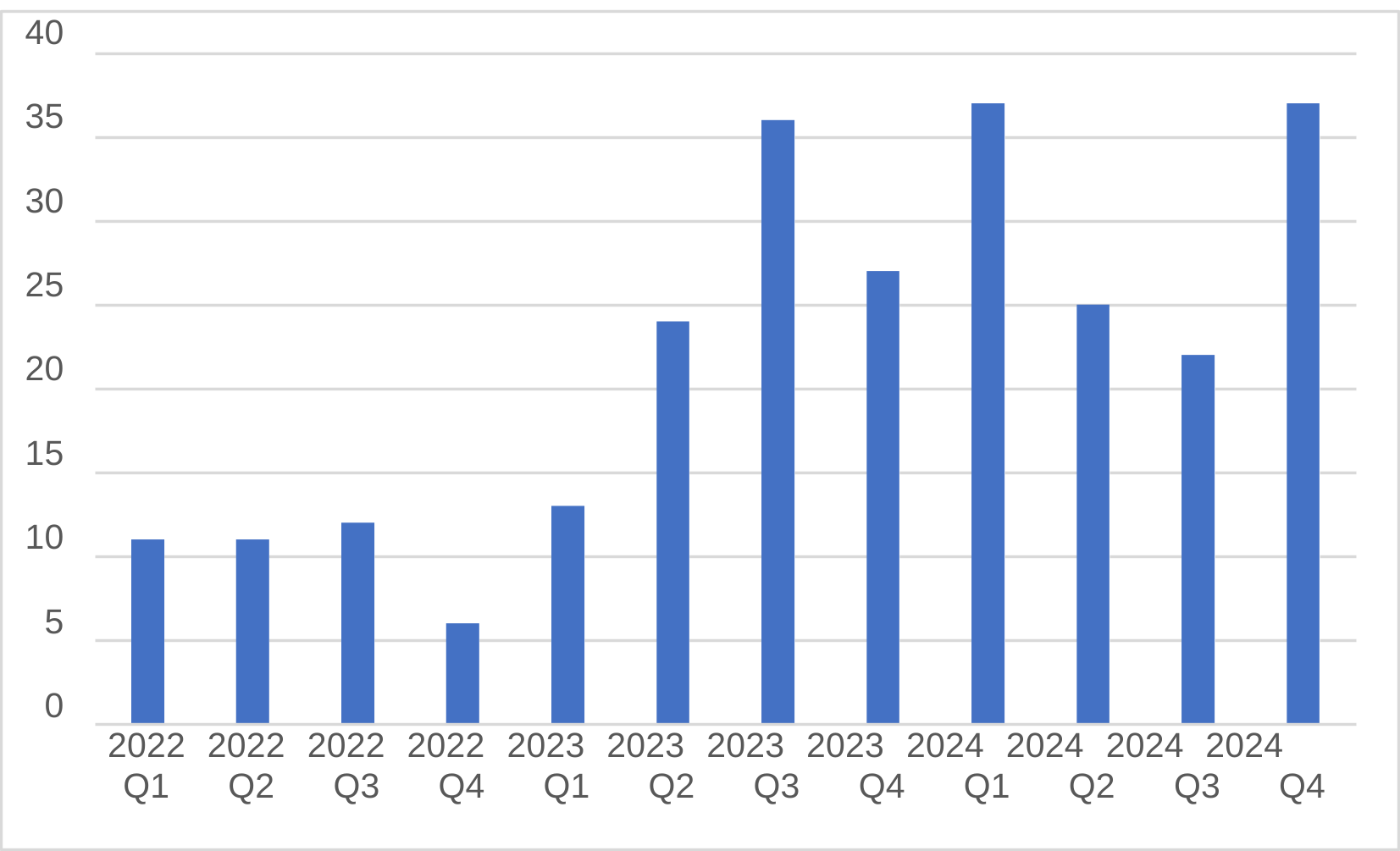
Figure 2: Numbers of the Somali community in Tower Hamlets referred to treatment services from 2022 to 2024.
As well as recovery coordination work, the role of the Somali speaking worker is multi-disciplinary:
- They deliver substance use education sessions to Somali men and women at the local recovery college.
- Facilitated Khat training to the CGL team and to the GP federation within the borough.
- Led on producing a Somali specific newsletter that has been made available to the community to promote the work of the service.
- Carried out outreach to support with the continue engagement with the Somali community.”
Case Study 6
Engaging under-represented communities: Peterborough
“The Aspire drug & alcohol service has identified under-representation of the South Asian community that are not accessing treatment services. This is in part due to stigma, but also cultural dynamics.
Commissioned services aim to address the prevalent but hidden needs of these communities. The aim of Aspire’s project is to increase the number of people accessing treatment services from South Asian communities but also to work within those communities to break down the stigma around both addiction and accessing support that is embedded.
Information available from NHS, GP and other healthcare providers has shown that for reasons of culture, religion, language and institutional attitudes, people from minority ethnic backgrounds are under-represented in substance use treatment.
Aspire found a similar pattern within the criminal justice system where there was high drop-out between referral and engagement in treatment. These findings showed that we needed to find new and innovative methods of engagement from these groups.
In April 2021, the Criminal Justice Team Leader set up a quarterly diversity meeting made up of representatives from physical and mental health services including GPs, counsellors, criminal justice services, the treatment service, community organisations including the Chair of the joint committee of mosques, and commissioners. The aim was to create and build contacts and professional relationships, work collaboratively to break barriers and overcome resistance to accessing support services.
Building upon this in May 2023, Aspire recruited a ‘Community Connector’ role using A Supplementary Substance Misuse Treatment and Recovery Grant to reach into these communities with the aim to start creating direct connections between individuals and treatment services, as well as undertaking the bigger picture work of addressing stigma, openness and trust in community services.
Many links have been made with services that previously had limited knowledge of substance use and the support available to those struggling. These links have also enabled the service leader to refer Aspire clients to those services directly for support, which has been extremely beneficial for clients, for example, HELP, who have been accepting referrals for their trauma programme, which aims to support refugees and asylum seekers with their mental health.
Taking treatment to communities
In February and April 2024, the service leader attended two BBV testing evenings alongside at an Islamic Centre. The aim was to increase the presence of drug and alcohol services in the community and normalise conversations around substance use issues.
They have facilitated drug and alcohol drop-in sessions at various services, including:
- Extended Hands (supporting women and girls)
- The Lantern Initiative (a Muslim-run grassroots social enterprise addressing mental health and wellbeing
- Peterborough Asylum and Refugee Community Association (PARCA)
She has met with Peterborough Women’s Aid and Centre 33[footnote 5] (providing support for young people) to discuss the potential for joint working and is planning to set up a drop-in for South Asian women (having identified that there are only two South Asian women currently in treatment in the service).
In May 2024, an Aspire clinic was established at a local GP surgery, Thistlemoor Medical Centre, whose patients are predominantly from ethnic minority backgrounds. Appointments have been well attended with many of these patients choosing to engage in treatment with Aspire in a more discreet manner via their community GP practice.
The provider has the capacity to call people who may demonstrate ambivalence about treatment following referral and ask them what they want from treatment; she can offer flexible appointments and remove previous barriers to treatment – meeting away from the service hub 1:1; offering groupwork delivered 1:1 in service users’ first language. She has offered this support to the engagement team at Aspire for all South Asian clients who are referred.
Case Study 7
Collection of Ethnicity data in Needle and Syringe Programmes (NSP)
All Needle and Syringe programmes (NSP) should have systems in place to monitor, evaluate and audit services. Monitoring and evaluation are key components of NSPs and enable the effective implementation of local needs assessments. Collection of routine ethnicity data locally and nationally helps to assist in identifying gaps in service provision, areas of good practice and whether services are meeting the needs of specific populations.
In Scotland, national guidance recommends that a standardised electronic system of recording and information gathering is used to ensure compatibility and consistency of data collection that allows comparison and evaluation of trends, developments and needs. The demographic information collected includes details of ethnicity.
Currently, neo360® is the approved IT system for Injecting Equipment Providers in Scotland. Since March 2017, all mainland NHS Boards use neo360® across both pharmacies and agencies. Data is extracted annually from this system by the data management team in Public Health Scotland (National Records Scotland 2010, Public Health Scotland 2021, Public Health Scotland 2024).
Annex B: List of Abbreviations Used in The Report
ACMD
Advisory Council on The Misuse of Drugs
APMS
Adult Psychiatric Morbidity Survey
BBV
Blood-borne viruses
CGL
Change Grow Live
CJS
Criminal Justice System
CSEW
The Crime Survey for England and Wales
GP
General Practitioner
IAS
Institute Of Alcohol Studies
LGBT
Lesbian, Gay, Bisexual, And Transgender
MoJ
Ministry of Justice
MRC
Medical Research Council
NDTMS
National Drug Treatment Monitoring System
NHS
National Health Service
NHSBN
National Health Service Benchmarking Network
NIHR
National Institute for Health and Care Research
NSP
Needle and Syringe programmes
OHID
Office for Health Improvement and Disparities
ONS
Office for National Statistics
PHS
Public Health Scotland
RCTs
Randomised Controlled Trials
TAU
Treatment as usual
TES
Therapeutic Education System
Annex C: Drug Use in Ethnic Minorities Working Group
Co-Chairs of Working Group
Professor Anne Campbell
Professor in substance use and Co-Director of the Drug and Alcohol Research Network at Queens University, Belfast
Dr Emily Finch^
Clinical Director of the Addictions Clinical Academic Group and a Consultant Psychiatrist for South London and Maudsley NHS Trust
Members of Working Group
Mr Andrew Misell*
Alcohol Change UK, Director for Wales
Aunee Bhogaita*
Campaigner, Peer Mentor and Advocate with Lived Experience
Dr Deepak Sirur*
Consultant Psychiatrist
Professor Derek Tracy*^
Chief Medical Officer, South London and Maudsley NHS Foundation Trust
Dr Kostas Agath^
Consultant Psychiatrist (addictions), Change Grow Live, Southwark
Lakhvir Randhawa*
CEO, EACH Counselling & Support
Mohammed Ashfaq*
Director, KIKIT Pathways to Recovery
Mohammed Fessal
Chief Pharmacist, Change Grow Live
Rosalie Weetman*^
Public Health Lead (Alcohol, Drugs and Tobacco), Derbyshire County Council and Programme Manager, Drug and Alcohol Improvement Support Team
Sarah Fox*
Substance Use and Associated Behaviours (SUAB) Researcher at Manchester Metropolitan University
Tracy Carr*
Health Improvement Programme Manager, OHID
*Denotes co-opted member of working group.
Please note that some members listed (^) have demitted their roles prior to the report’s publication.
Annex D: ACMD Council Membership, at time of report publication
Chair of ACMD Council
Professor David Wood
Professor of Clinical Toxicology and Consultant Physician, Guy’s and St Thomas’ NHS Foundation Trust, King’s Health Partners and King’s College London
ACMD Council Members
Professor Judith Aldridge
Professor of Criminology at University of Manchester
Professor Steve Allsop
Emeritus Professor, National Drug Research Institute, Curtin University, Australia
Professor Anne Campbell
Professor of Substance Use and Mental Health, and Co-Director of the Drug and Alcohol Research Network at Queens University, Belfast
Dr Caroline Copeland
Senior Lecturer in Pharmacology & Toxicology, King’s College London and Director, National Programme on Substance Use Mortality
Professor Colin Davidson
Professor of Neuropharmacology, University of Central Lancashire
Professor Karen Ersche
Professor of Addiction Neuroscience, University of Cambridge
Mr Mohammed Fessal
Chief Pharmacist, Change Grow Live
Professor Amira Guirguis
Professor of Pharmacy, MPharm Programme Director at Swansea University Medical School
Dr Hilary Hamnett
Associate Professor in Forensic Science, University of Lincoln
Mr Jason Harwin
Director and Co-founder of E-T-E Solutions Limited
Professor Graeme Henderson
Honorary Professor of Pharmacology, School of Physiology, Pharmacology and Neuroscience, University of Bristol
Professor Katy Holloway
Professor of Criminology, University of South Wales
Professor Keith Humphreys
Esther Ting Memorial Professor of Psychiatry, Stanford University, USA
Professor Stephen Husbands
Professor of Medicinal Chemistry, University of Bath
Professor Sunjeev Kamboj
Professor of Translational Clinical Psychology Research Department of Clinical, Educational and Health Psychology, University College London
Professor Roger Knaggs
Professor in Pain Management and Clinical Pharmacy Practice, University of Nottingham
Mrs Sapna Lewis
Senior Lawyer, Welsh Government Legal Services Department
Dr Lorna Nisbet
Senior Lecturer and Principal Investigator for Forensic Toxicology at the Leverhulme Research Centre for Forensic Science, University of Dundee
Mr Jon Privett
Detective Sergeant, Metropolitan Police Service
Mrs Fiona Spargo-Mabbs OBE
Director and Founder, Daniel Spargo-Mabbs Foundation. Chair, Drug Education Forum.
Professor Harry Sumnall
Professor in Substance Use, Liverpool John Moores University
Professor Simon Thomas
Emeritus Professor of Clinical Pharmacology and Therapeutics, Newcastle University
References
Advisory Council on the Misuse of Drugs (ACMD). (2018). What are the risk factors that make people susceptible to substance misuse problems and harms? Available at: https://assets.publishing.service.gov.uk/media/5c052352e5274a6a64347950/Vulnerability_and_Drug_Use_Report_04Dec.pdf [Last Accessed: 23 April 2026].
Advisory Council on the Misuse of Drugs (ACMD). (2019). Drug-related harms in homeless populations and how they can be reduced. Available at: https://assets.publishing.service.gov.uk/media/5d0a566eed915d0936ba5fb6/Drug-related_harms_in_homeless_populations.pdf [Last Accessed: 23 April 2026].
Advisory Council on the Misuse of Drugs (ACMD). (2022). ACMD Vulnerable Groups Young People’s Drug Use. Available at: https://www.gov.uk/government/publications/acmd-vulnerable-groups-young-peoples-drug-use/acmd-letter-on-young-peoples-drug-use-accessible [Last Accessed: 23 April 2026].
Advisory Council on the Misuse of Drugs (ACMD). (2025) Standard Operating Procedure for using evidence in ACMD reports. Available at: https://www.gov.uk/government/publications/standard-operating-procedure-for-using-evidence-in-acmd-reports/standard-operating-procedure-for-using-evidence-in-acmd-reports-accessible-version [Last Accessed: 23 April 2026].
Ahern NR, Kiehl EM, Sole ML, Byers J. (2006). A Review of Instruments Measuring Resilience. Issues Compr Paediatr Nurs. 29, 103-125. https://doi.org/10.1080/01460860600677643
Banks DE, Brown K, Saraiya TC. (2023) “Culturally responsive” substance use treatment: Contemporary definitions and approaches for minoritized racial/ethnic groups. Curr Addict Rep. 10, 422-431. https://doi.org/10.1007/s40429-023-00489-0
Bansal N, Karlsen S, Sashidharan SP, Cohen R, Chew-Graham CA, Malpass A. (2022). Understanding Ethnic Inequalities in Mental Healthcare in the UK: A Meta-Ethnography. PLoS Medicine. 19, e1004139. https://doi.org/10.1371/journal.pmed.1004139
Bayley M, Hurcombe, R. (2011). Drinking Patterns and Alcohol Service Provision for Different Ethnic Groups in the UK: A Review of The Literature. Ethn Inequal Health Soc Care. 3, 6-17. https://doi.org/10.5042/eihsc.2011.0073
Borton D, Streisel S, Stenger M, Fraser K, Sutton M, Wang YC (2024). Disparities in substance use treatment retention: An exploration of reasons for discharge from publicly funded treatment. J Ethn Subst Abuse, 23, 857-875. https://doi.org/10.1080/15332640.2022.2143977
Campbell ANC, Montgomery L, Sanchez K, Pavlicova M, Hu MC, Newville H, Weaver L, Nunes EV. (2017) Racial/ethnic subgroup differences in outcomes and acceptability of an internet-delivered intervention for substance use disorders. J Ethn Subst Abuse. 16, 460-478. https://doi.org/10.1080/15332640.2017.1300550
Carew MW, Cafferty S, Long L, Bellerose D, Lyons S. (2013) Travellers Accessing Addiction Services in Ireland (2007 to 2010): Analysis of Routine Surveillance Data, J Ethn Subst Abuse. 12, 339-355. https://doi.org/10.1080/15332640.2013.830943
Centre for Justice Innovation. (2020). Smarter Community Sentences. Available at: https://www.justiceinnovation.org/sites/default/files/media/documents/2020-09/smarter_community_sentences.pdf [Last Accessed: 23 April 2026].
Collins PH, Bilge S. (2020). Intersectionality. 2nd Edition. Published by Polity Press, Cambridge, UK. ISBN: Hardback 9781509539673; Paperback 9781509539680.
Fox S, Galvani S, Guru S. (2024) South Asian women’s experiences of alcohol use and the role of the family. Drugs: Education, Prevention and Policy. 33, 56–64. https://doi.org/10.1080/09687637.2024.2432339
Galvani S, Fox S, Guru S, Khan N. (2023). “Keep It to Yourself” – Supporting Solutions for South Asian Women: Developing Models for Alcohol Support. Available at: https://e-space.mmu.ac.uk/635242/1/Galvani%20et%20al%20SA%20women%27s%20alcohol%20support%20needs%20Full%20Final%20Report%20updated%2014th%20August%202023.pdf [Last Accessed: 23 April 2026].
Gleeson H, Thom B, Bayley M, McQuarrie T. (2019) Rapid evidence review: Drinking problems and interventions in Black and minority ethnic communities. London: Alcohol Change UK. Available at: https://alcoholchange.org.uk/publication/rapid-evidence-review-drinking-problems-and-interventions-in-black-and-minority-ethnic-communities [Last accessed: 23 April 2026].
HM Inspectorate of Probation (2021). Race equality in probation: the experiences of Black, Asian and minority ethnic probation service users and staff. London: HMIP Awaited at: https://hmiprobation.justiceinspectorates.gov.uk/document/race-equality-in-probation-the-experiences-of-black-asian-and-minority-ethnic-probation-service-users-and-staff/ [Last accessed: 23 April 2026].
HM Inspectorate of Prisons. (2020). Minority Ethnic Prisoners’ Experiences of Rehabilitation and Release Planning. Available at: https://webarchive.nationalarchives.gov.uk/ukgwa/20240417101044/https://www.justiceinspectorates.gov.uk/hmiprisons/inspections/minority-ethnic-prisoners-experiences-of-rehabilitation-and-release-planning/ [Last Accessed: 23 April 2026].
Hurcombe R, Bayley M, Goodman A. (2010). Ethnicity And Alcohol: A Review of The UK Literature. Available at: https://www.drugsandalcohol.ie/13352/1/JRF_ethnicity-alcohol-literature-review-full.pdf [Last Accessed: 23 April 2026].
Jordan A, Quainoo S, Nich C, Babuscio TA, Funaro MC, Carroll KM. (2022). Racial And Ethnic Differences in Alcohol, Cannabis, And Illicit Substance Use Treatment: A Systematic Review and Narrative Synthesis of Studies Done in the USA. Lancet Psychiatry. 9, 660-675. https://doi.org/10.1016/S2215-0366(22)00160-2
Krakouer J, Savaglio M, Taylor K, Skouteris H. (2022). Community-based models of alcohol and other drug support for First Nations peoples in Australia: A systematic review. Drug Alcohol Rev. 41,1418-1427. https://doi.org/10.1111/dar.13477
McFadden A, Siebelt L, Gavine A, Atkin K, Bell K, Innes N, Jones H, Jackson C, Haggi H, MacGillivray S. (2018). Gypsy, Roma and Traveller access to and engagement with health services: a systematic review. Eur J Public Health. 28,74-81. https://doi.org/10.1093/eurpub/ckx226
Ministry of Justice. (2020). Ethnicity and the Criminal Justice System, 2020. Available at: https://www.gov.uk/government/statistics/ethnicity-and-the-criminal-justice-system-statistics-2020/ethnicity-and-the-criminal-justice-system-2020 [Last Accessed: 23 April 2026].
Ministry of Justice. (2023). Criminal Justice System Statistics Quarterly: December 2022. Available at: https://www.gov.uk/government/statistics/criminal-justice-system-statistics-quarterly-december-2022 [Last Accessed: 23 April 2026].
Ministry of Justice. (2024). Statistics on Ethnicity and the Criminal Justice System 2022. Available at: https://assets.publishing.service.gov.uk/media/65b22b781702b1000dcb126d/Statistics_on_Ethnicity_and_the_Criminal_Justice_Sysytem_2022.pdf [Last Accessed: 23 April 2026].
Moeller K. (2024). Ethnic disparities in serious drug offending a descriptive study of Danish registry data. Trends Organ Crim. 29, 59-76. https://doi.org/10.1007/s12117-024-09547-z
Mulvaney-Day N, DeAngelo D, Chen CN, Cook BL, Alegría M. (2012). Unmet Need for Treatment for Substance Use Disorders Across Race and Ethnicity. Drug Alcohol Depend. 125 (Suppl 1), S44–S50. https://doi.org/10.1016/j.drugalcdep.2012.05.005
National Records Scotland. (2010). Guidelines for services providing injecting equipment: Best practice recommendations for commissioners and injecting equipment provision (IEP) services in Scotland. Available at: https://webarchive.nrscotland.gov.uk/20220725080858/http://www.gov.scot/publications/guidelines-services-providing-injecting-equipment-best-practice-recommendations-commissioners-injecting-equipment-provision-iep-services-scotland/#main-content [Last Accessed 23 April 2026].
NHS England. (2023). The National Drug and Alcohol Treatment and Recovery Services Workforce Report: England Workforce Data (2022-23). An NHS Benchmarking Network (www.nhsbenchmarking.nhs.uk) project commissioned by NHS England. Available from: https://www.drugsandalcohol.ie/40326/ [Last Accessed: 23 April 2026].
NHS England. (2024). Smoking, Drinking and Drug Use among Young People in England, 2023. Available at: https://digital.nhs.uk/data-and-information/publications/statistical/smoking-drinking-and-drug-use-among-young-people-in-england/2023.[Last accessed 23 April 2026].
NHS England (2025). Adult Psychiatric Morbidity Survey: Survey of Mental Health and Wellbeing, England, 2023/24. London: NHS England. Available at: https://digital.nhs.uk/data-and-information/publications/statistical/adult-psychiatric-morbidity-survey/survey-of-mental-health-and-wellbeing-england-2023-24 [Last accessed 23 April 2026].
Office for Health Improvement and Disparities (OHID). (2024). National Drug Treatment Monitoring System (NDTMS): Alcohol and drug misuse and treatment statistics. Available at: https://www.gov.uk/government/collections/alcohol-and-drug-misuse-and-treatment-statistics [Last Accessed: 23 April 2026].
Office for Health Improvement and Disparities (OHID). (2023). National Drug Treatment Monitoring System (NDTMS): Substance Misuse Treatment for Adults Statistics 2022 To 2023. Available at: https://www.gov.uk/government/collections/alcohol-and-drug-misuse-and-treatment-statistics [Last Accessed: 23 April 2026].
Office for National Statistics (ONS) (2012). Ethnicity and national identity in England and Wales: 2011. London: ONS. Available at: https://www.ons.gov.uk/peoplepopulationandcommunity/culturalidentity/ethnicity/articles/ethnicityandnationalidentityinenglandandwales/2012-12-11 [Last accessed 23 April 2026.
Office for National Statistics (ONS). (2022). UK Population by Ethnicity: Population of England and Wales. Available at: https://www.ethnicity-facts-figures.service.gov.uk/uk-population-by-ethnicity/national-and-regional-populations/population-of-england-and-wales/latest/ [Last Accessed: 23 April 2026].
Office for National Statistics (ONS). (2024a). Deaths related to drug poisoning, England and Wales. Available at: https://www.ons.gov.uk/peoplepopulationandcommunity/birthsdeathsandmarriages/deaths/bulletins/deathsrelatedtodrugpoisoninginenglandandwales/2024registrations [Last Accessed: 23 April 2026].
Office for National Statistics (2024b). Drug misuse in England and Wales - Appendix table - Office for National Statistics. Available at: https://www.ons.gov.uk/peoplepopulationandcommunity/crimeandjustice/articles/drugmisuseinenglandandwales/yearendingmarch2024 [Last Accessed: 23 April 2026].
Office for Health Improvement and Disparities (OHID). (2024). Adult substance misuse treatment statistics 2023 to 2024: report. Available at: https://www.gov.uk/government/statistics/substance-misuse-treatment-for-adults-statistics-2023-to-2024/adult-substance-misuse-treatment-statistics-2023-to-2024-report [Last Accessed: 23 April 2026].
Public Health Scotland. (2021). Injecting equipment provision in Scotland: Good practice guidance. Available at: https://sdf.org.uk/wp-content/uploads/2024/05/Injecting-Equipment-Provision-in-Scotland-Good-Practice-Guidance.pdf [Last Accessed: 23 April 2026].
Public Health Scotland. (2024). Injecting Equipment Provision in Scotland (IEP). Available at: https://www.publichealthscotland.scot/population-health/improving-scotlands-health/drugs/data-and-intelligence/injecting-equipment-provision-in-scotland-iep/ [Last Accessed 23 April 2026].
Pina-Sánchez J, Guilfoyle E. (2025) Ethnic Disparities in Sentencing in England and Wales: Review of Recent Findings. JRLM. 4, 1-27. https://doi.org/10.19164/jlrm.v4i1.1661
Pinto, C., Yates, K., Weston-Stanley, P., D’Arcy, A., Bennetto, R., Crowley, J., Sawdon, E., Lau, R. and Khambhaita, P. (2024). Non-opiate and cannabis drug use in minority ethnic groups. London: National Centre for Social Research
Available at: https://natcen.ac.uk/publications/non-opiate-and-cannabis-drug-use-minority-ethnic-groups. [Last Accessed: 23 April 2026].
Puddephatt J, Das-Munshi J, Coomber R, Onwumere J, Goodwin L. (2023). Understanding The Association Between Mental Health and Alcohol Use Among Minority Ethnic Groups. Alcohol Change UK. Available from: https://alcoholchange.org.uk/publication/understanding-the-association-between-mental-health-and-alcohol-use-among-minority-ethnic-groups [Last accessed 23 April 2026]
Sentencing Council (2018–2024) Investigating the association between an offender’s sex and ethnicity and the sentence imposed at the Crown Court for drug offences.
Sentencing Council. Available at: https://sentencingcouncil.org.uk/media/ezahmi4x/sex-and-ethnicity-analysis-final-1.pdf [Last Accessed: 23 April 2026].
Sievwright KM, Stangl AL, Nyblade L, Lippman SA, Logie CH, de Sousa Mascena Veras MA, Zamudio-Haas S, Poteat T, Rao D, Pachankis JE, Smith MK, Weiser SD, Brooks RA, Sevelius JM. (2022). An Expanded Definition of Intersectional Stigma for Public Health Research and Praxis. Am J Public Health. 112, 356-361. https://doi.org/10.2105/AJPH.2022.306718
Smith KD, Peyson RL. (2024). Eradicating Substance Use Stigma Through Community Power. J Public Health Manag Pract. 30, 649-652. https://doi.org/10.1097/PHH.0000000000001995
Toombs E, Lund J, Mushquash CJ. (2025). Adverse childhood experiences (ACEs) are increasing in indigenous populations in Canada: Now what? Available at: https://psycnet.apa.org/record/2022-81580-001 [Last Accessed: 23 April 2026].
Uhl A .(2025). Stigma and drug use: Research perspectives from Europe. Drug Habit Soc Policy. 26,43-46. https://doi.org/10.1108/DHS-03-2025-075
-
No further breakdown of ethnicity available. ↩
-
About 20% of the sample (1,375 participants) identified with an ethnic group other than White British. This is in line with the combined prevalence of these groups in the adult population resident in England (18%) (ONS 2022). It should be noted that these small groups are highly heterogeneous, for example the ‘Black/Black British’ group could include both recent migrants from Somalia and Black people born in Britain to British parents. The results of analysis by ethnic group should therefore be treated with caution ↩
-
The groups were subsumed under four headings: White; Black/Black British; Asian/Asian British; and those who reported their ethnic group as mixed, multiple or other. ↩
-
Information on the NPSUM can be found here: https://www.kcl.ac.uk/research/the-national-programme-on-substance-use-mortality ↩
-
Centre 33 is a UK-registered charity that provides free, confidential support to young people aged up to 25 across Cambridgeshire and Peterborough, including Peterborough itself. ↩