30by30 on land: Delivery plan
Published 13 July 2026

© Crown copyright 2026
This publication is licensed under the terms of the Open Government Licence v3.0 except where otherwise stated. To view this licence, visit nationalarchives.gov.uk/doc/open-government-licence/version/3 or write to the Information Policy Team, The National Archives, Kew, London TW9 4DU, or email: psi@nationalarchives.gov.uk.
Where we have identified any third party copyright information you will need to obtain permission from the copyright holders concerned.
This publication is available at https://www.gov.uk/government/publications/30by30-on-land-in-england-delivery-plan/30by30-on-land-delivery-plan
Ministerial foreword
Nature underpins everything we value: our health and wellbeing, our economy, and the resilience of the places we live and work. Yet nature in England continues to face serious pressures. Reversing this decline is one of the defining challenges of our time, and one we must now meet with urgency.
The UK government has committed to effectively conserve and manage 30% of our land and seas for nature by 2030. This commitment, known as 30by30, is not an isolated target. It sits at the heart of our ambition to restore nature, tackle climate change and secure sustainable growth, as set out in the Environmental Improvement Plan and supported by wider reforms to how we use land in England.
This is not simply about meeting a target. It is about building momentum, increasing visibility, and driving wider engagement in nature recovery across the country. There is a real opportunity to recognise and showcase the work already underway, and to use that leadership to inspire and encourage others to act.
England has already shown significant leadership on 30by30, with over 40% of English waters already designated as Marine Protected Areas (MPAs). We recognise that we now need to show that same leadership on land. This 30by30 Delivery Plan sets out how we will turn that ambition into action in the next 4 years.
Meeting this commitment at scale requires pace, partnership, and clarity. While only a proportion of England’s land currently meets the full 30by30 criteria, much more already delivers benefits for nature. With action from land managers, farmers and communities, this can increase, supported by government through the right management and long-term protection.
With just 4 years remaining until the 2030 target date, we must act now. Our latest analysis identifies that land covering around 32% of England is either already likely to, or has the potential to, contribute to the 30by30 target – but realising this potential will require a step change in ambition, co-ordination and delivery. This Delivery Plan marks the first step in driving that change at the pace and scale required.
Our government is leading by investing in nature, setting clear standards and fostering the conditions needed for action. But we cannot deliver 30by30 alone. Success depends on the actions of landowners, farmers, conservation organisations, businesses, communities, and individuals across the country.
By working together – including through local nature recovery strategies, National Parks, National Landscapes and the National Estate for Nature – we can shape what 30by30 looks like in practice: delivering for land, for nature, and for the people and communities who depend on them.
Mary Creagh CBE MP, Parliamentary Under-Secretary of State (Minister for Nature)
Introduction
England is at a turning point for nature recovery. The UK government has committed to effectively conserve and manage 30% of our land and seas for nature by 2030 – our 30by30 commitment. This is not just a target. It is a call to action for government, land managers, farmers and communities to work together to secure the natural systems that underpin a healthy, resilient and prosperous country.
Nature is the foundation of growth. It is an asset that underpins our wealth, wellbeing and the success of the government’s long-term priorities. Over half of global gross domestic product (GDP) is highly or moderately dependent upon nature and the services it provides (PriceWaterhouseCoopers (PwC), 2023). Nature powers our industries, safeguards our food security and protects public health. The stock of natural capital in England (excluding fossil fuels) is valued at £1.27 trillion, and the annual benefits of service flows from those assets is at £30 billion, larger than most manufacturing sectors (Office for National Statistics, 2025).
From ancient woodlands and salt marshes to urban green spaces, every type of land has a vital role in supporting biodiversity and resilient landscapes. While government provides leadership, investment and resources, success depends on land managers, farmers and communities playing their part.
Delivering 30by30 on land will be challenging, but together – as government, farmers, land managers and communities – we can go further and faster. This delivery plan focuses on accelerating on-the-ground action to protect and restore nature, while recognising the brilliant work already underway. It sets out how we can – together – each play our part, and how government will foster the conditions to make delivery clearer, easier and more inspiring. It calls on all of us to play our part in creating a legacy for nature that will last for generations.
30by30: purpose and progress
30by30 and why it is important
30by30 refers to Target 3 of the Kunming-Montreal Global Biodiversity Framework, agreed at the UN Nature Summit COP15 in 2022, to effectively conserve and manage at least 30% of the world’s land and of the ocean by 2030. This is considered the minimum area needed to truly halt and reverse the global decline in nature.
The UK government has committed to show leadership and help realise this global ambition. This is a shared mission because nature underpins the air that we breathe, the food that we eat, and the water that we drink. It is critical infrastructure that protects communities from wildfires and floods, is vital to our nation’s health, and provides an essential foundation for sustainable economic growth. Nature-related risks have the potential to cause losses to UK GDP of £150 to £300 billion by 2030 (Leverhulme Centre for Nature Recovery, 2025), so 30by30 is not just about protecting nature. It is about protecting our prosperity today and for future generations: investing now to support jobs, reduce costs, and keep communities safe, while building a stronger, more resilient economy for the years ahead.
30by30 aims to ensure that natural habitats, and the species they support, are protected against threats and supported by effective, long-term management. Meeting the 30by30 criteria ensures that habitats are flourishing, resilient, and able to continue providing the important services and benefits that we depend on for the long-term.
In England, this means:
- protecting existing wildlife-rich habitat and ensuring it is effectively managed for nature
- restoring and creating more wildlife-rich habitat and managing it for the long-term
Through 30by30 we will renew the natural foundations of this country – restoring what has been lost and securing it for the future. 30by30 is a clear commitment that sets us a once-in-a-generation challenge to turbo-charge nature’s recovery.
30by30 across the UK
This delivery plan focuses on effectively conserving and managing 30% of land in England. At sea, over 40% of English waters are already designated as Marine Protected Areas (MPAs), so our focus is on progressing the necessary management measures within our MPA network to deliver 30by30. We continue to consider the role the MPA network can play in delivering wider environmental objectives, while supporting other government priorities such as net zero, economic growth and food security.
While 30by30 is a UK government commitment, biodiversity policy is devolved in the UK. As such, the Scottish Government, Welsh Government and the Northern Ireland Executive will set out their approaches to delivering this target separately. However, we are working closely with the devolved governments to share knowledge and align approaches.
We will also continue to collaborate overseas to ensure best practice is shared and adopted. For example, UK government has reaffirmed its joint ambition with the UK Overseas Territories to protect their ecosystems, and the new UK Overseas Territories Biodiversity Strategy presents a single joint ambition to conserve, protect, and restore biodiversity and champion the benefits of nature.
Links between 30by30 and other environmental targets
30by30 sits at the heart of England’s ambition for nature recovery, driving progress under the Environmental Improvement Plan, and contributing to a wider portfolio of environmental outcomes. Delivering on 30by30 will also contribute towards our statutory habitat and species targets: from creating or restoring at least 500,000 hectares of wildlife-rich habitat outside of protected sites by 2042, to bringing 75% of sites of special scientific interest (SSSI) features into favourable condition by 2042. More widely, 30by30 will underpin progress on cleaner rivers, climate mitigation, and people’s access to nature.
Delivery of 30by30 in England will be further enabled through the Land Use Framework for England, which sets out how land can be used more effectively to increase resilience while restoring nature, and provides the strategic spatial context for aligning land-use decisions across different outcomes.
In this way, 30by30 is emblematic of many of our environmental ambitions and will be used to drive action across England.
Current status in England
In October 2024, we published the criteria for land that can contribute towards 30by30 in England. This set a high standard because 30by30 is about more than meeting a target – it’s about creating a future where nature thrives.
Around 7% of land in England is already meeting the 30by30 criteria, and our latest analysis identifies land covering around 32% of England which is either already likely to, or has the potential to contribute to, the 30by30 target. Our delivery plan sets out how we intend to support more landowners and land managers to make progress towards 30by30, as set out in the next section.
To ensure scientific rigor, we will continue to regularly review our analysis as updates to methodologies and data emerge.
How we will deliver 30by30
This is our moment to act. The next 4 years are critical, and we need everyone, from landowners to local communities, to play their part. For this to happen, there needs to be a clear, confident and consistent approach to delivering 30by30 on land.
At the heart of this route is a tiered approach to 30by30, built around Bronze, Silver and Gold tiers.
These tiers distinguish between:
- Gold – areas of land that fully meet the criteria and can be formally counted towards the target
- Silver – areas of land meeting an initial threshold and progressing towards the 30by30 criteria
- Bronze – areas of land delivering wider benefits for nature
This approach allows us to target support where it’s needed, helping land managers take action to move their land up the tiers without lowering standards. This will help ensure that land counted towards 30by30 delivers real, long‑term benefits for nature.
Criteria
England’s 30by30 criteria aim to ensure that land counted towards the target is genuinely delivering for nature. To qualify, an area must deliver real benefits for nature, and have clear:
- purpose
- protection
- management
Nature outcomes must not be undermined by harmful activities, and the right checks need to be in place to make sure the area delivers for nature in the long term.
30by30 is not just about formally designated sites. In line with international standards, any land that meets the criteria can count either as protected areas or as other effective area‑based conservation measures (OECMs). In England, we will refer to both as ‘30by30 areas’. This recognises that land outside designations is just as important for nature when it is effectively managed for the long term.
More information on the criteria is set out in the guidance 30by30 on land: assessing whether land can contribute.
Tiered approach
Our tiered approach to 30by30 reflects both the assessment status of potential 30by30 areas and the different ways land contributes to nature recovery, enabling us to maintain high standards for what counts towards the target.
A broad range of habitats and land uses contribute to nature recovery: ancient woodlands offer shelter for rare species, saltmarshes buffer against flooding, and agricultural land can support biodiversity through hedgerows and field margins. Each plays a part in creating abundant, resilient landscapes and helping to deliver bigger, better and more joined-up habitats.
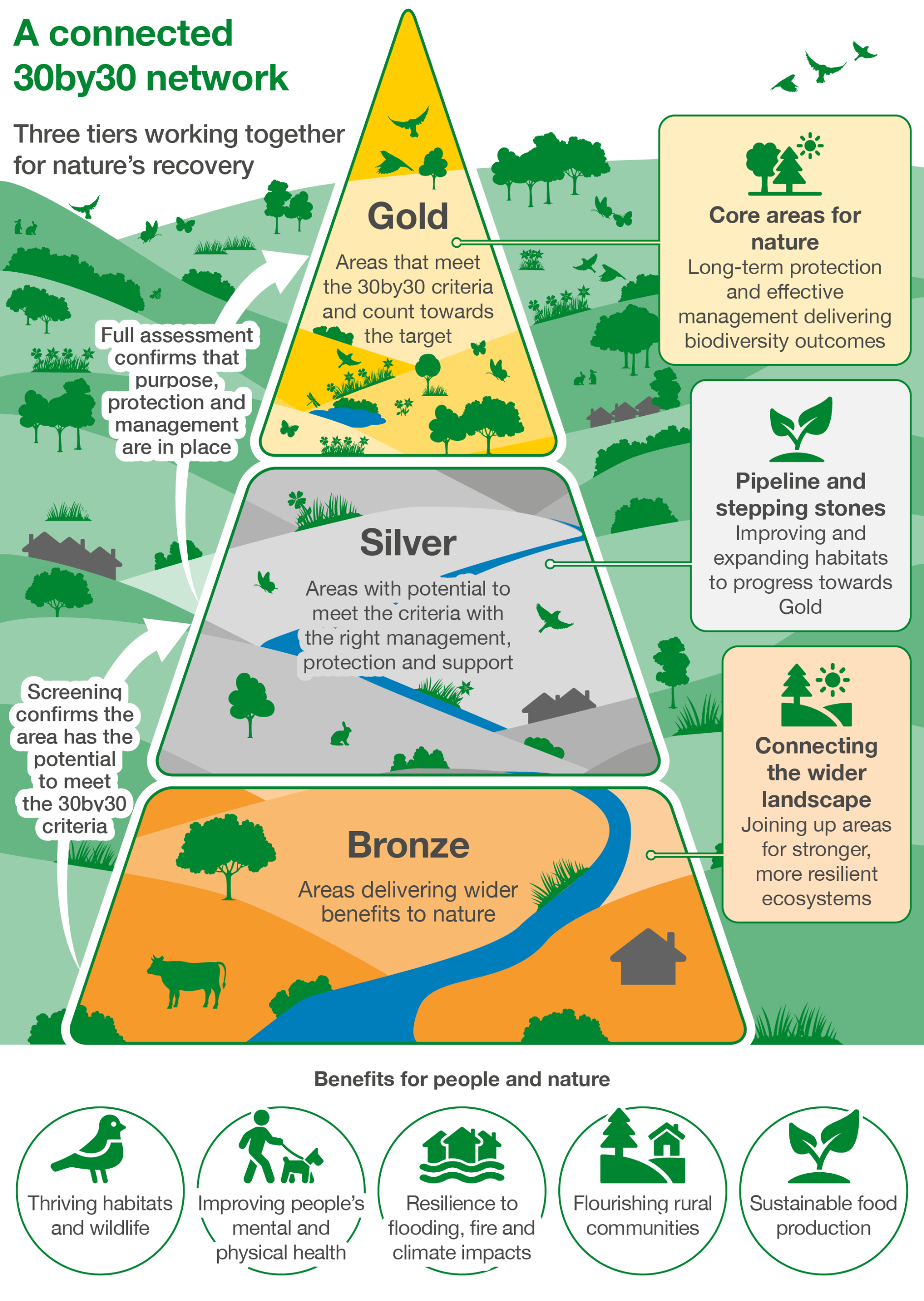
Figure 1. A connected 30by30 approach: 3 tiers working together for nature recovery
Figure 1 description: The image shows how the Bronze, Silver and Gold tiers work together as a connected network delivering more for nature. Gold areas are at the core of this network as they have been assessed as meeting the 30by30 criteria of purpose, long-term protection and effective management for nature. Silver areas have potential to meet this criteria as part of the 30by30 pipeline, and are critical stepping stones in terms of connectivity. Bronze areas are not formally assessed but play a critical role in a more joined-up and resilient landscape.
Collectively this results in benefits such as:
- improved biodiversity
- improved physical and mental health wellbeing (though increased access to green spaces)
- resilience to climate change and other natural events such as wildfires and flooding
- sustainable agriculture and food production
Gold tier
Gold areas are those that fully meet the 30by30 criteria, forming the backbone of a high‑quality, well protected and resilient nature network. They will make up our official 30by30 figure, as part of Global Biodiversity Framework reporting.
Currently, 7% of England is considered Gold tier and counts towards 30by30. Our analysis shows a further 3.5% is anticipated to meet the 30by30 criteria, so our next priority is to verify and formally recognise these areas to form part of the Gold tier.
Silver tier
The Silver tier includes land that has met the initial screening threshold for 30by30 and forms the 30by30 pipeline.
Silver covers 2 area types:
- areas that have passed the initial screening but are yet to be formally assessed
- areas that have been assessed and show potential to meet the full 30by30 criteria with improvements to management or protection
For example, this might include species‑rich grassland that is being managed for nature but requires adequate long‑term protection, or ancient woodland that requires management to address invasive species. The expectation is that land in the Silver category will progress towards Gold.
Considering current analysis, we anticipate around 9% of England partly meets the 30by30 criteria. These are areas of existing natural or semi-natural habitat that provide a strong basis for potential contribution to 30by30, subject to appropriate protection and management being in place.
We will target some areas in the Silver tier with tailored 30by30 investment and support so they can fully meet the criteria and be assessed as Gold tier 30by30 sites.
Bronze tier
Bronze recognises that all land can be managed to deliver better outcomes for nature. Even where land does not formally count towards 30by30, actions to improve nature outcomes are essential. For example, the provision of arable field margins in areas of intensive farming can play a crucial role in supporting the movement and recovery of species.
Some of these areas will always remain Bronze, continuing to deliver valuable outcomes for nature in their own right. Other areas, where there is a clear focus on actions to improve the land for nature in the long term, may pass the initial screening and progress into Silver.
Areas that remain as Bronze will not contribute to our official 30by30 figure, as part of Global Biodiversity Framework reporting. Instead, these areas will be celebrated for improving connectivity and strengthening the overall functioning of the wider landscape.
Areas of potential for 30by30
Our analysis also identified a further 12.5% of England that is ecologically suitable for habitat creation or restoration. Some of these areas may have the potential to meet the 30by30 criteria in the future but the extent to which this is feasible will vary depending on current land use, local context and the availability of suitable incentives and support. A key next step will be to support landowners and managers to do more for nature in these areas.
Even where they are not assessed to meet Gold or Silver tiers, these areas will be critical to building a more connected nature network: acting as stepping stones and buffer zones that help link existing habitats and improve resilience. With the right management, investment and long‑term protection, many of these areas will progress into the 30by30 pipeline and go on to make a direct contribution to the target.
We will explore how to target support to these areas to build the long-term pipeline for 30by30 delivery.
Delivery themes
Delivery is about driving action for nature. This means doing more on the ground for land in each 30by30 tier. This delivery plan sets out how we will make it straightforward to understand what counts, simpler to take action, and motivating to be part of a shared national effort for nature.
Our delivery plan focuses on 3 themes:
-
Clearer pathways into 30by30 – defining what counts towards the target and what needs to be done to reach it.
-
Easier routes to delivery – increasing incentives, aligning schemes across government, and simplifying delivery routes to remove friction and enable action.
-
Inspiring participation and leadership – building pride, visibility and a shared national effort around 30by30.
Taken together, these themes will help build on the conditions for everyone to play their part in delivering for nature and ensure that the benefits of nature recovery are felt across the country.
Where we will focus 30by30 efforts
The next 4 years will be critical, and we need to strategically target action to maximise further progress by 2030. We will prioritise strengthening the following areas.
Local nature recovery strategies
Achieving 30by30 will require action across the country and is not limited to designated sites, so local nature recovery strategies (LNRSs) are an essential spatial resource for all landowners and land managers, helping them identify the agreed local priorities for nature recovery. They should help landowners to identify and prioritise actions to take on their land so that it might be of sufficient biodiversity value to contribute to 30by30, if the landowner also chooses to put appropriate protections in place.
We will also deliver on our commitment to publish a national LNRS map, bringing together these strategies to provide a clear, joined-up spatial picture of priorities for nature recovery across England.
Protected sites
Our protected sites – made up mostly of SSSIs – form the backbone of delivery for 30by30 on land. In October 2024 we recognised that only SSSIs in favourable and recovering condition would count towards 30by30. Action to restore and enhance those currently in unfavourable condition, which are not recovering or are declining, can deliver additional gains towards the target.
National Parks and National Landscapes
National Parks and National Landscapes (collectively known as protected landscapes) are our most iconic and inspiring places. These protected landscapes cover nearly 25% of England and contain around half of our most precious land for nature.
These areas will only count towards 30by30 where they are meeting the 30by30 criteria, but they have the potential to deliver over half of the target following sufficient targeted action. Given this, we must go further and faster within these areas to bring more land up to the 30by30 standard.
Protected landscapes teams – including National Park Authorities, the Broads Authority, National Landscape Conservation Boards and National Landscape Partnerships – are powerful delivery partners. They strategically balance outcomes for nature, climate, heritage and communities, guided by their statutory management plans and the Protected Landscapes Targets and Outcomes Framework (PLTOF). However, most land in our National Parks and National Landscapes is privately owned so success depends on the actions of landowners, land managers and other organisations with an interest, such as water companies. We will support protected landscapes teams to use their management plans as a framework to convene these essential partners around a shared vision for greener, wilder and more accessible National Parks and National Landscapes.
National Estate for Nature
30by30 is not something government can deliver alone. Landowners and land managers across England underpin this mission. It is critical that public land and other large estates, like National Estate for Nature members, lead the way.
The National Estate for Nature will act as a catalyst for collaborative action, working with Defra group to tackle barriers and seize opportunities for nature impact across and beyond their estates.
Through their extensive landholdings and leadership, the National Estate for Nature group has the capacity to drive large-scale habitat restoration, influence best practice across sectors, and lead partners in connecting fragmented habitats. We have asked members to start this process by screening their estates to highlight current and potential contributions to 30by30. We will continue working with members to champion greater collaboration across their estates and beyond.
Delivery theme 1: Clearer pathways into 30by30
Delivering the 30by30 target on land in England requires clarity. We understand that landowners and land managers need a clear understanding of what the 30by30 commitment means in practice – including how it will be assessed and what actions are required for land to count towards the target.
Aim
Give landowners and land managers the confidence to engage in the 30by30 pathway – with clarity around what tier their land would be part of now, and the actions that would be needed to progress to the next tier.
We have:
- published criteria setting the standard for land to contribute towards 30by30
- developed guidance for landowners and land managers to provide further clarity on how land can meet the 30by30 criteria. This includes information on when different land uses can be recognised as compatible with the 30by30 criteria
- recognised the first schemes and initiatives that are fully aligned with the 30by30 criteria, such as Landscape Recovery projects
- published a Land Use Framework for England to set out how land might change in the future to meet wider environmental targets, and clear principles for land use. This included analysis of areas of land across England that meet the 30by30 criteria or have potential to meet the criteria in the future
Four simple screening questions
To take the next step on their 30by30 journey, we are encouraging all landowners to assess whether their landholdings have the potential to contribute to 30by30. This initial screening is a self-assessment which provides a gateway to the full assessment process. To do this initial 30by30 screening, there are just 4 questions:
- Is there a purpose or management objective to conserve biodiversity within the area?
- Is the area free from activities or uses which are unsuitable for 30by30 areas?
- Does the area contain wildlife-rich habitat, or is action taking place to create or restore wildlife rich habitat?
- Is there an intention to ensure conservation in this area for at least 20 years?
If yes to all 4, land would move into the Silver tier (the 30by30 pipeline) where targeted support will help land managers take action needed to meet the 30by30 criteria.
More information on this screening process is available in the 30by30 assessment guidance.
A robust assessment and reporting process
To help monitor our progress and fulfil our international reporting obligations, it is important that we establish the process for land to officially count towards the target. This process must be robust, while remaining clear and simple to ensure that land managers can remain focused on delivering actions for nature.
There will be 2 types of assessment, centralised assessment and delivery partner assessment.
Centralised assessment
This is an assessment that will be carried out by Defra on land data that is already held centrally. The existing monitoring regime for Protected Sites ensures that SSSIs in favourable and unfavourable recovering condition contribute to 30by30 and we will continue to review how the assessment of SSSIs contribution aligns with other approaches on an ongoing basis. National Nature Reserves (NNRs), Defra-funded schemes that are designed to help deliver 30by30, such as Landscape Recovery projects, will be also assessed and registered centrally by Defra group.
Delivery partner assessment
This a voluntary self assessment by the landowner or manager. We will empower some organisations, including protected landscapes teams, to support landowners and land managers to assess land. Defra group will provide oversight.
More information on the assessment and reporting process is available in the 30by30 assessment guidance.
Actions and next steps
We have:
- carried out 3 stages of piloting with a range of stakeholders to develop a scalable and effective assessment approach for identifying 30by30 areas, setting out the steps required to assess, report and recognise land counting to 30by30
- updated advice for the National Estate for Nature to link their existing objectives and metrics to 30by30. This seeks to help large landowners align their estate level plans with the 30by30 standard. Large landowners who are members of the National Estate for Nature group have been asked to update their estate management plans to demonstrate how they will assess their current land holdings for 30by30 and ensure that newly created and restored wildlife rich habitat on their land enters the 30by30 pipeline
- embedded two 30by30 assessment officers into Protected Landscape teams to work with landowners on the end-to-end assessment process. This will accelerate 30by30 assessment in Protected Landscapes and help to test and streamline the process as it is rolled out more widely
We will:
- develop and share a bespoke 30by30 resource toolkit, providing clear, accessible guidance for delivery partners, land managers and communities on the 30by30 criteria and tiered approach, and setting out practical routes to progress towards full eligibility
- continue to identify and recognise further schemes and initiatives that are aligned with the criteria and able to contribute directly towards the target
- explore how to provide additional support to aid assessment of strategically important sites
- establish a robust but proportionate assurance process for 30by30, providing confidence that land counted towards the target meets the agreed criteria and is delivering outcomes for nature
- periodically review guidance materials, producing iterations as needed to provide further clarity on how land can contribute towards the 30by30 target
- develop a 30by30 portal for England, to provide a single point of access for 30by30 resources, including guidance, criteria, assessment tools and technical information
How we’ll know when clearer pathways into 30by30 are working
We will know clearer pathways into 30by30 actions are working when:
- land managers are clear whether their land could count towards 30by30 and what changes, if any, are needed
- assessment criteria are applied consistently across different land types and delivery routes
- confidence increases in what is reported towards 30by30, including among partners and external stakeholders
Delivery theme 2: Easier routes to delivery
To make real progress towards 30by30, landowners and land managers need practical and achievable routes to delivery.
This section focuses on making it easier for landowners and land managers to deliver 30by30 on the ground. It sets out how we will work across government and wider sectors to better align existing funding streams, policies and data. By reducing friction and strengthening connections between initiatives, we will enable more land to contribute to 30by30 and nature recovery.
It also explores how new funding, tools and opportunities can provide more options and support to land managers who would like to participate in 30by30.
Aim
Reduce barriers to delivery by increasing incentives, aligning existing funding and simplifying delivery routes so that improving outcomes for nature is simpler, quicker and more accessible.
Public funding for public goods
We know that the effective, long-term protection of new and existing habitats needs to represent a financially viable option for land managers, to enable their participation in 30by30.
The government has already announced the largest nature-friendly farming budget in history, with £11.8 billion to be spent across this Parliament. This is already contributing to 30by30, with land in schemes such as Landscape Recovery eligible to directly count towards the target. Round 2 of Landscape Recovery is already aiming to:
- restore more than 35,000 hectares of peatland
- sustainably manage more than 20,000 hectares of woodland
- create over 7,000 hectares of woodland, including some temperate rainforest
- benefit more than 160 protected sites
We will work to align more existing public funding with 30by30, to support land managers to deliver for nature in the long-term.
We have also:
- agreed to invest up to £37 million per year over the next 3 years in National Parks and National Landscapes to accelerate progress towards 30by30. This includes increasing local capital budgets for 30by30, as well as providing national funding for strategic, landscape-scale projects. For example, we are scaling up investment in the Big Chalk Nature Recovery Fund to target England’s internationally important chalk and limestone ecology. The funding will benefit chalk streams, species-rich grasslands and farmland managed with nature in mind – helping re-connect landscapes across 20% of England for wildlife to move through. We will continue to explore how learnings from Protected Landscape Partnership incubated projects, like Big Chalk and Coastal Wildbelt, might be applied to large-scale initiatives elsewhere
- launched a new dedicated fund to help create and restore wildlife-rich habitats in England’s National Parks and National Landscapes, to be delivered alongside the existing Farming in Protected Landscapes (FiPL) programme. £30 million over 3 years will be used to deliver projects in collaboration with environmental non-governmental organisations (eNGOs), farmers and land managers. Habitats that could be created include ponds, species-rich grassland, native woodlands, traditional orchards, wildlife-rich heathland, peatlands and wetlands. These habitats provide vital ecological connectivity, supporting beloved species such as hedgehogs, bees, and wading birds, and acting as stepping stones into 30by30
- extended the Nature for Climate Peatland Grant Scheme until April 2027, providing over £10m in dedicated funding for local partnerships to restore more than 4,000 hectares of degraded peatland landscapes
We will:
- continue to work across Defra group to explore how existing and emerging funding streams can be aligned and optimised to contribute to 30by30
- lead the Restoring Meadow Marsh and Reef project, a practical initiative restoring, recovering and enhancing priority habitats, such as seagrass, saltmarshes and native oyster reefs
Unlocking private finance
The government is investing more than ever in funding and support for nature recovery. However, we know that public funding alone will not be sufficient to deliver 30by30. We need to unlock private, philanthropic and commercial investment to deliver at the pace and scale required, and to ensure that public money is targeted for maximum impact.
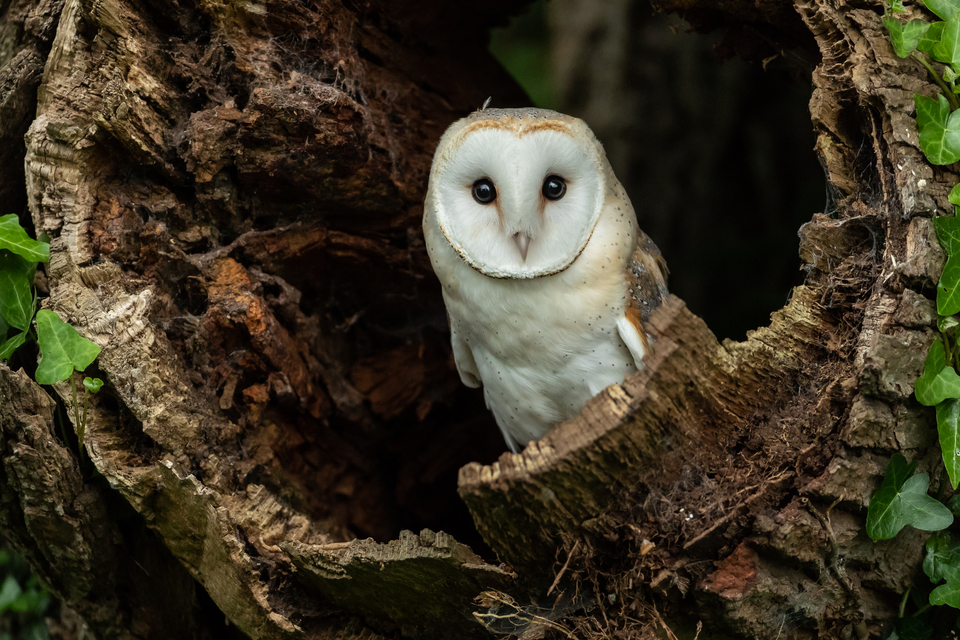
Case study: South Downs Woodland Carbon Platform
South Downs Woodland Carbon Platform is helping to restore and expand native woodland across the South Downs National Park through the creation of approximately 500 hectares of new habitat, supported by long-term carbon finance from a FTSE 100 partner. By working with landowners and National Parks Partnerships to develop a unique financial model that aligns landowner incentives with the requirements of of carbon credit buyers, the project demonstrates how blended institutional finance and landscape-scale delivery can accelerate nature recovery, while supporting resilient working landscapes. The National Park Authority will provide dedicated support for establishment, monitoring and verification. The project directly supports the UK 30by30 commitment by expanding land managed for nature through large-scale woodland creation, improving habitat connectivity, biodiversity and ecosystem resilience.
We have:
-
scaled up work with National Parks Partnerships and the National Landscapes Association to unlock private, philanthropic and commercial sources of income, building on their growing role as national catalysts for blended finance models, diversifying investment into our most iconic places to help them become greener and wilder. This will enable protected landscapes to increase the scale, ambition and long‑term planning of nature recovery delivery
-
recognised 30x30 UK as an official partner who will help to connect current or potential 30by30 projects with support and investment from the business community
We will:
- continue to develop innovative funding models, including new public‑private partnerships, to support existing and future nature recovery projects and strengthen long‑term delivery of the 30by30 ambition. We will also explore including greater use guarantees, first loss capital and procurement or tax levers to de-risk early private investment
- support the effective growth of nature markets for off-site biodiversity net gain (BNG) to drive high-quality, long-term habitat creation and restoration that can contribute to 30by30 where the relevant criteria are met
- use the Nature Restoration Fund to pool developer contributions, allowing strategic conservation measures at scale to address the negative effects of development
- launch the first set of Environmental Delivery Plans in 2026 to enable the roll-out of the fund
- seek to incorporate the 30by30 criteria into the design of other existing green finance mechanisms, including the Nature Restoration Fund and Projects for Nature (which aims to connect businesses and other donors with quality nature projects), to ensure that relevant projects can contribute to 30by30
The right data, policies and tools
To deliver 30by30 at pace and scale, we need to move beyond a collection of individual schemes towards a more joined‑up, strategic approach. Aligning funding, policy and data is essential to ensure that effort is targeted where it will have the greatest impact, and that different programmes work together as a coherent system for nature recovery.
Role of the Land Use Framework
The newly established Land Use Unit, set up to implement the Land Use Framework, will play a central role in providing the data and evidence to enable co-ordination and policy alignment across a range of different outcomes. The Land Use Framework was accompanied by analysis of 30by30 delivery.
As part of its future analytical work, the Land Use Unit will incorporate mapping of land in England meeting the Gold standard of 30by30 and, where it is not already included, look at how this could be made available to decision makers and reflected in work to create a single spatial map of Defra priorities. We will also look at how work to ‘Make Land Digital’ can support land managers to identify 30by30 opportunities.
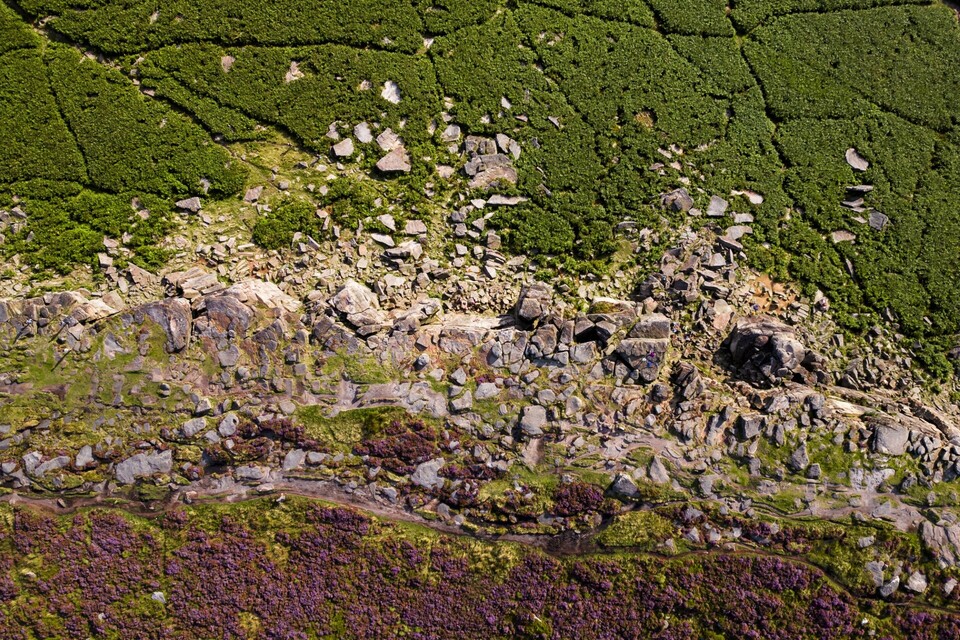
Image courtesy of Peak District National Park Authority
Case study: Landscape Observatory
A key part of understanding landscape-scale 30by30 is predicting the relative abundance of species, where they might be living, and which parts of the landscape are expected to be important to them. Using species modelling on top of Landscape Observatory high-resolution data can simulate the process of species foraging, reproduction, survival and dispersal, from field to landscape scale. Born from pioneering work in the Peak District National Park, 30by30 funding through the Protected Landscapes Partnership is helping scale this capability across England’s Protected Landscapes and exploring the potential to support landscape-scale condition monitoring.
Actions and next steps
We have also:
- aligned 30by30 assessment and reporting with wider Defra group efforts to improve consistency of nature recovery data, including LNRS and statutory biodiversity targets reporting. A Defra group-led data model and standard will be made available to support consistent collection of data on action taken to recover nature, including activities that can contribute towards 30by30. We are encouraging delivery partners to adopt this data model as it will support a ‘collect once, use many times’ approach. This will make it easier for delivery partners and Defra to understand contributions towards statutory nature recovery targets and 30by30
- begun a series of place-based pathfinder programmes to test different ways of working, streamline processes, and remove barriers to effective place-based delivery of Defra outcomes. We have begun 4 pathfinders with strategic authorities and are in the scoping phase for testing with a National Park Authority. By empowering National Park Authorities, we aim to make it easier to deliver nature recovery
We will:
- publish a Trees Action Plan in 2026 to set out how we will improve the resilience and condition of England’s trees, woods and forests
- implement mandatory BNG for nationally significant infrastructure projects (NSIPs) from November 2026 and continue to refine the delivery of mandatory BNG for development under the Town and Country Planning Act. This will help reverse wider nature decline by incentivising development away from high-value habitats
- develop wider policy to ensure that more of our existing habitats, including habitats created or restored under the Environment Act habitats target, are secured for the long-term. This includes promoting the wider use of conservation covenants to secure more land for long-term conservation and exploring possible amendments to existing Environment Impact Assessment regulations to bring more land in scope
- target policies, tools and resources more strategically, exploring how spatial prioritisation of wider Defra policies within Protected Landscapes can accelerate delivery of Environment Act targets and 30by30. This includes investing in new technologies such as the Landscape Observatory: an innovative intelligence system, which uses high-resolution aerial images and cutting-edge artificial intelligence (AI). This will enable protected landscapes teams to make informed, strategic and ultimately more impactful decisions about nature recovery and how to prepare our landscapes for the impacts of climate change. It will also enhance the evidence base for national-level decisions
- work with eNGOs on earned autonomy pilots, which will also streamline procedures and reduce regulatory barriers to effective delivery of nature recovery outcomes
- deliver at least 20 protected sites strategies. This includes continued delivery of the 5 pilot sites in the River Clun, the Humber Estuary, Sussex Woods, Cumbria Raised Mires and Fens, and the Peak District. These will restore and improve site condition and help address upstream environmental pressures such as pollution and habitat degradation
How we’ll know easier routes to deliver 30by30 actions are working
We will know easier routes to deliver 30by30 actions are working when:
- land managers can navigate schemes and delivery routes with confidence in how they will contribute to 30by30, with more schemes aligned directly to the 30by30 criteria
- public and private investment is more easily combined to support delivery
- a growing number of sites are supported to move from Bronze to Silver, and from Silver to Gold
Delivery theme 3: Inspiring participation and leadership
30by30 is a once‑in‑a‑generation opportunity to accelerate nature’s recovery and transform our relationship with the natural environment. By taking part in 30by30, landowners not only contribute to national nature recovery but also unlock tangible benefits for their own land – such as improved resilience to flooding, increased pollinators for crops, and enhanced ecosystem services that support long-term productivity and sustainability. 30by30 also brings people closer to nature, supporting health and wellbeing and strengthening the public connection and stewardship essential for lasting recovery.
Public land and other large estates will play a critical role in showing what is possible with ambition, scale and long‑term stewardship. However, 30by30 cannot be delivered by government and large estates alone. Lasting and meaningful nature recovery depends on a network of partners working collectively towards a shared vision. This includes land managers, farmers, local authorities, conservation organisations, businesses, academic institutions and community groups. Central to achieving 30by30 is the creation of a genuine national movement for nature – everyone has a role to play.
Aim
Build a strong sense of shared national effort around 30by30, where participation is valued, progress is visible, and leadership is encouraged at every level.
Leading the way
30by30 is at the heart of the government’s vision for nature recovery. By setting a clear direction of travel, leading by example and consistently championing progress towards the 30by30 criteria, national leadership will set the bar high and help to drive momentum across the country.
The National Estate for Nature, Protected Landscapes and all land-owning government departments must provide visible, national leadership on nature recovery and delivery of 30by30. Together, these bodies steward significant areas of land, hold deep technical expertise, and are uniquely placed to demonstrate what ambitious, long‑term nature recovery looks like in practice. By leading from the front, they can accelerate progress towards England’s 30by30 ambition while also supporting delivery of statutory habitat and species targets and contributing meaningfully to the UK’s international 30by30 commitment.
We have:
- convened the National Estate for Nature, Protected Landscapes and the wider Defra group and supported them to consistently embed 30by30 in their objectives
- committed in the Environmental Improvement Plan 2025 that Natural England will complete the King’s Series of 25 new or large extensions to National Nature Reserves (NNRs) by 2028. So far Natural England have undertaken 14 NNR declarations. All NNRs will count towards the 30by30 target so the King’s Series is a significant step forward – so far it has increased the area of NNRs by almost 13,500 hectares
- established a Protected Landscapes Partnership, with a first independent chair, to demonstrate national leadership and help our powerful network of National Landscapes, National Parks and National Trails deliver more than the sum of their parts
We will:
- embed 30by30 at the heart of Protected Landscapes’ role in nature recovery by developing and sharing a clear, refreshed vision for how Protected Landscapes will contribute at scale to national nature recovery outcomes. We will continue to strengthen Protected Landscapes teams’ capacity to deliver this vision as agile, innovative and outcome‑focused organisations
- use existing networks and platforms to broaden reach, working through the established partnerships, estates and communication channels of the National Estate for Nature, Protected Landscapes and the Defra group to raise awareness of 30by30, build understanding of the criteria and engage new stakeholders
- work across government, through the Government Estate Nature Plan, to recognise existing contributions, and identify further opportunities for 30by30 within the operational constraints for which government land is held
Delivering through partnership
Partnership sits at the heart of 30by30 delivery. Progress towards 30by30 will depend on meaningful collaboration with trusted partner organisations across all sectors – harnessing their expertise, capabilities, reach and deep understanding of local landscapes and communities.
We will establish a community of 30by30 delivery partners: building on existing skills, experience and relationships. This cohesive community of practitioners will provide practical, on‑the‑ground support to land managers working towards the 30by30 criteria.
We will empower those with intimate knowledge of local places to ensure that delivery is coherent, locally responsive and capable of driving meaningful progress at pace.
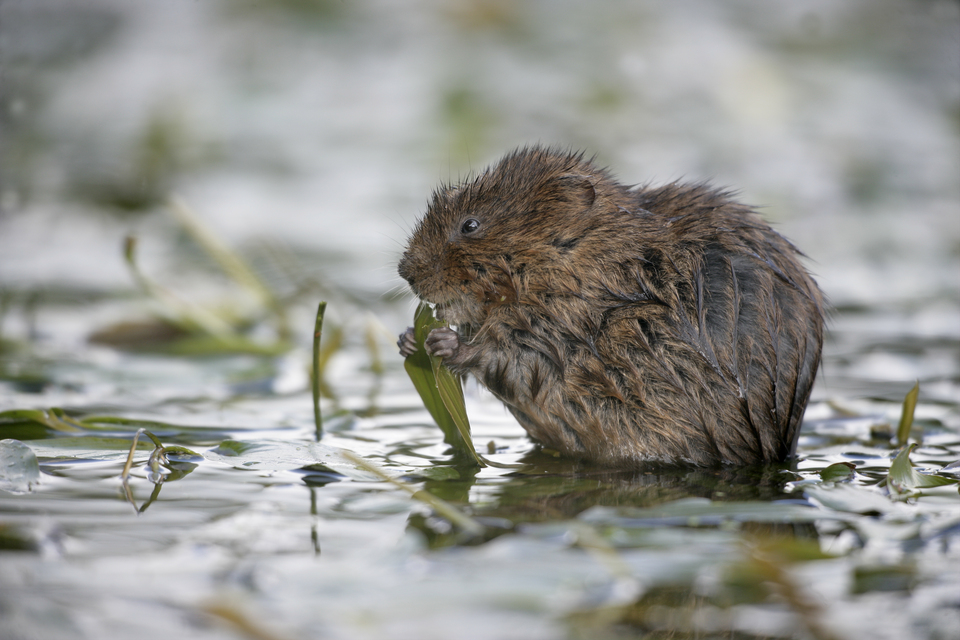
Case study: Big Chalk
Big Chalk funding is helping the Greater Cambridge Chalk Streams Project, led by Cambridge City Council, to restore 3 urban chalk streams in the heart of a fast-growing city. Combining targeted, evidence-led, in-channel works with condition monitoring and community involvement, it shows how a catchment-based approach and partnership funding model can catalyse the recovery of our internationally important chalk streams, contributing to 30by30.
We have:
- extended the Farming in Protected Landscapes (FiPL) programme until March 2029. As well as directly funding projects that deliver nature recovery and act as stepping stones into 30by30, FiPL has created a national network of local experts – sharing ideas, expertise and tools
- scaled multi‑landscape nature recovery initiatives, such as Landscape Recovery and Big Chalk and recognised their contribution to supporting 30by30 delivery
We will:
- build and support a national 30by30 delivery community, bringing together individuals and partner organisations with the skills, knowledge and relationships required to support local delivery and accelerate progress towards 30by30. From Farming in Protected Landscapes officers to Natural England Area Teams, we will support those already working on the ground to connect their efforts, share learning and align existing programmes and funding behind a common goal. This is not about creating new structures, but about making the most of what we already have: using 30by30 to join up people, partnerships and resources so they can deliver more, together, for nature
- align communications with partners, co-ordinating messaging and engagement opportunities to raise the national profile of 30by30, improve understanding of the target and clearly communicate how land managers and communities can contribute. This will include championing best‑practice case studies, working with partners to showcase innovative approaches to meeting the 30by30 criteria and ensuring that local, organisational and individual contributions are recognised and celebrated at a national level
- explore the development of a visible marker for land managers who are actively working towards the 30by30 criteria and demonstrating their commitment to nature recovery
- work with local authorities, identifying opportunities to embed 30by30 within locally based nature plans and local nature recovery strategies to ensure alignment between national and local priorities
Inspiring wider participation
The scale and ambition of 30by30 means that progress must be owned and supported by the whole of society. Businesses, educational institutions, communities and individuals all have a vital role to play. Building national momentum – and maintaining it up to and beyond 2030 – will be critical to achieving not only the 30by30 target itself, but the lasting change in behaviours, skills and stewardship that nature recovery depends on.
Engaging widely across society will help embed 30by30 as a shared national endeavour. Public and collective action, while sometimes small‑scale in isolation, can have transformative impact when taken together.
Children and young people are central to securing a lasting legacy for nature. 30by30 provides an opportunity to strengthen learning, skills and access to nature through education and community engagement. By anchoring volunteering, citizen science, business action and responsible access within a clear and credible national goal, 30by30 can galvanise participation, build social licence for change, and strengthen confidence in a long‑term pathway for nature recovery.
By recognising and celebrating these contributions, we will sustain enthusiasm, normalise positive actions for nature and promote continued progress beyond 2030.

Case study: National Education Nature Park
The Department for Education’s National Education Nature Park programme – led, in partnership, by the Natural History Museum – aims to equip children and young people with the confidence, knowledge and skills to positively impact their future and the future of nature.
We will:
- support the Department for Education’s National Education Nature Park programme – led, in partnership, by the Natural History Museum – to equip children and young people with the confidence, knowledge and skills to positively impact their future and the future of nature. This will contribute to global biodiversity research and building societal awareness of 30by30 and other nature recovery targets
- support greater private and public sector participation by working with 30x30 UK to promote their initiatives, including their Groundwork business volunteering platform, which enables businesses to contribute to nature recovery through scalable employee volunteering, skills-based support, leadership experiences in nature, and transparent impact reporting. 30x30 UK is also partnering with BBC Gardeners’ World to encourage wider public involvement through the Make a Metre Matter campaign, which highlights how individuals transforming small plots can collectively strengthen local habitats and contribute to our 30by30 Bronze tier. Our partnership with 30x30UK supports their wider work to cultivate the conditions that support the 30by30 pledge to succeed
- increase understanding of how organisations and individuals can contribute, working with partners to provide clear, practical guidance on actions that support progress towards the 30by30 criteria, including progression through the tiered approach
- co-ordinate public‑facing nature recovery initiatives, using 30by30 as a unifying framework to align volunteering, citizen science programmes, community stewardship and responsible access initiatives under a single national goal. We will recognise and celebrate these public contributions and clearly communicate their value and impact nationally. This will showcase the contributions of businesses, schools, communities and individuals across the country
- we will work with local authorities, communities and partners to turn urban spaces into well-managed areas for nature recovery through the Nature Towns and Cities programme. This includes funding place-based projects, such as the creation of new regional parks, restoring and improving canal and river-side habitats, and upgrading neighbourhood green spaces, so they deliver biodiversity and improve public access.
How we’ll know inspiring participation actions are working
We will know inspiring participation actions are working when:
- 30by30 is increasingly understood as a long-term national endeavour, not just a short-term target
- participation widens across sectors, geographies and land types
- landowners, land managers and communities see their contribution to 30by30 recognised and valued, even where land is still progressing
Next steps: your role in 30by30
Everyone can play their part and support 30by30.
Landowners and land managers
If you own or manage land that does (or could) contain wildlife-rich habitat, can you:
- screen your land for potential to enter the 30by30 pipeline?
- take action to meet or maintain the 30by30 criteria on your land?
- share examples of the positive action you have taken for nature with others?
Businesses
If you own or work for a business interested in protecting our country’s environment, can you:
- support or invest in projects that are meeting or working towards the 30by30 criteria? From the National Landscape’s Your Natural Partner to Projects for Nature, there are projects across the country ready for your investment.
- encourage your team to volunteer with 30X30 UK’s Groundwork programme?
The public
Anyone can show their support for 30by30 by supporting businesses and areas that are contributing to 30by30.
Can you:
- volunteer time at an area that is meeting or working towards the 30by30 criteria?
- transform one metre of outdoor space to contribute to our 30by30 Bronze tier? Whether in your garden, balcony or community plot, you could join the partnership between Gardeners’ World and 30X30 UK to make a metre matter.
Together, we can effectively conserve and manage 30% of England for nature by 2030. In doing so, we unlock powerful national renewal: putting nature at the heart of healthier lives and a more resilient economy. 30by30 brings together urgent action to deliver cleaner rivers, greener neighbourhoods, and a countryside we can be proud of.
References
- PriceWaterhouseCoopers (PwC), Managing nature risks: From understanding to action, 2023.
- Office for National Statistics, UK Natural Capital Accounts 2025.
- Leverhulme Centre for Nature Recovery. The UK nature finance ecosystem: status and opportunities for scale, 2025.
- Department for the Environment, Food and Rural Affairs, Methodology Note: A data led assessment of areas in England that count or have potential to count towards the 30by30 target, 2026.