Ebola virus: UK government response
The West Africa Ebola epidemic is now over.
The World Health Organisation (WHO) has stated that it is no longer a public health emergency of international concern.
WHO had declared the end of human-to-human transmission of the virus in all 3 of the worst-affected countries - but small-scale flare-ups of the disease will occur.
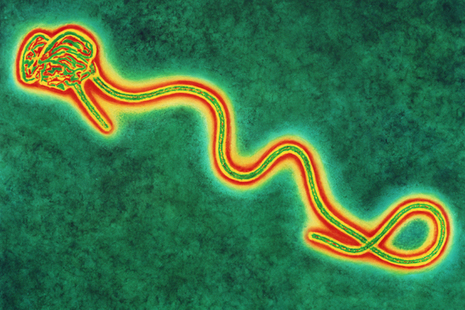
The risk of Ebola to the general public in the UK remains very low. Ebola can only be transmitted by direct contact with the blood or bodily fluids of an infected person or animal.
The outbreak of the Ebola virus in 2014 primarily affected 3 countries in West Africa: Guinea, Liberia and Sierra Leone. In total, more than 28,600 cases and 11,300 deaths have been reported by the World Health Organisation (6 January 2016).
Featured