Individuals referred to and supported through the Prevent Programme, October 2024 to September 2025
Published 6 August 2026
Applies to England and Wales

© Crown copyright 2026
This publication is licensed under the terms of the Open Government Licence v3.0 except where otherwise stated. To view this licence, visit nationalarchives.gov.uk/doc/open-government-licence/version/3 or write to the Information Policy Team, The National Archives, Kew, London TW9 4DU, or email: psi@nationalarchives.gov.uk.
Where we have identified any third party copyright information you will need to obtain permission from the copyright holders concerned.
This publication is available at https://www.gov.uk/government/statistics/individuals-referred-to-prevent-to-september-2025/individuals-referred-to-and-supported-through-the-prevent-programme-october-2024-to-september-2025
This release contains official statistics in development on individuals referred to and supported through the Prevent Programme due to concerns they were susceptible to radicalisation. Following initial screening and assessment, referrals may be passed to a multi-agency Channel panel, where a risk of radicalisation exists. Chaired by local authorities, these panels determine the extent of an individual’s susceptibility to radicalisation and whether a tailored package of support is necessary and proportionate to address the risk.
Main changes and additions to this release
As part of our ongoing commitment to improving the ‘Individuals referred to and supported through the Prevent Programme’ statistical publication, we conducted a user survey to gather feedback on the content, accessibility and frequency of the release. The survey has now concluded. A summary of the feedback received, together with our response and planned changes to the statistical series is available alongside this publication.
We have moved from an annual to a biannual publication schedule. The statistics will now be released twice a year, with the second release provisionally scheduled for winter.
In addition, the mental health (MH) and neurodiversity (ND) data has been expanded to include figures on both discussed and adopted cases for the first time. Working in collaboration with Department of Health and Social Care (DHSC), we have improved the MH and ND categorisation, enabling more accurate selection of conditions within these groups. Further work is ongoing to enhance data systems so that they more fully reflect the range of MH and ND conditions recognised by the NHS. This release also includes counts of individuals with MH and ND conditions who have been referred to Prevent.
In this publication (limited to the main bulletin and selected charts), the Home Office has retrospectively applied the newly adopted methodology to figures from previous years, covering the period prior to April 2024. The new methodology considers all cases that the Channel panel has adopted, and the old methodology only considers cases where consent was provided for adoption. To support direct comparisons over time, it has also presented figures from April 2024 onwards using the old methodology. While every effort has been made to backdate the new methodology, users should note that a fully like-for-like comparison is not possible due to changes in variables introduced in the new PCMT system. This backdating exercise will be extended to the bulletin tables in the next publication to further support time-series analysis and comparison.
Key results
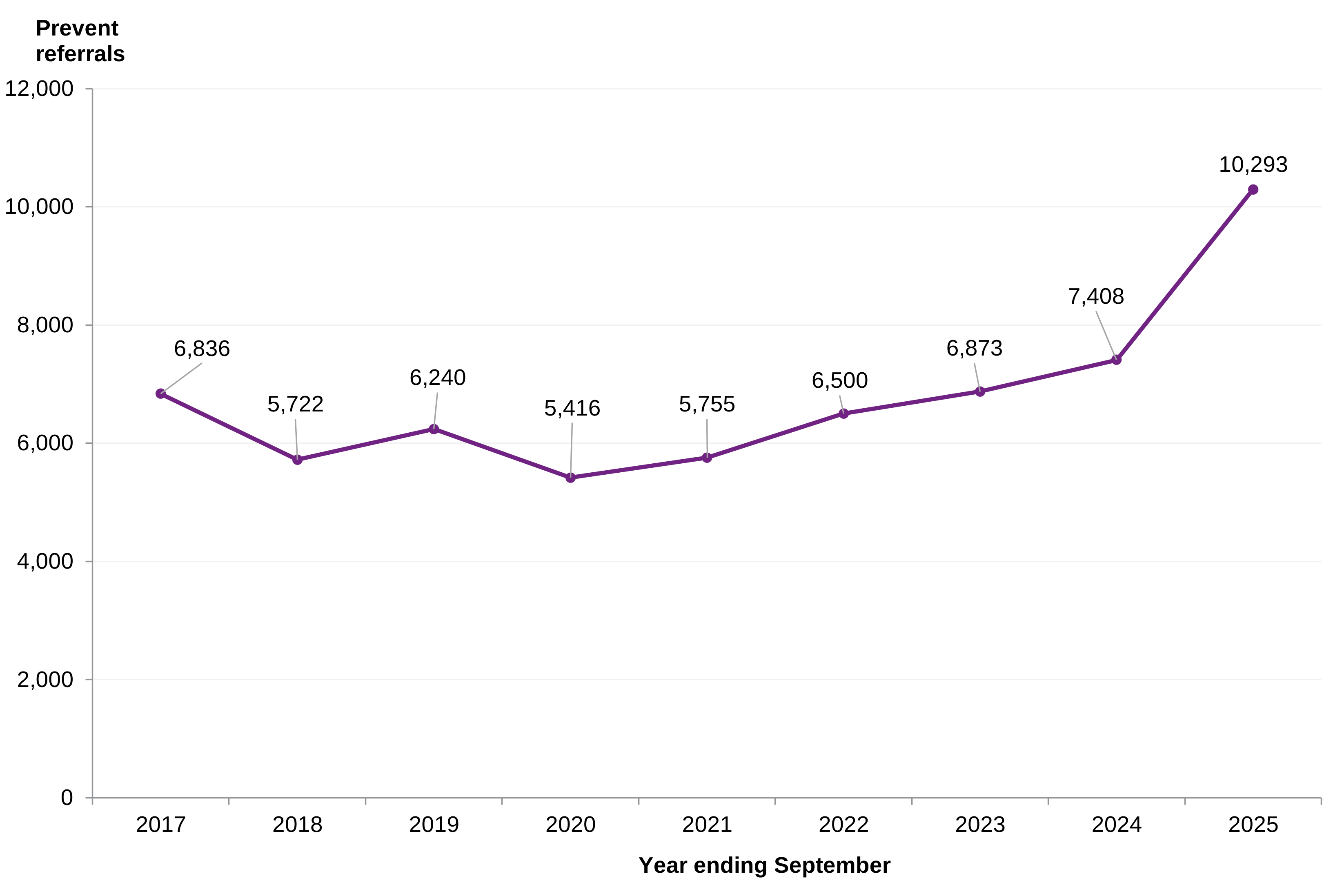
Figure 1: Number of Prevent referrals between year ending September 2017 and year ending September 25
Source: Home Office, Individuals referred to and supported through the Prevent Programme, England and Wales
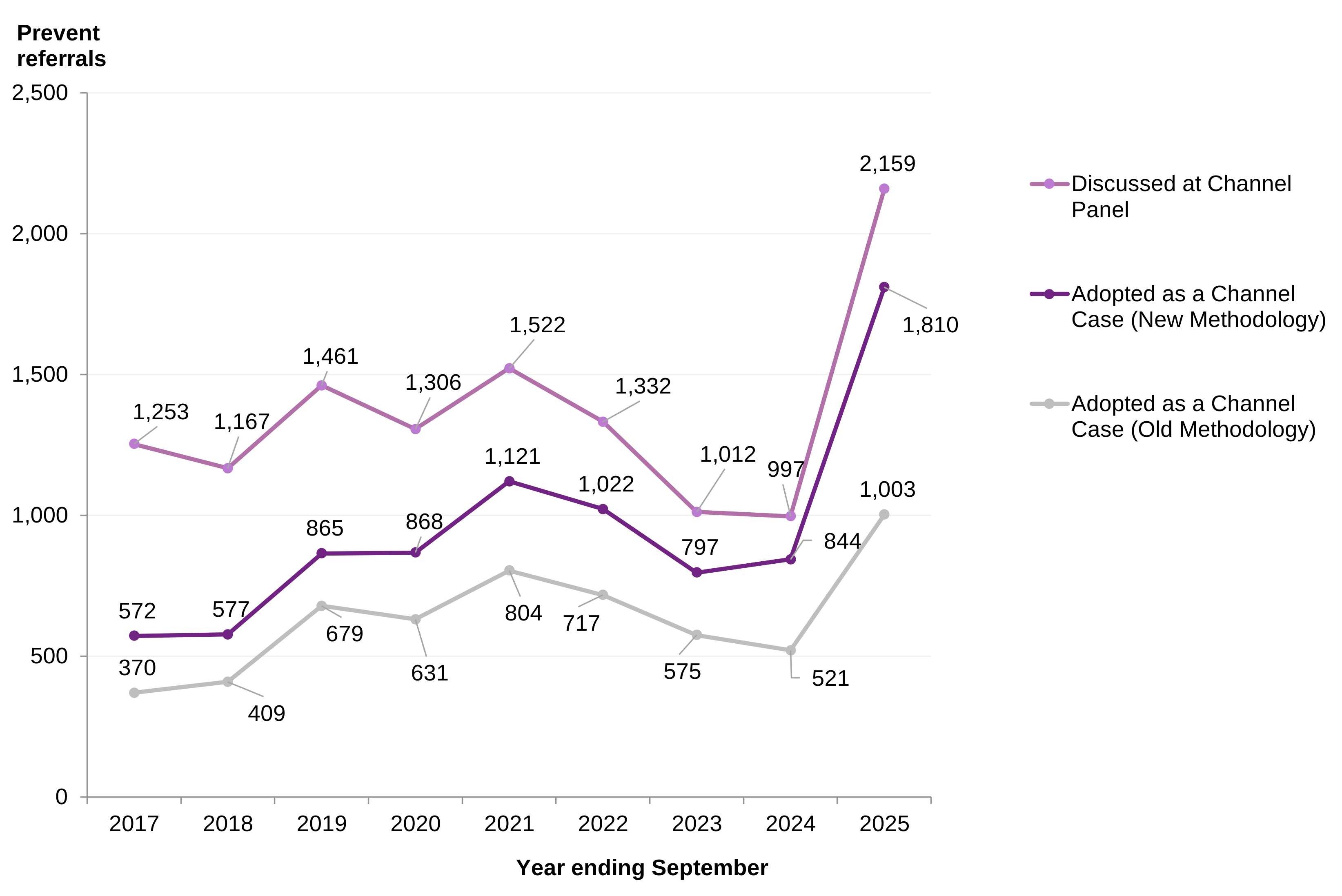
Figure 2: Number of referrals discussed at a Channel panel and adopted as a Channel case, between year ending September 17 and year ending September 25
Source: Home Office, Individuals referred to and supported through the Prevent Programme, England and Wales
Notes:
- Figure 2 compares adoption volumes under both the old and new methodologies. To support comparability across the time series, the new methodology has been applied retrospectively to data before April 2024, while the old methodology has been applied to data from April 2024 onwards. Consequently, adoption figures in this publication may differ from those published previously, particularly for periods before April 2024. Further details are provided in the user guide.
- The new methodology measures Channel adoption according to the Channel Panel’s decision to adopt a case, rather than the provision of consent. This provides a more direct measure of adoption activity.
- The old methodology defines an adopted Channel case as one where consent was initially granted, including cases where consent was later withdrawn following adoption.
In the year ending September 2025 (1 October 2024 to 30 September 2025), there were 9,957 individuals referred to Prevent, with a total of 10,293 referrals made. This represents a 39% increase in referrals compared with the previous year (7,408) and is the highest number of referrals recorded in a single year, since the data series began in April 2015. The number of individuals referred to Prevent grew by 37%, increasing from 7,279 to 9,957.
Of the 10,293 referrals made to Prevent in the year ending September 2025:
- 2,159 individuals (21% of referrals) were discussed at a Channel panel, and 1,810 individuals (18% of referrals) were adopted as a Channel case
- the proportion of referrals discussed at a Channel panel has increased to 21% this year versus 13% last year and 15% the year before
- the proportion of referrals adopted as a Channel case increased to 18% this year, up from 11% last year and 12% the year before, based on the updated adoption methodology, (see the user guide for further details)
- the education sector made the highest number of referrals (3,496), accounting for 34% of all referrals this year, which is a decrease from 37% the previous year
- as in previous years individuals aged 11 to 15 years accounted for the largest proportion (3,655; 36%) of the 10,279 referrals to Prevent where age was known
- 1,810 individuals were adopted as a Channel case, with individuals aged between 11 and 15 years accounting for 37% of all cases adopted
- most referrals, where sex was specified (10,016), were for males (9,002; 90%), as in previous years
- ‘extreme right-wing’ concerns accounted for 20% (2,103 of 10,282) of referrals, where concern was recorded, higher than those related to ‘Islamist extremism’ (8%; 860 of 10,282)
- ‘extreme right-wing’ concerns accounted for the largest single concern type among referrals adopted as a Channel case (756 out of 1,807 (total specified); 42%); while 212 (12%) were for concerns related to ‘Islamist extremism’
- the ‘no ideology’ type of concern categories accounted for the majority of referrals (5,770; 56%), where a type of concern was specified (10,282 referrals), however, also had one of the lowest Channel adoption rates (7%; 412 of 5,770)
- referrals relating to ‘fascination with extreme violence or mass casualty attacks’ increased throughout the first half of 2025, peaking at 286 referrals in April to June, before falling to 183 in July to September, a decline that may be linked to reduced referral activity from education settings during summer holidays
- for those referrals where ethnicity was specified (5,315), 68% (3,600) of referrals were recorded as White, 18% (949) Asian, 8% (401) Black and 7% (365) other
- around 36% of individuals (3,633 of 9,957) referred to Prevent had at least one MH or ND condition recorded on Prevent Case Management Tracker (PCMT), with autism the most common condition recorded affecting 18% (1,833 of 9,957 individuals) of those referred to Prevent
- among adopted Channel cases, where consent status was specified, 56% (969 of 1,728) provided consent to receive Channel panel support, while 44% (759 of 1,728) did not consent to support
1. Introduction
Prevent forms part of the government’s wider counter-terrorism strategy, known as CONTEST. The latest version of the CONTEST strategy was published in July 2023. Prevent aims to safeguard people from becoming terrorists or supporting terrorism. For more information, please see the following publications on the GOV.UK website: Prevent duty guidance, Channel duty guidance and 2023 CONTEST strategy.
1.1 Coverage of this release
This release contains official statistics in development on the number of individuals recorded as having been referred to and supported through the Prevent Programme in England and Wales, from 1 October 2024 to 30 September 2025. The statistics cover an individual’s journey from referral to adoption as a case, broken down by demographic statistics, the type of concern and region.
More information about official statistics in development can be found on the UK Statistics Authority website. The Home Office aims to improve the quality of data recording and assurance procedures so that these statistics can be designated as Accredited Official Statistics in future years.
As part of these improvements, the Prevent Case Management Tracker (PCMT) was introduced in May 2024, bringing together data on Prevent referrals and Channel cases into a single system. Home Office analysts continue to work with Prevent policy colleagues and Counter Terrorism Policing (CTP) to improve the quality of existing data, particularly in areas where completion rates are low. This includes developing further guidance and training for police case officers and Channel practitioners and working jointly with CTP to strengthen consistency in recording across regions in England and Wales.
More detailed breakdowns of the data relating to this release can be found in the accompanying data tables. This includes data for Prevent and Channel between April 2024 to September 2025. Previous years data covering April 2015 to March 2024 can be found in the accompanying data tables.
The data presented in this release was extracted from the PCMT on 1 April 2026, covering the year ending September 2025. Figures within PCMT are updated continuously by practitioners, and therefore represent a snapshot in time, providing an indication of trends rather than definitive counts. The timing of data extraction can also affect the closure outcomes of cases. The further the extraction date is from the reference period, the more likely it is that cases will have been closed, which may influence comparability with earlier or future releases. Users should therefore exercise caution when making comparisons over time. In addition, cases that are discussed or adopted are recorded by the referral date, not by the date they were discussed or adopted at a Channel panel. For example, a referral received on 25 April but discussed or adopted on 15 June will appear under April figures.
As part of the move to a biannual publication cycle, data will now be released twice each year, covering both the year ending March and year ending September periods.
Under this new approach, each publication will include a rolling 12-month dataset, in which the most recent 6 months of previously published data are refreshed alongside 6 months of newly published data. For example, in the year ending September 2025 release:
- data for October 2024 to March 2025 (previously included in the year ending March 2025 publication) will be revised and updated based on a new extract from the live PCMT database
- data for April to September 2025 will be published for the first time
As a result, previously published figures for the refreshed quarters will be superseded and should no longer be used. Users should refer to the latest publication tables for the most up-to-date figures. Earlier periods (for example, October to December 2024 and January to March 2025 after this release) will remain unchanged and effectively become fixed.
Figures are subject to revision and may change between publications, due to differences in extraction dates. Revisions may result from referrals being added retrospectively, the removal of records, or improvements arising from data validation and quality assurance processes. Consequently, the latest published figures supersede those published previously.
This rolling 12-month approach has been adopted to ensure that the statistics remain meaningful and robust within a biannual publication framework. Publishing only 6 months of new data without revising earlier periods would limit the completeness of outcomes data, particularly as cases often take longer than 6 months to progress through the Prevent process. By allowing additional time for cases to develop and close, the refreshed data better reflects final outcomes, especially in relation to closure measures.
This approach represents a change from previous publications where data was not routinely refreshed, due to the annual publication cycle. Consequently, refreshed data within the new framework may reflect a longer time lag between the reference period and extraction date, enabling further maturation of records within the live system.
1.2 Identification and referrals
If a member of the public, or someone working with the public, has a concern about a person they know who may be susceptible to radicalisation, they can raise their concerns with their local authority safeguarding team or the police for an assessment.
Staff working in public-facing organisations receive training to help identify people who may be susceptible to radicalisation, and what to do about it. Local authorities, schools, colleges, universities, health bodies, prisons, probation organisations and the police are subject to a statutory duty through the Counter-Terrorism and Security Act 2015 to include in their day-to-day work consideration of the need to safeguard people from being drawn into terrorism.
1.3 Initial assessment
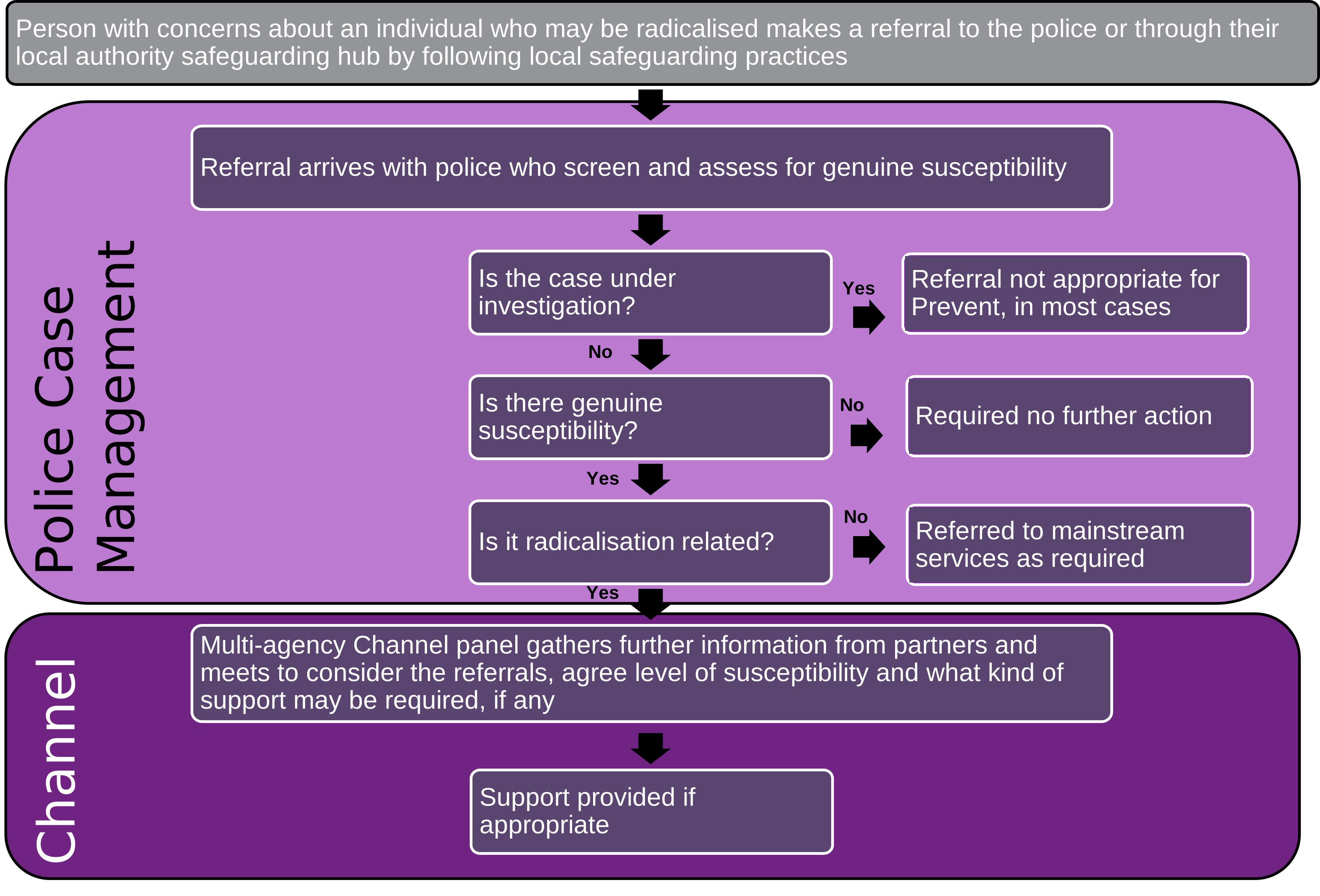
The police screen and assess all Prevent referrals for genuine susceptibility to radicalisation. The majority of referrals will either be progressed to Channel; referred onwards to mainstream services; or require no further action. In instances where consent for Channel support is not provided, or where the person is considered too high risk for Channel, they may be managed under Police-Led Partnerships (PLP). These partnerships are led by the police, and work with other agencies, employing similar approaches used within Channel. The support package provided in Channel/Prevent Multi-Agency Panel (PMAP) is voluntary and requires consent. If a person refuses to engage with Channel/PMAP support, or is not suitable for management in Channel/PMAP (due to being deemed too high-risk), CTP will consider whether sufficient concerns remain to refer the case to PLP for further management.
1.4 The Channel programme
The Channel programme in England and Wales is an initiative that provides a multi-agency approach to support people susceptible to radicalisation. For those individuals where the police assess there is a risk of radicalisation, a Channel panel chaired by the local authority, and attended by other partners such as representatives from education and health services, will meet to discuss the referral. They will discuss the extent of the susceptibility, assess all the circumstances of the case, and decide whether to adopt the individual as a Channel case. Cases are adopted in order to further assess the susceptibility, or to provide a tailored package of support where necessary and proportionate to do so. A Channel panel may decide that an individual’s susceptibility is not terrorism-related and will refer the individual to other forms of support.
Since May 2024, data on Channel cases is recorded in the new PCMT that has been developed between the Home Office and Counter-Terrorism Policing. Prior to that, and for data presented in previous year’s releases, data on Channel cases was extracted from the Home Office owned Channel Management Information System (CMIS).
Information shared among partners is strictly within the terms of the Data Protection Act and the General Data Protection Regulation (GDPR). The Home Office collects, processes and shares personal information to enable it to carry out its statutory functions as part of Channel. For further information on how personal data is stored and used for the Channel programme, please refer to the Channel Data Privacy Information Notice (DPIN).
The Counter-Terrorism and Security Act 2015 placed the Channel programme on a statutory footing and created a duty on each local authority in England and Wales to ensure there is a panel in place for its area. Statutory guidance for Channel panels was first published in March 2015.
1.5 Providing support and leaving the programme
Participation in the Channel programme is confidential and voluntary. Once a Channel panel has made the decision to adopt a case, consent is obtained before Channel support is provided. Where consent is not secured, the case will need to be closed to Channel. Where consent is secured for Channel, tailored support is provided based on the needs identified for an individual. Many types of support are available, addressing educational, vocational, mental health and other susceptibilities. Ideological mentoring is common. The role of the Channel panel is to coordinate service support through statutory partners and Channel-commissioned Intervention Providers (IPs) or oversee existing activity depending on what is most appropriate and proportionate for the case.
A Channel panel will review the progress of an individual in the Channel programme on a monthly basis. If there is an escalation of risk, where deemed appropriate, the police may transfer a case from Channel to police-led partnership management. PLP covers the management of individuals that are not suitable for Channel, but which have identified Prevent-relevant issues requiring support or mitigation. PLP are led by police but work in partnership with other agencies and employ many of the same type of approaches used within the multiagency processes of Channel. Since January 2025, Channel support has been extended to include some of those subject to Pursue investigation, enabling support to continue through this process.
The panel decides an individual will leave the Channel programme when there is no further risk of radicalisation. Support to address non-radicalisation-related concerns could continue in some cases but would be managed outside of the Channel programme.
The local authority or other providers may provide alternative forms of support to individuals who do not consent to Channel support or are deemed not appropriate for the Channel programme. In these circumstances, the police will manage any risk of terrorism that might present.
After an individual has left the Channel programme, their progress will be reviewed after 6 and 12 months as a minimum. If the individual shows further radicalisation-related concerns, they can re-enter the Channel programme and receive further support.
The Prevent process is summarised below in Figure 3, including how a referral is handled within Police Case Management and at Channel.
Figure 3: Prevent process flow diagram
Source: Home Office
2. People referred to the Prevent Programme
This section presents statistics on the number of referrals to Prevent due to concerns that an individual was susceptible to radicalisation. It includes the sector of referral and information on how the individuals referred were assessed and supported, including those who required no further action, a referral to another service or were reviewed by a Channel panel for support through the Channel programme.
The data presented in this release represents activity recorded by the police and local authority partners. Although quality assurance is undertaken to confirm these numbers, the statistics rely on recording of information and so the overall completeness and accuracy of reported totals cannot be guaranteed. Please see the user guide for further information.
Throughout this release, the number of referrals reported includes individuals who had been referred more than once during the year. This information is included as each referral may not contain the same information (for example, different sector of referral or type of concern) and may not have the same outcome (for example, signposted to statutory partners, discussed at a Channel panel). Including multiple referrals provides a more complete picture of all support recorded and provided through the Prevent Programme in the year ending September 2025. While the release does not focus on the unique number of individuals referred, where referrals progress to Channel panel discussions and are subsequently adopted as Channel cases, these are treated as unique cases within the Channel dataset.
2.1 The referral process
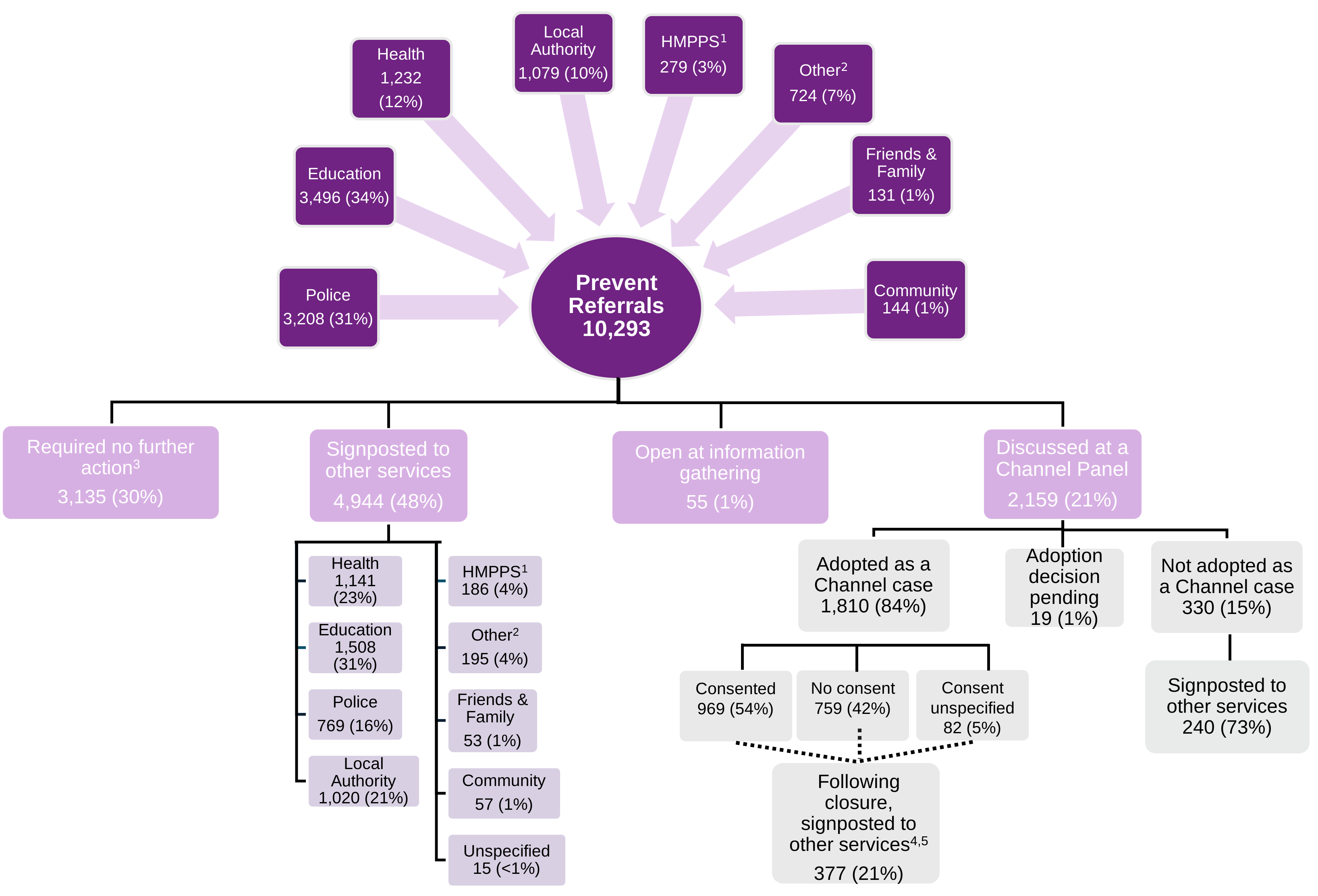
In the year ending 30 September 2025, there were 10,293 referrals to Prevent due to concerns that an individual was susceptible to radicalisation. The education sector made the most referrals (3,496; 34%), followed by the police (3,208; 31%). Compared with the previous year, referrals increased in all sectors except friends and family, with the largest increases recorded in health (58%), local authorities (57%) and police (49%). Referrals from friends and family decreased by 8%.
Figure 4: Sector of referral and subsequent journey, year ending 30 September 2025
Notes:
- HM Prison and Probation Service.
- ‘Other’ includes employment, military and government (including Home Office Immigration Enforcement and HMRC), for example.
- Referrals received that ‘required no further action’ include but are not limited to: individuals already receiving support through Prevent, those presenting a higher risk than can be managed by Prevent, and those who were found to have no susceptibility at initial assessment.
- Individuals can be signposted after a Channel case has been closed to ensure that they continue to receive support for any non-radicalisation-related vulnerabilities.
- ‘Not adopted as a Channel case’ refers to cases that were discussed at a Channel panel but were deemed not suitable for adoption.
- The sum of ‘Required no further action’, ‘Signposted to other services’, and ‘discussed at a Channel panel’ do not equal the total number of Prevent referrals due to 55 open cases at the information gathering stage at the point of data extraction from PCMT (1 April 2026). Individuals can be signposted to statutory partners to address wider susceptibilities depending on what the panel assess as being necessary and proportionate.
- Percentages may not add up to 100, due to rounding (user guide).
Of the 10,293 referrals to Prevent in the year ending 30 September 2025:
- 78% (8,079) were deemed not suitable for Channel consideration and exited the process prior to a Channel panel discussion; of which the majority were signposted to other services (4,944; 61%)
- 21% (2,159) were discussed at a Channel Panel and considered for support
- ultimately, 18% (1,810) of all referrals were adopted as a Channel case
- an additional 55 (1%) cases were open at the information gathering stage at the time of data extraction (1 April 2026)
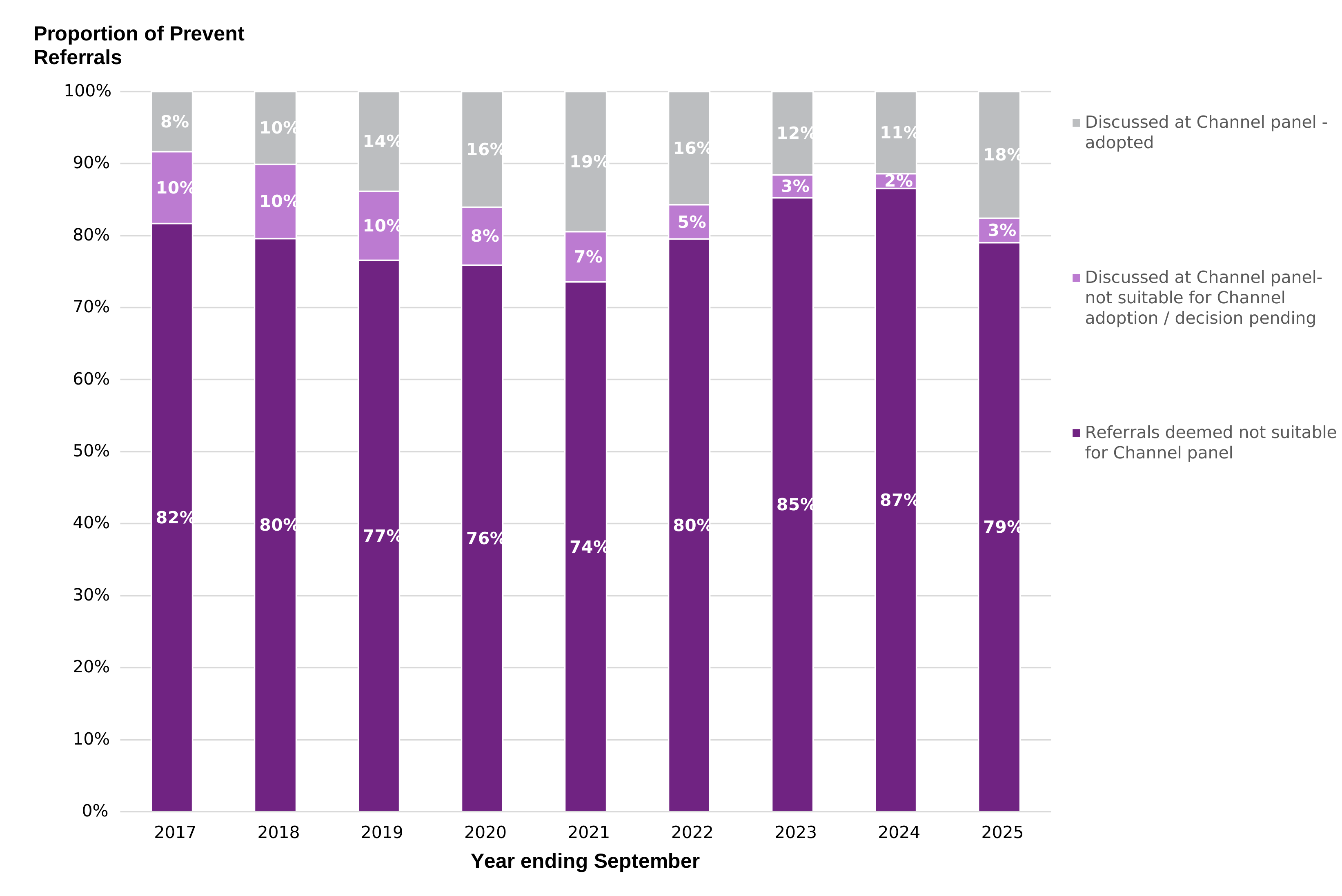
The proportion of Prevent referrals that were adopted as a Channel case (using the new methodology; refer to the user guide for more details) has seen a large increase in the latest year ending September 2025, up by 6.2 percentage points (change from 11.4% (844/7,408) to 17.6% (1,810/10,293)) compared to year ending September 2024. Since year ending September 2017 to year ending September 2024, Prevent referrals have been adopted as a Channel case at an average rate of 13% (using the new methodology). The increases in referrals and counts of adoptions observed this year may, in part, reflect heightened public awareness of Prevent following the Southport incident in July 2024.
Of the 4,944 referrals deemed not suitable for consideration by Channel and signposted to alternative services for support, most were directed to the education sector (1,508; 31%), Health (1,141; 23%) and local authorities (1,020; 21%).
Of the 2,159 referrals deemed suitable through preliminary assessment to be discussed at a Channel panel in the year ending 30 September 2025:
- 349 (16%) referrals were not adopted as a Channel case
- of these cases, the majority (240; 69%) were signposted to alternative services for support
- at the time of data extraction, 19 referrals (5% of 349) were discussed at a Channel panel, but the adoption decision was still pending
- most of the referrals discussed at a Channel Panel were adopted as a Channel case (1,810; 84%); with 82% (1,492) of individuals leaving the Channel process within the 12 months ending 30 September 2025
- 318 (18%) remained as a Channel case at the time of data extraction (1 April 2026)
Of the 1,492 referred individuals adopted as a Channel case that have subsequently closed, 1,272 (85%) of the individuals concerned exited with no further radicalisation concerns. This can include individuals:
- who had a susceptibility to radicalisation addressed by a Channel-commissioned Intervention Provider
- for whom the Channel panel oversaw existing support already in place through statutory partners
- who were adopted as a Channel case to further assess whether a susceptibility to radicalisation was present and determine whether additional support was needed
The remaining 220 referrals (15%) that were adopted as a case and have now closed concerned individuals who either withdrew from the Channel programme or were withdrawn because it was no longer deemed appropriate, although in some cases support from other services may still be in place. Any terrorism risk that might be present is managed by the police.
2.2 Referrals over time
In the year ending 30 September 2025, there were 10,293 referrals to Prevent - the highest number recorded in any year - representing a 39% increase compared with the year ending September 2024 (7,408). This also marks the largest year‑on‑year percentage increase since the statistics were first published; the next largest increase occurred in the year ending September 2022 (13%, rising from 5,755 to 6,500).
The January to March 2025 quarter recorded the highest number of referrals within the year ending September 2025 (3,283, accounting for 32% of the annual total). Referrals in this quarter increased by 70% compared with the previous quarter (1,934 in October to December 2024), and by 82% compared with the same period in the previous year (1,802 in January to March 2024).
Lord Anderson, the previous Independent Prevent Commissioner, suggested in his report Lessons for Prevent that the large increase in referrals observed in January to March 2025, likely followed publicity surrounding Axel Rudakubana’s Southport trial (20 January 2025), which took place following the Southport attack on 29 July 2024.
There was a 117% increase in the number of referrals discussed at a Channel panel compared with the previous year, rising from 997 to 2,159. The proportion of referrals discussed at a Channel panel also increased, from 13% to 21%. As noted above, this increase may have been influenced by increased awareness of prevent due to attention surrounding Rudakubana’s case.
It is possible that a number of operational and policy changes and improvements, along with associated training rolled out, may also have had an impact on practice. These changes included the launch of the new PCMT, the national roll out of a new Prevent Assessment Framework (PAF) tool to support practitioners in assessing referrals, and the introduction of the new National Prevent Referral Form, among others.
Among referrals discussed at a Channel panel, the proportion adopted as a Channel case decreased slightly by around 1 percentage point, from 84.7% (844 of 997) in the year ending September 2024 to 83.8% (1,810 of 2,159) in the year ending September 2025. In contrast, the proportion of all referrals that were adopted as Channel cases increased from 11% to 18%. The number of individuals adopted as a Channel case increased by 114%, rising from 844 in the year ending September 2024 to 1,810 in the year ending September 2025. These figures have been calculated using the updated adoption methodology introduced from April 2024. For the purposes of comparability, this methodology has also been applied retrospectively to data prior to April 2024. As a result, the adoption figures presented in this publication may differ from those published previously (affecting the pre-April 2024 period). Further details are available in the user guide.
Figure 5: Proportion of Prevent referrals not discussed at a Channel panel, discussed but not adopted, and discussed and adopted as Channel cases, years ending September 2017 to 2025
Source: Home Office, Individuals referred to and supported through the Prevent Programme, England and Wales
Notes:
- Figure 5 compares proportion of adoption using the new adoption methodology. To support comparability across the time series, the new methodology has been applied retrospectively to data from October 2016 to April 2024. Consequently, adoption figures in this publication may differ from those published previously, particularly for periods before April 2024. Further details are provided in the user guide.
- The new methodology measures Channel adoption according to the Channel Panel’s decision to adopt a case, rather than the provision of consent. This provides a more direct measure of adoption activity.
3. Demographics
This section reports statistics on the individuals referred to Prevent due to concerns about their susceptibility to radicalisation. Demographics (including age, sex, ethnicity, mental health and neurodiversity) are reported according to their progression through Prevent.
3.1 Age
Age was known for 10,279 number of referrals to Prevent (out of 10,293 referrals). For individuals discussed at Channel panel, age was known for 2,159 (100%), and for adopted as channel case, age was known for 1,810 individuals (100%).
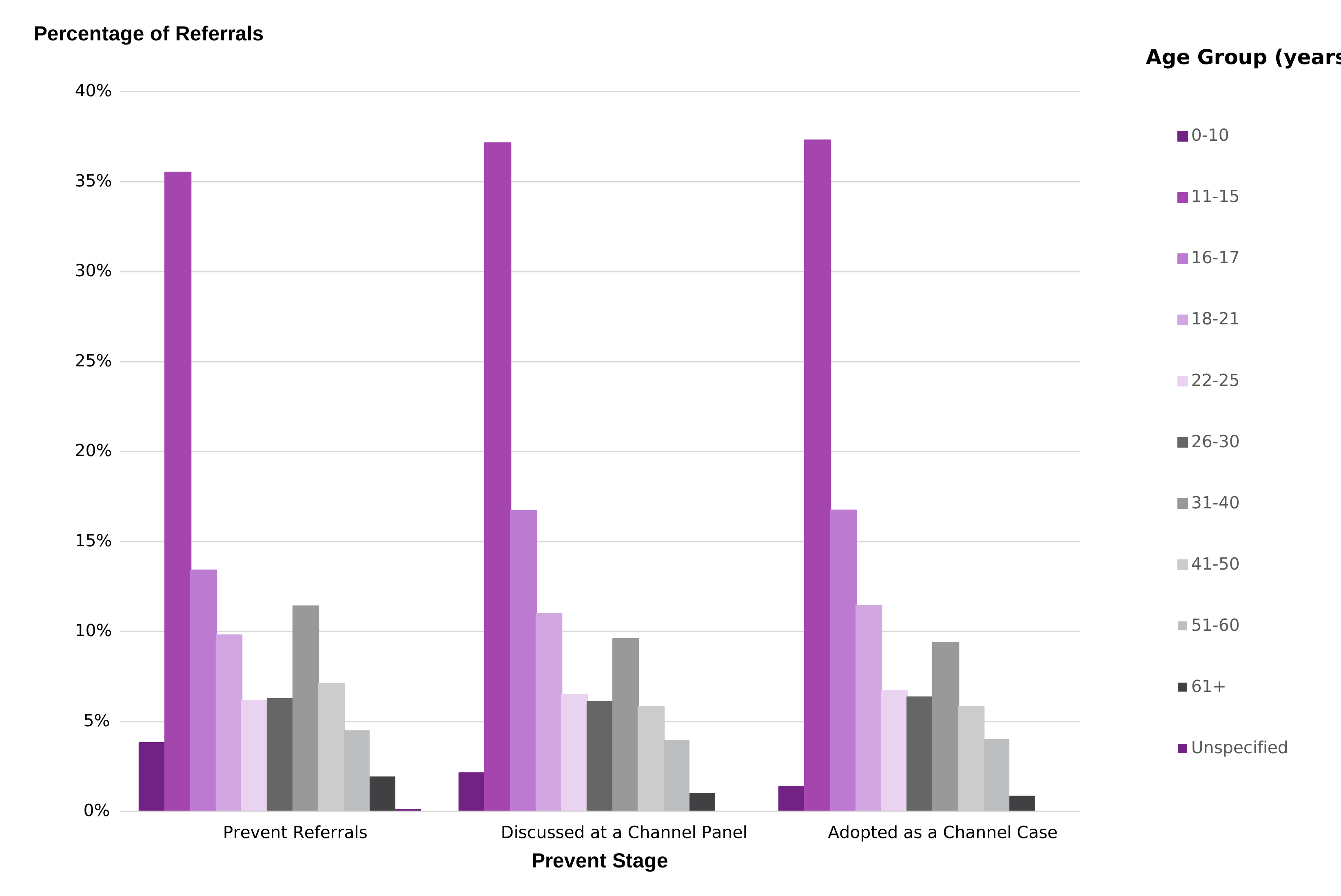
In the year ending 30 September 2025, individuals aged 11 to 15 years accounted for the largest proportion of the 10,279 referrals to Prevent (3,655; 36%) where age was known (Figure 6) however, this was down slightly from 37% (2,735) the previous year ending September 24. Those aged 16 to 17 years accounted for the second largest proportion (1,379; 13%) of all referrals where age was known.
As individuals progressed through the Prevent Programme in the year ending 30 September 2025, those aged 11 to 15 years accounted for a slightly higher proportion (37%) of both cases discussed at a Channel Panel and those adopted as Channel cases (802 of 2,159 individuals and 675 of 1,810 individuals, respectively).
Figure 6: Age group (from youngest to oldest) of those referred, discussed at a Channel panel and adopted as a Channel case, year ending September 2025
3.2 Sex
The sex of an individual is an optional field that is usually provided at referral, or by checking other sources of information if shared or gathered. If the individual shares their gender (usually once an individual has entered Channel), the field is amended to reflect what the individual has shared.
Sex was known for 10,016 number of referrals to Prevent (97%). For individuals discussed at Channel panel, sex was known for 2,132 (99%), and for adopted as channel case, sex was known for 1,792 individuals (99%).
In the year ending 30 September 2025, of the 10,016 referrals where sex was specified, the majority were for males (9,002; 90%, up from 88% in the previous year). Males also accounted for the majority of the referrals discussed at a Channel panel (1,921 of 2,132; 90%, up from 89% in the previous year) and those adopted as a Channel case (1,618 of 1,792; 90%, up from 89% in the previous year).
3.3 Ethnicity
The collection of data on ethnicity is not mandatory on the Prevent referral form, which means that the ethnicity field in the PCMT can be left blank. Previous years’ (pre-April 2024) statistical releases have not included ethnicity data due to the large proportion of referrals that do not have any ethnicity data recorded. Since the previous publication, we have included ethnicity data as the proportion of referrals with this data specified has increased.
Figures in this section are based on the ethnicity of an individual, as reported by the person making the referral to Prevent or as later updated on the system by a case officer, as more information about an individual comes to light.
The ethnicity categories in this release draw from those listed on the PCMT. The Home Office and CTP are currently working to improve the ethnicity categories to align with Office for National Statistics (ONS) standards.
Ethnicity was known for 5,315 number of referrals to Prevent (52%). The percentage of referrals for which ethnicity was specified increased as individuals moved through the Prevent Programme. For individuals discussed at Channel panel, ethnicity was known for 1,294 (60%), and for adopted as channel case, ethnicity was known for 1,100 individuals (61%).
Among cases where ethnicity was specified, individuals recorded as White represented the largest ethnic group at both the referral and Channel adoption stages. The proportion recorded as White was higher among adopted Channel cases (76%) than among referrals (68%), while the proportions recorded as Asian, Black and Other ethnicities were lower among adopted cases than among referrals (see table 1 below).
Table 1: Total number of referrals, those discussed at a Channel panel and adopted as a Channel case by ethnicity, year ending 30 September 2025
| Ethnicity | Prevent referrals | Prevent referrals | Discussed at a Channel panel | Discussed at a Channel panel | Adopted as a Channel Case | Adopted as a Channel Case |
|---|---|---|---|---|---|---|
| Ethnicity | Total | % of total where ethnicity was specified | Total | % of total where ethnicity was specified | Total | % of total where ethnicity was specified |
| Asian | 949 | 18% | 185 | 14% | 159 | 14% |
| Black | 401 | 8% | 69 | 5% | 59 | 5% |
| Other | 365 | 7% | 57 | 4% | 47 | 4% |
| White | 3,600 | 68% | 983 | 76% | 835 | 76% |
| Total (where ethnicity was specified) | 5,315 | 100% | 1,294 | 100% | 1,100 | 100% |
3.4 Mental health and neurodiversity
The new PCMT system that launched in May 2024 enabled the systematic recording of data on mental health and neurodiversity (MH and ND) of individuals referred into Prevent. This section presents the available data in PCMT for the period 1 October 2024 to 30 September 2025. As this data reporting is still a new element on PCMT, and this is the second release to cover MH and ND, we expect that data quality will continuously improve over time. Therefore, the trends in this data over the next few years will need to be carefully monitored and interpreted as data coverage and quality improves. The MH and ND categories presented in this release are based on those currently recorded in PCMT. A full list of categories is provided in the user guide.
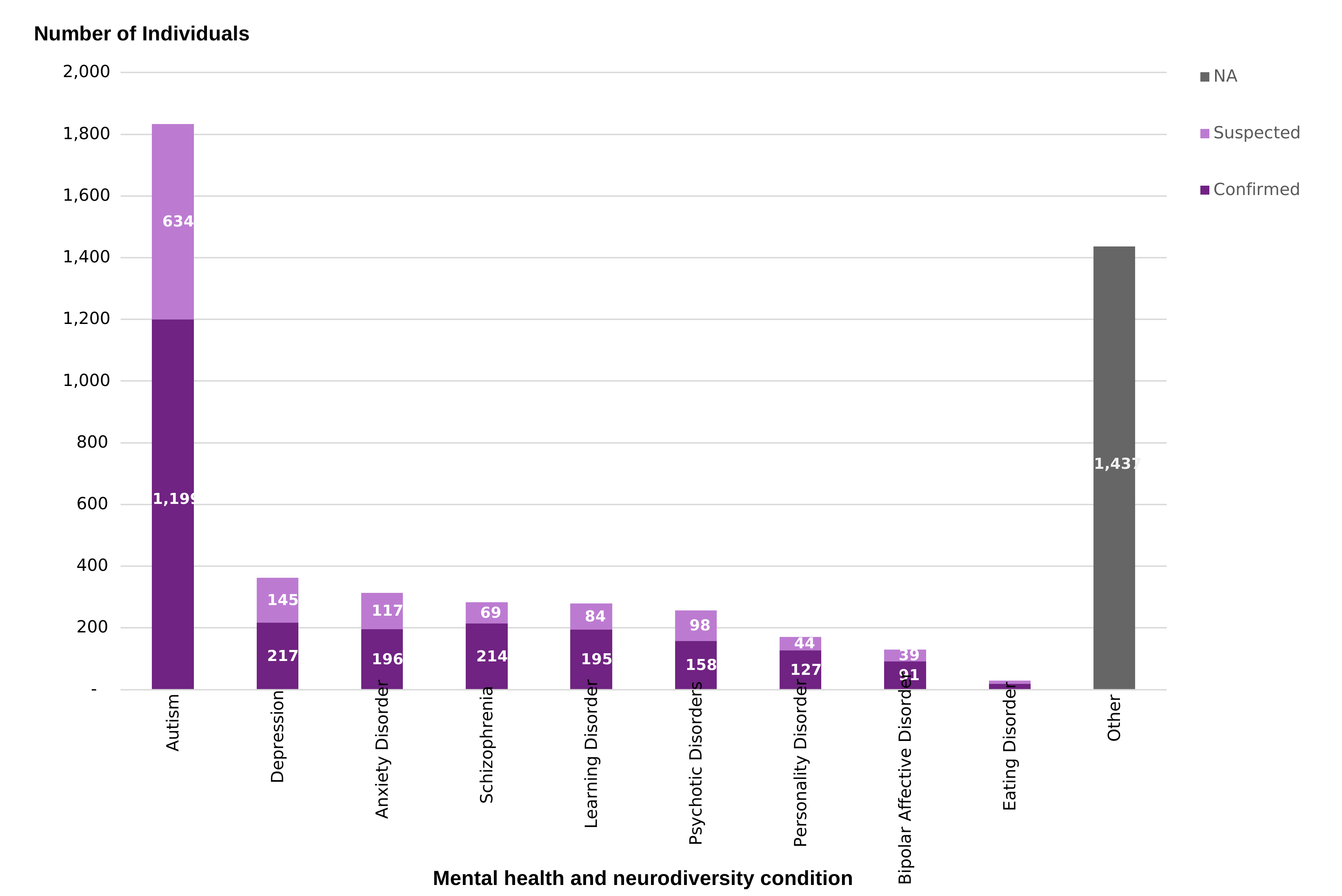
In this report, we have made several updates to the MH and ND section. For example, suicide risk and self-harm have been removed from the mental health category, as these are not classified as mental health conditions by the NHS. We have also updated the definitions for each condition to better align with NHS standards; full details are provided in the user guide. 36% of individuals (3,633 of 9,957) referred to Prevent had at least one MH or ND condition recorded on PCMT (see Figure 7).
It should be noted that individuals may have more than one MH and ND condition recorded; therefore, the totals shown in Figure 7 do not equate to the total number of individuals referred to Prevent.
Around 42% of individuals (899 of 2,159) discussed at Channel had at least one MH or ND condition recorded, and around 43% (775 of 1,810) of those adopted to Channel had at least one MH or ND condition recorded.
3.4.1 Neurodiversity (ND)
The most frequently recorded ND condition was Autism, affecting 18% (1,833 of 9,957 individuals) of those referred to Prevent. Of these, 65% (1,199) were classified as ‘confirmed’ and 35% (634) as ‘suspected’. Around 23% of individuals discussed at Channel (507 of 2,159) had Autism recorded, rising to 24% among those adopted as Channel cases (435 of 1,810), representing a 6-percentage point increase from referral to adoption.
This was followed by Learning Disorder, which accounted for 3% (279 of 9,957 individuals) at the referral stage. In contrast to Autism, the proportion of individuals with a Learning Disorder remained stable as cases progressed through the system, at 3% for both those discussed at Channel (75 of 2,159) and those adopted (63 of 1,810).
It is important to note that this is not an exhaustive list of neurodiverse conditions, as some may be captured within the free text ‘Other’ category. Work is ongoing with DHSC and CTP to improve the recording of these conditions and to distinguish them from entries currently recorded in the ‘Other’ field (for example, ADHD), with the aim of enabling a more comprehensive neurodiversity breakdown in future releases.
3.4.2 Mental Health (MH)
Depression was the most frequently recorded mental health condition among individuals referred to Prevent (4%). No single mental health condition accounted for more than 4% of total individuals referred (see table 2 below), with anxiety disorder, schizophrenia and psychotic disorders each recorded for around 3% of individuals referred. The proportions of individuals with depression, personality disorder, bipolar affective disorder, and eating disorders remained consistent across the different stages of Prevent, from referral through to discussion and adoption.
By contrast, anxiety disorder slightly increased from 3% at referral to 4% at both the discussion and adoption stages. In comparison, the proportions for schizophrenia and psychotic disorders decreased from 3% at referral to 2% at both the discussion and adoption stages.
It is important to note that these findings describe associations within the data rather than causal relationships. The analysis does not indicate that being neurodiverse or having a particular mental health condition increases or decreases the likelihood of progressing through the Prevent or Channel process. Instead, the data highlights differences in how individuals with certain conditions are represented at various stages. For example, individuals with anxiety are proportionally more represented at the discussion and adoption stages, whereas those with schizophrenia or psychotic disorders are less represented at later stages compared with referral.
These patterns should be interpreted with caution, as progression through Prevent is influenced by a range of factors, including the nature of the referral, risk assessments, multi-agency decision-making, and the availability of alternative support pathways (such as health services).
Overall, the findings indicate nuanced differences in representation, rather than suggesting that neurodiversity or mental health conditions themselves determine outcomes within the Prevent process.
Table 2: Mental health conditions recorded among individuals referred to Prevent, discussed at a Channel panel, and adopted as a Channel case, year ending September 2025
| Mental health condition | Prevent referrals | Prevent referrals | Discussed at a Channel panel | Discussed at a Channel panel | Adopted as a Channel Case | Adopted as a Channel Case |
|---|---|---|---|---|---|---|
| Mental health condition | Individuals | % of total individuals referred | Individuals | % of total individuals discussed | Individuals | % of total individuals adopted |
| Anxiety disorder | 313 | 3% | 83 | 4% | 75 | 4% |
| Bipolar affective disorder | 130 | 1% | 15 | 1% | 13 | 1% |
| Depression | 362 | 4% | 79 | 4% | 73 | 4% |
| Eating disorder | 29 | <1% | 9 | <1% | 8 | <1% |
| Personality disorder | 171 | 2% | 43 | 2% | 37 | 2% |
| Psychotic disorders | 256 | 3% | 46 | 2% | 39 | 2% |
| Schizophrenia | 283 | 3% | 44 | 2% | 38 | 2% |
| Total individuals | 9,957 | 100% | 2,159 | 100% | 1,810 | 100% |
Notes:
- Individuals may have more than one mental health condition recorded and may therefore appear in multiple categories.
- The total includes all individuals at each stage of the process (referred, discussed at a Channel panel, and adopted as a Channel case), including individuals with no recorded mental health condition.
- Percentages are calculated using all individuals at each stage (referrals, discussed at a Channel panel, or adopted as a Channel case) as the denominator.
3.4.3 Other
The MH and ND variable is currently recorded as a single combined field within the PCMT system, meaning that mental health (MH) and neurodiversity (ND) conditions cannot be reliably distinguished within the underlying data. In particular, the ‘Other’ category captures both MH and ND conditions through a free-text field, allowing practitioners to enter information in their own words rather than selecting from a predefined list. As a result, the data within this category is subject to a number of limitations, including variation in terminology, data entry errors, inconsistent recording practices, and the inclusion of conditions that fall outside the scope of MH and ND (for example, physical disabilities or conditions such as irritable bowel syndrome). Consequently, the number of referrals recorded under the MH and ND ‘Other category is likely to overestimate the true number of individuals with mental health or neurodiversity conditions.
However, as the field is free text, multiple MH and/or ND conditions may be recorded within a single referral record. In these cases, only one ‘Other’ MH and ND is counted regardless of the number of conditions listed, meaning the prevalence of MH and ND conditions may also be underestimated. Therefore, the extent of both over- and under-recording cannot be accurately quantified, and the figures should be interpreted with caution. These limitations should be taken into account when interpreting analyses based on MH and ND data, particularly those relating to the ‘Other’ category.
Work is underway to improve data quality through future system developments, including, where feasible, the separation of the mental health (MH) and neurodiversity (ND) categories on PCMT, alongside enhancements to data capture processes and alignment with NHS data standards. PCMT is an administrative case management system with its primary purpose to support operational activity rather than statistical or analytical requirements. As such, alignment with DHSC or NHS categorisation standards is not a primary driver of system design or development. However, opportunities to improve data quality and increase alignment with NHS standards will be pursued where feasible and operationally practical.
There were 1,437 individuals that were referred to Prevent that had at least one ‘Other’ MH and ND condition recorded. The ‘Other’ category may include individuals with MH and ND conditions not already specified such as ADHD, OCD, or PTSD. Please note that individuals may have more than one condition specified under ‘Other’.
3.4.4 Unspecified
Sixty-four per cent (6,324 out of 9,957) of individuals referred into Prevent did not have a MH and ND condition recorded, meaning at the time of data recording, no ‘Confirmed’ or ‘Suspected’ MH or ND condition was associated with the individual, and the field was therefore left blank. Alternatively, it may reflect instances where relevant information was available but not recorded in the system.
Figure 7: Individuals reported to have mental health and neurodiversity conditions by status, year ending September 2025
Notes:
- ‘Confirmed’ refers to when information is supported by a clinical diagnosis and verified by Health or other relevant professional. Confirmation may come from details shared or obtained during the Prevent ‘information gathering stage’, from health colleagues directly, or via Channel panel (health or other partners). An individual advising that they have a diagnosis would be recorded as suspected, unless this was verified by health/professional.
- ‘Suspected’ refers to individuals who may have a mental health or neurodiversity condition. This information may have come from the individual themselves, suggested by professionals who has observed/interacted with the subject, based on information gathered from the referral or other information shared during Prevent Gateway Assessment or Information Gathering.
- Counter Terrorism Case Officers are not medically qualified practitioners. MH and ND information recorded as ‘Suspected’ reflects an officer’s judgement that a condition may be relevant to the vulnerability of an individual referred to Prevent. Formal diagnostic criteria are not applied at this stage. Records are only classified as ‘Confirmed’ where the condition is supported by a clinical diagnosis and verification from a health professional or other relevant professional.
4. Type of concern
This section reports statistics on individuals referred to Prevent and progressing to Channel, according to the type of concern recorded. The type of concern categories were updated within the new PCMT to better describe the nature of concerns that are referred to Prevent. They were developed based on analysis of data available as well as consultation with frontline staff and policymakers about their experiences and requirements. The new type of concern categories do not exactly match onto previous years’ categories therefore there is a break in the time series and trends by type of concern should be interpreted carefully
As in previous years, the type of concern presented is based upon information provided by the referrer. For cases that progress further into the programme, officers may update the type of concern based upon new information that comes to light. Therefore, the statistics regarding type of concern are likely to include a mix of the type of concern raised by the original referrer and the type of concern that the Case Officers believe the individual is presenting, as more information has become available.
4.1 Referrals by type of concern
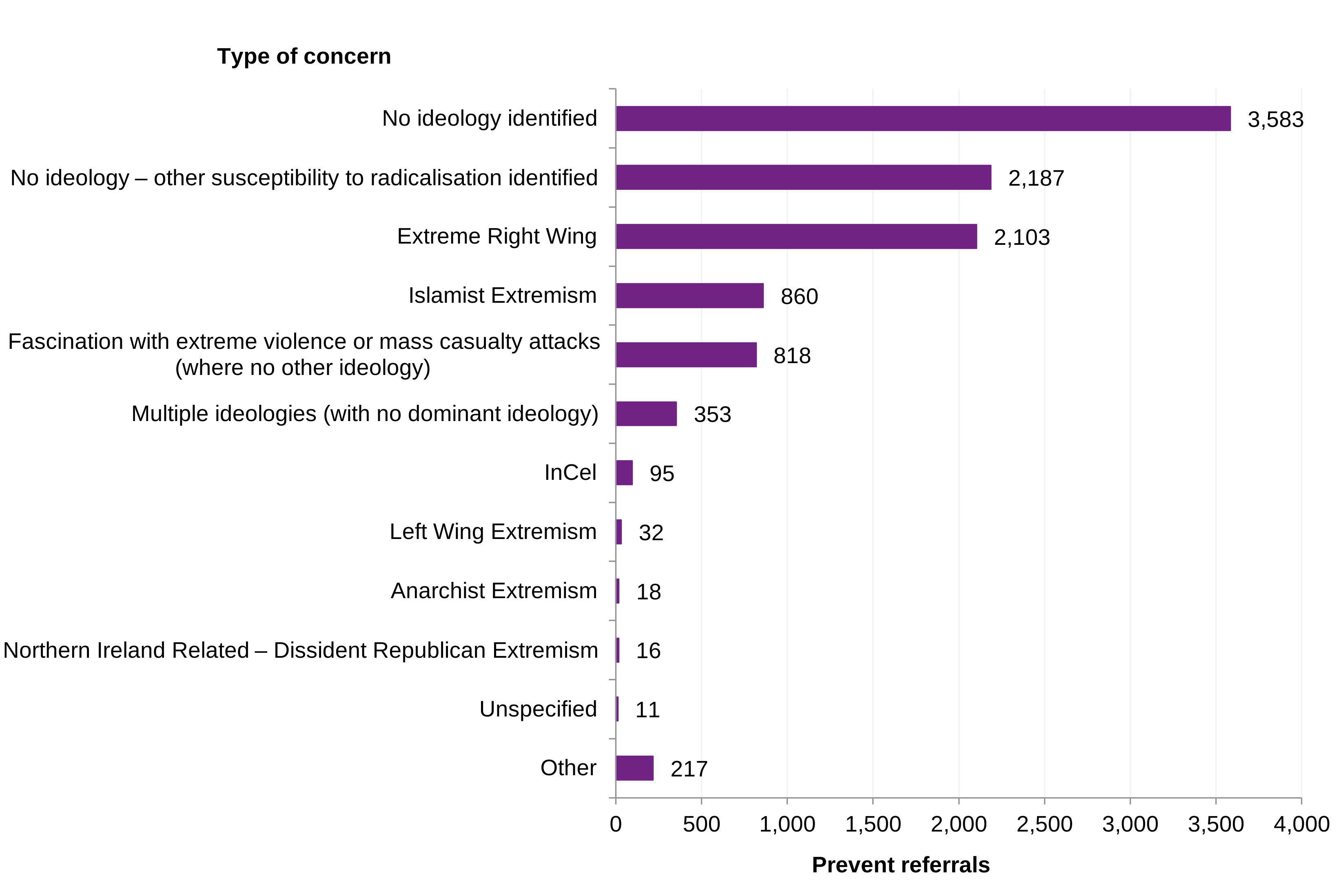
Over half (56%) of referrals with a specified type of concern were for individuals with no identified ideology (‘no ideology identified’ and ‘no ideology – other susceptibility to radicalisation identified’). However, these individuals accounted for less than a quarter (23%) of cases adopted as a Channel case (Table 3).
Table 3: Type of concern for individuals referred to Prevent, discussed at a Channel panel and adopted as a Channel case, where type of concern was specified, year ending September 2025
| Type of concern | Prevent referrals | Prevent referrals | Discussed at a Channel panel | Discussed at a Channel panel | Adopted as a Channel Case | Adopted as a Channel Case |
|---|---|---|---|---|---|---|
| Type of concern | Total | % of Total | Total | % of Total | Total | % of Total |
| Anarchist extremism | 18 | <1% | 3 | <1% | 3 | <1% |
| Extreme right wing | 2,103 | 20% | 857 | 40% | 756 | 42% |
| Fascination with extreme violence or mass casualty attacks (where no other ideology) | 818 | 8% | 299 | 14% | 244 | 14% |
| InCel extremism | 95 | 1% | 33 | 2% | 27 | 1% |
| Islamist extremism | 860 | 8% | 240 | 11% | 212 | 12% |
| Left wing extremism | 32 | <1% | 11 | 1% | 6 | <1% |
| Multiple ideologies (with no dominant ideology) | 353 | 3% | 119 | 6% | 100 | 6% |
| No ideology - other susceptibility to radicalisation identified | 2,187 | 21% | 306 | 14% | 238 | 13% |
| No ideology identified | 3,583 | 35% | 238 | 11% | 174 | 10% |
| Northern Ireland related - Dissident Republican extremism | 16 | <1% | 2 | <1% | 2 | <1% |
| Other | 217 | 2% | 48 | 2% | 45 | 2% |
| Total (where type of concern was specified) | 10,282 | 100% | 2,156 | 100% | 1,807 | 100% |
Referrals relating to extreme right-wing (ERW) concerns accounted for the third largest proportion of referrals (2,103; 20%), followed by referrals relating to Islamist extremism (IE) (860; 8%) and ‘Fascination with extreme violence or mass casualty attacks (where no other ideology is present)’ (818; 8%).
Referrals for ERW concerns for the year ending September 2025 increased by 42% compared with the previous year (up from 1,480 to 2,103 referrals). The number of IE referrals decreased by 9% (down from 945 to 860), despite the overall upward trend and increase in total referrals seen this year.
Referrals relating to ‘Fascination with extreme violence or mass casualty attacks (where no other ideology)’ increased throughout the first half of 2025, reaching a peak of 286 referrals in April to June 2025. This was 7% higher than the previous quarter (268 referrals) and 253% higher than October to December 2024 (81 referrals). Following this peak, referrals declined to 183 in July to September 2025, representing a 36% decrease compared with the previous quarter. This decline coincides with the summer school holiday period and may reflect a seasonal reduction in referrals from education settings, which are a major source of referrals.
There were 353 referrals (3% of total specified concern) related to ‘multiple ideologies (with no dominant ideology)’ and 95 referrals (1%) linked to ‘InCel Extremism’. A further 217 referrals (2%) were recorded under ‘other’ types of concern. For a description of the categories included in ‘other’ see the user guide.
Figure 8: Prevent referrals by type of concern, year ending September 2025
4.2 Proportions of cases discussed and adopted by type of concern
Overall, 84% of referrals discussed at a Channel Panel were subsequently adopted as a Channel case in the year ending September 2025 (1,810 of 2,159), compared with 85% in the year ending September 2024 (844 of 997). Please note that comparisons are based on the updated adoption methodology introduced in April 2024. The adopted figures presented here have been recalculated using the new methodology and may therefore differ from those published previously for periods prior to April 2024. Further details are provided in the user guide.
A total of 1,807 adopted Channel cases had a specified type of concern. As in previous years, ERW concerns accounted for the largest proportion of adopted cases, representing 42% of all adopted cases (756 of 1,807), followed by IE concerns, which accounted for 12% (212 of 1,807). The proportion of adopted cases relating to ERW concerns remained unchanged from the year ending September 2024 (42%), while the proportion relating to IE concerns fell substantially, from 22% to 12%.
Among referrals discussed at a Channel Panel, both ‘Anarchist extremism’ (AE) and ‘Northern Ireland-related Dissident Republican extremism’ (NIDR) had the highest adoption rate at 100% (3 of 3, and 2 of 2, respectively), although caution should be exercised when interpreting this figure due to the very small number of cases. Excluding AE, NIDR and the ‘Other’ category, the highest adoption rates were observed for:
- ERW: 88% (756 of 857)
- IE: 88% (212 of 240)
- ‘Fascination with extreme violence or mass casualty attacks (where no other ideology is present)’: 82% (244 of 299)
Individuals referred for fascination with extreme violence or mass casualty attacks (where no other ideology is present) accounted for 14% of all adopted cases (244 of 1,807). Adoption volumes increased markedly during 2025, rising from 19 cases in October to December 2024 to 86 cases in January to March 2025, before peaking at 88 cases in April to June 2025. Although the number then fell to 51 cases in July to September 2025, it remained substantially above levels seen in 2024
The remaining adopted cases comprised of:
- multiple ideologies (with no dominant ideology): 100 cases (6%)
- InCel extremism: 27 cases (1%)
- left-wing extremism: 6 cases (less than 1%)
- Northern Ireland-related Dissident Republican extremism: 2 cases (less than 1%)
4.3 Type of concern by age
Where age was known, individuals aged 11 to 15 years accounted for the largest proportion of referrals in 6 of the 11 concern categories. This age group made up 35% of ERW referrals (739 of 2,099), 49% of referrals relating to Fascination with extreme violence or mass casualty attacks (where no other ideology) (399 of 818), and 18% of IE referrals (155 of 859).
However, for IE referrals, the largest age group was those aged 31 to 40 years, accounting for 19% of referrals where age was known (165 of 859). Other notable exceptions included InCel extremism, where individuals aged 18 to 21 years accounted for the highest proportion of referrals (29%; 28 of 95), and left-wing extremism, where the 26 to 30 age group accounted for the largest share (22%; 7 of 32).
4.4 Type of concern by sex
Across all types of concern, males accounted for a higher proportion of referrals, cases discussed at a Channel panel, and cases adopted as a Channel case than females. Where sex was specified (97%; 10,016 of 10,293), all referrals for ‘Anarchist extremism’ (18; 100%) involved males, followed by ‘InCel extremism’ (92; 99%). Referrals for ERW concerns were also predominantly male (92%; 1,897 of 2,051), compared with 86% (718 of 839) for IE concerns where gender was specified.
5. Regional trends
This section reports regional trends in referrals for individuals due to concerns regarding their susceptibility to radicalisation. Within this statistical collection, the North East also covers Yorkshire and the Humber. Adoption rates refer to the proportion of referrals that subsequently progress to Channel adoption. Adopted case counts have been calculated using the revised adoption methodology introduced in April 2024 (see the user guide for further details). The revised methodology has also been applied retrospectively to data prior to April 2024 to enable like-for-like comparisons over time. As a result, adopted case figures presented here for pre-April 2024 periods may differ from those published previously.
In the year ending 30 September 2025, there were 167 Prevent referrals per million population across England and Wales, an increase from 120 referrals per million population in the year ending 30 September 2024.
The West Midlands recorded the highest referral rate, with 227 referrals per million population, up from 146 in the previous year. In contrast, the South East and North West accounted for the largest volumes of referrals, representing 16% of all referrals each (1,655 and 1,600 referrals respectively, out of 10,293). The East of England recorded the lowest referral rate, with 106 referrals per million population, accounting for 7% of all referrals. The North West recorded the highest rate of referrals discussed at a Channel Panel, at 74 per million population, up from 22 in the previous year. Similarly, it had the highest rate of referrals adopted as a Channel case, with 53 adoptions per million population, compared with 17 in the year ending September 2024.
Moreover, the North West had the highest adoption rate at 26%, a 12-percentage point increase from 14% in the previous year, followed by the East Midlands at 20% (up from 9%). The South East and South West recorded the lowest adoption rates, with 13% of referrals progressing to Channel adoption in each region.
Please see table 7 of the accompanying data tables for more detailed breakdowns.
Table 4: Total number of referrals, those discussed at a Channel panel and adopted as a Channel case by Counter Terrorism Policing regions, year ending 30 September 2025
| Region | Prevent Referrals | Prevent Referrals | Discussed at a Channel panel | Discussed at a Channel panel | Adopted as a Channel Case | Adopted as a Channel Case | Total Population |
|---|---|---|---|---|---|---|---|
| Region | Total | Per million population | Total | Per million population | Total | Per million population | Total |
| East | 696 | 106 | 143 | 22 | 124 | 19 | 6,576,306 |
| East Midlands | 876 | 173 | 206 | 41 | 177 | 35 | 5,063,164 |
| London | 1,505 | 166 | 260 | 29 | 244 | 27 | 9,089,736 |
| North East | 1,421 | 168 | 222 | 26 | 206 | 24 | 8,433,640 |
| North West | 1,600 | 207 | 573 | 74 | 411 | 53 | 7,737,414 |
| South East | 1,655 | 172 | 265 | 27 | 220 | 23 | 9,642,942 |
| South West | 666 | 113 | 106 | 18 | 88 | 15 | 5,889,695 |
| Wales | 467 | 147 | 110 | 35 | 88 | 28 | 3,186,581 |
| West Midlands | 1,407 | 227 | 274 | 44 | 252 | 41 | 6,187,204 |
| Total England and Wales | 10,293 | 167 | 2,159 | 35 | 1,810 | 29 | 61,806,682 |
Source: Home Office, Individuals referred to and supported through the Prevent Programme, England and Wales, October 2024 to September 2025, Table 7; Office for National Statistics, Mid-Year Population Estimates, United Kingdom, June 2024
Notes:
- Referral, discussion, and adoption rates are calculated using ONS mid-year population estimates. This methodology will continue to be applied in future publications to provide a consistent basis for comparison over time.
6. Consent analysis
This section presents data from PCMT covering the period 1 October 2024 to 30 September 2025. As PCMT is still in the early stages of implementation, data quality, completeness and consistency are expected to continue improving in future releases. As a result, apparent changes over time may reflect improvements in data recording and coverage, as well as underlying changes in activity, and should therefore be interpreted with appropriate caution. Figures in this section are based on the consent status of individuals (for younger age groups, consent from a parent or guardian are required) that were adopted as a Channel case. Participation in the Channel programme is confidential and voluntary. Where consent is not secured, the case will be closed to Channel, and in some cases, where deemed appropriate, the police may take management of the case. For individuals who provide consent, a range of support may be offered to address identified susceptibilities - including educational, vocational, mental health, and other forms of support. Ideological mentoring is also a common intervention.
Cases with no consent status recorded, or those adopted but consent pending, represented 5% (82 of 1,810) of all adopted cases. Table 5 provides a summary of consent status through the prevent process by quarter. For further information on the consent groupings and definitions, refer to the accompanying user guide.
Table 5: Consent status by quarter, for the year ending September 2025
| Prevent stages | October to December 24 | January to March 25 | April to June 25 | July to September 25 | Total |
|---|---|---|---|---|---|
| Prevent referral | 1,934 | 3,283 | 2,647 | 2,429 | 10,293 |
| Discussed at Channel panel | 409 | 722 | 572 | 456 | 2,159 |
| Adopted - consented | 199 | 349 | 248 | 173 | 969 |
| Adopted - no consent | 154 | 244 | 207 | 154 | 759 |
| Adopted - unspecified | 4 | 10 | 19 | 49 | 82 |
Notes:
- Data extracted from the live PCMT on 1 April 2026. The distribution of consent statuses may have differed if data had been extracted closer to the reference period.
Among the 1,810 adopted Channel cases, consent status was specified in 95% of cases (1,728). Of these cases, 56% (969 of 1,728) provided consent to receive Channel panel support, while 44% (759 of 1,728) did not.
6.1 Consent by age
Figure 9: Consent proportion by age (where consent was specified), year ending September 2025
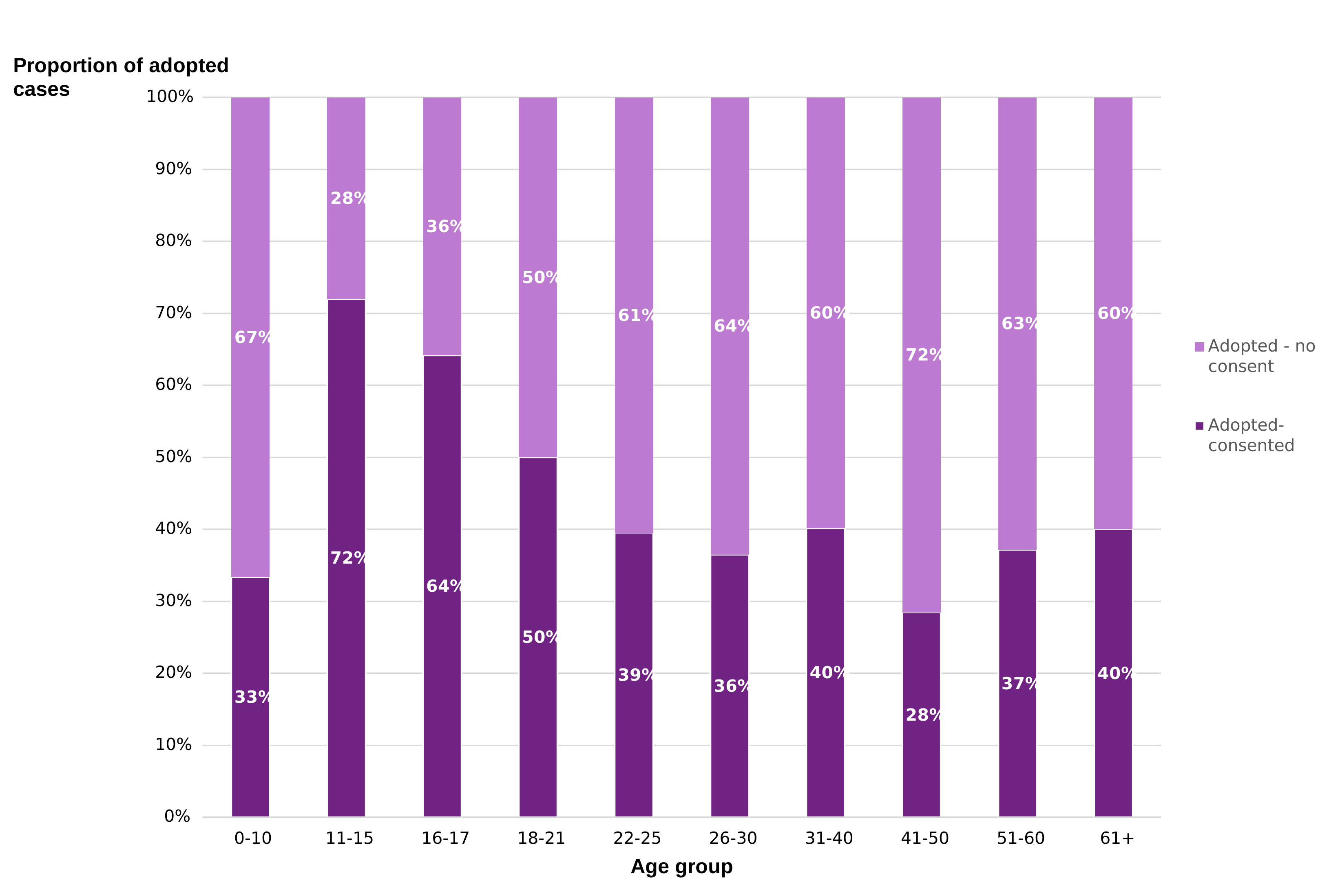
In the year ending September 2025, among cases where consent status was recorded:
- the highest consent rate was observed among individuals aged 11 to 15 years (72%; 465 of 646)
- this was followed by those aged 16 to 17 years (64%; 188 of 293) and 18 to 21 years (50%; 100 of 200)
- the highest proportion of cases where consent was not provided was among individuals aged 41 to 50 years (72%; 73 of 102)
- high proportions of ‘no consent’ were also recorded among those aged 0 to 10 years (67%; 16 of 24) and 26 to 30 years (64%; 68 of 107)
6.2 Consent by sex
In the year ending September 2025, among cases where both consent status and sex were recorded (1,711), males were more likely to provide consent to receive Channel panel support than females (56%; 872 of 1,544 compared with 50%; 73 of 145). Individuals recorded as ‘other’ also had a relatively high consent rate (64%; 14 of 22), although this should be interpreted with caution due to the small number of cases. The ‘other’ category includes individuals recorded as non-binary, transgender, or where sex was recorded as ‘other’.
6.3 Consent by type of concern
Figure 10: Consent proportion by type of concern (where consent was specified), year ending September 2025
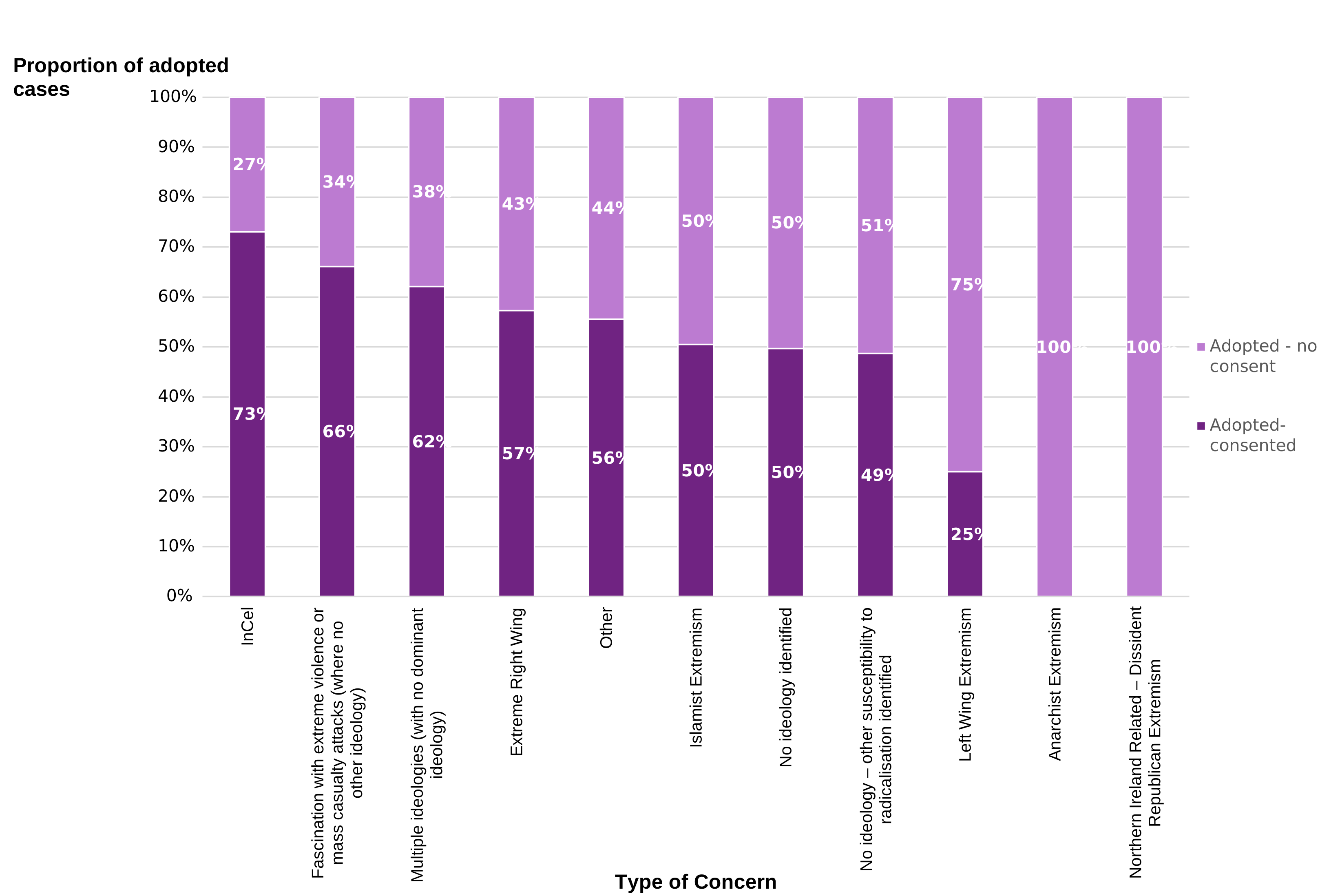
In the year ending September 2025, among cases where both consent status and type of concern were recorded and excluding ‘Other’ type of concern (1,681), the highest consent rate by type of concern was observed for ‘InCel extremism’ (73%; 19 out of 26), followed by ‘Fascination with extreme violence’ (66%; 152 out of 230). Cases related to ‘Extreme right-wing’ concerns had a consent rate of 57% (411 out of 717), while those related to ‘Islamist extremism’ had a consent rate of 50% (104 out of 206).
The highest ‘no consent’ rates (100%) were recorded for ‘Anarchist extremism’ (3 out of 3), and ‘Northern Ireland related - Dissident Republican extremism’ (100%; 1 out of 1). These high proportions should be interpreted with caution, as they are based on very small numbers of adopted cases and therefore are not directly comparable with other concern types with larger case volumes.
Refer to the user guide for the full list of ‘other’ type of concern categories.
6.4 Consent by sector of referral
Among cases where consent status was recorded (1,728 cases), consent was most commonly obtained for referrals from:
- children and family services: 76% (16 of 21 cases) - the highest consent rate
- education: 65% (350 of 539 cases)
- local authority: 62% (103 of 165 cases)
- police: 53% (333 of 633 cases)
Lower consent rates were recorded for referrals from:
- health: 48% (105 of 219 cases)
- other sectors: 42% (33 of 79 cases)
- HMPPS: 41% (22 of 54 cases)
- community: 39% (7 of 18, the lowest consent rate)
6.5 Consent by region
Among cases where consent status was recorded (1,728 cases) Wales had the highest consent rate at 76% (56 of 74 cases).
Other regions with relatively high consent rates were:
- West Midlands: 65% (158 of 244 cases)
- South West: 64% (55 of 86 cases)
- North East: 64% (126 of 198 cases)
- East of England: 63% (71 of 113 cases)
- East Midlands: 58% (99 of 171 cases)
- London: 53% (126 of 239 cases)
Lower consent rates were recorded in:
- South East: 47% (102 of 217 cases)
- North West: 46% (176 of 386 cases), the lowest consent rate reported
6.6 Consent by ethnicity
Around 39% (710 out of 1,810) of adopted Channel cases had missing ethnicity information, and approximately 5% (82 out of 1,810) had missing consent status data. Figures should therefore be interpreted with caution.
In the year ending September 2025, among cases where both consent status and ethnicity were recorded, the highest consent rate was observed among individuals of ‘Asian’ ethnicity (66%; 101 out of 153), followed by ‘White’ (58%; 455 out of 789), ‘Black’ (50%; 29 out of 58), and ‘other’ (39%; 18 out of 46).
7. Further information
The user guide provides further details on this release, including the strengths and limitations of the data and the quality assurance processes involved in the production of this release. It also includes a glossary of terms used throughout this release.
7.1 Other related publications
Forthcoming publications are pre-announced on the statistics release calendar.
Previous releases of these statistics can be found on the Prevent Programme statistics collection page.
Police Scotland publish statistics on the number of individuals referred to Prevent in Scotland.
7.2 Feedback and enquiries
If you have any feedback or enquiries about this publication, please contact HSAI_Statistics@homeoffice.gov.uk
Home Office responsible statistician: Helene Clark
Press enquiries: 0300 123 3535
The ‘Individuals referred to and supported through the Prevent Programme’ release is an Official Statistics in development output produced to the highest professional standards and free from political interference. It has been produced by statisticians working in the Home Office Analysis and Insight Directorate in accordance with the Home Office’s ‘Statement of compliance with the Code of Practice for Official Statistics’ which covers our policy on revisions and other matters. The Chief Statistician, and the Head of Profession, report to the National Statistician with respect to all professional statistical matters and oversees all Home Office Official Statistics products with respect to the Code of Practice, being responsible for their timing, content and methodology.