Family Resources Survey: financial year 2024 to 2025
Published 26 March 2026

© Crown copyright 2026
This publication is licensed under the terms of the Open Government Licence v3.0 except where otherwise stated. To view this licence, visit nationalarchives.gov.uk/doc/open-government-licence/version/3 or write to the Information Policy Team, The National Archives, Kew, London TW9 4DU, or email: psi@nationalarchives.gov.uk.
Where we have identified any third party copyright information you will need to obtain permission from the copyright holders concerned.
This publication is available at https://www.gov.uk/government/statistics/family-resources-survey-financial-year-2024-to-2025/family-resources-survey-financial-year-2024-to-2025
Results from the Family Resources Survey (FRS) for the financial year 2024 to 2025, providing information on income and circumstances of UK households.
The FRS is a continuous household survey which collects information on a representative sample of private households in the United Kingdom.
Detailed information is recorded on each respondent:
- their incomes, from all sources including self employment
- housing tenure
- caring needs and responsibilities
- disability
- expenditure on housing
- education
- pension participation
- childcare
- family circumstances
- child maintenance
- household food security and food bank usage
0. Main stories
This report summarises the key findings from the Family Resources Survey for the financial year 2024 to 2025. The data in this report are from interviews conducted between April 2024 and March 2025.
The FRS 2024 to 2025 Background Information and Methodology document and the FRS Quality Assessment Report available alongside this publication, set out several points to note in relation to this release. Further detail on the integration of DWP and HMRC administrative data, including the data linking approach, the replacement of survey-reported benefit information with administrative records, and changes to the back series, is provided in the accompanying technical paper.
We welcome user feedback on this report, in terms of: the presentation of the statistics; the handling of the uncertainty with these statistics; and the guidance we have provided on interpretation. Please send comments to our email team.frs@dwp.gov.uk
Income and State Support
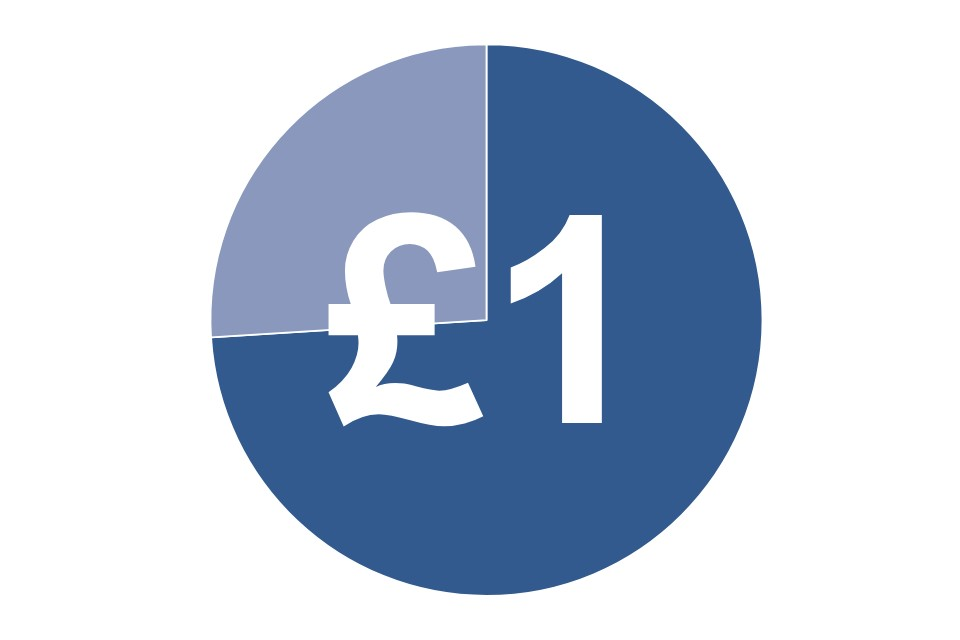
Income from employment and self employment made up 72p of every £1 of household income.
Tenure
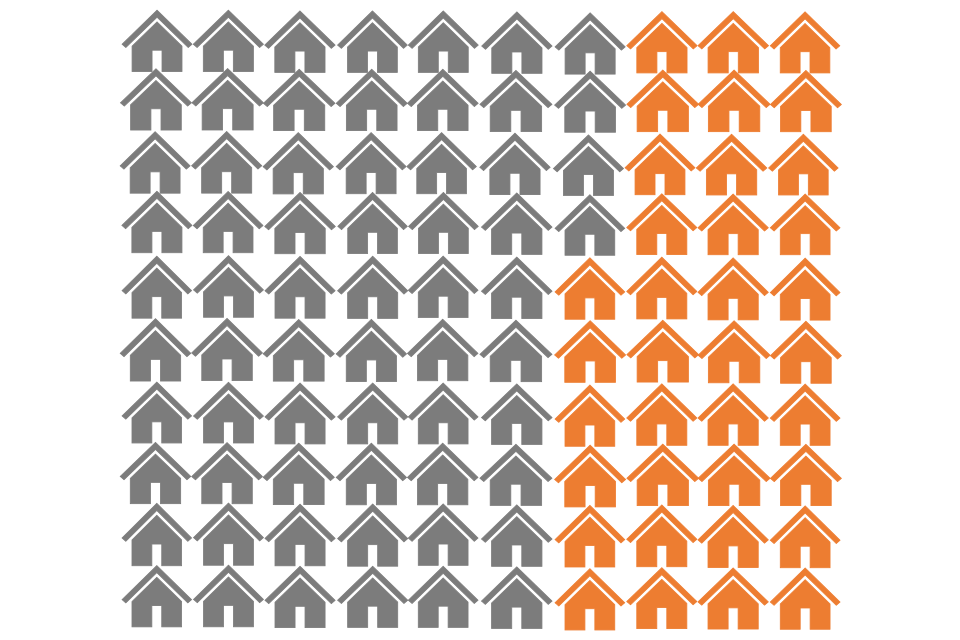
The proportion of households in the social and private rented sectors combined was 36%. This proportion has remained fairly stable over the past decade.
Disability
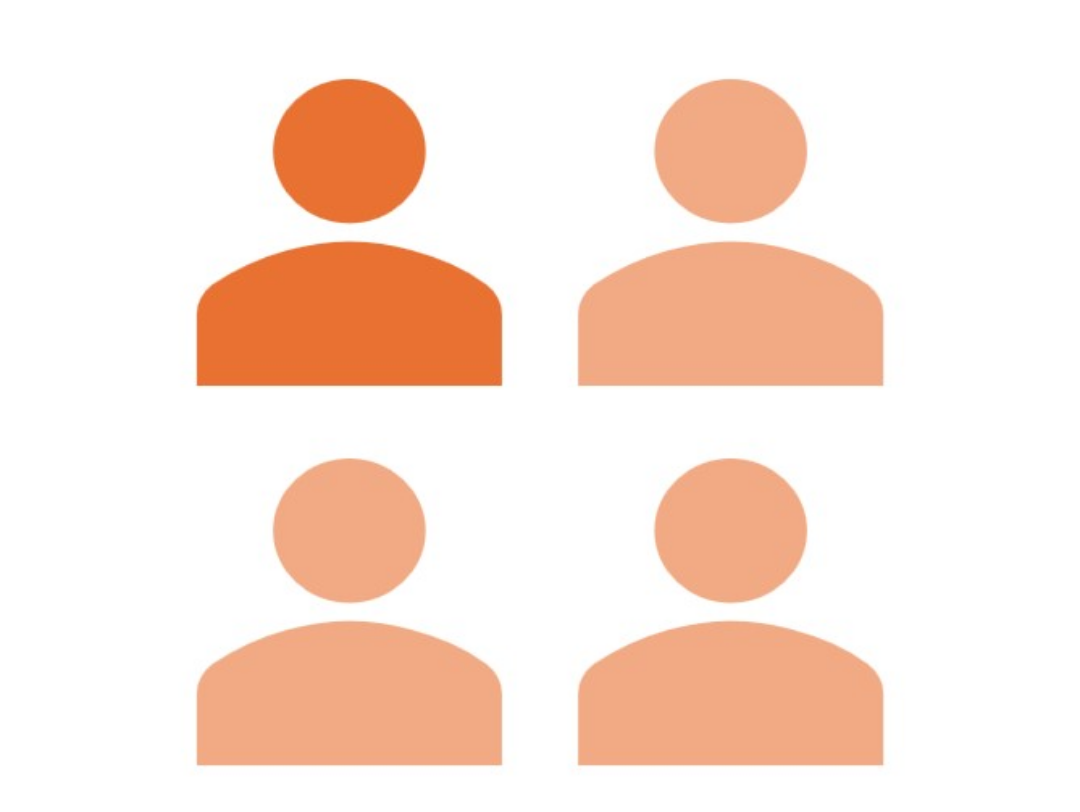
In 2024 to 2025, one in four people were disabled, the same proportion as reported in 2023 to 2024.
Care
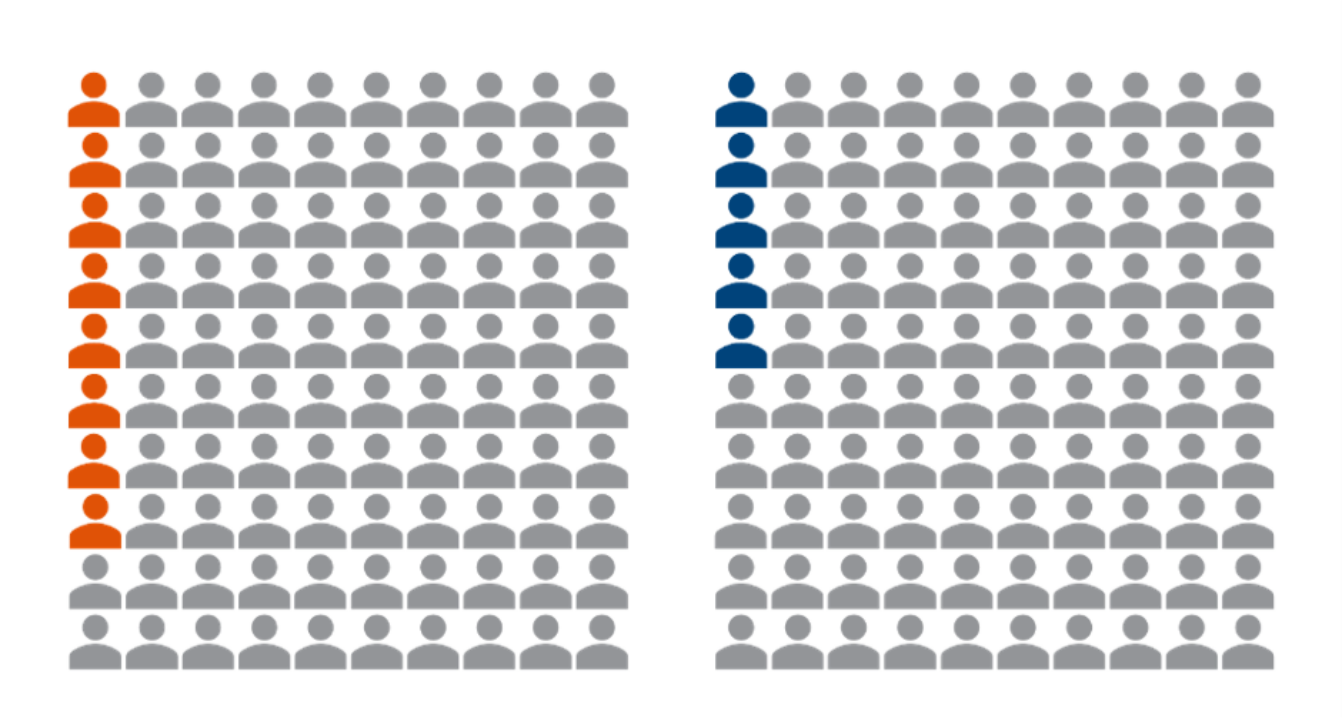
Eight in every 100 people were providing informal care to someone else, with 10% of these caring for more than one person. Five in every 100 people were in receipt of care every week, with 40% of those receiving care continuously.
Pension Participation
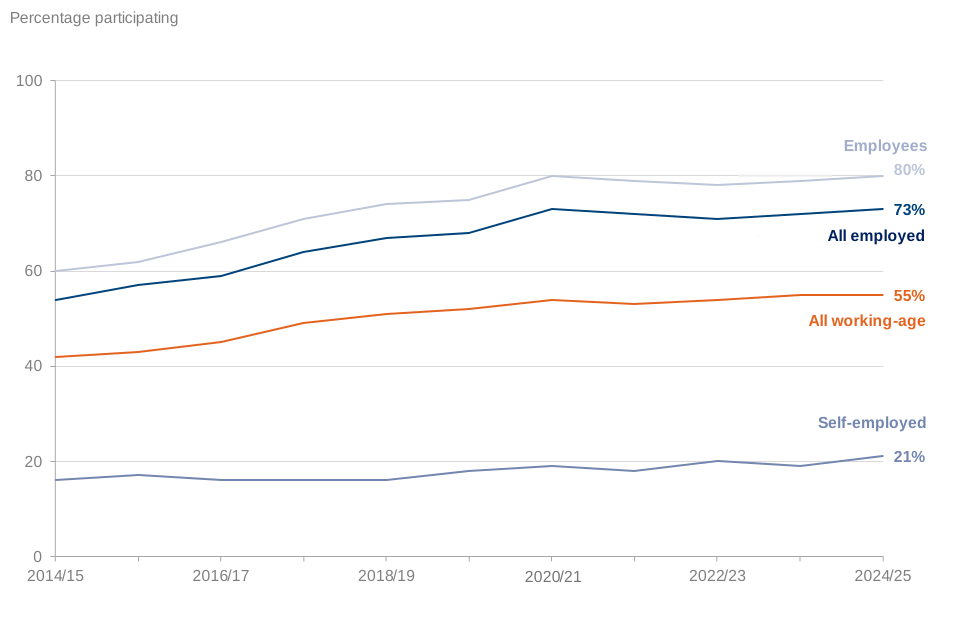
The percentage of employees participating in a pension scheme has increased by 20 percentage points over the past decade, from 60% in 2014 to 2015 to 80% in 2024 to 2025.
Savings and Investment
The proportion of families who reported no savings decreased by two percentage points to 18% in 2024 to 2025, compared with 20% in 2023 to 2024. The proportion of families with less than £1,500 in savings also decreased by two percentage points; it was 46% in 2024 to 2025, versus 48% in 2023 to 2024.
Self employment
The median net earnings for self-employed people working full-time were 21% lower than earnings for full-time employees. The gap between median net earnings of part-time self-employed workers and employees was the smallest in the past decade, at 8%.
Household Food Security
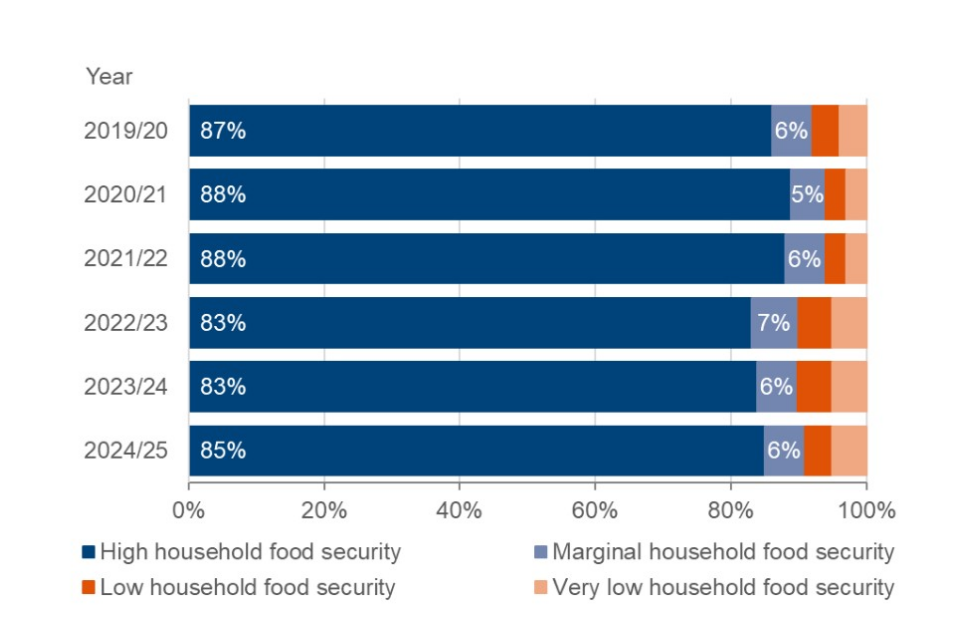
Compared with 2023 to 2024, the proportion of households reporting high food security increased by two percentage points, from 83% to 85%.
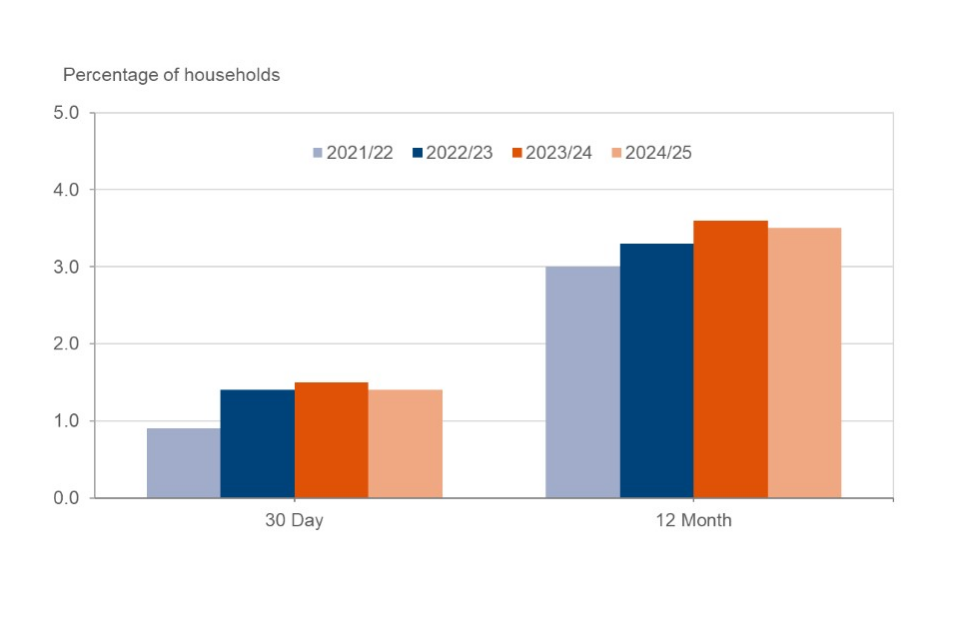
The percentage of households which used a food bank was almost unchanged year-on-year; albeit that usage in 2024 to 2025 remains higher than in 2021 to 2022, when the data was first collected. In 2024 to 2025, 1.4% of households had used a food bank in the 30 days leading up to being interviewed.
Childcare
Among families using childcare, there were regional differences in the type used. Families in Scotland and Northern Ireland reported lower use of formal childcare (74% and 65% respectively) than families in England and Wales (79% and 78% respectively).
1. What you need to know
The primary purpose of the FRS is to provide the Department for Work and Pensions (DWP) with data to inform the development, monitoring and evaluation of social welfare policy.
The survey is used by many other government departments and is used for tax and benefit policy modelling by HM Treasury and HM Revenue and Customs. The FRS is also used extensively by academics and research institutes for social and economic research.
For further contextual information on the statistics presented, as well as detailed information about FRS methodology, see the Background Information and Methodology and the FRS Quality Assessment Report available alongside this publication. Additional detail on the administrative data linking approach is provided in the accompanying technical paper.
Other FRS-based publications
The FRS provides the underlying data for these DWP reports, which are either Official Statistics, Accredited Official Statistics, or Official Statistics in Development:
- Households Below Average Income (HBAI)
- Pensioners’ Incomes Statistics
- Income-Related Benefits: Estimates of Take-up
- Children in Low Income Families (CiLIF)
- Below Average Resources
Additional tables and data
A comprehensive set of detailed tables are available as part of this publication. The tables are referenced throughout this report. Additionally, DWP’s Stat‑Xplore online tool allows users to create their own tables of FRS-based estimates.
An anonymised version of the FRS dataset is available to download via the UK Data Archive or the Secure Research Service at ONS.
Households, benefit units and individuals
Results in this report, depending on the context, are presented at:
- household level
- family or benefit unit level
- individual level
Household level definition
One person living alone, or a group of people (not necessarily related) living at the same address, who share cooking facilities and share a living room, sitting room or dining area. A household will consist of one or more families and benefit units.
Family or benefit unit level definition
A single adult, or a couple living as married, and any dependants (children).
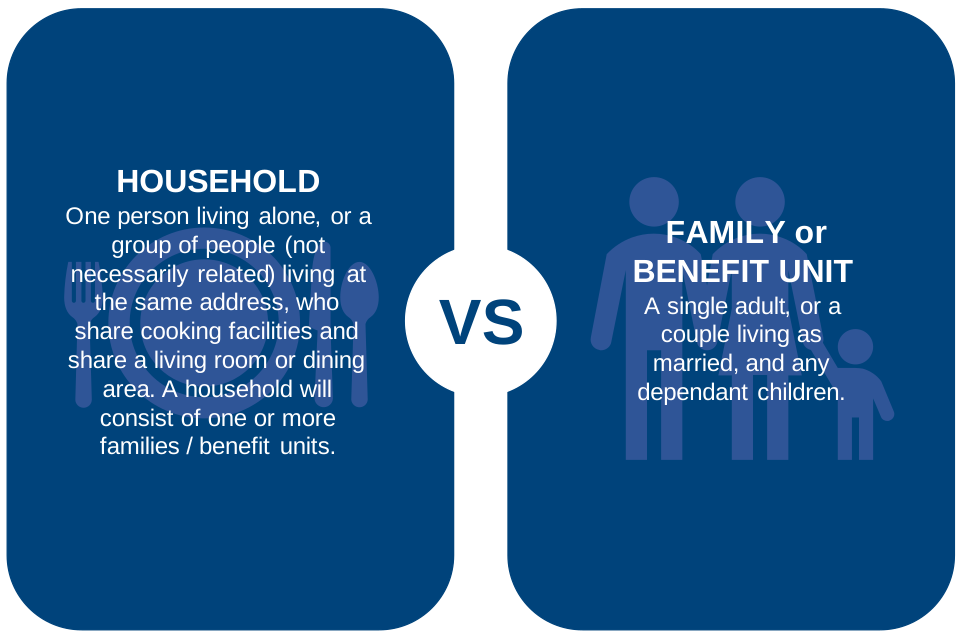
The term “benefit unit” refers to a family grouping that would be used to assess benefit entitlement. It should be noted that ‘benefit unit’ is used throughout the FRS report as a description of groups of individuals regardless of whether they are in receipt of state support or not. It is defined as ‘a single adult or couple living as married or cohabiting and any dependant children.’ In this report, the terms “family” and “benefit unit” are used interchangeably.
2. Income and state support
For the new 2024 to 2025 survey year, benefits administrative data have been integrated into the FRS to replace survey responses for the major DWP and HMRC benefits. The same approach has also been applied to all survey years from 2021/22 onwards. This change has reduced the underreporting of benefits traditionally seen in the FRS and improved overall data quality. Further information can be found in the technical paper.
Families (benefit units) by income received from state support, 2024 to 2025, United Kingdom
The percentage of UK families receiving state support increased to 54%.
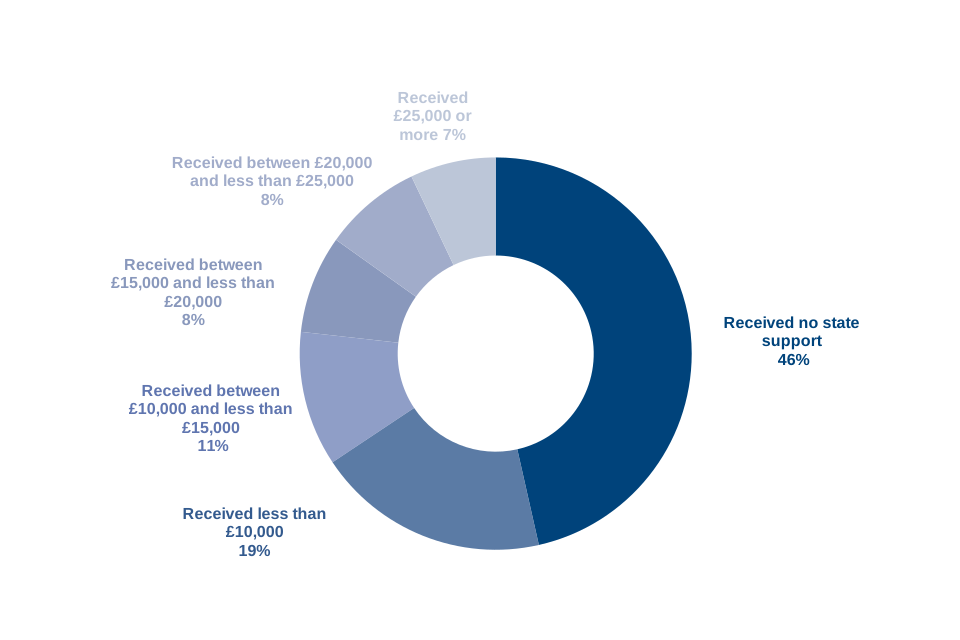
The proportion of UK families receiving state support has slightly increased since the previous year to 54%. Estimates for the previous two years were 53% in 2023 to 2024 and 55% in 2022 to 2023. State support includes all state benefits, including the State Pension and Child Benefit.
Fifteen per cent of UK families received £20,000 or more per year from state support, which is equivalent to 5.5 million families. Nineteen per cent of UK families received between £10,000 and less than £20,000 annually from state support, which is equivalent to 7.3 million families. A further 19% of UK families received less than £10,000 per year from state support, equivalent to 7 million families. Forty‑six per cent of UK families which is equivalent to 17 million families received no state support.
See tables 2.14a and 2.14b for full data.
Receipt of state support by age of head of family, 2024 to 2025, United Kingdom
The percentage of families receiving state support varied by age of family head and type of benefit.
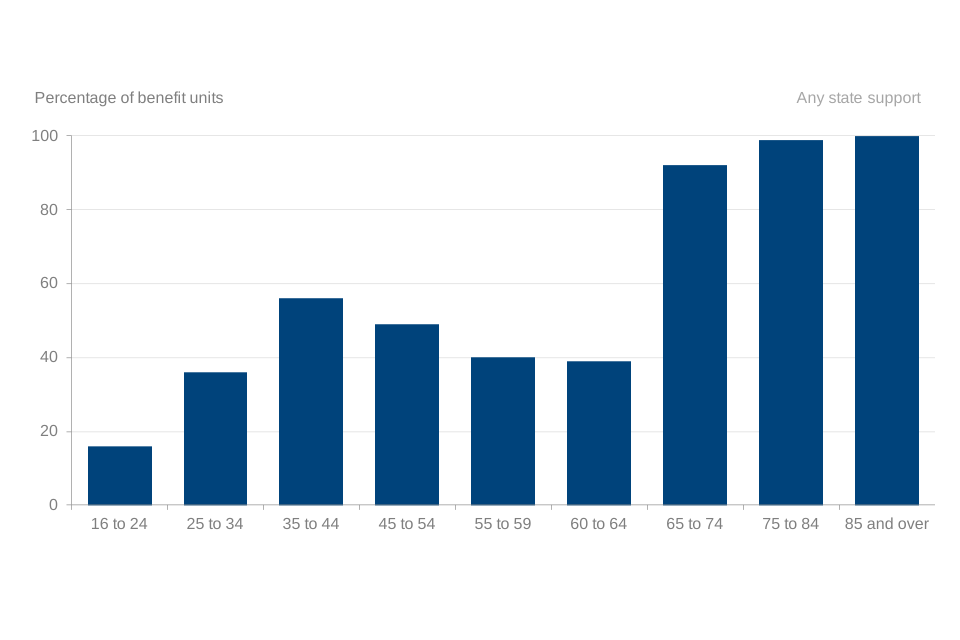
For working-age families, where the head was below the age of 65, the highest percentage of state support receipt was 56% (where the head of the family was aged 35 to 44 years). This is likely to be associated with the high proportion of such families (43%) who received Child Benefit. Nearly every family where the head was aged 65 and over received some form of state support; almost all of this group received State Pension (as the qualifying age for this is 66).
Across all families, 24% received income-related benefits. For working-age families where the head of the family was aged 35 to 44 years the percentage receiving income-related benefits was 29%, the highest of all working-age groups. When the head of the family was in age groups 75 to 84, or 85 and over, 28% and 30% respectively received income-related benefits.
See table 2.11 for full data.
Percentage of total gross household income from employment by region, 2024 to 2025, United Kingdom
London had a higher proportion of income from employment (includes wages, salaries and self-employed income) than other regions.
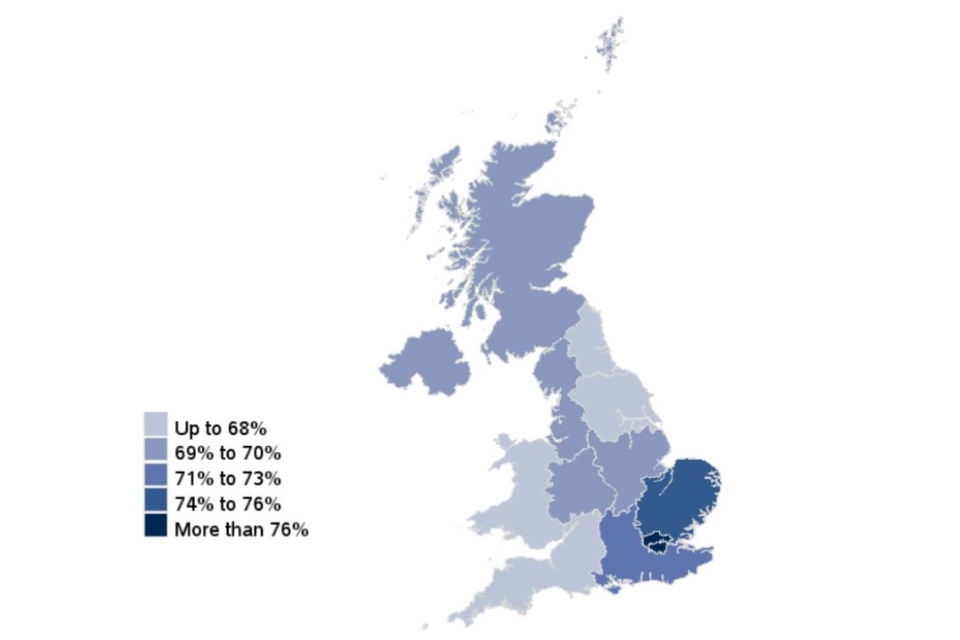
Across the UK as a whole, income from employment accounted for 72% of gross household income. There were substantial regional variations: London had the highest proportion of income from employment at 80%, whilst the North East had the lowest proportion at 65%.
Conversely, the North East had the highest proportion of income from state support at 21% whilst London had the lowest proportion at 11%.
The proportion of income from non-state pensions was highest at 11% in the South West whilst the proportion was lowest in London at 4%.
A minority of income came from other sources (other sources include investments and student grants). The proportion was highest at 5% for Yorkshire and the Humber, West Midlands, East, South East and South West whilst the proportion was lowest at 3% for Northern Ireland.
These regional differences are likely to be associated with the demographic and economic variations between regions.
See tables 2.2a and 2.2b for full data.
Sources of total gross household income, FYE 2015 to FYE 2025, United Kingdom
The proportion of income from each different source has been broadly stable over the past decade.
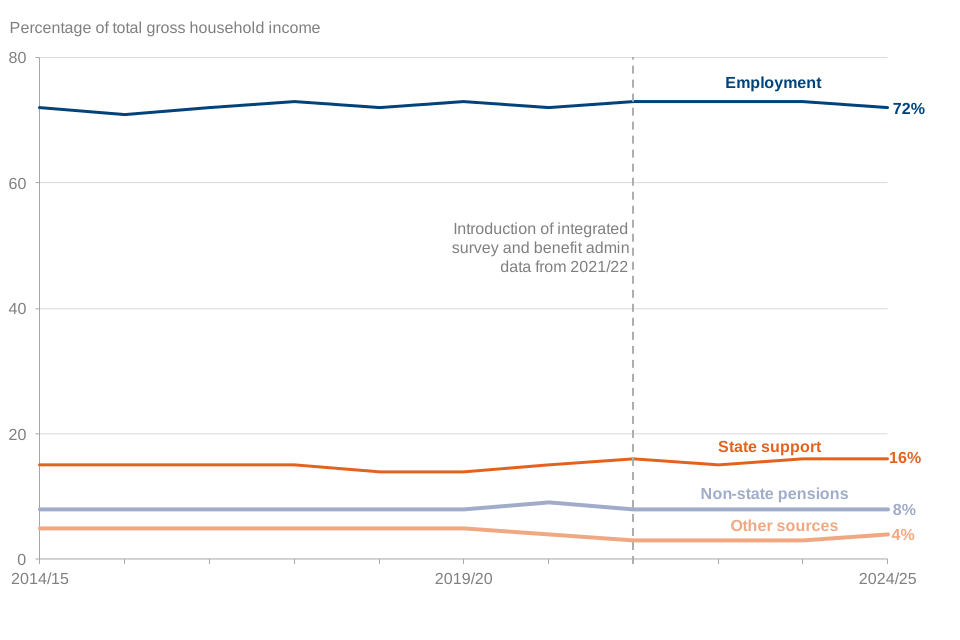
Income from employment (including wages, salaries and self-employed income) this year was at 72% which is a decrease from last year at 73% and a lower proportion than the past three years.
Some other categories of income remained the same, as a proportion of income overall, as they had in 2023 to 2024; this was true of income from state support (benefits, including the State Pension), at 16%, and also income from non-state pensions at 8%.
The proportion of income from other sources increased to 4%, after remaining at 3% from 2021 to 2022 to 2023 to 2024. These sources of income include grants, rental (landlord) incomes and incomes from investments.
See table 2.1 for full data.
3. Tenure
Households by tenure, FYE 2015 to FYE 2025, United Kingdom
The proportion of households in each of the four tenure types remained unchanged for 2024 to 2025 compared to the previous survey year.
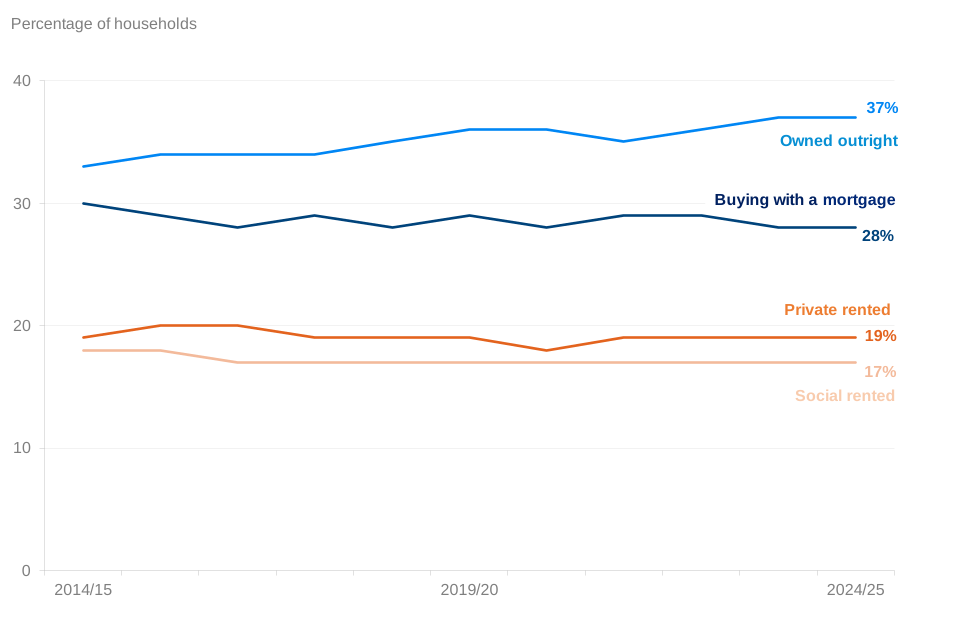
Over the past decade, the percentage of households that owned their property outright has either increased or stayed the same in comparison to the previous year, with the exception of 2021 to 2022.
There has been fluctuation for the “buying with a mortgage” category between 28% and 30% for each year over the past decade.
Households in the private rented sector have seen fluctuation over the past decade, between 18% and 20%.
For the two survey years prior to 2016 to 2017, the percentage of households in the social rented sector was 18%. From 2016 to 2017 onwards, this percentage has remained at 17%.
See table 3.6 for full data.
Households by tenure and region/country, 2024 to 2025, United Kingdom
Wales had the highest proportion of households that owned their property outright, at 45% which was eight percentage points higher than that of the UK, at 37%. Inner London had the lowest proportion of households that owned their property outright, at 18% which was 19 percentage points lower than that of the UK.
For households buying with a mortgage, the highest proportion was 32%, for the South East. Conversely, the West Midlands had the lowest proportion for households buying with a mortgage, at 24%.
For the social rented sector, Inner London had the highest proportion of households, at 27%. Both Northern Ireland and the South West had the lowest percentage, at 12%.
London and Outer London jointly had the highest percentage of households in the private rented sector, at 30%. The percentage for the UK overall was 19%, which was 11 percentage points lower than that for London and Outer London. The North East had the lowest percentage, at 13% which was six percentage points lower than that of the UK.
See table 3.1 for full data.
Median household weekly social rent payment by region, 2024 to 2025, United Kingdom
Social sector rents were within £25 of the UK median (£112 per week) across all regions and countries, except London.
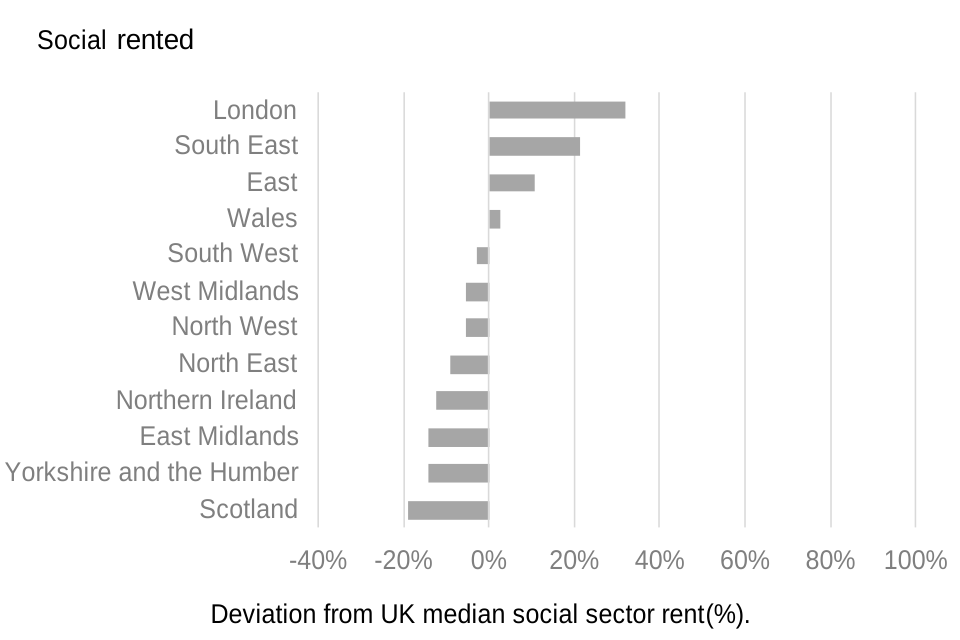
London had the highest median weekly social sector rent, at £148. This was £36 per week higher than the UK median social sector rent.
Scotland had the lowest median weekly social sector rent, at £91 which was £21 per week below the UK median social sector rent.
Median social sector rents were lower than median private sector rents for all regions and countries. This may be partly due to social sector rents being driven by government policies rather than market pressures like private sector rents.
See table 3.8 for full data.
Median household weekly private rent payment by region, 2024 to 2025, United Kingdom
The median private sector rent for London was much higher than for all other regions and countries.
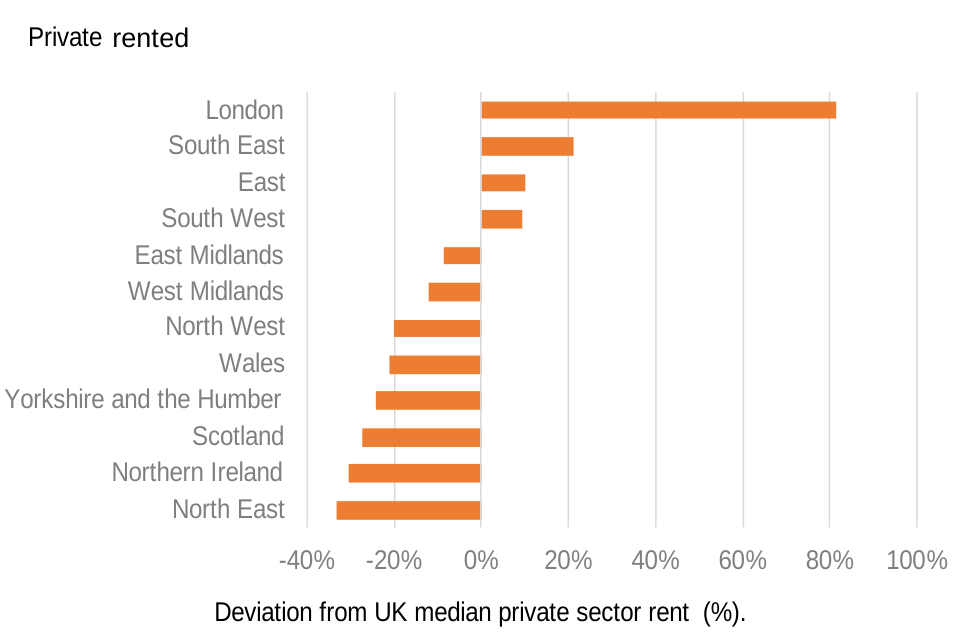
London had the highest median weekly private sector rent, at £345 which was £155 per week higher than the UK median private sector rent. The South East had the second highest median weekly private sector rent, at £230. This was £40 per week higher than the UK median private sector rent and £115 per week lower than that for London.
Conversely, the North East had the lowest median weekly private sector rent, at £127 which was £63 per week lower than the UK median private sector rent.
See table 3.8 for full data.
Median household weekly mortgage payment by region, 2024 to 2025, United Kingdom
Mortgage payments were higher in southern regions and lower in northern regions and the UK countries.
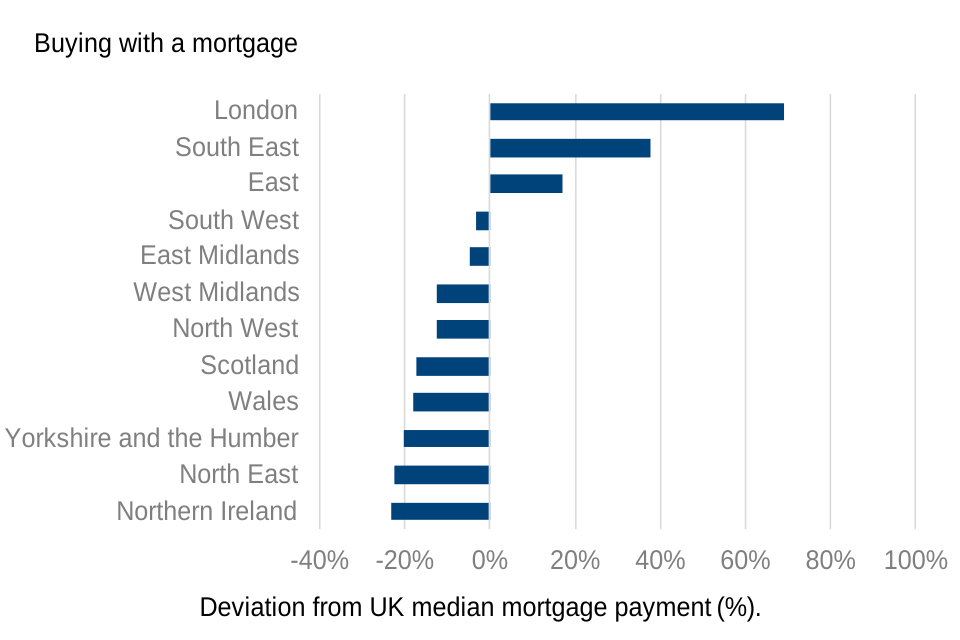
For repayment mortgages, London had the highest median weekly mortgage payment, at £311 which was £127 per week higher than the UK median mortgage payment of £184 per week.
The only other regions and countries to be higher than the UK median weekly mortgage payment were the South East and the East, at £253 and £215 per week respectively. These were £69 and £31 per week higher than the UK median mortgage payment.
Northern Ireland had the lowest median weekly mortgage payment, at £141 which was £43 per week lower than that for the UK.
See table 3.8 for full data.
Tenure type by age of head of household, FYE 2015 and FYE 2025, United Kingdom
Over the past decade for households with a head aged 16 to 24, the proportion of households in the social rented sector has fallen.
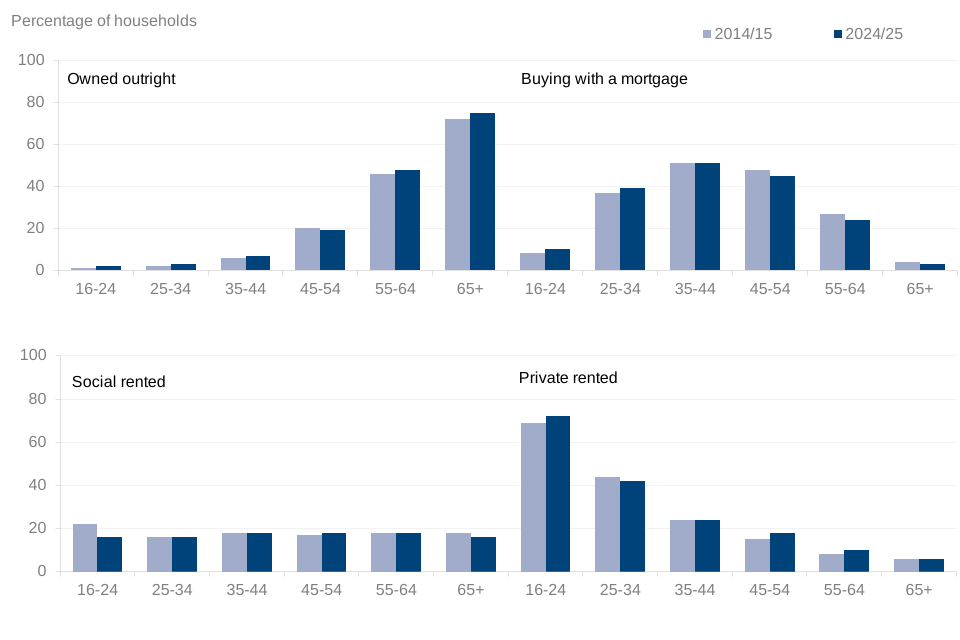
The decade between 2014 to 2015 and 2024 to 2025 saw an increase in households that owned their property outright where the head is aged 55 and over. For households that owned their property outright, there was an increase of two percentage points (from 46% to 48%) where the head was aged 55 to 64 and an increase of three percentage points (from 72% to 75%) where the head was aged 65 and over. Households where the head was aged 65 and over continued to have the highest percentage in both survey years.
Households buying with a mortgage saw an increase over the decade where the head was aged 16 to 34. Among households where the head was aged 35 to 44, the percentage was the same for both survey years, at 51%, while for those where the head was aged 45 and over, there was a decrease between 2014 to 2015 and 2024 to 2025.
There was a six percentage point decrease over the past decade for households in the social rented sector where the head was aged 16 to 24. This was from 22% in 2014 to 2015 to 16% in 2024 to 2025. For the remainder of the age categories, the proportion either stayed the same or changed slightly over the decade.
Households in the private rented sector, where the head was aged 16 to 24 had the highest proportion for both survey years. This was 69% for 2014 to 2015 and 72% for 2024 to 2025. In contrast, households where the head was aged 65 and over had the lowest percentage for both survey years, at 6%.
See table 3.7 for full data.
Households by tenure and receipt of income-related benefits, 2024 to 2025, United Kingdom
Seventy‑five per cent of households in the social rented sector received an income-related benefit, while 77% received a non-income related benefit. Among these households, 29% and 27% received Child Benefit and State Pension respectively.
For households in the private rented sector, the proportions were 33% and 38% for receipt of any income-related benefit and any non-income related benefit respectively.
The “buying with a mortgage” category had the highest percentage in receipt of Child Benefit, at 32%. This reflects the typically younger age group of the head of household for this tenure type.
Households that owned their property outright had the highest percentage in receipt of State Pension, at 61%. This reflects the typically older age group of the head of household for this tenure type.
As set out previously in this publication, for the new 2024 to 2025 survey year, benefits administrative data have been integrated into the FRS to replace survey responses for the major DWP and HMRC benefits. Please refer to the technical paper for details on how the administrative data integration has partially reduces the underreporting of benefits and improved data quality.
See table 3.5 for full data.
4. Disability
Note that none of the FRS disability estimates are age-standardised (in contrast to some other sources, and the Census release).
Disability prevalence by age group, FYE 2015 to FYE 2025, United Kingdom
One in four people were classified as disabled.
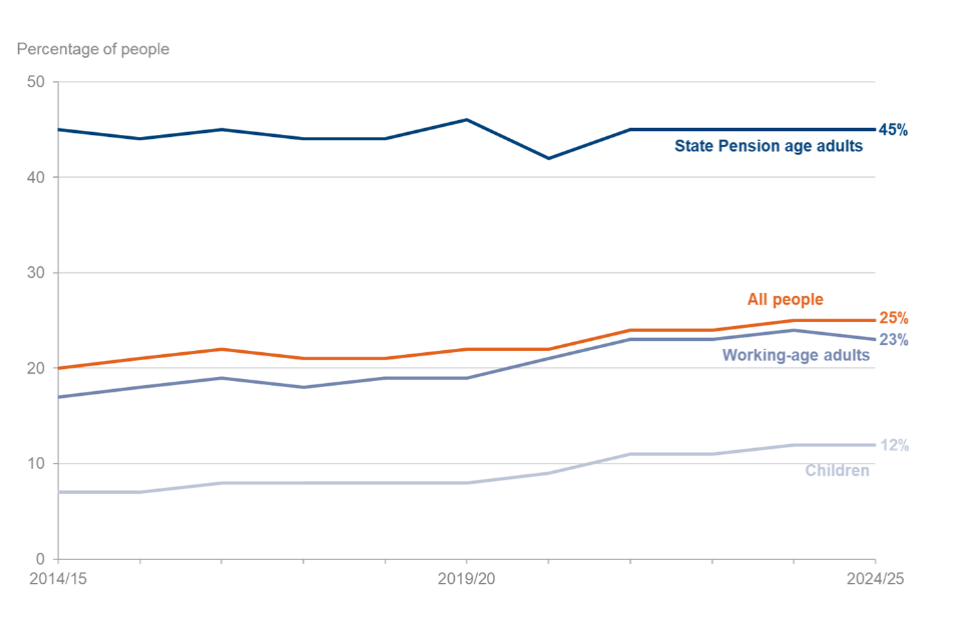
The number of disabled people increased from 12.9 million (20%) in 2014 to 2015 to 16.7 million (25%) in the most recent survey year 2024 to 2025, an increase of 3.8 million people across this period. The proportion of disabled people remains the same as in 2023 to 2024 (25%).
There was an increase of five percentage points in the percentage of disabled children, growing from 7% in 2014 to 2015 to 12% in the most recent survey year. This means that, across the period, the percentage of disabled children has almost doubled, however the figure has remained the same from 2023 to 2024. For working-age adults, the proportion of disabled people increased from 17% in 2014 to 2015 to 23% in 2024 to 2025, an increase of six percentage points.
The proportion of disabled pensioners has remained between 42% and 46% in every year for the past decade.
The term “disability” follows the core definition of disability in the Equality Act 2010, which states that a person is considered to have a disability if they have a physical or mental impairment that has ‘substantial’ and ‘long term’ negative effects on their ability to do normal daily activities. See the Background Information and Methodology section for more details.
See tables 4.1, 4.2a and 4.2b for full data.
Disability prevalence by gender, FYE 2015 to FYE 2025, United Kingdom
The proportion of both males and females with a disability has remained the same as in 2023 to 2024.
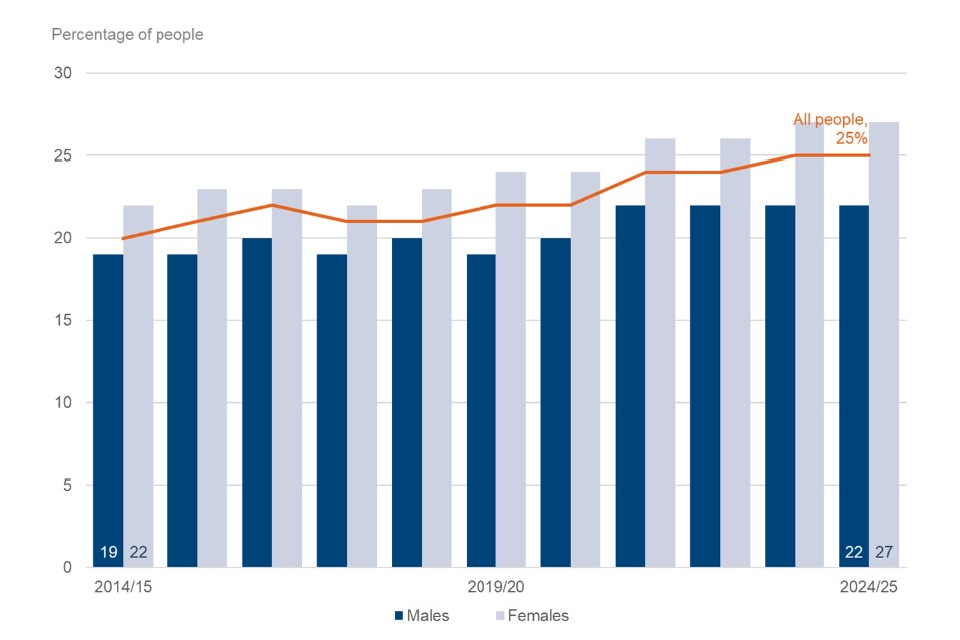
The percentage of females who were disabled increased from 22% (7.0 million) in 2014 to 2015 to 27% (9.2 million) in 2024 to 2025; this is the same percentage as in 2023 to 2024. Over the same period, the percentage of males who were disabled rose from 19% (5.9 million) in 2014 to 2015 to 22% (7.5 million) in 2024 to 2025; the percentage of disabled males has remained at 22% since 2021 to 2022.
For those aged 14 years and younger, there was a higher proportion of disabled males than disabled females in 2024 to 2025. This is consistent with 2023 to 2024. More generally, there was a higher proportion of disabled females than disabled males in all other age groups.
See tables 4.2a, 4.2b and 4.3b for full data.
Disability prevalence by region and country, 2024 to 2025, United Kingdom
The percentage of disabled people varied by region and country, with the UK average being 25%. The countries below the UK average were England and Northern Ireland.
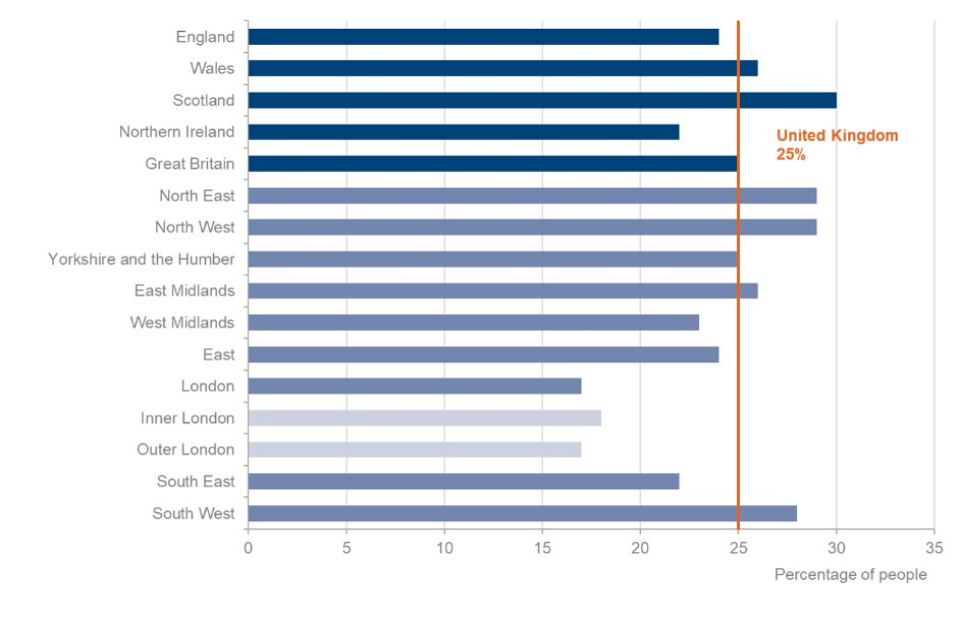
Scotland had the highest percentage of disabled people with 30%, five percentage points above the UK average. The equivalent figure for Wales was 26%, with Northern Ireland having 22%.
London had the lowest percentage of disabled people with 17%, eight percentage points below the UK average.
The varying demographics in each region and country could partly explain the differences in the classification of people as disabled. For example, disability prevalence may correlate with the percentage of the population who are pensioners in a particular region or country, noting that the classification of people as disabled is nearly double amongst this age group in comparison to the overall population of the United Kingdom (45% compared to 25%).
See tables 4.1 and 4.4 for full data.
Impairment types reported by disabled people, by age group, 2024 to 2025, United Kingdom
Impairment types reported by disabled people varied by age group. The most commonly reported impairment type for children was social or behavioural issues, whereas for Stage Pension age adults this was mobility impairments.
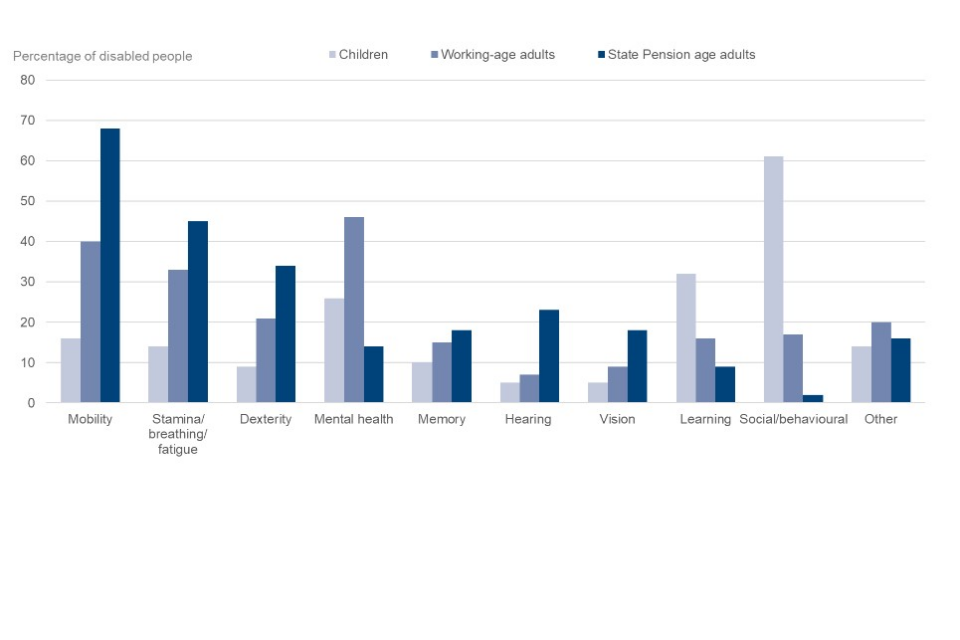
For disabled children, the most common impairment type was a social or behavioural impairment, with over three in five (61%) reporting this. This was followed by a learning impairment, at 32% then a mental health impairment, at 26%.
For disabled working-age adults, 46% reported a mental health impairment, the most common impairment type among this age group. This was closely followed by a mobility impairment, at 40%. The third most likely impairment type was to do with stamina, breathing or fatigue, at 33%.
The most common impairment type reported among disabled pensioners was a mobility impairment, with 68% reporting this. The second most reported impairment type was a stamina, breathing or fatigue impairment and the third was a dexterity impairment, at 45% and 34% respectively.
See table 4.6 for full data.
5. Care
The FRS questionnaire asks if people are caring for others on an informal basis (that is, where caring is not a paid job; this contrasts with formal care, which comes from paid help, such as the local authority, district nursing or private domestic help). Examples of care include helping with shopping, preparing meals, and feeding, and household chores.
Note that the Family Resources Survey is designed to be representative of all private households in the United Kingdom. Therefore, FRS results only aim to describe inferences about private households, and not the entire UK population. Some individuals, such as those in care homes, are not included.
Percentage of people providing informal care by age and gender, 2024 to 2025, United Kingdom
Those aged 55 to 64 years were most likely to be carers.
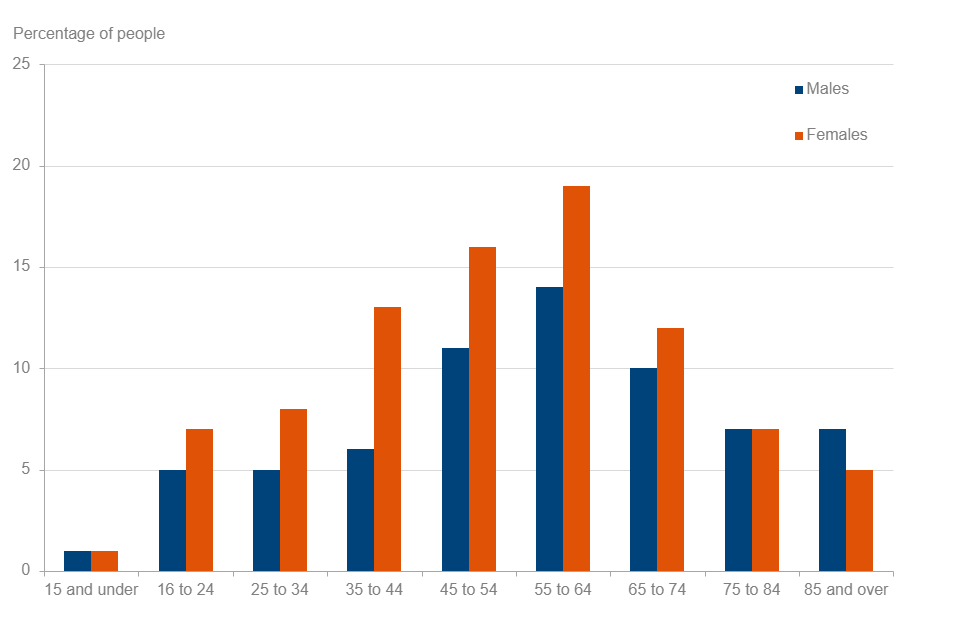
In 2024 to 2025, 8% of people in the UK were informal carers, the same as the rate in 2023 to 2024. Females continue to be more likely to be informal carers (10%), compared to males (7%). In total, 3.4 million females and 2.3 million males were informal carers.
Across all age groups except people aged 75 and over and 15 or under, females were more likely than males to be informal carers. People aged between 55 and 64 were more likely to be informal carers than any other age group (17%). In this age group, 14% of males and 19% of females were informal carers.
See tables 5.1a, 5.1b and 5.2 for full data.
People cared for by informal carers, 2024 to 2025, United Kingdom
Family members were the main recipients of informal care.
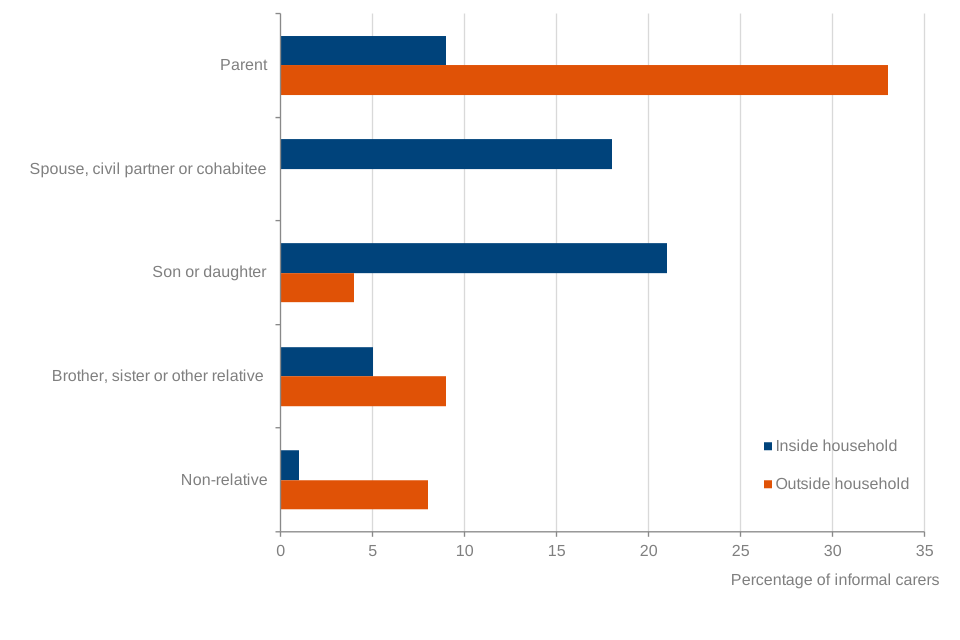
The main recipients of informal care were parents. Of all informal carers, 33% cared for parents living outside their household and 9% cared for parents living inside their household. Outside the household, parents were by far the most likely type of person to be cared for. When providing informal care to those living inside their household, carers were most likely to care for their child (son or daughter), with 21% caring for their child.
Of all informal carers, 52% provided care to someone living inside their household and 52% provided care to someone living outside their household. Overall, 10% cared for more than one person, with 3% caring both for somebody living inside their household and for somebody else living outside their household.
Eighteen per cent of informal carers were classified as ‘sandwich carers’. A sandwich carer refers to people aged 16 to 70 who:
- care for a child within their household or have a child who is dependent on them within their household; and
- care for an adult relative.
See tables 5.7a and 5.7b for full data.
Adult informal carers by employment status and gender, 2024 to 2025, United Kingdom
Nearly half of male adult informal carers were also in full-time employment.
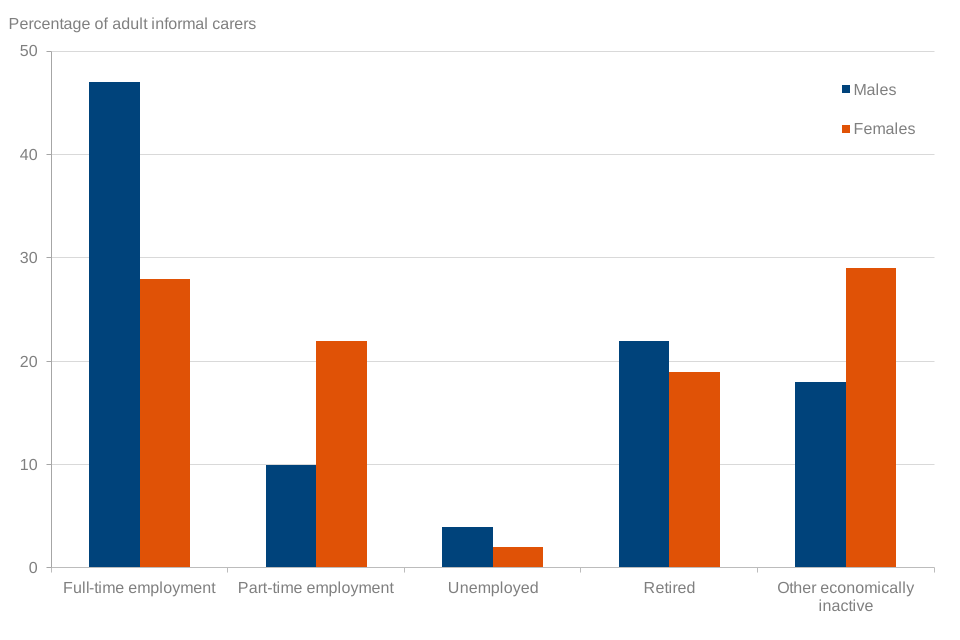
Of all adult informal carers, 53% were in employment with 36% working full-time. Male carers were more likely than female carers to be working full-time: the proportion of male carers that were working full-time was 47% in comparison with 28% for females. In contrast, female carers were more likely to work part-time (22% of women compared with 10% of men).
Of adult informal carers, 20% were retired and 24% were economically inactive. The economically inactive include those who are students, those looking after a family or home, those permanently or temporarily sick or disabled and those inactive due to other reasons. Those unemployed (that is, seeking work) formed a very small minority of all adult informal carers, at 3%.
See table 5.4 for full data.
Adult informal carers by gender and hours caring, 2024 to 2025, United Kingdom
Just over half of informal carers provide care for up to 19 hours per week.
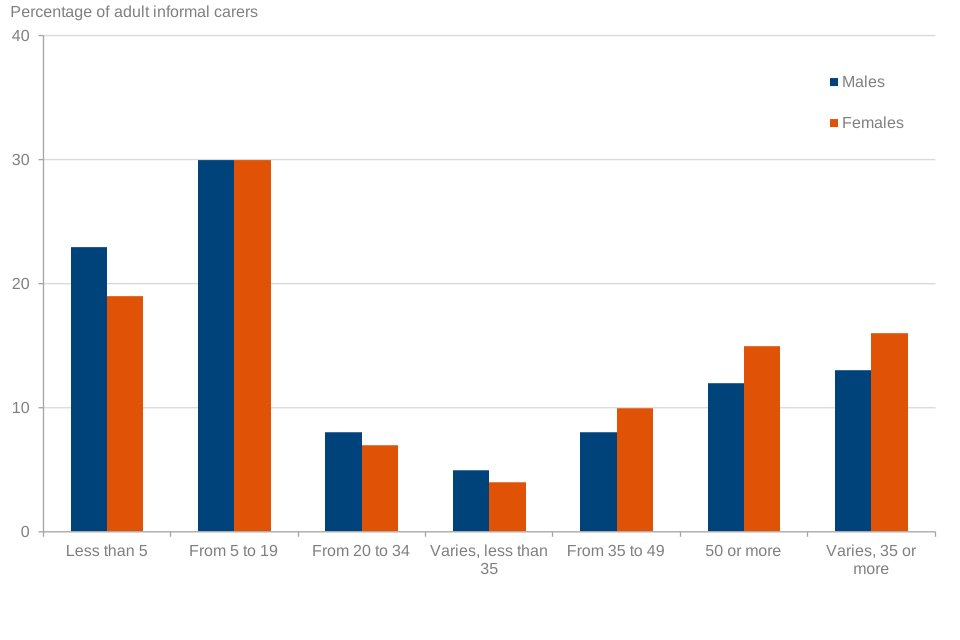
Of all adult informal carers, just over half provided care for up to 19 hours per week with 21% providing care for less than 5 hours per week, and 30% providing care for between 5 and 19 hours per week. Thirty-eight per cent of adult informal carers provided care for at least 35 or more hours per week: Nine per cent were providing care for between 35 and 49 hours per week, 14% providing care for 50 or more hours per week, and 15% for a varying number of hours per week but 35 at minimum.
See table 5.3 for full data.
Percentage of people receiving care at least once a week, by age and gender, 2024 to 2025, United Kingdom
The likelihood of receiving care varied by age and gender.
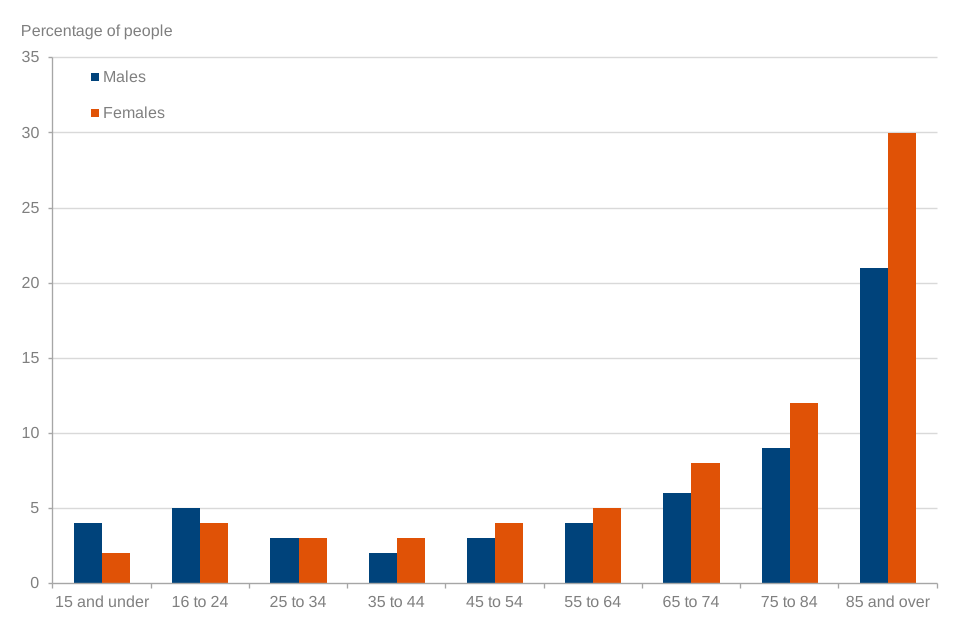
The proportion of people receiving care every week has been stable in recent years, at around 5%. The likelihood of receiving care every week increased with age above the 35 to 44 age group, with 26% of people aged 85 and over receiving care every week.
For people aged 35 and upwards, females were more likely than males to receive care every week. This is most evident in the 85 and over age group, where 30% of females and 21% of males received care every week. In contrast, males are more likely to receive care every week than females at ages 24 and below.
See table 5.8 for full data.
Recipients of care at least once a week by frequency of care, 2024 to 2025, United Kingdom
Forty per cent of those receiving care every week receive continuous help.
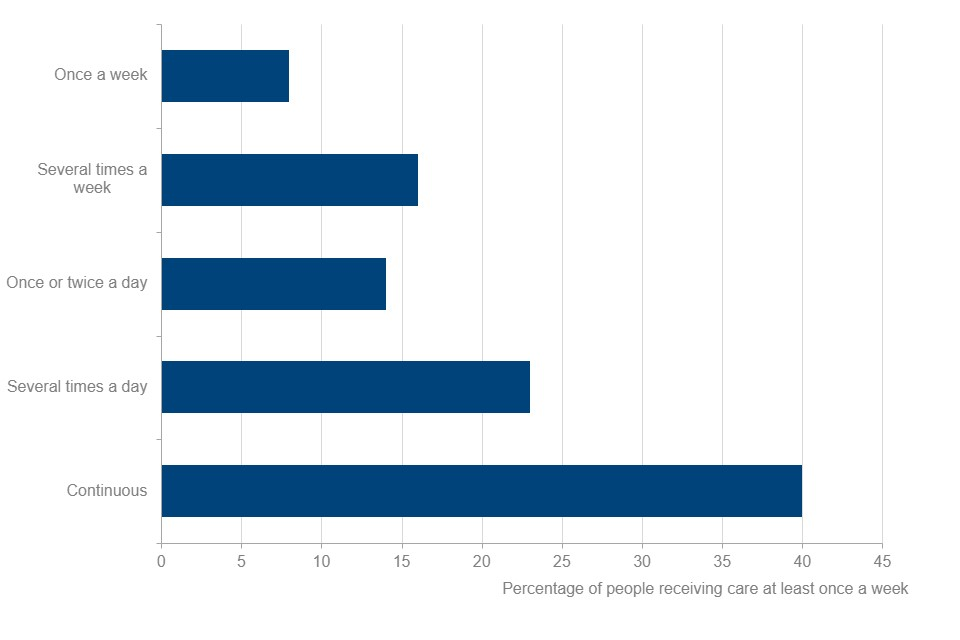
Of those receiving any form of care every week (paid or informal), 40% received continuous care. Of those remaining, it was more common to receive care daily than to receive care on another, less frequent basis. Of those receiving care every week, 16% received care several times a week and 8% received care once a week.
There was a strong relationship between the frequency of care received and the age of the recipient. Of those receiving care every week, children up to the age of 15 were more likely to receive continuous care than any other age group, with 62% receiving care continuously. Adults aged 75 to 84 were the least likely to receive continuous care every week, with 31% receiving care continuously, but were most likely to receive care several times a week (22%).
See table 5.9 for full data.
6. Pension Participation
Pension scheme participation of working-age adults by employment status, FYE 2015 to FYE 2025, United Kingdom
Pension scheme participation has generally increased over the past decade, with employees highest and the self-employed lowest.
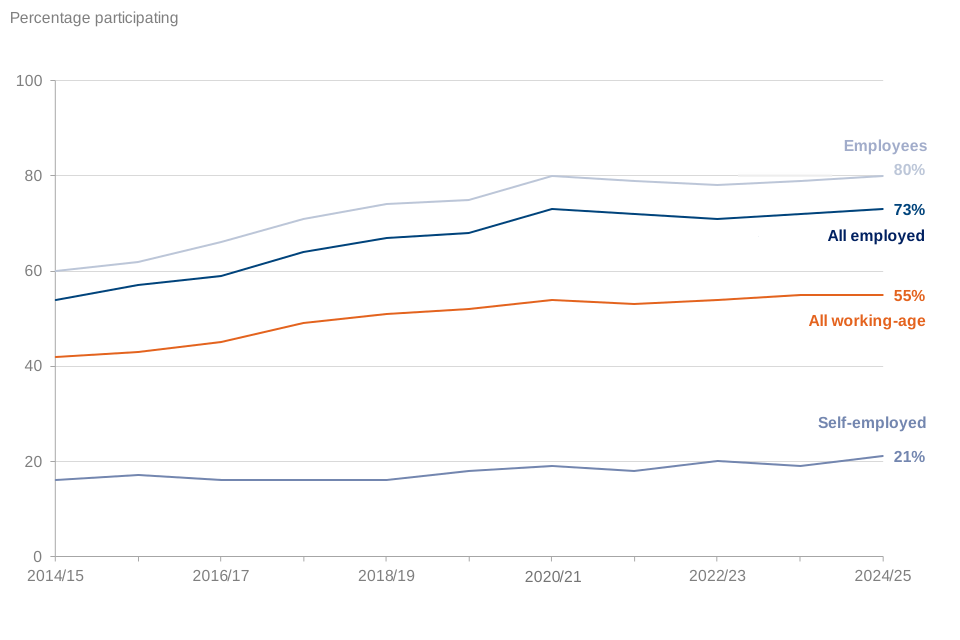
Over the past decade, scheme participation has risen by 13 percentage points for those who are of working age, from 42% in 2014 to 2015 to 55% in 2024 to 2025.
For employees, pension scheme participation has risen by 20 percentage points, from 60% in 2014 to 2015 to 80% in 2024 to 2025. This increase has followed the introduction of automatic enrolment for employees in 2012 which was completed in April 2019.
The self-employed are not eligible for automatic enrolment. Participation rates for the self-employed have increased by five percentage points, from 16% in 2014 to 2015 to 21% in 2024 to 2025.
See table 6.5 for full data.
Pension scheme participation for working-age adults by pension type and gender, 2024 to 2025, United Kingdom
Pension scheme participation rates were slightly higher for working-age males than females.
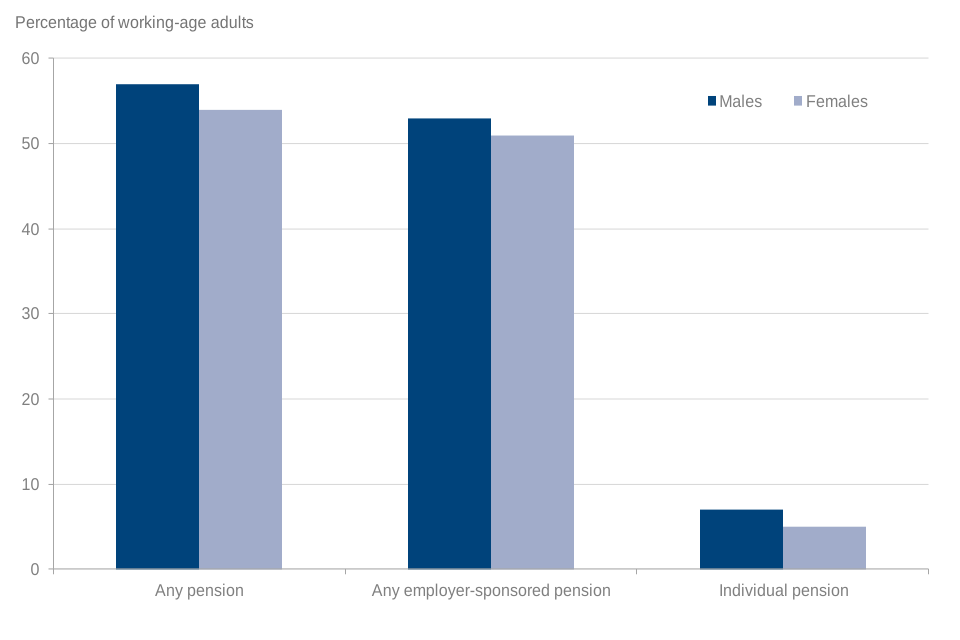
The proportion of working-age males participating in any pension scheme was three percentage points higher than that for females (57% and 54% respectively).
For any employer-sponsored pension, 53% of working-age males compared to 51% of working-age females participated, a difference of two percentage points. For individual pensions (personal pensions, including stakeholder pensions), participation rates were 7% for working-age males and 5% for females. This was a difference of two percentage points.
See table 6.1 for full data.
Pension scheme participation of adults by age and economic status, 2024 to 2025, United Kingdom
The percentage of adults participating in a pension scheme varied by age and economic status.
Pension scheme participation was highest among adults aged 35 to 54, at 65%. For those aged 16 to 24, the proportion was 23%.
For employees, pension scheme participation was highest for those aged 45 to 54, at 87% and lowest for those aged 75 and over, at 4%.
For the self-employed, participation was highest among those aged 55 to 59, at 28%. This was followed by those aged 45 to 54, at 24%.
See table 6.2 for full data.
7. Savings and Investment
Levels of savings for families in 2024 to 2025, United Kingdom
In 2024 to 2025:
- the proportion of families with no savings was 18%, a reduction of two percentage points from the previous year
- a further 9% had less than £100 in savings
- a further 19% had between £100 and £1,500 in savings
Single males without children were the most likely to report having no savings (30%). Lone parents also had low levels of savings, with over a quarter (28%) reporting no savings and 79% reporting less than £1,500. Pensioner couples had higher levels of savings than other types of families. Fifty per cent of pensioner couples had savings and investments of £30,000 or more, compared with the UK average of 20%.
See table 7.10 for full data.
Bank accounts and ISAs
Ninety-three per cent of UK households reported having a current account. In most age groups, between 89% and 94% of adults reported having a current account. Sixteen per cent of 16- to 24-year-olds and 10% of the over-85s did not have any form of account.
Households whose head was of Pakistani ethnicity were the least likely to have a current account at 85%. Fourteen per cent of these households reported having no accounts; in contrast, the percentage across all households holding no accounts was 5%.
Among family types, single adults without children were most likely to report having no accounts: 13% of males and 11% of females compared with 8% of UK families. Lone parents (12%) were the family type least likely to have an Individual Savings Account (ISA). In contrast, pensioner couples were most likely to hold an ISA.
See tables 7.1, 7.4, 7.5 and 7.7 for full data.
Holdings of stocks and shares, and Premium Bonds
A minority of adults said that they held stocks and shares (8%). The likelihood of reporting stocks and shares increased with age: 3% of 16-to 24-year-olds compared with 13% of those 65 to 74 and 75 to 84. Men (10%) were also more likely to invest in this way than women (7%). With 16% reporting stocks and shares, 75- to 84-year-old men were the most likely of any group and gender to hold this kind of asset.
Around one in eight adults said they held Premium Bonds (13%). As with other assets, the percentage holding them consistently increased with age, with the exception of those in the 85 and over age group. For those aged 25 to 34, 5% of adults said that they held Premium Bonds. This rose to 24% for those aged 65 to 74 and 28% among those aged 75 to 84. While holdings of Premium Bonds varied by age, there was no difference for males and females (both 13%).
See table 7.7 for full data.
8. Self Employment
Median net earnings of working-age employees and the self-employed, by part-time and full-time, FYE 2015 to FYE 2025, United Kingdom (2024 to 2025 prices)
In real terms, median earnings for full-time self-employed people have decreased over the past financial year. Earnings for part-time self-employed people have risen, with the gap to part-time employees at its smallest in a decade.
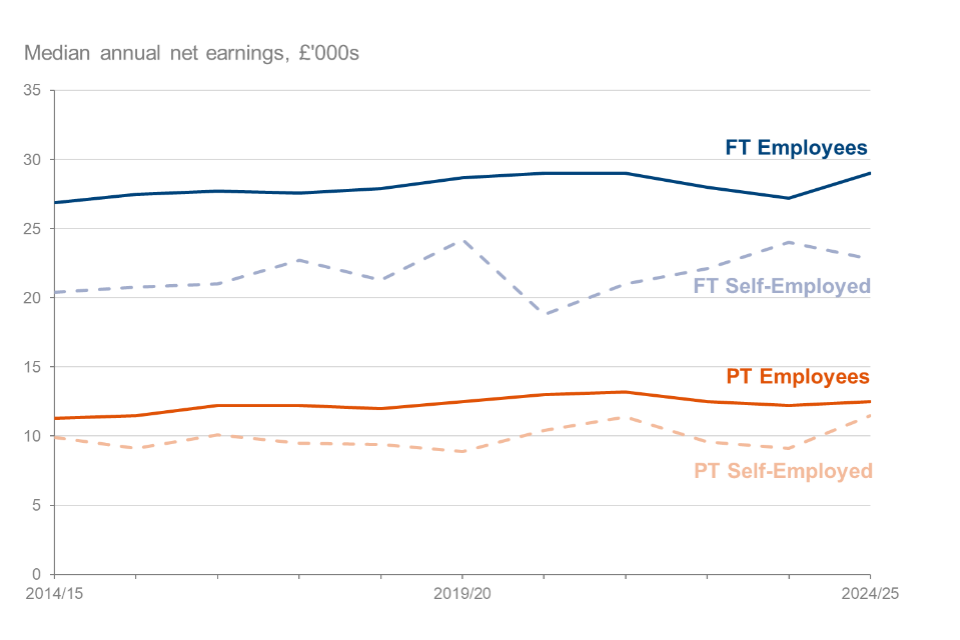
Among those of working-age, full-time self-employed earnings fell in 2024 to 2025 but were higher than those reported in 2022 to 2023. Part-time self-employed earnings grew from 2023 to 2024.
Median net annual earnings for the full-time self-employed decreased by £1,200 between 2023 to 2024 and 2024 to 2025. This contrasts with median net earnings for full-time employees, which were higher by £1,800 than in 2023 to 2024. This differs from the previous trend seen in 2022 to 2023 and 2023 to 2024, where full-time median employee income decreased and full-time median self-employed income increased.
It remains the case that the full-time employee median (£29,000) is higher than the full-time self-employed median (£22,800). This is consistent with the previous decade.
For those working part-time, median net earnings for employees were £1,000 higher than the self-employed. This is the smallest gap between part-time employees and the self-employed median earnings in the last decade.
All earnings figures are adjusted to 2024 to 2025 prices.
See table 8.2a for full data.
Median net earnings of the self-employed, by gender and by part-time and full-time, FYE 2015 to FYE 2025, United Kingdom (2024 to 2025 prices)
Among the self-employed, median net earnings for full-time males have fallen for the first time since 2020 to 2021, while those of females have risen from 2023 to 2024.
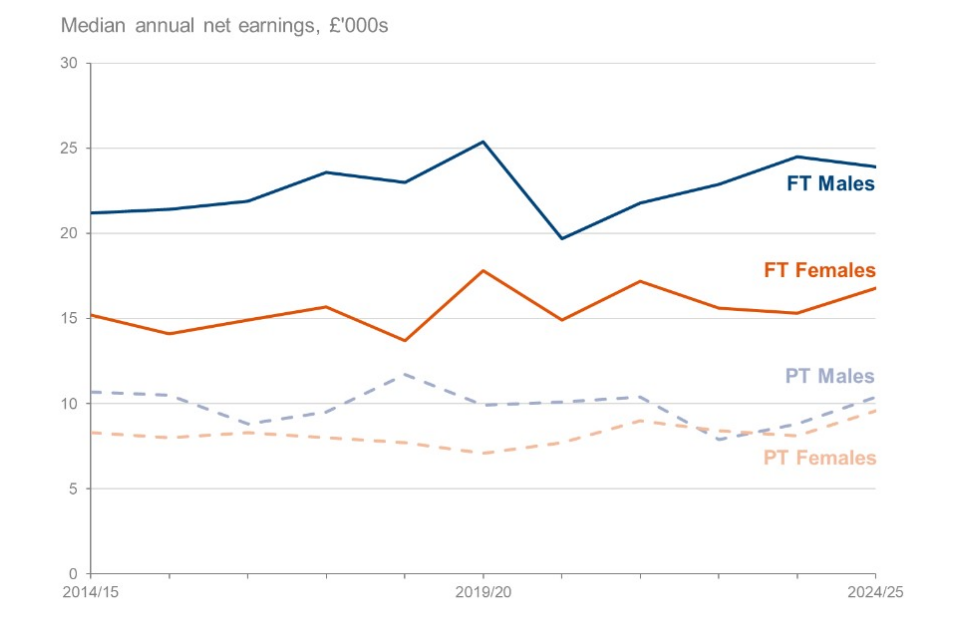
Among self-employed males, median net earnings decreased this year for full-time workers and increased for part-time workers. For full-time males, the annual median was £600 lower than in 2023 to 2024, at £23,900; whilst for part-time males, the annual increase was £1,600, to £10,400.
In contrast, among self-employed females, median net earnings were higher than in 2023 to 2024 for both full-time and part-time workers. For full-time females, the annual median was £1,500 higher than in 2023 to 2024, at £16,800; whilst for part-time females, the annual increase was also £1,500, to £9,600.
All earnings figures are adjusted to 2024 to 2025 prices.
See table 8.5 for full data.
Self employment by age group, FYE 2015 to FYE 2025, United Kingdom
The estimated number of people who were self-employed in their main job was 4.2 million in 2024 to 2025. This was an increase from the 3.9 million estimated in 2023 to 2024, and also above the numbers reported in 2022 to 2023, which were 4.1 million.
The number of working-age self-employed rose from 3.5 million in 2023 to 2024 to 3.7 million; and the number of State Pension age self-employed rose from 0.4 million to 0.5 million.
See table 8.4b for full data.
Percentage of self-employed working full-time and part-time by gender, 2024 to 2025, United Kingdom
Self-employed males were more likely to work full-time than self-employed females.
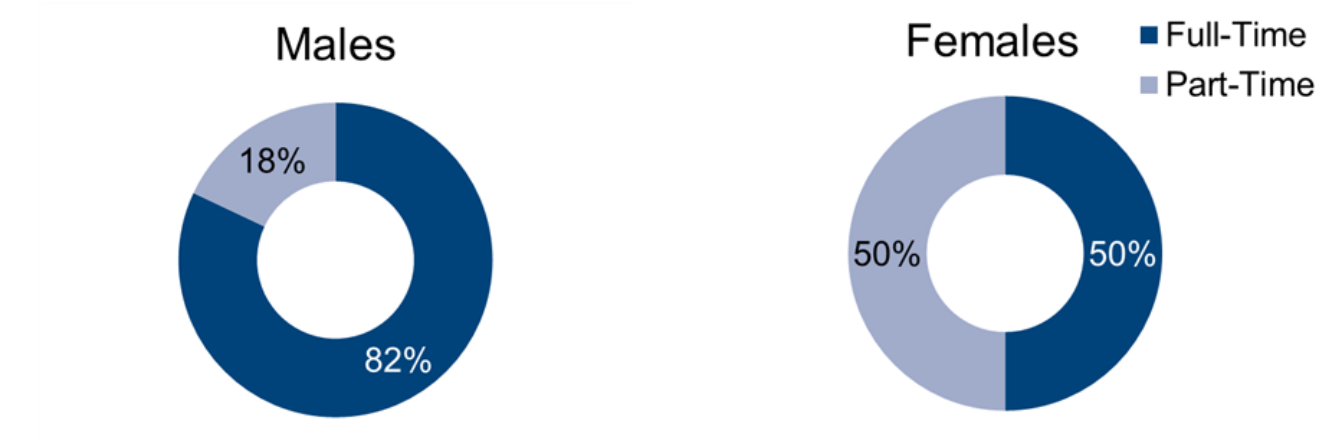
Of all self-employed males, over 4 out of 5 were working full-time (82%). For self-employed females the proportions who were full-time and part-time were evenly split.
See table 8.1 for full data.
9. Household Food Security
Introduction
The household food security question block was added to the FRS in the 2019 to 2020 survey year. These questions measure whether households have sufficient food to facilitate an active and healthy lifestyle. From the 2021 to 2022 survey year, the FRS expanded to ask questions on food bank usage.
Food banks can be visited by those who have difficulty purchasing food to avoid hunger. A referral is usually required before using most food banks. These referrals could be from Citizens Advice, a GP, housing association or social worker. Food banks can provide other support, such as financial advice or mental health support, but the FRS records “usage” as visits to a food bank for the purpose of getting emergency food supplies only. The FRS does not collect data on the number of visits that respondents make; for households that report using a food bank, the FRS records that a food bank has been used at least once, but further information on the number of visits cannot be inferred.
Questions about household food security and food bank usage are asked of the person in the household who knows the most about buying and preparing food. These survey estimates therefore relate to the household as a whole; not to individuals within the household, nor single benefit units within multi-family households.
In common with the rest of the FRS, the household food security block of questions asks about the time period immediately before the interview (30 days). For household food bank usage, questions ask about two separate time periods:
- usage within the 12 months before the interview
- usage within the 30 days before the interview, as with household food security
Only households that report using a food bank in the last 12 months are then asked about 30-day usage.
Caution is needed when comparing household food security status with 12-month food bank usage. The effect of household food security upon food bank usage, cannot be fully deduced because the former only asks about the household’s circumstances in the last 30 days.
There is no standard form of question for either household food security or food bank usage. The questions used by the FRS are similar to those used by other public bodies in the UK, and also internationally, but there are some differences. Further information on the approach and alternative sources is available in the Background Information and Methodology.
These statistics should be treated with caution when interpreting them:
- where a household is food insecure, information about the individual experiences of food insecurity within the household is not available. A young child’s experiences in a food-insecure household may be very different from their parents’ experiences, for example
- household food security statistics do not directly measure hunger. They instead explore the financial situation of households and how that affects their access to food
- caution should be taken with both measures of household food bank usage captured in the FRS, when comparing with other sources, as these may use different time periods
Household food security status of all households, FYE 2020 to FYE 2025, United Kingdom
The proportion of households with high food security increased since 2023 to 2024. Overall, 85% of households were in this category, compared to 83% in 2023 to 2024.
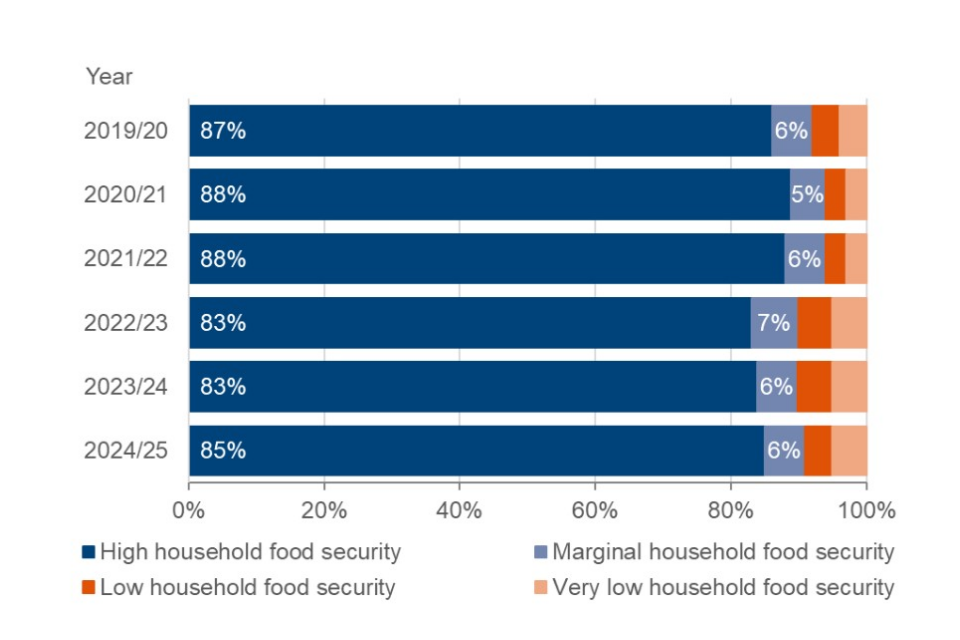
The proportion of food-secure households decreased slightly between 2019 to 2020 and 2024 to 2025 (from 92% to 91%). The 2024 to 2025 figure was one percentage point higher than in 2022 to 2023 and 2023 to 2024 (90%, due to rounding).
The majority of households were food secure, with high household food security (85%) or marginal household food security (6%). Food-insecure households were still the minority, having either low household food security (4%) or very low household food security (5%).
Geographically, there were differences in household food security. In 2024 to 2025, households in Northern Ireland were the most food secure (89% high, 5% marginal). Households in England and Wales were the least food secure (having 4% low and 5% very low). Between the regions in England, there was greater variation in food security:
- households in Inner London (85%) were the least likely to be food secure
- households in the South West (95%) were the most likely to be food secure
See tables 9.1 and 9.2 for full data.
Household food bank usage, FYE 2024 to FYE 2025, United Kingdom
Food bank usage was broadly at the same level as in 2023 to 2024.
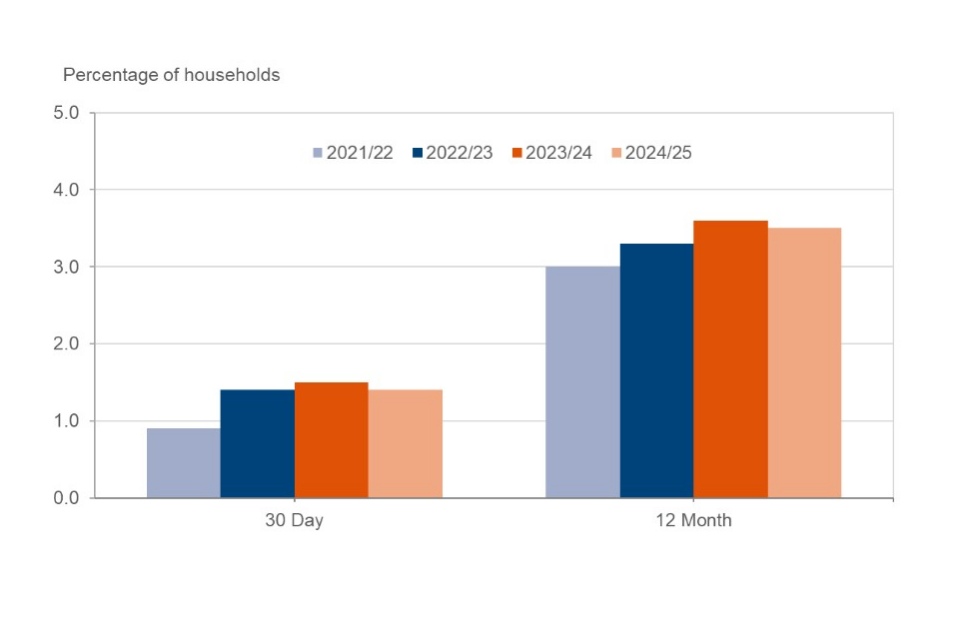
Food bank usage decreased slightly from the previous year (although the change was not statistically significant). Usage in 2024 to 2025 continued to exceed levels observed in 2021 to 2022, the first year of data collection. In 2024 to 2025, 1.4 % of households had accessed a food bank within the 30 days preceding their interview.
See tables 9.12 and SE.9 for full data.
Household food bank usage, 2024 to 2025, United Kingdom
Household food bank usage varied across countries and regions, and between urban and rural areas.
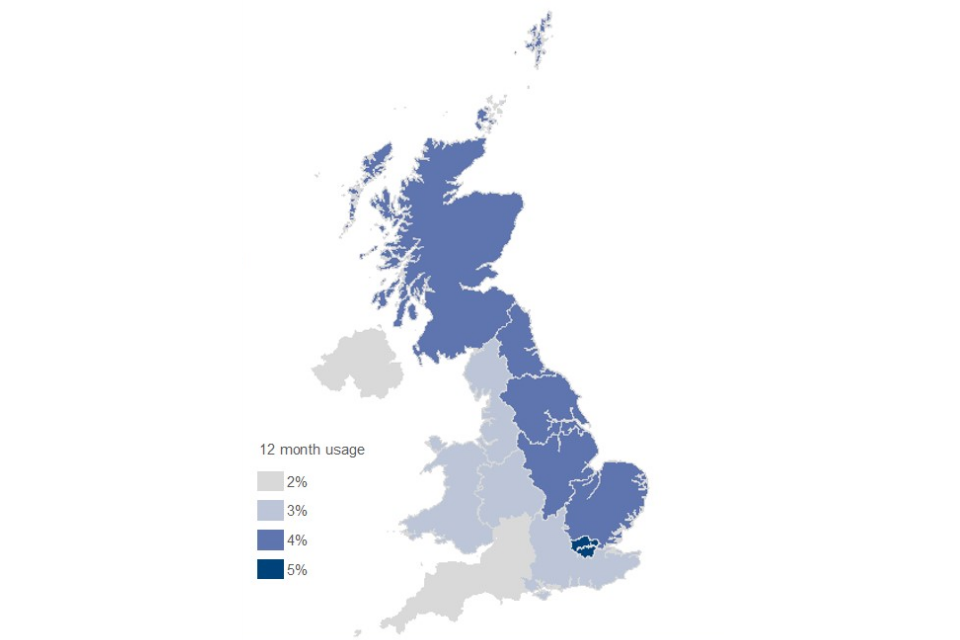
There were geographical variations in household food bank usage. At the national level, households in Scotland and England were most likely to have used a food bank within the last 12 months (4%), while households in Northern Ireland were the least likely (2%).
Within England, food bank usage was higher in London (displayed on the map as a single region with a 12-month food bank usage of 5%) and eastern regions:
- households in Inner London were the most likely to have used a food bank (5% within the last 30 days and 7% within the last 12 months)
- households in the North East, Yorkshire and the Humber, East Midlands, East, and Outer London each reported 4% usage in the last 12 months, the second highest rate
There were also differences in food bank usage by the Rural Urban Classification of the household’s location (noting that classifications differ between Scotland, Northern Ireland, and England and Wales):
- in England and Wales, households in Urban areas were more likely to have used a food bank when compared with Rural areas. Within Urban areas, households that were both nearer to and further from a major town or city reported equal food bank usage: 2% within the last 30 days and 4% within the last 12 months
- in Scotland, households in Small Towns were more likely to have used a food bank compared with Urban and Rural areas: 5% within the last 12 months
- in Northern Ireland, households in Belfast City were more likely to have used a food bank compared with Other Urban and Rural areas: 4% within the last 12 months
See tables 9.14 and 9.23 for full data.
Household food bank usage by household food security status, 2024 to 2025, United Kingdom
Households with low or very low food security were more likely to have used food banks, both in 12-month and 30-day terms.
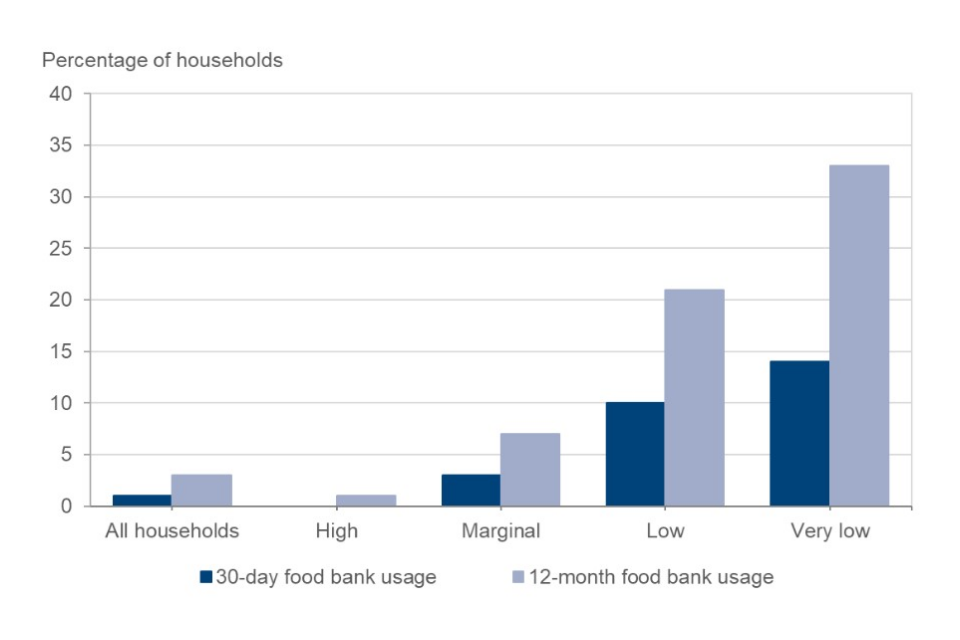
Household food bank usage was more likely where the household was less food secure:
- fewer than 1% of highly food secure households used a food bank within the last 30 days, and 1% used a food bank in the last 12 months
- for very low food security households, 14% of households used a food bank within the last 30 days, and 33% within the last 12 months
See table 9.13 for full data.
Household food bank usage by total gross weekly income, 2024 to 2025, United Kingdom
Higher-income households were less likely to have used a food bank.
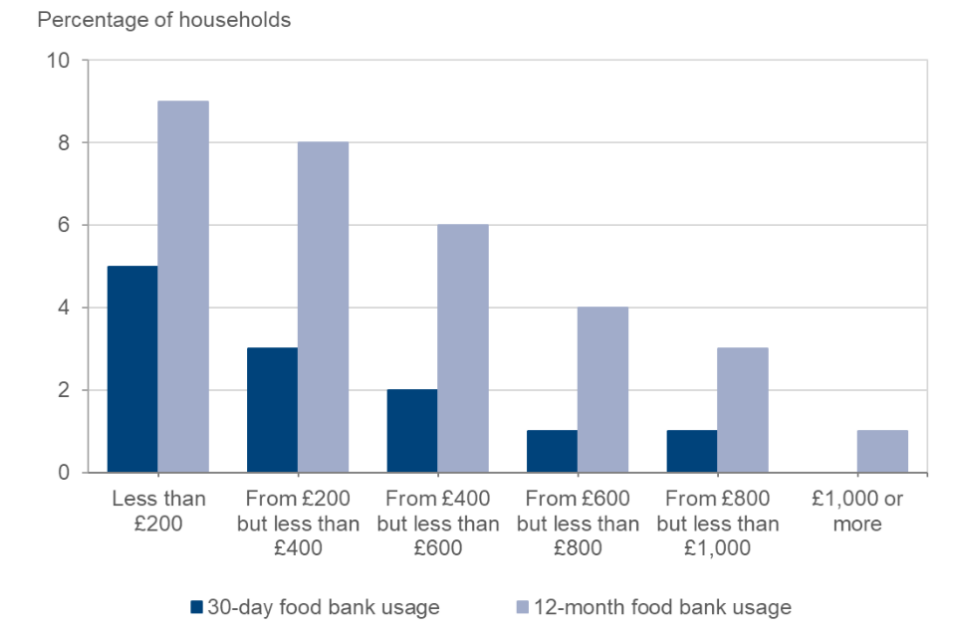
Households with gross weekly incomes of less than £200 per week were the most likely to have used a food bank (5% within last 30 days; 9% within last 12 months).
See table 9.21 for full data.
Household food security status and food bank usage by state support receipt, 2024 to 2025, United Kingdom
Low household food security and food bank usage rates were greater for households in receipt of income-related benefits.
Households on any income-related benefit were less likely to be food secure (77%) compared with households on any non-income-related benefit (89%), and all households (91%). Similarly, households on any income-related benefit reported higher food bank usage (4% within last 30 days; 11% within last 12 months) than those on non-income-related benefits (2% within last 30 days; 5% within last 12 months), or all households (1% within last 30 days; 3% within last 12 months).
Looking at households in receipt of certain benefits, those receiving Universal Credit had the lowest proportion of high food security at 55%. Employment and Support Allowance and Carer’s Allowance recipients were the second lowest with 61% reporting high food security.
See tables 9.8 and 9.20 for full data.
Household food security status and food bank usage by age group of head, 2024 to 2025, United Kingdom
Households with a younger head were the least likely to be food secure.
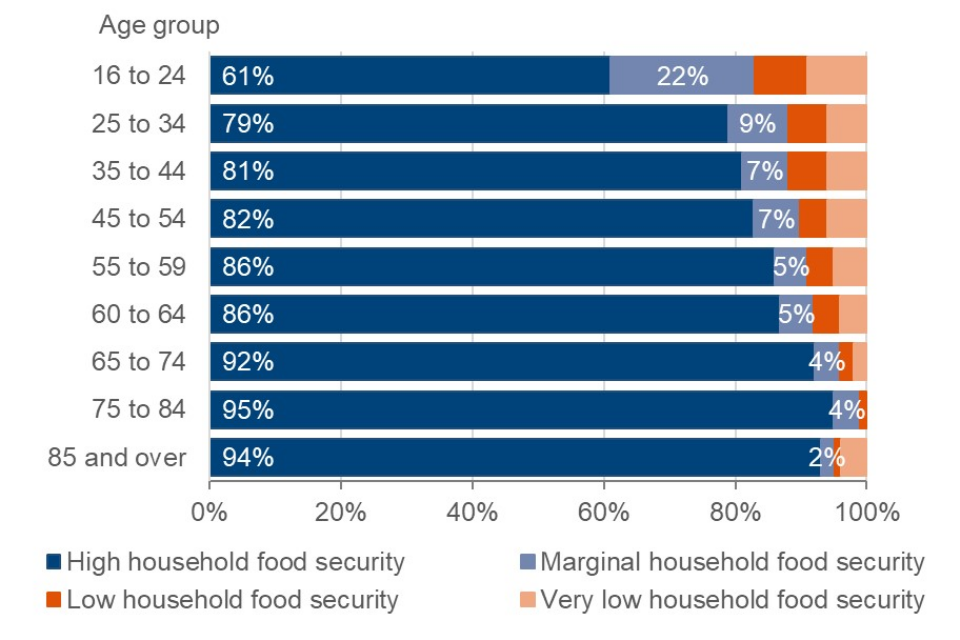
Households where the head was aged 25 to 54 had similar levels of food security. The proportion of food secure households was greater where the head was aged 65 and above. It should be noted that the 16-to 24‑year‑old group had a smaller sample size than other age groups.
See table 9.4 for full data.
Household food security status and food bank usage by tenure and age group, 2024 to 2025, United Kingdom
Households in the social rented sector were the most likely to be food insecure and to have used a food bank.
Household food security varied by tenure. Across all households, those owned outright were more likely to be food secure (98%) than those in the social rented (72%) or private rented (88%) sectors. Food security for those in the social rented sector dropped to 66% when the head was of working age.
Households in the social rented sector also had the highest food bank usage:
- across all households: 5% within the last 30 days and 14% within the last 12 months
- where the head was of working age: 7% within the last 30 days and 17% within the last 12 months
See tables 9.10 and 9.22 for full data.
Household food security status and food bank usage by household composition, 2024 to 2025, United Kingdom
Households with children were less likely to be food secure and more likely to have used a food bank than households without children.
Households with children were more likely to be food insecure (6% low; 6% very low) compared with households without children (3% low; 4% very low). Similarly, food bank usage was more likely for households with children (2% within the last 30 days; 6% within the last 12 months), compared with households without children (1% within the last 30 days; 3% within the last 12 months).
Households with one or more disabled adults were less likely to be food secure and more likely to have used a food bank.
Households with one or more disabled adults were more likely to be food insecure (6% low, 8% very low) compared with households with no disabled adults (2% low; 2% very low). Similarly, households with one or more disabled adults were more likely to have used a food bank (3% within the last 30 days; 6% within the last 12 months), compared with households without disabled adults (less than 1% within the last 30 days and 1% within the 12 last months).
See tables 9.3, 9.5, 9.15 and 9.17 for full data.
Household food security status and food bank usage by educational attainment of head, 2024 to 2025, United Kingdom
Households where the head had a higher educational attainment were more likely to be food secure.
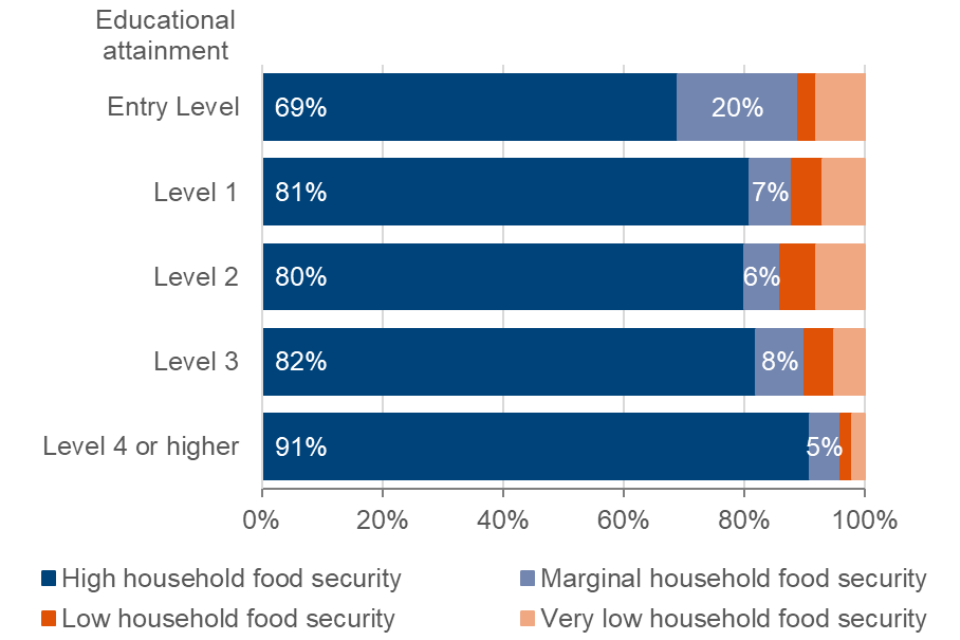
Food security generally increased with the level of educational attainment.
Households with Level 4 or higher qualifications were more likely to be food secure at 95%. In contrast, households with Entry Level qualifications had the lowest level of “High household food security” at 69%; the next lowest in this category was Level 2 qualification households (80%).
For information on how education levels are harmonised between Scotland and other parts of the UK, see the qualifications harmonised standard.
Households where the head had a higher educational attainment were less likely to have used a food bank.
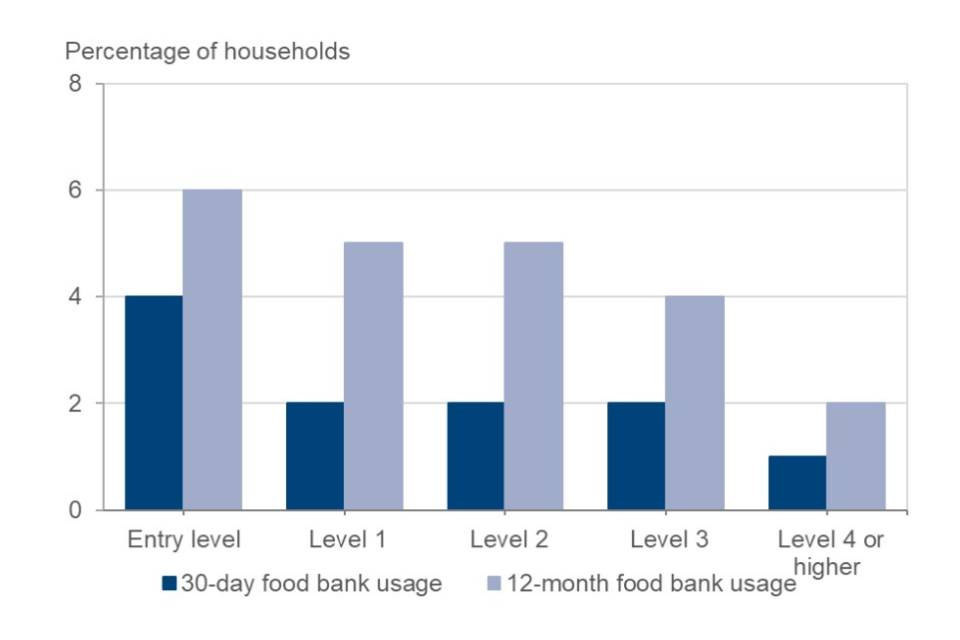
Households with Entry Level qualifications were most likely to have used a food bank in the past 30 days (4%) and 12 months (6%), compared with all households (1% and 3% respectively).
See tables 9.6 for household food security data and 9.18 for food bank data.
10. Childcare
The FRS has asked questions on childcare for several years. The questions are put to people with children under 16 and focus on the seven days prior to the interview. The FRS collects information on childcare for each child separately; and then on which kind of childcare provider is used for that child. This is because one child can use several different types of childcare.
- The statistics in this chapter refer to both “formal” and “informal” childcare. This means they encompass all types of care including playgroups, nurseries, breakfast clubs and after-school clubs, childminders, nannies and au pairs, as well as relatives and friends who look after the child.
- Childcare is defined as care provided for a child aged up to 16 years old, and where they are of school age, outside of core educational hours (school lessons).
Further details on the definitions and categories of childcare used in the FRS questionnaire are available in the Background Information and Methodology.
Families with children and using childcare by type of childcare provider used, 2024 to 2025, United Kingdom
The proportion of families with children using formal childcare only was higher than those using informal childcare only.
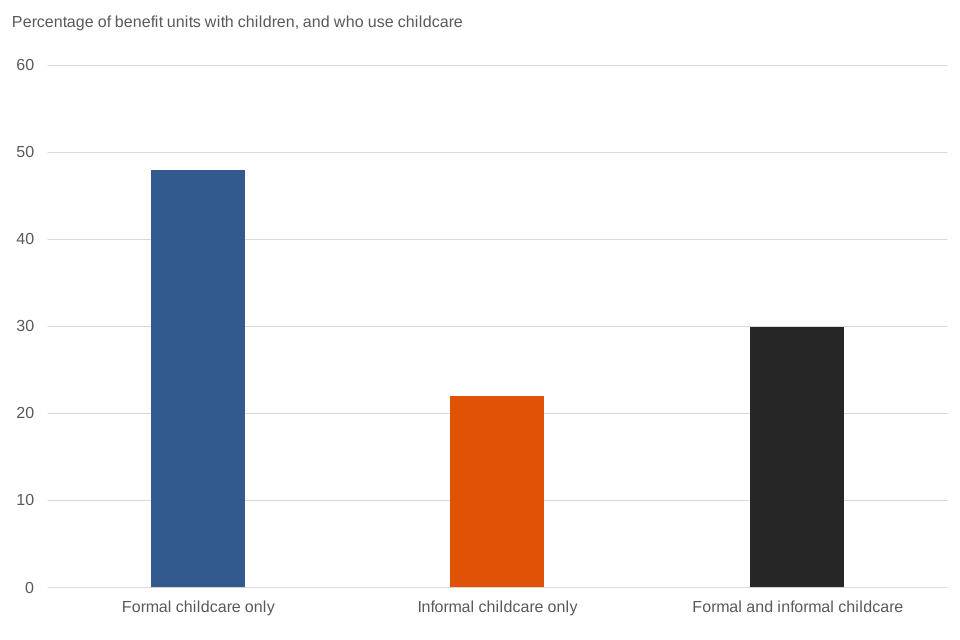
Of all families with children, 52% reported using a form of childcare. These families were then asked about their use of formal and informal childcare. Formal childcare was more prevalent; 48% used formal childcare only, compared with 22% who used informal childcare only. Thirty per cent of families with children who use childcare were using both formal and informal childcare.
See table 10.1 for full data.
Families with children and using childcare by type of childcare provider used, 2024 to 2025, United Kingdom
Among families using childcare, there were regional differences in the type used.
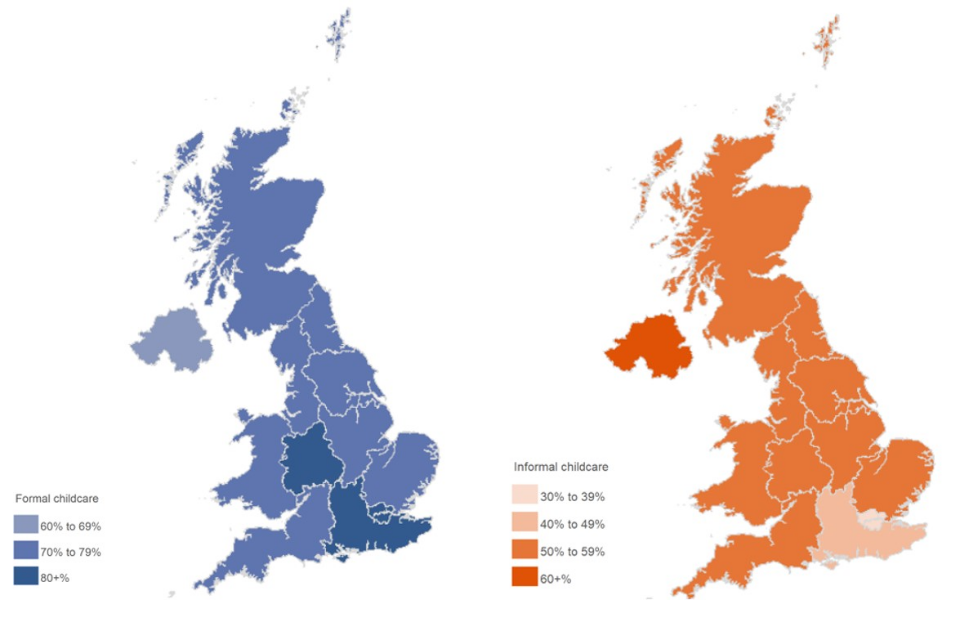
There were geographical variations in childcare use. Families in Scotland and Northern Ireland reported lower use of formal childcare (74% and 65% respectively) than families in England and Wales (79% and 78% respectively). Conversely, informal childcare use was lower in England (50%) and Wales (57%) and Scotland (59%) when compared with Northern Ireland (70%).
Within England, childcare-using families in London, the West Midlands and the South East all made greater use of formal childcare than other regions. Conversely, childcare-using families in the East Midlands, North East and the North West were more likely to use informal childcare.
See table 10.6 for full data.
Children for whom childcare is used, by child’s age and type of childcare, 2024 to 2025, United Kingdom
Among children using childcare, the mix of childcare type varied by age group.
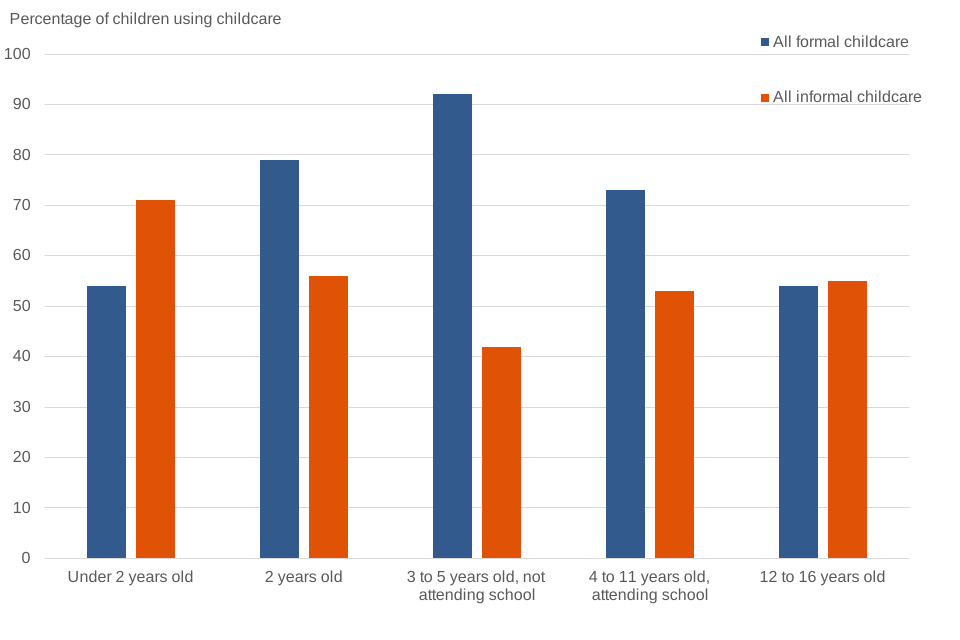
Among children for whom childcare was used:
- of children aged 3 to 5 years old, and not attending school, 92% used some kind of formal childcare, with 42% using informal childcare
- this contrasts with children in the oldest age group, which show a relatively smaller difference between use of formal and informal childcare
- for children of school age, and where formal childcare was used, after-school clubs were the most-used type (used by 48% of 4 to 11-year-olds and 46% of 12 to 16-year-olds)
- in contrast, for pre-school children, daycare was by far the most-used type of formal childcare
Where informal childcare was used, the majority of all age groups were using family members as a childcare provider. They were used most by children under 2 years old (68%) and the least by children aged 3 to 5 years old and not attending school (40%).
See table 10.3 for full data.
11. About these statistics
The FRS datasets and published information are accredited official statistics, which are called National Statistics in the Statistics and Registration Service Act 2007. They were independently reviewed by the Office for Statistics Regulation (OSR) in 2011 and confirmed as National Statistics by the OSR in November 2012. This designation means they comply with the highest standards of trustworthiness, quality and value in the Code of Practice for Statistics and are labelled ‘accredited official statistics’.
It is DWP’s responsibility to maintain compliance with the standards expected of accredited official statistics. If DWP becomes concerned about whether these statistics are still meeting the appropriate standards, we will discuss any concerns with the OSR. Accredited official statistics status can be removed at any point when the highest standards are not maintained, and reinstated when standards are restored. Read further information about accredited official statistics.
Other official and accredited official statistics
Read about other DWP statistics. DWP announce the release dates of official and accredited official statistics, in accordance with the Code.
Status development
Since the last review by the OSR, we have continued to comply with the Code of Practice for Statistics, and have made a number of improvements which are described in the Background Information and Methodology section. For the 2024 to 2025 survey year we have also made these improvements:
- the expanded use of DWP administrative data. This year, 2024 to 2025, features an improved approach to using administrative data in place of survey responses. Benefits information for the major state benefits and tax credits is now based wholly on administrative data sources. For further details, please refer to the accompanying technical paper.
- changes on specific topics were approved and implemented in the FRS 2024 to 2025 questionnaire, following the annual questionnaire consultation exercise. These included: approach to marital status to harmonise with other major surveys and the Census; identification of participation in Collective Defined Contribution (CDC) pension schemes; removal and imputation of certain Council Tax questions to improve efficiency; enhancing the childcare attendance questions; and the removal of mandatory Class 2 National Insurance Contributions (NICs).
- due to the reduced number of council tax questions in the survey, and the potential impact this may have had on Council Tax Reduction (CTR) self‑reporting, a stricter cleaning regime was applied to CTR amount responses. This methodological change has improved the accuracy of the data this year and will continue to do so going forward.
- added the new Table 7.13 to the Savings and Investment chapter (by ethnicity); and retained the versions of the tables in this chapter which show the updated savings bands, culminating in a “£500,000 or more” band.
In addition, FRS statistics continue to be available via the Stat-Xplore online tool. Stat-Xplore can be used to create bespoke tables and statistics, across a very wide range of FRS variables. Several years of data, going back to the 2002 to 2003 survey year, have been released; this year’s data has now been added. For more information please see the FRS release strategy.
Upgrades to previous FRS years
For the 2021 to 2022 year in isolation, we have corrected values for the variable DVHIQUAL (known in later years as EDUCQUAL), the adult’s “highest level of qualification”.
For the survey years back to 2021 to 2022 we have updated all FRS datasets for the integration of DWP administrative data on state benefits and tax credits. This change has been applied in the same way as the new 2024 to 2025 survey year. These datasets will be released via the same channels as the new 2024 to 2025 dataset. We will also update Stat Xplore data for these developments, in the years back to 2021 to 2022.
We intend to make the same change to three further back series years, 2018 to 2019, 2019 to 2020 and 2020 to 2021, and will communicate the timing of these via the FRS release strategy.
12. Using the FRS for analysis
The Family Resources Survey is designed to be representative of all private households in the UK. Some individuals are not included, for example, students in halls of residence or residents of nursing homes.
There remain areas where users are advised to exercise caution: When using data from the 2020 to 2021 and 2021 to 2022 survey years, and especially when comparing these years to other survey years. More details on how the results for the 2020 to 2021 and 2021 to 2022 survey years were affected by the pandemic, can be found in the FRS 2020 to 2021 Background Information and Methodology and FRS 2021 to 2022 Background Information and Methodology documents.
Sample design and size
The Family Resources Survey uses a stratified, clustered, random sample. This is designed to produce robust regional estimates. The data is not suitable for analysis below regional level.
The FRS achieved sample in the 2024 to 2025 survey year was 16,288 households rather than the target achieved sample of 20,000.
At 16,299 households, the achieved sample is slightly smaller than that achieved in 2023 to 2024 (16,754). For 2024 to 2025, the issued sample was 59,044 (the same as in 2023 to 2024). Response rates have therefore continued to decrease. A key challenge comes from recruitment and retention of interviewers, alongside increasing rates of respondent refusal and respondent apathy.
Sampling error
Results from surveys are estimates and not precise figures. In general terms, the smaller the sample size, the greater the uncertainty of the estimates. Results in this report are subject to a margin of error which can affect how changes should be interpreted, especially between groups and in the short term.
Non-sampling error
Non-sampling errors are systematic inaccuracies in the sample when compared with the population. For example, people may give inaccurate responses, or certain groups of people may be less likely to respond.
Non-sampling error is minimised in the Family Resources Survey through effective and accurate sample and questionnaire design, active fieldwork management, the use of skilled and experienced interviewers and extensive quality assurance of the data.
However, it is not possible to eliminate non-sampling error completely, nor can it be easily quantified. With the expanded use of administrative data this year, the Family Resources Survey has materially improved the coverage of state benefit receipt. See table M.6a and the technical paper for more detail.
Where to find out more
Further outputs and tables, together with:
- a detailed background information and methodology document including a description of methodology, definitions, general guidance and alternative data sources, as well as further detail on the reliability of estimates
- a quality assessment report containing information on the Family Resources Survey data sources used by the Department for Work and Pensions, as well as quality assessments on each of them
- a release strategy document detailing future developments to do with the FRS
- a technical paper outlining the integration of DWP and HMRC administrative data, including the data linking approach, the replacement of survey-reported benefit information with administrative records, and changes to the back series
can be accessed from the Family Resources Survey collections page.
Other relevant material includes:
- A guide to contrasting income and earnings statistics to help identify the most appropriate statistic. The information in this guide can be used to compare income and earnings statistics to help you identify the most appropriate statistic for your needs.
Lead Statistician: M A Vaughan
ISBN: 978-1-78659-934-6