Quarterly vaccination coverage statistics for children aged up to 5 years in the UK (COVER programme): October to December 2025
Updated 12 October 2026

© Crown copyright 2026
This publication is licensed under the terms of the Open Government Licence v3.0 except where otherwise stated. To view this licence, visit nationalarchives.gov.uk/doc/open-government-licence/version/3 or write to the Information Policy Team, The National Archives, Kew, London TW9 4DU, or email: psi@nationalarchives.gov.uk.
Where we have identified any third party copyright information you will need to obtain permission from the copyright holders concerned.
This publication is available at https://www.gov.uk/government/statistics/cover-of-vaccination-evaluated-rapidly-cover-programme-2025-to-2026-quarterly-data/quarterly-vaccination-coverage-statistics-for-children-aged-up-to-5-years-in-the-uk-cover-programme-october-to-december-2025
Publication date: 26 March 2026
Health Protection Report
Volume 20 Number 3
This report of the cover of vaccination evaluated rapidly (COVER) programme presents quarterly coverage data for children in the UK who reached their first, second, or fifth birthday during the evaluation quarter (October to December 2025).
The full coverage data by country, region, and upper tier local authority (UTLA) is contained in the data tables accompanying this report.
Main points
In comparison with the previous quarter:
-
coverage in England measured in children aged 12 months increased by 0.1 percentage points for the 6-in-1 vaccine; decreased by 0.1 percentage points for the PCV1 vaccine; increased by 0.4 percentage points for the rotavirus vaccine and increased by 0.2 percentage points for the MenB vaccine
-
coverage in the UK measured in children aged 12 months increased by 0.1 percentage points for the 6-in-1 vaccine; decreased by 0.2 percentage points for the PCV1 vaccine; increased by 0.3 percentage points for the rotavirus vaccine and increased by 0.2 percentage points for the MenB vaccine
-
coverage of the first dose of MMR measured at 24 months (in children who first became eligible between October 2024 and December 2024) decreased by 0.3 percentage points in England and decreased by 0.4 percentage points in the UK
-
coverage of the first dose of MMR measured in children aged 5 years increased by 0.3 percentage points in England, largely reflecting vaccinations delivered in October 2021 to December 2021 and MMR catch-up campaigns in 2023 to 2024
-
UK coverage for the pre-school booster (dTaP/IPV) decreased by 0.1 percentage points and MMR2 increased by 0.2 percentage points, reflecting vaccinations that should have been delivered between February 2024 to April 2024
-
both Scotland and Wales exceeded the 95% World Health Organization (WHO) target for coverage for both the 6-in-1 and MMR1 vaccines measured at 5 years
-
in England, vaccination coverage varies geographically and is lowest for all antigens in London as well as in more deprived areas
-
vaccination coverage measured this quarter remains below peaks in coverage reported in the previous 10-year period, and for a number of antigens, represents a continuation of an ongoing declining trend in coverage
Coverage at 12 months
Compared with the previous quarter, UK coverage for the 6-in-1 vaccine measured at 12 months increased by 0.1 percentage points to 90.8%, PCV1 coverage decreased by 0.2 percentage points to 92.5%, rotavirus increased by 0.3 percentage points to 88.8% and MenB increased by 0.2 percentage points to 91.0%.
In England, 12-month coverage of the 6-in-1 increased by 0.1 percentage points to 90.5%, MenB increased by 0.2 percentage points to 90.7%, rotavirus coverage increased by 0.4 percentage points to 88.6%, and PCV1 coverage decreased by 0.1 percentage points to 92.3%.
Across England excluding London (as this was the region with the lowest coverage), 6-in-1 coverage at 12 months was 91.6%, 1.1 percentage points higher than the overall England coverage; PCV1 coverage was 93.3%, 1.0 percentage points higher than the overall England coverage; rotavirus was 89.5%, 0.9 percentage points higher than the overall England coverage and MenB coverage was 91.8%, 1.1 percentage points higher than the overall England coverage.
In Scotland and Wales, coverage was 93% or above for all antigens at 12 months except rotavirus, which was 91.4% in Scotland and 90.8% in Wales. In Northern Ireland coverage was above 85% for all antigens.
Compared to the previous quarter, 6-in-1 coverage decreased in the Midlands (0.3 percentage points), the North West (0.4 percentage points), and the South West (0.3 percentage points).
There was an increase in 6-in-1 coverage in the East of England (0.3 percentage points), London (1.2 percentage points), the North East and Yorkshire (0.1 percentage points), and the South East (0.2 percentage points).
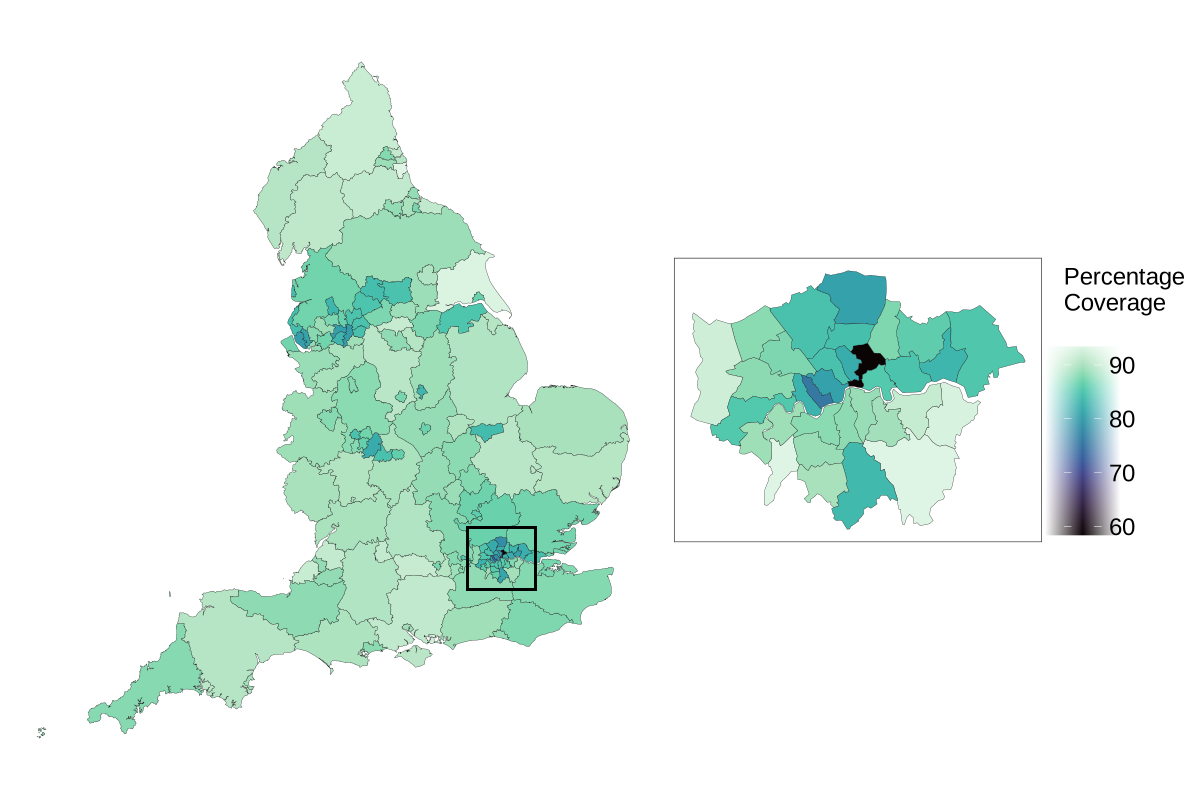
Coverage varies by geography. Full coverage data by country, NHS England region, UK Health Security Agency (UKHSA) region, and UTLA is contained in the data tables accompanying this report. Coverage for the 6-in-1 vaccine for quarter 3 2025 to 2026 by UTLA measured in children aged 12 months is presented in Figure 1.
Figure 1. Coverage of the 6-in-1 vaccine measured in children aged 12 months in England for quarter 3 2025 to 2026 by UTLA
Source of vaccine coverage data: UKHSA.
Source of boundaries: Office for National Statistics licensed under the Open Government Licence v.3.0 Contains OS data © Crown copyright and database right 2025.
Coverage of the 6-in-1 vaccine measured at 12 months varies by UTLA. The data underlying Figure 1 is available in the accompanying data file.
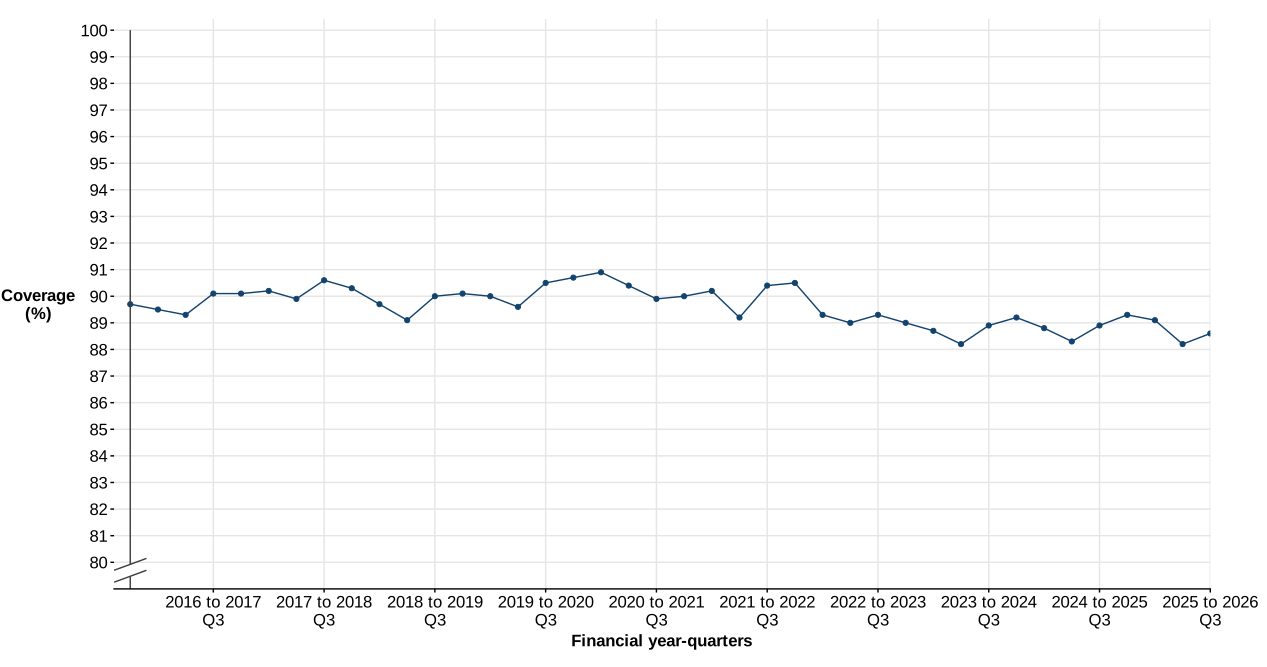
In England over the last 10 years, coverage for the 6-in-1 vaccine peaked at 93.4% in quarter 3 of 2016 to 2017, and at 90.5% this quarter was 2.9 percentage points lower than the peak (Figure 2a). Coverage of PCV1 in this quarter at 92.3% was 1.8 percentage points lower than the peak coverage of 94.1% in quarter 2 of 2022 to 2023 (Figure 2b). Rotavirus coverage this quarter was 2.3 percentage points lower than the peak of 90.9% in quarter 1 of 2020 to 2021 (Figure 2d), while MenB coverage was 2.3 percentage points lower than the peak of 93.0% in quarter 3 of 2017 to 2018 (Figure 2c).
Figure 2a. Coverage of the primary course of the 6-in-1 vaccine in England measured at 12 months between quarter 4 2015 to 2016 and quarter 3 2025 to 2026 [note 1]
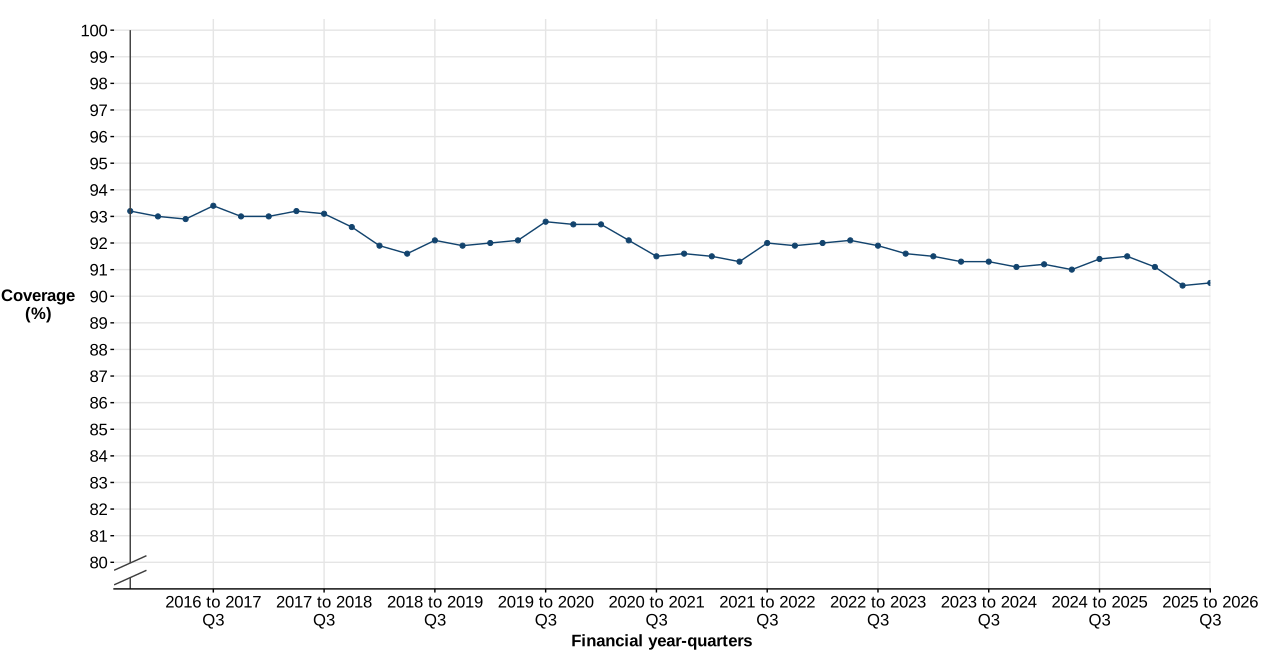
Note 1: the 5-in-1 (DTaP/IPV/Hib3) vaccine was used prior to August 2017 when it was replaced with the 6-in-1 vaccine (DTaP/IPV/Hib/HepB3). As a result, from quarter 4 of 2018 to 2019, coverage of the 6-in-1 vaccine is reported rather than the 5-in-1.
Figure 2b. Coverage of the PCV vaccine in England measured at 12 months between quarter 4 2015 to 2016 and quarter 3 2025 to 2026 [note 2]
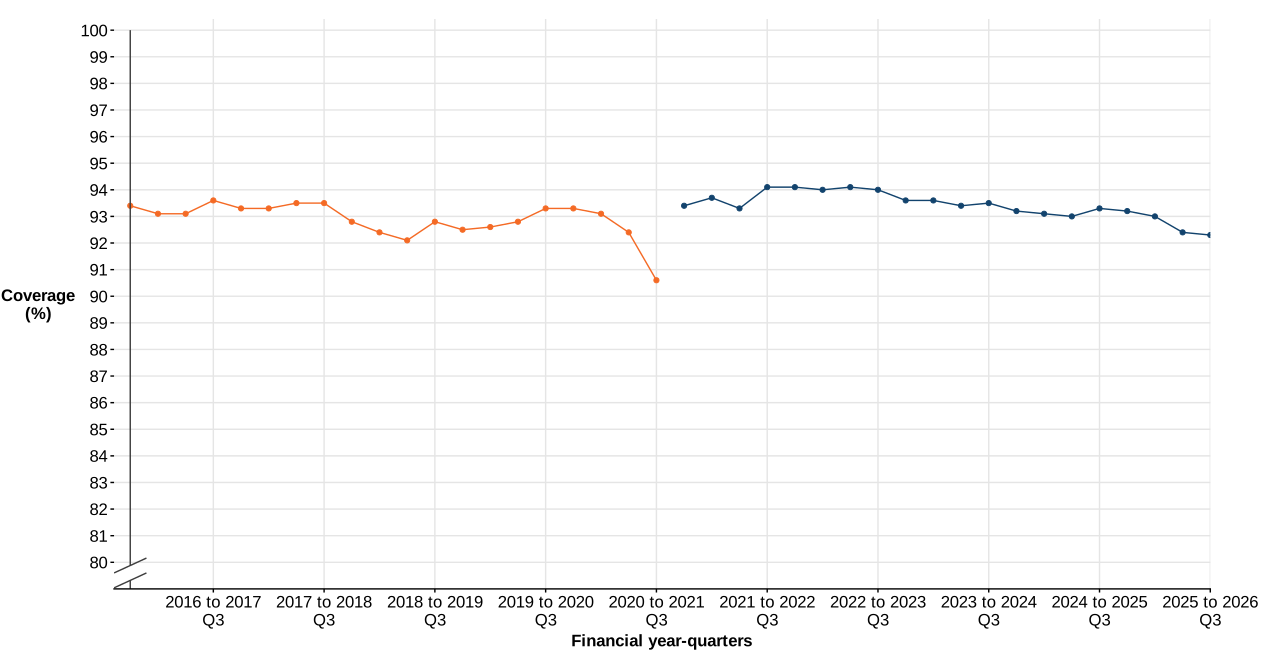
Note 2: from quarter 4 (January to March) 2020 to 2021, PCV1 rather than PCV2 is reported to reflect the change in the PCV schedule.
Figure 2c. Coverage of the MenB vaccine in England measured at 12 months between quarter 2 2016 to 2017 and quarter 3 2025 to 2026
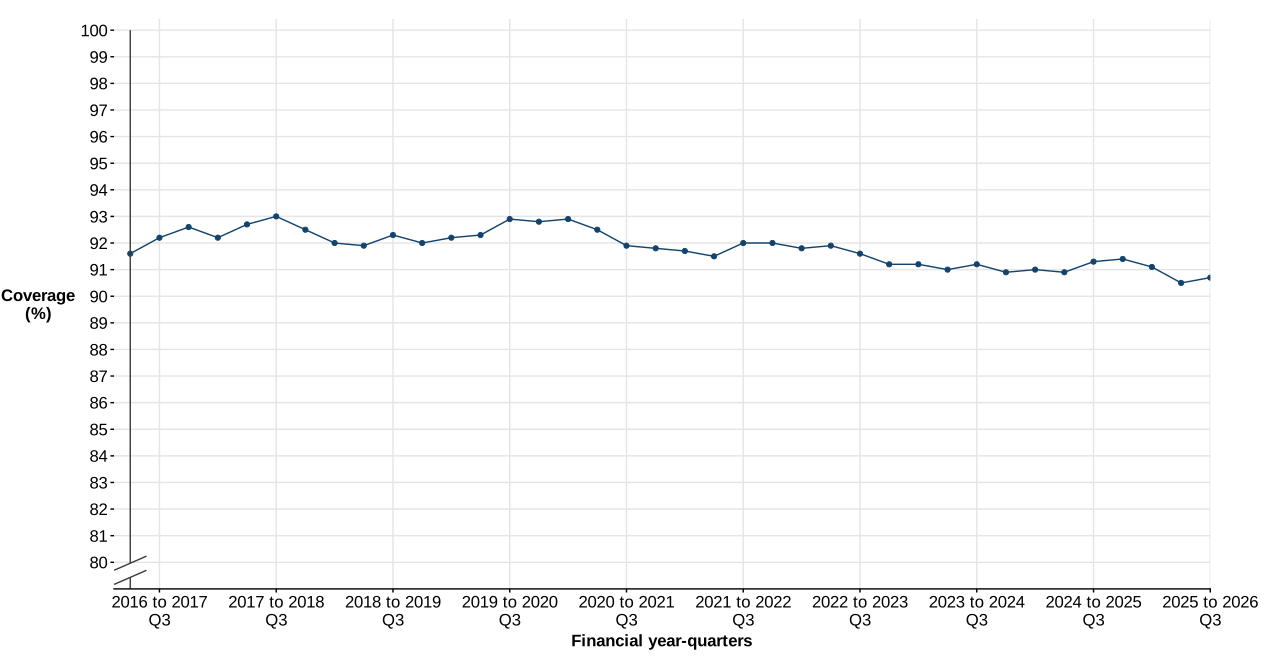
Figure 2d. Coverage of the rotavirus vaccine in England measured at 12 months between quarter 4 2015 to 2016 and quarter 3 2025 to 2026
Based on the 2025 IMD scores at the UTLA level, in the 30 least deprived UTLAs, coverage of the 6-in-1 increased by 0.2 percentage points to 92.9%. In comparison, in the 30 most deprived UTLAs, coverage of the 6-in-1 decreased by 0.4 percentage points to 86.2%, 6.7 percentage points lower than the 30 least deprived UTLAs. The difference in coverage between these groups has been increasing in the last 6 years, with coverage in the least deprived group remaining relatively stable and coverage in the most deprived group decreasing (Figure 3).
Figure 3. Coverage of the primary course of the 6-in-1 vaccine in the 30 most and least deprived local authorities in England, measured at 12 months

Coverage at 24 months
In the UK, compared with the previous quarter, coverage of the 6-in-1 vaccine increased by 0.1 percentage points to 92.8%, PCV booster coverage decreased by 0.4 percentage points to 87.9%, MMR1 coverage decreased by 0.4 percentage points to 88.2%, MenB booster coverage decreased by 0.4 percentage points to 87.4%, and Hib/MenC booster decreased by 0.7 percentage points to 87.8%.
In England, 24-month coverage of the 6-in-1 increased by 0.2 percentage points to 92.5%, MenB decreased by 0.3 percentage points to 86.9%, PCV booster coverage decreased by 0.3 percentage points to 87.4%, MMR1 decreased by 0.3 percentage points to 87.8%, and Hib/MenC decreased by 0.6 percentage points to 87.4%.
Across England excluding London (as this was the region with the lowest coverage), 6-in-1 coverage at 24 months was 93.7%, 1.2 percentage points higher than the overall England coverage; PCV booster coverage was 89.3%, 1.9 percentage points higher than the overall England coverage; MMR1 was 89.6%, 1.8 percentage points higher than the overall England coverage and MenB coverage was 88.9%, 2 percentage points higher than the overall England coverage; and Hib/MenC coverage was 89.3%, 1.9 percentage points higher than the overall England coverage.
In Scotland and Wales, coverage was above 91% for all antigens at 24 months. In Northern Ireland coverage was above 85% for all antigens.
Compared to the previous quarter, MMR1 coverage decreased in the East of England (0.3 percentage points), the Midlands (0.3 percentage points), the North East and Yorkshire (0.6 percentage points), the North West (0.4 percentage points), the South East (0.2 percentage points), and the South West (0.9 percentage points).
There was an increase in MMR1 coverage in London (0.2 percentage points).
Coverage varies by geography. Full coverage data by country, region, and UTLA is contained in the data tables accompanying this report.
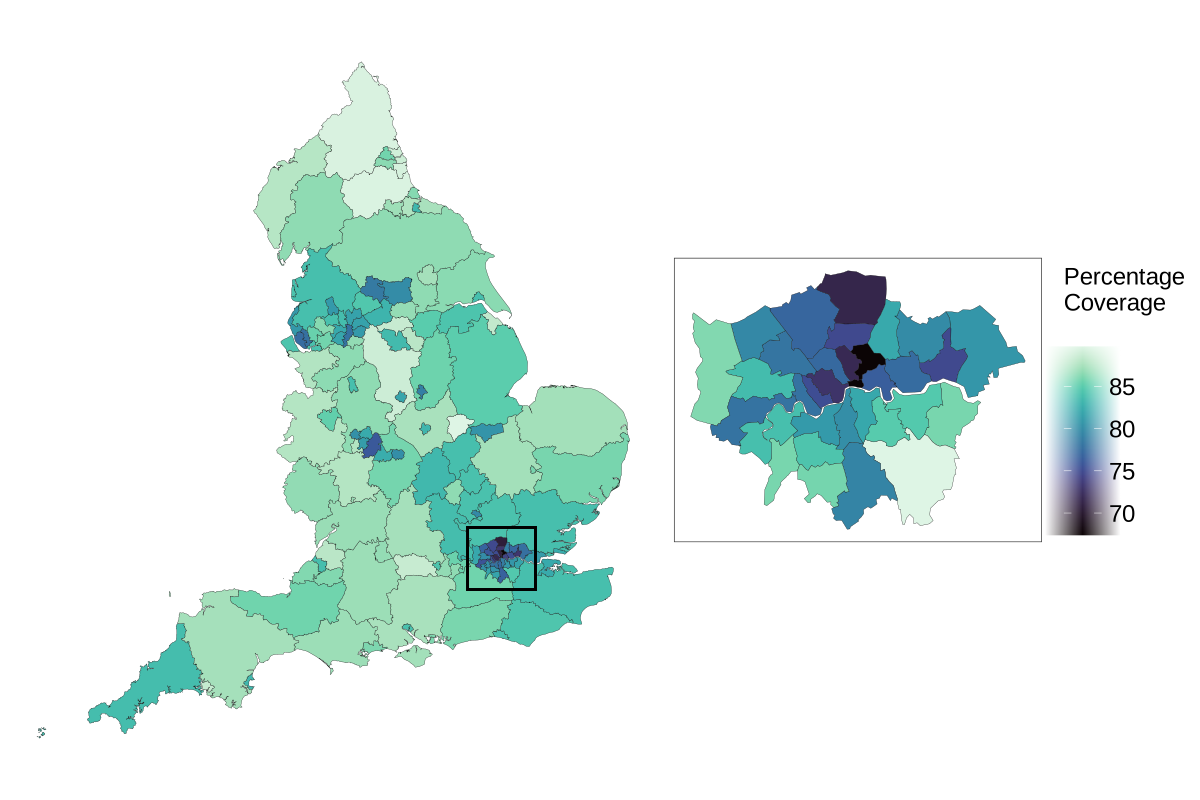
Coverage for the MMR1 vaccine for quarter 3 2025 to 2026 by UTLA measured at 24 months is presented in Figure 4.
Figure 4. Coverage of MMR1 vaccine measured in children aged 24 months in England for quarter 3 2025 to 2026 by UTLA
Source of vaccine coverage data: UKHSA.
Source of boundaries: Office for National Statistics licensed under the Open Government Licence v.3.0 Contains OS data © Crown copyright and database right 2025.
Coverage of the MMR vaccine measured at 24 months varies by UTLA. The data underlying Figure 4 is available in the accompanying data file.
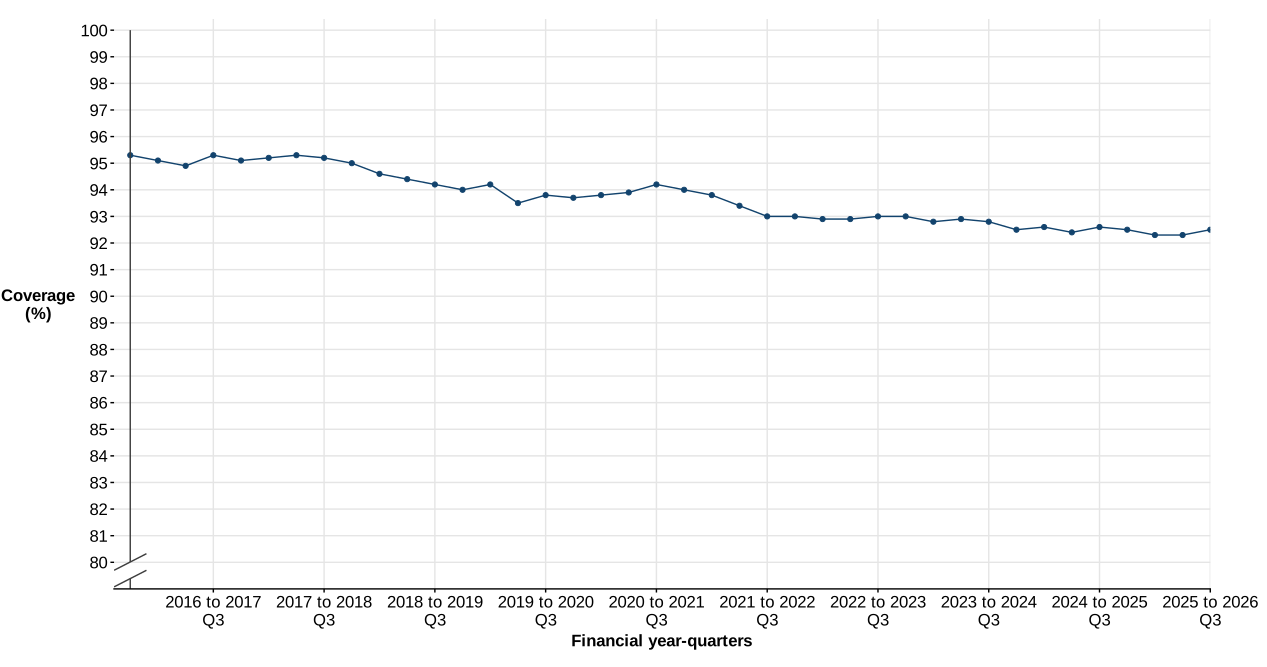
In England over the last 10 years, coverage for the 6-in-1 peaked in quarter 2 of 2017 to 2018 at 95.3%, 2.8 percentage points higher than the current quarter coverage of 92.5% (Figure 5a). For the PCV booster, coverage was 87.4%, 4.1 percentage points lower than the peak of 91.5% in quarter 3 of 2016 to 2017 (Figure 5b). At 87.4%, the Hib/MenC booster was 4.2 percentage points lower than the peak coverage of 91.6% in quarter 3 of 2016 to 2017 (Figure 5c). MMR1 peaked at 91.6% in quarter 3 of 2016 to 2017, 3.8 percentage points higher than the coverage of 87.8% in the current quarter (Figure 5d). MenB coverage was 86.9%, 2.6 percentage points lower than the peak of 89.5% in quarter 2 of 2020 to 2021 (Figure 5e).
Figure 5a. Coverage of the primary course of the 6-in-1 vaccine in England measured at 24 months between quarter 4 2015 to 2016 and quarter 3 2025 to 2026 [note 1]
Note 1: the 5-in-1 (DTaP/IPV/Hib3) vaccine was used prior to August 2017 when it was replaced with the 6-in-1 vaccine (DTaP/IPV/Hib/HepB3). As a result, from quarter 4 of 2018 to 2019, coverage of the 6-in-1 vaccine is reported rather than the 5-in-1.
Figure 5b. Coverage of the PCV booster in England measured at 24 months between quarter 4 2015 to 2016 and quarter 3 2025 to 2026
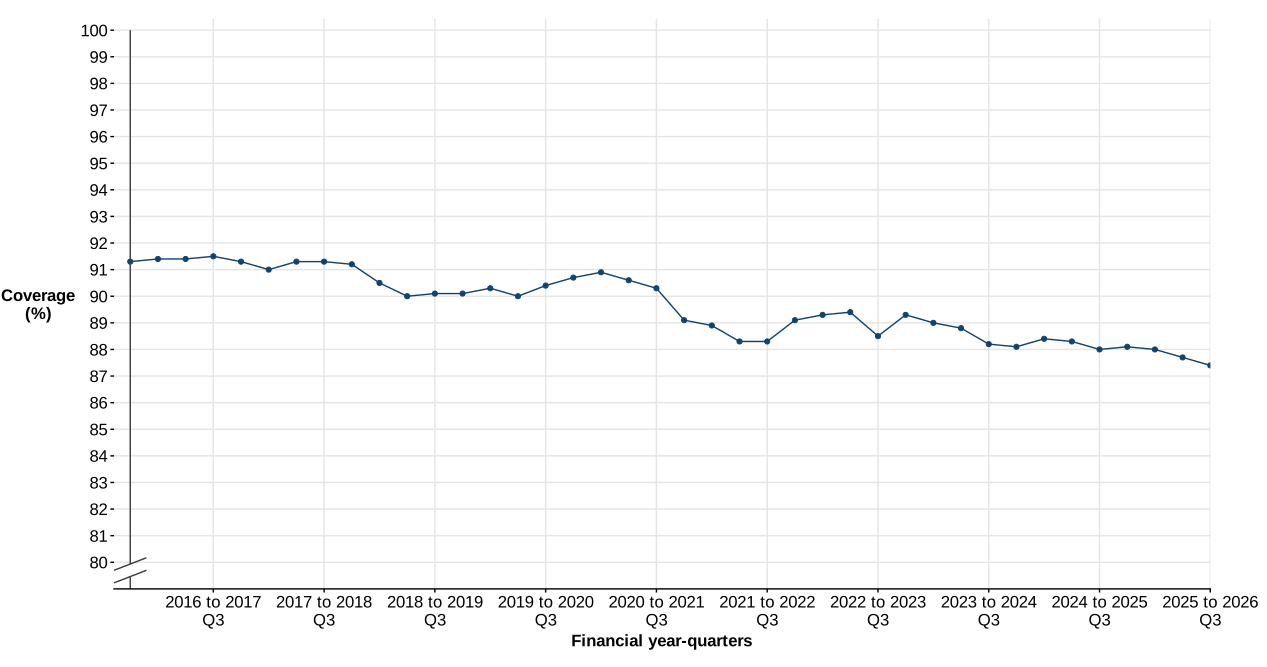
Figure 5c. Coverage of the Hib/MenC booster in England measured at 24 months between quarter 4 2015 to 2016 and quarter 3 2025 to 2026
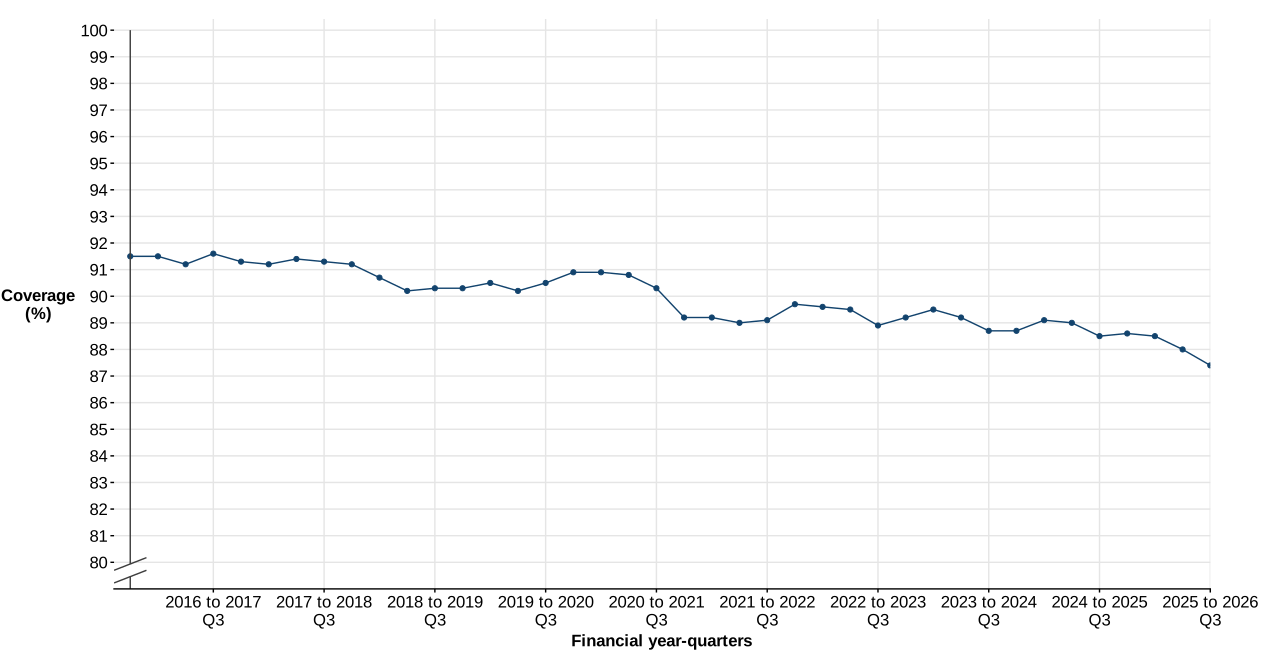
Figure 5d. Coverage of the MMR1 in England measured at 24 months between quarter 4 2015 to 2016 and quarter 3 2025 to 2026
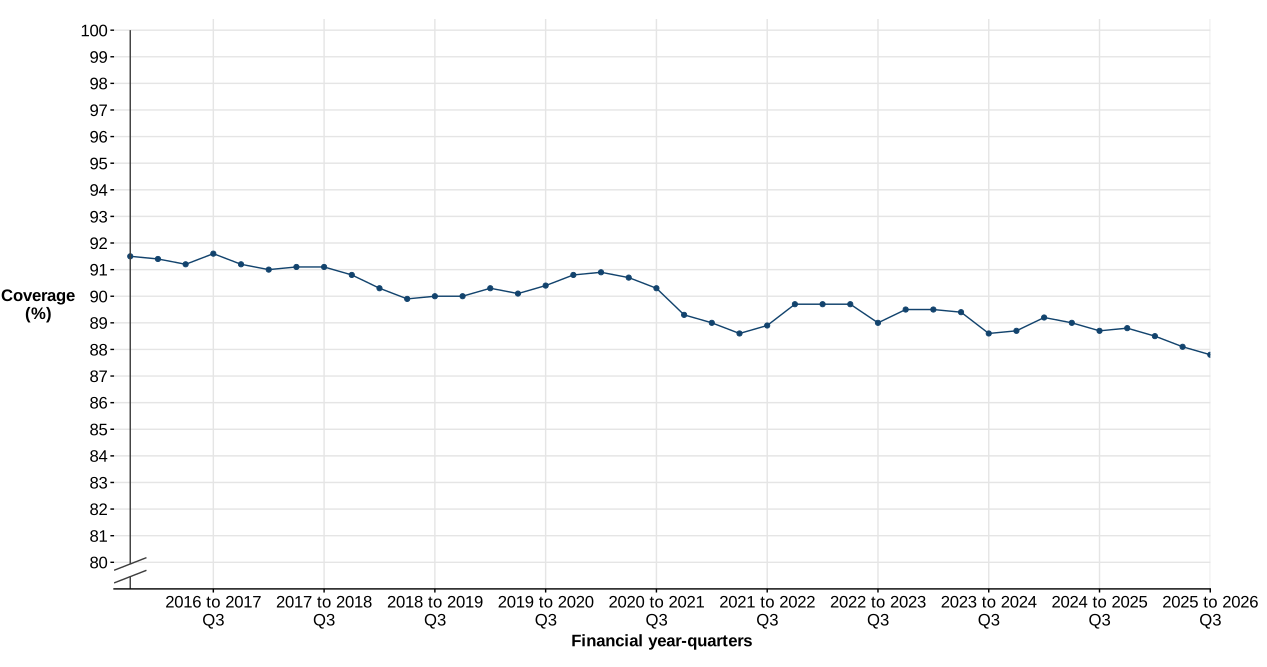
Figure 5e. Coverage of the MenB booster in England measured at 24 months between quarter 3 2017 to 2018 and quarter 3 2025 to 2026
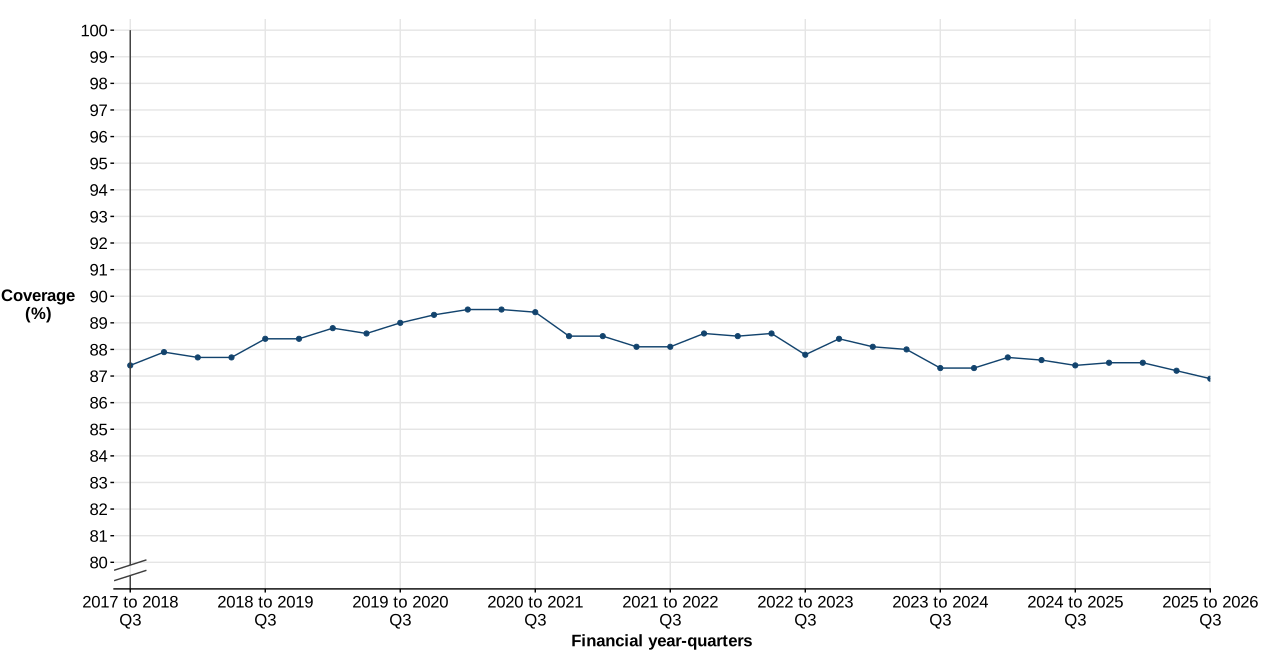
Based on the 2025 IMD scores at the UTLA level, in the 30 least deprived UTLAs, coverage of MMR decreased by 0.4 percentage points to 90.8%. In comparison, in the 30 most deprived UTLAs, coverage of MMR decreased by 0.6 percentage points to 82.9%, 7.9 percentage points lower than the 30 least deprived UTLAs. The difference in coverage between these groups has been increasing in the last 6 years, with coverage in the least deprived group remaining relatively stable and coverage in the most deprived group decreasing (Figure 6a).
Figure 6a. Coverage of the MMR1 vaccine in the 30 most and least deprived local authorities in England, measured at 24 months
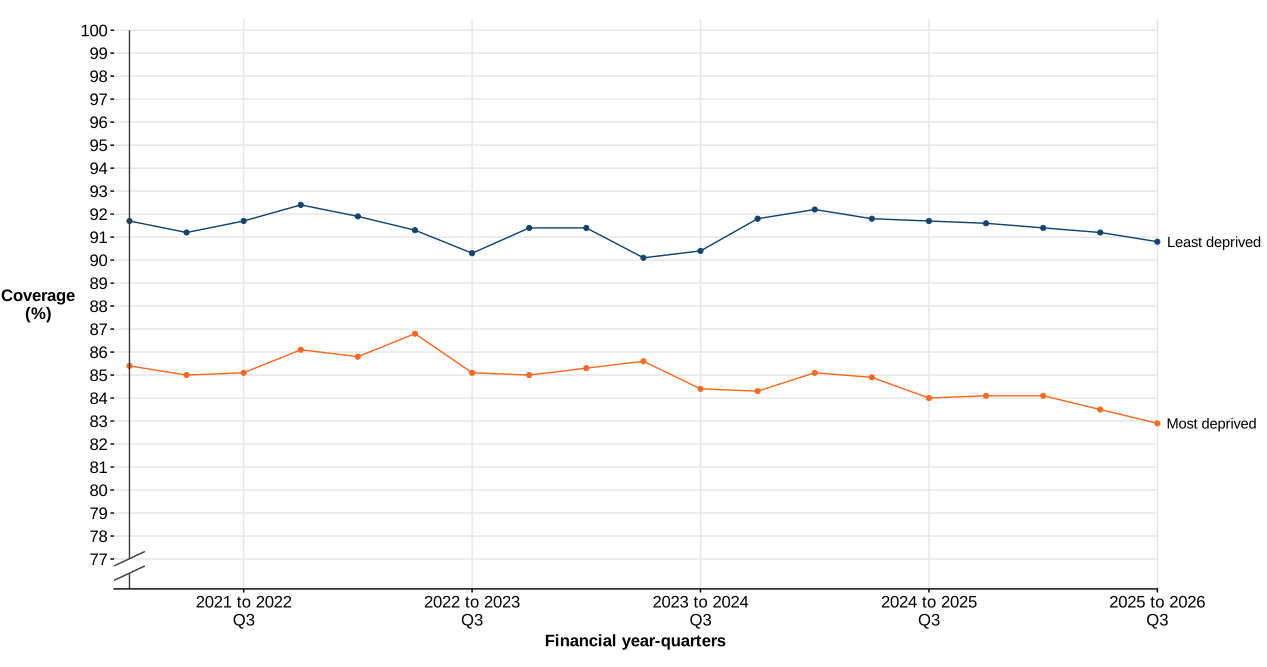
In contrast, for the 6-in-1, while there is a gap of 5.1 percentage points between the 30 most and least deprived UTLAs, the gap has remained relatively stable over time (Figure 6b).
Figure 6b. Coverage of the primary course of the 6-in-1 vaccine in the 30 most and least deprived local authorities in England, measured at 24 months

Coverage at 5 years
For the 6-in-1 vaccine, coverage in the UK increased by 0.3 percentage points to 93.5% and MMR1 increased by 0.2 percentage points to 92.6%. Coverage at 5 years for these vaccines primarily reflects vaccinations delivered 4 years ago in addition to MMR vaccines delivered during national and regional catch-up activities conducted in England during November 2023 and April 2024.
MMR2 and the preschool booster (dTaP/IPV) were given from age 3 years and 4 months and reflect vaccinations that should have been delivered between February 2024 and April 2024.
MMR2 coverage increased by 0.2 percentage points to 84.5% and dTaP/IPV booster decreased by 0.1 percentage points to 82.8%. Hib/MenC decreased by 0.1 percentage points to 90.1%.
In England, coverage at 5 years of the 6-in-1 increased by 0.5 percentage points to 93.2%, MMR1 coverage increased by 0.3 percentage points to 92.3%, MMR2 coverage increased by 0.3 percentage points to 83.8%, Hib/MenC remained stable at 89.5%, and dTaP/IPV remained stable at 81.8%.
Across England excluding London (as this was the region with the lowest coverage), 6-in-1 coverage at 5 years was 94.4%, 1.2 percentage points higher than the overall England coverage, MMR1 was 93.7%, 1.4 percentage points higher than the overall England coverage, MMR2 coverage was 86.7%, 2.9 percentage points higher than the overall England coverage, dTaP/IPV coverage was 85.2%, 3.4 percentage points higher than the overall England coverage and Hib/MenC coverage was 91.4%, 1.9 percentage points higher than the overall England coverage.
Both Scotland and Wales met or exceeded the 95% WHO target for coverage for both the 6-in-1 and MMR1 vaccines measured at 5 years, while coverage in Northern Ireland was above 92%.
Compared to the previous quarter, MMR1 coverage decreased in the South East (0.1 percentage points).
There was an increase in MMR1 coverage in the East of England (0.1 percentage points), London (0.8 percentage points), the Midlands (0.3 percentage points), the North West (0.5 percentage points), and the South West (0.5 percentage points).
MMR1 coverage was stable in the North East and Yorkshire.
Coverage of MMR2 also decreased in the South East (0.2 percentage points).
Coverage of MMR2 increased in the East of England (0.5 percentage points), London (1 percentage points), the Midlands (0.1 percentage points), the North East and Yorkshire (0.5 percentage points), the North West (0.5 percentage points), and the South West (0.3 percentage points).
Coverage varies by geography. Full coverage data by country, region, and UTLA is contained in the data tables accompanying this report.
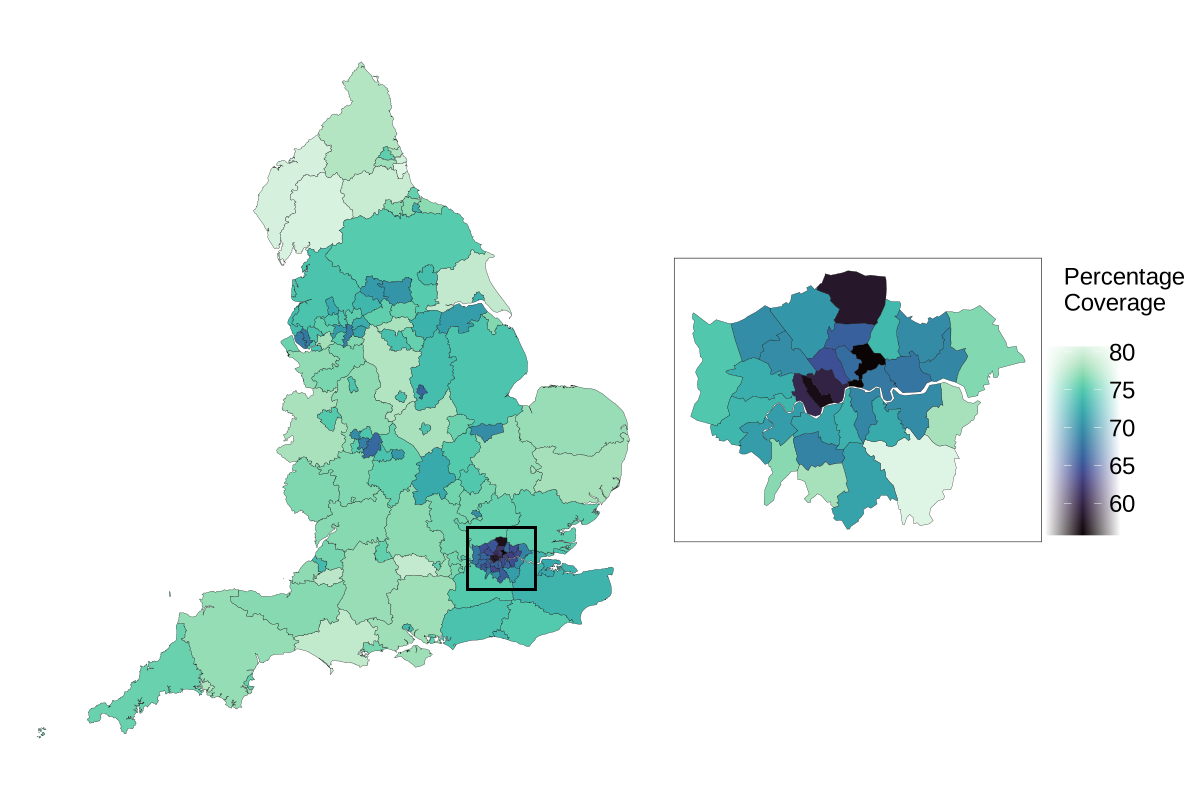
Coverage for the MMR2 vaccine for quarter 3 2025 to 2026 by UTLA measured in children aged 5 years is presented in Figure 7.
Figure 7. Coverage of MMR2 vaccine measured in children aged 5 years in England for quarter 3 2025 to 2026 by UTLA.
Source of vaccine coverage data: UKHSA.
Source of boundaries: Office for National Statistics licensed under the Open Government Licence v.3.0 Contains OS data © Crown copyright and database right 2025.
Coverage of the MMR2 vaccine measured at 5 years varies by UTLA. The data underlying Figure 7 is available in the accompanying data file.
In England over the last 10 years, coverage of the 6-in-1 vaccine was 2.8 percentage points lower this quarter than the peak of 96.0% in quarter 2 of 2017 to 2018 (Figure 8a). MMR1 was down by 3.3 percentage points from a peak of 95.6% in quarter 1 of 2017 to 2018 (Figure 8b). MMR2 was down by 4.4 percentage points when compared with 88.2% coverage reported in quarter 4 of 2015 to 2016 (Figure 8c). The pre-school booster was 4.9 percentage points lower than at its peak of 86.7% in quarter 4 of 2015 to 2016, and Hib/MenC coverage was 3.6 percentage points lower than the peak of 93.1% in quarter 2 of 2017 to 2018 (Figures 8d and 8e).
Figure 8a. Coverage of the primary course of the 6-in-1 vaccine in England measured at 5 years between quarter 4 2015 to 2016 and quarter 3 2025 to 2026 [note 1]
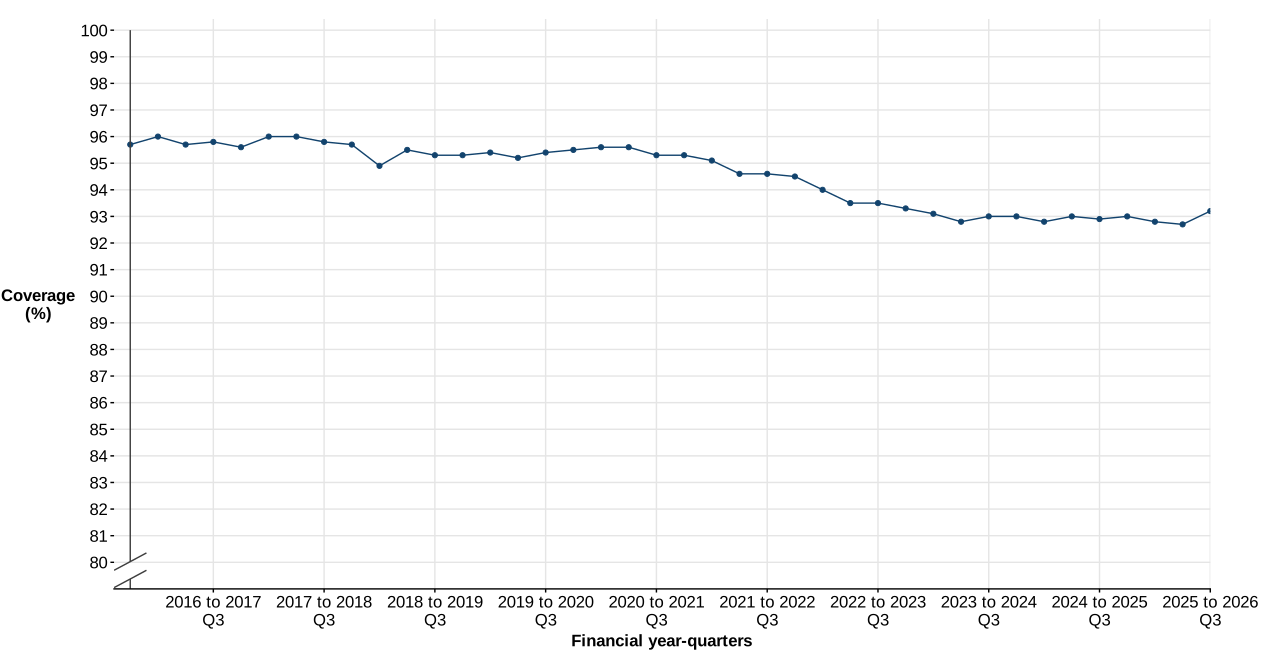
Note 1: the 5-in-1 (DTaP/IPV/Hib3) vaccine was used prior to August 2017 when it was replaced with the 6-in-1 vaccine (DTaP/IPV/Hib/HepB3). As a result, from quarter 4 of 2018 to 2019, coverage of the 6-in-1 vaccine is reported rather than the 5-in-1.
Figure 8b. Coverage of MMR1 in England measured at 5 years between quarter 4 2015 to 2016 and quarter 3 2025 to 2026
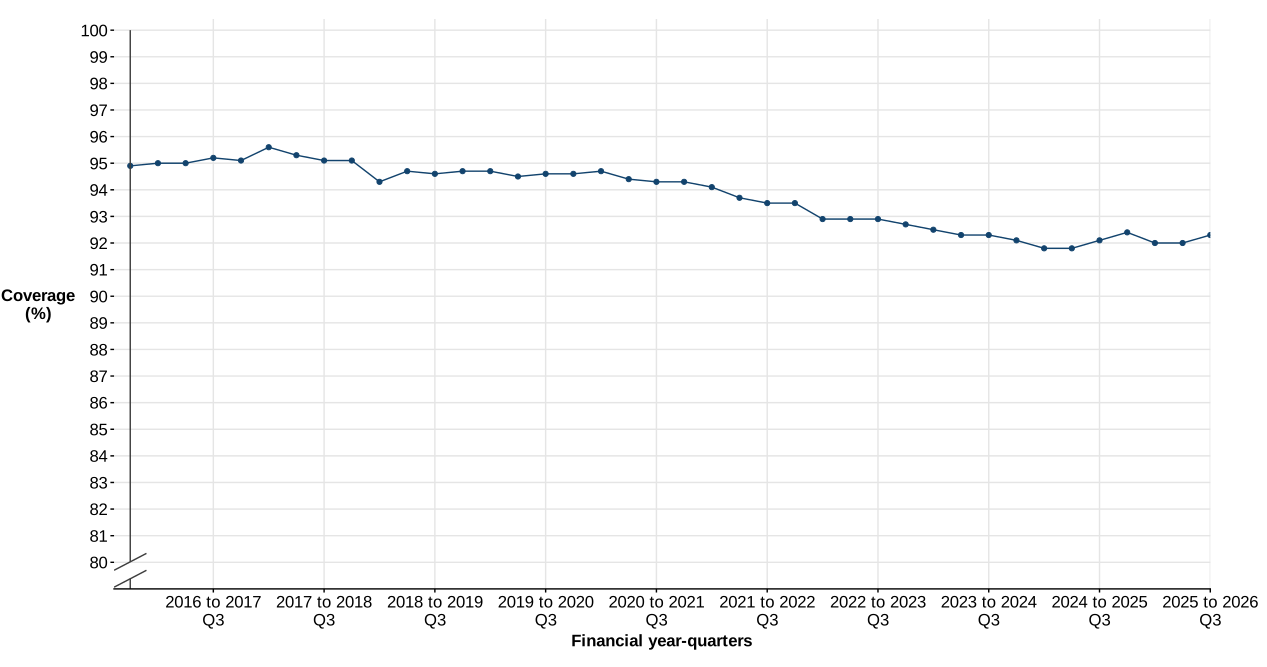
Figure 8c. Coverage of MMR2 in England measured at 5 years between quarter 4 2015 to 2016 and quarter 3 2025 to 2026
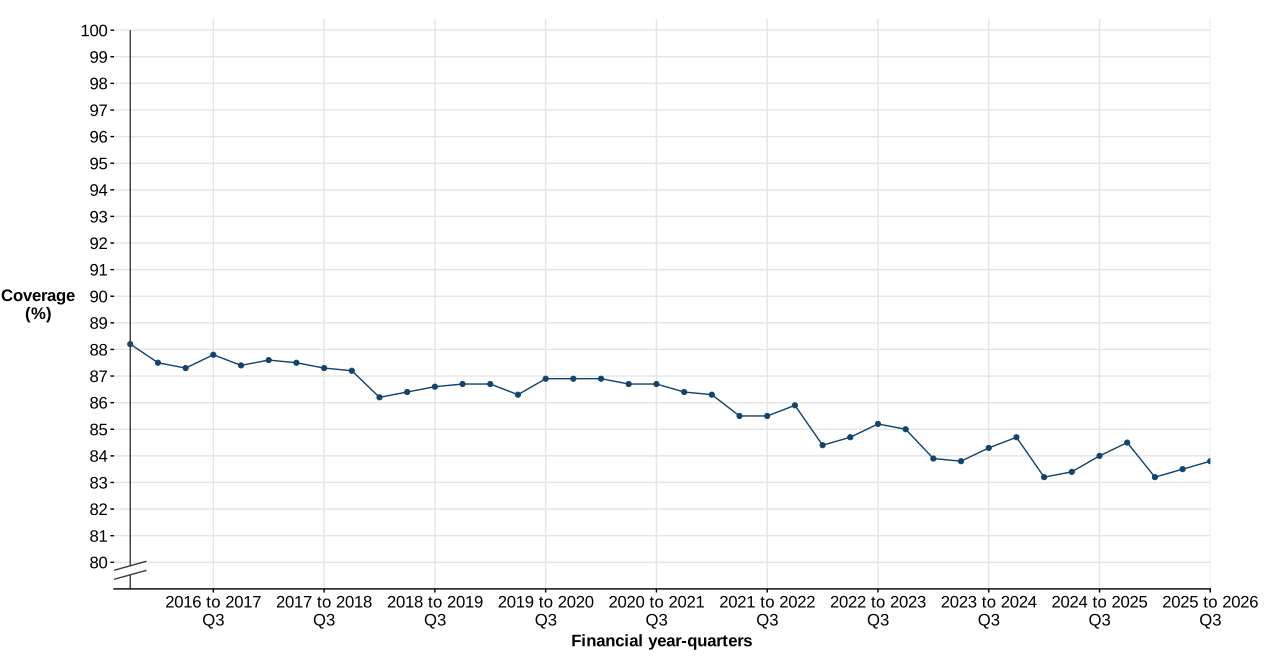
Figure 8d. Coverage of pre-school booster (dTaP/IPV) in England measured at 5 years between quarter 4 2015 to 2016 and quarter 3 2025 to 2026
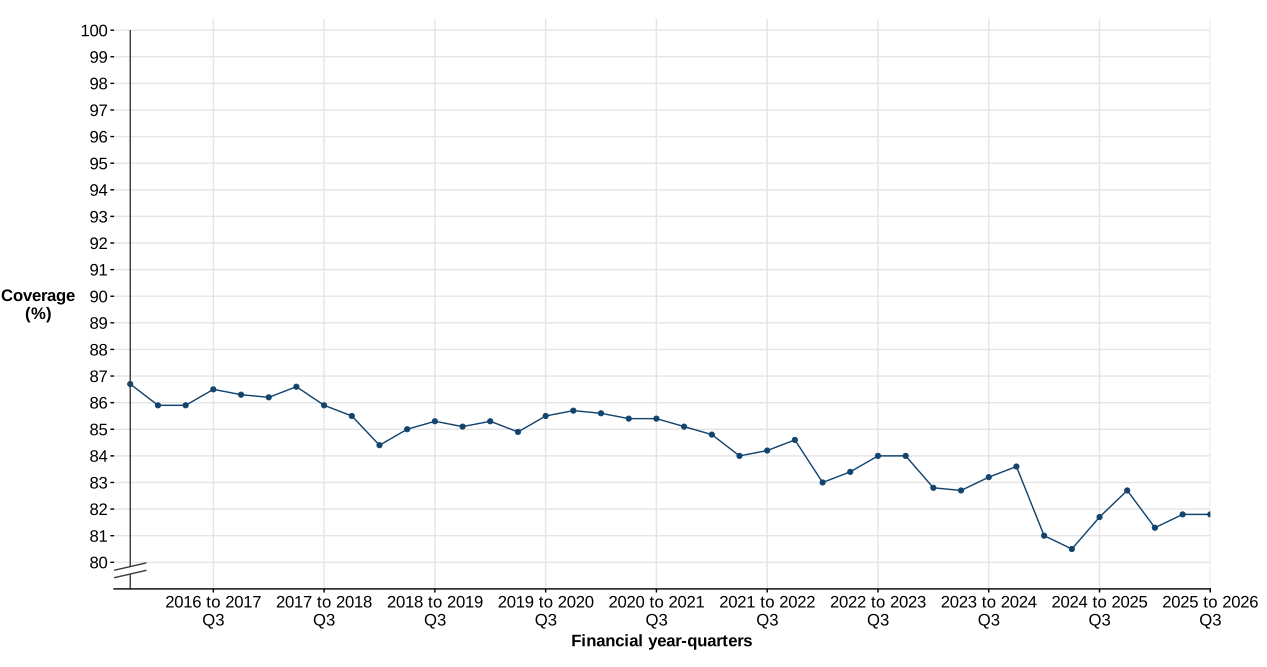
Figure 8e. Coverage of the Hib/MenC booster in England measured at 5 years between quarter 4 2015 to 2016 to 2015 and quarter 3 2025 to 2026

Based on the 2025 IMD scores at the UTLA level, in the 30 least deprived UTLAs, coverage of MMR2 increased by 0.1 percentage points to 87.5%. In comparison, in the 30 most deprived UTLAs, coverage of MMR2 increased by 0.4 percentage points to 78.3%, 9.2 percentage points lower than the 30 least deprived UTLAs (Figure 9a).
Figure 9a. Coverage of the MMR2 vaccine in the 30 most and least deprived local authorities in England, measured at 5 years
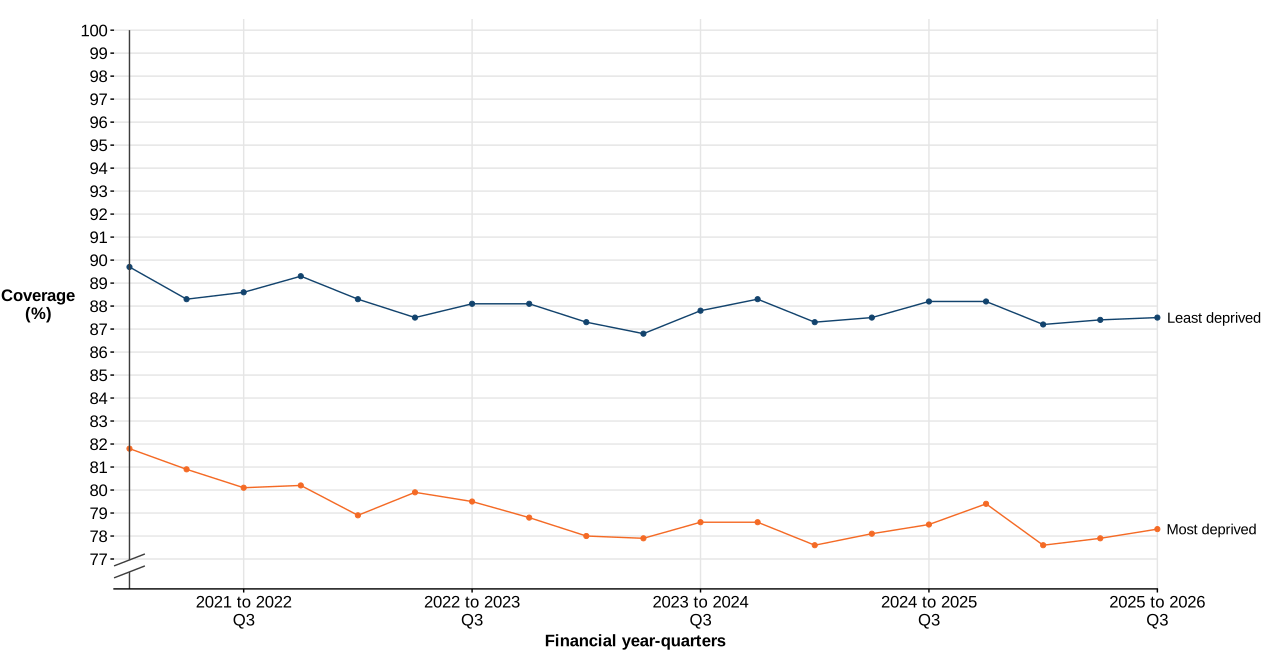
Coverage of the 6-in-1 has been decreasing steadily in the 30 most deprived UTLAs while remaining stable in the 30 least deprived UTLAs. However, a 0.7 percentage point increase in coverage from last quarter in the most deprived UTLAs has reduced the previously widening gap (Figure 9b).
Figure 9b. Coverage of the primary course of the 6-in-1 vaccine in the 30 most and least deprived local authorities in England, measured at 5 years

Children aged 5 years in this quarter were born in quarter 3 of 2020 to 2021. When aged 12 months, coverage for the 6-in-1 was 92.0%. By 24 months it was 93.0%, and this quarter at 5 years it is 93.2% (Figure 10). As a note, birth cohorts over time do not necessarily include the same children due to population movement.
Figure 10. Coverage of the 6-in-1 vaccine across England measured in children aged 5 years when they were aged 12 months, 24 months, and 5 years

Coverage in unregistered children in London
Due to uncertainty in the numbers of children not registered with GPs, these figures for London are reported separately. For antigens measured in these children aged 12 months, coverage was 12.8% for the 6-in-1, 13.5% for MenB, 17.9% for PCV1, and 17.3% for rotavirus. For antigens measured in these children aged 24 months, coverage was 22.2% for the 6-in-1, 5.3% for MMR1, 4.6% for the Hib/MenC booster, 4.6% for the PCV booster, and 4.9% for the MenB booster. For antigens measured in these children aged 5 years, coverage was 40.3% for the 6-in-1, and 3.4% for the dTaP/IPV booster, 26.2% for the Hib/MenC booster, 27.9% for MMR1, and 3.6% for MMR2.
These results should be considered in light of the uncertainty in the numbers of children not registered with GPs and are likely to underestimate true coverage in this group.
Neonatal hepatitis B vaccine coverage: England
National coverage at 12 months for 5 doses of a HepB-containing vaccine decreased by 0.6 percentage points from 90.9% to 90.3% compared with the previous quarter (as seen in the previous quarterly report). Coverage of 6 doses of a HepB-containing vaccine reported for children who reached 2 years of age in the quarter (those born October to December 2023) increased by 4.4 percentage points to 94.6% compared with the last quarter (90.2%) (see the data tables accompanying this report).
The quality of neonatal HepB vaccine data is variable and coverage by regions can be based on small numbers. As such, comparisons of percentages should be considered alongside denominators. Where an area reported no vaccinated children, a check was made to ensure that this was zero reporting rather than absence of available data.
Neonatal BCG vaccine coverage: England
The data captures BCG coverage at age 3 months for children born July to September 2025 and at age 12 months for children born October to December 2024; it was provided for 150 of 153 local authorities in England and is published in the data tables accompanying this report. As a result of data missing from 3 local authorities, reported BCG coverage may be slightly higher than the actual coverage based on typical values reported in the four missing UTLAs. Measured at 3 months, coverage in England was 78.1% and measured at 12 months, it was 85.3%.
Data sources and methodology
Data was received from all health boards in Wales, Scotland and Northern Ireland. In England, local teams and Child Health Record Departments provided data for all UTLAs and the associated general practices.
In this report and the accompanying data set, Hackney is included in the City of London and the Isles of Scilly is included in Cornwall. For selective programmes, Rutland is included in Leicestershire. Cumbria is now reported as Cumberland and Westmorland and Furness.
All English data was collected through NHS Digital’s Strategic Data Collection Service. Individual local authority and GP data, including numerators, denominators, coverage and relevant caveats where applicable, is available in the data tables associated with this report. GP level data was censored when individual values were less than 5.
These statistics are subject to both scheduled revisions and unscheduled corrections and are therefore marked as provisional. In addition to correction of any errors made during the production of these statistics, unscheduled corrections also include the correction of errors later identified within the source data received by UKHSA. Revisions and corrections are made timely and transparently in line with UKHSA’s published Revisions and corrections policy.
Additional reference data was sourced from the English indices of deprivation 2025. The Index of Multiple Deprivation (IMD) score at the upper tier local authority-level was extracted. Where upper tier local authorities are combined in this report and the accompanying data set, the score was recalculated for the combined area weighted based on eligible population. The update to the quality and methodology information report, reflecting the addition of IMD data, will be published alongside the quarter 1 (April to June) 2026 report scheduled for 24 September 2026.
Background information
This publication is released on a quarterly basis and aligns with financial quarters. The analysis follows this pattern; any discussion of quarters aligns with the financial year whereby quarter 1 starts in April.
Children who reached their first birthday in this quarter would have been scheduled to receive their primary course (third dose) of the combined diphtheria, tetanus, acellular pertussis vaccine, inactivated poliomyelitis vaccine, haemophilus influenzae type b vaccine and hepatitis B vaccine (DTaP/IPV/Hib/HepB3 or 6-in-1 vaccination) which protects against diphtheria, tetanus, pertussis (whooping cough), polio, haemophilus influenzae type b (Hib) and hepatitis B, and their primary course (second dose) of MenB vaccine which protects against meningococcal group B disease at the age of 16 weeks, February 2025 to April 2025. They would have also been scheduled to receive a single dose of PCV (protecting against pneumococcal disease) and 2 doses of rotavirus vaccine at age 12 weeks, January 2025 to March 2025.
Except for the rotavirus vaccine which is only offered up to 6 months of age, all other vaccines are available to children in the current cohort at any time and would have been captured in this report if given by their first birthday. Children born to hepatitis B surface antigen (HBsAg) positive mothers who reached their first birthday in this quarter should also have received monovalent hepatitis B vaccine at birth and at 4 weeks of age.
Children who reached their second birthday would have been scheduled to receive their primary course (third dose) of the 6-in-1 vaccination February 2024 to April 2024 and their first MMR vaccination, a Hib/MenC booster (protecting against haemophilus influenzae type b and meningococcal group C disease), MenB booster and PCV booster at one year of age October 2024 to December 2024. Children born to HBsAg positive mothers, who reached their second birthday in this quarter (born October to December 2023), were scheduled to receive a third dose monovalent hepatitis B vaccine at one year of age.
Children who reached their fifth birthday would have been scheduled to receive their primary course (third dose) of the 6-in-1 vaccination February 2021 to April 2021, their first MMR and the Hib/MenC booster October 2021 to December 2021, their pre-school diphtheria, tetanus, acellular pertussis and polio (dTaP/IPV) booster, and second-dose MMR from February 2024 to April 2024.
Children born in areas where the TB incidence is greater than or equal to 40 per 100,000 or who are born to parents or grandparents from TB endemic areas were eligible for a BCG vaccination at 28 days. Coverage is measured at 3 months of age and 12 months of age for this selective immunisation.
The full routine immunisation schedule sets out the schedule for all childhood immunisations.
Related statistics
Further information and contact details
The submission and publication dates for this report series are available as are additional information for immunisation practitioners and other health professionals. For any questions or comments regarding this report, please email cover@ukhsa.gov.uk
Official statistics
Our statistical practice is regulated by the Office for Statistics Regulation (OSR). OSR sets the standards of trustworthiness, quality and value in the Code of Practice for Statistics that all producers of official statistics should adhere to. You can contact OSR by emailing regulation@statistics.gov.uk or via the OSR website.
UKHSA is committed to ensuring that these statistics comply with the Code of Practice for Statistics. This means users can have confidence in the people who produce UKHSA statistics because our statistics are robust, reliable and accurate. Our statistics are regularly reviewed to ensure they support the needs of society for information.
UKHSA has conducted a formal review of these statistics. Following this review, an implementation plan has been developed to continue to improve the trustworthiness, quality, and value of these statistics. Key continuous improvements made will be highlighted within future releases of these statistics for transparency.