Cold mortality monitoring report: winter 2024 to 2025
Updated 16 September 2026
Applies to England

© Crown copyright 2026
This publication is licensed under the terms of the Open Government Licence v3.0 except where otherwise stated. To view this licence, visit nationalarchives.gov.uk/doc/open-government-licence/version/3 or write to the Information Policy Team, The National Archives, Kew, London TW9 4DU, or email: psi@nationalarchives.gov.uk.
Where we have identified any third party copyright information you will need to obtain permission from the copyright holders concerned.
This publication is available at https://www.gov.uk/government/statistics/cold-mortality-monitoring-report-england-winter-2024-to-2025/cold-mortality-monitoring-report-winter-2024-to-2025
Publication date: 18 February 2026
Corrected: 16 September 2026
This is the first annual cold mortality monitoring report published by the UK Health Security Agency (UKHSA). It is published as ‘official statistics in development’ (see explanation below). It presents data on deaths associated with cold weather in England during the previous winter (November 2024 to March 2025).
The data on cold-associated deaths is broken down by region, age group, sex, place of death and cause of death. This data is available in the separate data file accompanying this report.
Correction notice
We have identified an error in this publication, relating to cold-associated deaths in the second cold episode (‘episode 2’) of winter 2024 to 2025. We are working to correct this error, and we will publish updated figures and data tables when we publish the next cold mortality monitoring report on 22 October 2026.
The error is a mistake in identifying which dates in winter 2024 to 2025 met the definition of a cold episode. This caused under-estimation of the number of cold-associated deaths in episode 2, and therefore under-estimation for the total number of cold-associated deaths across the winter. Estimates for episodes 1 and 3 are unaffected.
The error does not affect the overall findings about the relationship between temperature and mortality in winter in England. The report can still be used for comparing patterns of cold-associated mortality between different regions, age groups, sexes, places of death and causes of death. Until corrections are published, the specific numbers of cold-associated deaths estimated for episode 2 and the overall winter should not be used.
Main points
In the winter of 2024 to 2025,
-
an estimated 2,544 cold-associated deaths occurred across 3 cold weather episodes (95% confidence interval [CI]: 1,965 to 3,131)
-
cold-associated deaths were seen in all regions except the North East
-
the strongest cold-mortality relationship was observed in adults aged 85 years and over, and differences were observed by sex
-
cold-associated deaths occurred in care homes, hospitals, people’s own homes, and hospices
-
vulnerability to cold weather episodes has increased when comparing the relationship between temperature and mortality in the recent 5-year period against the previous 5-year period
The numbers presented in this report show the number of cold-associated deaths estimated for each cold episode in winter 2024 to 2025, based on statistical modelling of how mortality has responded to low temperatures over 5 recent winters. This differs from the UKHSA heat-associated mortality report, which uses observed daily deaths in a single summer. It is not possible to use the same methodology for cold as for heat, because there are longer observed delays between cold weather and increases in mortality.
Help us improve this resource
We are carrying out a user survey to gather your views and shape the future of our publication.
Cold episodes
A cold episode is defined as a period of 2 or more consecutive days where the average daily mean temperature across England was below 2°C. This is in line with the temperature threshold for issuing a yellow Cold Health Alert (CHA). See our data sources and methodology section for more information.
Analysis of temperatures in winter 2024 to 2025 found that there were 3 cold episodes meeting this definition, comprising a total of 10 days. These will be labelled episode 1 (E1) to episode 3 (E3) for the remainder of this report. Further contextual information about winter weather in winter 2024 to 2025 can be found from monthly, seasonal and annual summaries published by the Met Office.
Episode 1 (E1)
The first cold episode lasted 2 days (20 November 2024 to 21 November 2024). An amber CHA was in place in 6 regions of England: North East, North West, Yorkshire and The Humber, East Midlands, West Midlands and East of England. The other 3 regions (London, South East, South West) had a yellow CHA in place.
Episode 2 (E2)
The second cold episode lasted 2 days (2 January 2025 to 3 January 2025). An amber CHA was issued on 2 January for all regions of England, and remained in place until 14 January 2025.
Episode 3 (E3)
The third cold episode lasted 6 days (7 January 2025 to 12 January 2025). During this time, all regions of England had an amber CHA in place. Additionally, the Met Office National Severe Weather Warning Service (NSWWS) issued several amber snow warnings for some areas in the north of England starting from 3 January 2025 until 12 January 2025.
Cold-associated mortality
Overall findings
In this analysis, cold-associated deaths are defined as deaths attributable to exposure to cold temperatures, as estimated by a statistical model which captures both immediate and delayed effects. This means the number of deaths which occur during and after a cold weather episode, over and above the number of deaths expected without cold weather. See our background on cold weather, winter and mortality for more explanation, and our Quality and methodology information (QMI) report for more detail on the modelling method.
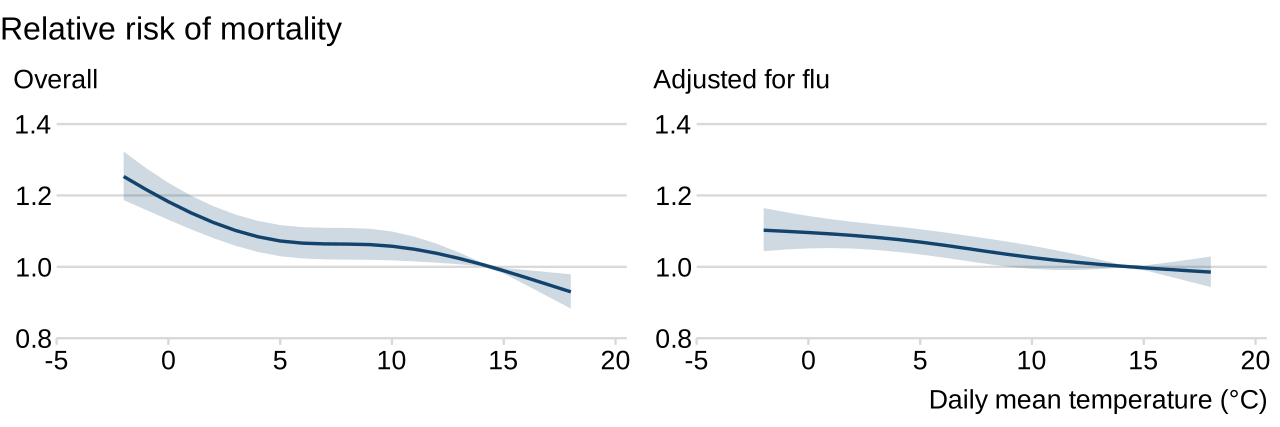
Figure 1 shows the modelled relationship between temperature and mortality, for the total impact of cold (first chart) and the direct impact of cold after adjusting for influenza (second chart). This is based on deaths from all causes over the most recent 5 winters, excluding winters 2019 to 2020 and 2020 to 2021 due to the impacts of the COVID-19 pandemic on mortality.
The figure shows the estimated mortality risk at different temperatures. This represents how the chance of dying changes as a result of cold temperatures compared with a reference temperature of 14.4°C, taking account of delayed effects and immediate effects. A relative risk (RR) of 1.0 means no increase in risk compared to the reference temperature, 1.1 means a 10% higher risk, 1.2 means a 20% higher risk, and 1.4 means a 40% higher risk.
Figure 1. Relationship between temperature and mortality risk, England, recent 5 winters
Note 1: shaded ribbons represent 95% CIs.
Note 2: these charts use data from winters 2024 to 2025, 2023 to 2024, 2022 to 2023, 2021 to 2022, and 2018 to 2019.
For the overall impact of cold, the mortality risk increases with colder temperatures. It increases particularly quickly when temperatures fall below 5°C. For the direct impact of cold after adjusting for influenza, mortality risk also increases with colder temperatures, but more gradually.
The relationships shown in Figure 1 are then used to estimate the number of deaths associated with each cold episode in winter 2024 to 2025, taking account of the actual observed temperatures in each episode. See our Data sources and methodology section and QMI report for more detail.
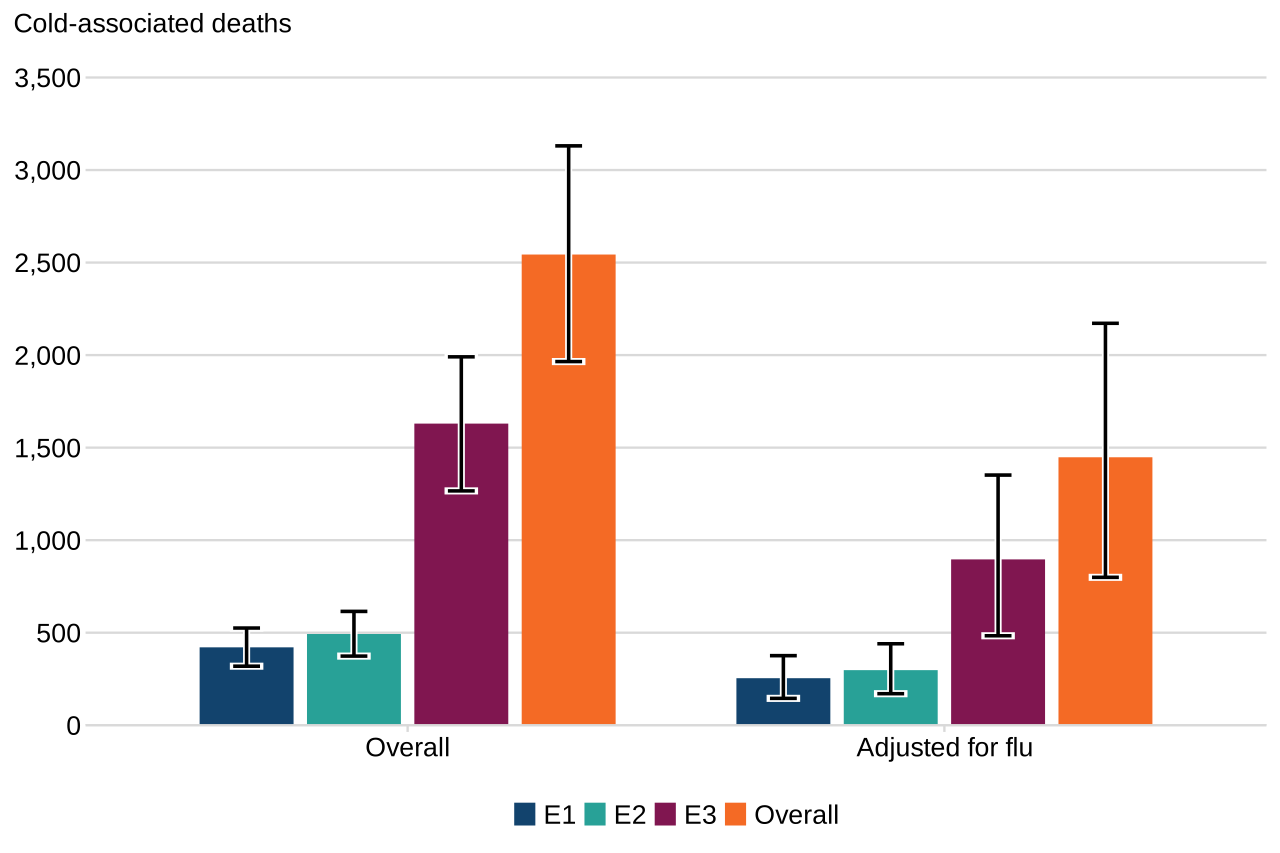
In winter 2024 to 2025, there were an estimated 2,544 (95% CI: 1,965 to 3,131) cold-associated deaths in total. A total of 1,448 (95% CI: 799 to 2,172) of these deaths were directly associated with cold weather, independent of influenza circulation. The remaining 1,095 of these deaths were linked to cold weather causing increases in influenza infection.
Figure 2 shows the number of cold-associated deaths in each cold episode, for the total impact of cold and the direct impact of cold after adjusting for influenza.
Figure 2. Cold-associated deaths by cold episode, England, winter 2024 to 2025
Note 3: error bars represent 95% CIs.
Note 5: there was a mistake in identifying which dates in winter 2024 to 2025 met the definition of a cold episode. This caused under-estimation of the number of cold-associated deaths in episode 2. The specific numbers of cold-associated deaths estimated for episode 2 and the overall winter should not be used. See the correction notice for more information.
E1 lasted 2 days and had the lowest mortality of 421 (95% CI: 319 to 525) cold-associated deaths.
E2 also lasted 2 days and had the second highest mortality of 493 (95% CI: 374 to 615) cold-associated deaths.
E3 lasted 6 days and had the highest mortality of 1,630 (95% CI: 1,266 to 1,991) cold-associated deaths.
Table 1 in the accompanying spreadsheet shows cold-associated deaths and cold-associated deaths per day by cold episode, for the total impact and the direct impact after adjusting for influenza.
The method used for the overall cold-associated mortality was then applied to specific groups of deaths, to provide breakdowns by region, age, sex, place of death and cause of death. Results are presented in the following sections.
Cold-associated mortality by region
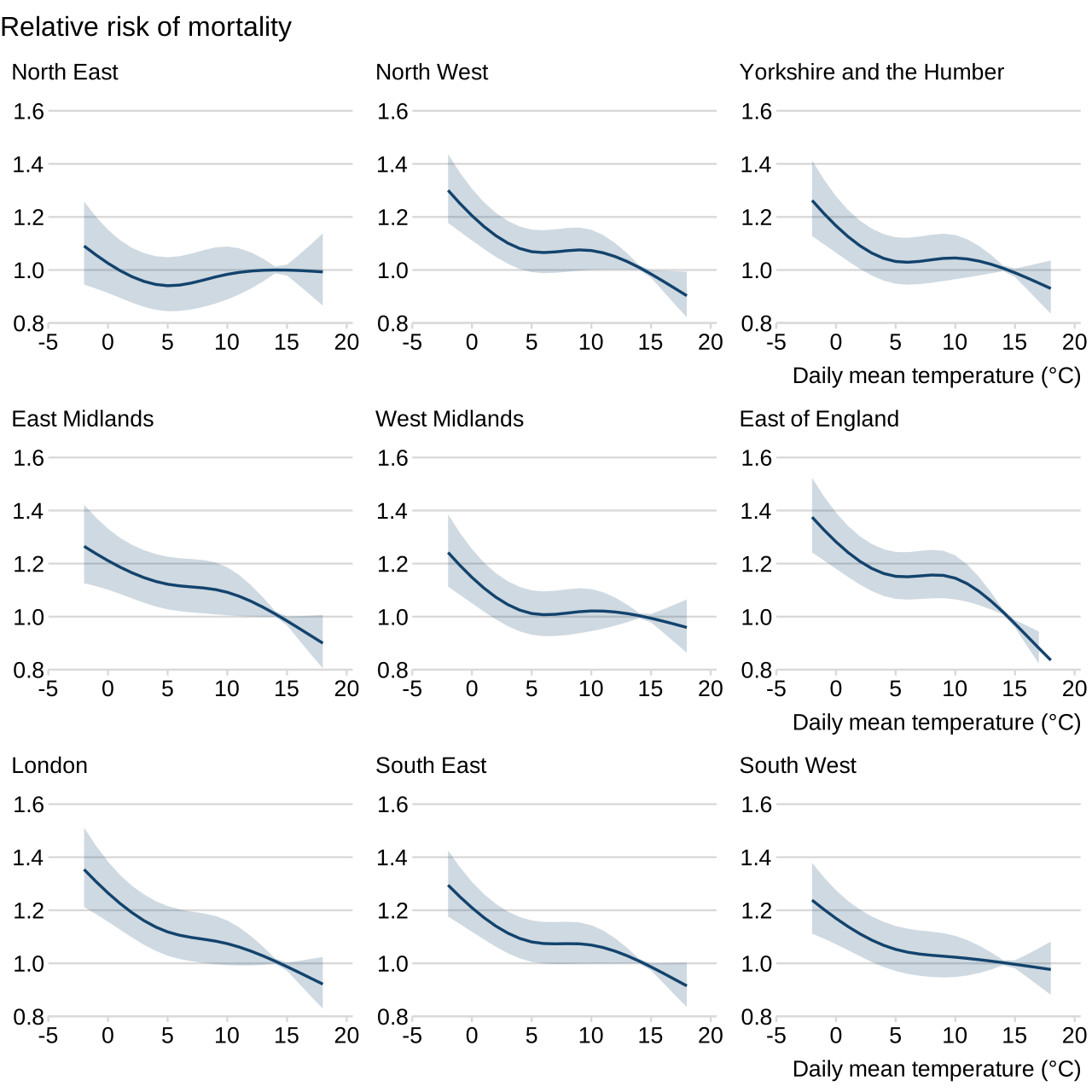
Figure 3 shows the unadjusted relationship between temperature and mortality for each region in England.
Figure 3. Relationship between temperature and mortality risk by region, England, recent 5 winters
Note 1: shaded ribbons represent 95% CIs.
Note 2: these charts use data from winters 2024 to 2025, 2023 to 2024, 2022 to 2023, 2021 to 2022, and 2018 to 2019.
Most regions showed a similar pattern, with higher mortality risk at lower temperatures, particularly below around 5°C. The North East showed an unclear relationship with a similar risk of mortality across the temperature range. This may be related to the smaller population in the North East increasing uncertainty in the modelling, or may reflect a genuine difference in risk.
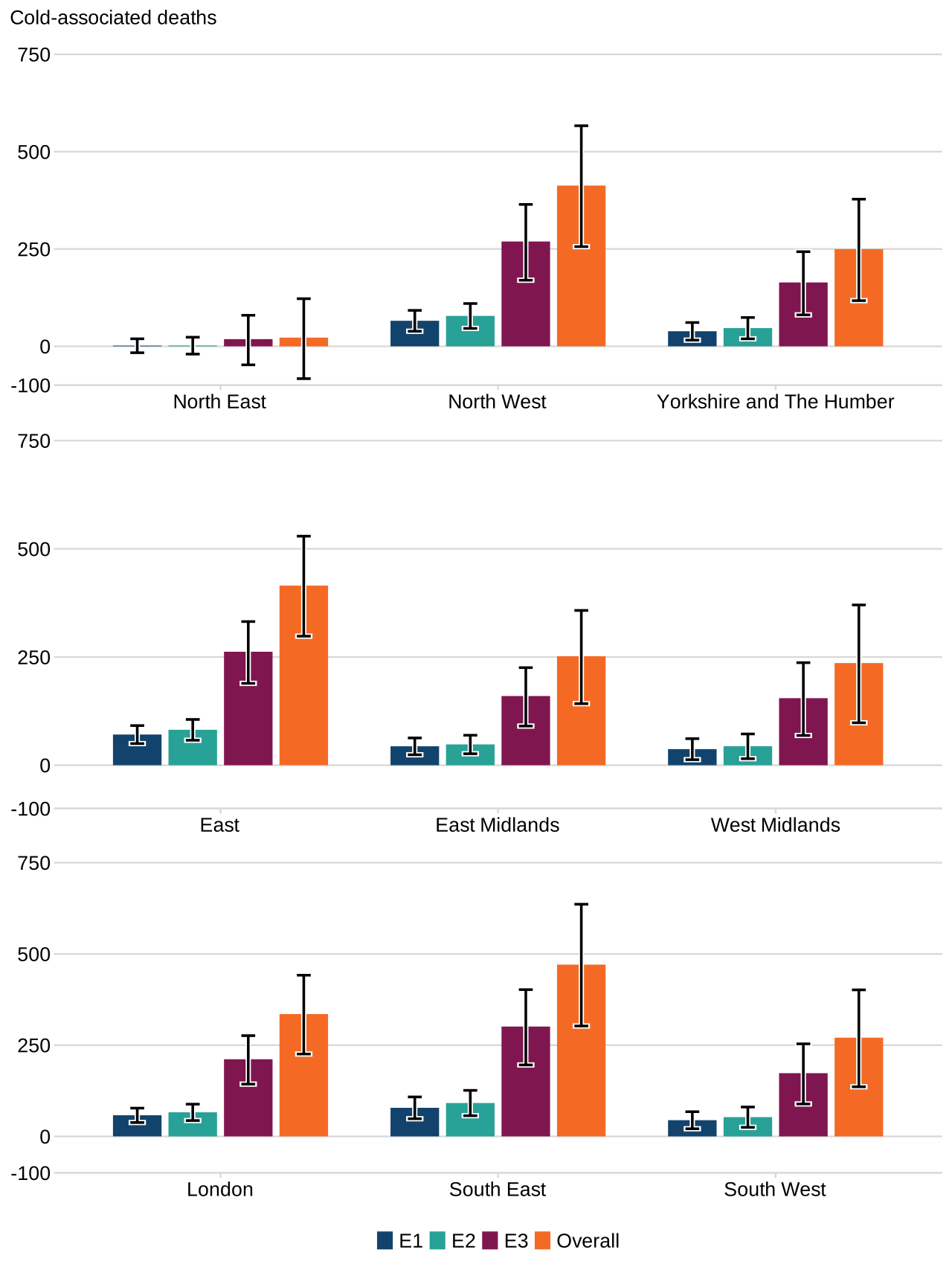
Applying the model to winter 2024 to 2025, the South East had the highest number of cold-associated deaths over the winter of 471 (95% CI: 303 to 636). Figure 4a shows the number of cold-associated deaths by region and cold episode.
Figure 4a. Cold-associated deaths by region, England, winter 2024 to 2025
Note 3: error bars represent 95% CIs.
Note 5: there was a mistake in identifying which dates in winter 2024 to 2025 met the definition of a cold episode. This caused under-estimation of the number of cold-associated deaths in episode 2. The specific numbers of cold-associated deaths estimated for episode 2 and the overall winter should not be used. See the correction notice for more information.
Statistically significant cold-associated mortality was also seen in all regions except the North East. (See our Data sources and methodology section for how we define statistical significance.)
When adjusting for population size, the East of England had the highest mortality rate of 63 (95% CI: 45 to 80) cold-associated deaths per million population, followed by the North West and East Midlands. Figure 4b shows the rate of cold-associated deaths per million population by region, combining all 3 cold episodes.
Figure 4b. Cold-associated mortality rates by region, England, winter 2024 to 2025
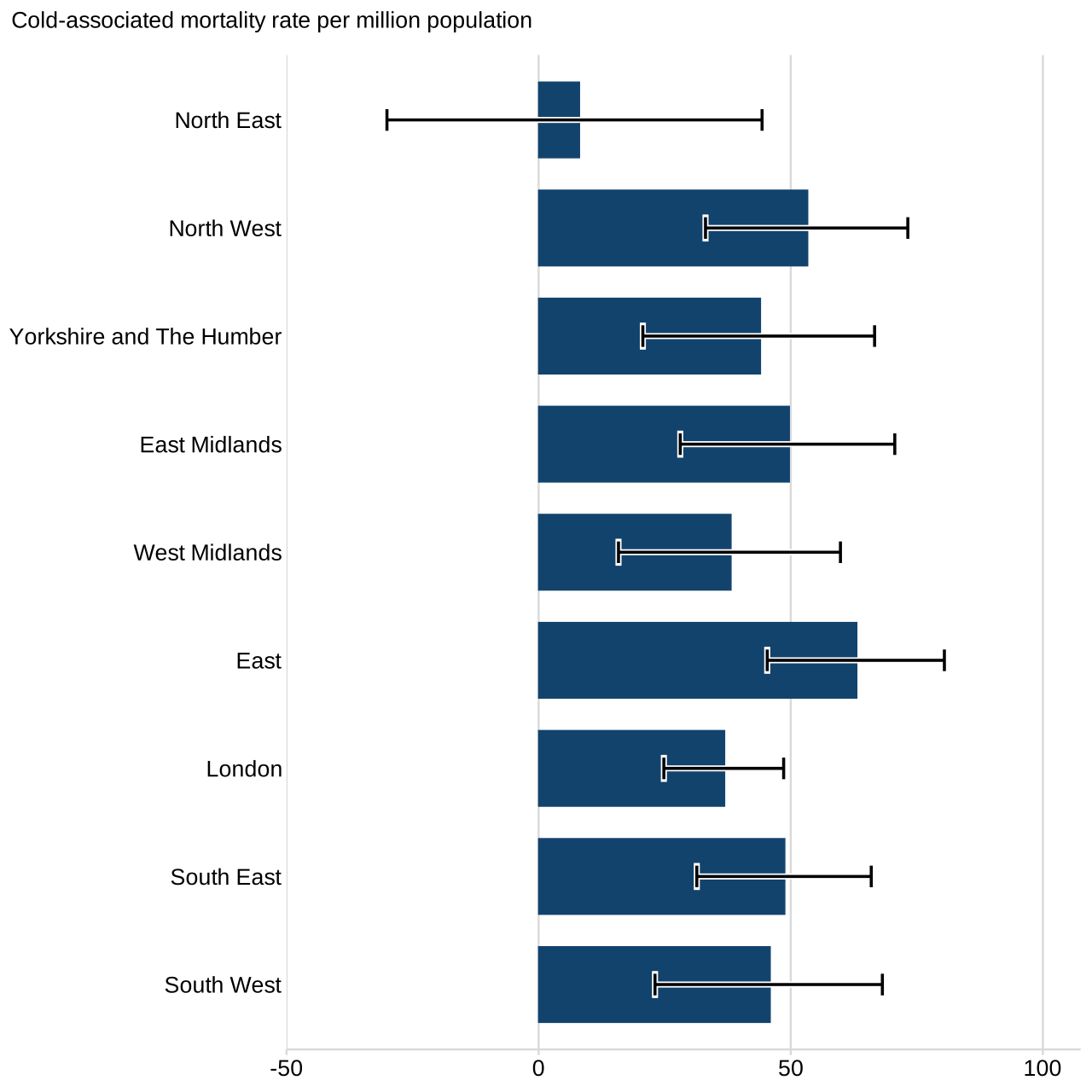
Table 2 in the accompanying spreadsheet shows cold-associated deaths and mortality rates by region and cold episode.
Cold-associated mortality by age group
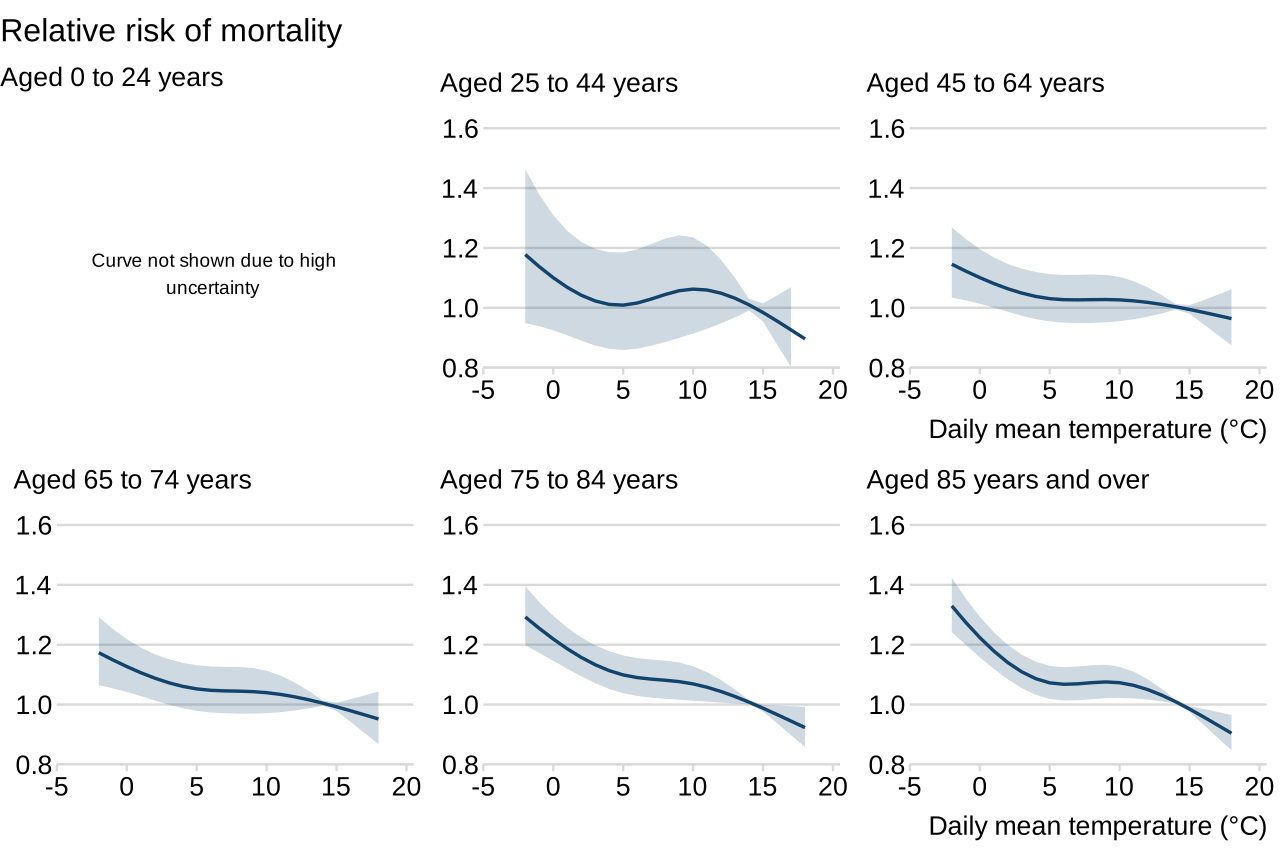
Figure 5 shows the unadjusted relationship between temperature and mortality for each age group. The relationship for those aged 0 to 24 years is not shown, due to the smaller number of deaths in this age group leading to high statistical uncertainty.
Figure 5. Relationship between temperature and mortality risk by age group, England, recent 5 winters
Note 1: shaded ribbons represent 95% CIs.
Note 2: these charts use data from winters 2024 to 2025, 2023 to 2024, 2022 to 2023, 2021 to 2022, and 2018 to 2019.
The strongest relationship between cold weather and mortality was seen in those aged 85 years and over. Deaths in this age group increased with colder temperatures, and increased more rapidly below 5°C. Deaths in those aged 75 to 84 years, aged 65 to 74 years and aged 45 to 64 years also followed this pattern, though more gradually. The relationship was less clear in those aged 25 to 44 years, where there is greater statistical uncertainty due to fewer deaths in this group.
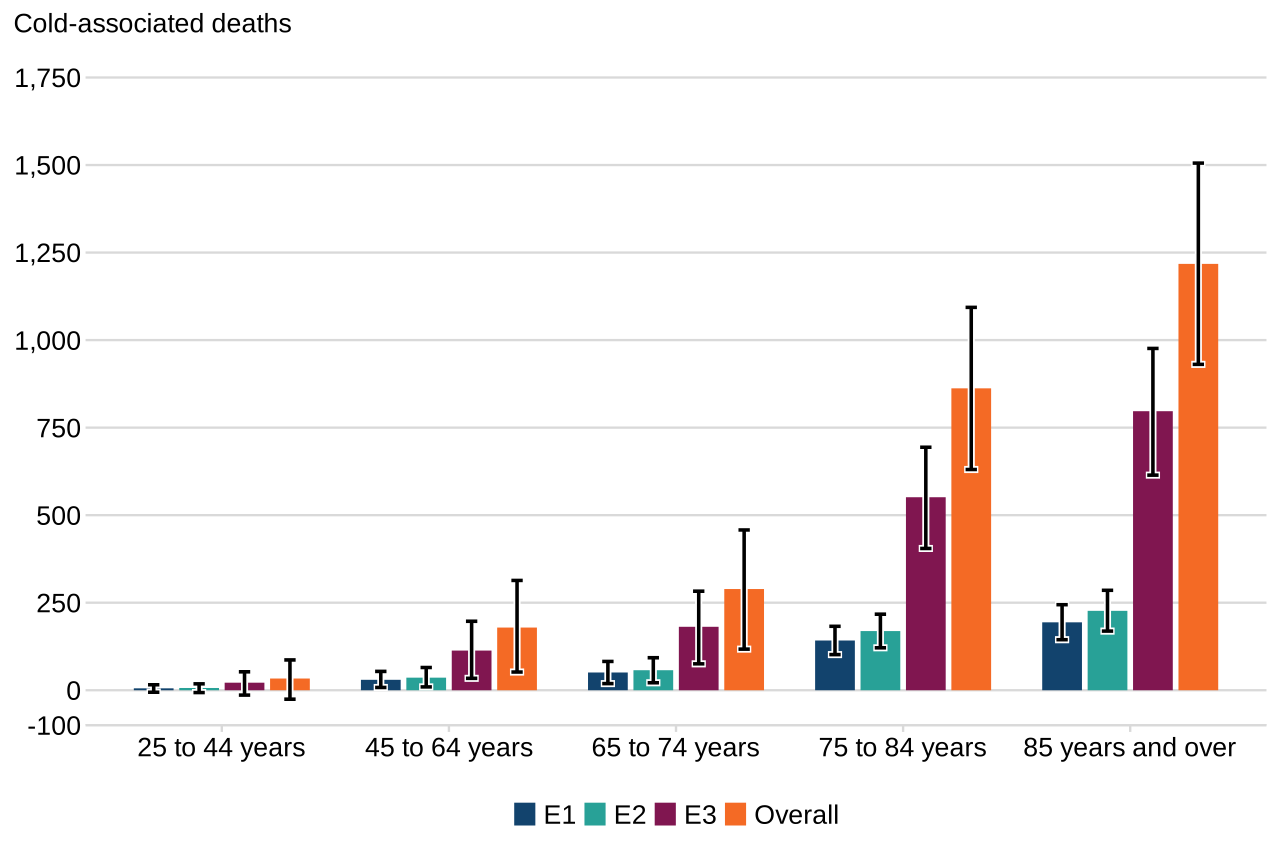
Applying the model to winter 2024 to 2025, those aged 85 years and over had the highest cold-associated deaths. Figure 6 shows the number of cold-associated deaths by age group and cold episode. Estimates for those aged 0 to 24 years are not shown due to high uncertainty in the relationship between temperature and mortality for this age group.
Figure 6. Cold-associated deaths by age group, England, winter 2024 to 2025
Note 3: error bars represent 95% CIs.
Note 5: there was a mistake in identifying which dates in winter 2024 to 2025 met the definition of a cold episode. This caused under-estimation of the number of cold-associated deaths in episode 2. The specific numbers of cold-associated deaths estimated for episode 2 and the overall winter should not be used. See the correction notice for more information.
Significant cold-associated mortality was also seen in those aged 45 to 64 years, aged 65 to 74 years, and aged 75 to 84 years.
Table 3 in the accompanying spreadsheet shows cold-associated deaths and mortality rates by region and cold episode.
Cold-associated mortality by sex
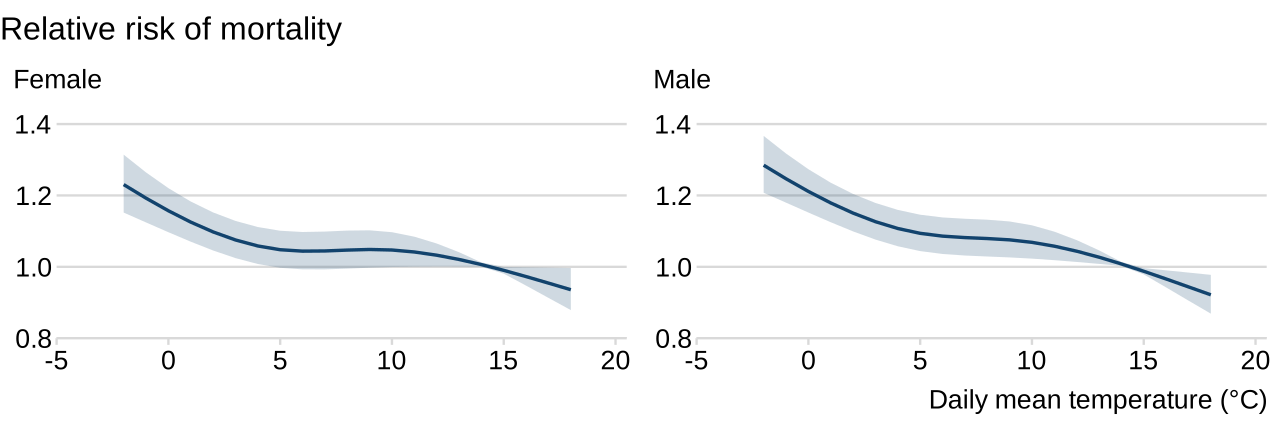
Figure 7 shows the unadjusted relationship between temperature and mortality according to sex as recorded on death certificates.
Figure 7. Relationship between temperature and mortality risk by sex, England, recent 5 winters
Note 1: shaded ribbons represent 95% CIs.
Note 2: these charts use data from winters 2024 to 2025, 2023 to 2024, 2022 to 2023, 2021 to 2022, and 2018 to 2019.
A similar pattern was seen in both females and males of increasing mortality at lower temperatures. The curve increases more steeply for males, indicating greater risk as temperatures fall.
It is not possible to report on cold-associated deaths for unknown or other sexes due to small numbers.
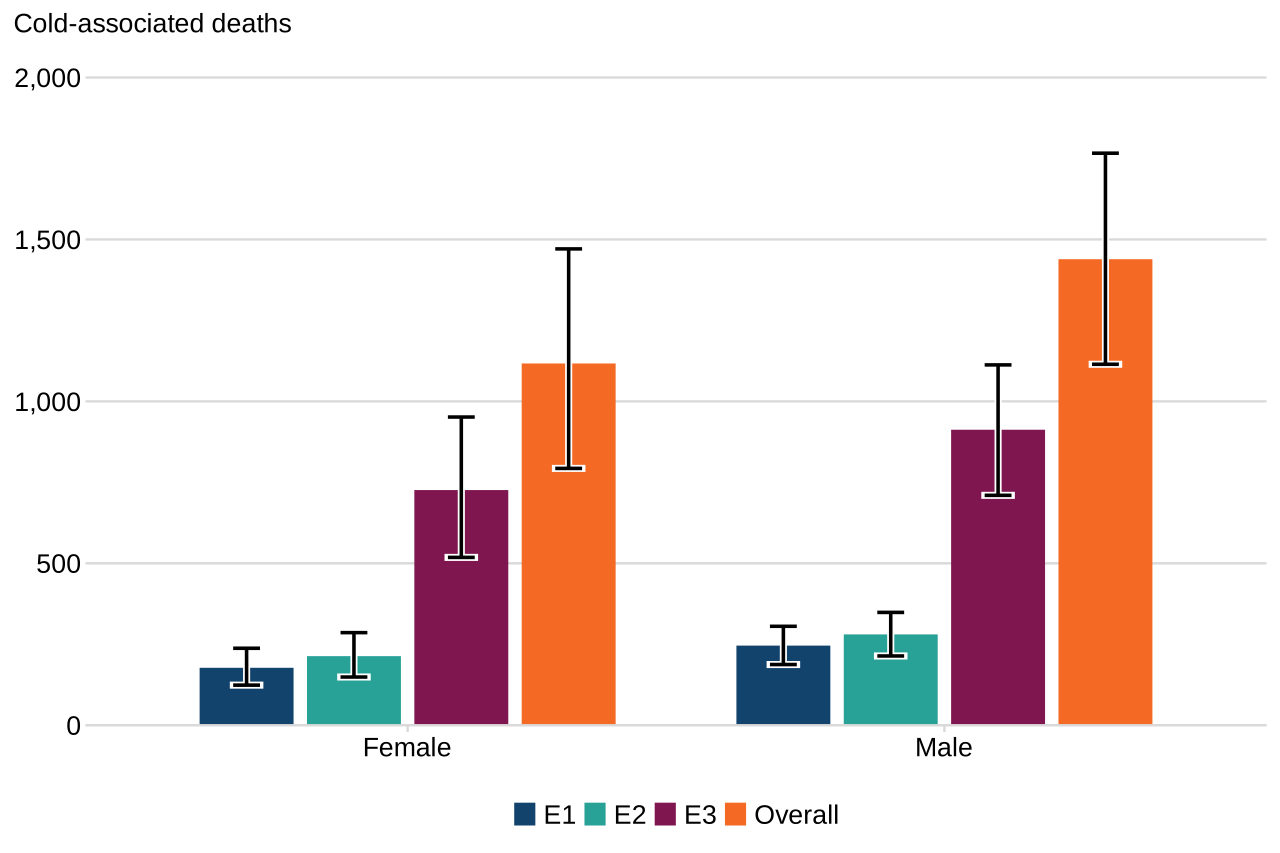
Applying the model to winter 2024 to 2025, men had a higher number of cold-associated deaths (1,439 [95% CI: 1,115 to 1,766]) than women (1,117 [95% CI: 793 to 1,471]). The difference was not statistically significant.
Figure 8 shows the number of cold-associated deaths by sex and cold episode.
Figure 8. Cold-associated deaths by sex, England, winter 2024 to 2025
Note 3: error bars represent 95% CIs.
Note 5: there was a mistake in identifying which dates in winter 2024 to 2025 met the definition of a cold episode. This caused under-estimation of the number of cold-associated deaths in episode 2. The specific numbers of cold-associated deaths estimated for episode 2 and the overall winter should not be used. See the correction notice for more information.
Table 4 in the accompanying spreadsheet shows cold-associated deaths and mortality rates by sex and cold episode.
Cold-associated mortality by place of death
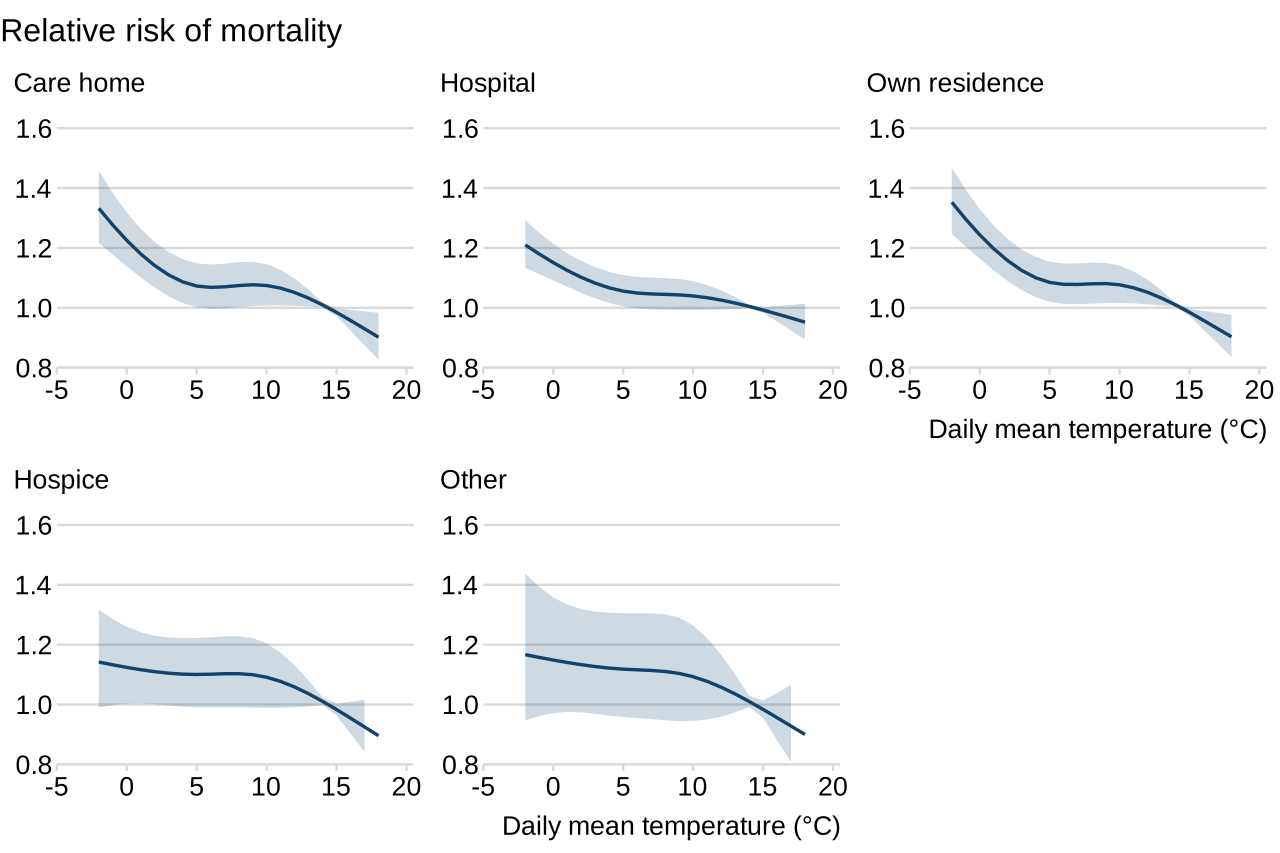
Figure 9 shows the unadjusted relationship between temperature and mortality for different places of deaths as recorded on death certificates. See our QMI report for a description of the methodology for grouping places of death.
Figure 9. Relationship between temperature and mortality risk by place of death, England, recent 5 winters
Note 1: shaded ribbons represent 95% CIs.
Note 2: these charts use data from winters 2024 to 2025, 2023 to 2024, 2022 to 2023, 2021 to 2022, and 2018 to 2019.
Care homes, hospitals and own homes show a similar pattern of higher mortality at colder temperatures, particularly below 5°C. The curves increase more steeply for care homes and own homes than for hospitals, indicating higher risk from cold temperatures in care homes and own homes. The relationship was unclear for deaths in hospices and other places, which have greater statistical uncertainty due to fewer deaths.
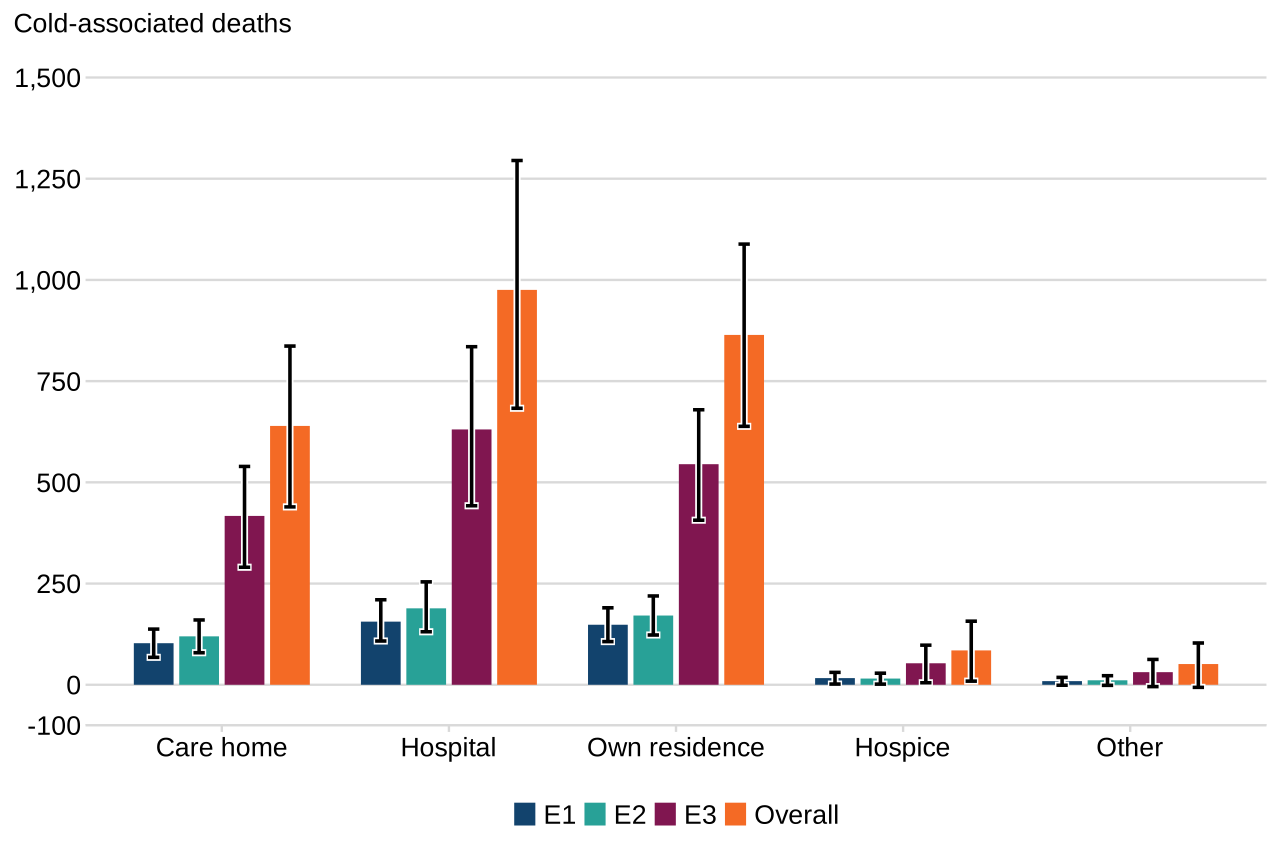
Applying the model to winter 2024 to 2025, significant cold-associated deaths were seen in care homes, hospitals, own homes and hospices. Figure 10 shows the number of cold-associated deaths by place of death and cold episode.
Figure 10. Cold-associated deaths by place of death, England, winter 2024 to 2025
Note 3: error bars represent 95% CIs.
Note 5: there was a mistake in identifying which dates in winter 2024 to 2025 met the definition of a cold episode. This caused under-estimation of the number of cold-associated deaths in episode 2. The specific numbers of cold-associated deaths estimated for episode 2 and the overall winter should not be used. See the correction notice for more information.
Hospitals saw the highest number of cold-associated deaths (975 [95% CI: 683 to 1,295]). This is despite having a weaker relationship with cold temperature than care homes or own homes. The reason for this is the higher number of deaths in hospital generally than in care homes or own homes during the winter.
Table 5 in the accompanying spreadsheet shows cold-associated deaths by place of death and cold episode.
Cold-associated mortality by cause of death
The analysis in this report considers deaths from all causes, as there are many mechanisms through which cold weather affects health. See our background section for more explanation.
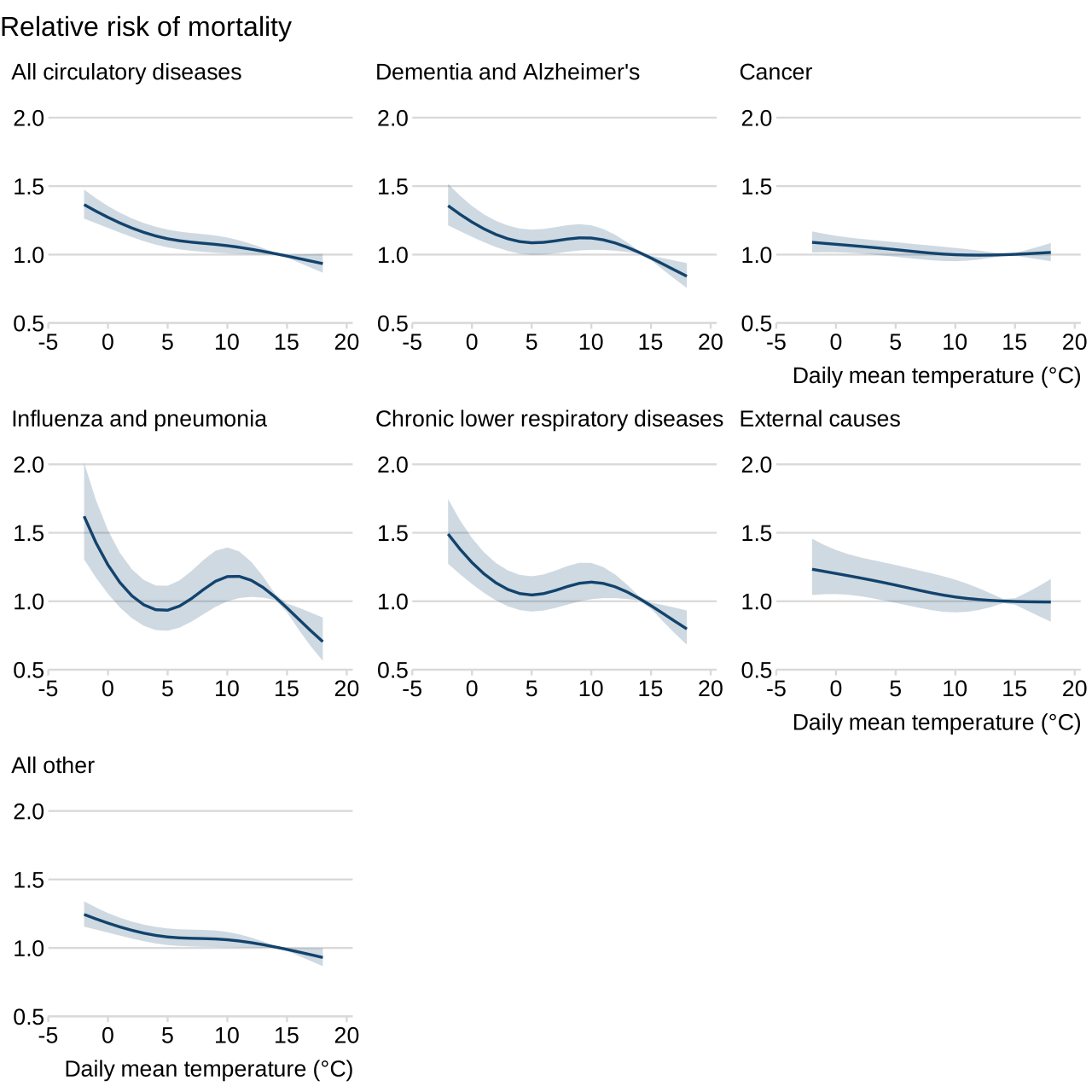
Figure 11 shows the unadjusted relationship between temperature and mortality, broken down according to different groups of underlying causes of death as recorded on death certificates. See our QMI report for a description of the methodology for grouping causes of death.
Figure 11. Relationship between temperature and mortality risk by cause of death, England, recent 5 winters
Note 1: shaded ribbons represent 95% CIs.
Note 2: these charts use data from winters 2024 to 2025, 2023 to 2024, 2022 to 2023, 2021 to 2022, and 2018 to 2019.
All circulatory diseases, cancer, external causes, and other causes of death all show a gradual increase in mortality risk with lower temperatures. The relationship is strongest for all circulatory diseases, and weakest for cancer.
Deaths from influenza and pneumonia show a different pattern, with mortality risk rising both at very low temperatures (below around 2°C) and at mild temperatures (between around 7°C and 12°C). This is likely related to the complex ways that cold weather and influenza interact, and is discussed further below.
Dementia and Alzheimer’s and chronic lower respiratory diseases show a similar pattern to influenza and pneumonia, though with less extreme changes.
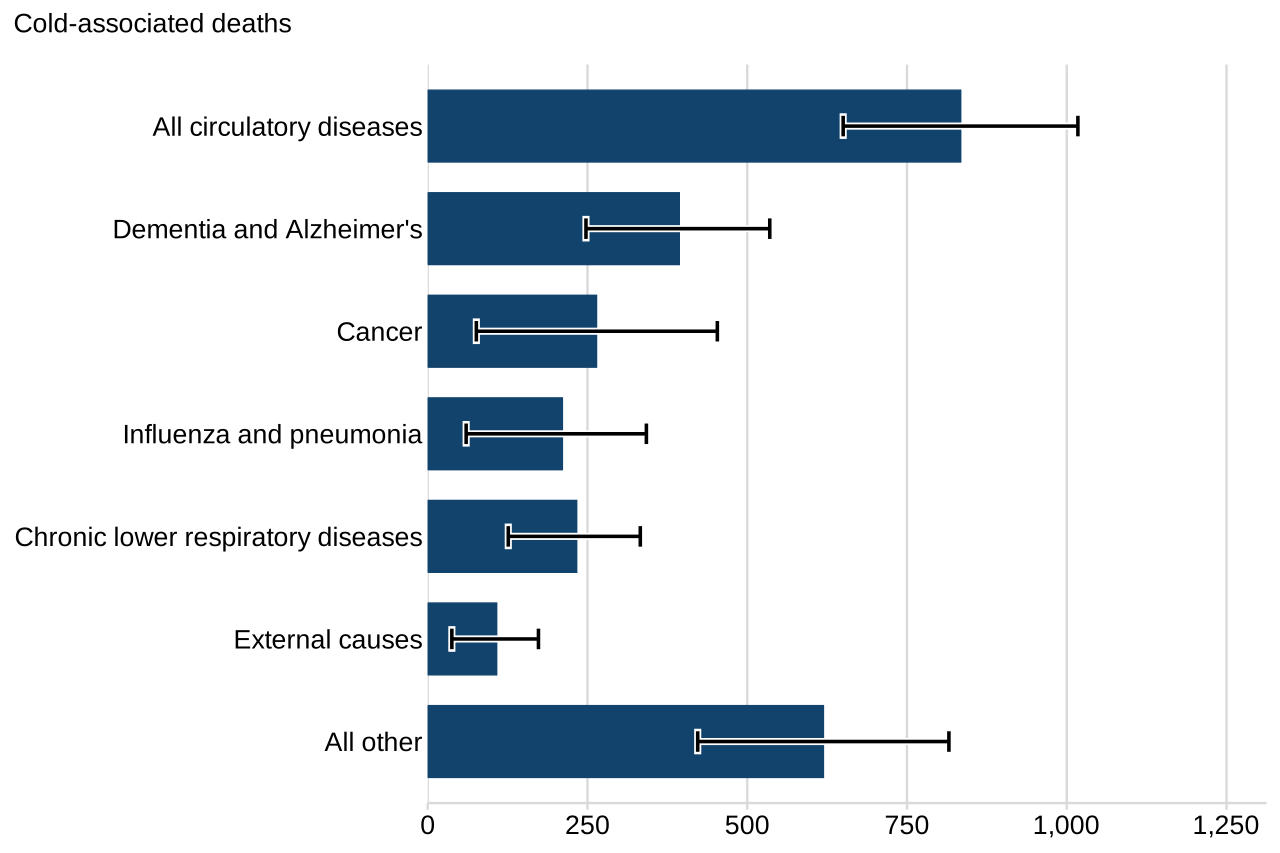
Applying the model to winter 2024 to 2025, significant cold-associated deaths were seen in all underlying cause of death groups. The highest number of cold-associated deaths was seen for circulatory diseases (834 [95% CI: 650 to 1,017]).
Figure 12 shows the number of cold-associated deaths by cause of death group.
Figure 12. Cold-associated deaths by cause of death, England, winter 2024 to 2025
Note 3: error bars represent 95% CIs.
Note 5: there was a mistake in identifying which dates in winter 2024 to 2025 met the definition of a cold episode. This caused under-estimation of the number of cold-associated deaths in episode 2. The specific numbers of cold-associated deaths estimated for episode 2 and the overall winter should not be used. See the correction notice for more information.
Only 211 (95% CI: 60 to 342) cold-associated deaths had an underlying cause of death recorded as influenza and pneumonia. Above, we estimated that 1,095 cold-associated deaths could be linked to increases in influenza activity. This difference reflects the fact that many deaths where influenza is a contributing factor are recorded with a different underlying cause of death, such as a chronic illness.
Table 6 in the accompanying spreadsheet shows cold-associated deaths by cause of death groups.
Timing of cold-associated mortality
There is known to be a delay between when cold weather occurs and when effects on mortality appear, known as lagged effects. Evidence as outlined with the Adverse Weather and Health Plan supporting evidence document suggests delayed impacts on mortality of days or weeks after cold weather. In this report, we used a statistical method to consider deaths up to 2 weeks after the cold weather episode. See our QMI report for more detail.
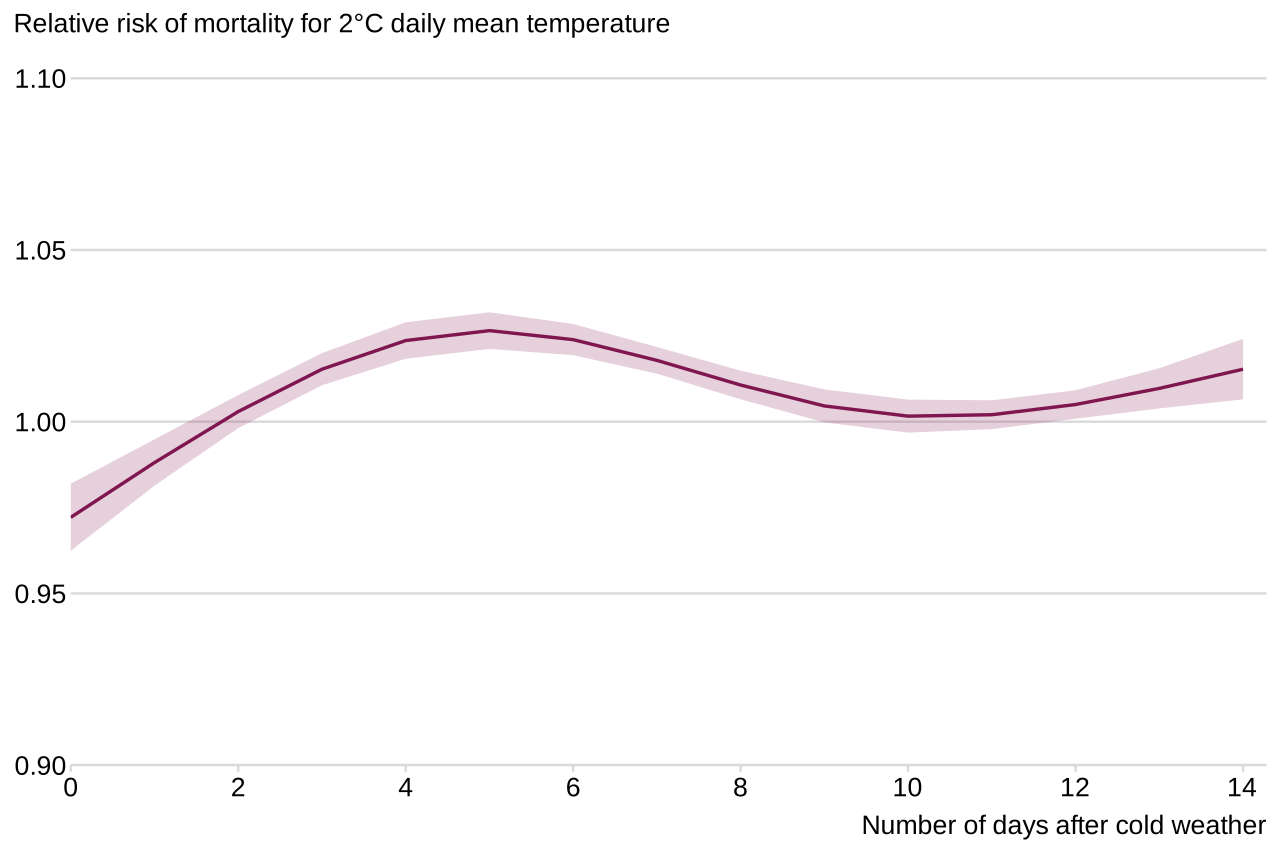
Figure 13 shows how the impacts on mortality change over a 2-week period from cold weather, based on patterns of mortality over the recent 5 winters.
Figure 13. Delay in effect of temperature on mortality risk, England, recent 5 winters
Note 1: shaded ribbons represent 95% CIs.
Note 2: this chart uses data from winters 2024 to 2025, 2023 to 2024, 2022 to 2023, 2021 to 2022, and 2018 to 2019.
On the day of cold weather starting, mortality is at or below expected levels. Mortality rises after the cold weather arrives, peaking at around 5 days after cold weather, and remaining above expected levels until around 9 days afterwards. The chart also shows a pattern of a second increase in mortality starting around 12 days after the cold weather.
These delayed impacts from cold weather may relate to different causal pathways from cold temperature to mortality.
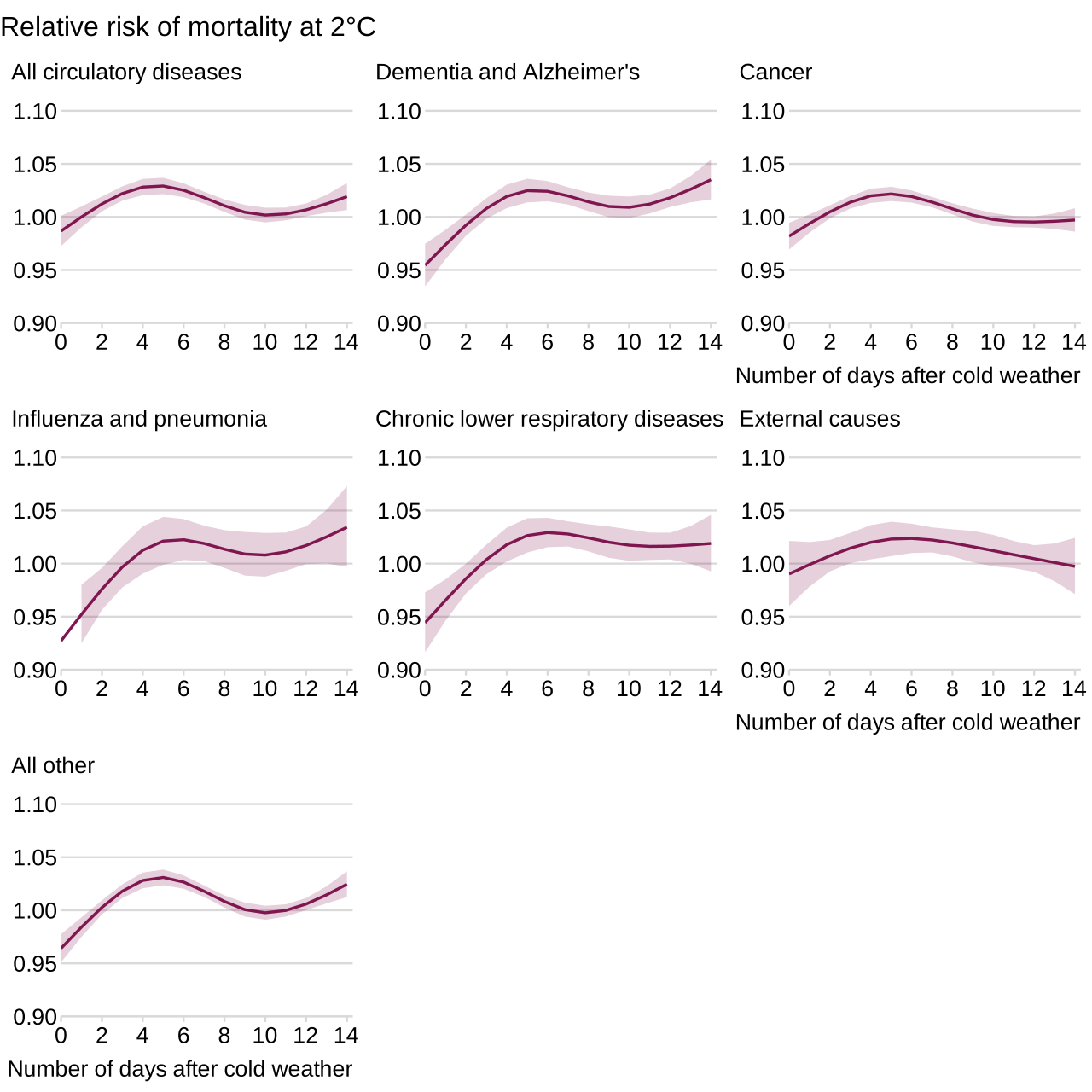
Figure 14 shows a breakdown of the delay by different causes of death.
Figure 14. Delay in effect of temperature on mortality risk by cause of death, England, recent 5 winters
Note 1: shaded ribbons represent 95% CIs.
Note 2: these charts use data from winters 2024 to 2025, 2023 to 2024, 2022 to 2023, 2021 to 2022, and 2018 to 2019.
Most causes of death show a similar pattern, peaking between 4 and 6 days after cold weather.
Certain causes of death also show a later rise in mortality:
-
deaths caused by dementia and Alzheimer’s decrease back to expected levels and then rise again from 11 days after cold weather
-
deaths caused by chronic lower respiratory diseases remain above expected levels for a prolonged period from around 5 to 11 days after cold weather
-
deaths caused by influenza and pneumonia may also show a second increase after around 11 days after cold weather, but this is not statistically significant
Comparison with previous years
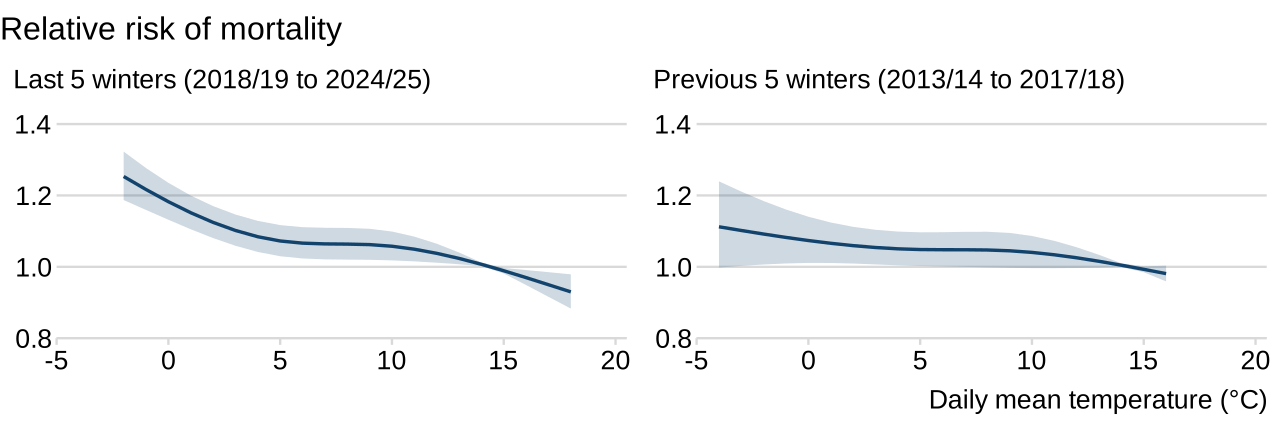
In addition, we modelled the relationship between temperature and mortality for a previous 5-year period. This provides a comparison over time. Figure 15 shows the temperature-mortality relationships for both periods.
Figure 15. Relationship between temperature and mortality risk by year, England, recent 5 winters and previous 5 winters
Note 1: shaded ribbons represent 95% CIs.
Note 4: the analysis of ‘recent 5 winters’ uses data from winters 2024 to 2025, 2023 to 2024, 2022 to 2023, 2021 to 2022, and 2018 to 2019. The analysis of ‘previous 5 winters’ uses data from winters 2017 to 2018, 2016 to 2017, 2015 to 2016, 2014 to 2015, and 2013 to 2014.
In the earlier 5-year period (second chart), low temperatures are associated with a less rapid increase in mortality. This may indicate that the population had greater vulnerability to cold weather and its impacts in the more recent 5-year period. It may also be affected by changes in influenza season severity.
Further insights and contextual information
Summary of main messages
For winter 2024 to 2025, we estimated the number of deaths associated with periods of cold weather using 2 approaches. The unadjusted estimate shows the overall impact on mortality from cold periods as they occurred, when low temperatures and winter illnesses such as influenza often happen at the same time. This reflects the total number of extra deaths seen related to cold weather. The influenza-adjusted estimate focuses more specifically on the effect of cold temperatures, after accounting for changes in influenza activity.
When influenza activity is adjusted for in the analysis, the relationship between temperature and mortality becomes less steep, especially at colder temperatures. This means that deaths rise less sharply as temperatures fall, once influenza is taken into account. This suggests that a significant proportion of the extra deaths seen during cold periods occur at the same time as increased influenza activity. This does not mean that influenza causes cold-related deaths, but rather that cold weather and influenza tend to overlap and affect the same vulnerable people. The similar timing may be driven in part by cold weather causing increases in influenza transmission. See our background on cold weather, winter and mortality for more explanation of these mechanisms.
Taken together, these estimates show both the overall impact of cold weather on mortality and the impact that is more directly linked to cold temperatures, and would still be expected to occur if no influenza was circulating.
When comparing the recent 5 years with the previous 5-year period, the relationship between cold temperature and mortality in the recent 5 years appears more steep. This means that deaths rise more sharply as temperatures fall than they did in earlier years. This suggests that the population may now be more vulnerable to cold weather than in the recent past.
Several factors may help explain this change. One influence may be increased population vulnerability, including an ageing population, with higher rates of chronic diseases which can put people at risk during cold weather. Changes in resilience after the COVID-19 pandemic, inequalities and respiratory disease patterns may also contribute. Other factors identified in the Adverse Weather and Health Plan supporting evidence document which can influence cold-associated mortality include: home insulation and heating, access to healthcare, protection from seasonal infections through vaccination, and awareness of cold weather risks.
However, this finding should be interpreted with caution. Further analyses over longer time periods are needed to determine whether this represents a sustained shift in cold-related risk.
Cold-associated deaths by region
In absolute numbers, the largest cold-associated mortality burden was observed in the South East, while the smallest was observed in the North East. These patterns partly reflect differences in population size.
The relatively low estimate observed in the North East is somewhat unexpected, given that this region typically experiences colder temperatures than other parts of England. The overall pattern of how mortality varies with temperature in the North East suggests that the risk of mortality at cold temperatures is comparatively low, which is consistent with the lower estimated number of cold-associated deaths.
The reasons for this finding are not fully understood. It may partly reflect methodological choices, such as the use of an England-wide mean temperature to define cold periods, which may not capture regional differences in typical climate or population exposure. Other factors may also play an important role, including behavioural and social adaptations to colder conditions, housing quality and heating practices, underlying health profiles, patterns of transmission of seasonal diseases, and other local social and environmental factors that are not captured in the model.
Further research using region-specific temperature thresholds, longer time series, and additional contextual data is needed to better understand this regional pattern and to determine whether the lower cold-associated mortality observed in the North East reflects a true difference in vulnerability, or methodological limitations.
Cold-associated deaths by age group
Cold-associated mortality estimates increased with age. The largest numbers of cold-associated deaths are estimated among older age groups, particularly people aged 85 years and over, while much smaller impacts are seen in younger adults. This pattern is expected and consistent with previous evidence as outlined with the Adverse Weather and Health Plan supporting evidence document.
Older people are more vulnerable to cold weather because ageing reduces the body’s ability to regulate temperature and respond to physical stress. Older adults are also more likely to have long-term health conditions, such as heart, lung, and circulatory disease, which can be worsened by cold temperatures. In addition, mobility limitations, social isolation, and reduced ability to heat homes adequately may increase exposure to cold among older age groups.
These findings indicate that cold-related health risks are concentrated in older populations and reinforce the importance of targeted cold-weather advice and support for older people during cold periods.
Cold-associated deaths by sex
A higher number of cold-associated deaths is estimated among men than women.
Several factors may contribute to this difference. There are differences in burden of disease between sexes, as outlined within the Chief Medical Officer’s 2025 report on health trends and variation in England. For example, men are more likely to have certain underlying health conditions such as heart and circulatory disease, which increase vulnerability during cold weather. Additionally, on average, men may lose body heat more quickly. There may be other behavioural and social factors that increase risk for males. Overall, differences in cold-associated mortality by sex may reflect a combination of biological vulnerability, underlying health risks, and patterns of exposure during cold weather.
Further research is needed to determine whether the observed differences in cold-associated mortality between men and women found here reflect true differences in vulnerability or are partly influenced by methodological limitations.
Cold-associated deaths by place of death
Although the largest estimate for cold-associated deaths is for deaths occurring in hospitals, the relationship between temperature and mortality shows that the risk associated with cold exposure is higher for people dying in care homes and in their own homes.
The higher estimate of cold-associated deaths in hospitals therefore reflects the fact that a large proportion of all deaths in winter occur in hospital settings, rather than a higher individual-level risk associated with cold exposure in hospitals. In contrast, people in care homes and those living at home may experience greater vulnerability to cold, potentially due to frailty, limited ability to regulate indoor temperatures, delayed access to care, or social isolation. It is important to note that place of death refers only to where death occurred, and exposure to cold weather may have taken place at an earlier time, outdoors or in another setting.
Cold-associated deaths and timing by cause of death
Cold-associated mortality risk is particularly pronounced for circulatory diseases, Alzheimer’s disease and dementia, influenza and pneumonia, chronic lower respiratory diseases, and deaths grouped as ‘other’ causes. Cancer and external causes show a weaker overall relationship with temperature, although risk still tends to increase as temperatures fall. Different causes also exhibit distinct lag patterns, reflecting the time it takes for cold exposure to trigger physiological stress, illness progression, or injury. See our background on cold weather, winter and mortality for more explanation of these mechanisms.
Circulatory diseases
A RR of 1.0 represents the normal baseline risk of death. On the day of cold exposure, the RR remains close to 1.0, increasing after a short delay to peak around 4 to 6 days, and returning toward baseline by approximately 10 days. This pattern is consistent with physiological responses to cold, including vasoconstriction, elevated blood pressure, and increased blood clotting, which can take several days to trigger acute events such as heart attacks or strokes. Small increases in risk at later lags may reflect prolonged physiological stress or deterioration over a prolonged period. It may also partly reflect modelling uncertainty related to overlapping risk factors in winter.
Cancer
A broadly similar, though weaker, lag pattern is observed. While cold exposure is unlikely to directly cause cancer-related deaths, it may contribute indirectly by worsening frailty, suppressing immune function, or increasing vulnerability to infection or cardiovascular strain. These indirect effects can produce delayed mortality peaks, though the overall relationship remains fairly weak.
Influenza and pneumonia
Risk increases primarily at longer lags (around 9 days or more), reflecting the natural history of respiratory infections. Following exposure, symptoms typically develop after 4 to 5 days, with complications such as pneumonia or cardiovascular stress potentially occurring later. This delayed pattern is consistent with cold contributing indirectly to influenza-related mortality, through increased susceptibility, severity, or transmission, rather than an immediate physiological effect.
Chronic lower respiratory disease
Mortality risk rises after a short delay (around 3 days) and remains elevated for an extended period. Cold air can worsen existing lung conditions through airway irritation and bronchoconstriction, and exacerbations in vulnerable individuals may persist for days, explaining the prolonged elevation in risk.
External causes
Deaths from external causes include accidents, accidental falls, poisonings, homicides and suicides. The increase in mortality risk is more gradual, peaking at around 6 to 7 days after cold weather and declining slowly. This suggests that cold exposure may impair strength, coordination, and judgment, and blunt warning signals, increasing the likelihood of deaths from accidents, falls and injuries over several days.
Taken together, these patterns reflect the interaction of physiological, behavioural, and environmental mechanisms in cold-associated morality. While the timing and magnitude of effects are broadly consistent with the evidence base, some features, particularly small secondary increases at longer lags, may reflect modelling uncertainty, overlapping winter-related risk factors, or population risk factors. These findings highlight the complex and multi-dimensional nature of cold-related mortality and the importance of considering both cause and timing when assessing winter-related health risks.
Glossary
Confidence interval (CI)
A confidence interval is a measure of the degree of uncertainty in an estimate based on a sample distribution. Here, 95% confidence intervals indicate that if we repeatedly observed the same process under identical conditions, 95% of the intervals would contain the true value. A wider range indicates more uncertainty in the estimate. Overlapping confidence intervals indicate that there may not be a true difference between estimates.
Cold-associated deaths
Deaths attributable to exposure to cold temperatures, as estimated by a statistical model which captures both immediate and delayed effects. It is the number of deaths which occur during and after a cold weather episode, estimated to be over and above the expected number of deaths expected without cold weather.
Cold episode
A period of cold weather, defined for this analysis as 2 consecutive days where the average daily mean temperature across England was below 2°C.
Cold Health Alert (CHA)
An alert issued by England’s Weather Health Alerting system, warning that cold weather is forecast that could lead to impacts on health for the population of England. Alerts can be issued at yellow (response), amber (enhanced response) or red (emergency response) levels.
Lagged effects
An effect which occurs at a later time after an event. Health impacts of cold weather do not always happen straight away. Instead, exposure to cold weather can increase the risk of death many days later, for example by triggering heart problems, worsening existing illnesses, or increasing the chance of infections that take time to develop.
Relative risk (RR)
The chance of dying at a particular daily mean temperature, relative to a reference daily mean temperature. The reference temperature used throughout this analysis is 14.4°C. An RR of 1.0 indicates no increase in risk compared to the reference temperature. An RR of 1.1 indicates a 10% increase in risk, and an RR of 1.2 indicates a 20% increase in risk.
Data sources and methodology
Our QMI report explains our calculations in further detail.
For this analysis, data from the Met Office was used to calculate an average daily mean temperature across England. Cold episodes are identified when the average daily mean temperature across England is below 2°C for 2 or more consecutive days. Mortality data from the Office for National Statistics (ONS) was used to calculate daily deaths between October and April for each winter, capturing the winter period from November to March and the surrounding days to allow for measuring delayed effects.
The number of cold-associated deaths is estimated using a statistical model of the temperature-mortality relationship in England in winters over a 5-year period. The model estimates the relative risk of mortality for any given temperature compared to a baseline daily mean temperature of 14.4°C, after adjusting for effects of weekday, time of year and COVID-19. This represents the increased risk of dying for a day at that temperature, on the day or up to a delay of 14 days afterwards. The risk is applied to the actual temperatures observed in cold episodes in winter 2024 to 2025, to generate an estimate of how many deaths are linked to those cold episodes.
There is random variation in daily deaths not related to cold weather or the factors adjusted for in the model. This means there is uncertainty in the relationship between cold weather and mortality, and in the estimates of cold-associated deaths. The uncertainty is represented by the 95% confidence intervals shown on the charts and in brackets after each estimate. Reported numbers of cold-associated deaths are considered to be significant if the 95% confidence intervals do not overlap with zero.
Background information
Cold weather, winter and mortality
Deaths associated with cold weather events happen for more than one reason. Cold temperatures can directly strain the body by increasing stress on the heart and blood vessels, making breathing more difficult, and disrupting the body’s ability to stay warm. This increases mortality risk, especially for older adults and people with chronic health conditions. Snow and ice can increase the risk of falls, injuries and accidents.
At the same time, winter is the season when illnesses such as influenza and other respiratory infections spread more widely. Cold weather can contribute to the spread of influenza. One reason for this is behavioural changes such as more indoor gatherings. Other reasons are biological: cold temperatures affect the airways and immune system, making it more likely that someone will develop an infection after exposure. In addition, influenza viruses survive for longer in cold, dry conditions. A rise in influenza infections also leads to a rise in mortality.
This report uses a statistical method to provide estimates of the total impact on mortality from cold weather episodes. These estimates are also broken down by different demographics. An estimate is also provided for the direct impact on mortality from cold weather episodes, by adjusting for the effect of influenza activity in the population. See our QMI report for more information.
Related statistics
Annual surveillance of influenza and other seasonal respiratory viruses in the UK reports mortality related to influenza, COVID‑19 and cold weather, using weekly data and focusing only on full weeks with average temperatures below 3°C. In contrast, this cold‑mortality monitoring report uses daily data to assess defined cold‑weather episodes, including shorter or less severe periods, aligning with Cold Weather Alert thresholds while still producing broadly consistent results.
In 2023 ONS published experimental statistics on climate-related mortality in England and Wales, 1988 to 2022, which provides estimates on the long‑term average impact of cold weather on mortality in England and Wales over 35 years. This report instead assesses recent winters, quantifying the effects of specific cold episodes under current population, health system and vulnerability conditions, offering a short‑term perspective. These 2 approaches complement each other but should not be directly compared.
The annual heat mortality monitoring reports describe observed deaths during heat episodes to guide public health action. In contrast, the cold‑mortality monitoring report uses statistical modelling to estimate mortality associated with low temperatures over the past 5 winters.
Other assessments of mortality include the number of weekly deaths registered in England and Wales, which is published weekly by the Office for National Statistics (ONS).
The Office for Health Improvement and Disparities also produces the Excess mortality within England report, which provides estimates of expected deaths by month of registration for population subgroups and by cause of death.
The different methods used in the UK for mortality assessment, and their varied purposes, are discussed in more detail in Measuring excess mortality: a guide to the main reports.
Further information and contact details
Feedback and contact information
For any feedback or enquiries, please contact: extremeevents@ukhsa.gov.uk
We are also carrying out a user survey to gather your views and shape the future of our publication.
Official statistics in development
These statistics are labelled as ‘official statistics in development’ (previously termed ‘experimental statistics’). ‘Official statistics in development’ are developed under the guidance of the Head of Profession for Statistics. The goal is to develop statistics that can, in due course, be produced to the standards of the Code of Practice for Statistics. Our development plan provides further detail on the nature of the development and how we are continuing to assess these statistics against the Code of Practice.
Our statistical practice is regulated by the Office for Statistics Regulation (OSR). OSR sets the standards of trustworthiness, quality and value in the Code of Practice for Statistics that all producers of official statistics should adhere to. You are welcome to send us comments about how we meet these standards by emailing extremeevents@ukhsa.gov.uk
Alternatively, you can contact OSR by emailing regulation@statistics.gov.uk or via the OSR website).