ESPAUR report 2025 to 2026: Chapter 7. Professional and public education, engagement and training
Published 12 November 2026

© Crown copyright 2026
This publication is licensed under the terms of the Open Government Licence v3.0 except where otherwise stated. To view this licence, visit nationalarchives.gov.uk/doc/open-government-licence/version/3 or write to the Information Policy Team, The National Archives, Kew, London TW9 4DU, or email: psi@nationalarchives.gov.uk.
Where we have identified any third party copyright information you will need to obtain permission from the copyright holders concerned.
This publication is available at https://www.gov.uk/government/publications/english-surveillance-programme-for-antimicrobial-utilisation-and-resistance-espaur/espaur-report-2025-to-2026-chapter-7-professional-and-public-education-engagement-and-training
Main messages
Healthcare professional education and training
The TARGET (Treat Antibiotics Responsibly, Guidance, Education and Tools) and Royal College of General Practitioners collaborative webinar series and antimicrobial resistance (AMR) campaign continue to be a success, with strong social media engagement. The total live webinar attendance was 980, with additional 643 YouTube playbacks (as of May 2026) across 3 webinars, and 2 of the 3 webinars achieved the highest satisfaction scores since the start of the collaboration.
TARGET training reached over 3,000 primary care professionals across England since inception, with significant estimated impact on reducing antibiotic prescribing by 0.18 items and generating cost savings of £2.04 per 1,000 patients per month following roll-out.
Following the identification of gaps in pharmacy technicians’ knowledge, a series of workshops were developed and delivered to pharmacy technicians in collaboration with Association of Pharmacy Technicians UK (APTUK) and NHS England. Pre- and post- webinar surveys showed that although pre-webinar knowledge levels were higher (50.3%) compared with previous national surveys in 2019 (40%) and 2024 (37.2%), this study demonstrates that increased knowledge does not translate into confidence, role ownership, or routine engagement in AMS activities.
Public education and engagement
Focus groups with 16- to 18-year-olds revealed nuanced understanding of AMR, infection prevention and control (IPC) and vaccination, alongside critical engagement with information sources. At this transitional age of increasing autonomy in health decision-making, these findings lend support to the inclusion of AMR in the national secondary health curriculum for sustainable behaviour change.
e-Bug continues to achieve strong user engagement with its resources, with 198,979 page views (55% increase compared to previous year). There is also consistent reach across all social channels and campaigns.
Three resource development projects focusing on vector-borne diseases, out of school settings, and infection prevention and control training for early years and other educational contexts are currently in pilot. A curriculum mapping exercise identified key opportunities to embed IPC and AMR across the national curriculum. These initiatives shape the future direction of e-Bug.
Two survey studies with over 1,000 parents assessed parental role in managing childhood infections, knowledge about antibiotics and awareness of antibiotic side effects. Findings highlight common misconceptions about antibiotic effectiveness, limited awareness of potential harms, but strong understanding of infection prevention. Parents also reported difficulty in distinguishing between side effects and allergic reaction. Together, this suggests a need for stronger communication to improve understanding and dispel misconceptions.
In line with Commitment 2.3 in the AMR National Action Plan an engagement guide is being co-designed with representatives from UK national human, animal and environmental health bodies, civil society organisations (including non-profits and NGOs), and local partners. This work builds on a framework developed in 2024 in collaboration with the University of Warwick. The guide provides practical resources and information to support the planning and delivery of effective AMR communication and engagement activities across sectors and settings.
Professional and public AMR campaigns
Following findings from the 2024 UKHSA AMR public survey, UKHSA delivered phase 2 of the Andi Biotic campaign targeting messaging around correct antibiotic behaviours and AMR awareness using humour-led content to younger adults. The campaign was a success reaching 10.35 million users, an 87% increase compared to Phase 1.
World AMR Awareness Week and European Antibiotic Awareness Day took place in November. The webpage hosting the toolkit of promotional resources was visited 4,849 times between its publication in September 2025 and 13 May 2026.
The Antibiotic Guardian (AG) campaign website’s main page received 5,148 pledges in 2025, totalling 195,796 pledges made on the main page since inception of the campaign in 2014. A total of 80 organisations registered their AMS activities on the AG website in 2025.
In 2025, as part of UK’s actions to tackle health inequalities, the AG pledges were translated to Urdu, Punjabi, Mandarin, Polish, and Romanian, languages identified in the UK Census as among the most widely spoken (excluding English and Cymraeg). An evaluation of user feedback on the translated pages was conducted in collaboration with the University of Warwick to inform future improvements. Feedback showed the translated pledges were well received with self-reported improved AMR knowledge.
Introduction to Chapter 7
Professional and public engagement and education are integral components of antimicrobial stewardship (AMS), as outlined in both the UK’s 20-year vision (1) and UK 2024 to 2029 Antimicrobial Resistance (AMR) National Action Plan (NAP) (2). These strategic directives underscore a whole-system collaborative approach, bringing together professionals across all healthcare sectors and levels along with the public, to co-develop, promote and implement initiatives that drive sustainable behaviour change around AMR.
These engagement initiatives aim to build AMR literacy and support informed antimicrobial use through behaviour change. Priority areas include improving AMR knowledge and awareness, strengthening infection prevention and control (IPC) practices, and engaging educational settings. Achieving scalable impact requires evidence-based intervention design grounded in behavioural science and population needs. Implementation science and evaluation bridge evidence and practice by identifying factors that support delivery, assessing effectiveness, reach and impact. Together, they support continuous learning thus optimising activities in alignment with the outcomes set out in the NAP.
This chapter outlines the range of initiatives undertaken during the 2025 to 2026 financial year (FY) aimed to engage both public and professional in education and training, alongside evaluation of existing understanding, to strengthen and refine existing AMS efforts for greater impact.
Healthcare professional education and training
TARGET and RCGP webinar series
Three training webinars designed to support awareness, understanding and application of AMS practices for those working in the primary care sector were delivered as part of the TARGET (Treat Antibiotics Responsibly, Guidance, Education, and Tools) and Royal College of General Practitioners (RCGP) collaboration. Webinars focused on:
Webinar 1: Managing respiratory tract infections (RTIs) in children: what is the evidence? (October 2025), delivered by NHS England, focused on summarising evidence around the benefits and harms of antibiotic use in children for common RTIs.
Webinar 2: From guidance to practice: managing paediatric RTIs (January 2026), directly followed on from the previous webinar, going through clinical case scenarios with the audience and using national prescribing guidelines to support decision making. This included case studies on acute cough, sore throat and acute otitis media in children.
Webinar 3: Clinical decision making for skin infections: from Group A strep to insect bites (March 2026), focused on the management of insect bites and cellulitis. The webinar went through clinical case scenarios and the use of national prescribing guidance, as well as covering the GP role in cases of invasive Group A streptococcal infection.
Most attendees found the webinars through RCGP communications (80%) but other common routes included through TARGET emails or newsletters (12.5%) and from colleagues (7.4%). All 3 webinars had strong attendee satisfaction as measured by the Net Promoter Score (NPS). A higher score indicates stronger satisfaction, with scores above 20 regarded as great and above 50 as excellent (more information around NPS can be found in the annexe. An overview of the attendance and feedback from the webinar series can be found in Table 7.1.
Table 7.1. TARGET webinar registrations, attendance rates and participant feedback
| Title | Registrations | Attendance (Conversion from registrations) | Percentage of respondents likely to recommend the webinar | NPS |
|---|---|---|---|---|
| Managing RTIs in children – what is the evidence? | 1,204 | 506 (42%) | 97.3% | 68 |
| From guidance to practice: managing paediatric RTIs | 712 | 300 (42%) | 96.0% | 73 |
| Clinical decision making for skin infections: from Group A to insect bites | 662 | 174 (26%) | 95.6% | 73 |
TARGET training roll out
A national cascade of TARGET AMS training to primary care clinicians, in collaboration with NHS England, has been in progress since 2022. The training workshops are designed using the capability, opportunity, and motivation (COM-B) behavioural model to facilitate behaviour change in primary care clinical practice. Materials included in the training are:
- core slides which introduce information on AMR and its relevance and importance to primary care healthcare professionals
- clinical scenarios of common infections with information on supporting materials which may help facilitate appropriate antibiotic prescribing
- self-reflection and action planning tools
As of March 2026, evaluation surveys were completed by 3,318 healthcare professionals across England; 875 of these were in FY 2025 to 2026. Training reach is wide where 20.1% (1,071 out of 5,302) of general practices in England have had at least one person engaged in the TARGET training. Numbers reported are based on completed responses within a pre- and post-training survey, therefore, overall reach and impact are likely higher as not all participants engaged with the survey.
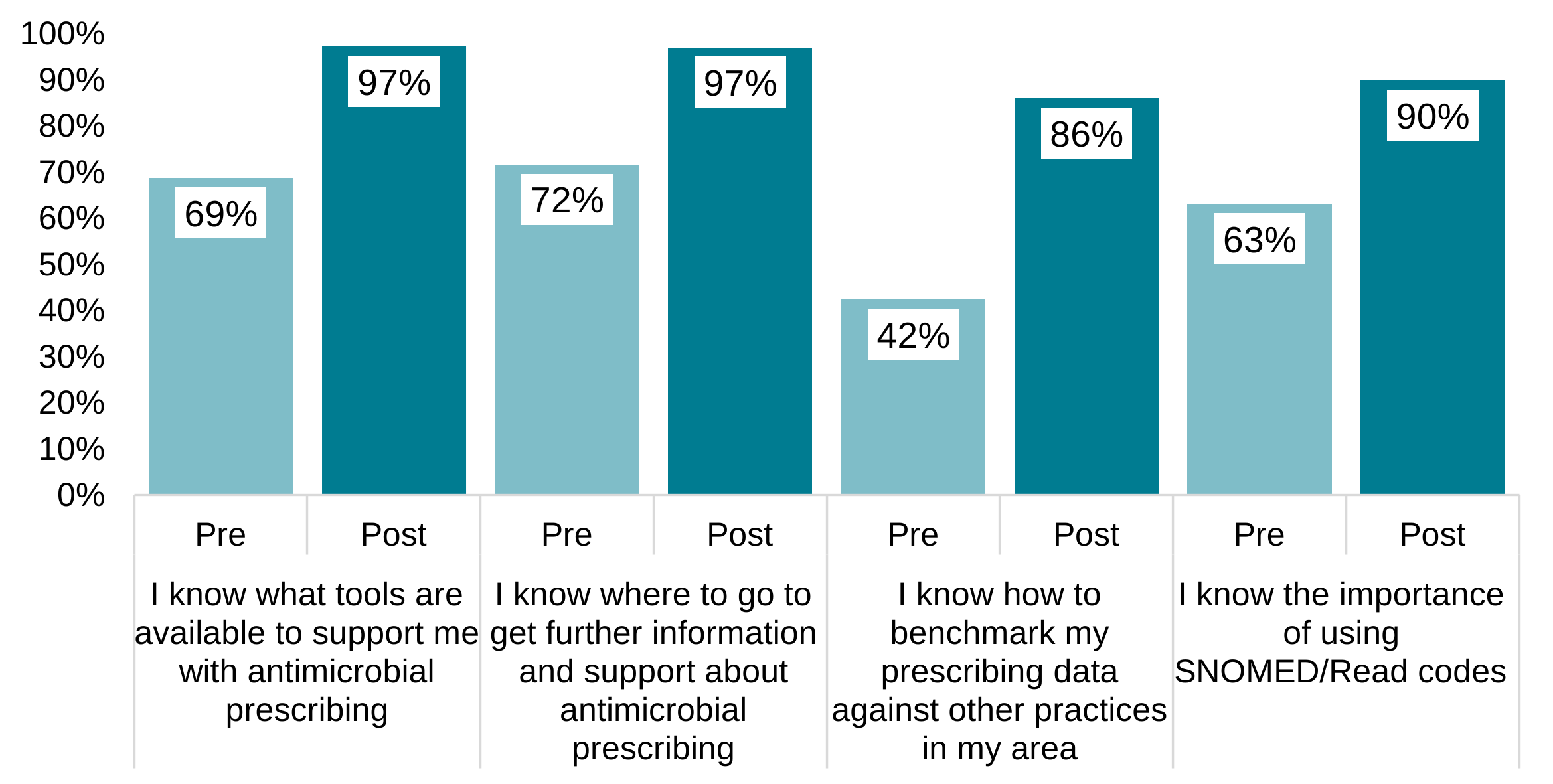
In 2025 to 2026, the training remains consistent in increasing attendees’ knowledge on resources to support their prescribing (Figure 7.1). Motivation immediately after training workshops was high with 75.2% (325 out of 432) planning to implement stewardship actions in their practice, of which 63.1% (205 out of 325) intend to do this within the first 6-months of training.
Figure 7.1. Healthcare professionals’ agreement to statements on prescribing support before (n=791) and after (n=543) TARGET training 2025 to 2026
Impact of the TARGET training on antibiotic dispensing have been investigated using dispensing data from ePACT2. Following initial analyses reported in 2024 to 2025 ESPAUR report, further analyses revealed that integrated care boards (ICBs) that rolled out training demonstrated a significantly steeper decline in dispensing rate post roll out, with 15 of these ICBs experiencing an immediate decrease in antibiotic dispensing rate in the first month following roll out. The estimated impact of TARGET training was:
- an immediate reduction of antibiotic dispending by an average of 0.89 items per 1,000 patients (step-change) and a reduction in dispensing rate by 0.18 items per month post roll out
- an immediate cost savings of £10.36 per 1,000 patients (step-change) and further cost savings of £2.04 per 1,000 patients per month
- decreased in proportion of broad-spectrum dispensing by 0.02% per month
- impact sustained for approximately 10 months
Care homes training course
UKHSA and Blackpool Council Health Protection teams developed and refined an IPC training package for adult social care (ASC) staff, with further testing to be carried out in the next FY. Building on the successful adaptation of the evidence-based e-Bug programme by Blackpool Council Health Protection Team, the initiative will use feedback and evaluation data from a pilot delivered to 62 ASC staff to enhance content, delivery, and practicality. The training focuses on key IPC principles including hygiene practices, PPE use, infection prevention, vaccinations, and AMR, using methods such as demonstrations and adapted experiments to support training delivery and objectives. Positive outcomes from early delivery included improved knowledge, confidence, and reported workplace changes. These findings will inform further improvements, in partnership with UKHSA, through the TARGET antibiotics toolkit. The project will support standardisation of high-quality IPC training across ASC settings nationwide, equipping staff to implement and cascade best practice.
TARGET FutureLearn course
TARGET Antibiotics: Prescribing in Primary Care e-learning course is a free educational resource developed in collaboration with the British Society for Antimicrobial Chemotherapy and is hosted on FutureLearn. The course consists of 5 modules that aimed to support primary care professionals to target the use of antibiotics to reduce AMR. Since its refresh in June 2024, the course recorded 731 enrolments, with 176 enrolments in 2025 to 2026. Feedback from participants remains positive with 100% of respondents (n=10) reported that the course met or exceeded their expectations and have gained new knowledge or skills because of their participation.
Public and professional engagement activities
TARGET AMS campaign with RCGP
The UKHSA TARGET team and the RCGP continued their annual collaborative AMS campaign targeting RCGP members and other primary care health professionals. Running from September 2025 to March 2026, the campaign focused on a single key message: Smart prescribing saves lives – that every time an antibiotic is used to treat an infection there is also a risk of AMR for the patient. This messaging was informed by the UK Healthcare Worker Survey, which identified primary health professionals had lower knowledge in this area (3). Campaign tools directed users to TARGET Antibiotics Toolkit and promoted registration to the TARGET webinar series.
Promotional campaign activities included:
- paid search advertising
- social media posts (clinical focused Instagram quizzes associated with the webinar topics)
- solus email to RCGP members, targeting almost 43,000 members
- regular content distributed to RCGP members and subscribers, including bimonthly newsletters and learning bulletins
The 2025 to 2026 AMS campaign generated 1.17 million paid digital impressions despite running for only 6 months, compared to 12 months in the previous year (Table 7.2). Total campaign link clicks decreased from 47,224 to 29,471, largely reflecting the reduced duration of paid media activity. Paid digital clicks decreased accordingly (45,474 to 27,090), but performance across owned channels improved. Newsletter engagement increased, with clicks rising from 989 to 1,668, and solus email communications had a higher click-to-open rate (5%, 1,213 unique clicks) compared to 2024 (3%, 614 unique clicks). Social media performance also strengthened, with Instagram story reach increasing from 1,887 to 5,483. Engagement through other email routes remained stable (725 to 713 clicks). Increased registrations for TARGET webinars (see TARGET webinars section) and continued positive feedback further indicate strong user engagement beyond initial campaign touchpoints.
Overall, the campaign indicates that a clear, insight-led message delivered through a multi-channel approach resonates more strongly with primary care professionals. While overall click volumes were lower due to reduced paid media activity, improved performance across email, newsletters and social media suggests greater efficiency and stronger audience engagement. Increased webinar participation further points to more meaningful engagement beyond initial campaign interactions.
Table 7.2. Public and professional engagement with the TARGET toolkit across the communication activities delivered for the 2025 to 2026 RCGP/TARGET campaign, measured by total clicks and compared with the 2024 campaign
| Metric | 2024/25 | 2025/26 |
|---|---|---|
| Total campaign link clicks | 47,224 | 29,471 |
| Newsletter email clicks (RCGP members) | 989 | 1,668 |
| Other email clicks (PCD, learning, digest) | 725 | 713 |
| Paid digital clicks (search & social)1 | 45,474 | 27,090 |
| Reach (Instagram stories) | 1,887 | 5,483 |
| Paid digital impressions/views [note 1] | 1,278,021 | 1,174,869 |
Note 1: Paid digital advertising ran for 12 months in 2024 to 2025, compared to 6 months in 2025 to 2026.
Raising awareness of AMS/AMR among pharmacy technicians
Findings from national surveys highlighted gaps in AMR knowledge among pharmacy technicians (3, 4), indicating a need to strengthen education and capability across the workforce. UKHSA in collaboration with the Association of Pharmacy Technicians UK (APTUK) and NHS England delivered 2 AMR webinars in March 2026. Participants completed surveys before and after the 2 webinars which assessed baseline understanding, learning outcomes, and impact of the webinar.
Participants represented hospital pharmacy, primary care, community pharmacy, mental health services, ICBs, academia and training roles. Prior to the webinar, 24.5% (39 out of 159) of respondents reported contributing to or leading AMS activities within their current role.
Awareness of AMR campaigns and tools
More than half of respondents in the pre-survey was aware of World Antibiotic Awareness Week (62.9%, 100 out of 159), Antibiotic Guardian (67.3%, 107 out of 159) and NICE guidelines (94.3% 150 out of 159). Respondents’ reported awareness of stewardship initiatives indicated 34.6% (55 out of 159) were aware of the TARGET Toolkit, 34% (54 out of 159) for Keep Antibiotics Working, 20.1% (32 out of 159) for SIGN guidelines, 18.2% (29 out of 159) for European Antibiotic Awareness Day, 14.5% (23 out of 159) for Start Smart Then Focus and 7.5% (12 out of 159) for e-Bug.
AMR knowledge
Findings from the pre- and post-survey (Table 7.3) suggest that pharmacy technicians have strong self-assessment of knowing what AMR is and the relationship between antibiotic use and AMR. The same was seen on objective knowledge questions around knowing what antibiotics treat, adverse effects associated with taking antibiotics, and that unnecessary use of antibiotics make them ineffective.
However, the pre-webinar survey indicated lower number of participants know what information to provide to individuals around appropriate antibiotic use, how to apply knowledge to practice and feel they play a role in controlling AMR. Similarly, lower correct responses were recorded on the objective AMR knowledge questions relating to the spread of antibiotic-resistant bacteria between people and the increased risk of antimicrobial-resistant infection following antibiotic use. While correct response rates were lower for these questions, overall post-webinar performance was higher than pre-webinar, indicating an improvement in participant knowledge. Indeed, only half of the participants (50.3%, 80 out of 159) answered all 7 knowledge questions correctly in the pre-webinar survey and this increased to 71.6% (48 out of 67) in the post-webinar survey. These findings suggest that the webinar strengthened both self-assessed competence and objective knowledge in areas where baseline understanding was lower, with post-survey responses indicating strong intentions to implement stewardship actions in practice.
Pre-webinar knowledge of AMR appears to be improving compared to previous surveys (2026: 50.3%, 2024: 37.2%, 2019: 40%), but current findings suggest that this is not yet translating into confidence, role ownership, or routine engagement in stewardship activities. Hence, there is a need for targeted support to build confidence and embed AMS into day-to-day practice. Future planned activities include focused role modelling articles in APTUK newsletters, peer-led videos, and dissemination of findings to mobilise knowledge and increase engagement.
Table 7.3a. Findings for pre- and post-webinar survey investigating awareness of AMR and AMS in pharmacy technicians: confidence in AMR knowledge
| Awareness | Pre-webinar survey N= 159 n (%) |
Post-webinar survey N=67 n (%) |
|---|---|---|
| Know what antibiotic resistance is | 149 (93.7%) | 63 (94%) |
| Know the relationship between antibiotic use and development of AMR | 146 (91.8%) | 64 (95.5%) |
| Know what information to provide to individuals regarding prudent antibiotic use and AMR | 113 (71.1%) | 61 (91.0%) |
| Understand the impact of IPC on AMR | 123 (77.4%) | 62 (92.5%) |
| Having sufficient knowledge to use antibiotic appropriately within your practice | 106 (66.7%) | 60 (89.6%) |
| Plays a key role in helping control AMR | 68 (42.8%) | 48 (71.6%) |
Table 7.3b. Findings for pre- and post-webinar survey investigating awareness of AMR and AMS in pharmacy technicians: objective AMR knowledge (correct responses)
| Awareness | Pre-webinar survey N= 159 n (%) |
Post-webinar survey N=67 n (%) |
|---|---|---|
| Antibiotics are not effective against viruses | 151 (95.0%) | 64 (95.5%) |
| Antibiotics are not effective against colds and flu | 152 (95.6%) | 64 (95.5%) |
| Unnecessary use of antibiotics makes them become ineffective | 156 (98.1%) | 65 (97.0%) |
| Taking antibiotics may result in adverse effects | 151 (95.0%) | 65 (97.0%) |
| Antibiotic resistant bacteria can spread from person to person | 99 (62.3%) | 50 (74.6%) |
| Healthy people can carry antibiotic resistant bacteria | 123 (77.4%) | 62 (92.5%) |
| Every person treated with antibiotics is at an increased risk of antimicrobial resistant infection | 110 (69.2%) | 57 (85.0%) |
Table 7.3c. Findings for pre- and post-webinar survey investigating awareness of AMR and AMS in pharmacy technicians: hand hygiene
| Awareness | Pre-webinar survey N= 159 n (%) |
Post-webinar survey N=67 n (%) |
|---|---|---|
| Awareness of WHO’s 5 movements of hand hygiene | 100 (62.9%) | 56 (83.6%) |
| The need to perform hand hygiene even if gloves were used in contact with patients or biological materials | 142 (89.3%) | 65 (97.0%) |
Exploring knowledge, attitudes and behaviours in 16- to 18-year-olds
To address knowledge gaps and misconceptions relating to antibiotic use which were identified from the national AMR survey (5), alongside declining vaccination uptake among young people (6, 7), focus groups were conducted with 23 young people aged 16 to 18 across 3 educational institutions. This age group represents a key transitional stage with increasing independence in health decision-making, shaped by a rapidly evolving digital environment and the lasting impacts of the COVID-19 pandemic. Therefore, understanding their current health-seeking behaviours is crucial. This research was framed within the context of RTIs, a key driver of antibiotic prescribing in primary care.
Participants demonstrated a strong awareness of judicious antibiotic use and recognised AMR as a shared societal issue. However, misconceptions persisted regarding antibiotic disposal and the use of leftovers. Knowledge of IPC practices was high, largely attributed to messaging during the COVID-19 pandemic. Vaccination attitudes were positive despite acknowledgement of factors contributing to peer hesitancy, such as misinformation and conspiracy theories. Most adolescents reported self-managing mild respiratory symptoms, with parental guidance continuing to shape behaviours. Trust in official health sources was high, while social media was widely used but approached with scepticism. Early, accessible education and creative campaigns were valued for engaging young people in public health messaging.
Adolescents’ nuanced understanding of AMR, IPC and vaccination, alongside their critical engagement with information sources, reflects a readiness to take responsibility for their health. Nevertheless, the persistence of misconceptions, misinformation, and external influences demonstrate the need for sustained education and public health intervention. Findings support the inclusion of AMR within the secondary Health Education curriculum in England from September 2026 (8), providing young people with trusted, accessible information and supporting long-term behaviour change.
Ongoing collaboration with international partners, including low- and middle-income countries, aims to extend this research across diverse adolescent populations to inform culturally relevant AMR and vaccination policy and strategy.
Public education and engagement
Four Nations Workshop on AMR Public Engagement and Education
The UK NAP Outcome 2 outlines a target to increase UK public knowledge on AMR by 10% by 2029, measured by surveys of public attitudes. With the aim of developing a coordinated approach towards improving public knowledge and attitudes, representatives (policy, infection prevention, behavioural science, and communication specialists) from England, Scotland, Wales, and Northern Ireland convened for a 2-day virtual workshop to identify shared priorities aligned to Outcome 2. Discussions focused on 3 thematic areas:
-
audience‑tailored AMR messaging
-
AMR education for children and young people (CYP)
-
digital and media strategies for effective message dissemination
Participants emphasised the need for consistent yet flexible messaging that can be adapted to different audiences, contexts and points of contact. A ‘selection‑box’ approach, shared core messages with nation‑specific tailoring, was widely supported. Delegates highlighted evidence gaps around message effectiveness and agreed that a Four Nations task force should develop a long‑term roadmap to 2040 and undertake a coordinated gap analysis.
Day 2 discussions demonstrated strong appetite for deeper collaboration on AMR education in schools, including shared evaluation frameworks, mechanisms for increasing teacher confidence, and exploring whole‑school approaches to health literacy. Further sessions on CYP health‑seeking behaviours highlighted the need for targeted, actionable advice for parents and adolescents, along with practical tools for use at consultation points.
Across all discussions, participants recognised the importance of adapting to a rapidly evolving digital landscape, including opportunities for generative search optimisation, influencer partnerships and coordinated press activity. The workshop concluded with a commitment to strengthen Four Nations collaboration, reduce duplication, and amplify shared learning to accelerate progress toward NAP goals.
This work highlights the clear motivation to work together, across the Four Nations, to provide consistent core messaging and support for collaboration in the education sector. Following the workshop, communication teams are in contact and policy leads are meeting with the aim of developing a roadmap for future collaboration.
e-Bug programme
The e-Bug programme, led by UKHSA, aims to equip children and young people with the knowledge and behaviours needed to prevent AMR through effective IPC. This is achieved by providing free, curriculum-aligned educational resources designed to support teachers, community leaders and educators in delivering consistent public health messages across school and community settings.
Reach and engagement
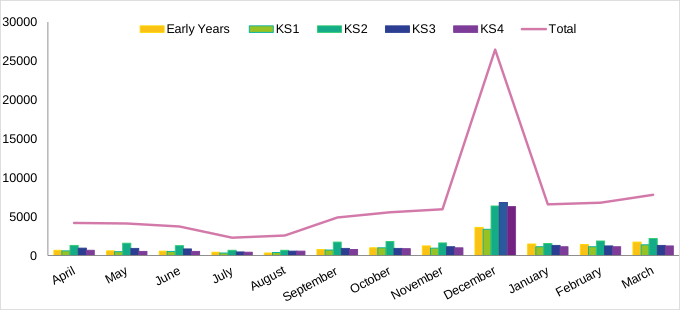
Between April 2025 and March 2026, the e-Bug website recorded 198,979 page views (Figure 7.2), a 55% increase compared to the previous year (128,356 page views). This sustained growth reflects increasing awareness of the platform and continued demand for IPC and AMR education within schools.
Engagement peaked in December, coinciding with the AI for Science Summit 2025, indicating heightened interest during key external events. As anticipated, activity declined during the summer holiday period (July to August). The most frequently accessed content included Key Stage 1 to 3 teaching resources, early years materials, and teacher-focused guidance pages, highlighting strong demand for practical classroom resources.
Figure 7.2. Monthly views of the e-Bug website from April 2025 to March 2026
Communications and campaigns
Digital channels (Facebook, X and YouTube) continue to drive awareness and uptake, with over 3,000 X followers and 166,000 YouTube views highlighting a growing emphasis on engaging formats such as video content. Targeted campaigns during the year, including the Creative Challenge for World AMR Awareness Week (WAAW), British Science Week and World Immunisation Week, facilitated resource promotion with interactive participation. This approach supported active learning and encouraged behaviour change among young audiences. The Teacher Advisory Panel, established in 2024, continues to play an important role in shaping content and ensuring resources remain relevant and usable in classroom settings. The e-Bug quarterly newsletter is sent to nearly 10,000 subscribers and shares updates on campaigns, highlights key resources, and provides relevant public health guidance and opportunities to get involved.
e-Bug 2025 WAAW AMR Creative Challenge
Educating children on AMR awareness and antibiotics is important as early education can shape long-lasting appropriate antibiotic use habits and influence parental decision making (9). In England, AMR and antibiotics was included in the latest updates of the Relationships Education, Relationships and Sex Education and Health Education (RSHE) statutory guidance for schools for introduction in September 2026 (8).
e-Bug introduced the Creative Challenge for the first time during WAAW to engage schools to build awareness and involvement around AMR, ahead of its implementation within the curriculum. The challenge aimed to engage young people with AMR through creativity and communication. Through engagement with schools, e-Bug invited Key Stage 4 students to create artwork that raised awareness of AMR and responsible antibiotic use.
Eighteen entries were received and were evaluated by members of the e-Bug team and UKHSA colleagues with expertise in AMR, public health and education. The entries showcased a wide range of creative approaches, from traditional posters to cartoon illustrations. They demonstrated creativity and a strong understanding of responsible antibiotic use and infection prevention.
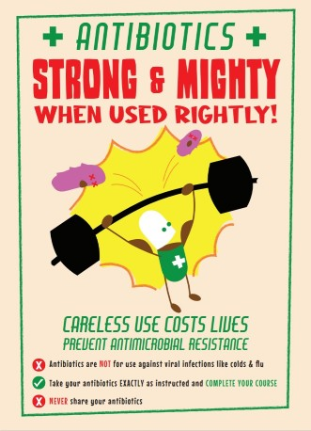
The winning entry (Figure 7.3) was selected because it communicated a clear message about appropriate antibiotics use through memorable slogans, strong visuals and engaging cartoon-style illustrations. The judging panel appreciated its eye-catching design, catchy copywriting, and alignment with UKHSA messaging. Prizes were awarded to one First Place winner, 3 Second Place winners and 5 Third Place winners.
Figure 7.3. Winning entry in e-Bug’s Creative Challenge supporting World Antimicrobial Awareness Week
Text version of Figure 7.3
This graphic shows the winning poster of e-Bug’s creative challenge in conjunction with World Antimicrobial Awareness Week 2025. The poster is titled ‘Antibiotics Strong and Mighty When Used Rightly’. It features a cartoon antibiotic pill ‘strongman’ weightlifting. The accompanying text below the image reads: Careless use costs lives. Prevent antimicrobial resistance. Antibiotics are not for use against viral infections like colds and flu. Take your antibiotics exactly as instructed and complete your course. Never share your antibiotics.
Partnerships and future reach
International collaboration remains a key strength of the e-Bug programme. During this period, Portugal and Denmark joined the existing network of partners across Europe and beyond. These partnerships support the adaptation and sharing of e-Bug resources across different educational and public health contexts, extending the programme’s global reach. Work to expand this network further will continue into 2026.
PSHE curriculum and resources
Educating children and young people about AMR is a priority area for Outcome 2 of the UK NAP, which includes integrating it into classroom learning. However, coverage of infection prevention and AMR in the English National Curriculum remains inconsistent.
Previous curriculum mapping exercises identified that AMR is not consistently embedded within national curricula, and where it is included, it is often taught within specific subject areas such as science, and in isolation from wider health behaviours. This fragmented approach limits opportunities to build knowledge, attitudes, and behaviours required for effective antimicrobial stewardship, infection prevention and AMR containment.
In 2022, the Department for Education reviewed its RSHE guidance. During this process, UKHSA successfully advocated for the inclusion of AMR in secondary health and wellbeing curriculum. The inclusion of these new elements created a need for teaching resources to support the delivery of these topics in the classroom. As RSHE is commonly delivered through PSHE subject, e-Bug has partnered with the PSHE Association, the leading body for PSHE education, to co-produce a brand-new resource on Preventing and Treating Infection, for Key Stages 3 and 4. The resource has been developed to meet the PSHE Association Quality Mark criteria and can be found on the e-Bug website: Key Stage 3 and Key Stage 4.
e-Bug Training
The e-Bug Health Educator Training and Preventing and Managing Infections in Childcare and Pre-school are free courses available on the FutureLearn platform. Table 7.4 provides an overview of training uptake.
Table 7.4. e-Bug FutureLearn training uptake for e-Bug health educator training and preventing and managing infections in childcare and pre-school
| Uptake type | e-Bug health educator training | Preventing and managing infections in childcare and pre-school |
|---|---|---|
| Target audience | Educators, teachers, and healthcare professionals in paediatric settings | Childcare providers working with children under 4 years of age |
| Content focus | Introduction to microbes, behaviour change to prevent infection, responsible antibiotic use | Micro-organisms, infectious diseases, IPC practices in childcare settings |
| Time period | April 2025 to March 2026 | April 2025 to March 2026 |
| Enrolment | 292 | 949 (+232 versus previous year) |
| Reach | UK and international (for example India, Nigeria, Portugal) | UK and international (for example South Africa, Philippines) |
| Feedback | ~80% met or exceeded expectations, improved knowledge/skills “I have learned a great deal about health and hygiene, including related activities and how to address preconceived notions regarding antibiotics and vaccines.” |
94% met or exceeded expectations, most improved knowledge/skills “…Looking back at both weeks, the most useful thing I’ve learned is how quickly germs can spread through everyday interactions – it really reinforced the need for proper hygiene at key moments. Moving forward, I’ll focus on educating others about targeted hygiene and infection control, making small but meaningful changes to keep kids healthier.” |
Overall, the e-Bug training courses are demonstrating clear value, reaching key audiences in education and childcare and equipping them with the knowledge and skills needed to support IPC and responsible antibiotic use. Strong learner satisfaction and reported improvements in understanding indicate that the courses are effective, while growing enrolment, particularly in role-specific childcare training, highlights demand for practical, targeted content. By building capability among those working closely with children, these courses have the potential to influence behaviours more widely and contribute to longer-term reductions in infection spread and antibiotic use, with further opportunities to scale reach and impact. Future work is needed to scale uptake, particularly of the educator course, and continue tailoring content to specific roles to maximise impact.
Vector-borne disease educational resource development
The increasing spread of vector-borne diseases (VBDs), driven by climate change and global travel, means that a growing proportion of the population is at risk (10). For CYP, early awareness and understanding of how infections are transmitted and prevented is important in supporting healthy behaviours and reducing future risk.
As a programme focused on building foundational knowledge of infection prevention, e-Bug is well placed to introduce these concepts in an age-appropriate way within the classroom. e-Bug partners from England, France and Norway worked with local teachers to develop teaching resources on vectors and VBDs for Key Stages 1 to 4 mapped to local national curricula and adaptable to various countries and regions. The resource was reviewed by UKHSA Travel Health and International Health Regulation (IHR) team, and the Medical Entomology and Zoonoses Ecology team, to ensure accuracy.
The teaching resources are being piloted in across primary and secondary school settings to evaluate the effectiveness of the educational materials in improving students’ knowledge and motivation to adopt best practices for VBD prevention (see annexe for example lesson plan). The evaluation will also assess educators’ capability and motivation to use these resources to teach about vectors and VBDs.
Germ Busters Academy
e-Bug expanded its offer by developing a new IPC and AMR educational resource for out‑of‑school settings, including after‑school clubs, holiday provision and youth groups. This responds to a growing policy focus on expanding wraparound childcare and increasing the role of schools in providing extended‑day activities (11, 12), with around 60% of primary schools already offering wraparound provision and national ambitions for all children to have access by 2026. Alongside this, schools are increasingly expected to deliver enrichment activities such as STEM (science, technology, engineering, and mathematics) clubs, creating an opportunity to embed health education within these settings.
Designed in collaboration with after‑school facilitators, the Germ Buster Academy provides fun, interactive activities for children aged 5 to 16, introducing key concepts in infection prevention, AMR, and the impact of climate change on AMR. This approach supports both the expansion of wraparound provision and the need for engaging, curriculum‑aligned enrichment activities, enabling e-Bug to reach children and young people in new, informal learning environments.
The resource is currently being piloted in selected after-school settings across England to assess its usability, suitability, and acceptability among both children and facilitators. Following this evaluation phase, the materials will be made available on the e-Bug website and promoted through a range of channels to support wider uptake across relevant community settings in England.
IPC training for early years and other educational settings (EYES)
A 2023 school teacher survey identified a clear need for additional educator IPC and AMR training within school settings (14). In response, e-Bug, in collaboration with regional health protection teams, the National IPC Team, and the Inequalities and Life Course Team, developed a training resource aimed at teachers, early years educators, and staff working in early years EYES. The training focuses on the prevention and management of infectious disease outbreaks in their settings, and what EYES can do to prevent AMR. It includes 5 bite-sized modules with accompanying quizzes to consolidate knowledge at the end of each module.
The modules include:
- Section 1 Why IPC is important and how infection spreads – this discusses the concept of infection, how infection spreads, and what we can do to stop it
- Section 2 Building healthy classrooms: key hygiene and safety measures – this covers key hygiene and IPC measures to build a healthy educational environment
- Section 3 Beyond the basics: extra steps for clean and safe spaces – this explores additional factors to consider IPC in EYES
- Section 4 Winning against bugs: treatment and resistance explained – this discusses how infections are treated, the concept of AMR and how to help reduce AMR
- Section 5 Managing infectious disease outbreaks in EYES: common illnesses and practical steps for educators – this introduces common illnesses in EYES and how to manage infectious disease outbreaks
The resource is currently being piloted with primary and secondary school teachers, early years educators, and Ofsted-registered childminders across England to assess its usability, suitability, and acceptability.
Public surveys
The majority of antibiotics are prescribed in primary care (see Chapter 3) where consultations for common infections are highest. Antibiotics prescribing for children accounted for 13.5% of total antibiotic use in primary care last year (15), bringing parents into the foreground for public engagement to facilitate appropriate antibiotic use behaviours. International studies have highlighted that parents hold misconceptions about what antibiotics treat and overestimate the benefits of antibiotics (16 to 18). Knowledge around antibiotics and AMR is crucial as it could influence appropriate antibiotic use (19, 20). However, the understanding of parents in the UK remains limited, making it an area to improve on in order to develop targeted interventions.
Parents AMR survey
UKHSA conducted a nationally representative survey of 1,208 parents to explore how parents manage childhood infections, including healthcare-seeking behaviours, antibiotic use, and knowledge of AMR.
Parents frequently sought healthcare advice for childhood infections, with higher use of general practice (GP) for children aged 2 to 4 (46%, 92 out of 197) than the total sample (35%, 316 out of 900, p<0.05) and higher use of community pharmacies for children aged 11 to 16 (25%, 119 out of 470) than younger children (17%, 33 out of 197, p<0.05). Satisfaction with both services was high, with 85% (175 out of 207) reporting being satisfied with pharmacy care and 83% (315 out of 378) with GP care.
One-third of parents (33%, 391 out of 1,172) reported that their child had received an antibiotic in the previous 12 months. Antibiotic use was more commonly reported among children aged 2 to 4 (41%, 103 out of 251) and 5 to 10 (38%, 199 out of 523) compared with those aged 11 to 16 (27%, 168 out of 614, p<0.05), children from ethnic minority backgrounds (44%, 104 out of 238) compared with white children (31%, 283 out of 928, p<0.05) and those living in more deprived areas (37%, 101 out of 277) compared with those living in the least deprived areas (25%, 50 out of 198, p<0.05). Most antibiotics were obtained through primary care prescribing (65%, 255 out of 391). However, some parents reported using leftover antibiotics from previous prescriptions (9%, 35 out of 391) or obtaining them abroad without a prescription (8%, 31 out of 391).
Although parents generally sought symptom relief (36%, 139 out of 386), advice (33%, 126 out of 386) and clinical assessment (36%, 138 out of 386) rather than antibiotics (28%, 109 out of 386), antibiotics were reported to be prescribed more frequently than parents expected during consultations (34%, 130 out of 386). Awareness of delayed antibiotic prescribing was low (12%, 137 out of 1,172), despite relatively high acceptability when explained (50%, 585 out of 1,172).
Knowledge of antibiotics was mixed. While understanding of infection prevention measures was generally high, misconceptions about antibiotic effectiveness, particularly for viral infections, were common. Awareness of potential harms associated with antibiotic use was also limited. Notably, 40% (464 out of 1,172) of parents reported that they would be likely to request antibiotics even when advised that they were not clinically indicated. Many parents also reported storing (44%, 36 out of 82) or sharing (27%, 22 out of 82) leftover antibiotics.
These findings highlight knowledge gaps and behavioural drivers of unnecessary antibiotic use, alongside high trust in healthcare professionals. Strengthening communication, improving understanding of appropriate antibiotic use, and targeting interventions to key groups will be important to support AMS in childhood infections.
Parents side effects
A UK survey of 1,205 parents explored awareness, experiences and management of antibiotic side effects and allergies in children, highlighting important implications for AMS. Among respondents, 64% (770 out of 1,205) reported that their child had previously received an oral antibiotic. Of these, 9% (72 out of 770) reported that their child had experienced an antibiotic side effect and 7% (53 out of 770) reported an antibiotic allergy. Skin irritation was the most commonly reported side effect (26%, 19 out of 72), while skin reactions were also the most frequently reported allergic reaction (58%, 30 out of 53).
Antibiotic side effects frequently affected children’s daily activities (61%, 44 out of 72) and resulted in many parents stopping treatment early (64%, 46 out of 72), many doing so without professional advice (52%, 24 out of 46). Following previous experiences, most parents reported that they would seek professional advice if side effects (64%, 46 out of 72) or allergic reactions (76%, 40 out of 53) occurred again.
Findings suggest that some parents find it difficult to distinguishing between side effects and allergic reactions. This may contribute to inappropriate antibiotic allergy labels, which can limit future treatment options and impact AMS.
This survey also highlights behaviours that may affect treatment outcomes, such as stopping antibiotics without professional advice. Strengthening communication about expected side effects, when to seek advice and how to manage reactions could improve safe antibiotic use and reduce unnecessary allergy labelling.
The findings from both surveys resulted in the development of a range of paediatric-focused activities. Specifically, in Chapter 5, we outlined the development of a patient decision aid aimed to facilitate shared decision-making between parents and healthcare professionals, consequently addressing behavioural drivers for unnecessary antibiotic use. In this chapter, we highlighted the delivery of 2 webinars relating to paediatric RTIs targeting primary care healthcare professionals to support appropriate antibiotic prescribing according to latest evidence and NICE guidance. Both webinars were well received by participants.
Engagement guide for AMR
The engagement guide for AMR was developed as a key deliverable under the UK NAP for AMR 2024 to 2029. It aligns specifically with Outcome 2, which focuses on raising public engagement and education on AMR. The guide has been developed in line with Commitment 2.3 to support effective public communication on nature and risks associated with AMR. It provides a range of approaches, examples and considerations to help improve the understanding of AMR and to encourage the behaviours that reduce infections and slow the development of resistance.
This resource is designed for use by government bodies and agencies responsible for health, public health and social care and partners including voluntary groups and non-governmental organisations across the Four Nations. The guide is relevant across all sectors including animal and human health.
Framework development
In 2024, the Framework for Developing a Communication and Engagement Guide on Antimicrobial Resistance was developed through a collaborative process led by the University of Warwick in partnership with the UKHSA (Figure 7.6). Existing engagement guides were first reviewed to identify key components and inform the development of an initial draft. A stakeholder workshop involving public contributors, researchers, policymakers, and health protection experts was then held to gather diverse perspectives on AMR engagement and to review the draft guidance. Additional feedback was obtained from UKHSA colleagues and the UKHSA communications team. The guidance was revised based on stakeholder input and circulated for final review to ensure its relevance and effectiveness. The final framework was then refined by graphic design and communication specialists to enhance its accessibility and visual appeal.
Engagement guide development and publication
The framework helped shape the engagement guide by informing the structure and content, alongside identifying an initial stakeholder group, refining the first chapters and mapping key internal stakeholders to support wider engagement.
A wide range of stakeholders were engaged throughout the development process, including, NHS England colleagues, regional representatives, local providers, AMR charities, colleagues from the Four Nations and national AMR and healthcare inequalities groups. Stakeholder feedback was gathered through document reviews, surveys and focus group discussions, which guided the iterative revision of the engagement guide content, format and intended use. This process helped to clarify key messages, identify priority areas, improve accessibility and ensure the guide reflected the needs of different audiences. Review by national expert groups also helped ensure alignment with existing AMR programmes, antimicrobial stewardship priorities, and wider public health objectives.
The iterative and collaborative approach ensured that the guide provides a practical resource to support organisations and professionals in planning, delivering, and evaluating AMR communication and engagement activities. The engagement guide is now published on gov.uk, ([ML3] Engagement guide for infection and antimicrobial resistance).
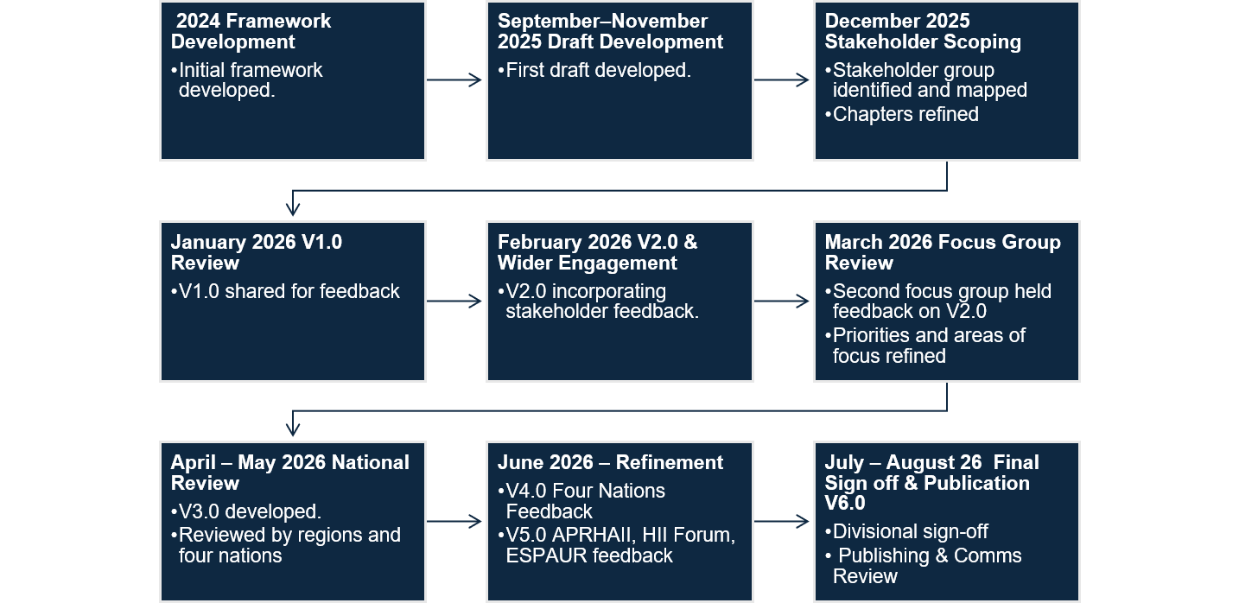
Figure 7.4. Timeline of framework development
Accessible text for Figure 7.4
Image shows a series of nine boxes with an arrow running from left to right, then top to bottom. The boxes contain the following text:
- 2024 Framework development: Initial framework developed
- September – November 2025 Draft development: First draft developed
- December 2025 Stakeholder Scoping: Stakeholder group identified and mapped. Chapters refined
- January 2026 V1.0 Review: V1.0 shared for feedback
- February 2026 V2.0 and wider engagement: V2.0 incorporating stakeholder feedback
- March 2026 Focus group review: Second focus group held with feedback on V2.0. Priorities and areas of focused refined
- April – May 2026 National review: V3.0 developed. Reviewed by regions and Four Nations
- June 2026 Refinement: V4.0 Four Nations feedback. V5.0 APRHAI, HI Forum, ESPAUR feedback
- July – August 2026 Final sign off and publication: V6.0 sign off. Publishing and comms review
Professional and public AMR campaigns
World Antimicrobial Resistance Awareness Week (WAAW) and European Antibiotic Awareness Day (EAAD) 2025
WAAW took place between 18 and 24 November 2025 and EAAD on 18 November 2025. In 2023, the World Health Organization (WHO) rebranded the campaign from World Antimicrobial Awareness Week to World Antimicrobial Resistance Awareness Week after global consultations to better represent the challenges being faced. The 2025 campaign aligned its daily themes with the updated NAP for AMR, published in May 2024:
- Day 1 Prevention – focused on IPC measures, including vaccination, supporting outcome 1 the NAP
- Day 2 Antimicrobials in clinical practice – highlighted good prescribing practices and public engagement, linking to outcomes 2 and 4 of the NAP
- Day 3 Optimising diagnostics – promoted awareness of diagnostic tools, aligned with outcome 6 of the NAP.
- Day 4 Tackling health inequalities – explored how factors such as age, deprivation, ethnicity, and learning disability influence antibiotic use, infection risk and resistance, linking to outcome 8 of the NAP
- Day 5 One Health and research – explored One Health approaches to tackling AMR across human health, animal health and the environment, such as disposal of antibiotics and environmental contamination and One Health research, linking to outcome 7 of the NAP
Three cross-cutting themes underpinned all 5 days: children and young people, sustainability, and research. These were reflected in newly designed digital notes, examples of which are shown in Figure 7.5, which remained among the most shared resource during WAAW.
A refreshed toolkit was published in September 2025 to support healthcare professionals (HCPs), NHS organisations and local authorities to lead campaign activities. The toolkit was updated to reflect changes in COVID-19 practices, reinforce One Health messages and address health inequalities. In 2025, the key messages were reviewed and condensed to provide a more focused selection.
The webpage hosting the toolkit was visited 4,849 times between its publication in September 2025 and 13 May 2026. This reflects engagement with the toolkit across the WAAW 2025 campaign period and the month following.
Figure 7.5. Selection of digital notes that were promoted for use during WAAW 2025
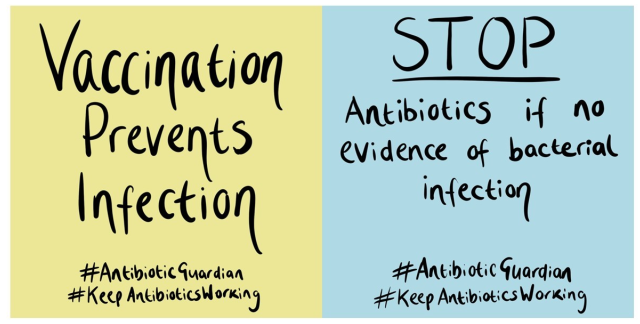
Text version of Figure 7.5
This graphic shows 2 digital notes in 2 boxes which read: Vaccination prevents infection. Stop antibiotics if no evidence of bacterial infection. The bottom of each box also contains the text: #AntibioticGuardian, #KeepAntibioticsWorking.
WAAW and EAAD social media activity
During WAAW 2025 there were over 350 posts on X using the hashtags #WAAW, #AntibioticGuardian or #KeepAntibioticsWorking, with #WAAW being the most frequently used (71%, 250 out of 350). Social media activity on X was lower compared to previous years, with a total of 2,812 posts on X seen during WAAW 2024. This may be indicative of the movement of healthcare professionals away from X in recent years (21, 22). As a result, monitoring alternative social media channels, such as Instagram, LinkedIn and Bluesky, may be beneficial to gain a better understanding of volume and engagement with content relating to WAAW.
UKHSA Andi Biotic AMR campaign
Findings from the 2024 UKHSA AMR public survey continued to show high overall public awareness of AMR, but lower understanding of appropriate antibiotic use and declining feelings of personal responsibility among key audiences. Younger adults aged 18 to 34, men, and Black British and Asian British groups, were more likely to report misconceptions about antibiotics and inappropriate use behaviours, including believing antibiotics are effective against viral infections, not completing antibiotic courses as prescribed, and storing antibiotics for later use.
To address these misconceptions, UKHSA delivered Phase 2 of the Andi Biotic campaign between 17 November and 9 December 2025. The campaign built on the success of the 2017 ‘Keep Antibiotics Working’ initiative and the Phase 1 Andi Biotic pilot, using humour-led, platform-native content designed to engage audience less likely to respond to traditional public health messaging. The campaign aimed to increase reach and engagement among 18- to 34-year-old C2DE audiences, with a particular focus on male audiences and Black British and Asian British communities, whilst improving awareness and understanding of appropriate antibiotic behaviours as a foundation for longer-term behaviour change.
Creative development
Phase 2 built on learning from the Phase 1 pilot, which demonstrated that meme-style humour, short-form video and non-patronising messaging performed strongly with younger audiences. The campaign’s mascot character ‘Andi Biotic’ returned in a new ‘pharmacy disco’ video, using the original Public Health England antibiotics song, alongside additional short-videos and GIF assets.
Three scenarios featuring Andi Biotic were developed to address common antibiotic misuses:
-
taking antibiotics for colds and flu
-
saving antibiotics for later use
-
not taking antibiotics as prescribed
The campaign also expanded its use of influencer and partner-led content, with 6 influencer collaborations designed to increase credibility and reach among target audiences. Supporting digital and print-ready assets were made available through a stakeholder toolkit to support amplification through partner organisations, pharmacies and healthcare networks.
Implementation
The campaign was delivered through UKHSA social media channels, with strong emphasis on short-form video formats like Instagram Reels. Campaign activities were supported by influencer partnerships, stakeholder engagement and commercial partner activity.
For the first time, the campaign extended beyond digital-only delivery through partnerships with organisations including Better Gyms and Amazon UK to help increase visibility in everyday environments used by the target audience. The National Pharmacy Association also shared campaign materials with member pharmacies, while the NHS, Department of Health and Social Care (DHSC) and wider public health stakeholders supported dissemination through their networks. A stakeholder toolkit provided downloadable resources and guidance for local implementation and amplification.
Evaluation
The campaign demonstrated strong performance suggesting that the creative assets successfully cut through the target audience. Across the campaign period, total impressions reached 10.35 million (+87% compared to Phase 1), whilst total reach increased to 6.2 million (+520%). Video views exceeded 1.3 million (+15.4%) and 75% of reached users were non-followers (+108%), indicating strong penetration beyond UKHSA-owned audiences.
Engagement metrics also improved substantially. Overall engagement rate reached 2% (+21%), average video watch time increased to 17 seconds (+38%), whilst average saves, shares and comments per post increased by 2,309%, 834% and 46% respectively. The campaign’s ‘pharmacy disco’ hero video was UKHSA’s highest-performing organic Instagram content at the time, achieving more than 211,000 views and a 5.7% engagement rate, with the majority of those reached being 18- to 34-year-olds. Influencer activity also performed strongly, generating 114,000 views and significantly outperforming Phase 1 benchmarks. Campaign toolkit downloads increased by 93% week-on-week during launch, whilst campaign assets displayed across Better Gym and Amazon UK sites extended visibility beyond digital channels. Social listening and search trend monitoring also suggested increased public engagement with AMR during the campaign period, with Google search interest in ‘antibiotic resistance’ increasing by 48% compared to preceding weeks.
Antibiotic Guardian Campaign
Public Health England (now the UKHSA) launched the Antibiotic Guardian campaign in 2014, with the aim of transitioning from raising awareness to increasing engagement. The campaign encourages individuals across human and animal health, science, education and the general public to pledge their commitment to tackling AMR. Since inception, the campaign surpassed 100,000 pledges in 2020 and ended 2025 with 195,796 pledges made via the main website page (Table 7.5), totalling over 200,000 when including all pledges from collaborative pages.
Table 7.5. Number and proportion of pledges annually from the main pledge page by pledge groups from the start of the campaign in 2014 to December 2025
| Year | HCP number (%) |
Public number (%) |
Students number (%) |
Unknown number (%) |
Total number |
|---|---|---|---|---|---|
| 2014 | 8,501 (69) | 3,725 (30) | 0 (0) | 89 (1) | 12,315 |
| 2015 | 7,979 (53) | 4,542 (30) | 2,322 (15) | 159 (1) | 15,002 |
| 2016 | 6,928 (46) | 4,727 (31) | 3,392 (22) | 92 (1) | 15,140 |
| 2017 | 8,494 (56) | 3,518 (23) | 3,028 (20) | 130 (1) | 15,170 |
| 2018 | 4,570 (55) | 1,293 (15) | 2,359 (28) | 151 (2) | 8,373 |
| 2019 | 5,899 (64) | 1,234 (13) | 2,022 (22) | 134 (1) | 9,289 |
| 2020 | 30,940 (84) | 643 (2) | 4,337 (12) | 814 (2) | 36,733 |
| 2021 | 29,608 (90) | 627 (2) | 1,571 (5) | 617 (2) | 32,423 |
| 2022 | 11,746 (84) | 502 (4) | 1,388 (10) | 279 (2) | 13,915 |
| 2023 | 16,486 (85) | 438 (2) | 1,950 (10) | 447 (2) | 19,321 |
| 2024 | 10,390 (80) | 539 (4) | 1,707 (13) | 331 (3) | 12,967 |
| 2025 | 3,160 (61) | 512 (10) | 1,329 (26) | 147 (3) | 5,148 |
| Total | 144,701 (74) | 22,300 (11) | 25,405 (13) | 3,390 (2) | 195,796 |
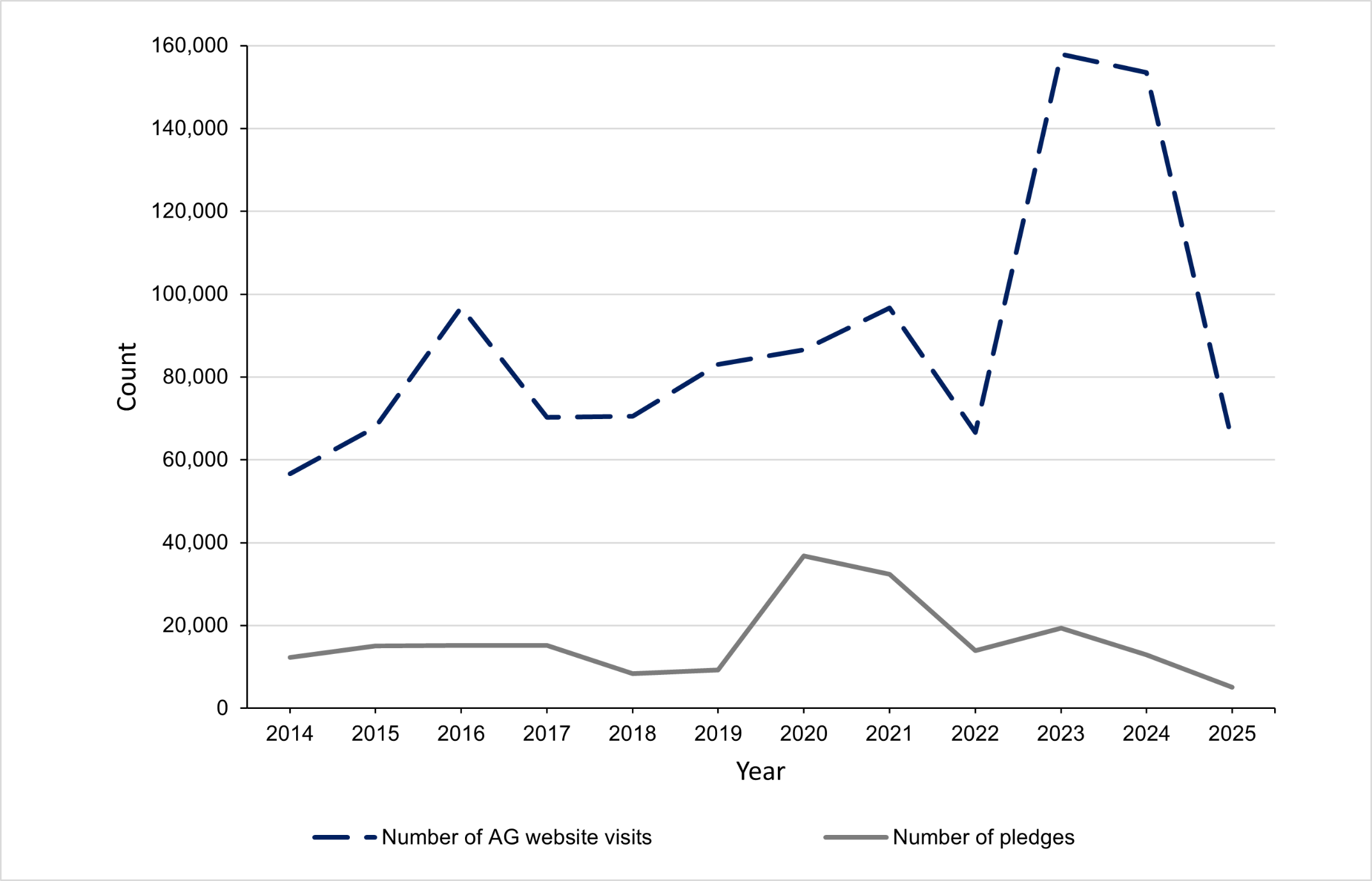
The campaign webpage received 64,467 views and 5,148 pledges in 2025 (Figure 7.8). Notable spikes in activity occurred in August, likely linked to the release of the third edition of the Antibiotic Guardian newsletter, and a larger peak in November, coinciding the WAAW campaign.
Most pledges were made by health or social care professionals (61%, 3,160 out of 5,148), with 23% (1,176 out of 5,148) from pharmacy teams across primary, secondary and community care. Annexe Table 7.1 has a breakdown of pharmacy team pledges made during 2025. The proportion of pledges made by the public increased from 4% in 2024 to 10% (512 out of 5,148) in 2025 but remained proportionally low. Pledges made by students, educators, and scientists increased to 26% (1,329 out of 5,148), the highest proportion since 2019. Colleagues were the most common source of campaign awareness (25%, 1,309 out of 5,148), followed by NHS (13%, 690 out of 5,148) and professional organisation (12% 611 out of 5,148).
Figure 7.6. Antibiotic Guardian pledges (including international pledges) made via the main pledge page each year, from 2014 to 2025 and annual number of visits to the Antibiotic Guardian main pledge page
Demographics of Antibiotic Guardians
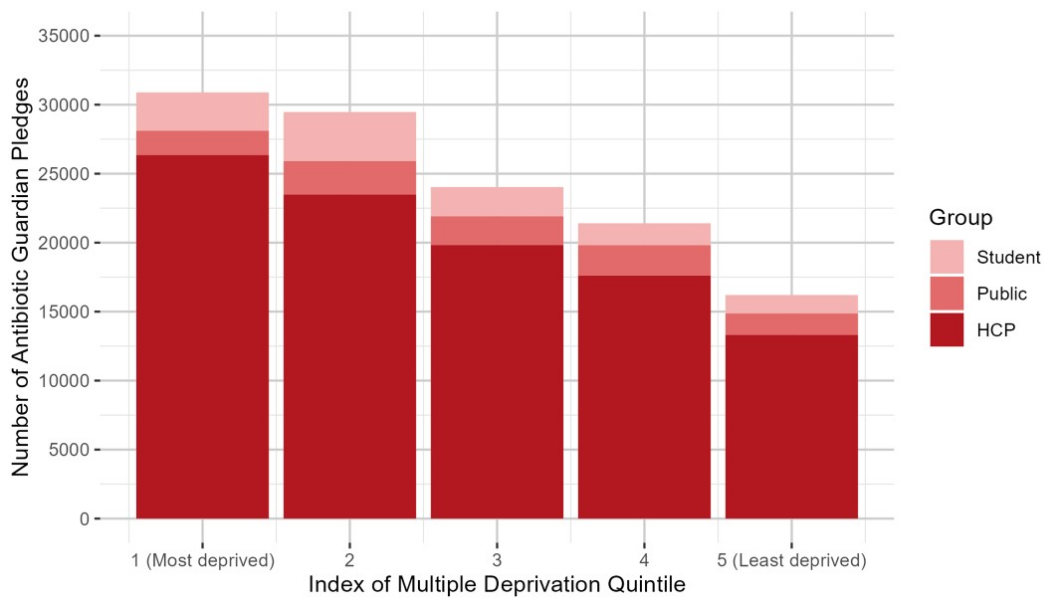
Additional demographics have been calculated for AGs to identify populations with lower levels of engagement. To determine deprivation level, postcode data from August 2014 to December 2025 was matched to geographic location using ONS UK Census 2021 geographies (23). IMD quintile data was then matched using postcodes and compared to the 2025 MHCLG English indices of deprivation (24). The English IMD quintiles for AGs with a valid full or partial postcode (n = 121,998), shows 25% are in 1st quintile (the most deprived areas, n = 30,820), 24% in 2nd (n = 29,355), 20% in 3rd (n = 23,972), 18% in 4th (n = 21,427) and 13% in the 5th quintile (least deprived areas, n = 16,245, Figure 2). The distribution of the pledge group across IMD quintiles is broadly even, with a slightly higher proportion of students in the second quintile (12%) (Figure 7.7).
Figure 7.7. Index of Multiple Deprivation quintile distribution Antibiotic Guardians since the campaign began in 2014 by pledge group (n = 121,998)
Since April 2023, where data is available, most pledges were from those aged 35 to 64 years (45%, 8,174 out of 18,046). Very few pledges were made by those under 18 or over 65 years (0%, 0 out of 18,046 and 2%, 396 out of 18,046 respectively).
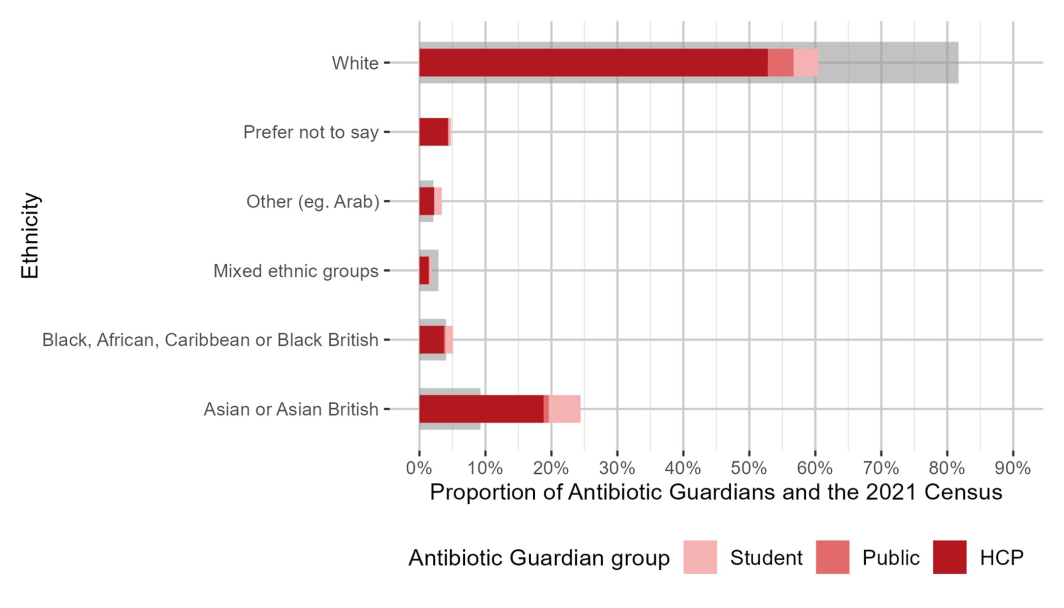
For AGs who chose to answer the ethnicity question (n = 21,403), 60% were White (n = 13,200), 25% Asian or Asian British (n = 5,380), 5% Black, African, Caribbean or Black British (n = 1,114), 3% Other (for example, Arab, n = 753) and 2% were Mixed ethnicity (n = 389). Five percent selected ‘Prefer not to say’ (n = 1,051). Students showed the greatest variation for pledge groups and accounted for a higher proportion of pledges among minority ethnic groups, while members of the public were slightly lower and healthcare workers were broadly consistent (Figure 7.8).
Figure 7.8. Ethnicity distribution of Antibiotic Guardians since 2023 compared to the general population in the 2021 UK Census by pledge group (n = 21,403)
In 2025, 73 organisations from across the UK registered their AMS activities via the Antibiotic Guardian, these were primarily from GP practices (49%, 36 out of 73), hospitals (5%, 4 out of 73), and NHS primary care (1%, 1 out of 73).
Antibiotic Guardian newsletter
A quarterly AG newsletter aimed at HCPs was launched in October 2024, in collaboration with the Microbiology Society. It featured AMS activities, patient and clinicians’ personal experiences of AMR, event updates and promotional resources. The October and February editions of the newsletter were delivered to 29,866 and 21,975 recipients, with open rates of 38% (11,427 out of 29,866) and 38% (8,280 out of 21,975) and link click rates of 12% (3,492 out of 29,866) and 15% (3,208 out of 21,975), respectively (Table 7.6).
Table 7.6. Newsletter editions, subscriber count, and engagement metrics from 2024 to 2025
| Metric | Edition 1 (Oct-24) | Edition 2 (Feb-25) | Edition 3 (Aug-25) | Edition 4 (Oct-25) | Edition 5 (Nov-25) |
|---|---|---|---|---|---|
| Topic | Launch | General edition | AGSLA 2024-25 | General edition | WAAW 2025 |
| Subscribers | 32,392 | 23,282 | 24,052 | 23,748 | 23,821 |
| Open rate (%) | 38% | 38% | 38% | 31% | 32% |
| Click rate (%) | 12% | 15% | 2% | 2% | 2% |
| Unique opens | 11,427 | 8,280 | 8,657 | 6,974 | 7,205 |
| Total opens | 18,808 | 12,341 | 12,741 | 10,432 | 11,471 |
| Unique clicks | 3,492 | 3,208 | 488 | 473 | 555 |
| Total clicks | 4,377 | 3,504 | 560 | 559 | 641 |
Making antimicrobial resistance (AMR) messages more accessible: user feedback on the translated Antibiotic Guardian pledges
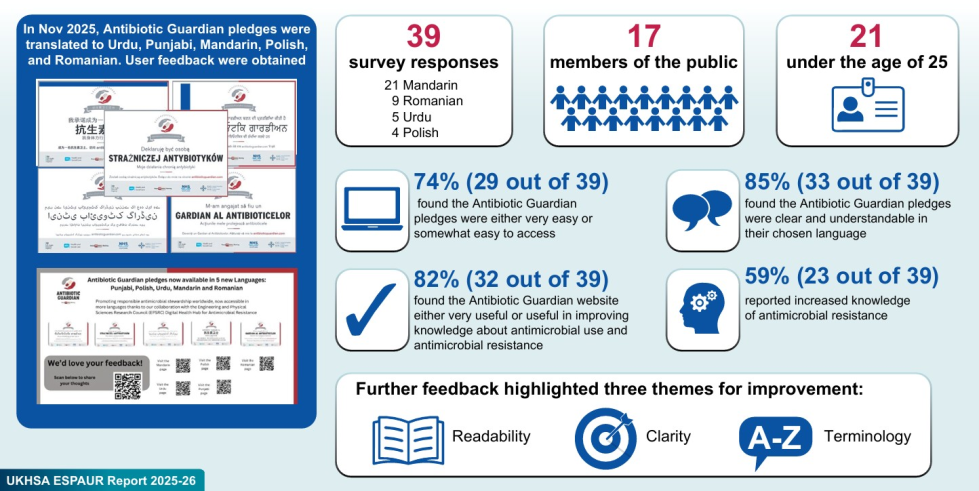
In 2025, as part of UK’s actions to tackle health inequalities, the AG pledges were translated to Urdu, Punjabi, Mandarin, Polish, and Romanian, in collaboration with the Engineering and Physical Sciences Research Council (EPSRC) Digital Health Hub for AMR. The languages chosen were among the most widely spoken (excluding English and Cymraeg) across the nation based on UK Census. An evaluation of the translated pages was conducted by a public health master student in academic partnership with University of Warwick.
Most of the respondents were members of public (17 out of 39) and students (10 out of 39), aged under 25 (21 out of 39) and based within UK (37 out of 39). Mandarin language received the highest number of feedback (21 out of 39). Overall, the pledges were considered accessible, clear and easy to understand. Most respondents (32 out of 39) found the pledges useful in improving their knowledge on antimicrobial use and AMR. More than half of the respondents (23 out of 39) reported increased AMR knowledge after completion.
Although most respondents were satisfied with their experience of completing the pledges, further feedback highlighted 3 themes for improvement: readability, clarity and terminology. Specifically, the mandarin translation, which received the most responses, was often described as too technical and unnatural. Respondents suggested it should be reviewed or translated by native speakers to improve its fluency (Figure 7.9)
Feedback on the AG introductory video indicated that although most respondents found an English-speaking presenter acceptable, many expressed a preference for videos available in their own language. Suggestions to broaden accessibility and inclusivity included using more conversational language by native speaker, expanding translated content beyond the pledges and promoting the resources through GPs, hospitals, and educational settings to better reach communities less likely to access online AMR information independently as well as creating infographic or video with plain language.
Informal discussions conducted as part of efforts to increase participation in the Urdu and Punjabi pledges provided further insight into these findings. Some community members reported that, although they could speak Urdu or Punjabi, they were unable to read the languages confidently. This may have limited engagement with the translated pledge materials and suggests that spoken-language resources, such as videos presented by native speakers in Urdu and Punjabi, could improve accessibility and participation in line with the overall feedback.
Figure 7.9. Summary of the user feedback on the translated pledges
Antibiotic Guardian Schools Ambassadors programme
The AG Schools Ambassadors programme, first piloted in 2019, aims to connect HCPs with local schools and community groups, to raise awareness about antibiotic use, AMR and IPC. The programme aligns with the UK AMR NAP and has seen over 400 individuals register to become an Antibiotic Guardian Schools Ambassador to engage young people in their communities. Since 2021, the programme aimed to target regions with the most deprived lower-layer super output areas through regional AMS pharmacy leads and networks. In 2023, the programme expanded to include veterinary content, in collaboration with the VMD, to engage young people who may be pet or animal owners.
The number of pharmacy professionals registering as AG School Ambassadors decreased to 2 in 2025, compared to five in 2024, 26 in 2023, 189 in 2022, 110 in 2021 and 79 in 2019. The continued decline in the number of registrants since 2022 suggests that promotion in 2023 may have been ineffective, or that those who had previously registered did not re-register, though they may still be using the resources.
Nevertheless, the programme has demonstrated that HCPs are committed to engage schools on AMR topics, even during the pandemic. The international reach of AG materials was demonstrated in 2022, suggesting that incorporating translated e-Bug materials in future versions of the AG School’s Ambassadors lesson-planning toolkit could enhance accessibility. Future work will focus on improving promotion, strengthening the regional approach and designing robust impact indicators.
Box 7.1. Progress against the UK AMR National Action Plan’s (NAP) human health commitments: public and professionals’ knowledge of AMR and antibiotic use
The UK government’s national action plan (NAP), Confronting antimicrobial resistance 2024 to 2029, includes 5 human health targets. Outcome 2 of the NAP outlines 3 commitments with the aim to increase public and healthcare professional knowledge on AMR by 10%, assessed through public and healthcare worker surveys. As the next surveys are not scheduled to take place until closer to the end of the NAP period, the activities outlined throughout this chapter illustrate how progress is being made towards the 3 commitments.
Commitment 2.1: Public awareness and campaigns
Progress towards this commitment is illustrated in the Professional and public AMR campaigns section. Ongoing campaigns include UKHSA’s Andi Biotic campaign, Antibiotic Guardian, and the annual TARGET/RCGP AMS campaign. These campaigns are informed by public surveys. Since the 2024 public surveys further data analyses and engagement planning have been undertaken.
In addressing public knowledge, a 2-day virtual workshop with representatives from England, Scotland, Wales and Northern Ireland identified shared priorities and joint actions aligned to the NAP. Representatives committed to stronger Four Nations collaboration, leading to the conceptualisation of a UK AMR Communications Road Map which will aim to support a coordinated approach and align engagement activities across health, education and community settings while allowing flexibility for local contexts. Work is underway to establish priorities, governance arrangements, delivery partnerships, to avoid duplication with existing initiatives.
For healthcare professional knowledge, a workshop has been held with colleagues from across the 4 UK nations where activities to improve healthcare professional knowledge were highlighted. This information is currently being collated and includes the development of AMS and AMR e-learning modules and educational toolkits, improving understanding of overlap between public and healthcare professional communications and the hosting of webinars focused on AMR and how AMR practices can be incorporated into day-to-day work. During this workshop, the deployment of the next healthcare professionals survey was also discussed.
Commitment 2.2: Use of educational settings
The e-Bug programme has continued to strengthen AMR education for children and young people through both formal education and wider community settings. Following the inclusion of AMR within the revised statutory RSHE guidance, e-Bug has collaborated with the PSHE Association to develop co-branded resources to support schools in delivering this new curriculum content. These resources will launch in October 2026.
Recognising that AMR represents a relatively small element of the curriculum, e-Bug has also expanded opportunities for learning beyond formal lessons. The new Germ Busters Academy provides free, flexible, play-based activities for children and young people aged 5 to 16, covering microbes, hygiene, infection prevention, AMR and responsible antibiotic use. It is designed for use in wraparound care, before- and after-school clubs, holiday clubs and community youth groups.
e-Bug resources also support the Antibiotic Guardian Schools Ambassadors programme, which connects healthcare and public health professionals, scientists and other ambassadors with schools and community groups to provide education on microbes, hygiene, infection prevention and antibiotics. Ambassadors can deliver sessions directly or support schools to use the lesson-planning toolkit, which incorporates e-Bug resources.
In response to growing concerns around climate change and infectious disease risks, e-Bug has also worked with international partners to develop and launch free, curriculum-mapped resources on vectors and vector-borne diseases. The resources explore disease transmission and the links between environmental and climate change and human health and are available across Key Stages 1 to 4.
These developments are complemented by targeted engagement through World AMR Awareness Week, British Science Week and World Immunisation Week, alongside continued engagement with educators through the e-Bug teacher advisory panel.
Commitment 2.3: Engagement guide
The engagement guide aims to provide government, civil societies, and local partners support towards communicating AMR and its risk to the public. It is now published on gov.uk (Engagement guide for infection and antimicrobial resistance). Further details on the development process can be found within the engagement guide section within this chapter.
Future actions
TARGET antibiotics programme
The TARGET RCGP webinar series will continue in 2026 to 2027 with 3 new events which will be determined based on feedback from primary care professionals. The UKHSA will also continue to work with the RCGP on a campaign to promote the TARGET toolkit and engage primary healthcare professionals.
With the abolition of NHS England, next steps for TARGET training roll will include the development of a new implementation strategy and an iterative development of the training offer based on evaluation feedback such as exploring refresher training options and digitalisation.
Communication assets developed by UKHSA and NHS England to support UTI prevention and early recognition in older adults were recently evaluated from October 2025 to January 2026. The findings will inform the refinement and development of public communication materials for 2026. Updated resources will be incorporated into the TARGET toolkit campaign resource suite and disseminated through stakeholder communication channels to support consistent messaging and maximise reach.
e-Bug programme
Building on recent development and piloting of materials on vector-borne diseases, resources for after-school and early years settings, and the refresh of the Beat the Bugs resource, e-Bug will prioritise national implementation and evaluation, alongside scaling to broader educational context and international delivery.
UKHSA Andi Biotic AMR campaign
Phase 3 of the campaign will build on current findings through an autumn campaign with geographically targeted activity (based on AMR burden as well as existing antibiotic amnesty efforts) to ensure even greater impact.
Engagement guide
The engagement guide will be published in autumn 2026 with future work planned to knowledge mobilise the guide and evaluate its level of use and impact on public communications and public knowledge of AMR and appropriate antibiotic use.
Antibiotic Guardian
Future work will focus on recruiting more AGs, particularly newly qualified HCPs. Efforts will look to enhance the campaign’s contribution to improving public and professional knowledge, in line with the NAP for AMR.
Now in its eighth year, the AG Schools Ambassadors scheme continues to prioritise engagement in areas of deprivation in a commitment to tackling inequalities. Further promotional activities will aim to increase engagement beyond 2025 levels.
The eighth AG Shared Learning Awards event will be hosted in Spring 2027, with the call for entries opening in Autumn 2026.
In addition to the quarterly AG newsletter for healthcare professionals, a separate biannual Antibiotic Guardian newsletter aimed at members of the public will be launched in 2026, also in collaboration with the Microbiology Society. The first edition plans to feature the Andi Biotic campaign, educational resources, guidance and a tribute to a patient advocate.
World AMR Awareness Week (WAAW)
The 2026 WAAW campaign will undergo minimal changes, with existing themes retained and additional resources incorporated, including the AMR Engagement guide and Health Inequalities Toolkit. A WAAW webinar will be held in September 2026 to promote the release of the toolkit, raise awareness of the NAP for AMR, and showcase WAAW 2026 plans across the 4 UK nations.
References
1. UK Health Security Agency. ‘Contained and controlled: the UK’s 20-year vision for antimicrobial resistance’ 2019
2. Department of Health and Social Care. ‘Confronting antimicrobial resistance 2024 to 2029’ 2024.
3. Tang EL and others. ‘Assessment of UK healthcare workers’ knowledge, attitudes and practice towards antibiotics, antibiotic use and antibiotic resistance: comparing findings from 2019 and 2024 national surveys’ JAC-Antimicrobial Resistance 2025: volume 7, issue 6, page dlaf205
4. Gilham E and others. ‘Knowledge and attitudes towards antibiotic use across England –pre-and post-pandemic’ Society 2025
5. McNulty C and others. ‘What the public in England know about antibiotic use and resistance in 2020: a face-to-face questionnaire survey’ British Medical Journal Open 2022: volume 12, issue 4, page e055464
6. UKHSA. ‘Human papillomavirus (HPV) vaccination coverage in adolescents in England: 2024 to 2025’ 2026
7. UKHSA. ‘Td/IPV vaccine coverage for the NHS adolescent vaccination programme in England, academic year 2023 to 2024’ 2026
8. DHSC. ‘Relationships Education, Relationships and Sex Education (RSE) and Health Education’ 2025
9. Appiah B and others. ‘The impact of antimicrobial resistance awareness interventions involving schoolchildren, development of an animation and parents engagements: a pilot study’ Antimicrobial Resistance and Infection Control 2022: volume 11, issue 1, pages 26
10. WHO. ‘Global vector control response 2017-2030: A strategic approach to tackle vector‑borne diseases’ 2017
11. UKHSA. ‘Wraparound childcare: guidance for local authorities’ 2023
12. Department for Education. ‘Survey of Childcare and Early Years Providers and Coronavirus (COVID19) – Wave 3’ 2021
13. Eley CV and others. ‘A mixed methods pilot of Beat the Bugs: A community education course on hygiene, self-care and antibiotics’ Journal of Infection Prevention 2018: volume 19, issue 6, pages 278 to 286
14. Ochili R and others. ‘The role and needs of teachers/schools in infection prevention and control post COVID-19’ Public Health 2025: volume 242, pages 285 to 290
15. UKHSA. ‘English Surveillance Programme for Antimicrobial Utilisation and Resistance (ESPAUR) Report: 2024 to 2025’ 2025
16. Measey M-A and others. ‘A nationwide parent survey of antibiotic use in Australian children’ Journal of Antimicrobial Chemotherapy 2020: volume 75, issue 5, pages 1,347 to 1,351
17. Bert F and others. ‘Knowledge and attitudes towards the use of antibiotics in the paediatric age group: a multicenter survey in Italy’ European Journal of Public Health 2017: volume 27, issue 3, pages 506 to 512
18. Coxeter PD and others. ‘Parents’ Expectations and Experiences of Antibiotics for Acute Respiratory Infections in Primary Care’ Annals of Family Medicine 2017: volume 15, issue 2, pages 149 to 154
19. Guo H and others. ‘The Associations between Poor Antibiotic and Antimicrobial Resistance Knowledge and Inappropriate Antibiotic Use in the General Population Are Modified by Age’ Antibiotics 2022: volume 11, issue 1, page 47
20. Cantarero-Arévalo L and others. ‘Parental knowledge of antibiotic use in children with respiratory infections: a systematic review’ International Journal of Pharmacy Practice 2017: volume 25, issue 1, pages 31 to 49
21. Looi M-K. ‘What is medical Bluesky and is it worth engaging with?’ British Medical Journal 2025: volume 388, page r108
22. Stokel-Walker C. ‘Royal Colleges of Physicians and General Practitioners join the X exodus – why medical leaders are refusing to tweet’ British Medical Journal 2026: volume 392, page s206
23. Office for National Statistics. ‘Census 2021 geographies’ 2021
24. Ministry of Housing, Communities and Local Government. ‘English indices of deprivation 2025’ 2025