Bird keepers reminded to take action to protect against Avian Influenza as disease returns to the UK
All bird keepers are urged to review and strengthen their biosecurity to protect their birds
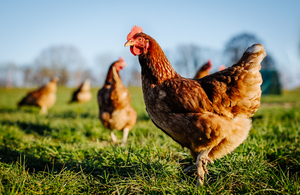
With migratory wild waterfowl including ducks and geese now returning to the UK to overwinter, the risk of avian influenza incursions is set to increase. All bird keepers, including poultry farmers and pet bird keepers, are urged to take action now to review and improve their biosecurity arrangements.
A case of Highly Pathogenic Avian Influenza (HPAI) was confirmed in Scotland last week, with bird flu continuing to circulate in wild birds and spill over into poultry and other kept birds across Europe.
Strong biosecurity remains key to protecting the health and welfare of birds and reducing the risk of avian influenza entering kept bird populations.
Eligible poultry keepers in England can access a £430 funded Poultry Biosecurity Review, which includes a vet visit, a written report and tailored recommendations to help strengthen biosecurity and reduce the risk of avian influenza and other diseases.
Keepers can choose their own vet, with advice tailored to how their individual farm operates. The review is part of the government’s Animal Health and Welfare Pathway, providing practical, funded support to help farmers reduce disease risks before they affect their animals.
UK Chief Veterinary Officer, Christine Middlemiss, said:
All bird keepers must ensure ongoing robust biosecurity to protect the health and welfare of their birds. Good biosecurity is our best defence against the disease entering kept bird populations.
I urge all bird keepers to remain vigilant, monitor their birds closely and report any suspicions of disease to APHA.
Stringent biosecurity is key to protecting the health and welfare of your birds against the threat of bird flu this winter. Biosecurity steps that can be taken include:
- Keeping the area where birds live clean and tidy, controlling rats and mice and regularly disinfecting any hard surfaces
- Cleaning footwear before and after visits
- Placing birds’ feed and water in fully enclosed areas that are protected from wild birds, and removing any spilled feed regularly
- Putting fencing around outdoor areas where birds are allowed and limiting their access to ponds or areas visited by wild waterfowl
- Where possible, avoid keeping ducks and geese with other poultry species
Keepers are encouraged to take action to prevent bird flu and stop it spreading. Be vigilant for signs of disease and report it to keep your birds safe.