Made a minor change to the text under the 'Veterinary surgeons in England' heading.
Updated the section on reporting suspected cases of bluetongue. Veterinary surgeons can now report suspected bluetongue cases based on clinical signs using a new form.
Made minor changes to the guidance under the 'What happens when you report bluetongue in England' heading.
We have updated the information on what happens when you report suspected bluetongue, now that the restricted zone covers the whole of England.
Explained what the process will be from 1 July 2025 when you report suspected bluetongue in an animal in the restricted zone.
Updated guidance on reporting of suspected bluetongue in animals born, stillborn or aborted in a restricted zone. In certain circumstances, an APHA on-site investigation is not required.
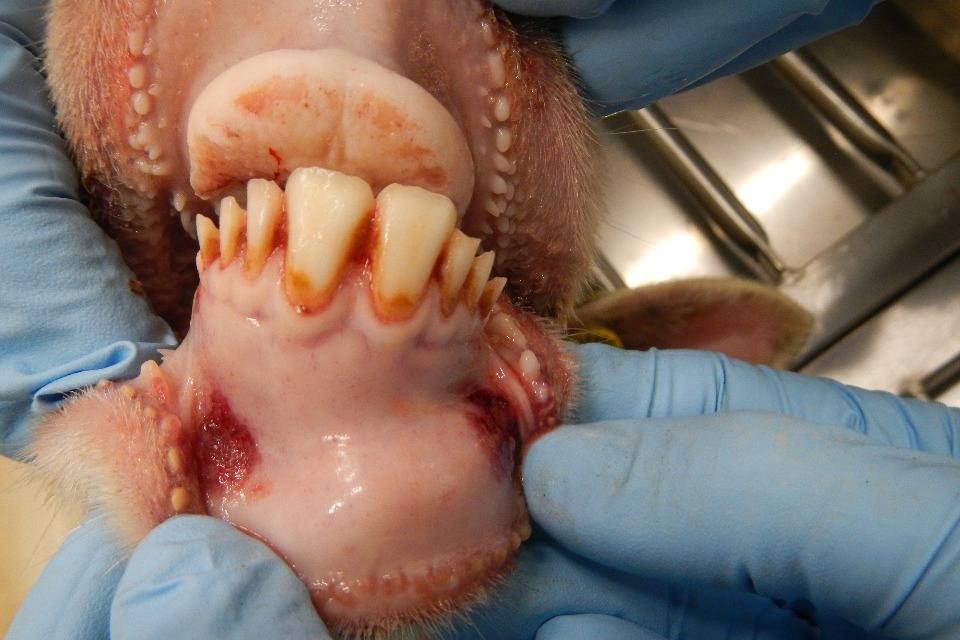
Added two photos showing signs of bluetongue in sheep.
Updated the latest situation: we are no longer in the seasonally low vector period. Updated information about the risk level from biting midges. The risk level has not changed.
Updated the number of cases of bluetongue in England.
Updated the number of cases of bluetongue in England.
Updated the number of cases of bluetongue in England.
Updated to latest situation section to reflect the number of cases in England.
Updated the latest situation section: there are currently 116 bluetongue cases in England on 67 premises in 4 counties.
From noon on Monday 19 February the temporary control zones (TCZs) in Kent, Norfolk and parts of Suffolk were lifted. Positive high-risk animals will remain under restriction as well as premises in the zones which have not yet been sampled.
Updated the Latest situation section: There are 106 bluetongue cases in England on 59 premises in 3 counties.
Updated information on cases: there are 99 bluetongue cases in England on 55 premises in 3 counties, and bluetongue serotype 3 (BTV-3) has been found in Kent, Suffolk and Norfolk.
Added detail on specific movement licences: movements from the temporary control zone (TCZ) to slaughterhouses can cover multiple pick-ups from inside the TCZ.
Following active surveillance of premises in the Norfolk temporary control zone (TCZ), 1 new case of bluetongue in cattle has been confirmed at a premises near Damgate.
Following active surveillance of premises in the Norfolk temporary control zone (TCZ), 1 new case of bluetongue in cattle has been confirmed at a premises near Reedham.
Added additional details about specific movement licences you can apply for to move animals into, out of or within a TCZ.
Calves under 7 days old will be inspected during surveillance visits on premises with susceptible animals in TCZs, this is in addition to lambs and kids under 12 weeks old.
Following active surveillance of premises in the Norfolk temporary control zone (TCZ), 1 new case of bluetongue in cattle has been confirmed at a premises near Norwich.
Following active surveillance of premises in the Norfolk temporary control zone (TCZ), 7 new cases of bluetongue in cattle have been confirmed at a premises near Norwich.
Update 3 February 2024: Following active surveillance of premises in the Norfolk temporary control zone (TCZ), 3 new cases of bluetongue in cattle have been confirmed at a premises near Hales.
Updated the latest situation section with new information about licences and confirmed cases.
Following active surveillance of premises in the Norfolk temporary control zone (TCZ), 3 new cases of bluetongue in cattle and 1 case in a sheep have been confirmed at 2 premises within the ownership near Surlingham.
Now we are in a seasonally vector low period, the positive animals will not be culled but will be restricted at their current locations and disease mitigation measures will be taken. The TCZ is not being extended.
Due to a decrease in temperature, we are now in a seasonally vector low period, when midge activity is much lower, and they are not actively feeding. Low temperatures also mean that the virus cannot replicate in the midge, so even if a midge does feed on an infected animal, the risk of transmission to another animal is low.
The reduced risk from midges means that some movements of live animals out of the zone are can now be temporarily permitted subject to pre-movement testing and that they meet certain licence conditions. These relaxations will only apply during periods of low vector activity and will not apply to animals that test positive for virus in a pre-movement test.
During this low vector activity period we will also ease the licence restrictions on movements of animals into and within the TCZs.
These restrictions will be revised when vector activity increases again with warmer temperatures, which tends to be March or April. We will keep the situation under review and provide further updates if circumstances necessitate a change in approach.
Updated guidance about surveillance visits in temporary control zones to explain when animals will be culled.
Following active surveillance of premises in the Norfolk temporary control zone (TCZ), 4 new cases of bluetongue in cattle have been confirmed in animals that were grazing within the TCZ during the high risk period.
Following active surveillance of premises in the Norfolk temporary control zone (TCZ), 2 further cases of bluetongue have been confirmed in cattle on a holding near Norwich.
Following active surveillance of premises in both Temporary Control Zones (TCZs), one further case of bluetongue has been confirmed in a cow at a premises near Whitstable. Three cases of bluetongue have also been confirmed in cattle at 2 different premises near Norwich.
Following active surveillance of premises in the North-east Kent temporary control zone, one further case of bluetongue has been confirmed in a cow at a premises near Canterbury.
Following active surveillance of premises in the Norfolk TCZ temporary control zone (TCZ), one further case of bluetongue has been confirmed in a cow at a new premises near Reedham.
Following active surveillance of premises in the Norfolk TCZ temporary control zone (TCZ), a further case of bluetongue has been confirmed in a cow at a new premises near Reedham.
Following active surveillance of premises in the Norfolk TCZ temporary control zone (TCZ), one further case of bluetongue has been confirmed in a cow that has been grazing in the TCZ near St Olaves.
Updated the latest situation. Following active surveillance in the north-east Kent temporary control zone (TCZ), one further case of bluetongue in sheep has been identified on a premises near Aylesham in the existing TCZ.
Updated the 'latest situation' section with a new case and information about surveillance visits in temporary control zones. Guidance under 'signs of bluetongue' and 'preventing and controlling bluetongue' has also been updated.
Following active surveillance in the Norfolk temporary control zone (TCZ), one further case of bluetongue in cattle has been identified on a premises near Limpenhoe in the existing TCZ.
Following active surveillance in the Norfolk temporary control zone (TCZ), one further case of bluetongue in cattle has been identified on a premises near Limpenhoe in the existing TCZ. Following active surveillance in the north-east Kent temporary control zone (TCZ), one further case of bluetongue in a sheep has been identified at a new location in the existing TCZ, in the Canterbury area.
Updated the latest situation. 2 further bluetongue cases have been identified in the existing north-east Kent temporary control zone (in the Sandwich area).
Updated the latest situation. There has been 1 further case in the existing TCZ in the Deal area.
Following active surveillance in the Norfolk temporary control zone (TCZ), 4 further cases of bluetongue in cattle have been identified in the existing TCZ
Following active surveillance in the north-east Kent Temporary Control Zone (TCZ), 3 further cases of bluetongue in cattle have been identified in the existing TCZ in the Deal area. Following active surveillance in the Norfolk Temporary Control Zone (TCZ), 1 further case of bluetongue in cattle has been identified in the existing TCZ.
Following active surveillance in the north-east Kent Temporary Control Zone (TCZ), 1 further case of bluetongue in a bull has been identified in the existing TCZ in the Deal area.
Updated the latest situation. There is a further case of bluetongue in the north-east Kent Temporary Control Zone (TCZ).
Following active surveillance in the north-east Kent Temporary Control Zone (TCZ), 4 further cases of bluetongue in cattle have been identified in the Sandwich Bay area in the TCZ. 3 of the cases are located on a new holding.
Also updated guidance on movement licences to move animals from the TCZ to go direct to slaughter.
Following active surveillance in the north-east Kent Temporary Control Zone (TCZ), 3 further cases of bluetongue in cattle have been identified on a new holding in the Sandwich Bay area in the TCZ.
Following active surveillance in the Norfolk Temporary Control Zone (TCZ), a further case of bluetongue in cattle has been identified. The keeper has been notified and the animal will be humanely culled to minimise the risk of onward transmission.
The TCZ will not be extended, and movement restrictions continue to apply to cattle, sheep and other ruminants in the zone.
Following active surveillance in the Norfolk Temporary Control Zone (TCZ), a further 2 cases of bluetongue in cattle have been identified. The cattle were on 2 separate premises within the ownership of a single family business.
Following active surveillance in the Kent TCZ, a further infected animal has been detected on a premises near Sandwich in Kent.
Guidance under 'movement licences' and ‘Controlling outbreaks of bluetongue’ has also been updated.
Following active surveillance in the north-east Kent Temporary Control Zone (TCZ), a further case of bluetongue in a sheep has been identified on a new holding in the Sandwich Bay area in the TCZ.
The animal will be humanely culled to minimise the risk of onward transmission. The TCZ is not being extended and movement restrictions continue to apply to cattle, sheep and other ruminants in the zone.
This brings the total number of cases to 23. There is currently still no evidence that bluetongue virus is circulating in Great Britain. Surveillance is ongoing.
Following active surveillance in the north-east Kent Temporary Control Zone (TCZ), a further 3 cases of bluetongue in cattle have been identified in the Sandwich Bay area from the same herd as the 5 positives confirmed yesterday on 15 December. The holding is situated in the existing TCZ.
All 3 animals will be humanely culled to minimise the risk of onward transmission. The TCZ is not being extended and movement restrictions continue to apply to cattle, sheep and other ruminants in the Zone.
This brings the total number of cases to 22 on 8 different holdings. There is currently still no evidence that bluetongue virus is circulating in Great Britain. Surveillance is ongoing.
Following active surveillance in the north-east Kent Temporary Control Zone (TCZ), a further 5 cases of bluetongue in cattle have been identified on a holding in the Sandwich Bay area.
The holding is situated in the existing TCZ. All five animals will be humanely culled to minimise the risk of onward transmission. The TCZ is not being extended and movement restrictions continue to apply to cattle, sheep and other ruminants in the Zone.
Following active surveillance in the north-east Kent Temporary Control Zone (TCZ), a further 3 cases of bluetongue in cattle have been identified on a holding in the Sandwich Bay area. The holding is situated in the existing TCZ.
Guidance under 'Importing animals from bluetongue affected countries' has also been updated.
Following routine surveillance, a further 2 cases in cattle have been identified on a farm near Cantley, Broadland, Norfolk. A 10km temporary control zone (TCZ) has been declared around the premises.
Following active surveillance in the temporary control zone (TCZ), a ninth case of bluetongue serotype 3 has been confirmed in a single sheep, on a mixed cattle and sheep farm in the existing TCZ. There is currently no evidence that there is circulating virus. Surveillance is ongoing.
Following active surveillance in the temporary control zone (TCZ), an eighth case of bluetongue serotype 3 in a cow has been confirmed. This animal is on a new premises located within the TCZ. There is currently no evidence that there is circulating virus. Surveillance is ongoing.
Following active surveillance, a seventh case of bluetongue serotype 3 has been confirmed. This animal was on the same premises as the sixth case announced on the 4 December and was, until recently, grazing on land outside of the original temporary control zone (TCZ).
Following active surveillance of premises linked to cases within the 10km temporary control zone (TCZ), a further case of bluetongue serotype 3 in cattle has been identified. This animal was until recently grazing on a premises outside the TCZ. This brings the total number of cases to 6. As a result, the TCZ has been extended.
Following active surveillance within the 10km temporary control zone (TCZ) a further 4 cases in cattle of bluetongue serotype 3 have been identified on 2 additional premises, all within the 10km TCZ and within 5km of the first finding near Canterbury, Kent. All 4 animals will be humanely culled to reduce the risk of onward transmission. There is no evidence that there is circulating virus in the midge population. The 10km TCZ remains in place in place and surveillance is ongoing.
Guidance under 'Movement licences' has also been updated.
Updated the movement licences section. Added a link to a form to apply for a specific licence.
Added a section on movement licences.
Updated the latest situation section to reflect that a single cow has tested positive for bluetongue serotype 3 on a premises near Canterbury, Kent. Also updated the guidance throughout the page.
Updated the current situation section. Removed Belgium and added the Netherlands to reflect the changing disease situation in Europe.
Added a link to the Bluetongue declaration. You must fill in the declaration when transiting through a bluetongue restricted territory.
Updated the current situation section and removed out of date content.
Added the details of how to spot bluetongue in calves.
Page updated following a review of content.
Updated the current situation and added the section on importing animals from bluetongue affected countries.
Contact details for reporting a notifiable disease updated.
Updated the current situation to take account of situation in France.
Added a link to photos of clinical signs of bluetongue disease.
Updated link to the latest qualitative risk assessment for bluetongue virus (BTV-8) entry into the UK.
Update on details for movements during an outbreak
Updated following bluetongue virus (BTV-8) risk assessment of entry into the UK in 2016.
AHVLA documents have been re-assigned to the new Animal and Plant Health Agency (APHA).
AHVLA documents have been re-assigned to the new Animal and Plant Health Agency (APHA).
If you keep livestock, you must keep a close watch for and report any suspicion of bluetongue in your animals.
The severity of the infection depends on the type (serotype) of the virus and may also be affected by the strain.
In sheep
Sheep are more likely to show obvious clinical signs of bluetongue than cattle if they become infected with bluetongue virus. Signs of bluetongue in sheep include:
ulcers or sores in the mouth and nose
discharge from the eyes or nose and drooling from mouth
swelling of the lips, tongue, head and neck and the coronary band (where the skin of the leg meets the horn of the foot)
Other clinical signs include:
red skin as a result of blood collecting beneath the surface
fever
lameness
breathing problems
abortion, foetal deformities and stillbirths
death
In lambs
Lambs can become infected with bluetongue virus before birth if the dam is infected while pregnant. Signs of infection include:
lambs born small, weak, deformed or blind
death of lambs within a few days of birth
stillbirths
In cattle
Signs of bluetongue in cattle include:
lethargy
crusty erosions around the nostrils and muzzle
redness of the mouth, eyes, nose
reddening of the skin above the hoof
nasal discharge
reddening and erosions on the teats
fever
milk drop
not eating
abortion, foetal deformities and stillbirths
Adult cattle may be infectious for several weeks while showing little or no sign of disease. They are often the preferred host for biting midges (the vector of bluetongue virus).
In calves
Calves can become infected with bluetongue virus before birth if the mother is infected while pregnant. Signs of infection include:
calves born small, weak, deformed or blind
death of calves within a few days of birth
stillbirths
Photos of signs of bluetongue
Credit: The Pirbright Institute.
A photo of a sheep with its mouth open showing a blue and swollen tongue.
Credit: The Pirbright Institute.
A photo of a sheep with its open mouth open showing ulcers on the gums.
Report suspected bluetongue
Bluetongue is a notifiable disease. This means if you do not report it, you’re breaking the law.
Veterinary surgeons in England
You can report suspected cases of bluetongue using our form if you are a registered veterinary surgeon.
Before you report bluetongue, have the following information ready:
your RCVS registration number
County Parish Holding (CPH) number of the premises (if there is one)
livestock keeper’s contact details
total number of animals
number of affected animals
clinical signs of disease observed
You will also be asked to:
confirm that you do not suspect foot and mouth disease on this premises
declare that the clinical signs you observed are consistent with bluetongue
confirm that you have the necessary knowledge to diagnose bluetongue in the animals examined, based on the clinical signs observed
attending at least one of the AHDB bluetongue webinars in the last 12 months where clinical signs were discussed, or watching a recording
This will enable APHA to confirm disease based on the information you submit. APHA may contact you, or the livestock keeper, if more information is needed.
Call 03000 200 301 if you cannot access the form or need to discuss the clinical signs you are seeing.
Livestock keepers in England
Contact your private vet or call 03000 200 301 immediately if you think an animal may have bluetongue, or you are concerned about an animal’s health or welfare.
If you suspect any other notifiable disease in your animals, report it immediately by calling 03000 200 301.
In Wales (veterinary surgeons and livestock keepers)
Call 03003 038 268 to report bluetongue in Wales.
In Scotland (veterinary surgeons and livestock keepers)
Call 03000 600 704 to report bluetongue in Scotland.