Warm Home Discount statistics, 2025 to 2026
Published 18 June 2026
Applies to England, Scotland and Wales

© Crown copyright 2026
This publication is licensed under the terms of the Open Government Licence v3.0 except where otherwise stated. To view this licence, visit nationalarchives.gov.uk/doc/open-government-licence/version/3 or write to the Information Policy Team, The National Archives, Kew, London TW9 4DU, or email: psi@nationalarchives.gov.uk.
Where we have identified any third party copyright information you will need to obtain permission from the copyright holders concerned.
This publication is available at https://www.gov.uk/government/statistics/warm-home-discount-statistics-2025-to-2026/warm-home-discount-statistics-2025-to-2026
Summary findings
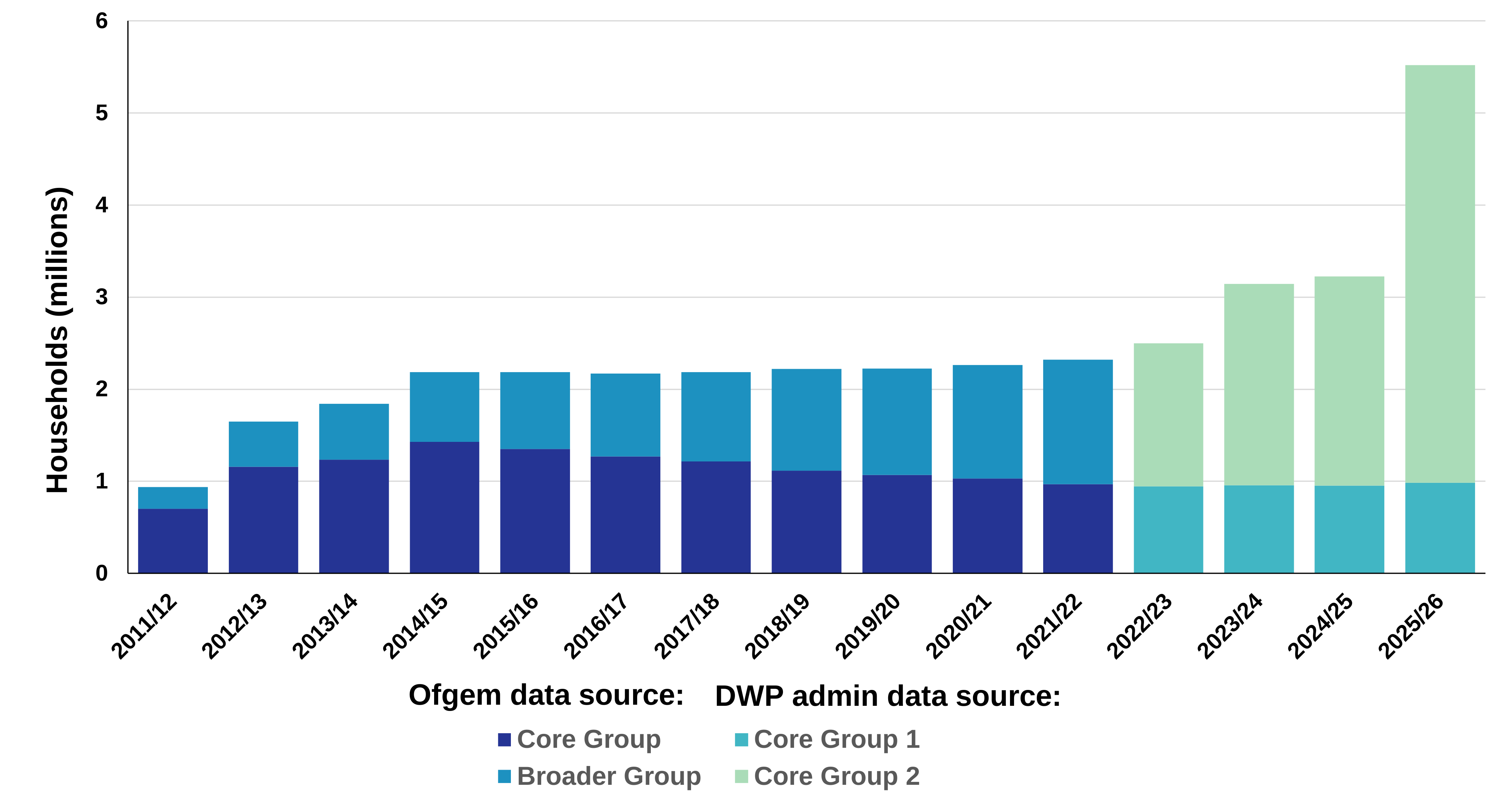
In 2025/26, the Warm Home Discount (WHD) Scheme delivered Core Group rebates (see the Glossary for definitions) of £150 to 5.52 million households in Great Britain, based on DWP administrative data covering Core Group 1 (Great Britain) and Core Group 2 (England and Wales) [footnote 1]. These figures exclude rebates delivered through the Scotland Broader Group, for which household-level data are not available. Based on Ofgem reporting, around 186 thousand households received support through the Scottish Broader Group in 2024/25. Including an estimate of similar size for the Scotland Broader Group would bring the total number of households receiving WHD in 2025/26 to around 5.7 million, which is consistent with estimates set out in the January 2026 impact assessment on continuing the Warm Home Discount.
The total spend on Core Group rebates, excluding the Scotland Broader Group and industry initiatives, was £827.6 million (overall total scheme spend will be higher [footnote 2]). In comparison with the equivalent parts of the scheme in 2024/25, this represents an estimated increase of around 2.3 million households receiving rebates (71% increase) and an increase of around £344.2 million of support. This increase is explained by the expansion of WHD in 2025/26 (more details on the expansion below and throughout).
Warm Home Discount rebates by group, 2011/12 to 2025/26, Great Britain (Ofgem data to 2021/22, DWP data from 2022/23 onwards – excludes Scotland Broader Group)) [Notes 3 & 4]
What you need to know about these statistics
These statistics report on the Warm Home Discount scheme in 2025/26, when eligibility was expanded for the scheme. The ‘Introduction’ section of this report sets out how the scheme is delivered and how this has changed; this should be read carefully to understand how the scheme operation affects the coverage of these statistics.
These statistics were previously published as Official Statistics in Development and have undergone an evaluation process. They are now published as Official Statistics for the first time.
We welcome user feedback on this release and continue to work with data providers to improve the timeliness of these statistics.
Accompanying tables
Tables showing the number of households receiving WHD are available here. The tables show the delivery of WHD at local area level, by dwelling type and household composition, together with the share of households receiving a rebate via the helpline and a comparison with historic data from earlier scheme years.
1. Introduction
The Warm Home Discount was introduced in 2011, with the scheme administered by energy suppliers and regulated by Ofgem. Reports on the number of households receiving the rebate in previous years are published by Ofgem. A summary of the number of rebates provided and value of those rebates is reported in Table 17 of the tables accompanying this report.
Changes made to the England and Wales scheme in 2022/23 enabled the production of these statistics using administrative data, which provide additional detail on the households receiving the rebate. To administer the scheme, households are identified primarily based on data held by the Department for Work and Pensions (DWP) on those receiving certain means-tested benefits or tax credits. Additional data is obtained via the WHD helpline where households who consider that they meet the eligibility criteria can seek to obtain the rebate.
How the Warm Home Discount is delivered
In England and Wales, Warm Home Discount is administered through the following two eligibility groups:
-
Core Group 1 supports pensioners on a low income who are receiving the Guarantee Credit element of Pension Credit.
-
Core Group 2 supports low income households receiving a qualifying means-tested benefit other than the Guarantee Credit element of Pension Credit. The full list of benefits is included in the eligibility statement for Warm Home Discount in 2025/26.
In Scotland, Warm Home Discount is administered differently, through the following two eligibility groups:
- Core Group, which is equivalent to Core Group 1 for England and Wales and included in Great Britain totals for Core Group 1 in these statistics.
- Broader Group, where low-income and vulnerable households apply to their energy supplier for a rebate. Further details on this group are provided in the Government webpage on Warm Home Discount.
As part of the Warm Home Discount scheme, energy suppliers also provide additional support through industry initiatives which are energy-related and financial measures that suppliers can deliver directly to their own customers or working with industry partners. These measures include energy efficiency measures, energy advice, boiler and central heating replacements, financial assistance payments, debt write-off, and benefit entitlement checks.
These statistics provide data covering all the above groups in 2025/26 except for the Scotland Broader Group and industry initiatives, as the Government does not have household-level data on these groups. Ofgem will publish the total number of rebates for the Scotland Broader Group and cost of industry initiatives in the 2025/26 scheme year in 2027.
How the Warm Home Discount scheme has changed in recent years
In February 2025, DESNZ consulted on proposals to expand the Warm Home Discount scheme. A Government Response was published on 19 June 2025 confirming that the expansion would be implemented for winter 2025/26. Full details are set out in the response document.
Under these changes, eligibility for Core Group 2 in England and Wales was expanded in 2025/26:
- Up to 2024/25, Core Group 2 only supported households who received a qualifying means-tested benefit and lived in a home that was hard to heat.
- From 2025/26 onwards, Core Group 2 eligibility has been broadened so that any household receiving a qualifying means-tested benefit is eligible for support.
2. Overall WHD delivery rates
In 2025/26, a total of 5.52 million households in Great Britain received the WHD rebate in the Core Groups, equivalent to 18.6% of households. This is a substantial increase from 2024/25 (2.29 million more households). The increase was seen mainly in Core Group 2, reflecting the expanded scheme eligibility criteria.
These figures exclude industry initiatives and rebates delivered through the Scotland Broader Group, for which household-level data are not available. Based on Ofgem reporting, around 186 thousand households received support through the Scottish Broader Group in 2024/25. Including an estimate of similar size for the Scotland Broader Group would bring the total number of households receiving WHD in 2025/26 to around 5.7 million, which is consistent with estimates set out in the January 2026 impact assessment on continuing the Warm Home Discount. The impact assessment also sets out that a greater number of households are expected to receive WHD under the Scottish Broader Group in future years.
WHD was given to around 983 thousand pensioner households in Core Group 1 across Great Britain (including the Scotland Core Group), representing around 29 thousand more households than in 2024/25. In England and Wales, 889 thousand households received the rebate as part of Core Group 1, representing 90% of the Great Britain Core Group 1 total. In Scotland, 94 thousand households received the rebate as part of the Core Group, representing the remaining 10% of the Great Britain Core Group 1 total.
WHD was given to 4.53 million households across England and Wales in Core Group 2, compared to 2.27 million households in the previous year.
In 2025/26, the majority of households in Great Britain (5.3 million, 96%) received an automatic rebate based on data matching, with a further 224 thousand receiving rebates after contacting the WHD Helpline. This rate remains unchanged since 2024/25 (96%).
3. WHD delivery rates by area
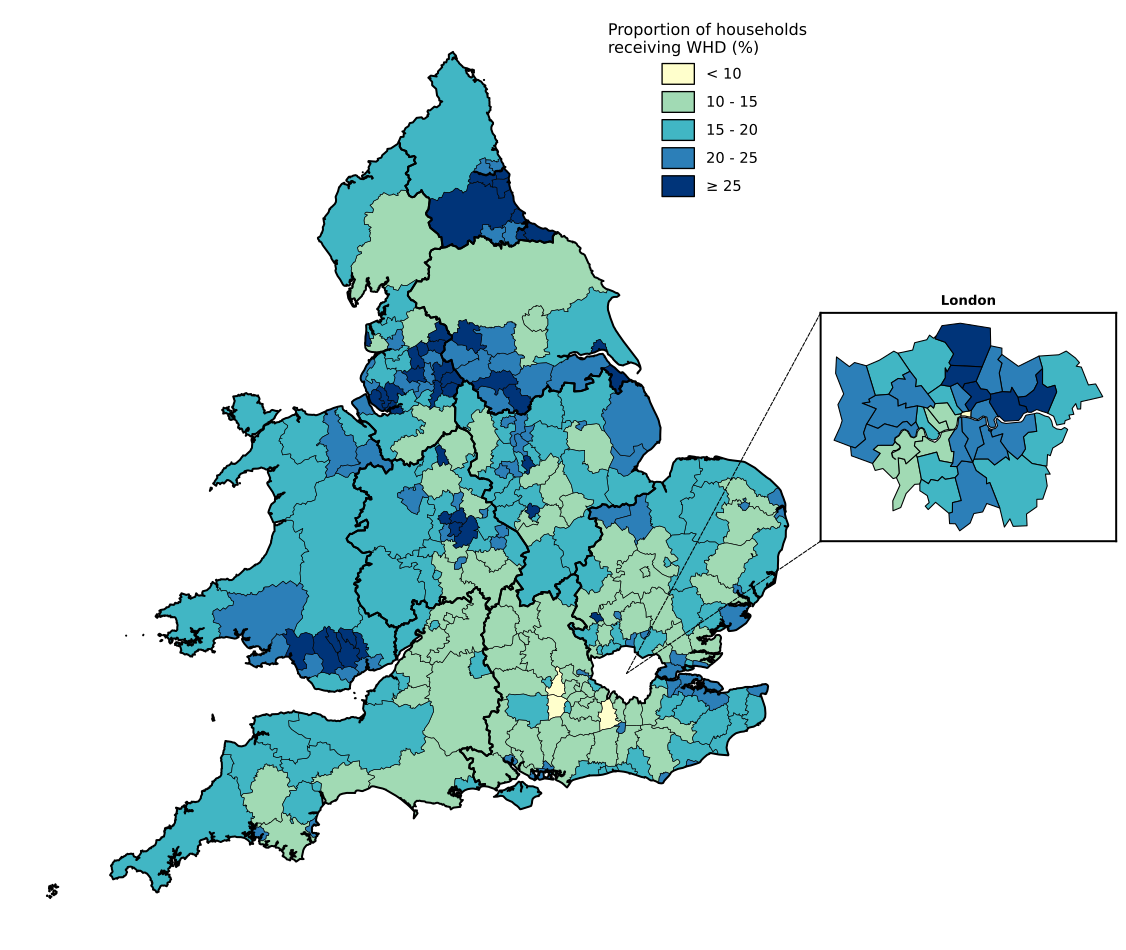
Overall, in England and Wales, a fifth (20.0%) of all households received the WHD rebate, up from 11.7% in 2024/25. There was a high level of variation in the rates of WHD receipt between regions. In the case of Scotland, the figures in this report are restricted to the Core Group; Scotland Broader Group rebates and spend are not included in these statistics.
Looking at Scotland in isolation, 3.7% of households received the Warm Home Discount through the Core Group in 2025/26. As described above, data are not yet available for the Scotland Broader Group in 2025/26. However, Ofgem’s reported Scotland Broader Group value suggests that 10.9% of households in Scotland received the Warm Home Discount through either the Core Group or Broader Group in 2024/25.
The regions in England and Wales with the highest rate of households receiving the WHD rebate in 2025/26 were the North East (25.4%), followed by the North West (22.9%), the West Midlands (22.5%), Wales (22.4%), and Yorkshire and the Humber (22.1%). The regions receiving the lowest rate of WHD rebate were the South East (15.7%) and the South West (16.3%).
The level of regional variability is affected by the share of eligible households and shows similarities to fuel poverty statistics, such as higher rates of fuel poverty and Warm Home Discount receipt in the West Midlands and lower rates in the South East. Fuel poverty statistics for England are available here.
Map 1: Proportion of households receiving Warm Home Discount, by Local Authority, 2025/26 (England and Wales)[footnote 5]
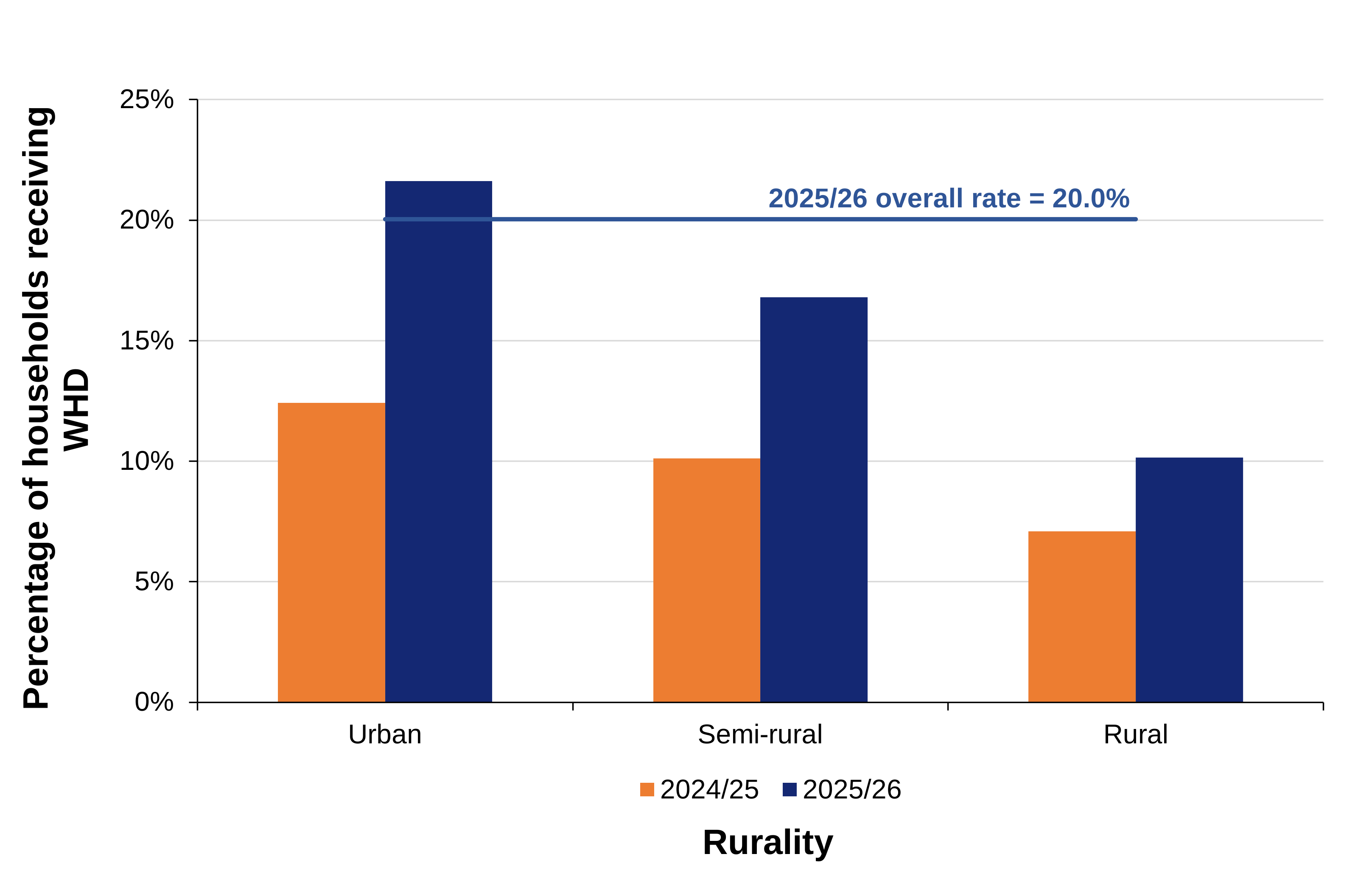
In England and Wales, the share of households receiving WHD in urban areas in 2025/26 was 21.6%, higher than semi-rural areas at 16.8% and rural areas at 10.2%. This reflects the fact that homes in rural areas are less likely to qualify for eligible benefits. This pattern is similar to that seen in 2024/25, with each category showing a similar proportional increase now that the high-cost-to-heat threshold has been removed. However, the increase is concentrated in more urban areas, which may be driven by the fact households in urban areas are more likely to be low income and less likely to live in energy inefficient dwellings.
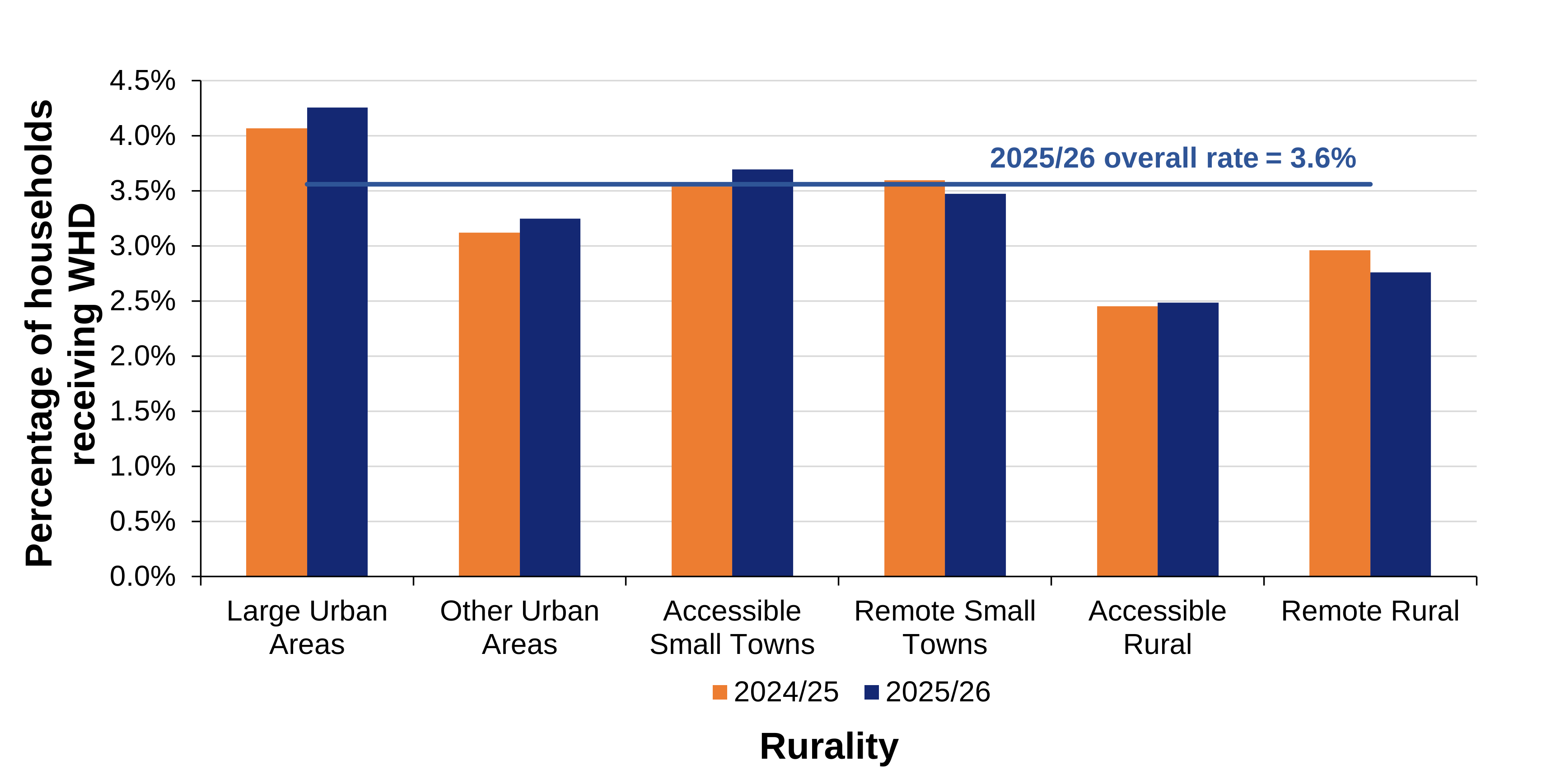
Data in Scotland has been excluded from this analysis since a different classification of rurality is used in Scotland and only part of the scheme covers Scotland. However, Figure 2 provides a breakdown of WHD receipt by rurality for Scotland using the Scottish Government Urban Rural Classifications (2022).
Figure 1: Percentage of households receiving Warm Home Discount, by rurality, 2024/25 -2025/26 (England and Wales)
The breakdown of rurality for the Scotland Core Group is based on the Scottish Government Urban Rural Classifications (2022). Figure 2 shows that in the Scotland Core Group the largest proportion of households receiving WHD is seen in large urban areas (4.3%), followed by accessible small towns (3.7%). These are slight increases since 2024/25 (4.1% and 3.5%, respectively).
Figure 2: Percentage of households receiving Warm Home Discount through Core Group, by rurality, 2024/25 - 2025/26 (Scotland)[footnote 6]
4. WHD delivery rates by dwelling characteristics and tenure
In the following analysis of dwelling type, age and floor area, data for Scotland has been excluded since the classification used is based on data from the Valuation Office Agency for England and Wales only.
Figure 3 shows the share of households receiving WHD by dwelling type in England and Wales. This is a mixed pattern in 2025/26, with lower rates for detached homes (4.7%), reflecting their lower likelihood of receiving eligible benefits, and higher rates for mid terrace homes (25.5%), flats (25.1%) and end terrace homes (24.6%). This pattern has changed since 2024/25, most notably with flats having moved from having one of the lowest rates to one of the highest rates. This increase was driven by Core Group 2 and could be explained by the eligibility changes, since many flats whose households receive eligible benefits may not previously have qualified for WHD because they did not meet the high-cost-to-heat threshold.
Figure 3: Percentage of households receiving Warm Home Discount rebates, by dwelling type, 2024/25 - 2025/26 (England and Wales)
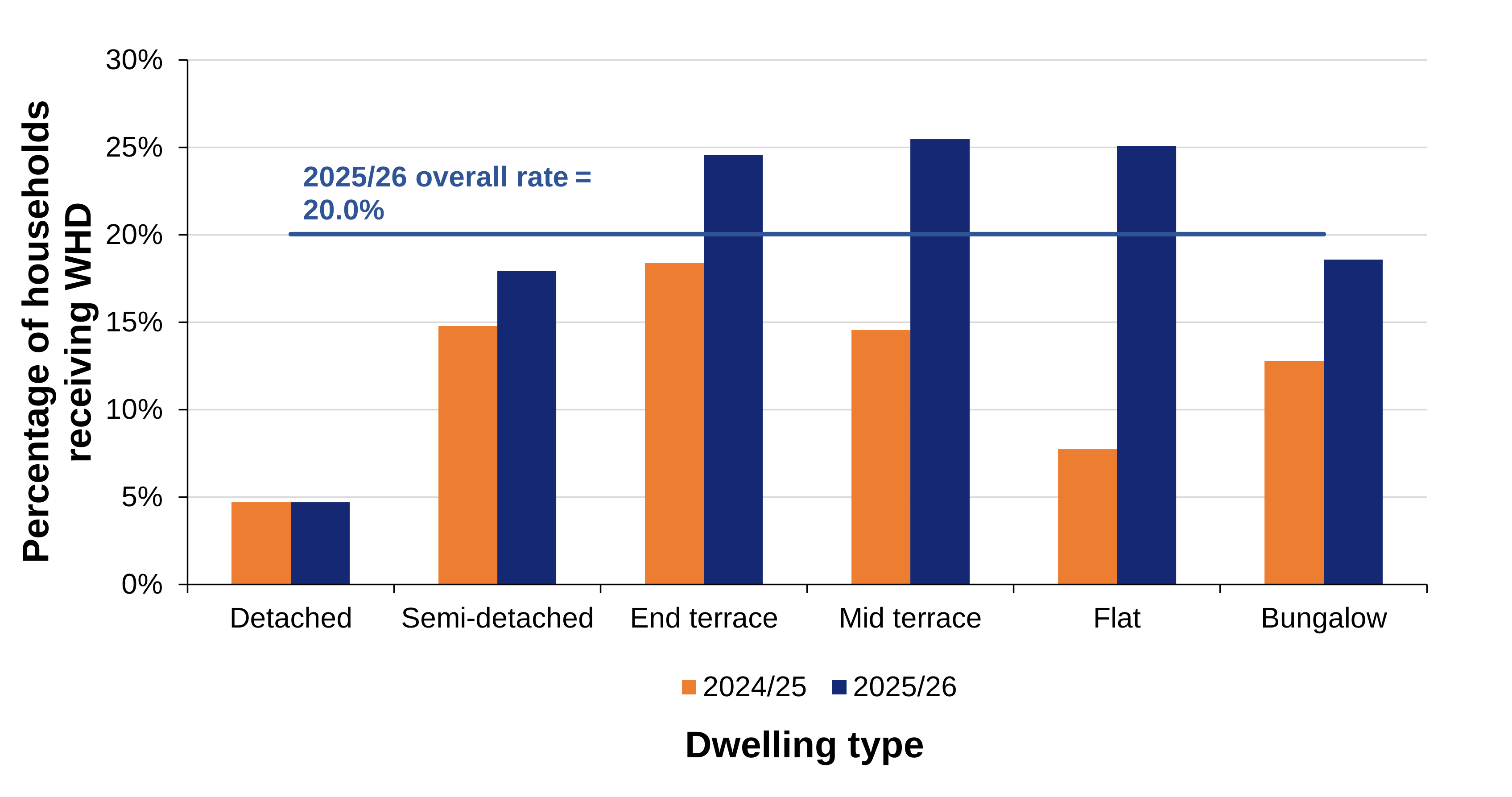
Figure 4 shows the share of households by dwelling age receiving WHD in England and Wales. This shows a trend with households living in older properties more likely to receive the rebate, with the exception of households pre-1919. The highest rate of WHD receipt was 25.7% (for properties built between 1945 and 1964), compared with 14.5% for properties built post 2012. This pattern has similarities to the pattern seen in the previous year, but WHD rebates are less strongly weighted towards older properties than in 2024/25. The increase in WHD rebates was concentrated most in newer properties, likely because these properties were less likely to meet the high-cost-to-heat threshold under the previous eligibility criteria.
Figure 4: Percentage of households receiving Warm Home Discount rebates, by dwelling age, 2024/25 - 2025/26 (England and Wales)
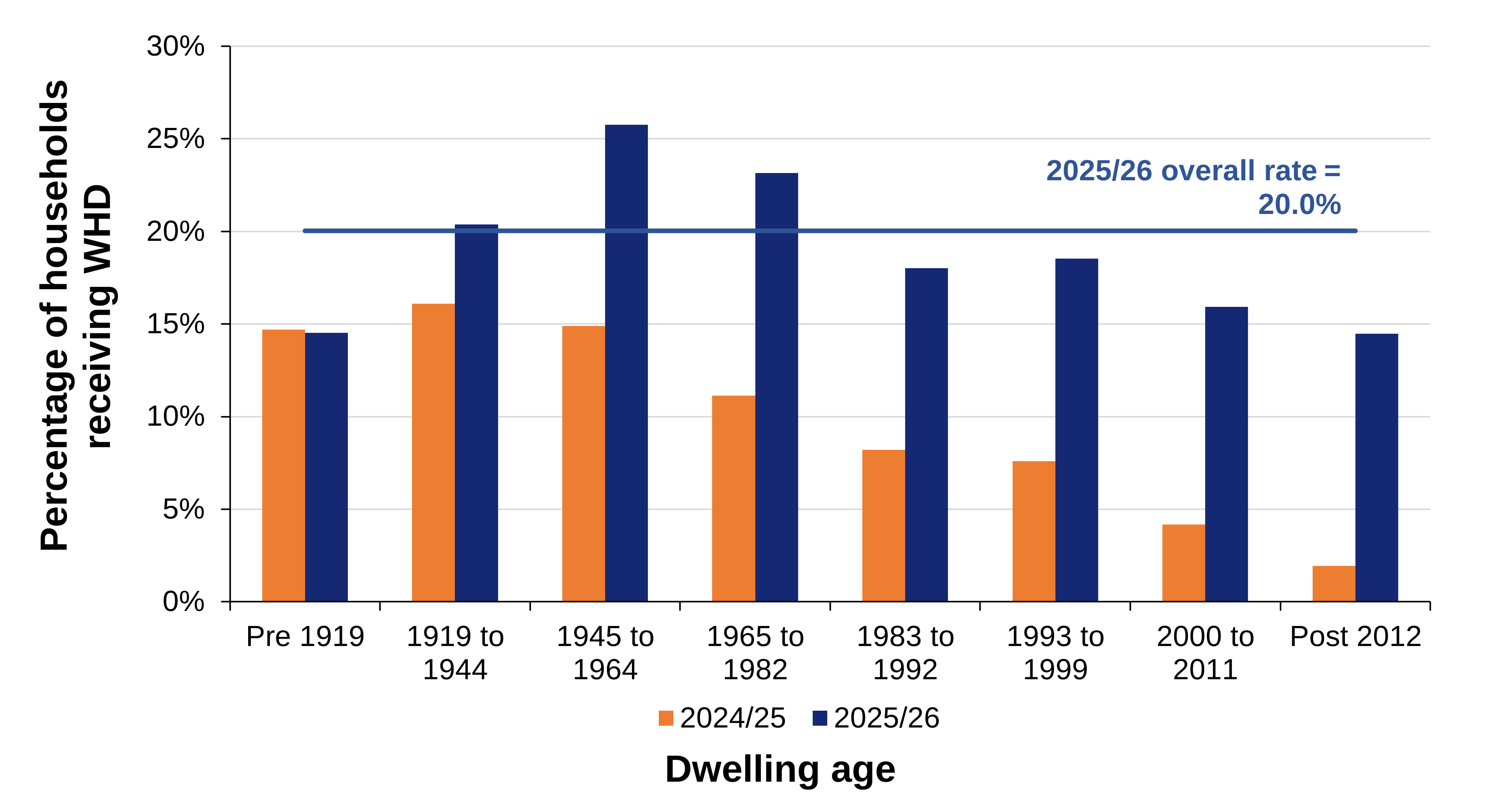
Figure 5 shows the share of households by floor area receiving WHD in England and Wales. Previously, the pattern was mixed, with mid-sized properties more likely to receive WHD. Smaller properties were less likely to receive WHD since they were less likely to meet the high-cost-to-heat threshold. Following the removal of the high cost-to-heat threshold for 2025/26, the relationship appears more linear, with smaller homes now more likely to receive support. This reflects a link between dwelling size and eligibility, driven by benefit receipt rather than heating cost-based criteria.
Figure 5: Percentage of households receiving Warm Home Discount rebates, by floor area, 2024/25 - 2025/26 (England and Wales)
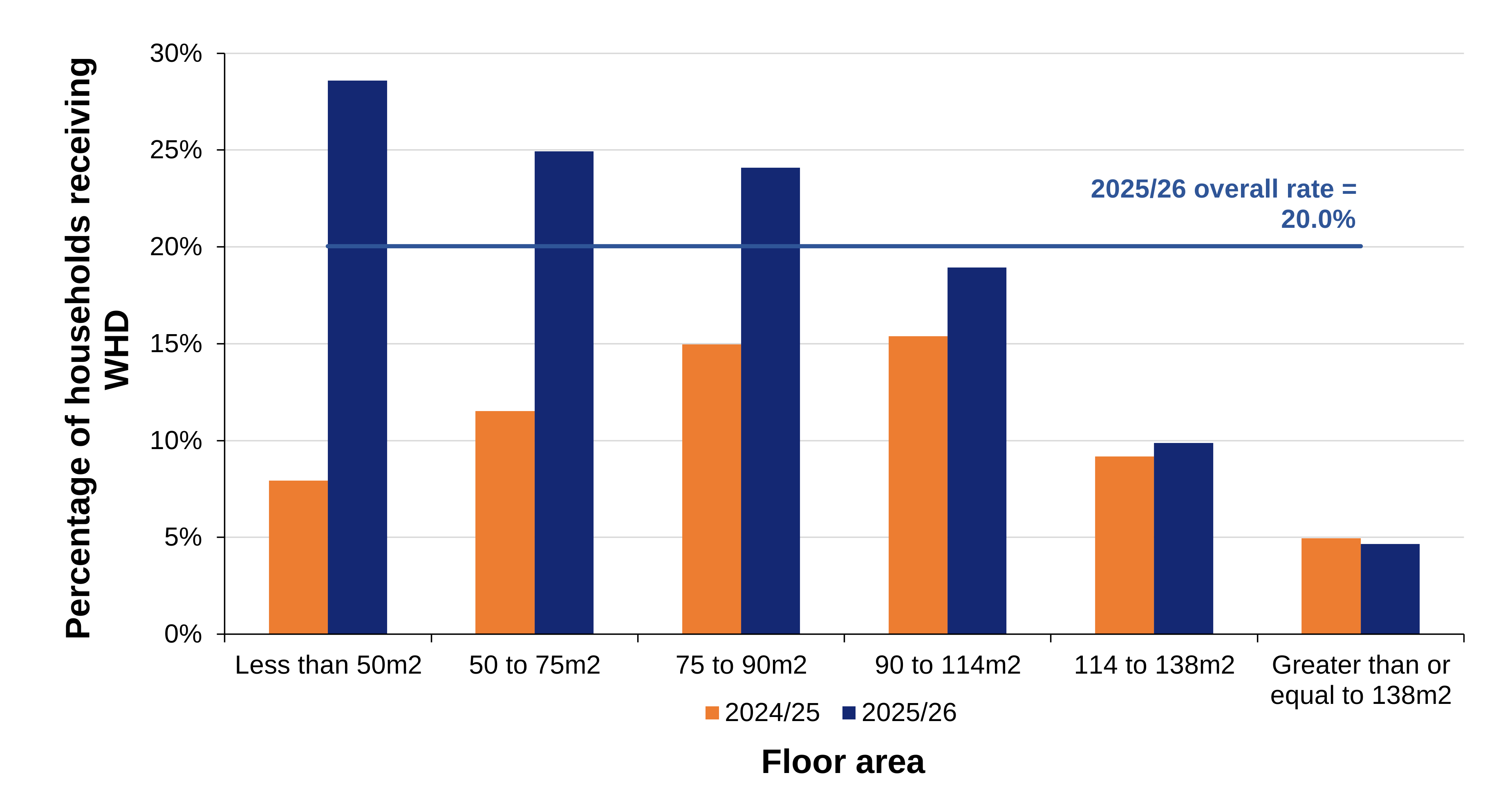
Figure 6 shows the share of households receiving WHD in Core Groups by tenure in Great Britain. The highest rate of WHD receipt was in social housing (49.1%), compared with private rented (17.4%), and owner occupied (9.1%). Overall, social housing accounted for 46.8% of the value of all rebates, owner occupied housing for 30.4%, and private rented for 18.5%. Compared to 2024/25, the distribution of recipients has shifted across tenures, with the most pronounced increase in social housing. This reflects the 2025/26 expansion of the scheme, which broadened eligibility beyond households with high energy costs to a wider group of benefit recipients.
Figure 6: Percentage of households receiving Warm Home Discount rebates in Core Groups, by tenure, 2024/25 - 2025/26 (Great Britain)
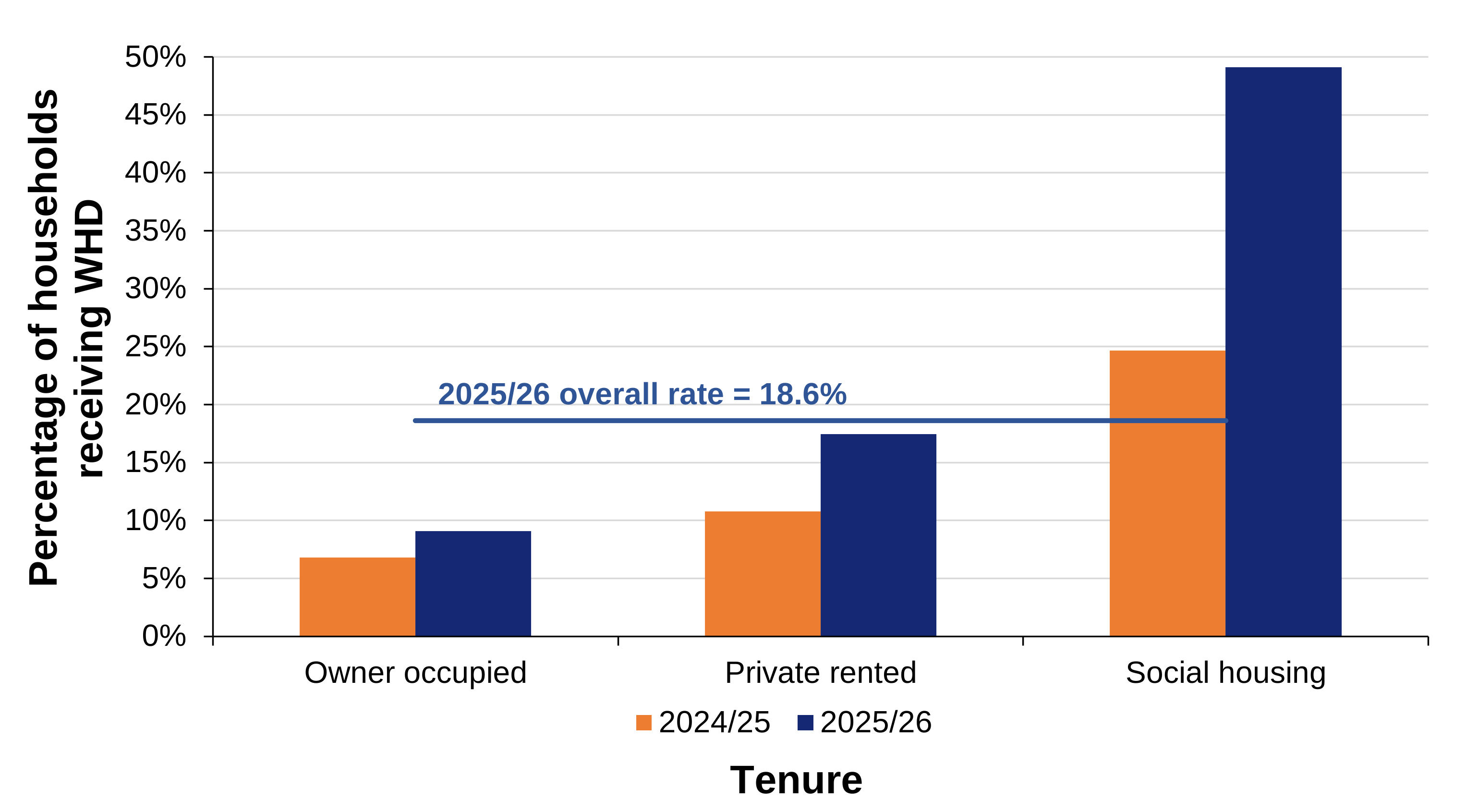
Note: Experian’s Household Directory data estimates household characteristics using various survey and administrative sources. For WHD statistical breakdowns, VOA data is primarily used due to its robustness and completeness. As the VOA data does not include tenure information, Experian data is used as a substitute.
5. WHD recipients by household characteristics
The following analysis shows the type of households receiving WHD in Great Britain in Core Groups based on the benefits they receive, benefit unit, and age of the lead beneficiary.
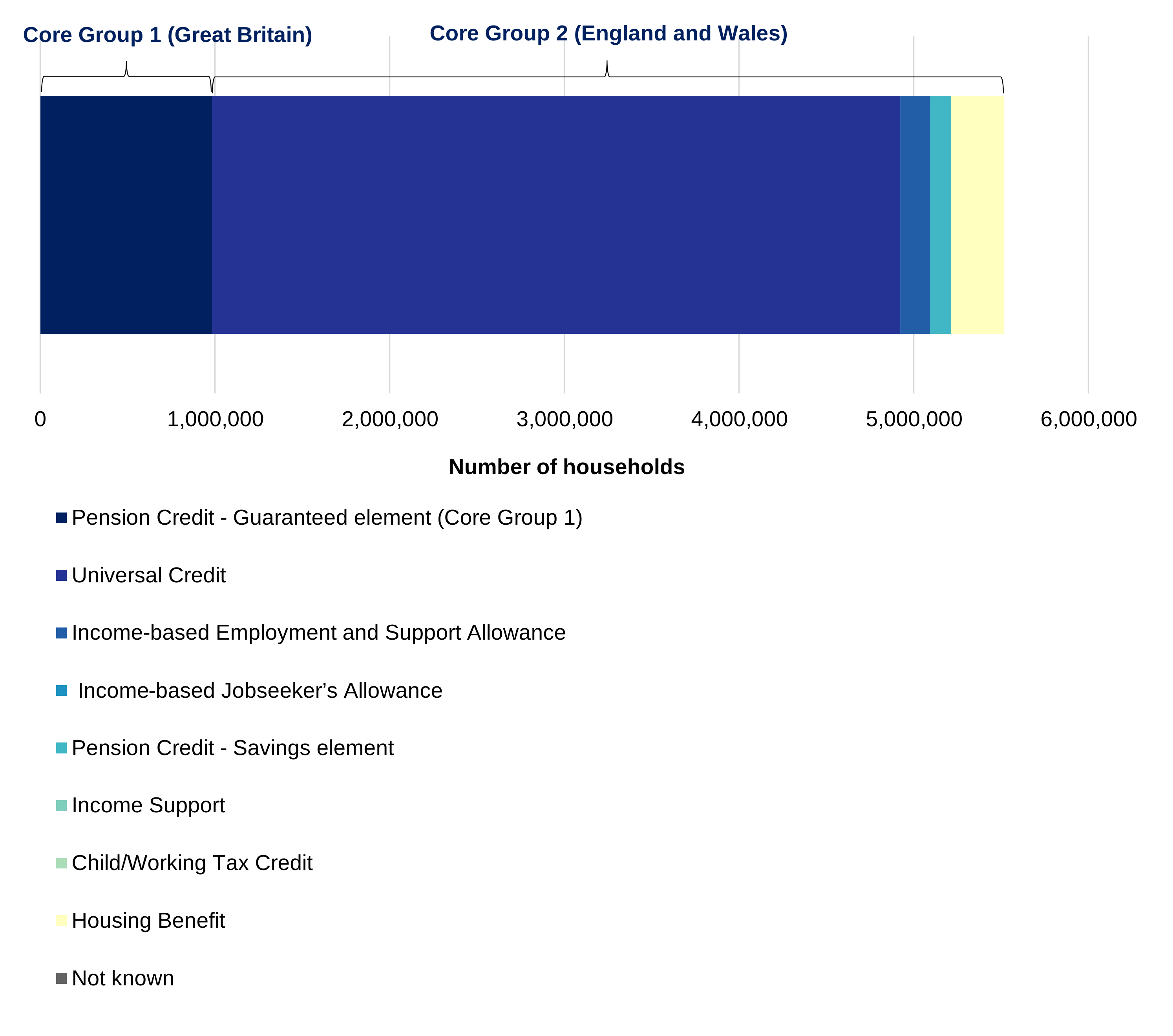
Figure 7 displays the principal benefit that determines if a household qualifies for the WHD. Since a household may receive multiple benefits, each household’s eligible benefit type is determined using a hierarchy of benefit types. If a household receives the Guarantee Credit element of pension credit, it qualifies as part of Core Group 1. Overall, 17.8% of households were eligible through Core Group 1. Households in receipt of other benefits qualify under Core Group 2. Of these households, 86.9% were in receipt of Universal Credit. If they do not receive Universal Credit, their eligible benefit type will be recorded as the next benefit type in the hierarchy, and so on. The order of this hierarchy corresponds to the order of the benefit types in Figure 7.
When comparing this breakdown to 2024/25, there are various changes across benefit eligibility type. This is due to ‘legacy’ benefits, such as Tax Credits, Income Support, Income-based Jobseeker’s Allowance and Income-based Employment and Support Allowance being phased out. As a result, there has been an increase in the proportion of WHD recipients qualifying through Universal Credit, and a decreased proportion qualifying through these ‘legacy’ benefits. The changes will also be influenced by the hierarchy described in the previous paragraph. This also reflects the expansion of the WHD scheme in 2025/26, which increased the number of households eligible under Core Group 2. As most of these households are of working age and in receipt of Universal Credit, this has contributed to the increase in the proportion of recipients qualifying through Universal Credit.
Figure 7: Share of households receiving Warm Home Discount rebates in Core Groups, by benefit eligibility, 2025/26 (Great Britain)
Eligibility for means tested benefits is determined based on a benefit unit (defined as a single adult or a married/cohabiting couple and any dependent children). Where the benefit unit includes a couple, the age could be either partner.
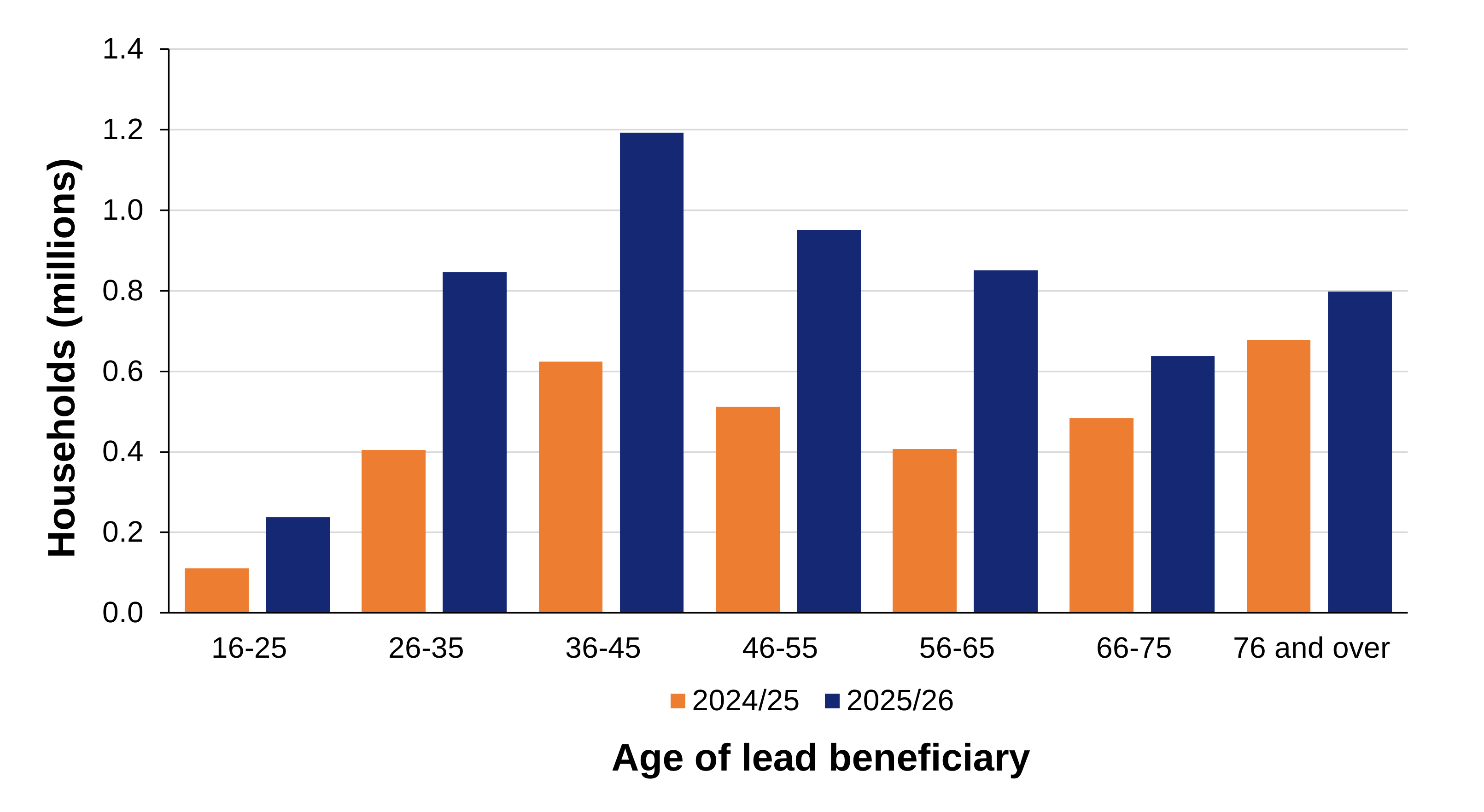
Overall, 1.44 million households (26.0%) which received WHD in Great Britain through Core Groups in 2025/26 had a lead beneficiary aged 66+, of which 889 thousand (61.9%) are eligible through Core Group 1. A further 1.80 million households (32.7%) had a lead beneficiary aged 46-65, and 2.04 million households (37%) had a lead beneficiary aged 26-45. Just 237 thousand households (4.3%) had a lead beneficiary aged 25 or under (Figure 8).
This pattern also reflects the expansion of the WHD scheme in 2025/26, which increased the number of households eligible under Core Group 2. As these households are primarily of working age, this has contributed to a greater share of WHD recipients in younger age groups compared to the previous year.
Figure 8: Number of households receiving Warm Home Discount rebates in Core Groups, by age of lead beneficiary, 2024/25 - 2025/26 (Great Britain)
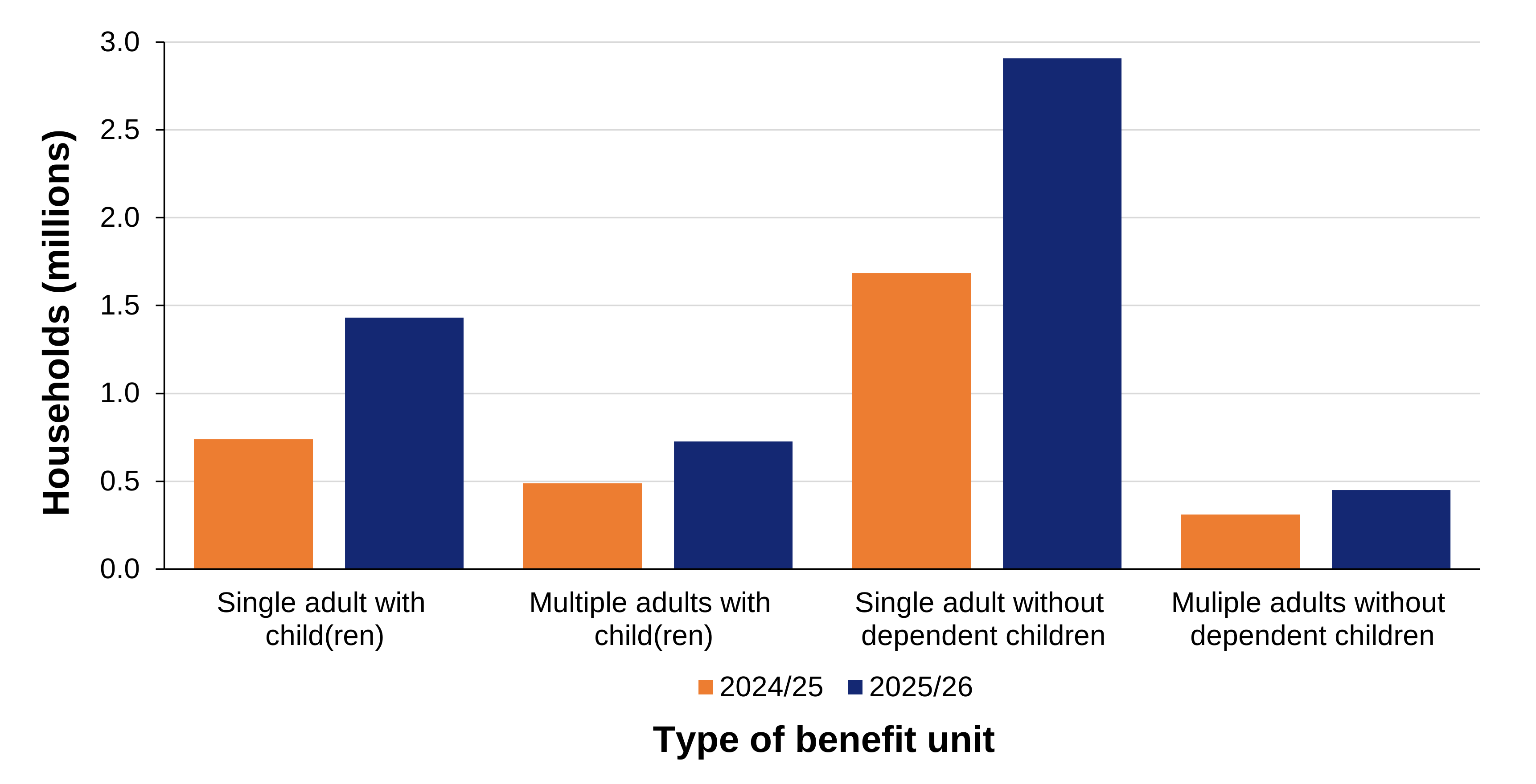
Of the 5.52 million households receiving WHD in Core Groups in Great Britain (excluding the Scotland Broader Group), 2.16 million (39.1%) were households with dependent child(ren), whilst (52.7%) were single adult households without dependent children (Figure 9).
Figure 9: Number of households receiving Warm Home Discount rebates in Core Groups, by type of benefit unit, 2024/25 – 2025/26 (Great Britain)
6. Methodology
The Warm Home Discount statistics are published as Official Statistics, alongside a methodology handbook.
Glossary
- Warm Home Discount (WHD): A one-off £150 discount off household electricity bills. Electricity suppliers apply the discount to bills of eligible households.
- Core Group 1: The group of households eligible to receive Warm Home Discount in England and Wales because they receive the Guarantee Credit element of Pension Credit.
- Core Group 2: The group of households eligible to receive Warm Home Discount in England and Wales because they receive a qualifying means-tested benefit other than the Guarantee Credit element of Pension Credit.
- Guarantee Credit element of Pension Credit: A means-tested benefit which provides extra money to help with living costs for people over State Pension age and on a low income.
- Industry initiatives: As part of the Warm Home Discount scheme, energy suppliers provide additional support through Industry which are energy-related and financial measures that suppliers can deliver directly to their own customers or working with industry partners. These measures include energy efficiency measures, energy advice, boiler and central heating replacements, financial assistance payments, debt write-off, and benefit entitlement checks.
- Qualifying means-tested benefits: A list of benefits whereby households who receive any of them are eligible for Warm Home Discount Core Group 2 in England and Wales. The full list of benefits is included in the eligibility statement for Warm Home Discount in 2025/26.
- Scotland Core Group: The group of households eligible to receive Warm Home Discount in Scotland because they receive the Guarantee Credit element of Pension Credit. This group is equivalent to Core Group 1 for England and Wales and included in Great Britain totals for Core Group 1 in these statistics.
- Scotland Broader Group: A further group of low-income and vulnerable households eligible to receive Warm Home Discount in Scotland by applying to their energy supplier for a rebate. This group is not included in these statistics because the Government does not have household-level data on rebates in this group.
Annex: Further information
Related Data
The overall reports on the final delivery of the Warm Home Discount Scheme are published by Ofgem. These reports show the number of rebates delivered in previous scheme years and will report the overall final delivery of the 2025/26 scheme year next year. This report is used for Ofgem’s final reconciliation, which is the process of redistributing the costs of the scheme across energy suppliers so that each supplier pays a fair share of the costs. A comparison between these official statistics and the final Ofgem counts can be found in the accompanying tables (Table 17) for 2022/23 to 2024/25.
Official Statistics
These statistics were initially published as Official Statistics in Development, reflecting that they were a new series based on newly available administrative data following the 2022/23 scheme reforms. Having now been produced across multiple years of live scheme delivery, we believe that the statistics have reached an appropriate level of maturity and quality and are considered to meet the standards of the Code of Practice for Official Statistics. Therefore, they are published as Official Statistics for the first time this year.
Before updating the classification of these statistics, we assessed the statistics and noted the following developments in their maturity and quality:
-
There is now a strong understanding of the underlying administrative data, supported by working with the Department for Work and Pensions (DWP) and ongoing quality assurance processes.
-
The statistics have been tested over multiple years of live scheme delivery, with no material quality issues identified, providing confidence in the stability of the outputs.
-
The methodological processes used to produce the statistics have been strengthened, including the development of a structured and reproducible analytical pipeline and enhanced validation procedures.
-
The statistics have demonstrated consistent and coherent behaviour over time, including tracking expected changes following the 2022/23 scheme reforms and showing alignment with other sources such as Ofgem reporting.
-
The content of the statistics has continued to develop in response to user needs, including the addition of new breakdowns such as by rurality in Scotland, and improvements in the presentation of results such as time series charts in the main bulletin.
-
The statistics are widely used across the Department for Energy Security and Net Zero for policy development, briefing and Parliamentary Questions, and are now routinely published in June to provide more timely information.
Taken together, these factors demonstrate that the statistics meet the standards of the Code of Practice for Official Statistics.
We will continue to assess the quality and completeness of the data. Much of the value of these statistics is acquired through linking to other data sources to provide further breakdown by property characteristics, such as Valuation Office Agency data. These rely on linking to a Unique Property Reference Number (UPRN). For 2025/26, approximately 94.7% of DWP records with complete variables matched onto VOA data.
A comparison between these statistics and the final Ofgem counts can be found in the accompanying tables (Table 17). For 2024/25, the differences are fairly small, but we will continue to monitor these and undertake further analysis to understand any significant differences. The differences between the figures in the Ofgem report and those from DWP reflect the use of two different administrative sources. Ofgem uses data directly from energy suppliers, while these statistics are based on data from DWP. While differences in most categories are small, one notable difference is that this report does not include data for the Scotland Broader Group, which is included in Ofgem’s reporting. This data isn’t available until later and Ofgem’s report is published in the following year, so this is a trade-off between completeness of the data and timeliness. The causes of the minor differences are discussed further in the accompanying methodology note.
It remains important to engage with users to ensure the statistics are suitable and meet their needs. We will continue to collaborate with expert users to understand how these statistics are used and to test the suitability of the statistical methods and outputs. We invite comments via fuelpoverty@energysecurity.gov.uk.
Revisions policy
The Department’s statistical revisions policy sets out the revisions policy for these statistics, which has been developed in accordance with the UK Statistics Authority Code of Practice for Statistics.
User engagement
Users are encouraged to provide comments and feedback on how these statistics are used and how well they meet user needs. Comments on any issues relating to this statistical release are welcomed and should be sent to: fuelpoverty@energysecurity.gov.uk
The Department’s statement on statistical public engagement and data standards sets out the department’s commitments on public engagement and data standards as outlined by the Code of Practice for Statistics.
Pre-release access to statistics
Some ministers and officials receive access to these Official Statistics up to 24 hours before release. Details of the arrangements for doing this and a list of the posts that receive pre-release access to these statistics can be found in the Department’s statement of compliance with the Code of Practice for Statistics.
Contact
Responsible statistician: Georgina Smalldridge
Email: fuelpoverty@energysecurity.gov.uk
Media enquiries: 020 7215 1000
Public enquiries: 07741701232
-
Broader Group Scotland rebates and spend are not included in the statistics and are additional to these figures. The scheme does not cover Northern Ireland. ↩
-
This estimate of total spend excludes rebates delivered through the Scotland Broader Group and also excludes industry initiatives. The January 2026 impact assessment on continuing the Warm Home Discount estimates the budget in 2025/26 for the Scotland Broader Group as £31 million and estimates the budget for industry initiatives in 2025/26 as £40 million more than the 2024/25 spend (£83 million, according to Ofgem’s reporting). Including these estimates would bring the total spend estimate for 2025/26 to around £982 million. This is within 1 percent of the total spend estimated in the impact assessment. ↩
-
Following an underspend in 2022/23 due to lower-than-expected uptake, eligibility for the Warm Home Discount scheme was expanded in 2023/24 by lowering the “high energy cost” threshold, increasing the number of eligible households. This threshold was maintained in 2024/25 to keep spending broadly consistent. Further details on changes to eligibility criteria are available in the WHD eligibility statement. ↩
-
These figures only include rebates received through the Core Group. ↩