Carbon footprint for the UK and England to 2023
Updated 24 July 2026

© Crown copyright 2026
This publication is licensed under the terms of the Open Government Licence v3.0 except where otherwise stated. To view this licence, visit nationalarchives.gov.uk/doc/open-government-licence/version/3 or write to the Information Policy Team, The National Archives, Kew, London TW9 4DU, or email: psi@nationalarchives.gov.uk.
Where we have identified any third party copyright information you will need to obtain permission from the copyright holders concerned.
This publication is available at https://www.gov.uk/government/statistics/uks-carbon-footprint/carbon-footprint-for-the-uk-and-england-to-2023
Revision
A correction has been made on the 7 July 2026 to the second paragraph under Figure 4. The sentence previously stated that emissions associated with imports from the EU in 2023 accounted for “20% of the UK’s total carbon footprint”. This has been corrected to state that they accounted for “20% of the total and 10% of the UK’s total carbon footprint”.
1. Main points
Greenhouse gas (GHG) emissions associated with UK consumption (UK’s ‘carbon footprint’):
- UK overall: The UK’s carbon footprint fell by 4% between 2022 and 2023 to an estimated 699 million tonnes carbon dioxide equivalent (MtCO2e), and despite recent fluctuations, the 2023 carbon footprint remains considerably below the 2007 peak of 984 MtCO2e, and the 826 MtCO2e reported in 1996.
- Per capita emissions: In 2023, per capita consumption-based GHG emissions in the UK were 10 tonnes carbon dioxide equivalent (tCO2e) per person, a fall of 5% since 2022 and a fall of 37% since their peak of 16 tCO2e per person in 2004.
- A shift towards imported emissions: Although GHG emissions from goods and services produced and consumed within the UK have fallen by 49% between 1996 and 2023, emissions from imports have risen by 43% over the same period. These imported emissions now account for more than half of the UK’s total carbon footprint.
- A greater contribution from China: In 2023, emissions embedded in goods and services imported from China were more than four times as high as in 1996, and they now account for 25% of all emissions from imports and 13% of the UK’s total carbon footprint.
GHG emissions associated with England’s consumption (England’s ‘carbon footprint’):
- England’s carbon footprint fell by 3% between 2022 and 2023 to an estimated 587 MtCO2e, and despite recent fluctuations, the 2023 footprint remains considerably below the 2007 peak of 826 MtCO2e.
Carbon dioxide (CO2) emissions associated with consumption (the ‘carbon dioxide footprint’):
- UK overall: The UK’s carbon dioxide footprint fell by 4% between 2022 and 2023 (to an estimated 548 MtCO2), following an increase in the previous year associated with a post‑COVID-19 recovery.
- England overall: England’s carbon dioxide footprint fell by 3% between 2022 and 2023 (to an estimated 461 MtCO2). This follows an increase in the previous year associated with a post‑COVID‑19 recovery.
Relationship between the consumption, territorial, and production basis for measuring UK GHG emissions:
- Since 1996, the UK’s carbon footprint has decreased by 15%, while territorial emissions have fallen by 50% and production-based emissions have decreased by 42%.
2. Background to the statistics
2.1 Purpose of this release
This statistical release provides estimates of the UK and England’s greenhouse gas (GHG) emissions on a consumption basis, commonly referred to as the carbon footprint. It presents long-term trends and breakdowns of consumption-based GHG and carbon dioxide (CO2) emissions (the carbon and carbon dioxide footprints) for both the UK and England. It also compares consumption-based emissions with emissions measured on a territorial and production basis at the UK level.
2.2 Greenhouse gas emissions and measurement approaches
GHG emissions refer to the release of gases that trap heat in the atmosphere and contribute to climate change. The UK reports on seven main GHGs comprising of: carbon dioxide (CO2), methane (CH4), nitrous oxide (N2O), hydrofluorocarbons (HFC), perfluorocarbons (PFC), nitrogen trifluoride (NF3) and sulphur hexafluoride (SF6).
GHG emissions can be measured using three different approaches depending on what aspect of emissions is being assessed:
Consumption basis (carbon footprint): This approach includes emissions associated with the consumption of goods and services by UK or England residents, including emissions that occur overseas in supply chains and emissions generated directly by households from the use of fossil fuels for heating and private vehicles. These are sometimes referred to as ‘consumption emissions’ to distinguish them from emissions measured on a territorial or production basis. Note that GHG emissions from UK or England produced goods that are exported are excluded, because they relate to consumption outside the UK or England. Emissions from land use, land use change and forestry in the UK and abroad are also excluded.
Territorial basis: This approach only includes emissions physically produced within the UK’s border. Under international guidelines, GHG emissions from international aviation and shipping do not count towards the UK’s domestic or international emissions reduction targets and are therefore not included in the UK’s territorial total. Territorial emissions for the UK are published by the Department for Energy Security and Net Zero (DESNZ), and they form the basis for reporting to the United Nations Framework Convention on Climate Change (UNFCCC), as well as for tracking against emissions reduction targets. Territorial emissions for England are published in the National Atmospheric Emissions Inventory.
Production basis: This approach includes emissions produced by UK residents and UK-registered businesses, regardless of whether these occur within the UK or overseas. This means that emissions within the UK which can be attributed to overseas residents and businesses are excluded. Note that international aviation and shipping emissions are allocated to countries based on the origin of the aircraft or vessel operator. Production-based emissions are published in the Office for National Statistics (ONS) Environmental Accounts.
2.3 Long-term context
Since the late 1990s, the UK economy has continued to move from a manufacturing base towards a service sector. As a result, a growing share of the goods consumed by UK and England residents are now produced overseas. This shift means that over time, imported emissions form an increasingly significant part of the carbon footprint. It also means that the UK’s territorial emissions have fallen at a far greater rate than its carbon footprint over the last three decades.
2.4 Data sources
UK consumption-based GHG and CO2 emissions estimates in this release are produced using a Multi-Regional Input-Output (MRIO) model developed for Defra by the University of Leeds. This model combines data on economic activity, trade, supply chains, and GHG emissions to estimate the emissions associated with goods and services consumed by UK residents. Further analysis is carried out to derive results at an England level.
For more information on the data sources and methodology, see the Methodology section of this statistical release and the ‘UK consumption account methodology’ document published alongside this release.
2.5 Limitations and caveats
Emissions embedded in overseas production of imported goods and services are more difficult to estimate than emissions generated within the UK. Although internationally recognised methods are used, these estimates carry greater uncertainty than those for territorial emissions.
Percentage changes presented in this statistical release are calculated using unrounded figures, so they may differ from those calculated using the rounded emissions figures presented in this release.
3. Greenhouse gas emissions associated with UK consumption
3.1 Overall trends
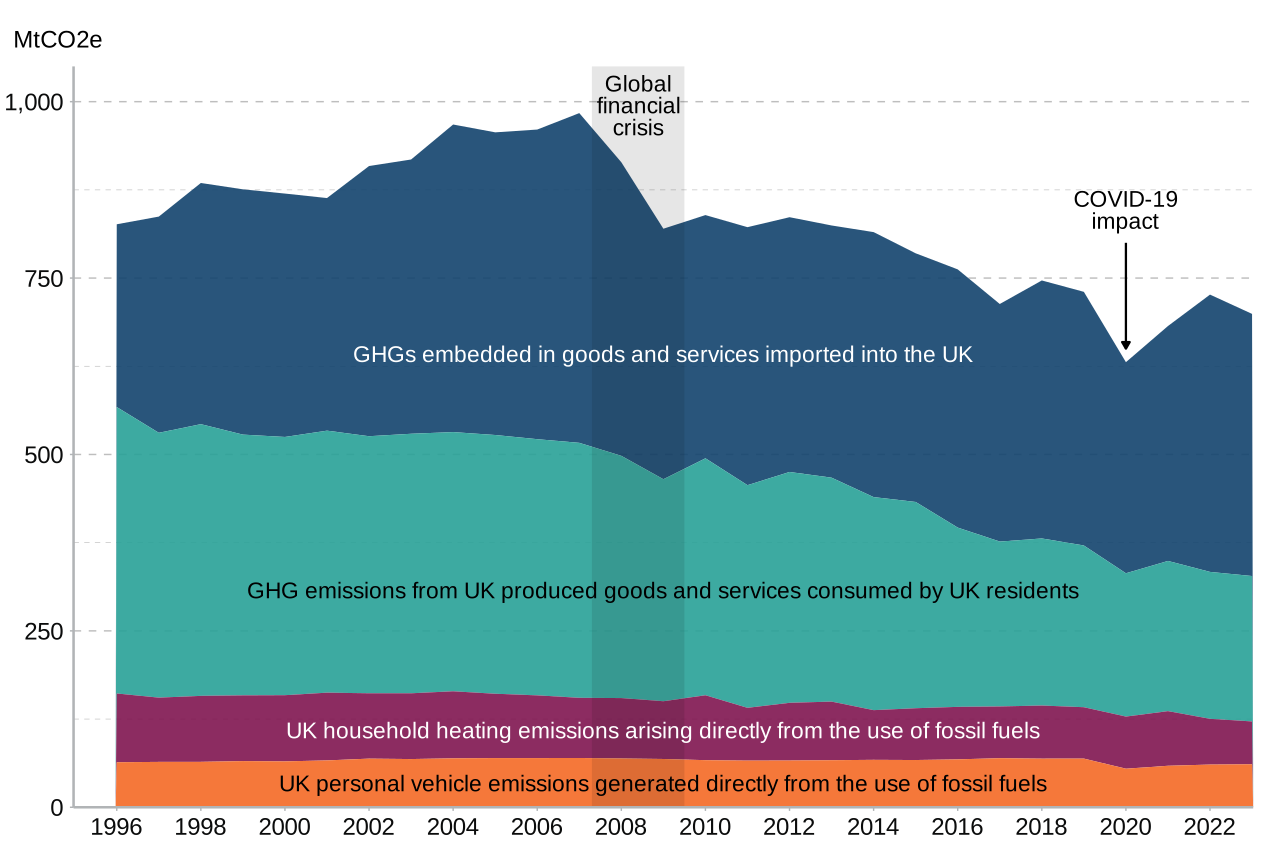
The UK’s carbon footprint decreased by 4% between 2022 and 2023 and despite recent fluctuations, the long-term trend seen in Figure 1 also remains a decrease. The UK’s carbon footprint peaked at 984 million tonnes of carbon dioxide equivalent (MtCO2e) in 2007, and in 2023 it was an estimated 699 MtCO2e, a decrease of around 29% from its peak.
Figure 1: Greenhouse gas emissions associated with UK consumption, 1996 to 2023
Source: University of Leeds
Download the data for Figure 1
Embedded GHG emissions from imports increased by 80% between 1996 and 2007, the year they reached their peak. They then fell more sharply than emissions associated with UK produced goods and services during the global financial crisis. In 2023, embedded GHG emissions from imports totalled 371 MtCO2e, 21% lower than their peak in 2007, but considerably higher than emissions associated with UK produced goods and services.
GHG emissions associated with UK produced goods and services consumed domestically were 49% lower in 2023 than in 1996, accounting for 29% of total consumption‑based emissions. These emissions decreased slightly from 208 MtCO2e to 206 MtCO2e between 2022 and 2023, a fall of 1%.
The proportion of emissions generated directly by UK households from the use of fossil fuels for heating and personal vehicles has remained relatively stable over time, accounting for around 16% to 20% of total consumption‑based emissions between 1996 and 2023. In 2023, direct household emissions were 25% lower than in 1996, at 122 MtCO2e.
Within this category, emissions from household heating fluctuate depending on winter temperatures and have varied from 61 to 97 MtCO2e since 1996. In 2023, heating‑related emissions were 61 MtCO2e, down from 65 MtCO2e in 2022.
3.2 Per capita emissions
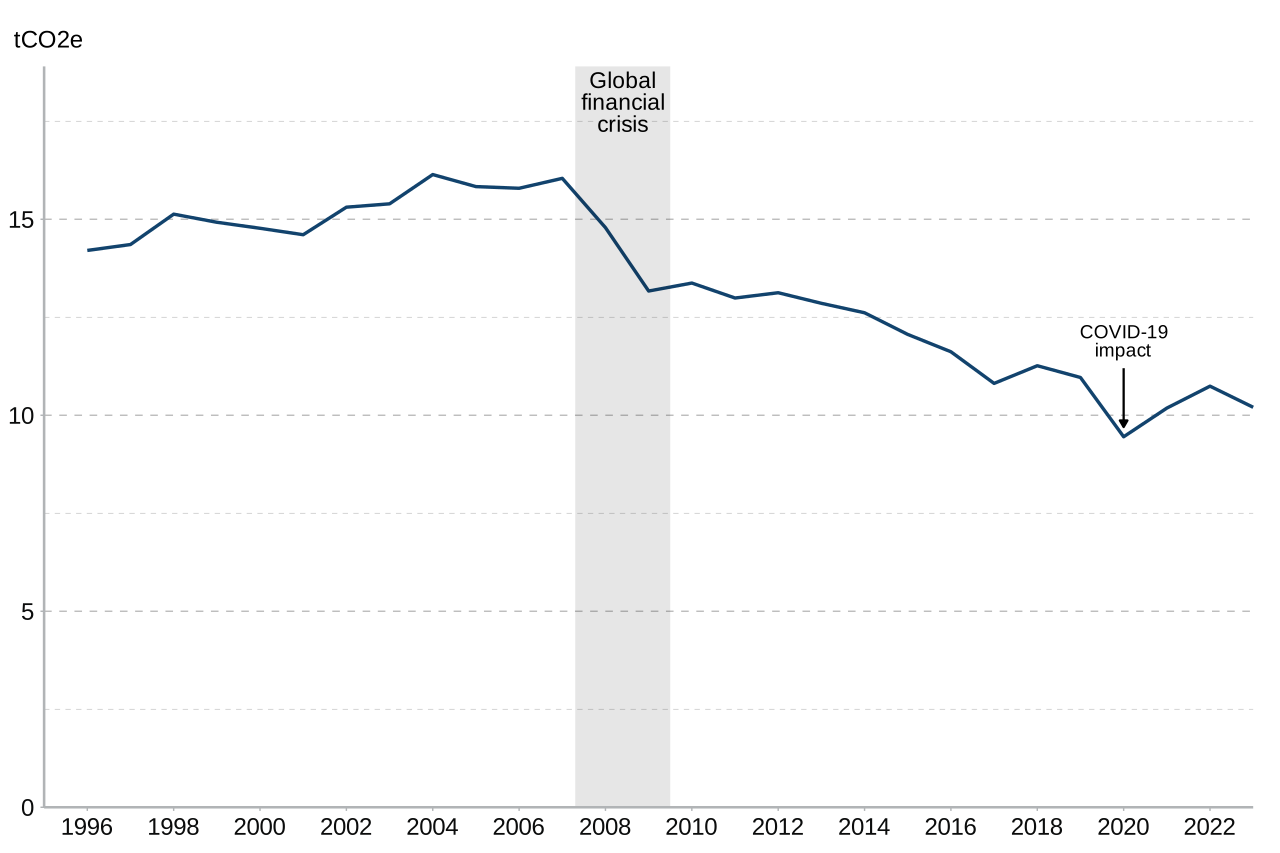
While total consumption-based emissions show overall trends, expressing emissions on a per‑capita basis helps to account for population growth and provides an indication of changes in average emissions per person, as shown in Figure 2.
Figure 2: UK consumption-based greenhouse gas emissions per capita, 1996 to 2023
Source: University of Leeds and Office for National Statistics
Download the data for Figure 2
UK consumption-based GHG emissions per capita have decreased by 28% between 1996 and 2023, highlighting the overall downward trend shown in Figure 2. The rate of change observed in this per-capita measure exceeds that of the UK’s total carbon footprint over the same period because of an increasing population in the UK.
In 2023, emissions per capita were an estimated 10 tonnes of carbon dioxide equivalent (tCO2e), compared with 16 tCO2e per person at their peak in 2004, representing a decrease of around 37%. Despite a post-COVID-19 bounce back in 2021 and 2022, a 5% fall in the latest year’s results means that per-capita emissions remain below their pre-pandemic levels.
3.3 Greenhouse gas emissions associated with imports
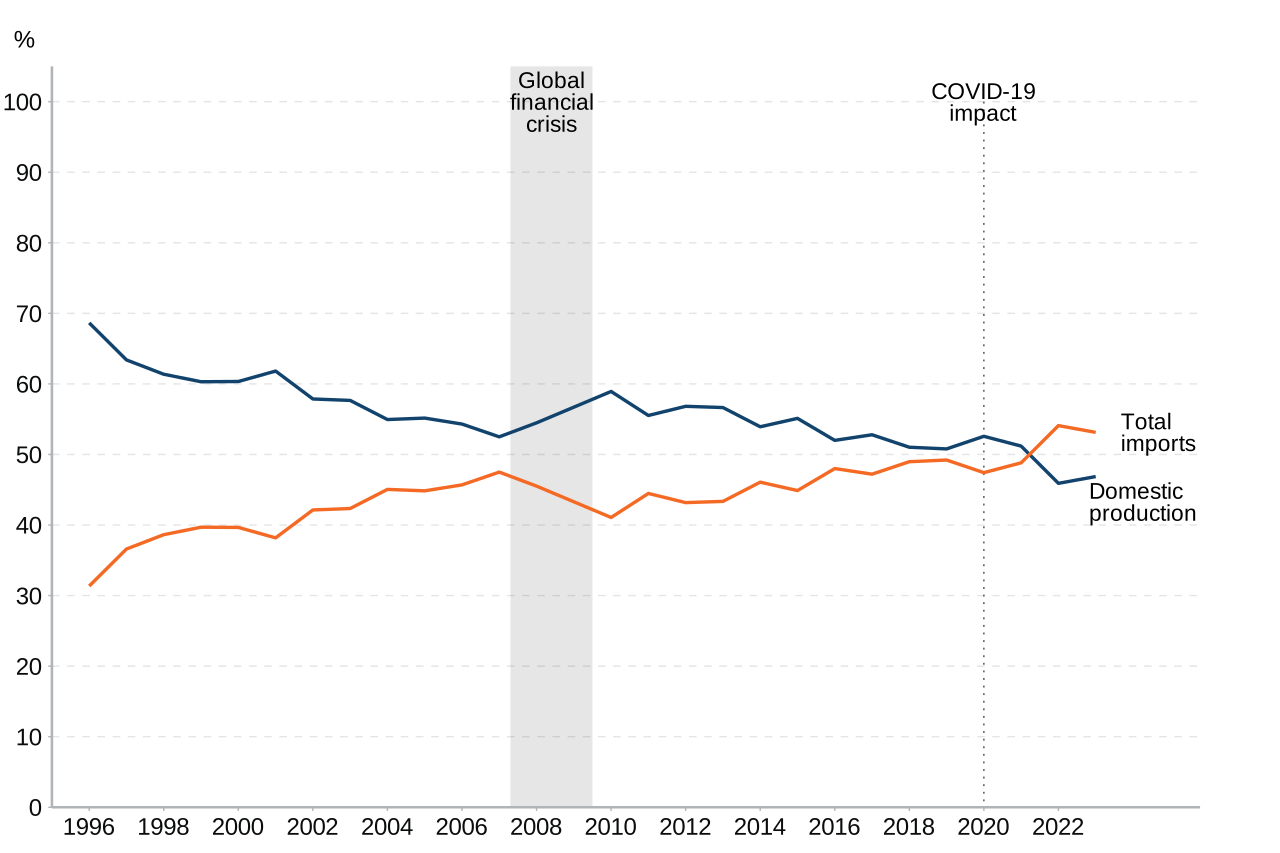
While consumption-based GHG emissions have fallen both overall and on a per-capita basis over the last three decades, emissions embedded in imported goods and services have increased substantially over the same period. These import-related emissions now account for more than half of the UK’s carbon footprint, up from 31% of the total in 1996 to 53% of the total in 2023 (see Figure 3). This reflects the growing share of goods and services consumed in the UK that are produced overseas.
Figure 3: Proportion of UK consumption-based greenhouse gas emissions from imports and domestic production, 1996 to 2023
Source: University of Leeds
Download the data for Figure 3
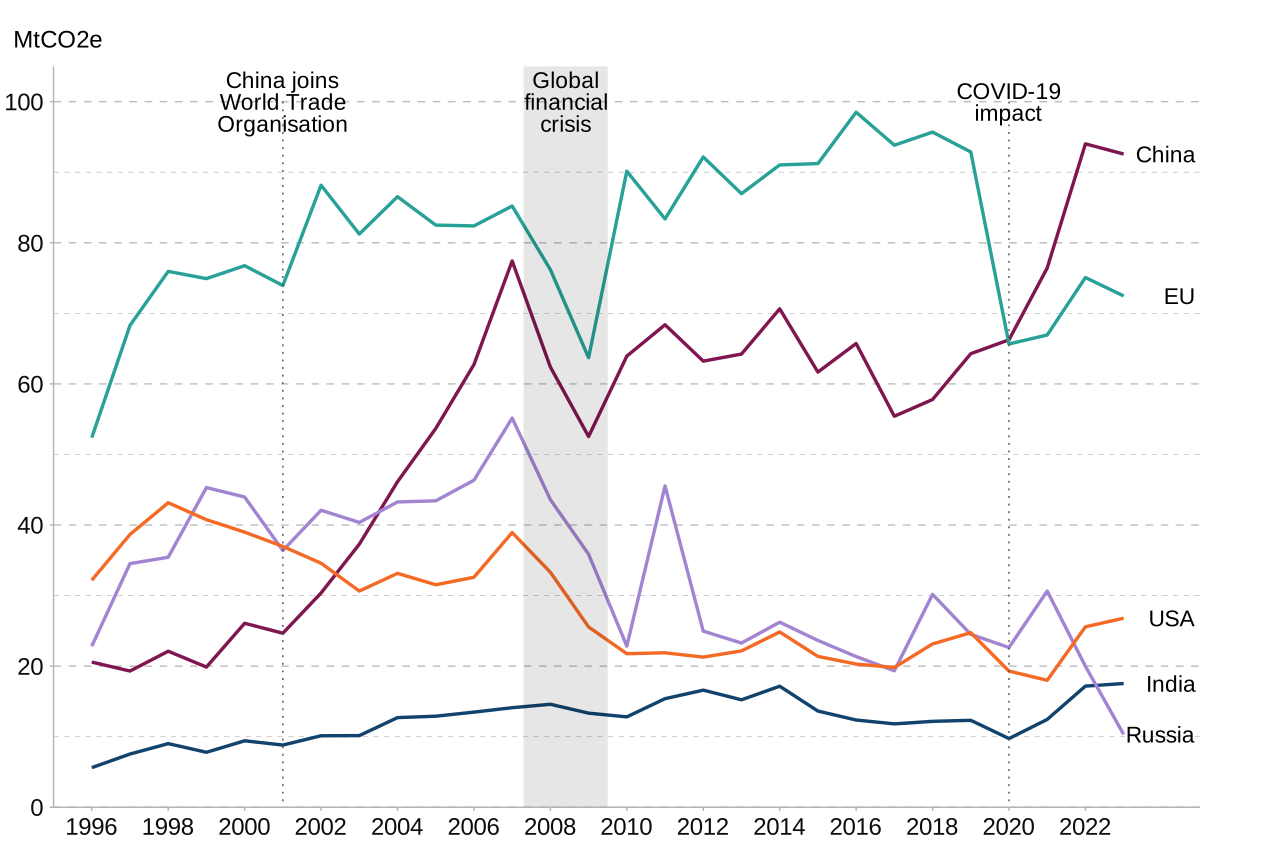
There have also been significant shifts in the regions contributing most to the UK’s import-related emissions (see Figure 4).
Figure 4: UK consumption-based greenhouse gas emissions by selected source region, 1996 to 2023
Source: University of Leeds
Download the data for Figure 4
Consumption-based GHG emissions associated with imports from China have increased substantially over time, and especially since China joined the World Trade Organisation in 2001. These emissions now represent both the largest in terms of absolute tonnages from a single source region in 2023 and the largest percentage increase since 1996. In 2023, emissions embedded in goods and services imported from China were 93 MtCO2e, more than four times as high as in 1996. This means that in 2023, China accounted for 25% of the UK’s import-related emissions, up from 8% in 1996. These emissions now account for 13% of the UK’s total carbon footprint, up from only 2% in 1996. China was also the only source region considered here from which emissions embedded in imported goods and services rose during the COVID-19 pandemic.
The EU was the second largest source of import-related GHG emissions in 2023, with 72 MtCO2e, accounting for 20% of the total and 10% of the UK’s total carbon footprint. However, despite a post-COVID-19 rebound, emissions associated with imports from the EU were 22% lower in 2023 than in 2019, making it one of only two regions considered here to remain below pre-COVID-19 (2019) levels.
The USA was the third largest source of import-related GHG emissions considered here in 2023, at 27 MtCO2e. Between 1996 and 2023, GHG emissions associated with imports from the USA have fallen by 17%.
GHG emissions associated with imports from India have increased, rising by more than three times since 1996, the second largest percentage increase among the regions considered. In 2023, emissions from India were 18 MtCO2e.
By contrast, emissions associated with imports from Russia have decreased substantially over time, falling by 55% since 1996, the largest percentage decrease among the regions considered. Emissions from Russian imports also recorded the largest percentage decrease between 2022 and 2023, falling by 48% following Russia’s invasion of Ukraine, and meaning they were below their pre-COVID-19 (2019) level in 2023.
Overall, these trends indicate a shift in the composition of the UK’s import-related GHG emissions, with increasing contributions from countries such as China and India alongside declines from others including the USA and Russia.
3.4 Consumption-based greenhouse gas emissions by final demand
To help understand what is behind these overall trends, Table 1 shows a breakdown of the changes in UK consumption-based emissions by eight broad categories of final demand. Although there has been a long-term downward trend across all eight categories, the rates of change and the actual reductions in terms of kilotonnes CO2e differ considerably between categories of final demand, in part due to differences in the relative size of each category.
Table 1: UK consumption-based greenhouse gas emissions by broad categories of final demand, 1996, 2022 and 2023 (kilotonnes CO2e and percentage change)
| Broad category of final demand | 1996 (kilotonnes CO2e) | 2022 (kilotonnes CO2e) | 2023 (kilotonnes CO2e) | Long term change (1996 to 2023) (kilotonnes CO2e) | Long term percentage change (1996 to 2023) | Change in latest year (2022 to 2023) (kilotonnes CO2e) | Percentage change in latest year (2022 to 2023) |
|---|---|---|---|---|---|---|---|
| Households [note 1] | 435,912 | 419,621 | 406,969 | -28,943 | -7% | -12,652 | -3% |
| Gross fixed capital formation [note 2] | 96,064 | 92,866 | 84,258 | -11,806 | -12% | -8,607 | -9% |
| Households transport [note 3] | 63,795 | 60,522 | 60,979 | -2,816 | -4% | 457 | 1% |
| Households heating [note 4] | 97,435 | 64,801 | 60,678 | -36,757 | -38% | -4,123 | -6% |
| Central government [note 5] | 65,303 | 56,215 | 53,028 | -12,274 | -19% | -3,187 | -6% |
| Local government [note 6] | 50,031 | 25,315 | 26,235 | -23,796 | -48% | 920 | 4% |
| Valuables and changes in inventories [note 7] | 7,723 | 4,254 | 4,246 | -3,477 | -45% | -8 | 0% |
| Non-profit institutions serving households [note 8] | 9,983 | 2,980 | 2,808 | -7,175 | -72% | -172 | -6% |
| Total | 826,246 | 726,574 | 699,202 | -127,044 | -15% | -27,372 | -4% |
Source: University of Leeds
Notes on Table 1:
-
Households includes emissions from consumer expenditure on day-to-day goods and services. The costs of buying a house and major house works are excluded because they are part of gross fixed capital formation.
-
Gross fixed capital formation relates principally to emissions from industry investment in tangible fixed assets such as plant and machinery, transport equipment, dwellings and other buildings and structures. However, it also includes emissions from investment in intangible fixed assets, improvements to land, the costs associated with the transfer of assets, and the costs to households of buying a house and major house works.
-
Households transport includes emissions from consumer expenditure on fossil fuels used for personal vehicles.
-
Households heating includes emissions from consumer expenditure on fossil fuels used to heat households.
-
Central government includes emissions from central government spending on public administration (including defence) and health services.
-
Local government includes emissions from local government spending on public administration and health services.
-
Valuables includes emissions from non-financial goods that are not used primarily for production or consumption but are acquired and held as long-term stores of value. Changes in inventories includes emissions from goods entering into inventories (stocks) minus the emissions from goods withdrawn from inventories and minus the emissions from any recurrent losses of goods held in inventories during the year. The results for these categories can change considerably from year to year as they tend to act as a balance check in the National Accounts to ensure that gross domestic product (GDP) adds up.
-
Non-profit institutions serving households includes emissions from spending by charitable organisations, trade unions, religious organisations, political parties, and universities and further education establishments.
Household expenditure on fossil fuels used to heat homes accounted for the largest reductions in absolute tonnages of GHGs, with emissions falling by 36,757 kilotonnes CO2e between 1996 and 2023.
Reduced emissions from household expenditure on day-to-day goods and services and from local government expenditure made further sizeable contributions to the overall reduction in the UK’s carbon footprint between 1996 and 2023. Reduced emissions from household expenditure on day-to-day goods and services also made the largest contribution to the latest-year’s change, accounting for almost half (46%) of the reduction in the UK’s carbon footprint between 2022 and 2023. By contrast, emissions from local government expenditure increased over the year.
Consumption-based GHG emissions from non-profit institutions serving households saw the largest long-term reduction in percentage terms, falling by 72% between 1996 and 2023, but this only accounted for a reduction of 7,175 kilotonnes CO2e. Non-profit institutions serving households are now the smallest sector considered here in terms of their contribution to the UK’s carbon footprint.
3.5 Consumption-based greenhouse gas emissions by product category
Building on the breakdown by final demand, this section focuses on household consumption, the largest component of final demand. Table 2 shows a breakdown of the changes in consumption-based emissions from the final demand of UK households by 11 broad product categories.
In total, although there has been a 12% or 69 MtCO2e reduction in the household element of the UK’s carbon footprint, emissions from some categories of household spending have increased while others have decreased. Moreover, the rates of change and the actual changes in terms of kilotonnes CO2e differ considerably between product categories, in part due to differences in the relative size of each category.
Table 2: Consumption-based greenhouse gas emissions from UK households by broad product category, 1996, 2022 and 2023 (kilotonnes CO2e and percentage change)
| Broad product category | 1996 (kilotonnes CO2e) | 2022 (kilotonnes CO2e) | 2023 (kilotonnes CO2e) | Long term change (1996 to 2023) (kilotonnes CO2e) | Long term percentage change (1996 to 2023) | Change in latest year (2022 to 2023) (kilotonnes CO2e) | Percentage change in latest year (2022 to 2023) |
|---|---|---|---|---|---|---|---|
| Transportation | 146,195 | 147,699 | 150,436 | 4,241 | 3% | 2,737 | 2% |
| Electricity, gas and other fuels | 196,081 | 122,376 | 113,467 | -82,614 | -42% | -8,909 | -7% |
| Food and non-alcoholic beverages | 81,053 | 76,578 | 74,732 | -6,321 | -8% | -1,846 | -2% |
| Recreation, culture and communication | 38,943 | 52,203 | 49,576 | 10,633 | 27% | -2,628 | -5% |
| Restaurants and hotels | 41,571 | 37,356 | 36,734 | -4,836 | -12% | -621 | -2% |
| Furnishing and appliances | 17,539 | 33,069 | 32,489 | 14,950 | 85% | -580 | -2% |
| Miscellaneous consumption | 28,019 | 26,633 | 25,531 | -2,488 | -9% | -1,102 | -4% |
| Housing [note 1] | 29,380 | 23,735 | 21,028 | -8,352 | -28% | -2,707 | -11% |
| Clothing and footwear | 6,667 | 12,371 | 12,021 | 5,355 | 80% | -350 | -3% |
| Health and education [note 2] | 7,326 | 8,423 | 8,173 | 847 | 12% | -250 | -3% |
| Alcoholic beverages and tobacco | 4,370 | 4,501 | 4,439 | 69 | 2% | -62 | -1% |
| Total [note 3] | 597,142 | 544,944 | 528,626 | -68,516 | -11% | -16,318 | -3% |
Source: University of Leeds
Notes on Table 2:
-
The costs of buying a house and major house works are excluded from housing and hence overall household expenditure because they are treated as part of gross fixed capital formation.
-
For some product categories such as health and education, only the portion of these services directly paid for by households are captured under household expenditure. The actual consumption and associated GHG emissions from these services are larger and the remaining balance is captured under central and local government expenditure.
-
The household consumption-based emissions presented in Table 2 sum to the total emissions from the household, household heating and household transport categories of final demand presented in Table 1.
Emissions from household spending on furnishings and appliances, recreation and communication, clothing, and transport have all increased since 1996. However, these increases were more than offset by larger reductions in other spending categories. Emissions from household consumption of electricity, gas and other fuels show the greatest long-term reductions, both in terms of percentage and tonnage (42% and 82,614 kilotonnes CO2e respectively) and this has contributed most to the overall fall in the household element of the UK’s carbon footprint since 1996. Falling emissions from household spending on housing, food and non-alcoholic drinks, and restaurants and hotels have also contributed to the reduction over this long-term period.
Reduced emissions from household consumption of electricity, gas and other fuels have also contributed most to the latest-year’s change in the household element of the UK’s carbon footprint, accounting for more than half of the 16,318 kilotonnes CO2e fall between 2022 and 2023.
4. Greenhouse gas emissions associated with England’s consumption
4.1 Overall trends
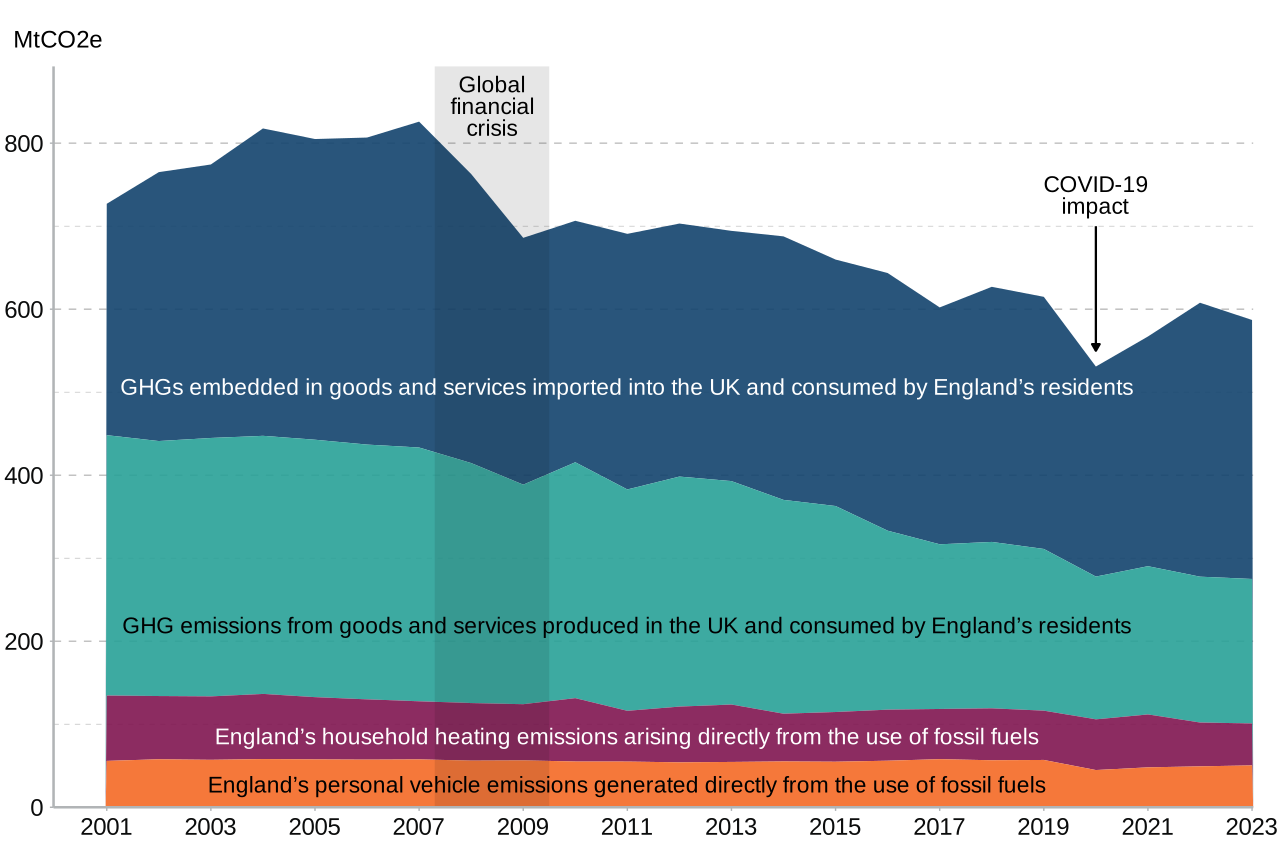
England’s carbon footprint decreased by 3% between 2022 and 2023, reflecting the same pattern observed at the UK level. Despite recent fluctuations, the long-term trend seen in Figure 5 remains a decrease. England’s carbon footprint peaked at 826 MtCO2e in 2007, and in 2023 it was an estimated 587 MtCO2e, a decrease of around 29% from its peak.
Figure 5: Greenhouse gas emissions associated with England’s consumption, 2001 to 2023
Source: University of Leeds
Download the data for Figure 5
GHG emissions embedded in imports are now the largest component of England’s carbon footprint. Between 2001 and 2007, import-related GHG emissions increased by 41%, reaching a peak in 2007. Although these emissions have declined slightly since their peak, in 2023 they were still 12% higher than in 2001, at 312 MtCO2e.
GHG emissions from goods and services produced in the UK and consumed within England show a long-term downward trend. In 2023, these emissions were 45% lower than in 2001, falling from 314 MtCO2e to 174 MtCO2e. They have accounted for a smaller share of England’s carbon footprint over time as consumption patterns and the structure of the economy have changed.
The proportion of emissions generated directly by England’s households from the use of fossil fuels for heating and personal vehicles has remained relatively stable over time, accounting for around 15% to 20% of total consumption‑based emissions between 2001 and 2023. In 2023, direct household emissions were 25% lower than in 2001, at 101 MtCO2e. As with the UK, heating-related emissions fluctuate depending on winter temperatures.
5. Carbon dioxide emissions associated with consumption
Given that the international and domestic targets relate to emissions of GHGs overall rather than emissions of specific GHGs such as CO2, we plan to remove the UK and England carbon dioxide footprint measures currently presented in section 5 from the next update of this statistical release in 2027. Contact WasteStatistics@Defra.gov.uk if you would like to provide any feedback on these proposed changes by the 31 December 2026.
Out of all the GHGs, CO2 has consistently made up the largest share of the UK and England’s consumption-based GHG emissions, accounting for 78% of the UK’s total and 79% of England’s total in 2023. Therefore, this section focuses on CO2 emissions only, and the estimates presented are the UK and England’s carbon dioxide footprints.
5.1 Carbon dioxide emissions associated with UK consumption
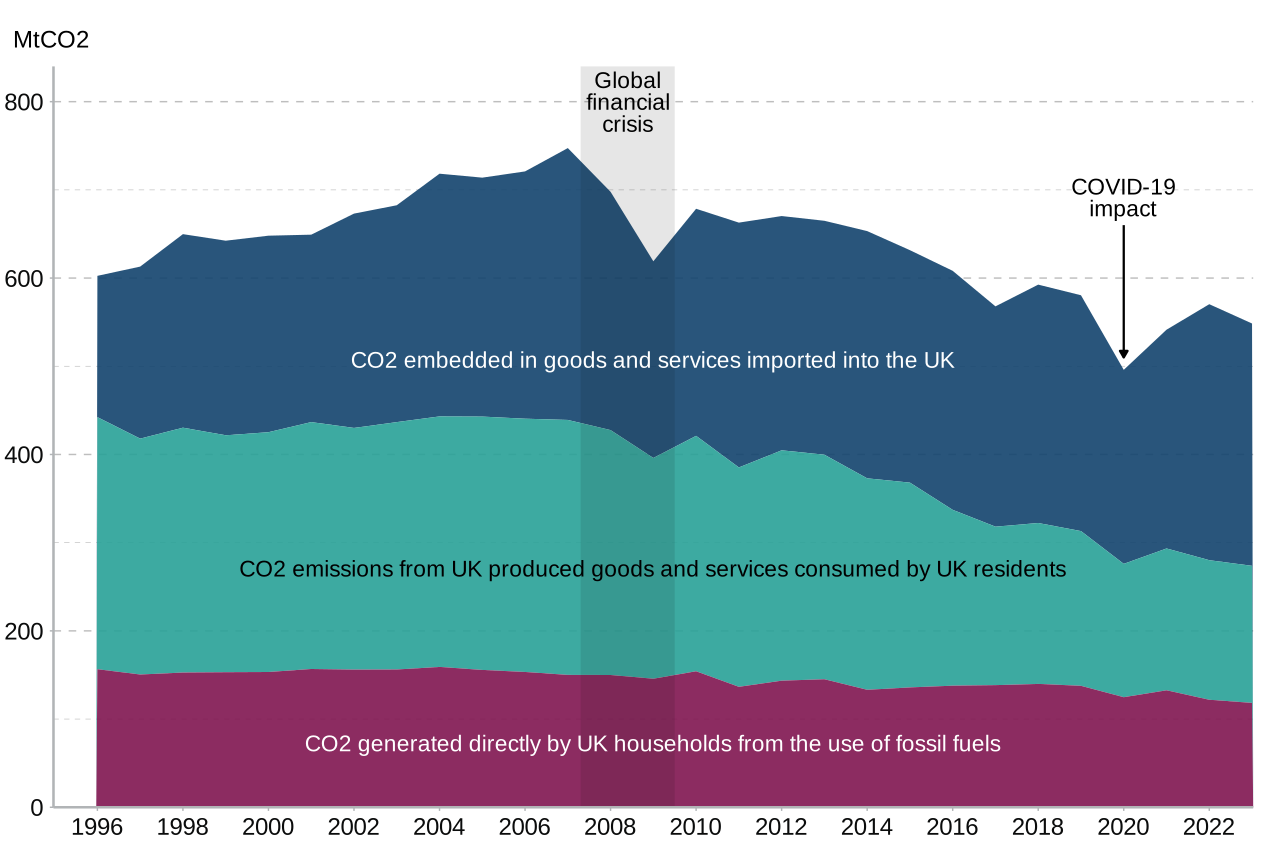
The UK’s total consumption-based CO2 emissions were 548 Mt in 2023, a 27% decrease from their peak of 747 Mt in 2007 and a 4% decrease since 2022 (see Figure 6).
Figure 6: Carbon dioxide emissions associated with UK consumption, 1996 to 2023
Source: University of Leeds
Download the data for Figure 6
In 2023, CO2 accounted for:
- 97% of the GHG emissions generated directly by UK households from the use of fossil fuels for heating and personal vehicles
- 75% of the GHG emissions from UK produced goods and services consumed in the UK
- 74% of the GHG emissions embedded in imported goods and services
5.2 Carbon dioxide emissions associated with England’s consumption
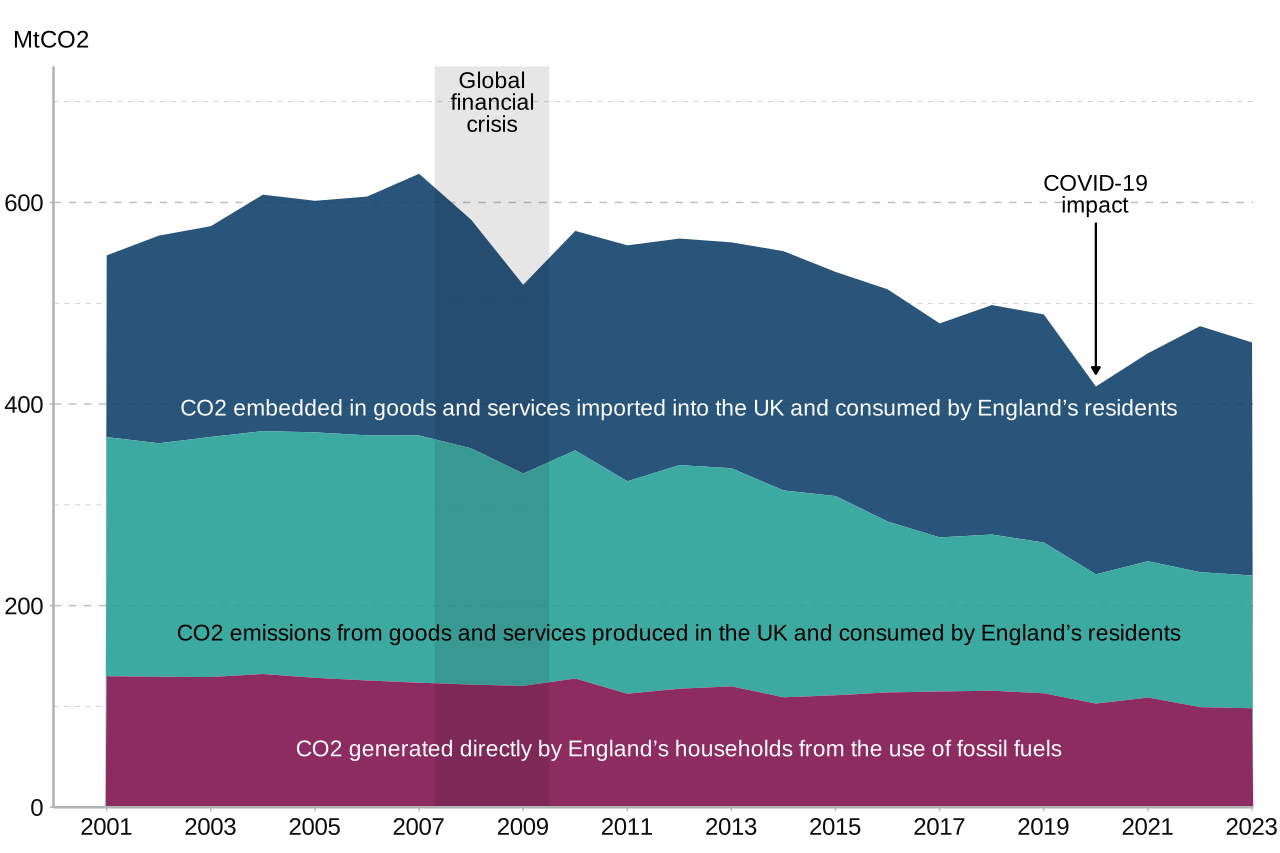
England’s total consumption-based CO2 emissions were 461 Mt in 2023, a 27% decrease from their peak of 628 Mt in 2007 and a 3% decrease since 2022 (see Figure 7).
Figure 7: Carbon dioxide emissions associated with England’s consumption, 2001 to 2023
Source: University of Leeds
Download the data for Figure 7
In 2023, CO2 accounted for:
- 97% of the GHG emissions generated directly by England’s households from the use of fossil fuels for heating and personal vehicles
- 76% of the GHG emissions from UK produced goods and services consumed in England
- 74% of the GHG emissions embedded in goods and services imported into the UK and consumed by England’s residents
6. Relationship with other measures of greenhouse gas emissions
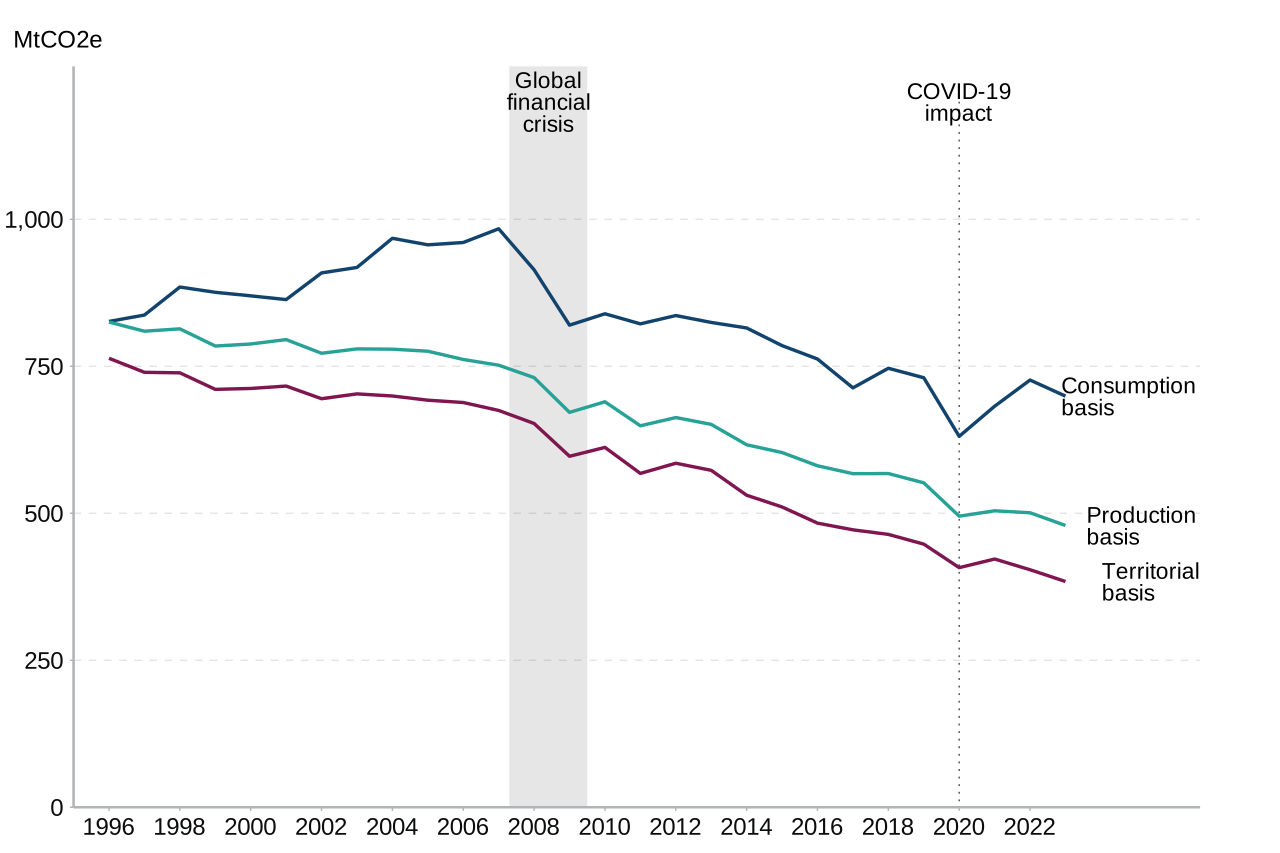
The UK’s GHG emissions can be measured in different ways, depending on the purpose of the analysis. The three approaches are: territorial (emissions produced within the UK’s geographic boundaries), production (emissions produced by UK residents and businesses, regardless of location) and consumption (the UK’s carbon footprint). Each basis of measurement highlights a different aspect of emissions, and the three approaches should be viewed as complementary.
Figure 8: Relationship between different measures of the UK’s greenhouse gas emissions, 1996 to 2023
Source: University of Leeds; Office for National Statistics; and Department for Energy Security and Net Zero
Download the data for Figure 8
Figure 8 shows how since 1996 the UK’s carbon footprint has decreased by 15%, while territorial emissions have fallen by 50% and production-based emissions have decreased by 42%. This reflects a shift from manufacturing towards a service-based economy, alongside an increased reliance on imported goods and services. During periods of economic disruption, such as the global financial crisis and the COVID-19 pandemic, the carbon footprint declined more steeply than the territorial and production-based measures, likely reflecting its inclusion of emissions embedded in imports, which may be more sensitive to changes in consumer demand and international trade.
For further details on the different measures, see the measuring UK greenhouse gas emissions page on the ONS website.
7. What you need to know about this release
7.1 Contact details
Responsible statistician: Daphne Gordon and Simon Hatfield
Email: WasteStatistics@Defra.gov.uk
Media enquiries: 0330 041 6560 (Defra Press Office) or refer to Defra’s media enquiries page.
7.2 Official Statistics
This is an Official Statistics publication. Our statistical practice is regulated by the Office for Statistics Regulation (OSR). The OSR sets the standards of trustworthiness, quality and value in the Code of Practice for Statistics that all producers of official statistics should adhere to. You can read about how Official Statistics in Defra comply with these standards on the Defra Statistics website.
You are welcome to contact us directly with any comments about how we meet these standards using the contact details above. Alternatively, you can contact OSR by emailing regulation@statistics.gov.uk or via the OSR website.
7.3 Feedback
We welcome feedback on the data from all users including how and why the data is used. This helps us to understand the value of the statistics to external users. See the contact details section of this notice.
7.4 Impact of coronavirus (COVID-19)
Results for 2020 covered the first year of the COVID-19 pandemic, during which national lockdowns and travel restrictions were in place. These restrictions are likely to have impacted emissions, especially those from personal vehicles used by households which fell by 21% in 2020, and the emissions associated with household spending on air travel, restaurants and hotels. While there are no specific results available for air travel, emissions from the wider transport services sector fell by 59% in 2020 and emissions from restaurants and hotels fell by 30%. Since then, emissions from household spending on restaurants and hotels have returned to their pre-COVID-19 (2019) level, but emissions from household vehicles and from transport services remain considerably below their pre-COVID-19 (2019) levels.
7.5 Methodology
The University of Leeds provides estimates of the UK and England’s carbon footprints by an agreement with Defra. The project updates previous work on developing an embedded carbon emissions indicator carried out by the Stockholm Environment Institute and published by Defra in 2008. It uses a MRIO model, to link the flows of goods and services described in monetary terms, with the emissions generated in the process of production. In brief, this is a sophisticated computer model that can assimilate data on emissions and product flows from different countries and years in different classifications and valuations, dealing with the data gaps and reconciling inconsistencies.
England-level estimates are produced by applying England-specific data to the same MRIO framework used for the UK. This includes household expenditure data derived from the ONS Living Costs and Food Survey, alongside estimates for direct household emissions from heating and transport and a population-based share of government expenditure. This approach means the England estimates reflect England-specific consumption patterns, rather than being a fixed share of the UK total.
Further information on the methods used to produce the consumption emissions estimates can be found in the ‘UK consumption account methodology’ document published alongside this statistical release.
7.6 Revisions
Each year the estimates relating to previous years are subject to revision, resulting from revisions to the underlying data or because of methodological improvements. There is one methodological change for the 2026 update. This is a switch to using a new global MRIO database (FIGARO v2025) for the traded data from 2010. An older version of FIGARO was used in the 2025 update, and it was only used for post-2014 estimates.
This means that in the 2026 update, estimates up to 2009 use EXIOBASE v3.8.3 for trade data and estimates from 2010 onwards use FIGARO v2025. For more information on this change, see section 3.5 in the ‘UK consumption account methodology’ document published alongside this statistical release.
The UK and England’s carbon footprint methodology will continue to be improved, and this may lead to further revisions to the past time series in future updates to these statistics.
7.7 Greenhouse gas emissions uncertainty
Defra published research on the uncertainty in estimates of consumption-based CO2 emissions between 1992 and 2004 alongside the 2008 report on developing an embedded carbon emissions indicator. This research showed that the relative standard error for total consumption-based CO2 emissions in any one year lies within the range of 3.3% to 5.5%, although these errors were generally found to be higher on an individual sector level. Since then, the methodology has become fully developed according to current understanding and science and also uses more up-to-date and reliable financial data, which has reduced the range of errors for the more recent years.
7.8 Further information
While the results presented in this statistical release show that UK consumption-based GHG emissions are reducing over time, there could be several reasons for this change. These include:
- decarbonisation, where the products consumed by UK residents generate less emissions during their production
- a reduction or change in consumer spending, where UK residents buy less goods overall, or they buy less carbon-intensive goods
Additional research carried out for Defra in 2024 by the University of Leeds produced four metrics to help understand the pattern and drivers of change in the UK’s consumption-based GHG emissions.
The first, a basket of goods indicator presents an overview of the relative change in emissions embedded in frequently purchased consumer goods.
The second, a carbon multiplier index offers an overview of how the emission intensity of goods and services consumed in the UK is changing over time.
The third, an equivalised household metric shows how actual carbon footprints are changing over time, removing the impacts of changes in population and household composition.
The fourth, an analysis of the drivers of change offers a detailed overview of where changes in the UK’s carbon footprint come from. This work will be updated later in 2026.
Finally, the results in the UK and England’s Carbon Footprint statistical release exclude GHG emissions from land use, land use change and forestry, both in the UK and abroad. While based on a slightly different methodology to the UK’s carbon footprint, the Joint Nature Conservation Committee publishes official statistics that partly address this gap. These ‘global biodiversity impacts of UK economic activity’ statistics include annual estimates of CO2 emissions from deforestation associated with the UK’s consumption of crop, cattle-related and timber commodities. The estimates could be viewed alongside the estimates of consumption-based GHG emissions presented in this statistics release to help give users a more complete picture of the UK’s carbon footprint.