Annual statistics of scientific procedures on living animals, Great Britain 2025
Updated 27 August 2026
Applies to England, Scotland and Wales

© Crown copyright 2026
This publication is licensed under the terms of the Open Government Licence v3.0 except where otherwise stated. To view this licence, visit nationalarchives.gov.uk/doc/open-government-licence/version/3 or write to the Information Policy Team, The National Archives, Kew, London TW9 4DU, or email: psi@nationalarchives.gov.uk.
Where we have identified any third party copyright information you will need to obtain permission from the copyright holders concerned.
This publication is available at https://www.gov.uk/government/statistics/scientific-procedures-on-living-animals-great-britain-2025/annual-statistics-of-scientific-procedures-on-living-animals-great-britain-2025
A correction slip has been issued for this publication, this relates to this HTML page and the PDF Versions.
The correction applies to section 3.6.1 Neuromuscular blocking agents and anaesthesia.
Text previously read:
The use of NMBA was recorded in 4 of the 2,690 returns. Of these, no returns reported that the use of NMBA was while the animal was under general anaesthesia.
Text should read:
The use of NMBA was recorded in 13 of the 2,690 returns. Of these, 8 returns reported that the use of NMBA was while the animal was under general anaesthesia.
We are aware of an issue with this release relating to missing wording on “Applied research” purposes. All text is factually accurate and the published tables are complete. The relevant figures can be found in Table 3.1 and 3.2.
This report contains information on the regulated scientific procedures involving living animals carried out in 2025, including number of procedures, species and genetic status of animals, and purpose and severity of procedures.
This report is available as a PDF and on GOV.UK in HTML format.
Please see the accompanying user guide for information on data collection, methodology, data quality, uses of the statistics, glossary and links to related statistics.
Protected animals: Any living vertebrate, other than man, and any living cephalopod. The Animals (Scientific Procedures) Act (ASPA) 1986 also counts embryos after two-thirds of gestation, and fish and amphibian larvae after they become capable of free feeding as protected animals, however these are not included in this publication.
Regulated procedures: Any procedure applied to a protected animal for an experimental or other scientific purpose, or for an educational purpose, that may have the effect of causing an animal pain, suffering, distress or lasting harm equivalent to, or higher than, that caused by the introduction of a needle in accordance with good veterinary practice.
‘Number of procedures’ is not ‘number of animals’: The number of procedures carried out in a year does not equal the number of animals that have been used in procedures that year. This is because some animals may be used more than once, ‘re-used’, in certain circumstances. These instances are counted as separate, additional, procedures. As a result, the number of procedures is usually slightly higher than the number of animals used.
Experimental procedures involve using animals in scientific studies for purposes such as: basic research and the development of treatments, safety testing of pharmaceuticals and other substances, education, specific surgical training and education, environmental research and species protection.
Procedures for creation and breeding involve the breeding of animals whose genes have mutated or have been modified. These animals are used to produce genetically altered (GA) offspring for use in experimental procedures but are not themselves used in experimental procedures.
Key results
- 2.54 million scientific procedures involving living animals were carried out in Great Britain in 2025, this is a decrease from 2.64 million last year and the lowest number under The Animals (Scientific Procedures) Act (ASPA) 1986
- 2.46 million scientific procedures involving living animals used for the first time were carried out in Great Britain in 2025, this is a decrease from 2.55 million in 2024
- experimental procedures have decreased by 8% and procedures for creation and breeding have increased by 1% since 2024
- experimental procedures made up 52% of all procedures in 2025
- the majority (95%) of procedures (both for experimental and breeding purposes) used mice, fish, birds or rats; these species have been the most used for more than a decade
- procedures on specially protected species (cats, dogs, horses and non-human primates) accounted for use in 1% of experimental procedures in 2025
Experimental procedures
These procedures involve using animals in scientific studies for purposes such as: basic research and the development of treatments; safety testing of pharmaceuticals and other substances; specific surgical training and education; environmental research; and species protection.
- 1.32 million procedures carried out for experimental purposes (52% of all procedures in 2025)
- 56% of procedures used mice
- 16% of procedures used fish
- 10% of procedures used birds
- 9% of procedures used rats
- 1% of procedures used specially protected species (cats, dogs, horses and non-human primates)
- 8% of procedures used other species
- over half (54%) of experimental procedures were for basic research; the top 3 research areas were the nervous system, the immune system and cancer (oncology)
- 99% of all experimental procedures were assessed as non-recovery, sub-threshold, mild, or moderate in severity; the remaining 1% were assessed as severe
Creation and breeding of genetically altered animals
This refers to the breeding of animals whose genes have mutated or have been modified. These animals are used to produce GA offspring for use in experimental procedures but are not themselves used in experimental procedures.
- 1.22 million procedures were carried out for the creation and breeding of GA animals (48% of all procedures in 2025)
- 85% were for the creation and breeding of mice
- 14% were for the creation and breeding of fish
- 0.5% were for the creation and breeding of rats and birds
- the majority (85%) of procedures in this category were for maintenance of already established GA lines, with 15% of procedures for the creation of new lines
- 99% of all procedures for creation and breeding were assessed as non-recovery, sub-threshold, mild or moderate in severity; 1% were assessed as severe
1. Introduction
1.1 Purpose of this release
This publication meets the requirements of section 21(A) of the 1986 Act to publish, and lay before Parliament, annual statistics on the use of protected animals in regulated procedures in Great Britain.
1.2 Coverage of this release
These statistics cover England, Scotland and Wales. For Northern Ireland, the Department of Health separately collects and publishes information on NI regulated procedures under devolved arrangements.
1.3 ‘Number of procedures’ is not ‘number of animals’
The statistics in this release and the accompanying data tables relate to the number of procedures, not the number of animals used, unless specified (data tables 1.3, 2.1, 2.2 and 2.3 relate to the number of animals).
1.4 Severity of procedures
These statistics describe the nature and purpose of procedures, including their actual severity. The experience of the animal at the time of death or killing is a factor in determining the actual severity and therefore the killing or death of animals is not reported separately. Advisory notes on actual severity reporting provide further information regarding actual severity.
1.5 Accompanying data tables and user guide
The accompanying data tables for this report can be found on the Scientific procedures on living animals, Great Britain: 2025 webpage. The accompanying user guide provides further information on including changes to the collection, data quality, definitions and revisions.
1.6 Glossary
A glossary of terms is available within the user guide.
2. Total procedures
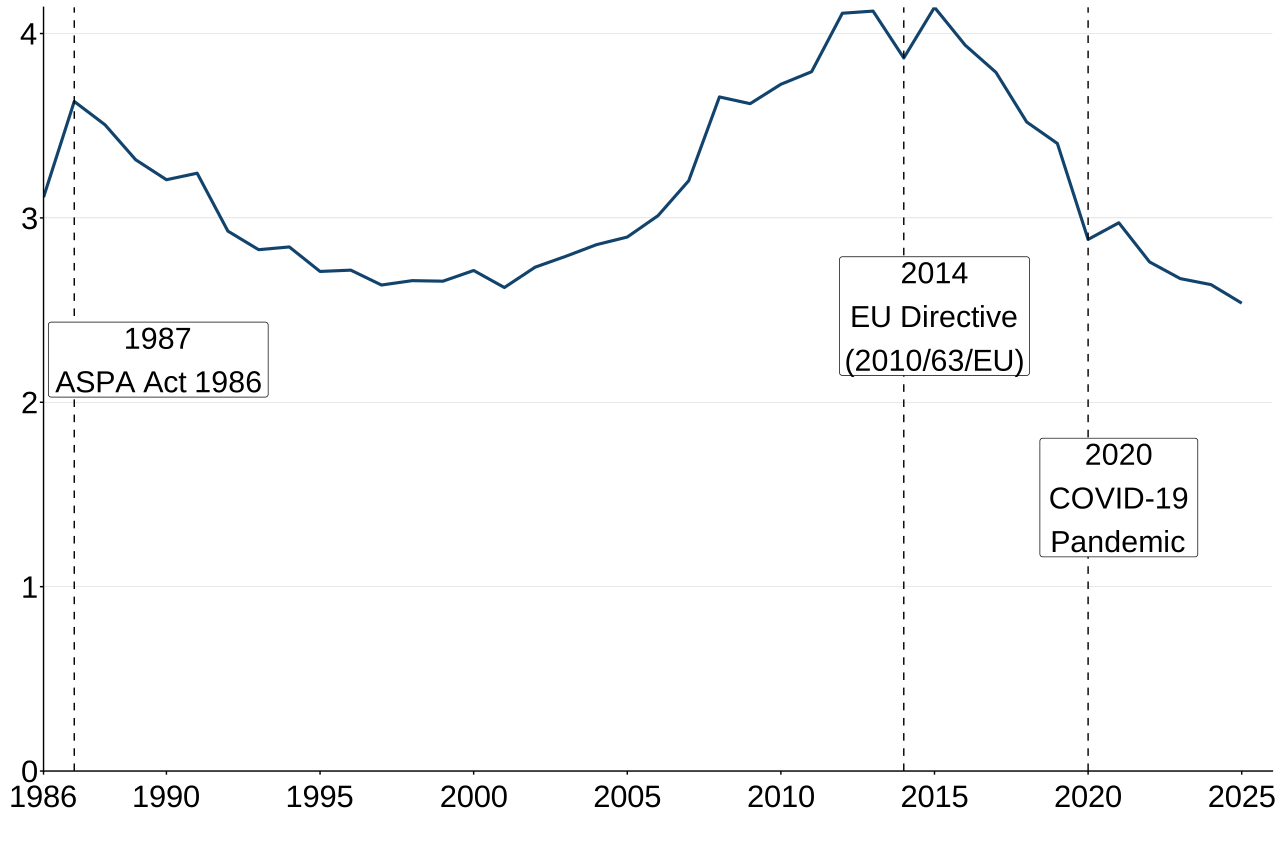
Figure 1: Total scientific procedures (millions) in Great Britain, 1986 to 2025
Source: Home Office, Annual statistics of scientific procedures on living animals, Great Britain 2025: data tables, Table 1.1 and Table 12
In 2025, there was a decrease in procedures to 2.54 million, the lowest figure under ASPA 1986.
As shown in Figure 1, the number of procedures carried out decreased from 1987 until 2001. After 2001, procedures increased, reaching a peak in 2015 following the 2014 EU Directive and then decreasing again, with a sharper drop in 2020. This 2020 drop may be partly explained by national lockdowns in response to the COVID-19 pandemic affecting activity of the establishments. Following a slight rise in 2021, there has been a continued yearly decrease down to the lowest level in 2025.
The number of procedures in England, Scotland and Wales fell by 4%, 3% and 14% respectively in the last year. A similar trend to Great Britain is seen across the individual countries over the tracking period.
The number of procedures carried out on living animals is determined by several factors, including the focus of scientific and medical endeavours, the economic climate, and global trends in new technologies or fields of research.
Please see the user guide for more information on the 1986 Animals (Scientific Procedures) Act and the 2014 EU Directive 2010/63/EU.
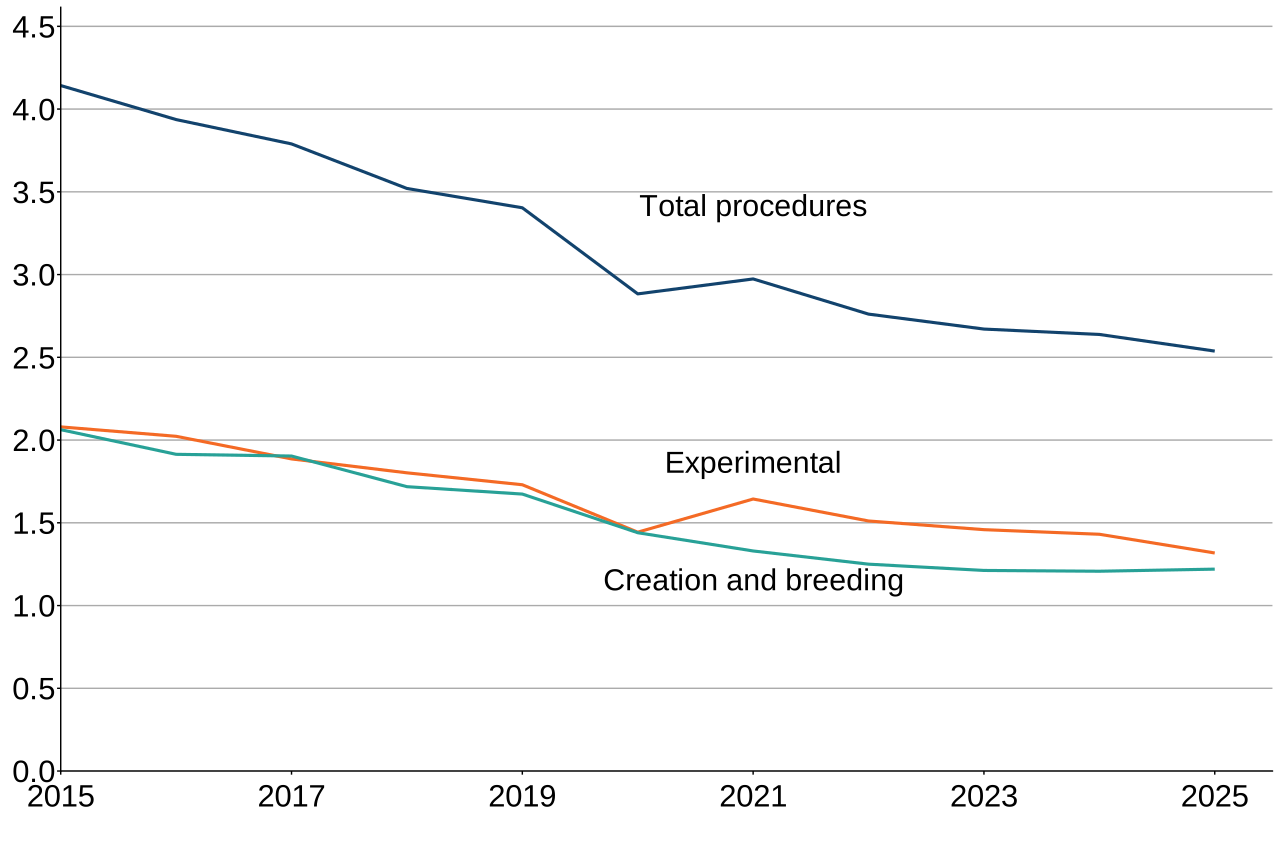
Figure 2: Total scientific procedures (millions) by type, 2015 to 2025
Source: Home Office, Annual statistics of scientific procedures on living animals, Great Britain 2025: data tables, Table 1.2 and Annual statistics of scientific procedures on living animals, Great Britain 2017: time series tables, Table 1
As shown in Figure 2, the total number of procedures has been broadly decreasing over the past decade. There has been a general decrease in the number of experimental procedures, reaching a new low of 1.32 million in 2025.
Creation and breeding has also showed a general decrease over the 10-year period; however, the number of creation and breeding procedures increased slightly from 1.21 million in 2024 to 1.22 million in 2025.
3. Experimental procedures
In 2025, 99% of the 1.32 million experimental procedures were assessed as non-recovery, sub-threshold, mild or moderate in severity; the remaining 1% were assessed as severe. The severity of a procedure is determined by the degree of pain, suffering, distress or lasting harm expected to be experienced by an individual animal during a procedure.
Experimental procedures comprise different purposes, including:
Basic research: aims to expand our knowledge of the structure, functioning and behaviour of living organisms and the environment.
Applied research: attempts to address diseases through prevention and development of treatments. Within the data tables, this is shown as ‘Translational/Applied research’.
Regulatory testing: procedures carried out to satisfy legal requirements, including: ensuring substances are produced to legal specification; evaluating the safety or effectiveness of pharmaceuticals and other substances.
3.1 Species
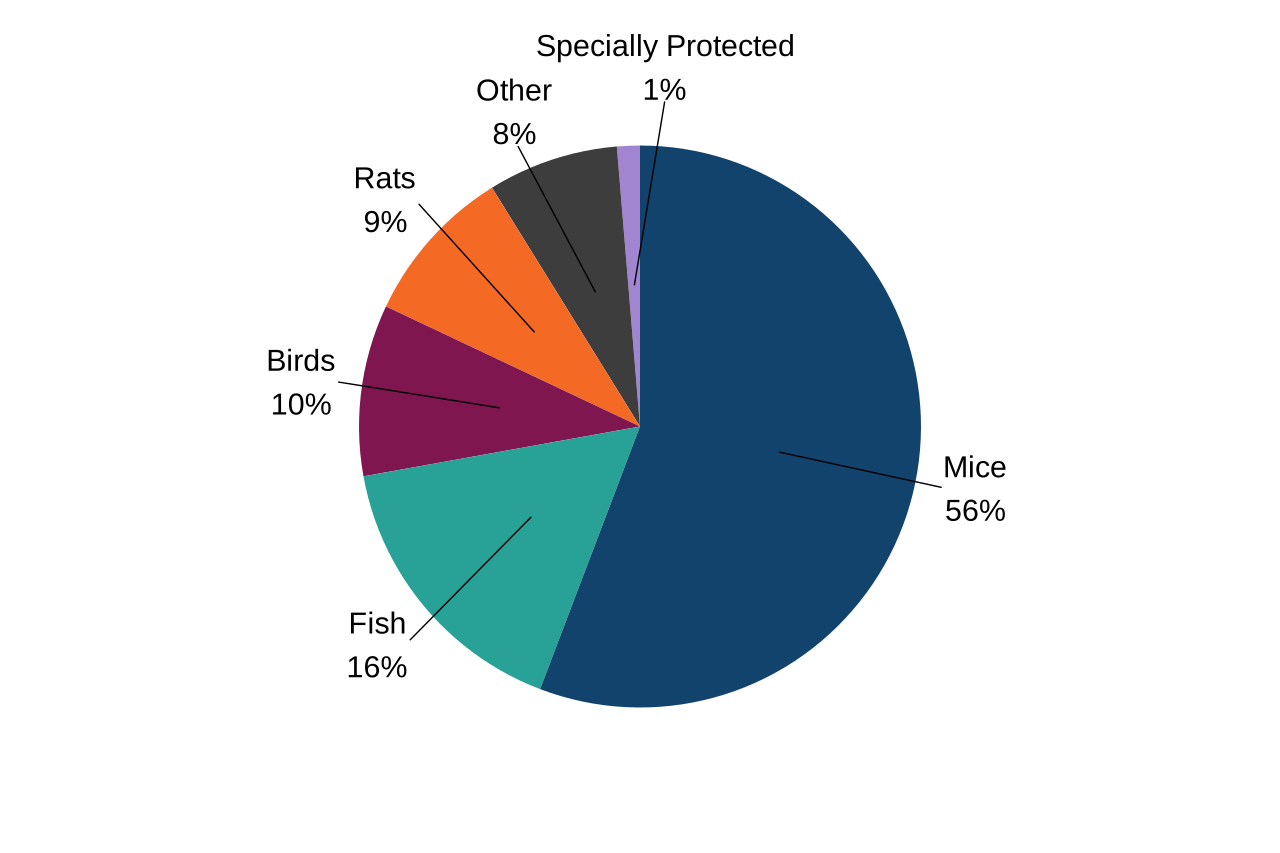
The proportions of species used for experimental procedures, as shown in Figure 3, have remained similar from 2014 onwards; 2025 is the first year where birds are used in more experimental procedures than rats.
For most species, small year-on-year variations can be attributed to expected variations in procedure counts across project lifecycles.
Figure 3: Experimental procedures by species, 2025
Source: Home Office, Annual statistics of scientific procedures on living animals, Great Britain 2025: data tables, Table 1.2
Notes:
- Specially protected species are cats, dogs, horses and non-human primates.
Most experimental procedures used mice, fish, birds or rats; together, these species were used in 91% of experimental procedures in 2025.
As shown in Figure 3, most experimental procedures (56%) used mice, followed by fish (16%), birds (10%), rats (9%), other species (8%) and specially protected species (1%).
The ‘other’ category contains all other protected animals, including amphibians, cattle and reptiles. Figures relating to individual species within this category are available in the data tables.
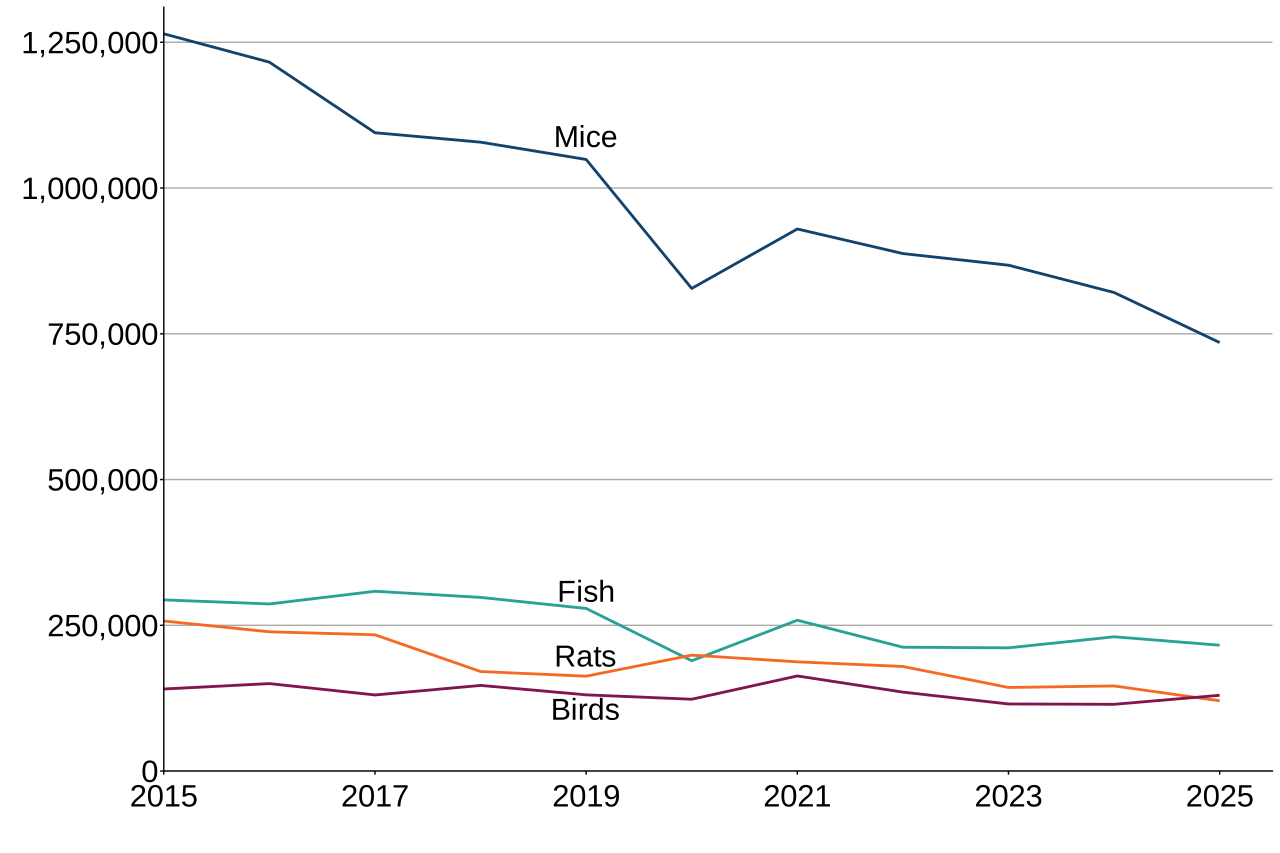
Figure 4: Number of experimental procedures using mice, fish, birds and rats, 2015 to 2025
Source: Home Office, Annual statistics of scientific procedures on living animals, Great Britain 2025: data tables, Table 1.2 and Annual statistics of scientific procedures on living animals, Great Britain 2017; time series tables, Table 2.2
As shown in Figure 4, from 2024 to 2025 there were decreases in the number of procedures using mice, fish and rats (10%, 6% and 17% respectively), while the number of birds increased by 14% compared with 2024, overtaking rats for the first time.
Mice were predominantly used for basic research, with over two-thirds (70%) of experimental procedures involving mice in 2025 being used for basic research. The specific research areas that performed the greatest numbers of procedures using mice were immune system and nervous system research.
Fish were predominantly used for basic research; of experimental procedures involving fish, 60% were for basic research in 2025. The specific basic research areas that performed the greatest numbers of procedures using fish were nervous system and developmental research.
Birds were predominately used for applied research, with the majority (91%) of experimental procedures involving birds in 2025 being used for applied research. The applied research area of animal diseases and disorders had the highest number of procedures using birds.
Rats were mainly used for regulatory testing; around two-thirds (64%) of experimental procedures involving rats were for regulatory testing (for example, tests evaluating the safety and efficacy of substances such as pharmaceuticals).
3.1.1 Specially protected species in experimental procedures
Specially protected species refers to cats, dogs, horses and non-human primates. These species were used in 1% of experimental procedures (approximately 17,000) in 2025, around the same proportion of experimental procedures in 2024.
Cats, dogs, horses and primates are subject to additional protection under Section 5C of the 1986 Act. Licence holders using specially protected species must demonstrate that no other species are suitable for the purposes of the licence and must adhere to additional licence conditions.
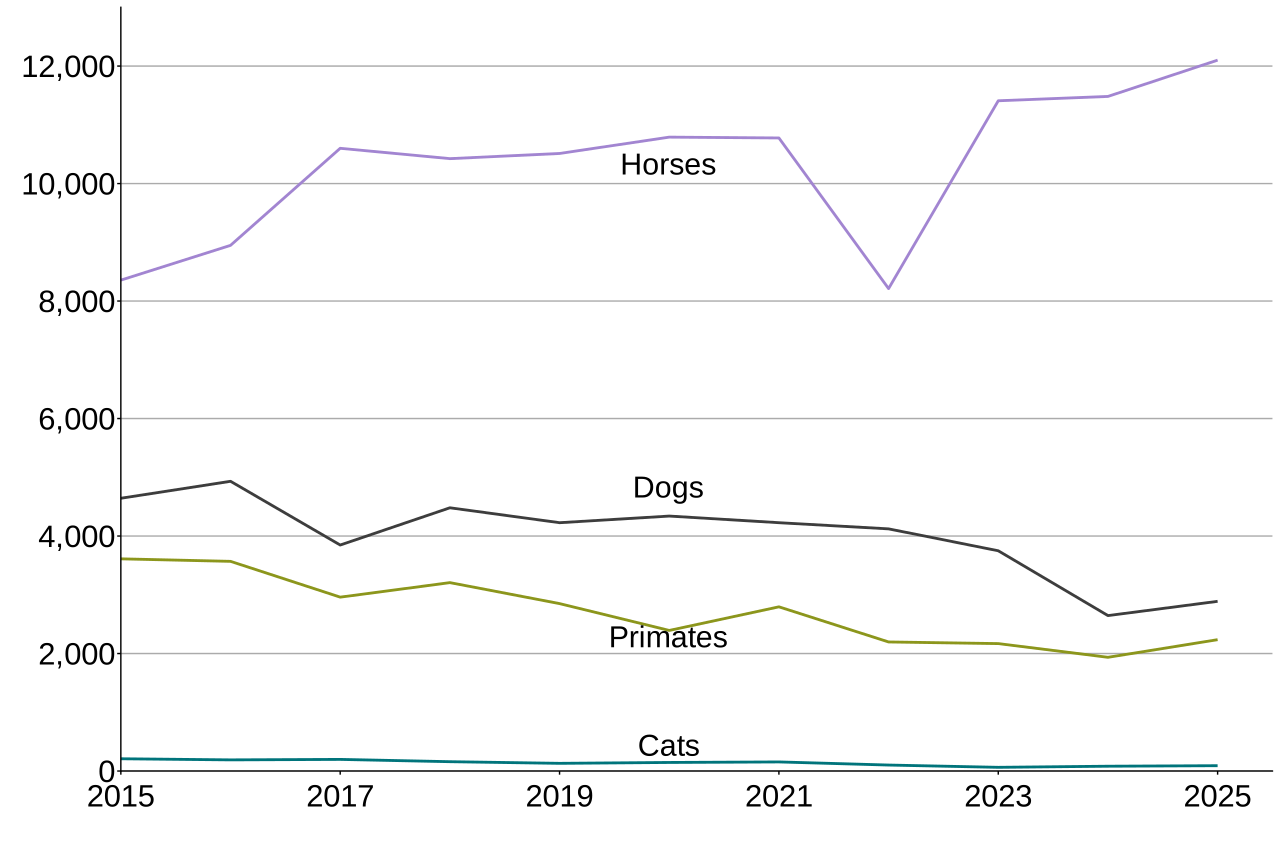
Figure 5: Number of experimental procedures involving specially protected species, 2015 to 2025
Source: Home Office, Annual statistics of scientific procedures on living animals, Great Britain 2025: data tables, Table 1.2 and Annual statistics of scientific procedures on living animals, Great Britain 2017; time series tables, Table 2.2
The total number of procedures involving specially protected species has increased from 16,147 to 17,317 in 2025.
The number of experimental procedures using horses has generally increased from 2015 to 2025, with the notable exception of 2022. The number of procedures involving horses has increased from 11,483 in 2024 to 12,101 in 2025. The number of horses and other equids being used in scientific procedures for the first time has increased from 60 in 2024 to 100 in 2025.
In 2025, the majority (70%) of experimental procedures that used horses were for regulatory purposes. The main regulated procedure carried out on horses was for the routine production of blood-based products, which are used for a variety of laboratory uses.
The number of experimental procedures that used cats has increased by 11% from 2024. There were 91 experimental procedures that used cats in 2025, all of which were for basic research. The number of cats being used in scientific procedures for the first time has decreased from 35 in 2024 to 19 in 2025.
The species of non-human primates that were used in experimental procedures in 2025 were cynomolgus monkeys (2,115 procedures), marmosets and tamarins (71 procedures), and rhesus monkeys (50 procedures). The total number of procedures (2,236) has increased by 15% from last year. The number of non-human primates being used in scientific procedures for the first time has increased from 1,478 in 2024 to 1,845 in 2025.
In 2025, the use of dogs in experimental procedures increased by 9% compared with 2024. There were 2,889 procedures that used dogs in 2025, mainly for regulatory purposes. The number of dogs being used in scientific procedures for the first time has increased from 1,651 in 2024 to 1,706 in 2025.
In 2025, most experimental procedures that used non-human primates and dogs were for regulatory purposes (88% and 73% respectively). These were mainly for testing the safety of products and devices for human medicine, dentistry and veterinary medicine.
Note:
- The figures in this section do not follow the rounding conventions as stated in the user guide.
3.1.2 Use of endangered species
Information was collected on whether any endangered species were used. Endangered species reported are those listed in Annex A of Council Regulation (EC) No 338/97 on the protection of species of wild fauna and flora by regulating trade therein which were not bred in captivity. Species listed in the annex which are bred in captivity are not specified below.
Two endangered species were used in 2025 – the rock dove (72 procedures) and minke whales (4 procedures) – both used for basic research.
3.2 Place of birth of primates
Self-sustaining colony
Marmosets, tamarins, and other new-world primates: A self-sustaining colony is a colony that contains no wild-caught animals, is kept in a way that ensures animals are used to humans and is sustained using animals from within or from other self-sustaining colonies.
Macaques and other old-world primates: A self-sustaining colony is a colony that no longer sources animals from the wild (it may contain some existing wild-caught animals) and is sustained using only captive-bred animals.
Generation
F0 – wild-caught
F1 – progeny of wild-caught females
F2 – progeny of captive-bred females
Of the 1,845 primates used for the first time in experimental procedures in 2025, all marmosets, tamarins and rhesus monkeys were born in the UK at a licensed establishment, whereas 95% of cynomolgus monkeys were born in either Africa or Asia. All primates used for the first time in experimental procedures in 2025 were from self-sustaining colonies.
The places of birth of primates used in experimental procedures for the first time are in Table 2.2 of the data tables. The places of birth of all other species used in experimental procedures for the first time in each year since 2014 are in Table 2.1 of the data tables.
Of the 1,845 primates used for the first time in experimental procedures in 2025, 859 (47%) were F1 generation and 986 (53%) were F2 generation or greater. There were no F0 generation primates used in any procedures in 2025.
This publication uses definitions consistent with previous releases. In 2022, ‘Ad hoc data on non-human primates used in experimental procedures for the first time’ was published to provide assurance on the data used for non-human primates. These ad hoc statistics were produced following the Animal in Science Committee’s report on non-human primates bred for use in scientific purposes, which proposed alternative definitions for colony status and generation. These alternative definitions would classify some colonies as non-self-sustaining due to containing old-world primates originally sourced in the wild, even if new animals are no longer sourced from the wild and had not been for many years. The definitions for self-sustaining colonies and generation status will be changed to reflect this guidance. This will be implemented for the 2026 data collection, which will be published in 2027. For more information, see Non-human primates bred for use in scientific purposes.
Note:
- The figures on the places of birth of primates do not follow the rounding conventions as stated in the user guide to provide additional detail.
3.3 Genetic status
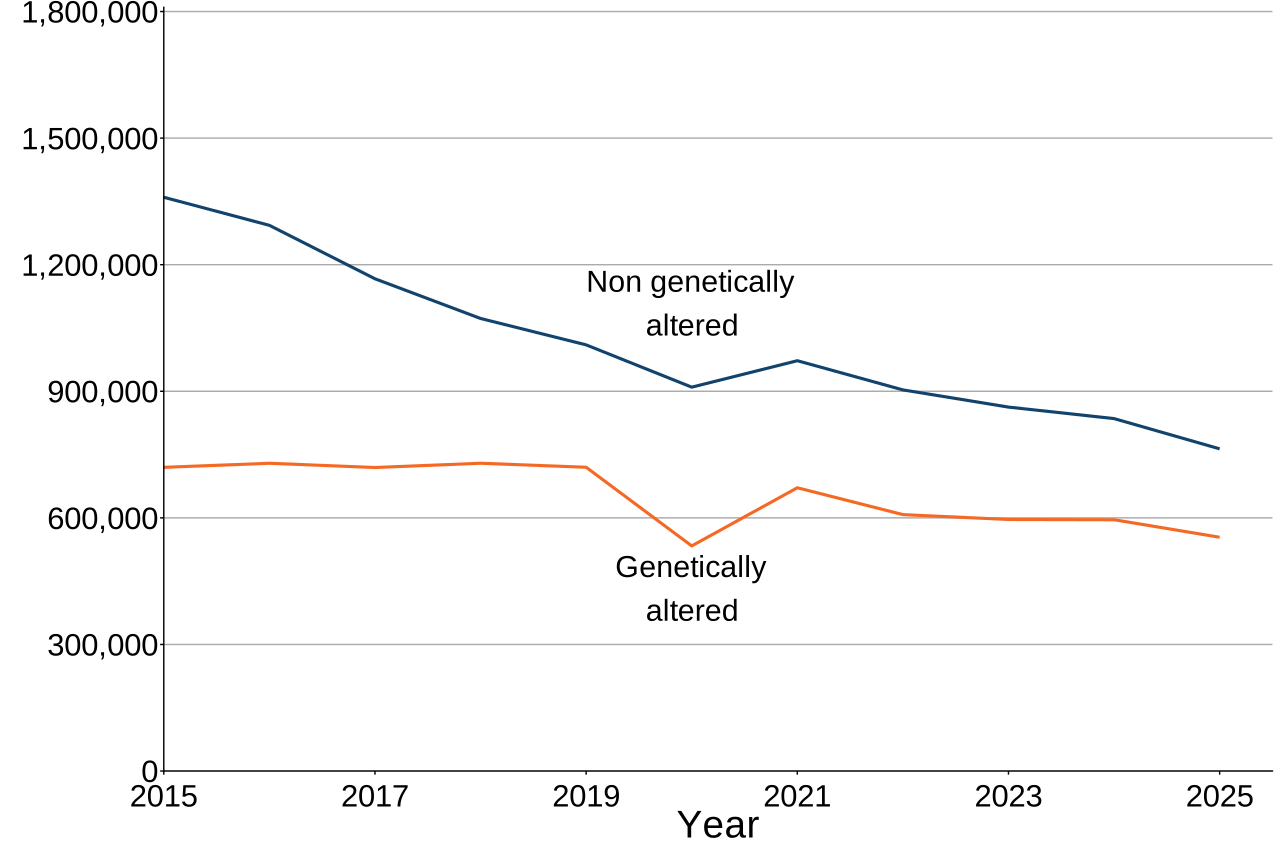
Of the 1.32 million experimental procedures completed in 2025, 58% used animals that were not genetically altered.
Figure 6: Number of experimental procedures by genetic status, 2015 to 2025
Source: Home Office, Annual statistics of scientific procedures on living animals, Great Britain 2025: data tables, Table 4 and Annual statistics of scientific procedures on living animals, Great Britain 2017; time series tables, Table 3.2
As shown in Figure 6, the number of experimental procedures involving non-GA animals has decreased by 9% in the last year to around 760,000.
The use of GA animals was relatively stable from 2015 to 2019, and from 2019 there has been a general trend, decreasing to around 550,000 in 2025.
Further information regarding the genetic status of GA animals used in experimental procedures in 2025 is in Table 4 of the data tables.
3.4 Purpose
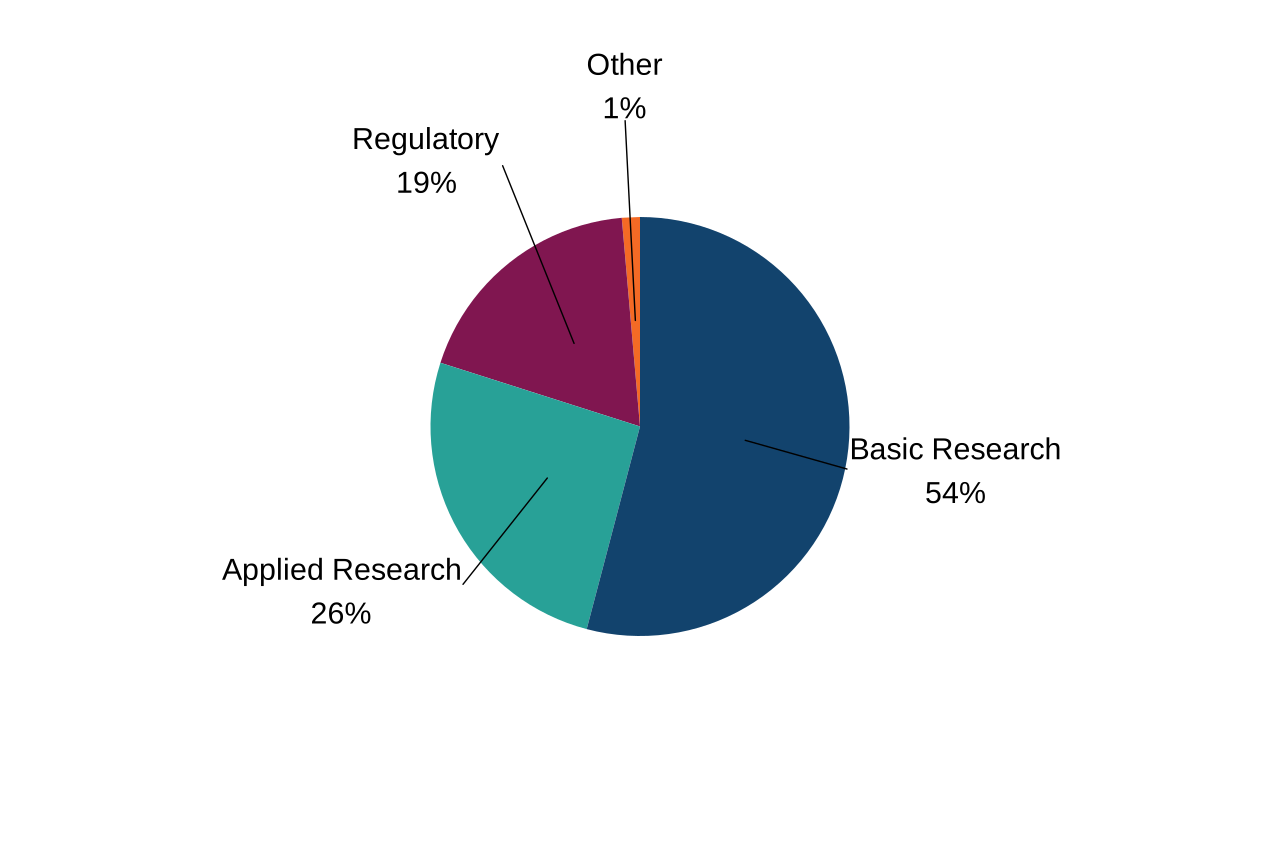
As shown in Figure 7, over half (54%) of the experimental procedures carried out in 2025 were for basic research, a further 26% for applied research and 19% conducted for regulatory testing purposes. Other (1%) includes experimental procedures carried out for higher education or training, preservation of species and for protecting the natural environment.
Figure 7: Experimental procedures by purpose, 2025
3.4.1 Basic research
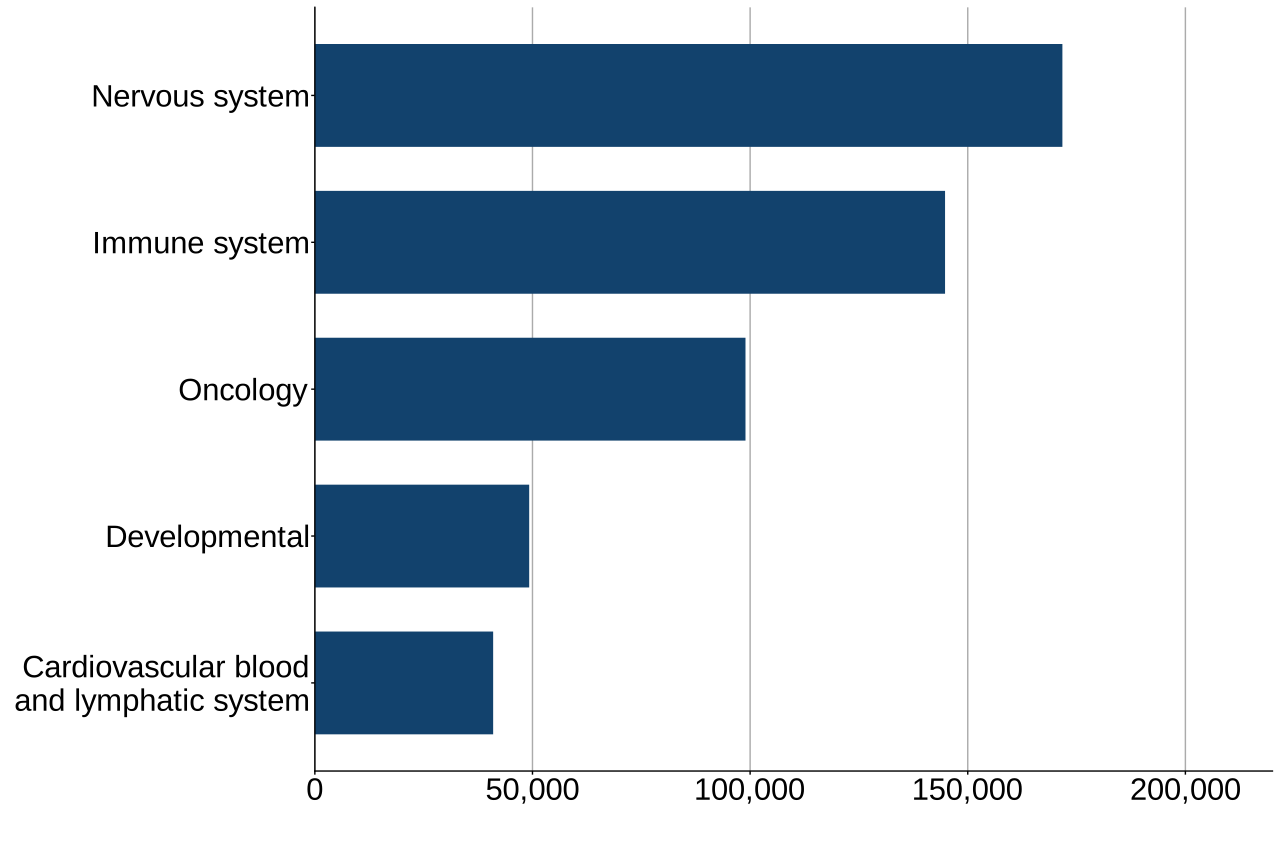
In 2025, approximately 710,000 experimental procedures were carried out for basic research purposes. The most common research areas, as shown in Figure 8, were the nervous system (24%), immune system (20%) and oncology (14%).
Figure 8: Number of experimental procedures showing the most common areas of focus for basic research, 2025
Source: Home Office, Annual statistics of scientific procedures on living animals, Great Britain 2025: data tables, Table 5
The distribution of purposes for basic research has remained mostly similar since 2014. Studies into the functioning and disease of the nervous system, the immune system, oncology, developmental and cardiovascular blood and lymphatic system, have been reported within the top 5 most common areas for basic research in each year since 2014.
For data on all purposes for basic research by species, see Table 5 of the data tables.
3.4.2 Applied research
There were around 246,000 procedures carried out for regulatory purposes in 2025 (19% of all experimental procedures). Regulatory procedures are carried out to satisfy the legal requirements necessary to enable materials, products and devices to be licensed for use. Regulatory procedures are usually carried out during the final stages of research and development and focus on safety and efficacy. The most common procedure in 2025 was toxicity and other safety testing (54%).
Of the approximately 246,000 regulatory procedures carried out in 2025, the most common legislative requirements were legislation on medicinal products for human use (45%) and medicinal products for veterinary use and their residues (35%). No procedures were carried out for cosmetics testing.
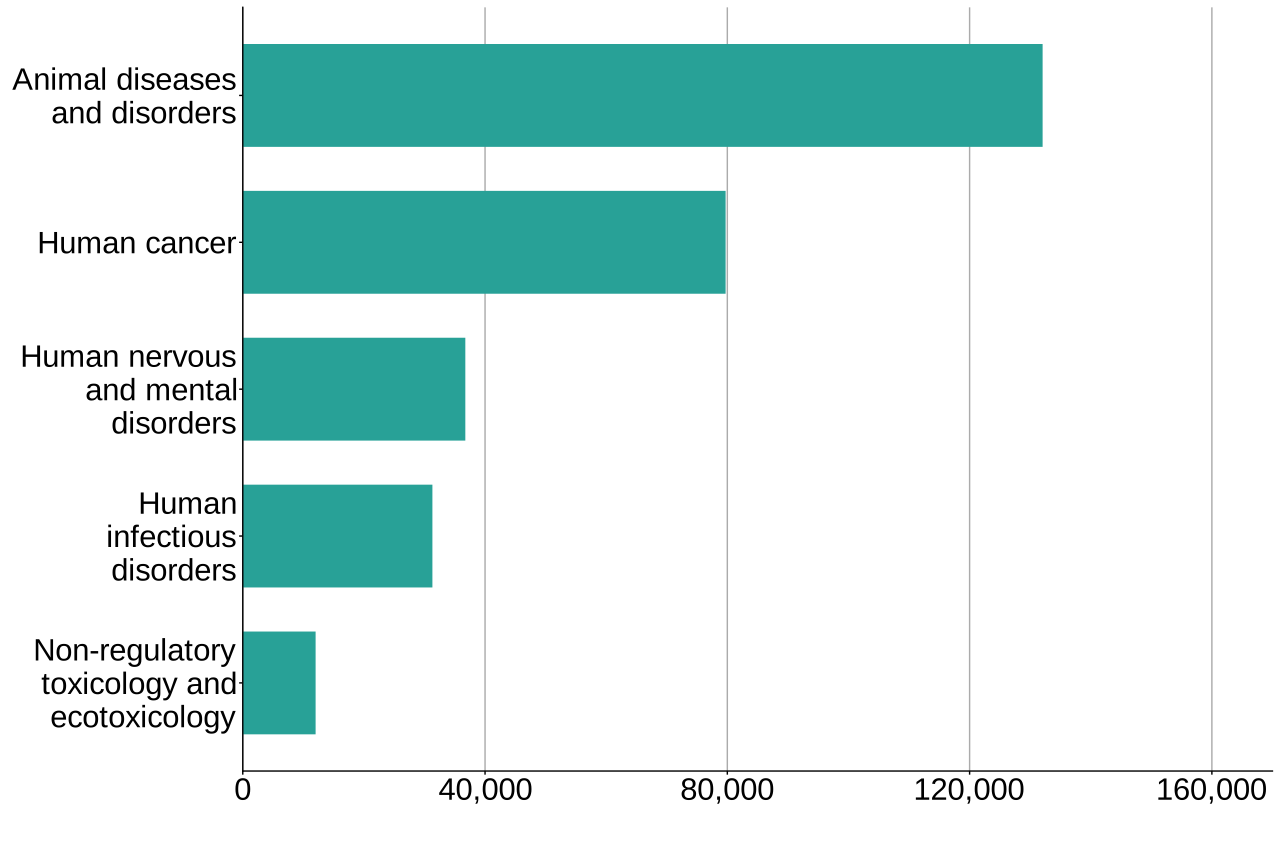
Figure 9: Number of experimental procedures showing the most common areas of focus for applied research, 2025
Source: Home Office, Annual statistics of scientific procedures on living animals, Great Britain 2025: data tables, Table 6
Since 2014, human cancer, infectious disorders, and nervous and mental disorders have consistently been within the top 5 most common areas of applied research in each year.
For data on all purposes for applied research by species, see Table 6 of the data tables.
3.4.3 Regulatory
There were around 246,000 procedures carried out for regulatory purposes in 2025 (19% of all experimental procedures). Regulatory procedures are carried out to satisfy the legal requirements necessary to enable materials, products and devices to be licensed for use. Regulatory procedures are usually carried out during the final stages of research and development and focus on safety and efficacy. The most common procedure in 2025 was toxicity and other safety testing (54%).
Of the ~246,000 regulatory procedures in 2025, the most common legislative requirements were legislation on medicinal products for human use (45%) and medicinal products for veterinary use and their residues (35%). No procedures were carried out for cosmetics testing.
The majority (84%) of regulatory procedures were under legislation satisfying EU requirements, including UK requirements derived from EU legislation. A further 1% were to satisfy UK requirements only.
Routine production: covers studies carried out for manufacturing processes requiring regulatory approval.
Toxicity and other safety testing: studies for safety evaluation of products and devices for human medicine, dentistry, veterinary medicine and other chemicals.
Quality control: the testing of quality control parameters of a product, and any controls carried out during the manufacturing process for registration purposes, to satisfy any other national or international requirements or to satisfy the in-house policy of the manufacturer.
Other efficacy and tolerance testing: efficacy testing of biocides and pesticides is covered under this category as well as the tolerance testing of additives in animal nutrition.
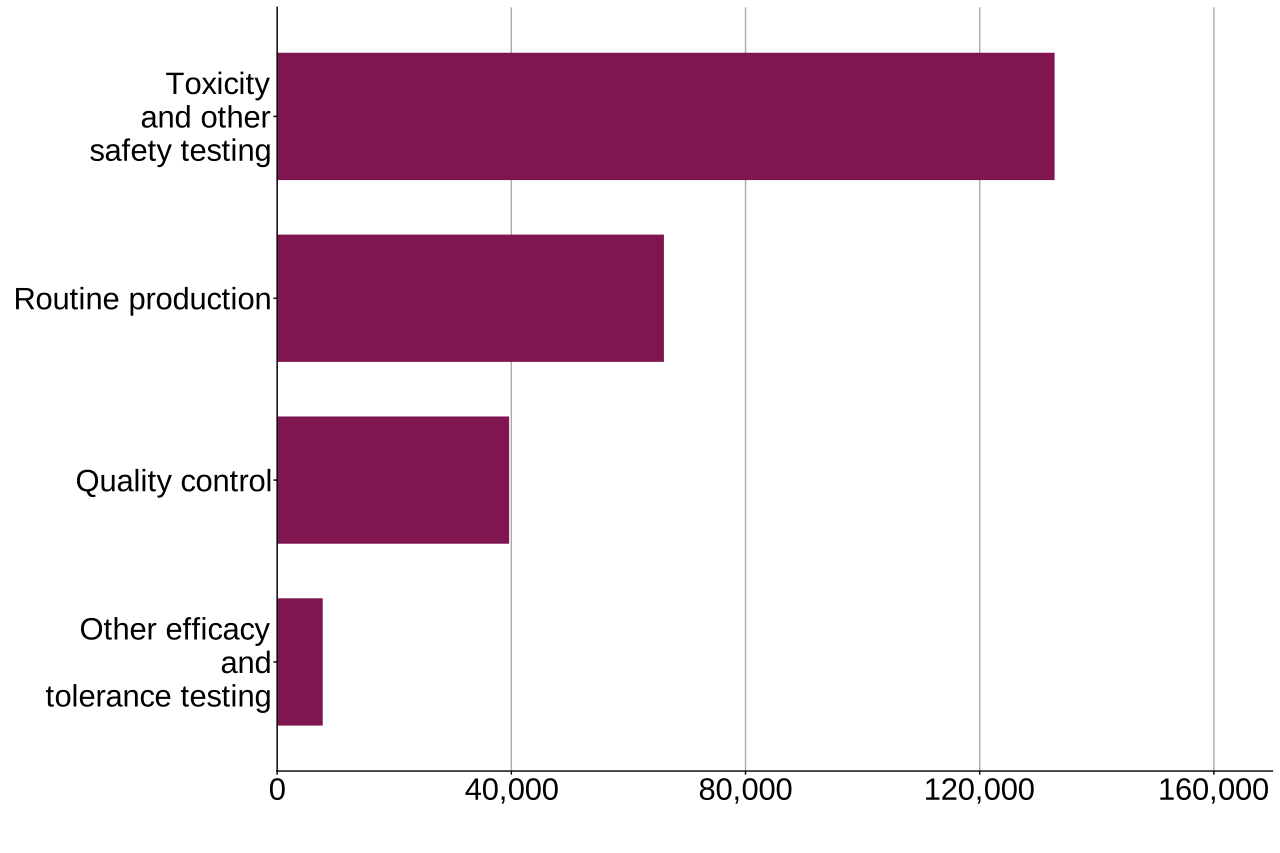
Figure 10 shows the proportion of each purpose of regulatory procedures carried out in 2025. Toxicity and other safety testing (54%), routine production (27%) and quality control (16%) were the most common sub-purposes for regulatory procedures.
Figure 10: Number of experimental procedures showing the most common areas of focus for regulatory purposes, 2025
Source: Home Office, Annual statistics of scientific procedures on living animals, Great Britain 2025: data tables, Table 7.1
The most common species used for regulatory purposes were rats (32%; around 77,700), of which 96% were for toxicity and other safety testing including pharmacology. The second most common species for regulatory purposes were mice (27%, around 65,700), of which 41% were for toxicity and other safety testing including pharmacology, and 39% were for quality control – batch safety testing.
3.4.4 Toxicity and safety testing – cosmetic
Animal testing for consumer safety of cosmetics and their ingredients has been banned in the UK since 1998. Under the Registration, Evaluation, Authorisation and Restriction of Chemicals (REACH) legislation, regulated procedures on animals to test chemicals that may be used as ingredients in cosmetics have been required as a last resort for worker and environmental safety. These procedures are recorded under the purpose of ‘Toxicity and other safety testing’, which also includes safety evaluation of products and devices for human medicine, dentistry, veterinary medicine and other chemicals.
The government does not issue licences for animal testing of chemicals used exclusively as cosmetics ingredients carried out under chemicals (REACH) regulations for worker and environmental safety, following the government’s ban in May 2023.
In 2025, no procedures were conducted on chemicals that are exclusively intended to be used as ingredients in cosmetic products.
3.4.5 Rodenticide trials
Rodenticides are a category of pest control chemicals intended to kill rodents. Rodenticide trials are field trials of such chemicals and are occasionally undertaken by commercial companies that produce them to assess how safe and effective they are when used.
Of the 2,690 returns, one reported that rodenticide trials occurred in 2025. The Home Office asks data suppliers to only indicate whether field trials of rodenticide substances occurred, as these trials can be conducted in semi-field situations where the number of animals is not accurately known since colonies are not intensively managed.
3.5 Techniques of special interest
Information was collected on whether any procedures were related to techniques of interest to the Home Office (areas related to significant public interest or related to changes in policies). The areas of interest include testing of household products, alcohol, tobacco, ascites methods of monoclonal antibody production, the forced swim test and testing of chemicals exclusively used in cosmetics (see section above).
The Department for Science, Innovation and Technology published Replacing animals in science: A strategy to support the development, validation and uptake of alternative methods in November 2025. This strategy outlined an initial list of tests or methods to prioritise replacement of animal uses.
3.5.1 Household products
In 2025, there were no experimental procedures reported under the policy for the testing of ingredients primarily for household products.
3.5.2 Alcohol or tobacco
There were no experimental procedures that involved the testing of products containing alcohol or tobacco. Alcohol or tobacco may still be used in experimental procedures, such as to develop models for conducting further research.
3.5.3 Monoclonal antibody
Ascites methods of monoclonal antibody production are of interest because a non-animal alternative exists. No ascites methods of monoclonal antibody production were used in 2025.
3.5.4 Forced swim test
For the purposes of these statistics, the forced swim test has been defined as ‘any procedure in which an animal is placed into a container of water, out of its depth, with no means of escape’ as per the definition established in section 3.1 of the Animals in Scientific Committee Forced Swim Test report. The test results in causing short-term distress to the animal, but does not cause lasting harm.
There were 93 procedures reported as the forced swim test in 2025, all on mice. All procedures were performed for the purpose of basic research looking at the nervous system, and were all moderate severity. Fifty three of these procedures used the Morris water maze test of memory (where a platform may be removed so could be considered forced swimming, as there is no means of escape).
The “Replacing animals in science” strategy targets an end to licences for the forced swim test as a model of depression.
3.5.5 Rabbit pyrogen test (pharmacopoeial)
The ‘Replacing animals in science’ strategy aims by the end of 2025 to apply only validated alternative methods for pharmacopoeial pyrogen testing. There were no procedures related to pharmacopoeial pyrogen testing in 2025.
3.5.6 In vivo skin irritation testing
The ‘Replacing animals in science’ strategy aims by the end of 2026 to apply only validated alternative methods to satisfy UK regulatory requirements for skin irritation testing. No procedures were undertaken to satisfy UK regulatory requirements for skin irritation testing in 2025.
3.5.7 Eye irritation testing
The ‘Replacing animals in science’ strategy aims by the end of 2026 to apply only validated alternative methods to satisfy UK regulatory requirements for eye irritation testing. No procedures were undertaken to satisfy UK regulatory requirements for eye irritation testing in 2025.
3.5.8 Skin sensitisation testing
The ‘Replacing animals in science’ strategy aims by the end of 2026 to apply only validated alternative methods to satisfy UK regulatory requirements for skin sensitisation testing. In 2025, there were 31 regulatory procedures undertaken on mice for skin sensitisation testing satisfying EU requirements, including UK requirements derived from EU legislation. There was no skin sensitisation testing to satisfy UK requirements only.
Table 7.5 has been added to the accompanying tables, which provides information on the different species used in experimental procedures, focusing on regulatory use by legislative requirement, type of toxicity test and severity. Table 7.5 provides further detail on some of the above types of tests.
3.5.9 Other tests and methods
We will be improving our public reporting of statistics for tests and methods mentioned within the ‘Replacing animals in science’ strategy with a future intention to publish the following:
- adventitious agent testing in animals (pharmacopoeial adventitious agent testing for human medicinal products)
- phasing out preclinical animal testing of biologicals where no pharmacologically relevant animal models exist
- botulinum toxin batch potency testing
- development and quality control testing of veterinary medicines and vaccines
- fish acute toxicity test
- pharmacokinetic studies (dogs and non-human primates)
- cardiovascular safety studies (dogs and non-human primates)
- non-animal derived antibodies and affinity reagents
- fish in assessing endocrine disruption
Note:
- These figures do not follow the rounding conventions as stated in the user guide.
3.6 Severity
The severity (pain, distress or suffering) experienced by animals in procedures has been recorded since 2014. There are 5 severity assessments:
Sub-threshold: when a procedure was authorised under a project licence but did not actually cause suffering above the threshold of regulation; that is, it was less than the level of pain, suffering, distress or lasting harm that is caused by inserting a hypodermic needle according to good veterinary practice.
Non-recovery (under general anaesthesia): when the entire procedure was carried out under general anaesthesia from which the animal shall not recover consciousness. It includes unintended death of animals on recovery protocols while under anaesthesia, provided that no regulated procedure had been carried out prior to the induction of anaesthesia.
Mild: any pain or suffering experienced by an animal was, at worst, only slight or transitory and minor so that the animal returns to its normal state within a short period of time.
Moderate: the procedure caused a significant and easily detectable disturbance to an animal’s normal state, but this was not life threatening. Most surgical procedures carried out under general anaesthesia and with good post-operative analgesia (pain relief) would be classed as moderate.
Severe: the procedure caused a major departure from the animal’s usual state of health and well-being. This would usually include long-term disease processes where assistance with normal activities such as feeding and drinking were required, or where significant deficits in behaviours/activities persist. It includes animals found dead unless an informed decision can be made that the animal did not suffer severely prior to death.
Severity assessments measure harms to an animal during a procedure and generally reflect the peak or cumulative severity of the entire procedure; they do not include harms caused to animals due to non-procedural events such as transport and housing.
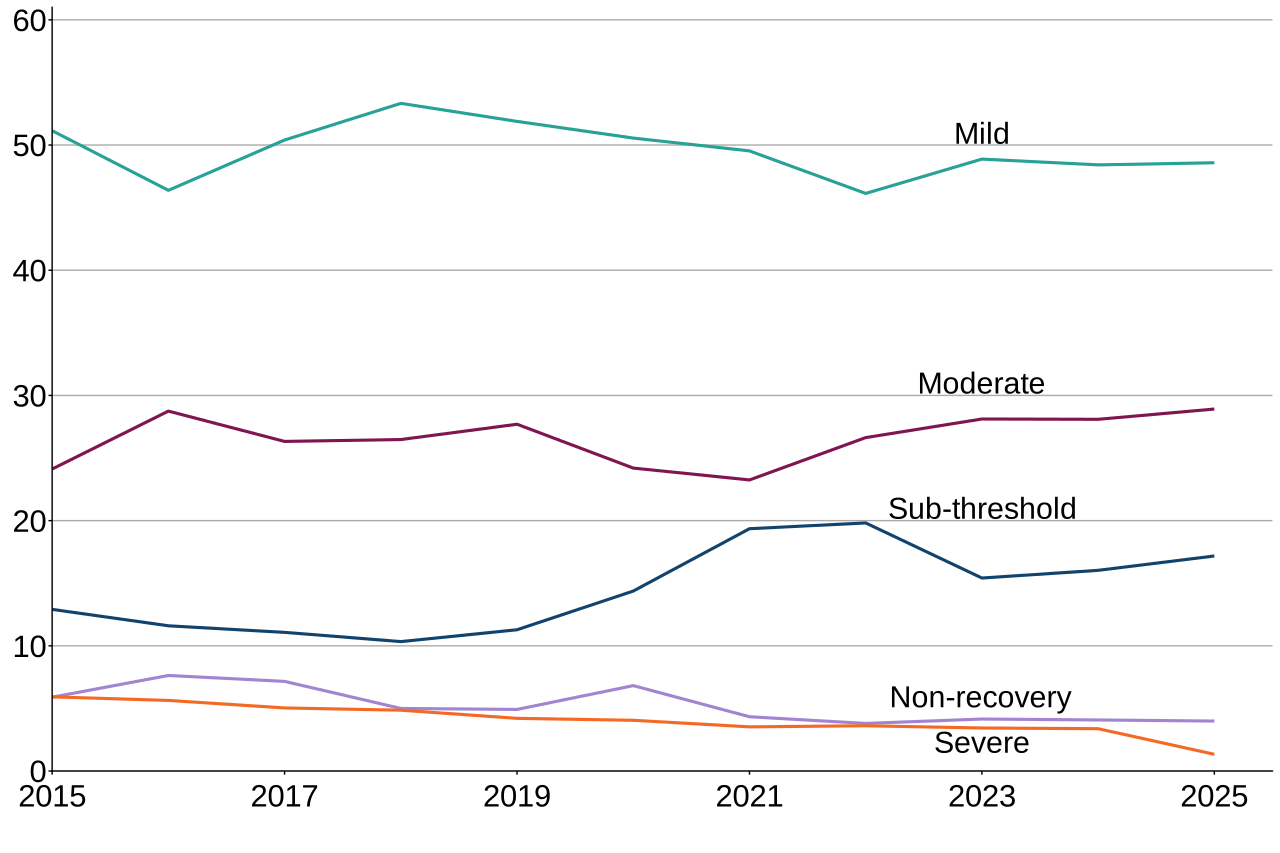
Figure 11: Proportion of experimental procedures (%) by severity, 2015 to 2025
Source: Home Office, Annual statistics of scientific procedures on living animals, Great Britain 2025: data tables, Table 3.1
Almost half (49%) of the experimental procedures in 2025 were mild, similar to the 2024 level (48%). The proportion of non-recovery assessments for procedures has also remained at a similar level (from 4.1% to 4%). The proportion of severe procedures decreased from 3.4% in 2024 to 1.3% in 2025.
The proportion of moderate procedures increased from 28.1% to 28.9%, and the proportion of sub-threshold increased from 16% to 17.2%.
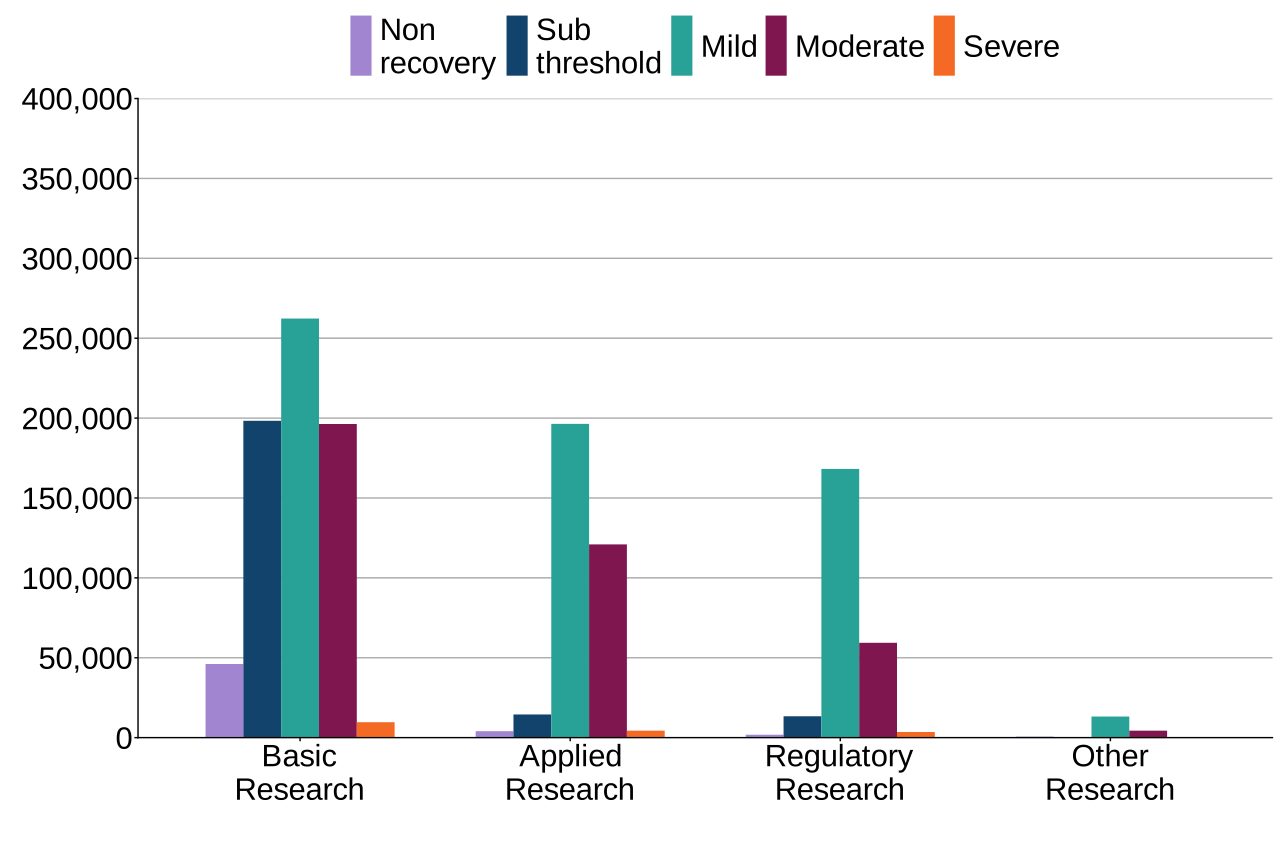
The severity assessment of experimental procedures varies according to the purpose. However, as shown in Figure 12, the most common severity assessment was mild for each purpose of experimental procedure.
Figure 12: Number of experimental procedures by severity and purpose, 2025
Source: Home Office, Annual statistics of scientific procedures on living animals, Great Britain 2025: data tables, Table 3.1
3.6.1 Neuromuscular blocking agents and anaesthesia
Neuromuscular blocking agents (NMBA) are used for muscle relaxation during some types of experimental procedure such as nerve stimulation under anaesthesia. NMBAs may be used only when given the authority to do so and with an appropriate level of anaesthesia and/or analgesia as determined in the project licence.
The use of NMBA was recorded in 13 of the 2,690 returns. Of these, 8 returns reported that the use of NMBA was while the animal was under general anaesthesia.
4. Creation and breeding of genetically altered animals
This section covers only procedures performed for the purpose of creation and breeding of GA animals. That is, the breeding of animals whose genes have mutated or have been modified and have not been subsequently used in other procedures.
4.1 Species
Almost all (over 99%) of the procedures for the creation and breeding of GA animals involved mice (85%) or fish (14%). The remaining 1% of procedures used rats, domestic fowl, amphibians, sheep and pigs.
4.1.1 Genetic status
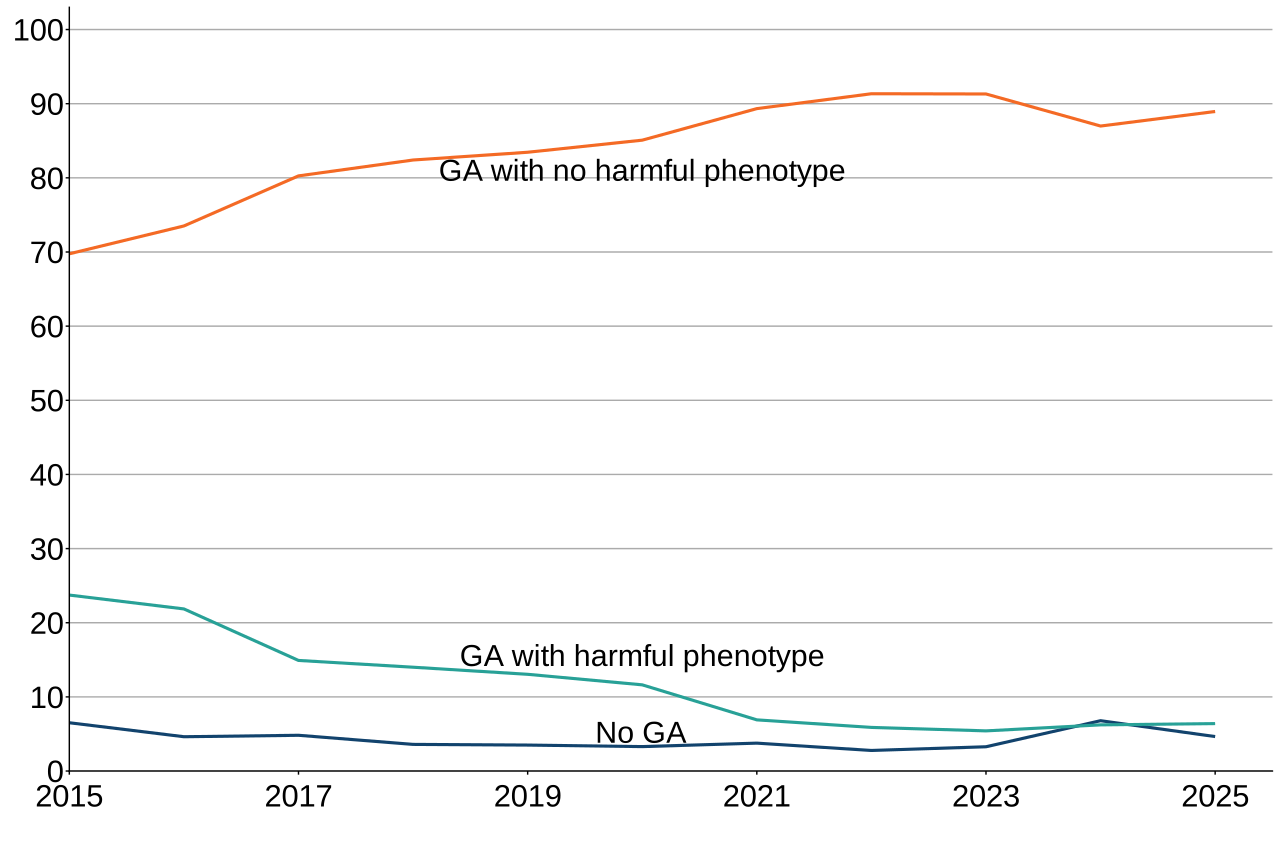
Of the 1.22 million procedures for creation and breeding that used GA animals in 2025, 1.09 million (89%) used GA animals with no harmful phenotype (the animals did not appear or behave any differently from non-GA animals).
Figure 13: Proportion (%) of creation and breeding GA animal procedures by type of genetic alteration, 2015 to 2025
Source: Home Office, Annual statistics of scientific procedures on living animals, Great Britain 2025: data tables, Table 8
As shown in Figure 13, since 2015 there has been an increase in the proportion of animals used for creation and breeding that are GA without a harmful phenotype (increasing from 70% in 2015 to 89% in 2025).
There were some animals that were bred with the intention of producing GA animals but resulted in non-GA animals being born. In addition, some animals used for the creation of a new genetic line will also have been genetically normal animals (for example, those used for superovulation). In 2025, 5% of procedures for creation and breeding involved non-GA animals.
4.2 Purpose
Of the total 1.22 million procedures for the creation and breeding of GA animals, 85% were for the maintenance of already established GA lines, with the remainder for the creation of new lines.
Of the approximately 185,000 procedures for the creation of new GA lines, the majority (88%) were to create new GA lines to be used in basic research. The most common areas within basic research were multisystemic research (around 44,000 breeding procedures), the immune system (around 40,000 breeding procedures) and nervous system (around 26,000 breeding procedures).
For data on all purposes for applied research by species, see Tables 8 to 10 of the data tables.
Creation: includes the natural breeding of different strains to produce a new strain, and procedures that use standard techniques such as vasectomy for the generation of novel transgenic or mutant lines of GA animals. The birth of a GA animal counts as creation when the line is new and before it is ‘established’ (that is, stable and characterised).
Breeding: the production of GA animals of an established line that has been bred for at least 2 generations. Breeding procedures also include other techniques applied to the animal after birth, such as genotyping, but not any techniques applied as part of an experiment or study.
4.3 Severity
Animals in this type of procedure were not used in regulated experimental procedures. As such, the severity experienced by GA animals created and bred are assessed as follows:
- the observable characteristics (phenotype) of the animals, such as development of congenital disease (diseases present at birth) or tumours
- in the case of animals that have no harmful phenotype but which have been biopsied (taking a sample of tissue) specifically for genotyping to determine the genetic makeup of an animal, the biopsy procedures will generally be assessed as mild
- the animals assessed as severe in this category are largely animals within breeding colonies that were found dead and where the death of the animal was either a result of its phenotype or, more commonly, unexplained (all animals found dead are reported as severe unless an informed decision can be made that the animal did not suffer severely prior to death)
- a small number of the animals used to create new lines of GA animals will have been subjected to surgical procedures (classed as moderate) or the injection of drugs (classed as mild)
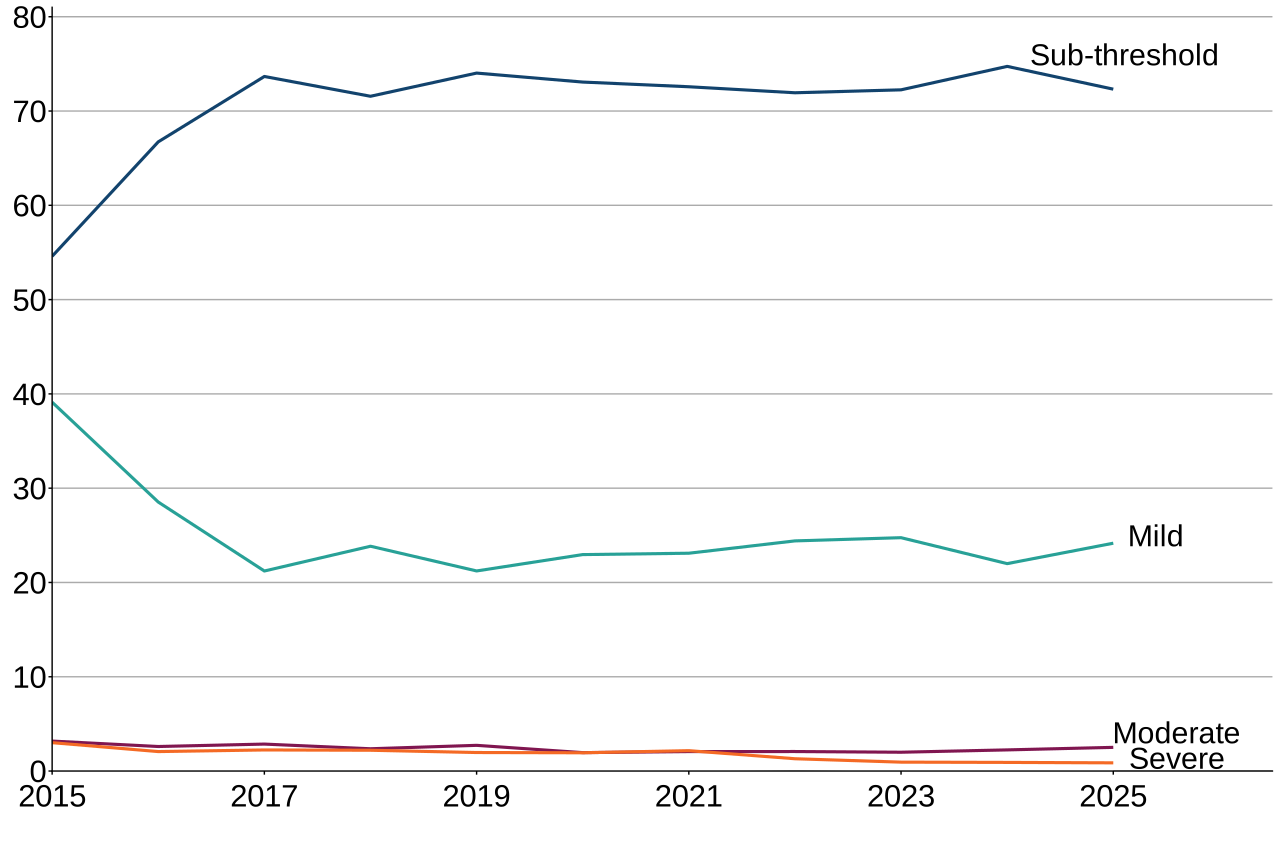
Figure 14: Proportion (%) of creation and breeding of GA animal procedures by severity, 2015 to 2025
Source: Home Office, Annual statistics of scientific procedures on living animals, Great Britain 2025: data tables, Table 8
Notes:
- Non-recovery values are close to 0% and therefore not displayed in Figure 14.
The severity assessments for creation and breeding in 2025 have remained stable since 2017, where sub-threshold procedures make up the majority (72%) and only 1% of creation and breeding procedures were assessed as severe. Mild procedures account for 24%, followed by moderate (3%) and non-recovery (0.1%).
As shown in Figure 14, until 2017, there was an increase in the proportion of sub-threshold and a decrease in the proportion of mild procedures. This change does not reflect a true change in the severity of creation/breeding procedures from 2015 to 2017. Home Office inspectors believe that many creation/breeding procedures initially reported as ‘mild’ should have been reported as ‘sub-threshold’. Therefore, the changing severity assessment profile reflects data suppliers’ improved familiarity and understanding of severity assessments. Since 2017, the proportions of sub-threshold and mild have remained stable.
5. Establishment and project licences
All projects and establishments seeking to conduct regulated procedures on living animals must be licensed under Animals (Scientific Procedures) Act 1986 (ASPA).
As of 31 December 2025, Animals in Science Regulation Unit (ASRU) licensed and regulated 131 establishments.
These establishments include universities, pharmaceutical companies and contract research laboratories. As of 31 December 2025, there were 2,294 active project licences.
Further information can be found in the Animals in Science Regulation Unit (ASRU) annual report which describes their role and performance in regulating work under the ASPA 1986.
Information regarding establishment type has not been as part of the return of procedures data since 2020. Establishment type was previously reported as the result of a separate data collection exercise. The reported establishment type was not an indicator of the type of procedures carried out, and often establishments could be categorised as more than one type.
6. Revisions
It is standard practice across all Home Office statistical releases to incorporate revisions to previous years’ data in the latest release. Corrections and revisions follow the Home Office’s Statement of Compliance with the Code of Practice.
The following table shows the net changes for any revisions or corrections since the previous publication:
| What has changed | Number of procedures affected |
|---|---|
| 2024 | |
| Increase in total procedures | 542 |
| Increase in experimental procedures | 708 |
| Reduction in creation/breeding of GA animals | 166 |
| Species: | |
| Increase in other fish (other Pisces) | 540 |
| Increase in ferret (Mustela putorius furo) | 12 |
| Increase in rat (Rattus norvegicus) | 4 |
| Reduction in mouse (Mus musculus) | 14 |
| 2023 | |
| Increase in total procedures | 0 |
| Increase in experimental procedures | 0 |
| 2022 | |
| Increase in total procedures | 80 |
| Increase in experimental procedures | 99 |
| Reduction in creation/breeding of GA animals | 19 |
| Species: | |
| Increase in mouse (Mus musculus) | 80 |
There are several reasons why counts of procedures may change between years, including amendments following a retrospective assessment or other intervention by an inspector, or self-reported corrections by project licence holders. It is an offence for a project licence holder to provide information they know to be false or misleading. Some changes summarised above will be a combination of small increases and/or decreases across multiple projects.
Further information on the data source used for this publication, and the revisions and corrections policy, are available in the user guide.
7. Further information
The data for 2025 used in this release was extracted on 12 June 2026.
Frequency of release: Annual
Forthcoming release: Home Office statistics release calendar
Home Office responsible statistician: Maeve McMahon
This report contains statistics on regulated scientific procedures performed using living animals under the Animals (Scientific Procedures) Act 1986 (ASPA).
7.1 Accompanying user guide
See the accompanying user guide for information including:
- background information on the data collection
- uses of the statistics, and links to related statistics
- details on methodology and data quality issues
- information on past and potential future changes to the statistics and feedback
7.2 Data quality
The UK Statistics Authority has designated these statistics as Accredited Official Statistics, in accordance with the Statistics and Registration Service Act 2007, signifying compliance with the Code of Practice for Statistics.
7.3 Accredited Official Statistics status
Accredited Official Statistics means that our statistics meet the highest standards of trustworthiness, quality, and public value, and it is our responsibility to maintain compliance with these standards.
The designation of these statistics as Accredited Official Statistics was confirmed in 2023, following a compliance check by the Office for Statistics Regulation. The statistics last underwent a full assessment of compliance against the Code of Practice in 2012. More information is available in the user guide.
7.4 Changes to accompanying tables
A new table has been added, Table 7.5, which provides information on the different species used in experimental procedures focusing on regulatory use by legislative requirement, type of toxicity test and severity.
7.5 Changes in legislation and definitions
Prior to 1986, figures were recorded for the number of ‘experiments’ on living animals, under the Cruelty to Animals Act 1876. In 1986, the Animals (Scientific Procedures) Act (ASPA) was introduced, and required all ‘scientific procedures’ to be recorded. This new, broader term largely explains the increase in figures directly after 1986 (see Figure 1).
At the beginning of 2013, an EU Directive (2010/63/EU) came into effect, and as a result changed how data were collected under UK law from 2014 onwards. All figures for procedures (1986 onwards) are comparable as the definition of a procedure is unchanged. As a result of the change in methodology, the 2014 data are subject to data quality issues (see the user guide for further information).
7.6 Additional statistics for animal use in Great Britain
The annual statistics release covers regulated procedures on living animals, under the Animals (Scientific Procedures) Act (ASPA) 1986. This comprises procedures carried out using animals for experimental purposes, and procedures counted under creation/breeding of GA animals (that is, the use of GA animals to create offspring for use in experimental procedures). The use of non-GA animals for breeding, to produce non-GA offspring for use in experimental procedures, is covered under the 1986 Act but is not included in the annual statistics. The annual statistics also do not include the use of other animals ‘used’ specifically in the support of the production and use of animals in experimental procedures or, for example, sentinel animals for the monitoring of disease within the facilities. The Additional statistics on breeding and genotyping of animals for scientific procedures, Great Britain 2017 were published by the Home Office in November 2018 on GOV.UK.
7.7 Other information on animal use
ASRU releases an annual report describing their role and performance in regulating work under the Animals (Scientific Procedures) Act 1986.
ASRU also publishes non-technical summaries of projects granted under the Animals (Scientific Procedures) Act 1986. Publication of non-technical summaries is a legal requirement under ASPA. They are a statement, in non-technical language of the proposed programme of work and state the objectives, predicted harm, benefits of the programme and the number and types of animals to be used in the programme. They also demonstrate that the proposed programme of work will be carried out in compliance with the principles of replacement, reduction and refinement. The non-technical summaries of projects granted by ASRU include those that should be retrospectively assessed.
ASRU’s publications are available on GOV.UK.
Figures for Northern Ireland are reported annually in the Statistics of scientific procedures on living animals, Northern Ireland.
7.8 Cross-government ownership of animals in scientific procedures policy
The annual statistics on regulated procedures on living animals are released by the Home Office; however, policies and legislation that influence the number and type of procedures are the responsibility of different government departments. The table below outlines organisations and their areas of responsibility.
| Department | Areas of responsibility |
|---|---|
| Home Office | Policy and regulation of the use of animals in science under ASPA, including licensing and compliance |
| Department for Science, Innovation and Technology | Policy on the development and validation of alternatives that cause less harm or do not use animals (under ASPA Section 20B); government funding for alternatives (through UK Research and Innovation (UKRI) and the National Centre for the 3Rs (NC3Rs)); basic research; applied research; strategic support to the life sciences sector to promote research,‘Replacing animals in science’ strategy |
| Department for Environment, Food & Rural Affairs | Protection of the natural environment; chemical regulation (REACH); precision breeding; animal welfare (excluding ASPA) and sentience, health and preservation of species; veterinary medicine |
| Department for Health and Social Care | Medicines and healthcare products policy and regulation; Higher Education or training (primarily training for surgeons) |
| Department for Business and Trade | Consumer product safety including regulation of cosmetics |
| Food Standards Agency | Food safety regulation |
7.9 Feedback and enquiries
Home Office statisticians welcome feedback on the annual statistics release. If you have any feedback or enquiries about this publication, please contact the Analytical Transformation Team, the Home Office unit that produced the statistics.
Public enquiries: HOAIStatisticalTransformation@homeoffice.gov.uk
Press enquiries: 0300 123 3535
Telephone: 020 7035 3535