Heat mortality monitoring report, England: 2025
Published 2 April 2026
Applies to England

© Crown copyright 2026
This publication is licensed under the terms of the Open Government Licence v3.0 except where otherwise stated. To view this licence, visit nationalarchives.gov.uk/doc/open-government-licence/version/3 or write to the Information Policy Team, The National Archives, Kew, London TW9 4DU, or email: psi@nationalarchives.gov.uk.
Where we have identified any third party copyright information you will need to obtain permission from the copyright holders concerned.
This publication is available at https://www.gov.uk/government/statistics/heat-mortality-monitoring-report-england-2025/heat-mortality-monitoring-report-england-2025
Main points
In summer 2025:
- there were 1,504 (95% confidence interval [CI]: 936 to 2,072) heat-associated deaths observed during 5 heat episodes
- there were 1,535 fewer deaths than predicted, based on the observed temperatures and the historic temperature-mortality relationship
- the pattern of lower observed estimates compared with modelled estimates was consistent across all heat episodes
- the highest heat-associated mortality rates were seen in those aged 85 years and over (364 heat-associated deaths per million population), and those aged 75 to 84 years (116 heat-associated deaths per million population)
- heat-associated deaths were predominantly observed in southern, central and eastern regions of England
Help us improve this resource
We are asking for feedback on the Heat mortality monitoring report. We want to learn more about how you use this report, what areas you find valuable and where you would suggest improvements. Your feedback will help shape future reports. This feedback form will be open until 31 December 2026.
Heat episodes
In the 2025 heat mortality report, a heat episode is defined as days when the mean Central England Temperature (CET) is at least 20 degrees Celsius (°C) (see Glossary). One day either side is also included. In reports on previous summers, a different definition was used taking account of heat health alerts (HHAs) issued. See Data sources and methodology for more information.
There were 5 heat episodes which met this definition in 2025, comprising a total of 27 days. These will be labelled episode 1 (E1) to episode 5 (E5) for the remainder of this report.
Episode 1 (E1)
The first heat episode lasted 4 days (19 June to 22 June 2025), during which amber HHAs were issued across all regions. Amber HHAs were in place in all regions until 23 June. Mean CET reached 22.0°C.
Episode 2 (E2)
The second heat episode lasted 6 days (27 June to 2 July 2025), during which amber HHAs were issued for Yorkshire and The Humber, East Midlands, West Midlands, East of England, London, South East and South West, lasting from 27 June to 2 July. A yellow alert was also issued for the North West from 30 June to 2 July. Mean CET reached 22.4°C.
Episode 3 (E3)
The third heat episode lasted 7 days (9 July to 15 July 2025), during which amber HHAs were issued for the East Midlands, West Midlands, East of England, London, South East and South West, lasting from 11 July to 15 July. Yellow alerts were also issued in the North West, North East and Yorkshire and The Humber. Mean CET reached 22.2°C.
Episode 4 (E4)
The fourth heat episode came shortly after E3 and lasted 3 days (17 July to 19 July 2025), during which no HHAs were issued. Mean CET reached 21.0°C.
Episode 5 (E5)
The final heat episode lasted 7 days (10 August to 16 August 2025), during which a one-day amber HHA was issued for the East Midlands, West Midlands, East of England, London and South East on the 12 August. Yellow alerts were also issued in the North West, North East and Yorkshire and The Humber and the South West on this day. Yellow alerts were issued for the East Midlands, West Midlands, East of England, London and South East for the rest of the episode. Mean CET reached 23.7°C.
Observed heat-associated mortality
Overall findings
There were an estimated 1,504 (95% CI: 936 to 2,072) deaths associated with the 5 heat episodes during summer 2025. Reported numbers are considered to be significant if the 95% confidence intervals (shown in brackets after each estimate) do not overlap with zero. See our Data sources and methodology section for information on how this number is calculated and Glossary for definitions of concepts used.
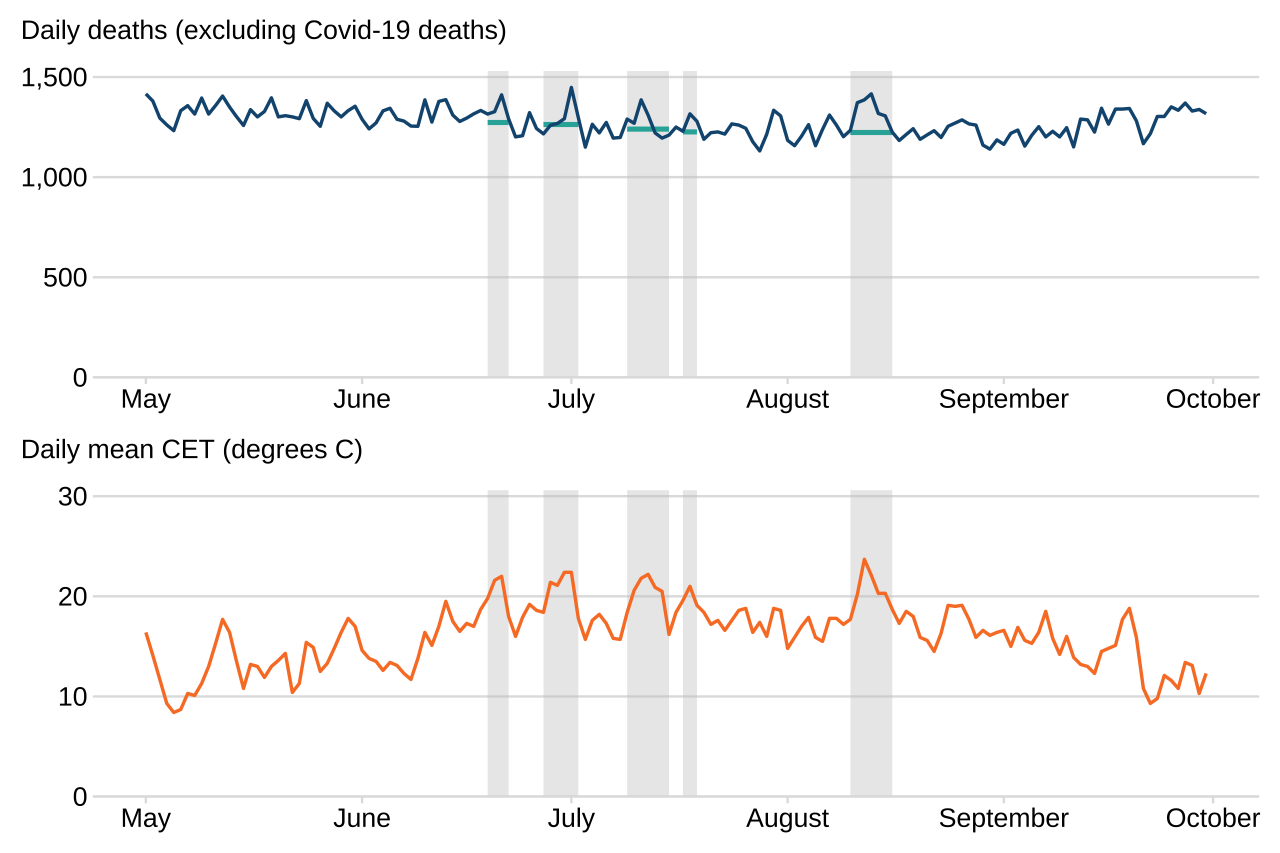
Figure 1 shows daily deaths and daily mean CET across the summer period, with grey shading indicating the 5 heat episodes. Increases in deaths above the baseline (shown by the turquoise line) can be observed for each heat episode. There is additional variation within the daily deaths series that is not associated with heat episodes.
Figure 1. Daily deaths and daily mean temperature, England, summer 2025
E1 had the second highest mortality of 253 (95% CI: 35 to 470) heat-associated deaths, with on average 63 (95% CI: 9 to 118) heat-associated deaths per heat episode day. There was significant mortality in those aged 85 years and over, as well as those in London.
E2 had an estimated 203 (95% CI: -66 to 473) heat-associated deaths, which was not statistically significant, with on average 34 (95% CI: -11 to 79) heat-associated deaths per heat episode day. There was significant mortality in those aged 85 years and over; those in the London region; and in males.
E3 had an estimated 203 (95% CI: -90 to 495) heat-associated deaths, which was not statistically significant, with on average 29 (95% CI: -13 to 71) heat-associated deaths per heat episode day. There was significant mortality in care homes.
E4 had an estimated 146 (95% CI: -35 to 328) heat-associated deaths, which was not statistically significant. There was significant mortality in those aged 85 years and over (122 [95% CI: 7 to 237] deaths), and in care homes (89 [95% CI: 1 to 176] deaths).
E5 had the highest mortality of 697 (95% CI: 400 to 993) heat-associated deaths, with on average 100 (95% CI: 57 to 142) heat-associated deaths per heat episode day. There was significant mortality in those aged 85 years and over, and those aged 75 to 84 years; in London, the South East and East of England regions; in males and females; and in hospitals and care homes.
Table 1 in the accompanying spreadsheet shows heat-associated deaths and heat-associated deaths per day by heat episode. Tables 2, 4, 5 and 6 show breakdowns by heat episode and region, age group, sex and place of death, respectively.
Observed mortality by region and heat episode
London and the East of England had the highest number of heat-associated deaths over the summer, with 317 (95% CI: 139 to 495), and 323 (95% CI: 128 to 517) heat-associated deaths, respectively. Significant heat-associated mortality was also seen in the East Midlands and West Midlands. Differences between these regions were not statistically significant.
Heat-associated deaths peaked in E5 in most regions (Figure 2). In London, heat-associated deaths peaked in E2 with 117 (95% CI: 30 to 204) heat-associated deaths, although London also experienced a high number of deaths in E5 (102 [95% CI: 10 to 195]).
Figure 2. Heat-associated deaths by region and heat episode, England, summer 2025
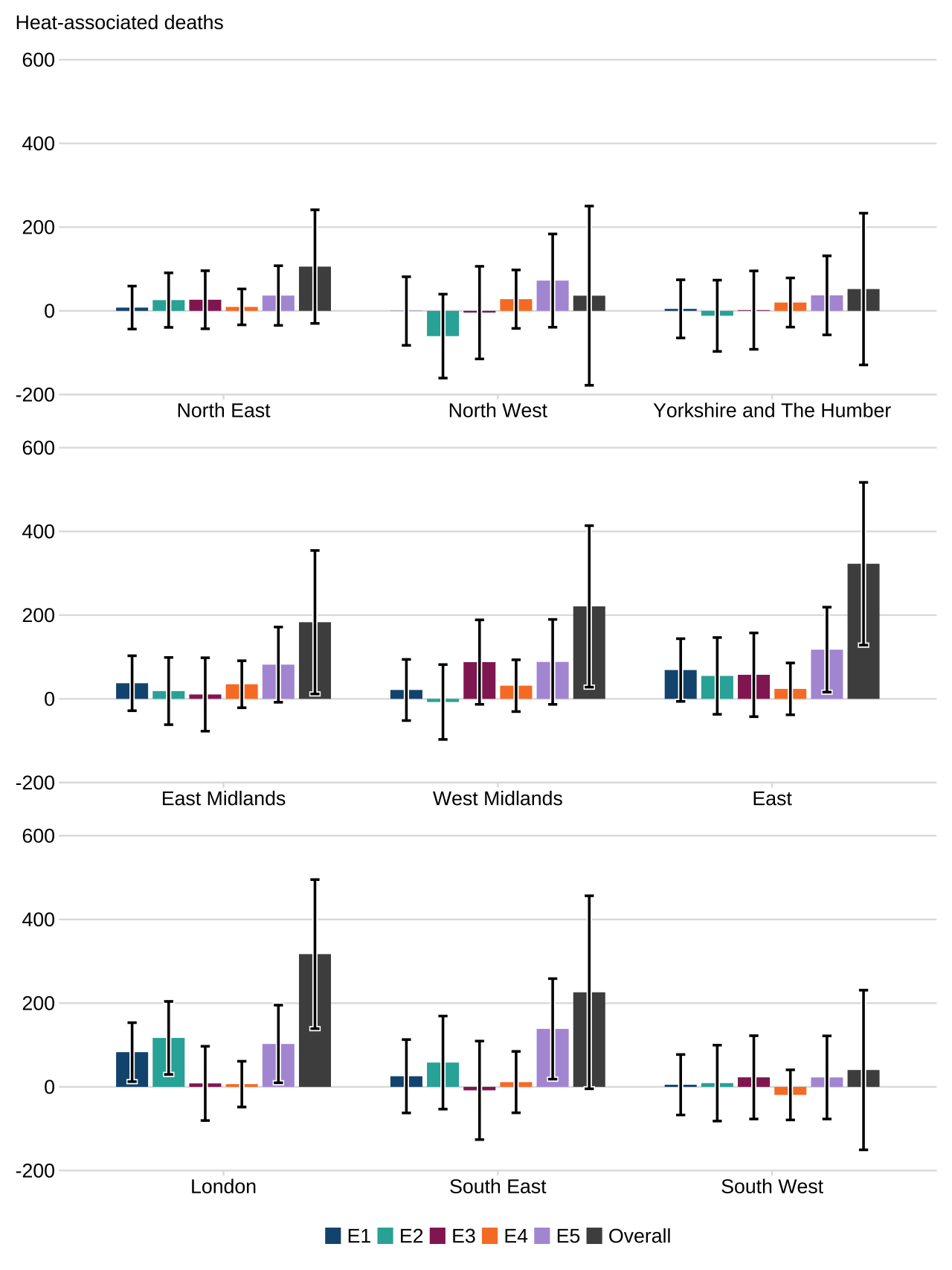
Note 1: error bars represent 95% confidence intervals.
The East of England had the highest mortality rate of 49 (95% CI: 20 to 79) heat-associated deaths per million population.
Table 2 in the accompanying spreadsheet shows heat-associated deaths and mortality rates by region and heat episode.
Observed mortality by local resilience forum area
Local resilience forums (LRFs) are multi-agency partnerships made up of representatives from local public services, including the emergency services, local authorities, the NHS and the Environment Agency. They bring together emergency planning and response arrangements for incidents and emergencies, including adverse weather events such as heatwaves.
In 2025, the following LRFs saw statistically significant heat-associated deaths over the summer: London, Bedfordshire, West Midlands, and Essex. London and West Midlands LRFs also had a significant number of heat-associated deaths in 2024. Almost all other LRFs had estimates of heat-associated deaths greater than zero, but these were not statistically significant given their lower estimates and smaller population sizes.
Adjusting for population size, the highest rate of heat-associated mortality was seen in Bedfordshire LRF in the East of England (94 [95% CI: 13 to 174] per million population).
Figure 3 shows heat-associated mortality per million population at LRF level. The first map in Figure 3 shows rates for all LRFs regardless of statistical significance, while the second map only shows rates for LRFs where there were statistically significant heat-associated deaths.
Figure 3. Heat-associated rate in all LRFs (first map) and LRFs with statistically significant heat-associated deaths (second map), England, summer 2025.
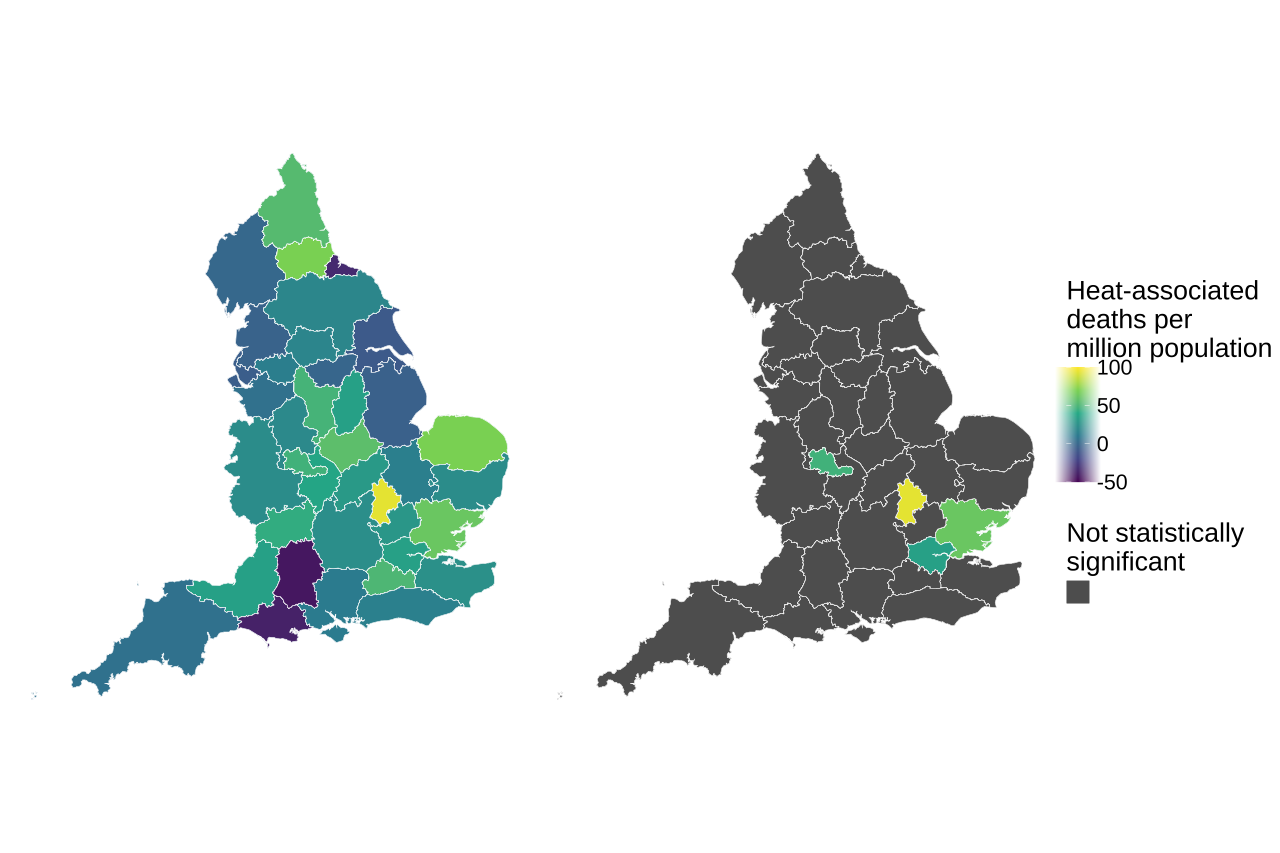
Table 3 in the accompanying spreadsheet shows heat-associated deaths and mortality rates by LRF.
Observed mortality by age group and heat episode
Significant heat-associated mortality was seen in those aged 85 years and over and those aged 75 to 84 years (Figure 4). Those aged 85 years and over had the highest number of heat-associated deaths with 793 (95% CI: 435 to 1,151). This was a rate of 364 (95% CI: 200 to 529) per million population. There was no significant heat-associated mortality in 2025 in younger age groups.
Figure 4. Heat-associated deaths by age group and heat episode, England, summer 2025
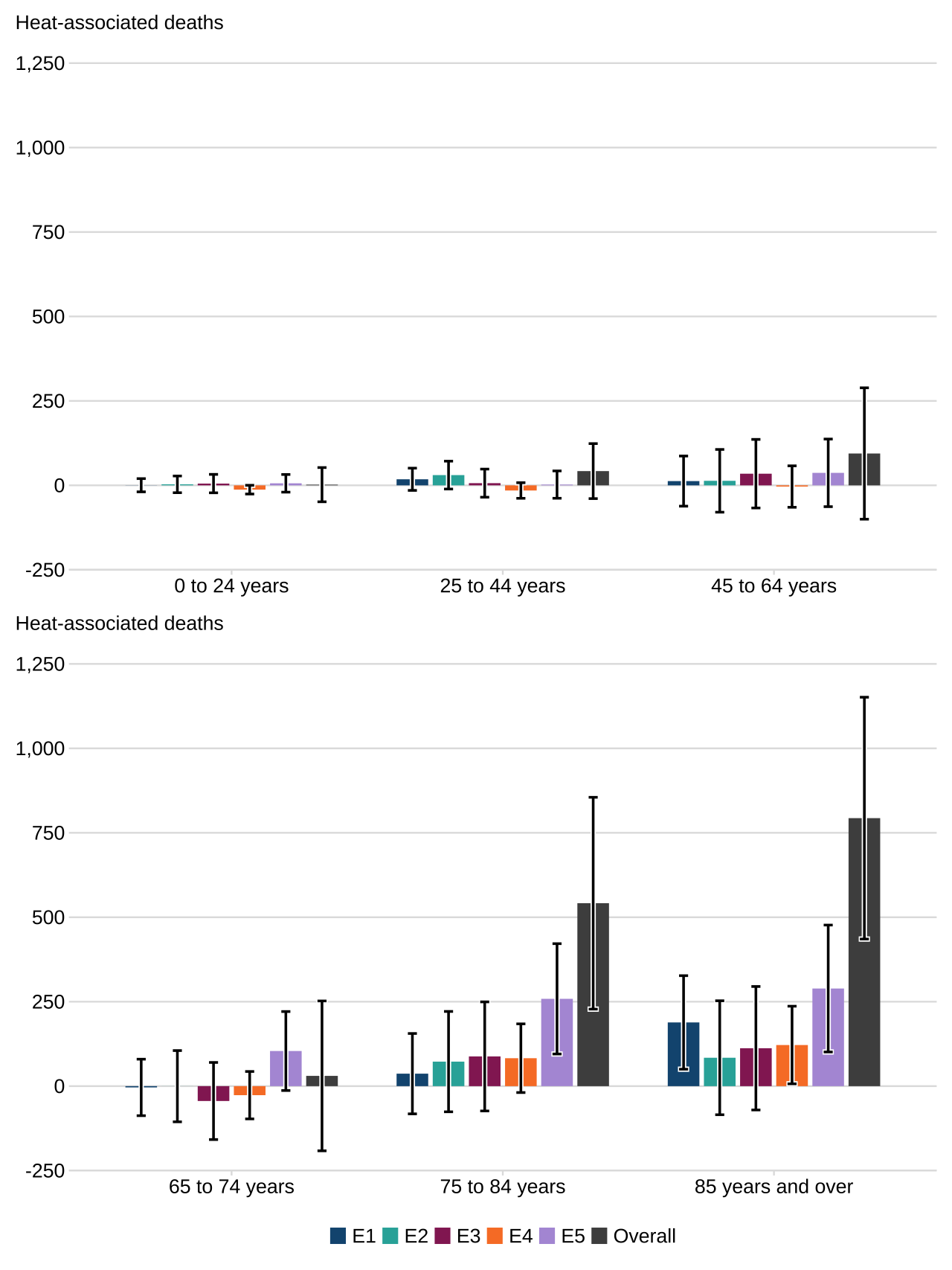
Note 1: error bars represent 95% confidence intervals.
Table 4 in the accompanying spreadsheet shows heat-associated deaths and mortality rates by age group and heat episode.
Observed mortality by sex and heat episode
Heat-associated mortality was analysed according to sex as recorded on death certificates. Significant heat-associated deaths were seen in females (553 [95% CI: 157 to 948] deaths) and males (953 [95% CI: 545 to 1,361] deaths) (Figure 5). The estimate for males is higher, but not significantly different from the estimate for females. It is not possible to report on heat-associated deaths for unknown or other sexes due to small numbers.
Figure 5. Heat-associated deaths by sex and heat episode, England, summer 2025
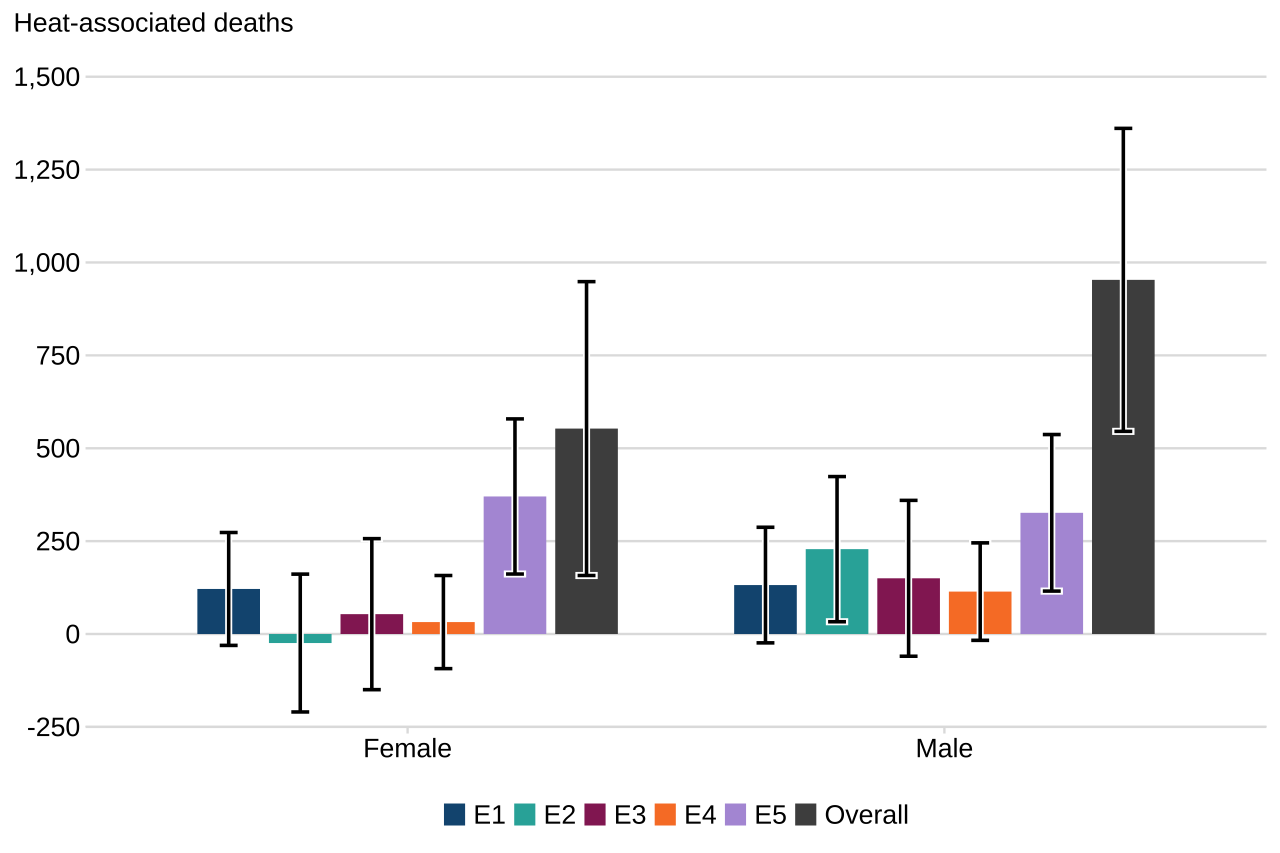
Note 1: error bars represent 95% confidence intervals.
Table 5 in the accompanying spreadsheet shows heat-associated deaths and mortality rates by sex and heat episode.
Observed mortality by place of death and heat episode
There was significant heat-associated mortality across the summer for those who died:
-
in care homes (677 [95% CI: 406 to 949] deaths), which saw significant deaths in the last 3 heat episodes of the season
-
in hospitals (485 [95% CI: 128 to 842] deaths), although these were only significant in E5
-
in their own homes (326 [95% CI: 21 to 632] deaths)
There was no significant heat-associated mortality for those who died in hospices or in other places (Figure 6).
Figure 6. Heat-associated deaths by place of death and heat episode, England, summer 2025
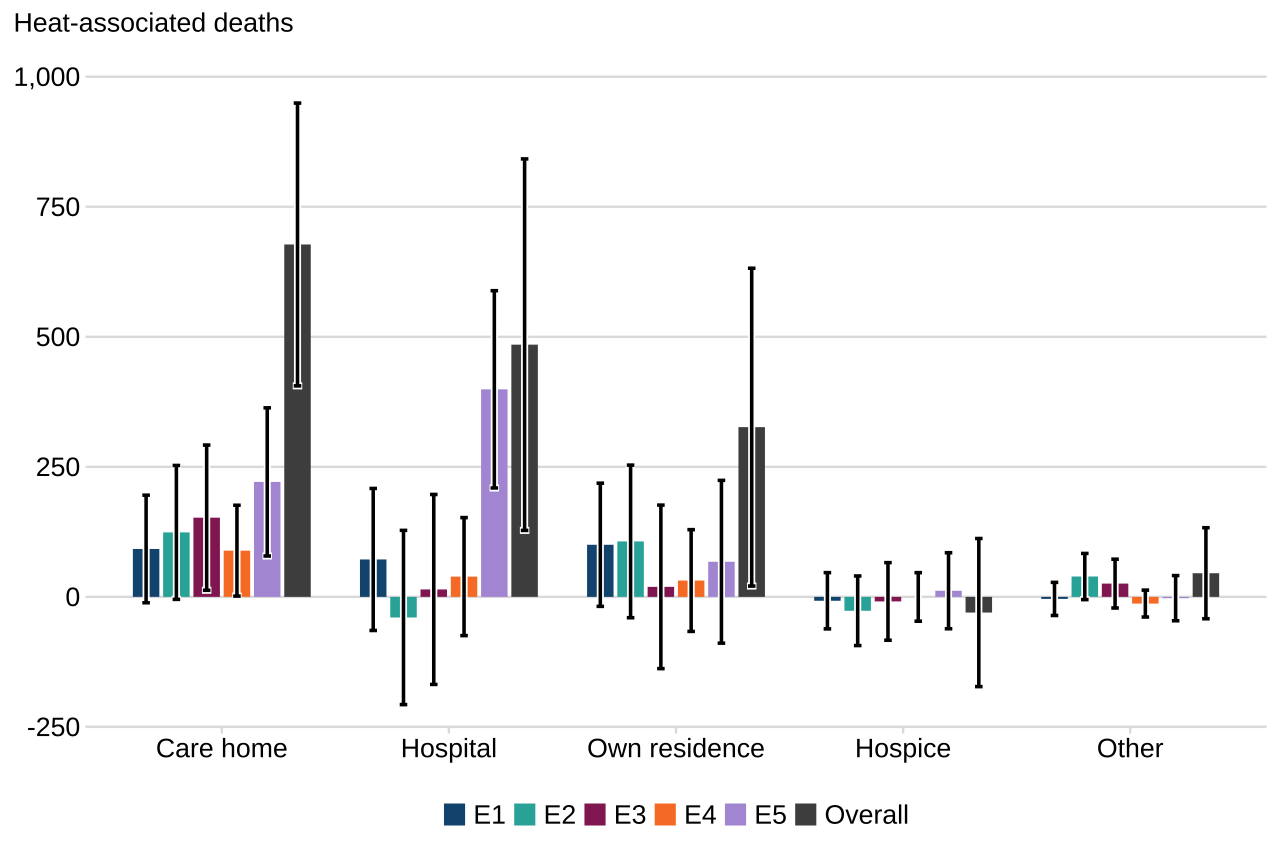
Note 1: error bars represent 95% confidence intervals.
Care homes saw the largest percentage increase in heat-associated mortality compared with the baseline (9% [95% CI: 5% to 13%]). E5 also saw large percentage increases in mortality in care homes (11% [95%; CI: 4% to 19%]) and hospitals (12% [95% CI: 6% to 17%]) when compared with the baseline.
Table 6 in the accompanying spreadsheet shows heat-associated deaths and percentages above baseline by place of death and heat episode.
Observed mortality by cause of death
The leading cause of death linked with heat-associated mortality was ‘All circulatory diseases’, with 409 (95% CI: 134 to 684) heat-associated deaths. This represented an increase of 5% (95% CI: 2% to 9%) above baseline deaths. This was followed by ‘Cancer’, with 344 (95% CI: 35 to 653) heat-associated deaths. This was an increase of 3% (95% CI: 0% to 7%) above baseline deaths. Significant heat-associated deaths were also seen for deaths cause by ‘Dementia and Alzheimer’s’, with 254 (95% CI: 52 to 455) deaths. Cardiovascular diseases and neurological diseases have been identified in academic research as risk factors for heat-associated mortality (Adverse Weather and Health Plan: supporting evidence document).
Heat-associated deaths were not significant for the causes ‘Chronic lower respiratory diseases’, ‘Influenza and pneumonia’ or ‘External causes’.
Figure 7. Heat-associated deaths by cause of death, England, summer 2025
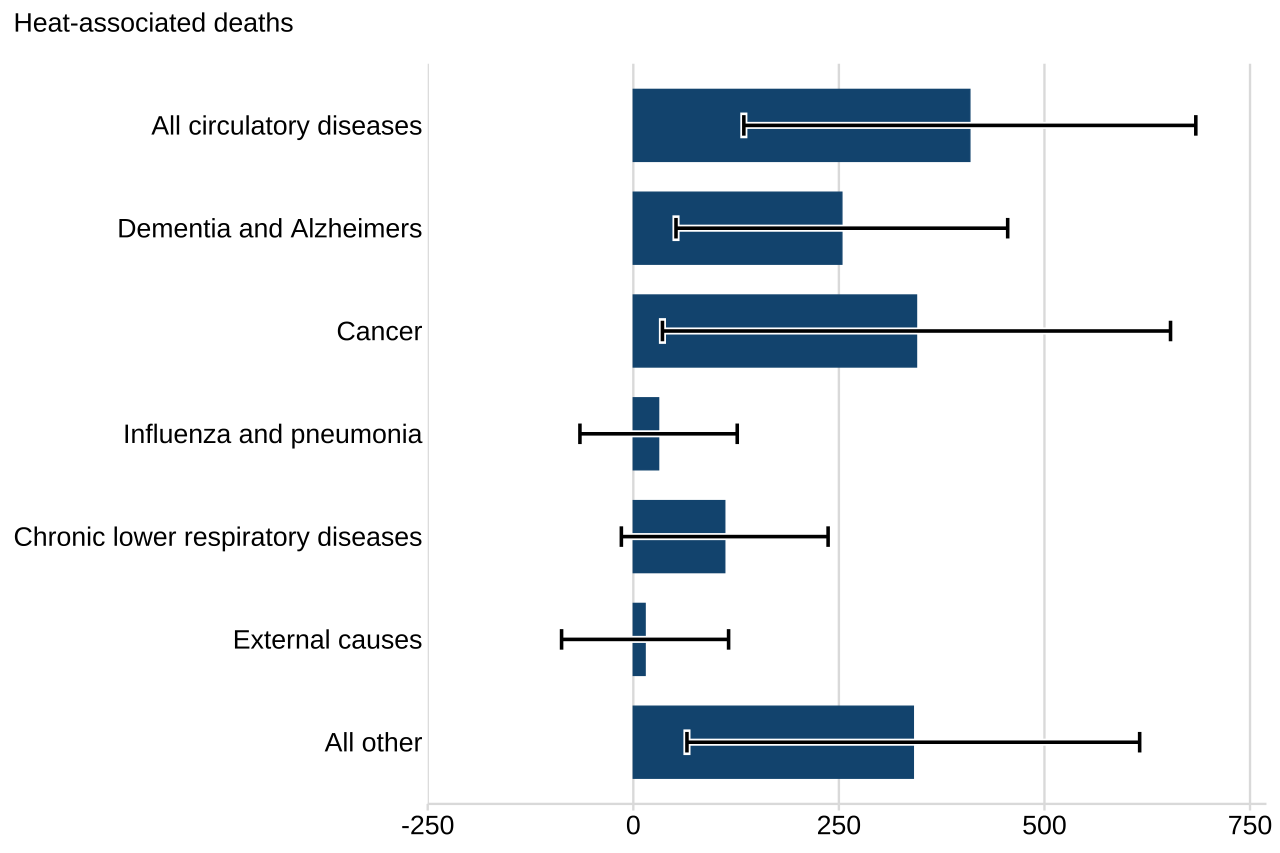
Note 1: error bars represent 95% confidence intervals. Note 2: the figure for ‘External causes’ should be interpreted with caution due to additional registration delays
Table 7 in the accompanying spreadsheet shows heat-associated deaths and percentages above baseline by cause of death.
Observed heat-associated years of life lost
Years of life lost (YLL) is a measure of premature mortality, which takes into account remaining life expectancy at age of death. Heat-associated YLL for summer 2025 has been calculated based on the distribution of heat-associated deaths across those aged 75 to 84 years, and those aged 85 years and over. It is not calculated for younger age groups as they did not see statistically significant heat-associated mortality in summer 2025.
While those aged 85 years and over had the highest number of heat-associated deaths across summer 2025, the highest heat-associated YLL was found in those aged 75 to 84 years with 5,109 (95% CI: 2,042 to 8,176) years of life list (Figure 8).
Figure 8. Heat-associated years of life lost by age group and heat episode, England, summer 2025
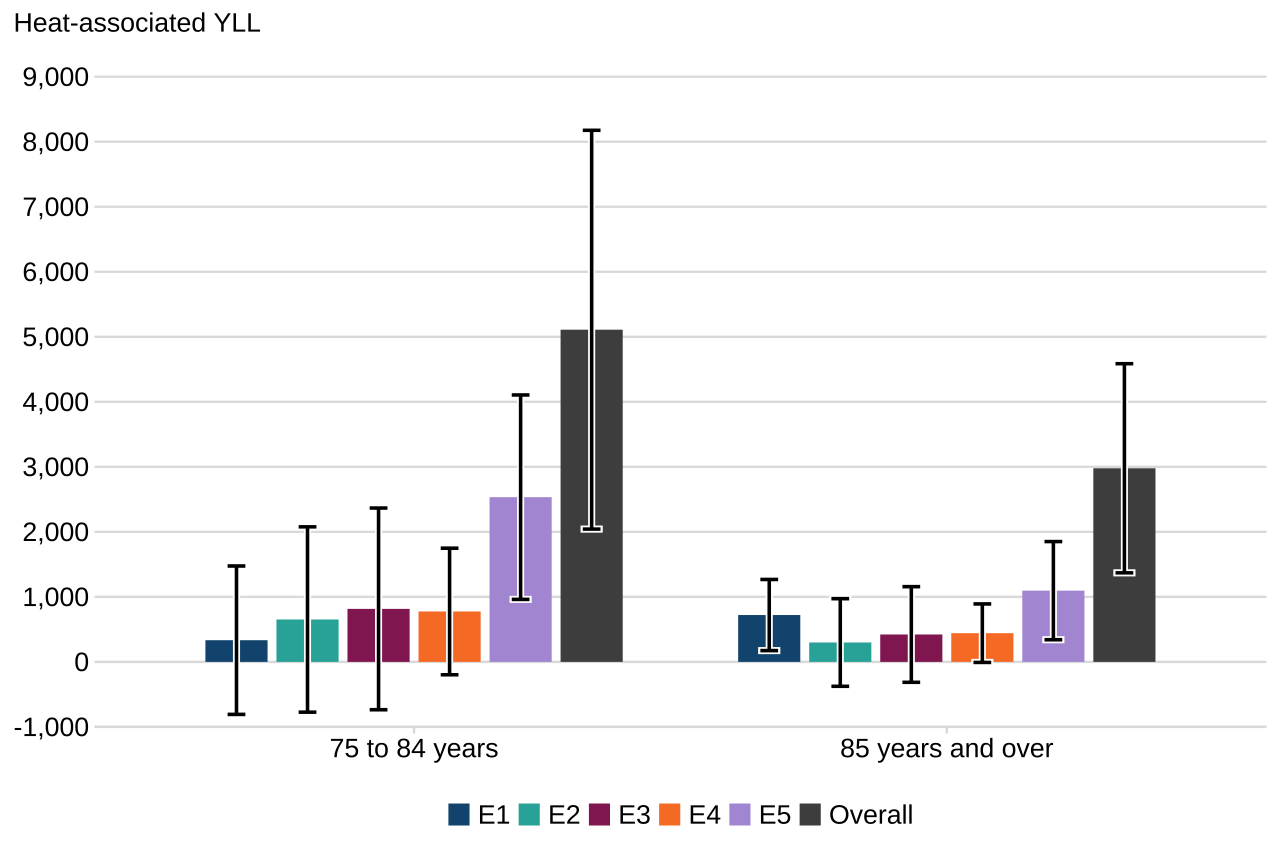
Note 1: error bars represent 95% confidence intervals.
Table 8 in the accompanying spreadsheet shows heat-associated years of life lost by age group and heat episode.
Comparison with modelled mortality
As well as calculating observed mortality, a statistical model was used to estimate predicted mortality in each heat episode in 2025. This was based on the historic temperature-mortality associations in England and the actual temperatures observed in 2025. See our Quality and methodology information (QMI) report for a description of the modelling methodology. This approach allows us to compare the deaths observed in summer 2025 with what might have been expected based on temperatures alone.
The modelled estimate for England for summer 2025 was 3,039 (95% CI: 2,731 to 3,293) heat-associated deaths (Figure 9). This is significantly higher than the estimate derived using observed mortality (1,504 [95% CI: 936 to 2,072]). This indicates that overall, there were fewer heat-associated deaths observed in 2025 than would be expected based on summer mortality patterns in 2020 to 2024.
Figure 9. Observed and modelled heat-associated deaths, England, summer 2025
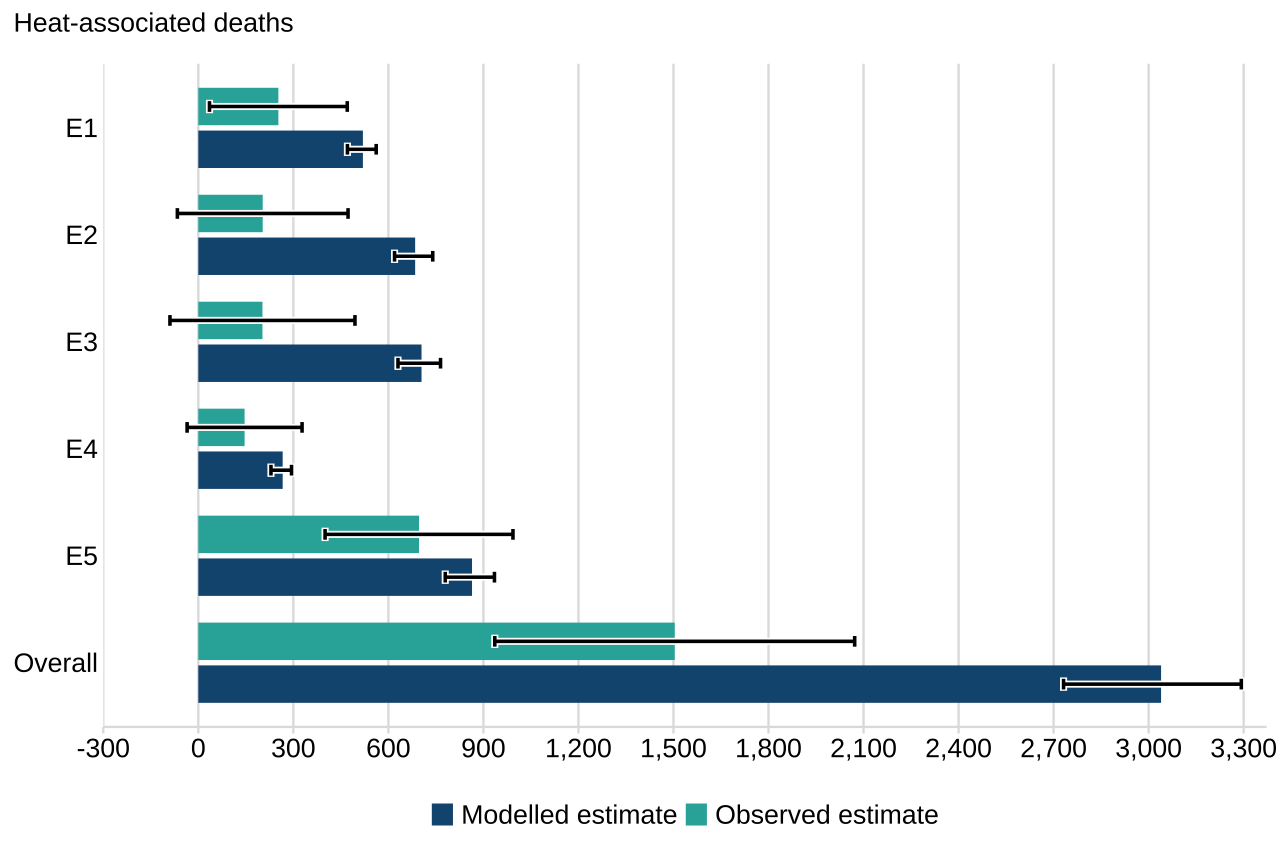
Note 1: error bars represent 95% confidence intervals.
When considering the estimates for the individual heat episodes there was some consistency; modelled estimates predicted the smallest number of deaths in E4 and the largest number of deaths in E5, which was consistent with observed results. However, the modelled estimates were consistently higher than the observed number, and were significantly higher in E1, E2 and E3.
Table 9 in the accompanying spreadsheet shows modelled estimates for heat-associated mortality by heat episode. Observed estimates for heat-associated mortality can be found in Table 1 in the accompanying spreadsheet.
Further insights and contextual information
Summary of main messages
Summer 2025 was the warmest UK summer on record, with a mean temperature of 16.1°C. There were 5 heat episodes where mean CET of at least 20°C occurred, during which a number of yellow and amber Heat Health Alerts (HHAs) were issued across England. A full seasonal summary of the weather conditions for summer 2025 is available from the Met Office. UKHSA has published guidance for the public and professionals on actions to protect health during hot weather. This includes action cards with recommended actions during yellow, amber and red HHAs to protect those most vulnerable and at greatest risk to the impacts of heat.
An estimated 1,504 (95% CI: 936 to 2,072) heat-associated deaths were observed. This was 1,535 fewer deaths than expected when compared with modelled estimates based on recent historical associations between temperature and mortality. This pattern was consistent across all identified heat episodes, with observed deaths remaining below the levels predicted by our model. The methodological choices used in our model are designed to reflect the most recent changes in the population, including ageing, underlying health conditions, and long-term mortality trends. Because of this, any statistically significant differences between modelled and observed deaths are unlikely to be explained by modelling limitations alone.
This analysis cannot attribute causes to the reduction in the expected number of heat-associated deaths. System-wide response to heat, including national and local implementation of the Adverse Weather and Health Plan, HHAs and actions taken across the health, social care, and emergency response sectors may have contributed to harm-reduction during periods of heat. Other contextual factors in the population may also impact the number of heat-associated deaths. Settled, warmer conditions in late spring may have encouraged early protective behaviours in the population ahead of the main alerting periods. Further evaluation is needed to understand the extent of this impact and the specific contextual factors involved.
The first significant heat event of the summer (E1) produced the second‑highest estimated heat‑associated mortality of the season. However, even this estimate was considerably lower than the modelled estimates and figures produced at the time (for example Real-time forecast of heat related excess mortality during the 19 to 22 June 2025 heatwave in England and Wales). There were 3 later heat episodes (E2, E3 and E5) that were the longest and most sustained periods of heat during the summer. Yet, across all these events, the number of observed deaths was consistently lower than the modelled estimates.
Considering E2 and E3 specifically, the heat over these periods was focused in southern and central areas of England, and this limited geographical distribution of higher temperatures may be why the estimates are relatively lower than might have been expected given the prolonged period. In contrast, although E5 observed the highest number of heat-associated deaths these estimates were still below the modelled estimate, although the difference was smaller than in other episodes. Factors that may have contributed to this require further investigation to understand any possible impacts on both the overall estimates and the differences between observed and modelled estimates.
Looking at the summer as a whole, 2025 followed several years with very different temperature patterns. Summer 2024 was generally cool, while 2023 was closer to average. By contrast, 2022 included a period of exceptional and unprecedented heat. Against this backdrop, summer 2025 stands out as the warmest UK summer on record, yet this did not translate into the higher levels of heat‑associated mortality that might have been expected based on historical patterns. This highlights the importance of continuing to review how the public, services and systems prepare for and respond to hot weather.
Heat episodes in England are predicted to become more intense, longer and more frequent due to climate change (Health Effects of Climate Change in the UK report, 2023). UKHSA has published the Adverse Weather and Health Plan for England, recently updated for 2026 to 2027. The plan aims to support local and national organisations to prepare for and respond to adverse weather events such as heatwaves, including emergency response and longer-term adaptation. These statistics form part of monitoring progress towards the plan’s goals to prevent mortality and years of life lost due to adverse weather and to inform and improve future responses to heat.
Heat-associated deaths by geographical area
Across the 2025 heat season, the geographic distribution of impacts was relatively limited, with most heat-associated mortality occurring in the southern parts of England. Unlike several previous summers, there was no statistically significant heat-associated mortality detected in the North East, North West or Yorkshire and The Humber. This pattern is consistent with both the HHAs issued during the season and the Met Office’s seasonal reviews, which reported that the most sustained and intense heat was concentrated in southern and eastern England.
Given the overall low estimates of heat-associated mortality, interpreting the LRF-level results requires particular caution. At small geographic scales, even modest variations in daily deaths can appear proportionally large. While it is therefore unsurprising that LRFs in southern and eastern England, where exposure to heat was greatest, showed some associated mortality, the small numbers involved mean that these estimates should be viewed carefully and not overinterpreted. These geographic patterns highlight the need to consider both exposure and statistical uncertainty when assessing local level impacts.
Heat-associated deaths by age group and sex
The age distribution of impacts during the 2025 summer season followed patterns reported in previous years. Older age groups experienced the highest levels of heat-associated mortality, which is consistent with the wider evidence base showing that older adults are generally more vulnerable to the effects of hot weather. As a result, the estimated YLL were greatest among those aged 75 to 84 years, reflecting both the size of this age group and their increased sensitivity to heat.
Differences were also observed between males and females, with higher estimates of heat-associated mortality among men. However, these findings should not be interpreted as evidence that men are inherently at greater risk during hot weather. Although academic literature suggests that older women may, in some circumstances, face increased vulnerability, the relationship between sex, age, health status and heat risk remains complex. Understanding these patterns in England is an active area of research, and caution is needed when drawing conclusions from estimates from a single season. What can be said with more confidence is that, consistent with longstanding evidence, older adults as a whole remain the group most affected by periods of sustained heat.
Heat-associated deaths by place and cause of death
Patterns in the place of death during the 2025 summer season were broadly consistent with previous reports and the wider literature. Heat-associated mortality was observed in care homes, hospitals, and people’s own residences, although the estimate for deaths occurring in people’s own residents was not statistically significant. An interesting pattern also emerged in the timing of these impacts: heat-associated deaths in hospitals were only observed during the final heat episode. This may indicate that early season planning and response across health and care settings helped to reduce impacts earlier in the summer. However, the higher number of deaths in hospitals during the final episode is counter to trends reported in earlier years, and it will require further analysis to understand the potential drivers.
The patterns observed by underlying cause of death also align with previous reports, with increases broadly reflecting the conditions most sensitive to heat. However, some notable findings emerged for cancer related deaths, which will require further investigation. Emerging evidence suggests that cancer care can be disrupted during periods of extreme heat, including delays to treatment or challenges in maintaining clinical environments. There is also a well-established interaction between certain medications, such as those affecting thermoregulation or fluid balance, and increased vulnerability during hot weather. These factors may have contributed to the patterns seen in 2025, and they highlight the need for continued work to understand how heat interacts with clinical pathways, medication use, and underlying health conditions.
Glossary
Central England Temperature (CET)
A temperature data set produced by the Met Office Hadley Centre, which is representative of the temperature in a roughly triangular area of the United Kingdom enclosed by Lancashire, London and Bristol.
Confidence interval (CI)
A confidence interval is a measure of the degree of uncertainty in an estimate based on a sample distribution. Here, 95% confidence intervals indicate that if we repeatedly observed the same process under identical conditions, 95% of the intervals would contain the true value. A wider range indicates more uncertainty in the estimate. Overlapping confidence intervals indicate that there may not be a true difference between estimates.
Heat episode
A period of heat. In this analysis, this is defined as days when the mean Central England Temperature (CET) is at least 20°C.
Heat Health Alert (HHA)
An alert issued by England’s Weather Health Alerting system, warning that hot weather is forecast that could lead to impacts on health for the population of England. Alerts can be issued at yellow (response), amber (enhanced response) or red (emergency response) levels.
Local resilience forum (LRF)
A multi-agency partnership made up of representatives from local public services with responsibilities for emergency preparedness, resilience and response. The geographical areas they cover are based on police areas.
Data sources and methodology
Our QMI report explains our calculations in further detail.
Heat episodes are identified whenever the mean CET reaches at least 20°C. One day either side is also included.
The number of observed heat-associated deaths is calculated by comparing daily deaths during a heat episode with daily deaths in 14-day baseline periods, before and after the heat episode. Because of random variation in daily deaths not related to heat, there is uncertainty in whether all excess deaths during a heat episode can be attributed to heat. The uncertainty is represented by the 95% confidence intervals shown in brackets after each estimate. Reported numbers are considered to be significant if the 95% confidence intervals (shown in brackets after each estimate) do not overlap with zero.
The modelled estimate for heat-associated deaths is calculated using a statistical model of the temperature-mortality relationship in England over the previous 5 years. The model estimates the relative risk of mortality for any given temperature above the median summer temperature. This risk is applied to the actual temperatures observed in summer 2025, to generate a prediction of the expected number of deaths for the temperature and time of year on each heat episode day.
Background information
Related statistics
- previous UKHSA annual heat mortality monitoring reports
- UKHSA weekly all-cause mortality surveillance
- UKHSA annual surveillance of influenza and other seasonal respiratory viruses in the UK
Other assessments of mortality include the number of weekly deaths registered in England and Wales, which is published weekly by the Office for National Statistics (ONS).
The Office for Health Improvement and Disparities also produces the Excess mortality within England report, which provides estimates of expected deaths by month of registration for population subgroups and by cause of death.
The different methods used in the UK for mortality assessment, and their varied purposes, are discussed in more detail in Measuring excess mortality: a guide to the main reports.
In 2023 the ONS also published experimental statistics on climate-related mortality in England and Wales, 1988 to 2022.
Further information and contact details
Feedback and contact information
For any feedback or enquiries, please contact: extremeevents@ukhsa.gov.uk
Official statistics
Our statistical practice is regulated by the Office for Statistics Regulation (OSR). OSR sets the standards of trustworthiness, quality and value in the Code of Practice for Statistics that all producers of Official Statistics should adhere to. You are welcome to contact us directly by emailing extremeevents@ukhsa.gov.uk any comments about how we meet these standards. Alternatively, you can contact OSR by emailing regulation@statistics.gov.uk or via the OSR website.
UKHSA is committed to ensuring that these statistics comply with the Code of Practice for Statistics. This means users can have confidence in the people who produce UKHSA statistics because our statistics are robust, reliable and accurate. Our statistics are regularly reviewed to ensure they support the needs of society for information to continue to improve the trustworthiness, quality, and value of these statistics. Key continuous improvements made will be highlighted within future releases of these statistics for transparency.