English Housing Survey 2024 to 2025: home insulation - fact sheet
Published 14 May 2026
Applies to England

© Crown copyright 2026
This publication is licensed under the terms of the Open Government Licence v3.0 except where otherwise stated. To view this licence, visit nationalarchives.gov.uk/doc/open-government-licence/version/3 or write to the Information Policy Team, The National Archives, Kew, London TW9 4DU, or email: psi@nationalarchives.gov.uk.
Where we have identified any third party copyright information you will need to obtain permission from the copyright holders concerned.
This publication is available at https://www.gov.uk/government/statistics/english-housing-survey-2024-to-2025-home-insulation-fact-sheet/english-housing-survey-2024-to-2025-home-insulation-fact-sheet
The English Housing Survey (EHS) collects information on the housing circumstances of households in England, as well as details of the quality and energy efficiency of homes. This fact sheet provides some insight into how well homes are insulated and the profile of households living in homes with low levels of insulation.
The type of wall construction and insulation of a dwelling is closely related to its age. This can be explained by the change in preferred construction practices over time: the popularity of solid wall construction in older homes decreased in favour of cavity walls (2023-24 EHS climate resilient homes fact sheet).
Insulation measures, when installed with appropriate ventilation, remain a cornerstone of energy efficiency. They help reduce damp and mould, improve thermal comfort, lower the risk of underheating and reduce heating costs. In the absence of any thermal insulation, heat losses through pitched roofs will typically be in the region of 2.3 W/m²K (2.3 watts per square metre of area per degree of temperature) and heat losses through cavity walls and solid walls will typically be in the region of 2.1 W/m²K, according to the SAP 2012 documentation. The use of loft insulation and wall insulation can reduce the loss of heat through roofs and walls.
1. Internal and external wall insulation
Insulation can be added internally or externally to solid walls or cavity walls that cannot be cavity‑filled. Internal insulation is added to the inside of a building’s walls, using materials such as insulated plasterboard, which improves thermal performance from within. Internal insulation tends to be less costly than external insulation, though can reduce room space. External insulation is applied to the outside wall and avoids most internal disruption but may require adjustments to roof eaves. It improves energy efficiency without reducing indoor space and avoids the risks of thermal bridging (removing floorboards) that are associated with internal insulation.
In addition to the surveyor’s assessment of the existence of insulation, assumptions are made by the EHS surveyors based on RdSAP guidance that all dwellings constructed after 1995 are built with insulation, however not all insulated dwellings incorporate internal or external wall insulation and therefore the figures will not add to 100% of all insulated dwellings.
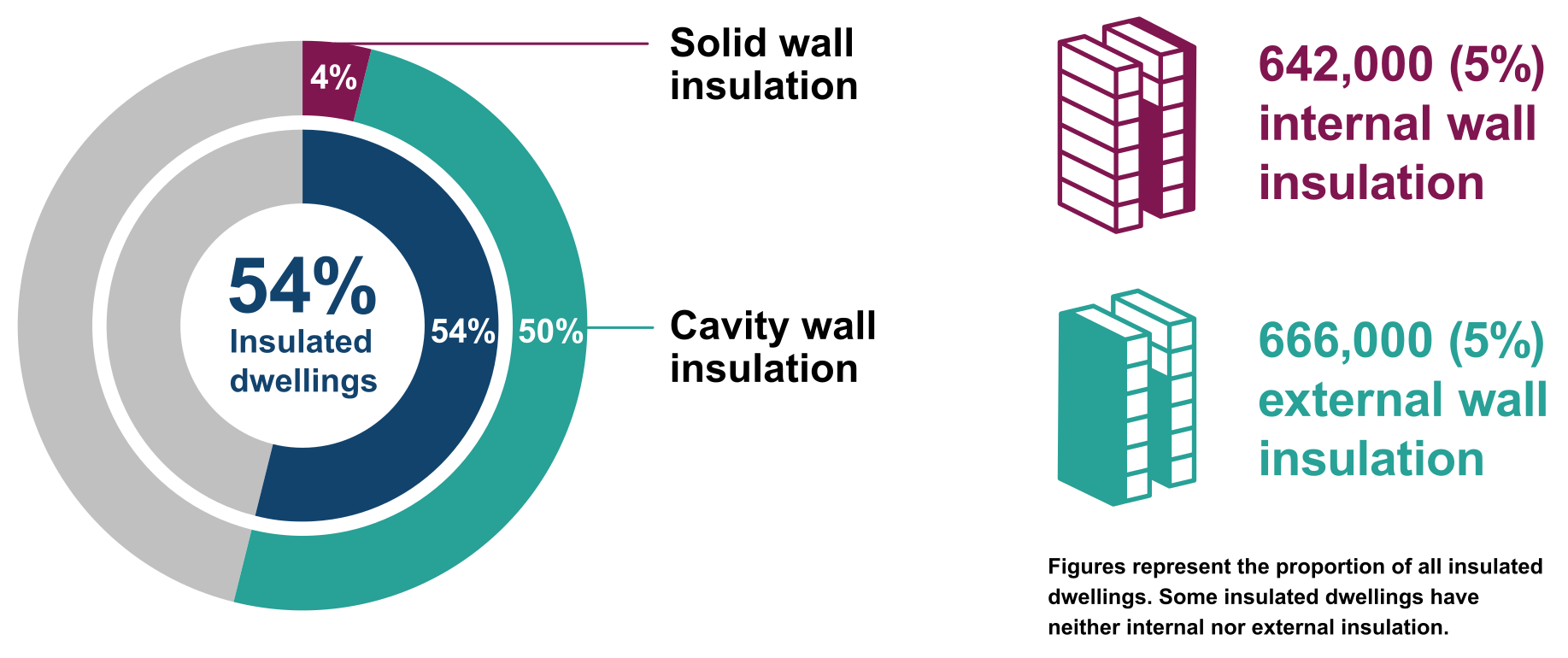
In 2024, over half (54%) of dwellings had cavity or solid wall insulation (Headline Report headline findings on housing quality and energy efficiency 2024-25). Of the dwellings with insulated walls, around 642,000 (5%) also had internal wall insulation and 666,000 had external wall insulation (5%), Annex Table 1. Data on insulation installations are also available in the Household Energy Efficiency Statistics published by the Department for Energy Security and Net Zero (DESNZ). However figures may differ from EHS stock estimates due to methodological differences.
Profile of insulation across the English housing stock
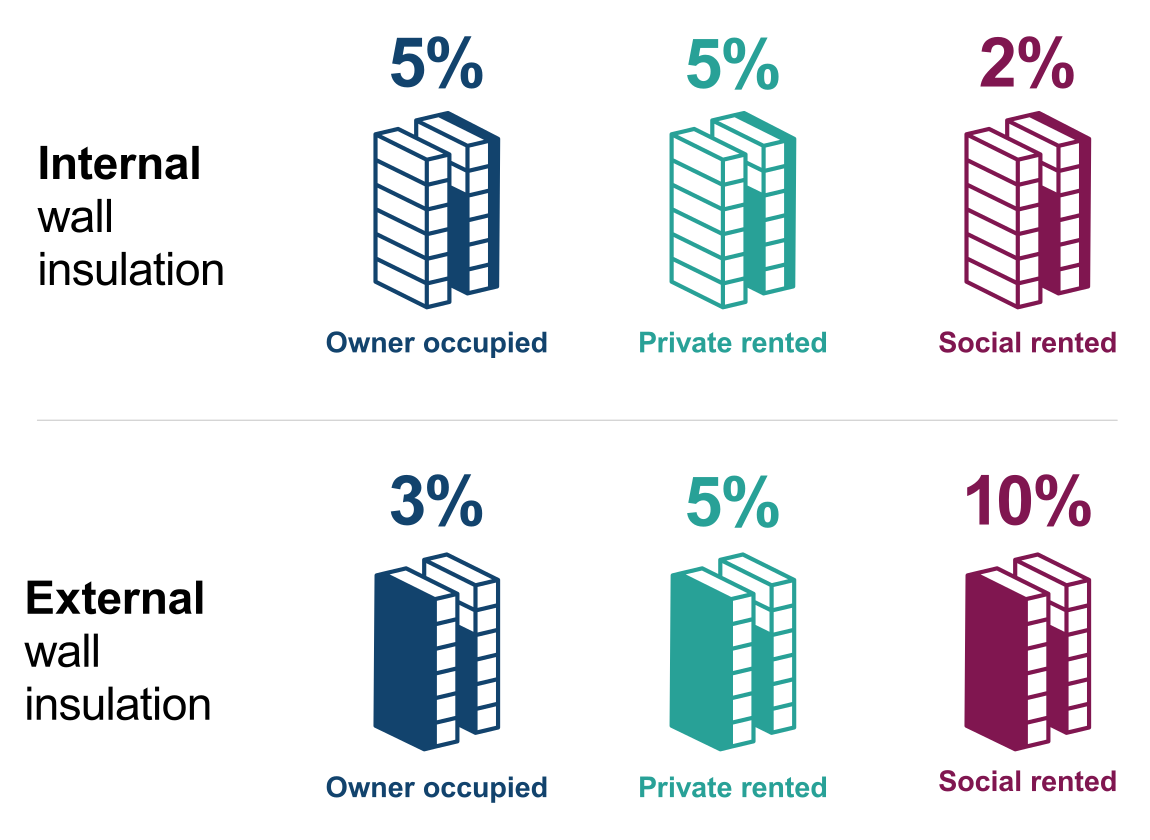
Owner occupied and private rented dwellings were more likely to have internal insulation whereas social rented dwellings were more likely to have external insulation. Around 5% of owner occupied and private rented dwellings had internal insulation, higher than social rented dwellings (2%). However, this pattern was reversed for external wall insulation where social rented dwellings had the highest proportion of external insulation (10%) compared with private rented (5%) and owner occupied dwellings (3%).
Older dwellings were more likely to have both internal and external insulation. Almost half (46%) of dwellings constructed before 1919 had internal insulation, compared with dwellings built after this (2% to 6%).Similarly, for dwellings constructed before 1919, a higher proportion were externally insulated (15%) compared with dwellings constructed from 1945 onwards (1% to 8%).
When considering dwelling type, internal insulation levels were similar across most dwelling types at around 4% to 5%. Differences were evident in external insulation, where terraced houses had the highest proportion of external insulation (7%) compared with semi-detached (5%) and detached houses (2%).
Dwellings in the South West (8%) generally had the highest proportion of internal insulation compared with dwellings in all other regions of England (2% to 5%). As for externally insulated dwellings, London had the highest proportion (9%) compared with almost all other regions of England (3% to 5%). Across other regions, levels of external insulation were generally similar.
Internal insulation was more common in owner occupied and private rented dwellings, while external insulation was more likely to be found in social rented dwellings.
2. Loft insulation materials
Lofts may be insulated between and over the joists using mineral wool/fibre glass, high-performance quilts (e.g. multi-foil quilts), rigid foamed plastics or vermiculite beads. In some cases spray foam may have been used at rafter level.
Mineral wools can include fibrous materials made from stone or glass and are the most common materials for insulating lofts. Vermiculite tends to be less effective for a given thickness; for example, 100mm of vermiculite beads are approximately 67% as effective as the same thickness of mineral wool. High performance quilts tend to be at least as effective as mineral wool and may, in some cases, be twice as effective as the same thickness of mineral wool. Rigid foam boards and spray foams are typically made of polyurethane, phenolic foam or polyisocyanurate and are typically twice as effective as the same thickness of mineral wool.
The following analysis refers to loft insulation only where dwellings have a loft.
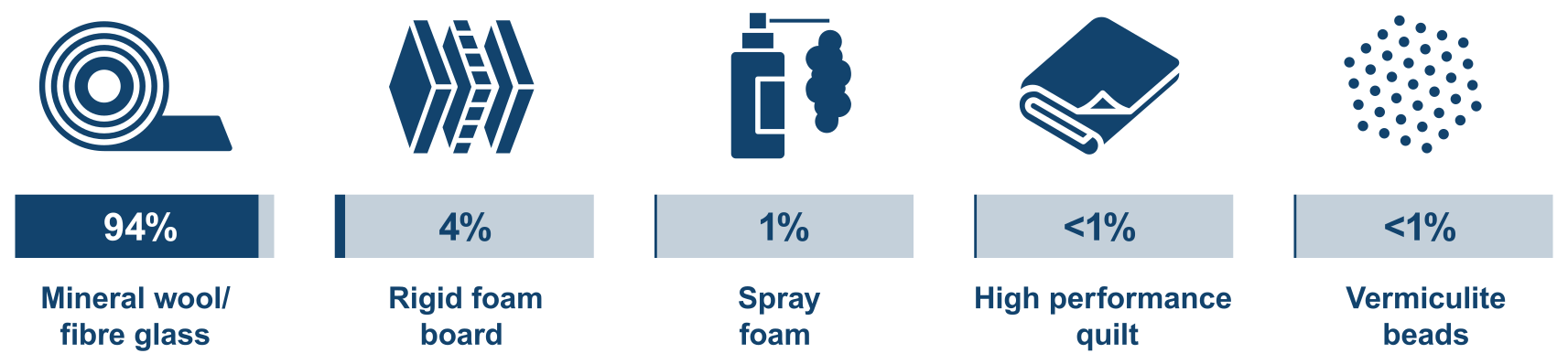
In 2024, the majority of dwellings with loft insulation relied on mineral wool/fibre glass (94%), just under 18 million dwellings. By comparison, far fewer dwellings with lofts used alternative options: around 795,000 (4%) had rigid foam board, 231,000 (1%) used spray foam, 95,000 (0.5%) relied on high performance quilt and 88,000 (0.5%) had vermiculite beads, Annex Table 3.
This pattern was consistent when looking across tenures. Mineral wool/fibre glass was the most commonly used across all tenures, most notably in the social rented sector where mineral wool/fibre glass was used in almost all dwellings (99%), a higher proportion than in private rented (97%) and owner occupied dwellings (92%). In contrast, less common materials such as vermiculite beads were only present in a small proportion of dwellings. Just 0.6% of owner occupied dwellings (77,000) had vermiculite beads compared with 0.3% (9,000) of private rented dwellings and only 0.1% (2,000) of social rented dwellings.
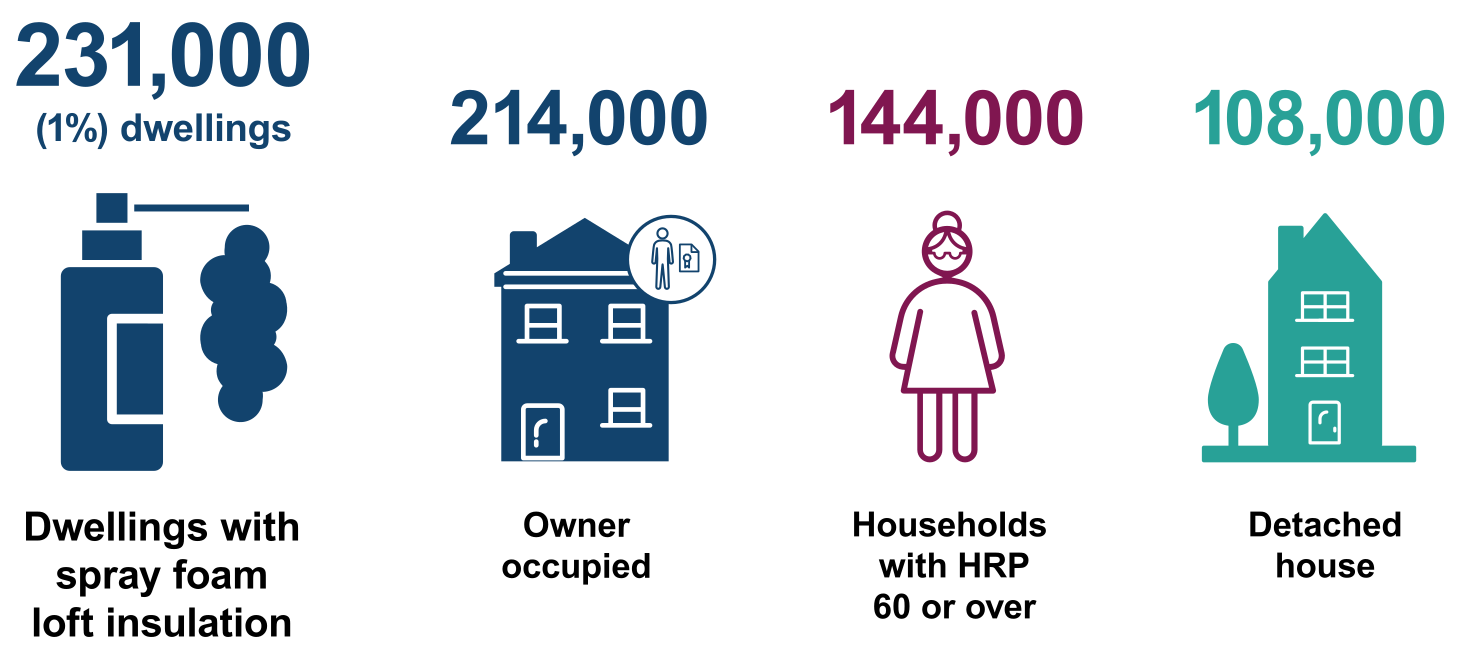
Spray foam was found in 231,000 dwellings across England (1%), with the majority being owner occupied dwellings (214,000 dwellings), followed by social rented and private rented dwellings (both 9,000 dwellings).
The most common loft insulation material was mineral wool/fibre glass, with just under 18 million homes using this type (94%). Less common were rigid foam board (1%), spray foam (1%), high performance quilt (0.5%) and vermiculite beads (0.5%).
Loft insulation materials by dwelling characteristics
Newer dwellings were more likely to contain mineral wool/fibre glass loft insulation, whereas rigid foam board was more popular among older dwellings. Mineral wool/fibre glass loft insulation was more likely to be present in dwellings that were built post 1919 (88%) than pre 1919 (91% to 97%). In contrast, rigid foam board was more popular among older dwellings built pre 1919 (10%) than those constructed after 1919 (1% to 5%). The prevalence of spray foam was broadly consistent across different dwelling ages, though properties built between 1919 to 1944 had a higher proportion (3%) than those built before 1919 (0.7%).
Overall, the mix of loft insulation materials was similar across dwelling types. Mineral wool/fibre glass was present in 95% of flats, similar to semi-detached houses (94%), detached and terraced houses (both 93%). Spray foam was most frequent in detached houses (2% or 108,000 dwellings), which had the highest proportion, compared with semi-detached and terraced houses (both 1%).
Across all regions, mineral wool/fibre glass remained the most widely used loft insulation material, though some regions had higher concentrations than others. The East Midlands had the highest proportion, with around 96% of dwellings using these materials, slightly above levels in the East and South West (both 94%), the South East and Yorkshire and the Humber (both 93%), and also higher than in London (87%). Regional differences were also apparent for less commonly used materials. Dwellings in the North East were more likely to contain high performance quilt (2%) compared with those in the East (0.7%), North West (0.6%), South West (0.5%) and South East (0.3%). Rigid foam board also showed regional variation. This was most prevalent in London, where around 12% of dwellings had this material in the loft, higher than in all other regions (1% to 6%). There was no significant difference in the likelihood of having spray foam in lofts across regions.
Loft insulation materials by household characteristics
Households with older HRPs were more likely to have mineral wool/fibre glass or spray foam loft insulation. Households with a HRP aged 60 or over were more likely to have mineral wool/fibre glass loft insulation (94%) compared with households with a HRP aged under 60 (93%). Additionally, HRPs aged 60 or over were more likely to live in homes with spray foam insulation (2%) than their younger HRP counterparts (0.7%). Younger HRPs, aged under 60, showed a greater likelihood of having rigid foam board insulation (5%) compared with households with an older HRP (3%), Annex Table 4.
Households are defined as being in relative low income if their equivalised before housing cost (BHC) income is less than 60% of the median. Alternatively, households are categorised as not in relative low income and above the threshold if their equivalised before housing cost income is more than 60% of the median.
The Warm Homes Plan, published in January 2026 by the Department for Energy Security and Net Zero, aims to help cut bills, deliver warmer, more comfortable homes and reduce carbon emissions. It includes an offer for every household, whether they own their home, rent privately, or live in social housing. There will be direct support for those on low incomes and in fuel poverty.
The majority of households in relative low income lived in homes with mineral wool/fibre glass loft insulation (2.7 million households), followed by 24,000 households in homes with spray foam present and 110,000 households in homes with rigid foam board loft insulation.
Households living in relative low income (95%) were more likely to live in homes with mineral wool/fibre glass loft insulation compared with households not living in relative low income (93%). A similar pattern was seen when looking at households with and without dependent children. Around 5% of households with dependent children had rigid foam board loft insulation, higher than households without children (4%). Conversely, households with no dependent children were more likely to have either spray foam (1%) or high performance quilt loft insulation (0.6%) than households with children (0.5% and 0.2%, respectively). This is likely driven by age of HRP where the HRP with spray foam was more likely to be 60 years or over.
A similar trend was also evident when considering households with a member who had a long‑term illness or disability. These households were more likely to have mineral wool/fibre glass loft insulation (96%) than households without a member with a long‑term illness (92%). The reverse was true for rigid foam board, which was more common among households without a member with a long‑term illness or disability (5%) than among those containing someone with a long-term illness or disability (2%).
Spray foam was most likely found in owner occupied dwellings with an older HRP (60 years or over), and in detached houses.
3. Households with low levels of loft insulation
Low levels of insulation can lead to heat loss, higher energy bills and CO2 emissions. This section focuses on scenarios with households living in homes (with lofts) with less than 100mm of loft insulation (as an example of low levels of loft insulation) and:
- Insulated cavity walls
- Uninsulated cavity walls
- Insulated solid walls
- Uninsulated solid walls
to investigate possible links to condensation and being unable to keep warm. All subsequent references to “households” relate specifically to each of these groups.
Profile of households
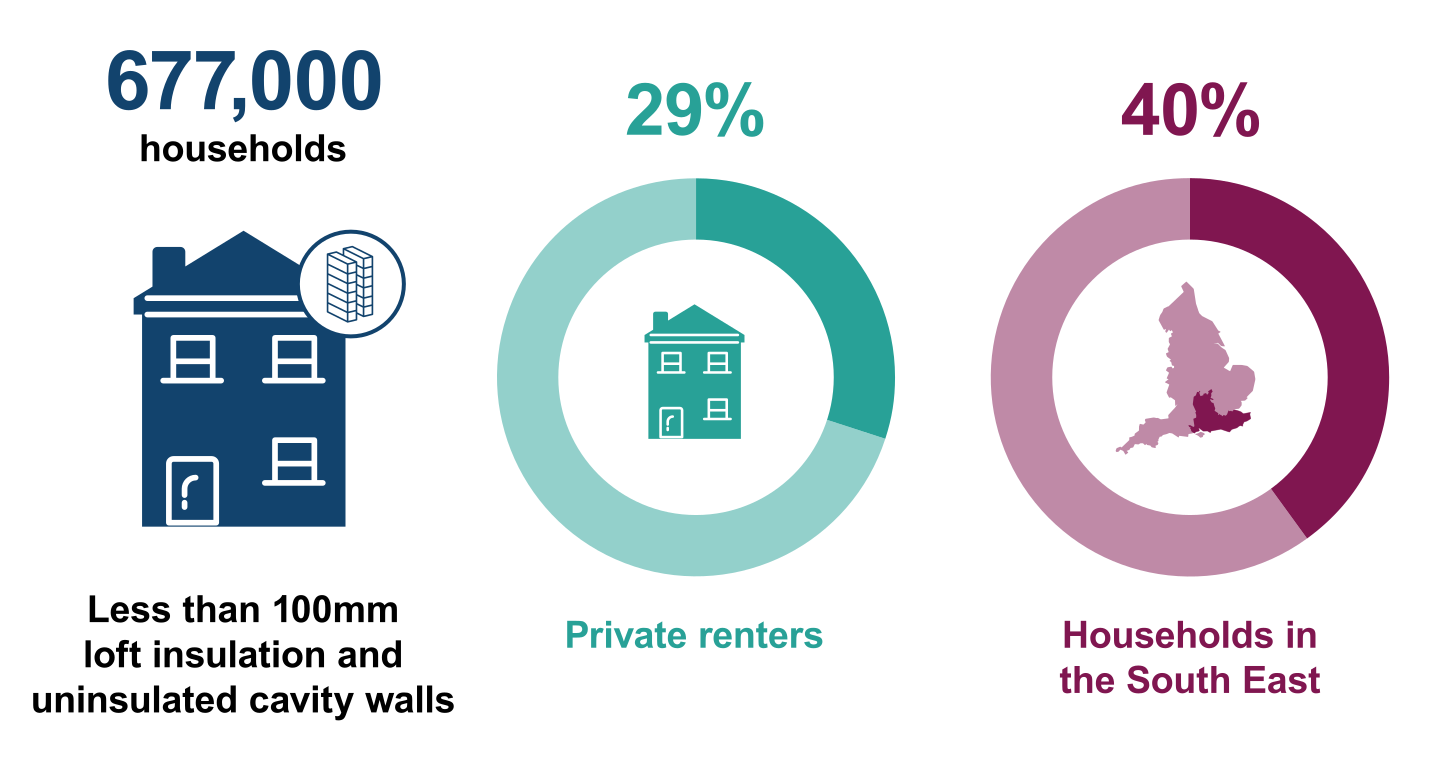
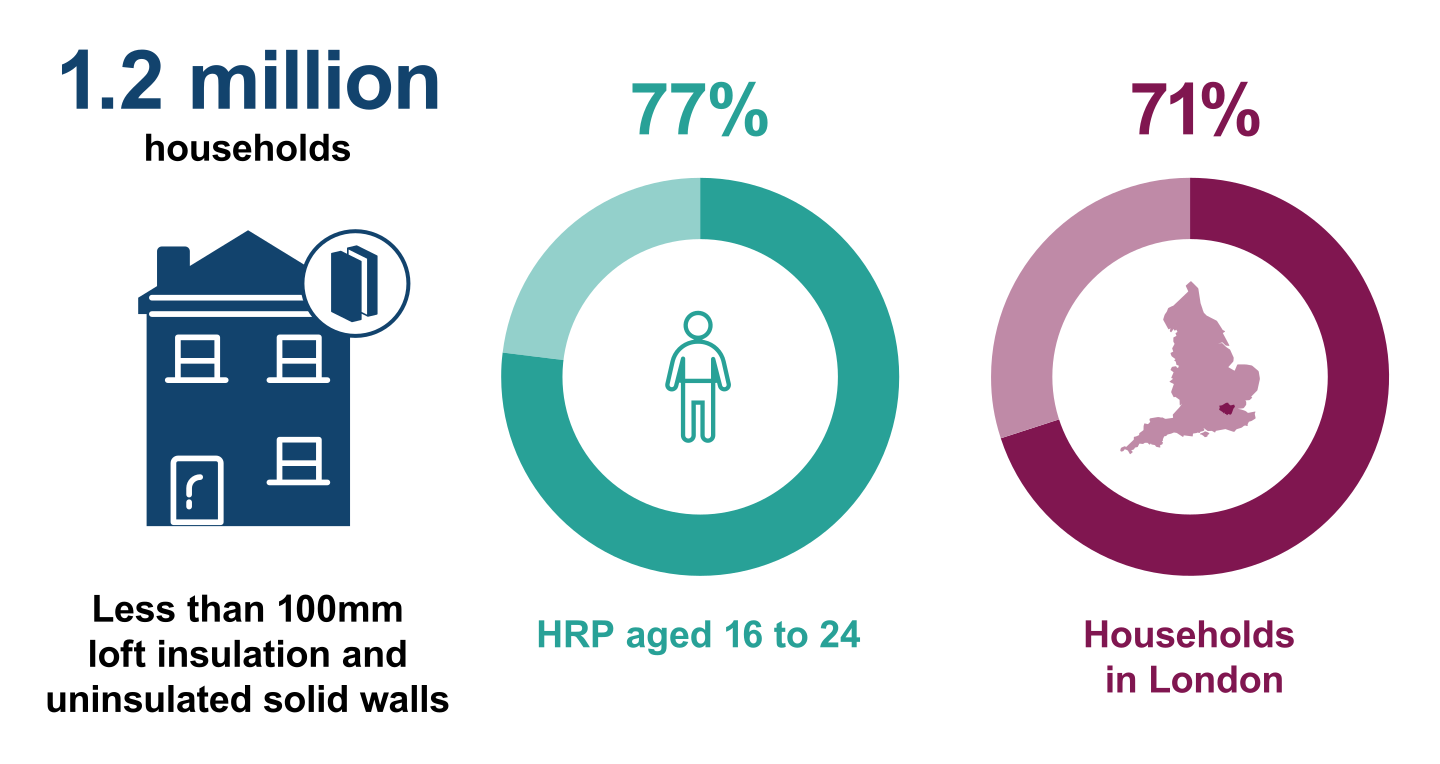
In 2024-25, over 2.7 million households were living in homes with less than 100mm of loft insulation. Of these, around 1.2 million (43%) were in properties with uninsulated solid walls, while a further 677,000 (25%) lived in homes with uninsulated cavity walls. A breakdown of the households living in homes with less than 100mm of loft insulation (regardless of whether wall insulation was present or not) showed that around 297,000 had a youngest member aged under 5, and approximately 444,000 were living in relative low income. In addition, just over 1 million of these households with less than 100mm of loft insulation contained someone with a long-term illness or disability, Annex Table 5.
Cavity wall homes
Clear differences emerge across tenures when looking at dwellings with less than 100mm loft insulation and cavity wall insulation. Local authority renters (49%), housing association renters (48%) and owner occupiers (35%) were all more likely to live in homes with insulated cavity walls than in homes with uninsulated ones (15% to 23%). However, private renters were more likely to live in homes with uninsulated cavity walls (29%) than with insulated cavity walls (13%). Private renters (29%) were also more likely to have uninsulated cavity walls than housing association renters (19%) and local authority renters (15%). Private rented dwellings are some of the oldest of the English housing stock and some of these trends may mirror this.
Households living in the East (42%), South West (34%) and Yorkshire and the Humber (27%) were more likely to live in homes with insulated cavity walls than uninsulated cavity walls (14% to 29%). London had the lowest proportion of households living in homes with cavity wall insulation (7%), considerably lower than all other regions (21% to 42%), although it should be noted that most of the homes in London do not have cavity walls and only 15% of them have uninsulated cavity walls. Whereas households living in the South East (40%) were more likely to live in homes with uninsulated cavity walls, a higher proportion than seen across all other regions (14% to 29%).
Homes with cavity walls were more likely to be insulated than uninsulated. Households living in private rented dwellings and households living in the South East were more likely to have less than 100mm loft insulation and uninsulated cavity walls.
Solid wall homes
For solid wall homes, the reverse was true. Homes with less than 100mm of loft insulation with solid walls were more likely to be uninsulated (43%) than insulated (3%). This trend was observed across all tenures, income levels and households with someone with a long-term illness or disability.
Additional household differences existed between those who lived in homes with or without insulated solid walls and less than 100mm of loft insulation. Households with a HRP aged 16 to 24 were more likely to live in a home with uninsulated solid walls and less than 100mm of loft insulation (77%), compared with all other HRP age groups (35% to 50%). London had the highest proportion of households living in uninsulated solid wall homes (71%) compared with all other regions. This is likely due to the larger proportion of solid wall dwellings being situated within London.
Homes with solid walls and less than 100mm of loft insulation were more likely to be uninsulated than insulated. Younger households (16 to 24 years) and households living in London were more likely to have less than 100mm loft insulation and uninsulated solid walls.
Condensation/mould
In the English Housing Survey, a home is considered to have a problem with damp or condensation/mould, if the surveyor records incidences that are significant enough to be taken into consideration when making their HHSRS assessments. Therefore, minor issues of damp or condensation/mould are not recorded.
Insulation keeps a house warmer and insulating the whole of a dwelling including lofts and walls should therefore reduce the risk of serious damp. Inadequate insulation can lead to moisture buildup and condensation, which promotes mould growth.
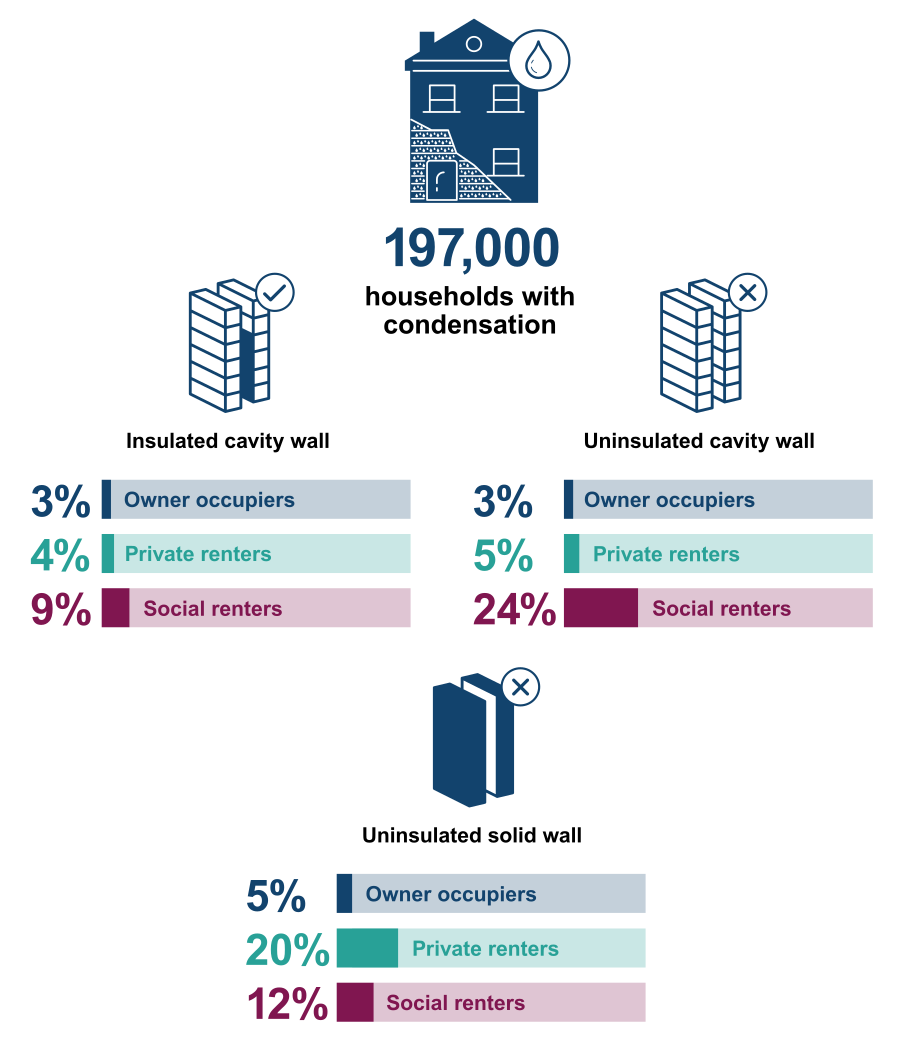
The 2024-25 EHS Headline Report observed that around 823,000 dwellings in 2024 had serious condensation/mould, with proportions higher in the rented sectors. Of the households living in homes with less than 100mm of loft insulation, around 197,000 had serious condensation in one or more rooms, 34,000 of these households lived in homes with uninsulated cavity walls and 133,000 lived in homes with uninsulated solid walls, Annex Table 6.
Cavity wall homes
In homes with less than 100mm of loft insulation and uninsulated cavity walls, social renters (24%) were more likely to have condensation issues compared with 5% of private renters and 3% of owner occupiers.
This pattern was still apparent for insulated cavity walls, where social renters were more likely to live in dwellings with condensation (9%) than owner occupiers (3%), although the difference between private renters (4%) and social renters was not significant.
Around 96% of households with either a white HRP or a HRP of ethnic minority backgrounds experienced no condensation problems while living in homes with insulated cavity walls. Just under 1 in 10 (9%) households with a HRP from an ethnic minority background experienced condensation in homes with uninsulated cavity walls.
Solid wall homes
In contrast to cavity walls, in homes where loft insulation was less than 100mm and solid walls were uninsulated, private renters were more likely to experience condensation problems (20%) than owner occupiers (5%), but there was no significant difference between private renters (12%) and social renters reporting this. Younger households with a HRP aged 16 to 29 were the most affected, with nearly a quarter (23%) experiencing condensation, compared with around 9% to 10% of older age groups. Additionally, London and the South East were more likely to have dwellings with condensation problems (17%) than those in the northern regions (10%) or in the rest of England (7%). This may reflect the dwelling age, type and most common location of private rented dwellings.
No cases of condensation or mould were found in dwellings where the loft insulation was less than 100mm and the solid walls were insulated (although it is important to note that these figures are based on a small sample sizes and should be treated as indicative only).
Social renters living in homes with less than 100mm loft insulation and uninsulated cavity walls were more likely to experience condensation. Whereas private renters were more likely have condensation where solid walls were uninsulated.
Note: Insulated solid walls had no condensation
Ability to keep warm during winter
Living in a cold home significantly affects mental and physical health. It can increase the risk of developing or worsening respiratory and cardiovascular disease. It also contributes to the risk of death from heart attack, stroke, hypothermia, and infection, including pneumonia. Cutting back on energy use and underheating can also lead to cold homes and the development of damp and mould, which is linked to a range of potential health risks.
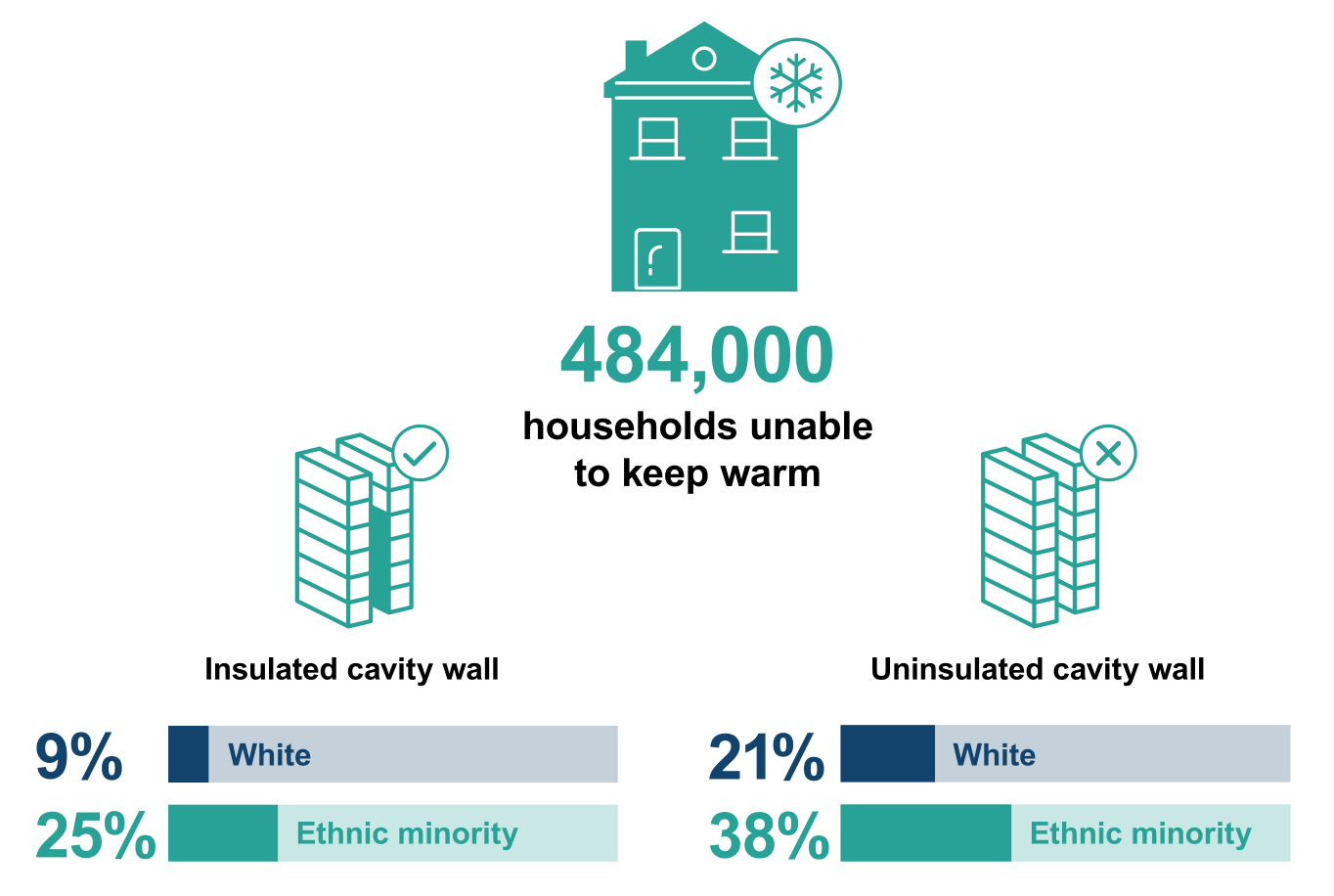
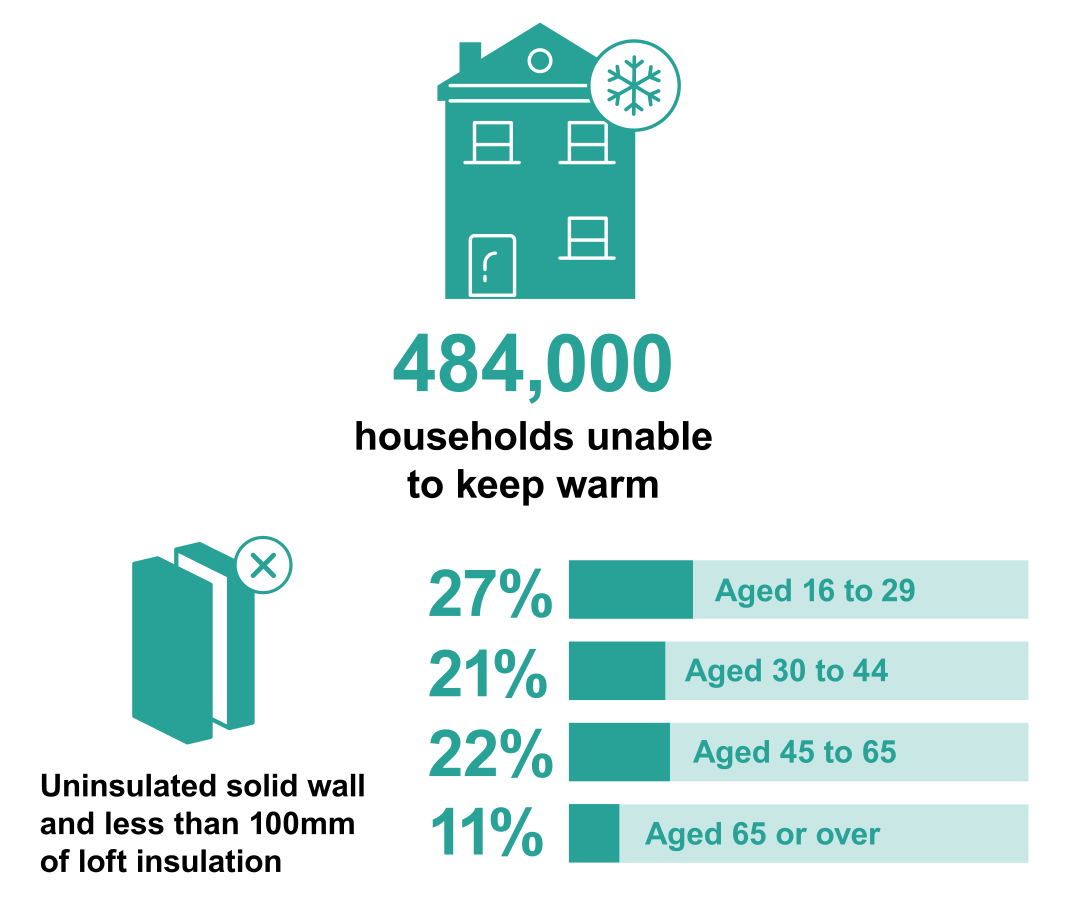
Households were asked whether they could normally keep comfortably warm in their living room during winter. In 2024-25, 484,000 households with less than 100mm of loft insulation reported feeling cold while living in their homes, Annex Table 7.
Experiences varied across different household groups. Just under one third (31%) of private renters reported being unable to keep warm, compared with around a quarter of social renters (24%) and 11% of owner occupiers. Almost a quarter (23%) of households living in relative low income struggled to keep warm compared with 17% of households not living in relative low income. Increasing energy costs over this time period may have also made it more difficult for households to effectively heat dwellings. The 2022-23 English Housing Survey Energy Report observed that, of those households who reported they were unable to keep comfortably warm in winter, 45% said it cost too much to keep the heating on.
Cavity wall homes
Patterns in households’ ability to keep warm were also apparent across homes with cavity walls. Among households living in homes with less than 100mm loft insulation and uninsulated cavity walls, private renters (44%) were more likely to report feeling cold than social renters (19%) and owner occupiers (12%) living in similar homes. Conversely, households with an older HRP aged 65 or over were less likely to report feeling cold than households where the HRP was aged 30 to 64 (23% to 30%) in uninsulated cavity wall homes. This may reflect the types of homes or heating behaviour of the home.
Households with a HRP from an ethnic minority background living in homes with uninsulated cavity walls (38%) were more likely to report feeling cold than households with a White HRP living in similar homes (21%). However, this difference was also noted for households with a HRP from an ethnic minority background with insulated cavity walls, where the household was more likely to report feeling cold (25%) than households with a White HRP (9%).
Households with an ethnic minority HRP were more likely to report feeling cold. This was particularly the case for those who lived in homes without cavity wall insulation.
Solid wall homes
Among households living in homes with less than 100mm loft insulation and solid walls, challenges with keeping warm were also apparent. Social renters living in homes with uninsulated solid walls were more likely to report being unable to keep warm (33%) compared with owner occupiers (13%) living in similar homes.
In properties with uninsulated solid walls, younger households (aged below 65 years old, 21% to 27%) were more likely to report feeling cold than older households aged 65 or over (11%). Furthermore, a higher proportion of households containing a member with a long‑term illness or disability reported feeling cold (33%) compared with households without someone with a long‑term illness or disability (13%).
In properties with less than 100mm loft insulation and uninsulated solid walls, younger households were more likely to feel cold than those where the HRP was aged 65 or over.
Technical notes and annex tables
Further details on the English Housing Survey methodology and glossary of terms can be found in the Technical Notes and Housing statistics and English Housing Survey Glossary.
Underlying data for this fact sheet are published as Annex Tables