Armed Forces Compensation Scheme statistics: 6 April 2005 to 31 March 2026
Published 15 October 2026

© Crown copyright 2026
This publication is licensed under the terms of the Open Government Licence v3.0 except where otherwise stated. To view this licence, visit nationalarchives.gov.uk/doc/open-government-licence/version/3 or write to the Information Policy Team, The National Archives, Kew, London TW9 4DU, or email: psi@nationalarchives.gov.uk.
Where we have identified any third party copyright information you will need to obtain permission from the copyright holders concerned.
This publication is available at https://www.gov.uk/government/statistics/armed-forces-compensation-scheme-statistics-financial-year-202526/armed-forces-compensation-scheme-statistics-6-april-2005-to-31-march-2026
Statistics on compensation recipients and new claims, awards and appeals made under the Armed Forces and Reserve Forces Compensation Scheme.
Headline Facts and Figures
During the 2025/26 financial year, under the Armed Forces Compensation Scheme (AFCS):
-
9,355p Injury/illness and 69p survivors’ claims were registered. The number of registered injury/illness claims increased by 16% from 2024/25.
-
Injury/illness claims were cleared in 126 working days (median average). The average number of working days to clear injury/illness claims has been increasing since 2021/22.
-
The total compensation expenditure for service-attributable injury/illness was £134.4M. Total expenditure to survivors’ following deaths caused by service was £16.0M.
-
Of the 2,230 conditions awarded for injury/illness claims that were registered and cleared, the most common tariff of injury tables were: Musculoskeletal Disorders (64%p), Fractures and Dislocations (22%p) and Injury, Wounds and Scarring (5%p).
Sources: Compensation and Pension System (CAPS) and MOD Pensions Finance Team
Responsible Statistician: Deputy Head Defence Statistics Health
Further information or mailing list: Analysis-Health-PQ-FOI@mod.gov.uk
Would you like to be added to our contact list, so that we can inform you about updates to these statistics and consult you if we are thinking of making changes? You can subscribe to updates by emailing Analysis-Health-PQ-FOI@mod.gov.uk.
Accredited Official Statistics publication
Accredited Official Statistics are called National Statistics in the Statistics and Registration Service Act 2007. These official statistics were independently reviewed by the Office for Statistics Regulation in 2012. They comply with the standards of trustworthiness, quality and value in the Code of Practice for Statistics and should be labelled ‘accredited official statistics’. Accreditation can be broadly interpreted to mean that the statistics:
• meet identified user needs
• are well explained and readily accessible
• are produced according to sound methods
• are managed impartially and objectively in the public interest
Further information on the accreditation process can be found here: Accreditation explanation web page.
Once statistics have been designated as Accredited Official Statistics it is a statutory requirement that the Code of Practice shall continue to be observed. Further details about how this report has been developed since its confirmation as an Accredited Official Statistic can be found in the Background Quality Report. Our statistical practice is regulated by the Office for Statistics Regulation (OSR). OSR sets the standards of trustworthiness, quality and value in the Code of Practice for Statistics that all producers of official statistics should adhere to. You are welcome to contact us directly with any comments about how we meet these standards. Alternatively, you can contact OSR by emailing regulation@statistics.gov.uk or via the OSR website.
Other bulletins in this series and the supplementary tables containing all data presented in this publication can be found on the GOV.UK website.
Introduction
This Statistical Bulletin presents summary information on the UK Armed Forces Compensation Scheme (AFCS) as at 31 March 2026. The AFCS came into force on 6 April 2005, with all compensation claims administered by the Ministry of Defence (MOD). It replaced the previous compensation arrangements provided by the War Pension Scheme (WPS) and the attributable elements of the Armed Forces Pensions Scheme.
The AFCS compensates for:
-
Service-attributable injury/illness caused or made worse by service in the UK Armed Forces on or after 6 April 2005.
-
Service-attributable death caused by or substantially hastened by service in the UK Armed Forces on or after 6 April 2005.
All numbers in this bulletin refer to service-attributable injury/illness or service-attributable death.
Further information on the eligibility to claim, and the processing of AFCS claims can be found in the MOD’s AFCS Statement of Policy.
p Figures are provisional and subject to revision. As at 31 March 2026, there were 6,110 pending injury/illness claims (including 5,443 registered during 2025/26) and 79 pending survivors’ claims (including 52 registered during 2025/26). Published figures may be revised as pending claims are cleared, claims subsequently identified as non-genuine are removed from the statistics, and reconsiderations, appeals or reviews received prior to 31 March 2026 are processed and recorded onto the system.
Flow chart of the AFCS claim process
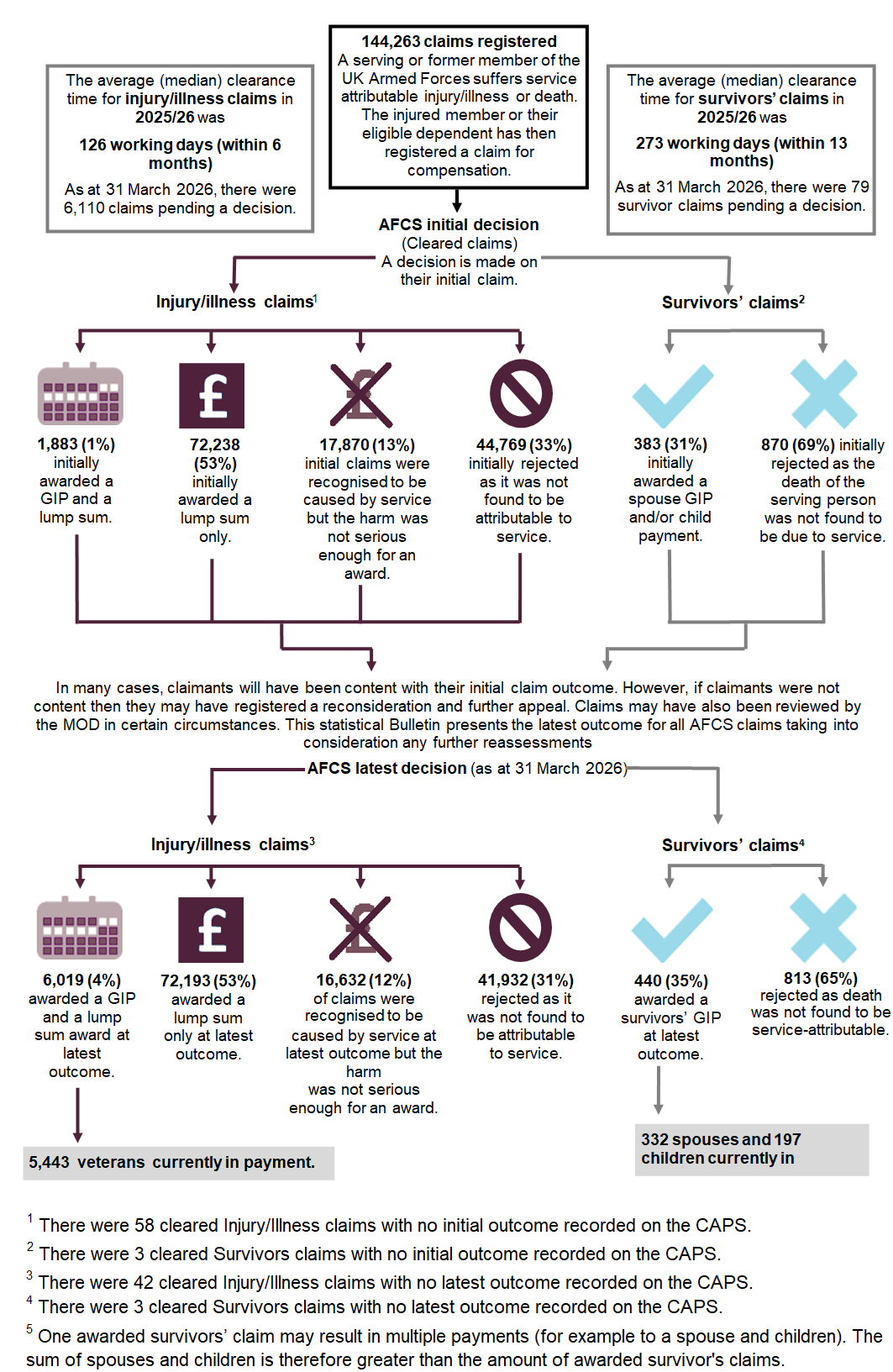
Figure 1 portrays the journey of an AFCS injury/illness or survivors’ claim.
Figure 1: UK AFCS claim process, as at 31 March 2026
Source: Compensation and Pension System (CAPS)
Description of Figure 1: Flowchart showing the total amount of registered AFCS claims and their initial claim outcome as well as their latest claim outcome.
Registered Claims
This section provides summary statistics on injury/illness claims, survivors’ claims, reconsiderations, appeals, and reviews registered under the AFCS. The number of claims registered over time has been influenced by a range of operational, demographic and administrative factors. These include changes in the size of the Armed Forces, the end of military operations in Iraq and Afghanistan, improvements in treatment and rehabilitation, the impact of COVID-19 on working practices, and changes to claims processes. As a result, trends vary across claim types and over time.
As at 31 March 2026:
-
142,928 Injury/illness claims have been registered in total (76% serving and 24% ex-serving UK Armed Forces personnel)
-
1,335 Survivors’ claims have been registered in total
-
25,975 Reconsiderations have been registered in total
-
14,381 Appeals have been registered in total
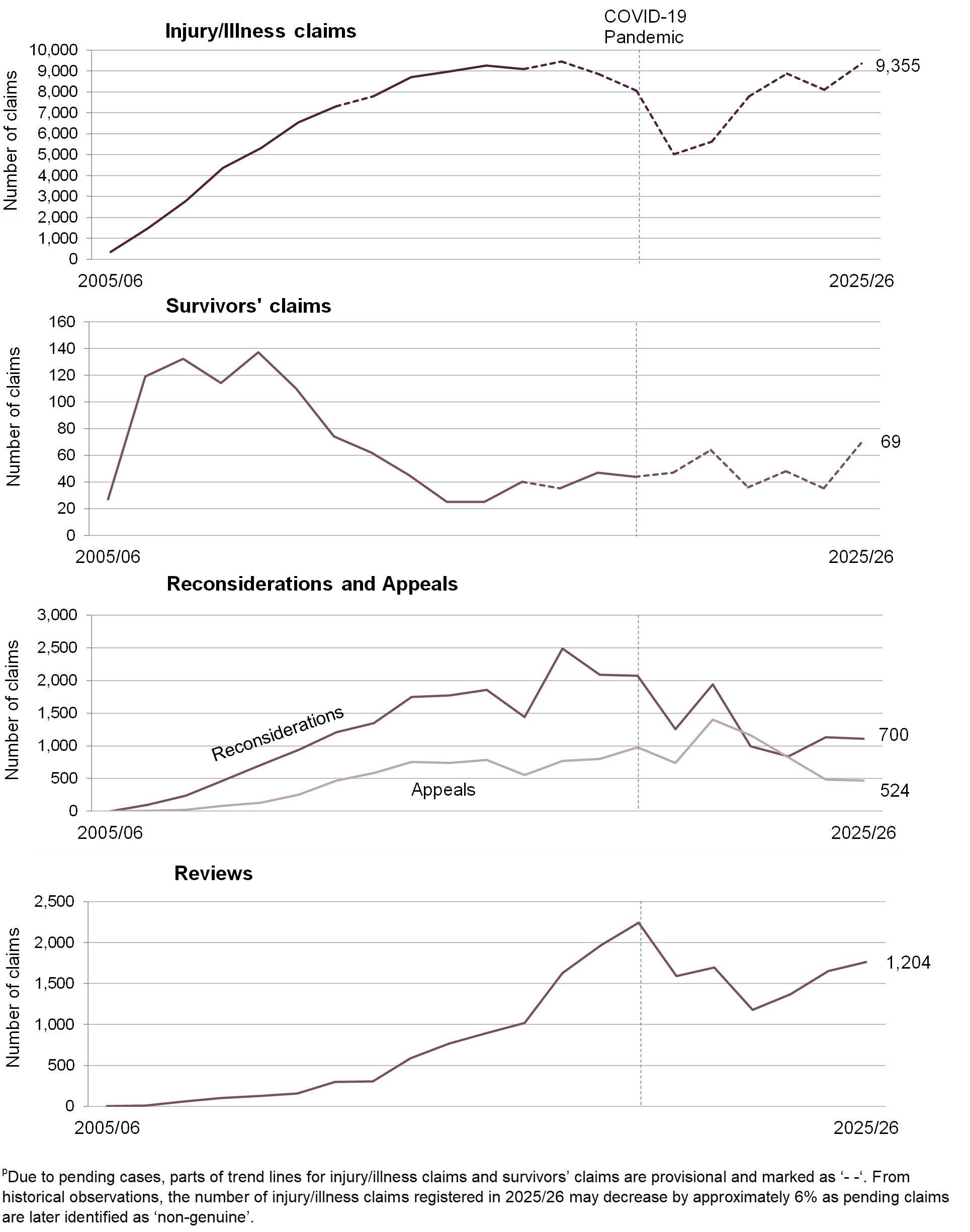
Figure 2 shows that the number of registered injury/illness claims increased steadily since the start of the scheme, before beginning to decline prior to the COVID-19 pandemic. Following a period in which claim volumes may have been affected by the pandemic, the number of registered injury/illness claims increased in the latest year. The duration of the pandemic’s impact on claims received is uncertain and should be considered when assessing trends.
Meanwhile, the number of survivors’ claims registered was highest in the early years of the scheme, before declining rapidly and remaining broadly stable since around 2016/17. The number of registered reconsiderations and appeals increased steadily at the beginning of the scheme but now appear to be declining. Reviews increased in the early years of the scheme and peaked around the onset of the COVID-19 pandemic, before declining. This initial decline may have been influenced by the pandemic; review volumes have since begun to increase again but remain below their peak levels.
Figure 2: AFCS injury/illness claims, survivors’ claims, reconsiderations, appeals, and reviews registered, by financial year the claims were registered, number of claimsp
6 April 2005 to 31 March 2026
Source: Compensation and Pension System (CAPS)
Description of Figure 2: Four line graphs showing the number of registered claims for injury/illness, survivors’, reconsiderations, appeals and reviews, each year between 2005/06 and 2025/26.
Clearance times
This section provides summary information on the average (median) number of working days took to clear claims, reconsiderations and appeals under the AFCS. Clearance times were calculated as the number of working days between the date the claim/appeal was received by the MOD and the date the claim is cleared. The time taken to clear claims varies by claim type and reflects differences in claim complexity, case volumes and administrative processes. For more information, see the Background Quality Report.
During 2025/26:
-
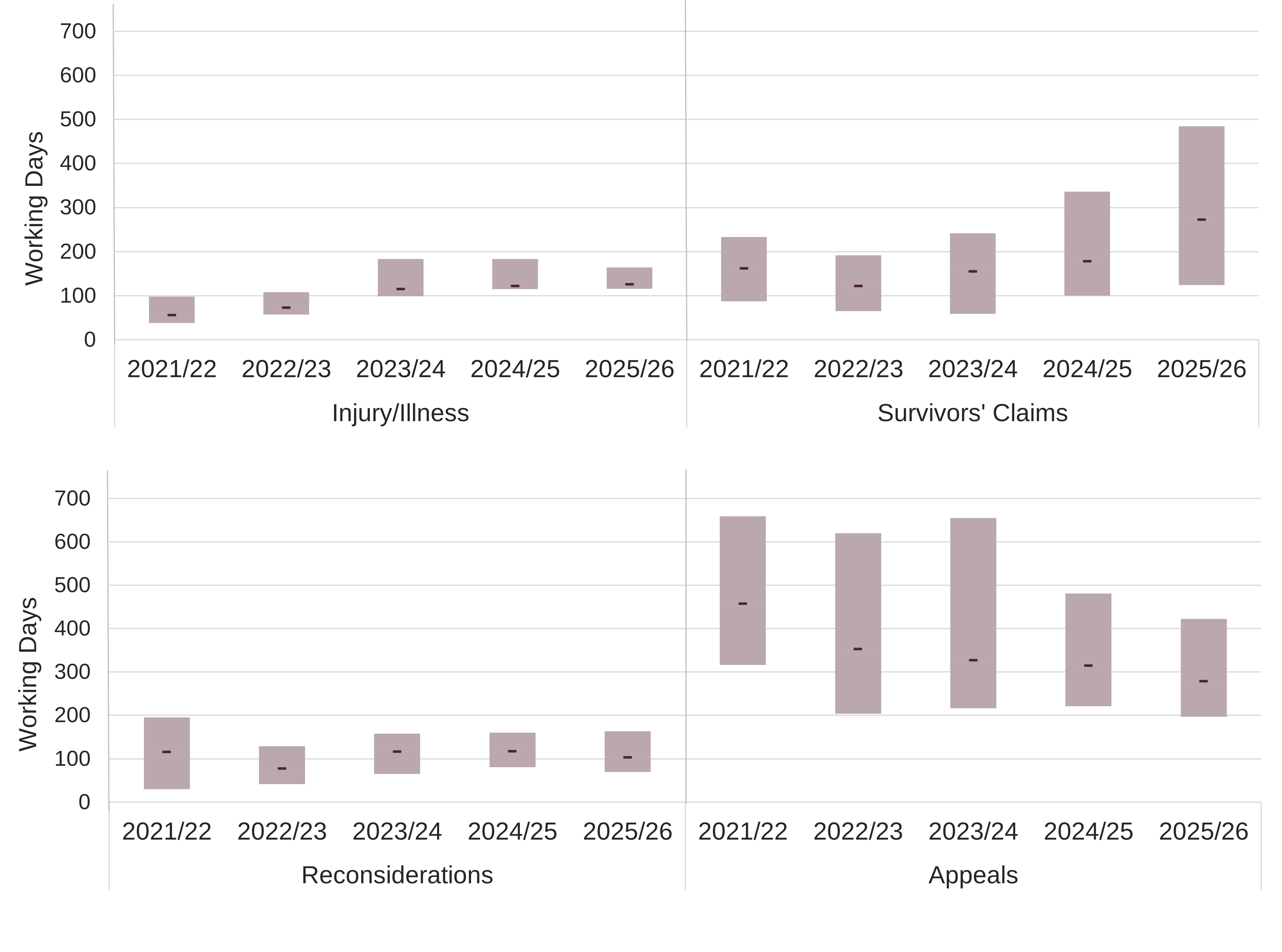
Injury / illness claims were cleared, on average, within 126 working days (within 6 months)
-
Survivors’ claims were cleared, on average, within 273 working days (within 13 months)
-
Reconsiderations were cleared, on average, within 104 working days (within 5 months)
-
Appeals took the longest average time to clear (279 working days or within 13 months)
Figure 3 shows that average clearance times for injury/illness claims have been steadily increasing in the last 5 years. For survivors’ claims, clearance times have increased; however they can be affected by the time taken to obtain all information required to determine the outcome. In particular, death-related claims may be delayed while the outcome of an inquest is awaited, which in some cases can take several years.
Additionally, the number of survivors’ claims is much smaller than other claim types, which can lead to more fluctuation in the average clearance time year-on-year. Clearance times for reconsiderations have remained relatively stable and have been reducing for appeals.
Figure 3: AFCS clearance times, by claim type and financial year the claims were cleared, median average working days, upper and lower quartiles
1 April 2021 to 31 March 2026
Source: Compensation and Pension System (CAPS)
Description of Figure 3: Boxplot graph showing the median, upper quartile and lower quartile for the clearance times for injury/illness, survivors’, reconsiderations and appeal claims, each year between 2021/22 and 2025/26.
Latest injury/illness claim outcomes
This section provides summary information on the latest outcome of all injury/illness claims cleared under the AFCS as at 31 March 2026. Claims are awarded against 15 tariff levels ranging from 1 (most severe) to 15 (least severe); a full summary of tariff levels can be found in the Background Quality Report.
Since the start of the scheme 136,818p Injury / illness claims have been cleared under the AFCS, of which:
-
Over half (53%p) have been awarded a lump sum only payment (72,193p), for a less serious injury / illness (tariff levels 12-15).
-
4%p have been awarded a lump sum payment and a Guaranteed Income Payment (GIP) (6,019p), for a more serious injury/illness (tariff levels 1-11). A GIP is an ongoing payment that is payable for life to recognise future loss of earning capacity.
-
12%p have been accepted but with no award (16,632p), meaning the injury/illness was not severe enough to be awarded a tariff level and therefore no financial compensation was awarded.
-
Around a third (39%p) have been rejected (41,932p) as the injury/illness was found not to be attributable to service.
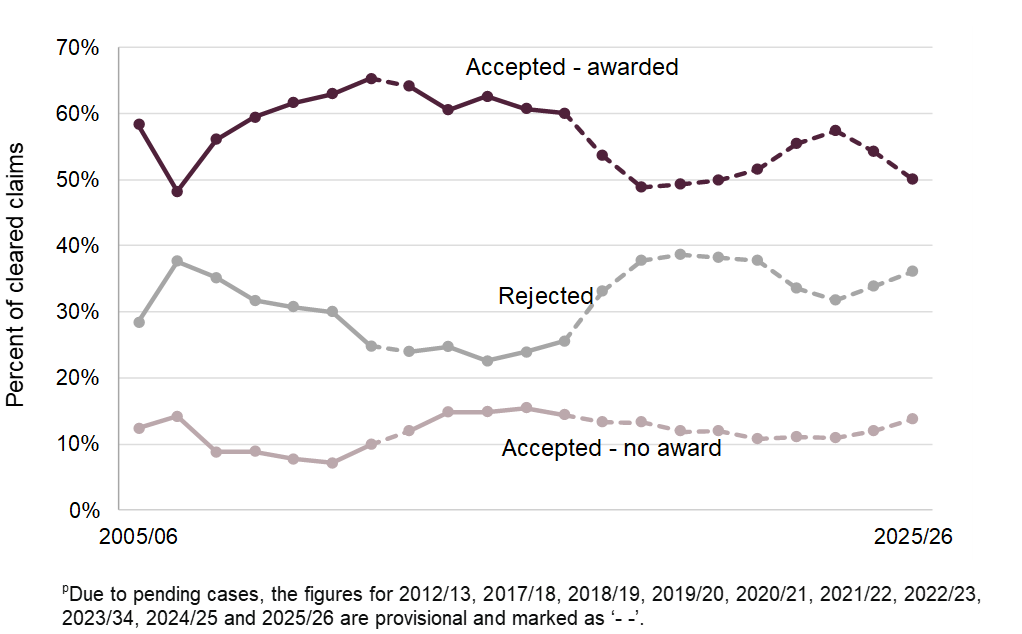
Figure 4 shows how in recent years, the proportion of claims receiving an award has decreased whilst the proportion of rejected claims has increased.
Figure 4: Accepted injury/illness AFCS claims by outcome and financial year the claims were registered, percentagesp
6 April 2005 to 31 March 2026
Source: Compensation and Pension System (CAPS)
Description of Figure 4: Line graph showing the proportions of cleared claims that have been ‘Accepted - awarded’ (dark purple), ‘Rejected’ (grey) or ‘Accepted - no award’ (light purple), by the latest decision made on the claim, each year between 2005/06 and 2025/26.
Injury/illness awarded conditions
This section presents a summary of all injuries/illnesses awarded under the AFCS as at 31 March 2026; injuries/illnesses are awarded in line with the 9 AFCS tariff tables. The underlying data in this section and the supplementary tables have been rounded to the nearest 5 to prevent the inadvertent disclosure of individuals. Please see the methodology section and the Background Quality Report for further detail. Claimants can apply and be awarded compensation for multiple conditions within a single claim. This means the resulting numbers of awarded claims and awarded conditions will not always be the same.
Since the start of the scheme:
-
102,380p conditions have been awarded compensation, following 78,212 successful injury/illness claims
-
7%p of all awarded conditions were severe enough to attract a GIP (7,220)
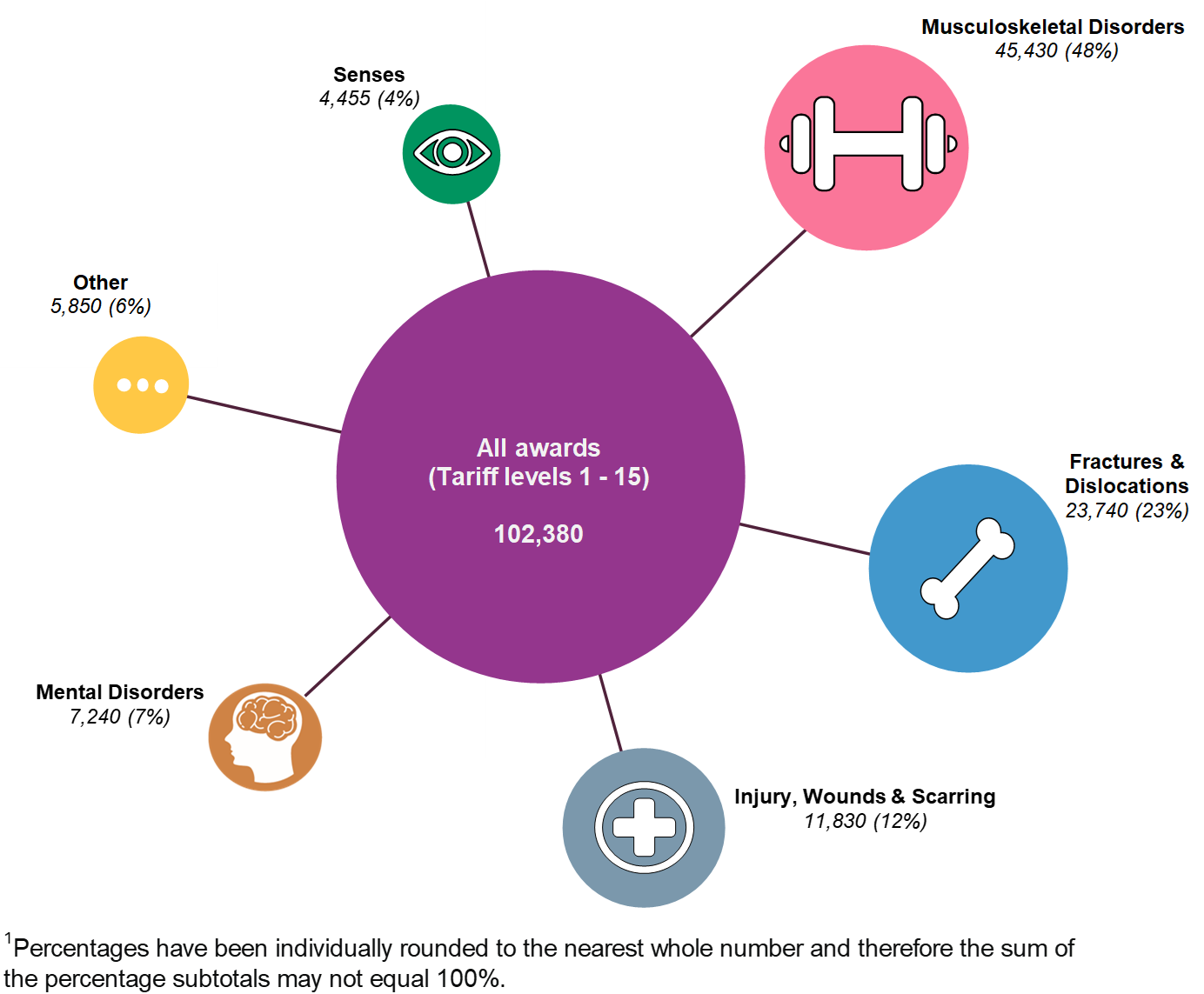
As shown in Figure 5, over the entire scheme, musculoskeletal (MSK) disorders have been the most common condition awarded (48%), reflecting the fact it is one of the leading causes of medical discharge from the UK Regular Armed Forces1. However, MSK disorders only account for 13% of conditions awarded a GIP, indicating a lower impact on future earning capacity. By contrast, mental disorders represent just 7% of awarded conditions but 36% of GIP awards, highlighting their often long-term effect on an individual’s ability to work and earn.
Figure 5: Awarded conditions under the AFCS, by tariff table, numbersp and percentages1
6 April 2005 to 31 March 2026
Source: Compensation and Pension System (CAPS)
Description of Figure 5: A bubble chart to show the distribution of all injury/illnesses awarded under the AFCS, at tariff levels 1-15, based on the latest outcome, by the tariff of injury table.
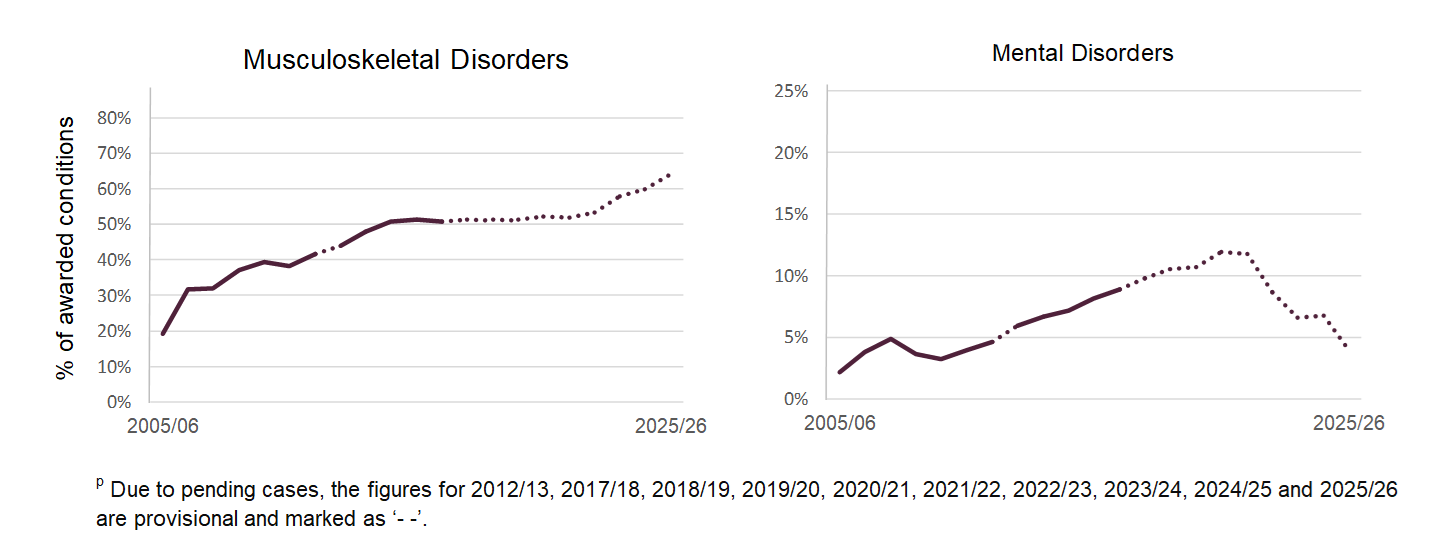
Figure 6 shows that the proportion of awards given for MSK disorders has steadily increased throughout the scheme and since the mid-2010’s they have accounted for over half of the awarded conditions each year. Meanwhile, awards given for mental disorders, steadily increased and peaked at 12% of conditions awarded in 2021/22, but has since seen a decline. Please note, percentage awarded for those registered in 2025/26 is likely to change as the pending cases are cleared.
Figure 6: AFCS injury/illness conditions awarded, MSK disorders and Mental disorders, by financial year the claims were registered, percentage of awarded conditionsp
6 April 20051 to 31 March 2026
Source: Compensation and Pension System (CAPS)
Description of Figure 6: Two line graphs showing the percentage of all injury/illnesses that were awarded under the musculoskeletal or mental disorder tariff of injury tables, each year between 2005/06 and 2025/26.
Recipients of Guaranteed Income Payments
A GIP is an ongoing payment that is payable for life to recognise future loss of earning capacity. The numbers in receipt have been continuing to increase year on year. As at 31 March 2026, 5,443 veterans were in receipt of a GIP following an injury/illness claim. This was lower than the total number of GIP awards made since the start of the scheme (6,019) for several reasons:
-
a veteran may be in receipt of a GIP following multiple successful claims under the AFCS (the amount received will account for multiple awards but claimants will be counted once)
-
in-service claimants awarded a GIP while still in service will not begin to receive payment until they have left service
-
a previous GIP recipient has ceased to receive payment, for example due to death or legal reasons
Armed Forces Independence Payment (AFIP)
AFIP is a benefit to help with the extra costs of long-term health conditions or disability. As at 31 March 2026, there were 2,022 individuals identified as being in receipt of the AFIP. There are a number of reasons why personnel may not be receiving the AFIP:
-
the AFCS recipient was not in receipt of a GIP at 50% or above
-
an AFIP eligible claimant may have opted to continue to receive the Personal Independence Payment (PIP)
-
the GIP award was made recently and therefore the eligible claimant’s AFIP payment was still being processed
-
the MOD had a non-response from the eligible claimant to determine whether they wish to receive the AFIP
Latest survivors’ claim outcomes
This section provides summary information on the latest outcome of all survivors’ claims cleared under the AFCS as at 31 March 2026. A survivors’ claim is made by, or on behalf of, surviving dependents of former UK Armed Forces Personnel where death was caused by service on or after 6 April 2005. Since the start of the scheme 1,256p survivors’ claims have been cleared under the AFCS, of which:
-
35%p have been awarded a Survivors’ Guaranteed Income Payment (440p). If a death is found to be attributable to service, the eligible partner/spouse of the deceased will receive a Survivors’ Guaranteed Income Payment (SGIP). It is paid to provide financial support and to recognise the loss of the deceased partner’s earnings. Those in receipt of a SGIP may claim for an additional child payment where their child/children meet the eligibility criteria.
-
65%p have been rejected (813p).
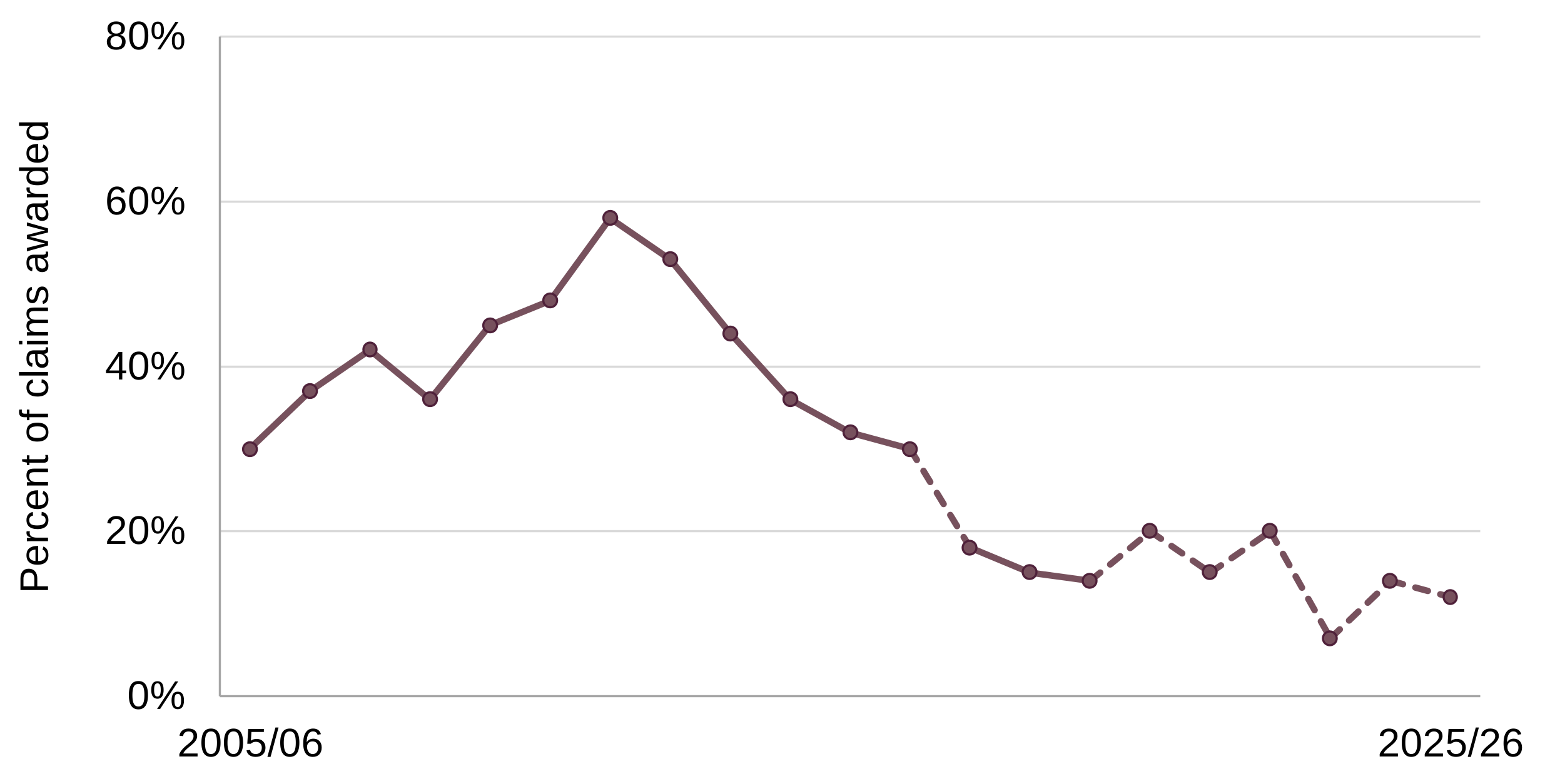
Figure 7 shows how the proportion of awarded survivors’ claims has steadily declined, following a peak during operations in Iraq and Afghanistan. Annual figures are based on small numbers and can fluctuate considerably; therefore, emphasis should be placed on the longer-term pattern rather than changes between individual years. Provided a potential eligible family member can be identified, a survivors’ claim will automatically be registered following a death in service on or after 6 April 2005, regardless of whether the death was caused by service. This may partly account for the lower awarded rate compared with other claim types as claims for deaths not caused by service are rejected.
Figure 7: Awarded AFCS survivors’ claims, by financial year the claims were registered, percentagesp
6 April 2005 to 31 March 2026
Source: Compensation and Pension System (CAPS)
Description of Figure 7: Line graph showing the percentage of cleared survivors’ claims that were awarded, based on the latest decision made on the claim, each year between 2005/06 and 2025/26.
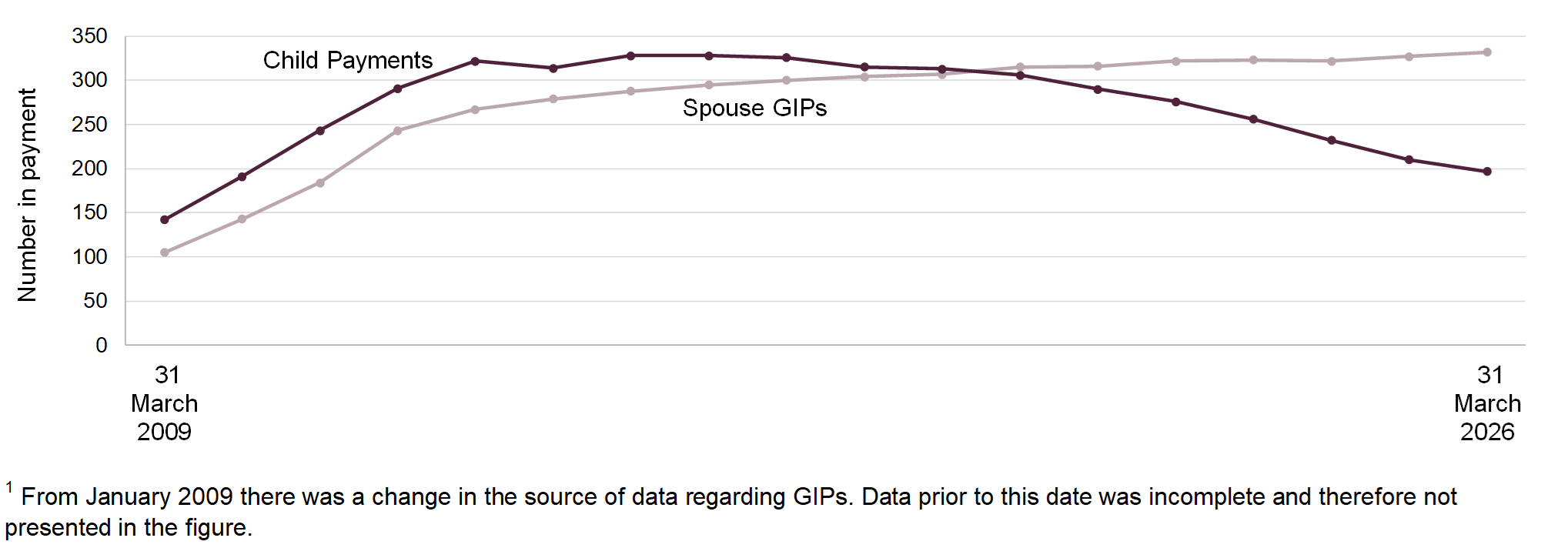
As shown in figure 8, the number of child SGIPs in payment has gradually been declining. This likely reflects that children who were in receipt of a child payment as a result of the death of a parent on operation in Iraq/Afghanistan no longer being eligible for the payment.
Figure 8: Eligible spouses and children in receipt of a Survivors’ Guaranteed Income Payment (GIP) or Child Payment, as at financial year end, numbers
As at 31 March 2009 to as at 31 March 20261
Source: Compensation and Pension System (CAPS)
Description of Figure 8: Line graph showing the number of GIPs in payment for spouses (light purple) and children (dark purple), at the end of each financial year between 2008/09 and 2025/26.
Financial expenditure under the AFCS
Accrued expenditure is applied to claims that are awarded within the financial year but processed and paid in the following financial year (typically claims that have been awarded in the final few days of the financial year). Overall expenditure figures may therefore differ to the amount of actual monies paid out in a given time period, as they may include cleared cases that are due to be paid in the next financial year but have not yet been paid. This section provides information on the total expenditure under the AFCS since the scheme began.
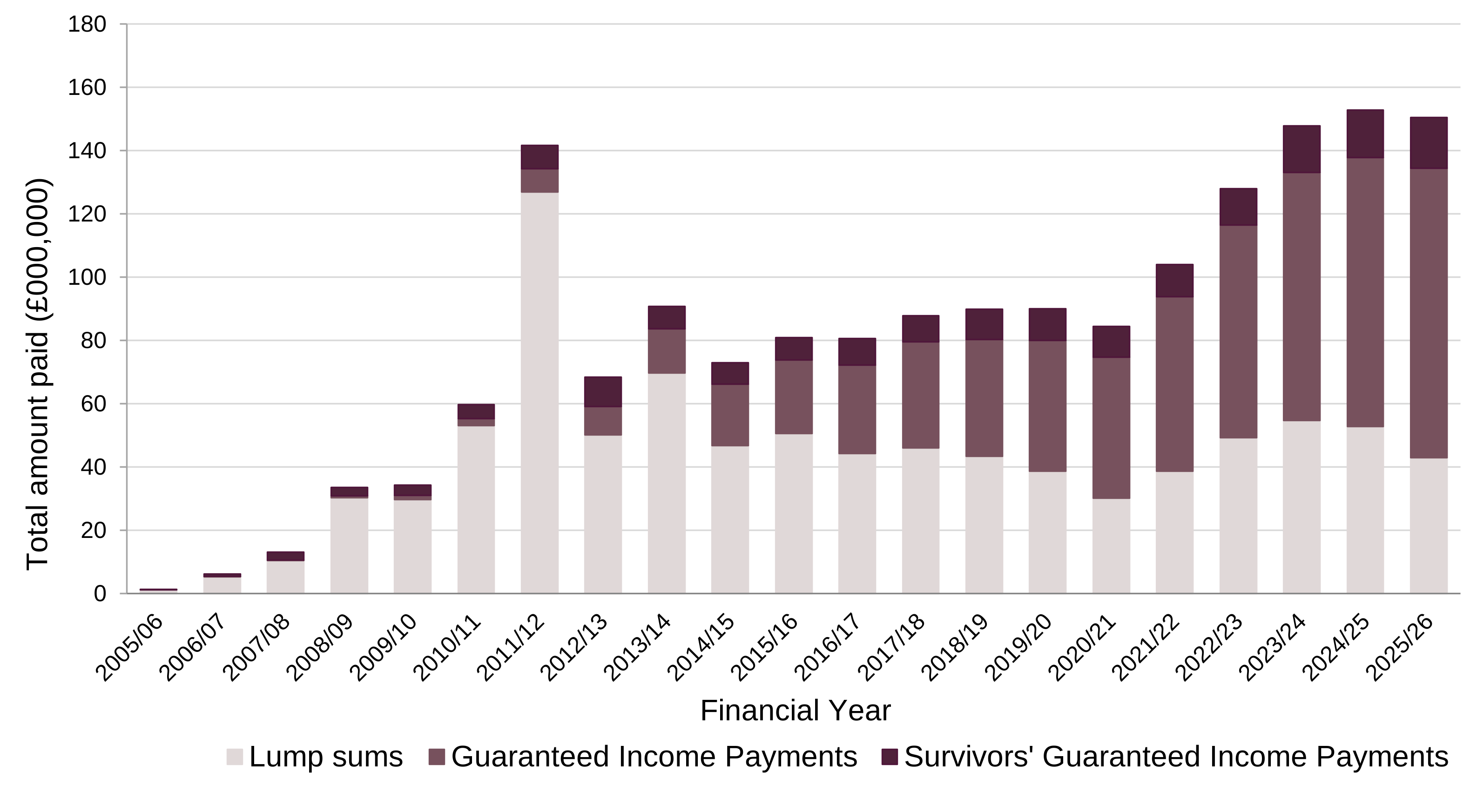
As at 31 March 2026 the total expenditure was over £1,716M for compensation under the scheme. Of which, expenditure was:
-
over £914M for lump sum payments
-
£636M for Guaranteed Income Payments (GIPs)
-
£165M for Survivors’ Guaranteed Income Payments (SGIPs)
Figure 9 shows that total expenditure has been increasing steadily since the beginning of the scheme, driven mostly by the cumulative nature of ongoing payments, increasing the number of awarded GIPs. Amounts paid for SGIPs and Lump Sums fluctuate but stay relatively similar throughout. The spike in lump sum expenditure in 2011/12 was due to the implementation of the Lord Boyce Review2, which increased previous awards and included back-payments.
Figure 9: AFCS expenditure, by type of payment and financial year paid, £
6 April 2005 to 31 March 2026
Source: Compensation and Pension System (CAPS)
Description of Figure 9: Stacked bar chart showing the total amount of AFCS expenditure, separated by lumps sums (very light purple), guaranteed income payments (light purple) and survivors’ guaranteed income payments (dark purple), each year between 2005/06 and 2025/26.
Supplementary tables accompanying this publication provide detailed breakdowns of the figures presented in the report and are available in a machine-readable format. They also contain further demographic breakdowns including age, sex and location for some of the information shown in this publication, as well as the number of awards for Noise Induced Hearing Loss (NIHL), Non-Freezing Cold Injuries (NFCI) and Post Traumatic Stress Disorder (PTSD).
Glossary
Appeal: If a claimant is not satisfied with the outcome of their claim they may lodge an appeal to an appropriate Tribunal.
Armed Forces Compensation Scheme (AFCS): Compensation scheme for all members of the regular and reserve forces. It provides compensation for all injuries, ill-health, and death attributable to service where the cause occurred on or after 6 April 2005.
Armed Forces Independence Payment (AFIP): On 8 April 2013 the MOD, in conjunction with the Department for Work and Pensions (DWP), introduced a new benefit called the Armed Forces Independence Payment (AFIP). The AFIP is a simplification of the financial support available for members of the Armed Forces who have been seriously injured as a result of service since 6 April 2005.
The AFIP provides eligible recipients with on-going payments to help with the additional costs associated with their injuries. Service personnel awarded a GIP at 50% or above are eligible to apply. More information about AFIP can be found at GOV.UK.
Armed Forces Pension Scheme (AFPS): Pension available to members of the Regular Armed Forces who have served for a minimum of two years: AFPS 75: Introduced in 1975 and closed to new members from 6 April 2005. Pension benefits are based on rank and time served; AFPS 05: Introduced on 6 April 2005. Pension benefits are based on time served and final salary. AFPS 15: Introduced on 1 April 2015. Pensions are calculated using a system called Career Average Revalued Earnings (CARE). For more information on how CARE works please go to the GOV.UK website.
Child Payment (CP): A taxable payment designed to compensate eligible child(ren) for loss of financial support following the death of their parent, guardian, or person on whom they were financially dependent as a result of service.
Claim: The term ‘claim’ is used to refer to both injury/illness claims raised by a claimant (as well as medical discharge) and death-in-service cases which are automatically referred to for consideration.
Cleared claim: A claim is classed as cleared when the MOD issue a letter to the claimant informing them of the outcome of their claim, reconsideration and/or appeal.
Compensation and Pension System (CAPS): Administrative system used to capture electronic information on the AFPS and AFCS.
First Tier Tribunal (FTT): The FTT hears appeals from servicemen and servicewomen within England and Wales who have disagreed with the decision made by the MOD on the outcome of their claim.
Guaranteed Income Payment: A Guaranteed Income Payment (GIP) is payable when an award has been made for a more serious injury or illness at tariff levels 1 to 11. In addition to a lump sum payment, an ongoing GIP is payable for life, to recognise future loss of earning capacity, with the first payment made once the claimant has left service (following an in-service claim), or from date of claim clearance (following a post-service claim). All GIP recipients are veterans.
Injury/illness claim: Claims made by serving or former members of the Armed Forces for an injury or illness caused by service on or after 6 April 2005. They include in-service claims, medical discharge claims and post-service claims.
Inter-quartile range: The inter-quartile range is the range in which the middle 50% of the data points fall (i.e. the distance between the lower and upper quartile). The longer the inter-quartile range, the wider the spread of data.
Latest claim outcome: The latest outcome refers to the latest outcome of the claim recorded on the CAPS as at 31 March 2026, including later changes to initial claim outcomes following reconsiderations, appeals and/or reviews. This outcome may change in the future if the claim is further reconsidered, appealed and/or reviewed.
Lump Sum Award: An immediate tax-free lump sum payment is paid to a service or ex-service person as compensation for pain and suffering for an injury or illness that is predominantly caused or made worse by service. It compensates for a less severe injury/illness not expected to have any significant permanent effects on the claimant’s future earning capacity. Lump sum only awards are made at tariff levels 12-15.
Median average: The median of a finite list of numbers can be found by arranging all the values from lowest to highest and picking the middle value.
Medical Discharge Claim: Personnel medically discharged from service will have a claim automatically registered under the AFCS if they meet certain criteria. Please see the Background Quality Report for more information.
Non-genuine AFCS cases: Include ‘spanning’ and ‘treat as never made’ cases. Spanning cases are claims considered first for entitlement under the AFCS but passed to the War Pension Scheme where the cause of injury or onset of illness occurred prior to 6 April 2005. Treat as never made cases are those that have been registered under the Scheme but are later abandoned either due to the claim being entered in error or the claimant not proceeding with the claim.
Pending claims: Registered initial injury/illness and survivors’ claims with no outcome recorded on the CAPS as at 31 March 2026.
Pensions Appeal Tribunal (PAT): The PAT hears appeals from servicemen and servicewomen within Scotland and Northern Ireland who have disagreed with the decision made by the MOD on the outcome of their claim.
Reconsideration: If a claimant is not satisfied with the outcome of their claim they may ask for the MOD to reconsider their claim.
Post-Appeal Reconsideration: When a reconsideration is automatically registered as part of the appeal process to meet the requirement of a prior cleared reconsideration.
Registered claim: A claim is classed as registered when the MOD begin a workflow on the CAPS for a claim.
Reviews: Collective title for specific re-evaluations that can be made on a claim. These include:
- Interim reviews: In claims where the disorder is not in a steady state, prognosis is uncertain or treatment is ongoing or yet to begin, a temporary award may be given at the most likely tariff level. The claim will then be reviewed within 2 years.
- Exceptional reviews: Where an injury or illness has unexpectedly and exceptionally worsened, or caused a further injury to develop (within 10 years of original decision).
- Ignorance/mistake reviews: In the event of a mistake, either by the MOD or the claimant, the award will be subject to change due to the amended information.
- Service termination review: When a claim is awarded while the claimant is still serving but the injury/illness has become worse or caused another injury to develop, a review of the claim can be made up to a year after leaving service.
- Final review: Where more than ten years have passed since the AFCS decision, a final review of an AFCS award can be requested. It is anticipated that there will be exceptionally rare occasions where an AFCS award is found to be inappropriate beyond the ten-year point, given the number of review points available before the ten-year point and the basis of the AFCS scheme which makes final decisions only once prognosis is clear.
Spanning cases: Spanning cases are claims considered first for entitlement under the Armed Forces Compensation Scheme, but passed to the War Pension Scheme where the cause of injury occurred prior to 6 April 2005.
Survivors’ claim: Claims made by, or on behalf of, surviving dependents of former UK Armed Forces Personnel where death was caused by service on or after 6 April 2005. They include death-in-service claims, death-post-service claims and additional child claims. One awarded survivors’ claim may result in multiple payments (for example to a spouse and children).
Survivors’ Guaranteed Income Payment: A Survivors’ Guaranteed Income Payment (SGIP) is a taxable payment designed to compensate an individual for loss of financial support following the death of their partner/spouse/parent as a result of service.
Tariff Levels: The AFCS has 15 tariff levels from 1 (most severe) to 15 (least severe). Each tariff level has a corresponding level of lump sum payment. A full summary of tariff levels can be found in the Background Quality Report.
MOD: The MOD administers the armed forces pension schemes and compensation payments for those injured or bereaved through service.
Uprating: The annual increase applied to compensation payments to maintain their value over time, typically in line with inflation or another measure specified in legislation or policy. AFPS is uprated each year in line with inflation, along with the GIP element of AFCS awards.
War Pension Scheme (WPS): No fault compensation scheme for all members of the regular and reserve force. It provides compensation for all injuries, ill-health and death caused or made worse by service from the start of WW1 in 1914 to 5 April 2005. Personnel are only eligible to claim once they have left service.
Working days: Any day in which legal business can be conducted. In this report, working days exclude Saturdays, Sundays, and public holidays.
References
-
MOD Annual Medical Discharges in the UK Regular Armed Forces
-
A full summary of the Lord Boyce Review
Further information
Symbols
~ Figure has been suppressed due to Statistical Disclosure Control
P Provisional
r Revised
u Low reliability
Data Definitions and Methods
Data Sources
Most information in this bulletin is sourced from quarterly AFCS extracts from the MOD-managed Compensation and Pension System (CAPS). Defence Statistics Health also receive data from the MOD Pensions Finance team to report on Guaranteed Income Payment (GIP) recipients and scheme expenditure. Information on Armed Forces Independence Payment (AFIP) recipients is maintained by the MOD in an Excel spreadsheet.
Data Coverage
The data presented includes all regular and reservist personnel, veterans and dependants who have claimed for compensation under the AFCS for any injury/illness/death caused by service on or after 6 April 2005. This report presents claim outcomes based on the latest information held for each claim as at 31 March 2026.
Data Strengths and Weaknesses
This report allows the data held on claims, awards and payments, made under the AFCS, to be viewed at an aggregate level. These statistics can be used to monitor trends over time. The key strength of the AFCS data is the efficient method adopted to capture AFCS data extracts, with validation checks undertaken to ensure that the data provided in the reports is consistent with the information recorded on the CAPS and the information held by the MOD Pensions Finance Team.
A key weakness of the data is that all claim information is recorded through manual data entry processes. There are no other data sources that can be used to validate the information provided to Defence Statistics Health so the data is subject to occasional input errors, inconsistencies, or omissions, which can affect the accuracy if outputs. Furthermore, a large amount of the information is recorded in free text fields. More detailed information on the data, definitions and methods used to create this report can be found in the Background Quality Report.
Changes and Revisions in this publication
Latest claim outcome methodology
Statistical bulletins prior to June 2017 presented injury/illness and survivors’ claims outcomes based on their initial outcome only. For bulletins from and including June 2017, the methodology was amended to enable the latest claim outcome for all claims to be derived and presented. Historical figures were revised using the new methodology.
A change to the latest claim outcome methodology was made during production of the 2024/25 bulletin whereby additional date information was used to more accurately identify the latest event in a claim. A further refinement was made during the production of the 2025/26 bulletin to identify the outcome of post appeal reconsiderations with a favourable outcome, which is accompanied by an appeal being withdrawn. The previous methodology was using the withdrawn appeal as the latest event in the claim rather than the outcome of the post appeal reconsideration.
This change affected the outcomes of <1% (371) of injury/illness claims and the tariff levels of <1% (330) of conditions between 6 April 2005 and 31 March 2026. Further details can be found in the accompanying Background Quality Report.
Revisions
Published AFCS statistics are subject to routine revisions as the CAPS is a live data system and historic data may be amended between data extracts (see Background Quality Report for further information). Any revisions to historic data as a result of amended information on the CAPS can be identified by a marker in the notes column of the supplementary tables and are only discussed if such revisions are considered to have impact on the findings.
The figures presented for 2012/13, 2017/18, 2018/19, 2020/21, 2021/22, 2022/23, 2023/24, 2024/25 and 2025/26 (including totals for ‘All years’) are marked as provisional and may change if claims currently pending are later cleared or identified as ‘non-genuine’ AFCS cases. As such, these figures may change as pending claims are cleared and should not be considered final.
As a result of the improvement to the methodology for identifying the latest outcomes of injury/illness claims and injury/illnesses in the 2025/26 bulletin, the tariff levels and outcomes presented for a number of claims and conditions have been amended. This can be found in the historical outcomes presented in Tables 2, 11, 12, and 13 of the supplementary tables with revisions highlighted within the notes columns.
Additional amendments have been made to the claim types reported in the 2025/26 bulletin due to an improved insight into the claimant’s service period dates. These are presented in Tables 1, 2, 3, 4, 5 and 11 of the supplementary tables with revisions highlighted within the notes columns. Further details can be found in the accompanying Background Quality Report.
Disclosure Control
To protect confidentiality, numbers fewer than three have been suppressed and marked as ‘~’. Where required, secondary suppression has been applied to prevent suppressed values being calculated from totals. In most cases the secondary suppression has been applied to the next smallest figures.
In some tables, figures have been rounded to the nearest 5 to preserve data utility while protecting confidentiality. As a result, totals may not equal the sum of their components.
Scheme information
Further information on the WPS and other MOD compensation schemes can be found on the GOV.UK website:
MOD Common Law Claims and Policy Division
Contact Us
Defence Statistics Health welcome feedback on our statistical products. If you have any comments or questions about this publication or about our statistics in general, you can contact us as follows:
Defence Statistics Health: Analysis-Health-PQ-FOI@mod.gov.uk
If you require information which is not available within this or other available publications, you may wish to submit a Request for Information under the Freedom of Information Act 2000 to the Ministry of Defence. For more information, refer to the FOI page on the GOV.UK website.
Other contact points within Defence Statistics Health are:
Defence Expenditure Analysis Analysis-Expenditure-PQ-FOI@mod.gov.uk
Price Indices Analysis-Econ-PI-Contracts@mod.gov.uk
Naval Service Workforce Analysis-Navy@mod.gov.uk
Army Workforce Def-Strat-Stat-Army-Enquiries@mod.gov.uk
RAF Workforce Analysis-Air@mod.gov.uk
Tri-Service Workforce Analysis-Tri@mod.gov.uk
Civilian Workforce Analysis-Civilian-Enquiries@mod.gov.uk
Please note that these email addresses may change later in the year.
If you wish to correspond by mail, our postal address is:
Defence Statistics Health
Ministry of Defence, Abbey Wood (North)
Teak Wing 3
Bristol
BS34 8JH
For general MOD enquiries, please call: 020 7218 9000
For Press Office, please call: 020 721 87907