
Who stays, who leaves? Evidence from administrative records on the Skilled Worker route (accessible)
Published 12 May 2026

© Crown copyright 2026
This publication is licensed under the terms of the Open Government Licence v3.0 except where otherwise stated. To view this licence, visit nationalarchives.gov.uk/doc/open-government-licence/version/3 or write to the Information Policy Team, The National Archives, Kew, London TW9 4DU, or email: psi@nationalarchives.gov.uk.
Where we have identified any third party copyright information you will need to obtain permission from the copyright holders concerned.
This publication is available at https://www.gov.uk/government/publications/who-stays-who-leaves-evidence-from-the-skilled-worker-route/who-stays-who-leaves-evidence-from-administrative-records-on-the-skilled-worker-route-accessible
Introduction
Some migrants come to the UK for a few months or years, while others remain permanently. Immigration policies have some impact on who stays and who leaves, by shaping access to permanent resident status (known as settlement). But much depends on the choices of migrants and their employers. This is to be expected: people migrate with different motivations and plans. Their experiences in the UK differ, as do the benefits of remaining long term versus moving on.
In this report we examine whether migrants on the Skilled Worker routes (including Tier 2 (General), Skilled Worker, and Health and Care Worker visas) continue to hold valid UK immigration status — either a valid visa, indefinite leave to remain (ILR), or citizenship. We link administrative datasets across the Home Office, including ‘Migrant Journey’ data, to analyse how stay rates in the UK vary with individual and occupational characteristics using descriptive evidence and regression analysis.
Home Office Migrant Journey data have to-date provided important insights into who retains valid immigration status over time — including progression to ILR and citizenship — and who sees their leave status expire and is assumed to have left the UK. This report extends the analysis by producing estimates specifically for the Skilled Worker route and analysing variables that may affect stay rates but were not previously available in published analysis such as industry, age and salary at entry.
This is a first step towards better understanding variation in stay rates across migrants, helping to refine our understanding of the impacts of migration on the UK and informing immigration policy through its implications for long‑term integration outcomes. If a higher share of migrants on a given route stays long term, that route will have a larger impact on net migration, thereby contributing to population growth, as well as demand for housing and public services. Short-term population projections require a good understanding of stay rates, which are now incorporated into official population and fiscal forecasts. Stay rates will also affect the retention of cohorts of migrants in the workforce, and thus impact workforce planning.
We are also interested in the characteristics of the people who stay. The fiscal impacts of migration depend crucially on the composition of migration, especially whether people are working and how much they earn. For example, if higher earners tend to leave the UK in larger numbers than lower earners in the same immigration route, this will reduce the fiscal benefits of the route compared to a scenario where it is the lower earners who are most likely to leave. The MAC has recently developed a fiscal model to project the impacts of migration on public finances over the course of migrants’ lifetime in the UK, which required assumptions about how many would stay and leave in coming years. Our analysis suggests that migrants earning the lowest wages are the most likely to remain in the UK long term, while there is some evidence that those with the highest salaries are the most likely income group to leave.
We also find substantial variation in migration patterns by sector and occupation. Health and care workers are particularly likely to remain in the country long term. This can be expected to have a positive impact on workforce retention in this group but is consistent with those workers having negative long-term fiscal impacts relative to the same workers having a shorter stay duration — at least in the case of care workers, who we have previously estimated have a negative lifetime fiscal impact. On the other hand, higher education professionals such as researchers in the Skilled Worker route (i.e. excluding Global Talent researchers who are not yet covered in this analysis) are particularly likely to leave the UK.
Chapter 1: Background
Policy Context
Skilled Migrant Workers
Between 2014 and 2024, our period of analysis, the scheme through which skilled migrant workers could come to the UK has changed significantly.
Starting in 2014, Tier 2 (General) of the Points-Based System operated an annual limit of 20,700 Certificates of Sponsorship (CoS), however this cap was rarely reached. At the same time, a minimum salary requirement of £20,800 and the resident labour market test both applied, with employers having to advertise roles for 28 days and prove no suitable settled worker was available.
In 2017, the Immigration Skills Charge was introduced, with large employers paying £1,000 per worker per year (a lower charge of £364 applied to small and charitable employers). In 2018, due to pressure on the Tier 2 (General) limit, doctors and nurses were removed from the annual limit on CoS numbers.
In December 2020, Tier 2 (General) was replaced by the Skilled Worker route, which involved some major changes, including:
- Lowering of the required skill level from Regulated Qualifications Framework (RQF) Level 6 (graduate level roles) to RQF Level 3 (A-level equivalent roles);
- A new general minimum salary threshold of £25,600 but with tradeable points allowing salaries as low as £20,480;
- Abolishing the resident labour market test;
- Abolishing the annual limit on CoS numbers;
- Removal of the cooling-off period; and
- Abolishing the six-year limit for migrants who had not received settlement.
In 2020 the government also launched a Health and Care Worker visa, which was very similar to arrangements for the Skilled Worker route but had lower fees, and an exemption from the Immigration Health Surcharge. In 2022, it extended the Health and Care Worker visa to cover care workers and home carers who had previously not been eligible because they were in the lowest (RQF Levels 1-2) skill classification. By 2023, work-related migration had overtaken study as the main reason for long-term immigration, with much of the increase driven by Skilled Worker and especially Health and Care Worker visas.
In 2024, there was significant tightening of the Skilled Worker route, including:
- A 48% increase in the general salary threshold from £26,200 to £38,700 and occupation-specific ‘going rates’ raised from the 25th percentile to the 50th percentile of earnings (Health and Care Worker visa holders were exempted from these changes);
- The shortage occupation list was replaced by a narrower immigration salary list; and
- New social care entrants were no longer able to bring dependants to the UK.
In 2025, a series of further changes were announced in the Immigration White Paper, though the impacts of these changes will emerge outside of the time period of our analysis. The skills threshold was raised to RQF Level 6 (graduate occupations), an interim Temporary Shortage List was introduced, salary thresholds were raised, and adult social care applications from overseas were closed.
Settlement
Settlement — also known as indefinite leave to remain (ILR) — gives the right to live permanently in the UK without conditions. The holder can work, study and access public funds, and can, in most cases, spend up to two years outside the UK without losing their permanent status. Settlement can be revoked for criminality, deception, or fraud in obtaining settlement, or other significant reasons. A person’s settlement is also invalidated if they are deported. The fee for a settlement application is presently £3,029.
The current settlement requirements for the Skilled Worker route are that the applicant:
- Has spent a continuous period of five years in the UK with relevant permission;
- Continues to be sponsored by a registered sponsor;
- Meets the relevant salary requirement; and
- Has passed the Knowledge of Life in the UK test.
Other than changes to the salary thresholds for settlement, the requirements were largely unchanged between 2014 and 2024. In 2025, the government launched a consultation ahead of proposed policies to change the settlement rules.
Settlement is a prerequisite to being eligible for naturalisation as a British citizen. Skilled Workers can apply for British citizenship if they have lived in the UK for five years and have been settled for 12 months. British citizenship allows a person to apply for a British passport and to vote in a full range of elections.
Existing Literature
International evidence shows that migrant length of stay and likelihood of settlement/retention vary by factors such as age, gender and visa route. In the UK context, the evidence is limited due to the lack of publicly available data that would allow researchers to explore this topic. Additionally, some visa routes are designed to be temporary (such as student visas) whilst other types of visas have routes to settlement (such as the Skilled Worker visa). In this section, we briefly refer to the available UK research, place it in the international context and summarise key factors that influence length of stay and likelihood to remain in host countries.
The Home Office produces annual Migrant Journey Analysis which tracks migrants entering the UK and their pathways through the immigration system, including outcomes related to settlement. The most recent publication (2024) found that of the individuals who began their journey in the UK in 2019, by the end of 2024, 29% held limited leave to remain (i.e. a valid visa), 14% had obtained ILR and 57% had expired leave and would therefore be expected to have left the UK. This research is useful for understanding the broad patterns of migrant journeys and for benchmarking overall outcomes. However, this analysis does not disaggregate visa categories into specific routes (e.g. Skilled Worker visa holders), nor does it provide detailed breakdowns of migrant characteristics such as age, gender, occupation or salary.
International evidence provides a useful comparison. Recent OECD research on migrant exit and retention rates estimate that, on average, 58% of EU migrants remain in selected European countries three years after arrival, and 48% remain after five years, for migrants who entered between 2010 and 2014.
A wide range of factors can influence migrants’ decision to remain in destination countries and to apply for settlement. Static models suggest that the migrant population in host countries can increase as economic disparity between origin and destination countries widen (Harris and Todaro, 1970); however, using a dynamic framework, Christian Dustmann (2003) shows that increasing wage differentials between the host and home country can lead to shorter optimal migrant stay durations. The explanation for this is that while higher wages theoretically encourage migrants to extend their stay, the marginal gains from remaining abroad for longer may decline over time, creating a countervailing effect.
Family circumstances also play an important role. Using Danish administrative data, Till Nikolka (2018) analyses return migration among migrant couples and examines the role of family ties. The study finds that return probabilities vary considerably by country of origin. They also find that having children in the household is associated with lower likelihood to return to origin countries. The evidence on the impact of gender is mixed.
Other factors influencing likelihood of migrants staying include length of time spent in destination country. Migrants are less likely to return to origin countries the longer they spend in destination countries (Constant, Syse and Tønnessen, 2025). Constant, Syse and Tønnessen also find a U-shaped relationship between age and return migration in Norway, with the youngest and oldest migrants more likely to return than those in between.
Chapter 2: Data and Methodology
Input Datasets
To generate the dataset required for the present analysis it has been necessary to link together several internal Home Office (HO) datasets.
Our data matching starts with a bespoke cut of the Migrant Journey (MJ) microdata dataset provided by Immigration System Statistics and Refugee Analysis and Insight (ISSRAI) within the HO; note that ISSRAI bear no responsibility for the further processing activity carried out in this report, nor the interpretation of results. This data is maintained by the HO and comes from a range of HO systems. It uses data matching to bring together information on a person’s immigration records (such as an entry clearance visa, or an in-country extension of leave). This produces a migrant journey through the immigration system, tracking individuals from their initial leave category (e.g. Student, Skilled Worker) through all subsequent grants of entry clearance visas or extensions of stay, and onwards to indefinite leave to remain (ILR) or citizenship. The data collected for each migrant includes the type of leave granted (‘route’), the decision date, visa start date and the visa expiry date. In this analytical project, we attempt to replicate the process involved in producing the annual HO Migrant Journey publication by placing their periods of leave in chronological order using the issue date. Where there are found to be gaps in the visa record for a given individual of more than one year and the visa following the gap is awarded out-of-country it is assumed that these movements constitute two separate journeys.
The dataset used here includes all leave grants associated with main applicants that received a Tier 2 (General) visa, a Skilled Worker visa, or a Health and Care Worker visa between 2014 and 2024. Henceforth we refer to these visas collectively as Skilled Worker visas. Note that we do not include some other categories of Tier 2 visas (Intra Company Transfer, Sportsperson and Minister of Religion visas) which may show different stay and settlement patterns. The total number of Skilled Worker visas in our dataset for the 2014 to 2024 period falls within 1% of the published entry clearance and extensions statistics over the same period.
There are some limitations to the MJ data. These include:
- As with any administrative data matching process, there will be a small number of cases where data are missing or have been inputted incorrectly (e.g. wrong date of birth, surname).
- The match rate, whilst very high, will not be 100%. For example, dual nationals may use different documents for different interactions with HO systems, and such records may not be matched to the same person. Conversely, two individuals with similar personal details may be incorrectly identified as the same person e.g. twins with the same surname, nationality and date of birth.
- Due to data challenges around exit checks, we assume here — as in the published MJ report — that migrants leave the UK once their most recent visa has expired (i.e. they no longer have valid immigration status in the UK). Some migrants may leave the UK before their visa expires. For these migrants, this approach will overestimate their duration in the UK. For those who instead overstay on their visa, this approach will underestimate their duration in the UK. It is unclear how many migrants leave early or overstay, but we recognise this as a significant evidence gap and limitation.
- It is not currently possible to reliably link main applicants and dependants together in the underlying HO microdata, though work is ongoing within the HO to address this. For this reason, the analysis in this paper is restricted only to looking at the individual main applicant and not their wider dependant structure.
The MJ data provides a small set of demographic characteristics for the individual. This includes age (date of birth), gender, and nationality. However, the MJ data does not contain the more detailed information contained in the initial visa application. For the Skilled Worker route, a Certificate of Sponsorship (CoS) is required before the visa application process. To begin the process, the firm (which must be a licensed HO sponsor) must apply to the Home Office for and then assign a CoS to the foreign worker that they wish to employ. The CoS record contains information on the employer (such as company name and industry), the occupation (such as job title and four-digit Standard Occupational Classification code) as well as the initial salary that the worker will receive (which must be at least equal to the salary thresholds applying at the time of application). Once a CoS has been assigned with a unique reference number, the migrant can use that to submit their visa application. CoS certificate reference numbers are not included within the MJ microdata; they are, however, present in many cases in the underlying visa application data accessible within HO systems.
We therefore have three data sources. First, the MJ dataset provides the key linkage for Skilled Worker main applicants across their entire journey. Second, visa application data provides additional information on the applicant including their CoS reference number (if appropriate). Third, the CoS dataset provides information (e.g. salary, occupation) on the CoS that must be assigned for the visa application to be submitted.
Matching Methodology
The first step in the matching process is to link the MJ record for an individual to the visa application record. This can be achieved directly since the MJ record includes the application identifier for the underlying visa application. Note that this application identifier differs depending on the original HO system that the application was recorded in as case-working methodology and operational systems have changed over time. If the route requires a CoS to be assigned, the visa application record should contain the unique CoS reference number. This can then be matched to the CoS dataset. Going forward, we will describe the resulting matched data as the MJ-application dataset.
The second step is to link each record in MJ-application with its corresponding record in the CoS dataset. Most MJ-application records contain a CoS number and are therefore directly linked. This successfully links 93% of records. We attempt to link the remainder through other variables that are present in both datasets. First, we use the passport number – this links 3% of records. For robustness, we only link if the CoS was issued in the 90 days preceding the visa application. We choose 90 days because a prospective migrant must submit their Skilled Worker visa application no later than 90 days after being issued a CoS. Second, for records that are still unlinked, we use a combination of demographic characteristics (gender, nationality and date of birth). As multiple individuals can share the same demographic characteristics there is a risk of false positive matches. To minimise this risk, we link only if the CoS was issued in the 30 days preceding the visa application. This links an additional 1% of records.
In total, then, we link 97% of migrant records in the MJ-application data to a CoS record, though the success rate varies by year and whether the records were of in-country or out-of-country visas. These are displayed in Table 2.1. We note that the in-country link rate for 2020, at 90%, is considerably lower than for other years and suspect this to be related to the Covid-19 pandemic. No substantial demographic differences between the linked and unlinked records were observed. Note that we retain the MJ records for which no CoS match was achieved in our dataset for univariate analysis on variables that do not require the CoS (such as age, gender and nationality).
Table 2.1: MJ record link rates by year and in-country/out-of-country status
| Year | In-country visa link rate | Out-of-country visa link rate |
|---|---|---|
| 2014 | 95% | 94% |
| 2015 | 95% | 96% |
| 2016 | 96% | 97% |
| 2017 | 97% | 98% |
| 2018 | 97% | 98% |
| 2019 | 93% | 98% |
| 2020 | 90% | 95% |
| 2021 | 98% | 97% |
| 2022 | 97% | 97% |
| 2023 | 98% | 97% |
| 2024 | 97% | 97% |
| Total | 97% | 97% |
Source: MAC internal analysis.
Final Dataset
Based on the above steps our final MJ-CoS dataset consists of 999,000 unique journeys which contain a total of 1,427,000 main applicant Skilled Worker visas (published visa statistics show 1,436,000 Skilled Worker visas over the same period). However, some of these are considered out of scope of our current analysis. We filter the analysis according to the below criteria:
- We are interested in an individual’s characteristics at the time of their first Skilled Worker visa on a journey (either when arriving out-of-country or transferring in-country from another visa type). Where an individual has had multiple Skilled Worker visas on a single journey (e.g. because of a change in employer) we only retain their characteristics at the time of their first Skilled Worker visa. Note that we still retain metadata from their whole journey such as their visa expiry and settlement dates.
- Our period of analysis here runs from 2014 to 2024; we therefore remove 37,000 journeys where the first Skilled Worker visa on a given journey was pre-2014 and we are therefore unable to match this with the corresponding CoS record.
- We remove 42,000 journeys where an individual’s first Skilled Worker visa is recorded as being awarded out-of-country but there are preceding visa records on the same journey. As per the MJ methodology, gaps of less than one year between periods of valid leave mean that visas are treated as part of the same journey. We exclude these 42,000 journeys from the present analysis as we may expect migrants that leave and then rapidly re-enter on a Skilled Worker visa to have different characteristics to others in our sample.
- We remove 3,000 journeys which start with an in-country Skilled Worker visa (i.e. without a previous visa history associated). By definition, we would expect a migrant journey to begin with an out-of-country visa and so these could be due to data quality issues.
Overall, we are left with a final dataset containing 916,000 unique journeys of which 888,000 (97%) are linked to a CoS and therefore have a full set of demographic and work characteristics. We retain the 28,000 records without CoS details for use in univariate analysis on variables such as gender, age and nationality which are present in all records.
Chapter 3: Descriptive Statistics
Our total dataset of migrant journeys is heavily weighted towards migrants receiving their first Skilled Worker visa in the later years of our observation window (Figure 3.1) because of the significant rise in these visas issued from 2021 onwards. A key factor in this increase was the ending of freedom of movement and the introduction of the post-EU exit immigration system changes from January 2021. These changes lowered skill level thresholds to RQF Level 3 from RQF Level 6, abolished the annual limit on Certificates of Sponsorship (CoS) and brought EU citizens into the Skilled Worker visa system. The increase was accelerated by the expansion of the Health and Care Worker visa in 2022 which allowed care workers and home carers to use the Skilled Worker route.
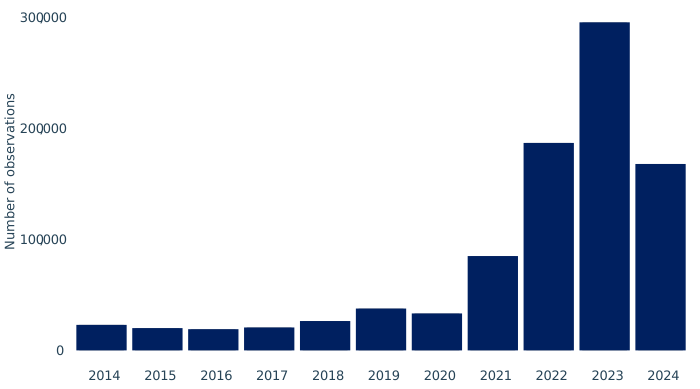
Figure 3.1: Observations by year of first Skilled Worker visa. Source: MAC internal analysis.
Figure 3.2 shows the leave status that migrants held on 31 December 2024, for the cohort that first entered the Skilled Worker route in each year from 2014 to 2024. The majority of those receiving their first Skilled Worker visa pre-2020 in our data had either received indefinite leave to remain (ILR) or citizenship by the end of 2024 with most of the remainder having expired leave and therefore assumed to have left the UK.
The data shows that most Skilled Worker migrants receiving ILR do go on to obtain citizenship, although a significant minority do not. Further research should consider the reasons behind this.
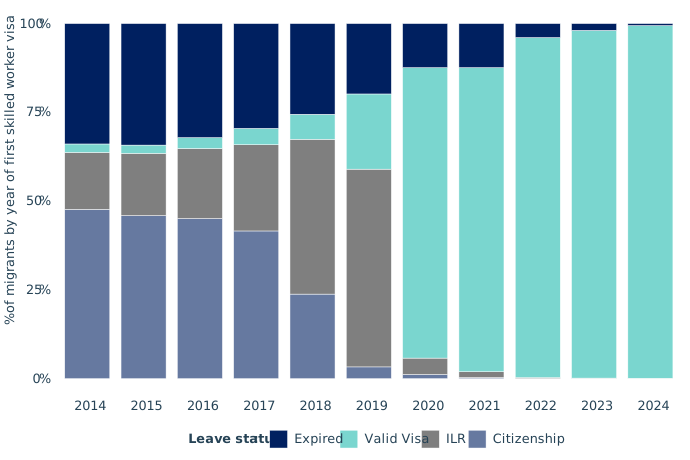
Figure 3.2: December 2024 leave status by year cohort. Source: MAC internal analysis. Note: Figure shows leave status on the 31 December 2024.
Figure 3.3 shows for all migrants that are assumed to have left the UK in our dataset how much time had passed between receiving their first Skilled Worker visa and their leave expiry (i.e. the point at which they no longer had valid immigration status in the UK). The most common time for Skilled Worker migrants to have leave expiry in our dataset is at three years following their first visa. This is likely to be driven mainly by the initial visa duration award for which three years is the most common duration. After six years, leave expiry becomes a rare event as most migrants have already left the UK or obtained ILR.
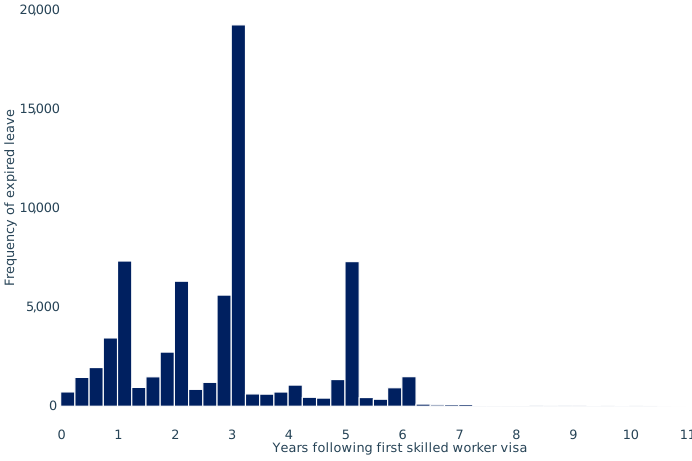
Figure 3.3: Leave expiry frequency by time since first Skilled Worker visa. Source: MAC internal analysis. Note: Leave expiry represents the point at which a migrant no longer has valid immigration status and is assumed to have left the UK. Bars represent quarterly leave expiry figures.
Figure 3.4 shows that of those transferring to a Skilled Worker visa in-country, the vast majority were found to transfer from student or graduate routes. Given the 2021 post-EU Exit immigration rule changes, including the introduction of the graduate route, we present results separately for cohorts transferring to their first Skilled Worker visa in 2014-2020 and 2021-2024.
For migrants in the 2014-2020 Skilled Worker cohort, 44,000 (80%) came directly from the Student visa route, 6,000 (11%) from the Tier 1 – Post Study route (precursor to the Graduate route) and approximately 1,000 (1%) came from each of the Intra-company Transfer, Youth Mobility Scheme, and Entrepreneur routes.
For migrants in the larger 2021-2024 Skilled Worker cohort, 138,000 (54%) came directly from the Student visa route, 59,000 (23%) from the Graduate route, 15,000 (6%) came from Intra-company Transfer (Long-Term Staff), 6,000 (3%) from the Youth Mobility Scheme, and 5,000 (2%) were dependants joining or accompanying another migrant.
Overall, the data demonstrates that the share of migrants transferring into the Skilled Worker route from student or graduate routes has dropped from 91% for the earlier cohort to around 77% from 2021 onwards. This may reflect the impact of various changes to the Skilled Worker route in December 2020 including the reduction in the skills threshold from RQF 6 to RQF 3 enabling a wider pool of migrants with below-degree level qualifications to access the route.
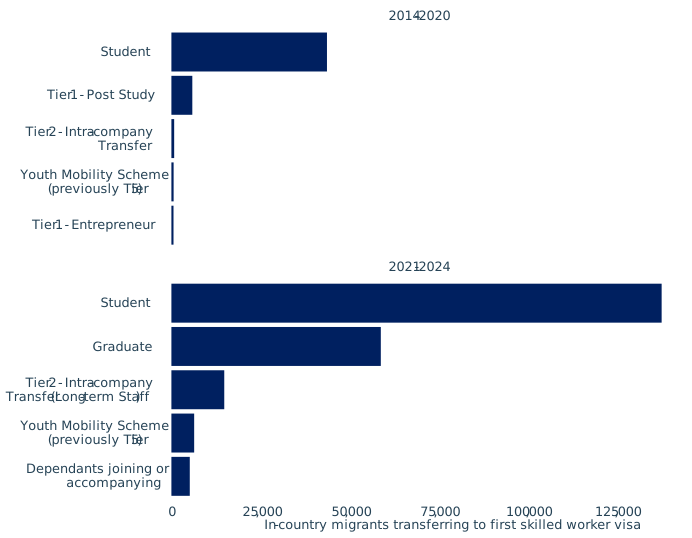
Figure 3.4: Previous leave subcategory of those obtaining first Skilled Worker visa in-country. Source: MAC internal analysis. Note: Figure shows top five visa subcategories only for each time period.
Figure 3.5 presents the nationalities of those obtaining their first Skilled Worker visa during our full analysis period (2014-2024). During this timeframe Indians comprise the highest number for both in-country and out-of-country migrants.
China and Nigeria are the only nationalities in the top 10 with higher proportions of migrants transferring to their first Skilled Worker visa in-country than applying out-of-country. For other nationalities, such as Philippines, Zimbabwe and South Africa more than 90% of migrants starting a Skilled Worker journey arrive out-of-country.
It is likely that these results are mainly driven by student visa numbers; Home Office data shows that China, India, Pakistan and Nigeria are the top four nationalities for student visa numbers.
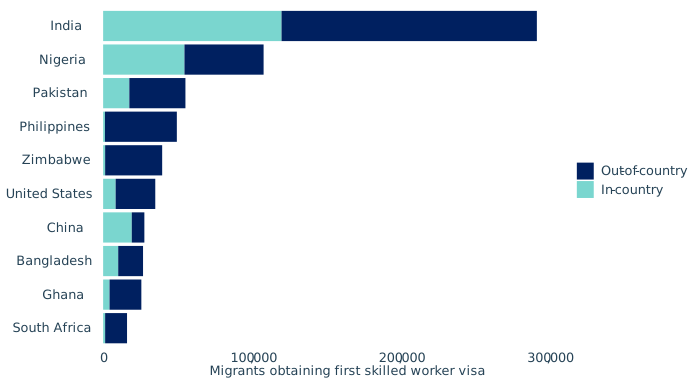
Figure 3.5: Nationality of migrant and whether their first Skilled Worker visa was granted in-country or out-of-country . Source: MAC internal analysis. Note: Shows top 10 nationalities across 2014 to 2024 time period.
Table 3.1 demonstrates the characteristics of those migrants that we can observe in our analysis for five years or more (i.e. those that arrived before 31 December 2019). These are separated by those that continue to hold valid immigration status in the UK five years after their arrival (i.e. those that have a valid visa, ILR, or citizenship) and those that do not (and are assumed to have left). Migrants with expired status tend to be older, more likely to be male and on a higher salary than those that held valid immigration status in the UK beyond five years. They are also significantly more likely to have worked in the education sector and less likely to have worked in the health and social care sector. These findings are explored in more detail in the results section.
Table 3.1: Characteristics of migrants with or without valid immigration status five years after receiving their first Skilled Worker visa
| Variable | Valid immigration status (assumed to have remained in the UK) | Expired immigration status (assumed to have left the UK) |
|---|---|---|
| Demographic and salary variables | ||
| Average age on entry | 30.6 | 32.3 |
| % Male | 55.2% | 63.2% |
| % Obtaining first Skilled Worker visa in-country | 32.2% | 27.1% |
| Average annual salary on entry (2024 earnings level) | £70,900 | £94,400 |
| % in London based role | 44.4% | 43.6% |
| Industry breakdown | ||
| % Education | 11.5% | 24.7% |
| % Financial and insurance activities | 12.4% | 10.2% |
| % Human health and social work activities | 32.2% | 17.1% |
| % Information and communications | 11.5% | 11.8% |
| % Professional, scientific and technical activities | 16.1% | 16.5% |
| % Other industries | 16.2% | 19.7% |
| Number of observations | 117,400* | 29,700* |
Source: MAC internal analysis.
Note: Valid immigration status means an individual continues to hold a valid visa, ILR, or citizenship. Table includes individuals receiving their first Skilled Worker visa on a migrant journey between 1 January 2014 and 31 December 2019. Industry breakdown shows the percentage of migrants working in each industry by group. The total number of observations are approximately 3% lower for CoS dependent variables (salary, % in London based role and industry) given that match rates were not 100%.
Chapter 4: Results
This section presents the main empirical findings on patterns of stay and departure over time. We focus on how the likelihood of remaining in the UK evolves following initial entry to the Skilled Worker route, and how this differs across groups defined by individual and occupational characteristics. To illustrate these dynamics, we first undertake descriptive analysis on various migrant characteristics using Kaplan-Meier survival curves, before turning to regression-based estimates to examine these patterns in more detail. Further detail is available on these methodologies in the Annex.
Migrant Characteristic Analysis
In this section we present a series of statistics and Kaplan-Meier plots to illustrate how individual migrant and occupational characteristics affect stay rates. Kaplan-Meier plots are an established method for demonstrating the probability of an event occurring over time, accounting for the fact that individuals may be observed across different time periods. In this context, they show the estimated probability that an individual remains in the UK (‘stays’) beyond a given point in time. The number of individuals contributing to the estimates changes across the curve; early points in the curve are based on the full cohort (i.e. migrants receiving their first Skilled Worker visa between 2014 and 2024), while later points are based only on those who entered in earlier years and are still observed in the data. Individuals who have not yet left the UK by the end of the observation period are included up to that point, but do not contribute further beyond it. As a result, the right‑hand side of the curve reflects outcomes for a smaller group than the left‑hand side. Results from Kaplan-Meier plots should be interpreted carefully, further information on their interpretation is available in the Annex.
It is worth noting that migrants do not necessarily leave the UK on the date their visa expires. The plots below will thus exaggerate the gradient of the drop in stay rates that we observe at annual increments. Visas are often awarded for whole-year periods, but in practice some migrants will leave ahead of their visa expiry while others may overstay. If exact departure dates were observed, this would likely result in a more gradual decline in the curve rather than the stepped pattern seen at annual intervals.
Year of First Visa
The below Kaplan-Meier curve (Figure 4.1) shows stay rates plotted across the time following a migrant’s first Skilled Worker visa and presented by the year that they started their first Skilled Worker visa. Stay rates here are defined as the proportion of migrants that continue to hold a valid UK visa, have indefinite leave to remain (ILR), or have citizenship.
Results show that the proportion of migrants remaining in the UK at a given point in time following their first Skilled Worker visa has increased significantly over our 11-year observation period. For example, the data shows that 74% of migrants arriving in 2014 remained in the UK five years after starting their first Skilled Worker visa in comparison to 85% of those arriving in 2019.
The increasing likelihood of remaining in the UK for more recent cohorts is likely to be due to a combination of changes in government policy, migrant attitudes, and the composition of migrants arriving in different years. The analysis suggests that the December 2020 visa reforms (replacement of Tier 2 with the Skilled Worker visa) were not necessarily the determining factor; there was also a longer-term trend of increasing stay rates from 2014 onwards.
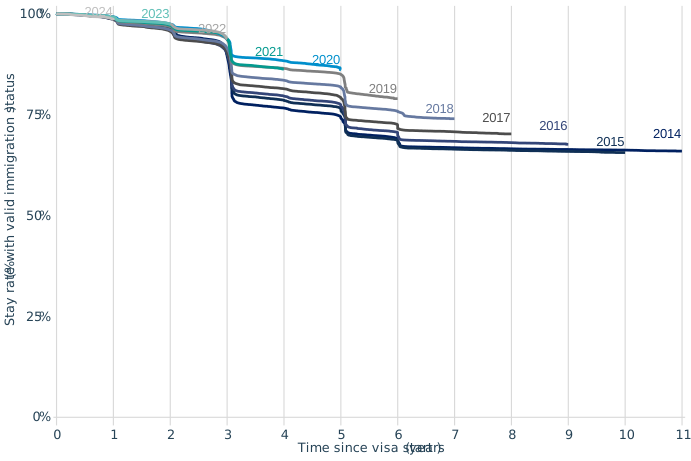
Figure 4.1: Stay rate by year of first Skilled Worker visa. Source: MAC Internal Analysis. Note: Valid immigration status includes those with valid visas, ILR and citizenship.
Nationality
Our analysis demonstrates significant variation in stay rates between different nationality groups. Figure 4.2 shows stay rates across the top 10 visa nationalities for Skilled Worker visa holders. The chart demonstrates that migrants from USA, China and South Africa are less likely to remain in the UK over time than migrants from other countries in the top 10 such as Nigeria, Ghana and Bangladesh.
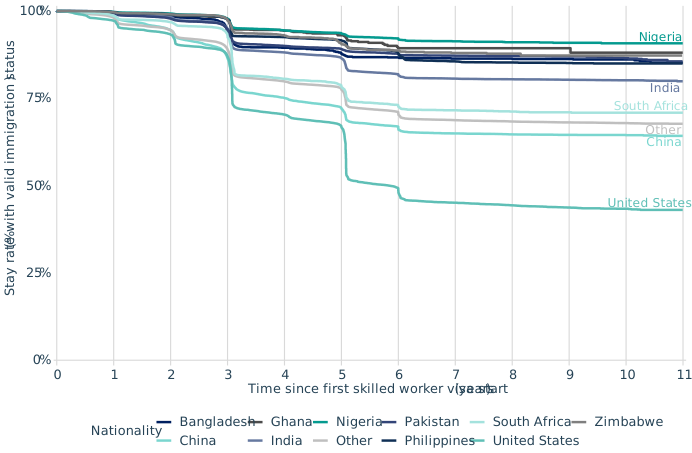
Figure 4.2: Stay rate by nationality. Note: Valid immigration status includes those with valid visas, ILR and citizenship.
Looking across a broader range of countries, Figure 4.3 shows that five-year stay rates appear to be negatively correlated with the income per capita, in purchasing power parity (PPP) terms, in migrants’ countries of nationality. Migrants from higher-income countries tend, on average, to have lower stay rates than those from lower-income countries, although there is variation.
This pattern may reflect the relatively better economic opportunities available to migrants from richer countries when returning to their country of nationality, reducing their incentive to remain in the UK long-term. However, the level of variation demonstrates that income levels per capita alone are not the sole determinant of stay rates across nationalities. For example, Singaporean migrants have a similar stay rate to those from South Africa and Sri Lanka despite a vastly greater income per capita. The R-squared value of 0.29 indicates that income per capita accounts for 29% of the variation in the stay rate.
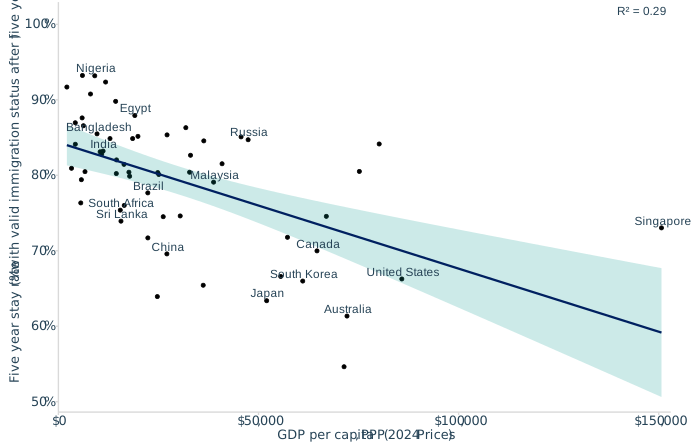
Figure 4.3: Five-year stay rate by GDP per capita (PPP) of country of nationality. Source: MAC internal analysis using GDP per capita data from the World Bank. Note: Analysis includes all nationalities with 100 or more first Skilled Worker journeys in sample period (2014-2019) aside from those for which the World Bank does not publish GDP per capita data (e.g. Taiwan, Lebanon, Syria). Only nationalities with 1000 or more first Skilled Worker journeys in the sample period are labelled, although, some overlapping labels have been removed for readability. Solid line shows the linear relationship between GDP per capita and five-year stay rate. The shaded band shows the 95% confidence interval for the fitted line (mean stay rate for a given GDP per capita).
Age
Our analysis suggests a clear negative relationship between age at entry and subsequent stay rates for Skilled Worker visa holders, meaning that those who migrate when they are older are less likely to stay long-term. While there is little evidence of meaningful differences in stay rates among migrants who receive a Skilled Worker visa under the age of 45, stay rates diverge sharply for those entering the route at older ages.
The data shows that after five years, only 65% of migrants who received their first Skilled Worker visa at age 45 or over still hold valid immigration status (either a valid visa, ILR or citizenship). Meanwhile, of those obtaining a first Skilled Worker visa aged under 45 approximately 81% remain in the UK over the same period.
The Kaplan-Meier survival plot (Figure 4.4) shows that the divergence in stay rates for people over 55 is visible within the first year on the Skilled Worker route and widens steadily over time, indicating a persistent and cumulative gap between age groups rather than a short-term effect.
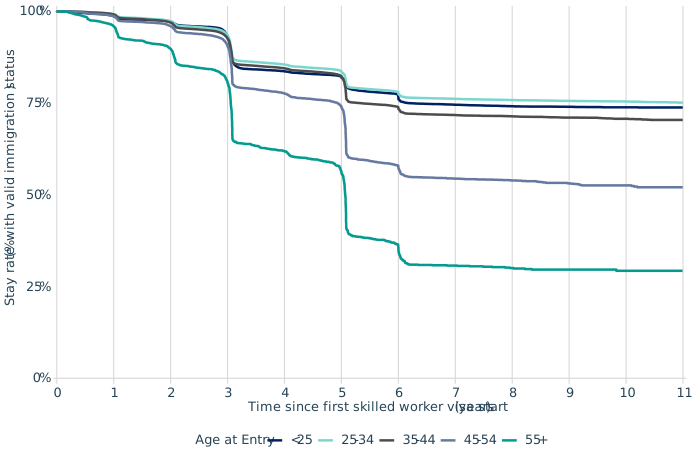
Figure 4.4: Stay rate by age at first Skilled Worker visa. Source: MAC Internal Analysis. Note: Valid immigration status includes those with valid visas, ILR and citizenship.
Several factors may contribute to the patterns observed here. Firstly, there could be differences in motivations for obtaining a Skilled Worker visa among migrants in different age groups which cannot be observed through the variables present in our dataset. Older migrants may be more likely to use the Skilled Worker route as a mechanism for temporary overseas work with lower levels of intent to use the route as a mechanism for long-term settlement, particularly if they have spent more of their life building cultural and familial ties in another country. This finding is consistent with Warnes and Williams (2006) who hypothesise that later-life migration is typically more conditional and reversible than migration at younger ages given health, care, and family access become more salient. This difference in intent may also be true for the youngest migrants who may use the route as an opportunity to ‘work abroad’ for a period of time without intention to remain longer-term – though on average young migrants seem to stay longer in practice.
Secondly, economic incentives and labour market dynamics may differ with age. Employer switching is possible for Skilled Worker visa holders and likely a mechanism for migrants to increase salaries during their time in the UK, therefore increasing their returns from remaining. Older migrants may have fewer opportunities for job mobility in comparison to younger migrants, this would match overall labour market trends which show that job mobility rates are significantly higher for younger workers. This could be due to employer preferences, age discrimination or a lower willingness from older migrants to seek new opportunities. This should be explored further in future analysis.
Thirdly, older migrants may find language or cultural integration more challenging than younger migrants. They are also likely to realise lower levels of economic return from making country-specific skill, language or network investments than their younger peers. These factors may reduce incentives to remain in the UK relative to younger migrants, for whom such investments can be amortised over a longer working life.
Finally, there are potential data limitations. Deaths are not observed in the Migrant Journey dataset; meaning that if a migrant dies while holding a valid visa but before obtaining settlement our analysis would assume they have left the UK at the end of their visa. However, given that the average age of migrants aged 45 or over in our sample is 50 and fewer than 0.2% of our sample are aged over 60, mortality is unlikely to account for the magnitude of the differences observed.
Gender
Our analysis indicates that women are significantly more likely to remain in the UK than men after receiving their first Skilled Worker visa, although the difference is relatively modest. After five years, female Skilled Worker visa holders are approximately five percentage points more likely to still hold valid immigration status (valid visa, ILR or citizenship) than their male counterparts. As shown in Figure 4.5, this gap emerges during the early years after arrival and stabilises from around six years onwards, when migrants may become eligible for settlement. Males are no more likely than females to leave once the initial six-year window has passed.
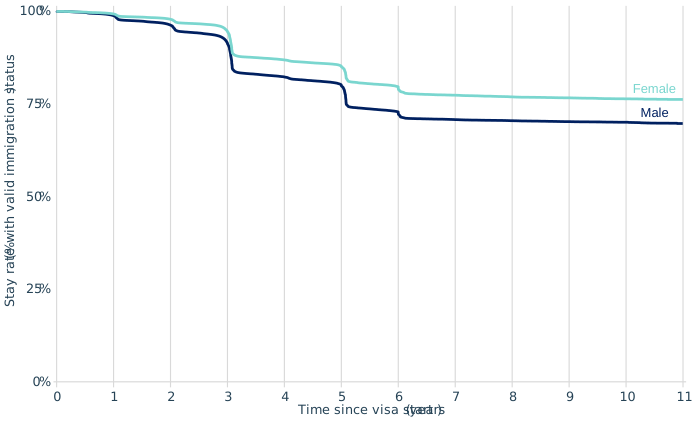
Figure 4.5: Stay rate by gender. Source: MAC Internal Analysis. Note: Valid immigration status includes those with valid visas, ILR and citizenship.
This finding is generally in agreement with related academic literature which implies that men are more likely to migrate with temporary or circular intentions while women are more likely to migrate as part of longer-term household strategies. Due to current Home Office data gaps, it has not been possible to control here for the number of dependants migrating with a main applicant which may explain some of the discrepancy observed here, for example if women are more likely to migrate (and to stay) with children. The observed variation may also partially reflect the industries that women tend to work in, for example across our full sample 61% of women work in human health and social work activities (where we observe high stay rates) in comparison to 32% of men.
Entry Route
Migrants obtaining their first Skilled Worker visa in-country (i.e. when transferring from another visa type) are found to be more likely to remain in the UK for longer than those arriving out-of-country (i.e. arriving in the UK with a Skilled Worker visa as the first visa in their journey). The difference in stay rates grows steadily over the time of observation in our data (Figure 4.6).
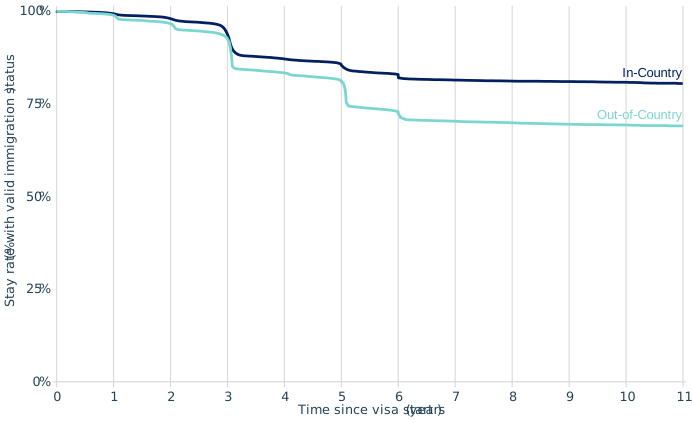
Figure 4.6: Stay rate by entry route to the Skilled Worker visa. Source: MAC Internal Analysis. Note: Valid immigration status includes those with valid visas, ILR and citizenship.
This result is intuitive. Migrants already present in the UK will have had longer to build language and cultural ties and already made an active decision to remain in the UK by applying for a Skilled Worker visa. Meanwhile, migrants arriving from outside the UK may arrive with the intention of staying for a limited period or find that their economic or non-economic outcomes in the UK are not as good as they anticipated.
Salary
Figure 4.7 demonstrates the relationship between salary and likelihood of staying in the UK, separated across visa start date cohorts. Our analysis suggests that the relationship between salary and stay rate is non-linear and differs across cohorts, likely representing the changing composition of migrants over the study period.
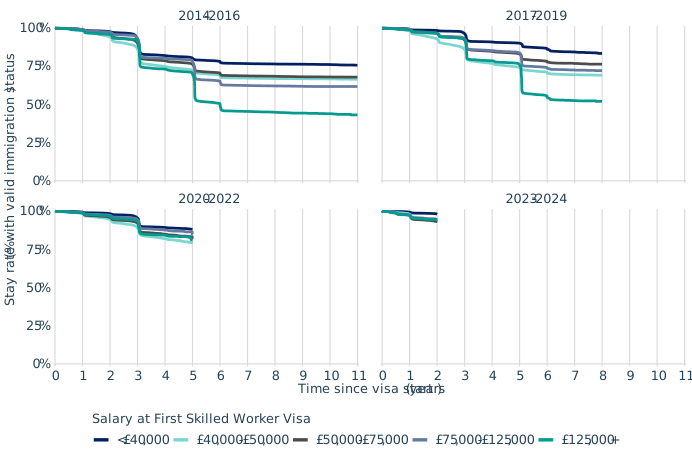
Figure 4.7: Stay rate by salary and visa start date cohort. Source: MAC Internal Analysis. Note: Salaries inflated to reflect 2024 earning levels. Valid immigration status includes those with valid visas, ILR and citizenship.
A consistent picture is that migrants with the lowest wages at the time of receiving their first Skilled Worker visa (<£40,000 per year) have higher stay rates throughout their time in the UK than migrants that receive higher earnings.
In contrast, migrants with the highest salaries (£125,000+ per year) in our sample appear to have lower stay rates than average, particularly over the longer term (beyond five years). These migrants may benefit from more global opportunities and lower financial barriers to moving elsewhere, reducing the incentives to remain in the UK longer-term. It is important to note that the significant drop in stay rate observed just after the five-year point for the highest-salary cohort is likely to be amplified by data limitations. Recall that we cannot determine with certainty when a migrant exits the UK – we instead assume they exit if their visa expires and they do not apply for another visa. Analysis of initial visa length shows that 35% of migrants in the £125,000+ salary band are awarded an initial visa duration of five years in comparison to only 12% of those earning less than £75,000. This effect is also likely to affect those in the £75,000 to £125,000 group for which 26% are awarded a five-year visa. In practice, many of these migrants that were granted a long initial visa duration likely gradually left the UK during the first five years and ahead of their visa expiry. For other salary bands, relative stay rates appear to fluctuate over time and between arrival cohorts without any clear or persistent trends.
Industry and Occupation
The Certificate of Sponsorship (CoS) data provides information on the industry a migrant will be working in (using the section level of the standard industrial classification hierarchy), as well as their occupation according to the standard occupational classification (SOC) code. Given that the majority (88%) of our data was recorded under the SOC 2010 classification we report using these codes. For CoS data provided in SOC 2020 format, codes have been retro-engineered to SOC 2010 format; details on our approach are provided in the Annex.
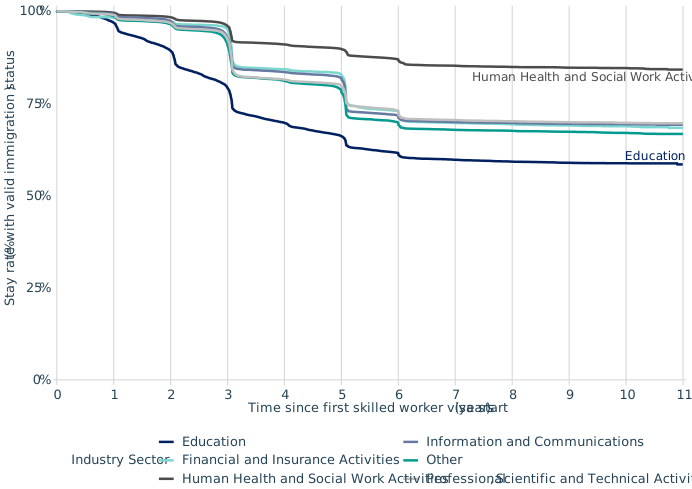
Figure 4.8: Stay rate by industry. Source: MAC Internal Analysis. Note: Valid immigration status includes those with valid visas, ILR and citizenship.
Our analysis indicates that stay rates are not consistent across industry. Looking at the five most commonly occurring industry groupings (Figure 4.8), two industries are outliers: human health and social work activities, and education.
Migrants obtaining a Skilled Worker visa to work in education exhibit considerably lower stay rates than those working in other industries. This difference particularly expands across the first five years. Among Skilled Worker visa holders, the education industry classification is comprised mainly of those working in higher education settings; 49 of the top 50 employers in this sector are higher education establishments. Lower stay rates among this group may be a result of typical working practices within the higher education sector where short-term contracts are common for academic staff and workers themselves may be more internationally mobile than those working in other sectors.
The data shows that migrants working in human health and social work activities have higher stay rates than those in other industries. There could be several reasons for this difference. Firstly, high labour demand in the health and care sectors as well as the increased job security available in public sector roles (e.g. nursing) may contribute to lower likelihood of exits due to labour churn. Secondly, moving countries within licensed health roles involves significant administrative burden as some qualifications may need to be retaken and licenses obtained; this may screen out those seeking more temporary stays while decreasing the attractiveness of moving to other roles abroad. Thirdly, Home Office entry clearance data shows that those arriving on health and social care visas tend to bring higher numbers of dependants than those on other skilled work visas. This may result in a lower likelihood of onward mobility due to family integration (e.g. schooling of dependent children). Finally, as mentioned above, our data shows that those Skilled Worker migrants working in the human health and social work sector are far more likely to be female than Skilled Worker migrants working in other sectors. Our results on gender show that women have a higher likelihood of remaining in the UK which may be feeding into the industry results, although it is not possible to establish whether gender, dependants occupation and/or industry are the cause of higher stay rates.
We also considered whether stay rates differ between occupations (Figure 4.9). Within the top eight occupations appearing in journeys in the data there is significant variation which broadly matches the findings on industry.
Those working as senior care workers (SOC2010 6146), care workers and home carers (SOC 6145) and nurses (SOC 2231) were found to have the highest stay rates among common occupations. However, as the care working occupations were only added to the Skilled Worker route in 2021 (senior care workers) and 2022 (care workers and home carers), there is a limited time window in which to observe care working professions; it is not clear how much these differences will persist over time. Excluding care workers, those working in nursing consistently demonstrate the highest stay rates among occupations with 94% remaining in the UK five years after their first Skilled Worker visa.
On the other hand, natural and social science professionals (SOC 2119) have the lowest stay rates among common occupations with only 57% remaining in the UK after five years. Those working in this occupation appear to be predominantly academics (all employers sponsoring more than 100 visas in SOC 2119 in our data were universities) and therefore subject to similar factors discussed above for the education industry.
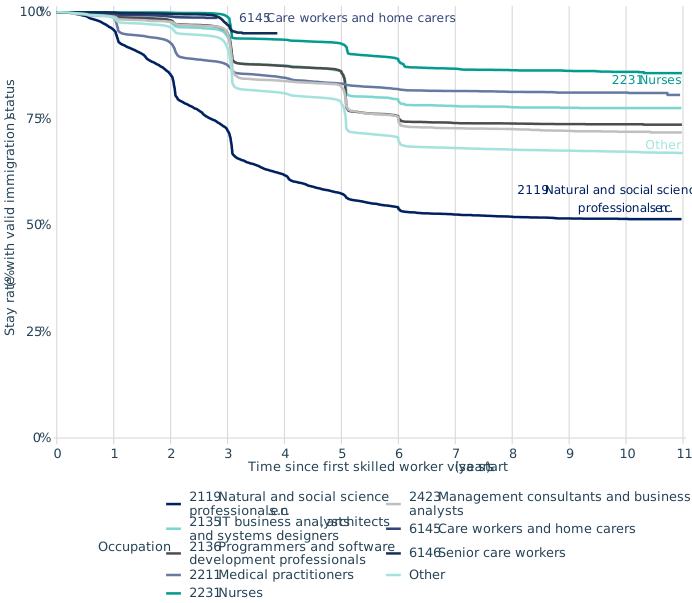
Figure 4.9: Stay rate by occupation. Source: MAC Internal Analysis. Note: SOC codes are presented in 2010 format. Valid immigration status includes those with valid visas, ILR and citizenship.
Work Nations and Regions
Our analysis suggests that differences in stay rates across employer nations and regions are relatively small (Figure 4.10). After five years in the UK, stay rates are between 80% and 83% for those in all UK nations and regions aside from the South East (79%), Yorkshire and the Humber (78%), Wales (78%) and Scotland (73%). Without further research, it is unclear why those working in English regions and Northern Ireland have higher stay rates compared to those working in Wales or Scotland.
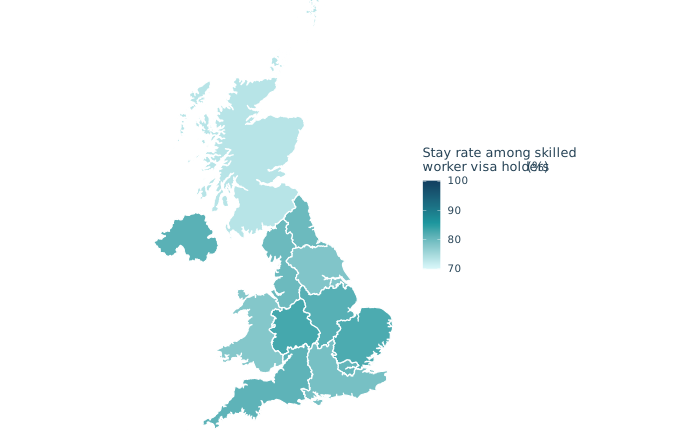
Figure 4.10: Stay rate by UK nations and regions. Source: MAC Internal Analysis. Note: The stay rate presented here is the proportion of migrants with valid visas, ILR or citizenship five years after entering skilled worker routes between 2014 and 2019.
Note that results on nations and regions should be interpreted carefully. Work region is derived from address information submitted as part of the CoS by employers, however, employees may move to work in another nation or region during their time on a Skilled Worker visa or indeed work wholly or partially remotely.
Regression Analysis for Pre-2020 Cohorts
This section uses regression analysis to examine these patterns in more detail. A key challenge with interpreting the Kaplan-Meier plots reported in the previous section is that they are unable to control for confounding factors. For example, it could be argued that the difference in the long-term stay rate between males and females is caused not by their gender per se, but rather their differing age distributions (with females being younger on average, and therefore more likely to stay). Regression models allow us to estimate how different characteristics are associated with the likelihood of staying whilst holding other factors constant. This helps to isolate the relationship between specific attributes (such as occupation, salary, or personal characteristics) and migration outcomes, and to assess whether the differences seen in the descriptive analysis persist once multiple factors are considered simultaneously.
We estimate the effect of several variables on migrants’ likelihood to still be holding valid immigration status in the UK after five years. We do so by fitting a logit model on a partition of our MJ-CoS joined dataset in which all migrants have had the potential to stay for five years (i.e. those who arrived between 2014 and 2019). The reader should therefore bear in mind that the model only considers migrants who entered under Tier 2 (General) visa and not the Skilled Worker visa, which was introduced in 2020.
We present the odds ratios (ORs) computed by the model, and their respective levels of statistical significance, in Table 4.1. An OR greater than one indicates that a one-unit change in the variable is associated with a higher chance of holding valid immigration status after five years (in the case of binary variables, this is when the variable is true rather than false, and for categorical variables, this is when compared to the reference value). An OR less than one, on the other hand, indicates that the variable is associated with a lower chance of holding valid immigration status after five years. It should be noted that whilst the OR quantifies the strength and direction of the association, it does not translate into a relative probability; an OR of 1.2 does not mean a variable increases the probability of holding valid immigration status by 1.2x. We explain the use of a logit model and the derivation of the OR in the annex to this report.
As the model does not include migrants who entered after 2019, the results cannot be directly compared to the Kaplan-Meier curves presented in the previous section. Similarly, the reader should exercise caution in extending its conclusions to post-2019 cohorts of Skilled Worker migrants, which were significantly larger and likely structurally different.
Table 4.1: Logistic regression results presented in odds ratios
| Variable | Odds Ratio | Lower or higher odds of holding valid immigration status after five years? (compared to reference) | |
|---|---|---|---|
| Visa application was submitted out-of-country | 0.71*** | Lower | |
| Applicant is female | 1.27*** | Higher | |
| Age at entry (reference: age less than 25) | |||
| 25-34 | 1.31*** | Higher | |
| 35-44 | 1.14*** | Higher | |
| 45-54 | 0.85*** | Lower | |
| 55+ | 0.53*** | Lower | |
| Region of origin (reference: Europe – non-EU) | |||
| Africa | 1.04 | Not statistically significant | |
| Western Asia | 0.80*** | Lower | |
| Southern Asia | 0.80*** | Lower | |
| Asia (other) | 0.57*** | Lower | |
| Latin America and the Caribbean | 0.67*** | Lower | |
| North America | 0.41*** | Lower | |
| Oceania | 0.30*** | Lower | |
| Industry (reference: all other industries) | |||
| Education | 0.52*** | Lower | |
| Financial and insurance activities | 1.39*** | Higher | |
| Human health and social work activities | 1.77*** | Higher | |
| Information and communications | 1.02 | Not statistically significant | |
| Professional, scientific and technical activities | 1.04 | Not statistically significant | |
| Employer UK nation or region (reference: London) | |||
| East Midlands | 0.90** | Lower | |
| East of England | 0.94* | Lower | |
| North East England | 0.99 | Not statistically significant | |
| North West England | 0.81*** | Lower | |
| Northern Ireland | 0.87* | Lower | |
| Scotland | 0.76*** | Lower | |
| South East | 0.86*** | Lower | |
| South West | 0.92* | Lower | |
| Wales | 0.72*** | Lower | |
| West Midlands | 0.96 | Not statistically significant | |
| Yorkshire and the Humber | 0.90* | Lower | |
| Year of entry (reference: 2014) | |||
| 2015 | 1.27*** | Higher | |
| 2016 | 1.36*** | Higher | |
| 2017 | 1.50*** | Higher | |
| 2018 | 1.70*** | Higher | |
| 2019 | 1.91*** | Higher |
Source: MAC internal analysis.
Note: *** p < 0.001; ** p < 0.01; * p < 0.05. No asterisk signifies that the result is not statistically significant. All values in the table are rounded to two decimal places.
Figure 4.11 shows how the “adjusted” ORs reported in Table 4.1, represented by dark blue dots, differ from the “raw” ORs that are computed if we only consider each variable in isolation (i.e. by not controlling for other variables), represented by teal dots. For most variables, the difference between the two is relatively small. A substantial difference indicates that the effect of the variable changes after accounting for other variables. For example, the adjusted ORs for the industry variables, except for the education industry, are weaker than their raw counterparts. This means that whilst the raw ORs indicate that working in these industries considerably boosts the odds of holding valid immigration status relative to working in other industries, the magnitude of this increase is misleading as it is in part explained by our other variables. This effect is greatest for the human health and social work activities industry: the large difference between its raw and adjusted ORs indicate that whilst workers in this industry are significantly more likely to stay relative to those working in other industries, some of this is driven by our other variables (such as a greater proportion of them being recent arrivals).
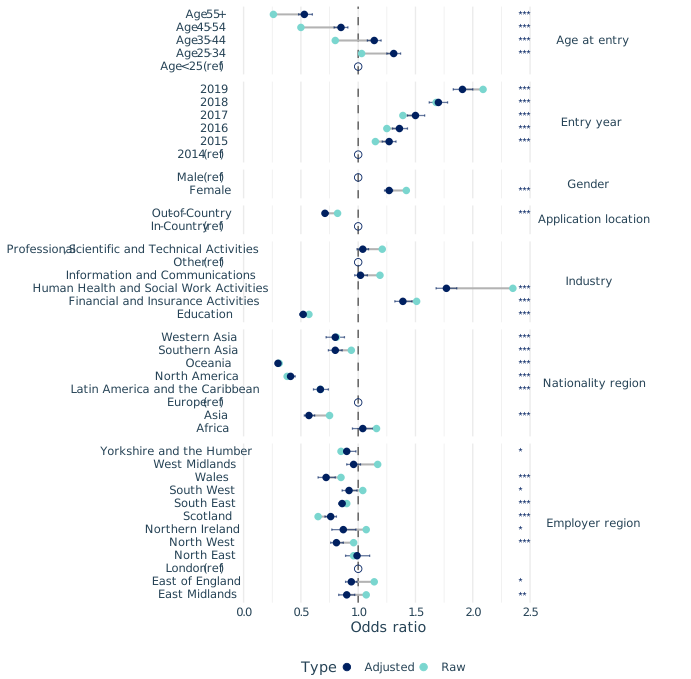
Figure 4.11: Raw ORs (teal) compared to adjusted ORs (blue). Source: MAC internal analysis. Note: For adjusted ORs *** p < 0.001; ** p < 0.01; * p < 0.05. No asterisk signifies that the adjusted OR is not statistically significant. European nationality group includes non-EU countries only with Russians and Ukrainians being the most commonly occurring. The dark blue line surrounding each adjusted OR shows the range of values in its 95% confidence interval.
In the 2025 Annual Report, the MAC highlighted how the settlement rates of successive Family migrant cohorts have generally increased every year. Our results provide evidence in support of this conclusion for Skilled Worker cohorts. With 2014 as our reference year, we find that entering as part of any post-2014 cohort is associated with higher odds of holding valid immigration status, with these significantly increasing for the 2018 and 2019 cohorts (i.e. the final two in this partition of the dataset).
It is notable that the year of entry is not just strongly statistically significant but holds any statistical significance at all. In other words, increasing stay rates over time do not simply result from changes in the composition of later cohorts that we already control for (e.g. newer migrants working in different industries). In addition, we find that the adjusted OR for each year – except for 2019 – is greater than its raw OR, meaning that controlling for other variables in fact causes the year of entry to be associated with even higher odds of holding valid immigration status. We suspect that these variables are in part capturing the effect of time-dependent factors exogenous to our model, such as changes in the policy environment (or non-policy factors) causing a greater proportion of more recent migrants to either be eligible for or interested in settlement. It is difficult to assess what contribution – if any – that a specific policy change may have had to this increase. However, we note that the 2018 and 2019 cohorts, whilst entering under the Tier 2 (General) visa, will have spent longer under the more permissive Skilled Worker route (as detailed in Chapter 1) relative to their preceding cohorts, and may therefore have found it easier to stay for five years.
It is notable that the raw ORs indicate that entering aged 25 or over is generally associated with lower odds of holding immigration status compared to entering aged 24 or under. After adjustment, however, we find that the effect is reversed for those entering aged 35-44: this age band now becomes associated with higher odds of holding valid immigration status, like those entering aged 25-34. This indicates that after accounting for our other variables, being aged between 35 and 44 is associated with higher odds of holding valid immigration status, whereas the raw ORs suggest the opposite. In other words, the odds of holding valid immigration status by age is U-shaped. A similar result was found for migrants in Norway by Constant, Syse and Tønnessen (2025).
The regression results show that migrants holding non-EU European nationalities have the highest relative stay rates among migrants in our period of analysis. We observe considerable heterogeneity within Asia: migrants from both Southern Asia and Western Asia have higher odds of continuing to hold valid immigration status than those from elsewhere in Asia. Migrants from Oceania and North American countries have the lowest relative odds of remaining in the UK five years after arrival.
Having an employer located outside of London is generally associated with lower odds of holding valid immigration status after five years. The relative odds are lowest for migrants working for employers located in Scotland and Wales, matching the findings in the Kaplan-Meier analysis.
Our results for the remaining variables – industry, gender and location of visa application (in-country or out-of-country) – broadly align with the Kaplan-Meier curves presented earlier in the chapter.
To minimise the risks posed by multicollinearity, we fit two additional logit models that swap the industry variable with occupation (Table 4.2) or salary band (Table 4.3) while continuing to control for other covariates. We highlight our key findings in the subsequent tables, with plots of the full results reported in the annex (Figure A.1 and Figure A.2).
Using all other occupations as the reference, the occupation model computes the ORs for the top six occupations observed in MJ-CoS. Natural and social science professionals have the lowest OR at 0.35 whilst nurses had the highest OR at 3.93. These results correspond with the ORs presented earlier for the education and human health and social work industries.
Table 4.2: Occupation logistic regression results: odds ratios
| Occupation (reference: all other occupations) | Odds Ratio | Lower or higher odds of holding valid immigration status after five years? (compared to reference) | |
|---|---|---|---|
| Natural and social science professionals | 0.35*** | Lower | |
| IT business analysts, architects and systems designers | 1.35*** | Higher | |
| Programmers and software development professionals | 1.32*** | Higher | |
| Medical practitioners | 1.17*** | Higher | |
| Nurses | 3.93*** | Higher | |
| Management consultants and business analysts | 1.17*** | Higher |
Source: MAC internal analysis.
Note: *** p < 0.001; ** p < 0.01; * p < 0.05. No asterisk signifies that the result is not statistically significant. All values in the table are rounded to two decimal places. We control for the full set of covariates presented in Table 4.1 with the exception of industry due to the risk of multicollinearity; the odds ratios for factors we have previously controlled for have been omitted for brevity.
The salary model computes the ORs for various salary bands relative to those earning below £40,000. These are presented in Table 4.3. We find that all salary bands above £40,000 are associated with holding lower odds of continuing to hold valid immigration status, which corresponds with our Kaplan-Meier plot from the previous section. Of these salary bands, those earning between £75,000 and £125,000 have the highest relative odds of holding valid immigration status whereas those earning between £40,000 and £50,000 have the lowest relative odds. This order of relative odds appears to differ with that visible on the Kaplan-Meier plots. In our discussion of the plots, we highlighted that those earning more than £125,000 appeared to have the lowest stay rate. Three points are worth mentioning here. First, recall that the Kaplan-Meier trends were somewhat unclear overall and lower stay rates among high earners were mainly visible after the five-year point. Second, the regression results will be skewed by the structural differences in visa durations across salary bands previously highlighted in our discussion of the Kaplan-Meier plots; it is likely that the longer initial visa durations for higher-earning migrants will lead to the modelling outputs underestimating the true likelihood of such individuals leaving the UK. Finally, it must be reiterated that the regression controls for the effect of other variables whilst the Kaplan-Meier plots cannot.
Table 4.3: Salary band logistic regression results: odds ratios
| Salary band (reference: <£40,000) | Odds Ratio | Lower or higher odds of holding valid immigration status after five years? (compared to reference) | |
|---|---|---|---|
| £40,000-£50,000 | 0.52*** | Lower | |
| £50,000-£75,000 | 0.77*** | Lower | |
| £75,000-£125,000 | 0.94* | Lower | |
| £125,000+ | 0.86*** | Lower |
Source: MAC internal analysis.
Note: *** p < 0.001; ** p < 0.01; * p < 0.05. No asterisk signifies that the result is not statistically significant. All values in the table are rounded to two decimal places. We control for the full set of covariates presented in Table 4.1 with the exception of industry and age due to the risk of multicollinearity; age band was found to be highly correlated with salary. The odds ratios for factors we have previously controlled for have been omitted for brevity. Salaries have been adjusted to 2024 earning levels.
Chapter 5: Conclusions and Future Work
Conclusion
By using a novel dataset constructed from Home Office administrative data, this paper presents several factors that may affect the stay rate of migrants who entered the Skilled Worker route and its predecessor, the Tier 2 (General) route, as main applicants between 2014 and 2024. We first examined each factor in isolation (the univariate analysis in Chapter 4) before turning to multivariate regression analysis to determine which of these are meaningful once we control for other factors. We stress again that the regression analysis is limited to migrants who entered Skilled Worker routes between 2014 and 2019 under the Tier 2 (General) system, and the results will not necessarily hold for migrants who entered afterwards, under the Skilled Worker system.
Stay rates are defined in this analysis as continuing to hold valid immigration status in the UK. It is not currently possible to know whether the individuals physically remain in the UK even where they hold a valid immigration status. Our analysis consistently demonstrates the effect of several factors on stay rates which persist even when controlling for other factors. Firstly, female migrants are more likely to stay than male migrants. Secondly, those who apply for their visa from within the UK (for example, because they are switching from another visa) are more likely to stay than those who apply from outside the country. Thirdly, migrants who enter Skilled Worker routes in age bands of 45 and over are less likely to stay than those who enter Skilled Worker routes when younger.
In the regression analysis, we find that migrants entering Skilled Worker routes between 2014 and 2019 from African, Western Asian, Southern Asian and non-EU European countries were the most likely to stay in the UK, while migrants from North America and Oceania were least likely to stay. This aligns with our univariate analysis of stay rate by nationality for the most common migrant nationalities, in which African and Southern Asian nationalities are shown to have particularly high stay rates relative to other countries. It appears that the GDP per capita of the migrant’s country of nationality matters: migrants from wealthier countries were, on average, less likely to stay long term.
Where migrants reside within the UK also affects their stay rate. Using the nation or region of a migrant’s employer as a proxy for their nation or region of residence, our univariate analysis indicates that migrants working in Scotland and Wales demonstrate the lowest stay rates among UK nations and regions. This finding is confirmed by the regression analysis, which also found that all UK nations and regions had lower odds of retaining migrants than London.
In the Fiscal Impact of Immigration report, the MAC observed that the stay rate of migrants has appeared to increase with successive migrant cohorts (i.e. more recent migrants are more likely to stay), but until now it has not been clear whether this result is driven by cohort compositional effects (e.g. changing nationalities, ages, industries of migrant cohorts). A year-on-year increase in the stay rate is persistent across both our univariate analysis and multivariate regression analysis indicating that drivers of this increase are not due simply to compositional factors included in the model. It may be that policy changes made the UK more attractive to migrants who wished to settle abroad in the long term. However, there could also be other factors at play, including compositional changes not captured in our model. Note that the increasing stay rate over time is not confined to the post-EU exit period but started under the previous policy regime (2014 to 2019) during a period of relative policy stability. It is not possible to determine the drivers of increasing stay rates on the basis of this work alone, and it remains to be seen how policy changes from 2024 to 2025 and other trends will affect the stay rate of the most recently arrived migrants.
Our analysis shows that migrants’ stay rates appear to differ substantially by industry and occupation. Stay rates are particularly high for the human health and social work industry; for migrants receiving their first Skilled Worker visa between 2014 and 2019, 88.2% of migrants working in this sector still held valid immigration status after five years. In comparison, only 76.4% of those working in other industries still held valid immigration status after five years. Occupations associated with the human health and social work industry — particularly nursing and social care — demonstrate the highest stay rates among all common Skilled Worker occupations. Stay rates for nurses remain consistently high across their time in the UK, for example, 94% of nurses still have valid immigration status five years after arrival. The stay rate for the care workers and home carers occupation initially appears similar to those for nursing, although outcomes can currently only be observed for approximately three years, reflecting the introduction of the occupation to the route in early 2022. A range of factors could plausibly contribute to higher retention in health and care sectors — such as sustained labour demand, the administrative burden of transferring licensed roles across countries, and differences in household circumstances (including the number of dependants) — though these explanations should be treated as indicative rather than definitive. In contrast, the education industry has a significantly lower stay rate than other industries. Stay patterns by occupation and employer suggest that this is largely driven by higher education roles, where short-term contracts and internationally mobile career paths may contribute to earlier exits (or potentially multiple separate shorter stays).
Our analysis also shows that migrants initially earning less than £40,000 have the highest stay rates compared to migrants on higher salary bands. The univariate analysis also showed that migrants from the highest salary band (earnings over £125,000) exhibit the lowest stay rates, particularly over the long-term (which would not be visible within the five-year horizon modelled in the regression analysis). Beyond these trends, the analyses show little consensus on trends in stay rates among migrants from salary bands between £40,000 and £125,000. We suspect, however, that the true short and medium-term stay rates of those on the highest salaries is considerably lower than suggested by our analysis, which is structurally inflated; those on the highest salaries tend to receive visas with a longer duration, and as the actual exit date of migrants is not recorded, we must rely on their visa expiry date as a proxy.
Implications
The government is currently developing proposals for a system of ‘earned settlement’ in which migrants would face longer or shorter routes to settlement based on factors such as their visa type, earnings, and language proficiency. The analysis in this report has focused on determinants of stay rates and does not tell us what the impacts of changing settlement rules would be on migrants or on the UK. However, our findings on historic trends provide relevant context.
For example, the analysis indicates that migrants’ motivations to remain in the UK are likely to vary depending on their characteristics and circumstances. Evidence on the role of settlement policy in shaping the countries’ attractiveness to prospective migrants is limited, however we may speculate that groups with lower stay rates under the current policy — such as higher earners and people working in higher education — could be more susceptible to being deterred by a less generous settlement offer (or may be more likely to leave if they are already in the UK and are moved to a longer path to settlement). By contrast, stay rates in the health and care sector and among lower paid migrants are very high, indicating a high commitment to remain in the UK.
The analysis also has implications for salary thresholds and the fiscal impacts of work-related migration. The MAC published lifetime fiscal estimates for Skilled Worker visa holders in 2025, and at that time we did not have access to data on how stay rates vary by occupation and initial earnings. Taking into account the fact that low earners and care workers are more likely to stay in the UK longer-term would reduce the projected fiscal benefit of the Skilled Worker route relative to those same workers having shorter stay durations. Note that these fiscal impacts are at the individual level and are therefore excluding broad societal impacts, for example the wider fiscal impacts of a well-functioning care sector. On the other hand, the fact that younger workers are more likely to stay than older workers pushes the fiscal contribution upwards, since younger workers have more of their working, tax-paying lives ahead of them. These factors are unlikely to change the overall picture that the route is, on average, significantly fiscally positive for those initially entering on salaries at or above the current levels required in the Immigration Rules. However, taking it into account in future will allow us to produce more refined fiscal estimates for specific groups.
Future Work
We anticipate that the richness of the MJ-CoS combined dataset will enable a wide range of further analysis. For example, we have devoted substantial time in this paper to the determinants of a migrant staying for at least five years. Future research could examine the specific determinants of obtaining settlement and citizenship, or indeed, what influences migrants to stay in the long term but obtain neither settlement nor citizenship. An improved understanding of migrants’ settlement behaviour would allow for more accurate forecasts of future settlement trends. Such work would also improve the accuracy of the MAC’s fiscal model, which currently uses broader assumptions on settlement rates and could be improved through more detailed data on settlement rates by different groups.
The dataset allows detailed analysis of the visa histories and settlement outcomes for migrants working in specific occupations. Additional analysis at the occupation level should improve the future evidence base for the MAC as it considers the suitability of the immigration system for addressing labour shortages in specific industries and occupations.
Another potential use of the combined dataset is investigating those who receive multiple Skilled Worker visas (e.g. through extending visas or changing employer). This would allow us to produce analysis of how migrants’ salaries and occupations change over time on both the individual and cohort levels.
Finally, subject to feasibility and data access, in future the Migrant Journey dataset could be joined to other Home Office administrative datasets to produce additional insights. For example, linking to the Confirmation of Acceptance for Studies (CAS) document could enable analysis of visa outcomes by higher education provider and course, including switching patterns into work routes and longer-term retention.
Annex
Analytical Concepts
Kaplan-Meier
The Kaplan-Meier plots presented here account for censoring. Censoring occurs when an individual’s full duration of stay is not observed within the available data. In this analysis migrants are censored if they have not left the UK by the end of December 2024, as after this period we are no longer able to observe their immigration status. Censored migrants are included in the Kaplan-Meier survival curves up until the point at which they were last observed (i.e. they still had valid immigration status on 31 December 2024), after which they are removed from the risk set (the remaining set of migrants who have not yet left and are still observable). As a result, the number of individuals ‘at risk’ of leaving (or ‘risk set’) declines considerably from the start of our survival curve towards the tail, where downward movement in the curve will be informed only by migrants who obtained their first Skilled Worker visa in the earliest years of our sample period.
It is important to note that censored migrants do not contribute to declines in the survival curve, as they are not observed to exit the UK. Only observations considered exits (migrants that end their journey as they no longer have valid immigration status at a point in time) lead to downward steps, with the magnitude of change being determined as the proportion of the remaining risk set that exit on a given day. Consequently, changes at later durations are based on progressively smaller and more selective groups of migrants.
Furthermore, survival probabilities at particular points in the curve cannot be interpreted as overall outcomes for any single arrival cohort. For example, the final year of our curves corresponds to the 11th year that a migrant has been in the UK; changes in the curve at this point will only be determined by the outcomes of migrants that arrived in 2014, as migrants arriving after 2014 will not have had the opportunity to stay for 11 years in our dataset (which terminates at the end of December 2024). However, the overall stay rate of the curve at this point will have been determined by the cumulative product of survival probabilities estimated at earlier durations, which are informed by migrants arriving across the entire 2014 to 2024 sample period.
Odds Ratio
The odds of an event occurring is the ratio of its probability of success over its probability of failure. Suppose, for example, that the probability of an event occurring is 0.8: here, the probability of success is 0.8 whilst the probability of failure is 0.2. In this case, the ratio of the probability of success over the probability of failure – or odds of success – is 0.8/0.2, or 4.
The odds ratio, then, is the ratio of the odds of an event occurring in one group (typically our group of interest) to the odds of the event occurring in another group (typically our reference group). If the odds ratio is greater than one, the odds of the event occurring in our group of interest is greater than it occurring in our reference group, and vice versa if the odds ratio is less than one.
Logit Model
We use a logit model to predict the likelihood of a migrant holding valid immigration status for five years based on various predictor variables. As the outcome must either be true (the migrant holds valid immigration status) or false (the migrant does not hold valid immigration status), it is specifically a binary logit model. A binary logit model estimates a coefficient – a “logit” – for each predictor, and exponentiating the logit yields the odds ratio for that variable when the outcome is true.
Data Processing Methodology
SOC Code Conversion
Prior to April 2024, SOC codes in the Certificate of Sponsorship (CoS) dataset were inputted in SOC 2010 format; this constitutes approximately 88% of the migrant journeys in our dataset. The remaining 12% of SOC codes are in SOC 2020 format which we attempt to retro-engineer to SOC 2010 format for comparability.
To convert from SOC 2020 to SOC 2010 here we utilise ONS data which includes the breakdown of individuals across SOC formats within dual-coded waves of the Labour Force Survey (LFS). For many SOC 2020 codes there is one-to-one matching to SOC 2010 format. For the remainder, we convert SOC 2020 to SOC 2010 where 90% or more of individuals in the dual-coded LFS within a given SOC 2010 were also allocated to that specific SOC 2020. For those SOC codes for which the relationship was more ambiguous (i.e. less than 90% of individuals were present) these journeys are omitted from the occupational analysis – this constituted around 3% of our total MJ-CoS dataset.
Additional Regression Outputs
Figure A.1 and A.2 replicate Figure 4.11 for the logit models whose outputs were shown in Table 4.2 and Table 4.3. In other words, they show the raw and adjusted odds ratios for the logit model described in Chapter 4 but with the industry covariate replaced with occupation classification (A.1) and salary band (A.2).
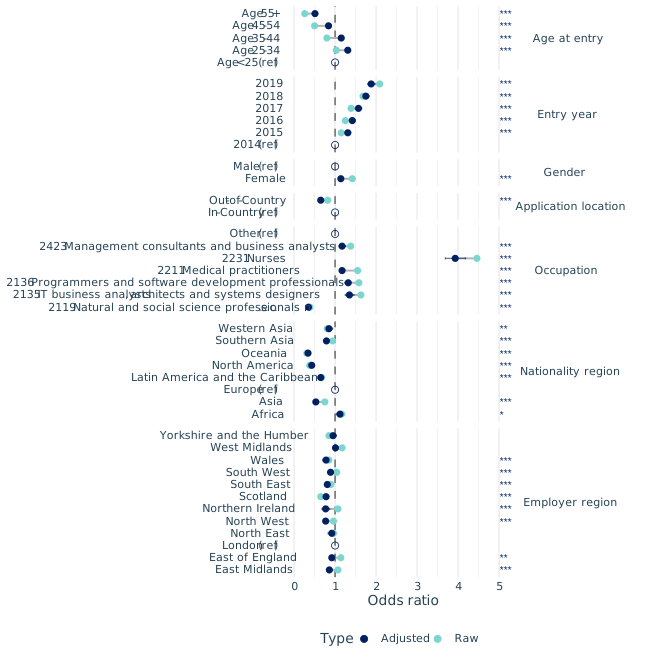
Figure A.1: Raw ORs (teal) compared to adjusted ORs (blue) with occupations. Source: MAC internal analysis. Note: For adjusted ORs *** p < 0.001; ** p < 0.01; * p < 0.05. No asterisk signifies that the adjusted OR is not statistically significant. European nationality group includes non-EU countries only with Russians and Ukrainians being the most commonly occurring. The dark blue line surrounding each adjusted OR shows the range of values in its 95% confidence interval.
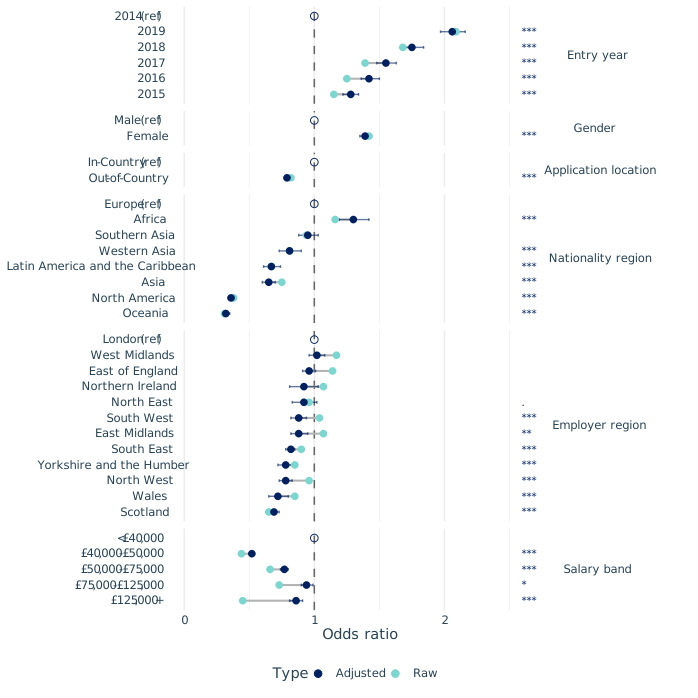
Figure A.2: Raw ORs (teal) compared to adjusted ORs (blue) with salaries. Source: MAC internal analysis. Note: For adjusted ORs *** p < 0.001; ** p < 0.01; * p < 0.05; . p < 0.1. No asterisk/dot signifies that the adjusted OR is not statistically significant. European nationality group includes non-EU countries only with Russians and Ukrainians being the most commonly occurring. The dark blue line surrounding each adjusted OR shows the range of values in its 95% confidence interval.