South West of England: tuberculosis in 2024
Published 23 March 2026

© Crown copyright 2026
This publication is licensed under the terms of the Open Government Licence v3.0 except where otherwise stated. To view this licence, visit nationalarchives.gov.uk/doc/open-government-licence/version/3 or write to the Information Policy Team, The National Archives, Kew, London TW9 4DU, or email: psi@nationalarchives.gov.uk.
Where we have identified any third party copyright information you will need to obtain permission from the copyright holders concerned.
This publication is available at https://www.gov.uk/government/publications/tuberculosis-tb-regional-reports-2024/south-west-of-england-tuberculosis-in-2024--2
Incidence, treatment and prevention of tuberculosis (TB) in the South West using data up until the end of 2024.
Executive summary
In 2024, 246 people were notified with a new tuberculosis diagnosis in South West England. This equates to a notification rate of 4.2 per 100,000 population, a 16% increase on 2023 (3.6 per 100,000), but still notably lower than the England rate of 9.4 per 100,000 population.
All South West UTLAs were low TB incidence areas (less than 10 notifications per 100,000 residents). The UTLA with the highest incidence in 2024 was Plymouth (8.5), followed by Bristol (8.3). Compared to 2023, TB incidence in 2024 increased in Bath and North East Somerset, Dorset, Devon, Torbay, Wiltshire, Bournemouth, Christchurch and Poole, Gloucestershire and South Gloucestershire.
In 2024, there were 101 females (41.1%), and 145 males (58.9%) notified with TB in the South West (Figure 6). This equates to a rate of 3.4 notifications per 100,000 population for females and 5 per 100,000 population for males (Figure 7).
Most TB cases (75.1%) were born outside the UK. 42.9% of non-UK-born cases were new entrants, notified with TB within 2 years of entering the UK. The most common country of birth among all TB cases was India (27.2% of all cases), of whom 41.4% were notified with TB within 2 years of entry. Between 2019 and 2022, the notification rate in UK-born cases decreased, but for the past two years has increased. In 2024 there were 61 UK-born cases, up from 51 in 2023.
There were 162 notifications of pulmonary tuberculosis (65.9% of 246 notifications). Of these, 79.6%, had been confirmed by culture, in line with the 80% European standard. Where data was available, 57% (56 out of 99 pulmonary TB cases) had a delay in treatment (more than 2 months between symptom onset and initiation of treatment).
In 2024, 18.3% (45 of out 246 notifications) of individuals reported at least one comorbidity. The most frequently recorded comorbidities were diabetes (11.2%, 24 cases) and immunosuppression (6.6%,14 cases).
Tuberculosis continues to be associated with inequalities, socio-economic disadvantage and other social risk factors. This includes drug and alcohol misuse, mental health problems, homelessness, and a history of being in prison. During 2024, the notification rate of TB was highest amongst the two most deprived IMD deciles (11.2 per 100,000 amongst IMD decile 1 and 8.7 per 100,000 population amongst IMD decile 2). The proportion of cases with at least one social risk factor (15.8%) slightly decreased since last year (18.7%). At 16.3% the proportion of cases that required enhanced case management remained similar to last year (15.8%).
In 2024, 24.1% of individuals with a positive TB culture were part of a whole genome sequencing (WGS) cluster, compared to 31.2% in 2023. Regionally, since 2020, a non-significant decreasing trend has been observed in the proportion of culture-confirmed individuals who formed part of a cluster.
The twelve-month treatment outcome for completion in cases of non-severe TB treated as non-multidrug-resistant (non-MDR), and non-rifampicin-resistant (non-RR) in 2023 was 89.1%.
For the 162 individuals notified with pulmonary TB, 18.5% had 5 or more contacts recorded. Overall, contact information had been entered for 68% of pulmonary cases, meaning that contact information was not available for roughly one‑third of cases.
The data used in the figures in this report can be found in the accompanying supplementary tables.
TB incidence and epidemiology
Incidence in the South West
In 2024, 246 people were notified with a new tuberculosis diagnosis in South West England (Figure 1). This equates to a notification rate of 4.2 per 100,000 population (95% confidence interval (CI): 3.7 to 4.7), which is higher than the notification rate observed in 2023, at 3.6 notifications per 100,000 population (95% CI: 3.1 to 4.1), representing an increase of 16% (Figure 2). The 2024 notification rate was higher than annual rates observed during the pandemic period (2020-2022), and is the same rate seen in 2019, which was 4.2 per 100,000 population (95% CI: 3.6 to 4.7). The South West rate in 2024 was lower than the rate for England, which was 9.4 per 100,000 population (95% CI: 9.1 to 9.6). Between 2012 and 2020, the TB notification rate in England declined by 51.56%, but since 2020 to 2024 has increased by 28% (Figure 2).
Figure 1. Number of TB notifications per year, South West, 2001 to 2024
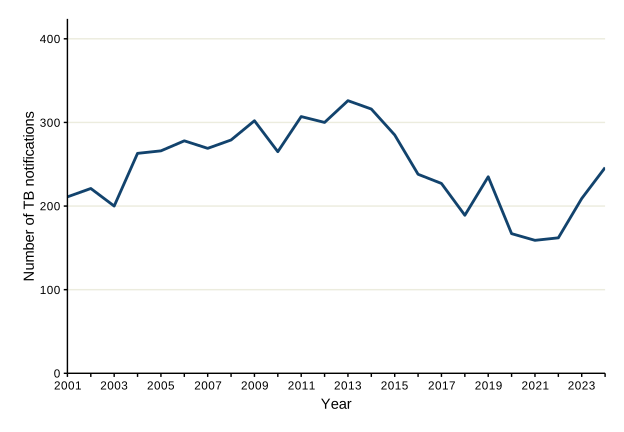
Figure 2. TB notification rates per 100,000 population per year, South West and England, 2001 to 2024 [note 1]
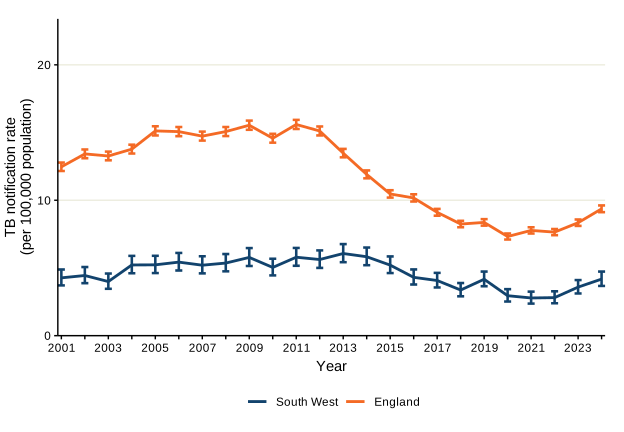
Note 1: Error bars represent upper and lower 95% confidence intervals.
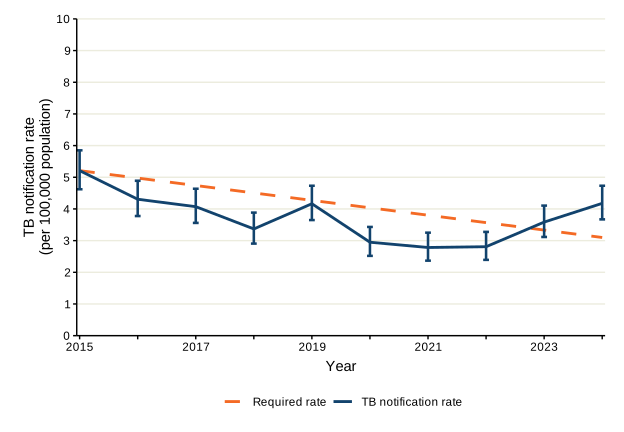
Figure 3 shows the observed South West TB notification rates compared with the rates required to achieve the World Health Organization (WHO) ‘End TB 2035’ goal of a 90% reduction in the incidence of TB from 2015. Between 2015 and 2022, the TB notification rates for the South West were in line to meet this goal; however in 2023 and 2024 the South West notification rate is higher than this target.
Figure 3. Observed TB notification rate compared with required TB notification rates to meet the WHO ‘End TB 2035’ goal of 90% reduction in incidence by 2035, South West, 2015 to 2024 [note 2] [note 3]
Note 2: Error bars represent upper and lower 95% confidence intervals.
Note 3: Dashed line represents required TB notification rates to meet the WHO ‘End TB 2035’ goal of 90% reduction in incidence by 2035.
TB incidence by upper tier local authority
In 2024, all South West UTLAs were low TB incidence areas (less than 10 notifications per 100,000 residents), including Bristol (8.3) and Swindon (8.2), where incidence has decreased since 2023 (11.3 and 10.4 respectively) (Figure 4 and Table 1). The UTLA with the highest incidence in 2024 was Plymouth (8.5), where there was a notable increase since 2023 (2.6). Compared to 2023, TB incidence in 2024 also increased in Bath and North East Somerset, Dorset, Devon, Torbay, Wiltshire, Bournemouth, Christchurch and Poole, Gloucestershire, and South Gloucestershire UTLAs.
Figure 4. TB notification rate per 100,000 population by upper tier local authority of residence, South West, 2001 to 2024 [note 4]
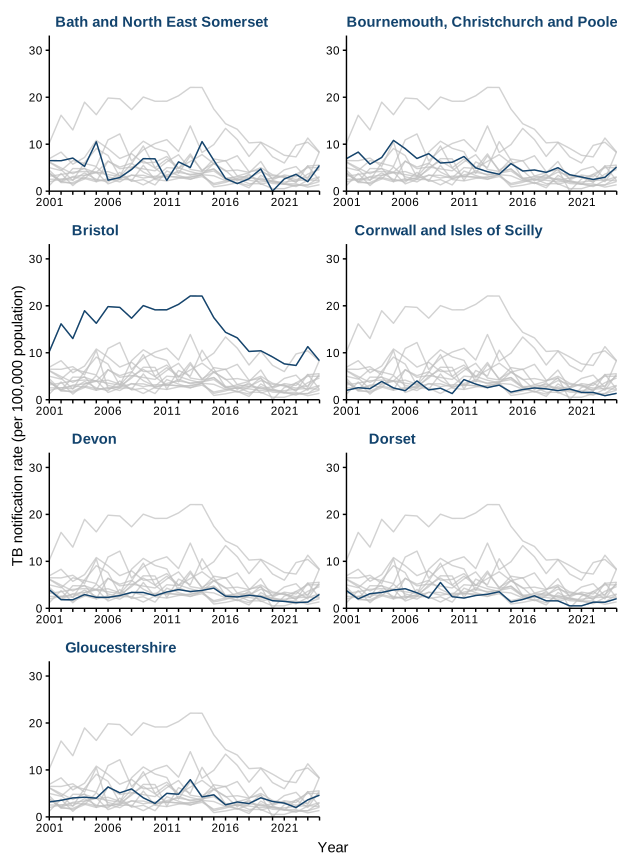
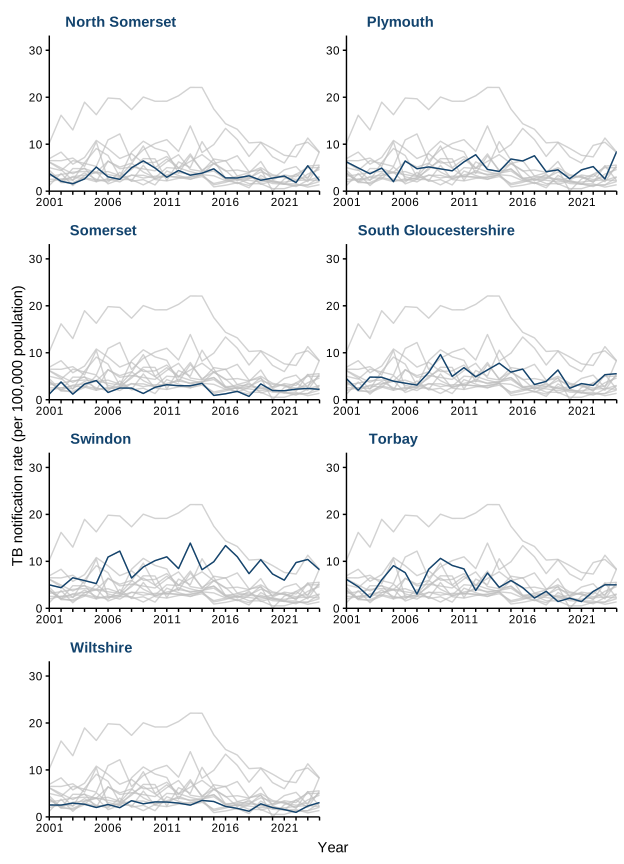
Note 4: grey lines represent the other upper tier local authorities in the region.
Figure 5. TB notification rate per 100,000 population by upper tier local authority of residence, South West, 2024 [note 5]

Note 5: Cornwall and Isles of Scilly upper tier local authorities have been combined due to data suppression regulations.
Table 1. Number of TB notifications and rate per 100,000 population by upper tier local authority of residence, South West, 2024
| Upper tier local authority | Number of TB notifications | TB notification rate per 100,000 population | Lower 95% CI | Upper 95% CI |
|---|---|---|---|---|
| Plymouth | 23 | 8.5 | 5.4 | 12.7 |
| Bristol | 41 | 8.3 | 6.0 | 11.3 |
| Swindon | 20 | 8.2 | 5.0 | 12.7 |
| South Gloucestershire | 17 | 5.5 | 3.2 | 8.9 |
| Bath and North East Somerset | 11 | 5.5 | 2.7 | 9.8 |
| Bournemouth, Christchurch and Poole | 21 | 5.1 | 3.2 | 7.8 |
| Torbay | 7 | 5.0 | 2.0 | 10.3 |
| Gloucestershire | 31 | 4.6 | 3.1 | 6.6 |
| Wiltshire | 16 | 3.1 | 1.7 | 5.0 |
| Devon | 25 | 3.0 | 1.9 | 4.4 |
| Somerset | 13 | 2.2 | 1.2 | 3.8 |
| North Somerset | 5 | 2.2 | 0.7 | 5.2 |
| Dorset | 8 | 2.1 | 0.9 | 4.0 |
| Cornwall and Isles of Scilly | 8 | 1.4 | 0.6 | 2.7 |
Incident case demographics
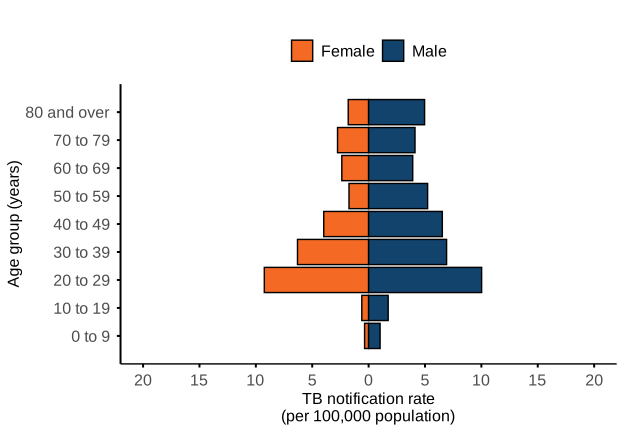
In 2024, there were 101 females (41.1%), and 145 males (58.9%) notified with TB in the South West (Figure 6). This equates to a rate of 3.4 notifications per 100,000 population for females and 5 per 100,000 population for males (Figure 7).
The age range for individuals with a TB notification in 2024 ranged from 1 to 93 years and the median age was 28 years. Female cases had a median age of 35 years, and male cases had a median age of 41 years. The highest TB notification rate for both males and females was observed among those aged 20 to 29 years old (10 and 9.2 per 100,000 respectively) (Figure 7).TB notification rates in older adult age groups (50 years and older) were lower than those observed for younger adult age groups (20 to 49 years) in both females and males. Higher rates were observed in males across all age groups. In the youngest age group (0 to 9 years), the TB notification rates in males and females were 1 and 0.4 per 100,000 respectively. In older children and young adults aged 10 to 19 years, the notification rates were also higher in males (1.7 in males and 0.6 in females).
Figure 6. Number of TB notifications by age and sex, South West, 2024
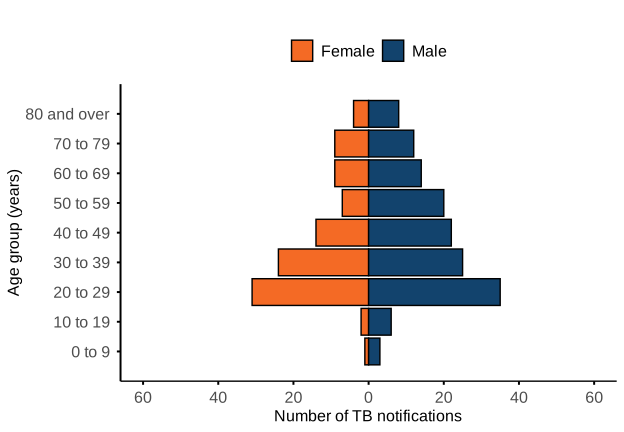
Figure 7. TB notification rate by age and sex, South West, 2024
Country of birth
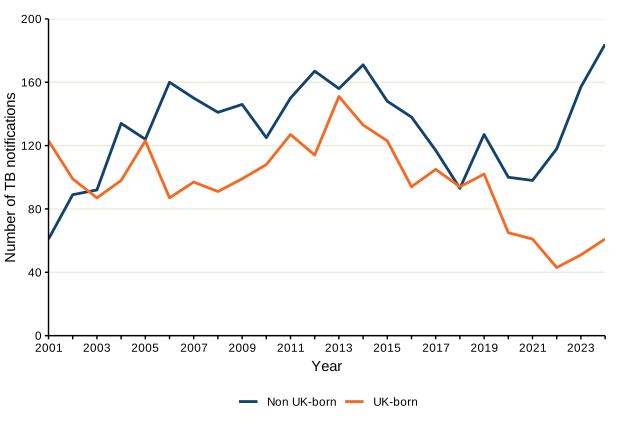
In 2024, the country of birth was known for 99.5% (245 out of 246) of new TB cases in the South West. Of these, 184 (75.1%) were non-UK-born individuals and 61 (24.9%) were UK-born individuals (Figure 8). This equates to a notification rate of 29.4 per 100,000 population for non-UK-born people compared to a notification rate of 1.2 per 100,000 population for UK-born people in 2024.
In the South West, there has been a year-on-year increase in the number of TB notifications in people born outside the UK since 2021 (Figure 8). This follows a decreasing trend between 2014 and 2021. In 2024, the proportion of notifications among people who were not born in the UK was the highest observed since the beginning of the reporting period in 2000. Between 2019 and 2022, the notification rate in UK-born cases decreased, but for the past 2 years has increased. In 2024 there were 61 UK-born cases, up from 51 in 2023.
Figure 8. Number of TB notifications in non-UK born and UK born people by place of birth, South West, 2001 to 2024
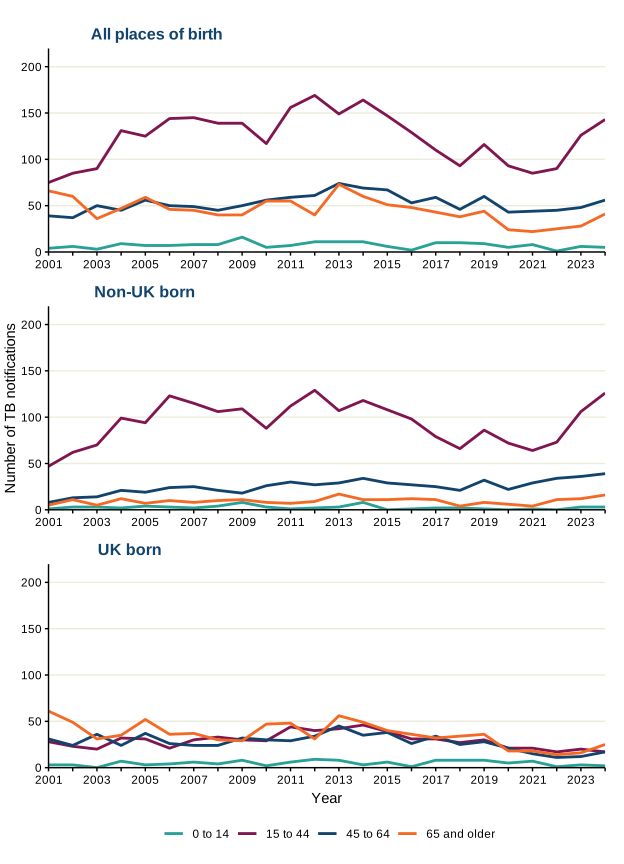
In 2024, the highest number of cases in the South West occurred in the 15 to 44 years age group (143 cases, 58.4%), followed by the 45 to 64 years (56 cases, 22.28%), over 65 years (41 cases, 16.7%) and 0 to 14 years (5 cases, 2%) age groups (Figure 9). The most notable increase in case numbers compared to 2023 occurred in the over 65 years age group, with case numbers rising by 46.4% from 28 to 41. This trend was mirrored in both UK-born cases and non-UK-born cases, where the over 65 years age group saw the highest annual increase from 2023 to 2024 of all age groups (56.3% for non-UK-born cases and 33.3% increase for UK-born cases).
For non-UK-born cases, the highest proportion of cases occurred in the 15 to 44 years age group (126 cases, 68.4%), followed by the 45 to 64 years (39 cases, 21.2%), over 65 years (16 cases, 8.7%), and 0 to 14 years (3 cases, 1.6%) age groups (Figure 9).
For UK-born individuals, the highest proportion of cases in 2024 occurred in the over 65 years (25 cases, 40.9%) followed by the 15-44 years age group (17 cases, 27.8%), and 45 to 64 years (17 cases, 27.8%), followed by the 0 to 14 years (2 cases, 3.3%) age groups (Figure 9).
Figure 9. Number of TB notifications in non-UK born and UK born people by place of birth and age group, South West, 2001 to 2024
In 2024, the time since entry to the UK (in years) was recorded for 83.7% (154 out of 184) people in the South West who were born outside of the UK. Of those born outside of the UK, 42.9% (66 cases) had less than 2 years since entry to the UK, followed by 29.2% (45 cases) with 2 to 5 years, 5.2% (8 cases) with 6 to 10 years, and 22.7% (35 cases) with at least 11 years since entry (Figure 10).
This continues the upward trend observed since 2021 for those who have been in the UK for less than 2 years (20.4%,19 cases in 2021 compared to 42.9%, 66 cases in 2024) (Figure 10). In contrast there has been a continued decrease in the number and proportion of people notified with TB who have been in the country for longer periods. The proportion of notifications that related to individuals who had been in the UK for 6 to 10 years declined from 11.8% (11 cases in 2021) to 5.2% (8 cases in 2024). Similarly, the proportion associated with individuals who had been resident in the UK for 11 years or more also fell from 40.9% (38 cases) in 2021 to 22.7% (35 cases) in 2024.
Figure 10. Proportion of TB notifications by time since entry for people born outside the UK, South West, 2001 to 2024
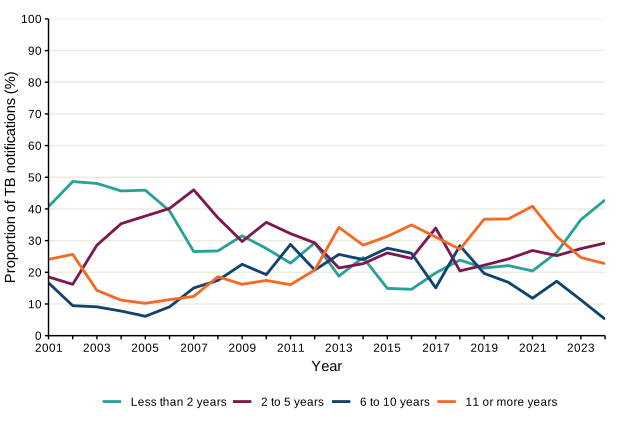
Table 2 shows that in 2024, the most common countries of birth for people with TB in the South West were:
- India (67)
- United Kingdom (61)
- Nepal (12)
- Nigeria (9)
- Zimbabwe (9)
Comparatively, the most common countries of birth across England (non-UK-born) were:
- India (1,495)
- United Kingdom (995)
- Pakistan (618)
- Nigeria (1208)
- Romania (173)
Table 2. Most common countries of birth for people with TB and time between entry to the UK and TB notification, South West, 2024 [note 6] [note 7] [note 8] [note 9] [note 10]
| Country of birth | Number of people notified with TB | Proportion of people notified with TB (%) | Median time since entry to UK in years | IQR of time since entry to UK in years |
|---|---|---|---|---|
| India | 67 | 27.3 | 2.0 | 1.0 to 4.8 |
| United Kingdom | 61 | 24.9 | Not applicable | Not applicable |
| Nepal | 12 | 4.9 | 9.0 | 1.0 to 13.0 |
| Nigeria | 9 | 3.7 | 1.0 | 0.0 to 1.0 |
| Zimbabwe | 9 | 3.7 | 1.0 | 1.0 to 14.0 |
| Pakistan | 7 | 2.9 | 1.0 | 0.5 to 7.5 |
| Kenya | 6 | 2.4 | 1.0 | 1.0 to 2.5 |
| Romania | 6 | 2.4 | 25.0 | 22.0 to 27.5 |
| Bangladesh | 5 | 2.0 | 1.0 | 0.8 to 1.5 |
| Somalia | 5 | 2.0 | 23.0 | 22.0 to 28.5 |
| Other | 58 | 23.7 | 2.0 | 1.0 to 10.0 |
| Total | 245 | 100.0 | Not applicable | Not applicable |
Note 6: other includes all countries with less than 5 people notified.
Note 7: place of birth (UK or non-UK) or country of birth is missing for 1 notification in 2024.
Note 8: lower quartile is the 25th percentile and upper quartile is the 75th percentile, representing the interquartile range (IQR).
Note 9: time between entry to the UK and TB notification is calculated as whole years (only year of entry is reported to the National TB Surveillance (NTBS)).
Note 10: time since entry to the UK was not known for 30 people in 2024.
Figure 11 shows the trends in the numbers of TB notifications in the 5 most recorded non-UK countries of birth (based upon 2024 annual counts) in the South West. India has consistently been the most frequently reported country of birth. India has had case numbers increase year-on-year since 2018 with a notable increase of 63.4% percentage increase from 2023 (41 cases) to 2024 (67 cases). Although annual counts for those born in Nepal, Nigeria, Pakistan, and Zimbabwe have shown no consistent trends since 2014, Nepal has experienced a recent increase, rising from 5 cases in 2023 to 12 in 2024.
Figure 11. Numbers of TB notifications for the most common countries of birth for people with TB born outside the UK, South West, 2014 to 2024 [note 11]
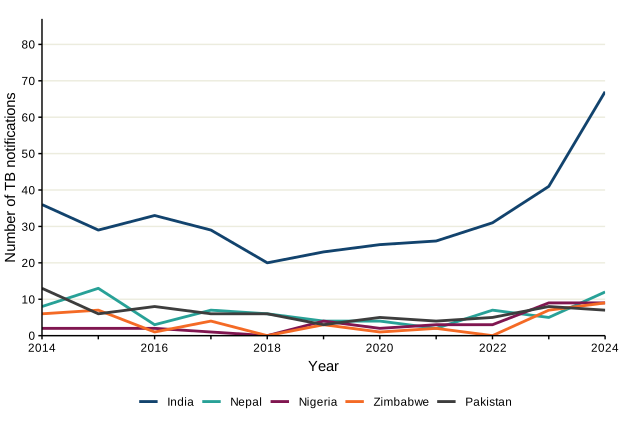
Note 11: figure shows the top 5 countries in 2024.
Table 3. Characteristics of people with TB from the most common (non-UK) countries of birth, South West, 2024
| Country of birth | Number of people notified with TB | Mean age years) | Proportion male (%) | Proportion pulmonary (includes laryngeal and miliary) (%) | Proportion with UK entry less than 2 years (%) | Proportion pulmonary of those in the UK less than 2 years (%) |
|---|---|---|---|---|---|---|
| India | 67 | 36.1 | 58.2 | 62.7 | 41.4 | 62.5 |
| Nepal | 12 | 48.8 | 25.0 | 41.7 | 33.3 | 33.3 |
| Nigeria | 9 | 35.9 | 33.3 | 44.4 | 77.8 | 42.9 |
| Zimbabwe | 9 | 39.7 | 44.4 | 77.8 | 55.6 | 80.0 |
| Pakistan | 7 | 40.7 | 42.9 | 42.9 | 57.1 | 25.0 |
Ethnicity
In 2024, ethnicity data was available for 97.5% (240 out of 246) of individuals with TB in the South West. For UK-born individuals, the most recorded ethnic groups were:
- White (56)
- other (5)
For individuals who were not born in the UK, the most recorded ethnic groups were:
- Indian (66)
- Black African (48)
- Asian-Other (26)
- White (15)
- Mixed or other (11)
Among all people with TB in South West England, South Asian was the most recorded ethnic group (32%, 77 out of 240), followed by White (29.0%, 71 cases), Black (20.8%, 50 cases), and Mixed or other (17.0%, 46 cases) ethnic groups . Compared to 2023, in 2024 there was an increase in the number of TB notifications for individuals in the Black, South Asian, and White ethnic groups.
The South Asian ethnic group also had the highest number of notifications amongst non-UK-born individuals (43.2%, 77 out of 178), followed by Black (26.9%, 48 cases), Mixed/Other (21.3%, 38 cases) and White (8.4%, 15 cases) ethnic groups. For UK-born individuals, White was the most reported ethnic group (91.8%, 56 out of 61 cases) and the number of annual notifications for individuals within the Black, South Asian and Mixed or other ethnic groups remained low.
Figure 12. Number of TB notifications in ethnic groups by place of birth (UK and non-UK born), South West, 2001 to 2024 [note 14] [note 15]
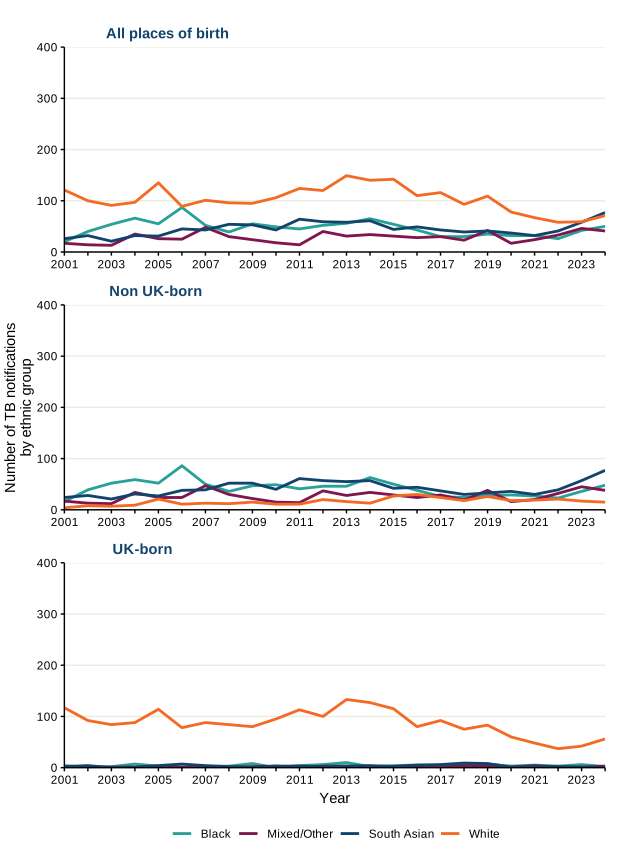
Note 12: 7 cases have been excluded from the above figure due to missing ethnicity or place of birth data.
Note 13: the South Asian ethnicity group comprises people of Indian, Pakistani and Bangladeshi ethnicities.
Site of disease
In the South West in 2024, 65.9% (162 out of 246) of people notified with TB had pulmonary disease (with or without extra-pulmonary sites) (Table 4), an increase of
15.8% from 2023 (Figure 13). Of these individuals, 108 (43.9%) were recorded as having pulmonary TB only, whilst 11 individuals (4.5%) had miliary TB only (Table 4).
Table 4. Number of pulmonary TB notifications by site of disease, South West, 2024 [note 14] [note 15]
| Site of disease | Number of people notified with TB | Proportion of people notified with TB (%) |
|---|---|---|
| All pulmonary | 162 | 65.9 |
| Pulmonary only | 108 | 43.9 |
| Miliary only | 11 | 4.5 |
| Laryngeal only | < 5 | - |
Note 14: percentages may not add up to 100 as people with TB may have more than one site of disease.
Note 15: ‘pulmonary only’ includes people notified with only pulmonary TB and therefore have not also been notified with miliary, laryngeal or extra-pulmonary TB.
There were 56.1% of individuals (138 out of 246 notifications) with an extra-pulmonary site of disease recorded in 2024 (Table 5). The most recorded extra-pulmonary site of disease were extra-thoracic lymph nodes (47 individuals, 19.1%), followed by Pleural (28 individuals, 11.4%).
Table 5. Number of extra-pulmonary TB notifications by site of disease, South West, 2024 [note 16]
| Site of disease | Number of people notified with TB | Proportion of people notified with TB (%) |
|---|---|---|
| All extra-pulmonary | 138 | 56.1 |
| Extra-thoracic lymph nodes | 47 | 19.1 |
| Other extra-pulmonary | 40 | 16.3 |
| Pleural | 28 | 11.4 |
| Intra-thoracic lymph nodes | 23 | 9.3 |
| Bone - spine | 17 | 6.9 |
| Gastrointestinal | 10 | 4.1 |
| Bone - not spine | 6 | 2.4 |
| Central nervous system - meningitis | 6 | 2.4 |
| Genitourinary | 5 | 2.0 |
| Central nervous system - other | <5 | - |
| Cryptic disseminated | <5 | - |
Note 16: percentages may not add up to 100 as people with TB may have more than one site of disease.
Figure 13. Proportion of people notified with pulmonary TB, South West, 2014 to 2024 [note 17]
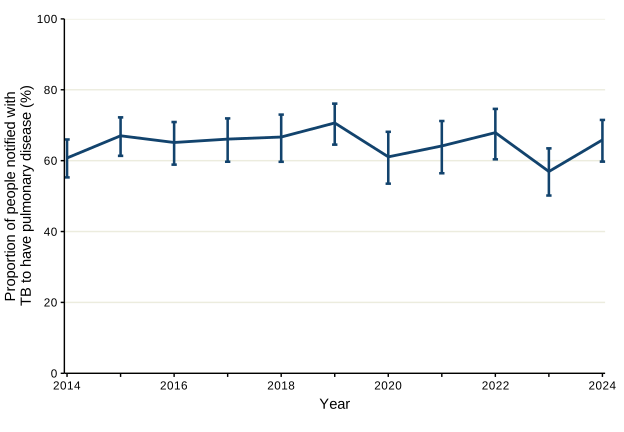
Note 17: error bars represent upper and lower 95% confidence intervals.
Comorbidities
The National TB Surveillance System (NTBS) records information on several key comorbid conditions, including chronic liver disease, chronic renal disease, diabetes, hepatitis B, hepatitis C, and immunosuppression. These conditions can influence susceptibility to TB and may affect both treatment decisions and clinical outcomes.
In 2024, 18.3% (45 of out 246 notifications) of individuals reported at least one comorbidity (Table 6). The most frequently recorded comorbidities were diabetes (11.2%, 24 cases) and immunosuppression (6.6%,14 cases). Nationally, in 2024, diabetes (11.2%) and immunosuppression (7.1%) were also the most reported co-morbidities in England.
Table 6. Number and proportion of people with TB with comorbidities, South West, 2024 [note 18]
| Comorbidity | Total with data reported | Number of people notified with TB with comorbidities | Proportion of people notified with TB with comorbidities (%) | Number of people notified with TB missing comorbidity data | Proportion of people notified with TB missing comorbidity data (%) |
|---|---|---|---|---|---|
| At least one of the named comorbidities | 246 | 45 | 18.3 | Not applicable | Not applicable |
| Chronic liver disease | 211 | <5 | - | 35 | 14.2 |
| Chronic renal disease | 211 | 8 | 3.8 | 35 | 14.2 |
| Diabetes | 214 | 24 | 11.2 | 32 | 13 |
| Hepatitis B | 190 | <5 | - | 56 | 22.8 |
| Hepatitis C | 189 | <5 | - | 57 | 23.2 |
| Immunosuppression | 211 | 14 | 6.6 | 35 | 14.2 |
Note 18: people with TB are reported as having at least one of the named comorbidities if any of the 6 comorbidities (current liver disease, chronic renal disease, diabetes, hepatitis B, hepatitis C or immunosuppression) had ‘yes’ recorded. As a result, the denominator is all notifications. This assumes that people for whom no data was recorded for individual comorbidities were a ‘no’ and may result in under-estimation.
Human immunodeficiency virus (HIV) infection
HIV infection, when not treated, heightens the risk of developing active tuberculosis. The WHO ‘End TB Strategy’ calls for universal HIV testing within TB services, with a core target that 100% of individuals diagnosed with new or relapse TB episodes be offered an HIV test by 2025. NTBS captures data on the proportion of patients who are offered a HIV test.
Information on HIV testing was available for 92.7% (228 out of 246) of South West cases reported in 2024. Of these, 93.4% (213 out of 228) were offered an HIV test (Figure 14). Of those offered, 86.4% (184 out of 213) completed a test; 1.9% did not complete a test (4 out of 213) and for the remaining 11.7% (25 out of 213) their HIV status was already known.
Figure 14. Proportion of people with TB offered an HIV test by year, South West, 2019 to 2024 [note 19] [note 20]
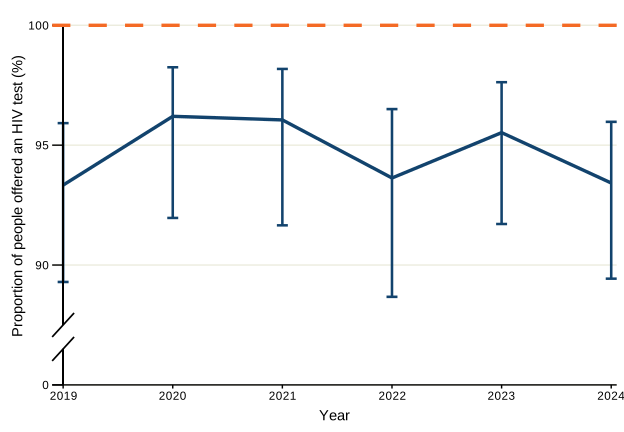
Note 19: dashed line indicates target of 100% of people offered HIV test.
Note 20: error bars represent upper and lower 95% confidence intervals.
Social risk factors
TB more heavily affects certain socially disadvantaged groups. The 2024 WHO operational handbook highlights several social risk factors that commonly co‑occur with TB, including drug and alcohol misuse and mental health problems. It also emphasises the importance of routinely assessing eligibility for TB preventive treatment among groups at heightened risk, such as prisoners, people experiencing homelessness, people who inject drugs, and new entrants from countries with high TB rates.
In 2024, there were 241 cases aged 15 years or over. Social risk factor information was available for 38 of these cases (15.8%) (Table 7). All 38 individuals with available data had at least one social risk factor recorded. This represents a decrease compared with 2023, when 18.7% of people notified (38 out of 203) had at least one social risk factor recorded (Figure 15 and Table 8).
The most reported social risk factors were drug misuse (6.8%, 14 of 205 cases with data recorded) and homelessness (6.0%, 12 of 201 cases with data recorded) (Table 7). For cases where data for 2 or more social risk factors were available (217 cases), 7.8% reported having more than one social risk factor. Data completeness for each social risk factor varied from 93.6% for ‘Asylum seeker (current)’ to 83.4% for ‘Homelessness (current or previous)’.
Table 7. Number and proportion of people with TB aged 15 years or over with individual social risk factors, South West, 2024 [note 21] [note 22]
| Social risk factor | Total with data reported | Number of people notified with TB with social risk factors | Proportion of people notified with TB with social risk factors (%) | Number of people notified with TB and missing social risk factor data | Proportion of people notified with TB and missing social risk factor data (%) |
|---|---|---|---|---|---|
| At least one named social risk factor | 241 | 38 | 15.8 | Not applicable | Not applicable |
| More than one social risk factor | 217 | 17 | 7.8 | 24 | 10 |
| Alcohol misuse (current) | 215 | 11 | 5.1 | 26 | 10.8 |
| Asylum seeker (current) | 219 | 7 | 3.2 | 15 | 6.4 |
| Drug misuse (current or previous) | 205 | 14 | 6.8 | 36 | 14.9 |
| Homelessness (current or previous) | 201 | 12 | 6.0 | 40 | 16.6 |
| Mental health needs (current) | 205 | 12 | 5.9 | 36 | 14.9 |
| Prison (current or previous) | 202 | 9 | 4.5 | 39 | 16.2 |
Note 21: people with TB are reported as having ‘at least one named social risk factor’ if any of the 6 social risk factors (current alcohol misuse, current or a history of homelessness, drug misuse, imprisonment, current asylum seeker status and current mental health needs) had ‘yes’ recorded. As a result, the denominator for this metric is all TB notifications. This assumes that people for whom no data was recorded for individual social risk factors were a ‘no’ and may result in under-estimation.
Note 22: the denominator for people with TB reported as having ‘more than one social risk factor’ is the number of people with TB for whom data are recorded for at least 2 out of the 6 social risk factors collected. This differs to the ‘at least one named social risk factor’ metric described above.
Figure 15. Proportion of people with TB aged 15 years or over with at least one social risk factor (SRF), South West, 2019 to 2024 [note 23] [note 24]
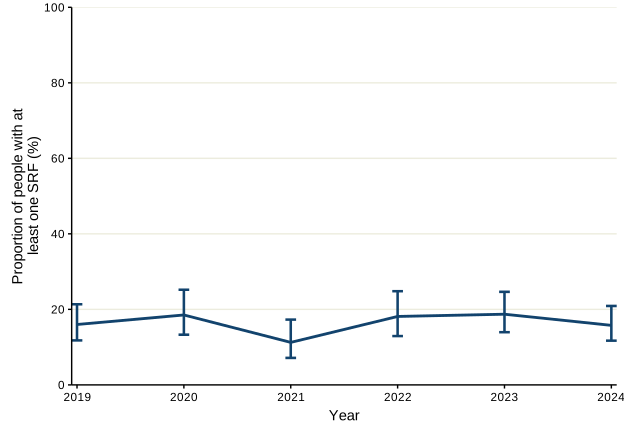
Note 23: error bars represent upper and lower 95% confidence intervals.
Note 24: not all social risk factors were captured before 2021.
Table 8. Number and proportion of people with TB aged 15 years or over reporting at least one social risk factor, South West, 2014 to 2024 [note 25]
| Year | Number of people notified with TB with any social risk factor | Proportion of people notified with TB with any social risk factor (%) | Total notifications |
|---|---|---|---|
| 2014 | 26 | 8.6 | 302 |
| 2015 | 33 | 11.9 | 278 |
| 2016 | 30 | 12.7 | 236 |
| 2017 | 25 | 11.6 | 216 |
| 2018 | 18 | 10.1 | 179 |
| 2019 | 36 | 16.0 | 225 |
| 2020 | 30 | 18.5 | 162 |
| 2021 | 17 | 11.3 | 151 |
| 2022 | 29 | 18.1 | 160 |
| 2023 | 38 | 18.7 | 203 |
| 2024 | 38 | 15.8 | 241 |
Note 25: not all social risk factors were captured before 2021 and that this table includes people with no information recorded in the denominator.
A breakdown of social risk factors by sex, age, place of birth, and employment status for 2024 cases aged over 15 is shown in Table 9 below. All social risk factors are more common in males than females, and the majority (other than prison and asylum seeker status) are more common in those aged 45 to 64 compared to other age groups. In terms of proportions, all social risk factors other than ‘Asylum seeker’ are all more common in UK-born individuals compared to non-UK-born, though due to non-UK-born individuals making up the majority of cases, for many of these risk factors the number of non-UK-born individuals is still greater.
Table 9. Number and proportion of people with TB aged 15 years or over with a social risk factor (SRF) by demographic characteristics, South West, 2024 [note 26]
| Demographic characteristics | Number of people with demographic characteristic who have any social risk factor | Total number of people with demographic characteristic | Proportion of people with demographic characteristic who have any social risk factor |
|---|---|---|---|
| Female | 7 | 100 | 7.0 |
| Male | 31 | 141 | 22.0 |
| Aged 15 to 44 | 17 | 143 | 11.9 |
| Aged 45 to 64 | 15 | 57 | 26.3 |
| Aged 65 or older | 6 | 41 | 14.6 |
| Non-UK-born | 19 | 181 | 10.5 |
| UK-born | 18 | 59 | 30.5 |
Note 26: one case has been excluded from the above table due to missing demographic characteristic data.
Deprivation
In 2024, Index of Multiple Deprivation (IMD) decile information was available for 98.8% (243 out of 246) of individuals with TB in the South West. Notification rates were highest in the most-deprived and second-most-deprived deciles (11.2 and 8.7 per 100,000 population respectively) (Figure 16).
Figure 16. TB notification rate by deprivation decile, South West, 2024 [note 27] [note 28]
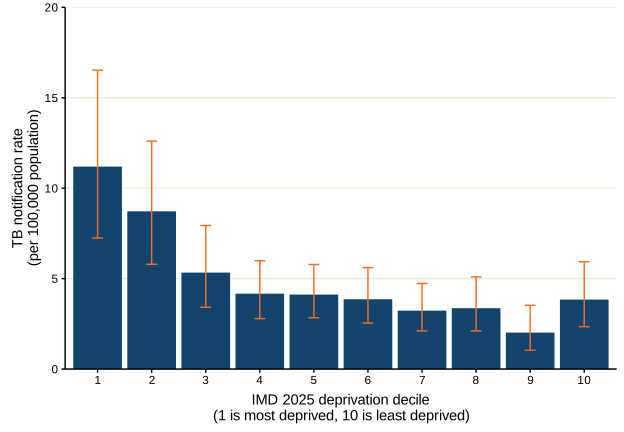
Note 27: error bars represent upper and lower 95% confidence intervals.
Note 28: the Index of Multiple Deprivation (IMD) ranks small areas in England by deprivation using 7 key domains including, but not limited to, income, housing, employment, crime and environment. Each area is scored and ranked nationally from most to least deprived.
TB diagnosis, microbiology and drug resistance
Culture confirmation
A positive M. tuberculosis or M. tuberculosis complex (MTBC) culture is required before an individual’s sample can be typed or processed for drug resistance information. The 2021 to 2026 TB National Action Plan for England outlines the target of increasing the proportion of culture-confirmed cases to the European standard of 80% for pulmonary TB by 2024 to 2025, at both the regional and national levels.
In 2024, 79.6% of cases with pulmonary disease had culture-confirmation (129 out of 162 cases), which was an increase from 2023 (72.3%, 86 out of 119 cases), and is in line with the European standard of 80% (Figure 17). For the previous 6 years (except 2020) the proportion confirmed by culture has been below the 80% target.
Figure 17. Proportion of people notified with pulmonary TB who were culture confirmed, South West, 2018 to 2024 [note 29] [note 30]
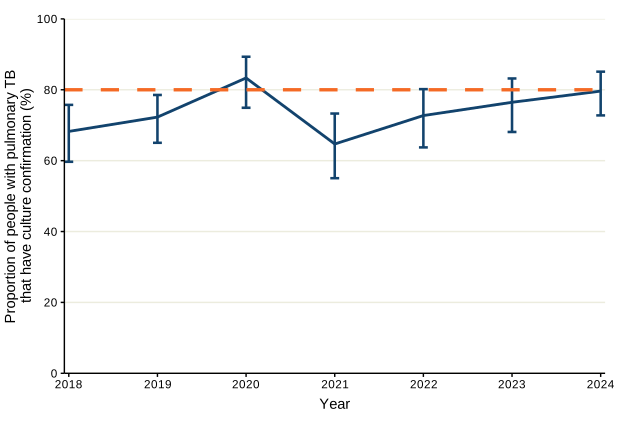
Note 29: dashed line indicates target of 80% culture confirmation.
Note 30: error bars represent upper and lower 95% confidence.
Drug resistance
Among 174 individuals notified with culture-confirmed TB in the South West region in 2024, 99.4% (173) had sensitivity results available for all 3 out of 4 first-line drugs (isoniazid, rifampicin, and ethambutol) (Figure 18). We are not reporting on the proportion with resistance to pyrazinamide in 2023 because the laboratory testing was adversely impacted by a problem with quality control in the supply chain for the media used for phenotypic drug-susceptibility testing (pDST) for this drug. The manufacturer issued a Field Safety Notice in July 2024 stating that there may have been false detection of resistance from June 2023 (note 32).
From 2018 to 2023, the overall proportion of individuals with sensitivity data available for isoniazid, rifampicin, and ethambutol, remained relatively stable, ranging from 97.1% to 100% (Figure 18).
Figure 18. Proportion of people culture confirmed with TB with first-line drug results, South West, 2018 to 2024 [note 31] [note 32]
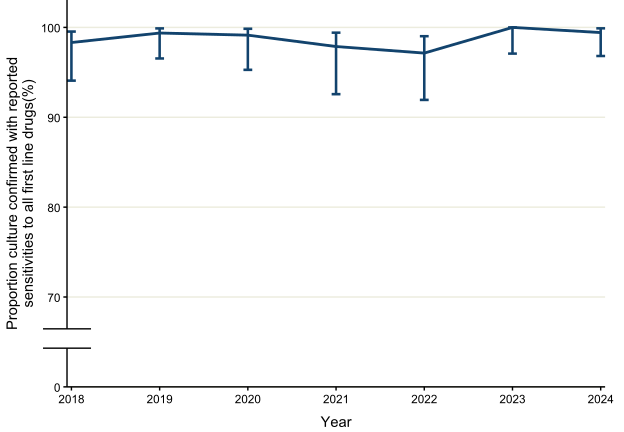
Note 31: error bars represent upper and lower 95% confidence intervals.
Note 32: we are not reporting on the proportion with resistance to pyrazinamide (and therefore the category of any first-line agent only includes rifampicin, isoniazid, and ethambutol) in 2023 and 2024 because the laboratory testing was adversely impacted by a problem with quality control in the supply chain for the media used for pDST for this drug. The manufacturer issued a Field Safety Notice in July 2024 stating that there may have been false detection of resistance from June 2023.
Among the 174 culture-confirmed individuals with TB in the South West region notified in 2024, 8.6% (15) had samples exhibiting resistance to at least one first-line drug (excluding pyrazinamide), regardless of site of disease (Figure 19). Note that the 2023 and 2024 proportion was calculated using only 3 of the 4 first-line agents (rifampicin, isoniazid and ethambutol).
Between 2018 and 2024, the number of cases showing resistance to at least one of the 4 first-line drugs (excluding pyrazinamide) has shown no clear trend, with annual proportions ranging between 4.3% to 10.3% (Figure 19).
Figure 19. Proportion of people notified with culture confirmed TB with initial resistance to any first-line drug (excluding pyrazinamide), South West, 2018 to 2024 [note 33] [note 34]
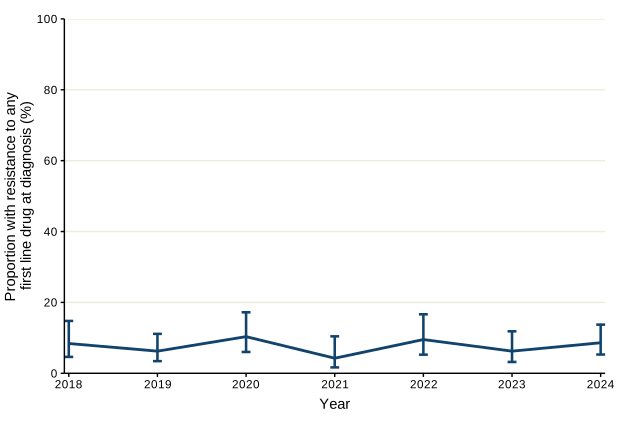
Note 33: error bars represent upper and lower 95% confidence intervals.
Note 34: due to quality control issues, resistance to any first-line drug excludes pyrazinamide for 2023 and 2024.
Whole genome sequencing (WGS) of TB isolates
Whole‑genome sequencing helps determine how closely related isolates are and where transmission may have occurred. In England, positive TB culture results undergo whole-genome sequencing and are grouped into clusters with other isolates whose single‑nucleotide polymorphism (SNP) address falls within a 12 SNP cluster. These clusters support contact tracing and inform public health responses. Further detail is available in the WGS handbook.
Within the South West in 2024, 24.1% (42 out of 174) of individuals with a positive TB culture were part of a cluster, compared to 31.2%% (40 out of 128) of individuals in 2023 (Table 10). Regionally, since 2021, the proportion of TB notifications has been steadily increasing, however a non-significant decreasing trend has been observed in the proportion of culture-confirmed individuals who formed part of a cluster.
Nationally, a decrease in the proportion of individuals with a positive TB culture who were part of a cluster from 2019 to 2024 has also been identified. The reasons for the decrease are likely to include a combination of changes in transmission patterns as a result of more importation of new strains from recent migrants and, possibly, better awareness regarding airborne transmission and how to limit this due to the COVID-19 pandemic.
Table 10. Number of people notified, proportion with culture confirmation and proportion of notifications identified in a WGS cluster, South West, 2021 to 2024 [note 35] [note 36]
| Year | Total TB notifications | Number of notifications cultured | Proportion of notifications cultured | Number of culture-confirmed notifications identified in a cluster with more than one person | Proportion of culture-confirmed notifications identified in a cluster with more than one person (%) | 95% confidence interval |
|---|---|---|---|---|---|---|
| 2021 | 159 | 94 | 59.1 | 32 | 34.0 | 25.3 to 44.1 |
| 2022 | 162 | 105 | 64.8 | 36 | 34.3 | 25.9 to 43.8 |
| 2023 | 209 | 128 | 61.2 | 40 | 31.2 | 23.9 to 39.7 |
| 2024 | 246 | 174 | 70.7 | 42 | 24.1 | 18.4 to 31 |
| Total | 776 | 501 | 64.6 | 150 | 29.9 | 26.1 to 34.1 |
Note 35: a WGS cluster is defined as 2 or more individuals that have isolates with a less than 12 SNP difference.
Note 36: WGS cluster reporting has changed over time. These changes are likely to have affected the most recent year’s data.
TB in children aged 0 to 17: incidence, epidemiology and microbiology
Incidence in the South West
In 2024, 8 children aged 0 to 17 years were notified with TB in the South West region of England (Figure 20). This equates to a rate of 0.7 per 100,000 population (Figure 21). The rate in 2024 was lower than the rate in 2023, which was 1.3 per 100,000 population. Since 2018, there has been an overall decreasing trend in the TB notification rate amongst children aged under 18 years in the South West.
Nationally, the number of tuberculosis (TB) notifications in children aged 0 to 17 years of age in England increased by 12.7%, from 259 children in 2023 to 292 in 2024. Similarly, the national notification rate in children increased from 2.1 per 100,000 in 2023 to 2.4 per 100,000 in 2024.
Figure 20. Number of TB notifications in children aged under 18 years, South West, 2001 to 2024
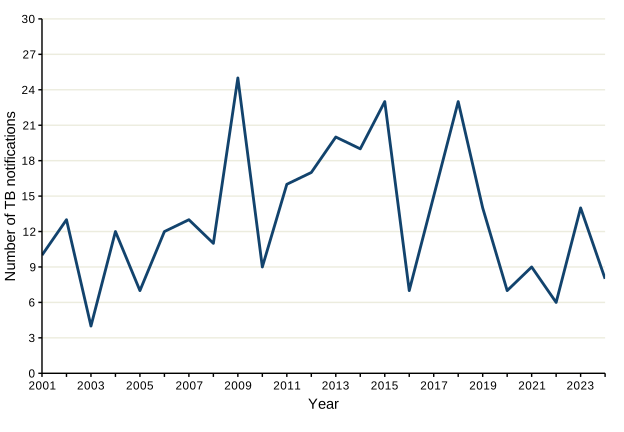
Figure 21. TB notification rate in children aged under 18 years, South West, 2001 to 2024 [note 37]
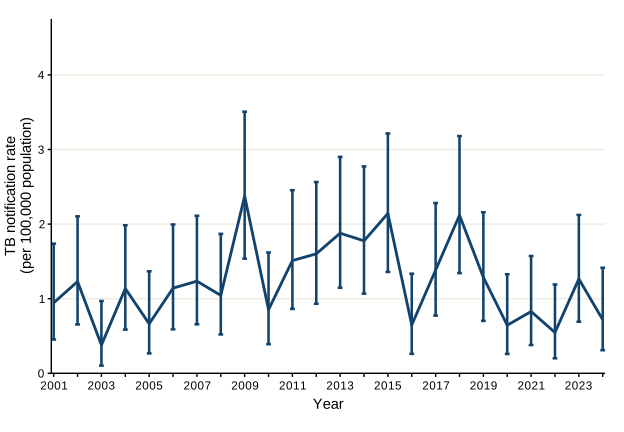
Note 37: error bars represent upper and lower 95% confidence intervals.
Country of birth
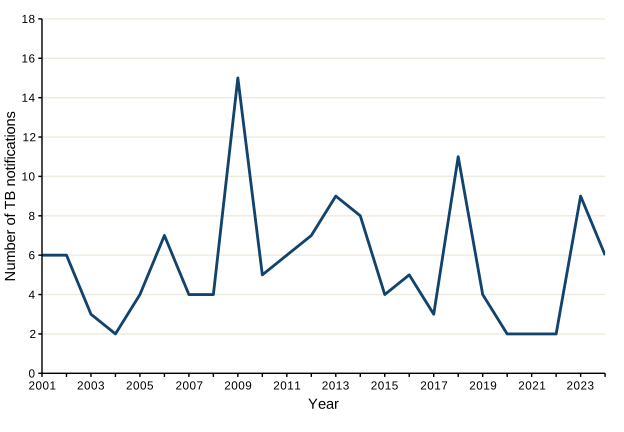
In 2024, data on country of birth was available for all TB notifications in children aged under 18 years in the South West. For these individuals, 2 individuals were UK-born and 6 individuals were non-UK-born individuals (Figure 22 and Figure 23). Amongst children aged under 18 years who were born in the UK, the annual number of TB notifications since 2001 has ranged from 1 to 12 notifications, and no significant trends in notification can be observed. Similarly, for children aged under 18 years who were not born in the UK, there were no significant trends in notification observed, with a range of 2 to 15 annual notifications.
Figure 22. Number of TB notifications in UK born children aged under 18 years, South West, 2001 to 2024
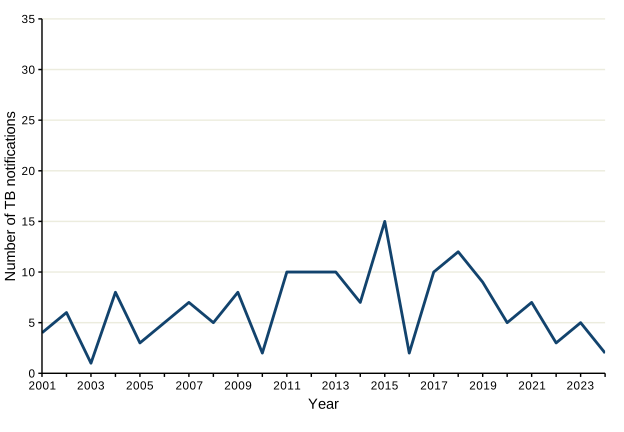
Figure 23. Number of TB notifications in non-UK born children aged under 18 years, South West, 2001 to 2024
Site of disease
In the South West in 2024, 50% (4 out of 8) of people notified with TB had pulmonary disease (with or without extra-pulmonary sites), and 50% had extra-pulmonary sites of disease.
TB treatment
Enhanced case management
The 2022 joint case management tool provides standardised recommendations for enhanced case management (ECM) in individuals receiving anti-TB treatment with clinical or social complexities. Where there are social risk factors (SRFs) or non-multidrug-resistant (non-MDR), and non-rifampicin-resistant (non-RR), the case may be deemed ECM level 3 and require Directly Observed Therapy (DOT) or Video Observed Therapy (VOT), following National Institute of Health and Care Excellence (NICE) guidelines.
The ECM levels are:
- ECM level 1: people with clinical or social issues which impact on treatment, for example, children with TB, or those taking antiretrovirals
- ECM level 2: people with complex clinical or social issues which impact on treatment, for example, complex side effects or single drug resistance, which may necessitate weekly visits
- ECM level 3: people with very complex clinical or social issues which impact on treatment, for example, SRFs or MDR or RR TB which necessitates DOT or VOT
In 2024, data on enhanced case management was available for 243 out of 246 individuals with TB in the South West (Table 11). 16.3% (40 out of 246) of individuals with TB were supported with ECM in 2024, with 10 individuals (4.1%) receiving ECM Level 1, 8 individuals (3.3%) receiving ECM Level 2 and 19 individuals (7.7%) receiving ECM Level 3. From 2021 to 2024 in the South West, the number of individuals receiving ECM has increased from 25 to 40, however the proportion of cases receiving any ECM has remained fairly stable.
Table 11. Number of people with TB receiving enhanced case management, South West, 2022 to 2024 [note 38]
| Year | Total TB notifications | Any ECM (number) | Any ECM (proportion) | Level 1 (number) | Level 1 (proportion) | Level 2 (number) | Level 2 (proportion) | Level 3 (number) | Level 3 (proportion) | Unknown level (number) | Unknown level (proportion) |
|---|---|---|---|---|---|---|---|---|---|---|---|
| 2021 | 159 | 25 | 15.7 | 11 | 6.9 | 8 | 5.0 | 6 | 3.8 | 0 | 0.0 |
| 2022 | 162 | 30 | 18.5 | 9 | 5.6 | 11 | 6.8 | 10 | 6.2 | 0 | 0.0 |
| 2023 | 209 | 33 | 15.8 | 16 | 7.7 | 6 | 2.9 | 11 | 5.3 | 0 | 0.0 |
| 2024 | 246 | 40 | 16.3 | 10 | 4.1 | 8 | 3.3 | 19 | 7.7 | 3 | 1.2 |
Note 38: total TB notifications include all people notified with TB regardless of whether they are receiving ECM or not, or if this information is missing.
Treatment delays of over 2 months
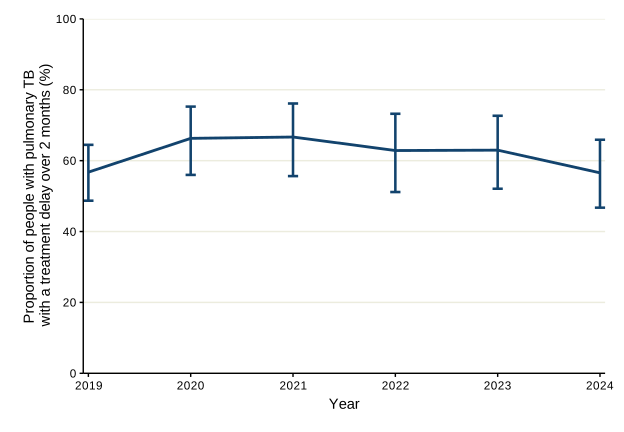
The term ‘treatment delay’ describes instances where the time between TB symptom onset and initiation of treatment exceeds 2 months. For cases of pulmonary TB in 2024, data for treatment delay was available for 65.5% (99 out of 162) of individuals. Of those, 62.8% (56 out of 99) had a treatment delay over 2 months (Figure 24). Since 2020, the overall proportion of individuals with a treatment delay over 2 months has remained stable, ranging from 62.9% (2022) to 66.7% (2021) in this time period.
Figure 24. Proportion of people notified with pulmonary TB with a treatment delay over 2 months, South West, 2019 to 2024 [note 39] [note 40] [note 41]
Note 39: error bars represent upper and lower 95% confidence intervals.
Note 40: delay to treatment is defined by when treatment was started from symptom onset.
Note 41: all cases where delay to treatment is greater than 730 days have been removed from this analysis.
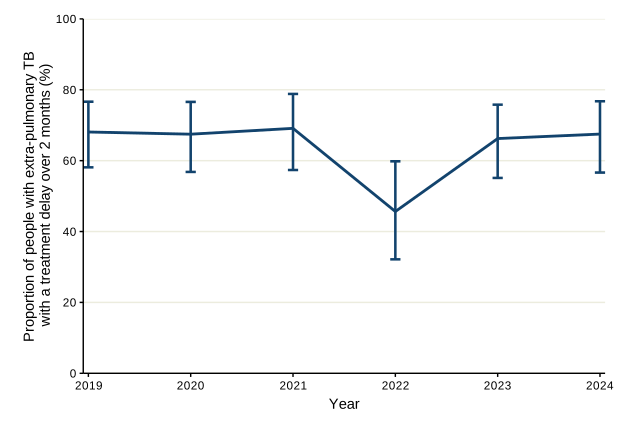
Among those with extra-pulmonary disease, data for treatment delay was available for 57.9% (80 out of 138) of cases in the South West in 2024. Of those, 67.5% (54 out of 80) had a treatment delay over 2 months (Figure 25).
The proportion of individuals with a treatment delay of 2 months or more remained relatively constant within the 5 years prior to 2024, with a notable decrease to 45.7% in 2022 (Figure 25). However, note that the proportion of cases with missing treatment delay information was higher in 2022 (43.9%, 36 out of 82) than in previous years.
Figure 25. Proportion of people notified with extra-pulmonary TB with a treatment delay over 2 months, South West, 2019 to 2024 [note 42] [note 43] [note 44]
Note 42: error bars represent upper and lower 95% confidence intervals.
Note 43: delay to treatment is defined by when treatment was started from symptom onset.
Note 44: all cases where delay to treatment is greater than 730 days have been removed from this analysis.
Treatment delays: length of delay
In 2024, 21.2% (21 out of 99) of pulmonary TB notifications with available data on treatment delay had a treatment delay of 2 to 4 months, and 35.4% (35 out of 99) of people notified with pulmonary TB had a treatment delay between 4 months and 2 years (Table 12). Two people were excluded as their treatment delay exceeded 730 days.
Between 2021 and 2024, the proportion of people notified with pulmonary TB with a 2- to 4-month delay has decreased from 34.6% to 21.2%, and the proportion of those with a delay of over 4 months has increased from 32.1% to 35.4% (Table 12).
Table 12. Number and proportion of people notified with pulmonary TB with a treatment delay, time between symptom onset and treatment start, South West, 2019 to 2024 [note 45]
| Year | 2 to 4 months delay (number) | 2 to 4 months delay (proportion) | Over 4 months delay (number) | Over 4 months delay (proportion) | Total |
|---|---|---|---|---|---|
| 2019 | 33 | 22.3 | 51 | 34.5 | 148 |
| 2020 | 28 | 31.5 | 31 | 34.8 | 89 |
| 2021 | 27 | 34.6 | 25 | 32.1 | 78 |
| 2022 | 17 | 24.3 | 27 | 38.6 | 70 |
| 2023 | 19 | 23.5 | 32 | 39.5 | 81 |
| 2024 | 21 | 21.2 | 35 | 35.4 | 99 |
Note 45: all people included in this table are people with pulmonary TB who did not have a postmortem diagnosis and it was known that they had started treatment. People included within the ‘Total’ includes these individuals and where the time from symptom onset to treatment start was also known.
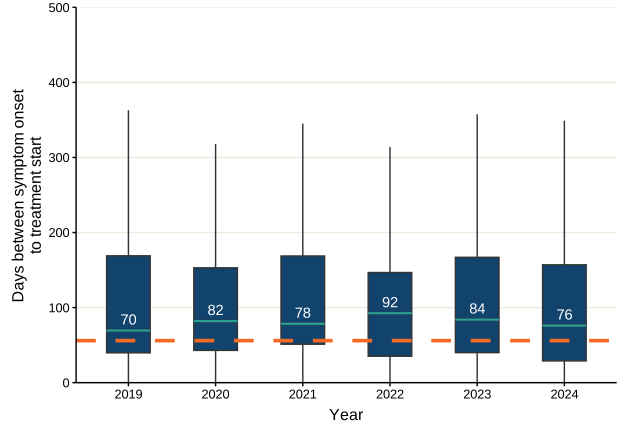
In 2024 the median period between diagnosis and starting treatment was 76 days (IQR 29 to 157) (Figure 26). Treatment delay among people notified with pulmonary TB has declined between 2022 and 2024, this indicates an improvement in the time from symptom onset to treatment start. However, the majority of people were not treated within the TB Action Plan for England target time of 56 days (Figure 26).
Figure 26. Median treatment delays among people notified with pulmonary TB, South West, 2019 to 2024 [note 46] [note 47] [note 48] [note 49]
Note 46: dashed line represents the target treatment delay of 56 days by 2027.
Note 47: ends of the whiskers represent the theoretical lower and upper limits for detecting outliers (lower/upper quartile negative/positive 1.5 times the interquartile range). Outliers falling outside of these limits have been removed.
Note 48: delay to treatment is defined by when treatment was started from symptom onset.
Note 49: all people included in this figure are people with pulmonary TB who did not have a postmortem diagnosis and it was known that they had started treatment. It excludes individuals with a delay over 730 days.
Timeliness of notification
According to the 2010 Health Protection (Notification) Regulations, a TB notification must be made within a mandatory statutory reporting period, defined as 3 working days following diagnosis. This proportion is calculated for pulmonary TB cases, excluding those diagnosed postmortem or with a known reporting delay of over 90 days. In 2024, 72.6% (106 out of 146) of people meeting these criteria were notified within 3 days of diagnosis in the South West (Table 13). Since 2019, there has been a general increasing trend in the proportion of people with pulmonary disease being notified within 3 days of their diagnosis.
Table 13. Proportion of people notified with pulmonary TB within 3 days of diagnosis by year, South West, 2019 to 2024 [note 50]
| Year | Number of people notified | Proportion of people notified (%) | Total |
|---|---|---|---|
| 2019 | 66 | 44.3 | 149 |
| 2020 | 46 | 46.5 | 99 |
| 2021 | 43 | 45.7 | 94 |
| 2022 | 55 | 57.9 | 95 |
| 2023 | 73 | 67.6 | 108 |
| 2024 | 106 | 72.6 | 146 |
Note 50: includes people with pulmonary TB who were not diagnosed at postmortem, and where report delay was known and between 0 and 90 days (inclusive).
Time between symptom onset and treatment
Table 14 provides details of pulmonary TB cases in the South West, split by length of time between symptom onset and treatment, and by year.
Data for the time between symptom onset and treatment start was available for 99 individuals with pulmonary TB in the South West in 2024, 2 individuals had a treatment delay of over 2 years and therefore are excluded from Table 14.
In 2024, 43.4% of cases had a delay of 0 to 2 months, 21.2% a delay of 2 to 4 months, and 35.4% had a delay of 4 months to 2 years between symptom onset and treatment start (Table 14). Since 2023, there has been a reduction in the proportion of cases with treatment delays of 2 to 4 months and over 4 months, and an increase in the proportion of individuals starting treatment within 0 to 2 months, showing a shift to shorter delays.
In 2024, the median time between symptom onset and treatment was 76 days, which falls within the 2-to-4-month category (Table 14). The median time between onset and treatment has decreased for the past 2 years.
Table 14. Time between symptom onset and treatment start in people with pulmonary TB, South West, 2016 to 2024 [note 51]
| Year | 0 to 2 months (number) | 0 to 2 months proportion) | 2 to 4 (number) | 2 to 4 months (proportion) | More than 4 months (number) | More than 4 months (proportion) | Total | Median time in days | IQR of time in days |
|---|---|---|---|---|---|---|---|---|---|
| 2016 | 50 | 34.0 | 43 | 29.3 | 54 | 36.7 | 147 | 91.0 | 48.5 to 165.0 |
| 2017 | 47 | 34.3 | 29 | 21.2 | 61 | 44.5 | 137 | 98.0 | 39.0 to 182.0 |
| 2018 | 32 | 29.6 | 36 | 33.3 | 40 | 37.0 | 108 | 99.0 | 51.8 to 180.2 |
| 2019 | 64 | 43.2 | 33 | 22.3 | 51 | 34.5 | 148 | 69.5 | 39.8 to 169.0 |
| 2020 | 30 | 33.7 | 28 | 31.5 | 31 | 34.8 | 89 | 82.0 | 43.0 to 153.0 |
| 2021 | 26 | 33.3 | 27 | 34.6 | 25 | 32.1 | 78 | 78.5 | 51.2 to 168.8 |
| 2022 | 26 | 37.1 | 17 | 24.3 | 27 | 38.6 | 70 | 92.5 | 35.2 to 146.8 |
| 2023 | 30 | 37.0 | 19 | 23.5 | 32 | 39.5 | 81 | 84.0 | 40.0 to 167.0 |
| 2024 | 43 | 43.4 | 21 | 21.2 | 35 | 35.4 | 99 | 76.0 | 29.0 to 157.0 |
Note 51: this table includes people with pulmonary TB where they did not have a postmortem diagnosis, they had started treatment and the start of treatment date was known. Total includes all these people including where the time between symptom onset and treatment start was missing or not known. It excludes individuals with a delay over 730 days.
TB treatment outcomes
TB treatment outcomes for individuals are reported by UKHSA according to the year of their notification. People with non-severe, non-multidrug-resistant (non-MDR), or non-rifampicin-resistant (non-RR) TB have an expected treatment duration of less than 12 months.
Non-severe TB is defined as tuberculosis without central nervous system (CNS) involvement, including those with cryptic disseminated or miliary disease where CNS disease cannot be reliably ruled out. These outcomes are presented only among people who would usually have standard treatment regimens for TB: this excluded people who were treated for multidrug-resistant (MDR) and rifampicin (RR) TB, as well as those with severe disease (defined as CNS, spinal, miliary or cryptic disseminated disease among adults, and TB meningitis, miliary or cryptic disseminated among children aged 0 to 14 years), where expected treatment durations are longer. This definition of severe disease may not capture all clinically severe or extensive disease involving other sites of disease.
For cases with RR- or MDR-TB, treatment is expected to be longer, and outcomes are reported at 24 months. As such, as of the end of 2024, annual treatment outcome data is available for non-MDR or non-RR cases without CNS disease notified up until 2023, and for MDR or RR cases notified up to 2022.
Non-severe TB treated as non-MDR and non-RR TB
In 2023, there were 203 cases in the non-MDR or non-RR cohort, 90.8% (184 out of 203) of which had non-severe TB with an expected treatment duration of less than 12 months (Table 15). Of those, 89.1% had completed treatment, 1.6% had died, 2.7% were lost to follow-up, 1.1% were still on treatment, 0.5% had stopped treatment and 4.9% had not had their 12-month treatment outcome evaluated.
Table 15. Treatment outcome at 12 months and last recorded outcome for people notified with non-severe TB treated for non-MDR or non-RR TB, South West, 2023 [note 52] [note 53]
| Outcome | TB treatment outcome at 12 months (number) | TB treatment outcome at 12 months (proportion) | Last recorded treatment outcome (number) | Last recorded treatment outcome (proportion) |
|---|---|---|---|---|
| Treatment completed | 164 | 89.1 | 167 | 90.8 |
| Died | 3 | 1.6 | 4 | 2.2 |
| Lost to follow up | 5 | 2.7 | 4 | 2.2 |
| Still on treatment | 2 | 1.1 | 1 | 0.5 |
| Treatment stopped | 1 | 0.5 | 1 | 0.5 |
| Not evaluated | 9 | 4.9 | 7 | 3.8 |
| Total | 184 | 100.0 | 184 | 100.0 |
Note 52: not evaluated indicates that the treatment outcome was not evaluated, not recorded or is unknown and the final outcome is not still on treatment nor died.
Note 53: non-severe TB is defined as those cases without central nervous system (CNS), spinal, cryptic or miliary disease.
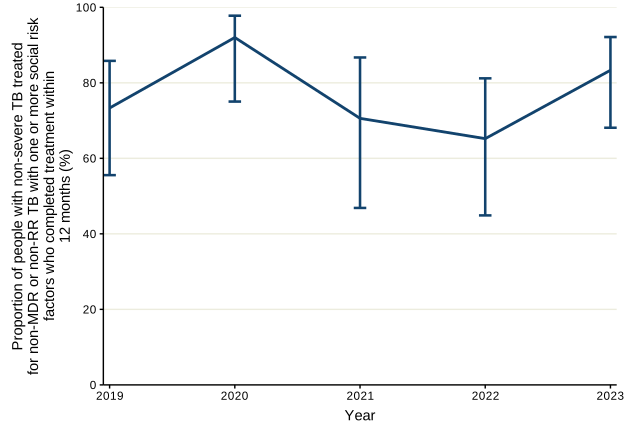
Between 2020 to 2022, the proportion of people treated for non-MDR or non-RR TB without severe disease and with one or more social risk factors who completed treatment within 12 months has shown a decreasing trend, from 92% (23 out of 25) in 2020 to 65.2% (15 out of 23) in 2022 (Figure 27). However, between 2022 and 2023 the number of people treated within 12 months has increased to 83.3% (30 out of 36).
Figure 27. Proportion of people with non-severe TB treated for non-MDR or non-RR TB and with one or more social risk factors who completed treatment within 12 months, South West, 2019 to 2023 [note 54][note 55] [note 56]
Note 54: error bars represent upper and lower 95% confidence intervals.
Note 55: non-severe TB is defined as those cases without central nervous system (CNS), spinal, cryptic or miliary disease.
Note 56: not all social risk factors were captured before 2021.
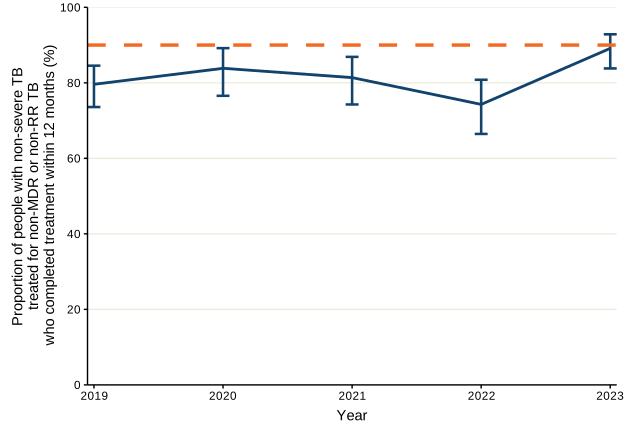
The 89.1% (164 out of 184) cases notified in 2023 with non-severe, non-MDR, and non-RR TB completing treatment within 12 months, was an increase compared with 2022 (74.3%, 104 out of 140) (Figure 28). The 2023 proportion is marginally below the TB Action Plan target of 90% and is the highest proportion having completed treatment during the 2019-2023 reporting period.
Figure 28. Proportion of people with non-severe TB treated for non-MDR or non-RR TB who completed treatment within 12 months compared with the target of 90%, South West, 2019 to 2023 [note 57] [note 58] [note 59]
Note 57: dashed line indicates treatment target of 90%.
Note 58: error bars represent upper and lower 95% confidence intervals.
Note 59: non-severe TB is defined as those cases without central nervous system (CNS), spinal, cryptic or miliary disease.
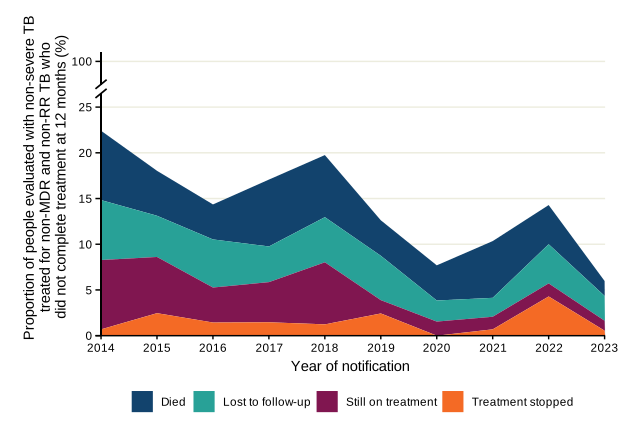
People with non-MDR or non-RR TB who do not complete treatment after 12 months typically fall into one of 4 broad categories: death, loss to follow-up, ongoing treatment, and treatment stopped. Compared with 2022, there have been decreases observed in those who died, were lost to follow-up, and those who stopped treatment. The proportion of people who are still on treatment stayed similar to 2022. (Figure 29).
Figure 29. Outcomes of people evaluated who did not complete treatment by 12 months for people with non-severe TB treated for non-MDR or non-RR TB, South West, 2014 to 2023 [note 60]
Note 60: non-severe TB is defined as those cases without central nervous system (CNS), spinal, cryptic or miliary disease.
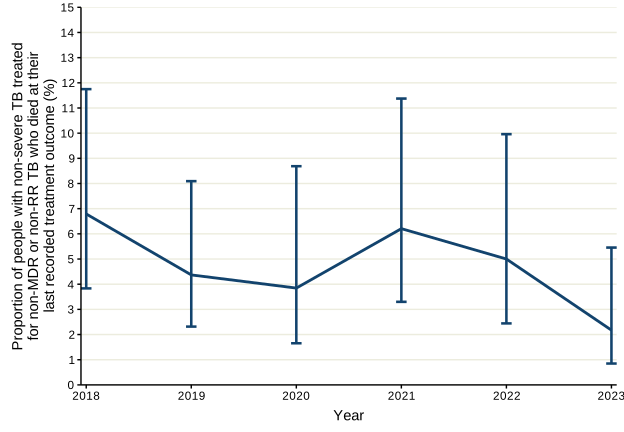
In 2023, of those of people with non-severe TB treated for non-MDR or non-RR TB 2.2% had died by the time of their last recorded treatment outcome (Figure 30). This death may or may not be attributed to TB, since 2021 there has been a year-on-year decrease of those with who died at their last recorded outcome (6.2% in 2021 and 2.2% in 2023).
Figure 30. Proportion of people with non-severe TB treated for non-MDR or non-RR TB who died at their last recorded treatment outcome, South West, 2018 to 2023 [note 61] [note 62] [note 63]
Note 61: death could be due to TB or any other cause.
Note 62: non-severe TB is defined as those cases without central nervous system (CNS), spinal, cryptic or miliary disease.
Note 63: error bars represent upper and lower 95% confidence intervals.
In 2023, 9.2% of cases in the non-MDR or non-RR cohort, (19 out of 203) had severe TB (Table 16). Of those, 94.7% had completed treatment at their last recorded treatment outcome and 5.3% had died.
Table 16. Last recorded outcome for people treated for non-MDR or non-RR TB with severe disease, South West, 2023 [note 64] [note 65]
| Last recorded outcome | Number of TB notifications | Proportion of TB notifications |
|---|---|---|
| Treatment completed | 18 | 94.7 |
| Died | 1 | 5.3 |
| Total | 19 | 100.0 |
Note 64: not evaluated indicates that the treatment outcome was not evaluated, not recorded or is unknown and the final outcome is not still on treatment nor died.
Note 65: severe TB is defined as those cases with central nervous system (CNS), spinal, cryptic or miliary disease.
Table 17 shows treatment outcomes for individuals with an expected treatment duration of 12 months or less notified with TB annually since 2014. The proportion of cases completing treatment in 2023 was 89.1%, the highest over this reporting period and an increase on the previous year, which was the lowest (74.3%). The main drivers for the improved completion rates compared to 2022 were a reduction in the number of cases not evaluated (reduced from 16 to 9) and the number stopping treatment (reduced from 6 to 1).
Table 17. TB outcome at 12 months for people with non-severe TB treated for non-MDR or non-RR TB, South West, 2014 to 2023 [note 66]
| Year | Treatment completed (number) | Treatment completed with any social risk factor (number) | Died (number) | Lost to follow up (number) | Still on treatment (number) | Treatment stopped (number) | Not evaluated (number) | Total (number) |
|---|---|---|---|---|---|---|---|---|
| 2014 | 221 | 15 | 22 | 19 | 22 | 2 | 4 | 290 |
| 2015 | 197 | 23 | 12 | 11 | 15 | 6 | 3 | 244 |
| 2016 | 174 | 21 | 8 | 11 | 8 | 3 | 5 | 209 |
| 2017 | 167 | 20 | 15 | 8 | 9 | 3 | 3 | 205 |
| 2018 | 127 | 14 | 11 | 8 | 11 | 2 | 3 | 162 |
| 2019 | 164 | 22 | 8 | 10 | 3 | 5 | 16 | 206 |
| 2020 | 109 | 23 | 5 | 3 | 2 | 0 | 11 | 130 |
| 2021 | 118 | 12 | 9 | 3 | 2 | 1 | 12 | 145 |
| 2022 | 104 | 15 | 6 | 6 | 2 | 6 | 16 | 140 |
| 2023 | 164 | 30 | 3 | 5 | 2 | 1 | 9 | 184 |
Note 66: not evaluated indicates that the treatment outcome was not evaluated, not recorded or is unknown and the final outcome is not ‘still on treatment’ or ‘died’ within the timeframe of 12 months. Non-severe TB is defined as those cases without central nervous system (CNS), spinal, cryptic or miliary disease.
Table 18. Proportions of TB outcomes at 12 months for people with non-severe TB treated for non-MDR or non-RR TB, South West, 2014 to 2023 [note 67]
| Year | Treatment completed (proportion) | Treatment completed with any social risk factor (proportion) | Died (proportion) | Lost to follow up (proportion) | Still on treatment (proportion) | Treatment stopped (proportion) | Not evaluated (proportion) |
|---|---|---|---|---|---|---|---|
| 2014 | 76.2 | 5.2 | 7.6 | 6.6 | 7.6 | 0.7 | 1.4 |
| 2015 | 80.7 | 9.4 | 4.9 | 4.5 | 6.1 | 2.5 | 1.2 |
| 2016 | 83.3 | 10.0 | 3.8 | 5.3 | 3.8 | 1.4 | 2.4 |
| 2017 | 81.5 | 9.8 | 7.3 | 3.9 | 4.4 | 1.5 | 1.5 |
| 2018 | 78.4 | 8.6 | 6.8 | 4.9 | 6.8 | 1.2 | 1.9 |
| 2019 | 79.6 | 10.7 | 3.9 | 4.9 | 1.5 | 2.4 | 7.8 |
| 2020 | 83.8 | 17.7 | 3.8 | 2.3 | 1.5 | 0.0 | 8.5 |
| 2021 | 81.4 | 8.3 | 6.2 | 2.1 | 1.4 | 0.7 | 8.3 |
| 2022 | 74.3 | 10.7 | 4.3 | 4.3 | 1.4 | 4.3 | 11.4 |
| 2023 | 89.1 | 16.3 | 1.6 | 2.7 | 1.1 | 0.5 | 4.9 |
Note 67: not evaluated indicates that the treatment outcome was not evaluated, not recorded or is unknown and the final outcome is not ‘still on treatment’ or ‘died’ within the timeframe of 12 months. Non-severe TB is defined as those cases without central nervous system (CNS), spinal, cryptic or miliary disease.
TB prevention
Contact tracing remains a cornerstone of TB management and prevention by interrupting chains of transmission and reducing the overall burden of disease. Contact tracing has 3 main objectives:
- identification of individuals with undiagnosed active TB
- testing to identify people with latent infection followed by chemoprophylaxis to prevent development of active disease
- vaccination with Bacillus Calmette-Guérin (BCG) of those eligible
Assessment and screening of close contacts should be undertaken in line with National Institute for Health and Care Excellence (NICE) guidance.
There is evidence that treating latent infection with chemoprophylaxis is safe and prevents progression to active disease, reducing morbidity and mortality for the individual and further spread of TB into the population.
Number of contacts per case notified with pulmonary TB
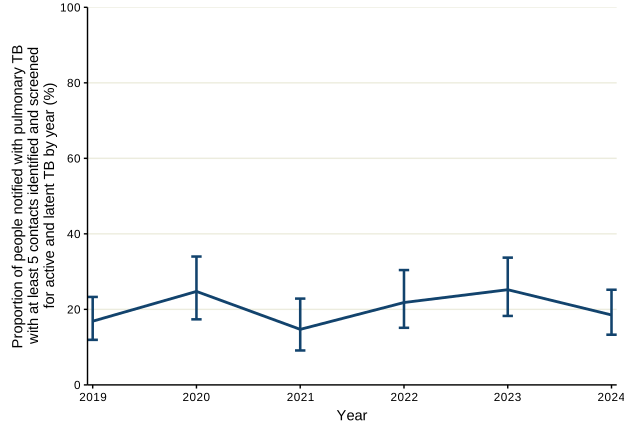
Out of the 162 individuals recorded with Pulmonary TB in the South West in 2024, 110 (68%) individuals have contact tracing data recorded. Over the past 5 years, the proportion of pulmonary TB cases where contact tracing information had been entered, where at least 5 contacts have been reported, has shown no clear trend and remains well below the target of 50% (Figure 31). In 2024, 18.5% of cases (30 out of 162) reported 5 or more contacts, lower than the previous year (25.2%, 30 out of 119).
Figure 31. Proportion of people notified with pulmonary TB with at least 5 contacts identified and screened for active and latent TB by year, South West, 2019 to 2024 [note 68] [note 69]
Note 68: error bars represent upper and lower 95% confidence intervals.
Note 69: individuals with more than 65 contacts were excluded as indicative of a large outbreak investigation and therefore not representative of the routine contact tracing.
Contact characteristics
In 2024, 540 individuals were identified as contacts of people with pulmonary TB in the South West (Table 19). Of these, 17% (92 out of 540) were children and 83% (448 out of 540) were adults. Among all contacts, 75.9% (410 out of 540) individuals were screened for active and latent TB; this includes 76.1% (70 out of 92) of child contacts and 75.9% (340 out of 448) of adult contacts.
Amongst those screened, 1.5% of individuals had active TB (6 out 410) and 9.8% had latent TB (40 out of 410). A similar proportion of children were diagnosed with active TB (1.4%, 1 out of 70) compared to adults (1.5%, 5 out of 340). Latent TB was diagnosed in 20% of children (14 out of 70) and 7.6% of adults (26 out of 340).
For contacts with latent TB, 85% (34 out of 40) started treatment for latent TB, including 92.9% of child contacts (13 out of 14) and 80.8% of adult contacts (21 out of 26). Overall, 37.5% (15 out of 40) completed treatment, with a higher proportion completing treatment amongst children (64.3%, 9 out of 14) than adults (23.1%, 6 out of 26). The proportion of cases completing treatment will be dependent on the time of year the index case was notified, those diagnosed later in the year are less likely to have had time to complete treatment.
Table 19. Number of contacts identified, screened, screening results and treatment for contacts of people notified with pulmonary TB (index individuals), South West, 2024 [note 70] [note 71] [note 72] [note 73]
| Treatment and screening categories | All adult contacts (number) | All adult contacts (proportion) | All child contacts (number) | All child contacts (proportion) | Total contacts (number) | Total contacts (proportion) |
|---|---|---|---|---|---|---|
| Number of contacts identified | 448 | Not applicable | 92 | Not applicable | 540 | Not applicable |
| Number of contacts screened for active TB and latent TB | 340 | 75.9 | 70 | 76.1 | 410 | 75.9 |
| Number of contacts with active TB | 5 | 1.5 | 1 | 1.4 | 6 | 1.5 |
| Number of contacts with latent TB | 26 | 7.6 | 14 | 20 | 40 | 9.8 |
| Number of contacts who started treatment for latent TB | 21 | 80.8 | 13 | 92.9 | 34 | 85 |
| Number of contacts who completed treatment for latent tuberculosis | 6 | 23.1 | 9 | 64.3 | 15 | 37.5 |
Note 70: the denominator for the proportion of contacts screened for active TB and latent TB infection (LTBI) is number of contacts identified.
Note 71: the denominator for the proportion of contacts positive for active TB and LTBI is the number of contacts screened.
Note 72: the denominator for the proportion of contacts who started and completed treatment is the number of contacts positive for LTBI.
Note 73: individuals with more than 65 contacts were excluded as indicative of a large outbreak investigation and therefore not representative of the routine contact tracing.
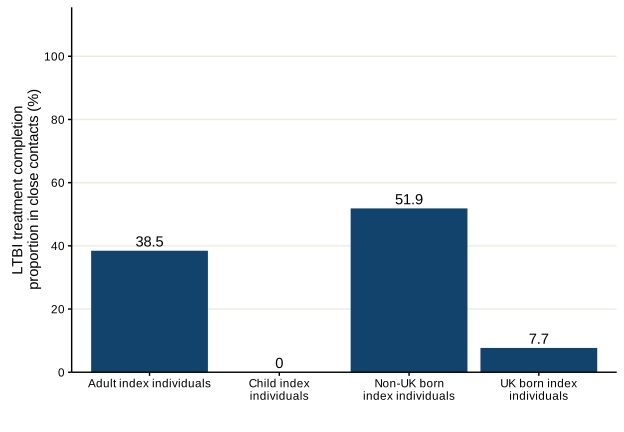
Figure 32. LTBI treatment completion in close contacts of adult or child and UK born or non-UK born index individuals with pulmonary TB, South West, 2024 [note 74]
Note 74: individuals with more than 65 contacts were excluded as indicative of a large outbreak investigation and therefore not representative of the routine contact tracing.
Proportion of TB notifications occurring within 5 years of entry to the UK
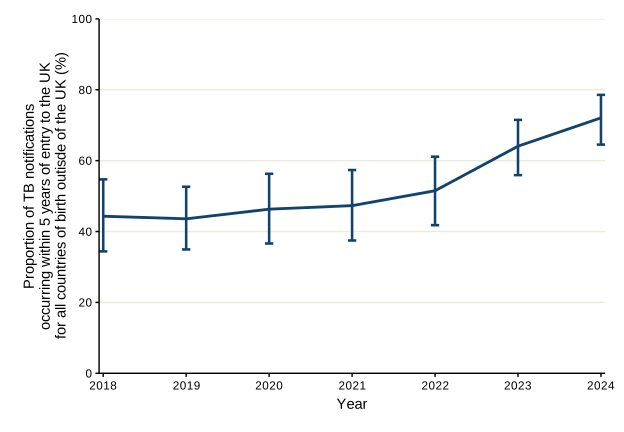
Between 2018 and 2024, in the South West there has been an increasing proportion of TB notifications amongst those who arrived in the UK within the last 5 years. This rose from 43.2% (38 out of 88) in 2018 to 69.5% (107 out of 154) in 2024, which is the highest proportion in the period shown (Figure 33).
Figure 33. Proportion of TB notifications occurring within 5 years of entry to the UK for all countries of birth outside of the UK, South West, 2018 to 2024 [note 75] [note 76]
Note 75: error bars represent upper and lower 95% confidence intervals.
Note 76: within 5 years refers to a time since entry of less than 1 year to 5 years inclusive.
BCG vaccination
BCG immunisation is recommended for people at higher risk of exposure to TB, particularly to protect against serious forms of disease in infants. Those eligible are:
-
all infants (up to 12 months) with a parent or grandparent born in a country where incidence of TB is over 40 cases per 100,000 population per year
-
all infants living in an area of the UK with an incidence above 40 per 100,000 population
The timing of the neonatal BCG immunisation was changed to a 28-day immunisation programme in September 2021. This change was prompted by the addition of screening for severe combined immunodeficiency (SCID) to the routine newborn screening test at 5 days of age.
In 2024 in the South West, 34% (83 out of 246) of individuals notified with TB had received a BCG vaccination, with no notable difference in vaccination rates between UK-born (38%) and non-UK born (33%) cases.
Discussion
The 2024 TB notification rate of 4.2 per 100,000 population represents an increase from the 2023 rate of 3.6 and may indicate the start of an upward trend. Although still well below the 2013 peak (6.1 per 100,000), this is the highest notification rate observed in the South West of England since 2019. Despite this increase, the South West remains within the threshold of fewer than 10 notifications per 100,000 required for classification as a low TB incidence area, but is increasingly diverging from the trajectory needed to achieve the WHO ‘End TB 2035’ goal of a 90% reduction in TB incidence from 2015 levels. These trends mirror those seen nationally, where incidence rates have risen over the past 2 years. The 2024 notification rate in the South West remains notably below the UK rate (9.4 per 100,000).
While the increase in regional notification rates in 2024 was not observed across all South West UTLAs, none show evidence of a sustained downward trend, and rates over the past 3 years appear stable or increasing across all areas. Therefore, although additional public health actions may be needed in areas with higher or more rapidly increasing incidence, coordinated efforts across the entire South West are required to reverse the current upward trend.
The well-established relationship between deprivation and TB remains evident in the South West. TB incidence in the 2 most deprived deciles is 2 to 3 times higher than in the remaining 80% of the population. Approximately 1 in 6 TB cases (15.6%) reported at least one comorbidity, and around 1 in 5 (19.4%) reported at least one social risk factor. Opportunities for tailored interventions such as opportunistic screening should be explored to support earlier public health action in high-risk groups, including reviewing care pathways for patients with comorbidities (11.2% of cases) and those experiencing immunosuppression (6.6% of cases) to identify ways to reduce delays in diagnosis and treatment.
Both the number and proportion of cases requiring ECM increased in 2024 (40 cases, 16.3%) compared with 2023 (33 cases, 15.8%). Annual increases in ECM-requiring cases have been observed throughout the reporting period (2021–2024). The most recent rise was primarily driven by the most complex ECM level 3 cases, which increased from 11 to 19. As a comparatively low TB incidence region, managing a higher number of complex cases—even temporarily—places considerable pressure on local TB services. Strengthening capacity and resilience should therefore be prioritised to ensure services can respond effectively when complex case numbers rise. Similarly, complex TB situations involving health and social care settings remain challenging within a region with limited resources. Local feedback also highlights the need to improve TB awareness and reduce stigma, particularly in underserved populations.
The proportion of pulmonary TB cases with culture confirmation has increased for the past 3 years, reaching 79.6% in 2024—just below the 80% target. The target was last met in the South West in 2020 (83.3%).
The proportion of individuals with non-severe, non-MDR, and non-RR TB completing treatment within 12 months has also risen for 3 consecutive years. For 2023 notifications, 89.1% (164/184) completed treatment, up from 74.3% (104/140) in 2022. Although marginally below the TB Action Plan target of 90%, this represents the highest completion rate during the 2019 to 2023 reporting period.
Contact tracing and screening for latent and active TB remain vital public health measures for preventing transmission. In 2024, both the median number of contacts per case and the proportion of cases with 5 or more contacts were lower in the South West than in England overall. This likely reflects the smaller cluster sizes typically observed in the region; however, contact tracing efforts continue to remain challenging due to resource constraints. Data completeness also remains a challenge, with information on contacts unavailable for 32% of pulmonary cases in 2024, compared with 22% in 2023.
Consistent with findings from 2023, the proportion of children screened for active or latent TB who tested positive was higher than among adults (21% compared with 9%), underlining the importance of screening in younger age groups.
Recommendations
Recommendations for UKHSA and the NHS derived from the data presented in this report are listed below, under the headings for the 5 key priority areas outlined in the ‘Tuberculosis (TB): action plan for England, 2021 to 2026’.
These recommendations should be considered alongside the findings of regional needs assessments and objectives set by the South West TB Control Board.
1. Recovery from COVID-19
The COVID-19 recovery recommendations are:
- that UKHSA FS SW should continue to develop surveillance and reporting capabilities to support TB Control Board and Cohort Review processes, including advocating for data quality and completeness
- to facilitate appropriate use of technology for appointments and directly observed therapy (VOT or DOT)
2. Prevent TB
The TB prevention recommendations are to:
- work collaboratively with regional partners to develop an action plan to improve the detection and treatment of LTBI in new migrants
- review and improve the effectiveness and delivery of communications used to increase awareness of TB in at-risk populations and healthcare workers, particularly those in primary care and emergency departments
- improve the availability of data for contacts of cases, and facilitate effective, proportionate contact tracing and screening, including increasing the median number of contacts identified per case and the number where 5 or more contacts are identified
- consider how data on social risk factors can be better utilised to help ensure that interventions are appropriately tailored to groups at the highest risk of TB
- review regional research into reasons for treatment delays and investigate how this can be operationalised
- continue to manage TB incidents and outbreaks in settings such as health care, schools, prisons and the community
3. Detect TB
The TB detection recommendations are to:
- increase the proportion of culture-confirmed cases regionally, achieving the 80% target for pulmonary disease
- increase the number of people tested for latent TB infection (LTBI) as part of the national new entrant LTBI testing and treatment programme, to minimise the backlog of people eligible for LTBI testing
- continue to use surveillance data and WGS diagnostic capabilities to monitor and reduce transmission of TB
4. Control TB disease
The TB disease control recommendations are to:
- work to improve current 12-month completion rates, aiming for target of 90% treatment completion rates for cases with non-severe, non-MDR, and non-RR TB
- ensure timely and complete reporting or notification by NHS teams
5. Workforce
The workforce recommendations are to:
- work with regional partners to ensure continuation of functional TB services in the South West during upcoming organisational restructures, considering approaches to ensure that TB services across the region can meet changing demand
- regional TB services should review the data provided by the NHSE ’Getting it right first time (GIRFT)’ review, and work with ICBs and wider stakeholders to help ensure that services are equipped to meet needs of local communities
Methods and acknowledgements
Methods
Full details of the data sources and methodologies used in this report, including definitions, are available in:
Acknowledgements
We are grateful to all those who contribute information on people with tuberculosis in the South West of England, including nurses, physicians, microbiologists, scientists, outreach and social care and administrative staff. We also acknowledge colleagues at the UKHSA National Mycobacterium Reference Service for information on culture confirmation and drug-susceptibility testing.
Further thanks are due to:
- the UKHSA National TB Unit for providing the cleaned matched data set
- UKHSA Regional Data Science for developing an R package for the data analysis
- the South West Health Protection Team
- the Field Service South West team for their work supporting Tuberculosis Surveillance