North West of England: tuberculosis in 2024
Published 23 March 2026

© Crown copyright 2026
This publication is licensed under the terms of the Open Government Licence v3.0 except where otherwise stated. To view this licence, visit nationalarchives.gov.uk/doc/open-government-licence/version/3 or write to the Information Policy Team, The National Archives, Kew, London TW9 4DU, or email: psi@nationalarchives.gov.uk.
Where we have identified any third party copyright information you will need to obtain permission from the copyright holders concerned.
This publication is available at https://www.gov.uk/government/publications/tuberculosis-tb-regional-reports-2024/north-west-of-england-tuberculosis-in-2024
Incidence, treatment and prevention of tuberculosis (TB) in the North West of England using data up to the end of 2024.
Executive summary
The number of tuberculosis (TB) cases reported in England increased by 13.6% in 2024, with an incidence of 9.4 per 100,000 population (1). TB case numbers in the North West of England increased by 12.3%, reaching an incidence of 7.7 per 100,000 population and moving the region further away from achieving the World Health Organization (WHO)’s ‘End TB’ goal of a 90% reduction in new TB notifications by 2035. The upper tier local authority with the highest incidence in 2024 was Manchester.
Most TB cases were born outside the UK (80.5%) and a third of these (33.2%) were new entrants (notified within 2 years of entering the UK). Longer-term residents also comprised a significant proportion of these cases, with 30.2% notified to TB surveillance 11 or more years after entering the UK. The most common country of birth among TB cases born outside the UK was Pakistan.
There were 52 cases of TB in children in 2024, which was the highest number recorded since 2012 and a 23.8% increase compared to 2023. The rate has increased gradually since 2020, reaching 3.2 per 100,000 population in 2024.
TB rates were generally highest in the most socio-economically deprived populations: the rate was 19.2 per 100,000 population in the most deprived decile compared with 2.6 per 100,000 population in the least deprived decile. In 2024, 17.8% of cases aged 15 or over had at least one recorded social risk factor (SRF), such as substance misuse, prison history, homelessness, current asylum seeker status and current mental health needs.
Pulmonary TB comprised 51.2% of North West cases in 2024, and over two-thirds of these cases (71.5%) started treatment within 4 months of symptom onset.
Culture confirmation remained similar to previous years at 63.4% for all TB cases, both pulmonary and extra-pulmonary. Over three-quarters (77.7%) of pulmonary cases were culture confirmed, lower than the National Action Plan target of 80%.
The proportion of cases with resistance to at least one first-line drug decreased to 6.5%. Whole-genome sequencing (WGS) was carried out on all culture-confirmed TB cases, detecting that 32.6% of North West cases were clustered with at least one other TB case.
In the non-severe TB cohort (defined as individuals without central nervous system, spinal, cryptic disseminated disease or miliary TB among adults and TB meningitis, miliary or cryptic disseminated among children aged 0 to 14 years), 86.2% of those notified in 2023 completed treatment within 12 months, similar to the previous year. Treatment completion in cases with central nervous system disease was 83.1% (at the last recorded outcome). In the drug-resistant cohort, 83.3% of cases notified in 2022 had completed treatment at 24 months.
Contact tracing for pulmonary cases identified active TB in 3.4% of the total contacts screened. Latent TB was found in 19.1% of all contacts, while a fifth (19.5%) of child contacts were found to have latent TB.
The data used in the figures in this report can be found in the accompanying supplementary tables.
TB incidence and epidemiology
Overall numbers, rates and geographical distribution
In 2024, 658 TB cases were reported in North West residents (Figure 1), a rate of 8.5 per 100,000 population. Case numbers increased by 12.3% compared to 2023 (586 cases; a rate of 7.7 per 100,000 population).
Figure 1. Number of TB notifications per year, North West, 2001 to 2024
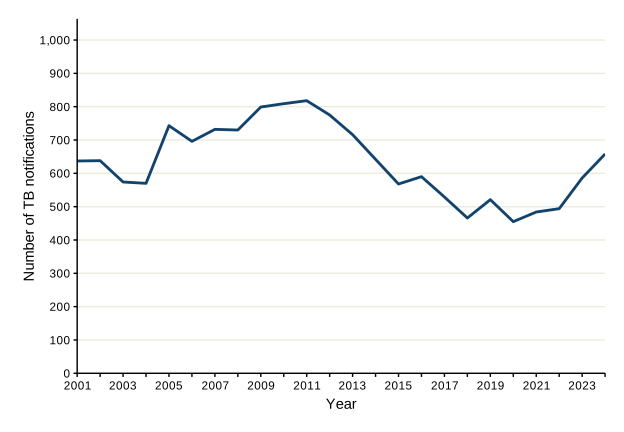
Description of Figure 1: a line chart showing counts of TB cases in the North West from 2001 to 2024. There was a general increase in case numbers from 2001 to 2011, then a decreasing trend from 2011 to 2020, with a subsequent increase from 2020 to 2024.
The North West TB rate remained below the England rate of 9.4 per 100,000 (Figure 2), and the North West rate was the third highest of the 9 UK Health Security Agency (UKHSA) regions in England (1). Overall, TB incidence in the North West decreased between 2011 and 2020; however, incidence gradually increased between 2020 and 2024. North West TB incidence has been consistently lower than in England, although rates appear to have become more closely aligned in recent years.
Figure 2. TB notification rates per 100,000 population per year, North West and England, 2001 to 2024 [note 1]
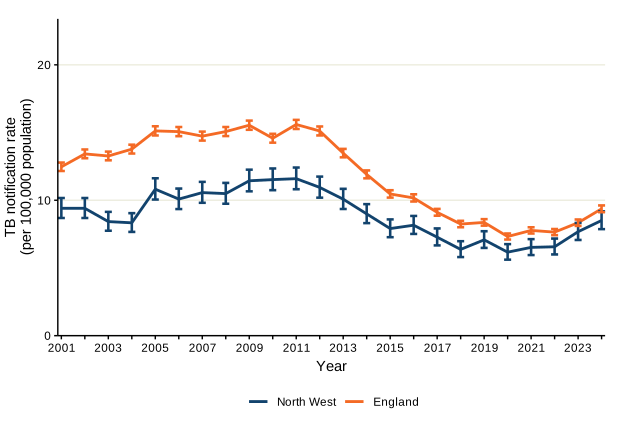
Note 1: error bars represent upper and lower 95% confidence intervals.
Description of Figure 2: a line chart showing rates of TB in the North West and England from 2001 to 2024. Both trend lines are parallel, showing a general increase in incidence from 2001 to 2011, then a decreasing trend from 2011 to 2020, with a subsequent increase from 2020 to 2024. North West TB incidence has been consistently lower than in England.
The recent increase in TB incidence has moved the North West further away from achieving the goal of a 90% reduction in new TB notifications by 2035 (Figure 3). This goal was set out by the World Health Organization (WHO) in The End TB Strategy (2) in 2015. The rate in England has also been on an upward trajectory away from the 90% reduction goal (1).
Figure 3. Observed TB notification rate compared with required TB notification rates to meet the WHO End TB 2035 goal of 90% reduction in incidence by 2035, North West, 2015 to 2024 [note 2] [note 3]
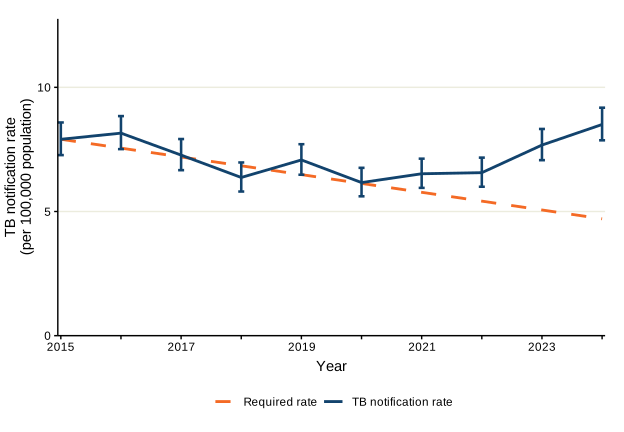
Note 2: error bars represent upper and lower 95% confidence intervals.
Note 3: dashed line represents required TB notification rates to meet the WHO End TB 2035 goal of 90% reduction in incidence by 2035.
Description of Figure 3: a line chart showing the TB notification rate in the North West from 2015 to 2024, compared with the rate required to meet the WHO End TB 2035 goal of 90% reduction. The North West rate has increased since 2020, moving further away from the reduction goal.
Among North West upper tier local authorities, the highest rates occurred in Manchester at 28.5, Blackburn with Darwen at 24.0 and Bolton at 19.7 per 100,000 population (Figure 4). The most significant increase in incidence occurred in Blackburn with Darwen, where incidence increased from 15.1 per 100,000 population in 2023 to 24.0 per 100,000 population in 2024 (from 24 to 39 cases). In Blackpool, the rate decreased from 7.0 per 100,000 population in 2023 to 0.7 per 100,000 population in 2024 (from 10 cases to 1).
Figure 4. TB notification rate per 100,000 population by upper tier local authority of residence, North West, 2024

Description of Figure 4: a choropleth map showing rates of TB by North West upper tier local authority of residence in 2024. Highest rates are shown in Manchester and Blackburn with Darwen.
Age and sex
In 2024, 64.1% (422 out of 658) of North West TB cases were male. The number of males with TB was greater than the number of females across all age groups (Figure 5). Over a quarter (29.0%, 191 out of 658) of all North West TB cases reported in 2024 occurred in males aged 20 to 39 years.
Figure 5. Number of TB notifications by age and sex, North West, 2024
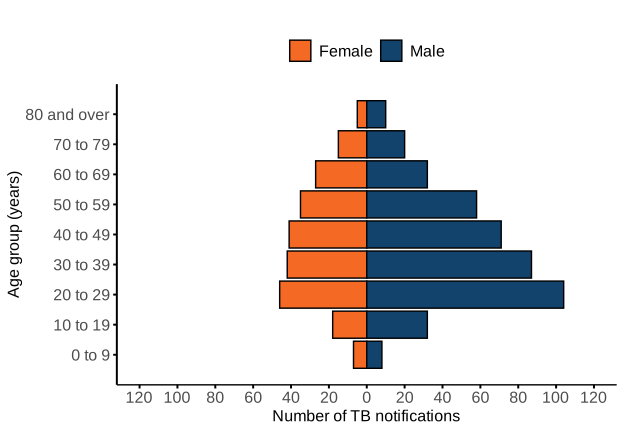
Description of Figure 5: a 2-sided horizontal bar chart with bars showing counts of TB cases in the North West in 2024, split by sex and age group. The number of males was greater than the number of females in all age groups, with males aged 20 to 29 years comprising the largest group.
There were 52 cases of TB reported in children aged 0 to 17 years, a 23.8% increase compared to 2023 (42 cases). In England, an increase of 12.7% was reported (1).
Place of birth and time since entry to the UK
In 2024, 19.3% (127 out of 658) of TB cases in the North West were born in the UK. Overall, the proportion of non-UK born TB cases has gradually increased from 62.9% (293 out of 466) in 2018 to 80.5% (530 out of 658) in 2024. A proportional increase in non-UK born cases was also reported nationally (1).
There has been a general decrease in the number of UK born TB cases since 2010 (Figure 6). There was a decrease in non-UK born cases from 2011 to 2018; however, numbers increased by 19.1% between 2023 and 2024 (from 445 to 530 cases), reflecting an overall increase of 66.7% (from 318 to 530 cases) among the non-UK born since 2020.
Figure 6. Number of TB notifications in non-UK born and UK born people by place of birth, North West, 2001 to 2024
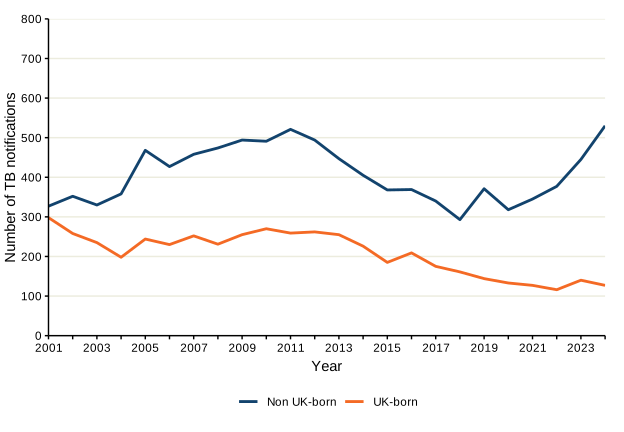
Description of Figure 6: a line chart, with separate lines showing counts of TB in UK born and non-UK born cases from 2001 to 2024. Numbers were consistently higher for non-UK born cases than for the UK born. There has been a general decrease in TB cases among those born in the UK since 2010. Case numbers for those born outside the UK increased between 2020 and 2024.
Highest numbers of TB cases occurred in those aged 15 to 44 years for patients born in the UK (36.2%, 46 out of 127) as well as for those born outside the UK (62.1%, 329 out of 530). There has been a gradual increase in this age group among the non-UK born since 2020 (Figure 7), and notifications increased by 17.1% (from 281 to 329 cases) between 2023 and 2024. Between 2020 and 2023, the number of non-UK born TB cases aged 15 to 44 years increased by 80.8% (from 182 to 329 cases).
Figure 7. Number of TB notifications in non-UK born and UK born people by place of birth and age group, North West, 2001 to 2024
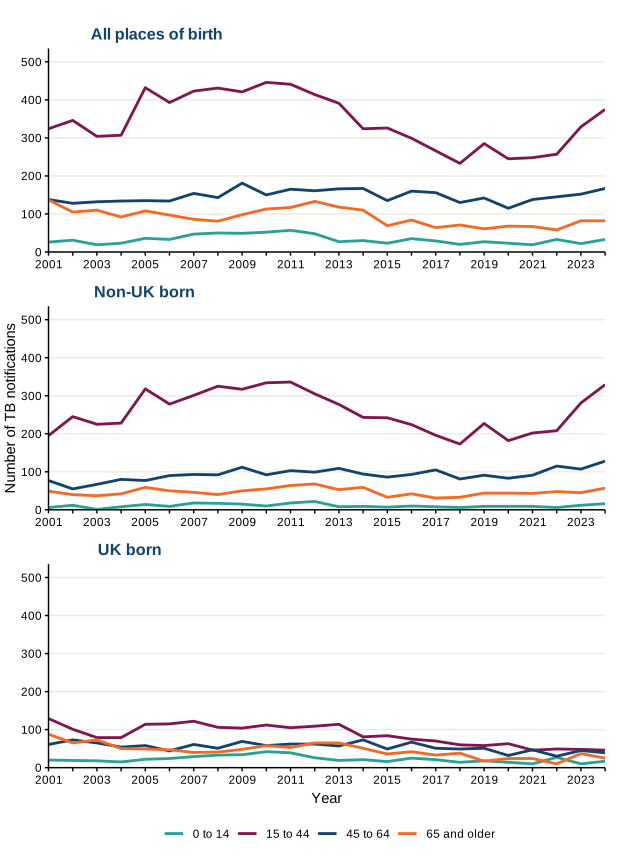
Description of Figure 7: a series of line charts showing the number of North West TB notifications from 2001 to 2024, with separate lines showing trends for each age group. One chart shows all cases, one shows non-UK born cases, and one shows UK born cases only. The 15 to 44 years age group has the highest numbers overall in each chart, with significantly higher numbers among the non-UK born (and in cases overall).
In 2024, 33.2% (135 out of 407) of non-UK born cases were notified to TB surveillance within 2 years of UK entry and 26.8% (109 out of 407) were notified 2 to 5 years after entry (Figure 8); meaning that, overall, 60.0% (244 out of 407) were notified within 5 years of entering the UK. The number of TB cases notified within 2 years of UK entry increased by 6.3% between 2023 and 2024 (from 127 to 135 cases), continuing an increasing trend since 2020 (128.8% increase between 2020 and 2024, from 59 to 135 cases). An increase in this group was also reported nationally (1).
A significant proportion (30.2%, 123 out of 407) of non-UK born cases were notified 11 or more years after entering the UK. This group comprised the highest proportion of non-UK born cases in the North West between 2011 and 2022; however, the highest proportion in 2023 and 2024 was in new entrants (notified within 2 years of UK entry).
Figure 8. Proportion of TB notifications by time since entry for people born outside the UK, North West, 2001 to 2024
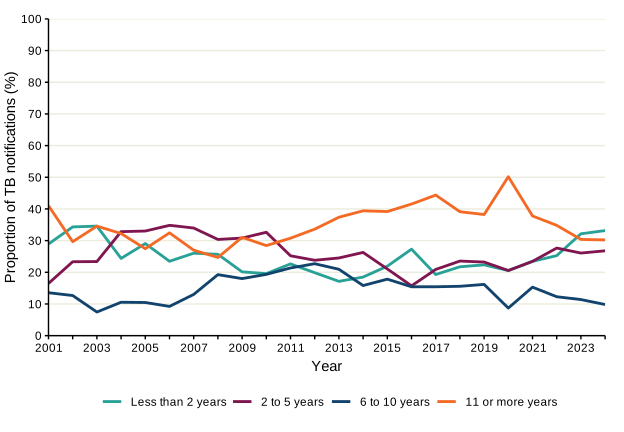
Description of Figure 8: a line chart showing North West TB notifications from 2001 to 2024 for cases born outside the UK. Separate lines show trends for the number of years between a patient entering the UK and a TB notification being made. Cases notified 11 or more years after UK entry comprised the highest proportion between 2011 and 2022, but the highest proportion in 2023 and 2024 was for cases notified within 2 years of UK entry.
In 2024, over half of cases (60.0%, 244 out of 407) born outside the UK were notified to TB surveillance within 5 years of entering the UK. This proportion has gradually increased since 2020 (Figure 9).
Figure 9. Proportion of TB notifications occurring within 5 years of entry to the UK for all countries of birth outside of the UK, North West, 2018 to 2024 [note 4] [note 5]
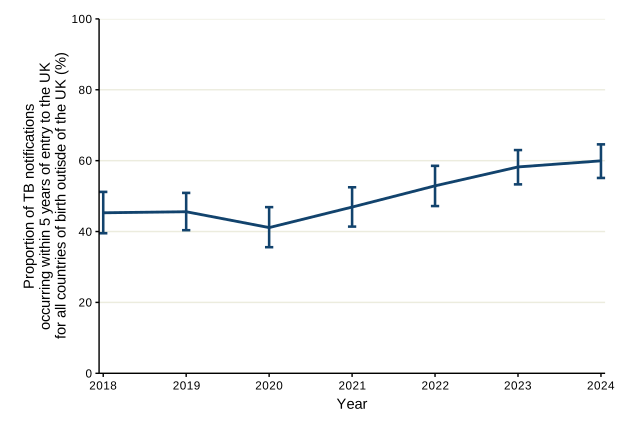
Note 4: error bars represent upper and lower 95% confidence intervals.
Note 5: within 5 years refers to a time since entry of less than 1 year to 5 years inclusive.
Description of Figure 9: a line chart with error bars showing the proportion of non-UK born North West TB cases notified between 2018 and 2024 which occurred within 5 years of UK entry. The proportion increased between 2020 and 2024.
Approximately one quarter (26.0%, 171 out of 658) of TB cases reported in the North West in 2024 were born in Pakistan (Table 1), while just under a fifth (19.3%, 127 out of 658) were born in the UK. Those born in Bangladesh had the longest median time between entry to the UK and TB notification (12 years, inter-quartile range 2 to 35 years).
Table 1. Most common countries of birth for people with TB and time between entry to the UK and TB notification, North West, 2024 [note 6] [note 7] [note 8] [note 9] [note 10]
| Country of birth | Number of people notified with TB | Proportion of people notified with TB (%) | Median time since entry to UK in years | IQR of time since entry to UK in years |
|---|---|---|---|---|
| Pakistan | 171 | 26.0 | 4 | 2.0 to 19.0 |
| United Kingdom | 127 | 19.3 | Not applicable | Not applicable |
| India | 82 | 12.5 | 2 | 1.0 to 5.0 |
| Eritrea | 40 | 6.1 | 2 | 0.0 to 5.0 |
| Nigeria | 31 | 4.7 | 1 | 0.0 to 2.0 |
| Sudan | 21 | 3.2 | 1 | 0.0 to 5.2 |
| Ethiopia | 14 | 2.1 | 2 | 0.5 to 5.0 |
| Bangladesh | 12 | 1.8 | 12 | 2.0 to 35.0 |
| Afghanistan | 11 | 1.7 | 3 | 0.0 to 8.0 |
| Romania | 11 | 1.7 | 6 | 5.0 to 7.0 |
| Other | 137 | 20.9 | 9 | 1.0 to 21.0 |
| Total | 657 | 100.0 | Not applicable | Not applicable |
Note 6: other includes all countries with less than 11 people notified.
Note 7: place of birth (UK or non-UK) or country of birth is missing for one notification in 2024.
Note 8: lower quartile is the 25th percentile and upper quartile is the 75th percentile, representing the interquartile range (IQR).
Note 9: time between entry to the UK and TB notification is calculated as whole years (only year of entry is reported to the National TB Surveillance (NTBS) system).
Note 10: time since entry to the UK was not known for 123 people in 2024.
Among North West TB cases born outside the UK, Pakistan has consistently been the most common country of birth, followed by India (Figure 10). The number of cases from these countries has increased since 2020.
Figure 10. Numbers of TB notifications for the most common countries of birth for people with TB born outside the UK, North West, 2014 to 2024 [note 11]
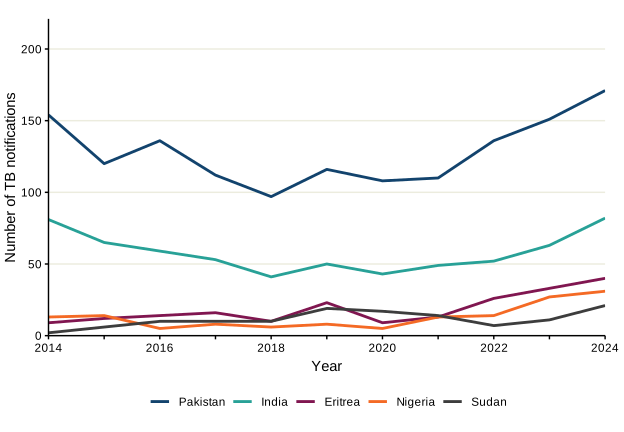
Note 11: figure shows the top 5 countries in 2024.
Description of Figure 10: a line chart showing North West TB notifications from 2014 to 2024 for cases born outside the UK. Separate lines show trends for the number of notifications born in specified countries outside the UK. Consistently, most non-UK born TB cases in the North West were born in Pakistan. Notifications in non-UK born TB cases from the 5 most common countries of birth increased between 2020 and 2024.
Over half of North West TB cases born in Nigeria (56.0%,14 out of 25) and Sudan (55.6%, 10 out of 18) were notified within 2 years of entry to the UK (Table 2). A significant proportion of new entrants were diagnosed with pulmonary TB: 64.3% (9 out of 14) from Eritrea; 57.1% (8 out of 14) from Nigeria. Cases born in Pakistan had a median age of 45 years and approximately one fifth (21.9%, 28 out of 128) were notified within 2 years of UK entry,
Table 2. Characteristics of people with TB from the most common (non-UK) countries of birth, North West, 2024
| Country of birth | Number of people notified with TB | Mean age (years) | Proportion male (%) | Proportion pulmonary (includes laryngeal and miliary) (%) | Proportion with UK entry less than 2 years (%) | Proportion pulmonary of those in the UK less than 2 years (%) |
|---|---|---|---|---|---|---|
| Pakistan | 171 | 45.2 | 69.6 | 35.1 | 21.9 | 46.4 |
| India | 82 | 39.3 | 58.5 | 50.0 | 49.2 | 45.2 |
| Eritrea | 40 | 29.6 | 70.0 | 50.0 | 42.4 | 64.3 |
| Nigeria | 31 | 37.6 | 61.3 | 58.1 | 56.0 | 57.1 |
| Sudan | 21 | 28.6 | 100.0 | 52.4 | 55.6 | 40.0 |
Ethnic group
In 2024, the most common among all TB cases in the North West were the Pakistani, black-African and White ethnic groups. Most Pakistani (86.9%, 173 out of 199) and black-African cases (95.5%, 150 out of 157) were born outside the UK; while most White cases (74.7%, 71 out of 95) were UK born (Figure 11).
Figure 11. Number of TB notifications in ethnic groups by place of birth (UK and non-UK born), North West, 2024 [note 12] [note 13]
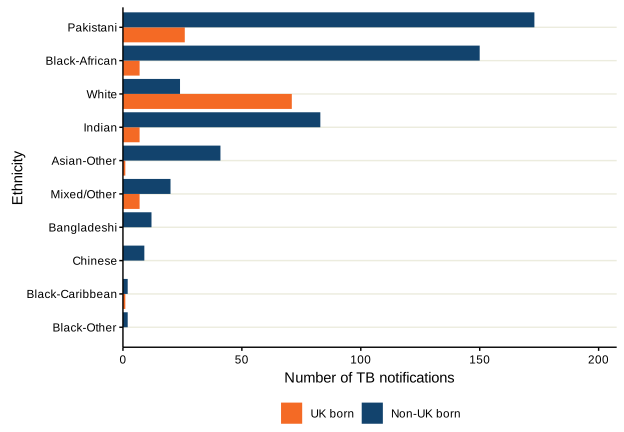
Note 12: 22 cases have been excluded from the above figure due to missing ethnicity or place of birth data.
Note 13: figure ordered by total number of notifications within each ethnicity irrespective of place of birth.
Description of Figure 11: a horizontal bar chart with bars showing counts of TB cases in the North West in 2024, separated by ethnic group and subdivided into UK and non-UK born. The number of UK born cases was highest among White and Pakistani ethnic groups; most non-UK born cases were from Pakistani and black-African ethnic groups.
In the North West, the highest numbers of cases have historically been among South Asian ethnic groups. Overall numbers decreased between 2012 and 2018, then gradually increased to 2024, and this trend was reflected in those born outside the UK (Figure 12). There was an increase of 75.0% (from 88 to 154 cases) in non-UK born cases with Black ethnicity between 2022 and 2024.
Figure 12. Number of TB notifications in ethnic groups by place of birth (UK and non-UK born), North West, 2001 to 2024 [note 14] [note 15]
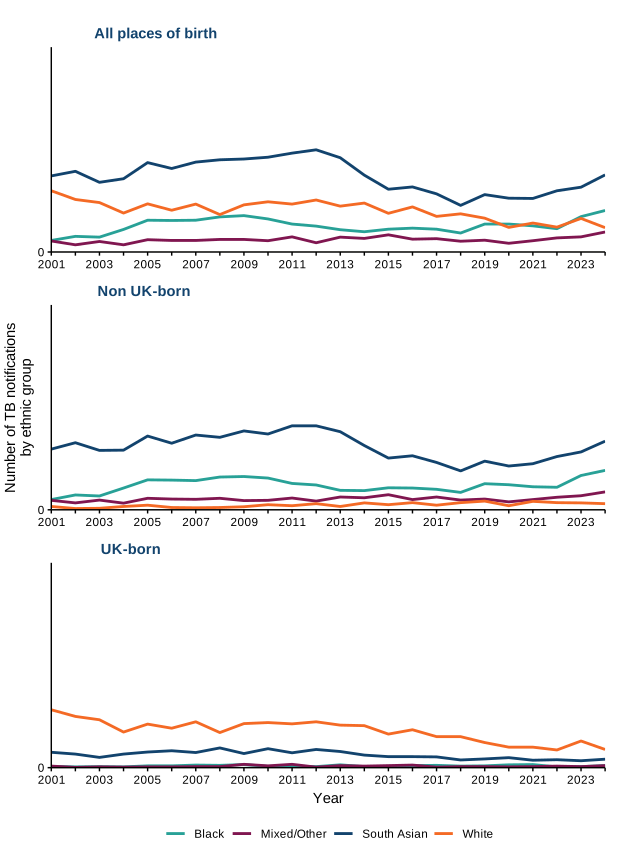
Note 14: 22 cases have been excluded from the above figure due to missing ethnicity or place of birth data.
Note 15: the South Asian ethnicity group comprises people of Indian, Pakistani and Bangladeshi ethnicities.
Description of Figure 12: a series of line charts showing the number of North West TB notifications from 2001 to 2023, with separate lines showing trends for overall ethnic groupings. One chart shows all cases, one shows non-UK born cases, and one shows UK born cases only. Highest numbers overall for this time period were South Asian, followed by White, although cases of Black ethnicity increased in 2023 to a similar level to those of White ethnicity.
Site of disease
In 2024, 51.2% (337 out of 658) of TB cases in North West England had pulmonary disease (Table 3), similar to the national level of 54.3% (1).
Table 3. Number of pulmonary TB notifications by site of disease, North West, 2024 [note 16] [note 17]
| Site of disease | Number of people notified with TB | Proportion of people notified with TB (%) |
|---|---|---|
| All pulmonary | 337 | 51.2 |
| Pulmonary only | 215 | 32.7 |
| Miliary only | 14 | 2.1 |
| Laryngeal only | 3 | 0.5 |
Note 16: percentages may not add up to 100 as people with TB may have more than one site of disease.
Note 17: ‘pulmonary only’ includes people notified with only pulmonary TB and therefore have not also been notified with miliary, laryngeal or extra-pulmonary TB.
Over two-thirds of TB cases (67.3%, 443 out of 658 cases) were diagnosed with extra-pulmonary disease, with or without pulmonary TB (Table 4).
Table 4. Number of extra-pulmonary TB notifications by site of disease, North West, 2024 [note 18]
| Site of disease | Number of people notified with TB | Proportion of people notified with TB (%) |
|---|---|---|
| All extra-pulmonary | 443 | 67.3 |
| Other extra-pulmonary | 180 | 27.4 |
| Intra-thoracic lymph nodes | 146 | 22.2 |
| Extra-thoracic lymph nodes | 145 | 22.0 |
| Pleural | 52 | 7.9 |
| Bone - spine | 30 | 4.6 |
| Gastrointestinal | 26 | 4.0 |
| Bone - not spine | 16 | 2.4 |
| Genitourinary | 16 | 2.4 |
| Central nervous system - meningitis | 12 | 1.8 |
| Cryptic disseminated | 8 | 1.2 |
| Central nervous system - other | 3 | 0.5 |
Note 18: percentages may not add up to 100 as people with TB may have more than one site of disease.
The proportion of pulmonary TB cases in the North West has remained consistent, comprising 51.6% of cases on average between 2014 and 2024 (Figure 13).
Figure 13. Proportion of people notified with pulmonary TB, North West, 2014 to 2024 [note 19]
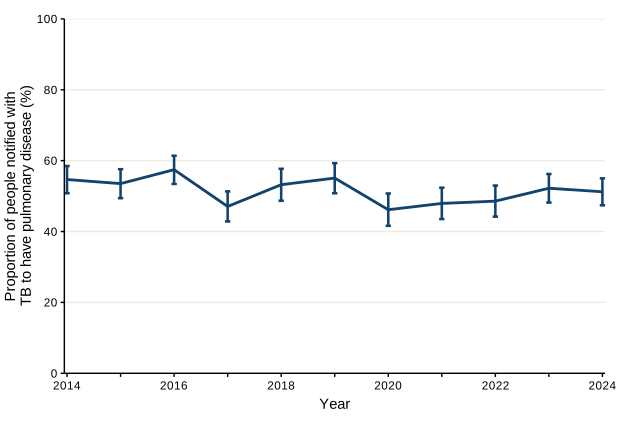
Note 19: error bars represent upper and lower 95% confidence intervals.
Description of Figure 13: a line chart with error bars showing the proportion of cases of pulmonary TB in the North West between 2014 and 2024. The proportion ranged from 46.2% to 57.5%, with minor fluctuations.
Comorbidities
In 2024, 22.9% (151 out of 658) of North West TB cases were reported to have at least one co-morbidity (Table 5), in line with the national level of 22.9% (1). The highest proportion of cases with comorbidities comprised those with diabetes (14.2%, 78 out of 550) or immunosuppression (12.4%, 67 out of 541).
Table 5. Number and proportion of people with TB with comorbidities, North West, 2024 [note 20]
| Comorbidity | Total with data reported | Number of people notified with TB with comorbidities | Proportion of people notified with TB with comorbidities (%) | Number of people notified with TB missing comorbidity data | Proportion of people notified with TB missing comorbidity data (%) |
|---|---|---|---|---|---|
| At least one of the named comorbidities | 658 | 151 | 22.9 | Not applicable | Not applicable |
| Chronic liver disease | 543 | 9 | 1.7 | 115 | 17.5 |
| Chronic renal disease | 544 | 24 | 4.4 | 114 | 17.3 |
| Diabetes | 550 | 78 | 14.2 | 108 | 16.4 |
| Hepatitis B | 521 | 20 | 3.8 | 137 | 20.8 |
| Hepatitis C | 522 | 2 | 0.4 | 136 | 20.7 |
| Immunosuppression | 541 | 67 | 12.4 | 117 | 17.8 |
Note 20: people with TB are reported as having at least one of the named comorbidities if any of the 6 comorbidities (current liver disease, chronic renal disease, diabetes, hepatitis B, hepatitis C or immunosuppression) had ‘yes’ recorded. As a result, the denominator is all notifications. This assumes that people for whom no data was recorded for individual comorbidities were a ‘no’ and may result in under-estimation.
HIV testing
In 2024, 98.6% (617 out of 626) of TB cases with unknown HIV (human immunodeficiency virus) status were offered an HIV test (Figure 14), consistent with the previous year (98.6%, 565 out of 573, in 2023).
Figure 14. Proportion of people with TB offered an HIV test by year, North West, 2019 to 2024 [note 21] [note 22]
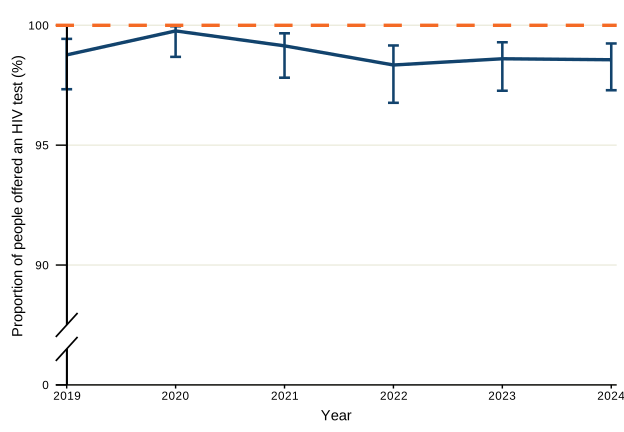
Note 21: dashed line indicates target of 100% of people offered HIV test.
Note 22: error bars represent upper and lower 95% confidence intervals.
Description of Figure 14: a line chart with error bars showing the proportion of North West TB cases between 2019 and 2024 which were offered an HIV test. The proportion was consistently above 98%.
Social risk factors
In 2024, 17.8% (111 out of 625) of North West TB cases aged 15 years or over had at least one specified social risk factor (SRF) recorded (Table 6). Among the most common SRFs were homelessness (11.4%, 57 out of 500), seeking asylum (9.2%, 48 out of 522) and imprisonment (5.7%, 28 out of 490), and 9.7% (50 out of 516) of cases had more than one SRF.
Table 6. Number and proportion of people with TB aged 15 years or over with individual social risk factors, North West, 2024 [note 23] [note 24]
| Social risk factor | Total with data reported | Number of people notified with TB with social risk factors | Proportion of people notified with TB with social risk factors (%) | Number of people notified with TB and missing social risk factor data | Proportion of people notified with TB and missing social risk factor data (%) |
|---|---|---|---|---|---|
| At least one named social risk factor | 625 | 111 | 17.8 | Not applicable | Not applicable |
| More than one social risk factor | 516 | 50 | 9.7 | 109 | 17.4 |
| Alcohol misuse (current) | 499 | 16 | 3.2 | 126 | 20.2 |
| Asylum seeker (current) | 522 | 48 | 9.2 | 78 | 13.0 |
| Drug misuse (current or previous) | 497 | 25 | 5.0 | 128 | 20.5 |
| Homelessness (current or previous) | 500 | 57 | 11.4 | 125 | 20.0 |
| Mental health needs (current) | 486 | 13 | 2.7 | 139 | 22.2 |
| Prison (current or previous) | 490 | 28 | 5.7 | 135 | 21.6 |
Note 23: people with TB are reported as having ‘at least one named social risk factor’ if any of the 6 social risk factors (current alcohol misuse, current or a history of homelessness, drug misuse, imprisonment, current asylum seeker status and current mental health needs) had ‘yes’ recorded. As a result, the denominator for this metric is all TB notifications. This assumes that people for whom no data was recorded for individual social risk factors were a ‘no’ and may result in under-estimation.
Note 24: the denominator for people with TB reported as having ‘more than one social risk factor’ is the number of people with TB for whom data are recorded for at least 2 out of the 6 social risk factors collected. This differs to the ‘at least one named social risk factor’ metric described above.
The proportion of cases with at least one SRF increased between 2020 and 2024 (Table 7); however, this could be due to improved data completion.
Table 7. Number and proportion of people with TB aged 15 years or over reporting at least one social risk factor, North West, 2014 to 2024 [note 25]
| Year | Number of people notified with TB with any social risk factor | Proportion of people notified with TB with any social risk factor (%) | Total notifications |
|---|---|---|---|
| 2014 | 59 | 9.6 | 612 |
| 2015 | 67 | 12.3 | 545 |
| 2016 | 60 | 10.8 | 554 |
| 2017 | 45 | 9.0 | 500 |
| 2018 | 51 | 11.4 | 446 |
| 2019 | 55 | 11.1 | 494 |
| 2020 | 46 | 10.7 | 430 |
| 2021 | 59 | 12.7 | 465 |
| 2022 | 73 | 15.8 | 461 |
| 2023 | 95 | 16.8 | 564 |
| 2024 | 111 | 17.8 | 625 |
Note 25: not all social risk factors were captured before 2021 and this table includes people with no information recorded in the denominator.
Most cases with at least one SRF were male (84.7%, 94 out of 111) and over three-quarters (78.4%, 87 out of 111) were in the 15 to 44 years age group. A greater proportion of non-UK born TB cases recorded SRFs (82.0%, 91 out of 111) than cases born in the UK (18.0%, 20 out of 111). Four fifths of UK born cases with at least one SRF were in the white ethnic group (80.0%, 16 out of 20). Of non-UK born cases with at least one SRF, the highest proportion occurred in the black-African ethnic group (54.9%, 50 out of 91). Over two-thirds of cases with at least one SRF had pulmonary disease (68.5%, 76 out of 111).
Almost a quarter of males with TB (23.2%) had at least one SRF recorded (Table 8) and 23.1% of cases (87 out of 376) were aged 15 to 44 years.
Table 8. Number and proportion of people with TB aged 15 years or over with a social risk factor (SRF) by demographic characteristics, North West, 2024 [note 26]
| Demographic characteristics | Number of people with demographic characteristic who have any social risk factor | Total number of people with demographic characteristic | Proportion of people with demographic characteristic who have any social risk factor |
|---|---|---|---|
| Female | 17 | 219 | 7.8 |
| Male | 94 | 406 | 23.2 |
| Aged 15 to 44 | 87 | 376 | 23.1 |
| Aged 45 to 64 | 21 | 167 | 12.6 |
| Aged 65 or older | 3 | 82 | 3.7 |
| Non-UK-born | 91 | 514 | 17.7 |
| UK-born | 20 | 110 | 18.2 |
Note 26: 1 case has been excluded from the above table due to missing demographic characteristic data.
TB and deprivation
In 2024, the incidence of TB was 19.2 per 100,000 in the 10% of the population living in the most deprived areas of the North West, compared to 2.6 per 100,000 in the 10% of the population living in the least deprived areas (Figure 15). Non-UK born TB cases comprised the greatest proportion residing in the most deprived areas (83.1%, 251 out of 302, in the most deprived decile).
Figure 15. TB notification rate by deprivation decile, North West, 2024 [note 27] [note 28]
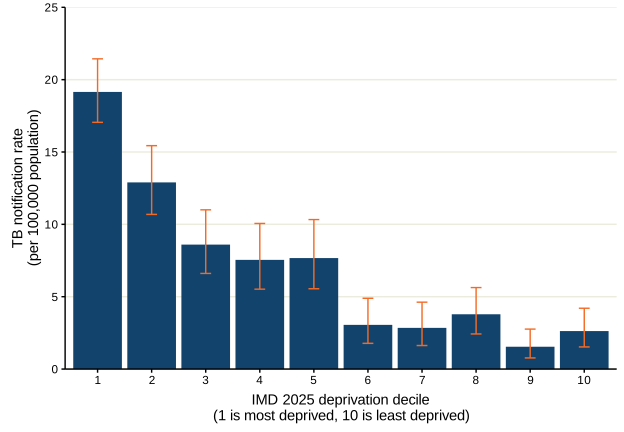
Note 27: error bars represent upper and lower 95% confidence intervals.
Note 28: the Index of Multiple Deprivation (IMD) ranks small areas in England by deprivation using 7 key domains including, but not limited to, income, housing, employment, crime and environment. Each area is scored and ranked nationally from most to least deprived.
Description of Figure 15: a bar chart with error bars, with columns showing the TB notification rate in each deprivation decile in the North West in 2024. A clear trend is shown of higher incidence in the most deprived deciles compared with the least deprived deciles.
TB diagnosis, microbiology and drug resistance
Culture confirmation
In 2024, 63.4% (417 out of 658) of all TB cases, both pulmonary and extra-pulmonary, were confirmed by culture in the North West. Of the 337 pulmonary cases, 77.7% (262 cases) were culture confirmed, compared with 75.3% nationally (1). This was in line with previous years, but below the National Action Plan (3) target of 80% culture confirmation for cases of pulmonary TB (Figure 16). Culture confirmation for extra-pulmonary cases was 48.3% (155 out of 321), similar to the national proportion of 46.9% (1).
Figure 16. Proportion of people notified with pulmonary TB who were culture confirmed, North West, 2018 to 2024 [note 29] [note 30]
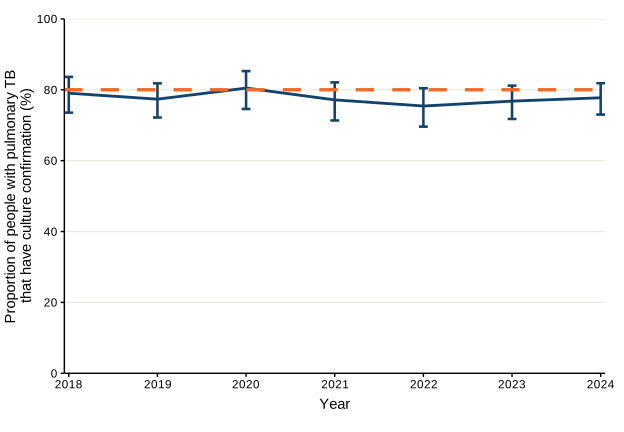
Note 29: dashed line indicates target of 80% culture confirmation.
Note 30: error bars represent upper and lower 95% confidence.
Description of Figure 16: a line chart with error bars showing the proportion of North West pulmonary TB cases between 2018 and 2024 which were culture confirmed. The proportion has remained fairly stable during this period but remained below the national target of 80% in 2024.
The proportion of culture-confirmed cases with susceptibility results for at least one first-line drug (including isoniazid, rifampicin and ethambutol) was 99.5% (415 out of 417), similar to previous years (Figure 17).
Figure 17. Proportion of people culture confirmed with TB with first-line drug results, North West, 2018 to 2024 [note 31] [note 32]
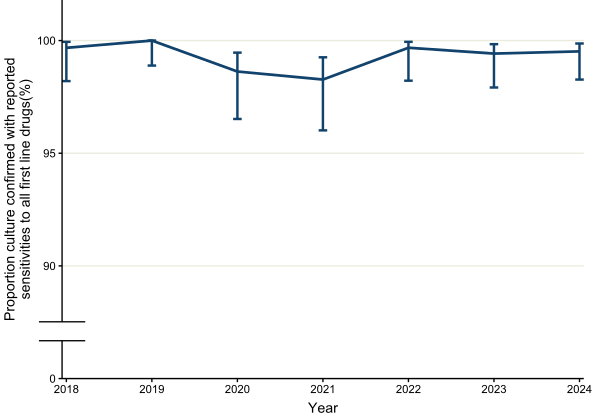
Note 31: error bars represent upper and lower 95% confidence intervals.
Note 32: the proportion of cases with resistance to pyrazinamide is not reported (and therefore the category of any first-line agent only includes rifampicin, isoniazid, and ethambutol) in 2023 and 2024 because the laboratory testing was adversely impacted by a problem with quality control in the supply chain for the media used for phenotypic drug susceptibility testing for this drug. The manufacturer issued a Field Safety Notice in July 2024 stating that there may have been false detection of resistance from June 2023.
Description of Figure 17: a line chart with error bars showing the proportion of culture-confirmed pulmonary TB cases in the North West between 2018 and 2024 which had first-line drug results. The proportion has remained above 98% during this period.
Drug resistance
The proportion of culture-confirmed cases with resistance to at least one first-line drug was 6.5% (27 out of 417) in 2024, lower than in previous years (Figure 18). The proportion of North West TB cases with isoniazid resistance was 6.5% (27 out of 417) in 2024, similar to previous years.
Figure 18. Proportion of people notified with culture-confirmed TB with initial resistance to any first-line drug, North West, 2018 to 2024 [note 33] [note 34]
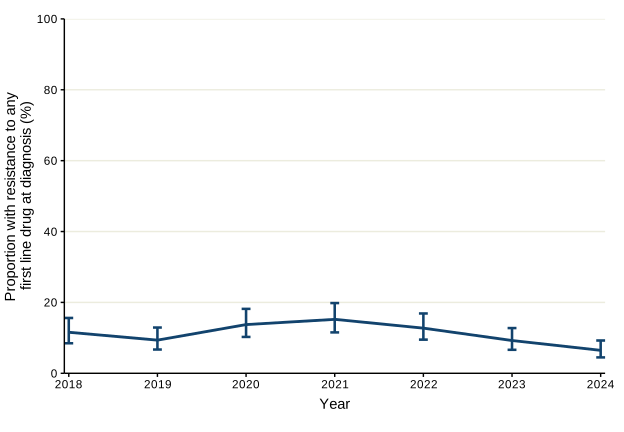
Note 33: error bars represent upper and lower 95% confidence intervals.
Note 34: due to quality control issues, resistance to any first-line drug excludes pyrazinamide for 2023 and 2024.
Description of Figure 18: a line chart with error bars showing the proportion of culture-confirmed pulmonary TB cases in the North West between 2018 and 2024 which had resistance to any first-line drugs. The proportion ranged from 6.5% in 2024 to 15.2% in 2021.
There were 3 cases of RR or MDR (rifampicin-resistant or multidrug-resistant) TB recorded in 2024, lower than in the previous year (9 cases in 2023). All 3 cases were in males, 2 of whom were born outside the UK and had entered the UK within 2 years. No cases of XDR (extensively drug-resistant) TB were recorded in the North West in 2024.
TB clusters
Whole-genome sequencing (WGS) is carried out on all culture-confirmed TB cases, providing information on relatedness and possible transmission. The proportion of North West cases that were clustered with at least one other TB case was 32.6% (136 out of 417) in 2024. This proportion has gradually decreased in recent years (Table 9), a trend which has been reported nationally (1).
Table 9. Number of people notified, proportion with culture confirmation and proportion of notifications identified in a WGS cluster, North West, 2021 to 2024 [note 35] [note 36]
| Year | Total TB notifications | Number of notifications cultured | Proportion of notifications cultured | Number of culture-confirmed notifications identified in a cluster with more than one person | Proportion of culture-confirmed notifications identified in a cluster with more than one person (%) | 95% confidence interval |
|---|---|---|---|---|---|---|
| 2021 | 484 | 289 | 59.7 | 105 | 36.3 | 31.0 to 42.0 |
| 2022 | 494 | 314 | 63.6 | 118 | 37.6 | 32.4 to 43.1 |
| 2023 | 586 | 346 | 59.0 | 119 | 34.4 | 29.6 to 39.5 |
| 2024 | 658 | 417 | 63.4 | 136 | 32.6 | 28.3 to 37.3 |
| Total | 2,222 | 1,366 | 61.5 | 478 | 35.0 | 32.5 to 37.6 |
Note 35: a WGS cluster is defined as 2 or more individuals that have isolates with a less than 12 SNP difference.
Note 36: WGS cluster reporting has changed over time. These changes are likely to have affected the most recent year’s data.
TB in children aged 0 to 17: incidence, epidemiology and microbiology
In 2024, 52 TB cases aged under 18 years were notified in the North West. This was the highest number recorded since 2012, although numbers have fluctuated during this period (Figure 19).
Figure 19. Number of TB notifications in children aged under 18 years, North West, 2001 to 2024
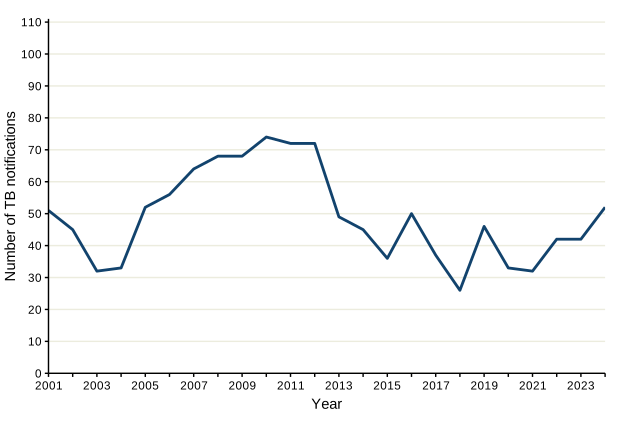
Description of Figure 19: a line chart showing the number of TB cases aged under 18 years notified in the North West between 2001 and 2024. Numbers peaked in 2010, declined overall to 2018, then gradually increased to 2024.
The notification rate in TB cases under 18 years was 3.2 per 100,000 population in 2024, higher than in 2023 (2.6 per 100,000), and presenting a gradual increase since 2020 (Figure 20).
Figure 20. TB notification rate in children aged under 18 years, North West, 2001 to 2024 [note 37]
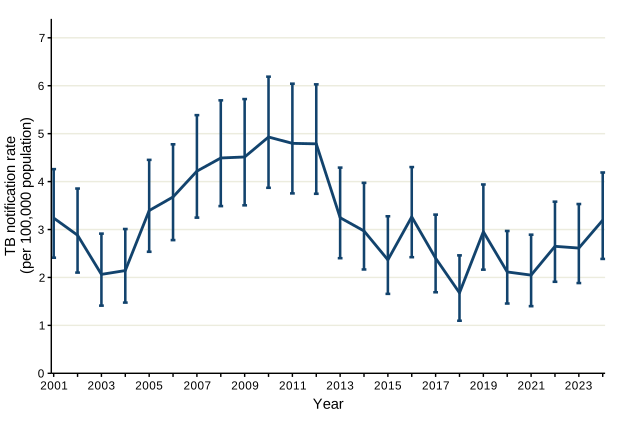
Note 37: error bars represent upper and lower 95% confidence intervals.
Description of Figure 20: a line chart showing the number of TB cases in UK born children aged 0 to 17 years from 2001 to 2024.
The number of TB cases in children born outside the UK was highest in 2012 at 32 cases, decreasing to 9 cases in 2017. The number increased to 30 cases in 2023 and remained the same in 2024 (Figure 21).
Figure 21. Number of TB notifications in non-UK born children aged under 18 years, North West, 2001 to 2024
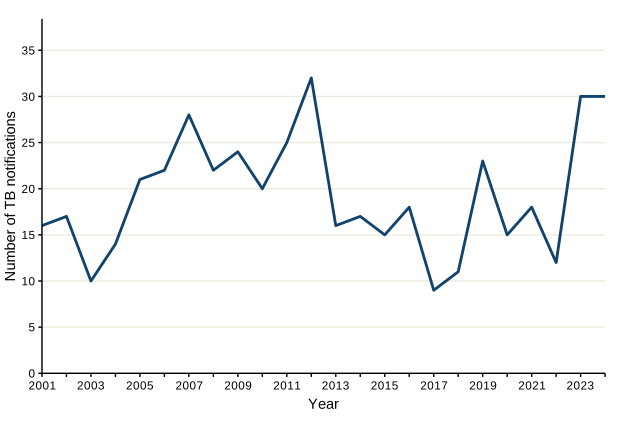
Description of Figure 21: a line chart showing the number of TB cases in non-UK born children aged 0 to 17 years from 2001 to 2024.
The number of UK born children with TB has historically been greater than in the non-UK born; an average of 29 cases between 2000 and 2024, compared with 19 cases in the non-UK born. However, since 2019, numbers have become more closely aligned. In 2024, the number born outside the UK (30 cases) was higher than the number of UK born (22 cases).
In 2024, 59.6% of children with TB (31 out of 52) were male. The most common country of birth was the UK (42.3%, 22 out of 52) and the most common ethnic group was black-African (38.5%, 20 out of 52). Pulmonary disease was recorded in 61.5% (32 out of 52) of children aged 0 to 17 years, while 53.8% (28 out of 52) were diagnosed with extra-pulmonary TB, with or without pulmonary TB (Table 10). Over a quarter (28.8%, 15 out of 52 cases) had TB of the lymph nodes only.
Table 10. Number of TB notifications by site and severity of disease in children aged under 18 years, North West, 2024 [note 38]
| Clinical characteristic | Number of notifications in children aged 0 to 4 years | Number of notifications in children aged 5 to 9 years | Number of notifications in children aged 10 to 14 years | Number of notifications in children aged 15 to 17 years | Total |
|---|---|---|---|---|---|
| All disease sites | 5 | 10 | 18 | 19 | 52 |
| Pulmonary | 3 | 8 | 11 | 10 | 32 |
| Extra-pulmonary | 2 | 3 | 9 | 14 | 28 |
| Severe TB | 0 | 1 | 0 | 0 | 1 |
| Lymph nodes only | 2 | 1 | 6 | 6 | 15 |
| Other | 0 | 0 | 0 | 1 | 1 |
Note 38: ‘pulmonary’ also includes children with or without extra-pulmonary sites. ‘Severe TB’ includes individuals with central nervous system (CNS), spinal, cryptic or miliary TB among children aged 15 to 17 years and TB meningitis, miliary or cryptic disseminated among children aged 0 to 14 years. ‘Lymph nodes only’ includes intra- and extra-thoracic lymph nodes and no other site of disease, including pulmonary or extra-pulmonary TB. ‘Other’ includes gastrointestinal, genitourinary, or other extra-pulmonary.
Culture confirmation among children with TB remained lower than in adults at 36.5% (19 out of 52). The culture confirmation rate in this age group is lower than in adults due to the difficulties in obtaining samples from children, who are often treated for TB empirically to avoid invasive procedures. Among pulmonary cases, 31.3% (10 out of 32) were confirmed by culture in 2024.
TB treatment
TB patients can have complex needs and care requirements which have a subsequent impact on TB services. Cases requiring enhanced case management (ECM) are classified into levels 0 to 3 based on the degree of support required, with level 0 needing the standard level of support and level 3 typically being a more complex case with a much greater degree of support required (4).
Enhanced case management
In 2024, 53.3% (351 out of 658) of TB cases were recorded as having an ECM level of 1 to 3, lower than the previous year (61.6% in 2023).
Table 11. Number of people with TB receiving enhanced case management, North West, 2022 to 2024 [note 39]
| Year | Total TB notifications | Level 1 (number) | Level 1 (proportion) | Level 2 (number) | Level 2 (proportion) | Level 3 (number) | Level 3 (proportion) | Unknown level (number) | Unknown level (proportion) |
|---|---|---|---|---|---|---|---|---|---|
| 2021 | 484 | 49 | 10.1 | 40 | 8.3 | 41 | 8.5 | 2 | 0.4 |
| 2022 | 494 | 136 | 27.5 | 85 | 17.2 | 46 | 9.3 | 7 | 1.4 |
| 2023 | 586 | 136 | 23.2 | 114 | 19.5 | 111 | 18.9 | 2 | 0.3 |
| 2024 | 658 | 151 | 22.9 | 106 | 16.1 | 94 | 14.3 | 4 | 0.6 |
Note 39: ‘Total TB notifications’ includes all people notified with TB regardless of whether they are receiving ECM or not, or if this information is missing.
Approximately one quarter of cases requiring ECM in 2024 had risk factors recorded (25.7%, 82 out of 319, cases aged 15 and over only). Over half were aged 15 to 44 years (54.4%, 191 out of 351) and 81.2% were born outside the UK (285 out of 351).
Treatment delays
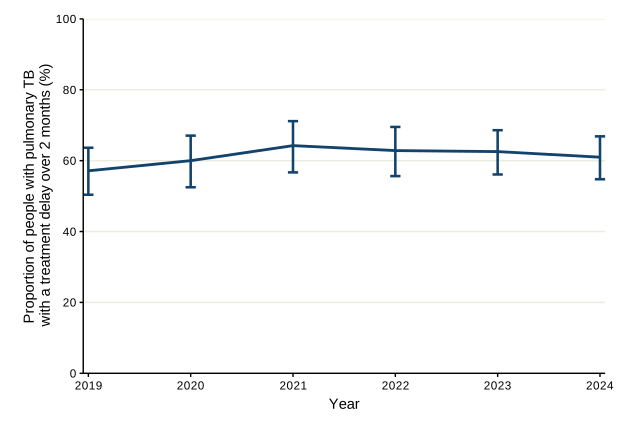
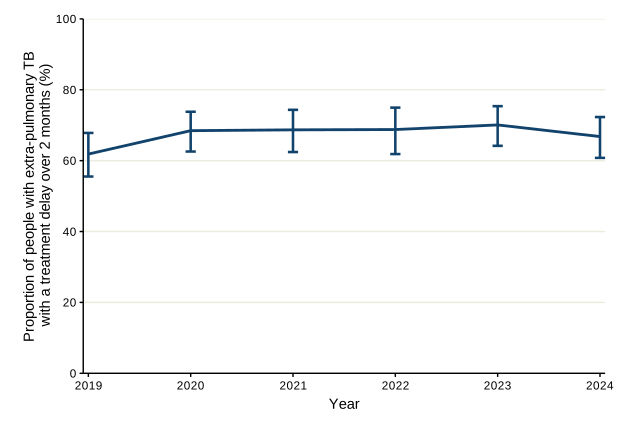
Cases experiencing delays of more than 2 months between symptom onset and treatment start averaged 61.3% for pulmonary cases between 2019 and 2024 (Figure 22). This was greater for extra-pulmonary cases at 67.5% (Figure 23).
Figure 22. Proportion of people notified with pulmonary TB with a treatment delay over 2 months, North West, 2019 to 2024 [note 40] [note 41] [note 42]
Note 40: error bars represent upper and lower 95% confidence intervals.
Note 41: treatment delay is defined by when treatment was started from symptom onset.
Note 42: all cases where delay to treatment is greater than 730 days have been removed from this analysis.
Description of Figure 22: a line chart with error bars showing the proportion of North West pulmonary TB cases notified between 2019 and 2024 which had a treatment delay of over 2 months. The proportion remained between 57.1% and 64.2% during this period.
Figure 23. Proportion of people notified with extra-pulmonary TB with a treatment delay over 2 months, North West, 2019 to 2024 [note 43] [note 44] [note 45]
Note 43: error bars represent upper and lower 95% confidence intervals.
Note 44: treatment delay is defined by when treatment was started from symptom onset.
Note 45: all cases where delay to treatment is greater than 730 days have been removed from this analysis.
Description of Figure 23: a line chart with error bars showing the proportion of North West extra-pulmonary TB cases notified between 2019 and 2024 which had a treatment delay of over 2 months. The proportion remained between 61.9% and 70.1% during this period.
There has been no significant change in treatment delays for pulmonary TB cases since 2019 (Table 12). Approximately one third of cases (32.5%, 80 out of 246) notified in 2024 experienced a delay of 2 to 4 months and 28.5% (70 out of 246) were delayed for over 4 months. These delays are consistent with those reported nationally (1).
Table 12. Number and proportion of people notified with pulmonary TB with a treatment delay, time between symptom onset and treatment start, North West, 2019 to 2024 [note 46]
| Year | 2 to 4 months delay (number) | 2 to 4 months delay (proportion) | Over 4 months delay (number) | Over 4 months delay (proportion) | Total |
|---|---|---|---|---|---|
| 2019 | 63 | 30.0 | 57 | 27.1 | 210 |
| 2020 | 42 | 24.7 | 60 | 35.3 | 170 |
| 2021 | 54 | 32.7 | 52 | 31.5 | 165 |
| 2022 | 56 | 30.6 | 59 | 32.2 | 183 |
| 2023 | 66 | 29.1 | 76 | 33.5 | 227 |
| 2024 | 80 | 32.5 | 70 | 28.5 | 246 |
Note 46: all people included in this table are people with pulmonary TB who did not have a post-mortem diagnosis and it was known that they had started treatment. People included within the ‘Total’ includes these individuals and where the time from symptom onset to treatment start was also known. Percentages for ‘2 to 4 month delay’ and ‘over 4 months’ delay were calculated using the ‘Total’ figure. ‘2 to 4 month delay’ includes people with a delay of 61 to 121 days inclusive. An ‘over 4 month delay’ includes people with a delay between 122 and 730 days inclusive.
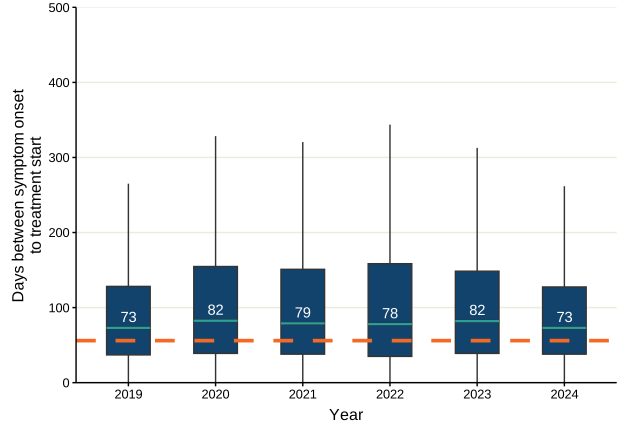
Among pulmonary cases notified in 2024, the median number of days between symptom onset and treatment start was 73 (Figure 24). This remains above the target median of 56 days by 2027 (3).
Figure 24. Median treatment delays among people notified with pulmonary TB, North West, 2019 to 2024 [note 47] [note 48] [note 49] [note 50]
Note 47: dashed line represents the target treatment delay of 56 days by 2027.
Note 48: ends of the whiskers represent the theoretical lower and upper limits for detecting outliers (lower/upper quartile negative/positive 1.5 times the interquartile range). Outliers falling outside of these limits have been removed.
Note 49: delay to treatment is defined by when treatment was started from symptom onset.
Note 50: all people included in this figure are people with pulmonary TB who did not have a post-mortem diagnosis and it was known that they had started treatment. It excludes individuals with a delay over 730 days.
Description of Figure 24: a box plot showing the median treatment delays among pulmonary TB cases in the North West between 2019 and 2024. The median number of days has ranged between 73 and 82 during this period, which is above the target of 56 days.
Among pulmonary cases with a treatment delay of more than 4 months, 48.6% (34 out of 70) were in the 15 to 44 years age group, and 72.9% occurred in males (51 out of 70). Approximately two-thirds (67.1%, 47 out of 70) were born outside the UK.
There was variation among ethnic groups: 54.4% of pulmonary cases (37 out of 68) in the black-African ethnic group were treated within 2 months of symptom onset, with 19.1% (13 out of 68) starting treatment after 4 months. In contrast, only 25.0% (12 out of 48) in the white ethnic group began treatment within 2 months, with 39.6% (19 out of 48) starting treatment after 4 months.
TB notification
Cases of active TB should be notified within 3 working days of diagnosis (5). In 2024, 69.1% of pulmonary cases were notified within the required period in the North West (Table 13), a small increase on previous years.
Table 13. Proportion of people notified with pulmonary TB within 3 days of diagnosis by year, North West, 2019 to 2024 [note 51]
| Year | Number of people notified | Proportion of people notified (%) | Total |
|---|---|---|---|
| 2019 | 183 | 66.1 | 277 |
| 2020 | 134 | 66.3 | 202 |
| 2021 | 134 | 59.8 | 224 |
| 2022 | 148 | 66.7 | 222 |
| 2023 | 191 | 68.7 | 278 |
| 2024 | 221 | 69.1 | 320 |
Note 51: includes people with pulmonary TB who were not diagnosed at post-mortem, where report delay was known and was between 0 and 90 days (inclusive).
TB treatment outcomes
Treatment outcomes for the non-MDR (multidrug-resistant) or non-RR (rifampicin-resistant) TB cohort are reported separately for the following groups:
- For patients with an expected treatment duration of less than 12 months, outcomes at 12 months are reported. This group excludes cases of severe TB (defined as central nervous system (CNS), spinal, miliary or cryptic disseminated disease among adults, and TB meningitis, miliary or cryptic disseminated among children aged 0 to 14 years), where the expected treatment duration would be longer. This definition of severe disease may not capture all clinically severe or extensive disease involving other sites of disease
- For patients with severe TB, the last recorded treatment outcome is reported
For each of these groups, treatment outcomes are reported for cases notified up to 2023.
Outcomes for TB patients in the non-MDR or non-RR TB cohort without severe TB
In 2023, there were 508 cases of non-severe TB with an expected treatment duration of less than 12 months. Of these non-severe cases, 86.2% (438 out of 508) completed treatment within 12 months (Table 14), similar to the previous year (85.8%, 369 out of 430). Nationally, treatment completion was slightly lower at 84.4% (1).
Table 14. Treatment outcome at 12 months and last recorded outcome for people notified with non-severe TB treated for non-MDR or non-RR TB, North West, 2023 [note 52] [note 53]
| Outcome | TB treatment outcome at 12 months (number) | TB treatment outcome at 12 months (proportion) | Last recorded treatment outcome (number) | Last recorded treatment outcome (proportion) |
|---|---|---|---|---|
| Treatment completed | 438 | 86.2 | 451 | 88.8 |
| Died | 13 | 2.6 | 15 | 3.0 |
| Lost to follow up | 17 | 3.3 | 19 | 3.7 |
| Treatment stopped | 4 | 0.8 | 5 | 1.0 |
| Not evaluated | 36 | 7.1 | 18 | 3.5 |
| Total | 508 | 100.0 | 508 | 100.0 |
Note 52: ‘not evaluated’ indicates that the treatment outcome was not evaluated, not recorded or is unknown and the final outcome is not ‘still on treatment’ nor ‘died’.
Note 53: ‘non-severe’ TB is defined as those cases without central nervous system (CNS), spinal, miliary or cryptic disseminated disease among adults, and without TB meningitis, miliary or cryptic disseminated among children aged 0 to 14 years.
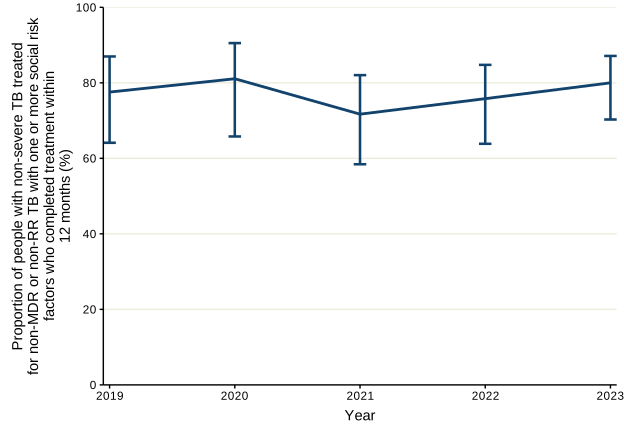
In the non-MDR or non-RR cohort with non-severe TB, treatment completion for cases with one or more recorded social risk factors was 80.0% (68 out of 85), lower than for cases with no recorded risk factors (87.5%, 370 out of 423). The proportion of cases completing treatment within 12 months increased between 2021 and 2023, from 71.7% to 80.0% (Figure 25).
Figure 25. Proportion of people with non-severe TB treated for non-MDR or non-RR TB and with one or more social risk factors who completed treatment within 12 months, North West, 2019 to 2023 [note 54] [note 55] [note 56]
Note 54: error bars represent upper and lower 95% confidence intervals.
Note 55: ‘non-severe’ TB is defined as those cases without central nervous system (CNS), spinal, miliary or cryptic disseminated disease among adults, and without TB meningitis, miliary or cryptic disseminated among children aged 0 to 14 years.
Note 56: Not all social risk factors were recorded before 2021.
Description of Figure 25: a line chart with error bars showing the proportion of North West non-MDR and non-RR TB cases without severe TB and with one or more social risk factors notified between 2019 and 2023 which completed treatment within 12 months. The proportion increased from 71.7% in 2021 to 80.0% in 2023.
The proportion of North West cases in the non-MDR or non-RR cohort with non-severe TB which completed treatment within 12 months remained lower than the 90% target (3) between 2019 and 2023 (Figure 26).
Figure 26. Proportion of people with non-severe TB treated for non-MDR or non-RR TB who completed treatment within 12 months compared with the target of 90%, North West, 2019 to 2023 [note 57] [note 58] [note 59]
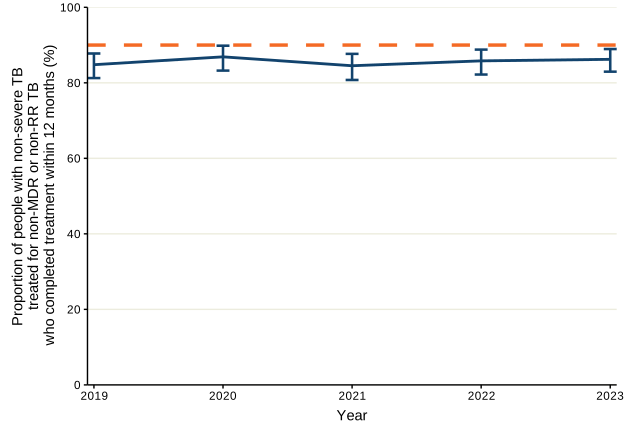
Note 57: dashed line indicates treatment target of 90%.
Note 58: error bars represent upper and lower 95% confidence intervals.
Note 59: ‘non-severe’ TB is defined as those cases without central nervous system (CNS), spinal, miliary or cryptic disseminated disease among adults, and without TB meningitis, miliary or cryptic disseminated among children aged 0 to 14 years.
Description of Figure 26: a line chart with error bars showing the proportion of North West non-MDR and non-RR TB cases without severe TB notified between 2019 and 2023 which completed treatment within 12 months. The proportion has remained stable during this period (between 84.7% and 86.9%) but has remained below the national target of 90%.
Of cases notified in 2023 with a recorded treatment outcome, 7.2% (34 out of 472) did not complete treatment within 12 months (Figure 27). The most common reason for not completing treatment was being lost to follow-up (3.6%, 17 out of 472). Of the 17 cases that were lost to follow-up, 35.3% (6 cases) left the UK before completing treatment.
Figure 27. Outcomes of people evaluated who did not complete treatment by 12 months for people with non-severe TB treated for non-MDR or non-RR TB, North West, 2014 to 2023 [note 60]
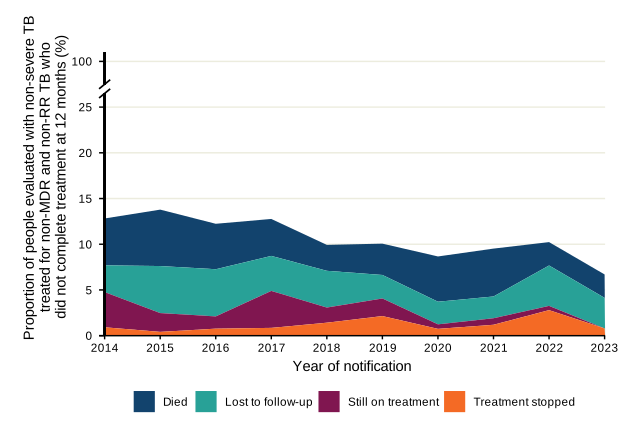
Note 60: ‘non-severe’ TB is defined as those cases without central nervous system (CNS), spinal, miliary or cryptic disseminated disease among adults, and without TB meningitis, miliary or cryptic disseminated among children aged 0 to 14 years.
Description of Figure 27: an area chart showing the proportion of North West non-MDR and non-RR TB cases without severe TB notified between 2014 and 2023 which did not complete treatment within 12 months.
At the last recorded outcome, treatment completion was 88.8% (451 out of 508). Of the 15 cases with death as the last recorded outcome, the relationship between TB and death was unknown for 46.7% (7 out of 15). Where information was known, TB caused death in one case, contributed to death in 2, and was incidental to death in 5 cases. The median age of those who died was 66 years.
Table 15. TB outcome at 12 months for people with non-severe TB treated for non-MDR or non-RR TB, North West, 2014 to 2023 [note 61]
| Year | Treatment completed (number) | Treatment completed with any social risk factor (number) | Died (number) | Lost to follow up (number) | Still on treatment (number) | Treatment stopped (number) | Not evaluated (number) | Total (number) |
|---|---|---|---|---|---|---|---|---|
| 2014 | 476 | 36 | 28 | 16 | 21 | 5 | 0 | 546 |
| 2015 | 419 | 53 | 30 | 25 | 10 | 2 | 0 | 486 |
| 2016 | 459 | 41 | 26 | 27 | 7 | 4 | 0 | 523 |
| 2017 | 407 | 33 | 19 | 18 | 19 | 4 | 3 | 470 |
| 2018 | 364 | 36 | 12 | 17 | 7 | 6 | 17 | 423 |
| 2019 | 396 | 38 | 16 | 12 | 9 | 10 | 24 | 467 |
| 2020 | 351 | 30 | 20 | 10 | 2 | 3 | 18 | 404 |
| 2021 | 355 | 38 | 22 | 10 | 3 | 5 | 25 | 420 |
| 2022 | 369 | 47 | 11 | 19 | 2 | 12 | 17 | 430 |
| 2023 | 438 | 68 | 13 | 17 | 0 | 4 | 36 | 508 |
Note 61: ‘not evaluated’ indicates that the treatment outcome was not evaluated, not recorded or is unknown and the final outcome is not ‘still on treatment’ or ‘died’ within the timeframe of 12 months. ‘Non-severe’ TB is defined as those cases without central nervous system (CNS), spinal, miliary or cryptic disseminated disease among adults, and without TB meningitis, miliary or cryptic disseminated among children aged 0 to 14 years.
Table 16. Proportions of TB outcomes at 12 months for people with non-severe TB treated for non-MDR or non-RR TB, North West, 2014 to 2023 [note 62]
| Year | Treatment completed (proportion) | Treatment completed with any social risk factor (proportion) | Died (proportion) | Lost to follow up (proportion) | Still on treatment (proportion) | Treatment stopped (proportion) | Not evaluated (proportion) |
|---|---|---|---|---|---|---|---|
| 2014 | 87.2 | 6.6 | 5.1 | 2.9 | 3.8 | 0.9 | 0.0 |
| 2015 | 86.2 | 10.9 | 6.2 | 5.1 | 2.1 | 0.4 | 0.0 |
| 2016 | 87.8 | 7.8 | 5.0 | 5.2 | 1.3 | 0.8 | 0.0 |
| 2017 | 86.6 | 7.0 | 4.0 | 3.8 | 4.0 | 0.9 | 0.6 |
| 2018 | 86.1 | 8.5 | 2.8 | 4.0 | 1.7 | 1.4 | 4.0 |
| 2019 | 84.8 | 8.1 | 3.4 | 2.6 | 1.9 | 2.1 | 5.1 |
| 2020 | 86.9 | 7.4 | 5.0 | 2.5 | 0.5 | 0.7 | 4.5 |
| 2021 | 84.5 | 9.0 | 5.2 | 2.4 | 0.7 | 1.2 | 6.0 |
| 2022 | 85.8 | 10.9 | 2.6 | 4.4 | 0.5 | 2.8 | 4.0 |
| 2023 | 86.2 | 13.4 | 2.6 | 3.3 | 0.0 | 0.8 | 7.1 |
Note 62: ‘not evaluated’ indicates that the treatment outcome was not evaluated, not recorded or is unknown and the final outcome is not ‘still on treatment’ or ‘died’ within the timeframe of 12 months. ‘Non-severe’ TB is defined as those cases without central nervous system (CNS), spinal, miliary or cryptic disseminated disease among adults, and without TB meningitis, miliary or cryptic disseminated among children aged 0 to 14 years.
Outcomes for TB patients in the non-MDR or non-RR TB cohort with severe TB
For patients with severe TB (including CNS, spinal, miliary or cryptic disseminated disease among adults, and TB meningitis, miliary or cryptic disseminated among children aged 0 to 14 years), the last recorded treatment outcome is reported.
Of the 59 cases in the non-MDR or non-RR TB cohort with severe TB in 2023, 83.1% (49 out of 59) had completed treatment at the last recorded outcome. This was similar to the previous year (83.6%, 46 out of 55) and higher than the proportion reported nationally (74.4%, 361 out of 485) (1). Approximately half (52.5%, 31 out of 59) of cases in this cohort completed treatment within 12 months. The most common reason for non-completion of treatment was being lost to follow-up (8.5%, 5 out of 59 cases).
TB treatment outcome at 24 months for patients in the drug-resistant (MDR or RR TB) cohort
In 2022, there were 6 North West cases in the MDR or RR TB cohort. At 24 months, 5 cases (83.3%) had completed treatment and the remaining case was lost to follow-up.
TB prevention
Contact tracing
Contact tracing aims to identify cases of undiagnosed active and latent TB and to subsequently provide them with appropriate treatment or vaccination. This process can prevent further TB transmission and development of more severe illness.
Contact tracing information was available for 72.0% (242 out of 336) of pulmonary TB cases in the North West in 2024. and 13.7% (46 out of 336 cases) had 5 or more contacts identified and screened. The proportion of pulmonary cases with at least 5 contacts identified and screened decreased from 24.8% in 2022 to 13.6% in 2024 (Figure 28).
Figure 28. Proportion of people notified with pulmonary TB with at least 5 contacts identified and screened for active and latent TB by year, North West, 2019 to 2024 [note 63] [note 64]
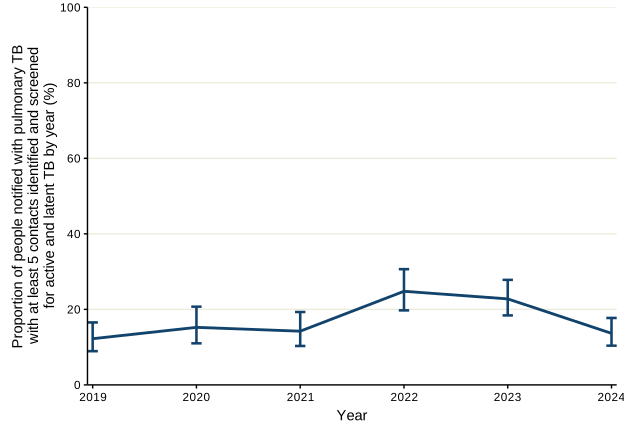
Note 63: error bars represent upper and lower 95% confidence intervals.
Note 64: individuals with more than 65 contacts were excluded as indicative of a large outbreak investigation and therefore not representative of the routine contact tracing.
Description of Figure 28: a line chart with error bars showing the proportion of North West pulmonary TB cases notified between 2019 and 2024 with at least 5 contacts identified and screened for active and latent TB.
Of the pulmonary TB cases notified in 2024, a total of 840 contacts were identified; 74.0% (622 out of 840) of which were screened for active and latent TB (Table 17). This proportion was higher in child contacts (84.1%, 190 out of 226) than in adults (70.4%, 432 out of 614). Active TB was identified in 3.4% of the total contacts screened (21 out of 622), while latent TB was found in 19.1% (119 out of 622). Approximately one fifth (19.5%, 37 out of 190) of child contacts were found to have latent TB. Treatment was started for 73.9% (88 out of 119) of all those identified with latent TB, and 60.5% (72 out of 119) completed treatment.
Table 17. Number of contacts identified, screened, screening results and treatment for contacts of people notified with pulmonary TB (index individuals), North West, 2024 [note 65] [note 66] [note 67] [note 68]
| Treatment and screening categories | All adult contacts (number) | All adult contacts (proportion) | All child contacts (number) | All child contacts (proportion) | Total contacts (number) | Total contacts (proportion) |
|---|---|---|---|---|---|---|
| Number of contacts identified | 614 | Not applicable | 226 | Not applicable | 840 | Not applicable |
| Number of contacts screened for active TB and latent TB | 432 | 70.4 | 190 | 84.1 | 622 | 74.0 |
| Number of contacts with active TB | 13 | 3.0 | 8 | 4.2 | 21 | 3.4 |
| Number of contacts with latent TB | 82 | 19.0 | 37 | 19.5 | 119 | 19.1 |
| Number of contacts who started treatment for latent TB | 56 | 68.3 | 32 | 86.5 | 88 | 73.9 |
| Number of contacts who completed treatment for latent tuberculosis | 43 | 52.4 | 29 | 78.4 | 72 | 60.5 |
Note 65: the denominator for the proportion of contacts screened for active TB and latent TB infection (LTBI) is number of contacts identified.
Note 66: the denominator for the proportion of contacts positive for active TB and LTBI is the number of contacts screened.
Note 67: the denominator for the proportion of contacts who started and completed treatment is the number of contacts positive for LTBI.
Note 68: individuals with more than 65 contacts were excluded as indicative of a large outbreak investigation and therefore not representative of the routine contact tracing.
BCG vaccination
Bacillus Calmette-Guérin (BCG) vaccination was confirmed for 35.4% (233 out of 658) of North West TB cases in 2024 (Table 18), similar to previous years (39.5%, 231 out of 585, in 2023). However, over half (56.4%, 371 out of 658) of cases had unrecorded or unknown BCG information.
The proportion of cases with a known BCG vaccination status was higher in younger age groups: 63.6% (21 out of 33) in cases aged 0 to 14 years, compared with 24.4% (20 out of 82) of cases aged 65 and over.
The proportion of cases with a BCG vaccination reported was higher in those born outside the UK at 80.3% (187 out of 233) compared with 19.7% of UK born cases (46 out of 233).
Table 18. BCG vaccination coverage among people with TB, North West, 2024
| Place of birth | Number of vaccinated people with TB under 5 years old | Total number of people with TB under 5 years old | Proportion of vaccinated people with TB under 5 years old | Number of vaccinated people with TB under 15 years old | Total number of people with TB under 15 years old | Proportion of vaccinated people with TB under 15 years old | Number of vaccinated people with TB (all ages) | Total number of people with TB (all ages) | Proportion of vaccinated people with TB (all ages) |
|---|---|---|---|---|---|---|---|---|---|
| Non-UK born | 1 | 1 | 100.0 | 8 | 16 | 50.0 | 187 | 530 | 35.3 |
| UK born | 2 | 4 | 50.0 | 7 | 17 | 41.2 | 46 | 127 | 36.2 |
| All cases | 3 | 5 | 60.0 | 15 | 33 | 45.5 | 233 | 658 | 35.4 |
Discussion
Numbers and rates of TB in north west England have increased each year since 2020. Incidence remains below the national level; however, the increasing trend moves the region further away from achieving the goal of a 90% reduction in new TB notifications by 2035.
The ethnic groups with the highest proportion of cases were the Pakistani, black-African and White ethnic groups. Over 80% of all cases were born outside the UK and, while a significant proportion (30%) were resident in the UK for at least 11 years, a third of cases were in new entrants (notified within 2 years of UK entry). This demonstrates the importance of timely identification and treatment of TB and LTBI in migrants arriving from high incidence TB countries via an effective LTBI screening programme, and of maintaining awareness of TB among migrant populations.
The proportion of cases with SRFs has gradually increased since 2019, indicating that underserved populations must remain a priority for intervention. The largest burden of disease falls in the most socio-economically disadvantaged populations. Continued efforts to control TB in these groups will present an opportunity to reduce health inequalities.
Over two-thirds of pulmonary cases started TB treatment within 4 months of symptom onset. However, 29% started treatment more than 4 months after symptom onset, which may have increased the opportunity for TB transmission. It is important to raise awareness of TB among high-risk groups and service providers, and to ensure that clinical pathways are in place to increase detection and diagnosis.
Recommendations
The recommendations below link to the 5 priority areas in the UKHSA ‘Tuberculosis (TB): action plan for England, 2021 to 2026’ (3).
1. Recovery from COVID-19
UKHSA North West teams should continue to monitor TB notifications and to provide timely information to partners via quarterly reports. More in-depth annual analysis should be reviewed at the North West TB Control Board, cohort steering group, and network meetings.
2. Prevent TB
The increase in TB among recently arrived migrants indicates the need for intervention in this area. Any missed opportunities for both pre-entry and new migrant screening should be identified at North West cohort review meetings and raised via the TB Control Board to the national UKHSA TB team.
Local LTBI programmes should review local epidemiology, alongside their uptake and testing results, to evaluate their efforts.
North West TB service providers should work with local authorities, Integrated Care Boards (ICBs) and others to identify opportunities to offer appropriate screening for high-risk groups (including people experiencing homelessness, those in contact with the criminal justice system, people seeking asylum, and those receiving immunotherapy).
Contact tracing efforts should continue to be monitored through local cohort reviews, as well as in routine TB surveillance reporting (such as the North West quarterly report).
3. Detect TB
Improving early detection of TB is a priority for the North West TB Control Board. Oversight of, and understanding of reasons for, delays should remain a core part of TB cohort reviews. Surveillance reports should continue to include indicators on delays, to monitor trends over time.
TB services should try to improve culture confirmation rates for all people with TB (to above 80% for pulmonary) and ensure the use of PCR (polymerase chain reaction) testing for all people with potentially infectious TB. Diagnosis confidence scores, showing if samples are sent for culture and are culture confirmed, should continue to be monitored through cohort reviews.
4. Control TB disease
There is an ongoing need for better engagement with those most at risk of developing TB, particularly migrants and people in inclusion health groups (such as people experiencing homelessness, imprisonment, drug or alcohol dependence, mental health problems or seeking asylum). UKHSA teams should continue to collaborate with partners to develop pathways for detecting TB (including latent TB) and to provide relevant support to these groups throughout their treatment.
TB services and UKHSA teams should continue work to improve current TB treatment completion rates of 86%, aiming for the target of 90% for non-severe, non-MDR or non-RR TB cases by 2026.
5. Workforce
Education and awareness-raising around TB should continue among health and social care services, including primary care, secondary care, prisons and other accommodation settings.
All TB services should review the data provided by NHS England’s ‘Getting It Right First Time (GIRFT)’ review (6), and work with integrated care boards (ICBs) and wider stakeholders to ensure that services are equipped to meet the needs of local communities. This will be a priority area of work for the North West TB Control Board and TB services as it is an opportunity to look at capacity and other recommendations and to address the priority areas above.
TB services and UKHSA teams should continue to share learning and strengthen networks across lower and higher incidence areas.
Methods and acknowledgements
Methods
Full details of the data sources and methodologies used in this report, including definitions, are available in:
Acknowledgements
We are grateful to all those who contribute information on people with tuberculosis in the North West, including nurses, physicians, microbiologists, scientists, outreach and social care and administrative staff. We also acknowledge colleagues at the UKHSA National Mycobacterium Reference Service for information on culture confirmation and drug susceptibility testing.
Further thanks are due to:
- the UKHSA National TB Unit
- the UKHSA Data Science team
- the UKHSA North West Health Protection Team
- the UKHSA Field Service North West team
References
1. Sharon E Cox and others. ‘Tuberculosis in England, 2025 report (data up to end of 2024)’ October 2025, National TB Unit, UK Heath Security Agency, London (viewed on 5 March 2026)
2. World Health Organization. The End TB Strategy 2015 (viewed on 5 March 2026)
3. UK Health Security Agency and NHS England. Tuberculosis: action plan for England, 2021 to 2026 July 2021 (viewed on 5 March 2026)
4. Royal College of Nursing. ‘A Case Management Tool for TB Prevention, Care and Control in the UK’ May 2023
5. UK Health Security Agency. Notifying suspected or confirmed active tuberculosis Updated 21 January 2025 (viewed on 5 March 2026)
6. NHS England. Getting It Right First Time (GIRFT) (viewed on 5 March 2026)
Appendix. Local authority rate figures
Figure A1. TB notification rate per 100,000 population by upper tier local authority of residence, North West, 2001 to 2024 [note 69]
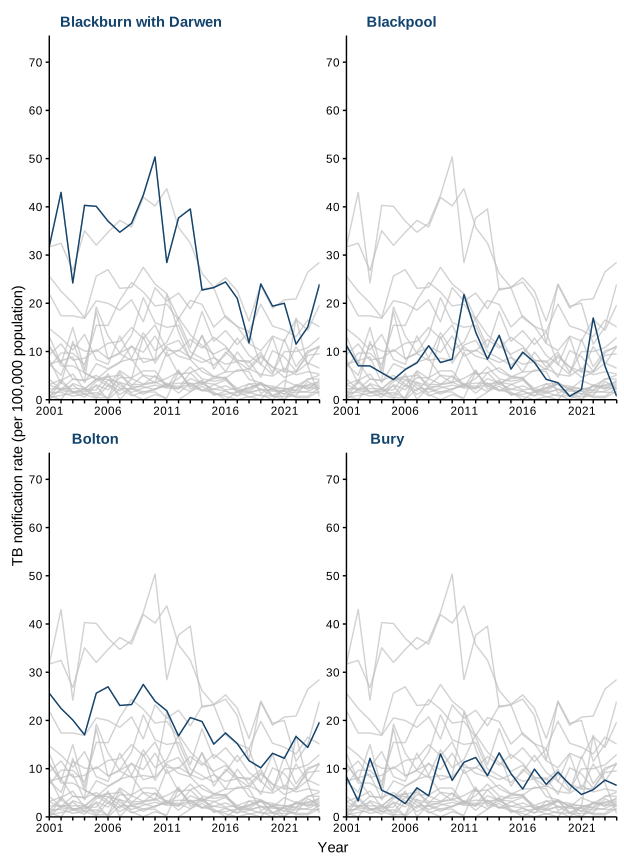
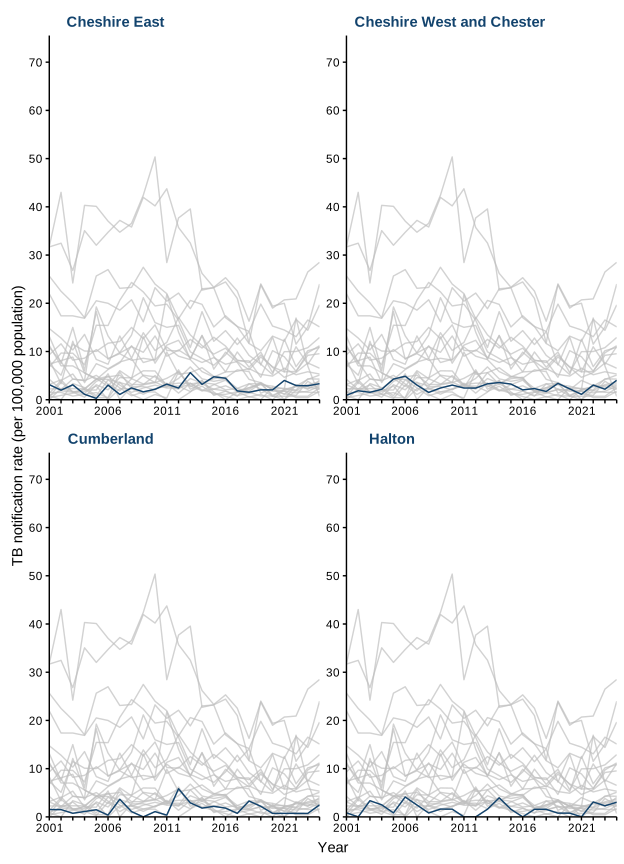
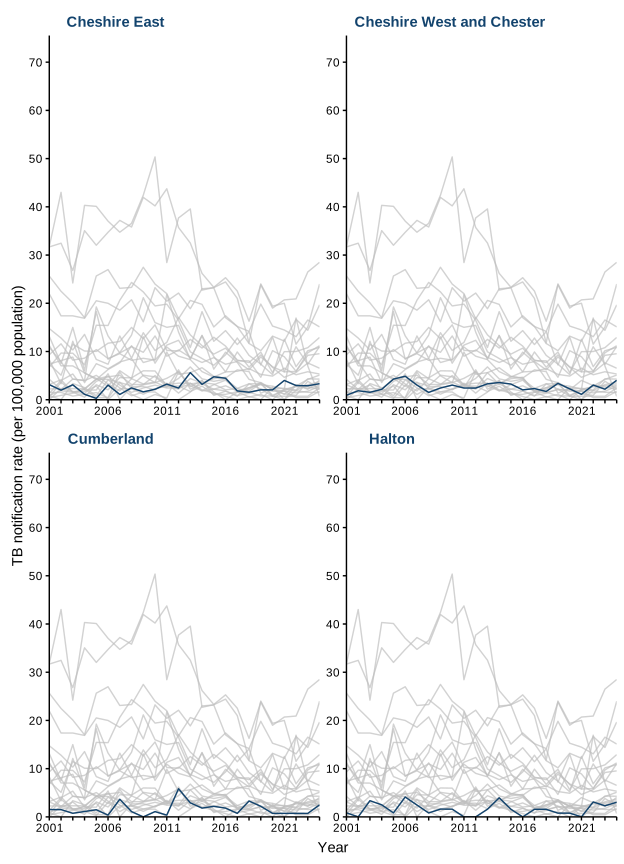
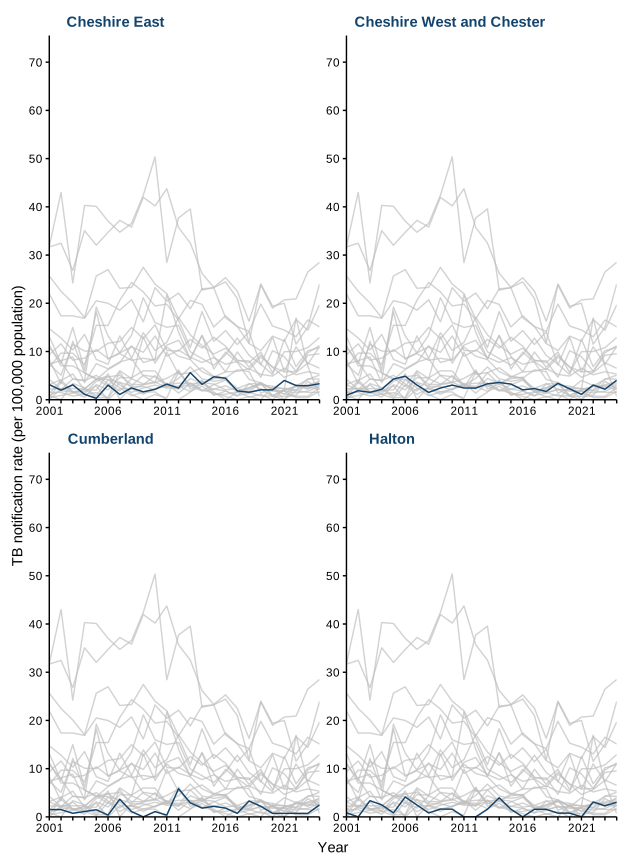
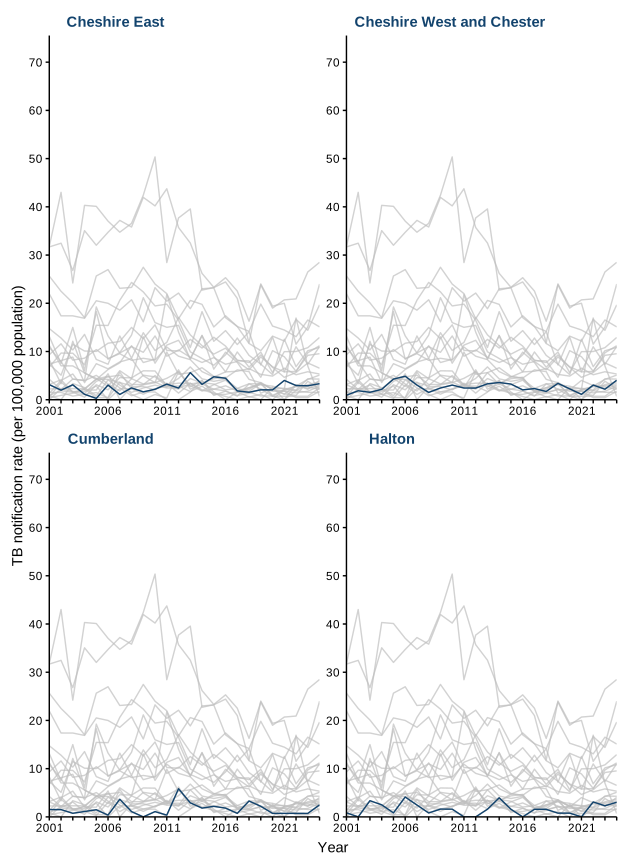
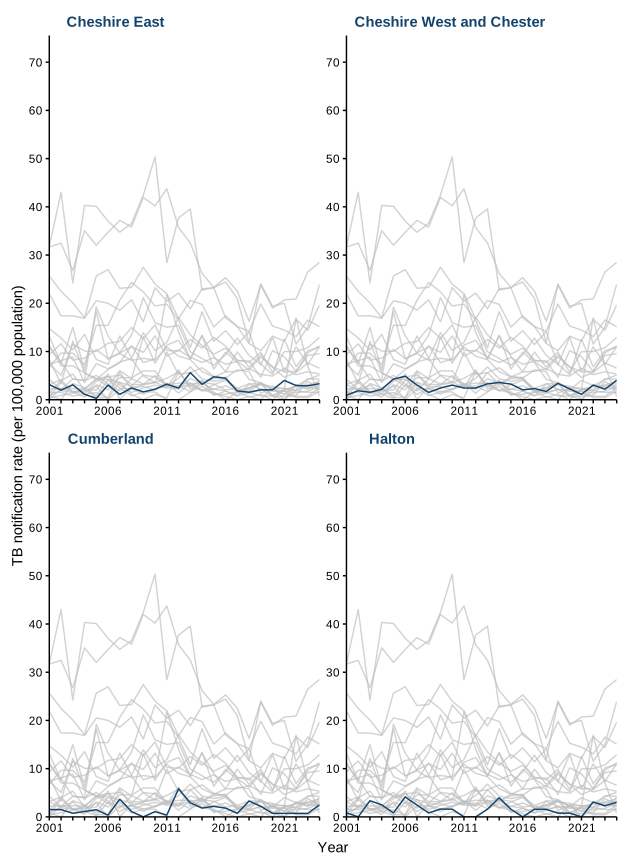
Note 69: grey lines represent the other upper tier local authorities in the region.
Description of Figure A1: a series of line charts showing the rate of TB from 2001 to 2024 for each of the North West upper tier local authorities.