East of England: tuberculosis in 2024
Published 23 March 2026

© Crown copyright 2026
This publication is licensed under the terms of the Open Government Licence v3.0 except where otherwise stated. To view this licence, visit nationalarchives.gov.uk/doc/open-government-licence/version/3 or write to the Information Policy Team, The National Archives, Kew, London TW9 4DU, or email: psi@nationalarchives.gov.uk.
Where we have identified any third party copyright information you will need to obtain permission from the copyright holders concerned.
This publication is available at https://www.gov.uk/government/publications/tuberculosis-tb-regional-reports-2024/east-of-england-tuberculosis-in-2024
Incidence, treatment and prevention of tuberculosis (TB) in the East of England using data up until the end of 2024.
Executive summary
In 2025:
- East of England TB rate remains lower than the England average (6.5 versus 9.4 cases per 100,000 in 2024) but higher than the World Health Organization (WHO) End TB goal
- provisional 2025 data indicates a decline in TB cases, possibly reversing the recent upward trend
- most people with TB were born outside the UK (81.4%), with increasing notifications among new migrants (35.6%)
- treatment delays remain common, as 60.1% of pulmonary TB cases did not start treatment within 2 months
- treatment completion remains below national goals (76.0% versus 90% target)
- TB case complexity is high, with 36.9% of people receiving enhanced case management, and 15.9% of adults reporting at least one social risk factor
- second-highest BCG vaccine uptake nationally (81.5% of eligible infants vaccinated)
In 2024, there were 447 tuberculosis (TB) case reports to the UK Health Security Agency (UKHSA) National Tuberculosis Surveillance System (NTBS) for people resident in the East of England. The East of England has lower rates of TB than England as a whole. In 2024, the 447 cases equated to a rate of 6.5 cases per 100,000 population (95% confidence interval (CI) 5.9 to 7.1), compared to 9.4 per 100,000 in England overall. The Tuberculosis in England 2025 report showed that the rate of TB in the East of England in 2024 was significantly lower than London (20.6 per 100,000), and similar to the South East region (6.3 per 100,000).
In the East of England, both the number of cases and rate of TB increased in 2024 compared to 2023 (increase of 8.0% and 6.6% respectively) and were higher than the target rate required to meet the WHO End TB 2035 goal of 90% reduction in incidence. However, provisional data for the East of England published in the National quarterly report of TB in England shows a return in 2025 to the level of TB seen in 2023 (7.8% decrease). The rate of TB increased in 2024 in half of the East of England local authorities, particularly in Cambridgeshire (8.9 per 100,000, +72.5% increase), Essex (4.5, +40.9%) and Thurrock (8.3, +65.1%). The rate of TB declined in the highest incidence areas of Luton (23.0 per 100,000, -7.3% decline) and Peterborough (17.0, -16.5%).
The highest age and sex specific rates of TB in the East of England in 2024 were recorded among males aged 30 to 39 years (14.3 per 100,000) and females aged 20 to 29 years (12.9 per 100,000). There were 8 cases among children aged less than 10 years.
Of people diagnosed with TB in the East of England in 2024, 81.4% were born outside the UK. Since 2020, there has been an increasing number of notifications among people born outside the UK, and a decreasing number among UK born people. People with TB in 2024 who were born outside the UK were most frequently born in India or Pakistan. Over one-third of people had arrived in the UK 11 or more years prior to their TB diagnosis, but there was an increasing proportion of recent migrants who arrived in the UK less than 2 years prior to their TB diagnosis, reaching 35.6% in 2024. The majority of UK born people with TB in 2024 were White (80.0%), and the majority of non-UK born people with TB were Indian (30.1%) or Black-African (22.5%).
As in previous years, over half (58.6%) of people had pulmonary TB, and 18.6% of people with TB had a comorbidity such as diabetes or immunosuppression. HIV tests were offered to 95.7% of people with TB. Among people with pulmonary TB, 72.1% were confirmed by culture, which is below the national target of 80%. Overall, 98.9% of culture-confirmed TB were tested for antibiotic drug sensitivity, and initial drug resistance remained stable at 9.3% in 2024. Between 2018 and 2024, 2.4% of culture-confirmed cases have had rifampicin-resistant or multidrug-resistant TB (RR or MDR) TB, 0.6% have had pre extensively drug-resistant TB (pre-XDR TB), and 0.1% have had extensively drug-resistant TB (XDR TB). 27.4% of culture-confirmed TB cases in 2024 were in a genetically related cluster of more than one person.
The incidence of TB among children aged under 18 years varies each year, with 26 children notified in 2024, which equates to a rate of 1.8 cases per 100,000 population. In 2024, there were more TB notification among non-UK born children than UK born children. The majority of children had pulmonary TB (61.5%) and only one child had severe TB (defined as central nervous system, spinal, cryptic or miliary TB).
In 2024, more than one-third of people with TB received enhanced case management (ECM), and 11.6% received the highest level of support (ECM level 3). Almost everyone (92.6%) notified with TB in 2024 started treatment. Among people with pulmonary TB, 60.1% did not start treatment within 2 months of symptom onset. In fact, 27.1% started treatment more than 4 months after symptom onset, consistent with a prolonged period of infectiousness. However, the average time to treatment has declined since 2021, indicating an overall improvement.
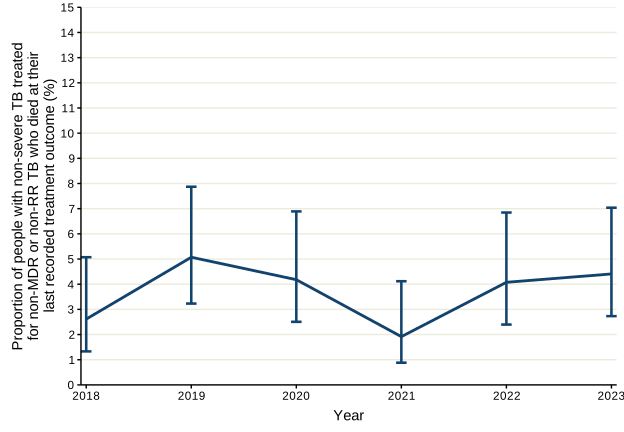
In 2023, 76.0% of people with non-severe TB treated for rifampicin sensitive TB completed treatment within 12 months. Among those who did not complete treatment within 12 months, the most frequent last recorded outcome was death (4.4%). In recent years, a growing proportion of people have stopped treatment, but there was a reduction in people lost to follow up. TB treatment completion was consistently lower among people with social risk factors (72.1% in 2023) or with RR or MDR TB (56.6% between 2014 and 2022).
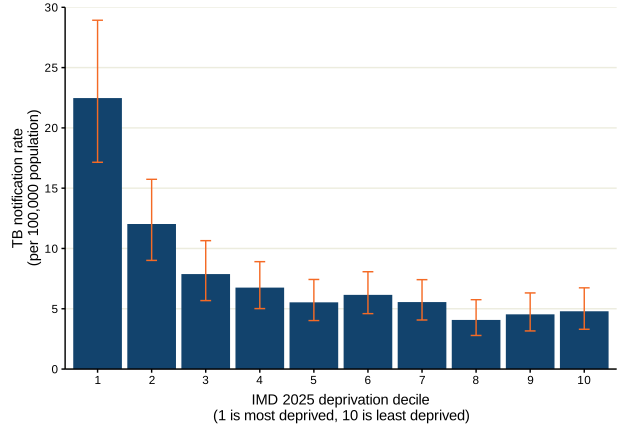
In 2024, almost 16% of people with TB aged 15 years or older had at least one social risk factor, such as drug or alcohol misuse, homelessness, prison history, asylum seeker status, or mental health needs. The rate of social risk factors among people with TB in the East of England has been stable since 2022 (15.8%). Such risk factors are more commonly reported among males (22.8%) and people born in the UK (22.1%), and less commonly among people aged 65 years or older (7.3%). TB remains associated with deprivation, where the rate of TB is statistically significantly higher in the most deprived decile areas based on the Index of Multiple Deprivation (IMD 2025).
In 2024, only 14.1% of people with pulmonary TB had 5 or more close contacts identified for screening. Among those screened, 18.9% were diagnosed with latent TB, and 1.0% with active TB. Of the contacts with latent TB, 70.8% started treatment, and nearly half of them (44.8%) completed treatment.
To address the increasing TB trend in the East of England, we recommend a comprehensive approach that includes: strengthening early detection through targeted surveillance and improved diagnostics; enhancing culturally sensitive screening and support, particularly for non-UK born populations; and implementing strategies to improve timely treatment initiation and completion of treatment, especially among vulnerable groups. In addition, robust contact tracing, broader use of preventative therapy, and coordinated multi-agency efforts to tackle social determinants of health are essential. Finally, ongoing monitoring and evaluation will be required to assess the effectiveness and impact of these interventions.
The data used in the figures in this report can be found in the accompanying supplementary tables.
TB incidence and epidemiology
Overall numbers, rates, and geographical distribution
In 2024, 447 cases of TB were notified in the East of England, with a crude rate of 6.5 per 100,000 population (95% confidence interval (CI) 5.9 to 7.1) as shown in Figure 1. This was an increase of 8.0% in the number of cases, and a 6.6% increase in the rate compared to 2023 (414 cases, rate: 6.1 per 100,000, 95% CI 5.5 to 6.7), which is slower than the rate of increase seen in England overall (13.6% increase in notifications reported in the Tuberculosis in England 2025 report). The rate of TB in the East of England remains significantly lower than the overall rate for England (9.4 per 100,000) as shown in Figure 2. The national report also showed that the rate of TB in the East of England in 2024 was significantly lower than London (20.6 per 100,000), and similar to the South East region (6.3 per 100,000). Case rates declined in the East of England from their peak in 2011 (9.2 per 100,000), but this trend has reversed and begun to show signs of increasing again. However, provisional data for the East of England published in the National quarterly report of TB in England shows a return in 2025 to the level of TB seen in 2023 (7.8% decrease compared to 2024; 412 cases total).
Figure 1. Number of TB notifications per year, East of England, 2001 to 2024
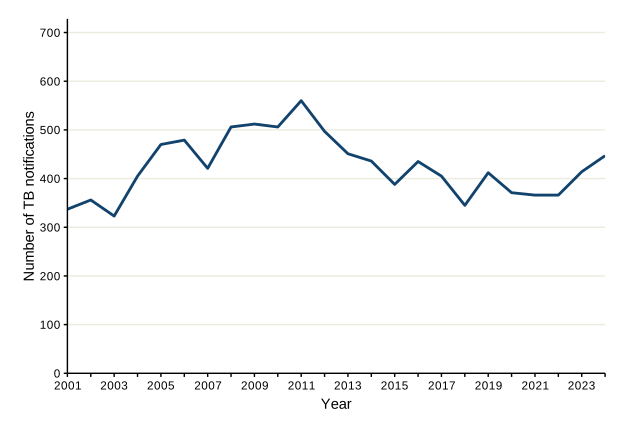
Figure 2. TB notification rates per 100,000 population per year, East of England and England, 2001 to 2024 [note 1]
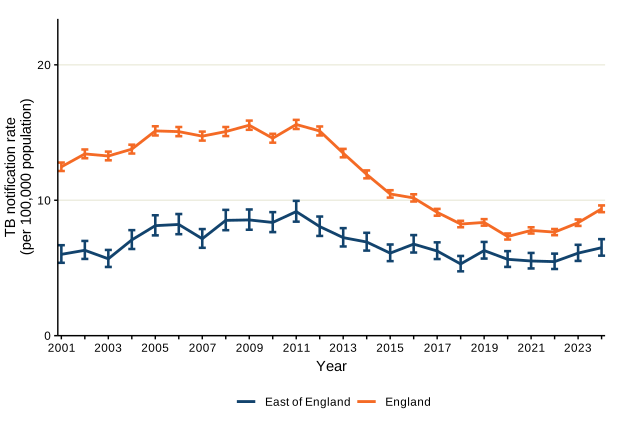
Note 1: error bars represent upper and lower 95% confidence intervals.
Since 2015, the overall trend in the rate of TB in the East of England has not declined in line with the WHO End TB 2035 goal of 90% reduction in incidence by 2035. In 2024, the difference between the observed rate (6.5 cases per 100,000 population) and the WHO regional target (3.6 cases per 100,000) increased (Figure 3). However, it is notable that the required rate for the East of England is lower than the rate required at a national level (3.7 cases per 100,000 in 2024) as quoted in the Tuberculosis in England 2025 report.
Figure 3. Observed TB notification rate compared with required TB notification rates to meet the WHO End TB 2035 goal of 90% reduction in incidence by 2035, East of England, 2015 to 2024 [note 2] [note 3]
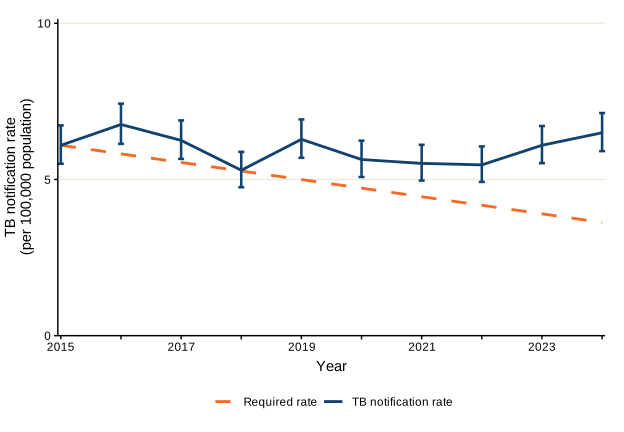
Note 2: error bars represent upper and lower 95% confidence intervals.
Note 3: dashed line represents required TB notification rates to meet the WHO End TB 2035 goal of 90% reduction in incidence by 2035.
The rates of TB increased in half of the upper tier local authorities in the East of England compared to 2023. The rate of TB in the following upper tier local authorities increased by over 20% in 2024: Cambridgeshire (8.9 per 100,000 compared to 5.1 per 100,000 in 2023; +72.5%), Essex (4.5 versus 3.2; +40.9%), and Thurrock (8.3 versus 5.0; +65.1%). In general, rates were stable below 10 cases per 100,000 (low incidence) for most upper tier local authorities except for Luton and Peterborough, which both had declining rates in 2024 (23.0 versus 24.8 in Luton; -7.3%; and 17.0 versus 20.3 in Peterborough; -16.5%). TB cases rates for upper tier local authorities are presented in Figure 4 and Table 1. The case rates for 2024 are also presented as a map in Figure 5 and full details are provided in the supplementary data tables.
Whilst rates consider the size of the population from which cases arise, the actual number of cases also need to be considered. Hertfordshire notified the largest number of cases in 2024 (77), while Central Bedfordshire reported the fewest (8). The largest increases in case numbers were seen in Cambridgeshire (63 cases versus 36 in 2023; +27) and Essex (70 versus 49; +21), and the largest decline was seen in Norfolk (35 cases versus 50; -15).
The number of TB notifications and rate is available by lower tier local authority and Integrated Care Board (ICB) in the supplementary tables.
Figure 4. TB notification rate per 100,000 population by upper tier local authority of residence, East of England, 2001 to 2024 [note 4]
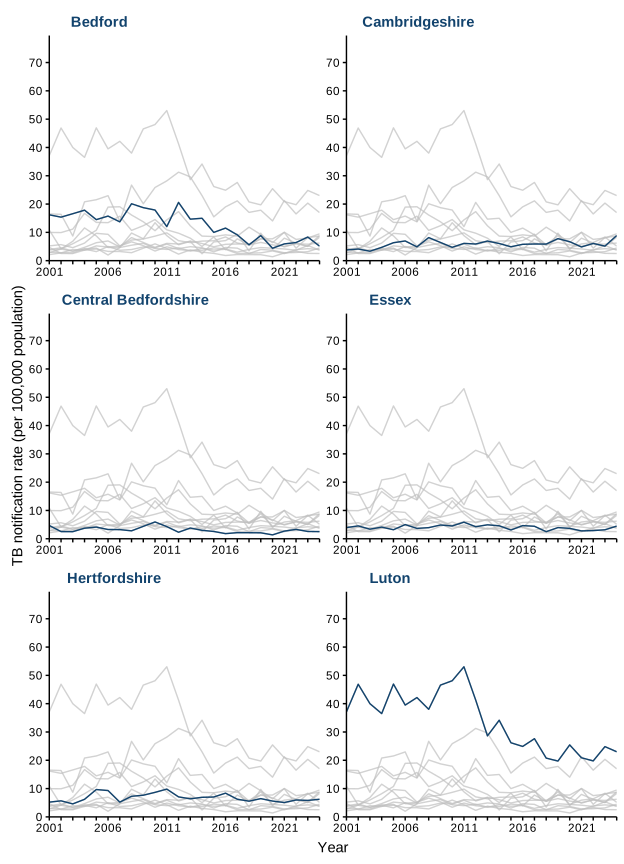
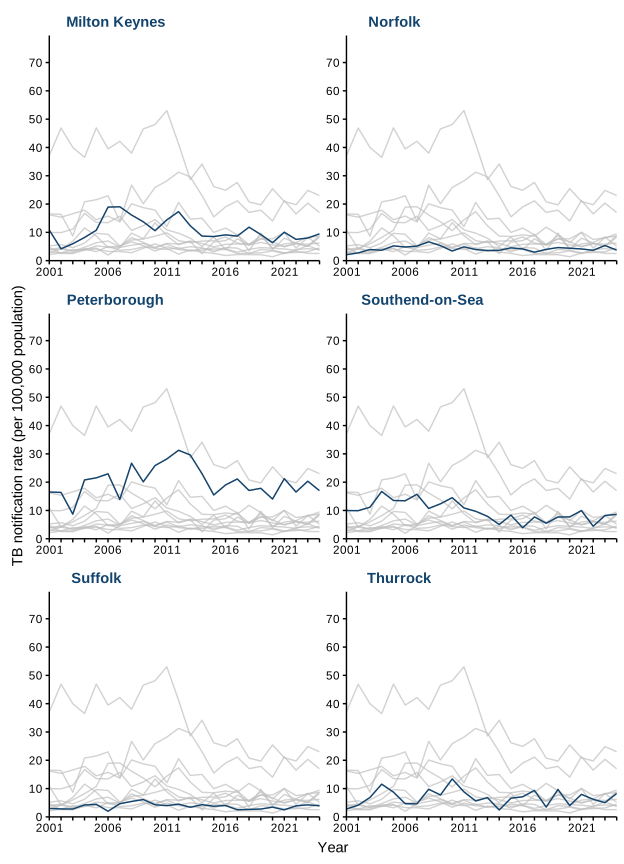
Note 4: grey lines represent the other upper tier local authorities in the region.
Figure 5. TB notification rate per 100,000 population by upper tier local authority of residence, East of England, 2024

Table 1. Number of TB notifications and rate per 100,000 population by upper tier local authority of residence, East of England, 2024
| Upper tier local authority | Number of TB notifications | TB notification rate per 100,000 population | Lower 95% CI | Upper 95% CI |
|---|---|---|---|---|
| Luton | 55 | 23.0 | 17.3 | 29.9 |
| Peterborough | 38 | 17.0 | 12.0 | 23.3 |
| Milton Keynes | 29 | 9.5 | 6.3 | 13.6 |
| Cambridgeshire | 63 | 8.9 | 6.8 | 11.3 |
| Southend-on-Sea | 16 | 8.6 | 4.9 | 14.0 |
| Thurrock | 15 | 8.3 | 4.6 | 13.7 |
| Hertfordshire | 77 | 6.2 | 4.9 | 7.8 |
| Bedford | 10 | 5.1 | 2.5 | 9.4 |
| Essex | 70 | 4.5 | 3.5 | 5.7 |
| Suffolk | 31 | 3.9 | 2.7 | 5.6 |
| Norfolk | 35 | 3.7 | 2.6 | 5.2 |
| Central Bedfordshire | 8 | 2.5 | 1.1 | 5.0 |
Demographic characteristics
The age sex distribution for people with TB in 2024 was similar to previous years, with more male (56.3%) than female cases, and the majority of cases aged 20 to 39 years (Figure 6). In 2024, there were 8 cases among children aged less than 10 years. Crude rates of TB were highest among males aged 30 to 39 years (14.3 per 100,000) and females aged 20 to 29 years (12.9 per 100,000) (Figure 7).
Figure 6. Number of TB notifications by age and sex, East of England, 2024 [note 5]
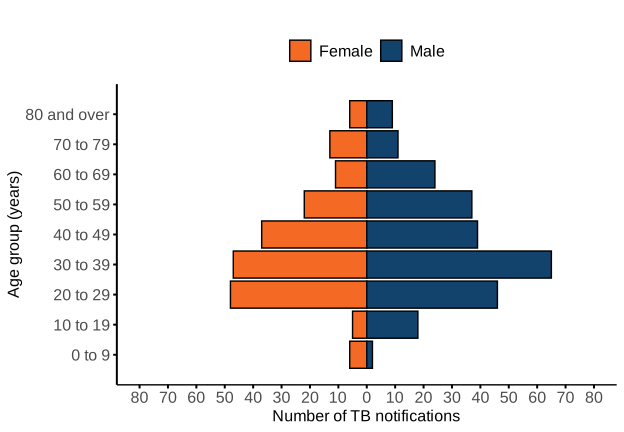
Note 5: One case has been excluded from the above figure due to missing age or sex data.
Figure 7. TB notification rate by age and sex, East of England, 2024 [note 6]
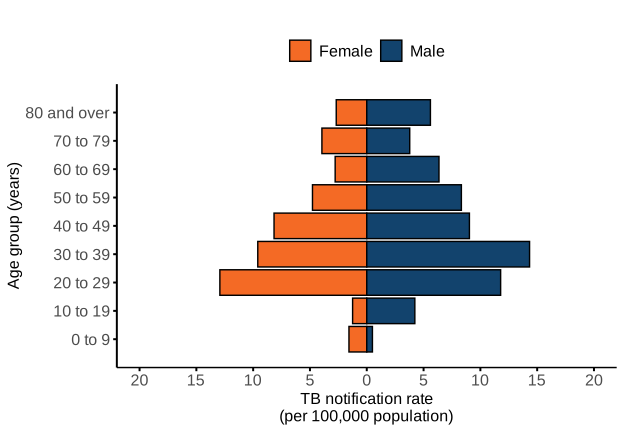
Note 6: 1 case has been excluded from the above figure due to missing age or sex data.
The rates of TB among people born outside the UK should be interpreted in the context of changes to the pre-UK entry screening policies, which is described in the Tuberculosis in England 2025 report. In 2005, the UK piloted the pre-entry screening of long-term migrants to the UK for active pulmonary TB in 15 high TB incidence countries. In 2012 this pre-entry screening was extended to all countries with a high incidence of TB (more than 40 cases per 100,000 population) and has operated in 102 countries since 2014.
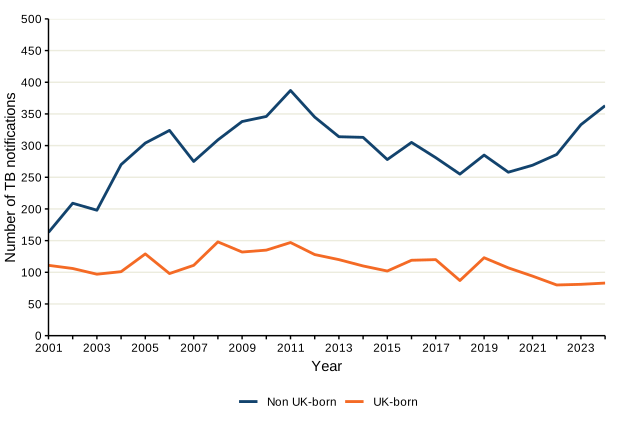
In 2024, 81.4% of people with TB were born outside the UK (363 out of 446 people with a reported place of birth). Since 2020, the trend in TB notifications has diverged, with an increasing number of notifications among people born outside the UK (363 in 2024 versus 258 in 2020), and a decreasing number among UK born people (83 in 2024 versus 107 in 2020) which remains stable since 2022, as seen in Figure 8.
Figure 8. Number of TB notifications in non-UK born and UK born people by place of birth, East of England, 2001 to 2024
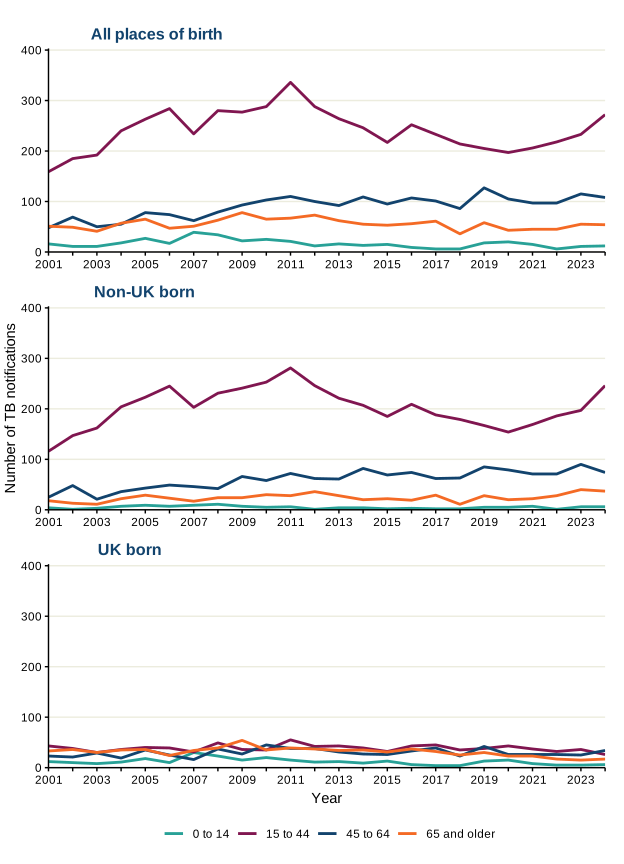
Since the majority of people with TB in the East of England were born outside the UK, the age distribution of TB notifications from all places of birth reflects the distribution of people born outside the UK. The lowest number of notifications were consistently among non-UK born children aged 0 to 14 years, and the highest among non-UK born people aged 15 to 44 years. The number of notifications among non-UK born people aged 15 to 44 years has risen annually since 2020. The number of notifications for people born in the UK were comparatively stable for all age groups each year, as seen in Figure 9.
Figure 9. Number of TB notifications in non-UK born and UK born people by place of birth and age group, East of England, 2001 to 2024
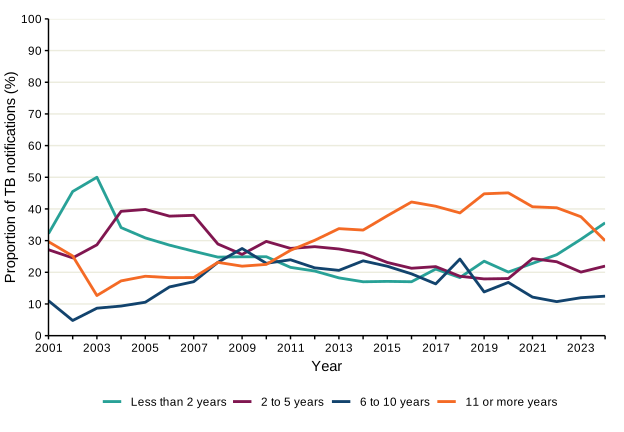
In 2024, the year of entry to the UK was reported for 92.8% (337 out of 363) of TB patients born outside the UK. Among those with a reported date of entry, 35.6% (120 out of 337) arrived in the UK less than 2 years prior to their TB diagnosis, and 30.0% (101 out of 337) had arrived in the UK 11 or more years prior to their TB diagnosis. This is the first time since 2010 that the proportion of TB notifications among new arrivals has exceeded the proportion among settled migrants (Figure 10).
Figure 10. Proportion of TB notifications by time since entry for people born outside the UK, East of England, 2001 to 2024
The 10 most common countries of birth for TB patients born outside the UK and notified in 2024 were India (accounting for 23.5% of all TB patients in the East of England) and Pakistan (9.2%), followed by Nigeria, Romania, Philippines, Bangladesh, Zimbabwe, Eritrea, China and Sri Lanka (each less than 5.0%, Table 2).
Table 2. Most common countries of birth for people with TB and time between entry to the UK and TB notification, East of England, 2024 [note 7] [note 8] [note 9] [note 10] [note 11]
| Country of birth | Number of people notified with TB | Proportion of people notified with TB (%) | Median time since entry to UK in years | IQR of time since entry to UK in years |
|---|---|---|---|---|
| India | 105 | 23.5 | 2.0 | 1.0 to 6.2 |
| United Kingdom | 83 | 18.6 | Not applicable | Not applicable |
| Pakistan | 41 | 9.2 | 5.0 | 1.5 to 19.0 |
| Nigeria | 20 | 4.5 | 1.0 | 0.0 to 2.0 |
| Philippines | 20 | 4.5 | 4.5 | 2.0 to 19.2 |
| Romania | 20 | 4.5 | 8.0 | 5.0 to 9.0 |
| Bangladesh | 14 | 3.1 | 3.0 | 1.0 to 6.0 |
| Zimbabwe | 12 | 2.7 | 1.0 | 1.0 to 7.0 |
| Eritrea | 10 | 2.2 | 0.0 | 0.0 to 1.0 |
| China | 7 | 1.6 | 20.5 | 13.0 to 23.8 |
| Sri Lanka | 7 | 1.6 | 17.0 | 7.0 to 21.0 |
| Other | 107 | 24.0 | 8.5 | 1.0 to 17.0 |
| Total | 446 | 100.0 | Not applicable | Not applicable |
Note 7: other includes all countries with less than 7 people notified.
Note 8: place of birth (UK or non-UK) or country of birth is missing for 1 notification in 2024.
Note 9: lower quartile is the 25th percentile and upper quartile is the 75th percentile, representing the interquartile range (IQR).
Note 10: time between entry to the UK and TB notification is calculated as whole years (only year of entry is reported to the National TB Surveillance (NTBS)).
Note 11: time since entry to the UK was not known for 26 people in 2024.
Among the 5 most common countries of birth for TB patients born outside the UK, there has been a significant rise in the number of notifications among people from India (105 in 2024 versus 69 in 2023). There have been relatively stable numbers of notifications among people from Pakistan (41 in 2024), Philippines (20) and Romania (20). Since 2021, the numbers of notifications have gradually risen among people Nigeria (20 in 2024) as seen in Figure 11.
Figure 11. Numbers of TB notifications for the most common countries of birth for people with TB born outside the UK, East of England, 2014 to 2024 [note 12]
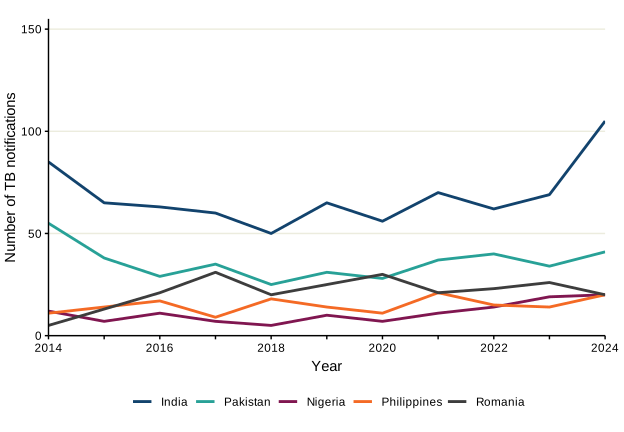
Note 12: figure shows the top 5 countries in 2024.
The average age of people with TB from the most common non-UK countries of birth was typically between 35 and 45 years. At least 60% of newly notified people with TB from Pakistan, Philippines and Romania were male. The proportion of people with pulmonary TB from Romania (80.0%) was much higher than the East of England average for 2024 (58.6%), and notably low for people from India (42.9%) and Nigeria (35.0%). TB notifications were more common in the first 2 years after entry to the UK for people from Nigeria (68.4%, among cases with a recorded date of UK entry). Among those small numbers of people from Pakistan and Romania who entered the UK less than 2 years prior to diagnosis, at least 70% had pulmonary TB (Table 3).
Table 3. Characteristics of people with TB from the most common (non-UK) countries of birth, East of England, 2024
| Country of birth | Number of people notified with TB | Mean age (years) | Proportion male (%) | Proportion pulmonary (includes laryngeal and miliary) (%) | Proportion with UK entry less than 2 years (%) | Proportion pulmonary of those in the UK less than 2 years (%) |
|---|---|---|---|---|---|---|
| India | 105 | 36.6 | 51.4 | 42.9 | 42.0 | 50.0 |
| Pakistan | 41 | 45.8 | 63.4 | 53.7 | 25.6 | 70.0 |
| Nigeria | 20 | 40.8 | 45.0 | 35.0 | 68.4 | 46.2 |
| Philippines | 20 | 41.7 | 60.0 | 55.0 | 22.2 | 75.0 |
| Romania | 20 | 37.0 | 70.0 | 80.0 | 0.0 | 0.0 |
Figure 12. Number of TB notifications in ethnic groups by place of birth (UK and non-UK born), East of England, 2024 [note 13] [note 14]
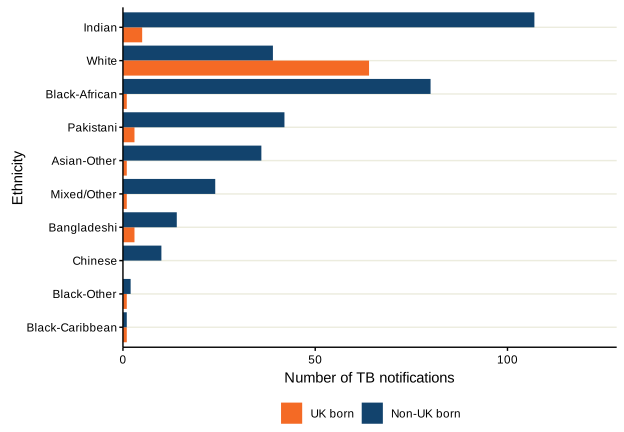
Note 13: 12 cases have been excluded from the above figure due to missing ethnicity or place of birth data.
Note 14: figure ordered by total number of notifications within each ethnicity irrespective of place of birth.
Among non-UK born people, the majority of TB notifications were among people of South Asian ethnicity. However, notifications have increased among non-UK born Black people since 2020. Among UK born people, the number of TB notifications remain stable across all ethnic groups, with White ethnicity being most frequent. Overall, regardless of place of birth, between 2016 and 2021 people with TB most frequently reported White ethnicity, but this has now reversed, and there are more TB notifications among South Asian people again in 2024, as shown in Figure 13.
Figure 13. Number of TB notifications in ethnic groups by place of birth (UK and non-UK born), East of England, 2001 to 2024 [note 15] [note 16] [note 17]
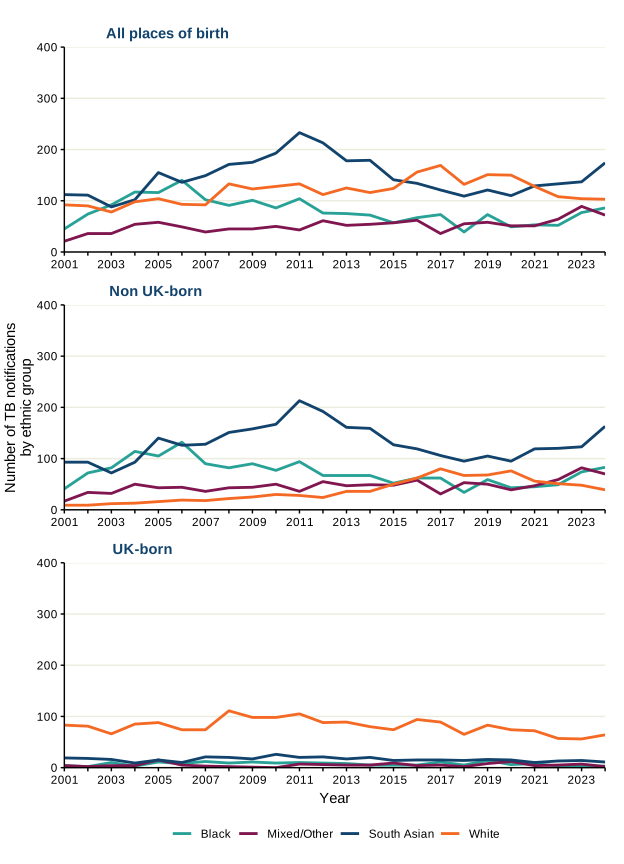
Note 15: 12 cases have been excluded from the above figure due to missing ethnicity or place of birth data.
Note 16: the South Asian ethnic group comprises people of Indian, Pakistani and Bangladeshi ethnicities.
Note 17: the Mixed/Other ethnic group comprises people of Mixed/Other, Chinese and Asian-Other ethnicities.
Clinical characteristics
In 2024, 58.6% of patients (262 out of 447) had pulmonary TB disease (with or without extra-pulmonary sites, Table 4). The next most common site of disease, was extra-thoracic lymph nodes, present in 21.7% of cases (97 out of 447, Table 5).
Table 4. Number of pulmonary TB notifications by site of disease, East of England, 2024 [note 18] [note 19]
| Site of disease | Number of people notified with TB | Proportion of people notified with TB (%) |
|---|---|---|
| All pulmonary | 262 | 58.6 |
| Pulmonary only | 184 | 41.2 |
| Miliary only | 14 | 3.1 |
| Laryngeal only | 3 | 0.7 |
Note 18: percentages may not add up to 100 as people with TB may have more than one site of disease.
Note 19: ‘pulmonary only’ includes people notified with only pulmonary TB and therefore have not also been notified with miliary, laryngeal or extra-pulmonary TB.
Table 5. Number of extra-pulmonary TB notifications by site of disease, East of England, 2024 [note 20]
| Site of disease | Number of people notified with TB | Proportion of people notified with TB (%) |
|---|---|---|
| All extra-pulmonary | 263 | 58.8 |
| Extra-thoracic lymph nodes | 97 | 21.7 |
| Intra-thoracic lymph nodes | 59 | 13.2 |
| Other extra-pulmonary | 49 | 11.0 |
| Pleural | 27 | 6.0 |
| Bone - spine | 22 | 4.9 |
| Gastrointestinal | 22 | 4.9 |
| Genitourinary | 7 | 1.6 |
| Bone - not spine | 5 | 1.1 |
| Central nervous system - meningitis | 5 | 1.1 |
| Cryptic disseminated | 2 | 0.4 |
| Central nervous system - other | 1 | 0.2 |
Note 20: percentages may not add up to 100 as people with TB may have more than one site of disease.
The proportion of people notified with pulmonary TB each year was relatively stable, ranging from a low of 53.0% in 2014 (231 out of 436) up to 64.1% in 2018 (221 out of 345) as shown in Figure 14.
Figure 14. Proportion of people notified with pulmonary TB, East of England, 2014 to 2024 [note 21]
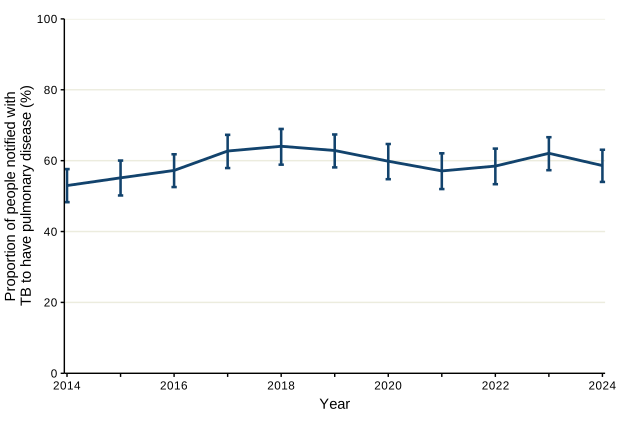
Note 21: error bars represent upper and lower 95% confidence intervals.
Comorbidities
As described in the Tuberculosis in England 2025 report, comorbidities with other infections or non-communicable diseases such as diabetes or chronic renal disease may affect TB susceptibility, treatment strategies and outcomes. In 2024, 18.6% of people notified with TB had at least one comorbidity. The most commonly recorded comorbidity was immunosuppression (10.5%), followed by diabetes (7.7%) as shown in Table 6.
Table 6. Number and proportion of people with TB with comorbidities, East of England, 2024 [note 22]
| Comorbidity | Total with data reported | Number of people notified with TB with comorbidities | Proportion of people notified with TB with comorbidities (%) | Number of people notified with TB missing comorbidity data | Proportion of people notified with TB missing comorbidity data (%) |
|---|---|---|---|---|---|
| At least one of the named comorbidities | 447 | 83 | 18.6 | Not applicable | Not applicable |
| Chronic liver disease | 376 | 6 | 1.6 | 71 | 15.9 |
| Chronic renal disease | 378 | 14 | 3.7 | 69 | 15.4 |
| Diabetes | 391 | 30 | 7.7 | 56 | 12.5 |
| Hepatitis B | 358 | 3 | 0.8 | 89 | 19.9 |
| Hepatitis C | 358 | 4 | 1.1 | 89 | 19.9 |
| Immunosuppression | 380 | 40 | 10.5 | 67 | 15 |
Note 22: people with TB are reported as having at least one of the named comorbidities if any of the 6 comorbidities (current liver disease, chronic renal disease, diabetes, hepatitis B, hepatitis C or immunosuppression) had ‘yes’ recorded. As a result, the denominator is all notifications. This assumes that people for whom no data was recorded for individual comorbidities were a ‘no’ and may result in under-estimation.
HIV testing
As discussed in the WHO consolidated guidelines on tuberculosis and comorbidities, TB complicating HIV infection is a well-recognised and particularly lethal clinical state but can be successfully treated with a combination of highly active antiretroviral therapy (HAART) and appropriate TB antibiotic treatment. For this reason, it is essential that all patients with TB undergo HIV testing to diagnose any TB-HIV co-infection and ensure they start curative TB treatment and HAART as soon as possible, and in so doing preserve their life expectancy and reduce the risk of TB and HIV transmission to others.
Of the 447 people diagnosed with TB in 2024, 423 had their HIV testing status recorded in NTBS. HIV tests were offered to 95.7% (405 out of 423) of people with TB (Figure 15). This includes where an HIV test was offered and done, offered but not done, offered but refused, or where an individual’s HIV status was already known. This represents a relatively stable trend since 94.8% (344 out of 363) of people with TB were offered an HIV test in 2020. However, this remains below the target of 100% of people offered an HIV test.
Figure 15. Proportion of people with TB offered an HIV test by year, East of England, 2019 to 2024 [note 23] [note 24]
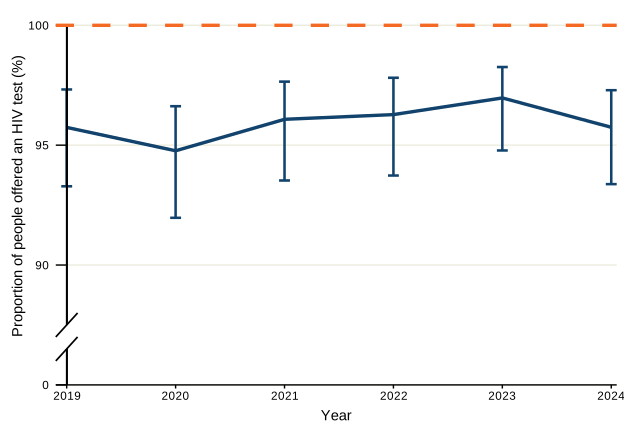
Note 23: dashed line indicates target of 100% of people offered HIV test.
Note 24: error bars represent upper and lower 95% confidence intervals.
Social risk factors
Social risk factors relevant to TB incidence include homelessness, drug and alcohol misuse, prison history, asylum seeker status and mental health needs. In 2024, 15.9% of people with TB aged 15 years or over (69 out of 435) had at least one risk factor, and 7.6% had more than one risk factor (30 out of 393). The most common risk factor reported in 2024 was homelessness (6.1%, 23 out of 380) followed by asylum seeker status (6.0%, 24 out of 402), and alcohol misuse (5.5%, 21 out of 381) as shown in Table 7.
Table 7. Number and proportion of people with TB aged 15 years or over with individual social risk factors, East of England, 2024 [note 25] [note 26]
| Social risk factor | Total with data reported | Number of people notified with TB with social risk factors | Proportion of people notified with TB with social risk factors (%) | Number of people notified with TB and missing social risk factor data | Proportion of people notified with TB and missing social risk factor data (%) |
|---|---|---|---|---|---|
| At least one named social risk factor | 435 | 69 | 15.9 | Not applicable | Not applicable |
| More than one social risk factor | 393 | 30 | 7.6 | 42 | 9.7 |
| Alcohol misuse (current) | 381 | 21 | 5.5 | 54 | 12.4 |
| Asylum seeker (current) | 402 | 24 | 6.0 | 29 | 6.7 |
| Drug misuse (current or previous) | 381 | 14 | 3.7 | 54 | 12.4 |
| Homelessness (current or previous) | 380 | 23 | 6.1 | 55 | 12.6 |
| Mental health needs (current) | 376 | 11 | 2.9 | 59 | 13.6 |
| Prison (current or previous) | 374 | 16 | 4.3 | 61 | 14 |
Note 25: people with TB are reported as having ‘at least one named social risk factor’ if any of the 6 social risk factors (current alcohol misuse, current or a history of homelessness, drug misuse, imprisonment, current asylum seeker status and current mental health needs) had ‘yes’ recorded. As a result, the denominator for this metric is all TB notifications. This assumes that people for whom no data was recorded for individual social risk factors were a ‘no’ and may result in under-estimation.
Note 26: the denominator for people with TB reported as having ‘more than one social risk factor’ is the number of people with TB for whom data is recorded for at least 2 out of the 6 social risk factors collected. This differs to the ‘at least one named social risk factor’ metric described above.
Overall, there has been a stable proportion of people with TB aged 15 years or over who reported at least one social risk factor between 2022 (15.8%, 57 out of 360) and 2024 (15.9%, 69 out of 435, Figure 16 and Table 8).
Figure 16. Proportion of people with TB aged 15 years or over with at least one social risk factor (SRF), East of England, 2019 to 2024 [note 27] [note 28]
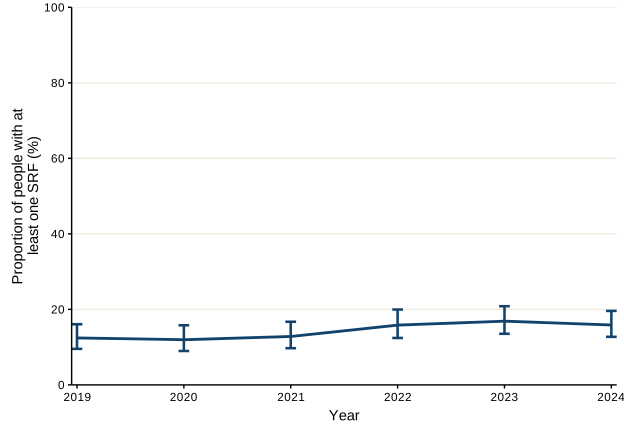
Note 27: error bars represent upper and lower 95% confidence intervals.
Note 28: not all social risk factors were captured before 2021.
Table 8. Number and proportion of people with TB aged 15 years or over reporting at least one social risk factor, East of England, 2014 to 2024 [note 29]
| Year | Number of people notified with TB with any social risk factor | Proportion of people notified with TB with any social risk factor (%) | Total notifications |
|---|---|---|---|
| 2014 | 36 | 8.5 | 422 |
| 2015 | 39 | 10.5 | 373 |
| 2016 | 58 | 13.6 | 426 |
| 2017 | 44 | 11.0 | 399 |
| 2018 | 48 | 14.2 | 339 |
| 2019 | 49 | 12.4 | 394 |
| 2020 | 42 | 12.0 | 351 |
| 2021 | 45 | 12.8 | 351 |
| 2022 | 57 | 15.8 | 360 |
| 2023 | 68 | 16.9 | 403 |
| 2024 | 69 | 15.9 | 435 |
Note 29: not all social risk factors were captured before 2021 and that this table includes people with no information recorded in the denominator.
As shown in Table 9, social risk factors are more commonly reported among males with TB (22.8%) compared to females (6.9%), and people born in the UK (22.1%) compared to non-UK born people (14.6%). People with TB aged 65 years or older are less likely to report social risk factors (7.3%) than those aged 15 to 44 years (16.9%) or 45 to 64 years (17.6%).
Table 9. Number and proportion of people with TB aged 15 years or over with a social risk factor (SRF) by demographic characteristics, East of England, 2024 [note 30]
| Demographic characteristics | Number of people with demographic characteristic who have any social risk factor | Total number of people with demographic characteristic | Proportion of people with demographic characteristic who have any social risk factor |
|---|---|---|---|
| Female | 13 | 188 | 6.9 |
| Male | 56 | 246 | 22.8 |
| Aged 15 to 44 | 46 | 272 | 16.9 |
| Aged 45 to 64 | 19 | 108 | 17.6 |
| Aged 65 or older | 4 | 55 | 7.3 |
| Non-UK-born | 52 | 357 | 14.6 |
| UK-born | 17 | 77 | 22.1 |
Note 30: 2 cases have been excluded from the above table due to missing demographic characteristic data
Deprivation
Based on the Index of Multiple Deprivation (IMD 2025) rank assigned to different geographical areas in England in 2023, the rates of TB were highest in the most deprived areas (Figure 17). As in previous years, the rate of TB was statistically significantly lower in less deprived areas.
Figure 17. TB notification rate by deprivation decile, East of England, 2024 [note 31] [note 32]
Note 31: error bars represent upper and lower 95% confidence intervals.
Note 32: the Index of Multiple Deprivation (IMD) ranks small areas in England by deprivation using 7 main domains including, but not limited to, income, housing, employment, crime and environment. Each area is scored and ranked nationally from most to least deprived.
TB diagnosis, microbiology and drug resistance
Culture confirmation
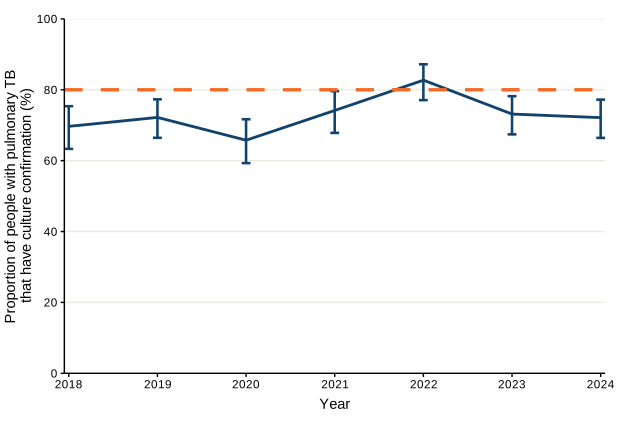
In 2024, 72.1% of people notified with pulmonary TB (189 out of 262) were confirmed by culture of a TB isolate. Culture confirmation of pulmonary TB has been consistently below the TB Action Plan for England target of 80% in the East of England apart from in 2022, when 82.7% were culture-confirmed (Figure 18). The proportion of pulmonary TB culture-confirmed by ICB of residence is available in supplementary tables of the Tuberculosis in England 2025 report, with Bedfordshire, Luton and Milton Keynes ICB achieving 83.6%. The remaining 5 ICBs in the East of England (Cambridgeshire and Peterborough ICB, Hertfordshire and West Essex ICB, Mid and South Essex ICB, Norfolk and Waveney ICB, and Suffolk and North East Essex ICB) all had culture confirmation rates between 65% and 75%.
Figure 18. Proportion of people notified with pulmonary TB who were culture confirmed, East of England, 2018 to 2024 [note 33] [note 34]
Note 33: dashed line indicates target of 80% culture confirmation.
Note 34: error bars represent upper and lower 95% confidence.
Drug resistance
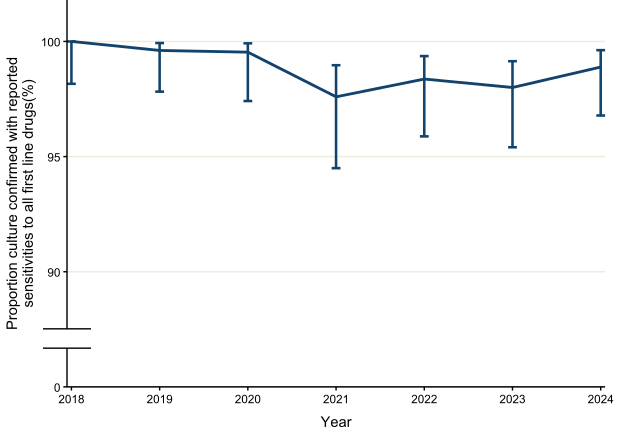
In 2024, among 270 people with culture-confirmed TB (including both pulmonary and extra-pulmonary TB), 98.9% of isolates were tested for sensitivity to first-line drugs (rifampicin, isoniazid and ethambutol). As shown in Figure 19, first-line drug results between 2017 and 2023 were consistently reported for over 97% of culture-confirmed TB.
Figure 19. Proportion of people culture confirmed with TB with first-line drug results, East of England, 2018 to 2024 [note 35] [note 36]
Note 35: error bars represent upper and lower 95% confidence intervals.
Note 36: We are not reporting on the proportion with resistance to pyrazinamide (and therefore the category of any first-line agent only includes rifampicin, isoniazid, and ethambutol) in 2023 and 2024 because the laboratory testing was adversely impacted by a problem with quality control in the supply chain for the media used for pDST for this drug. The manufacturer issued a Field Safety Notice in July 2024 stating that there may have been false detection of resistance from June 2023.
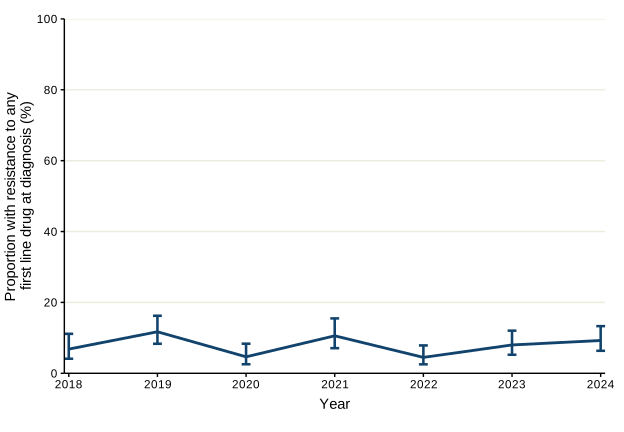
The proportion of culture-confirmed TB with initial resistance to any first-line drug remains relatively stable in the East of England, varying between 4.7% (10 out of 215) in 2020 and 9.3% (25 out of 270) in 2024 (Figure 20).
Figure 20. Proportion of people notified with culture-confirmed TB with initial resistance to any first-line drug, East of England, 2018 to 2024 [note 37] [note 38]
Note 37: error bars represent upper and lower 95% confidence intervals.
Note 38: due to quality control issues, resistance to any first-line drug excludes pyrazinamide for 2023 and 2024.
Between 2018 and 2024, 4.6% of people with culture-confirmed TB had isoniazid-resistant TB which was rifampicin sensitive (76 out of 1,630, Table 10). Additionally, 2.4% had MDR or RR TB (40 out of 1,630), 0.6% had pre-XDR TB (10 out of 1,630), and only 2 people had XDR TB.
Table 10. Number and proportion of people with culture-confirmed TB with initial drug resistance, East of England, 2018 to 2024
| Initial drug resistance | Number of cases | Percentage of total cultured cases | |
|---|---|---|---|
| Isoniazid resistance without MDR TB | 76 | 4.6 | |
| Rifampicin-resistant MDR TB | 40 | 2.4 | |
| Pre-XDR | 10 | 0.6 | |
| XDR | 2 | 0.1 |
Clustering
Culture confirmed TB isolates can be analysed using whole genome sequencing (WGS) to determine how closely related 2 people’s TB infections are, which can identify likely transmission between people. Between 2021 and 2024, 61.1% (973 out of 1,593) of people with pulmonary or extra-pulmonary TB were culture confirmed (Table 11). Overall, 38.8% (378 out of 973) of these people had TB which was in a cluster of more than one person (that is, in a cluster with less than 12 single nucleotide polymorphisms (SNP) between isolates). This proportion has remained relatively stable (approximately 40%) until a recent decline to 27.4% in 2024.
Overall, 76.3% of people with TB between 2020 and 2023 (1,215 out of 1,593) were not known to be part of a WGS cluster. This was either because their TB wasn’t cultured, or the sources of their infection may be undiagnosed, not cultured, or overseas.
Table 11. Number of people notified, proportion with culture confirmation and proportion of notifications identified in a WGS cluster, East of England, 2021 to 2024 [note 39] [note 40]
| Year | Total TB notifications | Number of notifications cultured | Proportion of notifications cultured | Number of culture-confirmed notifications identified in a cluster of more than one person | Proportion of culture-confirmed notifications identified in a cluster of more than one person (%) | 95% confidence interval |
|---|---|---|---|---|---|---|
| 2021 | 366 | 208 | 56.8 | 90 | 43.3 | 36.7 to 50.1 |
| 2022 | 366 | 245 | 66.9 | 100 | 40.8 | 34.8 to 47.1 |
| 2023 | 414 | 250 | 60.4 | 114 | 45.6 | 39.5 to 51.8 |
| 2024 | 447 | 270 | 60.4 | 74 | 27.4 | 22.4 to 33 |
| Total | 1,593 | 973 | 61.1 | 378 | 38.8 | 35.8 to 41.9 |
Note 39: a WGS cluster is defined as 2 or more individuals that have isolates with a less than 12 SNP difference.
Note 40: WGS cluster reporting has changed over time. These changes are likely to have affected the most recent year’s data.
TB in children aged 0 to 17: incidence, epidemiology and microbiology
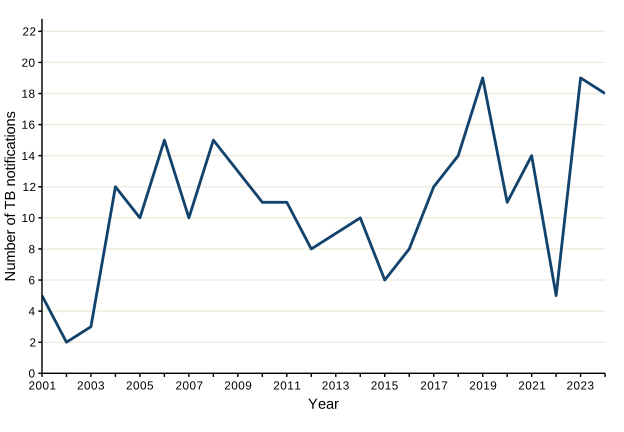
Figure 21 shows the trend of TB notifications among children aged under 17 years in the East of England. Since 2018, there has been substantial variability, reaching a recent peak of 35 notifications in 2019 (rate of 2.5 cases per 100,000, Figure 22), and 26 notifications in 2023 and 2024 (1.8 cases per 100,000). Between 2001 and 2016, the number of TB notifications in UK born children was larger than the number in non-UK born children. But this trend is less consistent in recent years, and in 2024, there were 10 more non-UK born children notified with TB compared to UK born children. The overall trend in notifications among UK born children was very similar to all children in the East of England, with a recent peak in 2020 of 18 notifications, and 8 notifications in 2024 (Figure 23). The overall trend in notifications among non-UK born children has been more irregular (Figure 24), with a recent peak in 2023 of 19 notifications, and 18 notifications in 2024.
Figure 21. Number of TB notifications in children aged under 18 years, East of England, 2001 to 2024
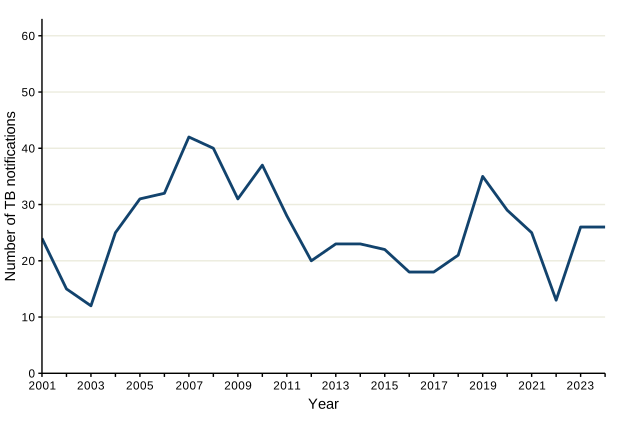
Figure 22. TB notification rate in children aged under 18 years, East of England, 2001 to 2024 [note 41]
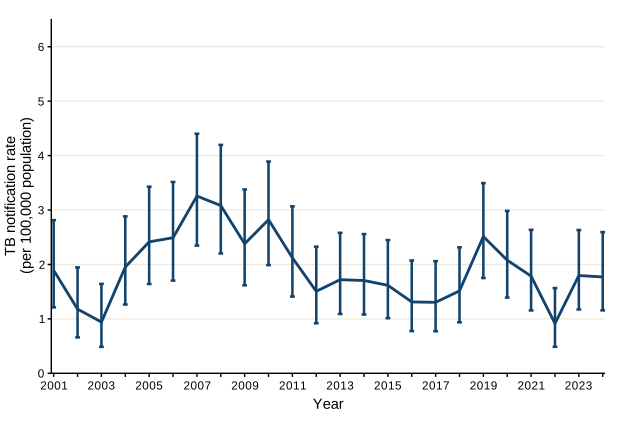
Note 41: error bars represent upper and lower 95% confidence intervals.
Figure 23. Number of TB notifications in UK born children aged under 18 years, East of England, 2001 to 2024
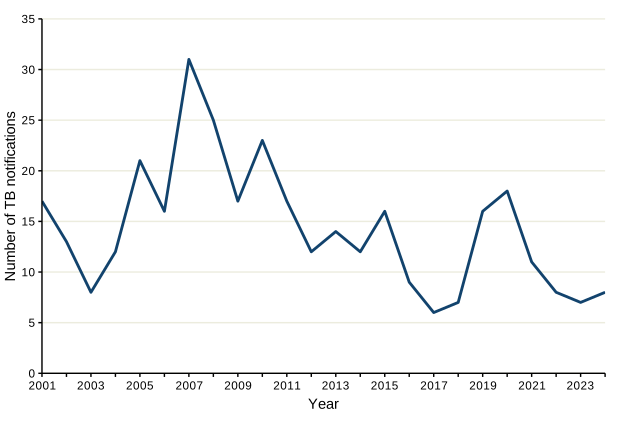
Figure 24. Number of TB notifications in non-UK born children aged under 18 years, East of England, 2001 to 2024
The majority of children aged under 18 years notified in 2024 had pulmonary TB (61.5%, 16 out of 26), and this was more common among children aged 0 to 4 years (80.0%, 4 out of 5, Tables 12). Half of children aged under 18 years had extra-pulmonary sites of disease (53.8%, 14 out of 26). Only one child had severe TB (defined as central nervous system, spinal, cryptic or miliary TB).
Table 12. Number of TB notifications by site and severity of disease in children aged under 18 years, East of England, 2024 [note 42] [note 43]
| Clinical characteristic | Number of notifications in children aged 0 to 4 years | Number of notifications in children aged 5 to 9 years | Number of notifications in children aged 10 to 14 years | Number of notifications in children aged 15 to 17 years | Total |
|---|---|---|---|---|---|
| All disease sites | 5 | 3 | 4 | 14 | 26 |
| Pulmonary | 4 | 1 | 2 | 9 | 16 |
| Extra-pulmonary | 2 | 2 | 2 | 8 | 14 |
| Severe TB | 0 | 0 | 0 | 1 | 1 |
| Lymph nodes only | 1 | 1 | 1 | 5 | 8 |
| Other | 0 | 0 | 0 | 0 | 0 |
Note 42: pulmonary also includes children with or without extra-pulmonary sites. Severe TB is defined as cases with CNS, spinal, cryptic or miliary TB among children aged 15 to 17 years, and TB meningitis, cryptic or miliary TB among children aged 0 to 14 years. Lymph nodes only include intra- and extra-thoracic lymph nodes and no other site of disease including pulmonary or extra-pulmonary TB. Other includes gastrointestinal, genitourinary, or other extra-pulmonary
Note 43: children with pulmonary disease may have disease in other sites as well and therefore numbers may add up to more than the number of total children.
TB treatment
Enhanced case management
Enhanced case management (ECM) refers to the provision of additional expert clinical and psychosocial care by TB services for clinically and socially complex TB cases including vulnerable patients to support them through their diagnosis and treatment. ECM levels are set out by the Royal College of Nursing and the National Institute of Health and Care Excellence (NICE) guidelines with increasing support provided for higher ECM levels.
In the East of England in 2024, more than one-third of people with TB (165 out of 447) received enhanced case management, and 11.6% (52 out of 447) received ECM level 3, the highest level of support (Table 13).
Table 13. Number of people with TB receiving enhanced case management, East of England, 2022 to 2024 [note 44]
| Year | Total TB notifications | Any ECM (number) | Any ECM (proportion) | Level 1 (number) | Level 1 (proportion) | Level 2 (number) | Level 2 (proportion) | Level 3 (number) | Level 3 (proportion) | Unknown level (number) | Unknown level (proportion) |
|---|---|---|---|---|---|---|---|---|---|---|---|
| 2021 | 366 | 113 | 30.9 | 40 | 10.9 | 34 | 9.3 | 38 | 10.4 | 1 | 0.3 |
| 2022 | 366 | 140 | 38.3 | 58 | 15.8 | 46 | 12.6 | 36 | 9.8 | 0 | 0.0 |
| 2023 | 414 | 174 | 42.0 | 58 | 14.0 | 50 | 12.1 | 65 | 15.7 | 1 | 0.2 |
| 2024 | 447 | 165 | 36.9 | 79 | 17.7 | 34 | 7.6 | 52 | 11.6 | 0 | 0.0 |
Note 44: total TB notifications includes all people notified with TB regardless of whether they are receiving ECM or not, or if this information is missing.
Directly observed and video observed therapy
Directly observed therapy (DOT) is a strategy where a healthcare worker or designated individual watches a patient swallow every dose of their prescribed anti-TB medication. This ensures patients take their medicine correctly and helps improve adherence to treatment, a crucial factor in preventing drug resistance and ensuring successful treatment of tuberculosis. Video observed therapy (VOT) is a secure online alternative to DOT where treatment observation is conducted remotely by asking patients to submit video clips of themselves taking their treatment via smartphones.
In England, DOT or VOT is offered to individuals with TB who are at increased risk of treatment failure due to complex clinical or social issues, or those with specific conditions like drug-resistant TB or those requiring ECM level 3. DOT is also recommended for individuals in prisons or IRC (immigration removal centres) receiving TB treatment.
As described in supplementary data in the Tuberculosis in England 2025 report, 9.4% of people with TB in the East of England in 2024 were offered DOT or VOT (39 out of 413 where information on DOT or VOT was recorded in NTBS). Among those offered DOT or VOT, 64.1% received it (25 out of 39).
Treatment delay
Overall, 92.6% of people notified with TB in 2024 started treatment (414 out of 447). Among people with pulmonary TB who reported both date of symptom onset and date of treatment start, 60.1% (113 out of 188) did not start treatment within 2 months of symptom onset (Figure 25), continuing a declining trend from 2021 when 70.1% of people were not treated within 2 months.
The proportion of people with extra-pulmonary TB with a treatment delay over 2 months was consistently higher than people with pulmonary TB but similarly declining. Among those who reported both date of symptom onset and date of treatment start, in 2024, 65.9% (118 out of 179) did not start treatment within 2 months of symptom onset (Figure 26).
Figure 25. Proportion of people notified with pulmonary TB with a treatment delay over 2 months, East of England, 2019 to 2024 [note 45] [note 46] [note 47]
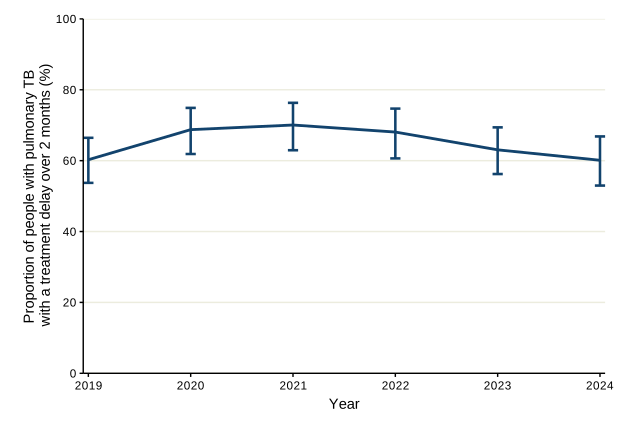
Note 45: error bars represent upper and lower 95% confidence intervals.
Note 46: delay to treatment is defined by when treatment was started from symptom onset.
Note 47: all cases where delay to treatment is greater than 730 days have been removed from this analysis.
Figure 26. Proportion of people notified with extra-pulmonary TB with a treatment delay over 2 months, East of England, 2019 to 2024 [note 48] [note 49] [note 50]
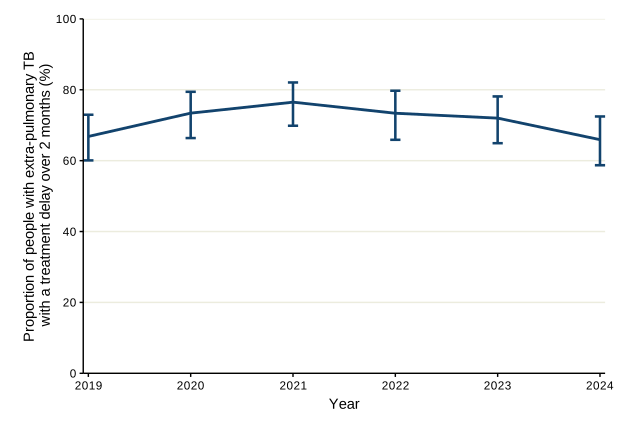
Note 48: error bars represent upper and lower 95% confidence intervals.
Note 49: delay to treatment is defined by when treatment was started from symptom onset.
Note 50: all cases where delay to treatment is greater than 730 days have been removed from this analysis.
The median, upper quartile, and maximum treatment delays among people with pulmonary TB have all declined between 2021 and 2024 (excluding outliers) as shown in Figure 27. This indicates an overall improvement in the time from symptom onset to treatment start, but the majority of people were not treated within the TB Action Plan for England target time of 56 days.
Figure 27. Median treatment delays among people notified with pulmonary TB, East of England, 2019 to 2024 [note 51] [note 52] [note 53] [note 54]
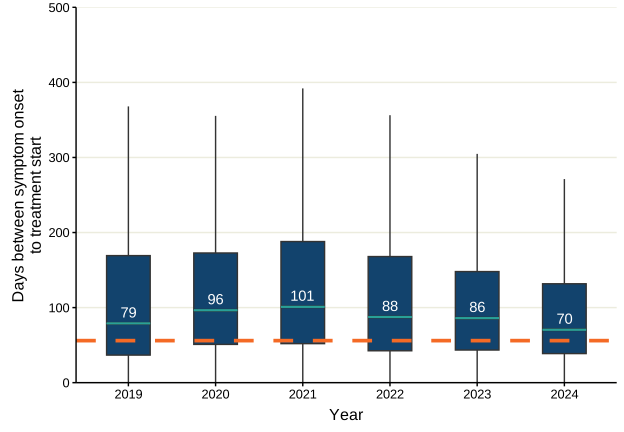
Note 51: dashed line represents the target treatment delay of 56 days by 2027.
Note 52: ends of the whiskers represent the theoretical lower and upper limits for detecting outliers (lower/upper quartile negative/positive 1.5 times the interquartile range). Outliers falling outside of these limits have been removed.
Note 53: delay to treatment is defined by when treatment was started from symptom onset.
Note 54: all people included in this figure are people with pulmonary TB who did not have a postmortem diagnosis and it was known that they had started treatment. It excludes individuals with a delay over 730 days.
In 2024, approximately one-quarter of people with pulmonary TB started treatment more than 4 months (122 days) after symptom onset (27.1%, 51 out of 188), indicating a prolonged period of infectiousness. However, the proportion of people with a treatment delay this long has declined substantially since 2021 (42.4%, 75 out of 177) as shown in Table 14. The average proportion of people with pulmonary TB with a treatment delay of more than 4 months is available by upper tier local authority in supplementary tables of the Tuberculosis in England 2025 report.
Table 14. Time between symptom onset and treatment start in people with pulmonary TB, East of England, 2016 to 2024 [note 55]
| Year | 0 to 2 months (number) | 0 to 2 months (proportion) | 2 to 4 months (number) | 2 to 4 months (proportion) | More than 4 months (number) | More than 4 months (proportion) | Total | Median time in days | IQR of time in days |
|---|---|---|---|---|---|---|---|---|---|
| 2016 | 77 | 33.9 | 65 | 28.6 | 85 | 37.4 | 227 | 84.0 | 44.5 to 178.5 |
| 2017 | 73 | 31.7 | 74 | 32.2 | 83 | 36.1 | 230 | 98.5 | 50.2 to 174.5 |
| 2018 | 69 | 36.3 | 57 | 30.0 | 64 | 33.7 | 190 | 84.0 | 43.2 to 162.8 |
| 2019 | 89 | 39.7 | 59 | 26.3 | 76 | 33.9 | 224 | 79.0 | 36.8 to 169.2 |
| 2020 | 60 | 31.2 | 54 | 28.1 | 78 | 40.6 | 192 | 96.5 | 51.0 to 172.8 |
| 2021 | 53 | 29.9 | 49 | 27.7 | 75 | 42.4 | 177 | 101.0 | 52.0 to 188.0 |
| 2022 | 53 | 31.9 | 48 | 28.9 | 65 | 39.2 | 166 | 87.5 | 42.5 to 168.0 |
| 2023 | 75 | 36.9 | 61 | 30.0 | 67 | 33.0 | 203 | 86.0 | 43.5 to 148.0 |
| 2024 | 75 | 39.9 | 62 | 33.0 | 51 | 27.1 | 188 | 70.5 | 38.8 to 131.8 |
Note 55: this table includes people with pulmonary TB where they did not have a postmortem diagnosis, they had started treatment and the start of treatment date was known. Total includes all these people including where the time between symptom onset and treatment start was missing or not known. It excludes individuals with a delay over 730 days.
TB treatment outcomes
The following treatment outcomes are presented only among people who would usually have standard treatment regimens for TB: this excludes people who were treated for multidrug-resistant (MDR) and rifampicin-resistant (RR) TB, as well as those with severe disease (defined as CNS, spinal, miliary or cryptic disseminated disease among adults, and TB meningitis, miliary or cryptic disseminated among children aged 0 to 14 years), where expected treatment durations are longer. This definition of severe disease may not capture all clinically severe or extensive disease involving other sites of disease.
76.0% of people with non-severe TB diagnosed in 2023 and treated for non-MDR or non-RR TB completed treatment within 12 months (276 out of 363, Table 15). A further 15 people completed treatment by the time their last treatment outcome was recorded. The next most common treatment outcome at 12 months was death, among 4.4% (16 out of 363), and 2.2% were lost to follow up (8 out of 363). However, a large proportion of treatment outcomes remain outstanding (13.5% not evaluated, 49 out of 363), which will influence the rate of treatment completion in future reports.
Table 15. Treatment outcome at 12 months and last recorded outcome for people notified with non-severe TB treated for non-MDR or non-RR TB, East of England, 2023 [note 56] [note 57]
| Outcome | TB treatment outcome at 12 months (number) | TB treatment outcome at 12 months (proportion) | Last recorded treatment outcome (number) | Last recorded treatment outcome (proportion) |
|---|---|---|---|---|
| Treatment completed | 276 | 76.0 | 291 | 80.2 |
| Died | 16 | 4.4 | 16 | 4.4 |
| Lost to follow up | 8 | 2.2 | 8 | 2.2 |
| Still on treatment | 5 | 1.4 | 4 | 1.1 |
| Treatment stopped | 9 | 2.5 | 10 | 2.8 |
| Not evaluated | 49 | 13.5 | 34 | 9.4 |
| Total | 363 | 100.0 | 363 | 100.0 |
Note 56: not evaluated indicates that the treatment outcome was not evaluated, not recorded or is unknown and the final outcome is not still on treatment nor died.
Note 57: non-severe TB is defined as those cases without central nervous system (CNS), spinal, cryptic or miliary disease.
The proportion of people treated for non-severe, non-MDR or non-RR TB completing treatment within 12 months remains stably below the TB Action Plan for England target of 90% each year (Figure 28).
Figure 28. Proportion of people with non-severe TB treated for non-MDR or non-RR TB who completed treatment within 12 months compared with the target of 90%, East of England, 2019 to 2023 [note 58] [note 59] [note 60]
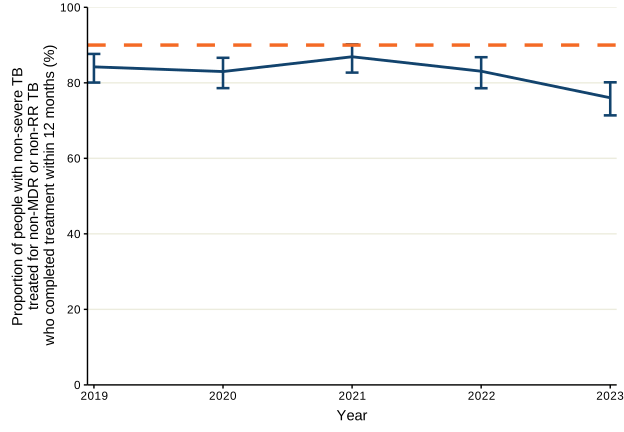
Note 58: dashed line indicates treatment target of 90%.
Note 59: error bars represent upper and lower 95% confidence intervals.
Note 60: non-severe TB is defined as those cases without central nervous system (CNS), spinal, cryptic or miliary disease.
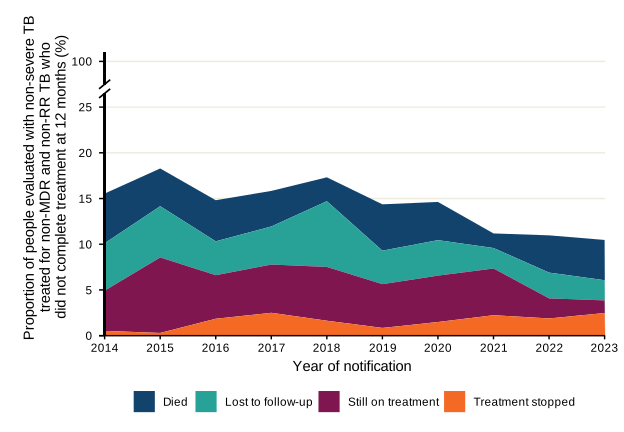
Figure 29 shows the long-term trends in the proportion of people who did not complete treatment within 12 months. In recent years, a growing proportion of people have stopped treatment (0.8% in 2019 to 2.5% in 2023). It is encouraging that the proportion of people lost to follow up has reduced (7.2% in 2018 to 2.2% in 2023). However, there was an ongoing risk of death, which increased from 1.6% in 2021 to 4.4% in 2023 (Figure 30).
Figure 29. Outcomes of people evaluated who did not complete treatment by 12 months for people with non-severe TB treated for non-MDR or non-RR TB, East of England, 2014 to 2023 [note 61]
Note 61: non-severe TB is defined as those cases without central nervous system (CNS), spinal, cryptic or miliary disease.
Figure 30. Proportion of people with non-severe TB treated for non-MDR or non-RR TB who died at their last recorded treatment outcome, East of England, 2018 to 2023 [note 62] [note 63] [note 64]
Note 62: death could be due to TB or any other cause.
Note 63: non-severe TB is defined as those cases without central nervous system (CNS), spinal, cryptic or miliary disease.
Note 64: error bars represent upper and lower 95% confidence intervals.
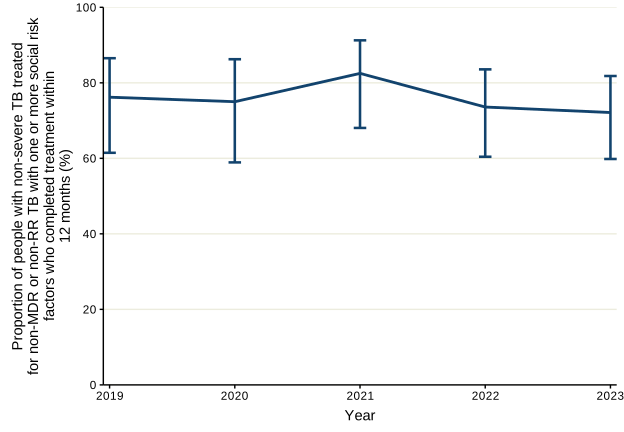
TB treatment completion was consistently lower among people with one or more social risk factors: 72.1% (44 out of 61) among those notified in 2023 which was a reduction of 10.4% compared to those notified in 2021 (82.5%, 33 out of 40, Figure 31).
Figure 31. Proportion of people with non-severe TB treated for non-MDR or non-RR TB and with one or more social risk factors who completed treatment within 12 months, East of England, 2019 to 2023 [note 65] [note 66] [note 67]
Note 65: error bars represent upper and lower 95% confidence intervals.
Note 66: not all social risk factors were captured before 2021.
Note 67: non-severe TB is defined as those cases without central nervous system (CNS), spinal, cryptic or miliary disease.
For people notified in 2023 with severe TB, treated for non-MDR or non-RR TB, 62.2% (23 out of 37) had completed treatment at their last recorded outcome (Table 16). The majority of people who had not yet completed treatment were either not evaluated (16.2%, 6 out of 37) or had died (13.5%, 5 out of 37).
Table 16. Last recorded outcome for people treated for non-MDR or non-RR TB with severe disease, East of England, 2023 [note 68] [note 69]
| Last recorded outcome | Number of TB notifications | Proportion of TB notifications |
|---|---|---|
| Treatment completed | 23 | 62.2 |
| Died | 5 | 13.5 |
| Still on treatment | 1 | 2.7 |
| Treatment stopped | 2 | 5.4 |
| Not evaluated | 6 | 16.2 |
| Total | 37 | 100.0 |
Note 68: not evaluated indicates that the treatment outcome was not evaluated, not recorded or is unknown and the final outcome is not still on treatment nor died.
Note 69: severe TB is defined as those cases with central nervous system (CNS), spinal, cryptic or miliary disease.
TB treatment outcomes for the cohort of people with RR or MDR TB are reported at 24 months, so the most recent complete data is for people notified in 2022. Between 2014 and 2022, there were 53 people treated for MDR or RR TB. TB treatment completion was extremely variable, but on average, 56.6% (30 out of 53) completed within 24 months. The death rate was also typically higher among people with MDR or RR TB (11.3%, 6 out of 53), as well as the rate of loss to follow up (9.4%, 5 out of 53), although no cases were lost to follow up since 2019. Treatment duration can be particularly prolonged for people with MDR or RR TB, and among those notified between 2014 and 2022, 18.9% (10 out of 53) were still on treatment at 24 months (Tables 17).
Table 17. TB outcomes at 24 months for people with non-severe TB treated for MDR or RR (drug-resistant) TB, East of England, 2014 to 2022 [note 70]
| Year | Treatment completed (number) | Treatment completed with any social risk factor (number) | Died (number) | Lost to follow up (number) | Still on treatment (number) | Treatment stopped (number) | Not evaluated (number) | Total (number) |
|---|---|---|---|---|---|---|---|---|
| 2014 | 5 | 1 | 0 | 2 | 1 | 0 | 0 | 8 |
| 2015 | 2 | 1 | 0 | 0 | 1 | 0 | 0 | 3 |
| 2016 | 4 | 1 | 1 | 1 | 1 | 0 | 0 | 7 |
| 2017 | 4 | 0 | 2 | 0 | 3 | 0 | 0 | 9 |
| 2018 | 2 | 0 | 0 | 2 | 1 | 0 | 0 | 5 |
| 2019 | 3 | 0 | 1 | 0 | 2 | 0 | 0 | 6 |
| 2020 | 0 | 0 | 1 | 0 | 1 | 1 | 0 | 3 |
| 2021 | 9 | 1 | 0 | 0 | 0 | 0 | 1 | 10 |
| 2022 | 1 | 0 | 1 | 0 | 0 | 0 | 0 | 2 |
| Total | 30 | 4 | 6 | 5 | 10 | 1 | 1 | 53 |
Note 70: not evaluated indicates that the treatment outcome was not evaluated, not recorded or is unknown and the final outcome is not ‘still on treatment’ or ‘died’ within the timeframe of 24 months. Non-severe TB is defined as those cases without central nervous system (CNS), spinal, cryptic or miliary disease.
TB prevention
Contact tracing
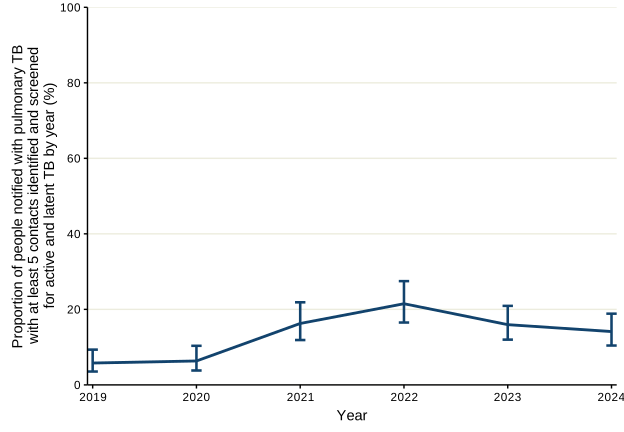
Contact tracing according to NICE guidelines aims to identify latent or active TB infection among people who have been exposed to TB through contact with a person with pulmonary TB. The TB Action Plan for England sets a target that at least 5 close contacts be identified for 90% of people notified with pulmonary TB. There is an ongoing challenge in identifying this number of contacts for each person with pulmonary TB. A peak of 21.5% of people with pulmonary TB identified at least 5 contacts in 2022, however this dropped to 14.1% in 2024 (Figure 32). We anticipate an improvement in this proportion as case records are updated.
Figure 32. Proportion of people notified with pulmonary TB with at least 5 contacts identified and screened for active and latent TB by year, East of England, 2019 to 2024 [note 71] [note 72]
Note 71: error bars represent upper and lower 95% confidence intervals.
Note 72: individuals with more than 65 contacts were excluded as indicative of a large outbreak investigation and therefore not representative of the routine contact tracing.
Overall, for the 262 people notified with pulmonary TB in 2024, 779 close contacts were identified (Table 18). Among these, 65.1% were screened for TB infection (507 out of 779), which identified 5 contacts with active TB (1.0%, 5 out of 507) and 96 contacts with latent TB (18.9%, 96 out of 507). Active TB was more frequently diagnosed among child contacts (3.6%, 4 out of 112), and latent TB was more common among adult contacts (20.0%, 79 out of 395). Almost three-quarters of contacts identified with latent TB started treatment (70.8%, 68 out of 96), among whom 44.8% were recorded having finished latent treatment (43 out of 68). Contacts with active TB were notified to NTBS, and their treatment outcomes are reported in the year they were notified.
Table 18. Number of contacts identified, screened, screening results and treatment for contacts of people notified with pulmonary TB (index individuals), East of England, 2024 [note 73] [note 74] [note 75] [note 76]
| Treatment and screening categories | All adult contacts (number) | All adult contacts (proportion) | All child contacts (number) | All child contacts (proportion) | Total contacts (number) | Total contacts (proportion) |
|---|---|---|---|---|---|---|
| Number of contacts identified | 608 | Not applicable | 171 | Not applicable | 779 | Not applicable |
| Number of contacts screened for active TB and latent TB | 395 | 65 | 112 | 65.5 | 507 | 65.1 |
| Number of contacts with active TB | 1 | 0.3 | 4 | 3.6 | 5 | 1 |
| Number of contacts with latent TB | 79 | 20 | 17 | 15.2 | 96 | 18.9 |
| Number of contacts who started treatment for latent TB | 54 | 68.4 | 14 | 82.4 | 68 | 70.8 |
| Number of contacts who completed treatment for latent tuberculosis | 34 | 43 | 9 | 52.9 | 43 | 44.8 |
Note 73: the denominator for the proportion of contacts screened for active TB and latent TB infection (LTBI) is number of contacts identified.
Note 74: the denominator for the proportion of contacts positive for active TB and LTBI is the number of contacts screened.
Note 75: the denominator for the proportion of contacts who started and completed treatment is the number of contacts positive for LTBI.
Note 76: individuals with more than 65 contacts were excluded as indicative of a large outbreak investigation and therefore not representative of the routine contact tracing.
LTBI testing and treatment programme for new entrants
As described in the Tuberculosis in England 2025 report, the national latent TB infection (LTBI) testing and treatment programme is commissioned by NHS England in 3 ICBs in the East of England. Individuals are eligible for testing if they migrated to England from a high TB incidence country (more than 150 cases per 100,000 population, or any country in sub-Saharan Africa) and have registered with a GP within 5 years of entering the UK and are aged 16 to 35 years. Other East of England areas have no formally commissioned protocols for new entrant screening.
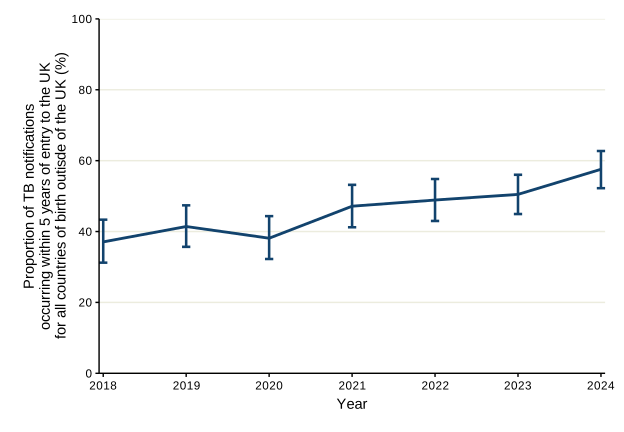
In the East of England, there has been an increasing proportion of TB notifications among people who arrived in the UK within the last 5 years. This rose from a low of 37.1% in 2018 up to 57.6% in 2024. Figure 33 shows the growing proportion of TB notifications among people born outside of the UK who may have been eligible for LTBI testing.
Figure 33. Proportion of TB notifications occurring within 5 years of entry to the UK for all countries of birth outside of the UK, East of England, 2018 to 2024 [note 77] [note 78]
Note 77: error bars represent upper and lower 95% confidence intervals.
Note 78: within 5 years refers to a time since entry of less than 1 year to 5 years inclusive.
Some regional and ICB-level detail on the LTBI testing and treatment programme is available in supplementary tables of the Tuberculosis in England 2025 report. In 2024, 5.4% of the 13,870 eligible new migrants in the East of England were tested within the programme. Among those tested, 11.5% were positive and 25.6% of those who were positive started treatment. 81.8% of those who started treatment also completed it. In Bedfordshire, Luton and Milton Keynes ICB, 3.1% of eligible new migrants were tested in 2024. Among those tested, 11.3% were positive and 39.3% of those started treatment. In Cambridgeshire and Peterborough ICB, 8.2% of new migrants were tested, with 11.7% positive, among whom 28.2% started treatment. In Hertfordshire and West Essex ICB, 8.7% of new migrants were tested, with 11.3% positive, none of whom started treatment.
BCG vaccination
The Bacillus Calmette-Guérin (BCG) vaccination programme is a risk-based programme recommended for individuals at higher risk of exposure to TB. This includes all infants (0 to 12 months) with a parent or grandparent who was born in a country where the annual incidence of TB is over 40 notifications per 100,000 population per year. In addition to this, all infants living in an area of the UK with an incidence above 40 per 100,000 population should be offered the BCG vaccine.
In the East of England, between January and December 2024, 17,587 children up to 3 months old were eligible for BCG vaccination, among whom 81.5% were vaccinated. This was the second-highest coverage achieved by any region in England in 2024, which was reported in the Tuberculosis in England 2025 report. BCG vaccination coverage in other eligible age groups is not publicly available.
Among people of any age who were notified with TB in 2024, 36% had been vaccinated with BCG (Table 19). 58% of children with TB under 18 years were vaccinated, and among these, 80% of children under 5 years were vaccinated. Among all cases, non-UK born vaccination rates were slightly higher than UK born vaccination rates (37% versus 30%) and was consistent with findings in previous years.
Table 19. BCG vaccination coverage among people with TB, East of England, 2024
| Place of birth | Number of vaccinated people with TB under 5 years old | Total number of people with TB under 5 years old | Proportion of vaccinated people with TB under 5 years old | Number of vaccinated people with TB under 15 years old | Total number of people with TB under 15 years old | Proportion of vaccinated people with TB under 15 years old | Number of vaccinated people with TB (all ages) | Total number of people with TB (all ages) | Proportion of vaccinated people with TB (all ages) |
|---|---|---|---|---|---|---|---|---|---|
| Non-UK born | 2 | 2 | 100 | 4 | 6 | 67 | 136 | 363 | 37 |
| UK born | 2 | 3 | 67 | 3 | 6 | 50 | 25 | 83 | 30 |
| All cases | 4 | 5 | 80 | 7 | 12 | 58 | 161 | 447 | 36 |
Discussion
The overall trend in TB notification rates in the East of England has climbed and remains higher than the WHO End TB target required to eliminate TB. There was also a divergence between the increasing number among non-UK born people (particularly those who arrived in the UK within the last 2 years), and the stable, lower number among UK born people. However, the rate of TB declined in Luton and Peterborough local authorities, the highest incidence areas in the East of England.
There has been a reduction in the average time between symptom onset and treatment start for people with pulmonary TB since 2021. However, treatment management has become more challenging, with more than one-third of people receiving enhanced case management.
In the East of England, TB services have not consistently met the TB Action Plan target for 80% culture confirmation each year. Among those TB cases who were culture confirmed, an average of 38.8% had TB which clustered with at least one other person. Rates of antibiotic drug resistance were low but persistent.
Rates of treatment completion were declined to 76.0% for people treated for non-severe rifampicin sensitive TB, which is below the TB Action Plan target of 90%. And treatment completion rates were consistently lower among people with social risk factors (72.1% in 2024), or with rifampicin-resistant TB (56.6% on average).
TB remained a substantial problem for inclusion health groups, who represent a high proportion of cases in the East of England (15.9%). They more commonly have pulmonary TB, poorer outcomes, and complex needs requiring additional case management support.
The proportion of people with pulmonary TB who identified at least 5 contacts was lower than the TB Action Plan target (14.1% compared to 90% target) and reducing. This limits the possibility of treating latent TB among people exposed to pulmonary TB, who may themselves go on to develop active disease.
Recommendations
Based on the 2024 surveillance findings, the following recommendations aim to address the rising trend in tuberculosis (TB) across the East of England and strengthen regional TB control efforts.
1. Strengthen surveillance and early detection
Improve early case identification, particularly among individuals with pulmonary symptoms, to reduce infectious periods. This includes increasing awareness among primary care clinicians and optimising diagnostic and treatment pathways in secondary care.
Monitor rising incidence in specific local authorities—Cambridgeshire, Essex and Thurrock—through targeted investigations to understand local drivers and guide tailored interventions.
Increase culture confirmation rates for pulmonary TB to meet the national 80% target, supporting timely and accurate drug susceptibility testing.
2. Address TB in non‑UK born populations
Develop culturally appropriate and accessible screening programmes for newly arrived migrants, especially from high-incidence countries such as India, Pakistan, Nigeria, Philippines, Romania, and Bangladesh.
Deliver targeted health education and awareness campaigns in communities with high proportions of non‑UK born residents, with a focus on improving understanding of TB and reducing barriers to healthcare access.
3. Improve treatment initiation and completion
Reduce delays in treatment initiation so that a greater proportion of individuals with pulmonary TB begin treatment within 2 months of symptom onset. This requires streamlined referral pathways and improved communication between primary care, diagnostic services, and TB services.
Enhance treatment completion, particularly among people with social risk factors or drug-resistant TB, through tailored support such as directly observed therapy (DOT), video observed therapy (VOT), and interventions that address wider social determinants of health.
4. Enhance contact tracing and preventative therapy
Increase the number of close contacts screened per pulmonary TB case, with focus on identifying and assessing those at highest risk.
Improve uptake and completion of latent TB infection (LTBI) treatment through enhanced education, counselling, and supportive interventions.
5. Address social determinants of health
Strengthen partnership working with local authorities, social care, and other agencies to address the underlying social factors that contribute to TB risk, particularly in areas of high deprivation.
Provide integrated support addressing housing, mental health, substance misuse, and immigration challenges for individuals with complex needs.
6. Paediatric TB
Investigate the increasing proportion of cases in non‑UK born children to understand emerging epidemiological patterns and inform targeted prevention and control strategies.
Ensure timely diagnosis and management of TB in children, including rapid investigation of contacts of adult cases.
7. Drug resistance monitoring and management
Maintain high rates of drug susceptibility testing for all culture-confirmed cases and ensure robust clinical management of drug-resistant TB, including access to specialist expertise.
Monitor drug resistance trends and collaborate with the national TB team on strategies to prevent the development and transmission of resistant strains.
8. Strengthen interagency collaboration
Enhance coordination and communication between UKHSA, NHS England, DHSC, TB clinical services, local authorities, social care providers, and voluntary-sector organisations to ensure a comprehensive and integrated approach to TB control.
Conclusion
Implementing these recommendations will support the East of England in reversing the recent increase in TB incidence and progressing towards the WHO End TB targets. Ongoing monitoring of surveillance data and regular evaluation of interventions will be essential to ensure sustained improvements in TB prevention, diagnosis, treatment, and overall population health.
Methods
Full details of the data sources and methodologies used in this report, including definitions, are available in: