Tracking the syphilis epidemic in England: 2015 to 2024
Updated 10 December 2025
Applies to England

© Crown copyright 2025
This publication is licensed under the terms of the Open Government Licence v3.0 except where otherwise stated. To view this licence, visit nationalarchives.gov.uk/doc/open-government-licence/version/3 or write to the Information Policy Team, The National Archives, Kew, London TW9 4DU, or email: psi@nationalarchives.gov.uk.
Where we have identified any third party copyright information you will need to obtain permission from the copyright holders concerned.
This publication is available at https://www.gov.uk/government/publications/tracking-the-syphilis-epidemic-in-england/tracking-the-syphilis-epidemic-in-england-2015-to-2024
This report updates the Tracking the syphilis epidemic in England report published in 2024. It provides a descriptive analysis of the epidemiology of syphilis in England by different demographic characteristics to illustrate groups disproportionately affected by syphilis. Trends are presented for the period 2015 to 2024, which includes the years that were most impacted by the COVID-19 pandemic response and the period afterwards, using annual data from the GUMCAD STI Surveillance System. It presents differences in the epidemiology of syphilis between gay, bisexual and other men who have sex with men (GBMSM), men who have sex with women (MSW) and women who have sex with men (WSM) across the country.
This report shows data up to and including the last full year before the introduction of guidelines on the use of doxycycline as post-exposure prophylaxis (doxyPEP) for the prevention of syphilis, providing a baseline against which to measure the impact of doxyPEP. The report also provides an update on syphilis detected among blood donors. For information on syphilis in pregnancy and congenital syphilis please refer to the Infectious diseases in pregnancy screening: data and outcomes page for the most recent published report. For information on the epidemiology of other sexually transmitted infections (STIs), please refer to the Sexually transmitted infections and screening for chlamydia in England: 2024 report.
Main points
Main points from these analyses include:
- in 2024, diagnoses of infectious syphilis increased to 9,535, up 1.7% compared to 2023 (9,375)
- there were a further 3,495 new diagnoses of other acquired syphilis: 3,137 late latent infections (asymptomatic, non-infectious but requiring treatment) and 358 syphilitic complications (such as neurosyphilis or cardiovascular syphilis)
- by gender identity and sexual orientation, most infectious syphilis diagnoses (66%, 6,330 of 9,535) were among GBMSM
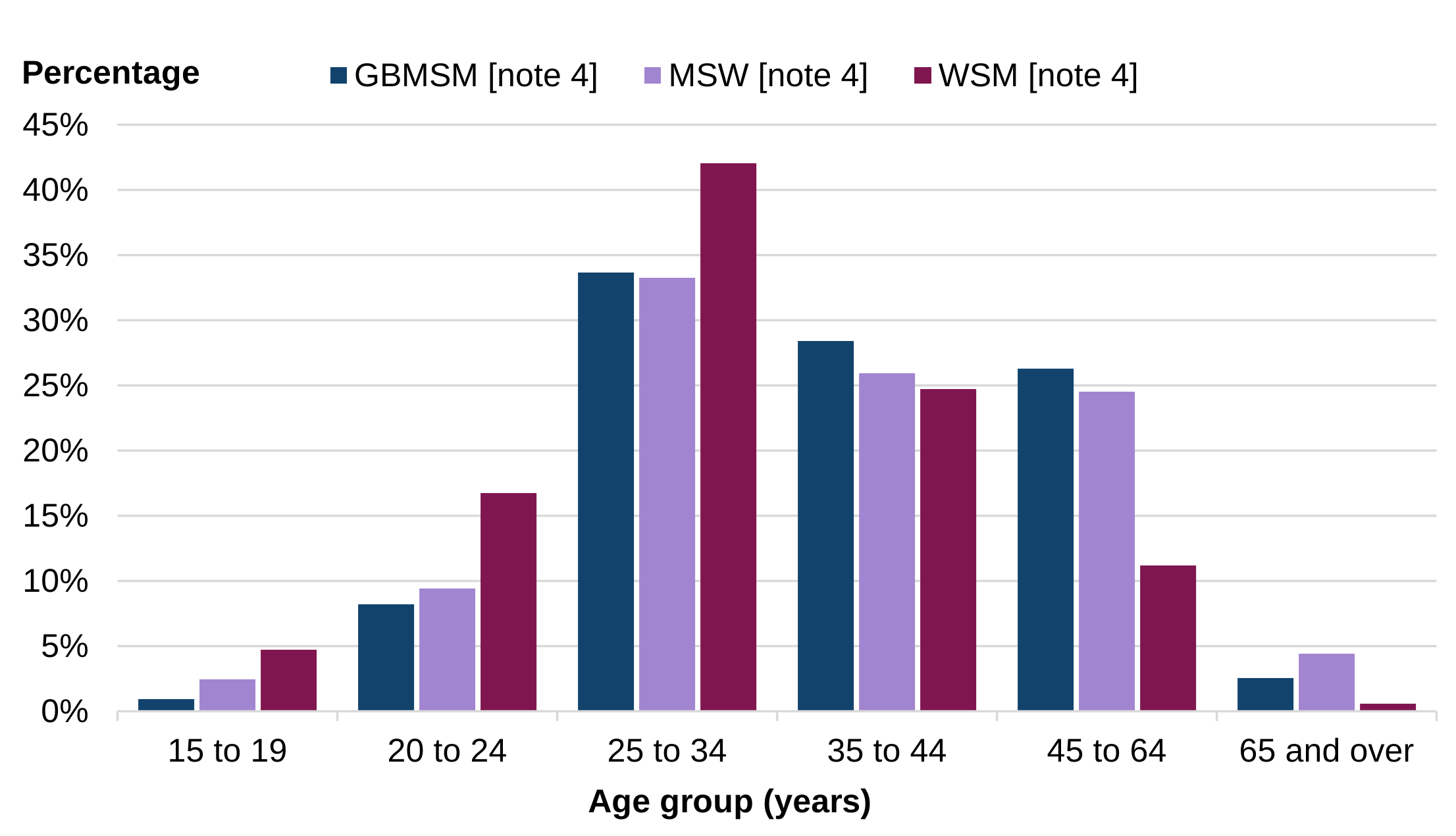
- by age group, the highest number of infectious syphilis diagnoses (35%, 3,311 of 9,535) were among those aged 25 to 34 years
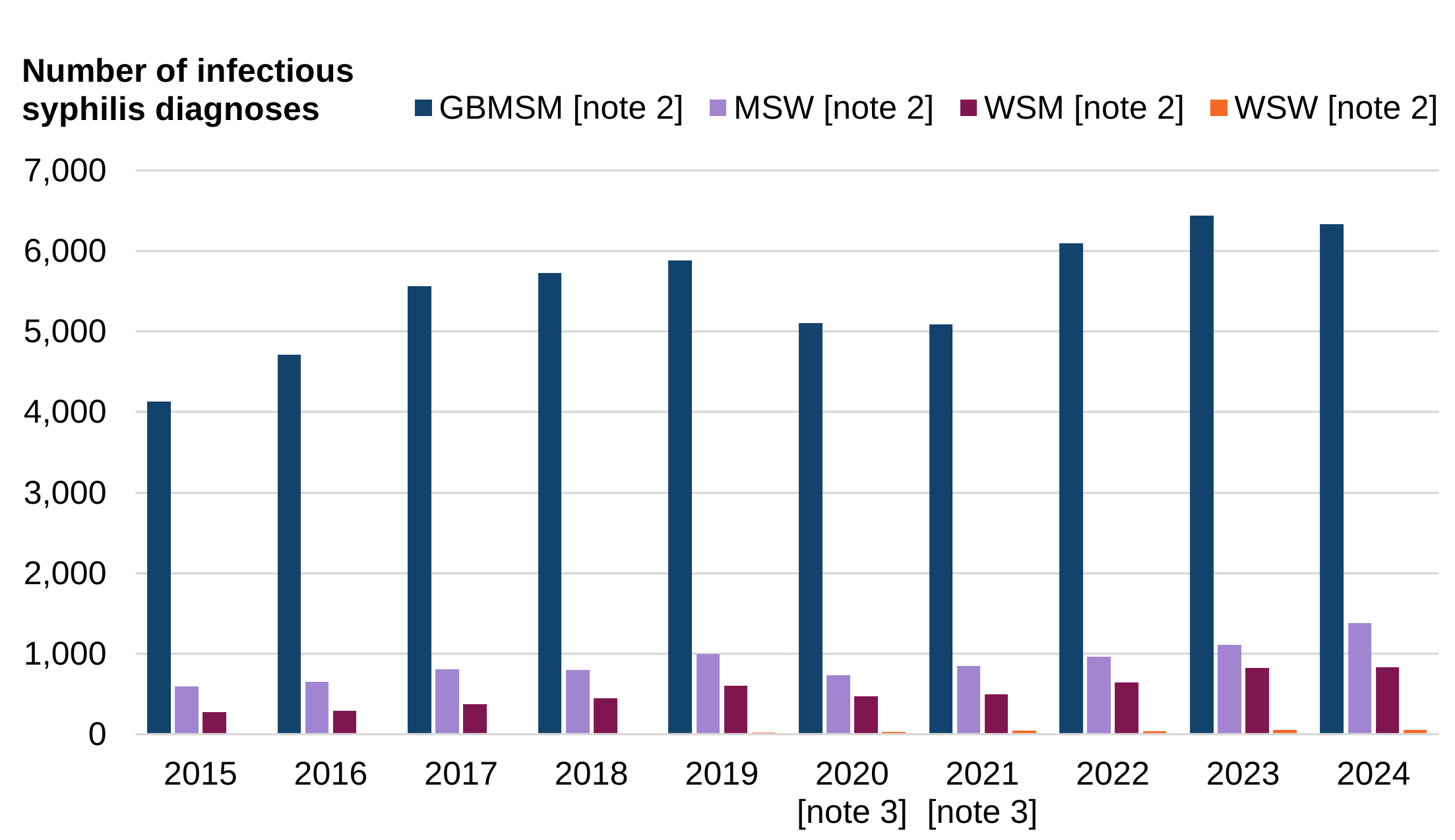
- infectious syphilis diagnoses increased by 24% (1,115 to 1,380) among MSW between 2023 and 2024, with a smaller increase among WSM (1.0%, 822 to 830); there was a 1.6% decrease among GBMSM (6,435 to 6,330)
- diagnoses were highest in London and other major urban areas of England
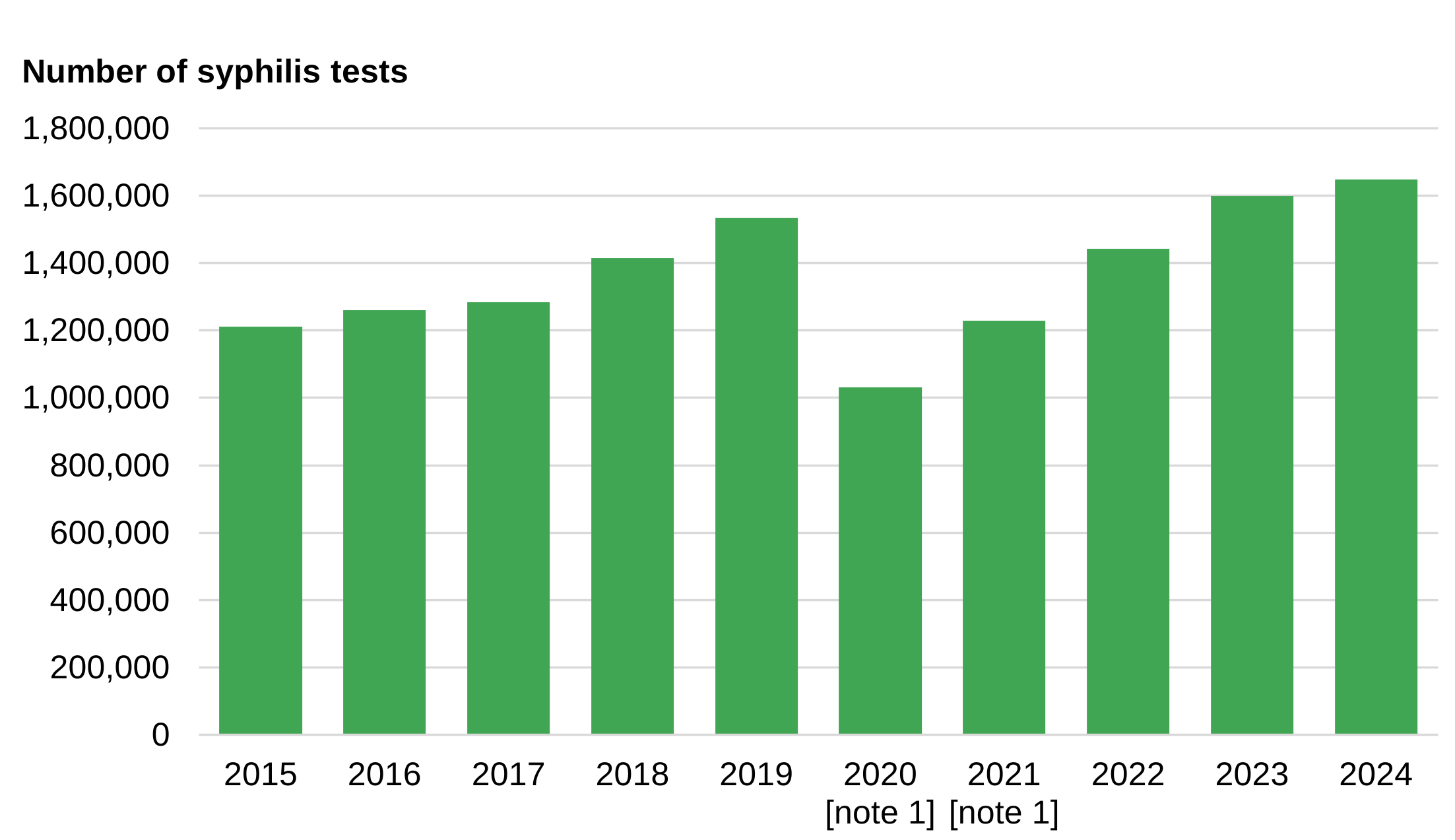
- in 2024, the number of syphilis tests in sexual health services (SHSs) increased to 1,647,687, up 3.1% compared to 2023 (1,597,974)
- between 2023 and 2024, the rates of confirmed positive syphilis cases in blood donors increased for early (12%, 7.7 to 8.7 per 100,000 donors) and late syphilis (46%, 11.3 to 16.5 per 100,000 donors) among men, and decreased for both early syphilis (–55%, 2.6 to 1.2 per 100,000 donors) and late syphilis (–39%, 3.0 to 1.9 per 100,000 donors) among women
Overview of syphilis epidemiology in England
In 2024, 13,030 diagnoses of syphilis (all stages and syphilitic complications) were made in SHSs in England, 73% (9,535) of which were classified as infectious syphilis, comprising primary, secondary and early latent clinical stages (see Technical notes for definitions). The remaining 3,495 diagnoses were ‘other acquired syphilis’ including late or latent syphilis (asymptomatic and non-infectious syphilis that required treatment), and complications such as cardiovascular or neurosyphilis. Syphilitic complications can occur during any stage of syphilis, and neurosyphilis includes ocular and otosyphilis. These figures will underestimate the extent of syphilitic complications in England as diagnoses from other clinical settings are not included.
This report reviews syphilis data from 2015, to show a longer-term trend before the disruption of the COVID-19 pandemic. Between 2015 and 2019, infectious syphilis diagnoses increased (51%, 5,313 to 8,040). Following a temporary decline in diagnoses in 2020, corresponding to reduced testing during COVID-19 related disruption to SHSs, diagnoses rebounded and in 2024 were at the highest number reported since the 1940s (although comparisons of syphilis trends over several decades should be made with caution given increases in the population size and access to and use of more sensitive diagnostic tests over time).
The number of infectious syphilis diagnoses slightly increased from 2023 to 2024 (1.7%, 9,375 to 9,535), which was a smaller increase than seen in previous years (Figure 1a). There was also an increase in syphilis testing, with a 3.1% increase from 2023 to 2024 (1,597,974 to 1,647,687), a smaller annual increase than that seen in previous years (Figure 1b). Since 2021, syphilis positivity has remained stable at around 0.6% (6 positive results in 1,000 tests).
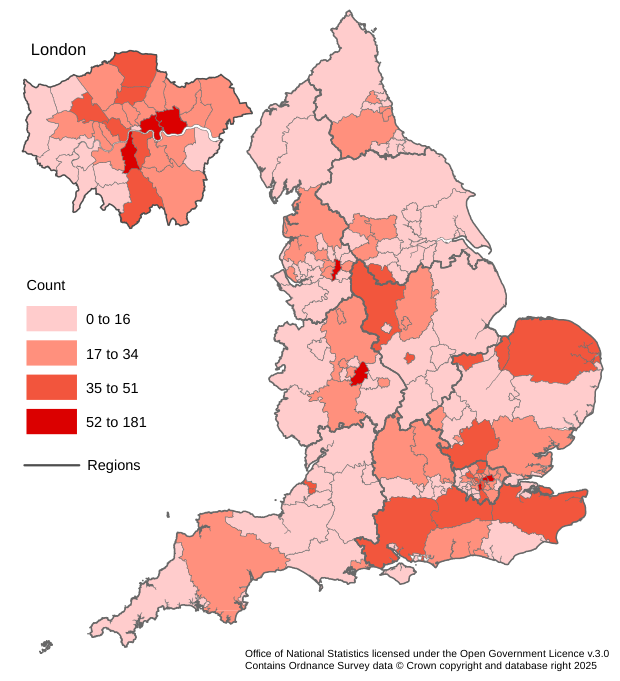
Between 2023 and 2024, there was a larger increase for diagnoses of other acquired syphilis, compared to infectious syphilis, at 13% (3,081 to 3,495), which was in line with previous years (data not shown in this report). In 2024, 90% (3,137 of 3,495) of other acquired syphilis diagnoses were late latent syphilis (a geographical spread of this can be seen in the Appendix). The remaining 10% were syphilitic complications.
Figure 1a. Number of infectious syphilis diagnoses, England, 2015 to 2024 [note 1]
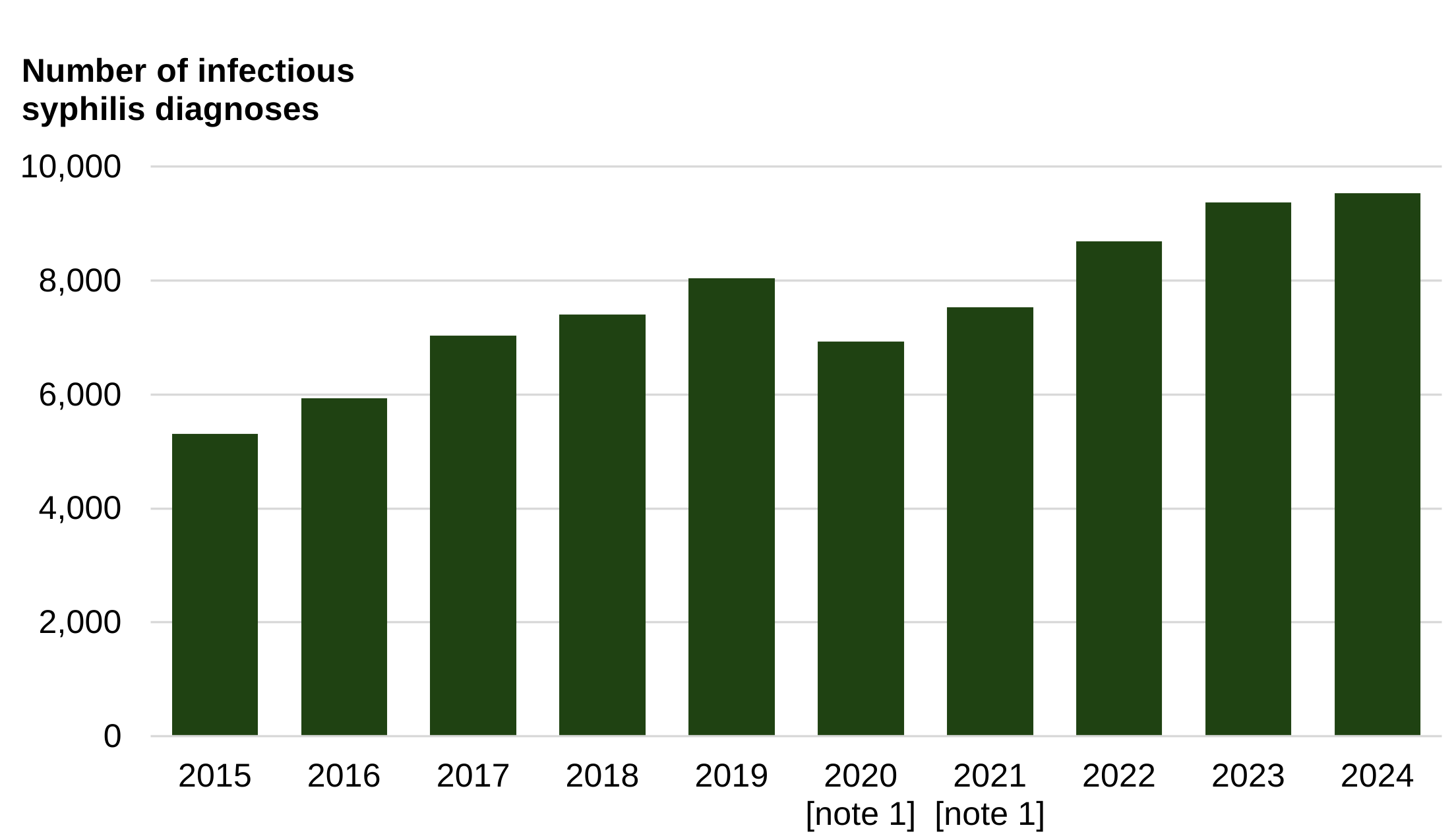
Figure 1b. Number of syphilis tests, England, 2015 to 2024 [note 1]
Source: Data from routine sexual health service returns to GUMCAD STI Surveillance System.
Note 1: figures reported in 2020 and 2021 are notably lower than previous years due to the disruption to SHSs during the national response to the COVID-19 pandemic.
Syphilis diagnoses by gender identity and sexual orientation
Most diagnoses of infectious syphilis in 2024 continued to be among GBMSM (66% of all diagnoses and 74% of those where gender identity and sexual orientation was reported) (Figure 2). The proportional increase between 2015 and 2024 was most pronounced for WSM (204%, 273 to 830), followed by MSW (132%, 595 to 1,380) and GBMSM (53%, 4,126 to 6,330).
The number of infectious syphilis diagnoses among women who have sex with women (WSW) increased from 8 in 2015 to 60 in 2024 (accounting for less than 1% of all diagnoses). Due to small numbers, figures for WSW are not broken down further in this report.
Figure 2. Number of infectious syphilis diagnoses by gender identity and sexual orientation, England, 2015 to 2024 [note 2][note 3]
Source: Data from routine sexual health service returns to GUMCAD STI Surveillance System.
Note 2: the abbreviations used in the legend in the figure are defined as the following: GBMSM: gay, bisexual and other men who have sex with men. MSW: men who have sex with women. WSM: women who have sex with men. WSW: women who have sex with women.
Note 3: figures reported in 2020 and 2021 are lower than previous years due to the disruption to SHSs during the national response to the COVID-19 pandemic.
The age distribution of infectious syphilis diagnoses in 2024 varied by gender identity and sexual orientation. Overall, the highest proportion of diagnoses occurred in those aged 25 to 34 years, but diagnoses among WSM had a comparatively younger age distribution; 21% of diagnoses among WSM occurred in those aged 24 years and under compared to 9.1% and 12% among GBMSM and MSW respectively (Figure 3).
Figure 3. Diagnoses of infectious syphilis by sexual orientation and age group, England, 2024 [note 4]
Source: Data from routine sexual health service returns to GUMCAD STI Surveillance System.
Note 4: the abbreviations used in the legend in the figure are defined as the following: GBMSM: gay, bisexual and other men who have sex with men. MSW: men who have sex with women. WSM: women who have sex with men. WSW: women who have sex with women.
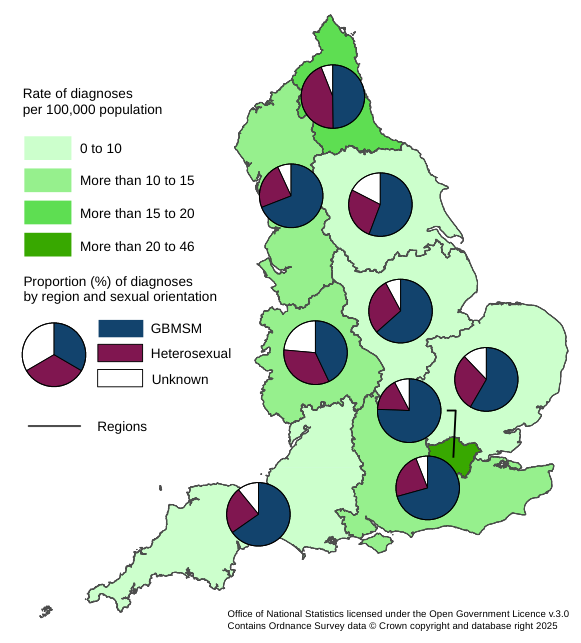
The distribution of syphilis diagnoses by gender identity and sexual orientation varies across the country. In London, which has the highest rate of infectious syphilis (46 per 100,000 population in 2024), GBMSM account for 76% of diagnoses whilst MSW and WSM together comprise 17%. Most other regions follow a generally similar pattern (Figure 4). However, in the West Midlands only 43% of diagnoses are among GBMSM, with MSW and WSM accounting for 33% (although almost a quarter of syphilis diagnoses are among those of unreported sexual orientation); and in the North East, 44% of diagnoses are among MSW and WSM. This highlights the importance of using local epidemiological data to inform local control strategies.
Figure 4. Rate of infectious syphilis and proportion by gender identity and sexual orientation, by region of England, 2024
Source: Data from routine sexual health service returns to GUMCAD STI Surveillance System.
Trends in GBMSM
Trends of infectious syphilis diagnoses, syphilis tests and positivity
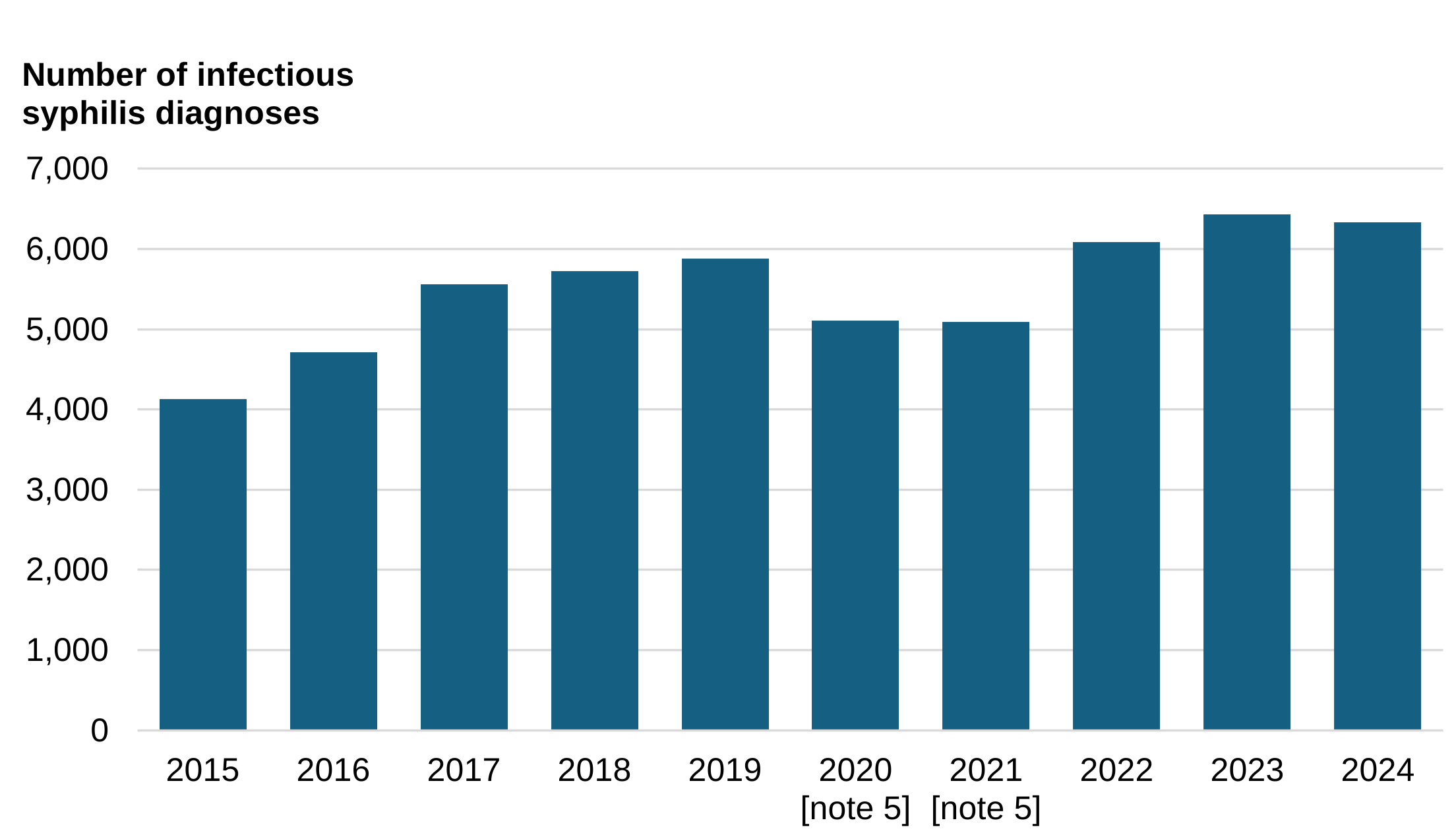
Among GBMSM, diagnoses of infectious syphilis showed a marked increase between 2013 and 2017. Thereafter the increase continued more gradually with over 5,000 diagnoses each year, including during 2020 and 2021, the years most affected by the COVID-19 pandemic, and over 6,000 a year since 2022. There was a slight drop from 2023 to 2024 (–1.6%, 6,435 to 6,330) (Figure 5).
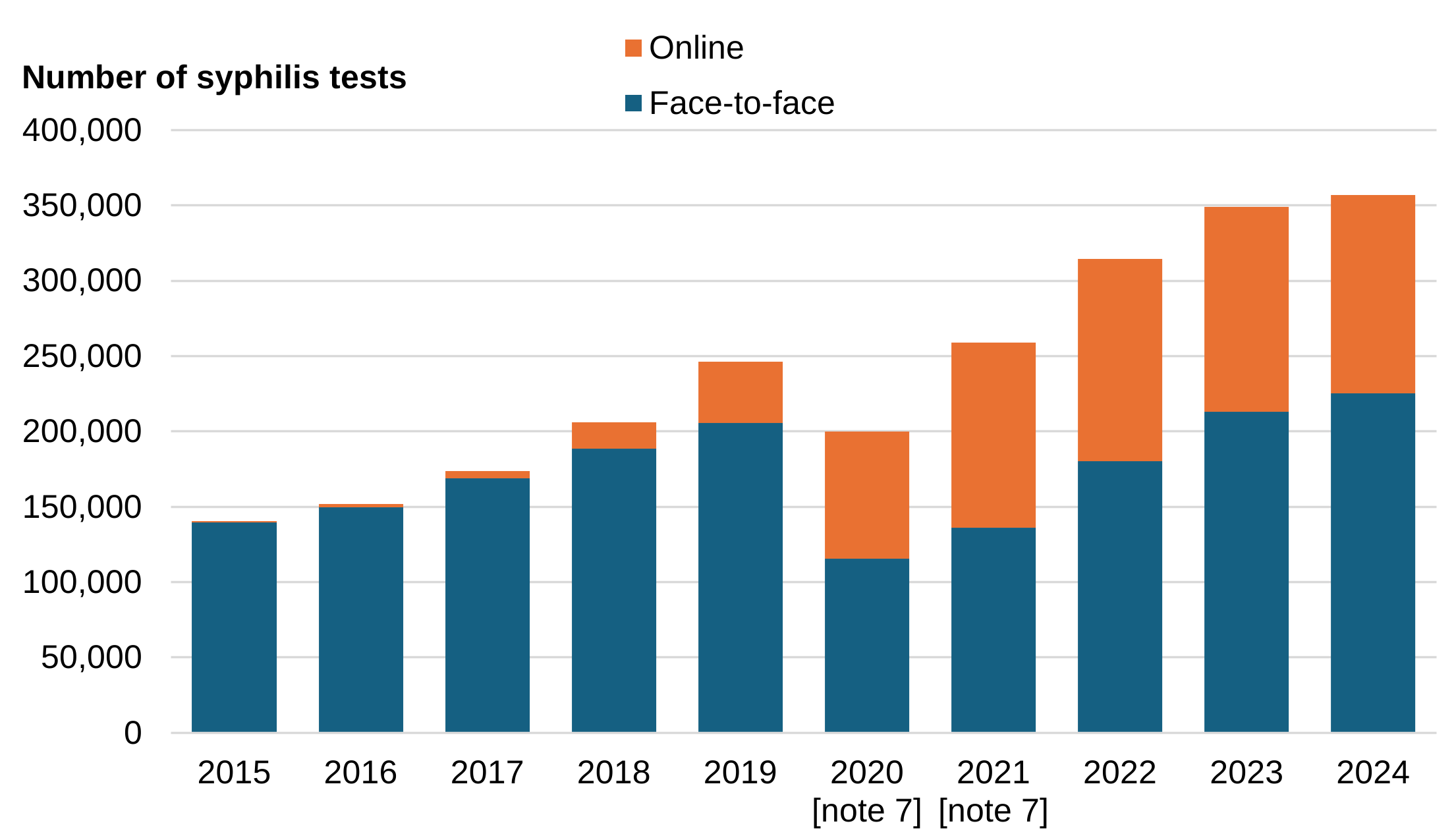
Syphilis testing among GBMSM has increased over the last decade, from 140,242 in 2015 to 356,713 in 2024 (154%) (Figure 6). Whilst testing increased between 2023 and 2024, this was a smaller increase compared to previous years (2.2%, 348,956 to 356,713).
The increase in testing correlated to a decrease in positivity, from 2.9% in 2015 to 1.8% in 2024. This suggests that the increases in syphilis diagnoses seen among GBMSM before 2024 was likely to be explained, at least in part, by an increase in testing, rather than an increase in the incidence of infection. The decrease in diagnoses between 2023 and 2024 could be a result of several prevention factors such as increased frequency of testing, a key recommendation of Public Health England’s 2019 Syphilis Action Plan to promptly detect and treat new infections and reduce incidence. The proportion of GBMSM who had 2 or more syphilis tests in a year increased from 22% in 2015 to 32% in 2024 (data not shown in this report). The use of antibiotic STI prophylaxis could also have had an effect. Although the first UK guidelines on the use of doxyPEP for syphilis were published in June 2025, GBMSM in the UK have reported self-sourcing antibiotics for STI prophylaxis for several years prior (1 to 3).
Figure 5. Number of infectious syphilis diagnoses among GBMSM accessing SHSs, England, 2015 to 2024 [note 5]
Source: Data from routine sexual health service returns to GUMCAD STI Surveillance System.
Note 5: figures reported in 2020 and 2021 are notably lower than previous years due to the disruption to SHSs during the national response to the COVID-19 pandemic.
There was an increase in syphilis tests accessed online during and following the pandemic; between 2019 and 2020 the number doubled (from 40,817 to 84,619). This peaked in 2021, with 48% of all tests accessed through online consultations. Since then the proportion has been dropping, to 37% in 2024, as the number of tests accessed face-to-face has increased again (Figure 6). When considered by age group, the proportion of tests that were online was highest among GBMSM aged 20 to 24 years, 44% of whom accessed tests online in 2024 (data not shown in this report).
Figure 6. Number of syphilis tests by consultation type [note 6] among GBMSM accessing SHSs, England, 2015 to 2024 [note 7]
Source: Data from routine sexual health service returns to GUMCAD STI Surveillance System.
Note 6: see Technical notes for further description of developments in the collection of online test data.
Note 7: figures reported in 2020 and 2021 are notably lower than previous years due to the disruption to SHSs during the national response to the COVID-19 pandemic.
Syphilis diagnoses by clinical stage
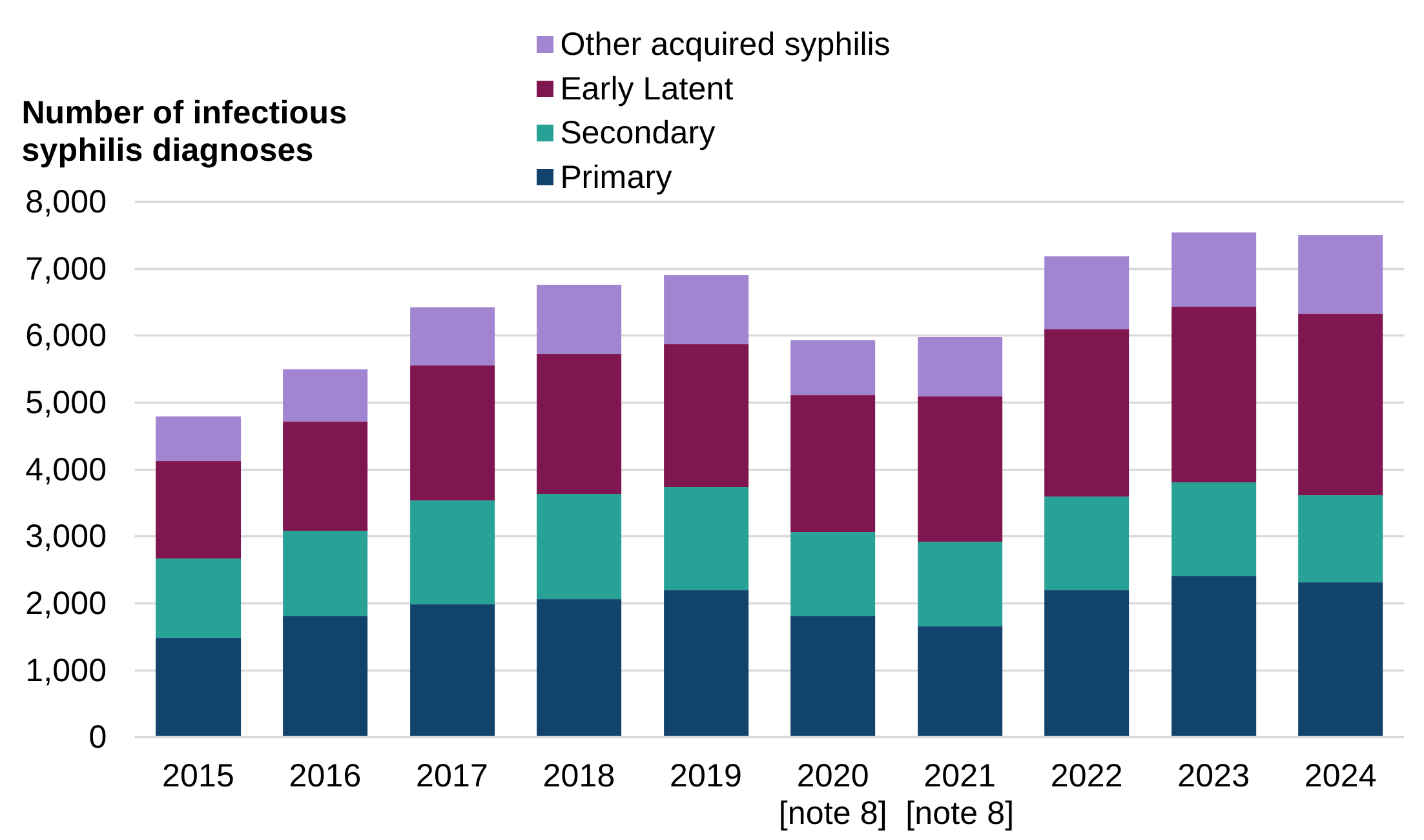
Infectious syphilis (primary, secondary and early latent stages) comprised the majority of syphilis diagnoses among GBMSM, accounting for 84% (6,330 of 7,502) in 2024 (Figure 7). In the early latent stage, approximately 25% of people with syphilis infections can relapse to secondary disease.
Between 2015 and 2024, the overall proportion of infectious syphilis remained steady but the proportion that was diagnosed as early latent (asymptomatic infection acquired within the previous 2 years) increased from 30% to 36%. Consequently, just over a third of syphilis diagnoses, for all stages, among GBMSM in 2024 were asymptomatic but considered infectious. There are a number of possible explanations that could account for the increase in early latent infections, including increased frequency of asymptomatic testing, increased re-infections (which are less likely to show overt symptoms), or a signal of difficulty or delay in accessing services. Further work is needed to explore these hypotheses.
For other acquired syphilis, the proportion of late latent syphilis diagnoses (longstanding infections acquired more than 2 years earlier) has remained consistent over time. In 2024, late latent diagnoses accounted for 13% (974 of 7,502) of all syphilis cases among GBMSM.
Diagnoses of syphilitic complications (such as neurosyphilis and cardiovascular syphilis) increased between 2015 and 2024, in line with the overall increase in syphilis, and accounted for 2.6% (198 of 7,502) of diagnoses among GBMSM in 2024. Most (97%, 158 of 198) of these presentations were neurosyphilis, which included ocular syphilis (69 of 158). These figures will underestimate the extent of syphilitic complications in England as diagnoses from other clinical settings are not included.
Figure 7. Diagnoses of syphilis by stage of infection among GBMSM accessing SHSs, England, 2015 to 2024 [note 8][note 9]
Source: Data from routine sexual health service returns to GUMCAD STI Surveillance System.
Note 8: figures reported in 2020 and 2021 are notably lower than previous years due to the disruption to SHSs during the national response to the COVID-19 pandemic.
Note 9: infectious syphilis is defined as primary, secondary, and early latent syphilis. Other acquired syphilis includes late latent syphilis and syphilitic complications such as cardiovascular and neurosyphilis.
Demographic data of infectious syphilis diagnoses
HIV status
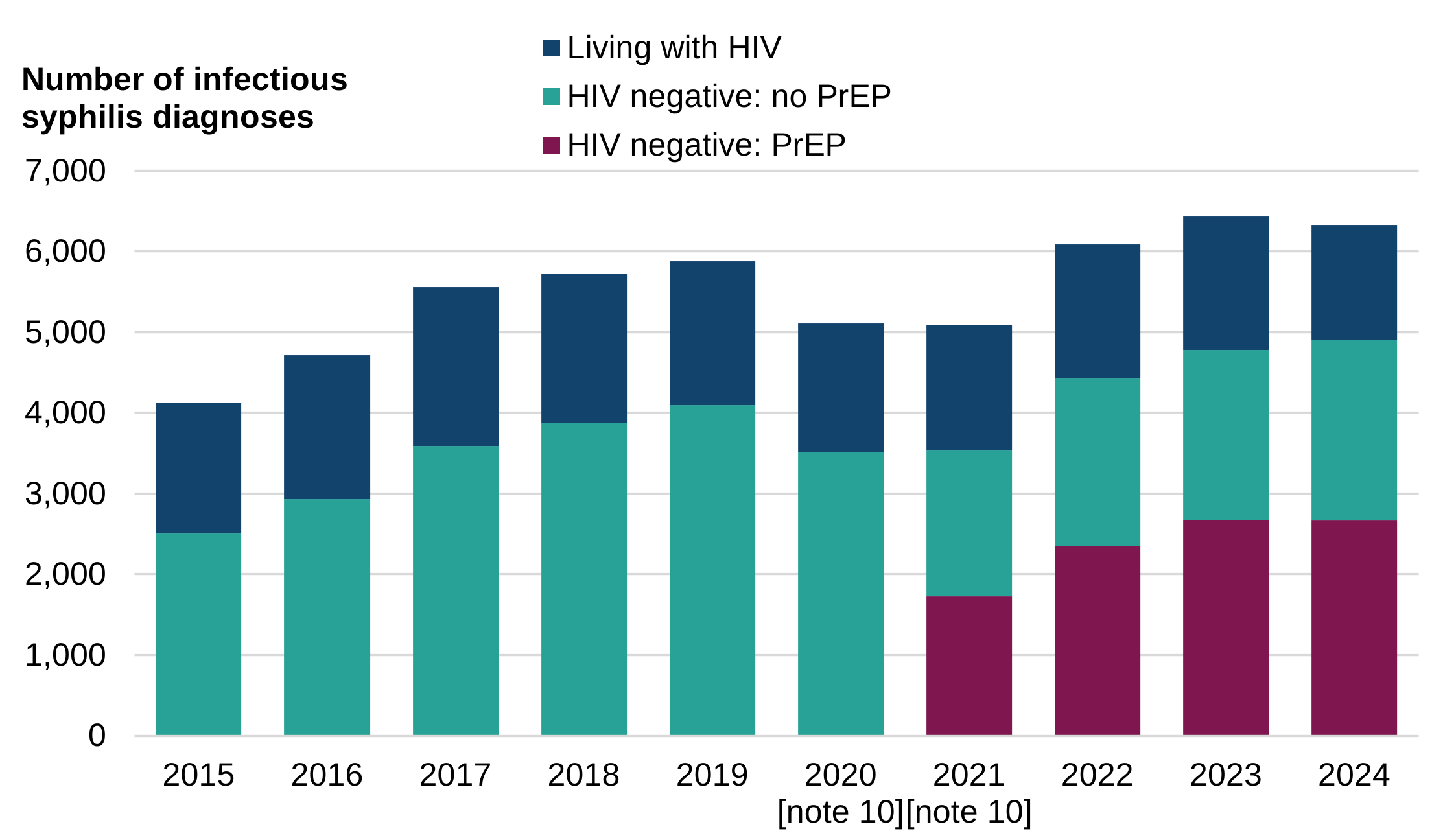
Although rates of syphilis diagnoses remain higher among GBMSM living with HIV, between 2015 and 2024, the proportion of infectious syphilis diagnoses among GBMSM living with HIV decreased from 39% (1,617 of 4,126) to 23% (1,426 of 6,330) (Figure 8).
Pre-exposure prophylaxis for HIV prevention (HIV-PrEP) was made routinely available in England from the end of 2020. In 2024, 54% of infectious syphilis diagnoses among GBMSM who were HIV negative or undiagnosed were classified as using HIV-PrEP (having had an indication for starting or continuing HIV-PrEP use in the previous 12 months). The demographics of those diagnosed with syphilis and using or not using HIV-PrEP were similar, with the highest proportions among those aged 25 to 34 years, of White ethnicity, born in the UK and living in London for both groups. However, there were some differences, with a higher proportion of those diagnosed with infectious syphilis and using HIV-PrEP living in London than those not using HIV-PrEP (52% compared to 41%), and a higher proportion of those diagnosed with infectious syphilis and using HIV-PrEP being born outside the UK than those not using HIV-PrEP (38% compared to 29%). As syphilis is a strong predictor for HIV acquisition, this data suggests that there are further individuals who could benefit from the protection offered by HIV-PrEP.
Figure 8. Number of infectious syphilis diagnoses among GBMSM accessing SHSs by HIV and HIV-PrEP use status, England, 2015 to 2024 [note 10][note 11]
Source: Data from routine sexual health service returns to GUMCAD STI Surveillance System.
Note 10: figures reported in 2020 and 2021 are notably lower than previous years due to the disruption to SHSs during the national response to the COVID-19 pandemic.
Note 11: HIV-PrEP (pre-exposure prophylaxis) for HIV prevention only became routinely available from the end of 2020.
Ethnicity
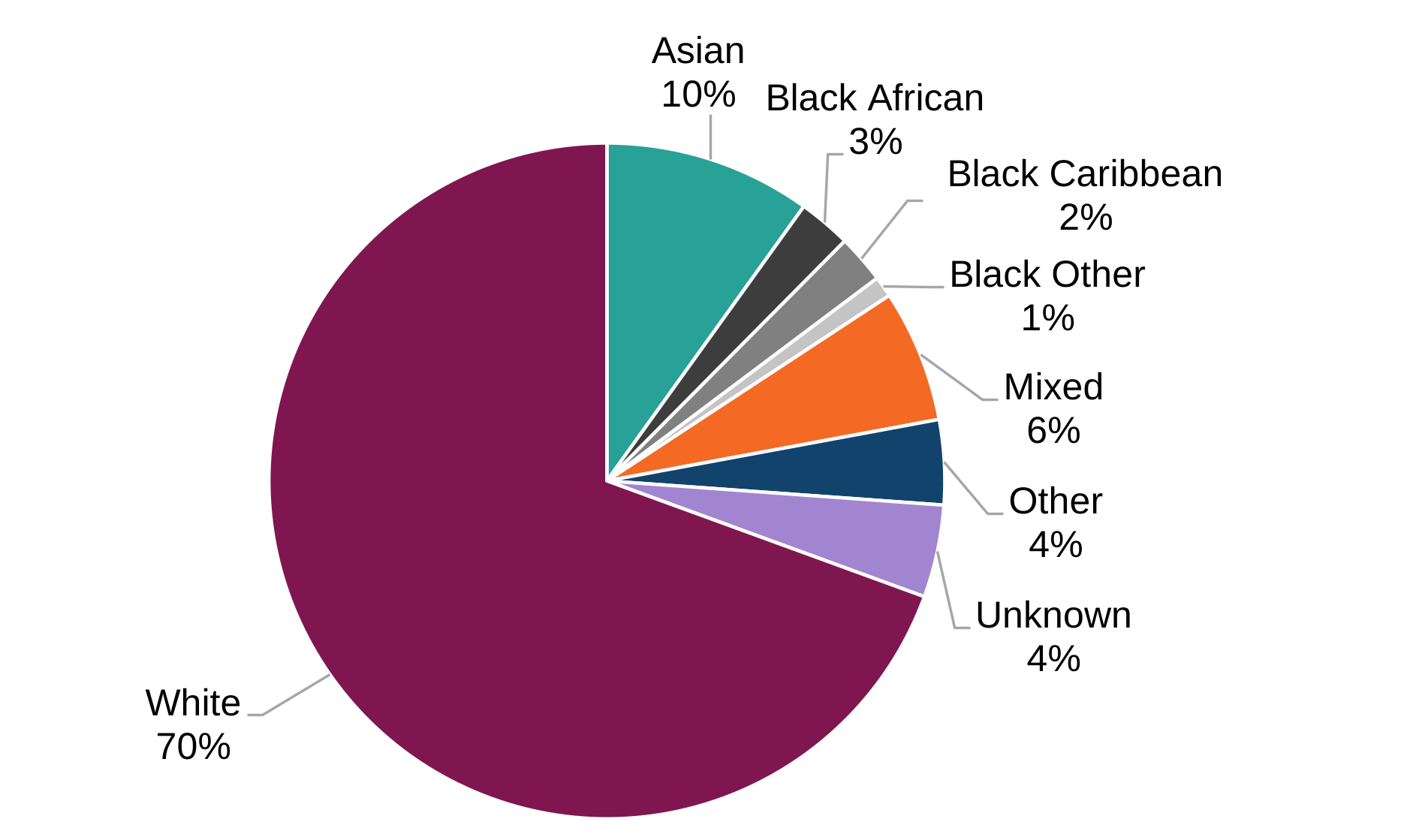
In 2024, the number of infectious syphilis diagnoses among GBMSM was highest among those of White ethnicity (70%, 4,395 of 6,330), compared to other ethnic groups (Figure 9).
Figure 9. Diagnoses of infectious syphilis among GBMSM accessing SHSs by ethnic group, England, 2024 [note 12]
Source: Data from routine sexual health service returns to GUMCAD STI Surveillance System.
Note 12: the ethnic categories above are as specified by the Office for National Statistics (ONS).
Geographical distribution
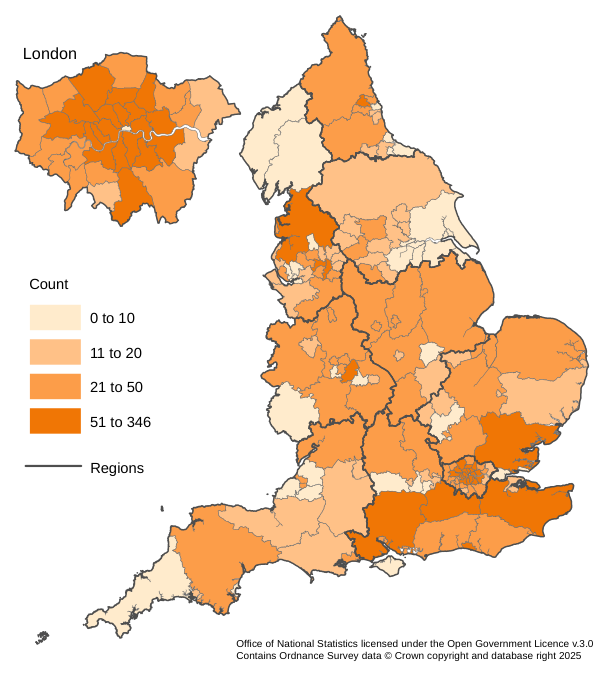
Infectious syphilis diagnoses among GBMSM are unevenly distributed geographically with London residents accounting for 49% (3,091 of 6,330) in 2024. Outside London, diagnoses were concentrated in the South East and in urban areas in the Midlands and North of England (Figure 10). In 2024, 50% of all diagnoses were made in those residing in 15% (23 of 153) of upper tier local authorities. The geographical distribution of syphilis and comparisons by upper tier local authority can be explored further in the Sexual and Reproductive Health Profiles.
Syphilis continues to disproportionately affect GBMSM living in more socioeconomically deprived areas (see Technical notes for details on how deprivation is measured). In 2024, 61% of infectious syphilis diagnoses among GBMSM were in those living in the 2 most deprived quintile areas; whilst only 8% were made among those living in the least deprived quintile (Figure 11). The distribution of diagnoses by Index of Multiple Deprivation (IMD) quintile remained stable between 2015 and 2024.
Figure 10. Map of number of infectious syphilis diagnoses among GBMSM accessing SHSs by upper tier local authority of residence, England, 2024
Source: Data from routine sexual health service returns to GUMCAD STI Surveillance System.
Figure 11. Number of infectious syphilis diagnoses among GBMSM accessing SHSs by IMD quintile [note 13], England, 2024

Source: Data from routine sexual health service returns to GUMCAD STI Surveillance System.
Note 13: see Technical notes for detail on IMD.
Trends in heterosexual men and women
Trends of infectious syphilis diagnoses, syphilis tests and positivity
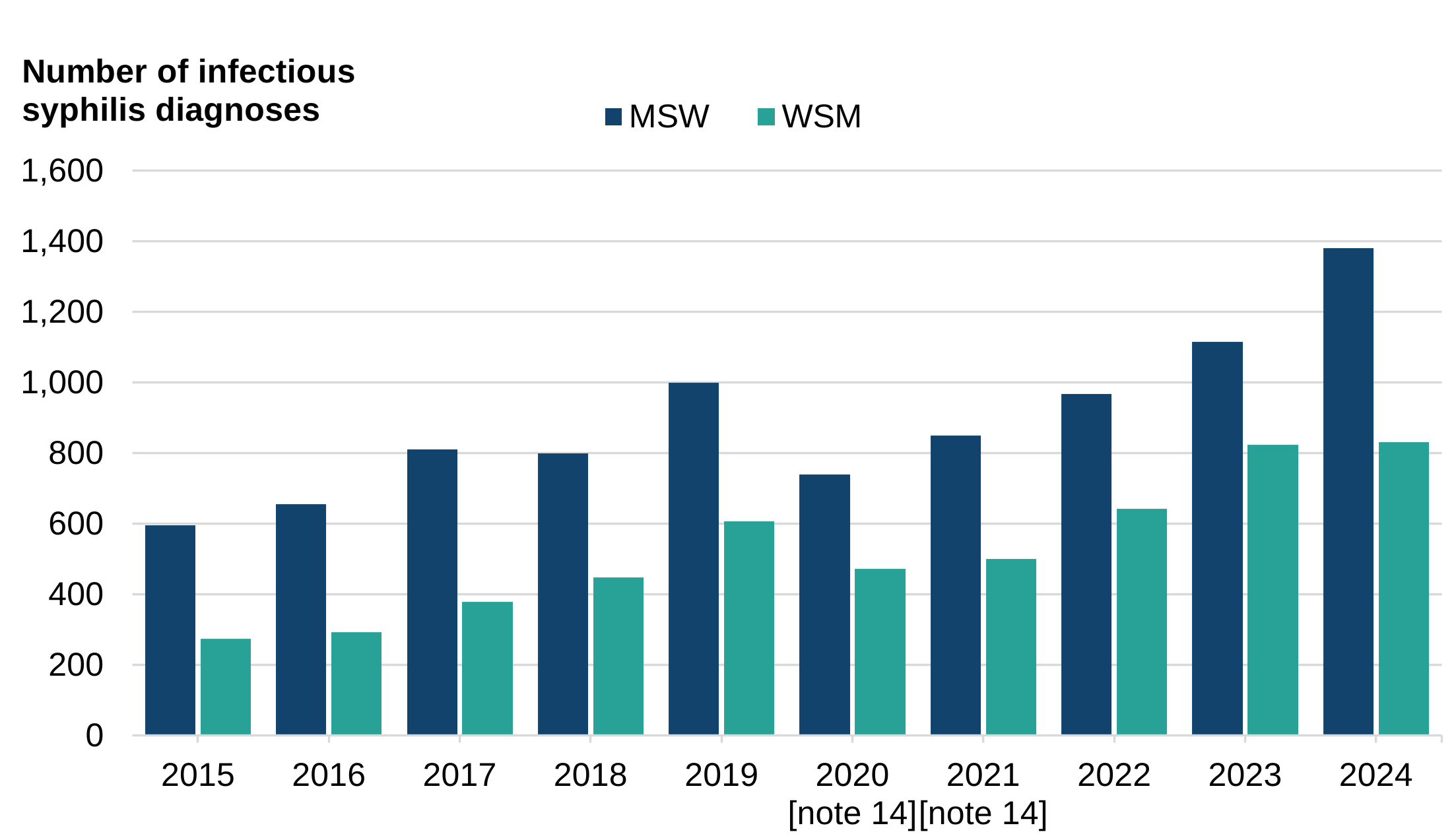
In 2024, 23% of all infectious syphilis diagnoses were reported among MSW and WSM (26% among those with gender and sexual orientation reported). Between 2015 and 2024, diagnoses of infectious syphilis more than doubled among MSW (132%, 595 to 1,380), and tripled among WSM (204%, 273 to 830) (Figure 12). Trends of diagnoses among MSW and WSM had followed a similar trajectory until 2024, when among WSM infectious syphilis diagnoses levelled compared to 2023 (1.0%, 822 to 830) whilst among MSW diagnoses increased by 24% (1,115 to 1,380).
Syphilis testing dropped steeply in 2020 co-incident with the COVID-19 pandemic, and has increased steadily over subsequent years but in 2024 was still lower than pre-pandemic levels, more so among MSW (Figure 13). In contrast to the decrease in positivity in GBMSM, positivity has increased over the decade from 0.14% in 2015 to 0.35% in 2024 for MSW, and from 0.05% to 0.12% for WSM (data not shown in this report).
Figure 12. Number of diagnoses of infectious syphilis among MSW and WSM accessing SHSs, England, 2015 to 2024 [note 14]
Source: Data from routine sexual health service returns to GUMCAD STI Surveillance System.
Note 14: figures reported in 2020 and 2021 are notably lower than previous years due to the disruption to SHSs during the national response to the COVID-19 pandemic.
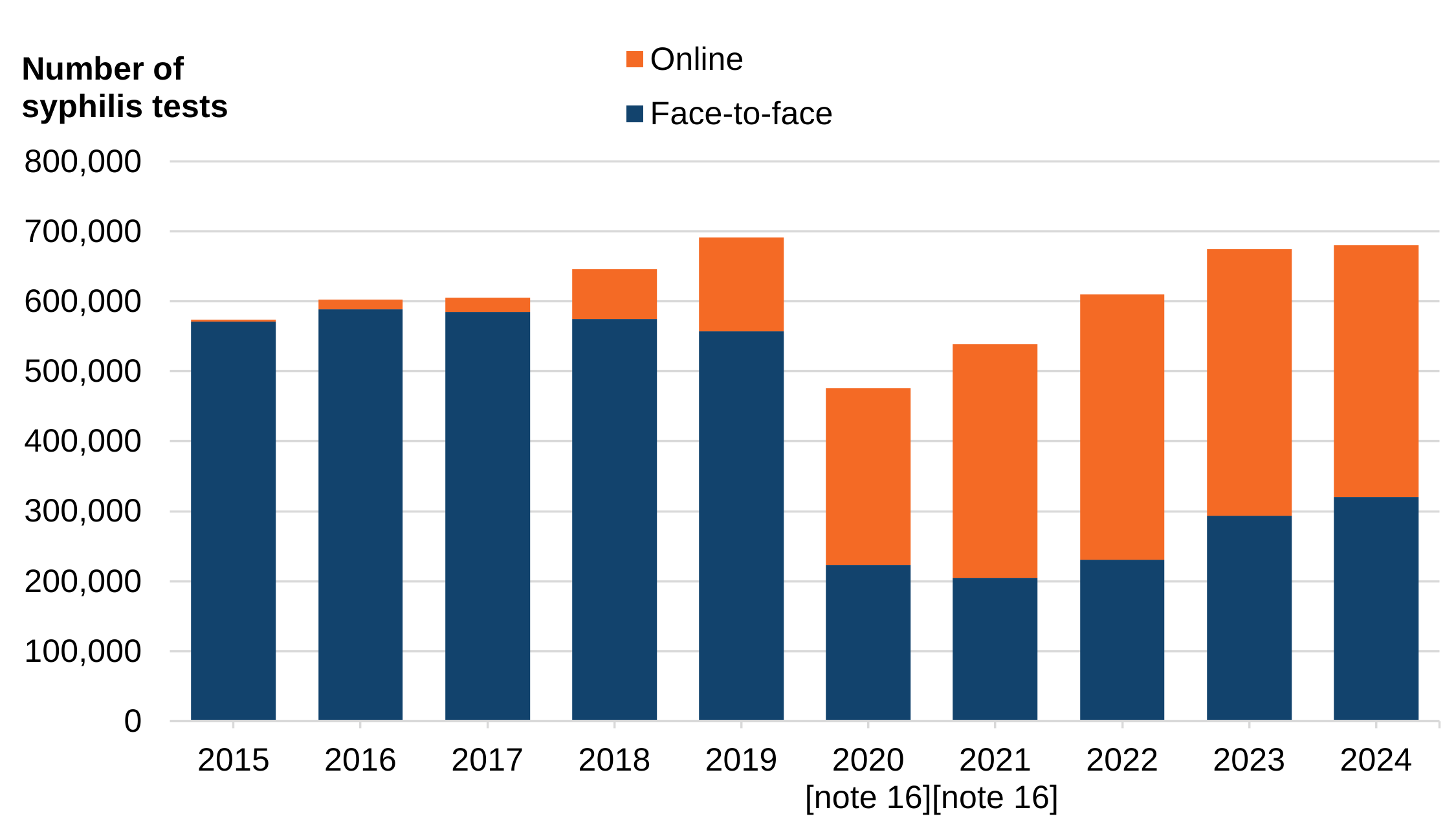
For both MSW and WSM, during and following the pandemic there was a large increase in the number of online consultations including for accessing syphilis tests, such that it became the method through which the majority of tests were accessed. This peaked in 2021 for MSW (55% of tests; 147,207 of 270,002) and 2022 for WSM (62% of tests; 379,087 of 609,834). Since then the proportion has reduced, to 44% in 2024 for MSW and 53% for WSM as face-to-face consultations have increased again (Figures 13a and 13b).
Figure 13a. Number of syphilis tests by consultation type [note 15] among MSW accessing SHSs, England, 2015 to 2024 [note 16]
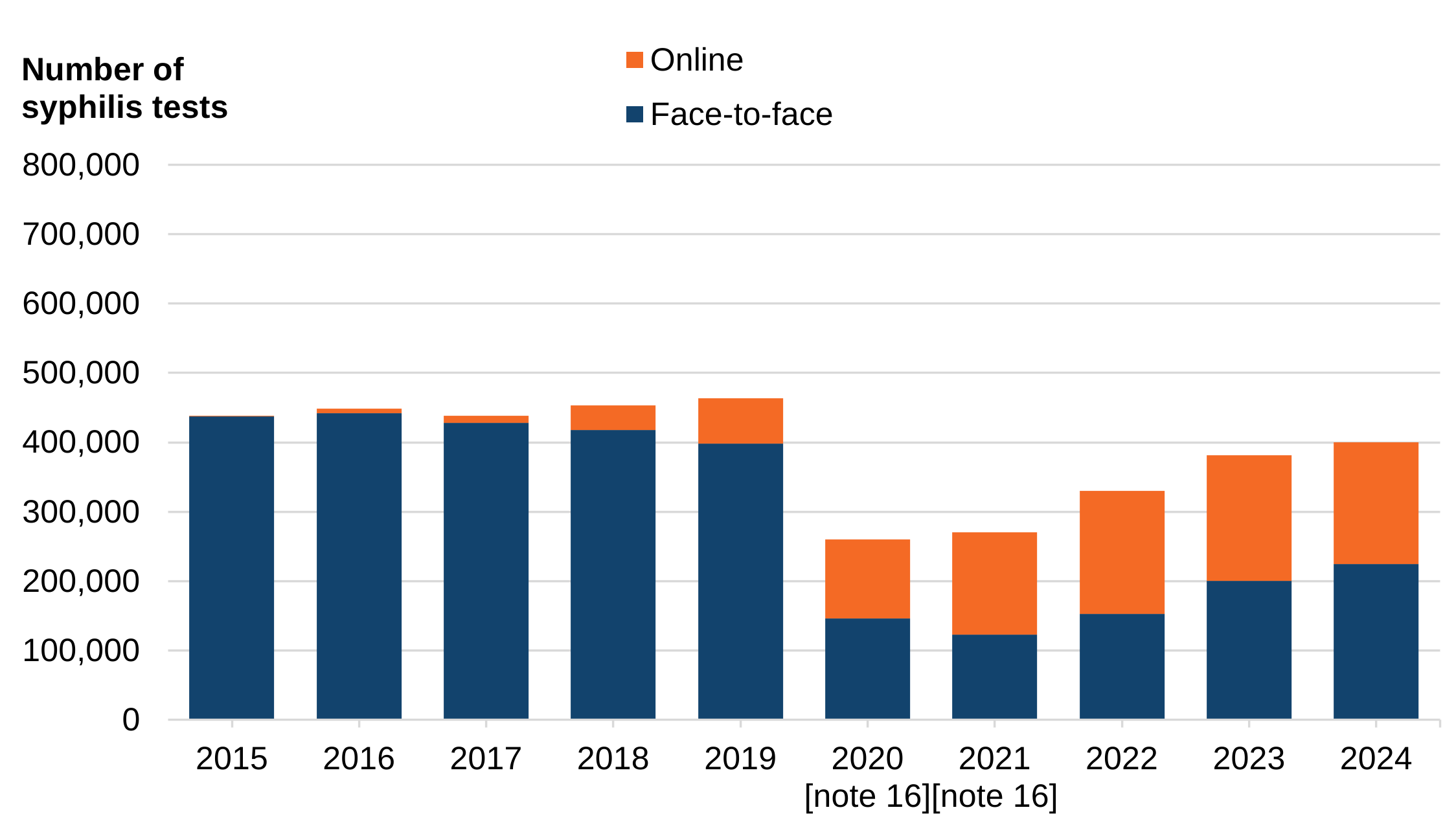
Figure 13b. Number of syphilis tests by consultation type [note 15] among WSM accessing SHSs, England, 2015 to 2024 [note 16]
Source: Data from routine sexual health service returns to GUMCAD STI Surveillance System.
Note 15: see Technical notes for further description of developments in the collection of online test data.
Note 16: figures reported in 2020 and 2021 are notably lower than previous years due to the disruption to SHSs during the national response to the COVID-19 pandemic.
Syphilis diagnoses by clinical stage
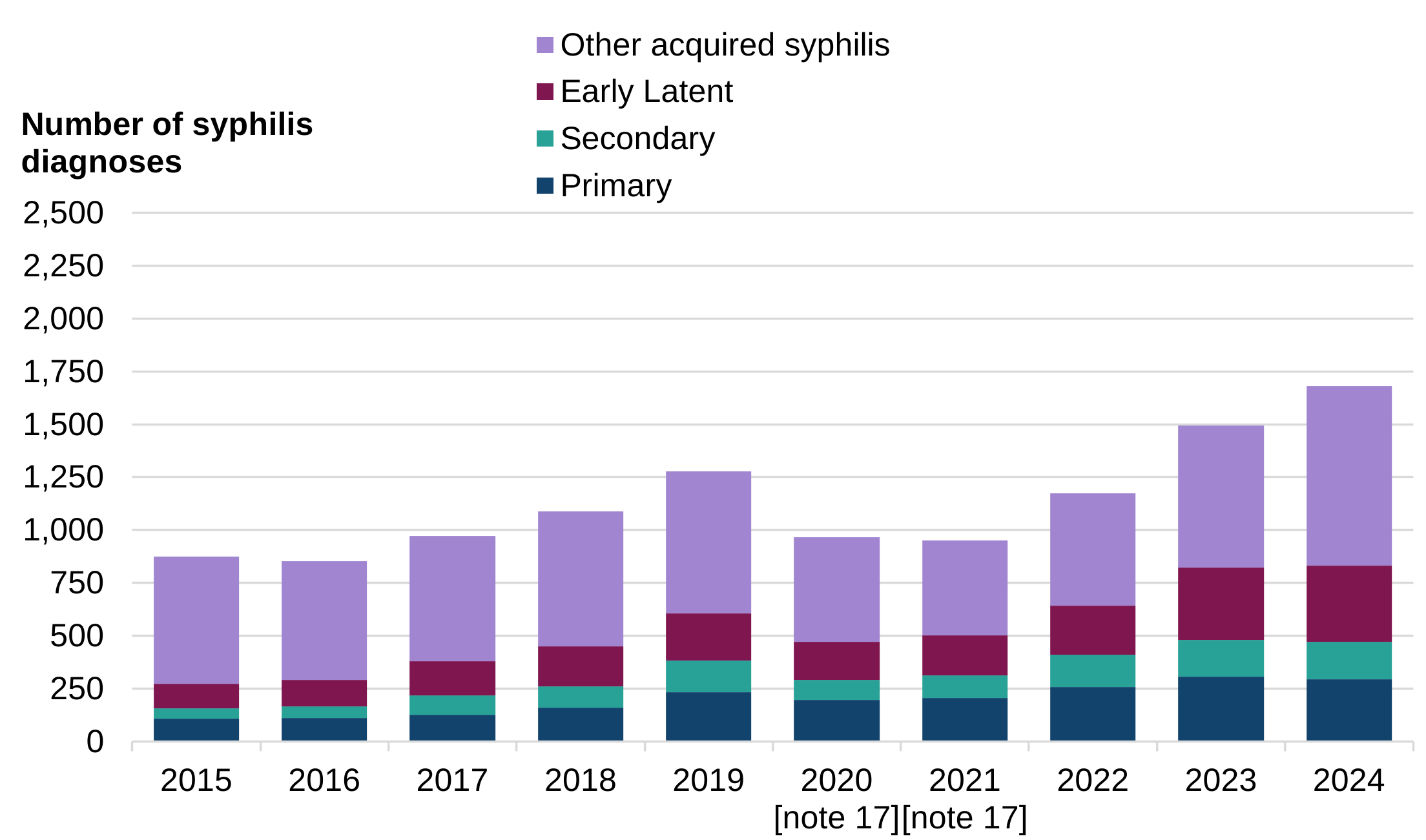
The proportion of diagnoses classified as late latent is higher among MSW and WSM than GBMSM. Between 2015 and 2024, the proportion of syphilis diagnoses that were infectious (primary, secondary or early latent) increased from 48% to 60% among MSW and from 31% to 49% among WSM (Figures 14a and 14b). However, from 2023 to 2024, the proportion of infectious syphilis stayed steady among MSW, and decreased among WSM (55% to 49%) due to a larger increase in diagnoses of late latent infections (28%, 633 to 809).
Figure 14a. Diagnoses of syphilis by stage of infection among MSW accessing SHSs, England, 2015 to 2024 [note 17][note 18]
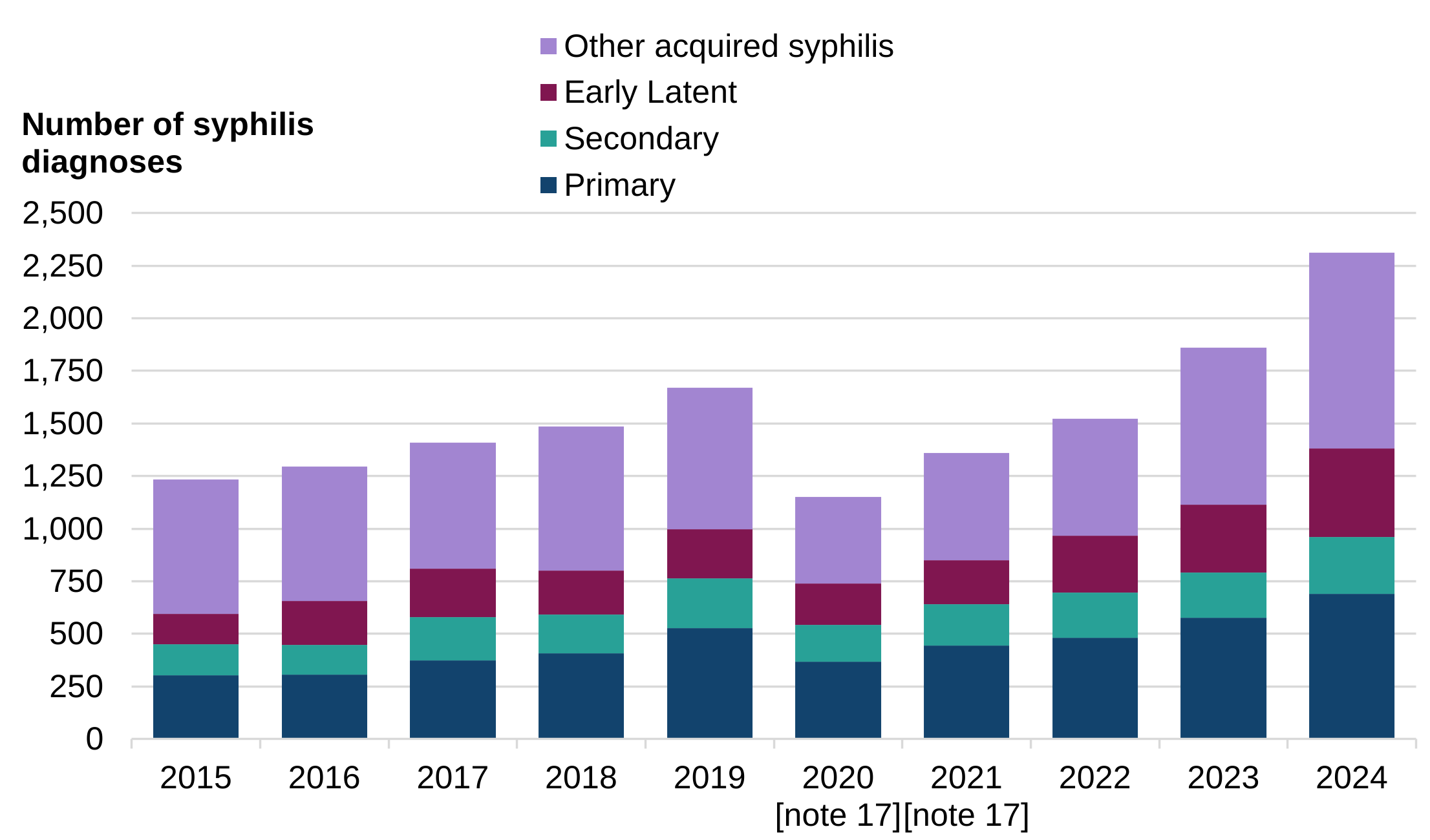
Figure 14b. Diagnoses of syphilis by stage of infection among WSM accessing SHSs, England, 2015 to 2024 [note 17][note 18]
Source: Data from routine sexual health service returns to GUMCAD STI Surveillance System.
Note 17: figures reported in 2020 and 2021 are notably lower than previous years due to the disruption to SHSs during the national response to the COVID-19 pandemic.
Note 18: infectious syphilis is defined as primary, secondary, and early latent syphilis. Other acquired syphilis includes late latent syphilis and syphilitic complications such as cardiovascular and neurosyphilis.
Demographic data of infectious syphilis diagnoses
Ethnicity
In 2024, most infectious syphilis diagnoses were made among MSW and WSM of White ethnic background, 822 (60%) and 559 (67%) respectively (Figures 15a and 15b).
Figure 15a. Diagnoses of infectious syphilis diagnoses among MSW accessing SHSs by ethnic group, England, 2024 [note 19]
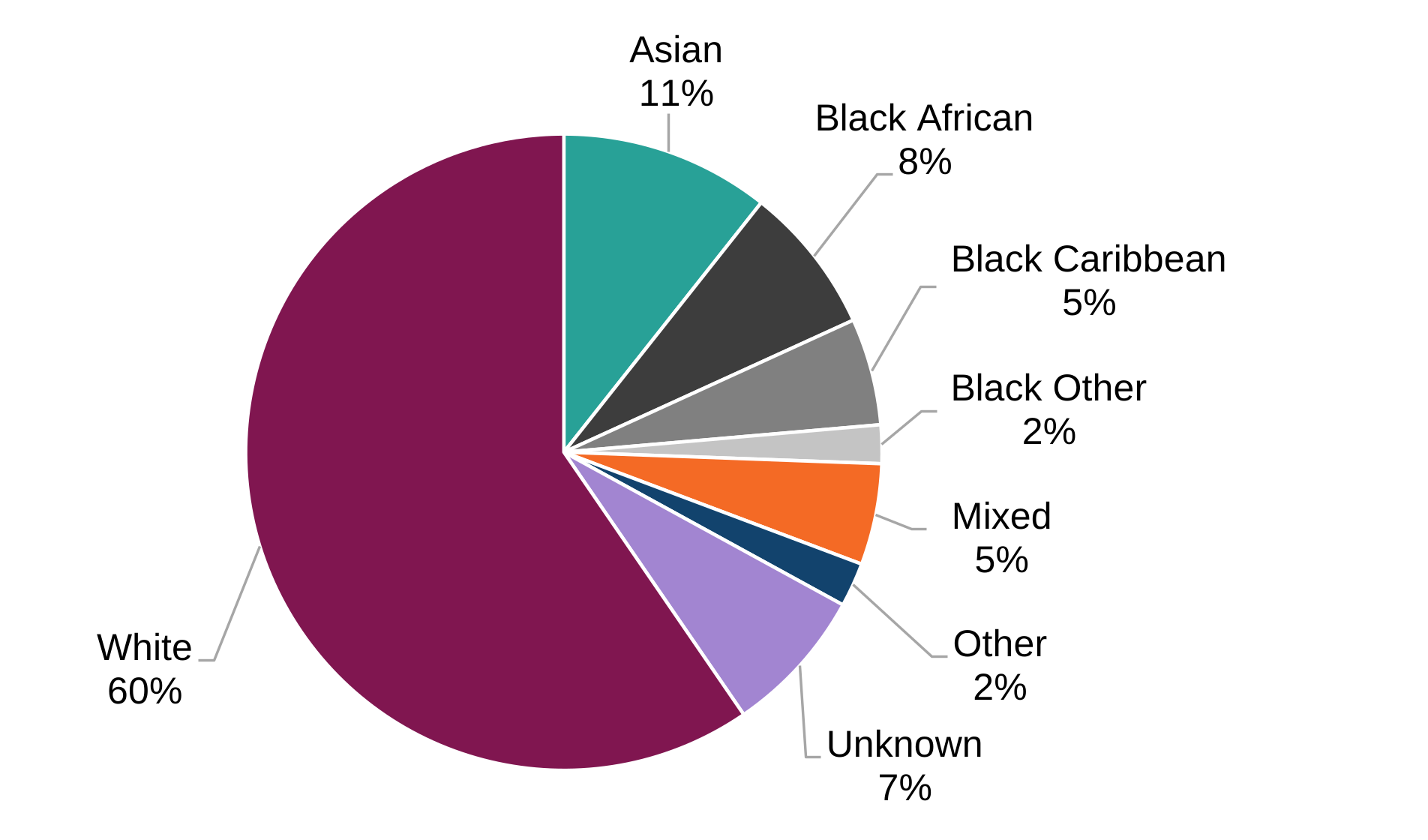
Figure 15b. Diagnoses of infectious syphilis diagnoses WSM accessing SHSs by ethnic group, England, 2024 [note 19]

Source: Data from routine sexual health service returns to GUMCAD STI Surveillance System.
Note 19: the ethnic categories above are as specified by the ONS.
Geographical distribution
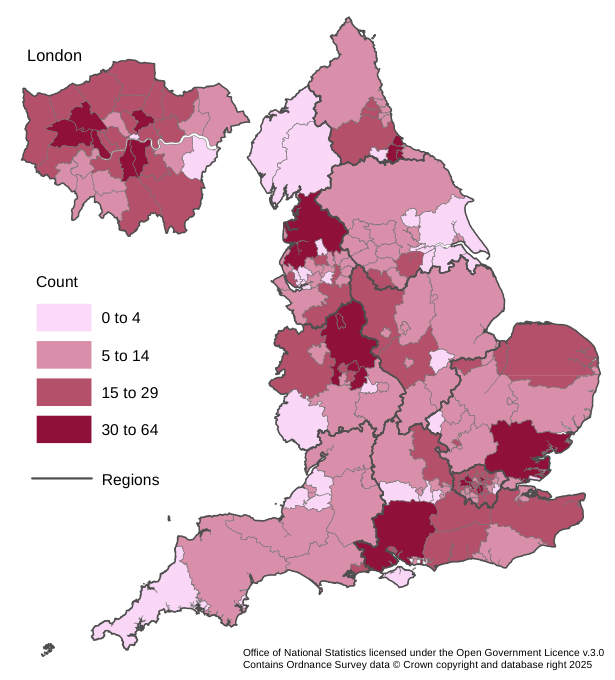
The focus on London is less pronounced than among GBMSM, with 31% of diagnoses among MSW and WSM living in the capital in 2024 (683 of 2,210), followed by 13% in the West Midlands (278 of 2,210) and 12% in the North West (263 of 2,210) (Figure 16). While the geographical distribution is uneven across the country, this pattern is slightly less extreme compared to GBMSM, with 50% of cases seen across 22% (33 of 153) of upper tier local authorities. The geographical distribution of syphilis and comparisons by upper tier local authority can be explored further in the Sexual and Reproductive Health Profiles.
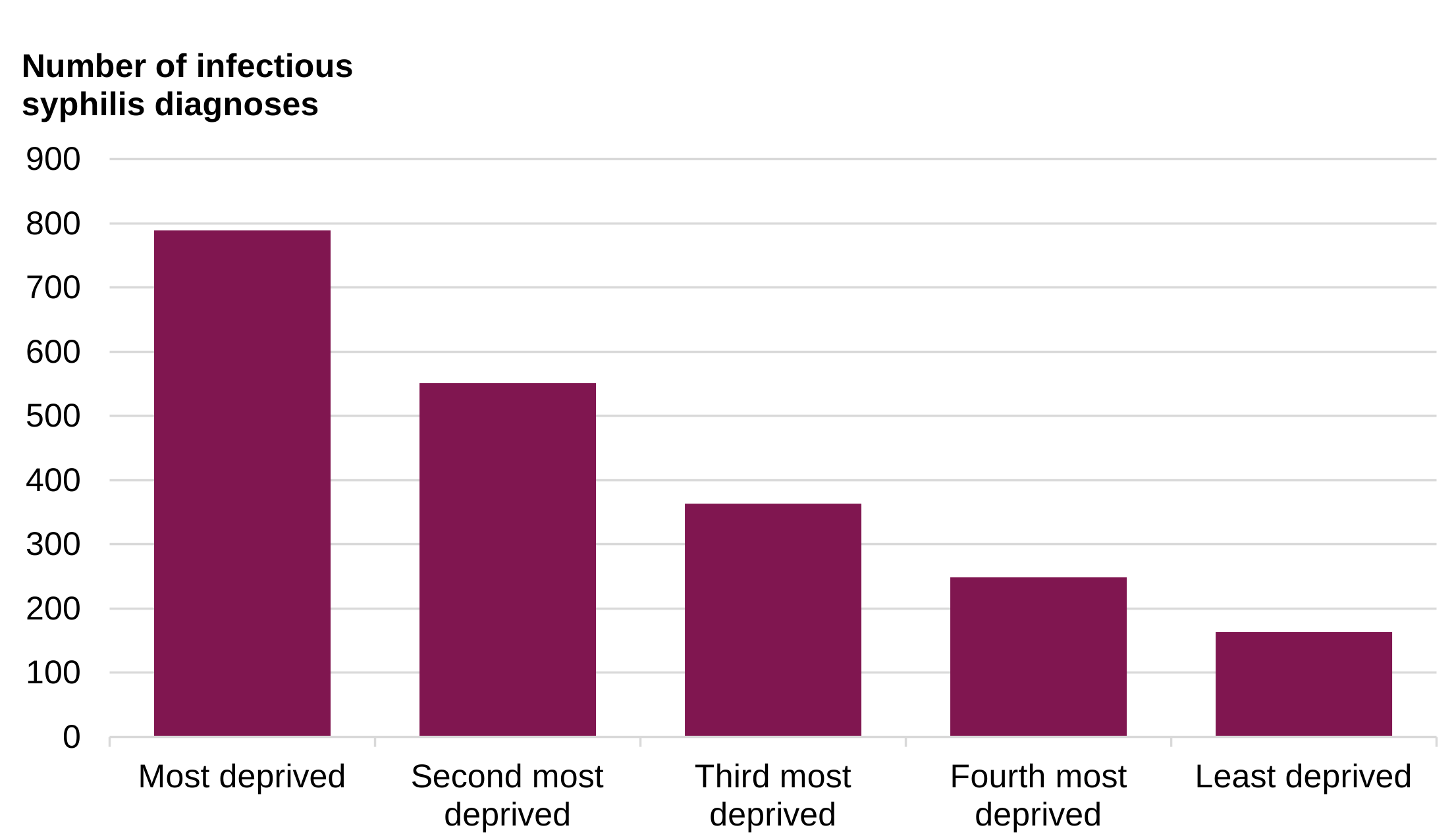
Syphilis continues to disproportionately affect MSW and WSM living in the most socioeconomically deprived areas. In 2024, the highest number of infectious syphilis diagnoses were seen in the most deprived IMD quintile (36%, 789 of 2,210) (Figure 17); only 7% of diagnoses were among those living in the least deprived IMD.
Figure 16. Map of number of infectious syphilis diagnoses among MSW and WSM accessing SHSs by upper tier local authority of residence, England, 2024
Source: Data from routine sexual health service returns to GUMCAD STI Surveillance System.
Figure 17. Number of infectious syphilis diagnoses among MSW and WSM accessing SHSs by IMD quintile [note 20], England, 2024
Source: Data from routine sexual health service returns to GUMCAD STI Surveillance System.
Note 20: see Technical notes for detail on IMD.
Syphilis among blood donors
Confirmed cases of syphilis in blood donors gives insight into underlying infection trends in the population. Donors in England are voluntary unpaid individuals aged 17 years and over and selected to be at low risk of blood-borne infections. NHS Blood and Transplant (NHSBT) screens all blood donations made in England for treponemal antibodies indicating syphilis. Reactive (screen positive) donations are discarded and undergo further confirmatory testing including immunoglobulin M (IgM) and rapid plasma reagin (RPR) test.
Since 2016, people wishing to donate in England have been advised not to give blood if they have a history of syphilis to avoid people making unusable donations. There have been no reported cases of syphilis transfusion transmissions in the UK since reporting began in 1996.
When donations are confirmed antibody positive, donors are invited for a post-test telephone discussion to obtain a history and refer for follow up. Donors disclosing a history of treatment at their post-test discussion were excluded from these data (n=294). Those donors with unknown infection status were assigned to the late category (n=32). Consequently, this may over-estimate the rate of untreated late infection.
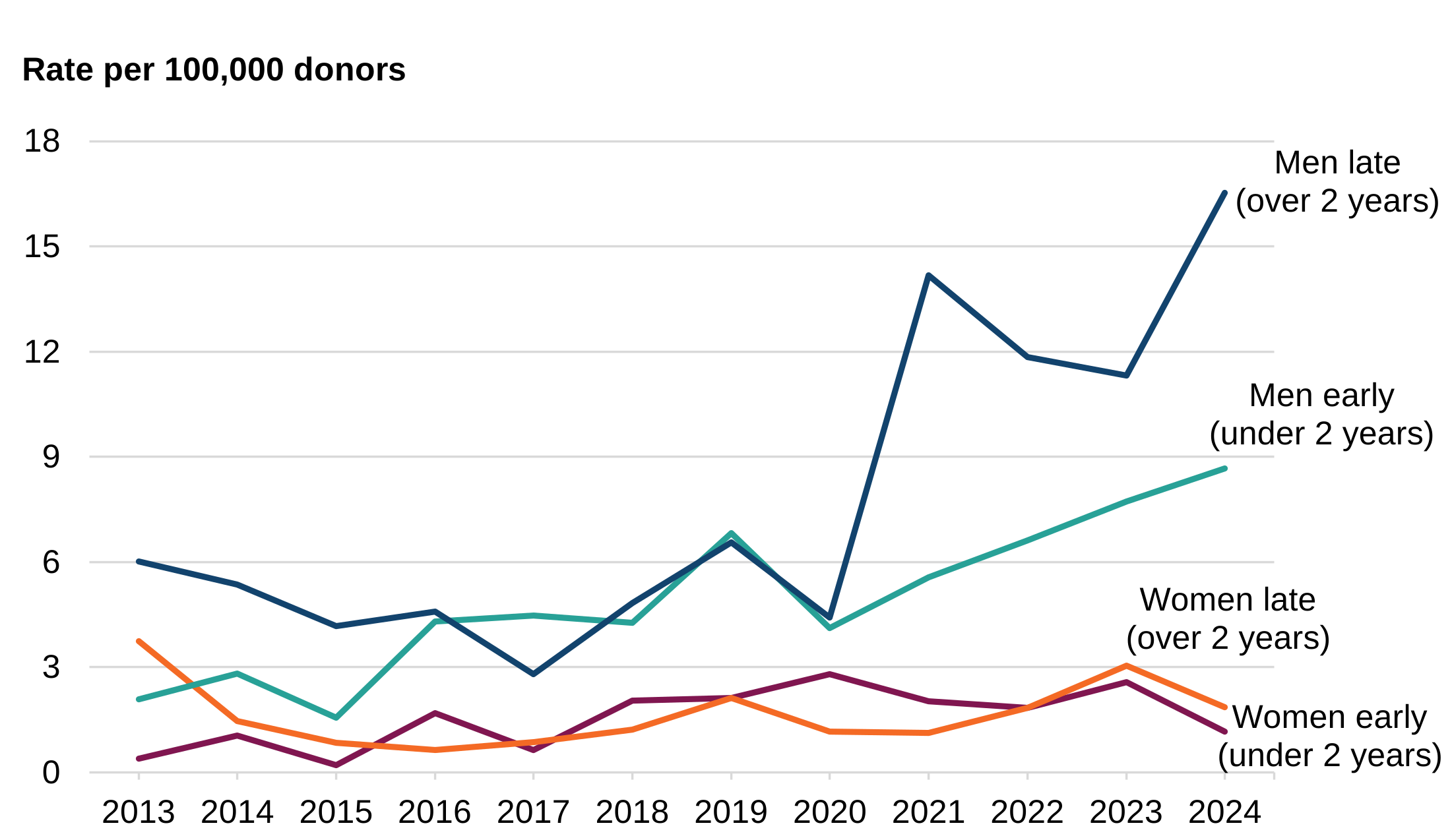
In 2024, 5 women and 32 men who donated blood were antibody positive and classified as likely to have early syphilis (acquired within 2 years and untreated), while 8 women and 61 men were likely to have late syphilis (acquired more than 2 years prior and untreated) (Table 1). The rates of confirmed positive syphilis cases in blood donors increased for early and late syphilis among men (Figure 18). The substantial increase in late syphilis among men should be considered in the context of the Department of Health and Social Care announcing a policy change to more individualised risk-based assessments for blood donation. Implemented from June 2021, the eligibility rules changed to allow some GBMSM with one regular partner to donate blood, resulting in an increase in men reporting sex with men donating blood.
Figure 18. Rate of confirmed positive syphilis cases in blood donors per 100,000 donors by gender and early or late stage, England, 2015 to 2024 [note 21][note 22]
Sources: Blood donor data for NHSBT provided by the NHSBT and UKHSA Epidemiology Unit.
Note 21: confirmed positives have been separated into under 2 years and over 2 years to increase comparability with the coding ‘infectious’ and ‘late latent’ syphilis used elsewhere in this report. Over 2 years refers to syphilis acquired more than 2 years prior to detection and left untreated.
Note 22: the increase in men assigned as late untreated syphilis from 2021 is partly due to an increase in men reporting sex between men donating after the eligibility rules changed to allow some GBMSM with one regular partner to give blood.
Table 1. Numbers of confirmed positive syphilis cases in blood donors by gender and early or late stage, England, 2015 to 2024 [note 23][note 24]
| Syphilis category | 2015 | 2016 | 2017 | 2018 | 2019 | 2020 | 2021 | 2022 | 2023 | 2024 |
|---|---|---|---|---|---|---|---|---|---|---|
| Women early (under 2 years) |
1 | 8 | 3 | 10 | 10 | 12 | 9 | 8 | 11 | 5 |
| Women late (over 2 years) |
4 | 3 | 4 | 6 | 10 | 5 | 5 | 8 | 13 | 8 |
| Men early (under 2 years) |
6 | 16 | 16 | 15 | 25 | 14 | 20 | 24 | 28 | 32 |
| Men late (over 2 years) |
16 | 17 | 10 | 17 | 24 | 15 | 51 | 43 | 41 | 61 |
Sources: Blood donor data for NHSBT provided by the NHSBT and UKHSA Epidemiology Unit.
Note 23: confirmed positives have been separated into under 2 years and over 2 years to increase comparability with the coding ‘infectious’ and ‘late latent’ syphilis used elsewhere in this report. Over 2 years refers to syphilis acquired more than 2 years prior to detection and left untreated.
Note 24: the increase in men assigned as late untreated syphilis from 2021 is partly due to an increase in men reporting sex between men donating after the eligibility rules changed to allow some GBMSM with one regular partner to give blood.
Conclusions
Over the past decade diagnoses of infectious syphilis have increased and, despite a small decrease seen among GBMSM between 2023 and 2024, the total number of infectious syphilis diagnoses increased over this period and were at the highest level recorded since the 1940s.
Syphilis testing among GBMSM has increased over the period and is substantially higher than in 2019, prior to the COVID-19 pandemic. Among MSW and WSM however, while increasing, testing numbers in 2024 have yet to return to pre-COVID levels, and were below 2015 numbers among MSW. This could indicate the presence of barriers that have reduced service access or a lack of awareness of the importance of testing for syphilis among this population; a lack of knowledge of syphilis has been demonstrated among heterosexual populations.
Among MSW there was a large relative increase in infectious syphilis diagnoses between 2023 and 2024, in contrast to GBMSM and WSM. It will be important to understand and continue to monitor the differing patterns of syphilis testing and diagnoses and ensure that we are reaching all populations.
This report highlights the continued increases in syphilis diagnoses and positivity. Further insight is needed to help inform prevention, testing and treatment strategies. In June 2025, BASHH published the first UK guidelines on the use of doxyPEP for syphilis, a new intervention to support syphilis control. Monitoring the uptake and impact of doxyPEP will be important to understand its contribution to syphilis prevention.
References
- Carveth-Johnson T and others. ‘Doxycycline use in MSM taking PrEP’ The Lancet HIV 2018: volume 5, issue 9, article e482 (accessed on 30 October 2025)
- O’Halloran C and others. ‘Factors associated with reporting antibiotic use as STI prophylaxis among HIV PrEP users: findings from a cross-sectional online community survey, May to July 2019, UK’. Sexually Transmitted Infections 2021: volume 97, issue 6, pages 429 to 433 (accessed on 30 October 2025)
- Kohli M and others. ‘Choice of antibiotics for prophylaxis of bacterial STIs among individuals currently self-sourcing’. Sexually Transmitted Infections 2022: volume 98, issue 2, page 158 (accessed on 30 October 2025)
Technical notes
Data
- All data presented is sourced from the GUMCAD STI Surveillance System, which collects data on STI testing and diagnoses provided at all SHSs in England, except where otherwise stated in the Syphilis among blood donors section.
- Data represents the number of diagnoses or tests reported, not the number of people diagnosed or tested.
- Data reported with an unknown gender identity and/or sexual orientation is included in the data total unless stated otherwise.
- Sexual orientation data reflects the sexual orientation of attendees reported at the date of STI diagnosis.
- GBMSM refers to gay, bisexual and other men who have sex with men. WSW refers to lesbians and other women who have sex with women exclusively. WSM refers to heterosexual and bisexual women who have sex with men.
- Syphilis test positivity is defined as the number of infectious syphilis (primary, secondary, and early latent stage) diagnoses divided by all syphilis tests.
- Complications of syphilis may be under-reported as cases with cardiovascular and neurosyphilis may present in clinical settings other than SHSs and therefore will not be recorded in the GUMCAD STI Surveillance System.
- Data for GBMSM was under-reported in London for 2021 (also affecting the GBMSM total in England for 2021). Therefore, the associated trends in diagnoses among GBMSM are also likely to be an underestimate. Please refer to the ‘Technical note’ in the Sexually transmitted infections and screening for chlamydia in England: 2024 report for further information.
- The UKHSA regions shown may not match the Government Office Regions shown in Sexual and Reproductive Health Profiles.
Sexual health services
Sexual health services (SHSs) refer to services offering specialist (Level 3) STI-related care such as genitourinary medicine (GUM) and integrated GUM and sexual and reproductive health services. They also include other services offering non-specialist (Level 2) STI-related care and community-based settings. Further details on levels of sexual healthcare provision are provided in the British Association for Sexual Health and HIV (BASHH) Standards for the Management of STIs (Appendix B).
Residence data represent data from patients accessing services located in England who are also residents in England and those reported with an unknown residence (data for those outside of England is not included).
SHSs may be provided via face-to-face, telephone or internet consultations.
Syphilis clinical stages
Early stages of syphilis include primary, secondary and early latent syphilis. Early stages are referred to collectively as ‘infectious syphilis’. Primary syphilis is the initial presentation of the disease, characterised by a chancre. Secondary syphilis has systemic involvement and can present with a wide range of clinical features, most commonly a rash. Early latent syphilis is defined as asymptomatic positivity to a syphilis diagnostic test within 2 years of acquisition.
Late latent syphilis is defined as asymptomatic positivity to a syphilis diagnostic test after 2 years of transmission. Due to the need for prior negative test results to ascertain whether latent syphilis is early or late, clinical judgement determines if patients with no treatment history are managed and treated as having early or late latent syphilis. Other syphilis includes neurosyphilis and cardiovascular syphilis.
Internet and online data sources
In this report, online or internet data is sourced from dedicated (standalone) online services reporting to the GUMCAD STI Surveillance System and satellite online services provided by face-to-face SHSs.
Deprivation measure
Deprivation is measured using the IMD, a residential area-level measure of socioeconomic status. The first quintile represents the most deprived 20% of Lower layer Super Output Areas (LSOAs) (small geographical areas with 1,000 to 3,000 residents) and the fifth quintile the least deprived 20% of LSOAs.
Appendix
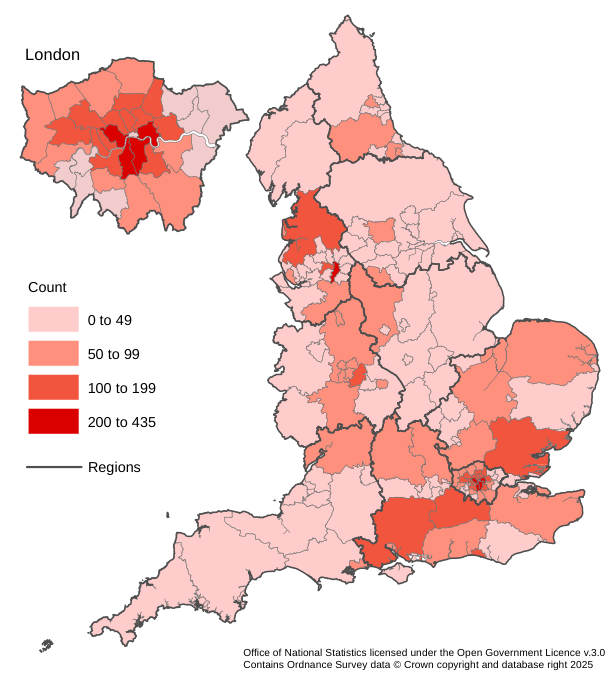
Figures A1 and A2 provide a comparison between diagnoses of infectious and late latent syphilis by upper tier local authority. Although the overall number of diagnoses of infectious syphilis (9,535) was higher than for late latent syphilis (3,137), the conditions have a similar geographic distribution, with more cases being seen in larger urban areas. It is important to manage and treat cases of late latent syphilis to prevent further disease progression and transmission.
Figure A1. Number of infectious syphilis diagnoses by upper tier local authority, England, 2024
Source: Data from routine sexual health service returns to GUMCAD STI Surveillance System.
Figure A2. Number of late latent syphilis diagnoses by upper tier local authority, England, 2024
Source: Data from routine sexual health service returns to GUMCAD STI Surveillance System.
Acknowledgements
Contributors (listed alphabetically)
Kirsty Bennet, Michelle Cole, Lucy Fagan, Helen Fifer, Holly Fountain, Stephanie J Migchelsen, Hamish Mohammed, Debbie Mou, Claire Reynolds, John Saunders, Ian Simms, Katy Sinka.
Thank you to all sexual health services, GUMCAD reporters, and NHSBT and UKHSA Epidemiology Unit for providing data.
Suggested citation
Fountain H, Simms I, Sinka K, and contributors. Tracking the syphilis epidemic in England: 2015 to 2024. December 2025, UK Health Security Agency, London.