Social connection framework
Published 15 June 2026

© Crown copyright 2026
This publication is licensed under the terms of the Open Government Licence v3.0 except where otherwise stated. To view this licence, visit nationalarchives.gov.uk/doc/open-government-licence/version/3 or write to the Information Policy Team, The National Archives, Kew, London TW9 4DU, or email: psi@nationalarchives.gov.uk.
Where we have identified any third party copyright information you will need to obtain permission from the copyright holders concerned.
This publication is available at https://www.gov.uk/government/publications/social-connection-framework/social-connection-framework
Ministerial foreword

Last year, we undertook one of the biggest conversations with young people that government has ever had. The result, Youth Matters: Your National Youth Strategy, showed us that young people today are the most connected and yet the most isolated generation in history. Too many have retreated into their bedrooms and isolated themselves from the in-person connections that are fundamental to their wellbeing. The first National Youth Strategy in 15 years has been co-designed with young people to deliver over £500m of government investment into their priorities, creating a society where every young person has places to go, things to do and people that care. However, we know some boys and young men face distinct challenges that demand our focused attention.
Young people are five times more likely to experience chronic loneliness than older people. For boys and young men, these feelings are often compounded by social norms and stigma around vulnerability, which can act as a barrier to seeking help. And this can have tragic consequences: young men are more than twice as likely to take their own lives than young women.
Across health, education and employment, a significant proportion of boys and young men in the UK experience consistently poorer outcomes than young women and girls. These outcomes are most severe for boys and young men facing additional disadvantage, including socioeconomic deprivation, Special Educational Needs and Disabilities (SEND), and limited access to local social infrastructure.
We cannot leave the most vulnerable boys and young men behind. We believe that by improving opportunities for in-person connection, especially for boys and young men in disadvantaged areas, we will engage the disengaged, get them out of their bedrooms and help them to find purpose and a sense of belonging within their communities. Not only will this transform the lives of these boys and young men, it will have positive ripple effects, across their families, schools, and communities.
We have developed this framework in collaboration with professionals working with boys and young men and with academic experts. With their help, we also spoke to almost 60 boys and young men to understand their experiences of connection, loneliness and isolation. Their voices are fundamental to this new guidance.
This framework highlights the findings from new research and aims to raise awareness of the impacts of isolation and loneliness, the crucial role of social connection and provides guidance to those working with boys and young men on how to identify and support those who need it most.
To support the sector we have also created a new dedicated sub-site for people who support social connection for young people on the Tackling Loneliness Hub. This online community provides valuable evidence-based resources, engaging events to disseminate best practice, regular newsletters to amplify success stories and share opportunities and a dedicated space for members to connect.
We cannot do this alone, but together we can provide the support that boys and young men need to thrive.
Stephanie Peacock MP, Minister for Sport, Tourism, Civil Society and Youth
1. About this guidance
This guidance aims to provide those working with boys and young men aged 10 to 25, particularly those in policy or programme design roles, with an overview of the impacts of isolation and loneliness in the context of the challenges that boys and young men are facing. The guidance also highlights the importance of social connection as a key consideration in policy and programme design. Section 4 provides information to assist those working directly with boys and young men to identify and support individuals at risk of loneliness and isolation.
1.1. Development of the Social Connection Framework
The Social Connection Framework has been developed in collaboration with organisations from across sectors, academic experts and officials from across government. Throughout the framework, we have embedded case studies that provide insights from organisations experienced in delivering programmes for and with boys and young men. In some cases names have been changed when sharing individuals’ stories.
It has also been informed by engagement with boys and young men aged 11 to 23 who provided written responses to a series of questions. 58 responses were received and this engagement was facilitated by Esports Youth Club, Northern School of Contemporary Dance, Rugby League Cares, and The Warren Youth Project.
2. Who is this guidance for
This guidance is intended for use by those working with boys and young men aged 10 to 25. It provides those working to adapt and design programmes or policy with an overview of the impact of isolation and loneliness in the context of the challenges that boys and young men are facing, and highlights the power of social connection as a key consideration in policy and programme design.
This information could be applied at various points of the programme or policy development cycle depending on user or service needs. This could include, but is not limited to:
- developing understanding of how loneliness and isolation affects boys and young men, and the challenges that they are facing
- designing new programmes or policy which support boys and young men at risk of loneliness and isolation
- adapting existing provisions and tailoring outreach and engagement strategies to facilitate opportunities for meaningful social connection
- leveraging understanding of the challenges boys and young men are facing to identify areas for potential partnership with other organisations to provide holistic support
- building an evidence-based case for funding and investment
Insights provided are applicable across a range of sectors, and this guidance is intended for use across VCSE, private and public sector organisations.
This guidance, in particular Section 4 which provides information to assist those working directly with boys and young men to identify and support individuals at risk of loneliness and isolation, may also be useful for:
- individuals working directly with young people including youth workers, creative practitioners (including those working in dance, drama, music etc.), volunteers, those working in faith settings, and sports coaches
- library staff
- local authority staff, including social workers, youth services workers, youth justice leads
- designated safeguarding leads
- those working in education, including headteachers and leadership teams, teachers, further and higher education staff attendance, behaviour, and/or pastoral leads as well as wider staff
Although this framework has been developed to focus on boys and young men, some of this information may also be helpful for those working with other groups.
3. Why social connection is vital for boys and young men
This section explores what is meant by loneliness and isolation, and the potential negative consequences boys and young men may experience as a result of experiencing loneliness or isolation. This section also highlights the role of social connection, and how this can act as a crucial part of preventative support.
3.1. What is meant by loneliness and isolation
Loneliness and isolation represent two distinct yet related states that have the potential to significantly impact the well-being of and outcomes for young people.
Loneliness:
Loneliness is defined as a subjective, unwelcome feeling of lack or loss of companionship, which happens when there is a mismatch between the quantity and quality of the social relationships that we have, and those that we want.[footnote 1]
Everyone experiences loneliness from time to time. Often, when an individual feels lonely, this only lasts for a short amount of time.
This can be triggered by big changes or transitions, for young people this may be starting a new school or a new job, moving house or changes to their friendship group.
However, loneliness becomes chronic when it persists over an extended period of time. Government defines chronic loneliness as feeling lonely often or always.[footnote 2]
In England, 7% of adults are lonely often or always.[footnote 3] This figure is higher among young people, rising to close to 1 in 10 in those aged 16 to 24.[footnote 4]
Isolation:
Whilst loneliness is a feeling, social isolation is the objective state of having minimal social contact or few social ties.[footnote 5]
Certain individuals may be isolated but not consider themselves to be lonely, some may enjoy the solitude of being alone.[footnote 6][footnote 7]
Others may experience loneliness whilst surrounded by many people. This can often happen if an individual does not have meaningful relationships with those around them.
3.2. Loneliness and isolation amongst boys and young men
Research has highlighted that across the general population, both loneliness and isolation can lead to poor mental health. Chronic loneliness in particular is associated with increased risks of depression, anxiety, and even physical health issues.[footnote 8] [footnote 9] One in four boys and young men aged 11 to 24 say that they feel lonely at least some of the time.[footnote 10]
Whilst it is vital that all young people have the support and connections they need to thrive, boys and young men are currently facing a unique set of challenges. This includes lower attainment in education[footnote 11], being 1.5 times more likely to be excluded from school[footnote 12] and being at higher risk of incarceration[footnote 13] and suicide.[footnote 14]
To address this, it is important that we can recognise those young people who are at risk of loneliness and isolation, so that they can be provided with support and encouragement, increasing their confidence to navigate life’s challenges.
Boys and young men’s perspectives on loneliness and isolation
We engaged with boys and young men aged 11 to 23 to understand what loneliness and isolation mean to them.
Loneliness
Boys and young men were asked:
What words or images come to mind when you hear the word loneliness?
“Sad” and “upset” were the words which appeared most frequently in responses. Words such as “alone”, “isolation” and “depression” were also common. The image of an “empty room” appeared multiple times, as did references to “crying”. Words including “darkness” and “quiet” were also used by multiple boys and young men.
Some example responses are included below:
Sadness, anger, isolation, alone in a room
Participant, aged 18
Being alone/ by yourself
Participant, aged 16
Me in an empty room by myself
Participant, aged 15
Someone crying on a bench
Participant, aged 14
Sad depressed dark quiet environment
Participant, aged 16
Boys and young men were also asked to respond to the following prompt:
Describe what loneliness means to you in your own words
Some responses centred on emotion, such as having no one to talk to, connect with, or turn to for help whilst others were linked to being “alone”, “by yourself”, or “not being around other people”
The word “isolation” was used by a number of young people to describe loneliness.
Some example responses are included below:
Being alone means having no one to comfort or talk to you.
Participant, aged 11 to 15
When you feel alone from everyone or everything.
Participant, aged 14
Not being able to meet or connect/talk with anyone.
Participant, aged 14
I guess loneliness is when you feel isolated in life and don’t have people to turn or talk to in life.
Participant, aged 19
Being isolated and without anyone else.
Participant, aged 15
Isolation
Boys and young men were asked to respond to the following prompt:
Describe what isolation means to you in your own words
The most common description was separation, sometimes framed as a choice and other times as being “forced” by someone else. “Alone” and “by yourself” were used frequently, and “trapped” appeared multiple times.
Some example responses are included below:
Being kept away from others on purpose.
Participant, aged 13
Keeping yourself away from society.
Participant, aged 12
Being separated from others either emotionally or physically.
Participant, aged 16
Isolation is being physically or socially cut off from others.
Participant, aged 16
Being completely alone with no one to go to.
Participant, aged 16
When you are being separated from the people you know about physically and socially.
Participant, aged 18
Isolation is being trapped with no way out or a way to break out of something.
Participant, aged 20
Boys and young men were also asked:
What other words would you use instead of isolation?
“Alone/lonely” were the words used most commonly, followed by “separation”, and “solitude”.
Some example responses are included below:
Disconnection, separation, exclusion.
Participant, aged 16
Separation and Solitude.
Participant, aged 18
Trap, alone.
Participant, aged 19
Lonely
Participants aged, 14 and 17
Comparing responses to questions asked about isolation and loneliness:
When asked to describe loneliness and isolation in their own words, boys and young men frequently associated loneliness with feelings such as “feeling as though you have no one to talk to” and “feels left out”. In contrast, their descriptions of isolation frequently focused on separation, referencing situations such as “when you are being separated from the people you know about physically and socially”, “being kept away from others on purpose” or “keeping yourself away from society”.
3.4. How can I learn more about loneliness and isolation
The Tackling Loneliness Hub provides information for those interested in learning more about loneliness and isolation or in connecting with others working in this space.
The Hub contains a dedicated Youth Hub designed to support anyone working or volunteering with young people. You can find practical resources to assist you in identifying and acting on youth loneliness, embedding even more social connection into the work that you do and building upon established good practice.
Available resources include blogs, webinars, information sources and ways to connect with other loneliness service providers and academics working in the field.
Section 6.2 provides links to additional information and resources.
3.5. What is the role of social connection
Social connection can be considered an umbrella term to describe how people relate to and interact with each other.[footnote 15]
In this document, when social connection is referred to this primarily relates to an individual:
- feeling a sense of belonging
- having access to sufficient support
- having a range of meaningful, positive and healthy relationships with peers and trusted adults
Many young men report finding it difficult to express their feelings and seek help for their problems.[footnote 16] This can act as a barrier to acknowledging their feelings of loneliness and isolation, and prevent them from seeking help.
Promoting meaningful social connections is therefore essential as this can provide a crucial safety net against the negative effects of feeling lonely, disconnected and lacking a sense of belonging.
We asked boys and young men how important social connections were to them, and why. We received responses which emphasised that these were crucial for wellbeing, including:
Very as it’s always important to have someone to talk to.
Participant, age 15
Because it’s better and easier to live a life with them.
Participant, age 16
Social connections are important to me because then I can ask my family and friends when I’m struggling the most.
Participant, age 18
They are very important to me for survival and why because it boosts my physical and mental health.
Participant, age 18
Reducing loneliness and isolation and increasing social connection can:
- increase the likelihood that individuals will seek help when they’re struggling[footnote 17]
- reduce rates of anxiety and depression[footnote 18]
- increase academic achievement and engagement with education[footnote 19]
- increase belonging which can reduce the risk of extremism and radicalisation[footnote 20]
- lead to improved self-confidence[footnote 21]
The case studies below provide an insight into the impact that interventions which provide opportunities for meaningful social connection can have on boys and young men:
Kick Off Boys Dance Project, Northern School of Contemporary Dance - Leeds
Kick Off Boys Dance Project is a partnership programme between Northern School of Contemporary Dance (NSCD), Leeds City College and Phoenix Dance Theatre. It is designed to create a supportive, engaging space for boys to access dance, build confidence, and develop meaningful social connections. The programme has evolved into a structured pathway supporting progression and personal development.
James Mounsey, an alumnus of Kick Off, now works as a dance artist, choreographer and teacher. His journey started with attending Kick Off’s free weekly sessions. The fact that the programme’s design prioritises accessibility was an essential factor for James, who reflects:
I could only ever do anything if there wasn’t a cost or a very minimum cost.
Participants often arrive with experiences of isolation shaped by social or economic factors. James describes this clearly:
I was very aware that in my position and my upbringing, that if I wasn’t doing Kick Off, I would have been doing nothing… It was, if school wasn’t happening, I’d be at home… I would just be on my own.
In this way, Kick Off functions as more than a dance class. It operates as a social space, creating a place for boys to connect with others who share similar interests. The all-male, mixed-experience environment is key to this. James reflects that:
being with a group of guys, different experiences, different ages… brings a completely different energy […] I felt exactly where I needed to be, and I was grateful for it and grateful for the opportunity, and it definitely impacted me in such a good way.
The success of the programme is underpinned by consistency, long-term commitment, free access, and an inclusive ethos. By embedding clear progression routes and prioritising belonging and social connection, Kick Off supports sustained engagement and meaningful personal development over time.

Image credit: Elly Welford
Rugby League Cares, Offload - Wigan and Wakefield
In November 2025, Rugby League Cares partnered with the Government to tackle male loneliness, launching initiatives to provide young men in Wigan and Wakefield with community, purpose, and improved wellbeing.
Offload is a 6-week behaviour change programme which supports NEET young men aged 16 to 24 at higher risk of isolation and loneliness. Delivered by former rugby league players, it offers a supportive environment for participants to share experiences and take part in interactive activities.
George’s story illustrates the impact that this type of support can have on someone experiencing loneliness and isolation:
George is a 16-year-old young man from West Yorkshire who had not attended school for 3 years. Despite the unwavering efforts of his parents, accessing education in a mainstream setting had become impossible for him. George is autistic and the school environment’s noise, unpredictability and social pressure became overwhelming.
George’s mum encouraged him to sign-up for the Offload pilot with Castleford Tigers Foundation. On the first day, George shut down in the car outside the stadium and had to be gently coaxed out, and taken on a quiet tour of the stadium before being introduced to the group and to Leo, a staff member who supported participants each week.
It was a lively group but despite the intensity of the environment, George managed to stay for the full session. After completing the programme, George was invited back to join another Offload group, acting as a volunteer to support the next Offload cohort and began to build connections with others in the group, and staff at the Foundation.
Through Offload, George signed up for Firework, a new programme delivered in partnership with West Yorkshire Fire and Rescue Service. Months later, Leo described George’s progress as “amazing”. The young man who once couldn’t get out of a car is now catching the bus independently, contributing to group discussions, interacting socially and taking a lead in activities.
George is now planning to gain his Maths and English GCSE qualifications so he can re-enter college in September.

Image Credit: Rugby League Cares
4. Identifying and supporting boys and young men at risk of loneliness and isolation
This section highlights the risk and protective factors for experiencing loneliness among boys and young men. Understanding these factors may be helpful when adapting or designing programmes to engage those at risk of loneliness and isolation.
This section also contains information on identifying and providing support for boys and young men at risk of loneliness and isolation. This includes suggestions for programme or session design, as well as information to to assist those working directly with boys and young men. It also provides information on the role of peers and trusted adults in providing support and encouraging positive social connections.
DCMS engaged with academics, research specialists and organisations delivering programmes for boys and young men to bring together these insights. This section also includes findings from direct engagement with boys and young men.
4.1. Risk and protective factors for loneliness and isolation
Loneliness and isolation are complex and multifaceted experiences and many different aspects of a person’s life appear to play a role in how likely it is that they will experience chronic loneliness or become isolated.
Research looking at those 16 and over across England shows that certain groups are at a higher risk of experiencing loneliness (DCMS, 2022).
This includes:
- young people, with younger age groups progressively more likely to be lonely than people in the oldest age group (aged 65 or over)
- those with poor mental wellbeing
- people with a disability or long-standing health problem
- people not living with a partner (either married or cohabiting)
- gay, lesbian, or bisexual people and people who chose ‘other’ when asked about their sexual orientation
- people on lower incomes (those in the two poorest quintiles, compared to those in the wealthiest quintile)
- people who were out of work
- those who have recently moved to their current address
- women, who were at greater risk of loneliness than men
Whilst women are more likely to report higher levels of loneliness, young men face distinct risks. Research highlights that there is an enduring stigma associated with loneliness, with men are almost 20 percentage points less likely than women to admit to feeling lonely.[footnote 22] Other evidence suggests that young men are more likely to say loneliness is something to be embarrassed by and to believe feeling lonely is “your fault”[footnote 23], with men of all ages being more likely to perceive stigma around loneliness in their community, and more likely than women to view loneliness as controllable.[footnote 24]
Findings from our youth engagement echoed this, emphasising the stigma associated with loneliness and asking for help that boys and young men can experience and the impact that this can have:
There’s a pressure to act in a masculine way and that dictates our actions: hegemonic masculinity inherently opposes asking for help and instead promotes choosing to just get on with it. It’s particularly dangerous because of how it isolates you and means you struggle to ‘get on with it’ and forces you into a vicious cycle of needing help and refusing it.
Participant, age 16
People feel like they don’t have anybody to speak to because some get made fun of for opening up bc it makes u feel weak.
Participant, age 17
Young boys may feel inclined not to ask for help due to feeling of being judged and desire to be viewed as strong.
Participant, age 16
Research with a specific focus on boys and young men has identified the following risk and protective factors for experiencing loneliness and isolation in this group:
The table below draws on data from Loneliness, isolation and social connection among boys and young men in England (DCMS, 2026). This report uses data from Understanding Society and the Mental Health of Children and Young People (MHCYP) surveys which provide comprehensive recent evidence on loneliness among boys and young men in England.
| Risk Factors | Protective Factors |
|---|---|
| Poor mental health: Among those aged 10 to 25, boys and young men who report lower levels of wellbeing, more emotional difficulties (such as anxiety or low mood) and more peer relationship problems are more likely to report experiencing loneliness. | Family support: The quality of a young person’s relationships and sense of being supported are closely linked to how lonely they feel. Young people with supportive relationships are less likely to report experiencing chronic loneliness or become isolated. |
|
Bullying: Those who have experienced bullying online (for boys and young men aged 10 to 21) or at school (for boys aged 10 to 15) are more likely to report experiencing loneliness and isolation. |
Quality relationships with peers: Levels of chronic loneliness are around 3 times higher among boys and young men who report having no close friends. Those aged 16 to 25 who meet with their friends in person more often are less likely to report experiencing chronic loneliness. |
| Not being in employment or training: Some data suggests that for young men aged 17 to 25 even when other factors such as poor mental health were accounted for, not being in employment or training remains a key risk factor for experiencing loneliness. | Involvement in clubs, groups, societies and community organisations: Boys and young men who take part in organised activities are less likely to report experiencing chronic loneliness. |
Source: DCMS, 2026
4.2. Identification
The list below highlights signs that may help practitioners to identify loneliness or isolation in boys and young men:
The insights in this list are based on contributions from academics, researchers, representatives from organisations delivering programmes for boys and young men and perspectives provided by boys and young men aged 11 to 23.
It is important to note that these signs are variable and are not always indicative of a young person who is experiencing loneliness or isolation. These may be circumstantial, related to personality or at times be symptomatic of other issues.
If you have a safeguarding concern, it is important to escalate this through the appropriate channels and follow your organisational safeguarding procedures.
Please refer to Section 6.1: Safeguarding for additional information.
- Lack of appetite
- Poor hygiene
- Lack of eye contact
- Appearing withdrawn or disengaged
- Appearing insular, quiet or shy
- Displaying a lack of interest
- Displaying strong emotions such as sadness or anger
- Changes in body language or behaviour
- Poor communication
- Late arrival at sessions or absence from sessions
- Physically separating themselves from a person, a group or activity
- Lack of confidence
- Displaying a lack of trust towards staff and peers
- Spending a lot of time using their phone during sessions
More complex behaviour patterns could also be indicative of loneliness or isolation and could be harder to spot, these could include:
- Masking: This means when individuals hide their feelings from peers and staff. This could be due to the stigma associated with loneliness or difficulty verbalising their emotions. They may present externally as confident or socially connected to hide their feelings of loneliness.
- Exhibiting challenging behaviour: This could look like acting out or showing off and could be a form of masking with over confidence or banter to deflect from a lack of meaningful connections.
- Intentional late-in, early-out patterns: This describes a young person who may arrive at the last minute and leave immediately when a session ends, to avoid unstructured social time.
4.3. Support
This section outlines how those working with boys and young men may adapt or design their programmes or sessions to provide effective support. The lists below draw on advice and expertise from academics, researchers, and representatives from organisations delivering programmes for boys and young men.
It is important to recognise that there are times when it is most appropriate to support a young person by drawing on specialist support. If you have a safeguarding concern it is important to escalate this through the appropriate channels and follow your organisational safeguarding procedures.
Please refer to Section 6.1: Safeguarding for additional information.
Design and preparation
- Involving young people directly in the creation and marketing of programmes can help create familiarity for potential participants.
- Using language which frames participation as an opportunity to help others, rather than being a recipient of support can encourage the initial engagement and give a sense of purpose to attending a programme.
- Language used could emphasise ‘belonging,’ ‘inspiration,’ or ‘having fun’ to encourage participation.
- Taking programmes directly to where the boys and young men are and delivering them in spaces where they already feel safe and comfortable can help. This could include local parks, community hubs, or schools, rather than expecting participants to travel to unfamiliar clinical or formal settings.
- Ensuring sessions are free or low-cost, scheduled at times which meet the needs of the participants, and choosing an accessible location can increase engagement.
Initial engagement
- Sharing visual aids such as videos/photos or a tour of the venue an activity takes place in can help reduce apprehension for participants.
- Session leaders arranging informal chats with prospective participants can help to build rapport and encourage engagement in sessions.
- Schemes like bring-a-mate or youth ambassadors can provide an additional route into a programme alongside more formal referrals.
- Using an activity that the programme offers as a hook can increase engagement and social connections and allows conversations to develop naturally.
In group support
Creating a supportive environment for facilitating connection
- Using immersion in a shared interest as the basis to bring people together can allow conversation to happen naturally and provide opportunities to form friendship. This can also provide an opportunity to introduce elements to foster deeper engagement such as mentoring or facilitated group discussions on shared challenges or concerns.
- Consider how sessions can help young people feel at ease. For example, allowing them to observe an activity without pressure to speak or fully engage until they are ready.
- Involving participants in designing activities, including the topics or themes covered, can help ensure the approach is relevant and meets the group’s needs.
- Framing sessions as spaces to hang out or be yourself with no formal expectation to talk or share can help create a low-pressure environment which allows individuals to be present among others until they feel ready to engage more deeply.
Targeted support for isolation and loneliness
- Using relatable facilitators who can share their own vulnerabilities can create a safe space for others to open up.
- Building in practical check-ins or debriefs during and after activity can help embed opportunities for social connection.
- Additional staff present during activities can allow for better understanding of social dynamics and individual support needs.
- It can be effective to maintain awareness of local services and work together to identify appropriate referral routes for those at risk of loneliness and isolation.
- Offering additional opportunities alongside the regular programme can help build long-term engagement and provide a sense of progression and personal development.
The case studies below highlight how programmes and activities can be adapted to support boys and young men:
Esports Youth Club - South London
Around 80% of teenagers in the UK regularly play video games. Esports Youth Club uses that as the starting point, running free weekly gaming sessions in community spaces across South London, working primarily with young people aged 8 to 18, around 75% of whom are boys and young men.
Lewis Kay, CEO of Esports Youth Club highlights some of the ways that they have adapted their sessions to support participants:
“Location
- We take sessions to where young people already are, leisure centres, community hubs, and youth clubs, because they are unlikely to travel somewhere unfamiliar. Creating a familiar space built around something they already enjoy gives them a sense of belonging from day one.
Focus on a shared interest
- Video games and esports are our only focus, setting the tone that here, you will find your people. When a young person sees others playing the same game, that’s an instant connection. They already speak the language of that game and start to feel part of a community.
Adapting sessions to meet participant needs
- Around 25% of attendees are neurodivergent, many having autism, ADHD, or both. Video games often appeal to autistic young people because they have a clearly defined set of rules, helping them integrate slower, at their own pace, on their terms. We also utilise noise-cancelling gaming headsets for those averse to generally loud settings. Many use video games to escape day-to-day life and stress so building a programme around this helps them to feel comfortable.
Through consistent, low-pressure engagement we nurture a shift in our young people, helping them start conversations, feel more confident and connect with others. As a result, 70% of attendees report making at least one new friend through attending our sessions.”
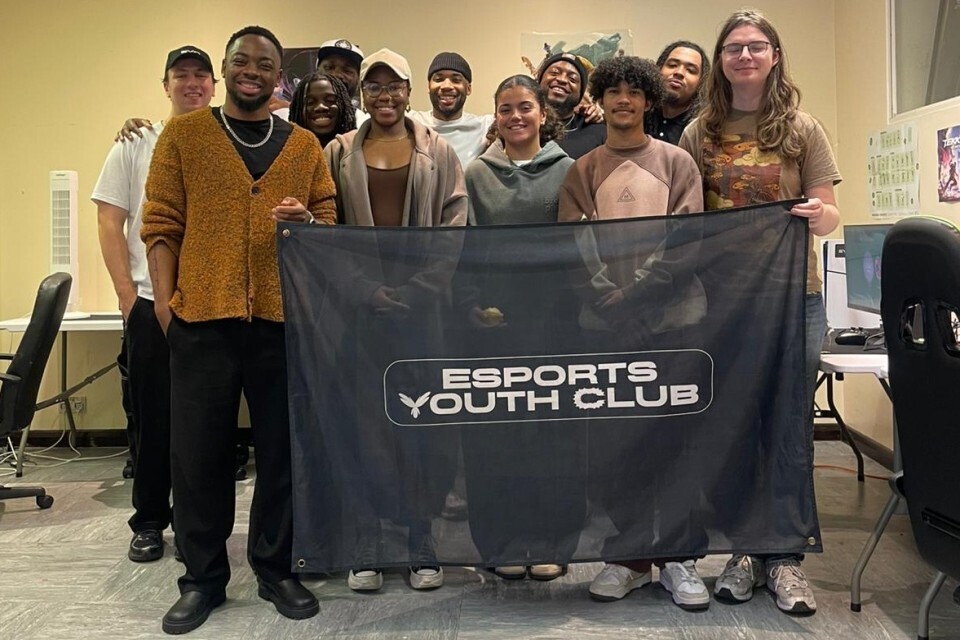
Image Credit: Esports Youth Club
Boys Move, Youth Sport Trust - England
The Youth Sport Trust’s Boys Move programme is a targeted year-round intervention designed to support adolescent boys facing declining mental health, disengagement with education and social isolation.
The programme uses a range of non-traditional sports to engage participants, this includes sessions such as combat sports for controlled aggression, parkour for calculated risk-taking, and small-sided games to encourage communication and teamwork.
The programme blends physical activity with reflection, creating an open forum for discussion.
74% of Boys Move participants report an increased sense of belonging and feeling more connected to others and 66% report experiencing fewer behavioural incidents as a result of improved emotional regulation, having learned to recognise personal triggers like anger and anxiety.
Below, Chris Wright, Head of Wellbeing, describes some of the ways this programme has been adapted to support boys and young men:
“Centring co-creation and autonomy
- Facilitators empower participants to co-design the sessions. Asking boys what activities they want to explore builds autonomy for those who feel they lack control over their lives.
Highlighting the importance of trusted adults
- Staff act as mentors, establishing a psychologically safe environment where boys can express vulnerability and fail without judgment. Participants also have the opportunity to connect with other boys in a small group setting.
Creating space for discussion
- Sessions are tailored to the needs of the group. Topics covered range from identity crises during school transitions to experiences of discrimination among ethnic minorities giving those taking part the opportunity to share their views.”
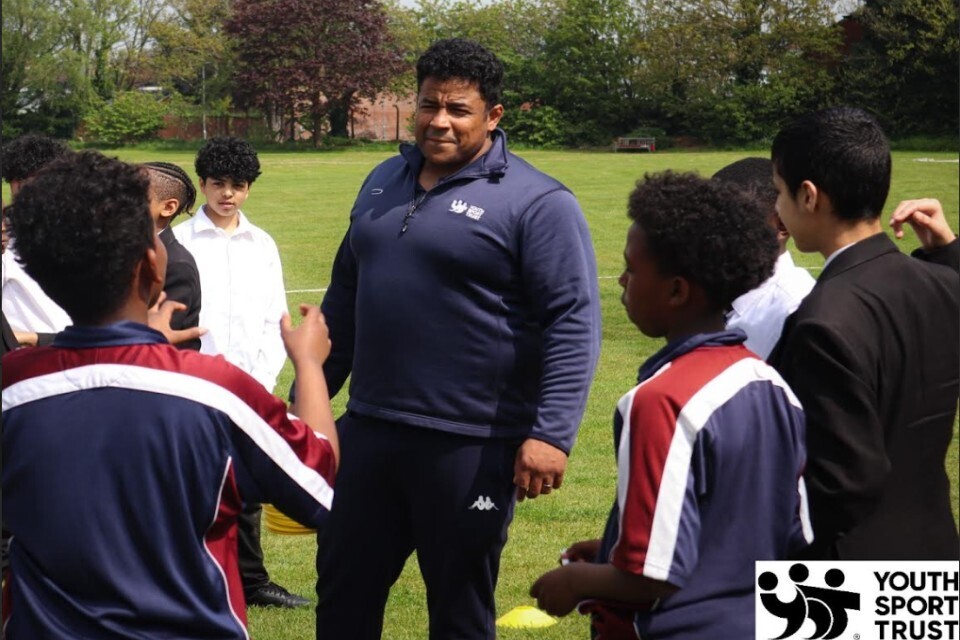
Image Credit: Youth Sport Trust
Fight for Peace - London Borough of Newham
Fight for Peace works with a diverse range of young people aged 7 to 25, many of whom are from neighbourhoods affected by inequality, while there are high rates of engagement from boys and young men, there are services open to anyone looking to take part. Combat sport serves as an effective way in, however, Fight for Peace has observed a consistent pattern among many of the boys and young men their team works with: while they are often socially active, opportunities for open conversation can be limited, meaning connections can remain at a surface level.
To address this, staff make sure to identify individuals’ needs early in their journey. Every young person has a 1:1 with a coach or youth worker they have already met. This conversation focuses on understanding the individual’s situation, delving into their well-being and relationships, and looks to identify any support they might need.
Following this, young people can be connected to Fight for Peace’s wider support offer, if programmes like Man Talk are something they are interested in. This initiative provides structured sessions and a safe, non-judgemental space where young men can move beyond surface-level interaction, build trust, and form meaningful social connections.
Jason, a Youth Mentor and Man Talk Facilitator, highlights the value of this environment:
Just the fact that they get to come and hang out with other guys, just have a laugh sometimes…or for a serious conversation…they may not feel that they fit in and here they have a space where they do.
One participant echoes this:
It’s a different energy, a comfortable energy… where I feel I can come here at any time, for whatever I need.
4.4. Trusted adults and peer support
The section below provides information on the roles that trusted adults and peers can play in providing support for young people. These insights are based on contributions from academics, researchers, representatives from organisations and perspectives provided by boys and young men aged 11 to 23.
Trusted adults
- Adults working in community settings, including coaches, activity leaders and volunteers, often take on pastoral roles.
- These staff and volunteers may benefit from training which focuses on the relational aspect of working with young people and how best to provide support and guidance.
- It is important to understand that the young person defines who their “trusted adult” is (whether a coach, activity leader, or volunteer) and the programme should aim to provide the conditions to allow that bond to form at their pace.
- Side-by-side engagement (engaging in an activity together) can be an effective tool for practitioners to engage with young people, allowing natural conversation to flow without the intensity of direct eye contact or structured discussion.
- Practitioners delivering programmes who share real-life or lived experience helps to normalise conversations around connection and can reduce the stigma of opening up.
We asked boys and young men how trusted adults could support someone who was lonely or isolated:
Responses highlighted the importance of communication and relationship building: “talk/listen to them”, “build a relationship”, and “reach out to them/check in”.
Other suggestions for support related to providing opportunities to connect with others: “support them to make social connections”, “facilitate or provide the activities for them to make connections”.
Responses also highlighted that adults should “support [boys and young men] with their feelings” and “create space for them to express emotions”.
Peer support
- Peers can help create a positive atmosphere in a session, making it easier for new or anxious participants to relax in a way that staff-led interventions sometimes cannot.
- Roles for peers can range from informal helping out at sessions to formal youth leadership and coaching qualifications.
- Research has found that over 75% of those aged 18 to 24 who volunteer would agree that volunteering helped them feel less isolated.[footnote 25] Data also supports a positive association between volunteering and increased mental wellbeing[footnote 26], suggesting that those providing the peer support can also benefit.
- Using mentors who share similar backgrounds or interests, or have attended the same programme, can provide inspiration and help young men find clear routes for progression.
We asked boys and young men what they would do to support a friend who was lonely or isolated:
Many responses focused on being there for the friend, providing emotional support and helping them to connect with others, such as “talking/listening”, “helping them to make friends”, “spend time together/socialising”, and “supporting their involvement in an activity”.
Other responses included “talk about or support their friends feelings”, “show you care/be there for them” and “I would talk to them while we do something they enjoy, doesn’t have to be something I enjoy as long as they feel happy and are eventually ready to talk as it can take a while to open up about feelings, especially in men”. Responses from younger participants also emphasised emotional support such as “I would hug them” and “comfort them and invite them to play a game”.
The case study below highlights the impact that building positive relationships can have on a young person:
The Warren Youth Project, Hull
The Warren Youth Project is a youth-led community and charity supporting young people from Hull and beyond with free guidance, training, counselling, employability skills, digital skills, food and creative opportunities.
Harry Foster leads the Warren’s Men’s Project ‘Say It’ which gives young men a safe, judgement-free space to talk, listen and share at their own pace, and works with young men accessing the Warren’s various services. Harry draws on his lived experience in his work, having accessed the Warren’s services in his teens and early twenties.
Below, Harry reflects on the impact that creating opportunities for forming positive connections and having space to talk can have on young people:
We received a referral for a boy who had just experienced the loss of a parent. He had been displaying behaviours which greatly concerned his school who referred him to the Youth Justice system. He was isolated and felt alienated and this made him vulnerable to exploitation, involvement in crime, extremist groups or drugs. Once he began coming to The Warren, I avoided discussions of these experiences completely. There were multiple different professionals involved in his life in many different capacities and I know this can be overwhelming for a young person. Instead, I focused on his interests, like music and comedy, and we started taking part in those interests together.
Over time, we came to understand each other, not on the basis of his struggles, but on the basis of who he is. It took months of meeting with him regularly before we sat down and talked about his problems, after which we went back to our usual schedule of playing games and listening to music. Now he knows that The Warren is a place where he can discuss his problems, when he wants to, and they don’t define who he is as a person.
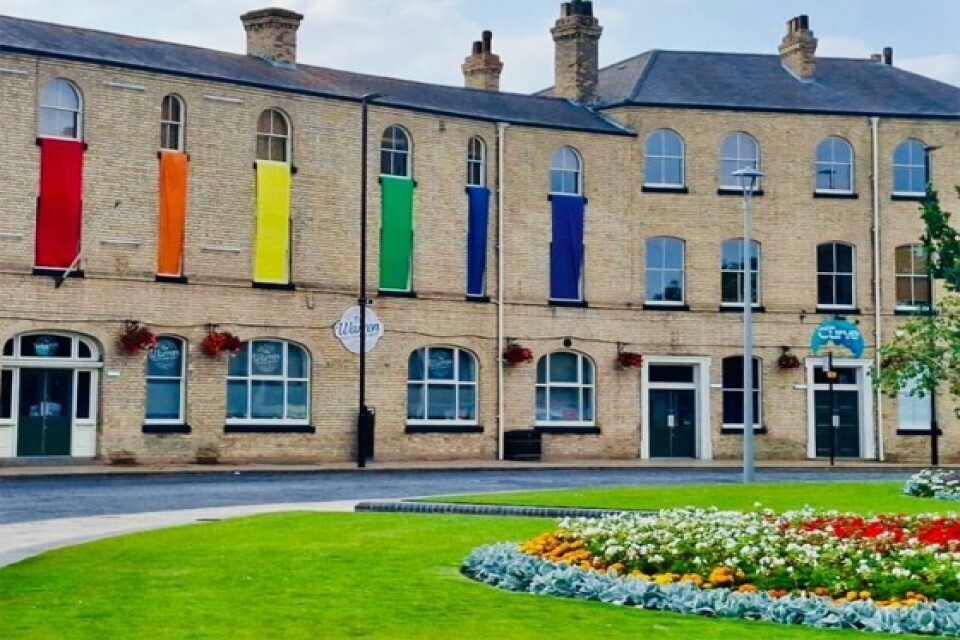
Image Credit: The Warren Youth Project
4.5. Evaluating impact
Evaluation data can provide understanding of what is working well and where improvements are needed, guide decision-making, and support funding applications by demonstrating impact.
Changes to levels of loneliness, and related concepts such as isolation and social connection can be difficult to measure although a range of measures are available to assist with this.[footnote 27] Therefore, in order to best understand the impact of your policy and programme you could consider gathering qualitative insights from participants, through methods such as interviews or focus groups.
Below, Professor Andrea Wigfield, the director of The Centre for Loneliness Studies at Sheffield Hallam University, reiterates the importance of incorporating evaluation into policy and programme delivery:
“Evaluation is a crucial element of policy implementation and programme delivery, as it is important to understand what works. Taking a test and learn approach is ideal.
Collecting ‘before and after’ data on boys and young men utilising your service or programme means that you can assess the impact it has had. For example, on their feelings of loneliness over time or the impact it has had on their connections.
Remember to carry out evaluations sensitively, and minimise paperwork as this can cause young people to become disengaged, especially initially.
You can learn from your evaluation results and adapt and improve your service or policy accordingly.”
The Campaign to End Loneliness, a resource and advocacy organisation dedicated to raising awareness about the impact of loneliness and promoting initiatives to reduce it, has produced this guidance on evaluation and measurement.
The Tackling Loneliness Hub also provides information on how you can get started with evaluation.
5. The power of social connection
This section provides a strategic framework for policy and programme design emphasising the importance of providing opportunities for meaningful social connections for boys and young men.
The list below outlines some of the challenges that boys and young men are facing. These challenges were also tested with boys and young men aged 16 to 23. It provides insights on how prioritising opportunities for social connection can help address these challenges and provides considerations for how policy and programmes can be adapted or designed to facilitate this.
When considering how to address these challenges, it is important to engage directly with young people to understand their views and experiences. This guidance provides best practice information to help you prepare to engage young people in policy. Proper consideration of best practice, ways of working, safety and inclusivity will help you to conduct meaningful engagement.
Challenge: Poor mental health and wellbeing
Mental health issues among young people have increased over the past two decades. Young men are more than twice as likely to take their own lives than young women. As boys and young men are less likely to speak to support networks, they are more likely to use potentially harmful coping methods to alleviate issues (e.g. drugs or alcohol).[footnote 28]
The power of social connection
- Research shows there is a clear bidirectional link between loneliness and mental health.[footnote 29]
- Males are more likely to seek and access help when they feel that the help being provided is easily accessed and offered in a meaningful and engaging way.
- Improving social connection and belonging can improve confidence, reduce the risk of loneliness and prevent poor mental health outcomes.
How can your programme or policy help address this
- Evidence suggests interventions to tackle loneliness are most effective when combined with psychological support.[footnote 30]
- Provide trusted adults where appropriate, to engage with men and boys in a meaningful and engaging way.
- Support access to clear, accurate health information, directing them to the NHS website for further support where appropriate, including the Every Mind Matters website for advice about mental health and wellbeing.
Challenge: Access to extracurricular activities
Young people want to feel connected to their peers outside of school, and online interactions are not adequately facilitating such connections.[footnote 31]
Whilst it is near-universal practice in secondary schools to offer at least one extra-curricular activity to pupils,[footnote 32] recent data shows 38% of pupils do not participate in any extracurricular activities, 58% of whom said they weren’t interested in activities offered.[footnote 33]
It is often young people from disadvantaged backgrounds who are least likely to participate, and there are significant imbalances in gender and ethnic composition for different activities.[footnote 34]
The power of social connection
- Enrichment activities can be delivered to provide fun and meaningful experiences in their own right, but often enrichment activities are delivered to improve young people’s wellbeing and life outcomes. Evidence shows that participation in enrichment is associated with boosting pupil attainment[footnote 35], strengthening employment prospects[footnote 36], and improving mental health.[footnote 37]
- Research also suggests that participation in extracurricular activities can be associated with improved school belonging and educational achievement.
- Extracurricular activities offer opportunities for boys and young men to build social connections outside of a school setting.
How can your programme or policy help address this
- Consider structural factors preventing accessibility to programmes and how to mitigate them, such as ensuring venues can be accessed by public transport and subsidising transport costs.
- Tailor the programme’s messaging and content to the interests, needs, and preferences of the target audience.
Challenge: Pupil engagement, sense of belonging and attendance
Whilst schools can be an important source of connection for young people, there are serious challenges with pupil attendance, alongside evidence that pupil engagement, including sense of belonging, is falling. School absence has the potential to exacerbate feelings of isolation and loneliness, creating a downward spiral of worsening attendance and wellbeing.
The power of social connection
- Research has shown that positive peer and trusted adult relationships in school give pupils social support and the motivation to come to school. Positive influence can be seen across a range of engagement outcomes, including higher levels of school belonging, greater motivation towards school and higher levels of academic achievement.
How can your programme or policy help address this
- Consider how your provision can encourage and support young people to attend and engage with school as an important source of social connection and how you can support them to build positive peer and trusted adult relationships in school where possible.
- For schools, consider monitoring levels of engagement / belonging and the quality of relationships with peers and trusted adults in the school, so that staff can understand how policies and practices are influencing school-based social connection.
- For schools, consider focusing on positive interactions and relationship building as part of regular interactions, informal connection opportunities and approaches to behaviour and attendance.
Challenge: Engagement with employment, education or training
The number of young people, particularly young men, who are Not in Employment, Education or Training (NEET) has sharply increased in recent years.
The power of social connection
- For those who are not in employment, education or training (NEET), having a space to connect with their peers is vital, as they do not have this at work or through education.
- We know that those who are NEET consistently report the lowest overall wellbeing and highest rates of isolation.
- For NEET young people, regular attendance at activities they enjoy, such as through sports or youth clubs can lead to re-engagement with education or employment.
How can your programme or policy help address this
- Consider structural factors preventing accessibility to programmes and how to mitigate them, such as ensuring venues can be accessed by public transport and subsidising transport costs.
- Consider minimising attendance constraints to accommodate those who require additional flexibility.
- Where appropriate, providing specific links to employability within programme content can help motivate and engage NEET young people.
- Ensure programmes align with and wrap around existing local systems by connecting young people to relevant services and support. This could include Youth Hubs and Jobcentre employability support, where appropriate, to help young people access wider opportunities and tailored help.
Challenge: Exposure to online harms
The online space carries a significant risk of exposure to harmful content, including material that promotes misogynistic or other harmful attitudes. Boys and young men who are socially isolated may be particularly vulnerable to influence from this content.
The power of social connection
- The online world also presents a range of positive and transformative opportunities for young people. There is now unprecedented access to global communities, tools for learning, and diverse social and professional groups.
- It is important that young people are equipped with the tools to navigate this evolving landscape.
- Media literacy can help young people to critically evaluate information, analyse the curated and often unrealistic content they see online, and give them the tools to combat online bullying and avoid harmful content.
- Additionally, by improving opportunities for in person connection for boys and young men, we can support them to find purpose and a positive sense of belonging which can help mitigate the risk of negative outcomes at a later stage, including vulnerability to extremist ideologies.
How can your programme or policy help address this
- Provide a safe space for boys and young men to connect in person.
- Follow safeguarding procedures and where appropriate, challenge unsafe ideologies as an early stage.
- Build media literacy skills[footnote 38], to support critical engagement with online content and build resilience to harmful narratives.
- Signpost parents and carers to the new Kids Online Safety hub, for clear guidance and information on media literacy and online safety.
6. Additional information
6.1. Safeguarding
It is important to recognise that there are times when it is most appropriate to support a young person by drawing on specialist support.
If you have a concern, you should follow your organisational safeguarding procedures for making the person responsible for safeguarding in your organisation, such as the designated safeguarding lead, aware.
Other guidance
Prevent: Provides information on reporting radicalisation concerns
Keeping children safe in education: Statutory guidance for schools and colleges on safeguarding children
Out-of-school settings: safeguarding guidance for providers: Guidance for organisations or individuals who provide community activities, tuition or after-school clubs for children
NSPCC: Guidance on keeping children safe
6.2. Information and resources
The table below provides a range of evidence, policy recommendations, and practical toolkits.
These resources cover a range of topics, including understanding of loneliness, isolation, and the power of social connection, as well as the challenges that boys and young men face.
| Resource and description | Organisation |
|---|---|
| Report assessing loneliness interventions across the life course | DCMS |
| Research on the measurement of loneliness | DCMS |
| Children’s and young people’s experiences of loneliness | ONS |
| Guidance on loneliness, measures, and measures for children and young people | What Works Centre for Wellbeing |
| Information on risk factors associated with loneliness | Campaign to End Loneliness |
| Advice for dealing with loneliness | NHS, Better Health |
| Student guide to loneliness | The Mental Health Foundation |
| Young men’s health in a digital world | Movember |
| A directory of resources on how to tackle loneliness | Campaign to End Loneliness |
-
A connected society: A strategy for tackling loneliness, Department for Culture Media and Sport, 2018 drawing on Toward a Social Psychology of Loneliness, D. Perlman & L.A. Peplau, 1981 in R. Gilmour & S. Duck, Personal Relationships: 3. Relationships in Disorder, 31-56, London: Academic Press. ↩
-
For more information on chronic loneliness and how it is measured, see Community Life Survey 2024/25: Loneliness and support networks, Department for Culture Media and Sport, 2025. ↩
-
Community Life Survey 2024/25: Loneliness and support networks, Department for Culture Media and Sport, 2025. ↩
-
Community Life Survey 2024/25: Loneliness and support networks, Department for Culture Media and Sport, 2025. ↩
-
Loneliness in the modern age: An evolutionary theory of loneliness (ETL), J.T. Cacioppo, S. Cacioppo, in J. M. Olson (Ed.), Advances in experimental social psychology, pp. 127–197, Elsevier Academic Press, 2018. ↩
-
Developing a New Conceptual Framework of Meaningful Interaction for Understanding Social Isolation and Loneliness, A. Wigfield, R. Turner, S. Alden, M. Green, V.K. Karania, Social Policy and Society, 21(2), 172–193, doi:10.1017/S147474642000055X, 2022. ↩
-
Loneliness for Dummies, Andrea Wigfield, Wiley, 2024. ↩
-
Loneliness and social isolation as risk factors for mortality: a meta-analytic review, J. Holt-Lunstad, T.B. Smith, M. Baker, T. Harris, D. Stephenson, Perspectives on Psychological Science, 10(2), 227–237, doi:10.1177/1745691614568352, 2015. ↩
-
Social Relationships and Mortality Risk: A Meta-analytic Review, J. Holt-Lunstad, T.B. Smith, J.B. Layton, PLoS Medicine, 7(7), 2010. ↩
-
This is a combination of the 24/25 Children and Young People Active Lives Survey data that found 25.1% boys aged 11 - 16 feel lonely either always or some of the time and analysis of 24/25 Community Life Survey that found 27.4% of men aged 16-24 feel lonely either always or some of the time. ↩
-
Key Stage 4 Performance, Department for Education, 2025. ↩
-
Suspensions and permanent exclusions in England, Department for Education, 2026. ↩
-
Statistics on Women and the Criminal Justice System 2023, Ministry of Justice, 2025. ↩
-
Suicides in England and Wales, Office for National Statistics, 2025. ↩
-
From loneliness to social connection: charting a path to healthier societies: report of the WHO Commission on Social Connection, World Health Organization, 2025. ↩
-
Young men, masculinity and well-being, M Robb, S Ruxton, and D Bartlett, Milton Keynes: The Open University and Promundo, 2017. ↩
-
Effects of mental health stigma on loneliness, social isolation, and relationships in young people with depression symptoms, K. Prizeman, N. Weinstein, & C. McCabe, BMC Psychiatry 23, 527, 2023. ↩
-
The developmental course of loneliness in adolescence: Implications for mental health, educational attainment, and psychosocial functioning, T. Matthews, P. Qualter, B.T. Bryan, A. Caspi, A. Danese, T.E Moffitt, C.L. Odgers, L. Strange, L. Arseneault, Development and Psychopathology, 35(2), 537–546, doi:10.1017/S0954579421001632, 2023. ↩
-
A longitudinal twin study of victimization and loneliness from childhood to young adulthood, T. Matthews, A. Caspi, A. Danese, H.L. Fisher, T.E. Moffitt, L. Arseneault, Development and Psychopathology, 34(1), 367–377, doi:10.1017/S0954579420001005, 2022. ↩
-
Understanding and identifying radicalisation risk in your education setting, Department for Education, 2023. ↩
-
Tackling loneliness and isolation: Findings from the evaluation of our Connecting Communities service, Co-op Foundation & British Red Cross, 2019. ↩
-
A Baseline Picture of the 2020 Vision for the Campaign to End Loneliness, National Development Team for Inclusion. 2017 in Loneliness Stigma Rapid Evidence Assessment (REA), Department for Culture Media and Sport, 2023. ↩
-
One Small Step, Coop Foundation, 2021. ↩
-
Exploring the nature and variation of the stigma associated with loneliness, M. Barreto, J. van Breen, C. Victor, C. Hammond, A. Eccles, M.T. Richins, P. Qualter, Journal of Social and Personal Relationships, 39(9), 2658–2679, 2022. ↩
-
Time Well Spent: A national survey on the volunteer experience, NCVO, 2019. ↩
-
Time Well Spent: A national survey on the volunteer experience, NCVO, 2019. ↩
-
This report provides additional information on the measurement of loneliness. ↩
-
Mental Wellbeing in Children and Young People: “What about the boys?”, Youth Sport Trust, 2020. ↩
-
Investigating factors associated with loneliness in adults in England, Department for Culture Media and Sport, 2023. ↩
-
Loneliness interventions across the life-course: A rapid systematic review, Department for Culture, Media and Sport, 2023. ↩
-
National Youth Strategy, Department for Culture Media and Sport, 2025. ↩
-
School and College Panel – June 2022, Department for Education, 2022. ↩
-
Omnibus survey of pupils and their parents/carers, Department for Education. ↩
-
An Unequal Playing Field: Extra-Curricular Activities, Soft Skills and Social Mobility, Social Mobility Commission, 2019. ↩
-
Out of school activities during primary school and KS2 attainment, J. Chanfreau, E. Tanner, M. Callanan, K. Laing, A. Skipp and L. Todd, UCL, 2016. ↩
-
Access to extra-curricular provision and the association with outcomes, Education Policy Institute, 2024. ↩
-
Participating in extracurricular activities and school sports during the COVID-19 pandemic: Associations with child and youth mental health, K. LaForge-MacKenzie, K.T. Cost, K.C. Tsujimoto, J. Crosbie, A. Charach, E. Anagnostou, C.S. Birken, S. Monga, E. Kelley, C.L. Burton, R. Nicolson, S. Georgiades, D.J. Korczak, Frontiers in Sports and Active Living, 4, 936041, 2022. ↩
-
New programmes should be designed and evaluated with reference to Ofcom’s Media Literacy Evaluation Toolkit. ↩