
On-screen assessment research study
Published 11 December 2025

© Crown copyright 2025
This publication is licensed under the terms of the Open Government Licence v3.0 except where otherwise stated. To view this licence, visit nationalarchives.gov.uk/doc/open-government-licence/version/3 or write to the Information Policy Team, The National Archives, Kew, London TW9 4DU, or email: psi@nationalarchives.gov.uk.
Where we have identified any third party copyright information you will need to obtain permission from the copyright holders concerned.
This publication is available at https://www.gov.uk/government/publications/on-screen-assessment-research-study/on-screen-assessment-research-study
This report summarises research commissioned by Ofqual and the Department for Education (DfE) and carried out by PA Consulting between September 2023 and April 2024, under Ofqual and DfE’s direction.
Authors
- The summary report was written by Jo Handford, Ofqual
With thanks to
- Yasmine El Masri and Frances Wilson (Ofqual)
- Amina Bibi, Adam Cunnane, Cyan Koay, Oliver Longworth (Department for Education)
- Awarding organisations, students, parents, school and college leaders, teachers and other subject matter experts who participated in the research.
How to cite this article
Handford, J. (2026). On-Screen Assessment Research Study: Opportunities, benefits, risks and challenges of on-screen assessments in England. (Ofqual/25/7281). Ofqual.
Retrieved from: https://www.gov.uk/government/publications/on-screen-assessment-research-study
Executive summary
The introduction of on-screen assessment (OSA) for high-stakes qualifications in England, such as general qualifications (GCSEs, AS and A levels), has long been discussed, reflecting the growing adoption of digital assessment in professional and vocational contexts. While some awarding organisations (AOs) have implemented OSA for a limited range of high-stakes qualifications, there is some interest in exploring the potential for broader adoption. However, this is accompanied by significant variability in readiness and approach across the sector, and a recognition of the substantial challenges and risks involved.
This report summarises research externally commissioned by Ofqual and the Department for Education (DfE) and carried out between September 2023 and April 2024. The study explores the opportunities, benefits, risks, and challenges of delivering OSA in England’s high-stakes assessment system, aiming to build a robust evidence base to inform future policy and practice. This work builds on Ofqual’s earlier study, Barriers to Online and On-Screen Assessment (Ofqual, 2020), which examined the barriers to OSA adoption in England.
This research focuses on the implications of wide-scale adoption of on-screen assessments. The research drew on a wide range of evidence, including international comparisons, analysis of the implications for schools, colleges and awarding organisations, primary research with students and other stakeholders, and a thorough assessment of the risks and potential mitigations associated with OSA deployment.
Key findings include both opportunities and challenges:
- Potential benefits exist, but evidence is limited. Early feedback from countries that have adopted OSA is generally positive, suggesting improvements in assessment validity, accessibility (particularly for some students with special educational needs and disabilities (SEND), efficiency, security, and digital skills development. However, formal evaluation evidence remains limited, and the realisation of these benefits will depend on the approach to deployment and careful management of associated risks and challenges.
- On-screen assessments introduce new and heightened risks. Delivering OSA across a diverse digital landscape, where schools and colleges use a wide variety of IT systems, raises challenges around interoperability, broadband reliability, cyber security, and data management. There are also risks of “mode effects” (differences in outcomes due to assessment format) that would require careful management to maintain confidence in results.
- Readiness to deliver OSA is highly variable. Only a minority of schools and colleges are currently able to deploy OSA at scale. Many lack the necessary IT infrastructure (such as sufficient ‘OSA-ready’ devices) and resource capacity, including technical support and staff training, to support widespread adoption.
- Student impacts may be significant, depending on the scale and pace of OSA deployment. The research highlights concerns about fairness, digital divide, wellbeing, and accessibility, with students, parents, and teachers emphasising the need for careful planning, investment, and ongoing engagement to ensure positive outcomes.
- Digital practices and student skills are inconsistent. The use of digital technologies in teaching and learning varies widely, posing challenges for fairness. Despite perceptions of a ‘tech generation’, many students lack the digital skills and confidence needed for digital assessments. Significant OSA use would require further development of students’ digital skills and likely an expansion of digital teaching, particularly in settings where current usage is low. However, this could come at the expense of other important learning activities, such as handwriting.
- England’s multi-provider assessment market adds complexity. Unlike some international comparators, England’s qualifications system involves multiple awarding organisations, making co-ordinated change more challenging. There is already variation in how and when awarding organisations would like to introduce OSA, and further divergence is likely.
Ofqual has also carried out complementary research, published alongside this commissioned study.
This work has made a significant contribution to informing Ofqual’s regulatory approach to on-screen assessment, as well as informing the DfE’s policy development in this area.
Introduction
The arrival of on-screen assessment (OSA) for high-stakes qualifications in England (GCSEs, AS and A levels, and Performance Table VTQs) has been discussed for many years, reflecting the increasing adoption of digital assessment in professional and vocational contexts. While some awarding organisations (AOs) have implemented OSA for a limited range of high-stakes qualifications, there is some interest in exploring the potential for broader adoption. However, this is accompanied by significant variability in readiness and approach across the sector, and a recognition of the substantial challenges and risks involved.
In response to this evolving landscape, Ofqual and the Department for Education (DfE) externally commissioned a comprehensive research study, conducted between September 2023 and April 2024. The study explored the opportunities, benefits, risks, and challenges associated with delivering OSA in England’s high-stakes assessment system. The aim was to develop a robust evidence base to inform future policy and practice, building on Ofqual’s earlier work, Barriers to Online and On-Screen Assessment (Ofqual, 2020). Ofqual has also undertaken complementary research, which is published alongside this commissioned study.
This research focuses on the implications of wide-scale adoption of on-screen assessments. The study comprised 4 main work strands:
- International comparators: Examining the motivations, risks, benefits, and approaches to OSA deployment in a range of international jurisdictions and considering lessons relevant to the English context.
- Impacts on schools, colleges, and awarding organisations: Assessing the implications of OSA across the examination lifecycle, with a focus on process, people, and technology impacts.
- Impact on students: Conducting primary research with students, parents, teachers, school and college staff, and educational experts to explore the potential effects of OSA deployment on students.
- Risks and mitigations: Identifying and evaluating the key risks associated with OSA deployment in England and exploring potential mitigating actions.
Each work strand involved extensive engagement with stakeholders from across the schools and qualifications sector in England and internationally. The report is organised into 4 main sections, each corresponding to one of the work strands. Each section summarises the research approach and presents the key findings for that strand. While potential benefits were considered throughout the study and are referenced across the report, they were not treated as a dedicated work strand; instead, a summary of potential benefits is provided in a dedicated section before the discussion of risks and mitigations.
International comparators
A number of international jurisdictions have deployed on-screen assessments for high-stakes national secondary school qualifications. Work strand 1 examines the experiences of some of these countries and explores the motivations, approaches, barriers, and benefits observed internationally, and considers the implications for potential OSA deployment in England.
Methodology
The research combined primary and secondary methods to ensure a comprehensive understanding of motivations, approaches, challenges, and outcomes.
Primary research was conducted through remote interviews and workshops with key individuals from relevant institutions in each jurisdiction, including government organisations, examination boards, and educational institutions, in the following countries:
- Estonia, Finland, Netherlands, New Zealand, Norway, Australia, Egypt
Eight countries were initially selected (Estonia, Finland, Israel, Netherlands, New Zealand, Norway, Singapore, and the USA), but the final cohort was refined based on participant availability, resulting in interviews with representatives from the 7 countries listed above.
The interviews explored topics such as motivations for moving to OSAs, barriers and risks, deployment approaches, implementation experiences, and perceived impacts and benefits.
Secondary research involved a review of published literature and documentation provided by Ofqual and other sources, covering insights and lessons from the deployment of OSA internationally. This included both formal reports and grey literature, as well as documentation from countries not included in the primary research.
The findings presented in this section are based on a synthesis of the evidence gathered through these activities. The analysis is intended to capture the top-level themes and lessons relevant to the English context, rather than provide an exhaustive or comprehensive account of each country’s experience.
Comparison of schools and exam ecosystems
The table below summarises key features of the exam ecosystems in the main countries included in this study, compared against the English system. This provides important context for interpreting their approaches to on-screen assessment.
| [Blank cell] | Estonia | Finland | Netherlands | Norway | New Zealand | England |
|---|---|---|---|---|---|---|
| Approximate population (country) | 1.35m | 5.6m | 18.3m | 5.6m | 5.3m | 57.3m |
| Approximate number of state funded secondary schools or colleges | 230 | 500-1,000 | 600 to 700 | 400 to 500 | 450 | 3,400 to 3,500 |
| Structure of exam industry | Single exam board | Single exam board | Multiple exam boards, but with market leader owning 95%+ of market | Single exam board | Single exam board | Multiple exam boards |
Key findings
Motivations and drivers
Across all jurisdictions, the primary motivation for adopting OSA was to ensure that assessment systems kept pace with wider societal changes and the evolving needs of a digital economy. Countries sought to make assessments more relevant for students and employers, improve exam efficiency and security, and provide a more authentic and inclusive assessment experience. In several cases, OSA adoption was part of broader policy initiatives to enhance digital learning and skills development in schools. Less commonly, some countries were motivated by the opportunity to innovate in assessment design, exploring new constructs and item types that are not possible on paper. However, most jurisdictions initially focused on replicating existing paper-based assessments in digital form to ease the transition and build stakeholder confidence. Notably, cost reduction and environmental benefits were rarely cited as primary drivers.
Barriers, risks, and challenges
Countries faced a broad range of barriers to OSA deployment, including inconsistent IT provision in schools, insufficient or unreliable internet connectivity, and a lack of suitable physical spaces for large-scale digital exams. Ensuring fairness for all students, particularly in dual-running scenarios where both paper and digital assessments were offered, was a significant concern. Other challenges included resistance from teachers, difficulties in co-ordinating complex assessment landscapes, and varying levels of digital literacy among students and staff. Ensuring accessibility for students with SEND was a common priority.
Approaches to deployment
The speed and method of OSA deployment varied considerably. Some countries (such as Finland and Norway) moved quickly to compulsory digital assessments, supported by high levels of digital readiness and infrastructure. Others (such as New Zealand and the Netherlands) adopted a gradual, voluntary approach, reflecting variable technology capabilities and a desire to build confidence through piloting and phased roll-out. Initial deployment often focused on subjects requiring minimal redesign, with more complex subjects introduced later. Both online and offline solutions have been used, but there is a clear trend towards online platforms as technology matures. Approaches to device provision and exam venues were highly context-specific, with some countries investing heavily in infrastructure and others leveraging bring-your-own-device (BYOD) models where digital learning was already embedded.
Implementation factors
Successful OSA deployment has depended on strong system-wide leadership, clear vision, and extensive engagement with key stakeholders, especially teachers. Collaborative development, transparent communication, and robust piloting and testing have been critical. Countries that invested in change management and stakeholder engagement, and that provided opportunities for teachers and students to familiarise themselves with new systems, reported smoother transitions and greater buy-in.
Benefits
While formal evaluations are limited, early feedback from students and teachers has generally been positive. Reported anecdotal benefits include improved student experience (for example ease of typing, navigation, and accessibility features), enhanced digital skills, and greater efficiency in exam administration and marking. Some countries observed improvements in assessment validity and security, as well as early use of data analytics to inform assessment design.
It is important to note that most of the evidence for these benefits is anecdotal or based on early feedback, rather than systematic evaluation. Few countries have observed significant cost savings in the short term, and some continue to operate both digital and paper-based assessments, which can limit the realisation of efficiency gains. The potential long-term strategic benefits of OSAs, such as improved validity, accessibility, and alignment with digital society, are expected to become clearer as adoption matures.
Considerations for the English assessment system
The international evidence highlights several important factors that should inform any future introduction of OSA in England’s high-stakes qualifications system. While other jurisdictions offer valuable lessons, England’s unique mix of schools and colleges, awarding organisations, and infrastructure means that any approach must be carefully adapted to local realities.
Successful implementation hinges on strong, system-wide leadership and a clear vision for change. The pace and method of deployment are critical. The research shows that a slow, well-managed, and voluntary rollout, beginning with subjects that require minimal redesign, has been effective in contexts where digital infrastructure and teaching are still developing. In contrast, mandatory deployment has only succeeded where digital readiness is already high.
Maintaining fairness is a key challenge, especially when OSA and paper-based assessments are run in parallel. Minimising differences between formats and investing in infrastructure and devices are essential to ensure equitable access for all students.
Technology choices require careful consideration. Both online and offline solutions have been used internationally, but the risks and burdens of each approach must be weighed in the English context. Device compatibility and the complexity of BYOD models are particular concerns, given the diversity of IT provision in English schools.
The feasibility of using classrooms for OSA depends on the wider adoption of digital learning. Further investment in digital teaching and curriculum changes would be needed to prepare schools and students for wide-scale implementation of on-screen assessment.
Extensive engagement and support for teachers and other stakeholders is vital throughout the process. Building confidence and securing buy-in from those delivering and taking assessments is a decisive factor in the success of any transition.
While OSA has shown some potential to improve student experience and accessibility, particularly for those with SEND, the research also highlights that robust, systematic evaluations of these benefits are lacking in comparator countries. Most evidence to date is anecdotal or based on early feedback, and few jurisdictions have demonstrated significant cost savings or measured long-term impacts. As such, any future adoption in England should be informed by ongoing evaluation and a clear understanding of both the opportunities and the limitations observed internationally.
Impacts on schools, colleges, and awarding organisations
Work strand 2 explores the expected and potential impacts of OSA on key organisations responsible for in delivering high-stakes exams in England, including awarding organisations (AOs), schools, and colleges. The research highlights both common approaches and areas of divergence in current OSA provision, lessons learned from early pilots, and the anticipated changes to processes, roles, and infrastructure required for greater OSA adoption.
Methodology
Evidence was gathered primarily through interviews and workshops with representatives from the 4 main awarding organisations (AQA, OCR, Pearson, and WJEC), as well as 2 workshops with exams officers, IT leads, and senior leaders from a cross-section of schools and colleges. The research focused on:
- key changes needed to support expanded deployment of OSA, including processes, roles, technology, and physical infrastructure
- lessons learned from pilots and early implementation
- perceptions of readiness for greater OSA deployment and areas where further support is required
Findings are based on high-level insights and should not be considered exhaustive.
Key findings
Based on the evidence gathered, several key themes and impacts have emerged regarding transition to on-screen assessments for schools, colleges, and awarding organisations.
Current on-screen assessment and lessons learned
- Common features and divergence: All AOs currently deliver OSA in a limited number of specification components[footnote 1]. There is consensus on the need for significant intervention and lead in time to ensure schools and colleges are ready for any expanded OSA delivery. However, AOs differ in their choice of technical platforms, consideration of subjects, and whether to offer schools and candidates a choice between paper-based and on-screen modes.
- Readiness and support needs: There is wide variation in readiness across schools and colleges, often linked to institution size, location, and existing infrastructure. Smaller and rural schools are typically less prepared for OSA delivery at scale. AOs recognise the need for extensive transition planning and increased support for schools and colleges, particularly during early adoption phases.
- Familiarisation and guidance: Both AOs and schools and colleges emphasise the importance of adequate preparation and familiarisation with OSA platforms. There would be a need for new and updated guidance, including minimum technical specifications and support for special requirements. Cross-sector agreement and involvement from Ofqual and JCQ are seen as essential.
Impact on processes, roles, and responsibilities
Any scaling out of OSA deployment would be expected to have significant impact on a broad range of processes across each phase of the exams lifecycle, with particular impact being felt for both AOs and schools or colleges across the planning for delivery and exam delivery phases.
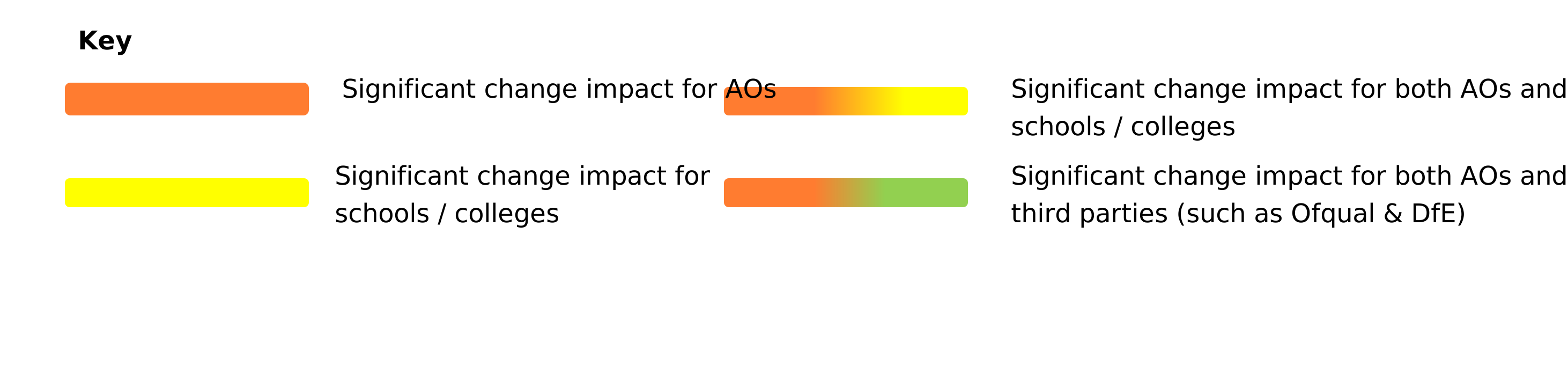
The diagram below shows the high-level overview of the high-stakes exams lifecycle in England. In the key below we have indicated colour-coding to show where a current process step is expected to require significant changes to process, roles, and/or enabling technology through deployment of OSA delivery:
- for AOs
- for schools and colleges
- for both AOs and schools or colleges
- for other third parties (such as Ofqual and DfE)
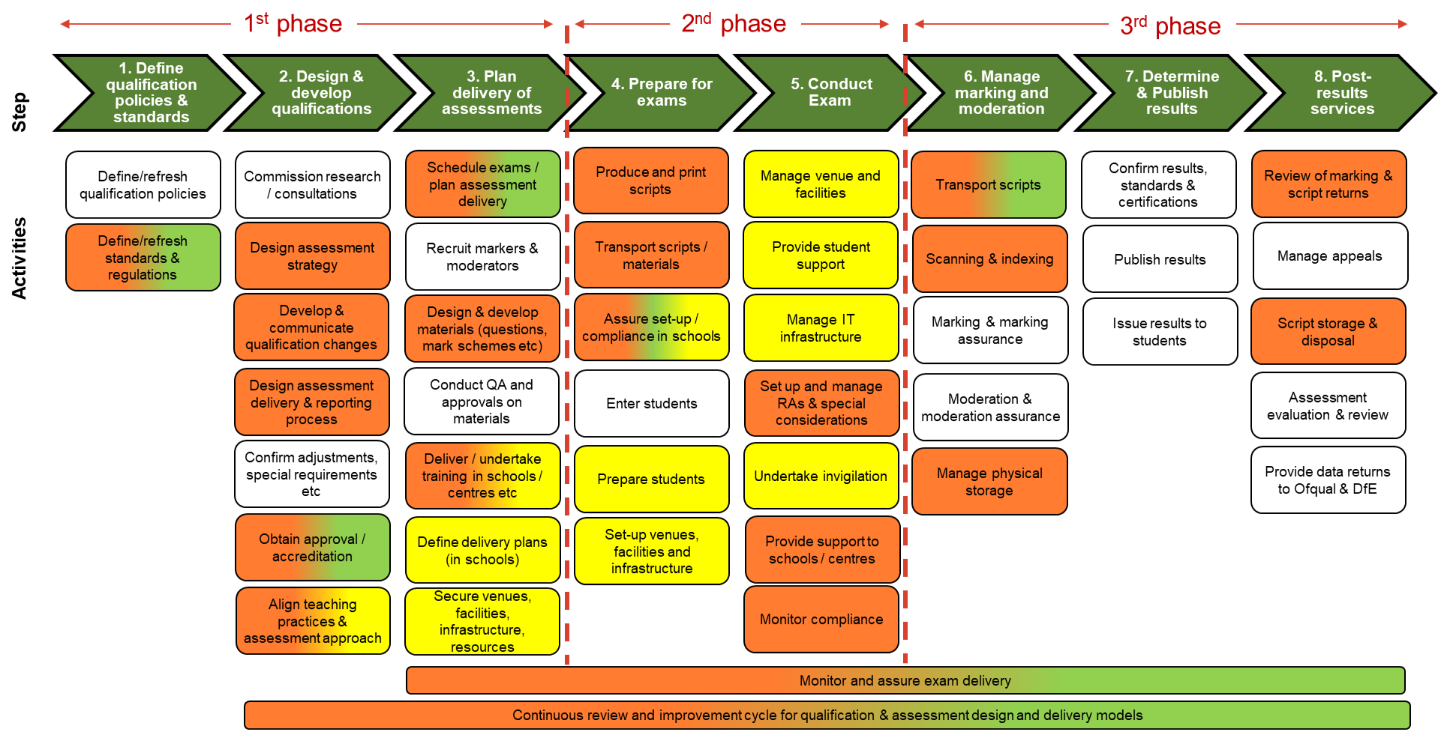
Evidence from the research highlights a range of key findings:
Areas of highest change impact for awarding organisations:
- Assessment design and testing: AOs anticipate that skills in being able to develop and design new digital forms of assessment in exam content design will become increasingly critical and desirable for their workforce as OSA delivery evolves over time. There is already a shortage in assessment design knowledge expertise across the market – this will only add to the demand for specialist skills in this area.
- Planning and readiness evaluation: AOs expect the contact period with their customer bases to expand during a transition to OSA and in the early stages of embedding OSA delivery. Processes and tools to support the targeting of schools and colleges with highest need for support will also need to evolve.
- Customer support: Significant changes are expected in customer support models, with a likely increase in technical advisory services and on-the-day support for OSA delivery.
- Storage and transportation of exam scripts: This would be dependent on extent to which dual modes (paper based and on screen) are supported, but nevertheless is expected to be impacted. There are potential efficiency gains in reducing transportation and warehousing activities and in speeding up processes to transfer scripts to markers, but these are likely to be offset by the comparative capability changes (and associated costs) required for customer support.
Areas of highest change impact for schools and colleges:
- Exam officer responsibilities: These roles would be pivotal in co-ordinating operations and assuring knowledge transfer at the local level within schools and colleges as a result of implementing new OSA ways of working
- Technical support for OSA exams: The research indicates that this is a key current constraint or gap area and even where technical support is already in place, the up-scaling of OSA would place significant pressure on schools and colleges to recruit, outsource, or potentially train existing staff specifically to absorb demands for intensive support during exam periods
- Invigilator recruitment and upskilling: This is also an area where existing supply and skillsets would require step-changes to meet future needs for OSA invigilation activities
- Space management and planning: Schools and colleges have indicated this as one of their primary concerns in transitioning to large-scale OSA deployment. Availability of spaces and capacity to manage OSA facilities planning and delivery are both likely to be key pinch-points
Impact on technology and physical infrastructures across schools and colleges
Research findings highlight the following as key gaps to be addressed to deliver OSA at any significant scale:
- Device provision: Most schools and colleges do not currently have enough suitable devices to support large-scale OSA delivery. There is limited unified information across the sector on the proportion of ‘OSA-ready’ devices per student per institution, although indicative findings from DfE’s Technology in Schools Survey (2023) identified a median of one laptop per every 8 secondary school pupils[footnote 2]. These findings suggest that schools and colleges are unlikely to have sufficient devices at present to support delivery of OSA for all subjects in particular for the larger cohort subjects.
- Networking and connectivity: Reliable internet connectivity remains a challenge, especially in rural areas. While some AOs use offline solutions, all require minimum standards for connectivity and device capability. As an indication of the gap in provision, findings from DfE’s Technology in Schools Survey (2023) indicate that 25% of IT leads report their institution does not currently meet DfE technical standards, which includes networking, although 89% of secondary schools have an infrastructure refresh plan in place, so we would expect the gap to reduce to some degree over the next 3 to 5 years[footnote 3].
- Physical space: The research indicates that the major challenge currently for schools and colleges is one of scale. For institutions with sufficient capacity to run smaller OSA pilots, there is no guarantee that spaces can be made available for much larger high-stakes cohorts to sit OSA exams over the current exam periods. This is a challenge not only for final exams but for additional periods required to run mock exams over the academic year.
Impact on technology and physical infrastructures for awarding organisations
The main areas of change to awarding organisation technical infrastructures are expected to be in:
- Capacity and functionality for assessment platforms: the capabilities of these platforms are not being fully exploited at present, and there is greater potential to be explored for enabling future stages and more advanced forms of OSA assessments
- Customer service and contact management: this is likely to be a significant development area for AOs and would require supporting technology platforms to enable this
- Data analytics and insight: AOs have indicated this is a key area of potential benefit in moving to OSA delivery, subject to considerations for ethical data privacy concerns around the use of candidate data
Implications
In summary, this research shows that significantly expanded deployment of on-screen assessment would have significant implications for schools, colleges, and awarding organisations, affecting many aspects of the exams lifecycle. Therefore, if there were to be wide-scale adoption of OSA, careful co-ordination, investment, and a shared commitment to change across awarding organisations, schools, and colleges would be required. The diversity of technical platforms and operational requirements currently in use means that centres face considerable complexity in adapting to new modes of delivery. Key roles, including exams officers, technical support staff and invigilators, would need to evolve, and many institutions would require substantial support to build the necessary capacity and capability. To prevent harm and ensure that any greater adoption of on-screen assessment is genuinely in the best interests of students, sector-wide collaboration, agreed standards, and a regulatory framework that is fit for purpose would be essential.
Impacts on students
Work strand 3 explores the potential impacts on students arising from greater deployment of on-screen assessments. This work strand specifically examines the implications for student outcomes and experiences, perceptions of readiness, wellbeing and safety, and accessibility, as well as broader considerations for the deployment of OSA at scale.
The research draws on primary research with key stakeholders, including students (with and without special educational needs and disabilities), parents, teachers, and educational subject matter experts. The key findings from this research are presented here, along with a high-level commentary on the considerations for OSA deployment. Throughout this section, findings reflect the views, perceptions, and experiences shared by participants during interviews and workshops, and should be interpreted as such rather than as definitive statements about the wider student population.
A separate Ofqual literature review, On-screen Assessment and Mode Effects, has been published alongside this report. This review examines the effects of OSA on levels of student engagement, cognitive demands, and performance. In addition, Ofqual has published a survey of students’ and parents’ perceptions of OSAs, providing further insight from a large, representative sample. This survey complements the qualitative findings presented in this section and offers a broader perspective on attitudes, perceived benefits and concerns around the potential deployment of OSAs in high-stakes qualifications.
Methodology
Evidence was gathered through group workshops and one-to-one interviews with students, and focus groups with teachers, parents, and SEND and educational subject matter experts (SMEs) to gain insight into the opportunities and challenges that different cohorts of students may experience as a result of a transition to OSAs. Participants were selected and recruited from various backgrounds, schools, and socio-economic groups.
| Students | Parents | Teachers | SMEs |
|---|---|---|---|
| 1 x 1.5-hour workshop of 11 students both with and without SEND (mixed media responses) 5 in-depth interviews with Students with SEND 6 in-depth interviews with Students without SEND [22 in total] |
2 x 1-hour workshops with 7 parents* of students both with and without SEND | 1 x 2-hour workshop with 8 teachers | 1 x joint workshop with 14 SEND and Educational SMEs 1 x ‘deep-dive’ workshop with 4 SEND SMEs 1 x ‘deep-dive’ workshop with 2 Educational SMEs |
*by parents we also refer to legal guardians
Note on Evidence Base:
The findings in this section are based on qualitative research with a small number of students, parents, and teachers. They are intended to illustrate the range of views and experiences shared by participants, rather than to represent the wider population. For a broader perspective, readers are referred to Ofqual’s survey of students and parents, which provides insight from a larger, more representative sample. The qualitative research is best understood as providing depth and context to complement the quantitative evidence.
Key findings
Implications for student outcomes and experience
All participants spoke of the importance of ensuring fairness and consistency: All stakeholders, including students, stressed the importance of providing students from different cohorts, backgrounds and geographies with ‘fair access’ to on-screen assessments, and ensuring that OSA did not exacerbate current inequities within the education system. Many students demonstrated significant concerns about the potential for OSA to entrench (rather than alleviate) digital poverty – particularly given variable levels of digital infrastructure in schools.
Consistency in assessment design and user interface is imperative: Teachers and SMEs highlighted concerns over the potential detrimental consequences of significant divergence in the design, layout, navigation and functionality of platforms operated by different awarding organisations. Many felt that there would need to be significant standardisation in these aspects of on-screen assessments to help remove unnecessary practical impediments during the assessment process.
The impact of technological disruptions or failures on students is a key concern: Almost all students, including those with experience of taking OSAs, stated that disruptions occurring during an examination – for example, due to a power outage, server disruption or failure – would cause acute stress and anxiety. They reported that even if matters were quickly resolved, they anticipated they would still be unable to complete the assessment due to “feeling rattled” or “having lost momentum and concentration”. Parents and SMEs raised the point that this could develop into a long-lasting fear of digital assessments that could potentially negatively influence performance not only in the moment, but in the future, too.
Views vary on the potential implications for skills development: While some teachers and parents felt that to some degree OSA would be preparing young people for an increasingly digital world of work, and this was a good thing, many of the cohorts balanced this with concerns over the potential loss of skills – including fundamental life skills such as handwriting, and interpersonal skills such as communication, socialising and collaboration (teamwork).
Perceptions on student readiness
Perceptions of student readiness were not consistent, even among students themselves, with some expressing concern that their peers might be left behind: Students generally consider themselves to be a “tech generation” and see themselves to be more equipped as they were “used to doing so much online during Covid or on phones”. However, students (both with and without SEND) were aware and showed deep concern that peers with limited exposure to technology either at school or at home, would require significant further support to ensure a level playing field or would risk being left behind. In contrast, parents and teachers felt that their children or students would be unable to cope with OSA as they had an “inflated view of what it means to be digitally proficient”, highlighting that devices (mobiles or tablets) and social media were not enough to equip students with the necessary digital skills to sit OSAs.
Notably, when asked how they would cope with high-stakes OSA if they were deployed in the next 6 to 12 months, all students rescinded on their previous responses, stating that they did not feel sufficiently prepared to sit formal assessments via a digital mode.
Familiarity is key to ensuring student readiness: SMEs urged that failure to provide students with extensive opportunities to become familiar with the OSA platforms, assessments and functionalities would likely result in increased anxiety, poor performance and ultimately, a negative impact on attainment. Many commented that upskilling in digital skills would need to take place well in advance of the deployment of OSA for formal, high-stakes exams – and preferably embedded within the school curriculum. This however raised concerns over when and how digital skills would be taught due to limited space and time in the current curriculum and skills of teachers.
Further support would be needed to ensure teacher readiness: Students felt that, while certain teachers could support them through OSAs, other teachers and invigilators would find it more difficult to do so. Teachers, themselves, felt similarly ‘unready’. Even those teachers who were in support of OSA felt they would require a degree of upskilling in order to bridge digital literacy gaps across student groups and successfully prepare students for OSAs.
Implications for wellbeing
Impacts on physical and mental wellbeing would need to be carefully managed: SMEs, parents, and teachers warned of the potential negative impacts or long-term detriment to mental wellbeing and social skills from increased time spent on-screen, whether in learning or assessment preparation. Concerns included reduced time for in-person interaction, and a potential loss of interpersonal skills, especially for children with SEND. Parents also raised concerns about increased exposure to online harm.
Implications for accessibility
SEND students highlight both the positive and negative potential impacts of OSA: SEND students highlighted that the primary benefit of moving to on-screen assessments would be a democratising experience that would feel more inclusive as they “wouldn’t stand out as different”. In contrast, the barriers highlighted were concerns around loss of accessibility adjustments (space or environment, support, time) due to other people’s assumptions that OSA could inherently accommodate adjustments for students with SEND.
Adult participants warn against a one-size-fits-all view of OSA meeting SEND needs: Parents, teachers and SMEs cautioned that assuming all SEND students would benefit from a shift to OSA (whether relating to the mode of an assessment being undertaken, the provision of separate rooms for SEND students; device flexibility; support in the form of scribes, extra time or other need-specific adjustments).
Other findings
Investment would be required to ensure school readiness if on-screen assessment were to be adopted at scale: Participants agreed that schools would need support in 2 key areas: upskilling teachers and support staff to teach and prepare students for OSA and providing digital and technological infrastructure—especially in disadvantaged areas.
Teachers feel a cultural shift would be required within schools: Teachers felt strongly that significant cultural change would be needed to support the introduction of OSA. In places there was felt to be embedded cultural resistance to changes to OSA, and this would need to be addressed to secure success.
COVID-19 influences understandings of what ‘on-screen’ means to students: The pandemic years of online teaching and at-home schooling have influenced student perceptions of OSA. Many students initially assumed OSA would be online and taken at home, which excited them. Once they learned exams would be conducted in schools under typical conditions, their enthusiasm diminished.
Key considerations
Among participants, there was a notable degree of scepticism about OSA, with few expressing strong support for OSA. While this may reflect unfamiliarity with OSA in England, it could suggest that significant groundwork would be required should OSA be introduced at any significant scale.
Findings from the research highlight a number of other key considerations for deploying OSA in England:
- any approach where there is, or is perceived to be, a lack of parity or fairness between student groups is likely to encounter significant resistance or challenge
- the deployment of OSA would likely require harmonisation of assessment interfaces, layout, and functionality to ensure parity and mitigate practical problems
- a cautious approach to deployment would likely be necessary, with extensive familiarisation and upskilling for students and staff
- technical solutions would need to be robust to minimise the impact of failures
- SEND students’ needs would need be central to design, development, and testing, with ongoing engagement
- ongoing, meaningful, 2-way communication with stakeholders would be critical to building trust and confidence
- investment and clear leadership would be required to support the cultural changes needed for wide-scale OSA deployment
Summary
In summary, any transition to on-screen assessments presents both opportunities and significant challenges for students. While OSA has the potential to improve accessibility and align assessment with digital learning, there are substantial concerns around fairness, digital readiness, and the risk of exacerbating existing inequalities. Students, parents, and teachers highlighted the need for careful planning, investment in infrastructure and skills, and ongoing engagement to ensure that any wide-scale move towards OSA supports positive outcomes for all students. These findings underline the importance of a gradual, inclusive approach and provide essential context for understanding the broader risks and mitigations discussed in the following section.
Potential benefits
Although this study did not include a dedicated work strand focused solely on the benefits and opportunities of OSA, these themes were considered throughout all phases of the research. Participants discussed potential benefits in the first 3 main work strands—international comparators, impacts on schools, colleges and awarding organisations, and impacts on students. While formal evaluation evidence is still developing, the benefits described below are grounded in practical experiences and feedback of research participants in countries that have implemented or started to implement OSA. Across the international comparators included in this study, participants spoke enthusiastically about a range of tangible and perceived benefits following the adoption of OSA. For further detail, complementary research published alongside this report also explores some of these areas in greater depth.
Enhancements in assessment validity, quality, and accessibility:
OSA opens up opportunities to use digital tools and technologies that can improve the validity, accuracy, and effectiveness of assessment. For some subjects—such as computer programming or digital production—digital assessment is inherently more authentic. Digital platforms can also offer features that can be more easily tailored to individual needs, particularly improving accessibility for some students with SEND. For example, digital platforms may support customisable accessibility features, helping to meet the diverse needs of students. Additionally, OSA enables the future possibility of new assessment formats, such as adaptive testing or on-demand delivery, and could even support the assessment of skills not possible on paper.
Improvements in teaching, learning, and student experience:
Aligning assessment with the digital technologies used in teaching and learning can improve student engagement and experience, especially for those already using digital tools regularly. Widespread OSA adoption could also support the development of digital skills and literacy, better preparing students for further education and the workplace. Data and analytics from digital assessments could provide valuable insights to inform teaching practices and assessment design.
Operational and security benefits:
OSA has the potential to improve the efficiency and security of assessment delivery. Digital assessments can reduce the need for transporting and storing paper scripts, lower the risk of lost or damaged scripts, and enable enhanced security features such as digital invigilation and improved audit trails. There may also be environmental benefits from reduced paper use, although the net impact is unclear given the offsetting impact resulting from, for example, the increased use of digital technologies in schools and colleges and awarding organisations.
While systematic, large-scale evaluations of OSA are still limited, partly because many countries are in the early stages of implementation, participants in countries that have adopted on-screen assessment consistently report a range of positive impacts. These accounts, though not yet widely substantiated by formal studies, provide valuable practical evidence of the opportunities and benefits that OSA can offer for high-stakes exams in England.
Risks and mitigations
Work strand 4 examines the key risks associated with the deployment of on-screen assessments (OSAs) for high-stakes qualifications in England, together with potential mitigations.
Many of the risks associated with the deployment of OSA for high-stakes assessments in England are similar to those faced by other countries that have adopted on-screen assessments. However, the precise nature and scale of these risks reflect the specific context of the English exams and qualifications sector. Comparatively, the quality and consistency of IT infrastructure in schools and colleges within the UK is relatively low, as is the use of digital technologies in the classroom and the level of digital teaching and learning. The ‘stakes’ of summative assessments at Key Stages 4 and 5 in England are high, with exams forming a key component of student attainment. Further risks arise from the commercial nature of the qualifications market and the presence of multiple awarding organisations.
This section outlines the key risks expected to arise if on-screen assessments were to be deployed at scale (that is, for a significant number of subjects and/or widespread take-up among schools and colleges). In practice, the level and nature of these risks would depend on the scope and method of deployment. Many risks would be significantly reduced if, for example, OSA deployment was limited to a small minority of exams or subjects. It is also important to acknowledge that risks exist within the current system, and the risk of OSA adoption should be assessed relative to the current baseline.
Methodology
Risks and mitigations were identified through:
- review and synthesis of findings from the first 3 work strands
- a series of workshops with stakeholders and subject matter experts from Ofqual, DfE, PA Consulting, and awarding organisations
- classification of risks using a tailored taxonomy based on the Government’s Orange Book and Green Book risk management methodologies
Risks were grouped into strategic, market, delivery, user, financial, and implementation categories. For each, potential mitigations were identified, though the feasibility and cost of these actions were not assessed in detail.
Key risks
The following section summarises the principal categories of risk identified in relation to large-scale OSA deployment, along with a brief explanation of each.
Strategic risks
- Parity and fairness: Concerns may be raised about the inherent fairness of OSA deployment, given material differences in digital literacy among students, the quality of IT infrastructure in schools and colleges, and varying use of digital technologies in the classroom. There is a risk of dissatisfaction if access to OSA is uneven, for example, due to different levels of IT capability.
- Negative implications for teaching and learning: Widespread OSA deployment could result in undesirable ‘washback’ into teaching and learning. Increased focus on digital skills may detract from the development of skills such as handwriting and communication, and time spent upskilling teachers may reduce time for other teaching activities.
- Maintenance of standards and assessment validity: The introduction of OSA could present new and specific risks to the maintenance of standards and introduces additional complexity into the awarding process.
- Market risks: There is a risk that the scope and method of OSA deployment developed by the market would not align with government aims and objectives. A lack of consistency between solutions developed by awarding organisations could create difficulties for students and increase the administrative burden on schools and colleges.
Delivery risks
- Technology risks: The lack of consistency in IT provision within English schools and colleges heightens the risk of delivery failure. Maintaining compatibility between school infrastructure and assessment platforms is challenging. Many schools lack enough devices of sufficient quality and specification, and broadband and Wi-Fi capabilities can be unreliable or inconsistent. Technical obsolescence is a key challenge, requiring ongoing investment.
- Security or data risks: As with any technology solution, assessment systems and IT infrastructure used to support OSA are at risk of cyber-attack. Without investment in security infrastructure and ongoing maintenance of cyber security standards, schools and colleges are vulnerable to attacks. There is also a risk of data corruption or loss.
- Infrastructure risk: Many schools and colleges lack physical spaces with the electrical, power, and network facilities to support OSA for a wide range of subjects, particularly high entry subjects.
- Delivery risk: The adoption of OSA would require changes to the roles fulfilled by school representatives and invigilators. Additional technical support would be required, and experiences in other jurisdictions have highlighted challenges arising from a lack of clarity among key individuals involved in OSA administration.
User risks
- While OSA has the potential to improve accessibility and the student experience, there are also risks of a detrimental impact on student experience, wellbeing, and safety. These are covered in detail in the previous student impact section of this report.
Financing risks
- Further investment would likely be required to upgrade IT infrastructure in most schools and colleges to deliver wide-scale OSA.
Potential mitigations
A range of practical mitigations exist to address key deployment risks. In practice, risk management and mitigation would likely require an interconnected set of interventions and collaboration among key actors in the sector.
Constraints on strategic OSA design
Certain risks can be mitigated by constraining the method and scope of OSA deployment (such as limiting the range of subjects, the form of assessment, technology used, or the pace of implementation). These constraints could be introduced through policy or regulatory intervention.
Resourcing
Delivering OSA at scale would require sufficient infrastructure, capacity, and capability across the sector. Interventions may be needed to support effective use of existing resources and, where appropriate, to address specific gaps.
Support, guidance or training
Risks to OSA delivery could be partially mitigated through support, guidance, advice, and training for schools and staff to prepare for and deliver on-screen assessments.
Testing and ongoing assurance
A thorough and robust approach to testing different components of OSA delivery would help mitigate risks, both before deployment and on an ongoing basis. Enhancements to monitoring and assurance processes would also be important.
Policy alignment
Effective deployment of OSA at scale would require clear strategic leadership and careful integration with wider government programmes and policies.
Strong communications and engagement
Certain implementation risks can be addressed through strong, widespread and ongoing engagement with key stakeholders supplemented by clear and frequent communications. This should be built around a robust strategy for any deployment anchored on a clear vision or ambition for on-screen assessments that clearly articulates the purpose and benefits of OSA adoption.
Summary
The deployment of on-screen assessments in England presents a complex risk landscape, shaped by the diversity of the education sector, the high stakes of qualifications, and the current variability in digital readiness. While many risks could be mitigated through targeted investment, regulatory alignment, and robust planning, careful management and ongoing evaluation would be essential to ensure that wide-scale adoption of OSA supports fairness, validity, and positive outcomes for all stakeholders.
-
The following general qualifications currently in the market have OSA components: WJEC Eduqas GCSE computer science, GCSE geology, GCSE food preparation and nutrition; Pearson GCSE computer science; and AQA A level computer science. Pearson A level music technology uses digital resources but is not an OSA. ↩
-
In the latest DfE Technology in Schools Survey (2025), 95% of secondary schools reported having laptops available for pupils to use, although 77% said they currently have them available for less than 50% of pupils. Due to changes in survey methodology, directly comparable pupil-to-device ratio figures are not available for 2025. ↩
-
In the latest DfE Technology in Schools Survey (2025), 79% of secondary schools reported having an infrastructure refresh plan in place. Following consultation with the sector earlier this year, the DfE will continue with its ambition for all schools and colleges to meet 6 core digital and technology standards by 2030—including for broadband internet and wireless networks—and will explore long-term options for greater accountability on these standards ahead of 2030. ↩