Country information note: medical treatment and healthcare, Nigeria, December 2025 (accessible)
Updated 14 April 2026

© Crown copyright 2026
This publication is licensed under the terms of the Open Government Licence v3.0 except where otherwise stated. To view this licence, visit nationalarchives.gov.uk/doc/open-government-licence/version/3 or write to the Information Policy Team, The National Archives, Kew, London TW9 4DU, or email: psi@nationalarchives.gov.uk.
Where we have identified any third party copyright information you will need to obtain permission from the copyright holders concerned.
This publication is available at https://www.gov.uk/government/publications/nigeria-country-policy-and-information-notes/country-information-note-medical-treatment-and-healthcare-nigeria-december-2025-accessible
Version 5.0, December 2025
Country information
This note provides country of origin information (COI) for Home Office decision makers handling cases where a person claims that removing them from the UK would be a breach of Articles 3 and/or 8 of the European Convention on Human Rights (ECHR) because of an ongoing health condition. It contains publicly available or disclosable COI which has been gathered, collated and analysed in line with the research methodology.
The structure and content follow a terms of reference which sets out the general and specific topics relevant to the scope of this note.
This document is intended to be a comprehensive but not exhaustive survey of healthcare in Nigeria.
The COI included was published or made publicly available on or before 12 December 2025. Any information or report published after this date will not be included.
Decision makers must use relevant COI as the evidential basis for decisions.
For general guidance on considering claims based on a breach of Article 3 and/or 8 of the ECHR because of an ongoing health condition, see the instruction on Human rights claims on medical grounds.
1. Basic health indicators
1.1.1 CPIT has compiled the table below, using a variety of sources, of health indicators in Nigeria.
| Nigeria - basic health indicators | |
|---|---|
| Life expectancy at birth – average number of years a new-born child could expect to live (2021) | Female - 64.8 Male - 62.1[footnote 1] |
| Under-5 mortality rate (deaths per 1,000 births, 2022) | 108.1[footnote 2] |
| Neonatal mortality rate (deaths per 1,000 live births, 2023) | 39[footnote 3] |
| Maternal mortality ratio (deaths per 100,000 women, 2023) | 512[footnote 4] |
| Top causes of death (per 1,000 of the population, 2021) | Lower respiratory infections - 89.7 Malaria – 84.2 Diarrhoeal diseases – 69.9 Tuberculosis – 57.7 Ischaemic heart disease – 33.9 Birth asphyxia and birth trauma – 33.7 Stroke – 33.3 HIV/AIDS – 19.9[footnote 5] |
1.1.2 Further information on basic health indicators is available in the following sources:
- DHS (Demographic and Health Surveys) Program, Nigeria Demographic and Health Survey 2023-24 - Key Indicators Report, October 2024
- Nigeria Federal Ministry of Health & Social Welfare, MultiSource Data Analytics & Triangulation Platform, no date
- WHO Data, Nigeria, no date
2. Healthcare system
2.1 Legal framework
2.1.1 The legal framework that underpins the healthcare system includes the following:
- the 1999 Constitution of Nigeria, which states at section 17(3): ‘The State shall direct its policy towards ensuring that … there are adequate medical and health facilities for all persons’[footnote 6]
- the National Health Act 2014, which sets out the framework for the regulation, development and management of the healthcare system[footnote 7]
- the National Health Insurance Authority Act 2022, which replaced the previous National Health Insurance Scheme and aims, among other things, to regulate and integrate health insurance schemes, improve private sector participation in healthcare service provision and achieve universal healthcare[footnote 8]
2.2 Governance and structure
2.2.1 The European Union Agency for Asylum (EUAA), in their 2022 Medical Country of Origin Information Report: Nigeria (2022 EUAA medical COI report), dated April 2022, based on various sources, stated:
‘Nigeria operates a pluralistic healthcare system with healthcare provided jointly by the public and private sectors, as well as by modern and traditional systems. The management of the national health system is decentralised into a three-tier arrangement with clear mandate to the federal, state and local governments. Donors also play a key role in management and delivery of health services across the three levels of care; of note is financial contribution, which equals 7.5% of the total institutional sources of financing for health …’[footnote 9]
2.2.2 Regarding the public sector, the 2022 EUAA medical COI report stated:
‘The public sector is the responsibility of the three tiers of government, and they are all involved, to varying levels, in the major health system functions of stewardship, financing and service provision …
‘The Federal Ministry of Health (FMoH) holds the mandate for policy development and technical support to the entire health system, national health management information system and health-related international engagements …
‘Also, the Federal Government of Nigeria … is responsible for the provision of health services through the tertiary teaching hospitals, federal medical centres and national laboratories. Furthermore, the FMoH coordinates and manages the implementation of multiple public health programmes …
‘The state governments through SMoH [state-level ministries of health] oversee the secondary level – general hospitals – and the regulation of technical guidance to PHC [primary healthcare] services. Support to PHC includes close collaboration between the leadership of SMoH and the State Primary Healthcare Boards – a sub-national structure responsible for management and coordination of PHC service delivery at the state level …
‘The PHC service delivery falls within the mandate of the local government … PHCCs [primary healthcare centres] are the first port of entry into Nigeria’s healthcare system.’[footnote 10]
2.2.3 Regarding the private sector, the 2022 EUAA medical COI report stated:
‘The private sector is divided into the non-profit and for-profit, with the former including facilities managed by non-government organisations (NGOs) and faith-based organisations, while the later [sic] comprises modern, alternative and traditional medical providers …
‘The Second National Strategic Health Development Plan (NSHDP II) recognises traditional medicine practice and faith-based organisations as part of the private sector …’[footnote 11]
2.2.4 For information on differences between public and private healthcare, see Public versus private healthcare services.
2.2.5 The World Health Organisation, in their Nigeria: Country Health System and Services Profile, dated 2025 (2025 WHO profile), provided a diagram of the healthcare system[footnote 12], which is reproduced below:
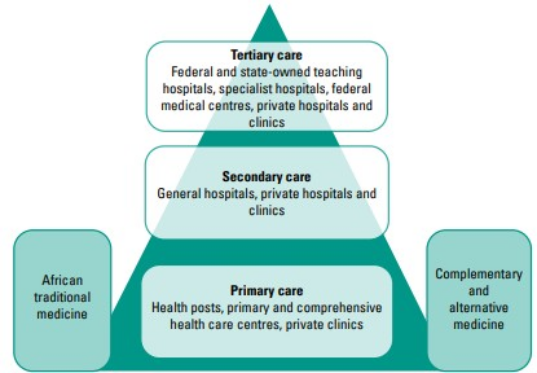
Tertiary care: federal and state-owned teaching hospitals, specialist hospitals, federal medical centres, private hospitals and clinics.
Secondary care: general hospitals, private hospitals and clinics.
Primary care: health posts, primary and comprehensive health care centres, private clinics.
African traditional medicine.
Complementary and alternative medicine.
2.2.6 For more information on facilities within each tier, see Facilities and services by tier and Number and location of medical facilities.
2.2.7 For information on referrals between tiers, see pages 194 to 196 of the 2025 WHO profile and Facilities and services by tier.
2.3 Challenges and reforms
2.3.1 The 2025 WHO profile stated:
‘A rapidly expanding population, slow economic growth, weak governance and a high disease burden constrain health care provision and outcomes … Nigeria’s three-tiered, regionally devolved health system is well organized in theory, but, in practice, better implementation of recent reforms is needed to address significant governance and delivery challenges … Low government health spending, high out-of-pocket (OOP) expenditure and limited health insurance coverage characterize health financing … Nigeria’s large but insufficient health workforce lacks centralized oversight and monitoring, negatively affecting distribution and capacity, with knock-on effects on health outcomes … Low production capacity and poor supply-side regulation result in stock shortages and over-reliance on foreign drug imports … Essential health service coverage is very limited and specialist services are insufficient and unevenly distributed, contributing to Nigeria’s poor performance against health indicators …’[footnote 13]
2.3.2 The 2025 WHO profile also reported:
‘Access to health services in Nigeria is assessed as being at 41% of what is feasible (WHO African Region, 2022a), based on consolidated data from across three dimensions or vital signs of access: physical, financial and sociocultural access to essential health services … Poor performance on indicators of physical and financial access suggests that these two dimensions or vital signs are driving the low score reported for access overall …
‘The availability of human resources … and health infrastructure, despite improving over the years, remains limited and inequitable … Disaggregated reports from surveys show persistent north-south and urban-rural divides and socioeconomic disparities … Poor access to health care services is most common in the northern zones of the country, in rural areas, among people of lower educational status and among the lowest wealth quintiles …
‘The persistently high out-of-pocket (OOP) expenditure on health by households and inadequate government expenditure on health have constrained efforts to achieve universal health coverage (UHC) …’[footnote 14]
2.3.3 Regarding reforms, the 2025 WHO profile stated: ‘An ongoing programme of health sector reform initiated by the FMOH has ensured that policies, guidelines and implementation plans are in place to guide health service delivery, most recently via the 2023 Nigeria Health Sector Renewal Investment Programme.’[footnote 15]
2.3.4 For further information on challenges, see:
- Insurance and costs of medical treatment
- Infrastructure and staffing
- Accessibility and availability of medical drugs and costs
- Accessibility of mental healthcare services.
2.3.5 For further information on reforms, see p42-44 of the 2025 WHO profile.
2.4 Public versus private healthcare services
2.4.1 The Nigeria Health Watch (an NGO that uses advocacy to influence health policy and improve access to healthcare in Nigeria[footnote 16] article, Public-Private Integration – A Catalyst for Growth in Nigeria’s Health Sector, dated 26 February 2024, stated:
‘Public health facilities provide healthcare services, often at a reduced cost, and rely on funds provided by the government.
‘The private sector contributes to healthcare delivery by filling the gaps in public sector healthcare provision, playing a critical role in strengthening the country’s overall healthcare system. The private health sector provides a mix of products and services including direct provision of health services, medicines and medical products, financial products, training for the health workforce, information technology, infrastructure, and support services (such as health facility management, and health insurance schemes).’[footnote 17]
2.4.2 Regarding private healthcare, the 2022 EUAA medical COI report stated: ‘Broadly, private facilities are believed to have better basic resources and infrastructure, including electricity, and provide a wider range of services. Therefore, there is a consensus that private health centres deliver better quality care with reduced patient waiting time; hence, they are the preferred service providers for those with sufficient financial resources required to access care in these centres.’[footnote 18]
2.4.3 The Pacific Prime (a private international medical insurance broker[footnote 19] website provided the following undated information:
‘Specialized care is available in Nigeria’s top private hospitals, such as Reddington Hospital, Nizamiye Hospital, Cedarcrest Hospitals, or Lagoon Hospitals. These private facilities boast modern equipment, skilled staff, and shorter waiting times, making them a preferred choice for expats.
‘Nigeria’s private hospitals offer specialized services, such as cardiology, oncology, and maternity care, catering to a wide range of medical needs. While the quality is higher, the costs can be prohibitive without adequate insurance coverage.
‘Some private hospitals also have partnerships with international organizations, ensuring adherence to global healthcare standards.’[footnote 20]
2.4.4 For information on:
- costs of public versus private healthcare, see Insurance and costs of medical treatment
- informal for-profit services, see Traditional medicine and other informal care
2.5 Non-governmental organisation (NGO) provision and assistance
2.5.1 The Borgen Project (an international organisation that works at the political level to improve living conditions for people impacted by war, famine and poverty[footnote 21] article, Unaffordable Medical Care in Nigeria (2024 Borgen Project article), dated 4 May 2024, stated:
‘Various NGOs have developed programs to address unaffordable medical care in Nigeria. One notable example is the Nigerian Health Care Foundation (NHF), which aims to provide support and conduct medical services throughout the country.
‘NHF runs several programs to reduce unaffordable medical care in Nigeria. A key initiative is the Medical Mission Program, which aims to improve the health and social welfare of Nigerians. The foundation conducts two-week medical missions nationwide, serving an average of 400 patients daily, 95% of whom come from remote areas with limited or costly access to medical care. Additionally, NHF operates the Nigeria Smiles Campaign year-round, collecting medical, hygiene and school supplies to distribute to patients at temporary clinics across the country …
‘The Centre for the Right to Health (CRH) is an NGO committed to creating a Nigeria where quality health care is available, affordable and accessible to every citizen. During World Immunization Week and World Malaria Day in 2024, CRH visited rural communities to test and educate residents about combating malaria and other diseases. This initiative is part of the organization’s effort to reduce unaffordable medical care in Nigeria and ensure equitable health access for all …
‘International NGOs such as Médecins Sans Frontières (MSF), also known as Doctors Without Borders, have played a significant role in reducing unaffordable medical care in Nigeria …
‘MSF supports the Noma Children’s Hospital in Sokoto, Nigeria, targeting noma - a disease primarily affecting children under 6 with weakened immune systems due to malnutrition and limited access to medical care. Those afflicted typically require acute medical care and reconstructive surgery. Besides surgery, MSF offers physiotherapy, nutritional and mental health support and conducts outreach to enhance early detection. In 2021, MSF performed 105 surgical interventions for individuals who otherwise could not afford surgery.’[footnote 22]
2.5.2 The 2025 WHO profile stated:
‘Many national and international civil society organisations and NGOs work to fill the gaps in the health system left by absent or insufficient public sector provision; this work typically involves holding governments accountable and ensuring transparent health system governance. These organizations play a role in decision-making by initiating reform agendas in the sector. For instance, the Health Sector Reform Coalition, an indigenous NGO, led a broad range of stakeholders, including professional bodies, between 2004 and 2014 and advocated for the development and passage of the National Health Bill into law.’[footnote 23]
2.6 Traditional medicine and other informal care
2.6.1 Betini N Christian and Nsikak G Christian, of the Hospitals Management Board in Uyo, Akwa Ibom State, Maryam I Keshinro, of the Department of Paediatrics at State House Medical Centre in Abuja, and Olayinka Olutade-Babatunde, of the University of Benin Teaching Hospital in Benin, Edo State, in a paper published by BMJ Global Health, dated 24 November 2023 (Christian and others 2023), stated:
‘Through the Federal Ministry of Health, the Nigerian government recognises the informal private health sector, which comprises traditional and complementary medicine practitioners such as traditional healers, birth attendants, patent and proprietary medicine vendors (PPMVs), drug sellers, and bone setters. These informal care providers are widely accessible and serve as the primary source of healthcare in rural communities. They offer affordable services, flexible payment options, and convenient working hours. Their cultural sensitivity, especially regarding illness-related spiritual beliefs, influences the healthcare-seeking behaviours of most rural dwellers …
‘Traditional bone setters (TBSs) in Nigeria are essential, providing 70–90% of primary fracture care. This is due to the shortage of orthopaedic surgeons, the fear of hospital admissions, amputation and other surgical procedures, and the high costs associated with hospital treatments. Patients are drawn to TBSs as they offer attractive payment options, such as instalments or non-monetary compensation. Similarly, PPMVs have become vital sources of care in rural areas.’[footnote 24]
2.6.2 For information on formal pharmacies and availability of medical drugs via PPMVs, see Pharmaceutical sector.
2.7 Insurance and costs of medical treatment
2.7.1 The United States Department of Commerce International Trade Administration Nigeria Country Commercial Guide stated:
‘In May 2022, President Muhammadu Buhari signed into law the recently passed National Health Insurance Authority Bill 2022, repealing the National Health Insurance Scheme Act. The new law will ensure coverage of 83 million poor Nigerians who cannot afford to pay premiums as recommended by the Lancet Nigeria Commission. Payment for treatment is largely out-of-pocket for most of the population. One major impediment to increasing participation rates is the non-mandatory nature of health insurance in Nigeria, according to the NHIS. While most employees in the federal civil service are currently subscribed to the program, the NHIS has yet to capture most citizens, especially those individuals working in the country’s large informal sector.’[footnote 25]
2.7.2 The Leadership News (a Nigerian privately-owned news outlet[footnote 26] report, Nigeria: Midterm Review – Poor Implementation Still Bane of Health Reforms, dated 1 June 2025, stated:
‘While the NHIA Act marked a critical policy shift, its promises have yet to translate into widespread impact. Coverage remains alarmingly low as only about 19.2 million Nigerians are currently enrolled in health insurance schemes nationwide.
‘Challenges such as limited awareness, fragmented state-level implementation, poor coordination and funding constraints continue to hinder efforts to reach rural and low-income groups. As a result, millions of Nigerians still rely on out-of-pocket payments for healthcare, pushing many into financial hardship and undermining the goal of equitable access to quality care.’[footnote 27]
2.7.3 See also National Health Insurance Authority (Nigerian government).
2.7.4 Regarding private health insurance, the 2022 EUAA medical COI report stated: ‘There is limited research on private health insurance schemes in Nigeria. Available evidence suggests that private health insurance commenced in 1998 and, in 2005, there were over 13 health maintenance organisations providing private health insurance services in Nigeria.’[footnote 28]
2.7.5 Regarding the cost of treatment, the 2022 EUAA medical COI report stated: ‘Consultation fee is dependent on the facility type visited. On an average, specialist consultations are more expensive in private as compared to the public facilities. Also, the cost of public outpatient and inpatient treatments varies by facility type.’[footnote 29]
2.7.6 The 2022 EUAA medical COI report provided US dollar figures for the average cost and range of costs for a specialist consultation by facility type, which are shown in the table below. All GBP figures were obtained from the Xe.com currency converter at the rate prevailing on 18 November 2025:
| Consultation type | Average treatment price | Range of treatment prices |
|---|---|---|
| Public outpatient | US$4.10 (£3.12) | US$3.90-4.30 (£2.96-3.26) |
| Public inpatient | US$4.10 (£3.12) | US$3.90-4.30 (£2.96-3.26) |
| Private outpatient | US$60.90 (£46.29) | US$59.90-61.90 (£45.52-47.05) |
| Private inpatient | US$60.90 (£46.29) | US$59.90-61.90 (£45.52-47.05) |
2.7.7 The 2022 EUAA medical COI report explained: ‘In private facilities, specialist consultation costs more for both inpatient and outpatient care than in public facilities. The total costs incurred by patients on admission can be calculated by summing up all relevant services, including specialist consultation and bed rates; however, indirect costs, such as meals and transportation, are not included.’[footnote 31]
2.7.8 The Borgen Project article, Unaffordable Medical Care in Nigeria, dated 4 May 2024, reported:
‘The cost of medical care in Nigeria is rising due to the ongoing economic downturn and a decline in living standards. While the average Nigerian cares about their health, their ability to access affordable medical care limits their options for proper medical attention …
‘The Nigerian government’s investment in health care is minimal compared to the sector’s needs. From 2007 to 2020, Nigeria allocated an average of only 3% of its GDP to health care. As a result, most Nigerians must pay for medical care out-of-pocket, receiving little to no government support to make health care affordable.
‘An average Nigerian household spends up to 6% of its income on health care, with estimates even higher in rural areas. Most households, falling within the lower-income range, lack insurance coverage. This situation often forces many to self-medicate or delay seeking medical care until their condition worsens, potentially leading to death or severe financial strain due to medical complications. This underscores the severity of unaffordable medical care in Nigeria. More than 50% of Nigerian households risk falling into dire financial positions after a catastrophic health event …
‘Being a state hospital does not reduce the cost of medical investigations or medications; affordability stops at the consultation fee …
‘Civil servants benefit from health insurance that covers free medication after consulting a doctor. However, they often encounter issues as many prescribed medications are unavailable for dispensing. Consequently, many must purchase their medication elsewhere, paying out of pocket without any expectation of reimbursement.
‘This indicates that unaffordable medical care in Nigeria is widespread, extending beyond access to affordable hospitals to include affordable medications. Even those with health insurance must pay the full price for medications, leaving them no better off than uninsured individuals who cannot afford medications.
‘In both public and private hospitals in Nigeria, advance payment is mandatory before any consultation or medical care.’[footnote 32]
2.7.9 The 2025 WHO profile stated:
‘Nigeria’s consistently high OOP [out-of-pocket] spending …. is among the highest in the world …, considerably higher than the regional average of 34% in 2020, and substantially higher than the WHO target of 30–40% … Individual states – for example Anambra and Imo states – report even higher OOP spending, at over 92% …
‘OOP expenditure mostly comprises direct payments for health goods and services to health care providers at the point of care, although more data are needed on the exact proportions. Health insurance users pay part of the cost of health care received via user charges … Primary care services do not receive user charges, but outpatient prescription medicines attract up to a 10% co-payment and high-cost medicines attract up to a 50% co-payment. Some specialty services, such as high-cost investigations (e.g. computed tomography scan, magnetic resonance imaging and radiotherapy), attract a 50% co-payment, but these are reduced for children …’[footnote 33]
3. Infrastructure and staffing
3.1 Facilities and services by tier
3.1.1 Regarding primary healthcare, the 2025 WHO profile stated:
‘For most Nigerians, a PHC [primary healthcare] facility is the first point of contact, at which point any short-term, uncomplicated health issues should be resolved. It is also the level at which health promotion and education efforts are undertaken, and where patients in need of more specialized services are connected with secondary care …
‘PHC facilities have been referred to by various terms, including dispensaries, health clinics, health centres, primary health centres, maternities, health posts and comprehensive health centres … These facilities are owned by the government or private for-profit or not-for-profit organizations. Private health facilities are classified according to their structure and the services they provide …
‘Health posts
‘Service delivery is primarily at the settlement, neighbourhood and/or village levels. The estimated population coverage is 500 persons …
‘Primary health clinics
‘Primary health clinics deliver services to a group of settlements/neighbourhoods, villages or communities. The estimated population coverage is 2000 to 5000. Each facility should provide a 24-hour service.
‘Primary health centres
‘These centres deliver services to the political ward, with an estimated population coverage of 10 000 to 20 000. Centres are open 24 hours a day …’[footnote 34]
3.1.2 Regarding secondary healthcare, the 2025 WHO profile reported:
‘The secondary level of care (SHC) involves preventing, treating and managing a small range of minimally complex cases. SHC facilities include general hospitals, comprehensive health centres, district hospitals and specialist hospitals, which are run by both public and private providers. General hospitals offer both inpatient and outpatient care, provide accident and emergency services, and have diagnostic units. SHC acts as a link between primary care and highly specialized tertiary health care services …’[footnote 35]
3.1.3 Regarding tertiary healthcare, the 2025 WHO profile stated:
‘Facilities include teaching hospitals, FMCs [federal medical centres] and specialized medical institutions …
‘Tertiary facilities offer outpatient care, inpatient care, specialized care, teaching and research. Outpatient care includes consultations, diagnostic testing, minor procedures and the prescription of drugs. Inpatient care includes surgery, observation and rehabilitation. Specialized treatments include advanced surgery, cancer treatment and intricate diagnostic procedures.’[footnote 36]
3.1.4 For information on equipment and service quality, see pages 209 to 223 of the 2025 WHO profile.
3.2 Number and location of medical facilities
3.2.1 The Punch (a Nigerian privately-owned news outlet[footnote 37]) article, Nigeria has only 40,017 functional hospitals, clinics, says ministry, dated 28 December 2021, stated:
‘Data obtained from the health facilities register of the Federal Ministry of Health has revealed that Nigeria only has 40,017 functional hospitals and clinics across the 36 states of the federation and the Federal Capital Territory [FCT].
‘The health facilities are jointly owned by the government and private sector operators.
‘It was observed that Bayelsa, Borno and Ekiti states had the least number of functional hospitals and clinics in the country.
‘According to the data, 10,655 of the functional facilities are managed privately and exist on different levels of care; namely, primary, secondary and tertiary.
‘The Punch reports that in states like Bayelsa, Borno, Ekiti, the FCT, Gombe, Rivers, Yobe and Zamfara, the number of functional hospitals and clinics is below 800.
‘Even though Lagos State ranked first in the number of functional hospitals, it was observed that 1,875 of the 2,333 functional hospitals and clinics were privately owned, leaving 458 facilities under the control of the federal, state and local governments.
‘The states with their respectively functional facilities include: Abia, 1,196; Adamawa, 906; Akwa Ibom, 818; Anambra, 1,166; Bauchi, 1,225; Bayelsa, 311; Benue, 1,837; Borno, 539; Cross River, 1,280; Delta, 821; Ebonyi, 830; Edo, 1,042; Ekiti, 570; Enugu, 1,037; the FCT, 767; and Gombe, 671.
‘Others are Imo, 1,197; Jigawa, 769; Kaduna, 1,419; Kano, 1,476; Katsina, 1,942; Kebbi, 956; Kogi, 1,235; Kwara, 995; Lagos, 2,333; Nasarawa, 1,357; Niger, 1,565; Ogun, 1,197; Ondo, 823; Osun, 1,067; Oyo, 1,490; Plateau, 1,470; Rivers, 586; Sokoto, 841; Taraba, 944; Yobe, 585; and Zamfara, 777.’[footnote 38]
3.2.2 The 2025 WHO profile stated: ‘There are 9565 political wards in Nigeria, which are currently the focus of PHC development. Each ward has a minimum of one health centre.’[footnote 39]
3.2.3 Citing various sources, the 2025 WHO profile also reported:
‘Secondary health facilities are unequally distributed across the country, resulting in notable regional differences in the availability and standard of care provided. Secondary facilities are concentrated more in urban centres and in more economically developed regions such as the south-east, where there are 5.4 facilities per 100 000 population. At the other end of the spectrum, more rural areas in the north, such as Sokoto, Zamfara and Yobe, lack the same quantity or calibre of facilities; for example, the north-west region has just 0.45 facilities per 100 000 population.’[footnote 40]
3.2.4 The 2025 WHO profile further stated: ‘There is at least one tertiary health institution, in the form of a public teaching hospital or FMC, in each state and in the FCT. The regional distribution of tertiary health care facilities in Nigeria is uneven, with these facilities being more concentrated in major urban centres and more developed regions than in rural and less developed areas.’[footnote 41]
3.2.5 There were no more recent statistics on the overall number of medical facilities or the number of medical facilities per state, in the sources consulted (see Bibliography).
3.2.6 See also the Foreign, Commonwealth, and Development Office Nigeria: List of Medical Facilities, updated 17 April 2024.
3.2.7 The My Medical Bank website (provides information about healthcare providers) contains undated information about hospitals and clinics in Nigeria in the various state and local government administrative areas.[footnote 42]
3.3 Medical professionals and personnel
3.3.1 For information on standard staffing numbers for each type of primary healthcare facility, see pages 211 to 212 of the 2025 WHO profile.
3.3.2 The 2022 EUAA medical COI report stated: ‘Nigeria, like most African countries, is experiencing critical shortage of human resources for health (HRH) professionals. Although it has one of the largest stocks of health workforce … Other HRH challenges include maldistribution of the health workforce across states, funding gaps and migration of skilled HRH to other countries.’[footnote 43]
3.3.3 The Premium Times (a Nigerian privately-owned news outlet[footnote 44] report, Brain Drain: Nigeria now left with 55,000 doctors as 16,000 emigrate in five years – Minister, dated 11 March 2024, stated:
‘The Nigerian government has revealed that the country now has only 55,000 licensed doctors to serve its growing population of over 200 million …
‘[Minister of Health and Social Welfare, Muhammad] Pate lamented the mass exodus of doctors, health workers, tech entrepreneurs, and various professionals abandoning the country for better opportunities abroad, while the country is “barely managing” the available ones.
‘According to the Minister, Nigeria has about 300,000 health professionals, including doctors, nurses, midwives, pharmacists, laboratory scientists, and others.
‘“We did an assessment and discovered that we have 85,000 to 90,000 registered Nigerian doctors. Not all of them are in the country,” he said.’[footnote 45]
3.3.4 The Africa Report (a privately-owned pan-African news outlet[footnote 46] article, Nigeria: Tinubu’s national policy on medical brain drain under fire, dated 20 August 2024, stated:
‘Africa’s most populous country has emerged as a crucial supplier of healthcare workers globally, being the highest workforce-exporting country on the continent …
‘Other health workers have a similar pattern: 2021 and 2022 accounted for 90% of the total emigration of medical laboratory scientists through the Medical Laboratory Science Council of Nigeria over five years from 2018.
‘For optometrists, out of the 579 that migrated abroad between 2018 and 2022 – 424 left in 2021 and 2022.’[footnote 47]
3.3.5 The 2025 WHO profile stated: ‘Skilled health workforce indices show that the doctor-to-population ratio in Nigeria is 3.95:10 000, compared with the sub-Saharan African average of 1.5:10 000, and the nurse and midwife density is 15.64 per 10 000 population, compared with a regional average of 12.44 nurses and midwives per 10 000 population … However, these values remain below the WHO-recommended ratios of 4.45 doctors and 83 nurses per 10 000 population …’[footnote 48]
3.3.6 The Guardian (a Nigerian privately-owned news outlet[footnote 49] report, Nearly 19,000 doctors left Nigeria in 20 years – NARD, dated 20 May 2025, stated:
‘Fresh data revealed by the Nigerian Association of Resident Doctors (NARD) showed that nearly 19,000 doctors have left the country in search of greener pastures abroad.
‘Latest tweets by the association confirmed that 18,949 doctors departed Nigeria in the past 20 years, 3,974 in 2024 alone, and the alarming exodus of doctors is already taking its toll on many hospitals in the country, following long delays and persistent queues at medical centres …
‘A report from the Medical and Dental Council of Nigeria (MDCN) in 2022 highlighted a significant disparity in the distribution of doctors among different states.
‘Nigeria currently has around 55,000 licensed doctors, according to the Federal Ministry of Health. Lagos has the highest number of doctors, totalling 7,385, followed by the Federal Capital Territory (FCT) with 4,453, Rivers with 2,194, Enugu with 2,070, and Oyo with 1,996.
‘In stark contrast, Taraba has only 201 doctors. Other states with low doctor numbers include Jigawa (255), Zamfara (267), Kebbi (273), and Yobe (275). These shortages have serious implications for healthcare delivery and patient outcomes.’[footnote 50]
3.3.7 For information on the competence of medical staff, see the National Health Facility Survey 2023.
4. Pharmaceutical sector
4.1 Accessibility and availability of medical drugs
4.1.1 The 2022 EUAA medical COI report stated:
‘The Nigerian government through the National Agency for Food and Drug Administration (NAFDAC) regulates and controls the manufacture, importation, exportation, distribution, advertisement, sale and use of food, pharmaceuticals, and medical devices throughout the 36 states of the federation and FCT, through its officers within the 13 directorates of the agency. This structure was established to regulate drug prices and quality. Medications for prioritised diseases are provided for free in government-owned health facilities including anti-retrovirals, anti-TB [tuberculosis] medications, and multidrug-resistant TB. Supply chain challenges has led to informal pharmaceutical markets. Medication prices vary across the northern and southern regions; these are higher towards the north due to the add-on cost of distributing from the southern ports to the northern regions.’[footnote 51]
4.1.2 The Nigerian Federal Ministry of Health and Social Welfare National Health Facility Survey 2023 stated:
‘The availability of essential drugs is considered an important element in determining the quality of health care in health facilities. It was measured as the percentage of essential drugs that are available and not expired in the health facilities at the time of the survey. These essential drugs consist of a drug list that was used to compute the drug availability for the corresponding type of health. The essential drugs include: Paracetamol, Aspirin, Folic Acid, Fansidar, ACT, Albendazole, Ferrous, Diazepam, Phenobarbital, Atropine, Amoxicillin, Benzyl Penicillin, Erythromycin, Cotrimoxazole, Benzathine, Antibiotic eye, Vitamin A, Vitamin K, Calcium Gluconate, Salbutamol, Gentamycin, Streptomycin, Artesunate, Magnesium, Misoprostol, ORS, Zinc, Metronidazole, Oxytocin, Chlorpromazine, Beclomethasone and Inhaler.
‘Findings from the survey show … that only an average of 50.6% of essential drugs were available in secondary health facilities and 34.3% in primary health facilities. At the state level, the availability of essential drugs in primary health facilities ranged from 13.7% (Kebbi) to 53.6% (Delta).
‘Disaggregation by geo-political zones depicts that the North-West is the leading zone with 57.8% of sampled facilities having essential drugs available during the period of survey. Overall, about 35.0% of all the sampled facilities have essential drugs. The three leading States in the availability of essential drugs are Delta (53.6%), Imo (52.9%) and Ogun (51.2%), while only 13.7% of the facilities in Kebbi State have essential drugs.’[footnote 52]
4.1.3 The This Day (a Nigerian privately-owned news outlet[footnote 53] report, Soaring Costs of Essential Medications: Nigerians’ Health at Risk, dated 3 July 2024, stated:
‘Findings by Punch Newspaper last May [2024] showed that the prices of some antimalarial drugs had increased from 11 per cent to around 23 per cent between November 2023 and April 2024. In November [2023], an Artesunate injection of 120mg was sold for N2,500 [£1.32[footnote 54]], while the 60mg injection was sold for N1,800 [£0.95[footnote 55]]. However, in April [2024], market surveys showed that Artesunate 120mg now sells for N2,800 [£1.48[footnote 56]] (12 per cent increase), while 60mg of the injection now sells for N2,000 [£1.05[footnote 57]](11 per cent increase). The cost of Coartem 80/480mg was around N3,300 [£1.74[footnote 58]], while Amatem Soft Gel was sold for N2,500 [£1.32[footnote 59]] and Lonart 80/480mg for N2,850 [£1.50[footnote 60]]. In April, Coartem 80/480mg is now sold for N4,000 [£2.11[footnote 61]] (a 20 per cent increase). Amatem soft gel increased by over 20 per cent, selling for around N3,000 [£1.58[footnote 62]]. Lonart 80/480mg sells for N3,500 [£1.85[footnote 63]], a 22 per cent increase.
‘These circumstances are, however, forcing many patients to skip their lifesaving medications and instead turn to unapproved alternatives and counterfeit drugs. Reports suggest that due to high costs, the availability of essential medicines in public health facilities has decreased, with up to 40% of commonly used drugs often being out of stock …
‘The impact of this rise in price is significant and affects the Nigerian consumers, the pharmaceutical companies, and the healthcare ecosystem. The consumers have affordability issues, accessibility issues and health impact crises … The rising costs have led to a 20-30% reduction in medication adherence rates, particularly among patients with chronic diseases who require ongoing treatment. Nigerians’ out-of-pocket expenditure on healthcare, including medicines, has increased significantly, with the average family spending 35-40% of their income on healthcare expenses. Even when medicines are available, high transportation costs and limited distribution in rural areas exacerbate the issue of accessibility.
‘This price increase anomaly not only affects individuals but also has a profound impact on the healthcare system. The inability to afford medicines often leads to delayed or skipped treatment, worsening health outcomes and increasing the risk of complications. High costs hinder the effective management and prevention of diseases, contributing to higher rates of morbidity and mortality from conditions that are otherwise preventable or manageable. These avoidable conditions put a strain on the healthcare system by increasing hospitalisation, and even the health budget is adversely affected because of the high cost of drugs. Moreover, the fact that the high cost of medicines disproportionately affects the poor and rural populations exacerbates inequalities in health outcomes and undermines patients’ trust in the healthcare system.’[footnote 64]
4.1.4 Adeyemi Olayisade, lecturer at Federal University Oye-Ekiti in Oye, Ekiti State[footnote 65], in a working paper dated June 2025 (2025 Olayisade working paper), which was not peer-reviewed or published at the time of writing, stated: ‘Medicine supply in Nigeria is available through hospitals, health facilities and the over 100,000 Patent and Proprietary Medicine Vendors (PPMVs) in the country … The PPMVs are licensed to provide over-the-counter drugs to consumers; these vendors represent about 80 percent of the source of medicine available to the entire Nigerian population.’[footnote 66]
4.1.5 The 2025 Olayisade working paper also reported:
‘In Nigeria today, poor healthcare infrastructure and widespread poverty have exacerbated the difficulties in accessing pharmaceutical products, and without losing sight of the increasing cost of medications, low income and high poverty levels have turned a basic human need into a financial burden for many Nigerians. Government efforts to intervene for better accessibility to the pharmaceutical market through the Essential Medicines List (EML) and public procurement have not achieved significant results; it has been undermined by corruption, poor logistics, and inadequate funding …
‘According to a 2022 World Bank report, about 40 percent of Nigeria’s population lives below the poverty line. With limited or no health insurance coverage, many individuals must pay out of pocket for medicines, making healthcare financially devastating.’[footnote 67]
4.1.6 Nigeria has a national essential medicines list for adults which is produced by the Nigerian government’s Federal Ministry of Health and Social Welfare (FMHSW). The latest version was published in 2024 and is the eighth edition.[footnote 68] The FMHSW also produces a national essential medicines list for children. The latest version (second edition) was published in 2024.[footnote 69]
4.1.7 For more information on medical drugs available through PPMVs (informal pharmacies), see the article written by Okafor, E, Idogho, O, Anyanti, J, Yusuf, D, Diallo, R, Alagbile, M, and Wada, YH, entitled Scaling training facilities for patent and proprietary medicine vendors in Nigeria: insights and lessons learned for policy implication and future partnerships, published on 6 August 2024.
4.2 Number and location of pharmacists and pharmacies
4.2.1 The TC Health (an organisation that provides information and insight into healthcare services in sub-Saharan Africa[footnote 70] article, From Dispensary to Diagnosis: How Nigerian PBMs & Pharmacies are Bridging the Gap in Primary Care, dated 16 June 2023, stated:
‘Only 13% of the Nigerian population attend public hospitals when ill, and according to Dr. Faisal Shuaib, the Executive Director of the National Primary Healthcare Development Agency (NPHCDA), 70% of Nigerians rely on primary health facilities, with pharmacies making up 50% of these facilities.
‘Despite this, Nigeria does not have enough pharmacies to meet the needs of its population. With almost 3,800 registered retail pharmacies and a population of 218 million in the country, Nigeria has one retail pharmacy per 57,000 people. But when compared to similar Sub-Saharan African countries like South Africa (~1 per 19,000), Kenya (1 per 15,000), and Ghana (1 per 32,000), Nigeria needs to catch up.
‘Like other African countries such as Tanzania, Ethiopia, Sudan, and Ghana, Nigeria also has a disproportionately higher number of pharmacies in cosmopolitan areas. For example, while almost 30% of retail pharmacies are in Lagos State and 12% in the FCT, some states, such as Jigawa, Yobe, and Zamfara, have fewer than five retail pharmacies each.
‘Consequently, existing pharmacies deal with many customers/patients and are also concentrated in densely populated areas. And due to recent legislation, pharmacies have been given even more responsibilities in the country. As a result of the growing burden of disease in Nigeria, the Ministry of Health published a WHO National Treatment Policy in 2015 that expanded the capabilities of retail pharmacies beyond dispensing over-the-counter medications to diagnosing and treating minor ailments and providing medication-related services for both acute and chronic illnesses.’[footnote 71]
4.2.2 The Punch article, One pharmacist serves 13,385 Nigerians, PCN laments, dated 2 September 2023, stated:
‘An analysis of the number of licensed pharmacists, the number of pharmacists that have left the country, and the population of Nigerians show that Nigeria has a ratio of one pharmacist to an estimated 13,385 population.
‘According to the Pharmacy Council of Nigeria, only about 19,000 pharmacists are currently licensed to practise in Nigeria, and out of this number, no fewer than 2,863 of them have left Nigeria to seek greener pastures from 2018 to July 2023 … Going by this figure, Nigeria currently has one pharmacist to 13,385 of the population.’[footnote 72]
5. Physical health
5.1 Blood diseases
5.1.1 See Section 12 of the 2022 EUAA medical COI report for additional information about the availability of treatment, costs and accessibility, for haematological diseases, including sickle cell anaemia, iron deficiency anaemia, and blood-clotting disorders.
5.1.2 The 2022 EUAA medical COI report stated:
‘The availability of treatments for haematological disorders at primary healthcare level is limited to nutritional consultations and dispensing of basic medications for those suffering from anaemia, including IDAs [iron deficiency anaemia]. Genetic counselling and genotype profiling of the general population is recommended to be provided at the PHCCs while diagnosis and treatment of SCA [sickle cell anaemia] complications are restricted to secondary and tertiary centres where there are more skilled health workers. Although teaching hospitals in the country provide care for SCA cases, the federal government established sickle cell disease centres in 6 out of 22 federal medical centres across the 6 geopolitical zones in the country to run clinics and programmes for the management and control of SCAs:
- Federal Medical Centre, Abakaliki, Ebonyi State (southeast);
- Federal Medical Centre, Birnin-Kebbi, Kebbi State (northwest);
- Federal Medical Centre, Ebute- Metta, Lagos State (southwest);
- Federal Medical Centre, Gombe, Gombe State (northeast);
- Federal Medical Centre, Keffi, Nasarawa State (north-central);
- Federal Medical Centre, Yenagoa, Bayelsa State (south-south).’[footnote 73]
5.1.3 The 2022 EUAA medical COI report also stated:
‘Of all the haematological disorders, this report was able to find information mainly on available non-government organisation (NGO) support for sickle cell disease. Examples include:
- ‘Association of people living with sickle cell disorder: Situated in Southeast Nigeria …
- Samira Sanusi Sickle Cell Foundation: Situated in Abuja Federal Capital Territory (FCT), Nigeria …
- Sickle Cell Hope Alive Foundation (SCHAF): Situated in Southwest Nigeria.
- Sickle Cell Support Society of Nigeria: Situated in Abuja FCT, Nigeria …
- The Sickle Cell Aid Foundation (SCAF): Situated in Abuja FCT, Nigeria …
- Agatha Sickle Cell Foundation: Situated in south-south, Nigeria …
- Ayabime Okpoh Sickle Cell Foundation: Situated in Southwest Nigeria …
- Crystal Shape Sickle Cell Foundation: Situated in north-central zone …
- Nirvana Initiative: Situated in southwest zone.’[footnote 74]
5.1.4 The Modibbo Adama University Teaching Hospital in Yola, Adamawa State, can provide treatment and diagnostic testing for a wide range of haematological diseases, such as:
- diagnostic evaluations for bleeding and clotting disorders
- management of anaemia, thrombocytopenia, and leukopenia
- hemotherapy and supportive care for haematological malignancies
- bone marrow biopsy and aspiration
- haemostasis and thrombosis management
- blood-bank service
- blood typing and cross-matching
- blood component therapy (red cells, platelets, plasma)
- fresh frozen plasma and cryoprecipitate transfusion
- autologous and directed blood donation
- haemophilia care and management
- sickle cell disease management
- thalassaemia management
- full blood count tests
- haemoglobin electrophoresis
- blood clotting tests
- bone marrow aspiration and biopsy[footnote 75]
5.1.5This list, which is not exhaustive, contains links to hospitals that have facilities to treat people with haematological conditions:
- Cedarcrest Hospitals (facilities in Abuja, Lagos and Niger State)
- National Hospital, Abuja (Department of Haematology and Blood Transfusion)
- Lagos University Teaching Hospital (Department of Haematology and Blood Transfusion)
- Lagos Executive Cardiovascular Centre (Haematology Specialist Clinic)
- Federal Teaching Hospital Ido-Ekiti, Ekiti State (Haematology and Blood Transfusion Department)
- Ivory Harmonia Hospital (Haematology Department), Lagos
- State Specialist Hospital (Department of Haematology and Blood Transfusion), Akure, Ondo State
- Lautech Teaching Hospital, Department of Haematology and Blood Transfusion, Ogbomosho, Oyo State
- University College Hospital (Department of Haematology and Blood Transfusion), Ibadan, Oyo State
- Obafemi Awolowo University Teaching Hospital (Department of Haematology and Blood Transfusion), Ile-ife, Osun State
- University of Nigeria Teaching Hospital (Department of Haematology and Blood Transfusion), Ituku-Ozalla, Enugu State
- University of Port Harcourt Teaching Hospital (Department of Haematology and Blood Transfusion), Port Harcourt
- University of Benin Teaching Hospital (Department of Haematology and Blood Transfusion, Benin City, Edo State
- Barau Dikko Teaching Hospital (Department of Haematology and Blood Transfusion), Kaduna State
- Aminu Kano Teaching Hospital (Department of Haematology and Blood Transfusion), Kano State
- Usmanu Danfodiyo University Teaching Hospital, Department of Haematology and Blood Transfusion, Sokoto State
- Federal Medical Centre (Department of Haematology and Blood Transfusion), Katsina State
- University of Ilorin Teaching Hospital (Department of Haematology and Blood Transfusion), Ilorin, Kwara State
- Gombe State University Teaching Hospital, Department of Haematology and Blood Transfusion, Gombe State
5.2 Cancer
5.2.1 For information on policies and programmes, see:
- National Institute for Cancer Research and Treatment (NICRAT), NICRAT overview, no date
- Government of Nigeria, National Strategic Cancer Control Plan Nigeria 2023-2027 and Nigeria National Cancer Research Agenda 2024-2028, both 23 November 2023 (via International Cancer Control Partnership website)
- International Atomic Energy Agency, Nigeria imPACT Review Report 2025, July 2025 (via NICRAT website)
5.2.2 For information on the availability of treatment for cancer, including facilities, personnel and locations, see:
- Vanguard, ARCON [Association of Radiation and Clinical Oncologists of Nigeria] urges government to invest in oncology infrastructure, workforce development, 3 February 2025
- Chidebe, RCW, and others, JCO Global Oncology, Brain Drain in Cancer Care: The Shrinking Clinical Oncology Workforce in Nigeria, 21 December 2023
- Aruah, SC, and others, JCO Global Oncology, Status of Government-Funded Radiotherapy Services in Nigeria, 22 June 2023
- International Atomic Energy Agency, Nigeria imPACT Review Report 2025, July 2025 (via NICRAT website)
- Ehai Nigeria, Locate a Cancer Treatment Center in Nigeria, no date
- Lakeshore Cancer Centre, Our Facilities, no date
- Marcelle Ruth Cancer Centre, Marcelle Ruth Cancer Centre & Hospital in Lagos, Nigeria, no date
- Medserve LUTH Cancer Centre, Medserve LUTH Cancer Center, no date
5.2.3 For information on accessibility, including the cost of treatment and proximity to cancer treatment centres, see:
- The Guardian (Nigeria), World Cancer Day: High cost of care worsens epidemic, 78,899 death toll yearly, 5 February 2024
- The Guardian (Nigeria), Infrastructure gaps, poor funding diminish cancer patients’ access to healthcare, 5 July 2025
- International Atomic Energy Agency, Nigeria imPACT Review Report 2025, July 2025 (via NICRAT website)
- Okoke, S, and others, Surgical Oncology Insight, Cancer care financing in Nigeria: A scoping review of the literature, September 2025 (online since June 2025)
5.3 Cardiovascular diseases
5.3.1 The 2022 EUAA medical COI report stated:
‘In 2013, the Federal Ministry of Health (FMoH) articulated the country’s first strategy for the control and prevention of NCDs [non-communicable diseases] fulfilment of an earlier commitment made at the United Nations (UN) General Assembly High-Level Meeting on NCDs in September 2011. The policy intention was to integrate the management of NCDs at all levels of government and healthcare delivery system in Nigeria … Lessons learnt from this effort led to the galvanisation of broad stakeholder input in the most recent government policy thrust – the National Multi-Sectoral Action Plan (NMSAP) for the Prevention and Control of NCDs (2019-2025). This policy emphasises the integration of CVD [cardiovascular diseases] prevention, care and treatment into basic primary healthcare (PHC) with referral to secondary and tertiary levels of care, as well as scaling up coverage of early detection, diagnosis and treatment of CVDs at PHC level.’[footnote 76]
5.3.2 There was no information on a more recent action plan on NCDs or cardiovascular diseases specifically, in the sources consulted for this note (see Bibliography).
5.3.3 The 2022 EUAA medical COI report also stated:
‘While there are few dedicated advanced cardiovascular diagnostic and care centres in Nigeria, of which none in northeast and northwest zones … a 2014 study showed that no facilities exist for regular sustained coronary artery bypass grafting (CABG) and open heart surgery programmes; this poses a threat to clinical outcomes for patients with ischaemic heart diseases and significant coronary stenoses. In a case report, an author identified 13 coronary artery disease (CAD) cases out of 747 autopsies conducted in south-south Nigeria. Because of a paucity of diagnostic and therapeutic facilities for coronary angiography in Nigeria to confirm the diagnosis of CAD and offer appropriate interventional therapy, all these patients were missed and treated for other co-existing conditions.’[footnote 77]
5.3.4 See section 4 of the 2022 EUAA medical COI report for additional information about the availability, accessibility and cost of treatment for cardiovascular diseases.
5.3.5 The Lagos Executive Cardiovascular Centre (LECC) has a paediatric cardiology department that can treat children with heart conditions.[footnote 78] The LECC also has a cardiology department that can treat people with a wide range of heart conditions, such as angina, atrial flutter, atrial septal defects, aortic valve disease, atrial fibrillation, cardiac ectopic beats, cardiomyopathy, coronary heart disease, hypertension, paravalvular leaks, pulmonary valve disease, cardiac arrest, supraventricular tachycardia disease, ventricular tachycardia disease, tricuspid valve disease, and ventricular septal defects.[footnote 79]
5.3.6 The Dawaki Medical Centre in Abuja has a cardiology department that can provide a wide range of cardiac-care services, such as:
- heart diagnostic procedures and services
- therapeutic/interventional procedures
- intensive coronary care
- telemetry services
- cardiac rehabilitation
- heart care education
- electrophysiology study
- cardiac MRI
- cardiac CT
- coronary CT angiography
- pulmonary CT angiography[footnote 80]
5.3.7 The Reddington Hospital in Lagos has facilities and medical professionals who can treat people with cardiovascular conditions. The hospital can also carry out the following diagnostic tests:
- cardiac stress testing
- EKGs
- stress echos
- doppler tests
- vascular ultrasound
- nuclear cardiac SPECT (single photon emission computed tomography)[footnote 81]
5.3.8 First Cardiology Consultants (FCC) is a private cardiac care facility with a team of over 300 cardiologists, nurses and cardiothoracic surgeons. It provides heart surgeries, pacemaker implantations and angioplasties. The centre is equipped with cardiac MRI, CT scanning machines, catheterisation labs and facilities for both invasive and non-invasive heart procedures.[footnote 82]
5.3.9 These hospitals can all treat people with cardiovascular diseases. The list is not intended to be exhaustive:
- Goshen Heart Clinic, Osogbo, Osun State
- Orerokpe General Hospital, Delta State
- Midland Clinic West End, Oshimili South, Delta State
- St. Raphael’s Hospital And Maternity, Ibagwa Amebo, Enugu State
- Ezemobi Hospital Aku, Enugu State
- Chiemezie Hospital Aku, Enugu State
- Good Shepherd Specialist Hospital Uwani East, Enugu South
- Mount Carmel Specialist Hospital New Haven East, Enugu North
- John-Kunle Oguntoye Hospital, Irona Wad, Ekiti State
- General Adeyinka Adebayo General Hospital, Iyin, Ekiti State
5.4 Dental healthcare
5.4.1 The 2020 medical research study, Access to Oral healthcare: a focus on dental caries treatment provision in Enugu Nigeria, by Nkolika Uguru, Obinna Onwujekwe, Udochukwu Ugochukwu Ogu and Chibuzo Uguru, stated:
‘Access to oral health care in Nigeria is poor and efforts made to improve access to oral health care in Nigeria have been largely unsuccessful …
‘[Enugu] state operates a mixed public and private system of health care. Public oral health care can be accessed at three levels namely primary, secondary and tertiary. At the primary care level, Public oral health facilities offer only primary oral health care which is mostly prevention and basic services such as scaling and polishing, simple extractions, simple teeth restorations, oral health education and promotion services. The secondary level consists of oral health facilities, with or without laboratory services. Secondary level care includes treatment of more advanced cases of oral diseases and offers more advanced treatment of dental care. The cadre of staff employed is mostly general dental practitioners, dental officers, dental therapists, dental nurses and technologists. The third level represents the highest level of oral health care and these include the teaching hospitals and specialist hospitals. They offer more specialized and advanced treatment of oral diseases. For the private clinics, they mostly offer both primary and secondary level care with or without laboratories attached …
‘Patients that present at the dental clinic mostly pay out of pocket and only a few of the facilities offer health insurance for clients. Namely the tertiary institution, and a few private dental facilities in the urban area. The majority of dental health facilities do not cater to patients with health insurance …’[footnote 83]
5.4.2 The Intelpoint (an organisation that provides research consultancy services to businesses and institutes[footnote 84]) article, Unequal access to dental care in Nigeria, by Olakunle Bello, dated 9 January 2025, stated:
‘Over the years, Nigeria’s healthcare sector has seen some notable improvements, but when it comes to dentistry, the picture is far from perfect. While the country celebrates the growth in the number of dentists, deeper issues like unequal distribution, regional disparities, and poor dentist-to-population ratios highlight the challenges that persist …
‘The number of registered dentists in Nigeria increased by 88.5% from 1,651 in 2020 to 3,112 in 2022 …
‘The South West leads with 37.8% of dentists, while the North East and South East account for less than 5% each.
‘Dentist-to-population ratios range from 1:36,425 in the South West to 1:254,521 in the North West, far from the WHO’s 1:10,000 recommendation. …
‘One of the most striking insights from the data is the uneven geographic distribution of dentists across Nigeria’s geopolitical zones. The South West has the most dentists (1,176), making up over a third of the total. In contrast, the South East (141), North East (146), and North West (230) have the lowest numbers, reflecting significant gaps in access to dental professionals in these regions. The South South (429) and North Central (311) show moderate representation, while 679 dentists are from unverifiable states or regions, further highlighting data tracking challenges …
‘The dentist-to-population ratio highlights a significant imbalance in dental care accessibility across Nigeria. While the South West enjoys the most favourable ratio of 1:36,425, the North West faces the worst ratio, with 1:254,521. The North East follows closely with a ratio of 1:224,212, indicating poor dental healthcare access in these regions. Other zones such as the South South (1:74,252) and North Central (1:117,548) fare better but still fall short of global standards (1:10,000, WHO) …
‘The data paints a clear picture: while Nigeria is making commendable strides in growing its dental workforce, critical issues persist. The heavy concentration of dentists in the South West shows regional inequality, leaving millions in northern regions underserved. Similarly, while gender representation is improving, efforts to close the gap further are necessary.’[footnote 85]
5.4.3 The Luxe Dental website contains detailed information about 10 dental-care medical centres (including the Luxe Dental Clinic) in the Lagos area that provide a wide range of dental treatment.[footnote 86]
5.4.4 The Platinum Dental Surgery Ltd in Lagos provides a wide range of dental-care services, such as cosmetic dentistry, emergency dental care, endodontics and root canal treatment.[footnote 87]
5.4.5 The Smile 360 Dental Clinic in Lagos has facilities and medical professionals who can provide a wide range of dental-care treatment, such as orthodontics, oral and maxillofacial surgery, dental implant surgery, endodontics and periodontics.[footnote 88]
5.4.6 The Blanche Dental Clinic in Lekki has facilities and medical professionals who can provide a wide range of dental-care treatment, such as general dentistry, teeth whitening, veneers, braces, teeth extractions, crowns, bridges, dental implants and orthodontics.[footnote 89]
5.4.7 The following dental clinics have facilities to treat people with a wide range of dental conditions. The list is not intended to be exhaustive:
- Richmond Dental Clinic, Lagos
- Exclusive Smile Dental Clinic, Lagos
- Schubbs Dental Clinic, Ikoyi, Lagos
- Schubbs Dental Clinic, Ikeja, Lagos
- Schubbs Dental Clinic, Apapa, Lagos
- Beaconhill Dental Clinic, Victoria Island, Lagos
- Beaconhill Dental Clinic, Ikeja, Lagos
- Prime Care Dental Clinic, Abuja
- Brighton Dental Clinic, Abuja
- Bellevue Dental Clinic, Abuja
5.4.8 See also the WHO Oral Health Country Profile on Nigeria.
5.5 Diabetes and other endocrinological diseases
5.5.1 The 2022 EUAA medical COI report stated:
‘The Second National Strategic Health Development Plan 2018-2022 and the National Multi-Sectoral Action Plan for the Prevention and Control of Non-Communicable Diseases 2019-2025 include the following within the Essential Package of Services to be provided at all levels: screening for diabetes (routine sugar testing) and risk factors; counselling and support services; diagnosis and management of diabetes; management of diabetic complications and rehabilitation. However, care in primary healthcare centres (PHCCs) is mostly limited to urine testing for glucose and very few have blood glucose meters. This has been attributed to a shortage of personnel skilled in the management of DM [diabetes mellitus], as well as to a paucity of relevant infrastructure and equipment for healthcare delivery …
‘There is no national institute specialised in treating DM; rather, screening and risk monitoring are offered at the primary healthcare (PHC) level – the first port of entry into the country’s health system – while treatment and advanced care are provided at the secondary and tertiary facilities. The patients diagnosed with DM at PHCCs are rarely treated at this level, but are rather referred to secondary facilities because PHCCs have often community health extension workers (CHEWs) and nurses with little or no experience in diabetes management. At the secondary facility level, individuals with DM are managed by doctors without the required subspeciality in diabetes while other relevant healthcare workers, such as chiropodists, diabetes educators and dietitians, are scarce. Specialised services, such as consultations with diabetologists/endocrinologists or specialised surgeries, are provided at the tertiary level – the teaching hospitals – distributed across the six regions, which serve also as sites for internships for newly graduated doctors …’[footnote 90]
5.5.2 There was no information on a more recent national strategic health development plan in the sources consulted for this note (see Bibliography).
5.5.3 See Section 5 of the 2022 EUAA medical COI report for additional information about the availability, accessibility and cost of treatment for diabetes.
5.5.4 The Subol Hospital in Lagos has a diabetes support centre that can provide consultation services, foot-health assessments, nutritional advice and diabetic-health education services.[footnote 91]
5.5.5 The Molly Specialist Hospital in Ibadan has facilities and endocrinologists to treat people with type 1 and type 2 diabetes. The hospital also has insulin pumps and can carry out glucose monitoring.[footnote 92]
5.5.6 The Lagos Executive Cardiovascular Centre has facilities and medical professionals to treat people with a wide range of endocrinological conditions, such as Addison’s disease, Cushing’s syndrome, Graves disease, hyperparathyroidism, hypopituitarism, hyperthyroidism, prolactinoma and thyroiditis.[footnote 93]
5.5.7 The following hospitals and medical services providers can treat people with endocrinological conditions and/or diabetes. The list is not intended to be exhaustive:
- UMC Zhahir Hospital, Kano City (treats people with thyroid conditions and pituitary adenoma, and also specialises in the diagnosis and management of diabetes)
- Iwosan Lagoon Hospitals, Lagos
- Cardiocare Multispecialty Hospital, Abuja
- Grace Cottage Hospital Central South Mission, Makurdi, Benue State
- Ugba General Hospital, Mbayam, Benue State
- Niger Delta University Teaching Hospital, Gbaranu 2 8, Bayelsa State
- Grand Care Hospital, Yenagoa, Bayelsa State
5.6 Ear, nose and throat (ENT) conditions
5.6.1 For information on the National Policy and Strategic Plan on Ear and Hearing Care, see PR Nigeria, FG launches National Policy and Strategy Plan on Ear, Hearing care, 7 December 2018.
5.6.2 There was no information on a national policy or programme for other aspects of ENT medical care, or detailed information regarding accessibility and the cost of treatment for ENT conditions, in the sources consulted (see Bibliography).
5.6.3 The Punch article, Nigeria has less than 500 ENT experts for hearing loss patients, dated 13 October 2024, stated:
‘Doctors are worried about rising cases of hearing loss among Nigerians amid an acute shortage of specialists compounded by the japa syndrome [exodus of Nigerians to other countries] bedeviling the health sector.
‘The ear, nose, and throat specialists disclosed that Nigeria has less than 500 ENT experts serving a country of over 200 million people …
‘Speaking exclusively with PUNCH Healthwise in different interviews, the specialists said that the increasing burden of hearing loss in Nigeria was driven by poverty, a severe shortage of ENT specialists, and the uneven distribution of available professionals. They said that this situation had resulted in a daunting doctor-patient ratio of 1:500,000.
‘[Chief Consultant Otolaryngologist at the University of Maiduguri Teaching Hospital in Borno State, Prof. Mala Sandabe] said, “In some states, like Yobe, there are no practicing ENT surgeons at all. There is only one centre that trains ENT nurses, the National Healthcare Centre in Kaduna, with an intake of just 30 students. Additionally, many diagnostic centres for ENT issues are non-functional, and cochlear implants for people with hearing impairment, are unavailable due to their high costs, N20 million [£10,351.15[footnote 94]].
‘“There are also no rehabilitation centres in the country, forcing families to seek treatment abroad for speech and language therapy. To reduce this medical tourism, it’s essential to develop local ENT specialists and improve healthcare accessibility in Nigeria.” …’[footnote 95]
5.6.4 The Lagos Executive Cardiovascular Centre has facilities and medical professionals to treat people with ENT conditions, such as hearing loss, tinnitus, ENT cancers. It can also provide cochlear implants.[footnote 96]
5.6.5 The Dukes Neurosurgery and Specialist Hospital in Lagos has an ENT clinic that can treat people with conditions such as:
- hearing loss
- ear infections
- tinnitus
- nose and sinus disorders
- throat conditions including tonsillitis, voice disorders and swallowing difficulties[footnote 97]
5.6.6 The Dukes Neurosurgery and Specialist Hospital ENT clinic also offers the following procedures:
- tonsillectomy
- endoscopic sinus surgery
- tympanostomy tube insertion[footnote 98]
5.6.7The following hospitals have facilities to treat people with a wide range of ENT conditions. The list is not intended to be exhaustive:
- A-Ilupeju Ear, Nose and Throat Hospital, Lagos State
- National Ear Care Centre, Kaduna State
- Lagos University Teaching Hospital – Department of Ear, Nose and Throat
- ENT Supercare Clinic, Abuja
- Tent of Life Specialist Clinic, Ikeja, Lagos
- Doren Specialist Hospital Ltd, Abuja (ENT department)
- Cedarcrest Hospitals (ENT department), located in Abuja, Lagos and Niger State
5.7 Eye diseases
5.7.1 For information on policies and programmes on eye health, see:
- FMHSW, National Eye Health Strategic Development Plan 2024-2028, October 2023
- FMHSW, The Nigeria Glaucoma Guideline and Toolkit, October 2023
- FMHSW, 2025 World Sight Day: FG to Integrate Primary Eye Care into PHC System, Reaffirms Commitment to Accessible Eye Care in Nigeria, 11 October 2025
5.7.2 Regarding the availability of treatment, the Eye Foundation Hospital in Lagos has facilities to treat people with a wide range of eye diseases, such as glaucoma and retinopathy, and can also carry out a wide range of eye-health examinations and eye surgeries.[footnote 99]
5.7.3 The Guinness Eye Centre in Lagos has facilities and medical professionals to treat people with eye diseases. The Eye Centre provides ophthalmic care services to people from all parts of Nigeria and has diagnostic equipment that can detect glaucoma, diabetes maculopathy/retinopathy, childhood eye cancer, retinoblastoma and age-related macular degeneration.[footnote 100]
5.7.4 The Royal Eye Hospital in Abuja has facilities and medical professionals who can provide the following eye-care services:
- digital refraction eye tests
- small incision cataract services
- glaucoma surgery
- spectacle lenses and frames
- pachymetry
- squint correction surgery
- cornea repairs
- non-contact IOP (intraocular pressure) check
- ophthalmic A/B ultrasound scanning[footnote 101]
5.7.5 The St Edmund’s Eye Hospital in Lagos has facilities and medical professionals who can provide the following eyecare treatment services:
- vision exam for driving tests
- glaucoma screening test
- screening for diabetic eye disease
- visual field tests
- digital fundus imaging
- dark adaptation tests
- biometry/pachymetry
- ultrasonography
- optical coherence tomography for glaucoma, diabetic eye disease or macular degeneration
- cataract surgery with lens implantation
- glaucoma surgery
- external eye surgery
- orbital reconstruction
- laser surgery for glaucoma and retinal disease[footnote 102]
5.7.6 The following hospitals have facilities that can treat people with eye conditions and eye diseases. The list is not intended to be exhaustive:
- Grace Land Hospital And Maternity Home, Isiagu/Achara, Enugu State
- St. Raphael’s Hospital And Maternity, Ibagwa Amebo, Enugu State
- Skipper Eye-Q Eye International Eye Hospitals (4 locations in Lagos and Abuja)
- Tulsi Chanrai Foundation Eye Hospital, Abuja
- Metroeyes, Lagos
5.7.7 For information on the distribution of ophthalmologists, optometrists and ophthalmic nurses by state, see pages 13 to 18 of the National Eye Health Strategic Development Plan (2024-2028).
5.8 Gastroenterological diseases
5.8.1 There was no information on a national policy, strategy or programme for gastroenterological diseases, or detailed information regarding accessibility and the cost of treatment for such diseases, in the sources consulted (see Bibliography).
5.8.2 The Redus Centre for Digestive Health in Lagos has facilities and medical professionals who can treat people with a wide range of gastroenterological conditions including:
- acid reflux and gastroesophageal reflux disease
- irritable bowel syndrome
- peptic ulcer disease (in the stomach and small intestine)
- coeliac disease
- gastrointestinal bleeding
- pancreatitis[footnote 103]
5.8.3 The Diamed Centre in Lagos has a gastroenterology department which has facilities and medical professionals who can carry out endoscopies and colonoscopies, and can also treat people with:
- acid reflux disease
- irritable bowel syndrome
- peptic ulcer disease
- inflammatory bowel disease
- pancreatic disorders
- gallbladder disorders
- colorectal disorders[footnote 104]
5.8.4 The Palmars Hospital Limited in Port Harcourt has facilities and medical professionals who can treat people with:
- motility disorders
- colon polyps
- gastroesophageal reflux (heartburn)
- peptic ulcer disease
- colitis, gallbladder and biliary tract disease
- irritable bowel syndrome
- pancreatitis[footnote 105]
5.8.5 The following hospitals can treat people with gastroenterological diseases. The list is not intended to be exhaustive:
- Iwosan Lagoon Hospitals, Lagos
- Renaissance Medical Centre, Lagos
- Remay Specialist, Lagos
- Redus Centre for Digestive Health, Lagos
- Midland Clinic West End, Oshimili South, Delta State
- Federal Medical Centre Asaba West End, Oshimili South, Delta State
- Orerokpe General Hospital, Delta State
5.8.6 Further listings are available at:
- Africa Infoline, Best Gastroenterologists in Lagos, no date
- Hospital Book, Gastroenterology Hospitals in Nigeria, no date
5.9 Geriatric care services
5.9.1 The 2024 medical research study, Current status and the future trajectory of geriatric services in Nigeria, by Ogugua Osi-Ogbu (Department of Geriatrics, National Hospital, Abuja), published in the Journal of Global Medicine, stated:
‘Nigeria has a National Policy on Ageing, launched by the President of the Federal Republic in December 2020. This is the road map being deployed by the National Senior Citizens Center (NSCC), an agency of government created to specifically identify and cater to all the needs of older Nigerians by an act of parliament, the National Senior Citizens Center Act 2017, and signed into law in 2018. These are the government’s initiatives to improve the livelihood of older Nigerians by raising awareness of their challenges and ensuring all ministries, departments, and agencies (MDAs), actualize their specific mandates toward older adults. In addition, efforts are being made to include older persons in the universal health insurance coverage plan and integrate their care at the primary healthcare (PHC) level using WHO’s Integrated Care of Older Persons (ICOPE) framework. The framework focuses on certain intrinsic capacity domains – vision, cognition, vitality, nutrition, hearing, and the psychosocial.’[footnote 106]
5.9.2 The 2024 social research study paper, Supporting informal older adult caregivers in Nigeria: Recommendations for policy, by Chika Ikeorji and ThankGod Ubani, stated:
‘The care for older people in Nigeria is a complex issue that is affected by a range of factors, including cultural norms, socio-economic conditions, and the state of the healthcare system. In many cases, older people in Nigeria receive care from informal caregivers, such as family members and community members … This informal care is often the primary source of support for older people, particularly those who live in rural areas or cannot afford formal care services. Informal caregivers provide a range of services, including physical care, emotional support, and companionship …
‘Formal care services for older people in Nigeria are expensive and almost non-existent … Nursing homes and assisted living facilities are scarce, and the ones that do exist are often expensive and beyond the reach of older people. Home care services are not organised in a formal setting, and those that are available are often provided by untrained or undertrained caregivers.’[footnote 107]
5.9.3 The Daily Trust (a Nigerian privately-owend news outlet[footnote 108] article, North gets first geriatrics hospital ward, dated 3 September 2024, stated:
‘The first-ever customised and dedicated geriatrics ward in any tertiary healthcare institution in the 19 Northern states was commissioned at the Aminu Kano Teaching Hospital (AKTH), Kano, on August 13, 2024.
‘The 25-bed multi-million naira facility is … exclusively dedicated to caring for older citizens suffering from geriatric illnesses.
‘… [W]hile the ward dedicated to geriatrics care at AKTH is the first of its kind in the North, the Chief Tony Anenih Geriatric Centre (CTAGC) at the University College Hospital, Ibadan, is the pioneer geriatric centre in Nigeria; if not Africa … Meanwhile, there are many private and public geriatric centres in the South West, including that of Lagos University Teaching Hospital (LUTH), but fewer elsewhere in Nigeria.’[footnote 109]
5.9.4 The following medical institutions have geriatric units and medical professionals who can provide medical services to elderly people. The list is not intended to be exhaustive:
- National Hospital Abuja, Federal Capital Territory
- University of Port-Harcourt Teaching Hospital
- Rivers State University Teaching Hospital
- University of Benin Teaching Hospital, Benin City, Edo State
- Molly Specialist Hospital, Ibadan
- Bimolara International Hospital Geriatric Medicine Centre, Lagos
- Bimolara International Hospital Geriatric Medicine Centre, Ibadan
- Isalu Hospital Geriatric Clinic, Lagos
- JBS Gerontology Hospital, Lagos
5.9.5 There was no detailed information about accessibility and cost of geriatric services, in the sources consulted (see Bibliography).
5.10 Gynaecological diseases and obstetric care
5.10.1 For information on national policies, strategies and programmes on gynaecological diseases and obstetric care, see:
- Elvis A Okolie, Kristen Beek, Bindu Patel, Chizoma M Ndikom and Rohina Joshi, Cervical cancer prevention and control in Nigeria: mapping and review of policies, 30 July 2025
- FMHSW, Family Health, no date
- This Day, FG Moves to Improve Capacity of Gynaecological Health Workers, 22 July 2025
- Nigerian Federal Ministry of Information and National Orientation, FG Launches Bold Reforms to End Preventable Maternal & NeoNatal Deaths, 21 April 2025
- Obasanjo Bolarinwa, Rebecca Tadokera and Ritika Tiwari, A policy brief on improving reproductive and maternity services utilisation among women of reproductive age in Nigeria, September 2025
- Radio Nigeria, FG introduces 6 transformative policies to boost maternal health, April 2025
5.10.2 The 2022 medical research study, The role of distance and transportation in decision making to seek emergency obstetric care among women of reproductive age in south-south Nigeria: A mixed methods study, by Mandu Ekpenyong, senior lecturer at Manchester Metropolitan University[footnote 110], David Matheson and Laura Serrant, stated:
‘Women face numerous problems in accessing appropriate maternity care during pregnancy and delivery. Women reported that limited or lack of public transport services and police stops make maternal healthcare service use difficult. The timing of the transport and distance to the facility added further difficulty and costs to the use of services, particularly during the emergency period at night …
‘Distance influences people’s decision making. The time spent in reaching a facility early is influenced by lack of readily available transport, police stopping drivers for bribes, location, and geographical distribution of these facilities. Once a decision to seek care has been made, other obstacles must be overcome in reaching the facility …
‘The difficulties associated with transportation were increased by the lack of ready transportation/ambulance services, difficulty of traveling on bad roads, high cost of transportation fares to purchase prescribed medication or laboratory tests outside the health facility, too great a distance, and police demanding bribes from drivers.’[footnote 111]
5.10.3 Obasanjo Bolarinwa, senior lecturer at York St John University[footnote 112], Rebecca Tadokera and Ritika Tiwari, in A policy brief on improving reproductive and maternity services utilisation among women of reproductive age in Nigeria, dated 2025 (Bolarinwa and others 2025), stated:
‘Nigeria continues to struggle with high maternal and child mortality despite its large economy. Reproductive and maternity services are underutilised, contributing to poor maternal and newborn outcomes. Barriers include geographic, socio-demographic, and economic factors. Northern and south-south regions show particularly low service utilisation. Young maternal age, low education, rural location, and Hausa ethnicity are key socio-demographic barriers. Non-Christian religious affiliation and limited mass media exposure also reduce service uptake.’[footnote 113]
5.10.4 Bolarinwa and others 2025 also stated:
‘Women in Nigeria continue to face several barriers to accessing and utilising reproductive and maternity services. These include socio-demographic barriers such as lower educational attainment and younger maternal age …, geographic factors such as long distance from healthcare facilities and rural residency, and economic barriers like poverty … Cultural and traditional beliefs also influence reproductive and maternal healthcare practices and health-seeking behaviour, promoting the use of traditional care during pregnancy and childbirth, including traditional birth deliveries … Besides, systemic barriers such as limited availability of services in some healthcare facilities, poor quality of care, stigma, and discriminatory and abusive practices of some healthcare workers also curtail the utilisation of reproductive and maternity services in Nigeria …’[footnote 114]
5.10.5 Bolarinwa and others 2025 further stated:
‘A number of policies have been implemented to address the limited utilisation of reproductive and maternity services in Nigeria, including the Free Maternal and Child Health Services (not available in all states) … the Mothercare Nigeria Project … Integrated Maternal, Neonatal and Child Health … and the National Reproductive Health Policy and Strategy … Although these and similar policy interventions contributed to a decline in maternal morbidities and mortalities in Nigeria … the persistently high maternal and child morbidities and mortalities suggest policy deficiencies or gaps in addressing the problem.’[footnote 115]
5.10.6 The Risevest (an international financial investment services company, based in the Cayman Islands[footnote 116] website stated:
‘Choice of Hospital: Public hospitals are typically the most affordable option for childbirth in Nigeria. The government subsidises them and offers essential maternity services at lower costs than private hospitals. However, public hospitals may experience overcrowding, have limited resources, and need to provide amenities or personalised care differently from private hospitals.
‘Location: Urban areas in Nigeria generally have higher childbirth costs than rural areas. This is due to several factors, including the cost of living, the availability of specialised healthcare professionals, and the infrastructure of healthcare facilities. For instance, private hospitals with advanced technology and experienced specialists are more likely to be found in major cities, and their services will come at a premium.
‘Type of Delivery: The most significant factor influencing the cost of childbirth is the type of delivery. Vaginal delivery is a natural birthing process and is generally less expensive than a caesarean section (C-section) due to the absence of major surgery and a shorter hospital stay. C-sections involve a surgical procedure to deliver the baby, requiring specialised equipment, an operating room, and additional medical personnel. This significantly increases the overall cost.
‘Prenatal Care: The frequency and type of prenatal visits, tests, and medications can significantly impact the overall cost of childbirth … Public hospitals typically offer a more standardised approach to prenatal care. In contrast, private hospitals may offer more frequent visits, additional tests, and a more comprehensive range of prenatal vitamins and supplements, all of which can add to the expenses.’[footnote 117]
5.10.7 The Risevest website also stated:
‘In a public hospital, an initial antenatal visit costs from N5,000 to N10,000 [£2.57 to £5.15[footnote 118]]. Subsequent visits can cost between N2,000 and N5,000 [£1.03 and £2.57[footnote 119]] each. Blood tests and ultrasounds, crucial during the first trimester, can cost an additional N10,000 to N20,000 [£5.15 to £10.32[footnote 120]]. On the other hand, private hospitals charge significantly higher fees.
‘The initial antenatal visit in a private hospital can range from N20,000 to N50,000 [£10.32 to £25.80[footnote 121]], with each subsequent visit costing between N10,000 and N20,000 [£5.15 and £10.32[footnote 122]] …
‘Monthly Antenatal Visits: Regular check-ups to monitor the mother and baby’s health. Private hospitals charge between N10,000 to N25,000 [£5.15 to £12.90[footnote 123]] per visit, while public hospitals charge between N2,000 to N7,000 [£1.03 to £3.61[footnote 124]] …
‘A natural delivery in a public hospital can cost between N50,000 and N100,000 [£25.82 and £51.62[footnote 125]], while a cesarean section can cost between N100,000 and N200,000 [£51.62 and £103.63[footnote 126]]. These costs can vary depending on the hospital and the complexity of the delivery.
‘Private hospitals, however, present a different picture. The cost of a natural delivery in a private hospital can range from N150,000 to N500,000 [£77.41 to £258.05[footnote 127]] …
‘The cost of a cesarean section in public hospitals can vary widely. Basic cesarean sections can cost between N70,000 and N150,000 [£36.11 and £77.39[footnote 128]], but complications or additional care can push the cost up to N200,000 [£103.17[footnote 129]] or more. The price is substantially higher in private hospitals, with primary cesarean sections ranging from N300,000 to N1,500,000 [£154.82 to £773.76[footnote 130]]. Complications, additional care, and extended hospital stays can increase the cost, sometimes reaching N2,000,000 [£1,031.43[footnote 131]] or more.’[footnote 132]
5.10.8 The Guardian (Nigerian news media outlet) report, Concerns over fibroid complications as cost of care hits N10.8bn, dated 13 July 2023, stated:
‘Several studies have shown that the national prevalence of fibroids amongst Nigerian women is 12.1 per cent and the total cost of diagnosis, drugs and surgery for uterine fibroids is about N850,000 [£437.89[footnote 133]] in Lagos.
Unpublished report shows, in Lagos for example, the Lagos University Teaching Hospital (LUTH) Idi-Araba, Lagos charges between N200,000 [£103.11[footnote 134]] to N250,000 [£128.59[footnote 135]] for abdominal myomectomy, while Lagos State University Teaching Hospital (LASUTH) Ikeja collects between N190,000 [£97.67[footnote 136]] to N210,000 [£107.97[footnote 137]] for open fibroid surgery …
‘The University of Benin Teaching Hospital (UBTH) pricelist for abdominal fibroid surgery is around N180,000 to N250,000 [£92.54 to £128.52[footnote 138]]. Private hospitals in Nigeria do bill around N200,000 to N400,000 [£102.77 to £205.55[footnote 139]] for fibroid surgery (it may be less depending on the hospital).
‘In UBTH, laparascopic myomectomy costs between N200,000 to N270,000 [£102.77 to £138.75[footnote 140]] while many private hospitals in Lagos especially Cedacrest Hospital and Southern Shore Women clinics do laparoscopic myomectomy for around N800,000 to N1 million [£410.89 to £513.74[footnote 141]] …
‘Lily Hospital and Benin Medical Centre in Benin reportedly perform the procedure for around N800,000 [£410.89[footnote 142]] or more. Some private practitioner in Nigeria charge as much as N3 million [£1,541.27[footnote 143]] for fibroid surgery. Location matters too. Fibroid surgery in private hospitals in Lagos or Abuja will definitely be more expensive than private hospitals in Borno, Kebbi, Ekiti, Ebonyi, Nassarawa, Kogi or Jigawa.
‘Also, cost of diagnosis is high as abdominal scan for fibroids was around N4,000 to N6,000 [£2.05 to £3.07[footnote 144]], diagnostic hysteroscopy was around N20,000 to N40,000, [£10.25 to £20.51[footnote 145]] and complete blood count was around N3,000 to N5,000 [£1.53 to £2.56[footnote 146]]. Kidney function test is about N4000 [£2.05[footnote 147]].
‘Some hospitals especially in Lagos will request the patient pays for admission, drugs and other consumables different from the cost of surgery.’[footnote 148]
5.10.9 For details of the cost of hysterectomies in various parts of Nigeria, see Africa Infoline Hysterectomy cost in Lagos – Find The Best Surgeon, Hospital and Review.
5.10.10 The This Day article, FG Moves to Improve Capacity of Gynaecological Health Workers, dated 22 July 2025, stated: ‘“[Society of Gynaecology and Obstetrics of Nigeria President Okechukwu] Ikpeze said that there are currently about 2,000 practicing gynaecologists spread across Nigeria.’[footnote 149]
5.10.11 The Deda Hospital in Abuja has facilities and medical professionals to treat women with gynaecological conditions and can provide obstetric care.[footnote 150]
5.10.12 The National Hospital in Abuja has a Department of Obstetrics and Gynaecology which can provide the following medical care:
- oncology services – pap smear, colposcopy
- family planning services
- reproductive endocrinology including assisted reproductive technology (ART)
- antenatal – counselling, routine/high-risk care including specialised obstetric scanning
- laparoscopy
- hysteroscopy
- management of urogenital conditions, including fistulas, incontinence and prolapse[footnote 151]
5.10.13 The following hospitals have facilities to treat women with gynaecological and obstetric conditions. The list is not intended to be exhaustive:
- Lagos University Teaching Hospital – Department of Obstetrics and Gynaecology
- Grace Land Hospital And Maternity Home, Isiagu/Achara, Enugu State
- National Obstetrics Fistula Centre Azuiyiokwu, Ebonyi State
- Good Shepherd Specialist Hospital Uwani East, Enugu State
- Lovely Queen - Care Specialist Hospital, Ado Basiri, Ekiti State
- Care Women Clinic, Port Hartcourt
- Abe Medical Clinic And Maternity, Oredo 10, Edo State
5.11 Hepatitis and other liver diseases
5.11.1 The 2022 EUAA medical COI report stated:
‘In 2016, the FMoH [Federal Ministry of Health] articulated the first national guidelines for the prevention, treatment and care of viral hepatitis in Nigeria that encompasses recommended strategies for effective programme management of viral hepatitis, including health system strengthening, decentralisation of services, task shifting, logistics management, monitoring and evaluation, and operational research for the control of viral hepatitis in Nigeria. Also, it provides the treatment protocols to be used by healthcare workers, for screening, treatment and care of people with HBV and HCV infections. Within the Second National Strategic Health Development Plan 2018-2022 (NSHDP II), the immunisation of infants and high-risk groups (health workers, commercial sex workers and their clients, injection drug users, men who have sex with men, all antenatal care hepatitis negative clients of traditional birth attendants, barbers etc.), as well as screening and diagnosis of chronic hepatitis infection were highlighted as services to be provided at the primary healthcare centre (PHCC) level with referral to secondary and tertiary facilities for the management of confirmed cases.’[footnote 152]
5.11.2 The 2022 EUAA medical COI report also stated:
‘The available services for managing hepatitis at PHCCs, as listed within the Ward Minimum Health Care Package, include lifestyle modification consults and counselling, screening and pre-referral treatment when required. In 2008, the FMoH introduced the Standard Treatment Guidelines (STG) to guide physicians at the secondary and tertiary facility level on standardised approaches for managing different ailments, including hepatitis infections. However, a recent study in the south-south geopolitical zone of the country has noted its low awareness and use amongst doctors for which it was intended for …
‘Although guidelines and strategic directions have been developed to guide Nigeria’s response to viral hepatitis, barriers to access services still exist. A study conducted in southeastern Nigeria on the uptake of hepatitis vaccination and its determinants amongst health workers found that vaccination cost (10.8 %), lack of knowledge where to receive the vaccine (47.5 %), individual belief that they could not be infected (6.6 %) and other reasons (51.1 %), such as a long vaccination schedule and lack of time were reasons for poor uptake. More importantly, the allocation of healthcare resources is skewed towards secondary and tertiary facilities that are largely sited in urban regions; hence, care is not easily accessible to rural dwellers.’[footnote 153]
5.11.3 See section 6 of the 2022 EUAA medical COI report for additional information about the availability, accessibility and cost of treatment for hepatitis.
5.11.4 The Redus Centre for Digestive Health in Lagos has facilities and medical professionals who can treat people with a wide range of liver diseases, such as:
- chronic liver diseases
- viral hepatitis A, B, C
- non-alcoholic fatty liver disease and non-alcoholic steatohepatitis
- alcohol-associated liver disease
- cirrhosis and its complications
- portal hypertension (variceal bleeding, ascites, hepatic encephalopathy)
- liver failure (acute and chronic)
- liver cancer and tumours
- hepatocellular carcinoma
- cholangiocarcinoma (bile duct cancer)
- liver transplantation evaluation and post-transplant care
- hemochromatosis (iron overload)
- Wilson’s disease (copper accumulation)
- gallstone-related liver disease[footnote 154]
5.11.5 The following hospitals all have facilities to treat people with liver diseases and other gastroenterological conditions:
- Iwosan Lagoon Hospitals, Lagos
- Renaissance Medical Centre, Lagos
- Remay Specialist, Lagos
- Redus Centre for Digestive Health, Lagos
- Federal Medical Centre, Asaba West End, Delta State
- Orerokpe General Hospital Orerokpe, Delta State
5.11.6 For further listings, see Africa Infoline, Best Gastroenterologists in Lagos, no date, and Hospital Book, Gastroenterology Hospitals in Nigeria, no date.
5.12 HIV/AIDS
5.12.1 For information on the national strategy on HIV/AIDS, see the National Agency for the Control of AIDS National HIV and AIDS Strategic Plan 2023 - 2027, 2023.
5.12.2 The 2022 EUAA medical COI report stated:
‘Available services for managing HIV at primary healthcare centres (PHCCs), as listed within the Ward Minimum Health Care Package, include voluntary counselling, screening, and treatment (including for opportunistic infections) … The implementation of decentralised ART [anti-retroviral therapy] services includes shifting and sharing HIV management tasks from physicians to non-physicians, from nurses to community health extension workers (CHEWs) and subsequently to trained peer educators, patients, and communities … Despite the National effort at eliminating HIV/AIDS, UNAIDS estimates that the coverage of HIV/AIDS services is sub-optimal. Approximately 65% of adults and children living with HIV receive ART, leaving about a 35% coverage gap. This varies across different segments of the population with the highest coverage in women above age 15 at 80%, and lowest in children between the age 0 and 14 at 36 %.’[footnote 155]
5.12.3 The Premium Times article, Nigeria exceeds global HIV treatment benchmarks, moves toward eliminating AIDS – Official, dated 1 December 2025, stated:
‘Speaking at an event to commemorate the 2025 World AIDS Day in Abuja, the Minister of State for Health and Social Welfare, Iziaq Salako, said the country continues to make strong progress despite global economic pressures, shrinking development assistance and supply chain disruptions.
‘Mr Salako noted that Nigeria has placed 98 per cent of people living with HIV on treatment, surpassing the Joint United Nations Programme on HIV/AIDS (UNAIDS) target.
‘He added that the country had also achieved 95 per cent viral suppression and was well on the way to ensuring that at least 95 per cent of Nigerians with HIV know their status …
‘Mr Salako also highlighted progress in HIV prevention, including the scale-up of awareness campaigns and expanded access to pre-exposure prophylaxis (PrEP).
‘Long-acting PrEP formulations, he said, are now available in hundreds of facilities nationwide to reach adolescents, key populations, sero-discordant couples and individuals at higher risk.
‘He noted that people living with HIV now benefit from annual liver and kidney function tests through expanded health insurance coverage to improve long-term treatment outcomes.’[footnote 156]
5.12.4 See section 7 of the 2022 EUAA medical COI report for additional information about the availability, accessibility and cost of treatment for HIV/AIDS.
5.12.5 The Public Health Nigeria website contains information (undated) about free HIV/AIDS treatment centres in Nigeria and their locations.[footnote 157]
5.12.6 The following hospitals and medical services providers all provide treatment for people with HIV/AIDS. The list is not intended to be exhaustive:
- Hope for HIV AIDS International, Lagos
- Royal Saints Hospital, Victoria Island
- Afro Global Alliance, Lagos
- Lagos State Mainland Hospital, Lagos
- AHF Nigeria Federal Capital Territory Wellness Centre
- ICARH Clinic, Abuja (provides treatment for people with HIV/AIDS and other sexually transmitted diseases)
- Amaechi Idodo Health Centre, Amaechi Idodo/Oruku, Enugu State
5.12.7 The following NGOs provide treatment and/or support for people with HIV/AIDS. The list is not intended to be exhaustive:
- AIDS Health Foundation (AHF) Nigeria
- Institute of Human Virology Nigeria
- Association of Women Living with HIV and AIDS in Nigeria
- Network of People Living with HIV and AIDS in Nigeria (NEPWHAN)
- AIDS Care Education and Training (ACET) Nigeria
- Elisabeth Glaser Pediatric AIDS Foundation – Nigeria
- Reachcare Foundation – Nigeria
5.12.8 See p71-72 of the 2022 EUAA medical COI report for information about the ART drugs (and their cost in US dollars) used to treat HIV/AIDS in Nigeria.
5.12.9 See also National Agency for the Control of AIDS (NACA).
5.13 Kidney diseases
5.13.1 The 2022 EUAA medical COI report stated: ‘During the research for this report, no national strategy that specifically targeted the burden of CKD [chronic kidney disease] in Nigeria could be found. Also, the Second National Strategic Health Development Plan 2018-2022 (NSHDP II) made no mention of CKD.’[footnote 158]
5.13.2 In a subsection on ‘Healthcare provisions for nephrology [a medical specialty that focuses on the study and treatment of the kidneys]’, the 2022 EUAA medical COI report also stated:
‘Primary healthcare facilities are the first entry point into Nigeria’s health system and only offer basic services. These services include counselling and risk factor monitoring for conditions, such as hypertension and diabetes. However, severe cases upon presentation to PHCCs are referred to secondary and tertiary facilities. A systematic review undertaken to evaluate clinical outcomes relating to early versus late referral of patients to nephrology services in Nigeria have noted late presentation to tertiary facilities, where nephrologists are available, as a major challenge …
‘Advanced care includes dialysis. There are dialysis centres – about 149 centres with 600 dialysis machines – across the 36 states in the country with varying levels of functionality. The majority of tertiary centres and a few private facilities provide specialist kidney services except for kidney transplant, which is uncommon and poorly resourced.’[footnote 159]
5.13.3 For more information on the cost of treatment for kidney conditions, see:
- section 10 of the 2022 EUAA medical COI report
- Yakubu Adole Agada-Amade, Daniel Chukwuemeka Ogbuabor, Ejemai Eboreime and Obinna Emmanuel Onwujekwe, Cost analysis of the management of end-stage renal disease patients in Abuja, Nigeria, 8 December 2023
- FMHSW, FG subsidises cost of kidney dialysis in federal hospitals across the country, 21 August 2025
5.13.4 For information on the availability and accessibility of treatment for kidney conditions, see section 10 of the 2022 EUAA medical COI report.
5.13.5 The following hospitals can all provide medical care for people with kidney diseases. The list is not intended to be exhaustive:
- Zenith Medical Kidney Centre, Abuja
- St Nicholas Hospital, Lagos Island (which has a kidney dialysis and kidney transplant centre)
- Renal Dialysis Centre (which has facilities in Lagos and Ibadan)
- Kidney Solutions Ltd, Lagos (which can provide kidney dialysis in addition to treating a wide range of kidney diseases)
- Rencare (which has facilities in Lagos, Abuja and Ibadan and can carry out kidney dialysis and treat people with kidney diseases)
- Molly Specialist Hospital – Nephrology/Dialysis Centre, Ibadan
5.14 Lung diseases
5.14.1 The 2022 EUAA medical COI report stated:
‘The Second National Strategic Health Development Plan (NSHDP II) 2018-2022 makes little reference to the management of asthma. However, respiratory care, including asthma, is within the list of essential services to be provided at PHCCs as listed in the Ward Health System Strategy document – which represents the current national strategic thrust for delivery of quality PHC services in Nigeria for improved health outcomes. In addition, the National Multi-Sectoral Action Plan for the Prevention and Control of Non-Communicable Diseases (2019-2025) details priority interventions (symptomatic relief and treatment for asthmatic patients, reduction of indoor air pollution, improved access to influenza vaccine and control of environmental pollution) for managing chronic respiratory diseases, including asthma and its risk factors.’[footnote 160]
5.14.2 The 2022 EUAA medical COI report also stated:
‘Services available for respiratory illnesses from PHCCs include consultations with non-specialist medical staff, access to basic medications such as salbutamol inhaler for managing asthmatic crises and delivery of laboratory services such as sputum collection for TB microscopy, culture and sensitivity tests. In addition, healthcare workers (HCWs), including pharmacists, laboratory scientists, nurses, community health officers and community health extension workers, all play varying roles in diagnosing, treating and following up of TB cases within PHCCs based on their level of training. The HCWs refer cases to secondary and tertiary centres, in the absence of such services in their facility or when complications arise.’[footnote 161]
5.14.3 For information on national policies, strategies and programmes, see:
- National Tuberculosis, Leprosy and Buruli Ulcer Control Programme (NTBLCP), About NTBLCP, no date
- NTBLCP, National Strategic Plan for Tuberculosis Control 2021-2025, 2021
5.14.4 The Lagos Executive Cardiovascular Centre in Lekki has a pulmonology specialist clinic that can treat people with the following pulmonary conditions:
- asthma
- emphysema
- pneumonia
- sleep disorders
- tuberculosis
- nontuberculous mycobacterial pulmonary disease
- chronic obstructive pulmonary disorder
- acute bronchitis
- acute and chronic pulmonary embolism
- interstitial lung disease
- lung cancer
- sarcoidosis
- granulomatous lung diseases
- portopulmonary hypertension
- pulmonary vascular diseases
- fungal infections of the lung[footnote 162]
5.14.5 The following hospitals can treat people with lung diseases. The list is not intended to be exhaustive:
- Pulmonology Clinic, Abuja
- The Chest Clinic, Ikeja, Lagos
- Midland Clinic West End, Oshimili South, Delta State
- Little Lung Africa, Enugu State (includes paediatric pulmonology)
- Federal Medical Centre Asaba West End, Oshimili South, Delta State
- National Tuberculosis and Leprosy Training Centre, Kaduna State
- Federal Medical Centre Umuahia Urban 1, Abia State
5.14.6 See section 11 of the 2022 EUAA medical COI report for additional information about the availability, accessibility and cost of treatment for lung diseases, including asthma and tuberculosis.
5.14.7 For information on the availability of diagnosis of tuberculosis, see Bethrand Odume, Sani Useni, Egwuma Efo, Degu Dare, Elias Aniwada, Nkiru Nwokoye, Ogoamaka Chukwuogo, Chidubem Ogbudebe, Michael Sheshi, Aminu Babayi, Emperor Ubochioma, Obioma Chijioke-Akaniro, Chukwumah Anyaike, Rupert Eneogu and Debby Nongo, Spatial Disparity in Availability of Tuberculosis Diagnostic Services Based on Sector and Level of Care in Nigeria, March 2023.
5.15 Musculoskeletal conditions and physiotherapy
5.15.1 There was no information on a national policy, strategy or programme specifically on musculoskeletal conditions, or detailed information on accessibility or cost of medical care for such conditions, in the sources consulted for this note (see Bibliography).
5.15.2 Information on reasons for patronage of traditional bone setters in preference to formal care providers is available in Traditional bone setters and other informal care, above, and in the following sources:
- Edmund Ndudi Ossai, Ifeyinwa Lilian Ezenwosu, Kelechukwu Anthony Okoro, Irene Ifeyinwa Eze and Chibuike Agu, Predictors of willingness to patronize traditional bone setters: a cross-sectional study among heads of households in Abakaliki Metropolis, Southeast Nigeria, 3 December 2023
- Mishael Adje, Sven Karstens, Chidozie Mbada and Jost Steinhäuser, Traditional bone setting in Nigeria from the perspectives of patients and physiotherapists— clinical insights for low back pain management, 3 July 2025
5.15.3 Regarding the availability of physiotherapy services, an undated entry on the Physiopedia (a UK registered charity that provides an information resource about physiotherapy services in various countries[footnote 163] website stated:
‘In the Nigerian public health sector, physiotherapy services are available in the secondary and tertiary hospitals. Initial access to physiotherapy services for patients in public health facilities is often via referral from a physician. However, there is direct access to physiotherapy in Nigeria, and patients of both private and public health services are able to refer themselves to a physiotherapist without going through another health professional …
‘There are about 2,450 registered physiotherapists currently practicing in Nigeria.’[footnote 164]
5.15.4 The National Orthopaedic Hospital Jos in Plateau State can provide the following medical care and treatment for people with musculoskeletal conditions:
- reconstructive procedures including hip, knee and shoulder arthroplasty
- limb lengthening/reconstruction including management of bone gaps and complex open fractures, management of complex limb deformities and management of soft tissue contractures
- arthroscopy and sport medicine
- spine surgery
- physiotherapy
- foot and ankle services
- paediatric orthopaedic services
- prosthetics and orthotics
- musculoskeletal oncological services[footnote 165]
5.15.5 The following hospitals and medical services providers can treat people with musculoskeletal conditions:
- Ortho Nigeria International Clinic, Lagos
- St Joseph’s Physiotherapy Clinics, Lagos
- Oluwaseun Physiotherapy Clinic, Ibadan
- Astella Physiotherapy Clinic, New Haven, Enugu State
- Ageless Physiotherapy Clinic, Lagos
- Physio-fit Physiotherapy Hospital, Lagos
- Mobility Physiotherapy, Lagos
- Iwosan Lagoon Hospitals, Lagos
- Premier Physiotherapy, Ibadan
- Garki Hospital, Abuja
5.16 Neurological conditions
5.16.1 There was no information on a standalone national policy, strategy or programme on neurological conditions, in the sources consulted (see Bibliography).
5.16.2 The 2022 EUAA medical COI report stated:
‘The NMSAP [National Multisectoral Action Plan] for the Prevention and Control of NCDs (2019-2025) prioritises the strengthening of primary care services. However, neurological care is extremely limited at primary health centres and patients are rather referred to tertiary facilities for better management. Stroke cases mostly present themselves at accident and emergency departments and at medical outpatient clinics of secondary and tertiary facilities before being transferred to the medical wards. Patients’ stroke type is identified using computed tomography scan – the gold standard and cornerstone in the diagnosis of stroke types; however, use of this imaging investigation is limited by its high cost … Neurology services are provided in most Nigerian Teaching Hospitals … Other private facilities that deliver neurological care include Lagoon Hospital, Lagos; Primus Super Specialty Hospital, Abuja; St. Nicholas Hospital, Lagos; and Eko Hospital, Lagos.’[footnote 166]
5.16.3 See section 9 of the 2022 EUAA medical COI report for additional information about treatment for epilepsy, strokes, multiple sclerosis and Parkinson’s disease, and accessibility and the cost of treatment for neurological conditions.
5.16.4 The Lagos Executive Cardiovascular Centre has facilities and medical professionals able to treat people with neurological conditions such as Parkinson’s disease, after-effects of stroke, epilepsy, paralytic disorders, sleep disorders and multiple sclerosis.[footnote 167]
5.16.5 Memfys Hospital in Enugu State has facilities and medical professionals able to treat people with neurological conditions including the following:
- spine injury and spine disorders
- epilepsy
- neurovascular diseases
- peripheral nerve disorders
- stroke
- trigeminal neuralgia
- dementia
- Parkinson’s disease
- multiple sclerosis[footnote 168]
5.16.6 The following hospitals and medical services providers can treat people with neurological conditions. The list is not intended to be exhaustive:
- Cedarcrest Hospitals (neurology department) (locations in Abuja, Lagos and Niger State)
- Dukes Neurosurgery and Specialist Hospital, Lagos
- Molly Specialist Hospital, Ibadan (neurology department)
- Doren Specialist Hospital, (neurology department) (locations in Lagos)
5.17 Paediatric diseases
5.17.1 The 2022 EUAA medical COI report stated:
‘There is no overarching national strategy for the management of paediatric diseases (sepsis, pneumonia, diarrhoeal diseases) except for malaria, which has a dedicated in-country strategy document to inform malaria-specific programmes and interventions. The National Strategic Health Development Plan II (NSHDP II) (2018-2022) incorporated the management of sepsis, pneumonia, malaria and diarrhoeal diseases within the packages of newborn and child healthcare services to be provided at PHCCs with provision for referral to secondary and tertiary health centres.’[footnote 169]
5.17.2 The 2022 EUAA medical COI report stated:
‘Services available for paediatric illnesses from primary healthcare (PHC) facilities include consultations with non-specialist medical staff, access to basic medications, such as zinc oxide and Vitamin A for managing diarrhoeal diseases, and delivery of laboratory services, such as rapid diagnostic tests for detecting malaria. In addition, healthcare workers (HCWs), including pharmacists, laboratory scientists, nurses, community health officers and community health extension workers, all play varying roles in diagnosing, treating and follow-up of paediatric conditions within PHCCs, based on their level of training and designated roles. The HCWs refer cases to secondary and tertiary centres, in the absence of such services in their facility or when complications arise.’[footnote 170]
5.17.3 See section 13 of the 2022 EUAA medical COI report for additional information about treatment for paediatric diseases, including accessibility and cost.
5.17.4 The Lifeline Paediatric Hospital in Lagos has facilities and medical professionals to treat children with:
- dermatological conditions
- endocrinological conditions
- kidney diseases
- respiratory conditions
- jaundice
- cardiological conditions
- ENT conditions
- epilepsy and neurodisability
- sickle cell disease[footnote 171]
5.17.5 The following hospitals can treat children with a wide range of diseases. The list is not intended to be exhaustive:
- Massey Street Children’s Hospital, Lagos Island
- National Hospital Abuja (paediatric department)
- Childkid Children Hospital, Lagos
- The Children’s Practice, Lagos
- Erlings Children Hospital, Port Harcourt
- Tehilah Children Hospital, Port Harcourt
- Lifefort Children’s Hospital, Lagos
- Paediatric Centre, Lekki, Lagos
- Paelon Memorial Hospital, Lagos (paediatric department)
- Trust Charitos Hospital (paediatric clinic), Abuja
5.18 Palliative care
5.18.1 The 2025 research study paper, Decoding the palliative care landscape in Nigeria: Progress, challenges, and the road ahead, written by Olasinde Tajudeen (Ahmadu Bell University Teaching Hospital, Zaria, Kaduna State), Tonia Onyeka, Adeniyi Adenipekun, Samuel Otene, Victoria Kajang and Olaitan Soyannwo, stated:
‘Despite the establishment of the National Policy and Strategic Plan for Hospice and Palliative Care, there has been a notable lack of effective implementation, leading to a disconnect between policy intentions and practical application …
‘Government funding for PC [Palliative Care] programs remains limited (no provision for PC in the national budget), leading to a heavy reliance on out-of-pocket expenses for patients … Additionally, palliative care medications are not included in Nigeria’s National Health Insurance Scheme (NHIS), further exacerbating the financial challenges faced by patients and their families. The exclusion of these critical medications from the NHIS means that patients must bear the full cost, which is often unaffordable.’[footnote 172]
5.18.2 The AF News (a Nigerian privately-owned news outlet[footnote 173] report, Here are some key points about palliative care in Nigeria, dated 18 August 2023, stated:
‘Access to Care: Access to palliative care services can be limited in Nigeria due to various challenges, including inadequate healthcare infrastructure, limited resources, and insufficient trained healthcare professionals. Rural areas and underserved populations often face more difficulties in accessing palliative care …
‘Integration into Healthcare System: Efforts have been made to integrate palliative care into the broader healthcare system in Nigeria. This involves collaborating with hospitals, clinics, and community-based organizations to provide comprehensive care for patients with serious illnesses …
‘Non-Governmental Organizations (NGOs): Several NGOs and charitable organizations operate in Nigeria to provide palliative care services. These organizations work to bridge the gap in access to care and provide support to patients and families.
‘Research and Advocacy: Researchers and advocates in Nigeria are working to gather data on the effectiveness of palliative care interventions and to promote policy changes that prioritize palliative care as an essential component of the healthcare system.
‘Challenges: Challenges in providing palliative care in Nigeria include funding constraints, limited availability of opioids for pain management, lack of trained healthcare professionals, and the stigma associated with discussing end-of-life care.’[footnote 174]
5.18.3 These medical service providers can all provide palliative medical care:
- Centre for Palliative Care Nigeria, Ibadan
- Federal Medical Centre, Abeokuta, Ogun State (Pain and Palliative Medicine Department)
- Bimolara International Hospital (hospice care provider with facilities in Lagos and Ibadan)
- University of Port Harcourt Teaching Hospital (palliative care unit)
5.18.4 The 2025 research study paper, Decoding the palliative care landscape in Nigeria: Progress, challenges, and the road ahead, stated that palliative care services were being provided by the following medical service providers at the time the study was written:
- University of Nigeria Teaching Hospital, Enugu, Enugu State
- Federal Medical Centre, Umuahia, Abia State
- University of Port Harcourt Teaching Hospital, Port Harcourt
- Rivers State University Teaching Hospital, Port Harcourt
- Federal Medical Centre, Abeokuta, Ogun State
- University of Lagos Teaching Hospital, Lagos
- University College Hospital, Ibadan
- Lakeshore Cancer Centre, Lagos
- Centrepoint Medical, Lagos
- Heart of Gold Hospice, Lagos
- National Hospital Abuja
- University of Abuja Teaching Hospital, Abuja
- Federal Medical Centre, Keffi, Kebbi State
- Federal Medical Centre, Lokoja, Kogi State
- Federal Medical Centre, Makurdi, Benue State
- Modibbo Adama University Teaching Hospital, Yola, Adamawa State
- Federal Teaching Hospital, Gombe, Gombe State
- Ahmadu Bello University Teaching Hospital, Kaduna, Kaduna State[footnote 175]
5.19 Skin conditions
5.19.1 There was no information on a national policy, strategy or programme specifically on skin conditions, or detailed information on accessibility or cost of medical care for such conditions, in the sources consulted for this note (see Bibliography).
5.19.2 The Skincare365 Clinic in Ibadan can provide clinical dermatology services including skin biopsy and histology, and has facilities to treat skin conditions including acne, psoriasis, atopic dermatitis, skin infections and warts.[footnote 176]
5.19.3 The following hospitals and clinics have facilities to treat people with skin conditions. The list is not intended to be exhaustive:
- Limi Hospital, Abuja
- Supreme Dermatology and Specialist Clinic, Abuja
- JLT Specialist Clinic and Skin Centre, Lagos
- Grandville Dermatology Clinic, Lagos
- University of Nigeria Teaching Hospital, Enugu State
- Meridian Hospital, Port Harcourt
- Lifeline Children’s Hospital, Lagos (paediatric dermatology)
5.20 Urological conditions
5.20.1 There was no information on a national policy, strategy or programme specifically on skin conditions, or detailed information on accessibility or cost of medical care for such conditions, in the sources consulted for this note (see Bibliography).
5.20.2 The Limi Hospital in Abuja has facilities and medical professionals to treat people with urological conditions, including bladder and prostate conditions and urinary tract infections. Urological surgery can be carried out at the hospital.[footnote 177]
5.20.3 The Lagos Executive Cardiovascular Centre has a urology department that can treat urological conditions including prostate diseases and urological cancers, erectile dysfunction, urinary difficulties in men, women and children and urinary infections. It has facilities and medical professionals that can provide the following services:
- minimal access and keyhole urological surgery including laparoscopy, cystocscopy, urethrotomy and uteteroscopy
- open major pelvic cancer surgery including radical cystectomy and radical prostatectomy
- urethroplasty
- urodynamics assessment[footnote 178]
5.20.4 The following hospitals have facilities to treat people with urological conditions:
- Iwosan Lagoon Hospital (urology department) (locations in Lagos)
- Molly Specialist Hospital, Ibadan (urology department)
- Deda Hospital, Abuja (urology department)
- Dorens Specialist Hospital, Abuja (urology department)
- University of Calabar Teaching Hospital (urology department)
- Cedarcrest Hospitals (urology departments) (locations in Abuja, Lagos and Niger State)
6. Mental healthcare
6.1 Law and government policy on mental health
6.1.1 The Republic (an independent African media outlet that uses freelance journalists[footnote 179]) article, Nigeria’s Mental Health Sector Has a New Messiah, dated 6 February 2023, stated:
‘In 2019, “A Bill for an Act to provide for the establishment and regulation of mental health and substance abuse services, protect persons with mental health needs and establishment of National Commission for Mental and Substance Abuse Services, for the effective management of mental health in Nigeria and for other related matters, 2019” was introduced to the Senate. It was passed on second reading and had a public hearing in 2020. On 28 November 2022, the Mental Health Bill 2021 was passed by the National Assembly and forwarded to the president for assent. On 5 January 2023, [then-]President Muhammadu Buhari signed the bill into law …
‘The Act sets out not only to ensure a better quality of mental healthcare services and promote recovery in Nigeria, but to protect the rights of persons who have mental health conditions. The establishment of a department of mental health within the federal ministry is to see that mental health policies are proposed and implemented.’[footnote 180]
6.1.2 Abdul Rahman Saied, a public health and healthcare systems researcher based in Egypt[footnote 181], in an article, Nigeria’s National Mental Health Act 2021: any challenges ahead?, published on 25 March 2023, stated:
‘Nigeria’s health and development policy agenda has historically disregarded mental health; additionally, factors that affect mental health are poorly understood, discrimination and stigma are pervasive, services are inadequately staffed, and individuals who struggle with mental health issues are often mistreated. Owing to the limited understanding of mental health disorders at the primary health-care level, caring for individuals with mental health issues is often entrusted to family members.’[footnote 182]
6.1.3 Oluyemi Oluwatosin Akanni, of University of Benin Teaching Hospital in Edo State, and Leroy Chuma Edozien, of the University of Medical Sciences in Ondo State, in a paper, The New Nigerian Mental Health Act: A Huge Leap Before Looking Closely?, dated November 2023, stated:
‘Sec 28 [of the Mental Health Act 2021] deals with the criteria for involuntary treatment. The criteria for such admission are well spelt out and certain principles, such as standard care, autonomy, justice, right of appeal, dignity, and freedom from torture and exploitation, are guaranteed …
‘Sec 34 deals with the use of restraint or seclusion. Persons with mental health conditions shall be protected from the use of forced treatment, seclusion, and any other method of restraint in facilities except in accordance with the provisions of the Act.’[footnote 183]
6.1.4 The HumAngle (an online media platform focusing on Africa’s conflict, humanitarian and development issues[footnote 184] report, Nigeria’s Mental Health Act and the Struggle for Implementation, dated 27 July 2025, stated:
‘With five parts and 56 actionable sections, the long-awaited 2021 Mental Health Act swore to bring a monumental number of changes that, when implemented, would leave the mental health landscape in Nigeria forever altered.
‘The Act promised a Department of Mental Health Services to truly focus on mentally disordered persons and a Mental Health Fund to ensure frequent financing. It guaranteed patients the freedom to consent to whatever was done to them and ordered mental health to be integrated into everyday clinics. It also proposed the formation of an independent Mental Health Assessment Committee to prevent abuses.
‘Despite its promises, most of the 56 sections of the act have not been implemented …
‘The National Library of Medicine, a scientific medical journal, analysed the Act in 2024. It explained that the Federal Ministry of Health (FMoH) was supposed to establish a Department of Mental Health Services. However, as of 2025, the FMoH has not provided any updates on when this department will be created, and there is no mention of such a department on their website. Basic rights promised, like legal protection from discrimination and the choice to deny treatment, remain unenforced.
‘While the Act mandated affordable and accessible mental health care, the price and accessibility of therapy seems too high and limited for the average Nigerian. It also promised the integration of mental health services into primary healthcare, but most mental health units remain buried within public health departments.
‘This has led to many state leaders lacking the needed direction to implement the Act on a state level. As a result, out of Nigeria’s 36 states, only three have recognised the Act, and only two states – Lagos and Ekiti – have successfully adopted it into their local legislation. Inadequate budgetary allocation for mental health, among other factors, explains why this lack of implementation persists …
‘The promised Mental Health Fund remains a concept within the law, and the capital given to the mental health sector remains unnoticeable.’[footnote 185]
6.2 Psychiatric and general hospitals
6.2.1 The 2022 EUAA medical COI report stated:
‘Although the PHCCs [primary healthcare centres] are the first entry point for patients into Nigeria’s health system, the PHC [public healthcare] workers are too few and do not possess the requisite skills to counsel, detect, screen for and treat mental disorders. Hence, cases are referred to designated mental health facilities that are faraway for most rural dwellers. Nigeria has designated facilities across the six geopolitical zones for managing mental health disorders and they are as follows:
- ‘The Neuropsychiatric Hospital, Aro, Abeokuta: Government-owned psychiatry facility located in the southwest geopolitical zone.
- Yaba Psychiatric Hospital: Government-owned psychiatry facility located in the southwest geopolitical zone.
- The Federal Neuropsychiatric Hospital, Kaduna: Government-owned psychiatry facility located in the northwest geopolitical zone.
- Federal Psychiatric Hospital, Calabar: Government-owned psychiatry facility located in the south-south geopolitical zone.
- Federal Neuro-Psychiatric Hospital, Benin City: Government-owned psychiatry facility which was set up in 1964 and situated in south-south geopolitical zone.
- Federal Neuro-Psychiatric Hospital, Sokoto: Government-owned psychiatry facility situated in the northwest geopolitical zone.
- Federal Neuro-Psychiatric Hospital, Maiduguri: Government-owned psychiatry facility located in the northeast geopolitical zone.
- Federal Neuro-Psychiatric Hospital, Enugu: Government-owned psychiatry facility located in the southeast geopolitical zone.
- Tranquil and Quest: Privately owned psychiatry facility located in the southwest geopolitical zone offering psychiatric evaluations, medication protocols, substance abuse treatments, individual therapy, family therapy and group therapy.
- Synapse Services: Privately owned psychiatry facility located in the north-central geopolitical zone.’[footnote 186]
6.2.2 The Guardian (Nigerian news media outlet) report, How poor psychiatric care heightens fear of mentally challenged country, dated 7 December 2024, stated:
‘The Medical Director, Federal Neuropsychiatric Hospital, Yaba (FNPHY), Lagos, Dr Olugbenga Owoeye, confirmed that Nigeria has only 10 stand-alone psychiatric hospitals in 10 states, which, according to him, are grossly inadequate “because every state is supposed to have at least one psychiatric hospital.” …
‘A consultant psychiatrist, Neuropsychiatric Hospital, Aro, Abeokuta, Ogun State, Dr. Emmanuel Abayomi, who also stated that the country is challenged with dearth of psychiatric hospitals, said there are nine stand alone federal psychiatric hospitals, in addition to about 12 federal university teaching hospitals, with in-patient psychiatric services domiciled within their facilities.
‘He added that there are about 15 state-government run psychiatric facilities across the federation. He added that nearly all state government-run medical school teaching hospitals and privately run university medical school teaching hospitals provide some form of mental health care services.
“In addition to these, there are quite a good number of private mental health care facilities, especially in the urban centres.”’[footnote 187]
6.3 Community care, informal care and NGO support services
6.3.5 The 2022 EUAA medical COI report stated:
‘Local and international non-government organisations (NGOs) play a critical role in mental healthcare at the national and sub-national level. Some examples of NGOs working in the country are as follows:
-
Neem Foundation: A non-profit working in the northeast supports those who have suffered trauma from attacks by the Boko Haram Islamic Militant Group … Subsequently, they commenced the Counselling on Wheels programme, which deployed counsellors on motorcycles or motor tricycles to take counselling services to people’s doorsteps …
-
Mentally Aware Nigeria Initiative (MANI): A Lagos-based non-profit focuses on creating awareness on mental health and illnesses, as well as helping people in need of connecting with mental health professionals. MANI has a suicide/distress hotline and is planning on launching a mobile App to connect mental health professionals to people in need of help …
-
She Writes Woman: This organisation was established in Lagos, Southwest Nigeria in April 2016. It hosted the first privately held, 24-hour mental health line in July 2016, and in April 2018 added a helpline chat service that has received 6 000 messages to date. The organisation also founded and curates Safe Place – a support group where women in Nigeria can meet, discuss mental health issues and get the help they need. So far, more than 800 women have benefitted. In partnership with Airtel Nigeria, they have grown and founded Safe Place Nigeria – a walk-in clinic where young people can seek mental healthcare.
-
Love, Peace and Mental Health Foundation (LPM): Launched in 2012 in Lagos, LPM carries out advocacy and awareness campaigns for the youth in Nigeria. LPM also founded and curates Umbrella, a men-only support group, which meets on a monthly basis.’[footnote 188]
6.3.2 The International Committee of the Red Cross (ICRC) report, Nigeria: Psychosocial support sessions help people overcome traumatic experiences, dated 6 October 2023, stated:
‘ … [T]he International Committee of the Red Cross (ICRC) and the Nigerian Red Cross (NRCS) have been assisting people displaced by conflict with psychological and mental health support across the northeast …
‘Within this innovative program, 55 community leaders and 14 Red Cross volunteers participated in a series of capacity-building activities to serve as the Psychosocial Support (PSS) team. They raise awareness about psychosocial support and mental health, to help the families understand their needs, and fight the stigma associated with psychological distress in the community. They also facilitate access to services for people in need, such as individual, group or family counseling.’[footnote 189]
6.3.3 Christian and others 2023 stated:
‘… [A]bout 80% of people with mental health issues seek mental healthcare from informal providers such as priests, spiritualists, and traditional healers. These providers offer psychosocial therapies that can ease distress and enhance well-being for people with mild anxiety and depression. Interestingly, it was observed that patients who consulted non-orthodox providers tended to seek care earlier than those who sought care in a health facility. Rural patients may prefer non-orthodox practitioners for various reasons. These practitioners may use different methods of identifying and treating mental health issues that are more culturally appropriate or acceptable for rural patients. They may also be more available or affordable than orthodox practitioners.’[footnote 190]
6.3.4 The TC Health article, Nigeria’s Mental Health Crisis: A Mind-Boggling Burden on 40 Million Minds, dated 26 April 2023 (2023 TC Health mental health article) stated: ‘… [T]he general population often seeks treatment from traditional and supernatural healers, given the predominant view of supernatural causation. Approximately 70% of mental health treatment is provided through non-orthodox means.’[footnote 191]
6.3.5 Stanley Nweke, of Enugu State University of Science and Technology in Agbani, Samuel Ewelike, Inibehe Okon and Don Lucero-Prisno, in an editorial in the International Journal of Surgery: Global Health, published in November 2024 (2024 Nweke and others editorial), noted: ‘Traditional and religious healers play a significant role due to their cultural relevance, and harmful cultural beliefs also reinforce stigma, making traditional healers a frontline and frequently consulted due to long superstitions about mental afflictions, hence delaying evidence-based psychiatric treatment.’[footnote 192]
6.3.6 For more information on attitudes to mental illness, see the COI Response Nigeria: Attitudes to mental health, dated 28 August 2024.
6.4 Accessibility of mental healthcare services
6.4.1 The 2022 EUAA medical COI report stated: ‘At the community level, mental illnesses are not treated due to societal myths, misconceptions and stigma associated with them. In some rural communities, schizophrenia and depression are not discussed rather attributed to the influence of witches or demon-possession while others believe that the mentally ill can “snap out of it” with sustained effort.’[footnote 193]
6.4.2 The 2024 Nweke and others editorial stated: ‘… [T]he total dependence on primary healthcare services for care delivery is prevalent in local communities, and notably, these local communities do not provide mental care services such as counseling, early detection, treatment, or rehabilitation that serve rural communities.’[footnote 194]
6.4.3 Greald Ozota, of the University of Nigeria Nsukka, Ruth Sabastine, Franklin Uduji and Vanessa Okonkwo, in a 2024 paper, Nigeria mental health law: Challenges and implications for mental health services, stated:
‘Despite Nigeria’s categorisation as a low- and middle-income country (LMIC), aligning with the status of more than 80% of the global population, a mere fraction of less than 10%, of those affected can access appropriate mental healthcare and treatment. Tragically, a significant number of these individuals encounter notable obstacles in accessing requisite treatments, safeguarding their rights, securing rehabilitation services, or obtaining other essential support.’[footnote 195]
6.4.4 For more information on:
- treatment for schizophrenia and depression, see Treatment for anxiety, depression, schizophrenia and personality disorders
- attitudes to mental illness, see the Country of Origin Information Response Nigeria: Attitudes to mental health, dated 28 August 2024
6.5 Availability of mental healthcare services
6.5.1 Information on the drugs in the table below has been obtained from the 2022 EUAA medical COI report. The National Agency for Food and Drug Administration and Control (NAFDAC)[footnote 196] maintains a database for registered medications.[footnote 197]
6.5.2 Table showing names of drugs available in the formal drugs market that are used to treat psychiatric conditions in Nigeria[footnote 198]:
Anti-depressants:
| Generic | Brand name | Dosage and form |
|---|---|---|
| Amitriptyline | Teva | 25 mg tablet 28 6.8 (6.5-7.5) |
| Citalopram | Teva | 10 mg tablet |
| Escitalopram | Teva | 10 mg tablet |
| Fluoxetine | Flutex | 20 mg capsule |
| Imipramine | Spardysk | 25 mg tablet |
| Sertraline | Zoloft | 50 mg tablet |
| Paroxetine | Seroxat | 20 mg tablet |
Drugs used to treat PTSD:
| Generic | Brand name | Dosage and form |
|---|---|---|
| Lamotrigine | Teva | 100 mg tablet |
| Topiramate | Topamax | 25 mg tablet |
| Alfuzosin | Xatral XL | 10 mg tablet |
Anti-psychotics (classic):
| Generic | Brand name | Dosage and form |
|---|---|---|
| Fluphenazine | Modicat | 25 mg/ml ampoule |
| Haloperidol | Haldol | 5 mg/ml ampoule |
| Chlorpromazine | Obexol | 5 mg tablet |
Anti-psychotics (modern atypical):
| Generic | Brand name | Dosage and form |
|---|---|---|
| Olanzapine | Olanza | 5 mg tablet |
| Quetiapine | Seroquel XR | 200 mg tablet |
| Risperidone | Risperdal | 2 mg tablet |
Anxiolytics:
| Generic | Brand name | Dosage and form |
|---|---|---|
| Clonazepam | Teva | 2 mg tablet |
| Diazepam | Valium | 5 mg tablet |
| Lorazepam | Ativan | 2 mg tablet |
Bipolar disorder:
| Generic | Brand name | Dosage and form |
|---|---|---|
| Carbamazepine | Tegretol | 200 mg tablet |
Sleeping disorders; sedatives
| Generic | Brand name | Dosage and form |
|---|---|---|
| Nitrazepam | Swidon | 5 mg tablet |
| Zolpidem | Teva | 10 mg tablet |
| Zoplicone | Teva | 7.5 mg tablet |
6.5.3 Information on the cost of the drugs in the above table in US dollars is available on page 78 of the 2022 EUAA medical COI report.
6.6 Mental health workforce
6.6.1 The 2023 TC Health mental health article stated:
‘The most pressing issue is the country’s shortage of mental health professionals. Currently, only about 200 psychiatrists and 1000 psychiatric nurses serve over 200 million people in Nigeria, whereas the standard practice is for one psychiatric doctor to care for 10,000 patients. Beyond psychiatrists, there is also a shortage of psychologists in the country … Currently, there are only 319 licensed clinical psychologists that are registered with the Nigerian Association of Clinical Psychologists (NACP); however, estimates suggest that there could be 400-500 clinical psychologists in Nigeria. There are several discrepancies in the level of qualifications among clinical psychologists in the country - some have received online training or a 6-month certification program, while others have acquired a professional doctorate - making it difficult to know the true number of certified and experienced clinical psychologists.’[footnote 199]
6.6.2 Vanguard (a privately-owned news outlet[footnote 200], in an article dated 28 November 2024, reported: ‘The Association of Psychiatrists in Nigeria (APN), on Thursday [28 November 2024], said that less than 200 psychiatrists attend to the mental health needs of well over 200 million Nigerians … [APN President, Taiwo] Obindo observed that the “japa syndrome” [exodus of Nigerians to other countries] had greatly depleted the number of mental health practitioners in the country.’[footnote 201]
6.7 Paediatric mental health care
6.7.1 The following websites provide information about provision of psychiatric care and support to children and adolescents:
- the Child and Adolescent Mental Health Services (CAMHS) website of the Federal Neuro Psychiatric Hospital in Yaba, Lagos
- Citicare (psychological services provider)
- Medecins sans Frontieres (international NGO)
- UNICEF Nigeria
6.7.2 The Olive Prime Centres in Abuja and Lagos provide psychiatric care and support for children and adolescents with depression, attachment disorders, separation anxiety disorder, autistic spectrum disorder, Rett syndrome, childhood disintegrative disorder, conduct disorder, oppositional defiant disorder, Attention Deficit Hyperactivity Disorder, eating disorders, elimination disorders (encopresis [faecal discharge] and enuresis [bedwetting]), substance use disorders, child abuse and neglect, schizophrenia, intellectual disability and learning disability.[footnote 202]
6.8 Treatment for anxiety, depression, schizophrenia and personality disorders
6.8.1 The Punch article, Battling schizophrenia: The stress, strain and side effects, dated 19 February 2023, provided details of a man who was suffering with schizophrenia, and was receiving treatment and medication at the Federal Neuropsychiatric Hospital, Yaba, in Lagos.[footnote 203]
6.8.2 The Gracehill Behavioral Health Services Centre in Lagos State in Nigeria has facilities to treat people with depression, bipolar disorder, anxiety disorders, schizophrenia and personality disorders.[footnote 204]
6.8.3 See also Mayfield Medical Clinics.
6.8.4 For information on misconceptions and stigma as a barrier to treatment for schizophrenia and depression, see Accessibility of mental healthcare services.
6.9 Treatment for PTSD
6.9.1 The Auramind psychiatric-care facility in Abuja has medical professionals who can treat people with PTSD. Its website stated: ‘Auramind offers treatment for PTSD in Abuja through a combination of counseling and psychotherapy. We work with you one-on-one to develop an individualized treatment plan that will help you overcome your symptoms …
‘Auramind offers post traumatic stress disorder treatments for people who have experienced trauma and other psychological disorders. Our team of professionals will work with you to help you cope with your symptoms, and we can provide counseling, therapy, and other services to help you feel better.’[footnote 205]
6.9.2 See also Olokun Psychiatric Centre.
6.10 Treatment for alcohol and drug abuse
6.10.1 The Guardian (UK news media outlet) report, Religious rehab centres fill gap as Nigeria grapples with soaring drug use, dated 21 September 2021, stated:
‘Dr Victor Makanjuola, a consultant psychiatrist at University College hospital in Ibadan, also sees a clear need for more rehabilitation centres. There are only eight government-owned psychiatric hospitals in Nigeria …
‘The majority of rehabilitation centres in Nigeria are run by religious groups, and are widely accepted by the medical community. They meet a need the government is failing to address. However, although most operate under international standards of drug-use prevention, patients in these centres are usually expected to participate in some form of religious worship.’[footnote 206]
6.10.2 The organisations listed below provide rehabilitation services for people with drug and alcohol issues:
- The Olive Prime Centre in Abuja, which provides a wide range of inpatient and outpatient mental healthcare services and treatment programmes for people addicted to drugs and alcohol[footnote 207]
- The Gracehill Behavioral Health Services Centre in Lagos State, a hospital that provides rehabilitation services, has facilities to treat people with drug addiction issues[footnote 208]
- the Goodworker Ministry International, an NGO in Ibadan that has a drug addiction treatment centre[footnote 209]
- the Compassionate Recovery Centre in Ibadan, which provides rehabilitation treatment services for people with drug addictions[footnote 210]
6.10.3 For further information, see the Public Health Nigeria (interdisciplinary public health movement[footnote 211] List of Rehabilitation Centres in Nigeria.
Research methodology
The country of origin information (COI) in this note has been carefully selected in accordance with the general principles of COI research as set out in the Common EU [European Union] Guidelines for Processing Country of Origin Information (COI), April 2008, and the Austrian Centre for Country of Origin and Asylum Research and Documentation’s (ACCORD), Researching Country Origin Information – Training Manual, 2024. Namely, taking into account the COI’s relevance, reliability, accuracy, balance, currency, transparency and traceability.
Sources and the information they provide are carefully considered before inclusion. Factors relevant to the assessment of the reliability of sources and information include:
- the motivation, purpose, knowledge and experience of the source
- how the information was obtained, including specific methodologies used
- the currency and detail of information
- whether the COI is consistent with and/or corroborated by other sources
Commentary may be provided on source(s) and information to help readers understand the meaning and limits of the COI.
Wherever possible, multiple sourcing is used and the COI compared to ensure that it is accurate and balanced, and provides a comprehensive and up-to-date picture of the issues relevant to this note at the time of publication.
The inclusion of a source is not, however, an endorsement of it or any view(s) expressed.
Each piece of information is referenced in a footnote.
Full details of all sources cited and consulted in compiling the note are listed alphabetically in the bibliography.
Terms of reference
A ‘Terms of Reference’ (ToR) is a broad outline of the issues relevant to the scope of this note and forms the basis for the country information.
The following topics were identified prior to drafting as relevant and on which research was undertaken:
- overview of the structure of the healthcare system including patient access to:
- public - free or subsidised at point of entry
- private - pay at point of entry
- health insurance system - private, public and community based insurance systems, cost and contributions
- non-government organisation (NGO) provision and assistance
- costs to: consult a general practitioner, consult a specialist and receive treatment, contribute to an insurance scheme
- infrastructure and staffing
- number, location and type of medical facility (and specialism) - primary, secondary and tertiary
- number and location in absolute and per head of population of nurses and doctors, including specialists
- provide links to medical, dental and other healthcare practitioners, and hospitals
- pharmaceutical sector
- availability of therapeutic drugs
- accessibility of therapeutic drugs, cost and other factors affecting access
- number and location of pharmacies
- specific diseases/conditions in alphabetical order including:
- cancer
- national programme for control and treatment
- availability of treatment: facilities, personnel and location
- accessibility: cost of treatment and other factors affecting access, such as location of particular treatment centres
- support in obtaining treatment from state, private or civil society sectors
- blood and immune system conditions
- cardiovascular conditions
- diabetes and other endocrinal, nutritional and metabolic conditions
- digestive tract conditions
- eye conditions
- gynaecological conditions
- HIV/AIDS
- kidney conditions
- liver conditions, including hepatitis
- musculoskeletal conditions
- oral and dental conditions
- neurological conditions
- palliative care
- paediatric conditions
- respiratory conditions, including tuberculosis
- skin conditions
- urological conditions
- cancer
- mental healthcare
- overview of the mental health care system
- law and policy on mental health
- compulsory treatment
- mental health workforce
- psychiatric and general hospitals
- community care
- inspections
- costs of treatment and medication
- state health insurance
- regional services
- paediatric care
- societal attitudes
- treatment for common mental illnesses
- anxiety
- PTSD
- depression
- chronic psychotic disorders
- alcohol and drug abuse
Bibliography
Sources cited
AF News
-
From Abia Facts Newspaper to All Facts Newspaper, 4 August 2022. Accessed: 19 December 2025
-
Here are some key points about palliative care in Nigeria, 18 August 2023. Accessed: 2 December 2025
Africa Report
-
About us, no date. Accessed: 19 December 2025
-
Nigeria: Tinubu’s national policy on medical brain drain under fire, 24 August 2024. Accessed: 13 August 2025
Akanni, OO, and Edozien, LC
- The New Nigerian Mental Health Act: A Huge Leap Before Looking Closely?, Nigerian Medical Journal (via PubMed Central), Volume 64, Issue 6, November 2023. Accessed: 21 August 2025
Auramind
- PTSD Treatment at Auramind, Abuja, no date. Accessed: 28 August 2025
Bolarinwa, O, Tadokera, R, and Tiwari, R
- A policy brief on improving reproductive and maternity services utilisation among women of reproductive age in Nigeria, Frontiers in Global Women’s Health, September 2025 (via PubMed Central). Accessed: 10 December 2025
Borgen Magazine/Project
-
About Us, no date. Accessed: 20 November 2025
-
Unaffordable Medical Care in Nigeria, 4 May 2024. Accessed: 26 August 2025
Business Day
- FG unveils medical palliative scheme to boost healthcare delivery, 1 August 2024. Accessed: 2 December 2025
Care City Online
- The Top 5 Innovative Cardiovascular Hospitals In Nigeria, 12 February 2025. Accessed: 21 November 2025
Christian, BN, Christian, NG, Keshinro, MI, and Olutade-Babatunde, O
- How to build bridges for Universal Health Coverage in Nigeria by linking formal and informal health providers, Volume 8, Issue 11, BMJ Global Health, 24 November 2023. Accessed: 6 August 2025
Compassionate Recovery Centre
- Our Services, no date. Accessed: 13 November 2025
Daily Trust
-
About Us, no date
-
North gets first geriatrics hospital ward, 3 September 2024. Accessed: 26 November 2025
Dawaki Medical Centre, Abuja
- Cardiac Clinic, no date. Accessed: 13 November 2025
Deda Hospital, Abuja
- Obstetrics and Gynaecology, no date. Accessed: 12 November 2025
Diamed Centre, Lagos
- Gastroentorology, no date. Accessed: 21 November 2025
Dukes Neurosurgery and Specialist Hospital, Lagos
- Ear, Nose, and Throat (ENT), no date. Accessed: 21 November 2025
Ehai Nigeria
- Locate a Cancer Treatment Center in Nigeria, no date. Accessed: 4 November 2025
Ekpenyong, M, Matheson, D, and Serrant, L
- The role of distance and transportation in decision making to seek emergency obstetric care among women of reproductive age in south-south Nigeria: A mixed methods study, International Journal of Gynecology & Obstetrics, Volume 159, Issue 1, 19 January 2022 (via John Wiley and Sons). Accessed: 10 December 2025
Eye Foundation Hospital
- Our Services, no date. Accessed: 28 August 2025
European Union Agency for Asylum
- Medical Country of Origin Information Report: Nigeria, April 2022. Accessed: 7 August 2025
Federal Ministry of Health and Social Welfare (Nigerian government)
-
National Health Facility Survey 2023, 2023. Accessed: 4 November 2025
-
Nigeria Essential Medicines List for Adults (8th edition), 2024. Accessed: 7 November 2025
-
Nigeria Essential Medicines List for Children (2nd edition), 2024. Accessed: 7 November 2025
-
Family Health, no date. Accessed: 10 December 2025
-
Gracehill Behavioral Health Services, homepage, no date. Accessed: 19 August 2025
The Guardian (Nigeria)
-
About Us, no date. Accessed: 19 December 2025
-
Concerns over fibroid complications as cost of care hits N10.8bn, 13 July 2023. Accessed: 10 December 2025
-
How poor psychiatric care heightens fear of mentally challenged country, 7 December 2024. Accessed: 11 November 2025
-
Infrastructure gaps, poor funding diminish cancer patients’ access to healthcare, 5 July 2025. Accessed: 4 November 2025
-
Nearly 19,000 doctors left Nigeria in 20 years – NARD, 20 May 2025. Accessed: 7 November 2025
-
World Cancer Day: High cost of care worsens epidemic, 78,899 death toll yearly, 5 February 2024. Accessed: 4 November 2025
The Guardian (UK)
- Religious rehab centres fill gap as Nigeria grapples with soaring drug use, 21 September 2021. Accessed: 12 August 2025
Guinness Eye Centre, Lagos
- Guinness Eye Centre Lagos, no date. Accessed: 12 November 2025
HumAngle
-
About Us, no date. Accessed: 19 December 2025
-
Nigeria’s Mental Health Act and the Struggle for Implementation, 27 July 2025. Accessed: 7 November 2025
Ikeorji, C, and Ubani, T
- Supporting informal older adult caregivers in Nigeria: Recommendations for policy, African Journal of Social Work, Volume 14, Number 6, August 2024. Accessed: 2 December 2025
Ilesanmi, OS, Afolabi, AA, and Adeoya, CT
- Driving the implementation of the National Health Act of Nigeria to improve the health of her population, Pan African Medical Journal (via PubMed Central), 11 August 2023. Accessed: 6 August 2025
Intelpoint
-
About us, no date. Accessed: 19 December 2025
-
Unequal access to dental care in Nigeria, 9 January 2025. Accessed: 2 December 2025
International Atomic Energy Agency
- Nigeria imPACT Review Report 2025, July 2025 (via NICRAT website). Accessed: 30 October 2025
International Committee of the Red Cross
- Nigeria: Psychosocial support sessions help people overcome traumatic experiences, 6 October 2023. Accessed: 3 November 2025
International Cancer Control Partnership
-
National Strategic Cancer Control Plan Nigeria 2023-2027, 23 November 2023. Accessed: 4 November 2025
-
Nigeria National Cancer Research Agenda 2024-2028, 23 November 2023. Accessed: 4 November 2025
Lagos Executive Cardiovascular Centre
-
Cardiology Specialists, no date. Accessed: 19 November 2025
-
Clinical Services, no date. Accessed: 19 November 2025
-
Endocrinology Clinic, no date. Accessed: 19 November 2025
-
Paediatric Cardiology, no date. Accessed: 19 November 2025
-
Urology, no date. Accessed: 19 November 2025
-
Neurology and Neurosurgery, no date. Accessed: 19 November 2025
-
Pulmonology Specialist Clinic, no date. Accessed: 25 November 2025
Lakeshore Cancer Centre
- Our Facilities, 2023. Accessed: 19 August 2025
Leadership News
-
About Us, no date. Accessed: 19 December 2025
-
Midterm Review: Poor Implementation Still Bane Of Health Reforms, 1 June 2025. Accessed: 19 December 2025
Lifeline Paediatric Hospital, Lagos
- Our Clinics, no date. Accessed: 24 November 2025
Limi Hospital
- Urology and Men’s Health, no date. Accessed: 14 November 2025
Loop Frontiers
- Adeyemi Olayisade, no date. Accessed: 7 November 2025
Luxe Dental
- Top Dental Clinics in Lagos: Your Ultimate Guide to Exceptional Dental Care, 15 December 2024. Accessed: 29 August 2025
Manchester Metropolitan University
- Dr Mandu Stephen Ekpenyong, no date. Accessed: 15 December 2025
Marcelle Ruth Cancer Centre and Speciality Hospital
- Introduction, 2025. Accessed: 19 August 2025
Medserve LUTH Cancer Centre
- Medserve LUTH Cancer Center, no date. Accessed: 11 November 2025
Memfys Hospital
- Home, no date. Accessed: 19 December 2025
Modibbo Adama University Teaching Hospital
- Haematology and Blood Transfusion Department, no date. Accessed: 27 November 2025
Molly Specialist Hospital, Ibadan
- Endocrinology, no date. Accessed: 24 November 2025
My Medical Bank
- Hospital Directory, no date. Accessed: 19 August 2025
National Agency for Food and Drug Administration and Control (Nigerian government)
- Homepage, no date.
National Agency for the Control of AIDS (Nigerian government)
- National HIV/AIDS Strategic Plan 2023-2027, 2023. Accessed: 8 December 2025
National Hospital Abuja
- Department of Obstetrics and Gynaecology, no date. Accessed: 21 November 2025
National Institute for Cancer Research and Treatment
- NICRAT overview, no date. Accessed: 30 October 2025
Nigeria Health Watch
-
About, no date. Accessed: 6 August 2025
-
Public-Private Integration - A Catalyst for Growth in Nigeria’s Health Sector, 26 February 2024. Accessed: 6 August 2025
Nweke, S, Ewelike, S, Okon, I, and Lucero-Prisno, D
- Problems and critical reforms in mental health care: an examination of Nigeria’s situation, International Journal of Surgery: Global Health, November 2024. Accessed: 12 August 2025
Olayisade, A
- The Pharmaceutical Industry in Nigeria: Drug Accessibility, Affordability and Competitiveness in the Economy, 22 June 2025. Accessed via Cambridge University Press Engage. Accessed: 6 August 2025
Olive Prime Centre
-
Our Services, no date. Accessed: 20 August 2025
-
Child and Adolescent Psychology, no date. Accessed: 11 November 2025
Ortho Nigeria International
- Homepage, no date. Accessed: 14 November 2025
Osi-Ogbu, O
- Current status and the future trajectory of geriatric services in Nigeria, Journal of Global Medicine, October 2024. Accessed: 26 November 2025
Ozota, GO, Sabastine, RN, Uduji, FC, and Okonkwo, VC
- Nigeria mental health law: Challenges and implications for mental health services, South African Journal of Psychiatry (via PubMed Central), 19 April 2024. Accessed: 19 August 2025
Pacific Prime
-
Nigeria Health Insurance for Expats, no date. Accessed: 13 August 2025
-
Your Global Employee Benefits Specialist, no date. Accessed: 19 December 2025
Palmars Hospital Limited, Port Harcourt
- Gastroenterology, no date. Accessed: 24 November 2025
Physiopedia
-
Physiopedia: About, no date. Accessed: 29 August 2025
-
Nigeria, no date. Accessed: 29 August 2025
Platinum Dental Surgery Ltd
- Homepage, no date. Accessed: 20 November 2025
Policy and Legal Advocacy Centre
- Constitution of Nigeria - 1999. Accessed: 30 October 2025
Premium Times
-
About Us, no date. Accessed: 19 December 2024
-
Brain Drain: Nigeria now left with 55,000 doctors as 16,000 emigrate in five years – Minister, 11 March 2024. Accessed: 12 August 2025
-
Nigeria exceeds global HIV treatment benchmarks, moves toward eliminating AIDS – Official, 1 December 2025. Accessed: 9 December 2025
Public Health Nigeria
-
About us, no date
-
Complete List of Free HIV Treatment Centres in Nigeria, no date. Accessed: 19 August 2025
Pulmonology Clinic, Abuja
- Homepage, no date. Accessed: 25 November 2025
The Punch
-
About us, no date. Accessed: 19 December 2025
-
Battling schizophrenia: The stress, strain and side effects, 19 February 2023. Accessed: 20 August 2025
-
Nigeria has less than 500 ENT experts for hearing loss patients, 13 October 2024. Accessed: 2 December 2025
-
Nigeria has only 40,017 functional hospitals, clinics, says ministry, 28 December 2021. Accessed: 8 August 2025
-
One pharmacist serves 13,385 Nigerians, PCN laments, 2 September 2023. Accessed: 12 August 2025
Reddington Hospital, Lagos
- Cardiology, no date. Accessed: 21 November 2025
Redus Centre for Digestive Health, Lagos
-
General Gastroenterology, no date. Accessed: 7 November 2025
-
Hepatitis and Liver Diseases, no date. Accessed: 21 November 2025
The Republic
-
About The Republic, no date. Accessed: 19 December 2025
-
Nigeria’s Mental Health Sector Has a New Messiah, 6 February 2023. Accessed: 20 August 2025
ResearchGate
- AbdulRahman A. Saied, no date. Accessed: 21 November 2025
Risevest
-
Our Mission, no date. Accessed: 10 December 2025
-
The Cost of Giving Birth in Nigeria, 19 July 2024. Accessed: 10 December 2025
Royal Eye Hospital, Abuja
- Medical Services, no date. Accessed: 6 November 2025
Saied, AA
- Nigeria’s National Mental Health Act 2021: any challenges ahead?, The Lancet, Volume 401, Issue 10381, 25 March 2023. Accessed: 8 August 2025
Skincare365 Clinic
- Skincare Services in Ibadan, no date. Accessed: 10 December 2025
St Edmund’s Eye Hospital, Lagos
- Our Specialities, no date. Accessed: 21 November 2025
Subol Hospital
- Our Diabetes Support Centre, no date. Accessed: 21 November 2025
Tajudeen, O, Onyeka, T, Adenipekun, A, Otene, S, Kajang, V, and Soyannwo, O
- Decoding the palliative care landscape in Nigeria: Progress, challenges, and the road ahead, Cambridge University Press, 11 May 2025. Accessed: 2 December 2025
TC Health
-
About, no date. Accessed: 19 December 2025
-
From Dispensary to Diagnosis: How Nigerian PBMs & Pharmacies are Bridging the Gap in Primary Care, 16 June 2023. Accessed: 12 August 2025
-
Nigeria’s Mental Health Crisis: A Mind-Boggling Burden on 40 Million Minds, 26 April 2023. Accessed: 27 August 2025
This Day
-
About Us, no date. Accessed: 19 December 2025
-
FG Moves to Improve Capacity of Gynaecological Health Workers, 22 July 2025. Accessed: 10 December 2025
-
Soaring Costs of Essential Medications: Nigerians’ Health at Risk, 3 July 2024. Accessed: 28 August 2025
-
Uguru, N, Onwujekwe, O, Ogu, UU and Uguru, C, Access to Oral healthcare: a focus on dental caries treatment provision in Enugu Nigeria, BMC Oral Health, Vol. 20, article 145, 19 May 2020 (via Springer Nature Link). Accessed: 2 December 2025
United States Department of Commerce, International Trade Administration
- Nigeria Country Commercial Guide, 6 June 2023. Accessed: 6 August 2025
Vanguard
-
About Us, no date. Accessed: 18 November 2025
-
ARCON [Association of Radiation and Clinical Oncologists of Nigeria] urges government to invest in oncology infrastructure, workforce development, 3 February 2025. Accessed: 30 October 2025
-
Less than 200 psychiatrists attend to over 200 million Nigerians, 28 November 2024. Accessed: 18 November 2025
World Health Organisation
-
Data – Nigeria, 2024. Accessed: 30 October 2025
-
Nigeria – Country Health System and Services Profile, 2025. Accessed: 5 November 2025
World Places
- Goodworker Ministry International, no date. Accessed: 13 November 2025
Xe.com
- Currency Converter, no date. Accessed: 11 December 2025
York St John Univeristy
- Staff profiles : Obasanjo Bolarinwa, no date. Accessed: 15 December 2025
Sources consulted but not cited
Axa Mansard, Is health insurance worth the cost in Nigeria? 26 January 2024. Accessed: 26 August 2025
Global Citizen, 5 Facts Every Nigerian Should Know About Our Health Care, 9 September 2020. Accessed: 26 August 2025
Global Health Progress, Nigerian Cancer Health Fund, no date. Accessed: 26 August 2025
Nigeria Health Watch, Assessing the Impact of the USAID Funding Freeze on Nigeria’s Health Sector, 29 January 2025. Accessed: 26 August 2025
Nigerian Federal Ministry of Health and Social Welfare, homepage, no date. Accessed: 26 August 2025
Nigerian National Health Insurance Authority, National Health Insurance Authority, no date. Accessed: 26 August 2025
Okeke, S, Afolaranmi, O, Aduloju, TS, Akinwumi, M, Uduigwome, E, Abahuje, E, Wafford, E, Akin-Adigun, O, Diaz, K , Wuraola, F , Iwuji, C, Knapp, G, Murthy, S, Dare, A, Alatise, OI, Kingham, P, Lumati, S, Cancer care financing in Nigeria: A scoping review of the literature, Surgical Oncology Insight, Volume 2, September 2025. Accessed: 30 October 2025
Punch Healthwise, High cost of care pushing Nigerians deeper into poverty – Health minister, 1 May 2024. Accessed: 26 August 2025
World Health Organisation, Mental Health Atlas 2020, Nigeria, 15 April 2022. Accessed: 26 August 2025
Version control and feedback
Clearance
Below is information on when this note was cleared:
- version 5.0
- valid from 23 December 2025
Official – sensitive: Not for disclosure – Start of section
The information in this section has been removed as it is restricted for internal Home Office use.
Official – sensitive: Not for disclosure – End of section
Changes from last version of this note
Updated information.
Feedback to the Home Office
Our goal is to provide accurate, reliable and up-to-date COI. We welcome feedback on how to improve our products. If you would like to comment on this note, please email the Country Policy and Information Team.
-
FMHSW, National Health Facility Survey 2023 (page 3), 2023 ↩
-
FMHSW, National Health Facility Survey 2023 (page 3), 2023 ↩
-
Policy and Legal Advocacy Centre, Constitution of Nigeria - 1999, no date ↩
-
WHO, Nigeria – Country Health System and Services Profile (page 234), 2025 ↩
-
WHO, Nigeria – Country Health System and Services Profile (page 234), 2025 ↩
-
EUAA, Medical COI Report: Nigeria (page 25), April 2022 ↩
-
EUAA, Medical COI Report: Nigeria (pages 25-27), April 2022 ↩
-
EUAA, Medical COI Report: Nigeria (page 27), April 2022 ↩
-
WHO, Nigeria – Country Health System and Services Profile (page 19), 2025 ↩
-
WHO, Nigeria – Country Health System and Services Profile (pages xxix to xxxv), 2025 ↩
-
WHO, Nigeria – Country Health System and Services Profile (pages 263 and 265), 2025 ↩
-
WHO, Nigeria – Country Health System and Services Profile (page 46), 2025 ↩
-
Nigeria Health Watch, Public-Private Integration - A Catalyst for Growth…, 26 February 2024 ↩
-
EUAA, Medical COI Report: Nigeria (page 27), April 2022 ↩
-
Pacific Prime, Your Global Employee Benefits Specialist, no date ↩
-
Pacific Prime, Nigeria Health Insurance for Expats, no date ↩
-
Borgen Project, Unaffordable Medical Care in Nigeria, 4 May 2024 ↩
-
WHO, Nigeria – Country Health System and Services Profile (page 25), 2025 ↩
-
Christian, BN, and others, How to build bridges …, BMJ Global Health, 24 November 2023 ↩
-
USDOC ITA, Nigeria Country Commercial Guide, 6 June 2023 ↩
-
Leadership News, Midterm Review: Poor Implementation Still Bane …, 1 June 2025 ↩
-
EUAA, Medical COI Report: Nigeria (page 38), April 2022 ↩
-
EUAA, Medical COI Report: Nigeria (page 41), April 2022 ↩
-
EUAA, Medical COI Report: Nigeria (page 41), April 2022 ↩
-
EUAA, Medical COI Report: Nigeria (page 41), April 2022 ↩
-
Borgen Project, Unaffordable Medical Care in Nigeria, 4 May 2024 ↩
-
WHO, Nigeria – Country Health System and Services Profile (pages 76-77), 2025 ↩
-
WHO, Nigeria – Country Health System and Services Profile (pages 209-212), 2025 ↩
-
WHO, Nigeria – Country Health System and Services Profile (page 215), 2025 ↩
-
WHO, Nigeria – Country Health System and Services Profile (page 215), 2025 ↩
-
The Punch, Nigeria has only 40,017 functional hospitals, clinics, says ministry, 28 December 2021 ↩
-
WHO, Nigeria – Country Health System and Services Profile (page 172), 2025 ↩
-
WHO, Nigeria – Country Health System and Services Profile (page 216), 2025 ↩
-
WHO, Nigeria – Country Health System and Services Profile (page 220), 2025 ↩
-
My Medical Bank, Hospital Directory, no date ↩
-
EUAA, Medical COI Report: Nigeria (page 27), April 2022 ↩
-
Premium Times, Brain Drain: Nigeria now left with 55,000 doctors as 16,000…, 11 March 2024 ↩
-
Africa Report, Nigeria: Tinubu’s national policy on medical brain drain under fire, 24 August 2024 ↩
-
WHO, Nigeria – Country Health System and Services Profile (page 172), 2025 ↩
-
Guardian, Nearly 19,000 doctors left Nigeria in 20 years – NARD, 20 May 2025 ↩
-
EUAA, Medical COI Report: Nigeria (page 27), April 2022 ↩
-
FMHSW, National Health Facility Survey 2023 (page 35), 2023 ↩
-
XE Currency Converter, Naira to GBP, 7 November 2025 ↩
-
XE Currency Converter, Naira to GBP, 7 November 2025 ↩
-
XE Currency Converter, Naira to GBP, 7 November 2025 ↩
-
XE Currency Converter, Naira to GBP, 7 November 2025 ↩
-
XE Currency Converter, Naira to GBP, 7 November 2025 ↩
-
XE Currency Converter, Naira to GBP, 7 November 2025 ↩
-
XE Currency Converter, Naira to GBP, 7 November 2025 ↩
-
XE Currency Converter, Naira to GBP, 7 November 2025 ↩
-
XE Currency Converter, Naira to GBP, 7 November 2025 ↩
-
XE Currency Converter, Naira to GBP, 7 November 2025 ↩
-
This Day, Soaring Costs of Essential Medications: Nigerians’ Health at Risk, 3 July 2024 ↩
-
Loop Frontiers, Adeyemi Olayisade, no date ↩
-
Olayisade A, The Pharmaceutical Industry in Nigeria: Drug…, 22 June 2025 ↩
-
Olayisade A, The Pharmaceutical Industry in Nigeria: Drug…, 22 June 2025 ↩
-
FMHSW, Nigeria Essential Medicines List for Adults (8th edition), 2024 ↩
-
FMHSW, Nigeria Essential Medicines List for Children (2nd edition), 2024 ↩
-
TC Health, From Dispensary to Diagnosis: How Nigerian PBMs & Pharmacies …, 16 June 2023 ↩
-
The Punch, One pharmacist serves 13,385 Nigerians, PCN laments, 2 September 2023 ↩
-
EUAA, Medical COI Report: Nigeria (pages 105-106), April 2022 ↩
-
EUAA, Medical COI Report: Nigeria (pages 110-111), April 2022 ↩
-
Modibbo Adama University Teaching Hospital, Haematology and Blood Transfusion Dept, no date ↩
-
EUAA, Medical COI Report: Nigeria (pages 43-44), April 2022 ↩
-
EUAA, Medical COI Report: Nigeria (pages 44-45), April 2022 ↩
-
Lagos Executive Cardiovascular Centre, Paediatric Cardiology, no date ↩
-
Lagos Executive Cardiovascular Centre, Cardiology Specialists, no date ↩
-
Dawaki Medical Centre, Abuja, Cardiac Clinic, no date ↩
-
Reddington Hospital, Lagos, Cardiology, no date ↩
-
Care City Online, The Top 5 Innovative Cardiovascular Hospitals In Nigeria, 12 February 2025 ↩
-
Uguru, M, and others, Access to Oral healthcare: a focus on dental caries treatment …, 2020 ↩
-
Intelpoint, Unequal access to dental care in Nigeria, Olakunle Bello, 9 January 2025 ↩
-
Luxe Dental, Top Dental Clinics in Lagos: Your Ultimate Guide to…, 15 December 2024 ↩
-
Luxe Dental, Top Dental Clinics in Lagos: Your Ultimate Guide to…, 15 December 2024 ↩
-
Luxe Dental, Top Dental Clinics in Lagos: Your Ultimate Guide to…, 15 December 2024 ↩
-
EUAA, Medical COI Report: Nigeria (page 53), April 2022 ↩
-
Subol Hospital, Our Diabetes Support Centre, no date ↩
-
Molly Specialist Hospital, Ibadan, Endocrinology, no date ↩
-
Lagos Executive Cardiovascular Centre, Endocrinology Clinic, no date ↩
-
Xe.com, Currency Converter, converted 4 December 2025 ↩
-
The Punch, Nigeria has less than 500 ENT experts for hearing loss patients, 13 October 2024 ↩
-
Lagos Executive Cardiovascular Centre, Otorhinolaryngology (ENT), no date ↩
-
Dukes Neurosurgery and Specialist Hospital, Lagos, Ear, Nose, and Throat (ENT), no date ↩
-
Dukes Neurosurgery and Specialist Hospital, Lagos, Ear, Nose, and Throat (ENT), no date ↩
-
Eye Foundation Hospital, Our Services, no date ↩
-
Guiness Eye Centre, Lagos, Guiness Eye Centre Lagos, no date ↩
-
Royal Eye Hospital, Abuja, Medical Services, no date ↩
-
St Edmund’s Eye Hospital, Lagos, Our Specialities, no date ↩
-
Redus Centre for Digestive Health, General Gastroenterology, no date ↩
-
Diamed Centre, Lagos, Gastroenterology, no date ↩
-
Palmars Hospital Limited, Port Harcourt, Gastroenterology, no date ↩
-
Osi-Ogbu, O, Current status and the future trajectory of geriatric services in Nigeria, JOGM, 2024 ↩
-
Ikeorji, C, and Ubani, T, Supporting informal older adult caregivers in Nigeria… (page 312), 2024 ↩
-
Daily Trust, North gets first geriatrics hospital ward, 3 September 2024 ↩
-
MMU, Dr Mandu Stephen Ekpenyong, no date ↩
-
Ekpenyong, M, and others, The role of distance and transportation in decision…, 2022 ↩
-
York St John Univeristy, Staff profiles : Obasanjo Bolarinwa, no date ↩
-
Bolarinwa, O, and others, A policy brief on improving reproductive and …, September 2025 ↩
-
Bolarinwa, O, and others, A policy brief on improving reproductive and …, September 2025 ↩
-
Bolarinwa, O, and others, A policy brief on improving reproductive and …, September 2025 ↩
-
Risevest, Our Mission, no date ↩
-
Risevest, The Cost of Giving Birth in Nigeria, 19 July 2024 ↩
-
Xe Currency Converter, Naira to GBP, 10 December 2025 ↩
-
Xe Currency Converter, Naira to GBP, 10 December 2025 ↩
-
Xe Currency Converter, Naira to GBP, 10 December 2025 ↩
-
Xe Currency Converter, Naira to GBP, 10 December 2025 ↩
-
Xe Currency Converter, Naira to GBP, 10 December 2025 ↩
-
Xe Currency Converter, Naira to GBP, 10 December 2025 ↩
-
Xe Currency Converter, Naira to GBP, 10 December 2025 ↩
-
Xe Currency Converter, Naira to GBP, 10 December 2025 ↩
-
Xe Currency Converter, Naira to GBP, 10 December 2025 ↩
-
Xe Currency Converter, Naira to GBP, 10 December 2025 ↩
-
Xe Currency Converter, Naira to GBP, 10 December 2025 ↩
-
Xe Currency Converter, Naira to GBP, 10 December 2025 ↩
-
Xe Currency Converter, Naira to GBP, 10 December 2025 ↩
-
Xe Currency Converter, Naira to GBP, 10 December 2025 ↩
-
Risevest, The Cost of Giving Birth in Nigeria, 19 July 2024 ↩
-
Xe Currency Converter, Naira to GBP, 11 December 2025 ↩
-
Xe Currency Converter, Naira to GBP, 11 December 2025 ↩
-
Xe Currency Converter, Naira to GBP, 11 December 2025 ↩
-
Xe Currency Converter, Naira to GBP, 11 December 2025 ↩
-
Xe Currency Converter, Naira to GBP, 11 December 2025 ↩
-
Xe Currency Converter, Naira to GBP, 11 December 2025 ↩
-
Xe Currency Converter, Naira to GBP, 11 December 2025 ↩
-
Xe Currency Converter, Naira to GBP, 11 December 2025 ↩
-
Xe Currency Converter, Naira to GBP, 11 December 2025 ↩
-
Xe Currency Converter, Naira to GBP, 11 December 2025 ↩
-
Xe Currency Converter, Naira to GBP, 11 December 2025 ↩
-
Xe Currency Converter, Naira to GBP, 11 December 2025 ↩
-
Xe Currency Converter, Naira to GBP, 11 December 2025 ↩
-
Xe Currency Converter, Naira to GBP, 11 December 2025 ↩
-
Xe Currency Converter, Naira to GBP, 11 December 2025 ↩
-
Guardian, Concerns over fibroid complications as cost of care hits N10.8bn, 13 July 2023 ↩
-
This Day, FG Moves to Improve Capacity of Gynaecological Health Workers, 22 July 2025 ↩
-
Deda Hospital, Abuja, Obstetrics and Gynaecology, no date ↩
-
National Hospital Abuja, Department of Obstetrics and Gynaecology, no date ↩
-
EUAA, Medical COI Report: Nigeria (page 62), April 2022 ↩
-
EUAA, Medical COI Report: Nigeria (pages 62-63), April 2022 ↩
-
Redus Centre for Digestive Health, Lagos, Hepatitis and Liver Diseases, no date ↩
-
EUAA, Medical COI Report: Nigeria (page 69), April 2022 ↩
-
Premium Times, Nigeria exceeds global HIV treatment benchmarks, moves…, 1 December 2025 ↩
-
Public Health Nigeria, Complete List of Free HIV Treatment Centres in Nigeria, no date ↩
-
EUAA, Medical COI Report: Nigeria (page 89), April 2022 ↩
-
EUAA, Medical COI Report: Nigeria (pages 89-90), April 2022 ↩
-
EUAA, Medical COI Report: Nigeria (page 96), April 2022 ↩
-
EUAA, Medical COI Report: Nigeria (page 97), April 2022 ↩
-
Lagos Executive Cardiovascular Centre, Lekki, Pulmonology Specialist Clinic, no date ↩
-
Physiopedia, Physiopedia: About, no date ↩
-
EUAA, Medical COI Report: Nigeria (page 82), April 2022 ↩
-
Lagos Executive Cardiovascular Centre, Home - Lagos Executive Cardiovascular Centre, no date ↩
-
EUAA, Medical COI Report: Nigeria (page 114), April 2022 ↩
-
EUAA, Medical COI Report: Nigeria (page 115), April 2022 ↩
-
Lifeline Paediatric Hospital, Lagos, Our Clinics, no date ↩
-
Tajudeen, O, and others, Decoding the palliative care landscape in Nigeria: Progress…, 2025 ↩
-
AF News, From Abia Facts Newspaper to All Facts Newspaper, 4 August 2022 ↩
-
AF News, Here are some key points about palliative care in Nigeria, 18 August 2023 ↩
-
Tajudeen, O, and others, Decoding the palliative care landscape in Nigeria: Progress…, 2025 ↩
-
Skincare365 Clinic, Skincare Services in Ibadan, no date ↩
-
Limi Hospital, Urology and Men’s Health, no date ↩
-
The Republic, About The Republic, no date ↩
-
The Republic, Nigeria’s Mental Health Sector Has a New Messiah, 6 February 2023 ↩
-
ResearchGate, AbdulRahman A Saied, no date ↩
-
Saied, AA, Nigeria’s National Mental Health Act 2021 …, The Lancet, 22 February 2024 ↩
-
Akanni, OO, and others, The New Nigerian Mental … (page 838), Niger Med J, 2 February 2024 ↩
-
HumAngle, Nigeria’s Mental Health Act and the Struggle …, 27 July 2025 ↩
-
EUAA, Medical COI Report: Nigeria (page 75), April 2022 ↩
-
The Guardian (Nigeria), How poor psychiatric care heightens fear…, 7 December 2024 ↩
-
EUAA, Medical COI Report: Nigeria (page 80), April 2022 ↩
-
ICRC, Nigeria: Psychosocial support sessions help people overcome…, 6 October 2023 ↩
-
Christian, BN, and others, How to build bridges …, BMJ Global Health, 24 November 2023 ↩
-
TC Health, Nigeria’s Mental Health Crisis: A Mind-Boggling Burden on…, 26 April 2023 ↩
-
Nweke, S, and others, Problems and critical reforms …, November 2024 ↩
-
EUAA, Medical Country of Origin Information Report: Nigeria (page 76), April 2022 ↩
-
Nweke, S, and others, Problems and critical reforms …, November 2024 ↩
-
Ozota, G, and others, Nigeria mental health law: Challenges …, SAJP, 19 April 2024 ↩
-
National Agency for Food and Drug Administration and Control, homepage, no date ↩
-
EUAA, Medical COI Report: Nigeria (pages 77-78), April 2022 ↩
-
EUAA, Medical COI Report: Nigeria (page 78), April 2022 ↩
-
TC Health, Nigeria’s Mental Health Crisis: A Mind-Boggling Burden on…, 26 April 2023 ↩
-
Vanguard, Less than 200 psychiatrists attend to over 200 million Nigerians, 28 November 2024 ↩
-
Olive Prime Centre, Child and Adolescent Psychology, no date ↩
-
The Punch, Battling schizophrenia: The stress, strain and side effects, 19 February 2023 ↩
-
Gracehill Behavioral Health Services Centre, homepage, no date ↩
-
Auramind, PTSD Treatment at Auramind, Abuja, no date ↩
-
Guardian, Religious rehab centres fill gap as Nigeria grapples with…, 21 September 2021 ↩
-
Olive Prime Centre, Our Services, no date ↩
-
Gracehill Behavioral Health Services Centre, homepage, no date ↩
-
World Places, Goodworker Ministry International, no date ↩
-
Compassionate Recovery Centre, Our Services, no date ↩