Meningococcal ACWY (MenACWY) vaccine coverage for adolescents in England, academic year 2024 to 2025
Updated 29 January 2026
Applies to England

© Crown copyright 2026
This publication is licensed under the terms of the Open Government Licence v3.0 except where otherwise stated. To view this licence, visit nationalarchives.gov.uk/doc/open-government-licence/version/3 or write to the Information Policy Team, The National Archives, Kew, London TW9 4DU, or email: psi@nationalarchives.gov.uk.
Where we have identified any third party copyright information you will need to obtain permission from the copyright holders concerned.
This publication is available at https://www.gov.uk/government/publications/meningococcal-acwy-immunisation-programme-vaccine-coverage-estimates/meningococcal-acwy-menacwy-vaccine-coverage-for-adolescents-in-england-academic-year-2024-to-2025
Main Points
This report presents vaccine coverage data for the routine school-aged Meningococcal ACWY (MenACWY) immunisation programme in England for the 2024 to 2025 academic year. These results include MenACWY vaccine coverage estimates for children in years 9 and 10 (or the equivalent ages) measured up to the 31 August 2025.
MenACWY vaccine coverage is presented for England at national, NHS commissioning region, and local authority levels.
The main findings of this report are that:
- MenACWY coverage for year 9 students during the 2024 to 2025 academic year was 72.8%, which is 0.7 percentage points higher than the year 9 cohort in 2023 to 2024
- MenACWY coverage for year 10 students during the 2024 to 2025 academic year was 75.1%, which is 2.1 percentage points higher than the year 10 cohort in 2023 to 2024
- MenACWY coverage in year 10 students was 3.0 percentage points higher than in the 2023 to 2024 academic year when they were in year 9
- MenACWY coverage in year 9 students was lowest in the North West (66.5%) and highest in the South East (78.5%)
- MenACWY coverage in year 10 students was lowest in London (64.9%) and highest in the East of England (83.0%)
Table 1. MenACWY vaccination cohorts in the 2024 to 2025 academic year
| School year in 2024 to 2025 | Age in 2024 to 2025 | Dates of birth |
|---|---|---|
| 9 (routine) | 13 to 14 years | 1 September 2010 to 31 August 2011 |
| 10 (routine or catch up) | 14 to 15 years | 1 September 2009 to 31 August 2010 |
Results
Summary of MenACWY coverage by year group
Figure 1 and Table 2 show the MenACWY vaccine coverage for year 9 and year 10 students in England from 2015 to 2025.
MenACWY coverage for year 9 students during the 2024 to 2025 academic year was 72.8%, which is 0.7 percentage points higher than the year 9 cohort in 2023 to 2024. For year 10 students, coverage was 75.1% in the 2024 to 2025 academic year, which is 2.1 percentage points higher than the year 10 cohort in the previous year.
Figure 1. MenACWY coverage in adolescents in school years 9 and 10 by academic year from 2015 to 2025
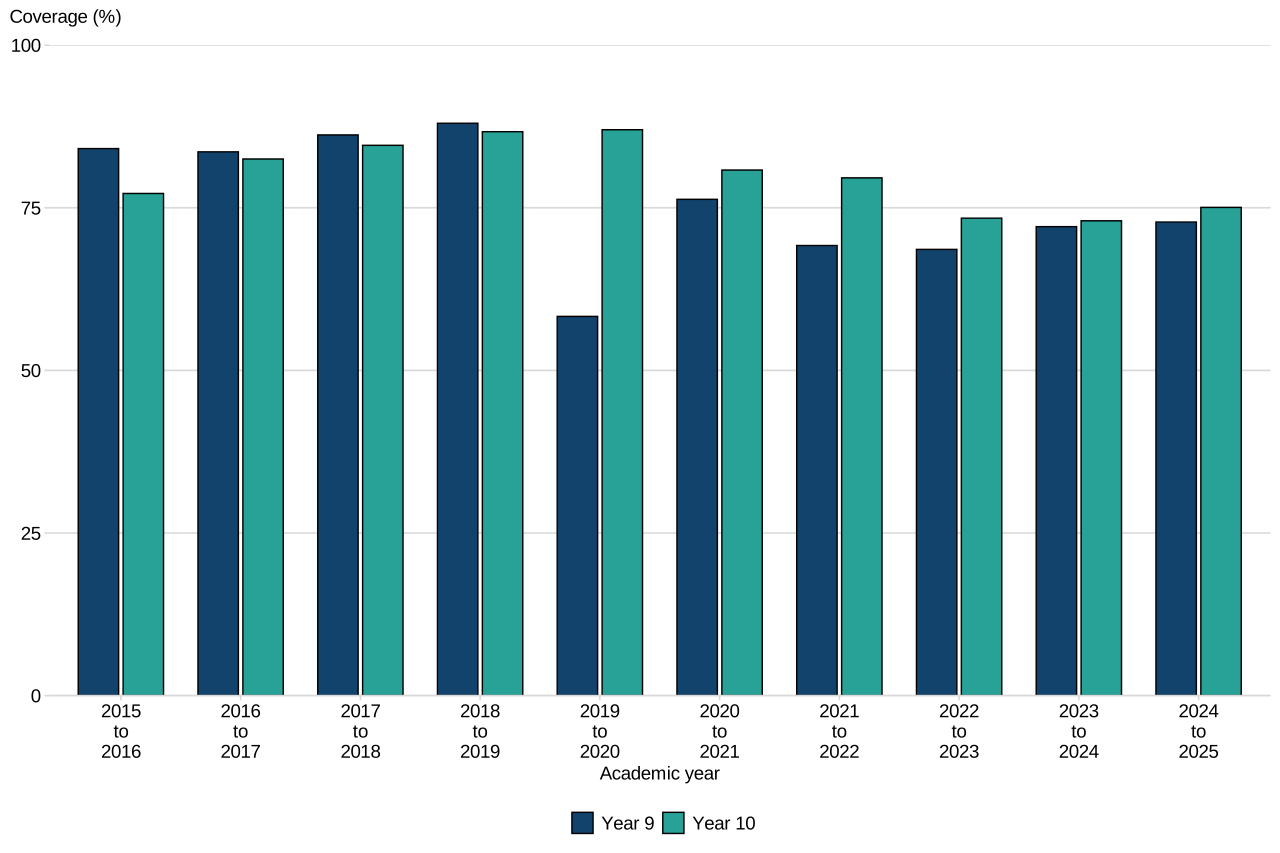
Table 2. MenACWY coverage in years 9 and 10 from 2015 to 2025 [Note 1]
| Academic year | Year 9 MenACWY coverage (%) | Year 10 MenACWY coverage (%) |
|---|---|---|
| 2015 to 2016 | 84.1 | 77.2 |
| 2016 to 2017 | 83.6 | 82.5 |
| 2017 to 2018 | 86.2 | 84.6 |
| 2018 to 2019 | 88.0 | 86.7 |
| 2019 to 2020 | 58.3 | 87.0 |
| 2020 to 2021 | 76.3 | 80.8 |
| 2021 to 2022 | 69.2 | 79.6 |
| 2022 to 2023 | 68.6 | 73.4 |
| 2023 to 2024 | 72.1 | 73.0 |
| 2024 to 2025 | 72.8 | 75.1 |
Note 1: In 2015 to 2016, only half of the year 9 and 10 cohorts were eligible for the vaccine meaning these figures are not comparable to later years. Also, over time many local authorities have moved from routinely offering the vaccine in year 10 to offering it in year 9. During transitional years, some local authorities offered the vaccine routinely to both year 9 and 10. This transition meant that in 2018 to 2019, the year 9 data was incomplete meaning some local authorities were excluded from national coverage figures. Since almost all local authorities now offer the vaccine in year 9, the year 10 coverage figures from 2021 to 2022 onwards are the year 9 coverage plus additional catch up. These changes mean that national coverage figures are not directly comparable over time and explain why coverage in the year 10 cohort may appear to decrease when compared to previous years.
Summary of MenACWY coverage by cohort
Figure 2 presents MenACWY vaccine coverage by cohort, where a cohort is a group of students who first became eligible for the HPV vaccine in the same academic year. Most vaccinations are administered in year 9, with some additional doses given in year 10. There were high levels of year 10 catch-up in the cohort who became eligible in 2020 to 2021 due to disruption caused by the COVID-19 pandemic. Low-level year 10 catch-up has occurred for all subsequent cohorts.
Final cumulative coverage has remained relatively stable since the 2022 to 2023 academic year and reached 75.1% among those who became eligible in the 2023 to 2024 financial year, who are now in year 10.
Figure 2. MenACWY coverage in adolescents in school years 9 and 10 by cohort for those eligible from 2017 to 2025 [Note 2]
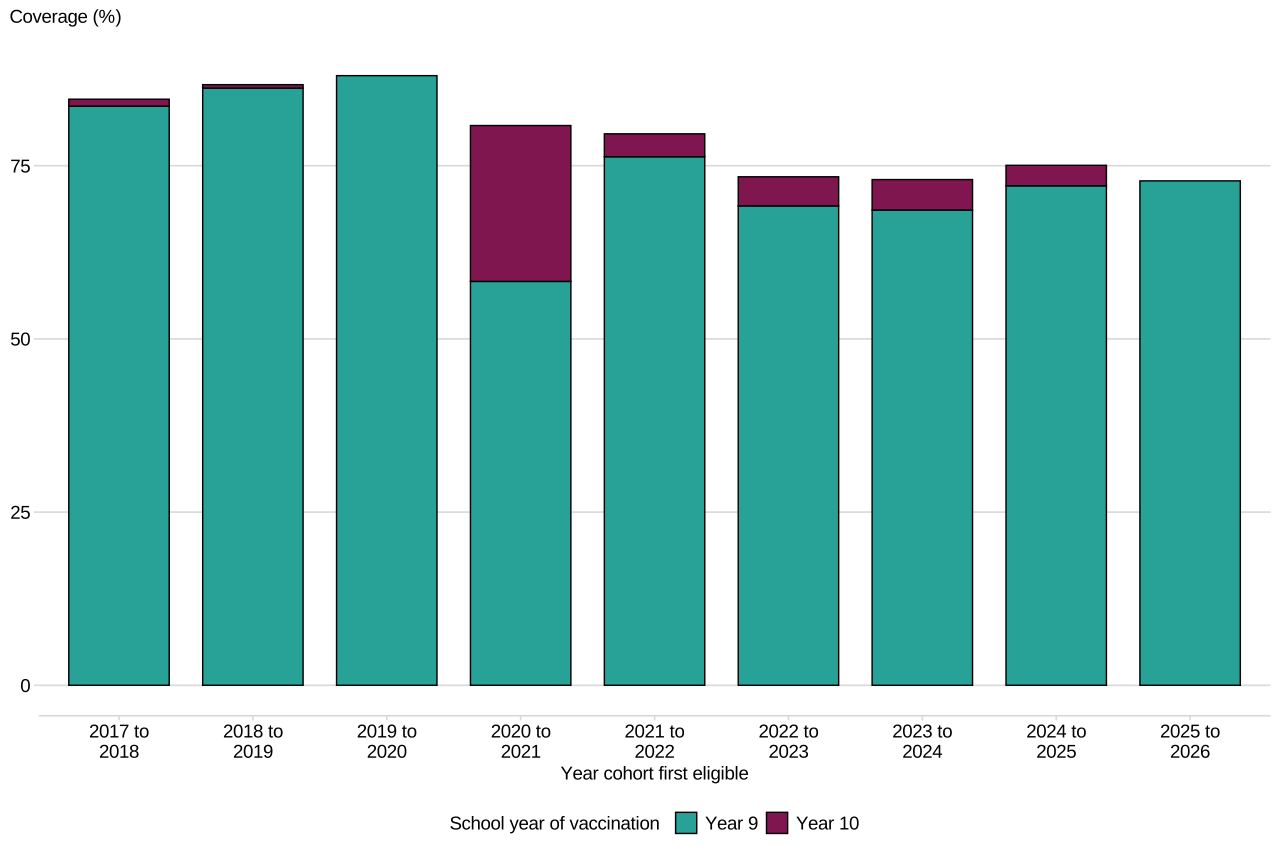
Note 2: Year 10 data for those first eligible in the 2019 to 2020 academic year was excluded as the data collected during the COVID-19 pandemic was incomplete, making comparison between those years invalid.
Year 9 vaccine coverage
The main findings for the year 9 cohort were that:
- MenACWY coverage for year 9 students in 2024 to 2025 was 72.8%, which is 0.7 percentage points higher than year 9 students in the previous year
- MenACWY coverage for year 9 students was lowest in the North West (66.5%) and highest in the South East (78.5%)
- MenACWY coverage for year 9 students at local authority level ranged from 9.7% (Bolton) to 90.9% (West Berkshire) [Note 3]
- out of 151 local authorities, coverage in 47 (31.1%) was less than 70%, coverage in 65 (43.0%) was between 70% and 80%, coverage in 36 (23.8%) was between 80% and 90%, and coverage in 3 (2.0%) was greater than 90%
Note 3: In some local authorities, the vaccine is routinely offered in both years 9 and 10, so year 9 uptake does not represent final coverage. Consequently, these figures are not directly comparable with areas that offer the vaccine in year 9 only.
Figure 3. Year 9 MenACWY coverage by NHS commissioning region
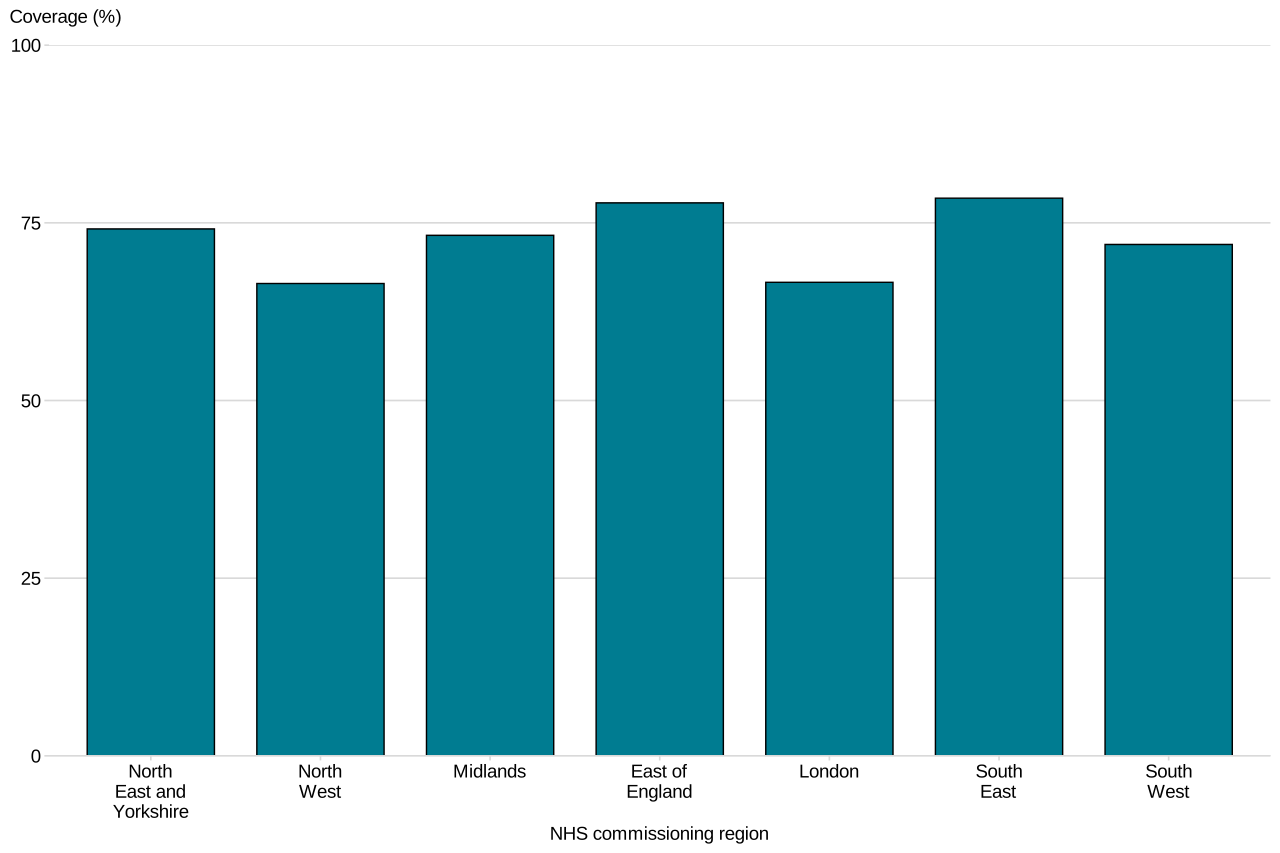
Figure 4. Year 9 MenACWY coverage variation by NHS commissioning region
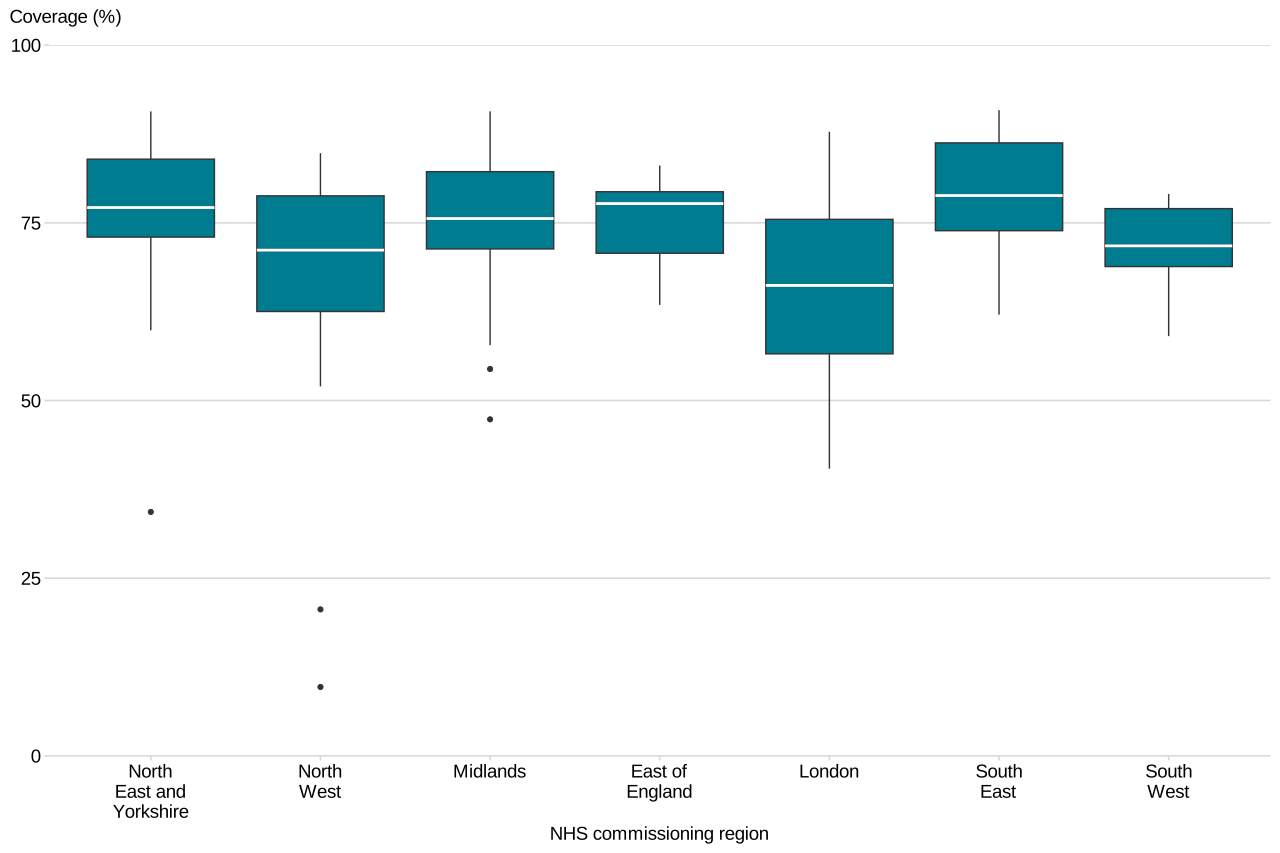
Figure 4 shows the distribution of MenACWY vaccine coverage in school year 9 by NHS commissioning region. The boxes indicate the inter-quartile range (IQR), the range between the first and third quartiles, among constituent local authorities in each NHS commissioning region. The median (second quartile) is indicated by the horizontal white line within each box. Vertical black lines indicate the range of coverage values among local authorities that fall within 1.5 times the IQR above the third quartile or below the first quartile. Local authorities with coverage outside this range are considered outliers and indicated by a black dot.
Within each NHS commissioning region, coverage for year 9 by local authority varied substantially. The NHS commissioning region with the most variation in coverage was the North West, where local authority level coverage varied by 75.1 percentage points, from 9.7% to 84.8%. The NHS commissioning region with the least variation in coverage was the East of England, where local authority level coverage varied by 19.6 percentage points, from 63.5% to 83.1%.
Figure 5. Map of year 9 MenACWY coverage by local authority
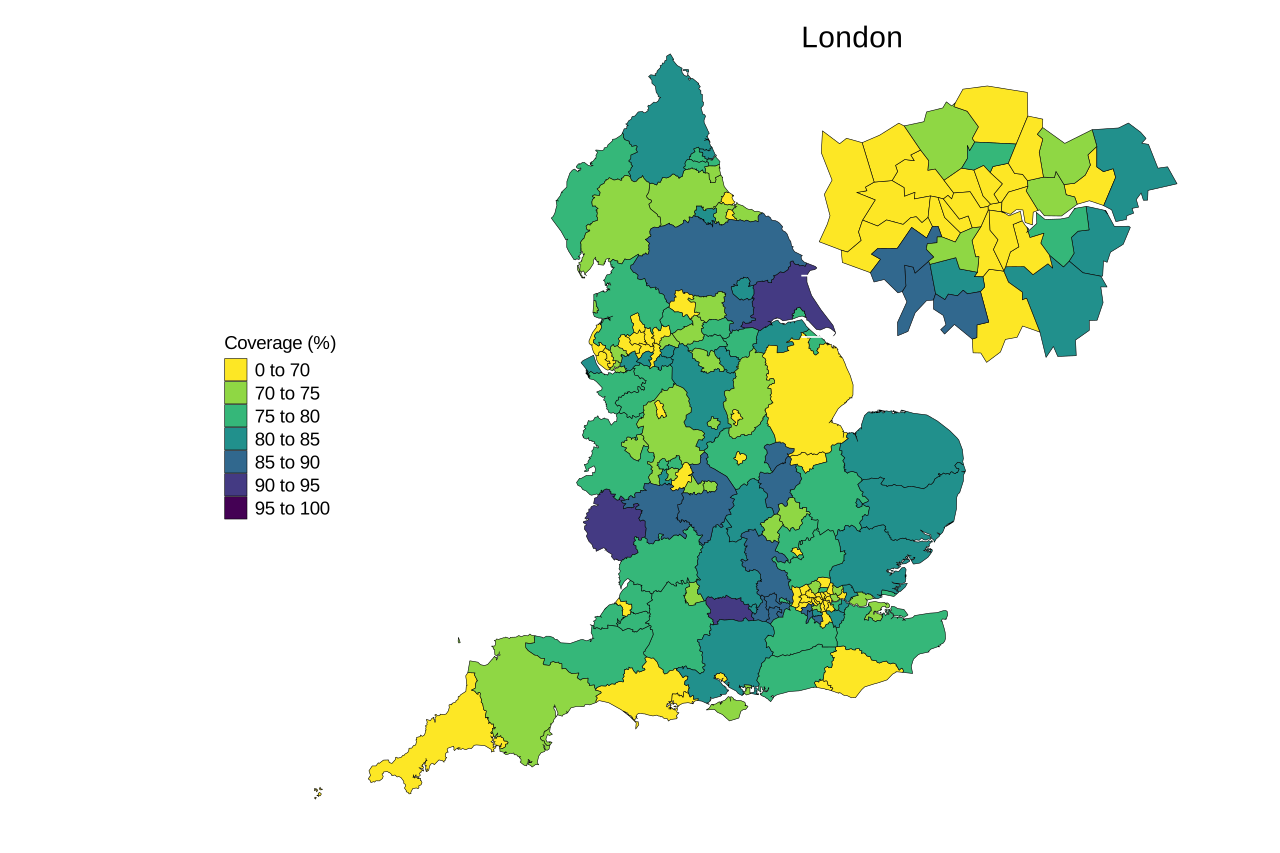
Figure 5 shows the geographical distribution of MenACWY vaccine coverage at the local authority level for year 9 students in England. Coverage within local authorities ranged from 9.7% in Bolton to 90.9% in West Berkshire.
Year 10 vaccine coverage
The main findings for the year 10 cohort were that:
- MenACWY coverage for year 10 students in 2024 to 2025 was 75.1%, which is 2.1 percentage points higher than year 10 students in the previous year
- MenACWY coverage for year 10 students was 3.0 percentage points higher than in 2023 to 2024 when they were in year 9 suggesting ongoing catch up activities in year 10
- MenACWY coverage for year 10 students was lowest in London (64.9%) and highest in the East of England (83%)
- MenACWY coverage for year 10 students at local authority level ranged from 32.8% (Brent) to 97% (Cumberland)
- out of 151 local authorities, coverage in 43 (28.5%) was less than 70%, coverage in 61 (40.4%) was between 70% and 80%, coverage in 43 (28.5%) was between 80% and 90%, and coverage in 4 (2.6%) was greater than 90%
Figure 6. Year 10 MenACWY coverage by NHS commissioning region
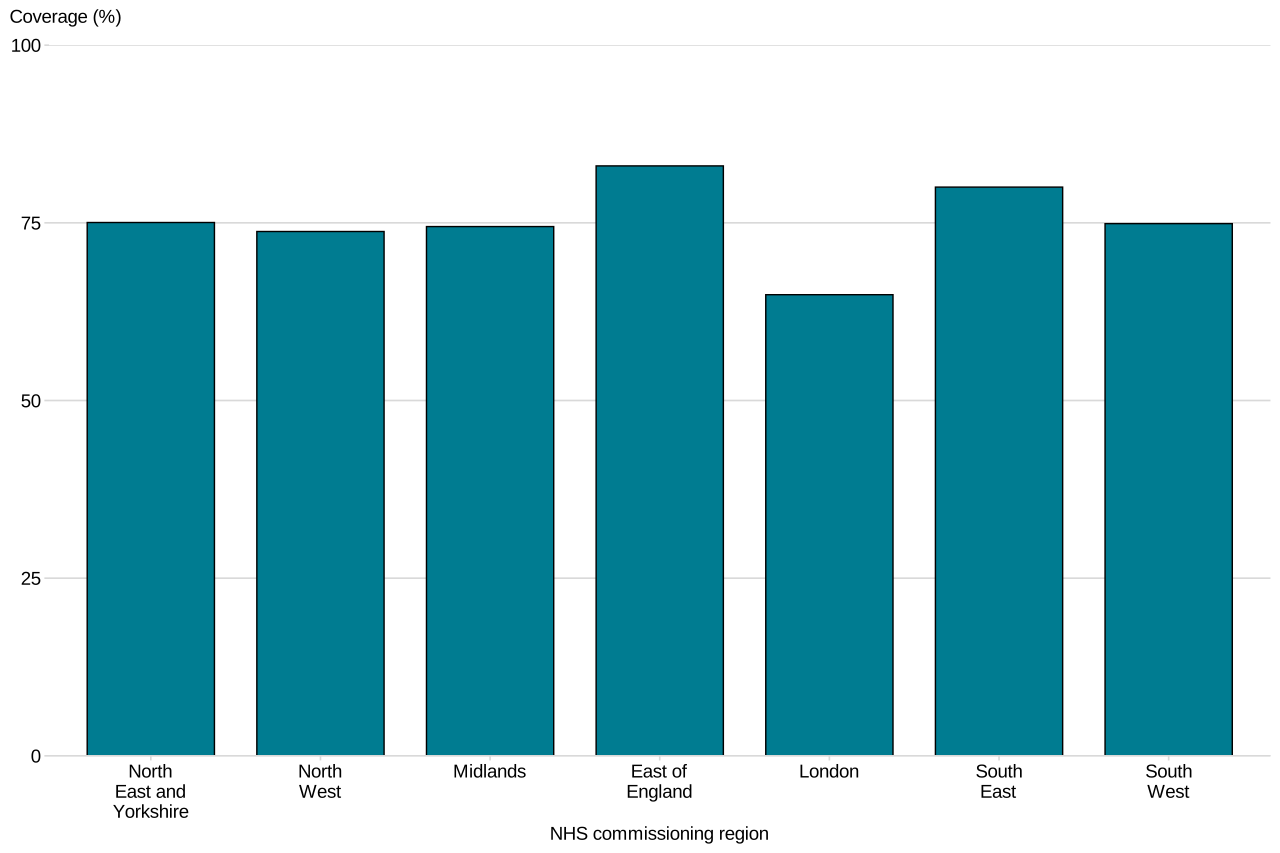
Figure 7. Year 10 MenACWY coverage variation by NHS commissioning region
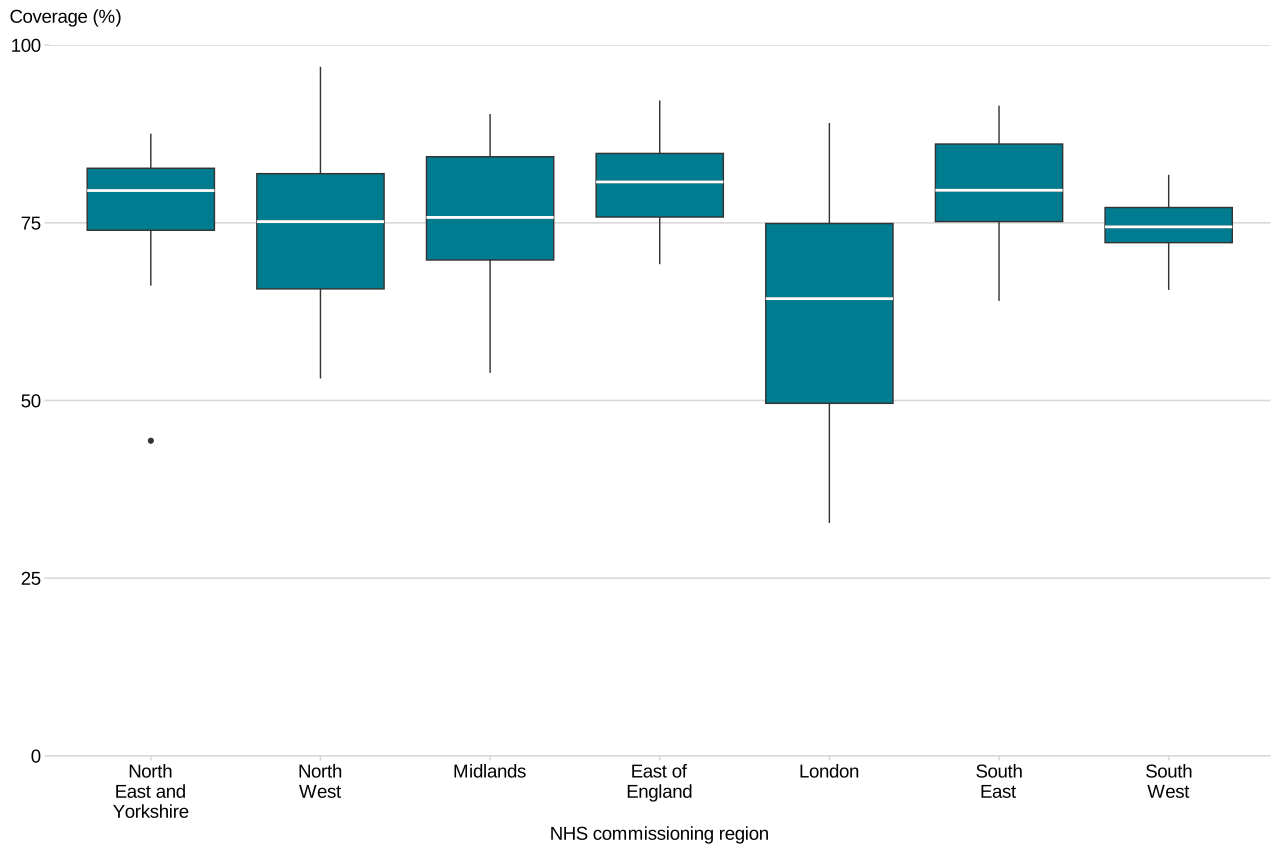
Figure 7 shows the distribution of MenACWY vaccine coverage in school year 10 by NHS commissioning region. The boxes indicate the inter-quartile range (IQR), the range between the first and third quartiles, among constituent local authorities in each NHS commissioning region. The median (second quartile) is indicated by the horizontal white line within each box. Vertical black lines indicate the range of coverage values among local authorities that fall within 1.5 times the IQR above the third quartile or below the first quartile. Local authorities with coverage outside this range are considered outliers and indicated by a black dot.
Within each NHS commissioning region, coverage for year 10 by local authority varied substantially. The NHS commissioning region with the most variation in coverage was London, where local authority level coverage varied by 56.3 percentage points, from 32.8% to 89%. The NHS commissioning region with the least variation in coverage was the South West, where local authority level coverage varied by 16.2 percentage points, from 65.6% to 81.8%.
Figure 8. Map of year 10 MenACWY coverage by local authority
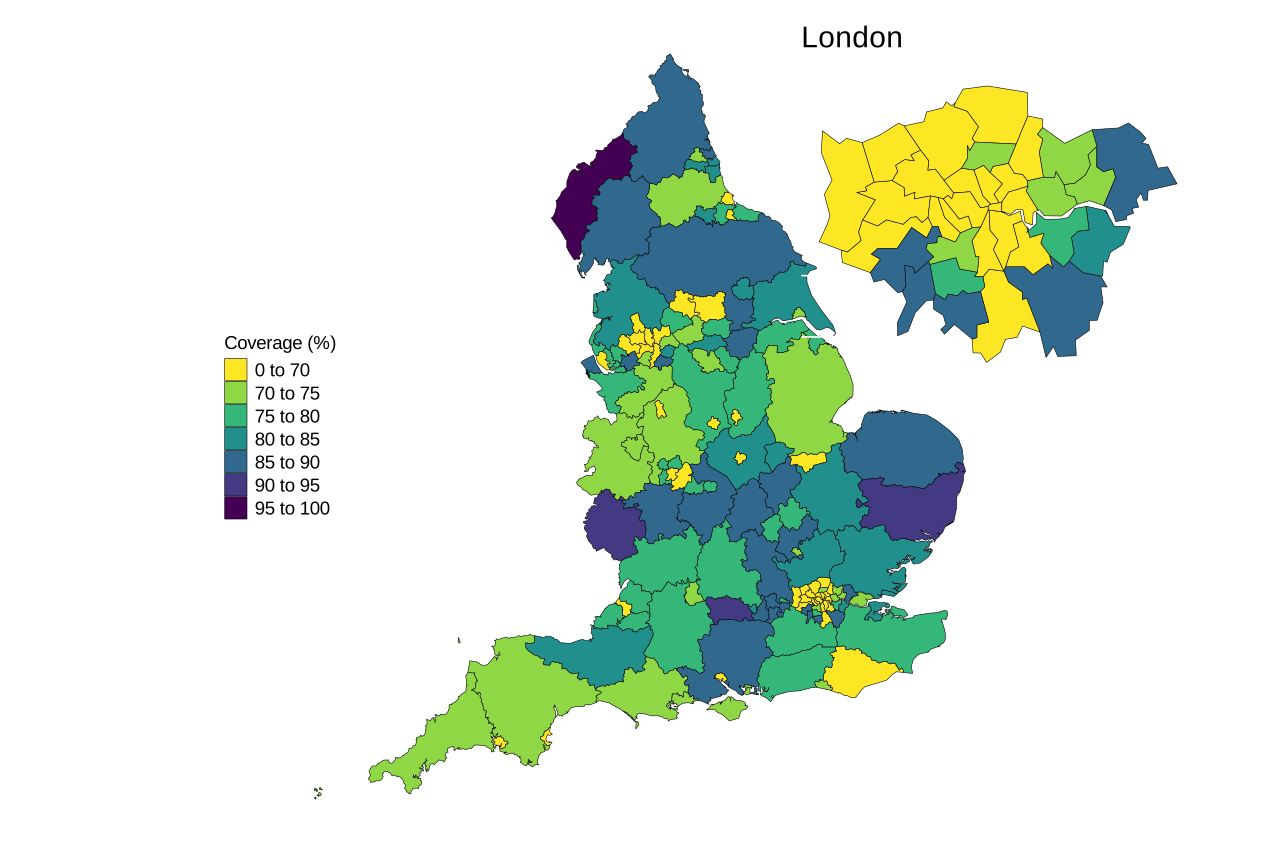
Figure 8 shows the geographical distribution of MenACWY vaccine coverage at the local authority level for year 10 students in England. Coverage within local authorities ranged from 32.8% in Brent to 97% in Cumberland.
Discussion
MenACWY vaccine coverage for year 9 in 2024 to 2025 was 72.8%. This is similar to coverage in 2023 to 2024 and not yet back to pre-pandemic levels.
Coverage in the year 10 cohort was 75.1%, which is a small improvement on uptake recorded for this cohort in year 9 during the previous academic year, suggesting ongoing catch up activity.
Coverage in year 10 was 2.1 percentage points higher compared to year 10 in 2023 to 2024, when it was 73.
When coverage was calculated for each NHS commissioning region, the estimates varied considerably.
Background information
An increase in meningococcal W (MenW) cases led to the Joint Committee on Vaccination and Immunisation (JCVI) advising that the routine adolescent meningococcal C (MenC) dose should be replaced with the quadrivalent MenACWY conjugate vaccine in 2014. In February 2015, JCVI further advised an emergency catch up programme with the MenACWY vaccine for children in the higher school years.
In August 2015, a MenACWY catch up programme began for all children aged 14 to 18 years and those aged under 25 years attending university for the first time. The NHS MenACWY immunisation programme aimed to immunise all eligible cohorts through a series of school and GP catch up campaigns.
The first of these MenACWY vaccination catch up campaigns started in August 2015, targeting those born between 1 September 1996 and 31 August 1997. A second GP-based catch up campaign started in April 2016, targeting those born between 1 September 1997 and 31 August 1998. The final catch up campaign started in April 2017 for those born between 1 September 1998 and 31 August 1999. All these cohorts remain eligible for MenACWY vaccination up to their 25th birthday.
The routine school-based adolescent immunisation programme began in 2015. NHS England (NHSE) commissions school-aged providers to deliver this programme in schools across England. Adolescents who are home-schooled, those who attend a small minority of schools that do not offer the routine vaccination programmes, and those of eligible age but not in education should be offered their vaccinations in alternative settings, such as community clinics. The eligibility criteria and delivery models used for the MenACWY school-aged programme have changed over time and more details on these changes can be found in the Appendix.
The COVID-19 pandemic disrupted delivery of the school-based immunisation programmes. While coverage has improved in subsequent years coverage is still not back up to pre-pandemic levels. In addition, the influenza immunisation programme was extended to all children in secondary schools. School-aged immunisation services were instrumental in supporting the delivery of all of these programmes. It is likely that all of these factors combined impacted on the delivery of the routine adolescent immunisation programmes including the MenACWY programme.
Previous reports were published by Public Health England (PHE).
Methods
NHSE commissioned school age immunisation providers collect school-level vaccine coverage data, which is then aggregated up to local authority and submitted to UK Health Security Agency (UKHSA) either directly by the providers or by NHSE Regional Public Health Commissioning Teams via the ImmForm website. Where possible, regional teams also include additional data for adolescents resident in the local authority but not linked to any school. Data providers may also submit data on vaccinations delivered through community clinics or GP practices and this can then be added to the school vaccination figures.
The numerator is defined by the number of adolescents in each cohort who had received a dose of the MenACWY vaccine by 31 August 2025. Providers must use updated data sources to identify all eligible children in the locality for the academic year. This can be calculated from school student records for all types of schools or units, plus children schooled at home, or Child Health Information Systems.
The denominator is defined by the total number of eligible adolescents in each cohort regardless of programme delivery. This means that adolescents in local authorities where NHSE commissioned school-aged providers did not run a MenACWY programme in year 9 or 10 are included in the coverage estimates.
Local authority level MenACWY vaccine coverage data up to 31 August 2025 was manually uploaded by data providers to the ImmForm website retrospectively, from 1 September 2025 to 1 October 2025. The target population for the programme is defined by school age cohorts born between 1 September 2009 and 31 August 2011 (Table 1). This means that it includes those adolescents in school years 9 and 10 in the 2024 to 2025 academic year. Coverage for the year 10 cohort was intended to capture both vaccines delivered during the 2023 to 2024 academic year (when the students were in year 9) and routine or catch up vaccines delivered in 2024 to 2025.
For this report, the Isles of Scilly local authority is merged with Cornwall local authority due to small numbers.
Full details of the data collection process and definitions can be found in the user guide.
Programme delivery
The JCVI recommends that the MenACWY vaccine is offered to students in year 9 or 10, however, the routine delivery schedule varies by local authority depending on local requirements and resources. In the 2024 to 2025 academic year, MenACWY was routinely offered to year 9 in 109 local authorities, years 9 and 10 in 28 local authorities, and an alternative schedule was used in 14 local authorities. Out of the 151 local authorities, 2 were unable to offer the vaccine to all eligible year 10 students.
Eligibility
2015 to 2016
In the first academic year of the MenACWY schools vaccination programme, 2 groups of adolescents were offered the vaccine in schools. These groups included:
- approximately half of adolescents in years 9 and 10 as part of the routine programme
- adolescents in year 11 as part of the catch up campaign
2016 to 2017
The MenACWY vaccine was offered to 2 groups as part of the routine programme. These groups included:
- approximately half of adolescents in years 10 and 11 (who were in years 9 and 10 in 2015 to 2016 and were not offered the vaccine)
- the vast majority of adolescents in year 9
The vaccine was also offered through GP practices to year 13 students and opportunistically to anyone born after 1 September 1996.
2017 to 2018
The transition to routinely offer the MenACWY vaccination programme to year 9 students was almost complete, with only a small number of NHSE commissioned school-aged immunisation providers still offering the routine programme to year 10 students (who were in year 9 in 2016 to 2017 and were not offered the vaccine).
2018 to 2019
NHS school-aged providers for 9 of the local authorities offering a year 10 programme in 2017 to 2018 transitioned to additionally offer the vaccine to year 9 students in 2018 to 2019.
2019 to 2020
Only a small number of NHSE commissioned school-aged immunisation providers covering 4 local authorities continued to offer the routine MenACWY programme to year 10 students routinely.
2020 to 2021
The routine offer of MenACWY vaccine to the year 9 cohort was implemented alongside catch up for the year 10 cohort in the vast majority of local authorities.
Feedback and contact information
To provide feedback and for all queries relating to this document, contact Adolescent@ukhsa.gov.uk