Market Value Survey: 2024 - main report
Published 14 April 2026
Applies to England

© Crown copyright 2026
This publication is licensed under the terms of the Open Government Licence v3.0 except where otherwise stated. To view this licence, visit nationalarchives.gov.uk/doc/open-government-licence/version/3 or write to the Information Policy Team, The National Archives, Kew, London TW9 4DU, or email: psi@nationalarchives.gov.uk.
Where we have identified any third party copyright information you will need to obtain permission from the copyright holders concerned.
This publication is available at https://www.gov.uk/government/publications/market-value-survey-2024/market-value-survey-2024-main-report
Introduction
The English Housing Survey (EHS) is a national survey of people’s housing circumstances and the condition and energy efficiency of housing in England. It is a repeated cross-sectional survey that pairs a household interview with a physical inspection of the home. It is an Accredited Official Statistic (previously known as National Statistic), and is one of the longest standing government surveys, first run in 1967.
The Market Value Survey (MVS) is a component of the EHS, whereby all sampled properties in the EHS are valued by the Valuation Office Agency (VOA) through a website designed and managed by the Building Research Establishment (BRE). The dwelling value is fixed at a particular date – for the most recent data, this is 1 July 2024. This allows for comparison across dwelling stock, regardless of when homes were last bought and sold.
Until 2009-10, the MVS was a standard component of the EHS. Since 2009-10, MHCLG has commissioned two stand-alone Market Value Surveys in 2015 (using EHS 2013-2014 and EHS 2014-15 physical survey data) and 2024 (using EHS 2022-23 and EHS 2023-24 physical survey data).
This report provides analysis of both 2015 and 2024 MVS data, linking valuation data to physical and interview data from the dwellings and households in the EHS.
Background to the Market Value Survey
The Market Value Survey estimates values for all properties in England, including those that do not regularly go on the market (for example, social rented homes). This report mainly details the most recent 2024 MVS data, but will make comparisons back to 2015 data, where relevant.
Prices for 2015 in this report represent a period of low-interest rates following the 2008 global financial crisis. From 2015, events such as the 2016 Brexit referendum, the COVID-19 pandemic and high rates of inflation in 2022, will have affected house price growth and impact the 2024 data presented here.
There were also changes within the housing stock in England from 2015 to 2024, with the number of owner occupied dwellings increasing from 14.8 million to 16.5 million. Conversely, there was much less growth in the rented sectors (from 4.7 to 4.9 million in the private rented sector and 4.0 to 4.2 million in the social rented sector)[footnote 1]. In this period, the EHS also reported increasing rents and mortgage costs, alongside improvements in the quality and energy efficiency of housing according to the Decent Homes Standard and Energy Efficiency Ratings.
Main findings
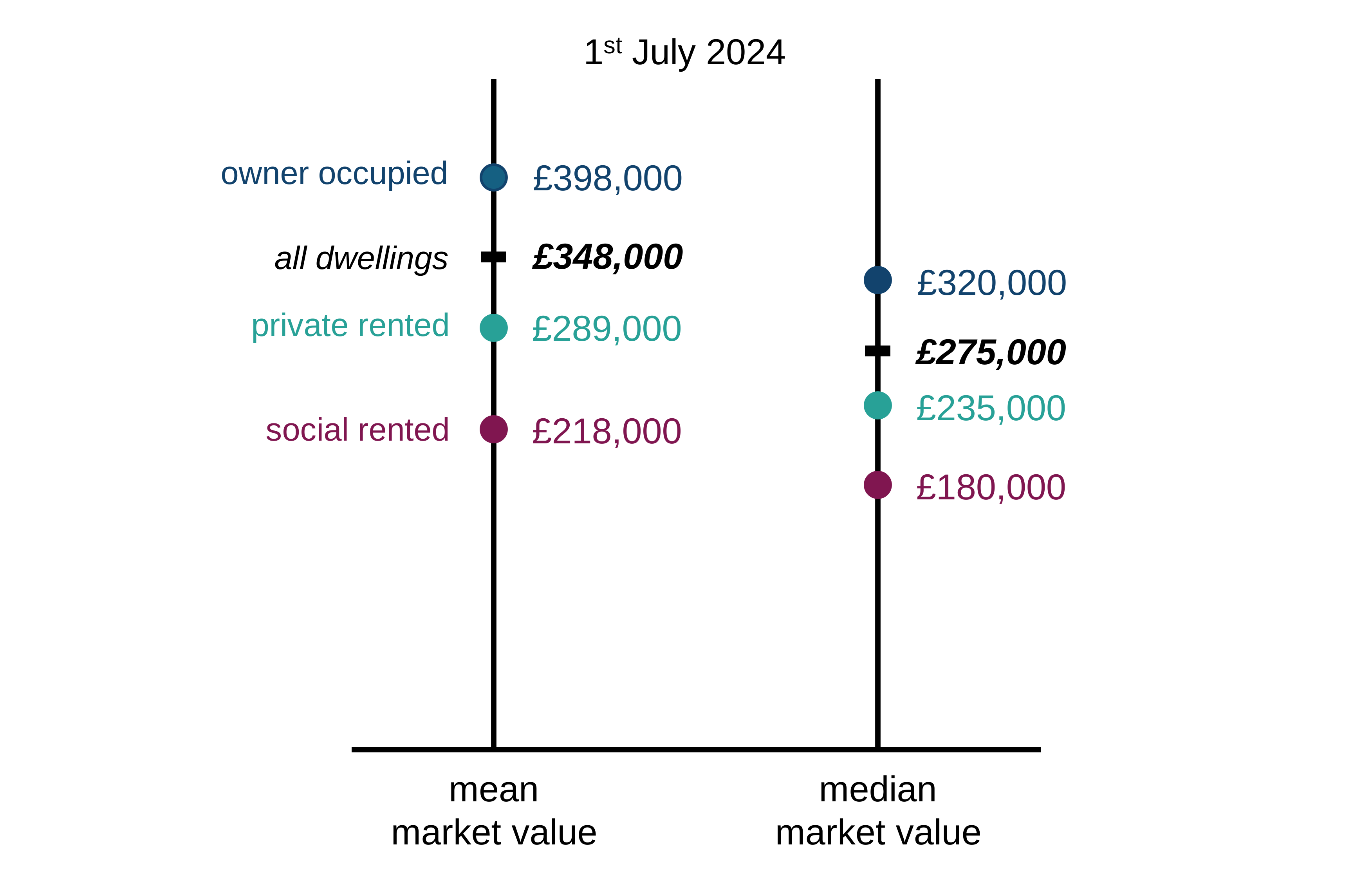
- The mean market value of a dwelling on 1st July 2024 was £348,000 and the median market value was £275,000, with owner occupied dwellings having the highest market value and social rented dwellings having the lowest. The mean value of a property increased by 41% from 1st October 2015 to 1st July 2024.
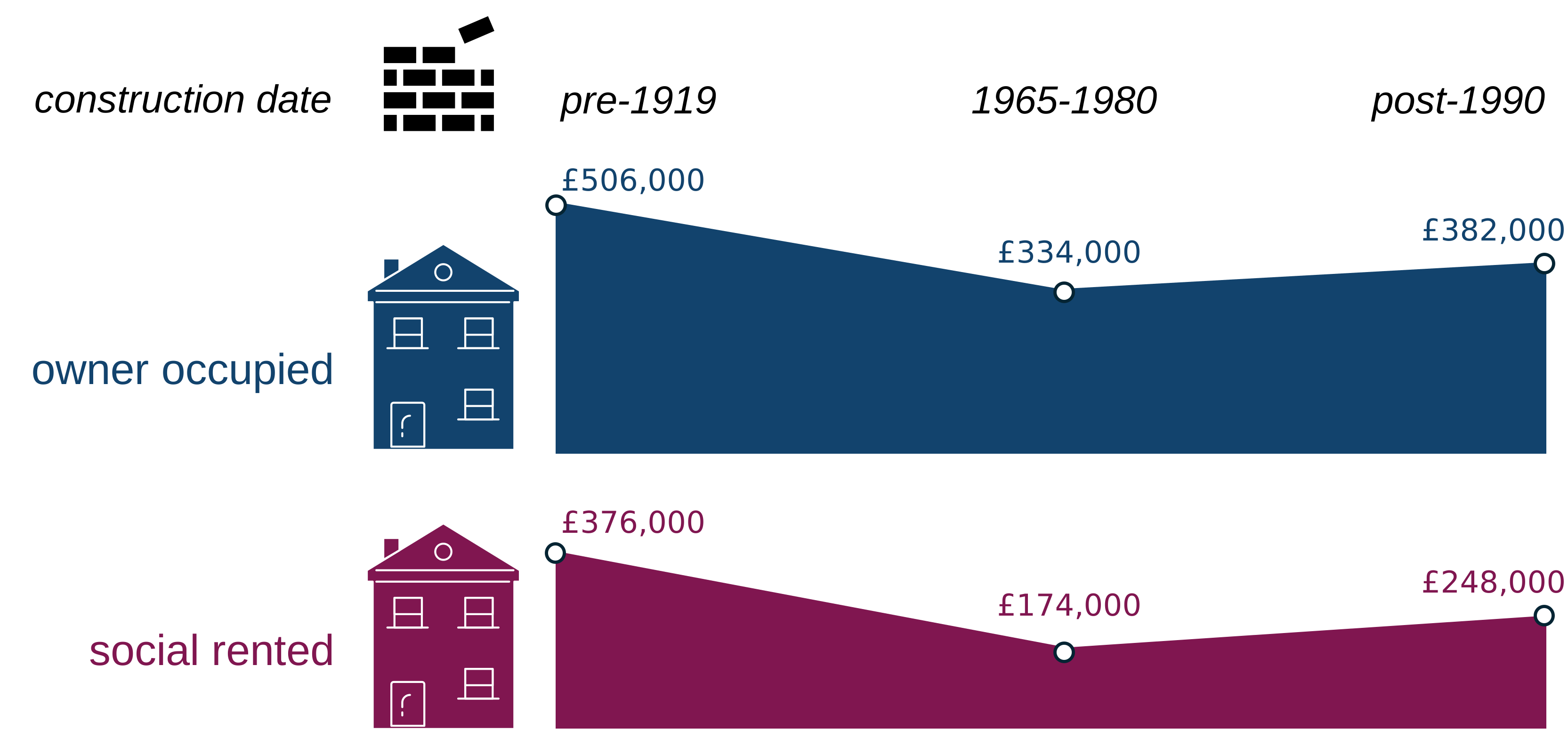
- In the owner occupied and social rented sectors, dwellings built between 1945 and 1990 tended to have a lower value than both the oldest (pre-1919) and newest (post-1990) dwellings. High market values for the oldest dwellings in these sectors were driven by properties in London. For private rented sector dwellings outside of London, market value decreased as age of dwelling increased.
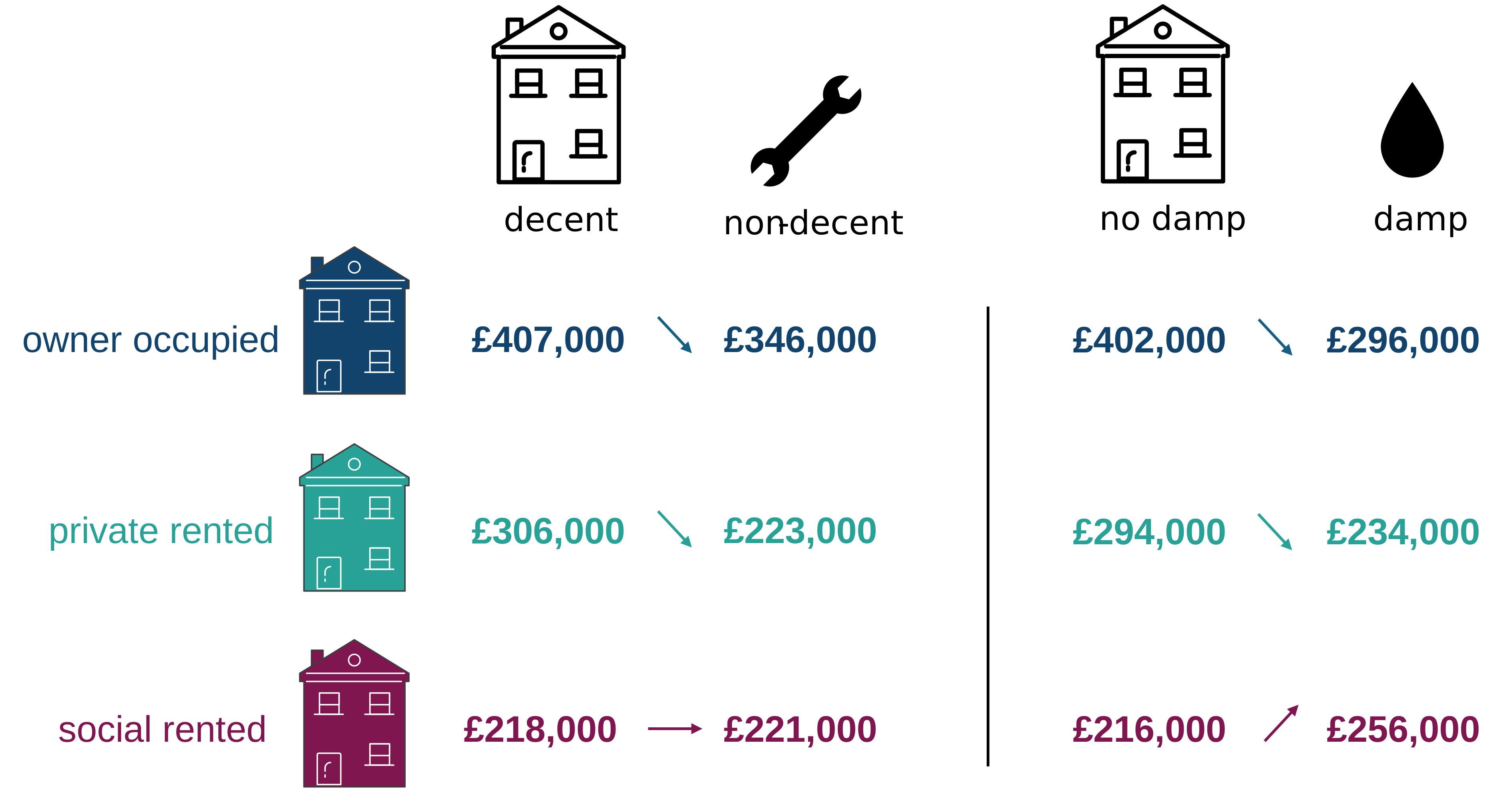
- Homes in better condition, i.e. those that passed both the existing or new Decent Homes Standard or did not have a problem with damp, had higher market values in the owner occupied and private rented sectors than homes in poor condition. This trend was not observed in the social rented sector.
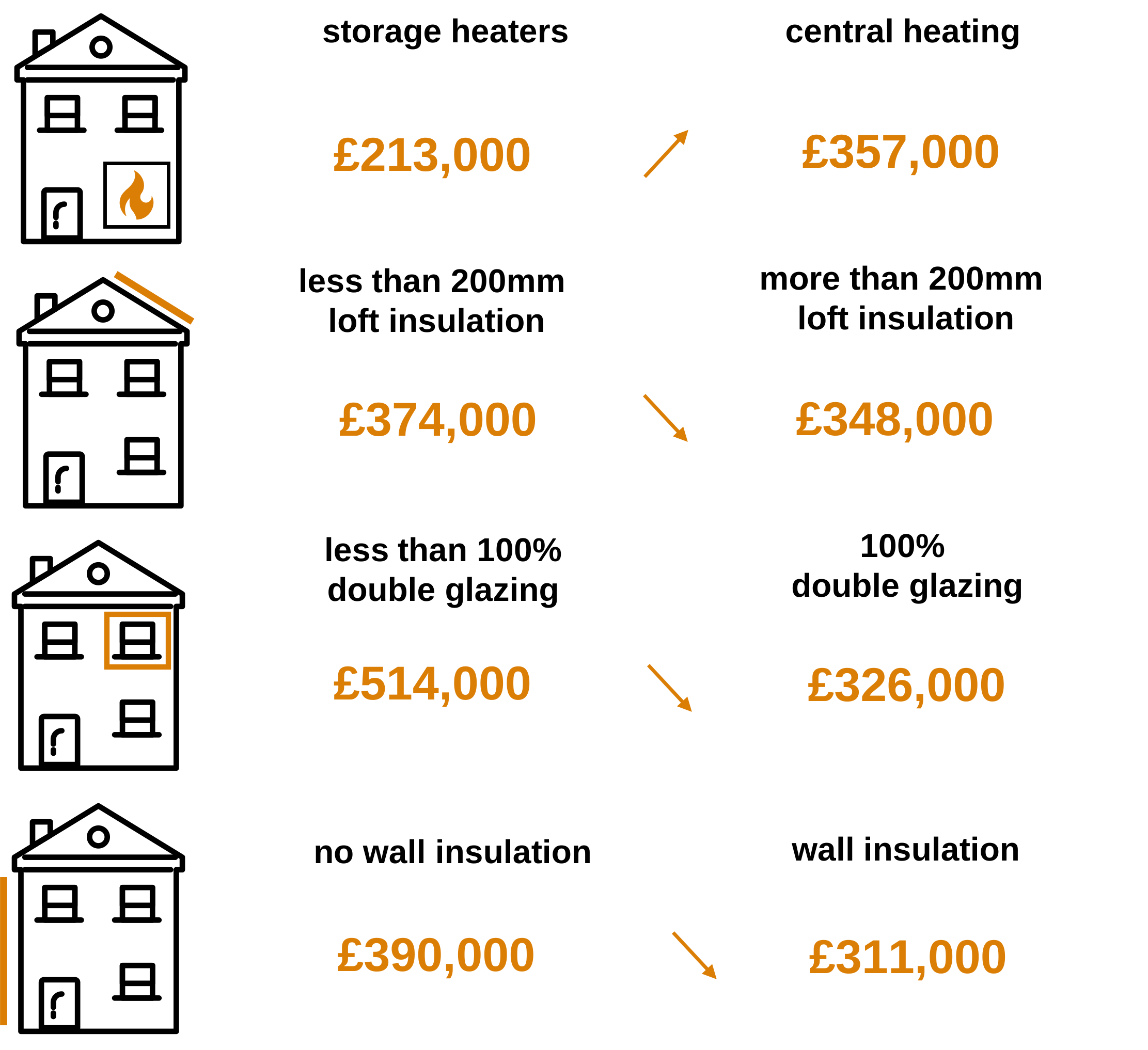
- Properties with effective heating (i.e. central heating vs. fixed room or storage heaters) tended to have higher market values, whereas properties with effective insulation measures, i.e. wall insulation, loft insulation, or 100% double glazing, tended to have lower market values. Older dwellings, which more often have uninsulated solid walls or less than 100% double glazing but may have other qualities that result in a higher valuation, are likely driving this trend.
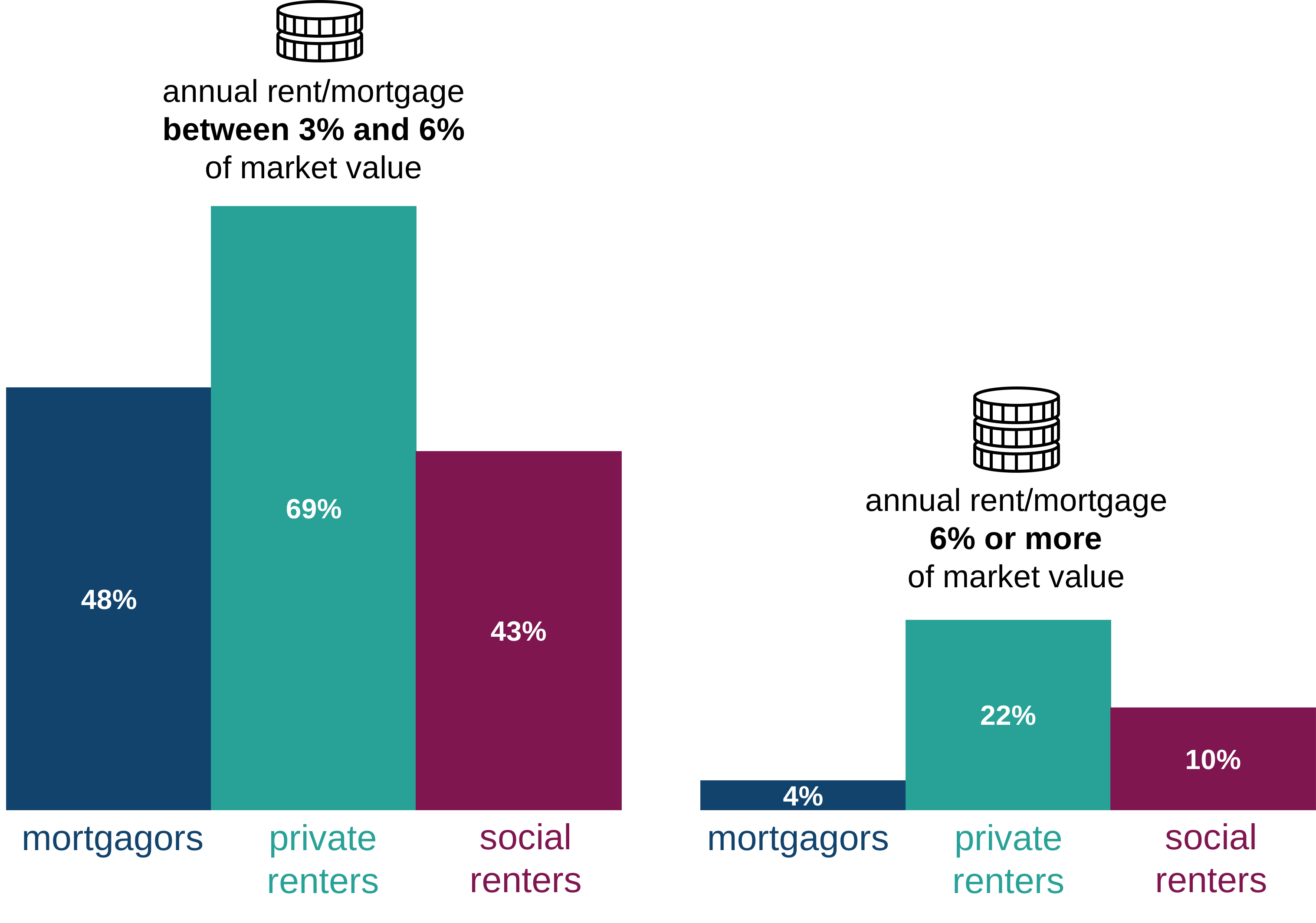
- Private renters were most likely to be paying an annual rent worth between 3% and 6% of the market value of the dwelling (69% of privately renting households). Housing costs as a proportion of market value tended to be lower for mortgagors and social renters.
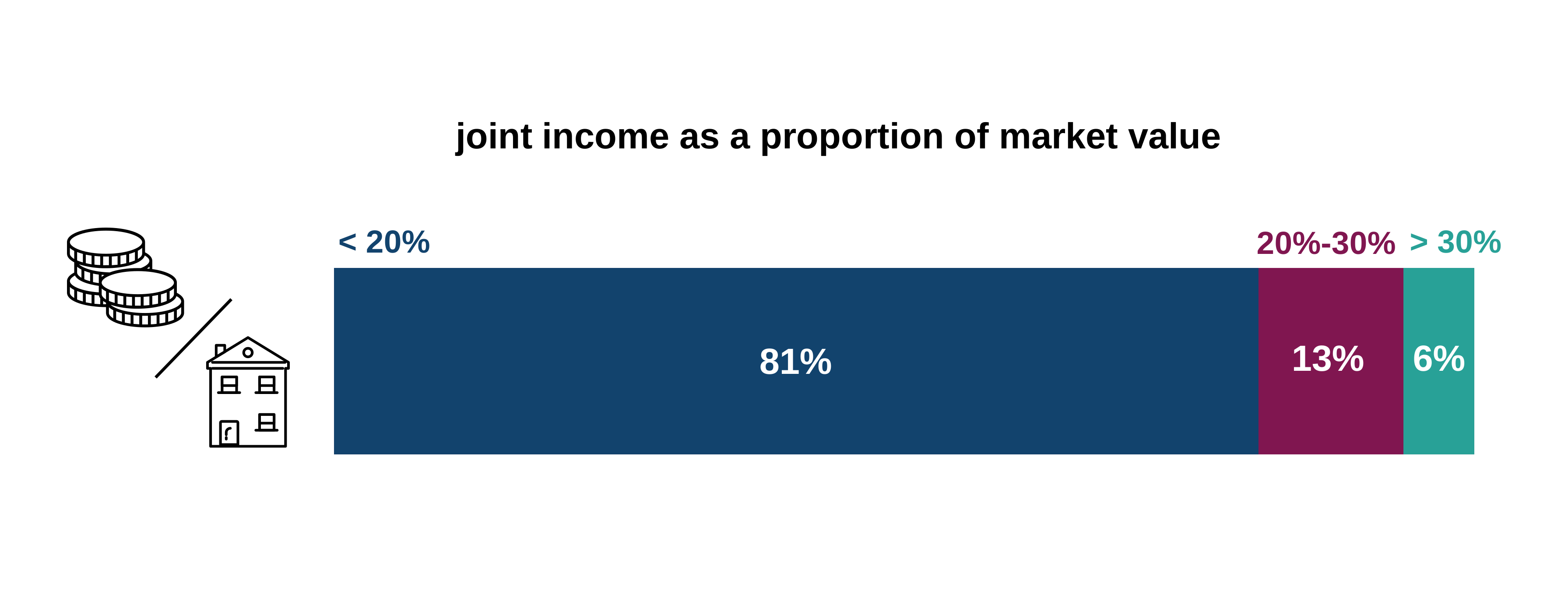
- Most households (81%) had an annual joint income (HRP + partner, net) equivalent to less than 20% of the market value of their homes. A small proportion of households (6%) had annual incomes equivalent to 30% of more of the market value of their homes.
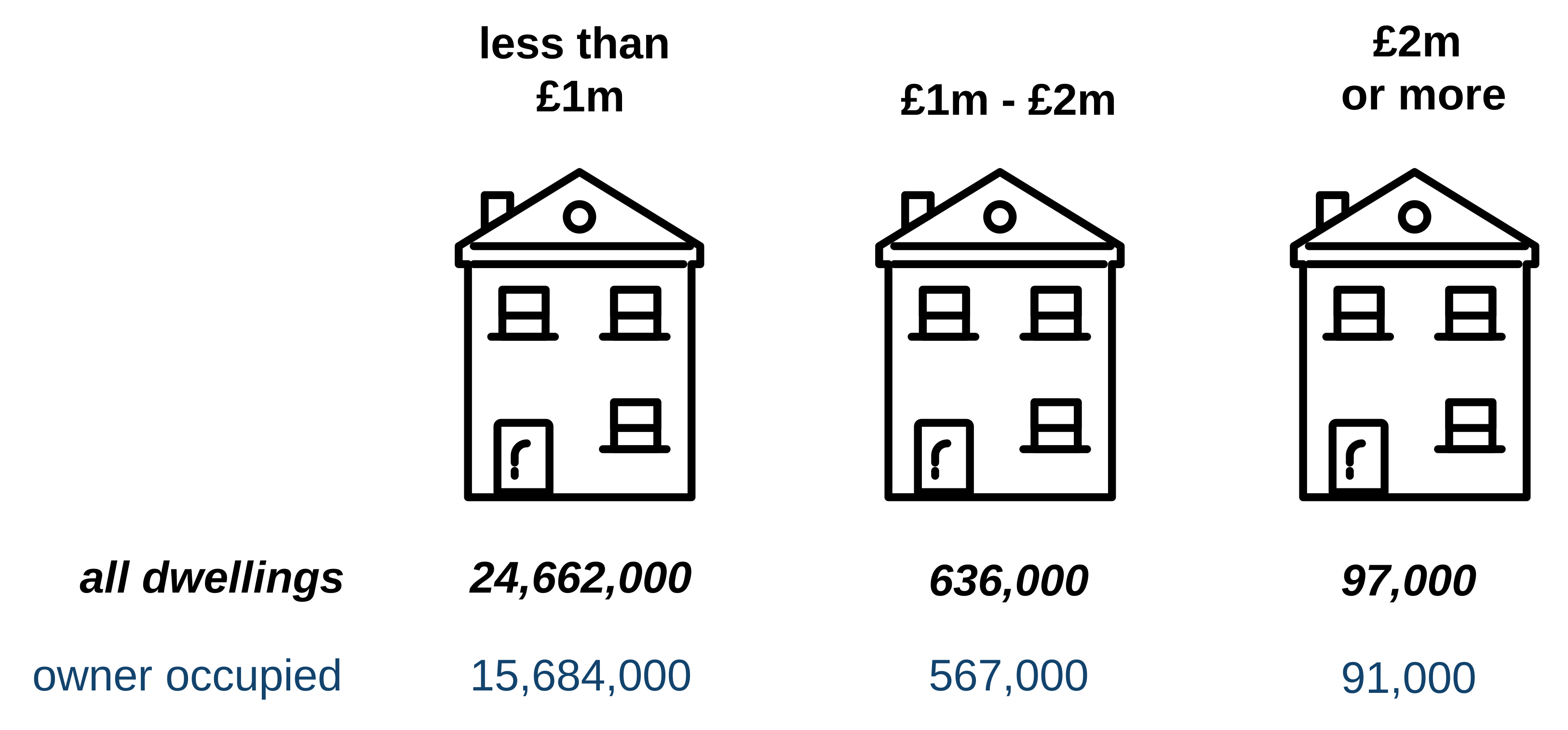
- There were around 97,000 dwellings (0.4%) valued at £2 million or more in 2024, with the majority of these (91,000) in the owner occupied sector. These high‑value homes were most likely to have an employed, male household reference person, dependent children, and few households had residents with a disability or long‑term illness, though were more likely to report being behind on fuel bills.
Acknowledgements and further queries
Each year the English Housing Survey relies on the contributions of a large number of people and organisations. The Ministry of Housing, Communities and Local Government (MHCLG) would particularly like to thank the following people and organisations without whom the 2015 and 2024 survey and this report would not have been possible: all the households who gave up their time to take part in the survey, NatCen Social Research, the Building Research Establishment (BRE) and CADS Housing Surveys.
We would also like to thank the Valuation Office Agency (VOA) who provided market valuations for all properties.
This report was produced by the Housing Evidence, Research and Surveys Team at MHCLG. If you have any queries about it, would like any further information, please contact ehs@communities.gov.uk.
The responsible analyst for this report is: Alistair Rice, Data, Analysis, Statistics and Surveys Division, MHCLG. Contact via ehs@communities.gov.uk.
1. Dwellings, households and areas
1.1 Market value by tenure
The mean market value of a dwelling in 2024 was £348,000 and the median market value was £275,000. There was a skewed distribution of values across the market, with a higher concentration of lower market values, causing the median value to be lower than the mean value (Annex Table 1.1A).
The Office for National Statistics (ONS) reported in their House Price Index (HPI) that the average value for a home, using the geometric mean, in England was £284,000 in July 2024[footnote 2]. The geometric mean from the Market Value Survey was £278,000 for 2024 (Annex Table 1.1A).
The ONS HPI uses the geometric mean to reduce the weighting of high value outliers[footnote 3], whereas this publication uses the arithmetic mean to allow testing of the statistical significance of differences between groups.
Additionally, HPI values are based on completed property sales, whereas valuations provided in this publication are in relation to all properties in all tenures, including properties that don’t typically come to the market.
While it would be possible to derive a total market value for all dwelling stock in England from Market Value Survey data, we do not recommend this as the presence of high value outliers would add additional uncertainty to the calculation.
Mean and median market values by tenure are given in Table 1, with owner occupied dwellings having the highest average market values, and social rented dwellings having the lowest.
Table 1: Mean and median market values by tenure, 2024
| Mean Market Value (£) | Median Market Value (£) | |
|---|---|---|
| All dwellings | £348,000 | £275,000 |
| Owner occupied | £398,000 | £320,000 |
| Private rented | £289,000 | £235,000 |
| Social rented | £218,000 | £180,000 |
| - local authority | £226,000 | £185,000 |
| - housing association | £214,000 | £175,000 |
Values rounded to nearest £1,000
The mean value of a property increased nominally by 41% from 2015 to 2024, and the median value increased by 45%. In both rented sectors, the median value of a dwelling increased by more than the mean value of a dwelling. This indicates that the distribution of costs within the rented sectors has become less skewed towards a high prevalence of lower value dwellings over the last decade.
Around two fifths (39%) of social rented properties were valued between £100,000 and £200,000 in 2024, higher than 32% of private rented properties and 17% of owner occupied properties. Housing association properties (41%) were more likely to be in this valuation band than local authority properties (37%).
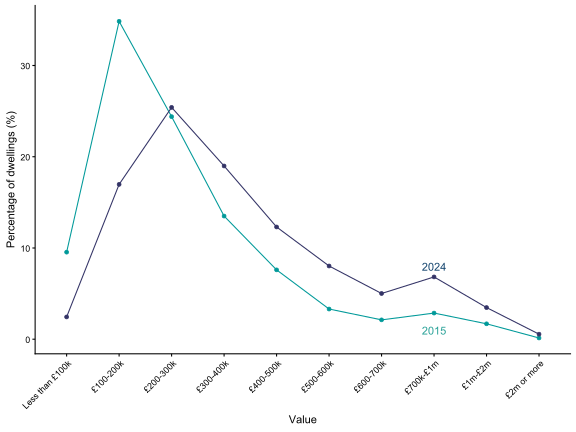
Compared to 2015, there has been a drop in the percentage of properties valued less than £100,000 (from 17% to 6%) (Annex Table 1.2A).
Figure 1.1A. Market values for owner occupied dwellings (banded), 2015 and 2024 (all dwellings)
Base: all dwellings
Notes:
1) underlying data are presented in Annex Table 1.2A
Sources:
2015 and 2024 Market Value Survey
2014 and 2023 English Housing Survey, dwelling sample
Figure 1.1B. Market values for rented sector dwellings (banded), 2015 and 2024 (all dwellings)
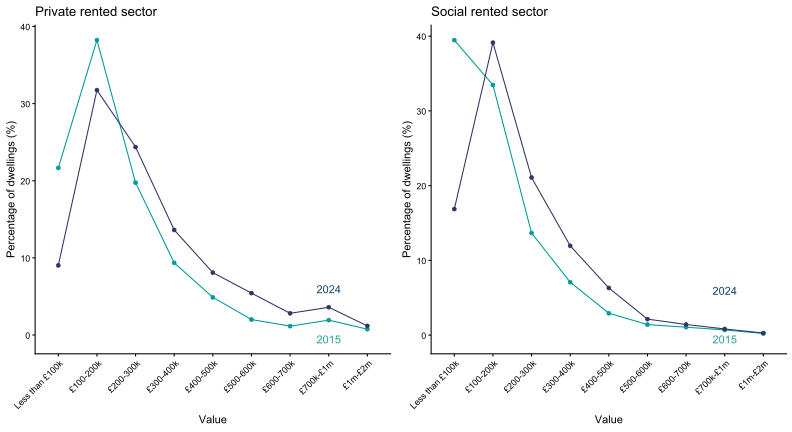
Base: all dwellings
Notes:
1) underlying data are presented in Annex Table 1.2A
Sources:
2015 and 2024 Market Value Survey
2014 and 2023 English Housing Survey, dwelling sample
There were around 97,000 dwellings (0.4%) valued at £2 million or more in 2024, with the majority of these (91,000) in the owner occupied sector (Annex Table 4.1). Further analysis on high value homes is included in Chapter 4 of this report.
1.2 Market value by region
The market value of properties varied across the country. Across all tenures, properties in London were valued higher than properties in any other region.
Figure 1.2. Mean market values by region, 2024 (all dwellings)

Base: all dwellings
Notes:
1) underlying data are presented in Annex Table 1.3
Sources:
2024 Market Value Survey
2023 English Housing Survey, dwelling sample
The higher market values of London dwellings will affect national trends. Throughout this report, we present breakdowns of the characteristics of homes and their market value for England as a whole, though with reference to England excluding London where trends differ, and prices in London appear to drive the observed differences.
1.3 Market value by dwelling characteristics
Market value is related to physical dwelling characteristics such as age, size, bedroom count, type, and vacancy status, with national trends often affected by high house prices in London.
Age of dwelling
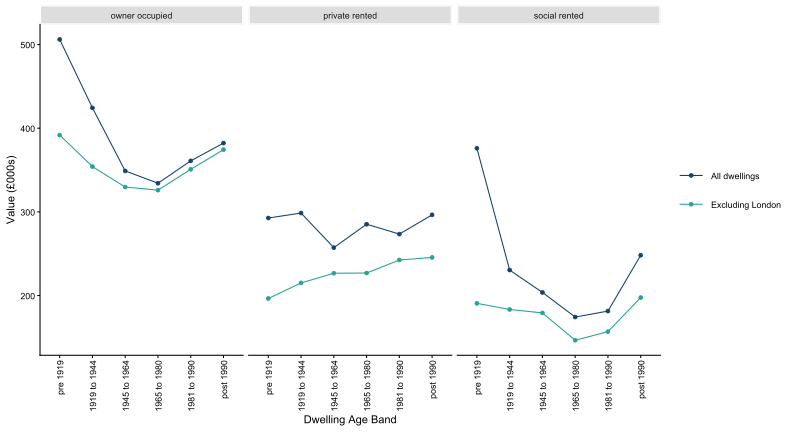
Market value showed a complex relationship with dwelling age. In the private rented sector, older dwellings had generally lower values than newer dwellings, but only when London was excluded from analysis.
The oldest dwellings in the private rented sector outside of London (those built before 1919) had a lower market value (£196,000) than those built after 1945 (£227,000 to £246,000) (Annex Table 1.4B).
In both the social rented sector and owner occupied sector, the newest dwellings (built after 1990 - £248,000 and £382,000 respectively) and the oldest dwellings (built before 1919 - £376,000 and £506,000 respectively) tended to be of higher value than dwellings built between 1965 and 1990.
The high average market value of dwellings in England built pre-1919 in the social rented sector appears to be driven largely by social homes in London.
Figure 1.3. Age of dwelling and market value, by tenure, 2024
Base: all dwellings
Notes:
1) underlying data are presented in Annex Table 1.4A and 1.4B
Sources:
2024 Market Value Survey
2023 English Housing Survey, dwelling sample
Dwelling type
Within each tenure, detached houses tended to have higher market values than other dwelling types. Exceptions to this include similar market values within the social rented sector for detached houses, medium/large terraces and converted flats (all around £300,000). Additionally, within the private rented sector, there was no significant difference in market value for detached houses and purpose built high rise flats (both around £400,000).
Vacant dwellings
When considering all dwellings in England in 2024, occupied dwellings had a higher market value (£350,000) than vacant dwellings (£297,000), though this difference was not statistically significant within any individual tenure.
Floor area and bedroom count
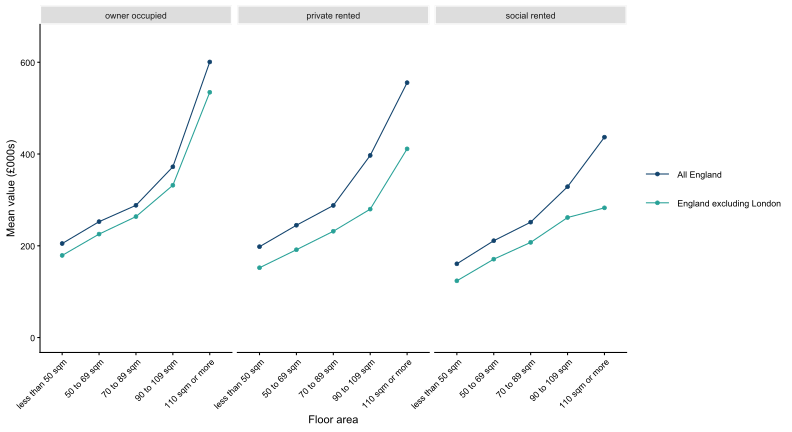
As expected, an increase in floor area or bedroom count was associated with an increase in market value across all tenures. This increase was not a linear relationship, with market value increasing at a faster rate with higher floor areas (Figure 1.4). When London was removed from analysis, the relationship between market value and floor area in the social rented sector was closer to linear, suggesting that a small proportion of high market value and high floor area social homes in London were driving the non-linear trend.
Figure 1.4. Floor area and market value, by tenure, 2024
Base: all dwellings
Notes:
1) underlying data are presented in Annex Table 1.4A and 1.4B
Sources:
2024 Market Value Survey
2023 English Housing Survey, dwelling sample
1.4 Characteristics of households that live in higher and lower value homes
Similar to dwelling characteristics, the Market Value Survey observed that there was often a correlation between market value of a dwelling and the demographics of residents.
There are known demographic differences for households in different tenures. For example, owner occupiers and social renters are more likely to be in older age groups[footnote 4], and within the rented sectors, household reference persons (HRPs) more likely be male in the private rented sector, and more likely to be female in the social rented sector[footnote 5].
Age of HRP and length of residence
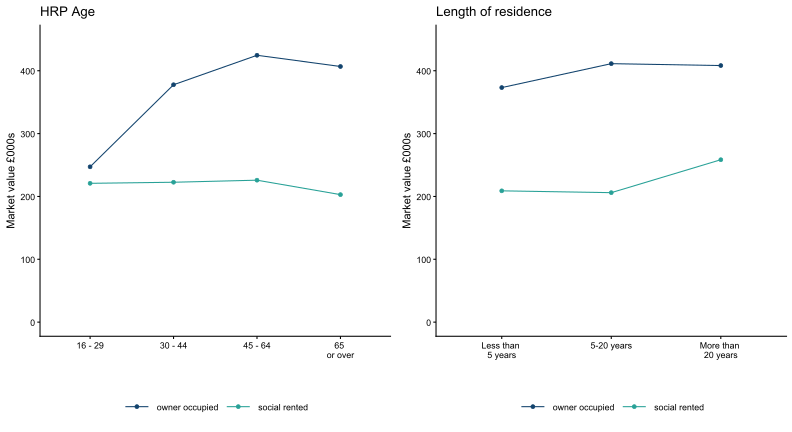
Longer residence and higher age of HRP were associated with living in a higher market value home in the owner occupied sector. Owner occupied dwellings where the HRP was in the oldest age group (either 45-64, or over 65) had higher market values (£425,000 and £407,000 respectively) than those with younger households (£247,000 to £378,000). Similarly, owner occupied dwellings where households had been resident for more than 20 years had a higher market value (£408,000) than dwellings where the household had been resident for less than 5 years (£373,000).
A similar pattern was seen in the social rented sector for length of residence though, unlike the owner occupied sector, no clear relationship between market value and age of HRP was observed.
Most private renters (68%) had been resident for less than 5 years in 2023-24[footnote 6], with the small sample size of households with a longer residence limiting statistical analysis.
Figure 1.5. Age of HRP/length of residence in current home by market value, 2024
Base: all households
Notes:
1) underlying data are presented in Annex Table 1.5A
Sources:
2024 Market Value Survey
2023 English Housing Survey, household sub sample
Ethnicity
Social rented dwellings with a white HRP had a lower market value on average (£200,000) than those with an ethnic minority HRP (£288,000). When considering England excluding London, no difference was seen in the social rented sector, suggesting the trend was driven by greater ethnic diversity in London.
However, owner occupied and private rented sector dwellings with a white HRP had higher market values (£361,000 and £226,000 respectively) than those with an ethnic minority HRP (£321,000 and £207,000 respectively).
Gender
The gender of the HRP was associated with differences in market value in all tenures except the private rented sector.
In the social rented sector, the average market value for a dwelling with a male HRP (£196,000) was lower than that for a dwelling with a female HRP (£235,000). This trend was reversed in the owner occupied sector, where dwellings with a male HRP (£416,000) had a higher average market value than those with a female HRP (£376,000).
Household type
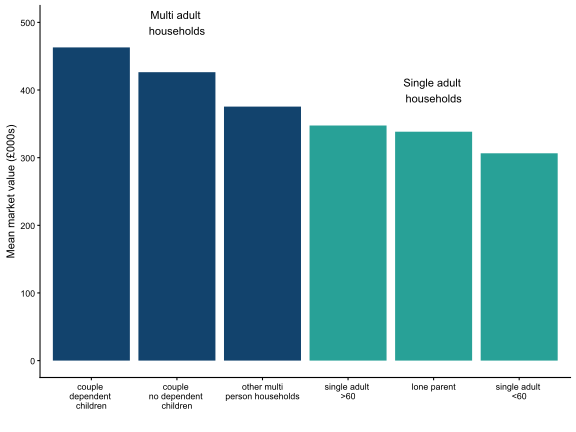
Owner occupier dwellings containing a couple with dependent children had higher values (£463,000) than those containing a couple with no dependent children (£426,000), a difference not seen in the rented sectors. This difference was only observed when London was included in analysis.
Single adult households had lower market values than households with couples, though homes containing one person aged over 60 (£348,000) had higher values than homes containing one person aged below 60 (£306,000) (Annex Table 1.5A).
Figure 1.6. Mean market value by household type, owner occupiers, 2024
Base: all households
Notes:
1) underlying data are presented in Annex Table 1.5A
Sources:
2024 Market Value Survey
2023 English Housing Survey, household sub sample
In both the private and social rented sectors, ‘other multi-person households’ had higher values (£401,000 in the PRS, £291,000 in the SRS) than all other household types. Within the social rented sector, this trend was only observed for housing association dwellings (£302,000 vs £181,000 to £229,000), but not for local authority dwellings. This appears to be partially driven by London house prices and the prevalence of this household type because, when London was excluded from the analysis, there was no statistically significant difference between the market values of homes with ‘other multi-person households’ and household types with couples (Annex Table 1.5B).
Employment status
In the rented sectors, households where the HRP was employed lived in dwellings with a higher average market value than those where the HRP was inactive.
For example, in the private rented sector, employed HRPs lived in dwellings with an average market value of £316,000, compared to £237,000 for those where the HRP was economically inactive. In the owner occupied sector, there was no difference in the market value of dwellings when comparing the employment status of HRPs.
Housing support
In both rented tenures, households who received housing support (private rented sector = £226,000, social rented sector = £205,000) lived in lower market value homes than those household who did not receive housing support (private rented sector = £323,000, social rented sector = £240,000).
Disability and long-term illness
Across all individual tenures, except local authority dwellings, households where someone had a long-term illness or disability were more likely to live in dwellings with a lower market value than households that did not contain someone with a disability.
Dependent children
Across all tenures, except private rented, households with dependent children were more likely to live in higher value homes. This is likely related to the need for additional bedrooms and space for dependent children.
1.5 Market value by area characteristics
Rural/urban
Dwellings in rural areas had an average market value of £376,000, higher than dwellings in urban areas outside of London, which had an average market value of £284,000. Dwellings in London had a higher average market value (£599,000) than both dwellings in rural areas and urban areas outside of London.
Area deprivation
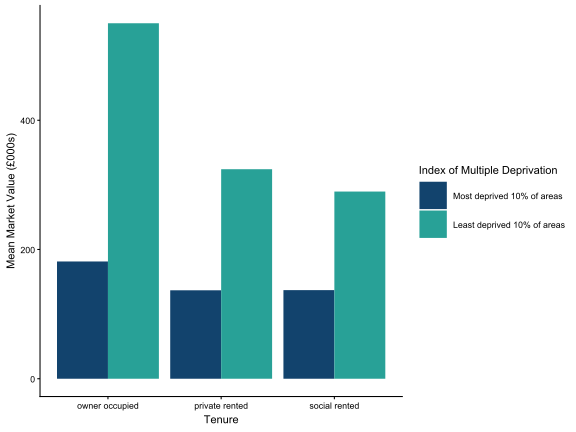
Across all tenures, the average market value of dwellings in the least deprived 10% of areas (£515,000) was significantly higher than those in the most deprived 10% of areas (£154,000). Differences were significant across all tenures, with the largest change in market value from most deprived to least deprived areas within the owner occupied sector (3.0x) compared to the private rented sector (2.4x) and social rented sector (2.1x).
Figure 1.7. Mean market value in the most and least deprived areas, 2024, by tenure
Base: all dwellings
Notes:
1) underlying data are presented in Annex Table 1.6A
Sources:
2024 Market Value Survey
2023 English Housing Survey, dwelling sample
1.6 Market value by leasehold status
The leasehold status of occupied dwellings was determined by matching Market Value Survey and English Housing Survey data to data from HM Land Registry.
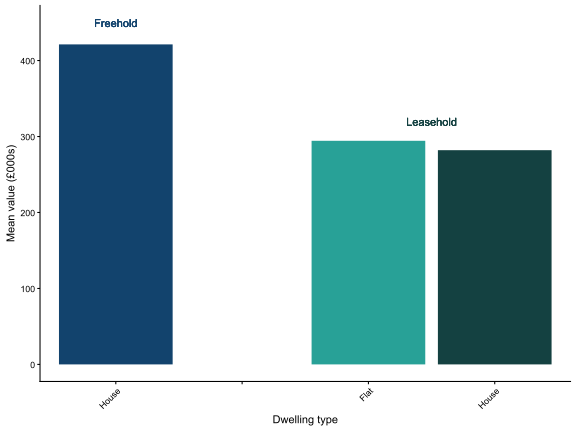
In the owner occupied sector, leasehold flats (£294,000) and leasehold houses (£282,000) had significantly lower average market values in 2024 compared to freehold houses (£421,000).
Figure 1.8. Market value by leasehold status and dwelling type, occupied owner occupied dwellings, 2024
Base: all dwellings, freehold flats excluded due to small sample size
Notes:
1) underlying data are presented in Annex Table 1.7A
Sources:
2024 Market Value Survey
2023 English Housing Survey, dwelling sample
HM Land Registry
Additionally, in the private rented sector, the lowest market value was observed for leasehold houses (£205,000) compared to both leasehold flats (£288,000), freehold flats (£280,000) and freehold houses (£302,000).
2. Housing condition and energy efficiency
2.1 Housing quality
The Decent Homes Standard
For a dwelling to be considered ‘decent’ under the Decent Homes Standard it must:
-
meet the statutory minimum standard for housing (the Housing Health and Safety System (HHSRS) since April 2006), homes which contain a Category 1 hazard under the HHSRS are considered non-decent
-
be in a reasonable state of repair
-
have reasonably modern facilities and services
-
provide a reasonable degree of thermal comfort
The Decent Homes Standard (DHS) was introduced as a regulatory standard in the social rented sector in 2006. In the owner occupied and private rented sector, the DHS is not a regulatory standard, though it is tracked through the EHS. Regulatory standards in the private rented sector are assessed against the existing Housing Health and Rating System (HHSRS), i.e. Criterion A of the DHS.
In 2023, 15% or 3.8 million dwellings failed to meet the Decent Homes Standard. The private rented sector had the highest proportion of non-decent dwellings (21%) while the social rented sector had the lowest (10%). Among owner occupied dwellings, 14% failed to meet the Decent Homes Standard[footnote 7].
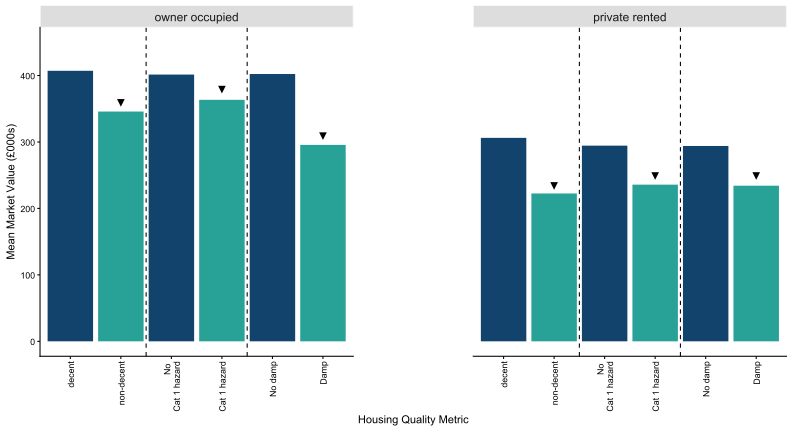
In the private rented sector in 2024, dwellings in poor quality had a lower market value than dwellings in good quality. Passing (£306,000) vs failing (£223,000) the Decent Homes Standard, having no Category 1 hazards (£294,000) vs having at least one Category 1 hazard (£236,000), or not having a problem with damp (£294,000) vs having a problem with damp (£234,000) all showed statistically significant differences. This trend was similarly observed in the owner occupied sector (Annex Table 2.1A).
Figure 2.1a. Housing quality metrics and market value, 2024, owner occupied and private rented dwellings
Base: all dwellings
Notes:
1) underlying data are presented in Annex Table 2.1A
Sources:
2024 Market Value Survey
2023 English Housing Survey, dwelling sample
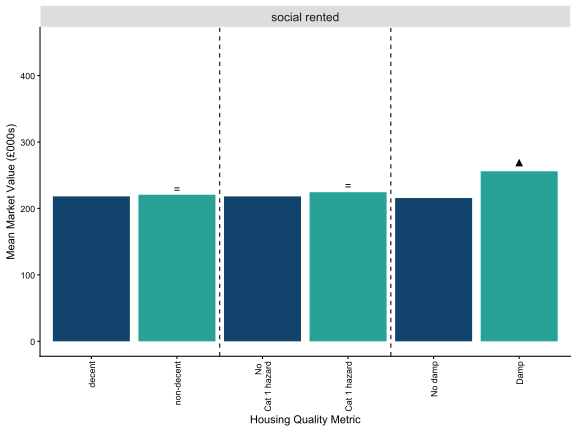
In the social rented sector, there was no difference in market value between decent/non-decent homes or dwellings with and without at least one Category 1 hazard. However, social rented dwellings that had a problem with damp had a higher average market value (£256,000) than those without damp (£216,000).
This difference appears to be driven by social homes in London, which have higher levels of damp than homes in other regions[footnote 8], since no statistically significant difference was observed in regard to damp in all dwellings excluding London (Annex Table 2.1B).
Figure 2.2. Housing quality metrics and market value, 2024, social rented dwellings
Base: all dwellings
Notes:
1) underlying data are presented in Annex Table 2.1A
Sources:
2024 Market Value Survey
2023 English Housing Survey, dwelling sample
Criteria of the Decent Homes Standard
In the owner occupied sector in 2024, dwellings that failed the Decent Homes Standard on thermal comfort (Criterion D) only showed a lower value (£277,000) than dwellings that failed on Category 1 hazards only (Criterion A, £398,000), and disrepair only (Criterion B, £360,000), as well as dwellings deemed ‘decent’ under the Standard (£407,000) (Annex Table 2.2A).
Where private rented dwellings failed on a single criterion in 2024, there was no difference between the value of homes based on the criterion failed. The only exception was dwellings that failed thermal comfort only (Criterion D, £190,000) had lower values than those dwellings that failed on Category 1 hazards only (Criterion A, £238,000).
The Market Value Survey observed a small number [footnote 9] of social rented sector dwellings that failed modernisation (Criterion C) only. When looking at England as a whole, these dwellings had a higher value (£311,000) than dwellings that failed on single other criteria (£198,000 to £218,000) and decent dwellings (£218,000). This appears to be driven by high value social rented properties in London that failed modernisation, as the trend was reversed when London was excluded from analysis – dwellings in the rest of England that failed modernisation only had an average value (£141,000) that was lower than decent dwellings (£174,000) (Annex Table 2.2B).
The new Decent Homes Standard
In January 2026, the Government announced they would update the Decent Homes Standard for implementation in 2035. The introduction of this new standard would initially increase failure rates from 10% to 45% in the social rented sector and from 21% to 48% in the private rented sector[footnote 10].
Under the new Decent Homes Standard, in both the private rented and owner occupied sector, non-decent dwellings had a lower average value than decent dwellings - £250,000 vs £324,000 in the private rented sector and £349,000 vs. £424,000 in the owner occupied sector. No difference in value was observed in the social rented sector. This mirrors the trend observed under the existing Decent Homes Standard (Annex Table 2.3A).
2.2 Energy efficiency
The thermal comfort criterion of the existing Decent Homes Standard requires that homes have both effective heating and effective insulation. In both the owner occupied and the private rented sector, failures due to thermal comfort only (Criterion D) were associated with lower market values (£277,000 and £190,000 respectively) than failures due to Category 1 hazards only (£398,000 and £238,000 respectively) (Annex Table 2.3A).
Energy Efficiency Rating
The government’s Standard Assessment Procedure (SAP) is used to monitor the energy efficiency of homes to create an energy efficiency rating (EER). It is an index based on calculating annual space and water heating costs for a standard heating regime and is expressed on a scale of 1 (highly inefficient) to 100 (highly efficient, with 100 representing zero energy costs). Findings presented in this report were calculated using Reduced Data SAP (RdSAP) version 9.94.
EER ratings assess the overall energy efficiency of a dwelling, considering both the heating system and insulation within the building’s fabric.
While owner occupied houses in EER bands E to G (£439,000) had significantly higher market values than owner occupied houses in bands A to C (£390,000), the opposite was true for flats. Owner occupied flats rated from E to G (£234,000) had significantly lower market values than owner occupied flats rated from A to C (£299,000) (Annex Table 2.4A).
The private rented sector, for both houses and flats, showed a similar association between the EER and market value to owner occupied flats. Privately rented dwellings rated from A to C were valued higher than those rated at band D for both flats (£298,000 vs £259,000) and houses (£310,000 and £280,000).
The social rented sector as a whole showed a negative association between the energy efficiency rating and market value, similar to owner occupied houses. Social rented dwellings with the highest EER in bands A to C (£214,000) had lower average market values than dwellings in the lower band D (£229,000). When looking at the social rented sector within each dwelling type, no statistically significant association between energy efficiency rating and market value was observed.
There are likely to be confounding factors affecting these trends. For example, newer homes, as well as homes in the North East, are known to be the most energy efficient[footnote 11], and we have also observed associations between market value and dwelling age and region (see Chapter 1 of this report).
Heating and insulation
Effective heating and effective insulation differed in their association with market value. More effective heating systems (i.e. central heating compared to fixed room/storage heaters) were associated with higher market values, but more effective insulation systems (e.g. wall insulation, double glazing, loft insulation) were associated with lower market values (Annex Table 2.5A).
- Dwellings with no wall insulation (either solid or cavity wall) had a higher average market value (£390,000) than those with wall insulation (£311,000).
- In all tenures except the private rented sector, the presence of more than 200mm loft insulation (where a loft was present) was associated with a lower average market value (owner occupied = £392,000, social rented = £199,000) than the presence of less than 200mm (£417,000 and £255,000 respectively). This trend appeared to be driven primarily by London.
- Dwellings with less than 100% double glazing had a higher average market value (£514,000) than those with 100% double glazing (£326,000).
- The presence of central heating in a dwelling was associated with a higher market value (£357,000) than the presence of fixed room heaters (£226,000) or storage heaters (£213,000).
As with energy efficiency, there are associations between the presence of insulation and dwelling age and type. Older dwellings are more likely to have solid walls and are more expensive to insulate compared to newer dwellings built with cavity walls. For example, in 2023, older dwellings were more likely to have uninsulated solid walls (pre-1945 = 64%) and less likely to have full double glazing (pre-1919 = 68%) than newer dwellings (0% and 84-99% respectively)[footnote 12].
2.3 Market value with repairs
In addition to providing the value of dwellings in their current state, the Market Value Survey also provides a valuation of each dwelling where any outstanding repairs are completed.
In total, 5.1 million dwellings (20%) would increase in market value if repairs were completed. These dwellings would see an average increase in value of 2.9%. This growth varied by tenure, with higher expected relative increases for private rented sector dwellings (3.8%) compared to owner occupied dwellings (2.7%) and social rented sector dwellings (2.5%).
A proportion of both decent and non-decent dwellings were associated with an increase in value due to repairs, though some non-decent homes did not see any increase in market value with repairs. Not all instances of disrepair will cause failure of the Decent Homes Standard, and not all elements of the standard can be remediated through repairs.
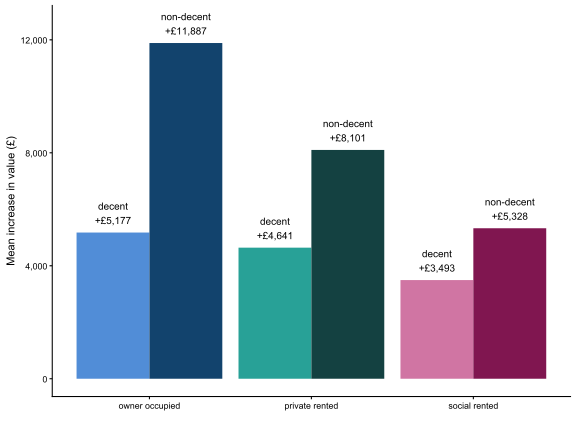
Of the 3.8 million non-decent dwellings in England in 2024, 1.7 million would increase in market value with repairs. These non-decent dwellings would see an average 4.4% increase in market value with repairs (+£10,318), compared to a 2.1% increase for the 3.3 million decent dwellings (+£4,974) (Annex Table 2.6A).
This trend was present across all individual tenures when London dwellings were excluded from analysis (Annex Table 2.6B, Figure 2.2). When considering all dwellings, the apparent difference in the social rented sector was not statistically significant, likely due to decent social homes in London increasing in value to a greater degree with repairs than social homes outside of London.
Figure 2.2. Relationship between housing quality and increase in market value with repairs, all dwellings excluding London, 2024
Base: all dwellings
Notes:
1) underlying data are presented in Annex Table 2.6B
Sources:
2024 Market Value Survey
2023 English Housing Survey, dwelling sample
Using the definition of the new Decent Homes Standard, a similar trend was observed for dwellings outside of London, where non-decent dwellings would increase in value more with repairs than decent dwellings across all tenures. For example, non-decent social rented dwellings would increase in value by £4,081 on average with repairs compared to £3,039 for decent social rented dwellings (Annex Table 2.7).
For all dwellings, there was no significant difference in value increase with repairs in the private rented sector, likely due to larger increases in market value with repairs for London dwellings (Annex Table 2.6A).
2.4 Satisfaction with accommodation
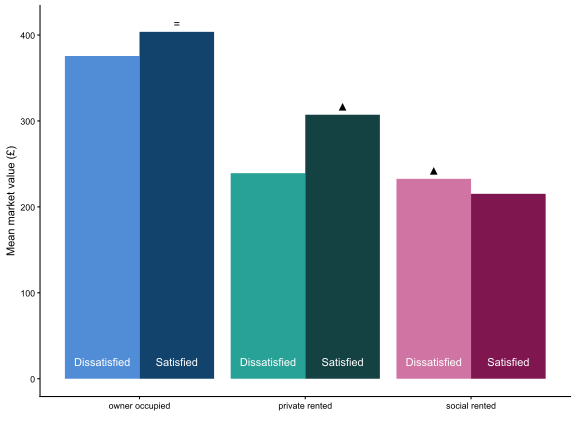
As part of the EHS, households were asked how satisfied they were with their accommodation. In private rented households, satisfied households lived in homes with higher average market values (£307,000) than dissatisfied households (£239,000) (Annex Table 2.8A).
This trend was reversed in the social rented sector. Dissatisfied households lived in homes with an average value of £233,000 compared to satisfied households with an average value of £215,000. This was likely driven by dissatisfied households in London, as this difference was not statistically significant for dwellings excluding London (Annex Table 2.8B).
No difference in mean market value was observed when comparing satisfied and dissatisfied owner occupied households.
Figure 2.3. Market value and satisfaction with accommodation, all dwellings, 2024
Base: all households
Notes:
1) underlying data are presented in Annex Table 2.8A
Sources:
2024 Market Value Survey
2023 English Housing Survey, household sub sample
3. Housing costs and incomes
3.1 Housing costs
Annual rent/mortgage as a proportion of market value
In the social rented sector, rents are subject to the Regulator of Social Housing’s Rent Standard [footnote 13]. Rents are unregulated in the private rented sector, though tenants can challenge rent increases via the First Tier Tribunal [footnote 14]. The Renters’ Rights Act, to be implemented from 1st May 2026, will only allow private landlords to increase rents once per year to the market rate [footnote 15].
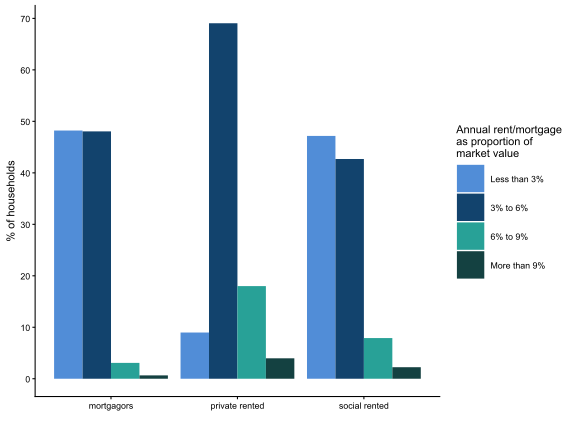
On average, private renting households in 2024 were most likely to be paying an annual rent that was between 3% and 6% of the market value of the dwelling (69% of private rented households where rent was paid). This was higher than 59% of households in 2015, with reductions in prevalence across all other proportion bands (Annex Table 3.1A).
In the social rented sector in 2024, it was more common to have paid a yearly rent less than 3% of the market value (47% of households where rent was paid). This proportion was higher than in 2015 (33%).
However, when London was excluded from analysis, the most common band for social rented households was a yearly rent between 3% and 6% of the market value of the dwelling (49%, compared to 39% paying less than 3%) (Annex Table 3.1B).
In 2024, within the social rented sector, having an annual rent equivalent to less than 3% of the market value of the dwelling was more common for local authority dwellings (56%) than housing association dwellings (42%). This trend was observed for both England as a whole and England excluding London.
Owner occupiers buying with a mortgage most commonly had annual mortgage costs up to 3%, or between 3 and 6% of the market value (both 48%). Less than 1% of mortgagors paid more than 9% of their home value in their yearly mortgage contributions.
Figure 3.1. Annual rent/mortgage as a proportion of market value, all dwellings, 2024
Base: all renters and mortgagors
Notes:
1) underlying data are presented in Annex Table 3.1A
Sources:
2024 Market Value Survey
2023 English Housing Survey, household sub sample
Weekly rent/mortgage by market value
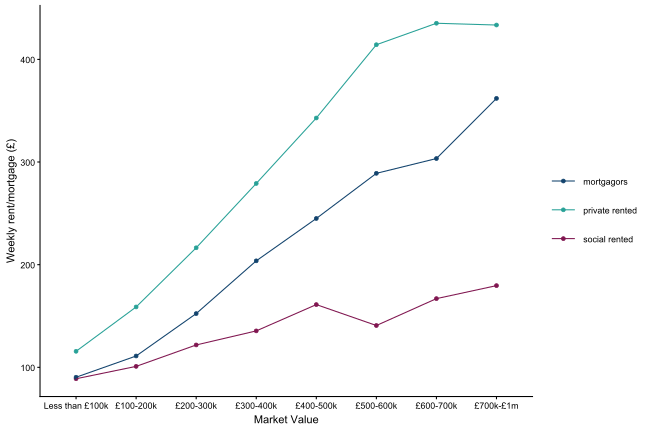
A higher average weekly rent or mortgage payment was associated with a higher market value.
For social rented households, the weekly rent for a dwelling with a market value below £100,000 was £89, compared to £116 per week in the private rented sector. In dwellings worth between £700,000 and £1 million, the gap between social and private renters was much wider, with weekly rents of £116 per week in the social rented sector and £433 per week in the private rented sector.
Across almost all market values, mortgagors had weekly mortgage costs between private rents and social rents (Annex Table 3.2A, Figure 3.2).
Mortgagors in homes worth £2 million or more paid on average £830 in mortgage costs per week.
Figure 3.2. Relationship between weekly housing cost and market value, all dwellings worth less than £1m, 2024
Base: all renters and mortgagors
Notes:
1) underlying data are presented in Annex Table 3.2A
Sources:
2024 Market Value Survey
2023 English Housing Survey, household sub sample
3.2 Incomes
In 2024, the Office for National Statistics reported a median house‑price‑to‑income ratio of 7.9 in England, indicating that median house prices were almost eight times median disposable household income [footnote 16].
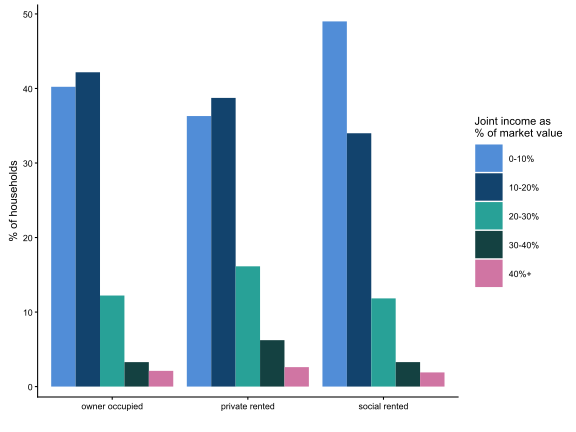
In the Market Value Survey, most households (81%) in England had an annual joint income (HRP + partner, net) equivalent to less than 20% of the market value of their home (Annex Table 3.3A). Of the population, 41% of households had an annual joint income from 0% to 10% of the value of their home, and 40% earned a value between 10% and 20%. Only 6% of households had a joint income equivalent to 30% or more of the market value of their home.
Social renters were most likely to have a joint income less than 10% of the market value of their home (49%), followed by owner occupiers (40%) and then private renters (36%).
Figure 3.3. Joint income as a proportion of market value, 2024, all households
Base: all households
Notes:
1) underlying data are presented in Annex Table 3.3A
Sources:
2024 Market Value Survey
2023 English Housing Survey, household sub sample
3.3 Housing costs and housing quality
Rents, market value and housing quality
In the private rented sector, the average weekly rent was higher for decent homes (£251) than for non-decent homes (£192). A similar trend was seen for the new Decent Homes Standard in the private rented sector (£266 per week for decent homes vs £209 per week for non-decent homes) (Annex Table 3.4A).
Privately renting households in non-decent homes, despite paying a lower rent on average and those homes having lower market values in general (see Section 2.1 above), were paying a slightly larger proportion of the market value to landlords in yearly rent (6%) than those in decent homes (5%).
When looking at England excluding London, weekly rents showed a similar trend, with higher rents for homes passing (£196) than failing (£170) the existing Decent Homes Standard, and higher rents for homes passing (£203) than failing (£176) the new Decent Homes Standard (Annex Table 3.4B).
No significant differences in rents were observed in the social rented sector for decent or non-decent homes, under both the existing and new Decent Homes Standard.
In the private rented sector, dwellings with a Category 1 hazard had lower average weekly rents (£197) than those without (£244), but yearly rent as a proportion of market value was around 5% for both groups. This trend remained with the exclusion of London from analysis.
A similar divergence in weekly rents was observed for private rented sector dwellings with (£244) and without (£190) a problem with damp, with both household groups paying yearly around 5% of the market value in rent.
3.4 Previous and perceived housing value
Whether household under- or overestimates their property value
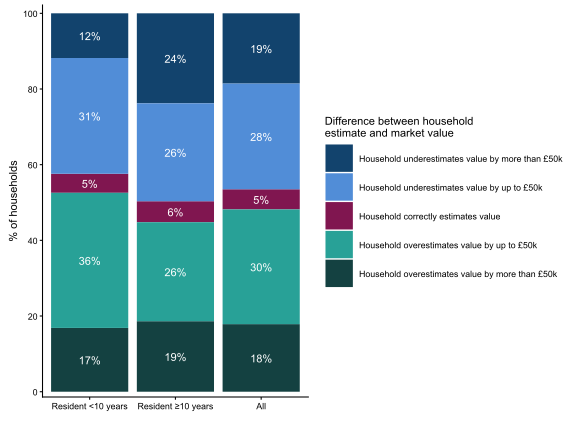
In England in 2024, over half of owner‑occupier households either under‑ or overestimated the value of their home by a small margin (up to £50,000) (58%). An additional 5% correctly estimated the value of their home (Annex Table 3.5A).
Among households who had lived in their property for less than ten years, a similar proportion of households underestimated their property value by up to £50,000 (31%) to households who overestimated it by up to £50,000 (36%). Around 12% underestimated by more than £50,000, statistically similar to the 17% who overestimated by more than £50,000.
Among households who had lived in their property for ten years or more, the proportion of households who overestimated the value by more than £50,000 (19%) was statistically similar to than the proportion who underestimated the value by more than £50,000 (23%), but lower than the proportion of households whose estimates were less than £50,000 away from the true value (both 26%). In total, 6% of households who had lived in their property for 10 years or more correctly estimated their home’s value.
Figure 3.4. Whether household under- or overestimated their property value, 2024
Base: all owner occupier households
Notes:
Underlying data are presented in Annex Table 3.5A
Estimated values less than £1,000 excluded from analysis
Sources:
2024 Market Value Survey
2023 English Housing Survey, household sub sample
Percentage change from initial purchase price to current market value
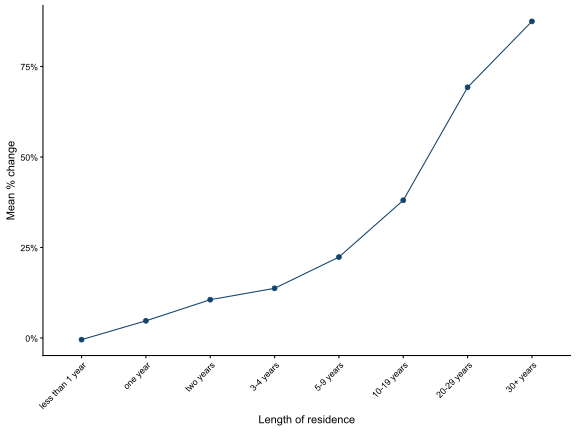
In the English Housing Survey, households are asked about the initial price of purchase of their property. This can be compared against the market value of the home and their length of residence to observe where households have seen house price growth.
Unsurprisingly, the mean percentage change from the initial purchase price to the current market value increased steadily with length of residence (Annex Tables 3.6A and 3.6B). Dwellings owned for less than one year showed next to no change from initial purchase price, while those owned for 30 years or more had a mean increase in value of 87% (England as a whole). When looking at England excluding London, a similar pattern was observed.
Figure 3.5. Percentage change from initial purchase price to current market value, all households, 2024
Base: all owner occupier households
Notes:
1) Underlying data are presented in Annex Tables 3.6A
2) Estimated values less than £1,000 excluded from analysis
Sources:
2024 Market Value Survey
2023 English Housing Survey, household sub sample
4. High value homes
The High Value Council Tax Surcharge (HVCTS) is a new charge on owners of residential property in England worth £2 million or more. It was announced as part of the 2025 Autumn Budget and will take effect in April 2028 [footnote 17].
This section provides analysis on high value homes. Within the Market Value Survey, there are a small number of observations of homes worth £2 million or more, so findings presented in relation to these homes are more uncertain. Because of this, analyses below will sometimes use different value bands, e.g. £1.5 million or over, to ensure a reasonable sample size for statistical testing.
4.1 Homes worth £2 million or more
In 2024, the Market Value Survey found that there were 97,000 dwellings in England valued at £2 million or more (0.4%), with 91,000 of these being owner occupied (0.6% of all owner occupied dwellings). In 2015, there were around 33,000 dwellings worth £2 million or more, representing 0.1% of dwellings in England (Annex Table 4.1).
A higher proportion of dwellings in London in 2024 were worth £2 million or more (71,000, 2%) than dwellings outside of London (26,000, 0.1%) (Annex Table 4.2).
4.2 Households in high value owner occupied homes
In 2024, households in owner‑occupied homes valued at £2 million or more differed from lower value bands across several characteristics. Due to small sample sizes, the household characteristics of private or social renters in homes worth £2 million or more are not included in this report.
Owner occupied homes valued at £2 million or more were more commonly headed by male HRPs (85%) than households in homes worth between £1 and 2 million (63%) or those in homes valued below £1 million (59%). Additionally, a higher proportion of HRPs in homes worth £2 million or more were in work (78%) than in lower value dwellings (54-60%) (Annex Table 4.3).
A larger share of owner occupier households in homes worth £2 million or more reported no disabled or long‑term ill household members (93%), higher than those in lower value bands (65-69%), and were more likely to contain dependent children (52%) than those in homes worth less than £1 million (24%).
Regarding length of residence, 46% of owner occupier households in homes worth between £1 and £2 million or more had lived in their property for less than 15 years, a lower proportion that homes worth less than £1 million (57%). The likelihood of being resident for less than 15 years in a home worth £2 million or more (52%) was statistically similar to both other value bands.
Households in homes worth £2 million or more showed a similar age and ethnicity profile to households in lower value homes, with no statistically significant differences observed.
4.3 Affordability in high value owner occupied homes
Owner occupied households in homes worth £2 million or more were more likely to be in the highest two income quintiles (94%), compared with those in homes valued between £1 million and £2 million (75%), higher still than in homes valued below £1 million (50%) (Annex Table 4.4).
However, households in high value homes were more likely to be, or have been, behind on fuel bills in the last 12 months - 30% of households in homes worth £2 million or more, higher than 6% in homes worth between £1 and £2 million and 8% of households in homes valued below £1 million.
4.4 Previous and perceived housing value – high value homes
Whether household under- or overestimates their property value
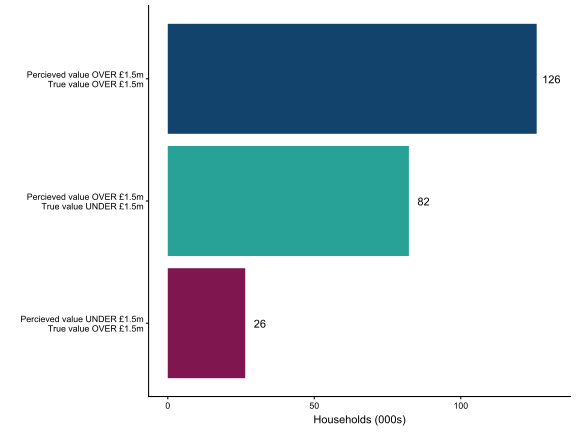
In 2024, 98% of owner occupied households across England lived in homes valued below £1.5 million, which they perceived to have a lower value than £1.5 million. A further 1% lived in homes valued below £1.5 million but perceived their value to be at £1.5 million or higher (Annex Table 4.5).
Very few households lived in homes valued at £1.5 million or more. As a proportion of all households, 1% lived in a home worth £1.5 million or more and perceived its value at £1.5 million or more, whereas 0.2% lived in a home worth £1.5 million or more but perceived the value to be below £1.5 million.
Figure 4.1. Perceptions of owner occupied homes worth over or under £1.5 million, 2024
Base: all owner occupier households
Notes:
Underlying data are presented in Annex Table 4.5
Sources:
2024 Market Value Survey
2023 English Housing Survey, household sub sample
Percentage change from initial purchase price to current market value
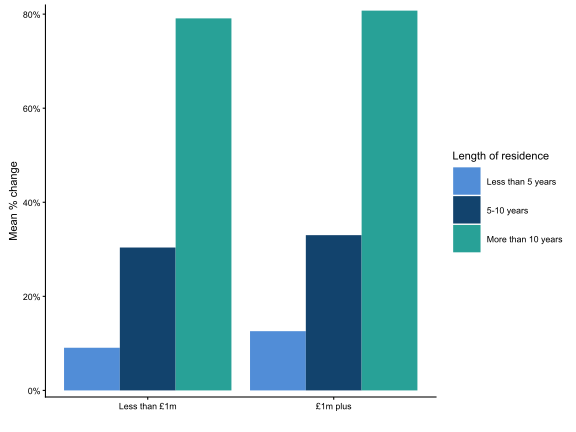
For owner occupier households who had been resident for fewer than 5 years, households in dwellings currently worth less than £1 million saw 9% growth in house price on average, statistically similar to the 13% house price growth for those in dwellings currently worth £1 million or more (Annex Table 4.6).
This similarity was also present for households who had been resident for more than 10 years, with average growth of 79% for households in dwellings currently worth less than £1 million and 81% growth for households in dwellings currently worth £1 million or more.
Figure 4.2. Percentage change from initial purchase price to current market value, 2024
Base: all owner occupier households
Notes:
Underlying data are presented in Annex Table 4.6
Sources:
2024 Market Value Survey
2023 English Housing Survey, household sub sample
-
UK House Price Index: monthly price statistics, accessed February 2026. ↩
-
About the UK House Price Index. The geometric mean is the product of all the values raised to the power of the inverse of the sample size; it is almost always smaller than the arithmetic mean. ↩
-
Chapters for English Housing Survey 2023 to 2024: Headline findings on demographics and household resilience. ↩
-
English Housing Survey 2024 to 2025: headline findings on housing quality and energy efficiency. ↩
-
English Housing Survey: local authority housing stock condition modelling, 2023 - main report. ↩
-
The sample size for social rented dwellings which failed modernisation only, Criterion C, was 27 for England as a whole and 17 for England excluding London. While differences have been significance tested, care should be taken in interpretation given the small sample sizes. ↩
-
English Housing Survey 2024 to 2025: headline findings on housing quality and energy efficiency. ↩
-
English Housing Survey 2023 to 2024: climate resilient homes - fact sheet, English Housing Survey data on energy performance, heating and insulation – DA6201. ↩