EHS Briefing: Modelling a new Decent Homes Standard
Published 28 January 2026
Applies to England

© Crown copyright 2026
This publication is licensed under the terms of the Open Government Licence v3.0 except where otherwise stated. To view this licence, visit nationalarchives.gov.uk/doc/open-government-licence/version/3 or write to the Information Policy Team, The National Archives, Kew, London TW9 4DU, or email: psi@nationalarchives.gov.uk.
Where we have identified any third party copyright information you will need to obtain permission from the copyright holders concerned.
This publication is available at https://www.gov.uk/government/publications/ehs-briefing-modelling-a-new-decent-homes-standard/ehs-briefing-modelling-a-new-decent-homes-standard
1. Summary
The government consulted between 2 July and 12 September 2025 on proposals to update the Decent Homes Standard which currently sets a minimum housing quality standard for all registered providers of social housing. A new standard will be applied to both the social and private rented sectors, which providers must meet by 2035.
An EHS Briefing was published alongside that consultation, which analysed 2019 English Housing Survey (EHS) data (at the time the latest available) and showed the expected failure rates and costs of implementing the standard proposed in the consultation. This publication provides similar analysis covering the new Decent Homes Standard, updated based on newly available data (2023) and the results of the consultation.
To fully quantify the impact of the Decent Homes Standard, MHCLG has:
-
commissioned the Building Research Establishment (BRE) to analyse EHS physical survey data from 2023 to estimate whether dwellings would pass or fail the new Decent Homes Standard, including the cost to bring homes up to the new standard
-
undertaken further analysis of the housing quality data contained in the EHS
The key findings of this work, which have informed the Impact Assessment, are covered in this statistical publication.
2. Main findings
- Regulations relating to rental housing quality have changed over time, with each new standard increasing the scope of dwellings considered to be non-decent. The introduction of this new standard would initially increase failure rates from 10% to 45% in the social rented sector (SRS) and from 21% to 48% in the private rented sector (PRS).
- Poor housing quality is not felt equally across society. Some groups are more likely to benefit from these reforms than others. Those more likely to benefit include households with a long term illness or disability and, specifically in the private rented sector, economically vulnerable households.
- The cost of meeting the standard will reflect both the cost of upgrades to meet the revised standard and actions required for landlords not currently meeting obligations. Using 2023 data, this is expected to cost £26.5 billion in the PRS and £11.3 billion in the SRS, though only £5.4 billion and £1.8 billion of these costs are those above and beyond existing obligations respectively. The associated Impact Assessment provides a full cost-benefit analysis.
- Considering the new standard, failure rates in the SRS and costs in both rented tenures have increased compared to the standard proposed at consultation. Though small changes in the scope of the standard and EHS methodology will partially underlie this change, the majority of this increase is likely to be due to the deterioration of stock condition over the COVID-19 pandemic and the increasing requirement for costly remediation. This worsening of stock condition, in contrast to improvements in compliance with the existing standard, demonstrates the limitations of current standards in monitoring housing quality.
3. Introduction
The government is updating the Decent Homes Standard, which currently applies to the social rented sector, and introducing it to the private rented sector. In developing this standard, it has relied on the English Housing Survey to understand housing quality in the rented sectors and the potential impact of moving to an updated standard of housing quality.
As part of this, the government published an Impact Assessment, which considers the overall costs and benefits of this standard. For the full cost benefit analysis of the revised standard, please refer to that.
This briefing uses the English Housing Survey (EHS), a national survey of people’s housing circumstances and the condition and energy efficiency of housing in England. It is one of the longest standing government surveys and was first run in 1967. In 2023-24, the EHS estimated that 3.8 million dwellings (15%) in England, across all tenures, did not meet the existing Decent Homes Standard [footnote 1].
To help assess the impact of an update to the Decent Homes Standard, the Ministry of Housing, Communities and Local Government (MHCLG) commissioned the Building Research Establishment (BRE) to analyse EHS physical data from 2019 (before the consultation) and 2023 (after the consultation), calculating whether dwellings would pass or fail a revised standard, and the costs of remediation. Data from 2019 was the most recent available at the time of the consultation. Following the consultation analysis and the finalising of the new standard, we updated the modelling using data from 2023 and in line with the consultation results.
In both years, total costs and ‘additional’ costs were determined independently by BRE, to disentangle costs of new components of the revised standard and existing obligations by landlords.
Most proposed updates to the Decent Homes Standard could be accurately measured through existing variables within the EHS. Some updates required proxy variables to make reasoned estimates, and others were not possible to model at all (see Annex C).
This analysis accompanies an Impact Assessment, which contains further information on the wider costs and benefits of the revised standard. Cost figures presented in this briefing will be different to cost figures presented within the Impact Assessment. Further detail on the reasons for this are given in the ‘Costs to Make Decent’ section of this report and within the Impact Assessment.
Each year the EHS relies on the contributions of a large number of people and organisations. MHCLG would particularly like to thank the following people and organisations without whom the underlying data from the 2019 and 2023 surveys and this report would not have been possible: all the households who gave up their time to take part in the survey, NatCen Social Research, the Building Research Establishment (BRE) and CADS Housing Surveys.
The responsible analyst for this report is: Alistair Rice, Data, Analysis, Statistics and Surveys Division, MHCLG. Contact via ehs@communities.gov.uk.
4. Changing housing conditions
Since it was first run in 1967, the quality of housing stock in England has been measured through the English Housing Survey. The EHS has informed housing policies, which in turn have led to step changes in the quality of the English Housing Stock. For example, following the 1967 survey, ‘Intermediate Grants’ were made available to homeowners to help fund basic missing amenities. In 1967, 25% of homes lacked a basic amenity (a bath or shower, an indoor WC, a wash basin, or hot and cold water at three points). In addition, 2.5 million English homes (19%) did not have access to an indoor WC in 1967. By 1991, the number of homes lacking a basic amenity had fallen to 1%, helped in part by access to these grants and informed by data from the EHS.
The EHS has been used to monitor and inform the many changes to housing standards in the over 55 years since the first survey in 1967. Since 2001, the Decent Homes Standard has played a key role in setting a minimum quality standard that all registered providers of social housing must meet regarding the physical condition of their homes. In 2001, 33% of dwellings in England failed the Standard as originally set. The standard was updated in 2006, at which point 35% of English homes were considered non decent, according to the new definition (higher than 27% under the original definition). Since then, levels of non-decency on the 2006 measure have fallen to 15% in 2023.
Significant gaps in housing quality remain – such as in the private rented sector, where the Decent Homes Standard is not currently the regulatory standard. Additionally, it has been almost two decades since the Standard was updated to reflect more recent products, technology and intelligence that underpins our understanding of housing quality. To that end, the government has updated the Decent Homes Standard and has relied on the EHS to inform this update to ensure the recommended revisions are evidence-based and their impact is thoroughly understood.
Figure 1. Changing housing conditions, 1967 to 2023
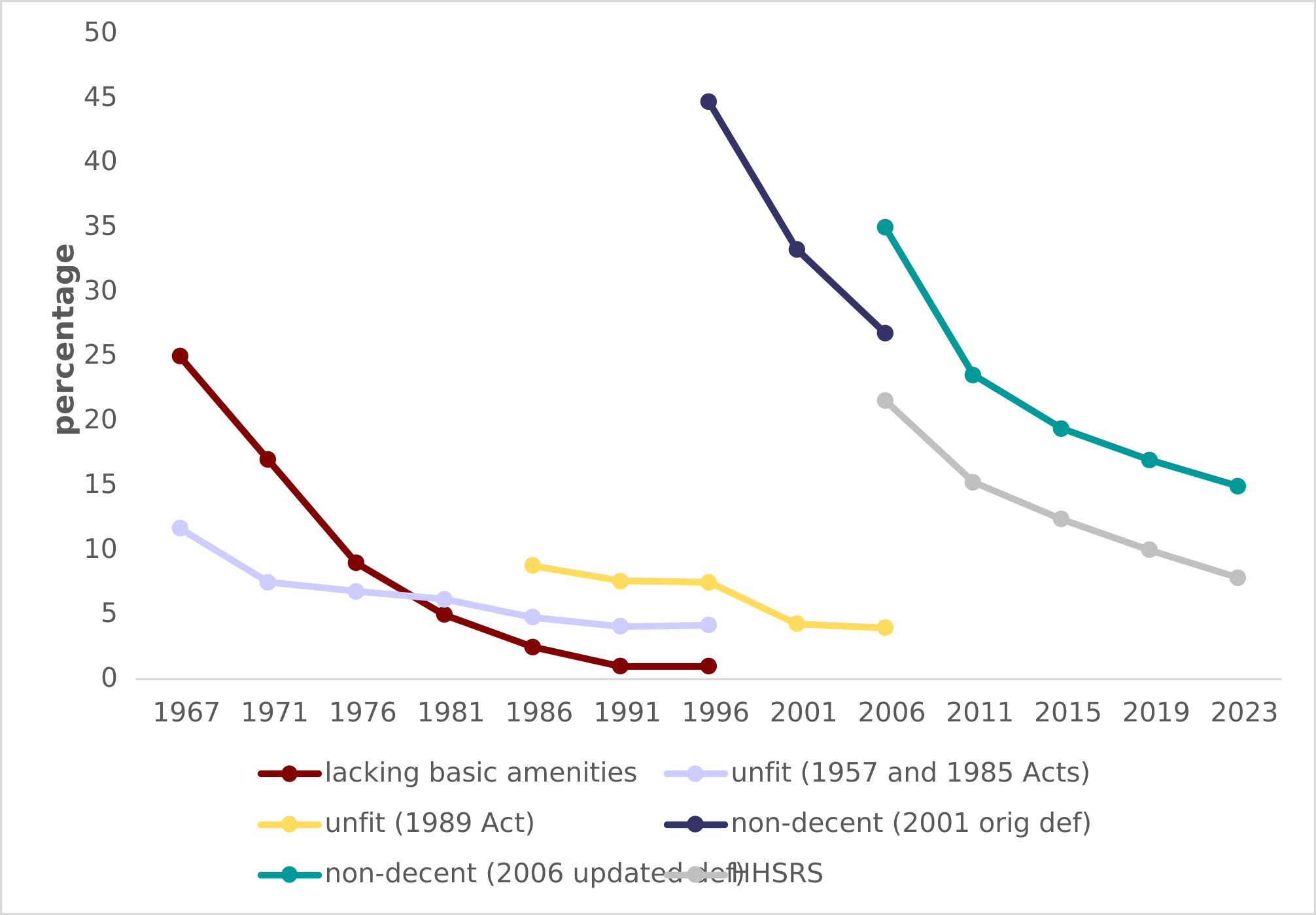
Base: all dwellings
Notes:
1) Housing Act 1957, Housing Act 1985 and Local Government and Housing Act 1989
2) ‘unfit’ refers to unfit for human habitation
3) The 2001 Decent Homes Standard was retroactively applied to 1996 data to estimate how many homes would have failed the standard in 1996
Sources:
1) 1967: National House Condition Survey of England and Wales
2) 1971-2006: English House Condition Survey
3) 2011 onwards: English Housing Survey, dwelling sample
2) ‘unfit’ refers to unfit for human habitation
3) The 2001 Decent Homes Standard was retroactively applied to 1996 data to estimate how many homes would have failed the standard in 1996
5. Updates to the Decent Homes Standard
All landlords are subject to legislation to ensure the quality of the homes they let[footnote 2]. These include the Landlord and Tenant Act 1985 and its amendment, the Homes (Fitness for Human Habitation) Act 2018, as well as the Defective Premises Act 1972 and the Housing Act 2004.
In addition, the Decent Homes Standard is a technical standard that has applied to the Social Rented Sector since 2001, with an update in 2006. Social landlords are obligated to act if dwellings fall below the prescribed standard.
For a dwelling to be considered ‘decent’ under the existing Decent Homes Standard, it must:
- meet the statutory minimum standard for housing (the Housing Health and Safety Rating System, since April 2006), homes which contain a Category 1 hazard under the HHSRS are considered non-decent (Criterion A)
- be in a reasonable state of repair (Criterion B)
- have reasonably modern facilities and services (Criterion C)
- provide a reasonable degree of thermal comfort (Criterion D)
While the existing standard does not currently apply to the private rented sector, local authorities have a duty to take appropriate enforcement action under the Housing Act 2004 if they identify hazards in any dwelling at the most dangerous ‘Category 1’ level, and a power if they identify hazards at category 2 level.
The following changes are modelled here as updates to the existing standard[footnote 3]:
- Update the definition of disrepair in Criterion B by removing age requirements and updating failure thresholds
- Update the list of building components within Criterion B, e.g. addition of fire alarm systems, damp proof courses
- Update the requirement for at least three facilities to be missing before a property fails to meet Criterion C
- Update thermal comfort requirements (Criterion D), to focus on providing a heating system sufficient to heat the whole home and removing specific insulation requirements
- Introduce a minimum damp and mould standard (Criterion E)
The update to the Decent Homes Standard proposed by the government contains other changes to Criterion C which were not possible to include in this modelling due to limitations in EHS data, such as the requirement to provide window restrictors. Further details on the modelling approaches taken are available in Annex C.
6. Prevalence of non-decent dwellings
Not all elements of the new standard were possible to model using data from the English Housing Survey. Elements including window restrictors are not included in any of the below analysis or modelled costs. We do not know the degree to which dwellings would fail under these unmodelled criteria, or the extent of the overlap with other criteria. As a result, these figures will likely underestimate the prevalence of non-decency and its associated costs. Further detail is provided in Annex C.
Additionally, failure rates and costs presented here do not include updated requirements for minimum energy efficiency standards (MEES). Criterion D (thermal comfort) is modelled here as a requirement to have efficient programmable heating in both rented tenures, and meeting EPC E in the private rented sector.
Under the existing Decent Homes Standard, 10% of dwellings in the social rented sector in England in 2023 were non-decent (431,000). When applying the new Decent Homes Standard, this value increased to 45% (1.9 million dwellings).
Dwellings rented from local authorities (49%, 774,000) were significantly more likely than dwellings rented from housing associations (42%, 1.1 million) to fail the new Decent Homes Standard (Annex Table 1.1).
The private rented sector also saw an increase in failure rates from the existing standard to the new standard. Under the existing Decent Homes Standard, 21% of private rented sector dwellings in 2023 were non-decent (1.0 million). This increased to 48% (2.4 million) under the new Decent Homes Standard (Annex Table 1.1).
Figure 2. Rented sector dwellings failing the existing and new standard, 2023
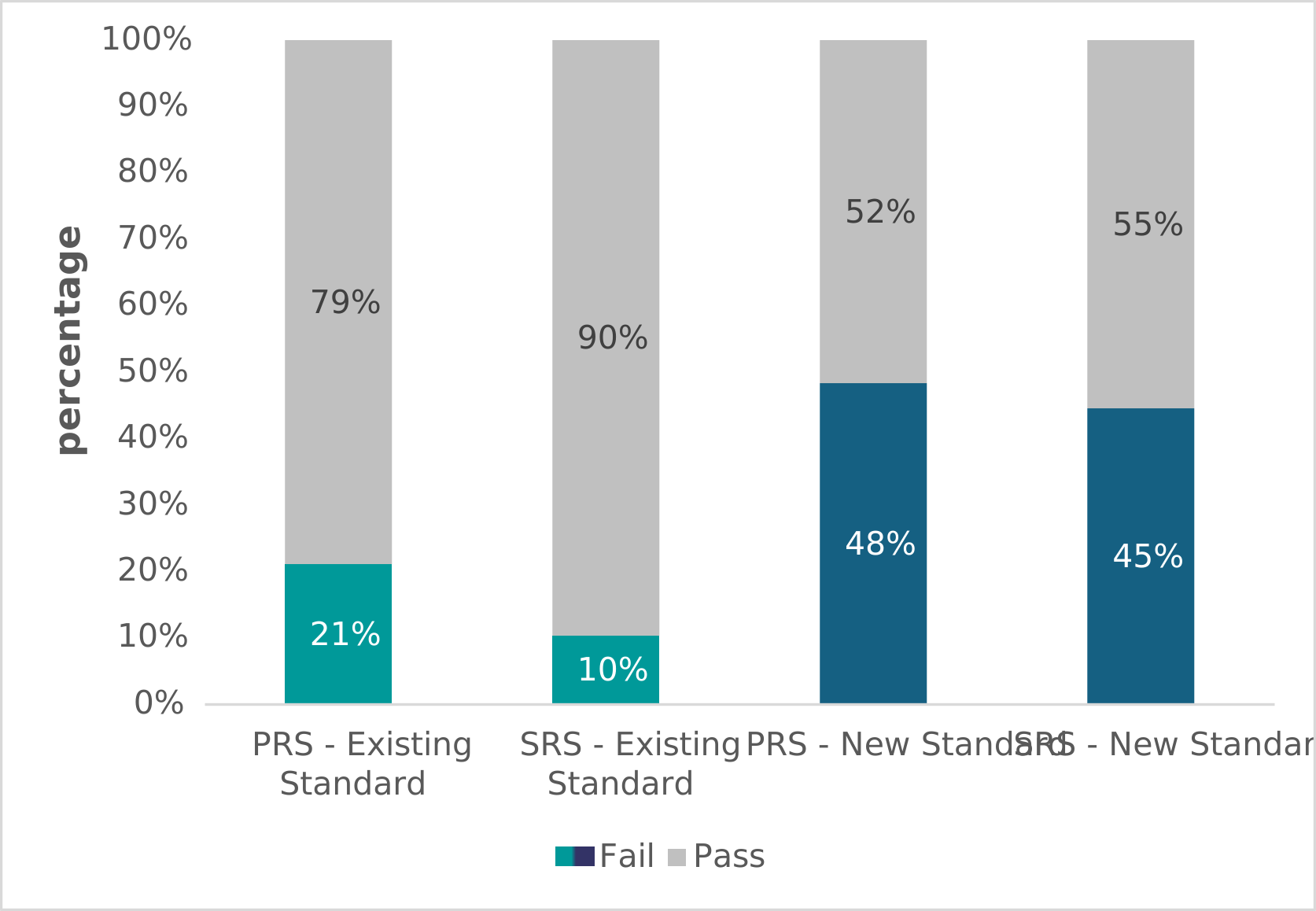
Base: all dwellings
Source: English Housing Survey 2023, full dwelling sample
Geographical variation
Under the existing standard, social rented dwellings in the East of England had the lowest rate of non-decency (6%), significantly lower than all other regions with the exception of the North East (9%) and the West Midlands (9%). With the new standard, the North East (34%) and the South West (37%) had the lowest rates of failure, compared to 54% in the East Midlands, 50% in the West Midlands and 49% in London (Annex Table 1.3).
Figure 3. Social rented sector dwellings not meeting the existing and new standard, by region
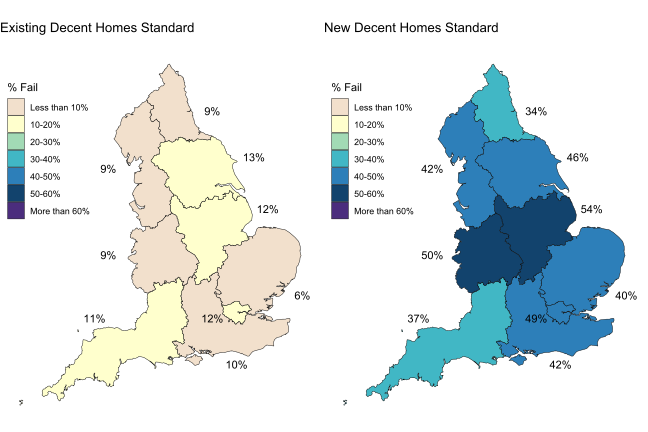
Base: all dwellings
Source: English Housing Survey 2023, full dwelling sample
Under the existing standard, the private rented sector in London (12%) had a lower proportion of non-decent dwellings than all other regions (21-31%) with the exception of the East of England (17%). The highest rates of non-decency in the private rented sector were seen in Yorkshire and the Humber (31%).
Similarly, with the new standard, London (39%) had a lower rate of failure than all regions (50-61%) except the East of England (44%) and the South East (45%).
Figure 4. Private rented sector dwellings not meeting the existing and new standard, by region
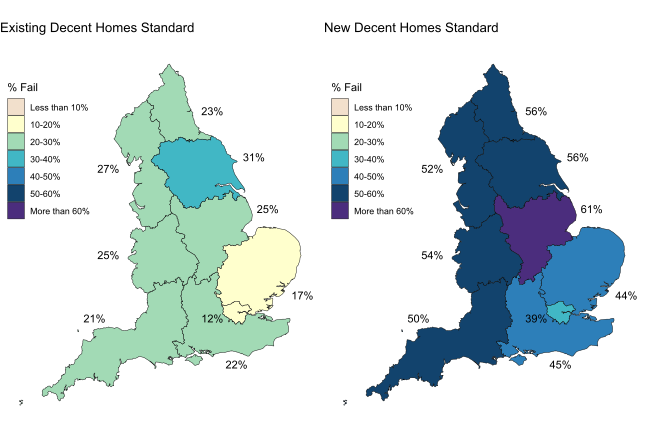
Base: all dwellings
Source: English Housing Survey 2023, full dwelling sample
Reasons for failing the Standard
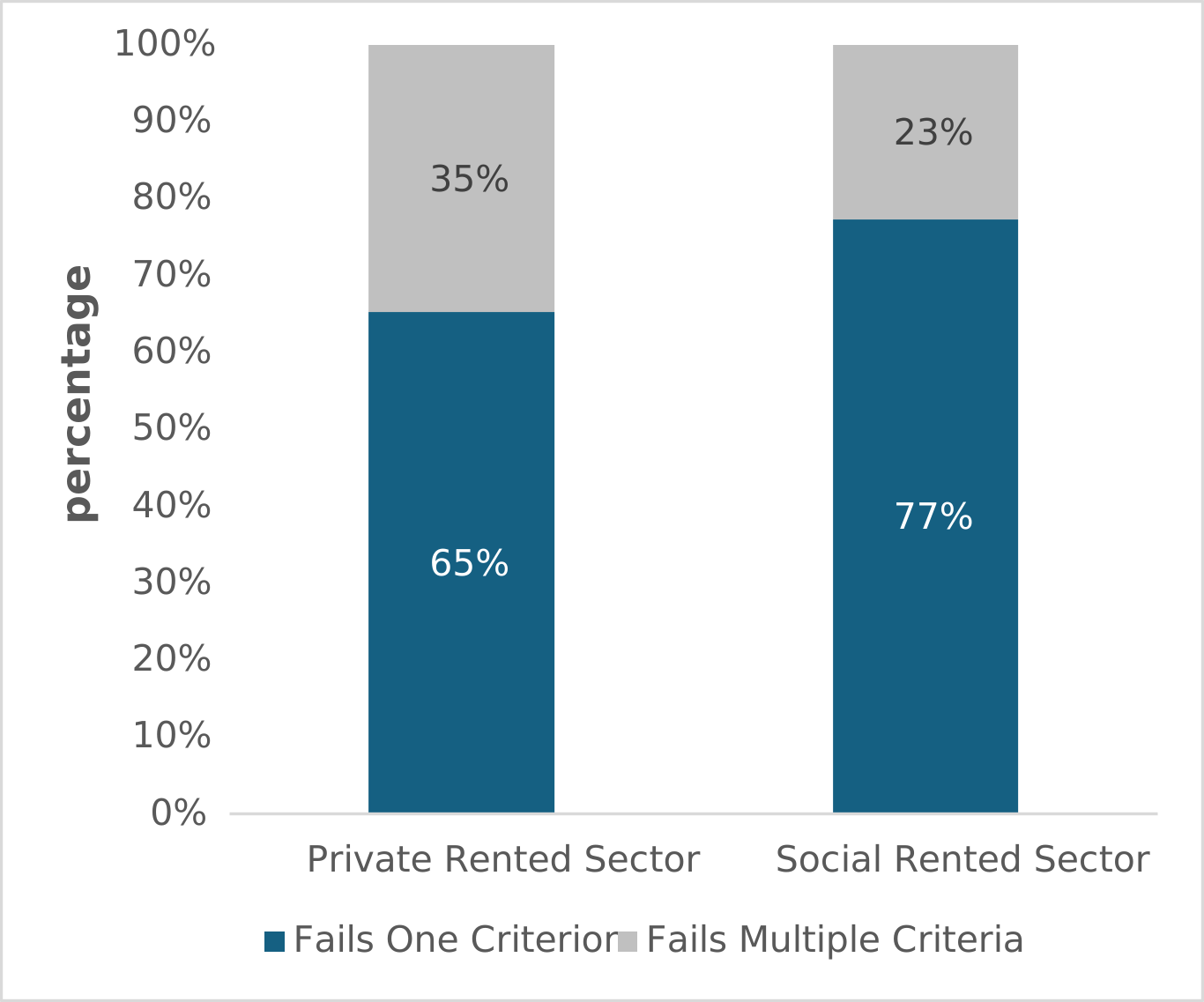
Under the new standard, 77% of social rented sector dwellings that failed did so on one criterion, with the remaining dwellings failing on multiple criteria. In the private rented sector, dwellings were more likely to fail on multiple criteria, as 65% of dwellings that failed did so on one criterion.
Figure 5. Number of criteria failed in new standard (non-decent dwellings only) by tenure
Base: all non-decent dwellings
Source: English Housing Survey 2023, full dwelling sample
Within the social rented sector, housing association dwellings were less likely, compared to local authority dwellings, to fail the new standard (42% vs 49%). This was driven by higher rates of Category 1 hazards (6% vs 3%), disrepair (40% vs 33%) and damp (8% vs 5%) in local authority dwellings compared to housing association dwellings (Annex Table 1.1).
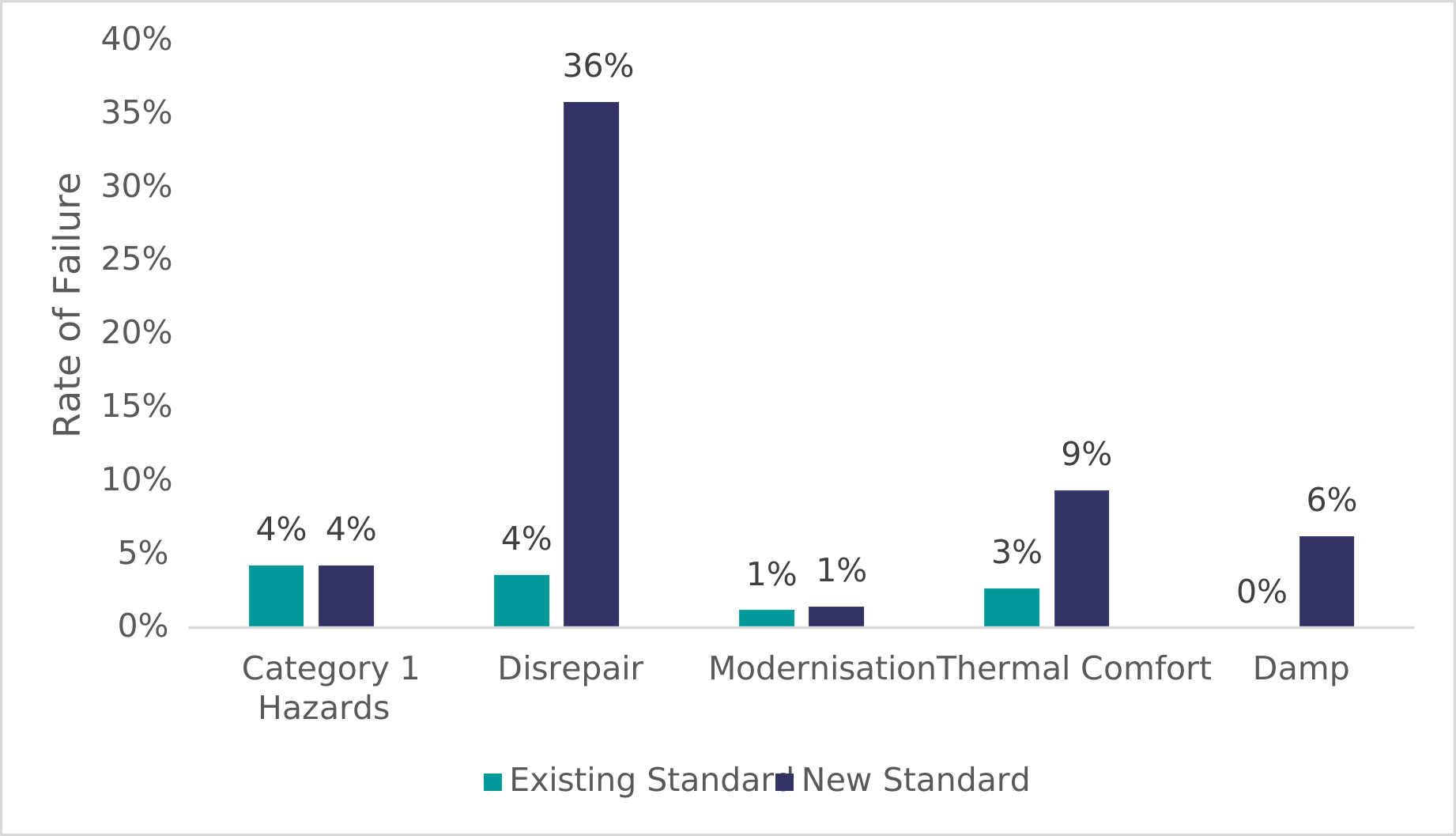
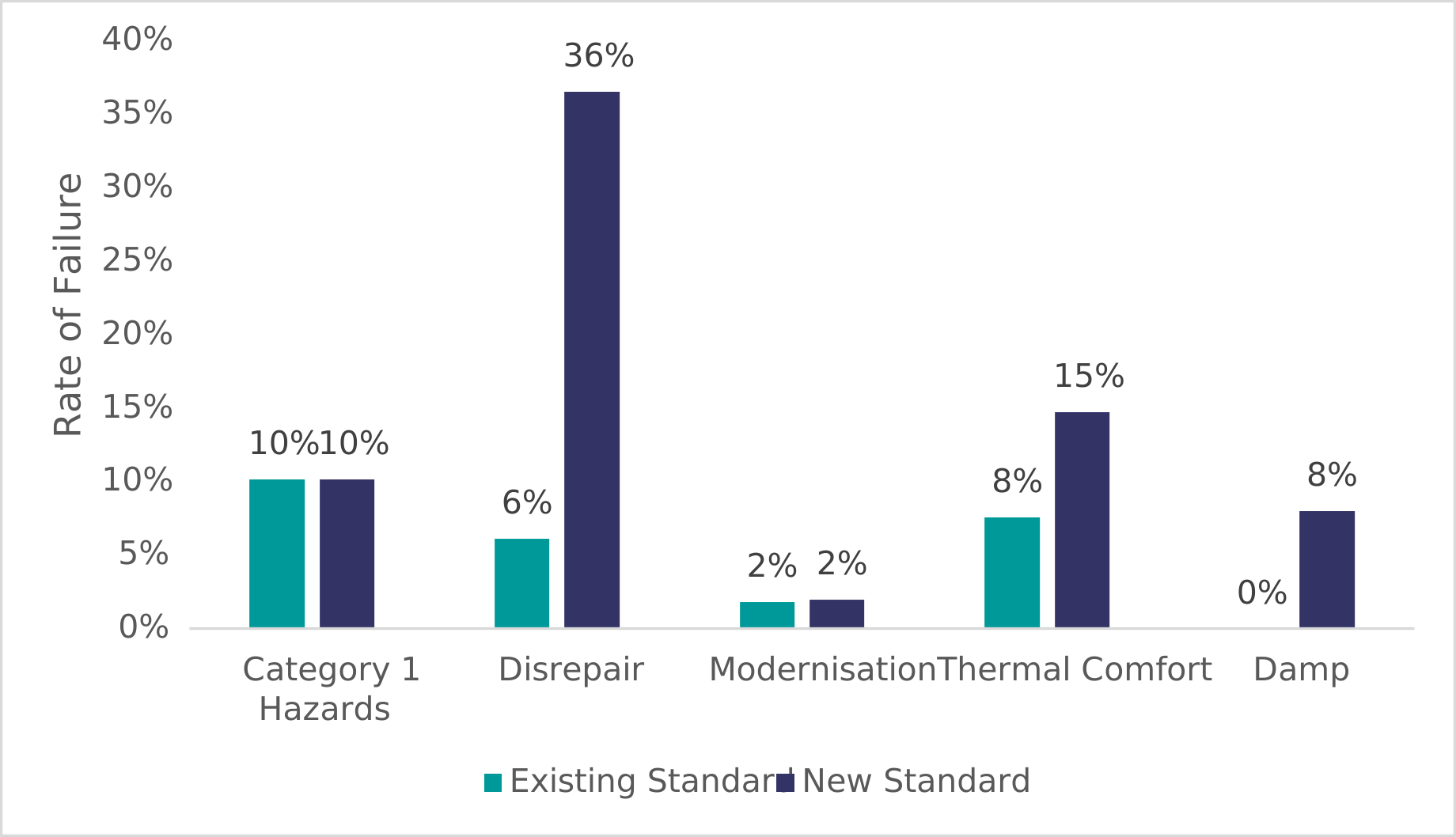
Under the existing standard, Criterion A (Category 1 hazards) was the most common criterion failed in the private rented sector (10%), whereas in the social rented sector, failures on Category 1 hazards and disrepair (both 4%) were more common than failures on other criteria. With the updated standard, the most common reason to fail for both rented tenures was the presence of disrepair.
Levels of disrepair under the new definition were similar between the social rented sector and private rented sector (both 36%) (Annex Table 1.1). Failures on thermal comfort and damp were higher in the private rented sector (15% and 8%) than in the social rented sector (9% and 6%).
Under the current standard, certain components must be both old and in disrepair to fail the Decent Homes Standard. Proposals for the new standard remove the necessity for a component to be ‘old’ for it to fail due to disrepair. Alongside the other updates, this removal of the age requirement will partially drive the increase in prevalence for both disrepair and modernisation.
Figure 6. Social rented sector dwellings not meeting the existing and new standard, by criteria failed
Base: all dwellings
Source: English Housing Survey 2023, full dwelling sample
Figure 7. Private rented sector dwellings not meeting the existing and the new standard, by criteria failed
Base: all dwellings
Source: English Housing Survey 2023, full dwelling sample
Within Criterion B (disrepair), the highest rates of failure in the private rented sector were seen for roof features needing repair (19%), internal doors disrepair (11%) and window disrepair (10%). In the social rented sector, these components also had high failure rates (13%, 14% and 8% respectively) (Annex Table 1.4).
7. Costs to make decent
All costs in this note use data from the English Housing Survey for 2023. In addition to costs of remediating individual components, the modelled estimates for costs also include i) preliminary costs to cover items required before the work can commence e.g. site hut, security fencing, ii) access costs to cover costs for scaffolding, cradles and other equipment needed to work safely at height, and iii) uplifts or economies of scale (for example, if certain equipment or expenses are required to remediate multiple faults) that are calculated differently for the ‘required expenditure’.
The EHS methodology used to estimate cost to make decent was established alongside the original Decent Homes Standard in 2001. It assumes that, where a dwelling fails the standard, landlords will remedy all faults, even if some of that remediation work is not strictly required to pass the standard. The Impact Assessment methodology, in line with the Better Regulation Framework, assesses the minimum cost obligations that the new and existing standards imply. It therefore removes costs that landlords may choose to incur but are not strictly obligated to remedy to satisfy the standard[footnote 4]. The actual behaviour of landlords in response to the new standard is unclear and behaviour likely varies across the landlord population.
The introduction of the new Decent Homes Standard will overlap with the existing obligations landlords have regarding housing quality. In the associated Impact Assessment, costs related to existing obligations are subtracted from total costs, to more precisely represent the additional compliance costs of the new standard. Costs relating to existing housing quality requirements are ones that landlords should already be meeting. The Impact Assessment also expresses costs in 2025 prices, rather than the original prices used by BRE in analysis of the 2023 data that underpins this note.
Furthermore, total costs presented here also include some components not in the final standard. These components, related to disrepair of public realm in the social rented sector only [footnote 5], represent a small proportion of overall costs. Maintenance of the condition of these components is considered an existing obligation for social landlords, and so additional costs presented here accurately reflect the scope of the standard.
The costs generated by the introduction of the new Decent Homes Standard vary significantly across non-decent dwellings. The costs presented in this publication are one-off estimates (rather than recurring) and, in practice, are likely to be spread across several years. They also only relate to the size and condition of the housing stock as of 2023 – they do not account for any changes in the future.
Definitions
Total cost = the full cost of remediating dwellings up to the new standard, including existing obligations
Additional cost = the cost of remediating dwellings up to the new standard above and beyond existing obligations
Existing cost = the cost of remediating dwellings up to the new standard, but only those costs considered to be part of existing obligations
Total cost = additional cost + existing cost
Total costs
The social rented sector would cost an estimated £11.3 billion in total to make decent up to the new standard. Of this, £4.8 billion would apply to local authority dwellings and £6.5 billion to housing association dwellings. These costs are approximately three times as much as those required to meet the existing standard in the social rented sector (£3.6 billion).
The private rented sector would cost £26.5 billion in total to make decent up to the new standard. These costs are approximately twice as much as those required to meet the existing standard in the private rented sector (£10.9 billion).
The costs generated by the introduction of a new standard vary significantly between affected dwellings. The mean costs to meet the new standard in the social rented sector (£5,937 per dwelling) are lower than the mean costs to meet the existing Decent Homes Standard (£8,476 per dwelling) (Annex Table 1.5). In the private rented sector, the mean costs to meet both the existing and the new Decent Homes Standard were statistically similar (both around £11,000).
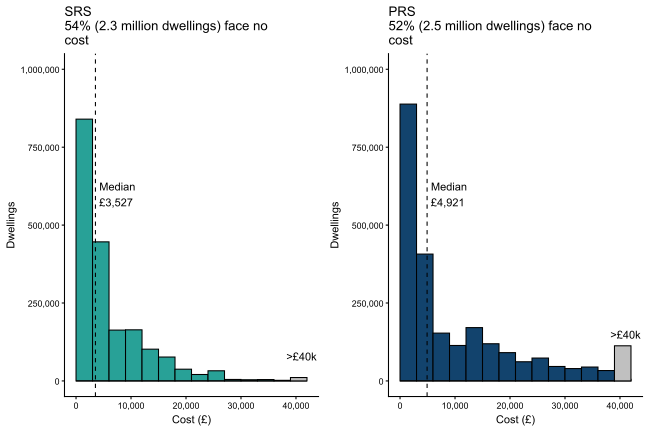
Furthermore, the median costs to meet the new standard, £3,527 in the social rented sector and £4,921 in the private rented sector, were much lower than their respective mean values, demonstrating a skewed distribution with many dwellings facing a low cost (Figure 8).
Figure 8. Distribution of the total cost to meet the new Decent Homes Standard across dwellings.
Base: all dwellings
Source: English Housing Survey 2023, full dwelling sample
Additional costs
A considerable proportion of the total costs of full compliance with the revised standard are the result of existing requirements such as the current Decent Homes Standard and from the Landlord and Tenant Act 1985, rather than costs specifically introduced by the proposed new standard. Further details are provided in the Technical Note for this release. Where landlords are not currently fulfilling their existing obligations to their tenants, they will generally face greater costs to bring their properties up to the new standard.
When existing obligations are removed, additional costs to meet the new standard for the social rented sector and private rented sector are £1.8 billion and £5.4 billion respectively (Annex Table 1.5).
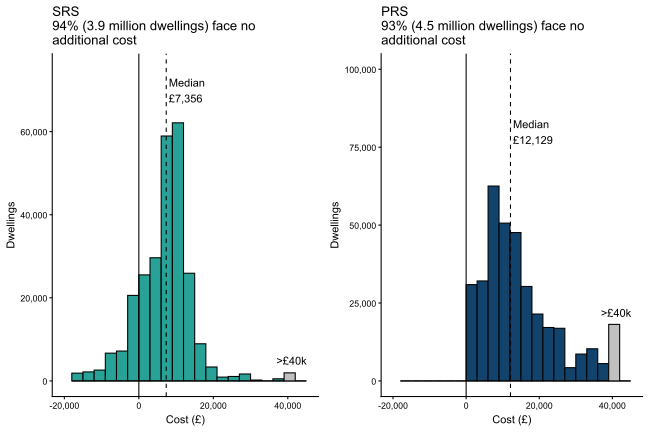
The median additional cost per affected dwelling to meet the new standard is £7,356 in the social rented sector, around the same as the mean value of £6,817, indicating a broadly symmetrical distribution of costs. Conversely, the median additional cost per affected dwelling to meet the new standard is £12,129 in the private rented sector, lower than the mean value of £15,180, indicating a skewed distribution with a higher prevalence of lower costs. These mean and median values include cases where a negative additional cost is present, representing dwellings where the new standard represents a lower cost than the existing standard[footnote 6]. (Annex Table 1.5).
Additional costs are faced by a minority of dwellings in both rental sectors (632,000 dwellings in total), relating to 6% of dwellings in the SRS (264,000 dwellings) and 7% of dwellings in the PRS (356,000 dwellings) (Annex Table 1.6).
These findings reflect the fact that, while the new standard introduces costs to more dwellings, many of these dwellings have a low cost to remediate.
Figure 9. Distribution of the additional cost to meet the new Decent Homes Standard across dwellings.
Base: all dwellings
Source: English Housing Survey 2023, full dwelling sample
8. Household effects
The demographic makeup of households who live in dwellings that failed the existing standard differed from the demographics of those failing the revised standard. The below analysis explores this in more detail.
Social rented sector
Social rented households, across characteristics, were generally as likely as each other to live in a home that failed the new Decent Homes Standard. One exception was disability or long term illness, with households containing someone with a disability or long term illness (46%) more likely to live in a dwelling that failed the new standard than households without (41%). No difference in likelihoods was observed with the existing standard (Annex Table 1.7).
This difference emerges from the expansion of Criterion B (disrepair), with households containing someone with a disability or long term illness more likely to live in a dwelling with disrepair (38%) compared to households without (32%) (Annex Table 1.8).
Social renting households who received housing support were just as likely to fail the new Decent Homes Standard compared to households who did not, though were more likely to be in disrepair (37% vs 33%). Furthermore, under the existing standard, households with a male HRP were more likely to be living in a non-decent dwelling than households with a female HRP (12% vs 9%), but this difference was not observed with the new standard (Annex Table 1.7).
Private rented sector
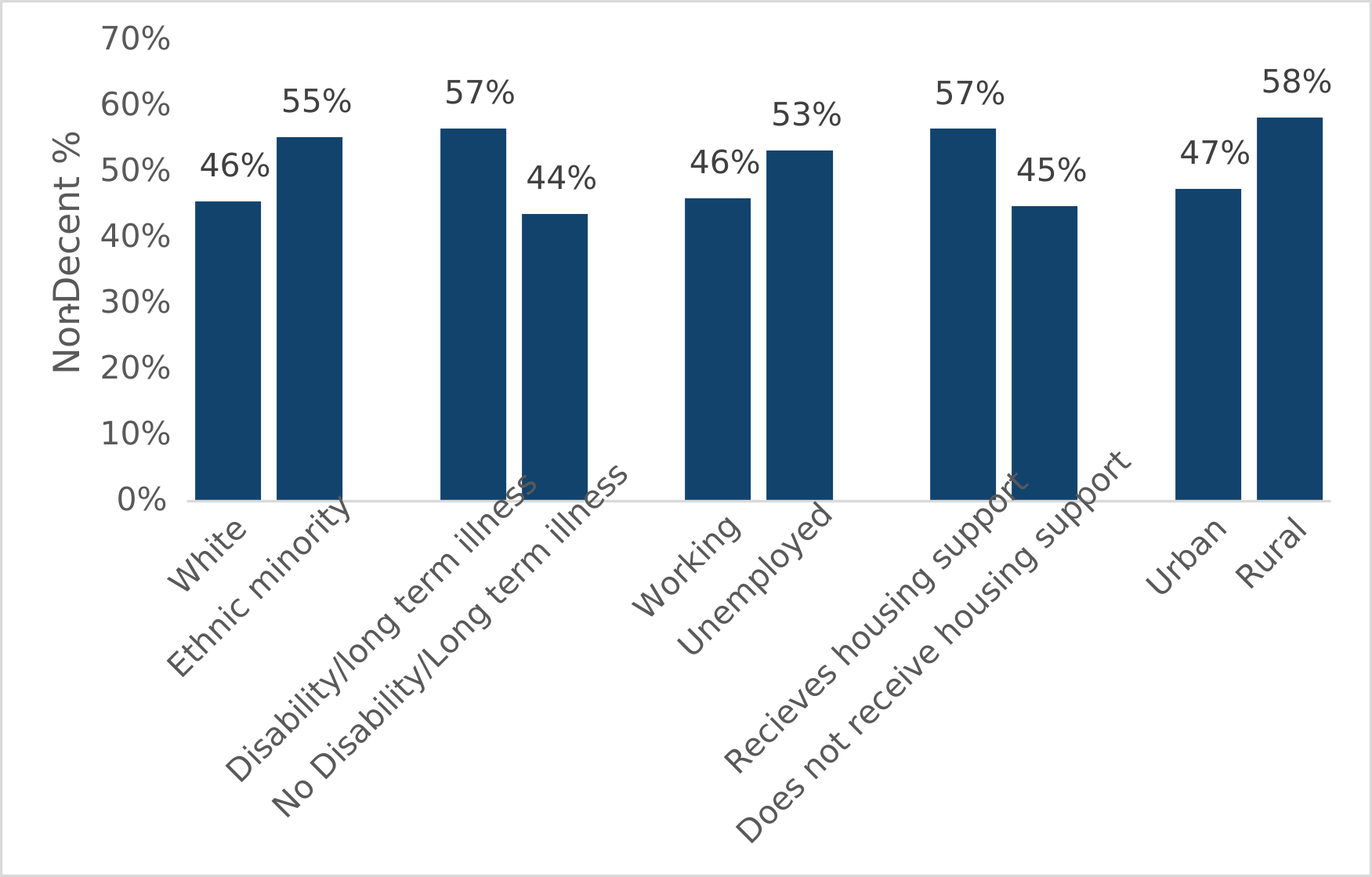
Unlike the social rented sector, the demographic profile of households in the private rented sector differed between households living in a decent and non-decent dwelling, according to the revised standard (Annex Table 1.7).
- Those with an ethnic minority HRP (55%) were more likely to fail than those with a white HRP (46%) to live in a home that failed the revised standard.
- Those with someone in the household with a disability or long term illness (57%) were more likely to fail than those in a household without (44%)
- Those with a HRP who was economically inactive (53%) were more likely to fail than those in work (46%)
- Those with someone receiving housing support (57%) were more likely to fail than those who didn’t (45%)
- Those who lived in a rural setting (58%) were more likely to fail than those in an urban setting (47%)
Similar to the social rented sector, no differences were observed in relation to the age or gender of the HRP, despite the fact that the age and gender profile of HRPs differs significantly between the two rented sectors - HRPs in the private rented sector are generally more likely to be younger and male[footnote 7].
Under the existing standard, there was no difference in the likelihood of living in a non-decent home between white HRPs and ethnic minority HRPs, but under the new standard, a higher proportion of ethnic minority HRPs (55%) would be considered to be living in a non-decent home, compared to white HRPs (46%). This was also true of the dwelling being in disrepair (41% for ethnic minority HRPs versus 34% for white HRPs under the new standard) (Annex Tables 1.7 and 1.8).
Having someone in the household with a disability or long-term illness was associated with a higher likelihood of the dwelling being considered non-decent and in disrepair under the new standard in both rented sectors.
The divergence in likelihood of failing the new standard between dwellings in urban and rural settings was only statistically significant in the private rented sector, but not in the social rented sector. Rural dwellings in the private rented sector were also more likely to fail on the updated definition of disrepair then urban dwellings (58% vs 47%).
Figure 10. Demographic differences under the new Decent Homes Standard in the private rented sector
Base: all households
Source: English Housing Survey 2023, full household sample
Dependent children
Households in the private rented sector had a similar likelihood of living in a dwelling considered non-decent under the existing standard, regardless of whether they had dependent children or not. This differed from the new standard, where households with dependent children were more likely to living in a dwelling that failed (53%) than households without dependent children (45%) (Annex Table 1.6).
There was no significant difference in housing quality for households with dependent children in the social rented sector, for either the existing or new standard. However, HRPs without dependent children in the social rented sector were less likely to live in a dwelling with disrepair (34%) under the new standard than HRPs with dependent children (39%).
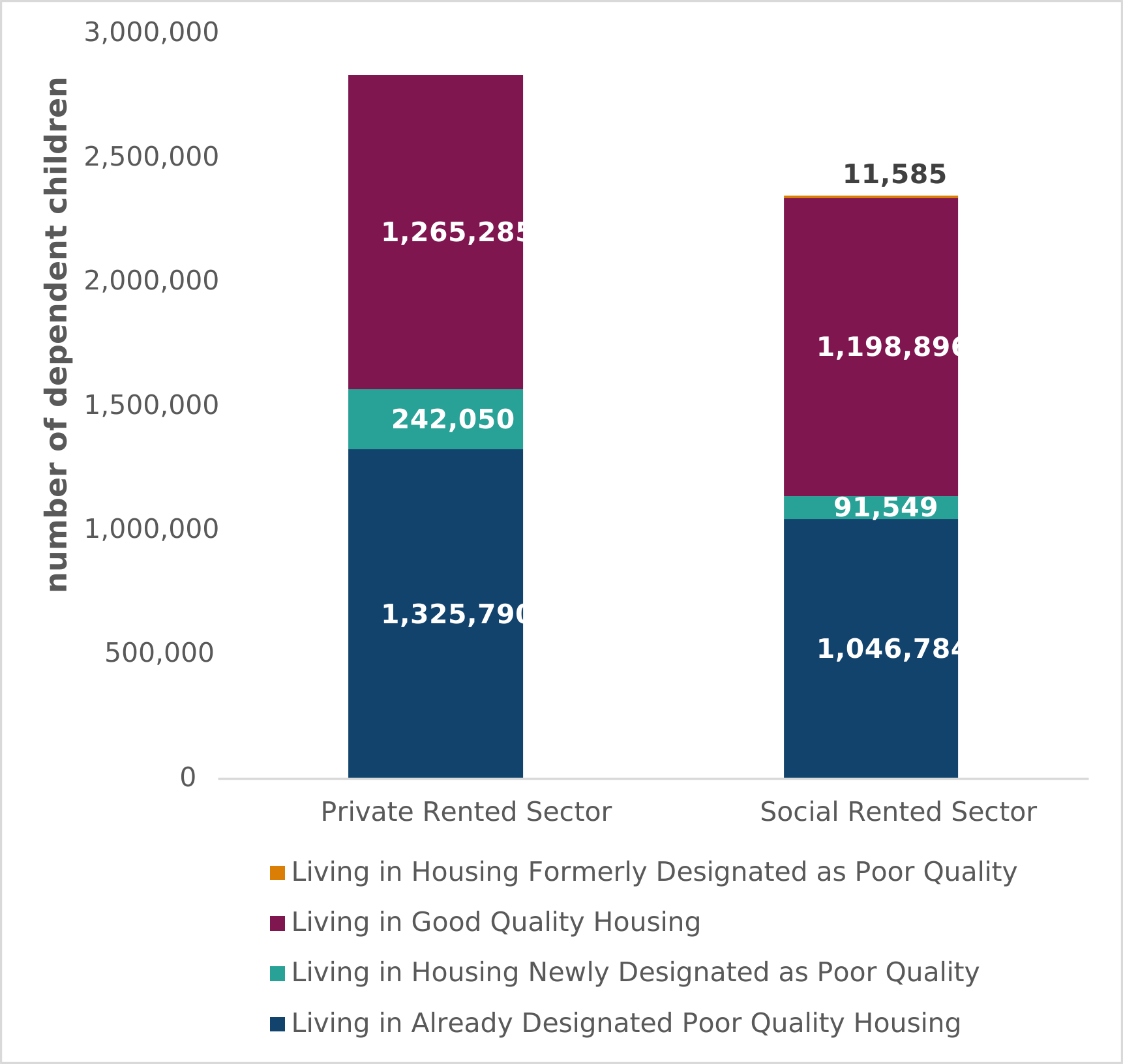
In 2023, there were 11.6m dependent children[footnote 8] living in England represented in the EHS, of which 2.8m lived in the private rented sector and 2.3m lived in the social rented sector. Using the existing standard, 617,000 children in the private rented sector and 286,000 children in the social rented sector lived in non-decent housing[footnote 9].
When the new standard is applied, 1.6 million children in the private rented sector (55% of dependent children in the sector) and 1.1 million children in the social rented sector (48% of dependent children in the sector) would be living in a non-decent home and so should benefit from landlords seeking to meet the new standard (Annex Table 1.9).
In the social rented sector, 1.0m dependent children (45%) were living in dwellings already considered as poor quality under the existing standard [footnote 10]. Dwellings that would be newly considered poor quality according to the new standard include a further 92,000 (4%) dependent children. A small proportion of dependent children (12,000, 0.5%) are living in dwellings that the existing standard considered poor quality, but the new standard would not [footnote 11].
In the private rented sector, 1.3 million dependent children (47%) were living in dwellings already considered poor quality under existing standards[footnote 12]. Dwellings that would be newly considered poor quality according to the Decent Homes Standard update would include a further 242,000 (9%) dependent children.
Figure 11. Number of dependent children in good and poor quality dwellings (under new Decent Homes Standard)
Base: all households
Source: English Housing Survey 2023, full household sample
9. Satisfaction with accommodation
As part of the EHS, households are asked how satisfied they were with their accommodation. Satisfaction will be related to multiple aspects of a dwelling, including but not limited to the condition of the home.
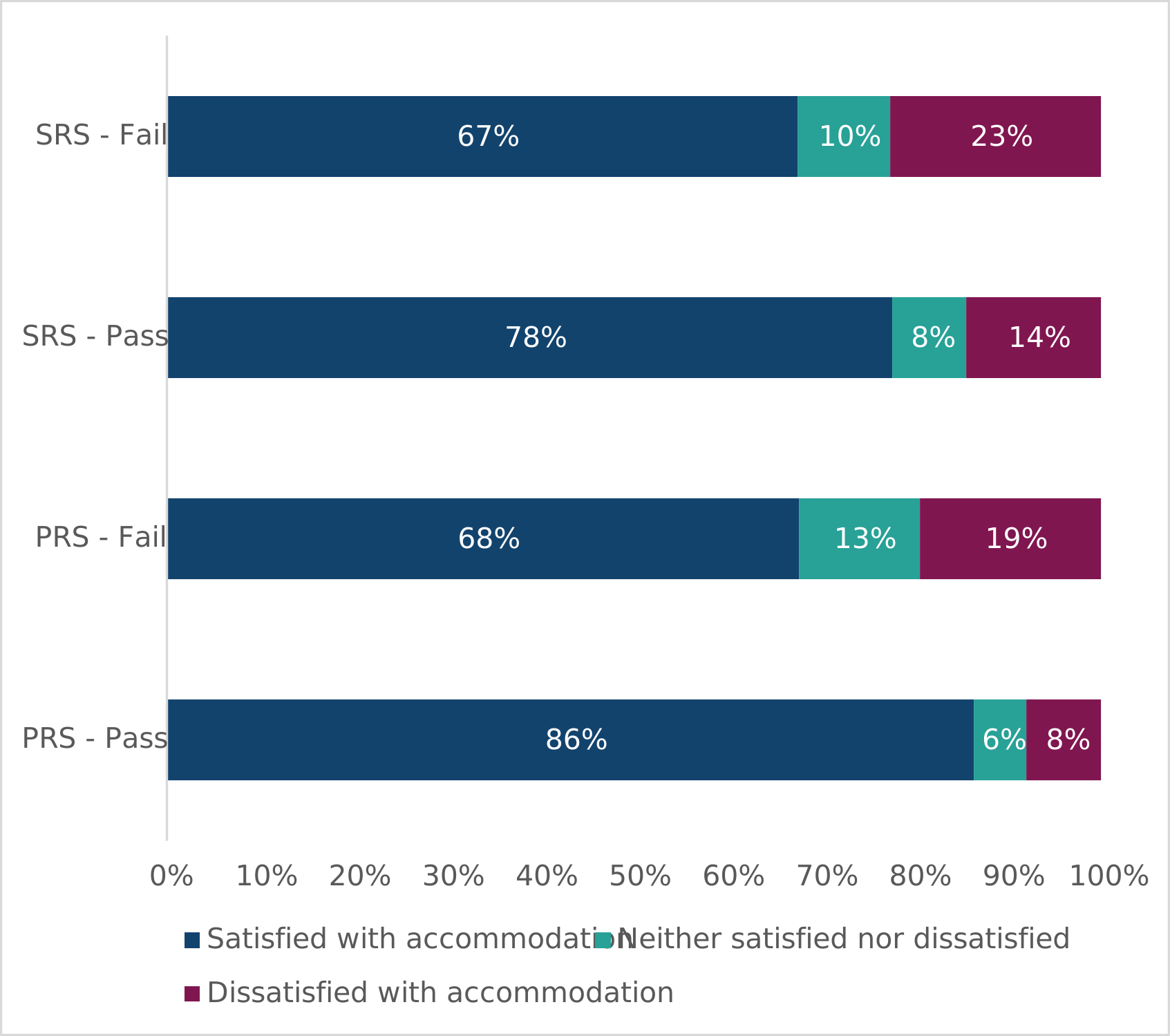
Rented households were much more likely to be dissatisfied with their accommodation if it failed the new Decent Homes Standard. In the private rented sector, 8% of households in decent homes were dissatisfied with their accommodation, lower than 19% of households in non-decent homes. Similarly, 14% of social rented households in homes that passed the standard were dissatisfied with their accommodation, compared to 23% of those in non-decent homes (Annex Table 1.10).
Figure 12. Satisfaction with accommodation, by whether dwelling passes or fails the new Decent Homes Standard, by tenure
Base: all households
Source: English Housing Survey 2023, full household sample
10. Comparison to the revised standard for consultation
Analysis of failure rates and costs, as presented alongside the consultation in 2025 [footnote 13], used the latest available English Housing Survey data at the time, from 2019. Since then, the scope of the standard has been updated in response to the consultation [footnote 14], minor modelling changes have been applied to improve accuracy [footnote 15], and stock condition data has been updated to observations from 2023.
These three changes have collectively affected failure rates and costs, and this section presents a summary of observations that explain differences between the revised standard for consultation and the new Decent Homes Standard.
The comparisons indicate that the conditions of rented dwellings based on the new Decent Homes Standard have deteriorated between 2019 and 2023, in contrast to observed improvements in housing quality under the existing Decent Homes Standard [footnote 16]. The updated scope of the new standard captures housing quality elements not included in the existing standard, as well as removing age criteria, to reveal worsening conditions that the existing standard does not capture.
We expect that much of the observed increase in costs is due to these stock condition changes over the COVID-19 pandemic (for example, difficulty organising repairs during the pandemic period) rather than any significant effect from the scope of the standard changing or the minor modelling improvements that were applied.
Failure rates
Dwellings in the social rented sector were more likely to fail the new Decent Homes Standard in 2023 (45%) than the revised standard for consultation in 2019 (40%), driven by a rise in failures on Criterion B (disrepair, 31% to 36%) and Criterion E (damp, 4% to 6%). This rise in failure rates was statistically significant in the East Midlands (42% to 54%), the East of England (32% to 40%) and London (42% to 49%).
With the revised standard for consultation in 2019, there was no overall difference in failure rates between local authority and housing association dwellings (both around 40%), but under the new Decent Homes Standard in 2023, local authority dwellings were more likely to fail (49%) than housing association dwellings (42%).
This change differs from trends under the existing Decent Homes Standard. From 2019 to 2023, there was a decrease in the number of social rented dwellings failing the existing standard (from 12% to 10%).
In the private rented sector, failure rates remained similar (47%-48%), with an increase in failures on Criterion B (disrepair) from 33% to 36% offset by a decrease in failures on Criterion A (Category 1 hazards) from 13% to 10%. Similarly, there has been no statistically significant change in failure rates of the existing Decent Homes Standard in the private rented sector over this time.
The new Decent Homes Standard includes a new Criterion E regarding the presence of damp. In all tenures, the proportion of dwellings that had a problem with damp, a quality metric not present in the existing Decent Homes Standard unless present at a Category 1 level, increased from 2019 to 2023. In the private rented and social rented sectors, these rises were from 7% to 9% and from 4% to 7% respectively [footnote 17].
There was a decrease in both tenures for the proportion of non-decent dwellings that failed on one criterion (from 71% to 65% in the private rented and from 81% to 77% in the social rented sector).
Effects on households
Under the revised standard for consultation, there were statistically significant differences in the likelihood of social renting households living in non-decent dwellings across many demographics, including age, ethnicity, gender, and employment status. Under the new standard, the only difference observed was that households containing someone with a disability or long term illness were more likely to live in a non-decent home than those households without. Over the last five years, there has been an increase in the proportion of households containing someone with a long-term illness or disability across all tenures, with the exception of those who own their home outright [footnote 18].
In the private rented sector, the revised standard for consultation showed age and gender differences in the likelihood of living in a non-decent dwelling. Under the new standard, these differences no longer existed, though differences relating to ethnicity, disability, economic status, whether receiving household support and urban/rural status have persisted.
Costs
In this section, to allow direct comparisons, costs from the revised standard for consultation and the new Decent Homes Standard have been converted into 2025 prices (Annex Table 1.5)
The total and additional costs to make private rented sector dwellings decent, in 2025 prices, up to the revised standard for consultation were £16.5 billion and £3.1 billion respectively. This was higher under the new Decent Homes Standard, with total and additional costs of £30.2 billion and £6.2 billion respectively. There was a similar scale of increase in the social rented sector, with total costs increasing from £6.6 billion to £12.9 billion, and additional costs increasing from £1.1 billion to £2.0 billion in 2023.
Despite the fact that the proportion of dwellings facing an additional cost has not changed from the revised standard for consultation to the new Decent Homes Standard (7% in the private rented sector and 6% in the social rented sector), costs have increased. The mean cost to make decent has increased in both tenures. In the PRS, the average additional cost per affected dwelling has risen from £9,044 to £17,296, with a similar scale of increase in the social rented sector (£4,628 to £7,768). We consider that this is related to poor quality homes worsening in condition over the pandemic period, leading to them failing more criteria and costing more to bring up to standard compared to 2019.
11. Links to related publications
-
English Housing Survey 2023 to 2024: headline findings on housing quality and energy efficiency. ↩
-
Housing conditions in the private rented sector (England). ↩
-
For example, if a dwelling failed on both kitchen and bathroom modernisation, the dwelling would fail Criterion C. If only one room was modernised, the dwelling would pass Criterion C. English Housing Survey costs include work to remedy all items that currently fail the Standard (even if by fixing only one item makes the dwelling decent) whereas the Impact Assessment would only include the cost of one of these elements. ↩
-
Boundary walls, communal parking, drying areas, play areas, landscaping, external paths and steps, external lighting and refuse storage. ↩
-
For example, age requirements on kitchens and bathrooms have been removed. ↩
-
In the EHS, a dependent child is defined as any child in the household aged under 16 years, or aged 16 to 18 years if they are in full time education up to A-Level or equivalent. ↩
-
English Housing Survey 2023 to 2024: drivers and impacts of housing quality, Annex Table 5.3. ↩
-
In the social rented sector, existing standards refer to the existing Decent Homes Standard, plus urgent disrepair as covered by the Landlord and Tenant Act 1985. ↩
-
This can occur due to the dropping of some components, e.g., failures on kitchen or bathroom age. This would apply to those living in the SRS. In the PRS, this cannot occur. ↩
-
In the private rented sector, existing standards refer to the requirement to not have Category 1 hazards present, plus urgent disrepair as covered by the Landlord and Tenant Act 1985. ↩
-
EHS Briefing: Modelling a revised Decent Homes Standard for consultation. ↩
-
Removal of requirements to keep boundary walls, communal parking, drying areas, play areas, landscaping, external paths and steps, external lighting and refuse storage in good repair in the social rented sector. ↩
-
Minor updates to the methodology used to determine failure rates on roof feature disrepair (adding valley guttering disrepair) and Criterion E have been made. ↩
-
English Housing Survey 2023 to 2024: headline findings on housing quality and energy efficiency. ↩
-
Chapters for English Housing Survey 2023 to 2024: Headline findings on housing quality and energy efficiency. ↩
-
Chapters for English Housing Survey 2024 to 2025: Headline findings on demographics and household resilience. ↩