Chapter 1: Profile of households and dwellings
Updated 9 July 2026
Applies to England

© Crown copyright 2026
This publication is licensed under the terms of the Open Government Licence v3.0 except where otherwise stated. To view this licence, visit nationalarchives.gov.uk/doc/open-government-licence/version/3 or write to the Information Policy Team, The National Archives, Kew, London TW9 4DU, or email: psi@nationalarchives.gov.uk.
Where we have identified any third party copyright information you will need to obtain permission from the copyright holders concerned.
This publication is available at https://www.gov.uk/government/statistics/chapters-for-english-housing-survey-2024-to-2025-headline-findings-on-demographics-and-household-resilience/chapter-1-profile-of-households-and-dwellings
Introduction
There are three main housing tenures in England: owner occupation and the private and social rented sectors. Owner occupation includes households who own their home outright and households who have a mortgage. The social rented sector includes both local authority and housing association homes.
This chapter begins with an overall profile of households living in these three tenures, including by region and demographic characteristics. It then goes on to discuss an overall profile of the English housing stock, including the age, type and size of dwellings by tenure and whether homes have outside space.
For an introduction and summary of main findings in this report as a whole, please see the Introduction and key findings.
Trends in tenure
In 2024-25, there were an estimated 25.0 million households in England living in self-contained accommodation, Annex Table 1.1. This figure excludes those living in institutional accommodation such as nursing homes or halls of residence.
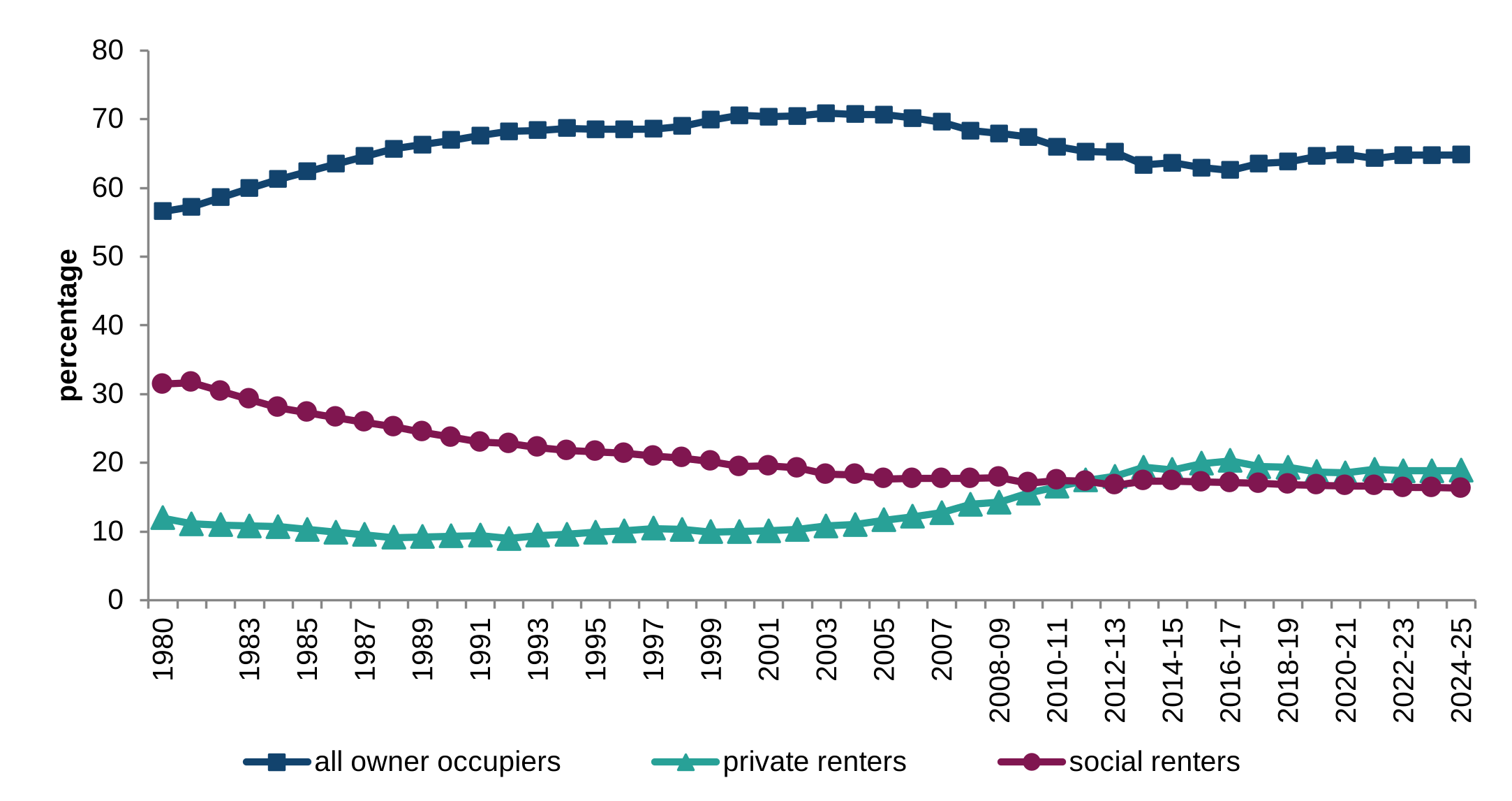
Owner occupation remained the largest tenure group, with 16.2 million households, representing 65% of all households in England in 2024-25. Ownership rates were highest in 2003 at 71% of households but steadily declined post financial crisis in the early 2010’s to a low point in 2013-14 (63%). Over the last 11 years, owner occupation increased to 65%, where it has remained stable since 2019-20, Annex Table 1.1 and Figure 1.1.
In 2024-25, the private rented sector accounted for 4.7 million or 19% of households. Throughout the 1980s and 1990s, the proportion of private rented households was relatively steady at between 9% to 11%. While the sector has doubled in size since the early 2000s, the rate has remained around 19% or 20% since 2013-14.
The social rented sector, at 4.1 million households (16%), was the smallest tenure in 2024-25, following a longer-term downward trend that stabilised over the last decade or so.
Figure 1.1: Trends in tenure (proportions), 1980 to 2024-25
Base: all households
Notes:
1) underlying data are presented in Annex Table 1.1
Sources:
1980 to 1991: DOE Labour Force Survey Housing Trailer;
1992 to 2008: ONS Labour Force Survey;
2008-09 onwards: English Housing Survey, full household sample
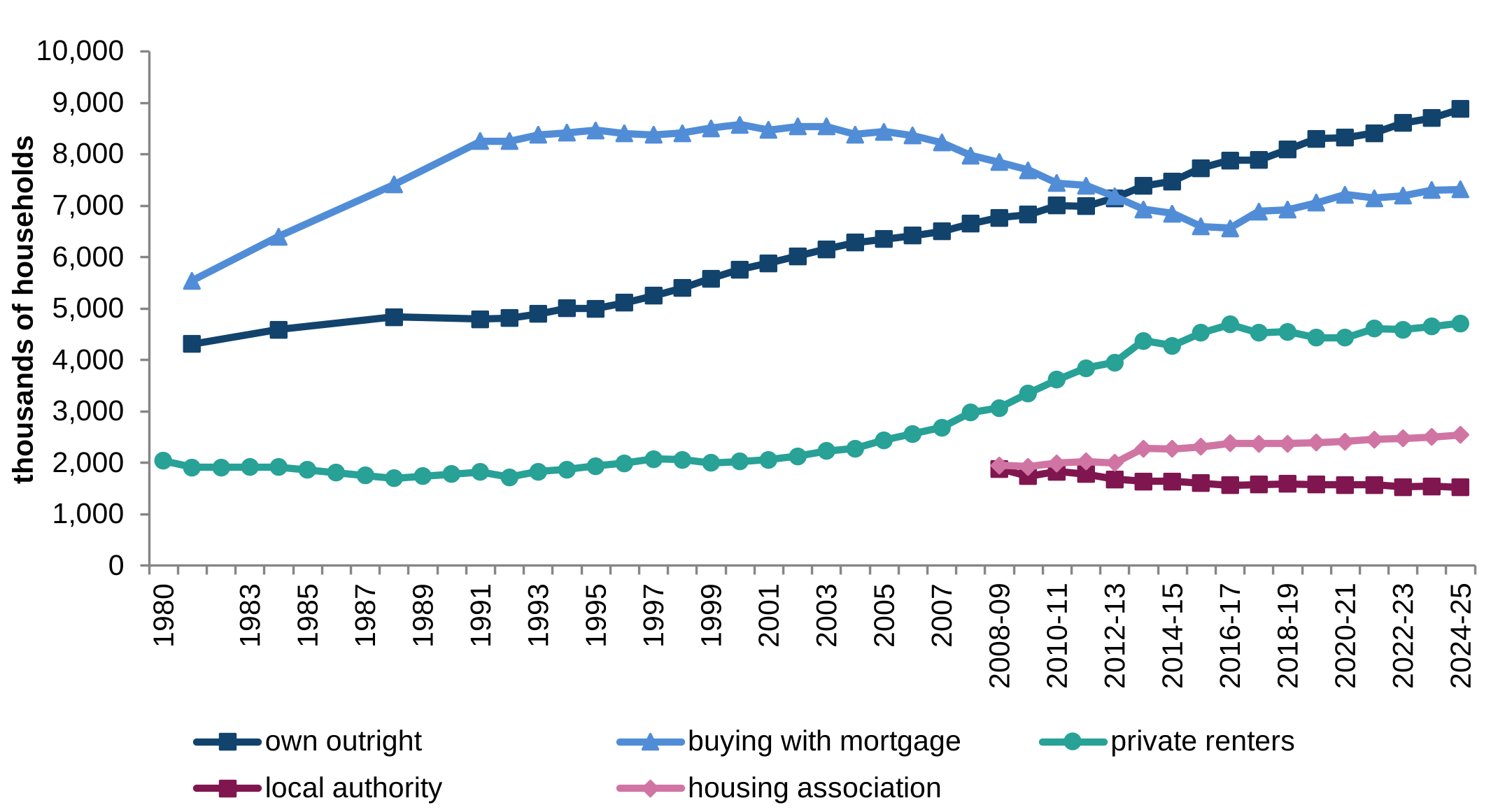
While the overall proportion for the owner occupied and social rented sectors has not changed, the composition of the groups has. Owner occupation is made up of two groups: outright owners and those buying with a mortgage (referred to throughout this report as mortgagors). Since 2013-14, there have been more outright owners (33%) than mortgagors (31%) and the proportion of outright owners has since increased to 36% in 2024-25, while 29% were mortgagors. The increase in the number and proportion of outright owners is at least partly explained by population ageing, with large numbers of people reaching retirement age, paying off their mortgages and becoming outright owners, Figure 1.2.
The composition of the social rented sector has also changed in the last decade. Ten years ago, in 2014-15, the social rented sector accounted for 17% of households, with 10% (2.3 million) renting from housing associations and 7% (1.6 million) renting from local authorities. In 2024-25, more households (10% or 2.5 million) rented from housing associations, and fewer (6% or 1.5 million) from local authorities, Figure 1.2.
Figure 1.2: Trends in tenure (thousands of households), 1980 to 2024-25
Base: all households
Notes:
1) underlying data are presented in Annex Table 1.1
2) separate housing association/local authority estimates are not available prior to 2008-09. This is because a large number of HA tenants wrongly report that that they are LA tenants; most commonly because their home used to be owned by the council but had transferred to a housing association. Since 2008-09, an adjustment has been made for this.
Sources:
1980 to 1991: DOE Labour Force Survey Housing Trailer;
1992 to 2008: ONS Labour Force Survey;
2008-09 onwards: English Housing Survey, full household sample
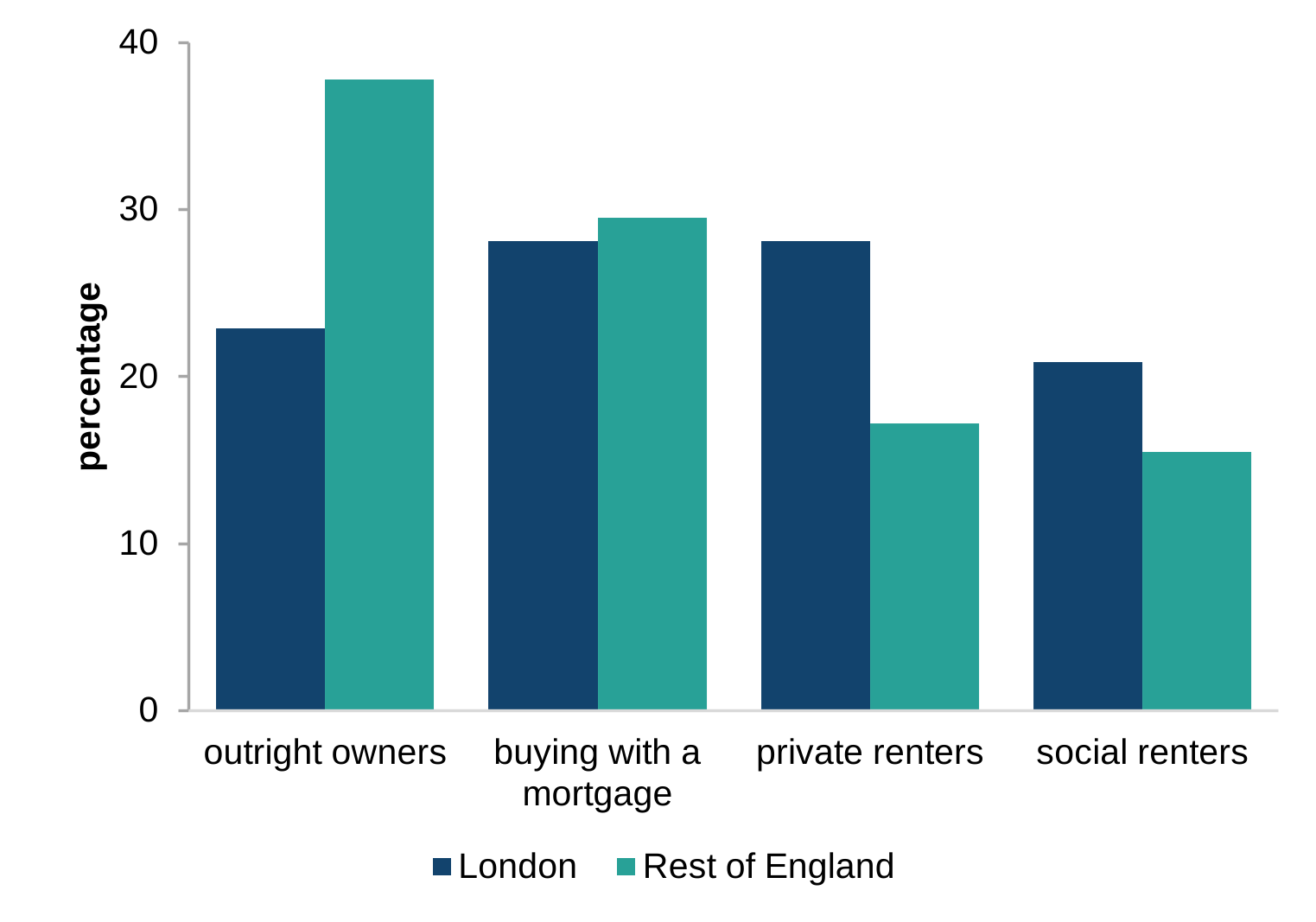
When compared with the other English regions, London had a different tenure profile. Renting was more prevalent, and owner occupation was less prevalent, in London than in the rest of England, Figure 1.3 and Annex Table 1.2.
In most other English regions, the tenure profile in each region was unchanged since 2023-24. While the total number of households in London remained stable at 3.8 million, there was a decrease in the proportion of households who privately rented from 32% in 2023-24 to 28% in 2024-25.
Despite this, there is not sufficient evidence to suggest the private rented sector in London is smaller in 2024-25 than it was in 2023-24. The proportion of households in the private rented sector in London is dependent on the size of the private rented sector as well as the size of the owner occupied and social rented sectors. The apparent drop in the count of privately rented households from 1.2 million in 2023-24 to 1.1 million in 2024-25 in London is not statistically significant. Furthermore, there has not been a significant decrease in the proportion of private rented sector dwellings (which includes vacant dwellings without households, most often those between lets) in London (Annex Table 1.8) from 2023-24 to 2024-25.
In 2024-25, 28% of households in London were private renters, compared to 17% in the rest of England. Similarly, 21% of London households were social renters, compared to 16% in the rest of England. Within the social rented sector, the proportion of households in London (10%) renting from a local authority was higher than the proportion in the rest of England (5%), whereas there were similar proportions of households renting from a housing association in London (11%) compared to the rest of England (10%).
Compared to 10 years ago, we have observed an increase in the proportion of households in the North East who owned outright (from 30% to 39%) with a concurrent decrease in the proportion of households who were mortgagors (from 31% to 25%). Additionally, there was a rise in the proportion of households who owned outright in Yorkshire and the Humber (from 32% to 37%) and the South West (from 37% to 41%) since 2014-15.
In 2024-25, owner occupation rates were lower in London (51%) than in the rest of England (67%). This disparity was particularly pronounced in the proportion of outright owners in London compared to the rest of England. In London, 23% of households were outright owners, compared to 38% in the rest of England, which could be related to both higher house prices in London, as well as a difference in the age profile of households as reported by the Census 2021, where the median age in London is the lowest in England (35 years).
Figure 1.3: Tenure, London and the Rest of England, 2024-25
Base: all households
Notes:
1) underlying data are presented in Annex Table 1.2
Source: English Housing Survey, full household sample
Demographic and economic characteristics
In this section, the demographic and economic profile of the household reference person (HRP) is explored in more detail. The HRP is the ‘householder’ in whose name the accommodation is owned or rented. If the accommodation is in more than one name, the person with the highest income is considered the HRP (see the glossary for further information).
Age
In 2024-25, owner occupiers and social renters were concentrated among the older age bands. For owner occupiers, this was driven by outright owner households, where 62% contained a HRP aged 65 or over. Mortgagers were typically in the middle age bands. This variation was less apparent in the social rented sector, which ranged from 28% of households with a HRP aged 65 or over and 3% aged 16-24 years, Annex Table 1.3.
Private renters tended to have a HRP within the middle age bands with the majority aged between 25 and 54 years.
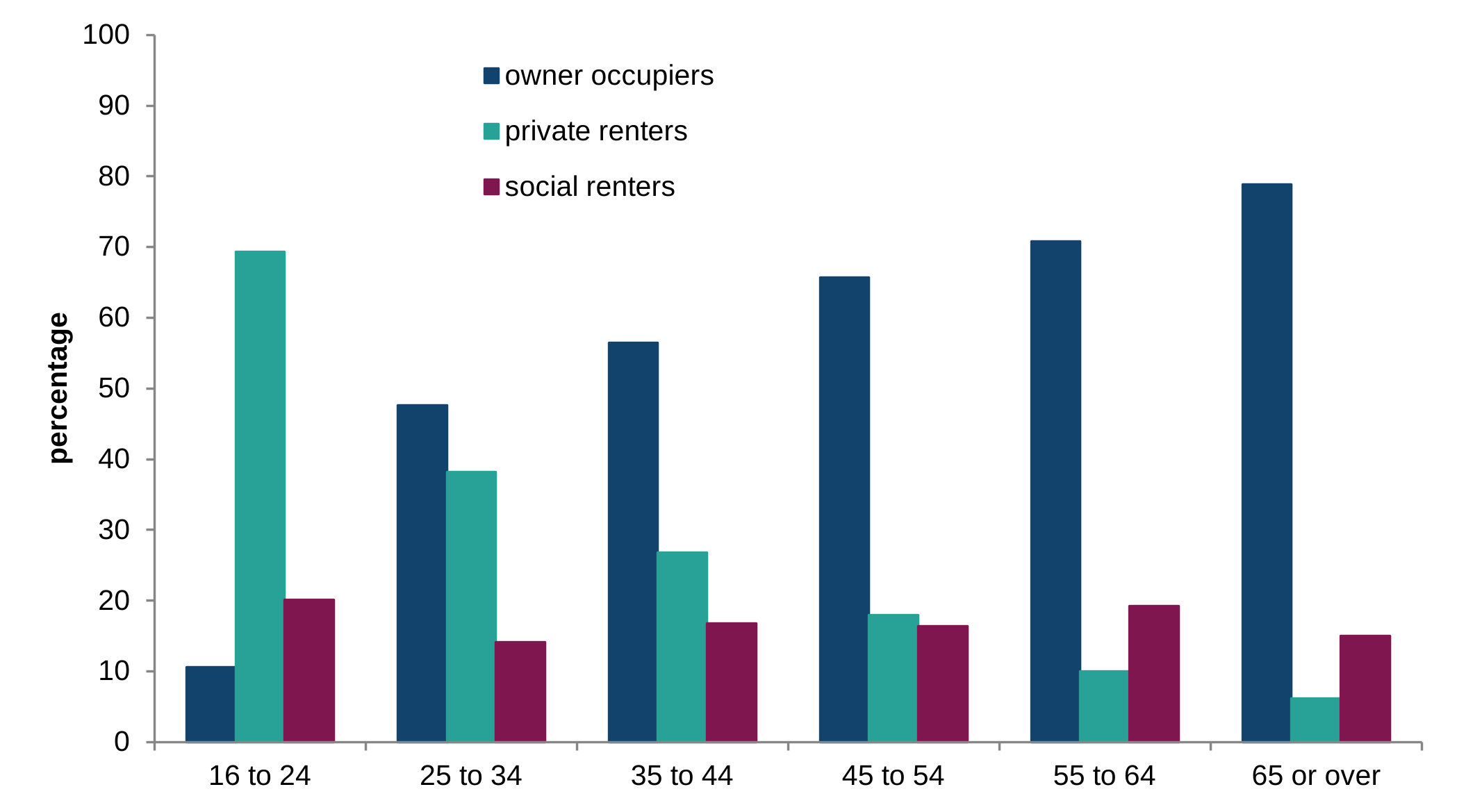
Focusing on age bands by tenure, in 2024-25, the majority of households with a HRP in the age group 16-24 were private renters (69%) compared with 20% social renters and 11% owner occupiers. Conversely, 79% of HRPs aged 65 or over were owner occupiers (74% owned their house outright with 5% paying a mortgage), compared with 15% for social renters and 6% of private renters. The proportion of households with a HRP aged 45-54 increased within private rented households to 18% in 2024-25, from 15% in 2023-24 and 14% a decade ago, Annex Table 1.4 and Figure 1.4.
Compared to 2023-24, there was a decrease in the proportion of HRPs aged 16-24 buying with a mortgage (15% to 8%). However, this has fluctuated over the last decade and does not demonstrate a downward trend over time.
Figure 1.4: Age of HRP, by tenure, 2024-25
Base: all households
Notes:
1) underlying data are presented in Annex Table 1.4
Source: English Housing Survey, full household sample
Household type and size
Household type
Single households made up the largest household type in the social rented sector. Households containing one female (25%) and one male (22%) were most common. There were some notable differences in the gender profile of single person households across tenure types. Among outright owners, female single person households were more common than male (25% female compared to 17% male). The opposite was true for those in the private rented sectors (18% single male, 15% single female) and those buying with a mortgage (11% male, 9% female), Annex Table 1.3.
Compared to 2019-20, the number and proportion of single person households increased from 13% of single male households and 15% single female person households, to 16% and 18% respectively in 2024-25.
Dependent children
The proportion of households with dependent children varied by tenure. In 2024-25, households buying with a mortgage were more likely to have dependent children (43%) compared with just 7% of outright owners. Outright owners tended to be older and therefore more likely to have grown-up children. Just under a third of private renters (32%) and a similar proportion of social renters (31%) had dependent children, Annex Table 1.5.
In the last decade, there was a significant decrease in the proportion of households with children overall, decreasing from 30% in 2014-15 to 26% in 2024-25. This difference can be seen most prominently in the private rented sector, where the proportion of households with dependent children in 2024-25 was 32%, down from 37% in 2014-15, Annex Table 1.5.
Household size
In the EHS, household size is measured by the mean number of persons per household. Related to the increase in the proportion of one person households, there was a significant decrease in the mean number of persons per household across all tenures compared to the pre-pandemic period. In 2024-25, the mean number of persons per household was 2.2, lower than in 2019-20 when it was 2.4, Annex Table 1.3.
Mortgagors and private renters had the highest average household size (2.7 and 2.3 persons respectively). These were also the tenures with the youngest age profile and contain dependent children. Outright owners had the smallest mean household size of 1.8 persons.
Ethnicity
In 2024-25, 16% of all households had a HRP from an ethnic minority background, a significant increase from 13% five years ago (2019-20). The private rented sector had the largest increase across tenures from 18% in 2019-20 to 30% in 2024-25, followed by the social rented sector (19% 2019-20 to 22% 2024-25). There was no significant increase in the owner occupied sector (10% in both 2019-20 and 2024-25), Annex Table 1.3.
Within the social rented sector, in 2024-25 households renting from local authorities were more likely to have a HRP from an ethnic minority background than those renting from a housing association (27% compared to 19%), Annex Table 1.3.
Nationality
The EHS collects information about the characteristics of households, such as the nationality of the HRP.
In 2024-25, the majority of HRPs (89%) were from the United Kingdom (UK) or Republic of Ireland (ROI), 4% were from the European Union (excluding ROI and the European Free Trade Association (EFTA)) and the remaining 7% were from other nationalities, Annex Table 1.3.
The private rented sector was the most nationally diverse tenure with the highest proportion of HRPs from other nationalities (21%), compared to only 7% of social renters and 3% of owner occupiers. Conversely, the majority of owner occupiers (95%) were from the UK or ROI, compared to 88% of social renters and 68% of private renters. For owner occupiers, this also varied depending on whether the household were mortgagors or outright owners. Nearly all (98%) of outright owners were from the UK or ROI compared to 91% of mortgagors. Among social renters, housing association renters (89%) were more likely to be from the UK and ROI than local authority renters (86%).
Economic status
In 2024-25, more than half of all households had a HRP working full-time (51%), 10% were working part-time and 29% were retired. Around 2% of HRPs were unemployed, 1% were in full-time education and 7% were ‘other inactive’, a group that includes those with a long-term illness or disability and those who were looking after the family or home, Annex Table 1.3.
There was significant variation by tenure, likely due in part to the different age profile across tenures. The highest proportion of households with a HRP in either full or part-time work were those with a mortgage (93%) and private renters (76%). Related to age profile, these were also the tenures with the greatest proportion of working age HRPs. The highest proportion of economically ‘other inactive’ households was in the social rented sector (25%), and the highest proportion of retired HRPs was among those who owned their home outright (61%).
Figure 1.5: Economic activity of HRP, by tenure, 2024-25

Base: all households
Notes:
1) underlying data are presented in Annex Table 1.3
The full-time education category is not included in this chart due to low sample sizes
Source: English Housing Survey, full household sample
Income
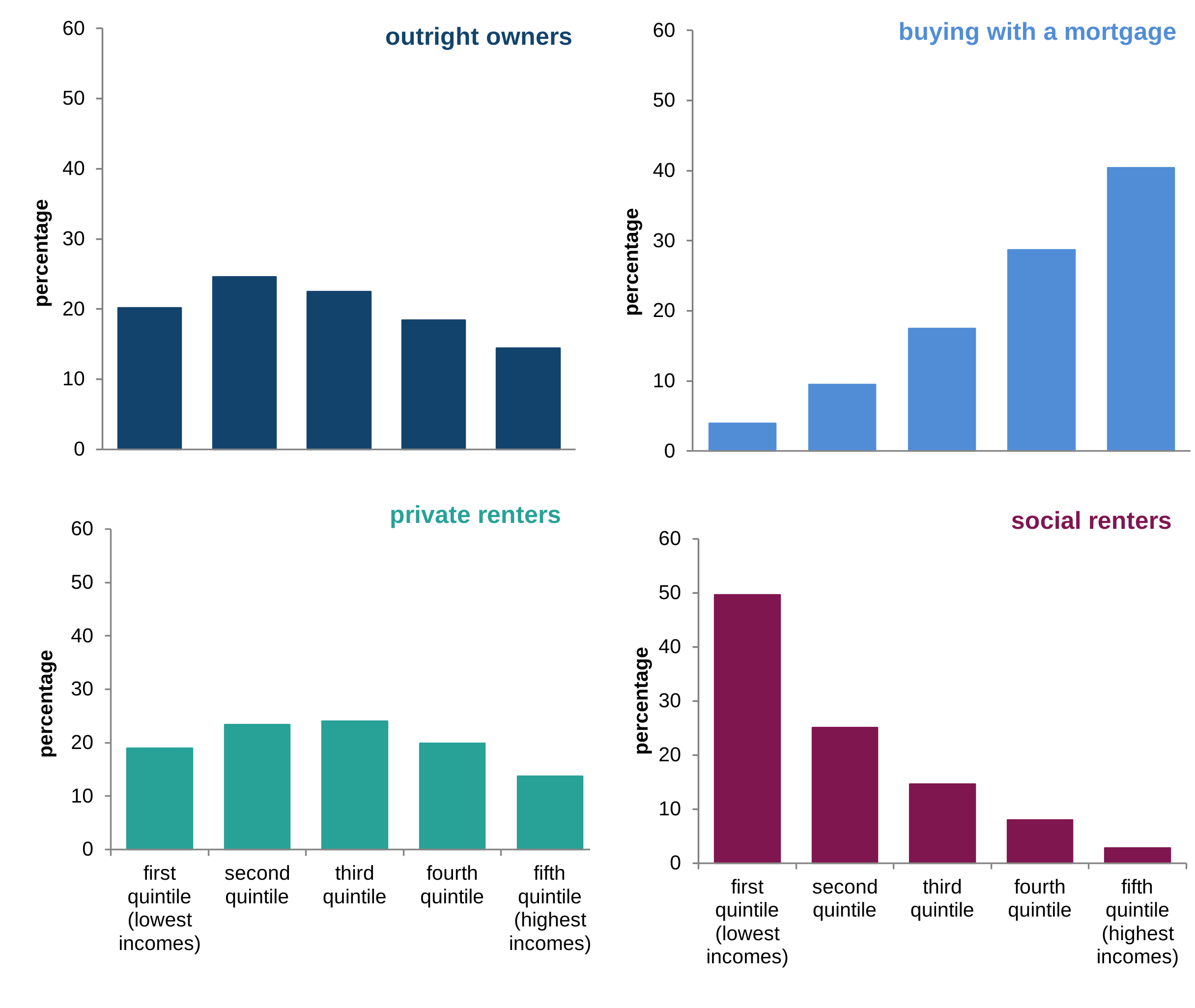
The EHS reports on income in quintiles, where all households are divided into five equal groups based on their gross household income (i.e. those in the bottom 20%, the next 20% and so on, see Figure 1.6 for quintile bands). These can be used to compare income levels of specific groups to the overall population, Annex Table 1.3.
In 2024-25, social renters were concentrated in the lowest two income quintiles (50% were in the lowest income quintile and 25% in the second lowest), while mortgagors were concentrated in the two highest income quintiles (40% were in the top income quintile and 29% in the second highest).
Private renters and outright owners were more evenly spread across the quintiles, Figure 1.6.
Figure 1.6: Weekly gross household income, by tenure, 2024-25
Base: all households
Notes:
1) underlying data are presented in Annex Table 1.3
2) weekly gross household income. First quintile: below £393, second: £393-£657, third: £657-£984, fourth: £984-£1,513, fifth: £1,513 and over.
Source: English Housing Survey, full household sample
Disability and long-term illness
Around three in five households (61%) in the social rented sector had one or more household members with a long-term illness or disability. For private renters, this figure was just under one third (31%). While a similar proportion of owner occupied households had one or more household members with a long-term illness or disability (33%). Reflecting the prevalence of disability or long term illness in those with older age profiles, 40% of households who owned outright contained someone with a disability, compared to 25% of those buying with a mortgage.
Over the last five years, there was an increase in the proportion of households containing someone with a long-term illness or disability across all tenures, with the exception of those who own their home outright. In 2019-20, 34% of all households had someone living with a long-term illness or disability and in 2024-25 this figure increased to 37%. The biggest increase in long-term illness and disability levels was for social renters (up to 61% from 54% in 2019-20) and private renters (31% up from 25%). The proportion of households with a disability were lowest for those buying with a mortgage (25%), although this was still an increase on the levels seen in 2019-20 (21%), Annex Table 1.3.
Internet access
In 2024-25, the proportion of households across all tenures with access to the internet remained high at 94%. Approximately 96% of owner occupiers had internet access, with nearly all mortgagors having internet access (99%), followed closely by those who own outright and private renters (both 94%), Annex Table 1.3.
Since 2019-20, the largest increases in internet access were for social rented households, up to 86% in 2024-25 from 79%. Despite this increase, the social rented sector remains the tenure with the lowest levels of internet access.
Housing Stock Profile
This section relates to physical dwellings and presents figures for ‘2024’. Fieldwork was carried out over two years between March 2023 and March 2025, and the data is weighted to a midpoint of April 2024. Dwellings refer to the physical accommodation that may be shared by several households and can be either occupied or vacant.
Whether a dwelling is vacant is assessed at the time of the interviewer’s visit and full physical inspections of vacant dwellings are later undertaken. Properties between lettings or owners (‘voids’) and those that are vacant for a longer period are both classified as vacant in the EHS. Multiple measures exist with different definitions and methodologies. More information on this can be found in the article on Comparing empty home statistics in England and Wales.
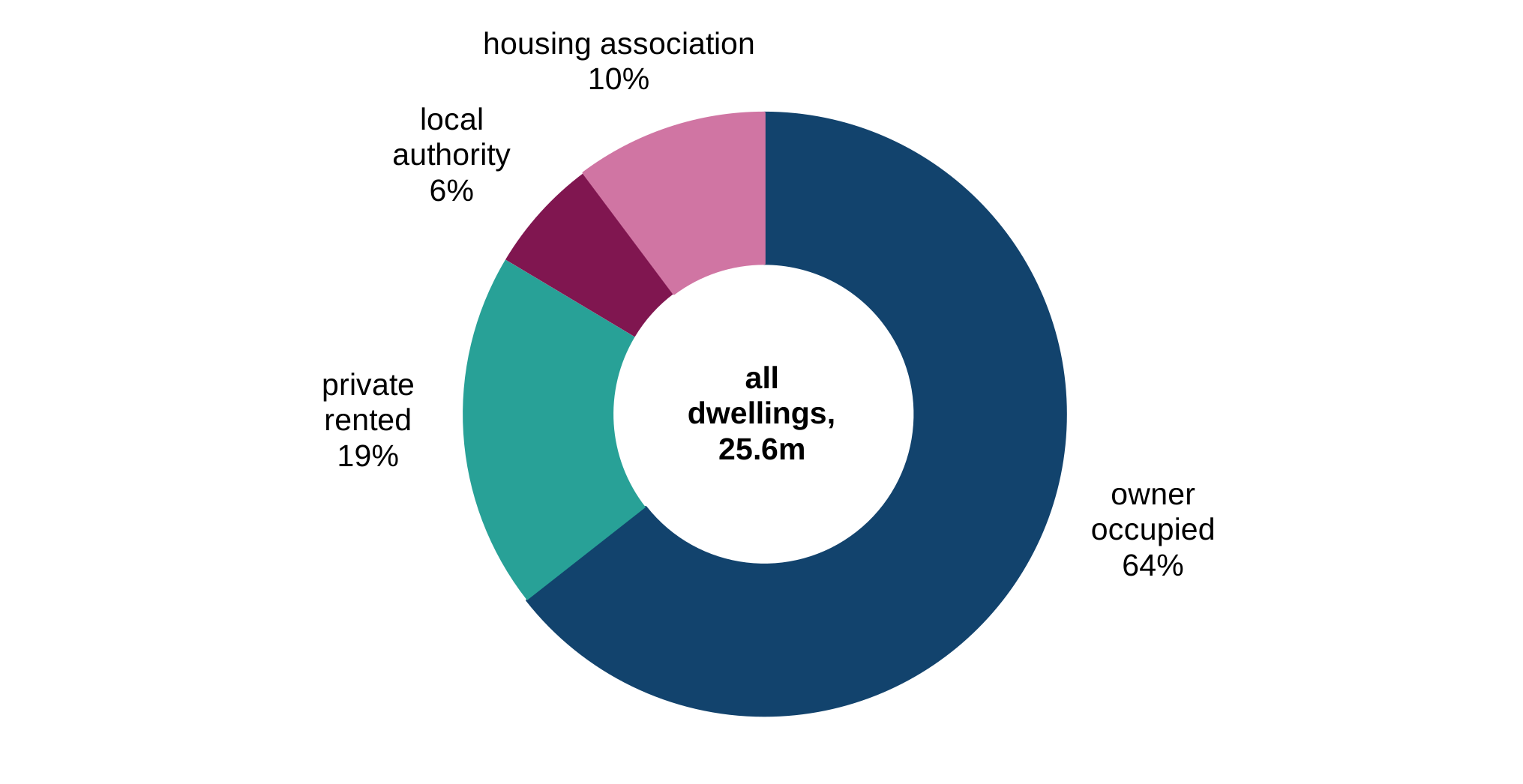
In 2024, there were an estimated 25.6 million residential dwellings in England, including both occupied and vacant homes. Of these, 16.5 million (64%) were owner occupied, 4.9 million (19%) were private rented, and 4.2 million were social rented (16%). Of the social rented dwellings, 1.6 million (6%) were local authority and 2.6 million (10%) were housing association homes, Figure 1.7 and Annex Table 1.6.
Figure 1.7: Dwellings, by tenure, 2024
Base: all dwellings
Notes:
1) underlying data are presented in Annex Table 1.6
Source: English Housing Survey, dwelling sample
While the proportion of dwellings across the tenures has not changed significantly, the number of owner occupied dwellings increased compared to five years ago from 15.6 million to 16.5 million. The number of dwellings within the private and social rented sectors remained relatively stable.
In 2024, there were 1.2 million vacant dwellings, making up 5% of the dwellings in England. The private rented sector contained 518,000 vacant dwellings (11%), a higher proportion than the social rented sector (4%,166,000 dwellings) and the owner occupied sector (3%, 480,000 dwellings).
Dwelling age
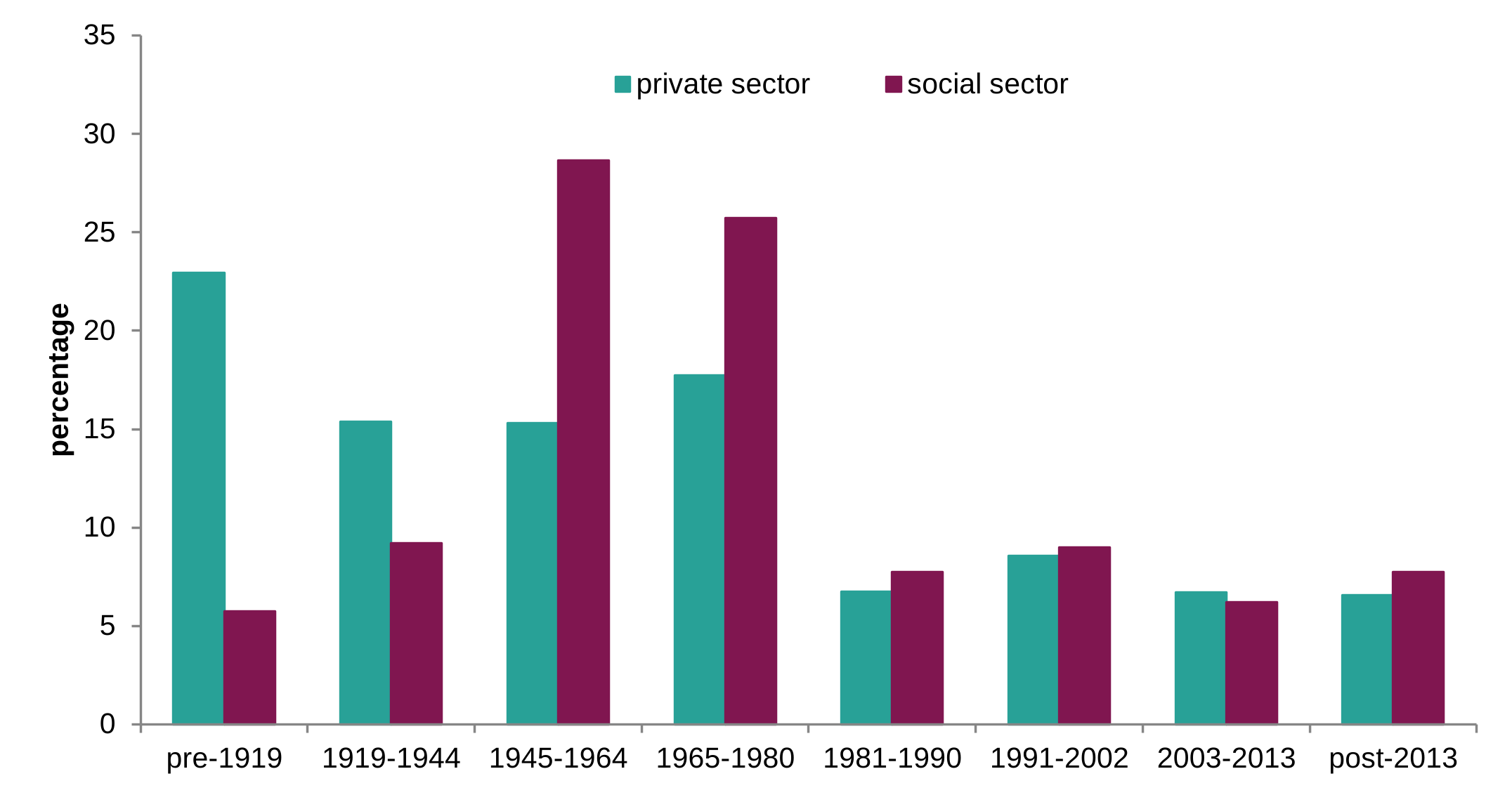
The age of dwellings in England varied by tenure, with private rented dwellings tending to be older. The proportion of private rented dwellings built pre-1919 was 32% compared to 20% of owner occupied dwellings and 6% of social rented sector dwellings. In contrast, 29% of social rented dwellings were built between 1945 and 1964, whereas 12% of private rented and 16% of owner occupied dwellings were built during the same period, Figure 1.8 and Annex Table 1.6.
Within the social rented sector, housing association stock tended to be newer. The proportion of housing association dwellings built between 2003-2013 and post-2013 (9% and 11%) was higher than local authority dwellings (2% and 3% respectively). However, there was also a greater proportion of housing association stock built pre-1919 (7%) compared to local authority dwellings (4%).
Figure 1.8: Dwelling age, by tenure, 2024
Base: all dwellings
Notes:
1) underlying data are presented in Annex Table 1.6
Source: English Housing Survey, dwelling sample
Dwelling type
Dwelling type also varied across tenure. Owner occupied dwellings were most likely to be either semi-detached or detached houses (30% and 26% respectively), compared to 15% and 6% in the private rented sector and 15% and less than 1% in the social rented sector, Figure 1.9 and Annex Table 1.6.
In contrast, homes in the social rented sector were more likely to be low rise purpose built flats (39%), higher than the proportion in the private rented sector (25%) and owner occupied dwellings (7%). Local authority dwellings were more likely to be high rise purpose built flats (7%) than housing association dwellings (3%).
Figure 1.9: Dwelling type, by tenure, 2024

Base: all dwellings
Notes:
1) underlying data are presented in Annex Table 1.6
2) Dwelling type figures do not match live table DA1101 due to different variable used for bungalows
Source: English Housing Survey, dwelling sample
Dwelling size
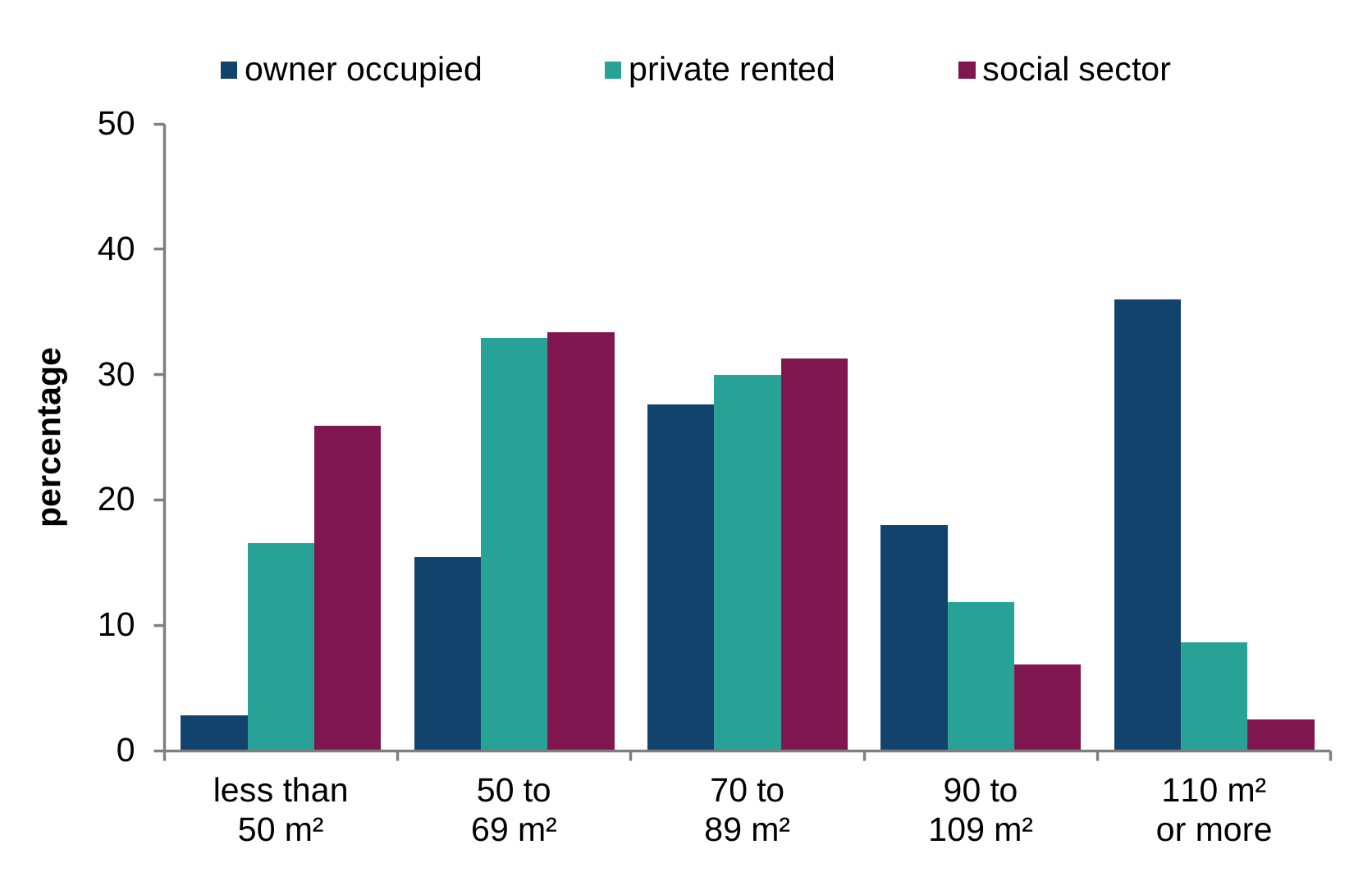
In 2024, the average (mean) usable floor space of all dwellings was 96m2. Social rented homes tended to be smaller (66m2) than private rented homes (76m2). Owner occupied homes were larger (110m2) than both private and social rented homes, Figure 1.10, Annex Table 1.6.
More than a quarter of homes in the social sector (26%) had a usable floor space of less than 50m2 compared with 17% of private rented and 3% of owner occupied homes. This reflects the predominance of flats in the social sector compared to a higher proportion of houses and bungalows in the private sector (both private rented and owner occupied), particularly owner occupation.
Figure 1.10: Usable floor area for dwellings, by tenure, 2024
Base: all dwellings
Notes:
1) underlying data are presented in Annex Table 1.6
Source: English Housing survey, dwelling sample
Plots and outside space
The EHS records details relating to the land immediately surrounding a dwelling, referred to as the dwelling’s plot. The plot may be private (exclusive access) or shared with other households. The plot may consist of hard landscaping, soft landscaping, or a combination. (Hard landscaping refers to concrete, tarmac, paving or gravel. Soft landscaping refers to lawn or flowerbeds).
In 2024, the majority of dwellings in England (82%) had a private plot (for the sole use of the dwelling) and 17% had a shared plot. The likelihood of having a private plot was highest for owner occupiers (92%), followed by private renters (63%), then social renters (61%), Annex Table 1.7 and Figure 1.11.
Compared to 2019, there was a decrease in the proportion of private renters who had a private plot from 67% to 63%, but no significant changes in the social rented or owner occupied sectors.
Dwellings in London were much less likely (60%) than the rest of England (85%) to have a private plot but were more likely (35%) than the rest of England to have access to a shared plot (14%).
Figure 1.11: Presence of plot in dwellings, by dwelling type, tenure and region, 2024

Base: all dwellings
Notes:
1) underlying data are presented in Annex Table 1.7
2) The EHS records details relating to the land immediately surrounding a dwelling, referred to as the dwelling’s plot. The plot may be private (exclusive access) or shared. The plot may consist of hard landscaping, soft landscaping, or a combination.
Source: English Housing Survey, dwelling sample
Vacant dwellings over time
Where surveyors identify a vacant dwelling, they record the reason for vacancy.
In the owner occupied sector, dwellings in 2024 were just as likely to be vacant because they were awaiting another owner to move in (1%) as vacant for other reasons (2%). Other reasons include being scheduled for demolition, being modernised or being new and never occupied. Compared to 2019, the proportion of owner occupied vacant dwellings awaiting another owner decreased from 2% to 1% of dwellings, and the proportion of those vacant for another reason increased to 2% from 1% of dwellings.
In the private rented and social rented sectors, being vacant awaiting another tenant was the most common reason for a dwelling’s vacancy (8% and 3% respectively).
The proportion of dwellings that were vacant for another reason increased in the private rented sector from 1% in 2019 to 3% in 2024. Conversely, in the social rented sector, this proportion fell from 1.1% to 0.6% from 2019 to 2024.
Underlying Data
For data underlying this report, see the Annex tables. For the charts in this report, see Figures.
Technical notes and glossary
For technical information, please see the technical notes.
For a detailed glossary of terms please see the glossary.