Ketamine: an updated review of use and harms (accessible)
Updated 28 January 2026

© Crown copyright 2026
This publication is licensed under the terms of the Open Government Licence v3.0 except where otherwise stated. To view this licence, visit nationalarchives.gov.uk/doc/open-government-licence/version/3 or write to the Information Policy Team, The National Archives, Kew, London TW9 4DU, or email: psi@nationalarchives.gov.uk.
Where we have identified any third party copyright information you will need to obtain permission from the copyright holders concerned.
This publication is available at https://www.gov.uk/government/publications/ketamine-an-updated-review-of-use-and-harms/ketamine-an-updated-review-of-use-and-harms-accessible
1. Introduction
1.1. Ketamine is a widely used human and veterinary medicine indicated as a dissociative anaesthetic and analgesic agent and, more recently, prescribed for the management of treatment-resistant depression.
1.2. Ketamine contains 2 enantiomers (mirror image compounds), termed (S)-ketamine (or esketamine) and (R)-ketamine (or arketamine). Of these, esketamine has the greatest biological activity, and a preparation of esketamine is licensed for treatment-resistant depression in the UK and elsewhere.
1.3. Ketamine misuse has been recognised internationally since the 1970s and in the UK since the 1990s, when it became popular as a club drug. Most users have typically used the drug intermittently, although a minority use the drug more frequently and are at greater risk of long-term adverse effects (see below).
1.4. In 2013, the Advisory Council on the Misuse of Drugs (ACMD) considered the harms associated with ketamine and recommended reclassifying it under the Misuse of Drugs Act 1971 (MDA) from Class C to Class B (ACMD, 2013). As ketamine has legitimate medical uses, it was placed in Schedule 2 of the Misuse of Drugs Regulations 2001 (MDR).
1.5. The 2013 report also made recommendations designed to improve understanding of ketamine use in the UK and to reduce harms. These included research on the incidence of bladder damage, and long-term psychological and psychiatric impacts. Service and practice recommendations included: guidance and training for healthcare practitioners on early-identification of harms; harm-reduction advice for people using ketamine; and the development of services for people with ketamine use disorders or urological problems. All recommendations were accepted at the time by the government in its formal response to the ACMD’s advice (Home Office, 2014a). However, it is unclear to what extent these have been subsequently enacted.
1.6. Despite reclassification, illicit ketamine usage in the UK has continued to increase. For example, the estimated numbers of people aged 16 to 59 in England and Wales who reported using ketamine in the last year increased from 160,000 (0.5% of the population) in the 2014 to 2015 fiscal year to 299,000 (0.9%) people in 2022 to 2023, with use involving younger people in particular. However, the estimated number had fallen slightly to 264,000 (0.8%) by the 2024 to 2025 fiscal year (ONS, 2025). Over the same period (years ending March 2015 to March 2025), the number of people seeking treatment for ketamine use disorders, which is an indicator of problematic chronic high-dose use, increased 12-fold (OHID, 2025).
1.7. Several analogues of ketamine with similar pharmacology, clinical effects and harms have been detected in drug markets internationally and in the UK. Several are controlled by name, but the MDA also includes generic text that describes a range of related compounds that are controlled as Class B. As these do not have legitimate medical or veterinary uses, they are placed in Schedule 1 of the MDR.
1.8. In January 2025, the then Minister for Policing, Fire and Crime Prevention commissioned the ACMD to provide an updated harms assessment of ketamine, to consider the appropriate classification and advise on reducing harms associated with ketamine use.
1.9. This report:
- reviews the current prevalence and harms of the misuse of ketamine and its analogues in the UK,
- describes legitimate uses of ketamine, esketamine and other analogues, including for treatment and research,
- reviews the mechanism and prevalence of harms related to ketamine and ketamine analogues, including emerging health harms such as hepatobiliary toxicity,
- describes supply and trafficking of ketamine and its analogues into the UK,
- considers the appropriate control and scheduling of ketamine and ketamine analogues via the MDA and MDR, respectively, and
- advises on further measures to reduce the harms associated with misuse of ketamine and related compounds.
1.10. The report considers information available in academic and official publications, but data were also sought from various expert stakeholders and from those with lived or living experience. More detailed and fully referenced technical information is provided in Annexes 1 to 13 support the information in this summary report. Further information about the methods of data collection is provided in Annex 18, and the references cited in the report and its Annexes are provided in Annex 19.
2. Chemistry
(See Annex 1)
2.1. Ketamine is an arylcyclohexylamine compound related to phencyclidine (PCP), which is itself a controlled drug (Class A, Schedule 2). It possesses a chiral centre and can exist as 2 ‘mirror image’ compounds (enantiomers), termed S(+)-ketamine (‘esketamine’) and R(–)-ketamine (‘arketamine’). The chemical structure of ketamine is illustrated in Annex 1.
2.2. There are also several other compounds closely related in structure to ketamine (ketamine analogues) that have been identified in drug markets internationally, including in the UK. Further details of their chemistry are provided in Annex 1.
2.3. Ketamine was previously considered difficult to manufacture due to the requirement for multi-stage synthesis and unusual precursors. By 2015, however, most ketamine marketed illicitly in Asia had been synthesised in clandestine laboratories that could manufacture the required precursors (UNODC, 2022a).
3. Detection and analysis
(See Annex 1)
3.1. The 2013 ACMD advice noted challenges in identifying border seizures of the drug.
3.2. Several Home Office approved kits are available for ketamine, but there are no approved colour reagent tests. Instead, detection relies on technologies such as Raman spectroscopy, immunoassay, and ion mobility spectrometry. While the approved methods are accurate and reliable, their effectiveness in operational contexts is constrained by factors such as equipment cost, training requirements, and limited availability across police forces. As a consequence, there are currently no field tests currently available for ketamine powders. As these have a similar appearance to those of many other illicit drugs, the likelihood of arrest for possession offences would be largely unchanged if ketamine was reclassified.
4. Pharmacology and toxicology
(See Annex 2)
4.1. Ketamine is a non-competitive antagonist at the N-methyl-D-aspartate receptor (NMDAR) (Zhang Y and others, 2021; Zanos and others, 2023). Inhibition of this receptor by ketamine produces an ‘excited’ brain state, disinhibition and a surge in upstream glutamate-mediated excitation that underlies ketamine’s enduring structural and functional effects on the brain (‘plasticity’). This, in turn, may play a role in its long-lasting antidepressant effects (Zhang B and others, 2021; Parekh and others, 2022). Esketamine has approximately 4 times greater affinity for the NMDAR binding site compared to arketamine and increased analgesic potency compared with racemic (mixed S(+)- and R(–)-ketamine) (Vollenweider and others, 1997; Kalsi and others, 2011; Savić Vujović and others, 2023).
4.2. There is accumulating evidence of ketamine actions beyond the NMDAR, including an affinity for the mu-opioid receptor (MOR), the dopamine transporter (DAT) and other receptor systems.
4.3. Ketamine rapidly crosses into the brain after intravenous (IV) administration (Savić Vujović and others, 2023). Nasal insufflation (‘snorting’) results in 45 to 50% of the administered dose reaching the systemic bloodstream and peak plasma concentrations are reached after 15 to 20 minutes (Zanos and others, 2018; Rosenbaum and others, 2024). Oral ingestion results in less overall absorption and a longer time to peak plasma concentrations (40 to 55 minutes) (Pelletier and others, 2022; Peltoniemi and others, 2016).
4.4. Ketamine undergoes biotransformation, with metabolites including norketamine and hydroxylated derivatives of ketamine eliminated in the urine and, to a lesser extent, the bile (Andrade, 2017; Zanos and others, 2018). This urinary excretion is important in the development of ketamine-induced uropathy.
4.5. Less information is available on the pharmacology of ketamine analogues, but some, such as methoxetamine, antagonise NMDAR and also the serotonin (SERT), norepinephrine (NET) and dopamine (DAT) transporters (Zwartsen and others, 2017; Sahai and others, 2018; Wallach and others, 2019).
Behavioural effects
4.6. There is increasing understanding of the mechanism for the rapid-acting antidepressant effects of ketamine and some of its metabolites via increases in the density of connections between neurones, especially in the prefrontal cortex (Stuart and others, 2015; Kim and others, 2023).
4.7. Studies in animals demonstrate that ketamine and esketamine evoke drug-seeking behaviour, although not to the same extent as cocaine, with some evidence of gender and age differences in liability for ketamine dependency (Chang and others, 2019; Fan and others, 2025; Simmler and others, 2022; Cui and others, 2022). There is also research demonstrating liability for the development of dependency for some ketamine-related compounds including ethoxetamine, 2-fluorodeschloroketamine (2-FDCK), deschloroketamine, 1-phenylcyclohexan-1-amine (PCA) and diphenidine (Mutti and others, 2016; Botanas and others, 2015; Chiamulera and others, 2016; Abiero and others, 2021; Kim and others, 2022; Li F and others, 2022).
Neurotoxicity
4.8. NMDAR antagonists, including ketamine, are neurotoxic in rodents at high doses, with greater effects in females; however, ketamine can also have neuroprotective effects, such as in focal ischaemia or epilepsy. Animal studies demonstrate adverse effects of ketamine and related compounds on cognition; acute (short-term) effects associated with sedation and dissociation resolve as the drug is eliminated, but persistent longer-term effects on cognition have been demonstrated after repeated high-dose exposure (McDougall and others, 2019; Garcia-Carachure and others, 2020; Choudhury and others, 2021; Schwenk and others, 2021; Acevedo and Seigal, 2022).
Urothelial toxicity
4.9. Ketamine and its metabolites penetrate and damage the tissue lining parts of the urinary system (the urothelium), leading ultimately to cell death, with both ketamine and its major metabolite norketamine shown to be cytotoxic to urothelial cells (Gu and others, 2014; Liu and others, 2015; El-azab and others, 2020; Wang and others, 2017; Li KM and others, 2014; Duan and others, 2017). Chronic ketamine exposure in animals causes dose- and time-dependent pathological changes in the bladder, resulting in a small, fibrotic bladder with decreased functional capacity (Chuang and others, 2013; Liang and others, 2015; Shen and others, 2016; Wang and others, 2017; Chung and others, 2022). There may be some reversal in effects if exposure to ketamine is discontinued (Liang and others, 2015; Rajandram and others, 2017). These effects noted in animals are consistent with those reported for human users (see Section 8).
4.10. Less information is available on the urothelial effects of ketamine analogues, but methoxetamine and methoxphenidine both cause urothelial toxicity, suggesting that all ketamine analogues are likely to pose similar risks to the bladder and urinary tract as ketamine itself (Dargan and others, 2014; Wang and others, 2017).
5. Legal controls
(See Annex 3)
International controls
5.1. Ketamine is not currently subject to international control as it was considered that placing it in the 1971 Convention on Psychotropic Substances would severely restrict legitimate medical access to a safe anaesthetic that was widely used in low- and middle-income settings (IDPC, 2015; WHO, 2016; Lohman and Barrett 2020). It remains for individual countries to decide whether and how to control ketamine under their own national legislation, and a range of legal approaches have been employed, using drug misuse or medicines legislation. The inconsistent pattern of national controls, combined with a significant legitimate pharmaceutical trade, facilitates the diversion of ketamine to the illicit market.
United Kingdom
5.2. In the UK, ketamine was initially controlled via the MDA as Class C and placed in Schedule 4 part 1 of the MDR in January 2006. Ketamine was reclassified to Class B and rescheduled to Schedule 2 in June 2014, following the recommendations of the 2013 ACMD review. As control of any drug via the MDA also captures enantiomers, esketamine was also controlled similarly.
5.3. Several ketamine analogues are controlled by name as Class A compounds (for example, eticyclidine, rolicyclidine, tenocyclidine, phencyclidine (PCP)). Others are controlled via a generic definition added to the MDA and MDR in February 2013 to control a range of arylcyclohexylamines including methoxetamine and materials related to methoxetamine or PCP. All materials covered by these generic controls were controlled as Class B (MDA) and Schedule 1 (MDR) compounds.
6. Legitimate use
(See Annex 4)
6.1. Ketamine is widely used in human medical and veterinary settings. Ketamine continues to play an important role for anaesthesia and pain control in both humans and animals and features in the WHO list of essential medicines.
6.2. Esketamine is licensed for human use as an anaesthetic agent. A preparation of esketamine is also licensed for treatment-resistant depression in the UK and elsewhere.
6.3. Ketamine has recently been recommended by the Royal College of Psychiatrists for the management of treatment-resistant depression in specialist settings by psychiatrists with appropriate oversight (RCPsych, 2025). Consequently, therapeutic use of ketamine for this indication is likely to increase. If the restrictions suggested by the recommendations in this report are followed, however, the increase in prescribing would not be as large as that seen in the US, where there is already telehealth prescription of oral ketamine with no in-person review.
6.4. There is ongoing interest and research in the use of ketamine for other indications including chronic pain, post-traumatic stress disorder (PTSD), and substance misuse.
6.5. The ACMD is not aware of other legitimate uses for ketamine or its analogues, other than as certified reference standards for laboratory analysis.
7. Misuse
(See Annex 5)
7.1. Ketamine is commonly misused in an illicit context, where it is taken for its rapid onset dissociative effects, including a feeling of detachment from surroundings, described colloquially as a ‘K- hole’.
7.2. Ketamine effects sought by users include (Dillon and others, 2003; GDS, 2021; Syed and others, 2024; Ralphs and others, 2024):
- feelings of wellbeing, relaxation, stress release, empathy and euphoria
- increased energy and creativity
- auditory and visual hallucinations and/or enhanced colour vision
- a feeling of timelessness, dissociation from reality and out-of-body experiences
- enhancement of the effects of other drugs, such as MDMA, amphetamine, methamphetamine, cocaine, nitrous oxide and/or alcohol.
7.3. There is increasing evidence of users consuming ketamine to self-treat underlying physical or mental health disorders, including pain, anxiety and depression. Ketamine use can also lead to these disorders, resulting in a vicious cycle of escalating use.
7.4. The peak age group for reported ketamine use in the UK is 20 to 24 years, although there is considerable use in people younger than this, including school-aged children and university students. People of mixed or multiple ethnicity or who self-identify as gay, lesbian or bisexual are more likely to report ketamine use than the general population aged 16 to 59 (ONS, 2025a; 2025b).
7.5. Motivations for ketamine use, as reported in response to the ACMD call for evidence, include:
- low cost, often cheaper than cocaine or alcohol,
- easy accessibility, including via mobile phone messaging apps, with the availability of home delivery,
- the perceived high quality of the product as a ‘pharmaceutical’
- improved social acceptability
- lack of the stigma associated with some other drugs
- a favourable pattern of effects, including rapid recovery with a lack of hangover effects
- perceived benefits for mental health.
7.6. While many users of ketamine take the drug in relatively low doses and occasionally, a minority, estimated at 5 to 8% in responses to our Call for Evidence (ACMD, 2025c) develop more problematic ketamine use involving high doses used daily. This arises from dose escalation because of increasing tolerance to the drug, together with development of dependency and withdrawal symptoms when the drug is discontinued. Regular use of high doses of ketamine is more likely to produce long-term adverse effects. Increasing problematic use in the UK is evidenced by increasing numbers of referrals to drug treatment services where ketamine is cited as a problem drug (OHID, 2025).
7.7. The development of longer-term painful health complications resulting from ketamine use, such as ketamine-induced uropathy, is also a strong driver to further ketamine use for its analgesic effects.
Trafficking and supply
(See Annex 6)
7.8. A large proportion of the illicit ketamine supply in the UK involves diversion of bulk ketamine originally produced and exported by legitimate manufacturers, often from India. These are then diverted into the illicit market after arrival in Europe (Bundeskrimilalamt, 2024; EUDA, 2024).
7.9. Ketamine may also be manufactured in clandestine laboratories in Southeast Asia and subsequently imported into Europe. In China, most seized ketamine, which is in the form of crystals or powders, is reported to originate entirely from clandestine manufacture (UNODC, 2022a; 2024; INCB, 2024).
7.10. These are both lucrative trades that often involve organised crime groups and are facilitated by a lack of consistent international control measures.
7.11. Manufacture of illicit ketamine within Europe or diversion of medicinal ketamine from healthcare or veterinary facilities appear to be minor routes of supply (EUDA, 2024).
8. Health harms
(See Annex 8)
8.1. Short-term clinical effects of ketamine are likely to be related to the dose used, the route of administration and the tolerance that has developed in the individual concerned. Longer-term effects are correlated with the doses used, the frequency of dosing and the duration of use.
Short-term (acute) effects
8.2. Acute adverse effects of ketamine include agitation, incoordination, hallucinations, abnormal muscle movements and a reduced level of consciousness. Users may develop a complete sense of detachment from reality (‘going down the K-hole’). In severe cases, there may be psychosis, pulse and blood pressure changes, prolonged sedation with respiratory depression and/or convulsions. Psychotic emergence reactions may occur during the recovery phase (Weiner and others, 2000; Ng and others, 2010; Kalsi and others, 2011; Kleczkowska and Zaremba, 2021; Schep and others, 2023).
Long-term (chronic) effects
8.3. Of particular concern, longer-term ketamine use is associated with several chronic adverse effects, which can be debilitating and life-changing and persist despite treatment. These effects may not resolve, or only partially resolve, if ketamine use is discontinued. The risk of these effects is often not understood by users until damage, sometimes irreversible, has been done.
8.4. Longer-term ketamine use causes dependency and significant adverse effects on the bladder, upper urinary tract, kidneys, abdomen, liver and bile ducts (see below).
Dependency
8.5. Chronic therapeutic prescription of ketamine using recommended doses is unlikely to produce significant addiction because of the relatively low doses involved. Animal and human studies, however, have demonstrated the potential for ketamine to produce addiction and there is increasing recognition of substance use disorder in those that regularly consume high doses. Discontinuation of heavy ketamine use can result in withdrawal symptoms that may last several days. The evidence available on managing withdrawal and dependency remains limited and of low quality (Sassano-Higgins and others, 2016; Schep and others, 2023; Ralphs and others, 2024; Van Amsterdam and Van Den Brink, 2024, Ilves and others, 2025).
Effects on the bladder and renal tracts
8.6. Ketamine-induced uropathy is a condition associated with damage to the urinary tract, including the bladder, which can be reproduced in animal studies (see Section 4). People who use ketamine can develop symptoms that may be extremely debilitating, such as (Belal and others, 2024):
- increased daytime urinary frequency (passing urine more often than normal in the daytime)
- nocturia (waking from sleep to pass urine)
- urinary urgency (sudden desire to pass urine, which cannot be deferred)
- urinary incontinence (involuntary leakage of urine)
- dysuria (burning feeling on passing urine)
- haematuria (blood in the urine),
- bladder pain
8.7. About a quarter of people who use ketamine regularly report at least one urinary symptom, with prevalence related to the dose and frequency of ketamine use (Winstock and others, 2012). Urological surgeons have reported a recent increase in referrals in both adolescents and adults with ketamine-related uropathy in the UK (Isba and others, 2025; ACMD, 2025c), which would be in line with the other evidence of increasing problematic ketamine use presented in this report. There are, however, no specific data available on the number of cases of ketamine uropathy presenting in the UK as these data are not routinely collected.
8.8. The most important component of treatment for ketamine-induced uropathy is ketamine discontinuation, but various medicinal drug treatments, bladder installation and various surgical procedures can also be useful. The British Association of Urological Surgeons has published a consensus document to guide assessment and treatment of affected individuals, who need rapid access to high-quality multidisciplinary care to manage their ketamine use disorder alongside their uropathy (Belal and others, 2024).
Gastrointestinal and hepatobiliary effects
8.9. Ketamine use may also be associated with chronic abdominal pain, sometimes with vomiting, sometimes referred to as ‘K-cramps’. This affects more than a quarter of regular users, and appears especially common in women, older people and those with a longer duration of ketamine use.
8.10. Abnormal liver function may also be seen in people who use ketamine, with cholestatic liver injury and chronic dilatation (widening) of the bile ducts occurring in about 10% of those who use the drug regularly (Poon and others, 2010; ACMD, 2013; Liu SYW and others, 2017; Schep and others, 2023; Thakkar and Wu, 2025). The most important aspect of management of hepatobiliary abnormalities is discontinuation of ketamine. Early damage may then resolve, but more prolonged use may result in irreversible liver fibrosis and even decompensated cirrhosis (Thakkar and Wu, 2025). Deaths from progressive sclerosing cholangitis, decompensated cirrhosis, biliary sepsis and portal hypertension have occasionally been reported in the context of chronic ketamine misuse (Ng and others, 2009; Wong and others, 2009; Lo and others, 2011; Schep and others, 2023; Teymouri and others, 2024).
8.11. Transiently abnormal liver function tests with a hepatocellular pattern may also occur after medically supervised ketamine treatment, including anaesthesia. Chronic hepatitis or liver failure appear unusual but a few cases of biliary dilatation, cholangitis, periductal fibrosis and/or cirrhosis have been reported after longer-term medical use of ketamine (Keta-Cov Research Group, 2021; Thakkar and Wu, 2025; Cotter and others, 2021).
8.12. As is the case for ketamine-induced uropathy, there are no specific data available on the numbers of cases of ketamine-induced hepatobiliary complications presenting in the UK as these data are not routinely collected.
Neurotoxic effects
8.13. Observational studies are not well-suited for developing a causal understanding or drawing high-confidence conclusions about the neuropsychiatric harms of chronic illicit ketamine use. Nonetheless, considering the evidence as a whole, including preclinical studies, it seems likely that chronic, frequent and/or high-dose illicit ketamine use can damage neural circuits and impair cognitive functioning. These harms appear dose-dependent, which is consistent with the lack of apparent neurotoxicity following extended therapeutic use of ketamine and esketamine. Current evidence suggests that these neurotoxic effects are at least partially reversible (Chesters and others, 2022; Strous and others, 2022; Tang and others, 2024; Zhong and others, 2021; Zhong and others, 2024).
9. Social harms
(see Annex 9)
9.1. While ketamine has long been used for medical and therapeutic uses, its non-medical use has been linked to a range of social harms at both individual and societal levels. The evidence base is broadly consistent in showing that the social harms are associated with heavy, prolonged and dependent use of ketamine, rather than light, occasional and recreational use.
9.2. The 2013 ACMD advice highlighted increasing ketamine use in the UK, but there was limited evidence of crime associated with ketamine, and the scale of supply by criminal groups was difficult to quantify. It was reported that frequent use could impact negatively on families/friends, social skills and participation in social activities. It was also reported that the company of others could help users deal with the dissociation experience, although this effect also made users vulnerable to physical assault and/or sexual assault.
9.3. The social harms most commonly associated with heavy and prolonged ketamine use and its effects on users include (ACMD, 2025c):
- reduced sociability
- damage to family and other interpersonal relationships
- impacts on education, housing and employment
- increasing isolation
- debt
9.4. Impairment of situational awareness caused by ketamine use, even on a single occasion, increases the risk of accidental injury and can impair driving performance, increasing risks to those who have taken the drug and to other road users. In an analysis of fatal UK road traffic collisions between 2014 and 2018, ketamine was detected at above the legal limit in 29 cases, or 1% of all fatalities, for which drug data were available, although in some cases other substances present may also have contributed (Hammond and others, 2021). Those impaired by ketamine may also be at risk of falls, jumping from heights or involvement in fights.
9.5. There is limited direct evidence of links between ketamine use and violent behaviour (Morgan and Curran, 2012), but those using ketamine may face heightened risks of theft and violent crime due to the involvement of organised crime groups and street-level dealers in its trafficking and supply, as is the case for other drugs (Home Office, 2020). Ketamine may also be used for drug-facilitated sexual assault and may also impair the ability to provide consent. As with other drugs, people who use ketamine, including young people, may become involved in selling drugs to pay off drug debts after being exploited or coerced into this.
9.6. Ketamine may be a component of drug use during chemsex parties, especially involving gay, bisexual and other men who have sex with men (GBMSM) (Sansone and others, 2022). These activities are associated with high-risk sexual behaviours, including multiple partners and unprotected intercourse, which increase the risk of contracting sexually transmitted diseases.
9.7. People with harms from the use of ketamine may feel stigma and shame from use of an illegal substance because they perceive others consider these harms to be self-inflicted. Stigma is exacerbated by the types of harms from ketamine, such as urinary incontinence or the need for a stoma. Stigma may delay help-seeking and exacerbate underlying mental health problems.
9.8. The costs of managing ketamine use disorder and its long-term health consequences place a significant burden on healthcare services that are already overstretched (Morgan and Curran, 2011; Zheng and others, 2025). As with other drugs, there are also potential long-term ecotoxic impacts caused by ketamine residues appearing in the environment via wastewater (Li and others, 2017; Thapa, 2021).
10. Prevalence of use and harms
(See Annex 10)
In the UK
10.1. Evidence provided for this review demonstrates a substantial increase in overall ketamine use in the UK over the last decade, especially involving younger people, accompanied by evidence of increasing regular high-dose use, ketamine dependence and associated health harms.
Prevalence of use
10.2. Data from the Crime Survey for England and Wales (CSEW) indicates increasing numbers of people aged 16 to 59 who reported using ketamine in the last year, from 117,000 (0.4% of this population) in the financial year 2012/2013 to a peak of 299,000 (0.9%) in 2022/2023. There was a larger proportionate increase in last year use for those aged 16 to 24 from 52,000 (0.8%) in 2012/2013 to 222,000 (3.8%) in 2022/2023). There has, however, been a small subsequent reduction in those reporting last year ketamine use in 2024/2025, to 264,000 (0.8%) users aged 16 to 59, 120,000 (2.0%) of whom were aged 16 to 24. For the younger age group, reported last year use in the 2024/2025 survey was more common for ketamine than for MDMA (116,000), nitrous oxide (80,000) and magic mushrooms (56,000), but slightly less common than the reported use of powder cocaine (138,000).The frequency of reported use by year, as a percentage of survey respondents, is illustrated in Figure 1 below.
10.3. A potential drawback of the CSEW is that drug use may be underestimated because those surveyed may be reluctant to disclose their use of illegal drugs. The Adult Psychiatric Morbidity Survey (APMS) collects information about mental health, including drug use, from a random sample of adults aged 16 to 100 years using face-to-face interviews that take place in their homes, which is likely to be a more reliable method of data collection. In the 2023 to 2024 APMS survey, ketamine use in the last year was reported by 4.3% of those aged 16 to 24, a higher figure than the 2.9% estimate for the same year from the CSEW (NHS England, 2025).
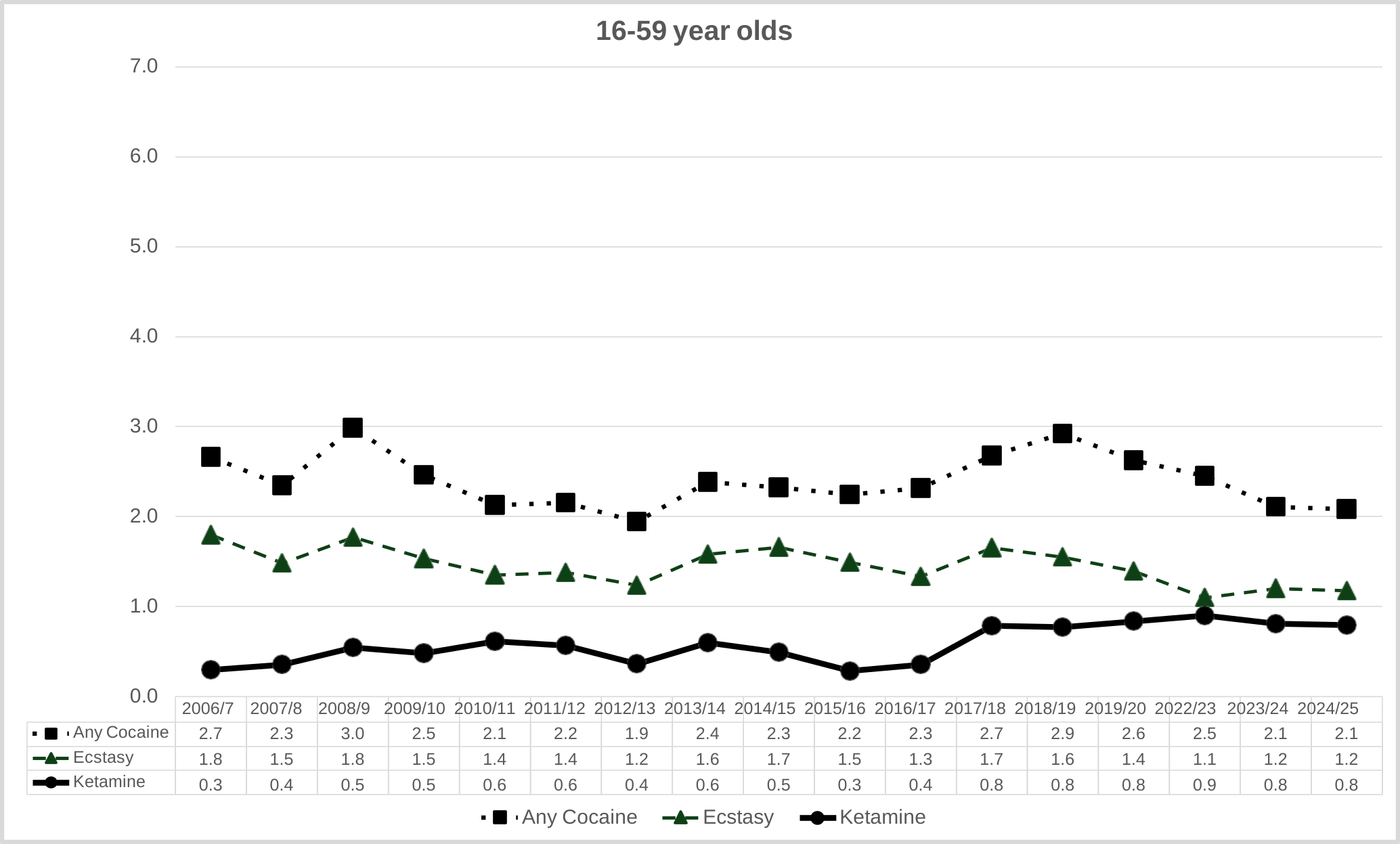
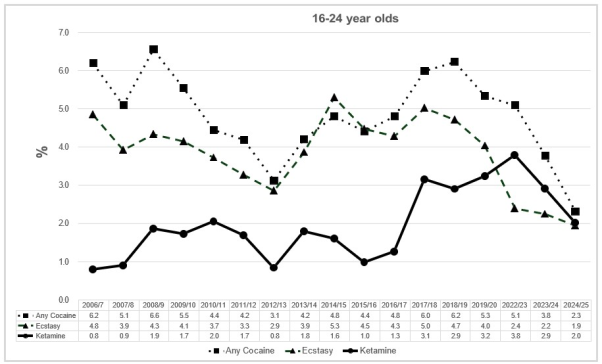
Figure 1: Annual trends in the percentages of those aged 16 to 59 and 16 to 24 in England and Wales reporting use of ketamine, ecstasy or cocaine in the years ending March 2007 to March 2025.
Source: CSEW
10.4. Use by children and young people is well documented, with age of initiation typically from 14 years (Ralphs and others, 2024). In the most recent survey of drug use by English school pupils in years 7 to 11 (usually aged 11 to 15) conducted in 2023, 0.9% of those responding reported ketamine use in the last year, compared to 0.4 to 0.5% between 2010 and 2016 (NHS England, 2024). The GM-Trends survey conducted in the year ending March 2024 reported that, of 400 young people responding to a non-representative survey in Greater Manchester, 16% had used ketamine in the past year, an increase from 6% the previous year. Moreover, in Greater Manchester, increasing numbers of ketamine detections were reported by Project MANDRAKE between 2019 and 2023, although numbers reduced in 2024 and early 2025. The purity of these samples varied widely from 2.4% to 99.9% and occasional samples contained other compounds such as cocaine, MDMA, 2C-B, levamisole, caffeine or benzocaine. These findings are consistent with the increasing referrals reported to specialist paediatric urology services in Cheshire and Merseyside for those under 16 years of age with ketamine-induced uropathy, which may be linked with the low cost of ketamine locally (Isba and others, 2025). These data are also consistent with the observations of healthcare professionals completing a survey, where two-thirds noted increased ketamine use in populations that they work with, especially involving young people.
10.5. The Scottish Schools Adolescent Lifestyle and Substance Use Survey (SALSUS) reported a recent increase in the proportion of 15-year-olds offered ketamine from 5% in 2015 to 10% in 2018, which was the most recent year of the study (SALSUS, 2018). Ketamine use among young people has been reported from multiple areas in Scotland, with concerns around perceived increasing prevalence. Multiple reports concerned young people taking ketamine and cocaine together, possibly as an alternative to taking ecstasy. Reports from a local group in Scotland found that ketamine users who were experiencing harm were often young people with diagnosed or non-diagnosed mental health conditions who used ketamine regularly while alone.
10.6. In Northern Ireland in 2022, 0.5% of 11- to 16-year-olds reported ever use of ketamine to the Young Persons’ Behaviour and Attitudes Survey, a 0.1% increase since the previous survey was conducted in 2019 (DoH (NI), 2022). This is a similar percentage to those using ecstasy and amphetamines. Ketamine was the seventh most common substance taken after cannabis, synthetic cannabinoids, solvents, cocaine, nitrous oxide and magic mushrooms.
10.7. Wastewater sampling conducted by the Home Office Wastewater Analysis Programme (WWAP) in 16 treatment plants in England indicated increasing population use of ketamine comparing 2024 with 2023 (Home Office, 2025b).
Submitted sample analysis and drug seizures
10.8. Increasing numbers of drug samples voluntarily submitted to the Welsh Emerging Drugs and Identification of Novel Substances Project (WEDINOS) have contained ketamine.
10.9. There have also been increasing numbers of police and Border Force seizures involving ketamine in the UK over the last decade. In England and Wales, seizurespeaked in the fiscal year ending March 2022 with 1,837kg confiscated, an 884% increase from the previous year. Seizures declined to approximately 1,430kg in the year ending March 2023 and to 855kg in the year ending March 2024, but this remains high compared with earlier years (Home Office, 2025a). It is important to note that these data may underestimate the situation because ketamine may not be identified in seizures due to the cost or lack of availability of testing and may not feature in crime statistics in the absence of user admission (ACMD, 2025c).
10.10. Public Health Scotland reported 150 detections of ketamine in 11,854 urine samples collected by NHS Greater Glasgow and Clyde between 1 December 2023 and 31 December 2024. It should also be noted, however, that UK clinical guidance does not recommend testing where a person has already disclosed details of drug use. These results are, therefore, not representative of drug use among the wider population of people with problem drug use, or among those receiving specialist drug treatment.
10.11. Several ketamine analogues have been detected in UK drug seizures, although these are less frequently found than ketamine itself. These were methoxetamine, 2-FDCK, N-ethylnorketamine, deoxymethoxetamine, deschloroketamine, 2-F-2oxo-PCE, N-ethyldeschloroketamine, 3-hydroxy-PCE and 3-methoxy-PCP. All are controlled by the current arylcyclohexylamine generic text in the MDA. One analogue detected in Europe that is not covered by the generic is 3-MeO-PCMo, but this has not yet been reported in the UK.
Drug treatment services
10.12. The National Drug Treatment Monitoring System demonstrates a recent increase in the numbers of those starting treatment for reported problematic ketamine use in England, from 426 in 2014/2015 to 5,365 in 2024/2025 (OHID, 2025).In Greater Manchester, 64% of people who use ketamine and were in treatment were under the age of 18 years, with 42% aged 13 to 16 (ACMD, 2025c). Increases have also been reported from Wales and Scotland.
Episodes of acute toxicity
10.13. The National Poisons Information Service reported increasing enquiries about ketamine from health professionals across the UK, indicating that they are encountering affected patients more frequently. Consistent with this, the Identification of Novel Psychoactive Substances (IONA) study reported increased detection rates for ketamine in biological samples of people attending participating emergency departments in England, Wales and Scotland with suspected illicit drug toxicity, from 7% in 2015 when the study started, to 21% in 2023 when the study closed. Involvement in drug-related deaths
10.14. The annual incidence of deaths involving ketamine across the UK has increased since it was controlled as a Class B compound in 2014. However, deaths linked exclusively with ketamine are uncommon, with other drugs or co-morbidities (for example, sepsis or liver damage) usually being involved.
10.15. The Office for National Statistics (ONS) reported 244 deaths where ketamine was mentioned on the death certificate between 2014 and 2023 in England and Wales, involving 197 males and 47 females. The age group most commonly affected was 25 to 29 years, but deaths were also recorded for those aged as young as 15 to 19 (10 males, 5 females), and as old as 65 to 69 (1 male). The numbers of deaths increased from 14 in 2017 to 60 in 2024 (ONS, 2025a; 2025b). To put these data into perspective, the annual numbers of deaths registered in 2024 were 1,279 for cocaine and 78 for MDMA (ONS, 2025b).
10.16. Increases in annual numbers of ketamine deaths have also been reported in Scotland (from 1 in 2014 to 21 in 2024) (NRS, 2025) and in Northern Ireland (from 1 in 2014 to 5 in 2023), as reported to the ACMD by the Northern Ireland Statistics and Research Agency.
10.17. The National Programme on Substance Use Mortality (NPSUM) receives full toxicology findings from approximately 90% of coroners in England, Wales and Northern Ireland on deaths related to drug use, so can identify which drugs were involved in deaths (where ambiguous causes were cited by the coroner) and which drugs were deemed as incidental post-mortem findings. The data available also includes other substances used in ketamine-related deaths, contextual details and demographic trends. NPSUM identified 696 deaths where illicit ketamine was detected at post-mortem between 1999 and 2024, with annual numbers of deaths increasing more than 10-fold from 15 in 2014 (when ketamine was reclassified) to a projected 197 in 2024. However, the proportion of deaths where the detected illicit ketamine was implicated in causing death declined over this period from 60% in 2014 to 43% in 2024, with detections deemed incidental findings concomitantly increasing (Figure 2). Over this period, polydrug use increased and the demographic profile of decedents shifted towards greater deprivation and dependence-related contexts (Pullen and others, 2025).
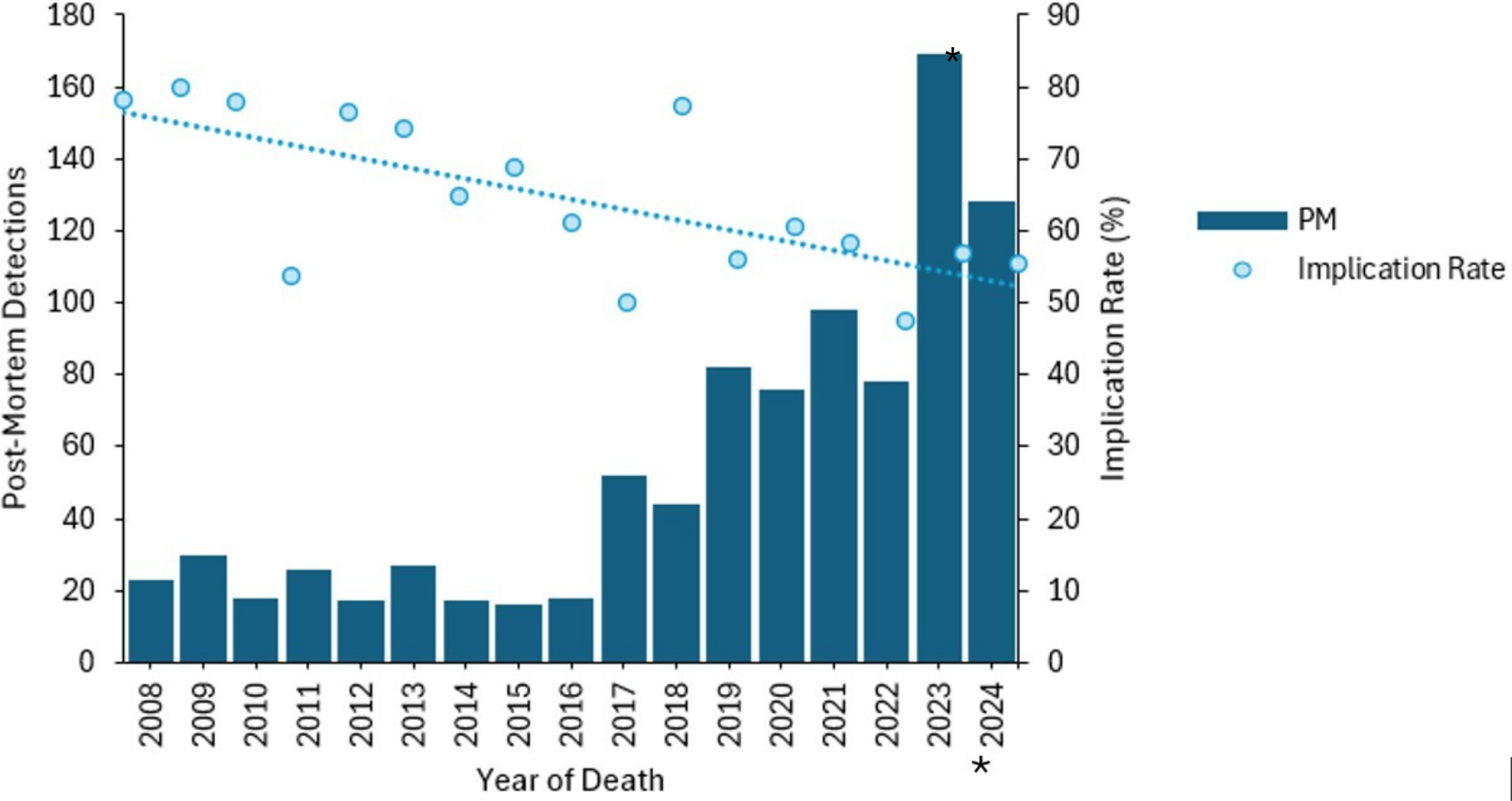
Figure 2: Annual numbers of deaths in which ketamine was detected at post-mortem and the proportion where ketamine was implicated in causing death
Source: NPSUM
*2024 data were incomplete: NRS data were only available from 2008–2023 at time of writing, and NPSUM data valid with cases received as of 1st March 2025, so further deaths are anticipated to be reported from 2024 following coronial inquest conclusion.
Internationally (See Annex 7)
10.18. There is evidence of substantial and recently increasing international trade involving illicit ketamine, with affected regions including China, South-East Asia, Australia, Latin America, North America and Europe.
Asia
10.19. In Hong Kong, the numbers of those using ketamine have been increasing, especially in those aged under 21. Conversely, there has been declining use of ketamine in China, as evidenced by wastewater analysis and numbers of registered users (UNODC, 2022).
Australia
10.20. In Australia, ketamine use has increased from 0.4% in 2016 to 0.9% in 2019 and has more than doubled amongst young people aged between 20 and 30. There was also an increase in ketamine detected in wastewater between 2020 and 2023 (Brassets Group, 2024).
United States of America
10.21. Annual numbers of ketamine seizures have increased in recent years in the USA. Accompanying this, reported ketamine use in adults has increased from 0.11% in 2015 to 0.28% in 2022 (Yang and others, 2025). There has also been an increase in the number of young people reporting non-medical ketamine use and increasing enquiries involving ketamine to poisons control centres (Palamar and others, 2021; 2023; 2025). The percentage of overdose deaths with ketamine detected in toxicology samples increased from 0.3% (47 deaths) in July 2019 to 0.5% (107 deaths) in June 2023. These deaths commonly involved other substances such as illegally manufactured fentanyls, methamphetamine or cocaine (Vivolo-Kantor and others, 2024).
Europe
10.22. There have also been increasing numbers of ketamine seizures in Europe since 2015, with most originating from India.
10.23. The Euro-DEN Plus network, which collects data on people presenting with illicit drug toxicity to participating emergency departments across Europe, has recorded an increased proportion reporting ketamine use from 2% in the year ending March 2014 to 4.1% in 2023. Of note, 45% of all ketamine presentations to the network were from the 3 participating emergency departments located in the UK (Naylor and others, 2025).
10.24. In a recent study involving data collected between 2021 and 2024, all 6 participating European poisons control centres reported the highest rates of ketamine exposures during 2024. The centres in the UK and the Netherlands reported the highest rates (Hondebrink and others, 2025). Over the period 2022 (when ketamine was first included in wastewater analysis in Europe) to 2024, the amount of ketamine detected has increased in 14 but reduced in 15 of 42 cities. The highest mass loads were detected in cities in Belgium, the Netherlands, Hungary and Norway (EUDA, 2025a).
11. Education, training and harm reduction
(See Annex 11)
11.1. Education and training activities are needed to target groups of people who may use or consider using ketamine, as well as those who might offer specialist or non-specialist support. The aim of these activities is to provide information about ketamine, including in the context of other behaviours (for example, consent, mental health), skills development (such as professional skills, health literacy and self-efficacy), and support pathways (such as sources of help, referral pathways). The ACMD report on a whole system approach to drug prevention (ACMD, 2025) describes the importance of both whole school and whole community approaches to prevention.
11.2.The ACMD is unaware of any evaluated drug prevention programmes that have reported outcomes on ketamine use, reflecting a lack of research on the topic, rather than ineffective programmes.
11.3. Key target groups for ketamine education and training include:
- young people aged 11 to 18, who are an important target group for drug education activities; some schools and other education providers deliver ketamine-specific content as part of drug education, which should be delivered in accordance with the updated Relationships, Sex and Health Education (RSHE) guidance published by the Department for Education (DfE, 2025) or equivalent curricula in the devolved administrations
- university students attending some universities have had ketamine-specific information and harm reduction materials made available to them at local level
- family members, educators or other trusted figures may be the first point of contact for someone with concerns or problems with ketamine
- NHS staff have been identified by those with lived or living experience of ketamine use as having a lack of knowledge of ketamine and its harms and of appropriate sources of support for people affected; GPs, nurses, emergency medical staff, urologists and community pharmacists should be able to identify signs of ketamine use (such as bladder-related issues, unexplained abdominal pain), and offer non-judgemental, evidence-based advice tailored to the individual’s needs.
11.4. The education and training provided to these groups should aim to increase their awareness of the effects and risks of ketamine use. It should promote open and non-judgemental communication and improve knowledge of available support services. Information available through FRANK, DAN 24/7, and Know the Score websites is a useful starting point, although some local areas have begun producing their own materials. The government has also recently launched a campaign to alert young people to the dangers associated with some drugs, including ketamine (DHSC, 2025). It is important that the content and impact of these and any future programmes are evaluated appropriately.
11.5. Limited research has been undertaken on effective harm reduction responses to ketamine use. However, evidence on drugs harm reduction more generally can underpin the planning of harm reduction programmes.
11.6. The scale and burden of ketamine-related harms have increased, but the harm reduction recommendations included in the ACMD’s 2013 ketamine report remain relevant (ACMD, 2013). These should aim to delay age of initiation, reduce frequency and dose per episode, prevent escalation to injection, and encourage cessation where appropriate. These aims remain pertinent.
11.7. People using ketamine should be encouraged:
-
not to use ketamine alone and to avoid use in situations where intoxication may place the user at risk of injury, drowning, violence or sexual exploitation when intoxicated,
- to start with small test doses and pre-measured amounts (for example, in milligrams) to avoid estimating doses and inadvertently over-consuming while intoxicated,
- to space out both individual doses and the frequency of use episodes, ideally limiting sessions to at least every 4 weeks, to prevent rapid tolerance and dependence,
- to avoid co-use of ketamine with other drugs, in particular depressants such as alcohol, opioids or benzodiazepines, as these significantly increase the risk of adverse effects,
- to be aware of the possibility of inconsistent purity and/or accidental/deliberate adulteration of drug products purchased as ketamine,
- if injecting, to access sterile injecting equipment through needle and syringe programmes, dissolve ketamine in sterile water to reduce the risk of blood-borne virus infections, and use new, sterile equipment for each use episode and not share; those using ketamine by injection should be encouraged to get themselves tested for blood-borne viruses such as Hepatitis B, C and HIV and discuss long-term prophylaxis and management of these conditions with their healthcare provider,
- seek medical attention at an early stage if they experience adverse health effects that may be caused by ketamine, such as urinary or abdominal symptoms.
12. Options
Reclassification of ketamine (See Annex 12)
12.1. In considering the appropriateness of reclassification of ketamine from Class B to Class A, the working group and the ACMD council noted the ACMD standard operating procedure (ACMD, 2024) that ‘recommendations for Class A are typically for those substances which have the greatest risk of harm to the user and/or wider society’, while also acknowledging the difficulty in making direct comparisons of harms between drugs having different clinical effects over different time courses. The working group and the ACMD council also noted that evidence of the impact of reclassification generally on drug use and harm is very limited, especially in the UK. A more detailed discussion of this aspect is provided in Annex 12.
12.2. The ACMD council agreed that the acute harms of ketamine (toxicity and deaths) remain consistent with its current Class B status and noted that the acute harms experienced by ketamine users are likely to be substantially contributed to by other drugs used at the same time. They were, however, very concerned about the increased prevalence of chronic, frequent high-dose ketamine use and the associated severe long-term harms. Some members felt the increased prevalence of these harms now warranted Class A status, but others argued that the severity of long -term harms was already known in 2013 and cautioned against basing classification on changing prevalence rather than new evidence or more severe individual harms.
12.3. Law enforcement bodies (NCA, NPCC) and working group members with law enforcement backgrounds generally supported reclassification to Class A, advising that this could make ketamine a higher priority for law enforcement activity, providing greater resources and powers. The increased penalties available for Class A offences might deter some users or suppliers, although many are already involved with other Class A substances and without the availability of reliable field testing for ketamine, the likelihood of arrest may not change. It was also acknowledged that police priority setting is not directly linked to MDA drug classification. Reclassification to Class A status could also send a strong public health message and drive media attention. Coupled with well-designed and targeted educational programmes, this could be impactful in educating users and the wider public about the risks involved. It was noted, however, that such messaging would be possible without reclassification. Most family members of people who have used ketamine who responded to the call for evidence also supported reclassification, although the small number of respondents with personal lived experience of ketamine use did not expect reclassification to affect prevalence of use.
12.4. Health and social care professionals, including those responding to our Call for Evidence (ACMD, 2025c), largely opposed reclassification because of its potential disadvantages, as follows, although the limited evidence linking these to reclassification was also recognised:
- fear of prosecution, limited trust in services and authorities and increasing stigma for users may discourage users from seeking help or disclosing their ketamine use
- the increased risk of social harms associated with criminalising people who use ketamine, often young people with a high prevalence of vulnerabilities; these include long-term impacts on employment, education, travel and finances
- increased enforcement activity associated with Class A status could result in higher prices, increased risk of adulteration of supplies and more income-generating crime
- inhibition of research into the therapeutic use of ketamine and its analogues
- complicating the legitimate use of ketamine and esketamine in human and veterinary medicine in some settings (although note that ketamine is already listed in Schedule 2 of the MDR and no changes to this are proposed)
12.5. Drug supply, drug use and the resulting harms are affected by multiple factors; in view of the limited available evidence, the effects of reclassification specifically are hard to predict.
12.6. There was a strong consensus that reclassification, in isolation, would not have a substantial effect on the prevalence of ketamine use and harms. It is the ACMD council’s advice that, regardless of a decision on classification, a more general public health (‘whole-systems’) approach to ketamine misuse should be adopted as this is considered much more likely to reduce its associated harms. Many of our recommendations reflect those made in the earlier (2013) ACMD report, which remain pertinent. The extent to which these earlier recommendations were carried out is unclear. Judging from the response to our call for evidence, the availability of co-ordinated services for people, and in particular for children and young adults with ketamine use disorders remains inadequate.
12.7. Taking all the arguments into account, it is recommended that ketamine should not be reclassified and should remain in Class B, on the basis that possible advantages of reclassification were outweighed by the disadvantages listed above. This was the recommendation of the majority of the ACMD Council, but it should be noted that this was by no means a unanimous recommendation. (See Recommendation 1)
Changes to the arylcyclohexyl generic in the MDA
12.8. All ketamine analogues known to have been detected in the UK are already controlled as Class B compounds by the current arylcyclohexylamine generic text within the MDA. The analogue 3-MeO-PCMo, however, is one apparently active compound that is not covered. This has been detected in Europe but not so far in the UK. The current MDA generic text could be revised as proposed in the recommendation to capture this compound and resolve some nomenclature anomalies. (See Recommendation 2)
International control, the criminal justice system and law enforcement
12.9. There is increasing evidence of international trafficking of ketamine. Therefore, the UK could consider supporting further discussion of international control by the Expert Committee on Drug Dependence (ECDD) of the World Health Organization (WHO). This may have some effect in curtailing international trafficking of ketamine, which is currently facilitated by inconsistent international approaches. (See Recommendations 3 and 4)
12.10. Although ketamine-specific field test kits do exist, they are not routinely used by police and have not been approved for the testing of biological samples. The lack of operational field-testing techniques hampers ketamine-specific actions, and roadside drug testing and drug testing on arrest do not include ketamine. Developing and deploying an accurate and practical field test might improve public health responses, such as signposting to appropriate treatment and harm reduction intervention, help understand the link between ketamine and criminality and improve public safety in terms of the effects of ketamine on driving. Increasing the ability to conduct field testing might also have some effect in discouraging ketamine supply. (See Recommendation 5)
12.11. With increasing therapeutic use of esketamine, it is desirable that this enantiomer can be distinguished from racemic ketamine in the evaluation of drug seizures, wastewater analysis and drug-related deaths. (See Recommendation 5)
12.12. Currently, mandatory drug testing on arrest is limited to specified Class A drugs, such as cocaine and opiates. The ACMD notes that Clause 139 of the current Crime and Policing Bill, which is currently passing through Parliament, would amend section 63B of the Police and Criminal Evidence Act 1984. If enacted, this amendment would allow mandatory testing on arrest to be expanded for any controlled drug, including those in Class B or C. Secondary legislation could then be introduced under the Act to extend drug testing on arrest to Class B and C drugs such as ketamine. (See Recommendations 6 and 7)
Health and Social Care
12.13. Patients with problematic ketamine use need access to specialist treatment services, including drug treatment services, pain treatment services, urology, hepatology and gastroenterology, that involve staff with expertise in ketamine-related harms. Healthcare professionals need to be trained in dealing with ketamine harms and follow appropriate locally or nationally agreed ketamine treatment pathways.
12.14. A National Patient Safety Alert would be a rapid method of alerting NHS staff about the increasing prevalence of ketamine misuse and its associated harms, to help them recognise these harms and deal with them more effectively. It would also encourage NHS organisations to update local protocols for referral and management. This should be seen as an initial step in enhancing the knowledge and training of NHS staff, pending more detailed training. (See Recommendation 8)
12.15. The availability of appropriate treatment and clearly defined referral pathways for ketamine-related health harms is essential to prevent or minimise long-term harms and improve recovery outcomes and quality of life for those affected. The availability of referral options would also reduce pressure on front-line services and ensure that those affected receive timely, appropriate and compassionate care. There is a particular need for services for young people and appropriate arrangements for transition to adult services when they reach 18 years. Different services should work together to provide appropriate holistic care for those with ketamine use disorders, including support for the emotional and psychological drivers of ketamine use. Services should be designed to meet the needs of people who use ketamine, allowing rapid access when needed. Ketamine treatment pathways should be designed with the involvement of those with lived or living experience, and services delivering these should have adequate funding so that there is adequate capacity and availability of prompt access. Planning of services should consider and address particular challenges experienced by some people who use ketamine, including difficulty in keeping to appointments. (See Recommendation 9)
12.16. A centralised registry capturing all patients receiving regularly prescribed ‘off-label’ ketamine or esketamine would facilitate patient safety monitoring and reporting of outcomes. It would provide invaluable information about long-term safety of ketamine or esketamine use under these circumstances. The registry would require adequate funding and governance. (See Recommendation 10)
12.17. To facilitate monitoring of ketamine harms, ketamine should be included in the data collected by health services about drug use, including ambulance services, emergency departments, urology departments and hospital admission statistics. (See Recommendation 14)
Prevention, education and training
12.18. There is a lack of knowledge about ketamine and its harms amongst people who might use it, their parents/carers/families, healthcare professionals and the public at large. There is a particular lack of knowledge within these groups of the risk of dependency and of the longer-term harms associated with ketamine.
12.19. The ACMD welcomes the work of OHID and DHSC to develop a media campaign to raise awareness of (amongst other things) the harms of ketamine use, using mass and social media and disseminating information for stakeholders dealing with people at risk, with reference materials hosted on FRANK, the English public-facing website providing information about drugs (DHSC, 2025). Availability of similar information on equivalent websites in devolved administrations (DAN 24/7, Know the Score) would also be useful.
12.20. Ketamine education, communication and training need to be age appropriate, culturally competent, evidence-informed and tailored to appropriate target groups such as clubbers and festival attendees, children and younger people, university students and gay, bisexual and other men who have sex with men (GBMSM) engaging in chemsex activities. Education and training are also required for parents and carers, educators, youth professionals and healthcare professionals.
12.21. Programmes should be designed involving those with lived and living experience. These should avoid the use of stigmatising and shaming approaches and include stigma reduction strategies to encourage early disclosure. Sharing of information should include dissemination using similar methods to those used for marketing ketamine, including use of social media. Collaboration with influencers likely to reach younger audiences should be considered. For festivals and other commercial events, point-of-use harm reduction campaigns could feature a combination of visible messaging in toilets, cloakrooms and chill-out areas with peer-led harm reduction stalls offering information, advice and signposting to services. Digital integration may be advantageous with posters or wristbands incorporating QR codes linking directly to concise guidance on safe drug use and how to signal an emergency. ‘Cool down’ spaces with trained staff could create opportunities for supportive conversations when individuals may be most receptive. A commitment to funding appropriate materials should be considered as a condition of licensing.
12.22. Age-appropriate, evidence-informed educational content relating to ketamine should be developed for schools to integrate into wider drug education delivery as part of statutory Relationship, Sex and Health Education (and equivalent curricula in devolved nations), and a whole-school approach to prevention. This might include interactive workshops using real-life scenarios, role play and peer-led discussions.
12.23. Parent and carer awareness initiatives, and evidence-informed training for educational and youth work professionals relating to ketamine, should be developed and made widely available, to enable them to engage young people in non-judgemental, supportive conversations, identify early signs of harm and to signpost to specialist support where appropriate.
12.24. Given the severity of some of the long-term harms of ketamine use and the importance of early recognition, these should be included in undergraduate curricula for medicine, nursing and pharmacy. Evidence-informed education and training programmes should be embedded within practice and service frameworks for healthcare professionals, including primary and emergency care, urology and nephrology teams, and community pharmacists, equipping staff to identify patterns of ketamine use through:
- targeted but sensitive history-taking
- recognising symptoms such as recurrent urinary symptoms in young adults
- understanding the impact of long-term use of ketamine on health and social harms
- delivering brief advice, harm reduction, and referral to appropriate local services
12.25. Ketamine education, training and communications should be evaluated as part of delivery, using established measures of effectiveness, for example, in documents such as the European Prevention Curriculum (EUDA, 2019), and informed by learning developed in the evaluation of drug prevention programmes as recommended in ‘A whole-systems approach to drug prevention in the UK’ (ACMD, 2025a). (See Recommendation 11)
Harm reduction
12.26. Users should be encouraged not to use ketamine whilst alone, to reduce or avoid ketamine use, to initiate with small test doses of pre-measured amounts, leave longer intervals between individual doses and reduce the frequency of episodes of use. Guidance should strongly advise against concurrent use of ketamine with depressants, such as alcohol, opioids or benzodiazepines, which substantially increase overdose risk. Unsafe self-treatment should be avoided, including the use of opioids or further ketamine to manage pain related to ketamine use. Consumption should be in safe settings; driving or other situations where there may be a risk of accidents should be avoided. The risk of blood-borne virus transmission from the sharing of paraphernalia such as needles for injection or straws for snorting should be explained. (See Recommendation 12)
Research, surveillance and evaluation
12.27. Limited information is available about the incidence, risk factors and management of ketamine use disorder and its long-term complications. This is especially the case for users in the UK, as relatively little research has been published from this country. These complications include ketamine dependency, ketamine-induced uropathy, ketamine-associated gastrointestinal and hepatobiliary complications, and ketamine-induced neurotoxicity. There is also a lack of routinely collected data on health harms relating to ketamine, such as ambulance service attendances, emergency department presentations, hospital admission statistics and data on presentations with ketamine-related harms to urology clinics. (See Recommendations 13 and 14)
12.28. More generally (and not specific to ketamine), there is a lack of research examining the relationship between legal classification of drugs and risk/harm perceptions, with the only UK studies on the topic dating back more than a decade and finding no correlation. Improving knowledge of how classifications are interpreted, and whether they influence risk perceptions, would help fill this knowledge gap and strengthen the basis of future ACMD recommendations. (See Recommendation 15)
13. Recommendations
Recommendation 1: Classification
It is recommended that ketamine and all ketamine analogues captured by the UK arylcyclohexyl generic text should remain controlled under the Misuse of Drugs Act 1971 as a Class B substance and their scheduling under the Misuse of Drugs Regulations should remain unchanged. This was not a unanimous decision but it was a majority recommendation from both the Council and the Ketamine Working Group.
Recommendation 2: Changes to the arylcyclohexyl generic in the MDA
Following consultation with stakeholders, the following alterations should be made to the arylcyclohexyl generic in the MDA. Compounds captured by the generic definition should be placed in the same class as ketamine, currently Class B. They should be listed in Schedule 1 of the MDR as they have no legitimate medicinal use.
- Addition of ‘4-morpholino’ to the list of replacements for the amine group in sub-para (i). This would capture 3-MeO-PCMo which has appeared in European drug markets, as well as related compounds that might be encountered in the future
- Clarification of the nomenclature anomaly in subparagraph 1 by changing the wording from ‘azepyl’ to ‘azetidyl’
Lead(s): Home Office
Measure of outcome: Changes to the generic definition as described
(Note: The current generic text and proposed changes are detailed in Annex 13.)
Recommendation 3: International control, criminal justice system and law enforcement
UK government to consider supporting further consideration of international control of ketamine at the Expert Committee on Drug Dependence (ECDD) of the World Health Organization (WHO).
Lead(s): Home Office
Measure of outcome: Home Office to publish its consideration of this option.
Recommendation: International control, criminal justice system and law enforcement
The UK government should:
(A) Evaluate current intelligence gathering about ketamine supply chains internationally and within the UK.
(B) Identify countries from which the largest amounts of ketamine enter the illicit UK market and hold discussions with their governments on how supply can be reduced.
Lead(s): Home Office
Measure of outcome: Completion of internal evaluation.
Discussion with the governments of illicit ketamine-supplying countries.
Recommendation 5: International control, criminal justice system and law enforcement
(A) Rapid, highly specific multi-drug (including ketamine) field-testing kits for use in law enforcement should be further developed, evaluated and, where possible, deployed.
(B) The Home Office should work with law enforcement agencies to ensure they have suitability capability for the field testing of ketamine. This would include Home Office and non-Home Office Forces, NCA and Border Force.
(C) The Home Office and the Department for Transport should work with police forces to expand roadside drug drive testing to ensure the testing of ketamine.
(D) Forensic service providers, especially those working with bulk seized drugs, toxicology samples and wastewater analysis, should develop chiral separation methods to monitor abuse potential and possible diversion of esketamine.
Lead(s): Home Office, police forces, forensic service providers.
Measures of outcome: All law enforcement to have suitable field-testing capability. Publication of the number of tests indicating use of ketamine and the number of ketamine-related convictions.
Availability of chiral separation methods for forensic service providers and those analysing wastewater samples.
Recommendation 6: International control, criminal justice system and law enforcement
Drug testing on arrest should be expanded to include ketamine, to help understand the link between these drugs and criminality, and to facilitate signposting of individuals with problematic use to appropriate support services to help deter future offending and safeguard them.
Lead(s): Home Office
Measure of outcome: Number of those tested positive and those who go on to engage with support services.
Recommendation 7: International control, criminal justice system and law enforcement
Police forces to record how many individuals are being charged with and convicted of ketamine-related offences and how many are processed through an out-of-court resolution.
Lead(s): Home Office
Measure of outcome: Annual publication of these statistics, including arrest to charge ratios for trafficking and numbers of people referred into treatment following arrest.
Recommendation 8: Health and social care
The potential value of a National Patient Safety Alert on ketamine cascaded to all NHS healthcare organisations should be considered. This would inform healthcare staff of the public health threat caused by increasing ketamine use and summarise its associated health harms. It should mandate NHS organisations to ensure that their staff have appropriate information available to support and refer people with ketamine use disorder and its complications.
Lead(s): UK Health Security Agency, NHS England and equivalents in devolved administrations.
Measure of outcome: Publication of National Patient Safety Alert.
Recommendation 9: Health and social care
The following arrangements should be available across the UK for the treatment of ketamine-related harms:
Community drug services, primary care providers, education and social care providers, mental health services and hospitals should work collaboratively to deliver holistic support. This should include drug treatment alongside specialist urology, pain management, hepatology and gastroenterology services. Vulnerabilities that may make people more at risk from ketamine-related harms, including but not limited to, mental ill health; neurodiversity; family disruption; educational non-attendance and exclusion; and criminal exploitation should also be addressed. These services must involve professionals with expertise in ketamine use disorders, be adequately funded, clearly publicised, and supported by streamlined referral pathways to enable timely and coordinated care. Services for young people under 18 should have similar arrangements, with clear provisions for transition into adult care when needed.
Lead(s): OHID and equivalents in devolved administrations, Department of Health and Social Care, Scottish Government, Welsh Government, Department of Health (Northern Ireland), NHS Trusts/Boards, Integrated Care Boards, local authorities.
Measure of outcome: All hospital and mental health NHS trusts and community providers to publish local arrangements for management of ketamine use disorder and responses to ketamine harms.
Recommendation 10: Health and social care
Prescribing of ketamine or esketamine for long-term conditions requires:
(A) Development of clinical guidelines for off-label use of ketamine or esketamine with appropriate governance, where these do not already exist. These should define who is able to prescribe appropriate doses and indications for ketamine use, monitoring of response and adverse effects and criteria for discontinuation. They should include templates for prescribing in the community.
(B) Establishment and funding of a patient registry with appropriate governance arrangements to track off-label use of ketamine and related products, including use in psychiatry and chronic pain management.
Lead(s): Department of Health and Social Care (with input from the MHRA), Scottish Government, Welsh Government, Department of Health (Northern Ireland), Royal College of Psychiatrists, Royal College of Anaesthetists, British Association for Psychopharmacology.
Measures of outcome: Publication of appropriate clinical guidance.
Establishment and funding of a ketamine registry.
Recommendation 11: Prevention, education and training
A review of current ketamine-specific education and training resources should be undertaken to identify gaps in provision, and educational programmes about ketamine use should be designed and targeted at key ketamine user groups, healthcare professionals and the wider general public. These measures should increase awareness of ketamine, its short- and long-term health and social harms and appropriate sources of support.
Lead(s): Public health authorities in devolved administrations, Department for Education, universities, Department of Health and Social Care, Scottish Government, Welsh Government, Department of Health (Northern Ireland), NHS Trusts/Boards. General Medical Council, General Pharmaceutical Council, Nursing and Midwifery Council.
Measure of outcome: Evidence of design, delivery and evaluation of educational programmes to target groups.
Recommendation 12: Harm reduction
Integrated harm reduction approaches should be developed and delivered, combining education, professional training, access to drug checking and safer use practices. Delivery should be through a range of community-based services and incorporate outreach activities to reach the diverse groups who use ketamine. In addition to safer use guidance, activities should help people develop the skills and confidence to recognise and seek support for early warning signs of bladder damage, and discourage unsafe self-treatment. Harm reduction activities should include environmental and situational safety, and the effects of ketamine on risk taking, decision making and ability to give consent.
Lead(s): Public health authorities in devolved administrations, local authority drug and alcohol leads, drug treatment providers, community-based harm reduction initiatives.
Measure of outcome: Evidence of design, delivery and evaluation of harm reduction programmes to target groups.
Recommendation 13: Research, surveillance and evaluation
Research should be commissioned, with appropriate funding available, for the following:
(A) Assessment of the incidence, risk factors and management of ketamine use disorder and its long-term complications, including the relationship between ketamine use and mental health disorders.
(B) Improving management of problematic ketamine use, including ketamine uropathy and ketamine dependency.
(C) Assessment of the impact of drug screening for identification of ketamine use in those presenting with relevant symptoms.
(D) Evaluation of the implementation and effectiveness of education, training and harm reduction programmes addressing the use of ketamine.
Lead(s): Home Office, NIHR, UKRI, ESRC, universities and research institutions.
Measure of outcome: Publication of a formal research call or funding opportunities for each of these research topics; grant awards announced.
Recommendation 14: Research, surveillance and evaluation
To facilitate monitoring of ketamine harms, ketamine should be included in the data collected by health services about drug use, including ambulance services, emergency departments and hospital admission statistics. Data on presentation with ketamine-related harms to urology clinics should also be collected.
Lead(s): OHID and equivalents in devolved administrations, Department of Health and Social Care, Scottish Government, Welsh Government, Department of Health (Northern Ireland), ambulance services, British Association of Urological Surgeons.
Measure of outcome: Publication of data.
Recommendation 15: Research, surveillance and evaluation
Research should be commissioned to determine the impact of changes to classification of substances under the Misuse of Drugs Act 1971 on the prevalence of use and harms. It should also study the relationship between legal classification of drugs and the perceptions of users about risks and harms.
Lead(s): Home Office, NIHR, UKRI, Economic and Social Research Council (ESRC), universities and research institutions.
Measure of outcome: Publication of a formal research call or funding opportunities for this topic; grant award announced.