Invasive Meningococcal Disease outbreak 2026: technical briefing 1
Updated 12 May 2026
Applies to England

© Crown copyright 2026
This publication is licensed under the terms of the Open Government Licence v3.0 except where otherwise stated. To view this licence, visit nationalarchives.gov.uk/doc/open-government-licence/version/3 or write to the Information Policy Team, The National Archives, Kew, London TW9 4DU, or email: psi@nationalarchives.gov.uk.
Where we have identified any third party copyright information you will need to obtain permission from the copyright holders concerned.
This publication is available at https://www.gov.uk/government/publications/invasive-meningococcal-disease-outbreak-2026-technical-briefings/invasive-meningococcal-disease-outbreak-2026-technical-briefing-1
Part 1. Summary and Assessment
1.1. Summary
This rapid briefing has been produced after the first week of the invasive meningococcal disease (IMD) outbreak. It is published to share data on the outbreak for the use of government and academic partners. It includes early evidence and preliminary analyses which may be subject to change.
Data reported in this technical briefing is as of 23 March 2026.
The outbreak of meningococcal disease in Kent is unusual in size and pace compared to past outbreaks. The drivers of the outbreak may be social and environmental factors, bacterial strain, or population immunity, or a combination of these. Understanding the drivers will help us to choose the right public health measures to prevent further cases and outbreaks. It is highly likely that all of these factors are contributing to some degree (low confidence).
The current outbreak is caused by serogroup B meningococcus (MenB), the most common serogroup in the UK and within clonal complex 41/44, which is the predominant lineage in the UK, contributing about 40% of invasive disease. The current data suggest the strain is both susceptible to common antibiotics and covered by the 2 MenB vaccines licensed in the UK.
Those cases which have been typed have been shown to be a relatively recently emerged subtype designated ST-485, P1.12-1,16-183 which has been present in England since 2020. However, the outbreak genome is clearly distinct within this subtype, having multiple potentially significant genetic differences when compared to the most closely related genomes. These must be evaluated to understand how they may change the behaviour of the bacteria.
Based on the evidence currently available we assess the level of transmission to be at Level 1.1 which shows a known cluster plus a small number of further directly linked cases with all infections acquired in Kent. National epidemiology remains normal. Initial assessments for the likelihood of moving to other levels are also provided. An initial assessment is also provided for the next 6 months with low confidence, assuming no changes to public health measures.
1.2. Assessment
Likelihood assessments are made using the Probability Yardstick, outlined below.
Figure 1. Probability yardstick
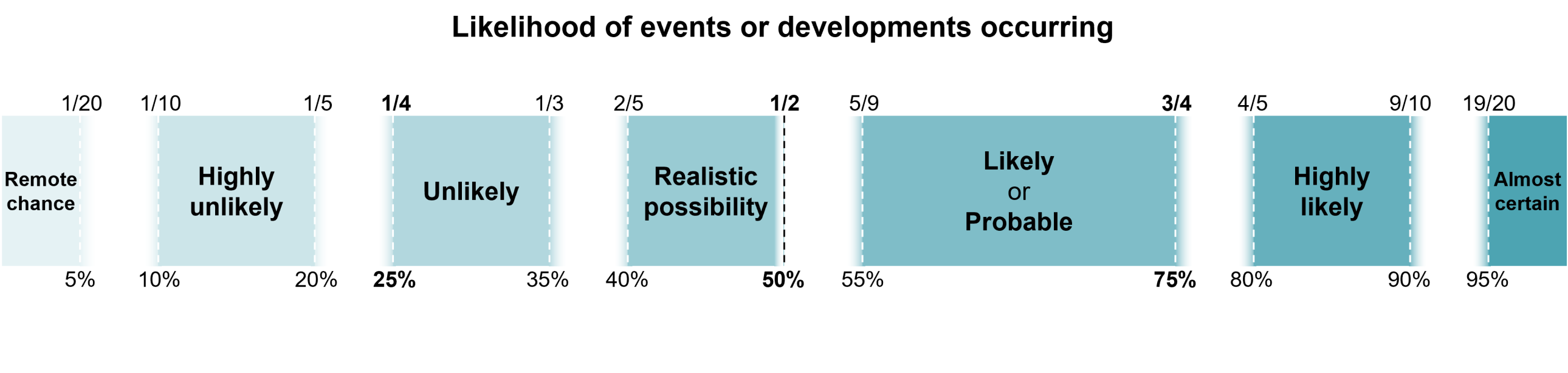
These terms convey judgement in plain language while avoiding the impression of unwarranted precision. Assessments are made in the absence of certainty, and each assessment is associated with a confidence rating:
- High: uncertainties remaining should have negligible or no effect on the key judgements
- Moderate: uncertainties remain that could expose the key judgements to change
- Low: critical uncertainties remain that could invalidate the key judgements
Drivers of the outbreak
Drivers of the outbreak may be:
- Biological properties of the outbreak bacterial strain
- Immunity in the affected population
- Social and environmental factors including close contact, shared fomites
It is a realistic possibility that the outbreak strain is the main driver of the outbreak (low confidence). At a minimum it is likely to be contributing (low confidence).
Immunity and behaviour are common across the country. They are therefore highly unlikely to be sole drivers of the outbreak (low confidence). It is assessed that there is a realistic possibility that immunity is contributing and almost certain that social and environmental factors are contributing (low confidence).
Given the unusual nature of the outbreak, it is highly likely that all 3 factors are contributing (low confidence).
Outbreak levels for planning
Future scenarios for this outbreak can be categorised as falling into different levels of transmission. The levels defined below may be refined in future when there is a better understanding of the drivers of this outbreak.
As of 23 March, we consider the level of transmission to be Level 1.1.
For each level, we assess the likelihood of reaching that level within the next 4 weeks and next 6 months. These assessments are based on the evidence currently available and are low confidence in most cases, reflecting uncertainty in the drivers at this early stage of the outbreak. These assessments take into account public health measures that have been implemented up to the 23 March, including the extensive provision of chemoprophylaxis and vaccine to the at-risk groups connected to this outbreak. They do not account for any further public health measures that may be implemented in the future. All assessments will be continuously reviewed in light of the emerging evidence and are subject to change.
Level 0: Normal epidemiology nationally and locally. Incidence in the outbreak area has been at baseline for at least 4 weeks.
Likelihood of reaching level in next 4 weeks (confidence) – not applicable
Likelihood of reaching level in next 6 months (confidence) – Realistic possibility (Low confidence)
Level 1.1: Known cluster plus a small number of further directly linked cases. All infections acquired in Kent. National epidemiology remains normal.
Likelihood of reaching level in next 4 weeks (confidence) – Current level
Likelihood of reaching level in next 6 months (confidence) – not applicable
Level 1.2: Known cluster plus a small number of directly linked cases, some acquired outside Kent. National epidemiology remains normal.
Likelihood of reaching level in next 4 weeks (confidence) – Highly likely (Moderate confidence)
Likelihood of reaching level in next 6 months (confidence) – not applicable
Level 2: Cases of the outbreak strain with no direct epidemiological link to a known outbreak case, indicating ongoing transmission of the strain. National epidemiology remains normal.
Likelihood of reaching level in next 4 weeks (confidence) – Realistic possibility (Moderate confidence)
Likelihood of reaching level in next 6 months (confidence) – Realistic possibility (Low confidence)
Level 3: Change to the national epidemiology with more frequent sporadic cases or clusters. Clusters remain of typical size and affected population groups are also typical.
Likelihood of reaching level in next 4 weeks (confidence) – Unlikely (Low confidence)
Likelihood of reaching level in next 6 months (confidence) – Realistic possibility (Low confidence)
Level 4: Increase in cases and widespread outbreaks, which are atypical of previous MenB epidemiology.
Likelihood of reaching level in next 4 weeks (confidence) – Remote chance (Low confidence)
Likelihood of reaching level in next 6 months (confidence) – Remote chance (Low confidence)
Part 2: Data
2.1. Epidemiology
Background epidemiology
Meningococci are classified by serogroup, common disease-causing serogroups being A, B, C, W, X and Y.
In 2024/2025, 82.6% of cases of meningococcal disease were caused by group B meningococci (MenB) (313/378) (GOV.UK, 2025) including 100% of cases in 15 to 19-year-olds (65 of 65) and 97% of cases in 20 to 24-year-olds (29 of 30).
Evidence suggests university students, particularly first year students, are at higher risk of meningococcal disease than non-students, with the risk estimated to be 11 times higher (95% confidence interval 4.7 to 28.7) among university students compared to non-students from the same age group (15 to 24 years) for all types of meningococcal disease (Mandal and colleagues, 2017).
The provisional meningococcal disease case-fatality ratio in England in 2024/25 was 8.2% (31 of 378), based on laboratory-confirmed cases with an Office for National Statistics (GOV.UK, 2025) death registration recording meningococcal disease as an underlying cause and on deaths within 28 days of sample date.
Outbreak epidemiology
As of 23 March 2026, there have been 23 confirmed and probable cases of meningococcal disease linked to the outbreak in Kent, 2 of whom have died (case fatality rate = 8.7%). Among the 20 confirmed cases, 17 have typing that is consistent with the group B meningococcal outbreak strain with subtype P1.12-1,16-183. Three are confirmed as MenB but subtyping is indeterminate due to low bacterial loads and further testing is being attempted.
The earliest known case became unwell on Monday 9 March, and the latest on 16 March. The peak of the outbreak, with the largest number of cases reporting onset of illness on a single day, was 13 March.
Figure 2. Cases of invasive meningococcal disease in Kent outbreak, by case category, outbreak bacterial subtype: serotype P1.12-1,16-183, attendance at Club Chemistry, and date of onset (data as of 23 March 2026)
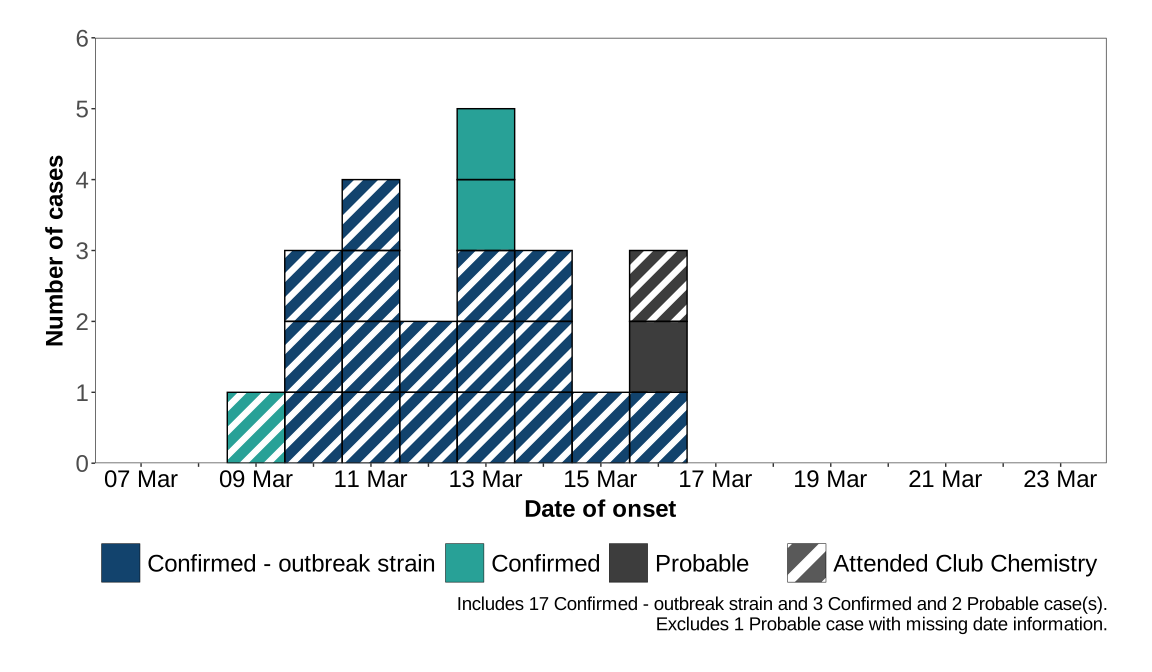
All the outbreak cases were admitted to hospital. Nine are known to have been admitted to Intensive Care Unit (ICU) (all confirmed) of which 4 remain; 12 were not, and ICU admission is unknown for 2 cases.
Cases are all young adults with a median age of 19 years. Thirteen (57%) were female (10 confirmed, 3 probable). Of the 20 cases with ethnicity data available, all (100%) were in the White ethnic group. Three (13% of all cases) have no ethnicity data.
A history of receiving MenB vaccination is unknown for all cases. None would have been eligible to receive the vaccine via the childhood vaccination programme (introduced in July 2015).
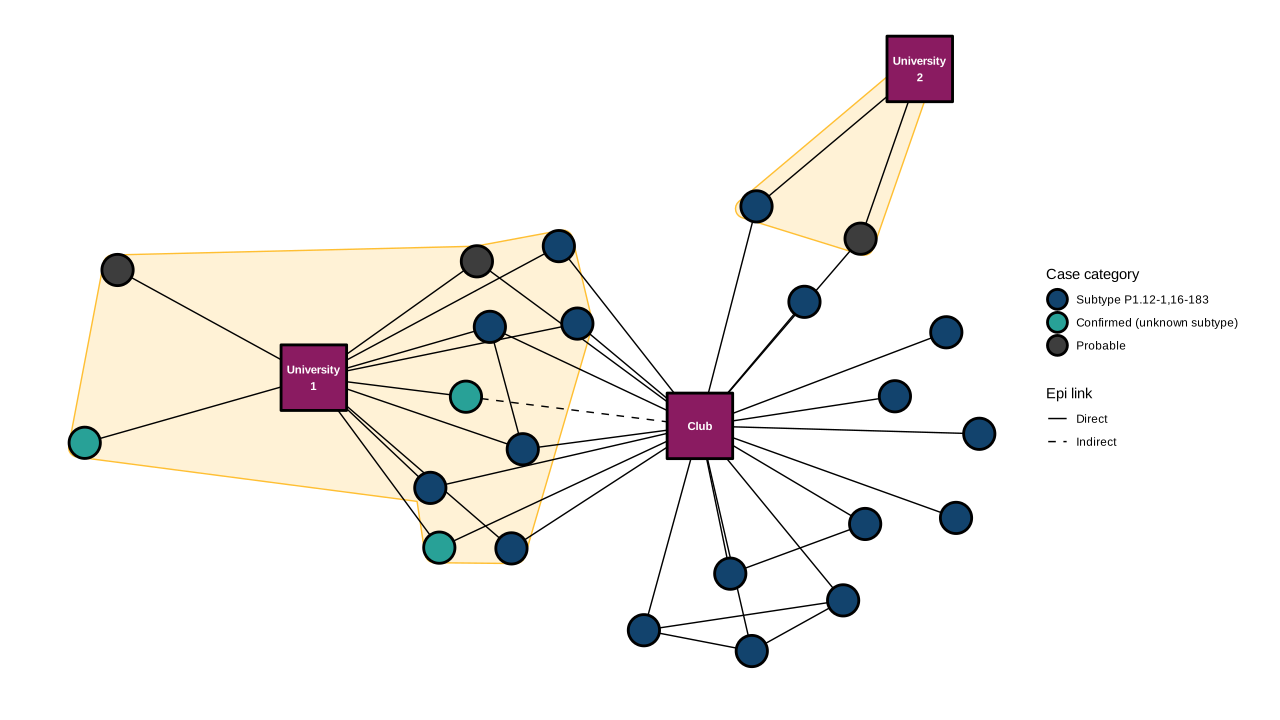
Most cases (18, 78%) are people in education. Five are not students (all confirmed cases). So far, the majority of outbreak cases have been found to have an epidemiological link with a club in Canterbury: 20 people (87%) are known to have attended Club Chemistry at least once before they became unwell (18 confirmed, 2 probable), all of them attended between 5 and 7 March. Most of those who attended Club Chemistry were students (school and higher education) (15, 75%).
Of the 3 cases who did not report attending Club Chemistry, all are University of Kent students in university halls accommodation and one has a link to those who attended the Club.
Figure 3. Network diagram of cases of invasive meningococcal disease in Kent outbreak, by case category, and showing key exposures (data as of 23 March 2026)
2.2. Laboratory data
One case is culture-confirmed and has undergone whole genome sequencing. Nineteen cases were identified directly from PCR, and 17 had PorA P1.12-1,16-183.
Antimicrobial susceptibility (by Etest) on the cultured isolate: Penicillin 0.25 mg/L, Sensitive; Rifampicin 0.008 mg/L, Sensitive; Ciprofloxacin 0.003 mg/L, Sensitive; Cefotaxime: 0.006 mg/L, Sensitive.
Strain definition: The outbreak strain can be described a member of clonal complex 41/44; this is a large and diverse group of meningococci that is endemic in the UK and contributes 40% of meningococcal disease. It is sequence type 485 (ST-485), which is currently the most common ST within cc41/44 (~50% of cc41/44 IMD in 2025).
Subtyping demonstrates Porin A (PorA) type P1.12-1,16-183 and enterobactin receptor (FetA) F1-5. Only 30 meningococcal disease isolates in the UK have this PorA:FetA subtype.
Within the subtype, the outbreak genome has the Life Identification Number (LIN) code 6_0_0_0_1_27_4_18_0_0_0_0_0. These codes are used to describe the meningococcal genomic population at 13 different thresholds, based on core genome multi-locus sequence typing (MLST); the more closely related 2 sequences are the more LIN code thresholds they will share up to the maximum. There are 33 sequences, predominantly from UK cases, that are closely related to the outbreak strain (LIN code group 6_0_0_0_1_27_4, 67 allele differences threshold, Figure 4).
Figure 4. Visualisation of LIN Code groupings for meningococcal sequences
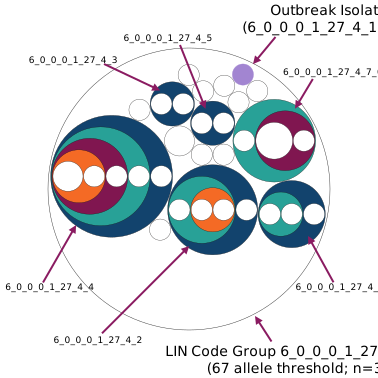
Description of Figure 4
Figure 4 is a Visualisation of LIN Code groupings for meningococcal sequences (Parfitt and colleagues, 2026) available in PubMLST within the LIN Group 6_0_0_0_1_27_4 (outer circle; 67 allele threshold).
The colour of the circle indicates the LIN Code allele threshold:
- dark blue = 14 allelic differences
- turquoise = 7 allelic differences
- dark pink = 3 allelic differences
- orange = 2 allelic differences
The white circles are complete LIN codes and indicate 0 allelic differences, the size of the circle indicates the number of sequences assigned that LIN Code.
The sequence corresponding to the current outbreak is shown in light purple. This is the only sequence available in PubMLST with this LIN Code and is therefore distinct from all other publicly available sequences. There are 33 additional sequences that are within the LIN Code Group 6_0_0_0_1_27_4.
These are the closest relatives to the outbreak strain and are primarily from the UK. Visualisation produced by LINviz using data available in PubMLST (Jolley and colleagues, 2018).
Figure 5. Core genome MLST neighbour joining tree
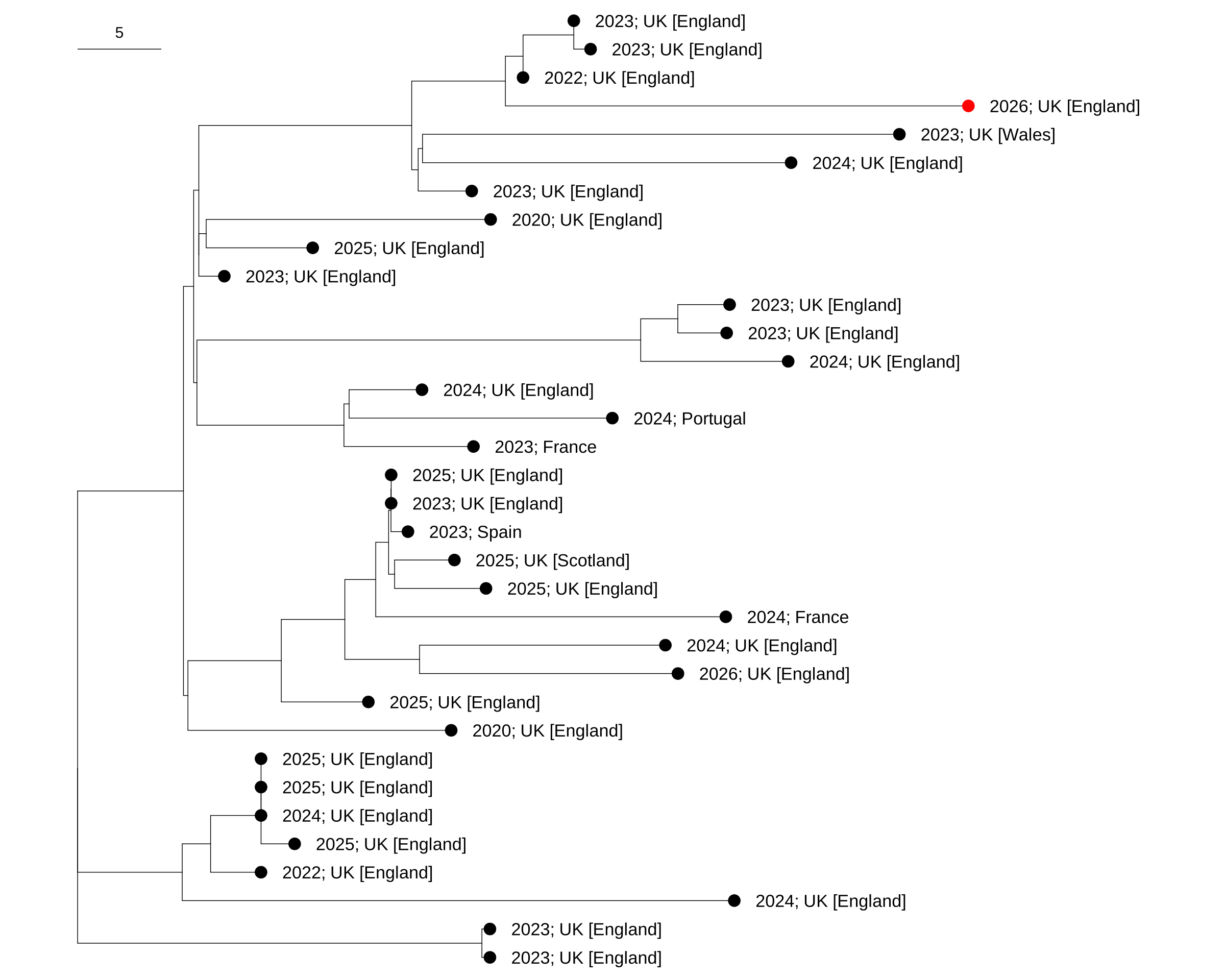
Description of Figure 5
Figure 5: Core genome MLST neighbour joining tree (based on conserved alleles) containing all sequences within LIN code group 6_0_0_0_1_27_4. The sequence from the current outbreak is shown in red. All sequences are labelled with year and country of collection. The tree was generated with sequence data available in PubMLST using MicroReact.
The LIN Code Group 6_0_0_0_1_27_4 contains a diverse set of sequences detected in IMD cases since 2020, mainly in the UK. The sequence from the current outbreak is divergent from its most recent ancestors; similar levels of diversity are seen across the LIN code group. When compared to 2 of the most closely related sequences within this LIN code group, there are approximately 80 allelic differences. One of these allelic variant changes is in the pilX gene, encoding surface pilins, a well-recognised virulence determinant (Brissac and colleagues, 2012 and Cehovin and colleagues, 2010). This, as well as the other changes, need to be confirmed with additional genomic data and further experimental work to determine biological significance. The genome generated from the culture-confirmed case was released into public repositories on 20/03/2026 (UKHSA identifier: 1926231, pubmlst.org identifier: 190637, ENA Accession number: ERS29506616). A complete ‘hybrid’ assembly generated using Oxford nanopore sequence as a scaffold for existing illumina reads was released on 22 March 2026 (UKHSA identifier: 1926231, pubmlst.org identifier: 190673).
MenB vaccine antigen coverage
MenB vaccines are protein based. The 2 UK licensed vaccines are Bexsero (4 component vaccine containing antigens fHbp, NHBA, NadA, and PorA) and Trumenba (containing 2 variants of fHbp). Coverage by one antigen is considered protective. Both phenotypic and genotypic tests are used to assess likely vaccine coverage of individual isolates. For Bexsero, the phenotypic assay the Meningococcal Antigen Typing System (MATS (Donnelly and colleagues, 2010) collectively measures the antigenic similarity and expression level of fHbp, NHBA and NadA versus a reference strain to check that the test strain is likely to be killed by vaccine-induced antibodies. For PorA, the genotype is used as a marker of protection (matching the vaccine strain or not, there is no cross-reactivity). For Trumenba the phenotypic MEASURE assay quantifies surface expression of fHbp to predict coverage. In addition, genomic analysis can be used to assess the vaccine antigen peptides and correlate genotype to phenotype of these assays to predict Bexsero (gMATS (Muzzi and colleagues, 2019) and MenDeVAR Index (Rodrigues and colleagues, 2020) and Trumenba (MenDeVAR Index) vaccine reactivity (Table 1a and 1b).
Table 1a. MenB vaccine coverage of first Kent-outbreak isolate assessed with phenotypic and genotypic testing – Bexsero antigens
| Antigen | Phenotypic MATS assay | Genotype | Deduced peptide | Genotypic MATS | MenDeVAR Index |
|---|---|---|---|---|---|
| Factor H binding protein (fHbp) | Covered | ‘fHbp allele 4 | Peptide 4 | Covered | Cross-reactive |
| Neisserial heparin binding antigen (NHBA) | Pending | NEIS2109 allele 1 | Peptide 2 | Covered | Exact match |
| Neisserial adhesin A (NadA) | Not covered | Gene absent | Not applicable | Not covered | Not applicable |
| Porin A (PorA) | Not covered | P1.12-1, 16-183 | P1.12-1,16-183 | Not covered | Not Reactive |
Table 1b. MenB vaccine coverage of first Kent-outbreak isolate assessed with phenotypic and genotypic testing – Trumenba antigens
| Antigen | Phenotypic MEASURE assay | Genotype | Deduced peptide | MenDeVAR Index |
|---|---|---|---|---|
| Factor H binding protein (fHbp) | Not tested yet | ‘fHbp allele 4 | Peptide 4 | Cross-reactive |
Part 3. Further Studies
Population seroprevalence survey
There is a need to evaluate the levels of serum bactericidal antibody levels against this particular strain in the general population with a focus on younger adults and children in the post-pandemic era. This will inform potential public health interventions including potential further refinement of vaccination strategies.
A stratified seroprevalence study to assess susceptibility to the MenB outbreak strain. The initial study will have a primary focus on ages 15 to 22, with 200 samples per 2-year age band, supplemented by younger age groups and an adult comparator group. Use of existing serum bank samples from 2025 is expected. The assay is specific for the outbreak strain, though cross immunity may influence interpretation. Data will be analysed and results will be compared against previously published MenB seroprevalence data. The data from 2019 will be used as the comparator to avoid the impact of the non-pharmaceutical measures implemented during the Covid-19 pandemic. The primary outcome will be a description of the age-specific seroprevalence of antibodies against the MenB outbreak strain over the course of 2025 (and 2024, if required).
Risk factor study
The retrospective cohort study aims to understand factors driving transmission during the superspreading events at Club Chemistry. The study will use Snap XMP for data collection and will target attendees from 5 to 7 March, focusing on first and second year students. Further work might include epidemiological approaches to investigate potential safety signals.
Carriage studies
Carriage studies are under review and will be considered further with academic partners.
Sources
- Risk of invasive meningococcal disease in university students in England and optimal strategies for protection using MenACWY vaccine. ScienceDirect
- Invasive meningococcal disease in England: annual laboratory-confirmed reports for epidemiological year 2024 to 2025. GOV.UK
- Open-access bacterial population genomics: BIGSdb software, the PubMLST.org website and their applications
- LINvis viewer (1)
- LINvis viewer (2)
- PubMLST using MicroReact
- The meningococcal minor pilin PilX is responsible for type IV pilus conformational changes associated with signaling to endothelial cells. PubMed
- Sequence conservation of pilus subunits in Neisseria meningitidis - PubMed
- Genetic Meningococcal Antigen Typing System (gMATS): A genotyping tool that predicts 4CMenB strain coverage worldwide. PubMed
- Meningococcal Deduced Vaccine Antigen Reactivity (MenDeVAR) Index: a Rapid and Accessible Tool That Exploits Genomic Data in Public Health and Clinical Microbiology Applications. PubMed
- Qualitative and quantitative assessment of meningococcal antigens to evaluate the potential strain coverage of protein-based vaccines. PubMed
Invasive Meningococcal Disease Technical Group
The Invasive Meningococcal Disease Technical Group includes members with expertise in clinical infectious diseases, clinical research, epidemiology, genomics and microbiology:
Aleksandra Marek, Amy Thomas, Andrew Pollard, Andrew Smith, Caroline Trotter, Charlene Rodrigues, Christoph Tang, Christophe Fraser, David Aanensen, Emma Bennett, Gayatri Amirthalingam, Irene Gonsalvez, Jay Lucidarme, Kate Agami, Martin Maiden, Meera Chand (Chair), Nabil-Fareed Alikhan, Natalie Groves, Nick Croucher, Nick Loman, Obaghe Edeghere, Philip Smith, Ray Borrow, Richard Myers, Richard Pebody, Shamez Ladhani, Susan Hopkins, Wei Shen Lim, Shona Arora, William Welfare
Contributing organisations
UKHSA, Imperial College London, Joint Committee on Vaccination and Immunisation, Scottish Microbiology Reference Laboratories, The University of Birmingham, The University of Cambridge, The University of Glasgow, The University of Oxford